❤️ Would you like to save this?
Getting out the front door in the 1950s could involve an astonishing amount of preparation. A full skirt might need a petticoat. A fitted dress could depend on foundation garments. White gloves had to survive the journey without collecting fingerprints, and a small hat had to coexist with a hairstyle that might have taken half the morning to arrange. The finished effect was supposed to look effortless. The machinery behind it was anything but.
Fashion was pulling in two directions. Christian Dior’s influence remained visible in cinched waists, sweeping skirts, and carefully constructed suits, while younger women were discovering the appeal of jeans, capri pants, and ballet flats. Teenagers made saddle shoes and poodle skirts famous. Hollywood actresses turned lipstick shades, hairstyles, and eyewear into objects of fascination. Meanwhile, department stores offered everything from rhinestone brooches to handbags with enough internal compartments to organize a small office.
Not every woman dressed alike, and not every occasion demanded the same degree of ceremony. Age, income, occupation, and personal taste mattered. But the objects associated with the decade reveal an extraordinary amount about its fashion priorities: the obsession with a defined waist, the importance of finishing accessories, the rise of casual dressing, and the occasional absurdity of maintaining a perfectly composed appearance. These 30 pieces show what went into the look, what made it work, and where fashion collided spectacularly with everyday life.
FYI, thanks to AI imagery software, we’re able to create very specific fashion and hairstyle examples to illustrate the points being made. In some cases, imagery is exaggerated to hammer home the point. Also, assume links that take you off the site are affiliate links such as links to Amazon. this means we may earn a commission if you buy something.
30. The Shirtwaist Dress That Made an Ordinary Tuesday Look Like an Occasion
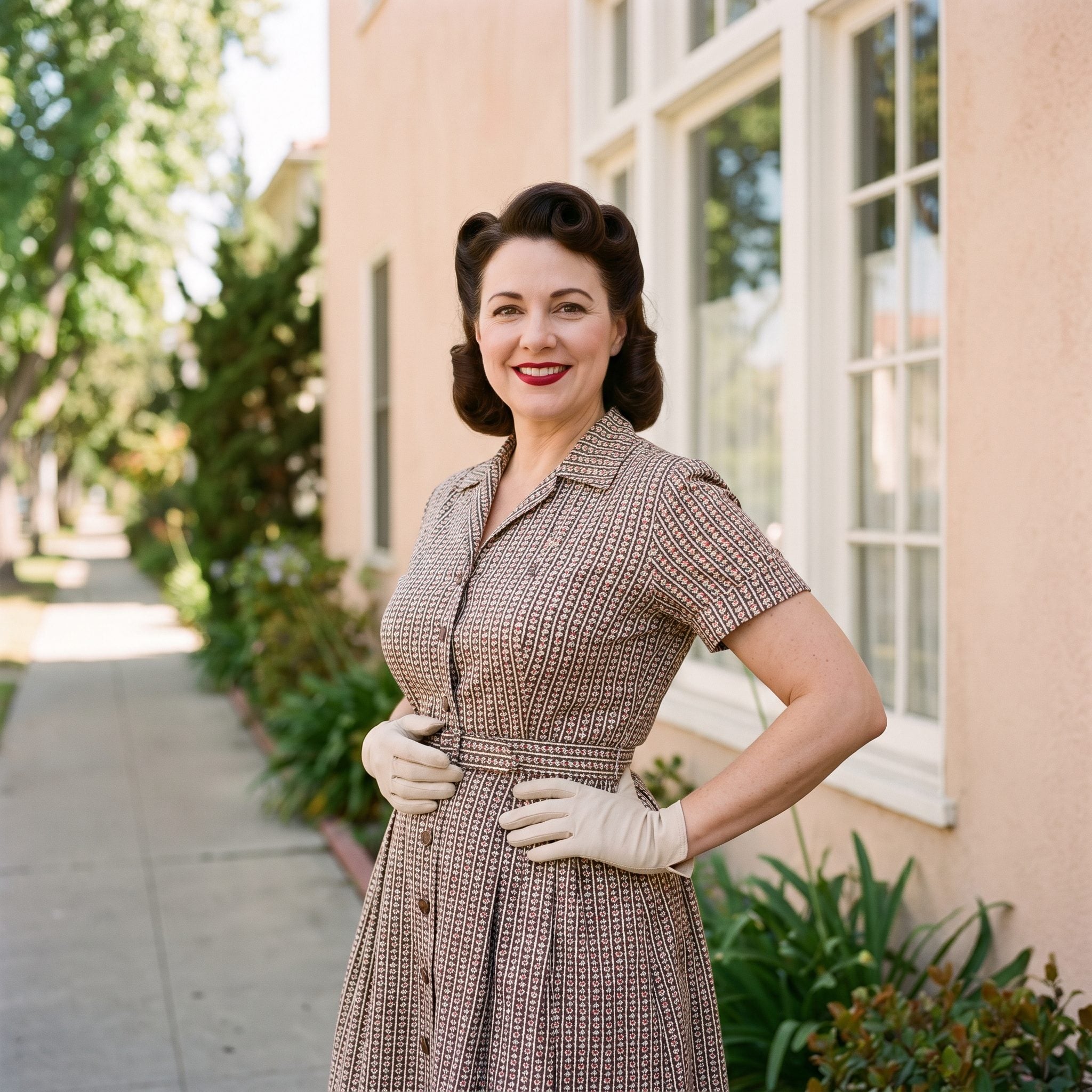
Buttons down the front, a collar at the neck, a belt at the waist, and enough skirt to move freely. The shirtwaist borrowed the practical construction of a blouse and turned it into a complete daytime outfit. Cotton versions suited ordinary errands and household work; more polished fabrics made the same design appropriate for lunch or an afternoon visit.
The button-front construction made dressing straightforward, while the belt allowed the waist to be adjusted without complicated tailoring. Full-skirted versions reflected postwar fashion, but slimmer cuts were available, too. The shirtwaist could look crisp and carefully assembled without requiring a matching jacket, elaborate jewelry, or a particularly complicated morning.
29. The Mirrored Powder Compact That Clicked Shut Like a Secret
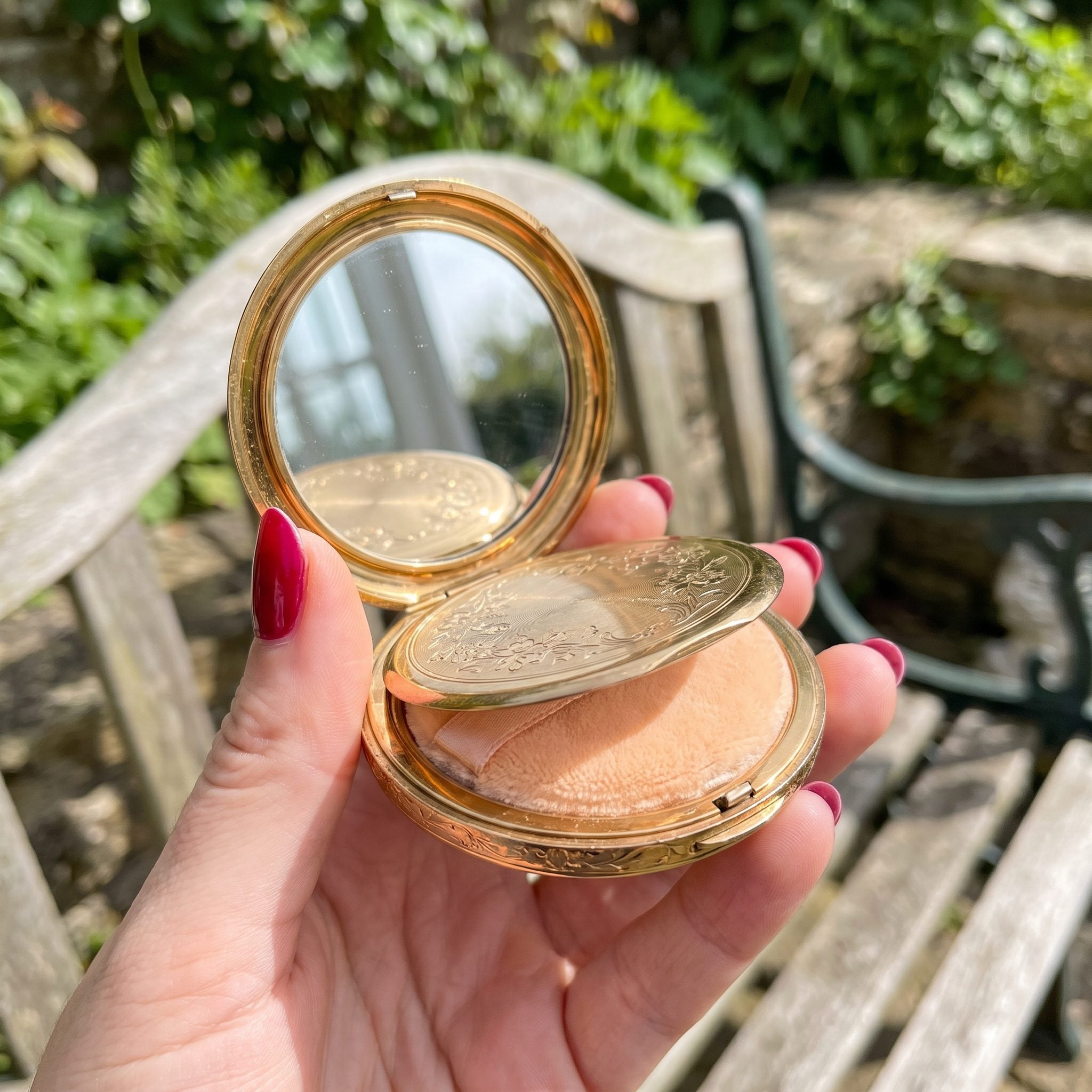
Half the appeal was the object itself. A gold-toned case that fit in the palm, an engraved lid, a tiny puff tucked inside. Open the compact, check the mirror, press a little powder across the nose, and snap it shut. A beauty routine reduced to a few inches of metal.
Compacts ranged from inexpensive everyday versions to elaborate engraved and jeweled designs. Some were practical purchases; others were gifts worth keeping. The mirror and powder shared one neat case, making the compact both a useful handbag accessory and a miniature example of the decade’s decorative ambitions.
28. Two-Tone Saddle Shoes That Took Their Style Straight to the Soda Counter
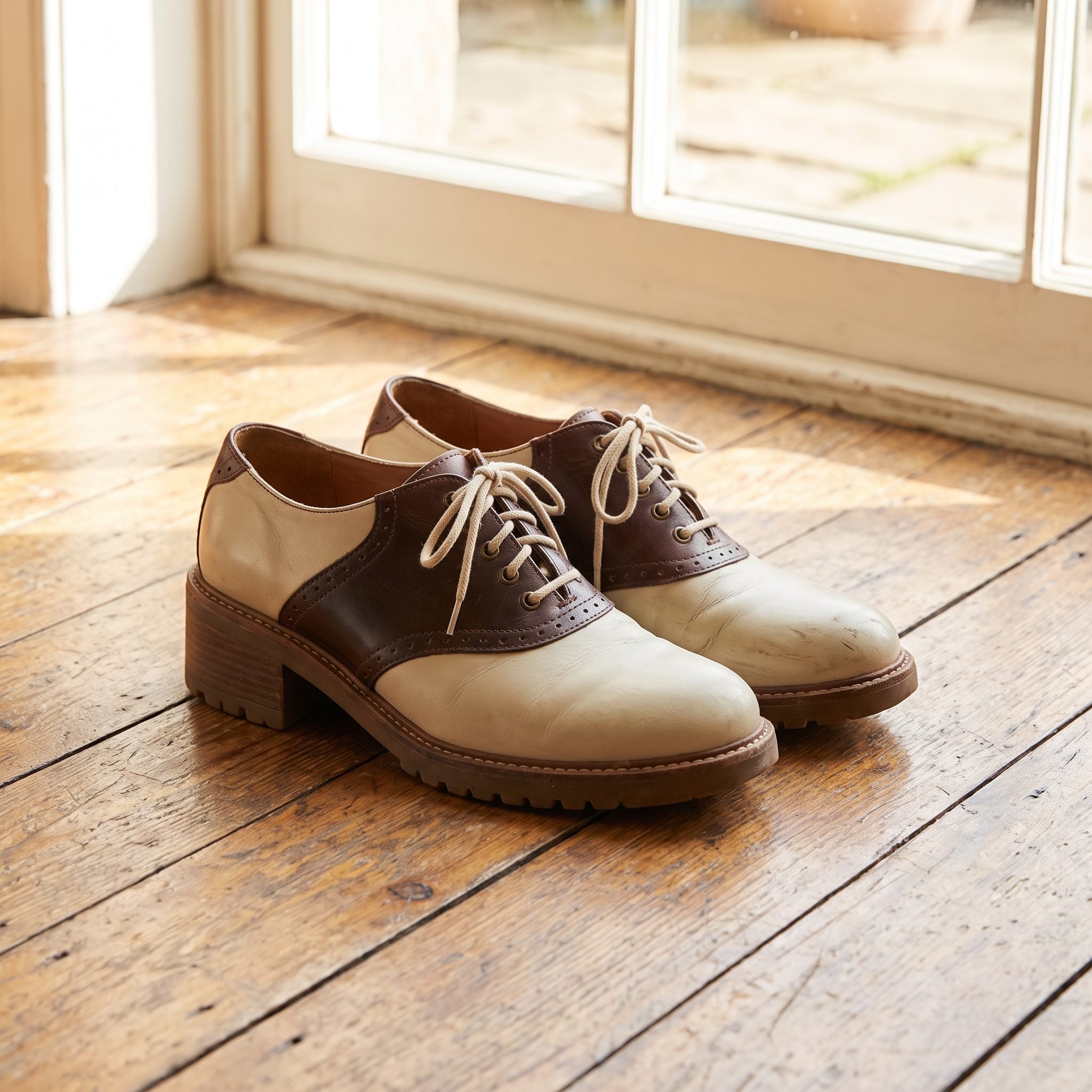
The contrasting leather panel across the instep gave saddle shoes their name and much of their personality. Sturdy laces, low heels, and substantial construction made them particularly popular with schoolgirls and younger women.
Black-and-white versions became closely associated with teenage fashion, especially when worn with bobby socks and full skirts. Unlike delicate dress pumps, saddle shoes could handle school corridors, sidewalks, and afternoons spent on the move. The bold contrast did the decorative work; elaborate embellishment would only have spoiled the effect.
27. The Tailored Skirt Suit That Could Do the Talking Before She Did
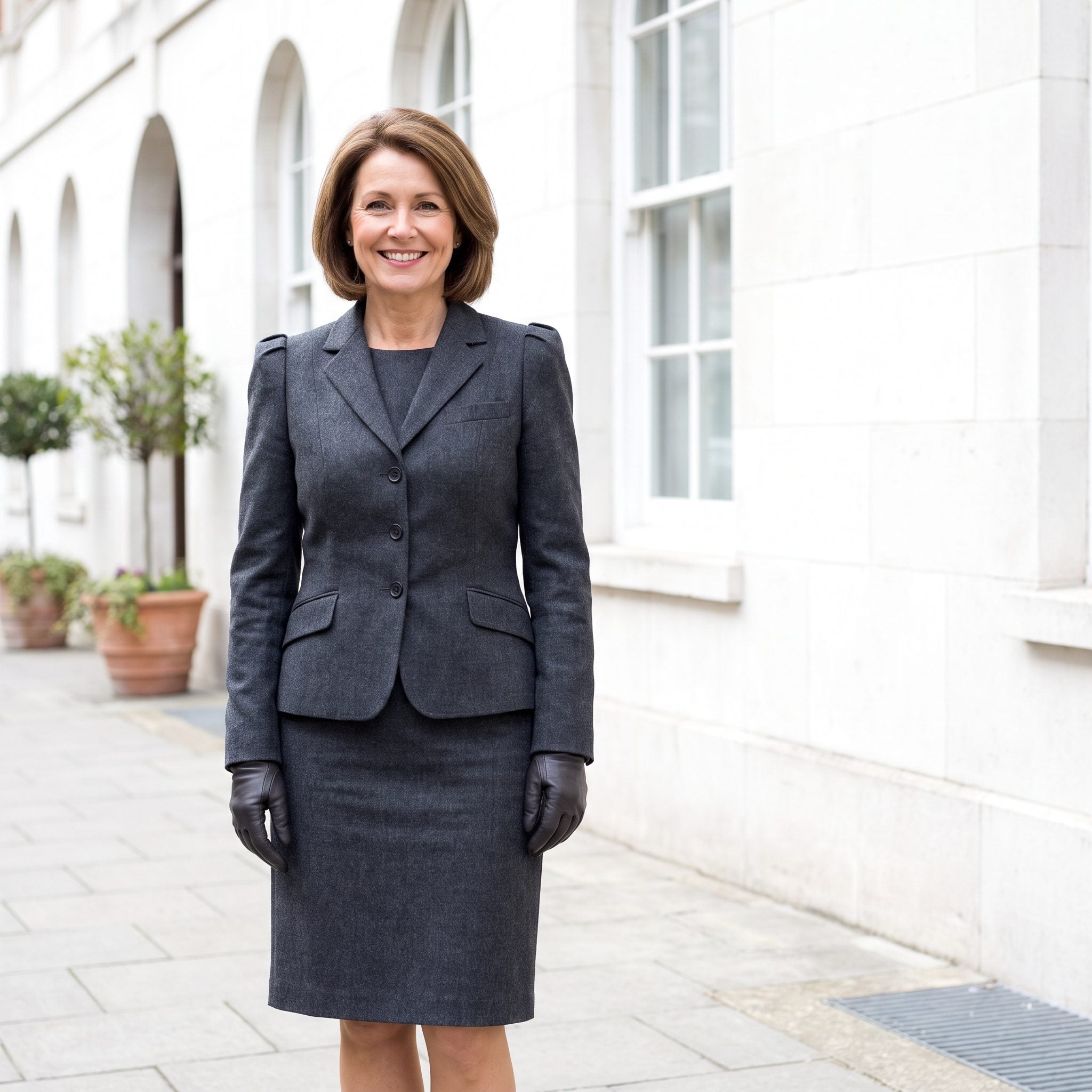
A matching jacket and skirt brought a particular kind of authority to the 1950s wardrobe. The proportions varied, but the emphasis often fell on a defined waist, carefully shaped shoulders, and a skirt that continued the tailored line.
For office work, formal appointments, and occasions requiring more polish than a day dress, the suit provided a coordinated solution. Some jackets fitted closely through the waist; others used boxier cuts or distinctive collars to create their effect. Hats, gloves, and structured handbags could complete the ensemble, while foundation garments sometimes helped produce the smooth lines expected beneath the tailoring.
26. The Rubber Bathing Cap That Turned a Woman’s Head Into a Flowerbed

Some bathing caps were plain and strictly practical. Others sprouted sculpted rubber petals, transforming swimming equipment into something resembling a floral arrangement. The effect was playful, occasionally extravagant, and a wonderfully eccentric piece of poolside fashion.
Rubber caps helped protect carefully styled hair from water, although they weren’t always completely watertight. Pulling one over a finished hairstyle could be an ordeal, particularly when the rubber caught individual strands. Elaborately decorated versions, especially associated with the later 1950s and 1960s, turned that inconvenience into a conspicuous accessory.
25. Red Lipstick in a Gold Bullet, Ready for the Next Mirror Check
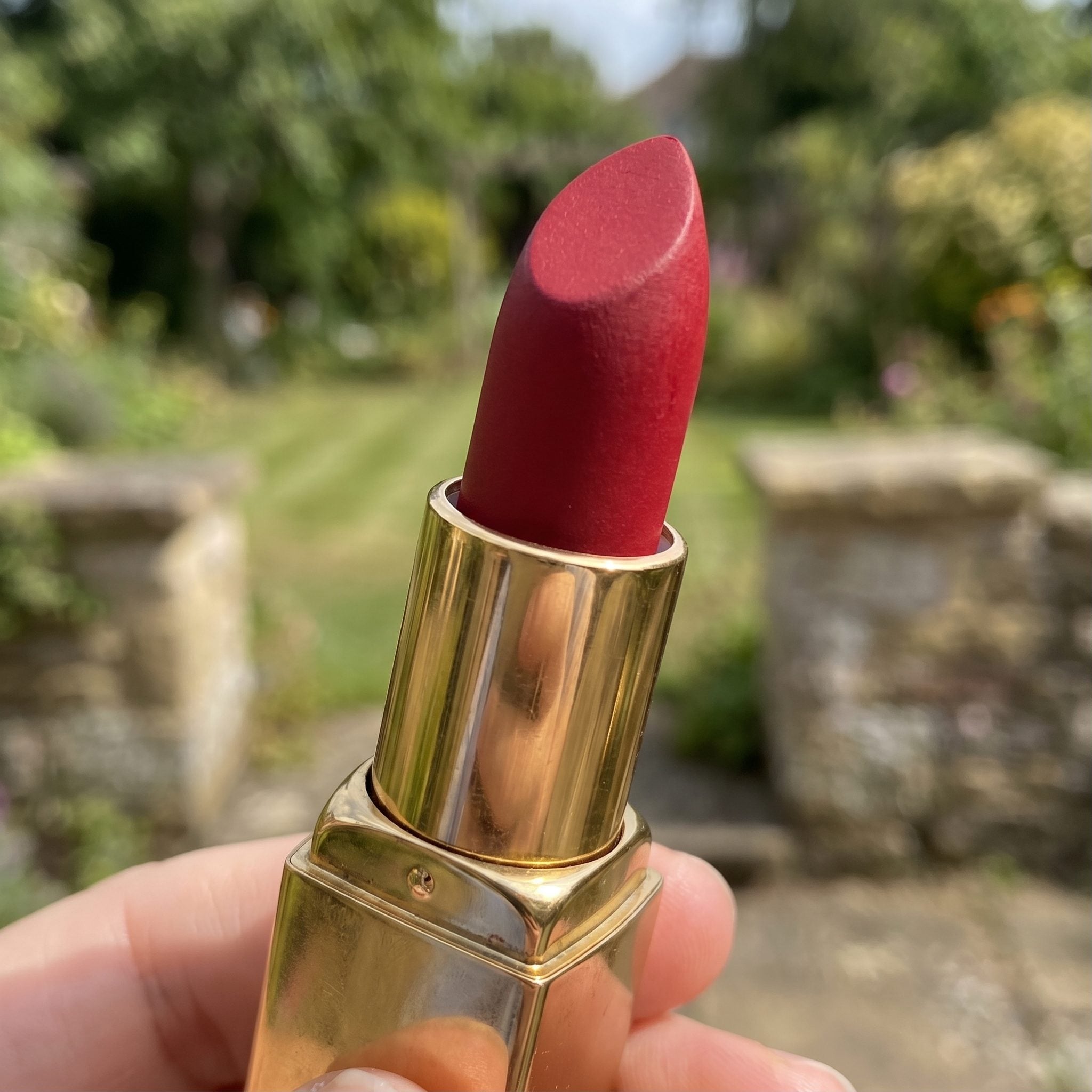
A lipstick tube was small enough to disappear into a handbag but could transform the appearance of an entire face. Red remained an important color throughout the decade, although pinks, corals, and softer shades were also popular.
Revlon’s celebrated Fire and Ice advertising campaign arrived in 1952, presenting red lipstick as something more provocative than a finishing touch. Packaging contributed to the appeal. A gleaming metal case made a quick application after lunch feel like a small performance, even when the practical objective was simply to replace color lost to a coffee cup.
24. The Swing Coat That Had to Make Room for Everything Underneath
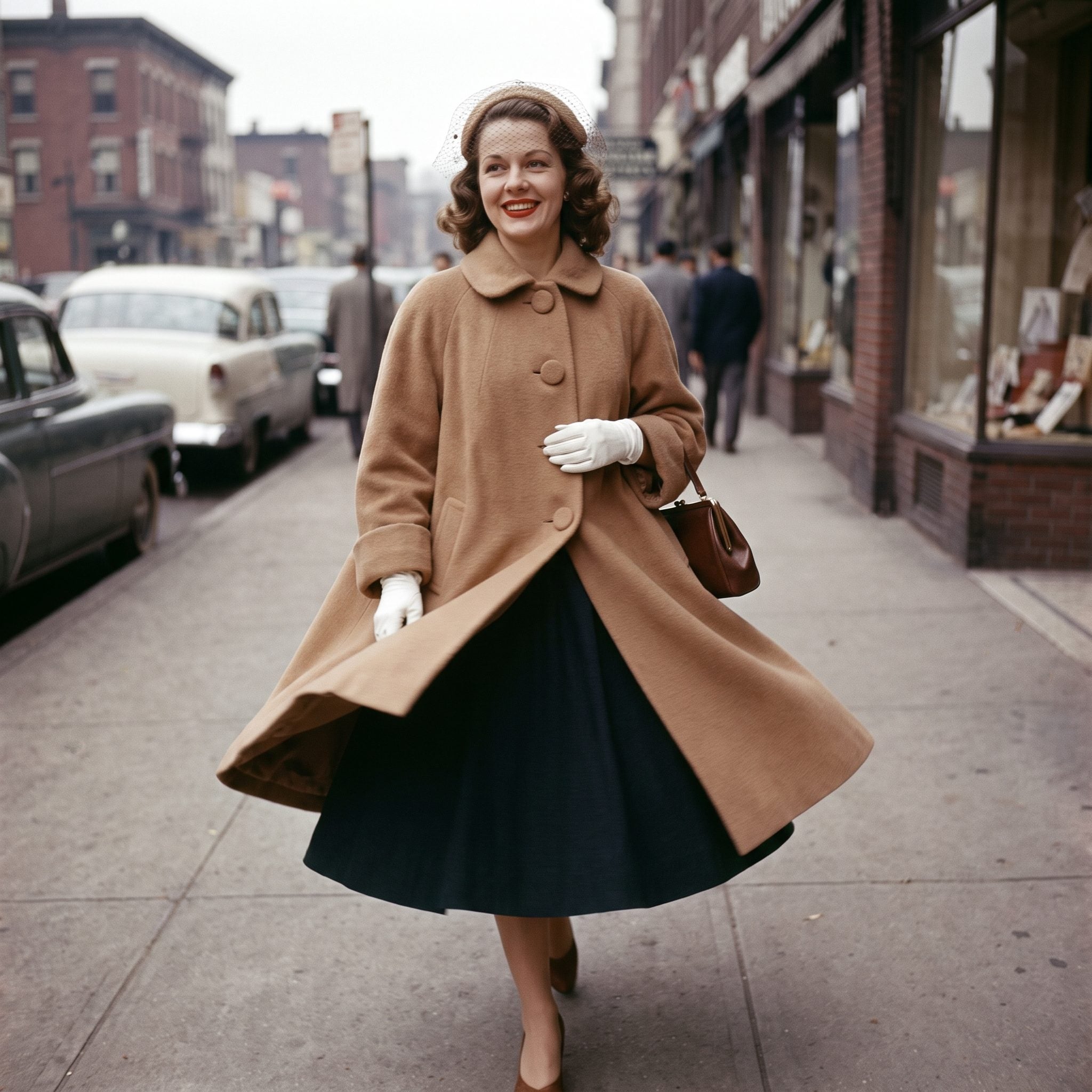
Full skirts created a problem for outerwear. A narrow coat could crush the silhouette beneath it, leaving a carefully arranged dress looking considerably less impressive by the time its wearer reached her destination.
The swing coat offered a solution. Cut relatively narrow through the shoulders and widening toward the hem, it accommodated fuller skirts without demanding a tightly fitted waist of its own. Large buttons, generous collars, and soft wool fabrics emphasized the sweeping shape. Instead of fighting the volume beneath it, the coat made room for the dress and developed a dramatic outline of its own.
23. Cat-Eye Glasses That Made a Prescription Look Like a Fashion Decision

Eyeglass frames became increasingly expressive during the 1950s. The upswept corners of cat-eye glasses introduced a distinctly feminine shape, often embellished with rhinestones, metallic accents, or decorative details at the temples.
The effect could be subtle or theatrical. Narrow dark frames sharpened the face, while pale plastic and elaborate corner decorations made the glasses difficult to overlook. Some designs carried little clusters of rhinestones at the outer edges, directing attention toward the eyes. A medical necessity had become an accessory with enough personality to rival the jewelry.
22. High-Waisted Jeans With Cuffs That Announced the Weekend

Denim belonged to a different part of the wardrobe from office suits and formal dresses. Jeans were increasingly visible in women’s casual clothing, particularly for recreation, household tasks, and relaxed outings, although they were still considered inappropriate in many formal settings.
The high waist and substantial rolled cuffs created a recognizable outline. Paired with a gingham blouse, canvas shoes, or a headscarf, jeans offered an escape from the careful construction of dressier outfits. The cuffs could be adjusted, the fabric could take some punishment, and nobody needed to worry about crushing a petticoat.
21. The Little Dress Hat That Could Make or Break an Entire Outfit
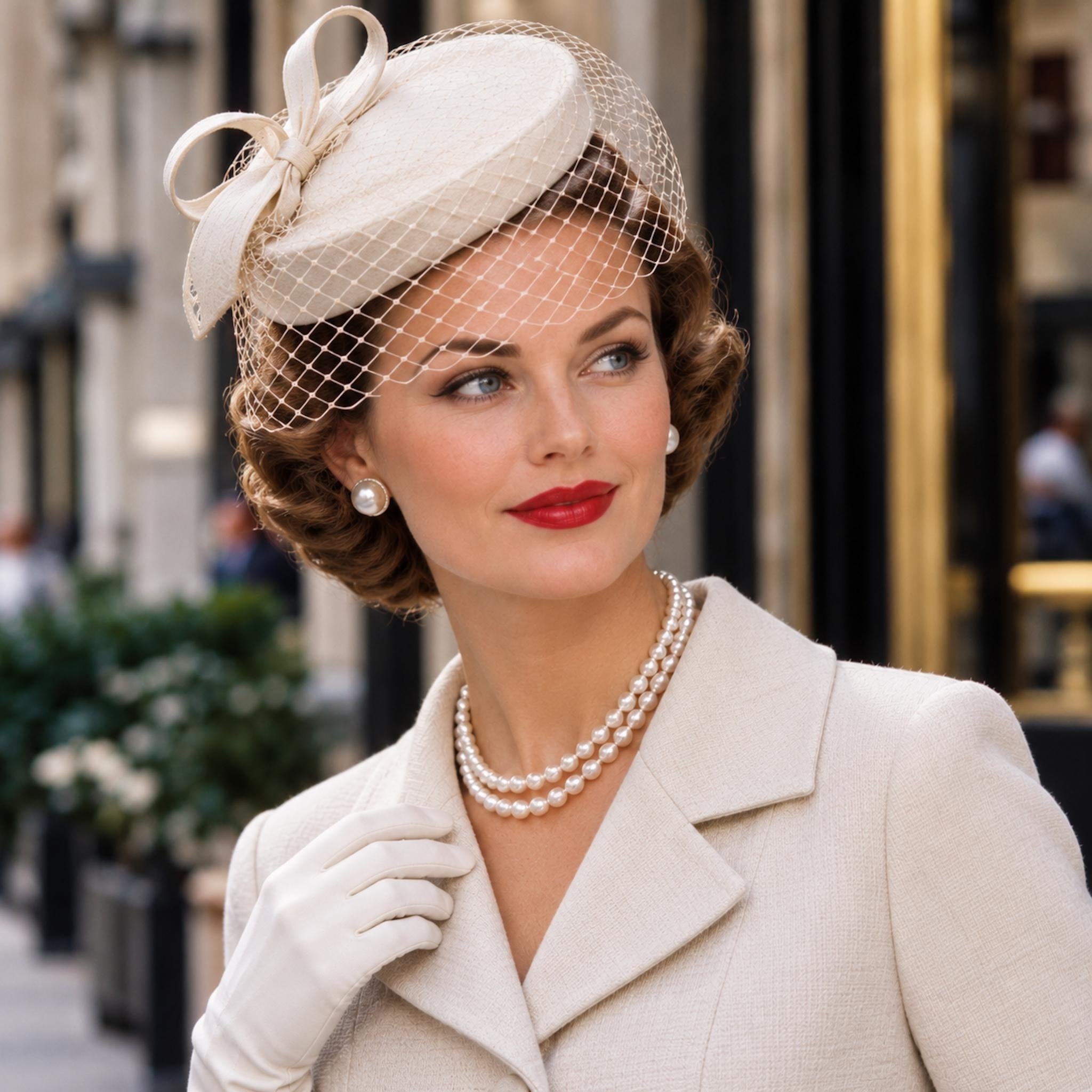
A small hat could command an astonishing amount of attention. Tilted above the forehead, secured with discreet pins, or finished with a whisper of veiling, it gave a tailored suit or afternoon coat an entirely different character. A hat didn’t have to be enormous to make an entrance. Sometimes the smallest designs were the most demanding because every detail remained visible.
Milliners produced close-fitting hats, veiled cocktail styles, and small decorative shapes in an extraordinary range of materials. A hat might repeat the color of a coat, introduce a contrasting ribbon, or carry a flourish of feathers and netting. For church, formal visits, and dressier outings, the right choice could bring an entire ensemble into focus. The wrong one could make the proportions look peculiar.
20. White Cotton Gloves That Could Ruin an Outfit With One Smudge
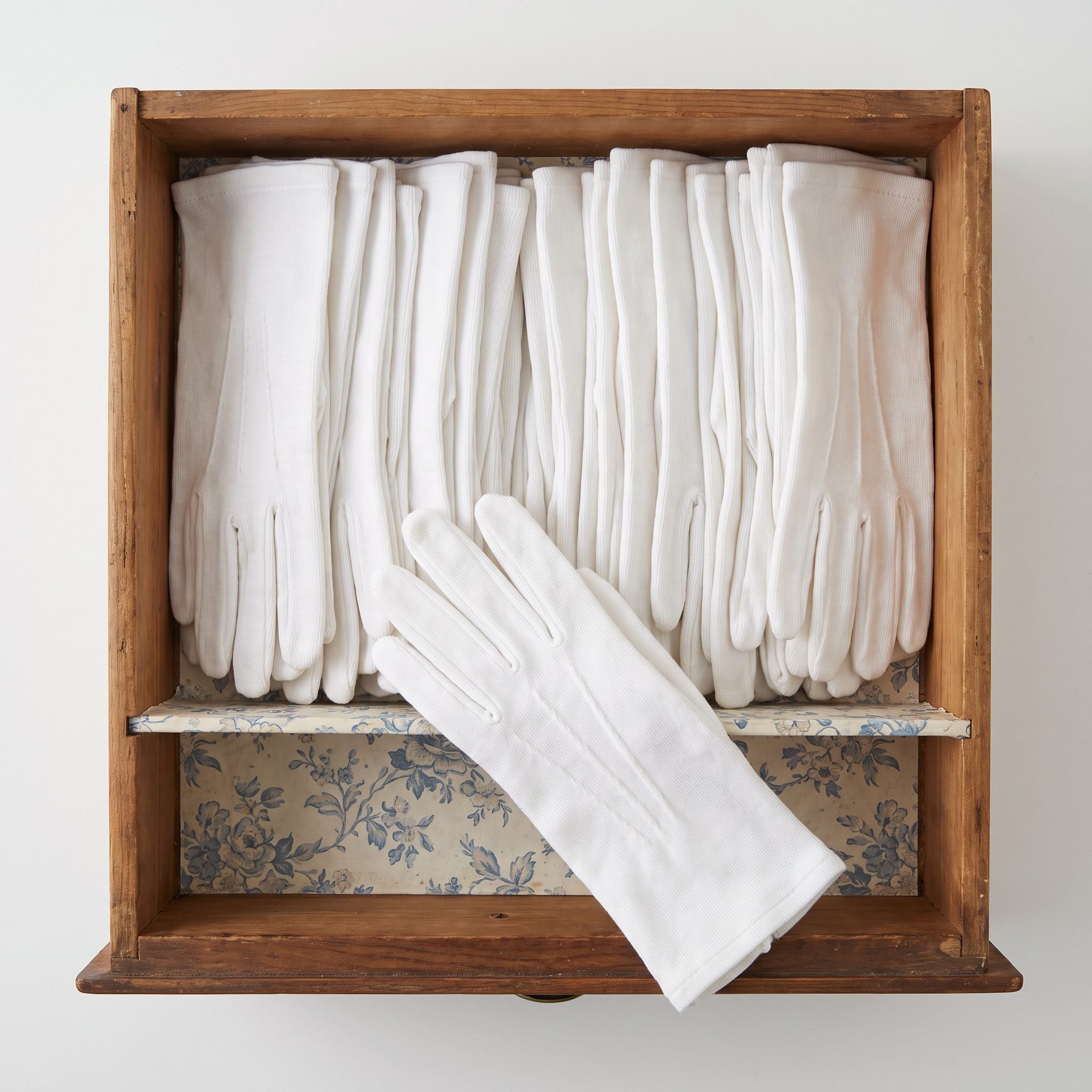
Wrist-length white gloves were a familiar accessory for church, shopping trips, social visits, and other occasions that called for a polished appearance. They completed an outfit without requiring much color or ornament, provided they stayed clean.
That was the catch. White cotton showed dirt immediately, making gloves one more item to wash, maintain, and replace. Dressier pairs might feature embroidery, decorative stitching, or small buttons at the wrist. A single smudge could undermine the immaculate effect the gloves were supposed to create.
19. Slim Capri Pants That Challenged the Decade’s Obsession With Skirts
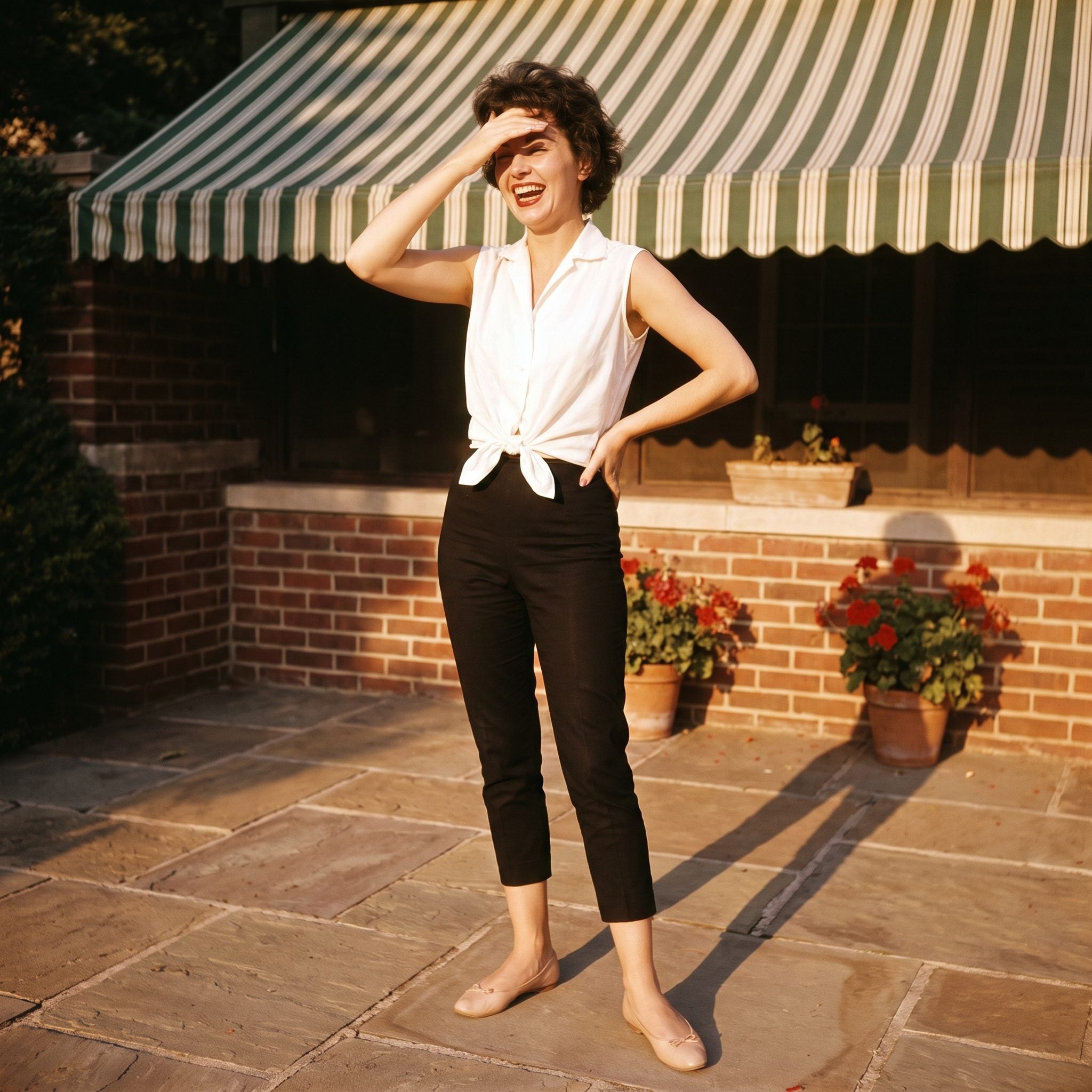
Capri pants offered a streamlined alternative to full skirts and tailored dresses. Their close-fitting shape and cropped length, typically ending around mid-calf, exposed the lower leg and created a casual silhouette that felt distinctly modern.
Audrey Hepburn helped popularize slim trousers through her film appearances and personal style, although her ankle-length cigarette pants weren’t identical to shorter capris. Both styles reflected a growing appetite for fitted casual trousers. Paired with a simple top and flat shoes, capris offered a striking departure from the decade’s more elaborate skirted silhouettes.
18. The Hollywood Fan Magazine That Brought the Movies Into the Handbag
❤️ Would you like to save this?
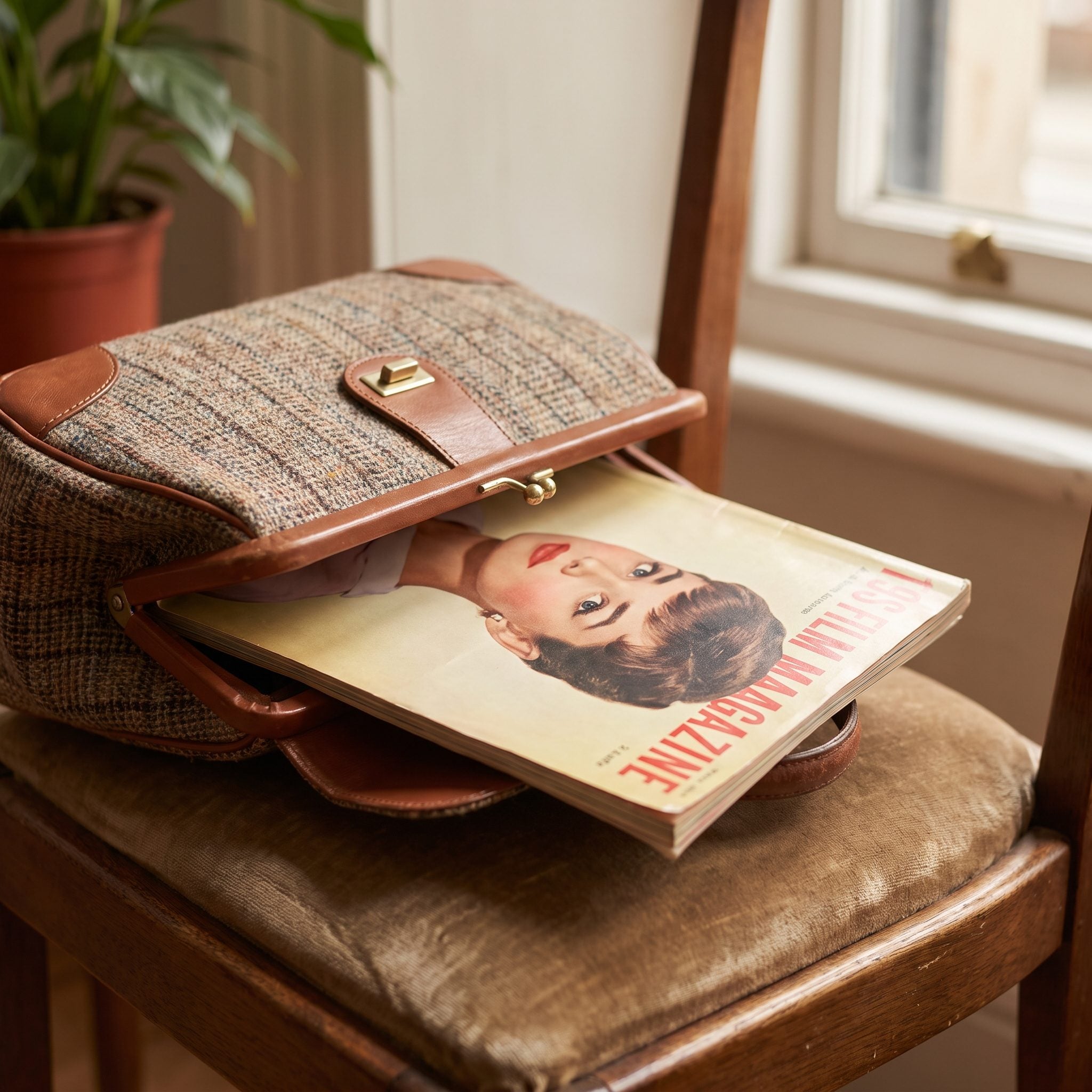
Photoplay. Modern Screen. The glossy magazines that carried Hollywood into waiting rooms, living rooms, and beauty parlors. For women interested in movie stars, a fan magazine offered far more than film publicity.
There were photographs of premieres, accounts of celebrity romances, beauty advice, fashion features, and glimpses of glamorous interiors. The magazines connected screen personalities to everyday consumer culture, turning actresses into sources of inspiration for hairstyles, makeup, and wardrobes. The pages could be folded, passed between friends, or studied for details that might be copied with a home sewing machine and a modest budget.
17. The Poodle Skirt That Needed a Small Mountain of Crinoline
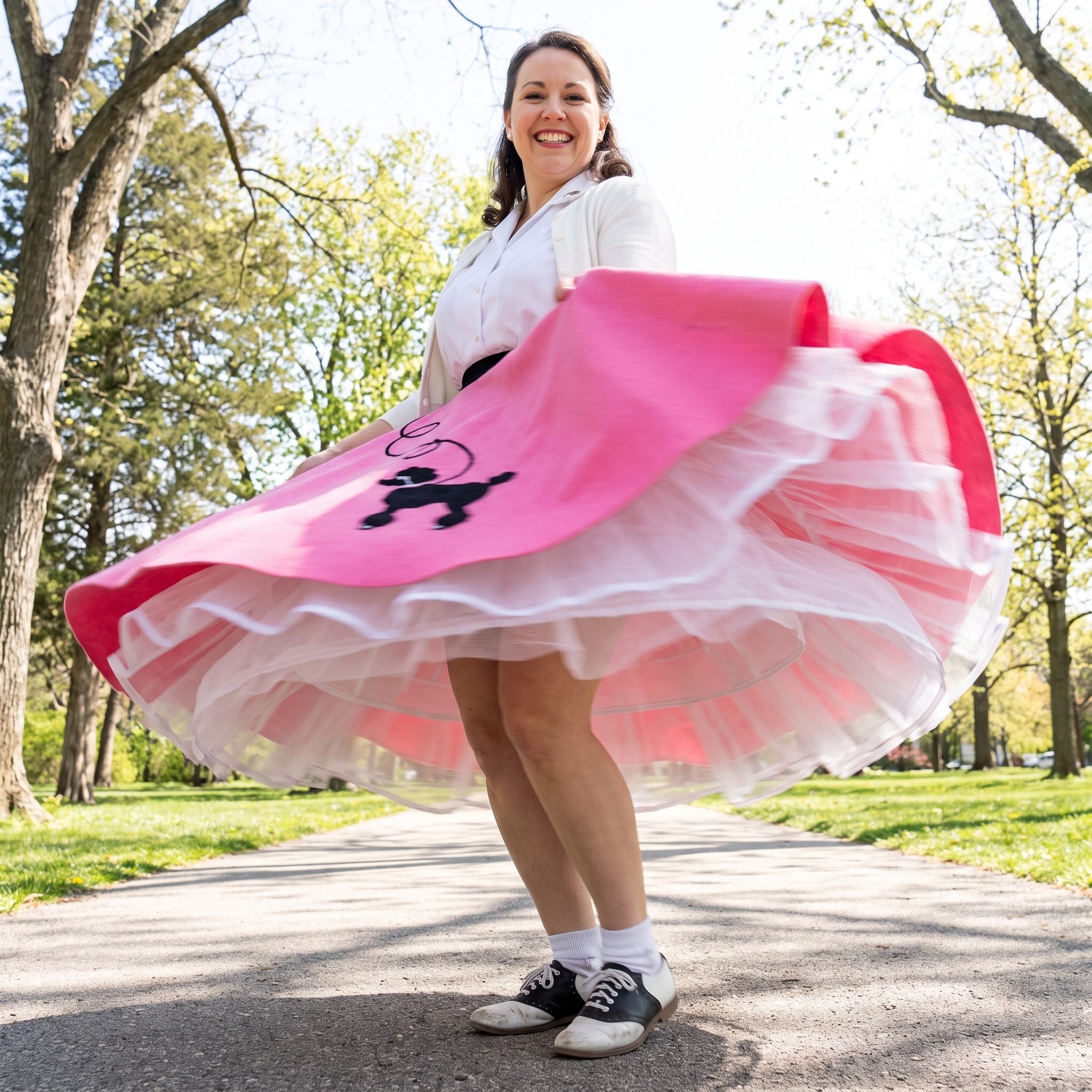
The appliquéd poodle gets most of the attention, but the full circle skirt supplied the movement. Worn over a petticoat, the felt could flare dramatically during dancing, creating the silhouette that became closely associated with teenage fashion in the 1950s.
Crinolines and stiffened petticoats added volume, sometimes at the expense of comfort. Sitting, climbing stairs, and maneuvering through crowded spaces became more complicated when several layers of fabric occupied the space around the knees. For teenage dancers, however, the exaggerated movement was precisely the attraction. A spinning circle skirt made its own spectacle.
16. The Pearl Necklace That Finished a Sweater Without a Second Thought

A short strand of pearls against a fitted sweater was one of the decade’s most recognizable combinations. The smooth beads contrasted with the texture of knitwear, bringing light and definition to the neckline without requiring elaborate jewelry.
Imitation pearls made the look accessible beyond women who owned genuine cultured or natural pearls. A strand sitting near the collarbone worked particularly well with crewneck sweaters and higher daytime necklines. The same necklace could move from a cardigan to a tailored dress without looking out of place, a useful quality when wardrobes were often smaller than fashion advertisements suggested.
15. Ballet Flats for the Days When Heels Were More Trouble Than They Were Worth
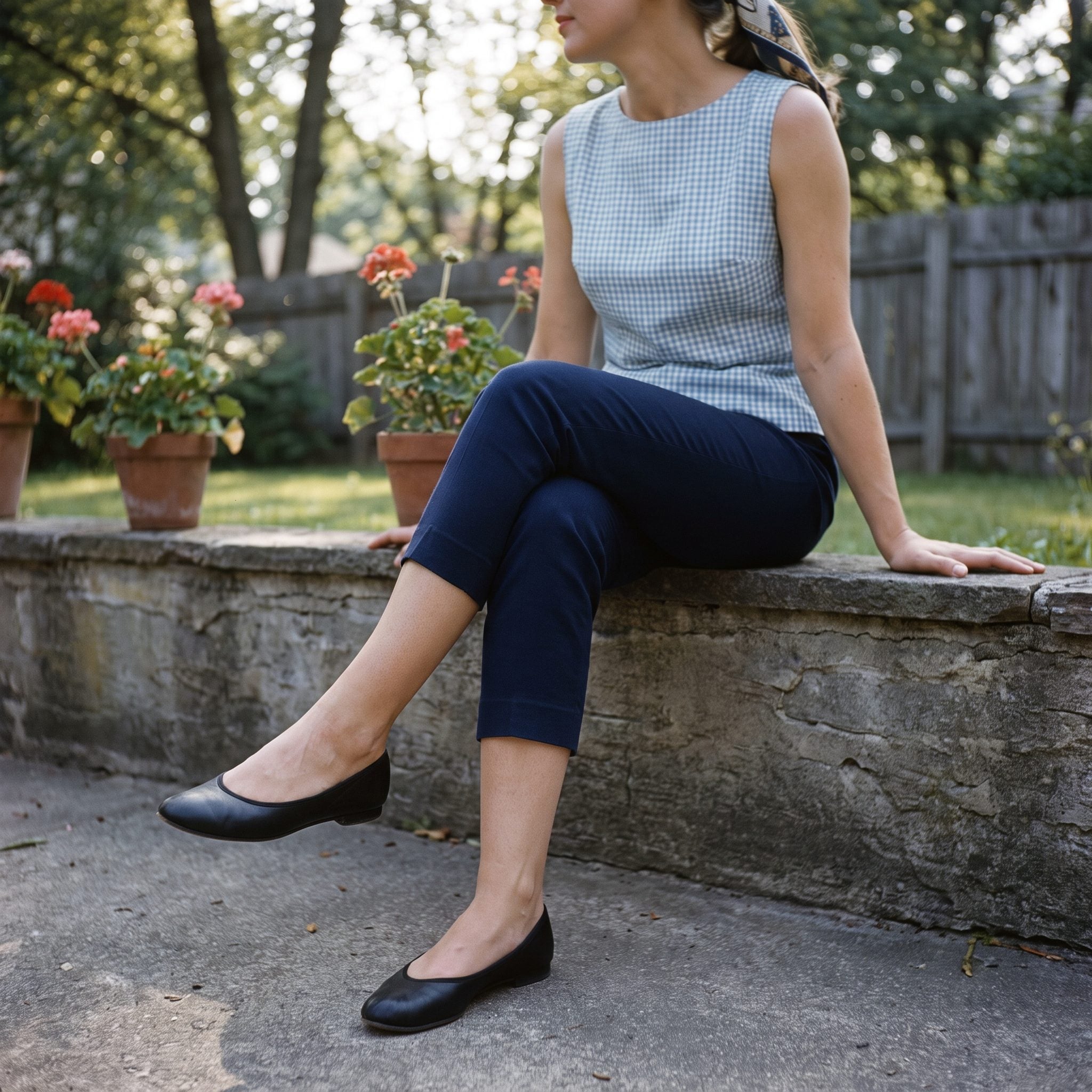
Not every outing demanded a stiletto. Ballet flats offered a low-cut, flexible alternative that worked particularly well with slim trousers, capris, and casual skirts.
Rose Repetto established her dance-shoe business in the late 1940s, and Brigitte Bardot helped bring ballet-inspired flats into wider fashion during the following decade. Their soft construction and simple shape made them an appealing contrast to more structured dress shoes. Black versions could disappear beneath an outfit, while red or pastel pairs became an unmistakable part of it.
14. The Embroidered Handkerchief That Was Too Pretty to Throw Away
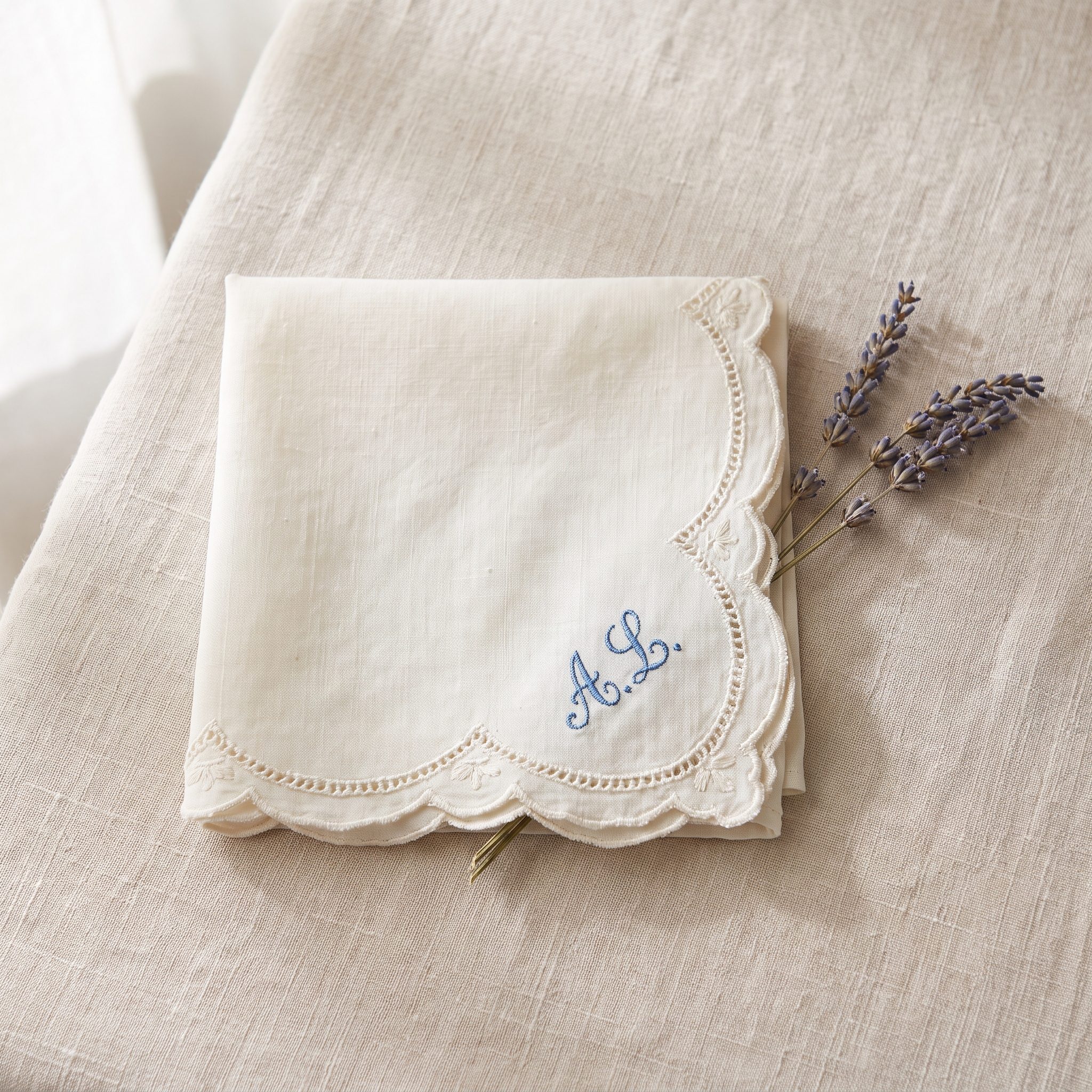
Disposable tissues were already available, but cloth handkerchiefs remained common. A neatly folded cotton or linen square could be tucked into a handbag or pocket, ready for a practical task without attracting attention.
Some featured embroidered initials, lace edges, or hand-finished hems. Others were plain and made for repeated washing. The more elaborate examples could be given as gifts or saved for dressier occasions, while everyday handkerchiefs went straight into the laundry. Few accessories made the distinction between practical necessity and delicate decoration quite so small.
13. Stiletto Heels That Made Every Pavement Crack a Negotiation
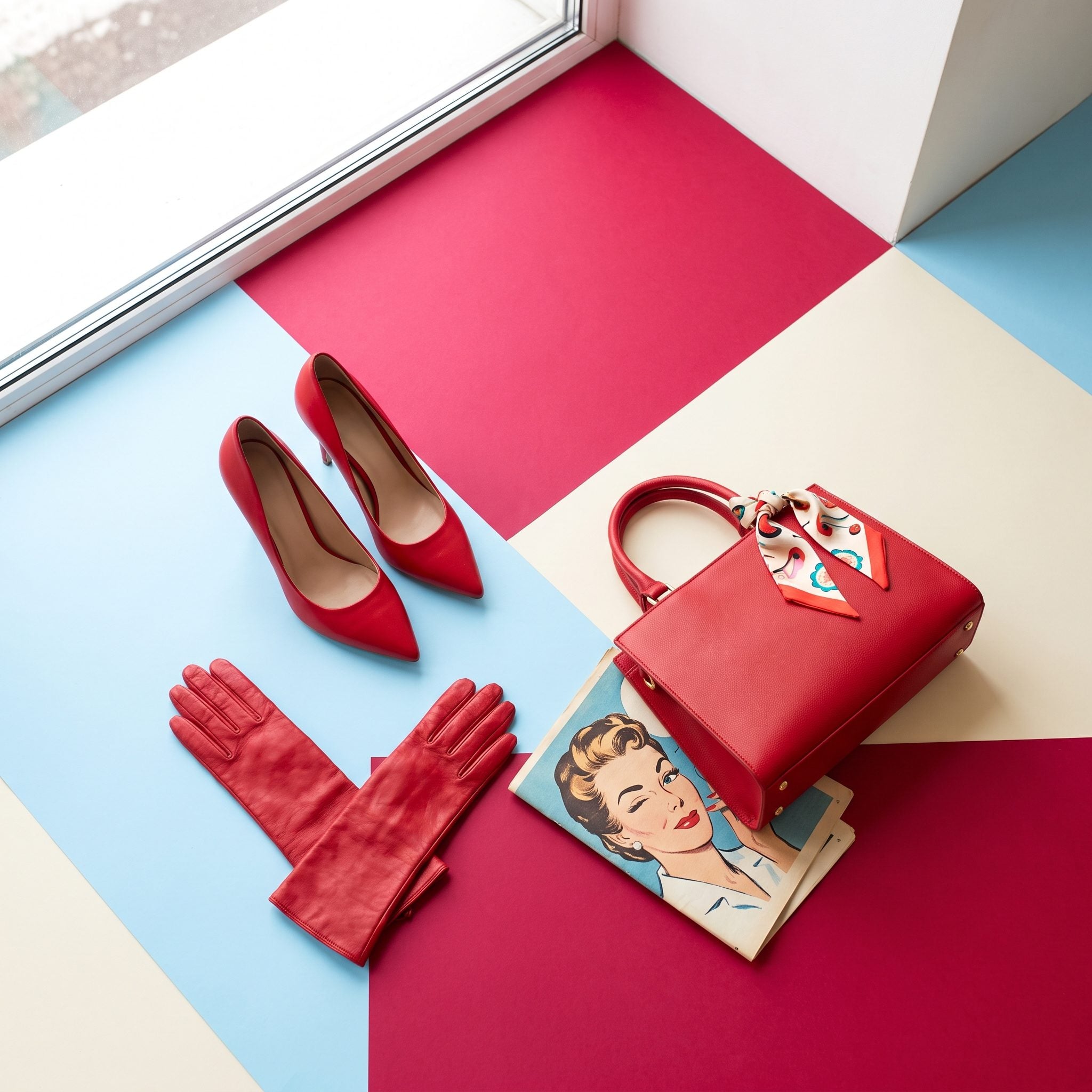
The slender stiletto heel became a defining feature of fashionable footwear during the 1950s. Its narrow profile offered a striking contrast to the fuller skirts and structured coats worn above it.
Fashion advice often encouraged coordinating shoes with handbags, gloves, or other accessories, although women followed those conventions with varying degrees of enthusiasm and expense. Stilettos brought their own practical difficulties: uneven pavement, soft ground, and long walks could all expose the difference between an elegant photograph and everyday life.
12. The Fitted Cardigan That Could Rescue a Dress From a Cold Office
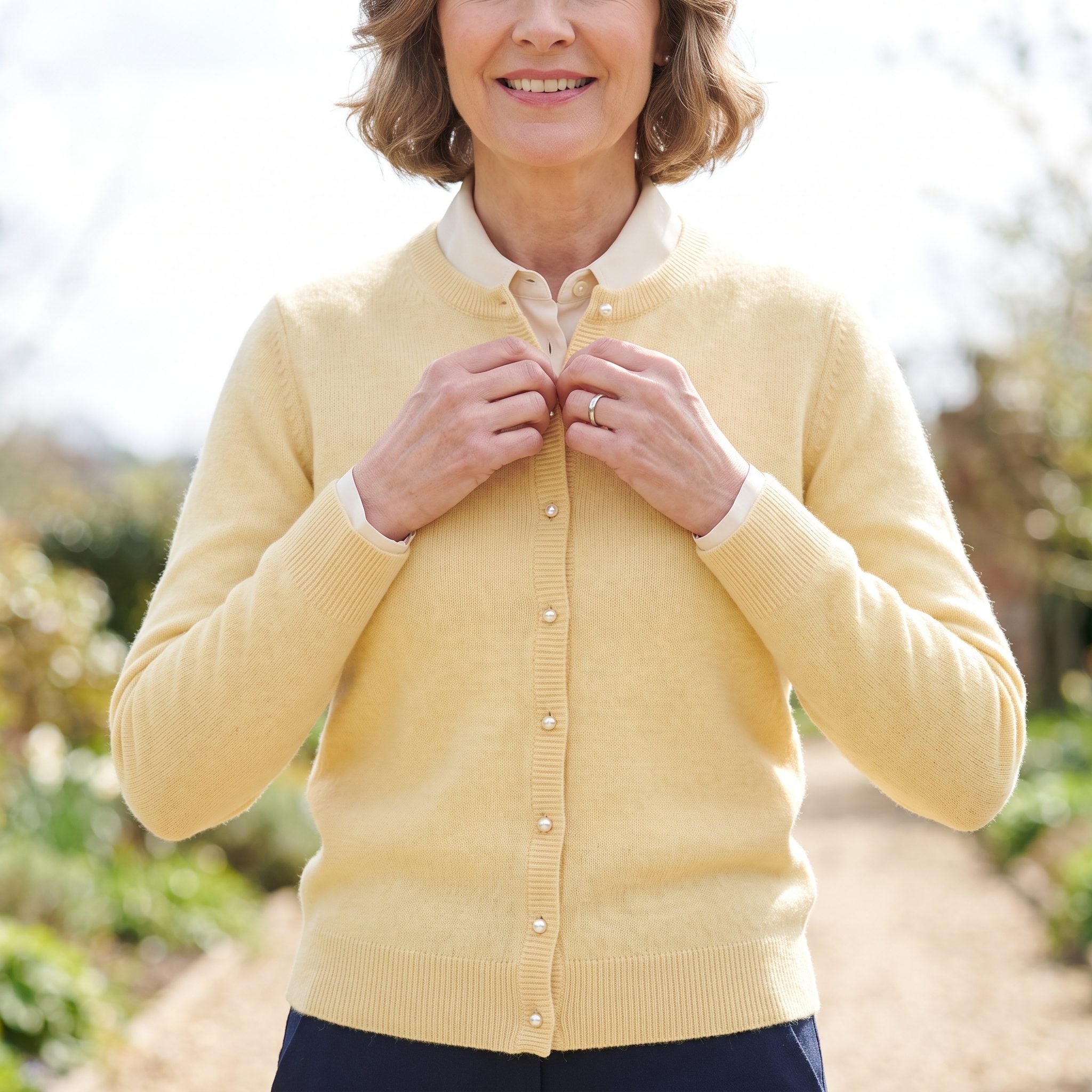
A waist-length cardigan added warmth without completely obscuring the shape of the dress or blouse beneath it. Fine knits could be buttoned to the neck, worn open, or paired with a matching sweater for the coordinated twinset look.
The close fit complemented high-waisted skirts and trousers, while the buttons supplied a neat vertical detail. A twinset introduced another possibility: the outer cardigan could be removed without leaving the outfit looking incomplete. With the hem sitting at the waist rather than hanging over the hips, the proportions remained in keeping with the decade’s emphasis on a defined middle.
11. The Rhinestone Brooch That Gave a Plain Coat Something to Say
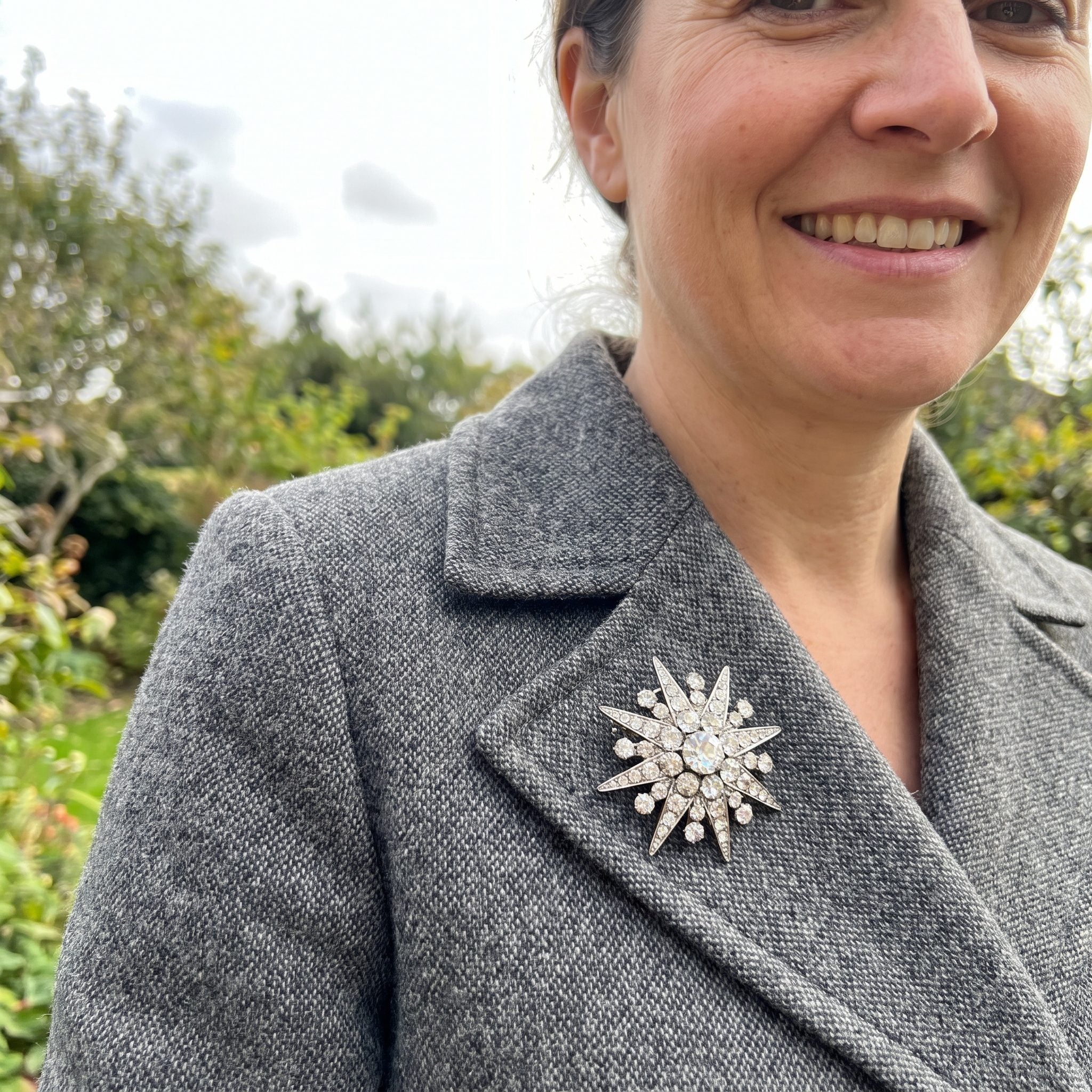
A starburst of rhinestones could interrupt an otherwise plain expanse of wool. Brooches were available in floral clusters, geometric arrangements, animal shapes, and elaborate sprays, allowing women to change the character of a coat or jacket without replacing it.
Costume jewelry made sparkle accessible at a wide range of prices. A brooch pinned high on a lapel caught the light near the face, while one positioned on a dress or sweater could become the central ornament. The pin at the back was a small but useful invention: the same piece could migrate from a winter coat to an evening dress in seconds.
10. The Pencil Skirt That Made Long Strides an Ambitious Idea
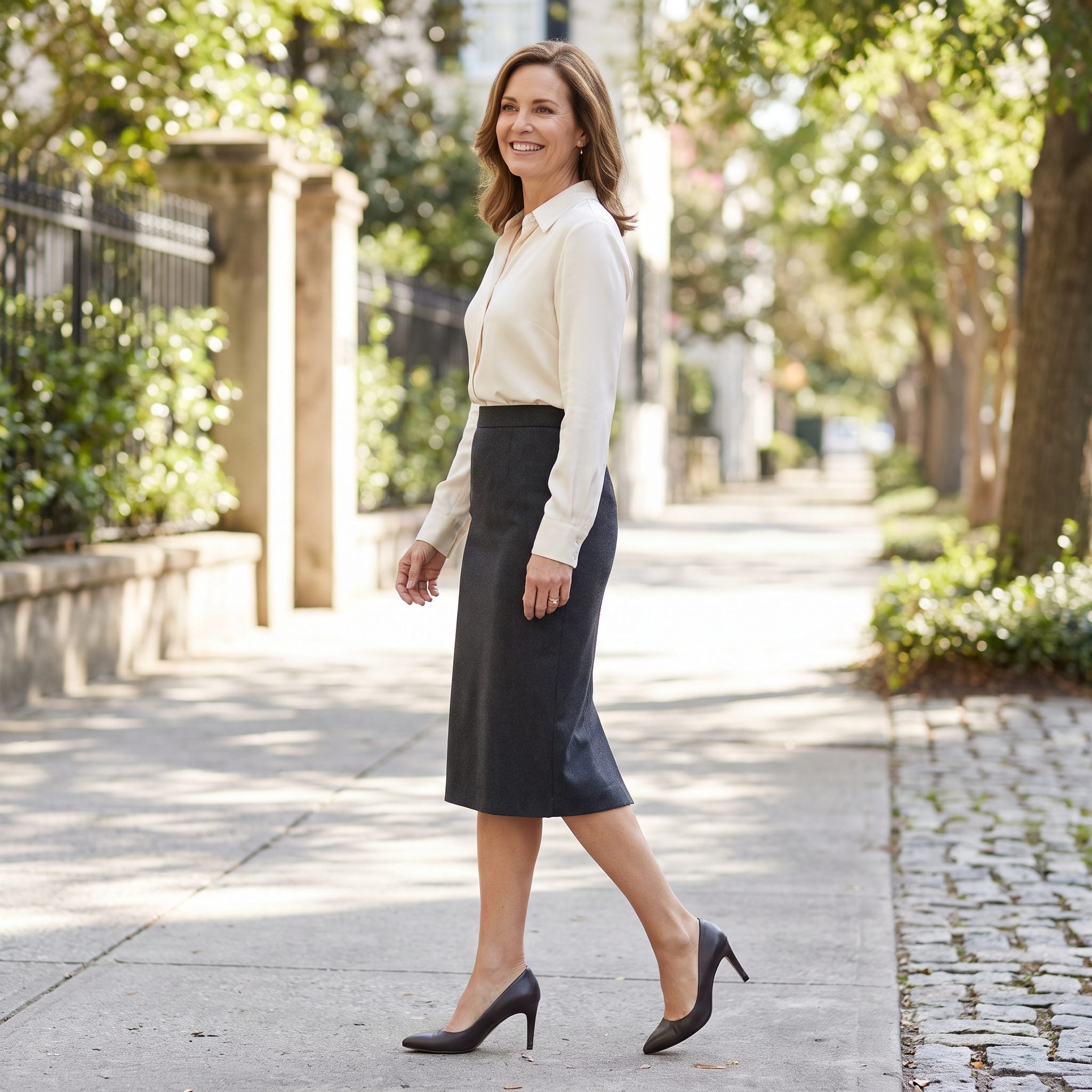
The pencil skirt offered the opposite silhouette from the full circle skirt. Narrow through the hips and hem, it created a long, controlled line that worked particularly well with fitted jackets, blouses, and sweaters.
The close cut could restrict movement, which is why many versions incorporated a kick pleat or back vent. A carefully placed opening allowed a longer stride without sacrificing the narrow shape. The skirt’s precision was its attraction, although climbing stairs could still expose the practical limitations of the design.
9. The Clasp-Top Coin Purse That Kept the Handbag From Becoming a Disaster
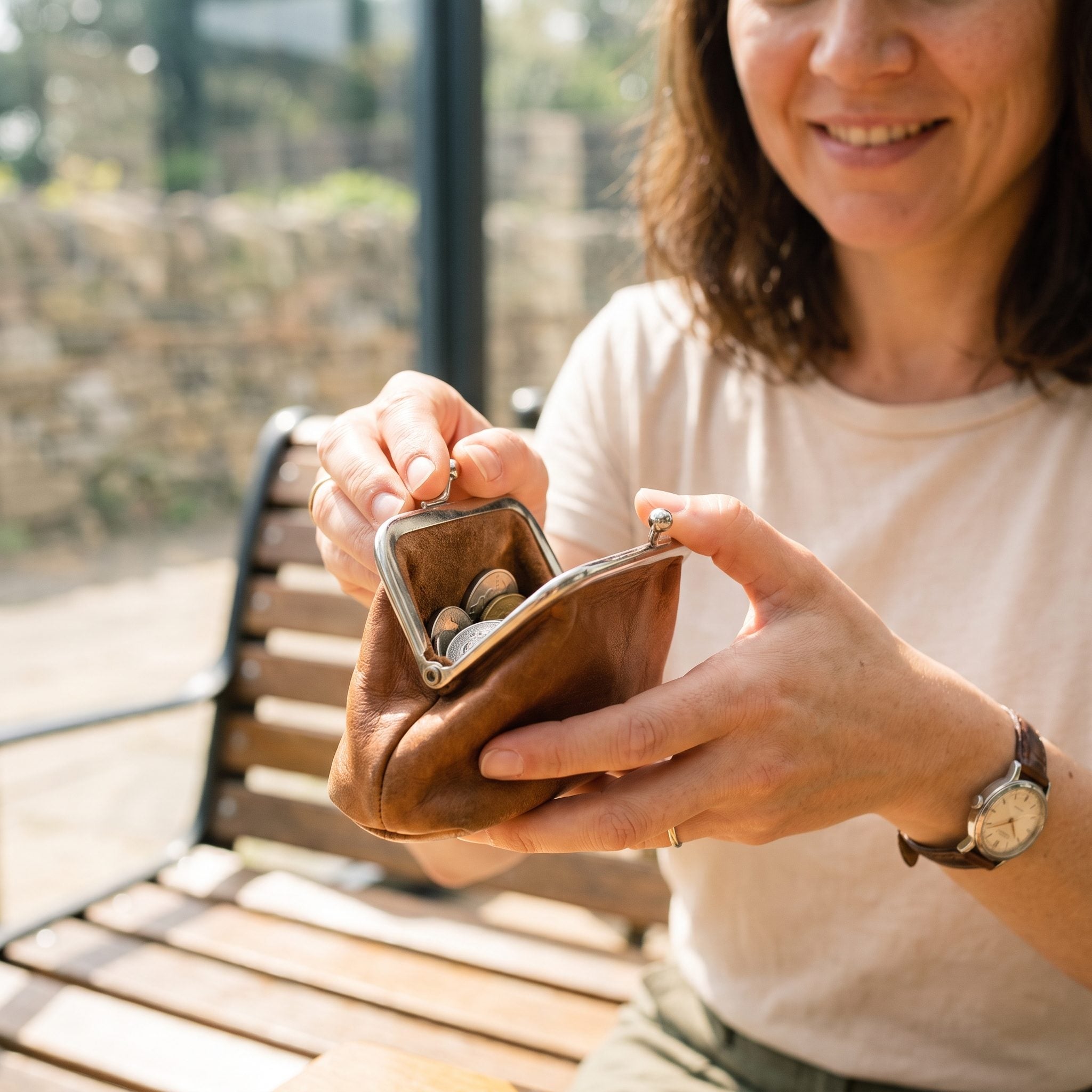
Coins were too useful to leave loose at the bottom of a handbag. A small purse with a kiss-lock clasp kept change together and made it easy to retrieve without emptying everything else onto a counter.
Coin purses came in leather, fabric, metal mesh, and other materials. Some matched larger handbags, while others were decorative little objects in their own right. The rounded metal clasp could be opened with two fingers, exposing a compartment just large enough for coins and perhaps a folded bill. No rummaging through lipstick tubes and powder puffs required.
8. Espadrille Wedges That Brought a Little Height to Summer
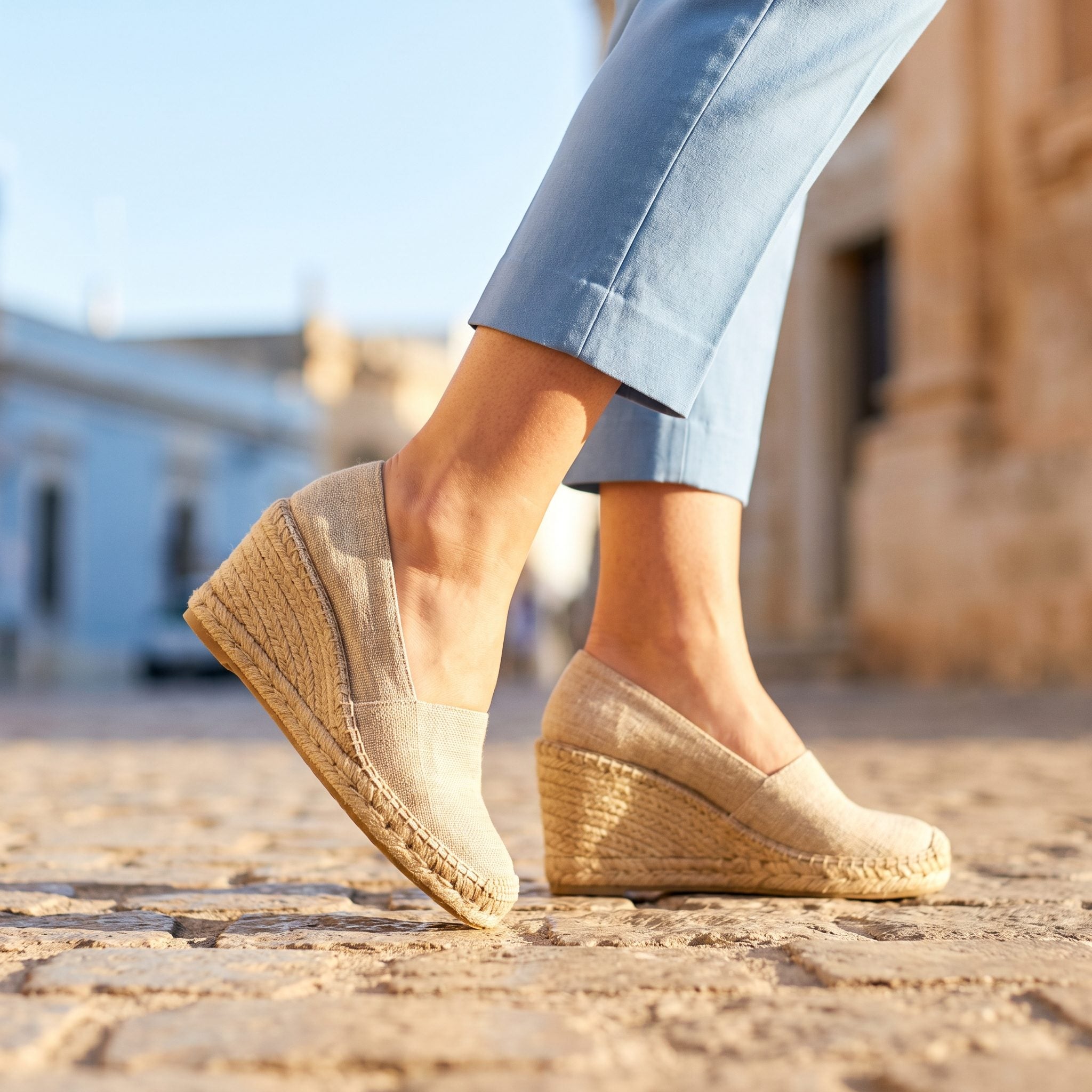
Braided rope or jute gave espadrilles their distinctive texture, while wedge soles provided height without the narrow contact point of a stiletto. Canvas uppers and ankle ties reinforced their casual, warm-weather character.
Worn with sundresses, cropped trousers, or full skirts, espadrille wedges belonged to the relaxed side of 1950s fashion. The woven soles brought a rustic texture to otherwise carefully coordinated summer outfits, while ankle ties could create a decorative crisscross above the foot. A little height, considerably more stability, and no needle-thin heel to sink into the grass.
7. The Printed Silk Headscarf That Protected a Carefully Set Hairstyle
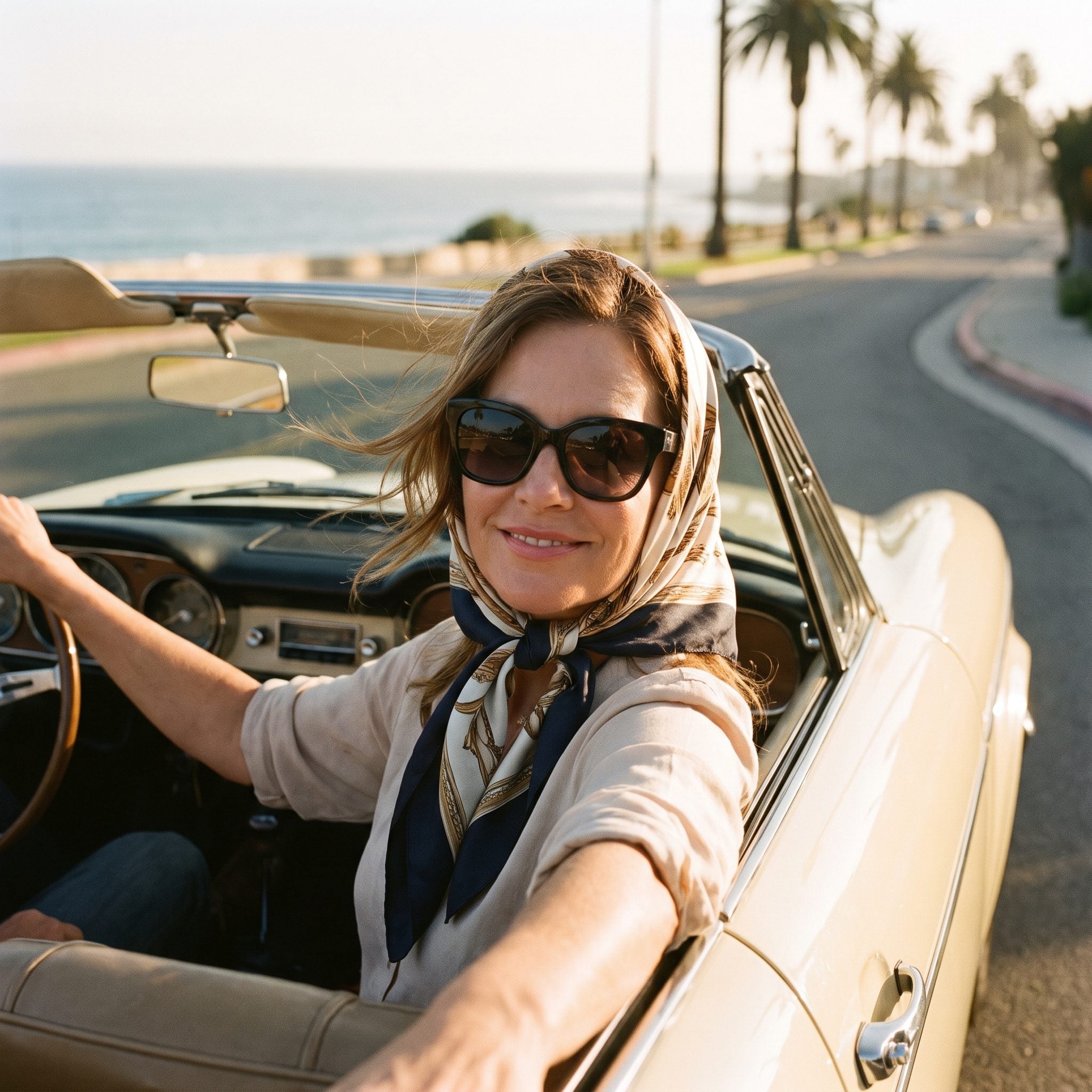
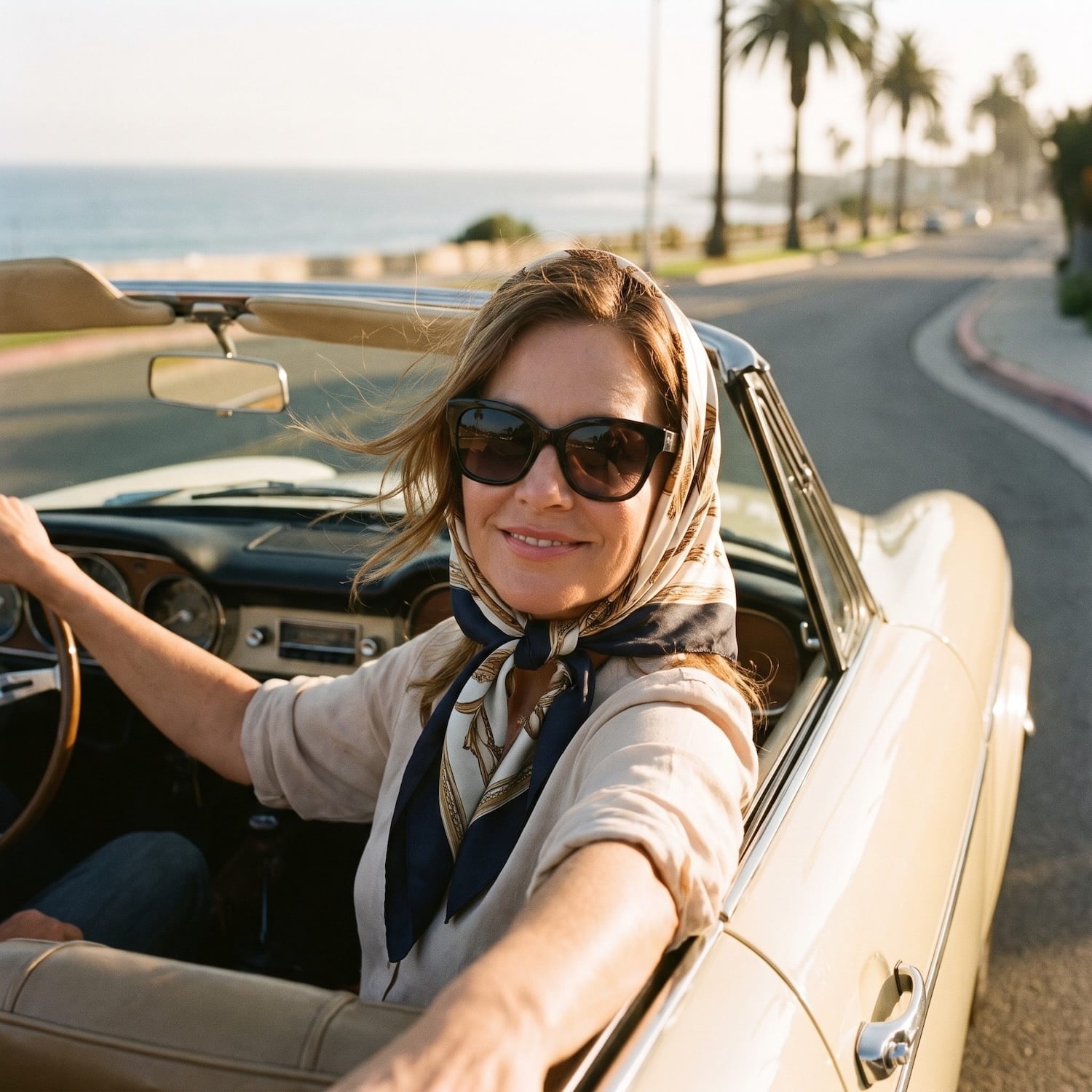
Wind and a carefully arranged hairstyle were rarely friends. A scarf tied beneath the chin offered some protection during car rides and outdoor outings, while adding color and pattern to an otherwise simple outfit.
Silk and silk-like fabrics could be folded into triangles, wrapped around the hair, or tied in several different ways. Paisley, floral prints, and bold geometric patterns gave the accessory considerable variety. Unlike a structured hat, a scarf could be folded away when it was no longer needed. The practical solution also happened to frame the face with a striking border of color.
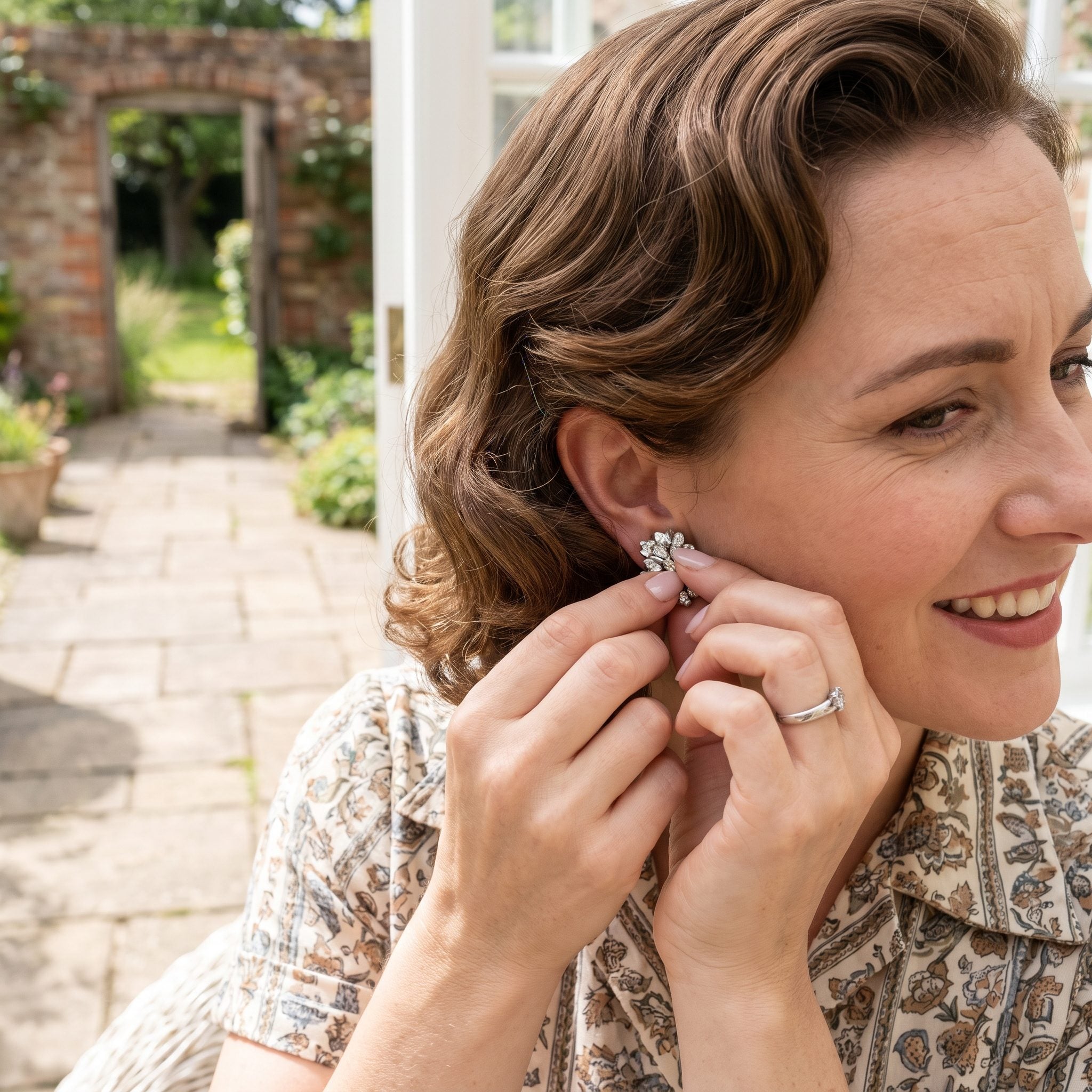
6. Clip-On Earrings That Could Make Their Presence Felt by Lunchtime
❤️ Would you like to save this?
Clip-on earrings offered decorative possibilities without requiring pierced ears. Button shapes, rhinestone clusters, pearls, and sculptural metal designs could all be attached with spring or screw mechanisms.
The drawback was pressure. A secure clip sometimes became uncomfortable after several hours, particularly with heavier earrings. Still, the variety of available designs made clip-ons an important part of midcentury costume jewelry. A glittering pair might look effortless in a photograph while the woman wearing them was counting the minutes until she could take them off.
5. The Wide Waist Belt That Made the Middle of the Outfit Impossible to Ignore
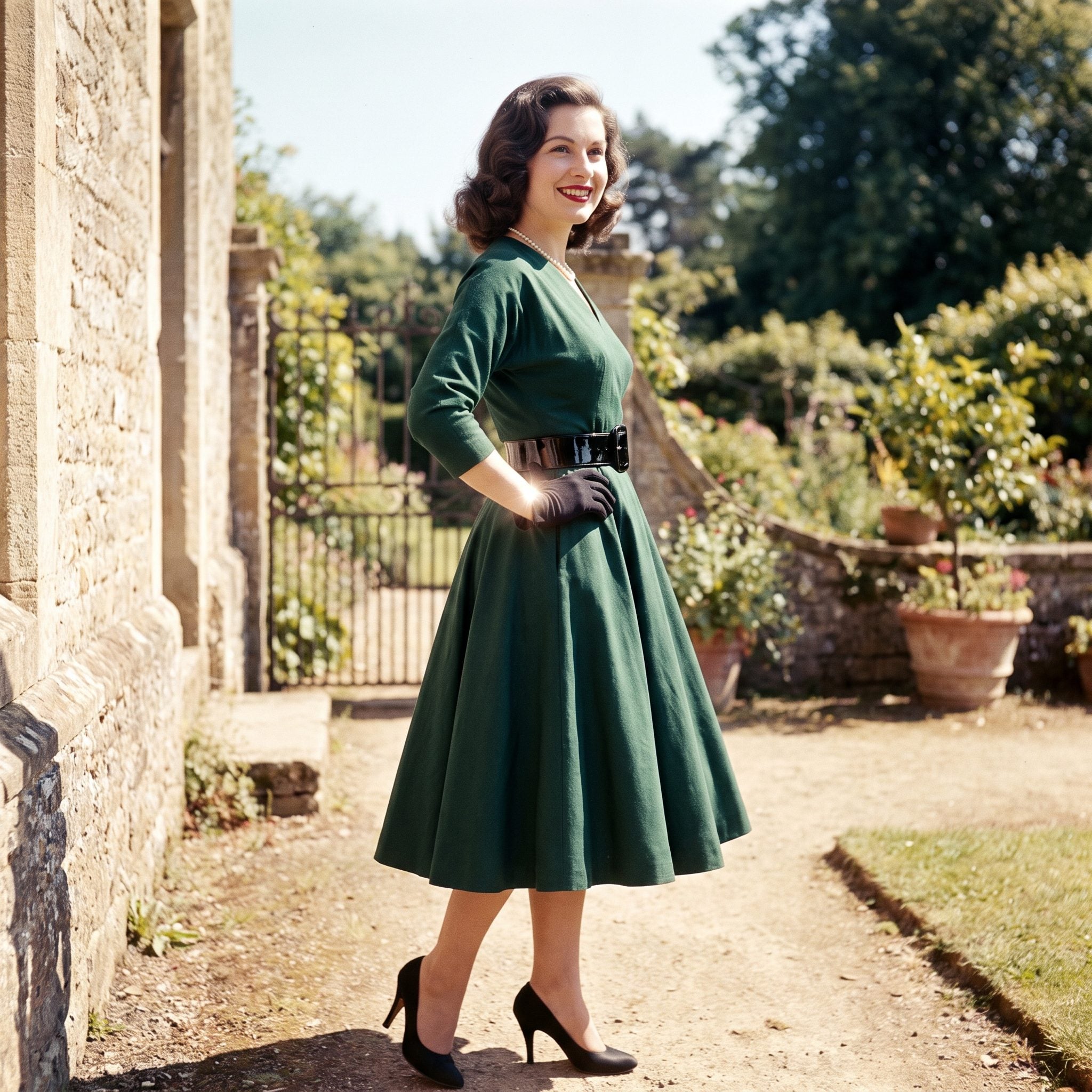
A wide belt emphasized the waistline that dominated so much of 1950s fashion. Leather, patent finishes, and shaped fabric styles offered different degrees of structure, while large buckles sometimes became decorative features of their own.
Over a full skirt, the belt emphasized the contrast between a fitted middle and generous volume below. Over a simpler dress, it introduced definition without requiring complicated tailoring. Some belts were substantial enough to resemble miniature corsets, while others relied on a wide band of contrasting color. Either way, the eye went straight to the waist.
4. The Petite Wristwatch That Looked Almost Like a Bracelet
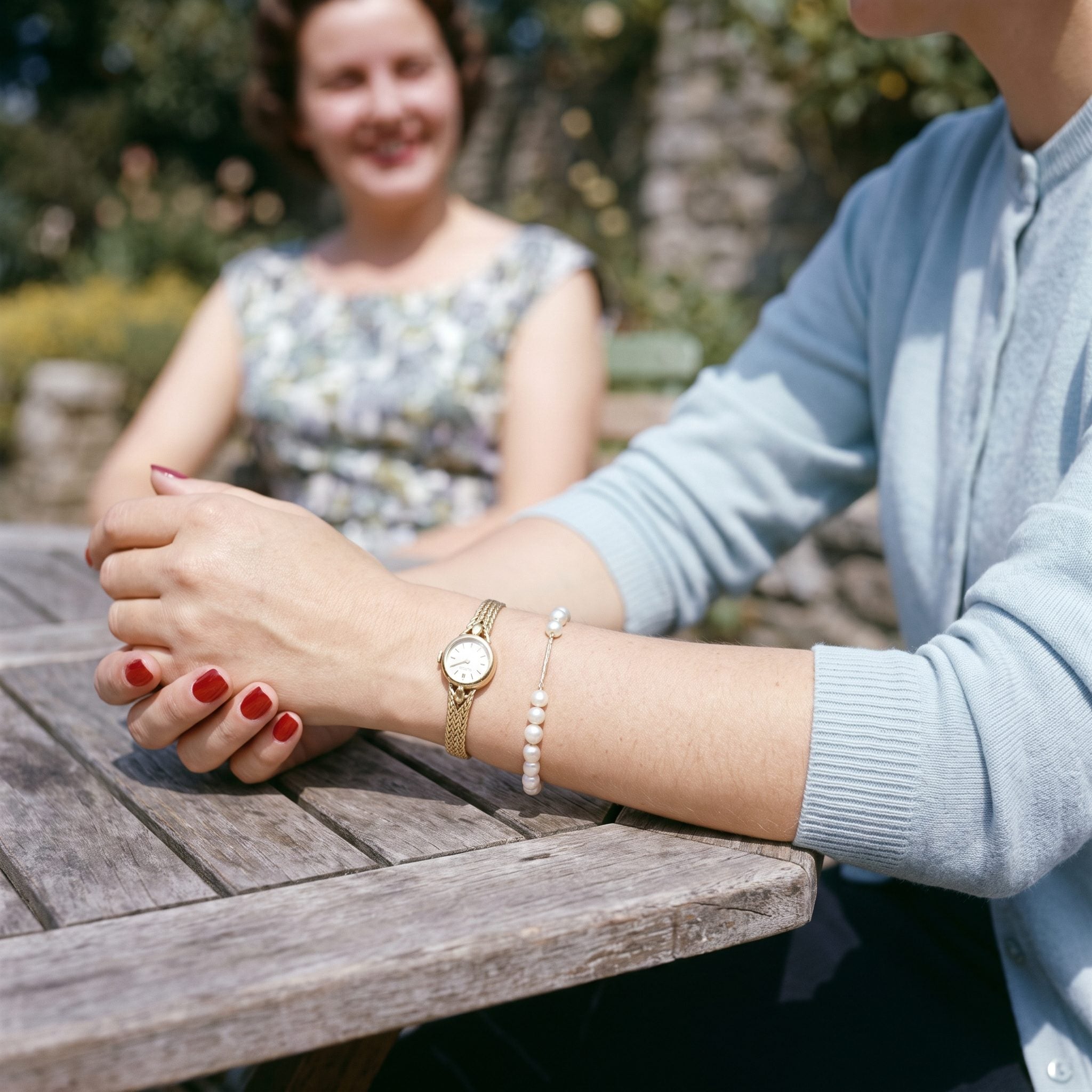
Women’s dress watches often featured small faces, delicate cases, and slender straps or metal bracelets. Some resembled jewelry so closely that the dial became only one decorative element among several.
A narrow gold-toned bracelet could sit neatly beside a blouse cuff, while a leather strap offered a simpler alternative. Reading the time on a particularly tiny dial might require a closer look, but the proportions suited the refined jewelry styles of the period. Practical machinery was tucked into an object that looked almost ornamental.
3. A Peter Pan-Collar Blouse That Softened the Most Serious Outfit
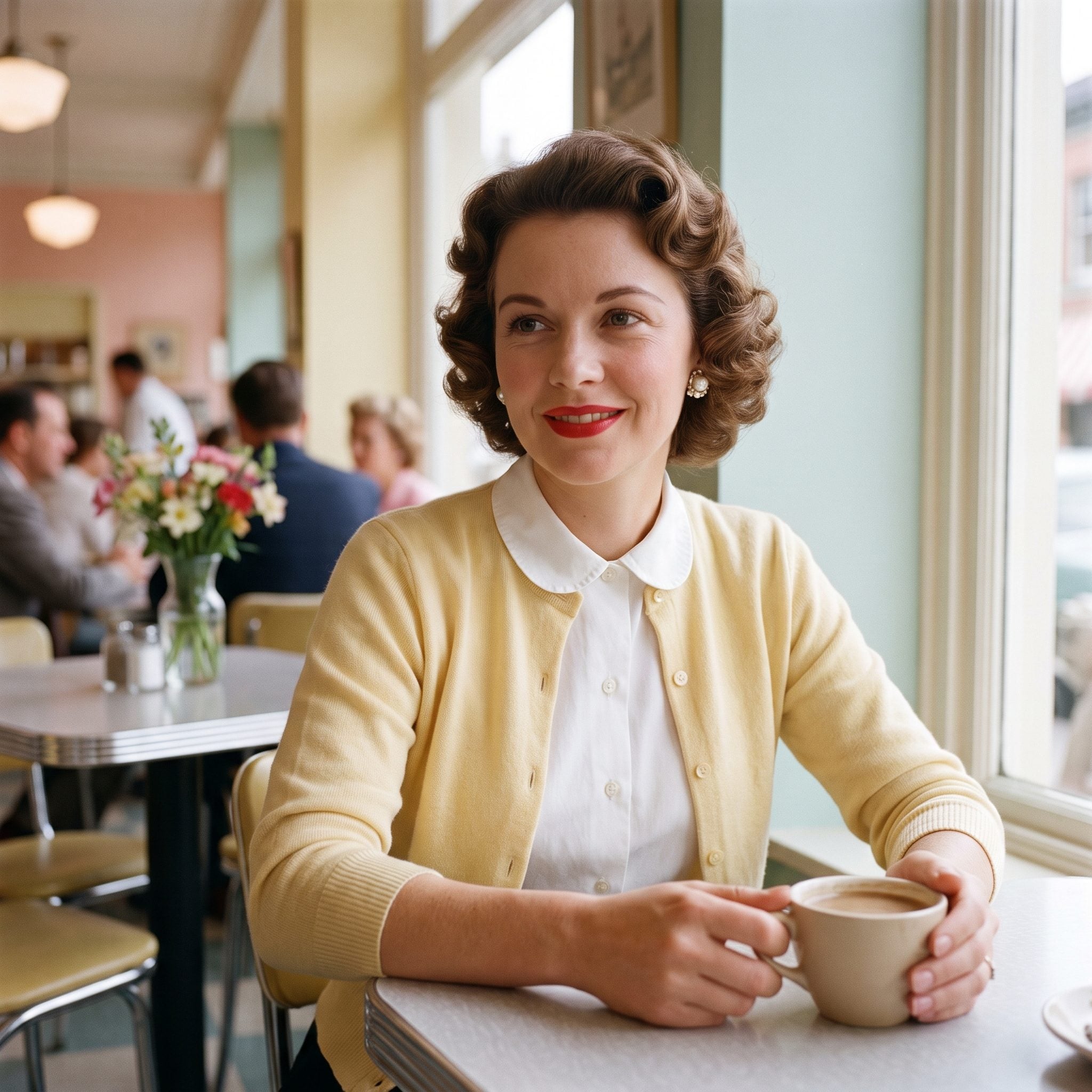
The small rounded collar introduced a softer line than the pointed collars common on tailored shirts. Worn above a cardigan or beneath a jacket, it created a neat decorative edge around the neckline.
White cotton was particularly versatile, although colored and patterned versions also appeared. The style carried youthful associations, making it an appealing contrast to more severe tailoring. Against a dark cardigan, the rounded white collar could produce a crisp graphic effect without lace, embroidery, or other embellishment.
2. The Cigarette Case and Lighter Set That Belonged to a Different Era
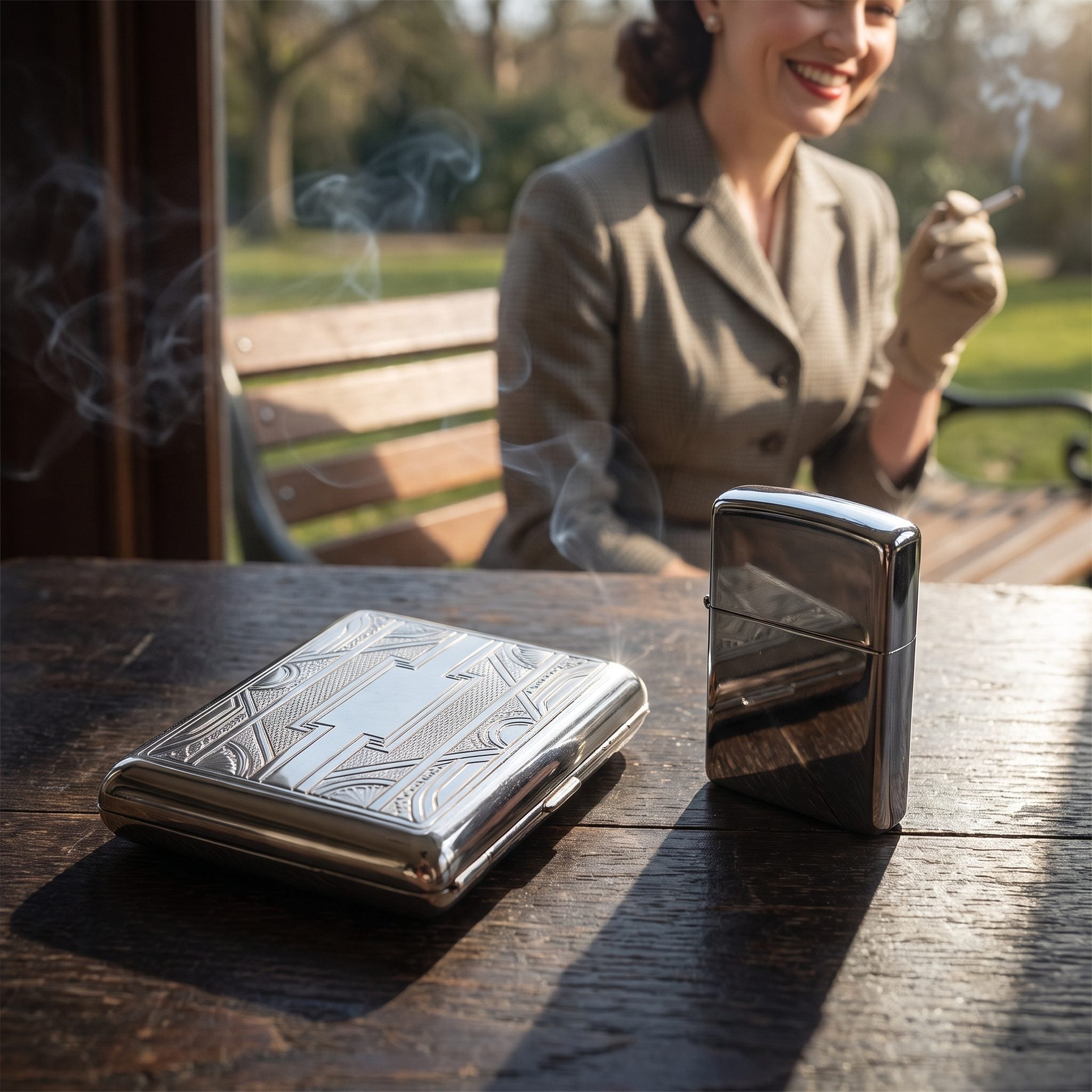
For women who smoked, a cigarette case could be as carefully chosen as other handbag accessories. Engraved metal versions held cigarettes in orderly rows, while refillable lighters came in compact designs intended for repeated use.
Cases featured polished metal, geometric engraving, enamel, and occasionally decorative stones. Matching lighter sets reflected the period’s enthusiasm for coordinated personal objects. Smoking was far more socially accepted at the time, despite growing scientific evidence of its dangers. The surviving accessories remain distinctive examples of midcentury metalwork and product design.
1. The Structured Top-Handle Handbag That Refused to Slouch
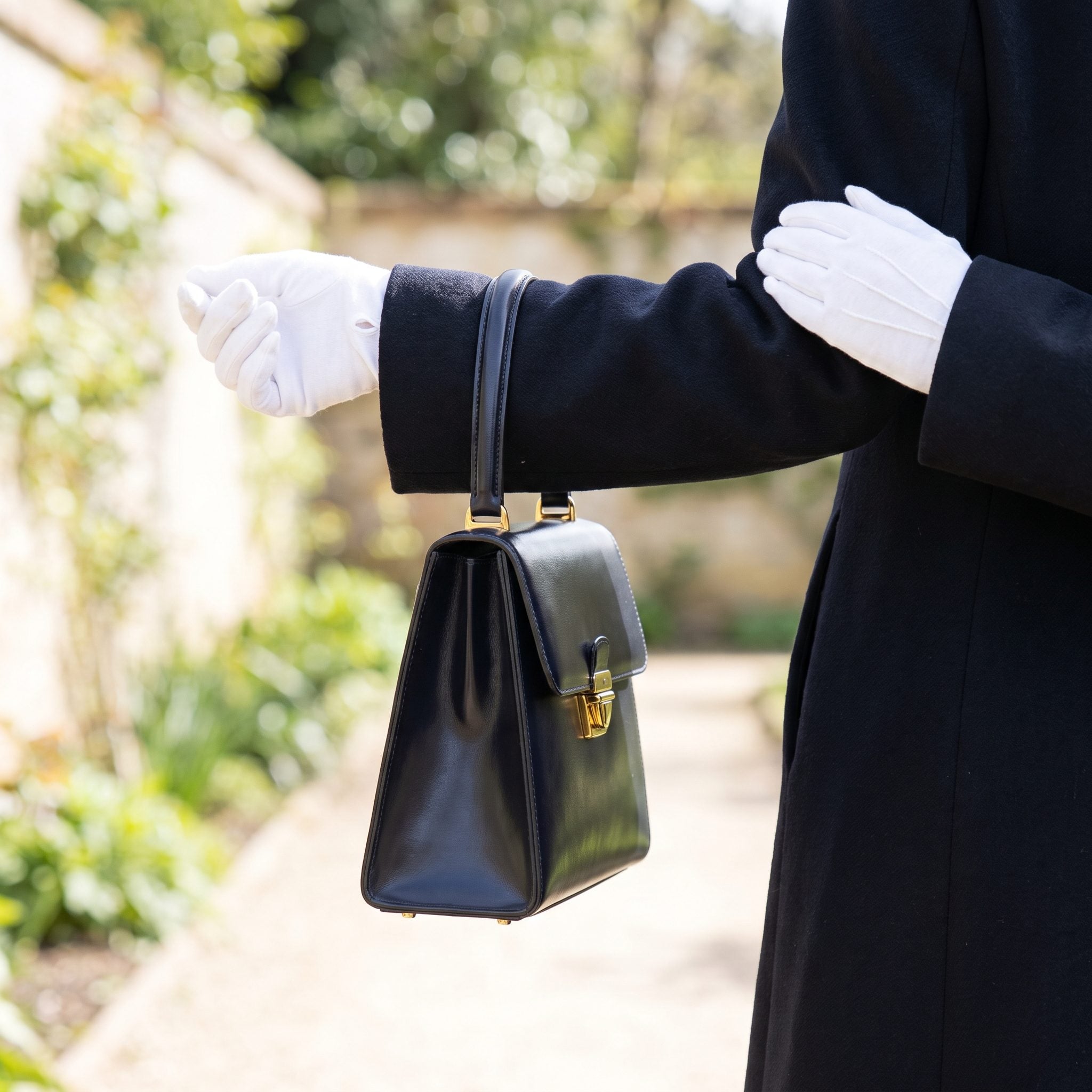
Firm sides, a short handle, and a clasp that closed securely: the structured handbag held its shape whether it was full or nearly empty. Leather, imitation leather, and other materials offered versions at different price points, but the rigid outline remained unmistakable.
Carried by the handle or over the forearm, the bag became part of the outfit’s silhouette. Inside were the objects that made getting through the day possible: a compact, lipstick, handkerchief, coin purse, keys, and whatever else the occasion demanded. Outside, the smooth frame concealed the clutter. A decade fascinated by looking composed had found an accessory that could do the same thing for everything a woman carried.