
Looking Expensive Has Far Less to Do With Money Than Most Women Have Been Led to Believe.
There are women who can walk into a consignment store, spend $80, and leave looking like they spent $800. Then there are women wearing $2,000 worth of clothes that somehow still read ordinary. The Affluent Edit teaches you the difference — the fabric clues, fit decisions, shopping strategies and outfit rules that can make a wardrobe look far more expensive than it actually was.
- The four-second fabric test that can expose fake “luxury” fast
- The blazer alteration that can turn a cheap find into a power piece
- The shoe-and-bag mistake that can betray the entire outfit
- The 10-second mirror check that catches expensive-looking mistakes before you leave
14-day guarantee
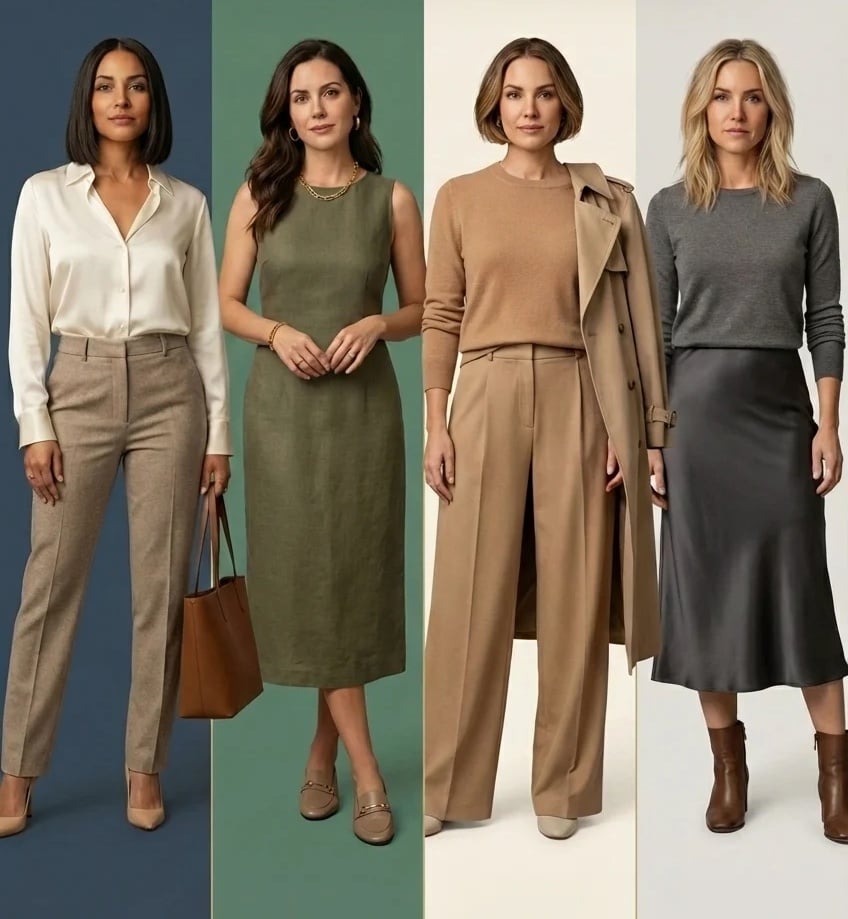
Why Do Some $70 Outfits Look Like $700 — While Some $700 Outfits Look Like $70?
You already know expensive when you see it.
You notice the woman across the room before you know what brand she is wearing. The coat hangs differently. The shoes make sense. Nothing is fighting for attention. The whole thing reads polished before you can explain why.
Then you try to recreate it.
And suddenly the secret seems to be money.
Fabric. Drape. Fit. Proportion. Color coherence. Shoes. Bags. Grooming. Alterations. Restraint. And perhaps most important: what they refuse to buy even when it is on sale.
The Affluent Edit turns those signals into a repeatable system.
The “It Looked Better in the Store” Problem
You buy a piece that looks polished under retail lighting, bring it home, and discover that something about the fabric, fit or finish is giving the price away.
The Designer-Label Trap
An expensive logo can sit on top of bad proportion, mediocre fabric or the wrong shoes. Price cannot rescue a weak outfit architecture.
The Sale-Rack Trap
The discount feels like intelligence. Three months later, you own a “deal” that works with nothing and would never have entered your wardrobe at full price.
The More-Is-More Trap
Extra jewelry, extra detail, extra color and extra styling can turn an expensive-looking outfit into one that looks like it is trying desperately to prove something.
The Best-Dressed Woman in the Room May Have Spent Less Than You.
She may simply know which fibers to touch, which garments to tailor, which colors to repeat, which shoes change the entire outfit, which bags give the game away, and which “bargains” are expensive mistakes wearing red sale stickers.
That is the real promise of The Affluent Edit: not “buy luxury for cheap,” but learn the visual and tactile intelligence that lets you recognize value before you pay for it.
From the Fabric Rack to the Final Mirror Check, Every Expensive-Looking Decision Is Broken Down.
You learn why an outfit reads expensive, how to shop for the ingredients at far lower cost, and how to stop wrecking the result with one wrong finishing decision.
The Psychology
Why affluent-looking style reads the way it does — and which visual signals people register before they ever see a label.
Fabric Intelligence
Touch, drape, fiber, labels, care and the difference between genuinely good material and expensive marketing language.
Strategic Shopping
Sales cycles, consignment, deal watching, thrift, outlets and the timing strategies that keep you from paying retail unnecessarily.
The Garments
Which pieces do the heaviest visual lifting, how they should fit and where tailoring can radically change the result.
Outfit Assembly
Five core formulas, tonal dressing and the sequence that turns individually ordinary pieces into an expensive-looking whole.
Hair & Grooming
The finishing layer that can confirm everything your clothes are saying — or contradict it in seconds.
Six Capsule Wardrobes
Professional, casual, minimalist, occasion, travel and master capsules with piece lists and outfit formulas.
The Long Game
The identity and shopping habits that make the system permanent instead of another style experiment you abandon by winter.
The Questions That Make You Realize How Much Money You’ve Been Guessing With.
We are not going to turn the sales page into the course. But these are some of the answers waiting inside.
What Are the Five Signals People Register Before They Ever Notice the Brand?
They happen fast — and one of them can sabotage the other four even when every individual piece is expensive.
Can You Really Spot Better Fabric in Four Seconds Without Reading the Label?
The touch test gives you a way to screen a rail before price and branding start influencing your judgment.
Why Does Restraint Read Richer Than “More Styling” So Often?
The instinct to add one more accessory, one more color or one more statement piece is exactly where many expensive outfits start looking cheaper.
What Makes One Cashmere Sweater Worth Hunting for — and Another an Expensive Disappointment?
Grade, origin, processing and feel matter more than the word CASHMERE printed on the tag.
Which Blazer Alteration Can Make a Thrift Find Look Shockingly More Expensive?
It is a small tailoring decision with an outsized effect on how the whole garment sits.
What Are You Still Paying Full Price For That Patient Shoppers Almost Never Do?
The strategic shopping section maps sales cycles, timing and deal-watching so waiting becomes part of the system rather than luck.
Which Shoe Choice Can Make the Rest of the Outfit Look Cheaper From Across the Room?
Shoes change the visual register of the entire look faster than most women realize.
Which Bag Details Give Away a Budget Even When the Bag Itself Wasn’t Cheap?
Shape, hardware, finish and scale can say more than the logo does.
Why Does Dressing in One Color Family So Often Look More Expensive?
The tonal technique works because it removes one of the easiest places for an outfit to fracture visually.
What Can a Tailor Do to a $40 Garment That a $400 Garment May Still Get Wrong?
Fit is one of the few places where a relatively small spend can completely change how expensive the entire outfit reads.
What Is the 10-Second Check That Can Save an Outfit at the Front Door?
It is designed to catch the handful of mistakes that matter most without sending you back upstairs to start over.
How Do You Know Exactly What to Buy Before You Enter a Store?
The pre-shop audit exposes the actual wardrobe gaps so seductive orphan pieces have a much harder time getting through.
Which “Luxury” Purchases Are Mostly Paying for the Story?
Not every category rewards a higher price equally. The system teaches you where visual return actually comes from.
What Should You Look for in a Consignment Store Before You Look at Size?
The best finds often reveal themselves through fabric and construction before the hanger tells you anything useful.
How Can 15 Pieces Produce 30 Outfits Without Looking Repetitive?
The capsule system is built on combinations and roles, not a random pile of neutrals called “versatile.”
What Is the Identity Shift That Stops You From Sliding Back Into Random Shopping?
This is the long-game piece — the difference between knowing the rules once and actually shopping differently for years.
Which Grooming Detail Can Undermine an Otherwise Perfect Outfit?
The clothes do not get evaluated in isolation. The finishing layer can either complete the signal or break it.
What Is the Most Expensive Thing in Your Closet If You Never Wear It?
The answer is not the piece with the highest receipt. Cost-per-wear reveals which “bargains” were actually brutal.
The Course Costs $27. One Bad “Investment Piece” Can Cost Ten Times That.
If this system stops one full-price purchase you should have waited for, one bad cashmere buy or one bargain you never wear, it can pay for itself almost immediately.
14-day guarantee
11 Tools for Spending Less, Wearing More and Catching Bad Purchases Before They Happen.
These Google Sheets turn the shopping and wardrobe strategy into something you can actually use.
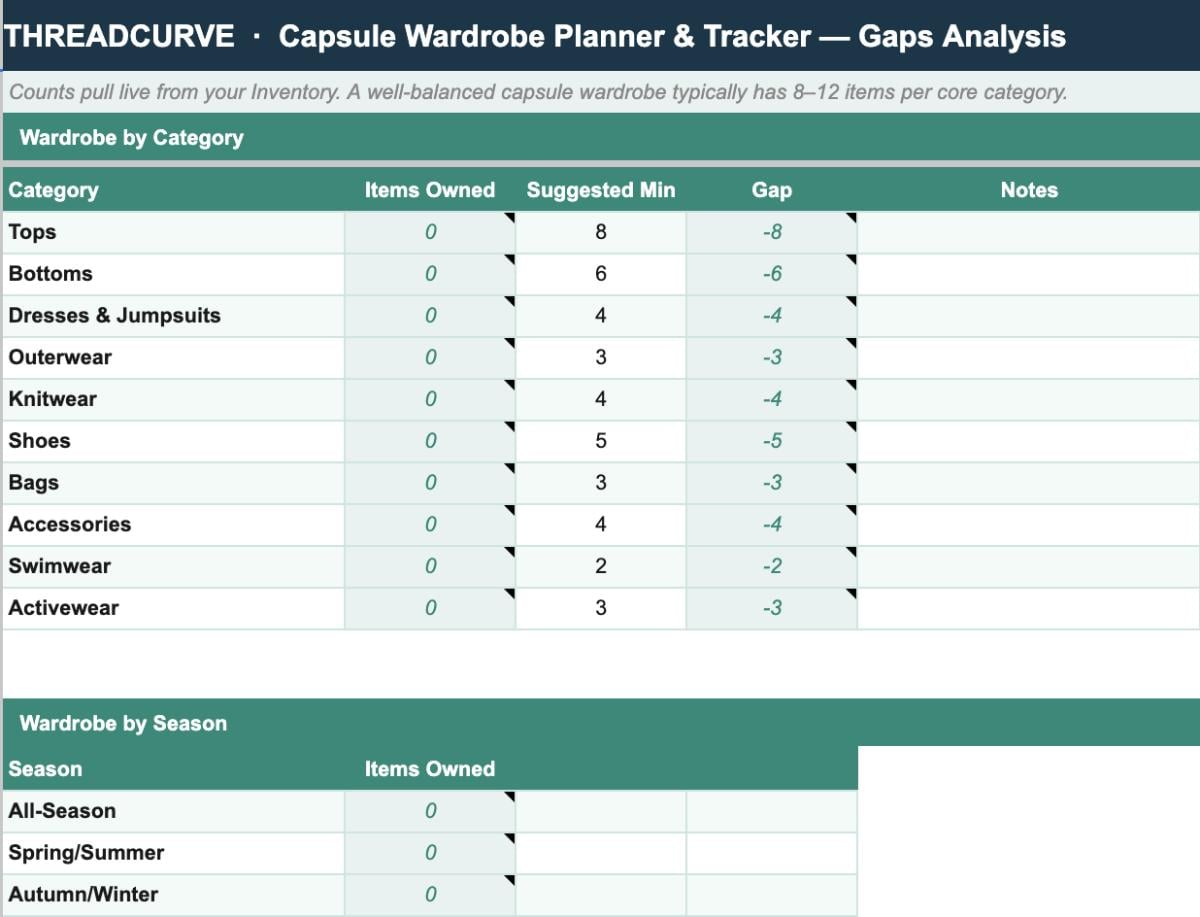
Capsule Wardrobe Planner & Tracker
Track what you own, what gets worn and the cost-per-wear number that reveals whether a purchase was actually good value.
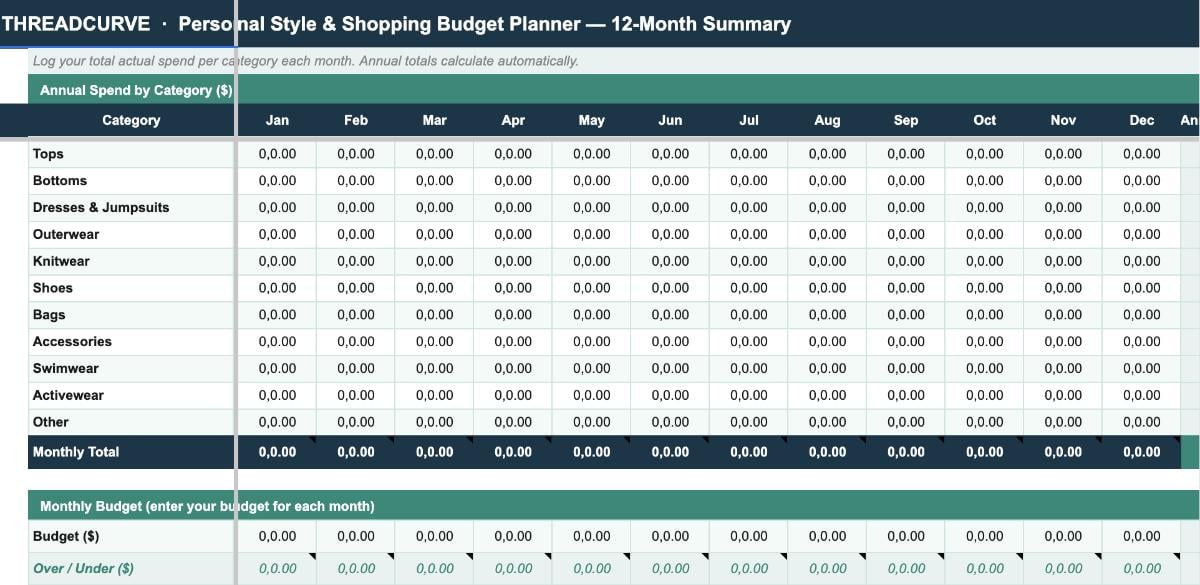
Shopping Budget Planner
Allocate your style budget before the sale rack, algorithm and impulse buys start allocating it for you.
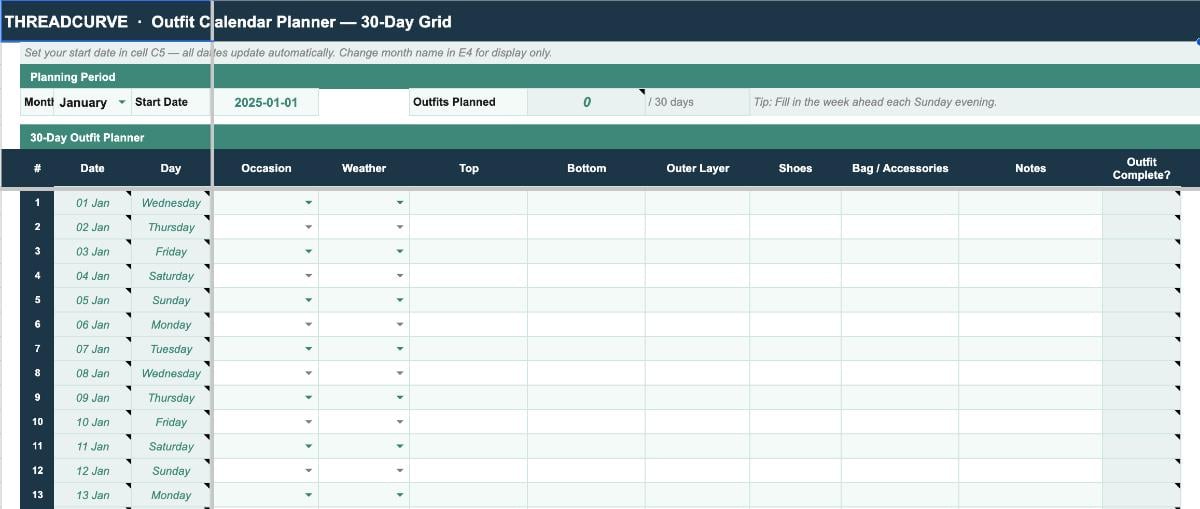
30-Day Outfit Calendar
See which pieces earn their keep over a real month and which supposedly “essential” clothes barely participate.
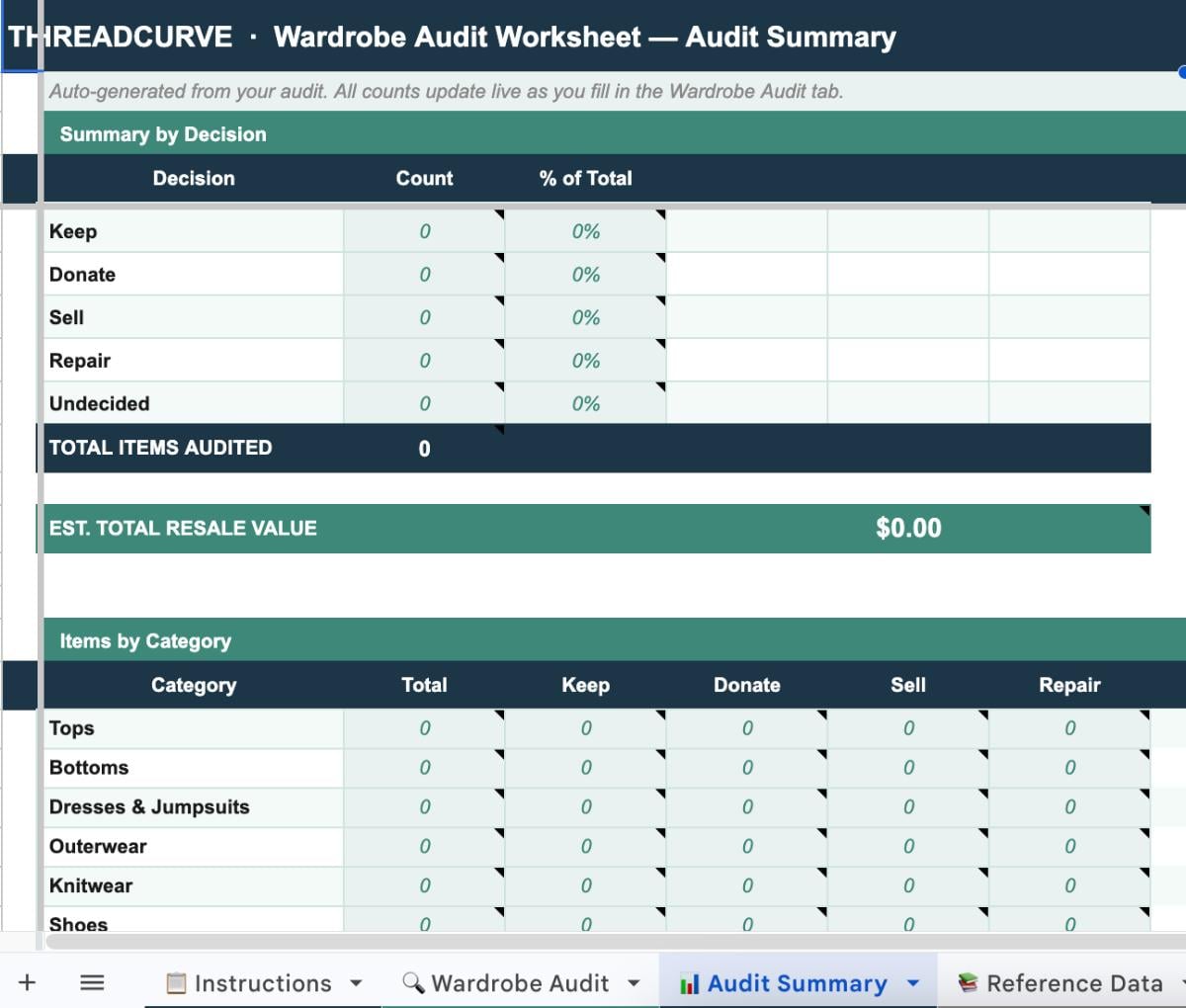
Wardrobe Audit Worksheet
Score what you already own before spending another dollar and expose the gaps that actually matter.
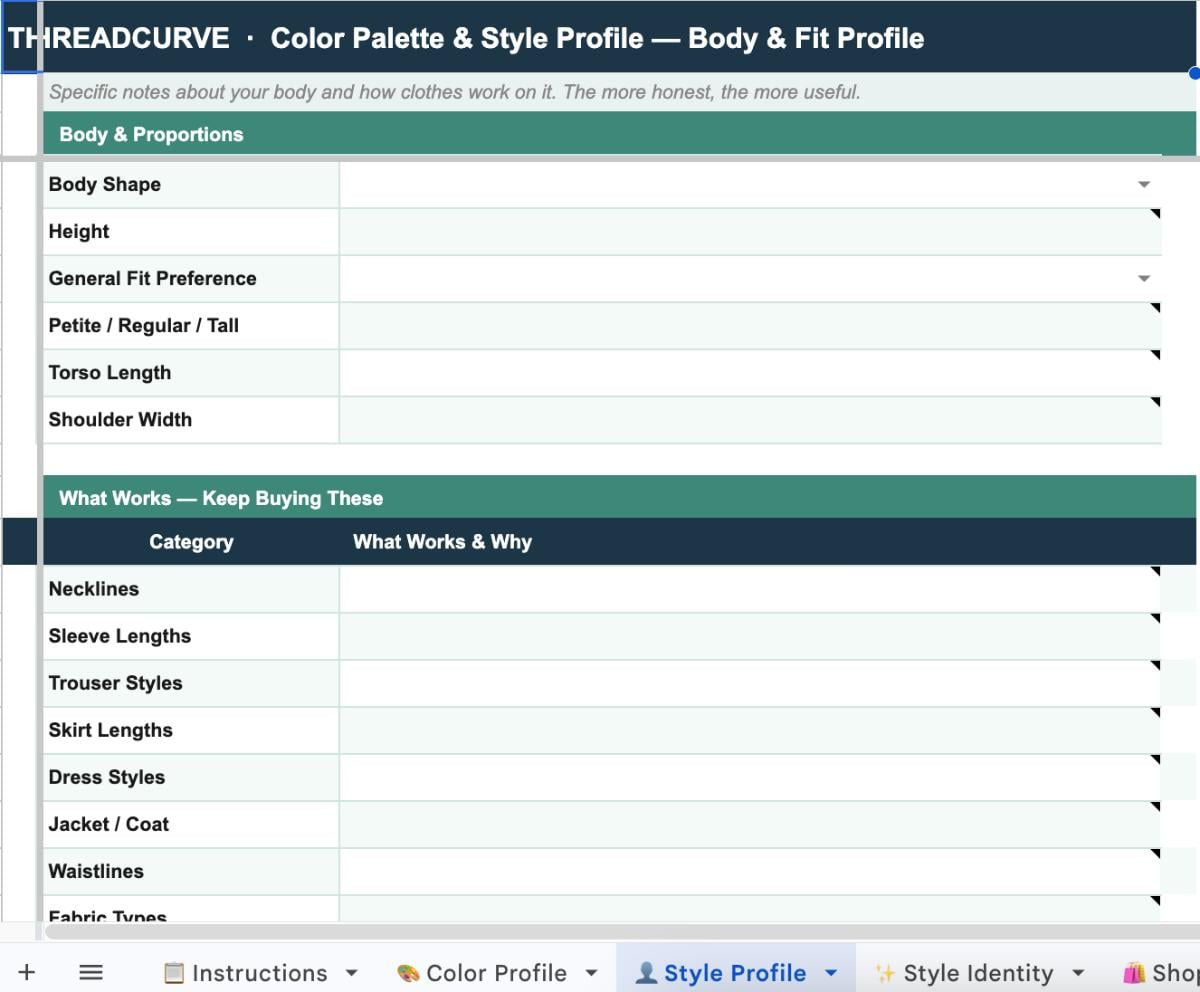
Color Palette & Style Profile
Build the anchor tones, neutrals and accents that make inexpensive pieces cooperate like a much more expensive wardrobe.
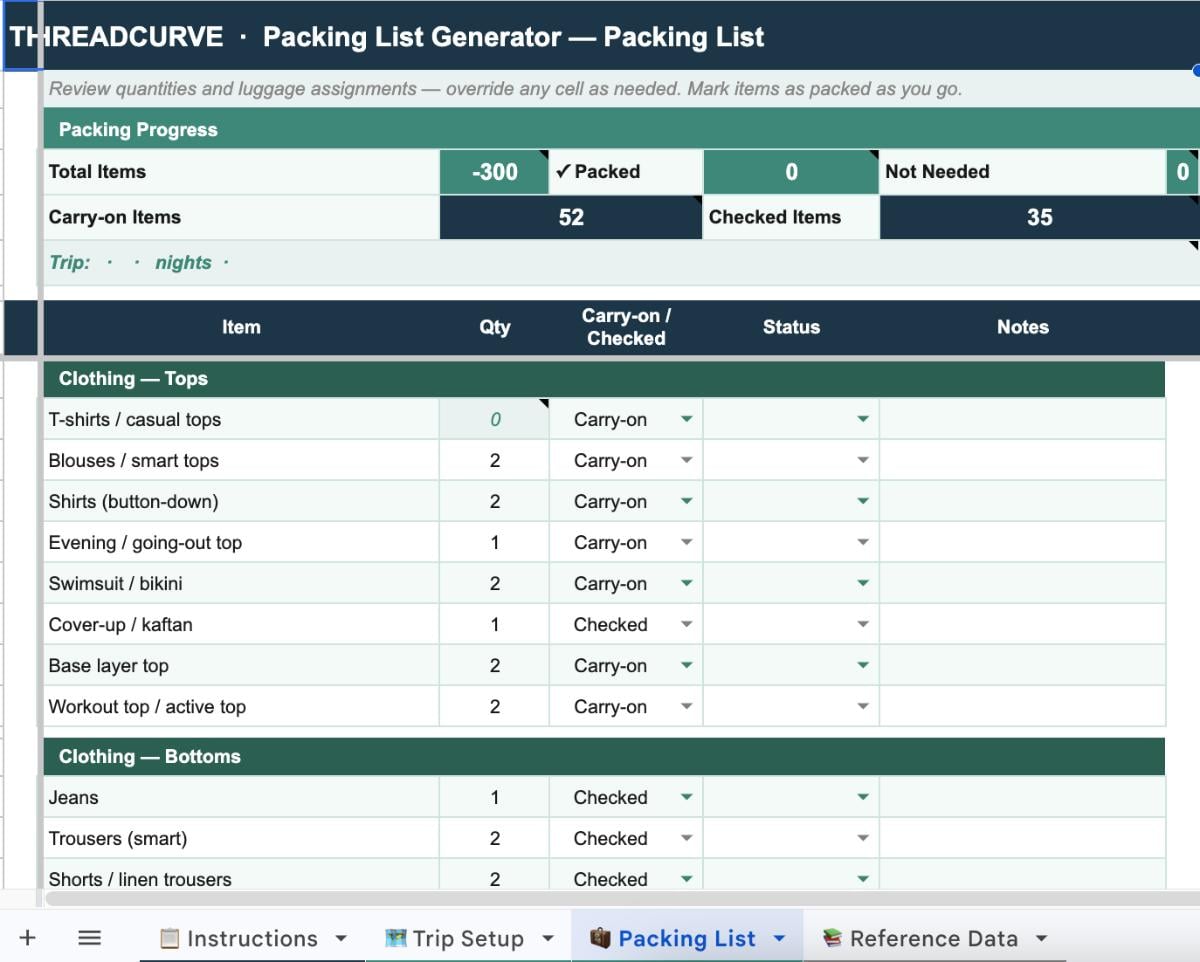
Packing List Generator
Pack complete outfits instead of bringing twenty options and wearing the same four pieces.
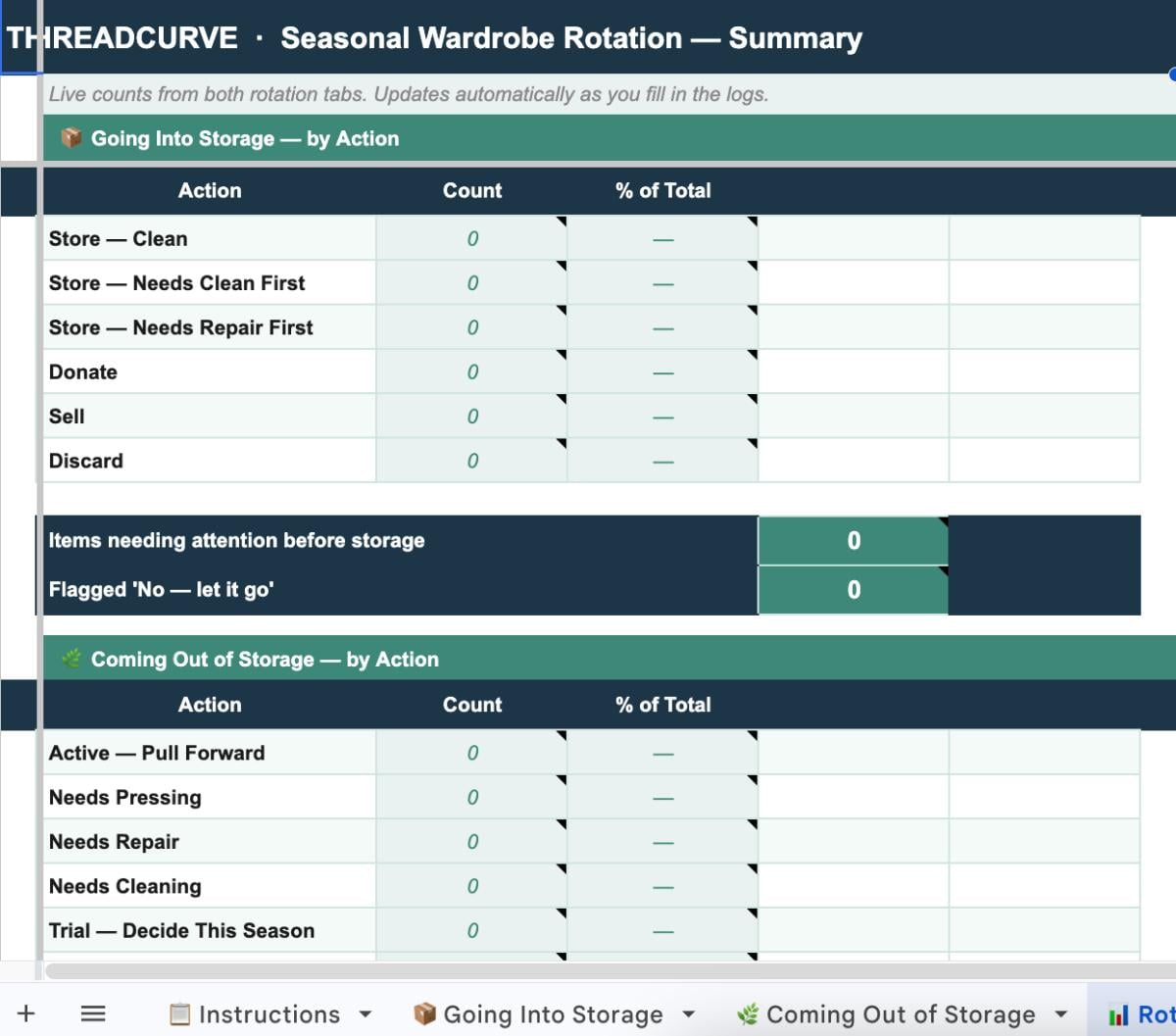
Seasonal Wardrobe Rotation
Audit before each season so “I need spring clothes” becomes an actual list instead of an expensive mood.

Clothing Care & Laundry Tracker
Keep quality pieces looking expensive for years instead of destroying the investment in six washes.
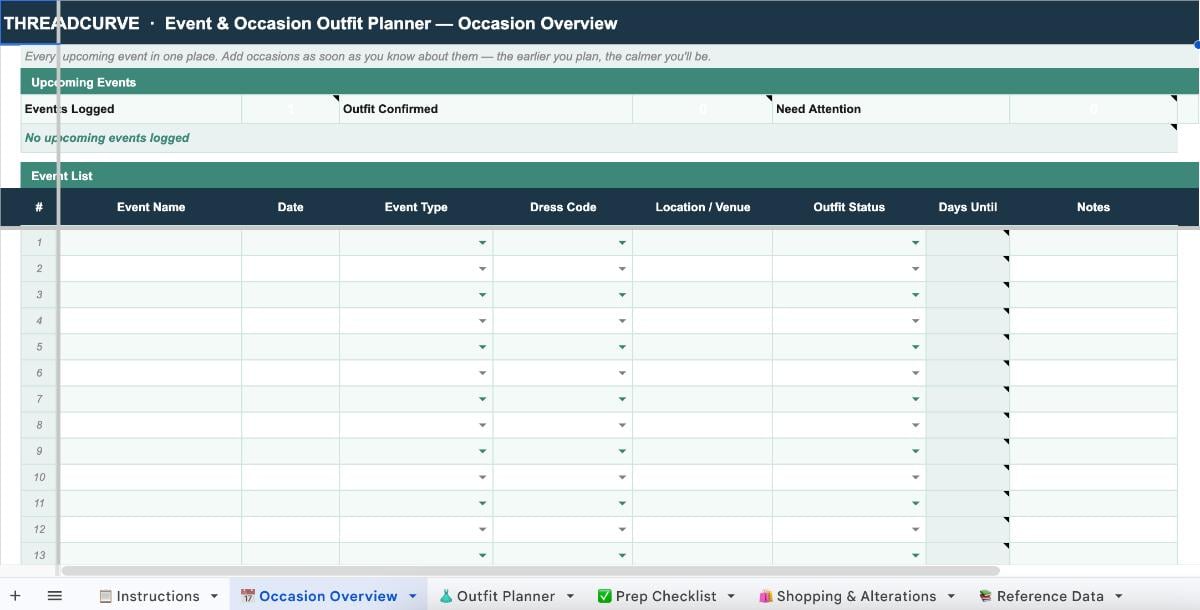
Event & Occasion Planner
Plan the outfit before panic-shopping makes a last-minute full-price decision for you.
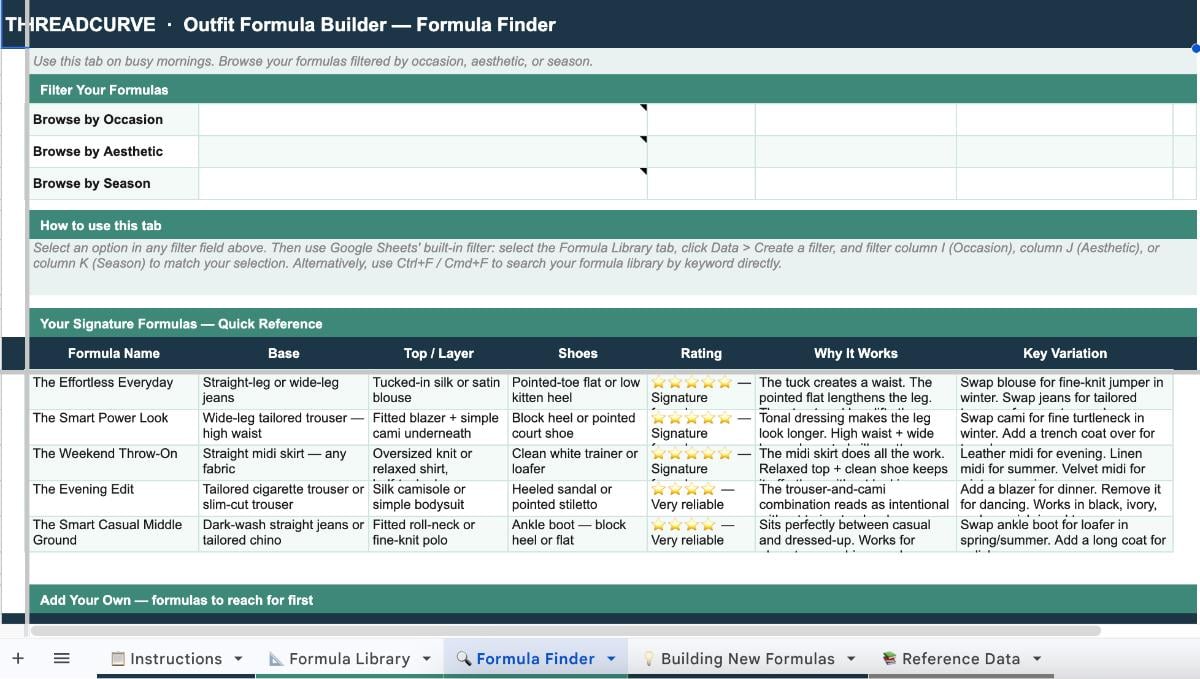
Outfit Formula Builder
Save the five core expensive-looking formulas so assembling an outfit becomes repeatable instead of accidental.

Capsule Wardrobe by Season
Build four capsules around the same affluent-looking principles and make every new purchase work harder.
For the Woman Who Has More Taste Than Her Shopping Strategy Currently Shows.
This is for you if…
- You can recognize an expensive-looking outfit but cannot always explain how to recreate it.
- You have spent real money and still feel like the result should look better.
- You want your budget to become a strategy rather than a limitation.
- You suspect consignment, resale and sales contain huge opportunities if you knew what to hunt for.
- You want to buy fewer clothes while making each purchase improve the entire wardrobe.
- You want a system you can use for years, not another list of “must-haves” that expires next season.
Skip it if…
- You mainly want permission to shop more.
- You want a list of designer brands that supposedly make anyone look rich.
- You want inspiration without learning the underlying system.
- You already shop strategically, understand fabric and tailoring, and reliably love how your wardrobe comes together.
$27 to Learn the Shopping and Styling Rules That Can Save You Hundreds — Then Thousands.
The Affluent Edit is not about pretending to be wealthy. It is about understanding why certain clothes read above what they cost — and learning how to stop paying for things that do not.
- 61 complete lessons across 8 parts
- 300+ custom image examples
- Approximately 142,000 words of detailed guidance
- The four-second fabric touch test, drape test and label intelligence system
- Strategic shopping: sales cycles, consignment, deal-watching and outlet strategy
- The tailor relationship and how to brief alterations that dramatically improve fit
- Five repeatable expensive-looking outfit formulas
- The tonal dressing method and 10-second pre-exit assessment
- Six complete capsule wardrobes with full piece lists and outfit formulas
- Hair, grooming and fragrance guidance
- 11 Google Sheet wardrobe-planning tools
- Lifetime access with no subscription and no expiry
Questions You Should Ask Before Spending Even $27.
Spend $27 Learning How to Recognize Value Before You Spend Another $270 Hoping You Found It.
You do not need a richer wardrobe.
You need to become a much harder woman to sell mediocre clothes to.
Get The Affluent Edit — $27 →61 lessons · 300+ examples · 6 capsule wardrobes · 11 tools · lifetime access · 14-day guarantee