
You Don’t Need More Clothes. You Need to Know Why Some Women Look Expensive in Almost Anything.
Quiet luxury is not beige. It is not a logo-free handbag. And it is definitely not spending $4,000 to look like you spent nothing. The Quiet Edit shows you the hidden decisions that make a wardrobe look considered, expensive and effortless — and the tiny mistakes that can wreck the effect even when every piece costs a fortune.
- The fabric clue most shoppers never check
- The proportion mistake that can cheapen an otherwise expensive outfit
- The 20-piece framework that creates 60+ combinations
- The shopping test that can stop beautiful mistakes before checkout
14-day guarantee
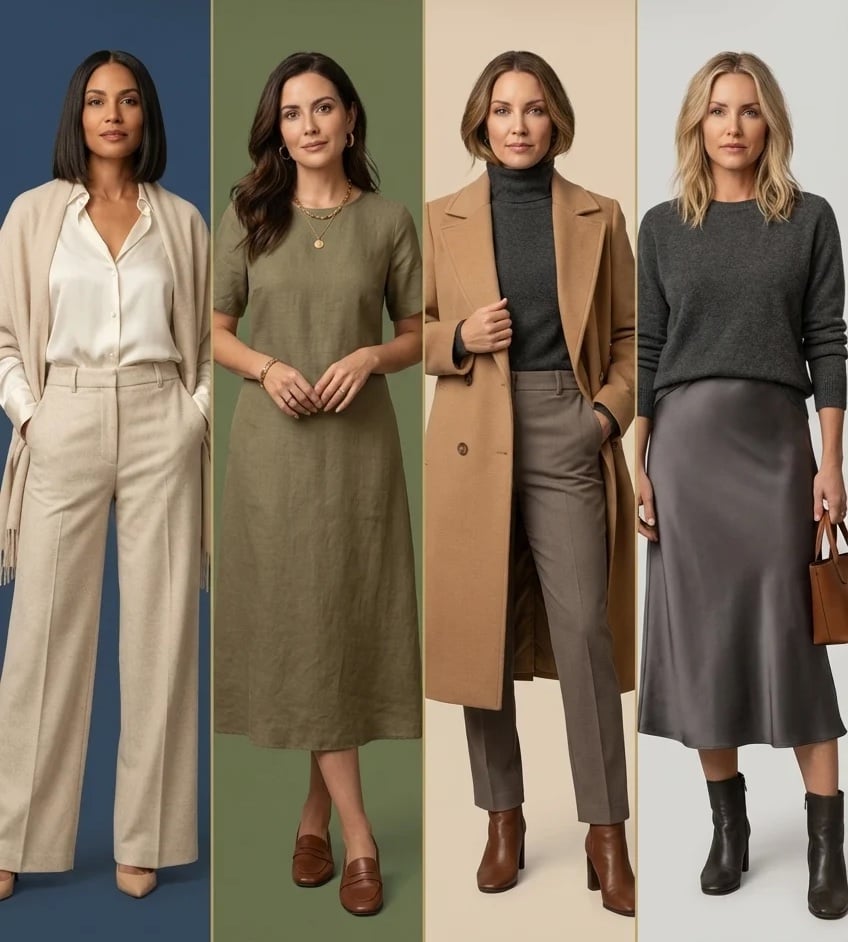
Why Can One Woman Wear a White Shirt and Trousers and Look Incredible — While Another Looks Like She Gave Up?
That is the maddening thing about quiet luxury.
The clothes can look almost insultingly simple. A knit. A trouser. A coat. Loafers. A bag without a logo screaming across it.
So you copy the formula.
And somehow the magic disappears.
Fabric. Drape. Scale. Trouser break. Sleeve length. Color temperature. Shoe weight. Hardware. Finish. Proportion. What is tailored. What is relaxed. What gets repeated. What never gets added in the first place.
Miss one or two and the outfit can still work. Miss enough and a $2,000 wardrobe can look cheaper than a carefully chosen $300 one.
The “Everything Is Nice” Trap
Your closet can be full of individually beautiful pieces that have absolutely no business being in the same wardrobe.
The Expensive Fabric Trap
A luxury fiber name on a tag does not automatically mean luxury quality. The course shows you what to inspect before price talks you into the purchase.
The Basic-Piece Trap
“Buy better basics” sounds smart until your closet becomes twenty respectable items with no shape, tension or personality.
The Trendy-Luxury Trap
The fastest way to ruin a timeless wardrobe is to keep buying the internet’s latest definition of timeless.
Quiet Luxury Works Because the Woman Wearing It Understands the Rules You Cannot See.
The finished outfit looks simple because the hard decisions were made earlier: what fabrics are allowed in, what proportions repeat, which colors talk to each other, what deserves real money and what absolutely does not.
That is what The Quiet Edit teaches: a system you can use in a fitting room, at your closet, on a resale site or when deciding whether a beautiful $600 mistake deserves to come home with you.
Instead of Giving You More Clothes to Want, It Teaches You What to Notice.
The course runs through five connected areas so the wardrobe, beauty, shopping and investment decisions stop fighting each other.
Foundations
The hidden vocabulary of quality, palette, proportion and silhouette — including what makes simple clothes look intentional instead of plain.
The Wardrobe
The 20-piece framework, combination logic, investment sequence and the pieces that earn space because they multiply everything around them.
Beauty & Fragrance
Hair, skin, makeup and scent as part of the same visual system — including where “more polished” unexpectedly starts making the whole look worse.
Living It
Shopping psychology, care, travel, occasion dressing and how to keep the wardrobe coherent once real life gets involved.
Special Topics
Vintage, sustainable investment, gray hair, changing bodies and the decisions generic fashion advice tends to reduce to slogans.
Here’s Where the Curiosity Starts Costing You Money.
Because once you know these questions have answers, it gets very hard to keep shopping the old way.
Why Can a Closet Full of Quality Clothes Still Produce Absolutely Nothing to Wear?
There is one structural failure that shows up again and again — and buying another “versatile” piece usually makes it worse.
What Can You Learn About Cashmere Before You Even Look at the Brand?
A few physical clues can tell you more than the logo — including why two sweaters labeled “100% cashmere” can behave like completely different materials.
Which Proportion Mistake Can Make an Expensive Outfit Look Weirdly Cheap?
It is not about being thinner, taller or younger. It is a relationship between pieces — and once you see it, you start spotting it everywhere.
Why Does “Buy Neutral Basics” Create So Many Dead Wardrobes?
The problem is not neutrals. It is what most women fail to decide before choosing them.
What Are the 20 Pieces That Can Produce More Than 60 Outfits?
More interestingly: why those twenty — and which seemingly obvious “essential” does far less work than most wardrobe lists claim?
Which Garment Is Often Smarter to Buy Vintage Than New?
There is one category where older construction, fabric and resale pricing can create a ridiculous opportunity — if you know which eras to hunt.
What Are the Four Shopping Traps That Catch Even Women With Excellent Taste?
One happens because an item is beautiful. One because it seems practical. One because the price feels too good. And one because you are shopping for a life you do not actually live.
Where Should You Spend Real Money — and Where Is “Investment Dressing” Mostly Marketing?
The investment hierarchy separates the categories where quality changes the result from the ones where accessible versions can work brilliantly.
Why Can the Wrong Neutral Make an Entire Wardrobe Feel Slightly Off?
“Beige” is not a palette. Neither is “camel and cream.” The course gets far more specific about the anchor tones that make everything else click.
What Changes When You Stop Asking Whether Clothes Are “Flattering”?
There is a different question that produces far better style decisions — especially when your body no longer looks exactly like it did fifteen years ago.
Why Might Your Skincare Budget Be Backwards?
The beauty section makes a very specific argument about where the money changes the finished result — and where more product mostly creates more product.
What Makes a Signature Fragrance Feel Like Part of Your Wardrobe Instead of Another Bottle on the Shelf?
The system narrows the search through families and houses so scent becomes part of the same aesthetic rather than a completely separate purchase.
What Does Going Gray Actually Require If You Want the Rest of the Look to Keep Up?
Full embrace, full coverage and intentional transition each change more than hair color. The course shows what shifts around them.
Which “Luxury” Details Are Doing Nothing for You?
Some details signal quality. Some merely signal that a brand knows exactly which words make shoppers reach for their cards.
What Is the Fastest Way to Tell Whether a New Piece Will Multiply Your Wardrobe — or Pollute It?
The answer turns “but I love it” into a much easier decision before a beautiful orphan moves into your closet.
How Can You Make Getting Dressed Take Three Minutes Without Dressing the Same Every Day?
The trick is not minimalism for its own sake. It is combination logic: fewer dead ends, more pieces that automatically know what to do with each other.
One Expensive Mistake Costs More Than the Entire Course.
The Quiet Edit is $27. If it stops one cashmere regret, one “investment” bag you never carry or one blazer that works with absolutely nothing, the arithmetic gets easy.
14-day guarantee
11 Tools That Turn “I Should Sort Out My Wardrobe” Into Actual Decisions.
These are working Google Sheets for planning, editing, budgeting, packing, outfit building and seeing what your clothes are really doing.
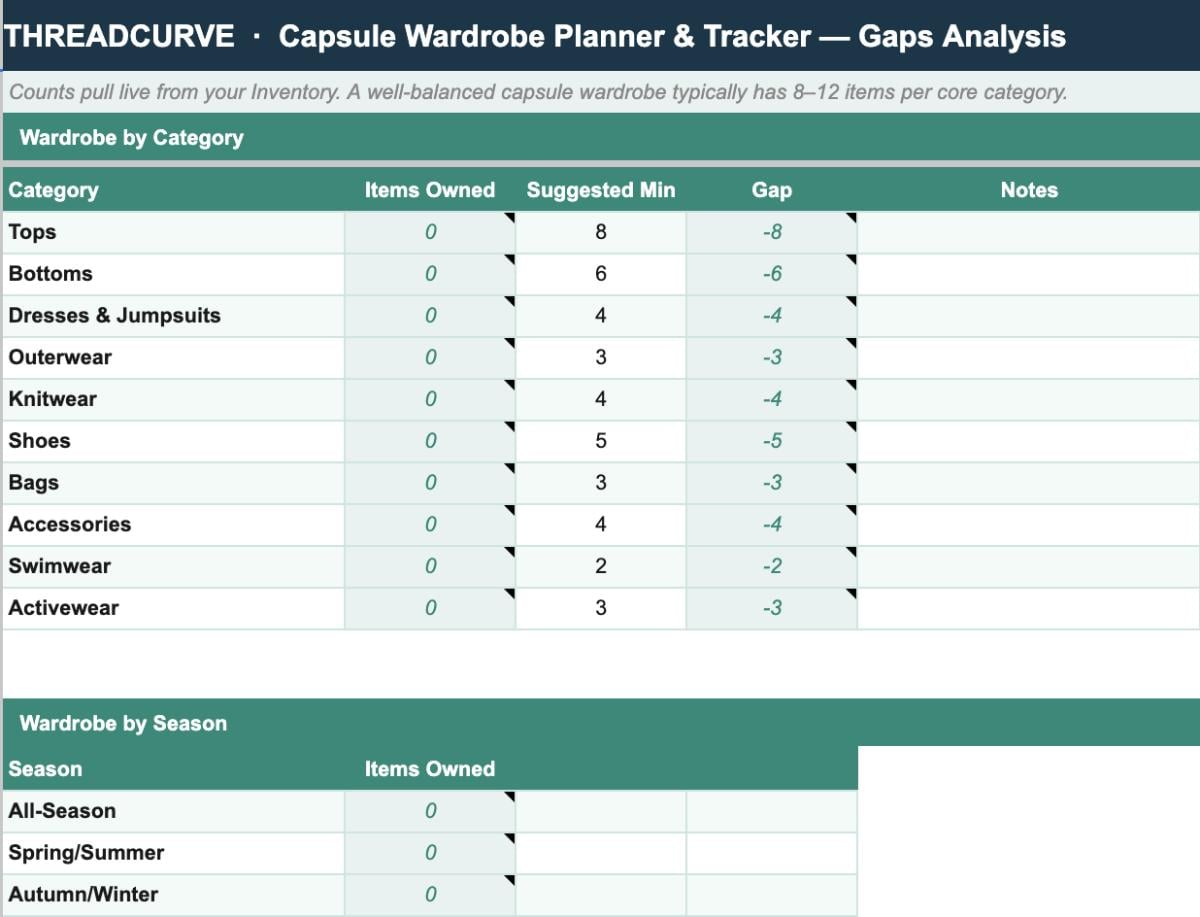
Capsule Wardrobe Planner & Tracker
Track every piece, what gets worn, where the gaps are and what your real cost-per-wear looks like.
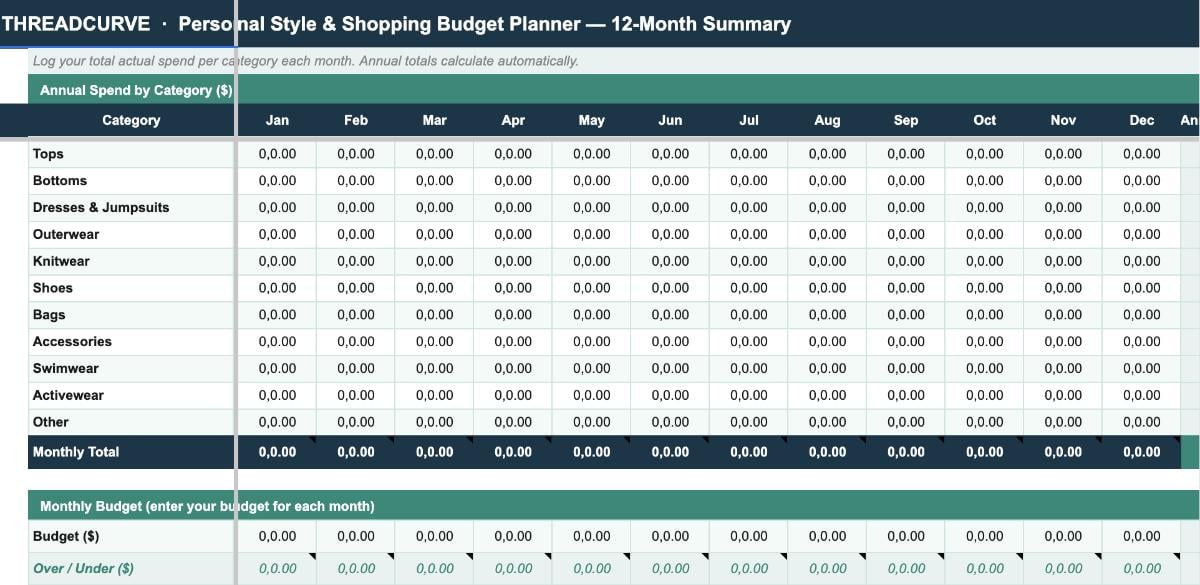
Shopping Budget Planner
Allocate your style money before the beautiful things start making their case.
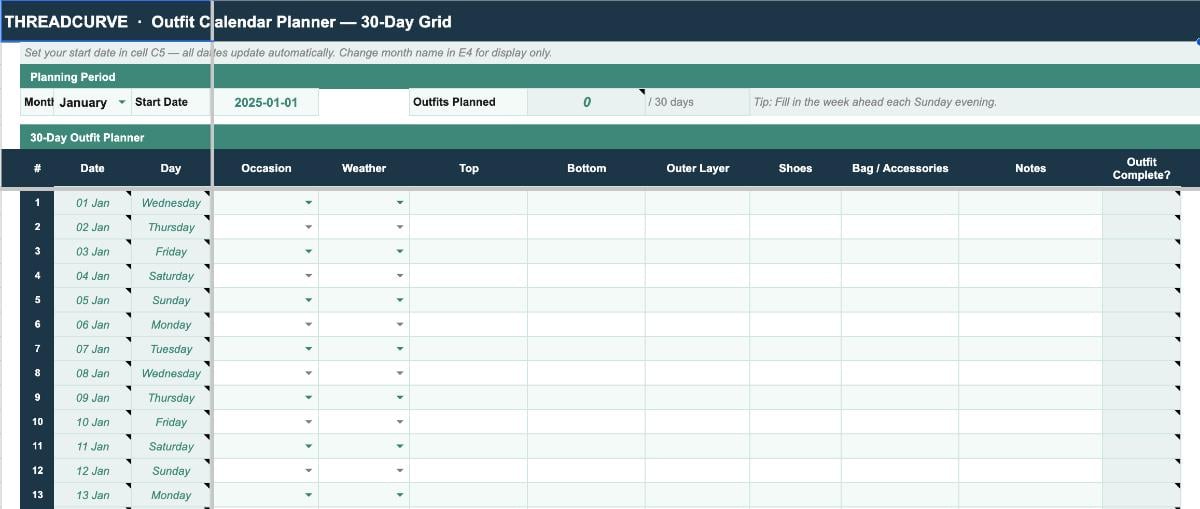
30-Day Outfit Calendar
See which pieces genuinely earn their space over a month — and which “essentials” never leave the hanger.
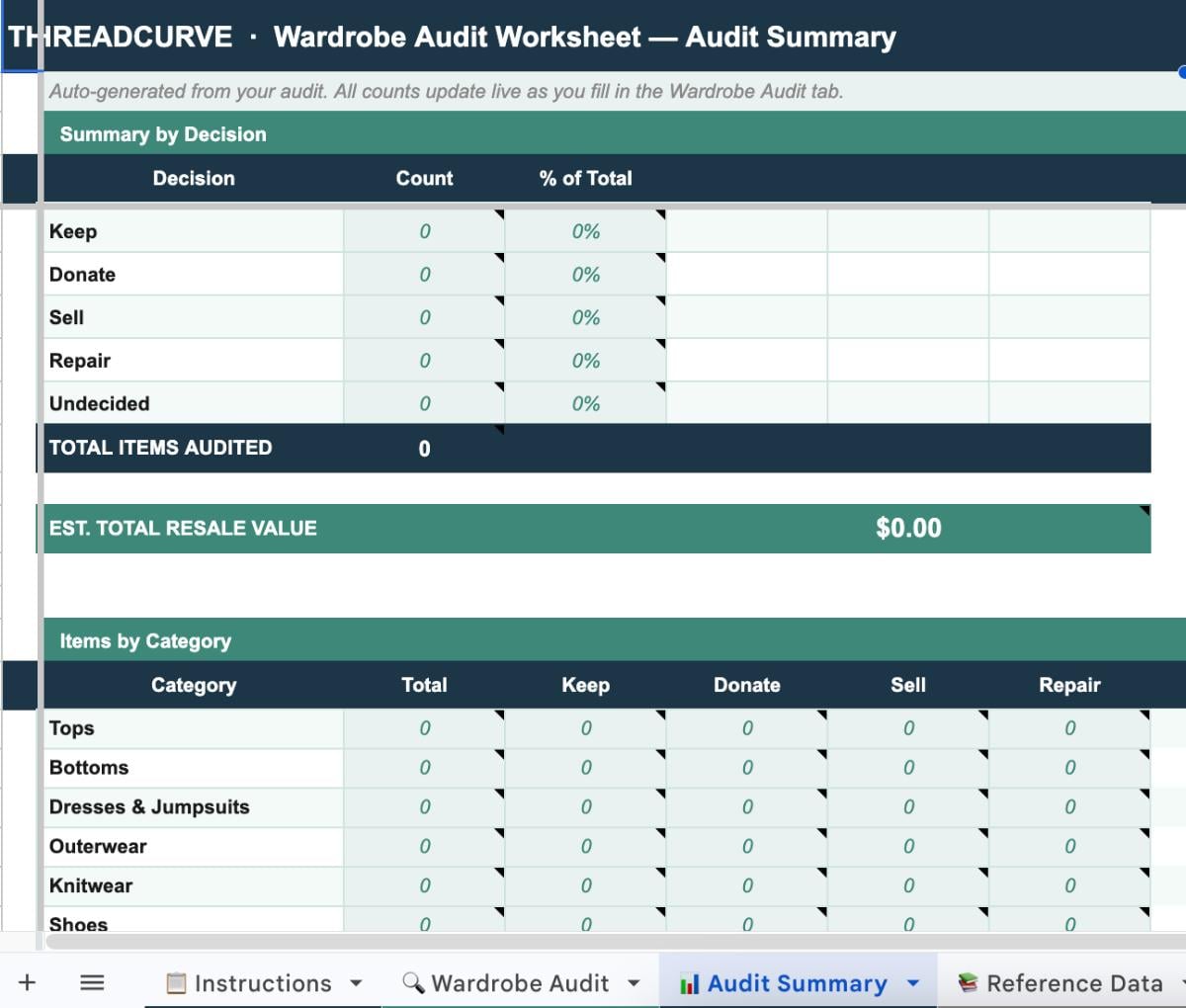
Wardrobe Audit Worksheet
Score the closet against the system and turn vague dissatisfaction into keep, alter, sell and replace decisions.
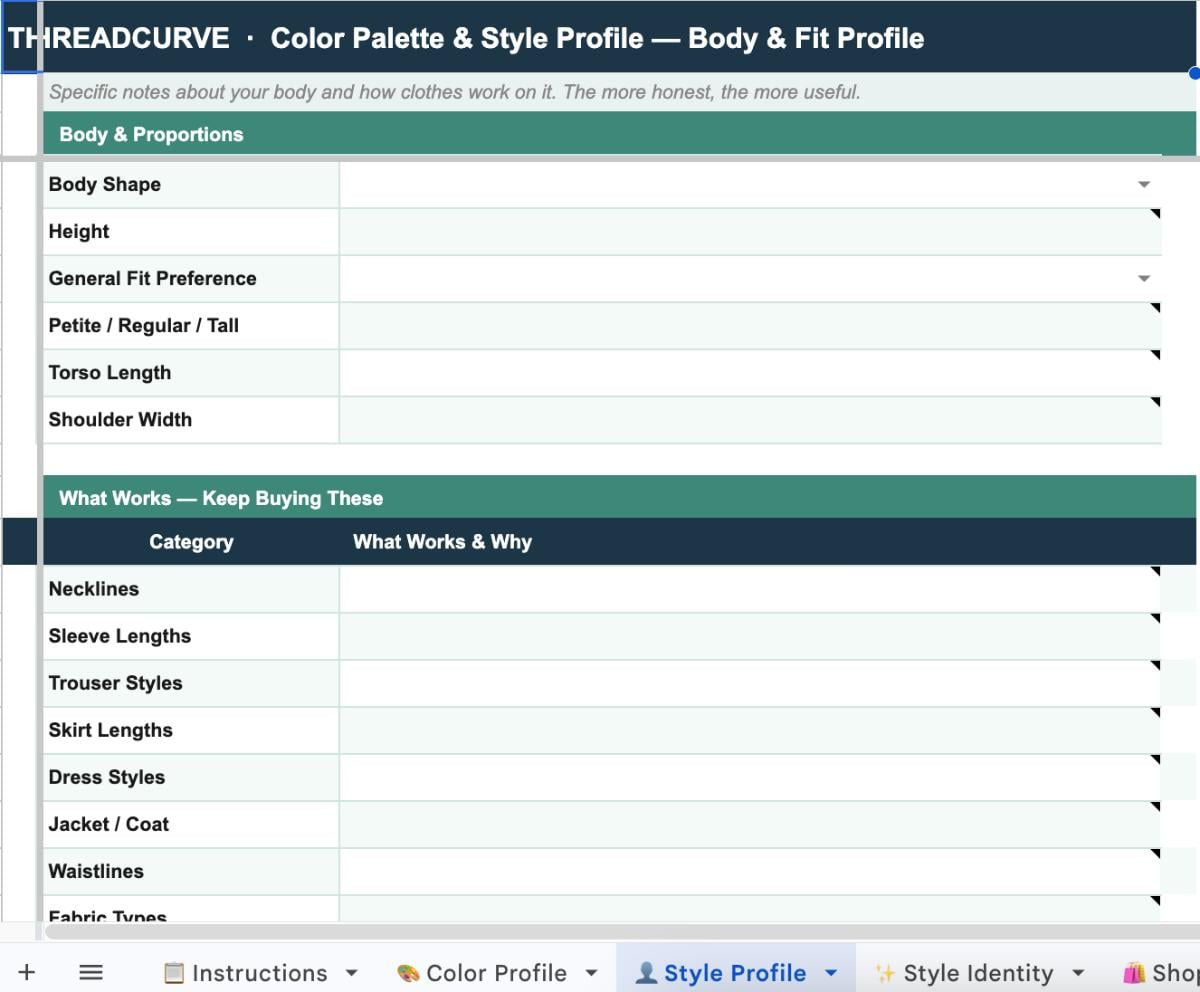
Color Palette & Style Profile
Build a permanent palette specific enough to name, recognize and actually shop.
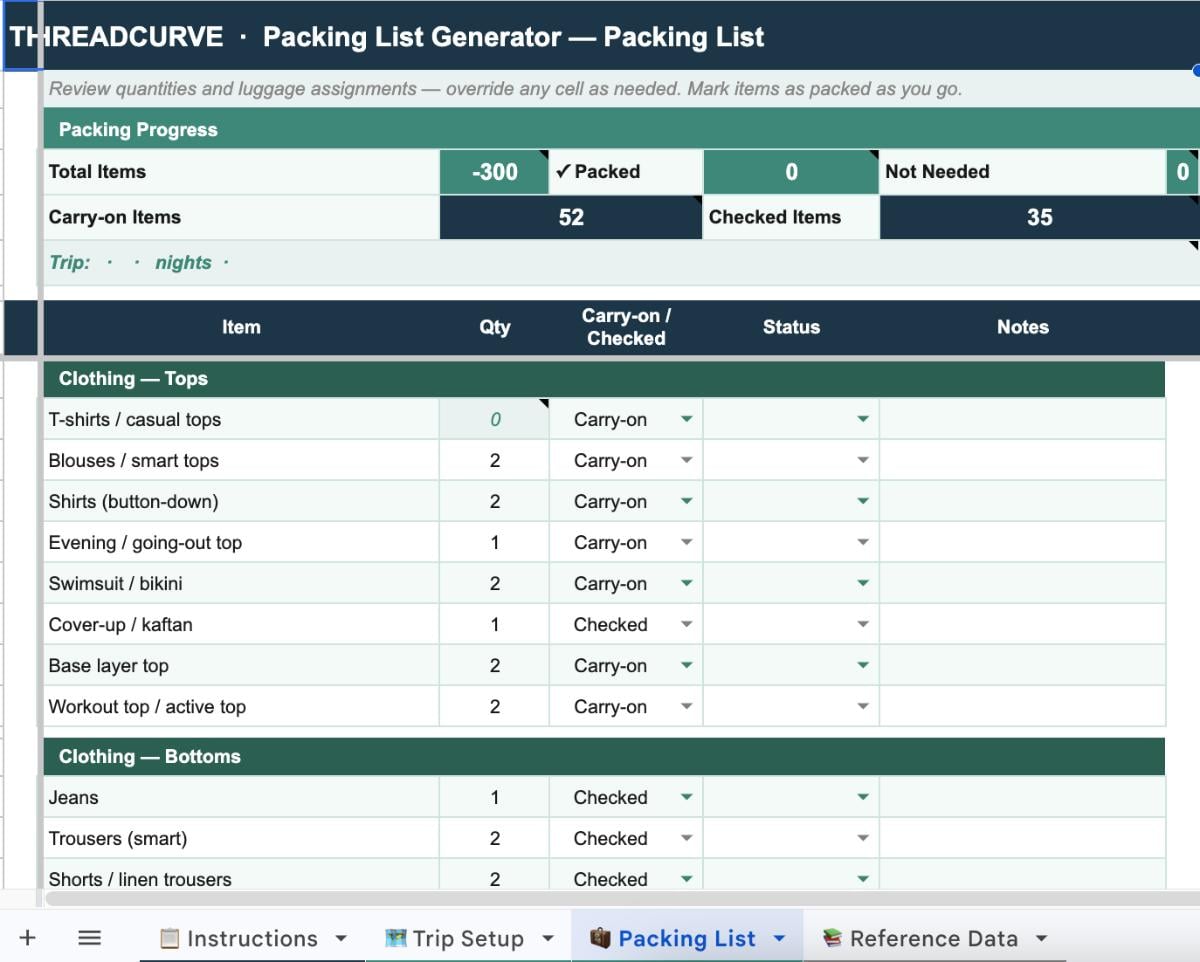
Packing List Generator
Build an outfit-planned trip wardrobe without packing ten backup personalities.
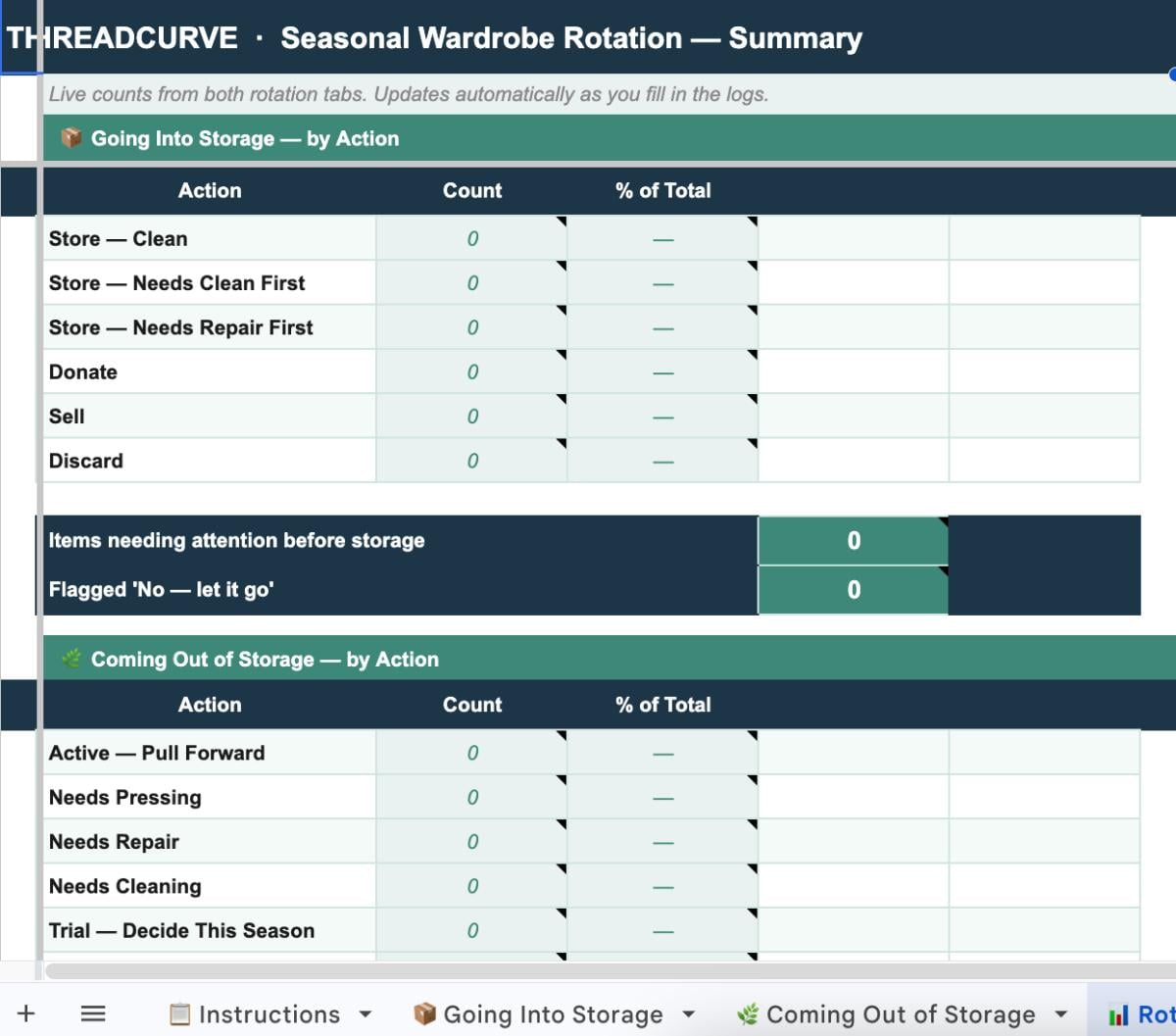
Seasonal Wardrobe Rotation
Know what comes forward, what stays stored and what actually needs replacing before a new season starts selling to you.

Clothing Care & Laundry Tracker
Protect the pieces that were worth paying for and stop turning “investment” clothing into laundry casualties.
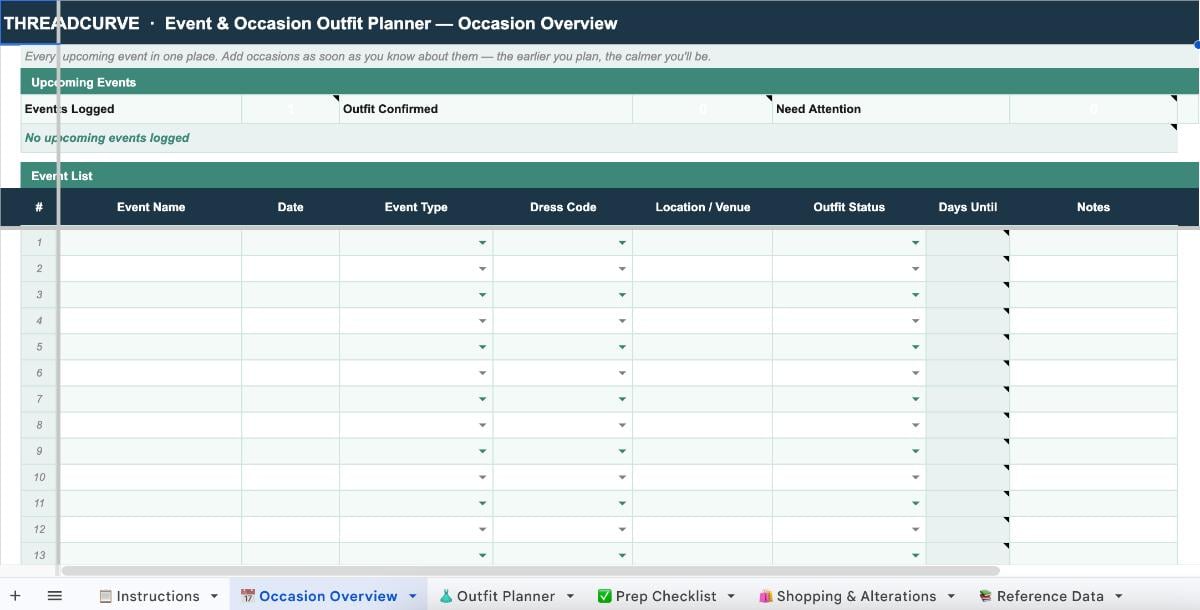
Event & Occasion Planner
Decide before the event instead of at 6:07 p.m. while every rejected outfit is on the bed.
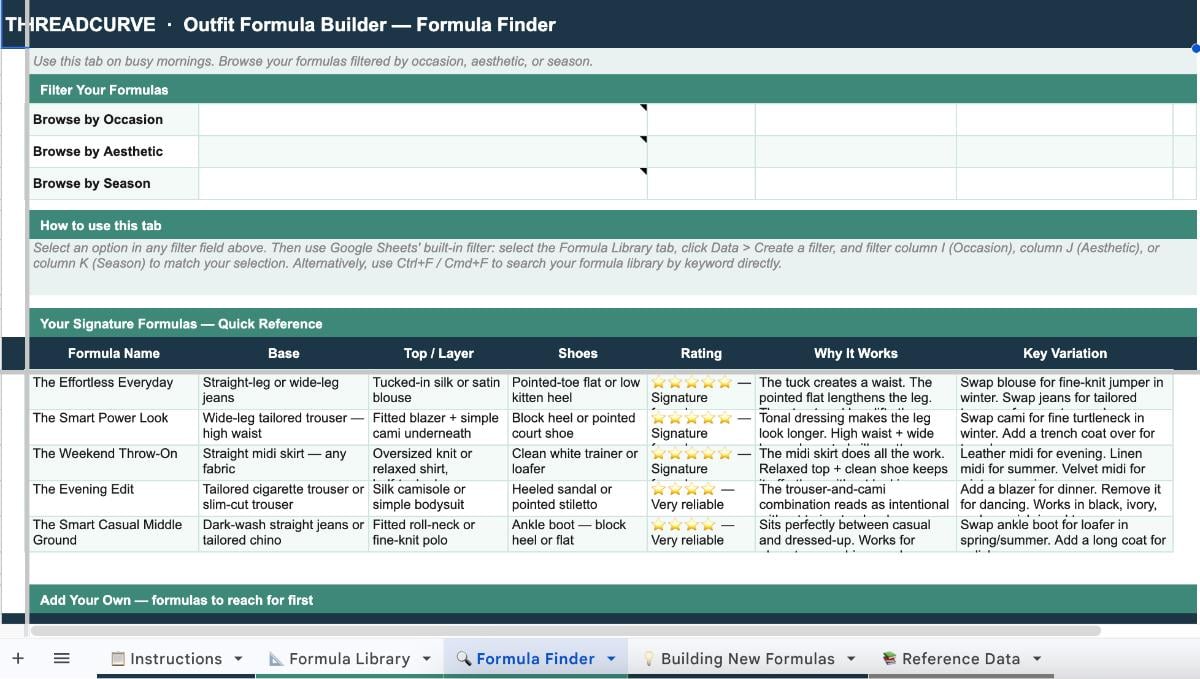
Outfit Formula Builder
Make the 60-plus combinations visible so you can repeat formulas without repeating outfits.

Capsule Wardrobe by Season
Build four coherent seasonal capsules instead of accidentally rebuilding your identity every three months.
For Women Who Want Fewer Clothes, Better Decisions and a Wardrobe That Looks Like It Knows What It’s Doing.
This is for you if…
- You are bored with style advice that begins and ends with “flattering.”
- You own good clothes but the wardrobe still feels strangely unfinished.
- You are willing to buy less if what you buy works much harder.
- You want to know the difference between true quality and expensive branding.
- You want fabric, color, proportion, beauty, fragrance and shopping to work as one system.
- You want a wardrobe that can survive trends instead of needing a refresh every season.
Skip it if…
- You mainly want a list of this month’s hottest products.
- You want permission to buy more rather than a reason to become more selective.
- You want every recommendation to be fast-fashion priced.
- You enjoy rebuilding your wardrobe every time the algorithm discovers a new “timeless” aesthetic.
$27 to Learn the Difference Between “Nice Clothes” and a Wardrobe That Looks Expensive on Purpose.
Thirty long-form lessons. Five parts. More than 200 custom examples. A system built to sit beside you when you edit the closet, shop, pack, get dressed or decide whether something is actually worth the money.
- 30 complete written lessons across five parts
- 200+ custom image examples
- Approximately 64,000 words of detailed guidance
- The fabric hierarchy with quality markers by fiber, grade and origin
- A precise palette system for anchor tones, warming neutrals and accents
- The 20-piece foundation wardrobe and 60+ combination logic
- Investment sequencing: where better quality changes the result and where you can economize
- Modules on fragrance, beauty, hair, vintage, occasion dressing and changing bodies
- Four AI shopping-brief templates for your wardrobe context
- 11 Google Sheet wardrobe-planning tools
- Lifetime access with no subscription and no expiry
Questions Worth Asking Before You Spend $27.
Spend $27 Learning What Makes Clothes Look Expensive Before You Spend $270 Trying to Guess.
Most closets do not need another purchase. They need a better filter.
The Quiet Edit gives you one.
Get The Quiet Edit — $27 →30 lessons · 200+ examples · 11 tools · lifetime access · 14-day guarantee