❤️ Would you like to save this?
The waxy sweetness of Bonne Bell Lip Smacker, a scratchy polyester blouse at the collarbone, and the particular thud of a cork wedge on linoleum: the 1970s had a look, and it committed to every part of it.
These are the pieces, trends, and styling habits that seemed to turn up everywhere during the decade. Some were practical, some were theatrical, and several demanded more patience than anyone admitted at the time. Together they formed a wardrobe that could move from folk festival to office, disco, church supper, or grocery aisle without ever becoming subtle.
FYI, thanks to AI imagery software, we’re able to create very specific fashion and hairstyle examples to illustrate the points being made. In some cases, imagery is exaggerated to hammer home the point. Also, assume links that take you off the site are affiliate links such as links to Amazon. this means we may earn a commission if you buy something.
25. Bell-Bottoms That Swept the Sidewalk Behind You
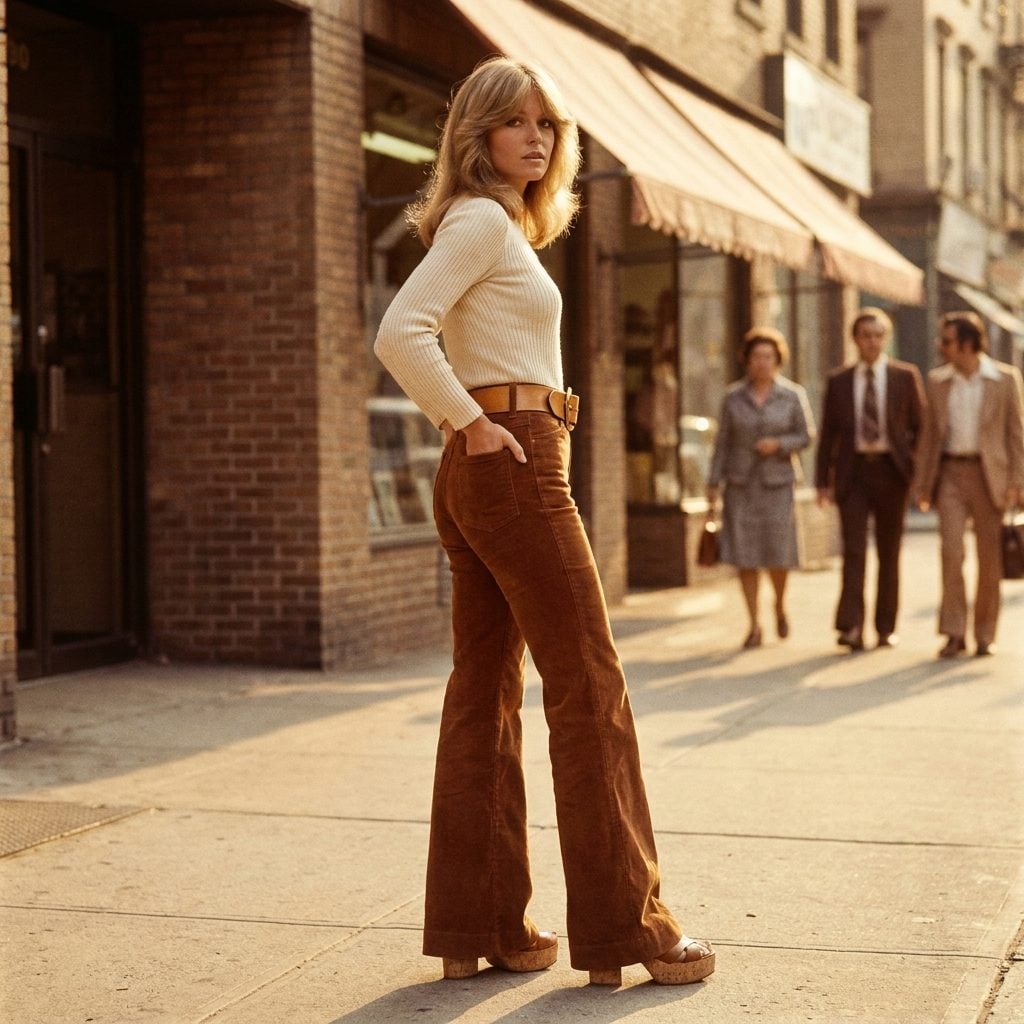
The hems dragged no matter how tall the platform shoes were. By the end of the season, the backs were frayed and gray from scraping pavement, and hemming them shorter felt like missing the point.
Ordinary bell-bottoms widened from the knee and gave a tucked blouse or fitted knit a dramatic counterweight. Cork platforms helped lift the fabric, though rarely enough to keep it completely off the sidewalk.
24. The Halter Jumpsuit You Prayed Wouldn’t Betray You
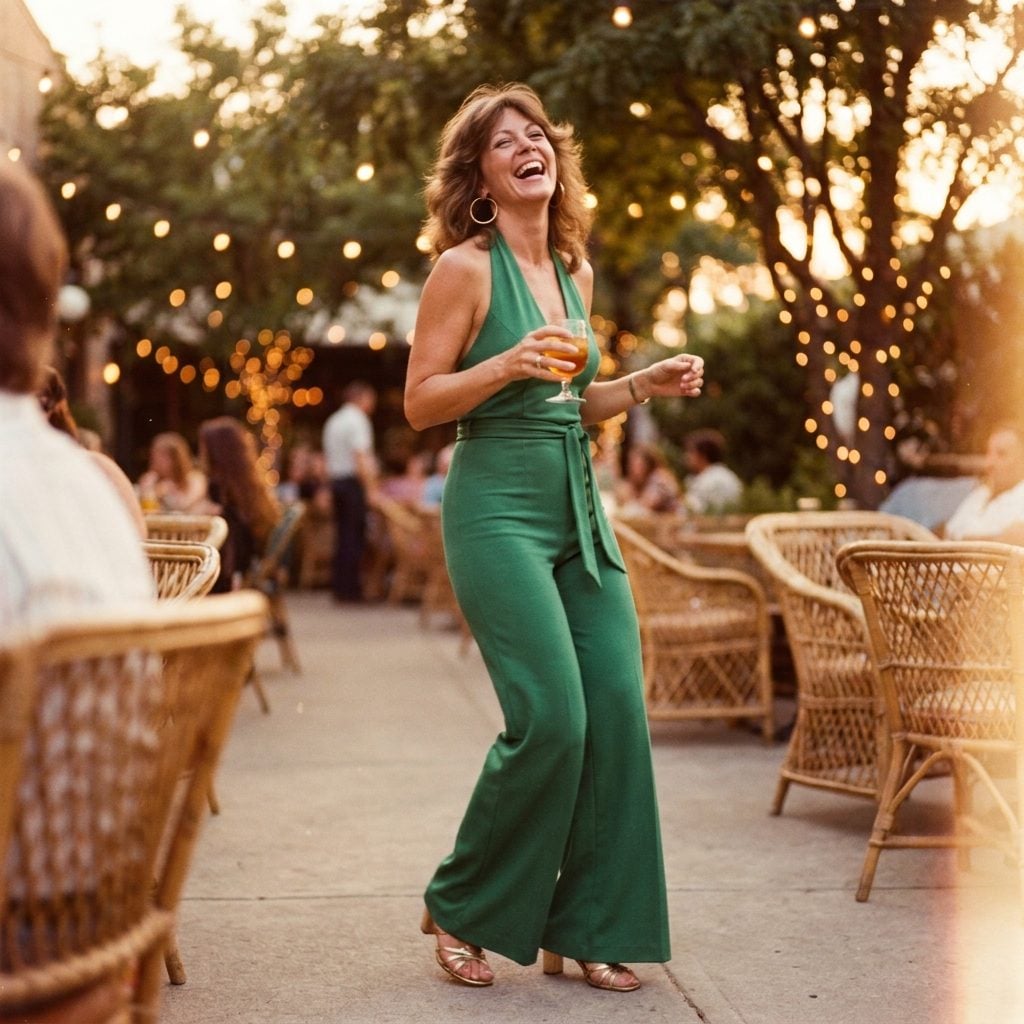
One piece, one zipper, and one trip to the restroom that became a complete undressing operation. The inconvenience was obvious. So was the appeal.
The halter neckline exposed the shoulders while the flared leg kept the silhouette fluid. A self-tie belt gave the middle some structure, especially in the deep emeralds, burnt oranges, and chocolate browns that defined the decade.
23. Suede Fringe Vests Straight Off a Festival Poster
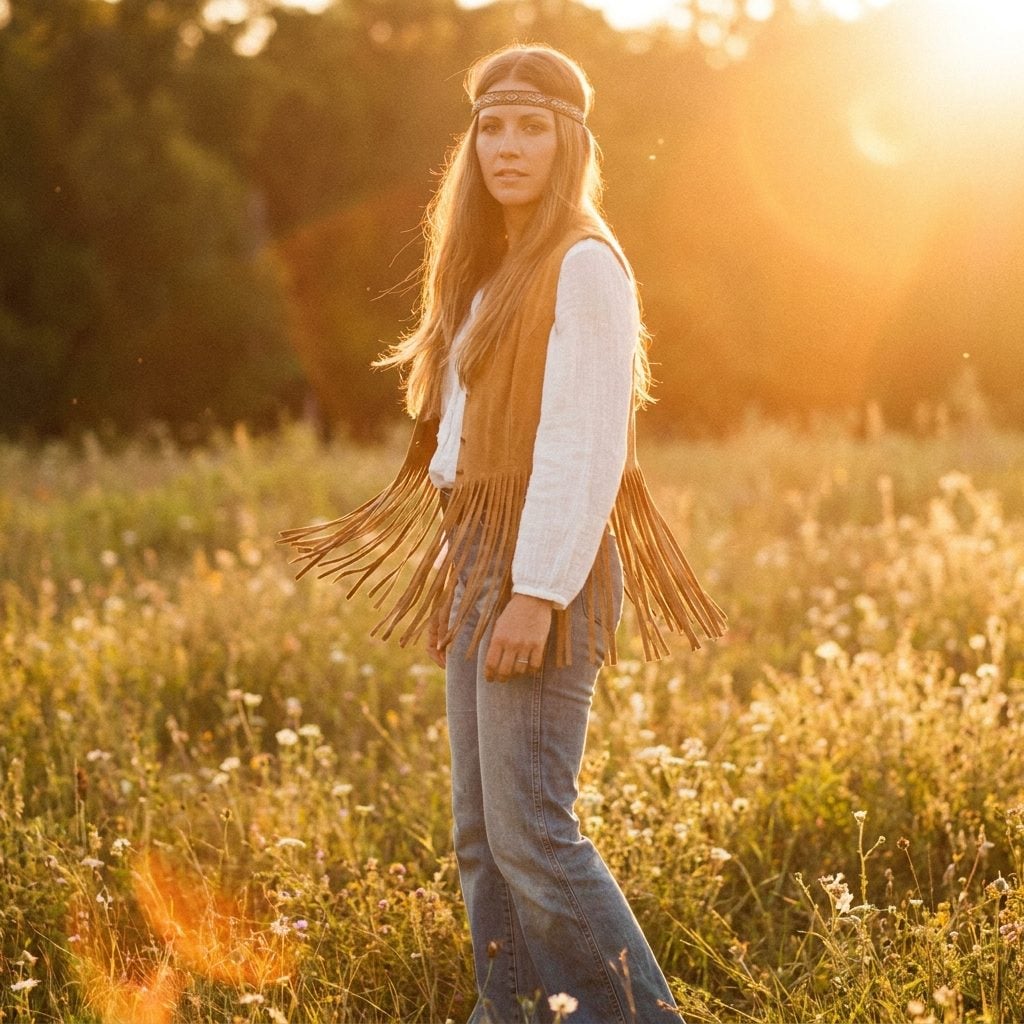
The fringe caught on purse straps, chair arms, and car doors, then swung dramatically the moment you moved. That inconvenience was part of the effect.
A suede vest over a loose cotton blouse created clear textural contrast without needing much jewelry. It became shorthand for the festival look, even among people whose closest brush with Woodstock was a poster on a bedroom wall.
22. Hot Pants With Tall Boots You Wore Everywhere
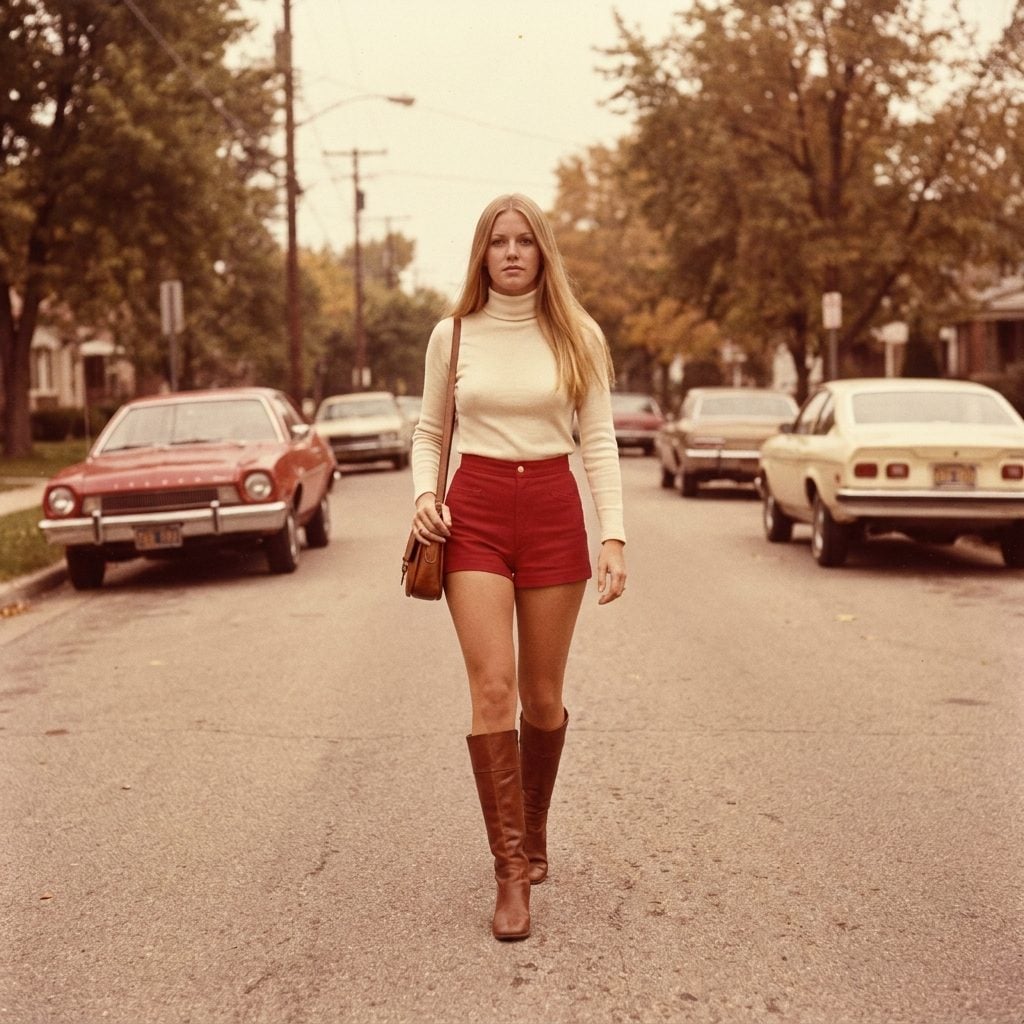
Short shorts, tall boots, and no sense that the outfit required a special occasion. Women wore the combination to lunch, errands, and parties with the same calm confidence.
A fitted turtleneck or long-sleeved knit kept the upper half simple, while the high waist and tall boot gave the outfit its unmistakable shape. Bold was exactly the idea.
21. Patchwork Maxi Skirts Made From Every Print at Once
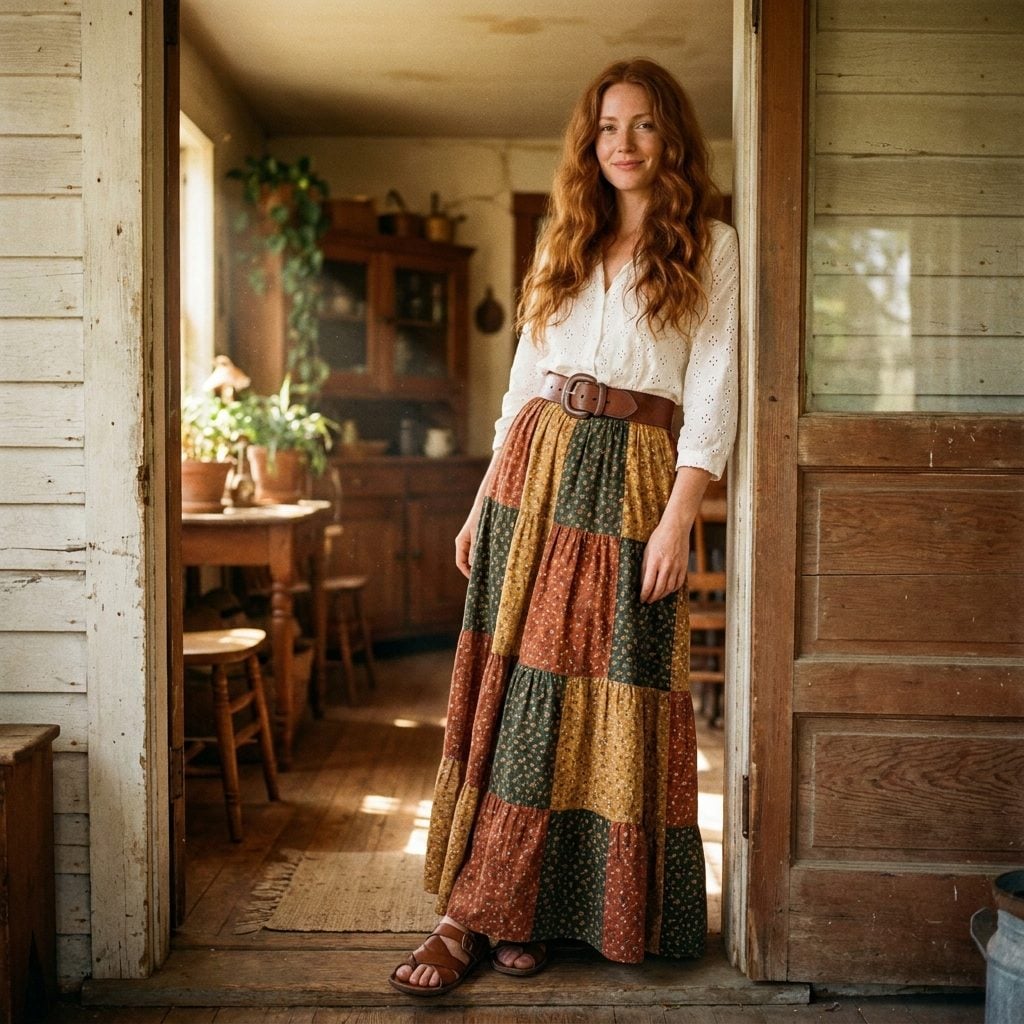
Every panel seemed to come from a different sewing basket: calico flowers, checks, faded paisleys, and pieces that looked suspiciously like an old curtain. Some women made them. Others bought them and claimed they might learn.
A belt and fitted blouse gave the patchwork skirt some structure, while the uneven prints kept the long silhouette from feeling visually heavy.
20. The Wrap Dress That Changed the Working Woman’s Closet
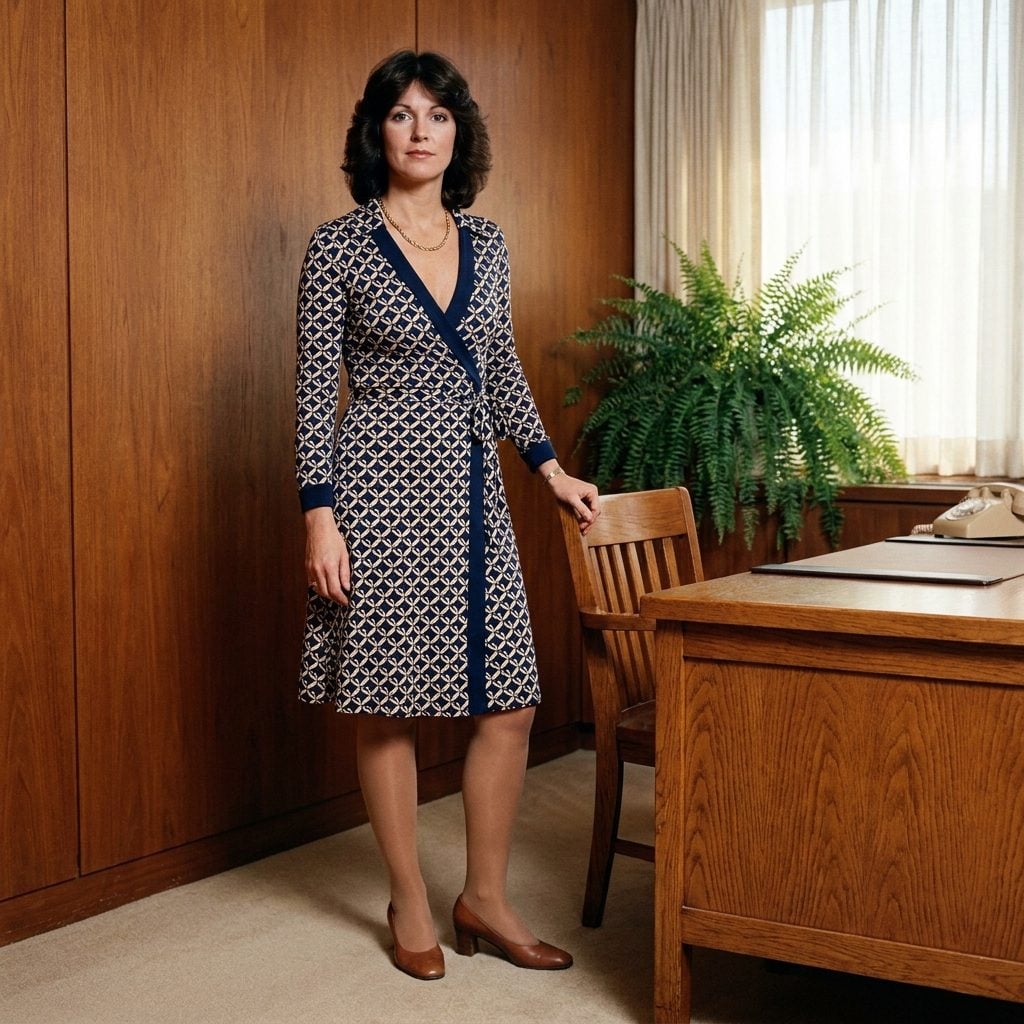
You could put it on, tie it, and leave the house in under a minute. No zipper, no row of buttons, and no one else’s help required.
The wrap created shape through overlapping construction rather than rigid tailoring, while jersey fabric moved easily through a workday. Diane von Furstenberg’s version became one of the decade’s defining garments and helped turn her into a household name.
19. Platform Shoes That Made Every Step a Negotiation
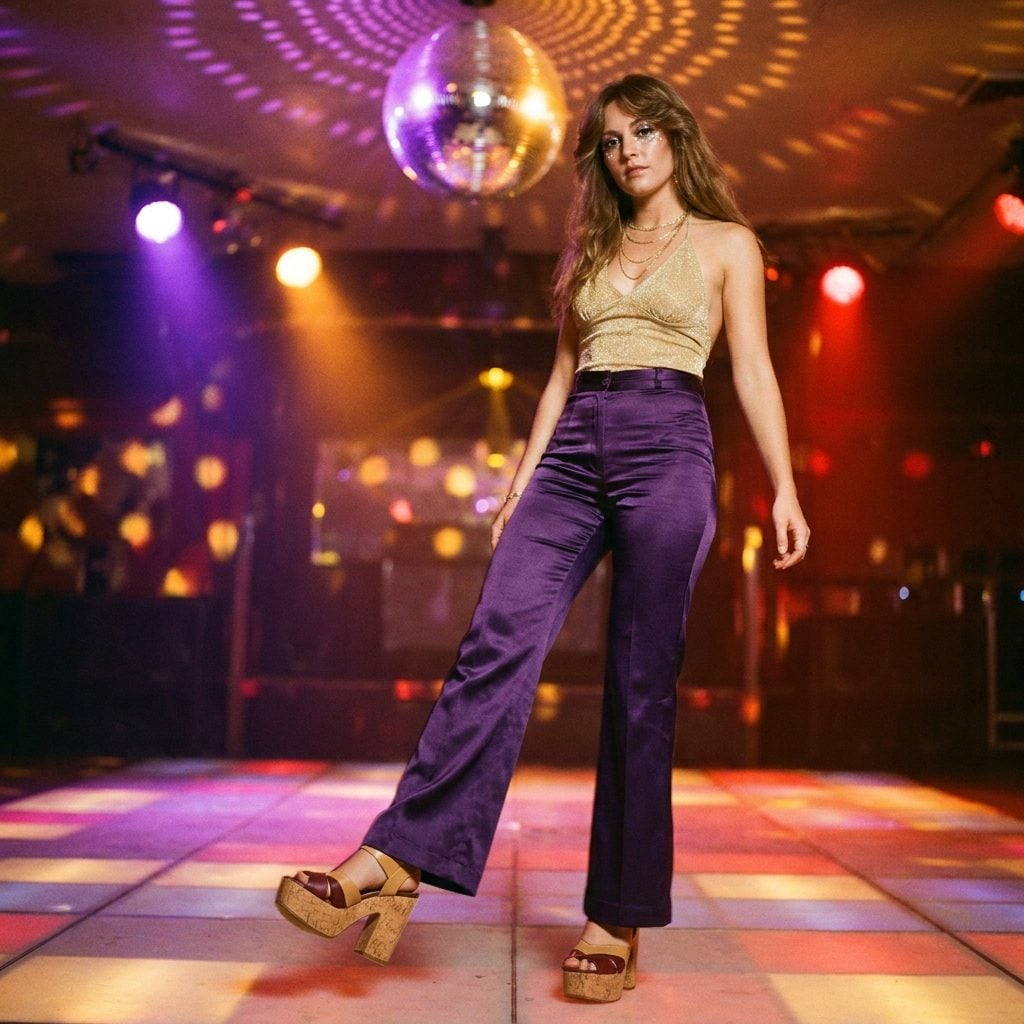
They came in cork, wood, and stacked rubber that felt like walking on a small piece of furniture. The added height looked glamorous right up until the pavement tilted.
Platforms worked especially well with flares and wide-leg trousers because they lifted the hem and kept the line moving. Dancing in them was possible, though not always graceful.
18. Gaucho Pants Nobody Could Quite Explain
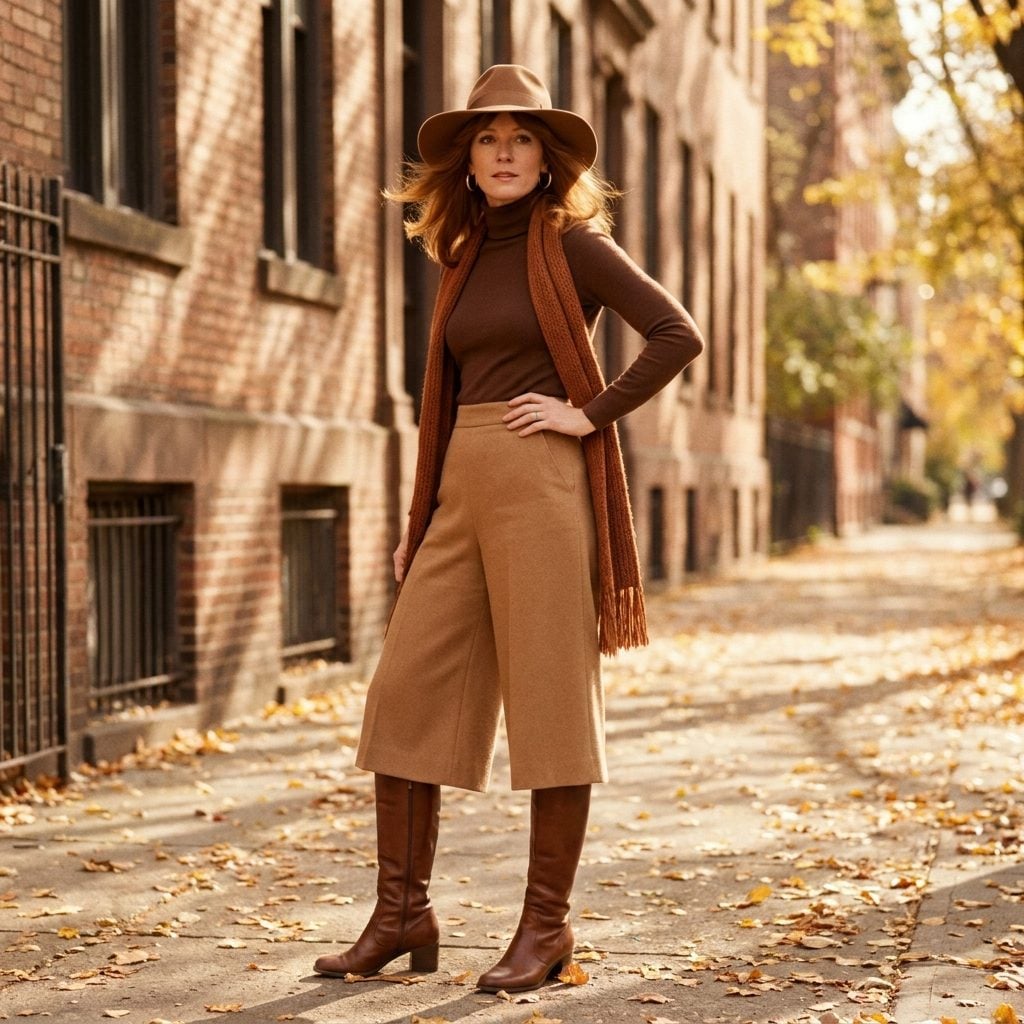
Too wide for ordinary trousers and too short to be full-length, gauchos stopped at an awkward mid-calf point that could be difficult to balance without the right shoe.
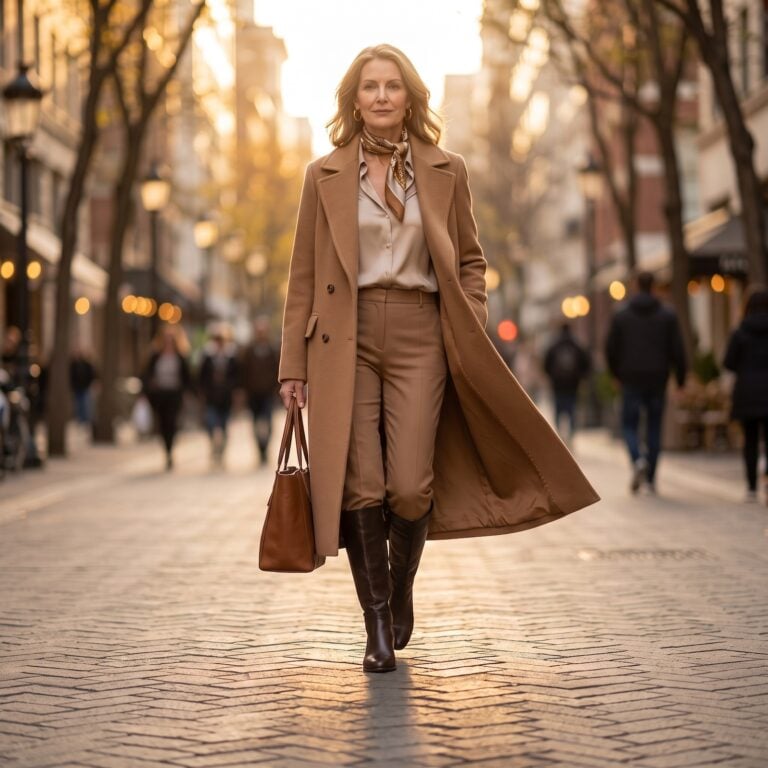
Tall boots filled the space beneath the hem and made the shape feel more intentional. Camel trousers, chocolate boots, and a rust scarf turned three close browns into a complete outfit.
17. Tube Tops You Hitched Up All Summer

No straps, very little structure, and an endless need for adjustment. Summer parties involved one hand on a drink and the other making sure the top stayed where it belonged.
High-waisted shorts gave the outfit a clear lower boundary, while a long pendant necklace added one vertical detail through the center. The result looked carefree even when the wearer was quietly checking it every few minutes.
16. The Head-to-Toe Denim Suit Your Mother Warned You About
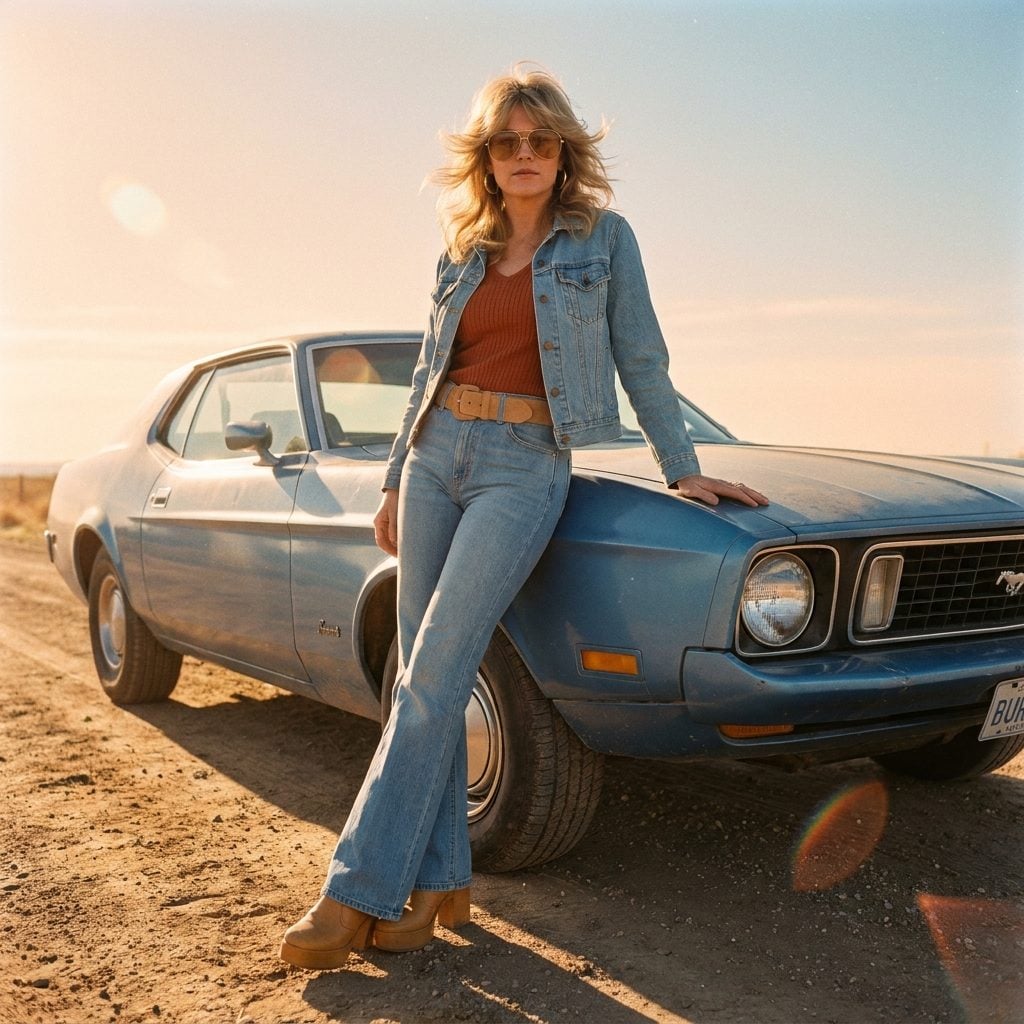
Same wash on top and bottom, worn with enough conviction to qualify as a suit. Denim-on-denim had been around for years, but the joke eventually became permanently attached to it.
A burnt-orange knit or blouse broke up the blue, while a suede belt separated the jacket from the jeans. Tinted aviators finished the very specific 1976 effect.
15. Polyester Shirtdresses in Prints That Could Stop Traffic
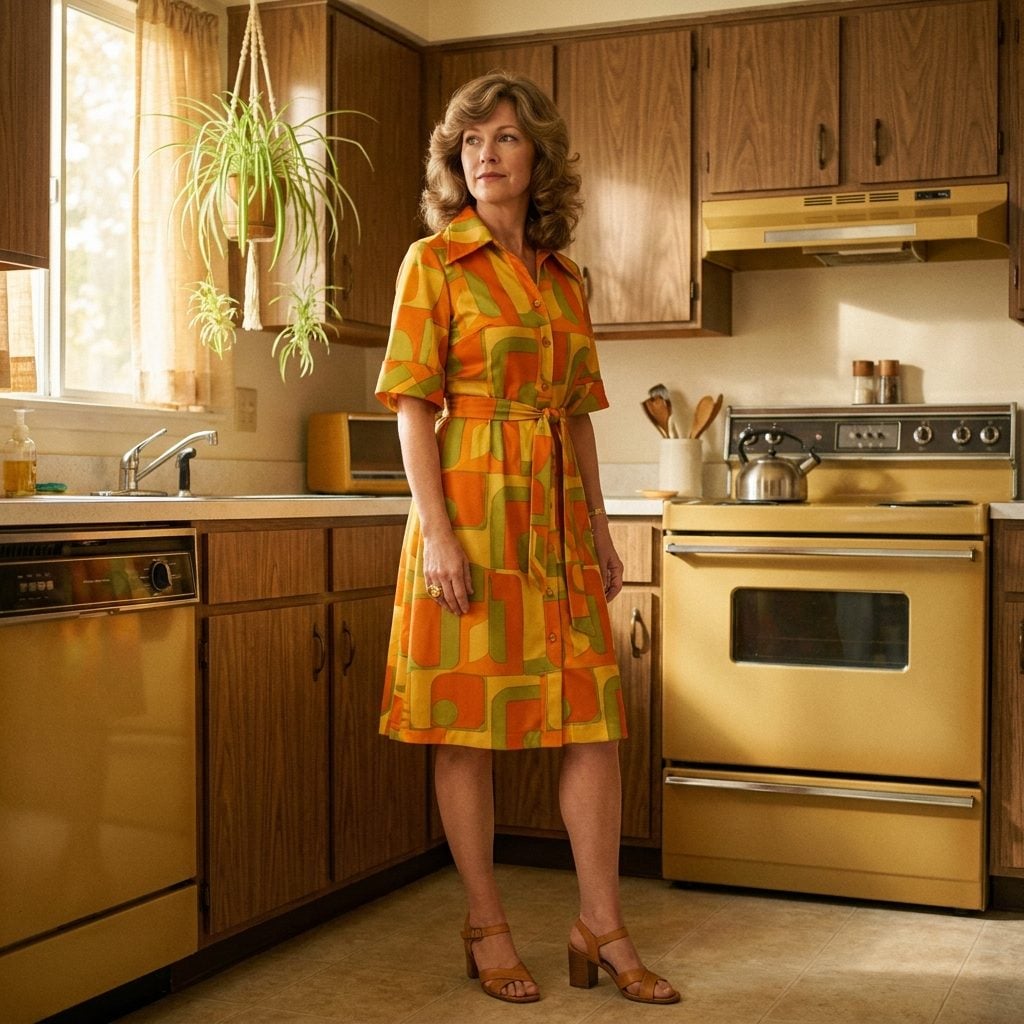
You could spot one across a crowded parking lot. Orange, olive, mustard, and brown collided in prints no botanist could identify, while the polyester stayed wrinkle-free and held on to heat with remarkable determination.
The belt gave the shirtdress its shape. Without it, the fabric fell in one long tube; with it, the skirt could move and the print had somewhere to settle.
14. Terry Cloth Rompers You Wore From Pool to Patio
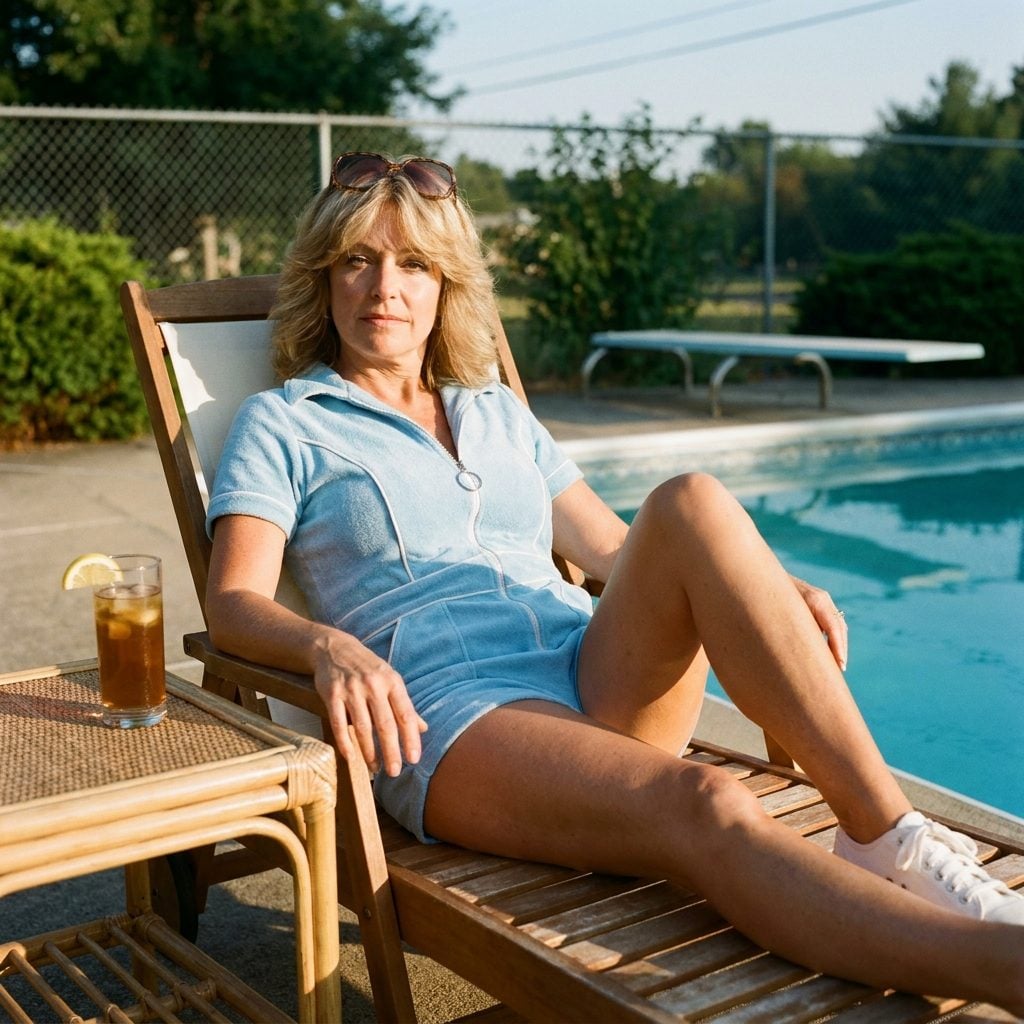
Half towel, half outfit, and completely committed to the idea that nobody should have to change between the pool and the patio. The terry cloth absorbed water and passed as clothing at the same time.
A zip front with an oversized ring pull gave the romper most of its personality. Powder blue, butter yellow, coral, and white were common enough to make every public pool look coordinated.
13. The Angel-Sleeve Blouse That Took Over Every Doorway
❤️ Would you like to save this?
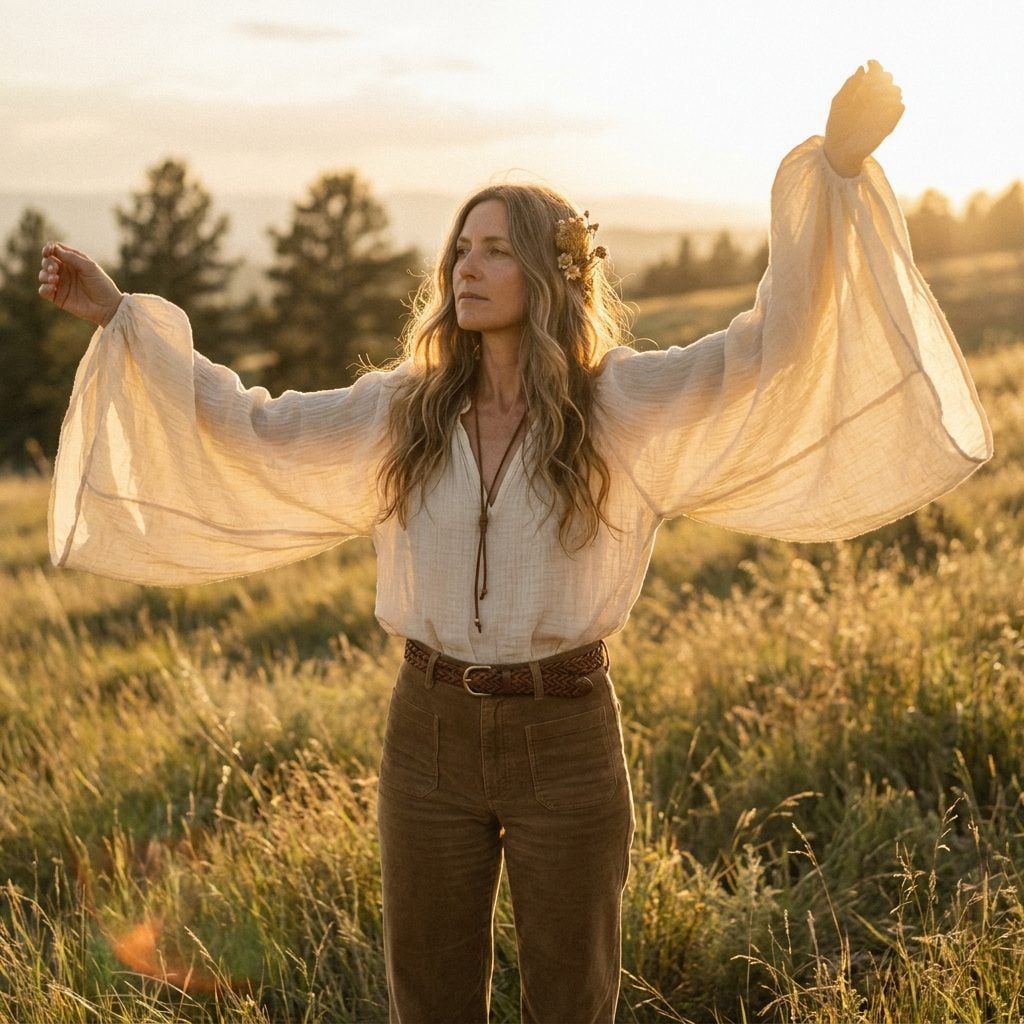
Raise your arms and the sleeves opened like curtains. They floated through doorways, dipped toward dinner plates, and caught every small breeze.
The appeal was movement. Light gauze could become almost translucent when backlit, giving the blouse a softer and more theatrical presence than the fitted shirts of the previous decade.
12. Culottes That Left Everyone Guessing: Skirt or Shorts?
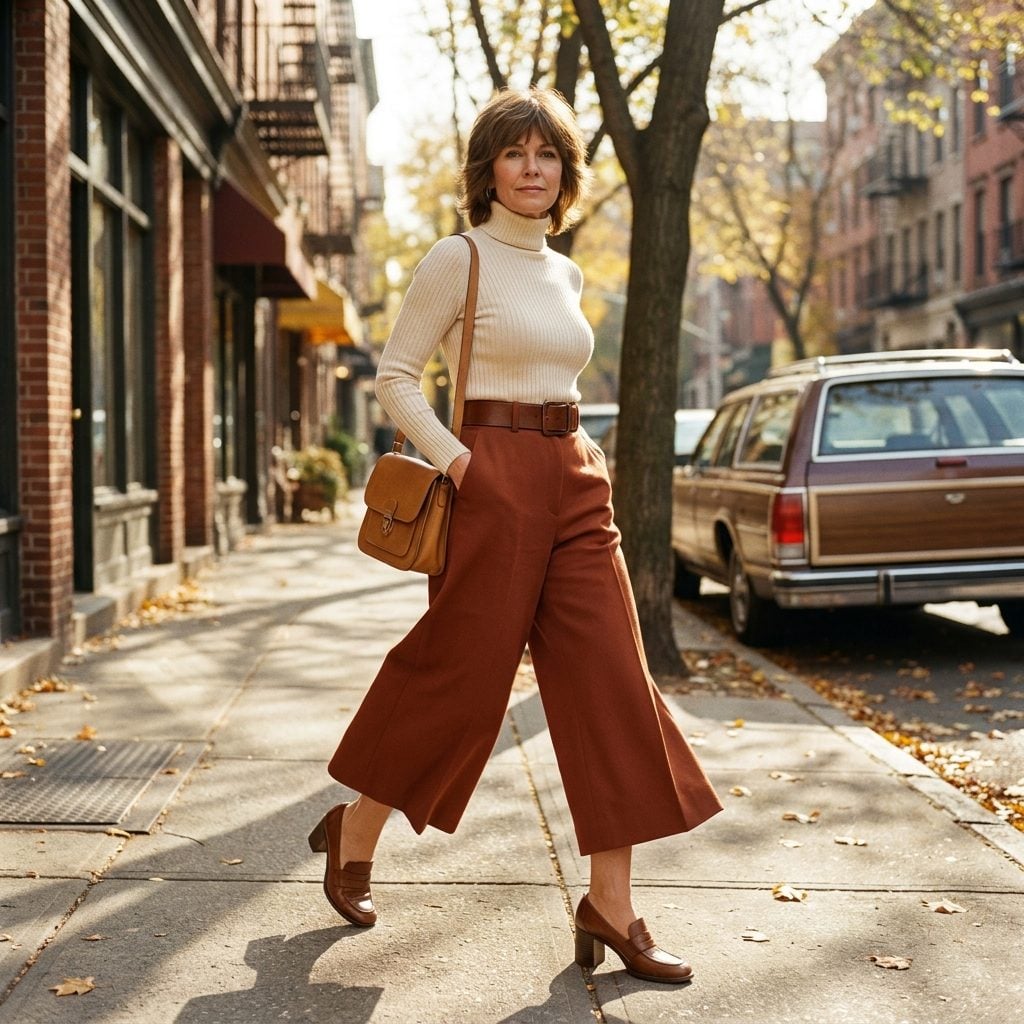
Wide enough to resemble a skirt when standing still and divided enough for climbing stairs, riding a bike, or getting through a workday. Culottes were the compromise garment that refused to look practical.
Unlike narrower gauchos, culottes were usually cut with enough width to create a skirt-like swing. A fitted turtleneck kept the top half clean while rust gabardine held the shape below.
11. The Chunky Cowl-Neck Sweater You Disappeared Into
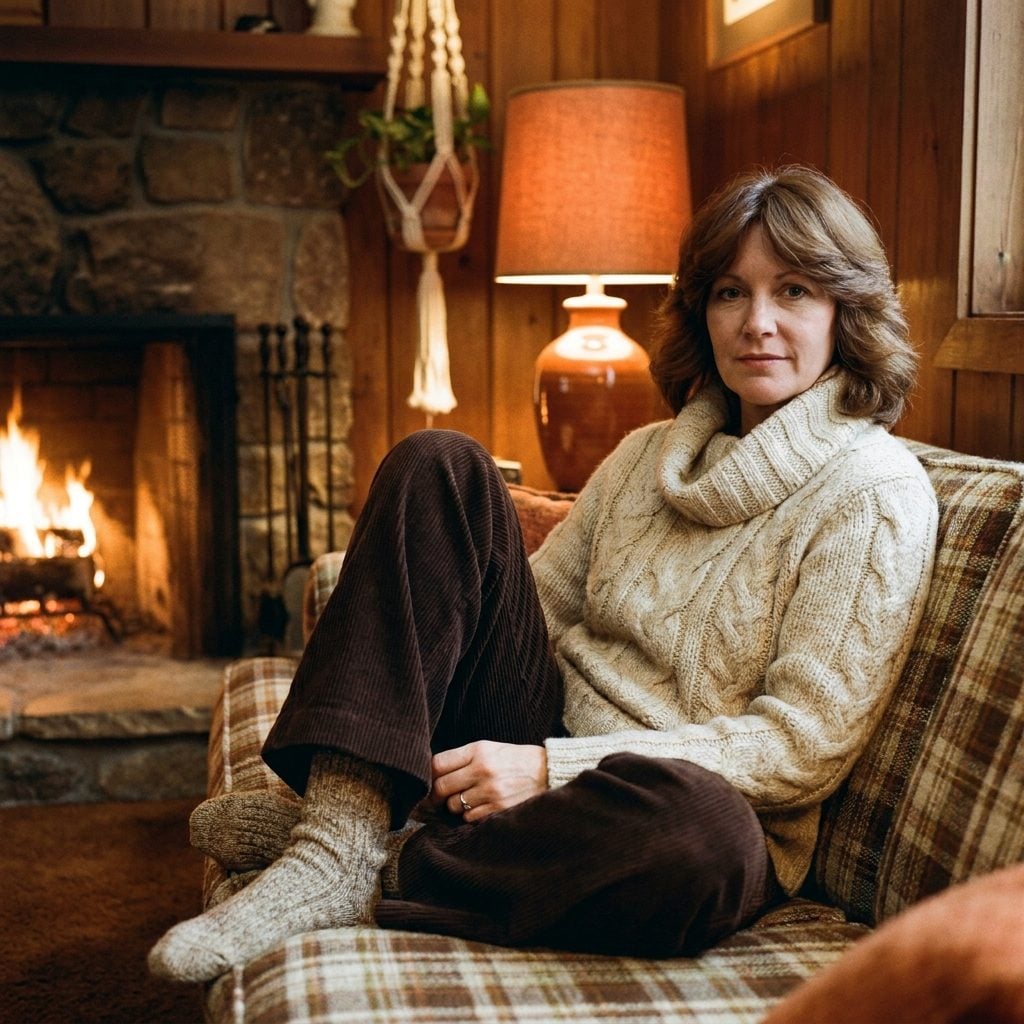
Wool gathered almost to the ears, with enough cable knit around the neck to hide a necklace and half a face. The cowl was less a collar than a place to retreat.
Oatmeal, camel, and heathered brown made the sweaters easy to wear with nearly everything. Their return every few years is understandable: few garments have ever made a cold room feel more tolerable.
10. High-Waisted Sailor Pants With Rows of Brass Buttons
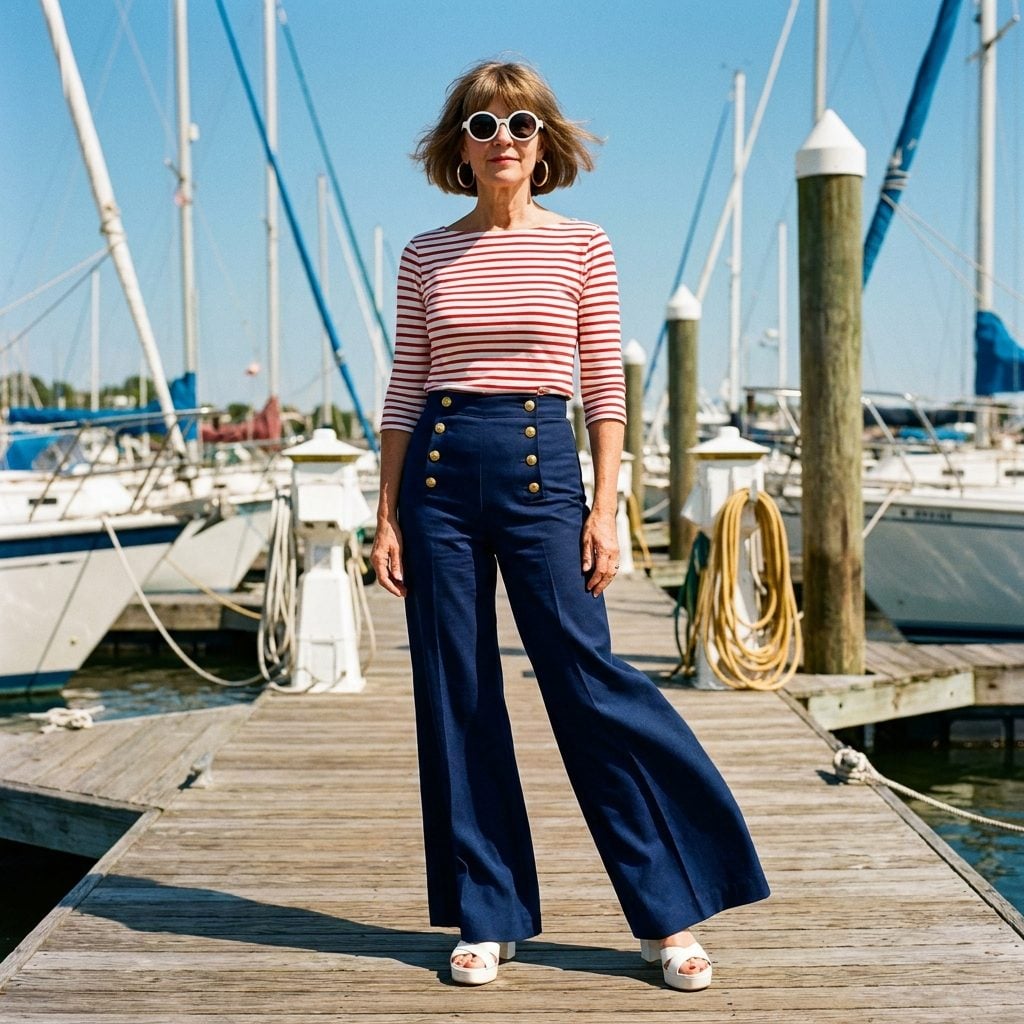
Two rows of brass buttons marched up the front flap, while the waist sat high and the trouser leg widened below the hip. These were sailor-inspired trousers, not low-slung hip-huggers.
A striped boatneck completed the nautical reference without much effort. Navy, white, and one small red accent gave the whole outfit its crispest version.
9. Puka Shell Necklaces You Wore Long After the Tan Faded

You bought one at a beach shop for a few dollars and wore it until the string frayed. The necklace carried the decade’s entire surf-and-sun mythology in a row of creamy shell pieces.
Real puka shells are naturally worn shell fragments with holes, although many inexpensive necklaces used cut or imitation pieces. Authentic or not, the necklace could suggest California even in Ohio in February.
8. The Peasant Blouse You Wore With Nearly Everything
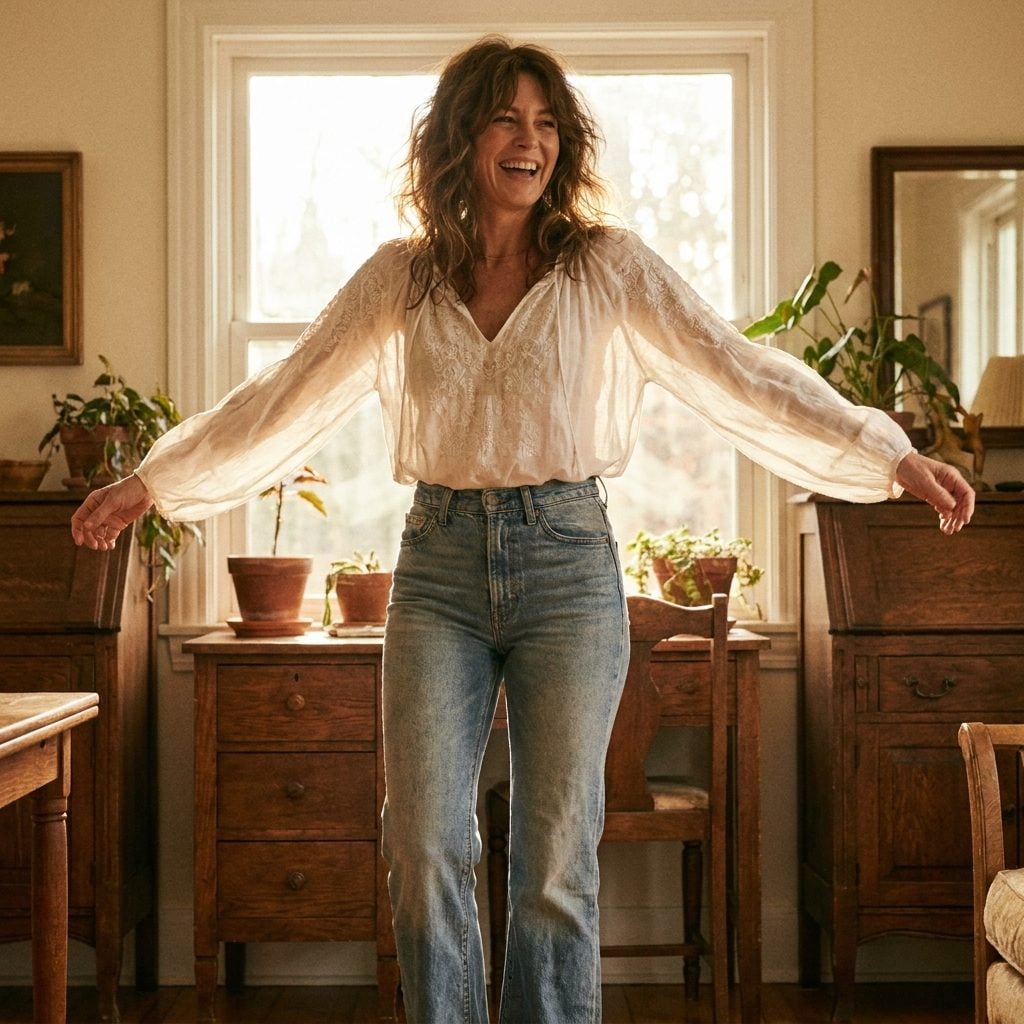
The sleeves billowed, the neckline gathered, and the embroidery ranged from sparse geometric stitching to dense floral bands. The peasant blouse absorbed several 1970s impulses at once: folk revival, craft culture, festival dressing, and a growing dislike of anything too rigid.
It worked with jeans, patchwork skirts, corduroys, and wide-leg trousers. A macramé belt or embroidered yoke supplied enough detail that little else was needed.
7. Prairie Skirts With Calico Prints and Lace-Up Boots
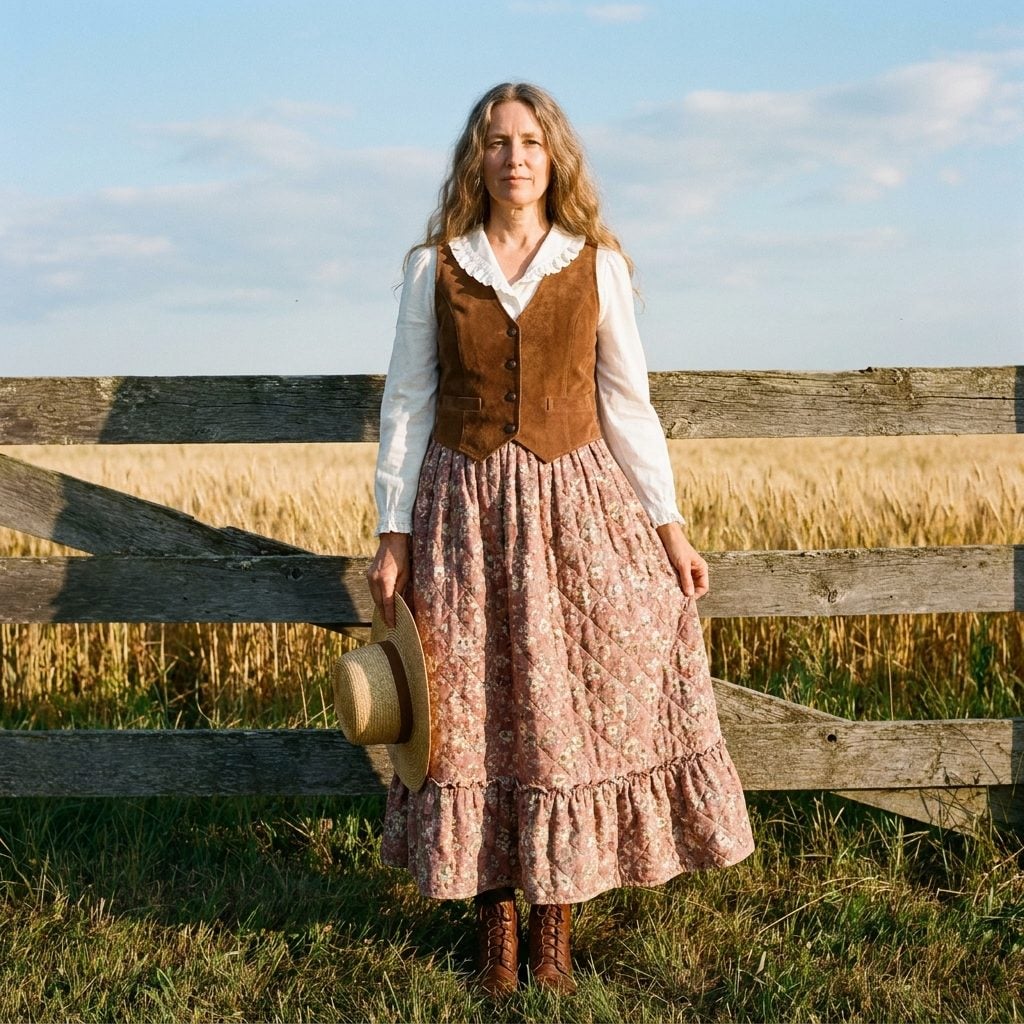
When Little House on the Prairie reached television in 1974, it landed in the middle of an already growing prairie-fashion revival. Full tiered skirts, tiny calico prints, ruffled blouses, and lace-up boots were already moving from boutiques into wider circulation.
A suede vest or fitted jacket kept the softness from becoming costume, while labels such as Gunne Sax made the romantic frontier look a defining part of 1970s formal and youth fashion.
6. Wet-Look Vinyl Trench Coats That Squeaked When You Walked
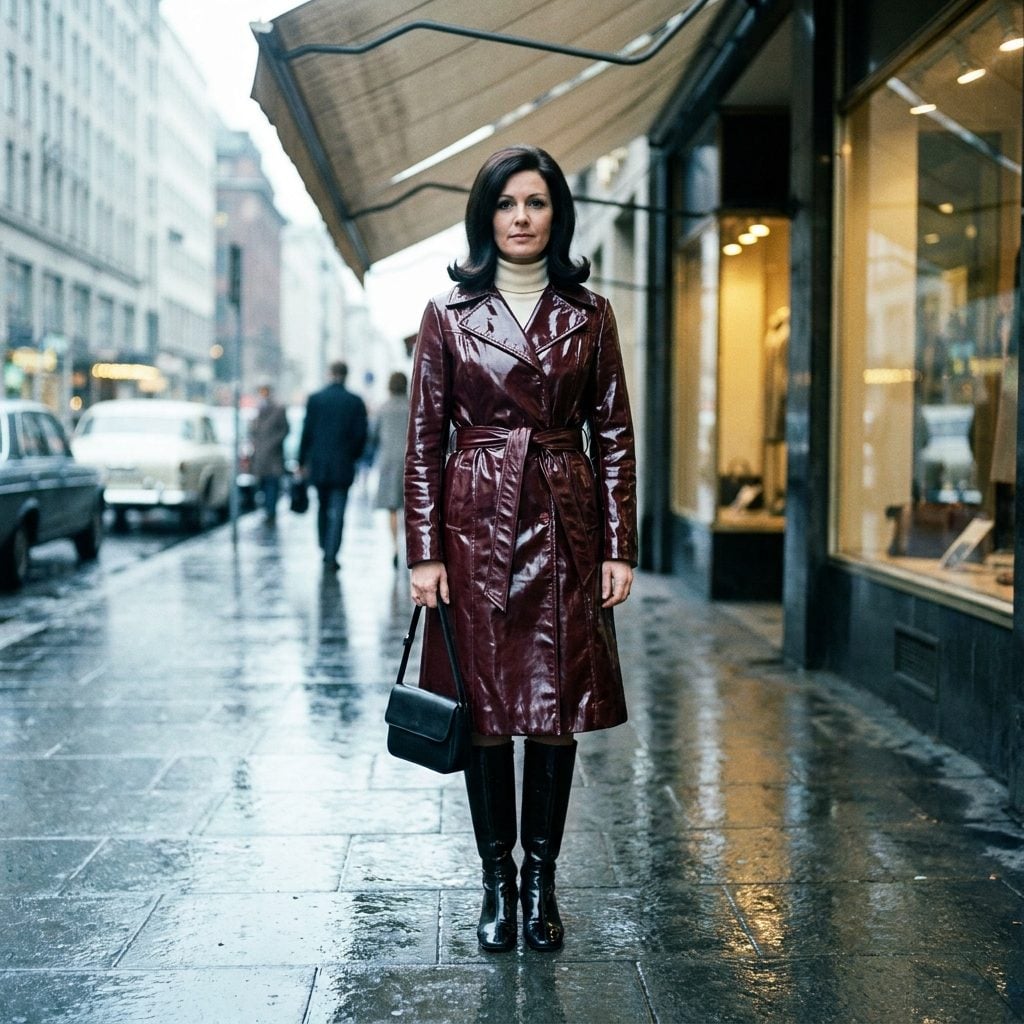
It looked wet even when completely dry, bouncing back every streetlight and shop window. It also squeaked, making a quiet entrance nearly impossible.
A matte cream turtleneck made the vinyl sheen look even sharper. Oxblood, black, and emerald were dramatic enough to carry the entire outfit, even after repeated wear eventually left creases or cracks at the elbows.
5. The Feather-Trimmed Cardigan You Saved for New Year’s Eve
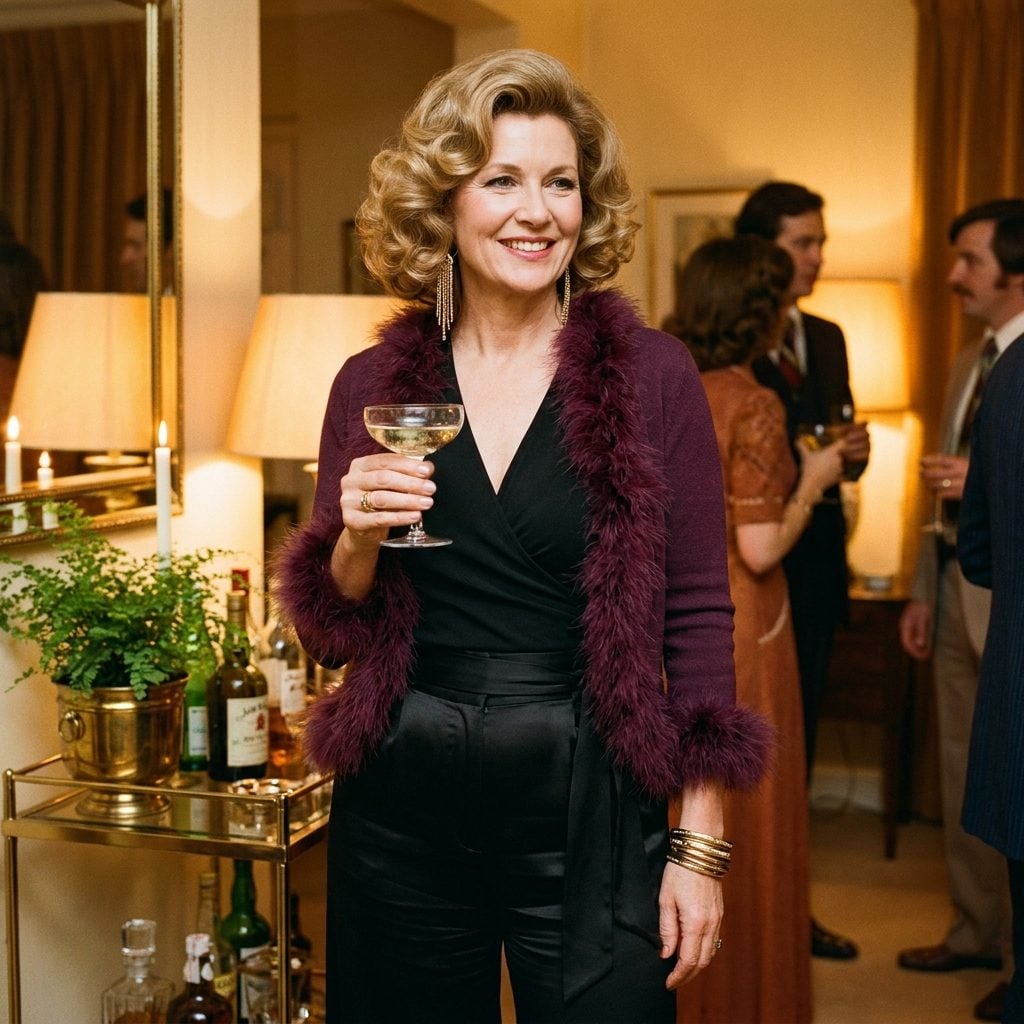
Marabou feathers circled the collar and cuffs, shedding soft wisps onto drinks, chairs, and anyone who stood too close. This was not the cardigan chosen for an ordinary afternoon.
A plum or black knit kept the feathers from taking over completely. Worn over a simple dress or camisole, it supplied all the ceremony the outfit needed.
4. Elephant Bell Slacks That Made Regular Flares Look Timid
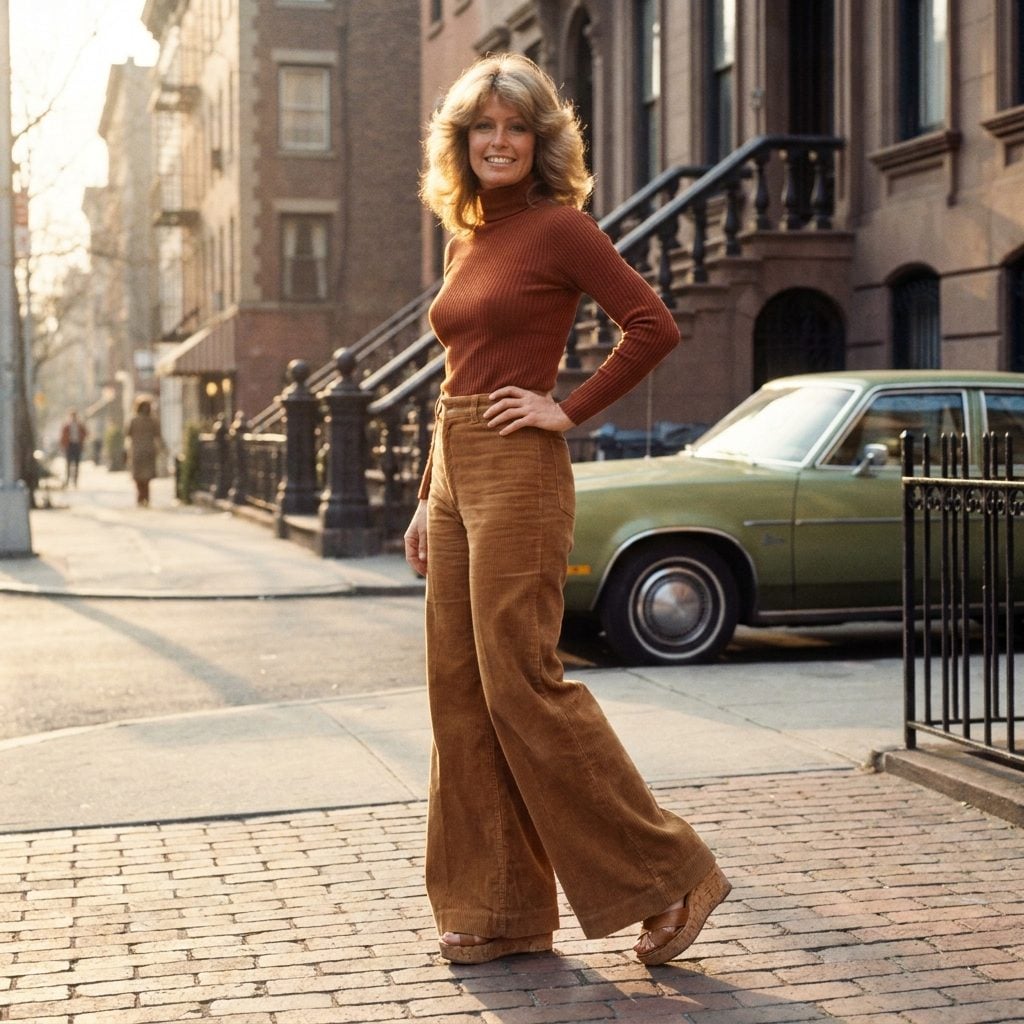
Bell-bottoms were wide. Elephant bells treated that as a starting point. The flare opened so dramatically below the knee that the hem could sweep cigarette butts and gum wrappers from the sidewalk.
High-waisted corduroy and a tucked turtleneck kept the extreme width from looking accidental. Shoes nearly disappeared beneath the fabric, and the trousers seemed to arrive half a second after the person wearing them.
3. Ponchos You Threw Over Everything Like a Wearable Blanket
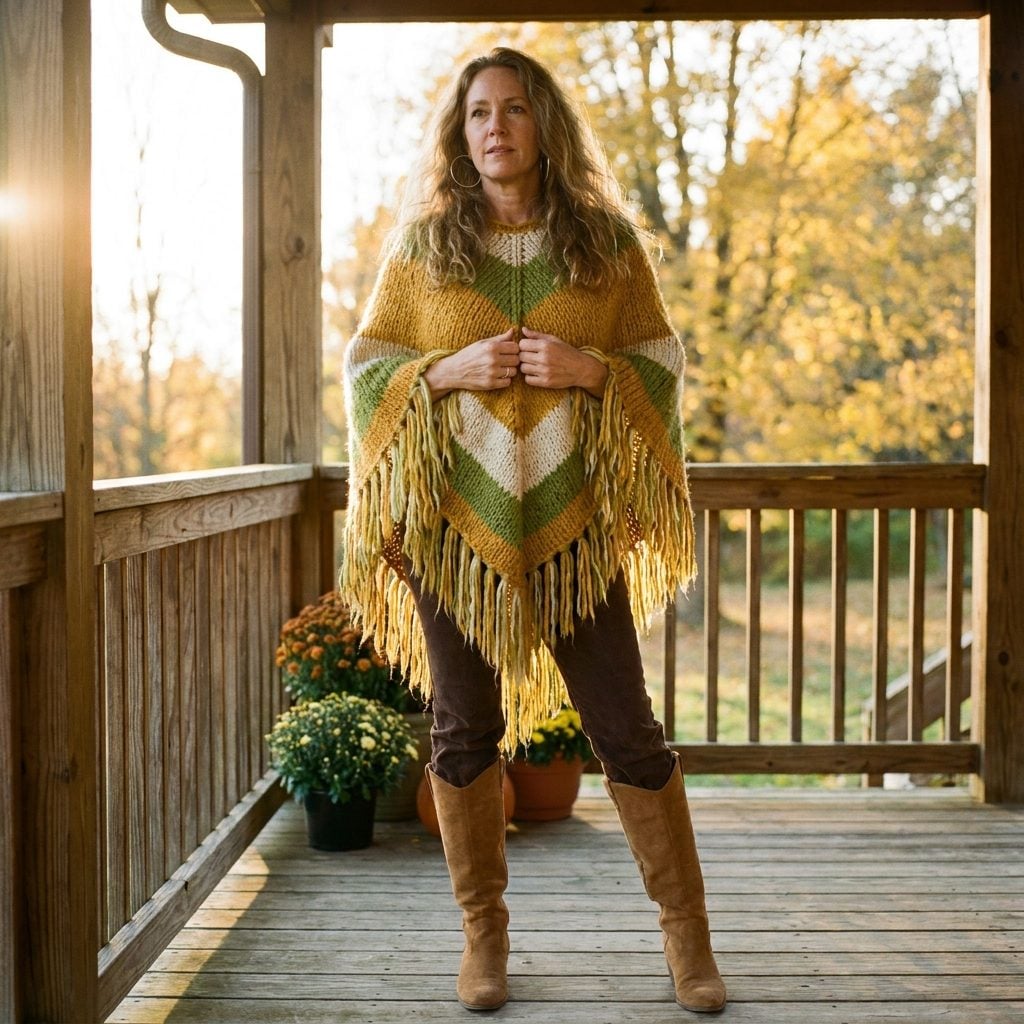
Too cold? Poncho. Bad hair? Poncho. No interest in planning an outfit? A hand-knit rectangle with a neck opening solved the problem.
The large volume above worked best with a narrower trouser or jean below, creating contrast without requiring a fitted waist. Fringe and heavy yarn supplied movement and texture on their own.
2. Matching Polyester Leisure Sets for Every Errand on the Calendar
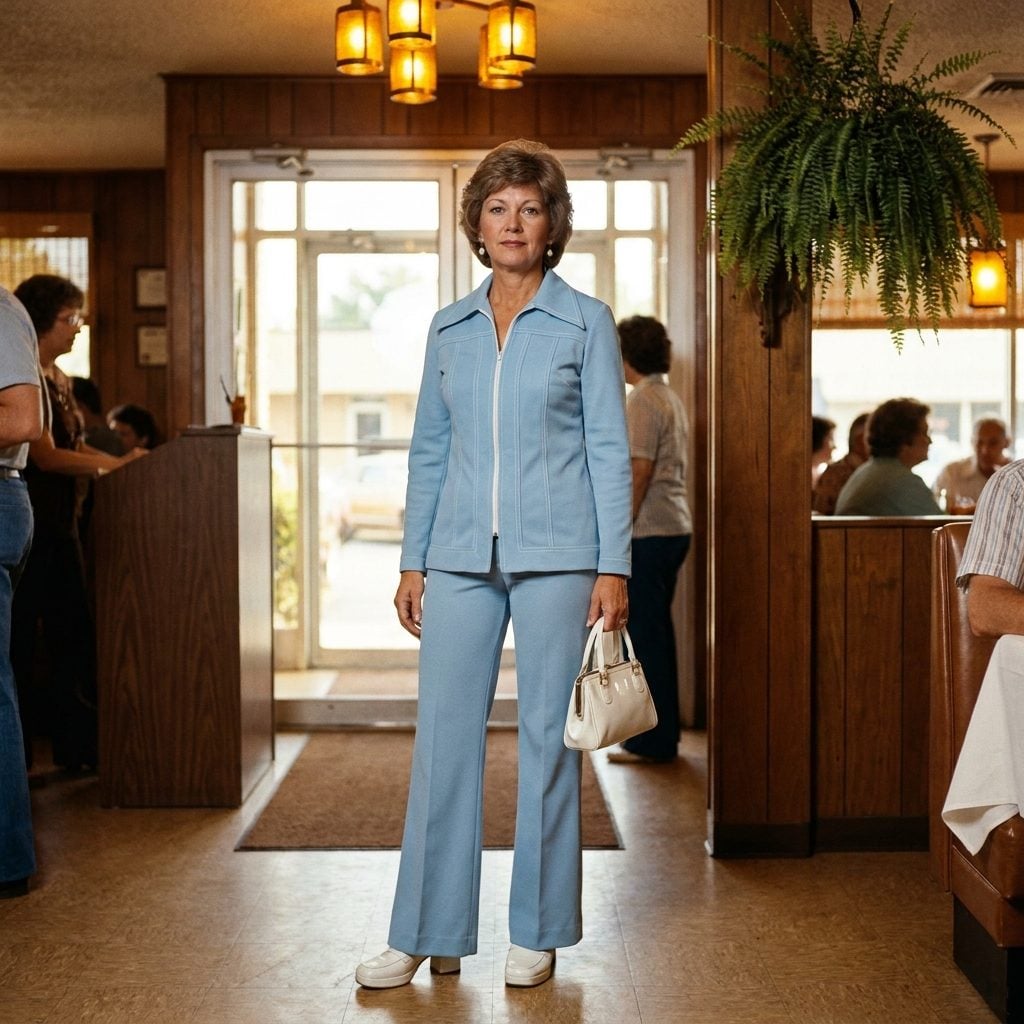
One fabric from shoulder to ankle, usually polyester double-knit that resisted wrinkles, trapped heat, and seemed nearly impossible to wear out. The coordinated leisure set became the everywoman’s answer to the men’s leisure suit.
Contrast piping or topstitching gave the flat fabric some structure, while the matching top and bottom created an instant finished outfit.
The leisure set became a familiar shortcut to looking coordinated without much effort.
It appeared at church, the grocery store, lunches, and casual dinners because it demanded almost no styling beyond a handbag and comfortable shoes.
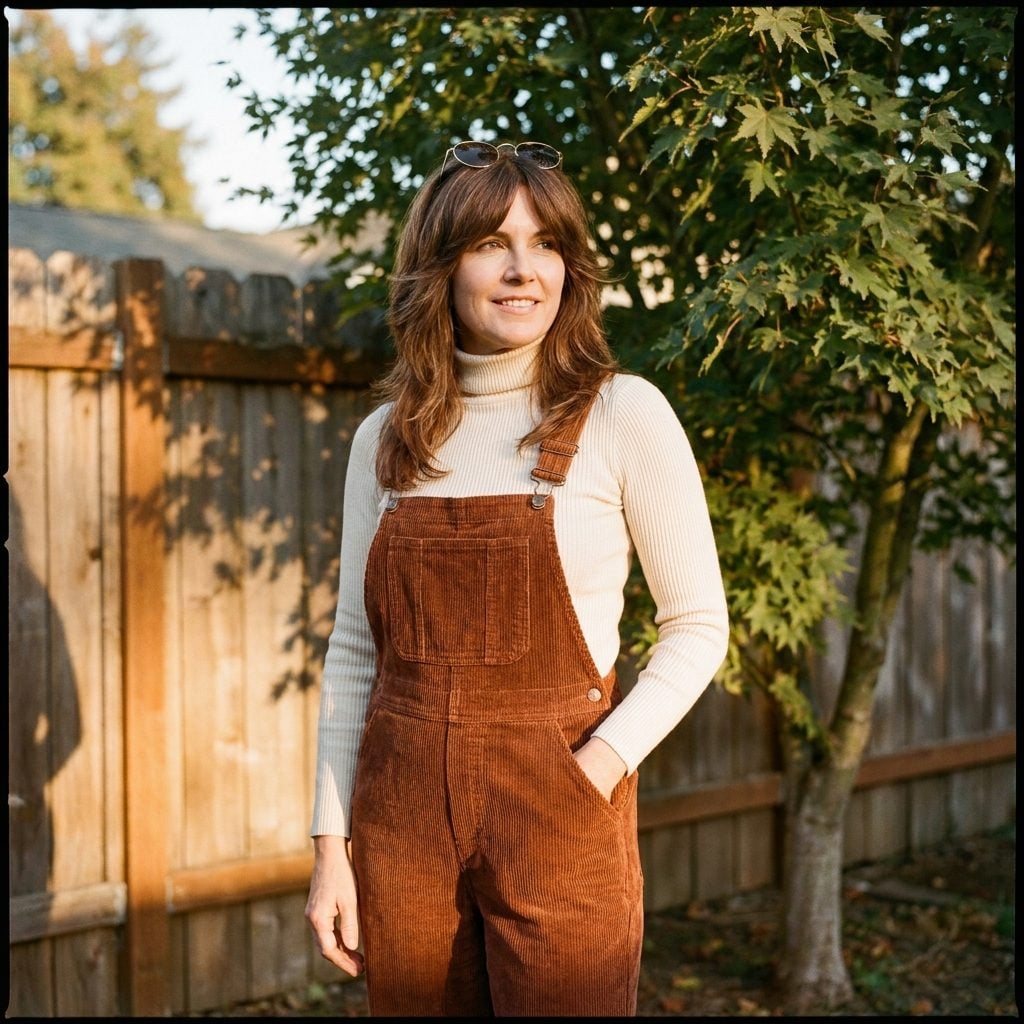
1. Corduroy Overalls With One Strap Always Sliding Loose
❤️ Would you like to save this?
The strap slipped loose by noon, and everyone learned to hook it back into place without pausing the conversation. The adjustment became part of wearing them.
Loose corduroy overalls worked best over a fitted ribbed knit, keeping the bib and wide leg from becoming one shapeless block. Rust, tobacco, moss, and other earth tones made the workwear shape feel unmistakably 1970s.