❤️ Would you like to save this?
The mood ring sat on your finger like a tiny oracle, turning murky brown the moment you touched it with cold hands when all you wanted was purple. The charm bracelet jangled against your wrist every time you moved, each little trinket a timestamp of somewhere you had been or someone who loved you enough to buy you a tiny silver Eiffel Tower.
The 1970s handed us accessories that felt alive. They changed color, opened on hinges, spun on miniature wheels, stained our skin, caught on our sweaters, and carried stories far larger than the objects themselves. These are the 23 details we still remember exactly.
FYI, thanks to AI imagery software, we’re able to create very specific fashion and hairstyle examples to illustrate the points being made. In some cases, imagery is exaggerated to hammer home the point. Also, assume links that take you off the site are affiliate links such as links to Amazon. this means we may earn a commission if you buy something.
23. The Mood Ring You Kept Breathing On to Make It Turn Purple

Purple meant calm. Or psychic. Or deeply in love, depending on which color chart you consulted. The important thing was that purple was the color you wanted, and breathing on the stone felt like a perfectly legitimate scientific method for getting there.
You probably tried it four hundred times in a single afternoon. The stone went dark, then greenish, then, if you really committed, a murky blue-violet that was close enough. The ring knew nothing. You were fully convinced otherwise.
22. The Charm Bracelet With the Tiny Rocking Chair That Actually Rocked
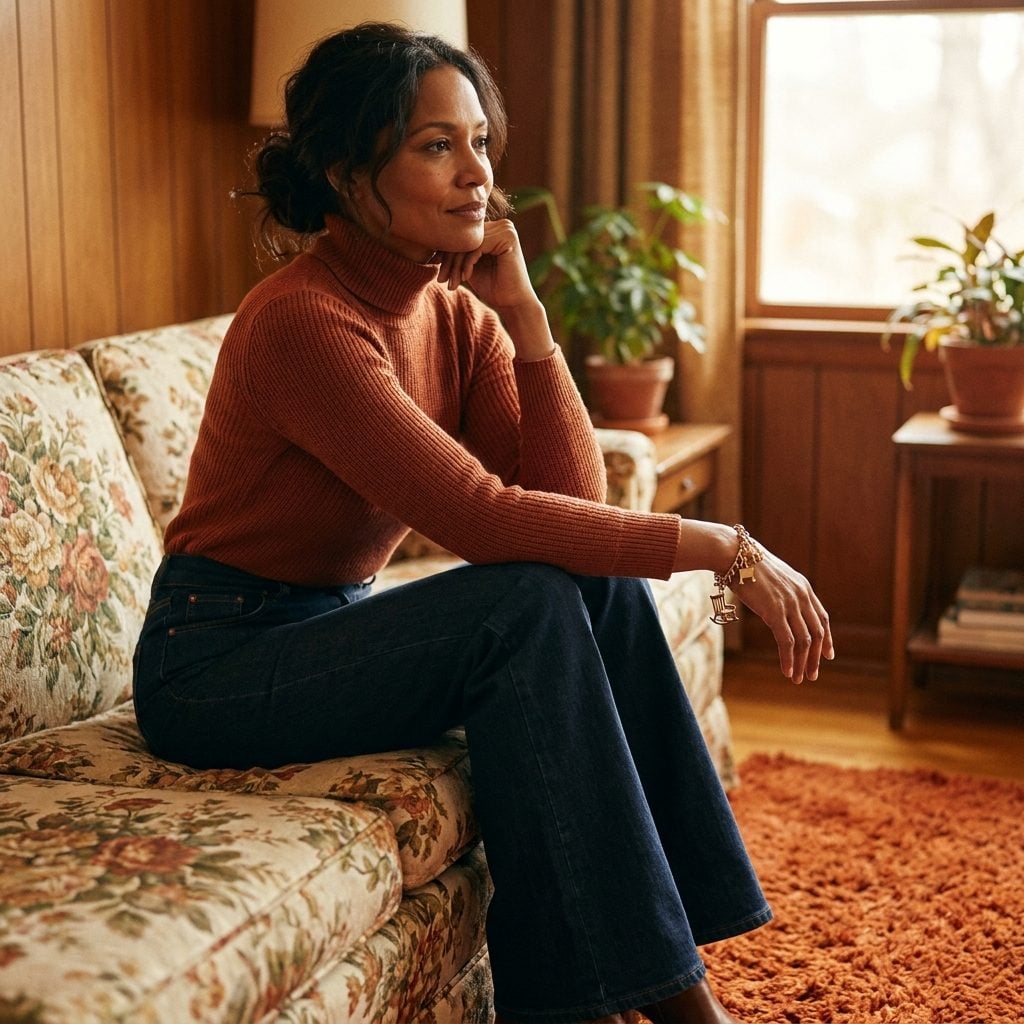
The moving parts were everything. A rocking chair that rocked. A spinning wheel that turned. A tiny treasure chest with a lid that opened on a hinge. These were the prestige charms, the ones passed around the lunch table so everyone could test the mechanism.
The rocking chair may have started on someone else’s bracelet first. That was how many of these collections grew: handed down, added to, and slowly turned into something that belonged entirely to you.
21. The Wide Leather Macrame Wristband With Wooden Beads Knotted In

This one lived in the overlap between jewelry and craft project, a place the 1970s occupied comfortably. The leather base gave it weight. The macrame knotwork gave it texture. Wooden beads rattled faintly whenever you moved your arm.
You bought it at a craft fair from someone who made it herself, or from the import section of a store that smelled like sandalwood and had wind chimes in the doorway. It softened, darkened, and slowly took on the shape of your wrist.
20. The Gold Zodiac Charm That Was the First Thing You Claimed as Specifically Yours
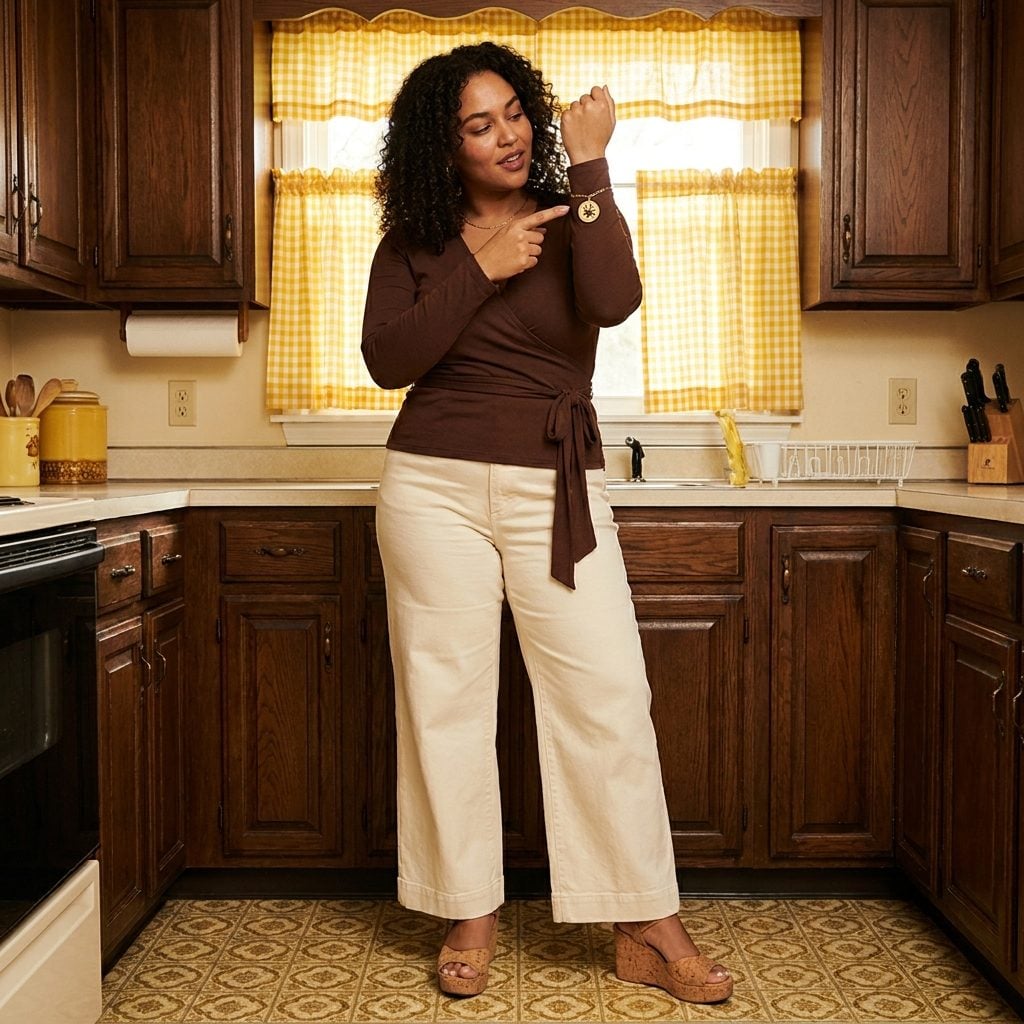
Before personalization meant a font on a phone case, it meant a tiny gold disk with your sign etched into it. Pisces. Leo. Scorpio. The charm was proof that the universe had taken note of your specific existence, and that was not nothing when you were eleven.
Most of us learned our sign and its supposed personality at the same moment, then immediately decided the description was accurate. You were a Libra. Here was your charm. You belonged to something larger than yourself.
19. The Jingle Bell Anklet That Announced Every Step You Took

You could not sneak anywhere while wearing it. That was the trade-off, and most of us accepted it without hesitation because there was something deeply satisfying about hearing yourself move through a room.
Every step produced a quiet shimmer of sound. It came off for gym class and went back on immediately afterward, and the tan line it left by August became its own kind of badge.
18. The Tiny Enameled Cloisonne Butterfly Charm in Turquoise and Midnight Blue

Cloisonne charms were the fancy tier. Colored enamel sat between tiny metal wires, producing turquoise, cobalt, and that particular burnt orange that seemed to exist everywhere in 1970s decorative objects. You knew this one cost more before anyone told you.
Butterflies were common, but so were fish, flowers, birds, and little globes painted like the earth. Each charm brought a concentrated burst of color to a bracelet otherwise dominated by gold- and silver-tone metal.
17. The Charm Bracelet With a Tiny Enamel Strawberry You Traded Half Your Allowance For

Every charm had a story. The strawberry came from a craft fair in a Kmart parking lot. The tiny bicycle was a birthday gift from your grandmother. The little heart locket was supposedly from your best friend, though you both knew you pooled your money at Spencer Gifts.
Collecting charms was a way of building a personality in public. Every new addition announced something about where you had been, who had remembered you, or who you were becoming. A single new charm might cost most of your weekly allowance. That only made the choice feel more important.
16. The Macrame Friendship Bracelet Your Cabin Counselor Taught You at Summer Camp

You learned the square knot on a Tuesday afternoon with forty other girls sitting in a circle in the craft cabin, everyone’s fingers clumsy with embroidery floss pulled from a coffee can. By Thursday, you had made six. By the end of the summer, both wrists were solid cord.
The rule was that someone else tied it on and you left it there until it fell apart. Some people made a wish while the knot was tightened. A few bracelets survived showers, school years, and friendships longer than anyone expected.
15. The Copper Bangle That Left a Green Ring Around Your Wrist All Summer
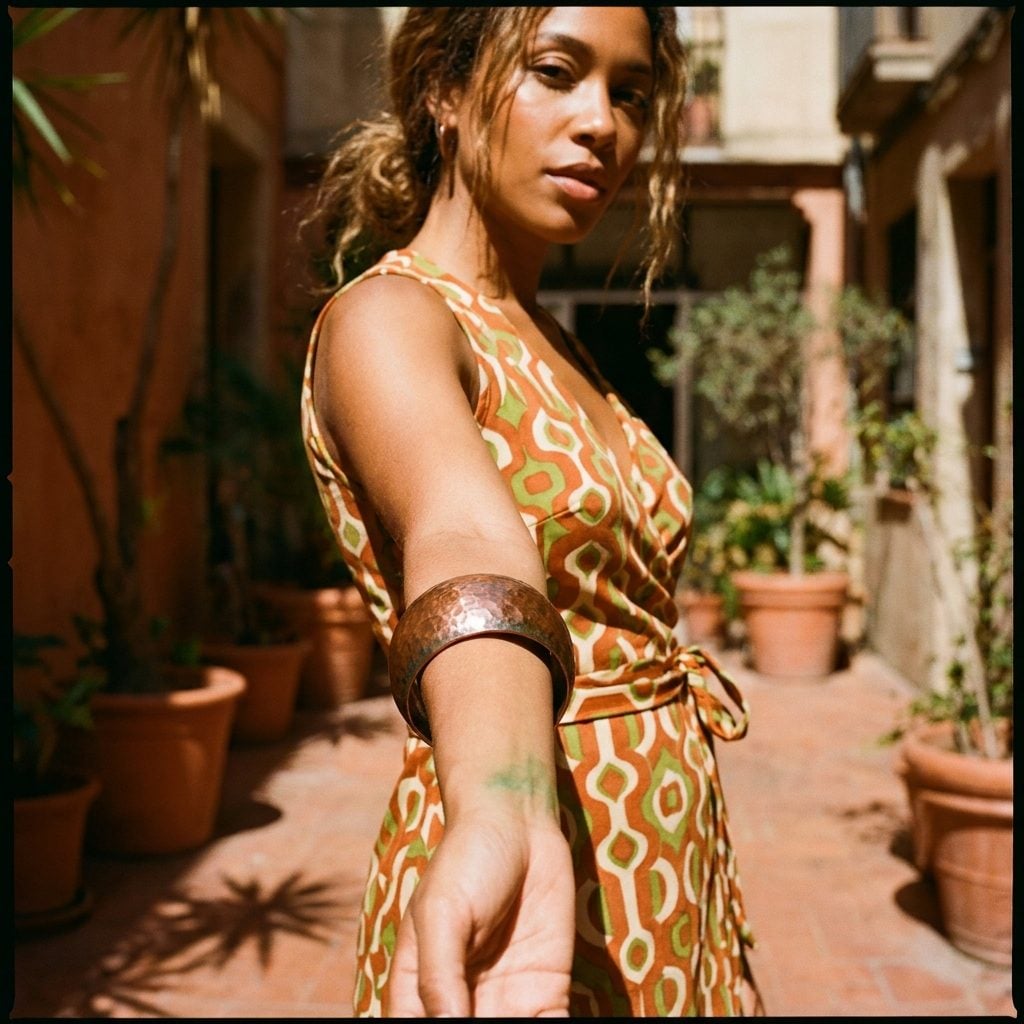
Every girl who wore a copper bangle that summer had a green ring around her wrist by July. We knew it was coming. We kept wearing them.
Hammered copper felt ancient and adult at the same time, as though the bracelet had come from an art fair, a head shop, or somewhere your parents would never have chosen. Paired with a macrame band on the other wrist, it completed an entire philosophy of accessorizing.
14. The Initial Charm Dangling From Your Best Friend’s Bracelet
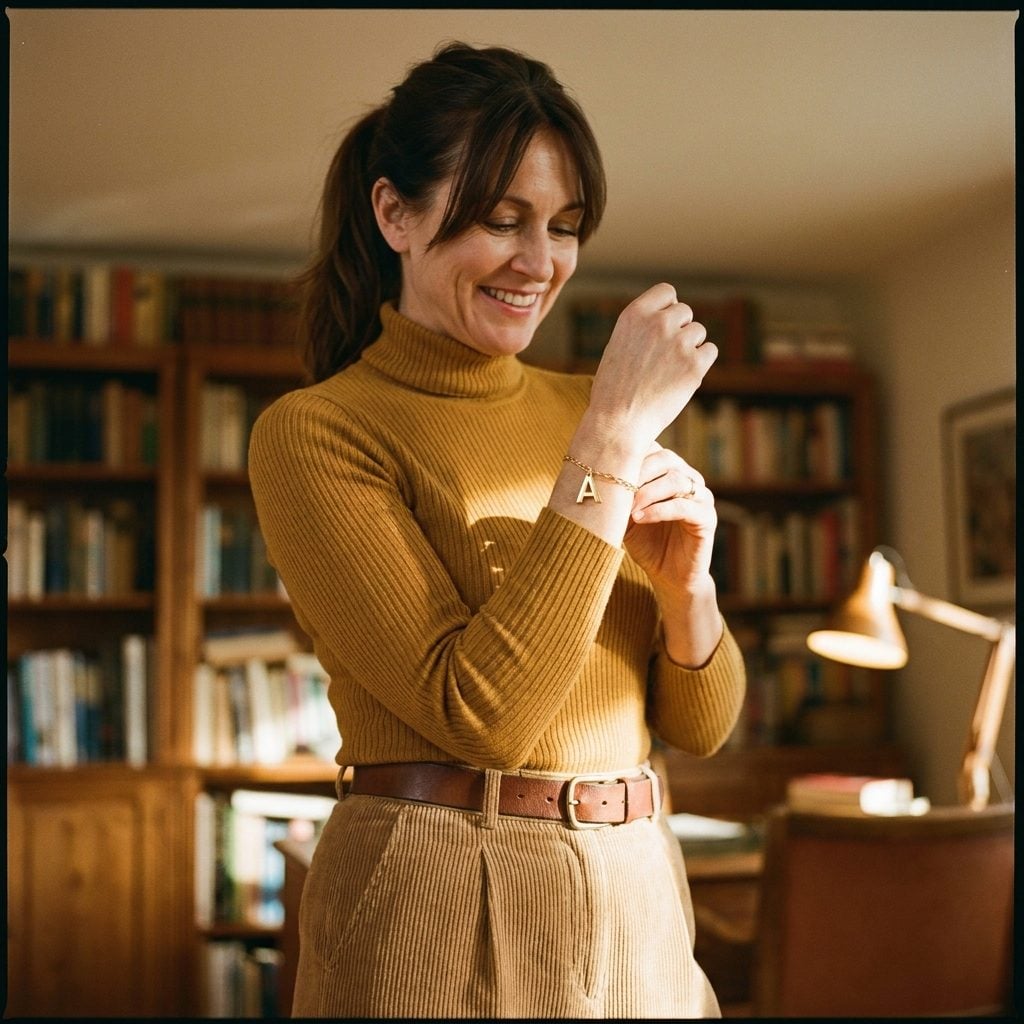
Gold block initial. Yours on your wrist, hers on hers. The matching set was the reason for buying them. You chose them at the same counter while a salesperson waited patiently for two twelve-year-olds to finish deliberating.
It was a formalized version of best friendship, which is something that should probably still exist. The charms cost little and meant far more than their size suggested. Some friendships have had fewer lasting monuments.
13. The Red Enamel Heart Charm That Cost Almost Nothing and Felt Like Everything

One charm. Just the one. A glossy red enamel heart on a plain gold-tone chain, worn alone because it did not need company. There was a whole era of jewelry styling that understood restraint.
You could find a version at a department store jewelry counter, a craft fair, or a Spencer Gifts display. The price was low enough for it to appear inside a birthday card, but the emotional weight was wildly out of proportion to its size.
12. The Locket Necklace With a Photograph So Small You Needed Scissors and Patience
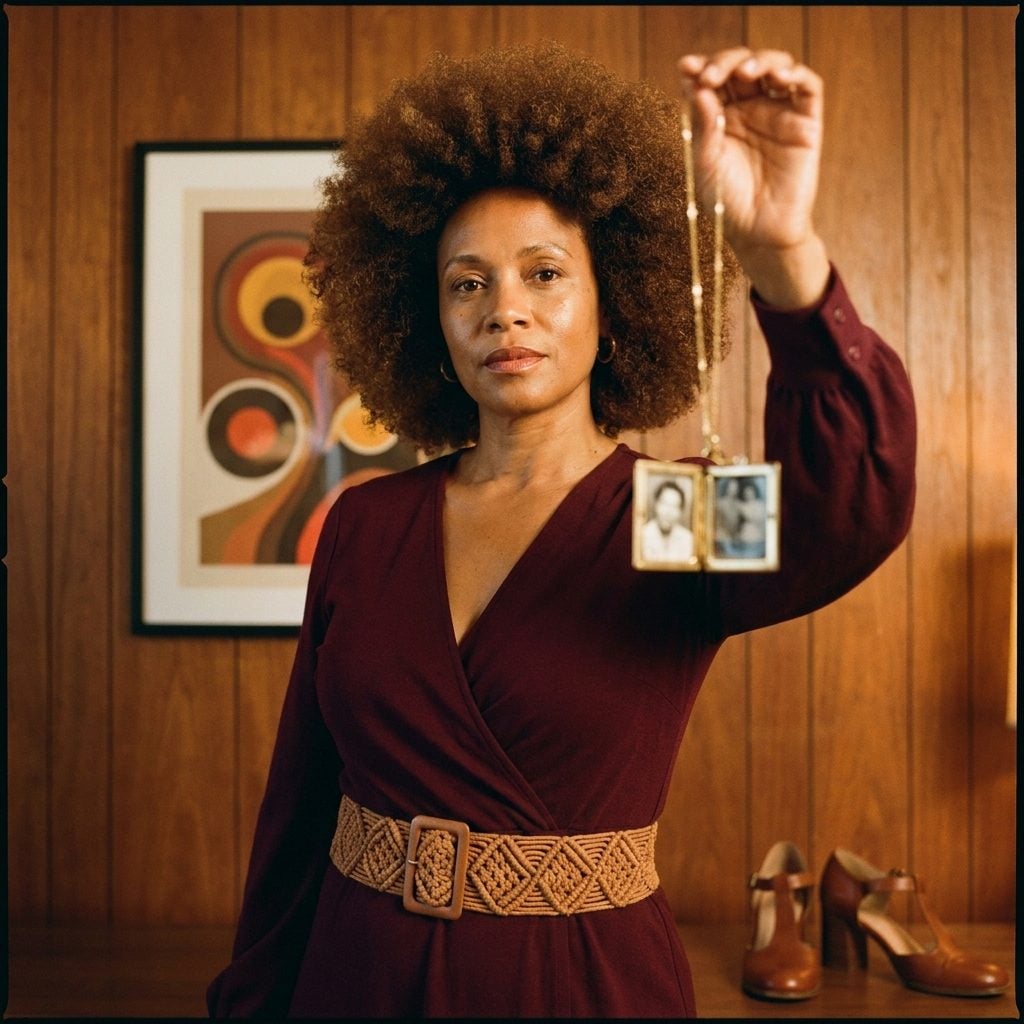
Getting the photo to fit was an act of determination. You cut it down with nail scissors, trimmed a little more, then flattened it when the locket still refused to close.
The gold-tone oval had a tiny floral engraving on the front and sat at the collarbone. Some girls carried a boyfriend’s photo. Some carried a best friend, a dog, or a grandparent. The hierarchy of who made it into the locket said plenty about where your loyalties lived.
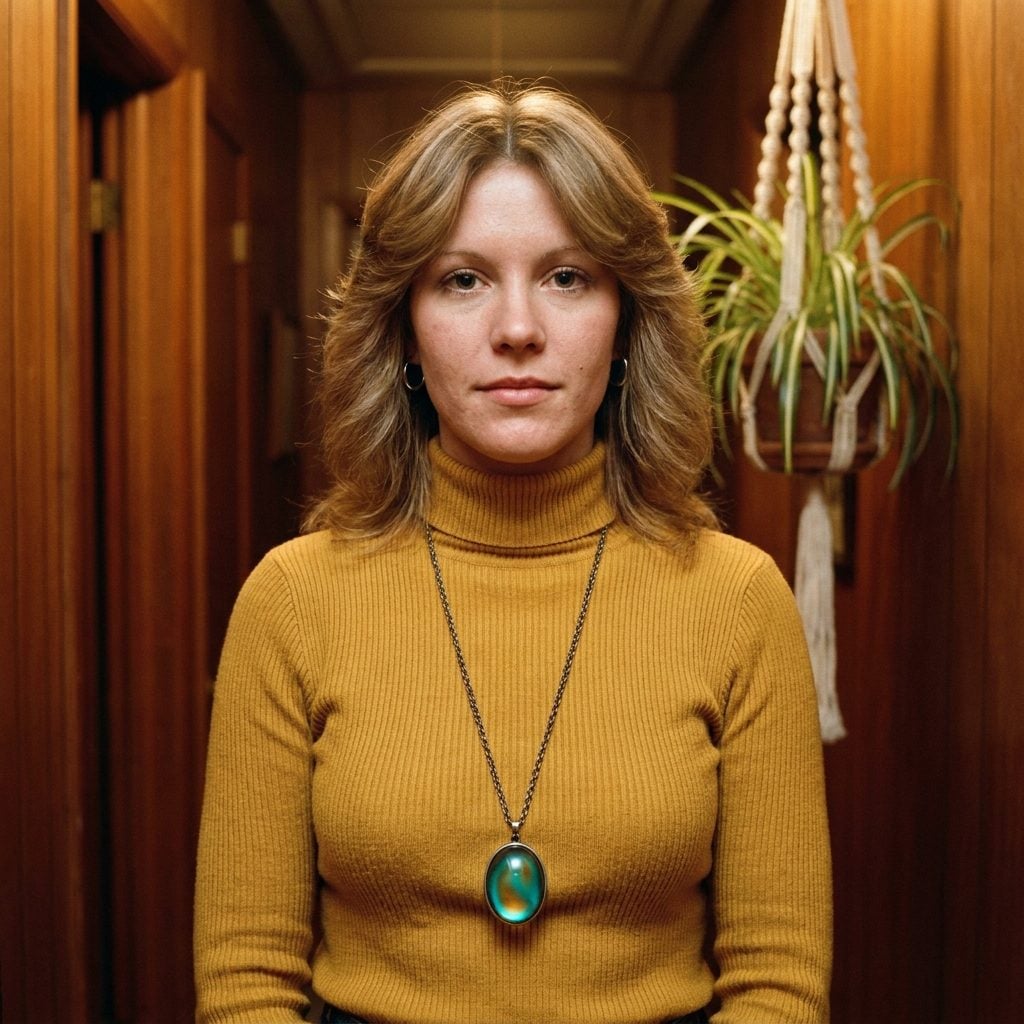
11. The Mood Ring Pendant on the Long Silver Chain You Wore Outside Your Turtleneck
❤️ Would you like to save this?
The pendant version was for anyone who found a finger ring too subtle. You wanted the mood on display at chest level, ready to be examined by anyone who asked.
The chain was almost always too long, so the pendant landed somewhere awkward and spent the day being tucked and untucked. That was part of wearing it.
10. The Silver ID Bracelet With Your Name in Cursive Script
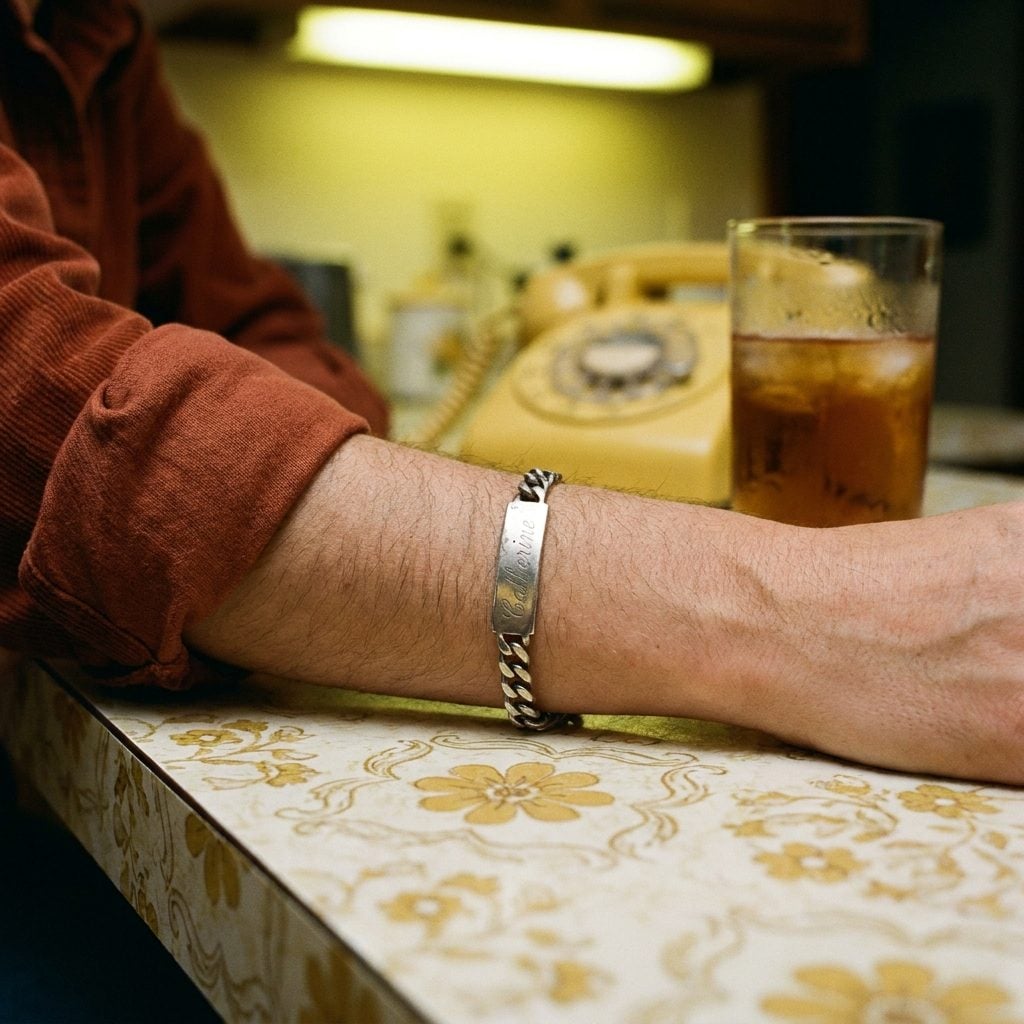
Someone gave it to you, and that was the important part. A grandmother, aunt, boyfriend, or dad cared enough to have your actual name engraved in flowing script.
Over the years, skin and shirt cuffs softened the plate at the edges. Some women still wear the same one. You can spot it across a room.
9. The Enamel Peace Sign Charm in Yellow, Green, and Orange
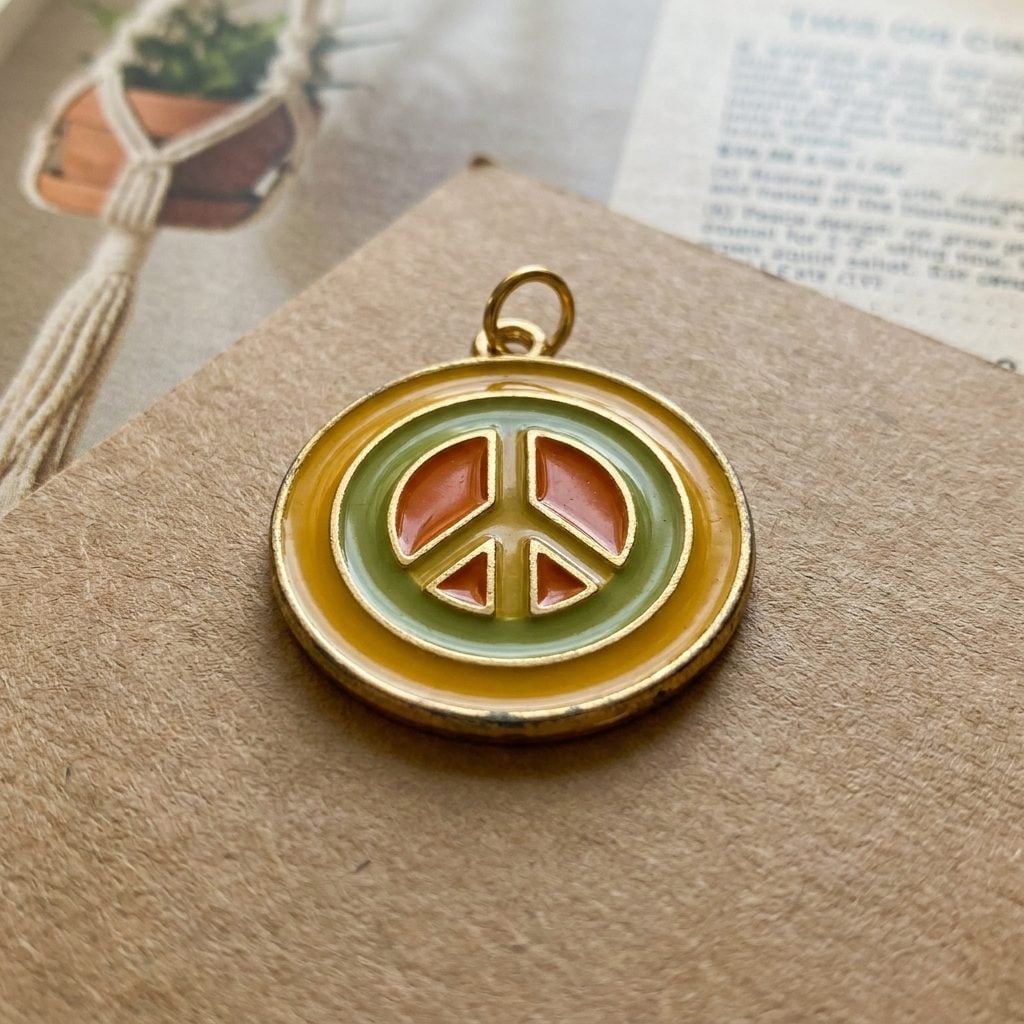
Peace-sign charms came in every color the decade had to offer, and the decade had a very specific palette: harvest gold, avocado green, and burnt orange. If your kitchen appliances came in those colors, so did your charm.
It dangled beside a tiny book or heart, and somehow the peace sign was the one you touched most often while thinking.
8. The Ring That Came in a Gumball Machine and Turned Your Finger Green
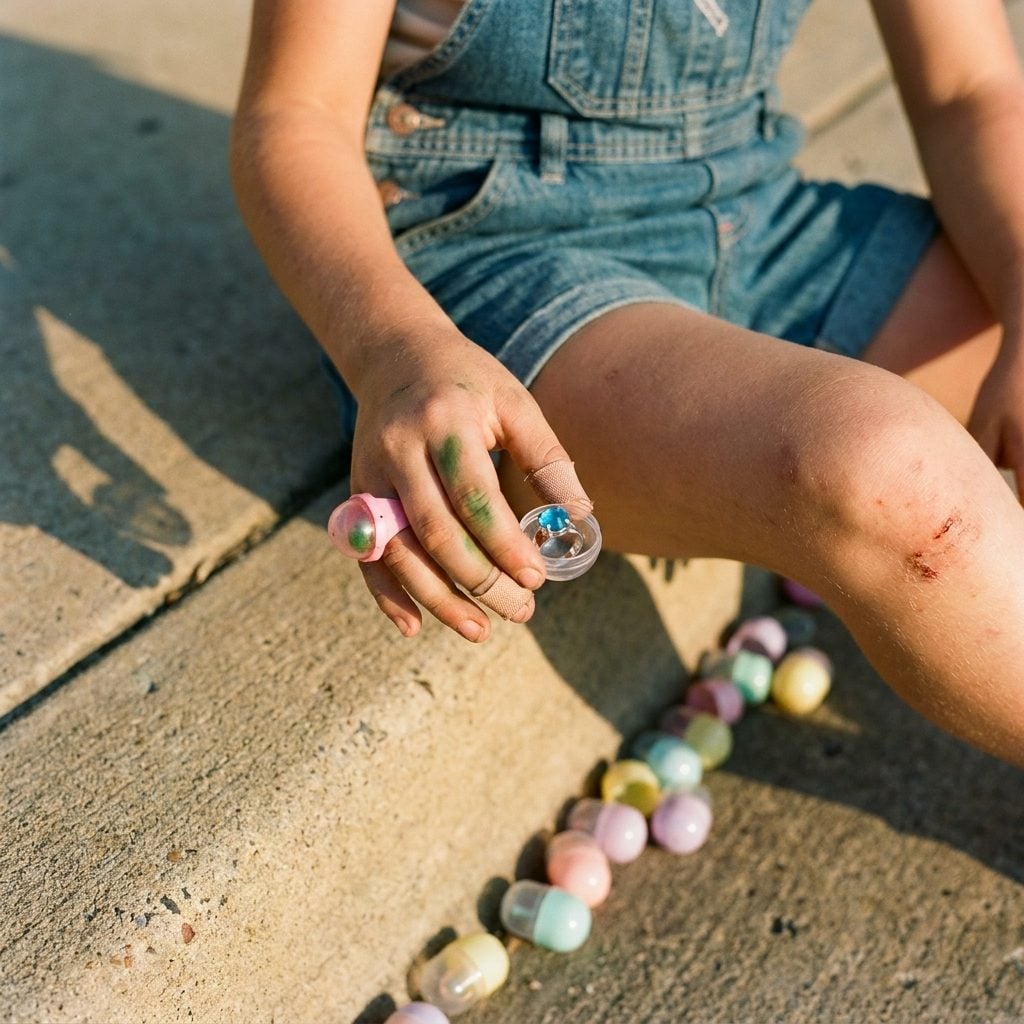
A quarter bought a plastic bubble with a metal ring inside, and that ring became the entire economy of your Saturday. You wore it home, wore it to school Monday, and by Friday your finger had a green stripe you refused to acknowledge as a problem.
The stain was proof that you had committed. Real rings did not do that.
7. The Charm Bracelet Link With a Tiny Working Padlock and Key
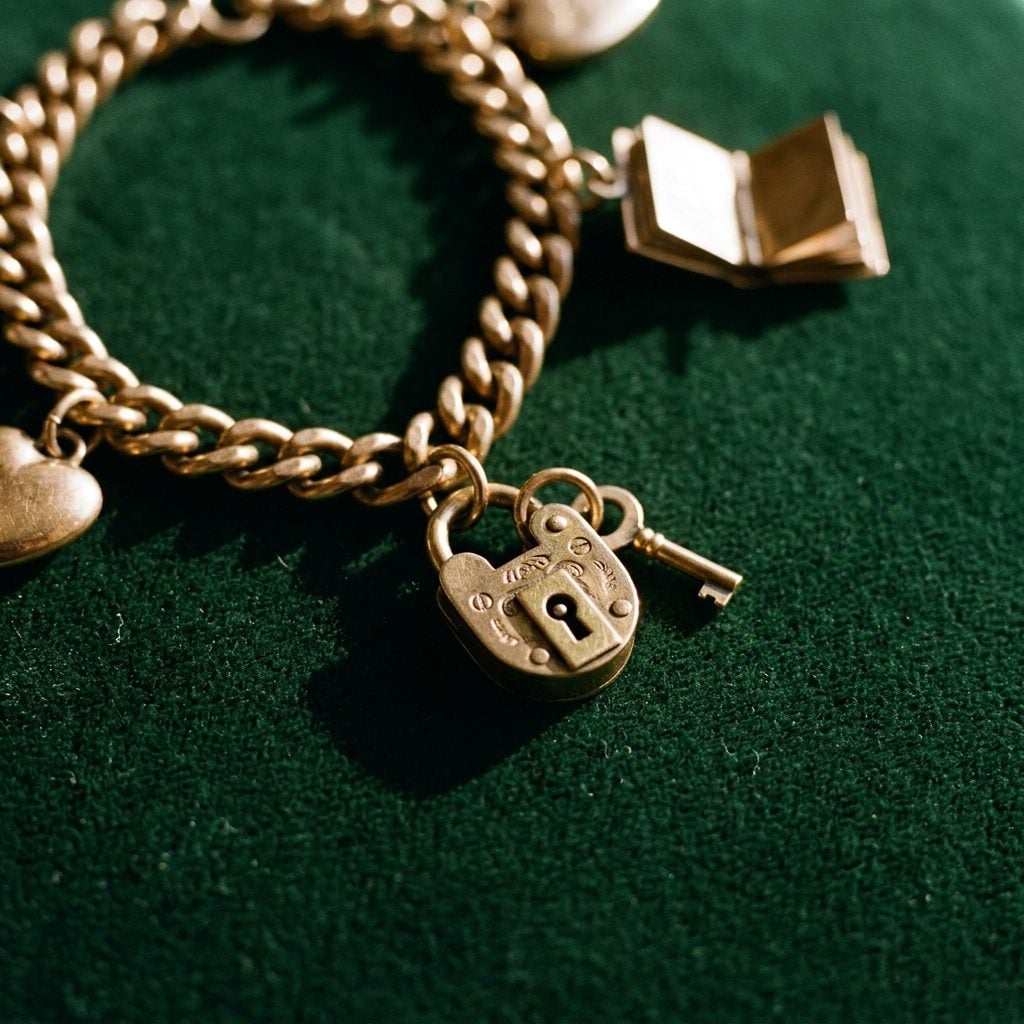
The padlock actually worked, and that was the miracle. A key smaller than a grain of rice turned in the lock, the shackle popped open, and you showed every person you knew.
You lost the key by Christmas. The lock remained on the bracelet, permanently closed, which somehow made it feel more meaningful rather than less.
6. The Chunky Turquoise-Colored Ring Your Older Sister Bought at a Craft Fair
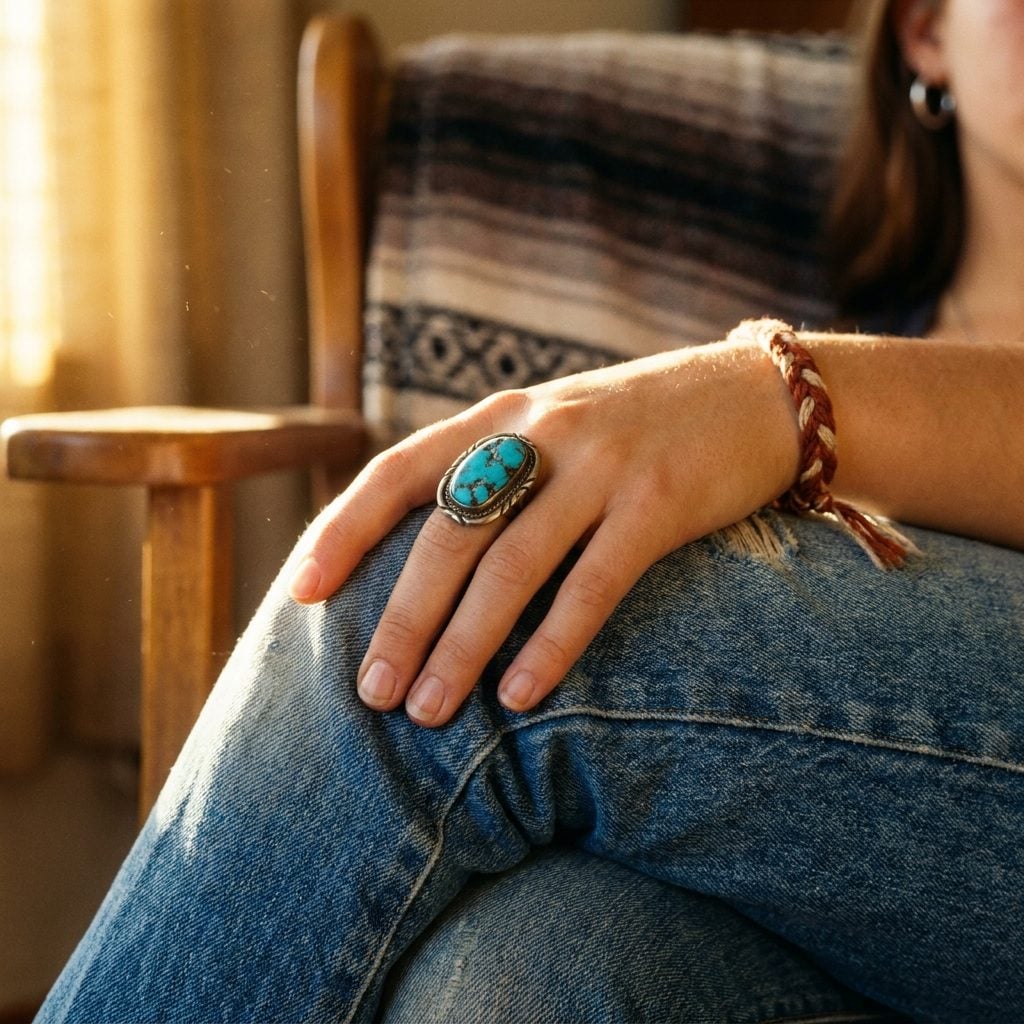
Your sister came home with something that looked unlike anything in the department store jewelry case. Silver-tone metal, a large turquoise-colored stone, and the unmistakable air of something chosen far from home.
She wore it once and left it in a dish on her dresser. You started borrowing it when she was out, then when she was home. Eventually she stopped objecting, which is how ownership sometimes worked in a house with sisters.
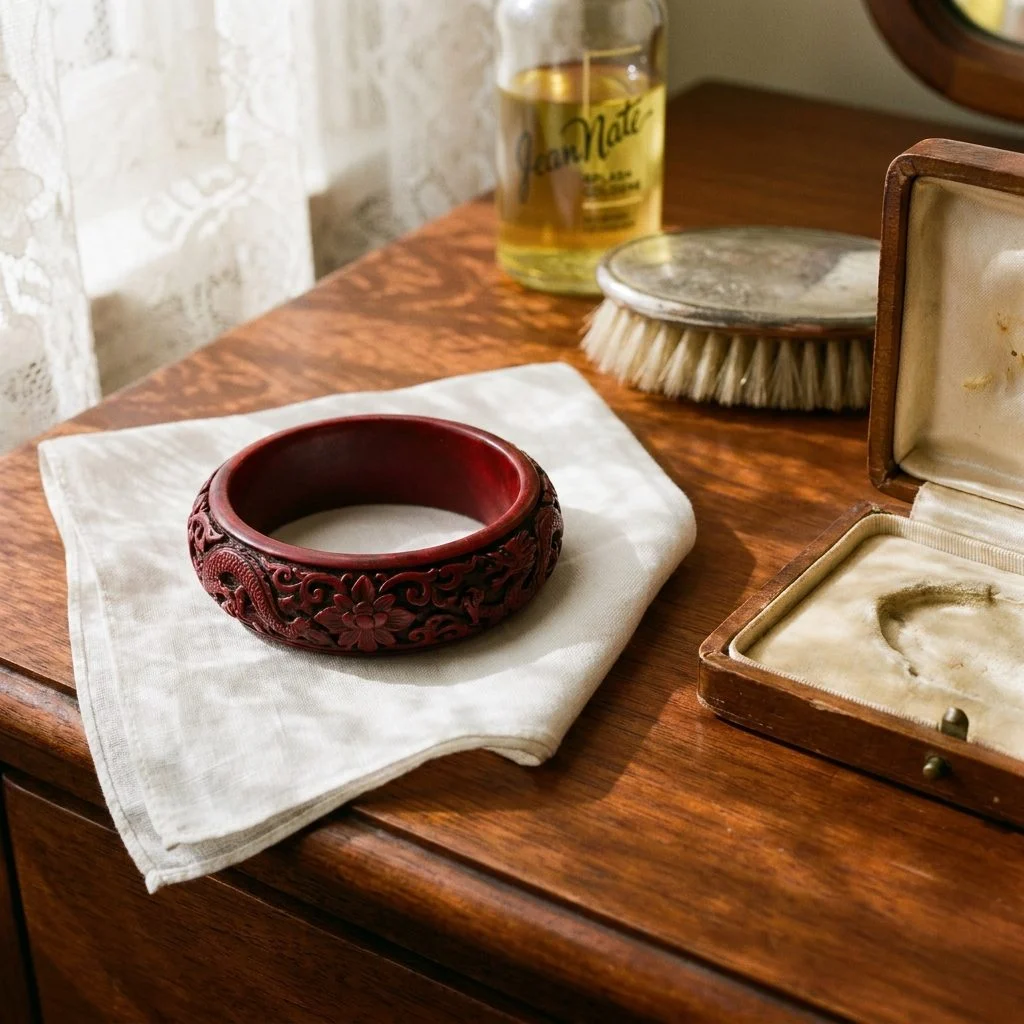
5. The Carved Red Lacquer Bracelet Your Mother Brought Home From Hong Kong
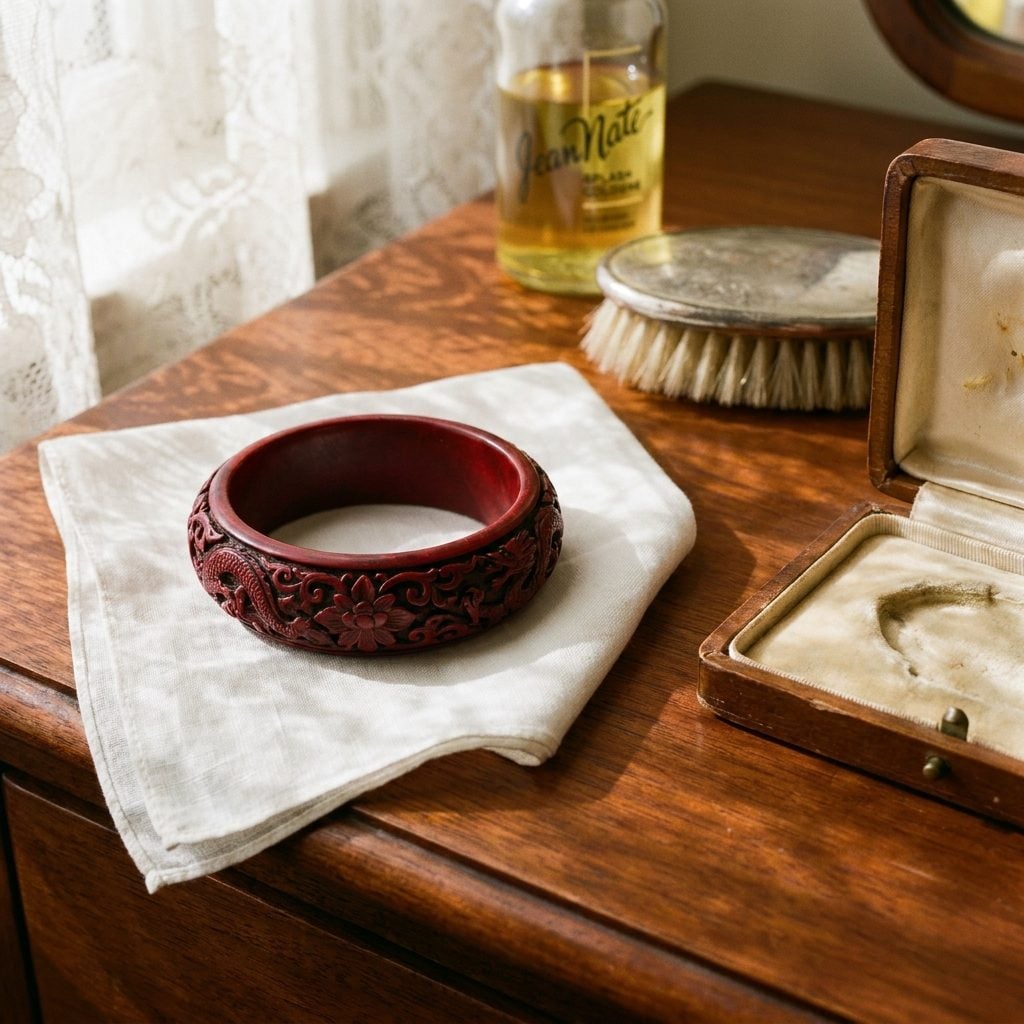
The bracelet had a faint woody, resinous smell and a carved surface unlike anything else in the jewelry box. It seemed older and more serious than the bright plastic and enamel pieces you wore every day.
Your mother let you try it on once a year, maybe twice. You held your wrist very still because you understood, without being told, that this was not a bracelet to swing around.
4. The Puka Shell Choker You Kept Wearing Long After You Came Home From the Beach

The choker was a receipt. It said you had been somewhere with waves, or at least somewhere that sold souvenirs from somewhere with waves. Either way, the shells were at your throat and everyone knew.
You kept it on through October and Thanksgiving. The shells grew a little grimy against your neck. You finally took it off when the string broke.
3. The Tiny Red Glass Bead Necklace Your Grandmother Restrung Every Summer
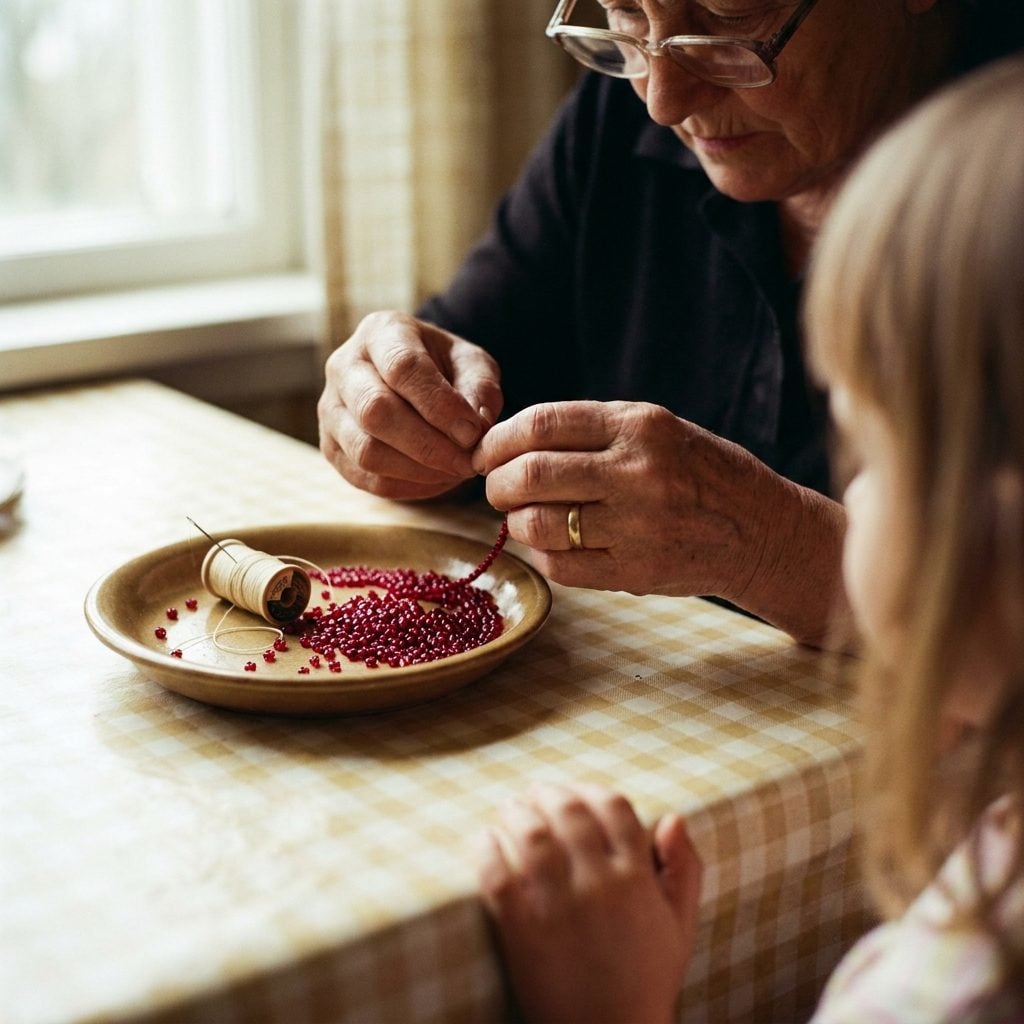
Every summer the string broke, and every summer she sat at the kitchen table with a dish, a needle, and all those tiny red beads while you watched.
She never made it feel like a chore. She made it feel as though the necklace was worth the trouble, which meant, though nobody said it, that you were worth the trouble too. The necklace lives in a drawer now. You know where.
2. The Square-Holed Coin Charm You Tried on Every Chain You Owned
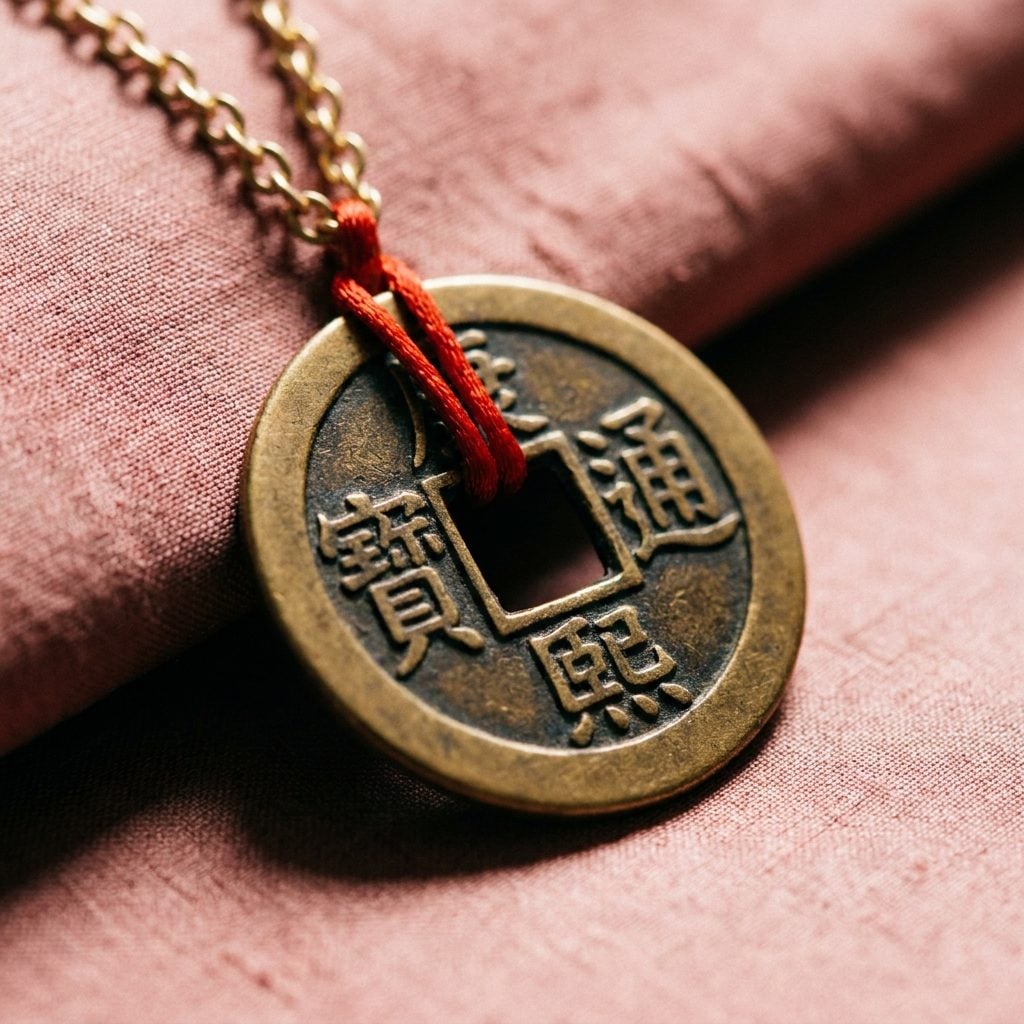
The square-holed coin design looked unlike anything else in the local jewelry case. Whether it was an old coin or a modern reproduction, you tried it on red silk cord, ball chain, leather, and gold-tone links until you found the version that felt right.
The opening in the middle was what kept drawing you back. It made the charm look finished and unfinished at the same time.
1. The Roller Skate Charm With Wheels That Actually Rolled
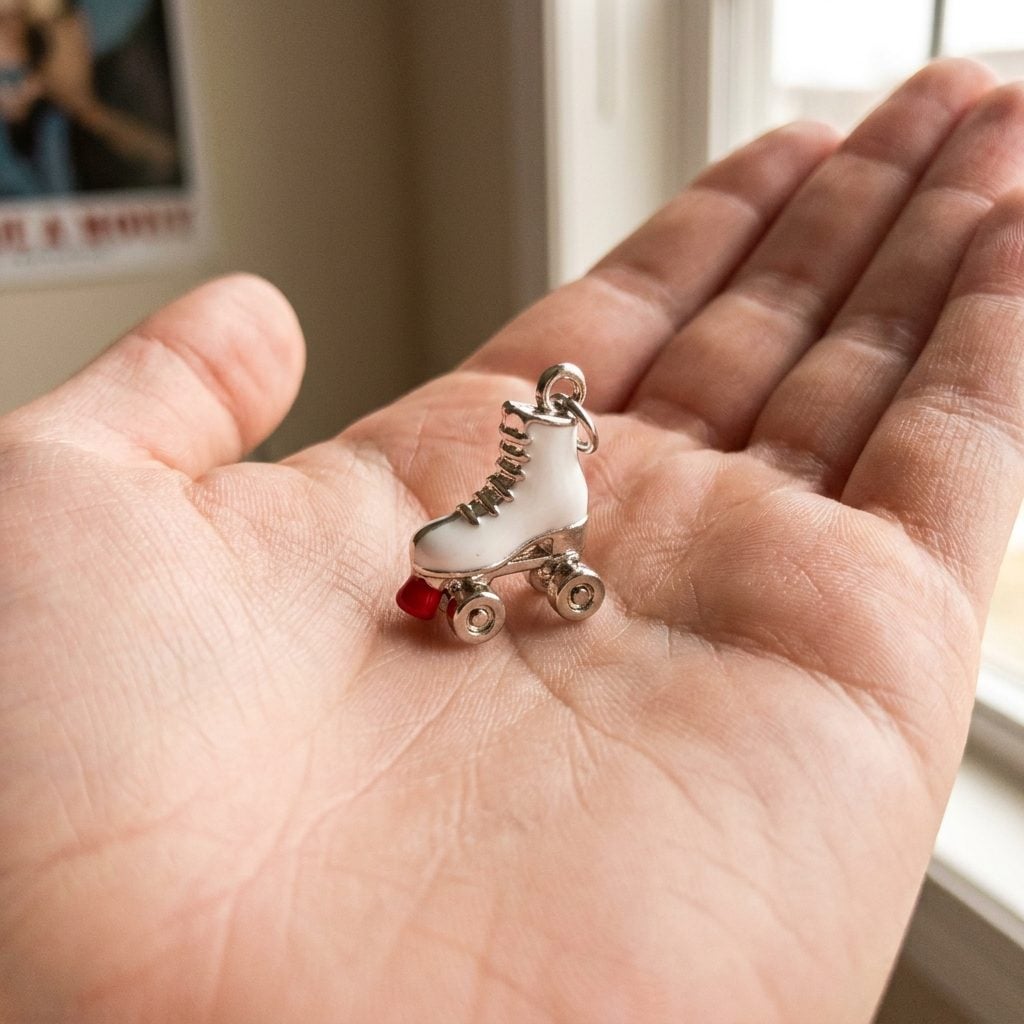
The wheels spun. You spent actual minutes flicking them with a fingernail, watching them turn, then showing everyone in the cafeteria who had not yet seen.
The roller rink was the sun everything else orbited around that year: Friday nights, disco lights, and Andy Gibb over the speakers. The charm on your wrist was proof that you belonged there.