❤️ Would you like to save this?
A 1970s vanity could resemble a chemistry experiment conducted by someone with a weakness for frosted pink. Powders escaped their containers, lip glosses collected every passing strand of hair, and enough hairspray could make a feathered hairstyle structurally sound. Perfume bottles looked expensive even when the perfume wasn’t. Electric styling tools arrived with cords, hot metal, and an optimistic disregard for the available counter space.
Beauty had competing ambitions. Some wanted cheeks warmed with terracotta; others wanted eyelids the color of a swimming pool. Hair could be brushed into soft wings, wound around enormous rollers, or coaxed into the gravity-defying shapes that made the decade famous. A little bottle of patchouli oil could announce its owner before she entered the room, while pale pink lipstick barely announced itself at all. Both belonged to the same decade.
The equipment was half the entertainment. Mascara came in cakes that required water. Powder compacts snapped shut with satisfying authority. Electric rollers warmed in their own little cases. Getting ready involved an extraordinary collection of bottles, brushes, clips, cords, and occasionally dubious instructions. These 36 staples capture the color, ingenuity, contradictions, and considerable personality of the 1970s vanity.
FYI, thanks to AI imagery software, we’re able to create very specific fashion and hairstyle examples to illustrate the points being made. In some cases, imagery is exaggerated to hammer home the point. Also, assume links that take you off the site are affiliate links such as links to Amazon. this means we may earn a commission if you buy something.
36. Frosted Blue Eyeshadow That Refused to Stay Below the Crease
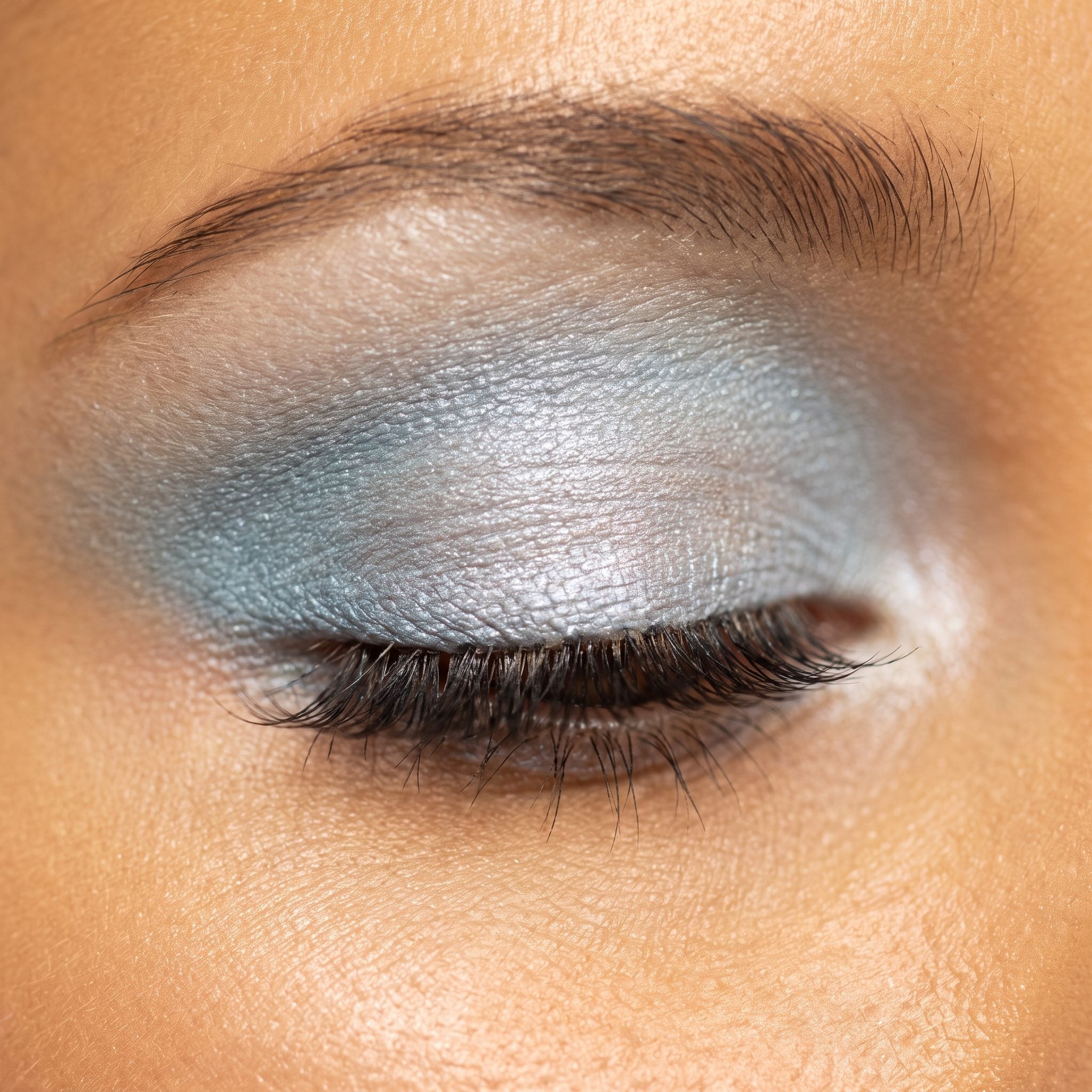
Powder blue had no intention of blending discreetly into the complexion. The color swept across the eyelid, frequently climbed toward the brow bone, and caught the light with a pearlescent finish that made subtlety somebody else’s problem.
Small compacts and sponge-tip applicators made the look accessible without professional equipment. Maybelline, Cover Girl, and other drugstore brands offered plenty of opportunities to experiment. The result could be icy, futuristic, or wonderfully excessive, depending on the amount applied and the determination behind it.
35. The Big Round Vanity Mirror Framed in Glowing Bulbs
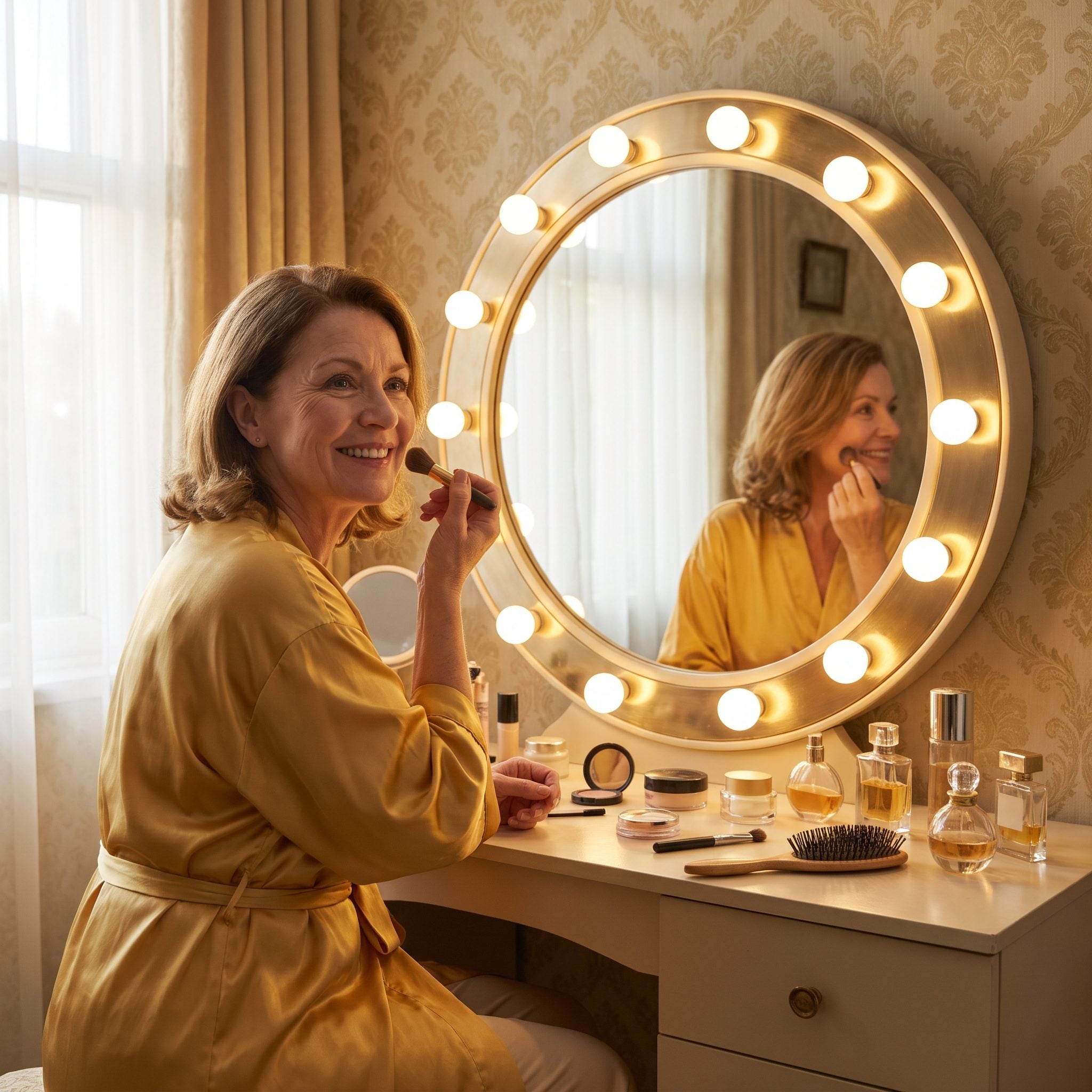
Nothing suggested show business quite like a mirror surrounded by exposed bulbs. The Hollywood dressing-room look transformed the ordinary business of applying lipstick into a performance, complete with flattering illumination and enough heat to discourage lingering.
Arranged around the glass, the bulbs cast light across the face from several directions, reducing shadows that could complicate makeup application. The circular frame gave the mirror a striking silhouette even when switched off. With the lights on, every lipstick smear and uneven line of eyeliner had nowhere to hide.
34. Roll-On Lip Gloss in a Little Glass Bottle
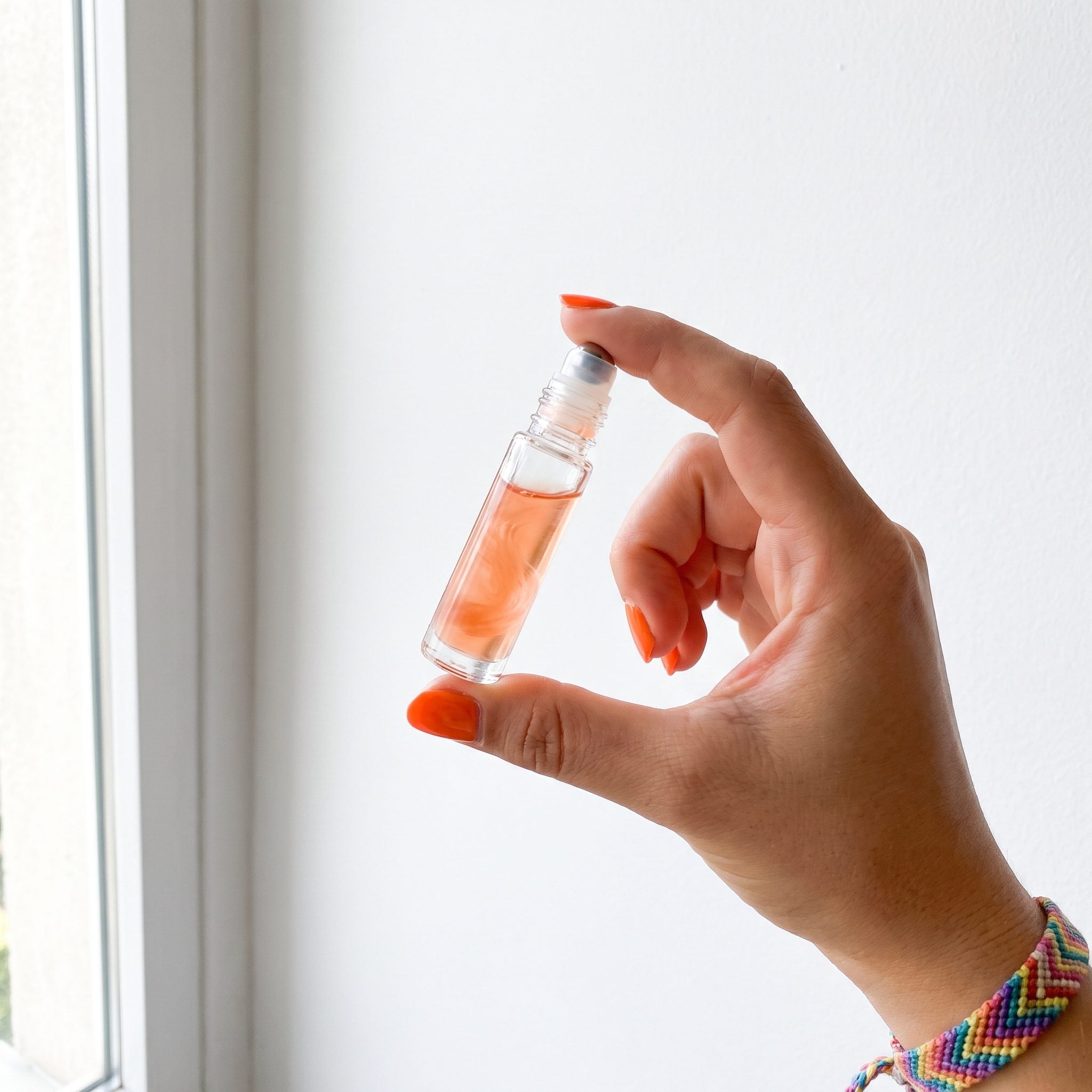
The rollerball delivered a cold, slippery stripe of shine accompanied by the unmistakable fragrance of strawberry, bubble gum, or some other flavor that had never been within shouting distance of actual fruit.
Bonne Bell’s Kissing Potion helped make flavored gloss a small obsession. The bottles were compact, the colors playful, and the finish gloriously sticky. A gust of wind could attach half a hairstyle to freshly glossed lips. Beauty occasionally required peeling your own hair away from your mouth.
33. The Rat-Tail Comb That Could Rescue a Flattened Hairstyle
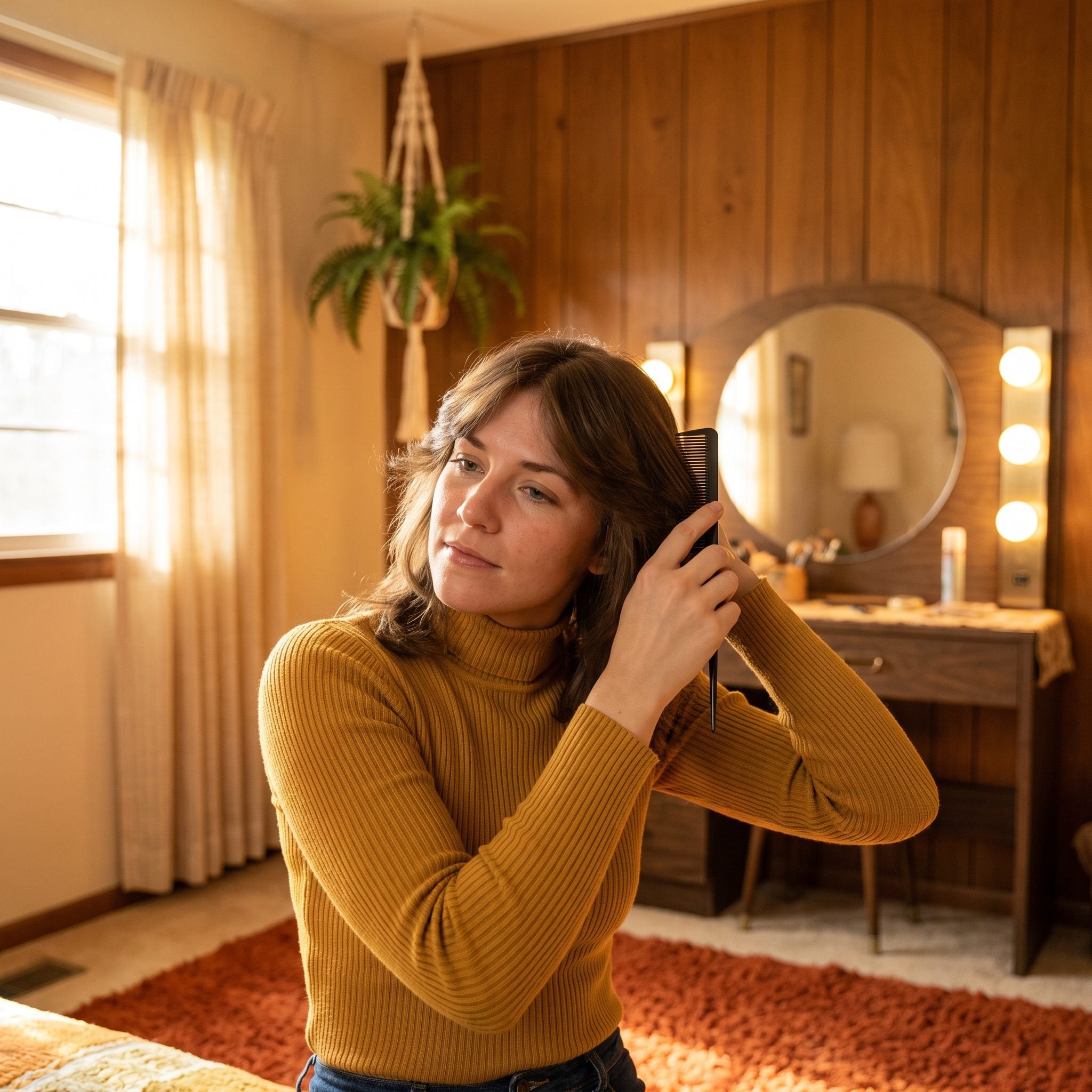
Part comb, part precision instrument, the rat-tail design offered two tools in one. The teeth handled ordinary combing, while the long, pointed handle separated sections, lifted roots, and helped construct elaborate arrangements of curls and volume.
Its slender profile made it easy to tuck into a purse or back pocket. The pointed tail was particularly useful for correcting a center part or teasing a flattened section back into shape. A modest piece of plastic could exert remarkable influence over an entire hairstyle.
32. The Powder Rouge Compact That Gave Cheeks a Peachy Glow
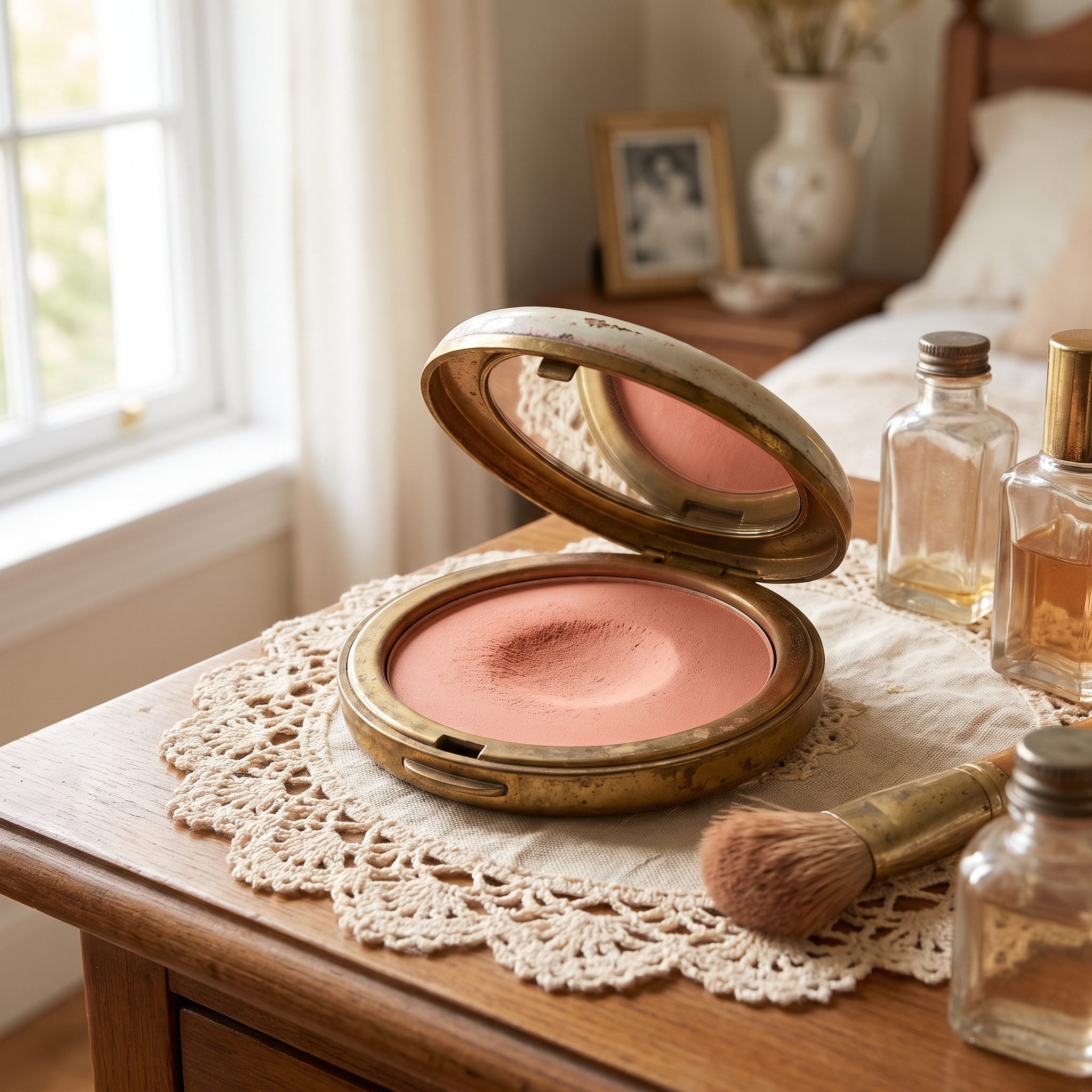
Peach rouge offered a softer alternative to stronger pink blushes, warming the complexion without competing with frosted eyeshadow or glossy lips. A little color could suggest an afternoon outdoors, even when the day’s most strenuous activity had involved fluorescent office lighting.
The compact was simple: a pan of pressed powder, sometimes accompanied by a brush barely substantial enough to deserve the name. Swept across the cheeks and blended toward the temples, the shade gave the face a gentle warmth. The trick was stopping before gentle warmth became unmistakable orange.
31. Black Cake Mascara You Had to Wet Before Using
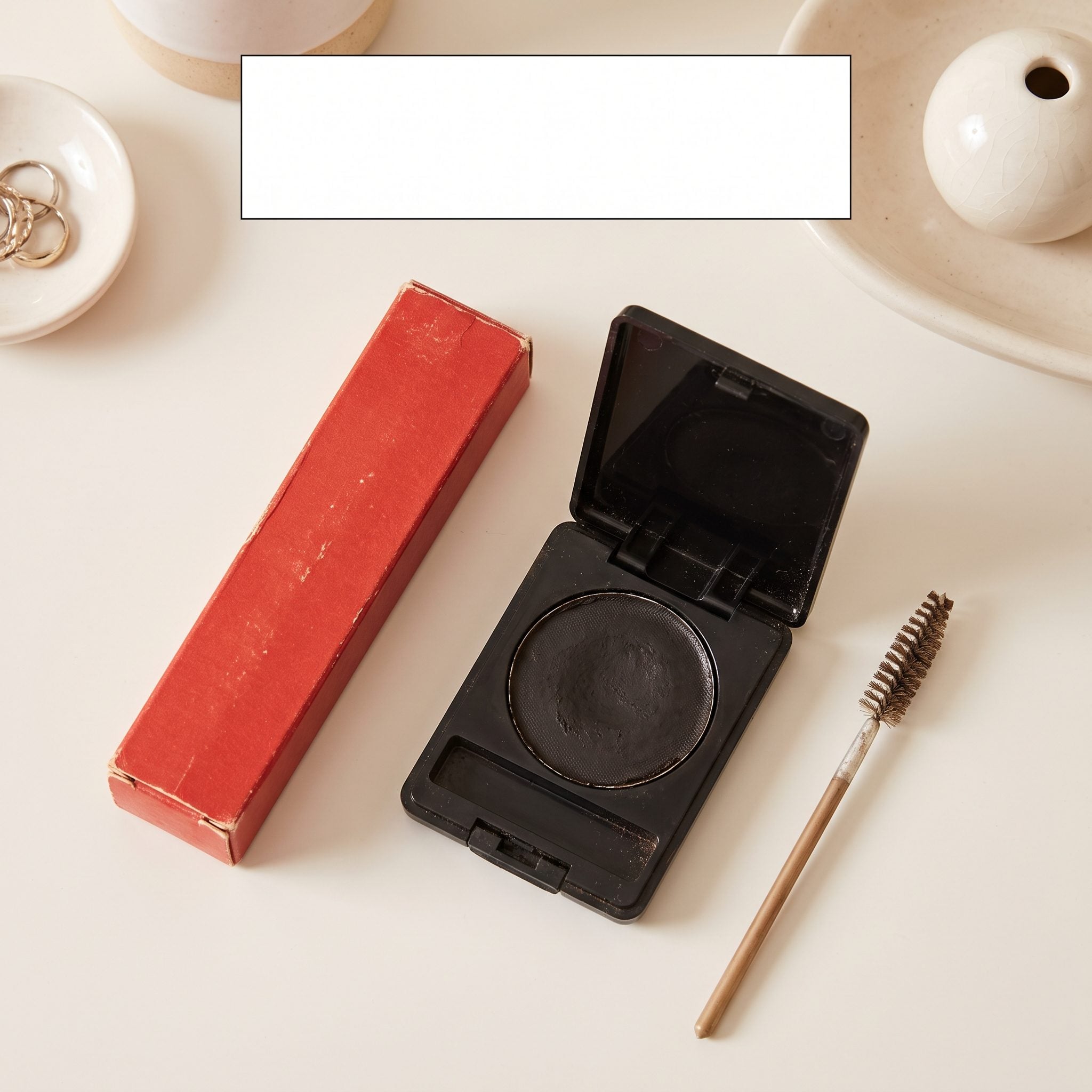
The little black cake required more preparation than the familiar tube mascara. A dampened brush was worked across the solid pigment before the resulting mixture could be applied to the lashes. No quick twist of a cap. No convenient wand waiting inside. Actual preparation.
Maybelline’s familiar red-and-gold packaging became closely associated with the format. Some users famously resorted to saliva when water wasn’t handy, a practice best left in the past. Although tube mascaras were already well established by the 1970s, cake mascara retained a following among those accustomed to its distinctive application.
30. The Decorative Glass Perfume Bottle Too Pretty to Discard
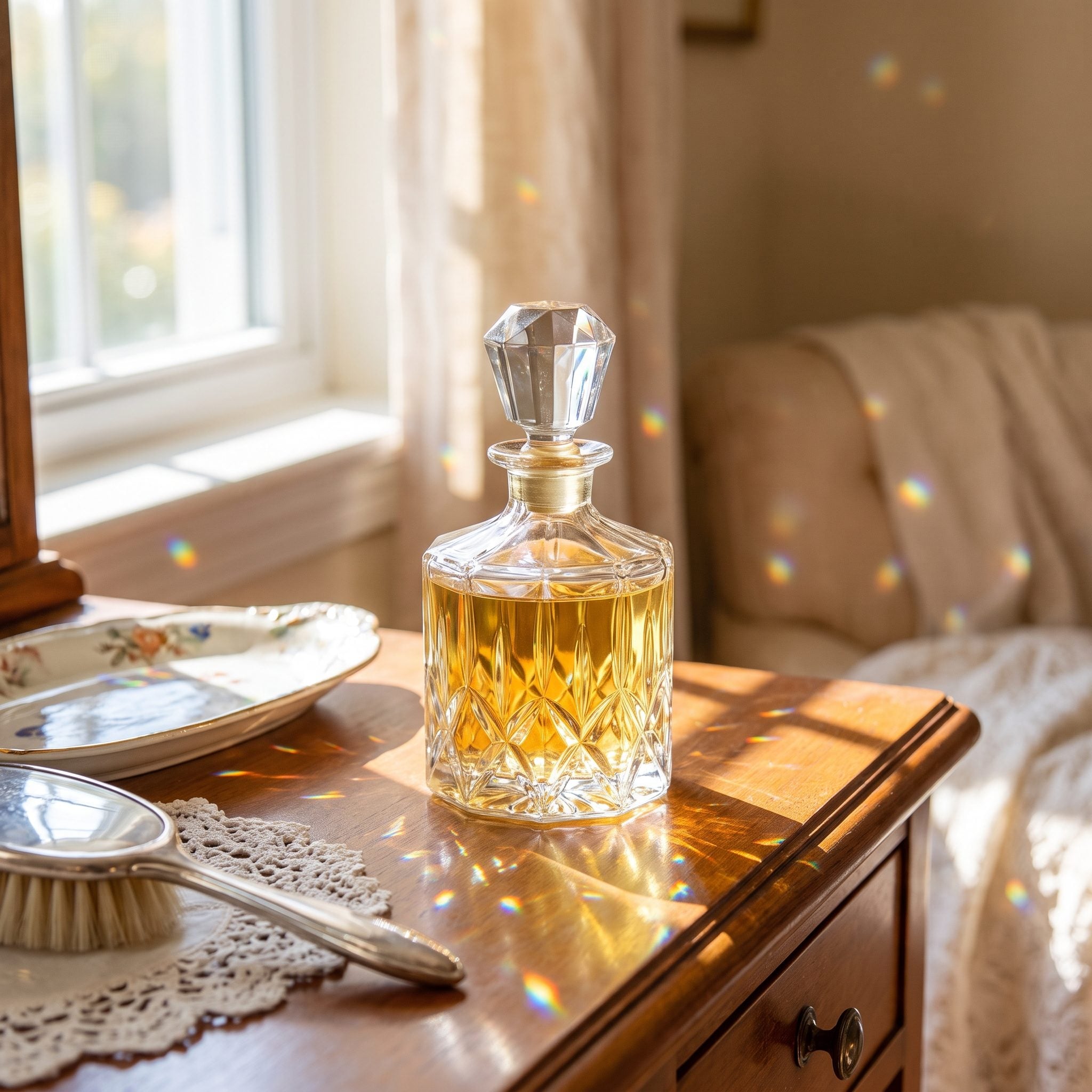
Some perfume bottles were designed with such ambition that the fragrance almost became secondary. Faceted glass, sculptural stoppers, and elaborate labels turned a practical container into an ornament worthy of permanent display.
Nina Ricci’s L’Air du Temps, with its celebrated dove-topped bottle, exemplified the decorative tradition. Estée Lauder’s Youth-Dew and other established fragrances occupied their own places on dressing tables, while newer scents such as Charlie and Babe brought a different attitude to the decade. An empty bottle could remain beautiful long after its contents had disappeared.
29. Earth-Tone Brown and Bronze Eyeshadow
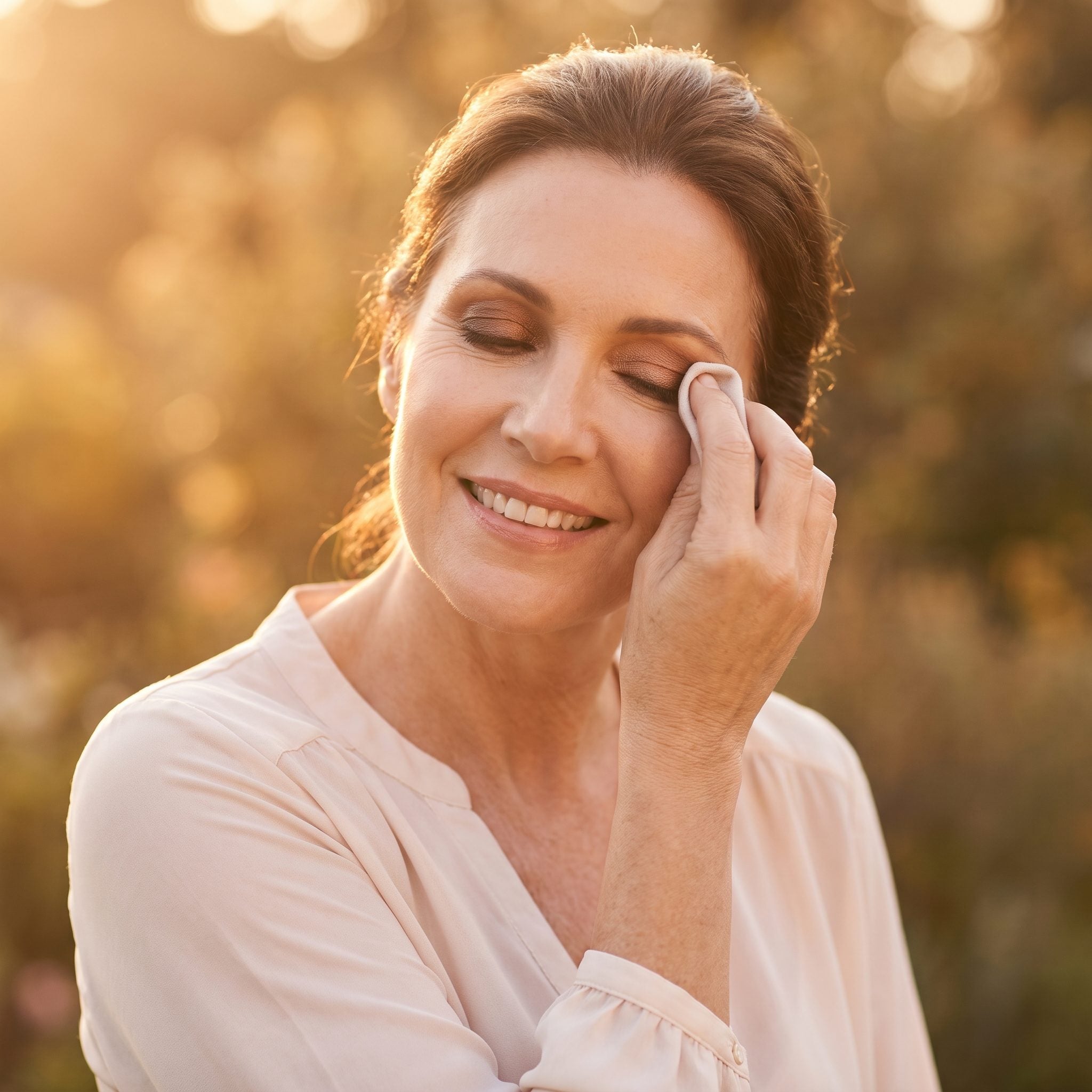
Not every 1970s eyelid resembled a frosted birthday cake. Bronze, cinnamon, and warm brown offered a more natural-looking alternative, especially alongside the decade’s enthusiasm for sun-kissed complexions and earthy clothing colors.
A wash of bronze across the lid and a deeper brown through the crease could create definition without the icy flash of blue or green. The colors worked particularly well with cream blouses, suede jackets, and warm-toned lipstick. Unlike some period experiments, this combination has never needed much explanation to survive.
28. Perfumed Dusting Powder and the Enormous Fluffy Puff
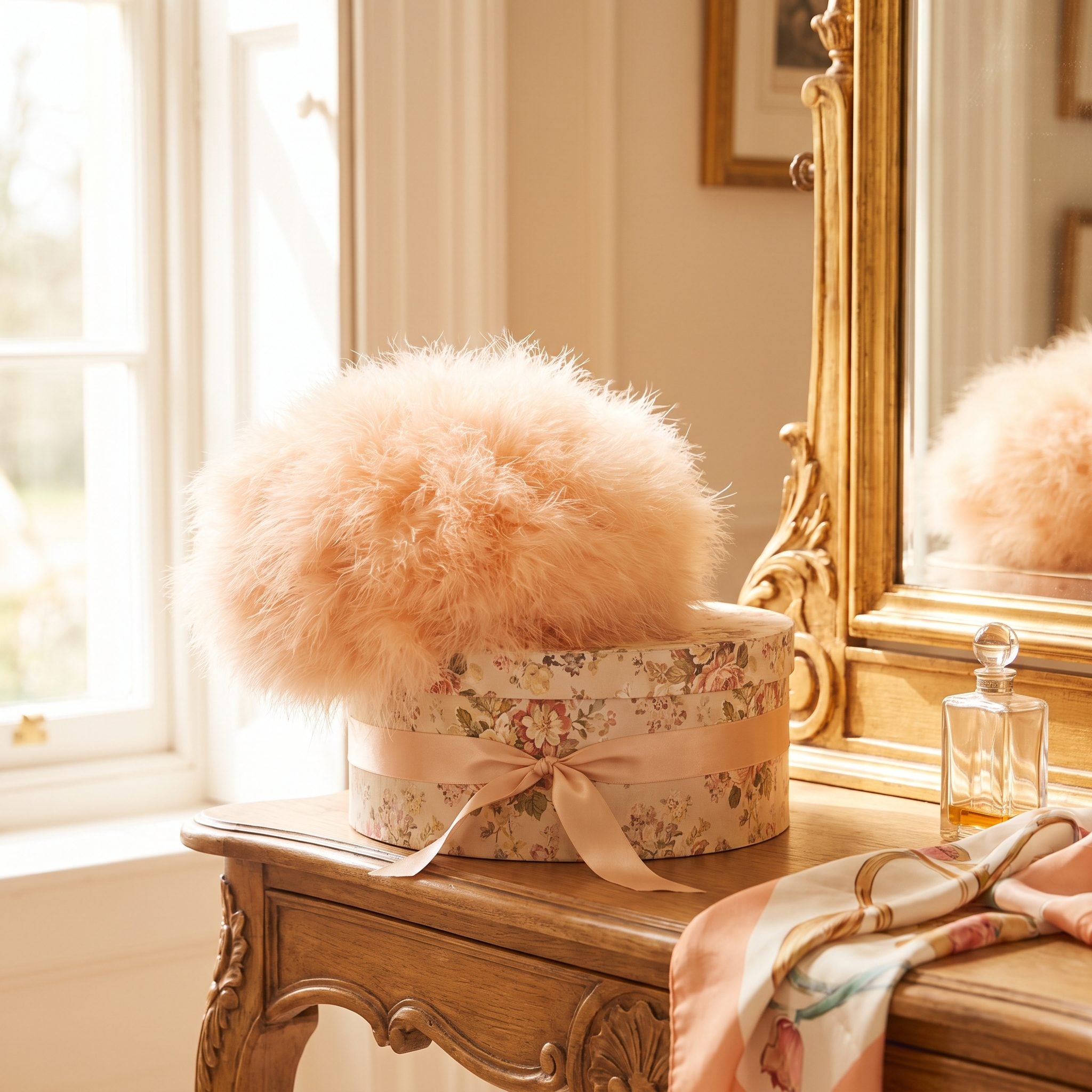
The puff was almost comically extravagant: a soft, oversized cloud nestled inside a round container of scented powder. Applying it after a bath turned an ordinary grooming routine into a production with props.
Chantilly and Jean Naté belonged to an era when fragrance could extend from the perfume bottle to the bath, the body lotion, and the powder puff. A light dusting across the shoulders or décolletage left skin softly perfumed, while the powder itself had an unfortunate talent for settling on nearby furniture. Luxury, apparently, sometimes required cleaning the dressing table afterward.
27. White Eyeliner Pencil for a Wide-Awake Look
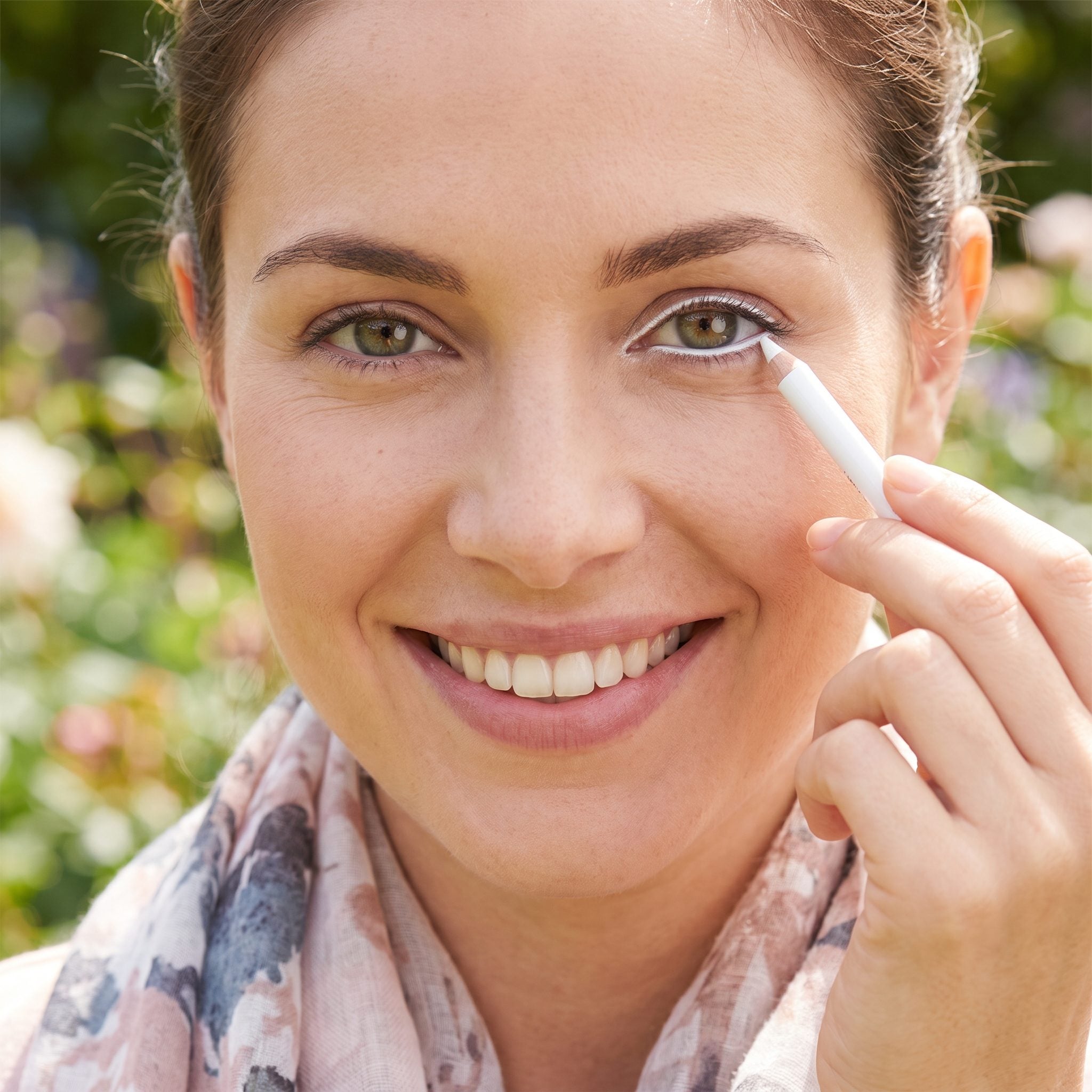
Black eyeliner added definition. White eyeliner played a different trick, bringing brightness to the inner corners or lower waterline and making the eyes appear more open.
Against pale frosted shadow, the white pencil could intensify the icy look. Paired with darker lashes, it created a striking contrast without requiring an elaborate color scheme. The technique has outlived the decade, although modern eye-safe formulations are preferable to the improvised methods that sometimes accompanied vintage makeup routines.
26. The Cake of Pressed Blusher in Warm Terracotta
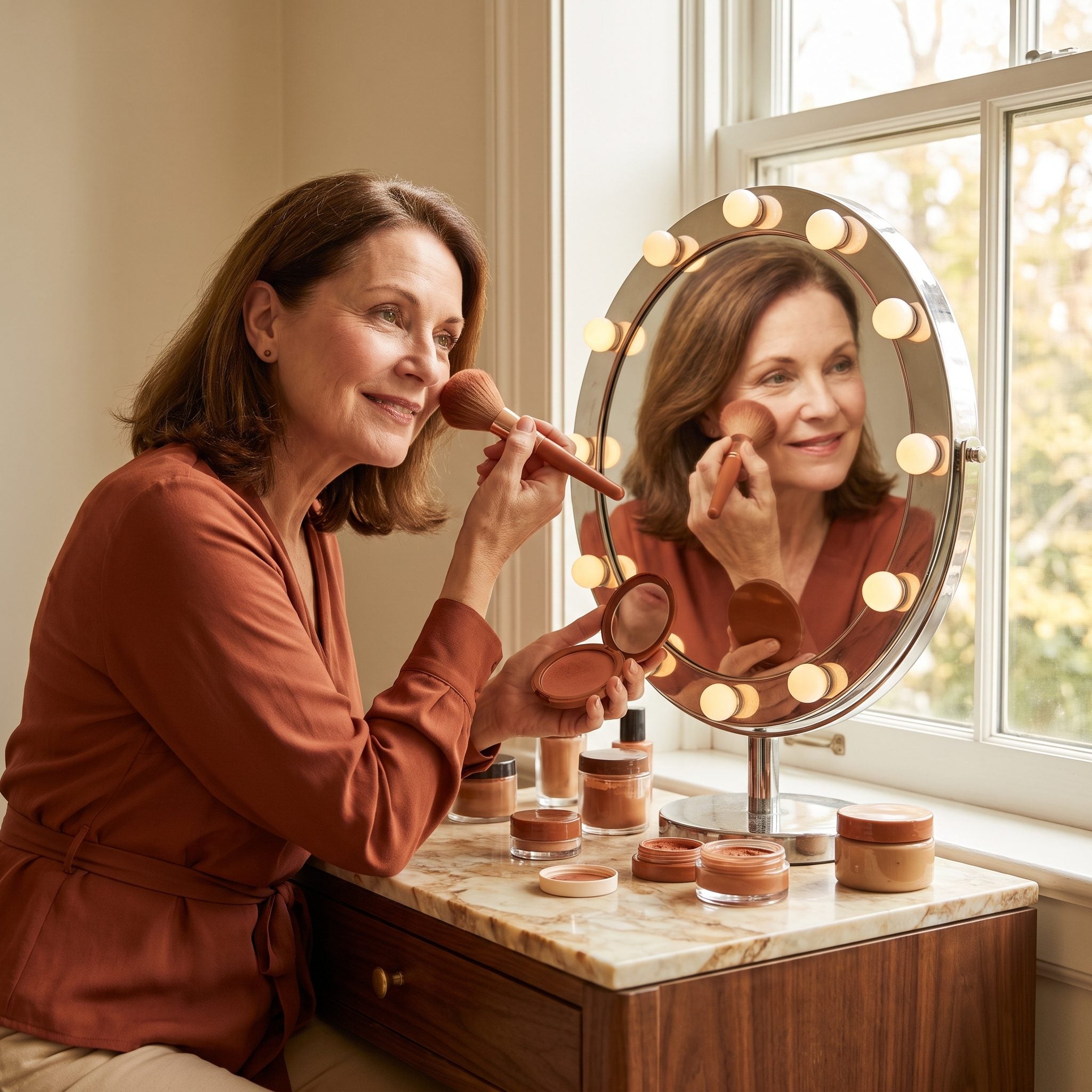
Terracotta took the peach blush idea several shades deeper. Earthy red, clay, and bronze tones complemented the decade’s appetite for warm color, giving cheeks a stronger, more sculpted appearance than a delicate pink flush.
Applied high along the cheekbones, the shade worked with brown eyeshadow, coral lips, and the rust-colored clothing that seemed to occupy half the fashion landscape. The effect was sun-warmed rather than doll-like, although a heavy hand could push the result from healthy glow to freshly fired pottery.
25. False Eyelashes in Their Molded Plastic Case
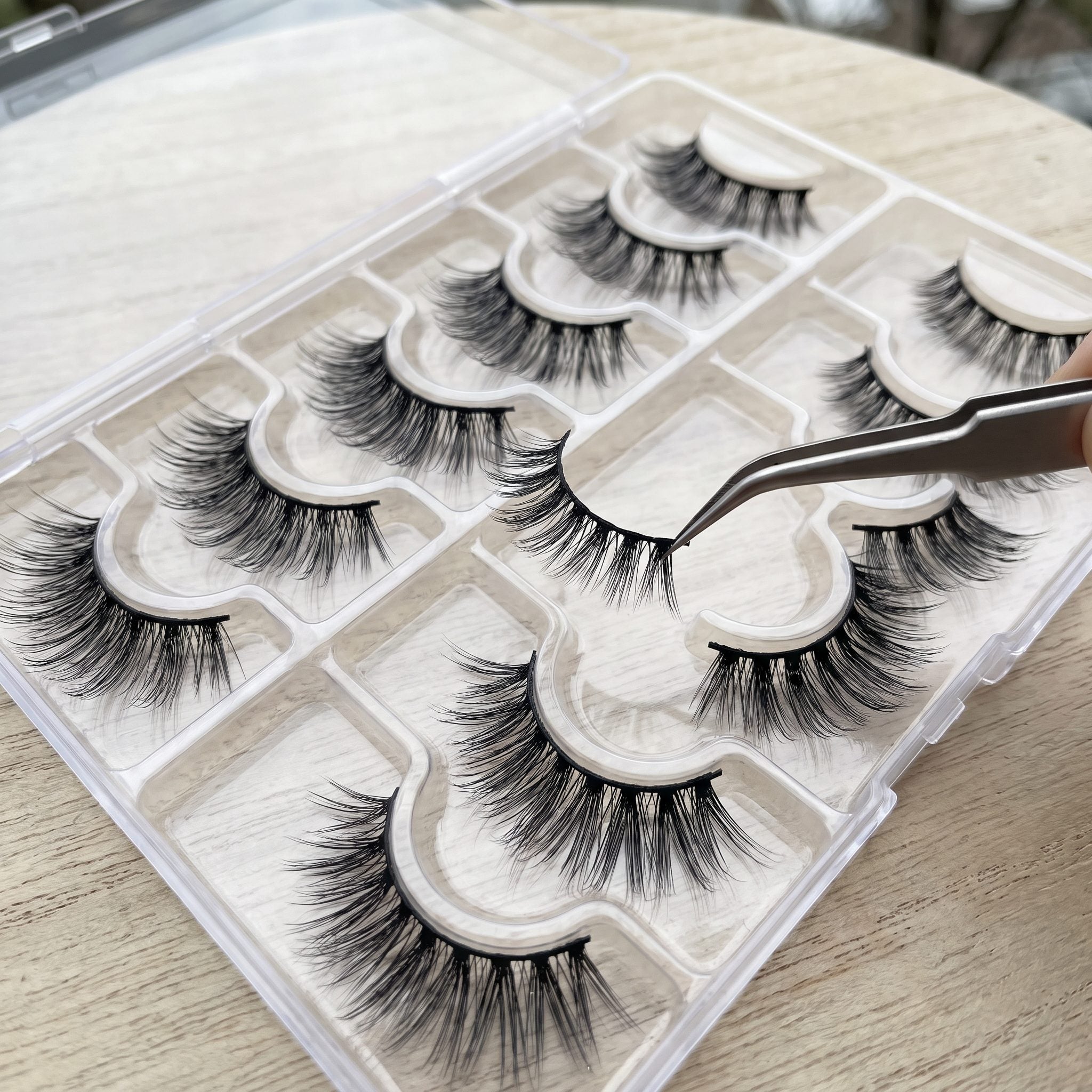
The packaging resembled a tiny display case for two remarkably delicate insects. Curved plastic supports held the lashes in shape until they were ready to be attached along the natural lash line.
False eyelashes remained part of the beauty vocabulary inherited from the 1960s, particularly for more dramatic evening looks. Adhesive, patience, and careful positioning were essential. Combined with frosted shadow and dark liner, they could produce a spectacular fringe. The challenge was getting both eyes to agree on the same arrangement.
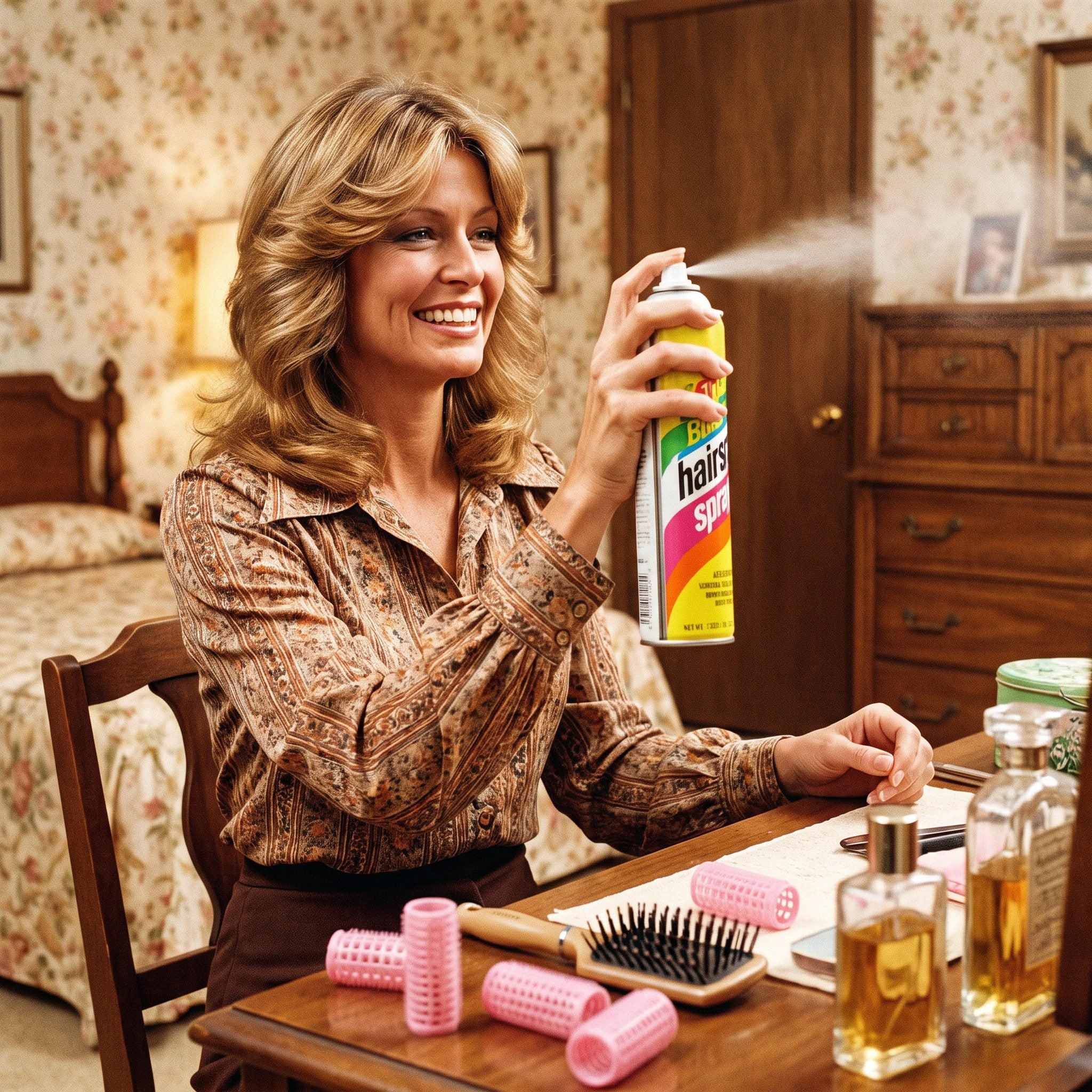
24. Aerosol Hairspray That Could Hold a Feather Through a Hurricane
❤️ Would you like to save this?
The feathered hairstyle required movement, volume, and a surprising amount of chemical assistance. Aerosol hairspray delivered a fine mist intended to preserve every carefully arranged layer through an ordinary day’s indignities.
The scent could linger long after the styling was finished. Apply too much and the feathers stopped behaving like feathers, acquiring the structural integrity of a small helmet. A little flexibility was desirable; the can did not always receive that instruction.
What Our Readers Say
- Today, our readers lean away from lacquered perfection: asked which finish they would buy, 72% picked tousled hair and only 22% chose sleek.
From ThreadCurve reader polls and votes.
23. Frosted Pale-Pink Lipstick With a Pearly Finish
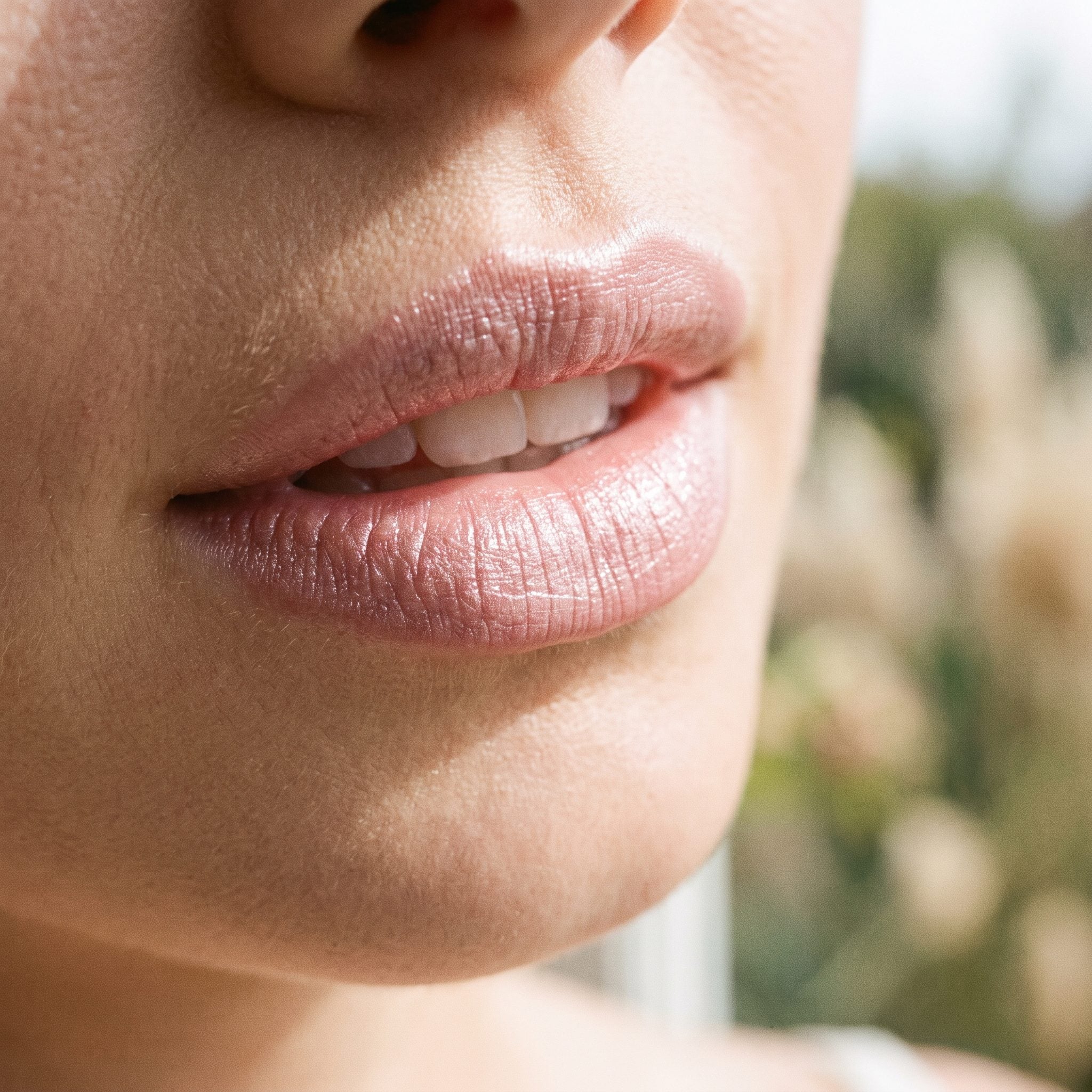
Almost white, faintly pink, and unmistakably pearlescent, this lipstick gave the mouth a cool shimmer rather than a strong burst of color. Against feathered hair and pastel clothing, the lips could look as though they’d been brushed with the inside of an oyster shell.
In soft daylight, the finish was delicate. Beneath bright vanity bulbs, the same lipstick could take on an almost metallic sheen. The decade was happy to let texture do the work of color, and this was the idea taken to its palest conclusion. Very little pink. An extraordinary amount of frost.
22. The Blow Dryer With Attachments That Disappeared Into a Drawer
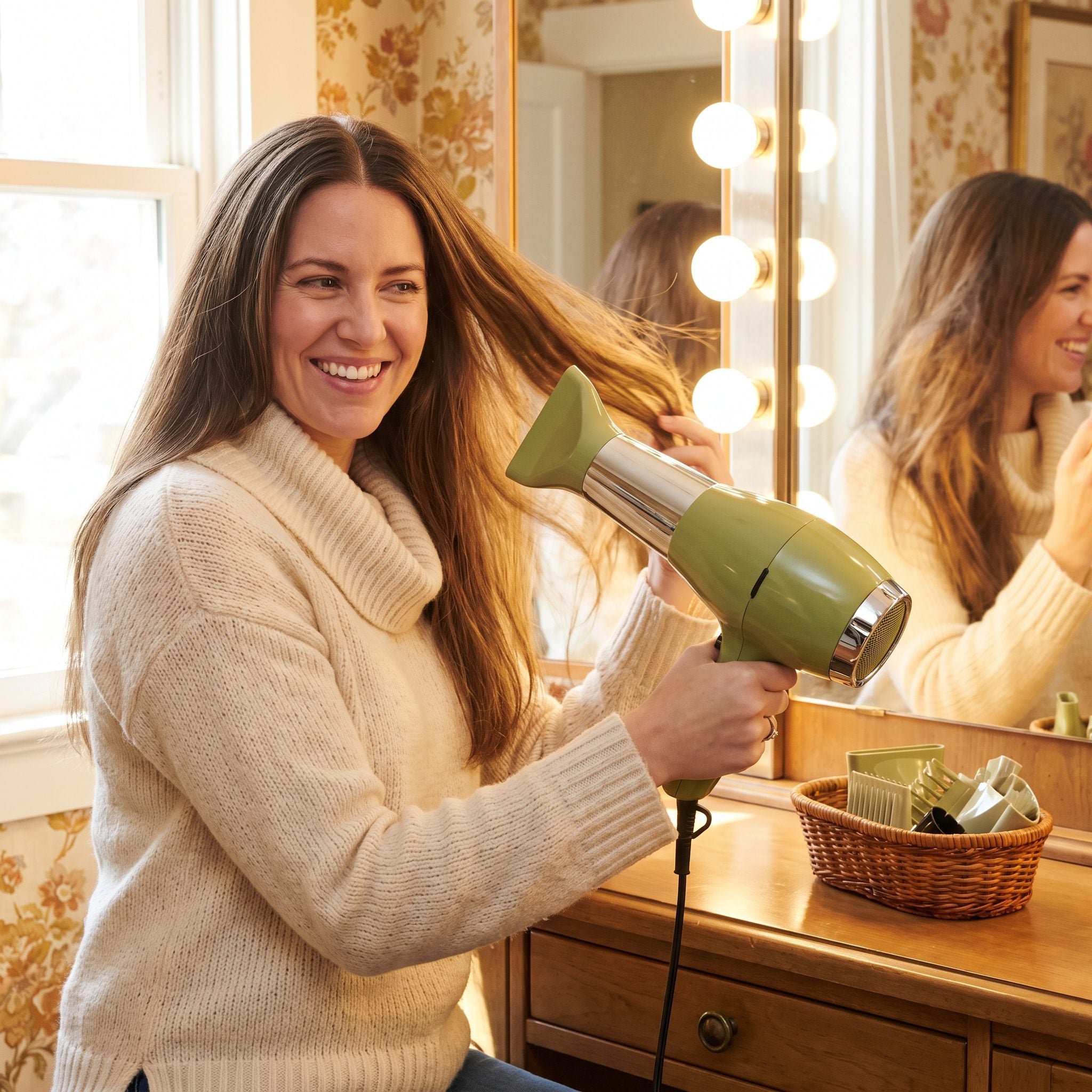
Handheld dryers promised freedom from sitting beneath a salon hood or balancing a portable bonnet over a set of rollers. They also brought heat, noise, and an assortment of plastic attachments whose usefulness varied considerably.
Concentrator nozzles and styling accessories offered more control, at least in theory. In practice, the simplest approach often involved pointing the dryer at damp hair and hoping for cooperation. The machines could be bulky, the motors loud, and the resulting hairstyle dependent on the patience of the person holding the handle.
21. The Metal Eyelash Curler That Resembled a Medieval Instrument
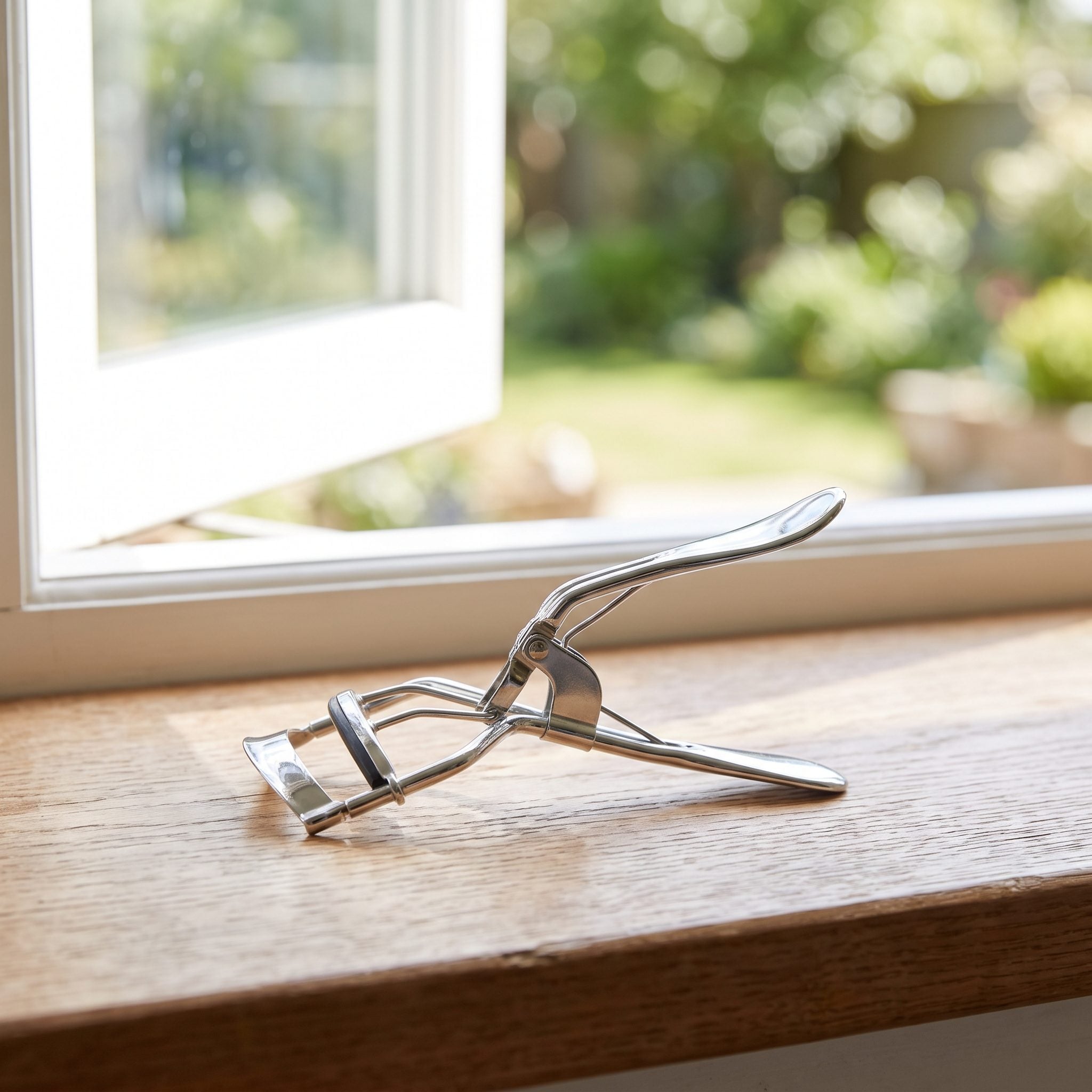
Chrome hinges, curved jaws, and a small rubber pad made the eyelash curler look considerably more alarming than its intended purpose warranted. The device was designed to lift straight lashes before mascara, creating a more open-eyed appearance.
Used carefully, it performed a useful trick in seconds. Worn pads and clumsy handling were less forgiving. Few beauty tools have ever looked so much like something borrowed from a dentist’s drawer, yet the basic design remains remarkably familiar.
20. The Cold Cream Jar That Ended the Evening
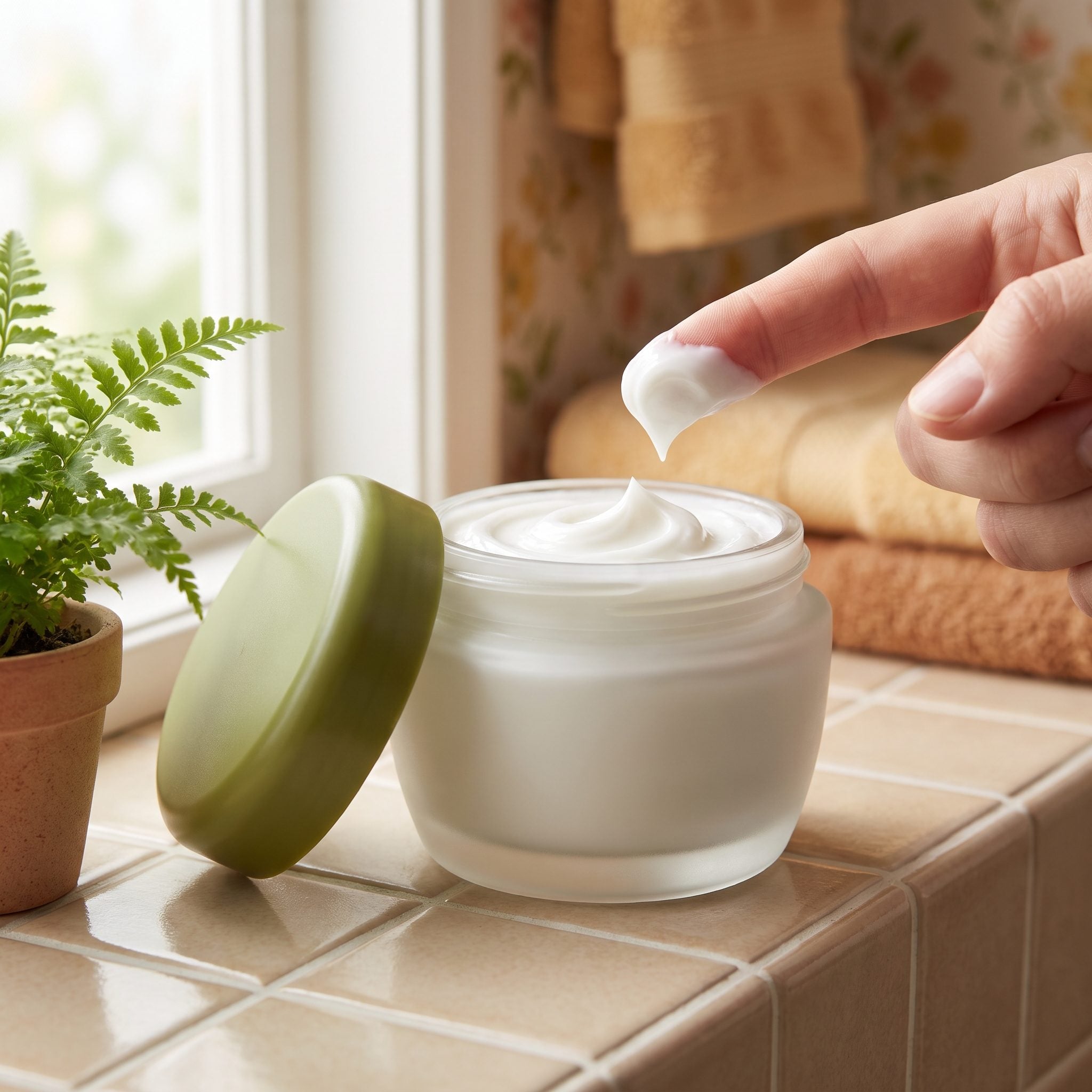
After the frosted shadow, lacquered lashes, and carefully powdered cheeks came the great dismantling. Cold cream loosened makeup and surface grime, allowing the day’s elaborate face to be wiped away.
Pond’s was one of the enduring names associated with the ritual. The thick white cream had a distinctive texture, and its uncomplicated packaging stood in contrast to the increasingly colorful cosmetics surrounding it. No shimmer, no drama, no promise of a new personality. The evening’s final beauty product was concerned with removing all the others.
19. Coral Lipstick That Made the Warm-Toned Face Work
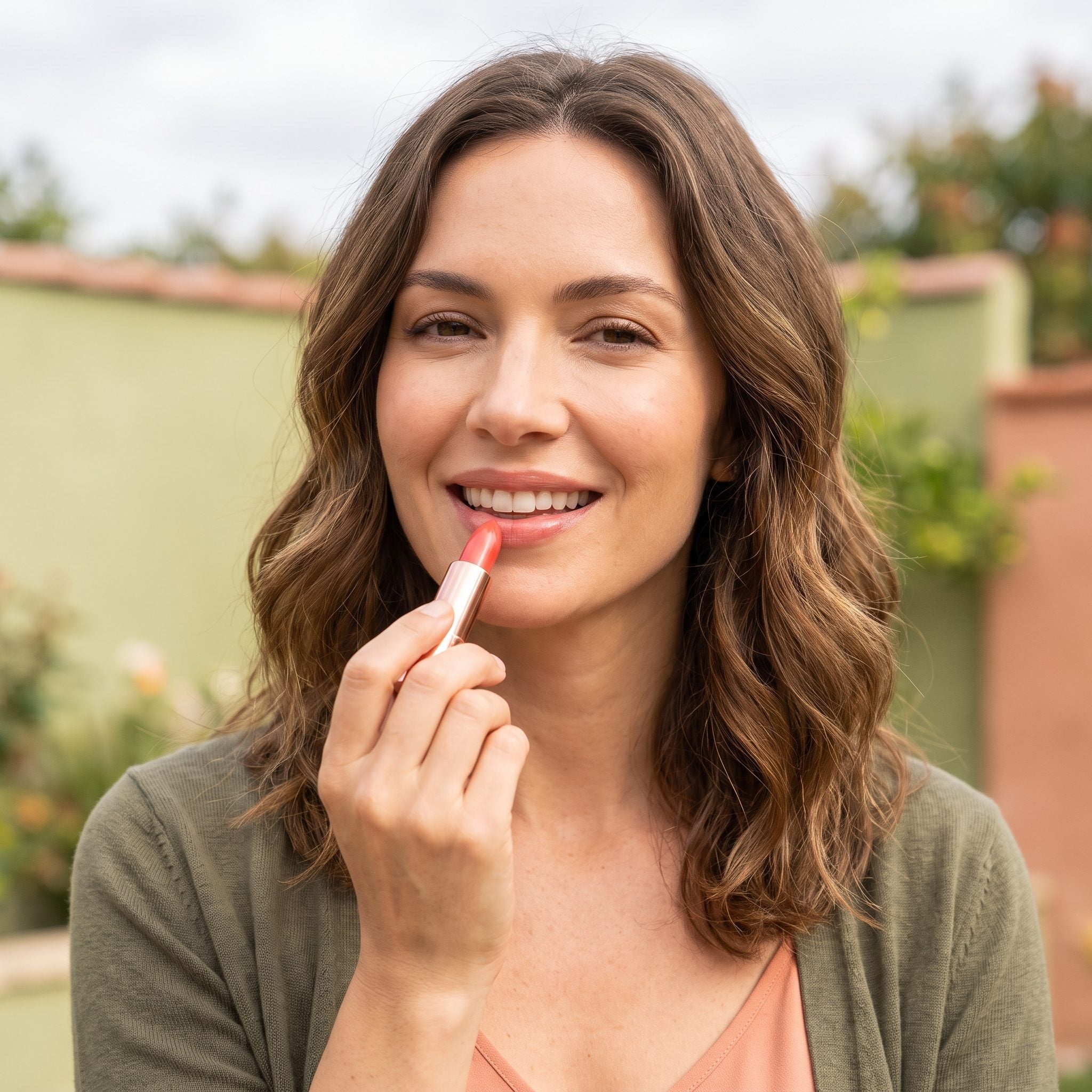
Coral occupied the lively territory between pink and orange, giving lips a warmth that complemented bronzed cheeks and brown eyeshadow. It was bright enough to register without the formality of a classic red.
The shade belonged comfortably alongside peach blush, cream blouses, and avocado-green clothing. Its appeal came from that versatility: a cheerful color that could brighten an everyday face without demanding an entire evening wardrobe. The 1970s had plenty of competing beauty ideas, and coral managed to get along with most of them.
18. The Heated Rollers That Turned Hairstyling Into a Waiting Game
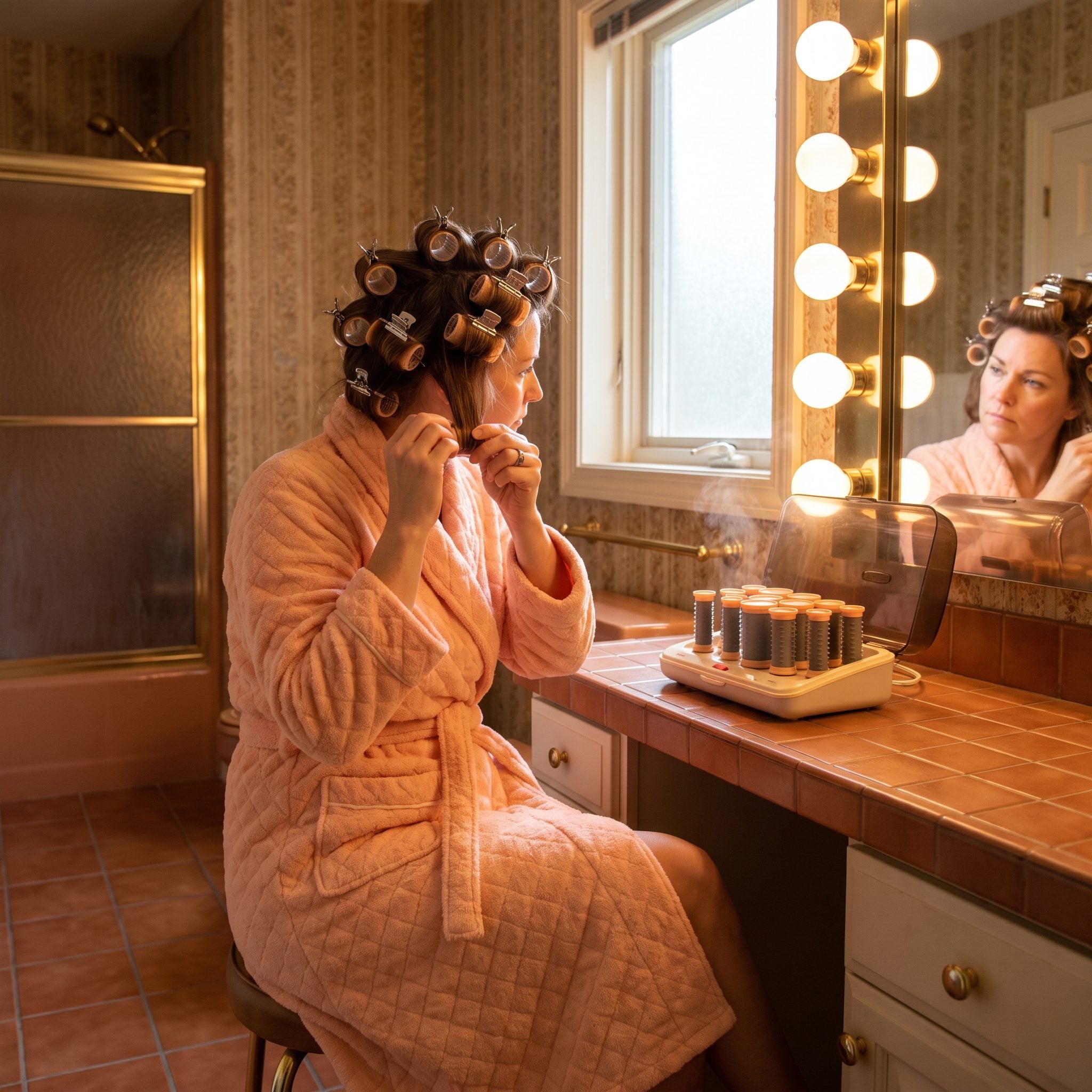
Electric heated rollers brought a little machinery to the business of creating curls and volume. The rollers warmed in a dedicated case before being wound into sections of hair and secured with clips.
Different sets used different heating systems and indicators, but the general routine was familiar: wait for the rollers to heat, work quickly enough to use them while warm, and leave them in place until the style had set. The result could be soft movement or substantial bounce. The equipment occupied enough counter space to suggest something considerably more industrial was underway.
17. The Kohl Pencil Behind the Smoky-Eyed Look
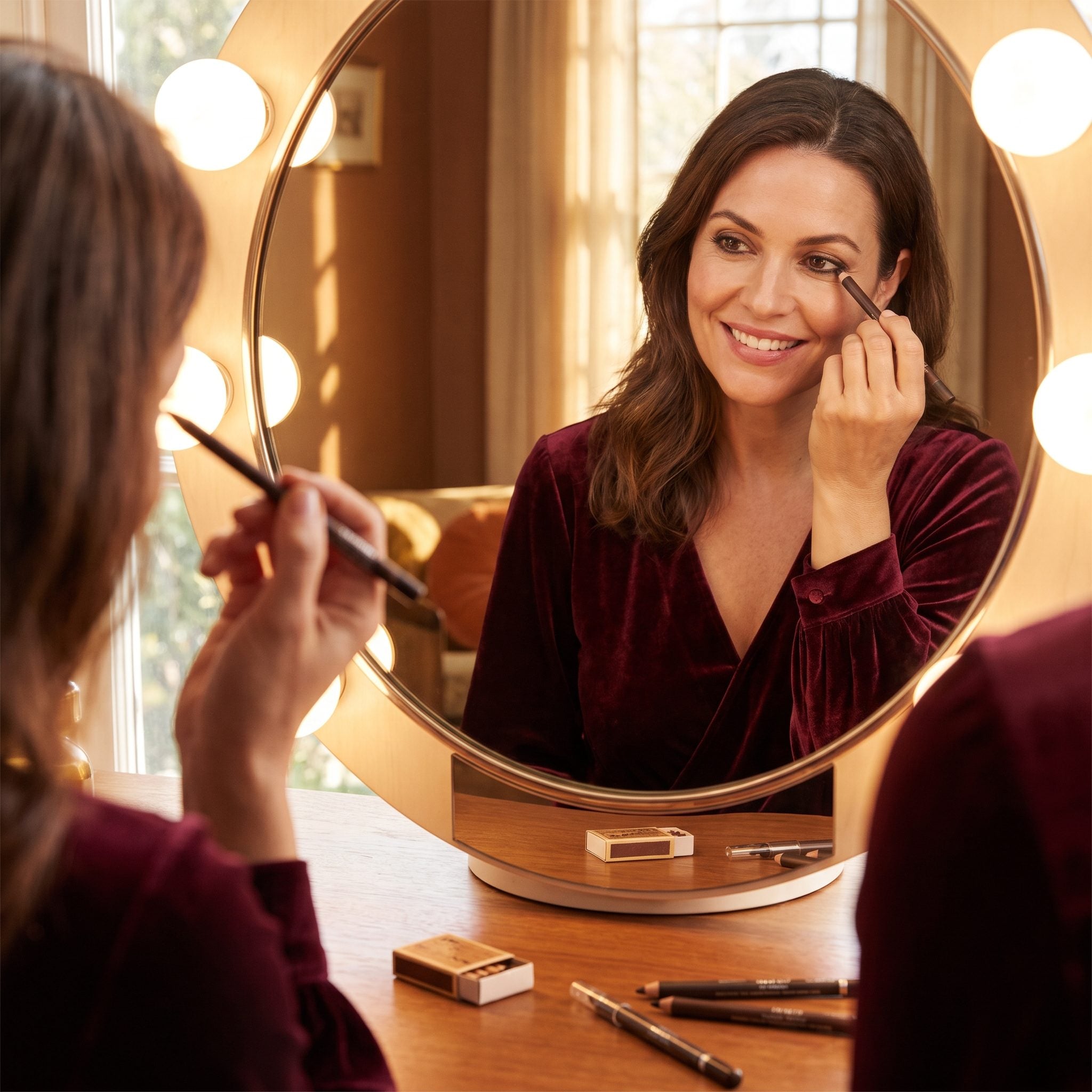
Soft black kohl created a very different effect from the precise line of liquid eyeliner. Smudged around the lashes, it produced a darker, more lived-in look associated with rock musicians, counterculture fashion, and the decade’s more dramatic beauty experiments.
Some vintage beauty advice even suggested briefly warming a stubborn pencil with a match to soften the pigment. An alarming amount of preparation for a smoky eye, particularly when the pencil was destined for the most delicate part of the face. The resulting dark, smudged line had none of the tidy precision of liquid liner, which was precisely the attraction.
16. The Petroleum Jelly Jar That Did Absolutely Everything
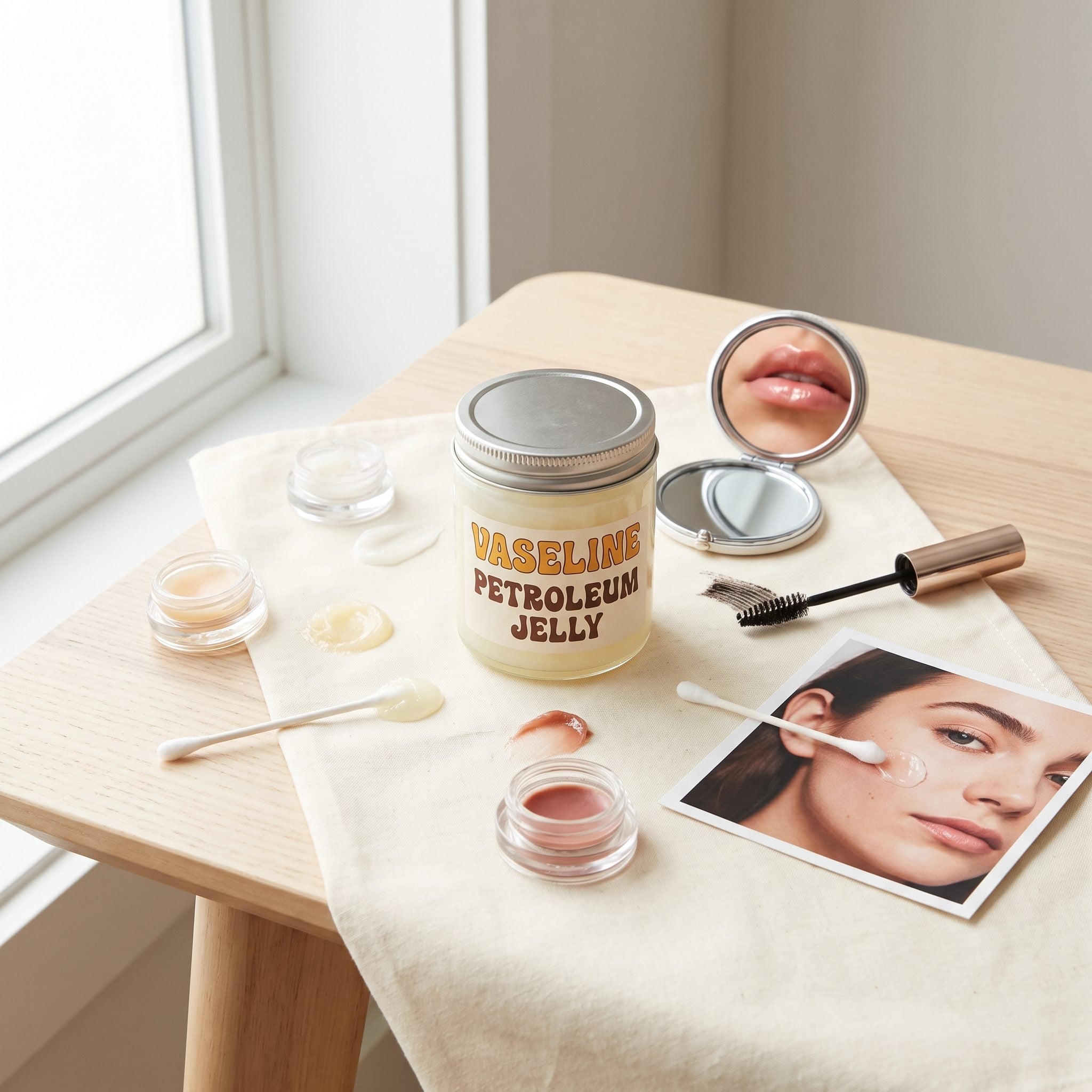
Chapped lips, dry elbows, rough cuticles, unruly eyebrows: petroleum jelly approached each problem with the same uncomplicated answer. A tiny amount could soften dry areas or add shine without requiring a specialized product for every square inch of skin.
Vaseline lacked the glamour of the decade’s novelty cosmetics, yet its usefulness was difficult to argue with. One inexpensive jar could handle a remarkable number of small jobs, from protecting dry skin to smoothing flyaway hairs. The packaging made no attempt to compete with a faceted perfume bottle. The contents had more important work to do.
15. Brick-Red Lipstick With More Attitude Than Frost
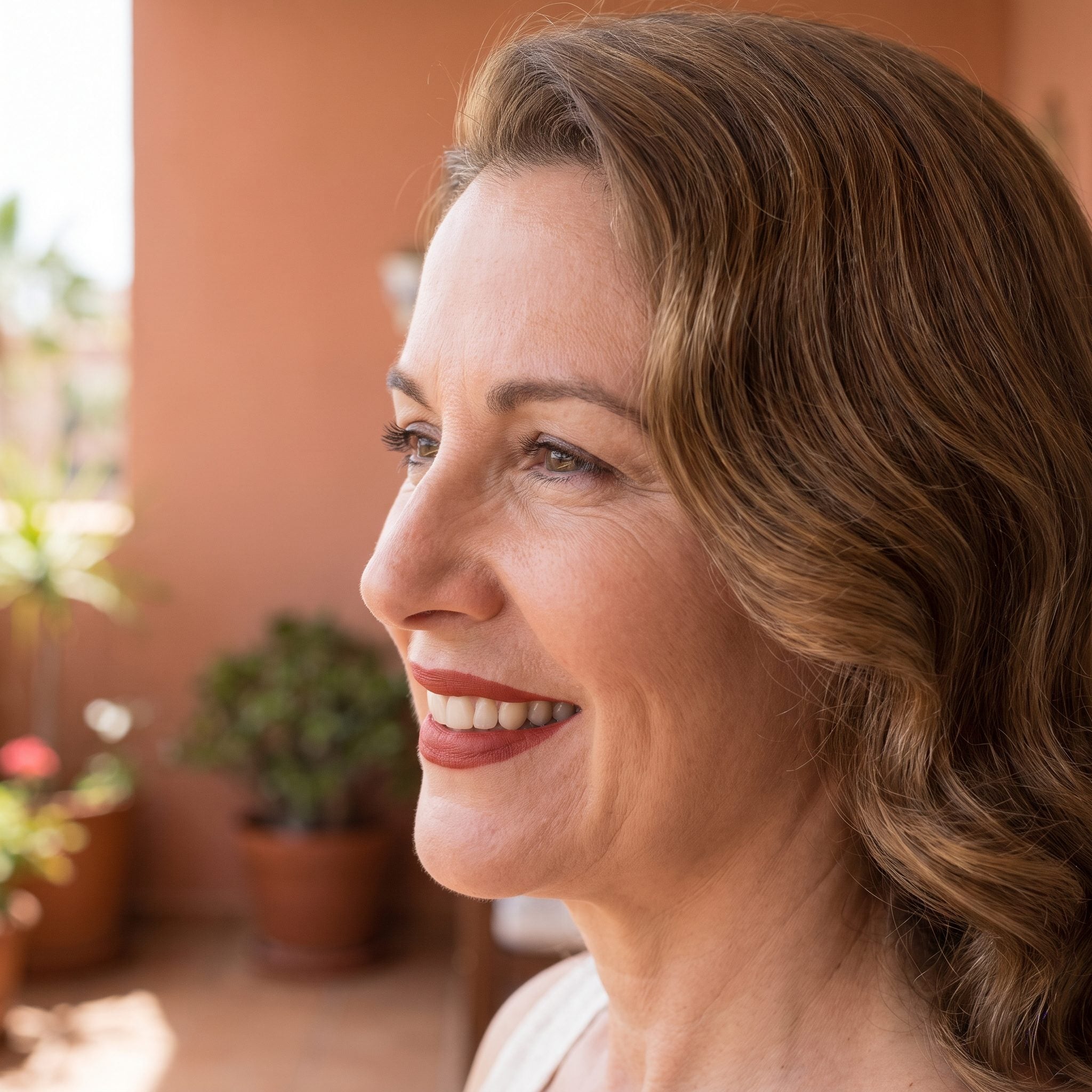
Brick red took the classic red mouth into earthier territory. Less scarlet than clay, less glossy than the decade’s flavored lip products, it offered a stronger, more grounded alternative to frosted pink.
Against rust, cream, and brown clothing, the color felt deliberate without requiring elaborate eye makeup. A muted lip could carry the face while the rest of the palette remained restrained. Not every 1970s cosmetic was interested in sparkling under a disco ball.
14. The Wide Cloth Headband That Made a Scarf Do Double Duty
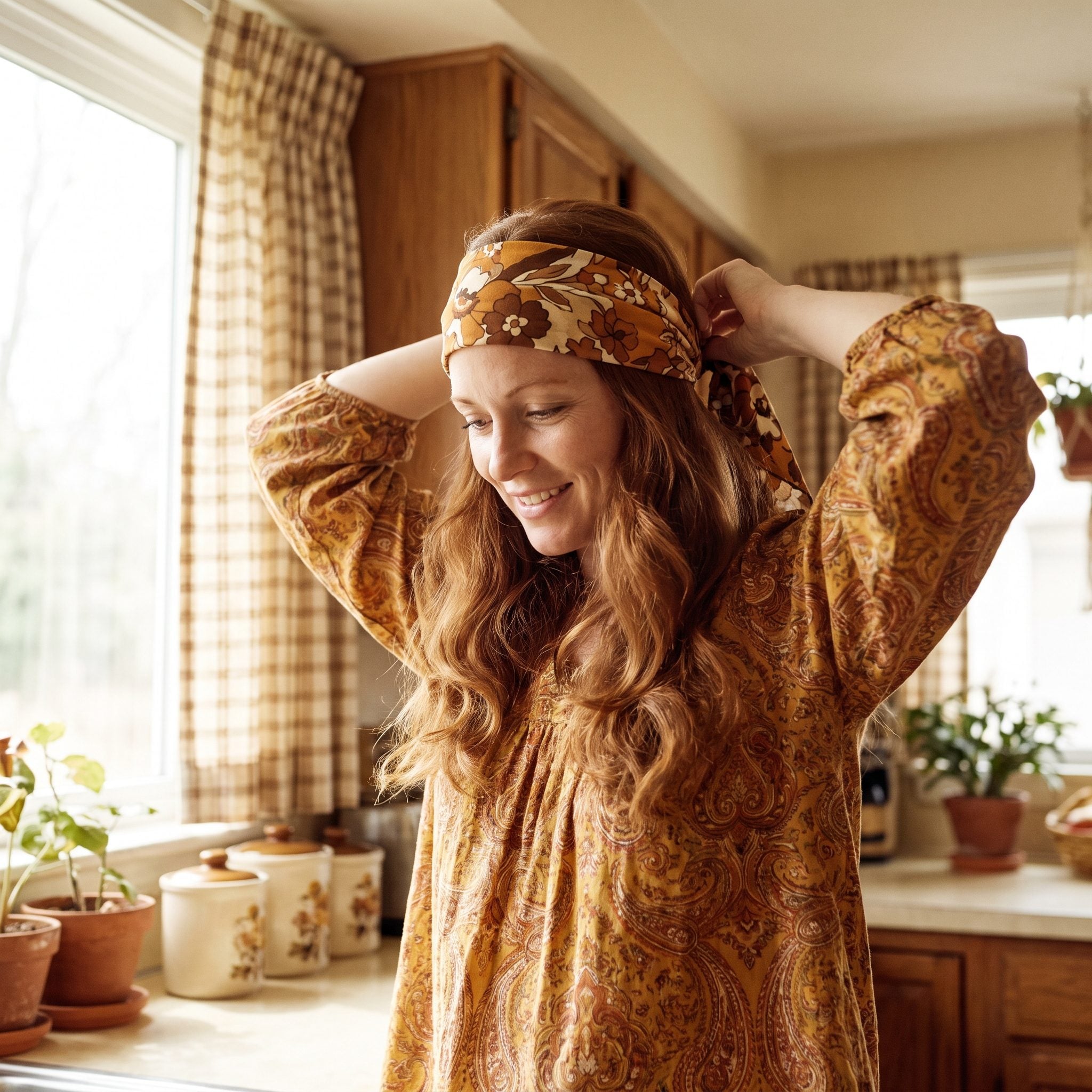
A strip of printed cotton could become a headband with a few folds and a knot. Worn across the crown or tied at the nape, it kept hair away from the face while adding color and pattern to the hairstyle.
Floral prints, paisley, and earthy tones suited the decade’s relaxed approach to accessories. Unlike a rigid plastic band, the cloth version could be adjusted, retied, or replaced with another scarf entirely. A simple idea, and one with considerably more personality than its price suggested.
13. Frosted Green Eyeshadow for the More Adventurous Eyelid
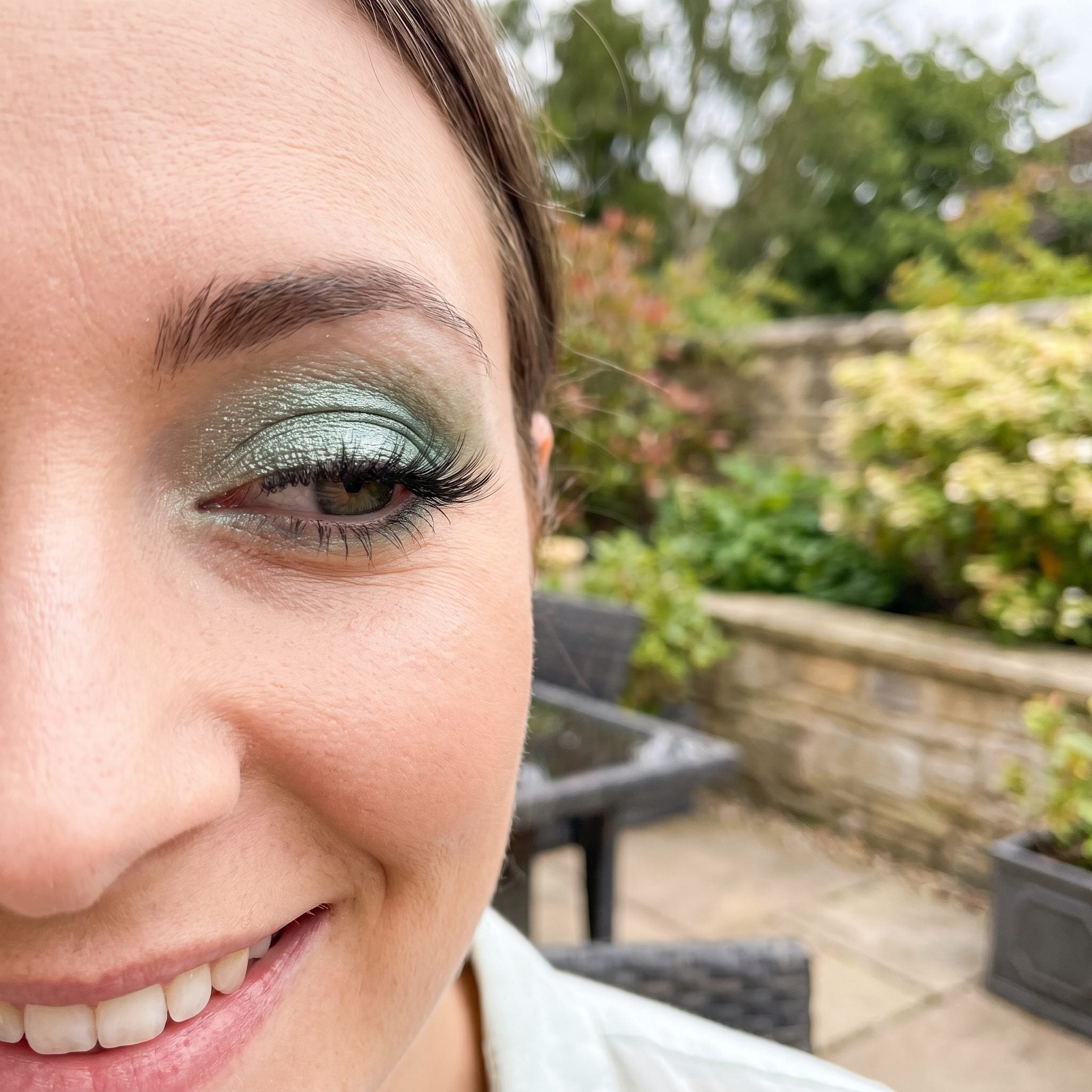
Blue may have been the obvious frosted choice, but green offered a more unusual proposition. Pale mint, cool jade, and brighter shimmering greens gave the eyelid a distinctly colorful presence.
Against rust-colored clothing or warm brown hair, the contrast could be striking. The shimmer made the green appear lighter and more reflective than a matte pigment of the same shade. Applied generously, it turned the eyes into the most conspicuous feature of the face. Applied sparingly, it could be surprisingly wearable.
12. The Pressed Powder Compact With the Tiny Mirror
❤️ Would you like to save this?
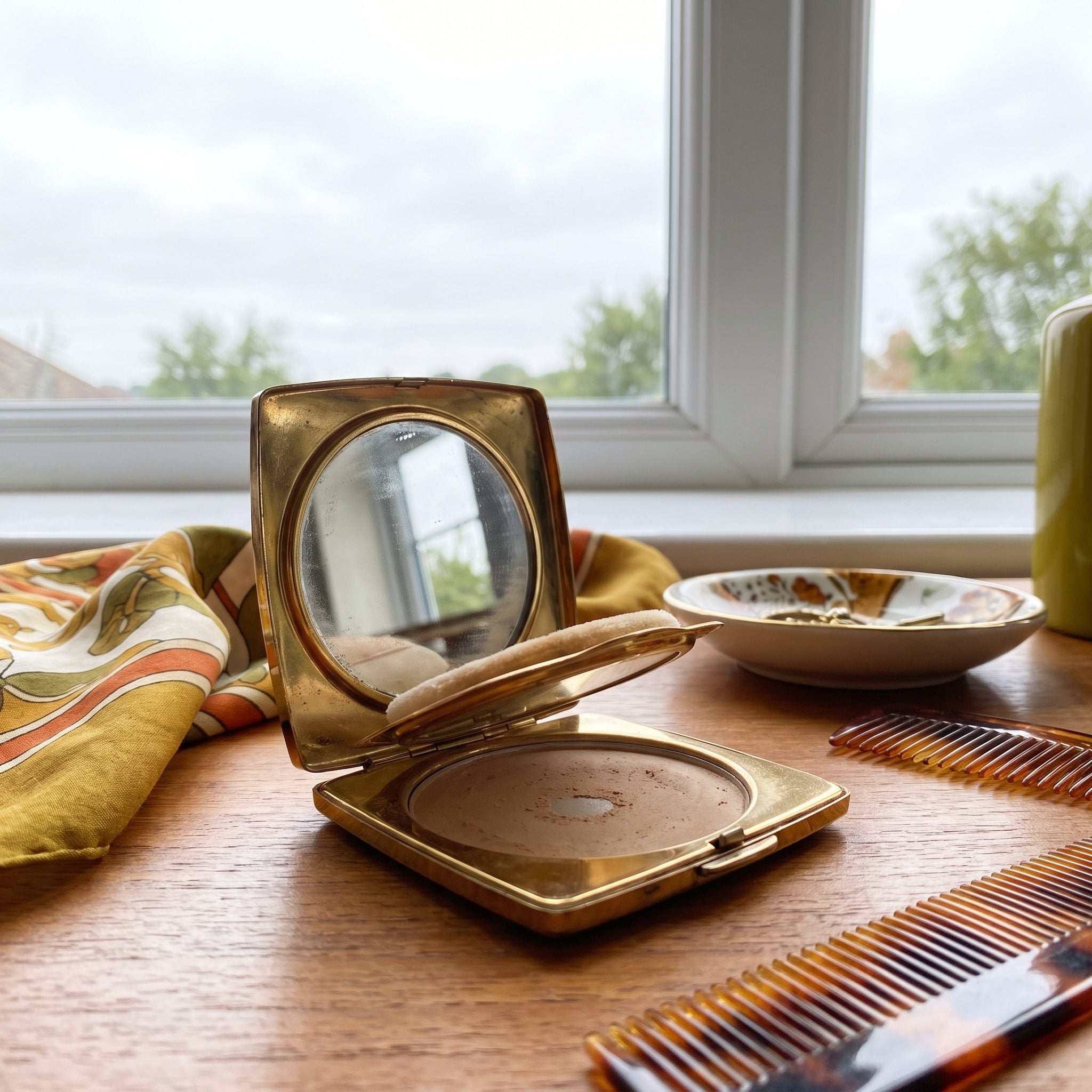
A satisfying click, a miniature mirror, and a pan of powder: the compact turned complexion touch-ups into a portable ritual. Metal cases could be ornate or restrained, while simpler plastic versions brought the same convenience to drugstore shoppers.
The mirror was often too small to offer a complete view of the face, but it was perfectly adequate for checking shine or correcting a little makeup. Refillable compacts could remain in use for years, acquiring scratches and worn edges along the way.
11. The Tortoiseshell Barrettes That Snapped Shut With a Click
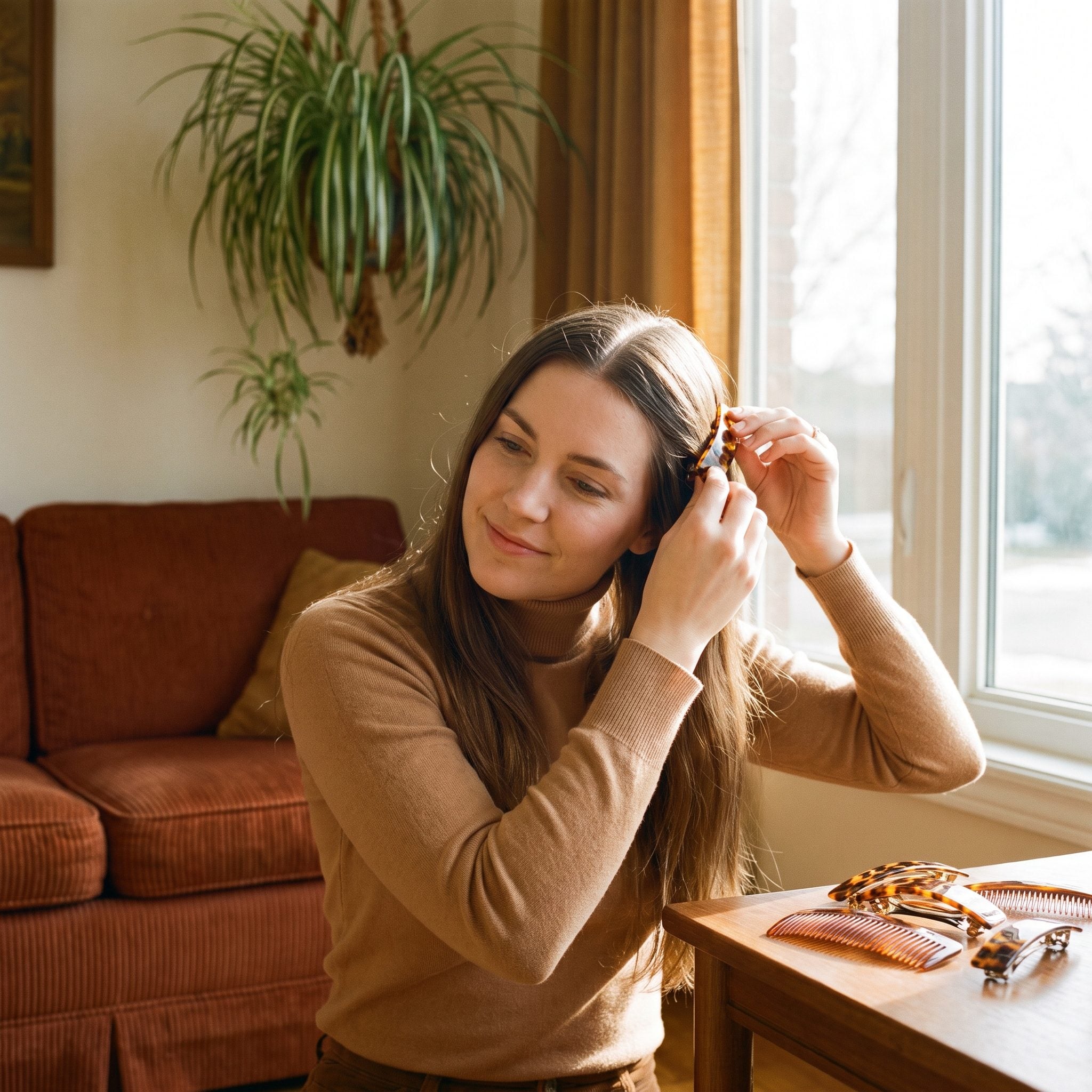
Imitation tortoiseshell offered the appearance of a traditional luxury material in affordable molded plastic. Warm brown and amber patterns worked especially well with the decade’s earth-toned clothing and natural-looking hairstyles.
The snap closure made the barrettes practical for holding back side sections or securing a small twist. Their distinctive click was part of the experience, as was the occasional pinch when a strand of hair caught in the mechanism. Small accessories, surprisingly strong personalities.
Clips still hold their own: asked which hair accessory they would buy, 49% of our readers picked a clip, just ahead of headbands at 43%.
10. The Powdery Floral Cologne That Smelled Like a Proper Dressing Table
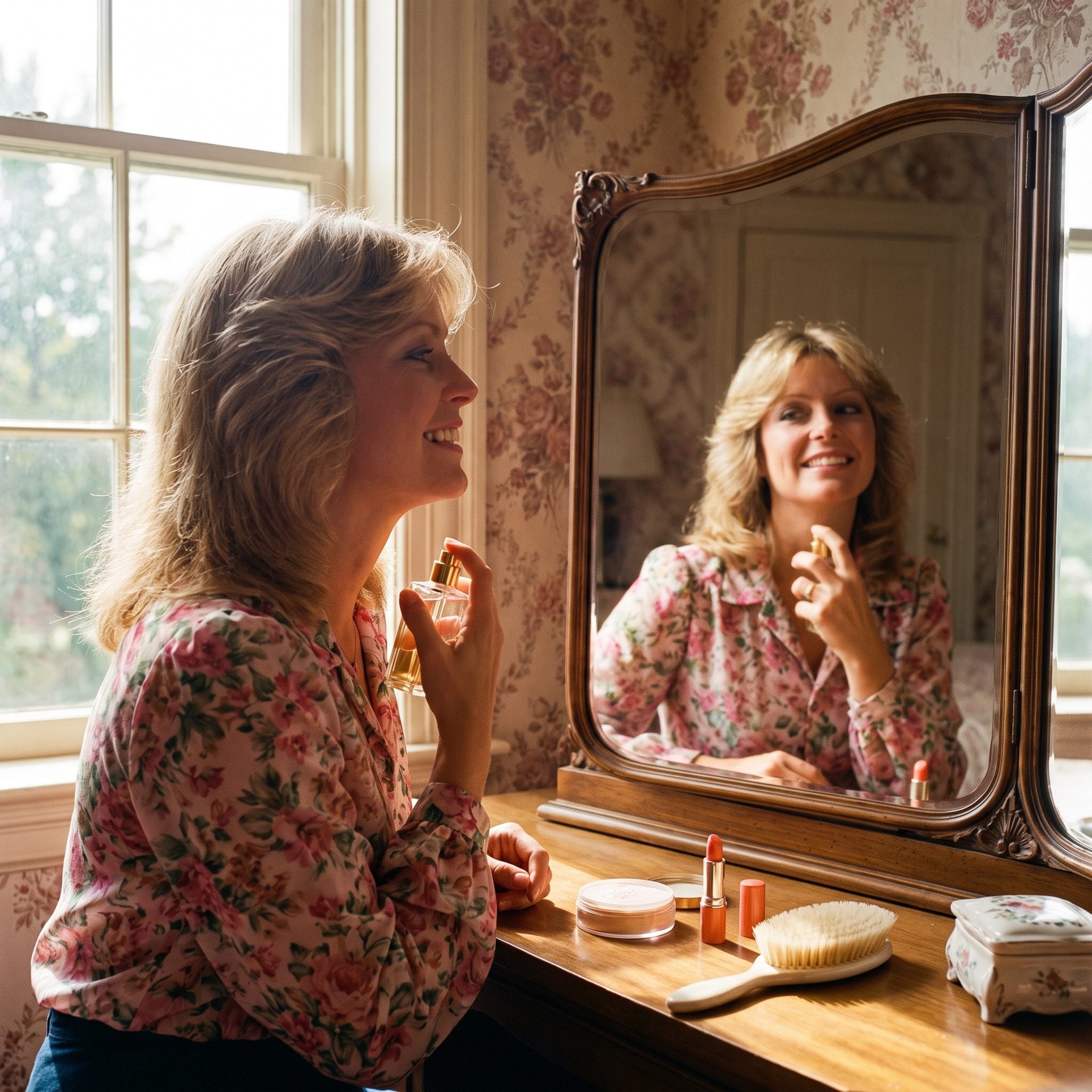
Rose, lily of the valley, and powdery floral notes gave these colognes a character quite different from the earthy musk and patchouli oils of the counterculture. Their bottles could be as carefully dressed as the people wearing the fragrance, with decorative glass, fitted caps, and labels that favored elegance over novelty.
Some were light enough for generous application; others lingered with considerably more determination. Floral colognes belonged to a long-established fragrance tradition, and the 1970s dressing table had room for them alongside its more rebellious newcomers. The perfume might be delicate. The bottle rarely lacked confidence.
9. Black Liquid Eyeliner With the Fine Little Brush
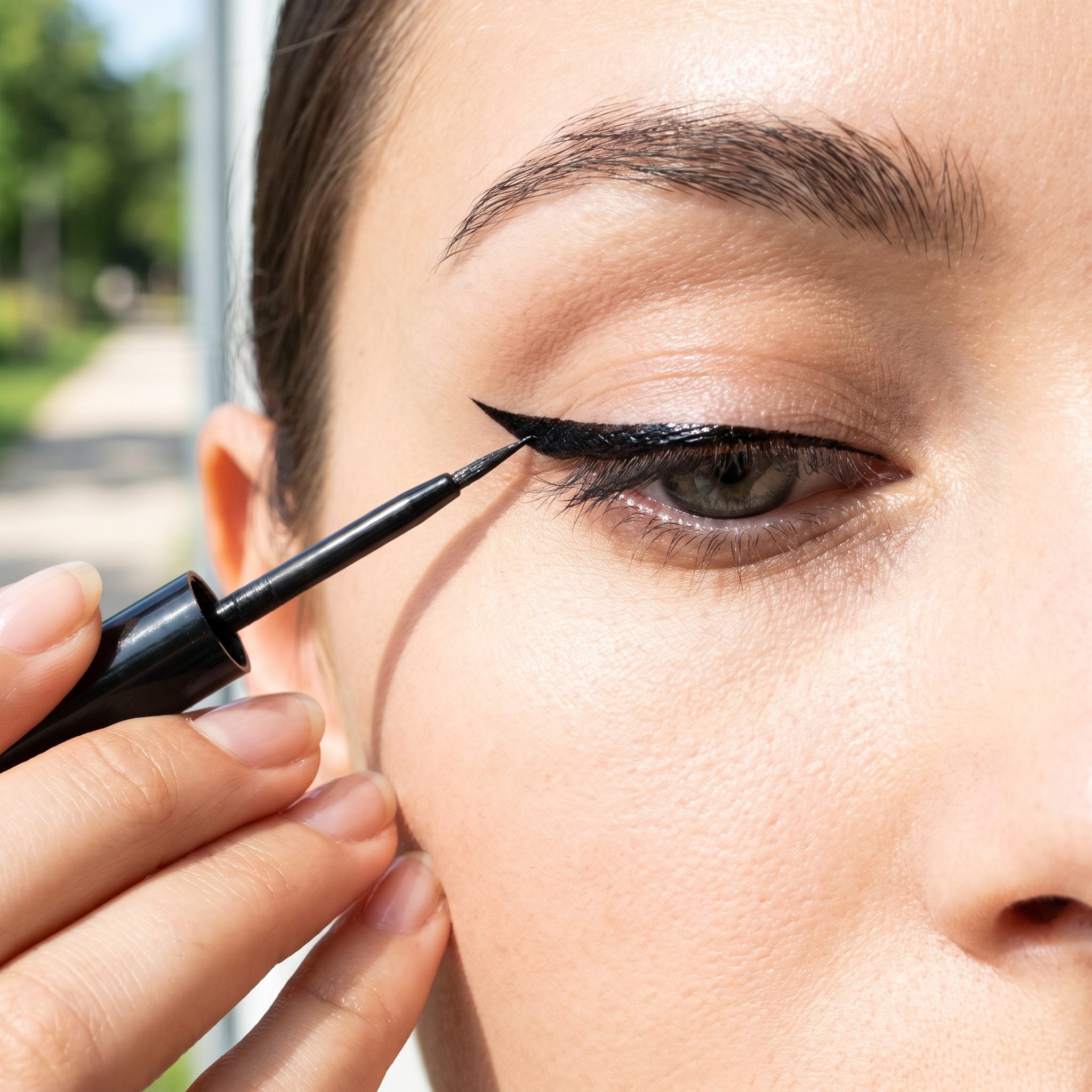
The tiny brush required a steady hand and an unreasonable amount of confidence. One carefully drawn line could define the upper lashes beautifully. One unexpected twitch could require a complete reconstruction.
Liquid liner remained useful for both restrained daytime definition and more dramatic winged looks. The bottle-and-brush format offered precision, but very little forgiveness. Matching the second eye to the first was the real test. Symmetry, like patience, could prove surprisingly elusive.
8. Soft Foam Rollers That Were Supposed to Make Sleeping Easier
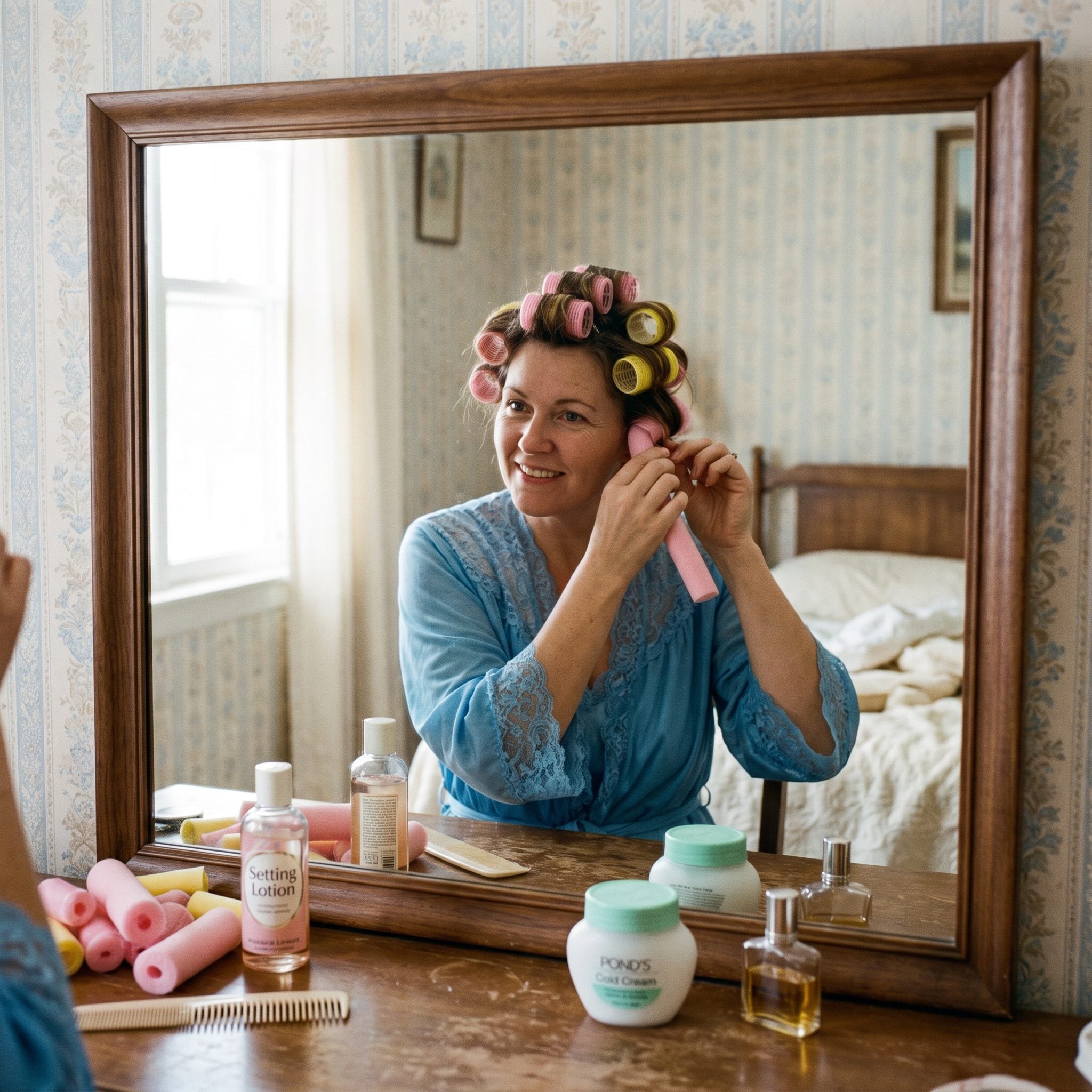
Foam rollers offered a gentler alternative to rigid plastic rollers for overnight sets. The soft cylinders bent around sections of hair and fastened in place, promising curls by morning without the need for heated equipment.
Comfort was relative. A head full of foam could still make finding a pleasant sleeping position an elaborate negotiation. Smaller rollers produced tighter curls, while larger ones encouraged softer volume. The reward came the following morning, assuming the rollers had stayed put and the hair had dried properly.
7. Liquid Foundation in the Little Glass Bottle
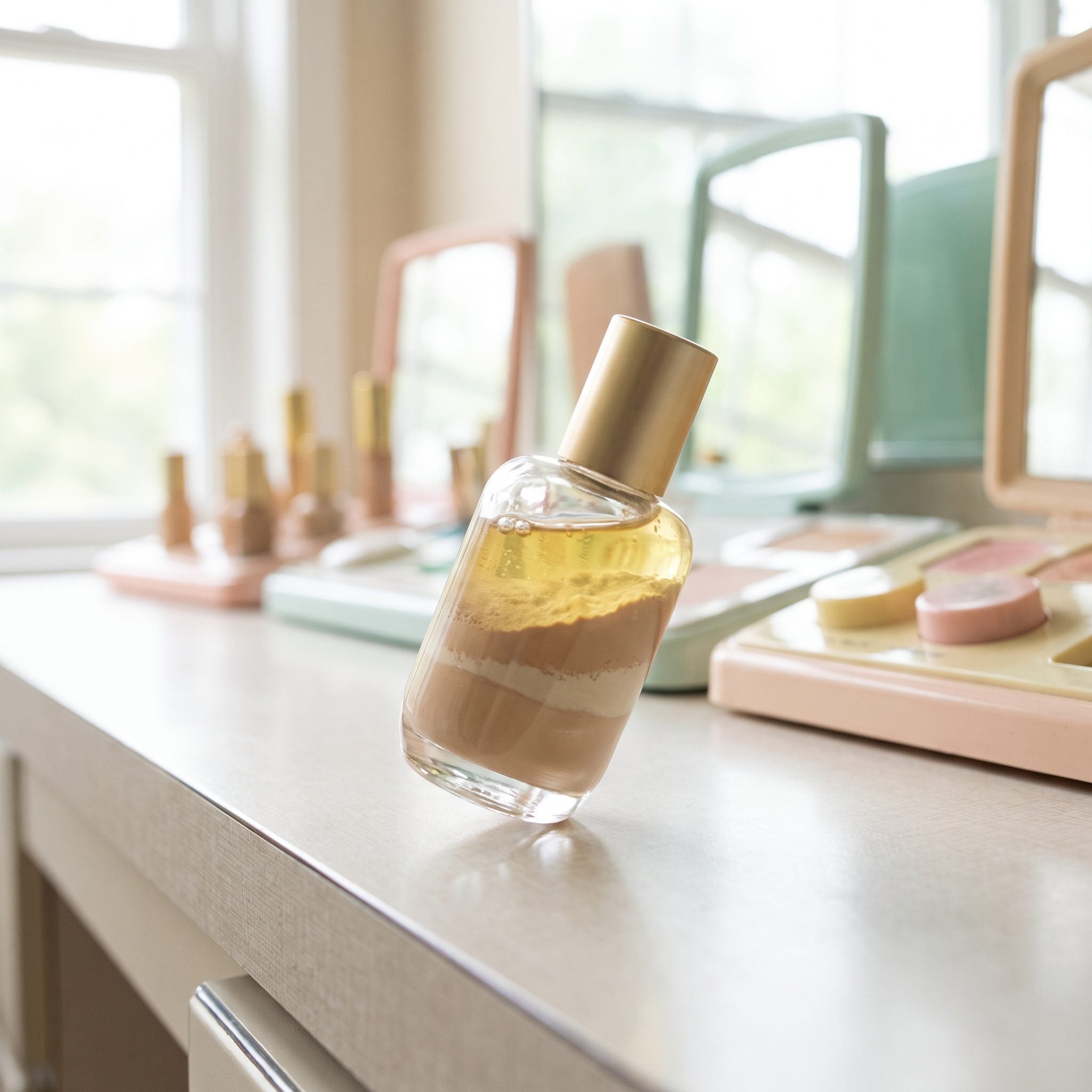
Liquid foundation offered a more even complexion in a format that was considerably less tidy than modern pump dispensers. Glass bottles, screw caps, and pourable formulas could leave residue around the neck and an occasional mark on the dressing table.
Some formulations required shaking before use, particularly when ingredients separated during storage. Fingers and sponges were common application tools, although makeup brushes were certainly available. The real challenge was blending the foundation cleanly at the jawline, where an otherwise convincing face could abruptly change color.
6. Setting Lotion That Helped a Roller Set Hold Its Shape
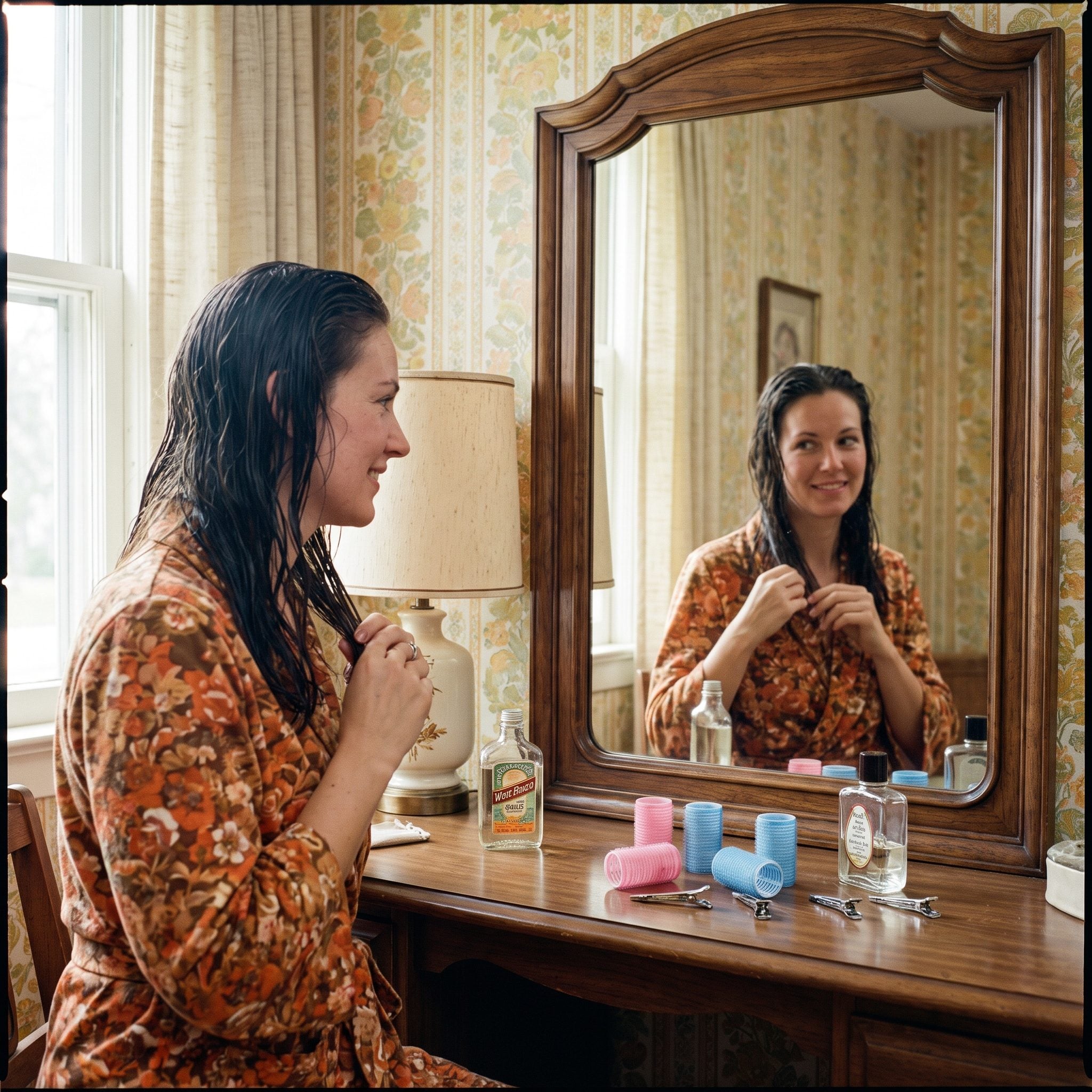
Before rollers could perform their work, setting lotion supplied extra hold. The liquid was distributed through damp hair, helping the finished curls and waves maintain their shape after drying.
Some formulas left the hair slightly stiff until it was brushed out. That was part of the bargain: a little temporary rigidity in exchange for a style that resisted collapsing at the first sign of humidity. In an era devoted to elaborate feathering, flips, and carefully controlled volume, setting lotion was an unglamorous but useful accomplice.
5. The Wooden Hairbrush With Dense Boar Bristles
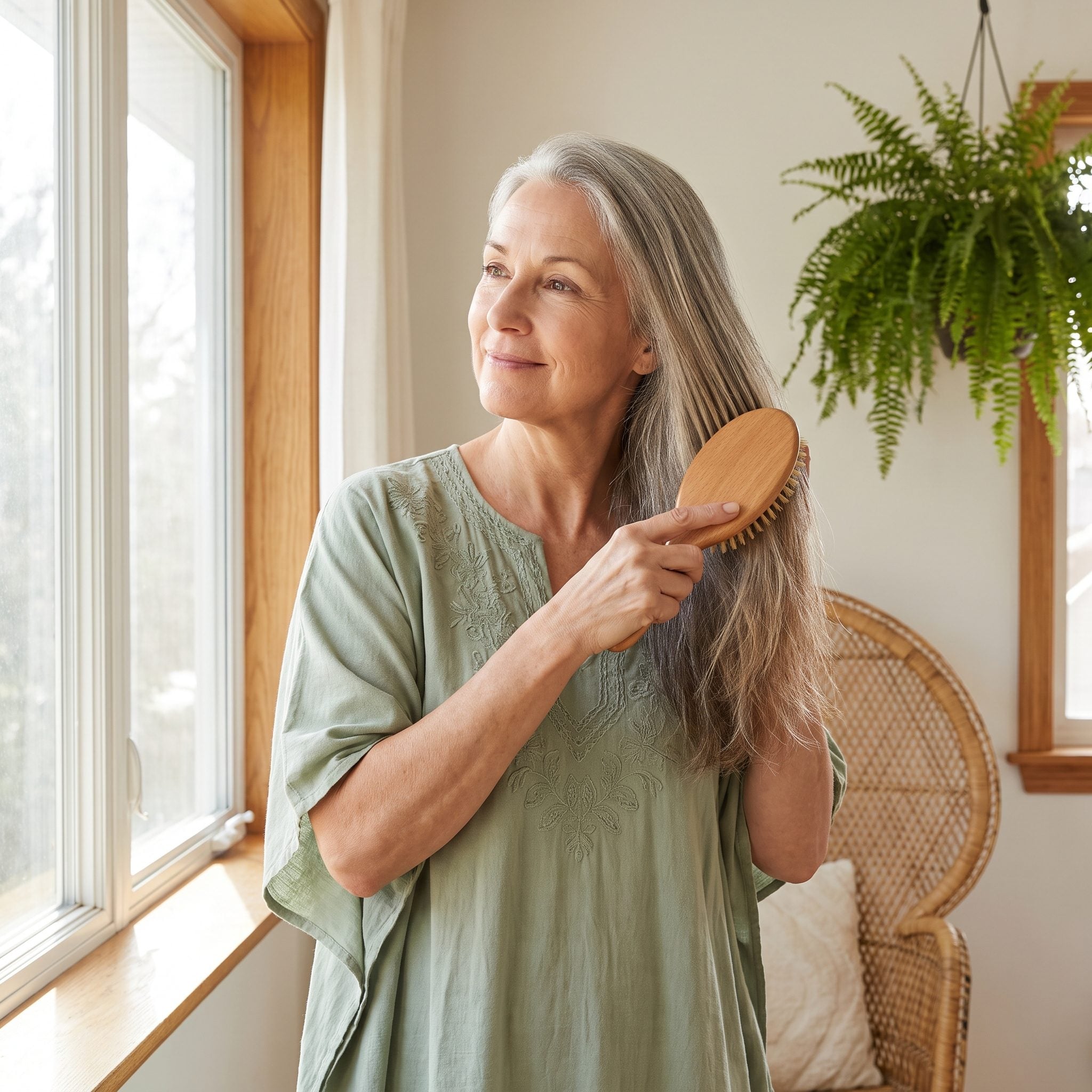
The wooden hairbrush had an old-fashioned authority that plastic styling tools could rarely match. A solid handle, a substantial head, and densely packed natural bristles gave it the appearance of something built to last.
Boar bristles could help distribute natural oils along the hair shaft and smooth the surface, although their suitability varied with hair type and texture. The famous advice to brush a hundred strokes every night belonged more to beauty folklore than to sound universal hair care. The brush itself, however, remained a useful and handsome piece of equipment.
4. Frosted Nail Polish in Pearly Ballet Pink
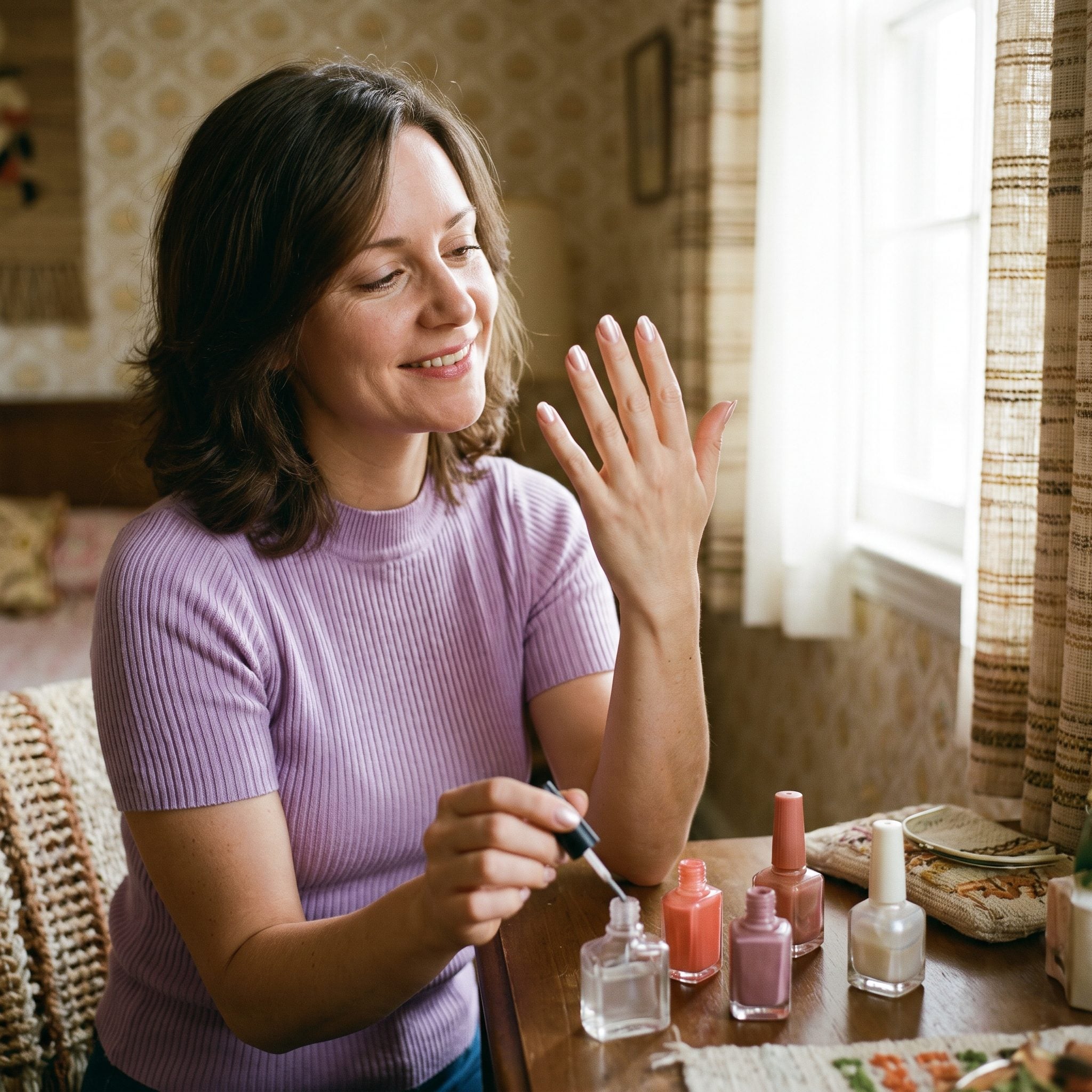
Frosted pink nails offered the same shimmering delicacy as the decade’s pale lipsticks. The color was soft, the finish pearlescent, and the overall effect more polished than provocative.
Achieving an even coat required a reasonably steady hand, particularly with the small brushes supplied in many bottles. Two thin coats generally produced a smoother finish than one heavy application. The shade looked equally comfortable beside a floral dress or a sharply tailored jacket, proof that even the 1970s occasionally appreciated restraint.
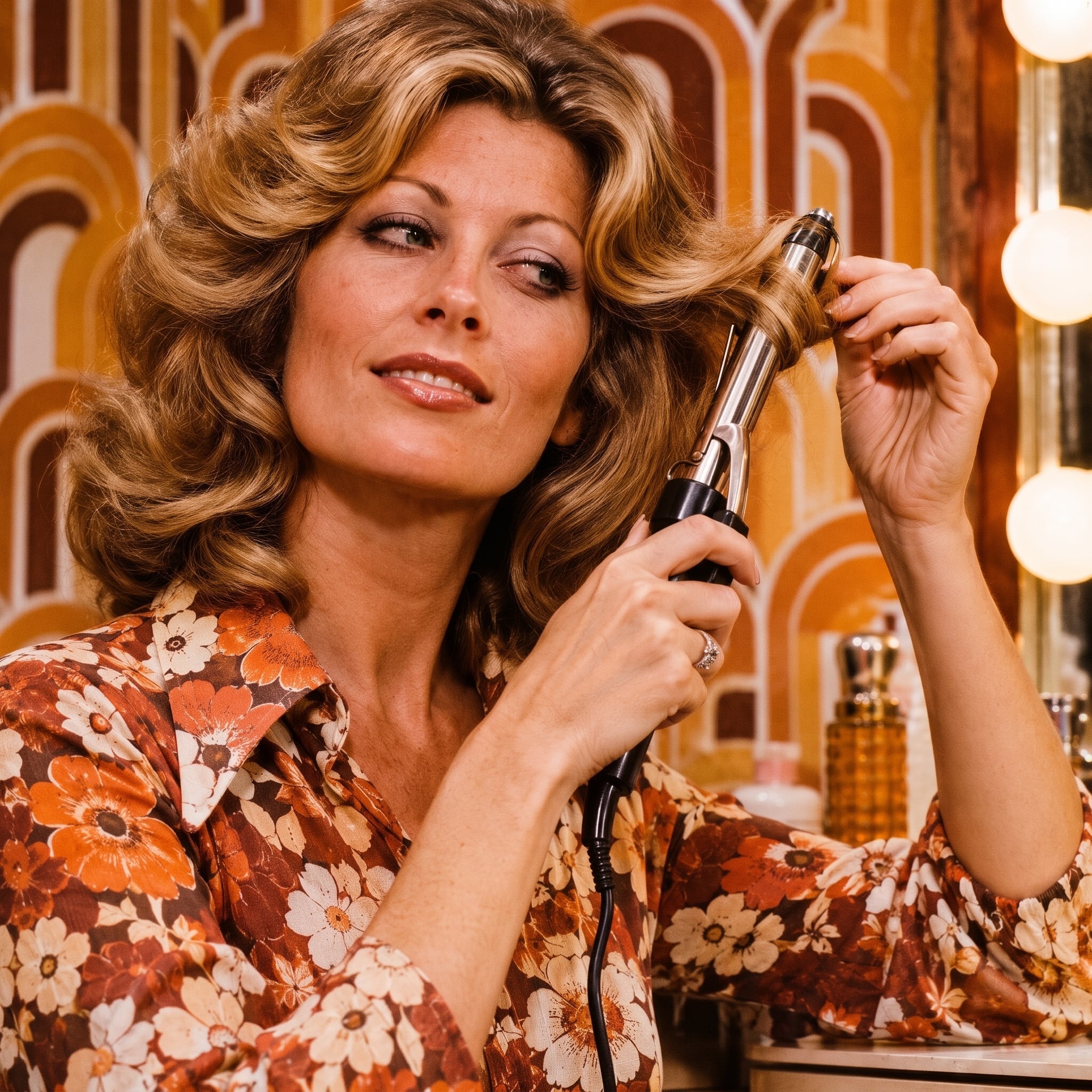
3. The Electric Curling Iron That Gave 1970s Hair Its Famous Flip
❤️ Would you like to save this?
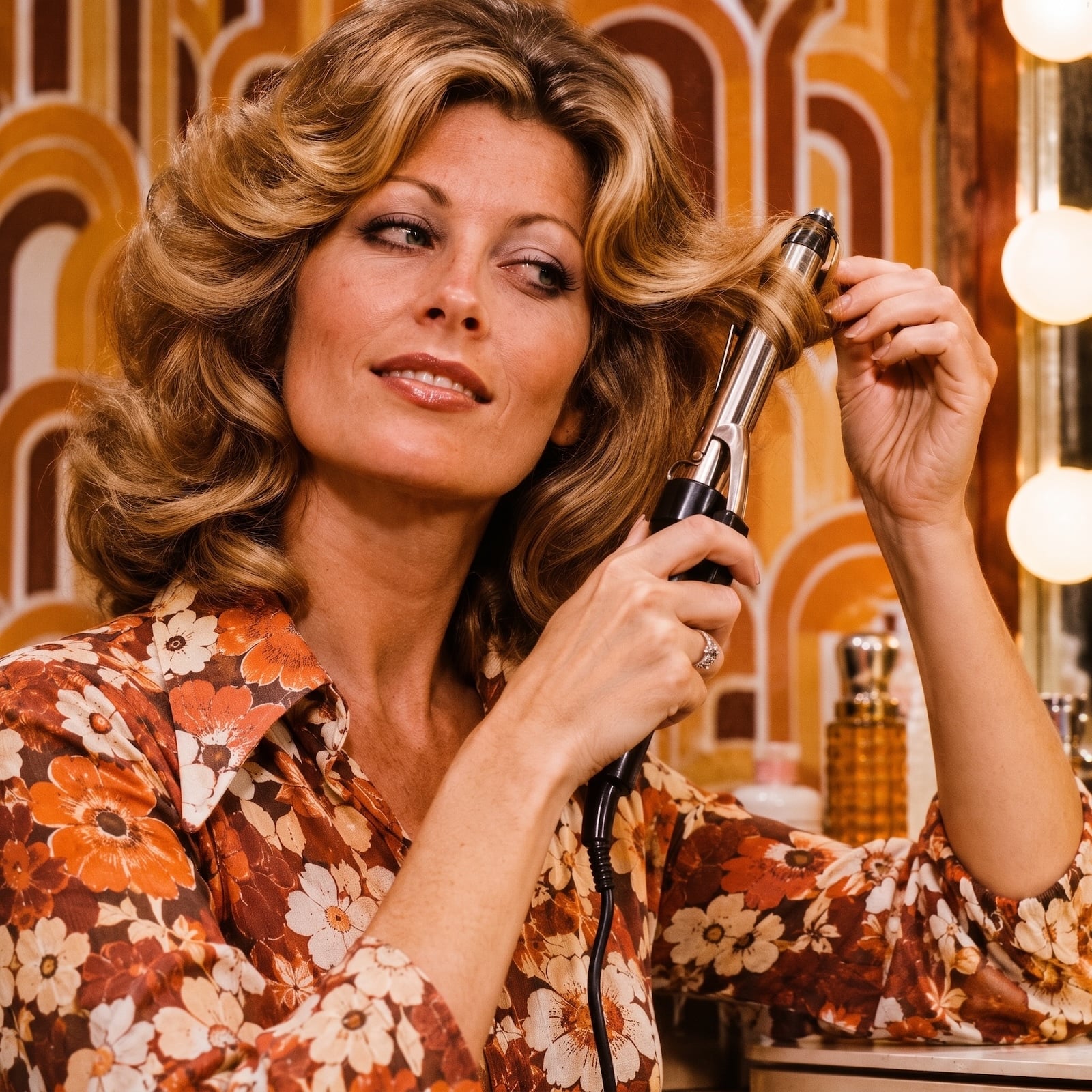
The feathered flip looked wonderfully effortless once finished. Producing it could involve a heated metal barrel, a spring-loaded clamp, and considerable negotiation with the direction in which the hair preferred to grow. The electric curling iron made it possible to shape individual sections without committing the entire head to rollers.
A twist at the ends encouraged the outward sweep associated with some of the decade’s most recognizable hairstyles. Larger sections created softer movement; smaller ones produced more defined curls. The cord had a talent for tangling around whatever occupied the dressing table, while the barrel demanded a steady hand. When everything cooperated, the hair swept away from the face in glossy, buoyant wings. Farrah Fawcett made the look famous. The curling iron helped bring it home.
Today the curling iron has a rival: when our readers could buy only one styling tool, 26% chose a curling iron while 54% went for a dryer brush.
2. Musk and Patchouli Fragrances That Announced Their Arrival
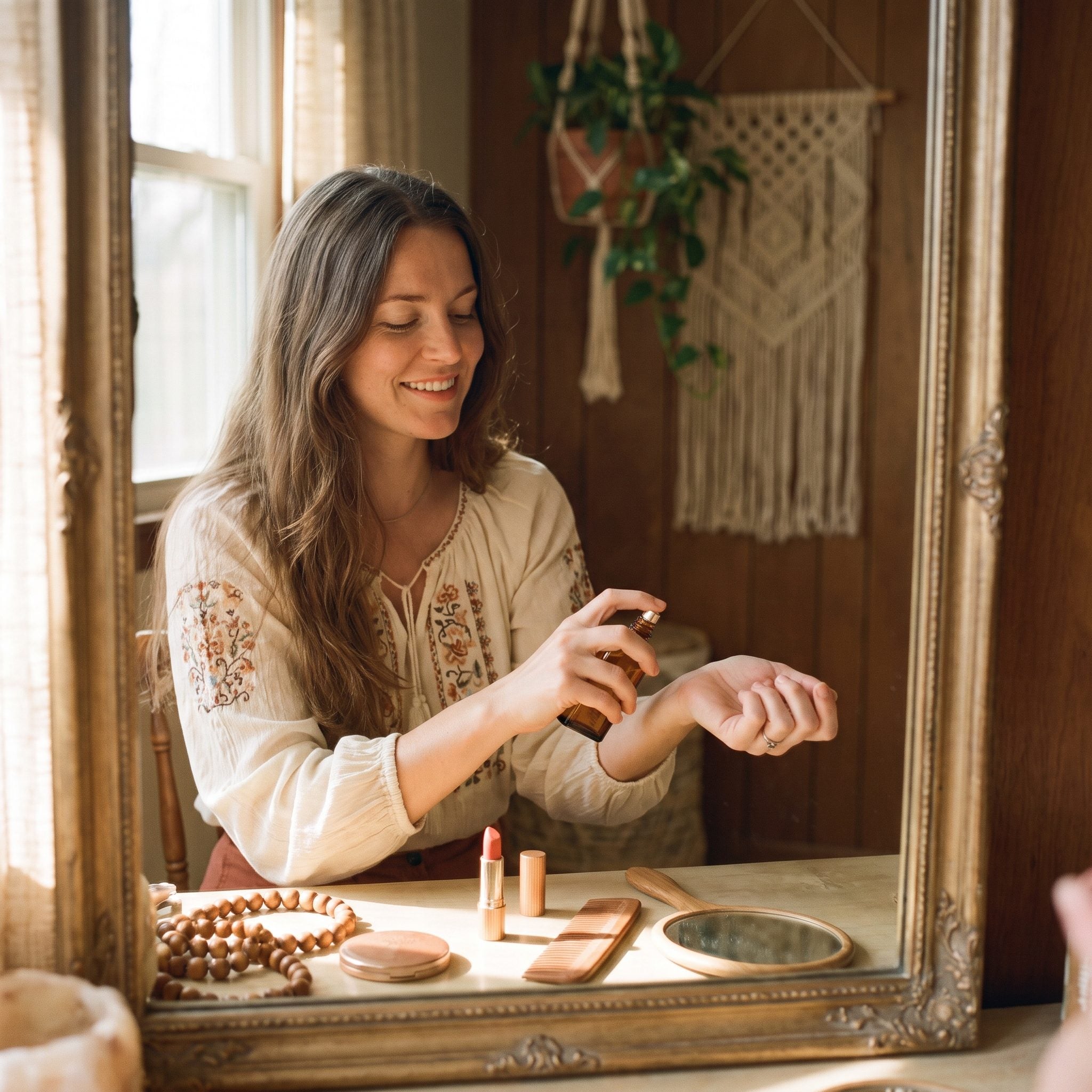
Patchouli was earthy, dense, and unmistakably associated with the counterculture. Musk offered a warmer, softer sensuality, especially in the increasingly popular commercial fragrance blends of the decade.
Small bottles of concentrated fragrance oil could be applied sparingly to pulse points, while mass-market products brought related scents to a much wider audience. Jovan Musk, introduced in 1972, helped establish musk as a mainstream fragrance choice. Patchouli retained its associations with head shops, imported textiles, and alternative fashion. Neither scent was especially interested in disappearing quietly.
1. The Wide-Toothed Afro Pick With the Raised-Fist Handle
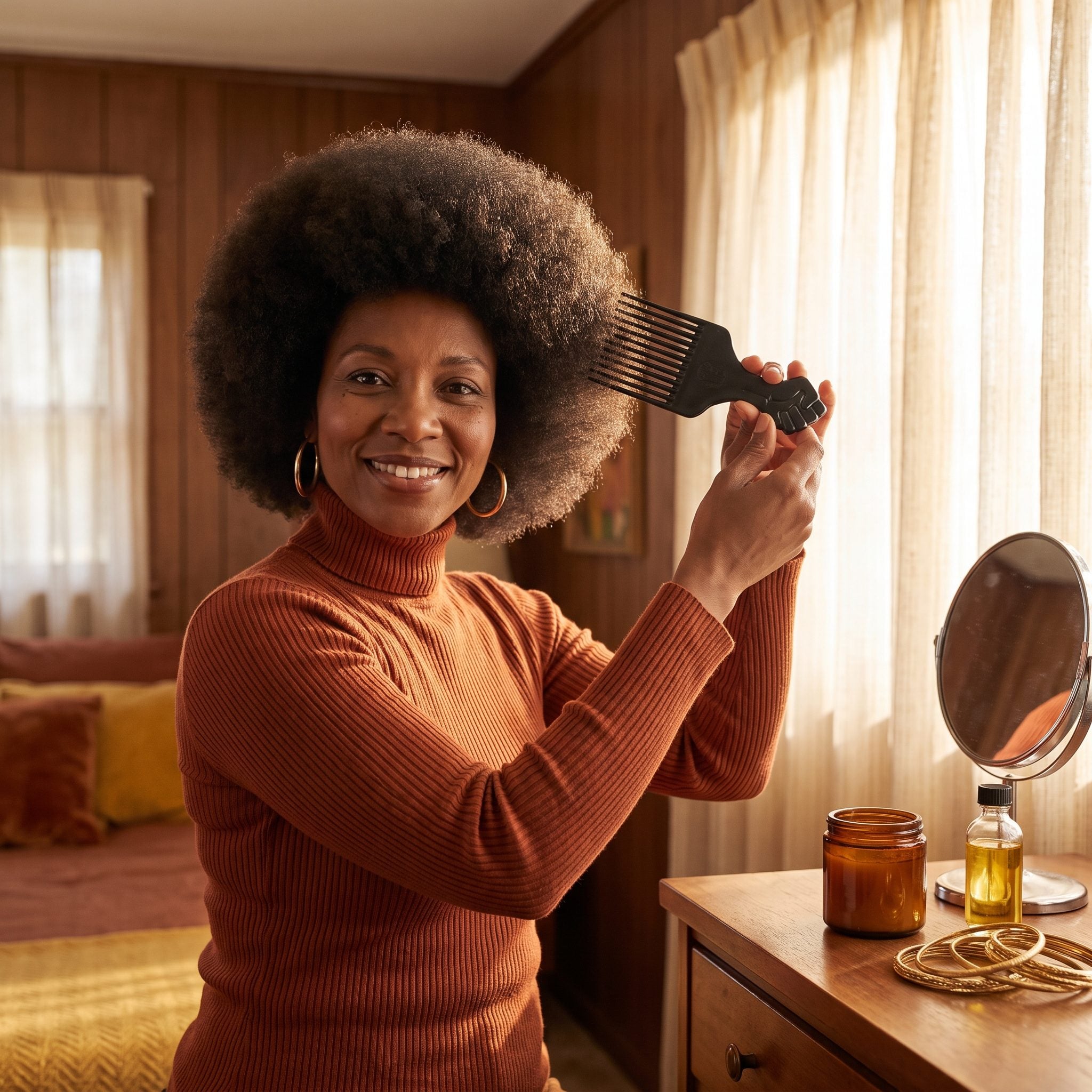
The Afro pick was both a practical grooming tool and, in its raised-fist form, a powerful cultural statement. Long, widely spaced teeth helped lift and shape tightly coiled hair without flattening its volume. The handle transformed an everyday object into something immediately recognizable.
During the late 1960s and 1970s, the natural Afro became closely associated with Black pride, self-expression, and the rejection of imposed beauty standards. Picks decorated with the raised fist connected hair styling to the visual language of the Black Power movement. The design was functional, political, and unmistakably of its moment.
Few objects on a 1970s dressing table carried so much meaning in such a compact form. A comb could shape a hairstyle. This one could make a statement before a word was spoken.