❤️ Would you like to save this?
Beauty could look astonishingly cheap in the 1980s. A lipstick for around a dollar. Hairspray that could drop close to a buck when the drugstore circular got aggressive. Shampoo for less than three. Then you remember the federal minimum wage sat at $3.35 an hour for nearly the entire decade, and suddenly an eight-dollar lipstick starts carrying considerably more weight.
This was the era of shoulder pads, acid wash and Aqua Net clouds thick enough to qualify as weather. Getting ready involved pink-and-green mascara tubes, hot-oil vials warming beside the sink and enough fragrance to announce your arrival from the stairwell. Prices varied by store, bottle size and whatever was screaming from the Sunday circular, just as they do now. Some products doubled or tripled. A few barely moved at all. Several vanished from ordinary shelves completely. Here are 24 beauty products from the decade, what women could expect to pay back then, what they cost or compare with now, and all the rituals and questionable decisions those dollars bought.
FYI, thanks to AI imagery software, we’re able to create very specific fashion and hairstyle examples to illustrate the points being made. In some cases, imagery is exaggerated to hammer home the point. Also, assume links that take you off the site are affiliate links such as links to Amazon. this means we may earn a commission if you buy something.
24. Maybelline Great Lash Mascara: About $2 to $3 for the Pink-and-Green Tube That Refused to Disappear
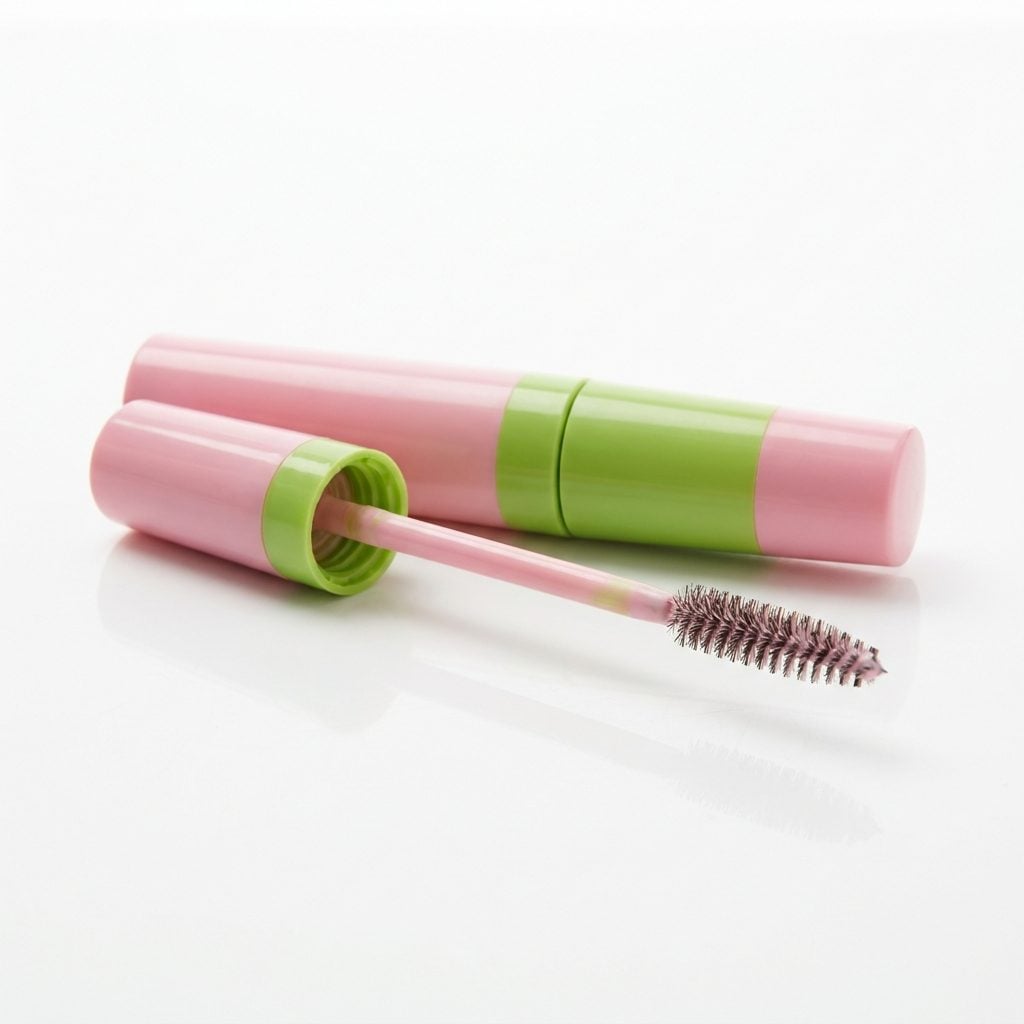
Some packaging becomes so familiar that changing it would feel vaguely criminal. Great Lash had been wearing pink and green since 1971, and by the 1980s that tube had become a drugstore-makeup landmark.
Drugstore ads from the decade place Great Lash firmly in the few-dollars-not-ten-dollars world, with the sticker shifting from store to store and sale to sale. That was attainable enough to make it the mascara you bought, replaced and bought again. Forty years of competitors have arrived promising longer lashes, thicker lashes, tubing technology, fibers, serums and brushes shaped like medieval tools. Great Lash is still sitting there looking almost cheerfully unimpressed.
Some products survive because they keep changing. Great Lash became famous for looking like it never got the memo.
Today the standard tube generally lands around the upper single digits, depending on retailer. The price rose considerably. The pink-and-green packaging has behaved as if the last forty years were somebody else’s problem.
23. Aqua Net Hairspray: About $1 to $2 and the Structural Backbone of an Entire Era
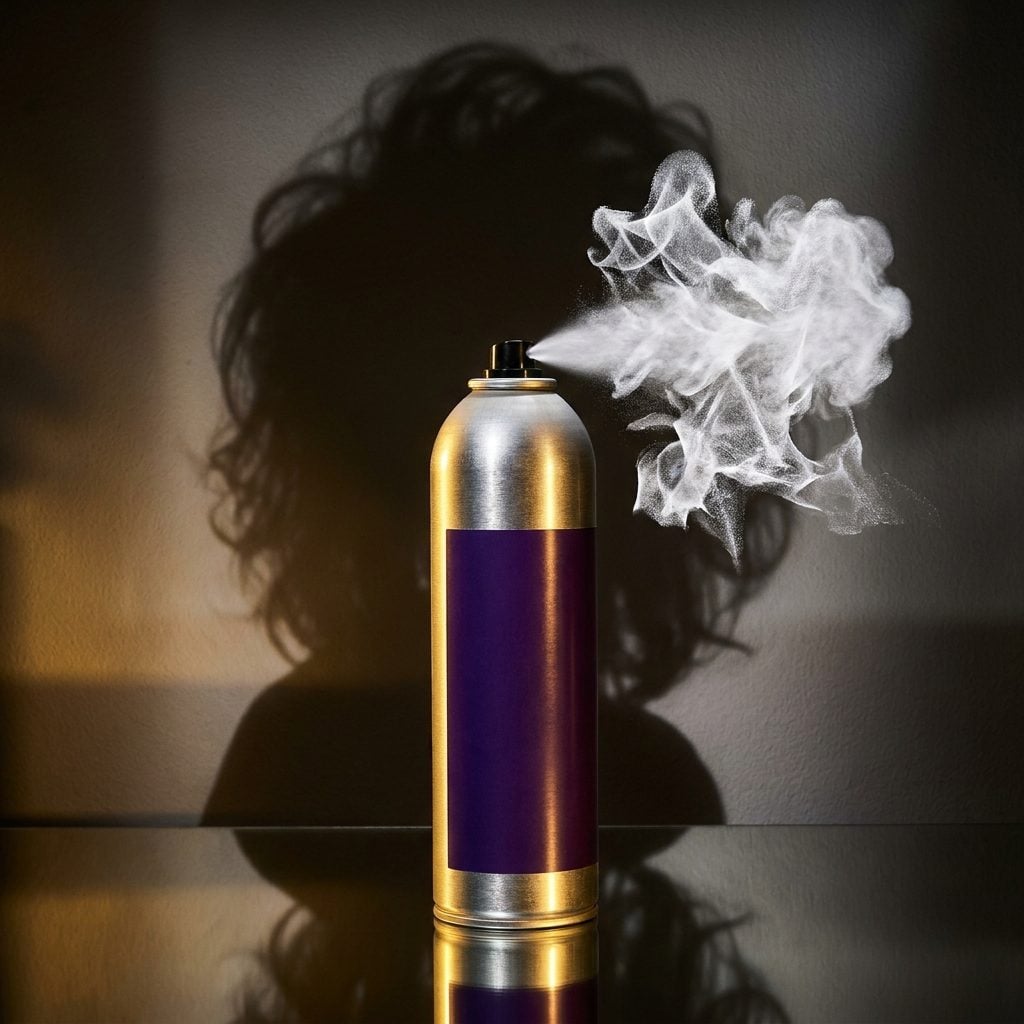
The jumbo can looked less like a styling product than something you’d keep beside a fire extinguisher. A regular price could hover near two dollars, while drugstore sales sometimes pushed Aqua Net surprisingly close to a buck. Gravity, apparently, was negotiable.
At the federal minimum wage of $3.35 an hour, even a $1.99 can represented roughly 36 minutes on the clock. Judging by the architecture produced with it, those were productive minutes.
Aerosol systems changed as chlorofluorocarbons were phased out, but the basic proposition survived: serious hold at a drugstore price. Anyone reconstructing an authentic 1980s bathroom shelf can stop looking once the purple can arrives.
An 11-ounce can now commonly sits around the high single digits. The sticker is bigger, but Aqua Net still occupies the budget end of hair products capable of surviving weather.
22. Revlon Charlie Perfume: Roughly $8 to $10 for a Fragrance With Somewhere to Be
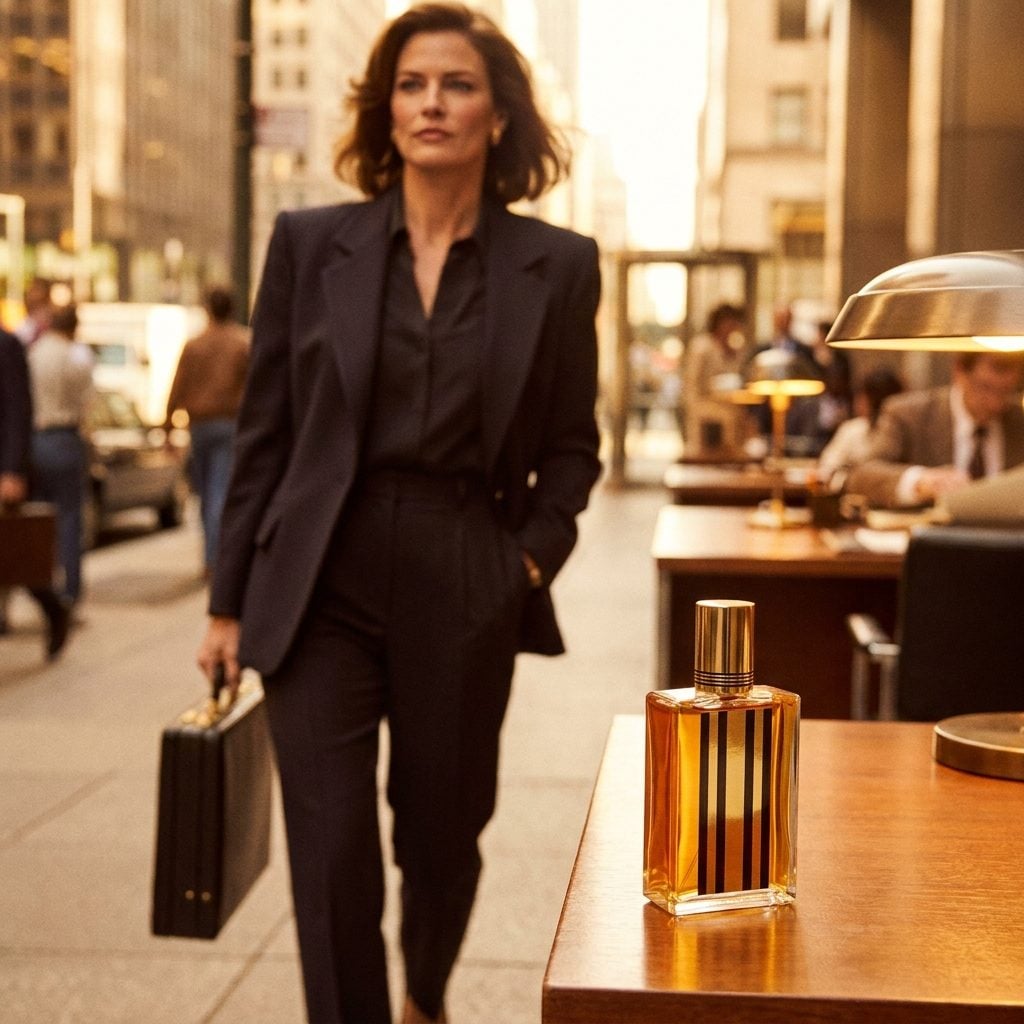
Charlie had already been around since 1973, but its woman-in-a-pantsuit advertising remained a perfect fit for the working-woman imagery that carried into the early ’80s.
The important shift wasn’t merely what the fragrance smelled like. It was who the advertising imagined wearing it. Charlie’s woman had plans, a job, trousers and somewhere else to be. She wasn’t waiting around for a perfume ad to produce a man.
Bottle size and promotion could move the number around, but Charlie lived in roughly the high-single-digit-to-ten-dollar territory rather than prestige-fragrance stratosphere. The fragrance may smell unmistakably of its era now, but the campaign’s confidence has aged rather better.
A 3.4-ounce bottle now commonly turns up around $15 to $20. Charlie has somehow aged into bargain-fragrance territory while keeping a name that still sounds like it expects to pick the restaurant.
21. Bonne Bell Lip Smacker: Around 50 Cents and the Entire Emotional Range of Being 14
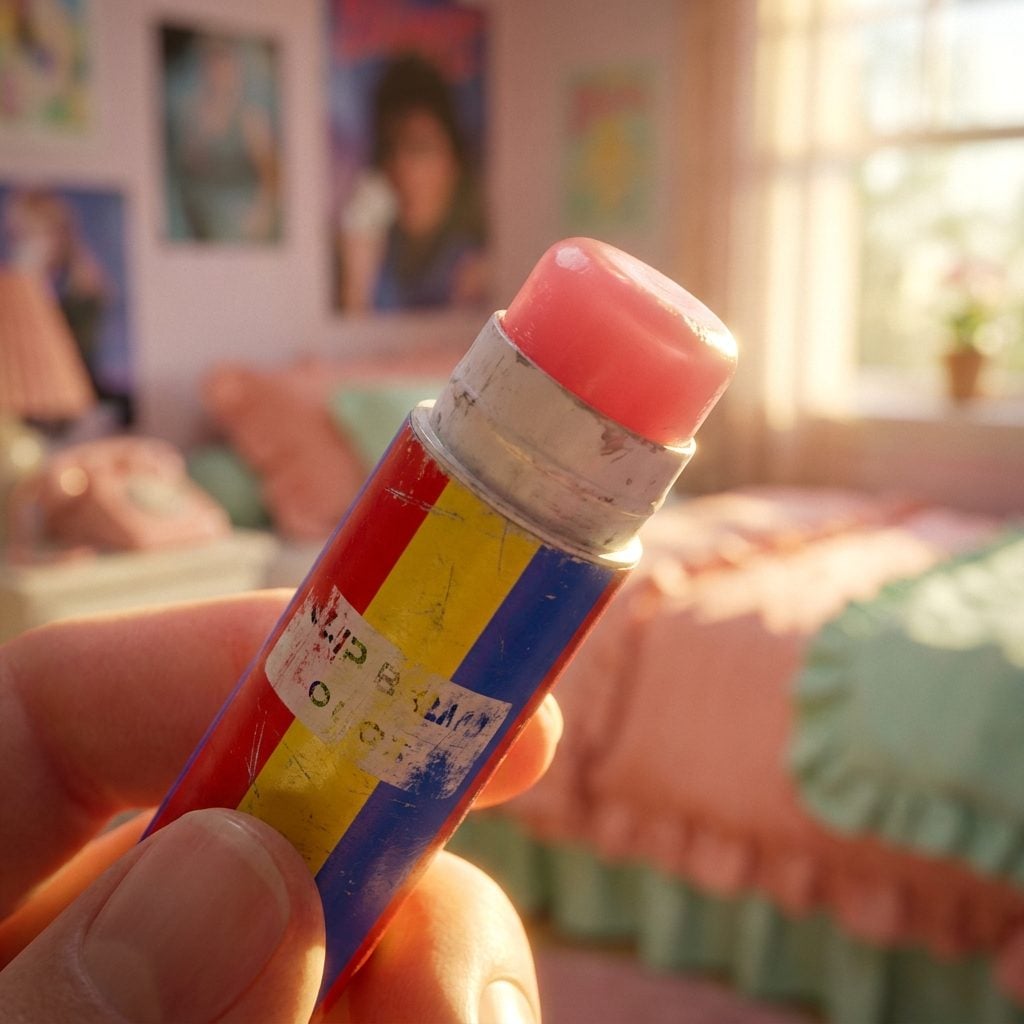
Around half a dollar bought considerably more than lip balm. It bought strawberry, watermelon, root beer or whatever flavor your best friend didn’t already have.
Lip Smacker had debuted in 1973, with Dr Pepper following in 1975, but the product fit the ’80s teenage bathroom perfectly: inexpensive, collectible and just grown-up enough to feel important when it went into your purse.
The texture was waxy, the flavor occasionally theoretical, and none of that mattered. The cap clicked on. The scent escaped. School suddenly felt ten percent more survivable.
A single Lip Smacker now usually costs a few dollars, with multipacks changing the math. The price climbed; the basic proposition—tiny tube, loud flavor, instant attachment—barely did.
20. Noxzema Skin Cream: About $2 to $3.29 for the Blue Jar You Could Identify With Your Eyes Closed
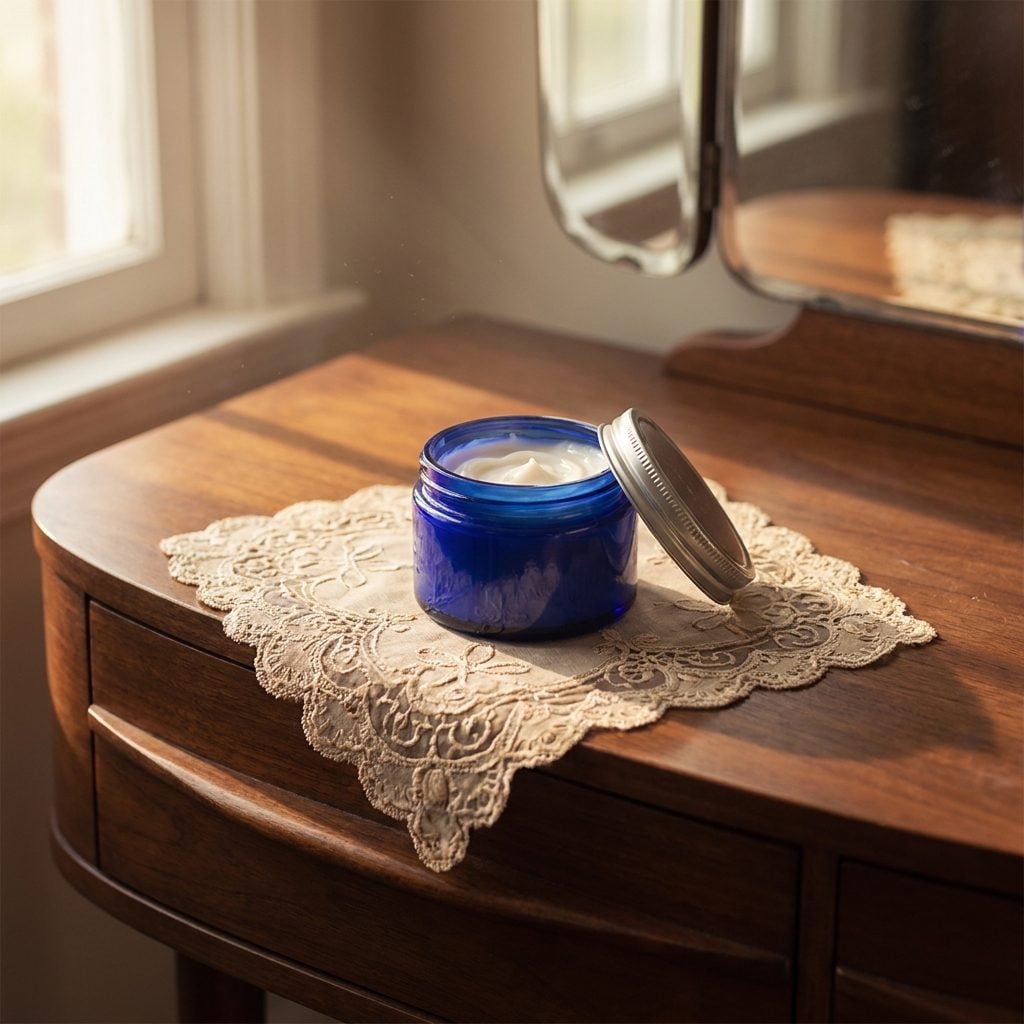
Open the blue jar and subtlety leaves the bathroom. Camphor, eucalyptus, menthol—that cool medicinal smell arrived before your fingers reached the cream.
One 1985 U.S. promotion shows just how slippery old shelf prices can be: $1.89 for a 6-ounce jar and $3.29 for an 8-ounce jar. Same product family, same year, very different number depending on the size you carried home.
Some people used it as cleanser, some as a mask, some because a mother or grandmother had handed down the ritual with the authority of family law. Modern skin care offers considerably more choices, and sensitive skin may not appreciate every ingredient in the classic formula. Nostalgia is safest when it stops just short of prescribing anybody’s cleanser.
The familiar blue jar now generally sits in the upper single digits, depending on size and retailer. Not bad for a product old enough to have opinions about your grandmother.
19. L’Oréal Preference Hair Color: About $7 for a Box With a Very Good Argument
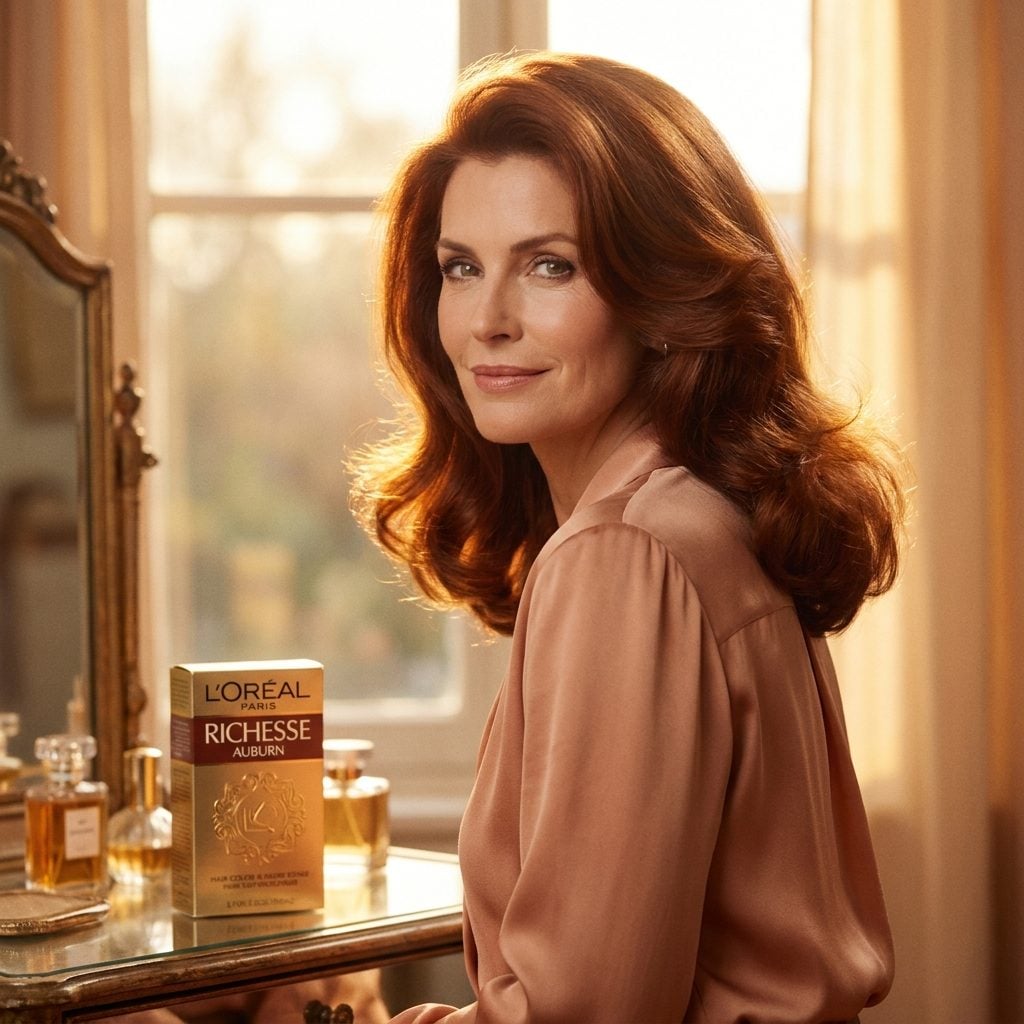
By the early 1980s, L’Oréal’s “Because I’m worth it” line had already been doing its work for more than a decade. The brilliance was that the slogan wasn’t really about hair color. It was about permission to spend money on yourself without submitting a written defense.
Depending on the store and promotion, a box lived around the several-dollar mark, with roughly seven dollars a fair snapshot of what shoppers could encounter. Gloves on. Old towel around the shoulders. Forty minutes wondering whether Medium Ash Blonde bore any relationship to what was happening under the plastic cap.
Home color eventually became ordinary. The ritual lost some of its secrecy, but the sales pitch never needed much revision. Worth is a remarkably durable marketing strategy.
Superior Preference now generally lands in the teens, depending on shade and retailer. The box costs more; the promise that you can change the entire mood of your hair before dinner remains very much intact.
18. Jean Naté After Bath Splash: Around $6 for the Yellow Bottle That Seemed to Refill Itself
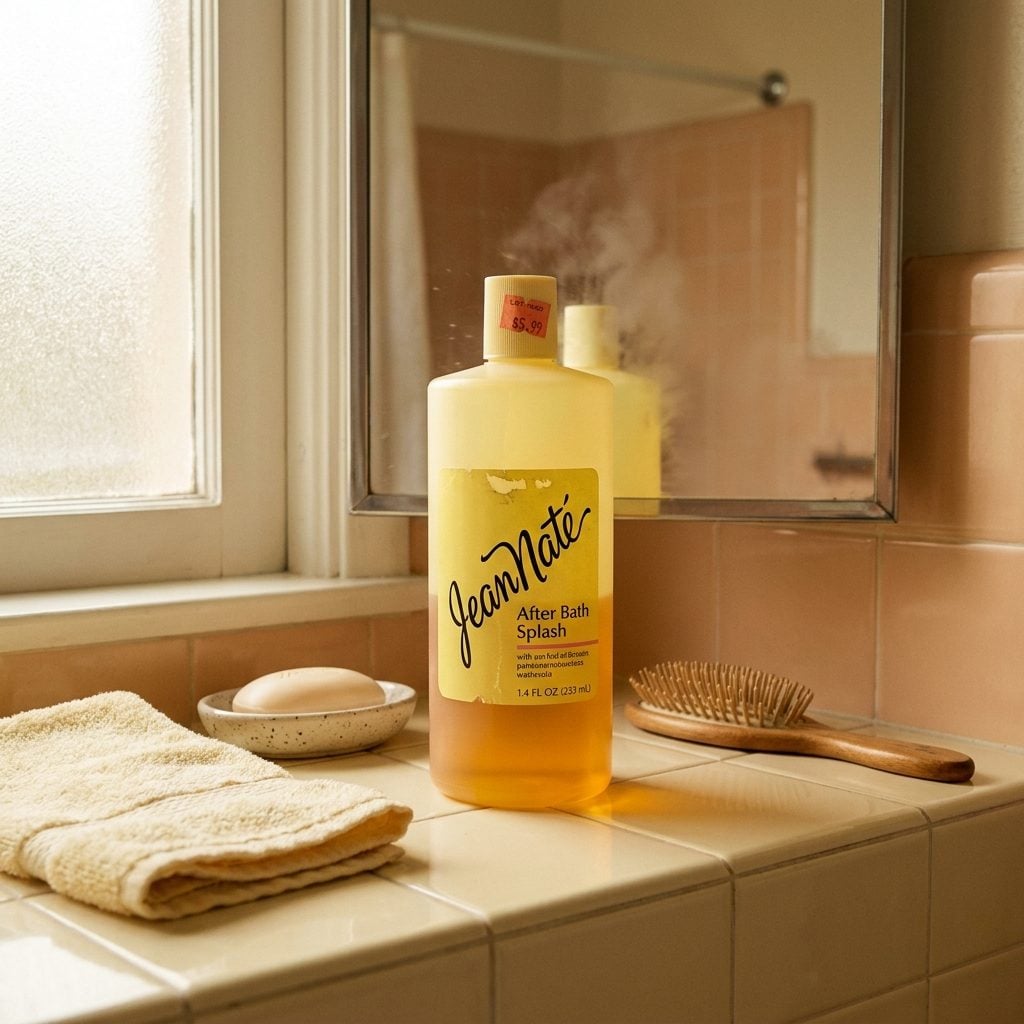
Around six dollars bought an alarming amount of yellow liquid. The bottle seemed designed for a family of twelve and still somehow survived longer than the towels.
Jean Naté lived in the strange territory between fragrance and bathroom ritual. You splashed it on after a bath, caught the bright citrus scent and immediately scented the hallway as collateral damage.
The charm was abundance. Nobody was rationing Jean Naté by the drop. The bottle practically encouraged enthusiasm.
The big splash bottle now generally runs in the low-to-mid teens. More than the old sticker, certainly, but still remarkably cheap for enough citrus fragrance to alter the atmosphere of a hallway.
17. Sally Hansen Hard as Nails: Around $1 to $2 and the DIY Manicure Before Nail Art Became an Industry
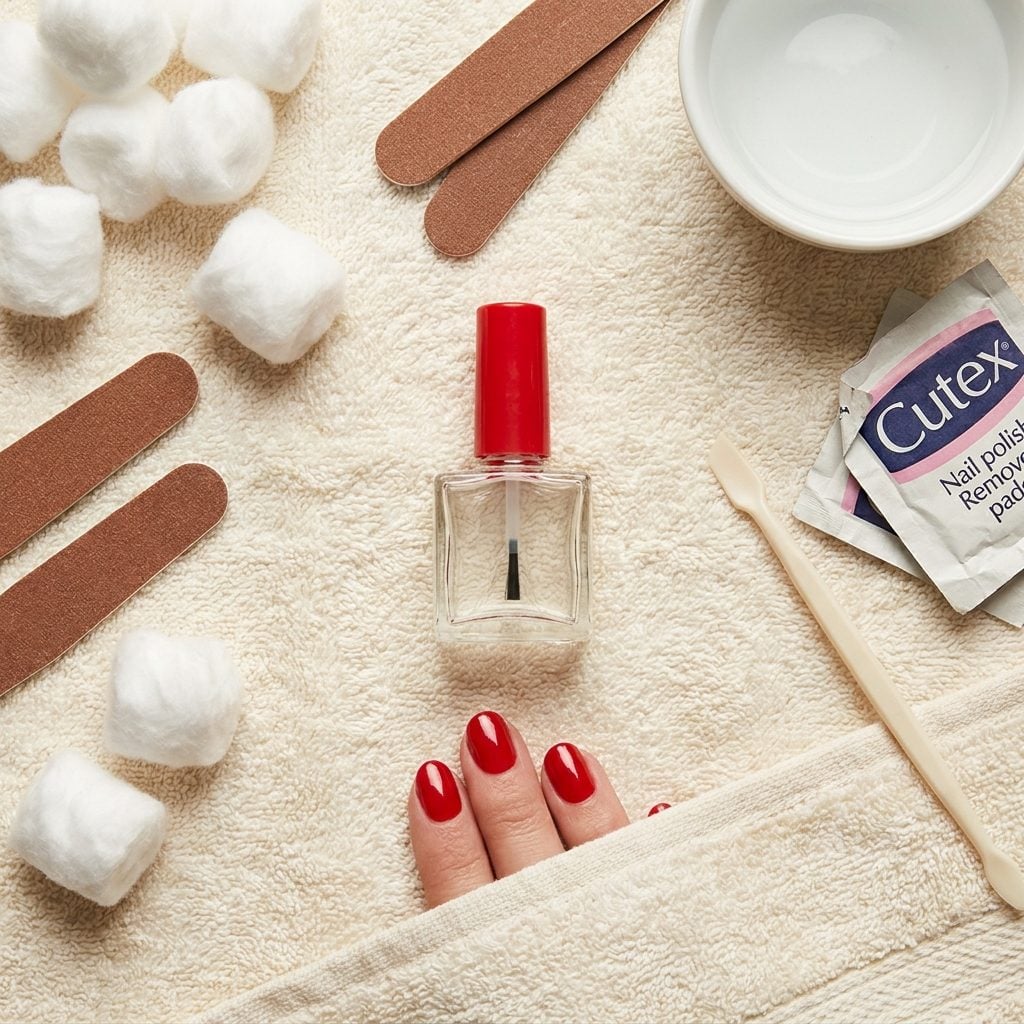
The attraction wasn’t glamour. It was the promise that your nails might survive ordinary life past Tuesday.
Weekly sales could push Hard as Nails below a dollar, while regular shelf prices climbed above that. Either way, this was inexpensive armor for women who typed, filed, washed dishes, opened stubborn drawers and then expected their manicure to report for work again the next morning.
The bottle may have lived in the bathroom, but the sales pitch belonged in the office, kitchen, factory floor and everywhere else those hands were going next.
Hard as Nails can still turn up for roughly $2 to $4. Of all the products in this gallery, it may be the one least impressed by forty years of inflation.
16. Vidal Sassoon Shampoo: About $2.69 to $2.99 for the Bottle That Made London Seem Very Close
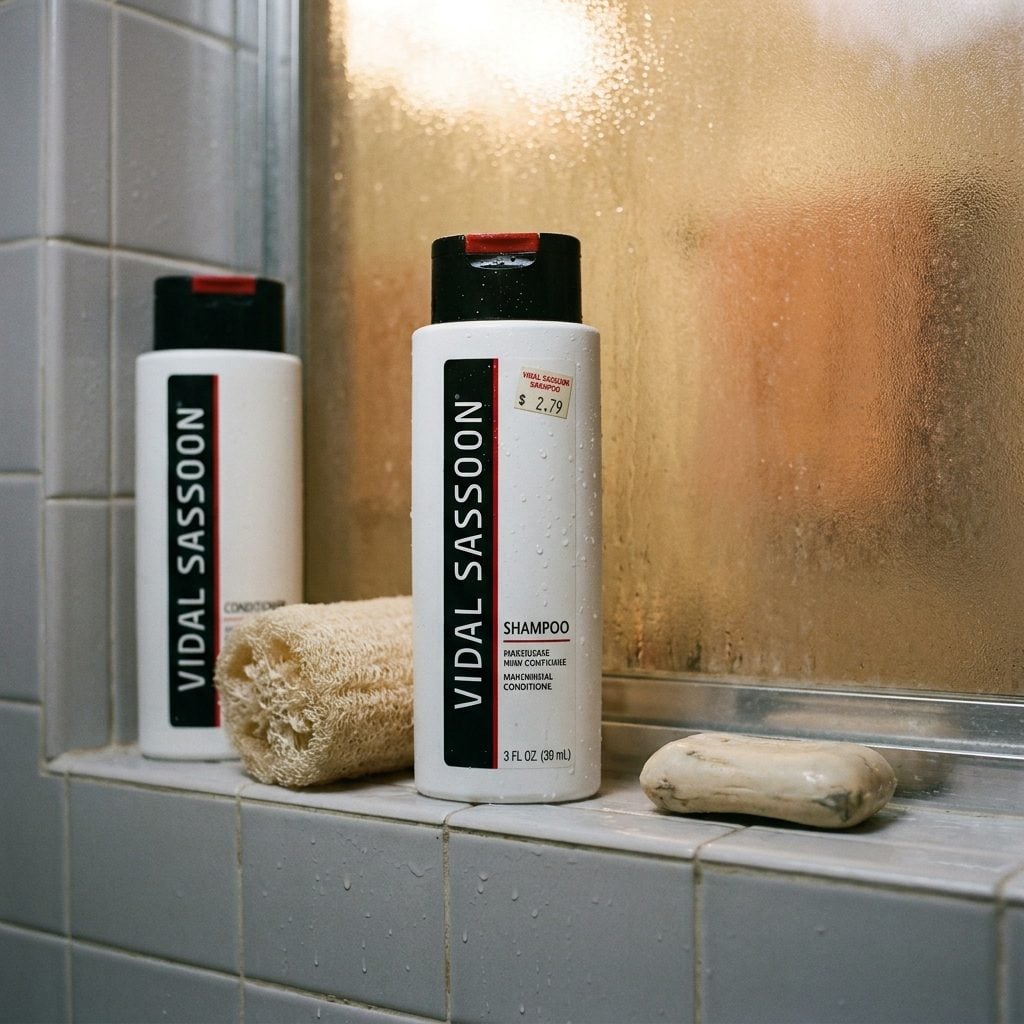
Under three dollars bought access to the Sassoon fantasy: swinging hair, geometric cuts and cheekbones sharp enough to open envelopes.
Contemporary ads put the shampoo right around this territory—$2.99 in one early-decade promotion and $2.69 on sale later on. Nobody looked exactly like the models afterward. Everyone kept buying it anyway.
A good beauty campaign has always understood that the bottle is merely the physical object; the real product is the woman you imagine emerging from the bathroom afterward.
And the scent didn’t hurt.
Vidal Sassoon shampoo is no longer a routine U.S. drugstore staple, so there is no clean like-for-like 2026 shelf price. Imported and secondary-market bottles vary widely—which is less tidy than $2.79, but more honest.
15. Love’s Baby Soft: About $3 to $4 for the Perfume That Lived at the Roller Rink
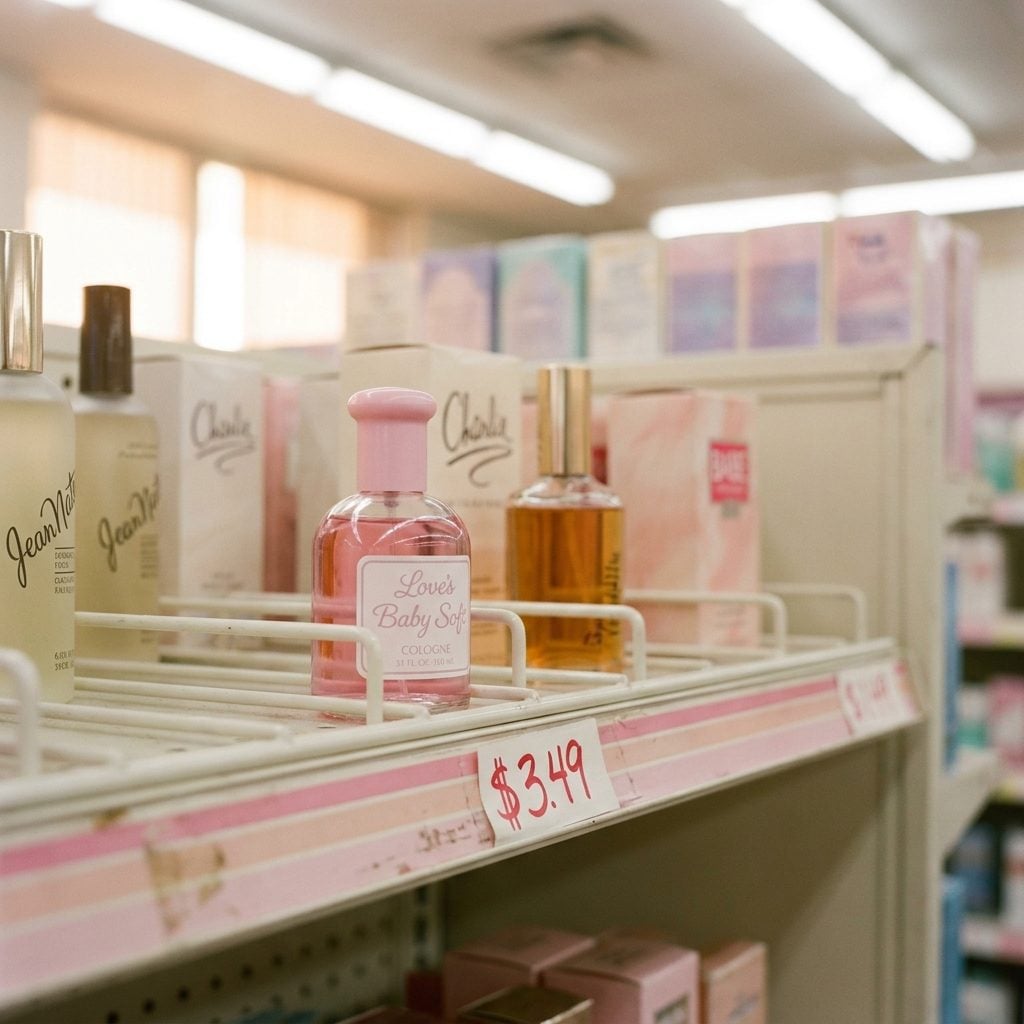
Powder, vanilla and something best described as the color pink translated into smell. Ads from the surrounding years place Love’s Baby Soft comfortably in the few-dollar range, which was exactly where it needed to be.
For roughly three to four dollars, it occupied the territory between childhood toiletries and a first real fragrance. That made it ideal for roller rinks, school dances and afternoons at the mall when you had almost no money but extremely specific opinions about how you wanted to smell.
A 2.5-ounce bottle now commonly runs around the mid-teens. The perfume graduated from allowance money to small nostalgia splurge without acquiring a more grown-up personality.
14. Almay Hypo-Allergenic Eyeshadow Quad: Around $6 to $7 for Four Pastels and One Tiny Foam Applicator
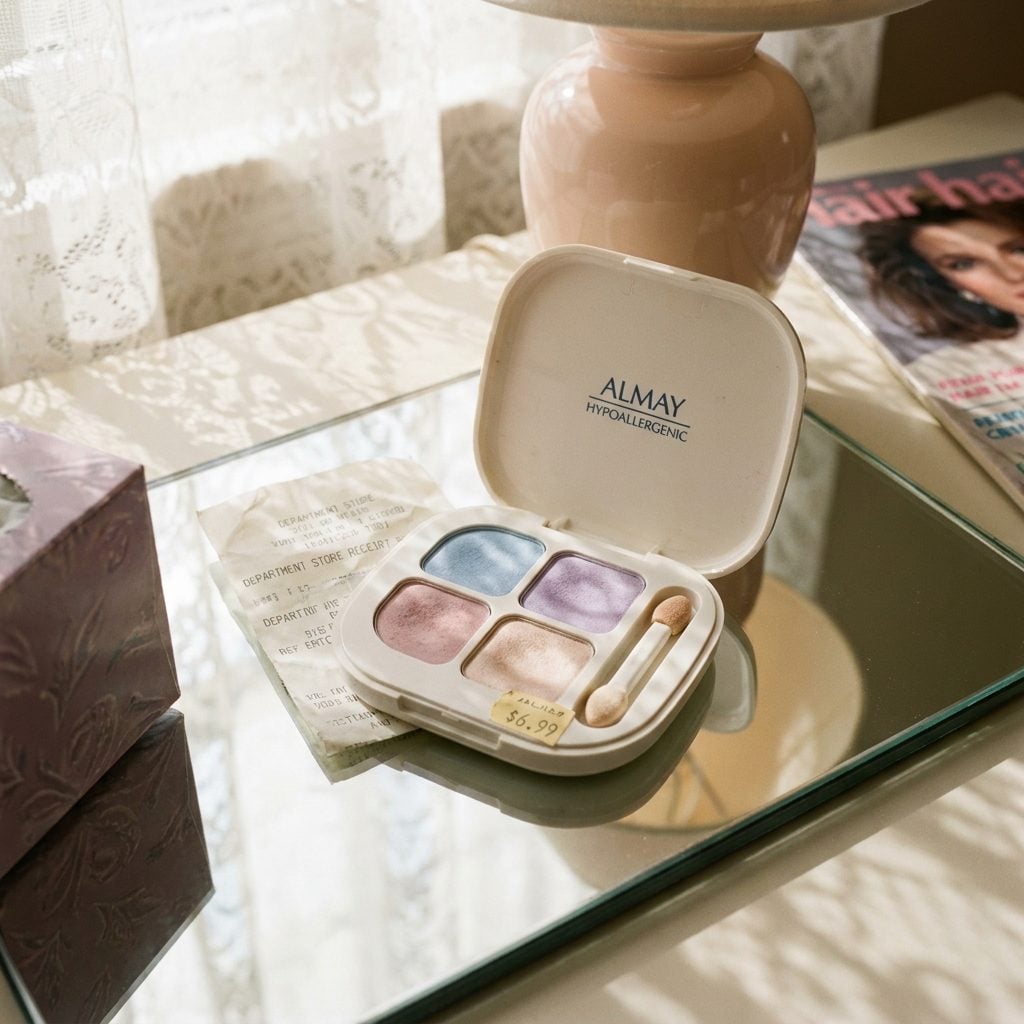
You know the arrangement even before the compact opens. Blue for the lid. Pink somewhere nearby. White under the brow because a magazine had issued instructions and nobody wanted to challenge authority.
Compact size and retailer could move the price around, but six to seven dollars captures the general neighborhood. What mattered was the slightly more clinical aura Almay carried beside its louder drugstore competitors.
The brand had built its identity around hypoallergenic cosmetics long before the 1980s, giving those little pastels a reassuringly serious wrapper.
The foam applicator remained less reassuring. Its handle usually detached inside a purse within a week.
A comparable Almay eye palette now generally lands around $8 to $12. The price moved modestly compared with prestige makeup; the tiny foam applicator, mercifully, is no longer the only route to the eyelid.
13. Dep Styling Gel: About $2.49 for Hair That Had Given Up Moving
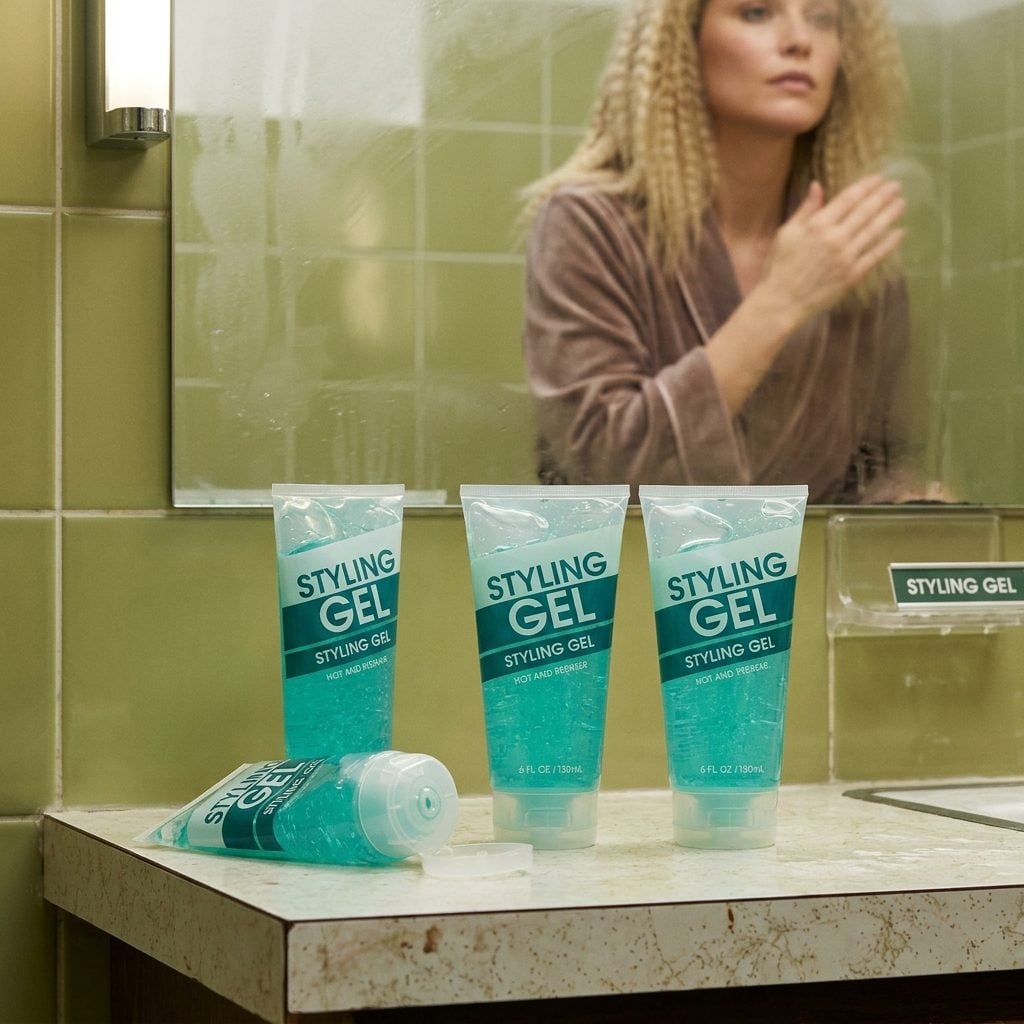
There was styling hair, and then there was issuing it structural instructions.
Late-decade ads put Dep around the $2.49 neighborhood. At a $3.35 federal minimum wage, that represented roughly 45 minutes of work. Apply enough and individual strands stopped behaving like hair at all. They became members of a larger architectural project involving spikes, wings, sculpted bangs and a determination not to move in wind.
The tube was cheap enough for teenagers, strong enough for the decade and brightly colored enough to look at home beside a neon toothbrush.
Dep still turns up online and through scattered retailers, usually somewhere around $5 to $8 depending on size and seller. The price roughly doubled or tripled; the amount required to immobilize one set of bangs remains a personal decision.
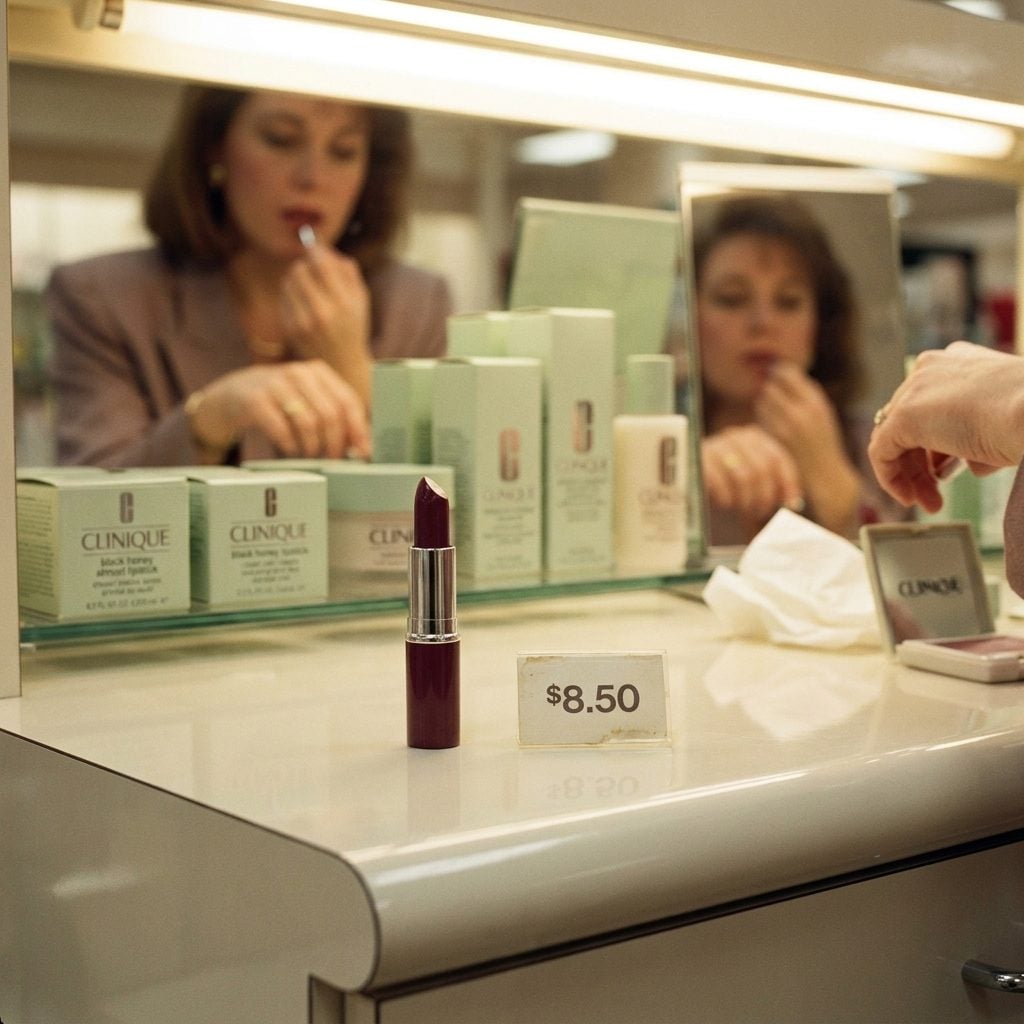
12. Clinique Black Honey Almost Lipstick: About $8.50 in 1989 for a Tube With a Much Older Name
❤️ Would you like to save this?
Black Honey’s history is slightly more complicated than its cult reputation suggests. Clinique introduced the Black Honey shade in 1971 as a gloss in a pot. The slim Almost Lipstick version arrived in 1989.
Roughly $8.50 is best read as an approximate counter price rather than one nationwide sticker, but the timing of the tube itself is firm. And that distinction matters because the tube became the object people remember: dark berry in the case, sheer and unexpectedly wearable on the mouth.
It looked dramatic enough to alarm you and then applied with almost suspicious restraint.
Decades later, a new generation rediscovered Black Honey online and repeatedly sent it out of stock. Apparently one of beauty’s most reliable tricks is waiting long enough for teenagers to discover something their mothers already knew.
Clinique’s Black Honey Almost Lipstick now costs about $25 direct from the brand. The cult tube went from attainable department-store treat to prestige purchase while somehow becoming even more famous.
11. Alberto VO5 Hot Oil Treatment: About $3 for Two Tiny Vials and a Full Ceremony
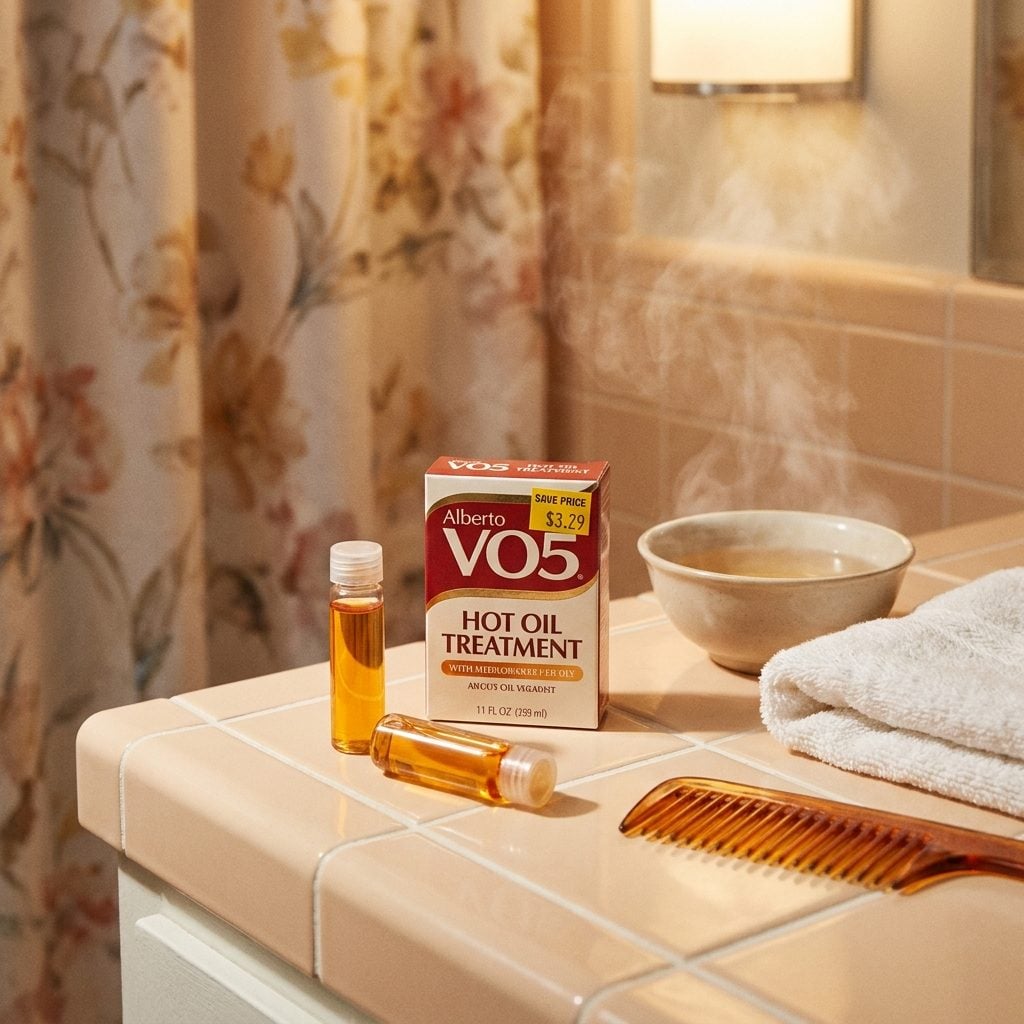
The box contained two little vials, but emotionally it contained a spa.
Drugstore stickers moved around, but a little over three dollars is a fair snapshot. You warmed the treatment in hot water, opened the vial and worked the oil through damp hair with far more ceremony than ordinary conditioner ever received.
Whatever difference it made to softness or manageability, the preparation alone convinced you that something important was happening.
Self-care had not yet become an industry-wide vocabulary. Sometimes it was simply ten extra minutes in the shower and a tiny bottle you weren’t allowed to spill.
A two-tube treatment now commonly lands around the upper single digits. The little vials cost more, but the feeling that you have scheduled a private appointment with your own shower is still included.
10. Prince Matchabelli Wind Song: Around $13 for the Perfume Your Mother Saved for Dinner
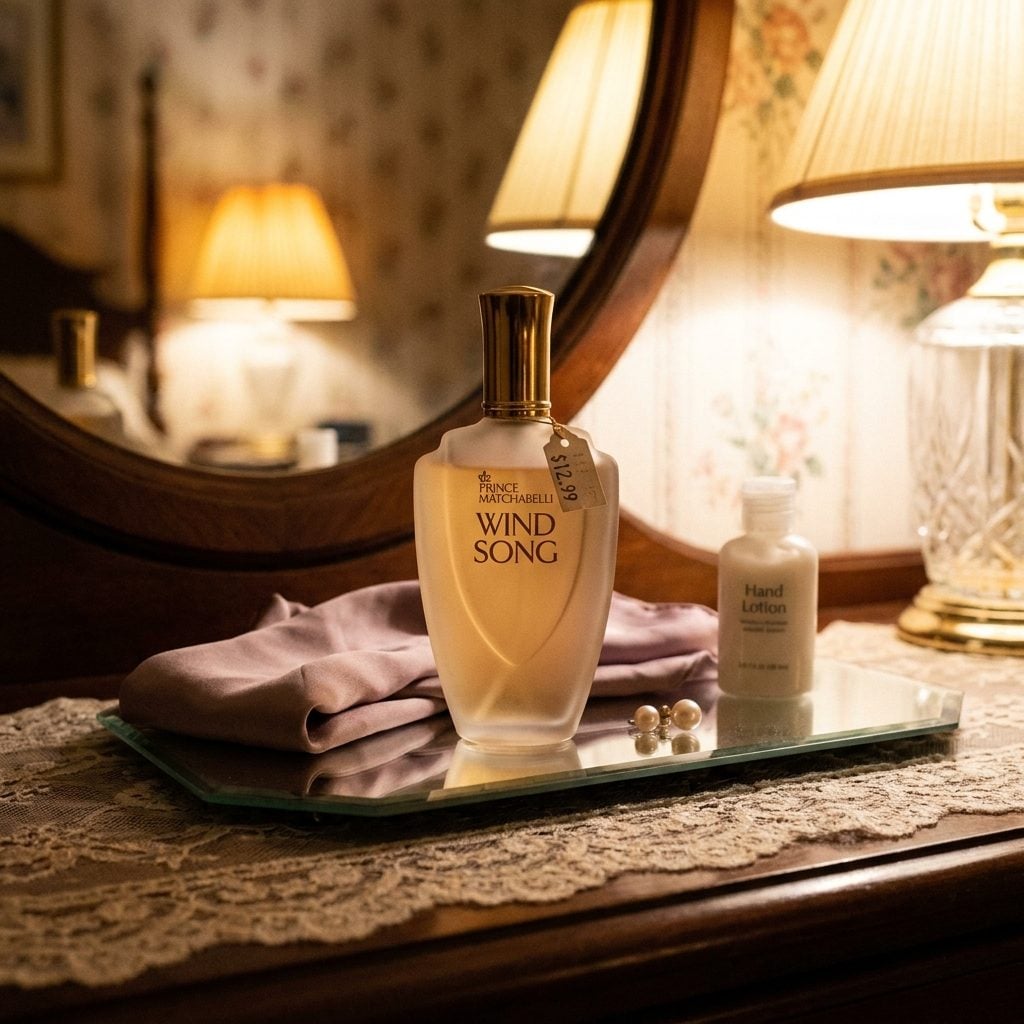
Somewhere around thirteen dollars moved fragrance out of the allowance-money category and into small-splurge territory, although bottle size and retailer could shift the number considerably.
Wind Song smelled grown-up because the women wearing it were grown-up: dressed for Saturday dinner, earrings on, purse by the door, leaving behind a powdery floral trail that remained in the hallway after the car had backed out.
Some products are remembered through their packaging. Perfume gets the unfair advantage of being remembered through the room itself.
Wind Song now usually sells in roughly the $15-to-$20 range depending on size and retailer. The old splurge has become one of the cheaper ways to buy a fully developed perfume memory.
9. Cover Girl NailSlicks: Around $1.50 to $2 for the Color Your Mother Had Already Rejected
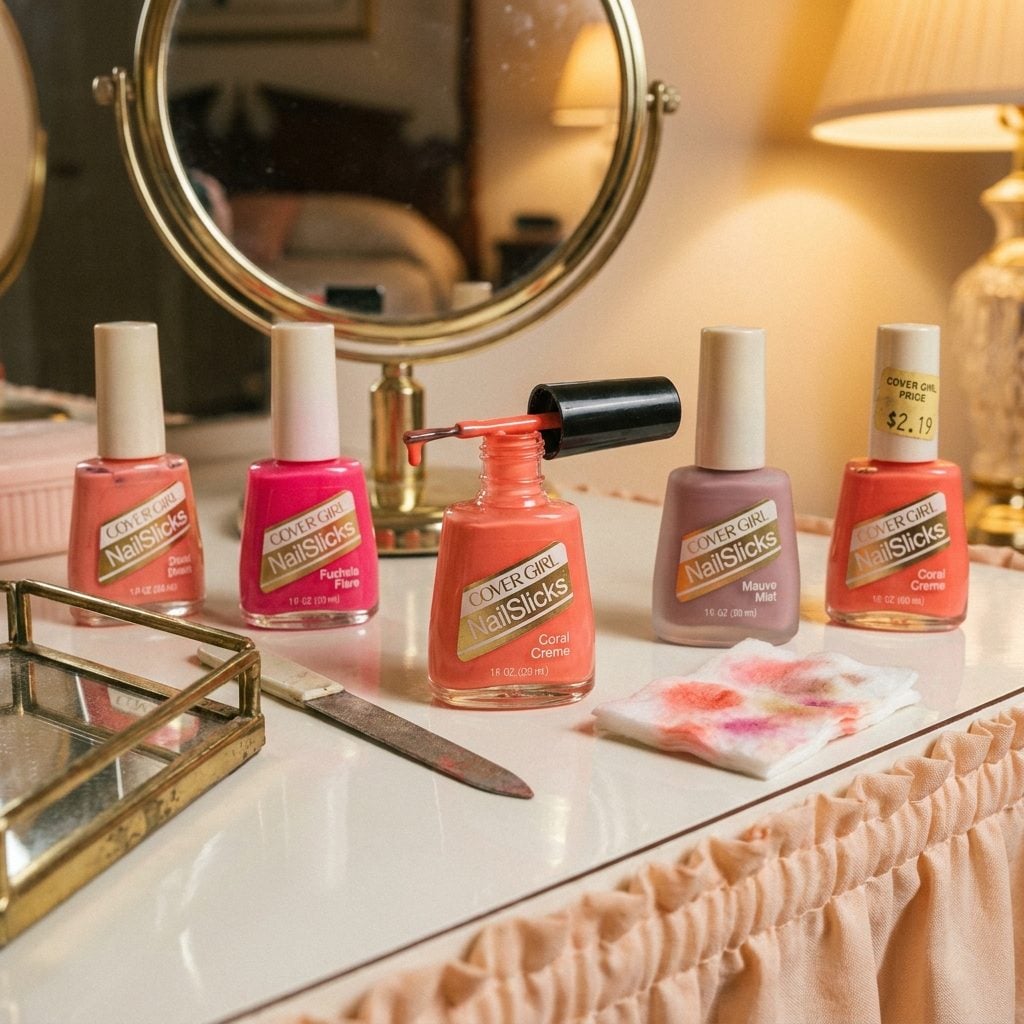
Two dollars—or sometimes less—was cheap enough to make bad judgment educational. Contemporary promotions put NailSlicks right around this range, including sale prices well below the original $2.19 estimate.
You could choose the frosted blue, bright coral or purple somebody at home had already described as “too much,” paint ten nails, inspect the result under bedroom lighting and discover whether maternal skepticism had been annoyingly justified.
Drugstore nail polish made experimentation disposable. Fashion lessons are considerably easier to absorb when they cost less than lunch.
NailSlicks itself is no longer the easy drugstore grab it once was. A comparable mass-market polish today generally costs around $5 to $8, so the modern version of that rebellious color choice asks for a little more commitment.
8. Max Factor Pan-Stik Foundation: About $5 to $6 for Coverage That Had No Interest in Subtlety
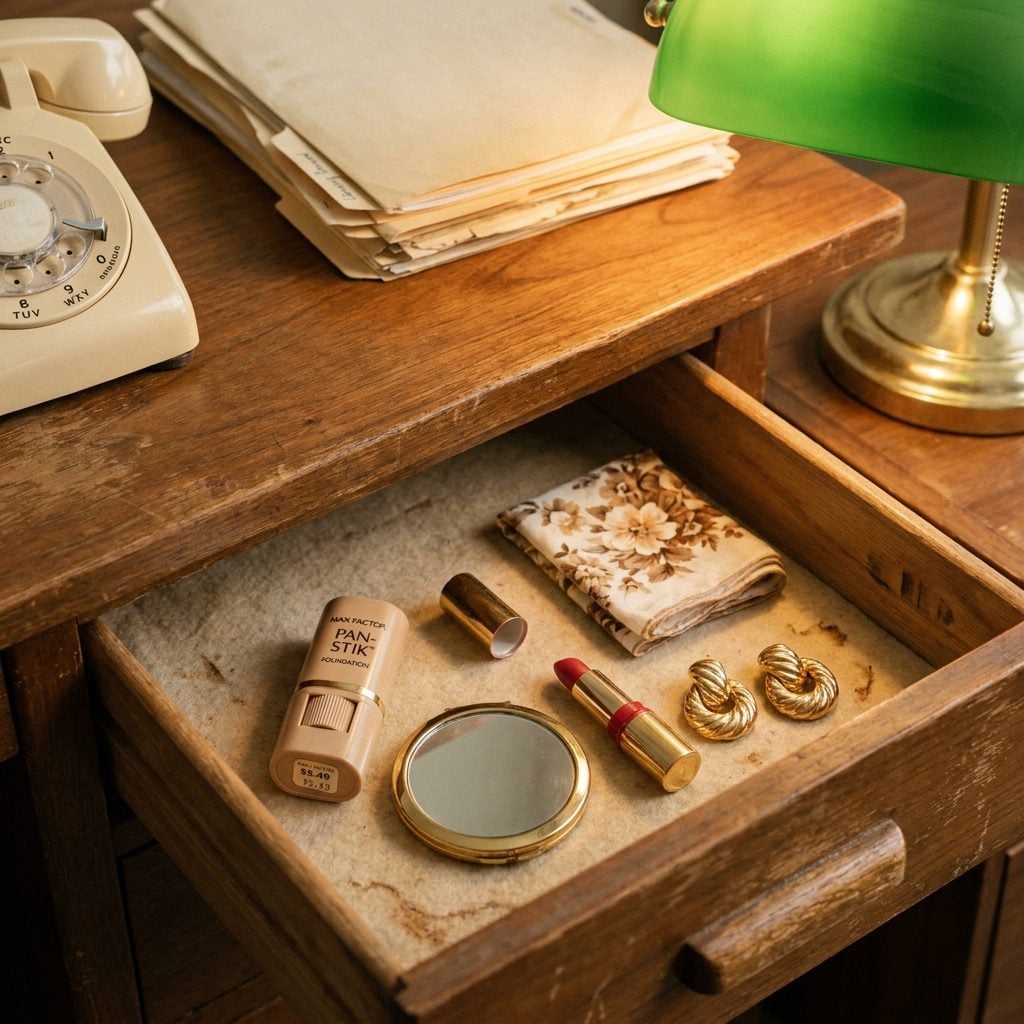
The twist-up stick was wonderfully uncomplicated: swipe, blend, cover. Pan-Stik came from a makeup era that did not spend much time pretending foundation should be invisible.
Five to six dollars is the safer 1980s territory than pretending one $5.49 sticker followed Pan-Stik everywhere. In return, you got portable full coverage sturdy enough for a purse or desk drawer.
The less charming part was the shade range. Mainstream complexion products offered far fewer choices than consumers expect now, and “beige” did an astonishing amount of work.
The desk-drawer beauty kit was real enough even without claiming every working woman had the same one: lipstick, powder, foundation, maybe fragrance, ready for whatever happened between nine and five.
Pan-Stik is no longer a standard U.S. drugstore fixture, and imported or third-party listings can cost far more than its old several-dollar shelf price. The product that once lived in desk drawers has become oddly complicated to buy.
7. Tickle Roll-On Deodorant: About $2 for Packaging Nobody Could Mistake for Anybody Else’s
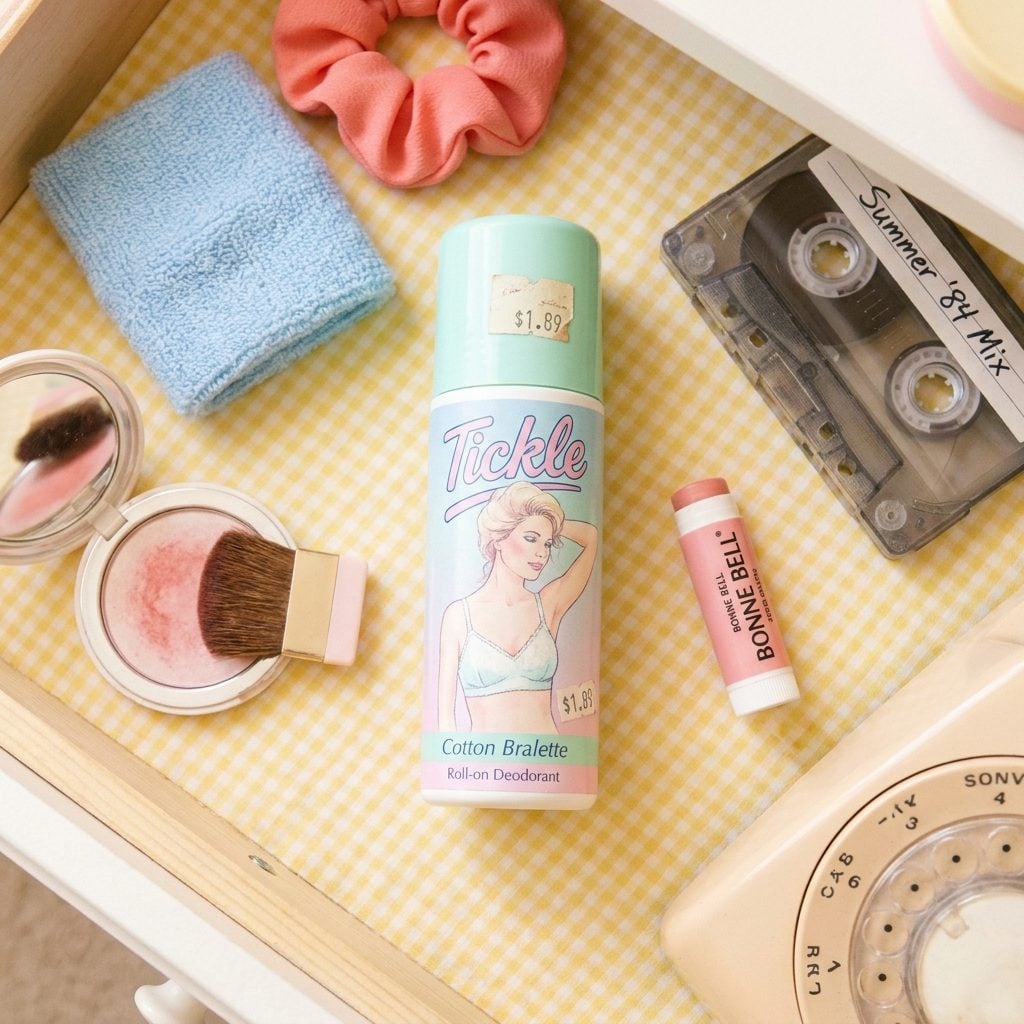
Around two dollars bought deodorant in packaging with considerably more personality than the category generally allows itself now.
Tickle unquestionably lived in the inexpensive drugstore world, with about two dollars a sensible benchmark rather than one universal sticker. The pastel graphics, distinctive bottle and oversized roll-on ball made it recognizable from several feet down the aisle.
Even the applicator had a particular squeak, one of those tiny sounds childhood manages to archive for no useful reason.
The product is gone. The packaging remains strangely vivid, which says something about an era willing to let even deodorant have a sense of humor.
Tickle is discontinued, so there is no honest modern shelf price to place beside its old two-dollar neighborhood. Vintage bottles now sell as collectibles, which is what happens when deodorant survives longer in memory than in the personal-care aisle.
6. Finesse Shampoo: About $2 to $2.49 for a Bottle With a Jingle Stronger Than Most Marketing Plans
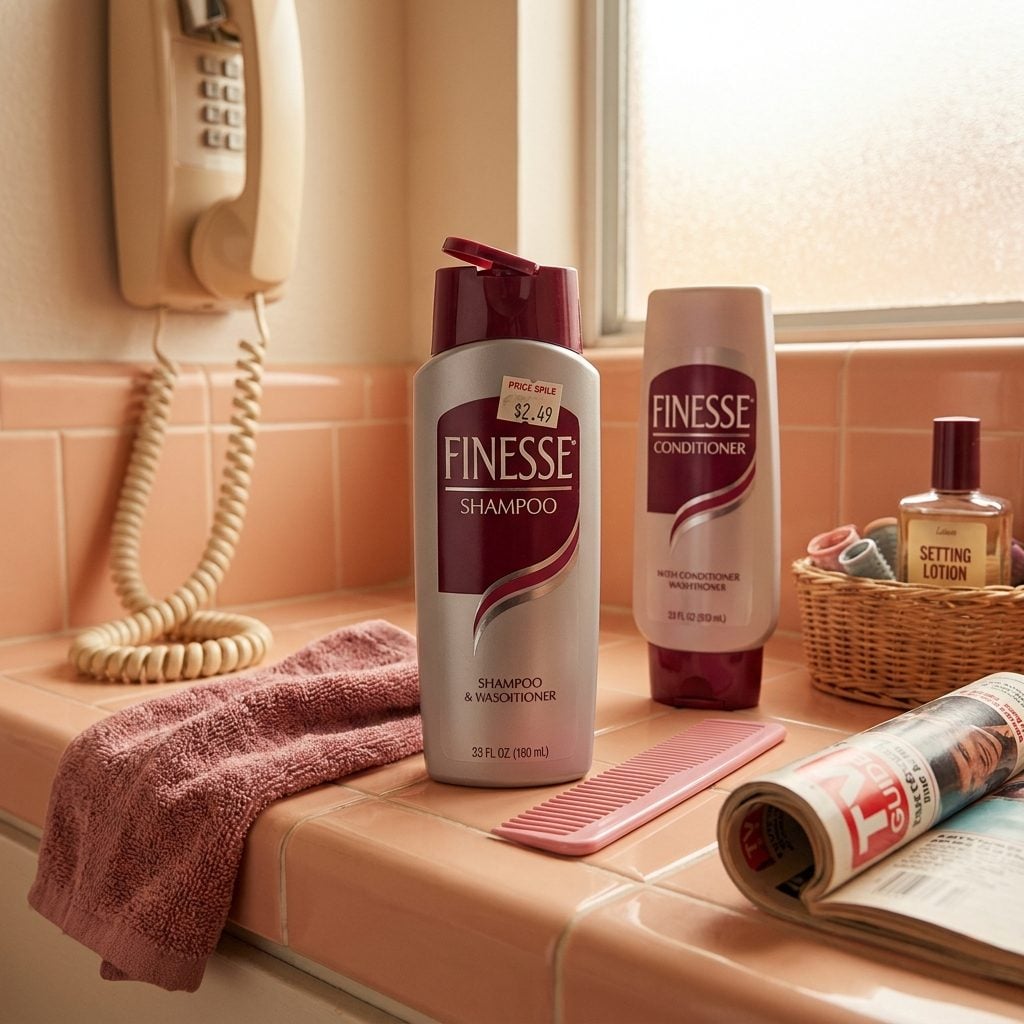
Sometimes you needed a little. Sometimes you needed a lot. Anyone who watched enough television in the 1980s is probably hearing the line before finishing this paragraph.
This is one of the better-documented prices in the gallery. Ads show Finesse around $2 in 1984 and $2.49 in 1985, depending on promotion and store. The jingle was doing at least half the marketing work anyway.
Give people a sentence they can accidentally carry around for forty years and the shampoo has already won half the battle.
Whether the product truly understood how much your hair needed was never adequately investigated. You poured a palmful and trusted the process.
Where Finesse still turns up, a bottle can sell for only a few dollars more than it did then. Among the strangest price survivors here, the shampoo appears to have spent several decades hiding from inflation behind its own jingle.
5. Bonne Bell Ten-O-Six Lotion: About $4.50 to $5 for the Astringent That Made Tingling Feel Official
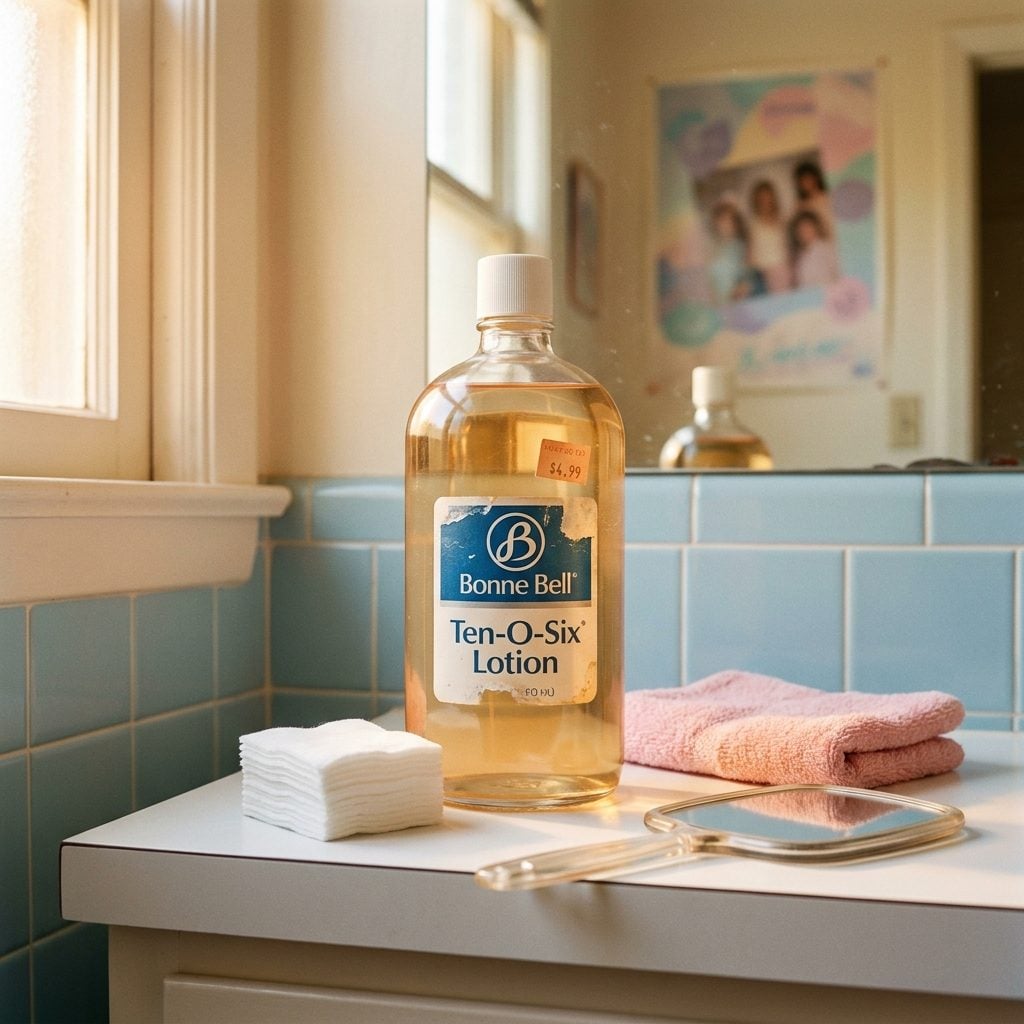
Around five dollars bought a bottle, a stack of cotton balls and the conviction that skin care was supposed to announce itself physically.
This one has unusually solid footing: an early-’80s ad put the larger bottle at $4.50, which makes the old $4.99 estimate entirely believable as an everyday-store neighborhood.
The smell arrived first. Then the cooling sting. Plenty of teenage routines treated that sensation as proof of effectiveness, although modern skin care is considerably less enthusiastic about the idea that irritation deserves applause.
The ritual was the unforgettable part: bathroom mirror, hair pulled back, cotton ball in hand, finally doing something Serious About Your Face.
Ten-O-Six is no longer a standard U.S. drugstore staple, so a clean modern shelf comparison is difficult. Vintage bottles and old stock wander all over the price map. Apparently even astringent can become collectible if you wait long enough.
4. Erno Laszlo Sea Mud Soap: Around $18 for the Black Bar That Made Drugstore Soap Look Suspiciously Ordinary
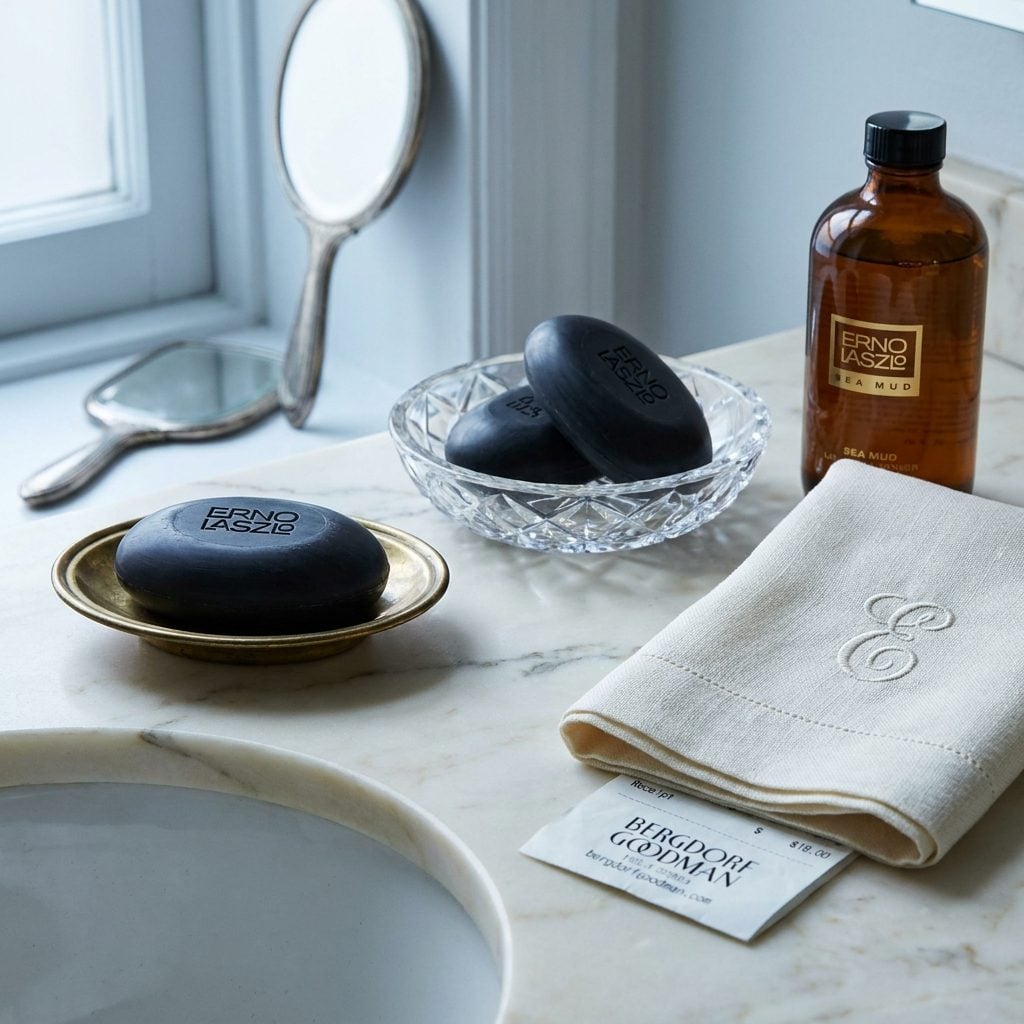
Around eighteen dollars for a bar of facial soap was a completely different economic species from the one- and two-dollar products filling most of this list.
The precise mid-’80s counter price is harder to document than the product’s luxury positioning, so the number is best treated as an approximation. That was part of the attraction anyway. The black cleansing bar, mineral-rich mud associations and elaborate washing ritual made Erno Laszlo feel less like soap and more like membership in a very serious skin-care religion.
This was the bar belonging to the aunt who lived in Manhattan, wore lipstick to take out the trash and seemed to know things the rest of the family hadn’t been told yet.
Erno Laszlo’s Sea Mud Deep Cleansing Bar now starts in the mid-$20s, with the larger version considerably higher. The black soap was expensive then and remains impressively committed to the idea.
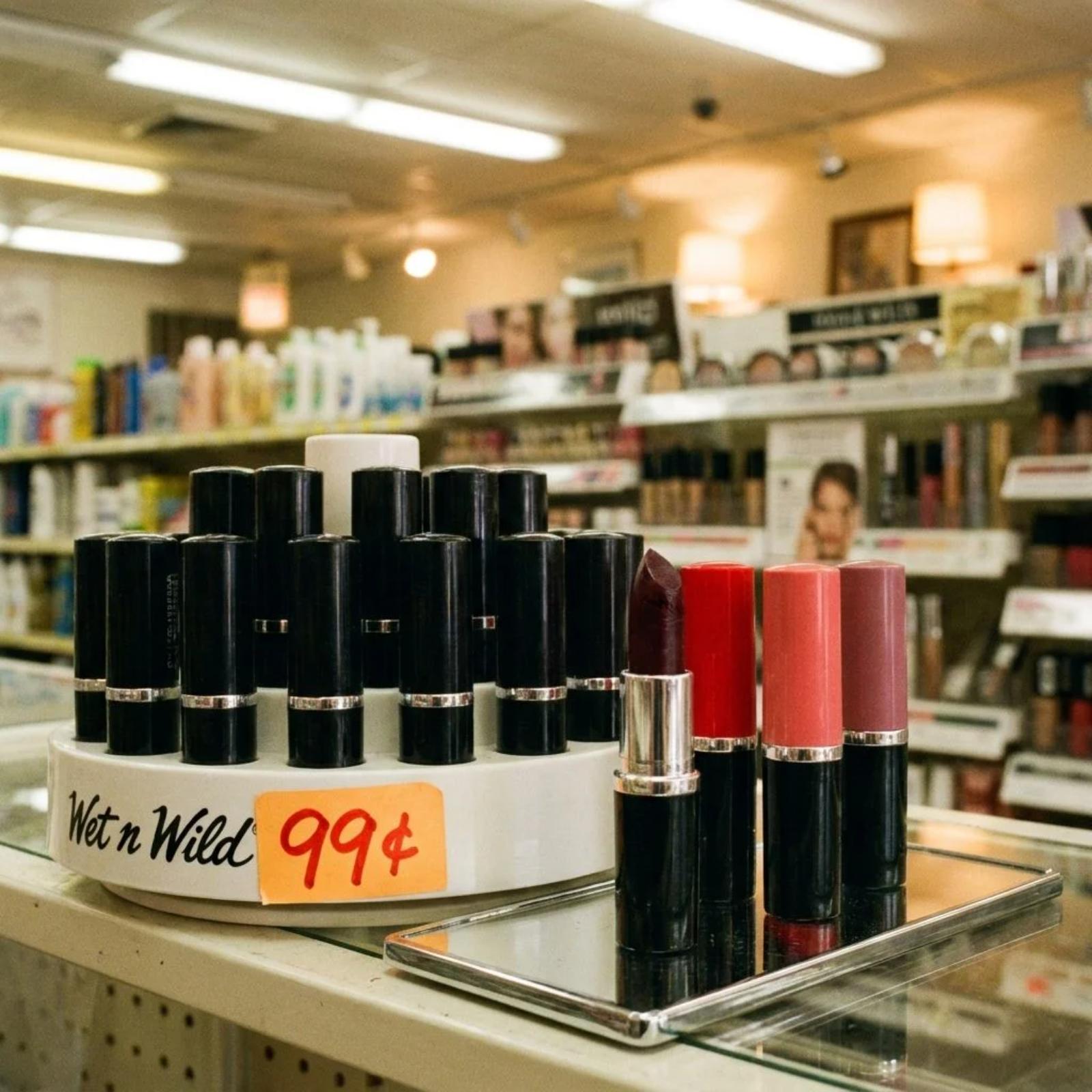
3. Wet n Wild Lipstick: About 99 Cents for the Shade You Could Afford to Regret
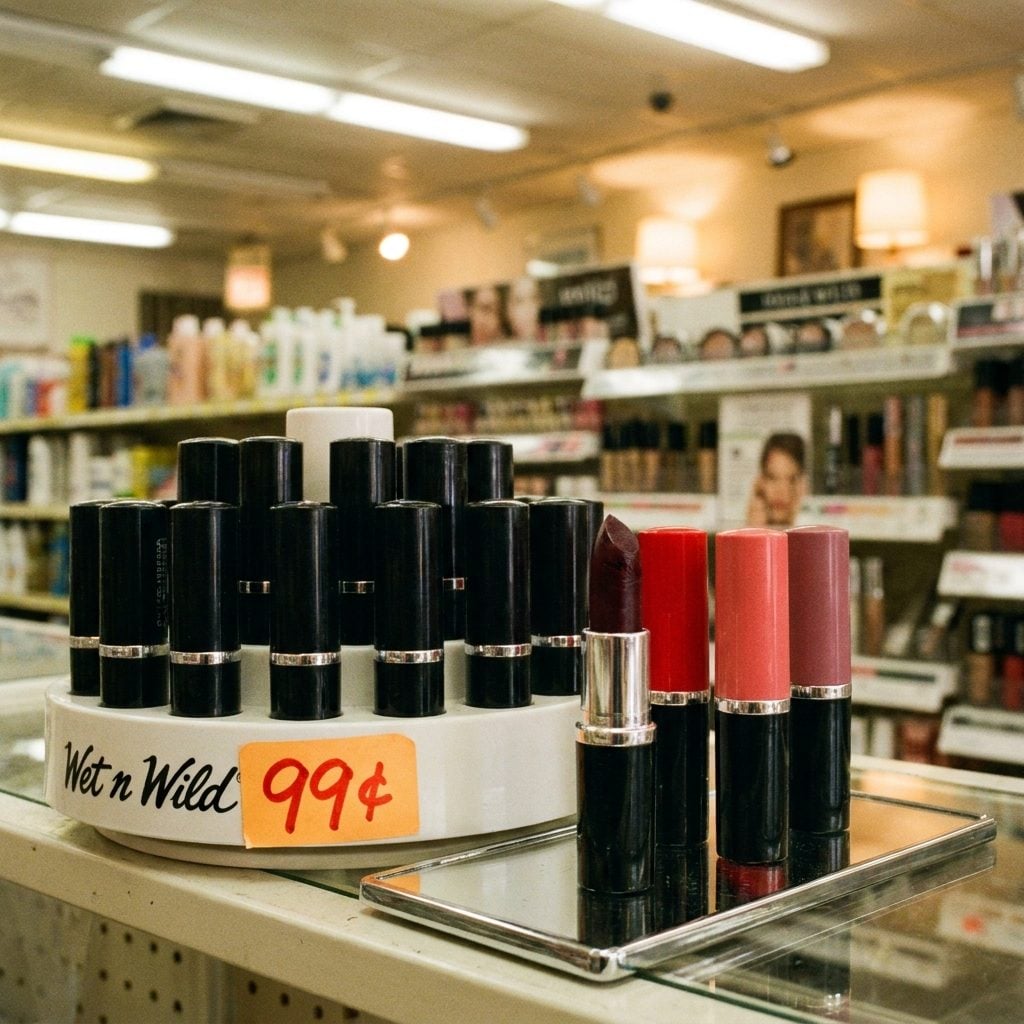
Around a dollar changed the risk calculation completely. Deep wine? Frosted mauve? A red that looked sensational in the tube and faintly alarming once it reached your face? Try it.
Wet n Wild built its reputation at the bargain end of the cosmetics aisle, where one bad shade didn’t require a financial recovery plan. When lipstick dipped even lower on sale, experimentation became practically mandatory.
The formulas have improved enormously. The pleasure of finding something unexpectedly good at the bottom of the price range has not.
Wet n Wild lip color today generally runs around $4 to $7 depending on formula. Still cheap by modern makeup standards, although the days of treating lipstick like loose change are mostly gone.
2. Sun In Hair Lightener: About $3 to $4 for a Spray Bottle With Absolutely No Respect for Your Plans
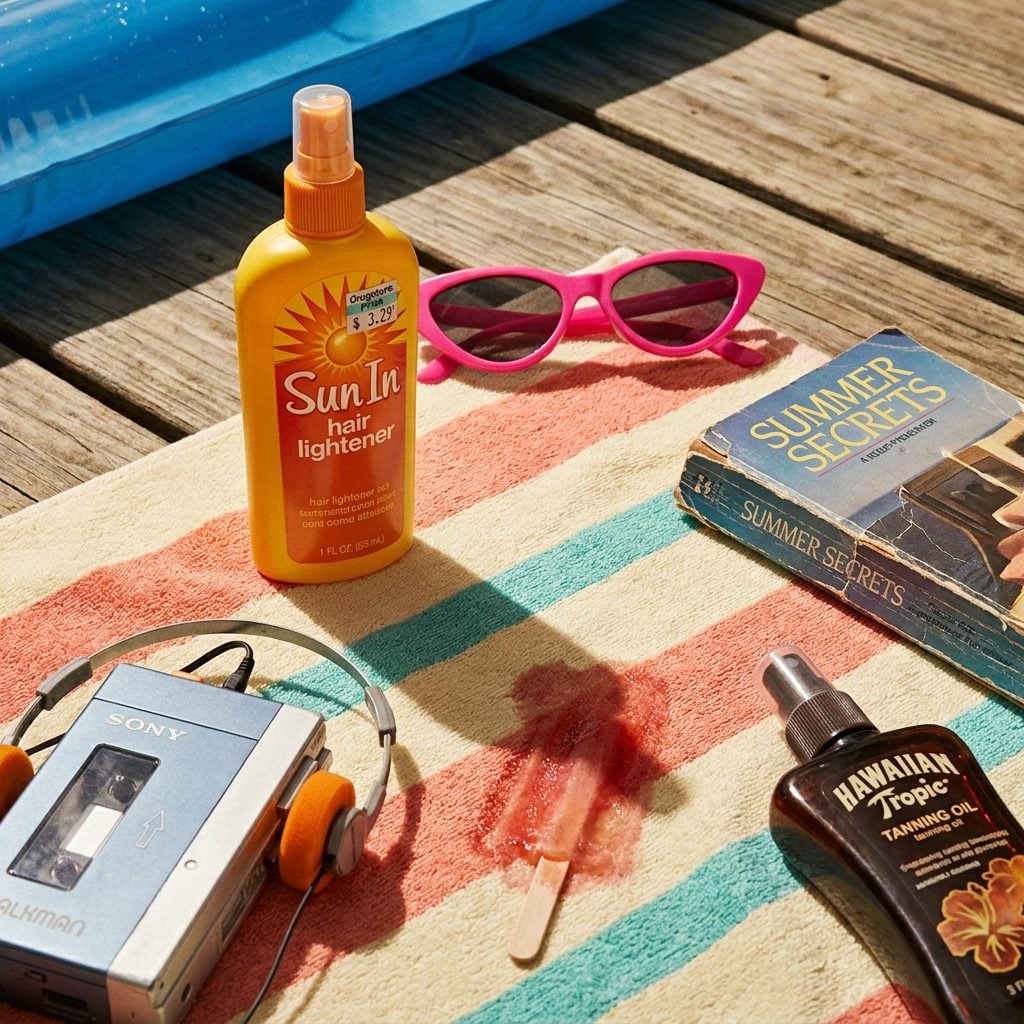
Three dollars and change bought possibility in a yellow spray bottle. The old $3.29 estimate is difficult to tie to one definitive 1986 ad, but it sits comfortably inside the prices mass-market hair treatments were commanding.
Mist it onto your bangs, find some sunshine and wait for California blonde to occur.
What occurred depended heavily on the hair underneath. Peroxide-based lightening can expose warm red and orange pigments, which is why brunette experiments so often traveled through brass on the way to somewhere else. Pool-related green tones were a separate problem, often involving metals such as copper depositing on light hair.
None of this prevented another teenager from standing on the porch with damp bangs and enormous optimism.
A bottle today can range from roughly $4 to $8 depending on version and retailer. The price moved upward. The spray still cannot guarantee that your idea of blonde and your hair’s idea of blonde are remotely related.
1. Estée Lauder Youth-Dew Bath Oil: Around $22 for the Product That Changed Who Was Allowed to Buy the Fragrance
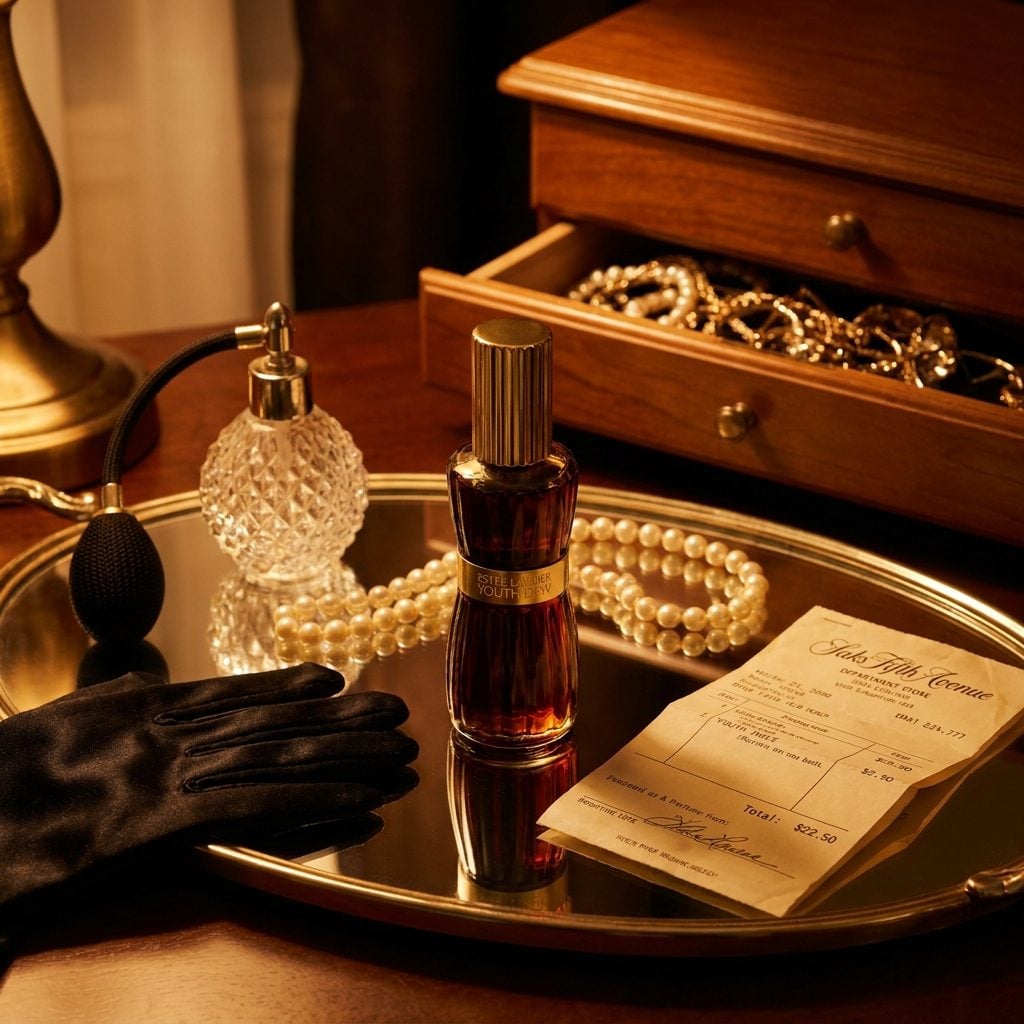
By the mid-1980s, Youth-Dew lived near the expensive end of this bathroom shelf. Roughly twenty-two dollars is a useful benchmark, not a claim that every Estée Lauder counter in America rang up the same total.
It also carried a story much older than the decade.
Estée Lauder introduced Youth-Dew in 1953 as a scented bath oil at a time when perfume was still commonly treated as something a man bought for a woman. Bath oil gave women a more ordinary reason to purchase fragrance for themselves. The strategy worked spectacularly.
Three decades later, that dark amber bottle was still unapologetic. A capful in the bath could scent the room, the hallway and possibly portions of the adjoining ZIP code. Youth-Dew did not arrive quietly. Quiet was somebody else’s department.
Youth-Dew Bath Oil now costs about $50 direct from Estée Lauder. The sticker more than doubled, but the product still occupies the same unusual territory between fragrance, bath ritual and unapologetic olfactory announcement.
And that’s a useful place to end this particular receipt. The 1980s beauty aisle wasn’t remarkable simply because so many prices now look low. Women still measured those prices against paychecks, allowance money and hours on the clock. A Sunday circular could change the number, bottle size could change it again, and prestige counters operated by their own mysterious laws. What lasted was the permission to choose: dollar lipstick, eighteen-dollar soap, twenty-dollar bath oil, whatever version of getting ready felt worth paying for.