❤️ Would you like to save this?
Corporate dressing in the 1980s came with an impressive number of ways for a woman to be wrong. Too colorful could mean unserious. Too fitted could mean distracting. Too soft could mean weak. Borrow too heavily from menswear and suddenly femininity became the concern. Show up in a skirt and there were still questions about the hem, the slit, the hosiery, the shoes, the fabric, the jewelry, and apparently whether your knees had received prior authorization.
Much of the era’s dress-for-success advice treated clothing as professional camouflage. Dark skirt suits, restrained blouses, sensible pumps, controlled accessories, and as little room for interpretation as possible made up the safest uniform. Women entering offices built around male standards of authority were expected to look powerful without looking aggressive, polished without looking vain, feminine without looking sexual, and fashionable without appearing interested in fashion. That was not a dress code so much as a maze.
These 26 AI fashion scenes revisit the clothes that could test those boundaries, from trouser suits and commuter sneakers to wrap dresses, knee-high boots, bright tailoring, bare legs, and an earring audacious enough to move when its owner turned her head. They are not recreations of specific documented women or incidents. They are visual studies of the kinds of professional rules, conventions, and double standards that shaped the period—and of how remarkably ordinary most of the supposed offenses look now.
FYI, thanks to AI imagery software, we’re able to create very specific fashion and hairstyle examples to illustrate the points being made. In some cases, imagery is exaggerated to hammer home the point. Also, assume links that take you off the site are affiliate links such as links to Amazon. this means we may earn a commission if you buy something.
26. When Trousers Could Turn an Ordinary Workday Into a Statement
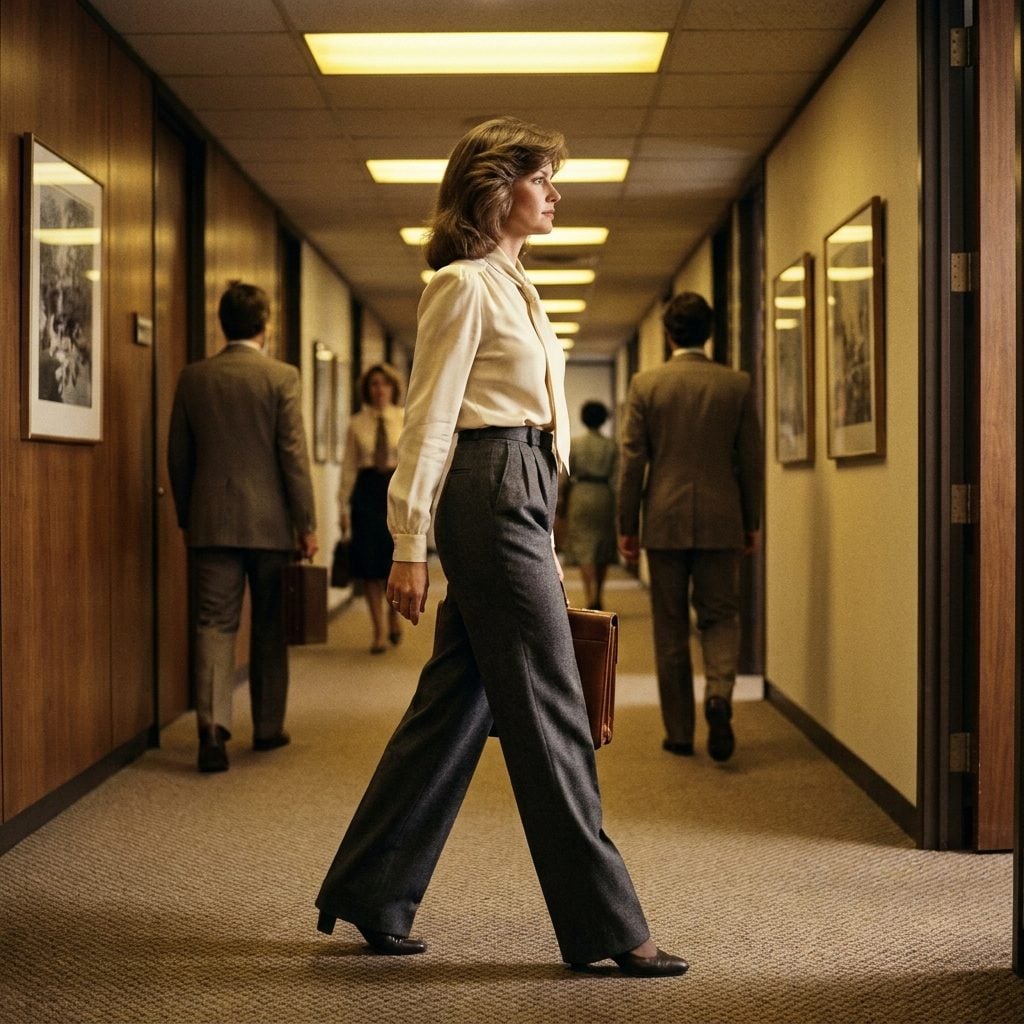
Nothing about this charcoal suit is trying to rebel. The trousers are high-waisted and beautifully cut, the blazer matches, and an ivory silk blouse softens the dark wool. Low pumps finish the kind of outfit that would barely register in a professional office today.
That was precisely the absurdity. In conservative workplaces, trousers on women could still carry more meaning than the woman wearing them intended. A skirt suit blended into the accepted corporate vocabulary; the trouser version could be interpreted as challenging it.
What Our Readers Say
- Times have changed: asked which workwear outfit they would buy, 69% of ThreadCurve readers chose blazer and trousers, well ahead of a dress or a knit and skirt.
From ThreadCurve reader polls and votes.
25. Menswear Tailoring Worked Until a Woman Wore It Too Convincingly
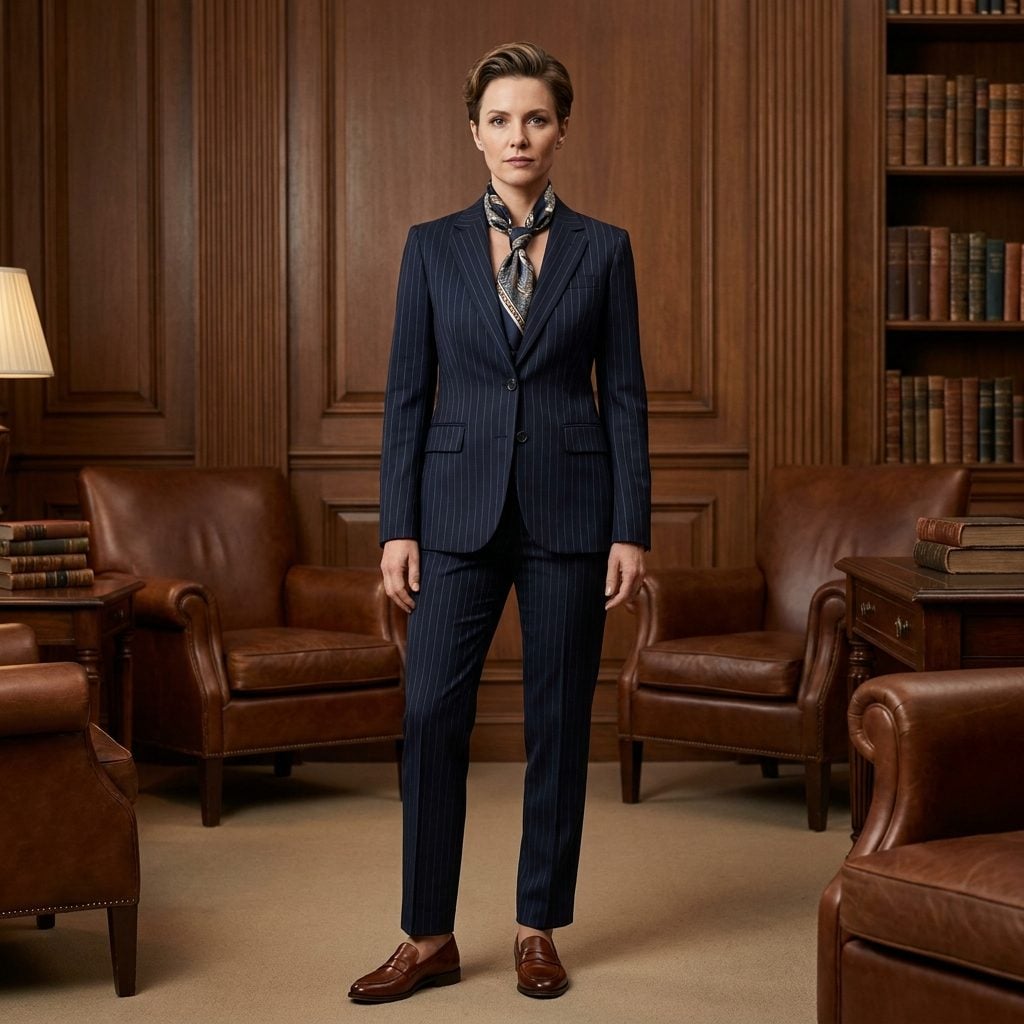
Pinstripes, pleated trousers, loafers, a long blazer, even a burgundy silk scarf knotted with the suggestion of a tie—the look takes the familiar language of male executive dressing and refuses to dilute it.
That created one of the era’s more impressive no-win situations. Women were encouraged to borrow the structure and sobriety associated with male authority, then risked being judged as unfeminine if they embraced those codes too completely.
The oxblood loafers may be the best part. Pumps would have made the outfit more conventionally feminine. The loafers leave the tailoring alone and let it speak with its original accent.
24. Commuter Sneakers Let Her Feet Refuse the Corporate Dress Code Before 9 A.M.

Pumps in the bag, sneakers on the pavement. Women who walked or relied on public transit figured out the practical logic long before office etiquette caught up.
The charcoal pinstripe suit remains completely conventional above the ankle. That is what makes the white sneakers so visually satisfying: function intrudes on the uniform exactly where function is needed.
Commuter sneakers became an unmistakable part of the working-woman image during the decade. Once she reached the office, the pumps might still come out of the tote. On the sidewalk, comfort had already won the argument.
Today the commuter logic has won outright: in our reader polls, about half of readers named sneakers as their daily shoe, ahead of flats and low heels.
23. A Brilliant Red Suit Refused to Disappear Into the Boardroom
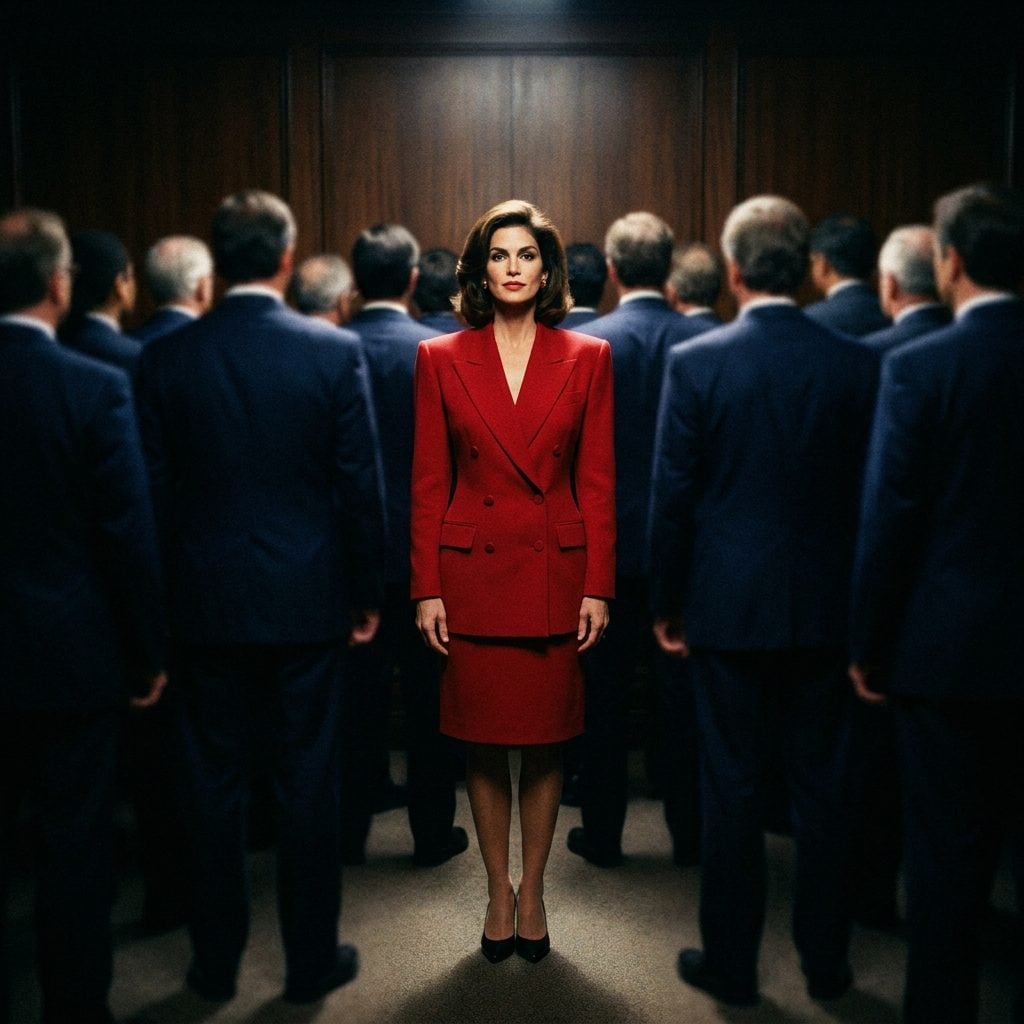
The cut could hardly be more conservative: tailored jacket, knee-length skirt, ivory blouse, pearls, moderate heels, briefcase. Change the fabric from charcoal to true red and suddenly the woman becomes impossible to overlook.
That visibility was exactly what conservative professional dressing often tried to manage. Dark neutrals allowed a woman to enter the room without appearing to demand it. Red declined the bargain.
22. Two Open Buttons Could Apparently Undo an Entire Résumé
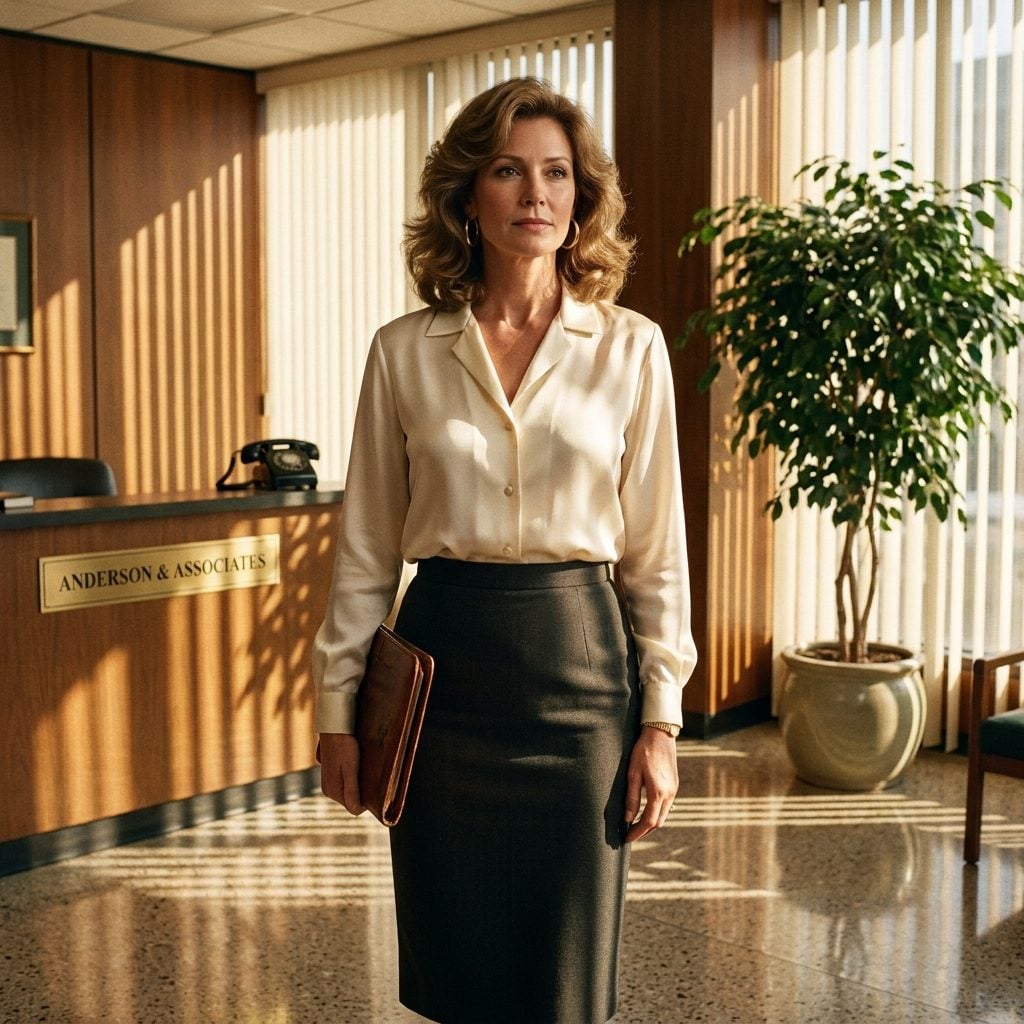
Two buttons undone. Collarbone visible. Nothing remotely scandalous by any rational measure.
The ivory silk blouse looks better for the loosened neckline because the opening relieves the severity of the charcoal pencil skirt below it. The tailoring remains crisp; the woman simply looks comfortable inside it.
In a culture that associated professional seriousness with controlled, buttoned-up presentation, even that small gesture of ease could feel like refusing part of the uniform.
21. A Burgundy Leather Skirt Made Texture Look Suspiciously Interesting
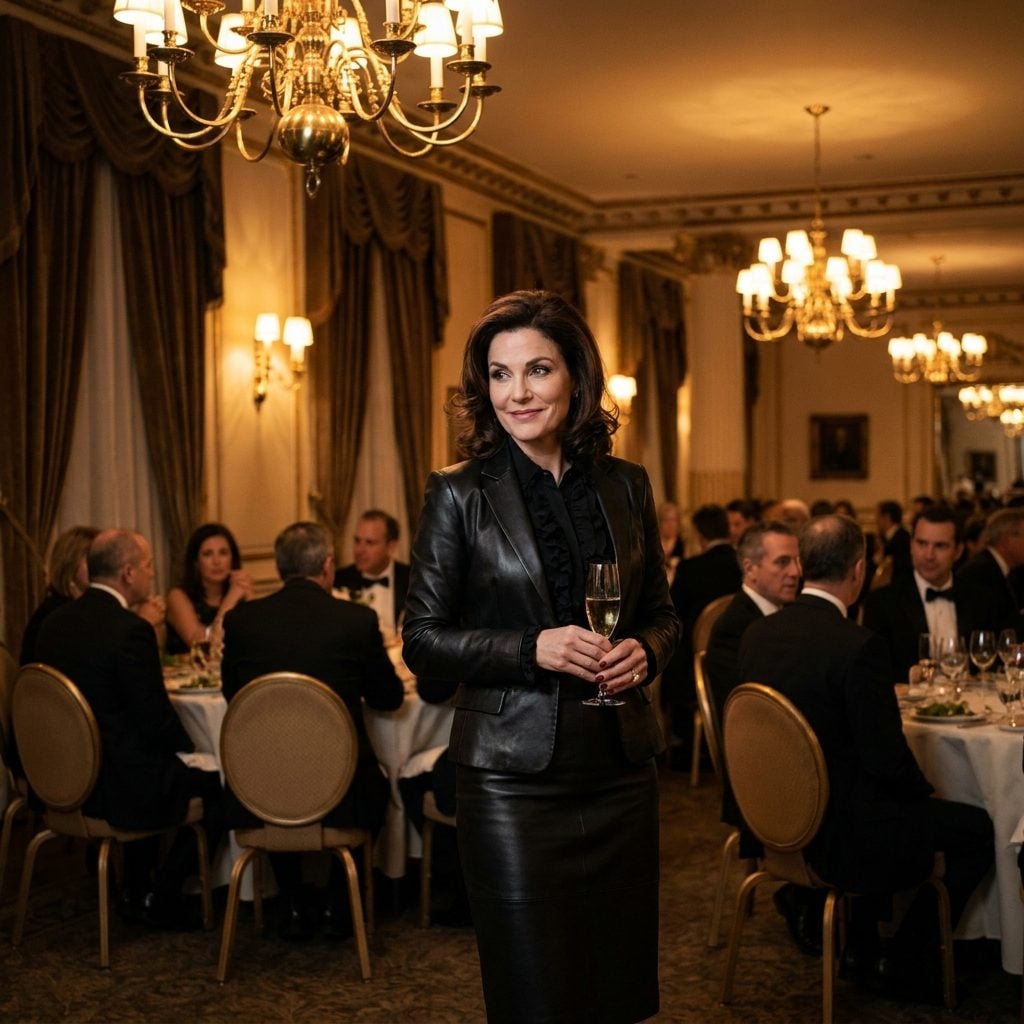
Take the same knee-length silhouette everyone accepts in wool and make it burgundy leather. Suddenly the material has opinions.
The low sheen catches light in a way flat suiting does not, which gives the outfit its character. A cream silk blouse and pearls pull the styling firmly toward professional territory while letting the skirt remain unmistakably fashionable.
That was often enough to create tension. A serious woman could be well dressed; appearing visibly interested in clothes was another matter.
20. The Sleeveless Blouse Was Fine Until the Blazer Came Off
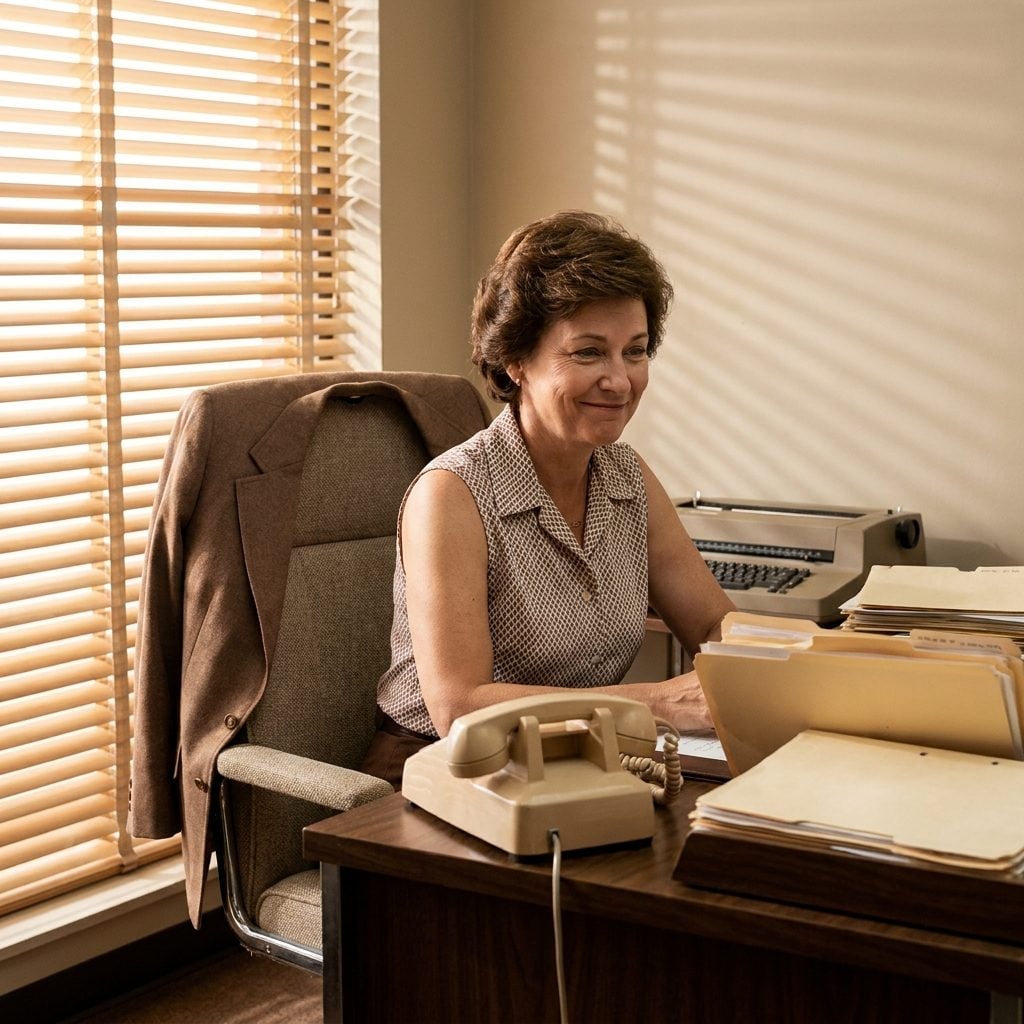
Ivory fabric, high neckline, navy A-line skirt, everything tucked and pressed. Then summer arrives, the blazer comes off, and suddenly two perfectly ordinary upper arms become a professional issue.
The blouse is actually more conservative than plenty of long-sleeved alternatives. What changes is not the amount of tailoring or polish but the category of skin being exposed.
That distinction looks especially peculiar now. The outfit is crisp, cool, and entirely office-ready. The controversy existed several inches above the elbow.
19. Powder Blue Tested Whether Authority Really Had to Come in Navy
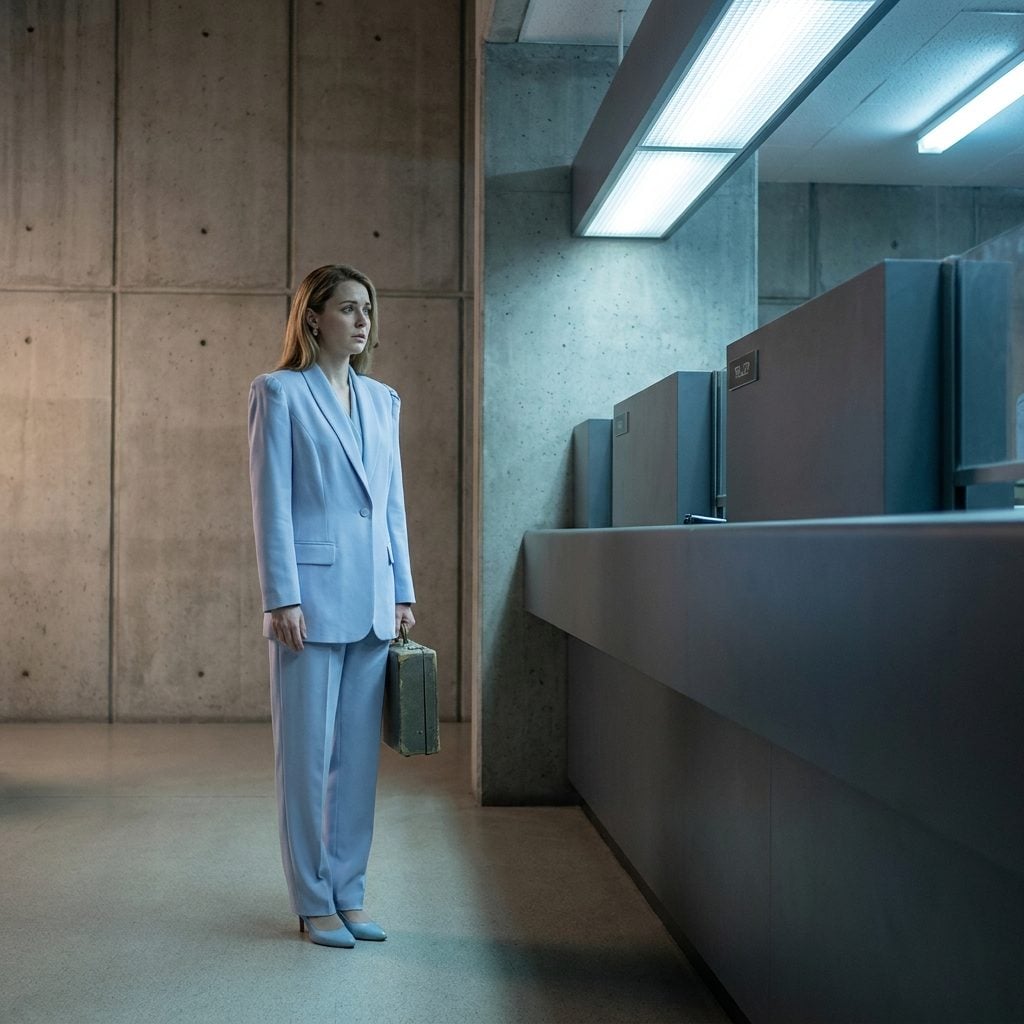
The tailoring follows every conservative rule that should matter: knee-length skirt, structured jacket, ivory blouse, pearls, restrained shoes.
Then someone made the suit powder blue.
Professional advice of the era frequently treated dark blue, gray, beige, and other restrained neutrals as safer choices than conspicuous brights or soft pastels. The strange implication was that seriousness somehow had a color chart.
18. The Walking Slit Was There Because Human Knees Bend
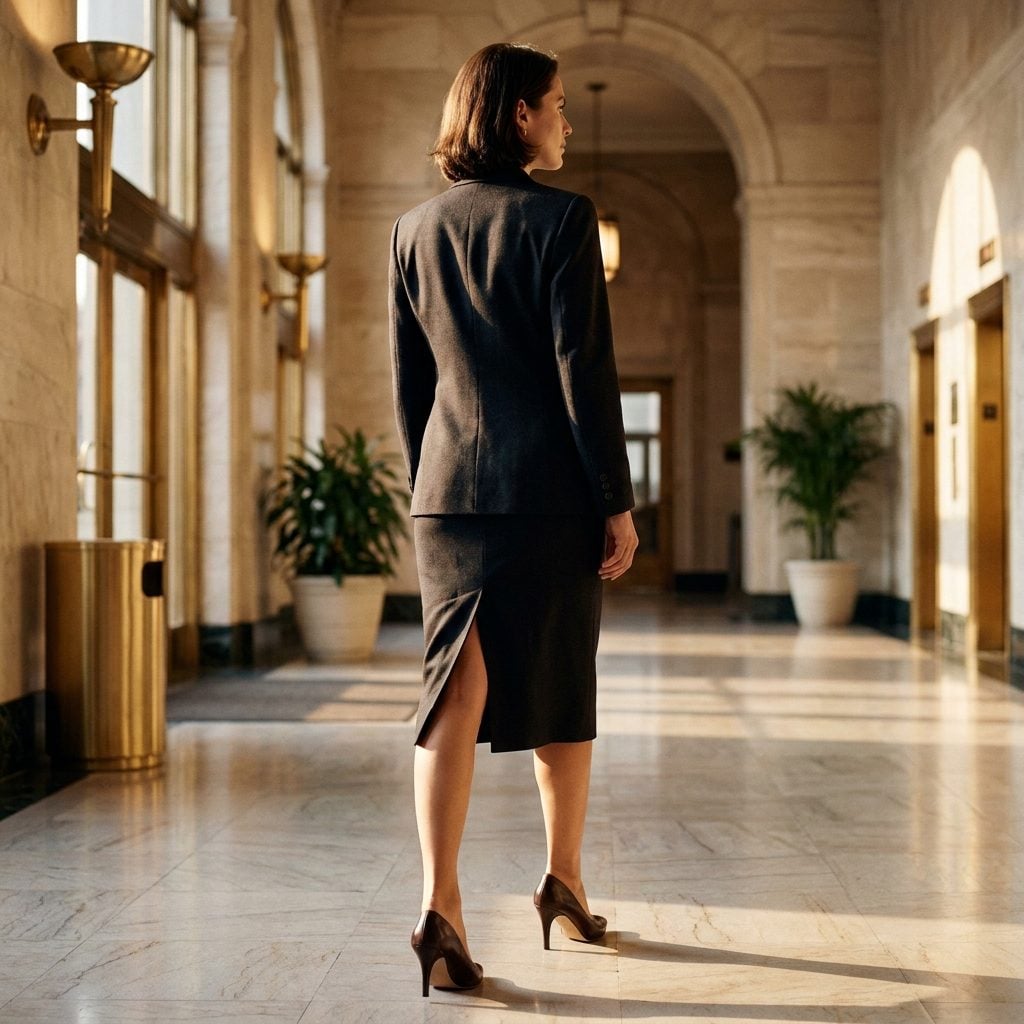
A pencil skirt needs enough room for a stride. That is engineering, not seduction.
The forest-green suit makes the point beautifully because everything else is disciplined: saturated but serious color, sharp jacket, controlled jewelry, clean pumps. The slit merely lets the skirt do what clothing is supposed to do when the wearer walks across a room.
17. A Ribbed Knit Dress Brought Softness Into a Room Full of Woven Armor
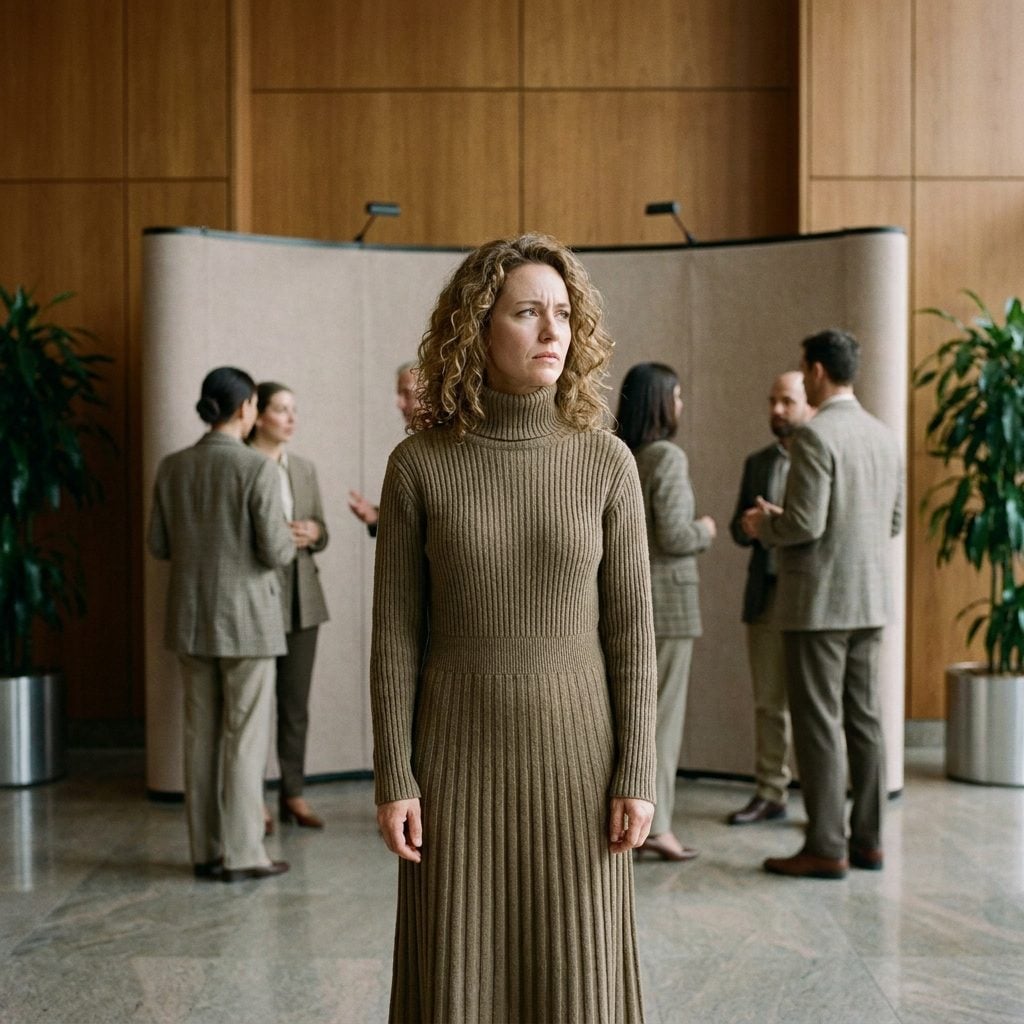
The plum dress is restrained by almost every measure: high neckline, long sleeves, narrow belt, below-the-knee length. What separates it from corporate suiting is the fabric.
Ribbed knit moves with the body and catches light along its texture instead of holding a rigid tailored shell around it. That softness could collide with an office culture that equated structure with seriousness.
Silver geometric studs and a gray structured handbag sharpen the styling without trying to disguise what the dress is.
16. White Shoes After Labor Day Somehow Made It All the Way Into Office Etiquette
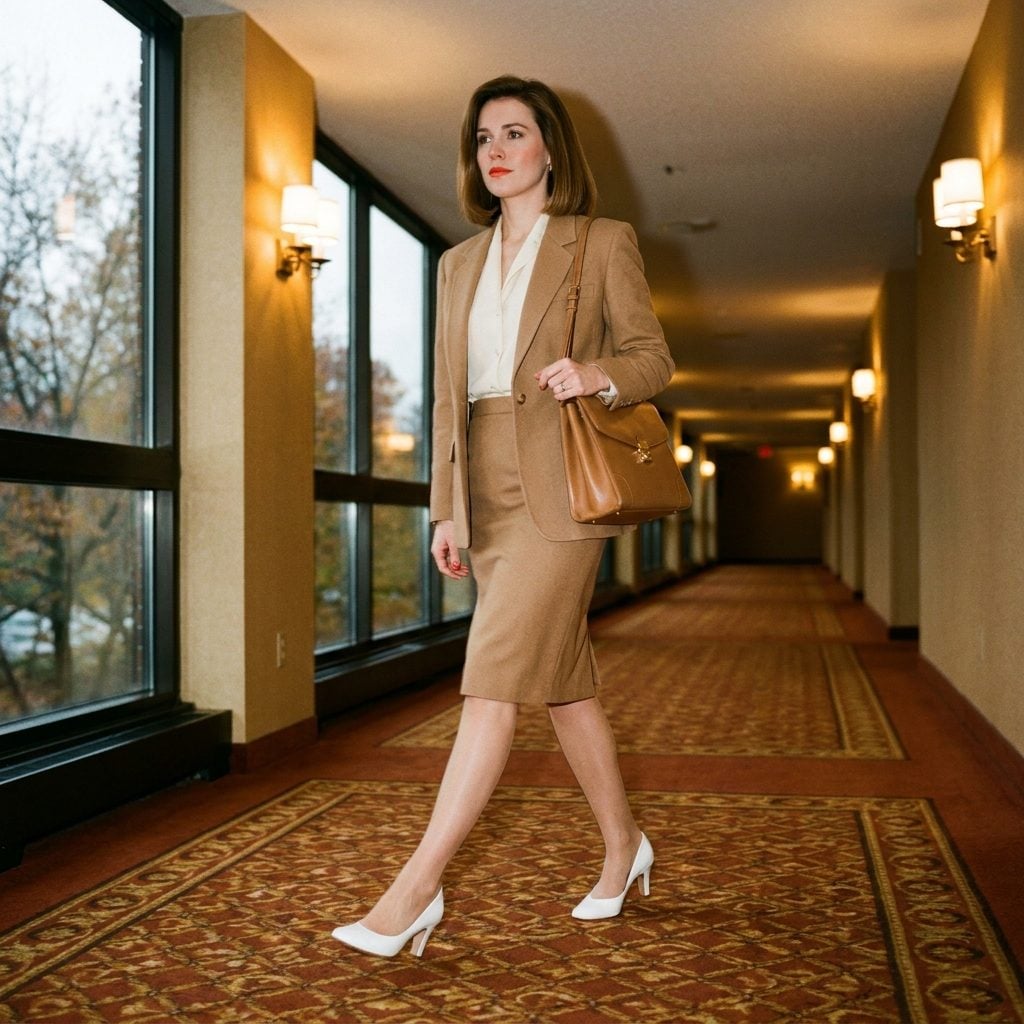
Seasonal fashion rules have always had a remarkable talent for presenting preference as law. White shoes after Labor Day became one of the most durable examples.
Against a camel wool suit, the white pump creates a crisp break from the expected autumn palette. That friction is precisely what makes the combination look intentional now.
A tan leather handbag reconnects the shoes with the suit’s warmth without neutralizing them.
A seasonal shoe rule is just etiquette that forgot it was optional.
15. A Fitted Sweater Could Be More Controversial Than the Work Done While Wearing It
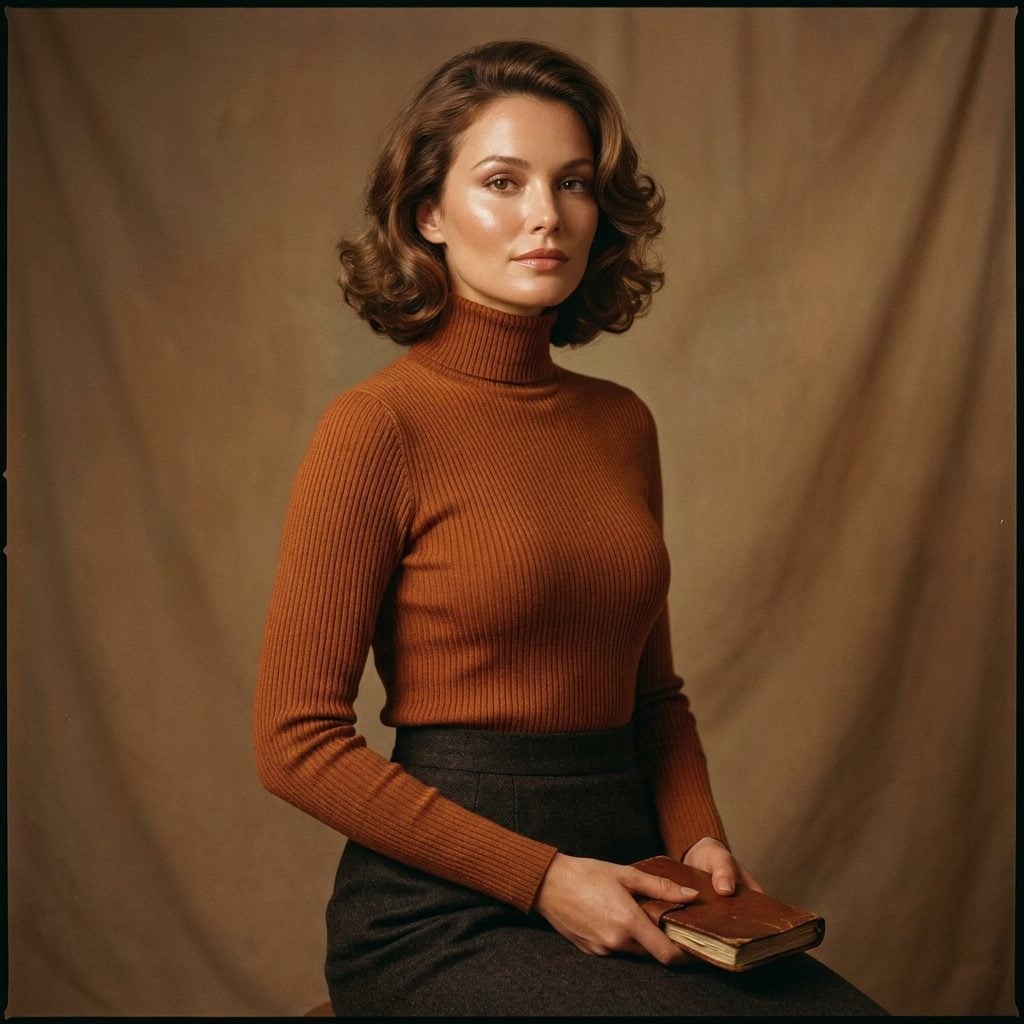
Fine-gauge rust knit tucked into a charcoal skirt: straightforward, polished, and apparently guilty of acknowledging the shape underneath it.
The styling works because the textures oppose each other. Soft knit meets structured wool; warm rust sits against cool charcoal. Neither needs a blazer to explain that the woman is dressed for work.
The fine knit has more than outlived its reputation, since nearly three out of four of our readers picked fine over chunky when asked about knit weight.
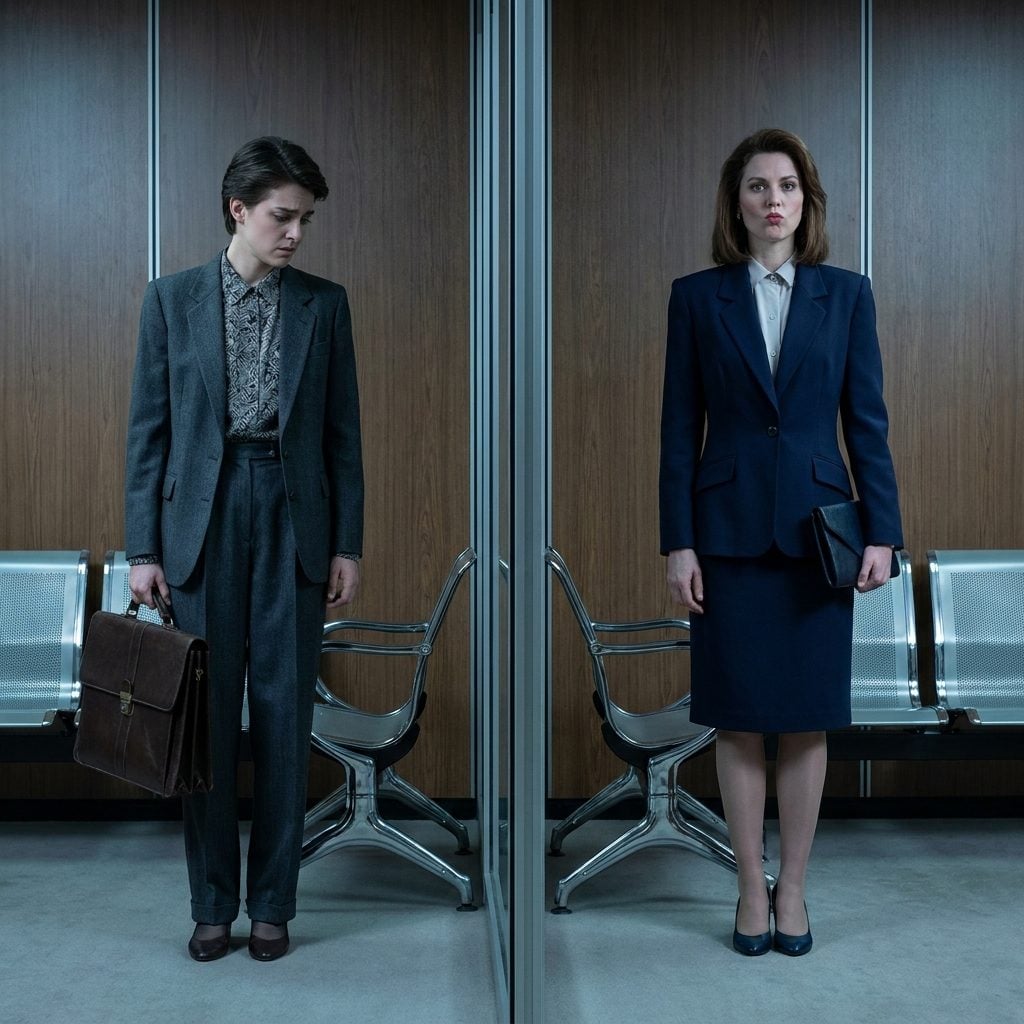
14. Trousers at the Interview Raised the Stakes on an Otherwise Perfect Suit
❤️ Would you like to save this?
Interview dressing magnifies every uncertainty because nobody wants their clothes to become the story before they have answered the first question.
This navy trouser suit leaves very little else to question. Matching jacket, ivory blouse, pearls, leather portfolio, burgundy low-heel pumps. The pleated trousers are the only part departing from the safest skirt-suit formula.
That is what distinguishes this look from the earlier everyday trouser suit. At an interview, conservative dress advice carried extra weight because the woman had not yet earned the luxury of being known for anything except first impressions.
13. Stirrup Pants Took the Gym Reference Straight Into Networking Hour
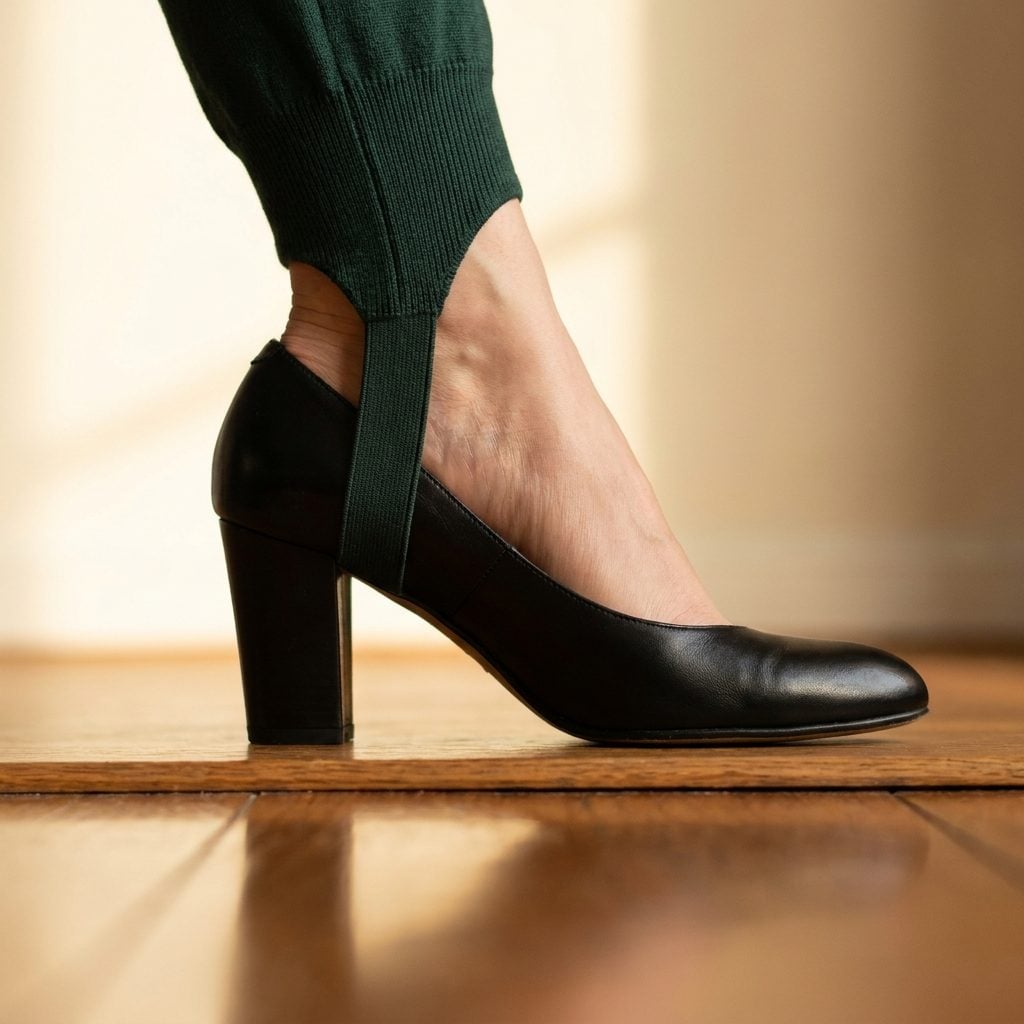
Those straps under the arch of the foot carry more 1980s memory than almost any other trouser detail.
Here, slim black stirrup pants sit beneath a long cobalt tunic with cream silk at the collar and sculptural gold earrings. The proportions are deliberate: volume above, narrow line below, enough length in the tunic to make the outfit feel dressed rather than gym-bound.
That was the gamble. Stirrup pants were associated strongly enough with exercise and casual fashion that moving them into a formal professional setting could make the garment itself the conversation.
12. A Body-Skimming Green Dress Refused to Pretend the Body Wasn’t There
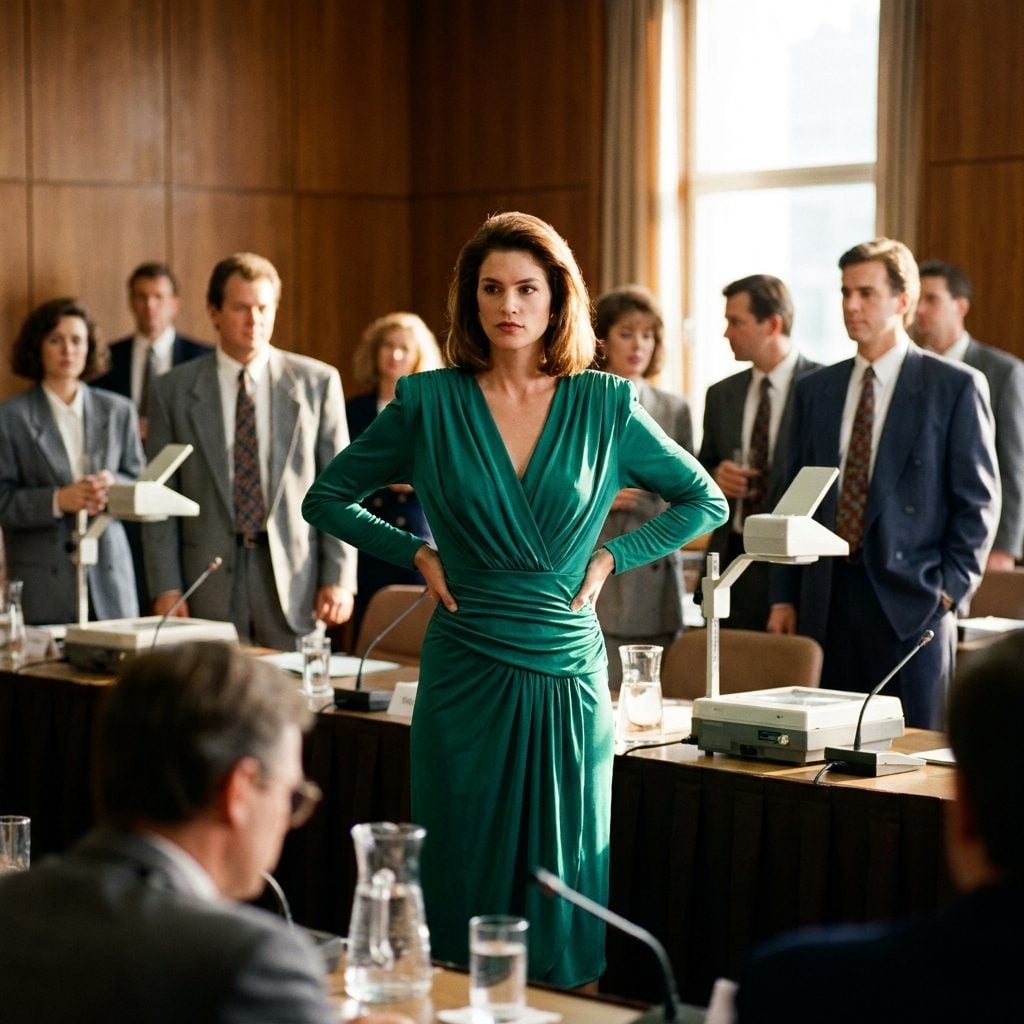
The emerald dress covers almost everything: high neckline, long sleeves, near-knee hem. What it refuses to do is turn the wearer into a rectangle.
Jersey follows the body’s shape while a narrow belt defines the waist. Nothing is exposed; the silhouette simply admits that a woman is inside the clothes.
That distinction mattered in an environment where hard shoulders and boxier tailoring could function almost like professional armor. This dress offers authority without the armor.
11. Cobalt Asked Whether Standing Out Was Really the Same as Showing Off
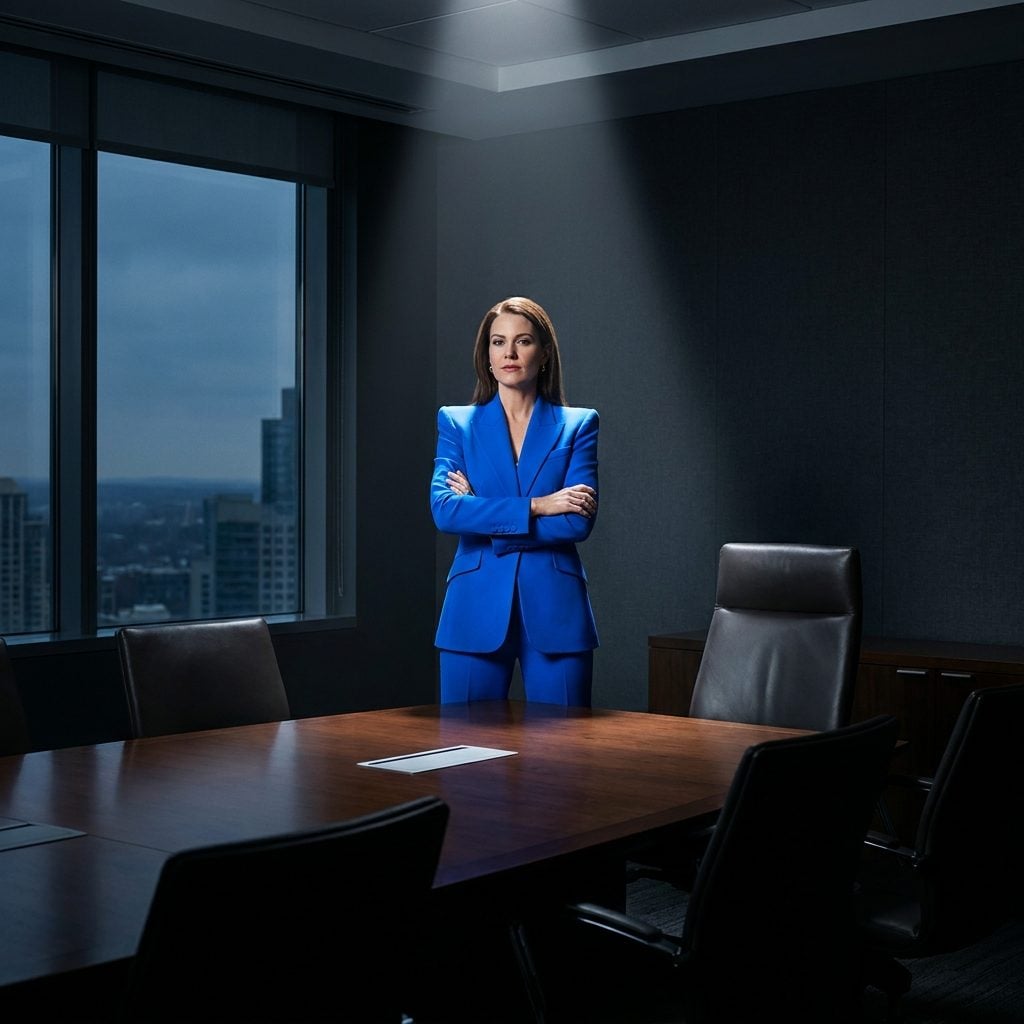
Cobalt occupies a different territory from the earlier red suit. Red is hot and confrontational; this blue remains close enough to traditional corporate navy to expose how arbitrary the boundary can be.
In a room of charcoal and dark blue, the brighter suit becomes the visual center before anyone has spoken. That is salience, not evidence of personality or competence.
10. A Soft Cardigan Jacket Challenged the Idea That Authority Needed Shoulder Pads

A collarless cream-and-black knit jacket brings polish without the rigid architecture of a traditional blazer.
The skirt remains clean, the brooch adds a controlled glint of gold, and the entire outfit looks composed. What disappears are the hard shoulder, stiff lapel, and woven suiting fabric that had become shorthand for professional armor.
The quiet provocation is structural rather than decorative: she looks prepared to lead without dressing as though she expects impact.
9. A Skirt a Little Above the Knee Turned the Ruler Into Management
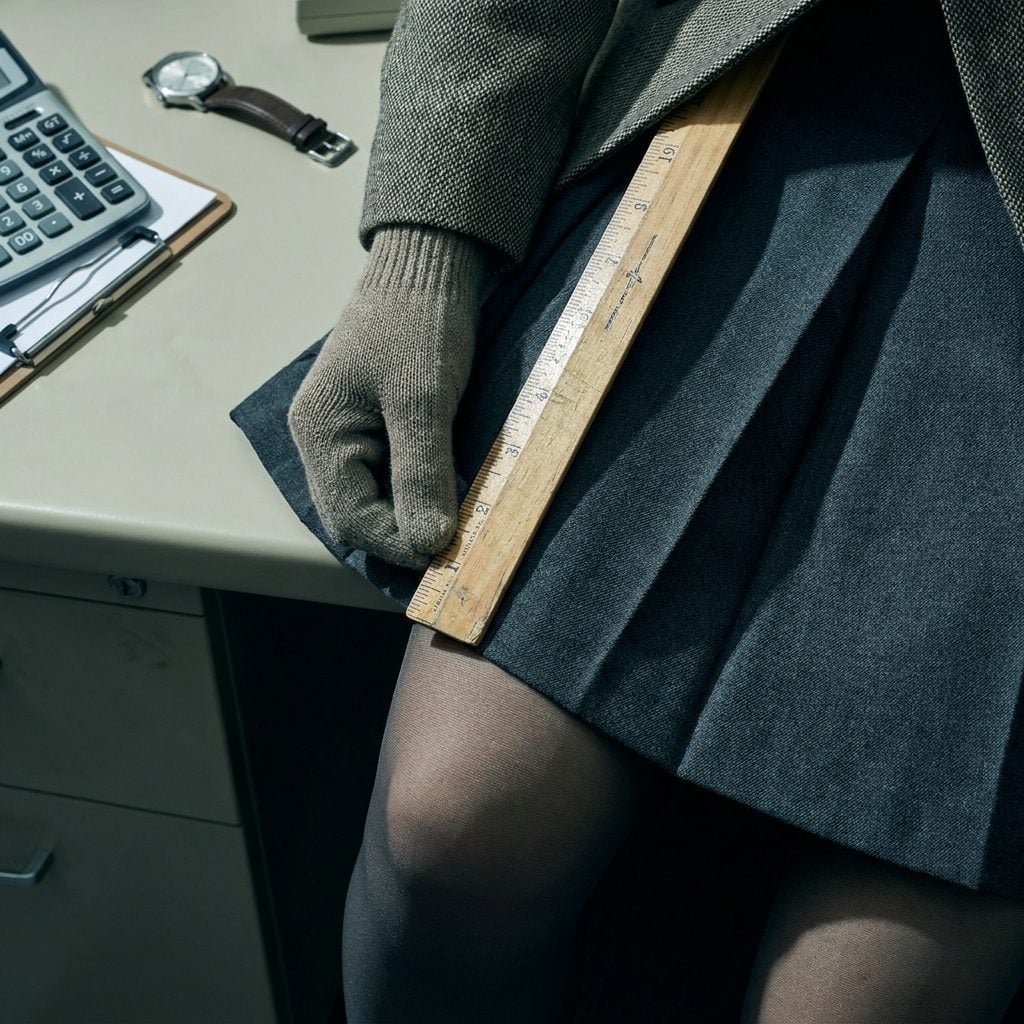
Even a skirt only modestly above the knee could attract attention in a conservative workplace.
The burgundy suit makes the scrutiny look especially ridiculous. Jacket and skirt form a near-oxblood column, with an ivory shell, taupe heels, and small geometric earrings supplying all the restraint anyone could reasonably request.
The perceived infraction comes down to a little extra knee. Once professional judgment reaches that level of measurement, the clothing is no longer doing much of the talking.
8. The Ad Agency Wanted Creativity Right Up Until She Wore Some

Emerald jacket, abstract-print blouse, asymmetric skirt, sculptural resin earrings. Nothing about the outfit is chaotic; it simply has a point of view.
That creates a delicious contradiction in a creative workplace. Companies could sell originality to clients while still expecting employees—especially women seeking authority—to demonstrate taste within narrow boundaries.
Black leather ankle boots settle the drape and keep the outfit sharp. The clothes communicate judgment, which is rather useful in a business built on communication.
7. The Wrap Dress Was Professional Until Somebody Noticed It Fit
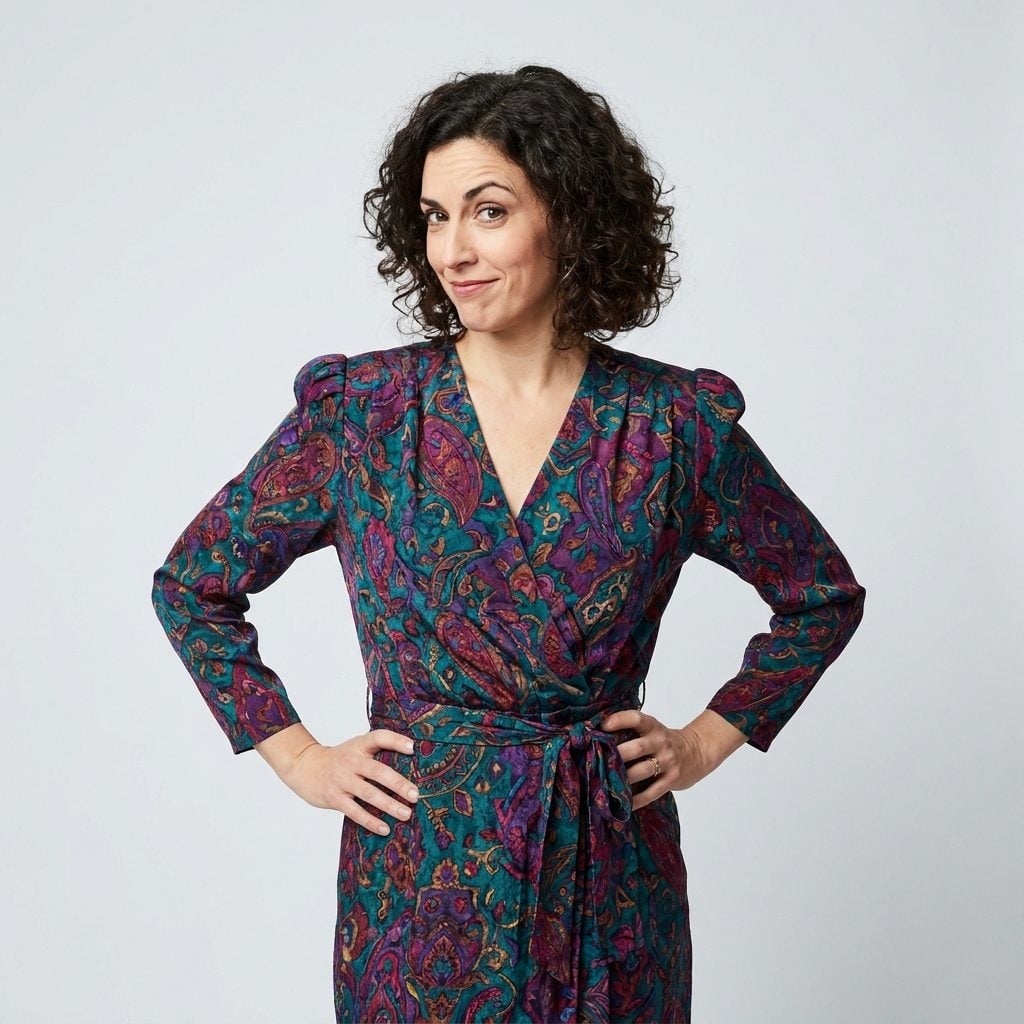
Long sleeves. Knee-length hem. A neckline entirely suitable for a business lunch. The supposed complication is the waist.
A wrap dress follows the body’s own lines rather than suspending a box of suiting around them. Burgundy leather pumps and small gold earrings keep the styling restrained while the diagonal closure gives the dress its shape.
6. Knee-High Boots Chose Dry Feet Over Office Mythology

Rain, cold, slush—none of them care about the pump requirement.
Polished knee-high leather boots sit beneath a camel wool skirt and forest-green blazer, giving the outfit a richer fall texture than another pair of office pumps ever could.
The low stacked heel is practical without becoming rustic, and the dark leather ties the earthy palette together.
5. Looking Too Expensive Created a Whole New Way to Be Wrong
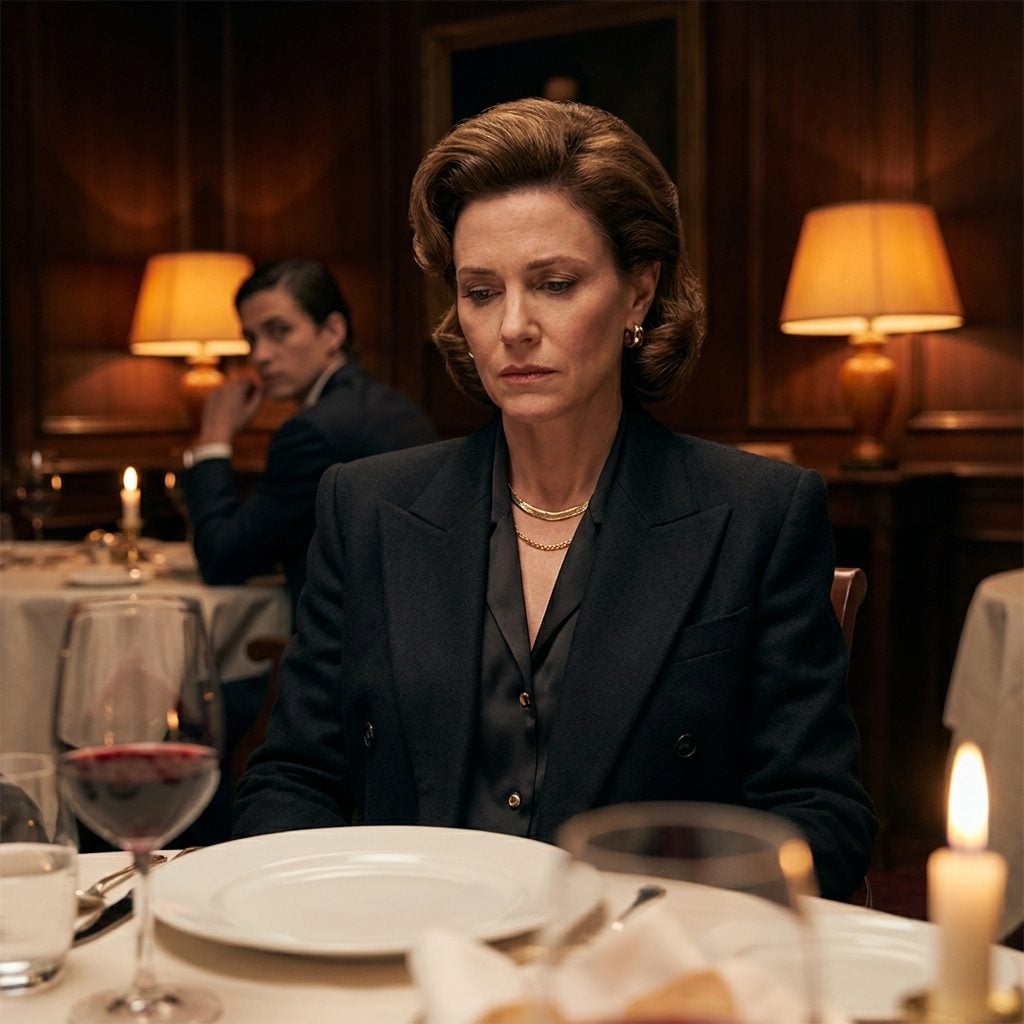
Professional women were often asked to perform an extraordinarily narrow version of polish: enough effort to look credible, not so much that the effort itself became visible.
The ivory jacket with black piping, silk blouse, controlled chignon, black-and-cream pumps, and gold-and-black earrings all belong to the same disciplined vocabulary. Nothing is excessive except the quality.
A man in an expensive suit could look ambitious. A woman in one could be asked why she cared so much about clothes.
That double standard widens the gallery’s argument. The problem was not always wearing the wrong thing. Sometimes it was wearing the approved thing too well.
4. Bare Legs at the Interview Made Hosiery Somehow Feel Like a Qualification
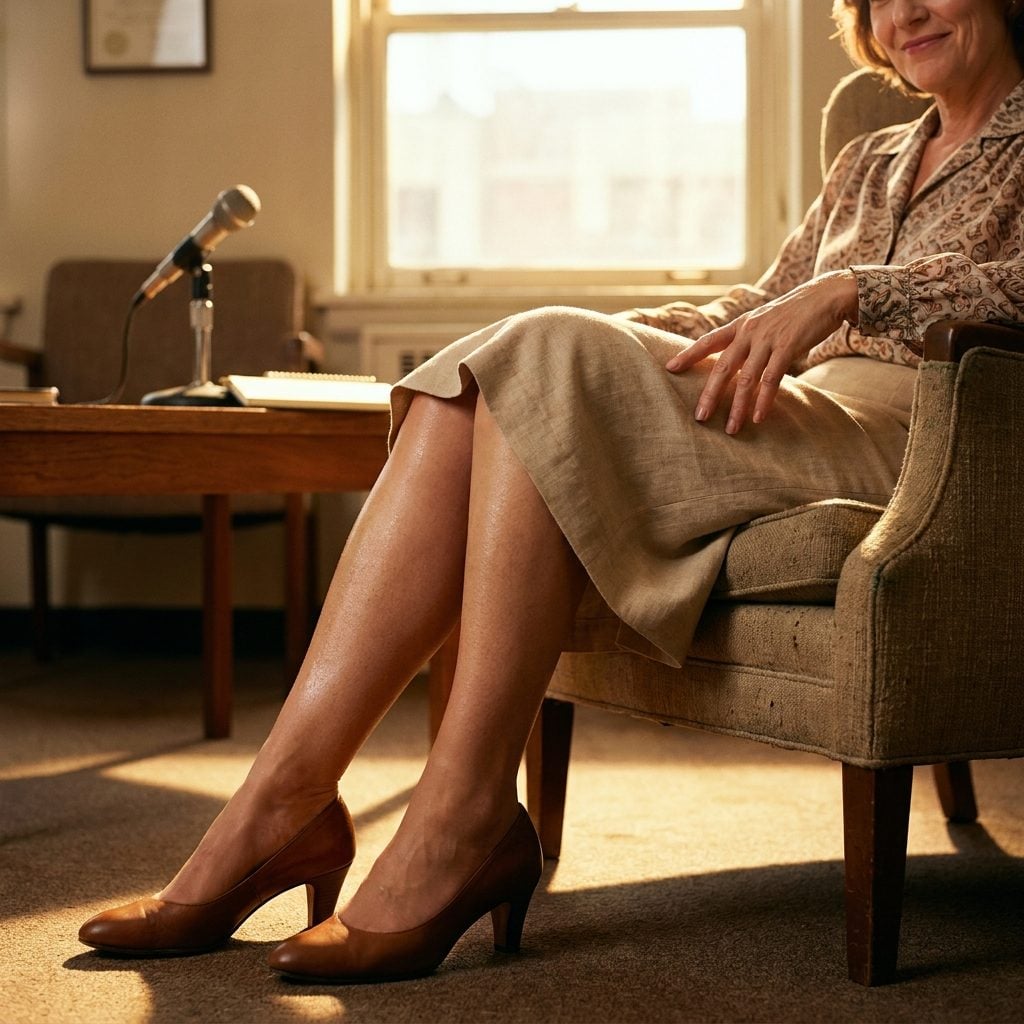
Cream blouse, navy blazer, knee-length skirt, closed-toe pumps, résumé ready. By any useful definition, she is prepared.
The missing element is pantyhose.
For much of the period, hosiery remained part of conservative professional dress, particularly in interviews and formal offices. Skipping it could be interpreted as casual even in sweltering weather.
The brown closed-toe pumps and neat tailoring make the absurdity obvious now. Nylon had nothing to do with whether she could do the job, but etiquette rarely asks permission from logic.
3. Dangling Earrings Reduced Professionalism to an Inch and a Half of Gold
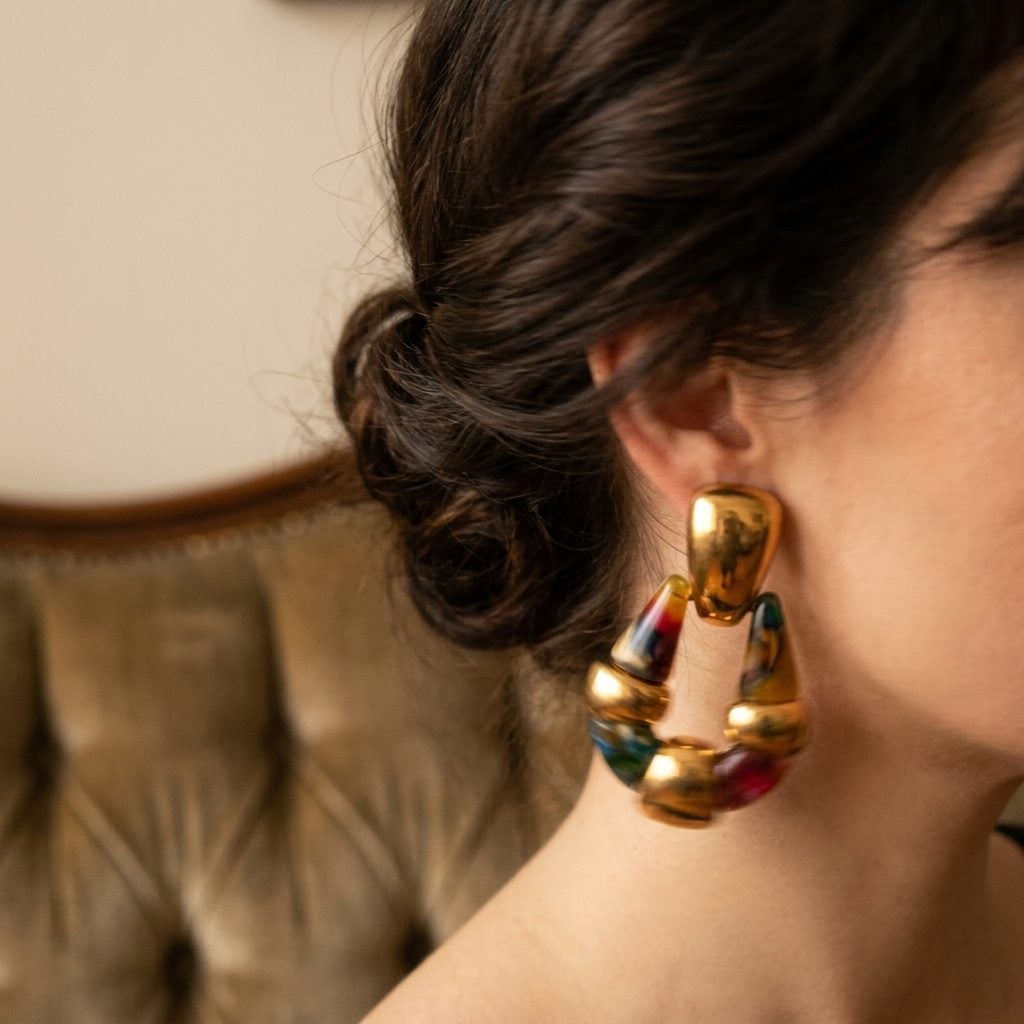
The suit is almost aggressively respectable: charcoal pinstripe, white blouse, hair pulled back, black pumps.
Then the earrings move.
A tasteful pair of gold geometric drop earrings catches the light whenever she turns her head, which is precisely what jewelry is designed to do. In highly conservative professional environments, even that small amount of movement could be treated as more decorative than studs.
By this point the rules have become microscopic. First trousers. Then color. Then knees. Now an earring has been summoned for questioning.
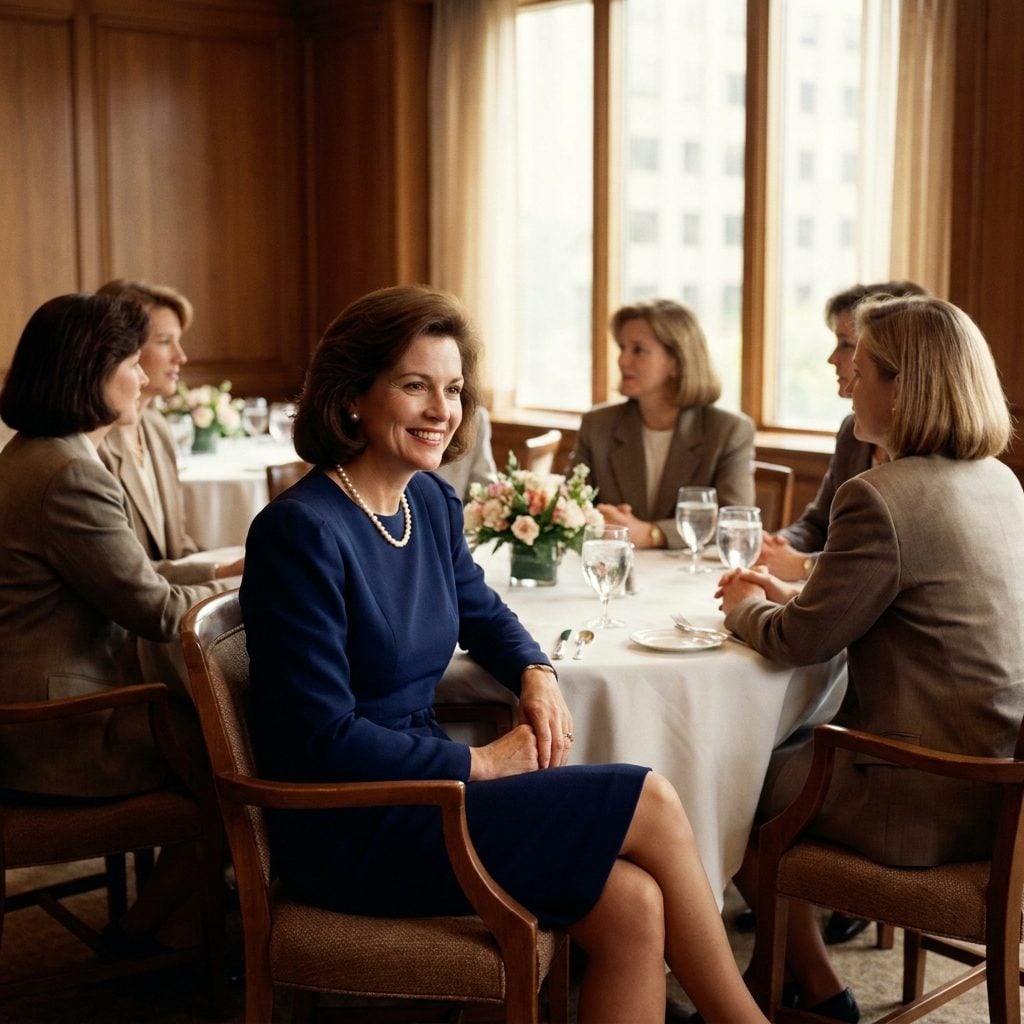
2. Sometimes the Offense Was Simply Wearing a Dress Without Its Matching Jacket
❤️ Would you like to save this?
This teal crepe dress is not especially soft, sexy, experimental, or casual. That is why it earns a place this late in the gallery.
Long sleeves, modest neckline, defined waist, pearls, cream clutch: everything is conventional except the absence of a matching jacket.
The distinction shows how deeply the skirt suit had become associated with female corporate authority. A dress could be perfectly formal and still appear one layer short of the uniform.
1. A Soft Rose Dress Reveals Why There Was Never a Perfectly Safe Answer
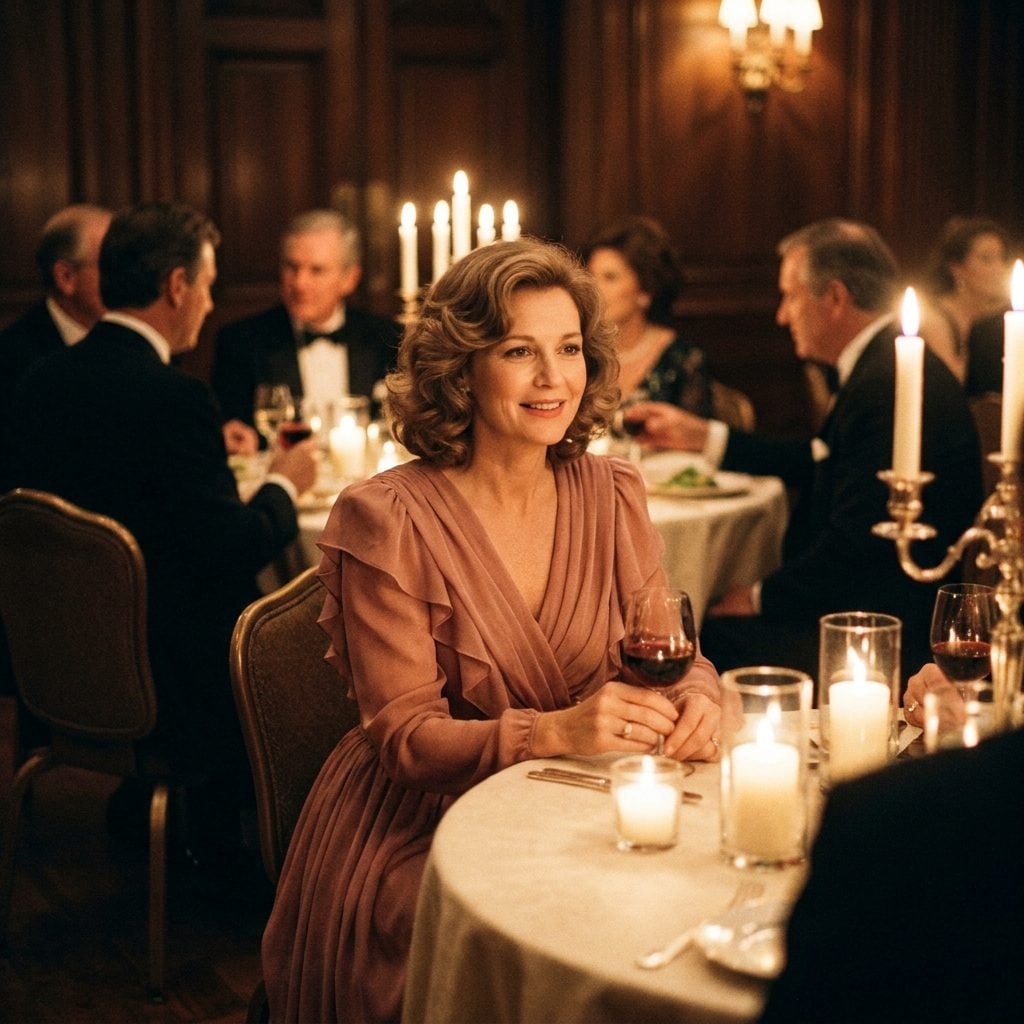
Dusty rose, soft neckline, pearls, taupe pumps: a polished dress for a professional dinner, unmistakably feminine and entirely appropriate.
And that is where the contradiction finally closes.
Borrow menswear too directly and a woman could be judged insufficiently feminine. Wear something soft and feminine and the same culture could interpret that softness as insufficiently authoritative. Choose a dark suit and disappear. Choose a bright one and attract too much attention. Wear a skirt, then defend the hem. Wear trousers, then defend the trousers.
The clothes were being asked to solve a problem that clothes had not created.
Across these 26 looks, the supposed offenses range from major departures from the corporate uniform to details so small they now sound satirical: a trouser leg, a bare arm, a white shoe, a walking slit, a pair of boots, a swinging earring.
The through line is not that every office enforced every rule or that every woman experienced them in the same way. Industries, cities, employers, and workplaces varied enormously. What endured was the pressure to make clothing communicate competence while navigating a set of expectations that could contradict one another from one room to the next.
Four decades later, most of these outfits simply look like clothes a capable woman might wear to work. That may be the sharpest before-and-after in the entire gallery.