
❤️ Would you like to save this?
Twenty dollars could carry a surprising amount of a 1990s mall afternoon. Catch a matinee, grab something at the food court, wander through the music store, and there might still be enough left for a cheap accessory before somebody’s mom came back to pick you up.
The prices look tiny now, but the paychecks were smaller too. The federal minimum wage was $4.25 for much of the early and mid-1990s before rising later in the decade, so even a modest Saturday could represent several hours of work. That is what makes the old receipts interesting: some things were genuinely inexpensive, others only look that way from thirty years away.
Here are 25 prices from the mall years, arranged roughly the way an afternoon might actually unfold.
25. A Matinee Movie Ticket: About $4 in the 1990s
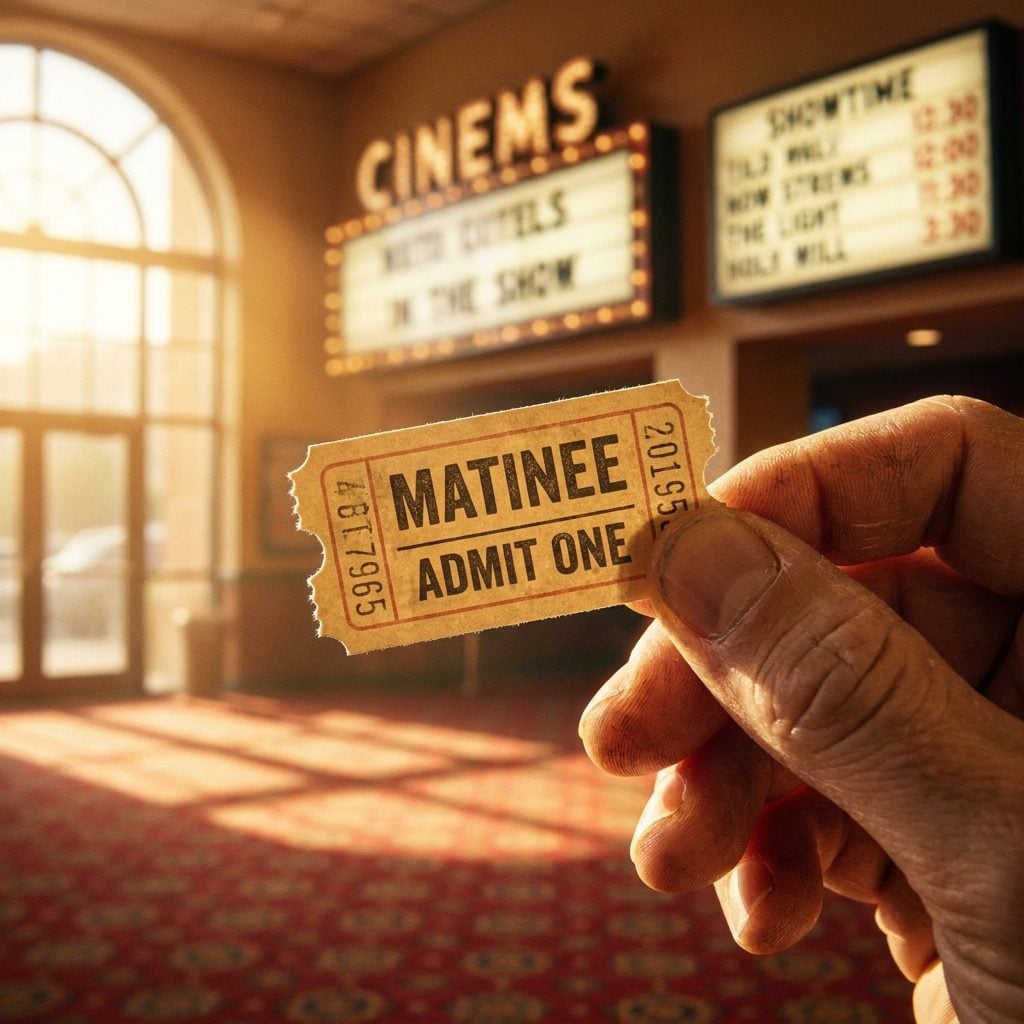
A matinee could run around $4, sometimes less at a cheaper theater. Evening prices climbed higher as the decade went on, but the early-afternoon show remained the budget move.
At the $4.25 federal minimum wage in place through much of the early and mid-1990s, that ticket represented just under an hour of gross pay. Cheap enough to become the default plan. Expensive enough that you still noticed when somebody else offered to buy.
24. A Soft Pretzel at the Food Court: Around $2
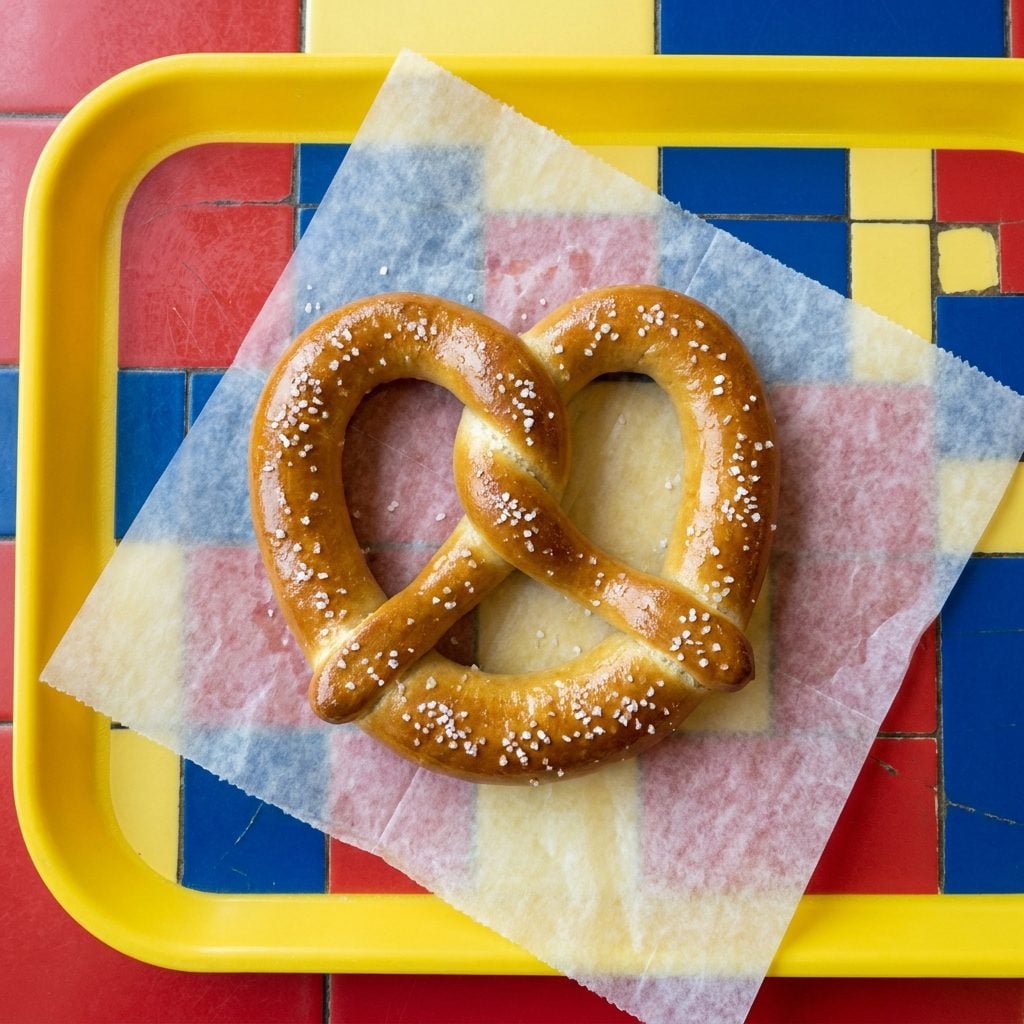
Two bucks, maybe a little more with a drink. The classic salted pretzel could perfume half the food court for less than the cost of almost anything sold behind glass elsewhere in the mall.
Cinnamon sugar pushed the price up a bit, and dipping sauce could take another few coins. For somebody carrying five dollars and no particular schedule, it was lunch with enough left to keep wandering.
23. An Orange Julius: Roughly $1.75
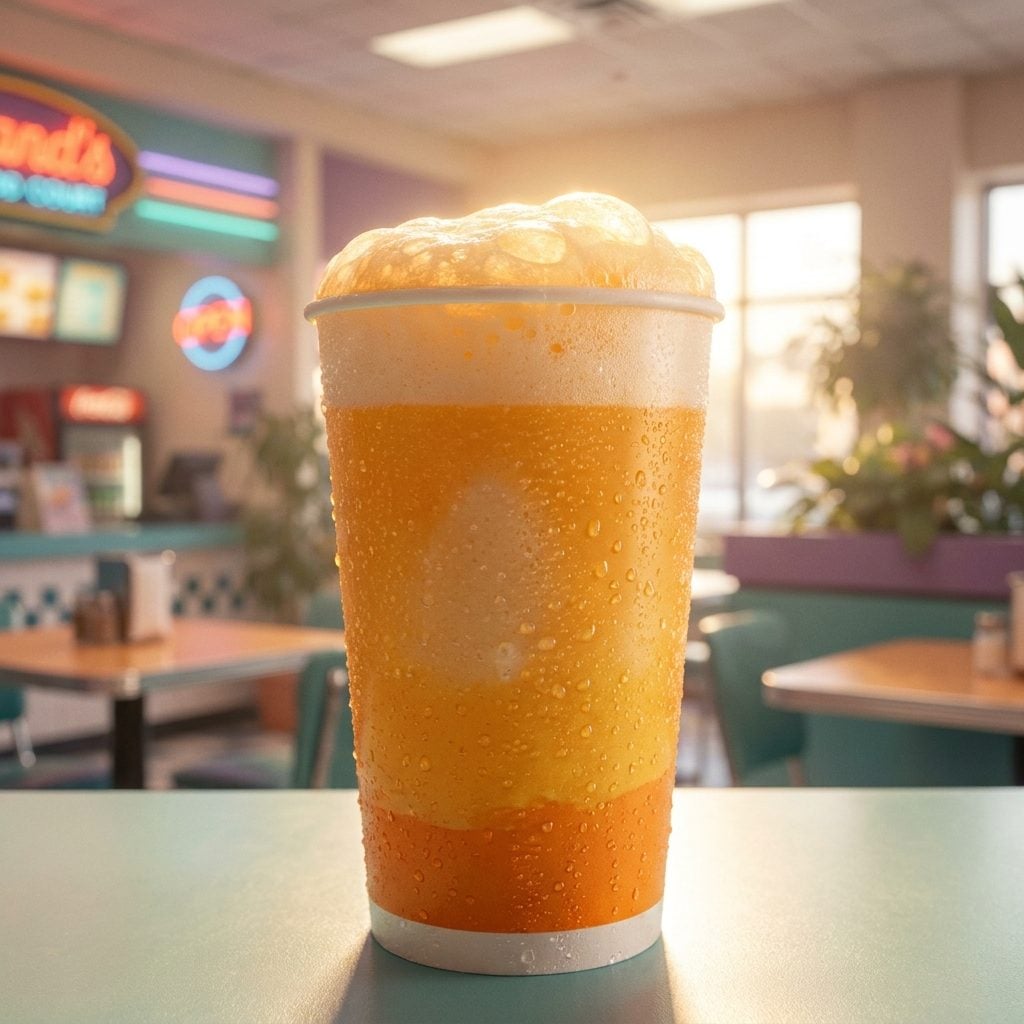
A small Orange Julius could land around $1.75. Cold, frothy, faintly powdery in that way nobody seemed to mind. You carried it through the mall as much as you drank it.
Nobody needed a precise ingredient breakdown. Under two dollars for something that felt more elaborate than a fountain soda was enough.
22. A Sbarro Pizza Slice: About $2.50
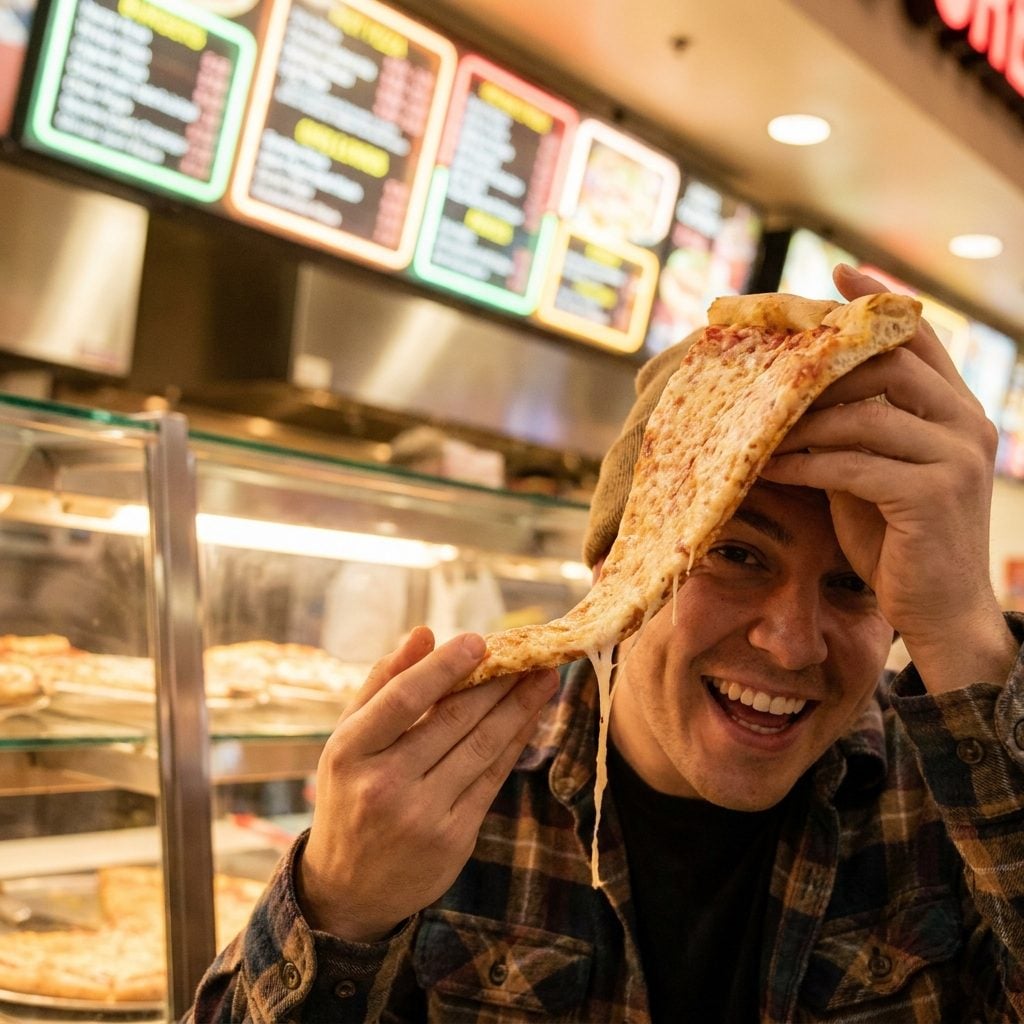
A cheese slice could run around $2.50, with pepperoni costing a little more. It arrived enormous enough to make folding it in half seem less like a New York affectation than a structural necessity.
Add a drink and three or four dollars could cover lunch. That left most of a ten-dollar bill intact for whatever bad financial decision waited upstairs.
21. The Food Court Fountain Soda: 89 Cents for a Cup the Size of Your Head
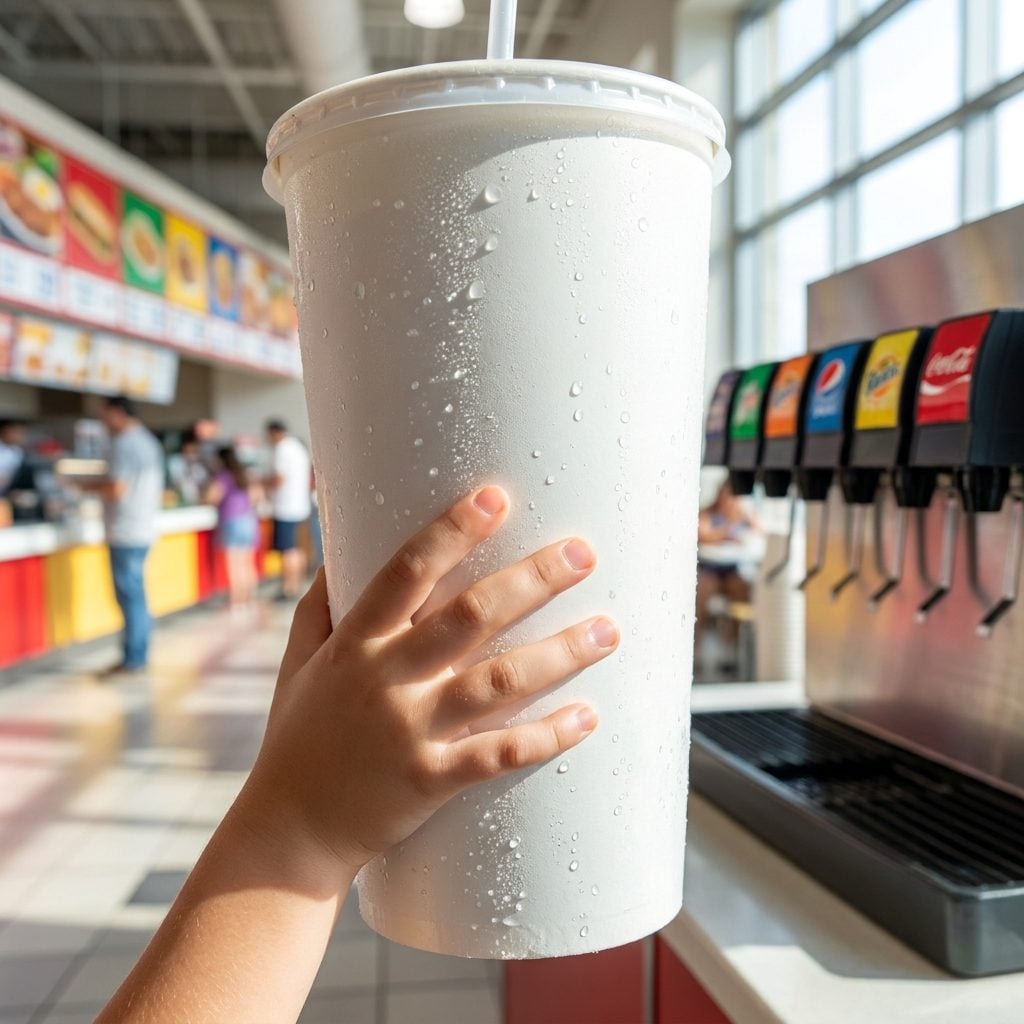
Under a dollar in plenty of places. The large fountain soda could hover around the ninety-cent mark, arriving in a cup that seemed to have been engineered for a car holder nobody’s car possessed yet.
Free refills were common enough to turn one purchase into an afternoon of sitting around the food court long after the ice had surrendered.
20. A CD at Sam Goody: Around $15 to $18
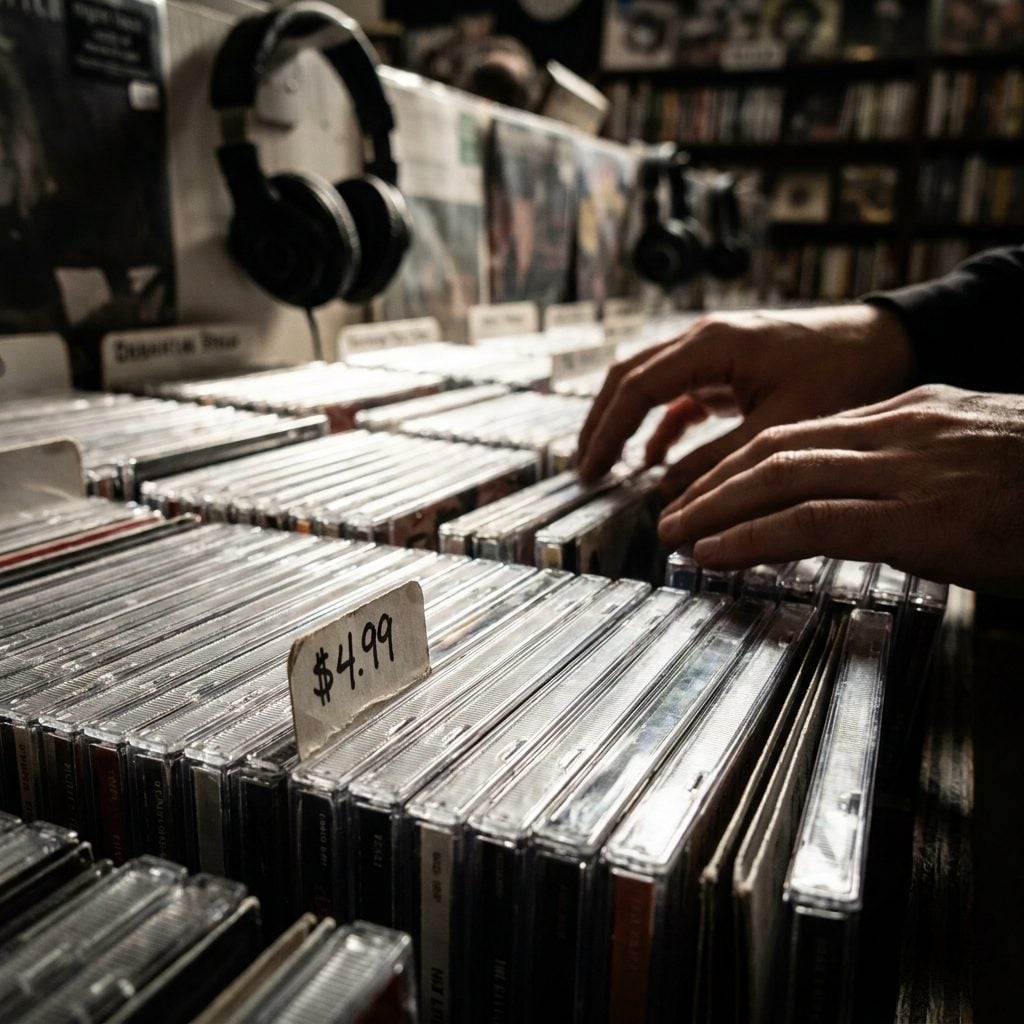
A new-release CD often cost $15 to $18, and desirable titles could creep toward $20. This was not impulse-buy territory for somebody earning minimum wage.
Which explains the ritual. You stood at the listening station, read the liner notes, stared at the track list, reconsidered your entire identity.
Singles existed, but there was no button that let you buy one digital track from the album and ignore the rest. If the record contained two songs you loved and ten you didn’t, the whole disc still came home with you.
Music could eat most of a twenty-dollar bill before you even left the store.
19. A Blockbuster VHS Rental: About $3 for a New Release
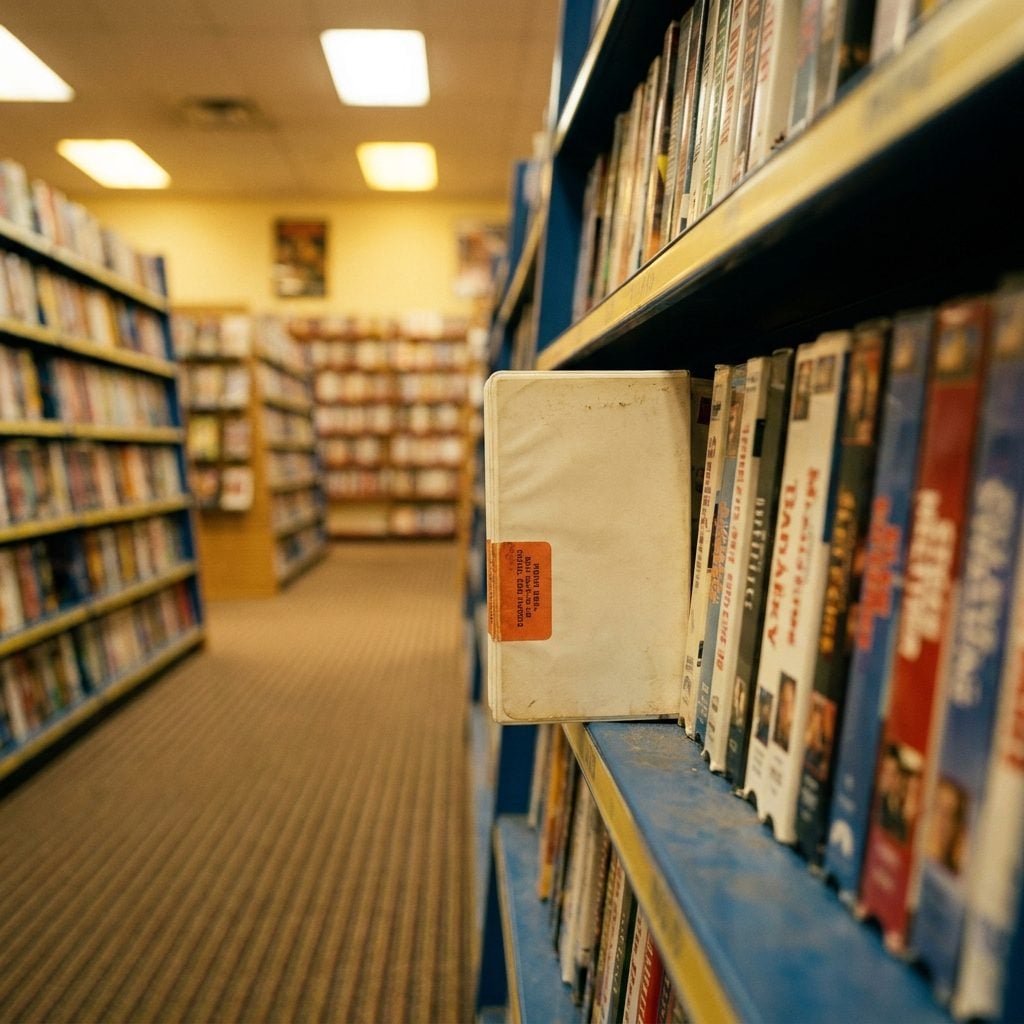
A new-release VHS rental could run around $3 for a couple of nights, while older catalog titles sometimes dropped dramatically lower during promotions.
The price wasn’t what made Blockbuster stressful. The deadline did.
Forget the return date, let the tape sit behind the television for an extra day or two, and the cheap movie started accumulating consequences.
18. A Denim Jacket at Contempo Casuals: Around $40

A denim jacket could run about $40, depending on the wash, cut, and sale rack. In the early 1990s, that represented roughly ten hours of gross pay at a $4.25 federal minimum wage.
The silhouette did not apologize for taking up space. Boxy body, generous shoulders, enough room underneath for another layer.
That shape has cycled back often enough that an old photograph can look unexpectedly current. The jacket itself was not cheap. The fact that the style survived is what makes the old price interesting.
17. A Stack of Gap Jeans: About $30 to $50 a Pair
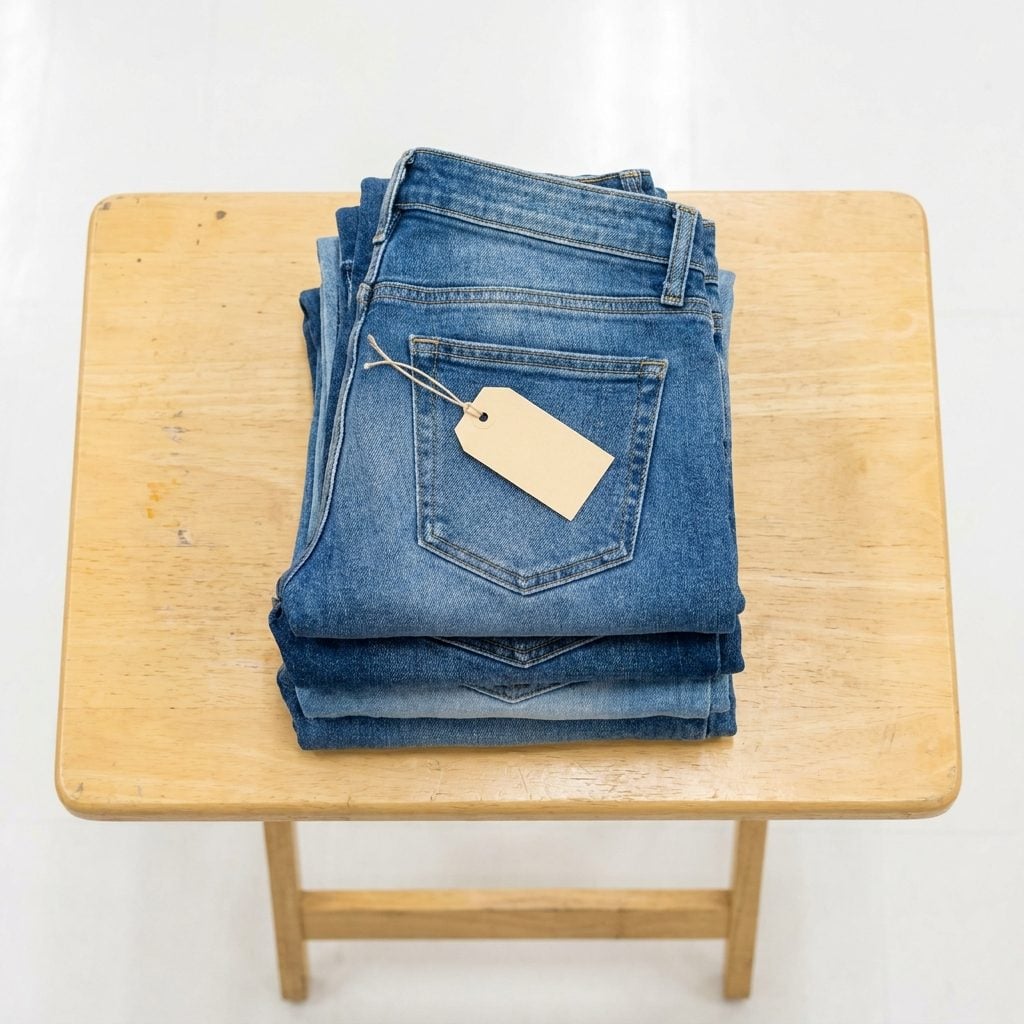
A pair of Gap jeans could land somewhere between $30 and $50 depending on the year, cut, and sale. Straight legs, relaxed fits, and eventually that late-1990s boot-cut shape all passed through those shelves.
Fifty dollars was serious money on a teenage paycheck. One good pair was expected to keep showing up for school, weekends, movies, and family dinners until the knees finally negotiated their release.
16. A Structure Polo Shirt: Around $25
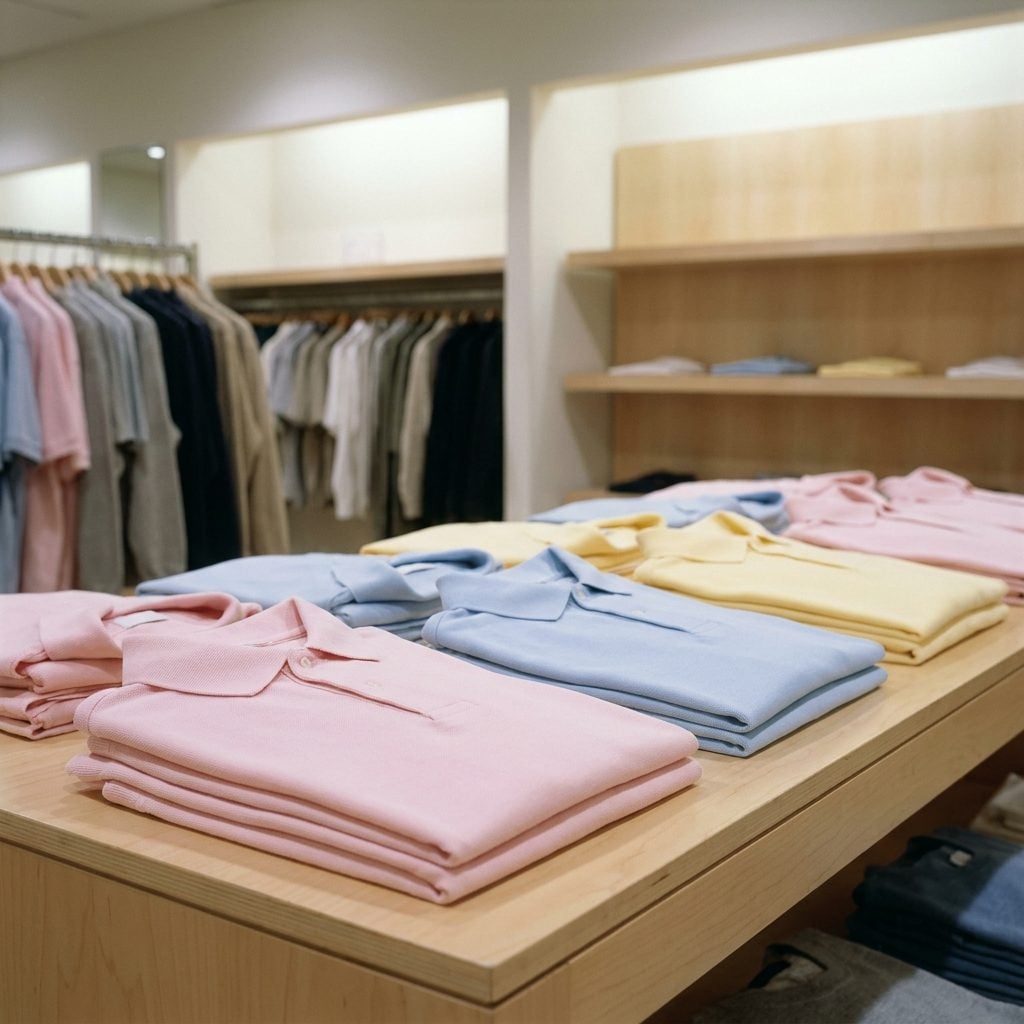
A pastel piqué polo could run around $25, sometimes less when the weekend tables turned into multi-buy promotions.
It was the uniform of a very specific 1990s guy: clean collar, tidy placket, khakis somewhere nearby.
The silhouette has aged more gracefully than the store name. A textured polo with fuller trousers still works because the two surfaces and shapes are different enough to keep the outfit from looking flat.
15. A Card of Earrings at Claire’s: About $5 for a Pack
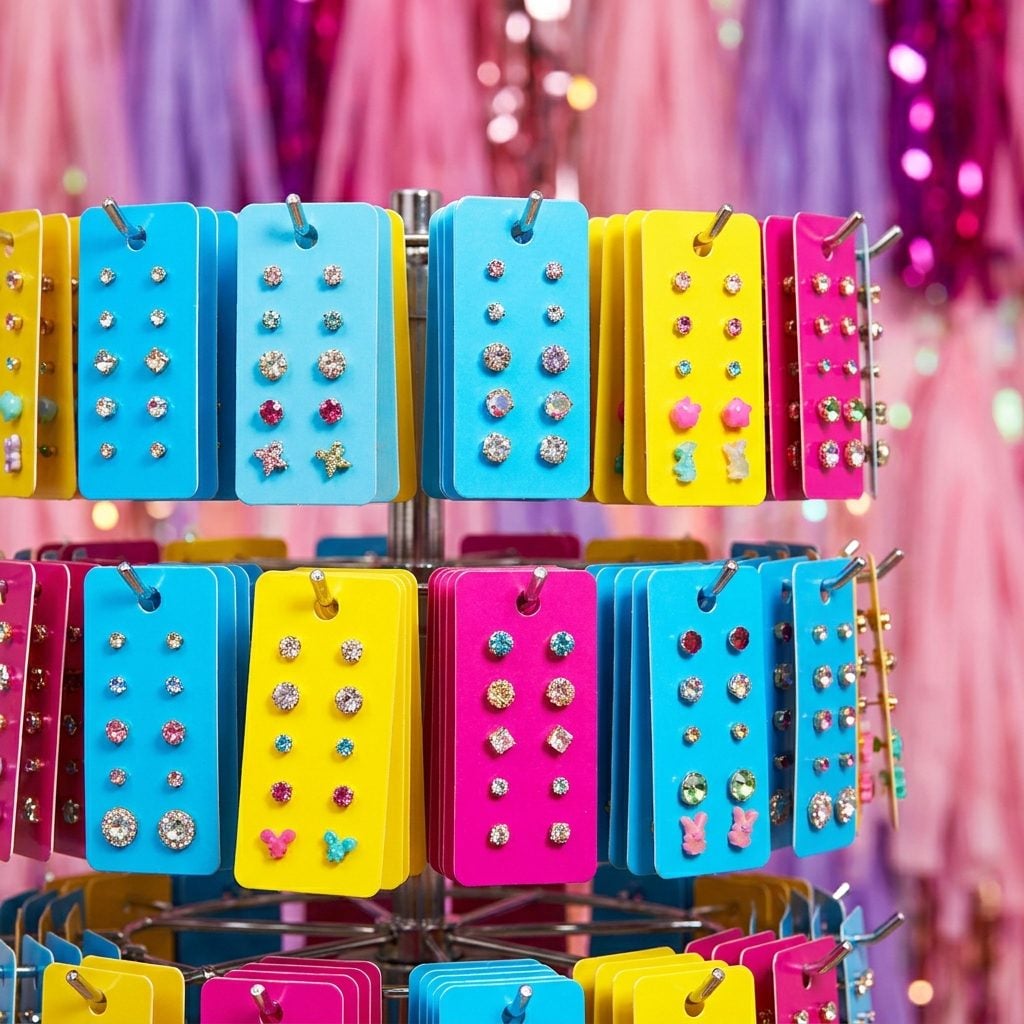
Five dollars could buy a little card crowded with studs, novelty shapes, plastic color, and enough options to make one allowance feel briefly extravagant.
Claire’s was also where plenty of mall-goers encountered the piercing chair by the register, the spring-loaded gun, and a level of nervous anticipation wildly out of proportion to the size of the earrings.
The jewelry purchase and the piercing memory were separate transactions. Emotionally, they occupied the same square footage.
14. The Nike Sneaker Wall: About $65 for the Chunky Pair Everyone Wanted
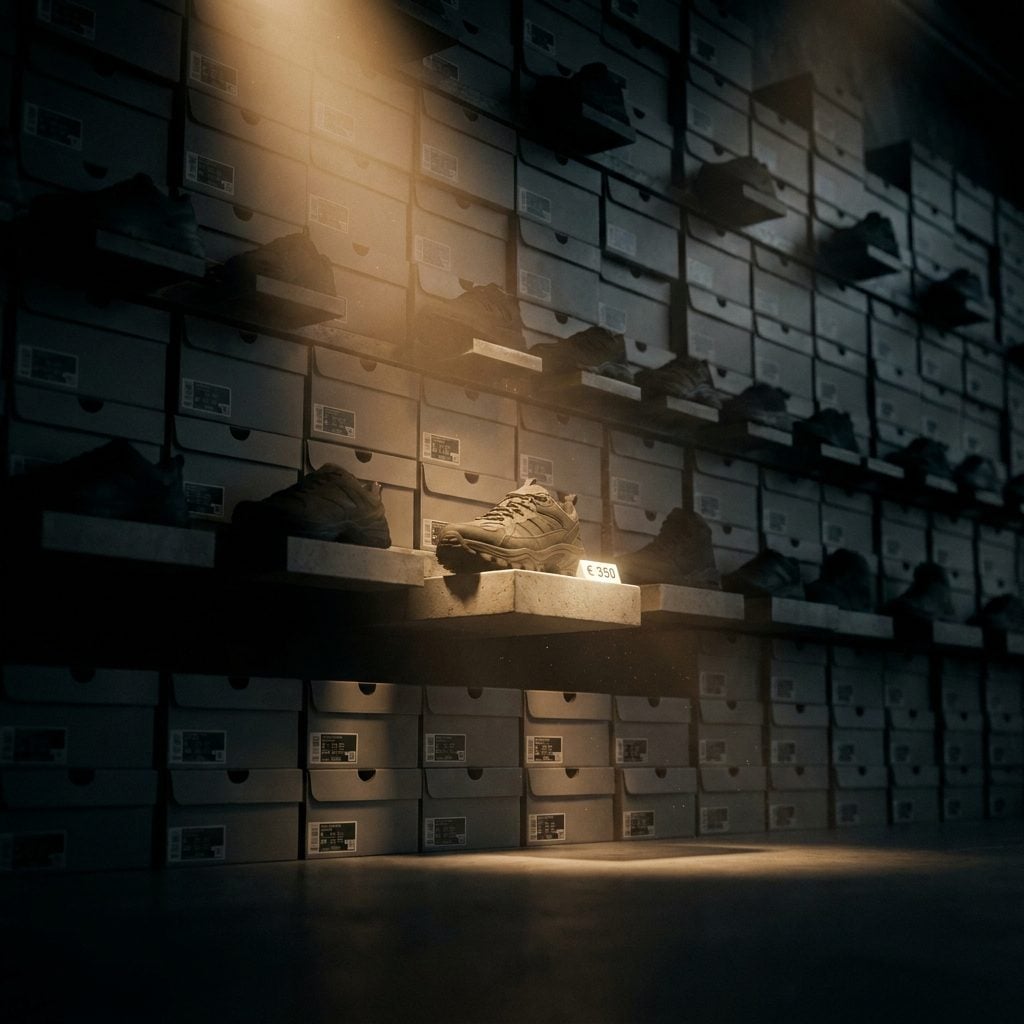
The pair you actually wanted could sit somewhere in the $60-to-$70 range. In 1994, when the federal minimum wage was $4.25, that was a significant number of hours from a summer or after-school job.
You wanted them anyway.
The fat sole. The visible air unit. The precise colorway your friend had somehow failed to buy first.
Shoes could function as social currency, and every glowing box on that wall seemed fully aware of it.
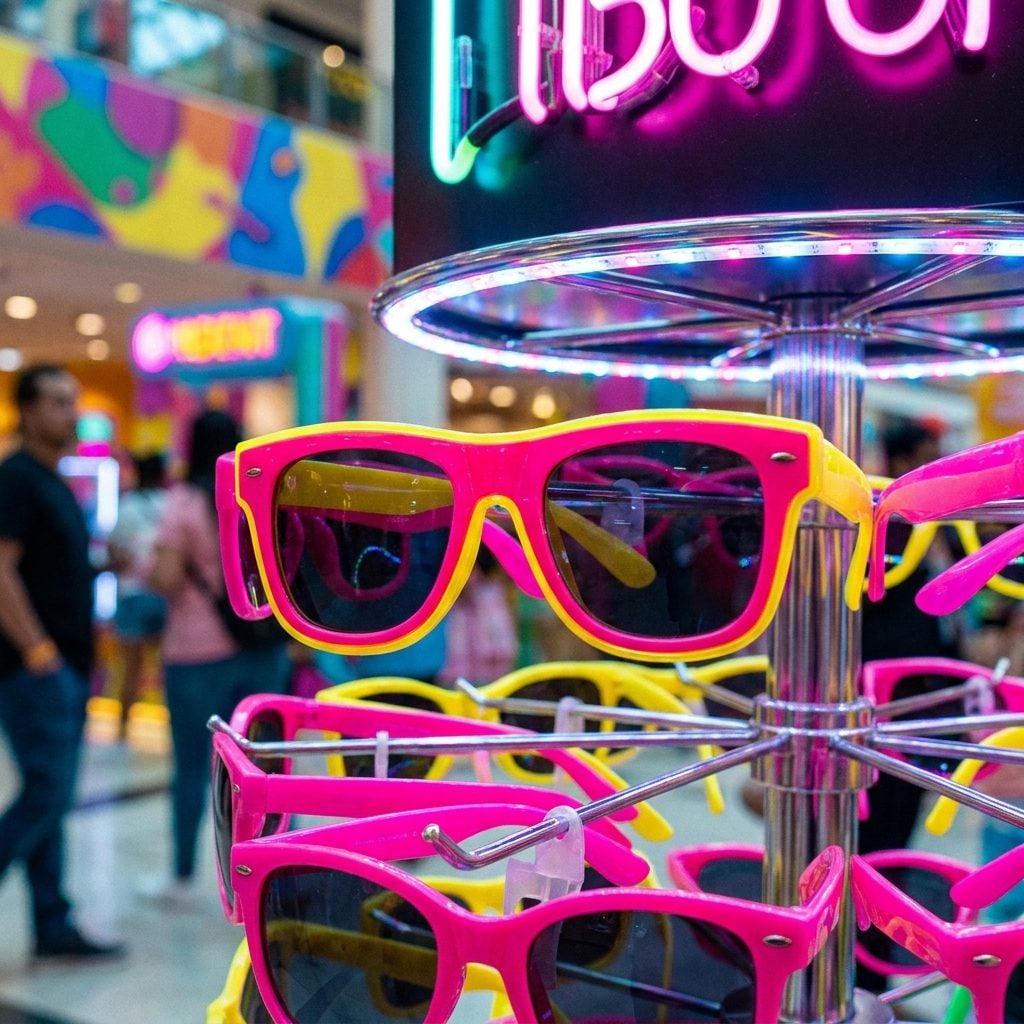
13. Neon Sunglasses Kiosk: $8 to Look Like the Coolest Kid at the Food Court
❤️ Would you like to save this?
Eight dollars, maybe ten, bought a pair of neon plastic sunglasses from a spinning kiosk rack.
Hot pink. Electric yellow. Mirrored blue. A hinge with the structural confidence of a potato chip.
That was fine.
You bought them to look a certain way for one summer, lost them at the pool, shrugged, and considered orange the next time around. Cheap sunglasses came with their own kind of freedom.
12. Spencer’s Gag Gift Shelf: Under $10 for a Laugh in Bad Taste
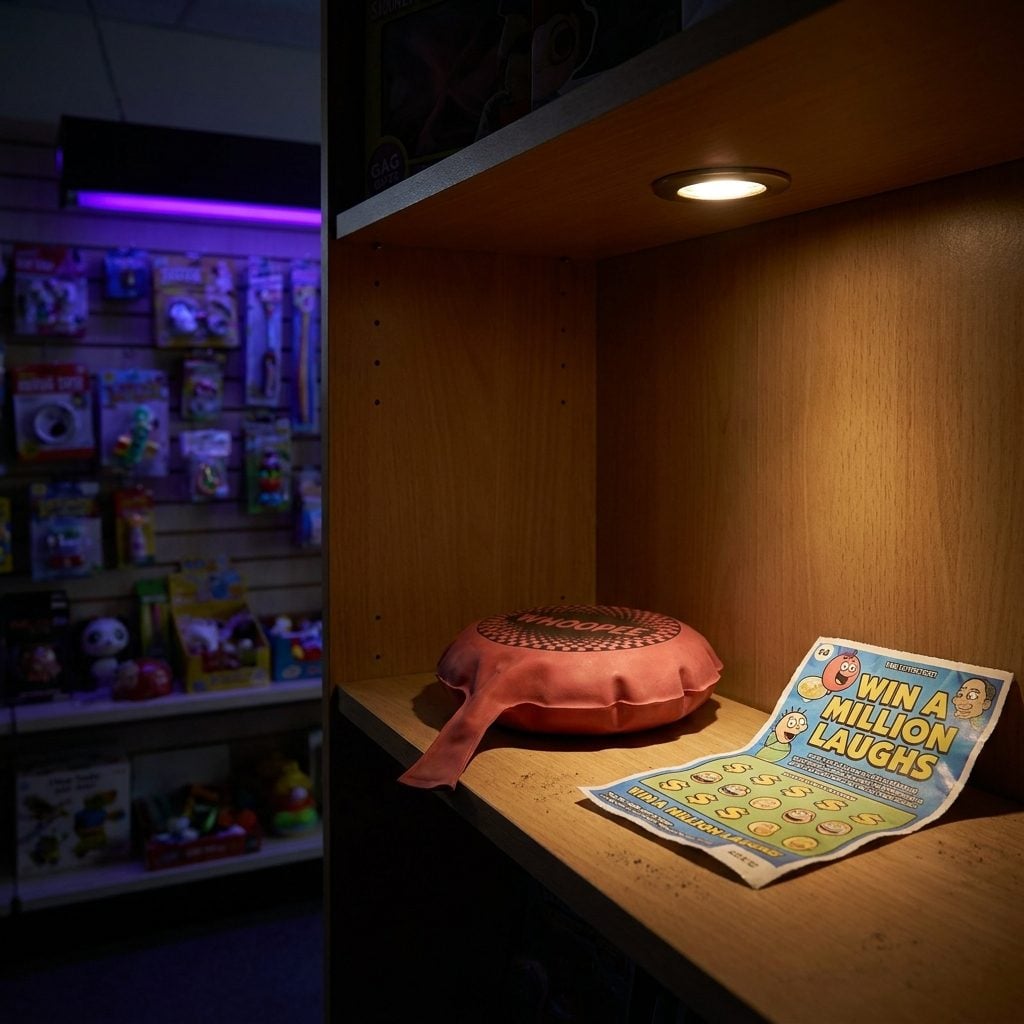
A gag gift from Spencer’s could cost only a handful of dollars: whoopee cushions, fake lottery tickets, prank pens, and other objects whose useful life ended the second somebody understood the joke.
The store itself was worth more than the merchandise.
Purple lighting. Black-light posters. Things in the back you understood just well enough to know you weren’t supposed to linger.
Ten dollars could buy a prank. Wandering the aisles feeling vaguely unsupervised was free.
11. The Photo Booth: A Buck or Two for Four Blurry Memories
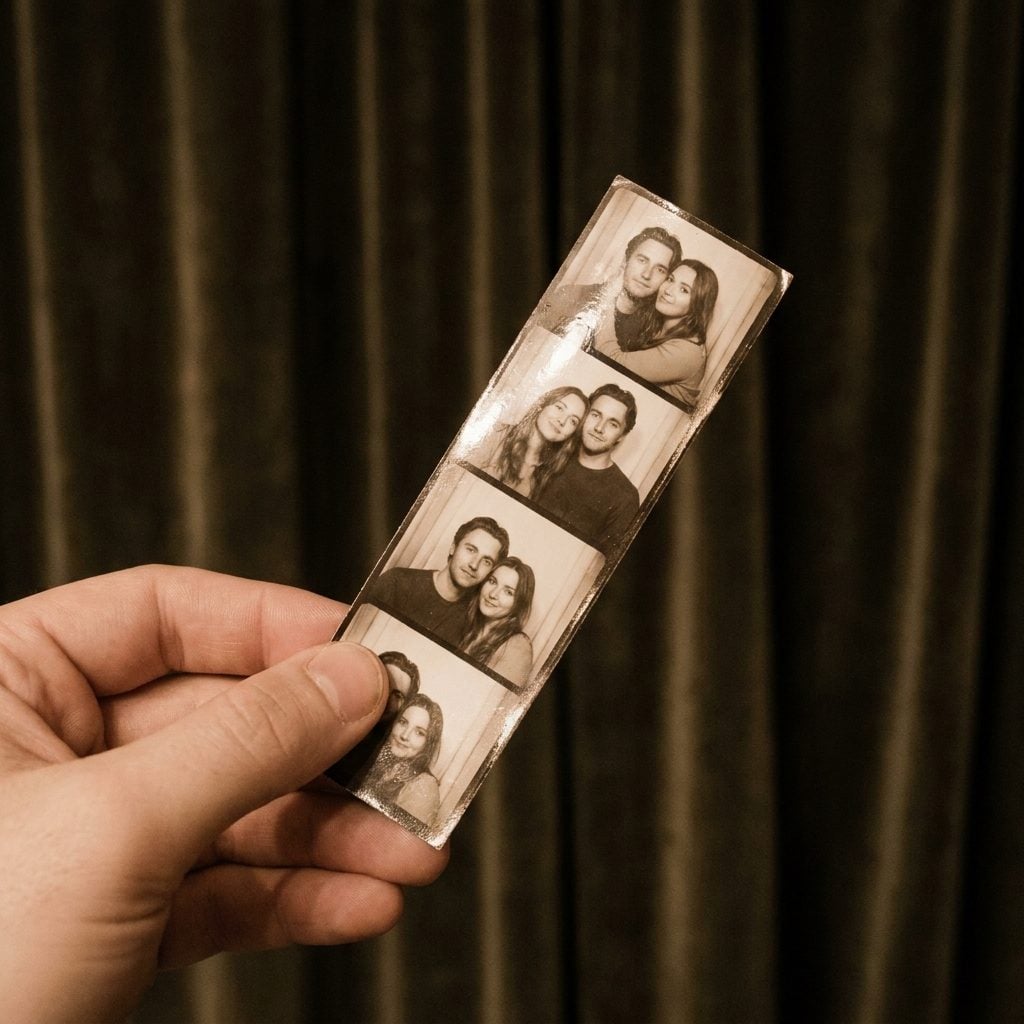
A dollar, maybe two, and the machine produced a strip of four photographs that seemed incapable of making everyone look ready at the same time.
Two or three friends squeezed behind the curtain. Somebody deliberately ruined the last frame. Then the strip emerged looking damp, overexposed, and perfect.
Those pictures ended up inside locker doors, wallets, mirrors, and shoeboxes. Cheap to produce. Impossible to recreate after the people in them grew up.
10. Arcade Tokens: A Dollar Bought You Four
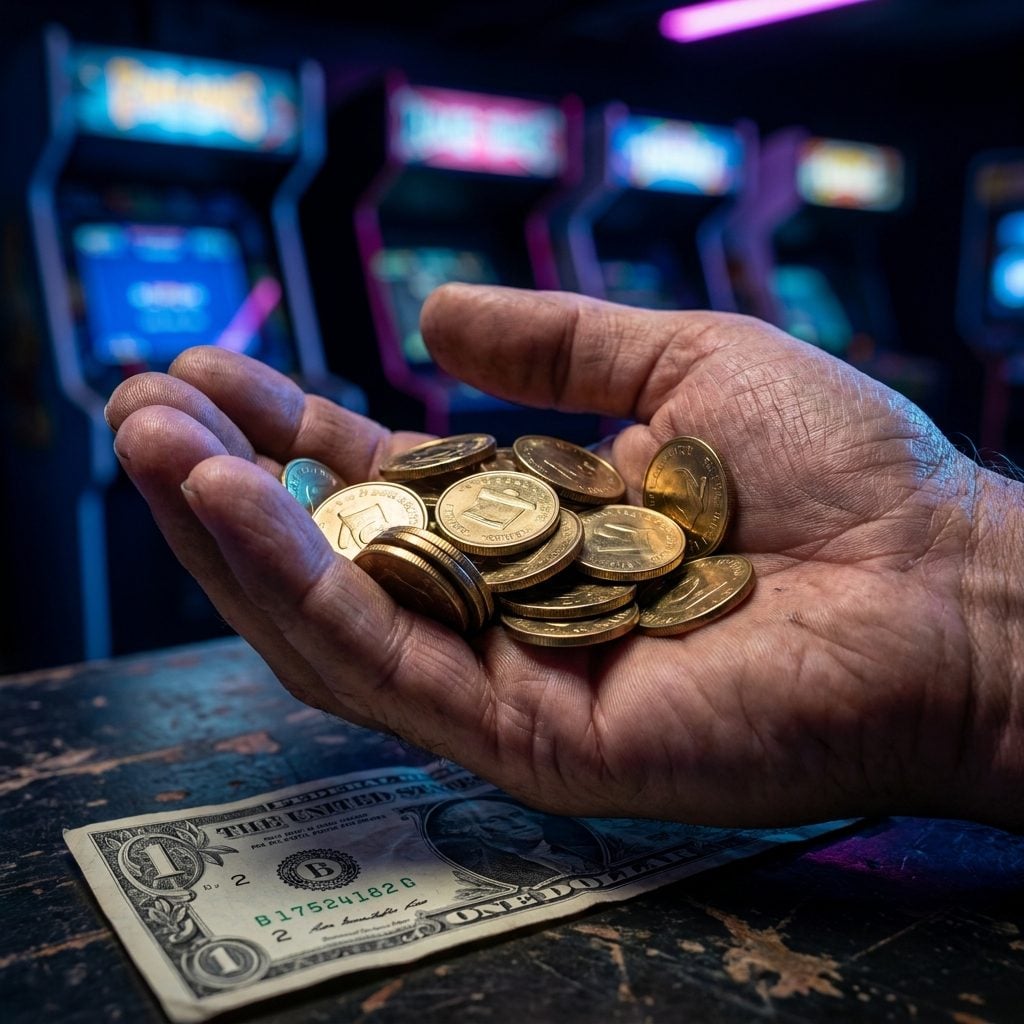
A dollar often became four quarter-value tokens. The transformation somehow made the money feel less serious the second those little brass discs hit your palm.
Then the games started consuming them.
The token machine glowed. The cabinets glowed. Five dollars became a satisfying fistful of metal and then disappeared with astonishing efficiency.
Every kid learned the same lesson: money moves faster once it stops looking like money.
9. Skee-Ball Prizes: Hundreds of Tickets for Something Worth Almost Nothing
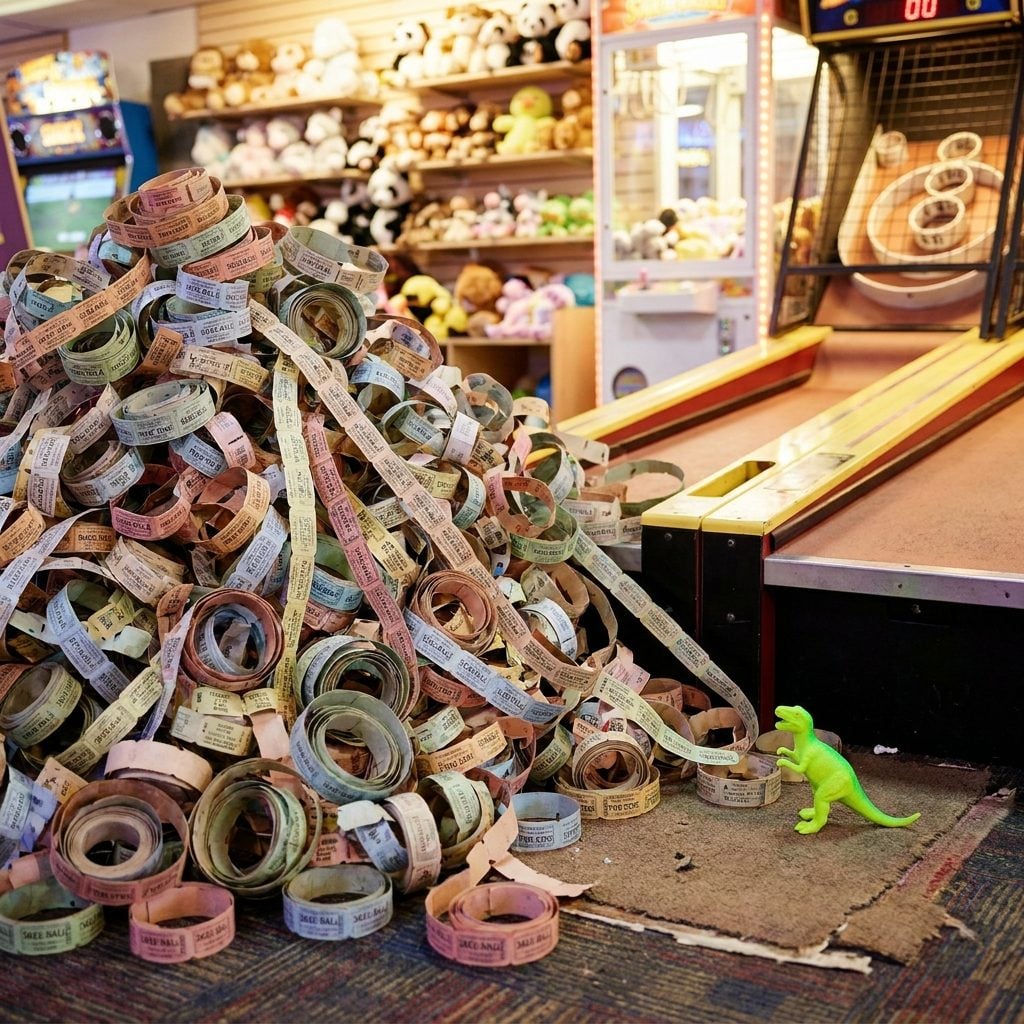
Here’s the con everybody volunteered for.
Spend the tokens. Win the tickets. Feed the paper through the counter machine. Then trade your magnificent accumulated fortune for a sticky hand, plastic ring, tiny eraser, or something else that would have cost very little if purchased directly.
Nobody wanted it directly.
The tickets were the point.
8. The Arcade Claw Machine: 50 Cents for One More Try
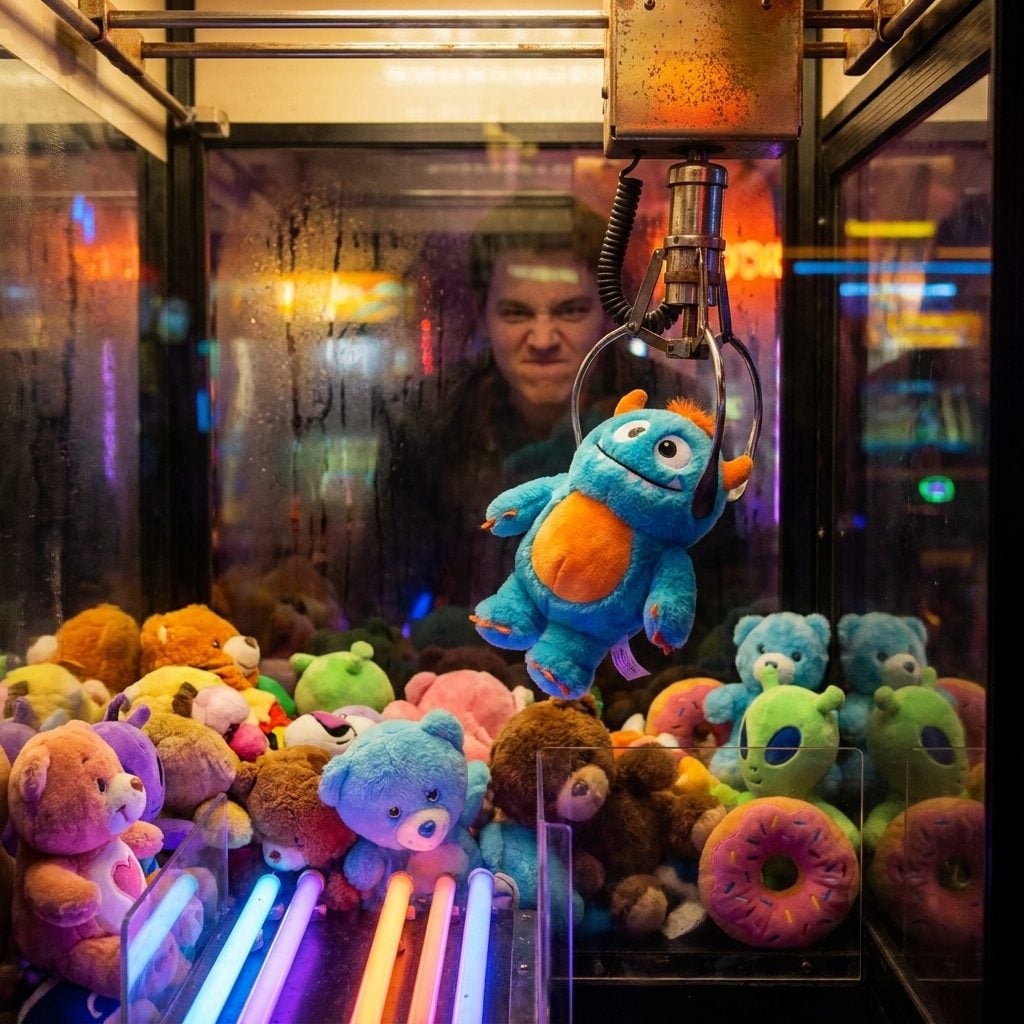
Fifty cents a play.
The claw always seemed powerful enough while descending and suspiciously philosophical about commitment once it had actually grabbed something.
Two quarters felt like nothing until you’d fed the machine eight of them chasing a stuffed dinosaur you hadn’t cared about ten minutes earlier.
The near miss was devastatingly effective. Almost getting the toy gave you exactly enough hope to reach for another quarter.
7. Roller Skate Rental: Roughly $3 an Hour When the Mall Day Spilled Into the Rink
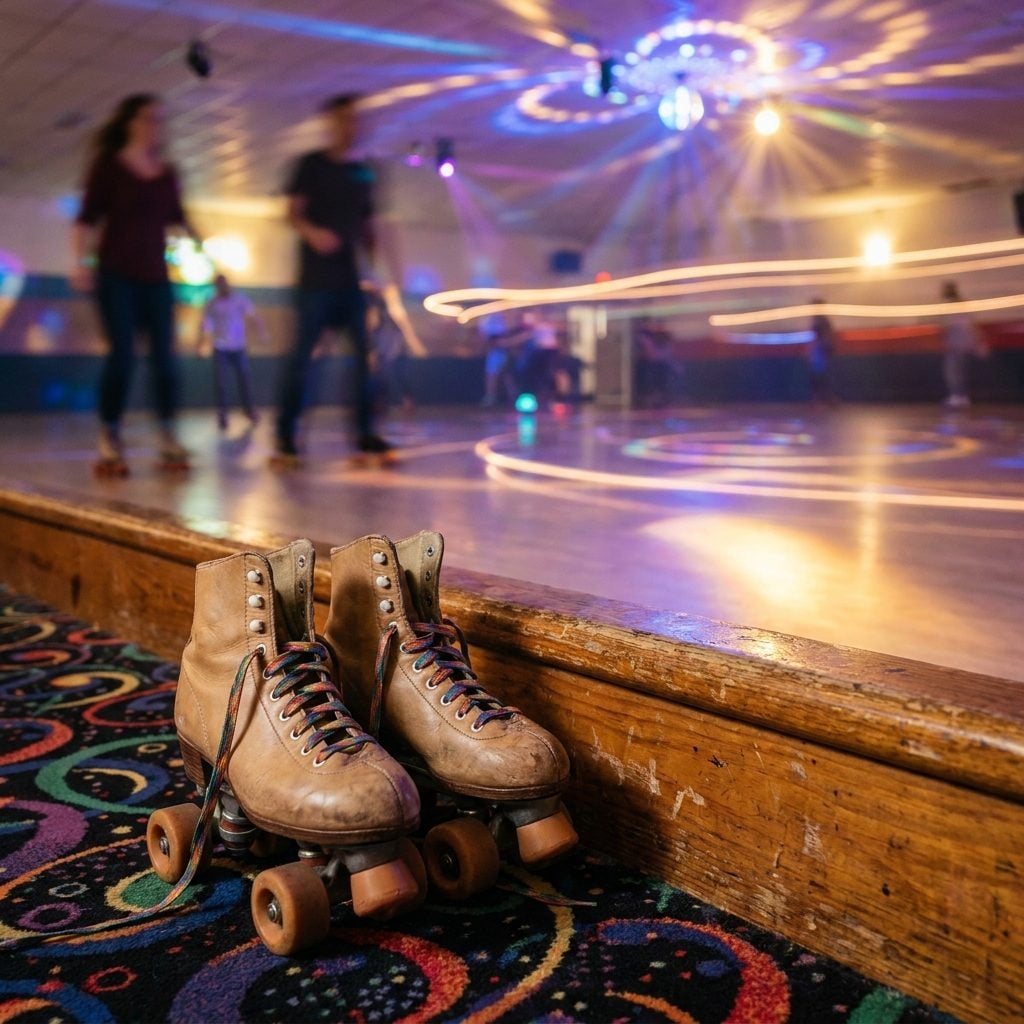
Not every rink sat inside a mall, but the two belonged to the same teenage Saturday ecosystem. If the afternoon continued somewhere with carpet that looked like television static, a few dollars could put rental skates on your feet.
The disco ball scattered light across the floor. The tan skates had orange stops. Somebody was already holding the rail like it had personally betrayed them.
A ten-dollar bill could still cover skating and something from the snack counter.
That was enough to turn shopping into an evening.
6. The Calculator Watch: Around $25 of Wrist-Mounted Genius
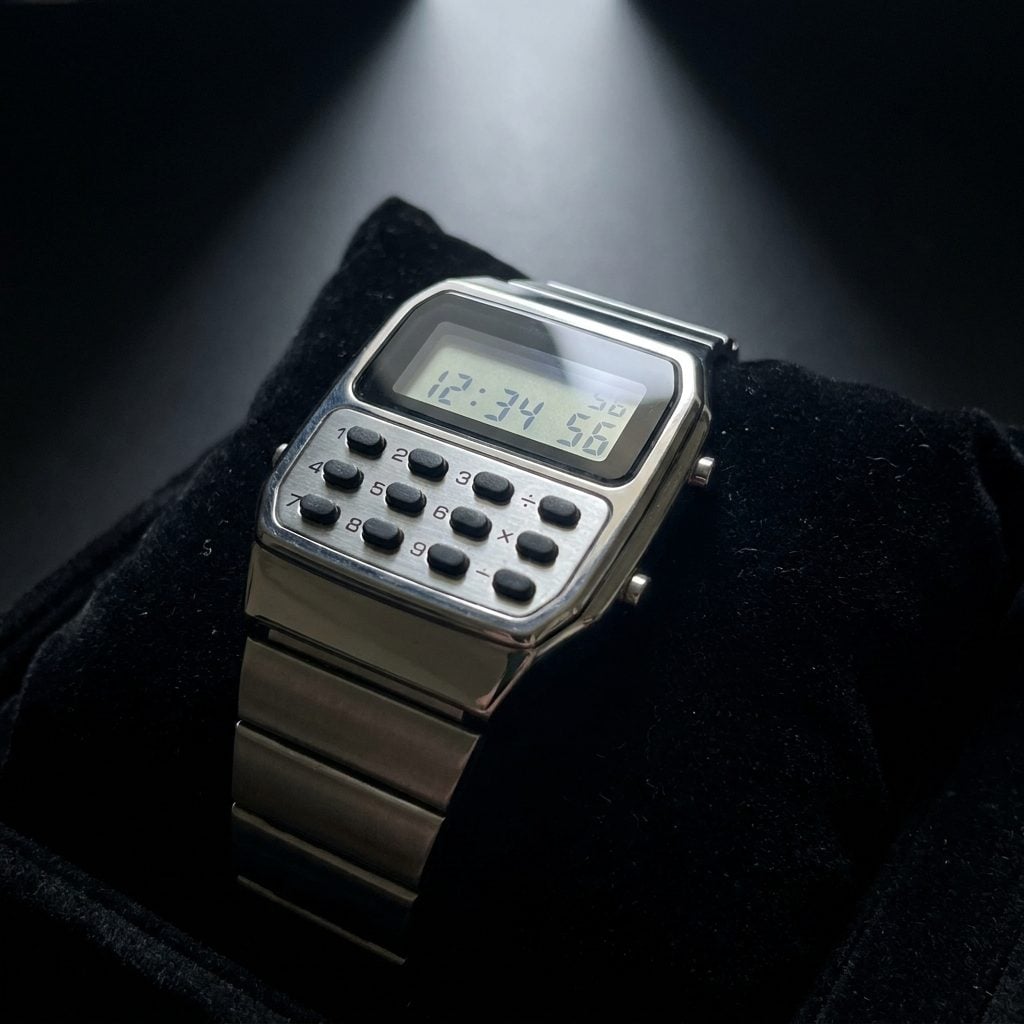
A calculator watch could cost a couple dozen dollars, displayed behind glass with the seriousness normally reserved for real jewelry.
You did not need to perform arithmetic on your wrist.
That was beside the point.
The tiny keypad made the future seem temporarily affordable. It suggested you were more prepared than everyone else, even if the most complicated calculation performed all week was figuring out whether you had enough allowance left for pizza.
5. The Sony Walkman: Roughly $40 for a Private Soundtrack
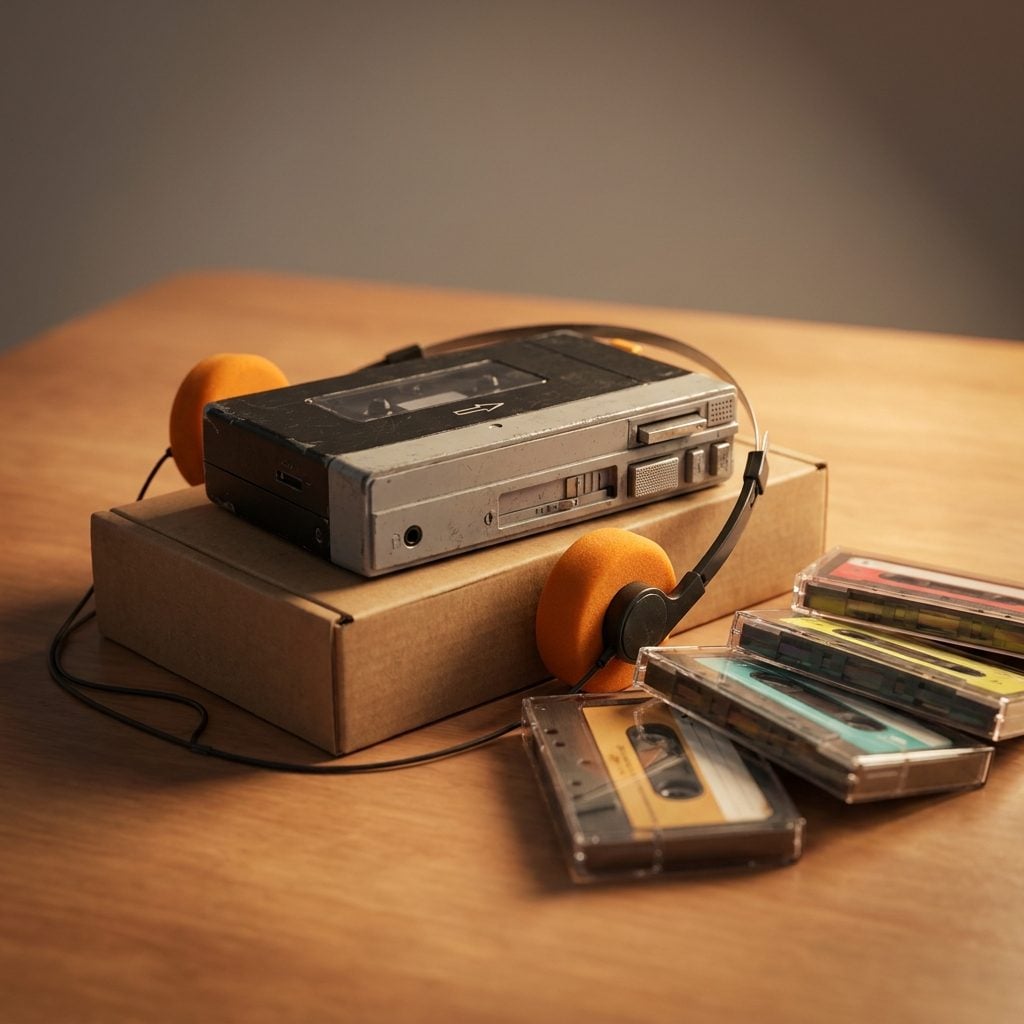
A decent cassette Walkman could sit around the forty-dollar mark, headphones draped over the package as if Sony had arranged them specifically to tempt you.
The foam pads eventually deteriorated. You wore them anyway.
One cassette at a time, you had a private soundtrack for the bus, the walk home, the back seat of the family car.
You made the mixtape. You flipped it when side A ended. You knew exactly which songs were followed by three seconds of accidental radio announcer.
4. The Pager Kiosk: About $10 a Month to Be Reachable
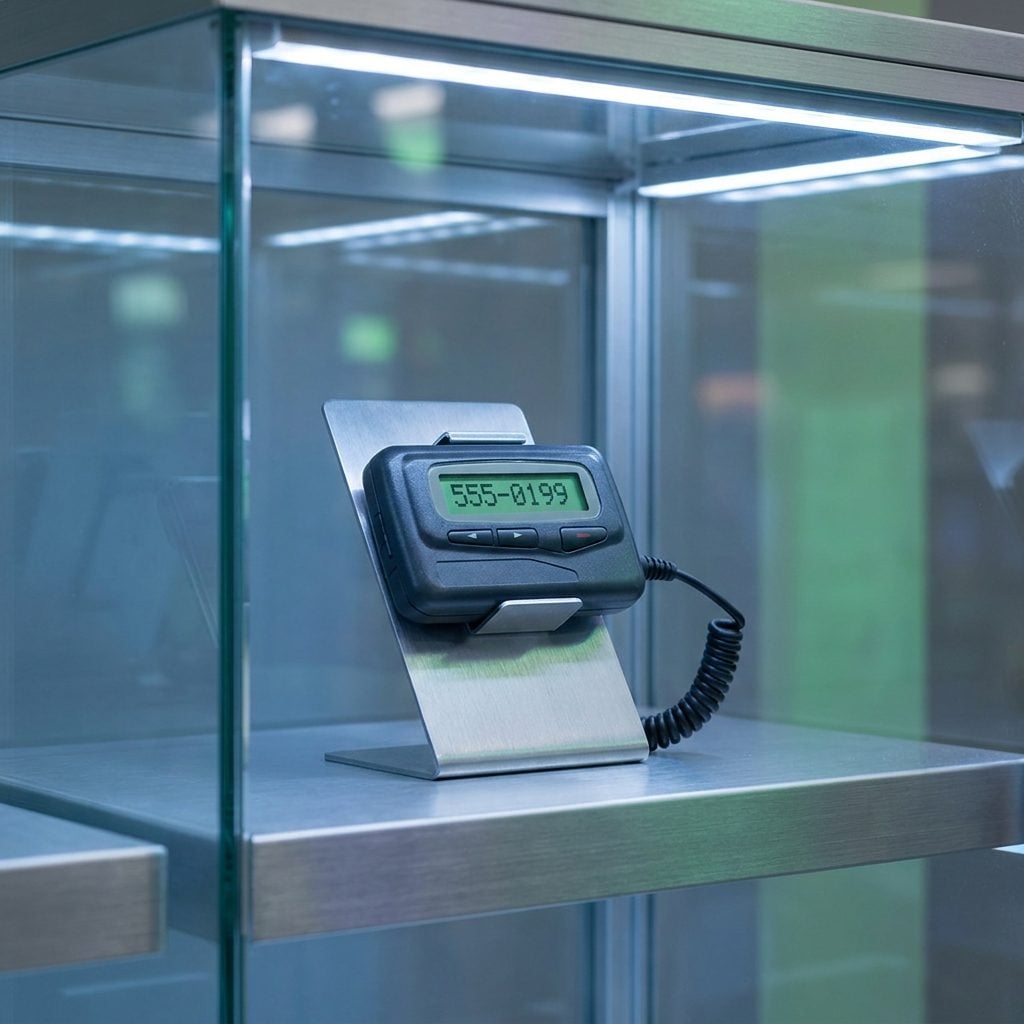
Depending on the provider and promotion, the pager itself might cost a few dozen dollars, with monthly service sometimes landing around ten.
The sales pitch was breathtakingly simple: somebody could reach you when you weren’t home.
A number flashed on the little screen. Then came the less futuristic part.
You still had to find a telephone.
Teenagers built codes around the limitation. 143 meant I love you. Other strings of numbers became jokes, names, and messages decipherable only to the people expected to understand them.
The beep felt like tomorrow.
The callback still belonged completely to yesterday.
3. The Mall Pay Phone: A Quarter Could Call Your Ride Home
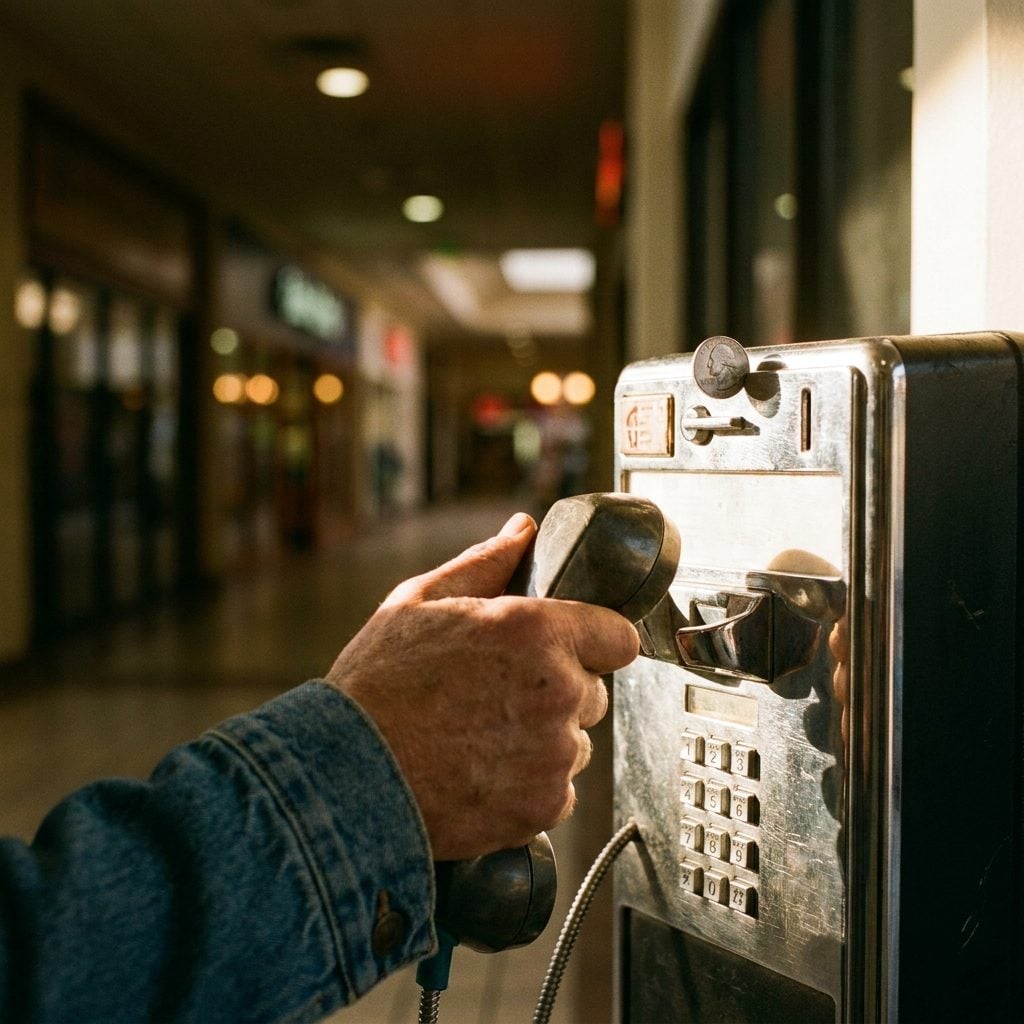
In many places, a local pay-phone call cost a quarter by the 1990s.
Drop the coin. Dial. Hope somebody answered.
Before everybody carried a phone, the metal bank near the food court functioned as command central. Kids memorized home numbers, parents’ work numbers, and which pocket contained the emergency quarter.
Being stranded at closing without change was not nostalgia yet.
It was a genuine problem.
2. The Disney Store Plush Wall: Around $15 for the One You Couldn’t Leave Behind
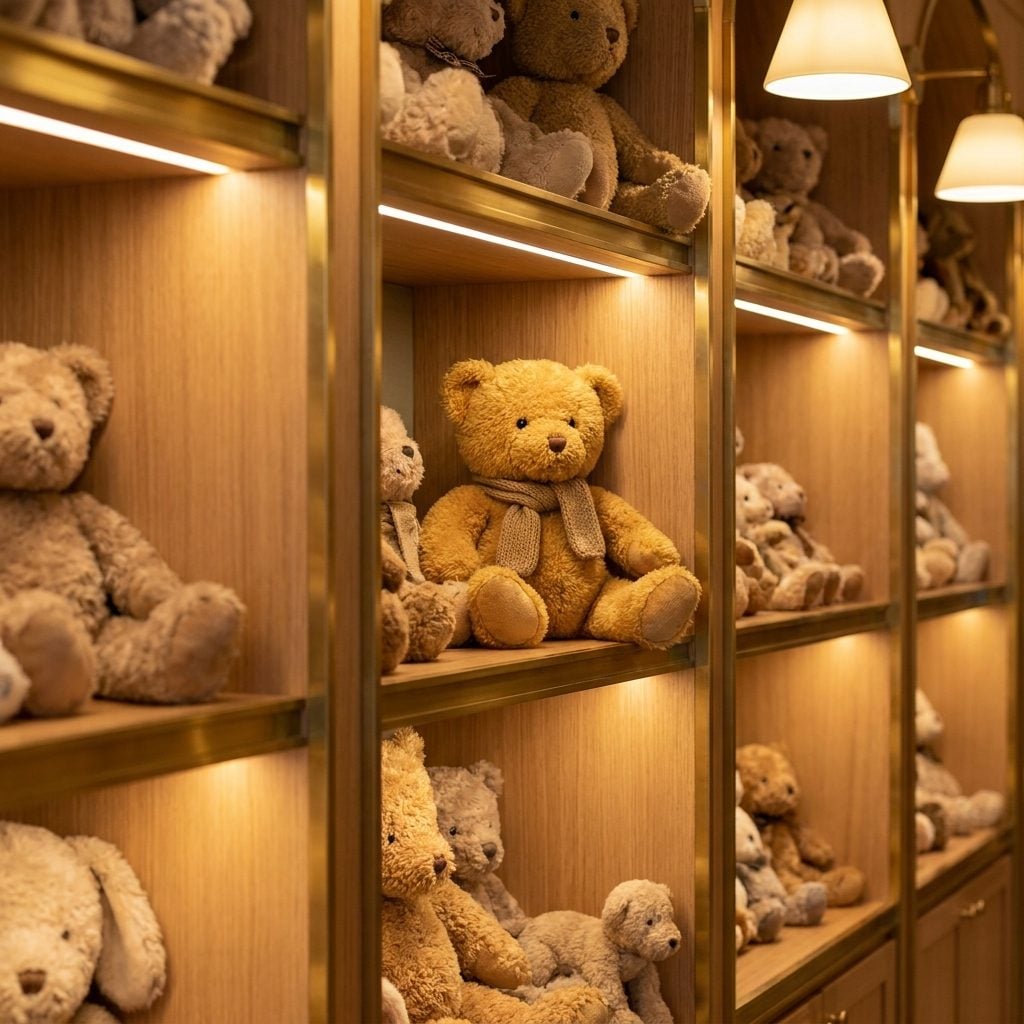
A mid-size plush could sit somewhere in the low teens, with larger versions climbing higher.
That was enough money for a parent to stop and perform the calculation in real time.
The better ones had a habit of surviving. Years later, plenty ended up faded on shelves, packed into storage tubs, or handed down instead of thrown away.
Compared with the disposable trinkets elsewhere in the mall, fifteen dollars could occasionally buy something that refused to leave.
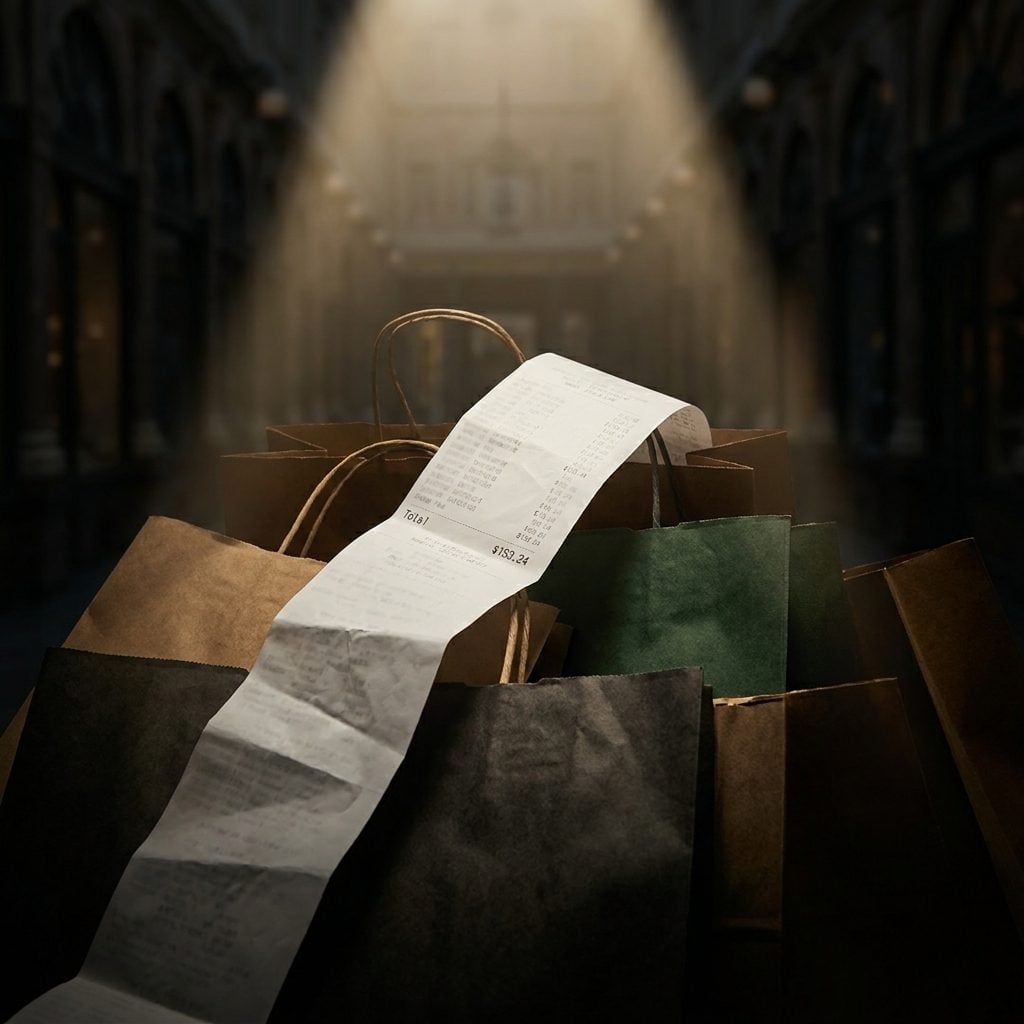
1. The Full Mall Haul: A Receipt That Still Looks Impossibly Small
❤️ Would you like to save this?
Here is where the old numbers become dangerous, because the mall contained both full-price stores and aggressive sale racks.
A discounted pair of jeans might drop near twenty dollars. A basic tee could land under ten. Earrings might cost four or five. Lunch could stay under six if you were careful.
String enough sale prices together and a teenager really could come home with several bags without crossing sixty dollars.
Pay full price at Gap, add the Nike sneakers, or buy the new-release CD, and that fantasy collapsed immediately.
Wages were lower, so none of it was free. The useful comparison isn’t that everybody was rich in the 1990s. They weren’t.
The memory is simpler than that: the skylight turning gold in late afternoon, bags gathering around your shoes, a paper receipt curling out of the register, and the strange satisfaction of knowing the day’s purchases were already paid for.