❤️ Would you like to save this?
The 1990s had a peculiar talent for making the smallest accessories feel indispensable. A plastic butterfly clip could change a hairstyle. A dark lip pencil could change a face. A pair of shoes with a sole thick enough to qualify as architecture could change your height, your walk, and occasionally your ability to negotiate stairs.
And there was no single uniform. Grunge borrowed flannel and battered boots from the thrift store. Minimalism sent women out in slip dresses, narrow sunglasses, and almost nothing else. Mall fashion piled on velvet scrunchies, tiny backpacks, and platform shoes while pop stars made exaggeration look perfectly reasonable. Sometimes all three turned up in the same closet.
These 39 pieces capture the decade in its contradictions: practical things made fashionable, frivolous things treated as necessities, and outfits that still look remarkably familiar. From the perfume on the dresser to the shoes by the door, here is what getting ready looked like in the 1990s.
FYI, thanks to AI imagery software, we’re able to create very specific fashion and hairstyle examples to illustrate the points being made. In some cases, imagery is exaggerated to hammer home the point. Also, assume links that take you off the site are affiliate links such as links to Amazon. this means we may earn a commission if you buy something.
39. Oversized Flannel Shirts Worn Open Over Everything
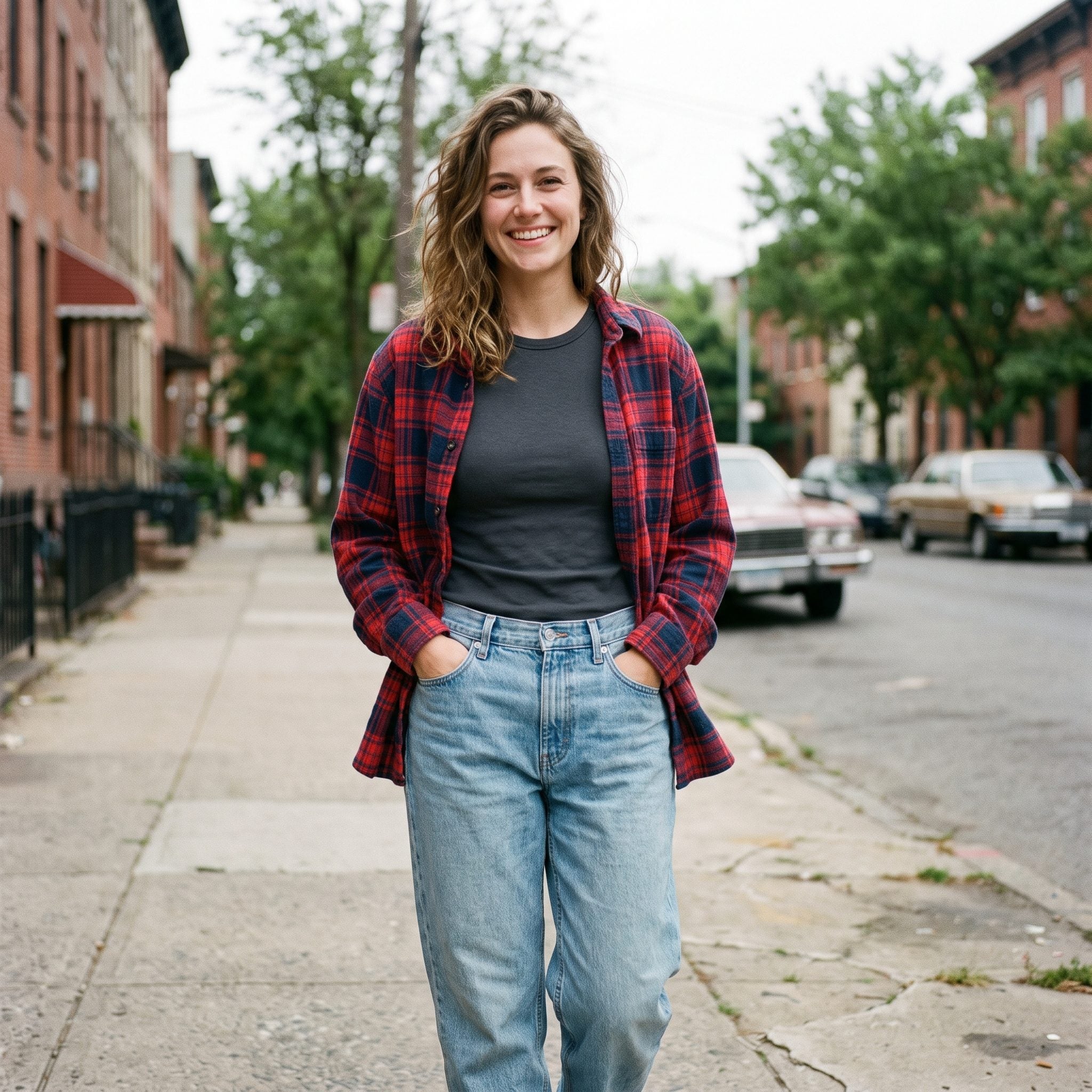
Grunge made the flannel shirt more than a layer against the cold. Loose plaid, dropped shoulders, and sleeves pushed toward the elbows became shorthand for a deliberately unpolished look.
Worn open over a band tee, flannel added pattern and an easy, borrowed-from-someone-else silhouette. Tied around the waist, it became an accessory of its own. The Seattle music scene helped spread the look, although the humble shirt had been doing practical work long before fashion discovered it.
38. Matte Brown Lipstick in Cocoa, Cinnamon, or Brick
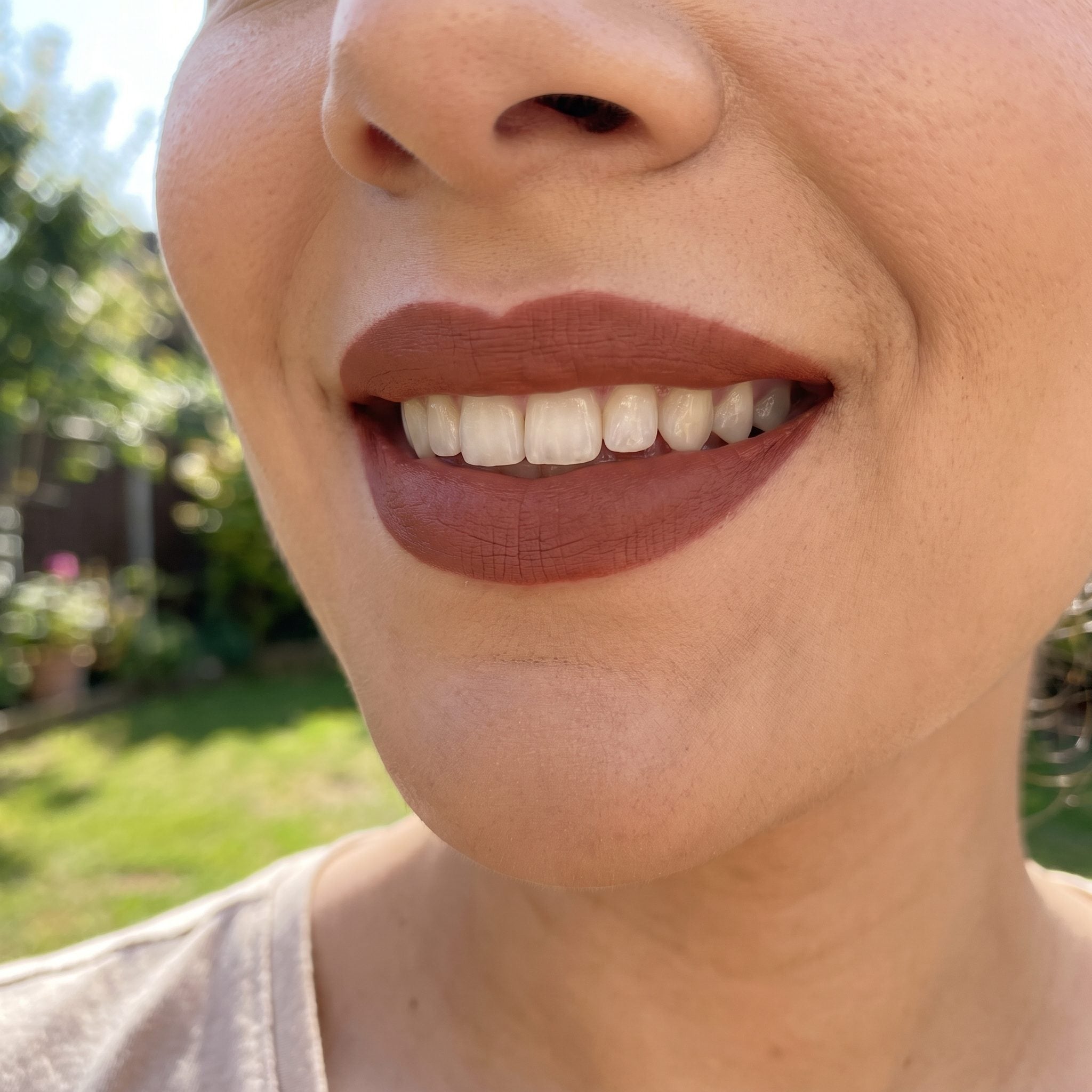
Brown lipstick made a statement without the brightness of a classic red. Cocoa, cinnamon, and brick shades gave the mouth a rich, earthy finish; a blot with a tissue softened the shine. Revlon’s Toast of New York became one of the decade’s recognizable brown-leaning shades, although its finish wasn’t strictly matte.
The effect could be sophisticated or almost grungy, depending on the shade. Warm cinnamon complemented bronze and beige makeup; deep chocolate made a stronger contrast against bare skin. Even a plain white tee and jeans looked different with a brown lip.
37. Denim Overalls With One Strap Hanging Loose
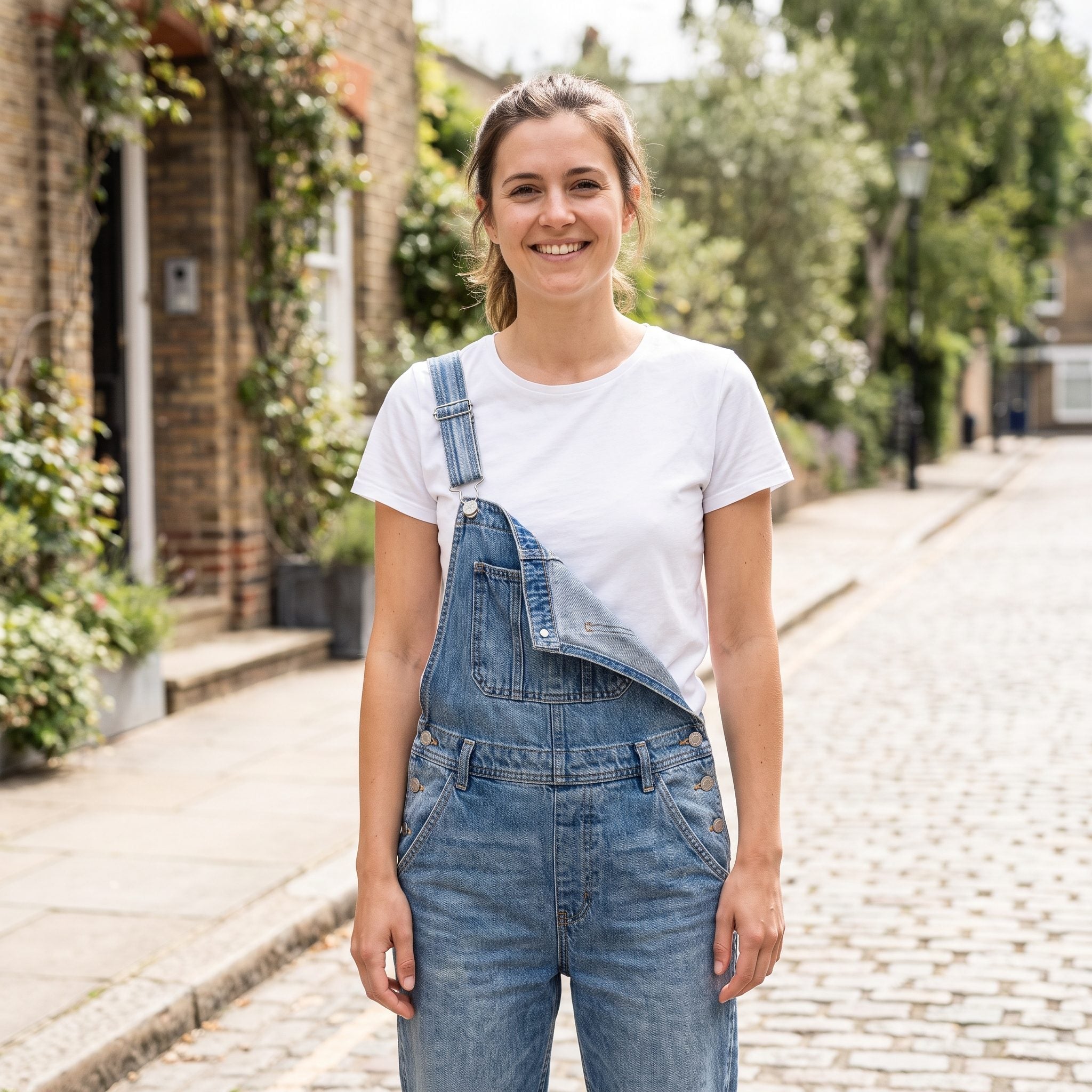
The dropped strap was never an accident. You unbuckled it on purpose, let it swing, and the outfit went from tidy to easy in one motion. That one loose strap signaled you weren’t trying too hard, which of course took a little trying.
Over a small white tee, overalls erased every decision. No waistband debate, no tucking, nothing to coordinate. Roomy denim, clean tee, done. Casual dressing has rarely felt less complicated.
36. Small Oval Sunglasses With the Skinny Metal Frames
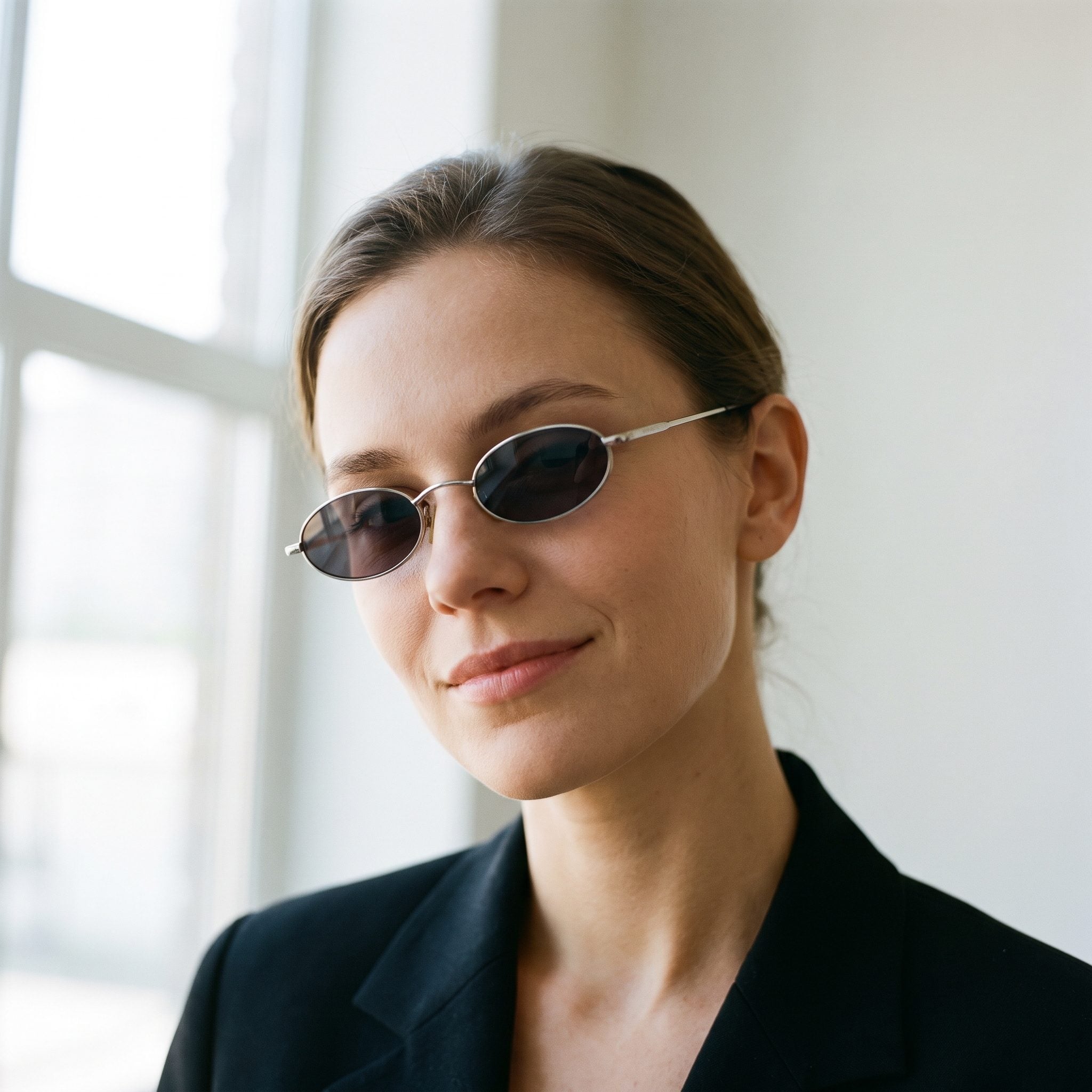
Small oval lenses and slender metal frames offered a precise, slightly futuristic finish. Some were tinted amber or smoke gray; others were dark enough to make eye contact difficult. Their proportions were the opposite of the oversized sunglasses of earlier decades.
They sat neatly above a plain tank or a narrow-shouldered jacket, adding a cool, hard edge to otherwise spare outfits. By the late 1990s, narrow eyewear was part of a broader minimalist and sci-fi-influenced look, but the tiny oval frame had a character all its own.
35. A Quick Spritz of CK One Before You Walked Out the Door
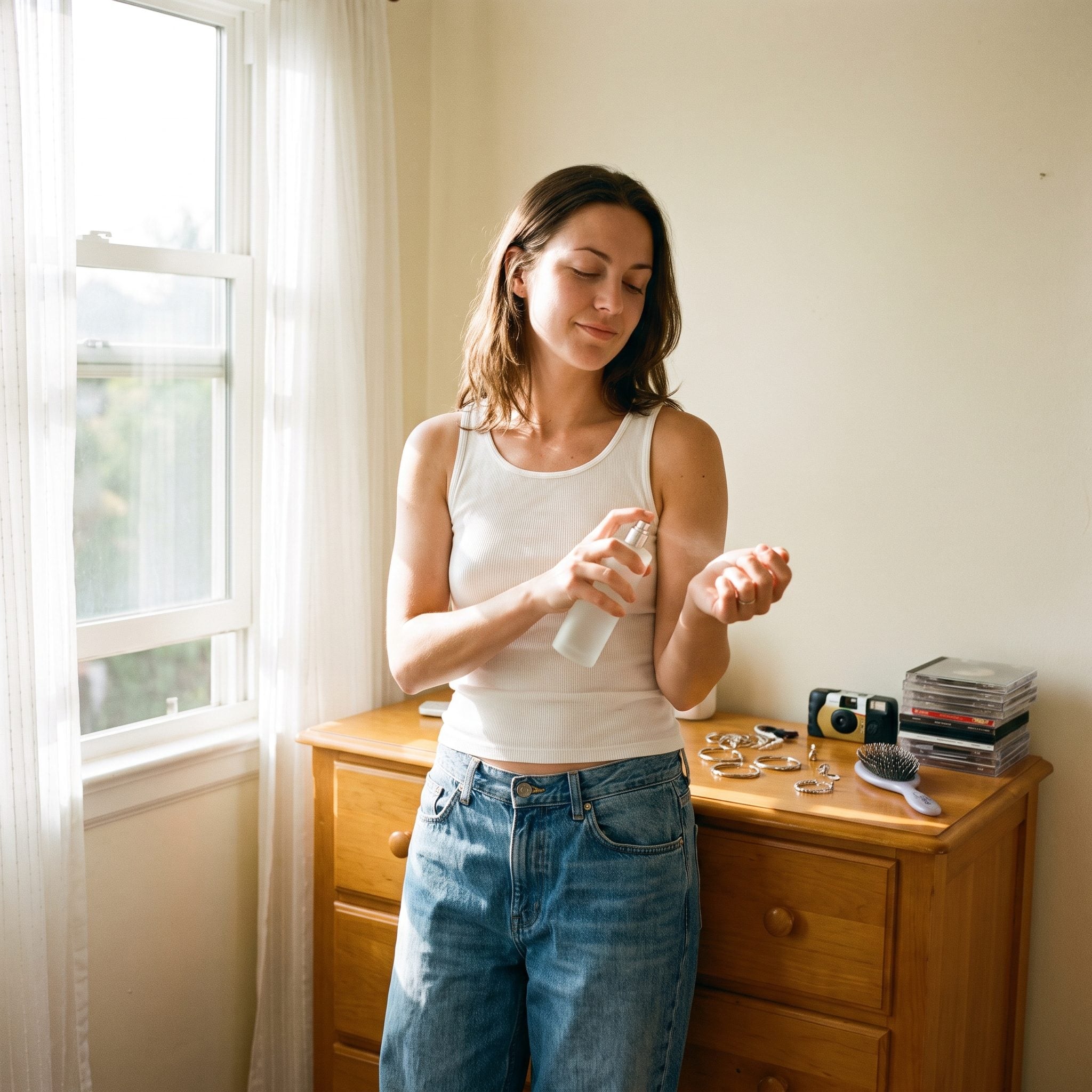
CK One arrived in 1994 with a frosted bottle and a clean, citrus-forward scent that suited the decade’s minimalist mood. Its marketing treated fragrance as something people could share rather than something assigned to men or women.
The bottle looked almost utilitarian beside more ornate perfume packaging. CK One wasn’t the first unisex fragrance, but its mainstream success helped make the idea newly visible to a mass audience. A quick spray became as much a part of the getting-ready routine as lipstick or hair gel.
34. Baggy Carpenter Jeans With a Hammer Loop You Never Used
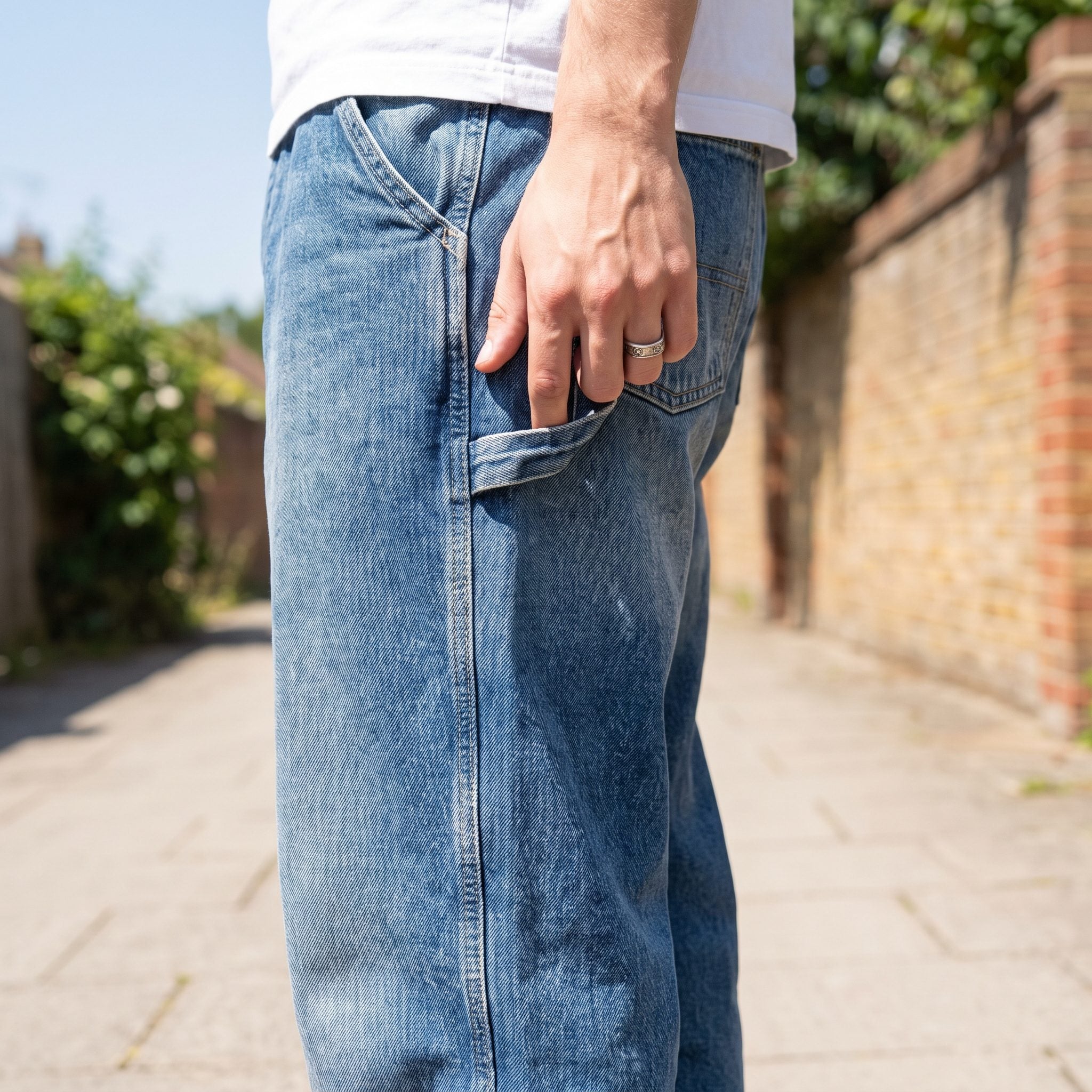
The hammer loop rarely met a hammer. It swung beside the thigh, giving roomy jeans a utilitarian detail that had little to do with actual carpentry. Big pockets, sturdy stitching, and loose legs made the silhouette distinct from cleaner straight-leg denim.
A cropped tee or fitted tank gave the volume some contrast. Carpenter jeans belonged to the decade’s appetite for workwear and skate-influenced shapes, with comfort and exaggeration taking precedence over a neatly tailored line.
33. Heavy Combat Boots Under the Floatiest Dress You Owned
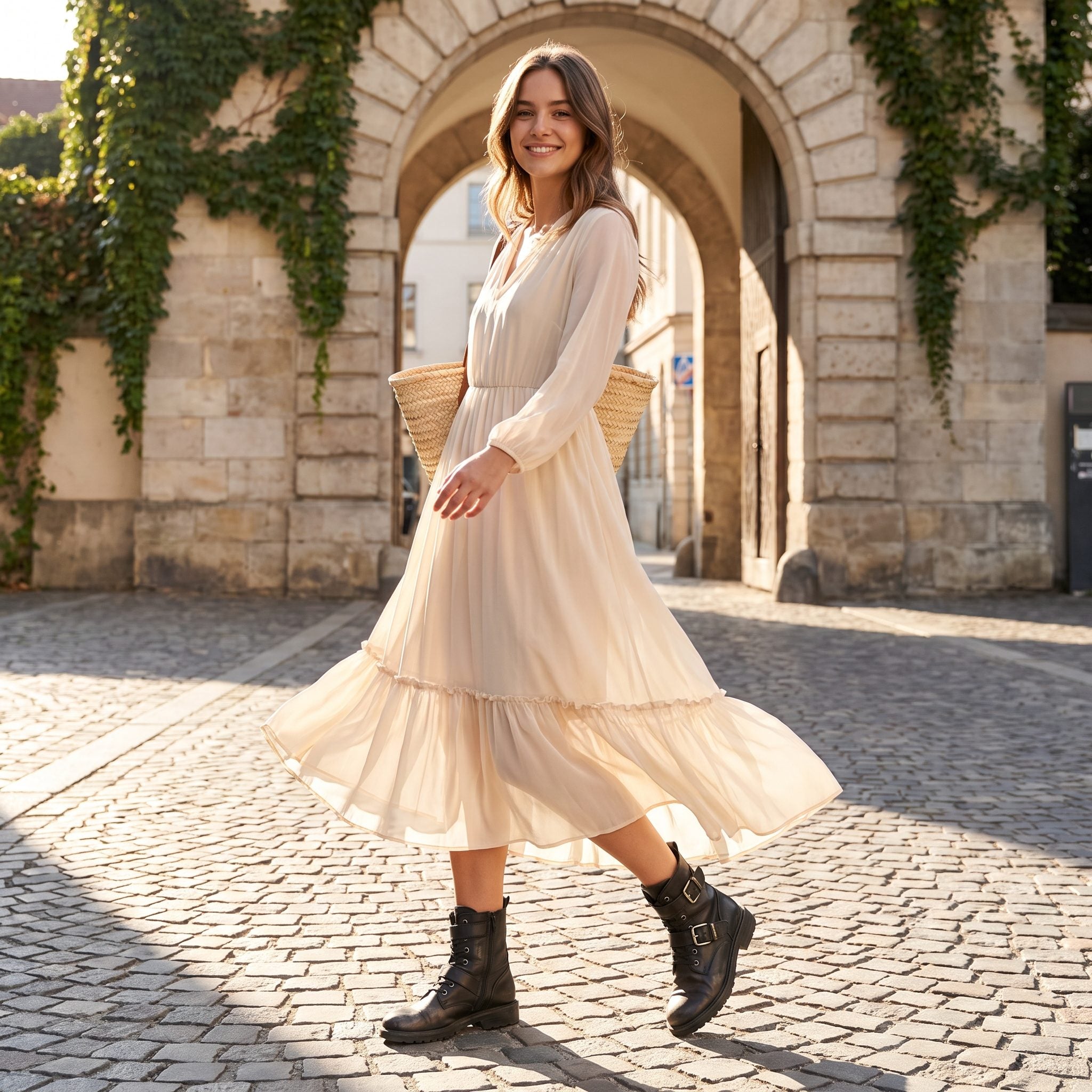
The contradiction was impossible to miss: a dress thin enough to float, boots heavy enough to anchor a boat. Neither piece would have been nearly as interesting without the other.
Grunge made room for an alternative to dressing delicately from head to toe. Scuffed leather, heavy laces, and thick soles toughened up floral prints and whisper-thin fabrics without disguising them. The boots made the dress look less precious; the dress made the boots look more surprising.
32. The Tortoiseshell Claw Clip You Kept in Your Bag
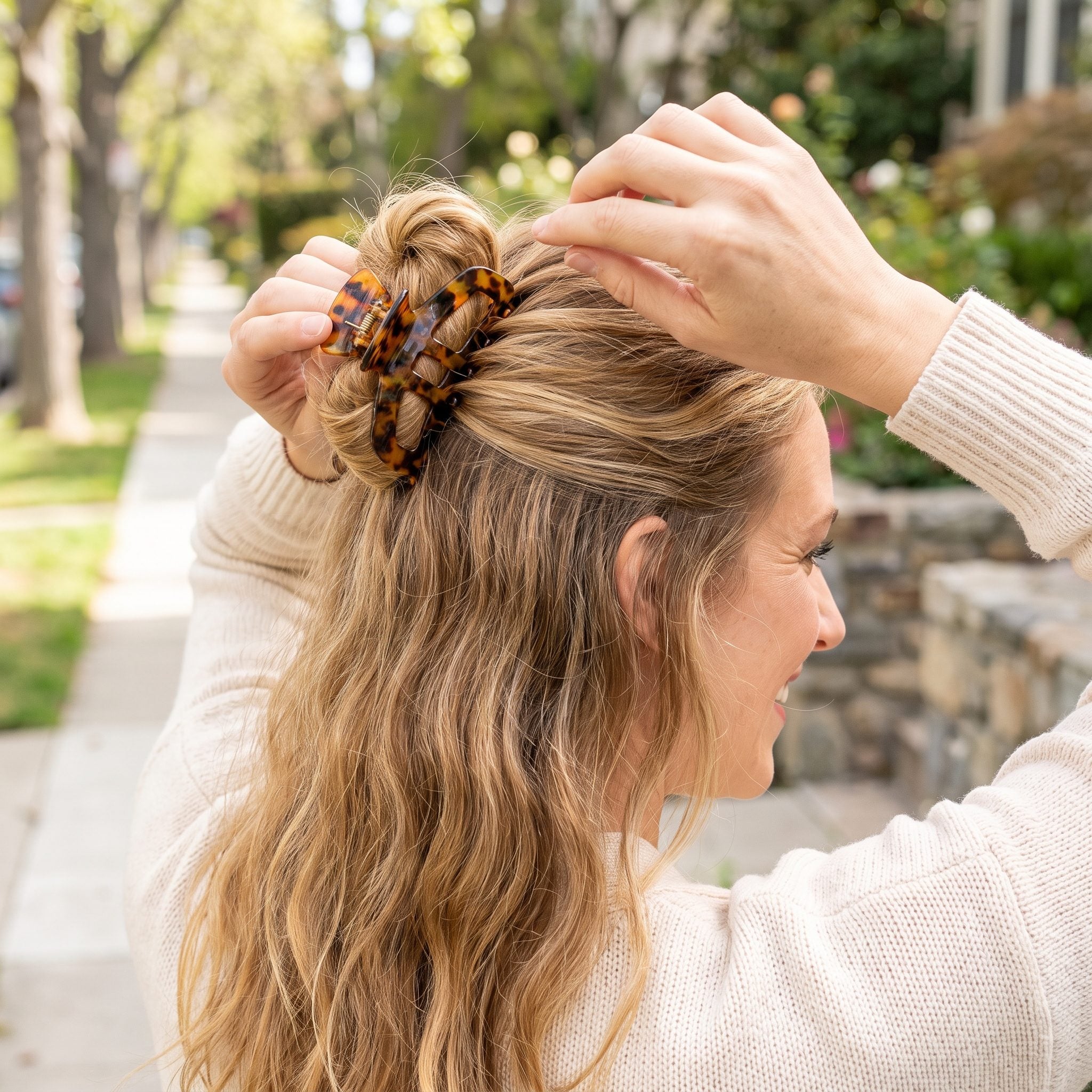
One twist, one snap, and afternoon hair was off your neck. The tortoiseshell claw clip made a quick updo look composed without the precision of pins or hairspray. Loose strands around the face kept it from feeling severe.
The amber-and-brown pattern went with denim, office separates, and slip dresses. Unlike many accessories that required a particular hairstyle, this one solved a practical problem in seconds. Its usefulness explains why it keeps returning to everyday wardrobes.
31. The Slinky Satin Midi Skirt You Wore to Everything
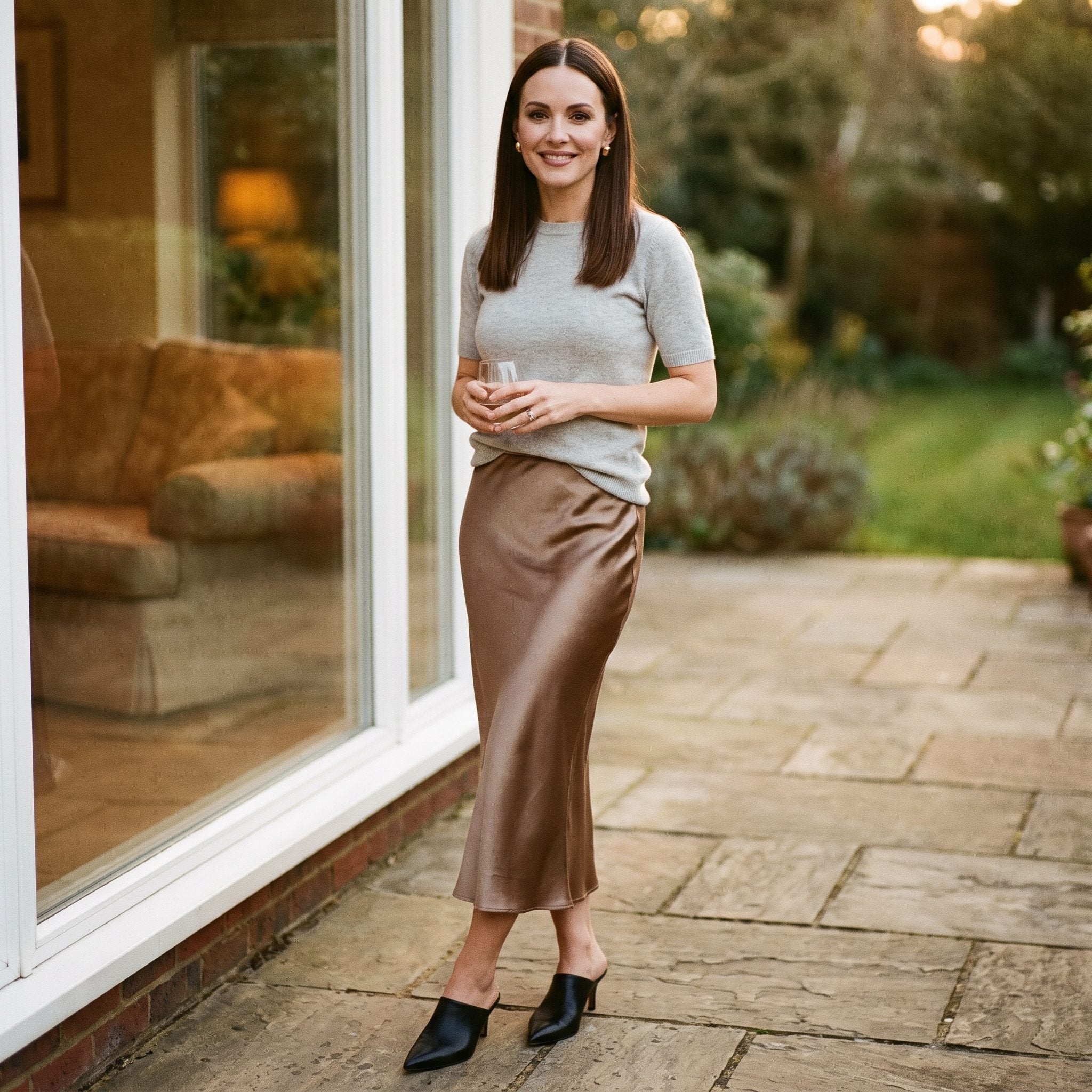
A satin midi skirt caught the light with every step, bringing movement to an otherwise simple outfit. Some versions were bias-cut, falling softly over the hips instead of holding a rigid shape.
A fitted sweater and ankle boots made the skirt suitable for daytime; a delicate top and strappy heels shifted it toward evening. The fabric could crease, but its sheen and fluid line were worth a little extra care. This was minimalist dressing with a quietly glamorous streak.
30. The Mini Nylon Backpack That Held Nothing and Everything
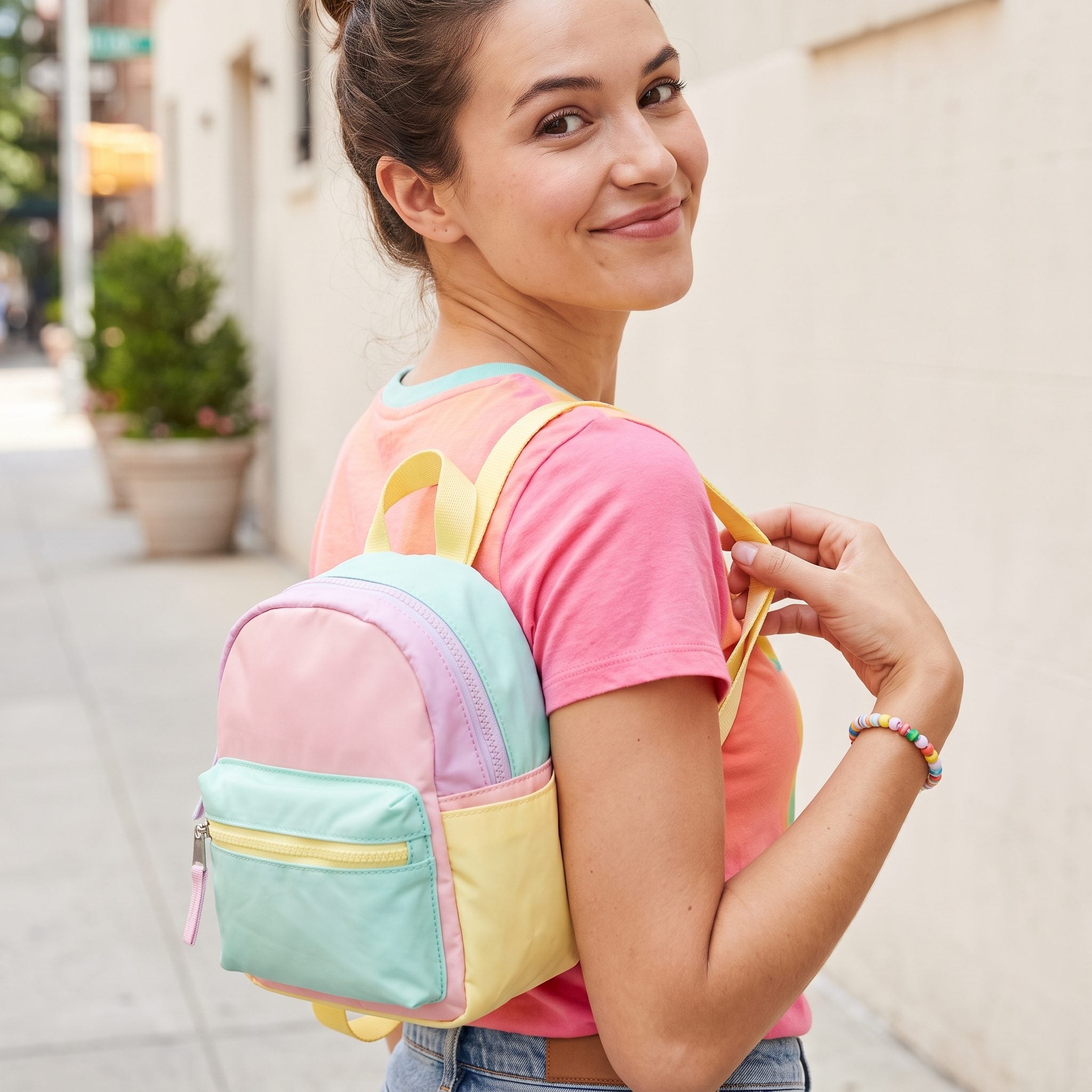
A wallet, house keys, a lip liner, and perhaps a few coins: the miniature backpack carried the essentials and left very little room for anything else. Its tiny proportions were part of the appeal. Both hands stayed free for shopping bags, though a bulky Discman might still need carrying separately.
Black nylon made the bag lightweight and inconspicuous. Prada helped establish nylon as a luxury material, while less expensive miniature backpacks became familiar sights in mall stores. The little bag had a sporty practicality that felt right at home with oversized jeans and baby tees.
29. Butterfly Hair Clips Scattered Like Confetti
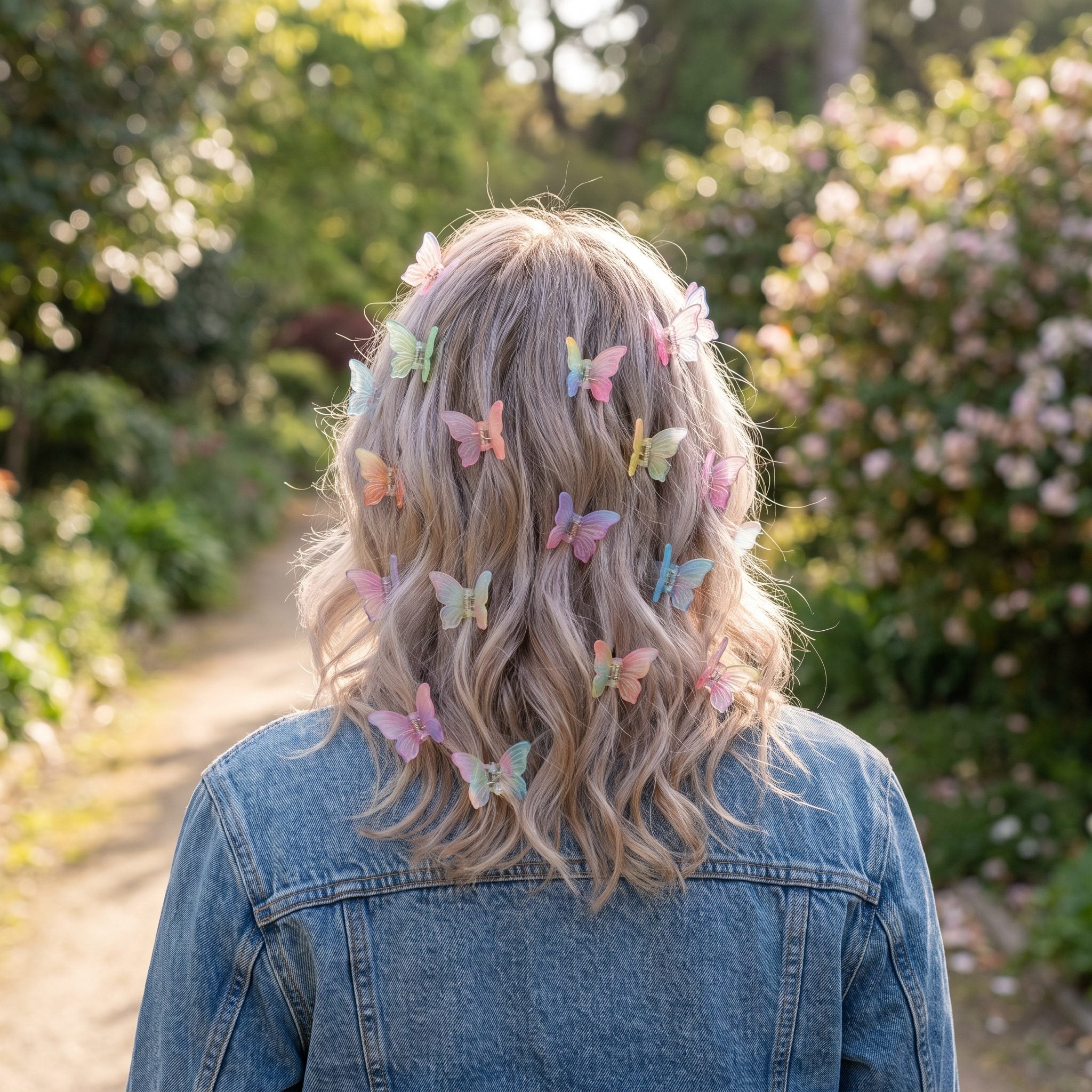
You bought them in packs of twenty from the drugstore and still ran out, because half of them ended up lost in the car, the couch, the bottom of your backpack. Each tiny plastic butterfly snapped shut on a twisted section of hair and turned a lazy morning into a plan.
Purely decorative. That was the point. A whole swarm of them across the crown announced that you had time, you had patience, and you owned an alarming number of small colorful objects.
28. Wide-Leg JNCO Jeans That Could Hide a Skateboard
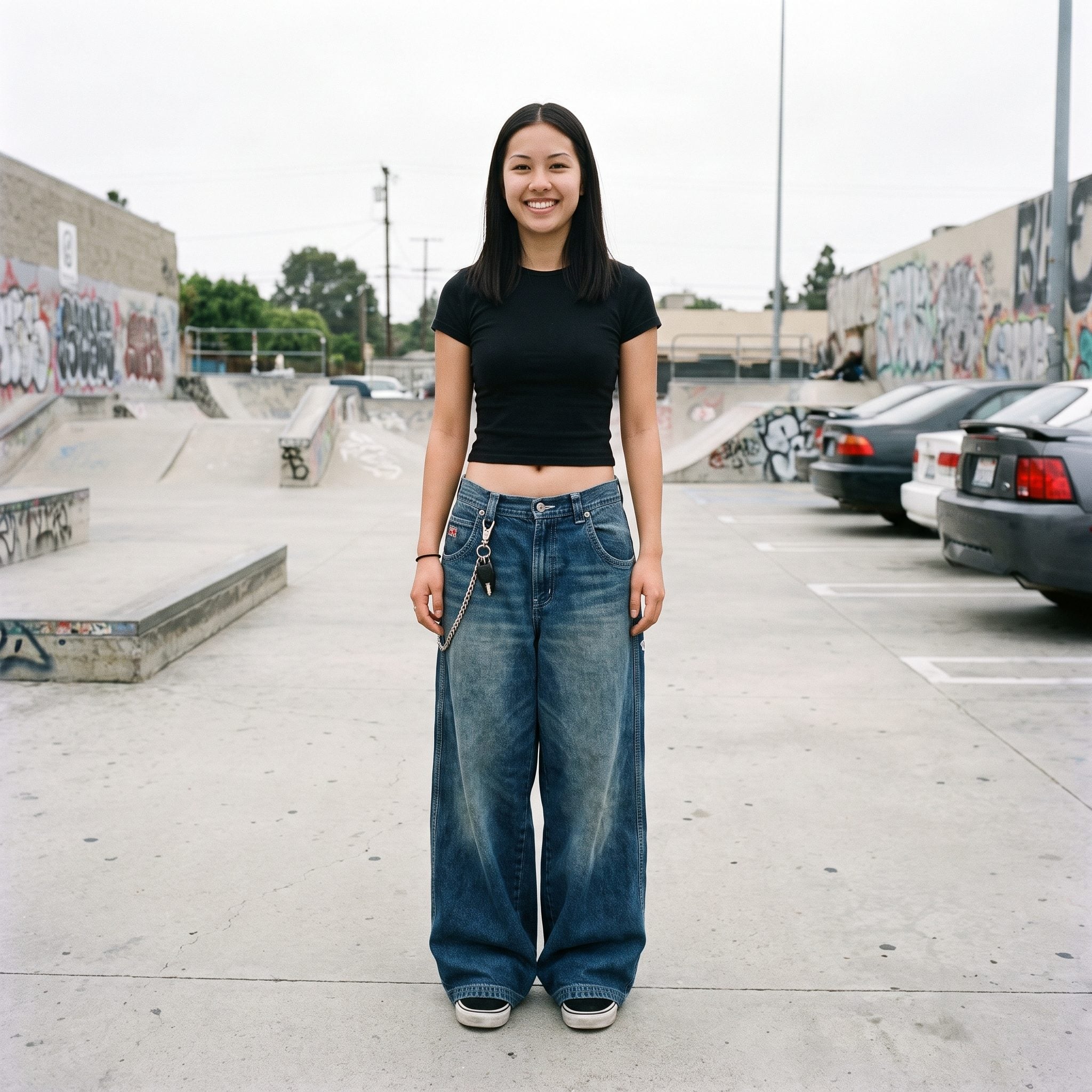
JNCO jeans took the wide-leg trend to extravagant proportions. The hems could cover nearly an entire sneaker, and the fabric moved around the legs like a curtain. Their scale was the attraction, not a tailoring mistake.
A small tee or close-fitting tank offered contrast above the waistband. Associated with skate, rave, and alternative youth scenes, the brand made exaggerated denim a recognizable late-1990s statement. Ordinary baggy jeans suddenly looked restrained.
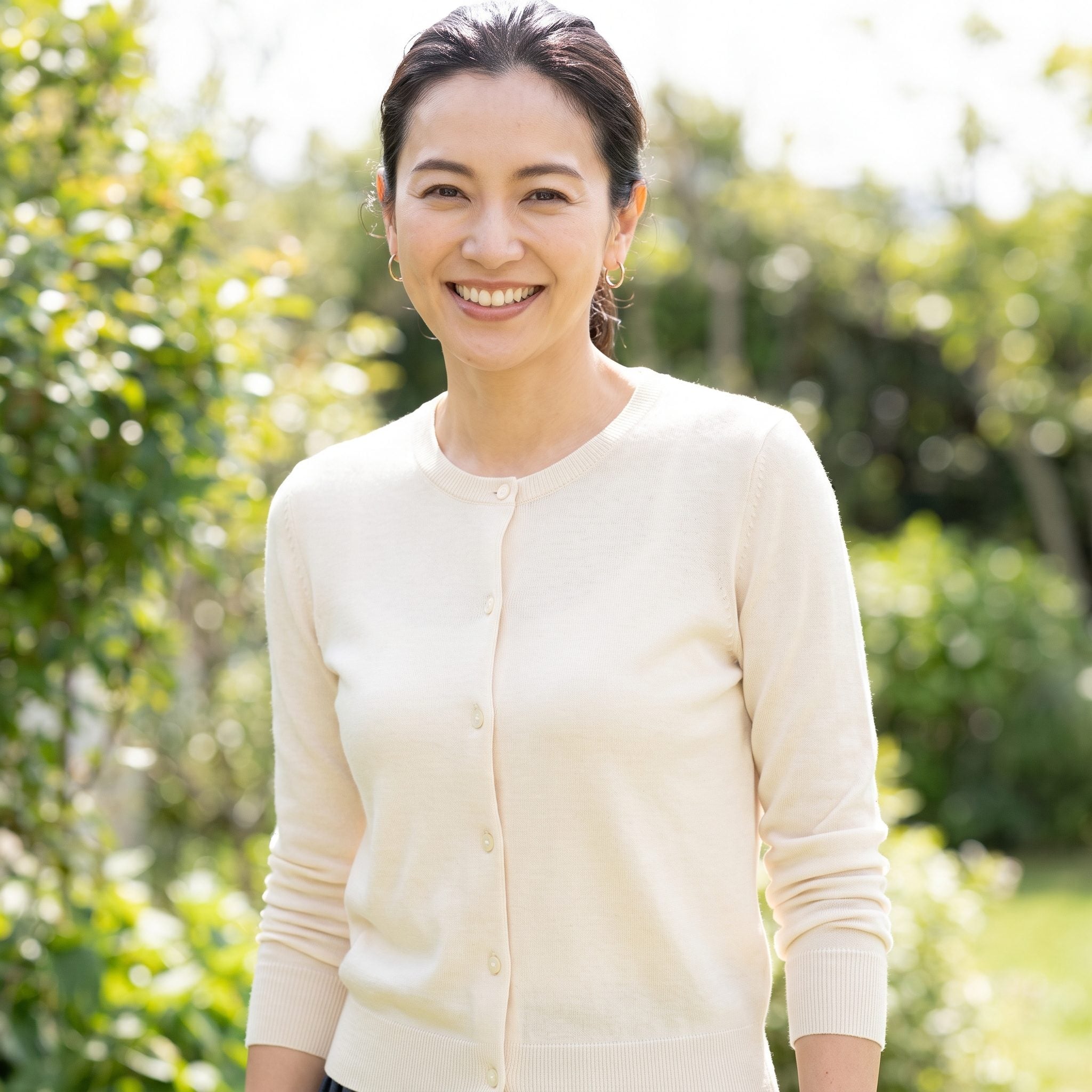
27. Fitted Cardigans Worn as the Whole Top
❤️ Would you like to save this?
Buttoned directly over bare skin, the little cardigan stopped behaving like an extra layer and became a fitted top in its own right. The row of buttons supplied detail without a necklace or elaborate neckline.
Tucked into high-waisted trousers or worn with a straight skirt, the close-fitting knit emphasized the waist while keeping the silhouette neat. A version buttoned to the collar looked prim; leaving the top few buttons open changed the mood entirely.
26. Clear Glitter Jelly Sandals That Squeaked Through Summer
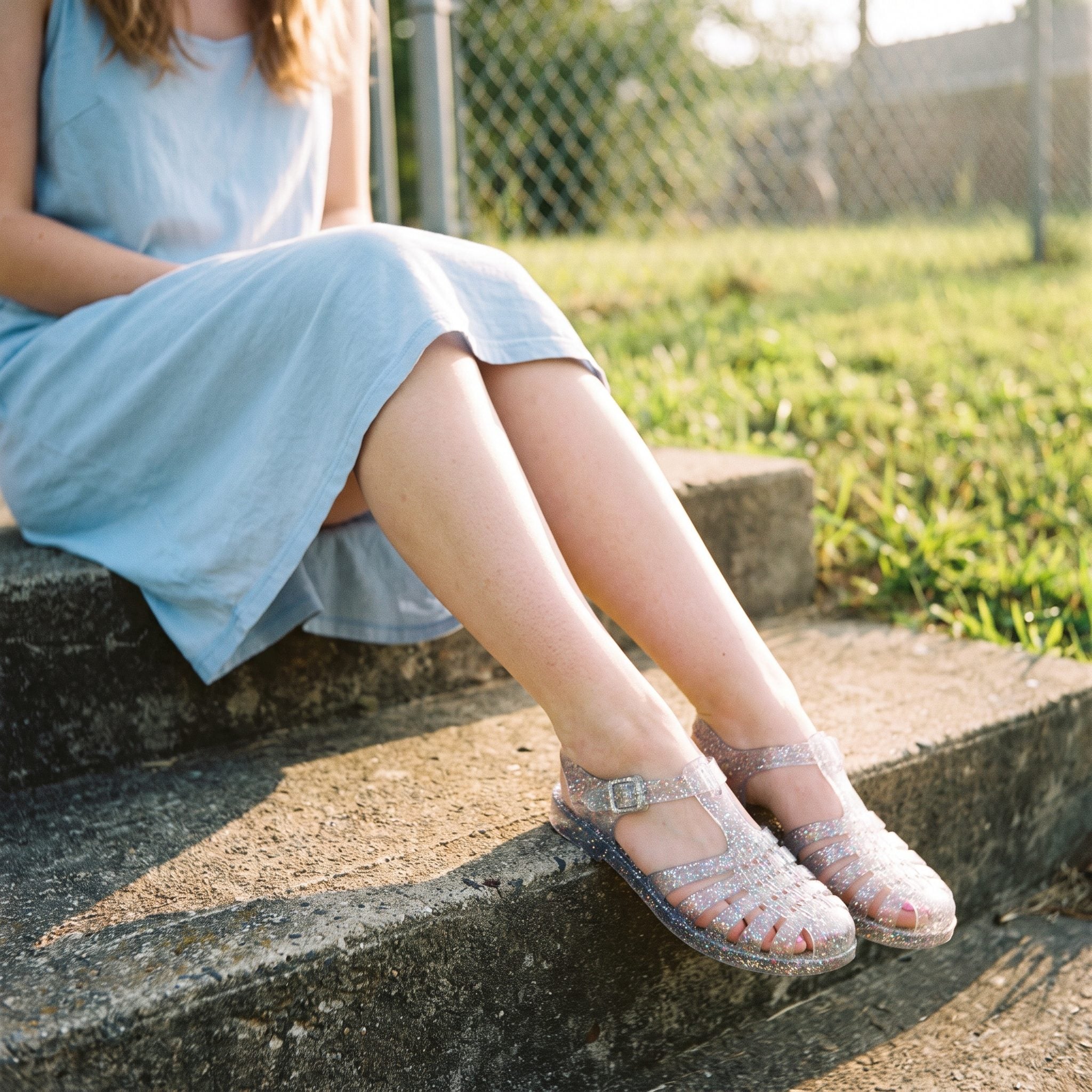
Transparent plastic and suspended glitter made jelly sandals look like something from a toy store, and that was part of their appeal. They were light, washable, and often accompanied by the unmistakable squeak of plastic against skin.
With cutoffs or a sundress, they introduced a deliberately playful note. Jelly shoes had enjoyed earlier popularity, but the glittery versions found an enthusiastic audience in the 1990s, when nostalgic childhood details were perfectly acceptable fashion accessories.
25. Plaid Pleated Miniskirts, Courtesy of Cher Horowitz
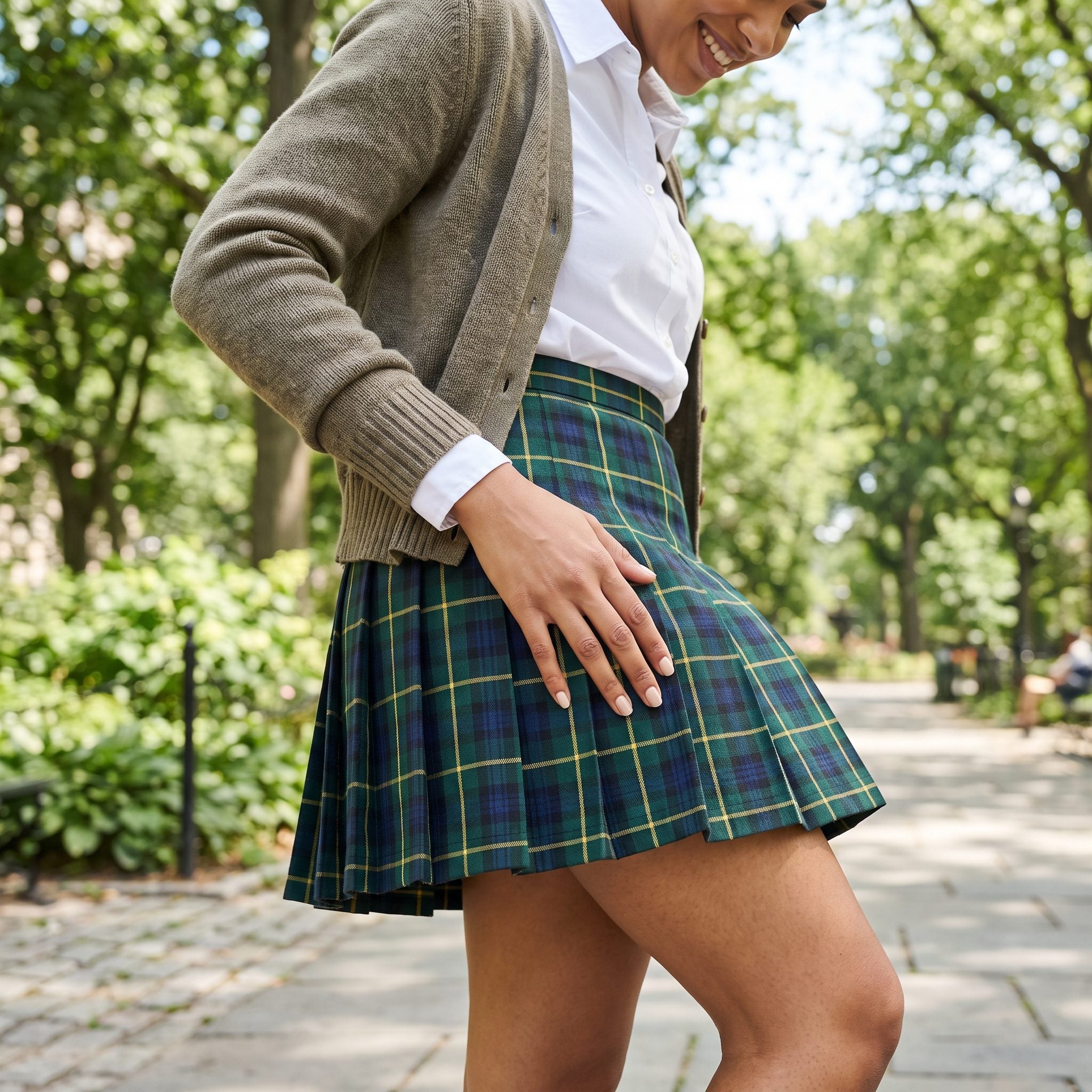
After Clueless arrived in 1995, a plaid pleated mini could carry an entire outfit. The film made the school-uniform reference glamorous, funny, and instantly recognizable without changing the basic construction of the skirt.
A simple knit, knee socks, or chunky loafers gave the plaid room to dominate. The look borrowed the discipline of a uniform and then cheerfully ignored the rules. Cher Horowitz would have approved of the coordination, if not necessarily the restraint.
24. Chunky Loafers With Soles That Refused to Be Sensible
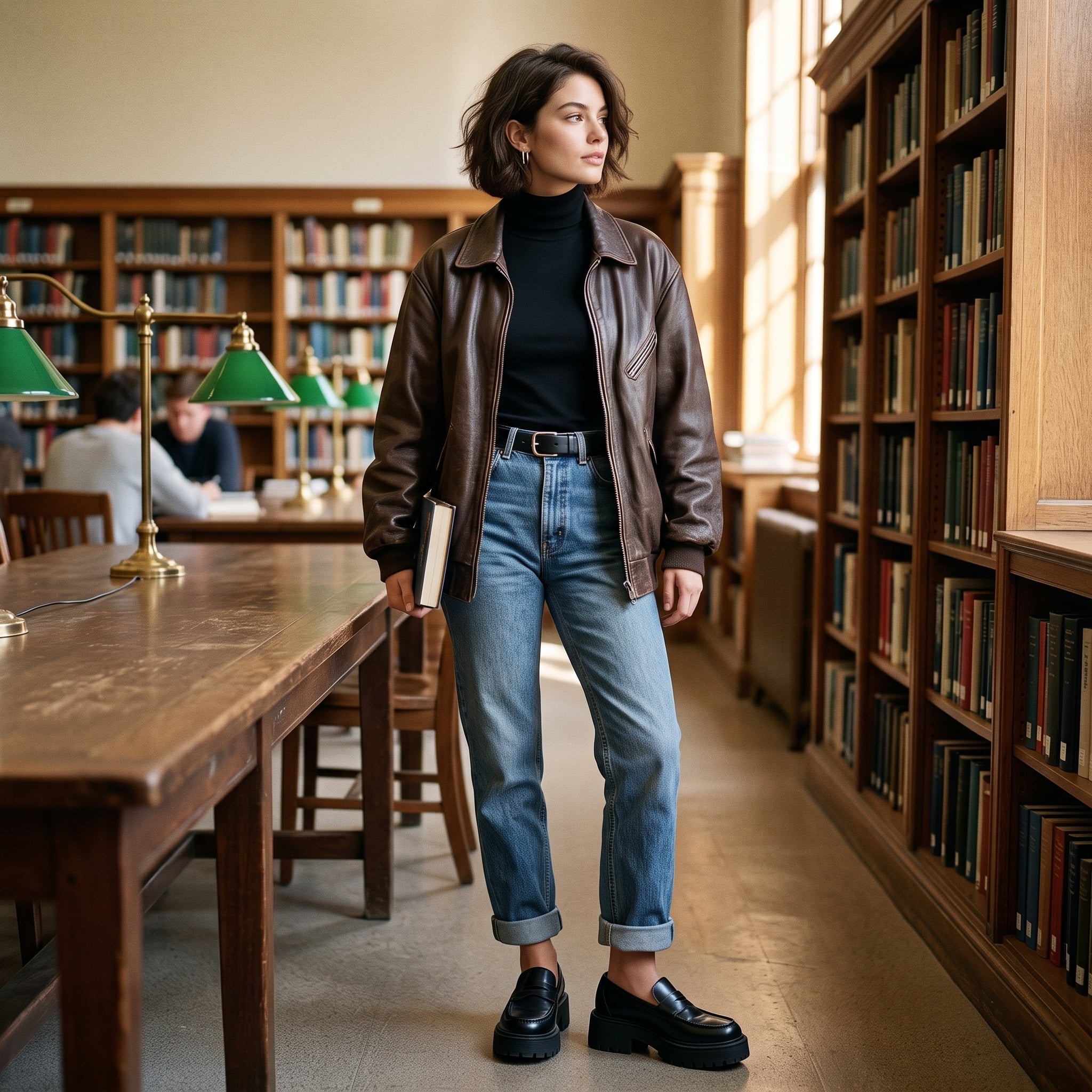
The penny loafer acquired a rebellious streak when its sole grew thick, ridged, and unapologetically heavy. The familiar leather upper stayed tidy, but the lug platform underneath changed the attitude of the entire shoe.
Cuffed straight-leg jeans keep the black loafers visible beneath a brown leather jacket and black turtleneck. Against the library’s warm wood shelves, the contrast is especially effective: scholarly above the ankle, a little subversive below it.
23. Wide Fabric Headbands That Finished the Whole Look

A broad stretch headband swept hair away from the face in seconds, giving an otherwise casual outfit a crisp finishing line. Unlike a decorative barrette, it was useful enough to earn a permanent place in a bag or bathroom drawer.
Worn with a plain tee and jeans, the band looked sporty; with a fitted cardigan, it leaned preppy. Its simplicity was the attraction. No elaborate hairstyle, no collection of pins, just a clean band across the crown.
22. The Black Nylon Shoulder Bag That Made Simplicity Look Expensive
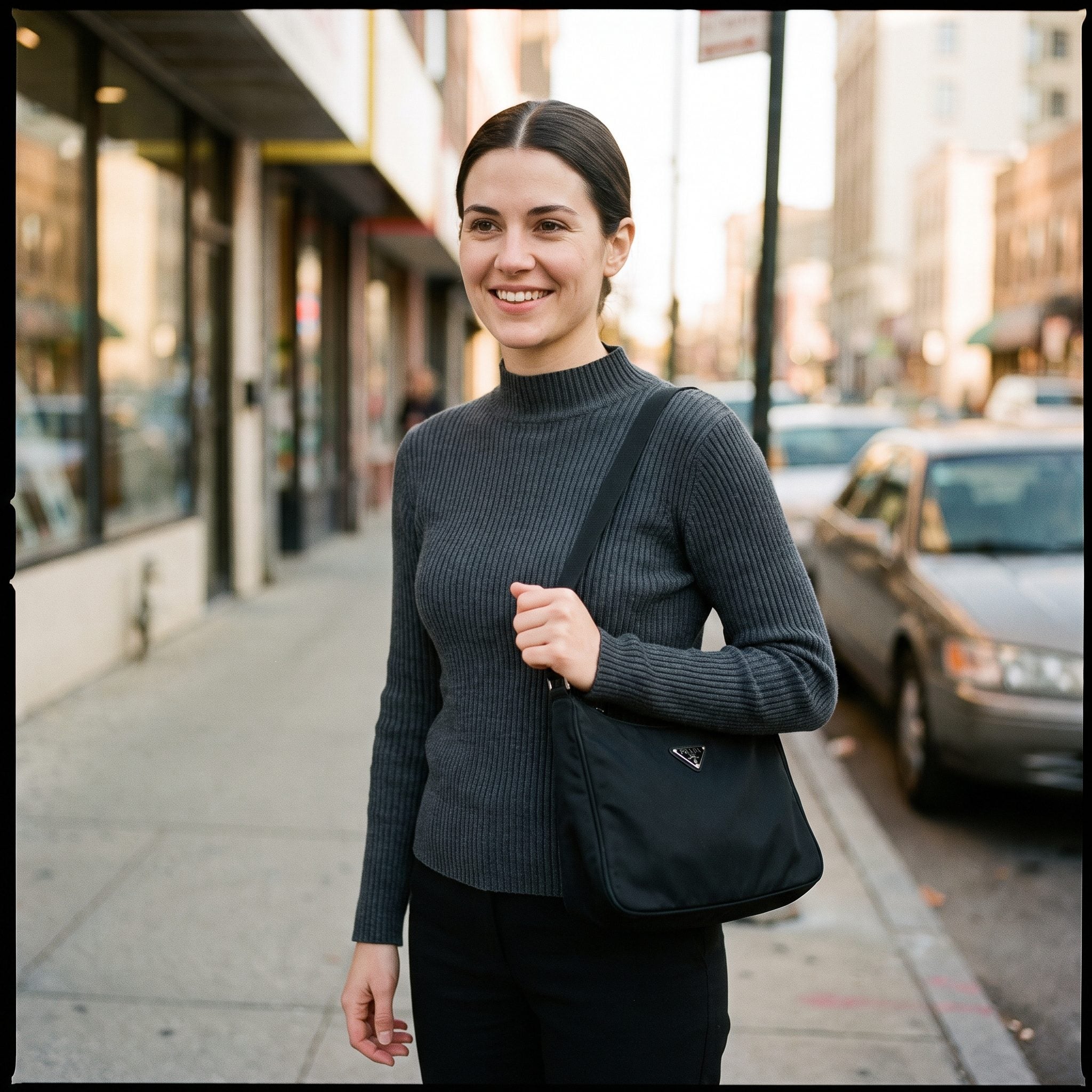
A small black nylon shoulder bag could look almost anonymous until you noticed its shape and finish. Prada’s distinctive triangle plaque made the luxury version recognizable, while plainer alternatives borrowed the same streamlined idea.
With a mock-neck sweater, straight jeans, and a leather jacket, the bag offered an alternative to heavy hardware and elaborate ornament. Prada had been using nylon in accessories since the 1980s; by the 1990s, the material was firmly associated with the label’s unconventional approach to luxury.
21. Faded Band Tees From Nirvana, Pearl Jam, and Soundgarden
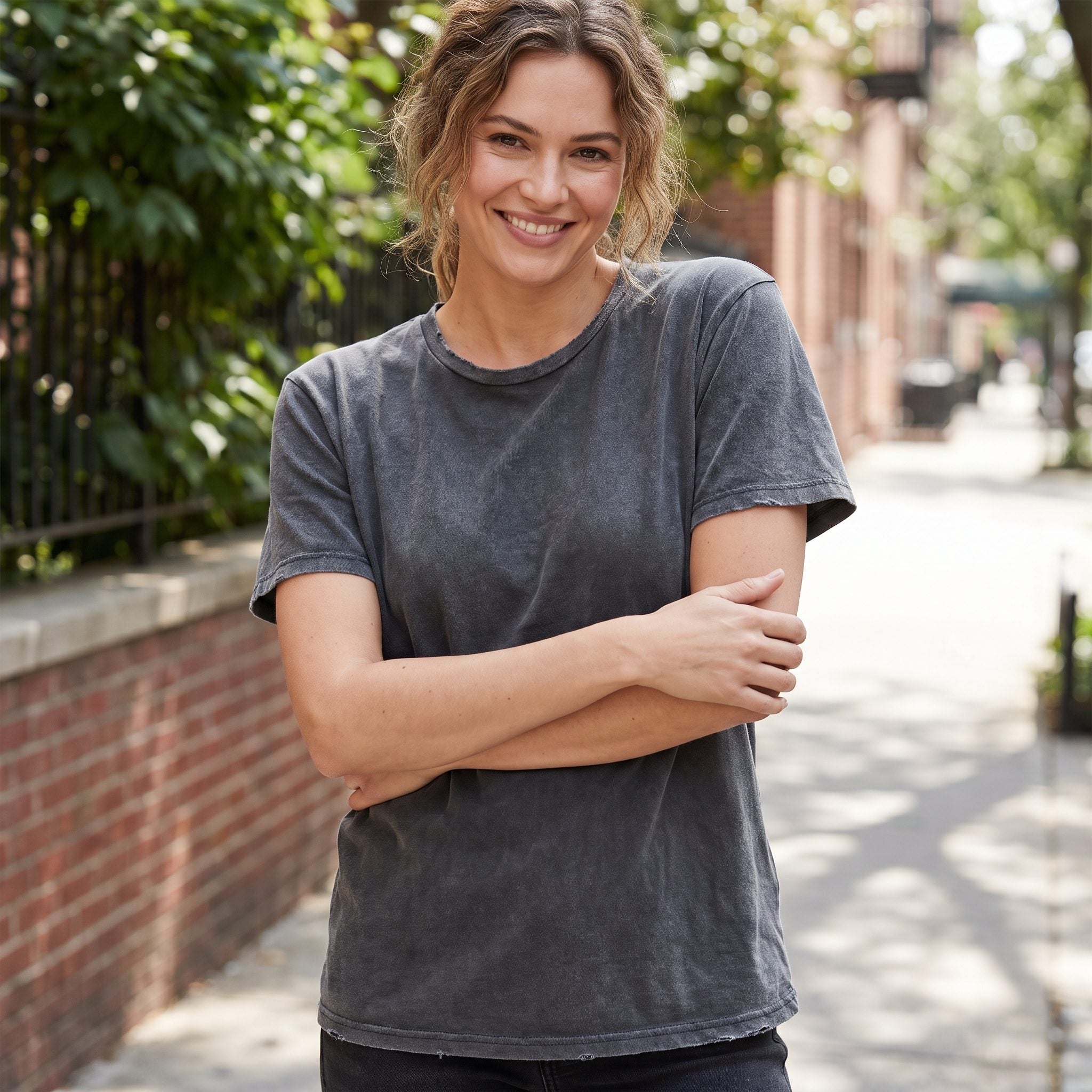
The more faded, the better. A crisp new band tee gave you away immediately. You wanted the cotton gone soft from washing, the print cracked and peeling at the edges, proof you’d actually worn this thing to the show or at least wished you had.
Layered under an open flannel, the band tee did double duty, breaking up the plaid and telling everyone exactly where your allegiances sat. Conversation starter and filter at once. Fellow fans found each other across a crowded hallway because of one faded screen print.
20. Steve Madden Slinky Platform Sandals for a Night Out
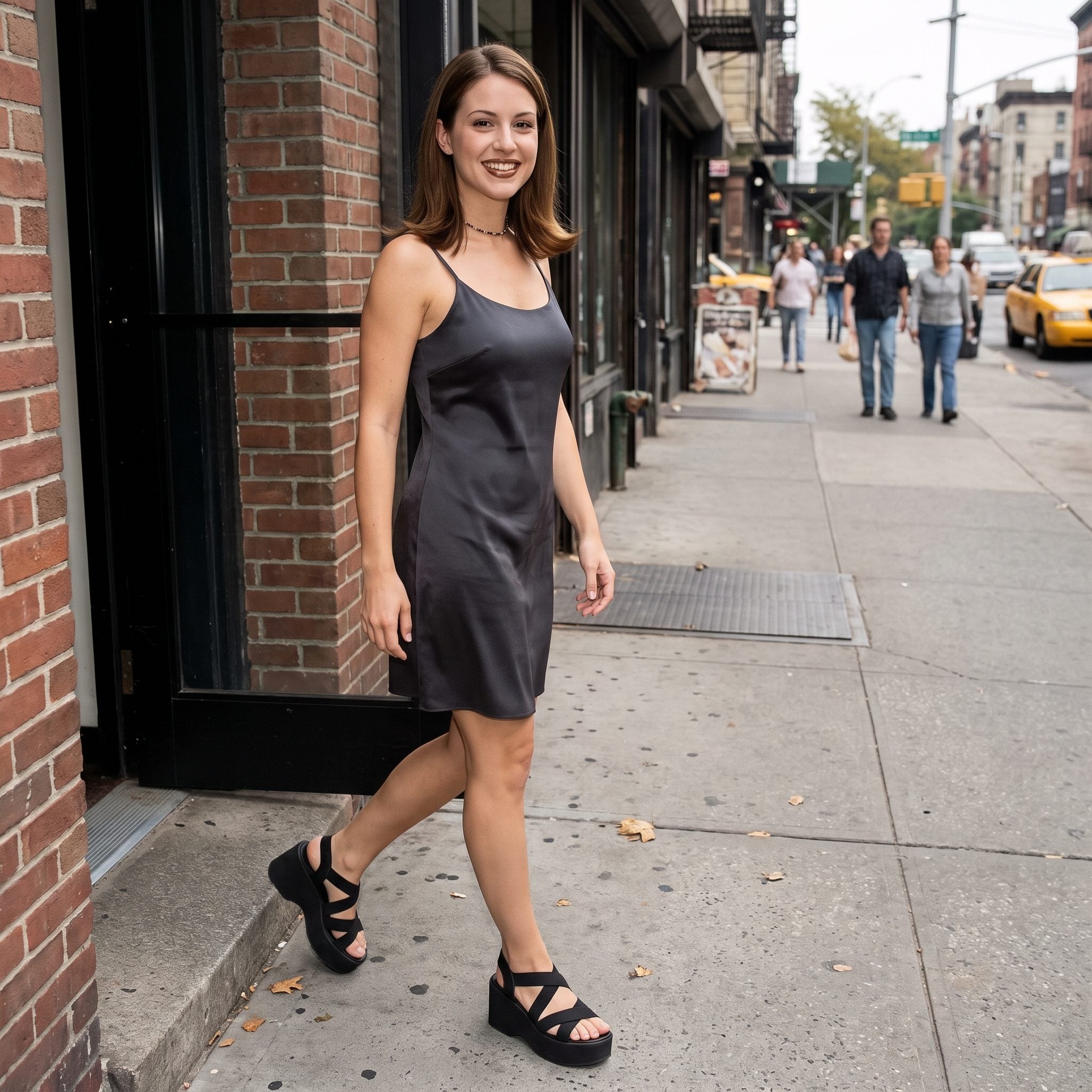
Steve Madden’s Slinky sandals made the platform look almost impossibly simple: a stretchy upper and a thick, curved sole. The contrast between the snug band and substantial base was instantly recognizable.
They added height without the narrow heel of a traditional dress sandal, and they paired easily with slip dresses and wide-leg pants. Their popularity captured the decade’s taste for shoes that were part practical, part spectacle.
19. High-Waisted Jeans That Made Room for Your Waist
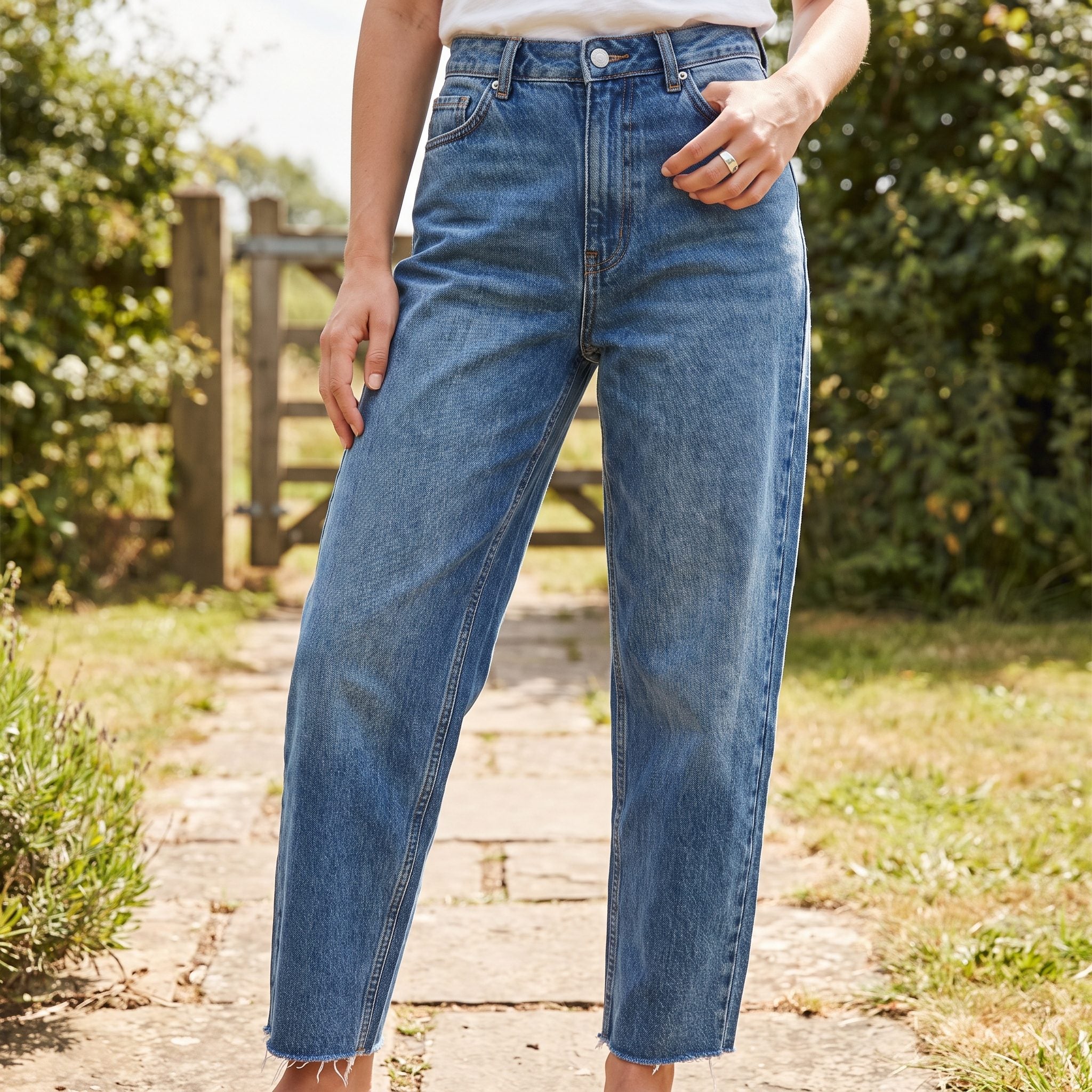
High at the waist, roomy through the hips, and made from denim that took a little time to soften, these jeans were built for more than standing still. Levi’s and Gap versions made the silhouette familiar long before its later fashion revival.
The generous rise changed the proportions of an outfit. A tucked-in baby tee emphasized the waist, while a relaxed leg kept the overall look casual. The term ‘mom jeans’ wasn’t invented later, but the cut eventually returned under that name with a new generation of admirers.
18. Oversized Velvet Scrunchies That Took Up Half Your Ponytail
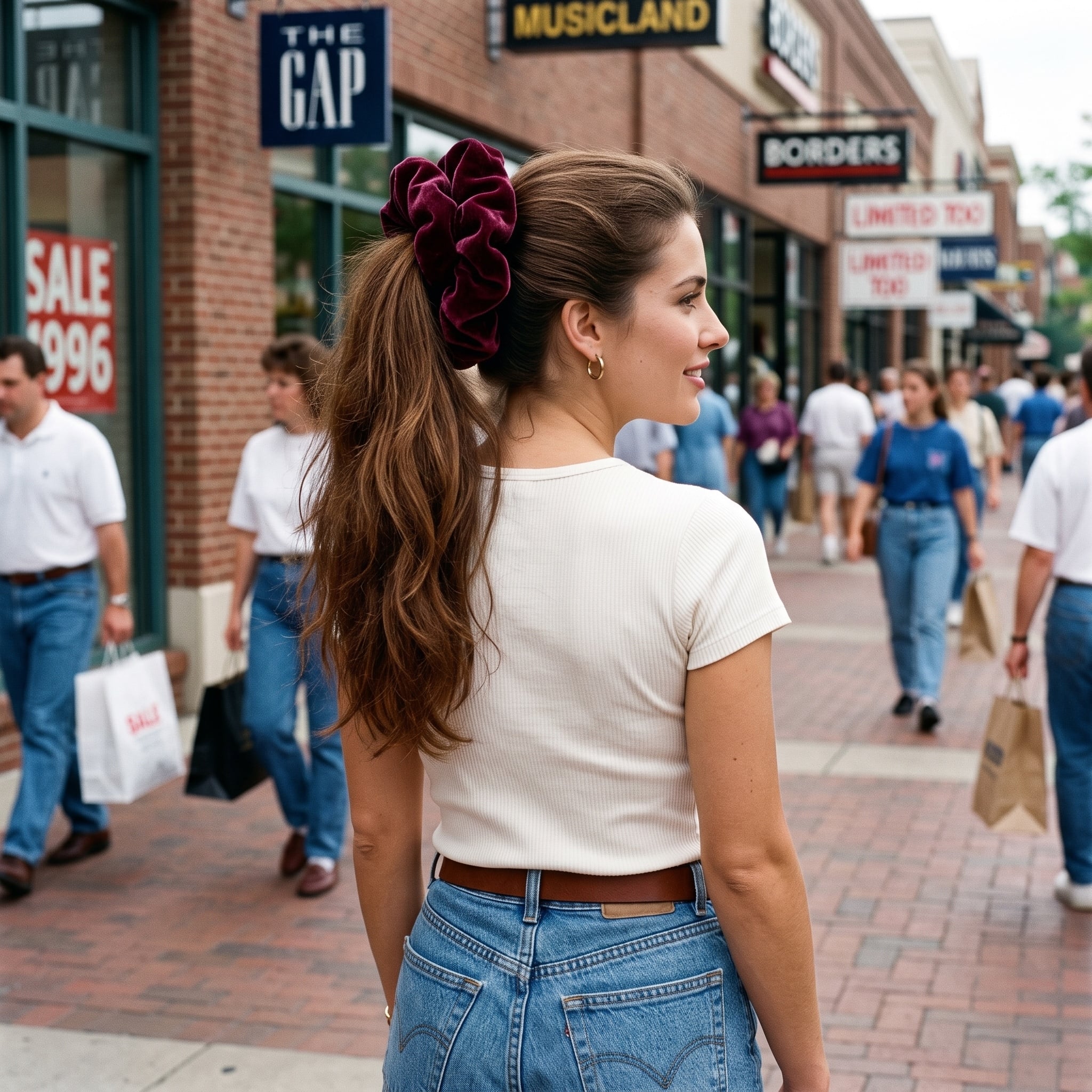
A velvet scrunchie could turn an ordinary ponytail into the largest accessory on your head. Deep burgundy, emerald, and midnight blue versions gathered into plush folds, sometimes nearly as wide as the hair they were holding.
In the photograph, the burgundy velvet forms a dramatic ring around a high ponytail, with the folds almost competing with the hair itself. Against a white baby tee and faded jeans, that plush texture supplies all the ornament the outfit needs.
17. Knee-High Socks Pulled Up Just So
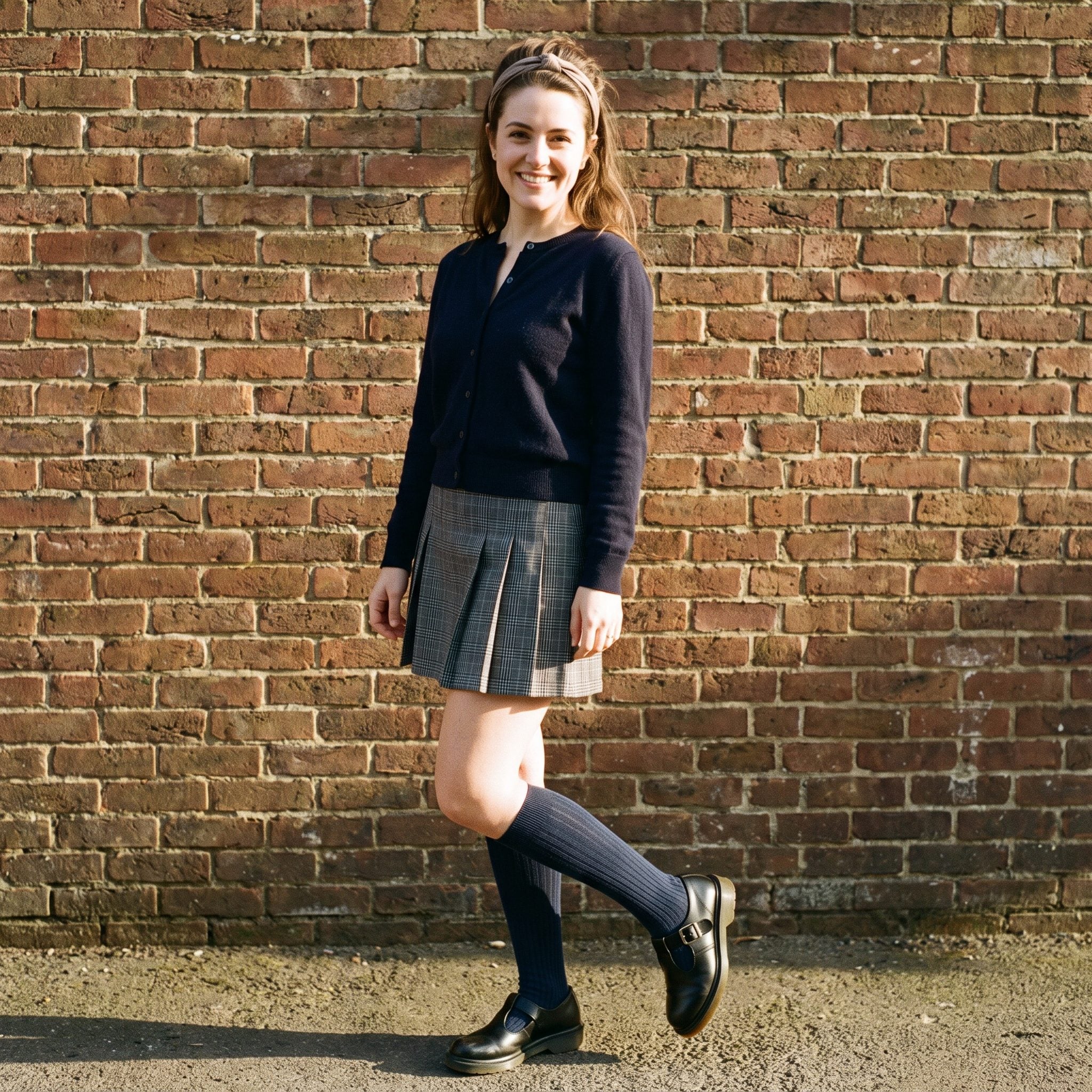
Knee-high socks were a small but important piece of the 1990s schoolgirl-inspired look. Smooth pairs sat just below the knee, creating a clean break between a pleated skirt and chunky Mary Janes.
White, charcoal, and navy versions changed the effect dramatically. Against tartan, they could feel preppy; with heavy shoes and an oversized sweater, the same socks became a little more irreverent. The exact height mattered because it changed the amount of leg visible between skirt and shoe.
16. Square-Toe Ankle Boots That Meant Business
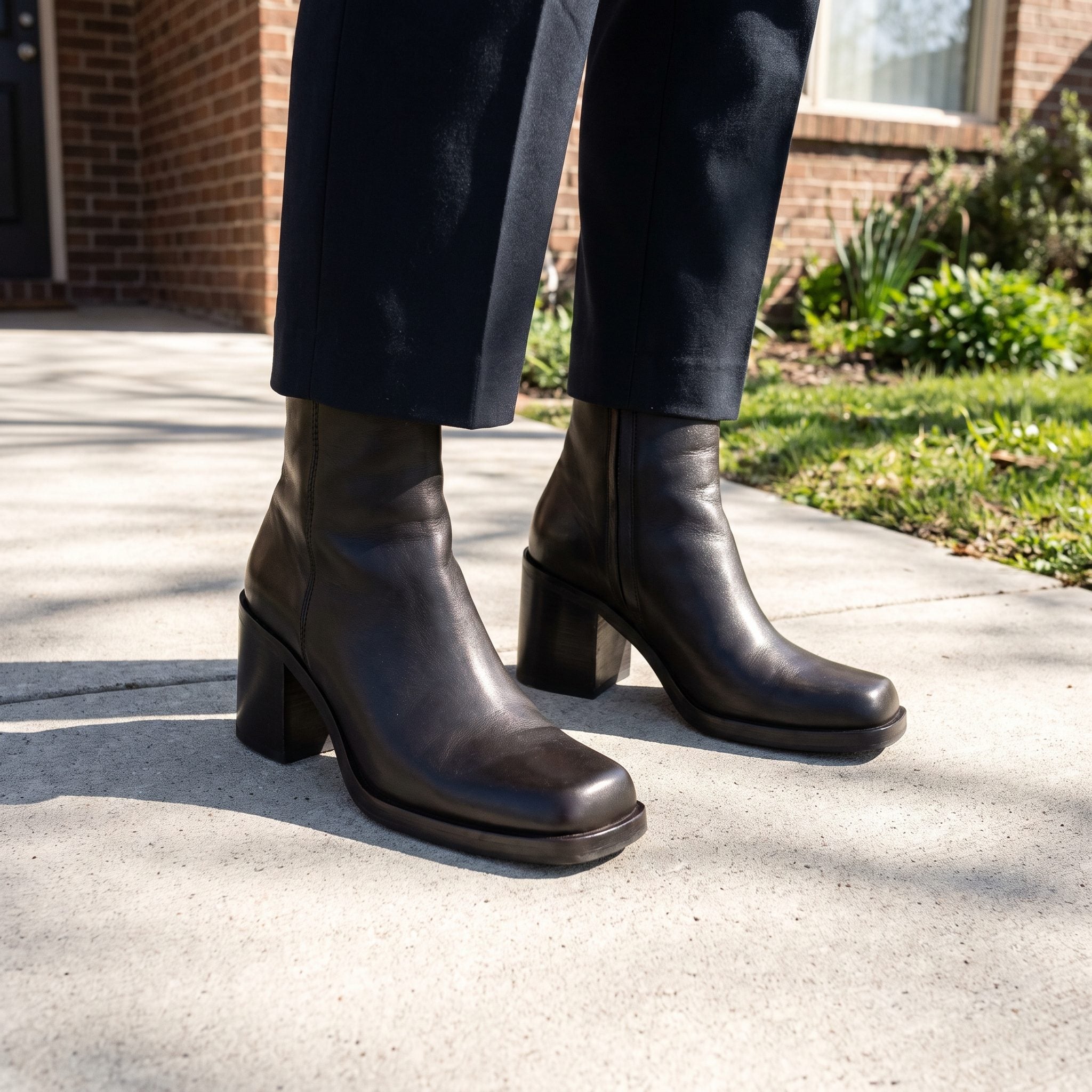
A blunt square toe gave ankle boots a graphic edge, especially when paired with narrow trousers or a straight skirt. Smooth leather and sturdy block heels made the shape look practical without losing its fashion bite.
The late-1990s minimalist wardrobe favored this sort of clear geometry. No elaborate buckles were needed; the squared front supplied the distinction. Against long, uninterrupted hemlines, the shape felt purposeful rather than ornamental.
15. Tiny Baby Tees With the Little Daisy on the Chest
❤️ Would you like to save this?
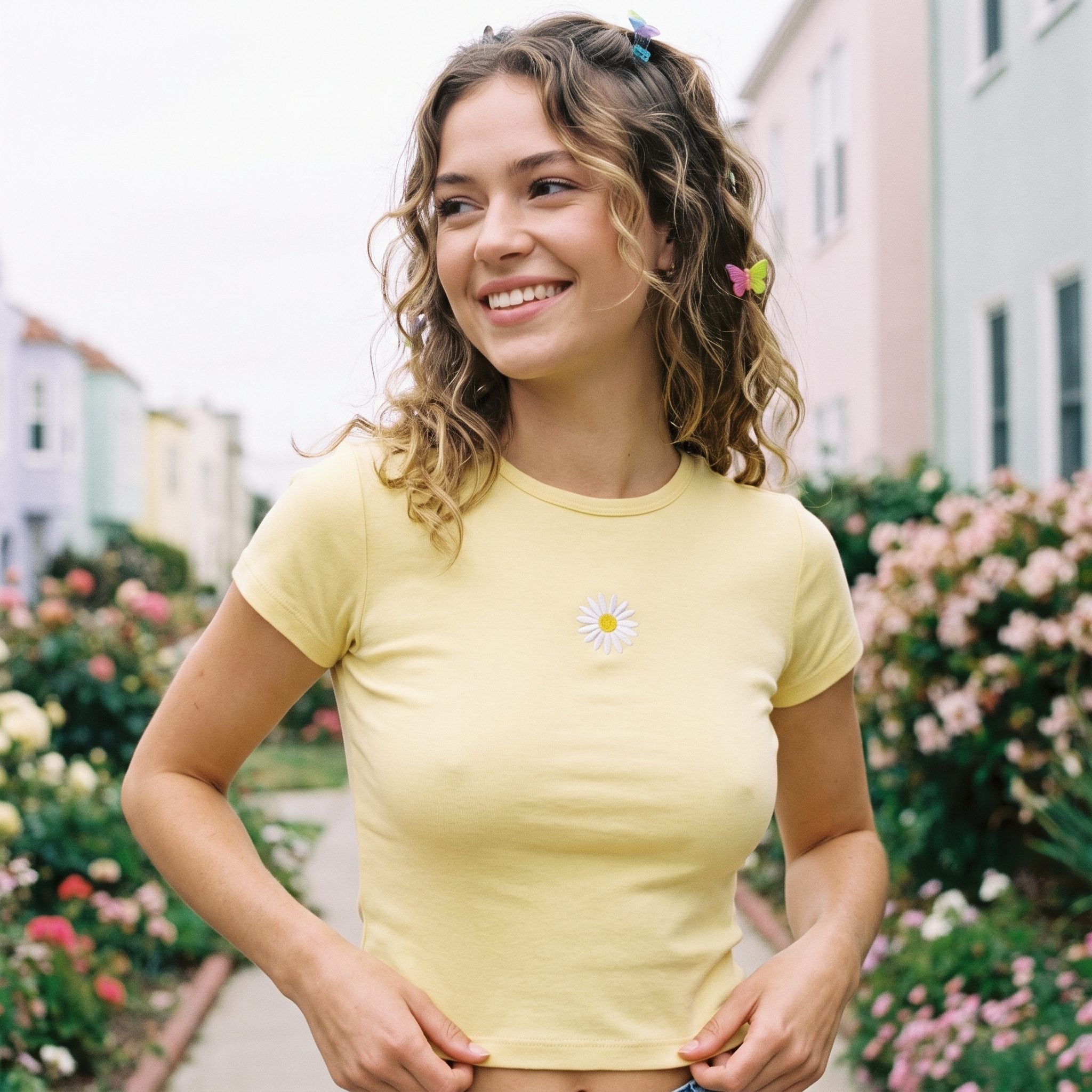
Shorter, closer-fitting, and far less interested in covering the waistband, the baby tee was the perfect counterweight to oversized denim. Its cropped hem and snug sleeves made a deliberate contrast with baggy jeans and carpenter pants.
A tiny daisy, contrast ribbing at the neck, or a three-word slogan in rubbery iron-on letters could turn the simplest cotton top into a recognizable 1990s piece. Small details mattered more because there was so little fabric to work with.
14. Minimalist Strappy Sandals That Let the Slip Dress Speak
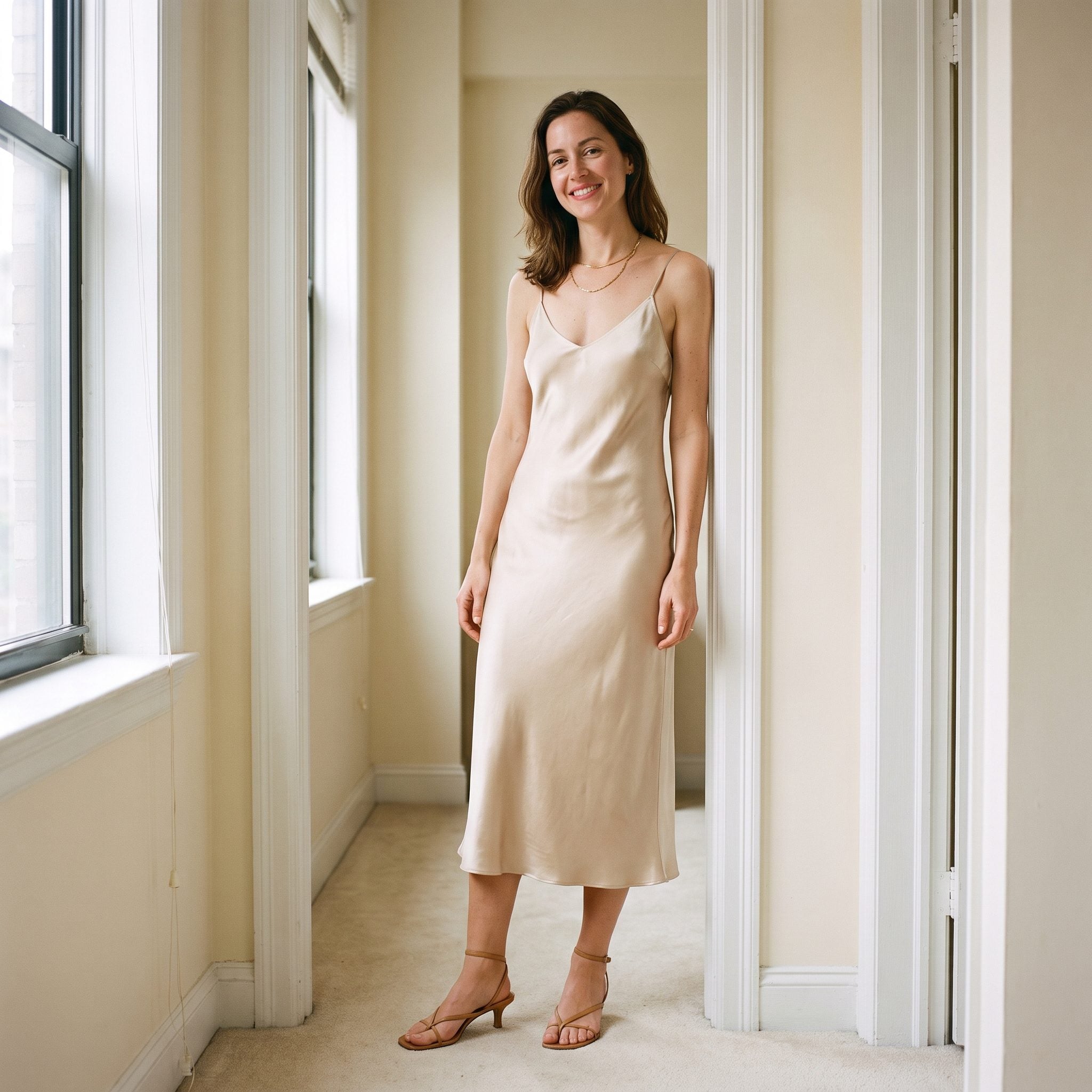
Thin straps and narrow heels gave late-1990s evening sandals an almost weightless appearance. Next to a bias-cut satin slip dress, they left the fabric and its movement in the foreground.
A pair of tan strappy leather sandals could blend into the leg, while black straps added a crisp graphic outline. Either way, the delicate construction was a sharp departure from the towering platforms elsewhere in the decade.
13. Dark Lip Liner That Made the Outline the Main Event
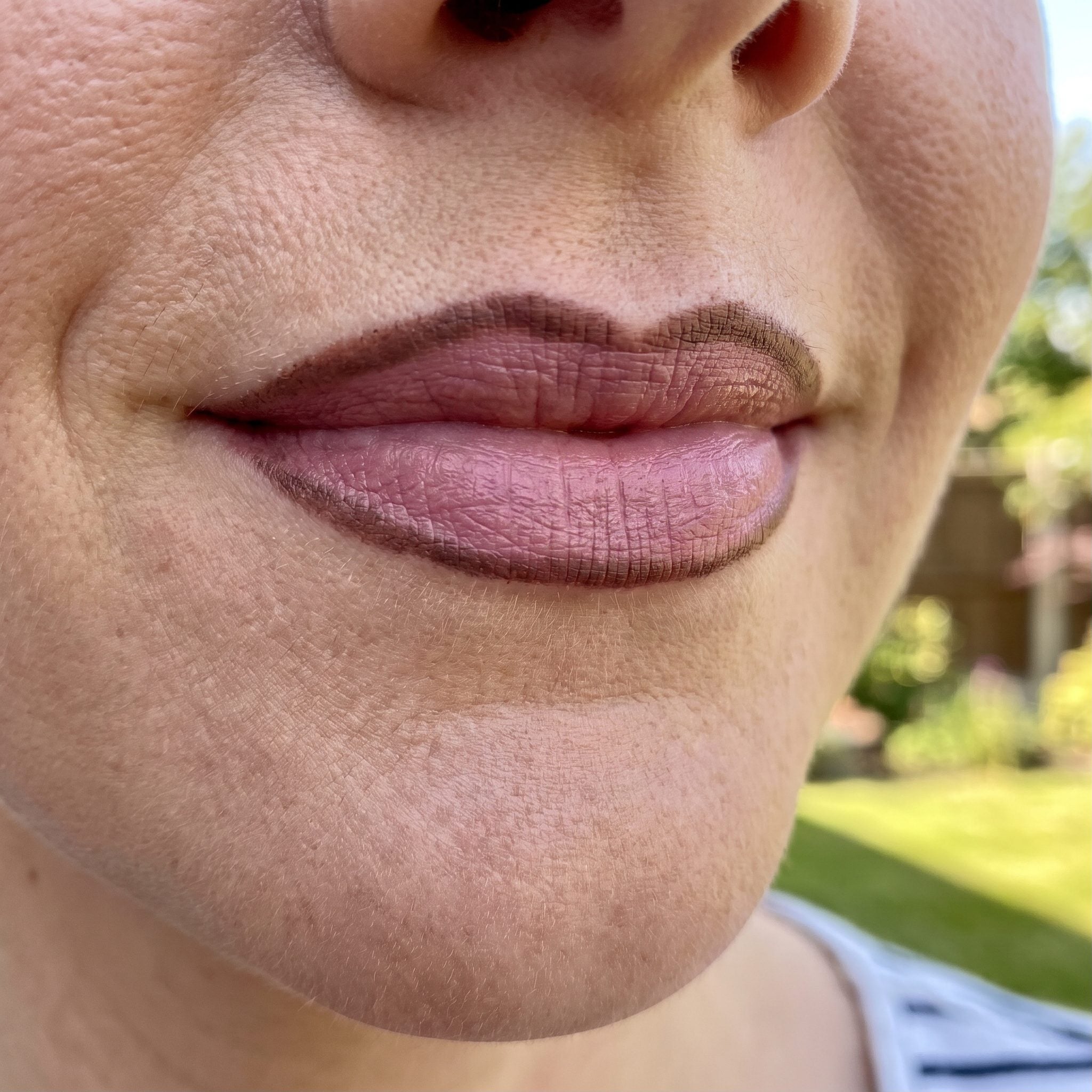
The pencil was deliberately darker than the lipstick. A defined brown outline encircled a paler center, producing a graphic contrast that could be spotted from across the room. It wasn’t the softly blended lip contour favored in later beauty tutorials.
This was about the visible line: sharp, confident, sometimes unapologetically exaggerated. Where an all-over brown lipstick created one earthy shade, the darker liner made the border itself the statement.
12. Color-Block Nylon Windbreakers You Tied Around Your Waist
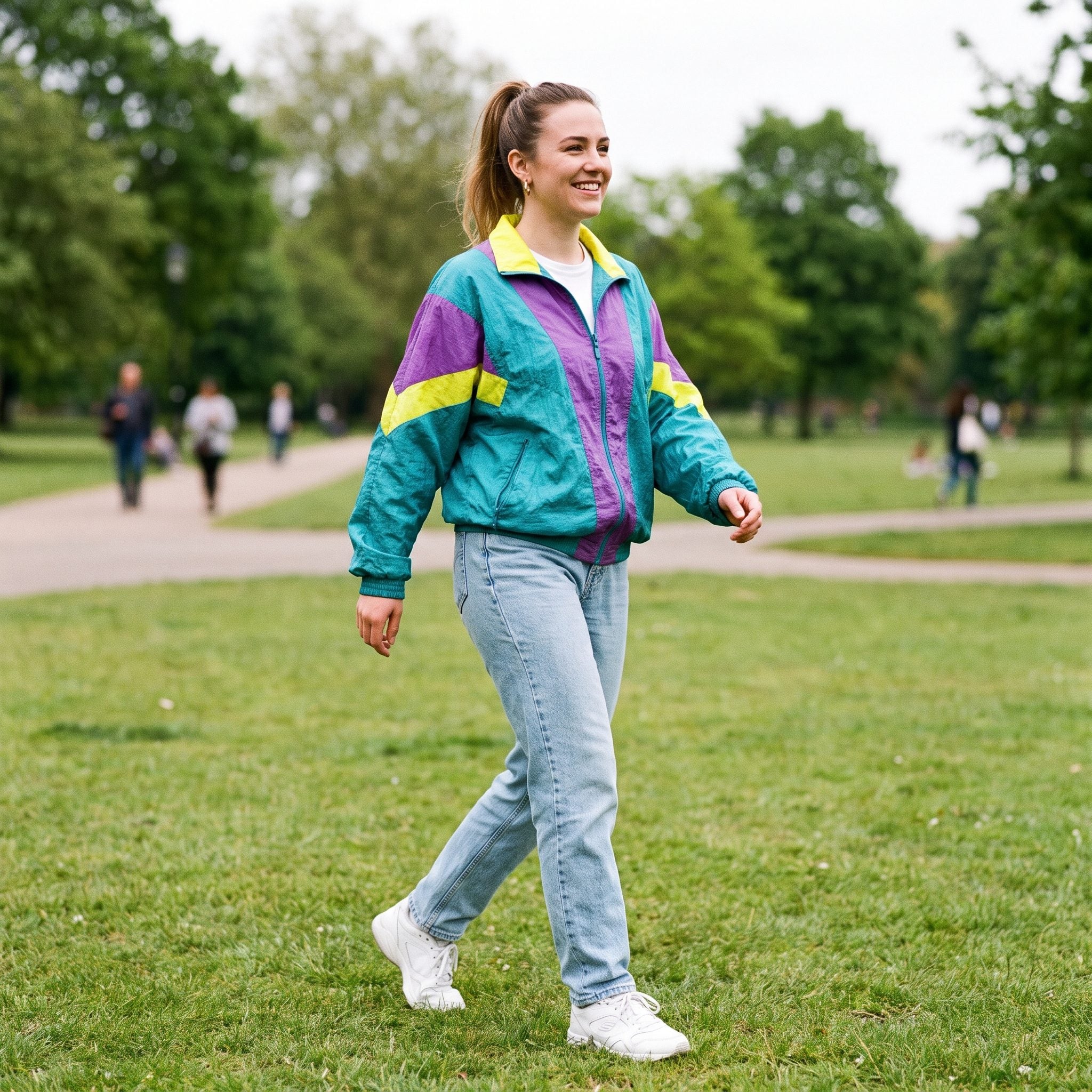
A color-block windbreaker made itself heard with every movement. Teal, violet, red, and yellow nylon panels turned a practical lightweight jacket into a bright geometric composition.
Over jeans and a plain tee, the jacket supplied almost all the color an outfit needed. Outdoor and sportswear influences were everywhere in early-1990s casual fashion, and the windbreaker carried those bold combinations from athletic settings into everyday wardrobes.
11. The Black Stretch Bodysuit That Stayed Tucked All Day
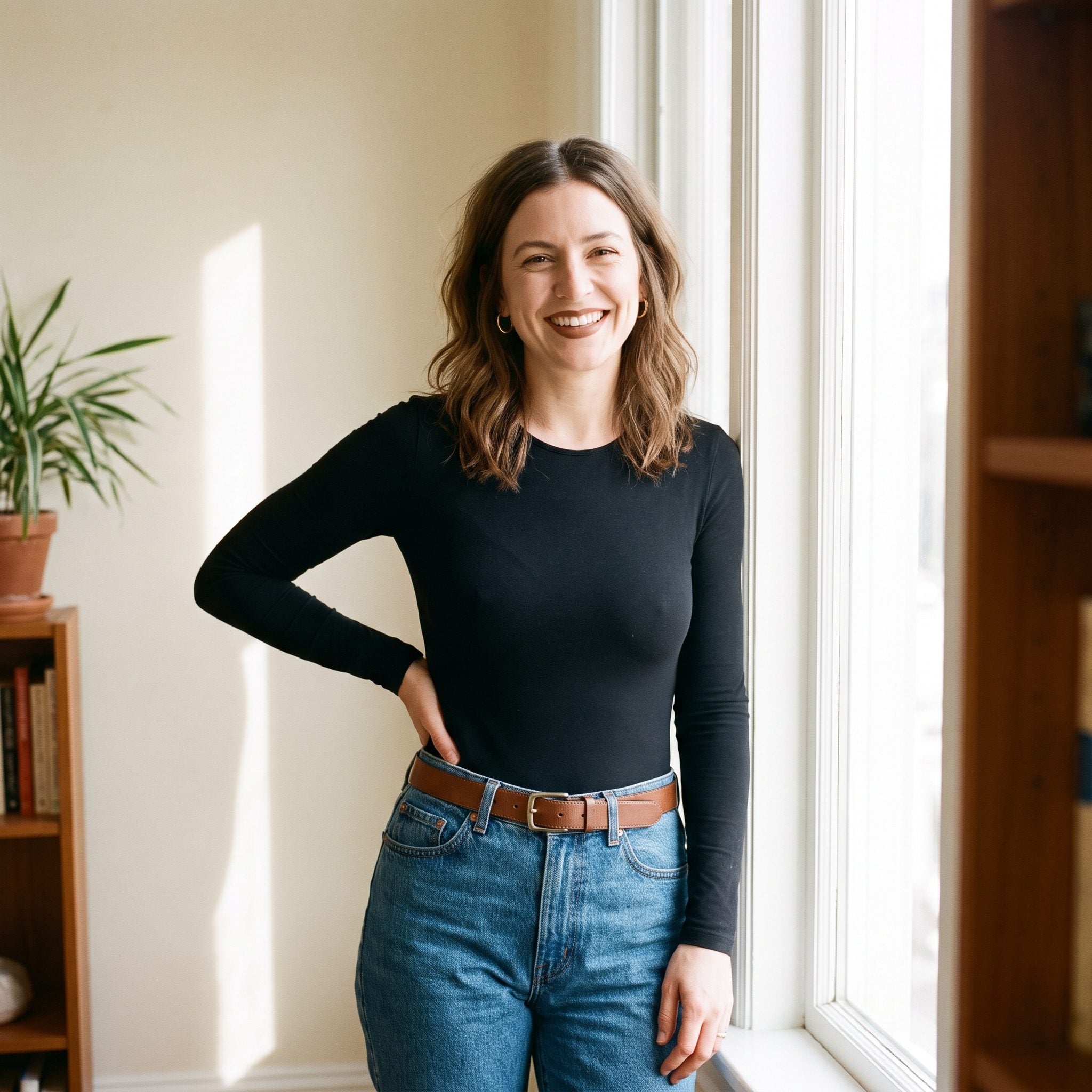
The black bodysuit solved the perpetual problem of a top escaping its waistband. Its smooth, fitted shape worked under a blazer, with high-waisted jeans, or beneath a straight skirt without creating bulky folds. It could also be dressed up for a night out.
The scoop neckline and stretch fabric made it a minimalist staple, particularly when paired with uncomplicated tailoring. There was one practical compromise: the snap closure could turn a quick bathroom visit into a minor negotiation.
10. Minimalist Slip Dresses With Almost Nothing to Hide Behind
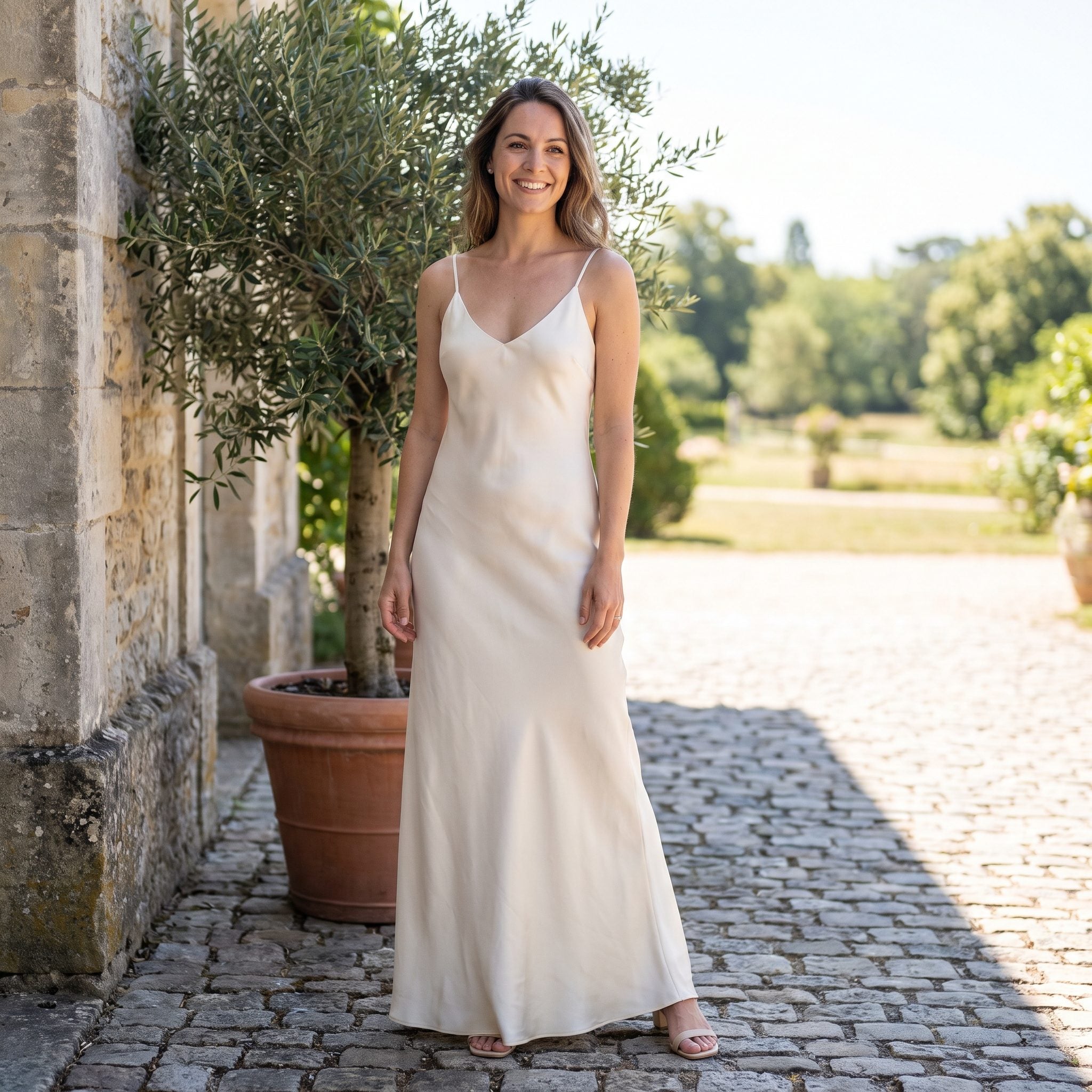
A slip dress could look effortless right up until you had to decide what belonged underneath it. Its narrow straps, fluid fabric, and clean neckline left very little room for disguise. The absence of embellishment was the point.
Over a white tee, it became daytime wear; alone with strappy sandals, it could handle an evening out. Bias-cut versions followed the body’s movement rather than hanging stiffly. The style appeared on runways and red carpets throughout the decade, with designers including Calvin Klein helping bring it into the mainstream.
9. The Chain Wallet That Swung From Your Belt Loop
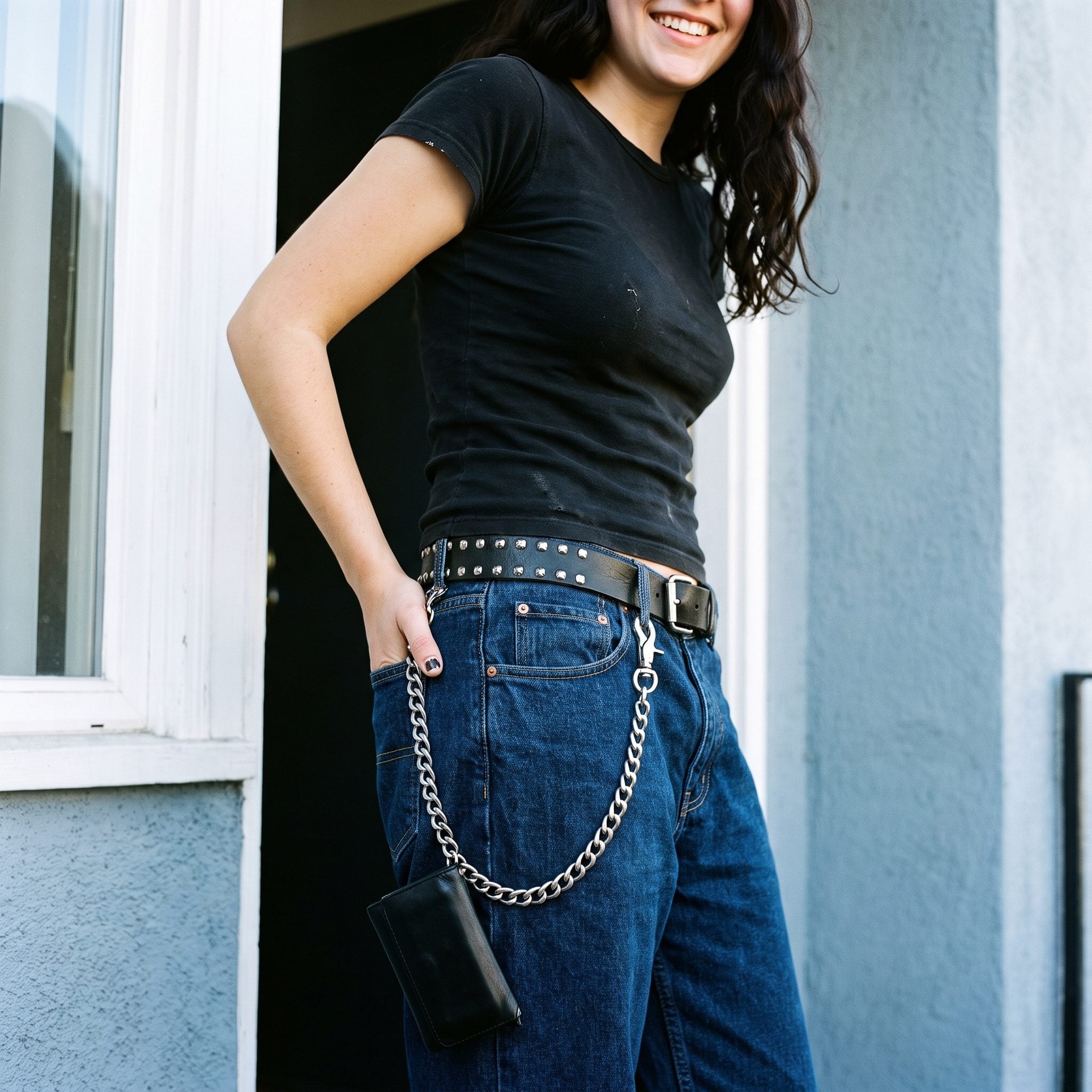
The metal chain connected a wallet to a belt loop, keeping it attached while adding a visible flash of hardware. Its practical purpose mattered, even if the swinging silver line became just as important to the look.
Against a black tee and baggy jeans, the chain signaled a connection to skate and alternative styles. It could be understated or heavy enough to resemble industrial hardware. Either way, the wallet was no longer entirely hidden in a pocket.
8. The Waffle-Knit Thermal Under Every Band Tee
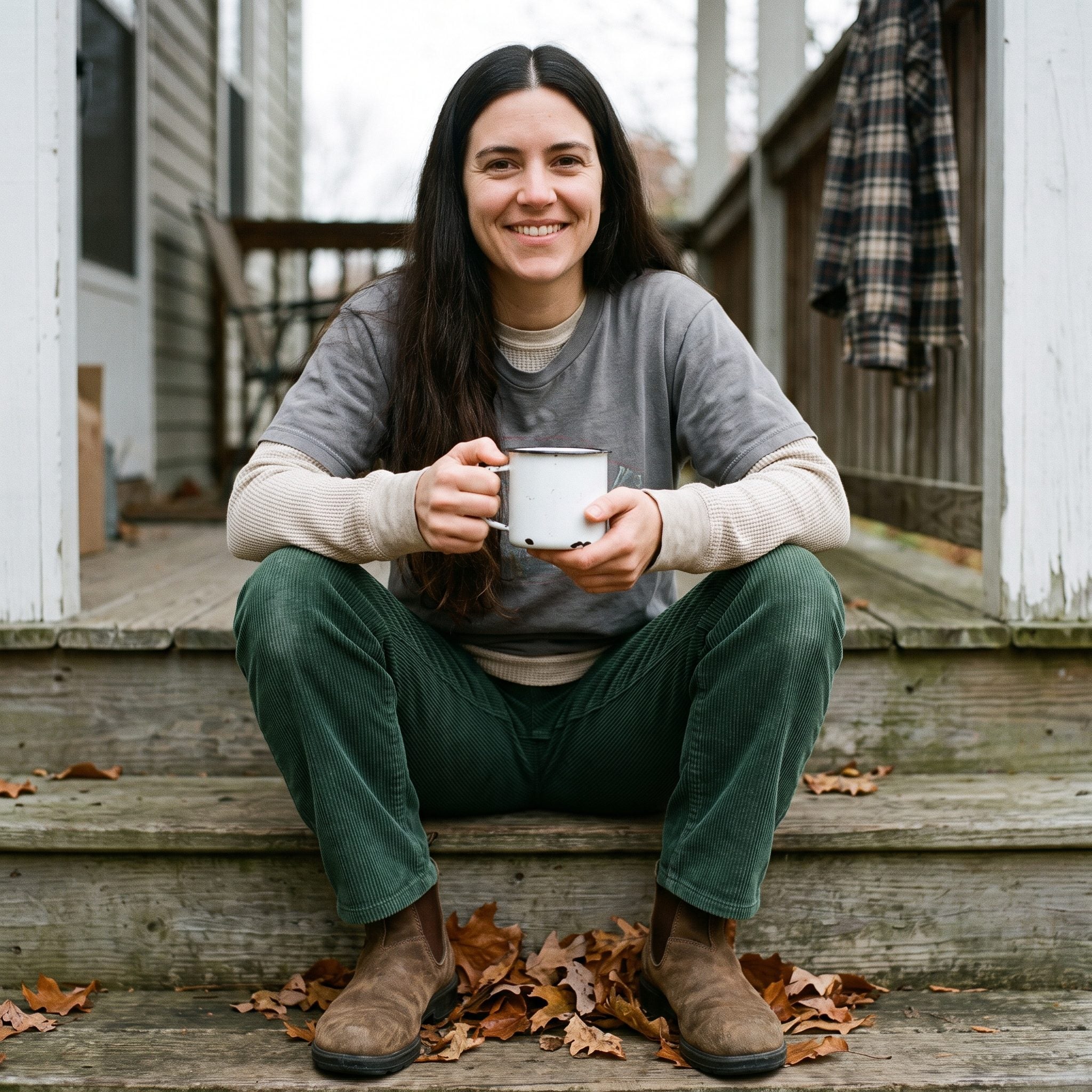
A waffle-knit thermal was supposed to be underwear, but grunge styling gave its cuffs and neckline a supporting role. Oatmeal, faded olive, and washed-out burgundy layers showed beneath oversized band tees and flannels.
The small honeycomb texture added warmth without introducing a polished finish. Sleeves were pushed up, collars stretched, and everything looked comfortably broken in. It was a useful layer that became part of the outfit’s character.
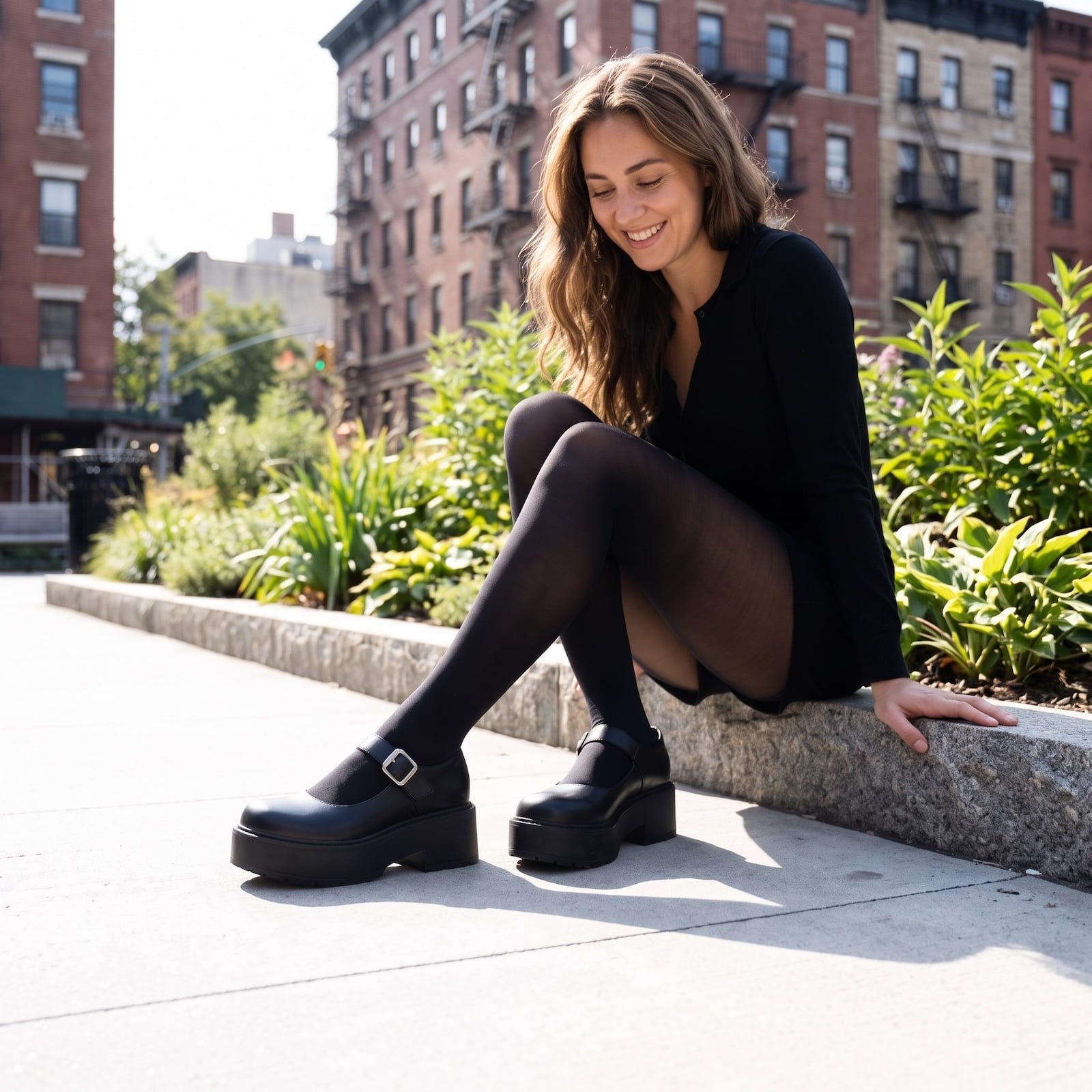
7. Chunky Mary Janes With the Buckle Strap
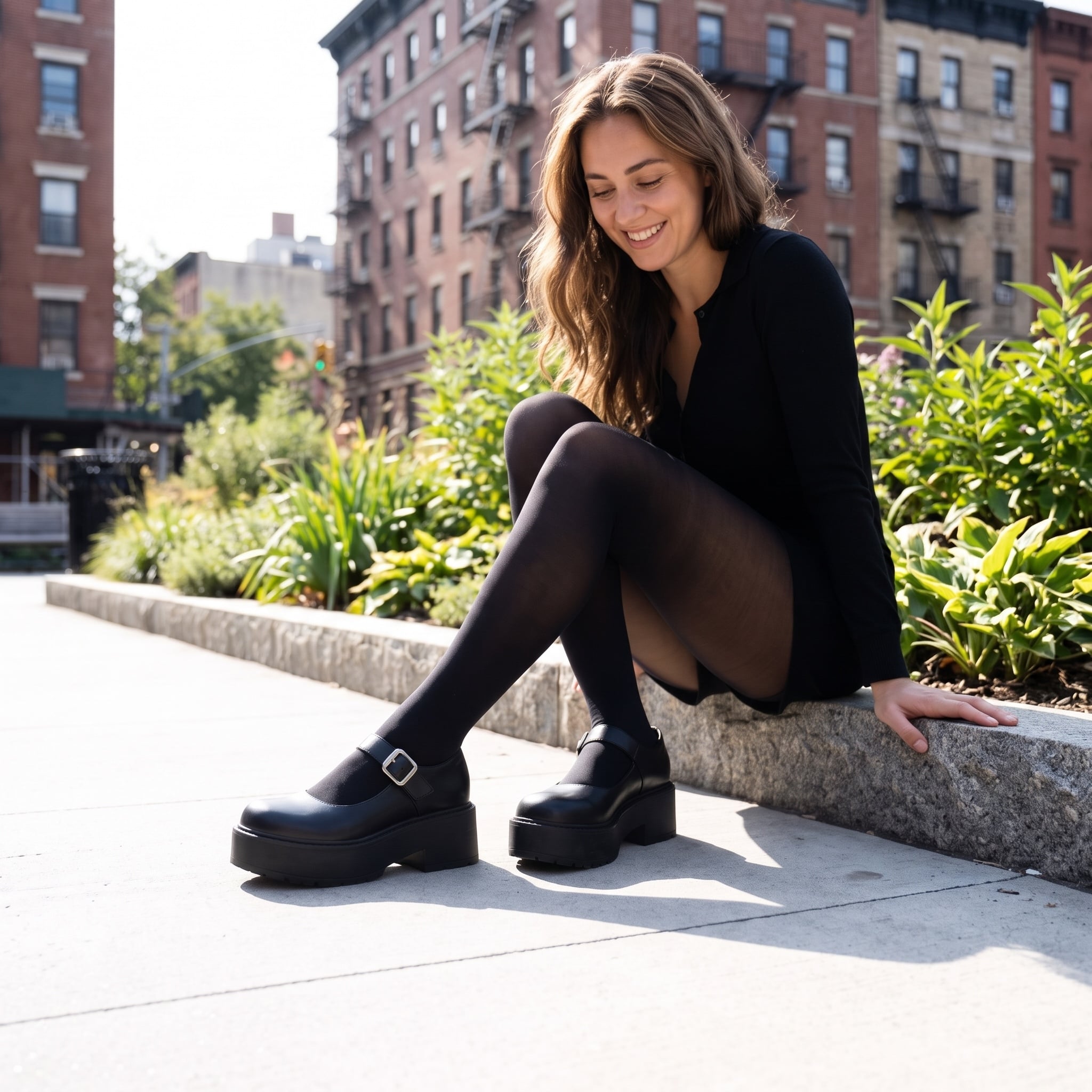
The Mary Jane’s prim little buckle met a platform sole with absolutely no interest in behaving. The result was one of the decade’s best fashion contradictions: a shoe with school-uniform manners and a decidedly rebellious profile.
In the photograph, black leather Mary Janes and opaque tights give a simple black outfit its weight. The thick, ridged soles are impossible to overlook, yet the rounded toes and neat straps retain the familiar shape. That tension explains why the style worked with plaid skirts, baby-doll dresses, and pared-back black separates.
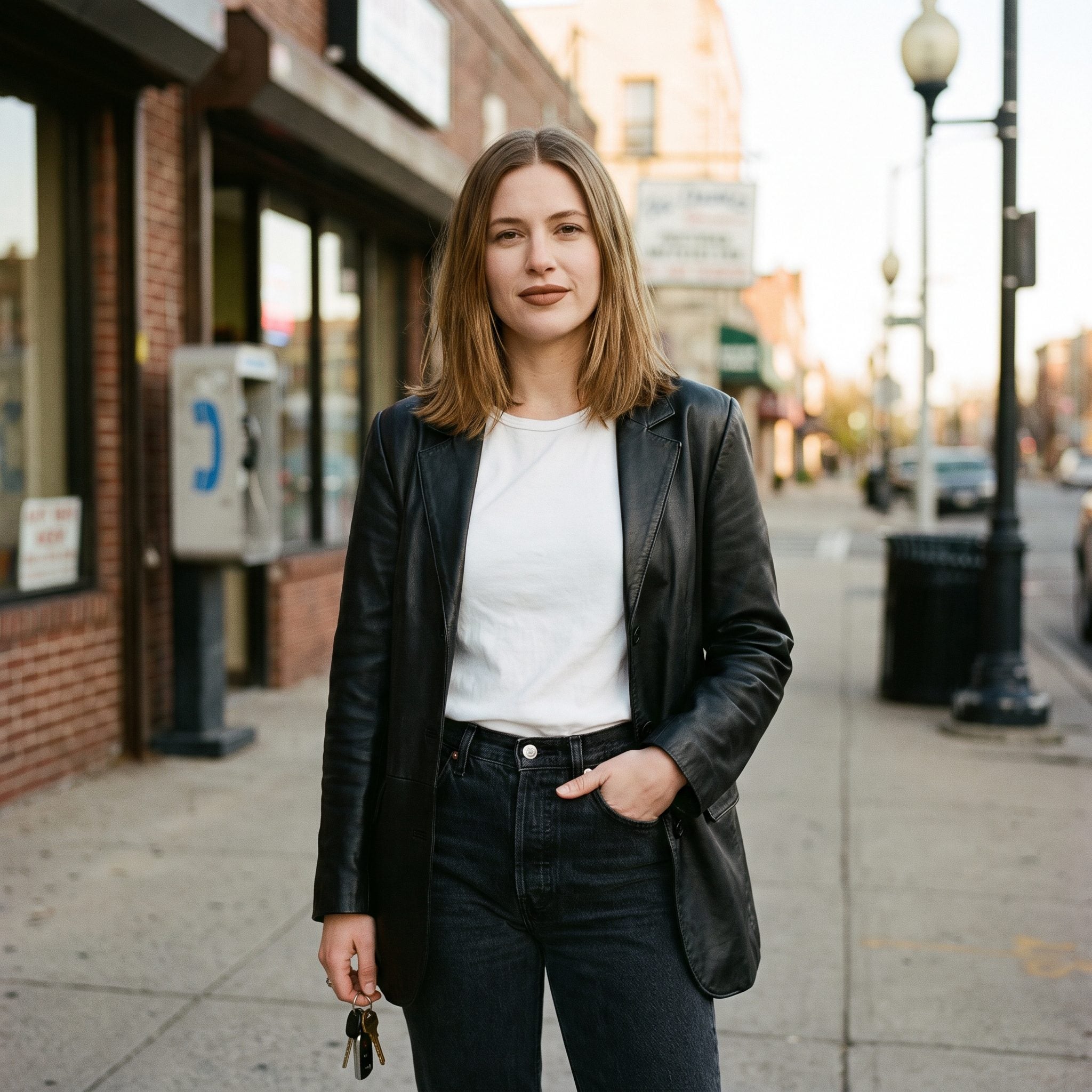
6. The Black Leather Blazer That Made Jeans Look Intentional
❤️ Would you like to save this?
Cut a little roomy through the shoulders, the black leather blazer brought a tailored shape to a material more often associated with biker jackets. Less hardware, more structure: a proper collar, straight lapels, and enough shine to lift a plain tee.
Over faded jeans, a black leather blazer introduced polish without the formality of a wool suit jacket. Over a slip dress, it gave delicate satin a tougher frame. The same piece could move from afternoon errands to a night out.
5. The Mood Ring From the Mall Kiosk You Checked Constantly
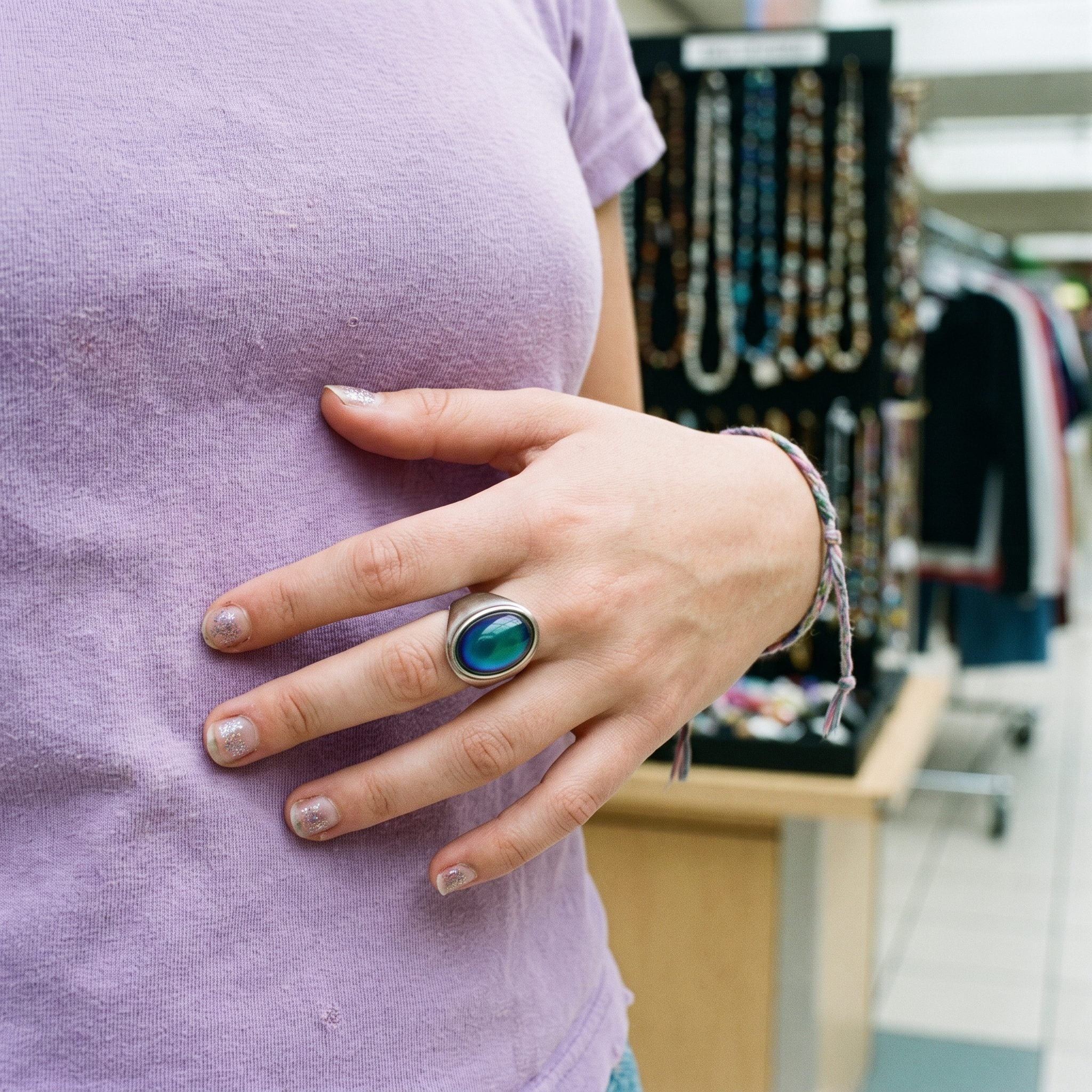
The mood ring had been around since the 1970s, but mall kiosks gave it another life in the 1990s. Its shifting colors supposedly revealed emotions, although the temperature-sensitive material was responding to changes in heat, not reading anyone’s mind.
That hardly spoiled the fun. Friends compared the colors, consulted the little charts, and invented interpretations of their own. A few dollars bought an accessory and an instant conversation.
4. The Denim Bucket Hat You Pulled Low on Casual Days

The soft brim and faded denim gave the bucket hat a relaxed, slightly mischievous look. Pulled low over loose hair, it added shape without the structured crown of a baseball cap.
With a white tee and roomy jeans, the hat kept the outfit casual; with a slip dress, it introduced a deliberately unexpected contrast. The style had a history well before the 1990s, but the decade’s casual and streetwear wardrobes gave it another turn in the spotlight.
3. The Beaded Friendship Bracelet Stack You Never Took Off
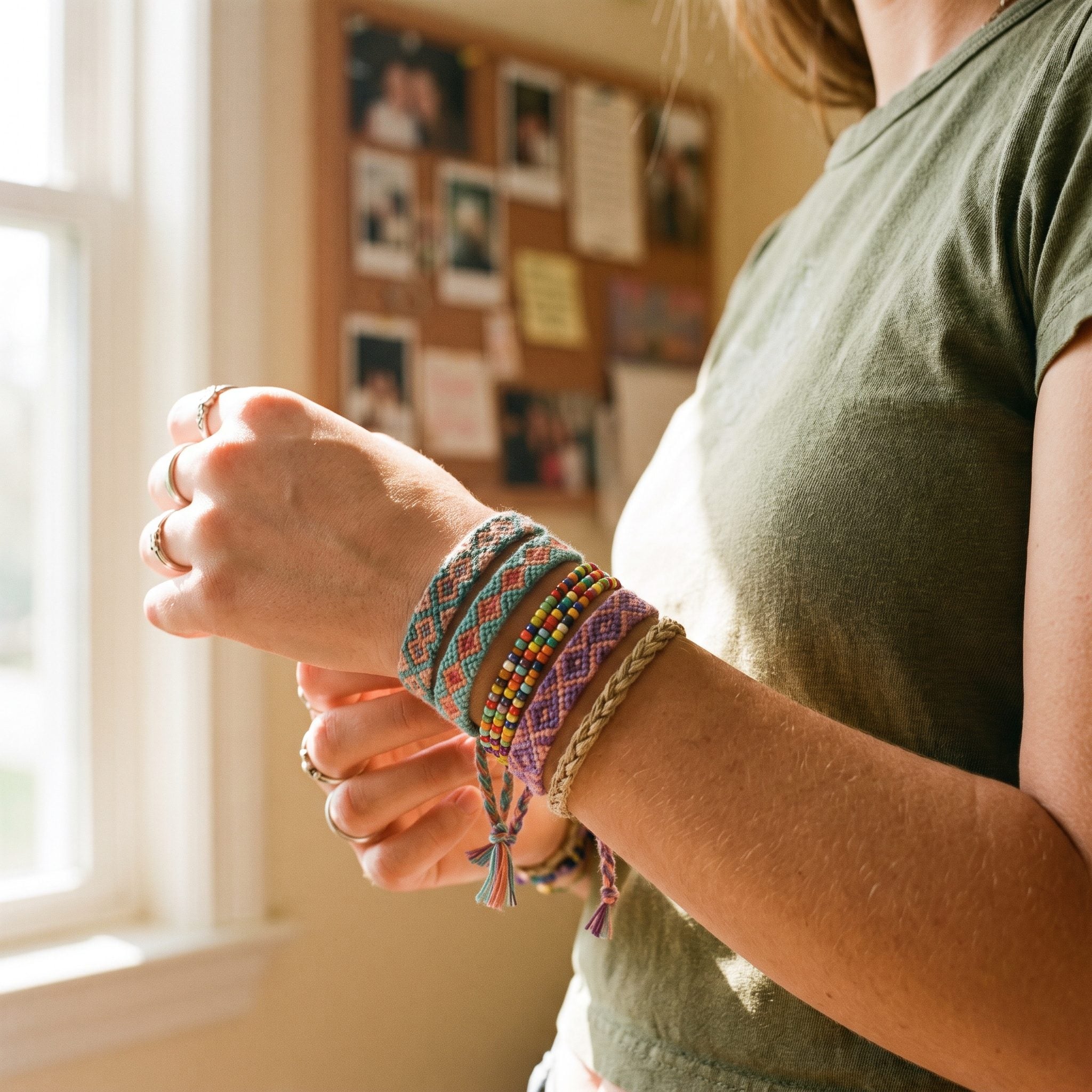
A friendship bracelet wasn’t chosen to match an outfit. It was tied on by someone else, often with a knot that made removing it impossible without scissors. Embroidery floss, tiny beads, and braided cords accumulated at the wrist in cheerful, mismatched colors.
Some were exchanged at camp, others at school or during long summer afternoons. Their meaning was private, even when the bracelets were impossible to miss. Among all the decade’s accessories, few carried so much sentiment in such a small amount of thread.
2. The Black Tattoo Choker You Bought in a Three-Pack
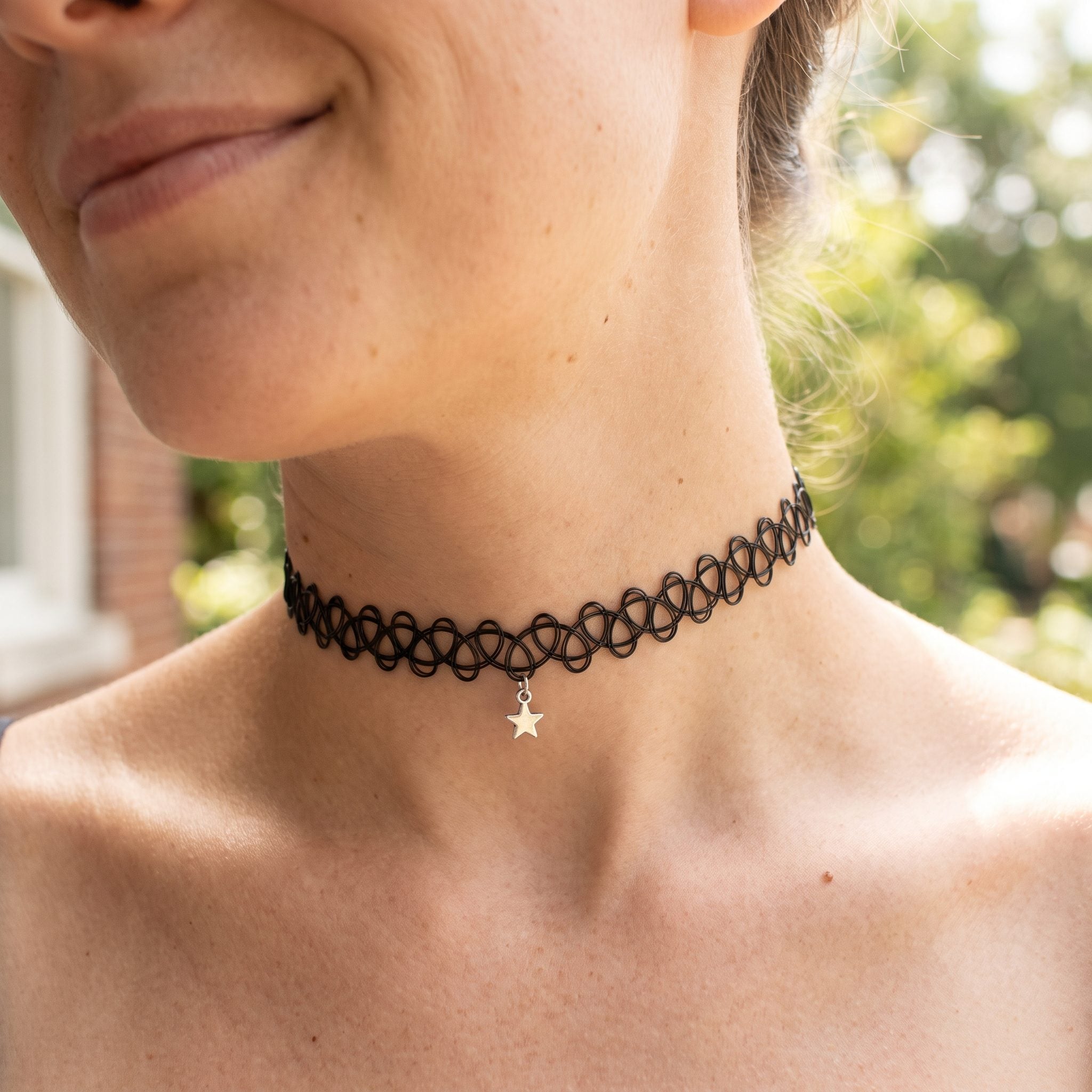
They cost about a dollar at the mall kiosk and came in little plastic packs, usually with a fake pendant charm you immediately lost. The stretchy ones snagged on every cardigan and wool sweater you owned, leaving tiny pulls you noticed and nobody else ever did.
Against bare skin they looked like a decision. Layered under a scoop-neck baby tee, the thin black lattice framed the collarbone and made the whole neckline feel finished. You wore it until it went brittle and cracked, then bought the three-pack again.
1. Chunky Platform Sneakers That Added Three Inches of Attitude
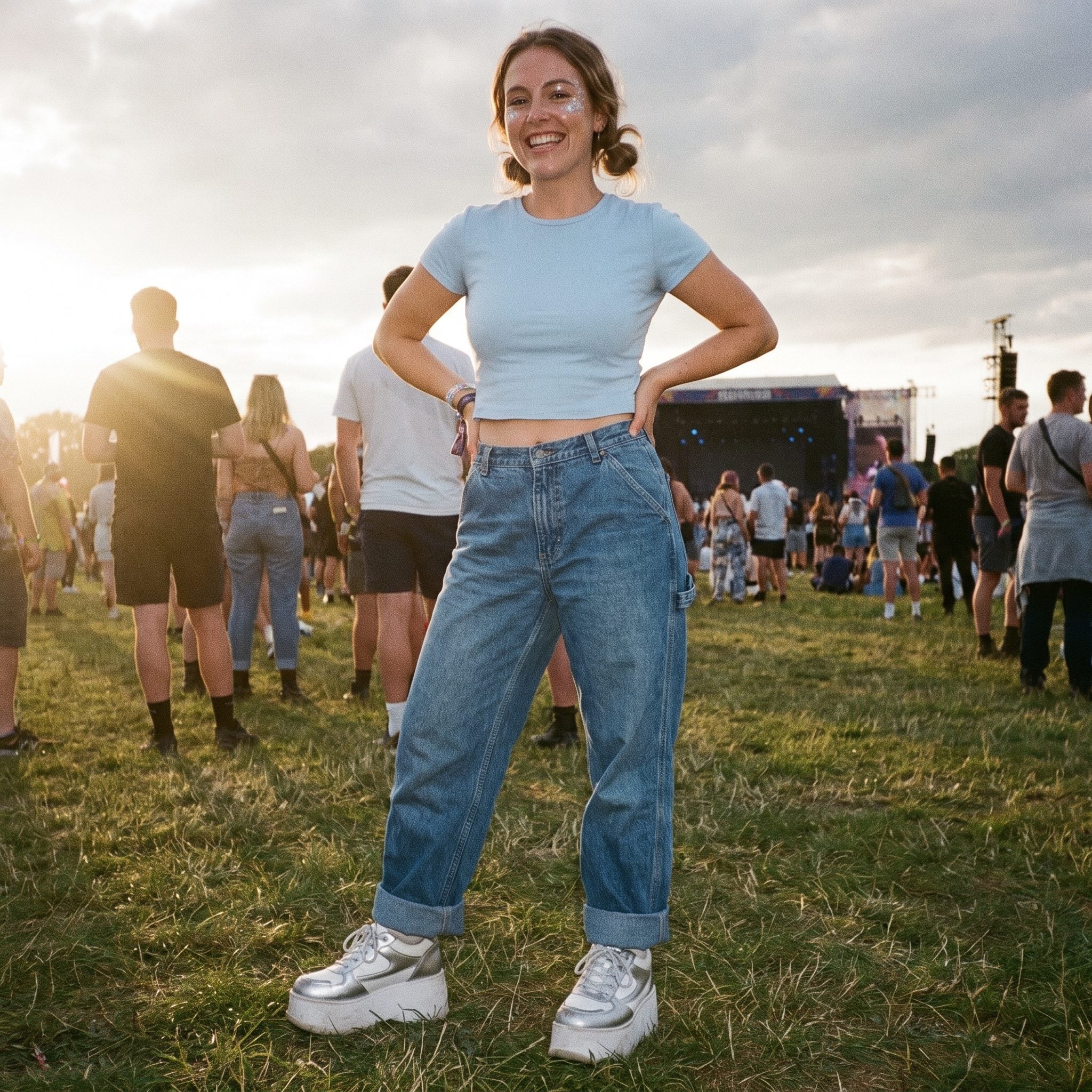
The Spice Girls helped make thick-soled sneakers a late-1990s spectacle. White leather, exaggerated rubber platforms, and a silhouette that could barely be mistaken for athletic equipment turned an everyday shoe into a pop statement.
They looked particularly striking beneath flared jeans or a miniskirt. Buffalo became closely associated with the craze, and the platform’s appeal had little to do with running performance. The shoes were designed to be seen.