❤️ Would you like to save this?
A going-out top cost about twenty-eight dollars in 1999, and that number felt like a real decision. At the federal minimum wage of $5.15 an hour, the top alone represented more than five hours of gross pay before you’d bought the pants, shoes, tiny bag or anything that eventually went inside it.
And getting ready wasn’t one purchase. It was an accumulation: the satin top that only came out after dark, platform sandals substantial enough to survive a dance floor, silver hoops from the mall, eyeliner from the drugstore, a folding hairbrush engineered to fit inside a purse barely larger than the brush itself.
Buy all 27 pieces on this list at these approximate 1999 prices and the receipt lands around $574 before tax, drinks, dinner or the ride home. Nobody bought the entire ritual on one Friday. That was the point. You assembled it paycheck by paycheck until opening the closet felt like having somewhere to go.
FYI, thanks to AI imagery software, we’re able to create very specific fashion and hairstyle examples to illustrate the points being made. In some cases, imagery is exaggerated to hammer home the point. Also, assume links that take you off the site are affiliate links such as links to Amazon. this means we may earn a commission if you buy something.
27. The Going-Out Top: About $28 in 1999
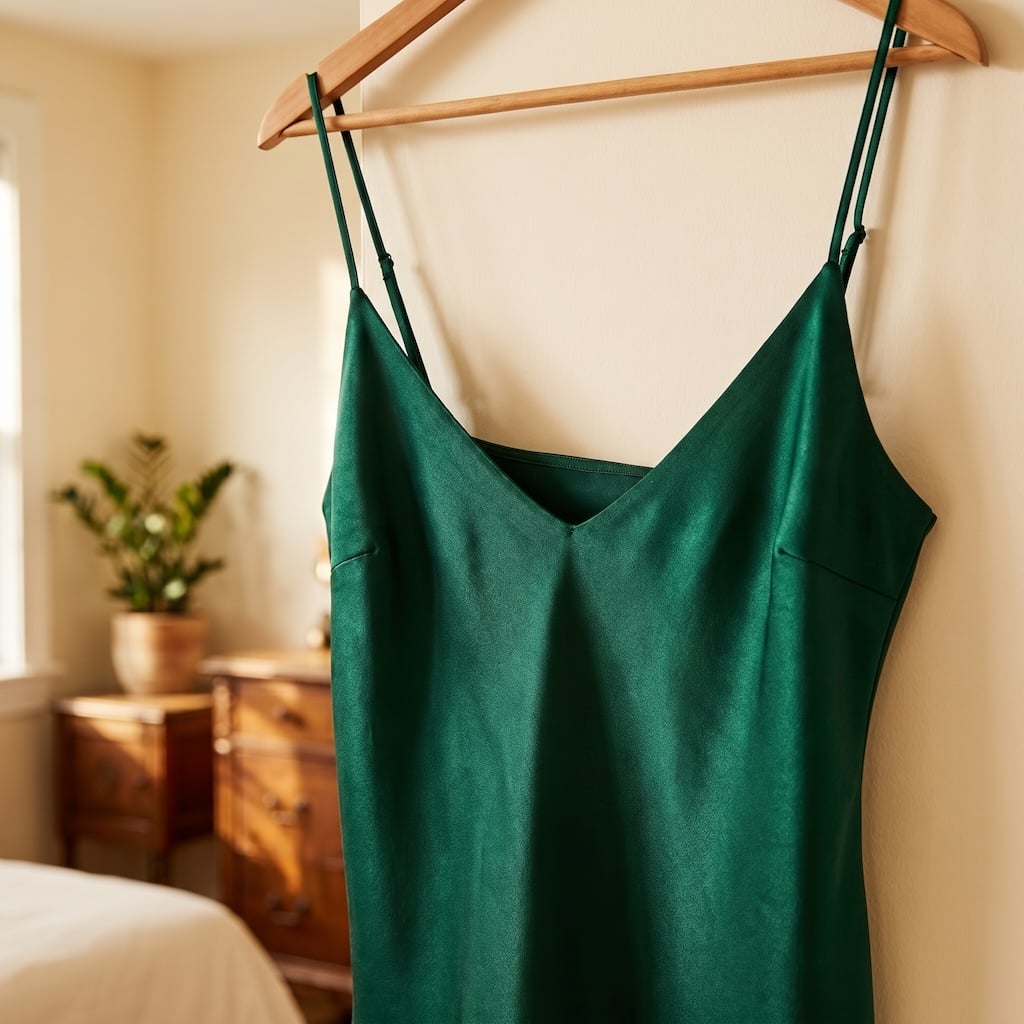
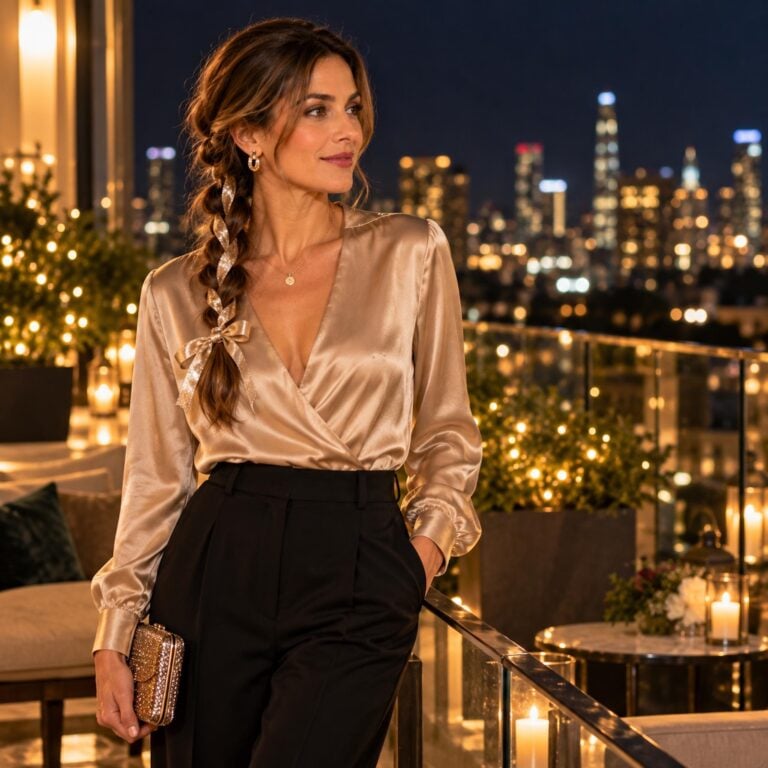
This is where the night started. Stretch satin, jewel-tone shimmer, a fitted body and a neckline that made absolutely no attempt to qualify for Monday morning. The going-out top had one job, which was why twenty-eight dollars could feel perfectly rational for something you wouldn’t wear to class, work or lunch with your mother.
The shine mattered. Against matte black pants, satin immediately changed the register from dressed to go somewhere into dressed to go out. No jacket required yet. No accessories required yet. The top had already announced Friday.
26. Black Bootcut Pants: Around $44 in 1999
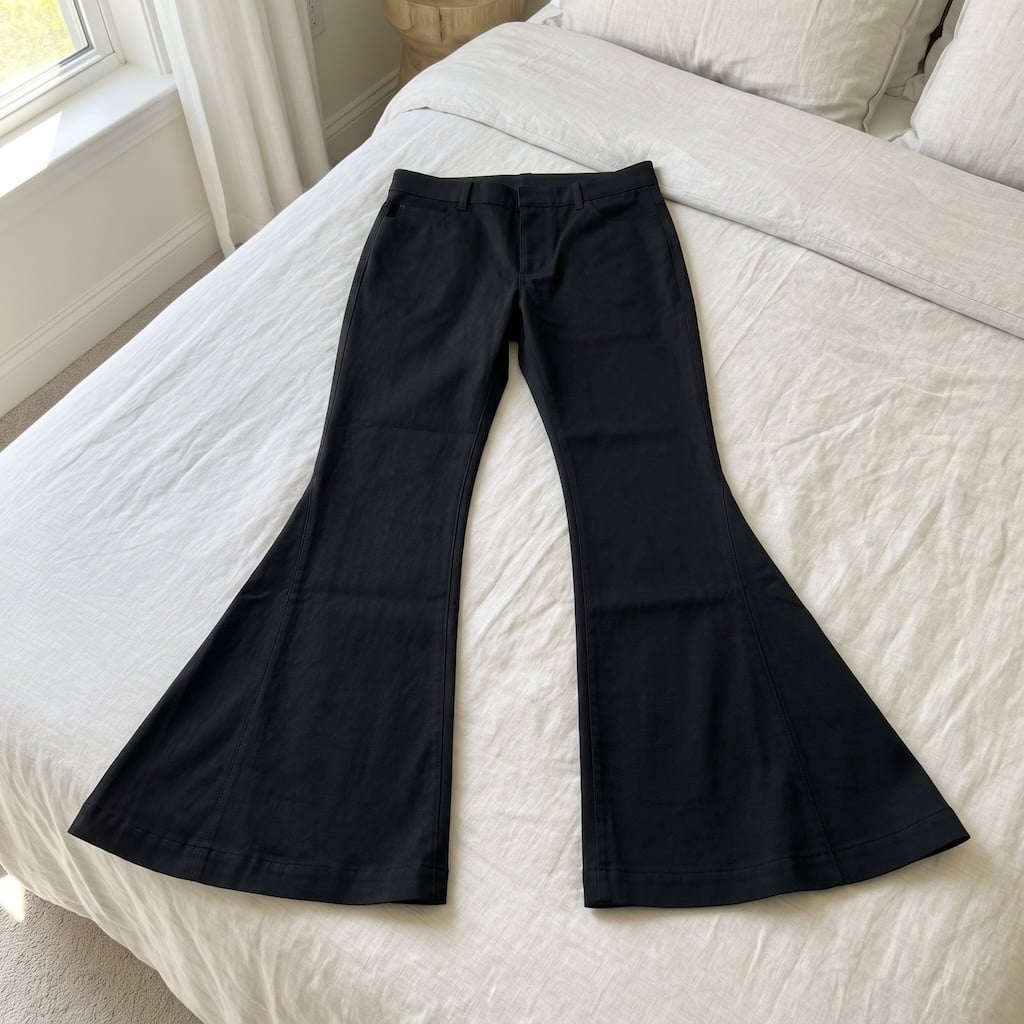
The reliable half of the equation cost about forty-four dollars: fitted through the hip and thigh, then opening just enough below the knee to clear whatever enormous shoe was waiting underneath.
Bootcut did something useful without making a speech about it. The flare balanced the fitted upper leg, let a chunky heel disappear partly beneath the hem and made the whole outfit move differently when you walked.
Skinny jeans eventually shoved the silhouette aside. Then bootcut came back, because apparently geometry was merely taking a vacation.
25. Platform Chunky-Heeled Sandals: Around $59 in 1999
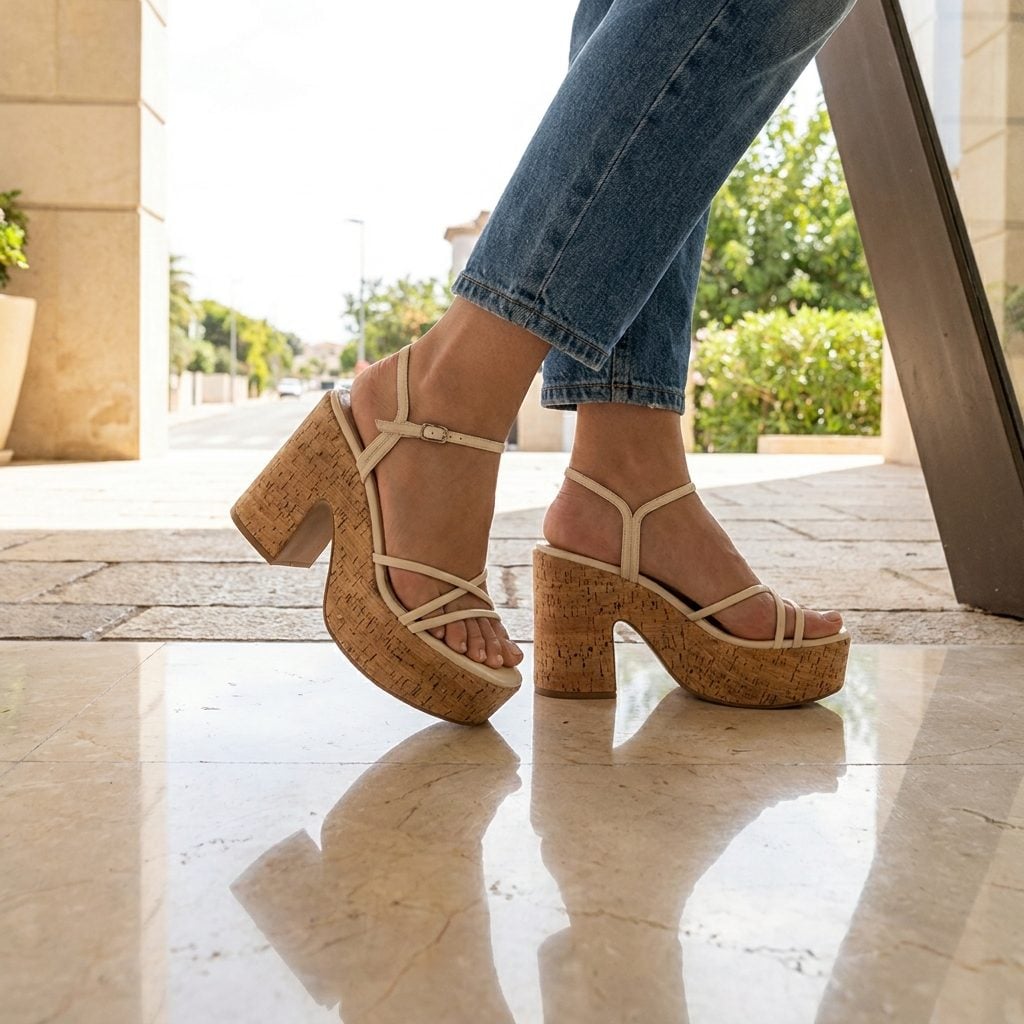
The shoes were not delicate. That would have defeated the purpose. Thick sole, chunky heel, narrow straps and enough visual weight to hold their own under bootcut pants.
Late-’90s footwear committed to substance in a way the rest of the outfit didn’t. The top could be tiny. The bag could be microscopic. The shoe looked capable of supporting municipal infrastructure.
At roughly fifty-nine dollars, this was one of the bigger purchases in the outfit, and unlike the satin top it had a reasonable chance of surviving more than one fashion cycle.
24. The Tiny Shoulder Bag: About $35 in 1999
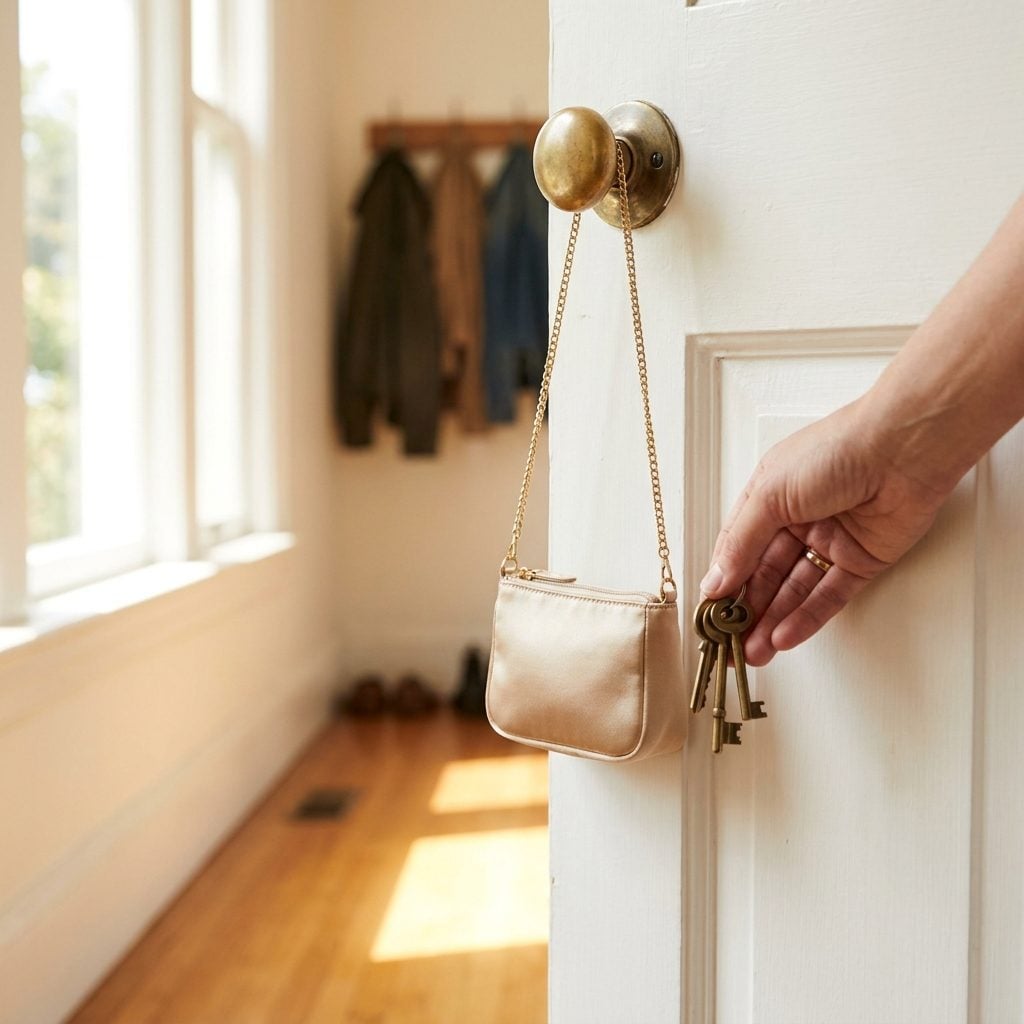
Thirty-five dollars bought a bag that looked almost offended by the idea of carrying anything.
Short strap tucked under the arm. Lip product. Cash. ID. Maybe a compact. A late-’90s mobile phone if the dimensions cooperated. Everything else could apparently solve its own problems.
That limitation was part of the charm. The bag wasn’t designed for commuting, snacks, chargers, water bottles and the accumulated administrative debris of adult life. You were going somewhere for a few hours. Pack accordingly.
23. The Fitted Leather Jacket: About $129 in 1999
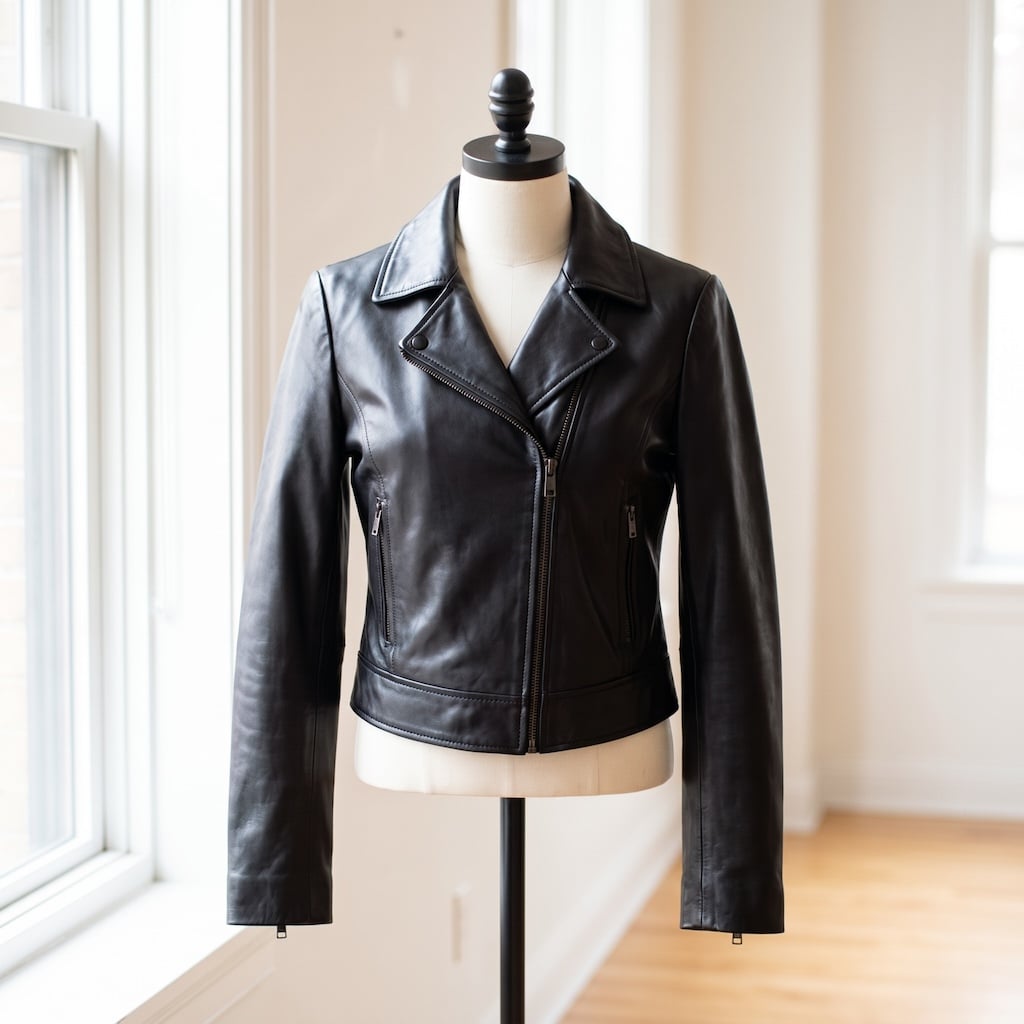
Then came the number that made everything else on the receipt look polite: $129.
At the federal minimum wage of $5.15 an hour, that represented roughly 25 hours of gross pay. This wasn’t a throw-it-in-the-bag purchase. You saved, waited for a birthday, watched for a sale or conducted negotiations with yourself in front of the mirror.
A fitted black leather jacket also had one advantage almost nothing else here could claim: it might still be good years later. The satin top belonged to a moment. The jacket could survive the moment.
A good outfit usually benefits from one piece with more staying power than everything surrounding it. In 1999, this was the obvious candidate.
22. The Push-Up Convertible Bra: About $24 in 1999
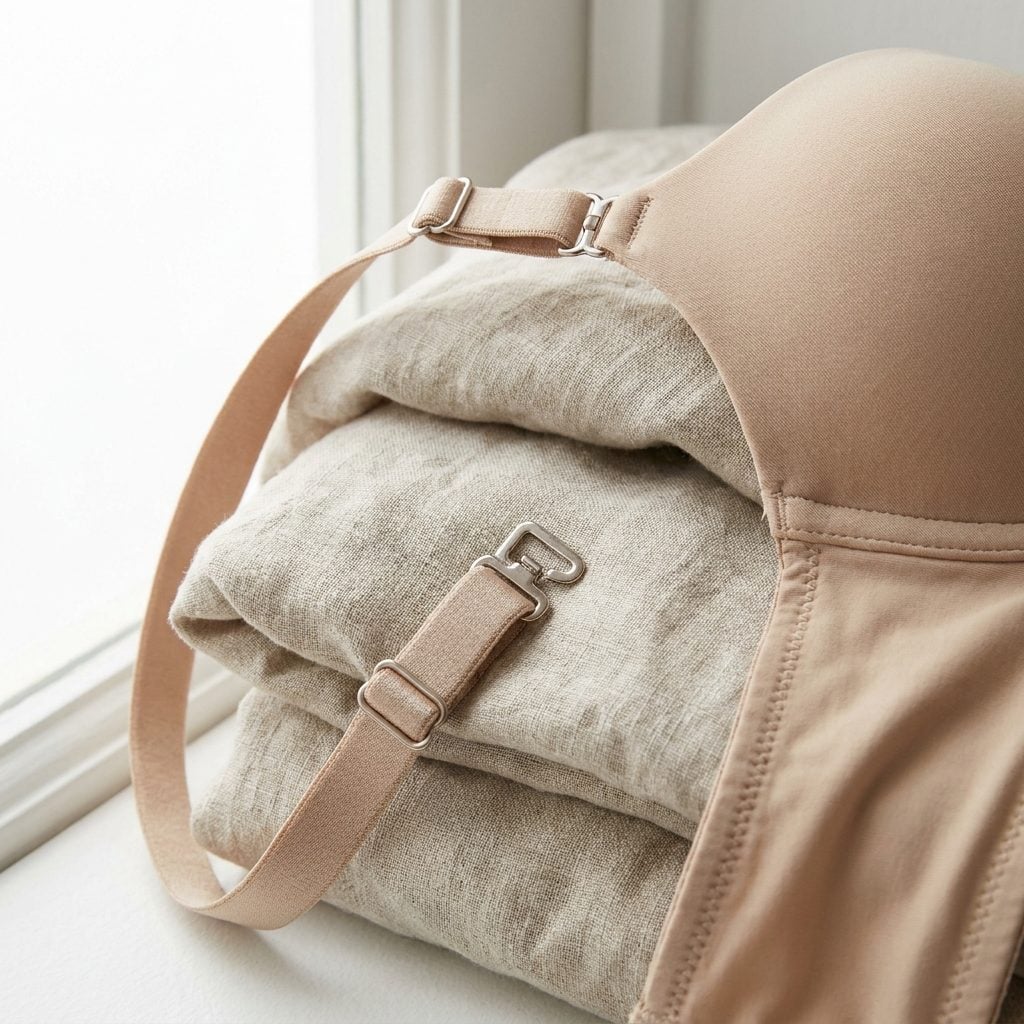
The cleverest piece in the outfit was the one nobody was supposed to notice. Convertible straps could move, cross, disappear or come off entirely depending on what the neckline above them had planned.
That versatility mattered when one week called for spaghetti straps and the next involved a halter or strapless top. Twenty-four dollars bought infrastructure.
’90s nostalgia usually remembers the visible clothes. The barely-there necklines only worked because something much less photogenic was solving mechanical problems underneath.
21. Silver Hoop Earrings: About $14 in 1999
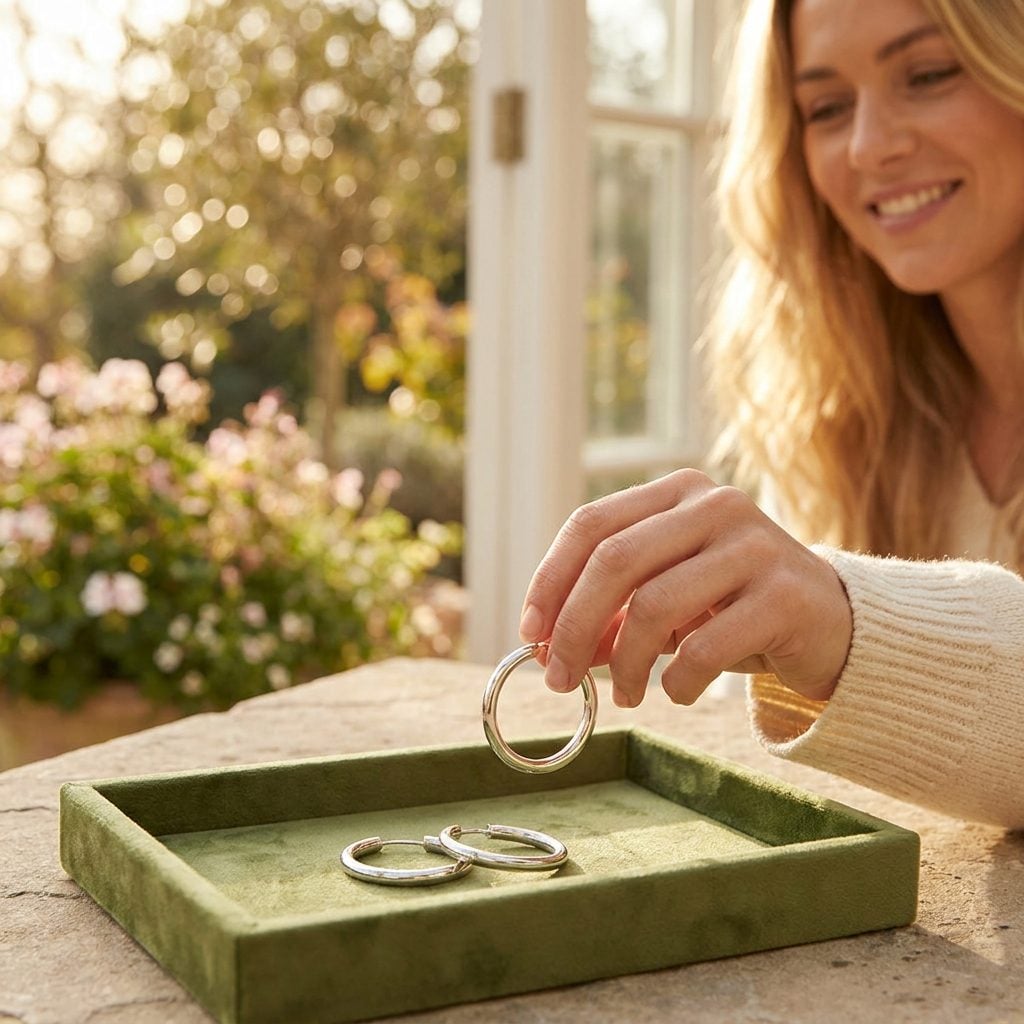
Medium silver hoops were almost embarrassingly efficient. Fourteen dollars, one trip to the mall kiosk and the neckline suddenly looked finished.
At $5.15 an hour, they represented about 2.7 hours of gross minimum-wage pay—not nothing, but accessible enough to become a standard part of the rotation.
The silver hoop earrings caught club light when you turned your head without competing with a satin top. Every mall seemed to have a dozen versions, which also helped when one eventually vanished somewhere between the car and the dance floor.
20. The Slim Evening Belt: Around $18 in 1999
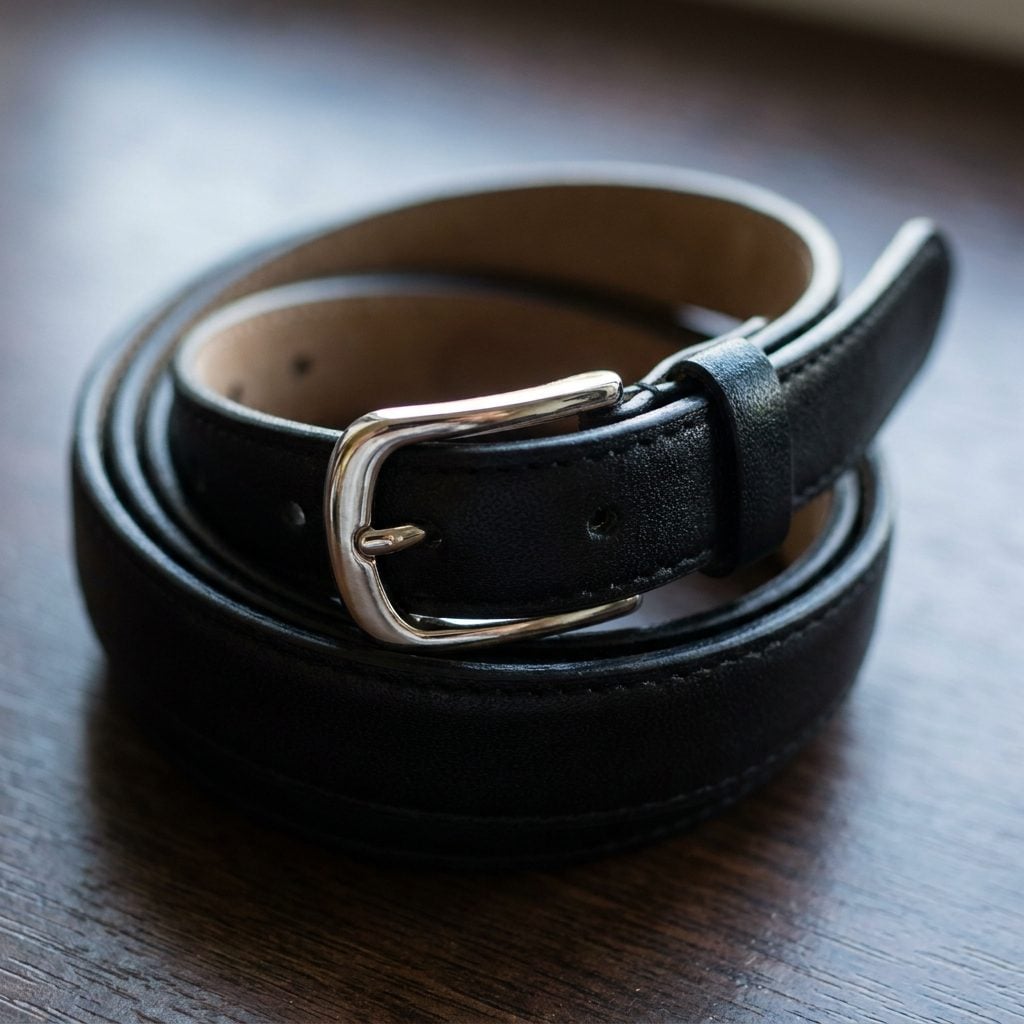
The belt had enough discipline to know it wasn’t the star. Narrow black leather, small silver-tone buckle, threaded through low-rise loops and mostly there to make the middle of the outfit look intentional.
A giant buckle would have started an argument with the shiny top. This one drew a thin line through the center and then politely disappeared.
For roughly eighteen dollars, that was sufficient.
19. Shimmery Lip Gloss: Around $7 in 1999
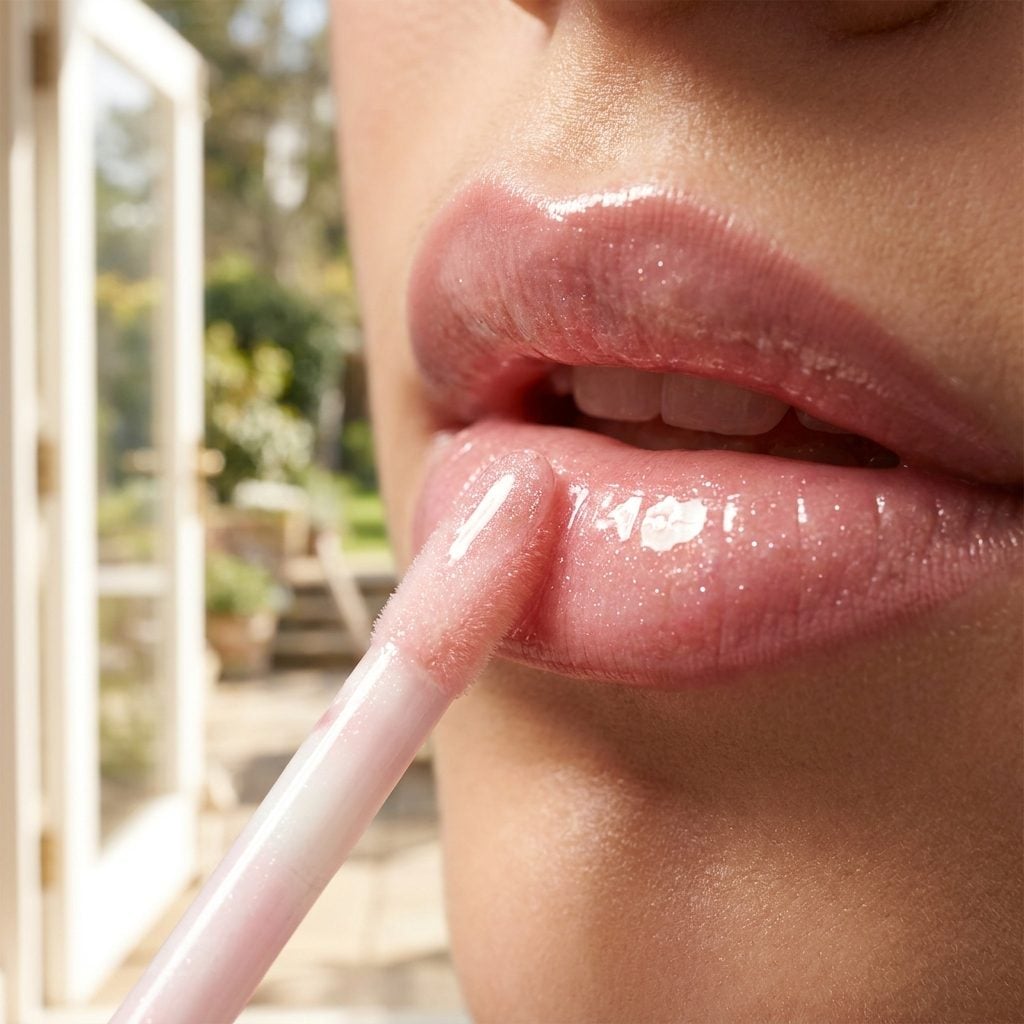
The natural enemy of 1999 lip gloss was wind.
Translucent pink, frosted nude, pearly shimmer—seven dollars bought the wet shine that separated Friday-night lips from whatever respectable thing you had worn on Wednesday.
Then one breeze arrived and half your hair attached itself directly to your mouth. Nobody stopped using gloss. We simply accepted adhesive hair as one of beauty’s operating costs.
18. The Seamless Thong: Around $10 in 1999
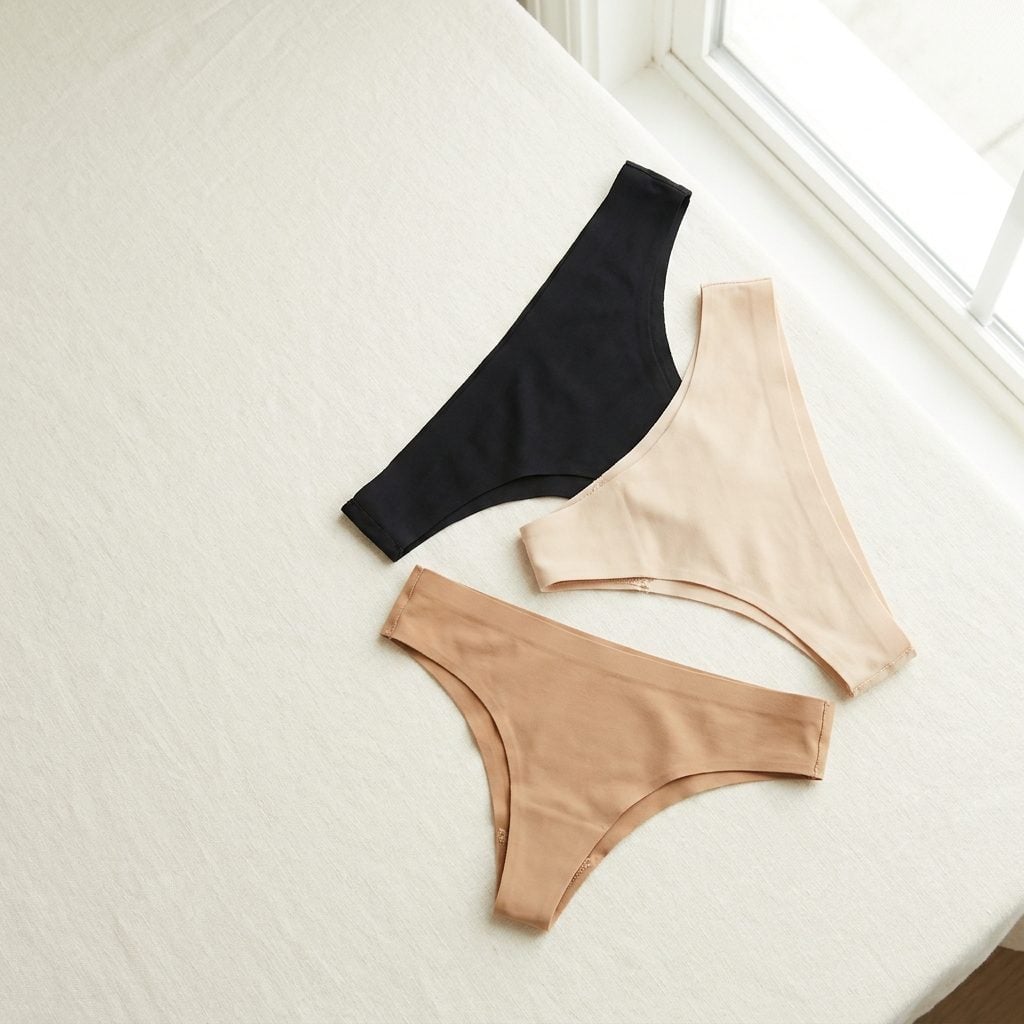
The fitted pants presented a problem nobody wanted visible from behind. Seamless microfiber was one answer.
A thong around this price—or multipacks depending on the brand and store—reduced the ridge under stretch trousers and skirts when a conventional underwear seam showed through.
The visible panty line was one of the era’s recurring anxieties, although the thong was hardly the only solution. Seamless briefs and other no-show cuts existed too. The objective was simply for the underwear to stop participating in the outfit.
17. Sparkly Hair Clips for About $10

Ten dollars bought a card of rhinestone barrettes or glittery little clips, usually deployed near the temples where they could catch light without requiring an architectural degree in hairstyling.
Butterfly clips were already very much part of the late-’90s universe too, but this was the tidier evening cousin: two sparkly pieces pinning the front back while the rest of the hair did whatever an hour of blow-drying had convinced it to do.
By midnight, the rhinestone hair clips usually acquired a second job keeping humidity damage out of your eyes.
16. A Delicate Pendant Necklace for Around $16
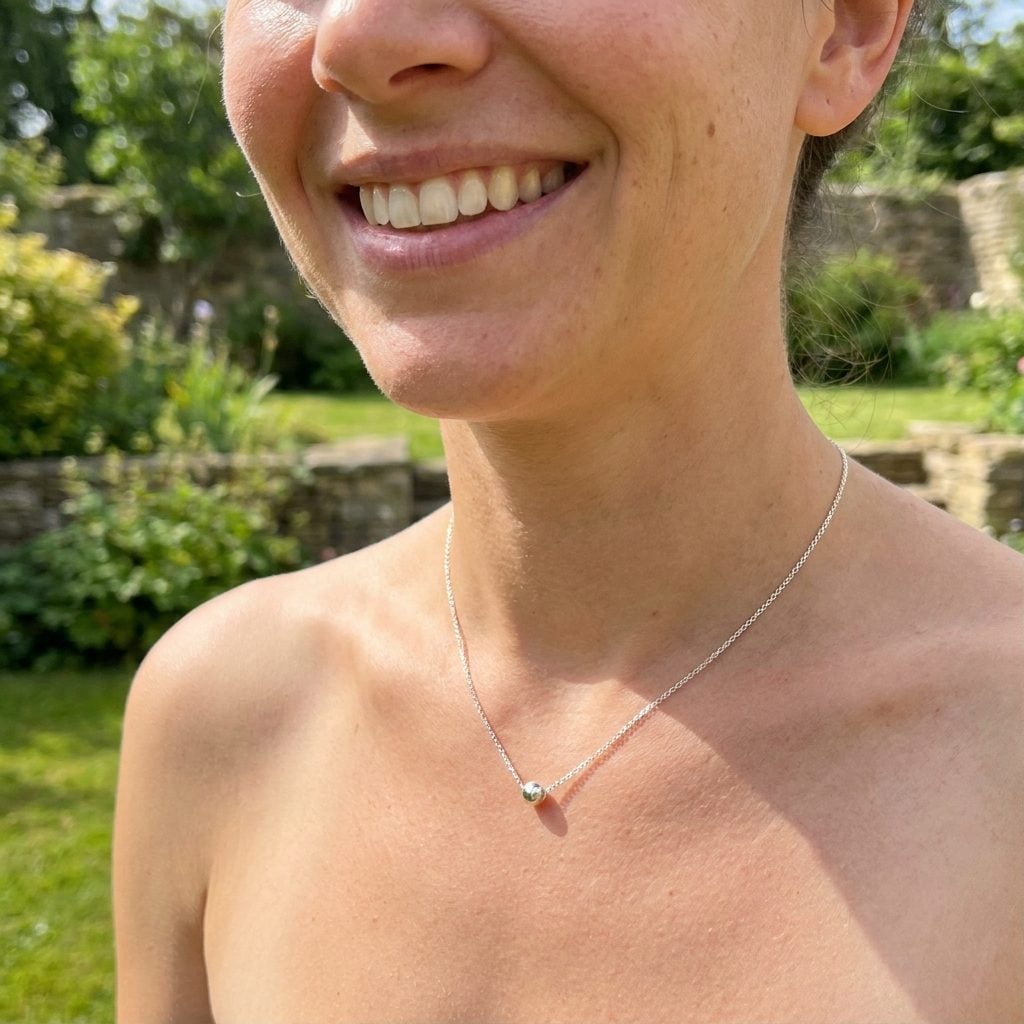
A fine silver chain with one small pendant did not need to be clever. Its entire job was occupying the open neckline without filling it.
At sixteen dollars, the delicate pendant necklace represented a little over three hours of gross pay at the federal minimum wage. That makes the word “cheap” rather relative.
Unlike most of the cosmetics on this receipt, though, a simple chain could migrate straight into the next decade without explaining itself.
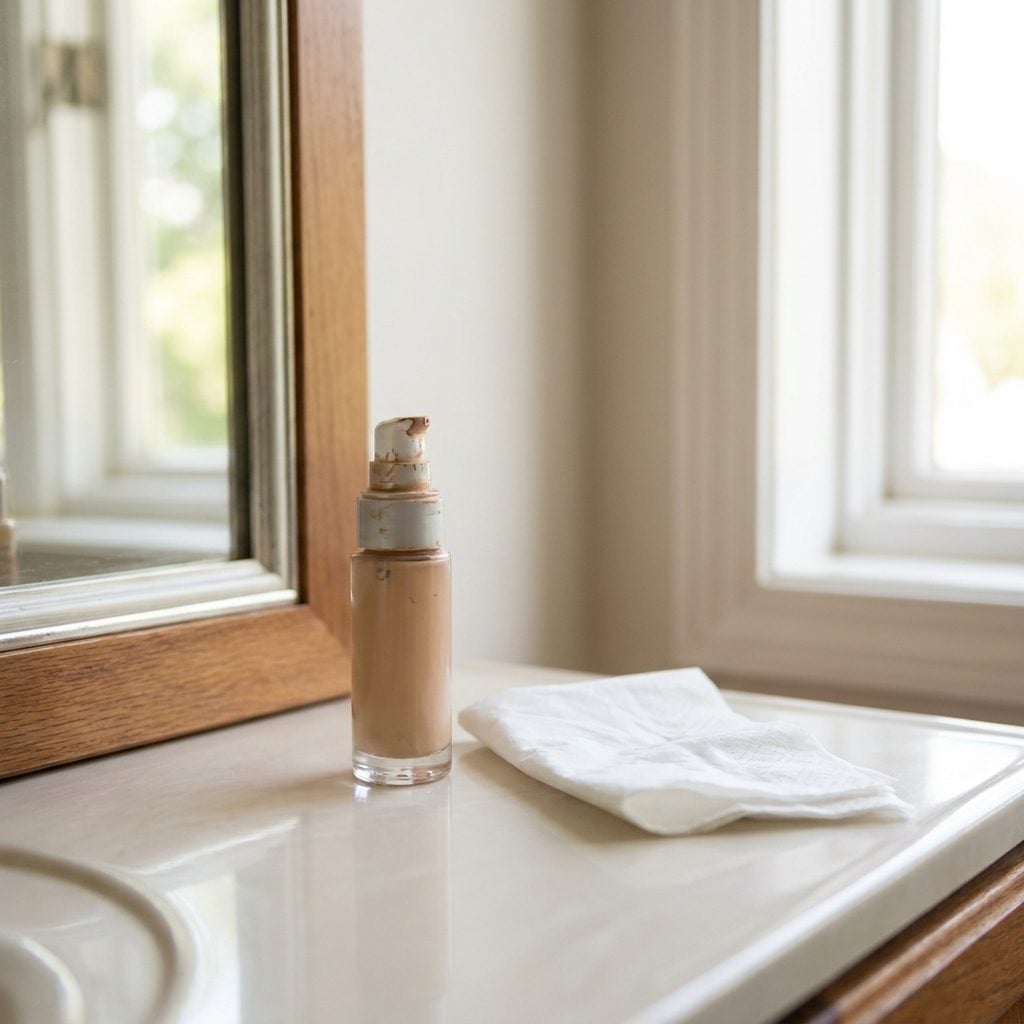
15. Drugstore Foundation for About $10
❤️ Would you like to save this?
Before shimmer went anywhere near the eyes, ten dollars established the base.
Late-’90s complexion makeup leaned much more matte and powdered than today’s dewy, skin-first aesthetic. The objective wasn’t universal—beauty never is—but a smoother, more finished surface was very much part of the mainstream look.
One bottle lasted for months. Not exciting, not photogenic, but the purchase underneath almost every face that followed.
14. The Small Wallet or Card Case: Around $18 in 1999
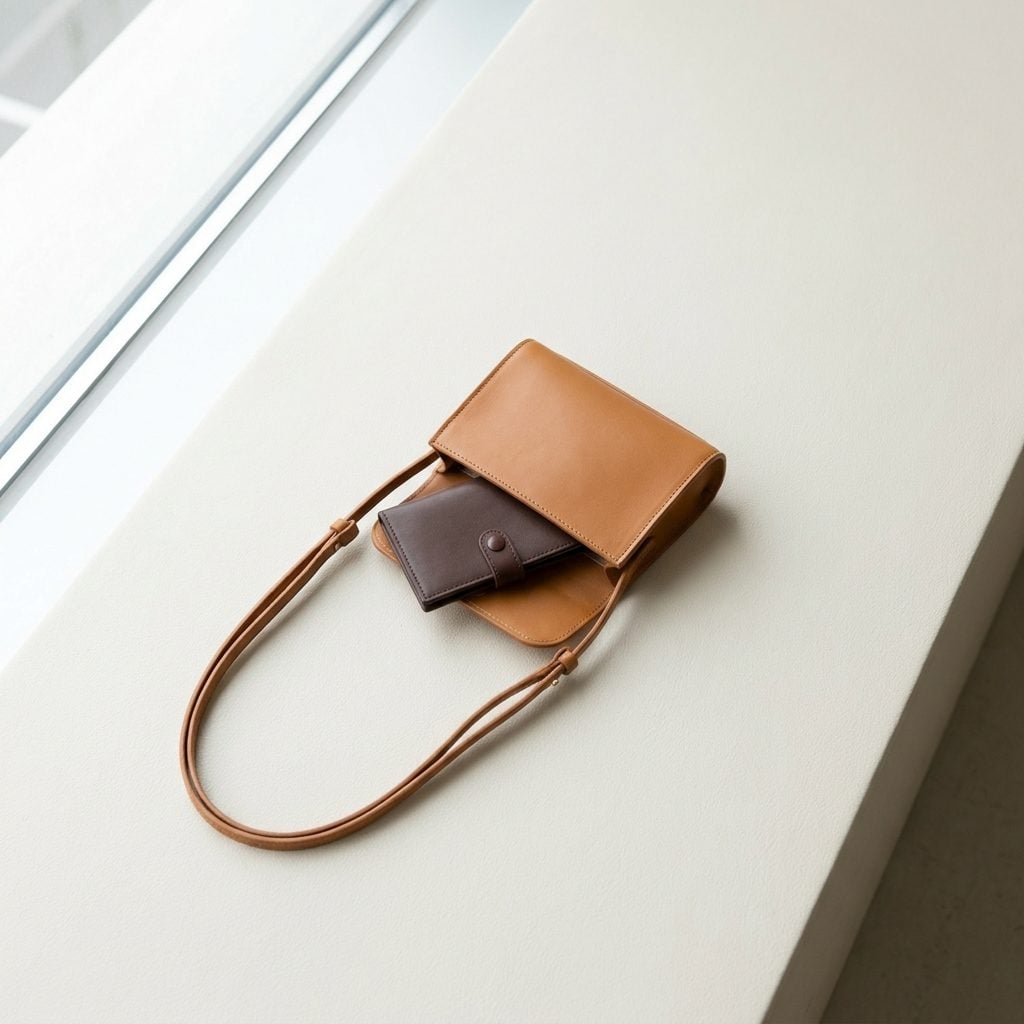
The tiny bag immediately created a secondary engineering problem: the regular wallet no longer fit.
So eighteen dollars went toward a compact card case with enough room for an ID, a couple of cards and folded cash. The checkbook stayed home. So did the coupons, receipts and whatever else your daytime wallet had accumulated.
Minimalism wasn’t always philosophical. Sometimes the purse simply refused your belongings.
13. Sheer Black Pantyhose: About $7 in 1999
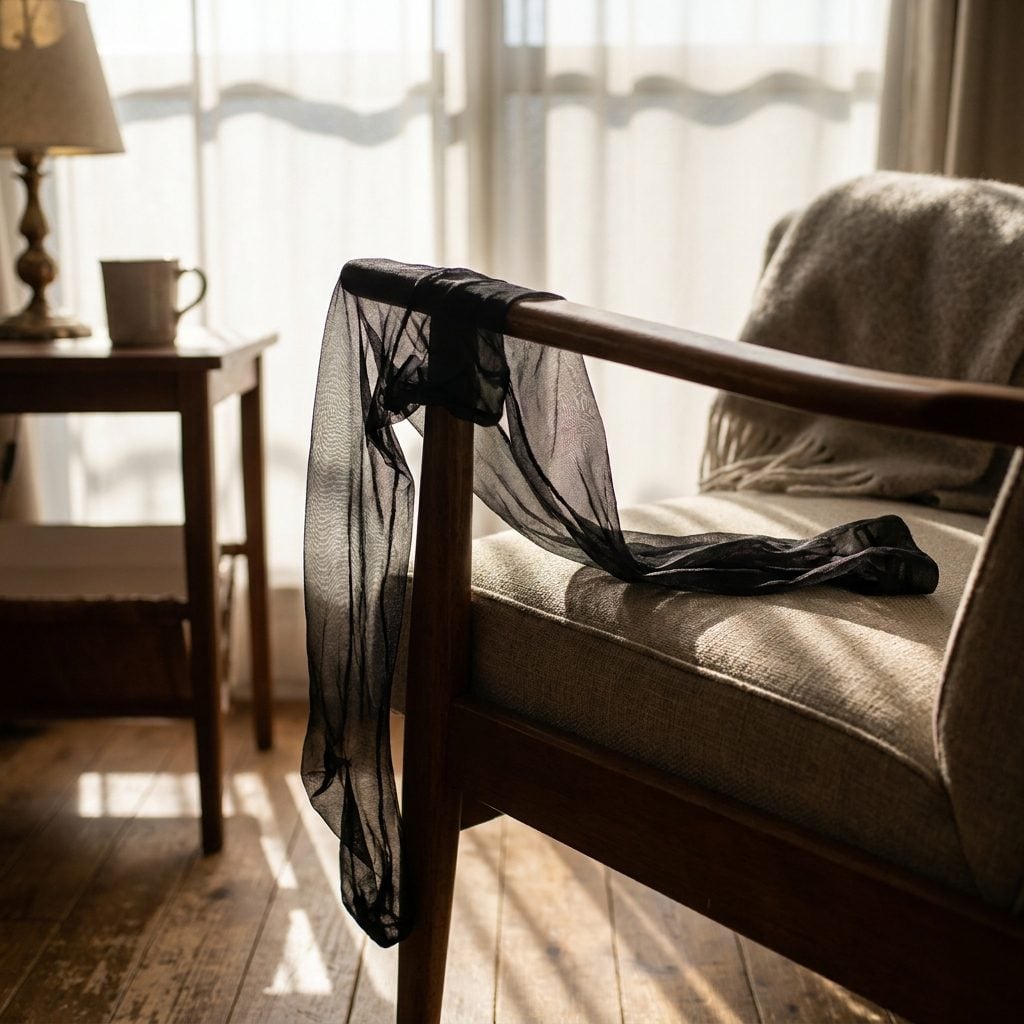
For the version of the night involving a skirt or short dress, seven dollars bought sheer black pantyhose—and often a second pair, because optimism had limits.
By 1999, hosiery was already losing ground as bare legs became acceptable in more settings. That makes the ritual feel even more precisely dated: pull them on carefully, inspect for runs, then spend the evening hoping a chair edge didn’t end the relationship.
12. A Silver Fashion Wristwatch: About $35
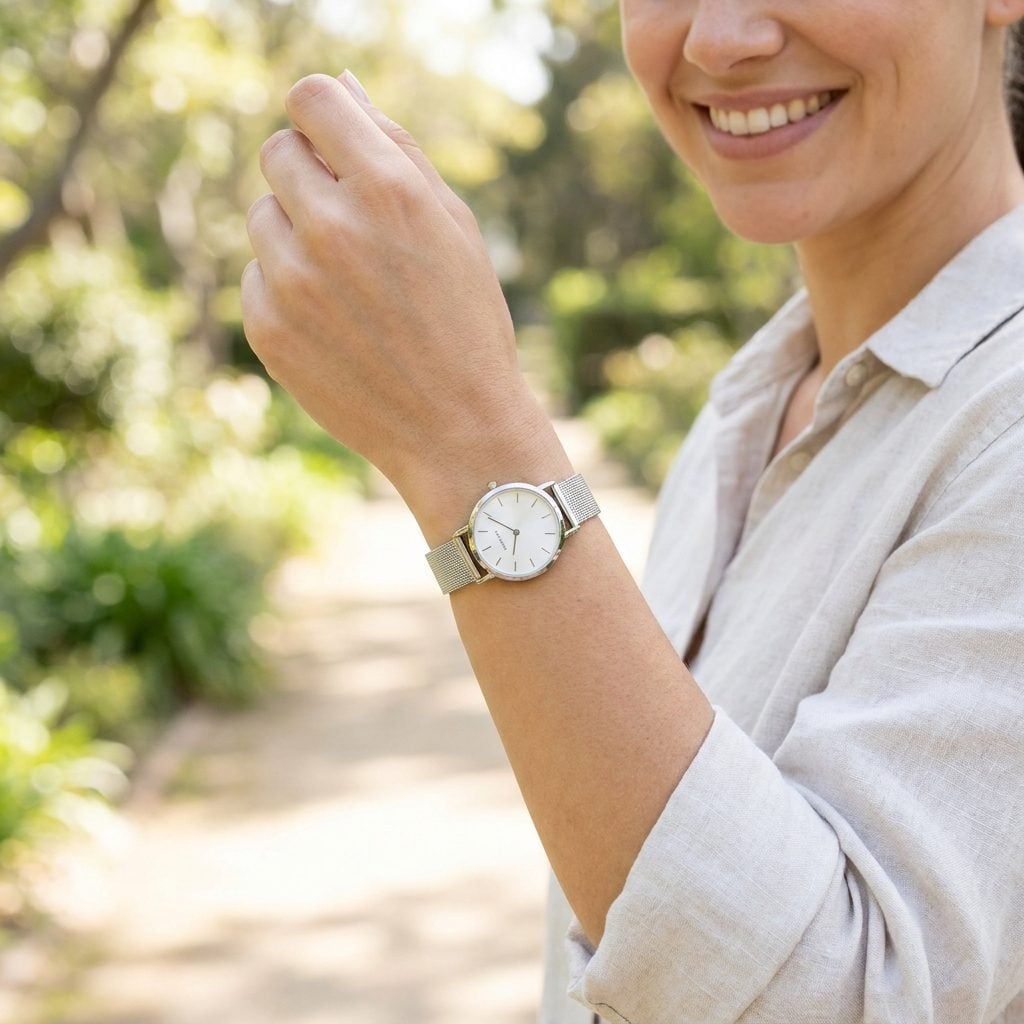
Before the phone became a clock, map, camera, ticket, flashlight and mild personality disorder, the wristwatch told you whether you were late.
A small silver-tone fashion watch around thirty-five dollars represented nearly seven hours of gross federal minimum-wage pay. That made it one of the more substantial accessories here, but also one expected to last.
The silver fashion watch matched the hoops and bracelet while performing an actual household service: telling you the time without requiring a glowing rectangle.
11. Shimmery Eyeshadow: Around $7 in 1999
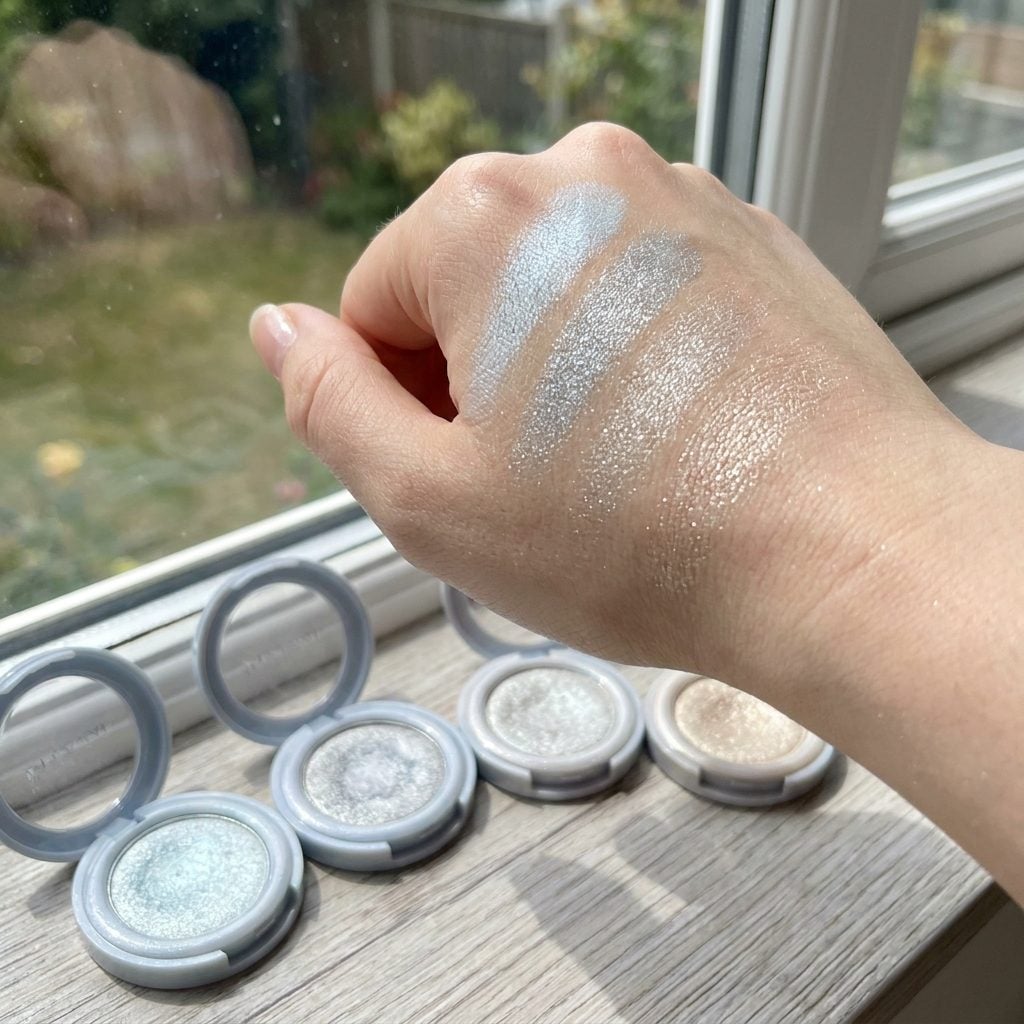
Silver. Champagne. Lavender. Icy blue with absolutely no concern for whether icy blue had personally asked to be on anyone’s eyelids.
About seven dollars bought a single shadow or small pot of shimmer, and late-1999 dELiA*s material was full of glitter pencils, shimmery creams and loose sparkle. Subtlety was available elsewhere.
This was makeup designed for bad lighting in the most flattering sense: catch one dance-floor beam and throw it straight back.
10. A Slim Silver Bracelet, Roughly $12
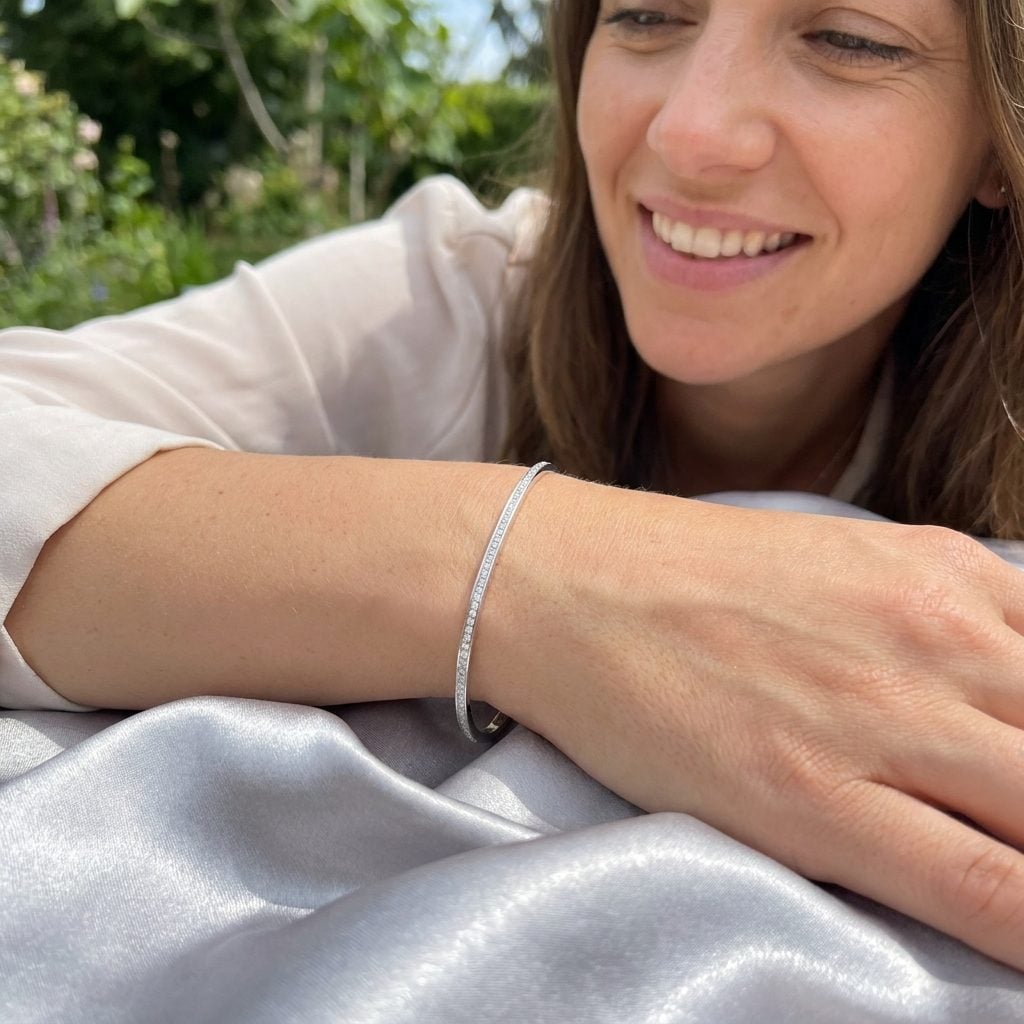
The neckline already had a pendant and the ears already had hoops. Another necklace would have turned a clean arrangement into inventory.
So twelve dollars moved the shine down to the wrist instead: a fine chain or narrow sparkly bracelet catching light whenever a hand reached for a drink.
The slim silver bracelet didn’t need to announce itself. It merely kept the silver story going somewhere else.
9. The Compact Purse Hairbrush: Around $6
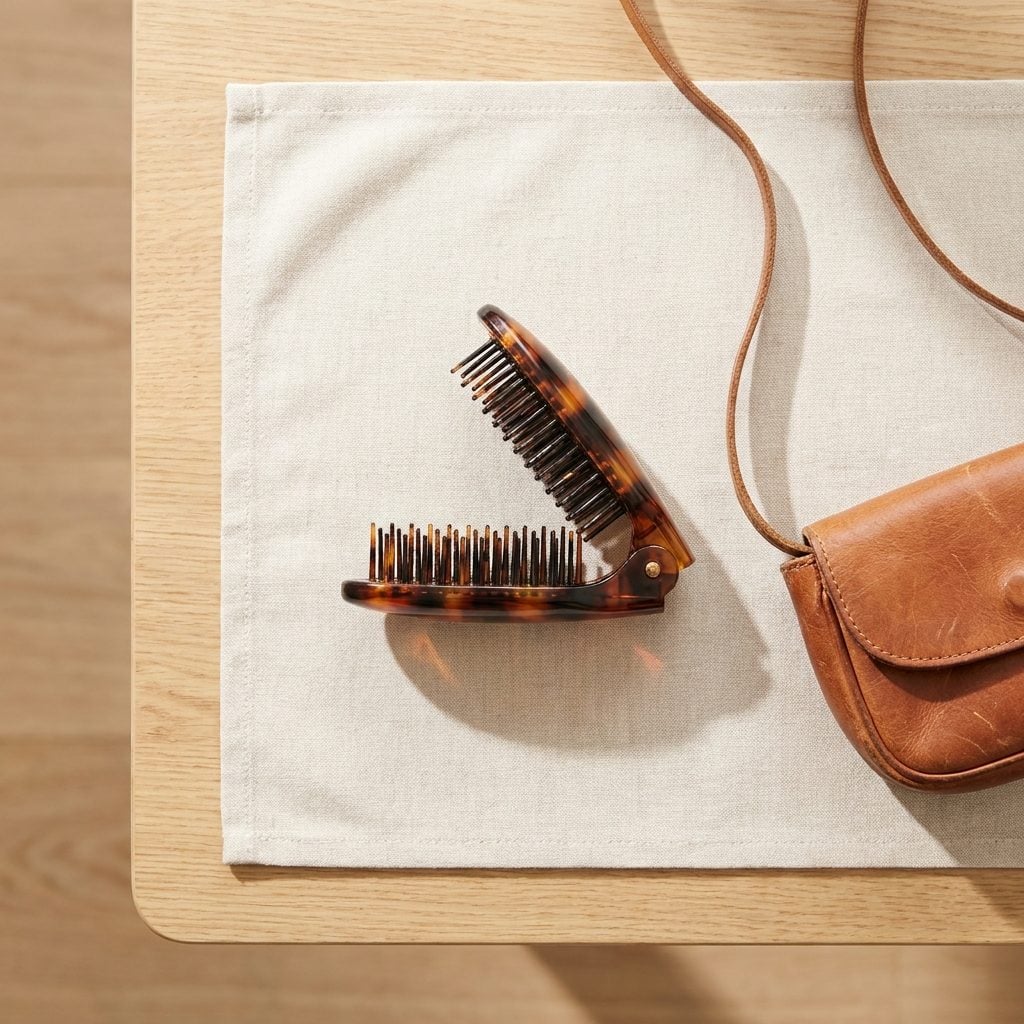
Nothing in the tiny bag was allowed to be normal size, including the hairbrush.
Six dollars bought the folding version that snapped shut, vanished beside the lip gloss and stayed forgotten until wind, humidity or a crowded dance floor destroyed an hour of preparation.
At 1 a.m., this suddenly became the most valuable six-dollar object in the building.
8. Lip Liner: About $4 in 1999
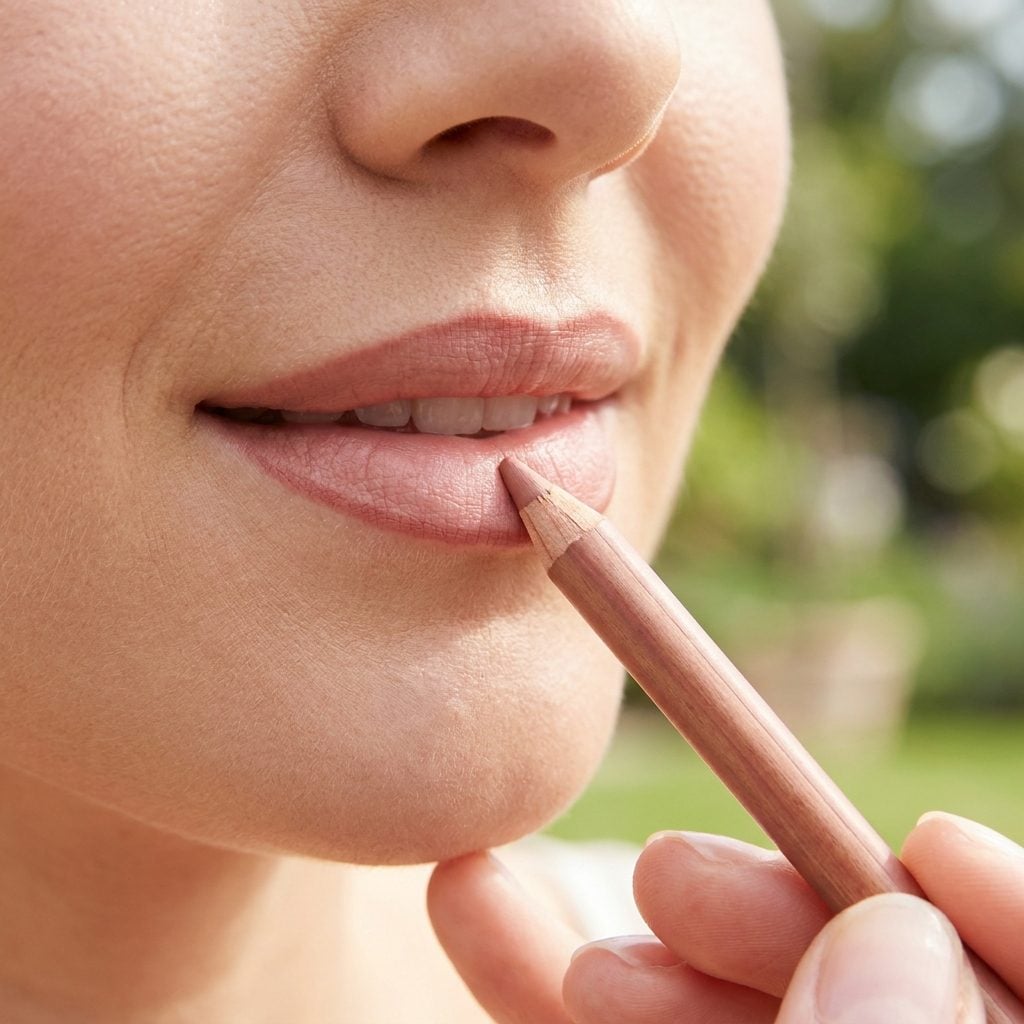
Four dollars created one of the most recognizable borders of the decade.
Brownish nude. Mauve. Brick-rose. The edge could be noticeably darker than whatever gloss or lipstick went inside it, and that contrast was not an accident somebody forgot to blend.
Define the outer lip, lighten and shine the center, and the mouth can appear more dimensional and full. No neuroscience required. Just contrast, placement and four dollars.
7. One Cocktail Ring for About $12
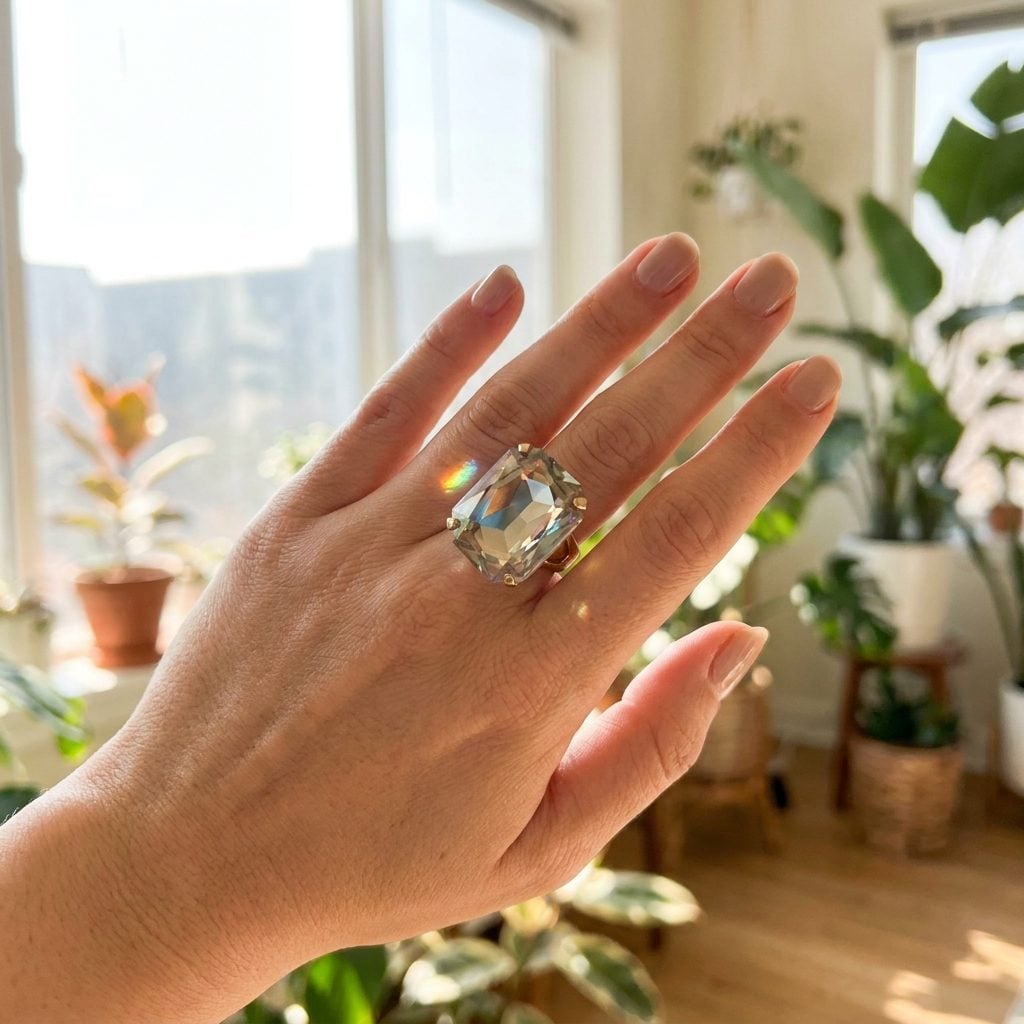
One big faux crystal or colored stone. Twelve dollars. That was plenty.
The cocktail ring could be the loudest piece of jewelry precisely because the hoops, pendant and bracelet had already agreed to behave.
A blue or green stone against silver jewelry also gave the hands their own small flash of color. Reach for a glass, tuck back your hair, point at somebody across the room—the ring moved with you and caught light every time.
6. A Pressed Powder Compact: About $8
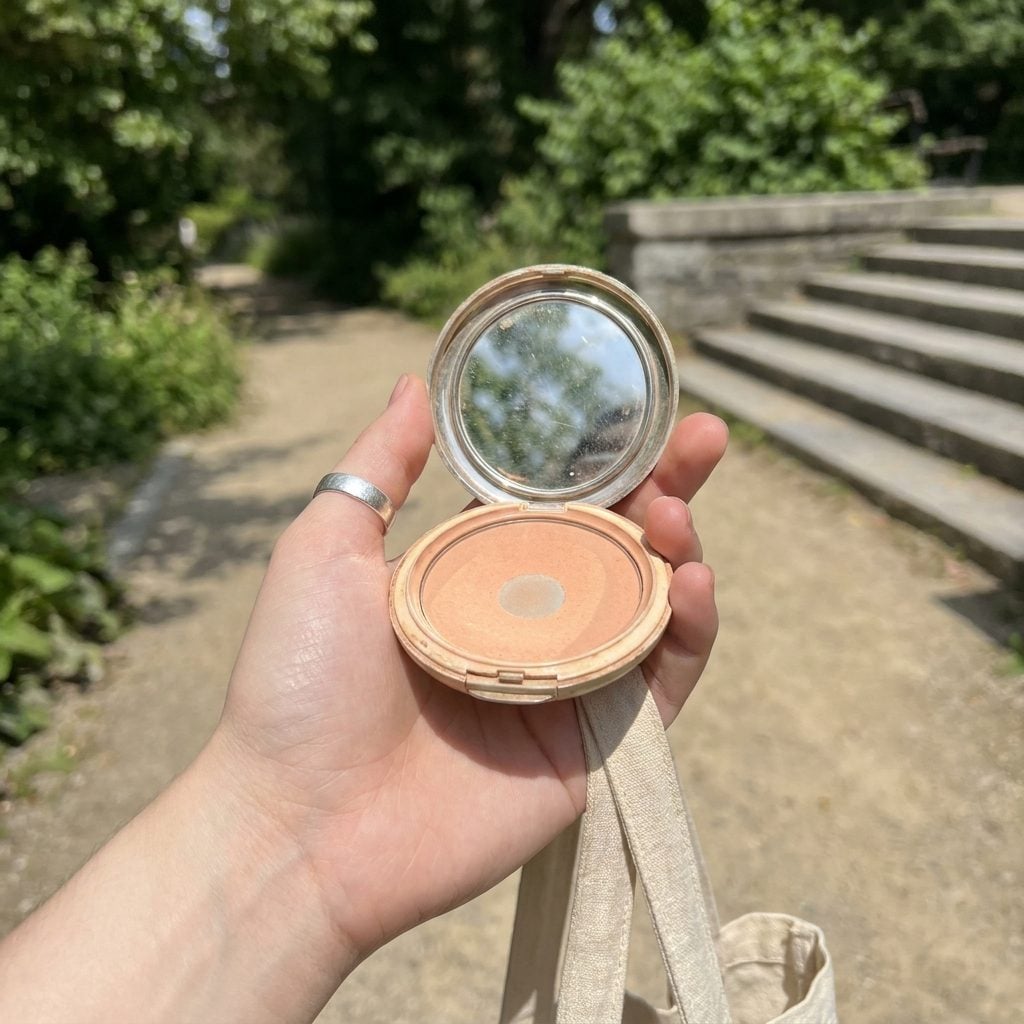
By 11 p.m., the compact had one job.
Eight dollars bought powder, mirror and emergency shine control in one flat package small enough for the shoulder bag. Open, dab the T-zone, inspect the eyeliner while you’re already there, snap shut.
The pressed powder compact made sense because late-’90s makeup generally wanted shine to appear where you deliberately put shimmer—not wherever the room temperature happened to produce it.
5. An Anklet for Around $10
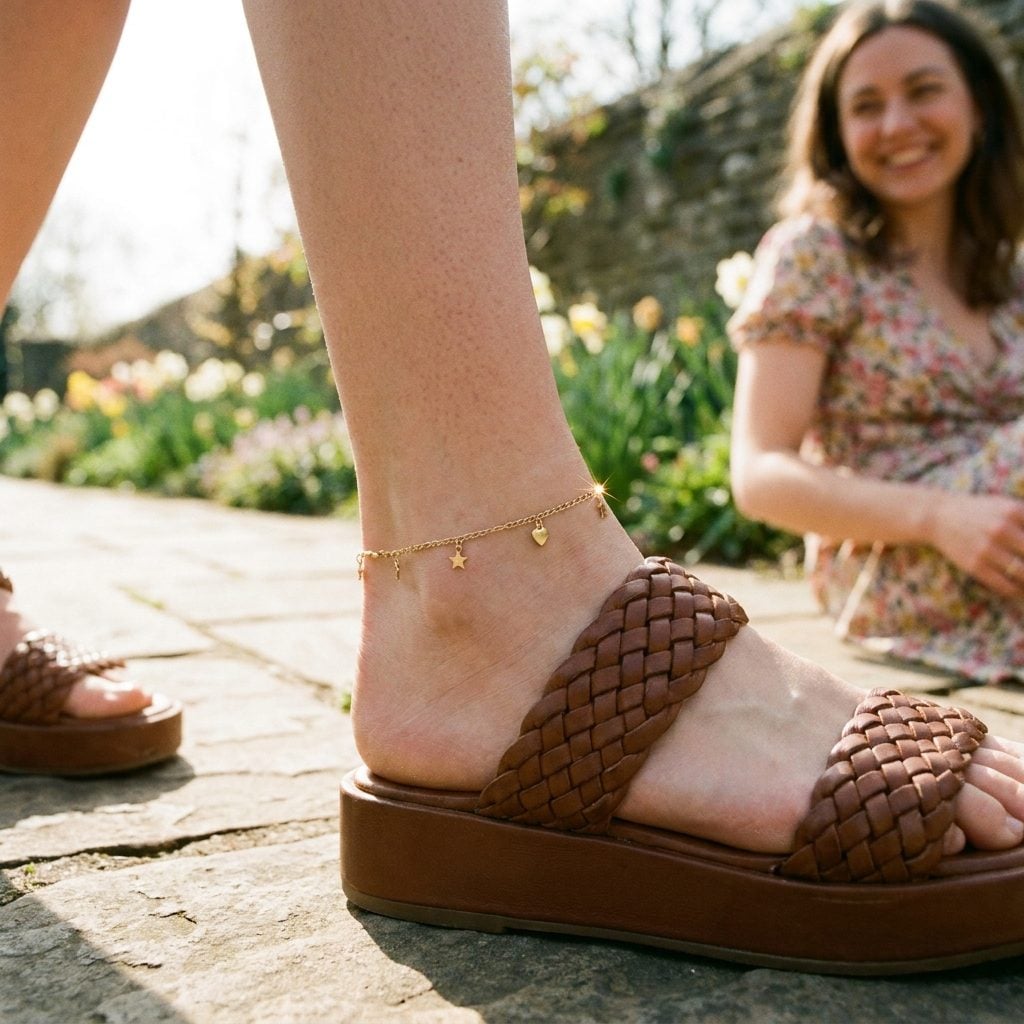
The platform sandals left an entire ankle exposed. Naturally 1999 found somewhere else to put jewelry.
A thin silver chain for about ten dollars added one small flash above the shoe, particularly in warm weather when hosiery wasn’t part of the plan.
It belonged completely to the summer-going-out outfit: easy to overlook until the light hit it, then unmistakably of the era.
4. Black Mascara: Roughly $6 in 1999
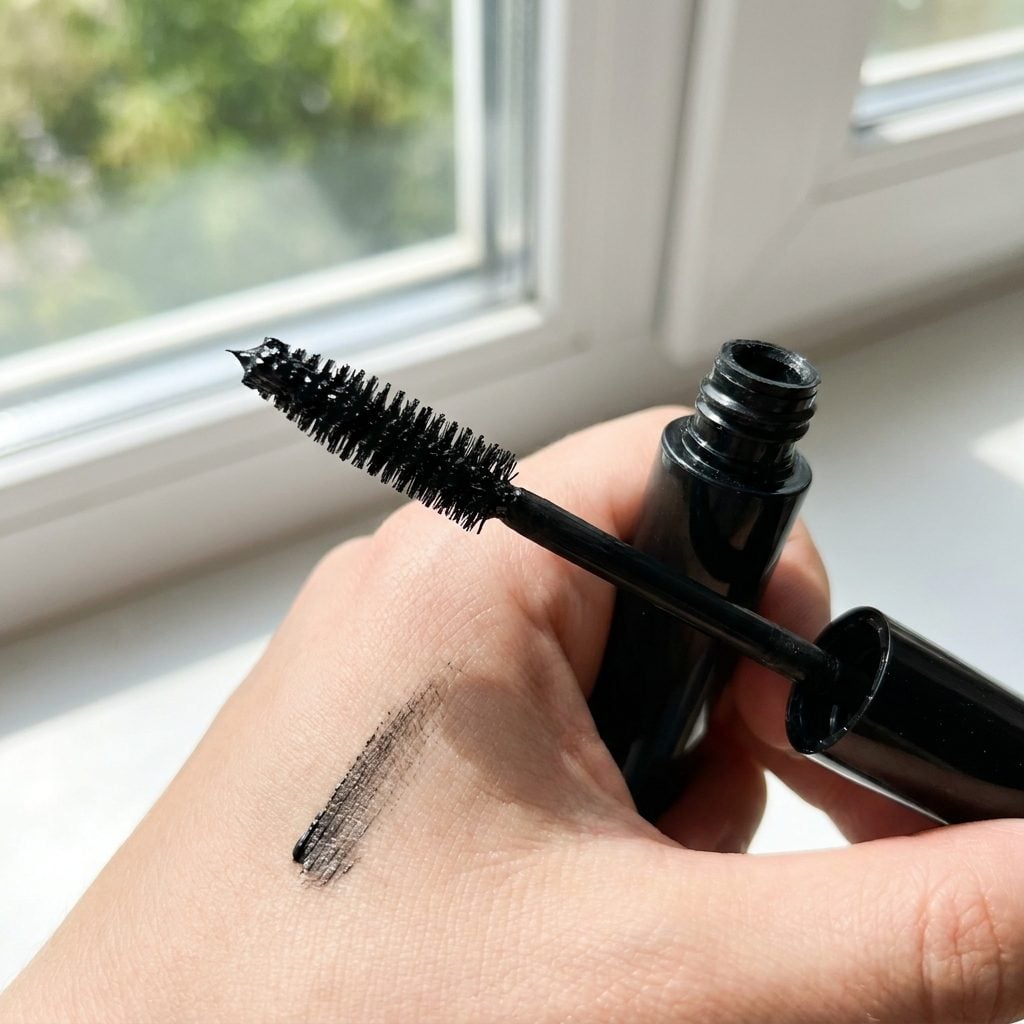
The eyes weren’t finished until the lashes got involved.
Roughly six dollars bought black mascara, and for a night out the application could be considerably more enthusiastic than the tube’s instructions had envisioned.
Add $5 eyeliner and $7 shadow and the eye makeup alone reaches $18—about three and a half hours of gross pay at the federal minimum wage. Getting ready cheaply was still not the same thing as getting ready for free.
Black mascara, coat after coat, until the lashes clumped into little spikes. That was the look, and we knew it, and we did it anyway.
3. Nail Polish: About $5 in 1999
❤️ Would you like to save this?
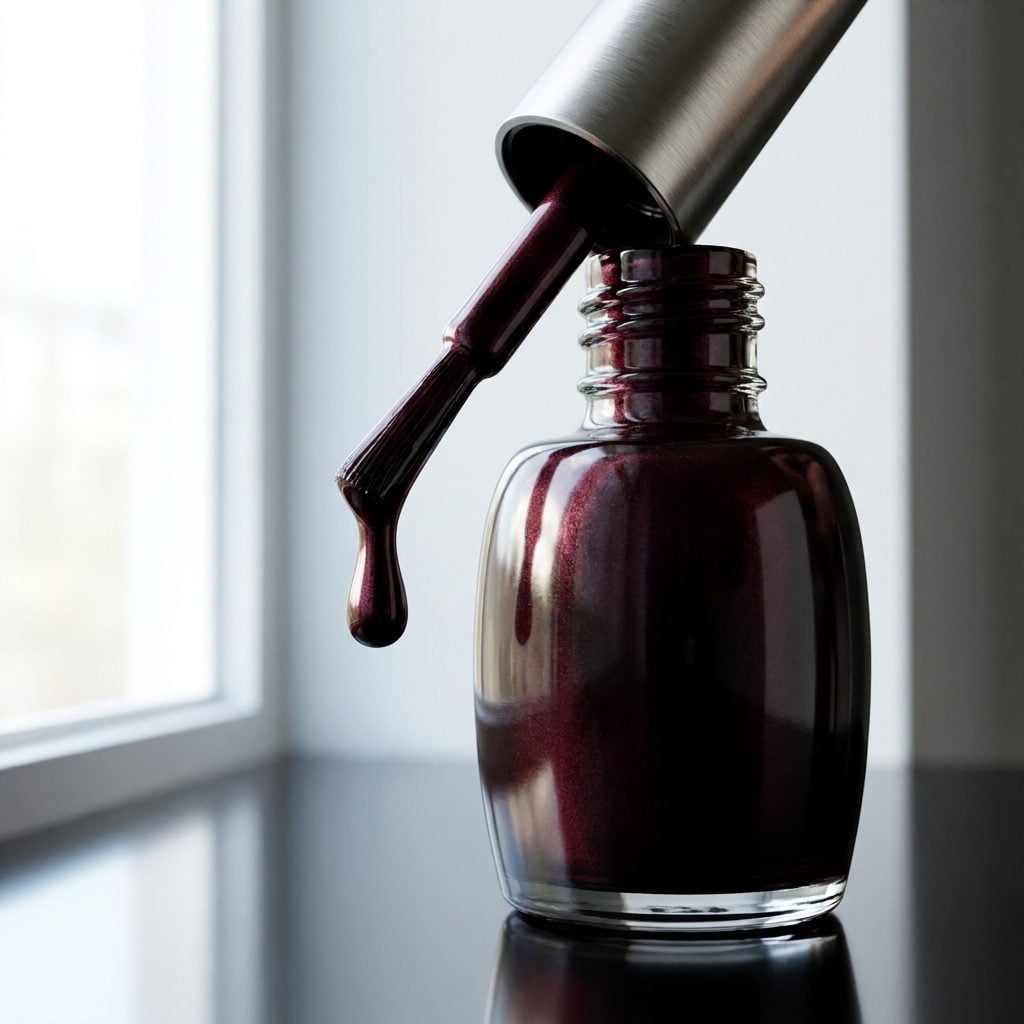
Nails got done early because discovering a thumbprint in wet polish five minutes before leaving was how friendships with inanimate objects ended.
Deep red, wine, metallics, frosted neutrals—five dollars bought another surface on which 1999 could put shine.
Quick-dry products already existed, but impatience remained undefeated. One careless reach for the ringing phone could still turn a nearly finished manicure into a small domestic crisis.
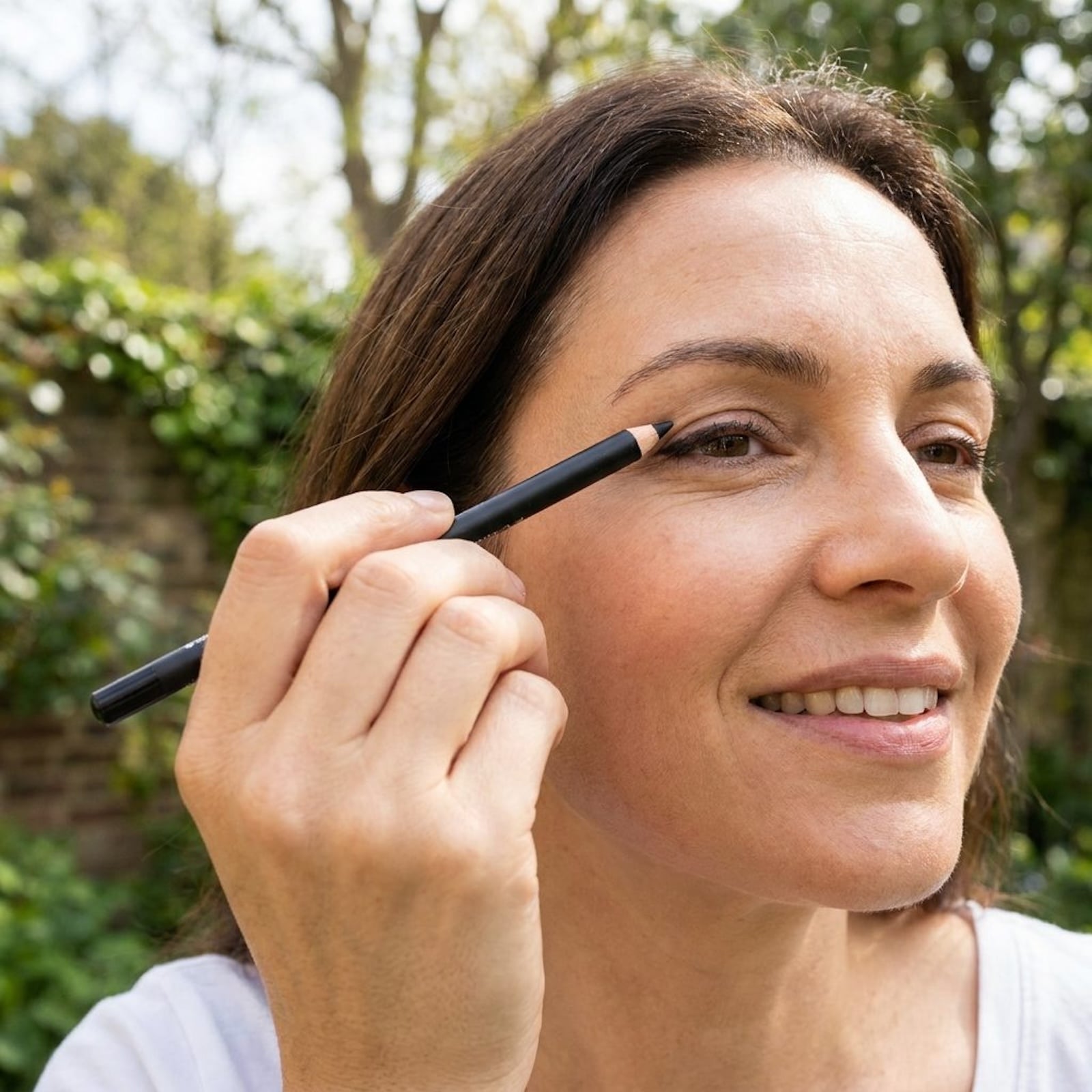
2. Black Eyeliner: About $5 in 1999
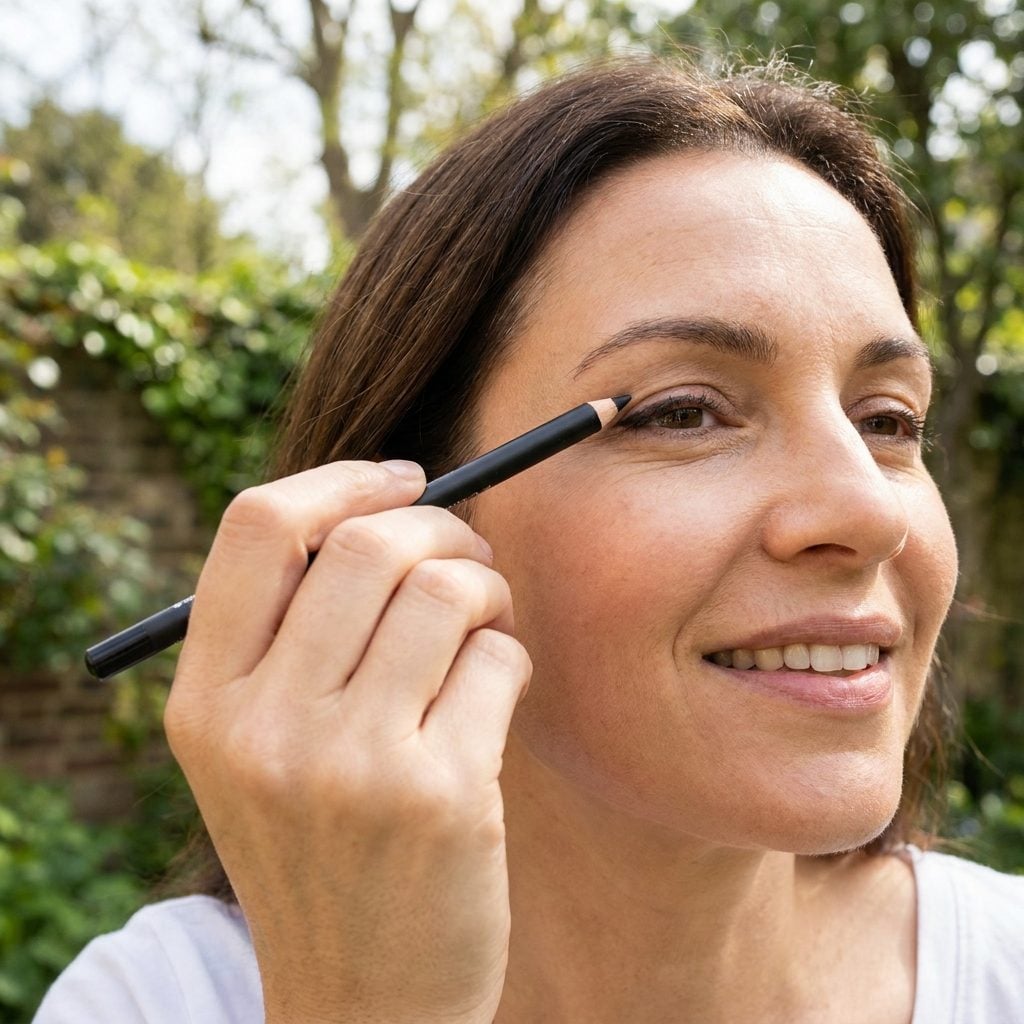
And here it is: the five-dollar line that could change the entire face.
A basic black eyeliner represented roughly an hour of gross pay at the federal minimum wage. Drugstore pencil, inexpensive mall-counter version, whatever sharpened cleanly enough to survive getting ready in somebody else’s bathroom mirror.
The late-’90s eye liked definition. Dark liner sat beneath all that silver, lavender and champagne shimmer and gave it somewhere to stop. Softly diffused perfection was not always the goal. Sometimes you wanted to see the line.
1. Fragrance: Around $35 in 1999
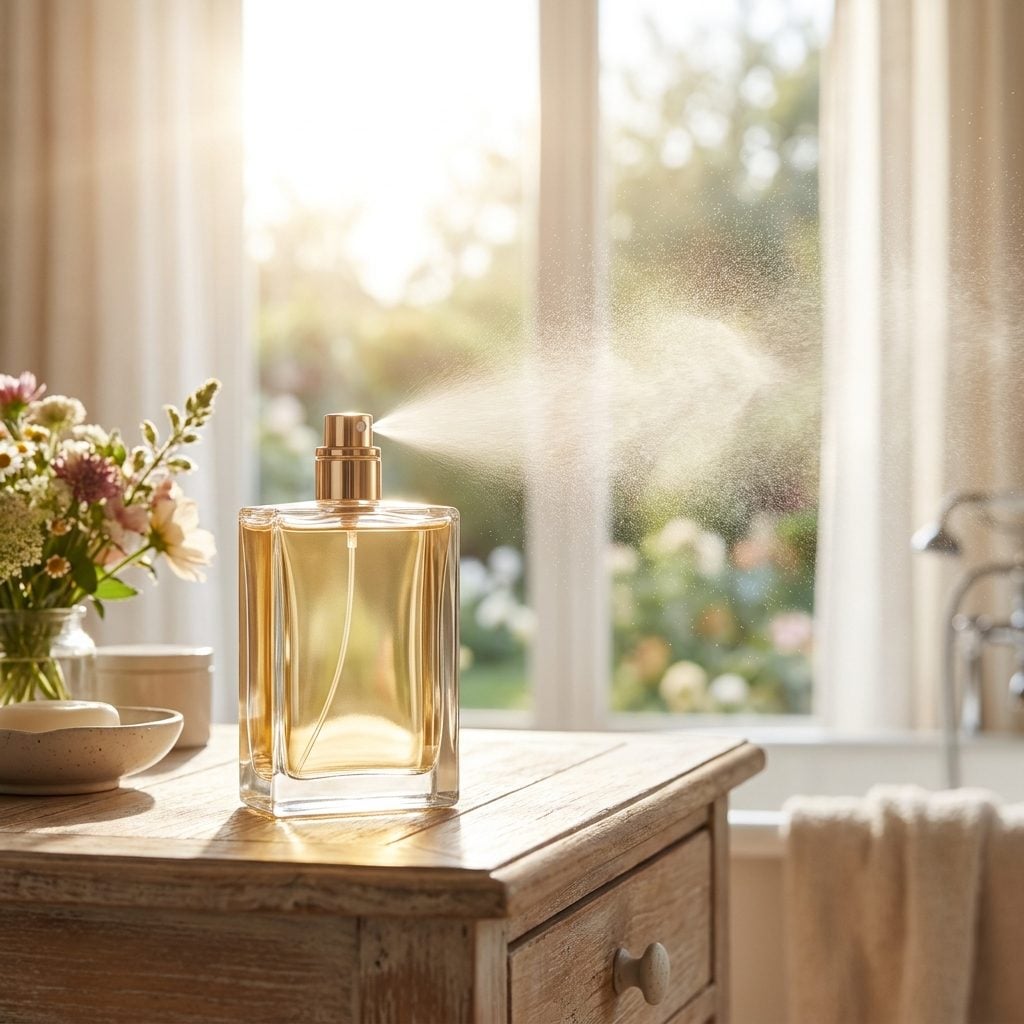
The last thing went on after the clothes, after the jewelry, after the hair, after the eyeliner, after the nails were finally dry enough to touch the bottle.
A mainstream eau de toilette around thirty-five dollars was the biggest single number on this particular vanity. At $5.15 an hour, that’s nearly seven hours of gross minimum-wage work sitting in one bottle.
That was why perfume felt different from eyeliner or gloss. A tube disappeared. A bottle of fragrance stayed on the dresser for months, sometimes years, acquiring nights and people and places until one smell could bring the whole decade back faster than any photograph.
Two spritzes. Maybe three if somebody else was paying for the cab. Then the tiny bag went under the arm, the leather jacket went on, and you were finally out the door.