
The 2010s were a decade of spectacular fashion contradictions. Sneakers concealed wedge heels. Scarves expanded to the dimensions of picnic blankets. Handbags developed wings, necklaces became architectural statements, and flannel shirts migrated from shoulders to waistlines. Skinny jeans ruled everything, preferably in colors that had no business being denim. Subtlety was available, but rarely invited.
The decade’s style was shaped by a collision of influences: festival bohemia, equestrian polish, athletic wear, and the meticulously casual outfits circulating through Pinterest, Instagram, and fashion blogs. Isabel Marant made sneakers taller, Céline made handbags wider, and Lululemon helped turn exercise clothes into everyday uniforms. The real ingenuity lay in the combinations: chambray against lace, rugged denim over floral chiffon, glossy faux leather beneath oversized knits. High and low fashion borrowed shamelessly from each other.
Looking back, the giveaway isn’t always the garment. It’s the styling. The infinity scarf looped twice, the statement necklace over a plain tee, the riding boots pulled over skinny jeans, the pom-pom dangling from an otherwise serious handbag. Each detail places an outfit somewhere between 2010 and 2019 with remarkable precision. Thirty-six fashion obsessions from a decade that knew exactly how to make an entrance, even when the destination was the grocery store.
FYI, thanks to AI imagery software, we’re able to create very specific fashion and hairstyle examples to illustrate the points being made. In some cases, imagery is exaggerated to hammer home the point. Also, assume links that take you off the site are affiliate links such as links to Amazon. this means we may earn a commission if you buy something.
36. The Plaid Flannel That Spent More Time Around Your Waist Than on Your Back
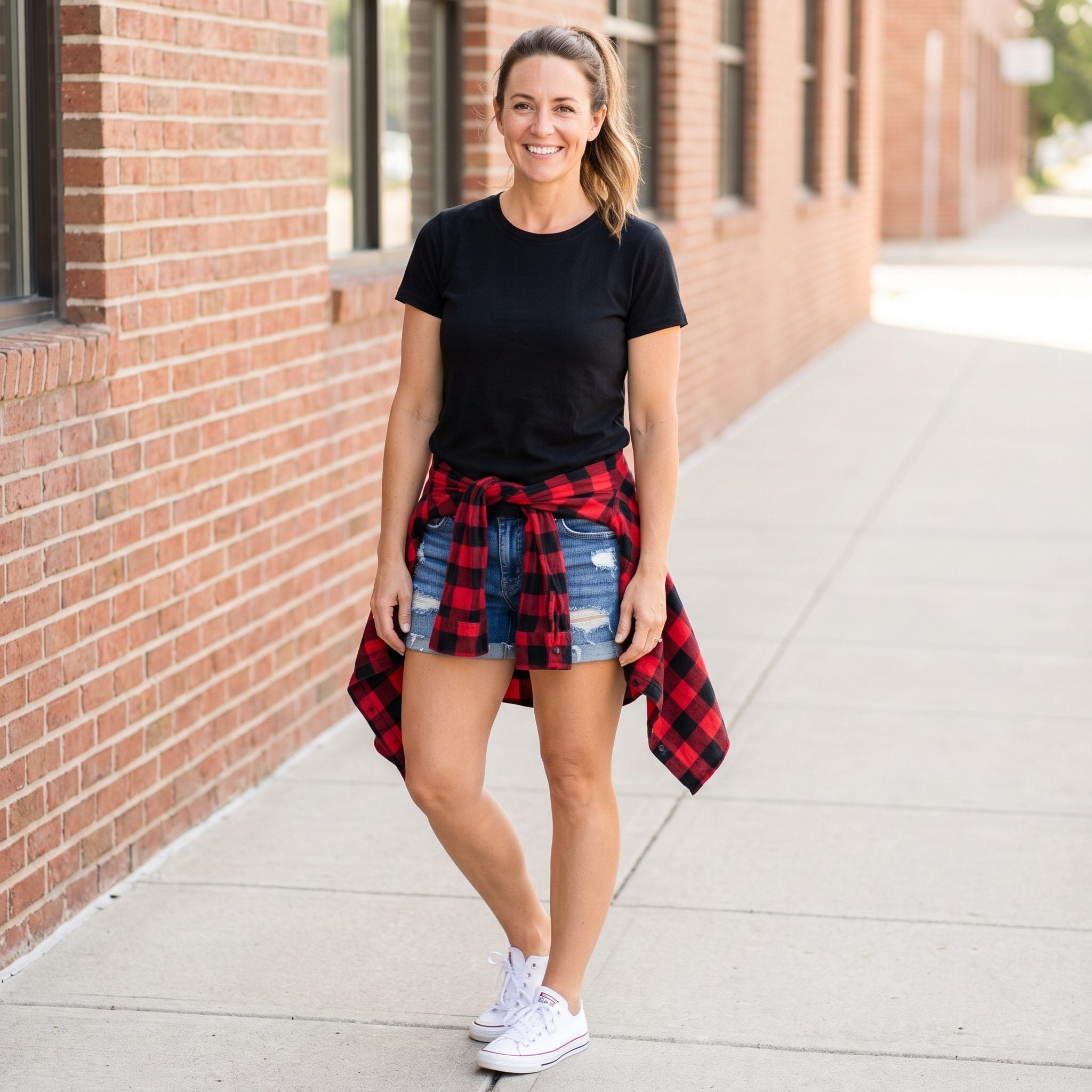
Nobody needed another layer. That was beside the point. A red buffalo-plaid flannel knotted around the hips gave shorts and a simple top the sort of deliberately careless finish that dominated festival photographs throughout the decade.
The shirt supplied a burst of pattern and a second horizontal line across the outfit. Its hanging sleeves introduced movement, while the knot drew attention to the waist without requiring a belt. The whole arrangement suggested an afternoon spent listening to bands, whether or not any music was involved.
Of course, the shirt could still be untied and worn if the temperature dropped. That practical possibility made an otherwise decorative gesture seem almost sensible. The red plaid flannel was the rare accessory that happened to have sleeves.
35. The Peplum Top That Tried to Give Every Waist an Architectural Feature
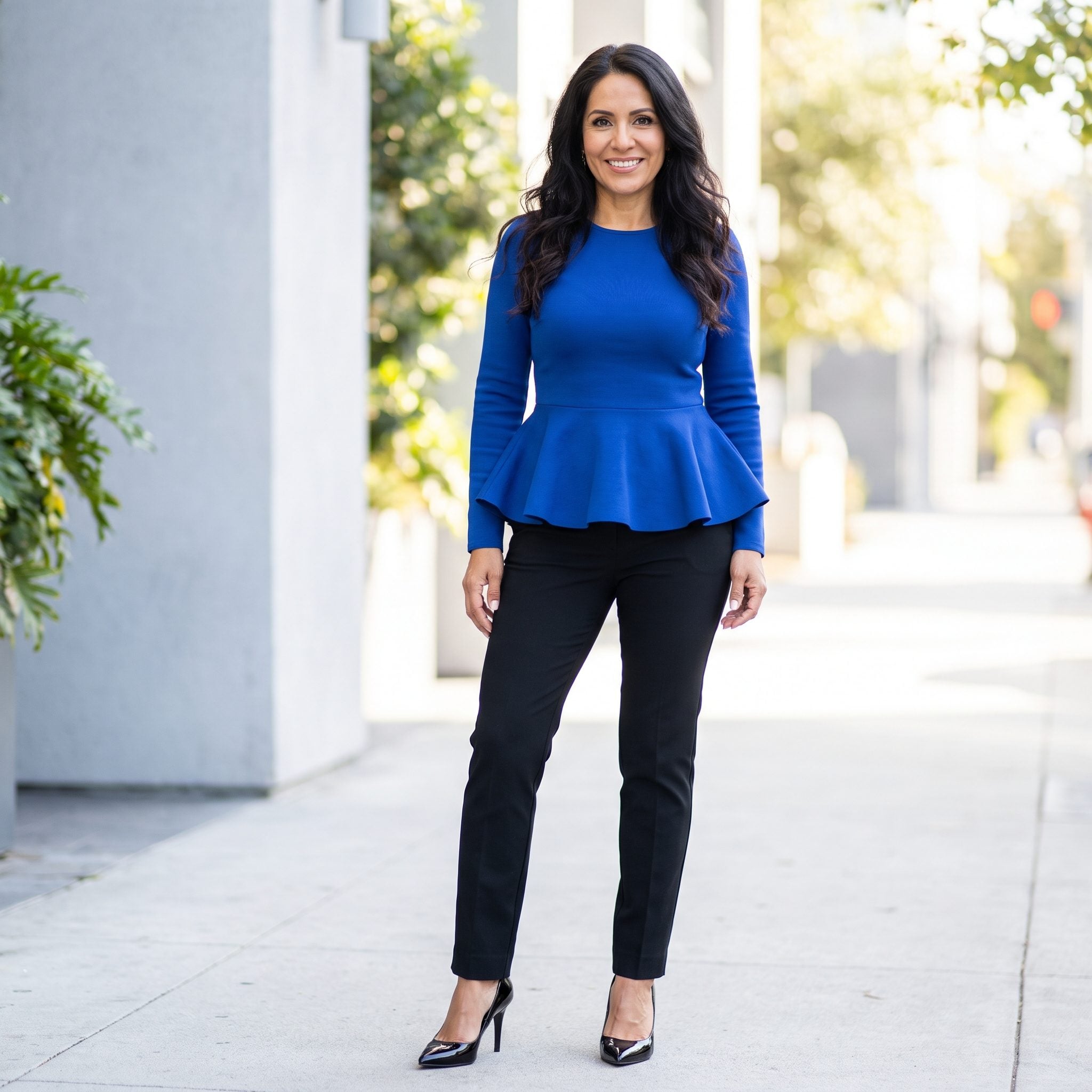
A fitted bodice, a sudden flare at the waist, and a silhouette that looked as though somebody had attached a miniature skirt to a blouse. The peplum was everywhere in the early and middle years of the decade, from office wardrobes to dinner outfits.
The cobalt version makes the construction especially clear. A close-fitting upper section establishes the waist before the fabric projects outward over the hips. Slim trousers provide the counterweight, keeping the lower silhouette narrow enough for the flare to remain the main event.
That was the peplum’s cleverness and its limitation. The proportions could create a striking hourglass effect when the flare landed in the right place. Get the length or stiffness wrong, and the same detail could turn a perfectly good top into an elaborate lampshade.
34. Chestnut UGGs, Black Leggings, and the Cold-Weather Uniform Nobody Had to Explain
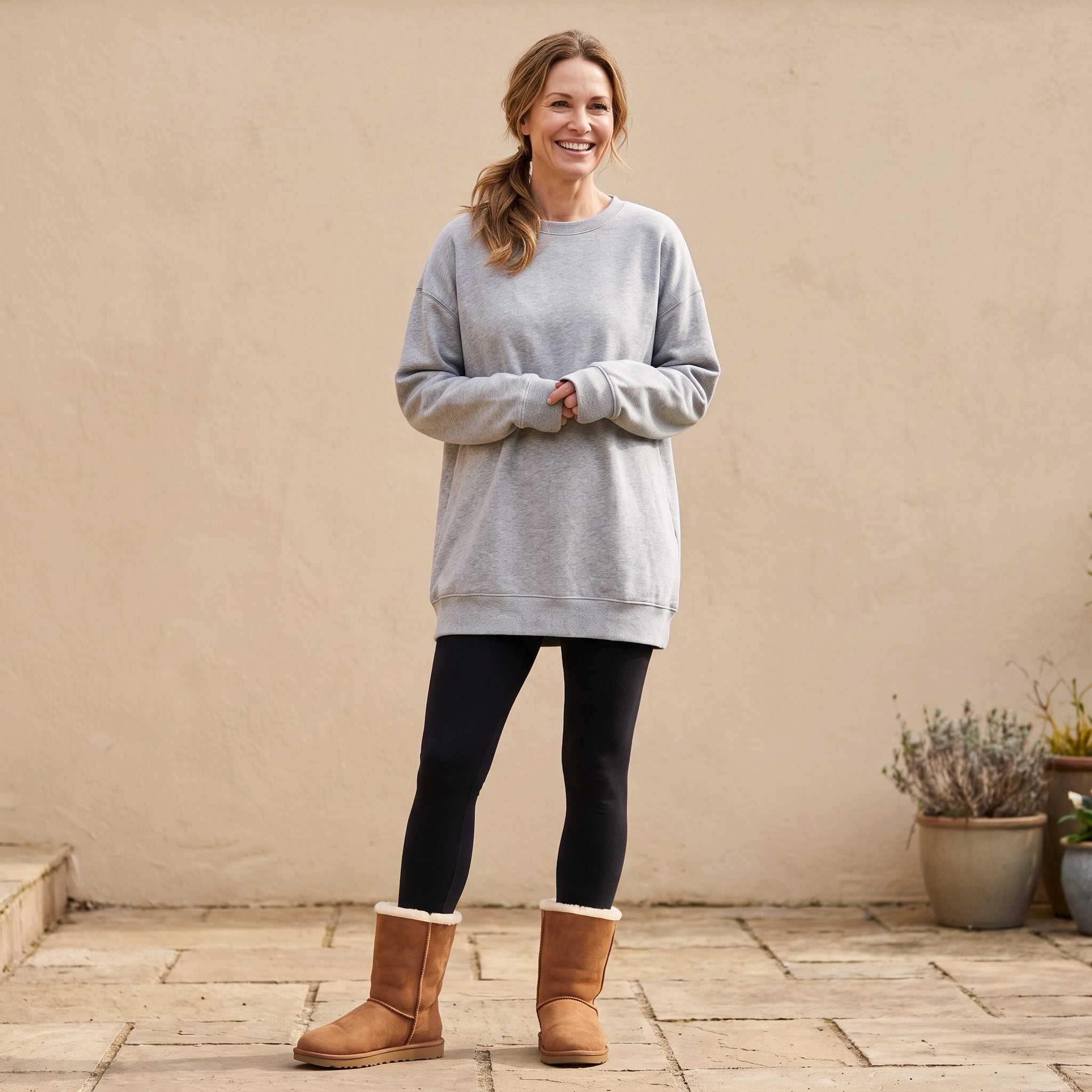
Chestnut suede boots, black leggings, a loose sweatshirt. The combination required approximately three seconds of thought and carried an entire generation through school runs, coffee stops, and chilly mornings.
The appeal came from the contrast between the narrow legging and the bulky, softly rounded boot. The suede introduced warmth and texture, while the dark leggings kept the lower half visually simple. A slouchy top completed the deliberately relaxed silhouette.
UGG boots had been popular well before the 2010s, but their pairing with leggings became one of the decade’s most familiar casual looks. Nobody mistook the ensemble for formal dressing. That was precisely its charm.
33. The Turquoise Bib Necklace That Turned a Plain White Tee Into an Event

There was nothing discreet about a chunky turquoise bib necklace. Its oversized stones occupied the entire neckline, transforming a plain white tee into the supporting act for a piece of jewelry with considerable ambitions.
Statement necklaces became a signature of early-2010s styling, with J.Crew among the retailers closely associated with the look. The formula was wonderfully economical: keep the clothing uncomplicated and let the necklace provide the color, texture, and ornament.
Turquoise against white made the contrast especially sharp. The pale fabric gave every stone a clean background, while the necklace concentrated attention near the face. A second dramatic accessory would have been unnecessary. This one had already taken up all the available conversation.
32. The Off-the-Shoulder Ruffle That Made a Neckline Do All the Work
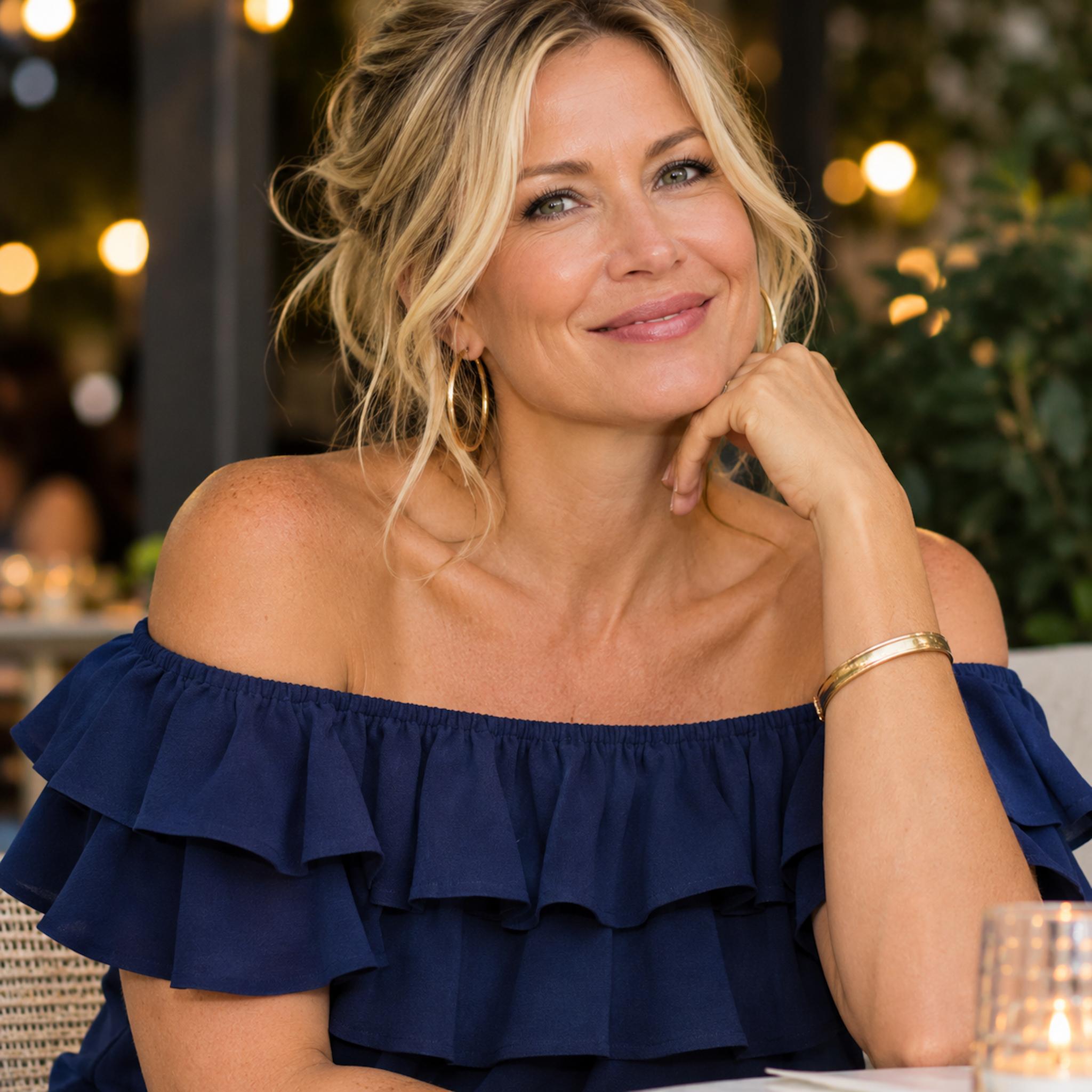
The neckline dropped below both shoulders, then added a generous navy ruffle as though bare collarbones needed their own decorative border. By the middle of the 2010s, off-the-shoulder tops had become a summer and evening staple.
Unlike the cold-shoulder blouse, which exposed small sections of the upper arm, this version left the entire shoulder line open. The elasticated neckline formed a clean horizontal edge, while the tiered fabric supplied movement and volume below it.
Gold hoops, loose blonde hair, and an otherwise quiet palette leave the ruffle in charge. The look captures the decade’s affection for one dramatic detail that could make a simple top feel ready for dinner.
31. White Sneakers, Green Heel Tab — The Shoe That Made Dressing Down Look Deliberate
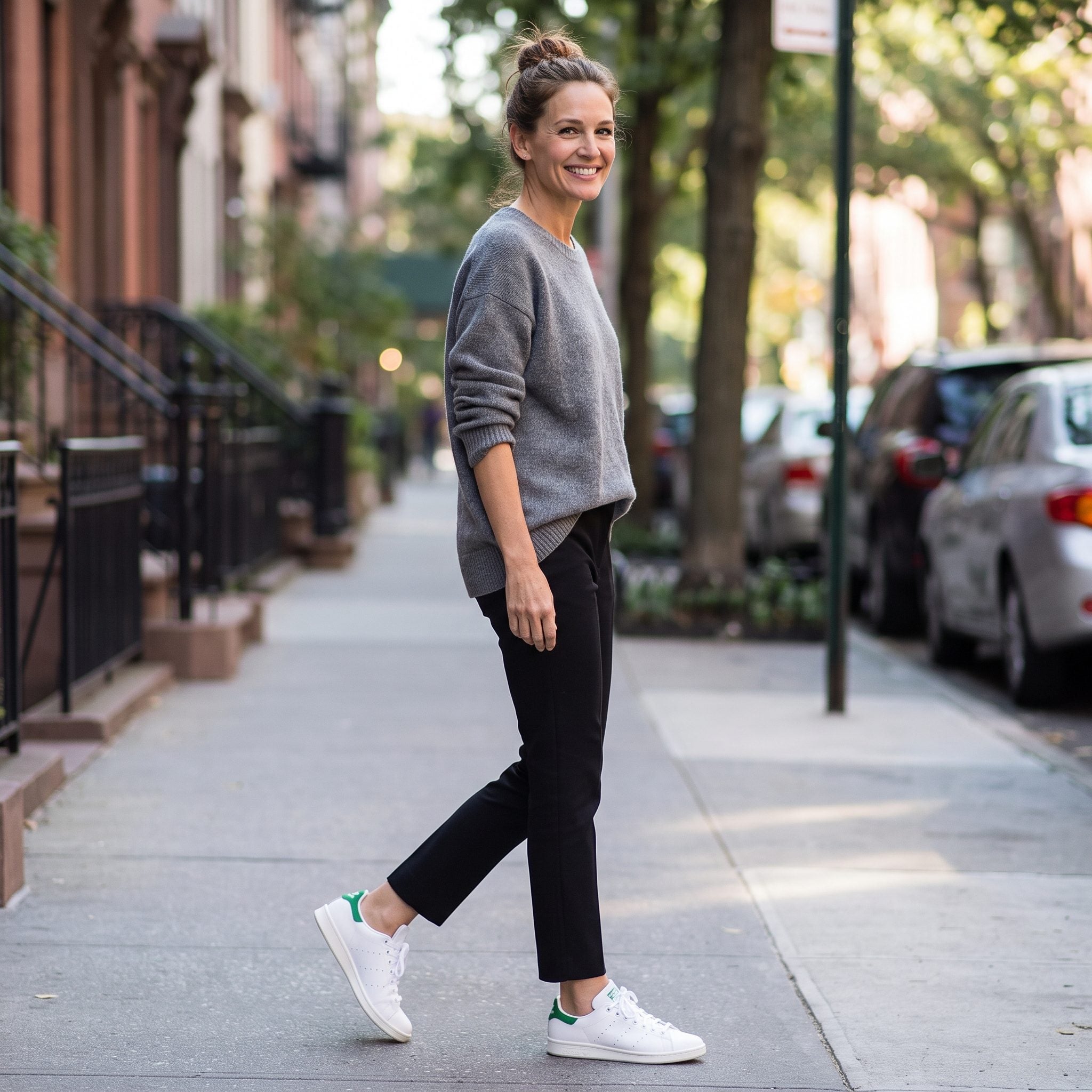
Clean white leather, a flat sole, and a small flash of green at the heel. Adidas Stan Smith sneakers helped make one of the defining sneaker references of the decade, proving that an understated tennis shoe could hold its own beneath trousers, skirts, and dresses.
The beauty was in the restraint. Unlike the chunky athletic styles that would later take over, this silhouette stayed narrow and comparatively quiet. The white upper worked almost like a neutral, while the green heel tab supplied enough recognition without demanding attention.
The shoes also changed the tone of an outfit. A dress that might have looked precious with heels became more relaxed; tailored trousers lost some of their office formality. Keeping that leather pristine was another matter. White sneakers had a way of recording every encounter with a city sidewalk.
30. The Blanket Scarf That Required Its Own Folding Instructions
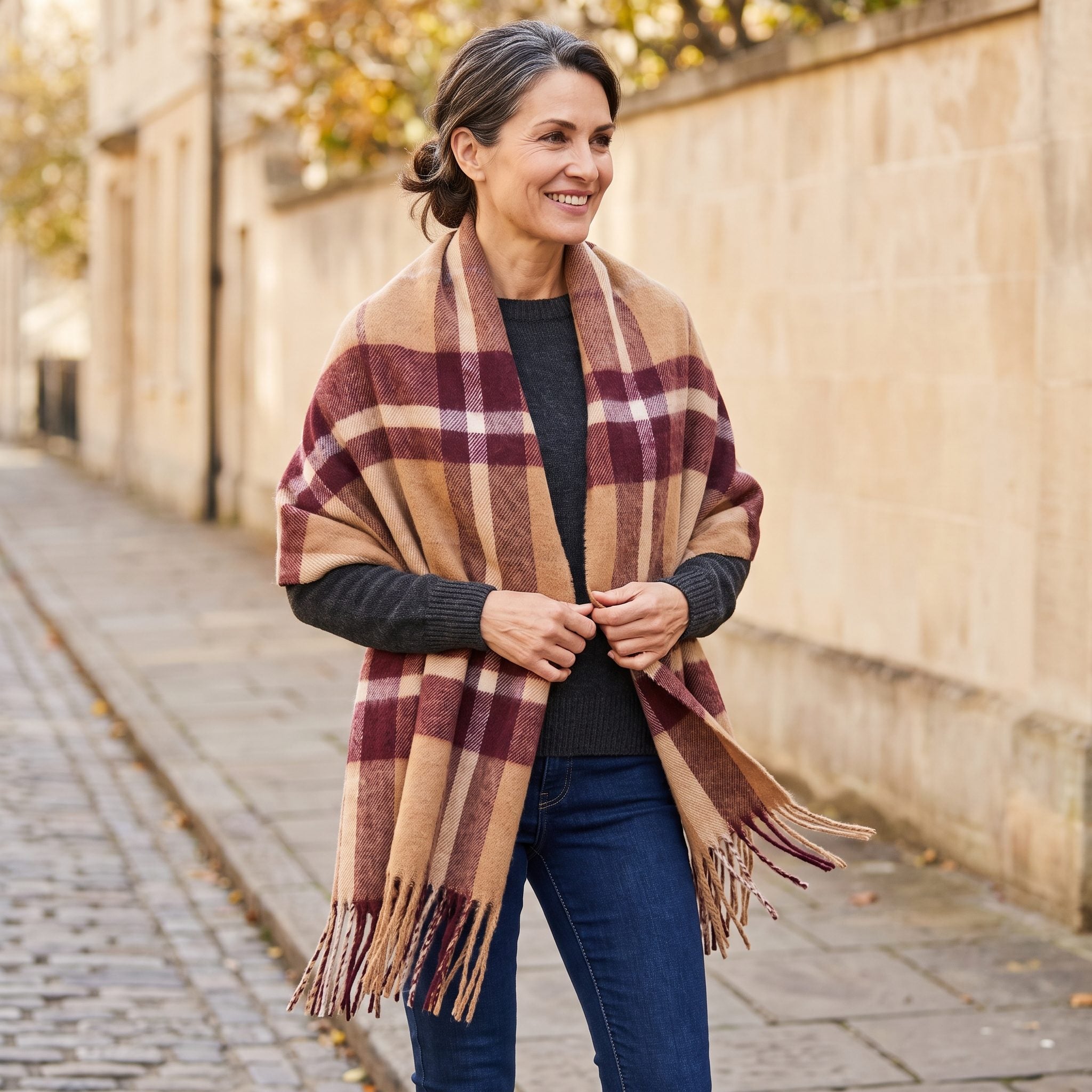
Somewhere along the way, scarves stopped being narrow strips of fabric and became enormous plaid squares requiring online tutorials. Fold one diagonally, arrange the triangle across the chest, tuck the ends, and hope the result resembled the photograph.
The oversized plaid blanket scarf was a mid-2010s autumn staple. Camel, cream, burgundy, and dark green checks appeared over sweaters and jackets, often with skinny jeans underneath to balance the tremendous volume above.
That proportion was the whole visual strategy. A broad mass of fabric around the shoulders made the legs appear narrower by comparison. The scarf also supplied most of the outfit’s pattern, leaving the surrounding clothes free to remain simple. Indoors, the arrangement could become spectacularly warm. Removing it, however, risked dismantling the entire look.
29. The Embroidered Satin Bomber That Made a Plain Outfit Look Like a Night Out
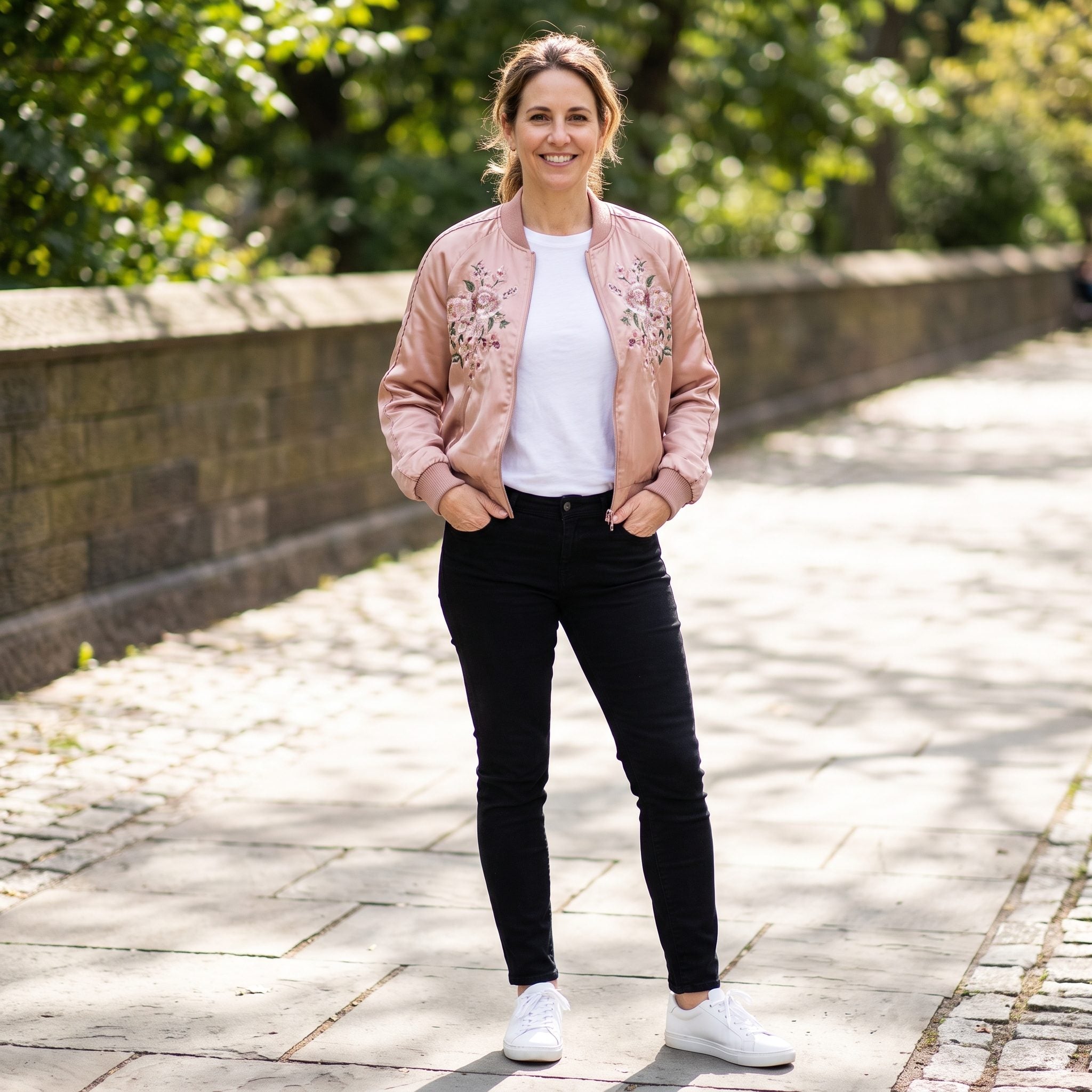
Glossy satin, embroidered flowers, ribbed cuffs, and a sporty shape that had no business looking quite so dressed up. The embroidered bomber became a mid-2010s favorite, appearing in blush, olive, black, and other shades across fashion retailers.
The appeal lay in the collision of references. A bomber jacket belonged to casual sportswear and military-inspired dressing; satin and elaborate embroidery belonged somewhere more decorative. Put them together and a simple tee with jeans suddenly acquired an entirely different personality.
Some versions drew on the tradition of Japanese sukajan souvenir jackets, known for their satin construction and elaborate embroidered imagery. The contemporary floral variations softened that heritage into something readily worn with everyday clothes. A little shine, a little swagger, and considerably more personality than an ordinary zip-up jacket.
28. Cognac Riding Boots — The Moment Fall Officially Arrived
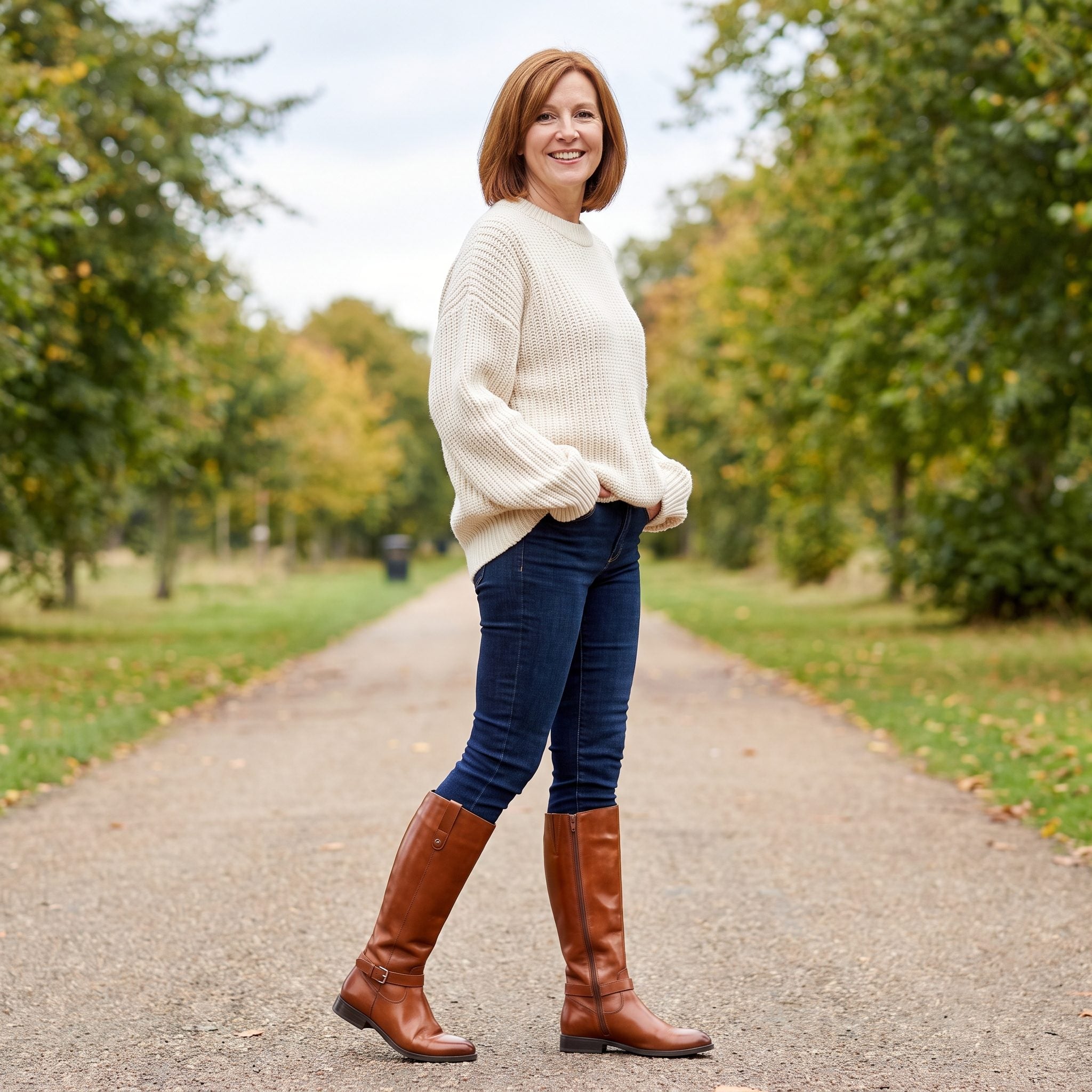
The first cool morning of autumn brought out the tall cognac riding boots. They appeared over skinny jeans, beneath sweater dresses, and alongside practically every cream knit in circulation. Actual horses were entirely optional.
The equestrian influence was unmistakable: smooth leather, a relatively flat heel, a tall shaft, and restrained hardware. Against dark indigo denim, the warm brown leather created a clean contrast, while a cream sweater repeated its warmth higher in the outfit.
Heritage brands had long used riding boots as a fashion reference, and the silhouette enjoyed renewed popularity during the 2010s. Unlike some of the decade’s more eccentric footwear, these were easy to understand. They looked polished, worked with narrow trousers, and made an ordinary fall outfit feel finished.
27. The Winged Tote That Looked Ready to Run a Corporation
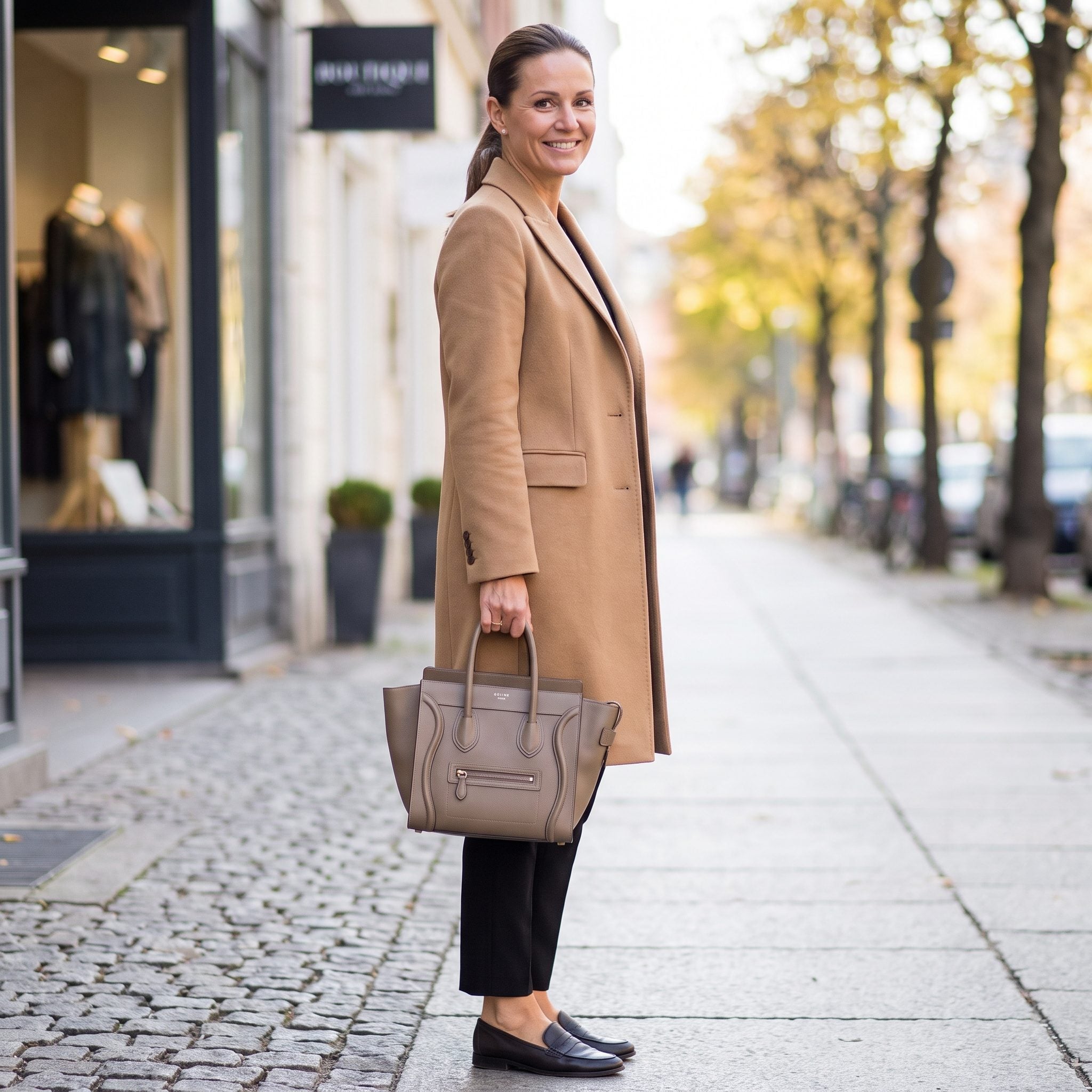
The sides flared outward, the body held its shape, and the handles looked substantial enough to suggest serious business. The structured winged tote brought a sharp, architectural silhouette to the handbags of the 2010s.
The Céline Luggage tote helped make this distinctive shape a luxury-fashion reference, with variations appearing across a wide range of prices. Its appeal came from the contrast between the rigid central body and the outward-projecting side panels.
A structured taupe tote could make even a casual outfit appear more deliberate. The bag stood upright, maintained its outline, and looked impressively organized regardless of what was actually happening inside. The silhouette was doing much of the reputational work.
26. Glossy Green Rain Boots That Were Far Too Stylish to Wait for Rain
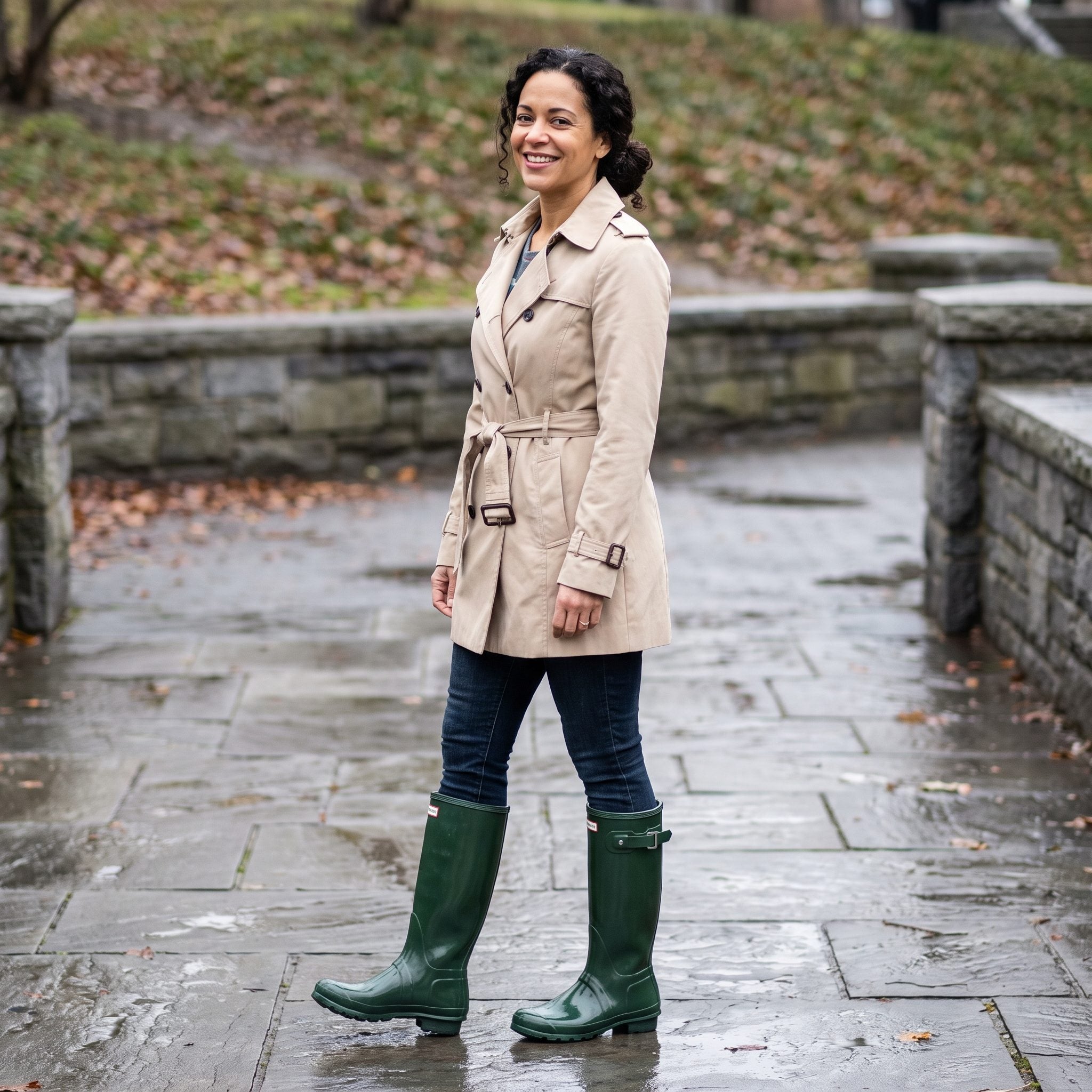
Bright rubber, a small buckle near the top, and a finish polished enough to reflect the sky. The glossy green rain boot made practical footwear part of the outfit rather than something to tolerate until the weather improved.
Its shape owed plenty to traditional Wellington boots, but the styling was firmly contemporary. Skinny jeans fit neatly into the shafts, while a belted raincoat provided a softer silhouette above the rigid rubber.
The shine mattered. Matte boots might have disappeared beneath a coat; these insisted on being noticed. They were perfectly capable of handling puddles, although a dry morning at the farmers market offered an equally good excuse to wear them.
25. Chambray and White Lace — The Unlikely Couple That Ruled Fashion Blogs
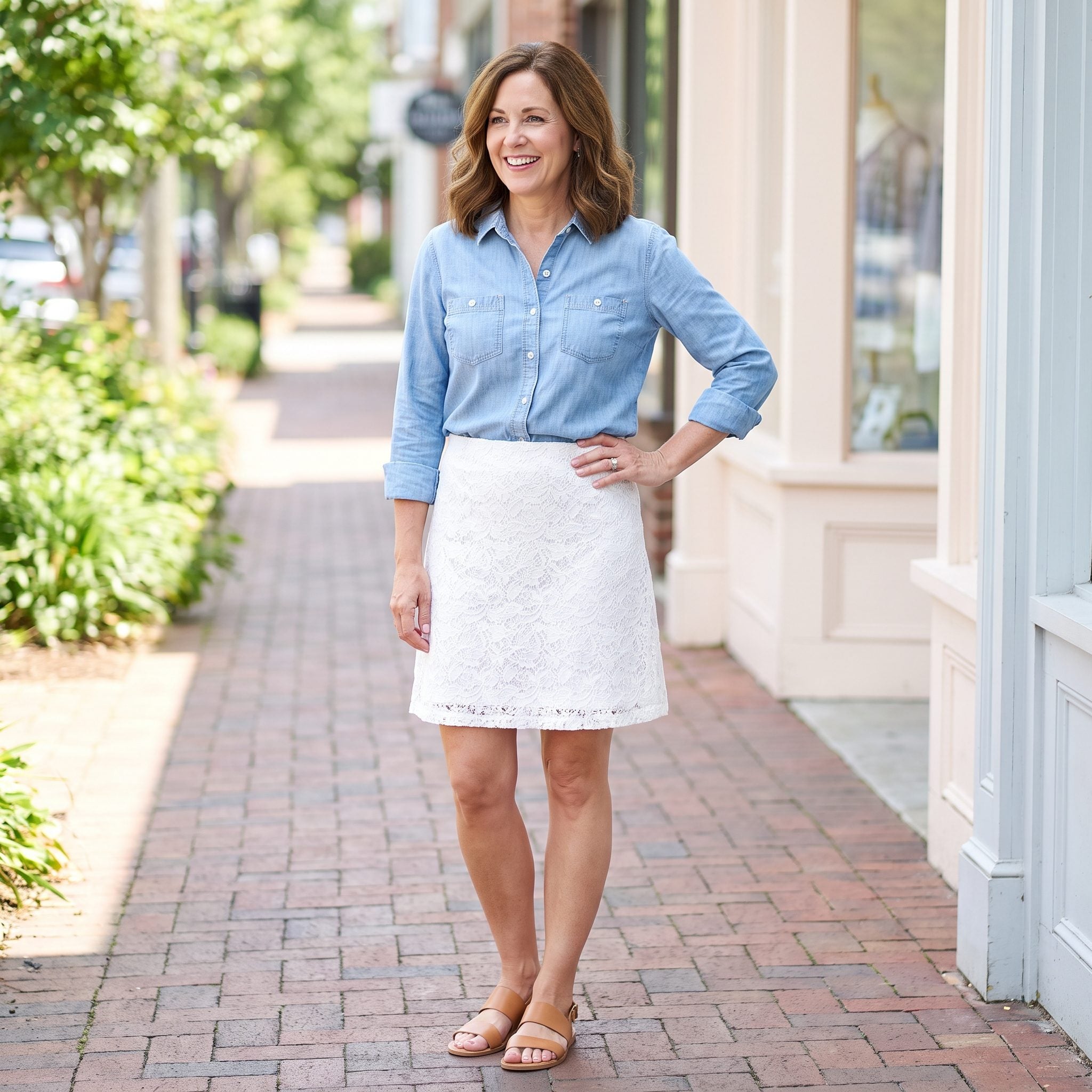
A workwear-inspired chambray shirt tucked into a delicate white lace skirt sounds like a combination assembled from two unrelated wardrobes. In the early 2010s, that contrast was precisely what made it appealing.
The shirt brought soft blue color, visible seams, and a casual cotton texture. The lace supplied intricacy and a more feminine finish. Rolled sleeves and an open collar kept the upper half relaxed, preventing the skirt from making the outfit feel excessively dressed up.
The pairing became a familiar fashion-blog formula because neither piece surrendered its identity. Chambray remained casual; lace remained decorative. Together, they demonstrated how a little friction between fabrics could make a simple outfit more interesting.
24. Black Lululemon Leggings That Escaped the Yoga Studio and Never Looked Back
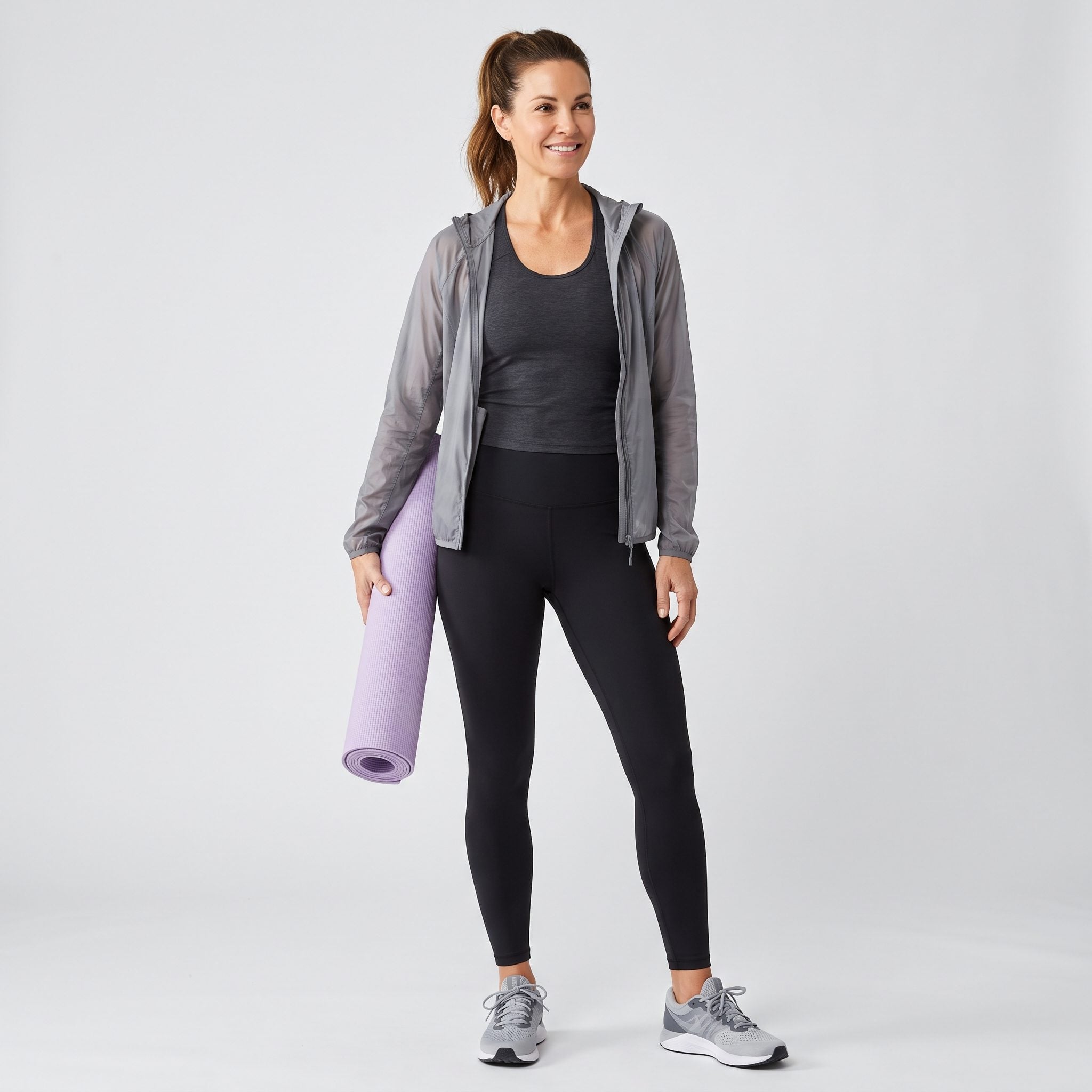
Yoga class was only one possible destination. Black performance leggings appeared at coffee shops, grocery stores, airports, and school drop-offs, often accompanied by a zip-up jacket and athletic shoes.
Lululemon became closely associated with the expansion of athleisure during the 2010s. The clothes were designed around movement, stretch, and comfort, but their streamlined silhouettes made them easy to wear far beyond exercise.
Black was crucial to the transition. The dark, close-fitting fabric looked less conspicuously sporty than brightly colored workout gear, especially when paired with everyday layers. Athletic clothing had been worn casually for decades, but the 2010s helped make the polished gym-to-street uniform an everyday expectation. The yoga mat became optional.
23. The High-Low Dress That Refused to Pick a Hemline
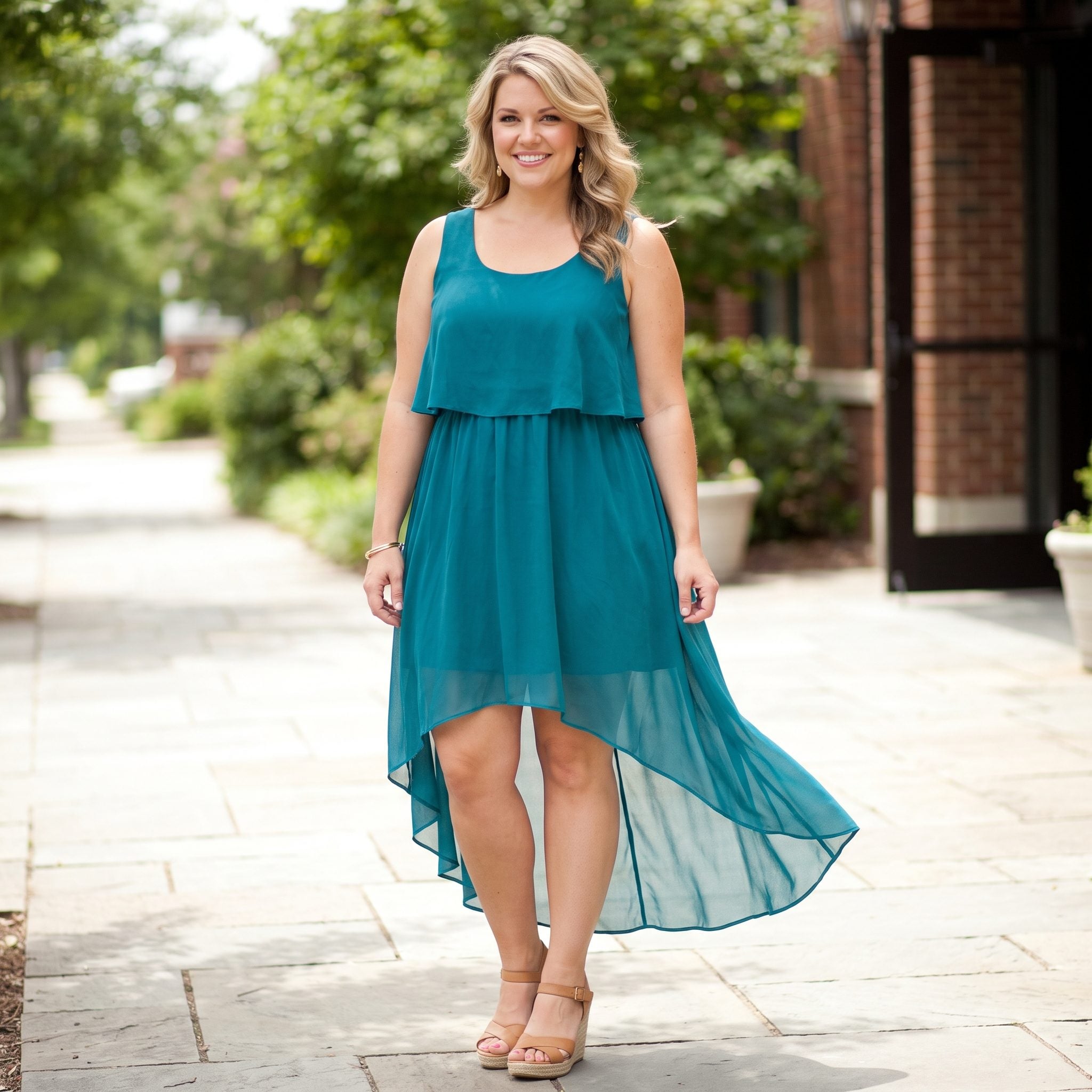
Short in front, long in back, and constantly in motion. The high-low dress brought a little theatrical flourish to weddings, parties, and summer occasions without requiring the wearer to commit to a full-length gown.
The teal chiffon version shows why the cut attracted attention. The shorter front reveals the legs and shoes, while the longer back creates movement as the fabric trails behind. Lightweight material makes the difference especially visible when walking.
There was also a practical styling calculation. Shoes suddenly mattered from the front, and the hem needed enough movement to look intentional rather than uneven. The dress was effectively offering two silhouettes for the price of one. Whether both were equally successful depended on the proportions.
22. The Rose-Gold Watch That Made a Wrist Look Like a Luxury Display Case

Small, discreet watches were apparently insufficient. The 2010s favored oversized metal cases, substantial link bracelets, and enough rose-gold shine to make a wrist visible from across the room.
Michael Kors was strongly associated with the fashion-watch boom, particularly the large, polished styles that appeared alongside bracelets and other jewelry. The boyfriend-watch proportions deliberately contrasted with a smaller wrist.
Against a fluid blush blouse, the watch introduced hard geometry and reflective metal. Its warm color related to the fabric without matching its texture. The result was a single accessory capable of giving an otherwise soft outfit a little authority. Telling the time was almost a secondary feature.
21. The Olive Utility Jacket That Could Rescue an Entire In-Between Season
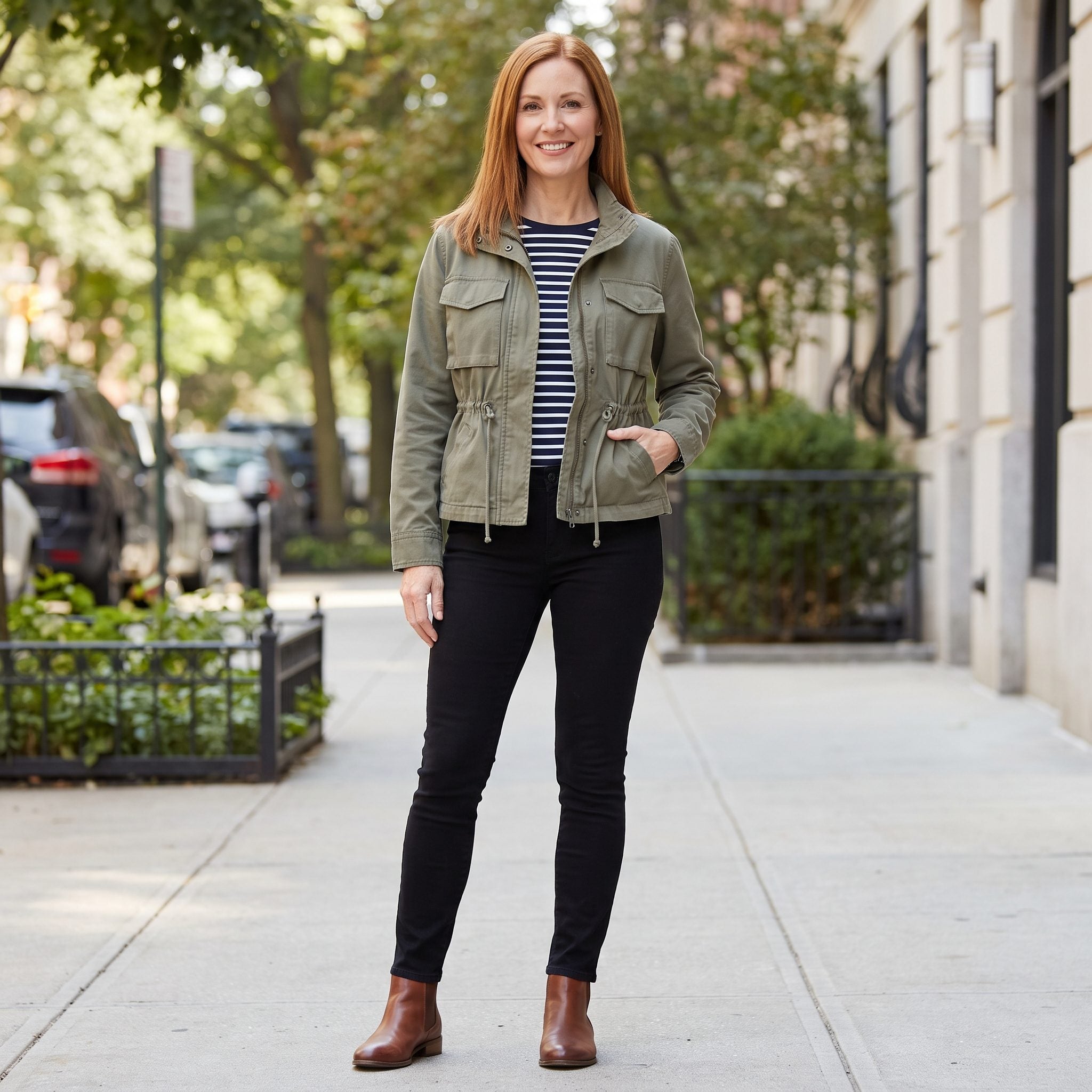
Too warm for a coat, too cool to leave the house without something. The olive utility jacket occupied that awkward stretch of the calendar with admirable efficiency.
Its military-inspired details—flap pockets, practical closures, and an adjustable waist—gave the garment structure. Over a striped tee and black skinny jeans, the muted green introduced color without disrupting the familiar casual palette.
The drawstring was particularly useful. Left loose, the jacket had a boxier, more relaxed profile. Cinched at the waist, it created definition and changed the balance between the upper body and narrow trousers. A single adjustment could make the same jacket look considerably more tailored.
20. The Black Velvet Choker That Brought the 1990s Back for Another Round

A narrow strip of black velvet, sometimes with a tiny pendant, became one of the decade’s clearest nods to 1990s fashion. The choker returned in several forms during the 2010s, from delicate ribbons to stretchy tattoo-style versions.
The velvet design relied on contrast rather than size. Matte black against bare skin established a sharp horizontal line at the neck, while an open neckline gave the accessory room to register.
Unlike the enormous bib necklaces popular earlier in the 2010s, the choker made its point with very little material. That restraint gave it a slightly tougher character. The fit, however, had to be right. Too loose and the effect disappeared; too tight and fashion became a rather literal pain in the neck.
19. The Chevron Maxi Dress That Made Every Summer Photograph Look Like 2013
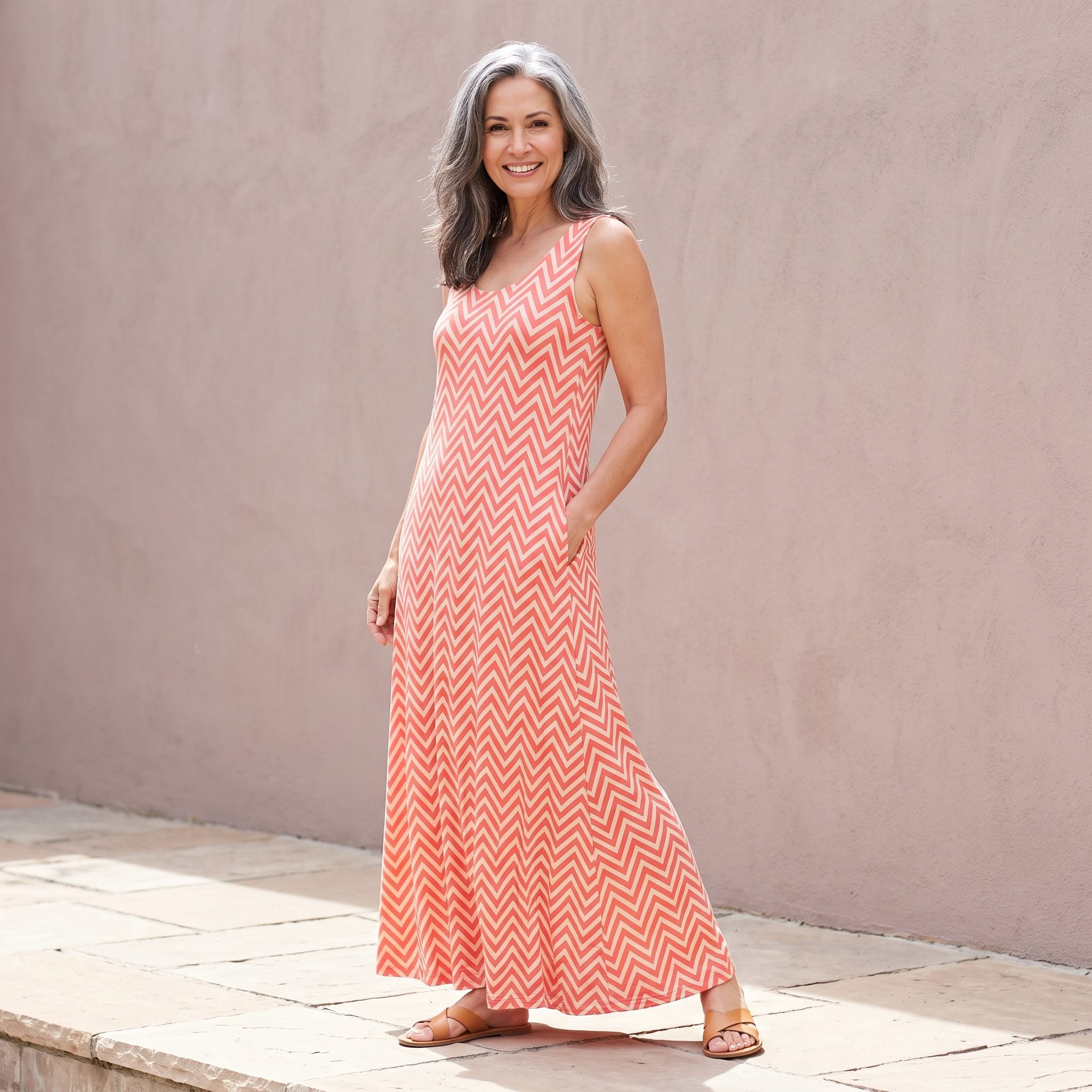
Bold zigzags, soft jersey, and enough fabric to reach the ankles. The chevron maxi dress was a familiar summer sight, particularly when the pattern arrived in high-contrast colors.
The fitted bodice and defined waist establish shape before the fabric falls into a longer, looser skirt. That distinction matters with a busy print: the upper section gives the silhouette structure, while the lower section provides movement.
Chevron can emphasize different parts of the body depending on its scale and direction. Here, the repeated diagonals are the dominant visual feature, turning a simple maxi into something much more graphic. Fold it into a suitcase, add sandals, and the decade’s vacation wardrobe was practically complete.
18. Sock Boots That Made the Ankle Disappear Into the Shoe
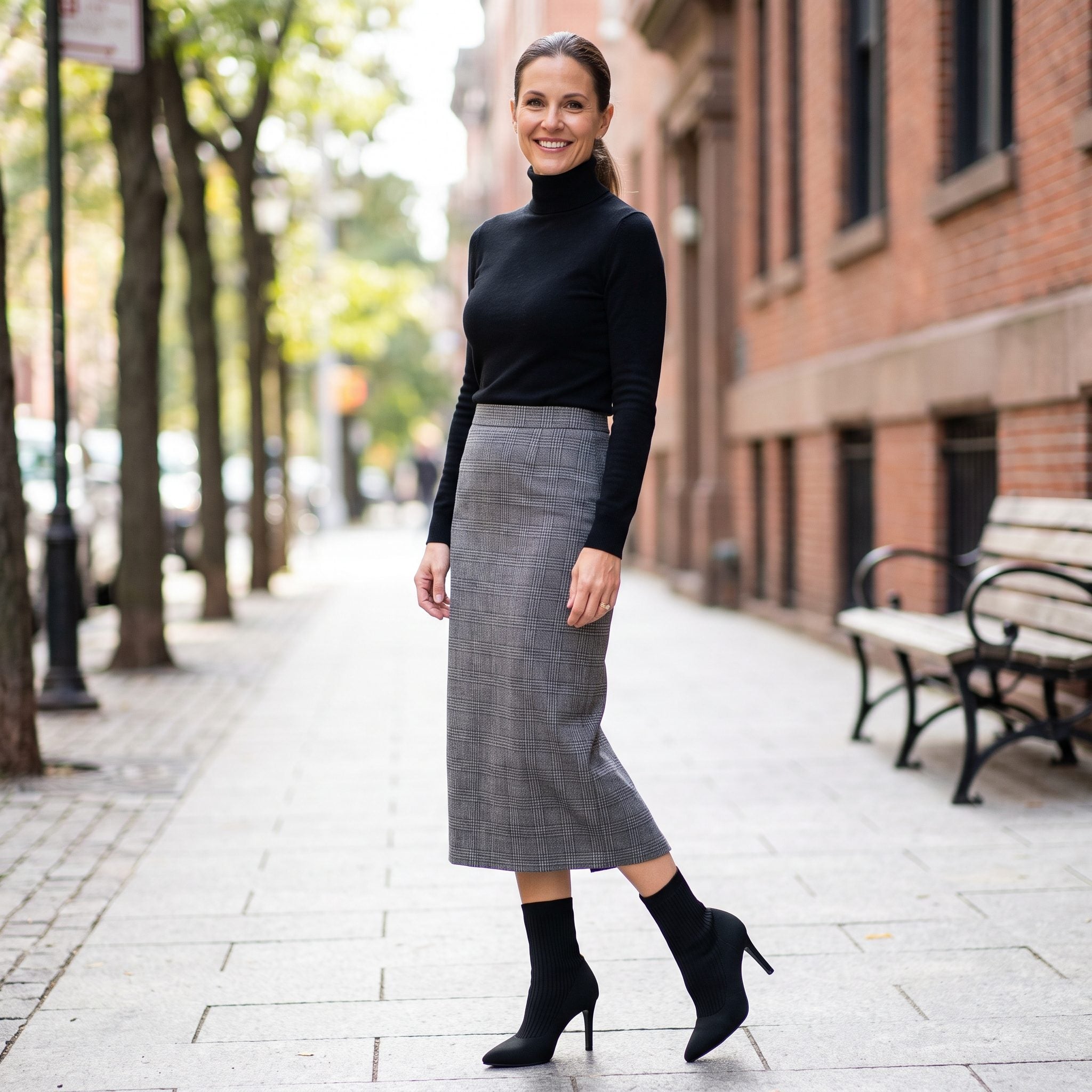
Part boot, part fitted knit, the sock boot became a distinctive later-2010s silhouette. Its stretchy shaft followed the ankle closely, eliminating the gap that conventional boots often left beneath a skirt or cropped trouser.
The black stretch-knit sock boots combine a pointed toe with a slim heel, creating a narrow, continuous outline. Beneath a checked midi skirt, the close-fitting shaft contrasts with the skirt’s wider shape.
That relationship between hem and boot was crucial. A carefully placed gap could reveal a little leg, while a longer hem could create a nearly continuous line. The boots looked sleek because they removed bulk at precisely the point where footwear often adds it.
17. The Crossbody Belt Bag That Climbed From the Hips to the Chest
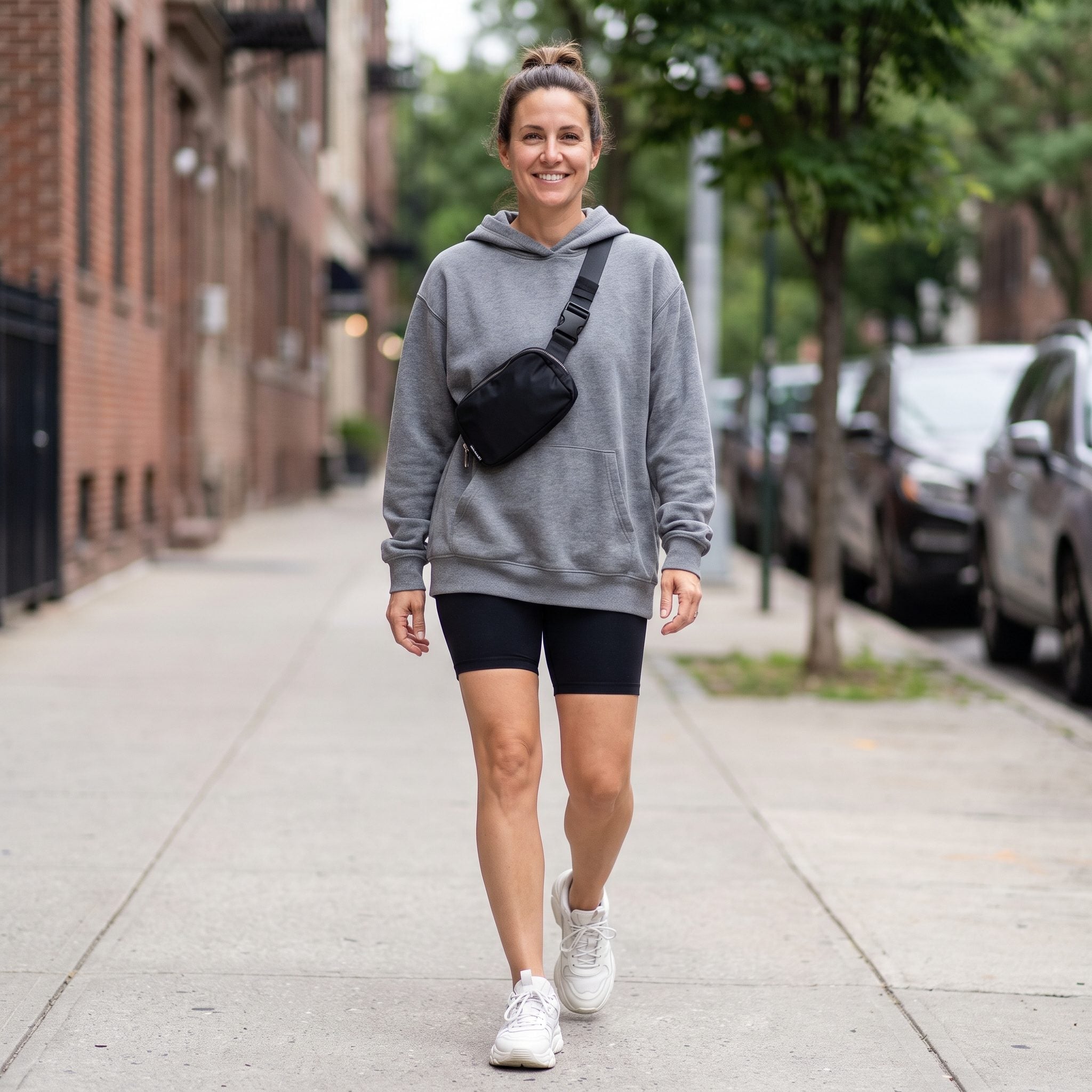
The belt bag had spent years associated with tourists and practical errands. Then the strap moved diagonally across the chest, and the same basic accessory acquired an entirely different fashion identity.
By the late 2010s, crossbody styling had helped turn compact belt bags into everyday streetwear. Worn over an oversized sweatshirt, the diagonal strap interrupted the loose fabric with a strong line, while the pouch added a compact shape near the torso.
The arrangement also kept small essentials close without requiring a handbag in one hand. More importantly for the outfit, it gave a deliberately slouchy silhouette a clear focal point. The bag hadn’t changed its fundamental purpose. Its position had changed the entire conversation.
16. The Cold-Shoulder Blouse That Made Two Small Cutouts a Major Fashion Event
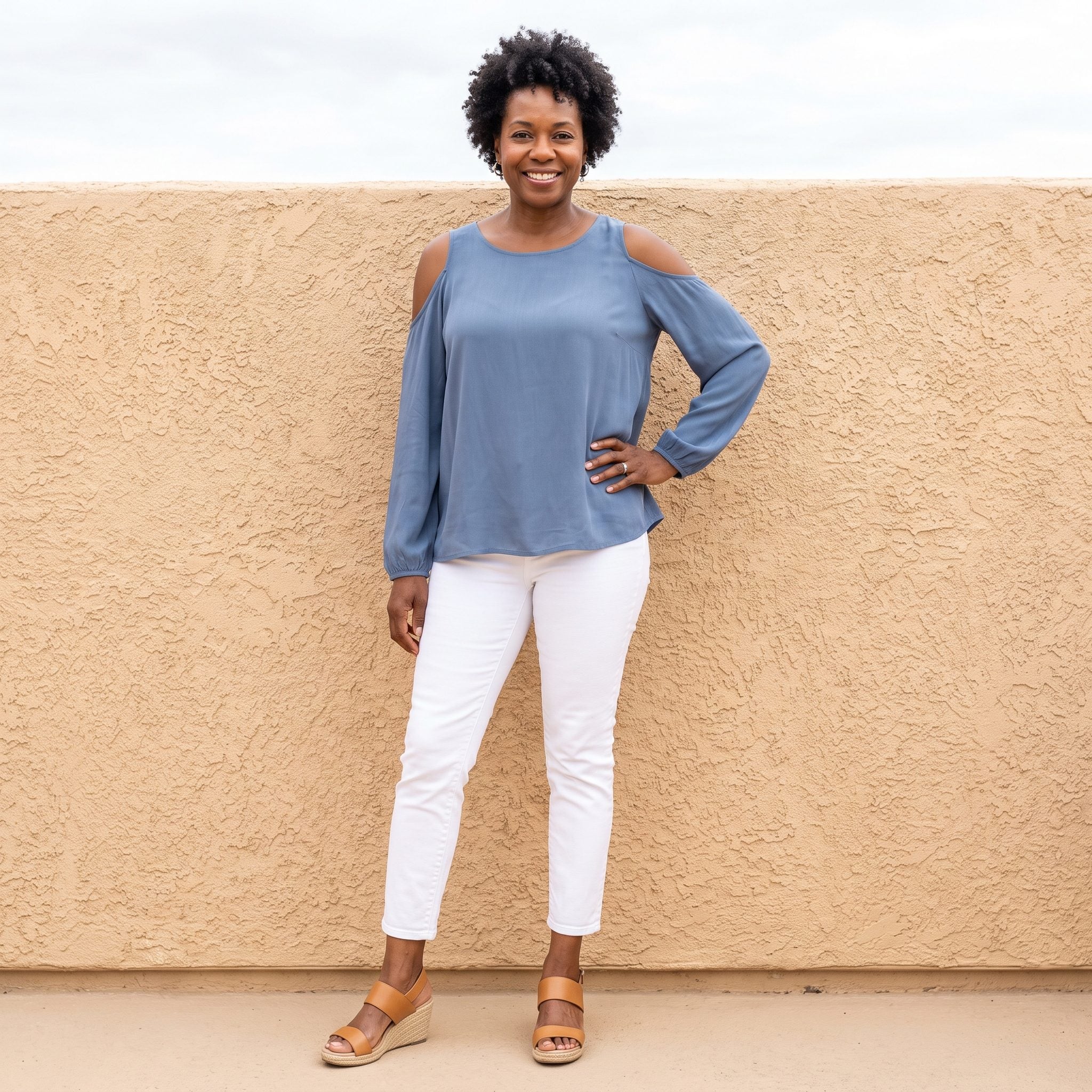
The shoulders were bare. Everything else was covered. That modest little contradiction turned the cold-shoulder blouse into one of the most recognizable tops of the middle and later 2010s.
The cutouts interrupted an otherwise conventional blouse, drawing attention to the shoulders without requiring a strapless neckline. White slim jeans and tan wedges kept the surrounding outfit quiet enough for the exposed sections to remain the focal point.
The idea was simple, although the execution could become complicated. Straps, sleeve openings, and shoulder seams all had to land correctly for the top to sit comfortably. Fashion had found a way to make showing two small patches of skin look like an elaborate design decision.
15. Studded Ballet Flats That Wanted the Attitude of Heels Without the Height
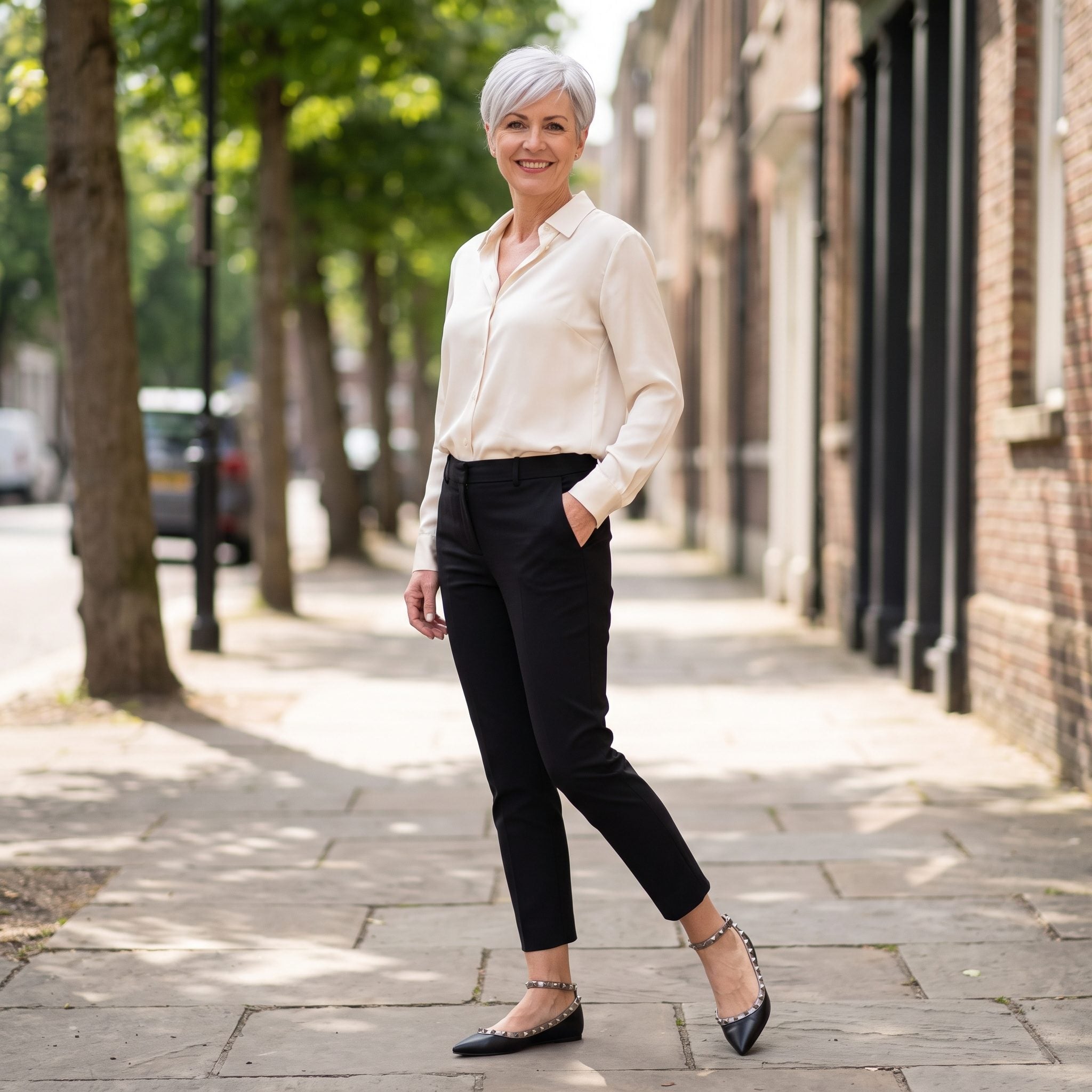
Valentino’s Rockstud designs helped make metal-studded footwear a major fashion reference, and variations soon appeared at more accessible prices. The ballet flat suddenly had hardware, attitude, and a pointed toe sharp enough to mean business.
That pointed shape visually extended the foot, while the studs introduced a tougher edge to an otherwise delicate shoe. Cropped trousers exposed the ankle and allowed the entire design to remain visible.
Against a cream blouse and restrained trousers, the shoes supplied the outfit’s only conspicuous decoration. The effect was less about adding sparkle than changing the mood. A ballet flat could still be feminine without behaving quite so politely.
14. The Camel Felt Hat That Turned an Ordinary Errand Into a Fall Fashion Photograph
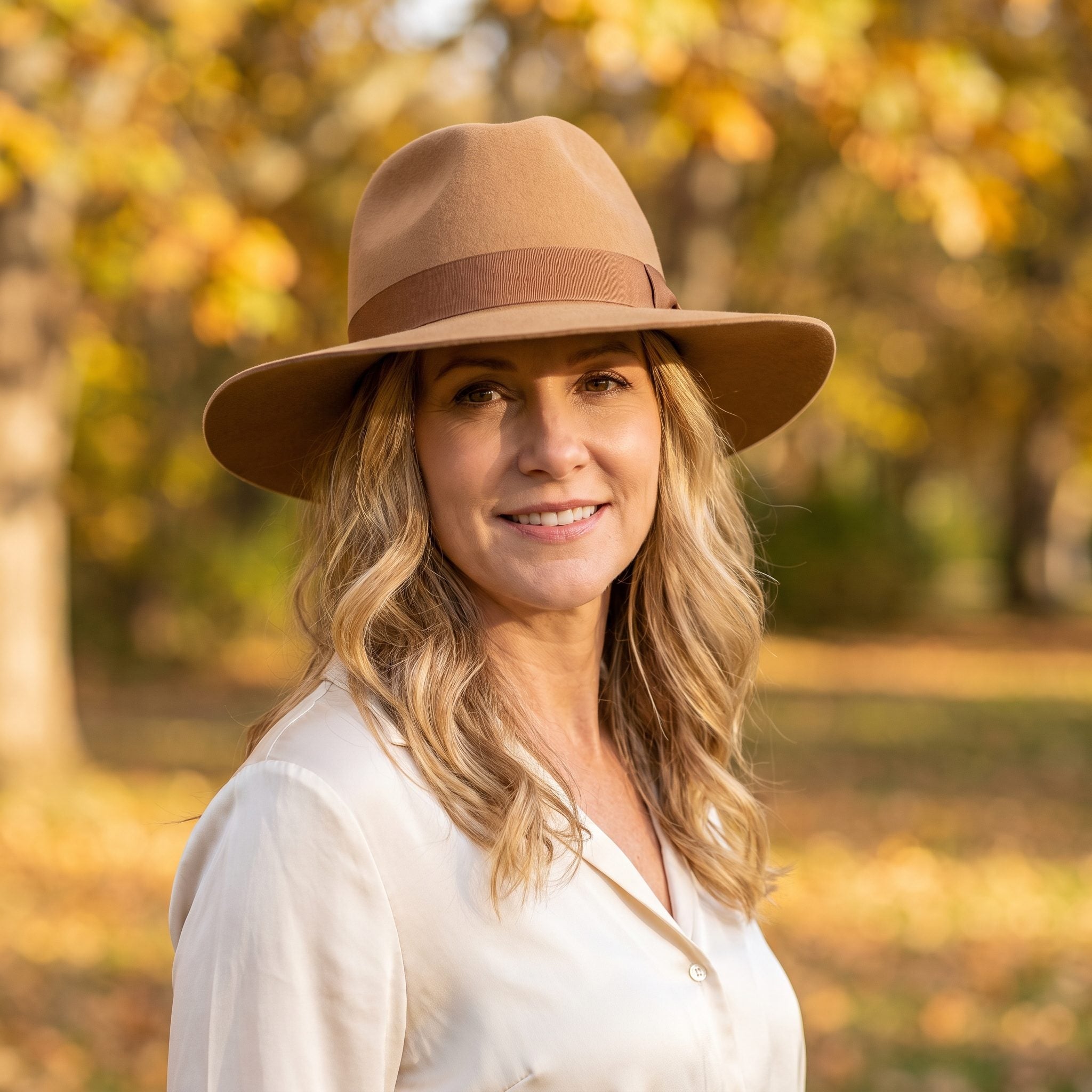
A broad brim, a creased crown, and warm camel felt. The hat brought an unmistakable bohemian note to the fall wardrobes of the 2010s, appearing with sweaters, denim, ankle boots, and carefully arranged autumn scenery.
Its impact came from silhouette. The brim widened the outline around the head, while the structured crown added height. Against soft knits and casual denim, that crisp shape gave the outfit a more deliberate finish.
The camel felt hat also photographed exceptionally well. It created a recognizable outline even from a distance, which helps explain its popularity in fashion-blog and social-media styling. Apple orchards and pumpkin patches supplied convenient scenery, although the hat was perfectly capable of making an appearance elsewhere.
13. The Lace-Up Bodysuit That Made the Neckline the Entire Point
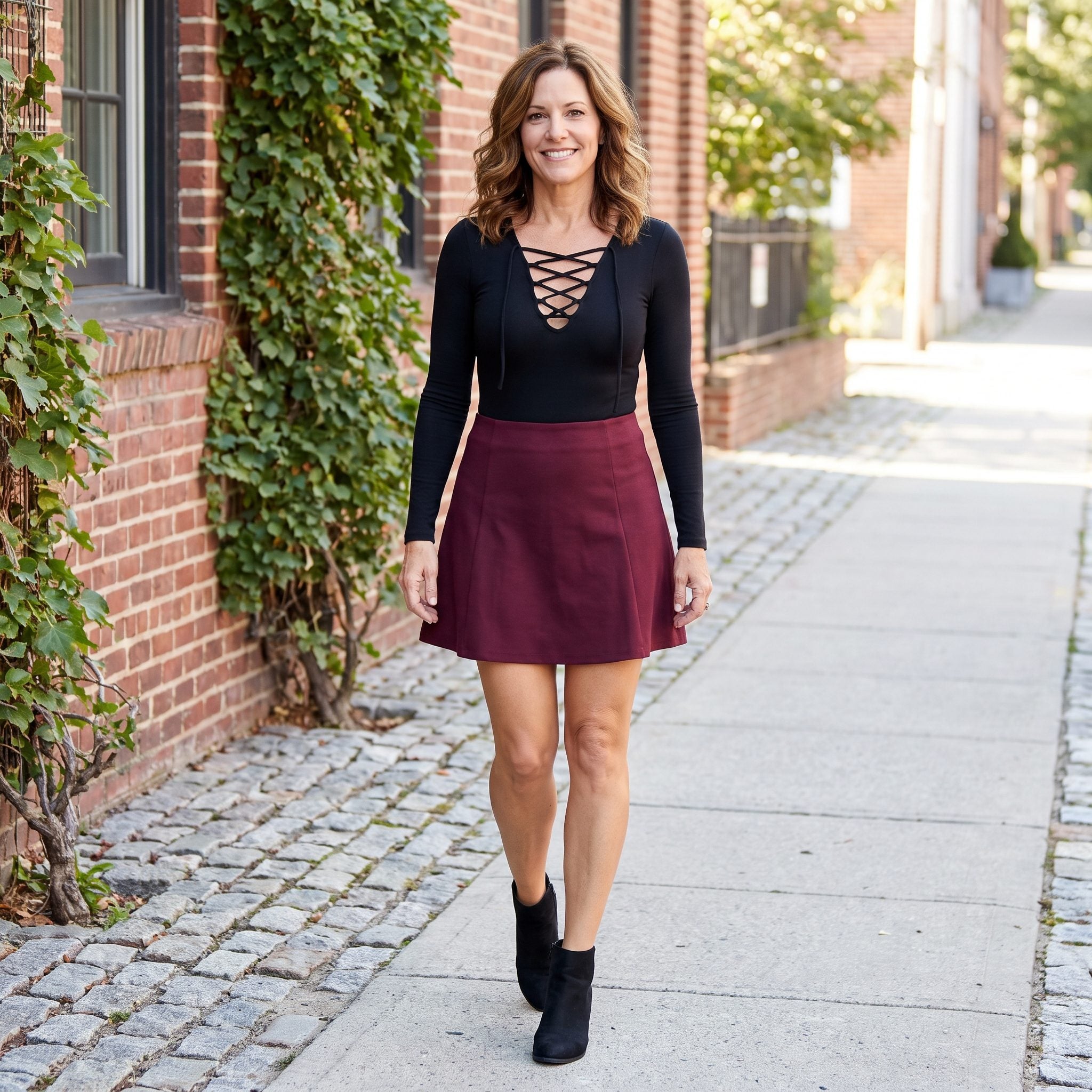
The black bodysuit offered a smooth, fitted line beneath skirts and trousers. Then the neckline acquired crisscross lacing, turning a practical garment into a recognizable going-out look.
The lace-up bodysuit kept its shape without the bunching or untucking associated with some conventional tops. Paired with a burgundy A-line mini skirt, the fitted upper section contrasted with the skirt’s outward flare.
The lacing concentrated detail at the neckline, directing attention upward while the dark fabric kept the rest of the top visually quiet. It was a relatively small addition with a surprisingly large effect. The garment already had a useful silhouette; the cords gave it a personality.
12. Faux-Leather Leggings That Took the Oversized Sweater Out After Dark
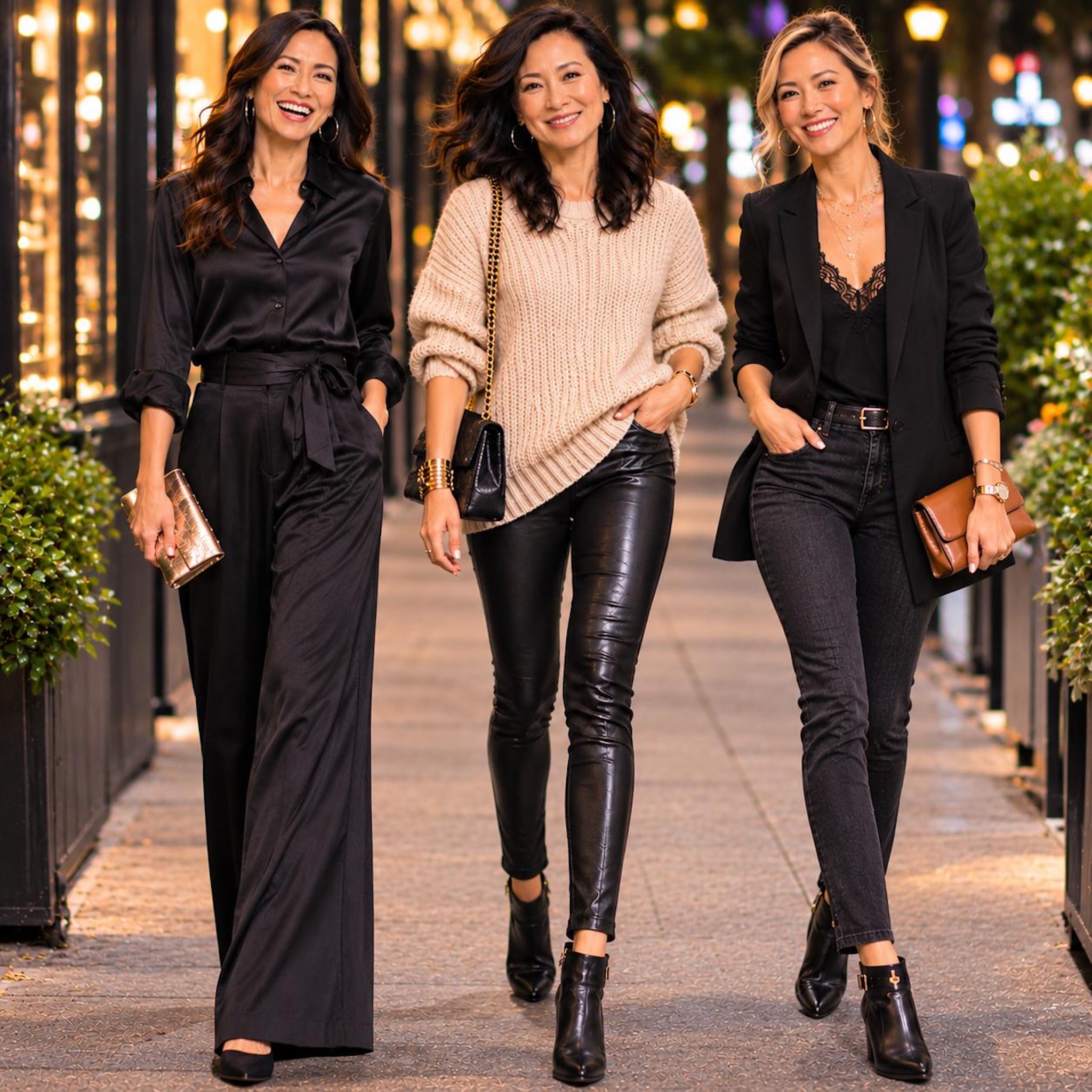
The oversized cream sweater looked ready for a quiet night in. The glossy black faux-leather leggings had other plans. Together, they created one of the decade’s most dependable ways to dress up comfort without reaching for a skirt.
On the woman at center, the knit hangs loosely over the hips while the leggings hold a narrow line all the way to her ankle boots. Matte yarn against reflective faux leather supplies the interest; the black-and-cream palette needs no additional color.
Her friends’ satin, tailoring, and dark denim make the difference especially clear. These leggings belong in the same evening conversation, with the sweater keeping the result relaxed rather than severe.
11. The Denim Jacket That Could Talk a Floral Dress Down From Formal
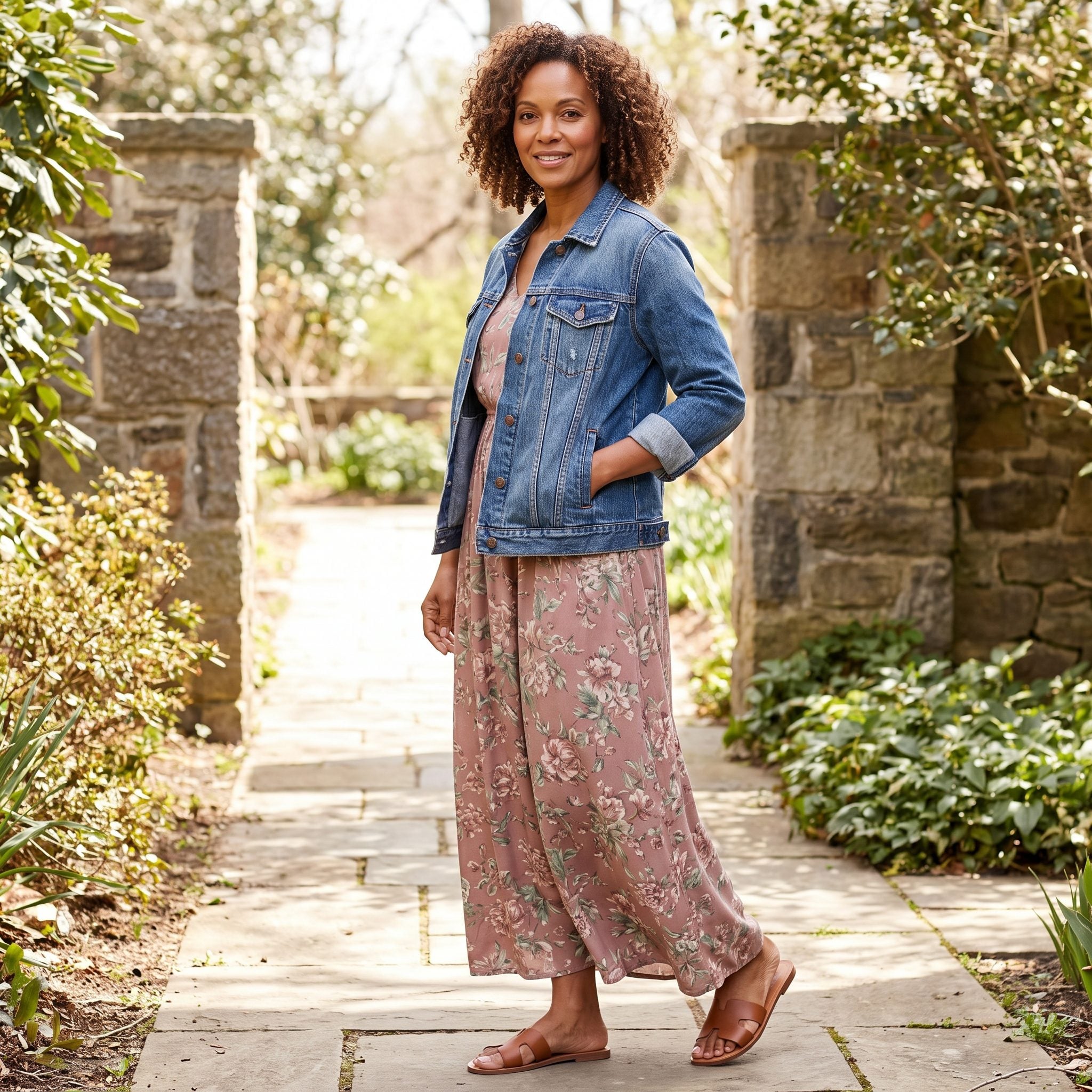
A medium-wash denim jacket over a floral maxi dress became one of the decade’s easiest ways to mix casual and feminine clothing. The jacket supplied structure; the dress supplied softness and movement.
The denim’s visible seams, pockets, and heavier fabric interrupted the flowing print beneath it. An open front created two vertical edges, while rolled sleeves exposed the wrists and prevented the jacket from looking overly rigid.
The combination worked because neither garment tried to imitate the other. The dress remained romantic, the jacket remained rugged, and the contrast made both more interesting. Denim jackets had existed for generations, but this particular pairing belongs unmistakably to the fashion-blog years.
10. The Infinity Scarf That Eliminated the Need to Learn a Single Knot

No loose ends and no elaborate knots. Pull the infinity scarf over your head, arrange the loops, and leave. Winter accessorizing had rarely required less thought.
The chunky cream knit infinity scarf added a soft, rounded mass around the neckline. Against a plain tee or fitted jacket, its thick texture became the dominant element without requiring a bright color or elaborate pattern.
Unlike the enormous blanket scarf, which spread across the shoulders and chest, the infinity scarf concentrated its volume close to the neck. That made it easier to manage, although particularly chunky versions could rise almost to the chin. Convenience had acquired considerable bulk.
9. Cutout Ankle Boots That Made Bare Skin Part of the Shoe
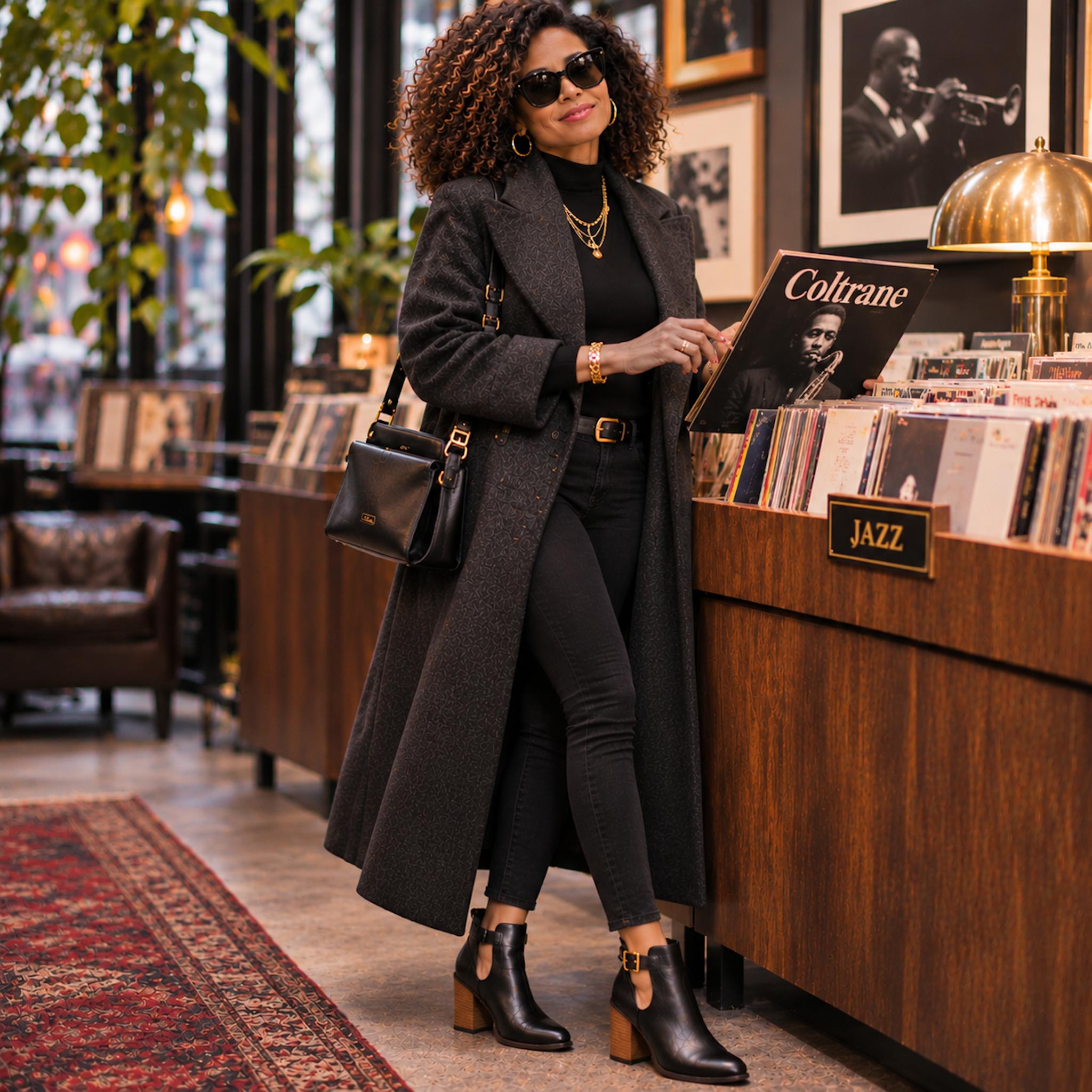
The boot had a pointed toe, a substantial heel, and a conspicuous opening at the ankle. That last detail separated the 2010s cutout boot from an ordinary Chelsea style: a small flash of skin became part of the design.
In the jazz record shop, black cutout boots sit beneath exceptionally narrow dark jeans, while the long charcoal coat and gold jewelry keep the outfit sharp. The exposed sections interrupt the otherwise continuous dark line from trouser to shoe.
The cutouts and buckled straps made these boots particularly effective with cropped hems. Cover the openings completely and the most interesting part of the footwear disappears. Even a Coltrane record has competition for attention here.
8. The Waterfall Cardigan That Turned a Simple Layer Into a Cascade
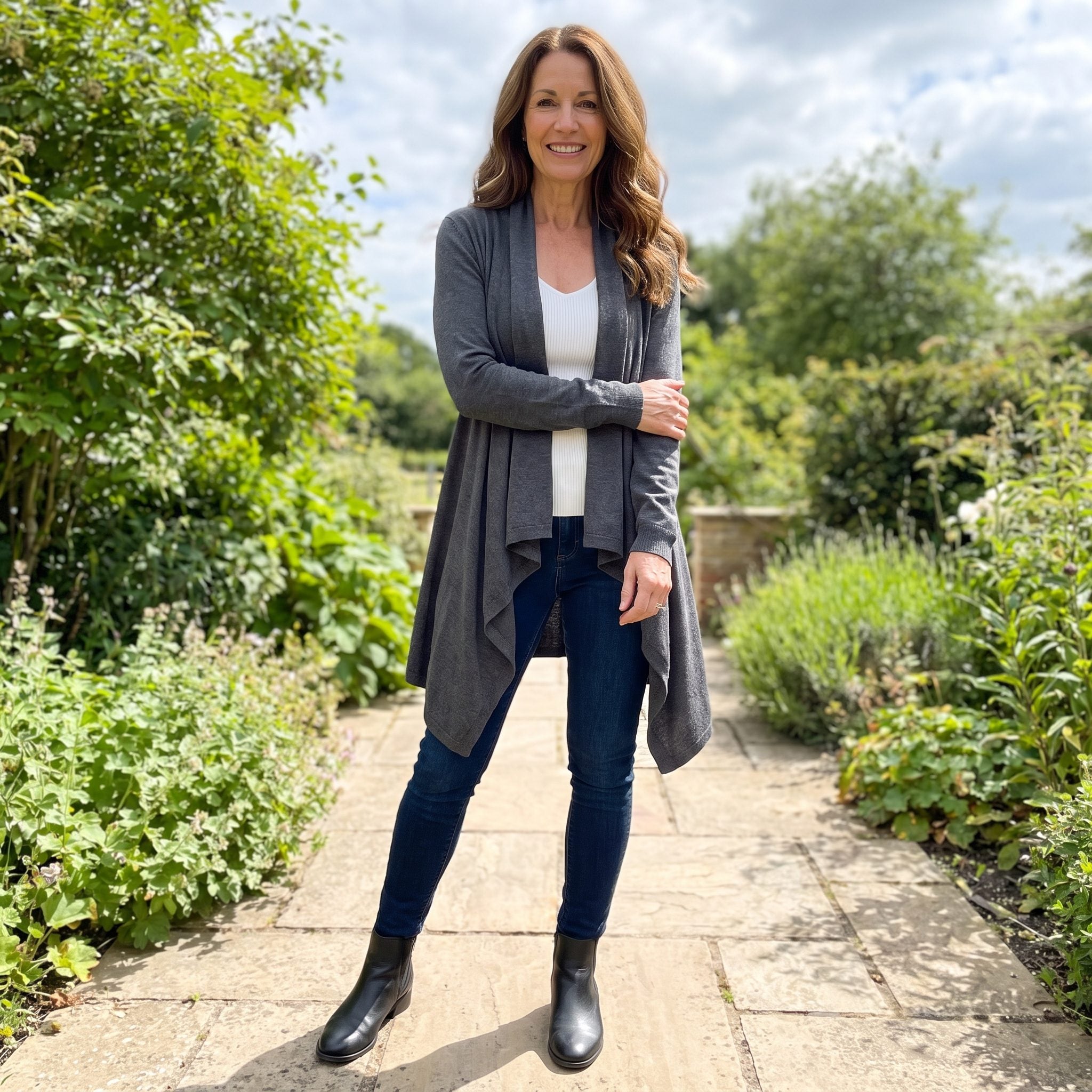
The waterfall cardigan abandoned the conventional straight front in favor of long, draping panels. In charcoal, black, or other neutrals, it became a familiar layering piece over tanks, tees, and skinny jeans.
Its appeal was largely architectural. The open edges formed vertical lines, while the extra fabric softened the outline of the torso. As the wearer moved, the panels shifted and folded rather than holding a fixed shape.
That fluidity distinguished the cardigan from the more structured utility jackets and denim layers of the same era. It offered coverage without the stiffness of a coat, although the amount of fabric could overwhelm a smaller frame if the proportions were poorly judged. The right length let the panels fall cleanly. Too much fabric could bury the shape of the outfit underneath.
7. Blue-Mirrored Aviators That Reflected Everything Except the Wearer’s Eyes

A gold-wire frame and bright blue mirrored lenses gave the classic aviator a distinctly 2010s update. The familiar teardrop shape remained, but the reflective finish turned a practical pair of sunglasses into a conspicuous accessory.
The metal frame kept the outline relatively light, allowing the saturated lenses to dominate. Blue against gold produced a crisp cool-warm contrast, especially effective with simple summer clothing.
Mirrored aviators appeared throughout festival fashion and casual street style, often with lenses in silver, blue, or rainbow finishes. They also had a useful social advantage: the wearer could see the world while the world saw mostly its own reflection. A surprisingly theatrical arrangement for a pair of sunglasses.
6. Cork-Footbed Sandals That Made Comfort Fashionable Without Changing Their Shape
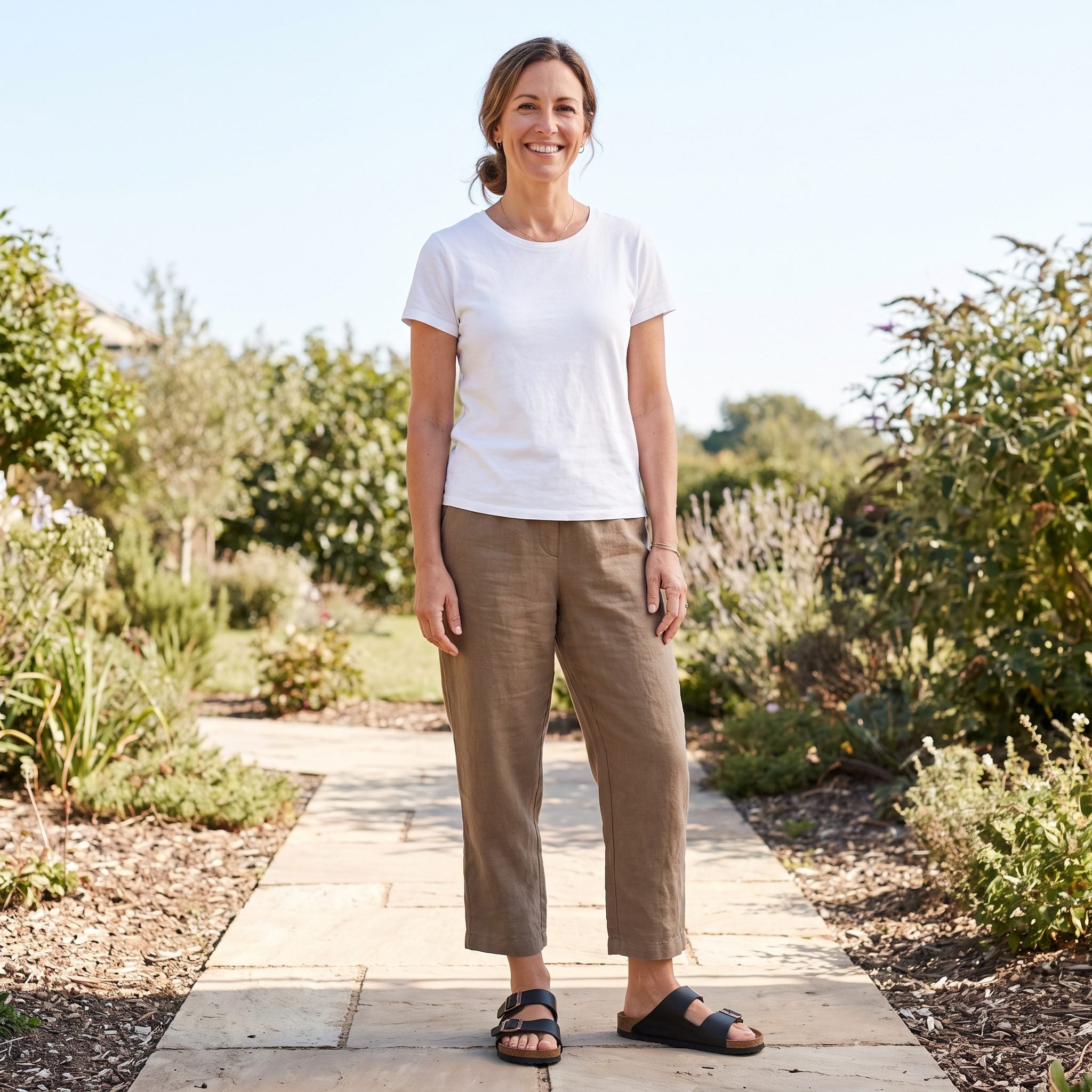
Broad straps, metal buckles, and molded cork footbeds had existed long before the 2010s. Their renewed fashion popularity during the decade proved that a familiar practical sandal could suddenly become a deliberate style choice.
The Birkenstock-inspired silhouette was substantial rather than delicate. Its broad straps and thick sole gave the foot visual weight, especially beneath cropped trousers that left the entire sandal exposed.
That blunt shape was part of the appeal. Instead of pretending to be elegant evening footwear, the sandals brought an earthy, utilitarian quality to simple summer outfits. A white tee and relaxed trousers were enough. Fashion had spent years making shoes more complicated; this trend made a convincing case for doing considerably less.
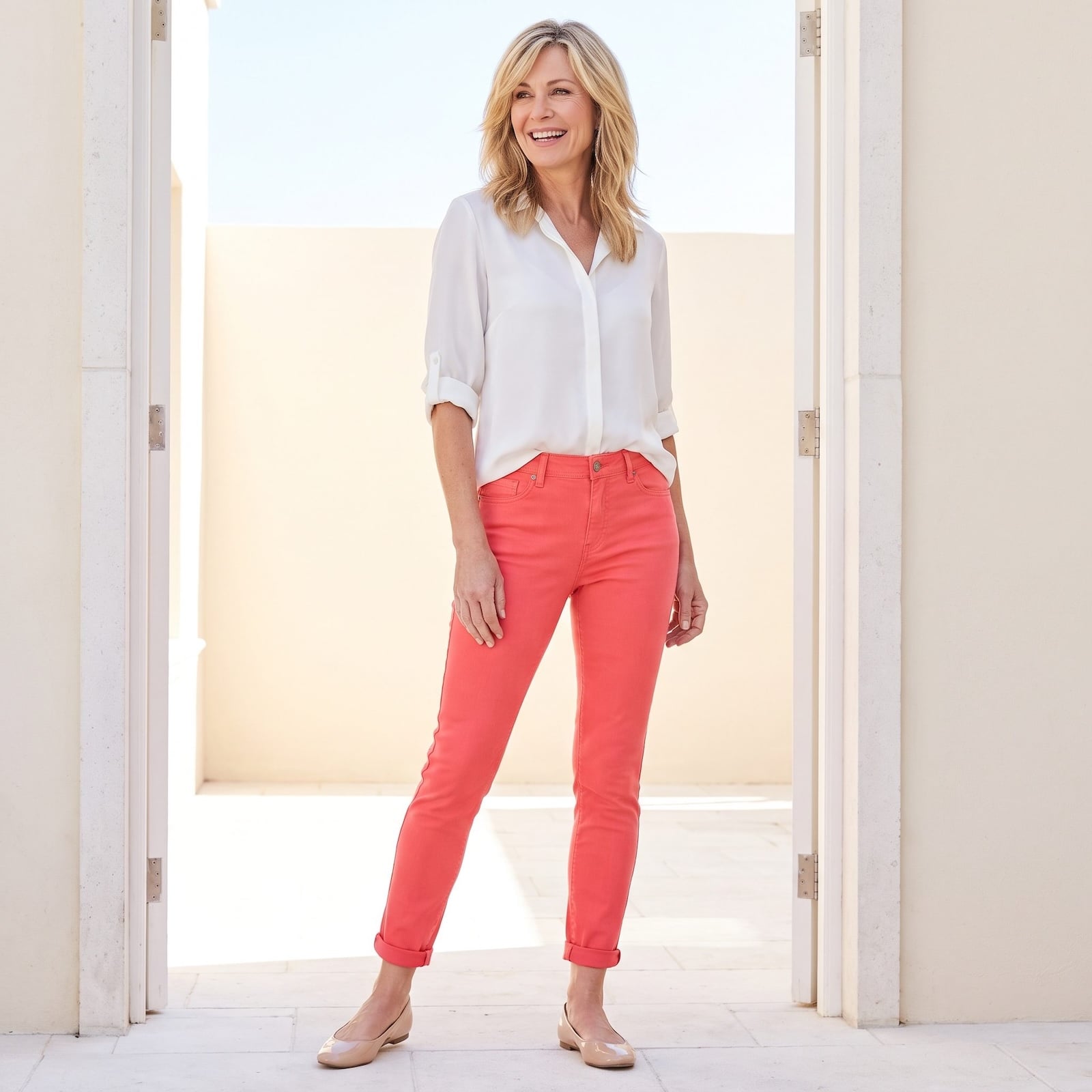
5. Colored Skinny Jeans and the Brief Era When Every Leg Was a Different Shade
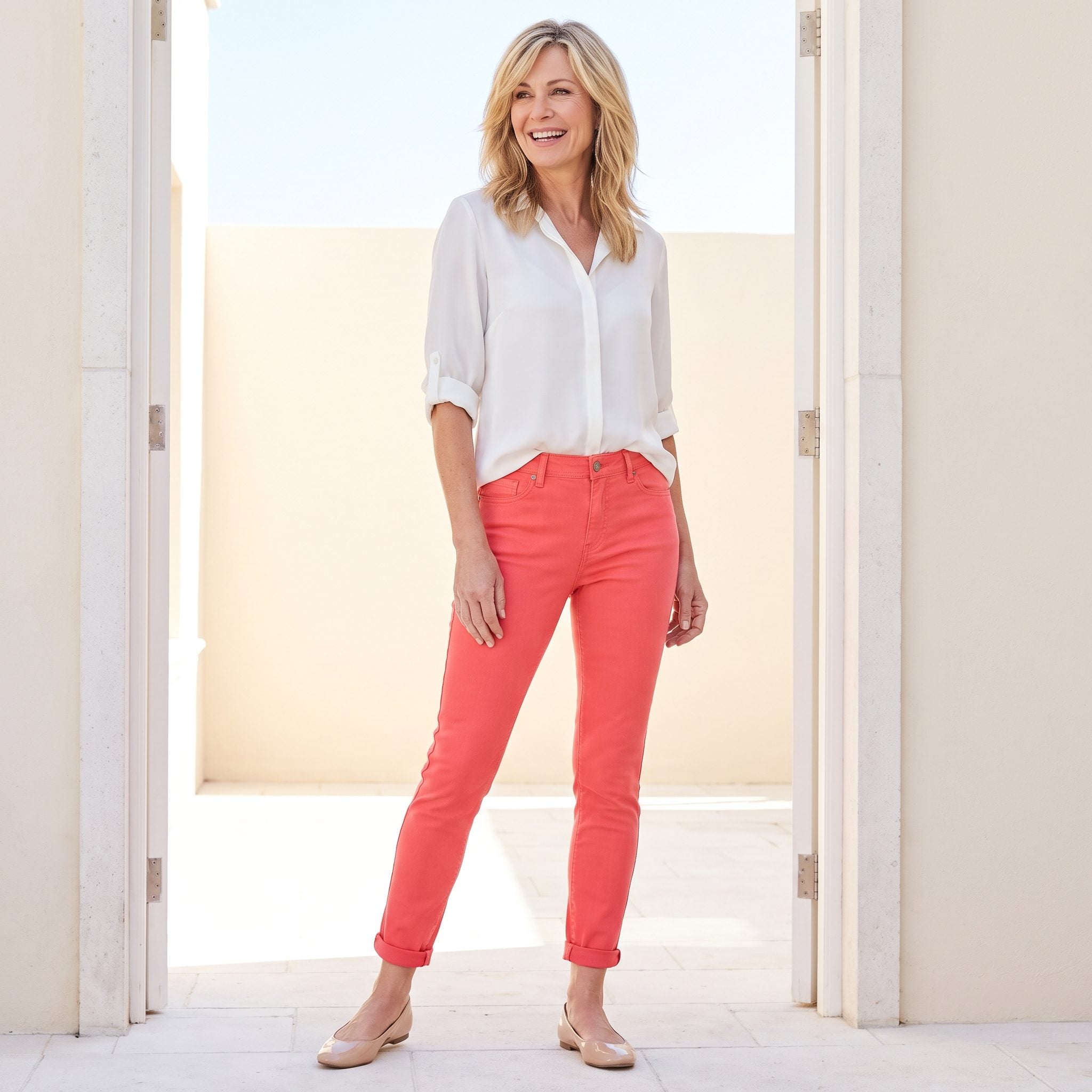
Mint green, cobalt blue, mustard yellow, tomato coral. Early-2010s denim departments looked as though somebody had emptied a paint chart onto the shelves. Blue jeans suddenly seemed almost unadventurous.
The bright skinny jean worked best when the color remained the dominant element. A white top and neutral flats gave the saturated trousers room to operate, while the narrow cut prevented the strong color from overwhelming the silhouette.
Unlike a statement necklace or scarf, colored denim occupied half the body. There was no discreet way to participate. That was part of the pleasure: a familiar everyday garment had become the loudest thing in the room.
4. High-Waisted Skinny Jeans That Put the Waistband Back in Charge
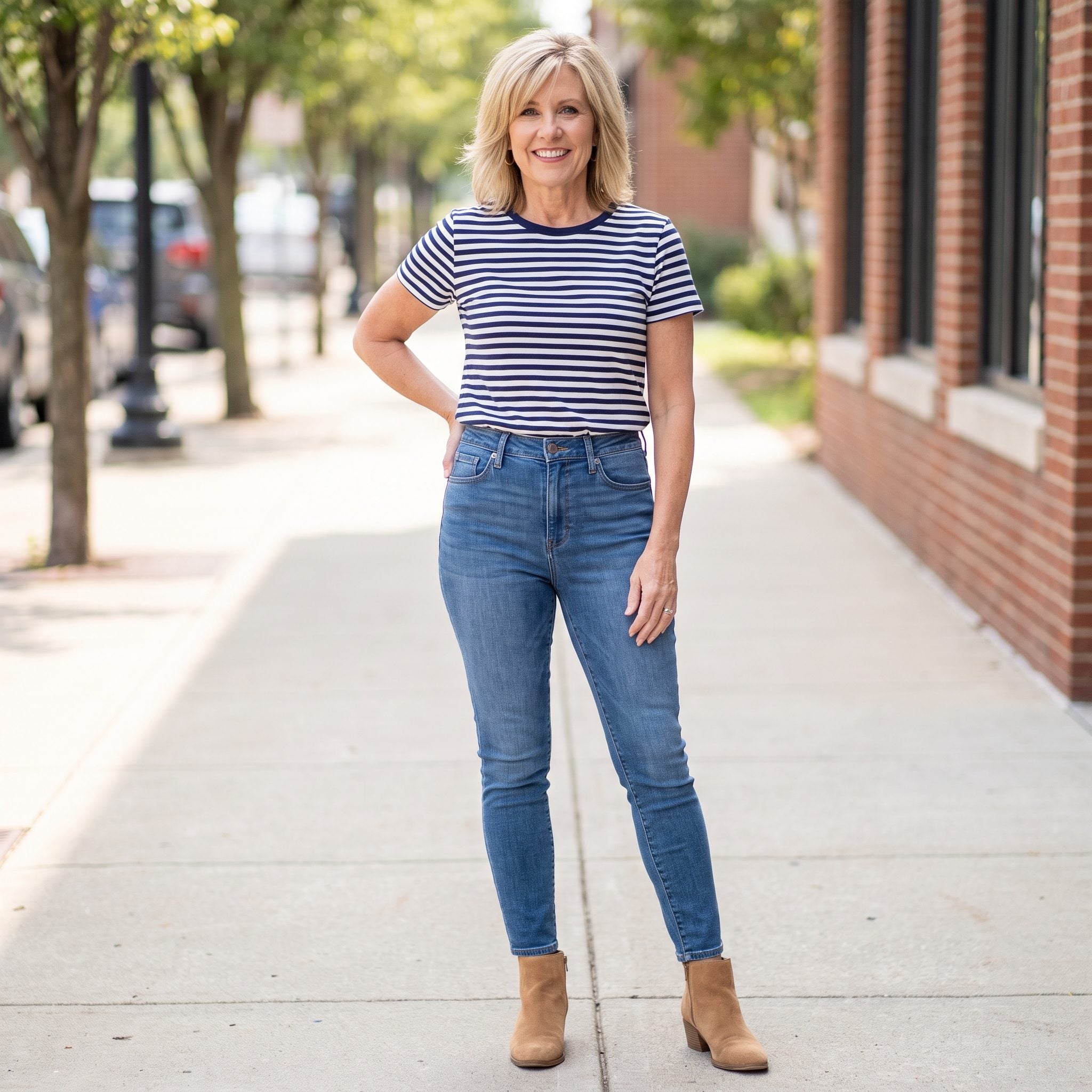
After years of low-rise denim, waistbands began climbing again. High-waisted skinny jeans became a central 2010s silhouette, combining a defined waist with a narrow leg that continued toward the ankle.
The higher rise made tucked and half-tucked tops especially effective. A striped tee could meet the waistband cleanly, while ankle boots finished the narrow lower line without introducing much additional volume.
The proportions were not identical on every body. Rise height, pocket placement, stretch, and ankle length all affected the result. When those details aligned, however, the jeans created a crisp silhouette with very little styling effort. The waistband had returned from its long exile somewhere below the hips.
3. The Floral Kimono That Turned a Tank and Shorts Into Festival Fashion
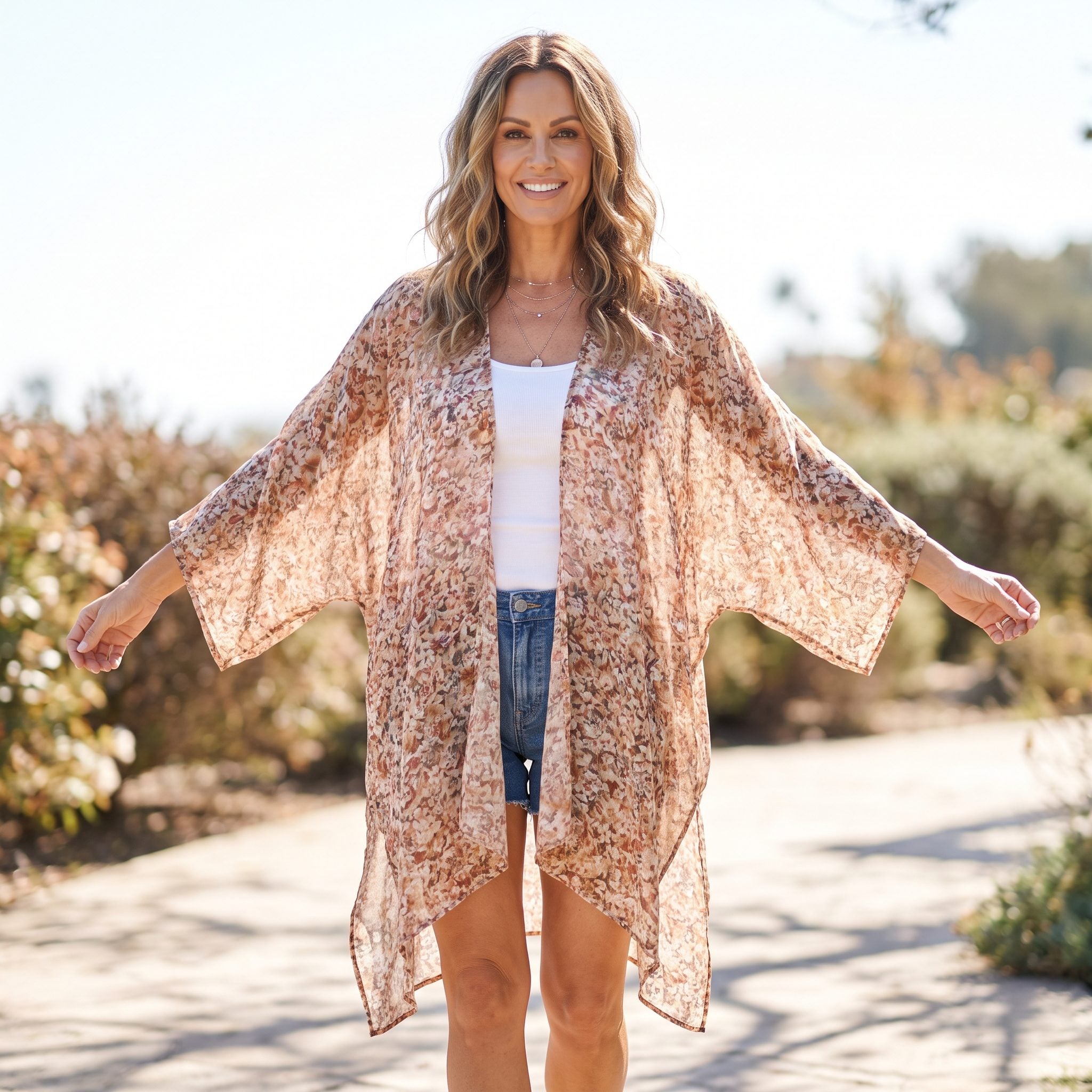
Lightweight floral fabric, loose sleeves, and an open front gave the kimono-style cover-up its distinctive movement. It became a familiar summer layer over tanks, shorts, and swimwear during the decade’s bohemian-fashion revival.
Unlike a fitted jacket, the cover-up added almost no structure. Its appeal came from the way the fabric floated around the body, introducing print and movement without concealing the outfit underneath.
The open front created a long vertical break through the floral pattern, preventing the print from becoming one uninterrupted mass. Fringed or flowing versions leaned particularly hard into festival styling. With each step, the loose floral panels shifted around the shorts and tank underneath, making the simplest summer outfit look animated.
2. The Blush Pom-Pom That Made a Serious Handbag Look Slightly Ridiculous
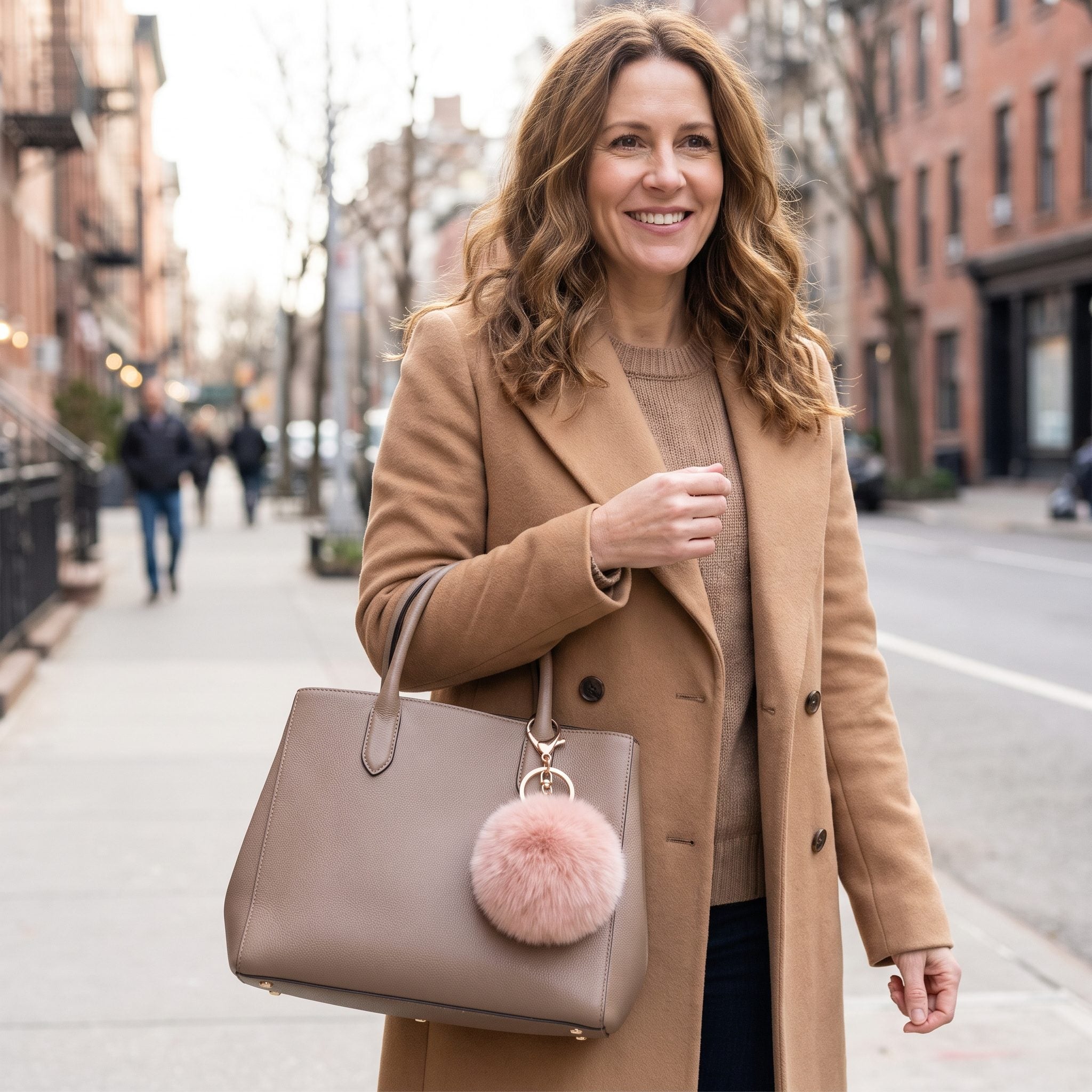
A structured handbag could spend years projecting sophistication, only to acquire a giant fluffy pom-pom dangling from one handle. The contrast was irresistible.
Luxury fashion helped popularize playful bag charms during the 2010s, with Fendi’s Bag Bugs and Karlito designs among the best-known examples. More affordable faux-fur versions soon appeared in a rainbow of colors.
The blush faux-fur pom-pom charm works because it interrupts the handbag’s clean geometry. Soft, rounded fluff sits against firm edges and smooth material, creating an accessory whose entire purpose is to be cheerfully unnecessary.
1. Taupe Wedge Sneakers — The Shoe That Hid a Heel and Called It Casual
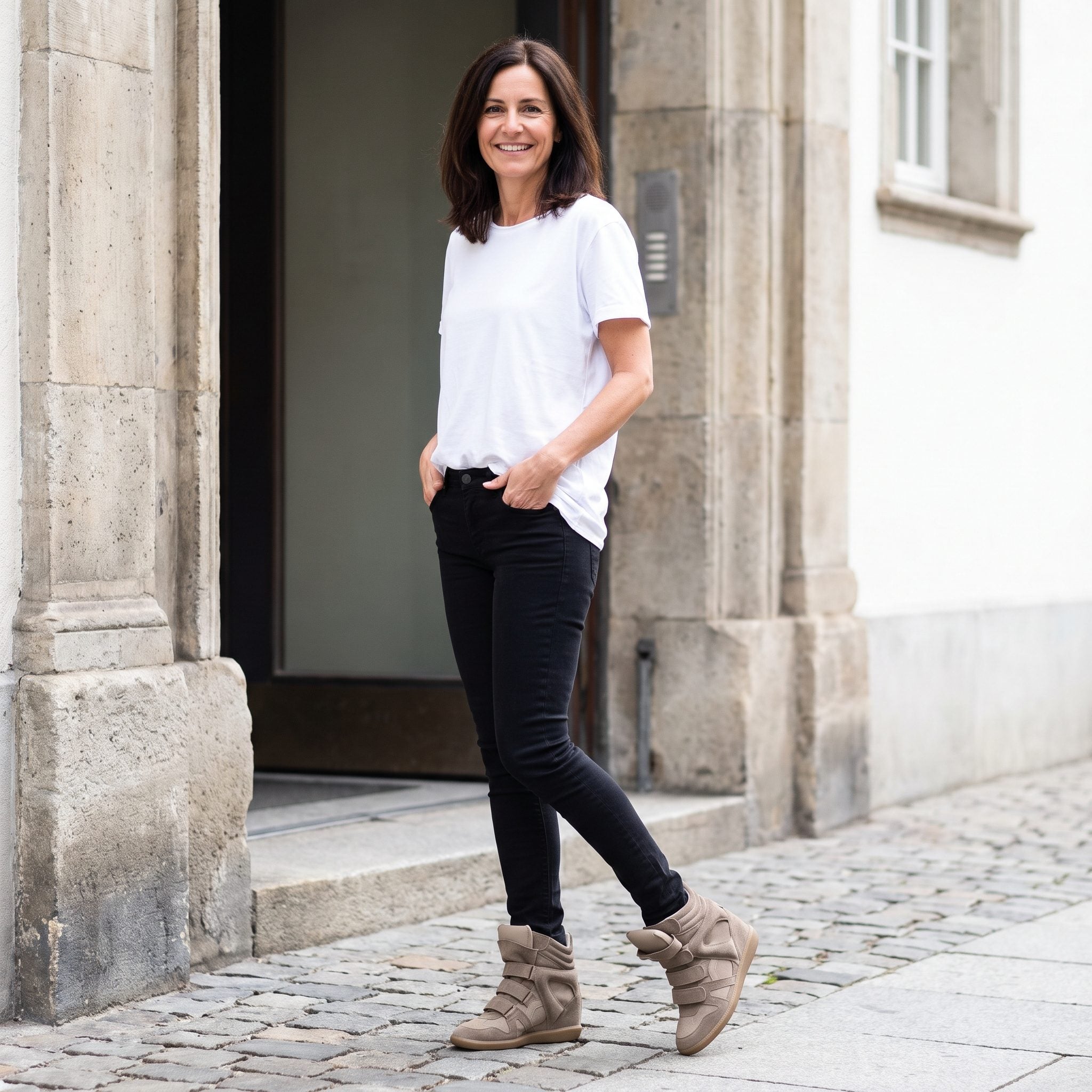
Here was the great contradiction of early-2010s footwear: a sneaker that wanted the height of a heel while maintaining the appearance of something thrown on without a second thought.
Isabel Marant’s wedge sneakers became a major fashion reference, and similar high-top styles appeared across the market. The taupe suede version combines a concealed wedge with a padded upper and prominent straps, giving the shoe considerably more bulk than a conventional sneaker.
Against black skinny jeans, that exaggerated shape becomes the focal point. The narrow trousers disappear toward the ankle, while the substantial sneaker supplies height and volume below. The contrast was unmistakably of its moment.
Comfort varied, and the hidden heel never made these shoes quite as uncomplicated as ordinary sneakers. None of that diminished their appeal. For a brief, glorious stretch of the decade, fashion decided that the cleverest way to wear heels was to pretend they were sneakers.