❤️ Would you like to save this?
A belt looks innocent enough. A strip of leather, a buckle, maybe two seconds in front of the mirror. Then half an inch changes and the whole dress goes strange. The hem hikes up. Linen folds into an accordion. A long torso gets one lonely pencil line across it. A satin column suddenly looks ready for a beach lunch because somebody introduced raffia.
The trick is not simply putting a belt at the waist. It is knowing what the fabric, cut, scale, color, and proportions were already doing before the buckle arrived. Sometimes the right belt finishes the dress. Sometimes the right move is loosening it, moving it, changing it, or taking it off entirely. These are the small mistakes that make the biggest difference.
FYI, thanks to AI imagery software, we’re able to create very specific fashion and hairstyle examples to illustrate the points being made. In some cases, imagery is exaggerated to hammer home the point. Also, assume links that take you off the site are affiliate links such as links to Amazon. this means we may earn a commission if you buy something.
32. Belting Over a Wrinkle-Prone Linen Dress So It Creases Around the Waist for the Rest of the Day

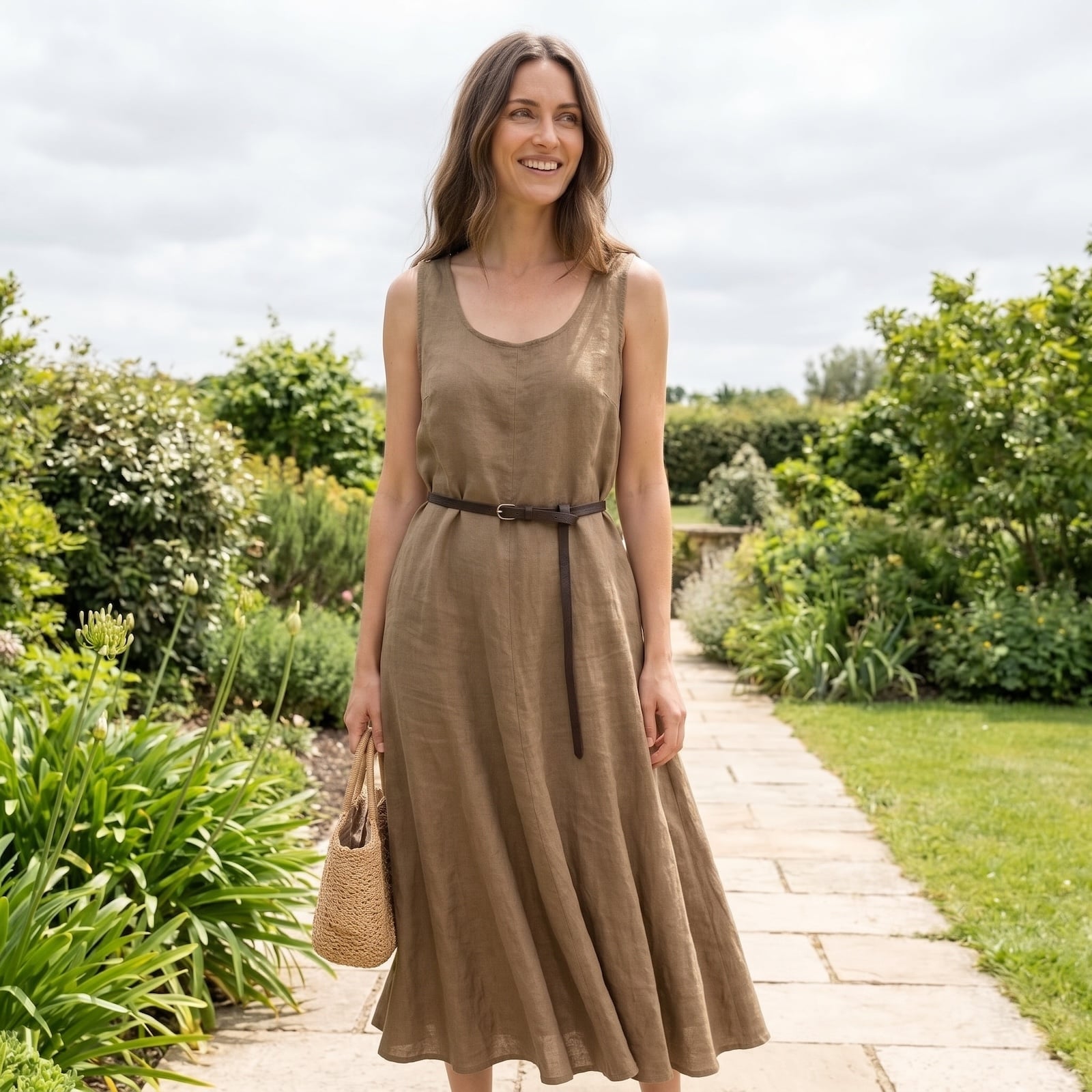
Linen has a memory, and it holds a grudge. Cinch a soft belt over a linen dress in the morning and the fabric may keep a record of every hour spent compressed beneath it. By lunch, the waist can look less defined than permanently folded.
The answer is not pretending linen will stay pristine. It will not. A wider, softer tan leather belt spreads the pressure more gently, while a self-tie sash made from similar fabric lets the inevitable wrinkles belong to the dress rather than forming a hard ring around it.
31. Cinching a Knit Dress So the Belt Presses Deep Ribbed Ridges Into the Fabric
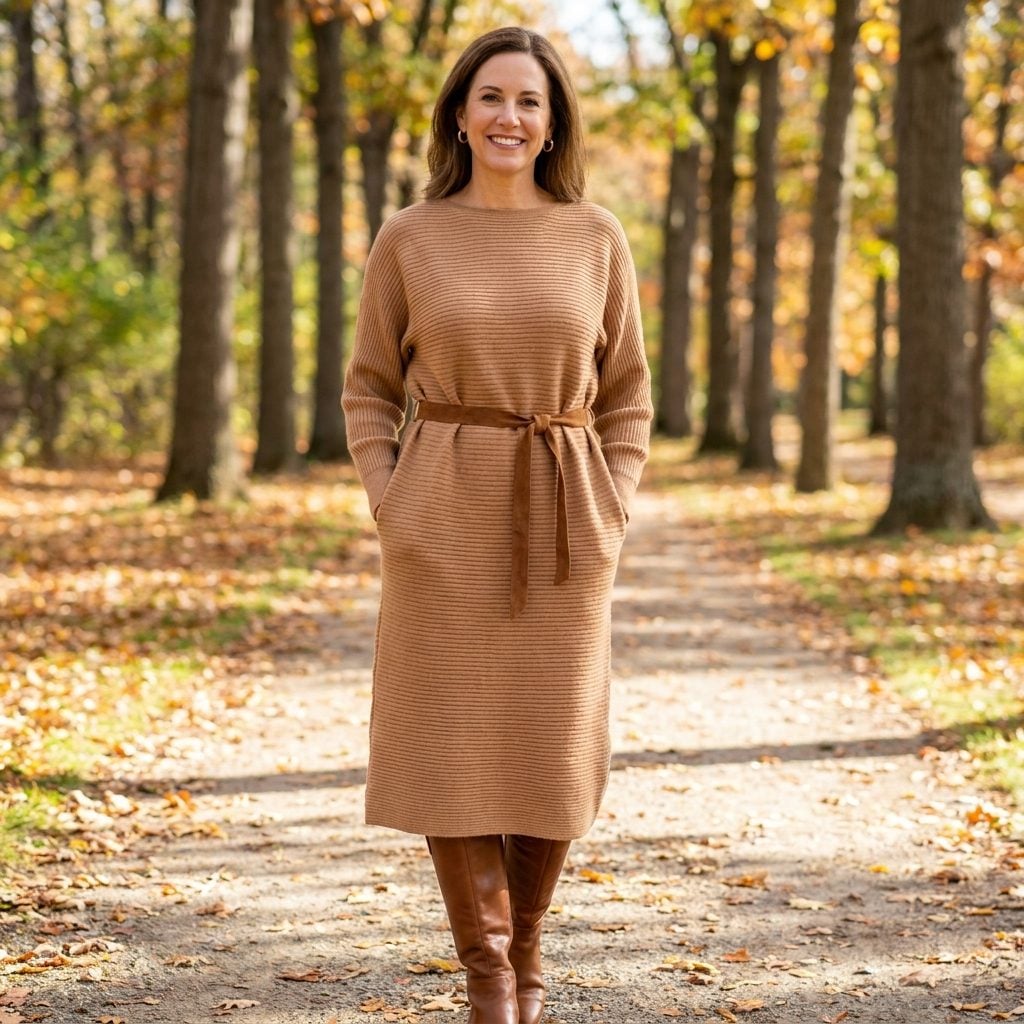
Soft knits tend to gather rather than hold a hard cinch. Pull a belt tight across a stretchy rib and the fabric starts stacking into ridges above and below it, putting bulk exactly where the belt was supposed to create definition.
Let the belt rest rather than squeeze. Smooth the knit downward before fastening it, then check the sides. If the ribs are buckling into little shelves, loosen a notch and let the fabric do what knit fabric does best: fall.
30. Cinching a Belt So Tight the Dress Puckers Into Vertical Pull Lines Radiating From the Buckle

Fabric will tell you when the belt has gone too far. Here the giveaway is the fan of vertical creases shooting away from the buckle like cracks in glass. The belt is no longer defining the waist. It is pulling the dress out of shape.
Tension lines are the clue. If ponte or jersey starts radiating away from the buckle, loosen the belt until the surface settles again. The waist can still read clearly without the surrounding fabric looking as though it is trying to escape.
29. Belting at the Waist While the Hem Now Hangs Uneven All the Way Around
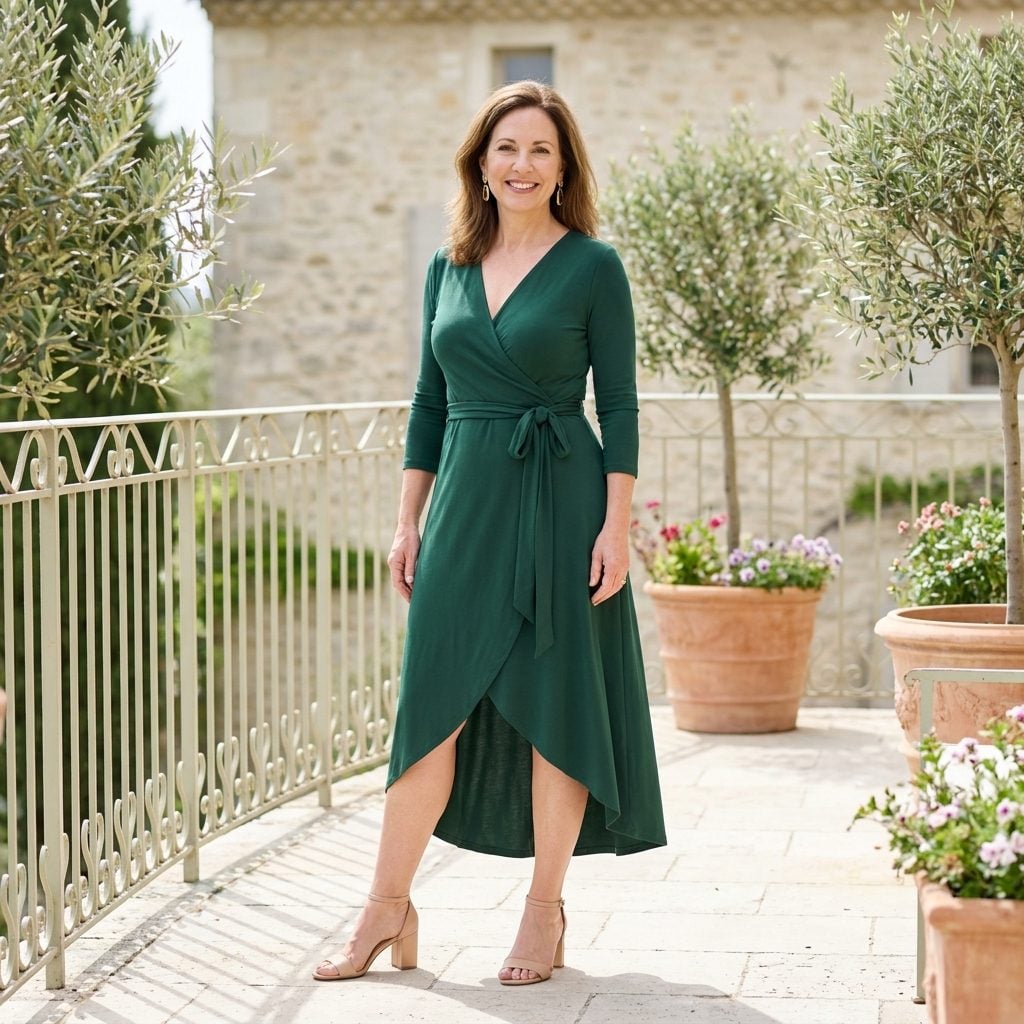
Pull fabric inward and some of it may travel upward too. On soft jersey or a loosely cut wrap dress, an uneven cinch can leave the front hem climbing while the back still hangs where the designer intended.
After fastening the belt, check the hem from the side as well as the front. Redistribute the fabric gently through the belt until the skirt hangs evenly again. Thirty seconds can be the difference between deliberate drape and a dress that suddenly looks miscut.
28. Cinching So Hard the Skirt Rides Up and Loses Its Length
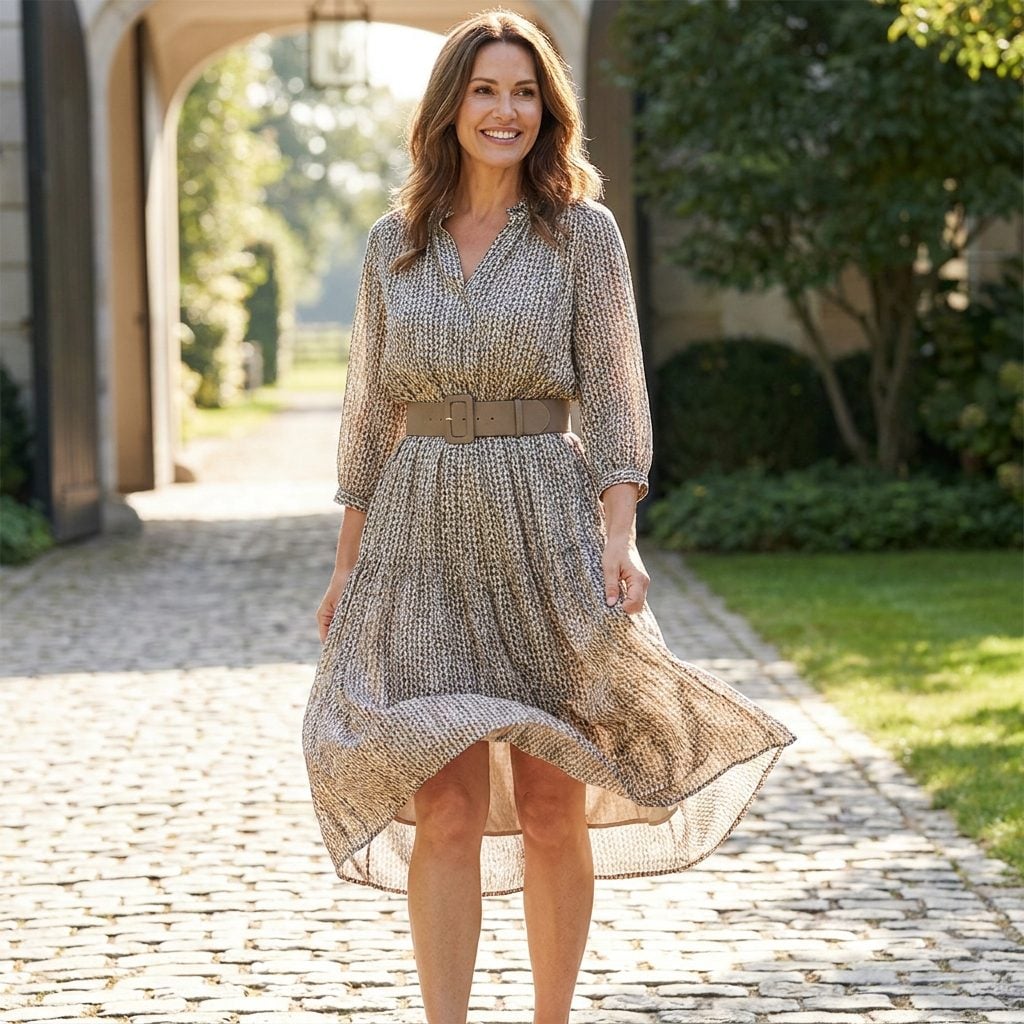
A belt can pull fabric in at the waist and steal length from the skirt at the same time. Tighten too aggressively and a midi begins creeping toward the knee while excess cotton bunches above the hips.
Let the belt hold rather than haul. Blouse a small amount of fabric over the top if the cut allows it, then check where the hem landed. A softer belt can also cooperate with the dress more easily than a rigid band pulled to maximum tension.
27. Choosing a Belt That Is Far Too Wide

Too much belt can turn the middle into a horizontal wall. When a wide leather belt stretches from near the bust almost to the hips, the waist itself disappears beneath the thing that was supposed to define it.
Scale matters more than any universal measurement. A dramatic corset belt can be terrific on the right dress and torso, but if the belt occupies most of the available midsection, it stops framing the waist and starts replacing it.
26. Choosing a Belt So Thin It Gets Lost
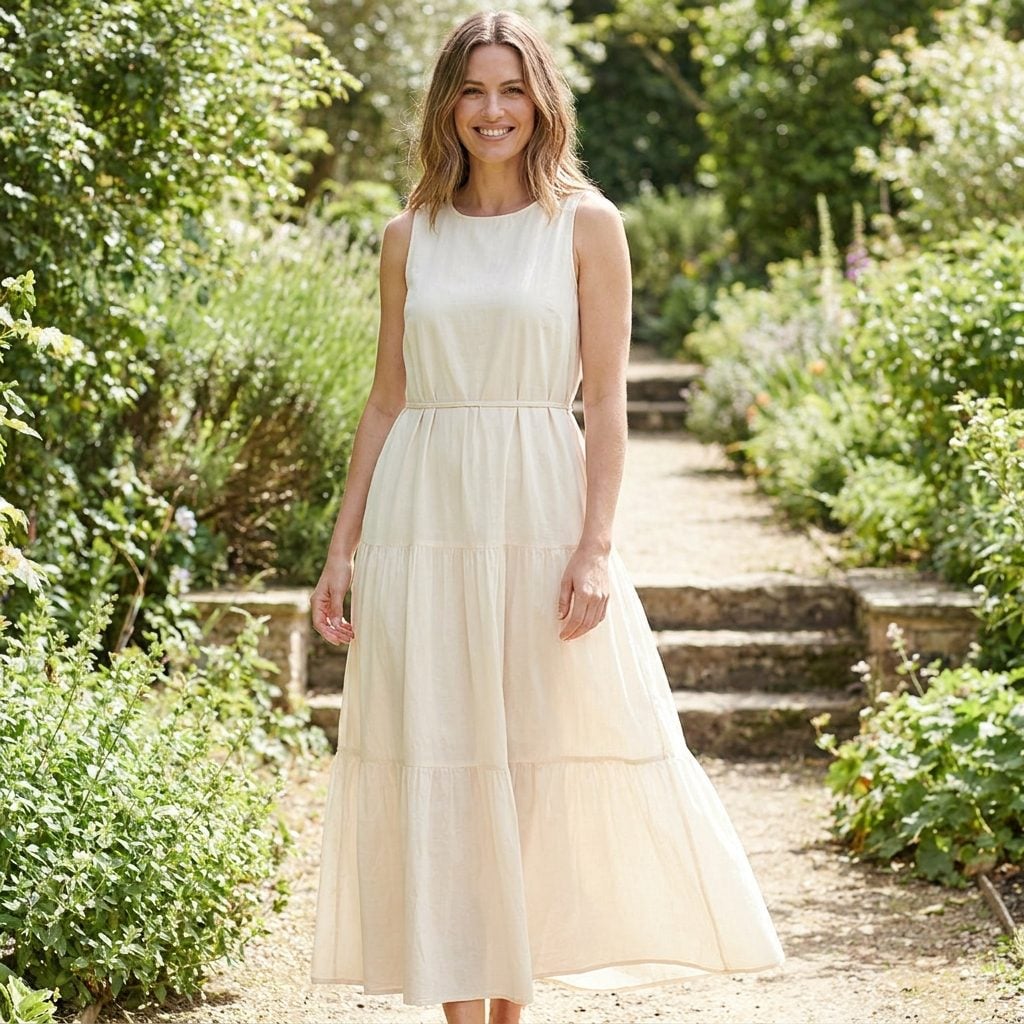
Run the previous mistake backward. Against a tiered maxi carrying yards of fabric, a pencil-thin belt can disappear almost completely. The dress has volume, movement, and scale. The belt arrives as punctuation too small to read.
Give a larger silhouette enough belt to register against it. That does not automatically mean huge or heavy, only substantial enough that the waist still exists when you step more than three feet away from the mirror.
25. Belting a Short-Waisted Woman in the Wrong Position

Move a belt too high on an already short torso and the space between bust and waist can seem to disappear altogether. Everything becomes compressed into one narrow zone before the skirt takes over.
A slightly lower placement can create more visual breathing room above the belt, provided the construction of the dress allows it. Even a small adjustment can make the torso feel less crowded without relocating the waist somewhere the garment was never designed to support.
24. Wearing a Stiff Belt That Buckles and Gaps Instead of Following the Body
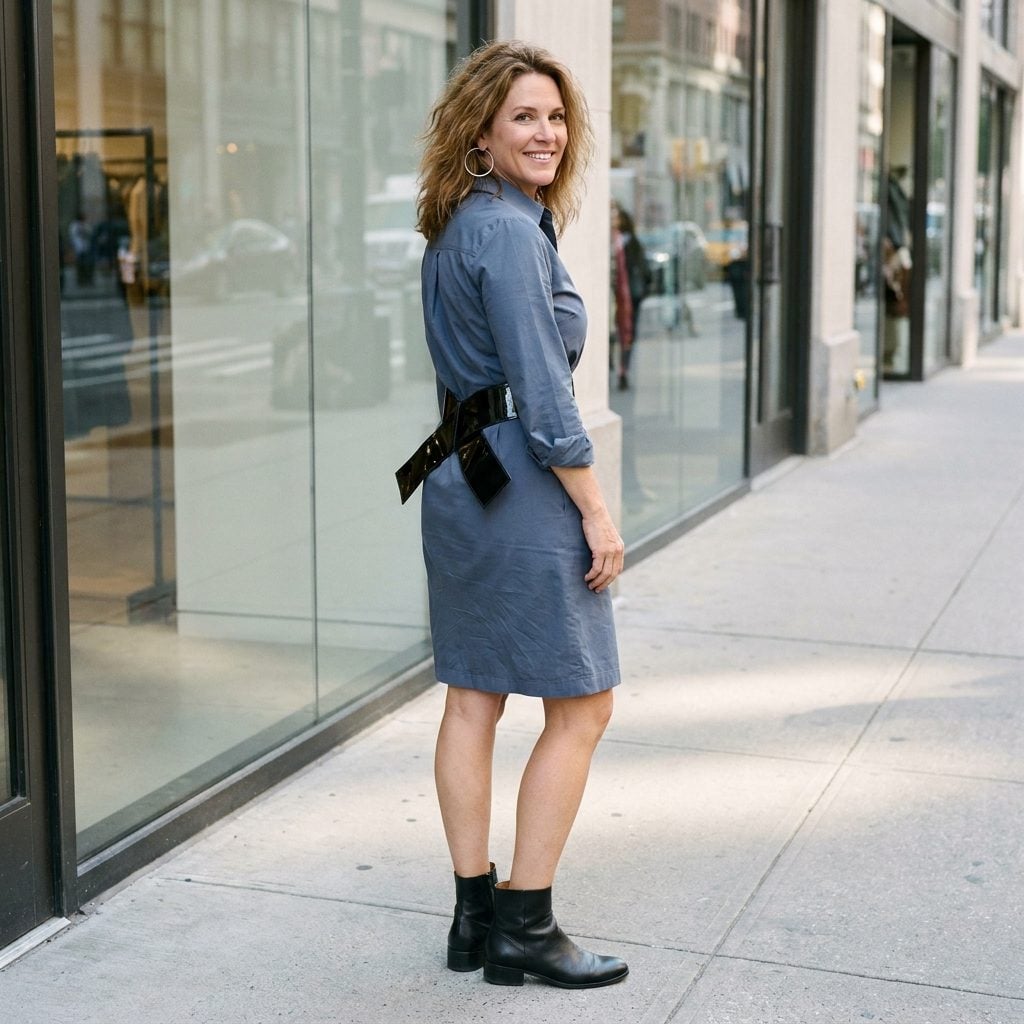
A belt that refuses to bend can develop its own architecture. Thick patent or very rigid leather may bow away from the small of the back, leaving a strange pocket of air between belt and body.
Supple leather generally follows curves more easily. Bend the belt gently before buying it. If it behaves like a ruler in your hands, it may behave like one around your waist too.
23. Putting a Flimsy Belt on a Heavy Structured Dress

A whisper-thin gold chain against sturdy denim looks as though it wandered in from a different outfit. The dress has topstitching, body, seams, and visual heft. The belt barely announces its presence.
Structured fabric can take a belt with some authority: leather with substance, a buckle with shape, something that looks capable of sharing the frame with denim rather than being steamrolled by it.
22. Using a Skinny Belt as a Fix for a Dress That Was Cut Too Big

A belt cannot resize a dress. When the body of the garment is genuinely too large, cinching the middle simply relocates all that extra fabric into balloons above and below it. A very skinny belt makes the contrast even sharper.
If the dress needs shaping through the shoulders, bust, sides, or back, that is fit work rather than styling work. Alter it, exchange it, or choose a size that gives the belt something reasonable to finish.
A belt is a styling tool, never a tailor.
21. Wearing the Belt Too High Under the Bust

A dress cut for the natural waist can look abruptly compressed when its belt migrates up toward the ribcage. Instead of emphasizing the shape already built into the garment, the belt invents a new proportion and leaves very little visible torso above it.
Empire waists can be beautiful when the dress was designed around one. This dress was not. The mistake is not high placement by itself; it is forcing high placement onto a cut that expects the waist somewhere else.
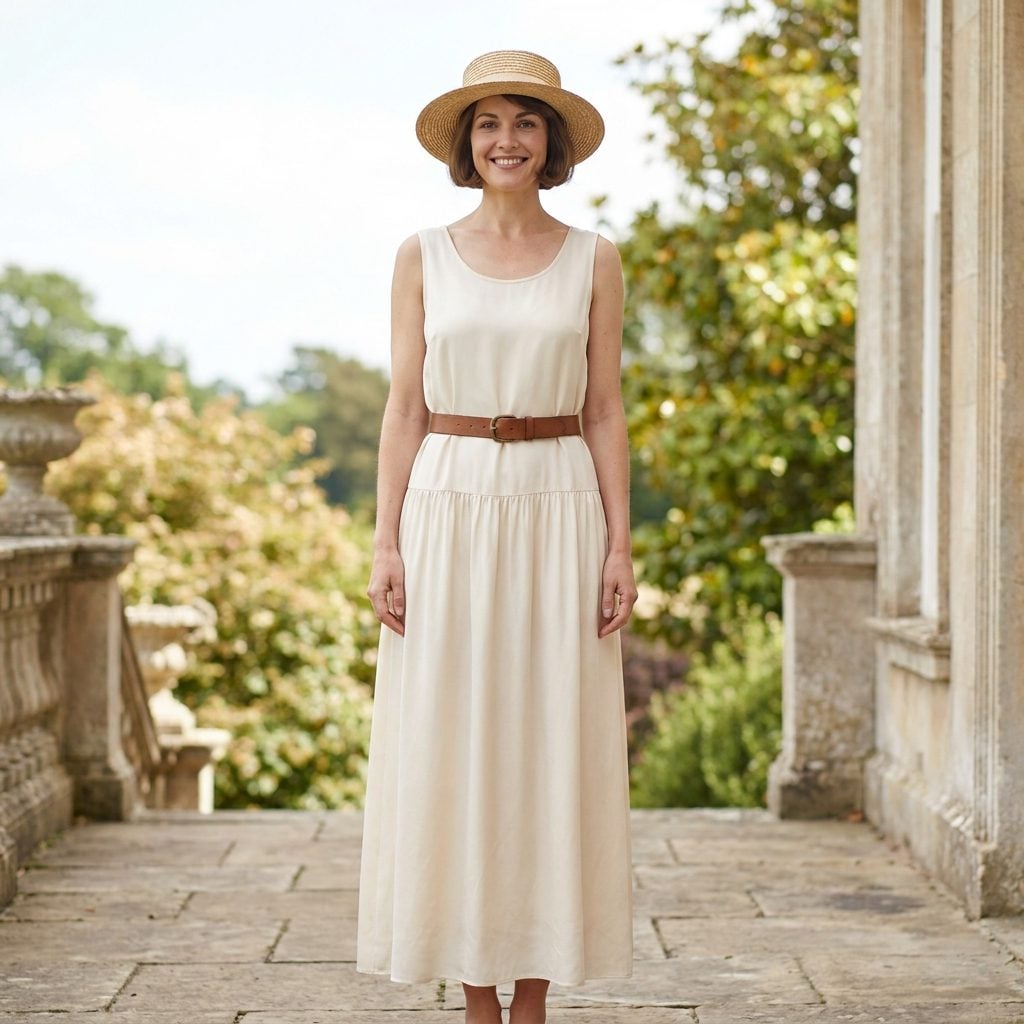
20. Ignoring the Dress’s Intended Waist Placement
❤️ Would you like to save this?
Before adding a belt, look for the waist the dress already built. Darts, seams, pleats, gathers, a lowered yoke, or a deliberately straight column can all tell you where the designer expected the silhouette to change.
A belt that ignores those clues creates competing architecture. This is the useful question before adding a belt at all: are you helping the dress finish its idea, or asking it to become a different dress halfway down?
19. Belting a Drop-Waist Dress at the Natural Waist

A drop-waist dress has already committed to a low horizontal line. Much of its character comes from the long stretch of fabric between shoulder and hip, followed by the shift in shape farther down.
Add a belt at the natural waist and suddenly there are two competing breaks in the silhouette. The eye gets one waist from the belt and another from the dress itself, and the clean elongated structure turns into a stack of unrelated sections.
18. Forcing a Belt Onto an Empire-Waist Dress

An empire waist sits high on purpose. The seam beneath the bust releases the rest of the dress into one long fall of fabric, and that uninterrupted drape is the point.
Drop a second belt below it and you create another waistline a few inches away. Now the space between them looks trapped, and the graceful fall of the dress has to restart halfway down.
If a dress already tells you where the waist is, believe it.
17. Belting a Dress That Already Has Strong Waist Definition

Some dresses arrive with the waist already fully resolved. A fitted seam, wrap construction, sash, or sharply tailored middle may be doing everything a belt would normally be asked to do.
Adding another band on top can become the clothing equivalent of underlining something already in bold. Instead of more definition, you get another horizontal line, another buckle, and more activity in a place that was already finished.
16. Adding a Belt to a Dress That Was Designed to Skim, Killing the Fluid Line It Was Built For
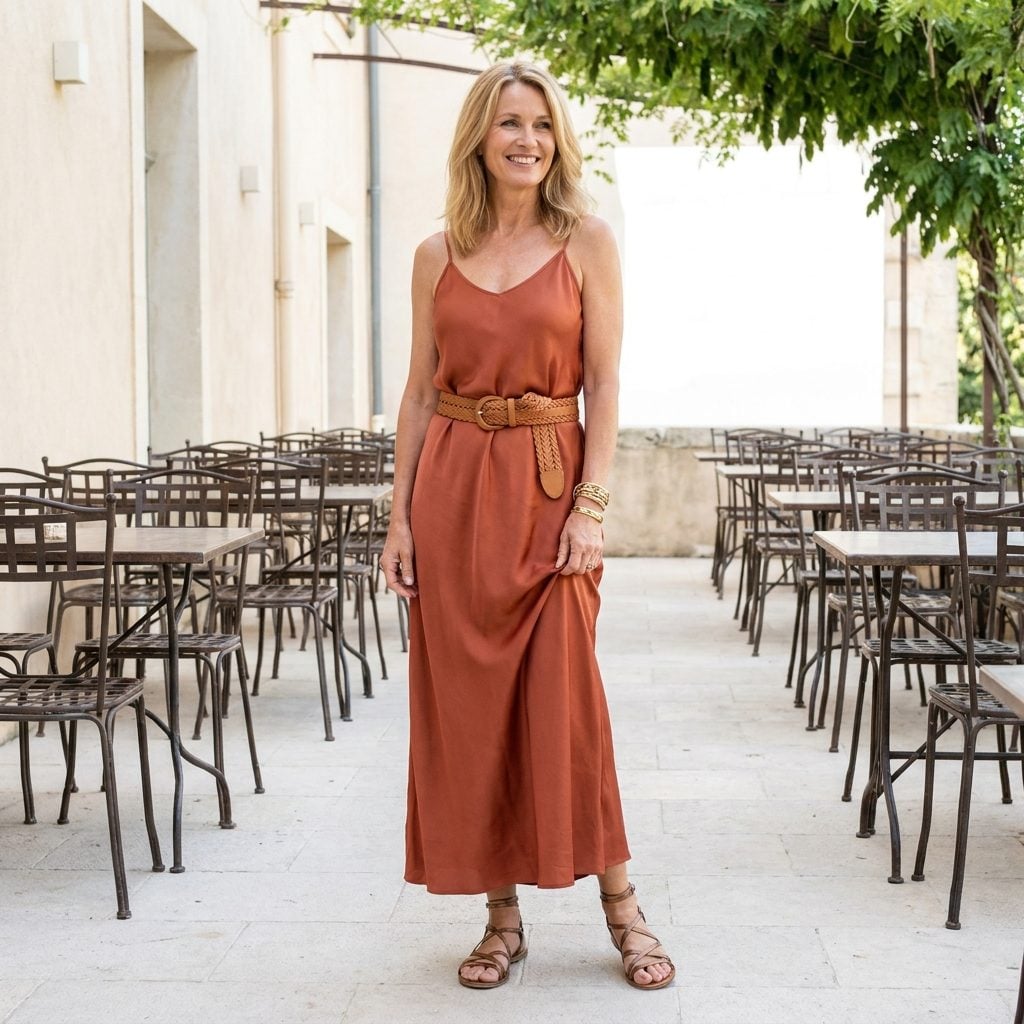
Some dresses are meant to fall, not fold. This terracotta silk column was cut to pour from shoulder to ankle in one easy line. Add a wide braided belt and the silk suddenly gathers where it was meant to glide.
Not every waist needs announcing. A slip dress earns much of its elegance from drape, movement, and the way light travels down the uninterrupted fabric. Interrupt that line and you exchange fluidity for gathering.
Trust the design. If the dress already looks better moving freely, the belt is a demotion.
15. Adding a Belt to a Wrap Dress That Already Ties Itself, Doubling the Bulk at the Waist

A wrap dress already comes with a waist strategy. Its sash closes or defines the dress, and layering a second leather belt directly over it can create a thick double band where one clean line would have done the job.
Pick one waist treatment. If the fabric sash is removable and you prefer leather, take the sash off and use the belt. If the tie is integral to the dress, let it do what it was designed to do rather than stacking another cincher on top.
14. Pairing a Rustic Woven Belt With a Sleek Evening Dress
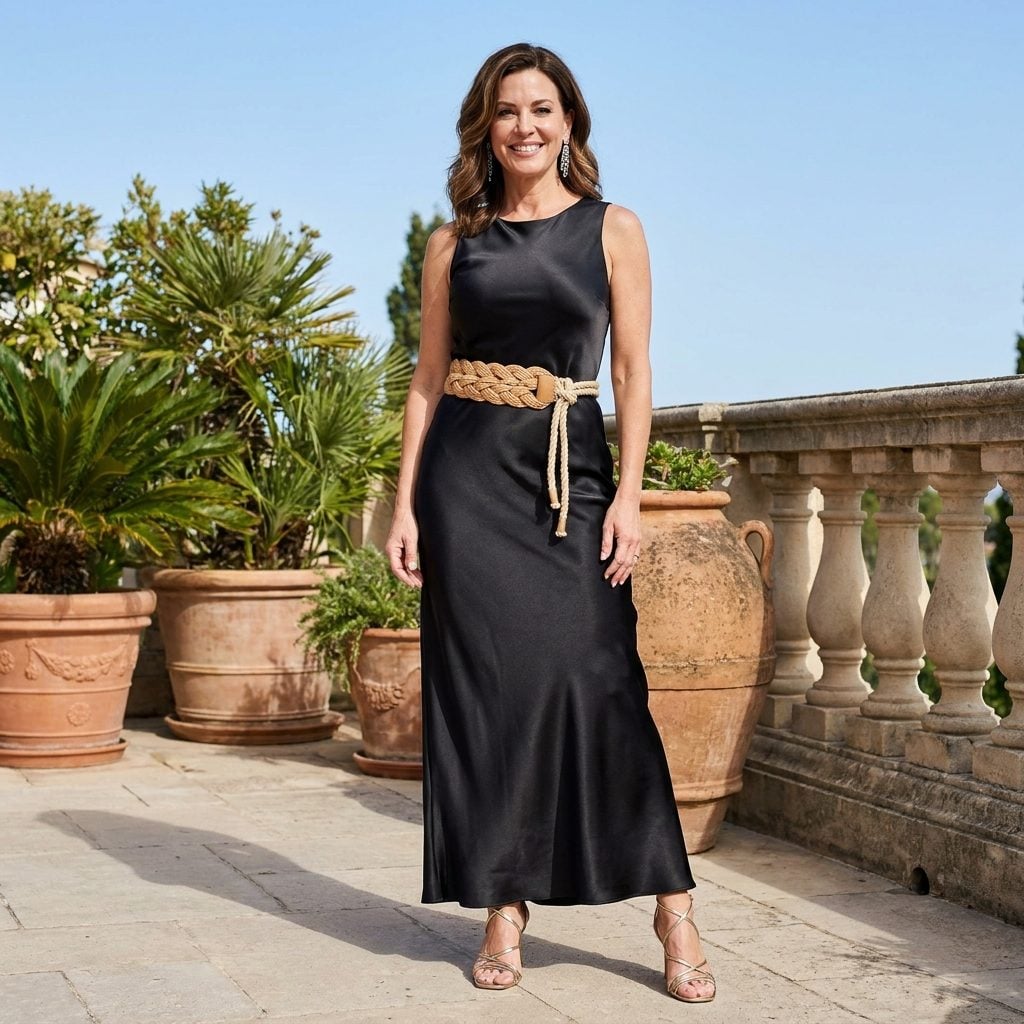
Texture is a language, and this belt is speaking the wrong one. Rough raffia against liquid black satin yanks the dress out of evening territory and halfway toward a beach lunch.
Match the belt’s finish to the register of the dress. Satin can take smooth leather, polished metal, velvet, or a self-tie with similar refinement. Rope and woven fibers are happiest when the rest of the outfit shares some of their relaxed texture.
13. Matching the Belt to the Shoes When Neither One Talks to the Dress
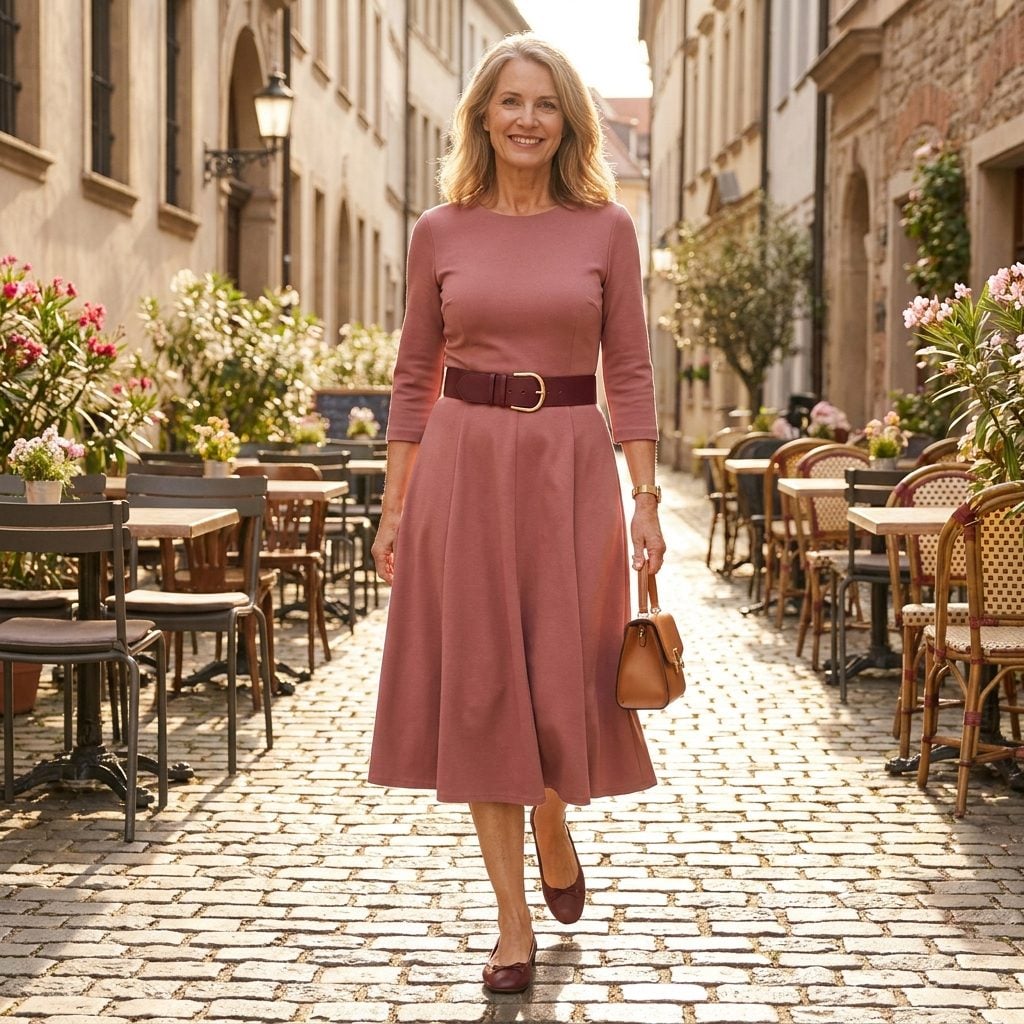
Matching belt and shoes can still look polished. The problem begins when the two accessories coordinate beautifully with each other and seem to have absolutely no relationship with the dress between them.
Here the burgundy pieces become their own little island against dusty rose. Give the belt another reason to belong: echo something in the dress, repeat a tone from a handbag or scarf, or choose a shade that bridges the colors instead of simply matching the shoes.
12. Wearing a Belt Buckle So Ornate It Fights the Neckline for Attention
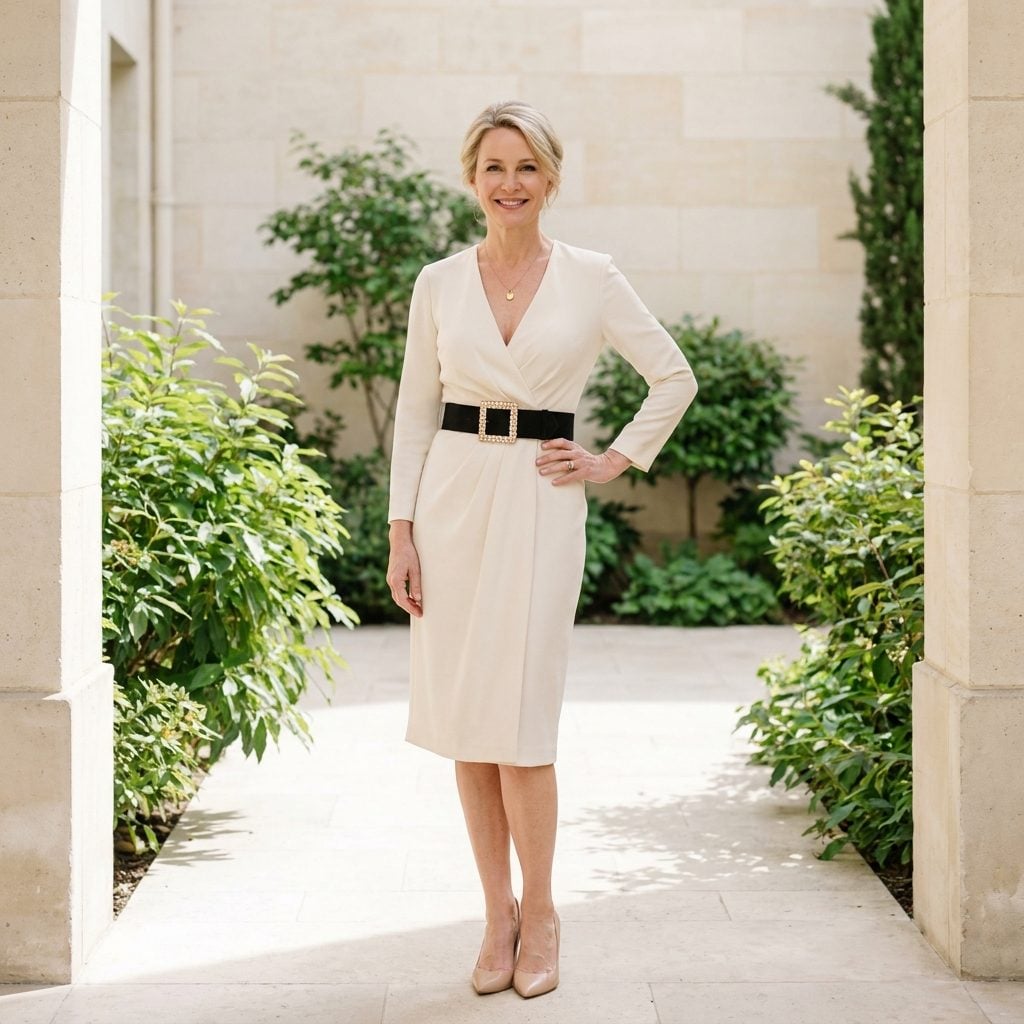
Two focal points on one torso and neither gets much room to breathe. The necklace asks the eye to stop at the neckline, then the rhinestone buckle grabs it again a few inches lower.
If the dress already carries jewelry or strong detail near the face, keep the waist quieter. Want the buckle to be the event instead? Let it have the stage and simplify what is happening above it.
11. Using a Statement Belt With an Already-Busy Dress

Two loud voices, no listener. The floral print already has coral, teal, gold, movement, and enough visual conversation to fill the room. Then the ornate studded buckle arrives and starts another argument at the waist.
This is different from a dramatic buckle on a simple dress. Here the print is already the focal point. A quieter belt can still shape the middle without entering the competition.
10. Using a High-Contrast Belt That Visually Cuts Through a Long Monochrome Dress

A high-contrast belt can be graphic and terrific when that is the point. Here, though, the dress begins as one pale uninterrupted column and the wide black band introduces a hard visual stop right through the middle.
If the goal is to preserve that long monochrome effect while still defining the waist, choose contrast more gently. A cream, camel, cognac, or other related tone can create shape without becoming the first thing visible from across the room.
9. Using a Belt That Blends So Completely It Adds No Definition

She belted it. You can barely tell. The oatmeal band disappears into the oatmeal linen, so this particular loose shift gains almost none of the structure the belt was brought in to provide.
Tonal dressing itself is not the problem. A matching belt can still work through texture, width, or hardware. Here all of those cues disappear at once. A cognac or muted rust band would give the waist just enough contrast to register without turning into the stark black line from the previous example.
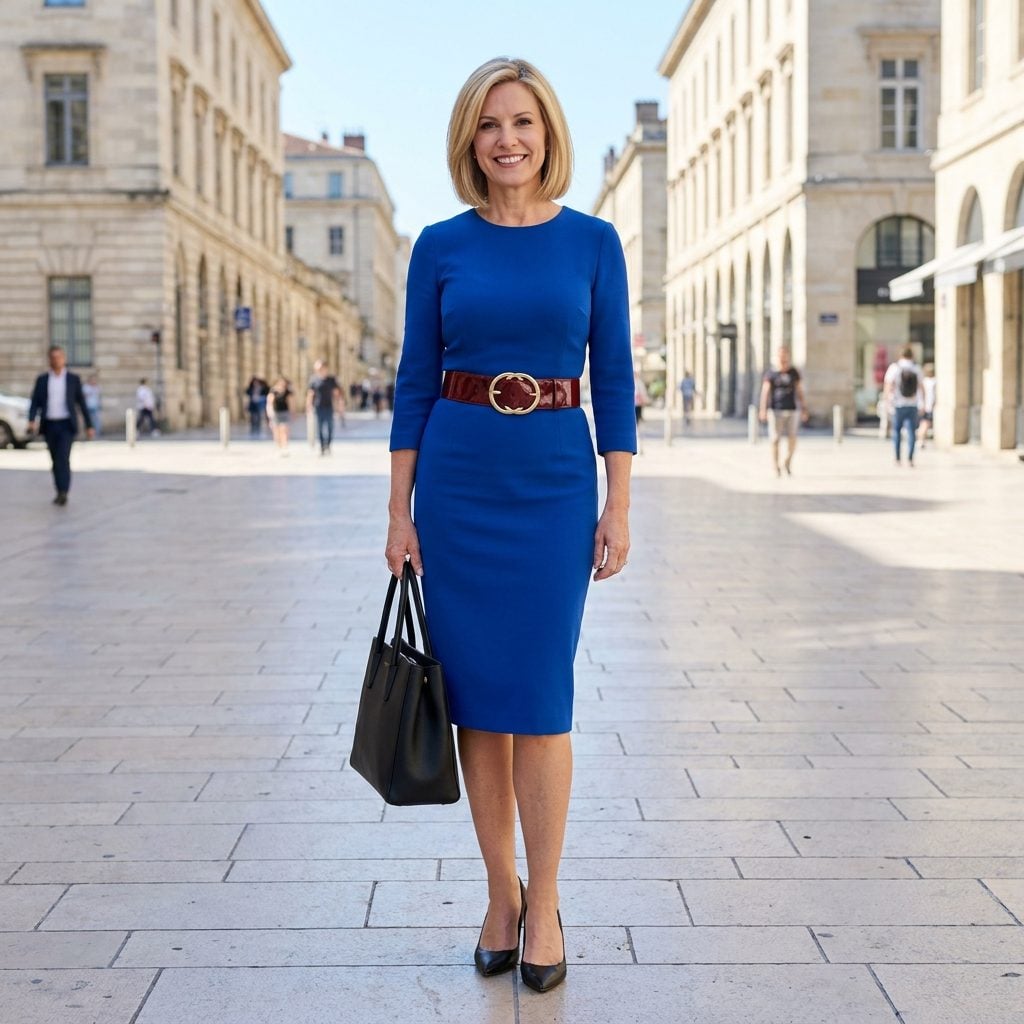
8. Letting an Outdated Finish or Oversized Buckle Date the Whole Dress
❤️ Would you like to save this?
The oxblood color is not the problem. The combination of glossy patent, oversized rounded hardware, and a conspicuous buckle shape is what gives this belt such a specific fashion timestamp against an otherwise clean cobalt sheath.
Accessories often date through details before they date through color. Buckle proportions shift. Hardware finishes change. Gloss comes and goes. Swap this for matte leather and a cleaner buckle and the dress stops sharing the spotlight with the decade the accessory came from.
7. Letting All the Excess Fabric Gather at the Front

The belt is fastened, the waist exists, and somehow every spare inch of fabric has migrated to the front in one soft pouch. This is not a belt problem so much as a distribution problem.
Roomy dresses have fullness to spare. After belting, run your fingers around the waist and spread that fullness toward the sides and back rather than letting gravity collect it all over the stomach. Same dress, same belt, entirely different result.
6. Putting the Belt at the Widest Part of the Midsection When You’re Trying to Emphasize the Waist

A belt announces the line where you place it. If your goal is to emphasize waist indentation, fastening it across the fullest part of the middle may highlight exactly the opposite line.
Experiment around the natural waist and watch how the proportions change rather than relying on one anatomical rule for every body. Half an inch can matter. The belt is not necessarily wrong; its address may be.
5. Belting Over an Untucked Blouse and Creating a Muffin of Bunched Cotton

The same rules that apply to a roomy dress show up here in separates. Trap a loose untucked blouse beneath a belt and the excess cotton has nowhere to go except upward, producing a soft ring exactly where you wanted a clean waist.
Give the fabric somewhere to live before fastening the belt. A full tuck creates the cleanest base; a softer partial tuck can work too if the sides are smoothed and the extra volume is controlled rather than trapped.
4. Choosing the Wrong Belt Scale for a Long Torso
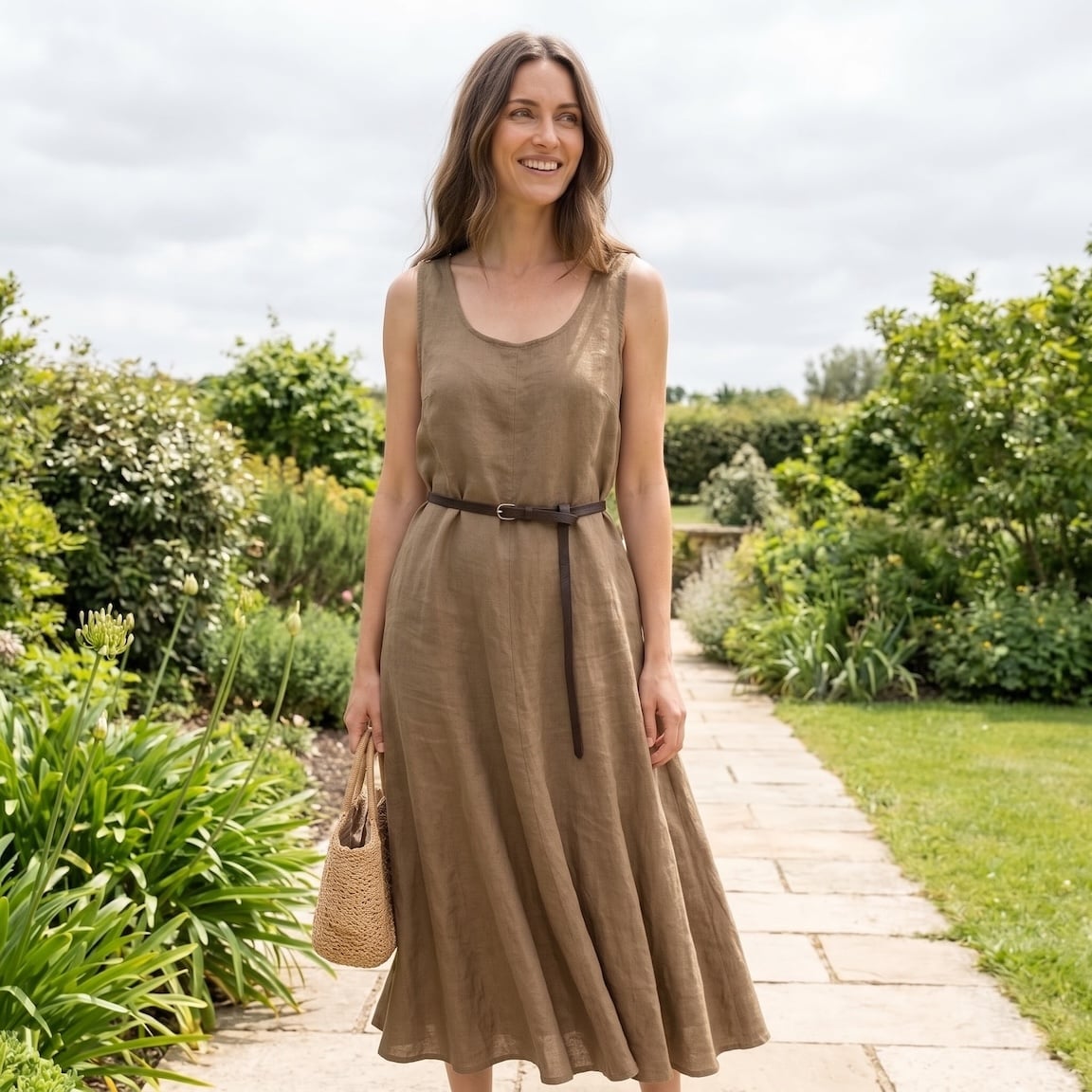
The belt is trying, bless it, but it has been reduced to a stray pencil line. On a long torso, an extremely narrow strap can leave so much uninterrupted space above and below it that the waist still feels unresolved.
A belt with more visual presence can create a stronger anchor. Width is only part of that equation; buckle size, color, texture, and the dress itself all matter. The goal is balance, not a prescribed number of inches.
3. Letting the Belt Slide Away From the Intended Waistline
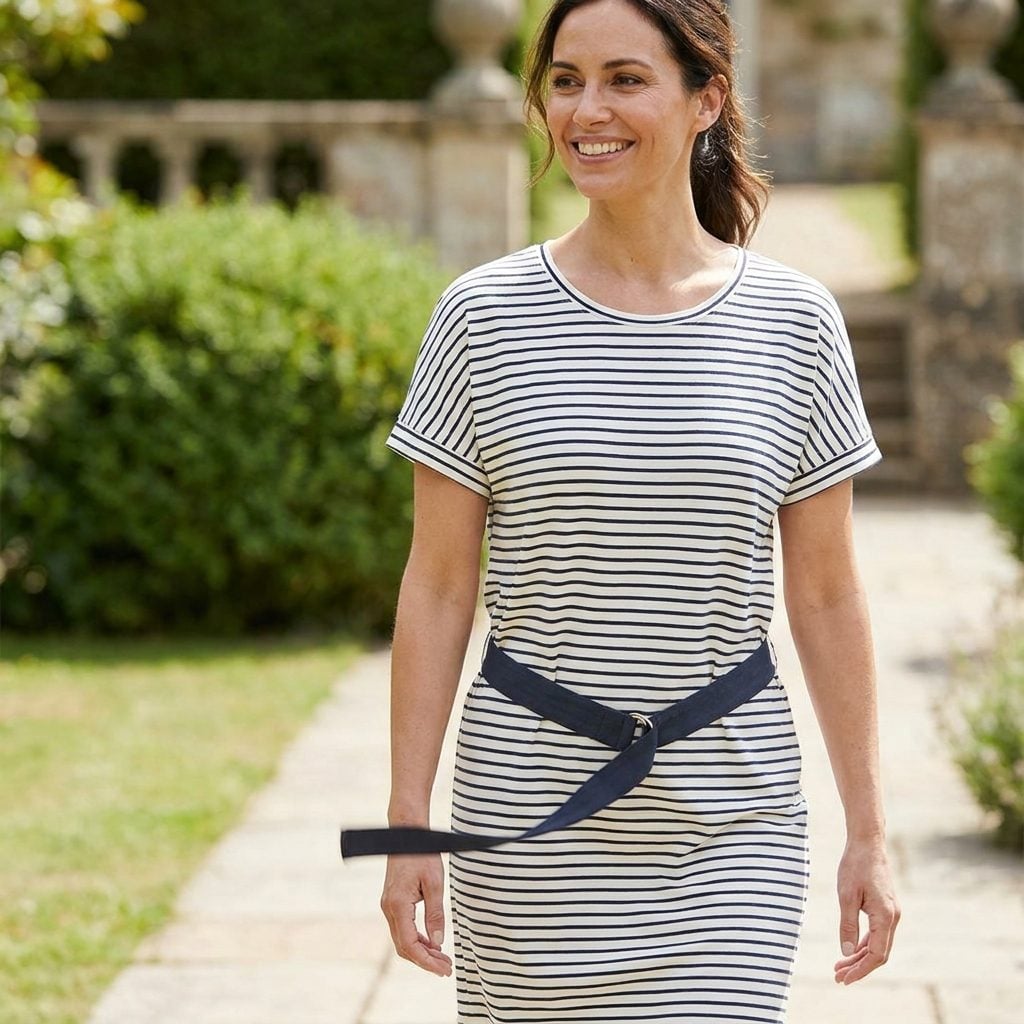
Slippery jersey and smooth leather can become unreliable partners. The belt starts level, then gradually drifts until one side is hanging lower and the clean horizontal line has become a slope.
Belt loops, discreet thread loops, or another anchoring method can keep the belt where you placed it. Some elastic styles also grip soft fabrics well. The useful test is not how perfect it looks the second you fasten it, but whether it is still there after you walk across the room.
2. Leaving an Excessively Long Belt Tail Dangling Without Styling It
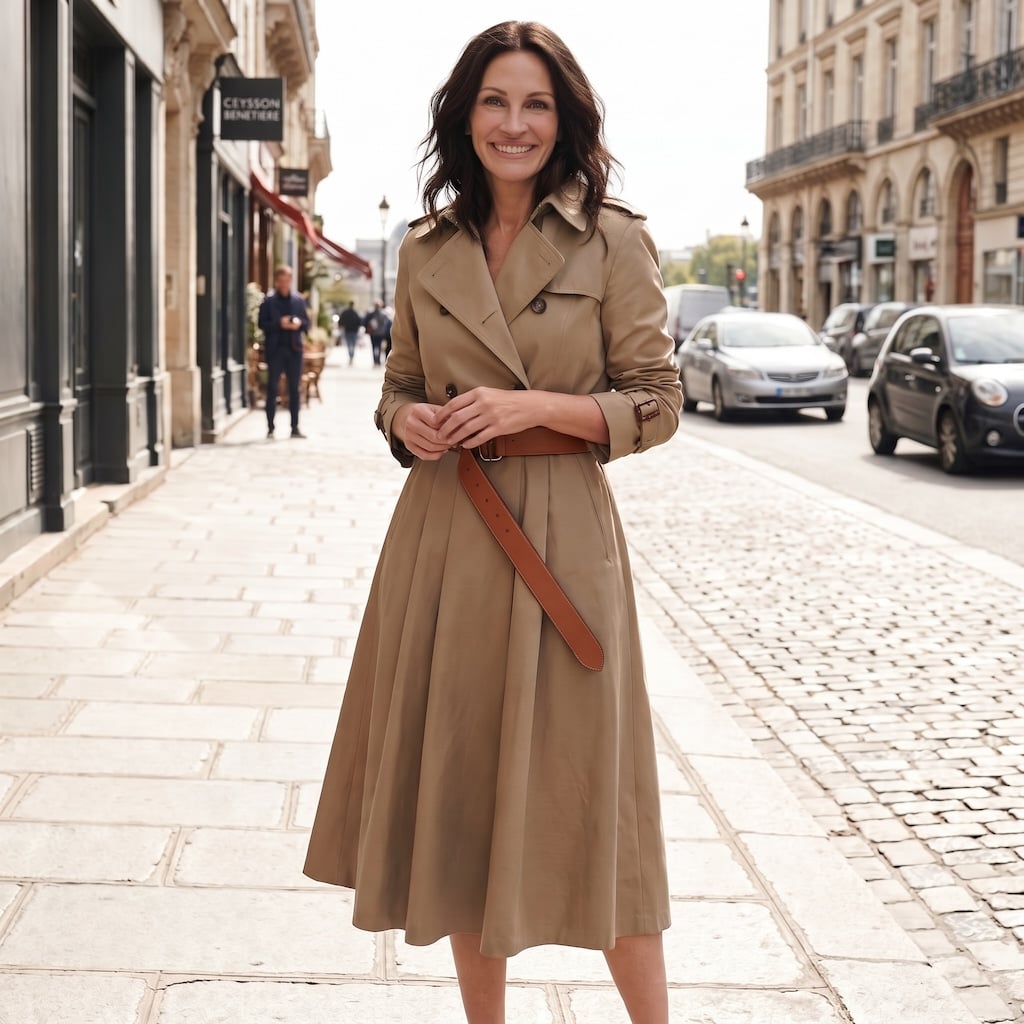
Long belt tails can be styled beautifully. This one simply looks unfinished. The waistline is clean until the loose end drops diagonally across the skirt and drags the eye away from it.
Tuck the excess through a keeper, loop it intentionally, knot it if the belt allows, or thread it back under itself. Length is not the enemy. Looking as though nobody decided what to do with the length is.
1. Buckling a Belt Directly Over a Raised Zipper So It Bulges and Won’t Lie Flat

From the front, everything looks fine. Turn around and the belt tents over the raised zipper track, leaving a little bridge of air between leather and dress.
A more supple belt may mold around a modest ridge better than stiff leather. If the dress allows it, a slightly different vertical placement can also avoid sitting directly on bulky zipper hardware. When neither works, the cleanest answer may simply be a different belt.