❤️ Would you like to save this?
The gloves came off before you touched a sandwich. Not out of manners, exactly, but because a woman with gloved hands reaching for a canapé looked wrong, and looking wrong had consequences. A ruler could measure your skirt while you knelt on cold gym tile. A pair of trousers could get you turned away at a restaurant that was otherwise thrilled to take your money. What follows is the fine print of being a woman in a decade that smiled while it kept score.
FYI, thanks to AI imagery software, we’re able to create very specific fashion and hairstyle examples to illustrate the points being made. In some cases, imagery is exaggerated to hammer home the point. Also, assume links that take you off the site are affiliate links such as links to Amazon. this means we may earn a commission if you buy something.
31. Airline Stewardesses Faced Weight Checks and Mandatory Girdles
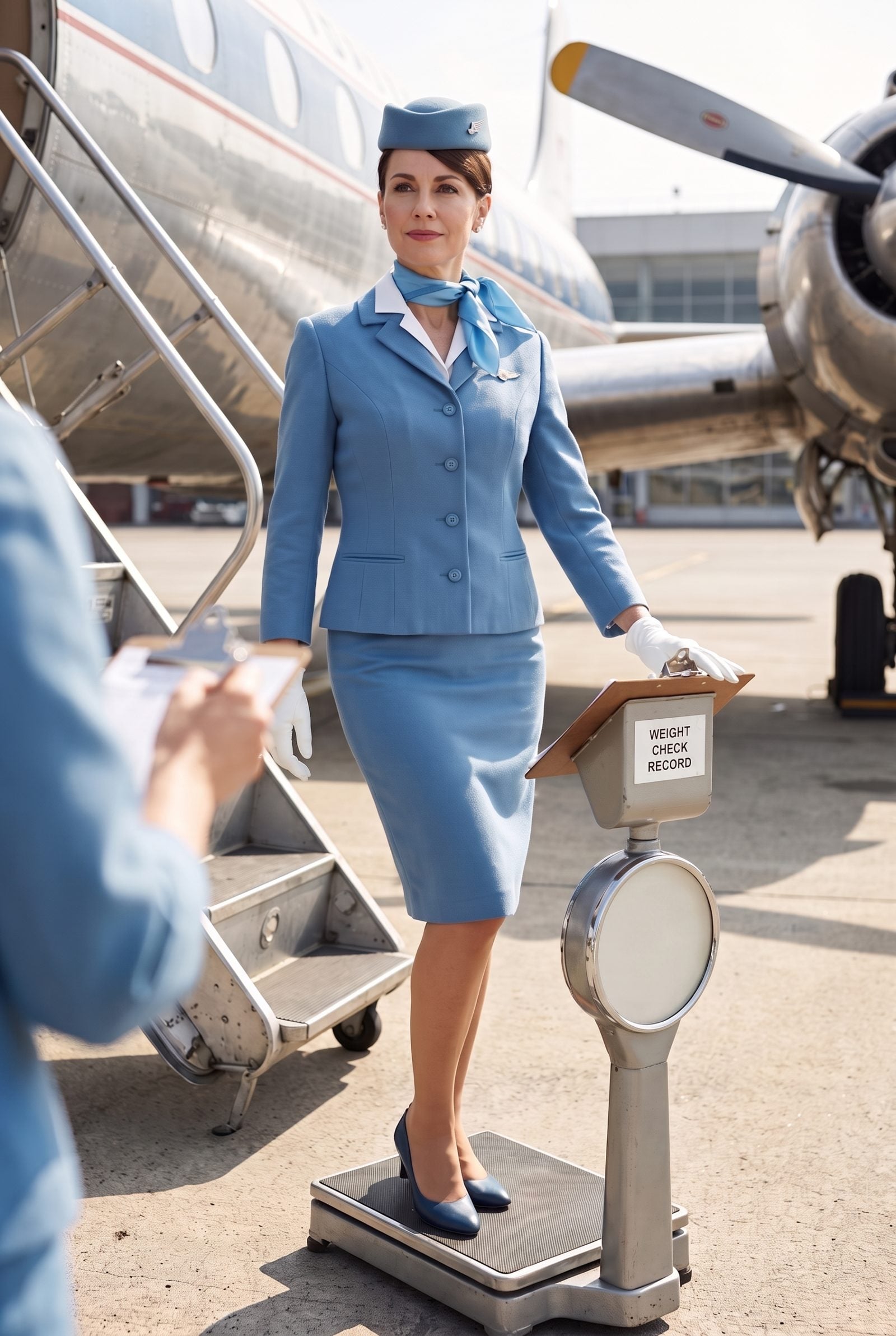
They weighed you. That’s the part people forget. Airlines kept scales in the crew room and a chart on the wall, and if your number crept past the line for your height, you were grounded until it came back down. The girdle wasn’t optional either — worn under that trim uniform skirt to produce the silhouette the brochure had promised.
Control dressed up as glamour. A fitted sky-blue jacket, fabric-covered buttons, the pillbox cap: every seam told you the woman inside had been measured and approved.
30. Schoolgirls Took Kneeling Tests to Prove Their Skirts Were Long Enough
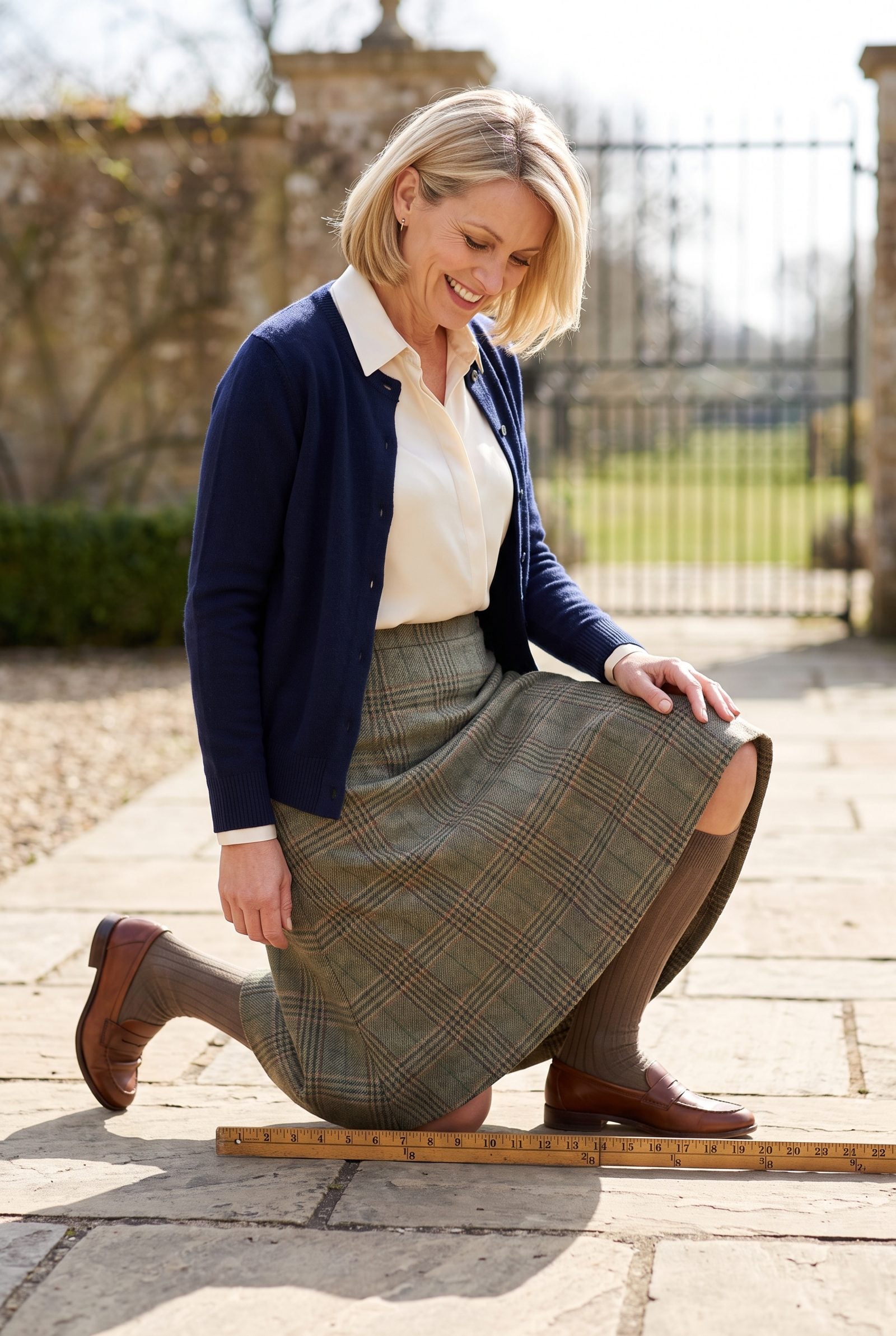
Kneel on the floor. If the hem didn’t touch the ground, you were sent home or made to let it out — here, a smiling woman in a navy cardigan and cream blouse recreates the test on a sunlit stone patio, glancing down at a wooden yardstick beside her knee.
The plaid A-line skirt reads as wholesome now, and that was exactly the point. Modesty policed by inches turned a simple dress code into a daily referendum on the body underneath.
29. Some Restaurants Refused to Seat Women Wearing Trousers
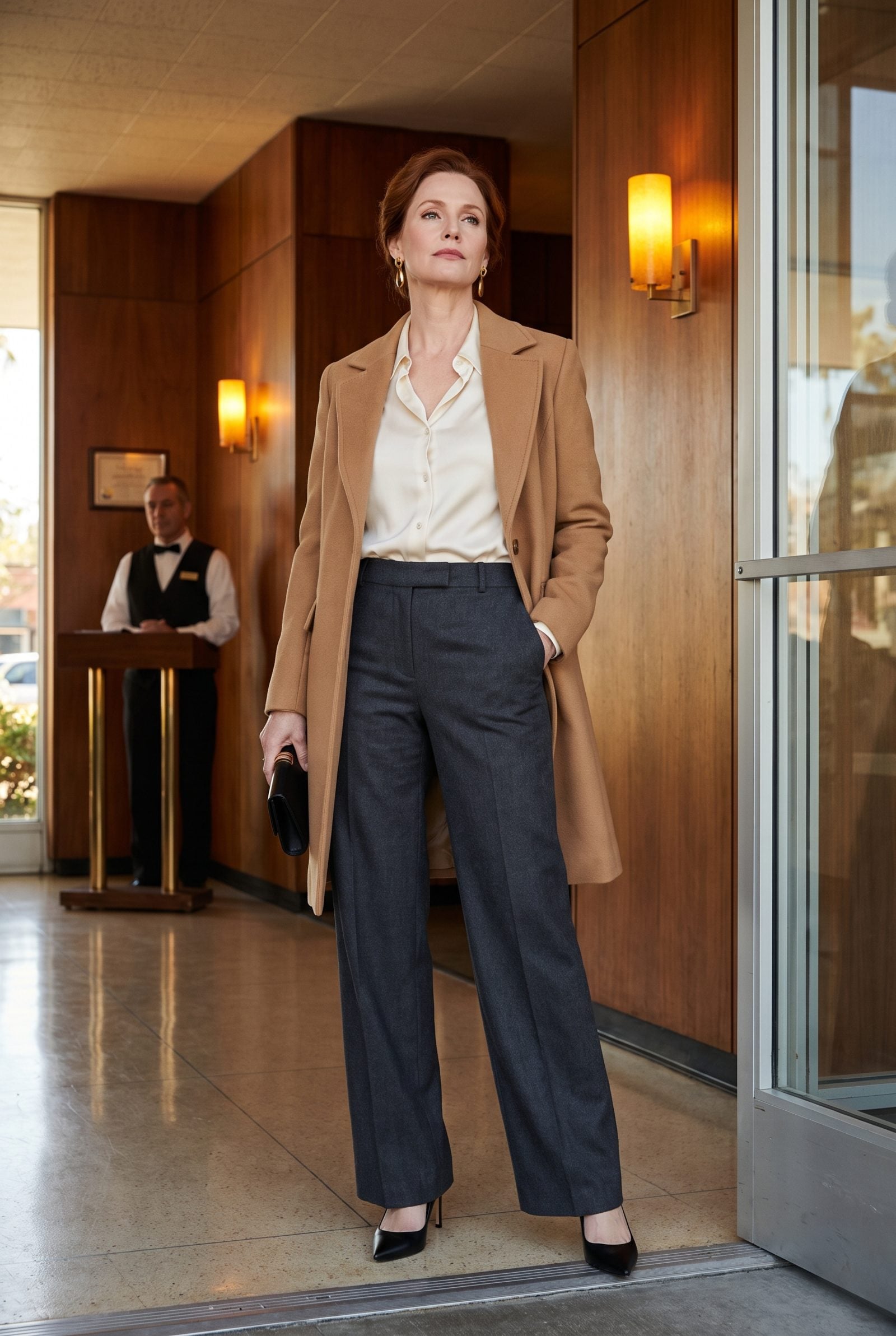
You could have the money, the reservation, the escort, and still be turned away at the door for the crime of trousers. Certain dining rooms kept the rule into the late sixties, handing out a wrap skirt at the coat check or simply saying no.
The charcoal wide-leg trouser with a camel wool coat worn open is the whole argument in one outfit. Tailored, expensive, unmistakably put-together — and still enough to get a woman stopped. Worn open with one hand in a trouser pocket, the coat does the talking: she walked in on her own terms.
28. Natural Black Hairstyles Could Violate Workplace Grooming Standards
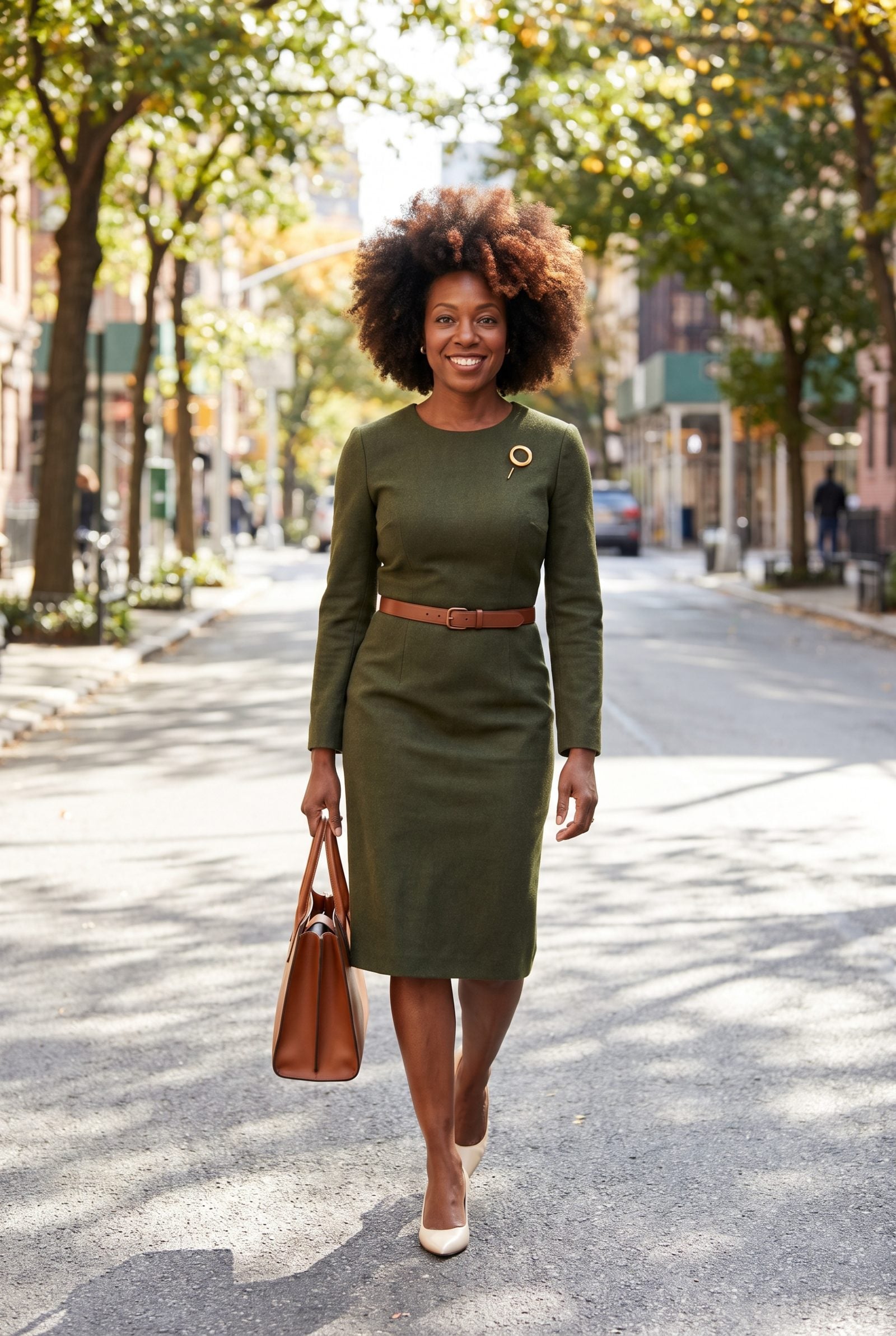
A woman could show up capable, qualified, perfectly groomed — and still be told her own hair, growing out of her own head, failed the company’s standard of “professional.” Grooming codes written in neutral language carried a very specific target.
The olive sheath dress here is textbook office-approved. Worn naturally, shaped and proud, the hair is what made the whole thing a quiet act of defiance. Respectability on top, self-possession underneath — that tension was the real story of getting dressed for work.
27. Maternity Clothes Were Designed to Conceal the Pregnancy
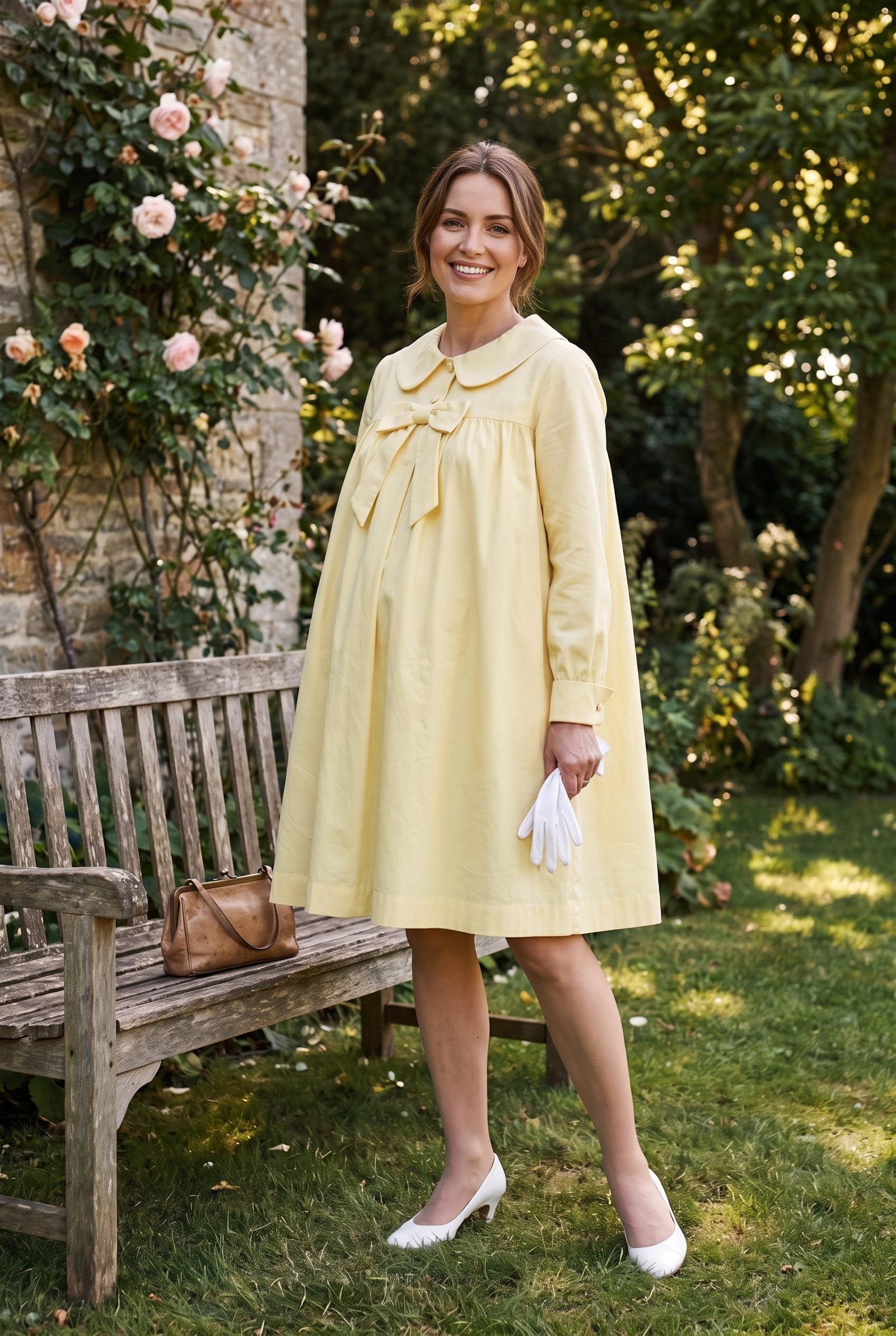
The goal was to hide it. Maternity fashion of the era specialized in tent-shaped smocks, oversized bows, and billowing collars engineered to blur the shape of a visible pregnancy rather than celebrate it. A pregnant body in public was something to soften the edges of.
Look at the pale lemon smock with its wide collar and front bow — every design choice pulls the eye up and away from the middle. Sweet, sure. Also a small lesson in how a decade felt about women taking up space.
26. Catholic Women Were Expected to Cover Their Heads in Church
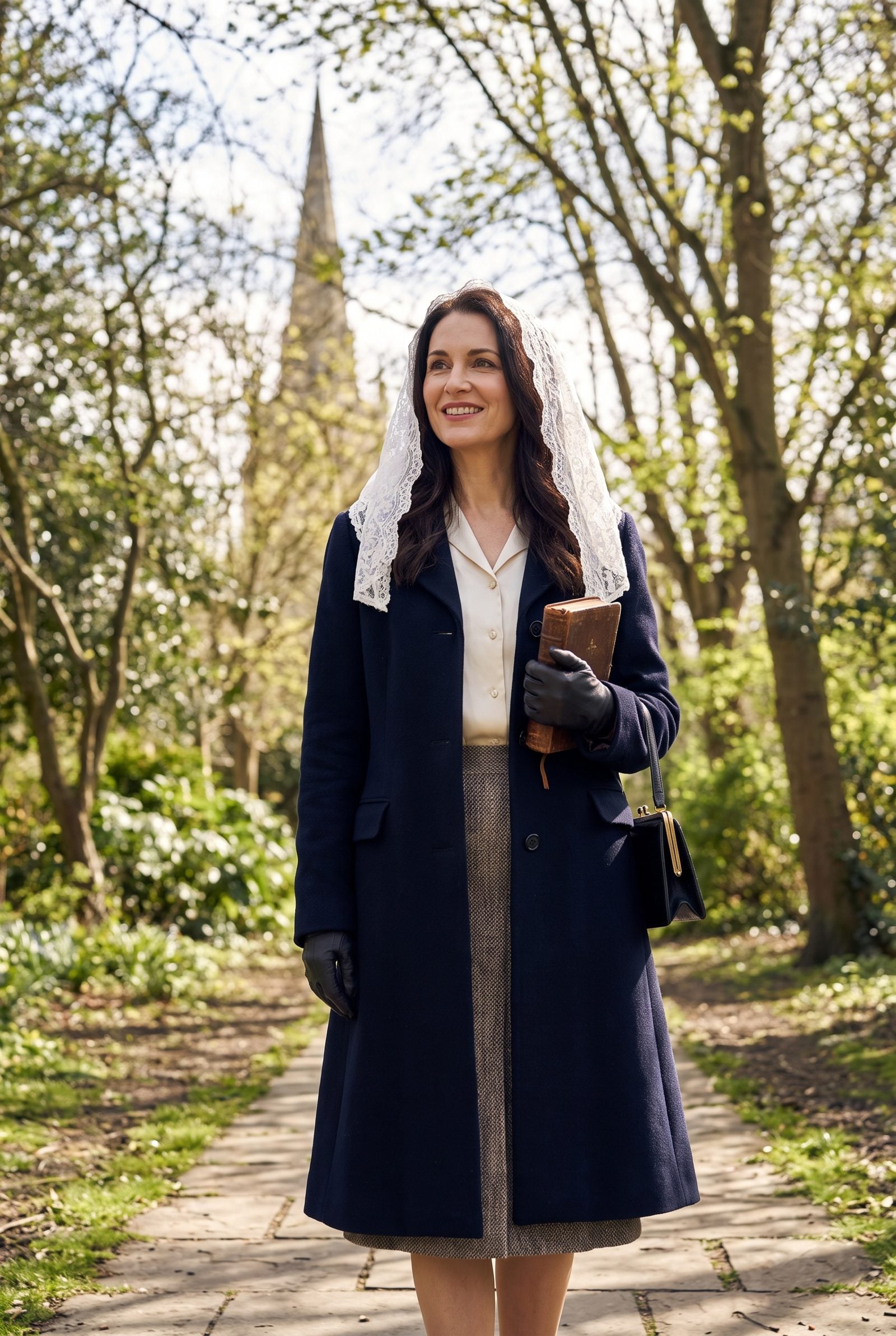
No hat, no veil, no entry — or at least no comfort about it. For much of the decade a Catholic woman covered her head to attend Mass, and a lace mantilla lived in nearly every handbag for exactly that reason. Forget yours and a tissue bobby-pinned to your hair would do in a pinch.
White lace over long dark hair, paired with the navy coat, tweed skirt and short gloves — Sunday distilled. Quiet reverence, yes. And a rule that only ever applied to one half of the pews.
25. Lipstick Was Part of the Grooming Standard in Many Public-Facing Jobs
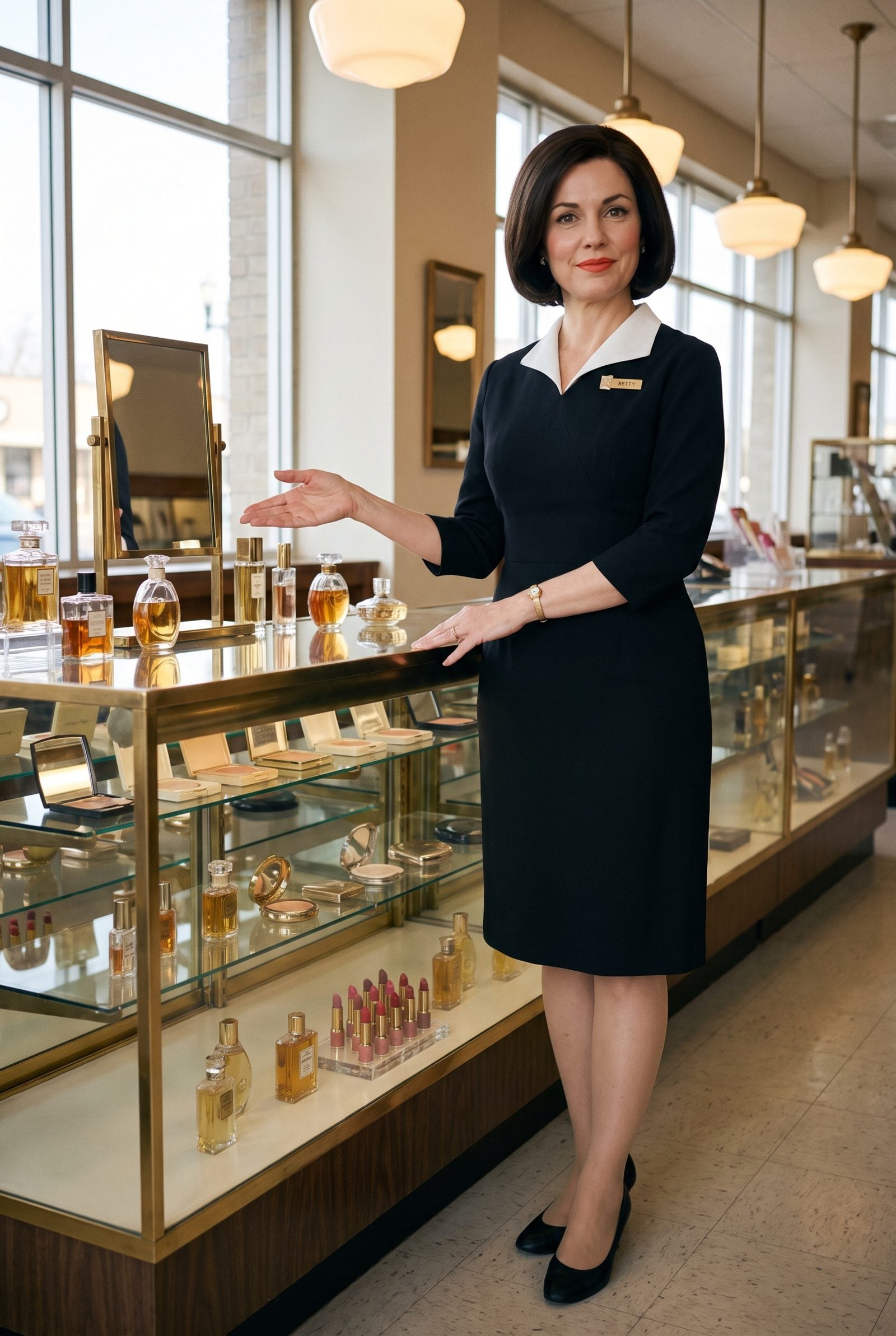
A bare face could read as unfinished, even unprofessional. Plenty of public-facing jobs — receptionists, shop girls, bank tellers — expected a woman to show up with her lips done, as if a red mouth equaled reliability.
The black sheath and white collar say competent. The coral-red lip is the detail the employer actually required. Makeup as uniform is its own strange idea: the grooming that reads as personal choice was, for a lot of women, simply the cost of keeping the job.
24. Many Offices Still Prohibited Women From Wearing Pants
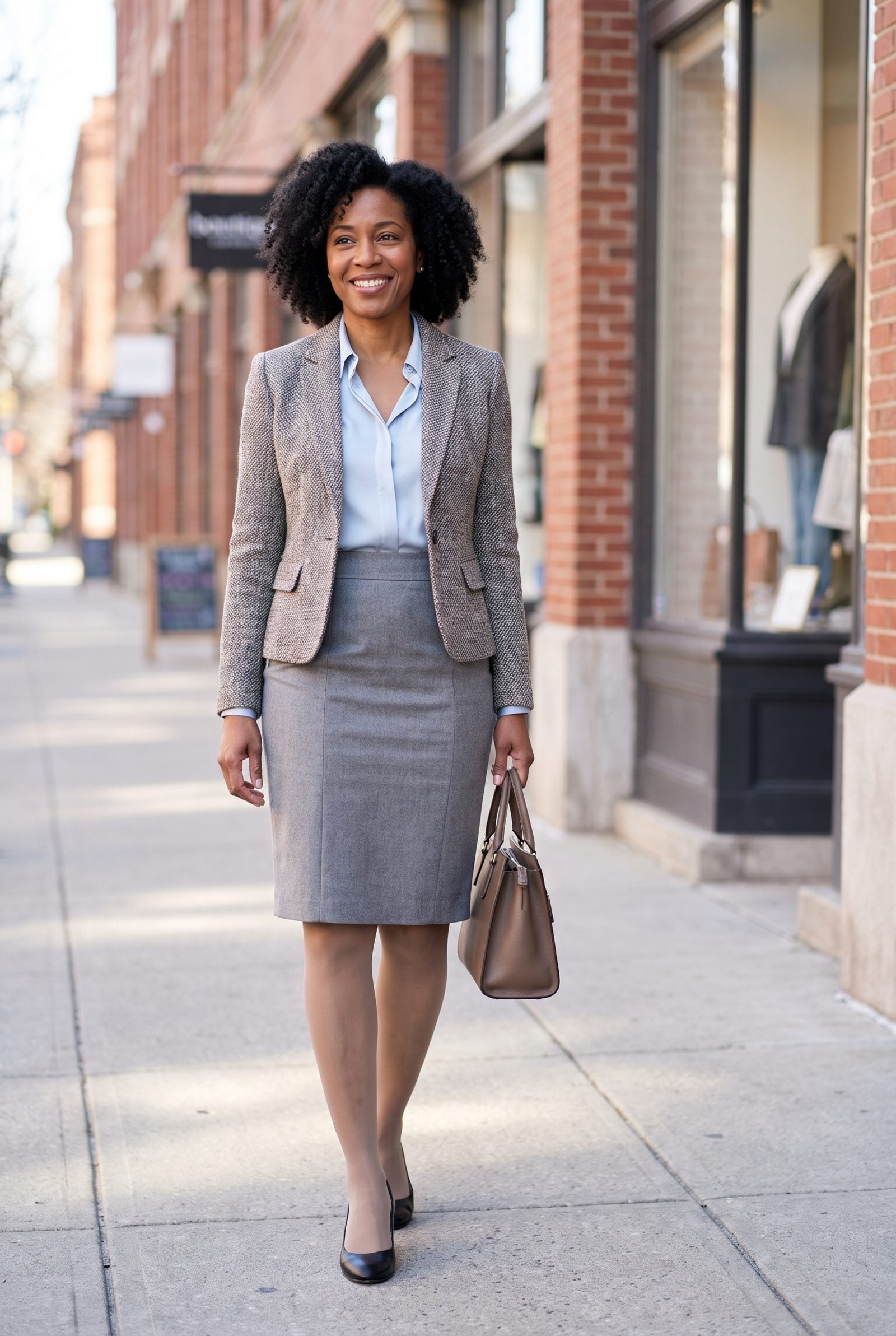
Skirts only. The rule sat in employee handbooks and unwritten office custom alike, and a woman who turned up in slacks on a cold morning might be sent home to change. Trousers meant comfort, and comfort was somehow out of line.
Here the dove-grey pencil skirt, pale blue blouse, and tweed blazer form the exact narrow column silhouette the decade’s offices demanded. Polished, controlled, and — here’s the irony — the look still holds up. The mandate behind it didn’t.
23. Bikinis Were Still Prohibited at Some Pools and Beaches
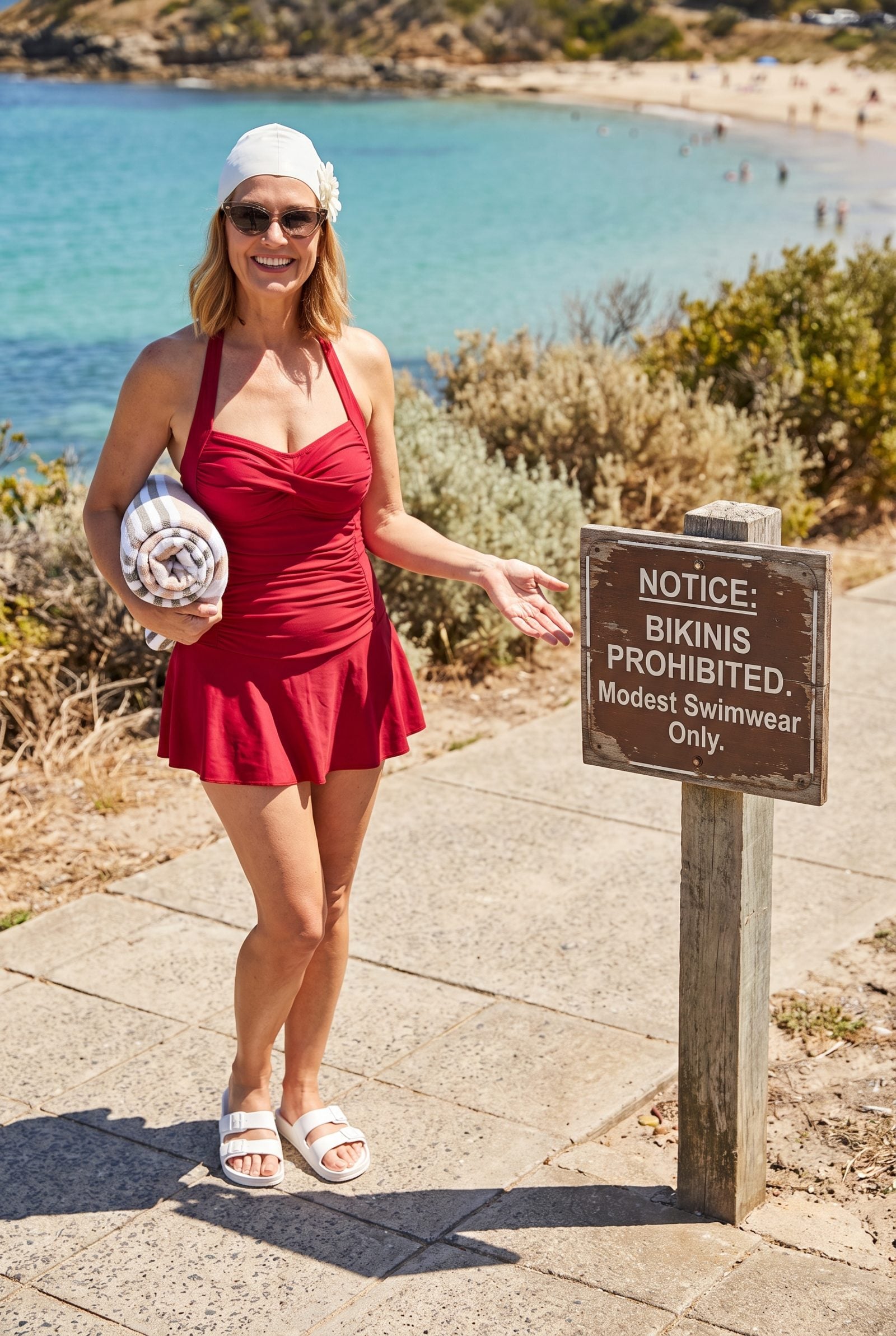
The two-piece had been around for years, but that didn’t mean you could wear one. Municipal pools and family beaches posted rules against bikinis, and attendants were happy to measure the gap between top and bottom with a disapproving eye.
The cherry-red one-piece with its ruched bodice and little skirted hem was the compliant answer: fun, flattering, firmly within the lines. The skirt did double duty, decorative and defensive at once.
22. Gloves Stayed On for Handshakes but Came Off Before Food or Drink
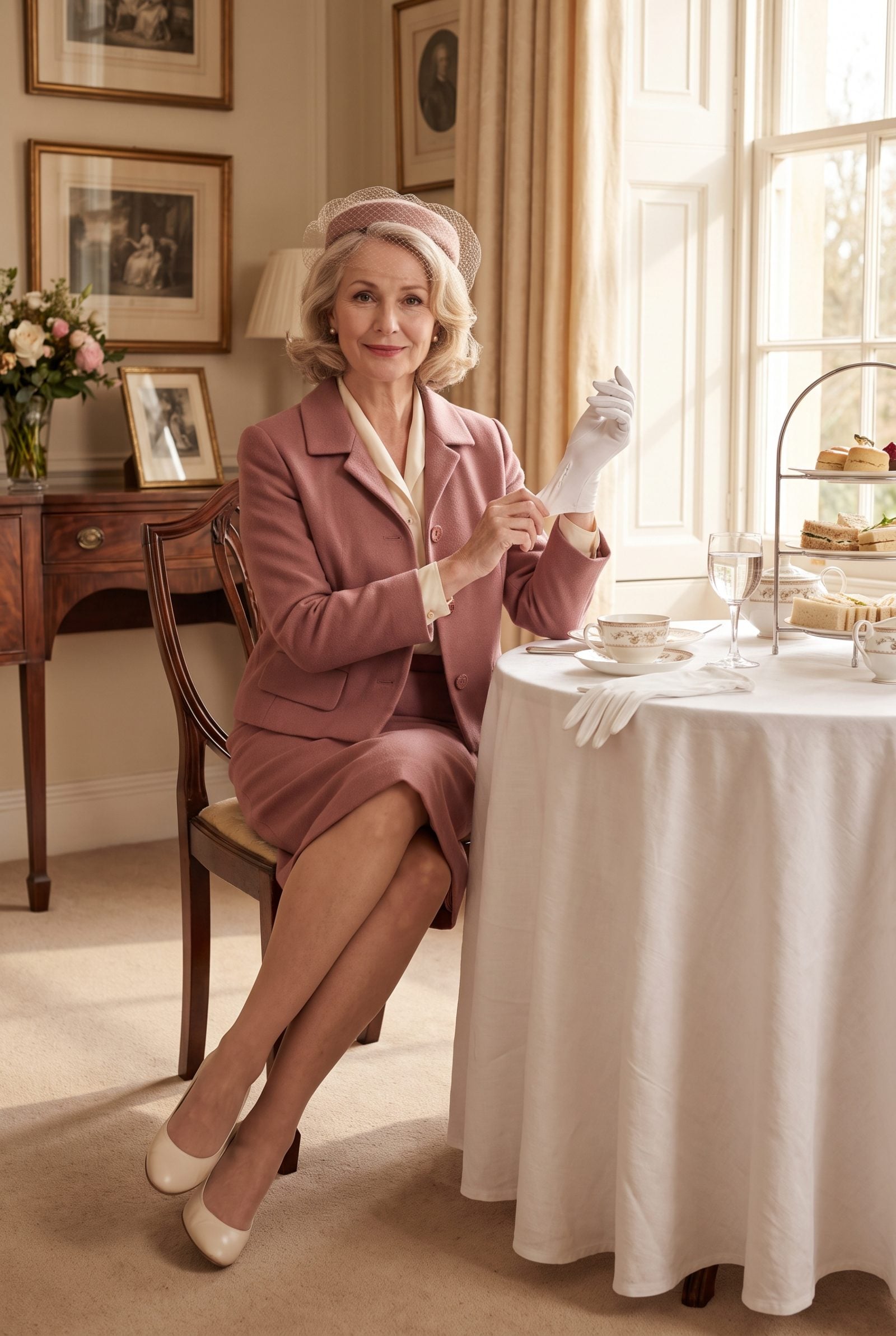
There was a whole grammar to it. Gloves stayed on to shake a hand, carry a handbag, walk into a room, and came off the moment food or a cup appeared — because eating in them was unthinkable and everyone knew it without a word being said.
The dusty-rose skirt suit, the netted hat, the short white gloves still on her hands while a second pair lies ready on the tablecloth: etiquette as choreography. Knowing exactly when the gloves came off marked a woman as someone who understood the rules, which was its own kind of currency. And the gloves themselves — soft cotton that never quite stayed white — carried the small evidence of a life lived by the code.
21. Women Could Keep Their Daytime Hats On Indoors
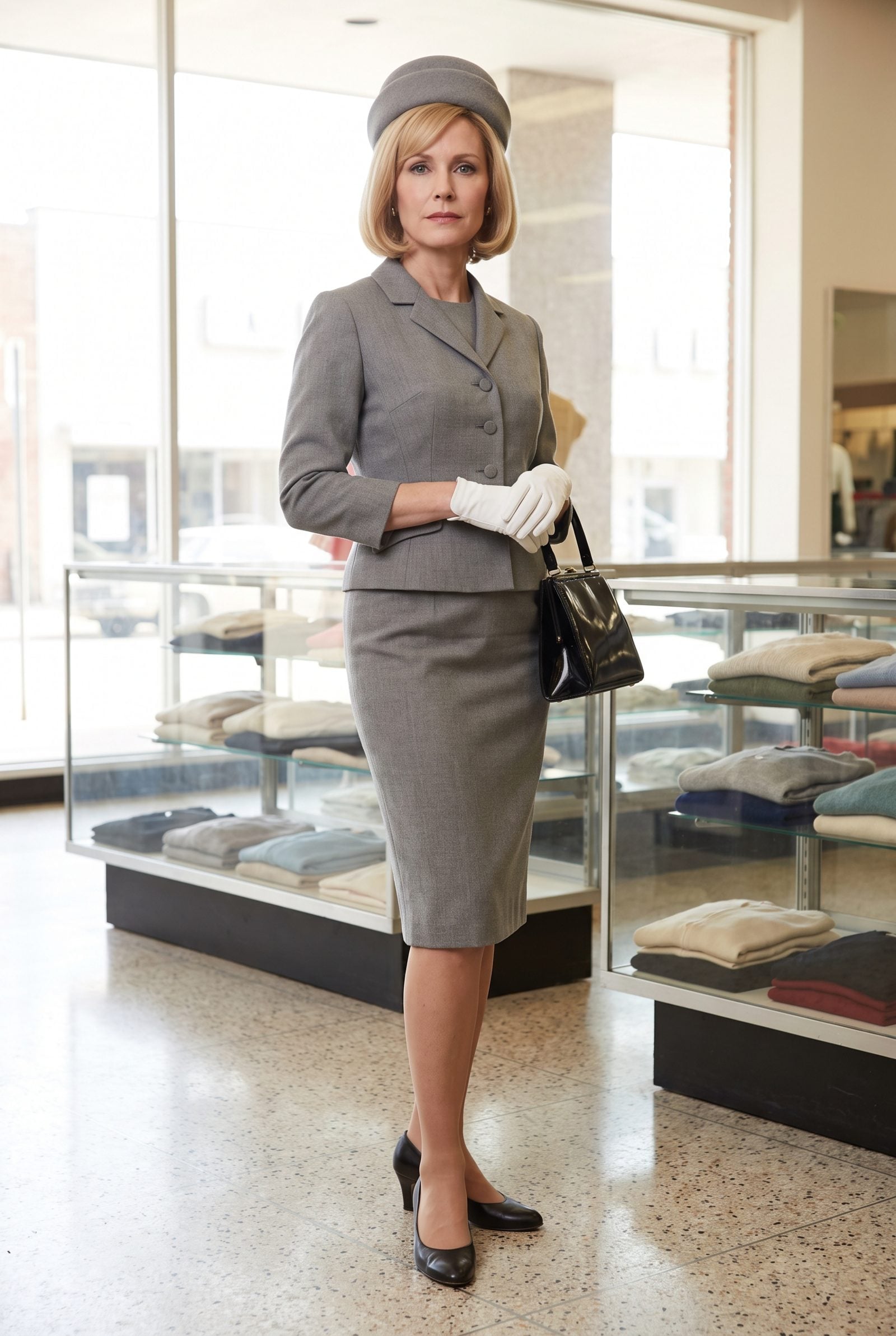
Men bared their heads the moment they crossed a threshold. Women did the opposite. A daytime hat stayed on indoors through lunch, through shopping, through a whole afternoon of errands, and taking it off early read as careless.
That pillbox is carrying the entire outfit. It keeps the grey suit from reading as a uniform and signals effort before she says a word. Keeping a hat on indoors had nothing to do with weather and everything to do with announcing that you’d dressed on purpose.
20. Diamonds Were Considered Inappropriate for Daytime Wear
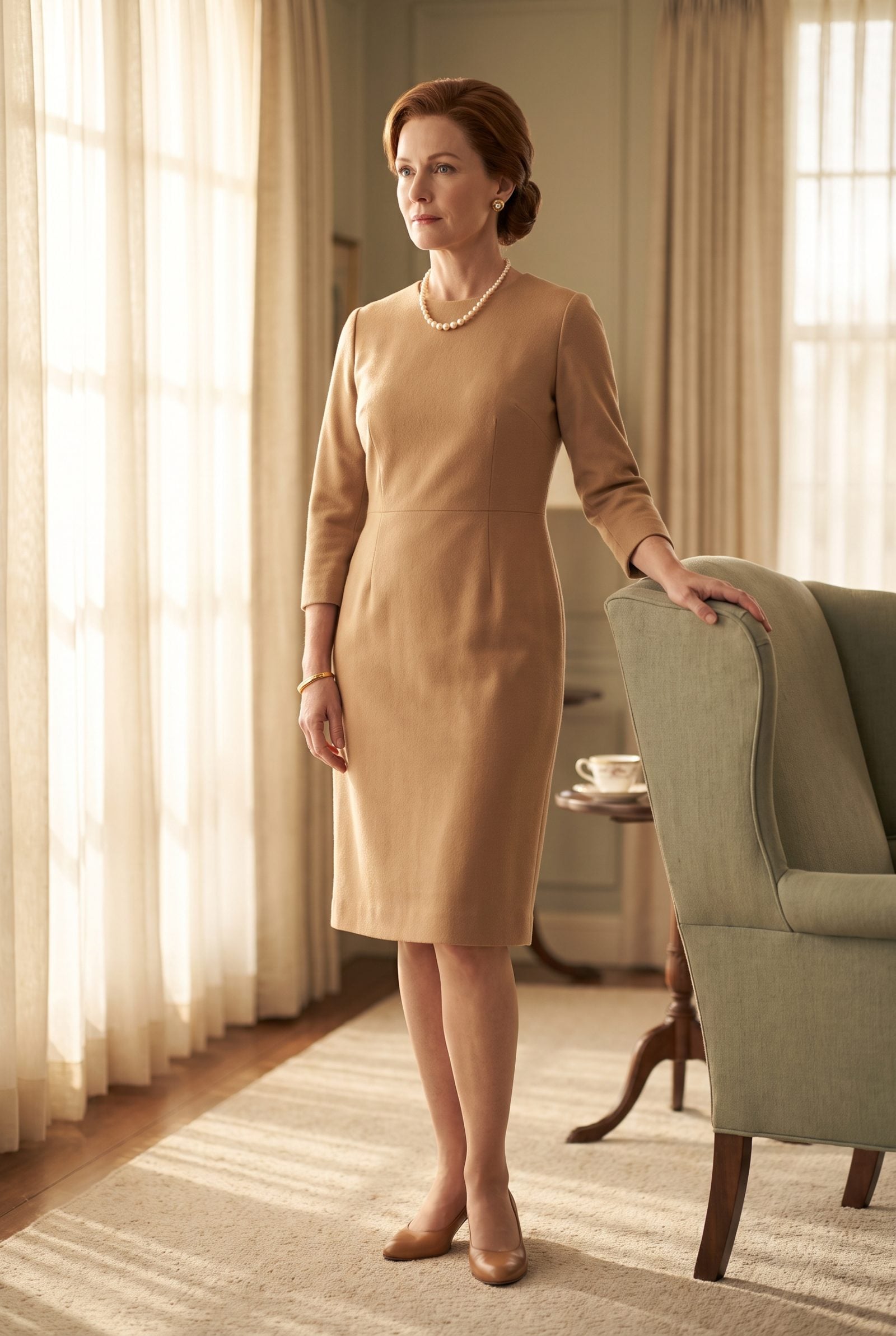
Pearls before sundown. Diamonds after. The unwritten rule held that anything sparkling in daylight was showing off, and showing off was the one thing a well-dressed woman wasn’t meant to do before dinner.
So mornings and afternoons belonged to gold, pearls, and discreet stones, and that restraint is exactly what gives this camel sheath its authority. Nothing competes with the clean line of the dress. The single strand of pearls reads as confidence rather than display, and the diamonds waited for the light to go down.
19. Morning, Afternoon, Cocktail, and Evening Events Required Different Clothes
❤️ Would you like to save this?
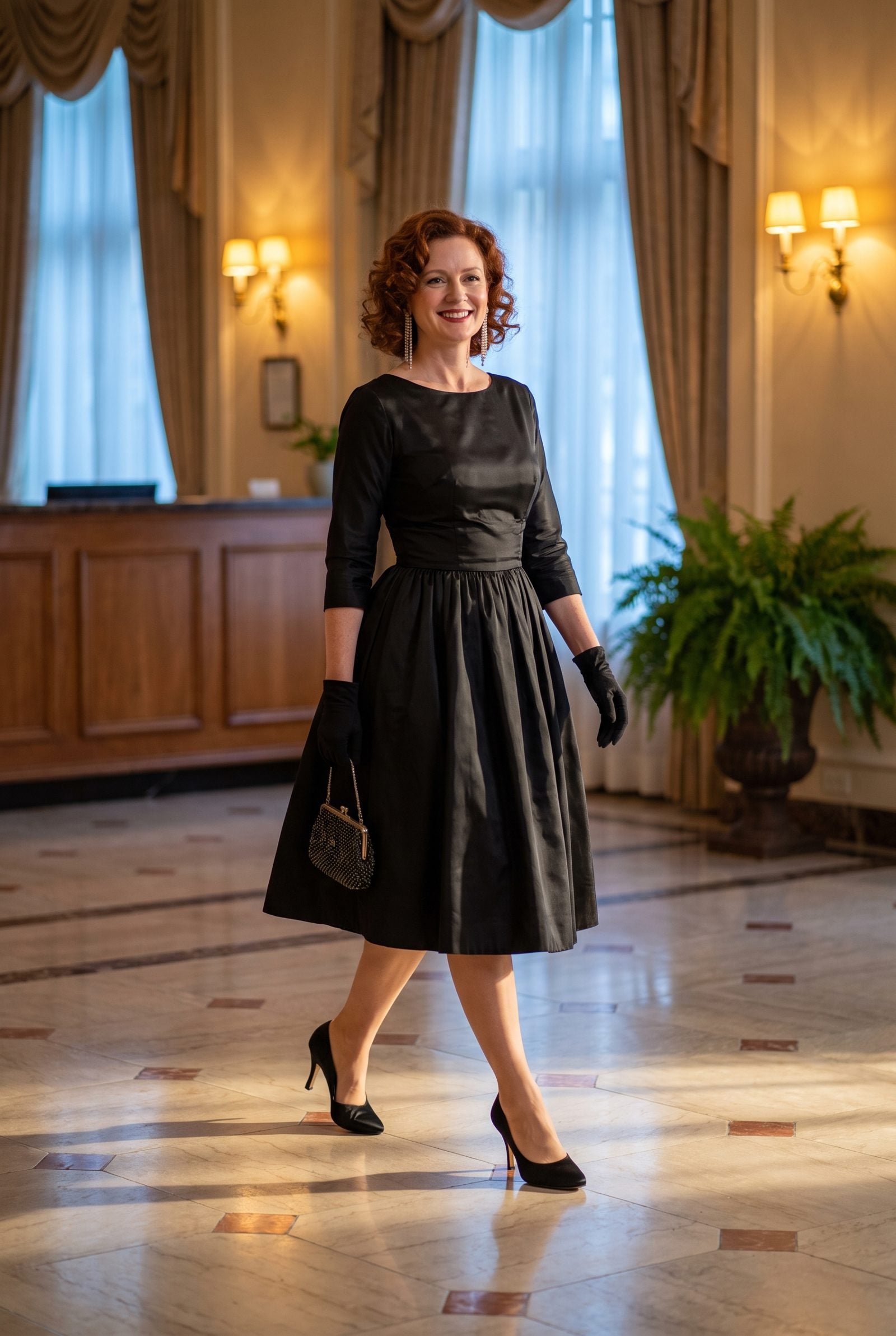
A single day could demand four complete changes. A tailored suit for morning calls, a softer dress for afternoon tea, a short cocktail number for early evening, and a floor-length gown if dinner ran formal. Each had its own rules on fabric, sleeve length, and neckline.
What makes this cocktail look tick is the satin itself pulling double duty. A fitted bodice with three-quarter sleeves and a full gathered skirt turns a simple black dress into something built for six o’clock and signals the exact hour on the social clock to anyone fluent in the code. Fabric told time.
18. The Daytime Handbag Was Replaced With a Small Evening Bag After Dark
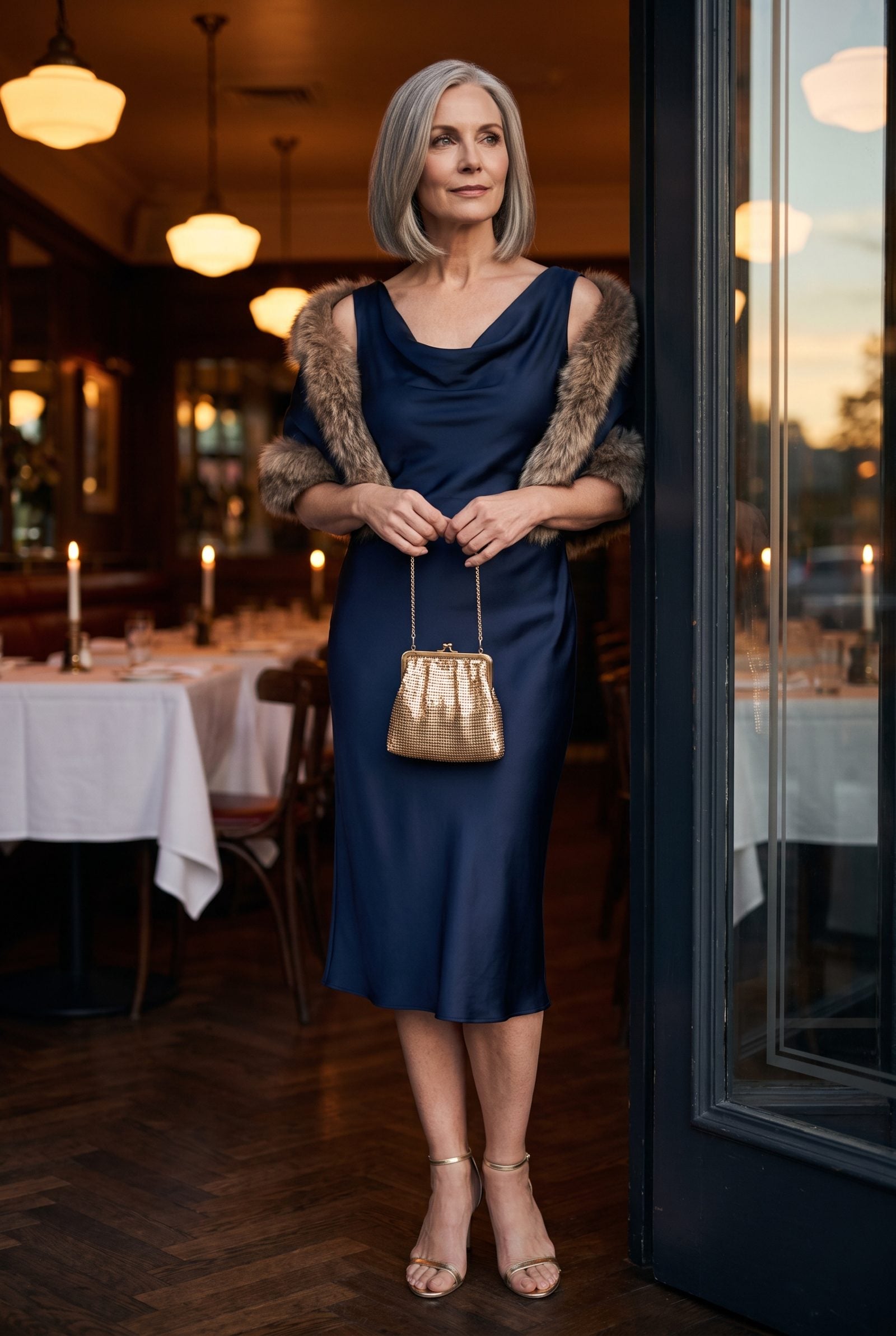
The roomy daytime handbag, the one hauling gloves, a compact, keys, and a shopping list, stayed home after dark. In its place came something barely big enough for a lipstick and a folded bill.
Here the gold mesh clutch gives the whole game away. It announces a formal evening and declares that practicality has clocked off for the night. A tiny bag meant someone else was carrying the worries, and her only job was to arrive.
17. Bare Legs Were Considered Unfinished With a Dress
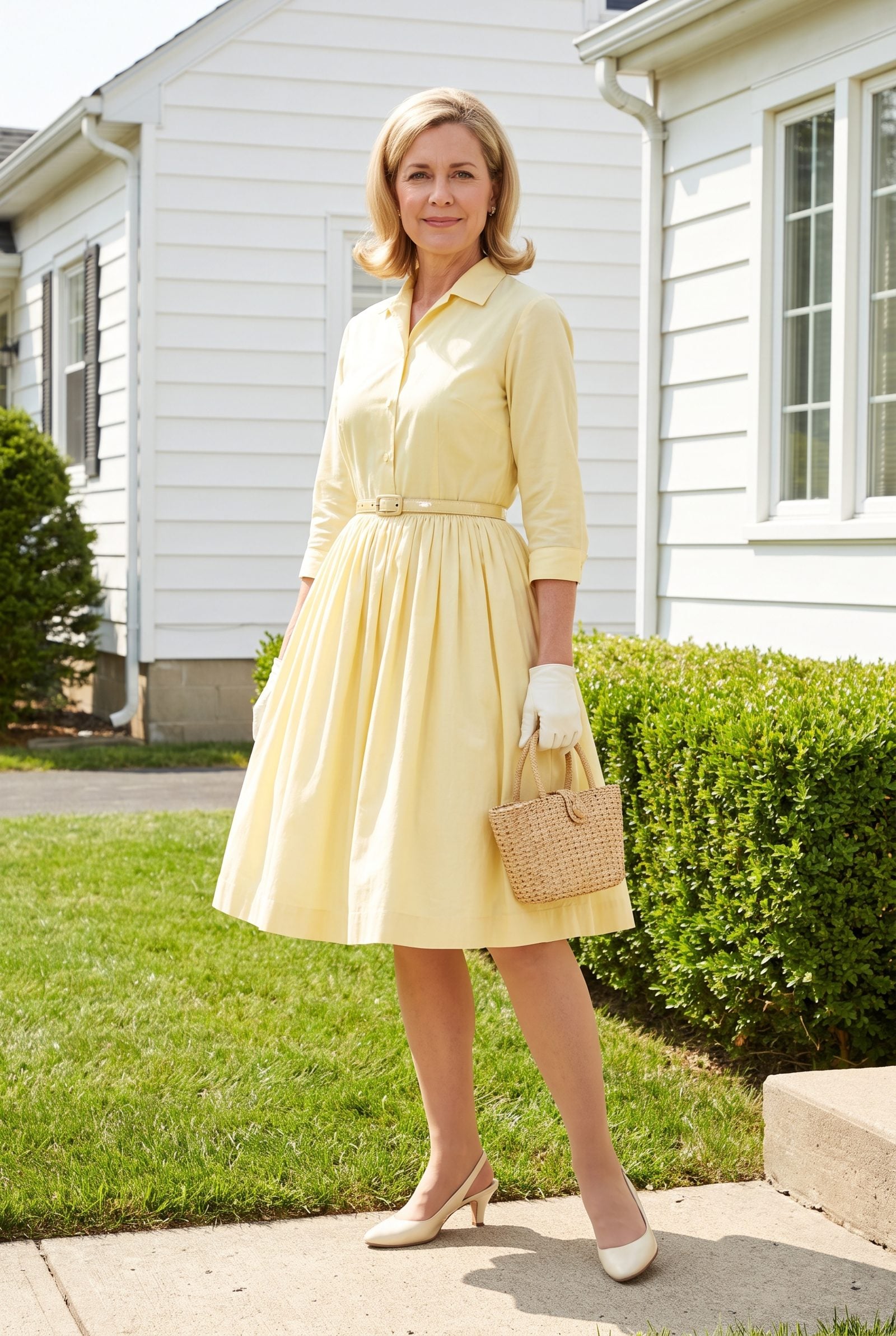
Even in July heat, a bare leg beneath a dress read as half-dressed. Stockings were the finish, the signal that an outfit had been completed rather than thrown on, and a woman stepping out hosed-up in August was just following the standard.
The lemon shirtwaist works because the sheer nude stocking keeps the whole look polished instead of casual, smoothing the line between hem and shoe and tying the cheerful cotton to that ladylike slingback. Finished, not fussed over.
16. Early-Decade Stockings Required Garter Belts Before Pantyhose Took Over
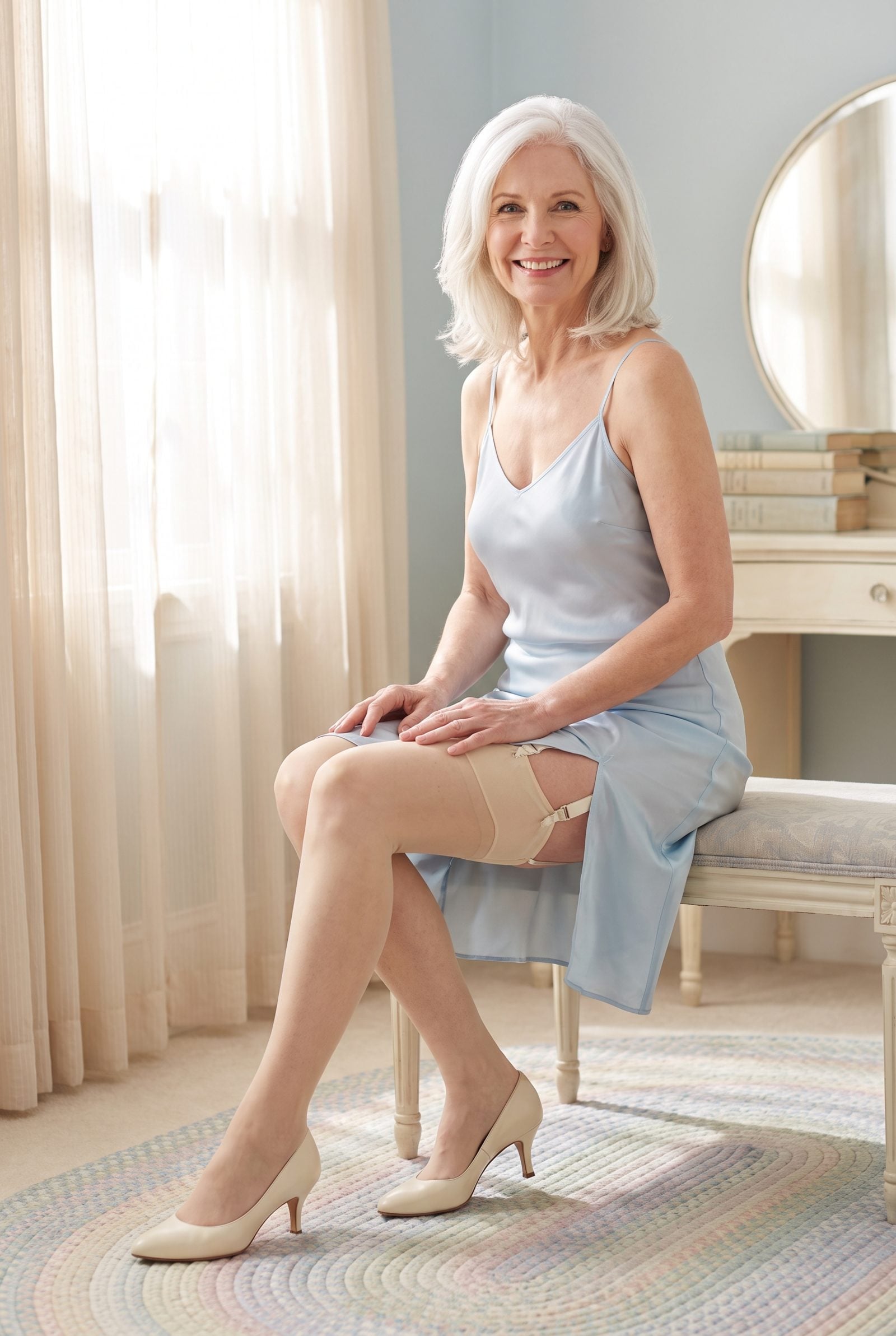
Before pantyhose, keeping stockings up was genuine daily labor. Each one needed a garter belt with clips at the thigh, and the morning ritual meant straightening the seams so they ran dead straight up the back of the leg.
The pale-blue slip and seamed stockings here show just how structured that base layer was. Then pantyhose arrived mid-decade and swept the garter belt aside almost overnight, which tells you plenty about how much of this chore women were thrilled to drop.
15. A Girdle Was Expected to Smooth Even a Slender Figure
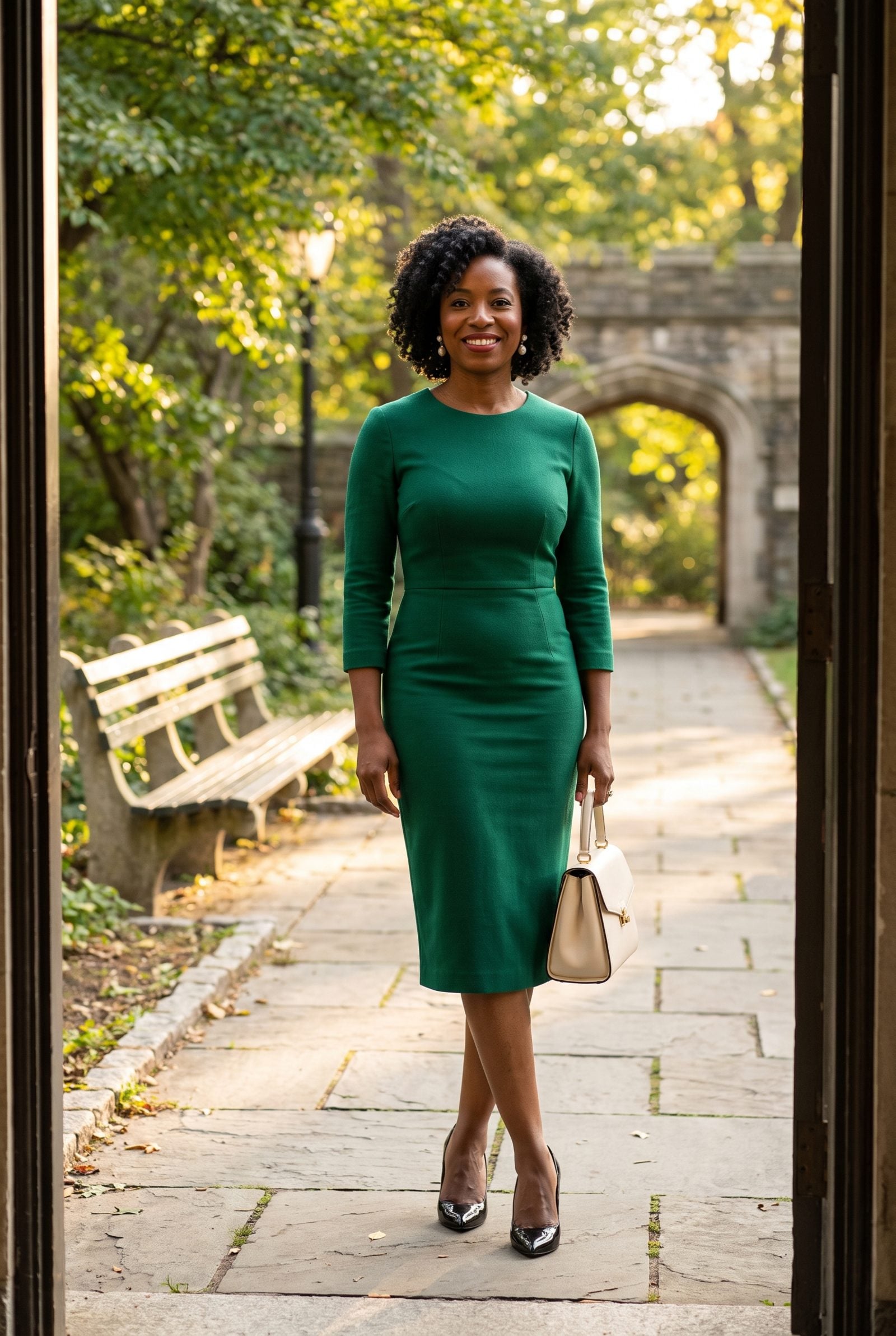
Size had nothing to do with it. Slim or not, a girdle was simply part of getting dressed, pulled on to give the hips and waist a smooth, uninterrupted line under a fitted skirt.
The emerald wiggle dress leans entirely on that foundation. Its whole draw is the clean column from waist to knee, and the girdle keeps that column honest. Smoothing was the goal, and the structure underneath was what let the dress read as deliberate rather than clingy.
14. A Full Slip Was Essential, but Its Hem Could Never Show
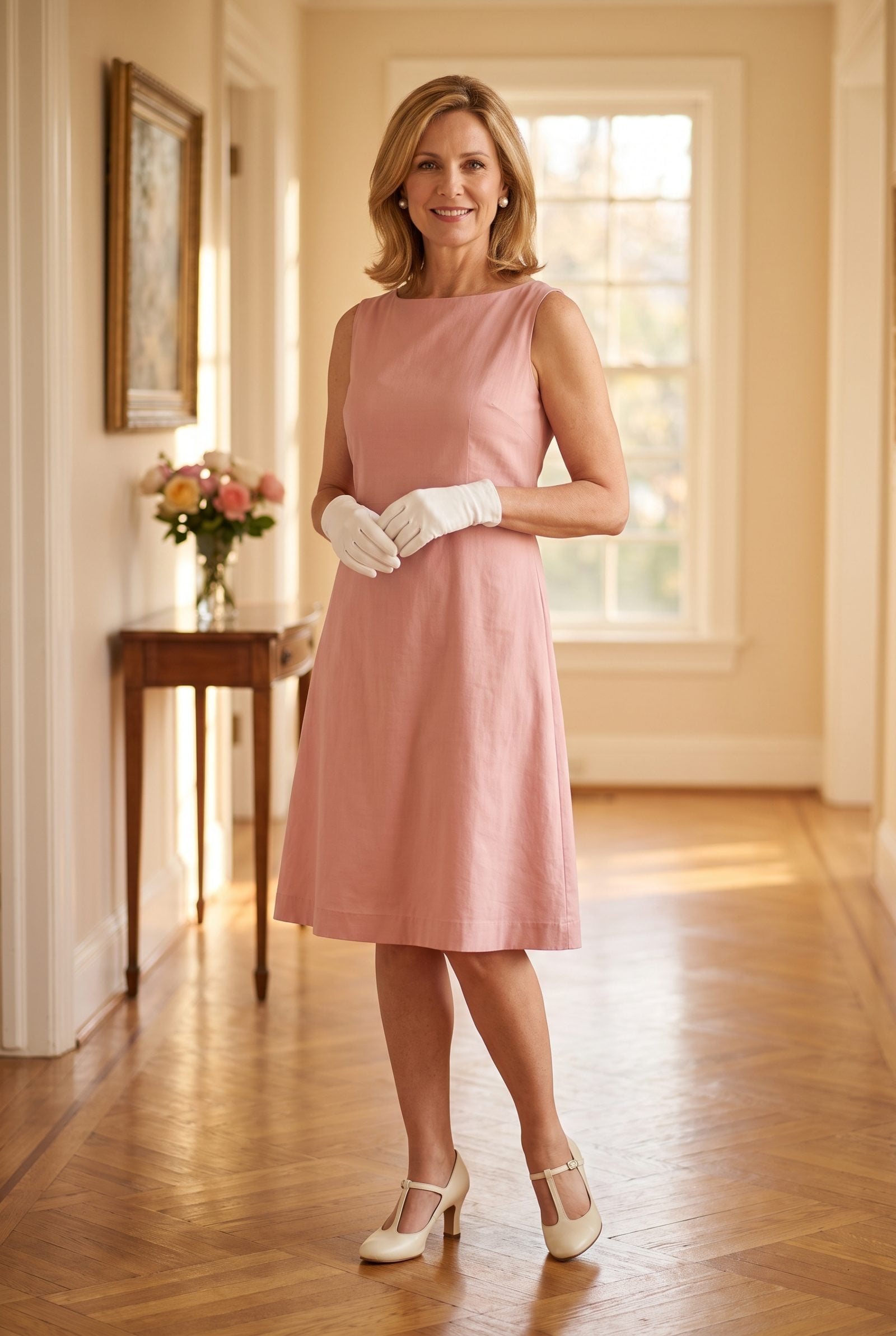
The slip was the unsung backbone of the outfit. It stopped dresses clinging, kept lightweight fabrics opaque, and gave everything a smoother hang. And yet the one cardinal sin was letting its lace hem drop below the dress.
A slip showing meant a hurried morning, and it caught eyes before the dress ever did. This rose cotton dress works because the slip beneath lets the fine lawn float instead of stick, holding that soft A-line in shape. Invisible, essential, and never, ever peeking.
13. Full Skirts Needed Petticoats to Preserve Their Intended Shape
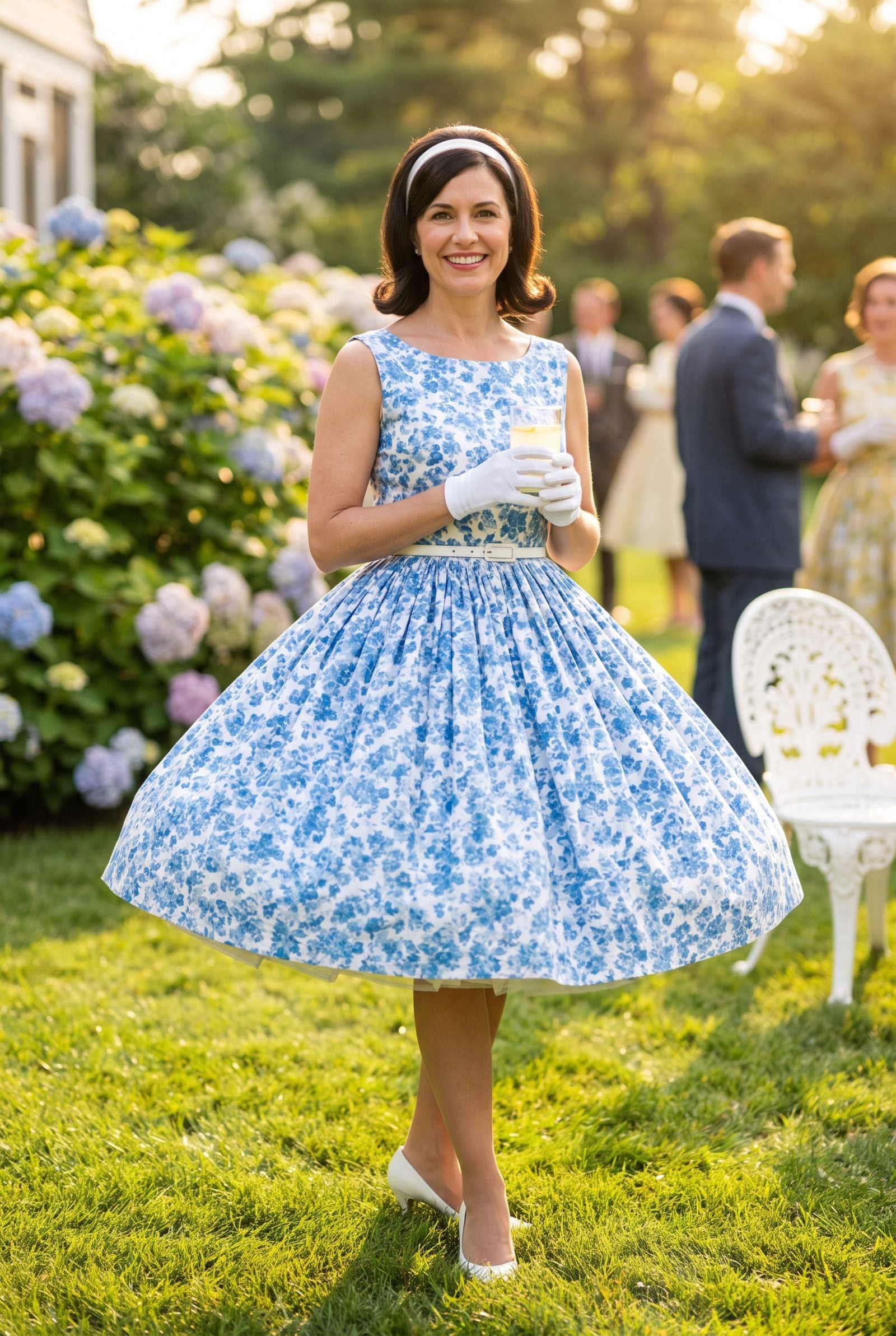
That full, bell-shaped skirt did not stand out on its own. It needed layers of stiff net petticoats to hold the shape, and women owned several, starching and fluffing them so the silhouette kept its bounce through a long afternoon.
The floral cotton reads as festive only because the petticoats push the skirt away from the body. Pull them out and the dress slumps into something limp. All that volume sets the mood, and the structure underneath is what makes it dance when she turns.
12. Miniskirts Were Frequently Treated as Clothing Only for Young Women
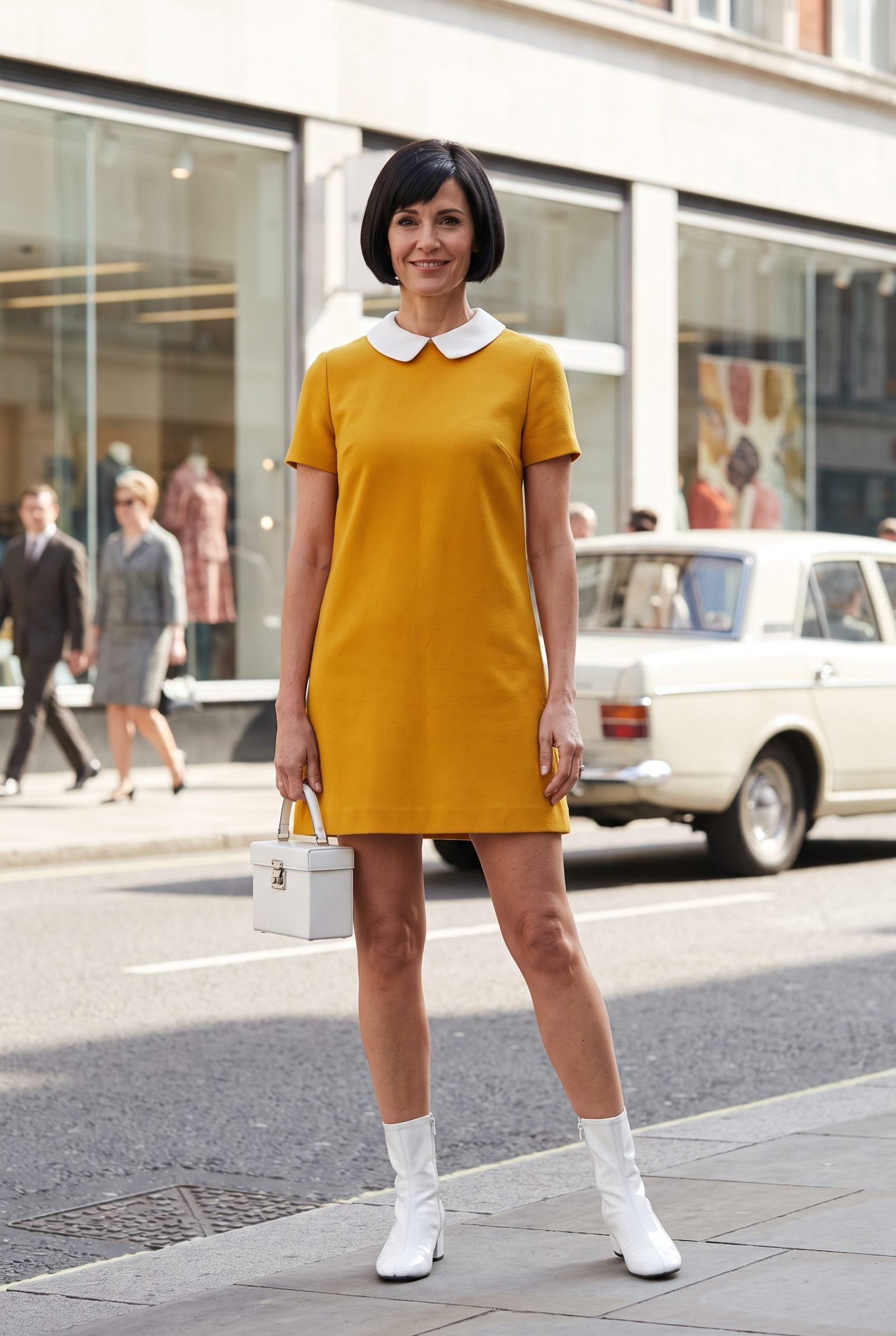
The miniskirt arrived loud in the second half of the decade and got filed under ‘for the young’ almost immediately. Shop assistants steered older women toward longer hems. Magazines framed the mini as a teenager’s rite rather than anyone’s option.
This mustard shift argues otherwise. The clean A-line and sharp white collar give the hemline structure instead of flash, and the go-go boots carry the whole thing with intent. Worn with this much composure, a short dress reads as authority rather than youth, and that was always the rule most worth breaking.
11. Long Hair Was Often Deemed Inappropriate After a Certain Age
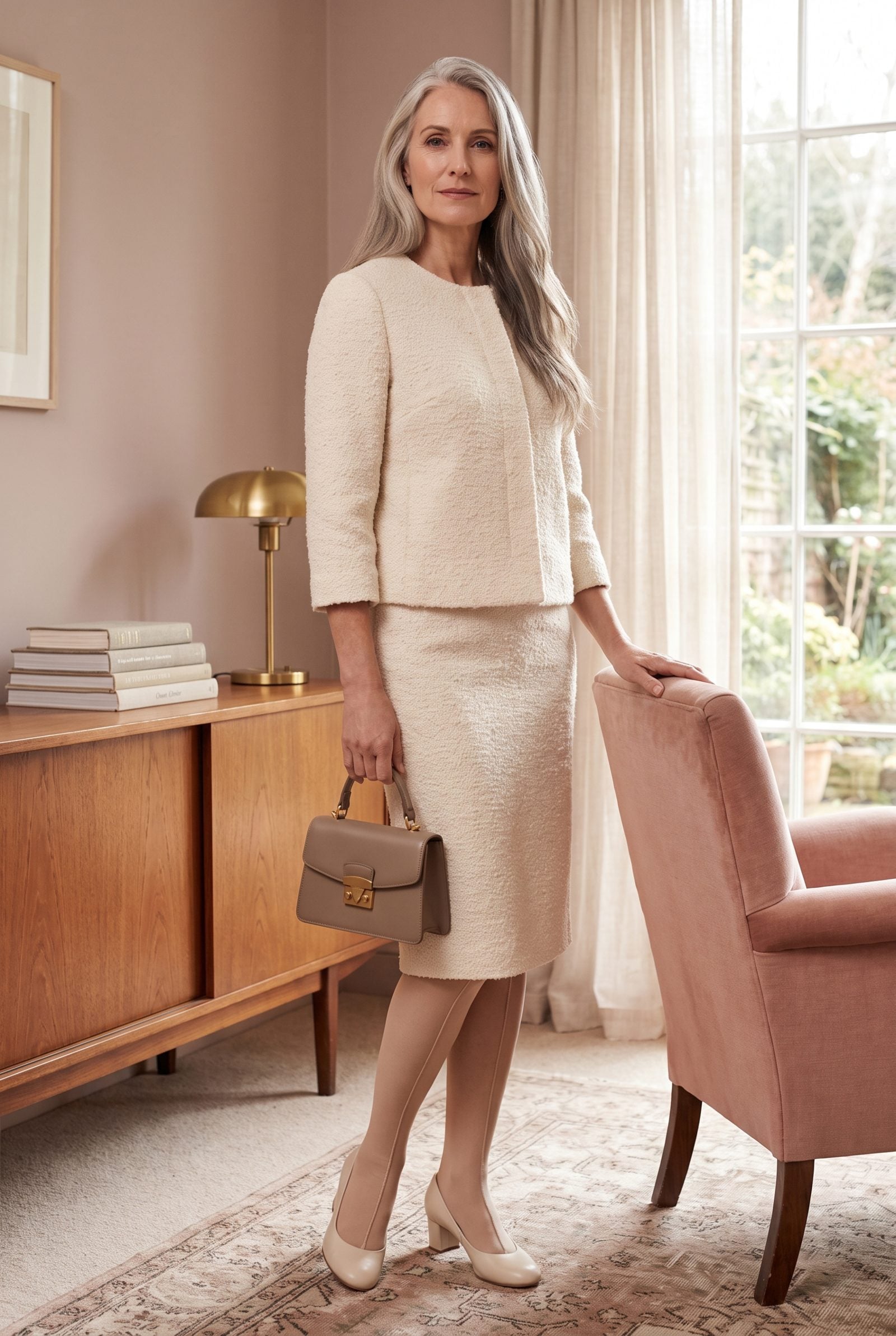
There was an unwritten rule that a woman past forty cut her hair, and everyone understood it even if nobody said it aloud. Long hair read as girlish, and girlish was something you were supposed to retire alongside your teens. Salons sold the shorter set as practical, dignified, grown-up.
Restraint drives the look above. A boucle suit in one cream tone, accessories kept quiet, nothing loud anywhere — except the hair, worn long and loose in flowing gray-blonde waves past her shoulders. The tailoring communicates control, which was exactly the point — you were meant to look like a woman who had settled into her age gracefully, and that long hair is precisely what the old rule would have told her to cut.
10. Jeans Were Recreation Clothes, Not Restaurant or Office Attire
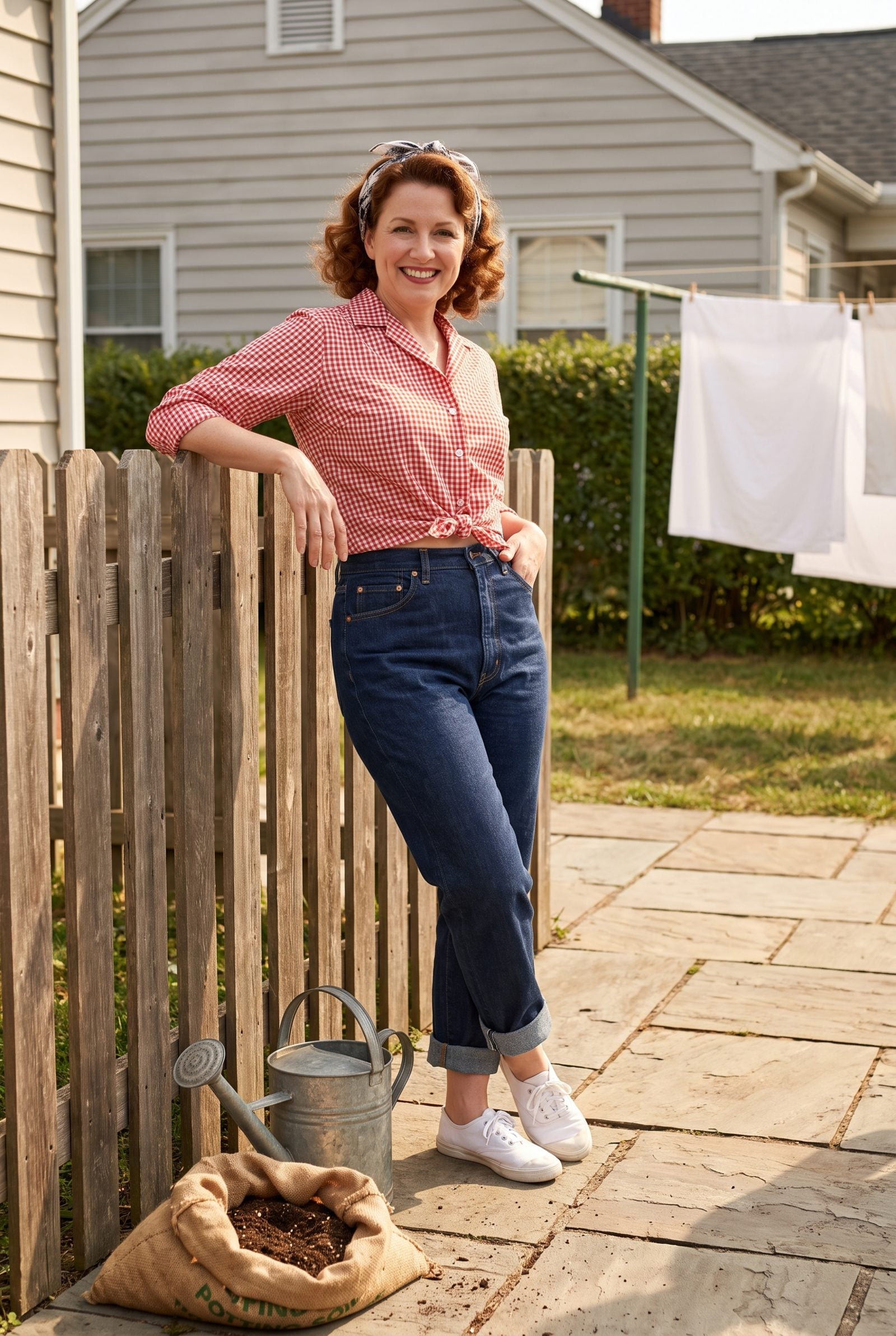
Denim had a strict lane. You wore it to garden, to picnic, to wrangle kids in the backyard — then you took it off before going anywhere that mattered. Jeans at a restaurant would have raised eyebrows, and at an office it was unthinkable.
This weekend look works because it leans fully into that ease. The knotted gingham blouse against the straight indigo keeps everything casual on purpose, and the rolled cuff over white sneakers says this woman is off the clock. No attempt at polish, which was the whole freedom of the outfit. Try finding the modern equivalent of a dress code that made jeans feel like a tiny act of rebellion.
9. Closed-Toe Pumps Were the Default Professional Shoe

The shoe did the talking before you said a word. A closed-toe pump in black, navy, or taupe was the professional baseline, and anything with a peep toe or an open heel pulled you out of serious territory and dropped you squarely into the social.
That black leather pump drives the whole look. It keeps the charcoal sheath honest, grounds the column of grey, and reads as capability rather than decoration. Low heel, almond toe, nothing flashy. Shoes as signal — its own kind of armor.
8. Low Necklines and Bare Shoulders Were Reserved for Evening
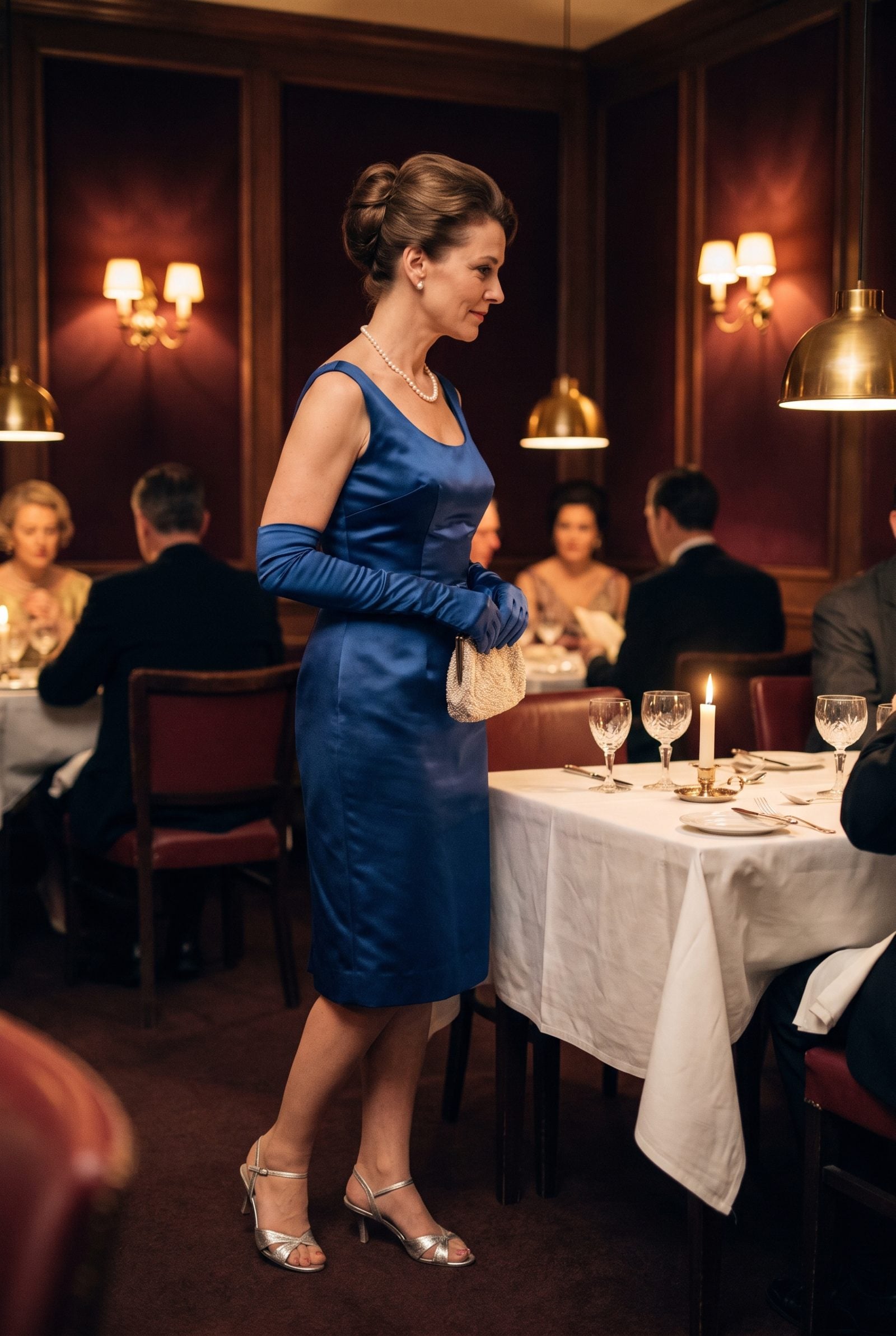
Bare shoulders and a scooped neckline were strictly after six. Show that much skin at lunch and you had broken a rule everyone recognized. Come evening, the same neckline was not only allowed but expected — practically required for anything formal.
The sapphire satin carries everything here. One saturated color, a shoulder left bare, elbow-length gloves balancing the exposure above with coverage below. That tension between skin and glove drives the look, and it reads as occasion rather than invitation. A true evening dress had a completely different vocabulary from its daytime cousin.
7. Sequins and Metallic Fabrics Were Considered After-Dark Clothes
❤️ Would you like to save this?
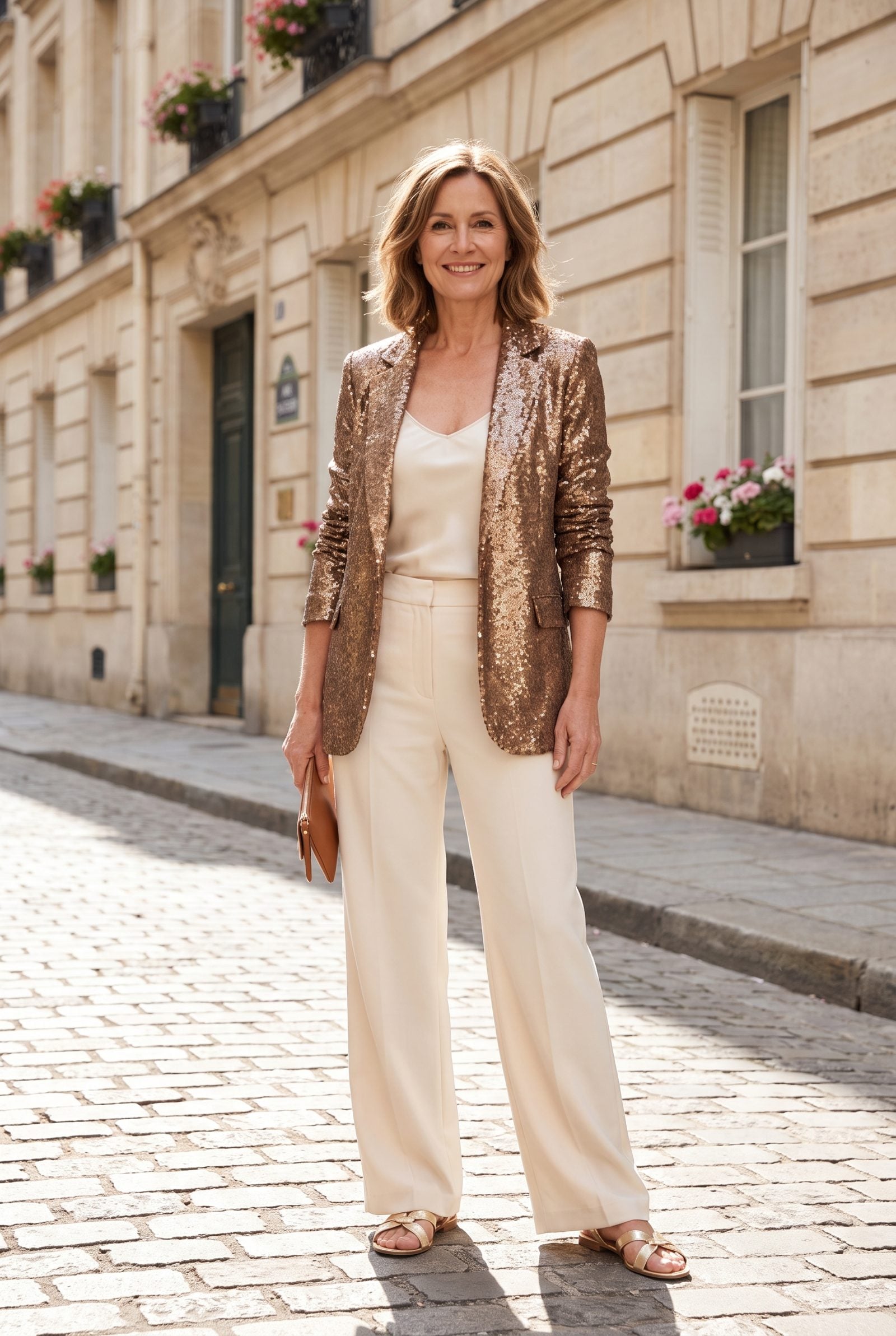
Anything that shimmered was sundown clothing. Sequins, lame, lurex, metallic brocade — all of it belonged to parties and theaters and candlelit rooms. Wear it in daylight and you looked like you had either not been home or lost track of the clock.
Here the bronze sequin blazer makes the whole argument. The metallic stays on the jacket alone, over a cream V-neck camisole and cream wide-leg trousers, so the shine does the work and nothing else has to. Loud fabric, quiet everything else. That’s why it lands polished instead of theatrical.
6. White Shoes and Straw Hats Followed a Strict Warm-Weather Calendar
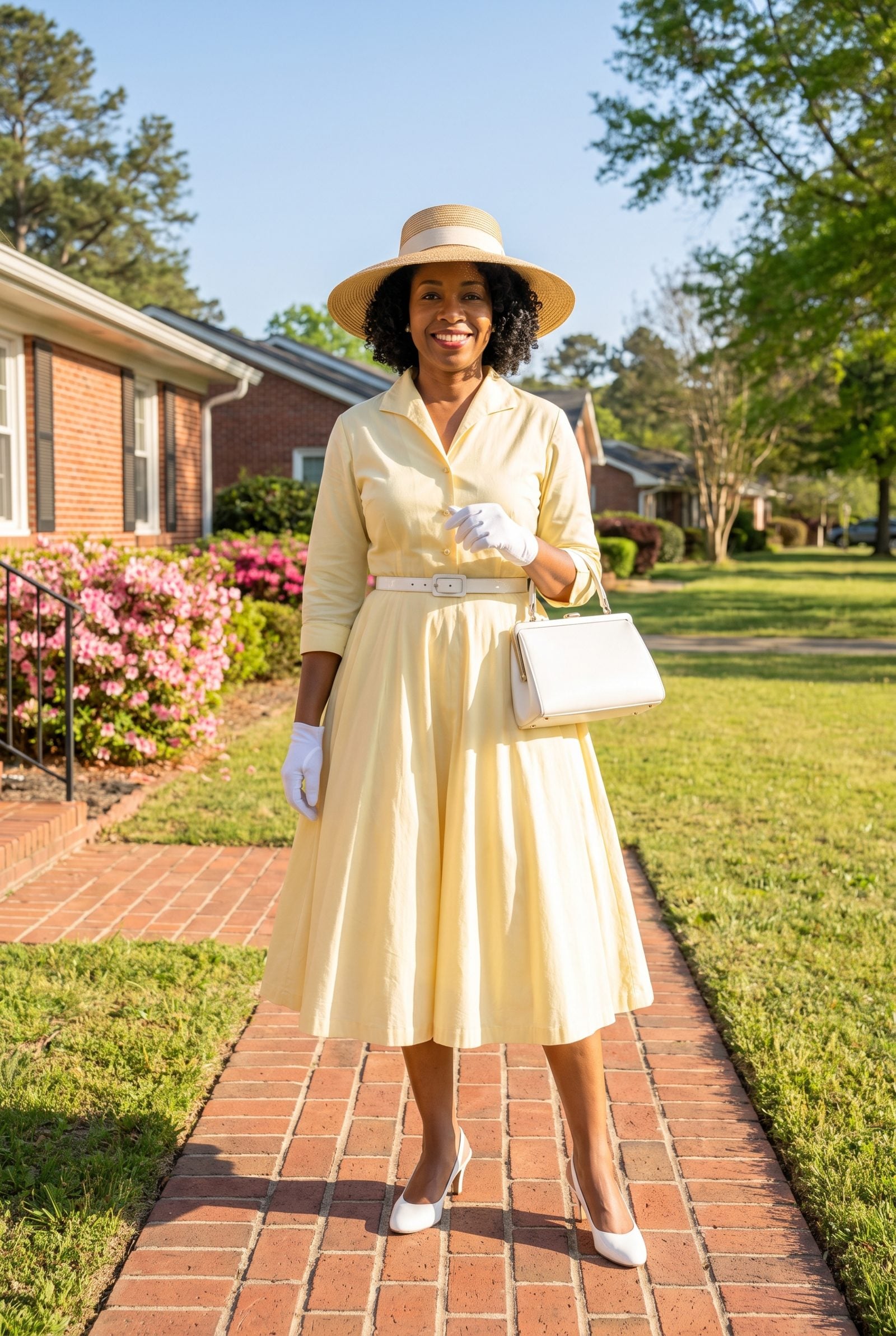
The calendar governed your closet. White shoes and straw hats came out after Memorial Day and went back in the box after Labor Day, and breaking the window was a small social crime other women clocked instantly.
This spring look rests on the yellow shirtwaist, white patent accessories reading as permission granted. The straw hat is what dates the whole thing to the warm months, and the slingback confirms it. One seasonal color, one seasonal material, both playing by the rules.
5. Housecoats and Dusters Were Not Meant to Be Worn Beyond the Home
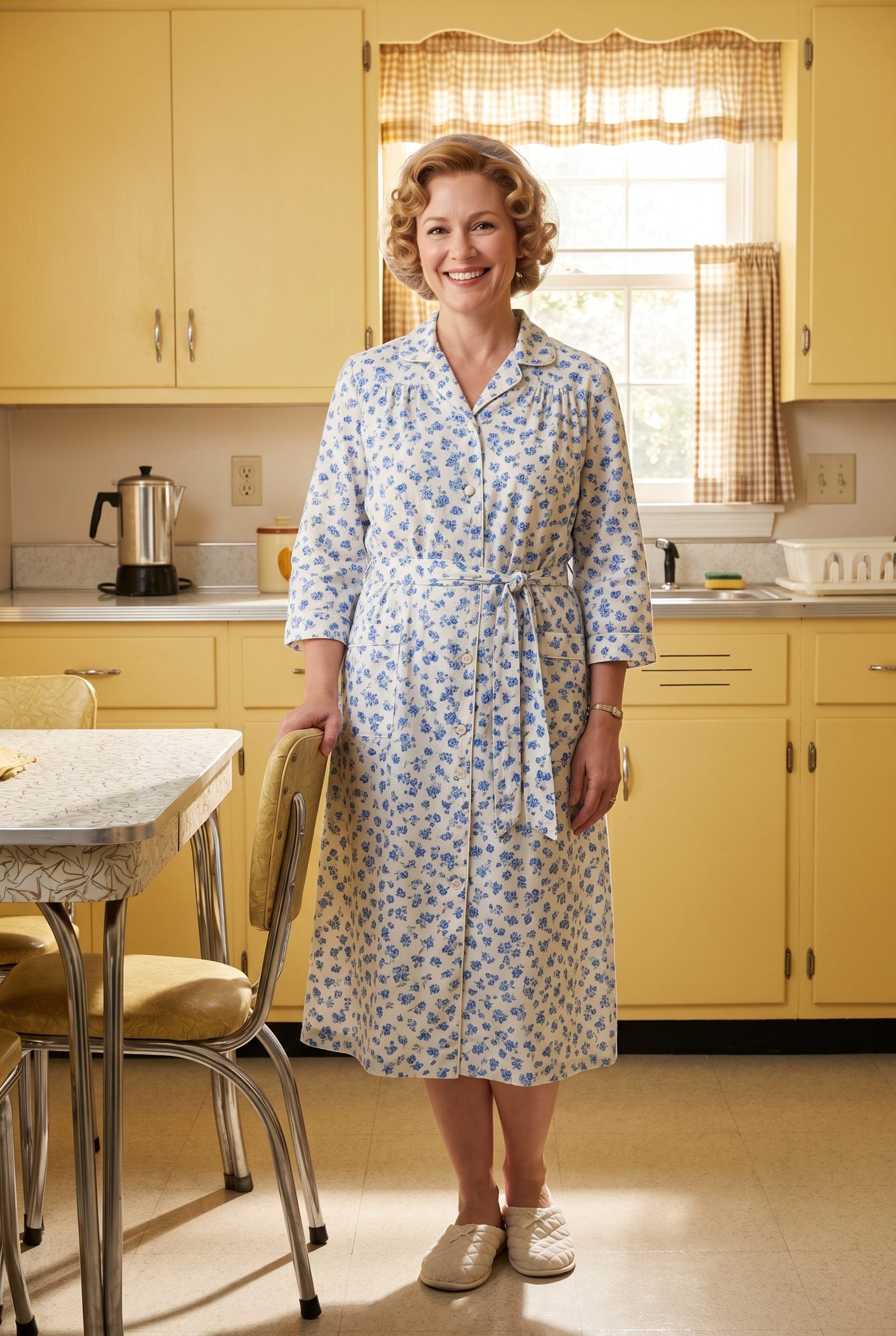
The housecoat was a backstage garment. You wore it to make coffee, run the vacuum, see the kids off, and you changed before anyone outside the family laid eyes on you. Answering the door in one was faintly embarrassing.
Softness as function carries this one. A snap-front cotton duster in a small cornflower print, cut for movement and comfort rather than display, worn with quilted slippers that never saw pavement. It communicated a woman at work inside her own home, off duty from the world.
4. A Scarf Was Used to Conceal Hair Rollers During an Emergency Errand
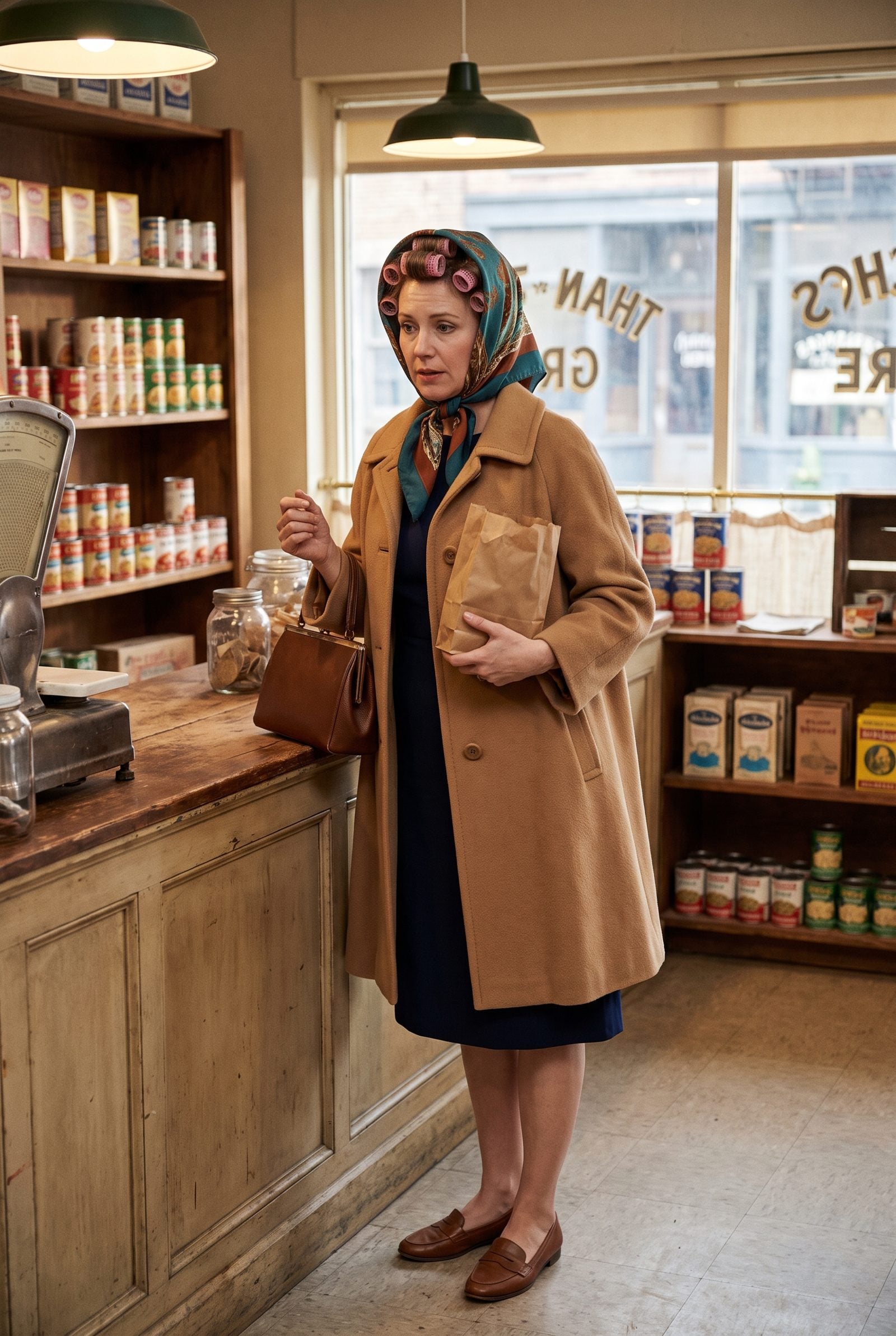
Rollers were an open secret. If you had to dash out before your set was done, a headscarf draped loosely over the head, its ends trailing down the coat front, hid most of the apparatus — though a row of pink rollers still peeked out at the hairline, and the entire town understood exactly what was going on under there.
The scarf pulls double duty here — a cover story and a genuine accessory at once, the paisley silk dragging a little color into an otherwise sensible camel-and-navy errand outfit. A woman caught mid-process, which was its own small sisterhood. Everyone had been there.
3. Lipstick and Nail Polish Were Supposed to Match

Lips and nails were a matched set. A coral mouth demanded coral tips, a red lip wanted red fingers, and leaving them mismatched looked unfinished to anyone paying attention. Cosmetic companies sold the pairings together to make the rule easy to follow.
That coral-rose thread tying lips to nails is the organizing idea in this vanity scene — a tiny system of color coordination that signaled a woman who had thought it through. Matched tones against a soft satin robe, nothing left to chance. It communicated care, and care was currency.
2. Mixing Gold- and Silver-Tone Jewelry Was Discouraged
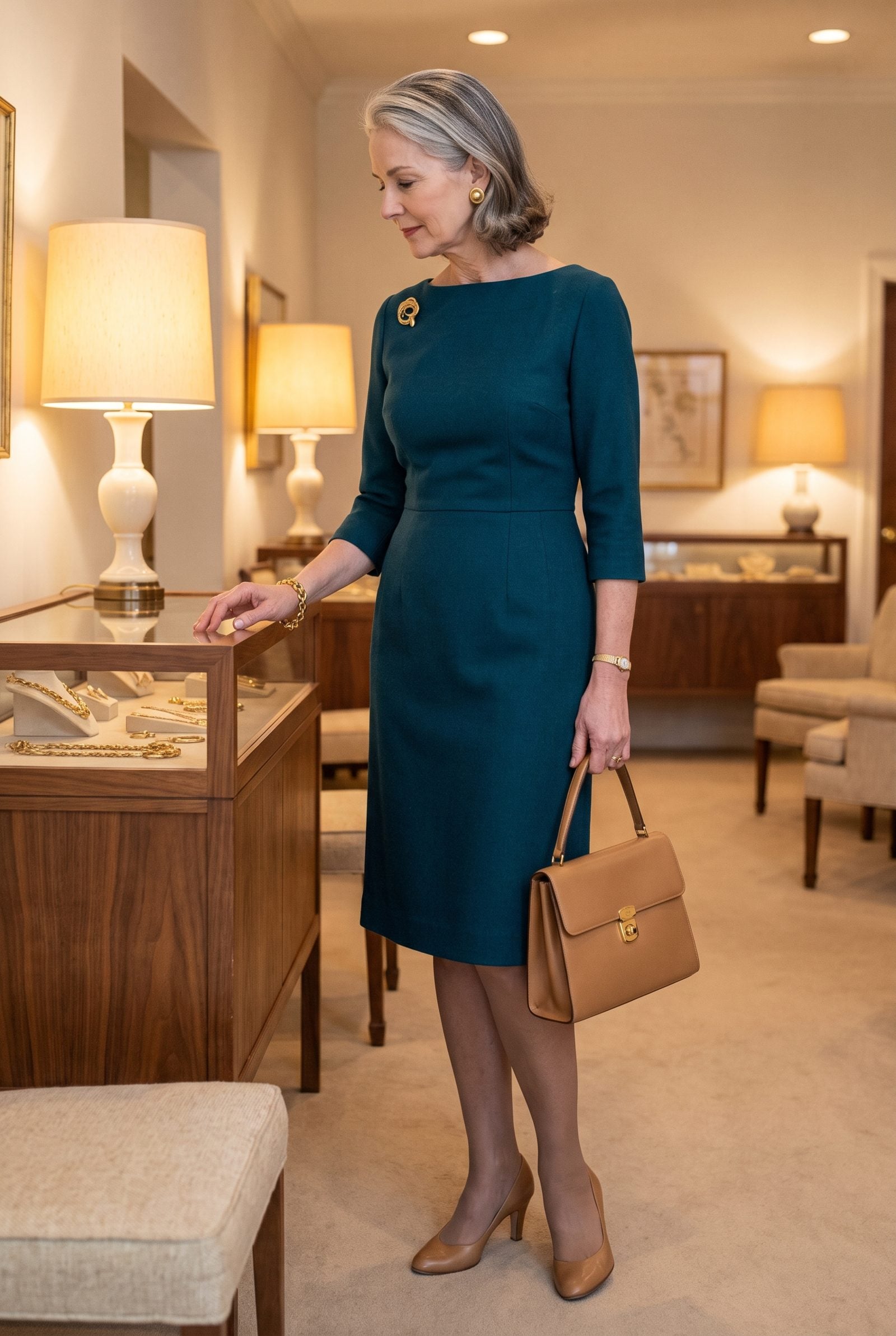
You committed to one metal and stayed there. Gold with gold, silver with silver — mixing the two signaled either carelessness or an eye that couldn’t be trusted. The matching watch, bracelet, and earrings were a point of pride.
Here the all-gold set against deep teal wool makes the organizing move, every metallic note in the same warm key so the whole outfit reads intentional. That single-metal discipline carries it, and it communicated a woman who followed the code and followed it well. A silver ring would have broken the spell entirely, which was rather the point of the rule.
1. Pierced Ears Could Be Judged Too Bohemian for Conservative Settings
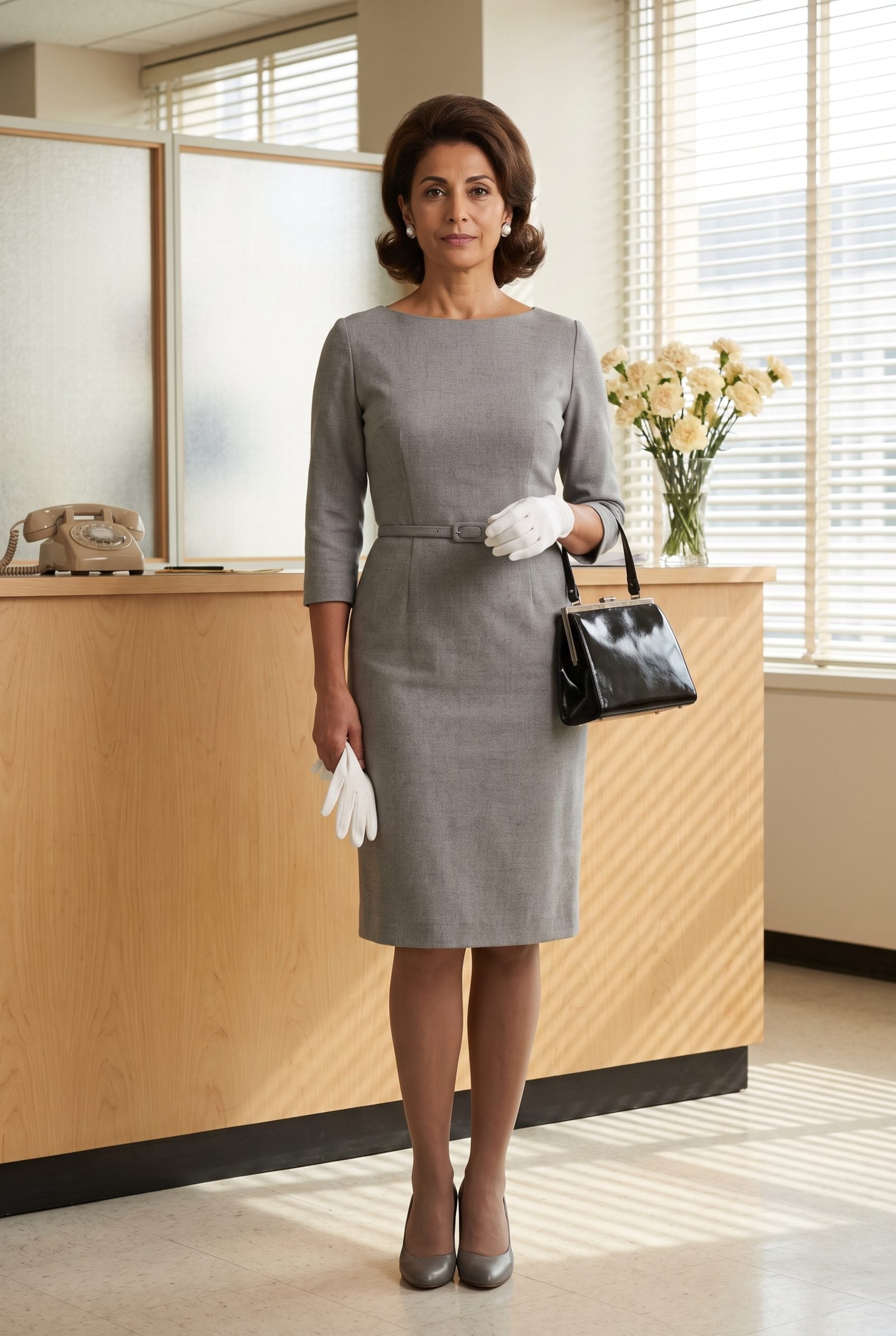
This one sounds invented until the old etiquette columns confirm it. In plenty of conservative offices and churches of the early decade, a pierced earlobe read as unserious. Clip-ons and screw-backs were the respectable choice, and a hole in the ear suggested the wearer had spent time somewhere a little too free, a little too artistic. A secretary or bank clerk was expected to signal the exact opposite.
Restraint drives everything in the photo above. Grey wool sheath, pearl clip-ons, white gloves, a patent bag — nothing speaks louder than it should, which was the whole idea. The dress carries it, cut close through the torso and belted at the natural waist so she looks capable without ever looking showy.
What strikes us now is how much of a woman’s competence was being read off her earlobes rather than her actual work. The clip-on wasn’t a taste decision. It was a passport.