
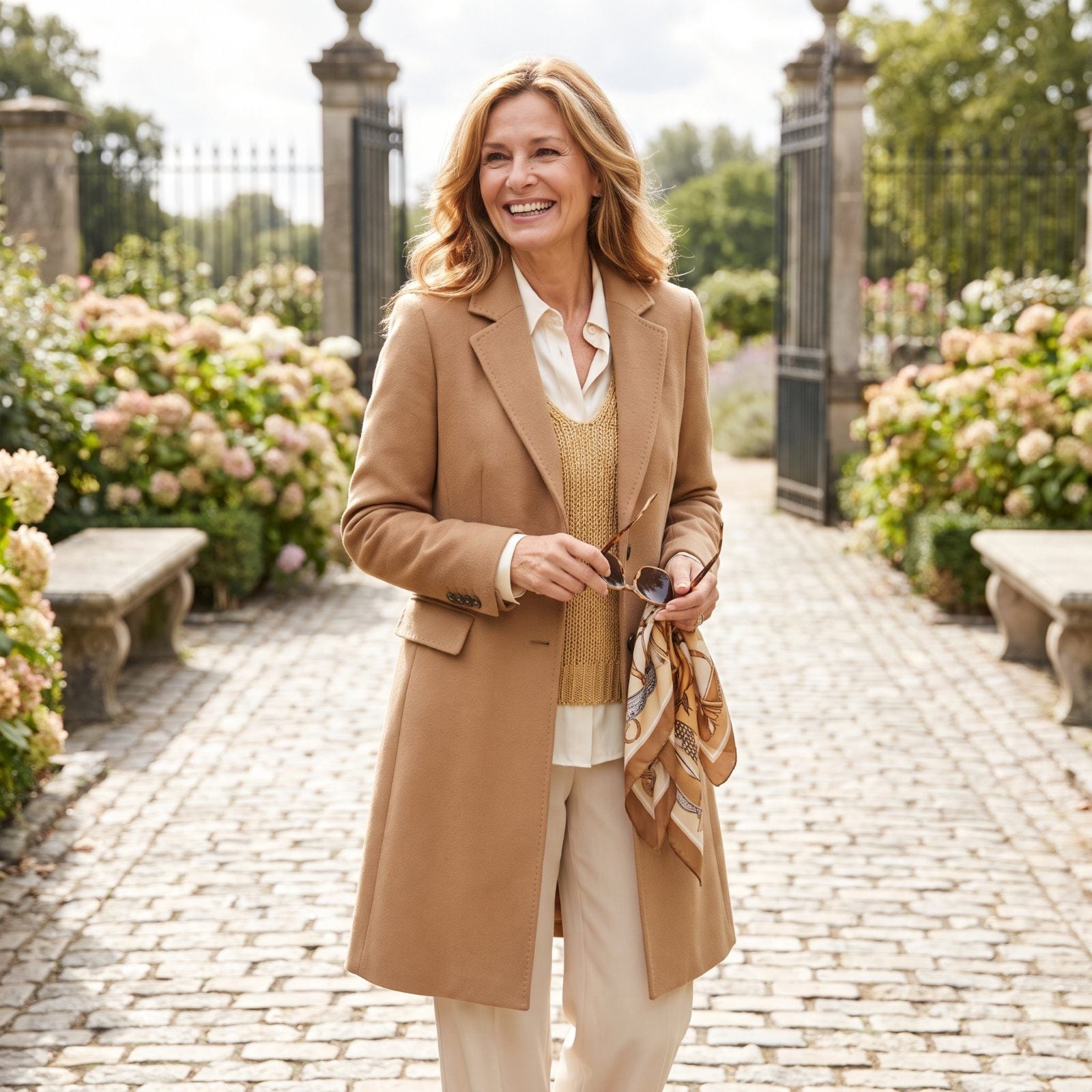
Flat platinum ages you. There, someone said it. That ashy, silvery blonde your colorist keeps pushing drains the warmth from your face and leaves you looking tired under the salon lights. The fix isn’t going darker — it’s going warmer. The right golden, honey, and champagne tones bounce light back onto your complexion and wake the whole face up. So before you sit in that chair and ask for the same cool-toned blonde you always get, look at what a little warmth can actually do.
FYI, thanks to AI imagery software, we’re able to create very specific fashion and hairstyle examples to illustrate the points being made. In some cases, imagery is exaggerated to hammer home the point. Also, assume links that take you off the site are affiliate links such as links to Amazon. this means we may earn a commission if you buy something.
42. Honey Blonde With Caramel Lowlights
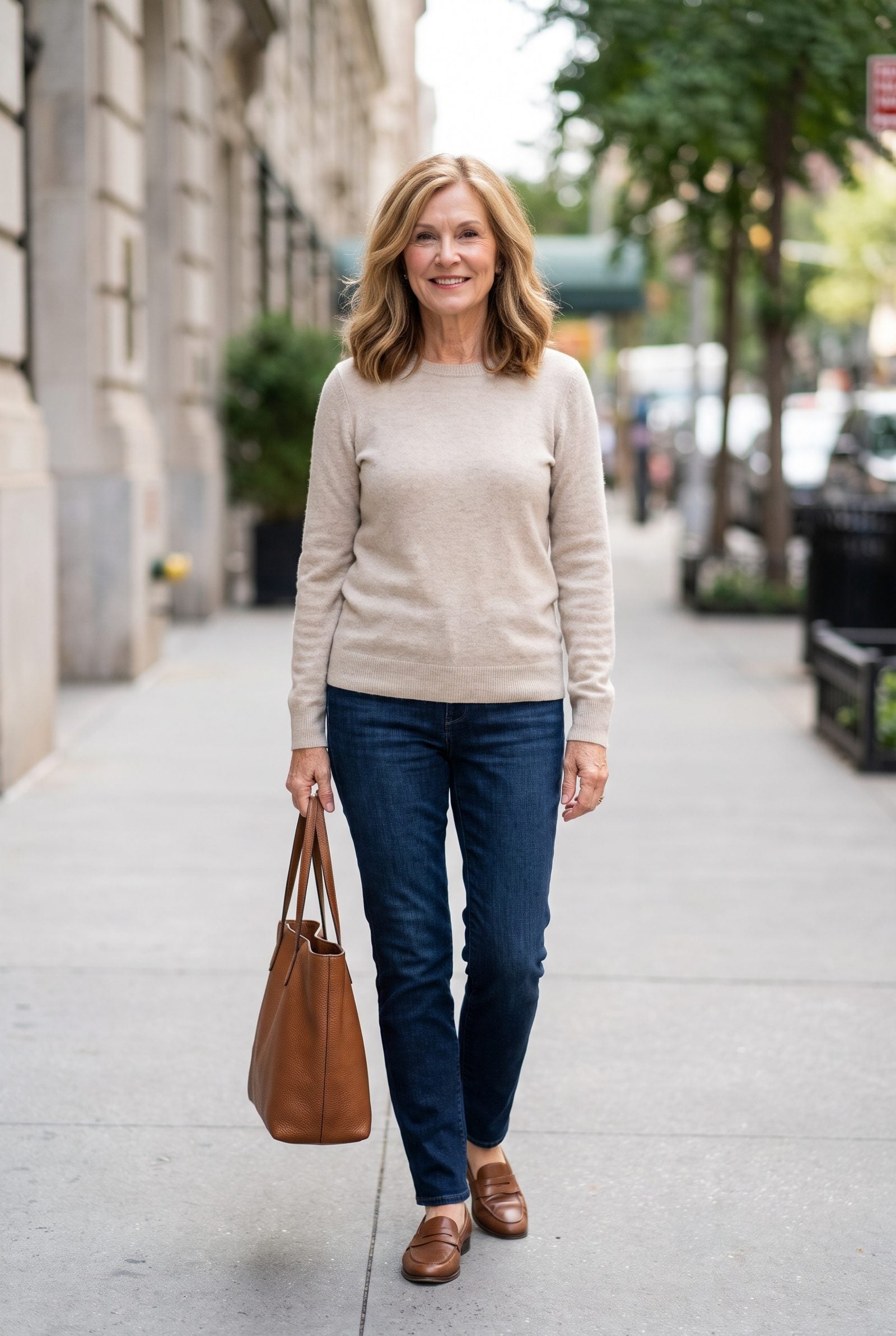
Honey blonde threaded with caramel is the shade that fixes the washed-out problem in a single appointment. The lowlights sit a few shades deeper than the base, so they read as shadow and movement instead of stripes, and that contrast is what keeps the whole thing from going flat.
The warmth does the heavy lifting on your skin. Golden honey tones reflect peach and gold back up onto the face, which softens sallowness and makes you look rested. It’s the shade that converts even lifelong cool-blonde loyalists.
41. Buttery Golden Blonde
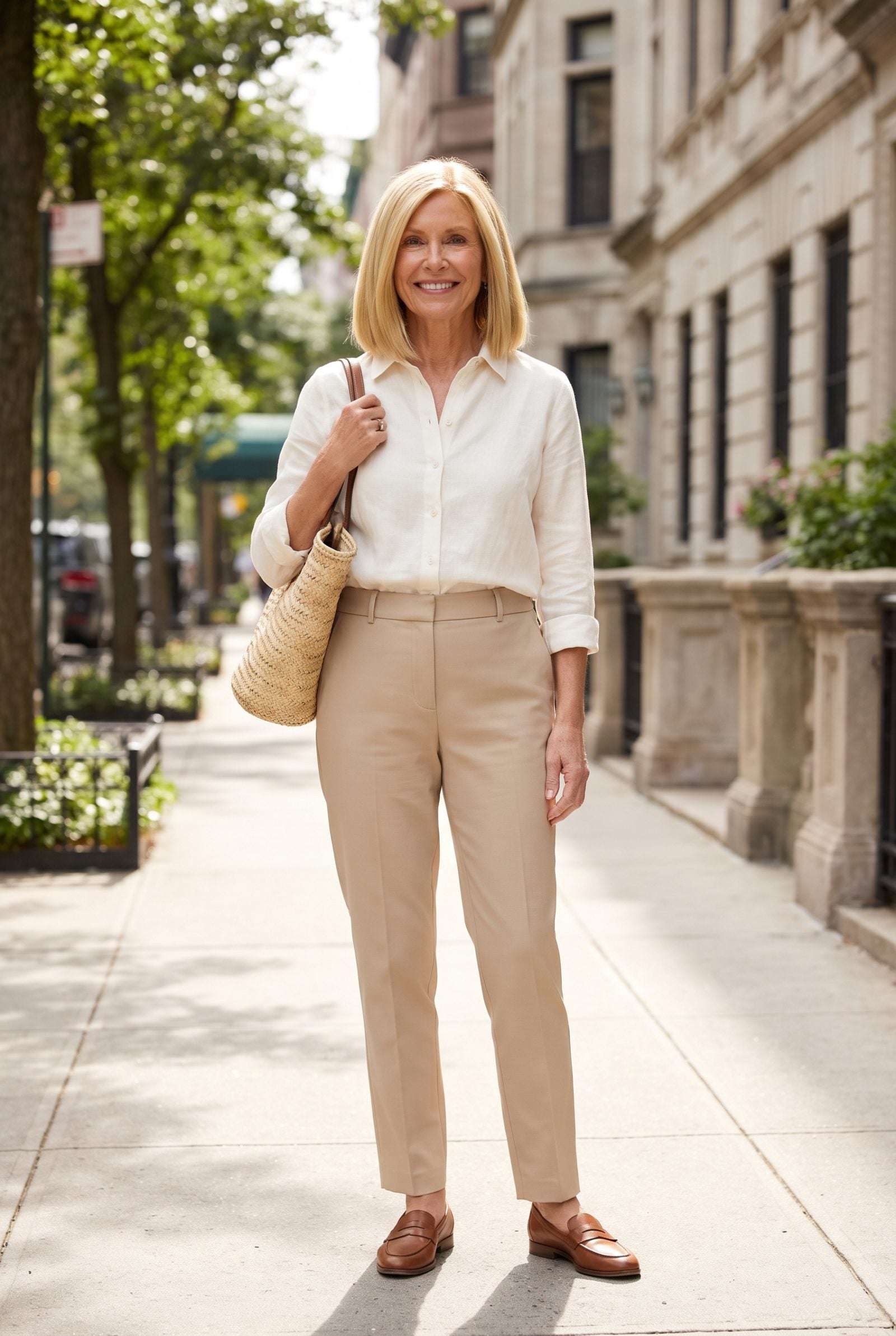
Buttery golden blonde is one of the warmest shades here and among the most forgiving on skin that has cooled with age. All gold, no ash, with a softness that looks lit from within rather than bleached. The whole trick is the butter quality — it stays creamy and never slides into brass.
If your complexion has started to look gray or flat, this is what puts the warmth back. Gold reflects onto the jaw and cheeks and the whole face goes softer. Works beautifully on medium and olive skin.
What Our Readers Say
- When we asked ThreadCurve readers about colour technique, 58% picked balayage, well ahead of highlights at 29% and a single tone at 13%.
- Single-process colour got fewer hearts from our readers than the other hairstyle images in the same articles, 36% versus 51%.
From ThreadCurve reader polls and votes.
40. Warm Champagne Blonde
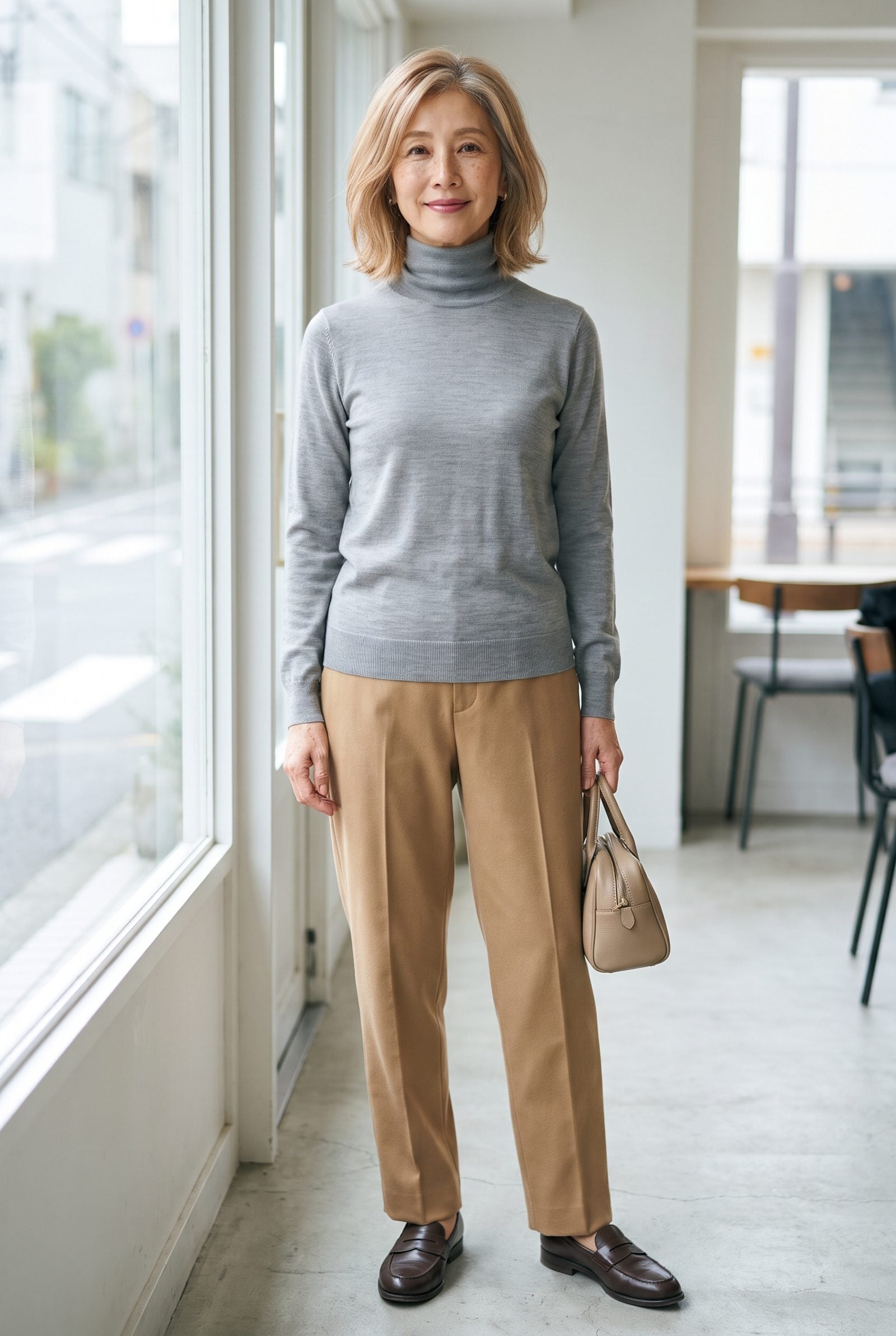
Champagne blonde splits the difference for anyone nervous about going fully golden. It carries just enough warmth to flatter without tipping into brass, which makes it the easiest blonde to live with between appointments.
Here’s where it earns its keep: that warm-beige tone handles graying hair like a dream. Instead of fighting the gray at your temples, champagne folds it into the color so regrowth reads as natural dimension. A quiet relief most colorists forget to mention.
39. Creamy Beige Blonde
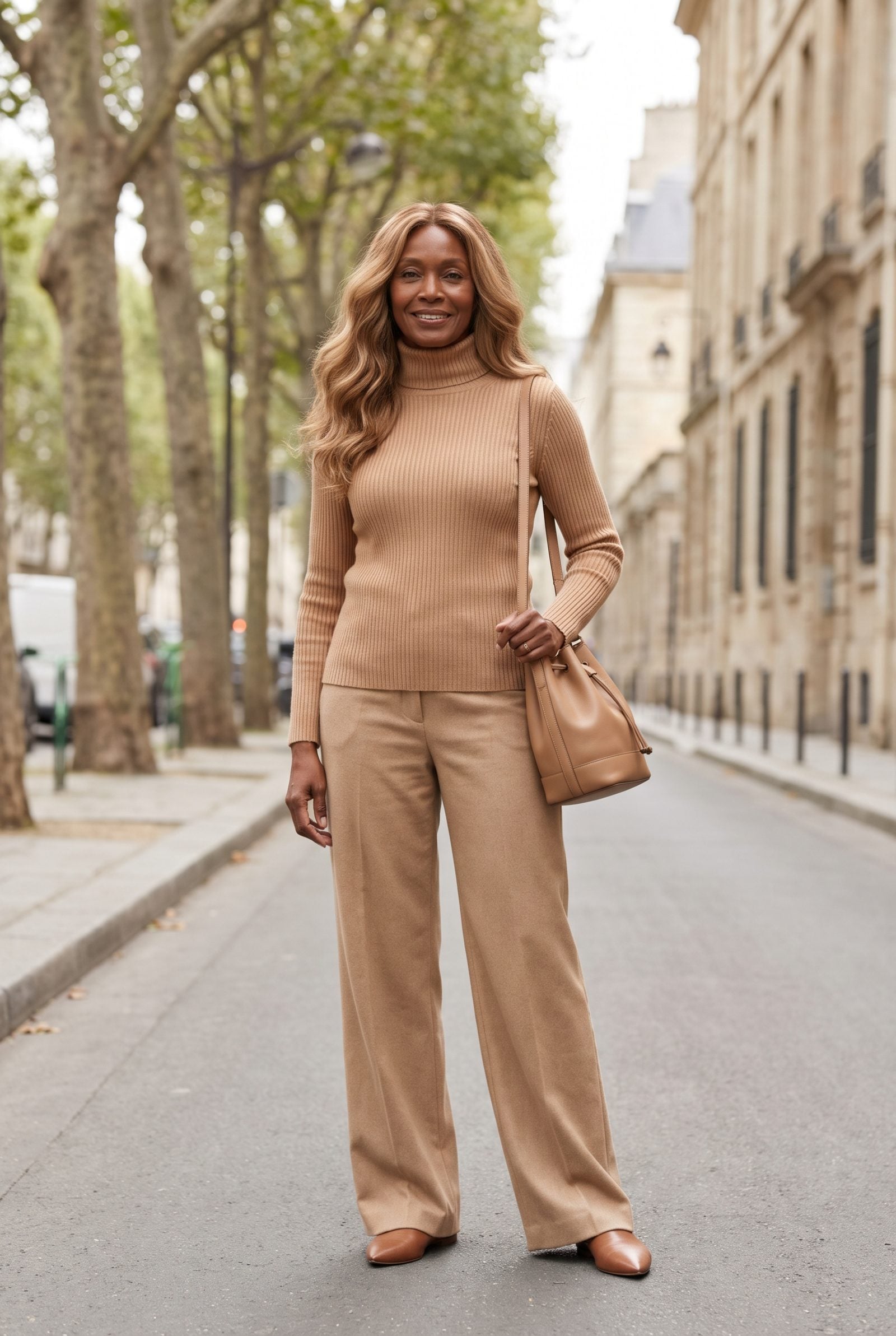
Creamy beige blonde proves warm blonde works on deeper complexions, not just fair ones. Keep it creamy rather than icy. A beige with a gold heart stays luminous against rich skin and sidesteps the drained, grayish look that ashy beige tends to drop on warmer complexions.
Pair it with camel or warm brown and everything clicks. That softness against a deeper skin tone is what makes it look modern instead of fussy.
38. Golden Wheat Blonde
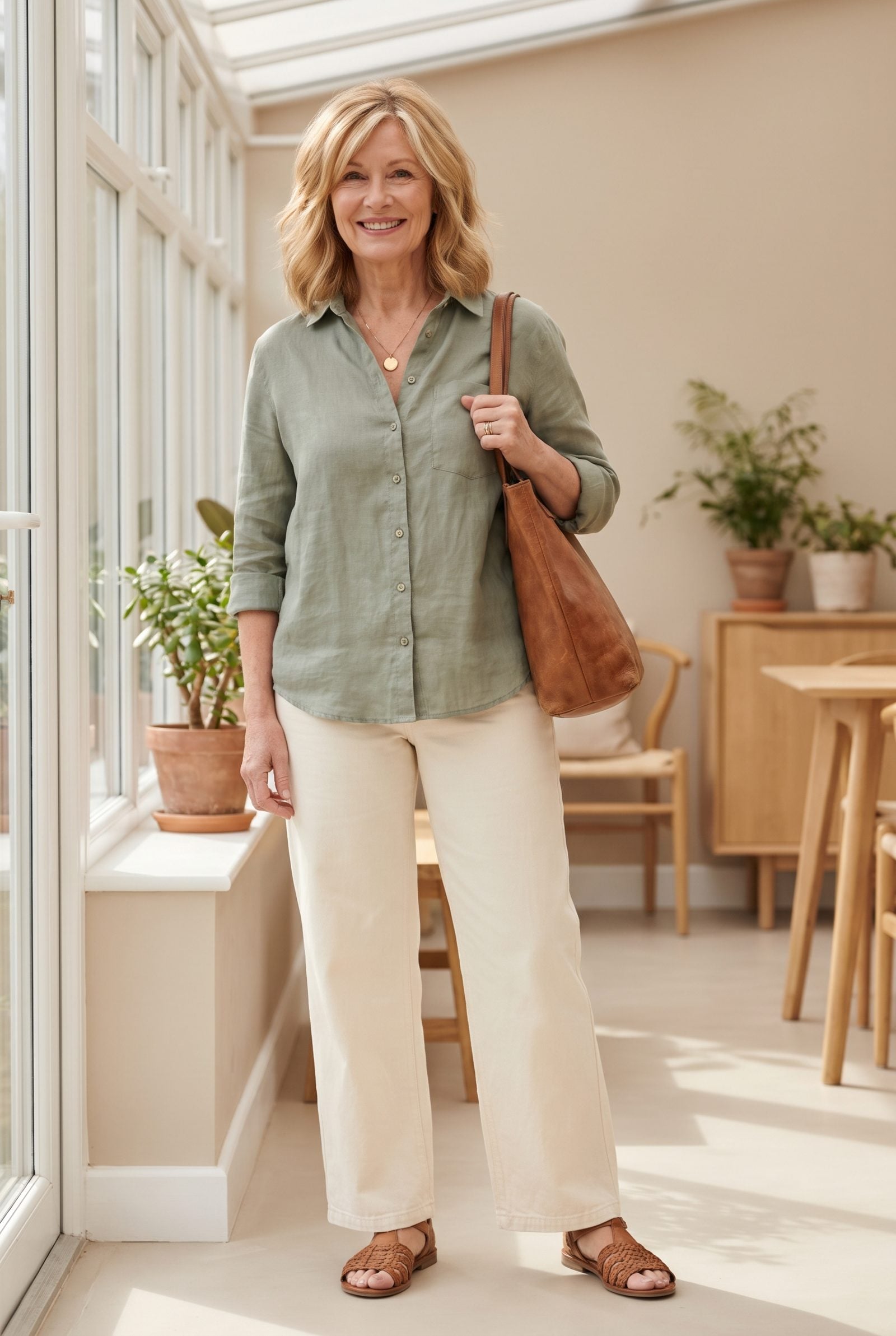
Golden wheat blonde looks like late-summer light caught in hair. Warmer than beige, softer than honey, it sits in the goldilocks zone for anyone who wants warmth without committing to a big gold statement.
What flatters mature skin here is the depth variation. Wheat is never one flat tone — it moves between deeper gold and lighter straw, and that movement scatters light across the face so your complexion looks brighter. The shade we push hardest on people who swear they can’t do warm.
37. Vanilla Blonde With Honey Ribbons
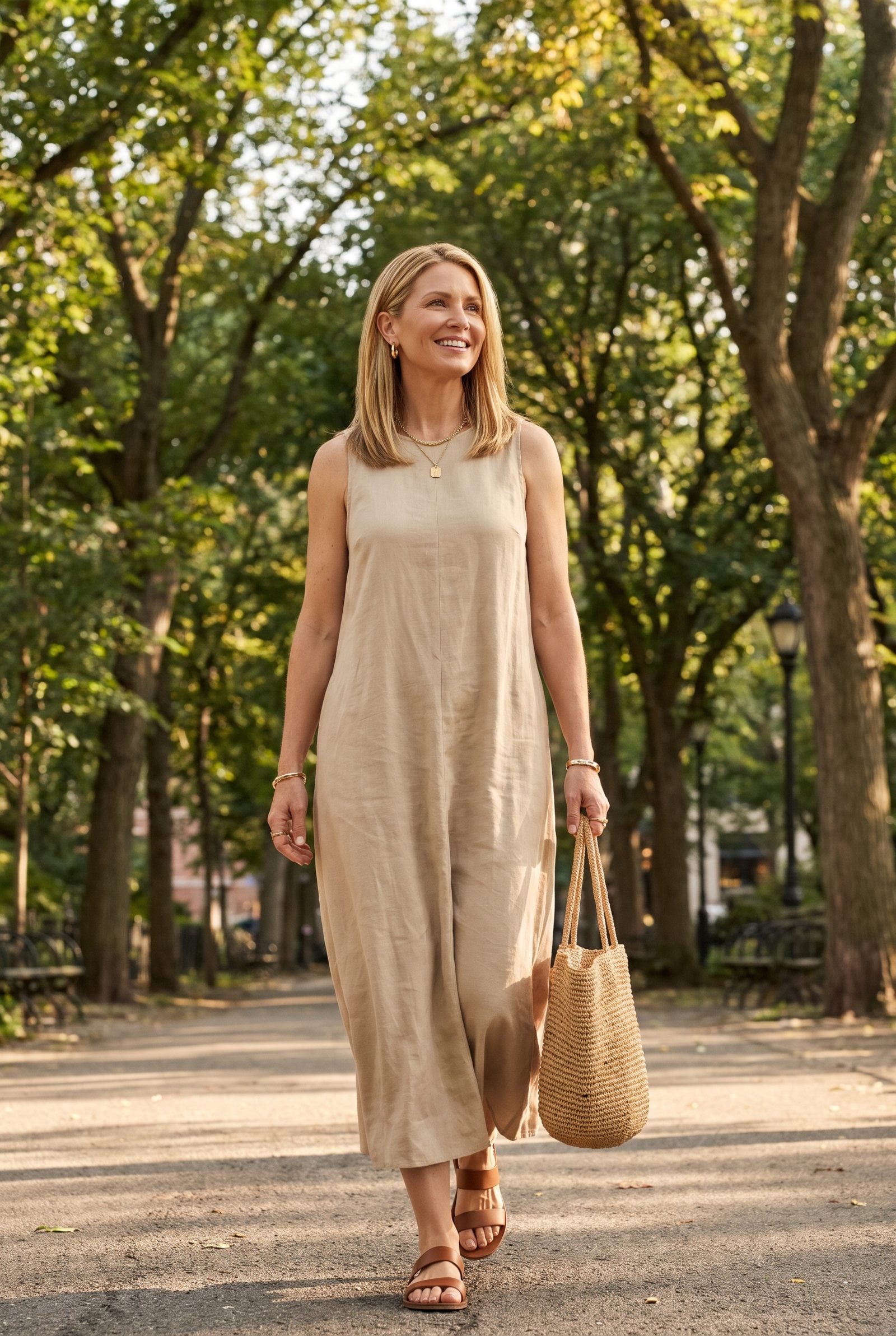
Here’s the clever one. Vanilla blonde on its own can skew pale and cold — the exact problem we’re trying to dodge. Weave honey ribbons through it and the whole thing warms up while staying light.
The ribbons do the work. Those golden streaks catch the light and throw warmth back onto your face, so you get the brightness of a pale blonde without the drained complexion. Best of both worlds for anyone who loves light hair but hates looking ghostly.
A pale blonde needs warm ribbons the way a white room needs wood. Without them it reads cold.
36. Sandy Blonde With Golden Babylights
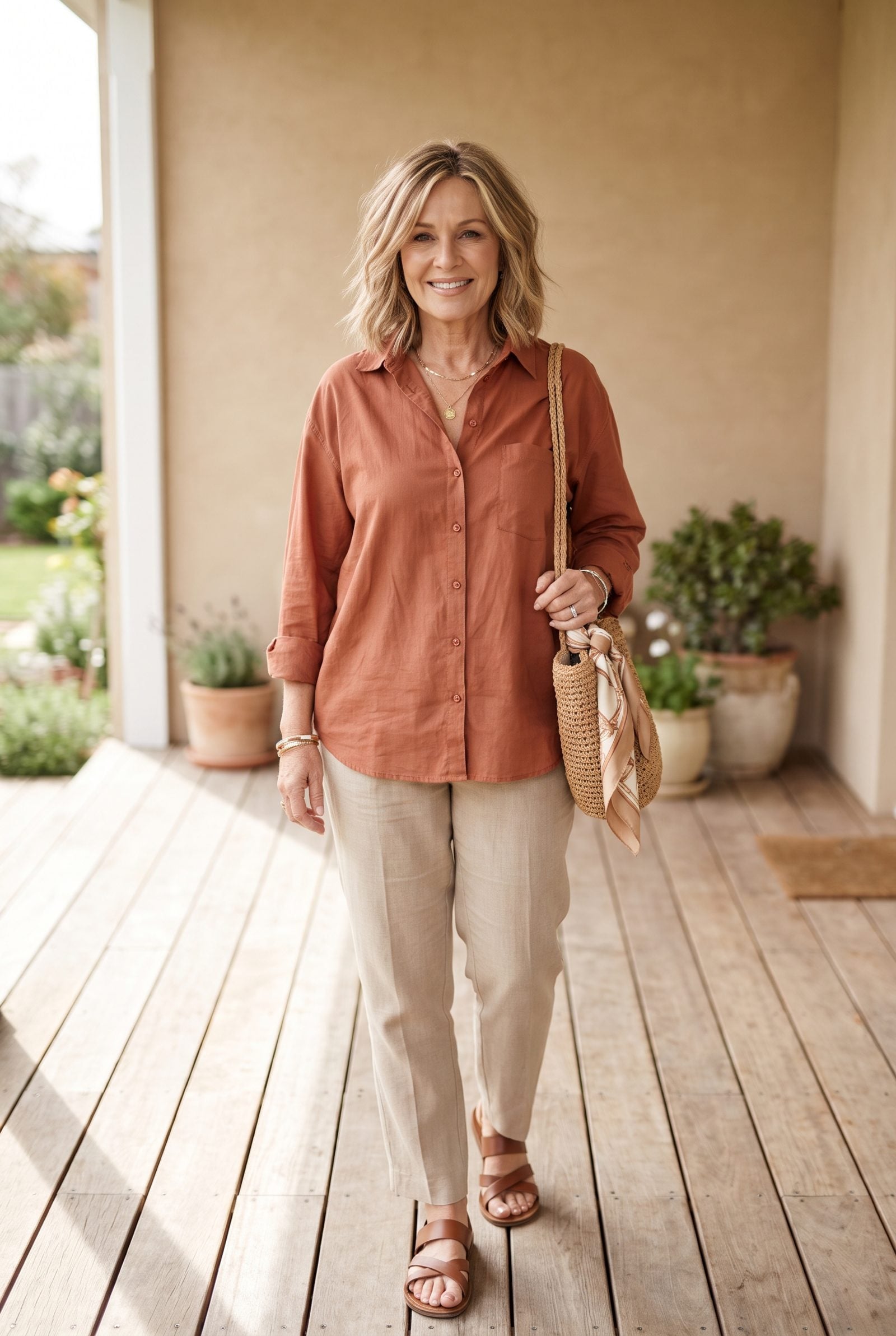
Sandy blonde is the low-maintenance warm option, and the golden babylights are what keep it from going dull. Babylights are finer than highlights, so they mimic the way sun naturally lightens hair around the face. The result looks grown-out in the best possible way.
Scatter those golden babylights around the face and they work like a soft light aimed right at your skin. Your complexion warms up, your features look brighter, and you can stretch months between salon visits without a harsh line of regrowth marching down.
35. Light Toffee Blonde
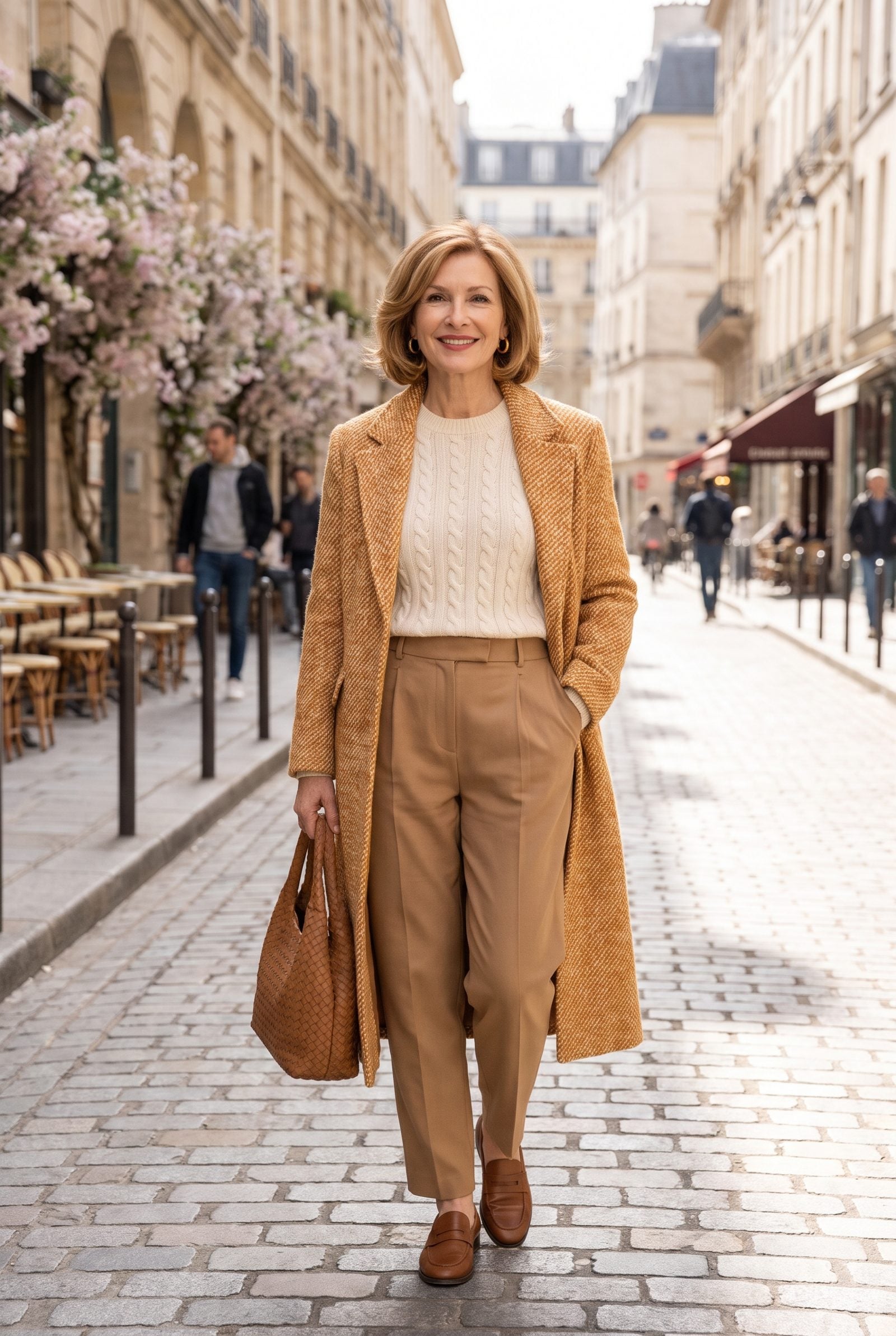
For anyone who finds true blonde too stark, light toffee is the answer. It leans just into brown without losing the warmth of blonde, which hands you depth and softness at once. Basically blonde with a bit of coffee stirred in.
That little bit of depth flatters as skin cools with age. A touch more pigment near the face frames it and adds contrast, so your features read sharper. It’s also the gentlest grow-out of any shade on this list — no stark line, no panic appointment.
34. Apricot Money Piece on Honey Blonde
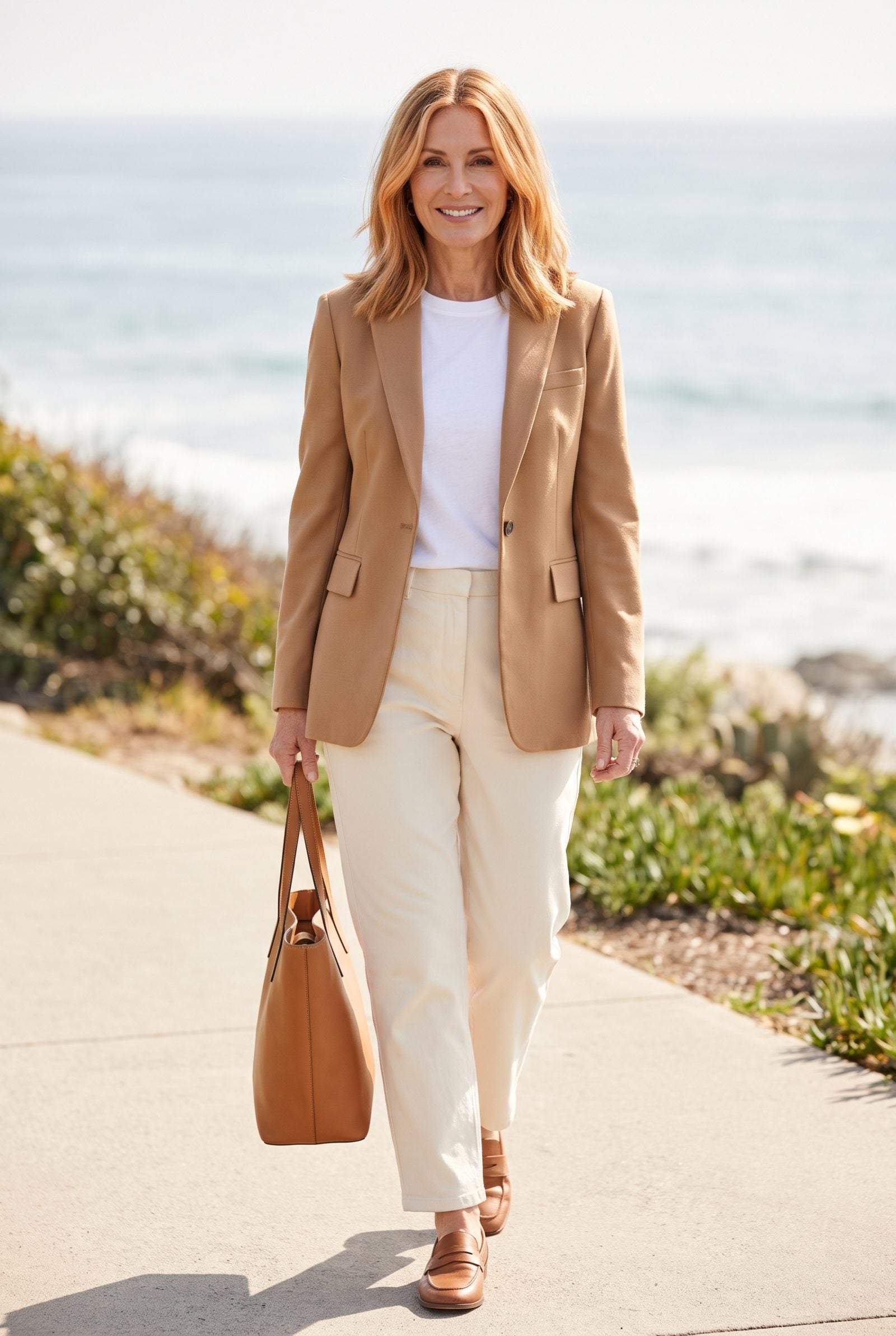
The money piece on a honey base is the most modern look here, and the apricot tint is pulling a neat trick. Those two face-framing pieces get tinted warm peach, so they sit right against your complexion and wash it in soft apricot light.
It’s the closest thing to a filter you’ll get from a colorist. The apricot pulls up pinks and golds in your skin and cancels any gray undertone, while honey everywhere else keeps the balance so the face pieces feel like an accent rather than a stripe.
33. Soft Auburn-Rooted Strawberry Blonde
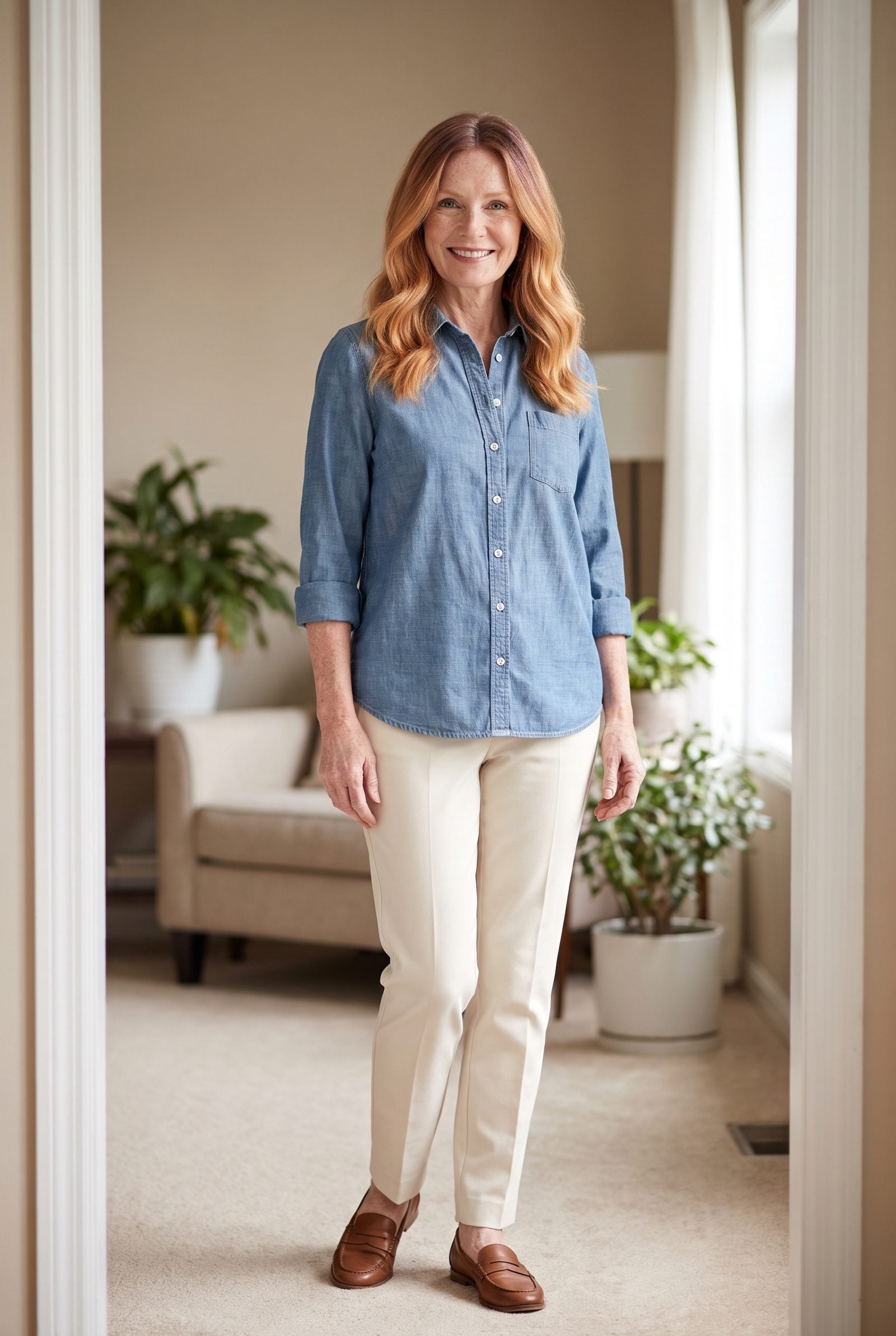
The warmest, boldest finish of the bunch. Strawberry blonde with an auburn root is for anyone with fair, freckled, or pink-toned skin who has always looked a little drained in cool blonde. This is the shade that finally makes sense on you.
The auburn root is the whole game. It grounds the strawberry so it reads intentional, adds depth near the face, and the red warmth lights up fair skin like nothing else can. Freckles and rosy cheeks suddenly look like features instead of flaws.
32. Rose Gold Blonde
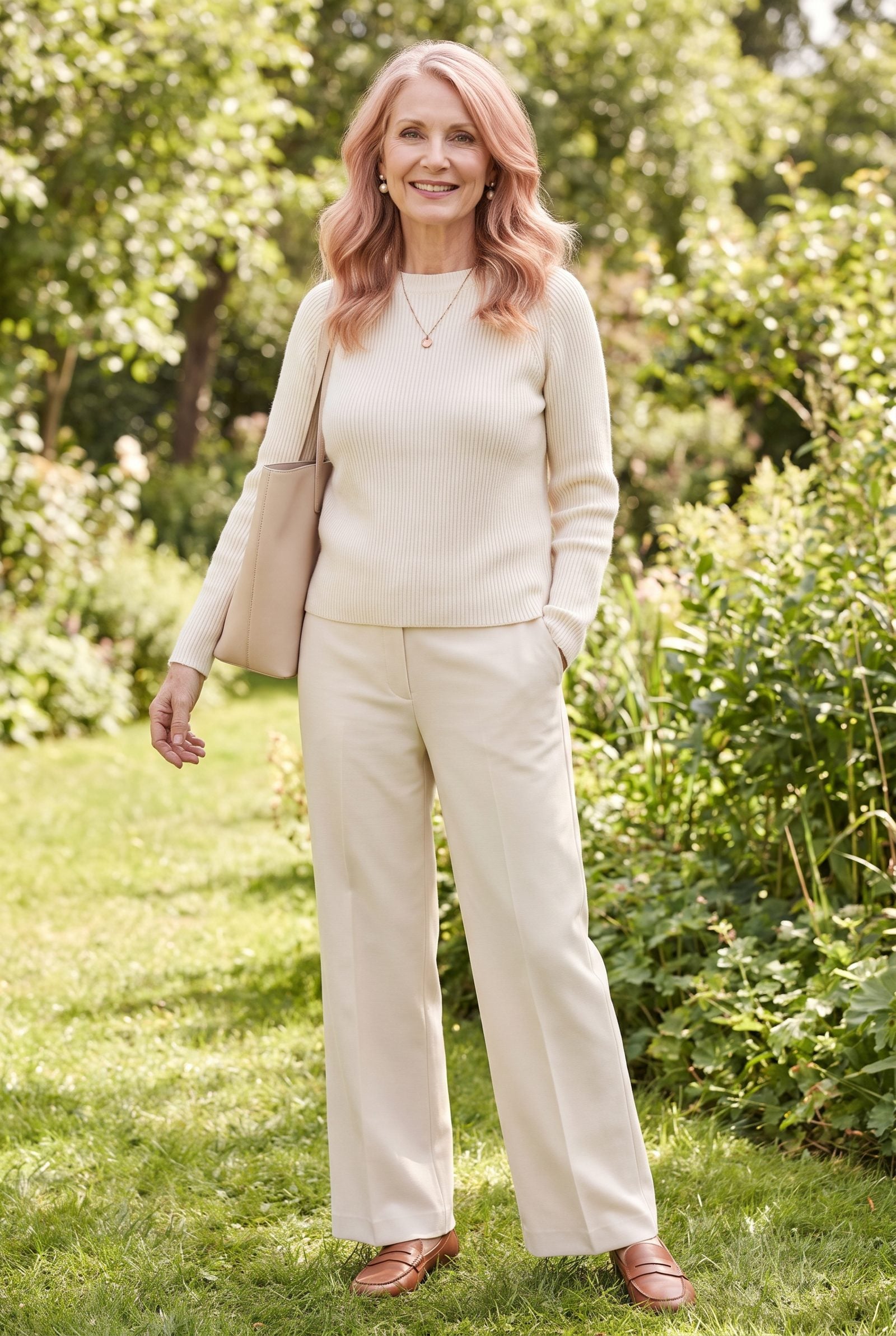
Rose gold is the shade that works hardest for cool, fair complexions that tend to look gray under the wrong blonde. That pink undertone throws warmth back onto the cheeks, so the face reads lit from within instead of drained.
The trick is keeping it muted. A rose gold that veers too candy-bright fights with mature skin — you want the blush buried in the blonde, more suggestion than declaration, deepening toward the root so it never looks like a wig.
31. Golden Copper Blonde
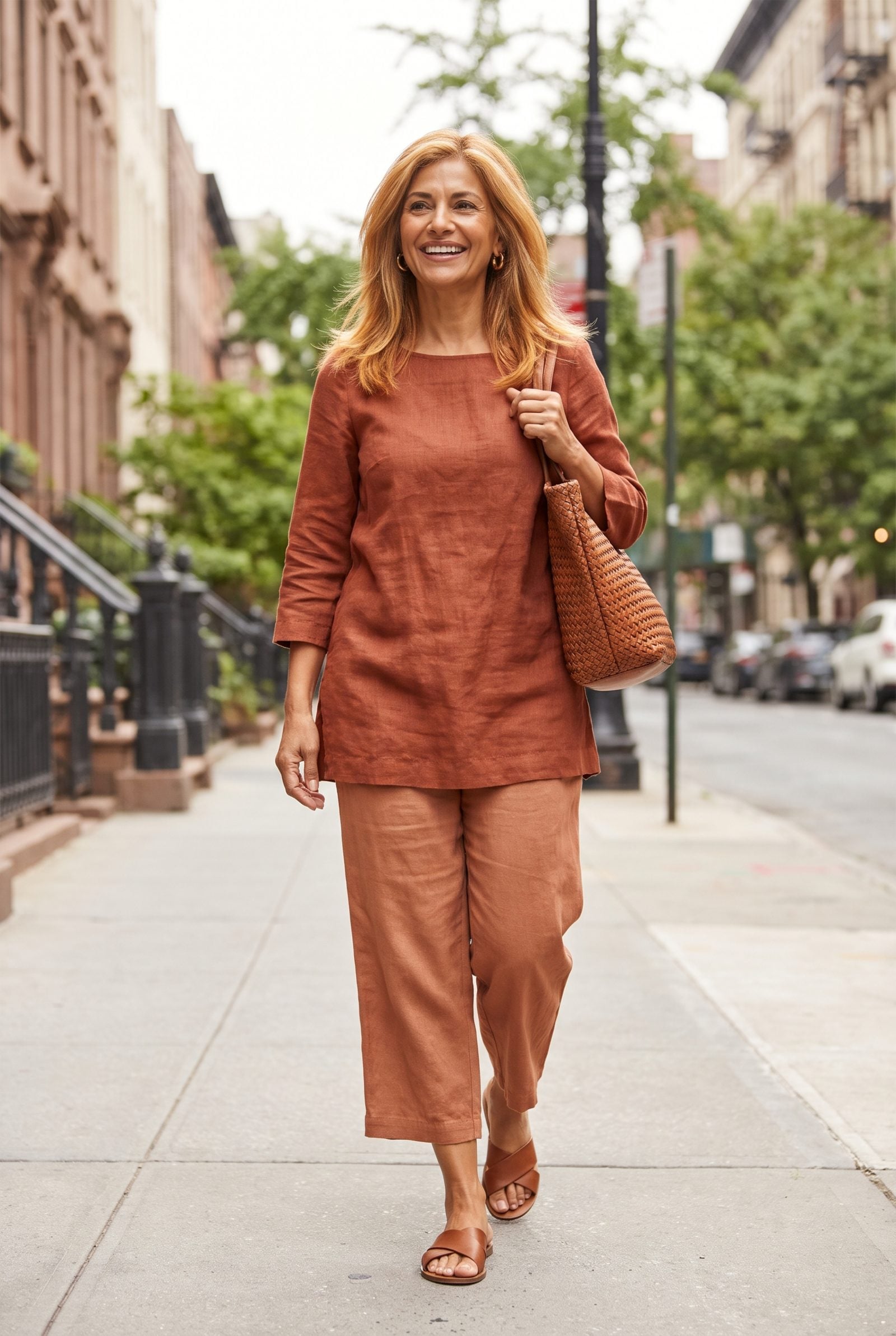
Golden copper is one of the warmest shades here, and it rewards the women most blondes abandon — warm olive and golden skin that goes sallow under ash.
Copper feeds the complexion exactly what it craves. Brown eyes go amber, sallow skin reads sun-kissed, and the whole face lifts a few degrees.
Keep the copper threaded through a blonde base rather than painted edge to edge. Full copper can overwhelm after fifty. But woven into golden blonde, it hands you the glow without the shout.
30. Amber Balayage on Dark Blonde
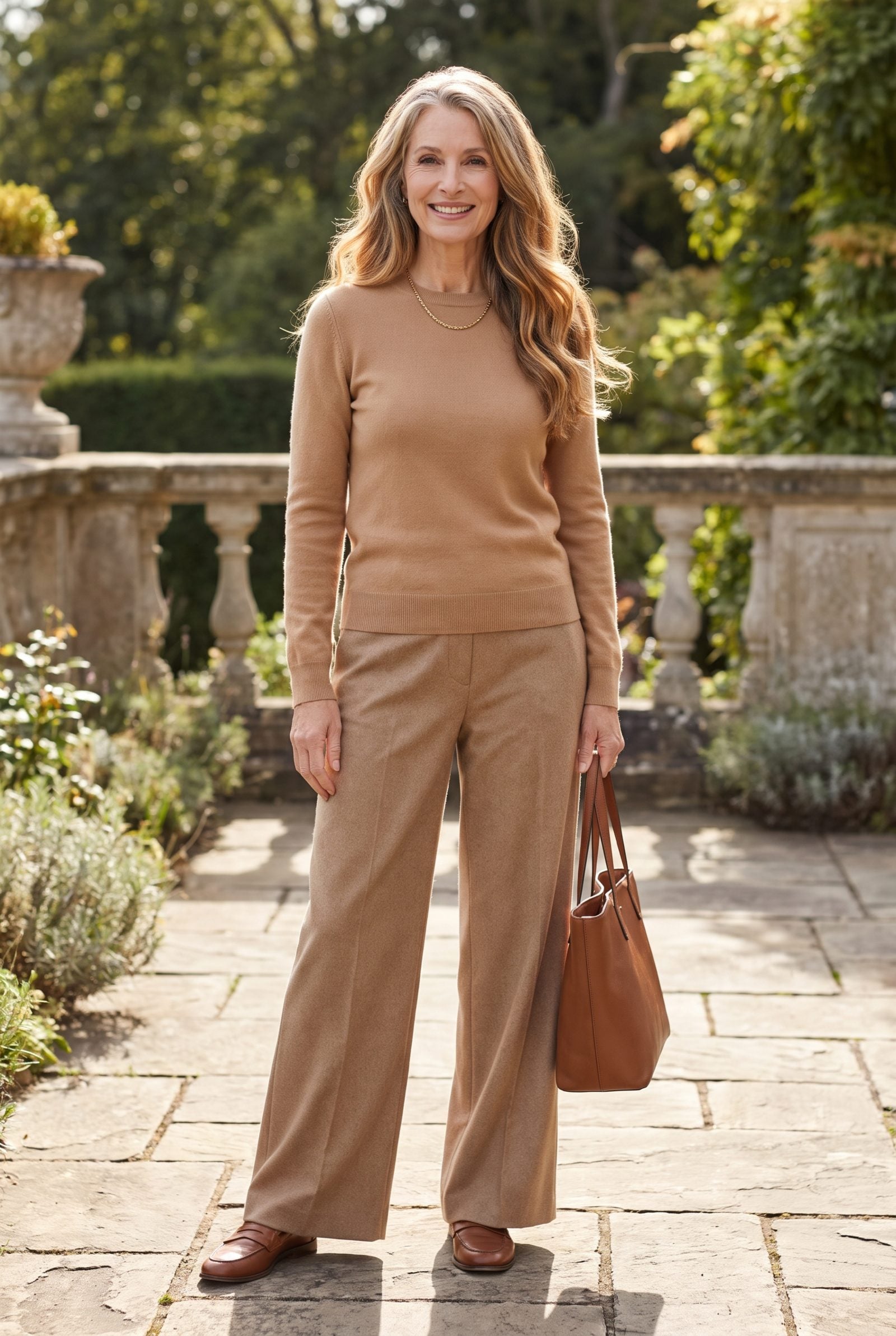
Balayage was built for grown women, and amber is its most forgiving flavor. A dark blonde root means your regrowth never betrays you, so you can stretch a salon visit to three or four months without a telltale line of truth at the part.
The amber does the heavy lifting on the complexion. Painted into the mid-lengths and ends where it frames the jaw and cheekbone, it bounces warmth up onto the face right where mature skin tends to lose it.
In our Hot or Not photo matchups, pictures with balayage colour won more of their head-to-head contests than their position alone would predict, 59% versus 51%.
29. Butterscotch Balayage on Light Brown Hair
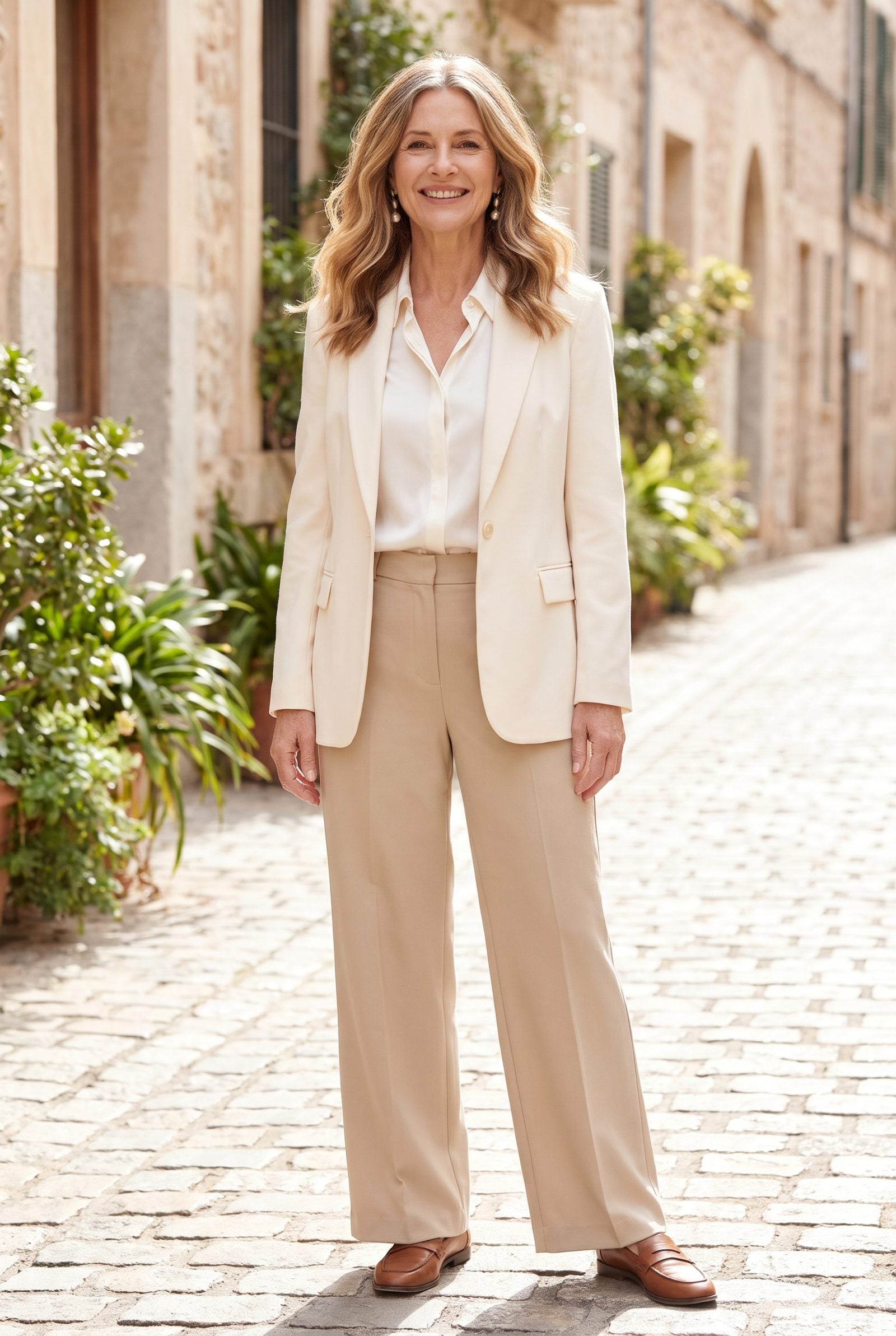
Butterscotch is the gentlest way to go blonder when your natural base is light brown. No bleach-shock, no sudden jump that makes you look like you’re trying to recapture a decade you’ve already won.
The creamy gold warms a beige complexion without the brass risk that comes with pure yellow blonde. It sits a half-step lighter than your base, so the lift feels inevitable rather than forced. And green and hazel eyes? They absolutely pop against this warm toffee tone.
28. Maple Blonde
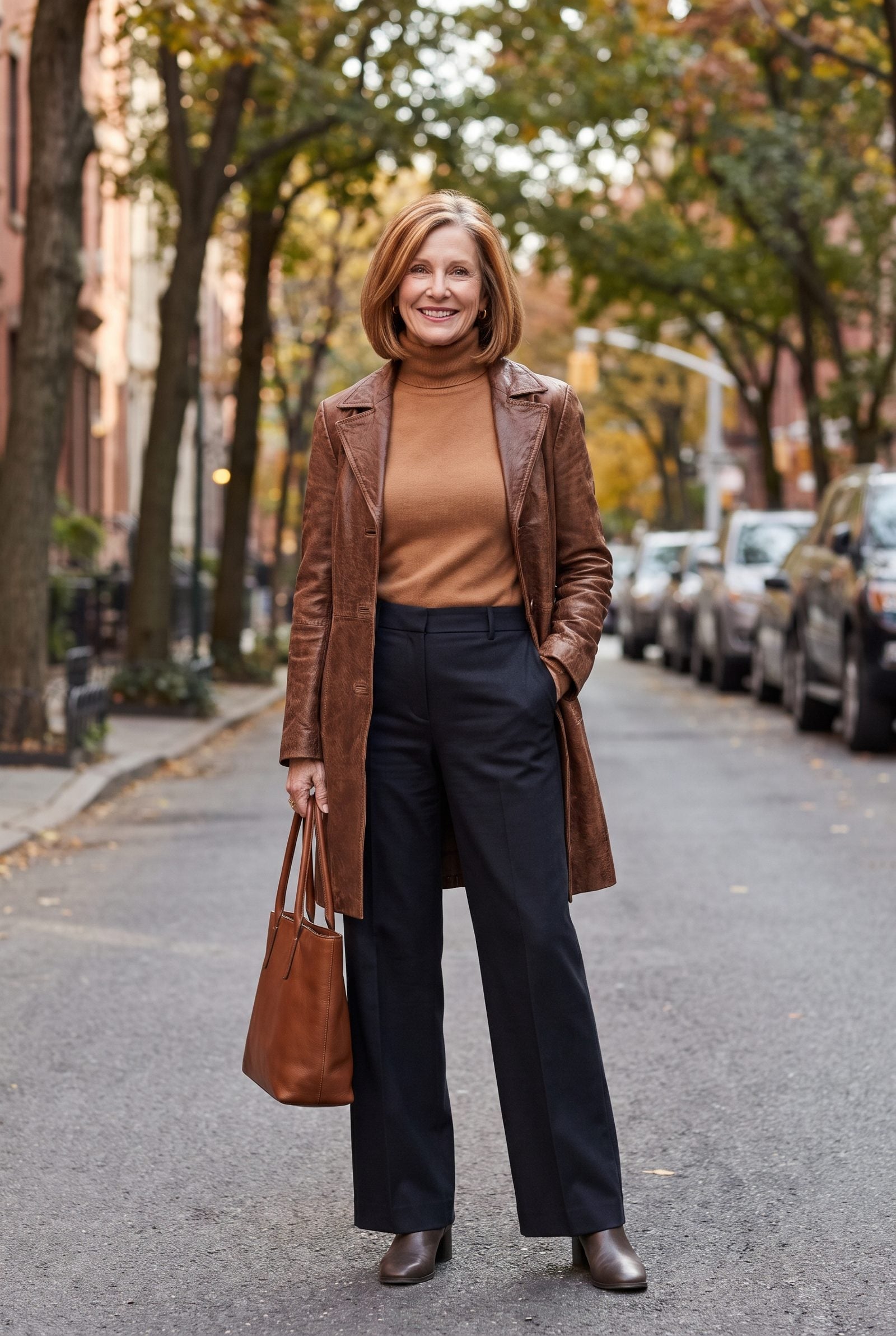
Maple lives right on the line between blonde and brown, which is exactly why it flatters so many mature faces — warm enough to counter pallor, deep enough to hold its own against softening features.
The reddish-caramel undertone is the secret ingredient. On fair neutral skin that tends toward washed-out, that hint of red reads as warmth and depth instead of flatness. Pair it with a sharp chin-length bob and the whole thing looks intentional, never grown-out.
27. Warm Biscuit Blonde
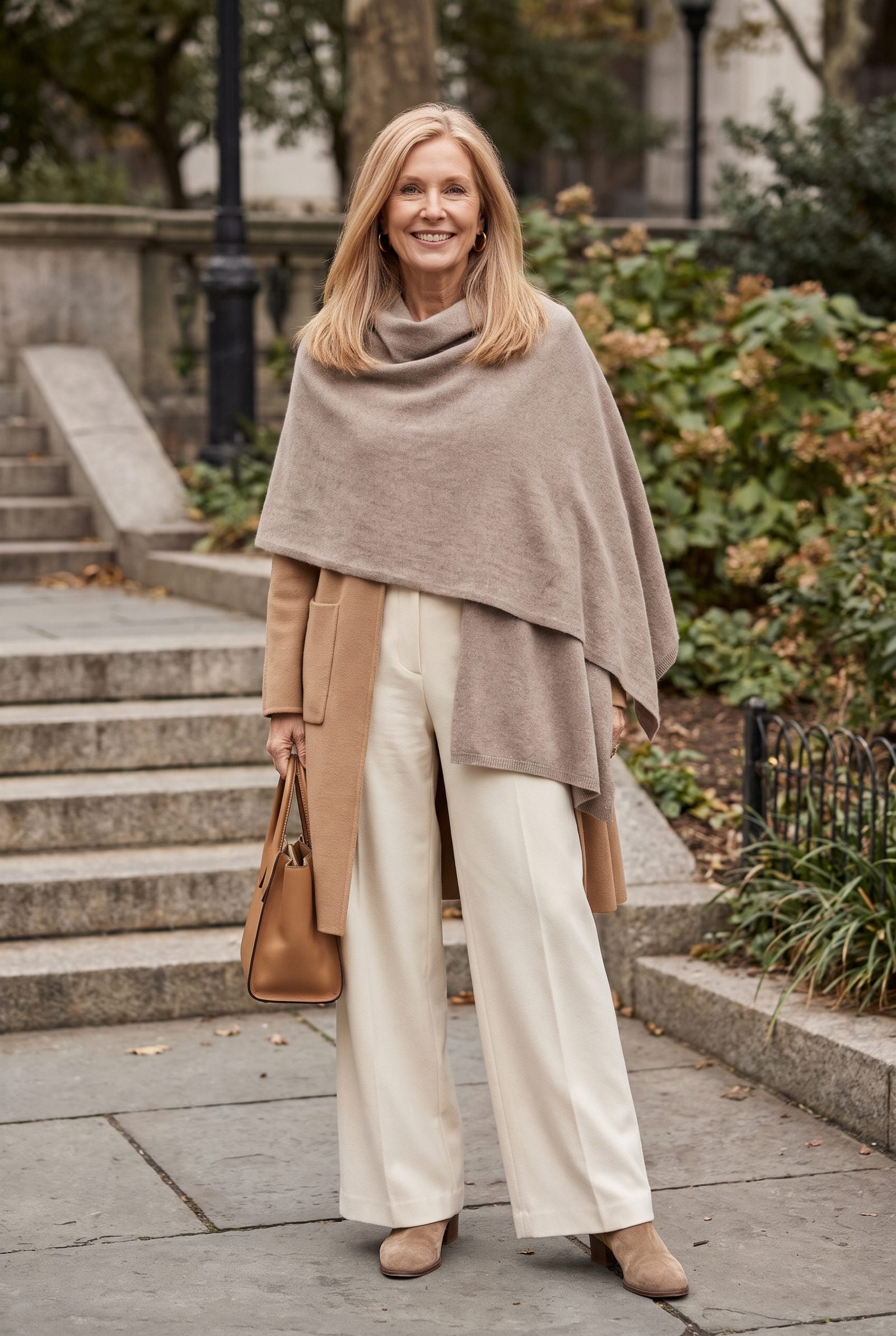
Biscuit blonde is the quiet one. No drama, no statement — just a warm golden-beige that makes skin look rested.
This is for the woman who wants blonde to read as expensive rather than loud. The warm sandy undertone keeps the complexion lit without a trace of orange, and it grows out gracefully because the root sits only a shade deeper than the lengths.
26. Toasted Almond Blonde
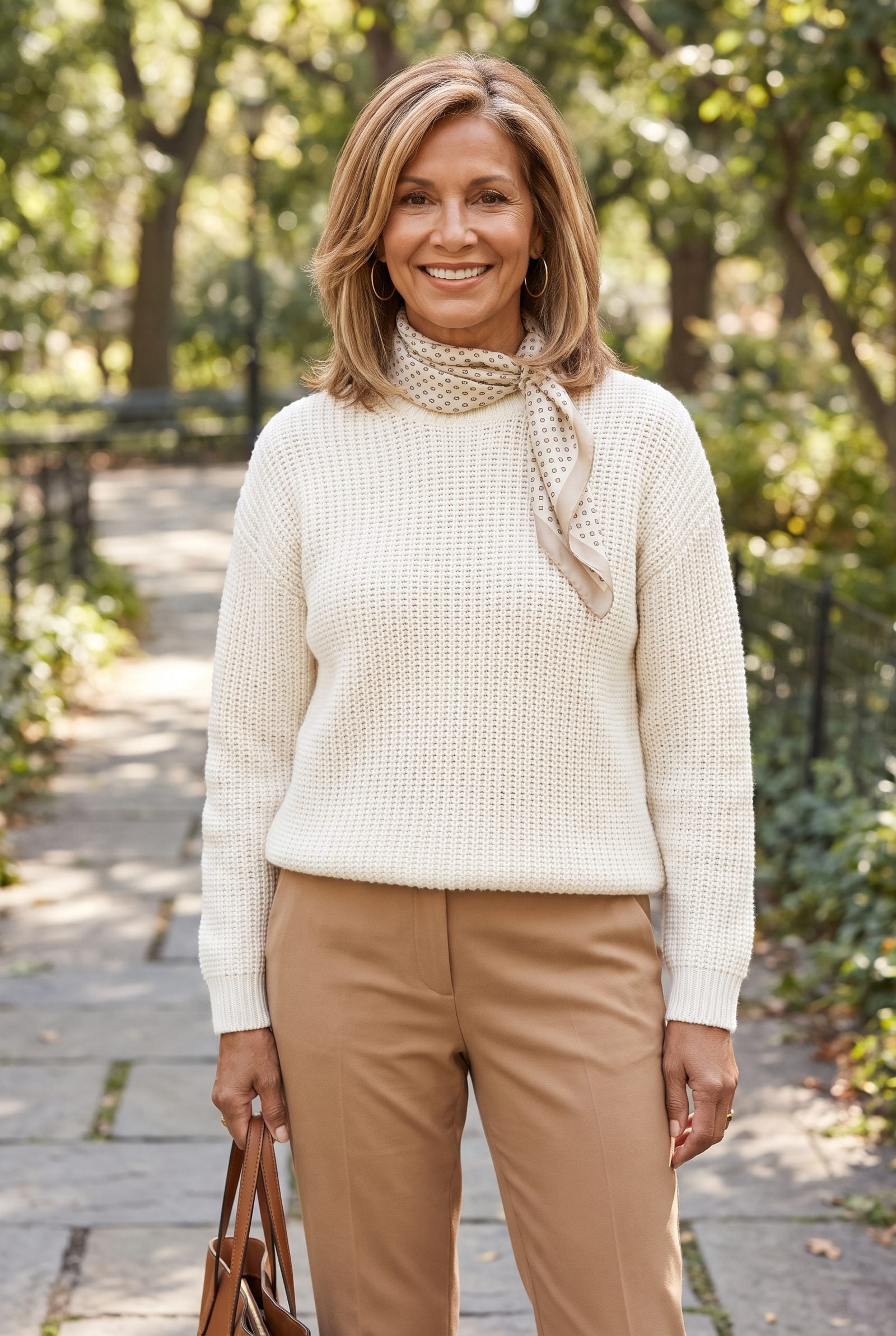
Toasted almond is the warm-skinned woman’s answer to beige blonde — same understated polish, but with the golden-caramel depth that tan and olive complexions actually need.
Pure beige can go gray on warm skin. The toasted note prevents that, keeping everything nutty and dimensional, and dark brown eyes read softer against it. It’s the kind of blonde that looks like you spent August somewhere with a coastline.
25. Golden Ivory Blonde
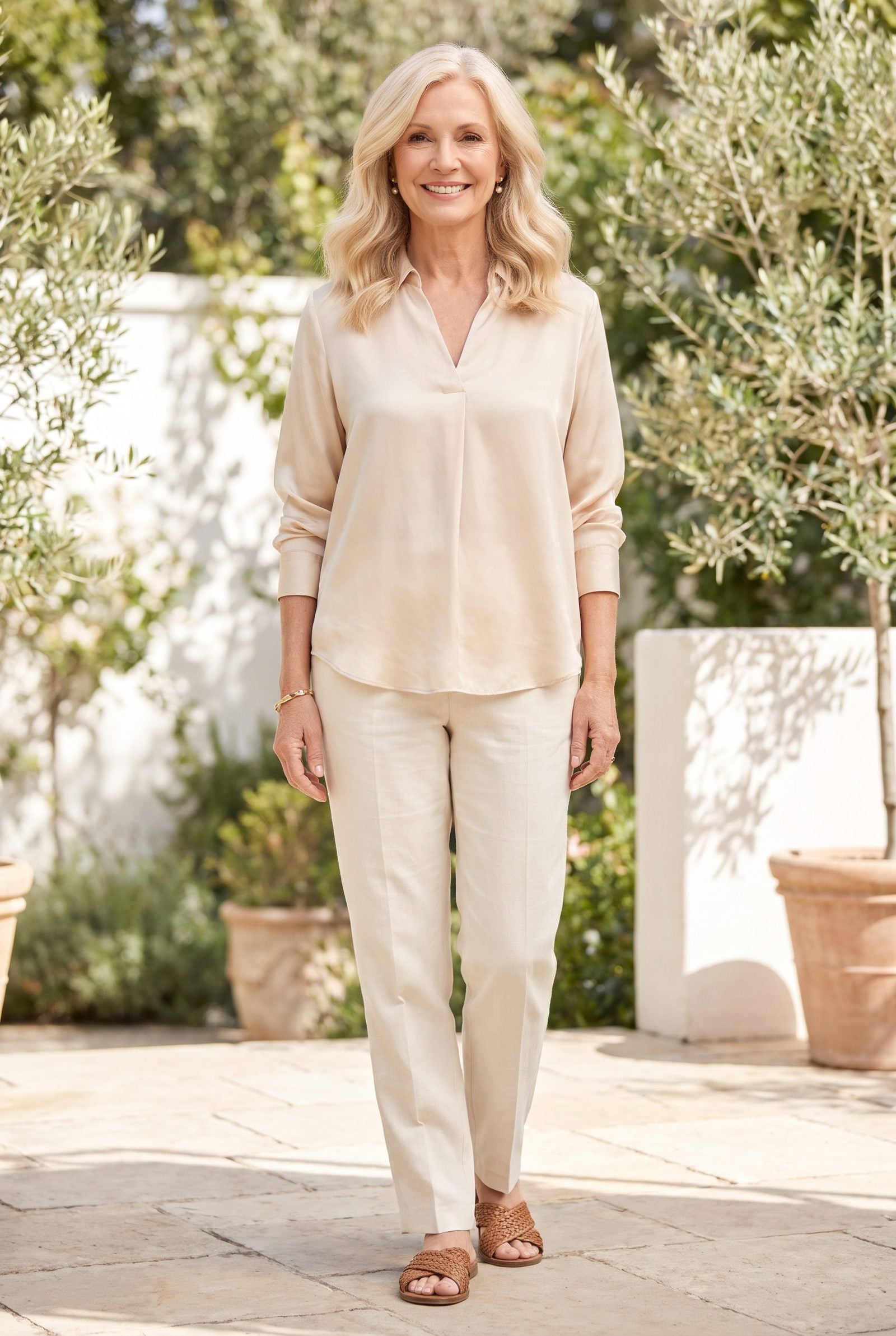
Here’s how you go pale blonde without going ashen. That golden cast under the ivory is everything — the difference between luminous and ghostly.
Women reaching for platinum after fifty often end up washed out, because cool white blonde drains what little warmth the skin has left. Golden ivory keeps a soft gold shimmer threaded through the pale tone, so the face stays lit. It also blends naturally into gray, making it one of the easiest shades to grow into rather than fight.
24. Warm Pearl Blonde
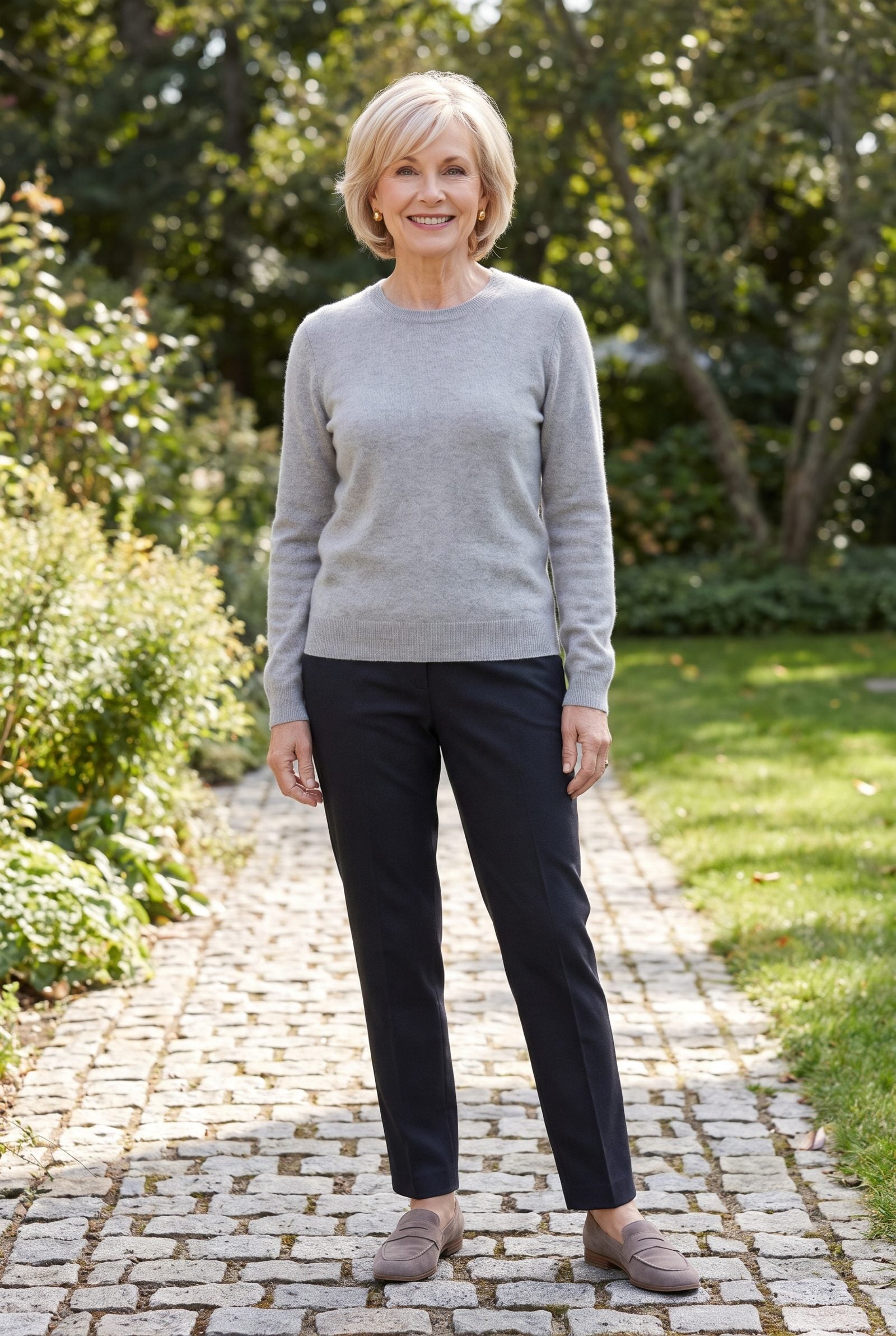
Pearl blonde is the smart bridge for anyone transitioning into gray who wants to keep a little warmth in the mix. The champagne undertone stops it short of true silver.
Silver is beautiful on the right face and brutal on the wrong one. The warm pearl version hedges your bet, blending natural gray with a soft golden shimmer so the overall read stays luminous instead of cold. Then there’s the cut — short and layered keeps the texture lively and the whole look modern rather than set-and-styled.
Not everyone wants to fight the gray: when asked which hair colour they would buy, 42% of our readers chose silver, compared with 25% for blonde.
23. Antique Gold Blonde
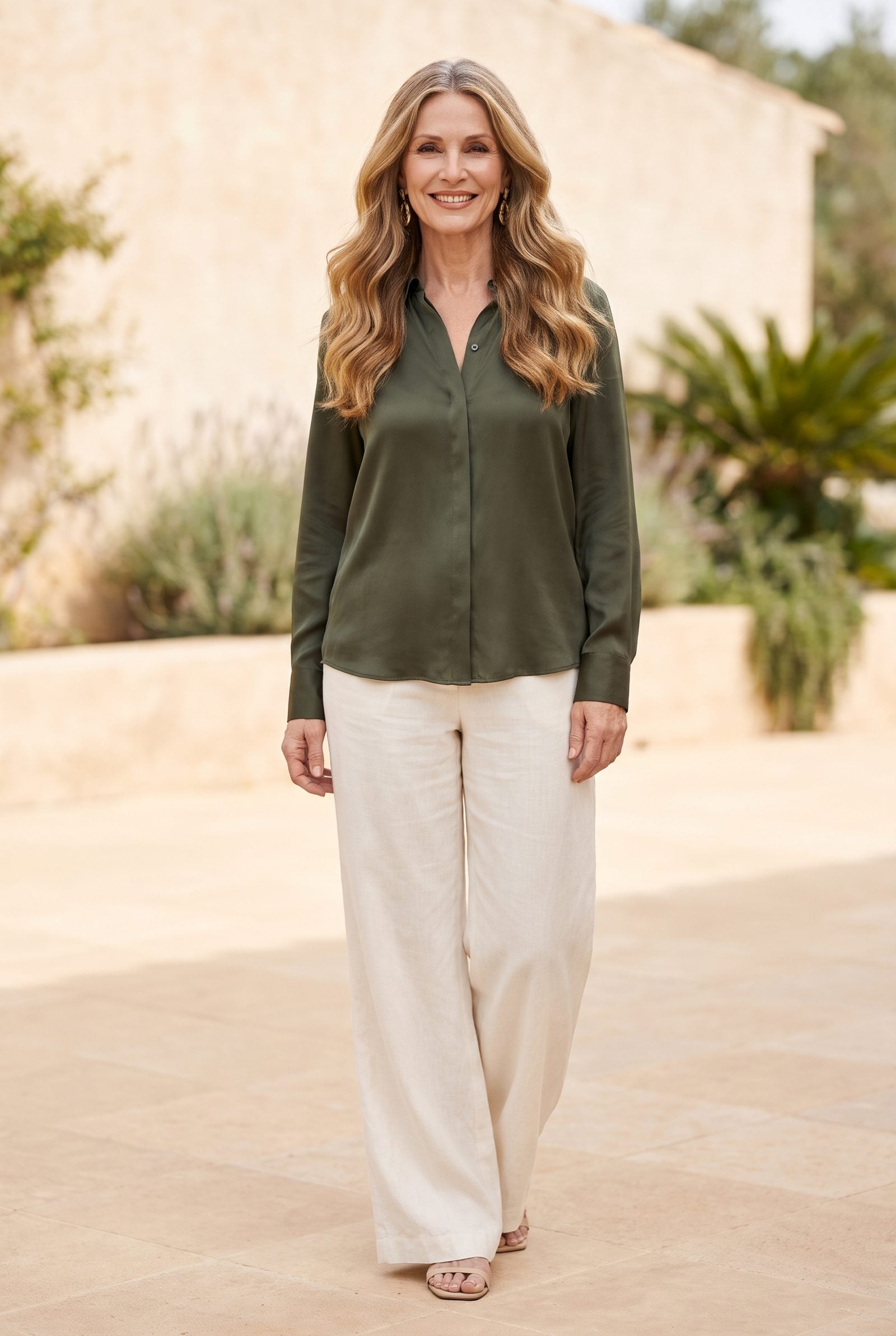
Antique gold brings the richest warm blonde of the bunch — deeper, more burnished, with a faint olive-gold undertone that reads expensive the way aged metal does.
Where bright gold can tip brassy on medium skin, antique gold stays grounded. The depth suits warm complexions that want blonde without losing intensity, and it makes deep brown eyes look lit from behind. Worn long and loose, the dimension catches light with every movement.
This is the blonde for the woman who never wanted to go pale and quiet. Go richer. It’ll carry you.
22. Candlelight Blonde: Soft Gold That Warms Everything Near It
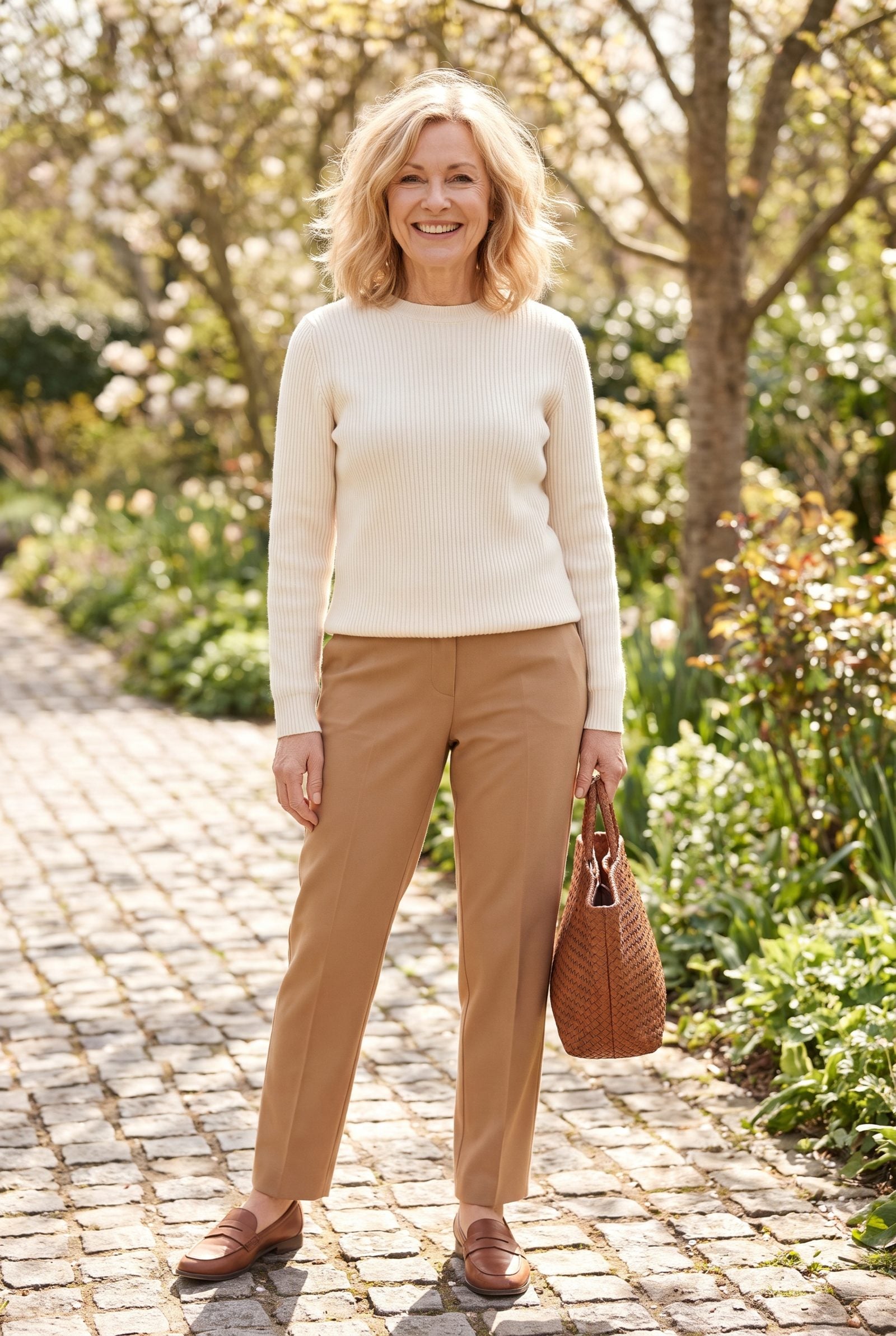
Candlelight blonde makes a face look lit from inside. The gold sits warm but never brassy, and the roots run a touch deeper so the color reads real rather than painted on. On a fair complexion with peach undertones, that warmth bounces right back up and softens the whole face.
It forgives a lot. Fine grays blend into it instead of fighting it, and the golden base counters any grayish cast that creeps into mature skin. Been told you look washed out in cooler blondes? This is the correction.
21. Golden Flax Blonde: The Quiet Wheat Tone With a Lit Center
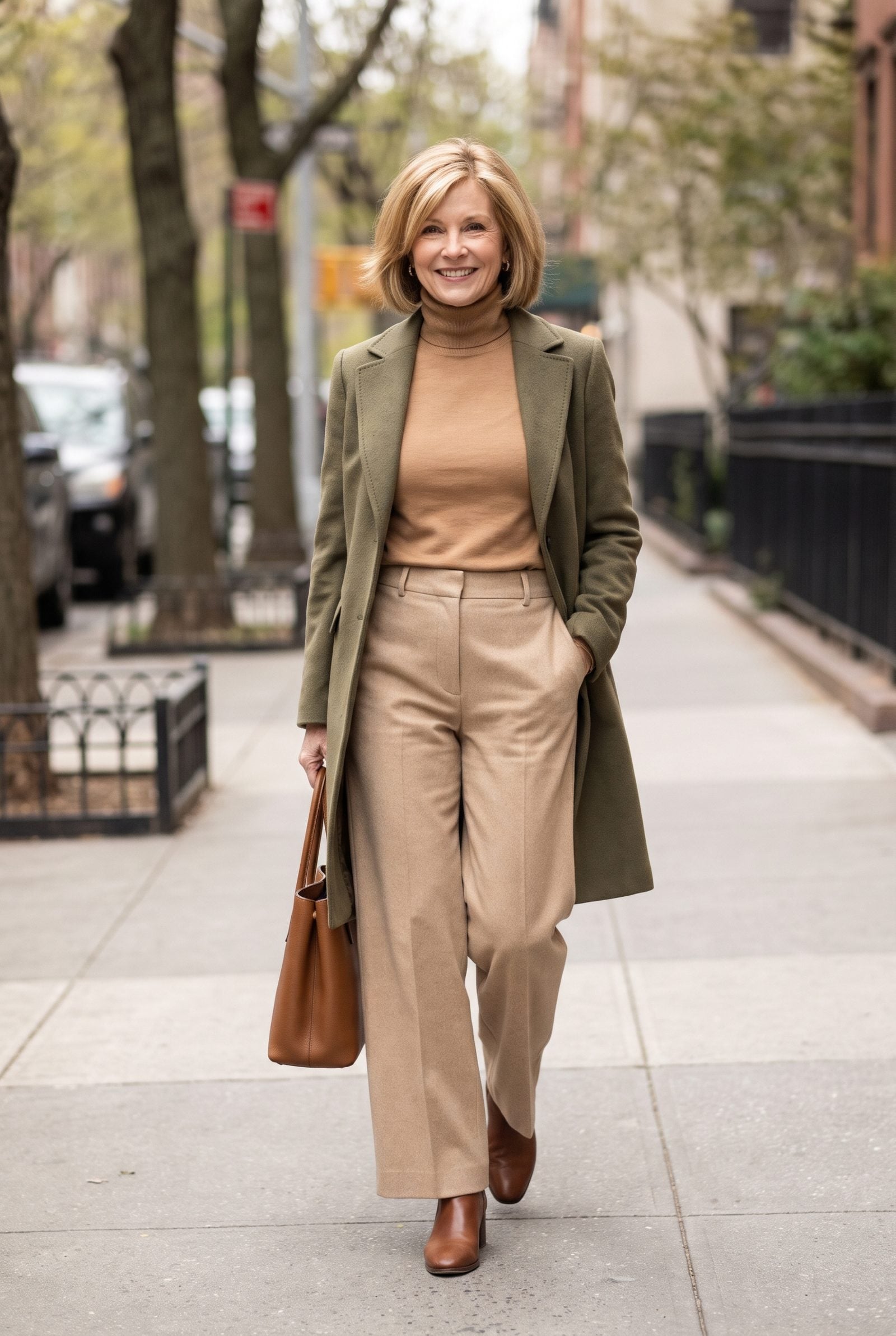
Flax is the color of ripe wheat at the edge of a field, and golden flax blonde borrows exactly that. Soft, low-key, no spotlight — it suits a woman who wants warmth without the fuss.
What makes it tick is the golden core running through a sandier base, which gives the complexion something warm to grab without tipping into yellow. On olive-leaning skin it reads expensive and completely calm.
20. Caramel Beige Blonde: Where Cool Sand Meets Liquid Caramel
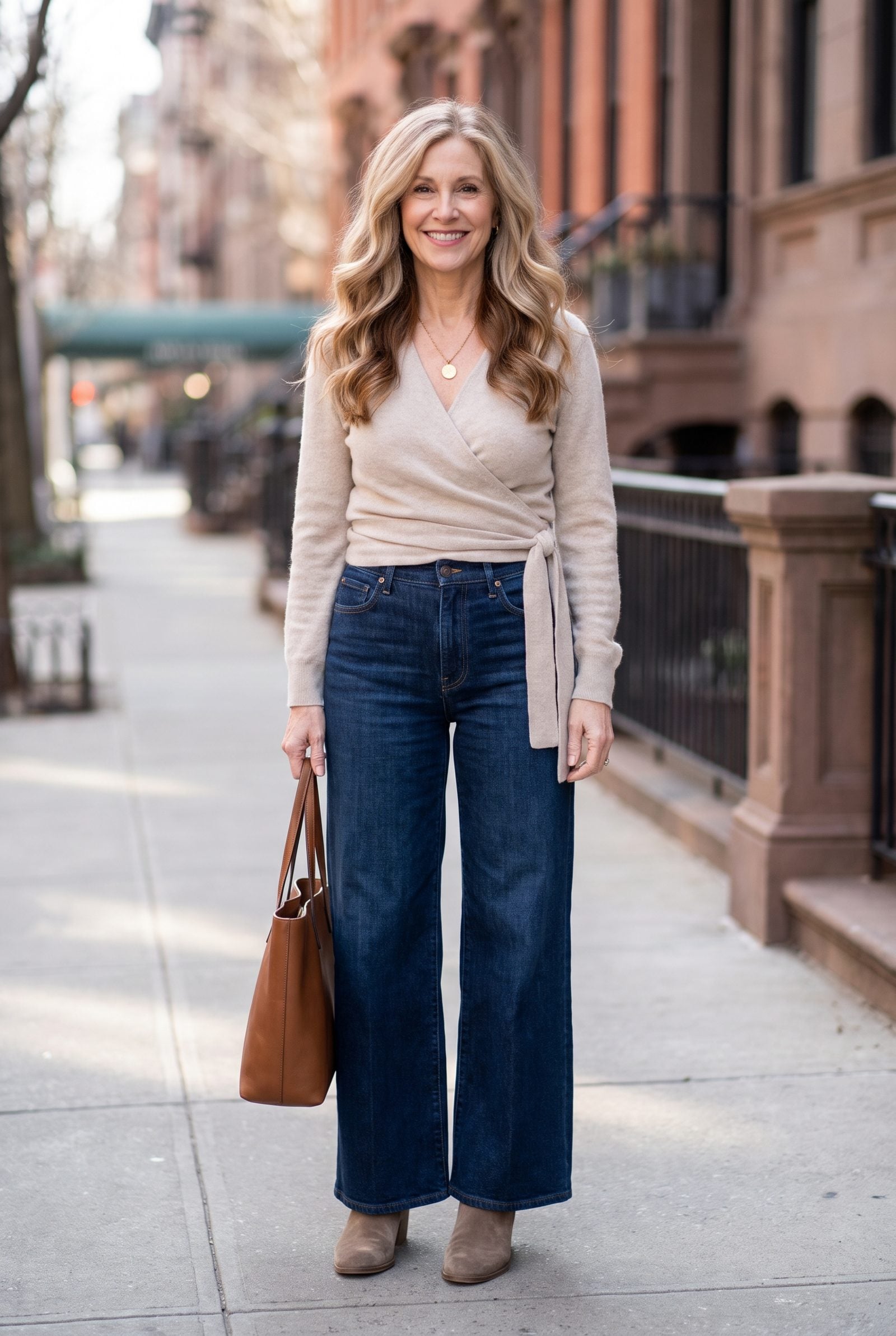
The genius of caramel beige is that it hedges its bets. Beige keeps it modern and a little cool, caramel keeps it warm enough to flatter. You get the sophistication of a sandy blonde without the drain that pure beige puts on mature skin.
Darker caramel underneath, beige lifted around the face. That framing does the heavy lifting, throwing warmth up toward the cheeks and jaw.
19. Golden Hazelnut Blonde: A Deeper Base That Still Reads Bright
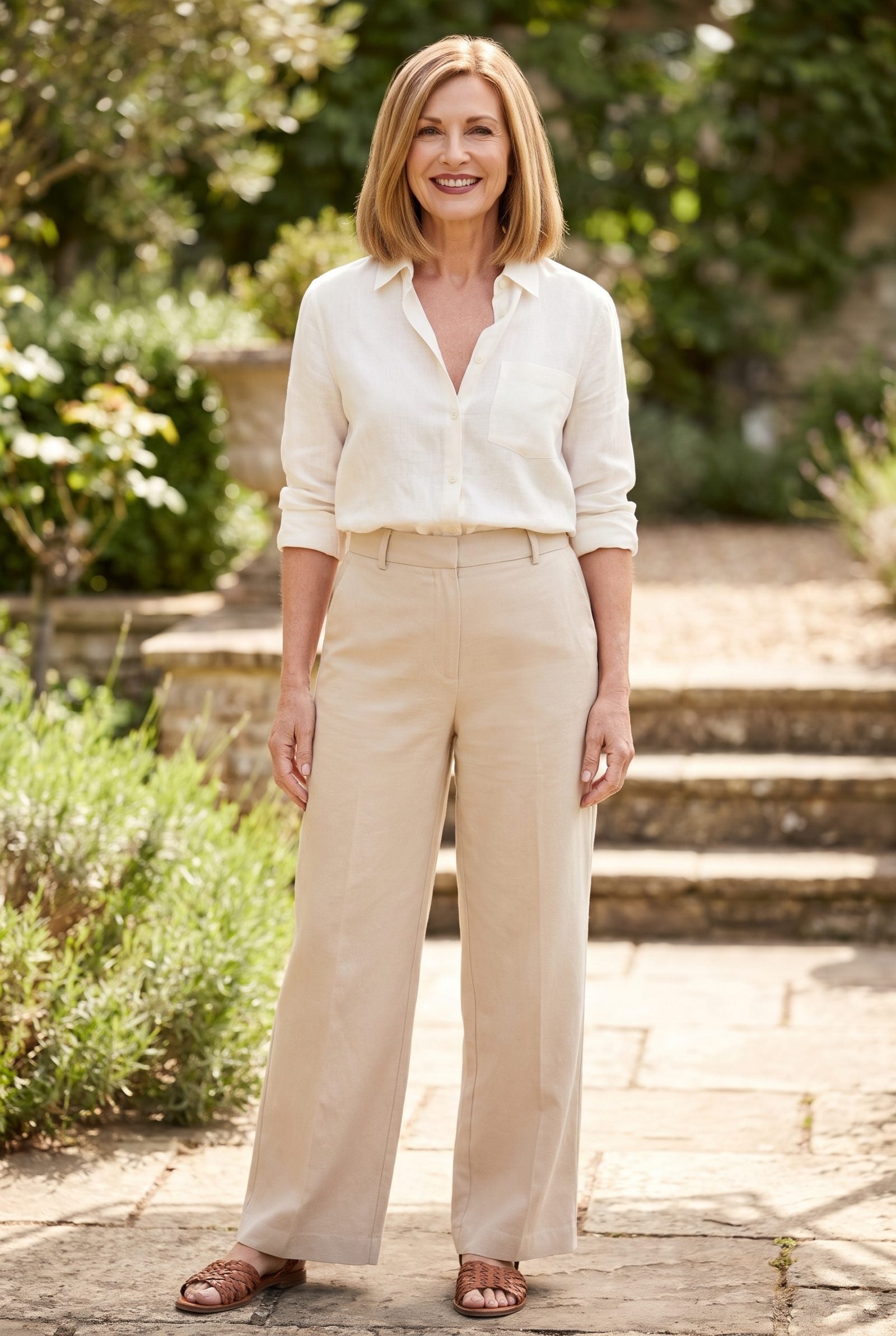
Hazelnut proves blonde doesn’t have to be pale to flatter. The base stays a warm nutty brown with golden-blonde lifted through it, so the overall read is bright without sitting too light against the skin.
On deeper and warm-toned complexions this often beats a true pale blonde, which can go chalky and dull. The golden pieces catch the light and warm the face while that deeper base keeps everything grounded.
18. Brown Sugar Blonde: Melted Amber Over a Soft Brown Base
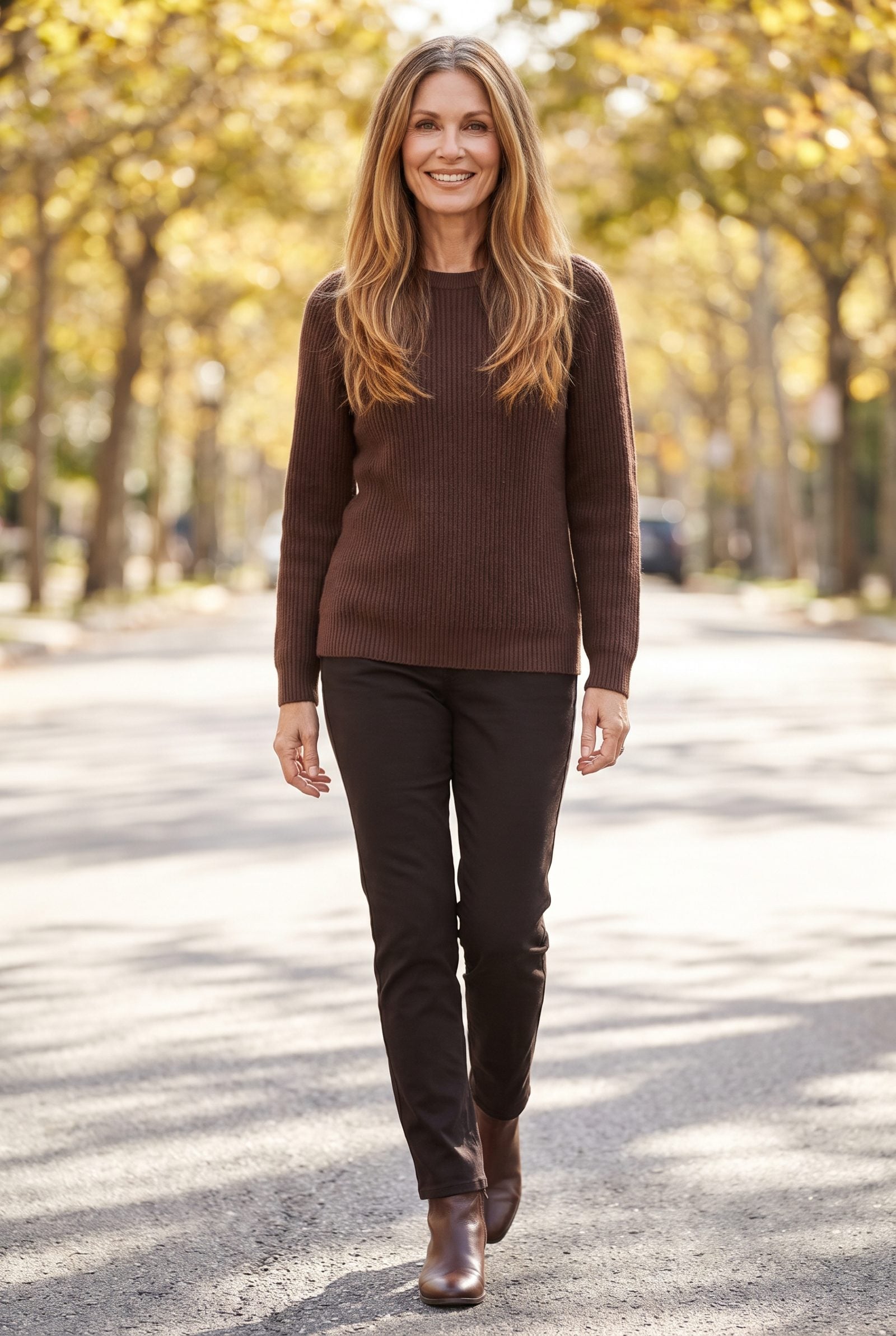
One color, many temperatures. Brown sugar blonde keeps a grounded brown at the root and lets amber and gold take over through the lengths, so the hair looks caught mid-melt.
That gradient earns its keep. A solid blonde can flatten a mature face; this one blurs and warms instead, pulling amber right up to the jawline where skin tends to go cool first.
17. Crème Brûlée Blonde: Soft Cream Topped With Caramelized Gold
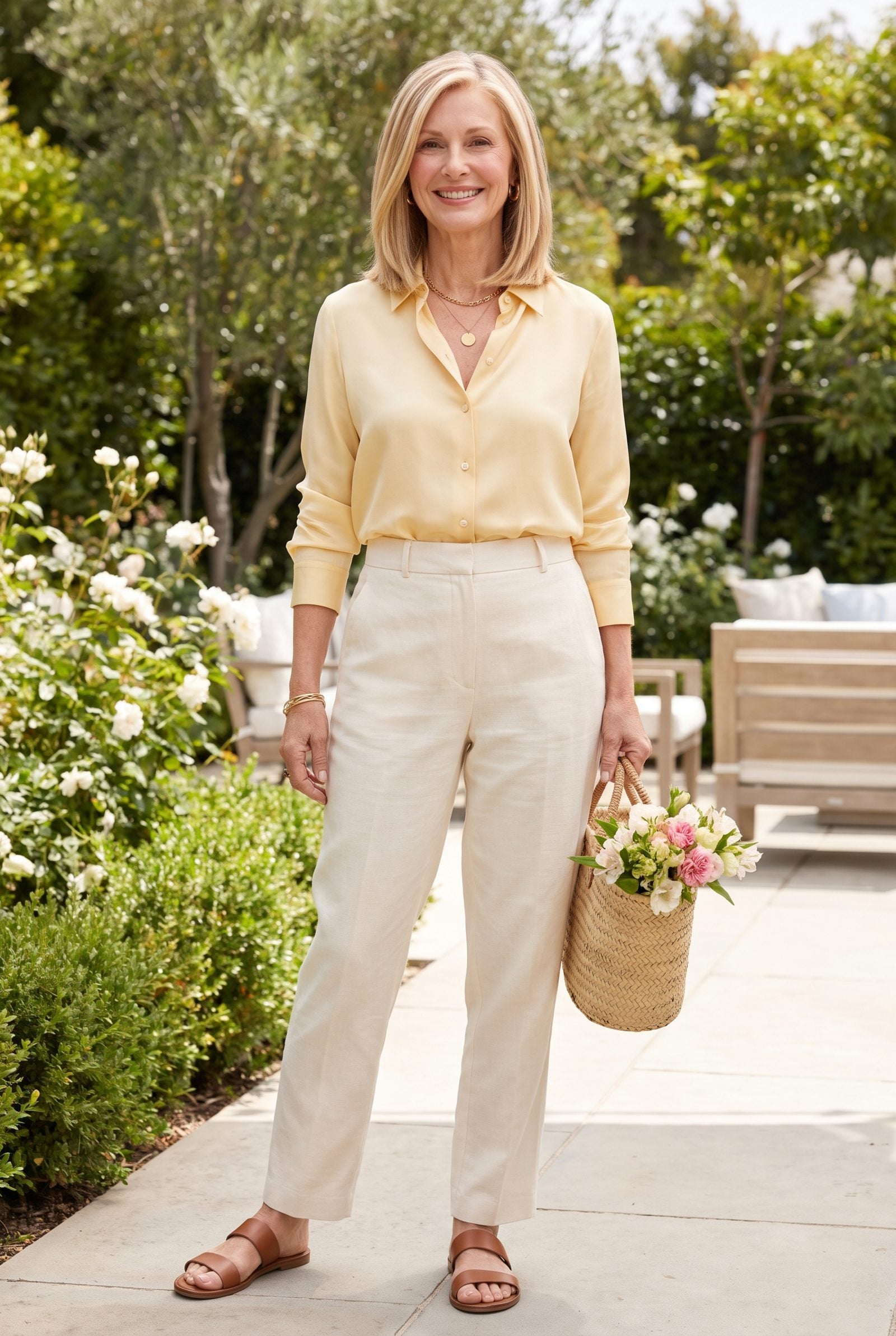
Picture the dessert: pale custard under a lid of caramelized gold. This shade copies that layering exactly, a creamy blonde base with warmer gold laid over the top, so it looks soft and bright at the same time.
Fair, ivory-toned complexions tend to vanish into true platinum. The caramelized gold here puts the warmth back and keeps the overall effect light without the washout.
16. Golden Truffle Blonde: Rich Mushroom Base, Molten Highlights
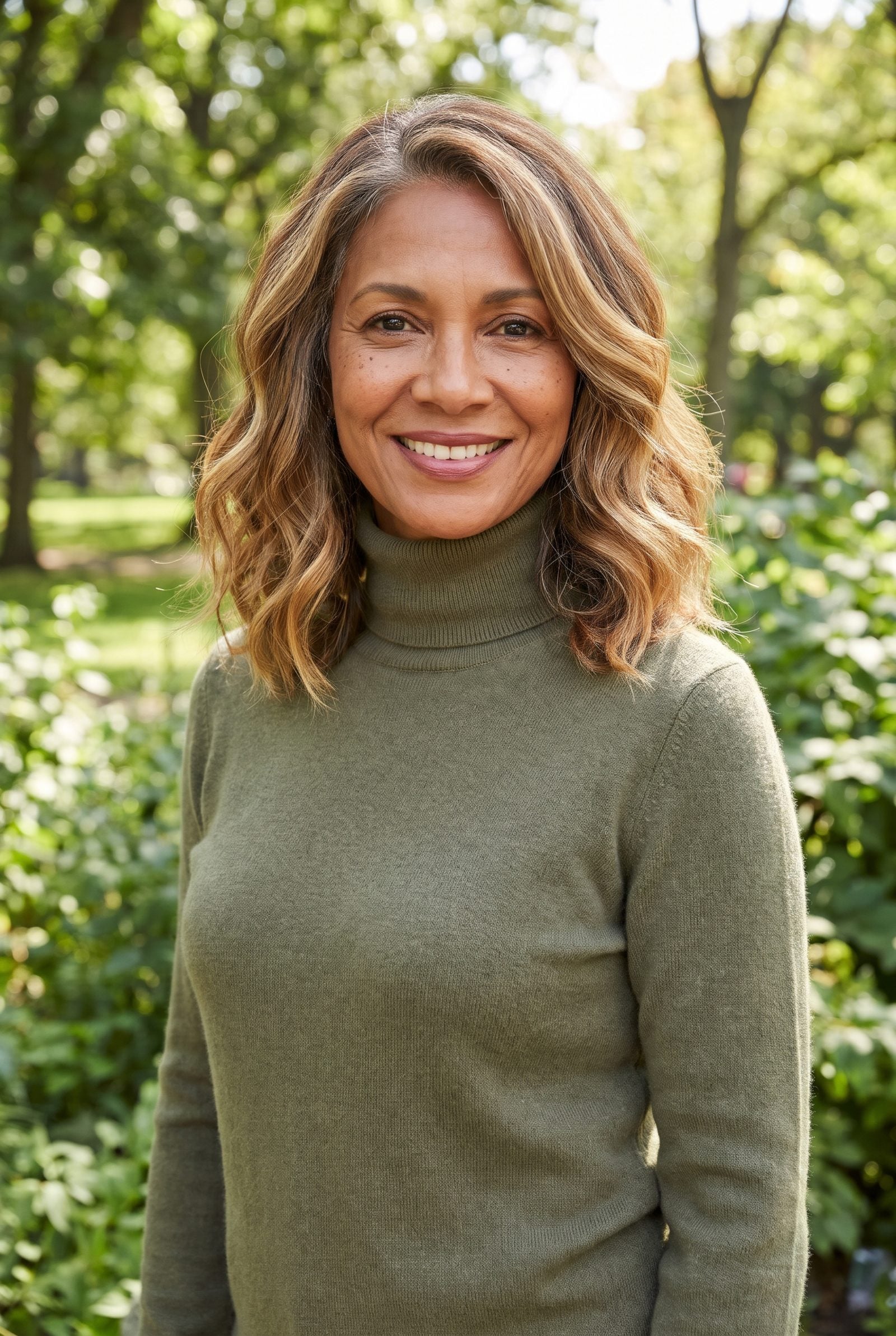
Truffle gives you a grown-up darkness without going dull. A warm mushroom brown anchors the base, deeper and more complex than a standard blonde, with molten gold threaded through for lift.
This is the shade for a woman who finds bright blonde too much but can’t stomach a flat brown either. The gold keeps the face warm while the truffle base stays quietly expensive. Warm olive and golden-deep skin especially love it.
15. Toasted Coconut Blonde: Cool Cream Grounded in Warm Brown
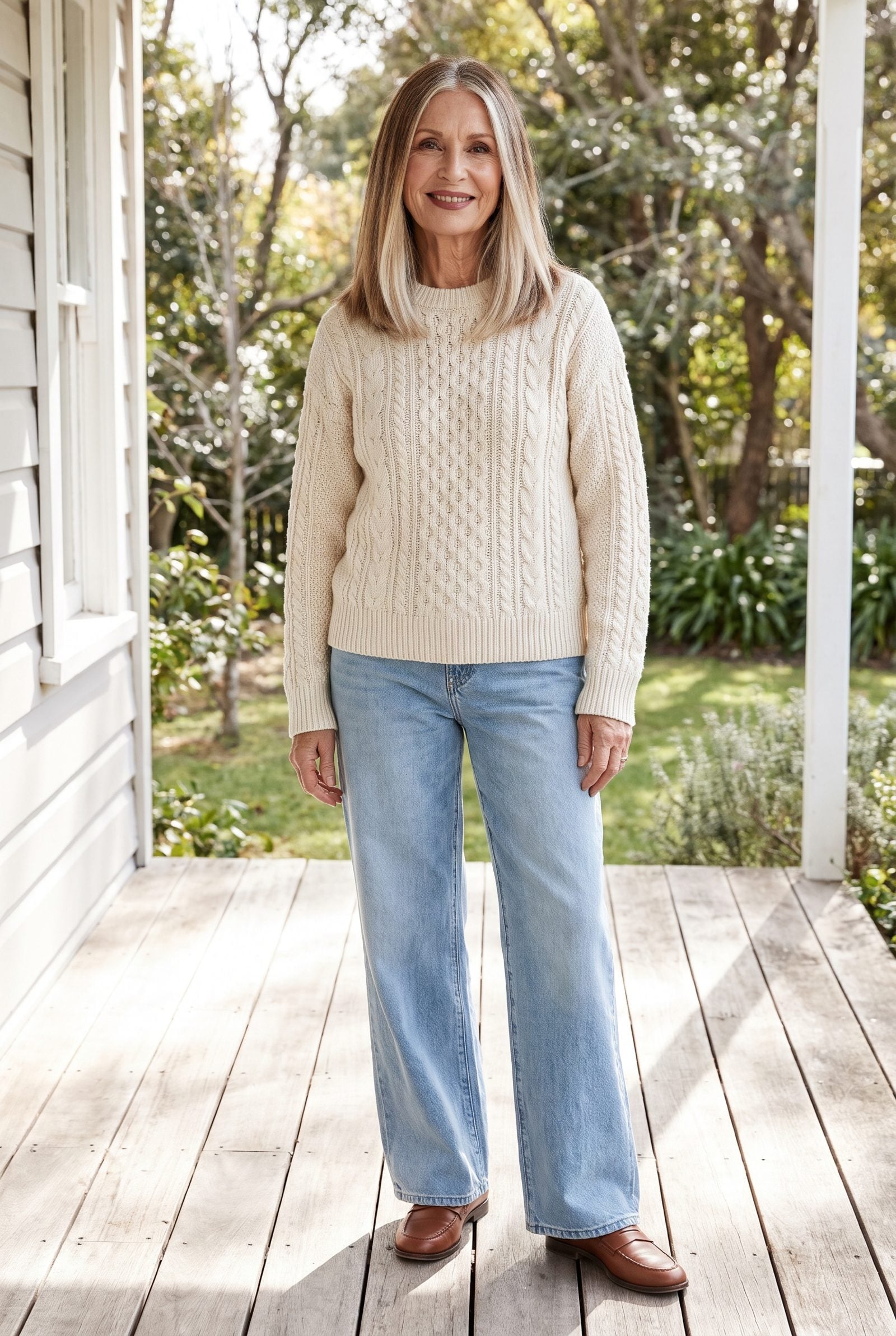
Toasted coconut is the clever one. At first glance it reads as a cool creamy blonde, but a warm toasted brown anchors the roots, and that anchor is what stops the lighter ends from draining the face.
Smart pick if you love the look of a cooler blonde but your skin punishes you for wearing one. The warm root handles the flattering, the cream ends handle the brightening.
14. Golden Bronde: The Blonde-Brown Blend That Flatters Nearly Everyone
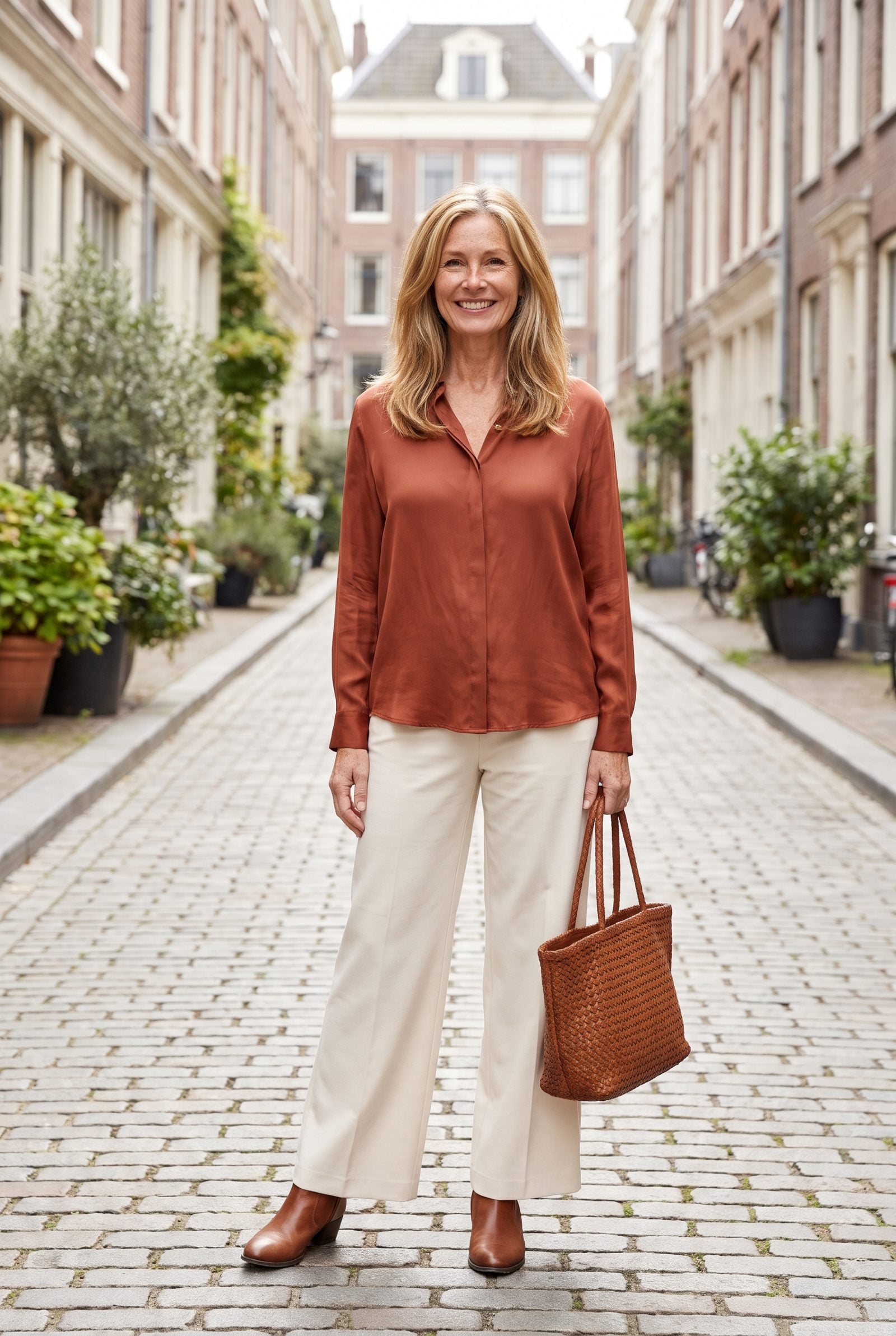
Bronde earns its popularity honestly. Sitting right between blonde and brown, it carries enough gold to warm the face and enough brown to dodge the washout that trips up fair blondes. For a mature complexion, that middle ground is often the safest bet going.
The warm golden pieces melt out of a deeper bronde root, so growth stays forgiving and grays disappear into the blend instead of announcing themselves at the part line. It’s the shade we’d point most women toward first — most flattery, least maintenance.
Nervous about committing to a true blonde? Start here. Golden bronde hands you the brightness and the warmth while keeping one foot on solid ground.
13. Caramel Bronde: The Shade That Puts Color Back in Your Cheeks
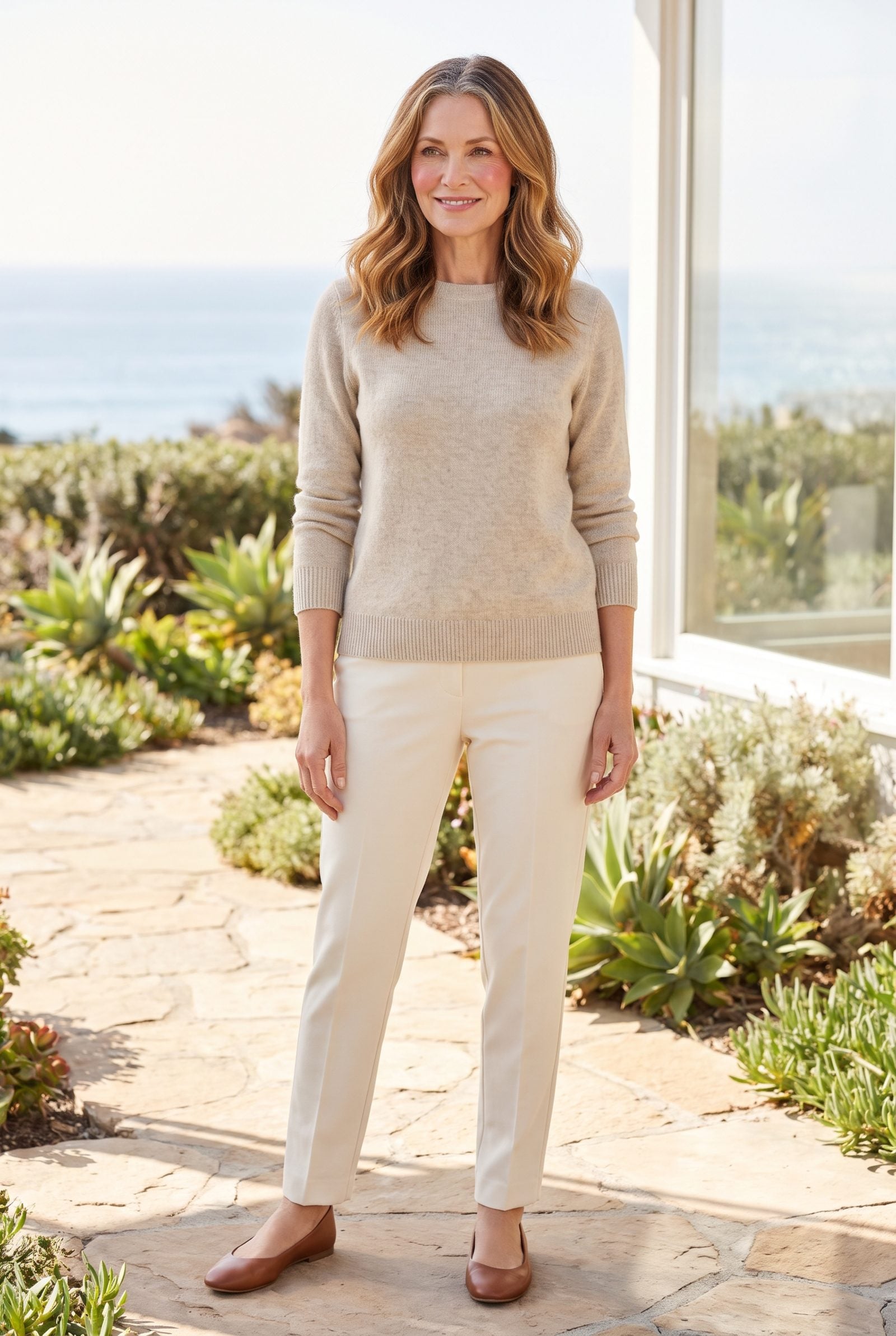
Caramel bronde lives right on the line between blonde and brown. The base stays soft and brown-leaning, and caramel ribbons run through it so the whole head reads warm and lit rather than dark.
That caramel is what the heading promises. When skin starts losing its natural flush, a flat or ashy shade only underlines the gray cast. Caramel reflects a warm, slightly rosy-gold light back onto the cheeks, so you look like you’ve had a good night’s sleep and a brisk walk.
It’s also forgiving. Because the base sits close to many natural brunette shades, regrowth blends in instead of drawing a hard line at the part.
12. Warm Mushroom Bronde: Cool-Toned Friends, This One’s For You
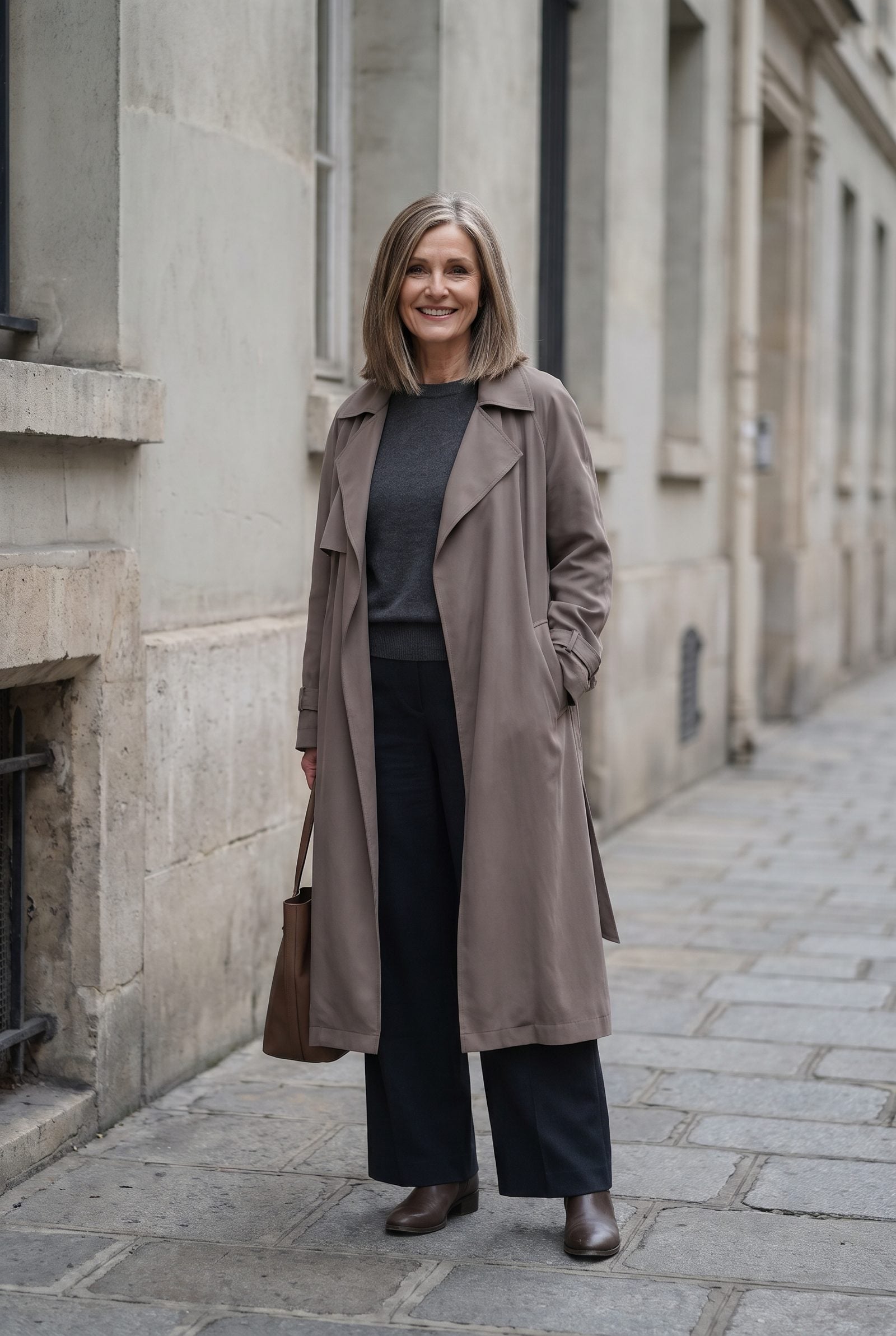
Cool-toned women usually get told warmth isn’t for them, and that’s only half true. Brassy orange gold can clash with pink or blue undertones, but a warm mushroom bronde is the bridge.
Mushroom brown is an earthy, slightly smoky neutral to begin with. Push it just a touch warmer and it keeps the soft, muted feel that suits cool skin while adding enough beige-gold to stop the face from looking gray. No brass, no yellow, just a softer, healthier-looking complexion.
Ask for the warmth as a gloss or tone rather than chunky highlights. You want it to feel like a glow, not a stripe.
11. Cinnamon Bronde: A Little Spice for Warm Undertones
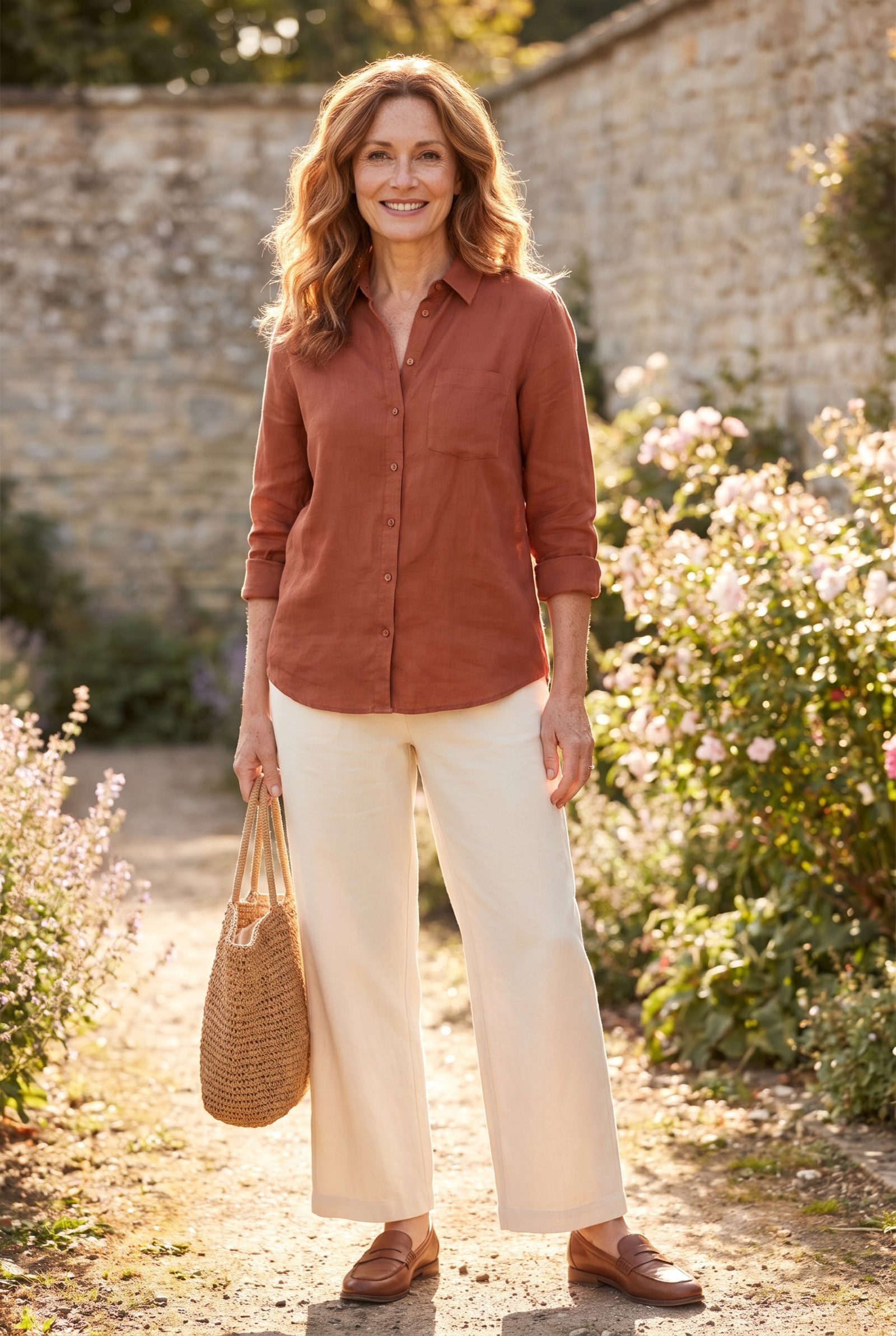
Cinnamon bronde adds a little red-brown spice to a blonde-brown blend, and on warm, peachy or golden skin it’s a revelation. The reddish note brings color into the face that pure gold can’t quite reach.
Keep it subtle. A hint of cinnamon woven through bronde reads as natural warmth, while a full red wash can look harsh against softening features. Hazel and green eyes pick up the spice beautifully.
One honest warning: red tones tend to fade faster than other shades. A color-depositing conditioner or a toning gloss between appointments keeps the spice from washing out to plain brown.
10. Bronze Blonde: The Metallic Warmth That Brightens Without Yellow
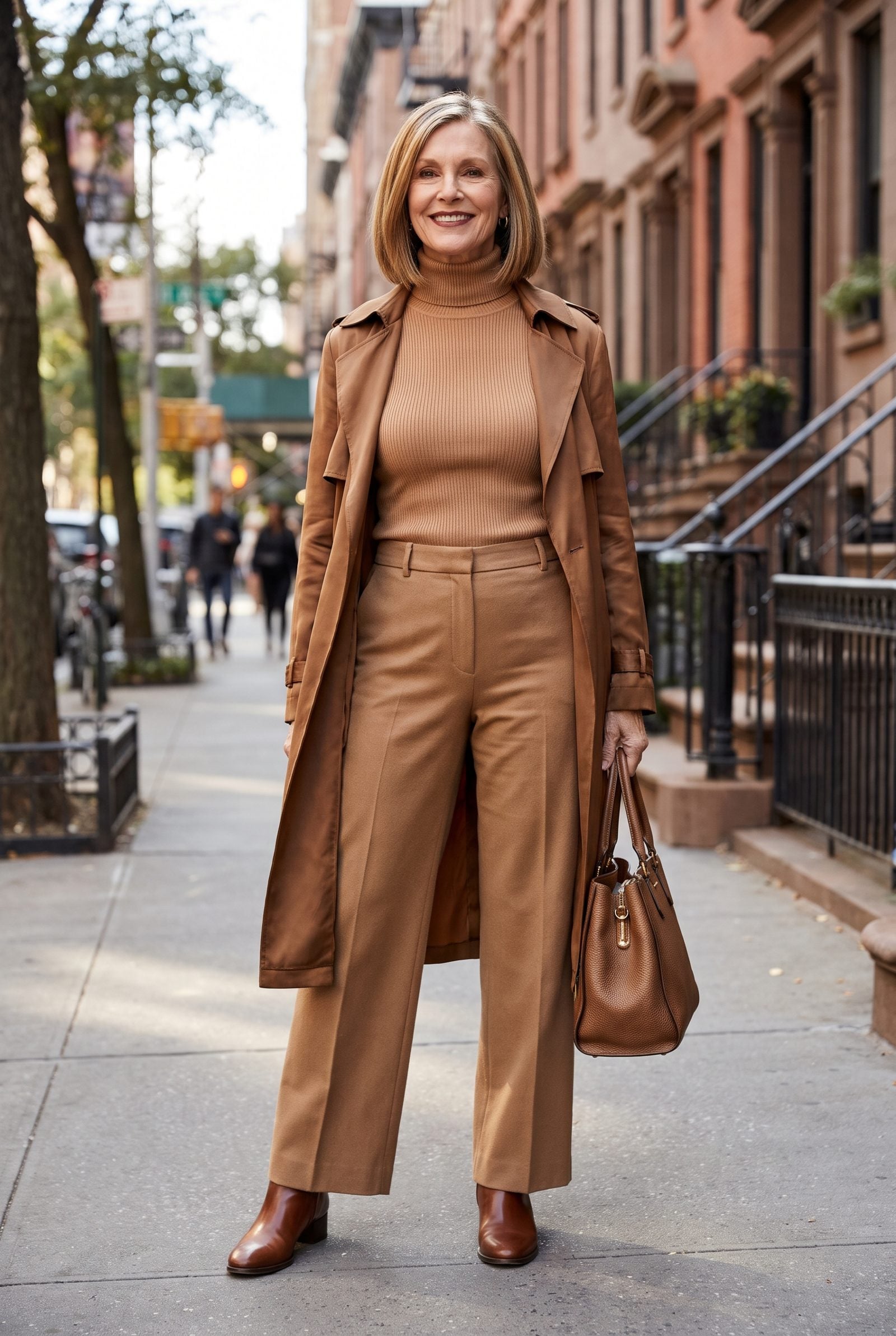
Bronze blonde is warmth with a metallic finish. Instead of leaning yellow, it leans toward brown-gold with a hint of copper, the color of an old bronze statue catching afternoon light.
That’s exactly why it brightens without the brass. Yellow-heavy blondes can make mature skin look sallow, but bronze carries enough depth to ground the shine and enough warmth to flatter. The reflective quality makes hair look glossier, too, which helps when texture has started to change.
Olive, golden and medium-deep skin tones wear it best, though a lighter, softer bronze works on fair warm skin as well.
9. Golden Mocha Blonde: Coffee and Honey in Equal Measure
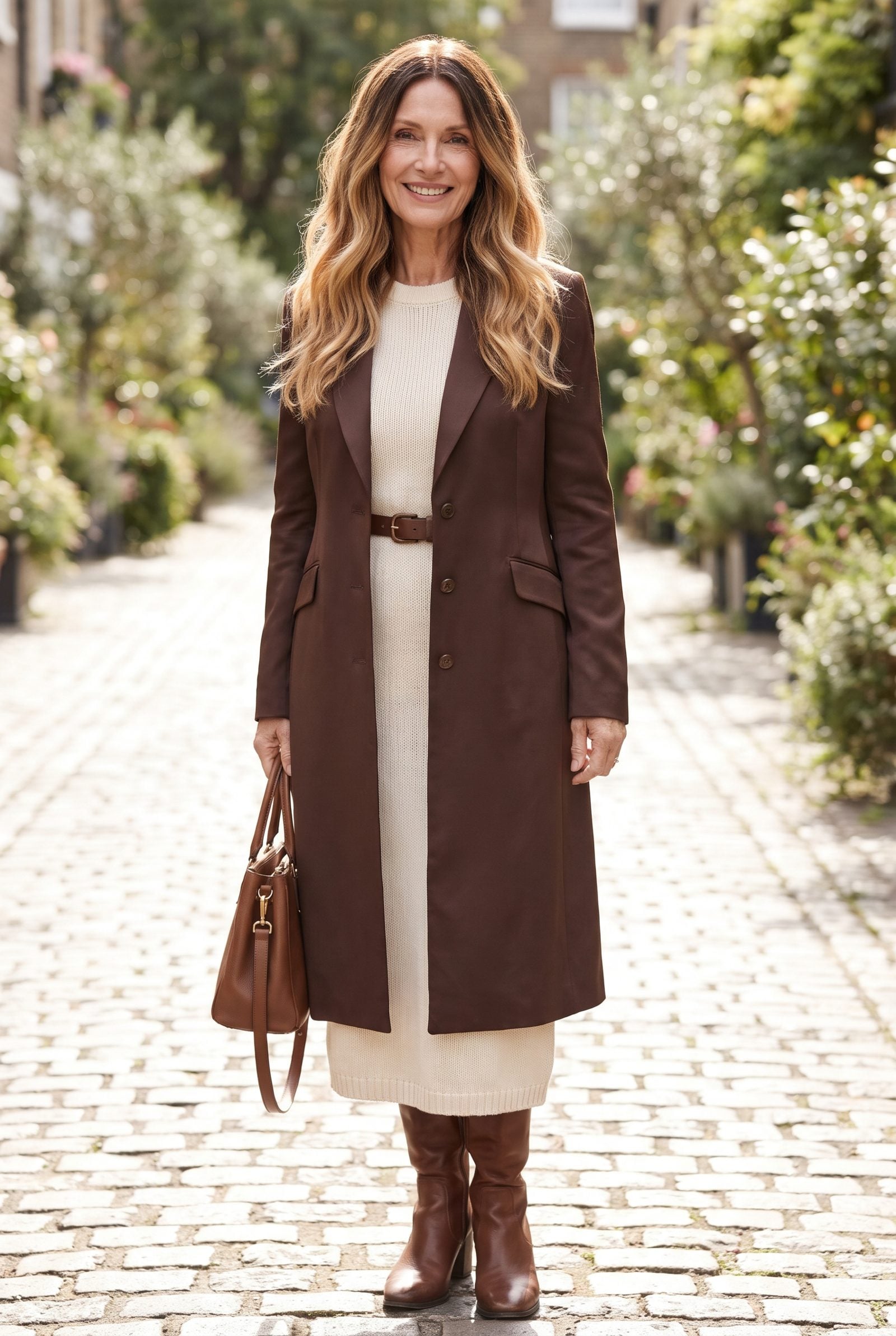
Golden mocha splits the difference between a coffee brown and a honey blonde, and it does it evenly. A soft mocha base gives you depth and richness, while honey pieces scatter light across the top layers.
The balance is the point. Too much mocha and the face loses its lift; too much honey and you’re back to a light blonde with high upkeep. Equal measures keep the look warm, dimensional and grown-up.
It’s a smart choice for natural brunettes who want to brighten without committing to heavy lightening, and brown eyes look especially warm framed by it.
8. Milk Chocolate Blonde Balayage: Depth at the Root, Light at the Ends
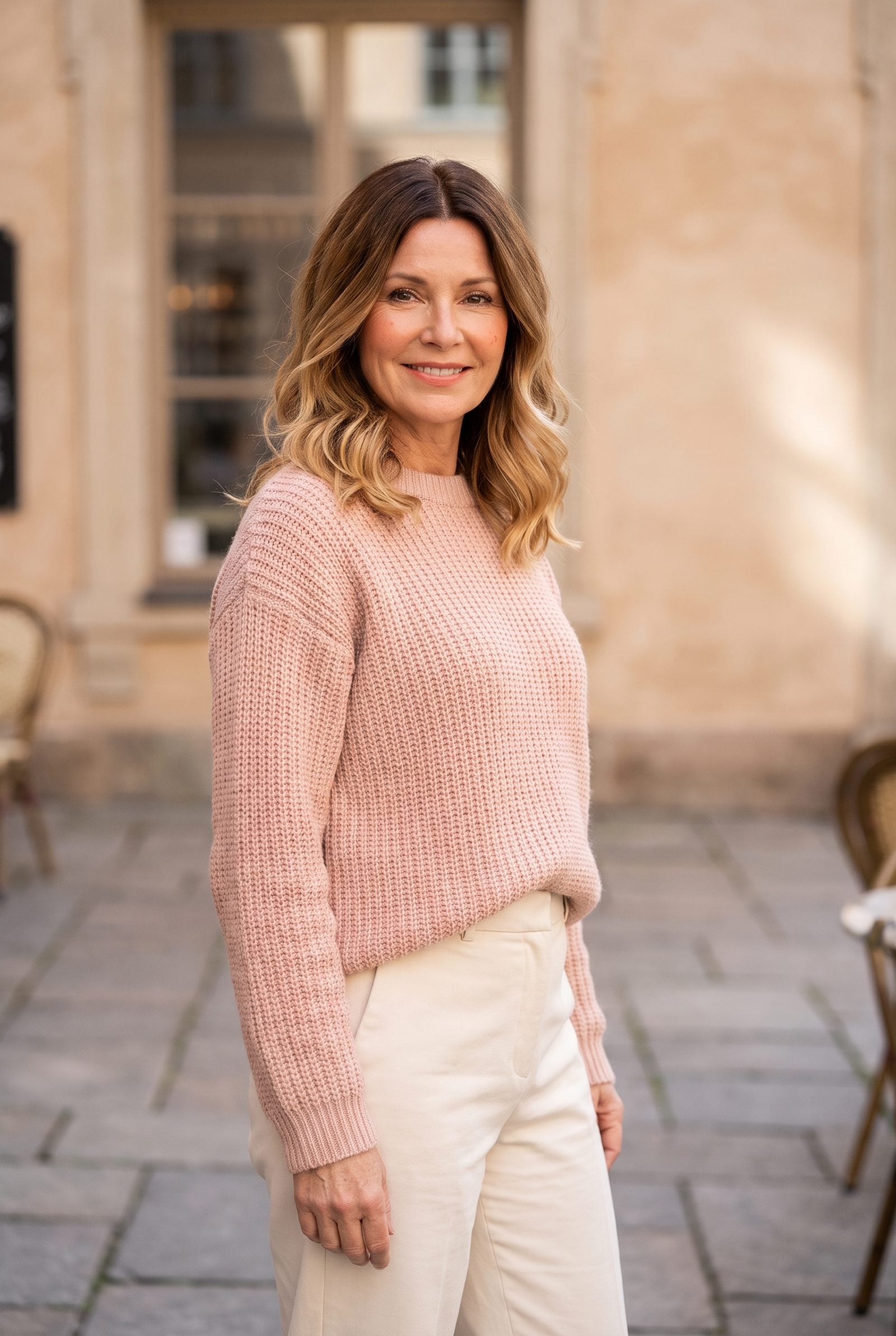
Milk chocolate balayage keeps your depth right where you want it: at the root. The color stays rich and brown near the scalp, then melts into hand-painted blonde through the lengths and ends.
For mature skin, that combination works twice. The darker root adds definition and keeps the hair from looking thin or washed out, while the lighter ends bounce warmth up around the jaw and shoulders. You get the brightness of blonde without lightening the whole head.
Because balayage is painted freehand, the transition stays soft, so there’s no stripy grow-out and the shade keeps looking intentional for longer.
7. Dark Honey Blonde With Face-Framing Gold: The Spotlight Trick
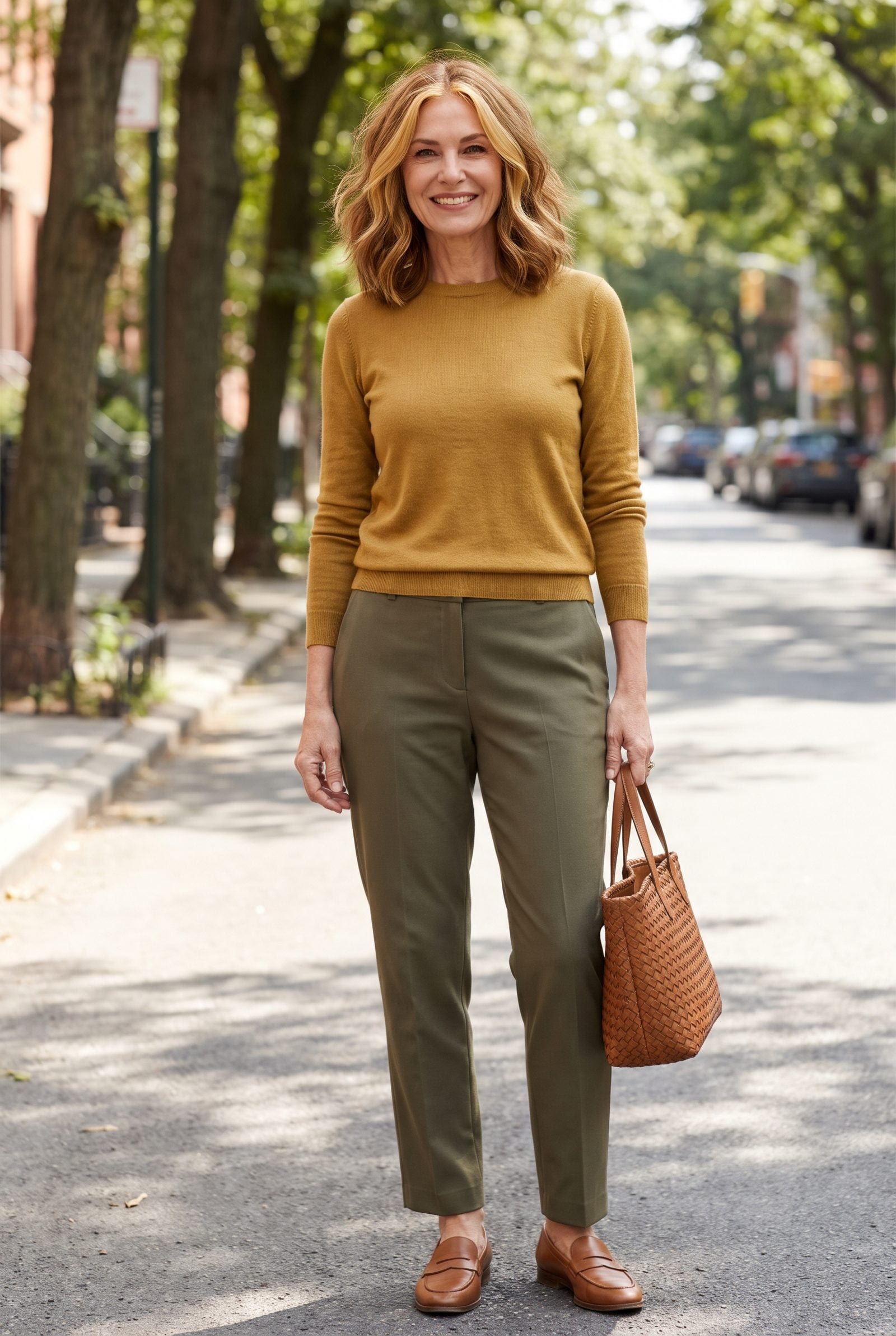
This is the spotlight trick. Keep the overall shade a deeper, darker honey blonde, then place the brightest gold strictly around the hairline and the front pieces.
Those face-framing pieces act like a reflector. They sit closest to your skin, so they’re what your complexion actually picks up, and warm gold there brightens under-eye shadows and softens fine lines. The darker honey behind them adds contrast, which makes the front look even brighter.
It’s also a clever way to test lighter hair. You get the lift exactly where it counts without bleaching everything, and the rest stays rich and healthy.
6. Caramel-Rooted Golden Blonde: Warm From the Scalp Up
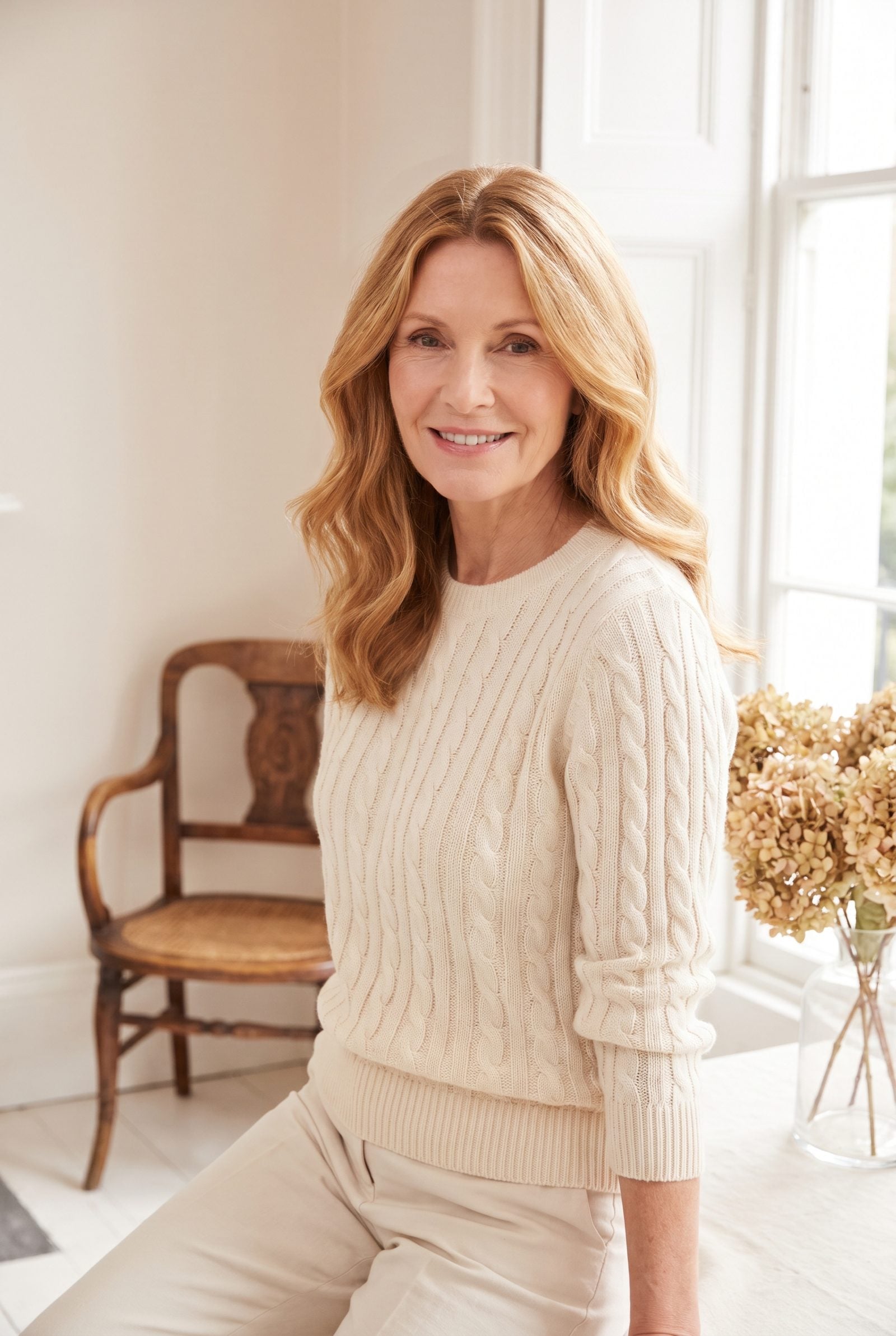
Most shadow roots go cool and dark to blend regrowth. A caramel root goes the other way, keeping the scalp area warm so the color glows from the very first inch.
That matters because the root area sits right beside your forehead and temples. A cool, ashy root can cast a gray shadow over the face, while caramel flows into golden blonde with no hard line and no drain. The whole head reads as one warm piece.
Regrowth softens too. Caramel blurs into many natural light-brown bases, so the grow-out looks like dimension rather than roots that need attention.
5. Warm Brunette Root Melt Into Honey Blonde: The Low-Maintenance Hero
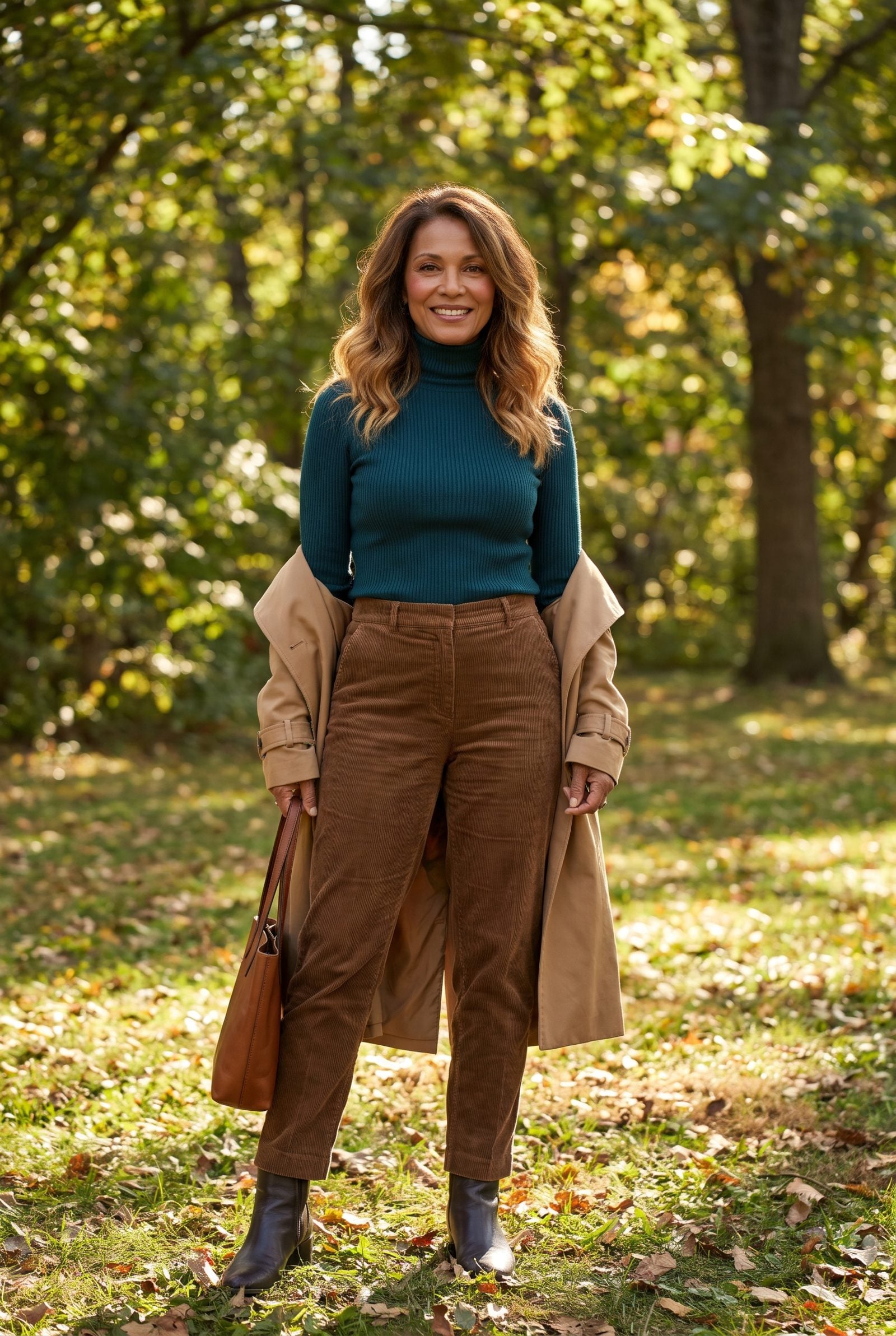
If you’re tired of booking root touch-ups on a tight schedule, this is the shade to ask for. A warm brunette root is blended down, or melted, into honey blonde so there’s no line where one color stops and the other starts.
As your hair grows, the new growth simply lengthens the brunette section instead of showing a stark band. That means you can stretch time between appointments without the color looking neglected. The honey lengths keep the warmth around your face the whole time.
4. Golden Shadow Root With Creamy Ends: Soft Edges, Warm Light
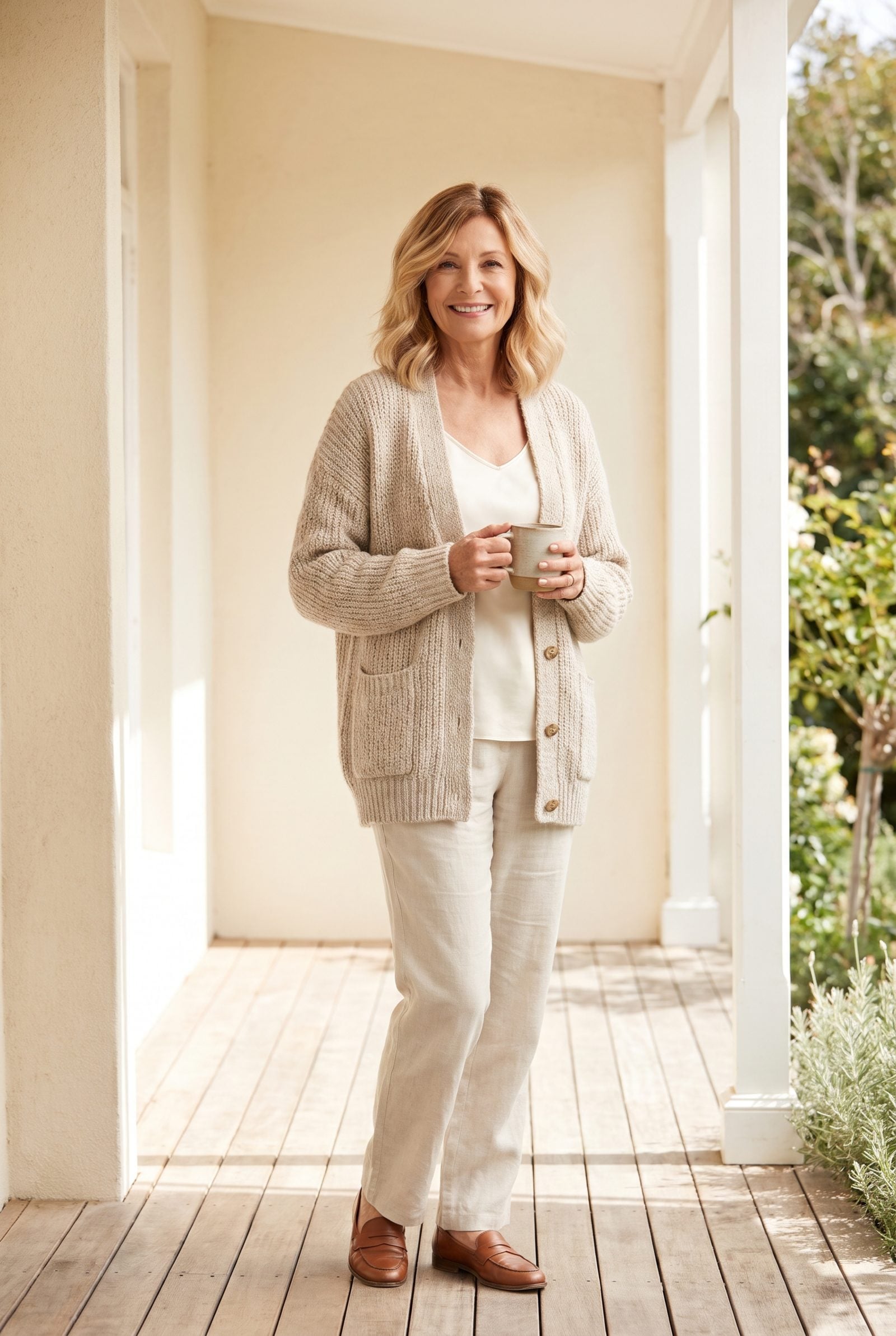
A golden shadow root swaps the usual dark, cool smudge for a warm, light-brown gold at the base, then blends into creamy blonde through the ends. Nothing about it is harsh.
The soft edges are what make it flattering after fifty. Sharp contrast can emphasize lines and hollows, while a gentle gradient reads relaxed and fresh. The gold near the root warms the hairline, and the creamy ends add brightness without the chalky look of a cold platinum.
It suits fair to medium skin with neutral or warm undertones, and the blended root makes regrowth far easier to live with.
3. Champagne Blonde With Peachy Lowlights
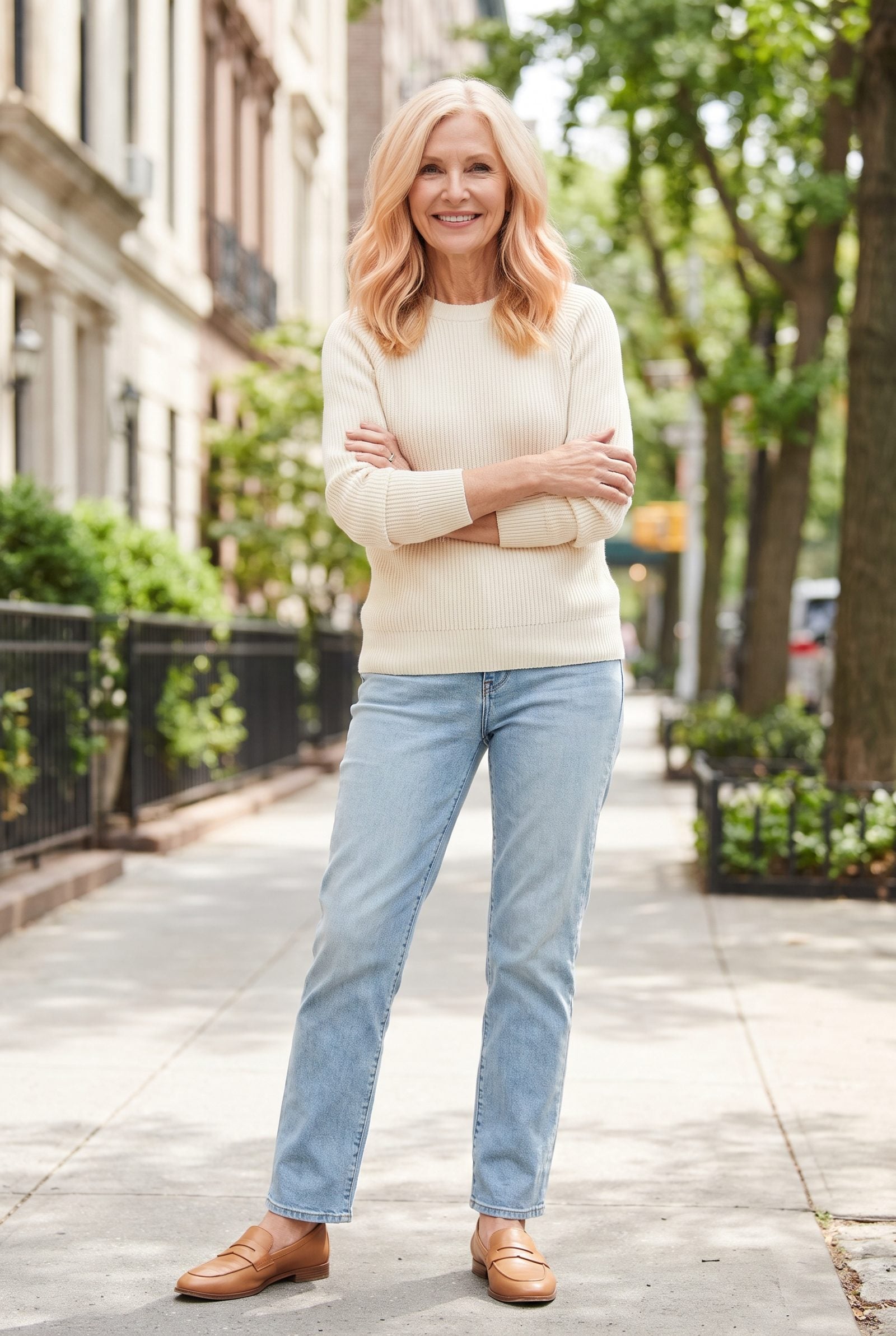
Champagne is the blonde that behaves like good lighting. Those peachy lowlights are the whole trick — they borrow warmth from your skin instead of fighting it, so the face reads rested rather than drained.
Fair complexions with pink or peach undertones get the most out of it. The apricot threads pick up the natural flush in your cheeks, and suddenly the color looks like it grew there. No harsh contrast at the hairline, no ashy gray cast flattening everything out.
2. Sunflower Blonde
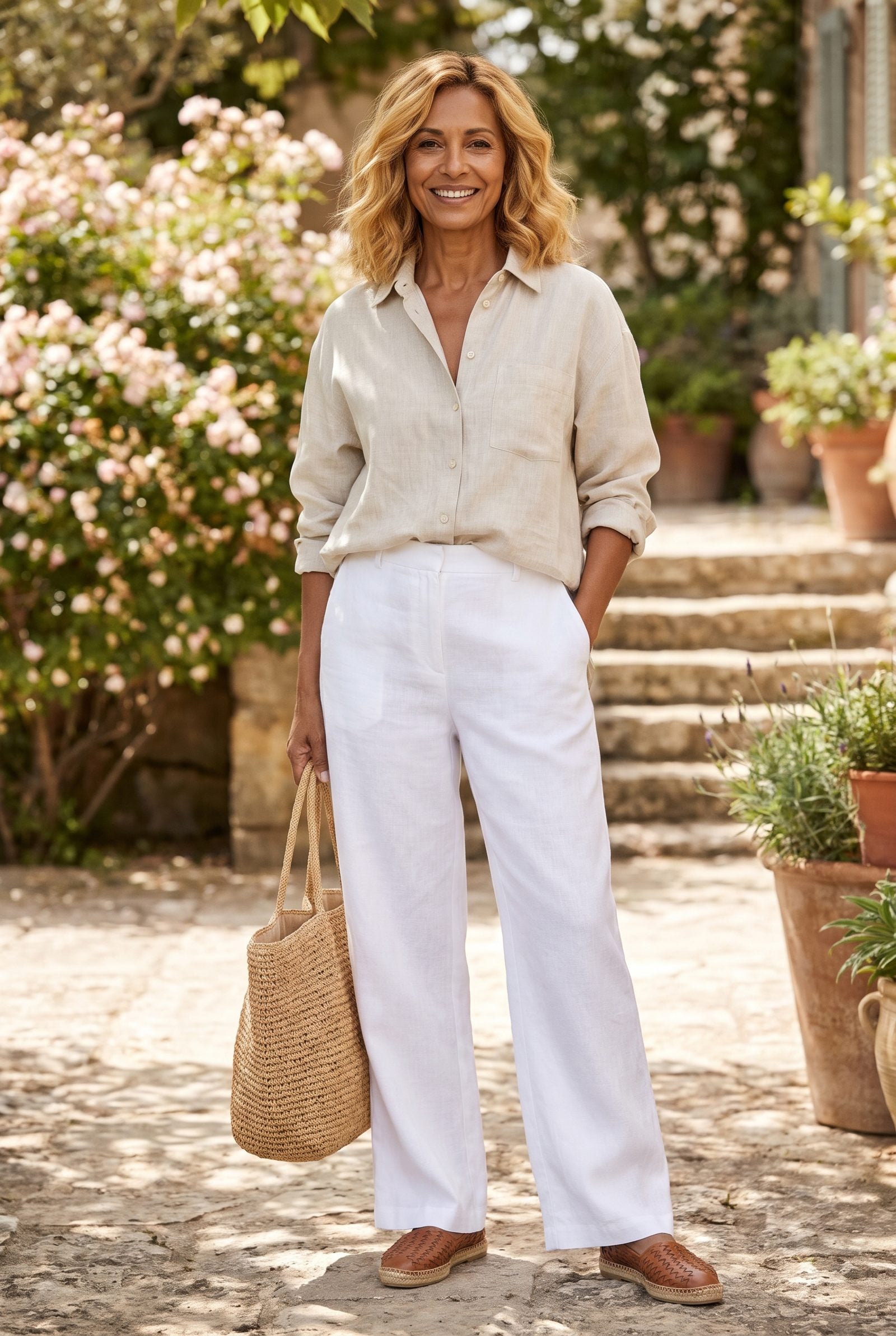
Sunflower blonde runs warmer and bolder, a honeyed gold that holds its own against medium and olive complexions where paler blondes just vanish.
The depth at the roots does the heavy lifting here. Drop it and golden blonde collapses into one flat note. But keep the base honeyed, let the lengths brighten, and you get that lit-from-within quality that catches the light when you move. Golden-undertoned skin drinks it up — the complexion looks warmer, more awake, never yellowed.
1. Salt-and-Pepper Hair Blended With Warm Beige Blonde
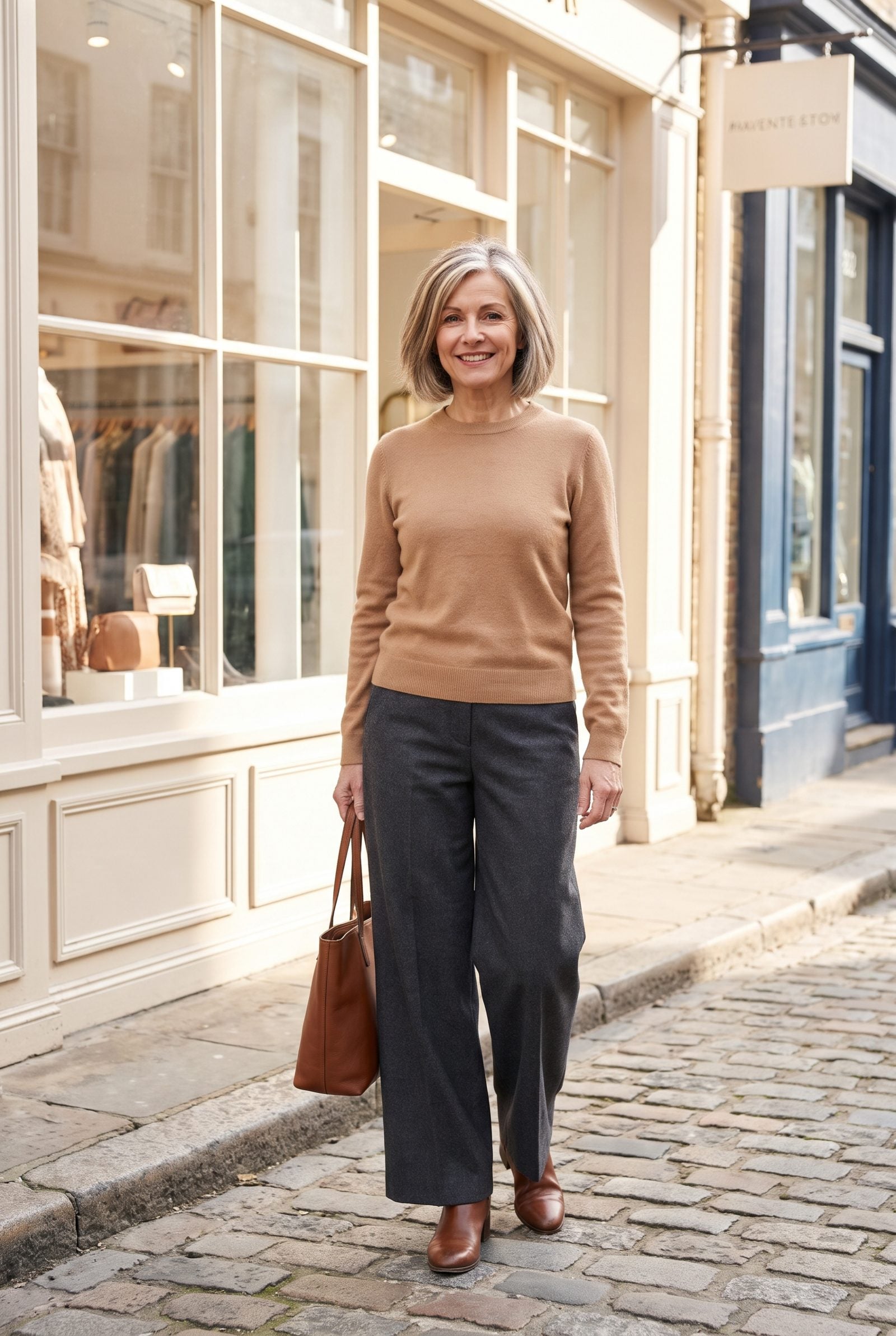
Here’s where going gray gets interesting. Natural salt-and-pepper left entirely alone against fair cool skin can tip into that washed-out, matching-the-wall look nobody asked for. Weave warm beige blonde through the front and crown and the problem sorts itself out — no monthly root-chasing required.
The beige isn’t there to hide the gray. It’s there to warm it. Silver carries a cool blue cast that drains pink-based complexions, so a few beige ribbons at the face neutralize the chill and the gray starts to look deliberate instead of accidental.
Call it the low-maintenance move for anyone who loves their natural color but not what it does to their face.