

❤️ Would you like to save this?
The bathroom cabinet of your grandmother’s house smelled like something between a salad and a science experiment. Vinegar on the sink, olive oil in a jar that was definitely from the kitchen, and a boar-bristle brush worn smooth by decades of use. We rolled our eyes. Turns out most of it worked, and the dermatologists charging you for serums now are quietly recommending the same things. Here are the habits worth stealing back.
FYI, thanks to AI imagery software, we’re able to create very specific fashion and hairstyle examples to illustrate the points being made. In some cases, imagery is exaggerated to hammer home the point. Also, assume links that take you off the site are affiliate links such as links to Amazon. this means we may earn a commission if you buy something.
27. The 100 Brush Strokes Before Bed
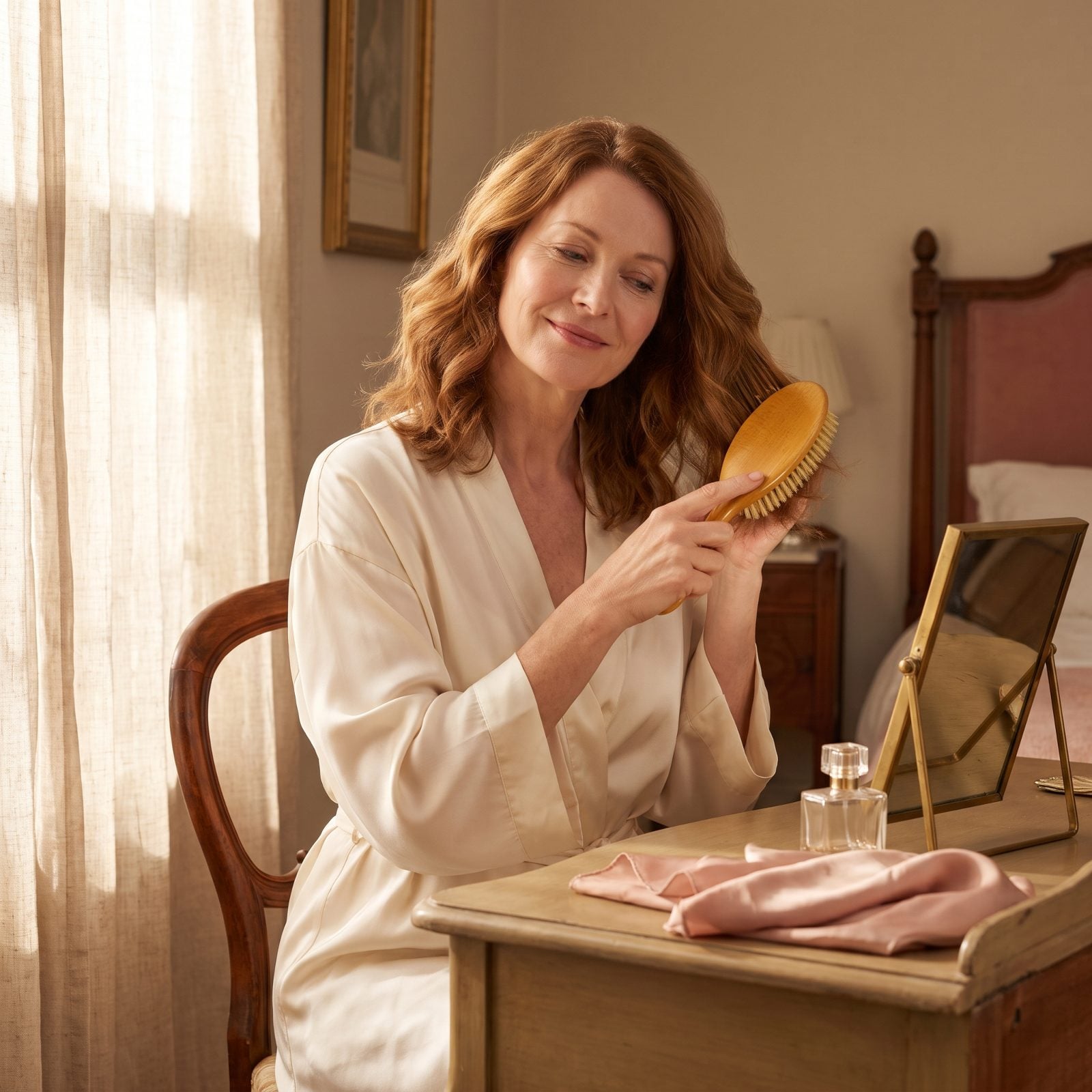
Your grandmother did this at her vanity every night and it looked like pure vanity. It wasn’t. Dragging a boar-bristle brush from root to tip pulls the oil your scalp makes down the whole shaft, which is exactly where the dry ends need it. Nobody’s sebum migrates on its own. You have to move it.
The number was always too high, though. A hundred strokes is overkill and can rough up the cuticle if you’re yanking at it like you’ve got somewhere to be. Thirty slow passes with a natural-bristle brush does the real work — distributes oil, lifts loose dead skin off the scalp, and leaves hair with a shine no leave-in spray fakes convincingly.
26. The Cold-Water Rinse for Shine

Nobody enjoys the cold blast at the end of a hot shower. We resisted it for years and we were wrong about it. Hot water swells the hair cuticle open and leaves it rough, which is why over-washed hair in warm water looks dull no matter what you slather on. A cold rinse at the very end flattens those cuticle scales back down.
Flat cuticle means light bounces off the surface in one direction instead of scattering. That’s shine, in a sentence. Ten seconds of cold costs nothing and does more for gloss than most of the bottles promising it.
25. The Apple Cider Vinegar Clarifying Rinse

Product buildup is real and it’s dulling your hair right now. Styling residue, hard-water minerals, and the film left behind by conditioner all stack up over weeks until your hair feels coated and heavy.
A couple tablespoons of apple cider vinegar in a cup of water, poured over after shampoo and rinsed out, strips that film without the harshness of a clarifying shampoo. The mild acid also drops your hair’s pH back down, which closes the cuticle for the same gloss the cold rinse delivers. So why does it still earn a spot?
- It dissolves mineral buildup from hard water that regular shampoo leaves behind.
- The acidity rebalances pH, flattening the cuticle.
- It costs pennies a rinse versus the going rate for a clarifying bottle.
The vinegar smell vanishes once hair dries. Do it once a week at most, less if your hair runs dry.
24. Sleeping on a Silk Pillowcase
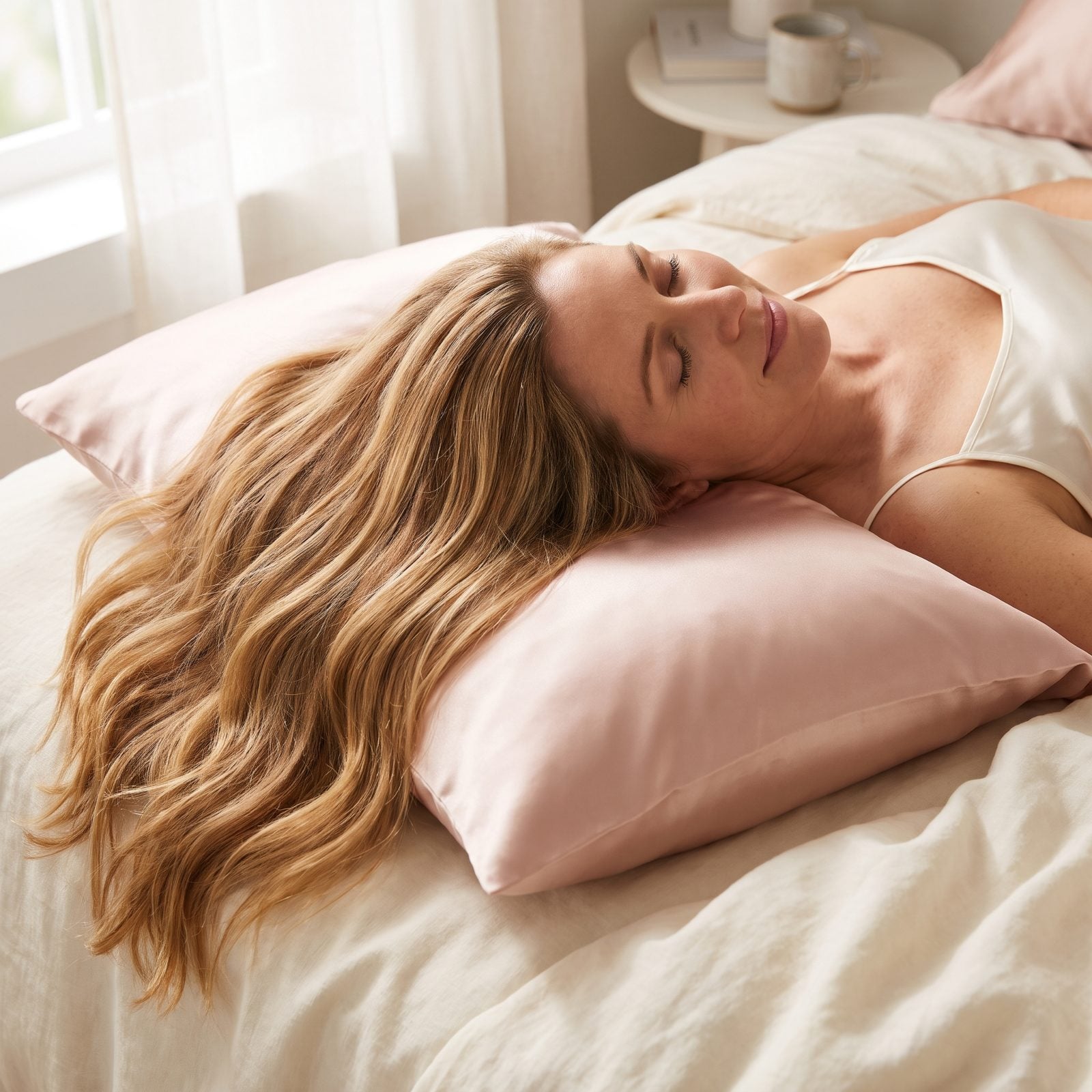
Cotton pillowcases are quietly rough on hair. Every time you turn your head, the weave grabs at strands, roughs the cuticle, and wicks the moisture straight out of your hair and skin. Eight hours of that, every single night, adds up to the frizz and breakage you’ve been blaming on everything else.
Silk lets hair glide. No friction, no snagging, no moisture theft. You wake up with the style you went to bed with and a face that’s less creased, too. A luxury then, a drugstore purchase now.
What Our Readers Say
- In our Hot or Not photo matchups, pictures with wavy hair won 64% of their head-to-heads, well above what their position alone would predict.
- Asked to choose a finish, three out of four ThreadCurve readers picked tousled over sleek.
From ThreadCurve reader polls and votes.
23. The Mayonnaise Deep-Conditioning Mask
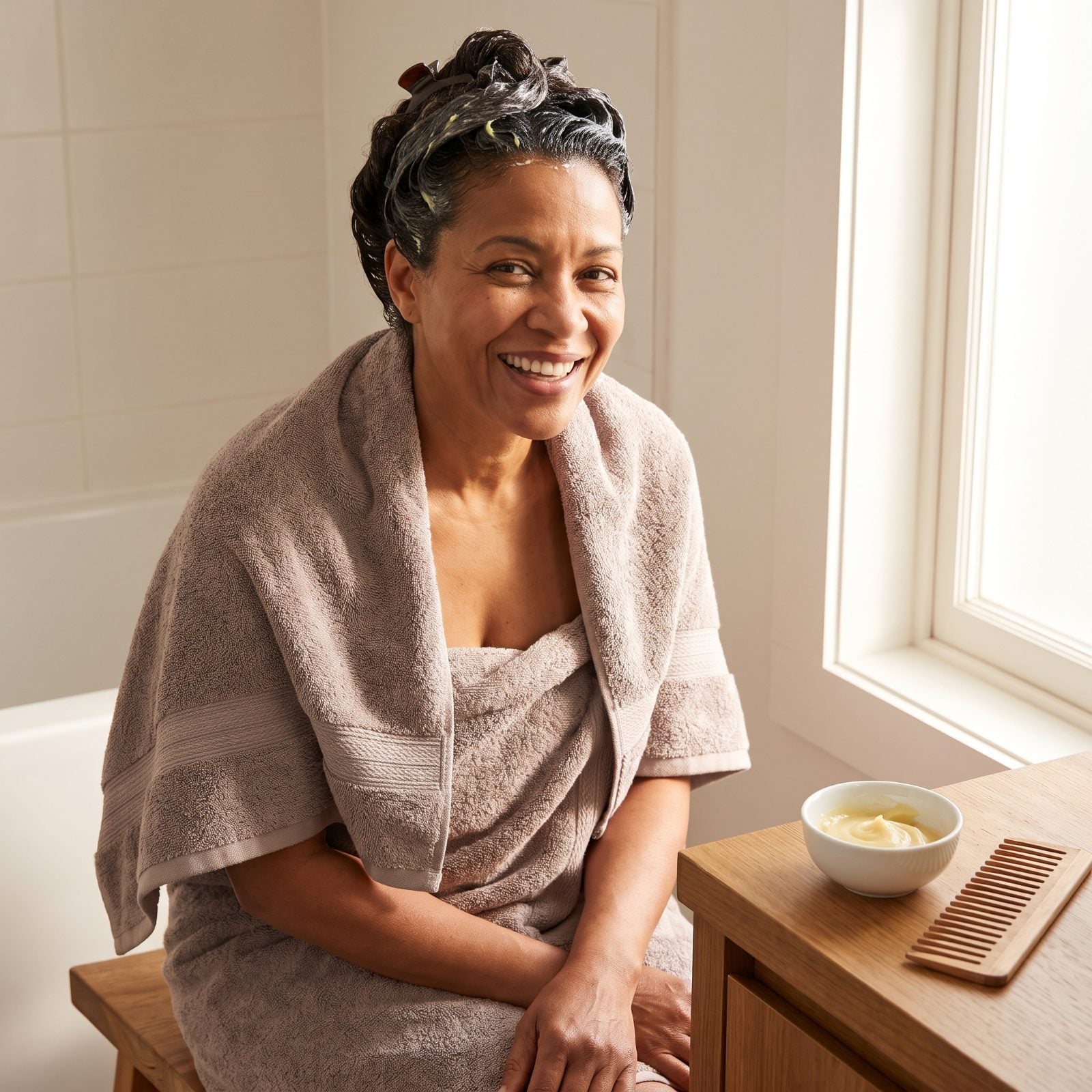
Putting a condiment in your hair sounds like a joke. Then you see a woman who swore by it — thick and glossy at seventy — and the laughing stops.
Full-fat mayonnaise is just eggs, oil, and a little vinegar, which is a protein-and-fat combo that coats and strengthens the hair shaft. The oil smooths, the egg protein temporarily fills in damaged spots, and the acid closes the cuticle. Smooth a few tablespoons through dry or damp hair, wrap it in a warm towel for twenty minutes, then shampoo out thoroughly.
It smells like a sandwich while it’s on. Fair warning. But it’s the cheapest deep conditioner you’ll ever use, and it genuinely softens straw-like ends.
22. The Olive Oil Scalp Massage

Warm a little olive oil between your palms, work it into your scalp with your fingertips, and sit with it for half an hour before you wash. Generations did this because it was what sat in the pantry.
The massage matters as much as the oil. Stimulating the scalp brings blood to the follicles, the same mechanism behind every pricey growth serum. And the oil itself conditions a dry, flaky scalp and loosens buildup so your shampoo can actually clear it. Five minutes of pressure with your fingers, done weekly, is one of the few hair treatments that’s genuinely free.
21. Trimming Every Six to Eight Weeks
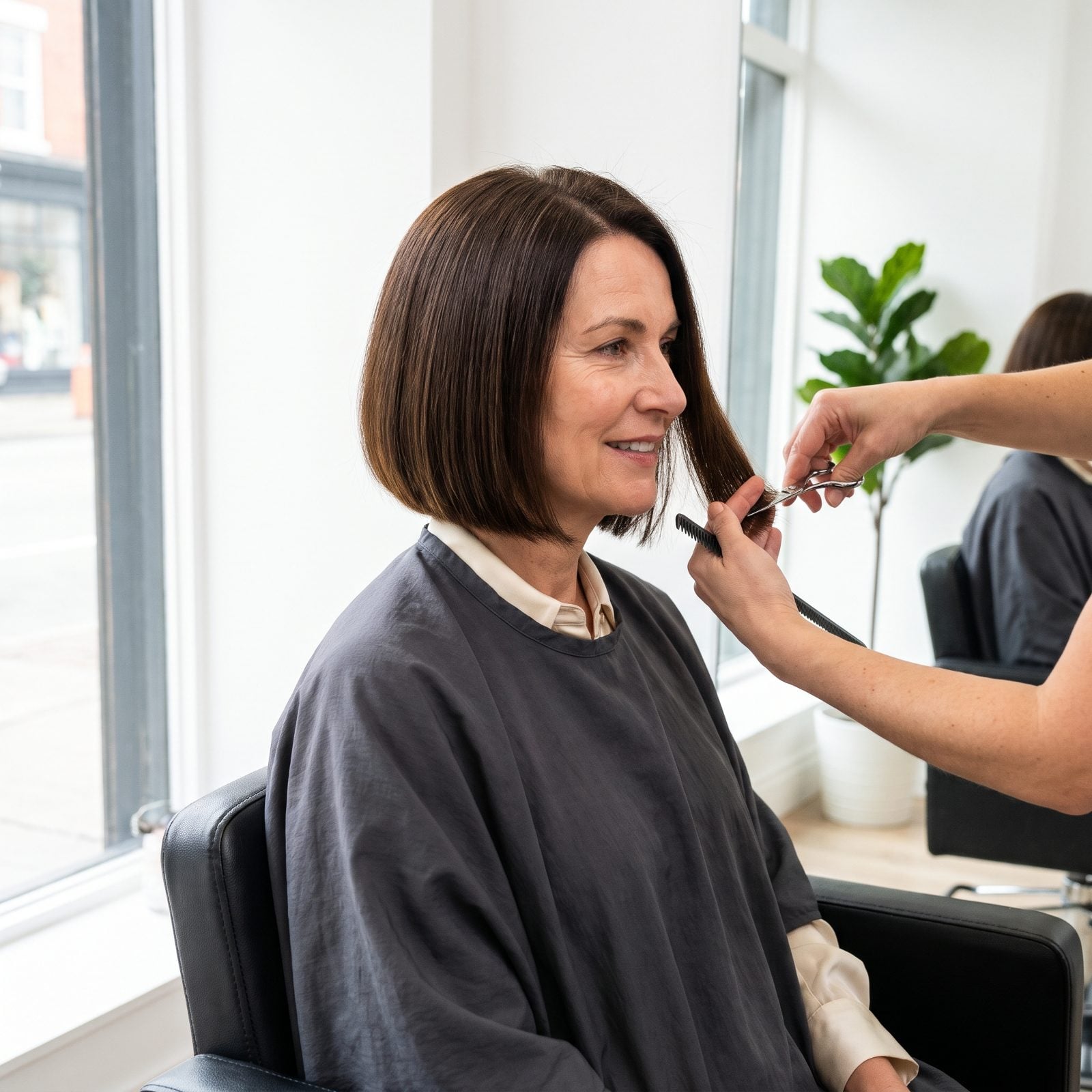
The myth that trims make hair grow faster is just that — a myth. Hair grows from the root, not the end, and scissors have no say in it. But the old schedule still earns its keep.
A split end doesn’t stay put. It travels up the shaft, splitting further, until the strand snaps higher than it ever would have if you’d taken off a quarter inch in time. Regular trims stop that travel. What you get isn’t faster growth — it’s retained length and ends that look blunt and healthy instead of wispy and see-through. Your hair looks longer because less of it is falling apart.
20. Washing Hair Less Often to Protect Natural Oils
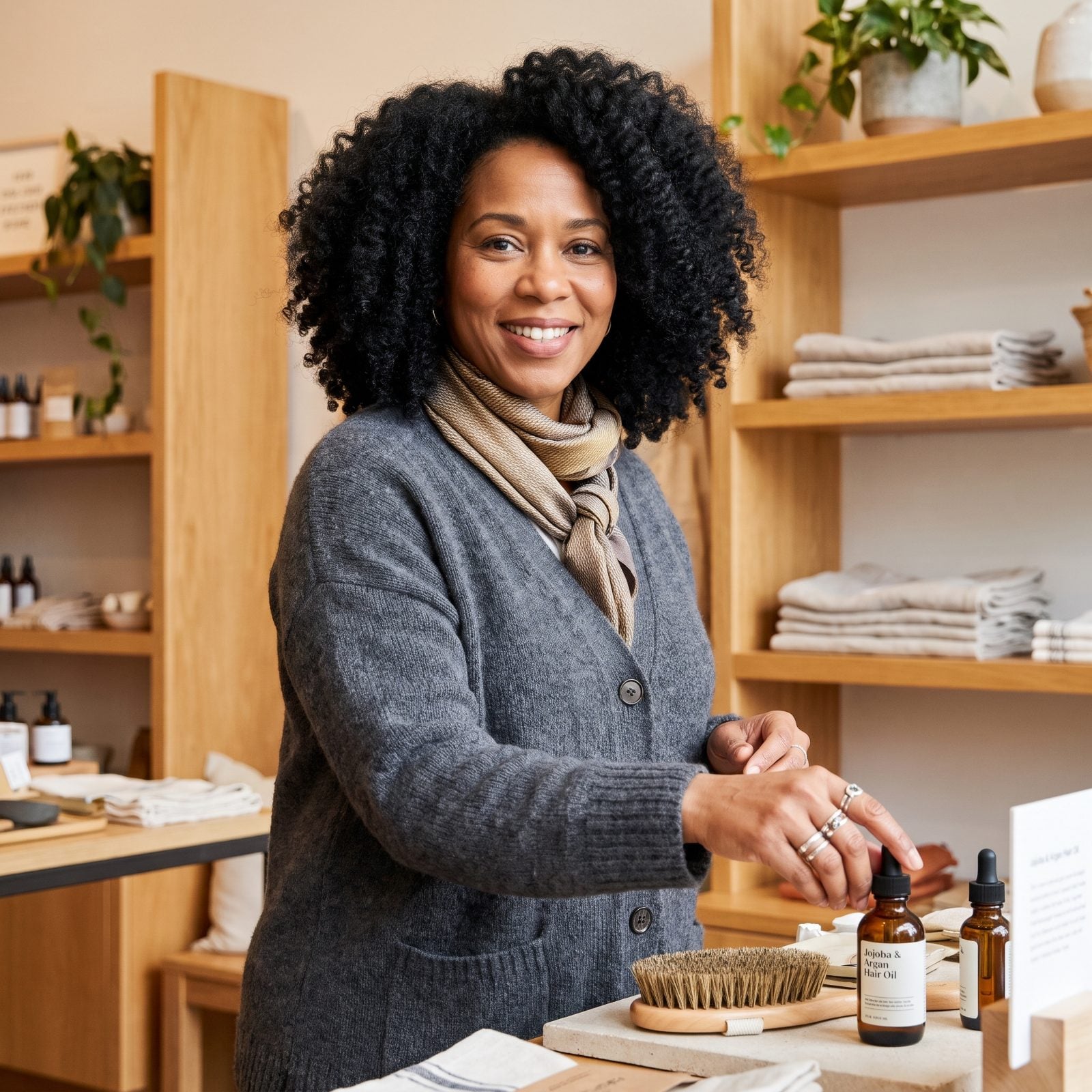
Daily washing is a surprisingly modern habit. For most of history, people washed hair once a week or less, and their hair was better for it.
Every wash strips your scalp’s sebum, the natural oil that protects and conditions. Strip it daily and your scalp panics, overproducing oil to compensate — that’s the greasy cycle that makes you feel like you have to wash every day. Stretch your washes to two or three times a week and your scalp recalibrates. Oil production settles. Hair holds moisture, color lasts longer, and texture improves.
19. Rag-Rolling for Heatless Curls
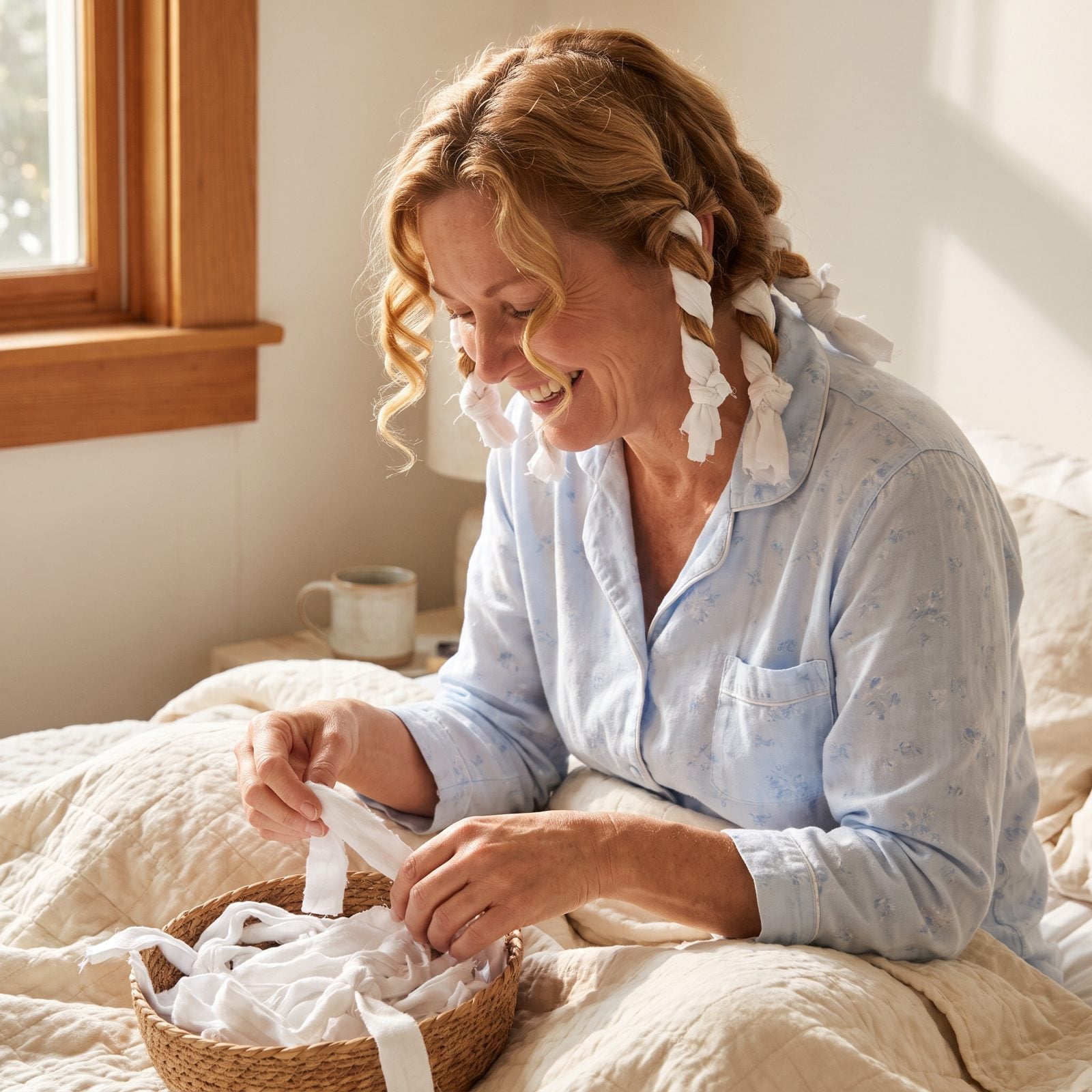
Before curling irons, there were rags. Strips of torn cotton sheet, wound through damp hair at night, slept in, unwrapped in the morning for soft, bouncy curls.
It holds up because it does what every heat tool quietly destroys: it gives you curl with zero thermal damage. No frying the cuticle, no breakage, no slow dehydration of the shaft. You set the curl with moisture and time instead of heat, and the result is softer and more natural-looking than iron curls. It also lasts longer, since the hair isn’t fighting to spring back from being burned straight. That heatless-curl trend swirling around social media right now? Just this, rediscovered.
18. The Beer Rinse for Body

Flat beer, poured over clean hair, was the old trick for limp strands that wouldn’t hold volume. It sounds like a bar bet. There’s real chemistry behind it, though.
Beer carries proteins from the malt and hops that coat the hair shaft, swelling each strand slightly and adding grip and body to fine hair that falls flat. The sugars lend a light hold, almost like a gentle, natural styling product. Let it go flat first so the carbonation doesn’t fizz, pour it through after your final rinse, leave it a minute, then rinse with cool water. The smell goes once hair dries. For anyone with fine, soft, won’t-hold-a-thing hair, it’s the cheapest volumizer in the fridge.
Our readers seem to agree that body matters: hairstyle images with voluminous finishes got hearts 57% of the time, versus 51% for the other images in the same articles.
17. The Egg Yolk Protein Mask Grandmothers Swore By
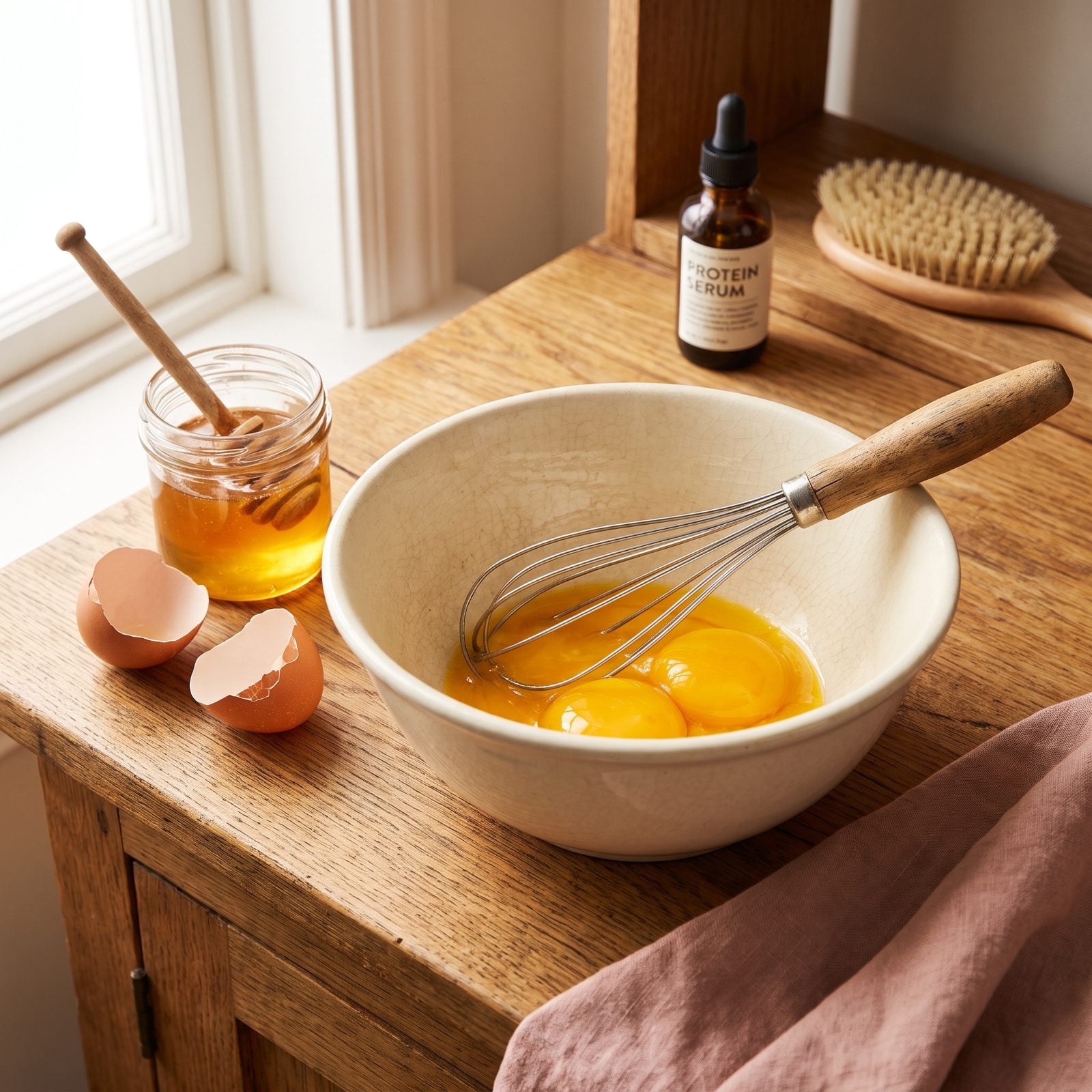
Your grandmother cracked an egg over a bowl, called it a hair treatment, and she was onto something. Egg yolk is loaded with protein and fat-soluble vitamins. Hair is mostly keratin, which is protein. Feed like with like.
The salon version shows up in a tube labeled protein mask and runs you twenty dollars. The kitchen version costs about forty cents. Both work for the same reason: damaged strands have gaps in the cuticle, protein fills them temporarily, and hair feels thicker and holds together better for a while.
One warning, learned the hard way — rinse with cool water. Never hot. Hot water scrambles the egg right there in your hair, and you’ll be picking it out for an hour.
16. Lemon Juice and Sunshine Highlights

Squeeze a lemon, spritz it through your hair, go sit outside. Every teenager in the seventies did this, and the chemistry actually checks out. Citric acid opens the cuticle and lifts a shade of pigment, while UV light speeds the oxidation along. You lightened your hair with a piece of fruit and a lawn chair.
Best results come on blonde to light brown hair, where you get subtle, sun-kissed streaks rather than a full bleach job. Dark hair barely budges. Don’t expect miracles.
The catch is dryness, because both acid and sun pull moisture out. Follow with a deep conditioner, and whatever you do, don’t make it a weekly ritual. A good beach hat for the rest of the day saves your scalp.
That sun-lightened look still has fans, since in our Hot or Not matchups, pictures with balayage colour won 60% of their head-to-heads.
15. The Towel Turban Air-Dry

❤️ Would you like to save this?
Before blow dryers lived in every bathroom, women wrapped their wet hair in a towel and got on with the morning. Turns out letting hair dry without heat is one of the kindest things you can do for it.
Heat styling cracks the cuticle over time. Air-drying skips that damage entirely, the towel wicks water gently, and your collar stays dry. One upgrade on the old method: ditch the rough bath towel for a soft microfiber or an old cotton tee, since terry cloth roughs up the cuticle and hands you frizz.
We air-dry four days out of seven now, and our ends stopped splitting. That’s not a coincidence.
14. Brushing From the Ends Up
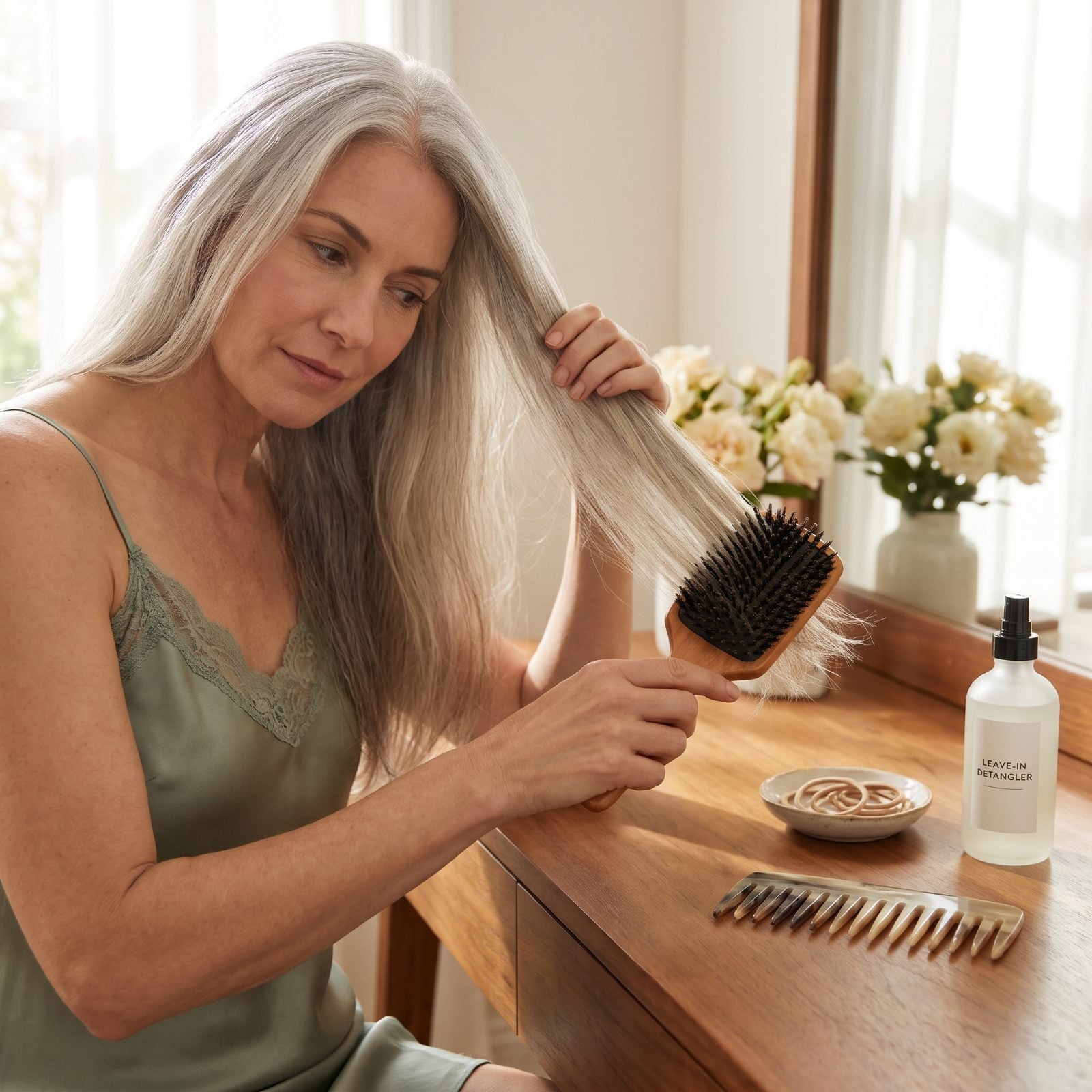
Most people yank the brush straight down from the roots and rip through every tangle on the way. The old-school method does the opposite: start at the very ends, work out the knots there first, then climb up an inch at a time.
The logic is simple and it holds up. Brush top-down into a tangle and you drag the knot tighter until the strand snaps. Start at the bottom, though, and each tangle is already loose by the time the brush reaches it. Less tension, less breakage, and far fewer of those little broken hairs standing up at your crown like antennae.
13. The Coconut Oil Pre-Wash Soak

Oiling hair before washing sounds backward until you understand what it prevents. Women across South Asia and the Caribbean have done this for generations, massaging warm oil through the lengths an hour before shampoo.
Here’s why it works. Coconut oil has a small enough molecular structure to actually sink into the hair shaft rather than sit on top of it, and it cuts the protein loss that happens when strands swell with water during a wash. You’re waterproofing the hair before it drinks.
Apply it to mid-lengths and ends, leave it anywhere from thirty minutes to overnight, then shampoo as usual. Skip the scalp if you’re oily up top. The payoff: softer, less frizzy hair that doesn’t feel stripped afterward.
12. The Chamomile Tea Rinse for Blondes

Brew chamomile tea strong, let it cool, pour it through clean hair as a final rinse. Blonde women have leaned on this trick for a century to brighten their color and warm up dull tones.
Chamomile carries a natural compound that lends a soft golden cast to light hair over repeated use. It won’t lighten dark hair, and it works gradually, never overnight. Call it a gentle gloss rather than a dye.
The bonus is that chamomile also soothes an irritated scalp, so it earns its place twice over. Let the rinse sit a couple of minutes before you leave it in. Cheap, calming, and it smells like a warm afternoon.
11. Juice Cans as Jumbo Rollers
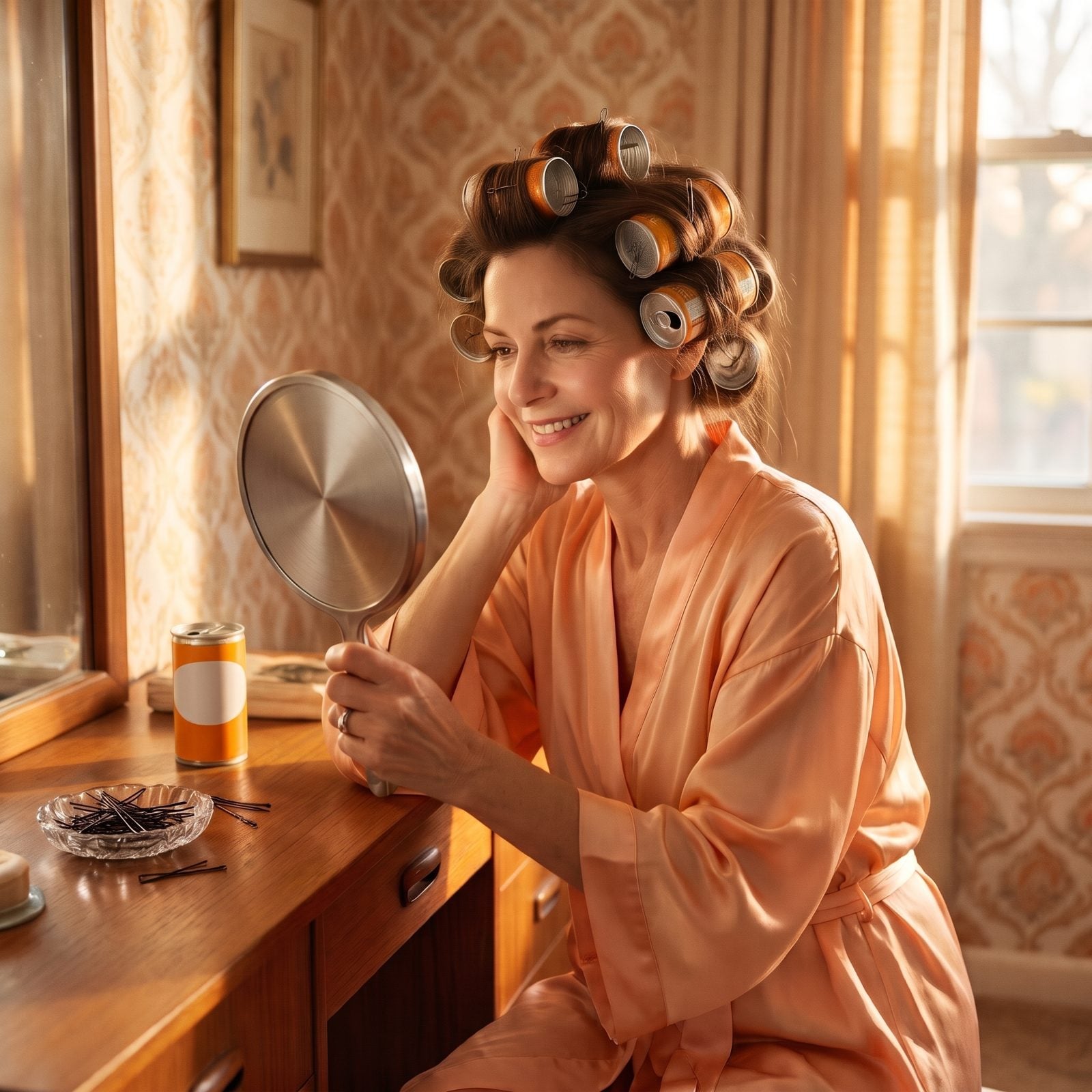
Empty frozen orange juice concentrate cans — opened at both ends — became the original jumbo rollers. Women washed them out, rolled damp hair around them, pinned them in place, and slept on the lumpy things for smooth, voluminous waves by morning.
The principle is sound and still in play today, just with foam versions now. A wide roller stretches hair into a loose bend with body at the root, and because the can is so big, you get volume without a tight curl. No heat ever touches the hair. No damage, just shape.
10. Pin Curls Set Overnight
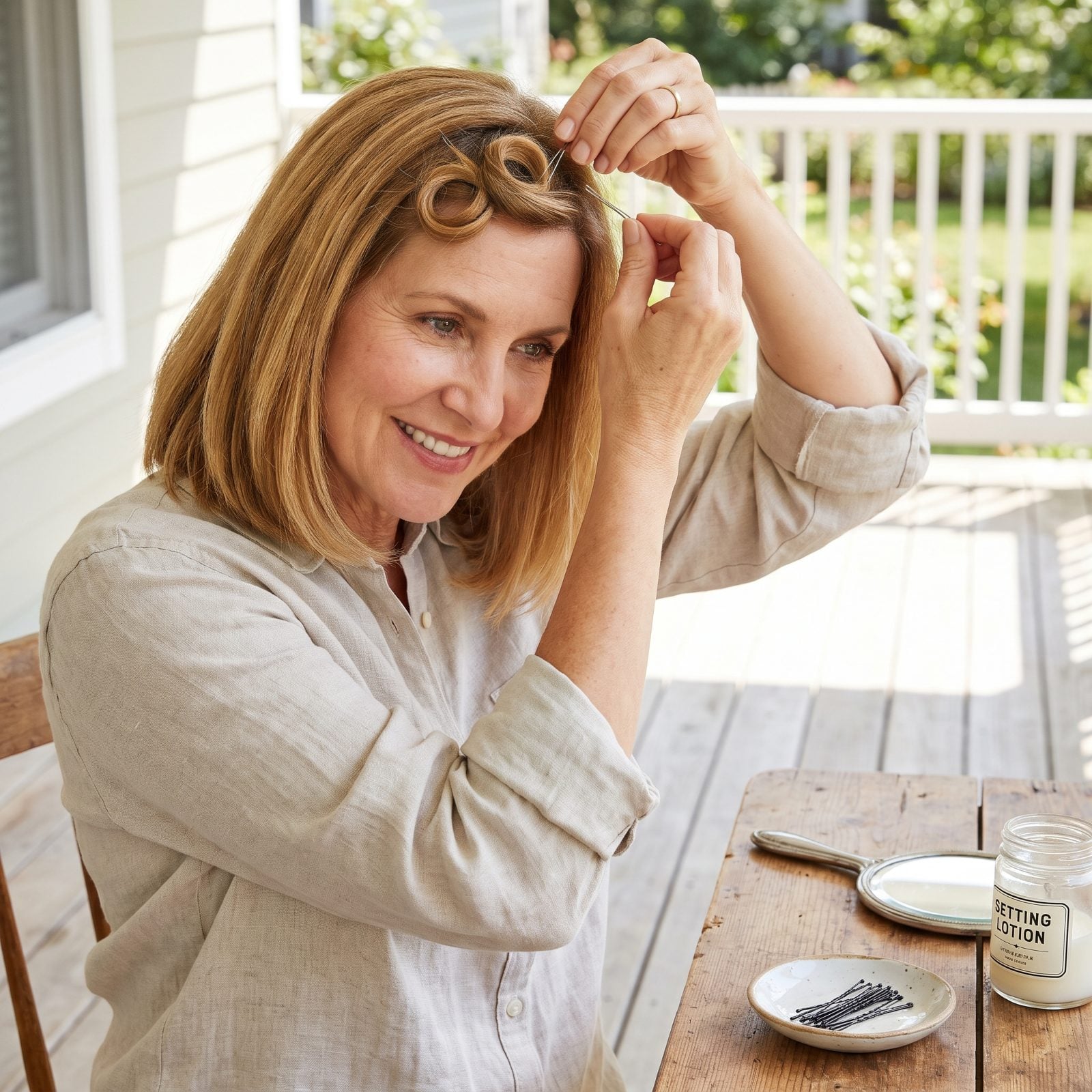
Hollow barrel curls pinned so they stand up off the scalp, slept on overnight, brushed out in the morning into soft bouncy waves. Pin curls were the entire beauty routine for decades, and they’re having a quiet revival because they do what hot tools do without the heat.
Damp hair, a little setting lotion, roll each section around your fingers into a raised barrel, then slide a bobby pin through its base. The shape sets as the hair dries in the roll. Brush it out and the curls loosen into a natural wave that lasts for days.
It takes practice, and we won’t pretend otherwise. Our first attempt looked like a weather event. But once your hands learn the motion it turns meditative, and your hair never pays the price of a curling iron.
9. Castor Oil for Fuller Brows and Lashes
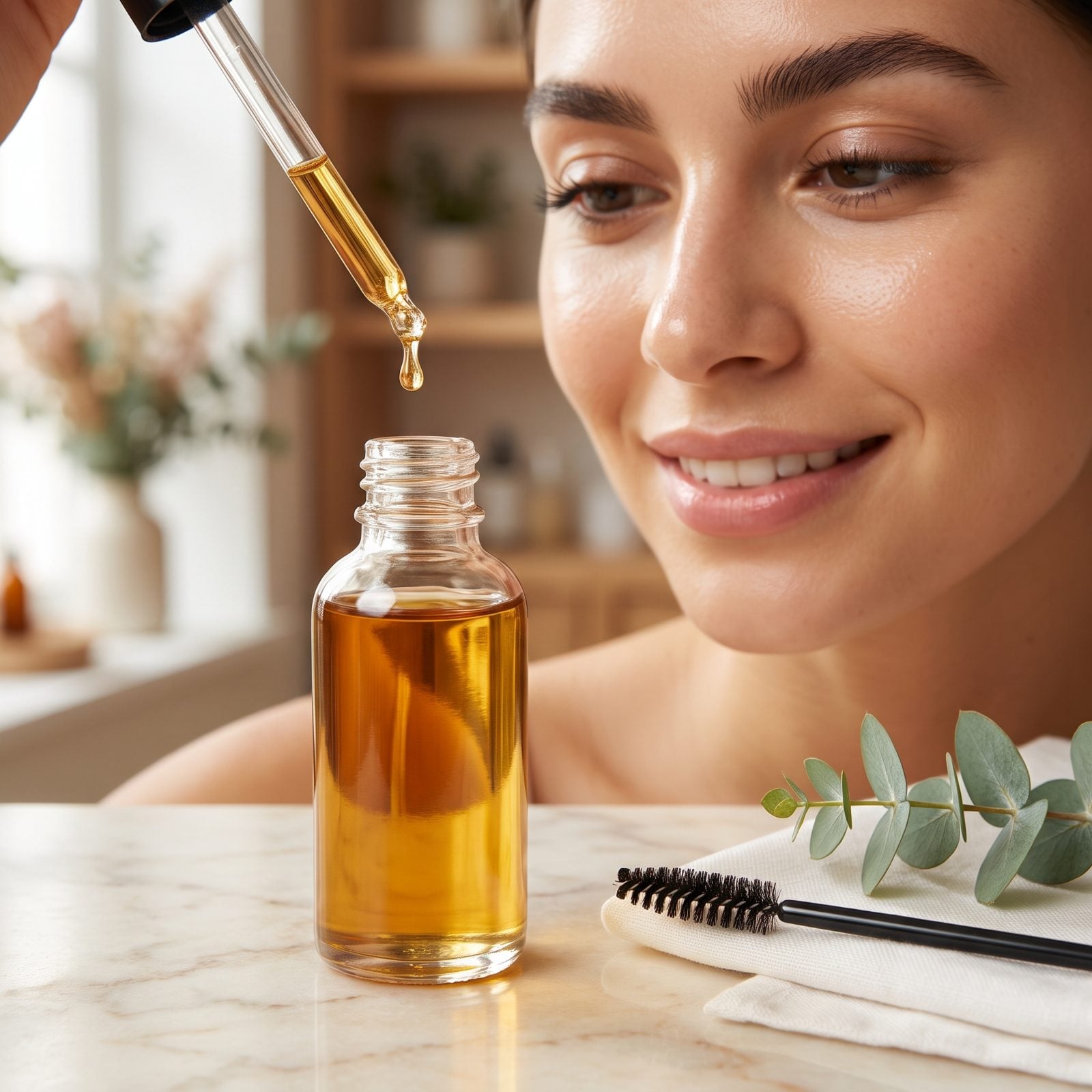
Before brow serums came in sleek tubes with scientific names, there was a bottle of castor oil in the medicine cabinet and a spoolie brush. Women brushed it onto brows and lashes every night and swore it made them fuller.
The oil is thick and rich in fatty acids, so it conditions the hairs until they look darker and glossier, and the nightly brushing stimulates the follicle area along the way. It won’t grow hair where none exists — manage the expectation. What it does do is keep the hairs you already have healthy and less prone to snapping off.
Use a tiny amount on a clean spoolie, keep it well away from your eyes, and give it weeks rather than days.
8. Sleeping in Rollers Instead of Reaching for Heat
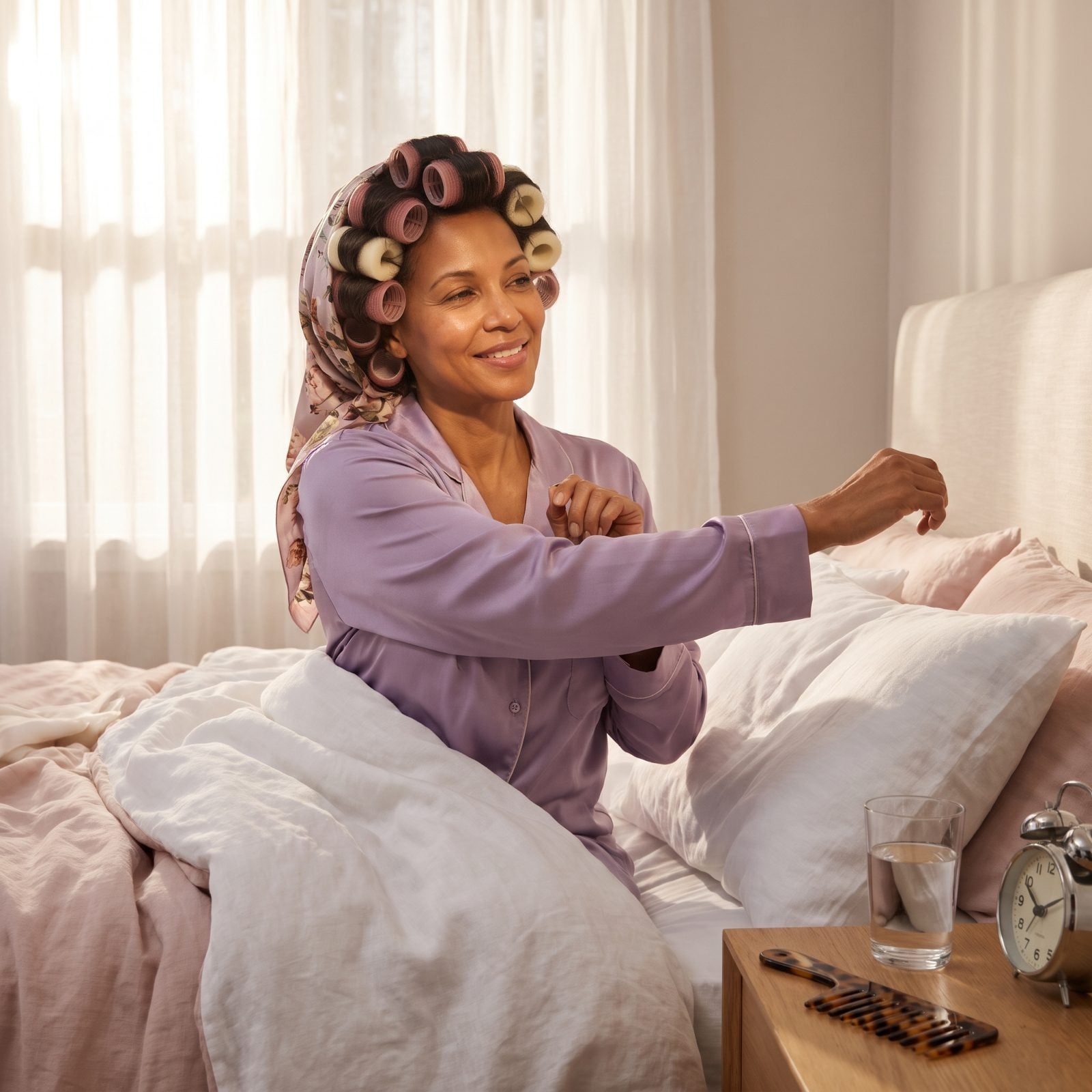
Set your hair before bed, let it dry overnight, and you wake up to a smooth, polished bob that cost you zero heat and zero effort before coffee. Generations did this for practicality, not fashion theory — and that practicality is exactly why it still works.
Big foam rollers are soft enough to sleep on. The hair sets smooth with a gentle bend at the ends as it dries against the roller, no hot iron required. You trade one slightly awkward night for days of sleek, swingy shape, and your cuticle stays intact the entire time.
Cover the set with a silk scarf to stop frizz and hold the rollers put. Morning you will thank night you. It’s that rare beauty habit that gives time back instead of eating it.
7. A Spritz of Rosewater to Finish the Style

Grandmothers kept a bottle of rosewater on the dresser long before anyone slapped the word “mist” on a label and charged thirty dollars for it. A few spritzes over dry hair and the frizz settled, the shine came back, and the room smelled faintly of a garden.
It holds up because rosewater is mildly astringent and lightly hydrating at the same time, so it calms the cuticle without the alcohol that dries hair out. No silicone buildup. No crunch. Just a soft finish and a scent that doesn’t smell like it came out of a chemistry lab.
6. Oiling the Scalp and Braiding It Up Before Bed

The nightly ritual went like this: part the hair, work a little oil into the scalp, plait it loose, go to sleep. You woke up with soft waves and a scalp that wasn’t flaking by Thursday.
Why does it still earn its place? Oiling before bed gives the oil hours to actually absorb instead of sitting on top and getting rinsed off in a rushed morning shower, and the braid shields the lengths from friction against the pillow, which is where a lot of breakage quietly happens. Two problems, one old habit.
We ignored this for years because it felt fussy. Then we noticed our ends were snapping off. Now we braid. The vanity won.
5. A Dab of Vaseline to Seal Off Split Ends

That tin of Vaseline in the bathroom cabinet did about nine jobs, and sealing frayed ends was one of them. A tiny amount, warmed between the palms, smoothed onto the last inch of hair. Nothing fancy.
It works because petroleum jelly is an occlusive, forming a barrier that keeps moisture from escaping and physically guards the split from catching and tearing further. It won’t repair a split end — nothing does, that’s a trim’s job — but it buys you time and keeps the frizz halo down.
4. Raking Conditioner Through With a Wide-Tooth Comb
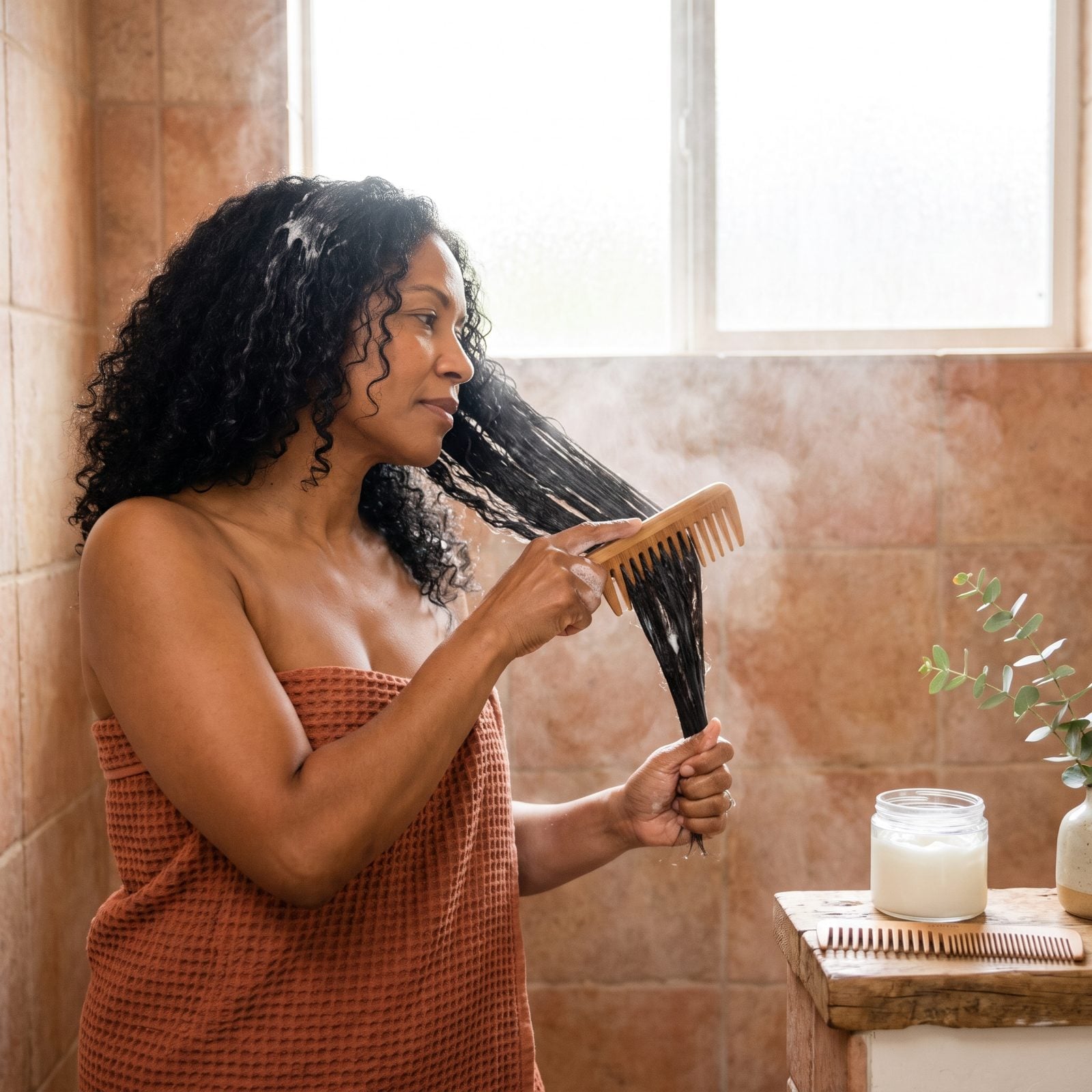
One habit saved more hair than any serum ever sold. You coated the hair in conditioner and combed it through with a wide-tooth comb, starting at the ends and working up.
The wide teeth glide instead of yanking, and the conditioner gives the comb enough slip to separate strands rather than snapping them. Detangling in the shower, while the hair is at its most pliable and coated, beats fighting dry knots later with a fine brush.
Fine-tooth combs on wet hair are a quiet little disaster. We say that as people who used to attack our tangles like they’d insulted us. The wide-tooth comb is patient. Be patient with it.
3. A Tea Rinse to Blend the Gray Without the Dye Aisle
❤️ Would you like to save this?
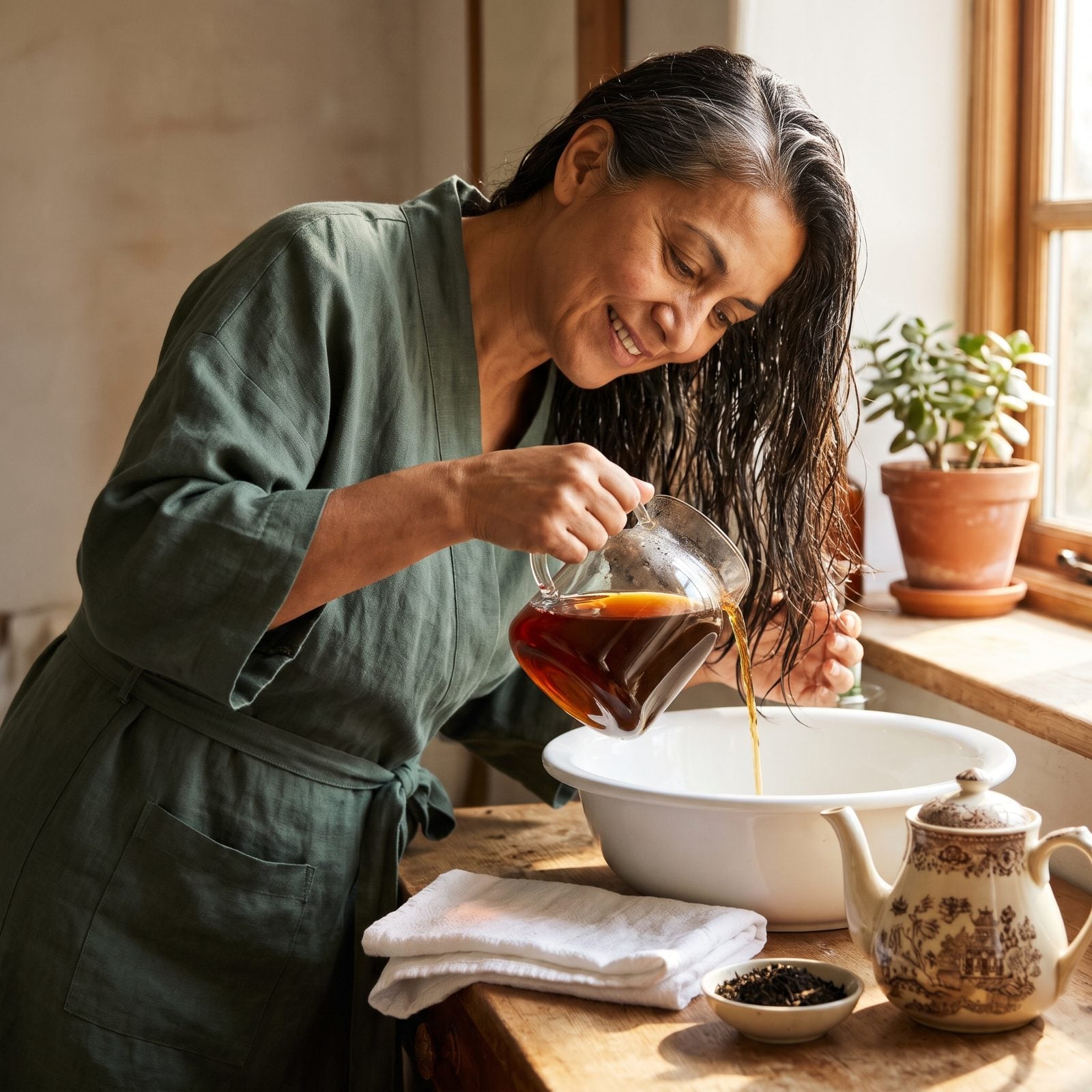
Before box dye hit every drugstore shelf, strong black tea did part of the job. Brew it dark, let it cool, pour it over the hair as a final rinse, leave it a while, rinse out. The tannins deposit a soft, temporary tint that blends those first wiry grays into the rest.
It’s not permanent and it won’t take a full head of silver to chestnut. That’s the whole appeal. It’s gentle, builds gradually, and darkens over repeated use without a drop of ammonia touching your scalp. For anyone easing between colorist visits or just softening the line between gray and not-gray, it’s low-stakes and forgiving.
Gray isn’t a problem to fix. A tea rinse just lets you decide how fast you want to meet it.
2. Keeping the Brush Away From Wet Hair
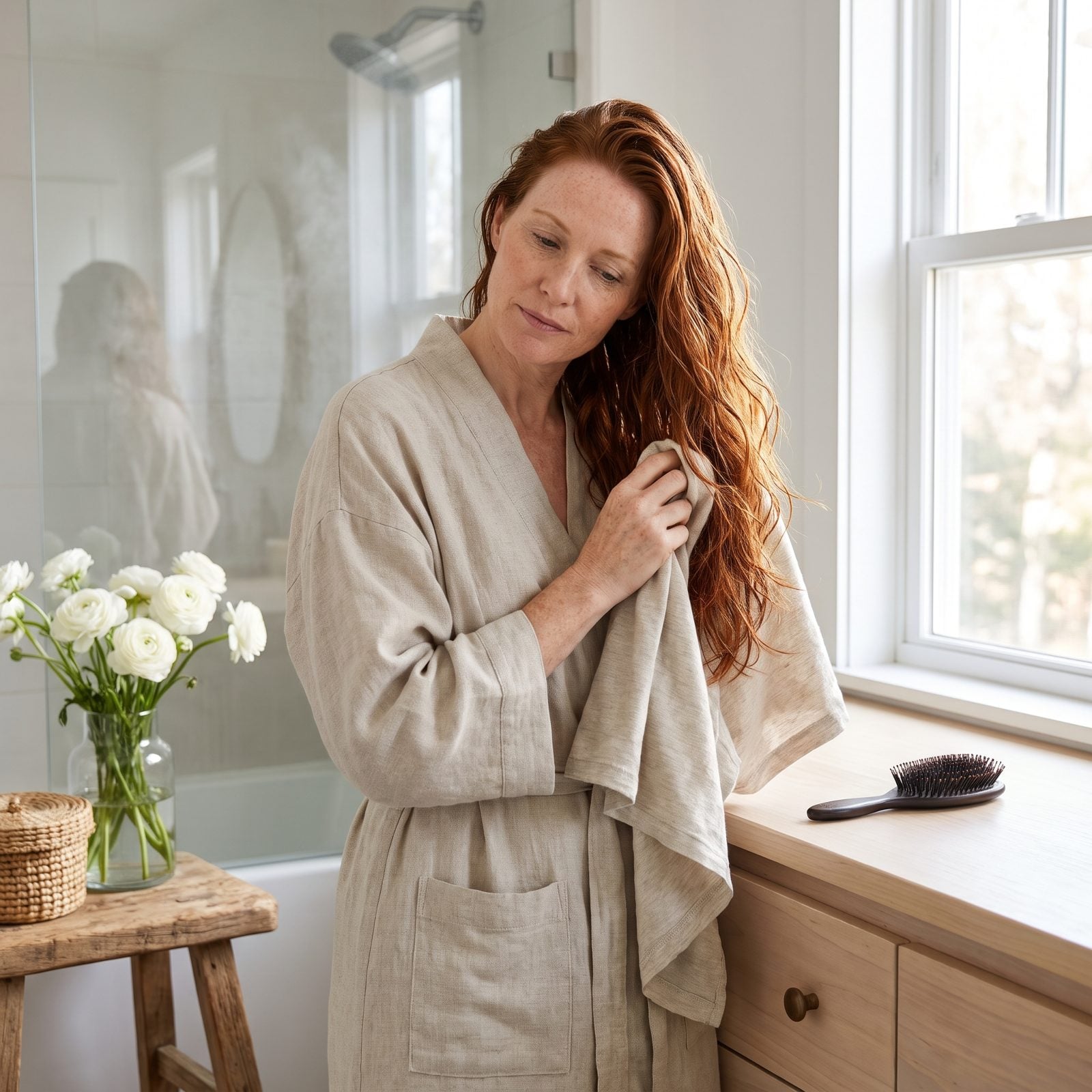
Every aunt who ever did your hair repeated the same rule: don’t brush it soaking wet. Blot it, let it dry a bit, then detangle gently.
Wet hair stretches noticeably longer before it breaks, which means the bristle brush you drag through it is snapping strands you’d have kept if you’d waited twenty minutes. A wide-tooth comb on damp hair is fine. A stiff brush on wet hair is a shedding machine.
1. The Weekly Hot Oil Treatment

Sunday afternoon. A bowl of oil warmed in a pan of hot water, a towel over the shoulders, and an hour of doing nothing while your hair drank it in. Ritual and repair, rolled into one.
Warming the oil — coconut, olive, almond, whatever was in the cupboard — helps it penetrate the hair shaft rather than just coating it, and the gentle heat opens the cuticle so it goes deeper. Wrap the head in a warm towel to hold that heat, then shampoo out. What you get is softer, less brittle hair that handles the week better.
This is the one habit here we’d defend to anyone. It costs almost nothing, asks only for your patience, and doubles as an excuse to sit still for an hour. We’ll die on that hill.