❤️ Would you like to save this?
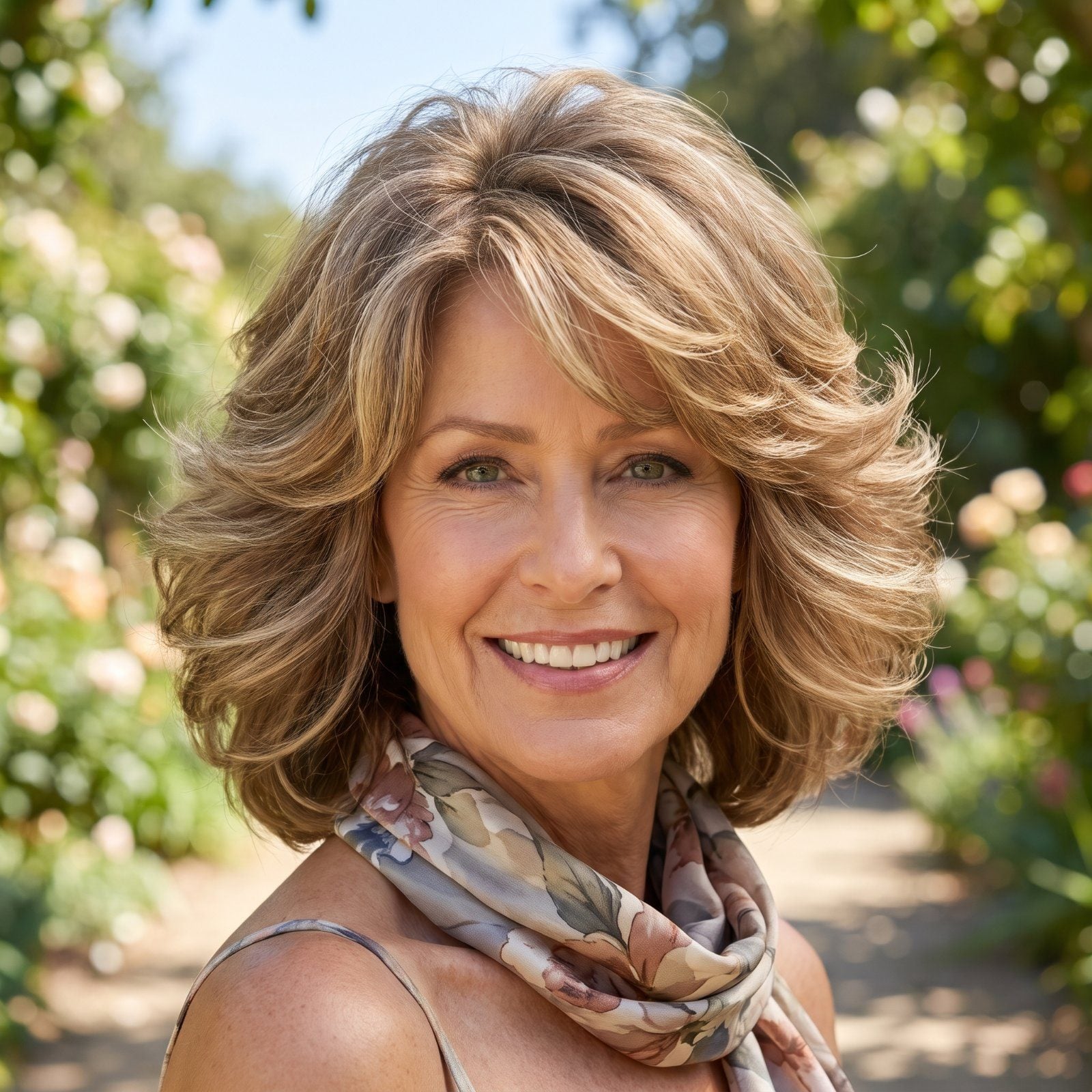
The haircut you had in 1974 is on a runway in Milan. Not a tribute. The actual cut, scissors and all. Every style your mother warned you’d regret is now charging salon prices and booking out weeks ahead. Turns out hair has a long memory. The shag, the flip, the Afro, the Gibson tuck, all of it circled back, and most of it reads sharper now than it did the first time around. We pulled the looks that Boomers wore first and that women over fifty are claiming again today, worn modern, worn confident, worn by someone who already knows what suits her.
FYI, thanks to AI imagery software, we’re able to create very specific fashion and hairstyle examples to illustrate the points being made. In some cases, imagery is exaggerated to hammer home the point. Also, assume links that take you off the site are affiliate links such as links to Amazon. this means we may earn a commission if you buy something.
30. The Shag: Choppy Layers That Never Really Left
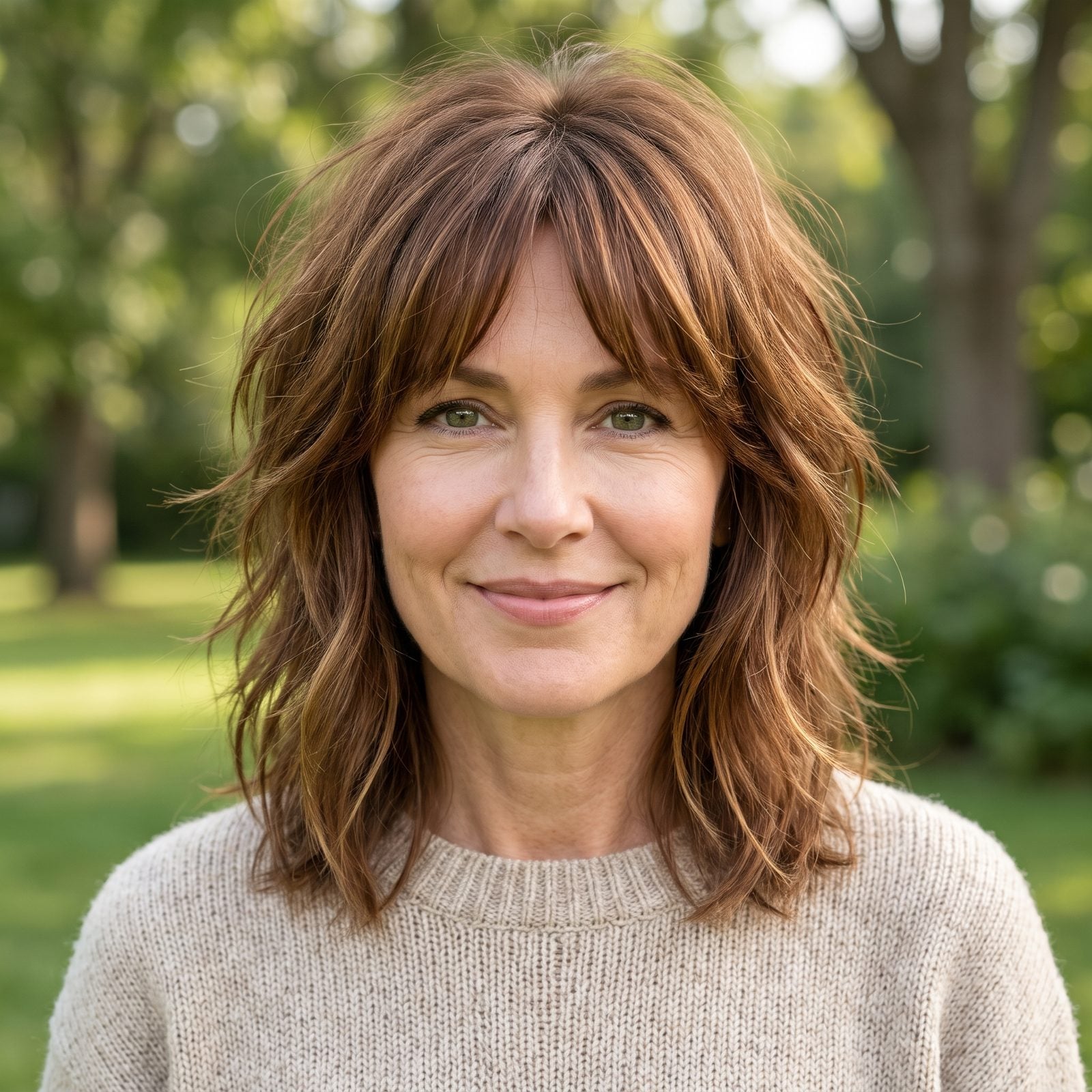
The shag works because the layers do the heavy lifting your hair stops doing on its own. Fine or flat hair gets instant movement and the illusion of more density, which is exactly what you want past fifty. And that curtain fringe softens the forehead without the full commitment of a straight-across fringe.
Best part? It grows out well. Skip a cut for months and it still looks intentional. Air-dry, scrunch, done.
29. The Feathered Farrah Flip: Face-Framing Wings Come Back
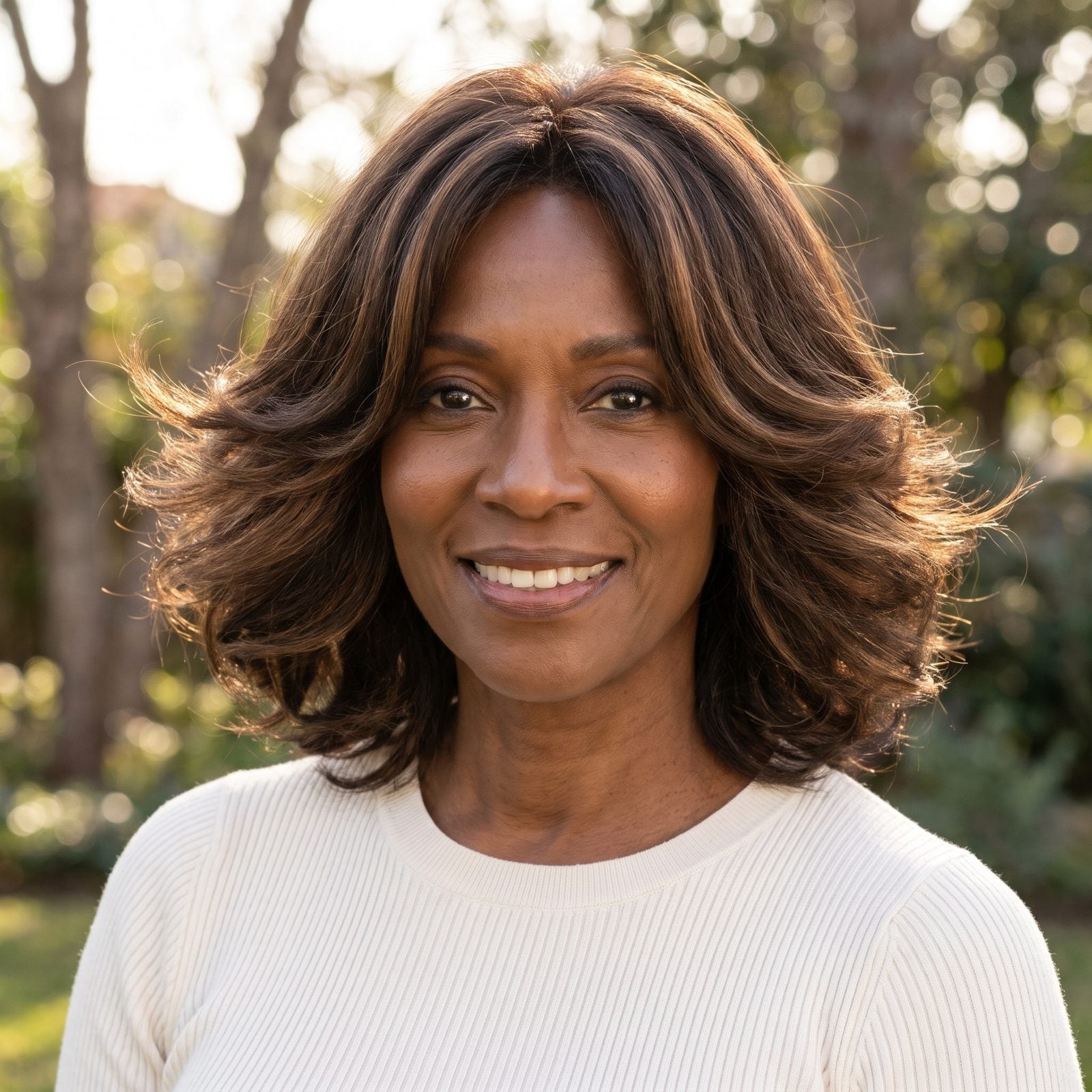
Those feathered wings that sweep away from the face do one quietly clever thing: they draw the eye up and out, opening the whole face and lifting the cheekbones. It’s architecture disguised as a hairstyle.
The modern version is softer than the lacquered original. You want bend, not helmet. A round brush on the front sections, a light hold spray, and that’s the whole routine. It rewards hair that still has body.
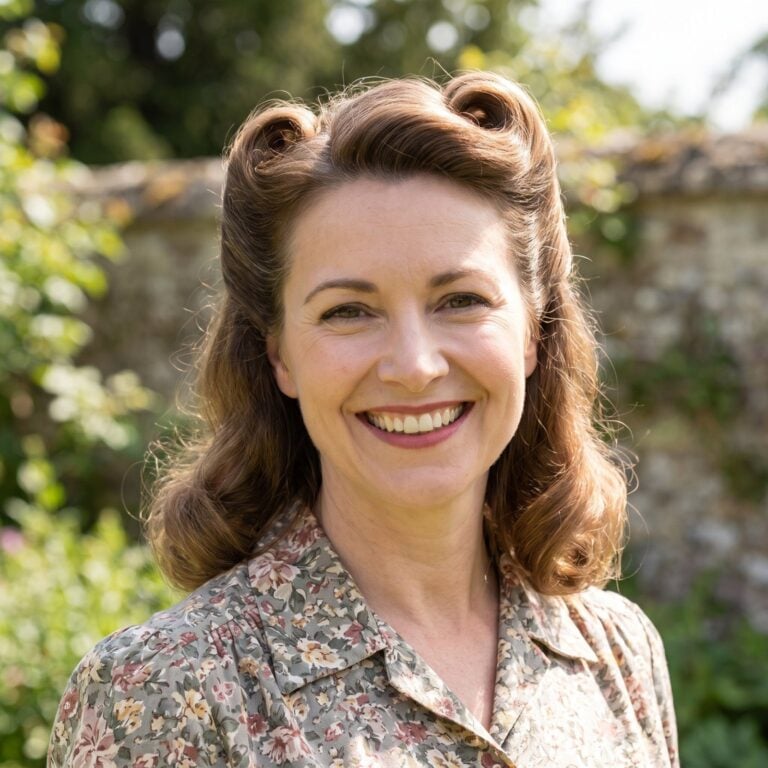
28. The Beehive: Height Without the Hairspray Cloud
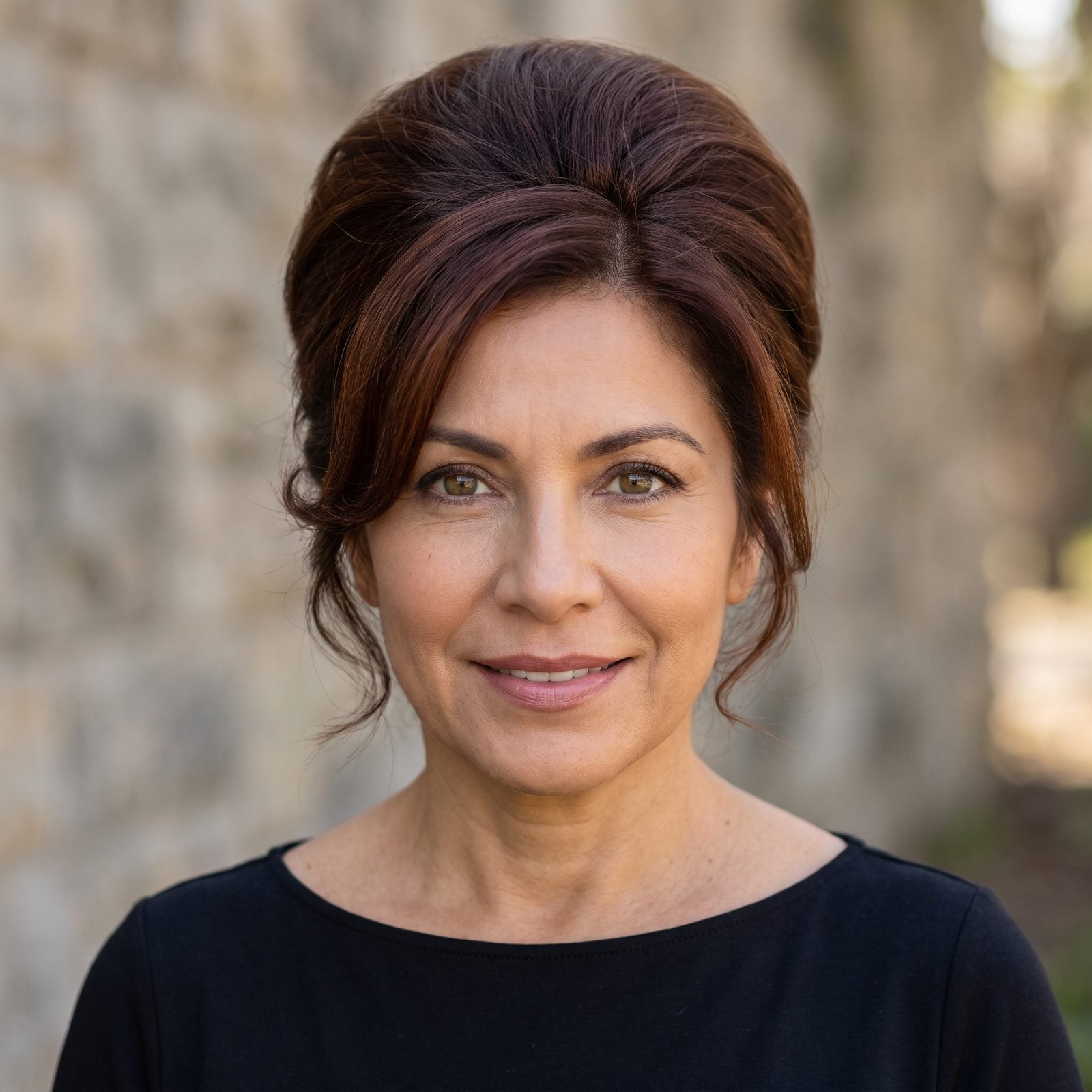
Height at the crown lengthens a round face, and the beehive delivers it better than almost anything. The trick now is restraint. Less teasing, less spray, a little gloss to keep it from reading like a costume.
Leave a few soft tendrils loose at the temples. That one move drags the whole thing out of 1962 and into this year.
27. The Bouffant: Soft Crown Volume for a Modern Set
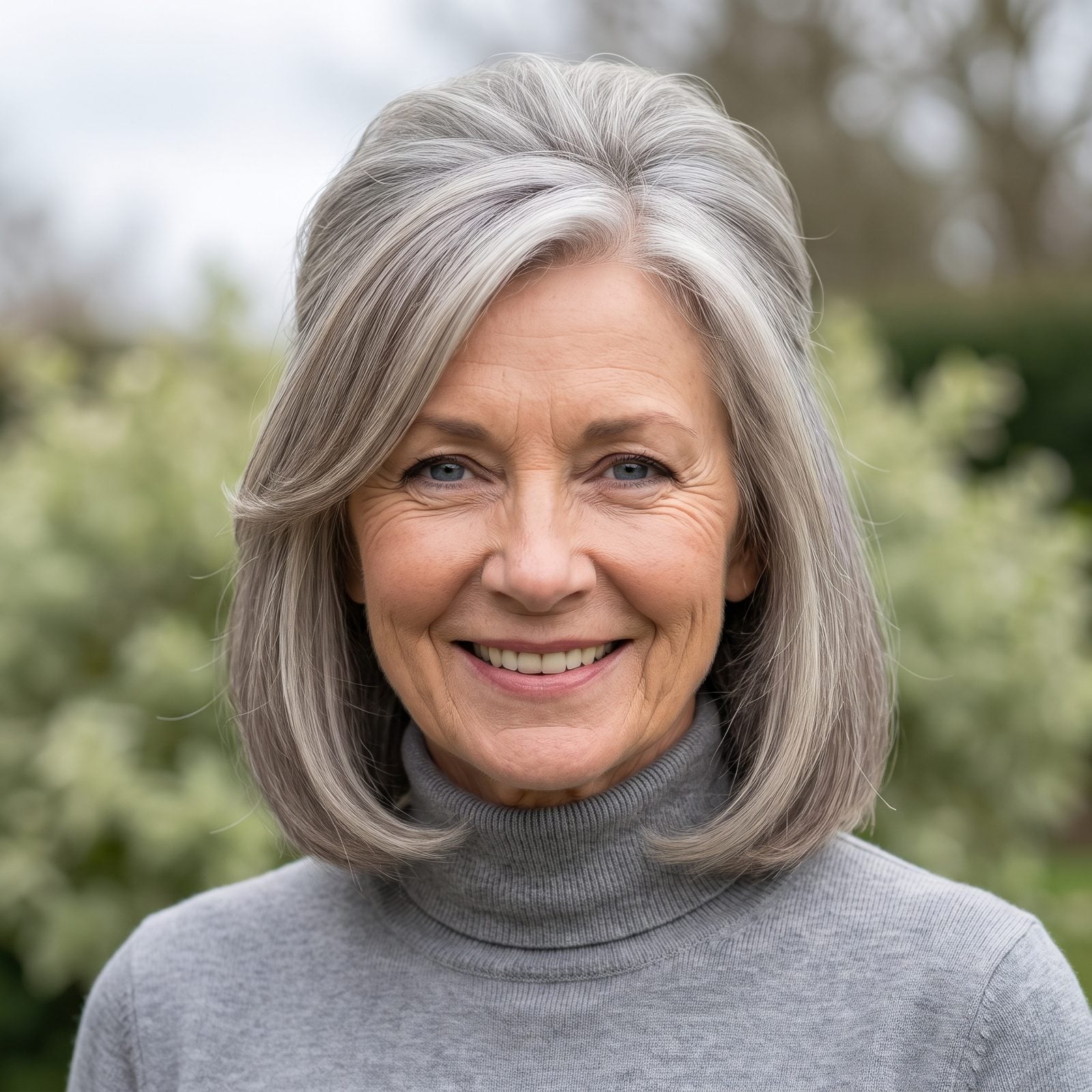
Grey hair and the bouffant are a match nobody saw coming. Silver tends to go wiry and flat as it comes in, and the gentle crown lift of a bouffant restores the roundness and polish that fine grey loses.
Keep it soft and rounded, never dome-rigid. Volume, not sculpture. Pop a velcro roller at the crown while you do your makeup and it sets itself with zero effort.
26. The Pixie Cut: Cropped, Textured, and Grown Up
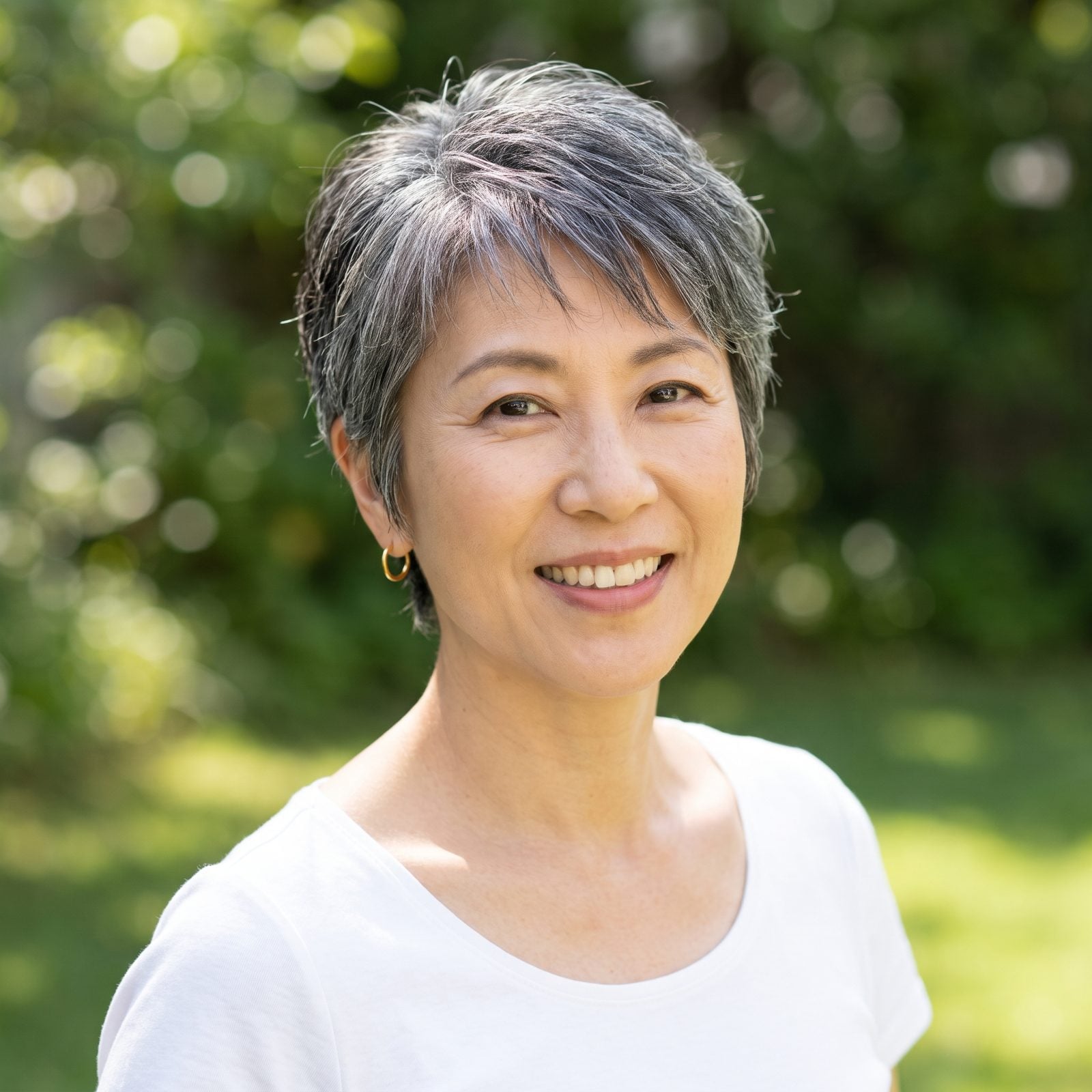
The pixie is the lowest-maintenance power move in hair. Cropped, textured, worn with a little piecey movement on top, it reads as a decision rather than a surrender. Salt-and-pepper looks especially good short, where the silver threads become texture instead of a source of worry.
Wash, shake, finger a little paste through the top. You’re out the door before the kettle boils. For anyone who likes a clean, slightly androgynous hairstyle, this is the one.
25. The Bob with Blunt Bangs: Clean Lines That Read Expensive
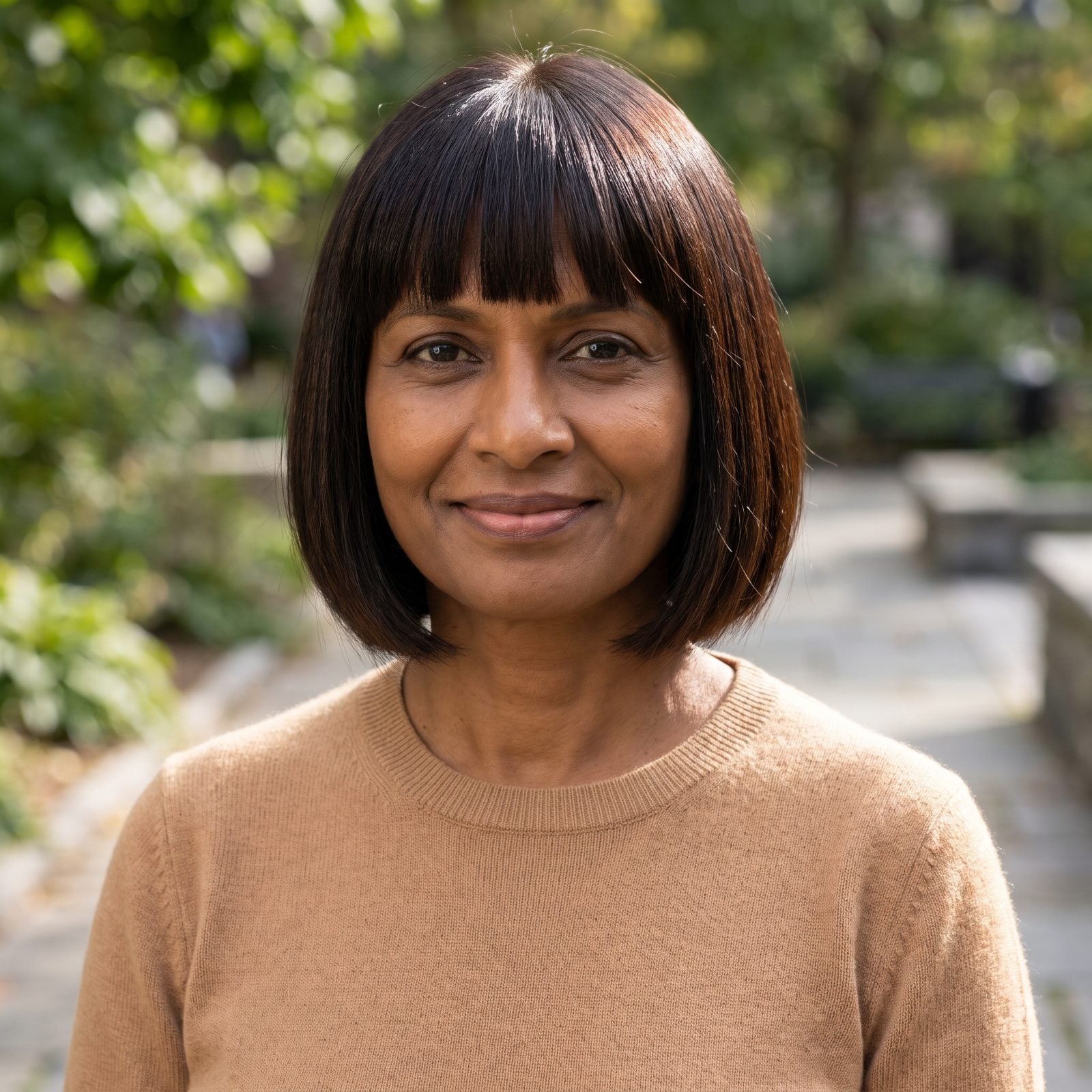
A blunt bob with a heavy weight line at the jaw frames and lifts the whole lower face. The straight fringe shortens a long face and hides a forehead you’d rather not feature, and together they build clean geometry that always reads deliberate.
This cut demands sharp maintenance. Blunt lines show every straggler, so a trim every six weeks is non-negotiable. Worth it, though. Nothing looks more expensive than a bob that holds its line.
24. The Pageboy: A Rounded Curve Back in Rotation
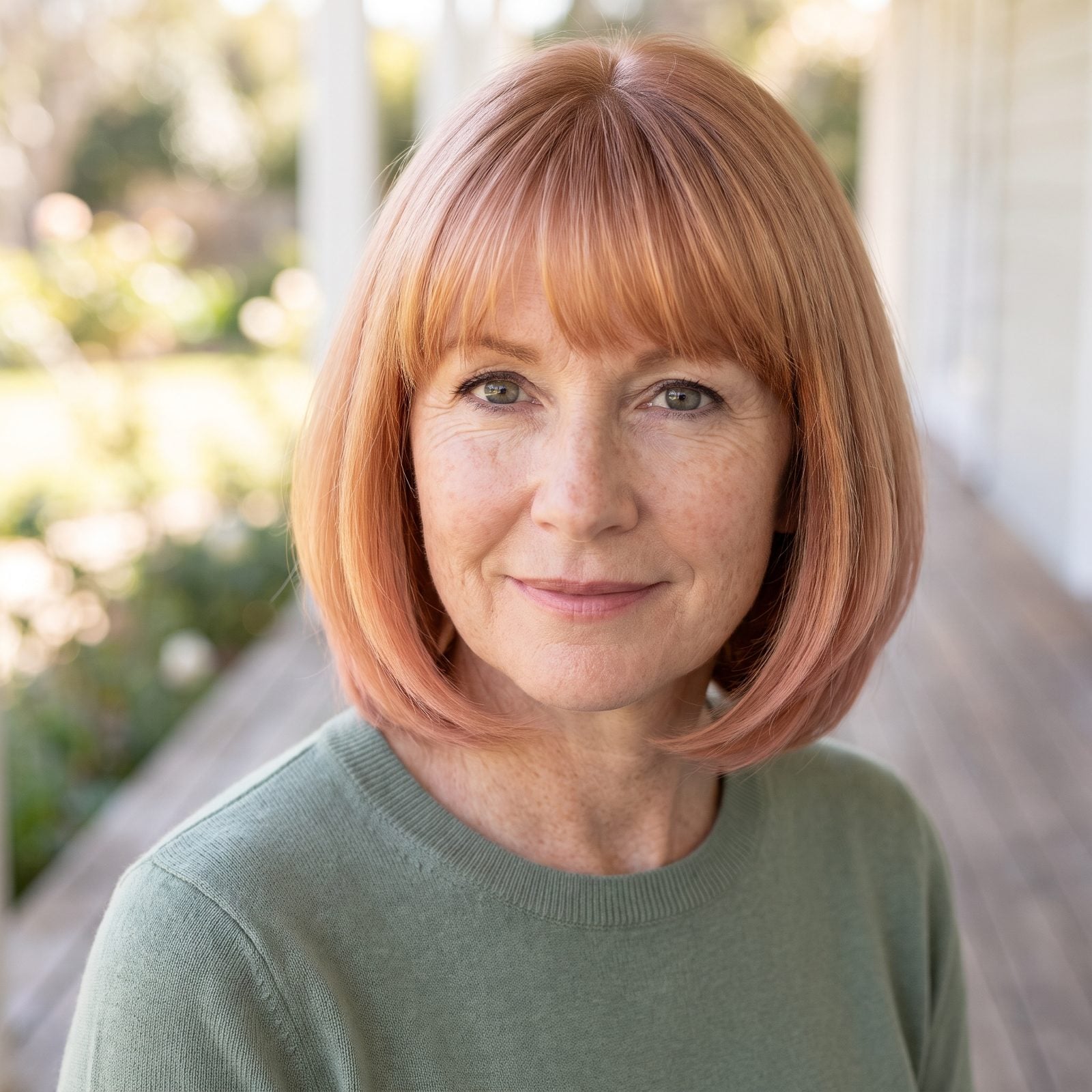
The pageboy’s rounded, curved-under shape is having a quiet moment again. It suits a heart-shaped face especially well because the width at the jaw balances a narrower chin.
Keep the fringe soft and the ends turning under, not flipping out, or it tips retro-costume fast. A flat iron with a slight inward bend at the bottom is all it takes.
23. The Flip: Mary Tyler Moore’s Upturned Ends Return
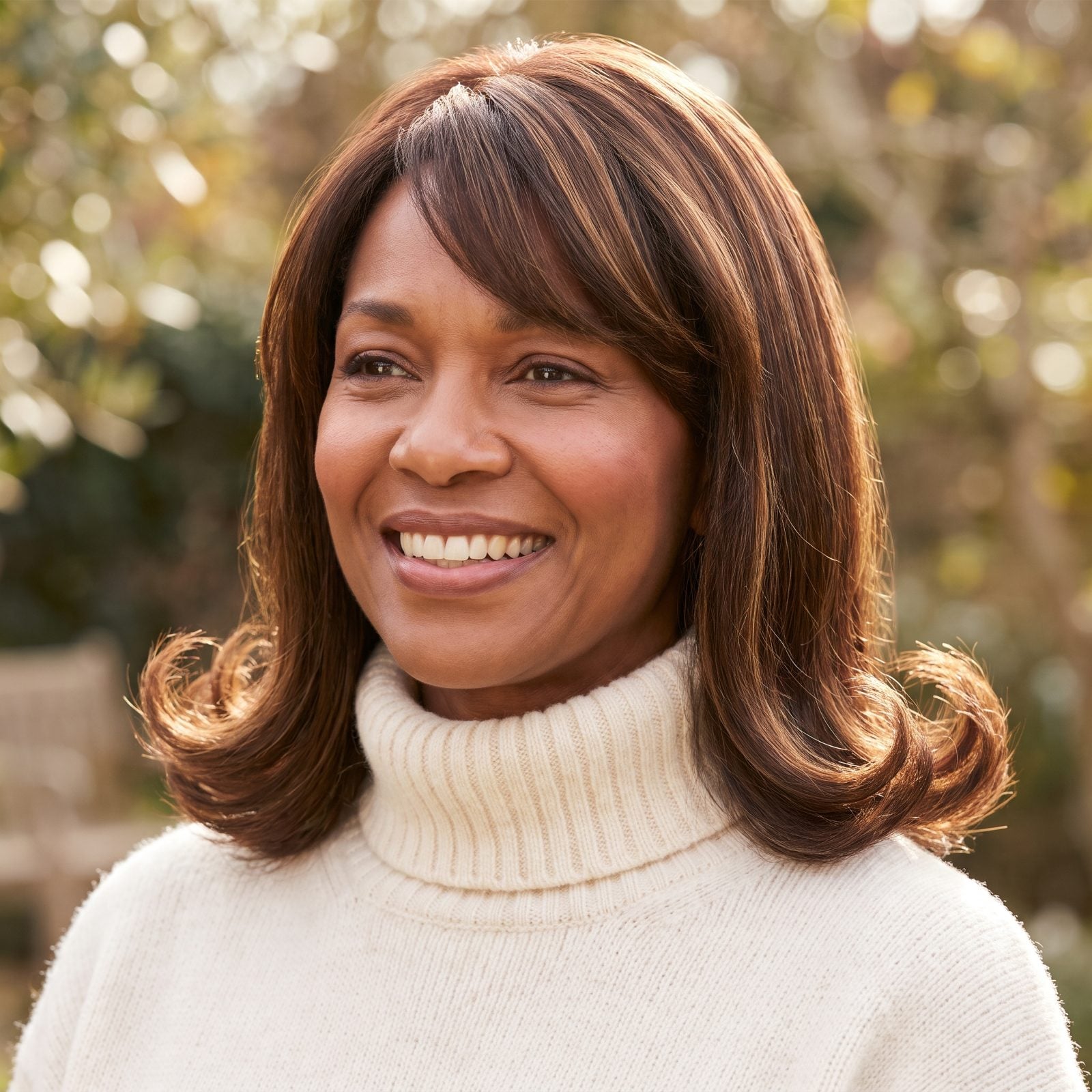
The flip is pure optimism in a hairstyle. Those ends kicking up and out add width exactly where an oval or long face needs balancing, and the upward motion reads as cheerful and energetic without you doing a thing.
You’ll need a round brush and a blow-dryer, or a quick pass with a flat iron rolled outward at the ends. A little more effort than wash-and-go. But the payoff is a look that genuinely lifts your face and your mood.
22. The Afro: Natural Texture Worn Full and Proud
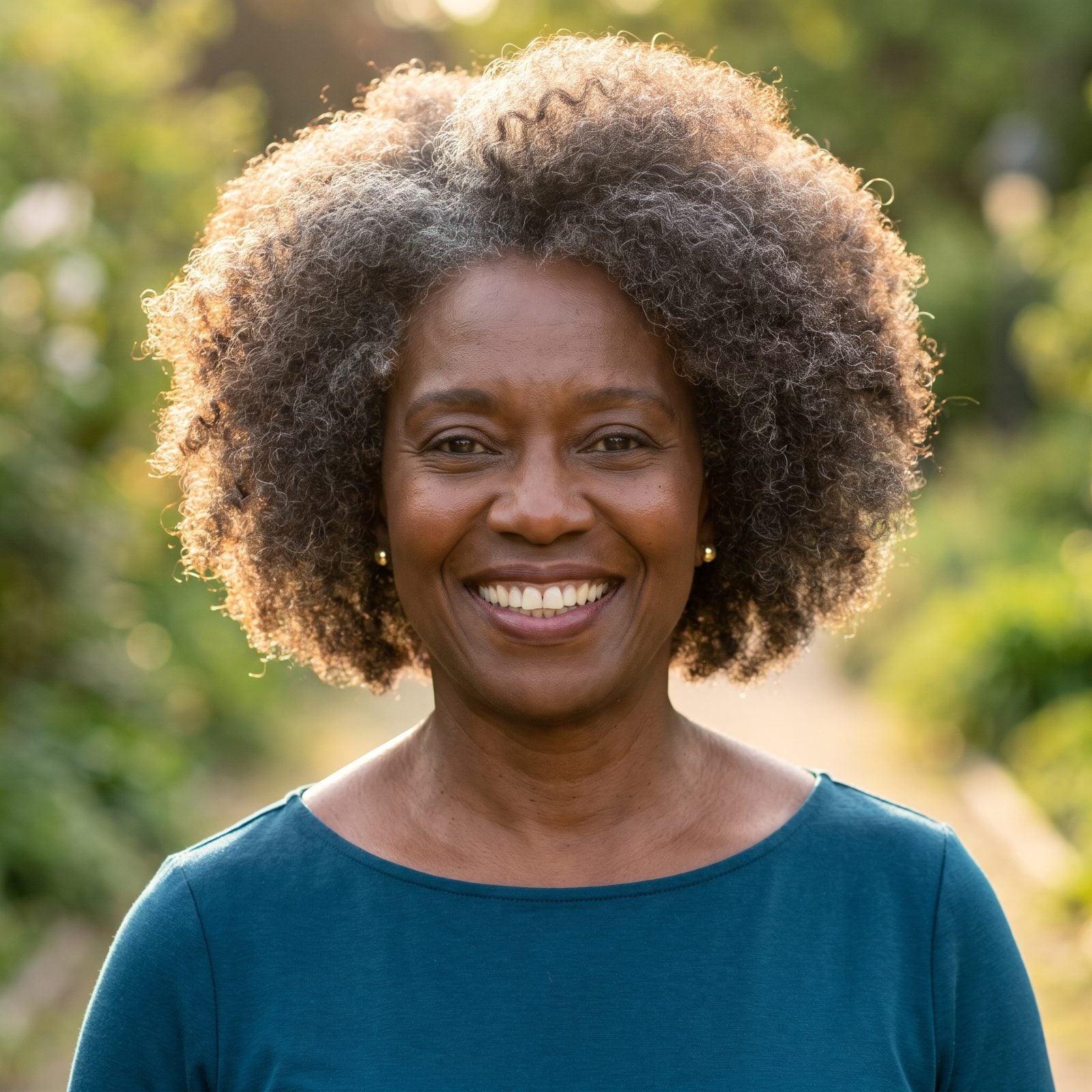
The Afro worn full and shaped is one of the boldest frames for a face at any age, and the grey coming in only adds to it. Silver threaded through natural coils reads as a crown, not a concession.
It needs moisture more than it needs manipulation. A good leave-in, a pick to shape, regular deep conditioning, and the texture stays defined and the halo stays even. That volume balances a round face by building height and shape around it.
Grey woven through natural texture doesn’t age a face. It frames it like a signature.
21. The Gibson Tuck: The Rolled Updo That Skipped a Century
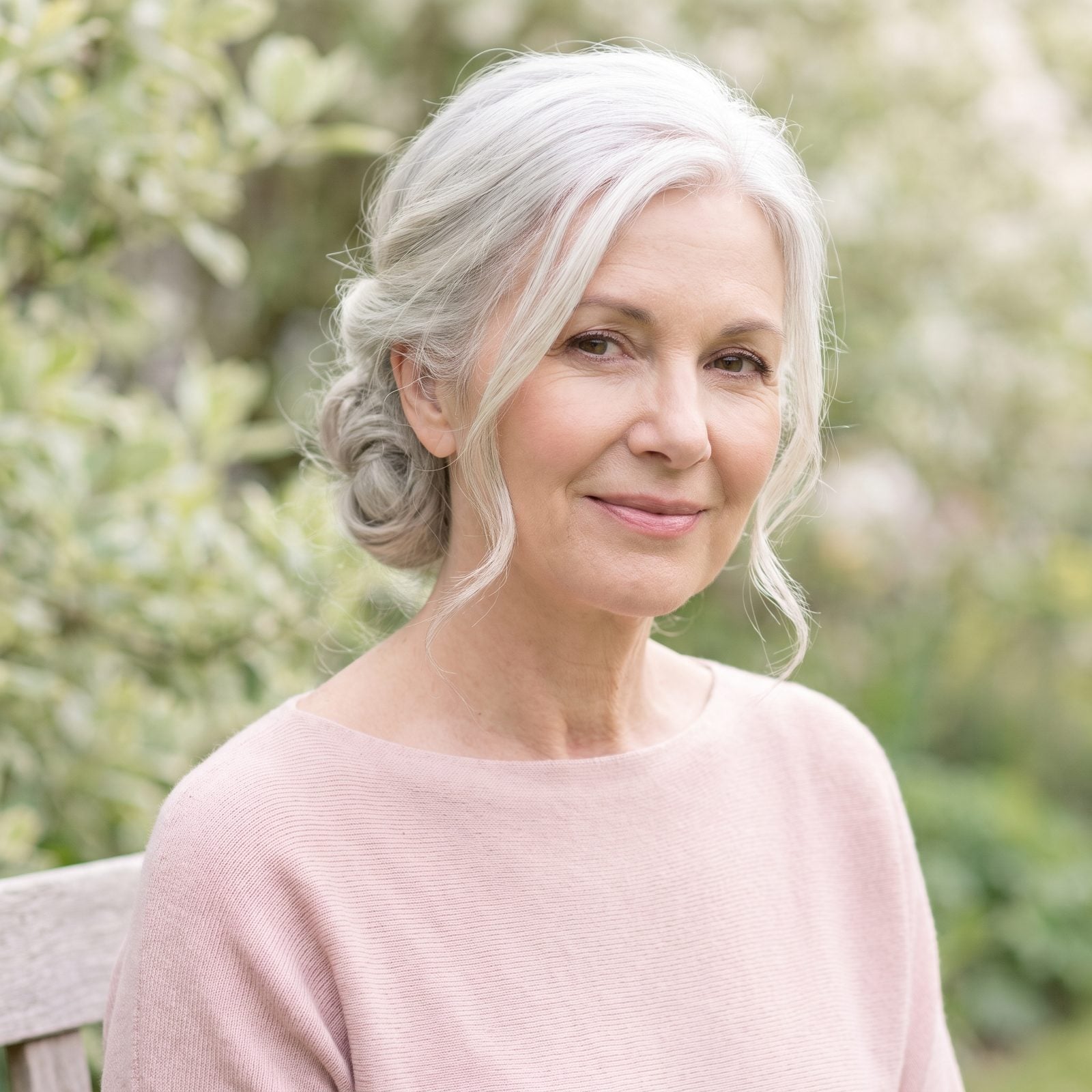
Older than the Boomers themselves, the Gibson tuck came back around because it solves a real problem: a soft, pulled-back look that gets hair off the face without the tight severity that ages everyone.
The loose tuck at the nape and the few tendrils left free keep it romantic. A five-minute updo that reads like you spent half an hour on it, and silver-white hair done this way looks like something out of a portrait. Honestly, a stretchy headband tucked under does most of the rolling for you.
20. Long Center-Part Straight Hair, Ironed Smooth and Grown Past the Shoulders

The dead-center part is the whole trick. It frames the face like a curtain and reads as calm confidence rather than try-hard. Grown past the shoulders with blunt ends, it stays modern because the texture is poker-straight, not flipped or feathered like the old photos.
On silvering hair this works beautifully, the smooth finish catching light so the gray looks deliberate. One caveat worth knowing: long straight hair goes limp fast, so a flat iron and a drop of serum at the ends are non-negotiable.
19. The Soft-Curl Perm, Loosened for Movement Instead of Tight Rings
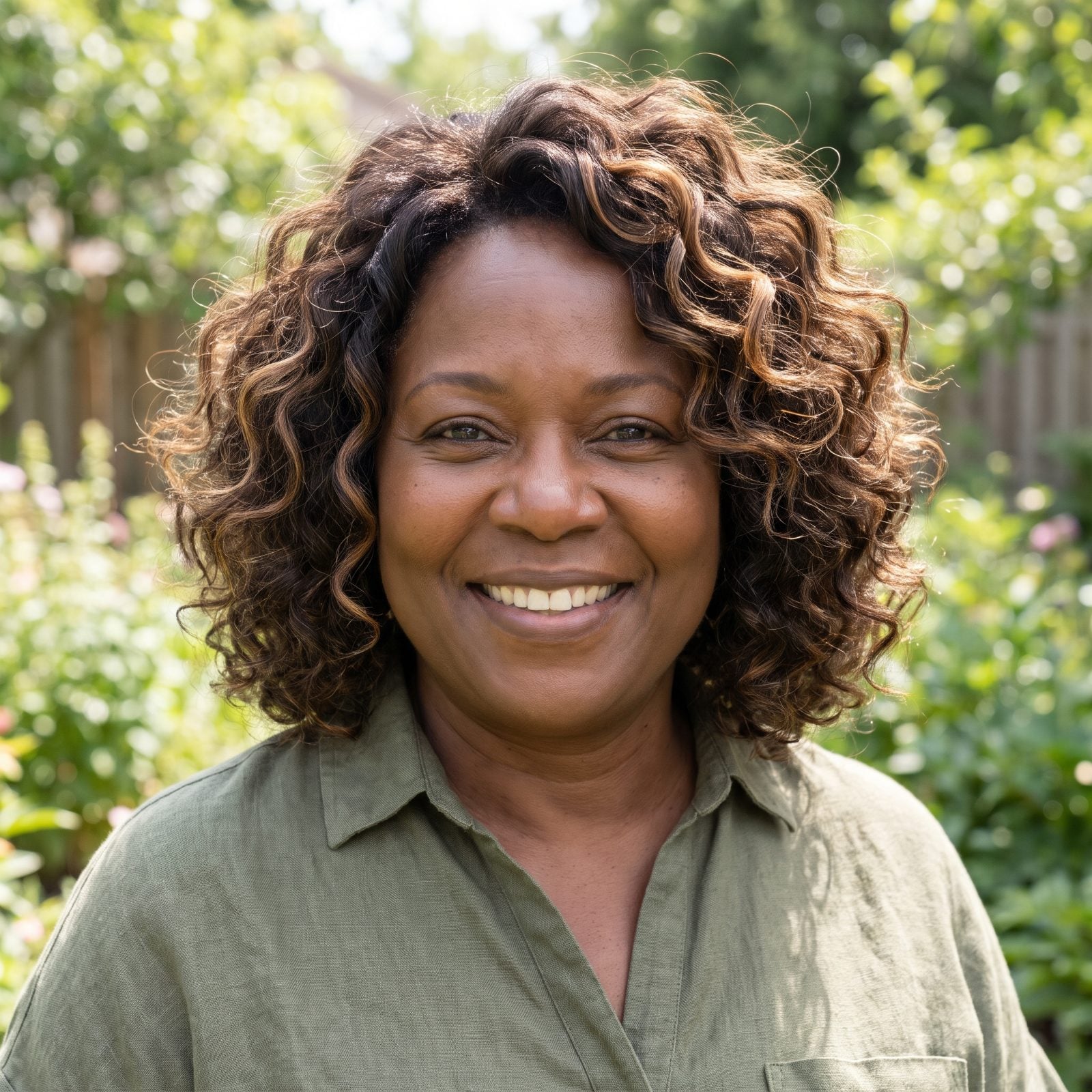
The perm got a bad name from the tight, crunchy version. The one trending now is loose, large-barrel, and all about movement — think second-day waves that never fall flat.
For fine hair that refuses to hold anything, a soft perm is quiet revenge. It builds body at the root and gives you a wash-and-go that actually has shape. The curl size does the work here: wide enough to look like effortless texture, never a science experiment.
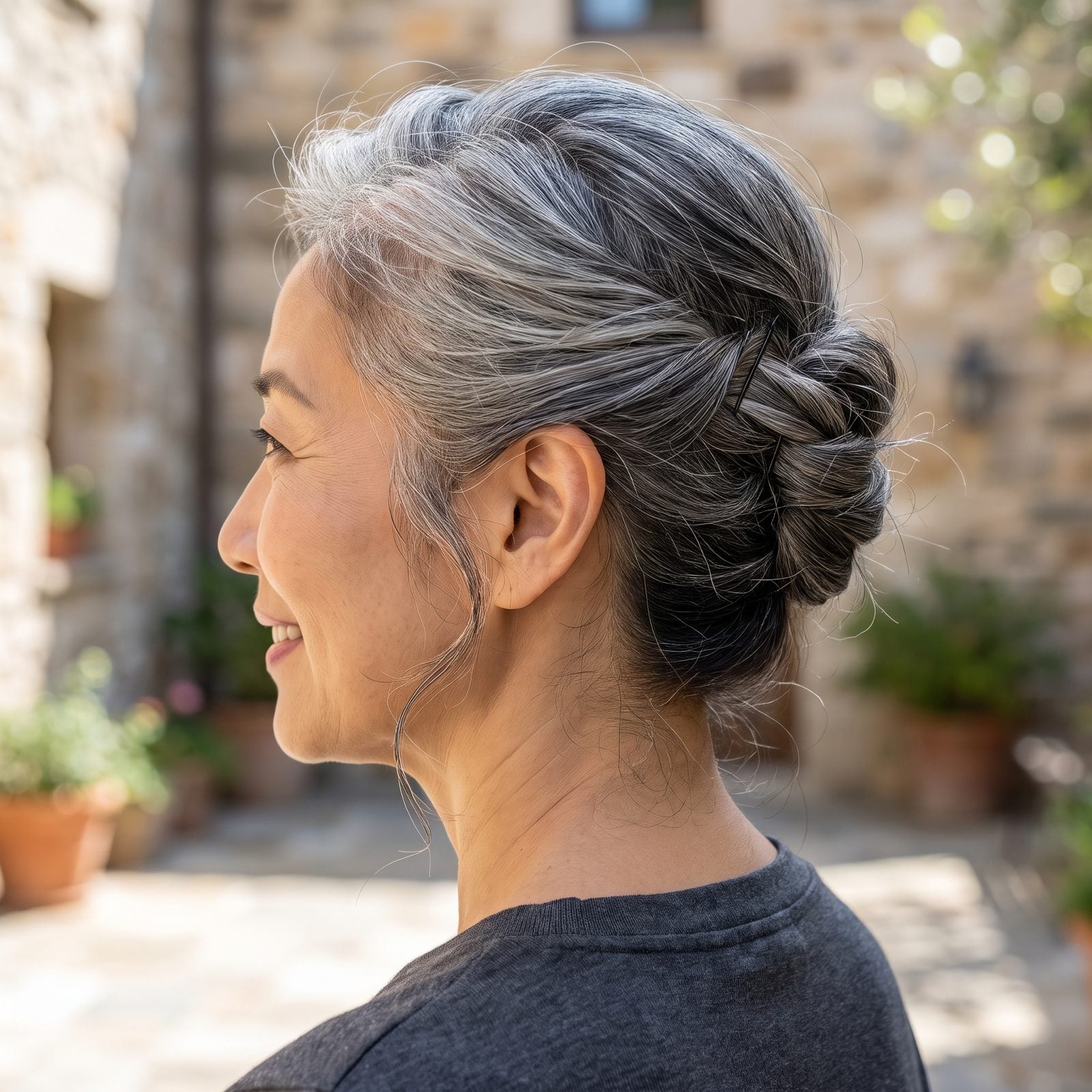
18. The French Twist, Pinned Low and Left Intentionally Imperfect
❤️ Would you like to save this?
A French twist used to mean helmet-stiff and sprayed to concrete. The current read is looser, lower, with escaped pieces around the face that keep it from looking like a wedding from 1974.
This is the updo that respects a long neck and a good pair of earrings, and on gray hair it looks genuinely expensive. One move makes it: before you tuck, mist the hair with texture spray so the twist grips itself instead of relying on forty bobby pins.
17. Victory Rolls, Scaled Down to One Bold Statement Roll
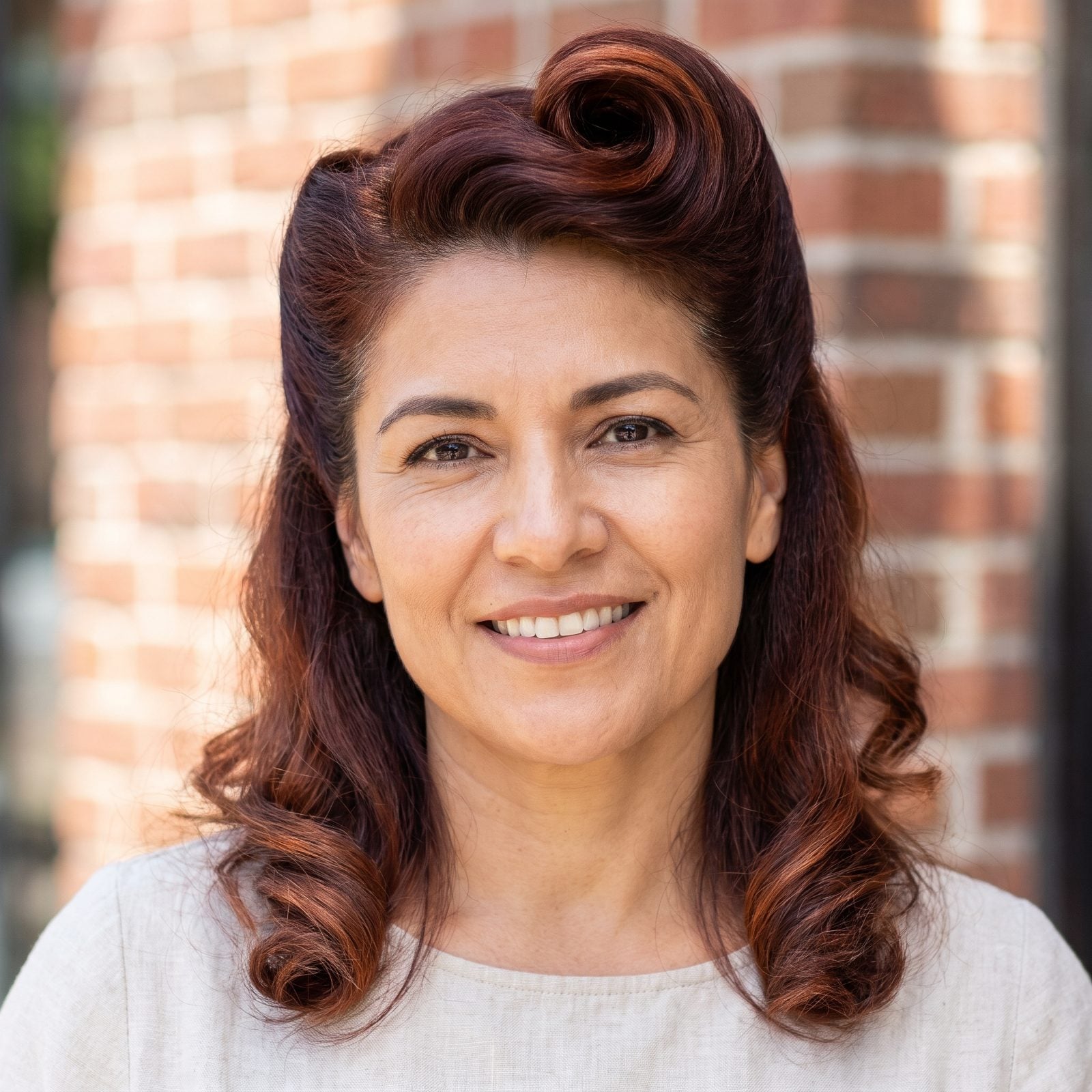
Full double victory rolls can tip into costume territory fast. The wearable version pares it to one sculpted roll at the front, leaving the rest down with the ends set in sculpted pin-curl rolls.
What makes it current is the restraint. A single roll reads as a deliberate retro nod, not a reenactment. Pair it with a modern matte lip instead of a painted bow and the whole thing stops looking like a theme party and starts looking like a woman who knows exactly what she’s doing.
16. Teased Crown Volume for Lift Without the Full Beehive

Flat hair ages a face faster than gray ever will. A little lift at the crown does more than any filler ad promises.
The Boomer beehive has been dialed way back into a rounded, teased crown that sits with the rest of the hair down. It balances a long face by adding height up top, and it rescues fine hair that’s gone limp at the roots. Backcomb gently at the base, smooth the surface over it, and don’t spray it into a shell.
15. The Bowl Cut, Reworked into a Blunt Chin-Length Shape
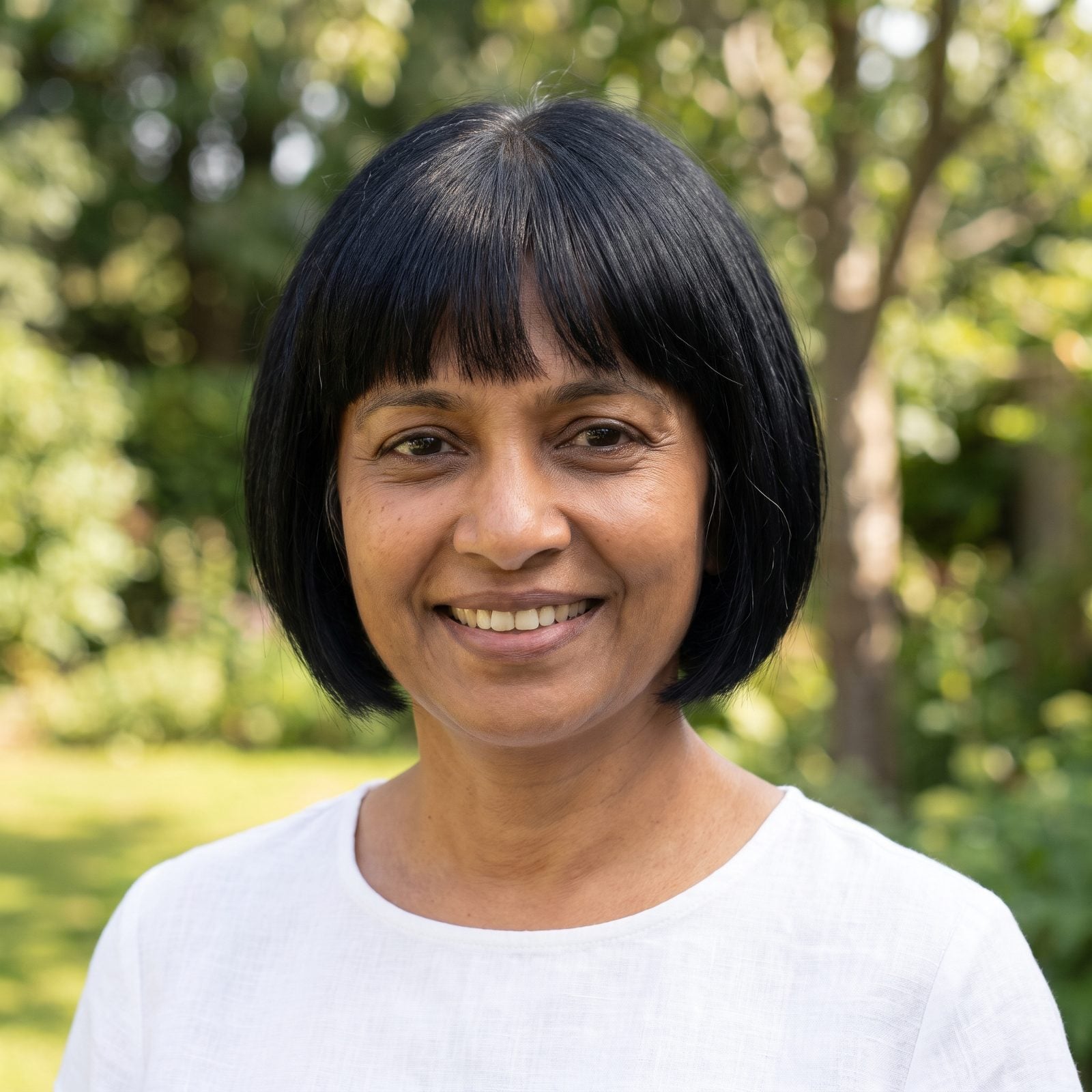
Yes, the bowl cut. Before you flinch, the 2020s version traded the mushroom dome for a blunt, chin-length round shape with precision edges.
The geometry is the point — clean lines that read as fashion-forward and sculptural on the right face. It’s a maintenance commitment, though. A bowl cut lives or dies by the cut itself, so a sharp stylist and a six-week trim are the whole game.
14. The Wedge Cut, Short in Back with Stacked Volume Up Top

The wedge had its Olympic ice-skating moment decades ago and quietly came back as one of the smartest short cuts for mature hair. Stacked volume at the back, tapered at the neck, it fakes real density into fine or thinning hair, and on silver it’s a showstopper because the angled layers catch light.
That back stack does the lifting so you don’t have to fight your roots every morning. Easy to style. Hard to mess up.
13. The Half-Up Bouffant, Modernized with a Loose Back Section
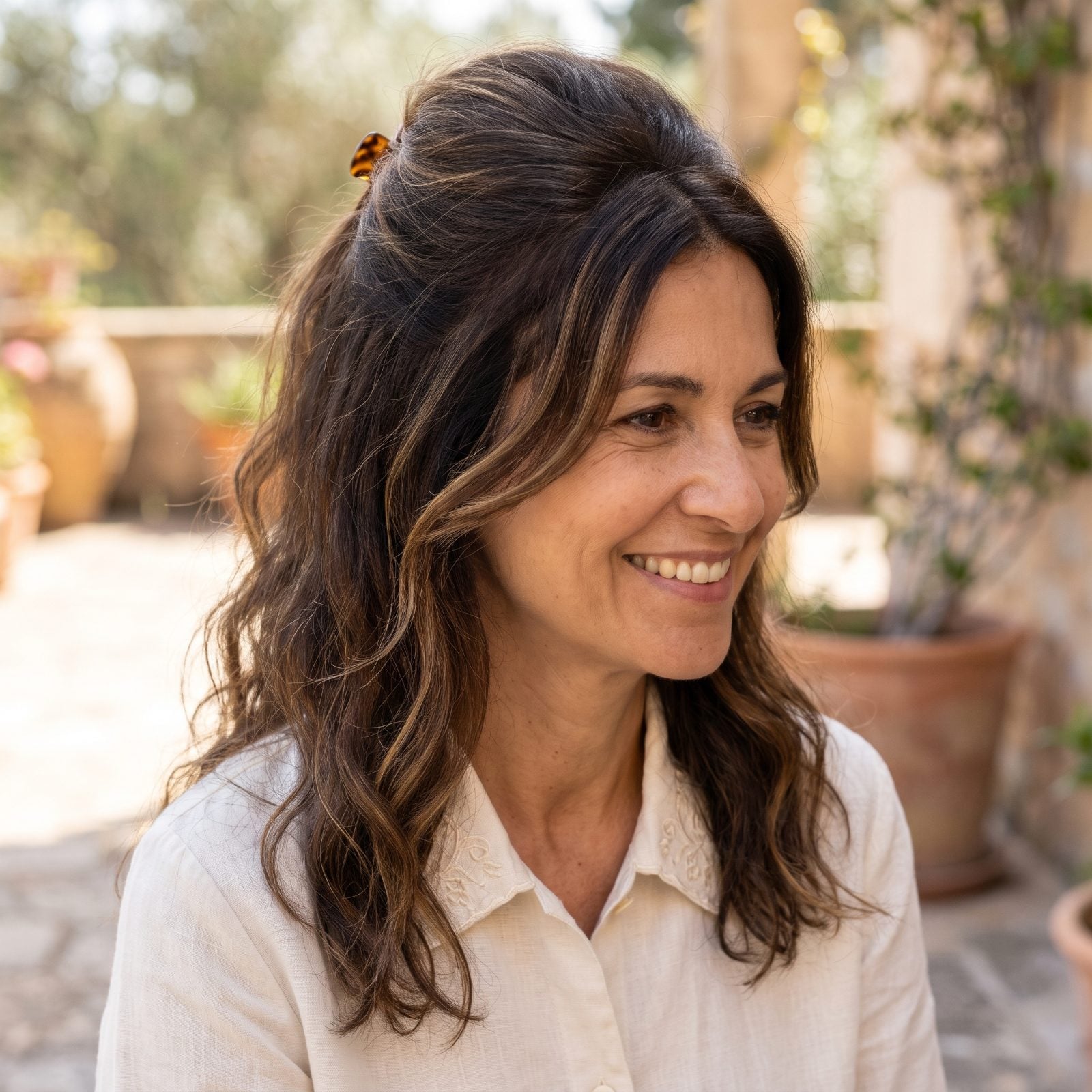
Half-up, half-down with a soft bouffant crown is the compromise cut nobody admits they love. It keeps hair off your face while leaving length to swing.
The update is all in the back section — loose, lived-in waves instead of a sprayed flip. The crown gets gentle height, the rest stays undone, and the contrast keeps it from reading dated. This is the look that photographs well at every event you didn’t want to overthink.
12. The Pin Curl Set, Brushed Out into Soft Finger Waves
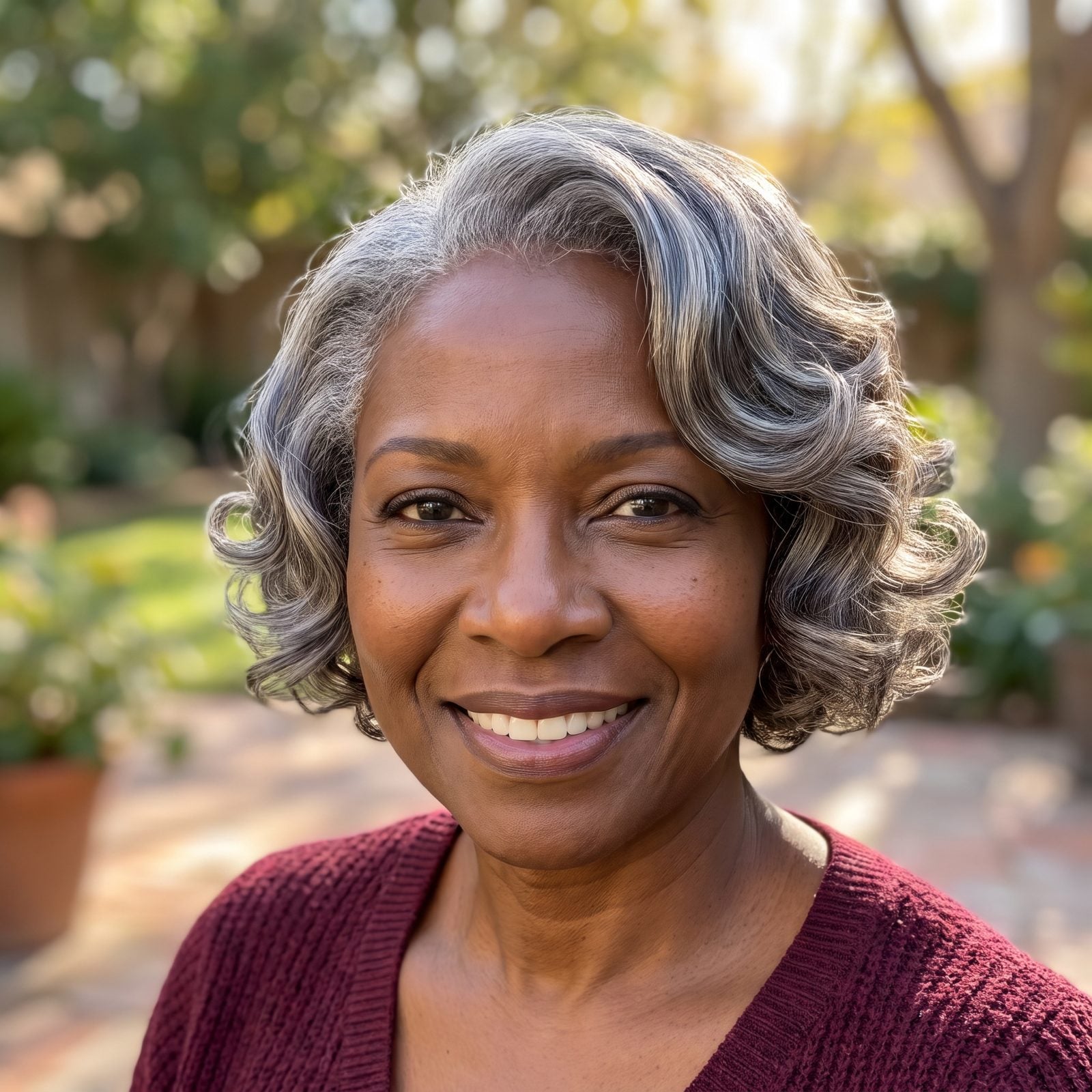
Pin curls are the slow cooking of hairstyling. You set them, you wait, you brush them out into soft waves that last for days.
Brushed out rather than left tight, the pin curl set gives you a gentle vintage wave that flatters silver hair like almost nothing else, and the satin sheen the technique creates is the quiet luxury of it. Takes patience and a set of clips. But the payoff is a wave pattern no hot tool quite replicates.
11. The Bardot Updo, Piled High with a Deliberately Undone Finish
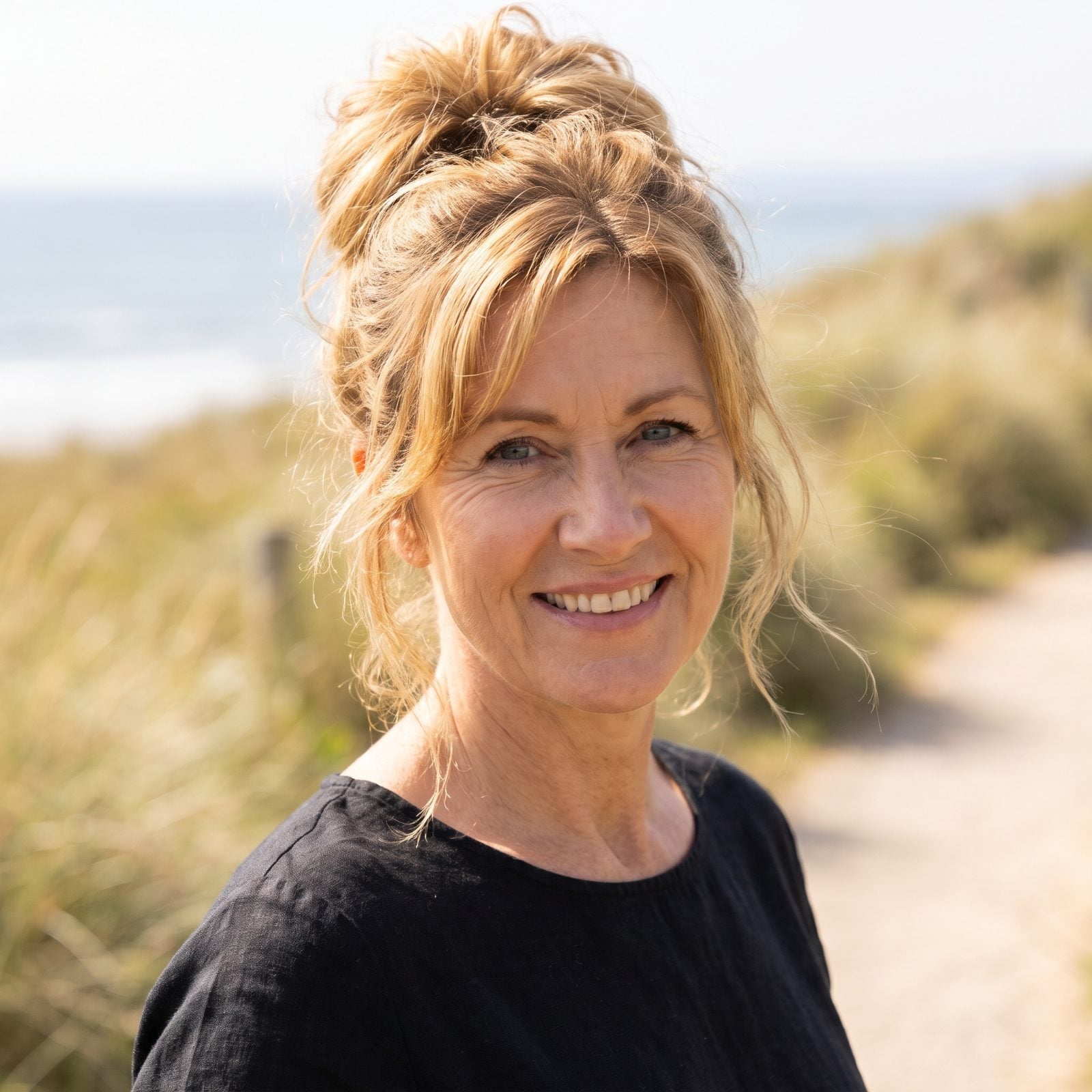
The Bardot updo is the opposite of a tidy bun — high, tousled, with wispy pieces escaping everywhere on purpose.
What keeps it from looking slept-in is the volume up top, that soft piled height carrying the whole look. Leave face-framing tendrils loose and the effect turns romantic rather than disheveled. It signals a woman who got ready without appearing to try, which is the hardest trick in the book and the most satisfying to pull off.
10. The Low Chignon With a Center Part
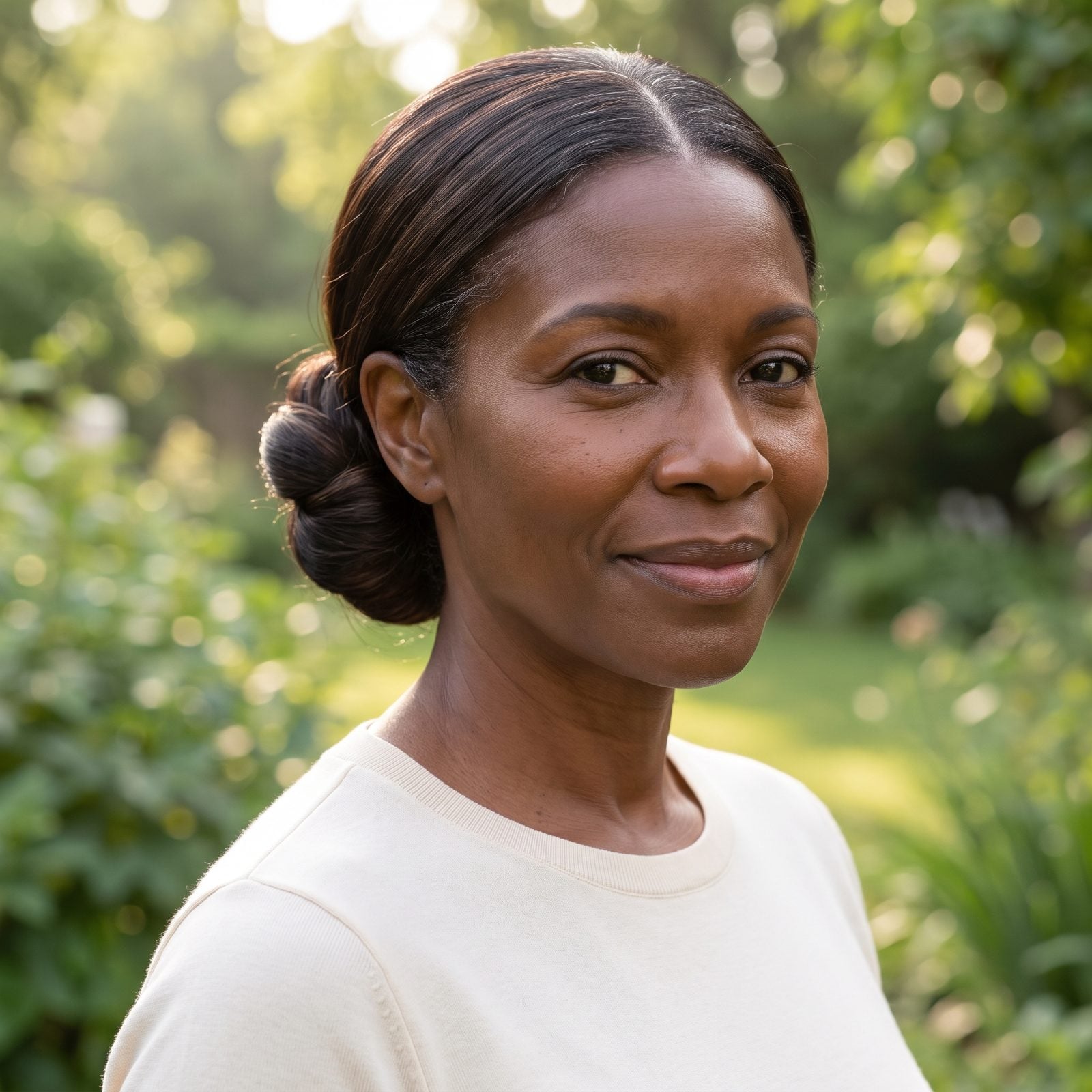
The chignon reads as controlled confidence, which is exactly why it keeps coming back. A low knot at the nape pulls the eye down and back, lengthening the neck and opening up the face, and the center part keeps the whole thing modern instead of matronly.
Leave a few strands loose at the temples. A knot that’s too tight ages you faster than the years do.
9. Sculpted Finger Waves Along the Hairline
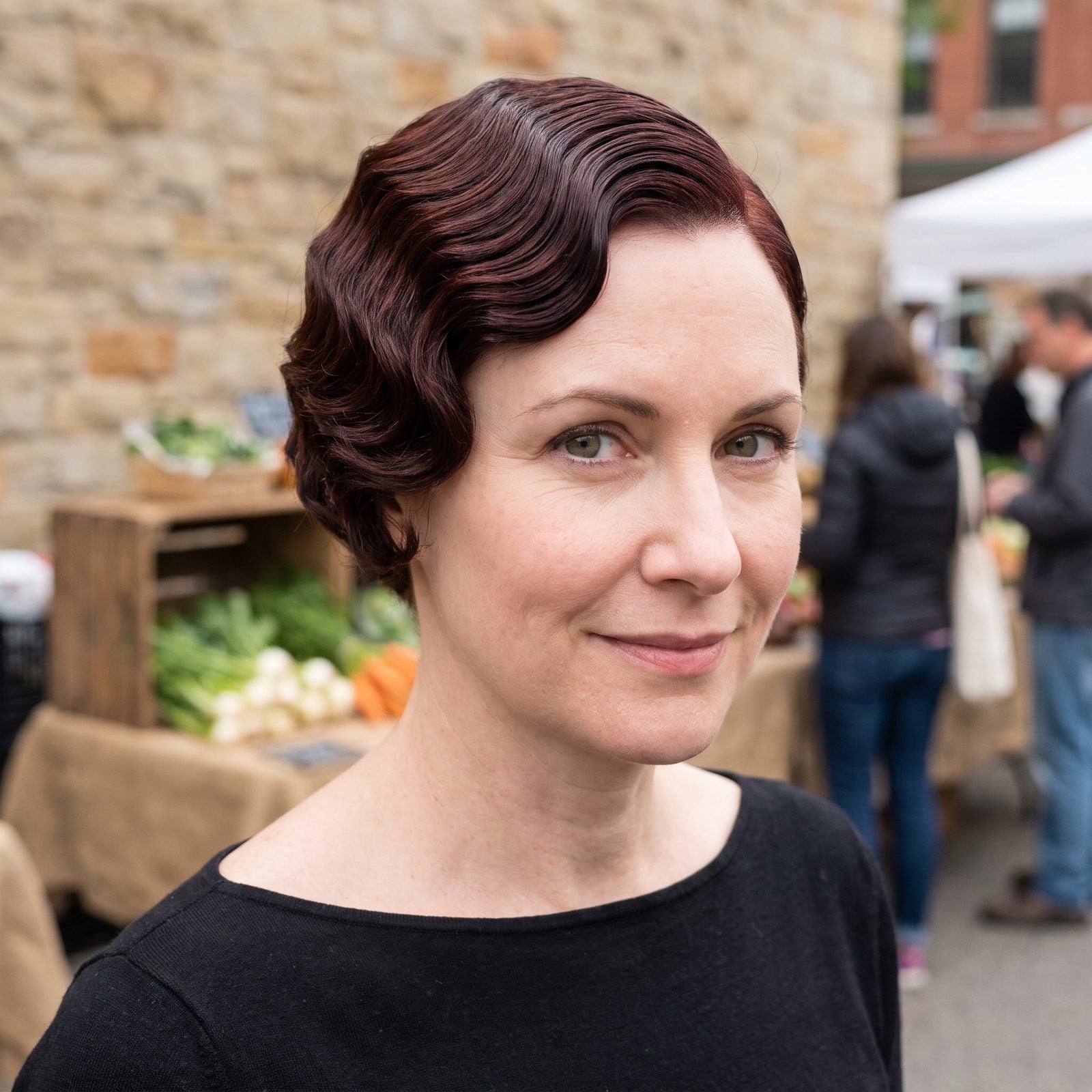
Finger waves came out of the 1920s, got a second life on our mothers’ mothers, and now show up on runways and red carpets. The ridged S-curves catch light like water.
This works best on shorter hair, where the waves sit flat against the scalp and frame the face without competing with it. High-commitment styling, not a throw-and-go. Save it for the nights you want to arrive looking deliberate.
8. The Modern Mullet With Soft Layered Length
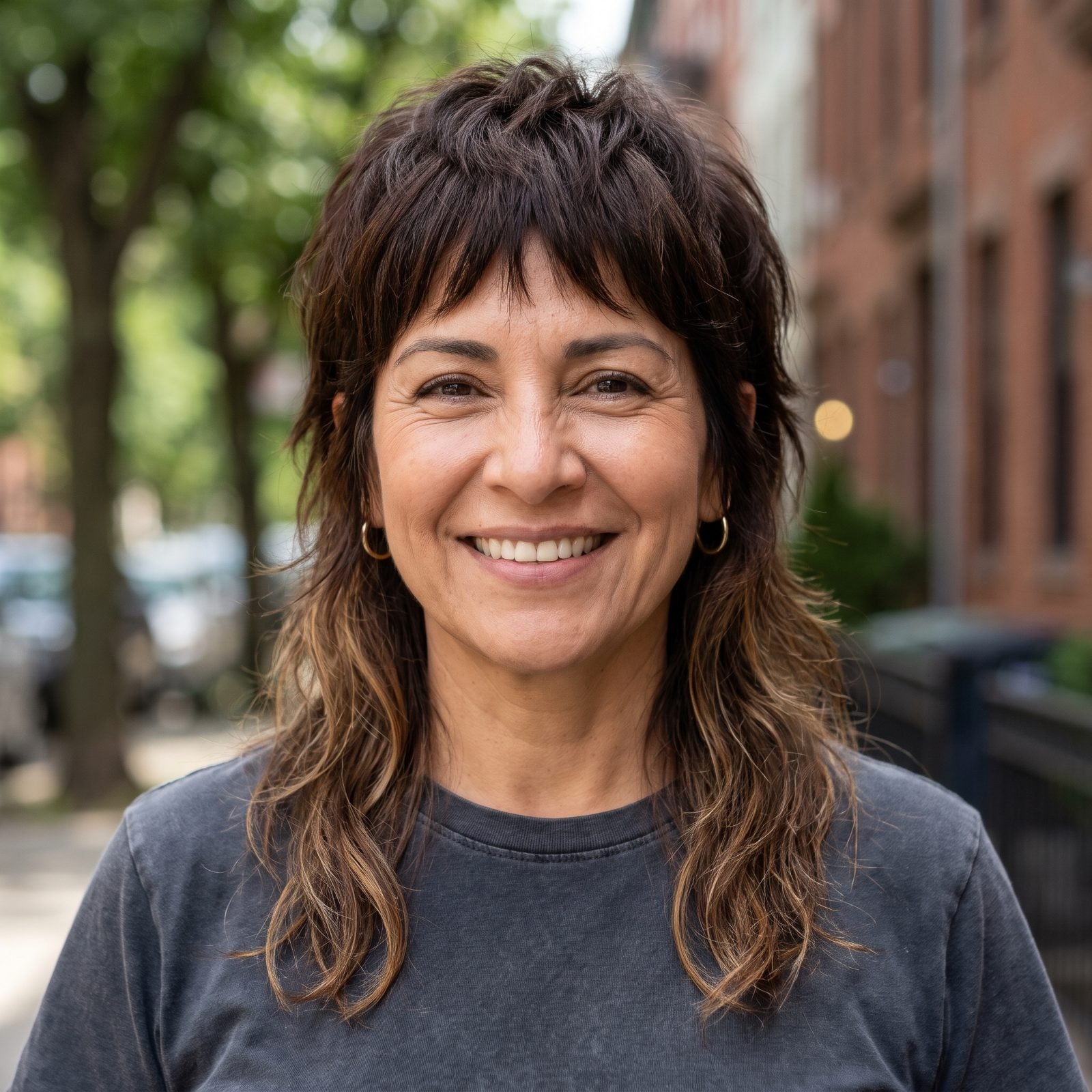
The mullet lost the clown reputation somewhere around its fourth revival. Today’s version is soft, feathered, and shaggy, with short layers up top melting into longer pieces at the back.
It hands fine hair the illusion of movement and volume — the shape does the work your thickness can’t. Grown-up and a little rebellious at the same time. If you’ve been wanting a cut with attitude, this is the one.
7. The Wet-Look Slicked-Back Bob
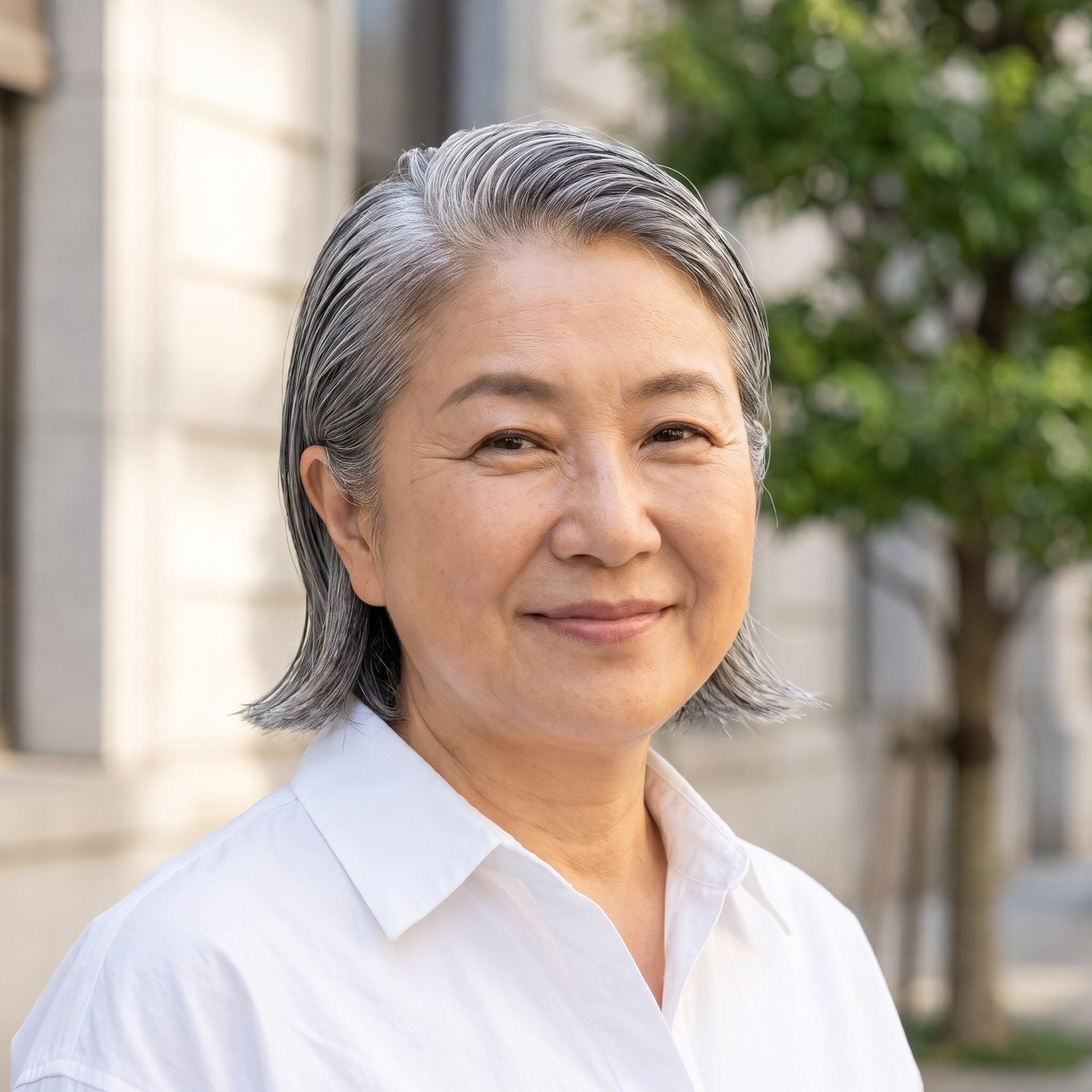
Slicking it all back takes nerve, and that’s the appeal. With nothing framing the face, your bone structure does all the talking, and on silver hair the wet finish turns gray into something that looks expensive.
Five minutes and a palmful of gel. That’s the whole routine.
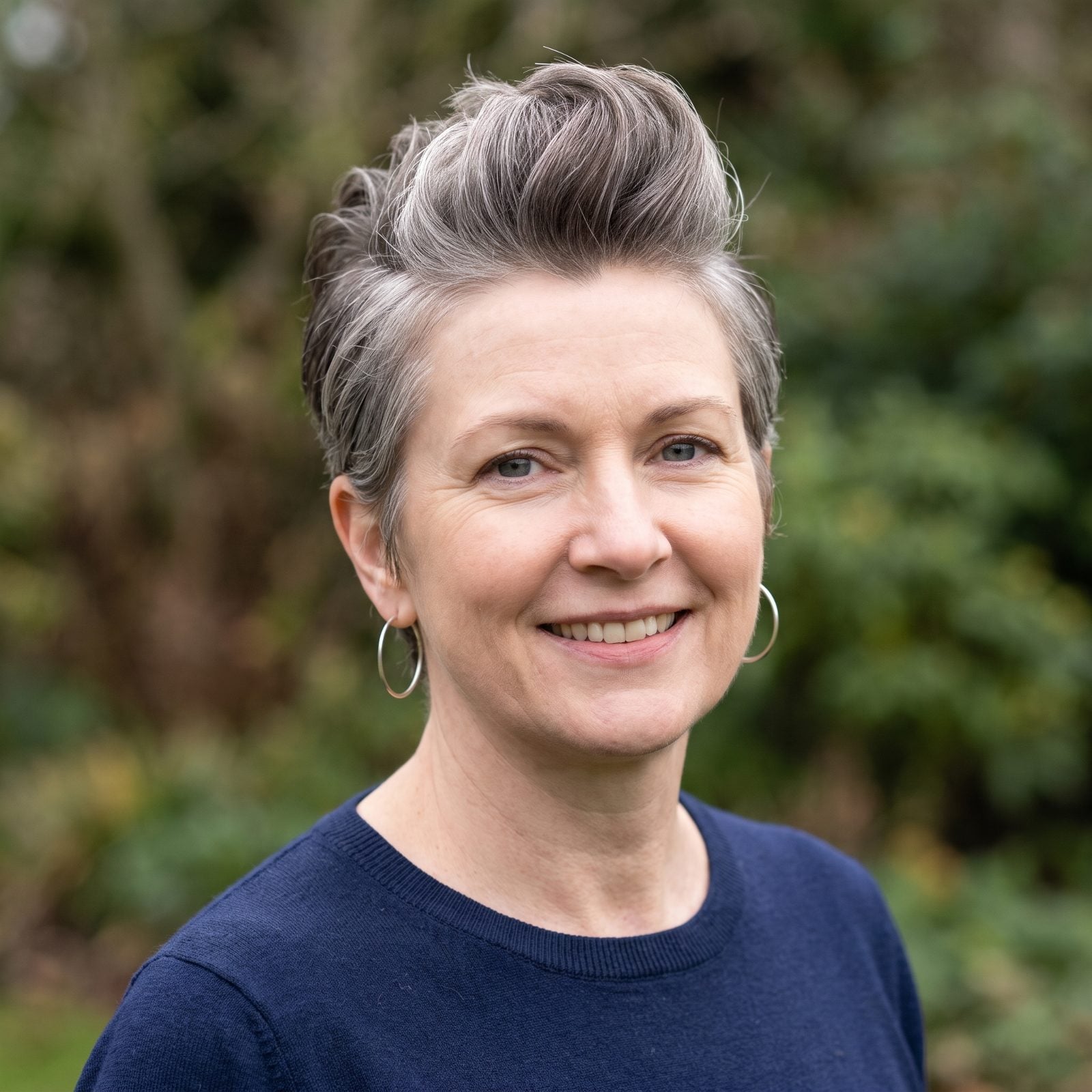
6. The Soft Pompadour With Volume at the Crown
❤️ Would you like to save this?
Think the pompadour belongs to the men? Think again. Swept up and back from the forehead with real height at the crown, it adds instant lift exactly where hair tends to flatten after 50.
The height lengthens a round face and puts drama front and center. Salt-and-pepper hair suits it beautifully, since the texture of grays gives the pouf more body to work with. One of the great androgynous hairstyle options for women who want edge without fuss.
5. The Deep Side-Swept Fringe

A side-swept fringe is the gentlest way to cover a forehead without committing to blunt bangs. The diagonal line draws the eye across the face and softens a strong forehead or a receding hairline.
And it grows out gracefully. Once it gets long it just blends into your layers instead of poking you in the eye.
4. The Low Ponytail Wrapped in a Silk Scarf
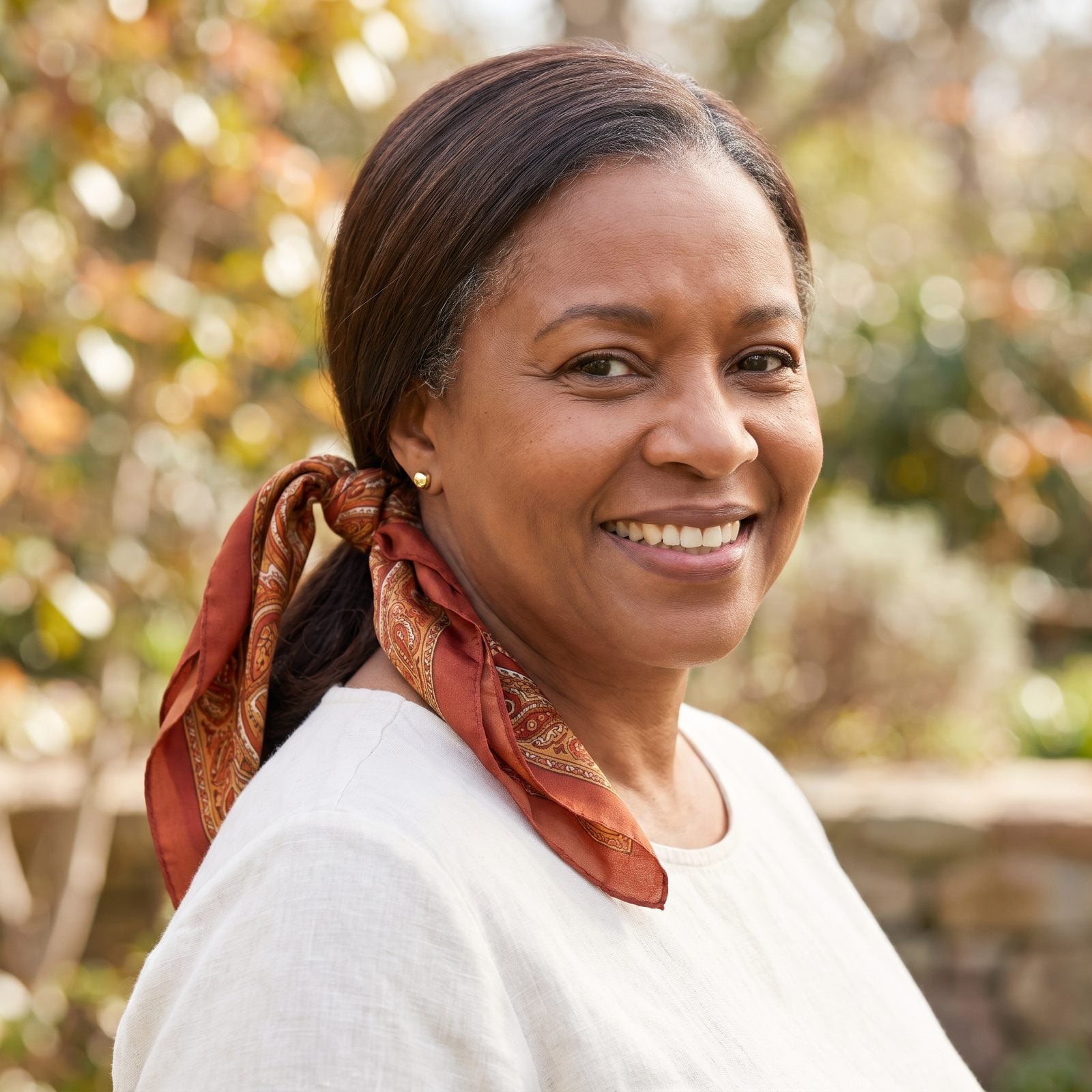
A scarf at the base of a low ponytail is the easiest upgrade in hair. It hides the elastic, introduces color near the face, and takes a plain tail somewhere intentional.
The rust-and-gold silk hair scarf here warms up the skin and ties back to the whole outfit and simple gold stud earrings. Go for silk over cotton — it drapes softer and knots smaller.
3. Soft Face-Framing Layers Around the Cheekbones

Face-framing layers are the quiet workhorse of a good cut. The shortest pieces hit at the cheekbone and sweep back, lifting the midface and softening anything you’d rather play down.
They lend fine hair the look of movement and let longer hair keep its length while still shaping the face. Low effort, high return. A rough air-dry and a quick push of the fingers is usually all it takes.
2. Curtain Bangs Parted Down the Middle
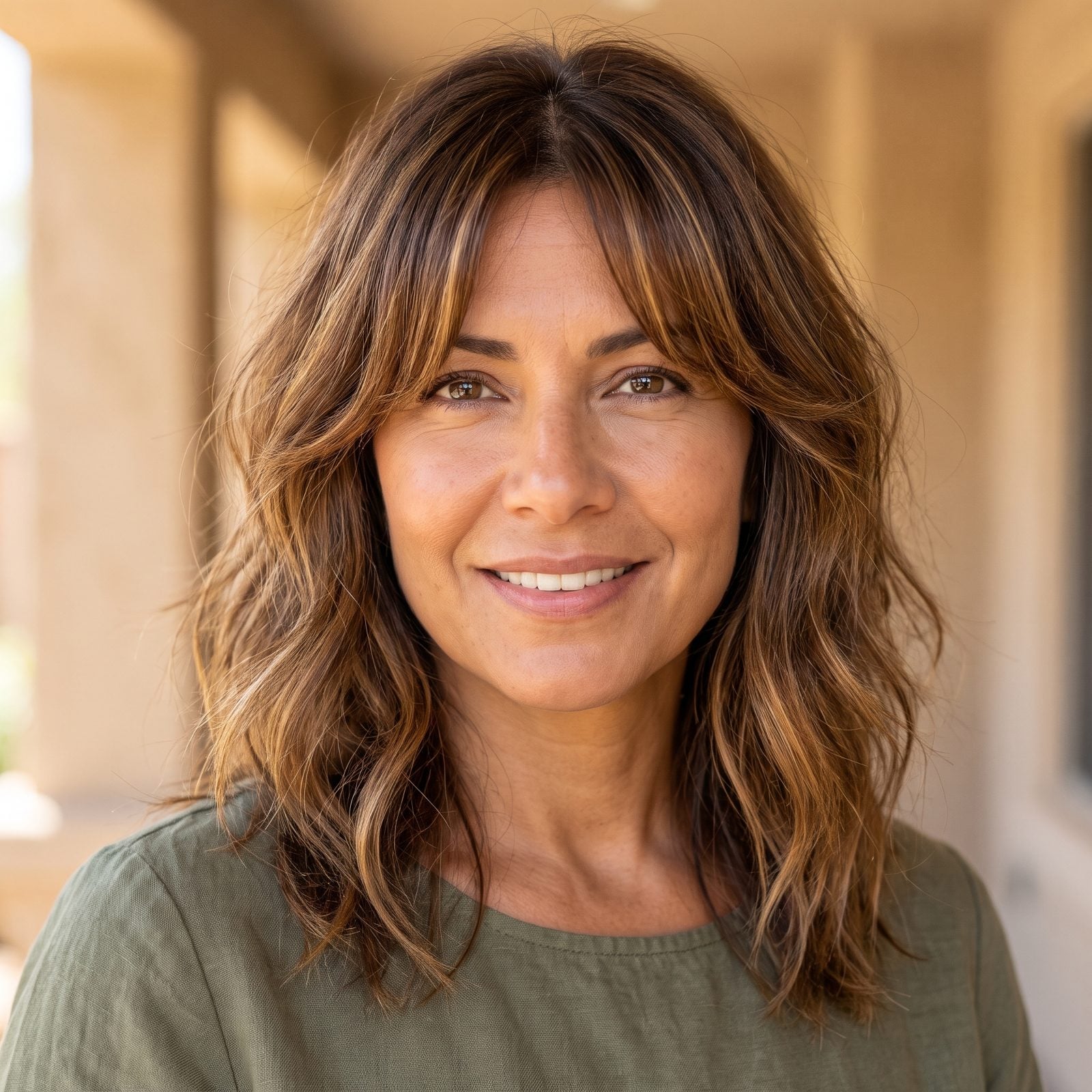
Curtain bangs part in the middle and sweep away on both sides, framing the eyes like, well, curtains. They came off the 1970s and never really left once they circled back around.
The genius is in the softness — nothing cuts hard across the forehead, so they flatter nearly every face shape. They also grow out without the awkward phase, melting right into your length. The most forgiving fringe there is.
1. The Ducktail Tapered at the Nape

The ducktail — that tapered back where the hair meets in a seam at the nape — was pure rockabilly rebellion in its day. On a modern short silver cut it reads sharp and clean instead of retro.
It keeps the neck tidy and the shape close, which is a gift for fine or thinning hair, since the taper hides bulk you don’t have and plays up the cut’s precision. A low-maintenance crop with real edge. One warning: go find a barber who actually knows the cut, not just a stylist who’s heard of it.