❤️ Would you like to save this?
Hair has always told on us. It records who we wanted to be before we could say it out loud. The pin curls set under a cotton scarf, the claw clip grabbed from a glovebox at a red light, the salon chair where someone first asked for something sharp — each of these styles belongs to a specific moment, a specific mirror, a specific feeling of walking out the door looking brand new. Here’s where the shapes came from and why they mattered.
FYI, thanks to AI imagery software, we’re able to create very specific fashion and hairstyle examples to illustrate the points being made. In some cases, imagery is exaggerated to hammer home the point. Also, assume links that take you off the site are affiliate links such as links to Amazon. this means we may earn a commission if you buy something.
49. The 1960s Five-Point Cut, Precise Geometry Made Hair Look Futuristic
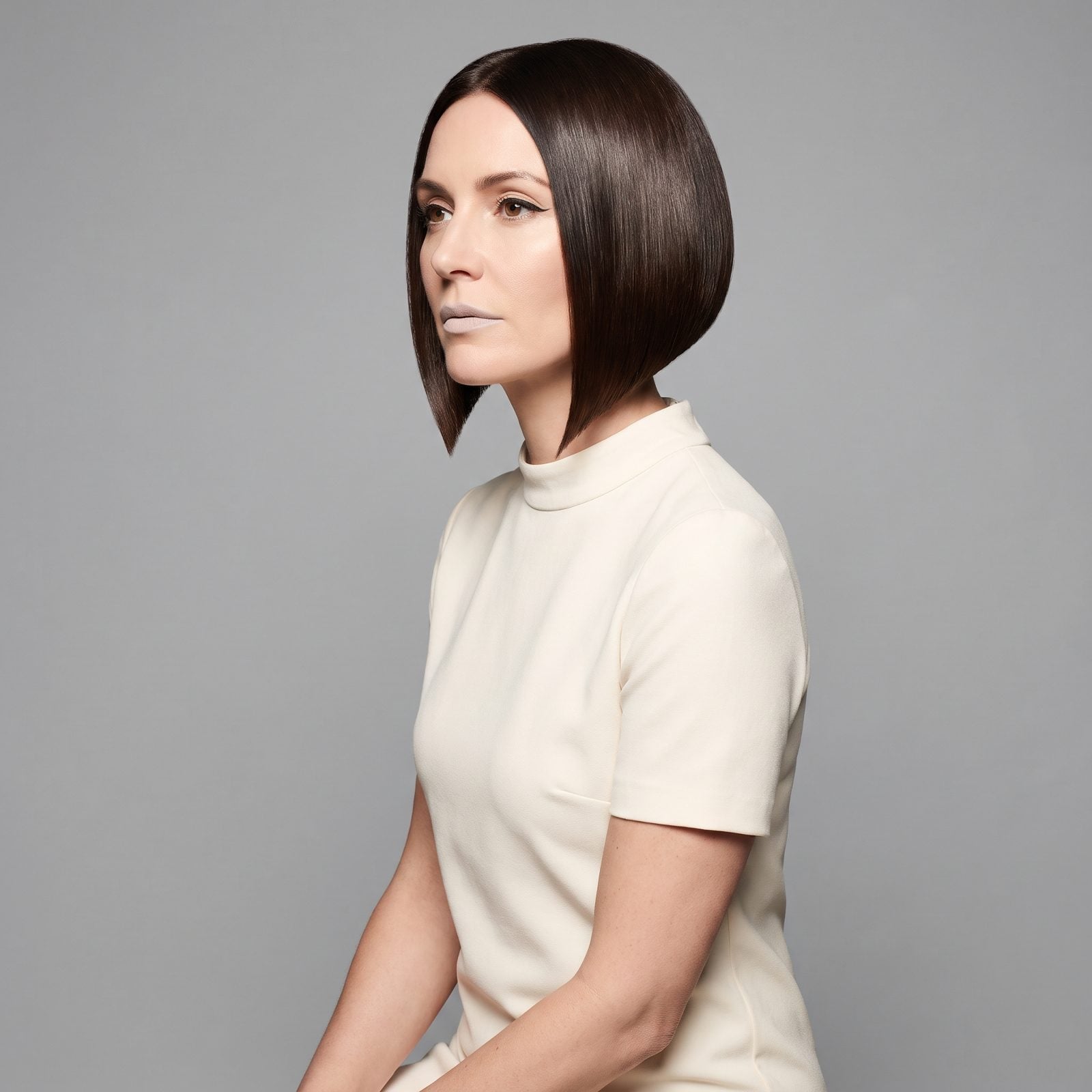
Imagine walking into a salon in 1963 and asking for a haircut that looked like it was drawn with a ruler. That’s what the five-point cut delivered. Vidal Sassoon engineered it, turning hair into something closer to sculpture.
The genius was the structure. Five calculated points fell exactly where the head’s own bones directed them, so the shape held itself — no rollers, no teasing, no can of spray. Wash it, shake it, done. For women who’d spent a decade sleeping in curlers, that was close to liberation.
48. The 1950s Italian Cut, Tousled Short Layers Replaced Rigid Sets

After years of hair cemented into waves that didn’t move in a windstorm, the Italian cut felt like exhaling. Short, layered, tousled on purpose, it came out of Rome’s film scene in the early fifties and spread fast because it looked expensive and took almost no effort.
The layers did the work. Cut short and feathered through the crown, the hair fell into soft movement that looked like you’d just run your fingers through it — which, often, you had. One of the first widely copied styles to trust texture over setting. Honestly, it still reads modern.
47. The 1970s Wedge, Stacked Weight Created a Sharp New Silhouette
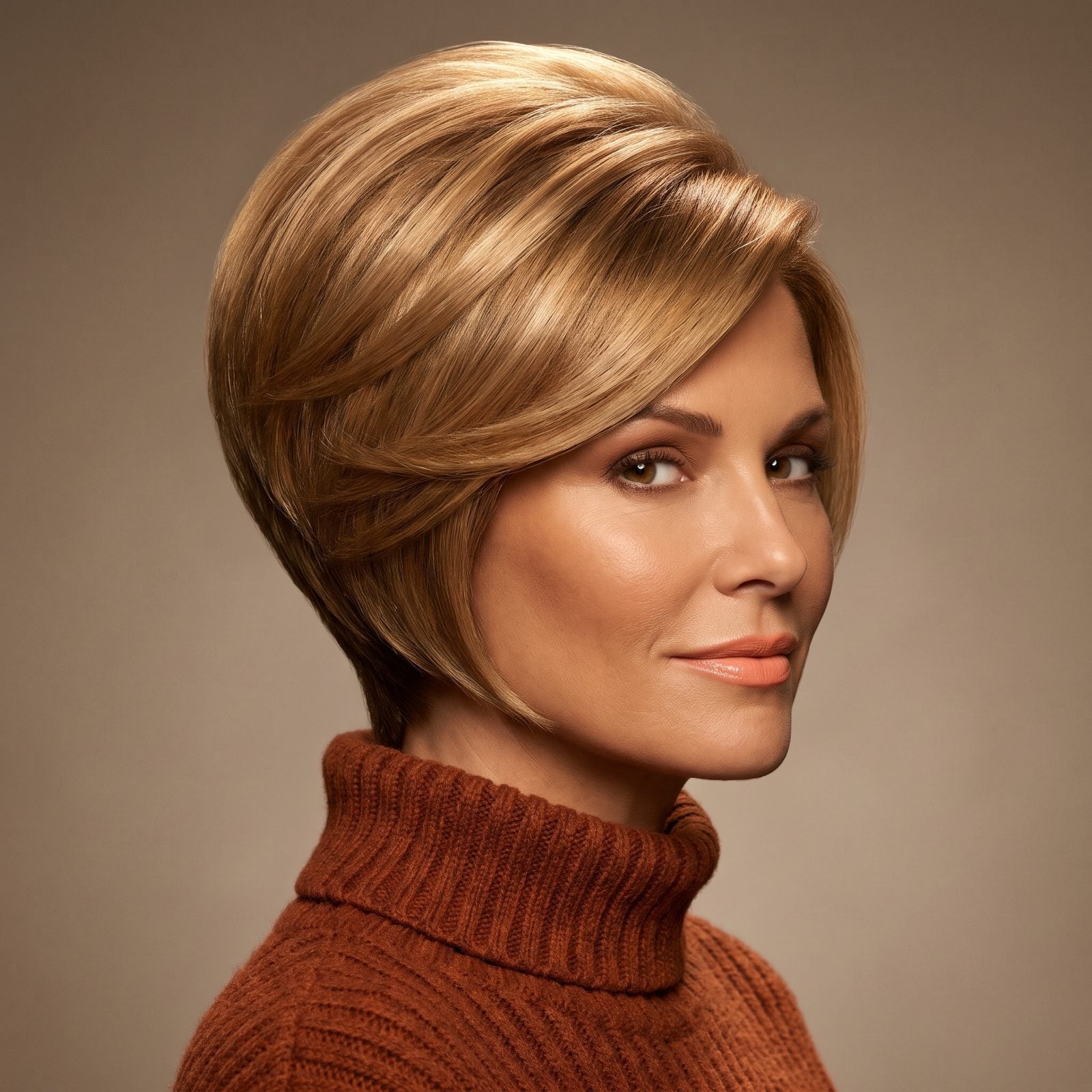
The wedge looked built for speed, and in a sense it was. After an Olympic figure skater made it famous in 1976, it became the cut women pointed to on a photo in the salon for years running.
Here’s what made it work. Hair piled high and short at the crown, then angled down sharp toward the face — the volume up top did all the lifting, giving a clean profile that held through a workout or a windy parking lot. Short hair could be dramatic without being fussy, and this proved it.
46. The 1940s Snood Set, Practical Netting Preserved Carefully Arranged Curls
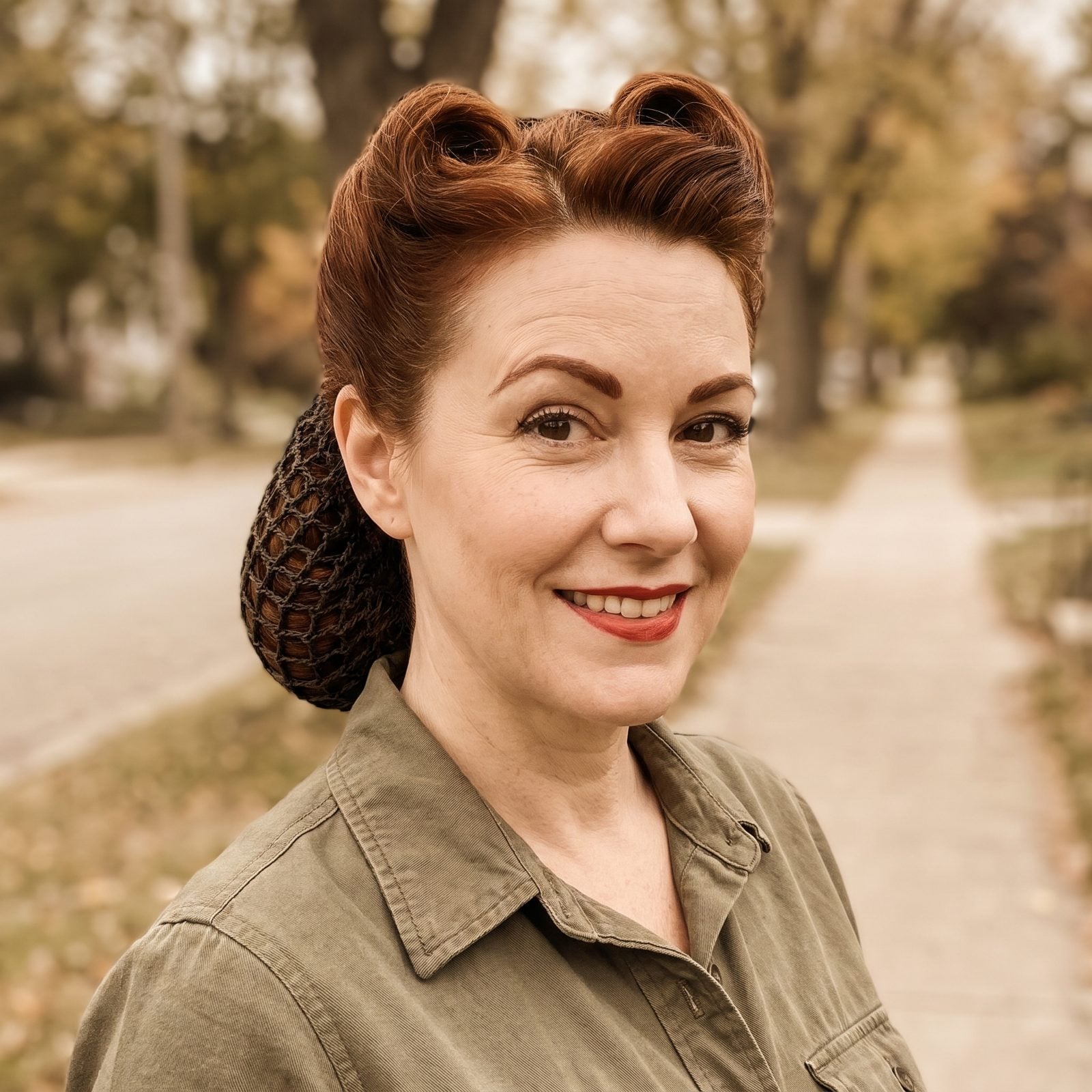
A snood solved a real problem. During the war, women working factory lines needed hair off their faces and out of the machinery, but nobody wanted to sacrifice their curls to do it. The answer was a crocheted net bag that cradled the hair at the nape.
You set your curls the night before, tucked them into the snood come morning, and the whole arrangement stayed put through a double shift. Practical, yes — but also a little glamorous. A hairnet sounds mundane until you see it worn with red lipstick and a sense of purpose.
45. The 1940s Bumper Bangs, A Smooth Front Roll Framed the Face Without Loose Fringe
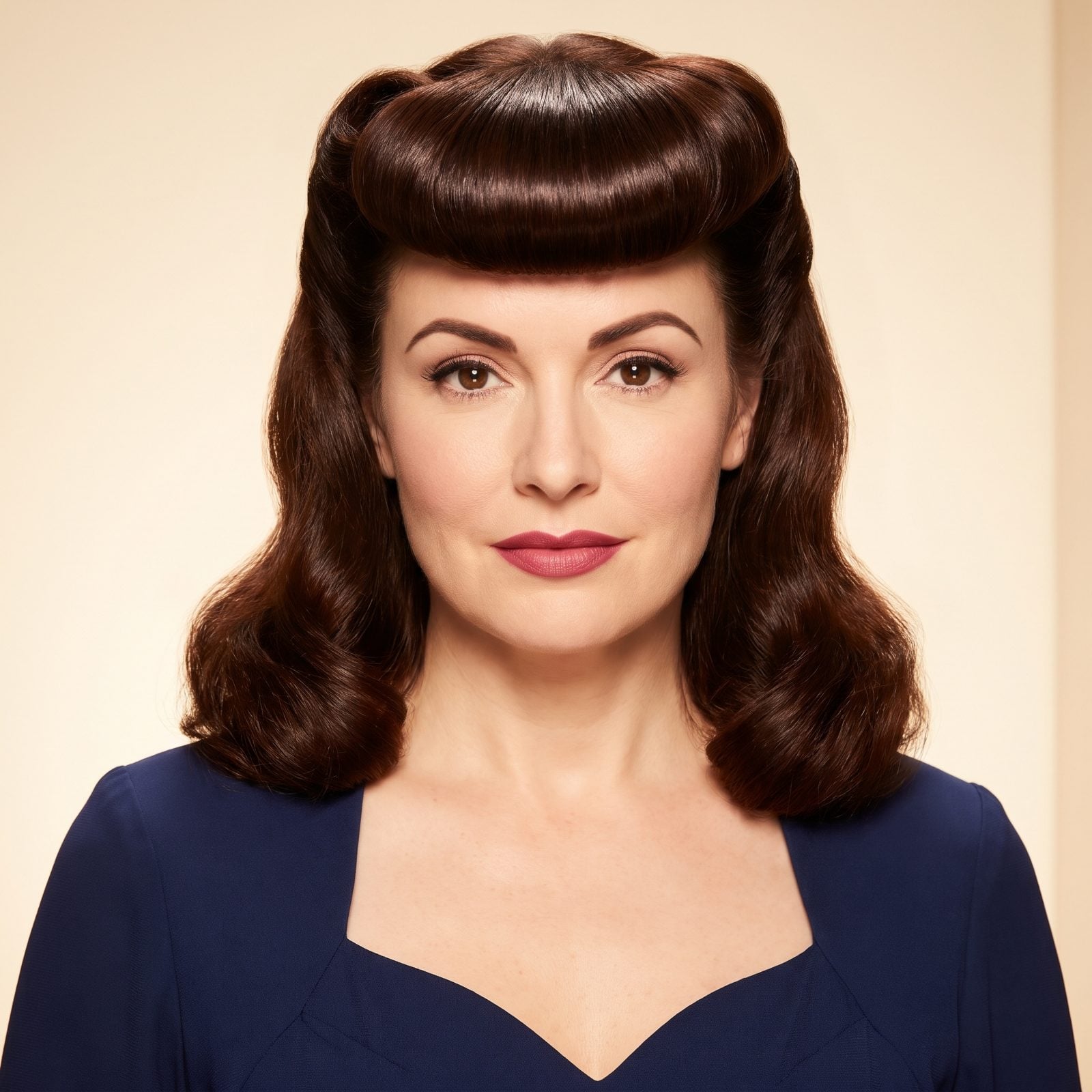
Bumper bangs took patience and a roll of hair tucked over a hidden pad or a length of fabric. The front section got swept up and back into a smooth tube that sat across the forehead like a soft crown. No wispy fringe, no stray pieces, just one clean sculpted roll.
It framed the face while keeping everything off it, which mattered when the curls below did the rest. Getting the roll even took real skill and a good mirror. When it went right, the whole look read put-together from across a room.
44. The 2020s Jellyfish Cut, Disconnected Layers Created Two Dramatically Different Lengths
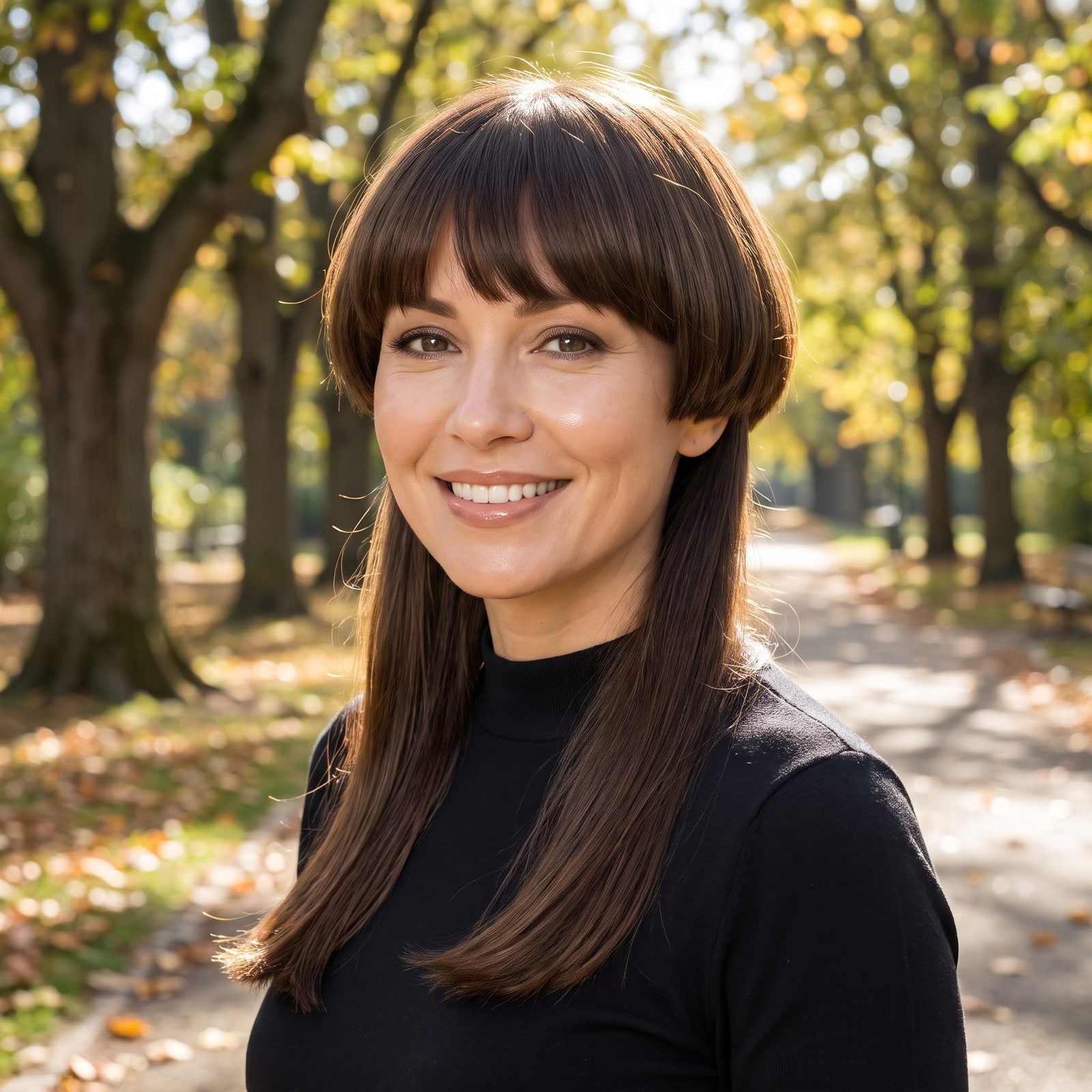
Two haircuts on one head. That’s the jellyfish, and it’s exactly as strange and compelling as it sounds. A short rounded layer sits up top like a little bowl, and underneath, the hair drops long and straight with a deliberate gap between them.
It went viral because it photographs like an optical illusion — two lengths refusing to blend, on purpose. Not everyone could pull it off, and not everyone wanted to. But it marked a decade that got genuinely experimental with shape, treating hair as a place to make a statement rather than play it safe.
43. The 2000s Crown Pouf, A Teased Front Section Added Height to Otherwise Straight Hair
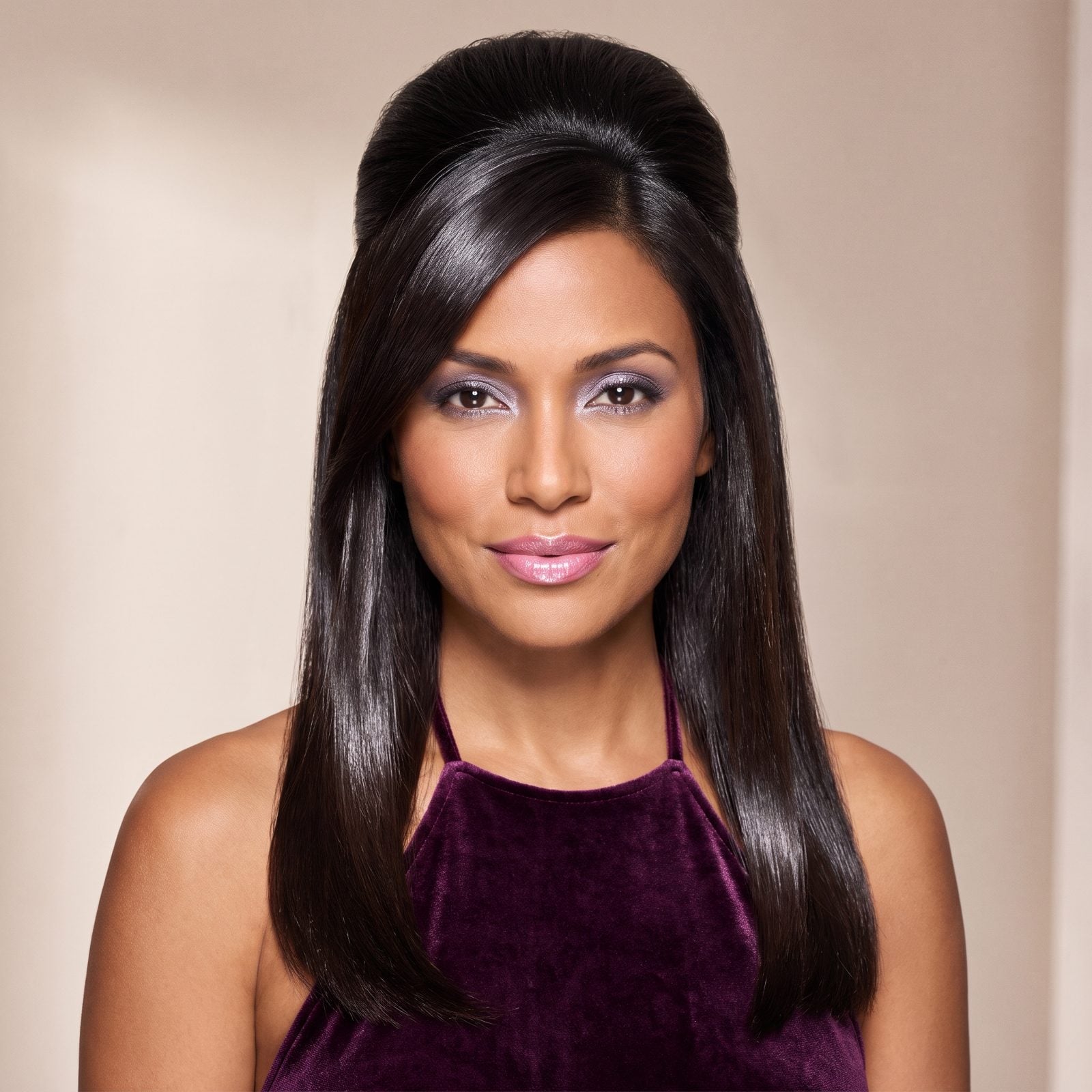
The crown pouf was the going-out move. You flat-ironed everything to a shine, teased the front section, smoothed the top over the mess, then pinned it back for height. A can of hairspray and a rat-tail comb were non-negotiable.
It gave straight hair somewhere to go. Height at the crown balanced the slick lengths below and read instantly as effort — the signal that tonight mattered. The pins always worked loose by midnight, and you spent the evening quietly re-securing it in bathroom mirrors. Worth it.
42. The 1990s Claw-Clip Twist, Effortless-Looking Updos Became an Everyday Staple
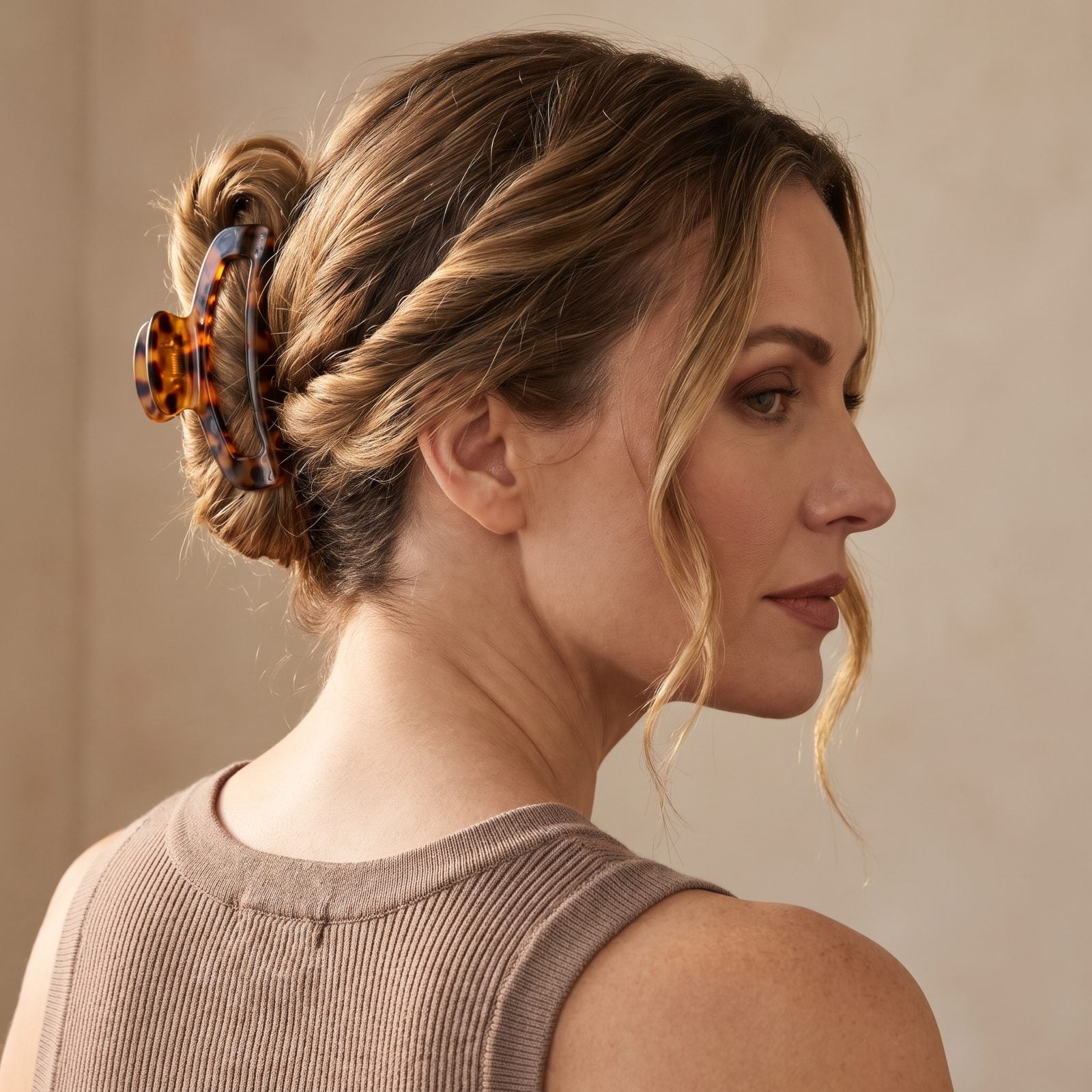
Twist, flip, clamp. Ten seconds, maybe less, and you had an updo that looked like you’d thought about it. The bag trends of the decade came and went, but the tortoiseshell claw clip stayed in every purse, every car cupholder, every desk drawer.
The appeal lived in the studied carelessness. A few pieces left loose around the face kept it from looking too neat, which was the whole nineties aesthetic. It said you had somewhere to be but weren’t trying too hard to get there. And now the clip has come roaring back — anyone who lived through it first time around just nods.
41. The 2010s Undercut Pixie, Hidden Shaved Panels Added Edge to Short Hair
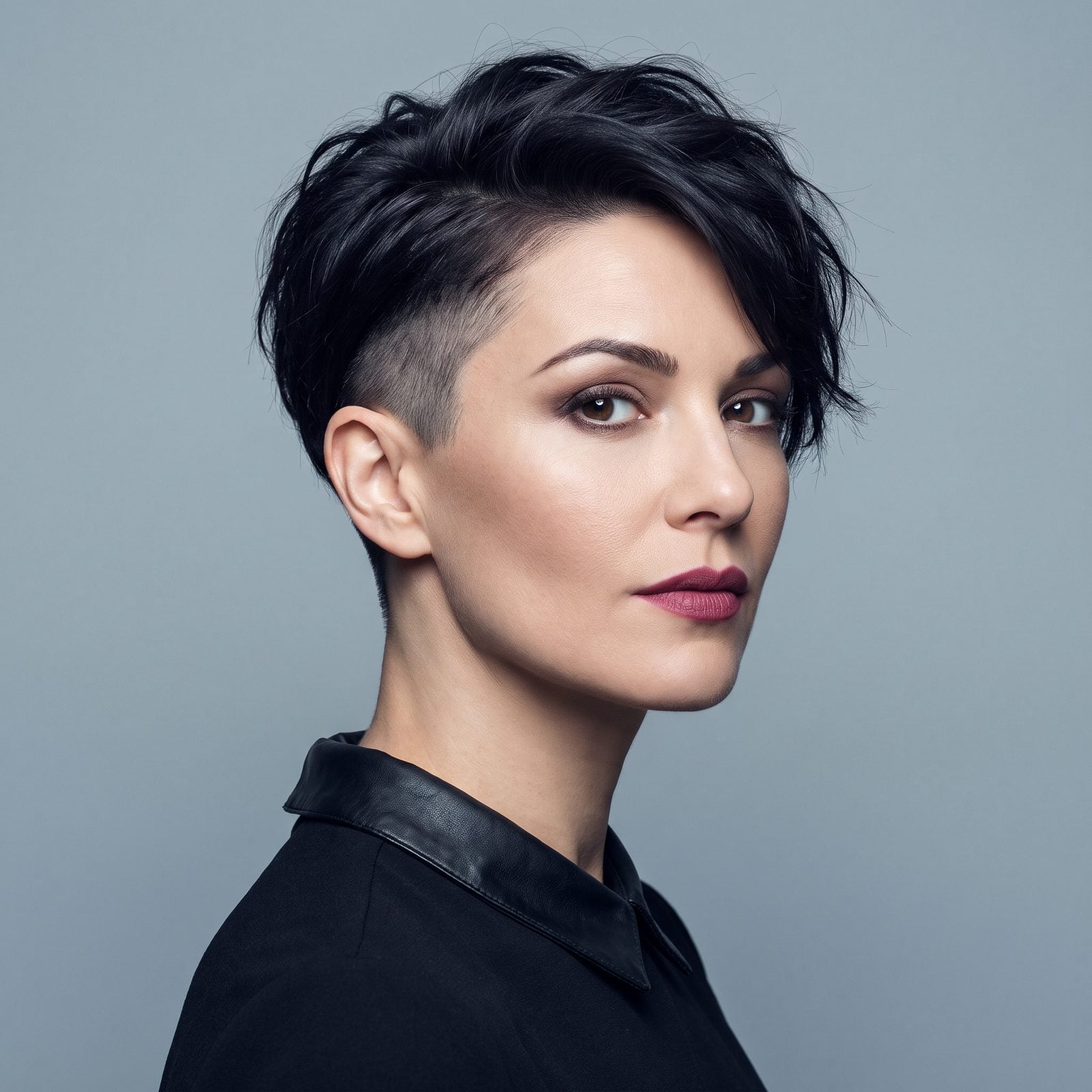
The surprise was the whole trick. From the front, a neat textured pixie. Then the head turned and there it was — a closely shaved panel hidden above the ear, sometimes with a subtle design buzzed in.
It gave short hair a split personality: polished one angle, rebellious the next, which is a satisfying thing to carry around all day. The undercut let women who loved short hair add real edge without committing to a buzz all over. You controlled who saw it and when. There’s a certain power in a secret you can reveal on your own terms.
40. The 1970s Cornrows With Beads, Intricate Braiding Became Increasingly Visible in Mainstream Style
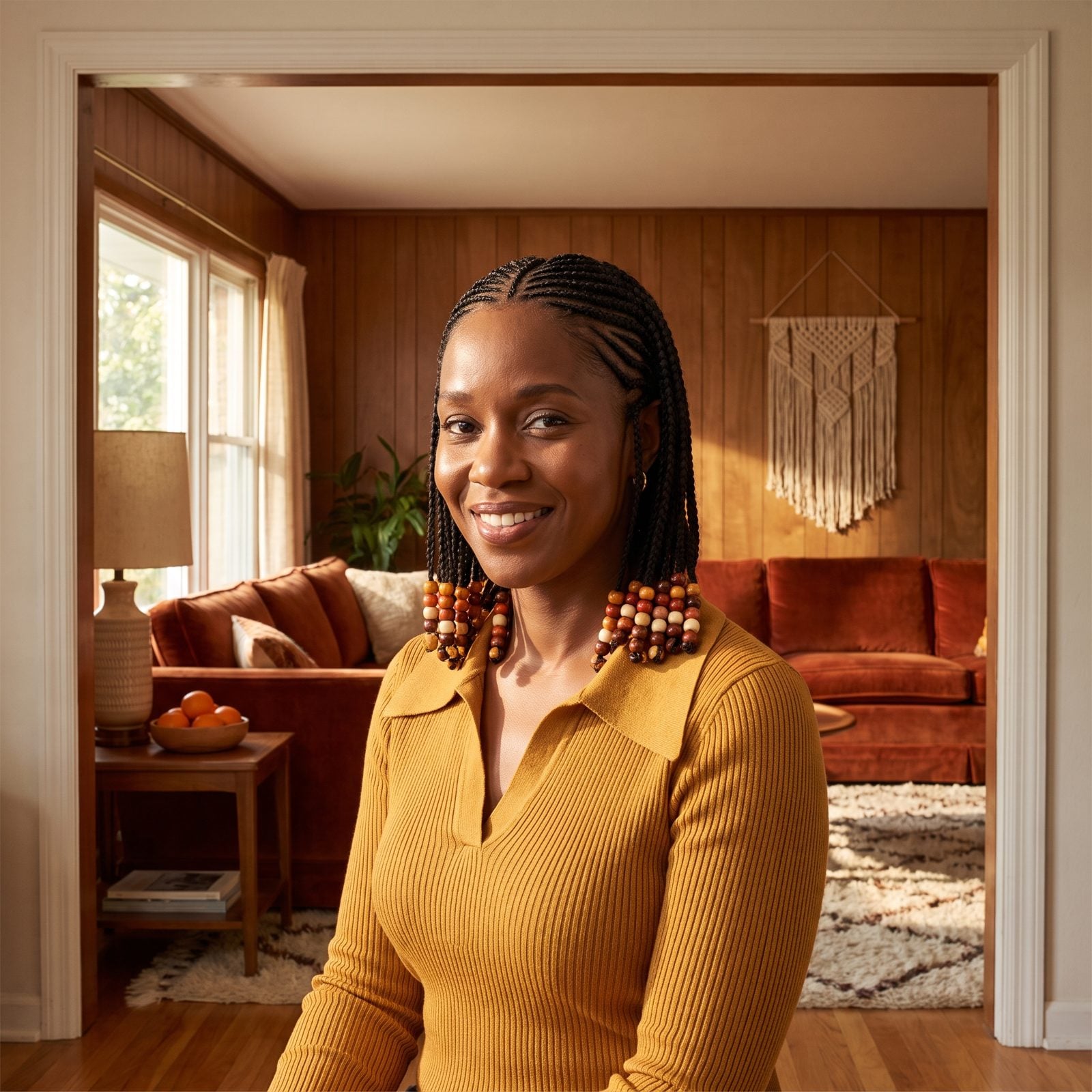
The sound came first — that soft click of wooden beads moving as you turned your head. Cornrows have deep roots stretching back centuries across Africa, carrying meaning, identity, and artistry long before they appeared in any seventies fashion spread.
In that decade, the beaded cornrow moved further into mainstream visibility, worn with pride as heritage and style at once. The braiding is skilled work — hours of precise rows laid flat to the scalp, finished with beads in amber, rust, and cream. Each head was its own geometry, no two patterns quite alike. Of everything in this history, it stays among the most technically demanding and the most meaningful.
39. The 1960s Mop-Top Bob, Rounded Unisex Shapes Reflected Pop Culture’s New Influence
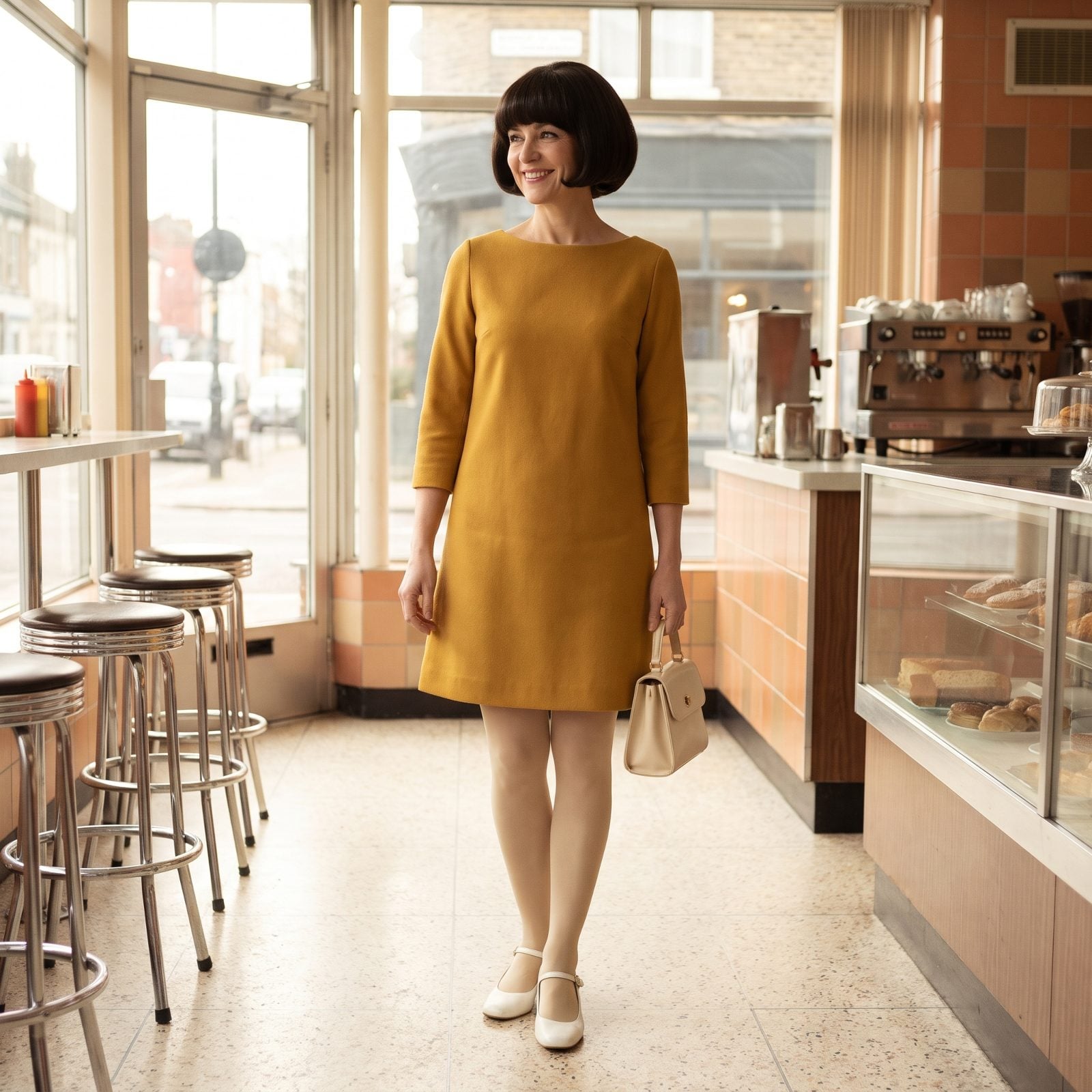
The haircut did the talking before the lipstick ever got a chance. A rounded mop-top bob signaled you were paying attention to music, to London, to a culture that had stopped asking older women for permission.
The mustard shift is the engine here. One flat block of color against pale tights makes the geometry of the dress legible, and the rounded hair echoes the rounded hemline. Everything curves the same way, which is why it holds together instead of reading like separate decisions.
38. The 1950s Poodle Cut, Compact Curls Concentrated Volume Around the Crown
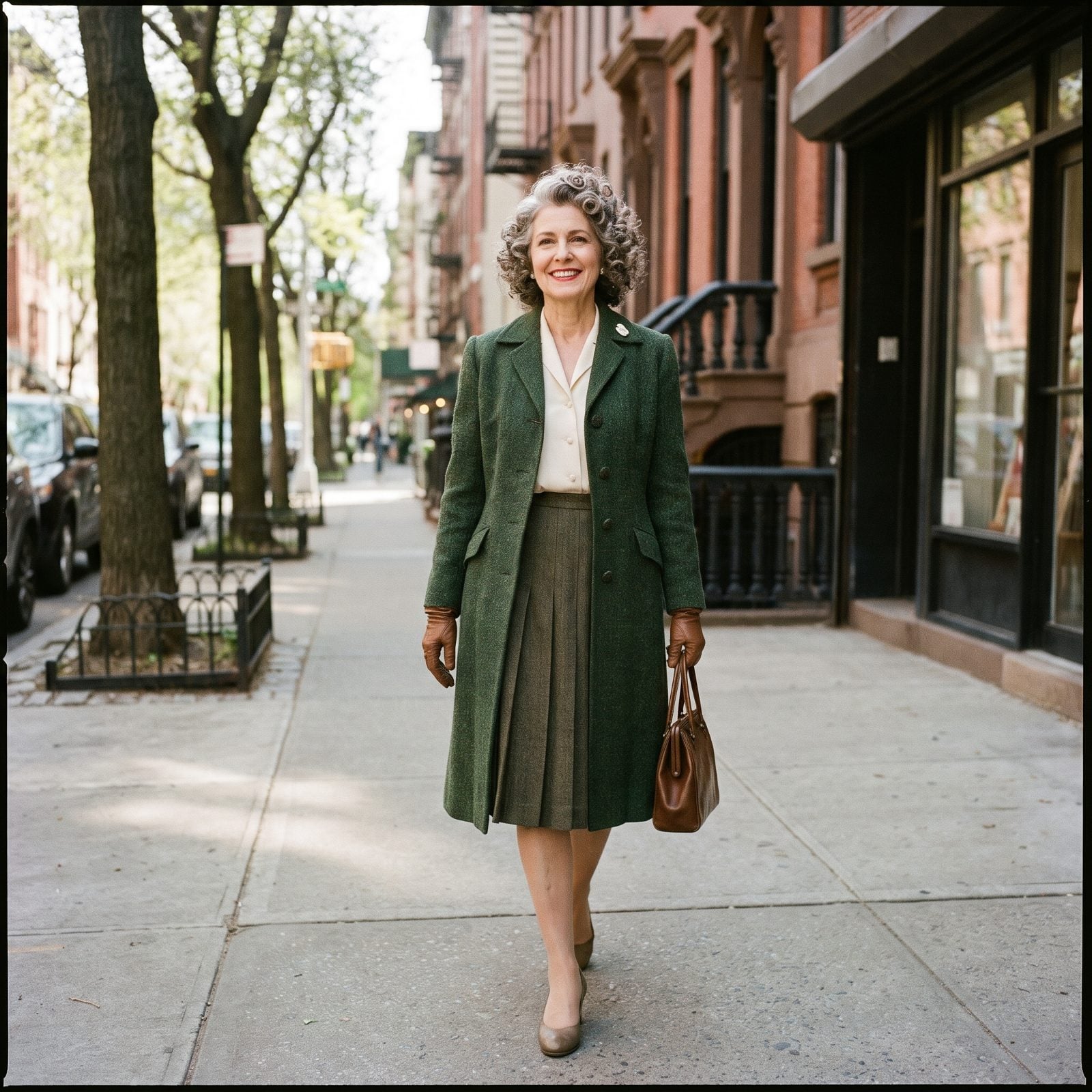
Rolled, set, and lacquered until it bounced when you nodded. The poodle cut stacked all its drama at the crown, which kept the face open and the shape compact.
Against the long green tweed coat and straight olive pleated skirt, those crown curls do real proportional work — volume up top balancing a long, narrow column below, so the silhouette reads elongated rather than top-heavy. The cream blouse softens the whole business. It would read severe in anything sharper.
37. The 1980s High Side Ponytail, An Off-Center Placement Made a Basic Style Playful
❤️ Would you like to save this?
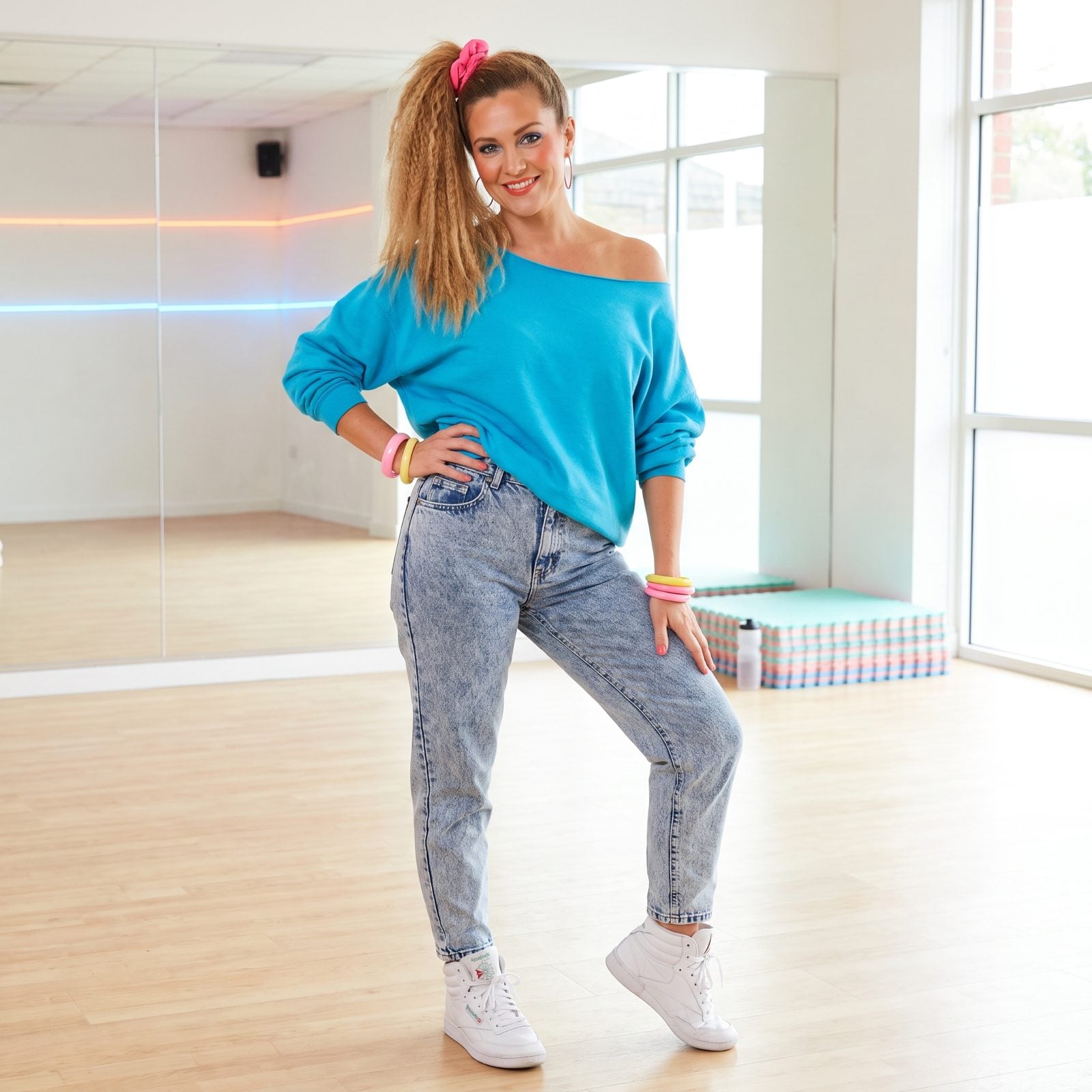
Shift the gather two inches off-center and a plain ponytail suddenly had attitude. The high side placement broke symmetry on purpose, and that single off-kilter decision is what made it read as fun rather than functional.
The turquoise sweatshirt off one shoulder mirrors the slant of the hair, so the lopsidedness looks intentional top to bottom. High-waisted acid-wash denim anchors all that movement with a clean vertical line. One bright block of color, one deliberate imbalance, and the whole thing feels like it’s having a good time.
36. The 1990s Zigzag-Parted Mini Buns, Playful Sectioning Captured the Decade’s Experimental Side
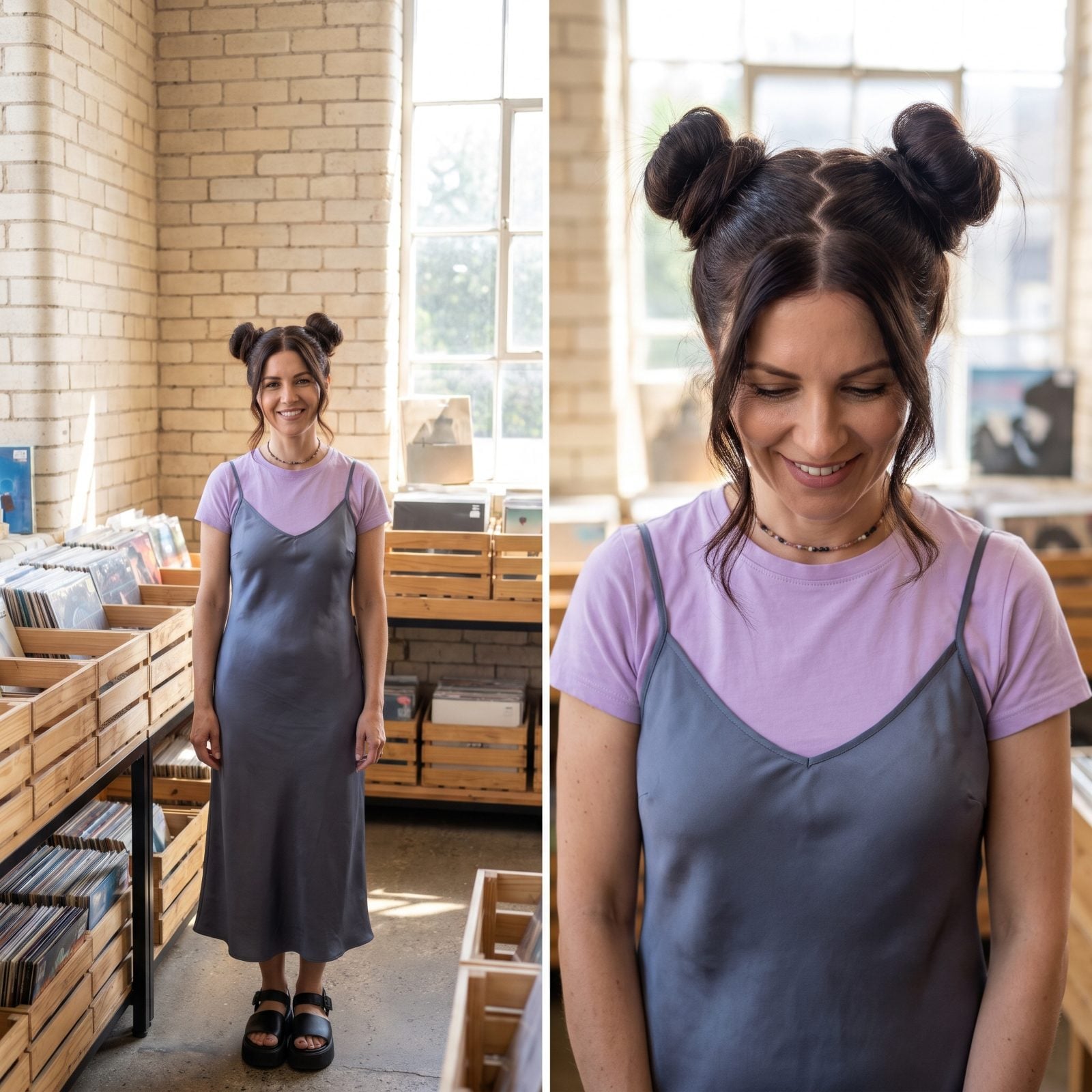
That crisp zigzag part down the scalp, with clean lines sectioning off each bun, took a rat-tail comb and a lot of patience, and that was rather the point. The precise sectioning turned a basic two-bun style into something that announced you were in on the experiment.
Layering a satin slip dress over a cropped baby-tee is the move that pins this to its moment: soft knit under slinky satin, casual under delicate. Two matte textures against the shine of the dress, which is what keeps it from tipping into costume.
35. The 1950s Early Bouffant, Backcombing Introduced the Height That Dominated the Next Decade
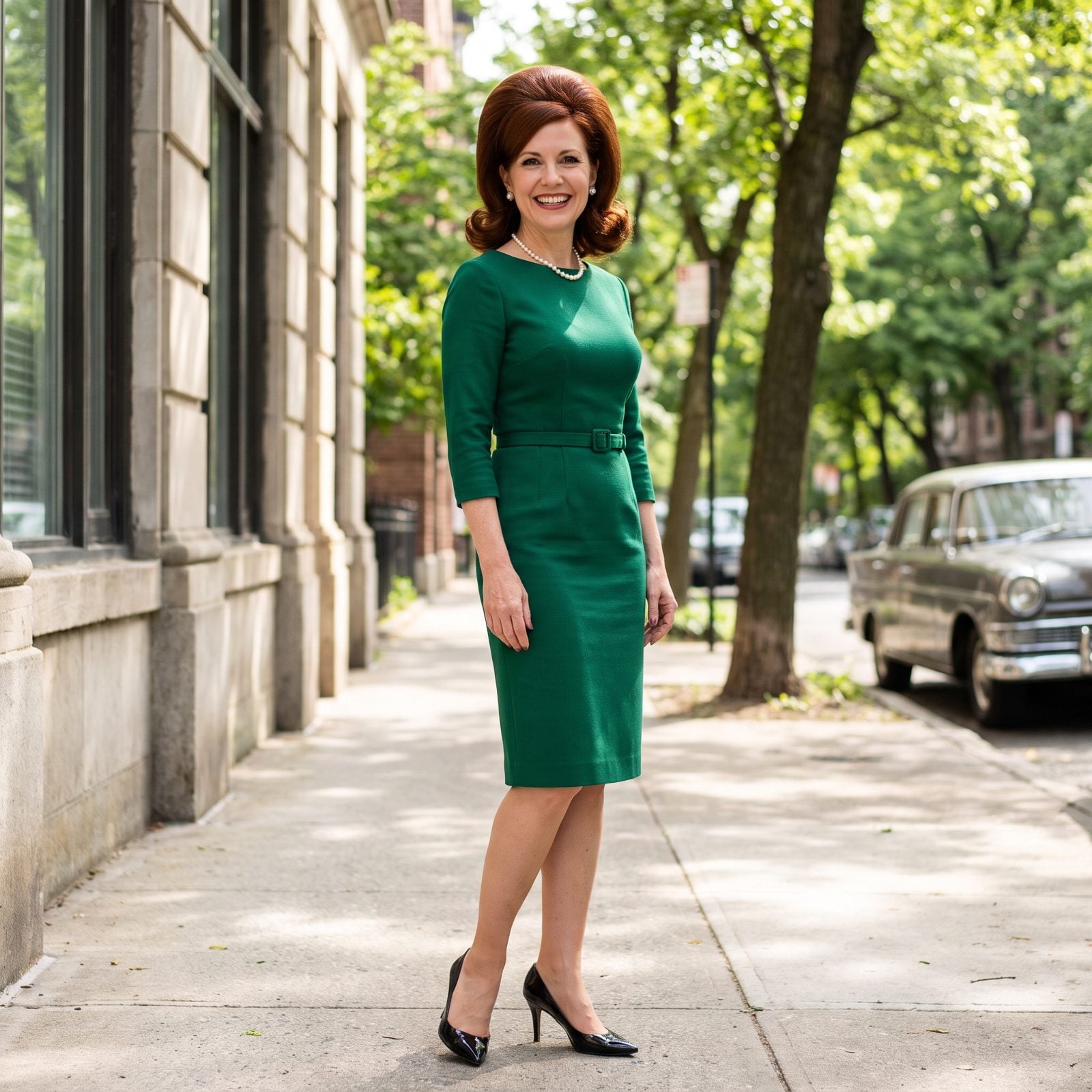
Height arrived before the sixties officially got the credit. A comb, a fistful of backcombing at the root, and a smooth outer layer pulled over the top created a dome that would only grow taller as the years went on.
The emerald sheath keeps everything else restrained so the hair reads as the statement. One saturated color, one clean silhouette, and a pile of volume up top. The bouffant gets to be the loudest thing in the room without a single competing detail.
34. The 1980s Asymmetrical New-Wave Cut, One-Sided Length Defied Conventional Symmetry
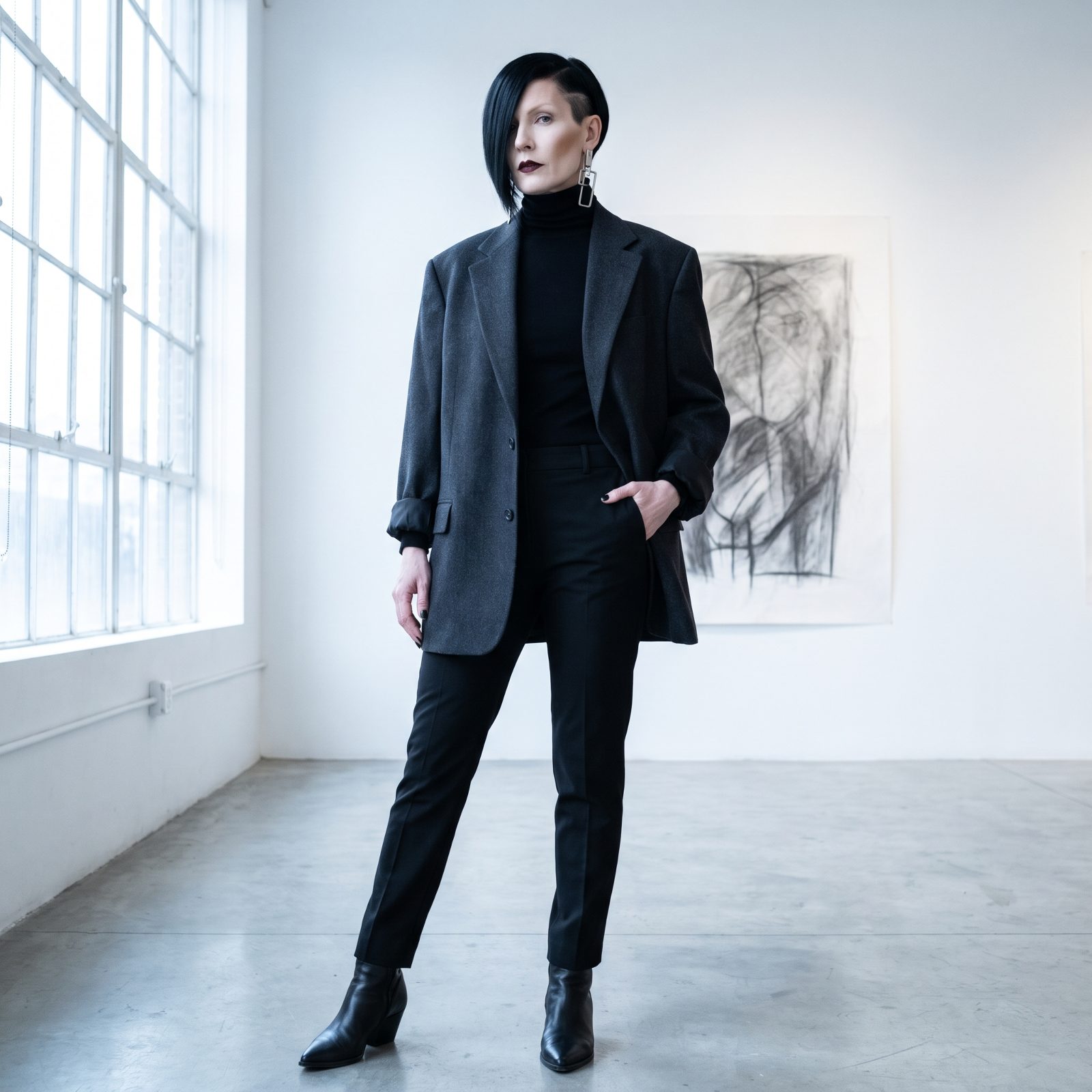
Long on one side, nearly shaved on the other. The asymmetrical cut threw out the rulebook that said both sides of your head had to match, and that refusal was the whole idea.
The oversized charcoal blazer with pushed-up sleeves picks up the hair’s lopsided energy and runs with it — strong shoulders up top, slim trouser below, one angular sweep cutting across the face. Call it armor-dressing at full tilt. The outfit builds a shape that takes up space and apologizes to nobody.
33. The 1940s Pageboy, Curled-Under Ends Offered a Polished Alternative to Updos
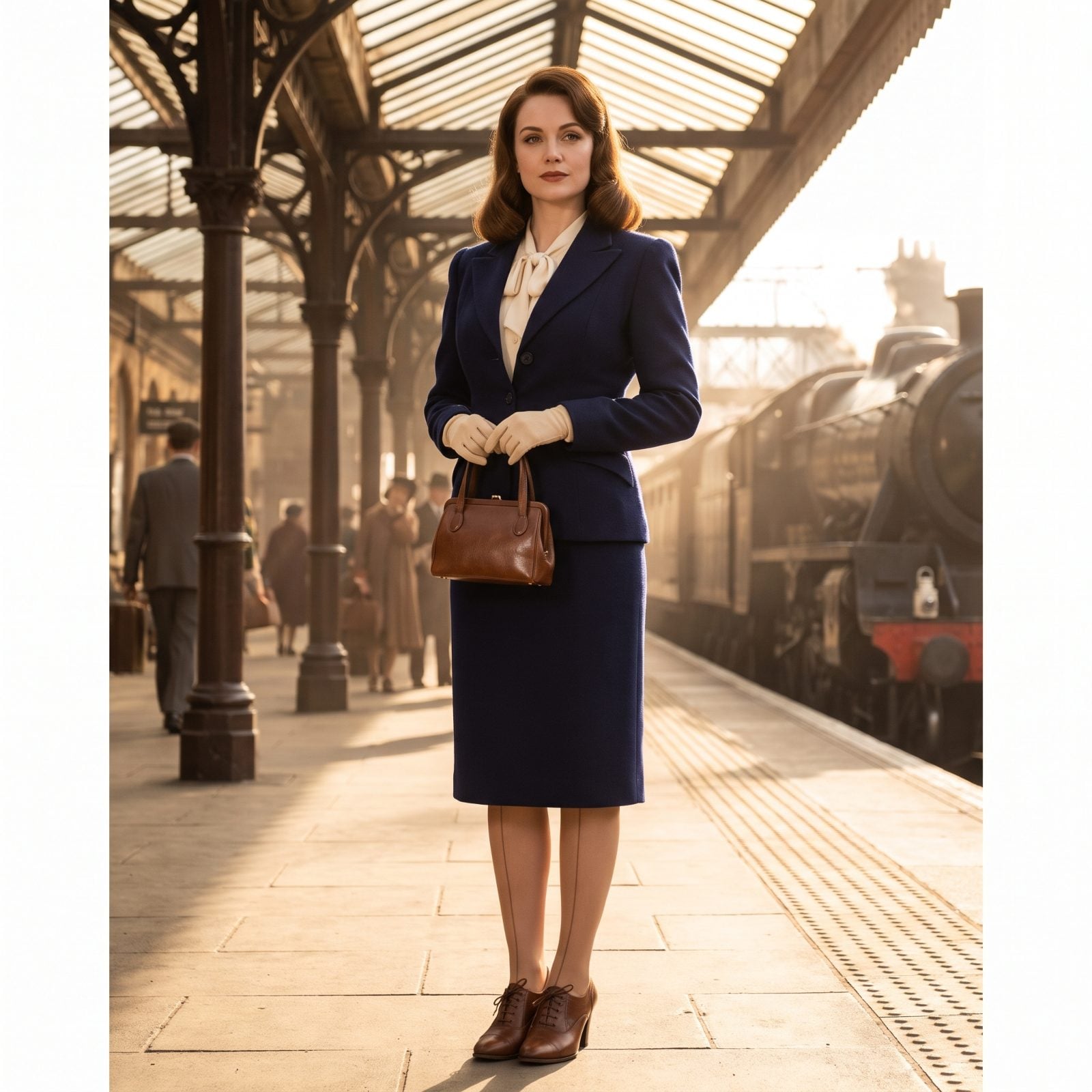
Set the whole thing to roll under in one smooth sweep and you had a style that looked finished without the time or pins an updo demanded. Practical glamour, which suited a decade that needed both.
The navy day suit and silk bow blouse lean on the hair’s polish rather than competing with it. Structured wool, fluid silk, and that neat satiny curl — three different degrees of softness stacked inside one restrained palette.
32. The 1960s Flipped Bob, Outward-Turned Ends Added Bounce to Polished Cuts
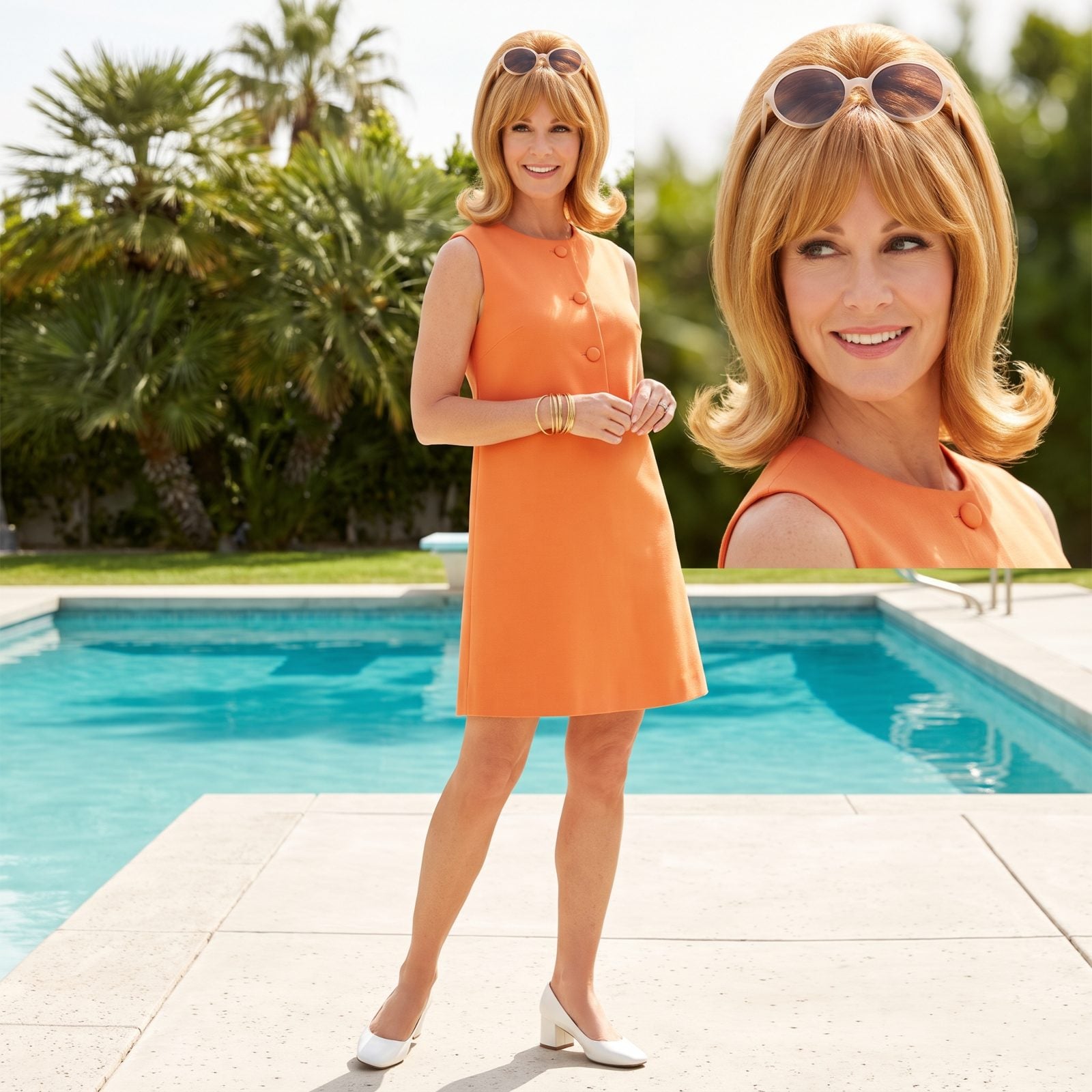
Everything about this cut points up and out. The ends flick away from the neck instead of tucking in, and that single reversal turns a tidy bob into something with momentum.
Tangerine against turquoise water is pure color theatre — two high-saturation tones sitting opposite each other and crackling. The dress stays deliberately simple so the upward flip and the bright color do all the lifting. A look built to photograph in motion.
31. The 1970s Punk Spikes, Deliberately Abrasive Texture Rejected Conventional Polish
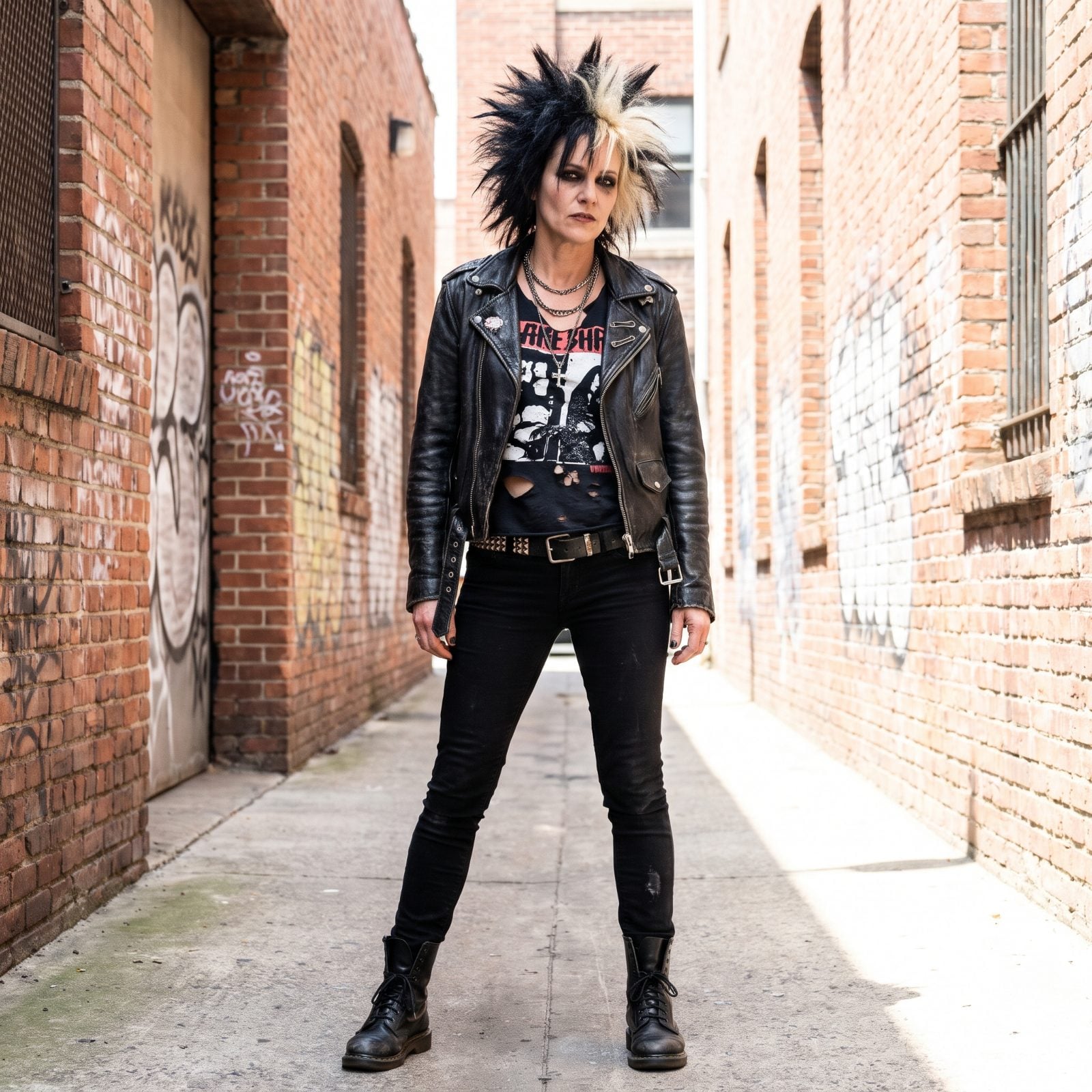
Polish was the enemy. The spikes were built to look like they fought back, all matte roughness and razored edges where the previous decades had wanted shine.
The studded leather jacket over a torn tee speaks the same language: hard surfaces, deliberate damage, texture that refuses to be pretty. That consistency is why it holds together instead of looking like one aggressive piece on an otherwise tame outfit. Everything here is making the same argument.
30. The 2000s Scene Cut, Razor Layers and Vivid Streaks Defined an Online Subculture
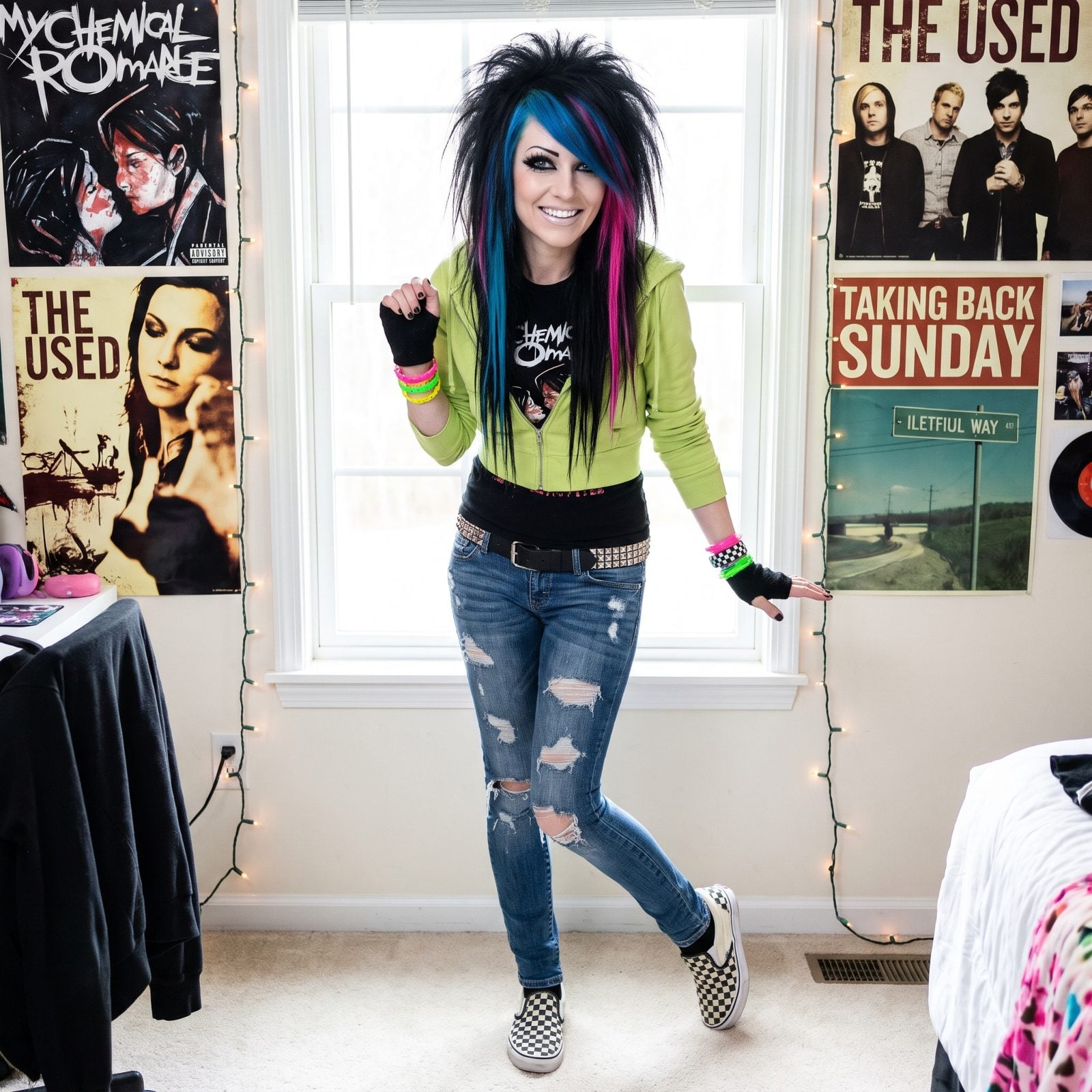
Choppy razored layers, a fringe raked across one eye, streaks in colors that never once occurred in nature. The scene cut was made for a camera phone held at arm’s length — the first haircut designed to look right in a profile picture before it looked right in the mirror.
Electric streaks against jet-black carry the whole thing. One saturated contrast framing the face, with everything else — hoodie, ripped denim, checkerboard sneakers — playing supporting layers of texture. Identity dressing at full volume. A visible badge of which corner of the internet you belonged to.
29. The 2000s Deep Side Part With Swooping Bangs
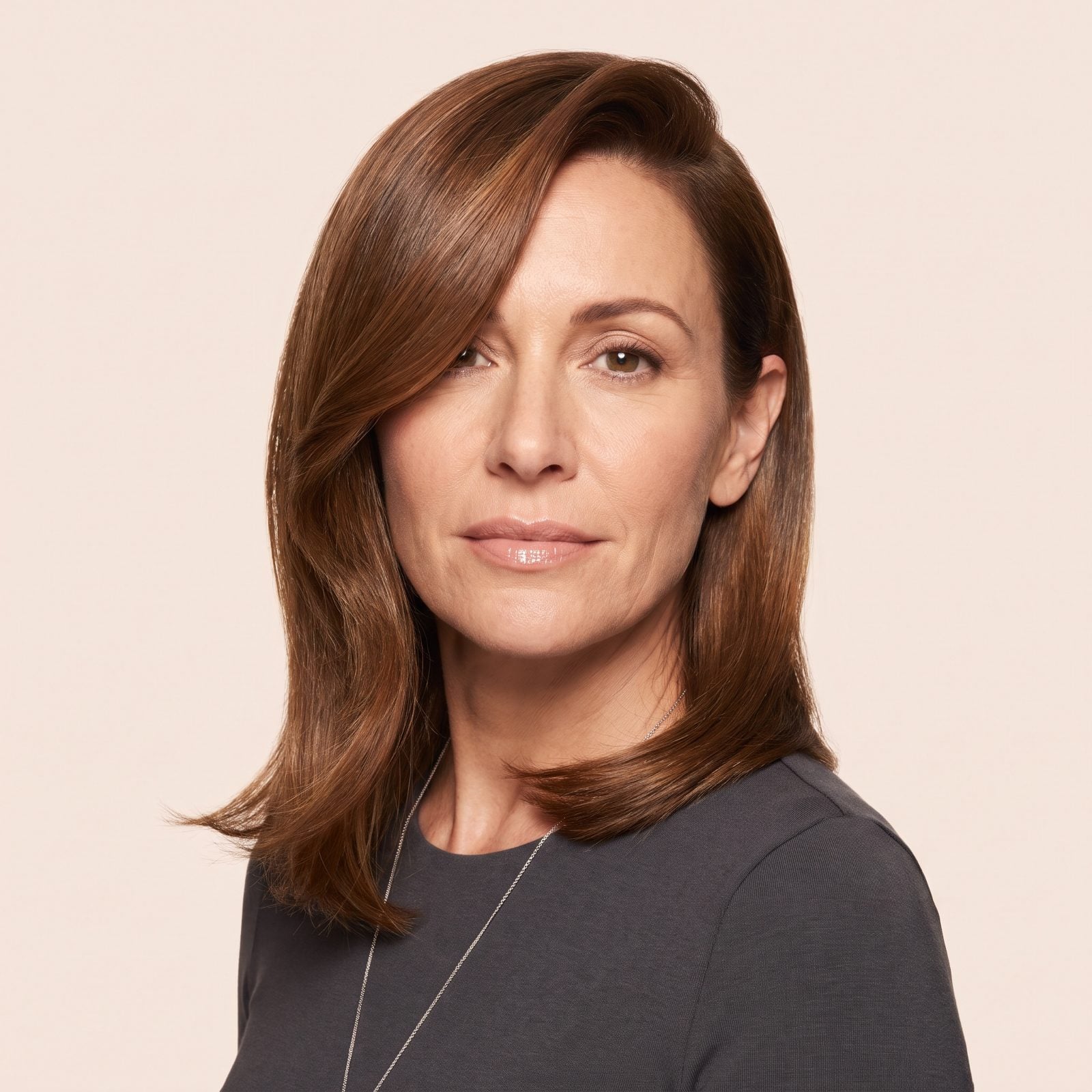
Everybody owned this part once. You dragged the comb way over to one side, let a glossy curtain of hair fall across half your forehead, and spent the next decade shoving it back behind your ear every ten minutes. It was a commitment. The look leaned on a hot flat iron and a lot of patience, because the whole effect collapsed the second a strand decided to kink. Worn right, it softened the face and gave you something to peek out from behind — which, honestly, was half the appeal of the early 2000s. We all thought we invented mystery.
28. The 2010s High Topknot That Climbed From Couch to Catwalk
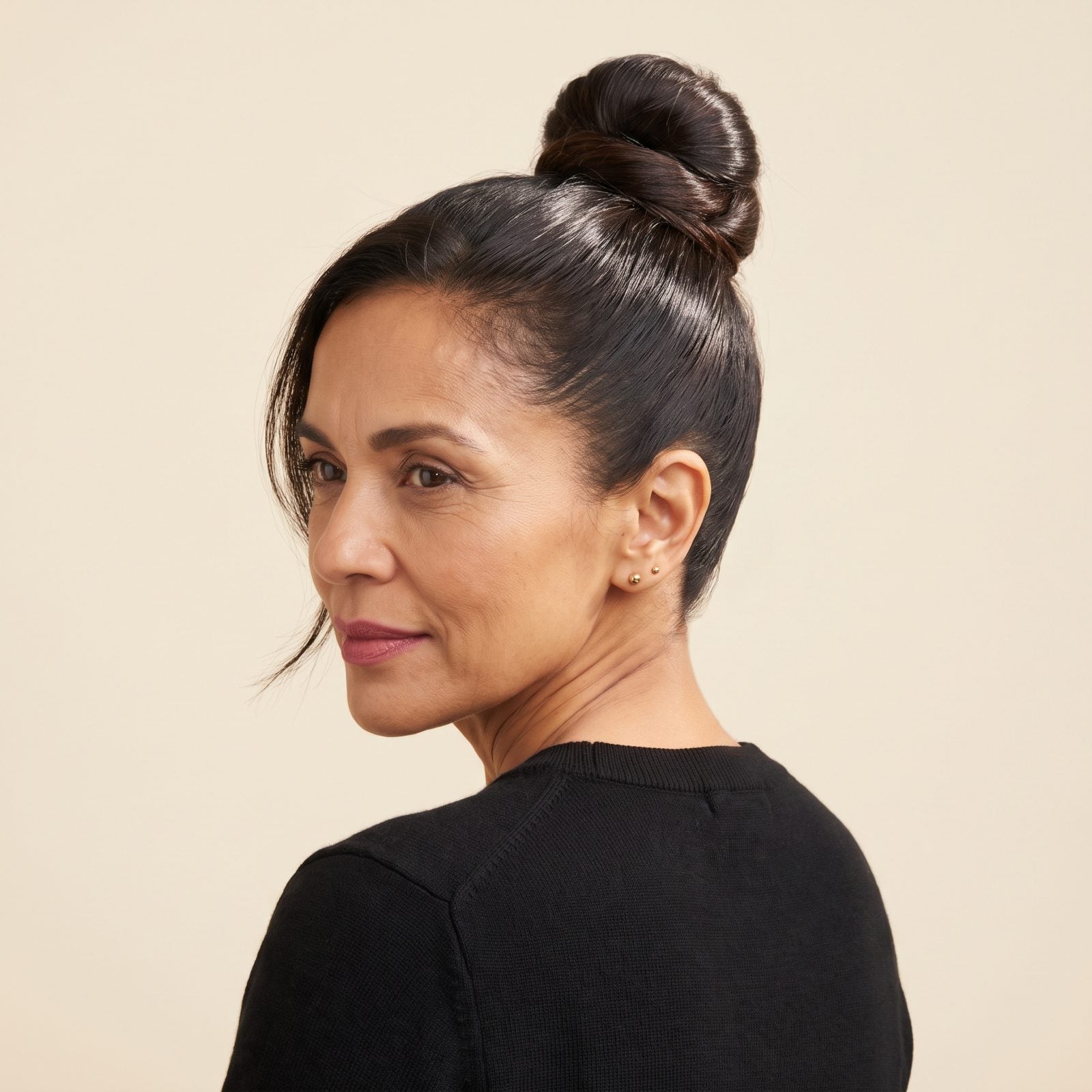
The topknot started as laundry-day desperation and ended up on runways, which is a journey not many hairstyles survive with their dignity intact. One minute you were hiding unwashed roots under a scrunchie, the next some designer had decided the exact same pile-it-high move was high fashion. Pulled tight and clean at the sides with a couple of pieces loose at the temples, it stretched the face and flattered just about everyone. Easy to do, hard to ruin. That’s rare.
27. The 2020s Slicked Center-Part Bun With a Glass Finish
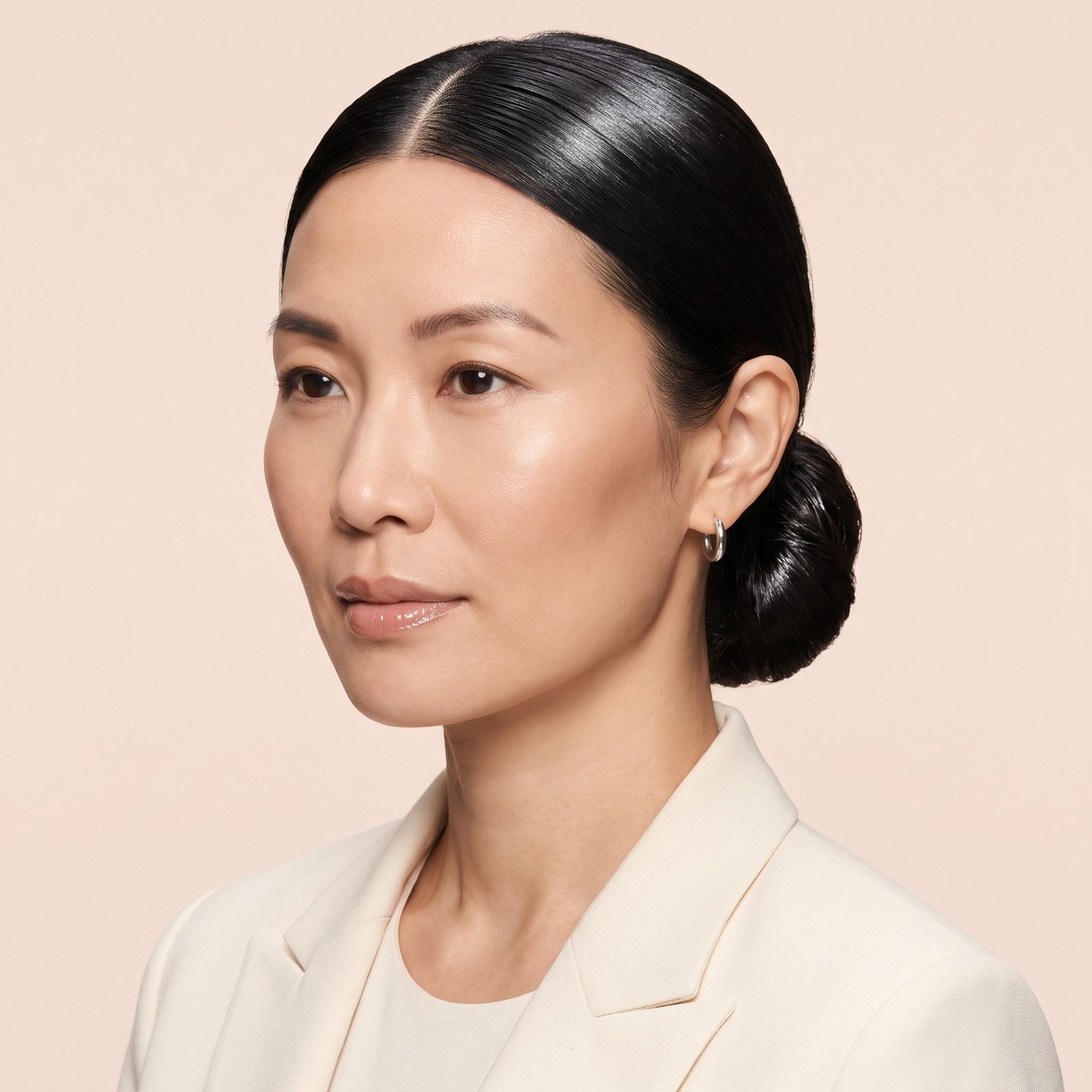
Glass hair. The slicked-back low bun with a part so clean it looks drawn with a ruler, every strand lacquered flat until the whole thing shines like polished stone. It takes a frankly alarming amount of gel and a brush you’ll probably throw away afterward. But when it lands, it reads expensive and severe at once — a boardroom and a ballet, somehow in the same head of hair. There’s no hiding behind this one. Your face is just out there, fully committed, and that boldness is exactly why people kept reaching for it.
26. The 1950s Gamine Pixie That Cut Against the Grain
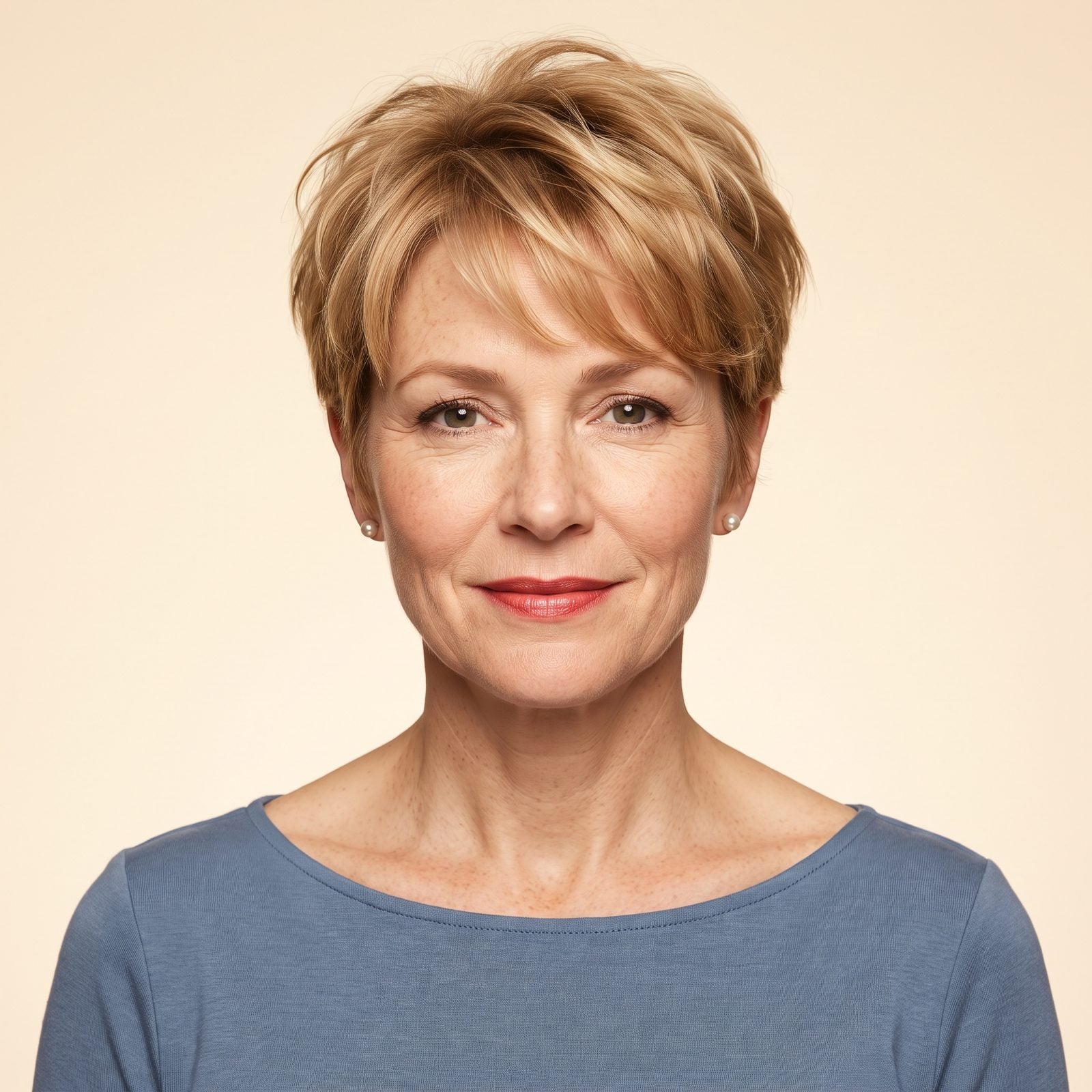
Chopping your hair this short in the 1950s was a small rebellion. The culture wanted curls and setting lotion and hours under a dryer, and here came the gamine pixie, close to the head and wispy on top with that feathered little fringe across the brow. It asked for almost nothing in the morning and gave back a face that suddenly had nowhere to hide — which, for a lot of women, turned out to be the point. Not demure. Not fussy. A quiet way of saying you were done playing along.
25. The 1960s Long Hair With a Heavy Full Fringe
❤️ Would you like to save this?
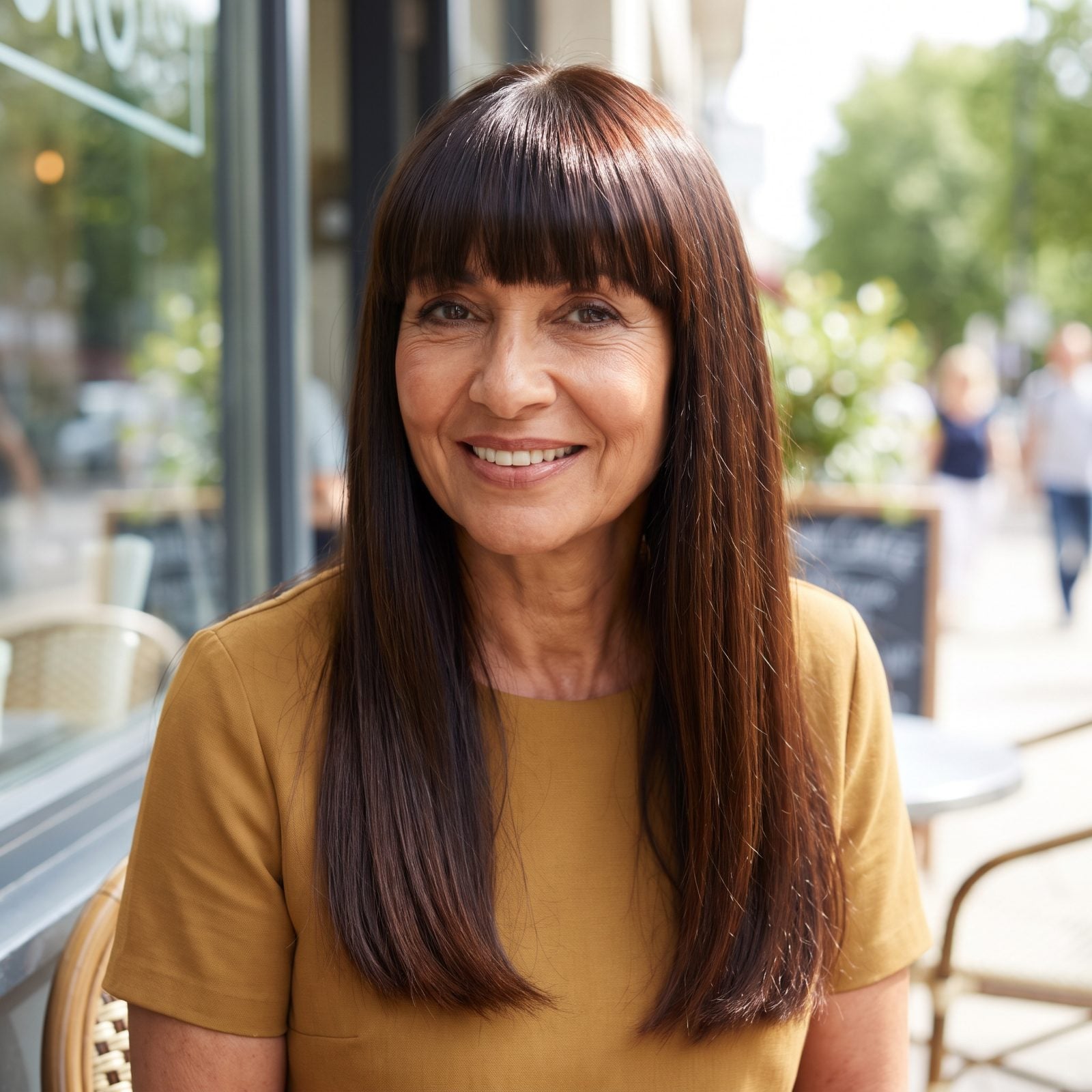
Long, flat, glossy hair with a heavy blunt fringe sitting right on the brows — that’s the 1960s in a single silhouette. The lengths poured straight down the back while the fringe hung across the forehead like a graphic stripe someone painted on. Getting it this flat meant fighting your own hair with heat and ironing boards and, in a few desperate cases, an actual clothes iron. Worth it, apparently. The whole thing framed the eyes and nothing else, which is why every photo from the era seems to be staring right back at you.
24. The 1970s Disco Curls Built for the Dance Floor
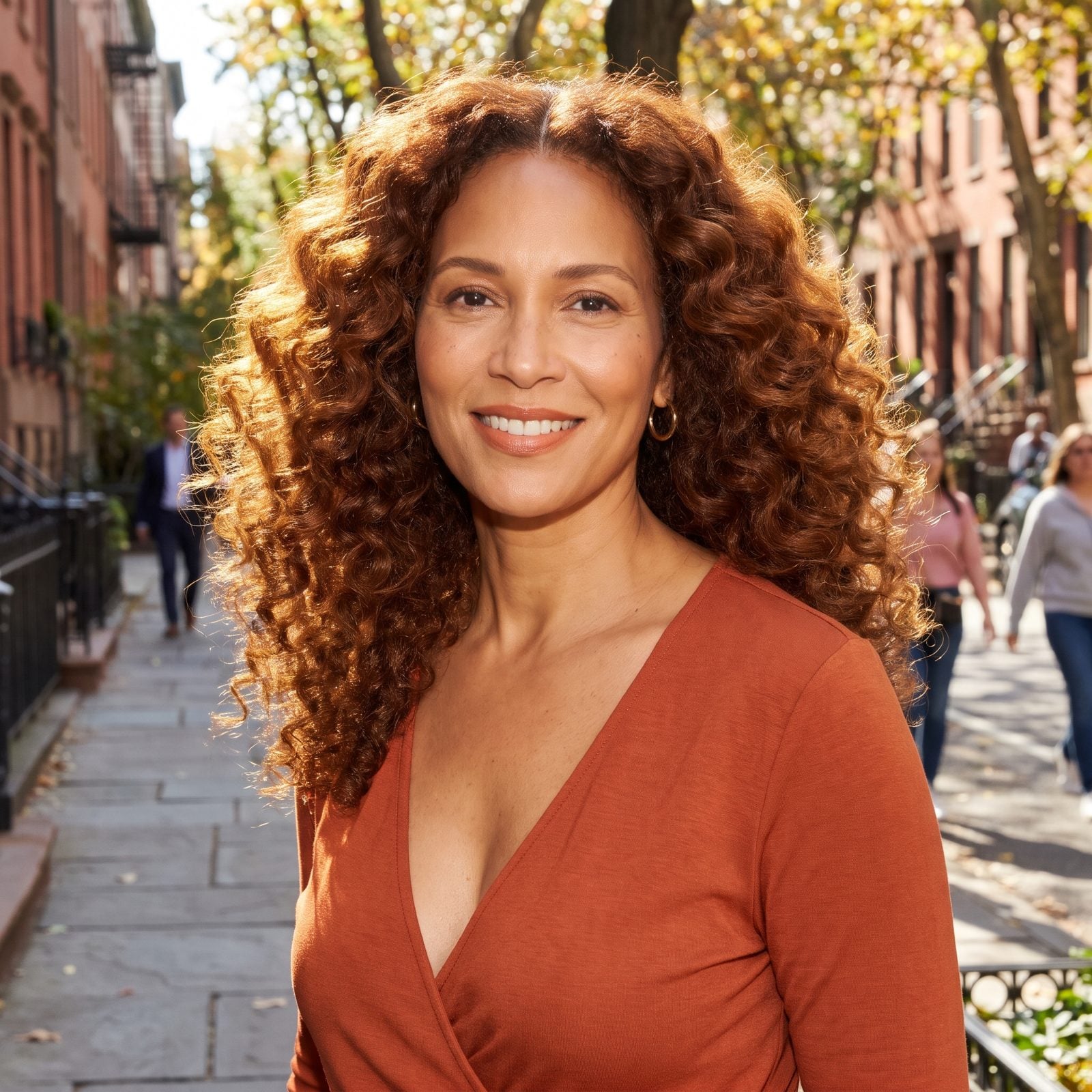
Disco curls had one job: move. Big springy auburn ringlets that bounced with every step under the lights, center-parted and full of body, built for a night that wasn’t going to end until the music did. You set them in rollers and prayed the humidity stayed polite. When it worked, the whole head caught the light and swung — the hair did half the dancing for you. There’s something generous about a style this unbothered by restraint.
23. The 1980s Fully Crimped Hair With Its Zigzag Signature
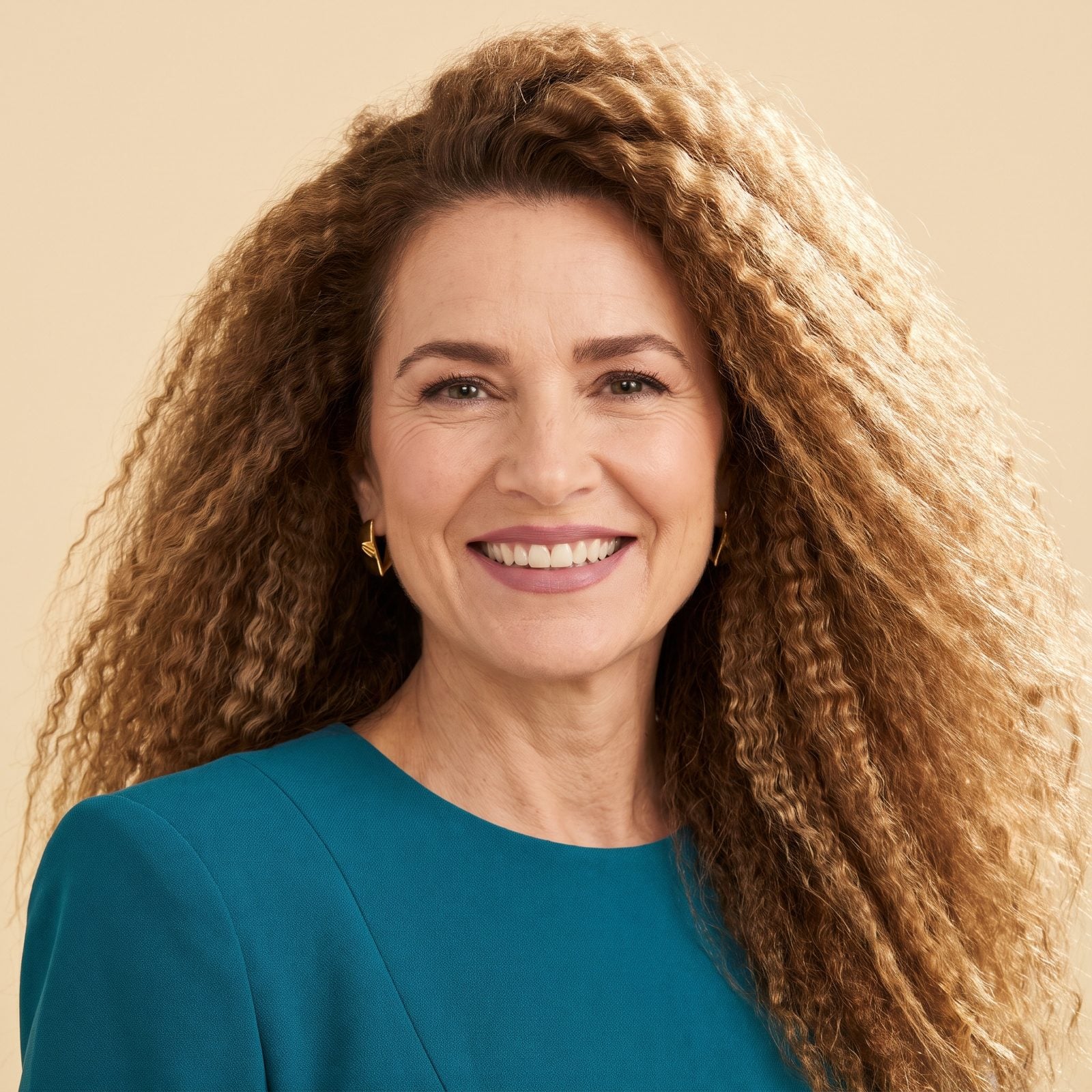
Then came the crimper, and subtlety left the building. You clamped a hot ridged iron down every section until the whole head turned into these tight repeating zigzags, and the volume just kept growing. It was loud. It took forever. Your arm ached by the end and your hair smelled faintly of singe. Nobody did this because it was easy or flattering in any conventional sense — they did it because the 80s rewarded taking up space, and crimped hair took up all of it.
22. The 1990s Blunt Grunge Bob You Barely Styled
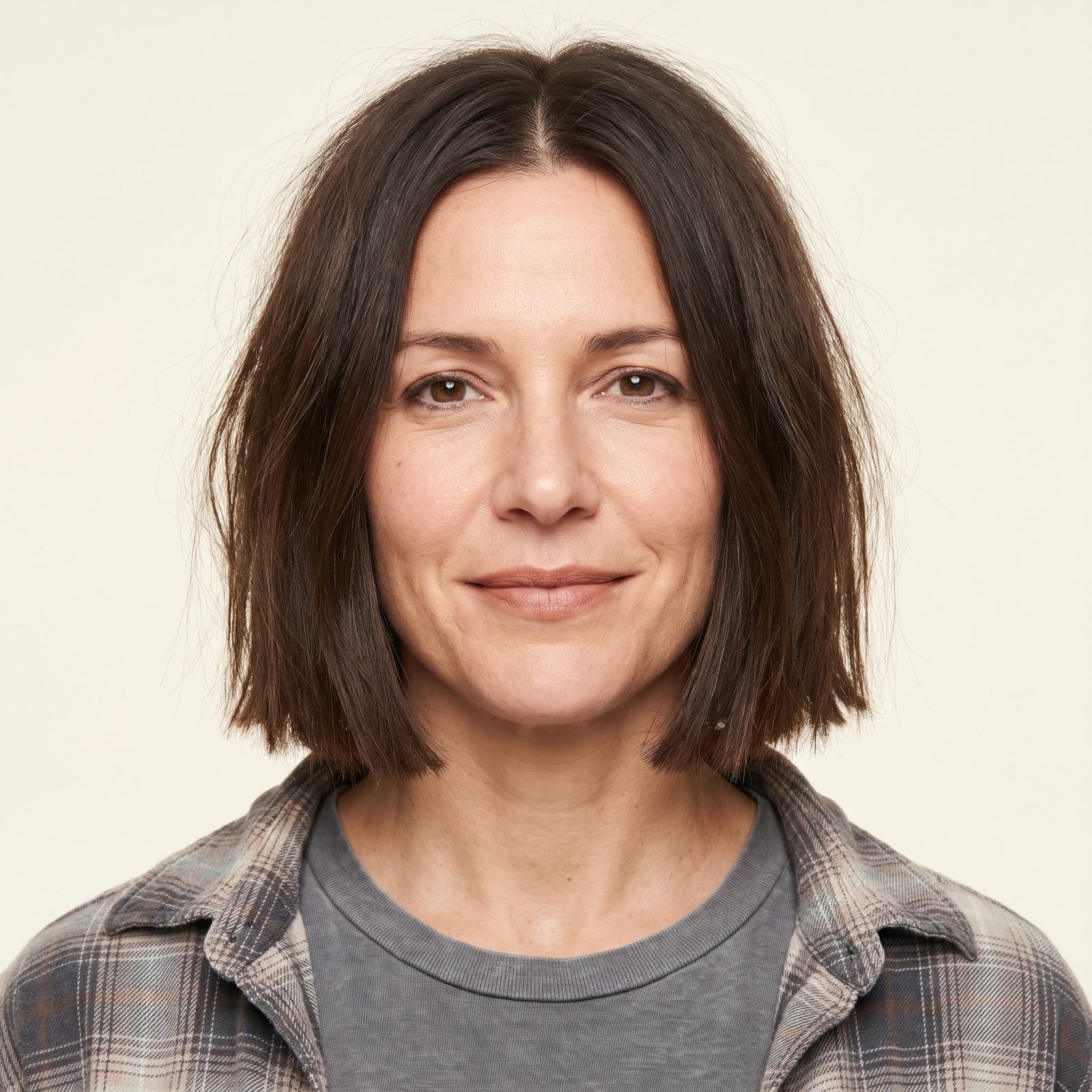
The grunge bob was the anti-effort haircut, a blunt chin-length chop with a loose part and ends left a little piecey and undone, because caring too much was the whole thing you were rejecting. Matte, not shiny. Slightly imperfect on purpose. You rolled out of bed, ran your fingers through it, maybe pulled a plaid shirt over your tee, and that was styling. And yet it took a decent cut to pull off — the laziness was a performance, and the performance needed good bones underneath.
21. The 1990s Face-Framing Tendrils Left Loose on Purpose
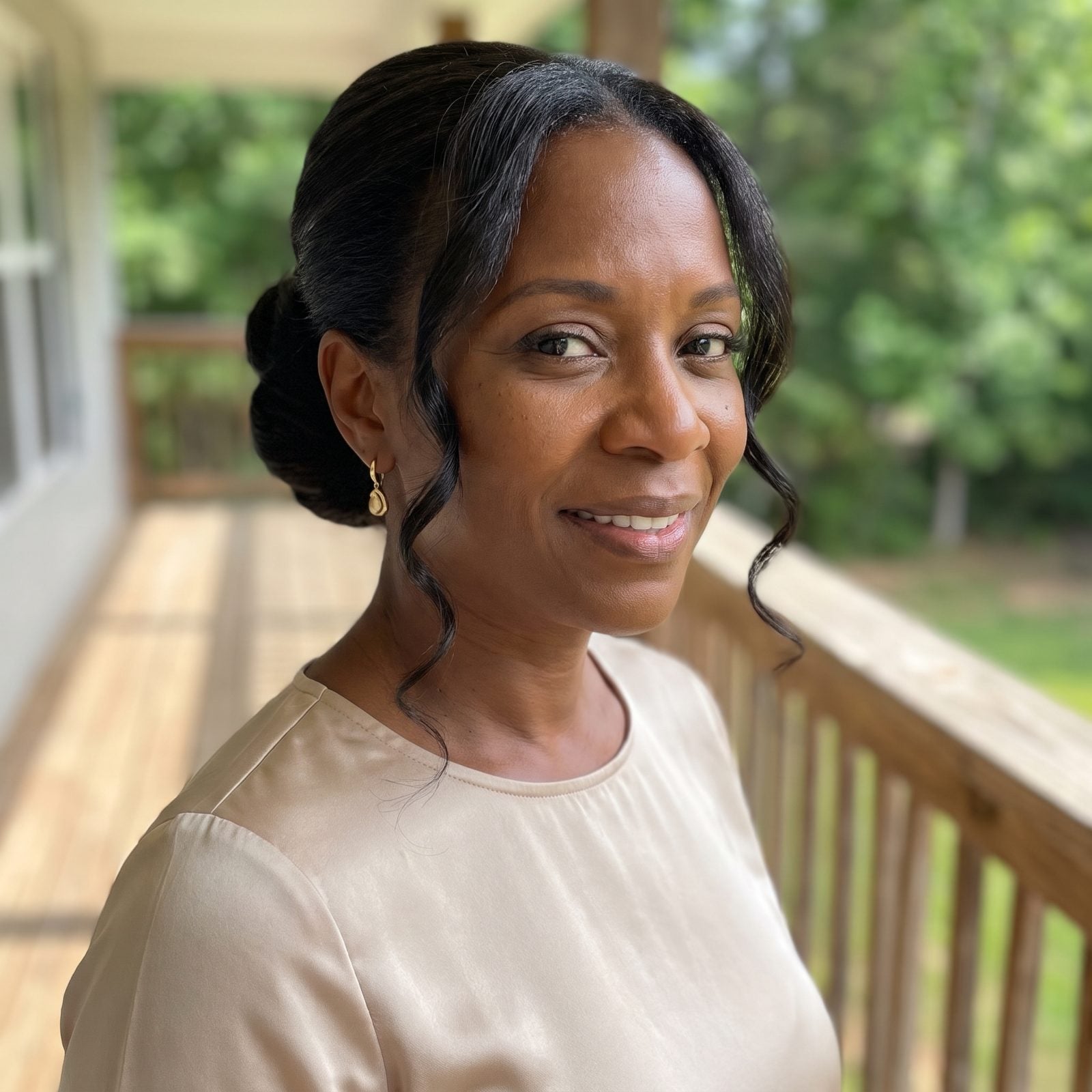
Ah, the tendrils. Every prom and wedding of the decade featured the same move: hair pulled back into a sleek center-parted low bun, then long curled pieces left loose on both sides, spilling past the collarbone to “soften” the face. Soften is doing a lot of work there — mostly they curled flat by the end of the night and clung to your lipstick. Still, the intention was sweet. Smooth everything into place, then let just a couple of pieces fall to look effortless, as if you hadn’t spent an hour with a curling iron making the effortlessness happen.
20. The 2010s Blunt Long Bob That Split the Difference
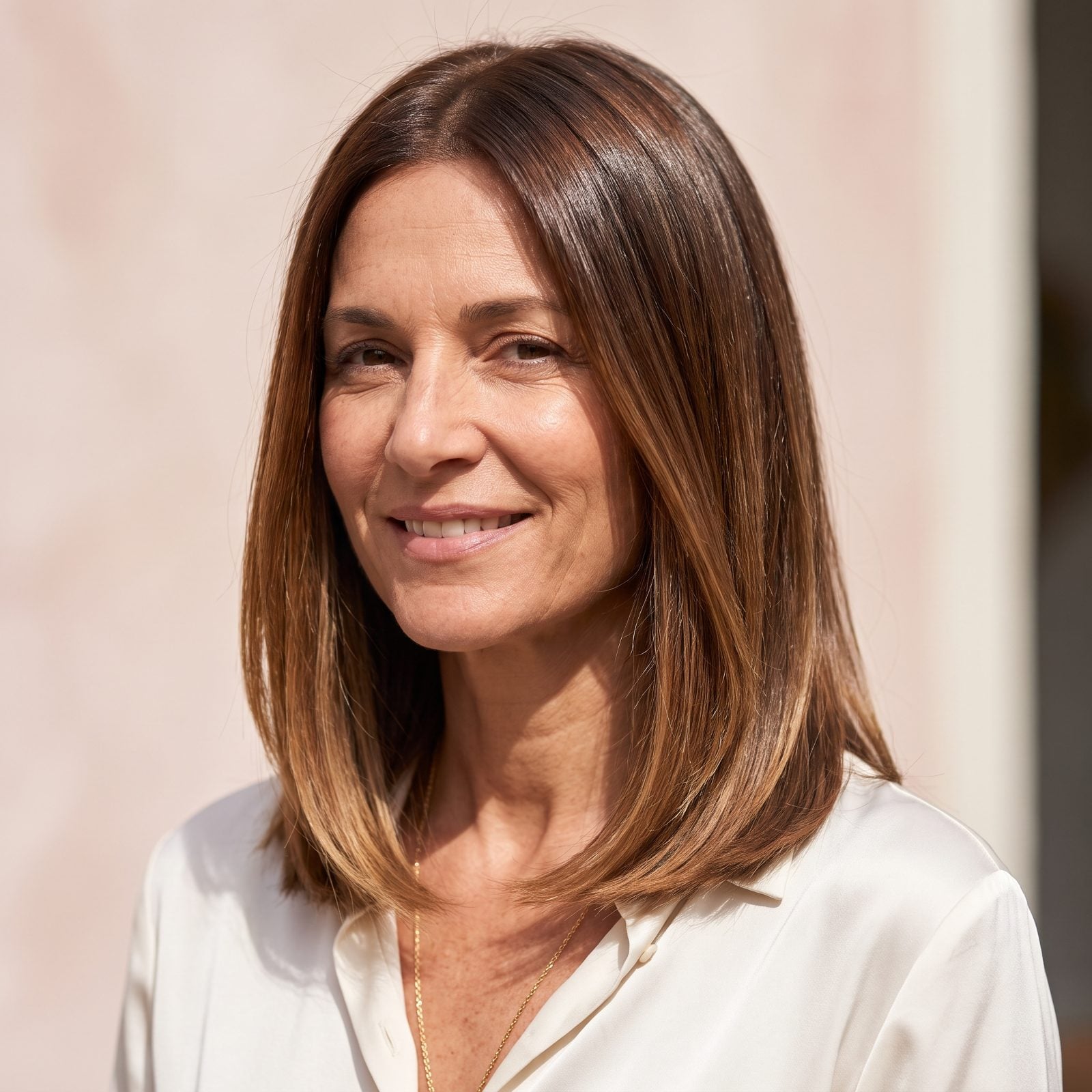
The lob was the diplomat of haircuts — not short enough to scare the commitment-phobes, not long enough to feel like a chore. It landed right around the collarbone with a strong blunt line, usually a glossy chestnut with some balayage lightening up the ends so the whole thing had a little dimension. Flattering on practically every face, which is exactly why half the women you knew showed up to brunch wearing it. Low drama, high reward. Sometimes that’s all you want from your hair, and there’s no shame in it.
19. The 1940s Deep Side Part With Sculpted Waves
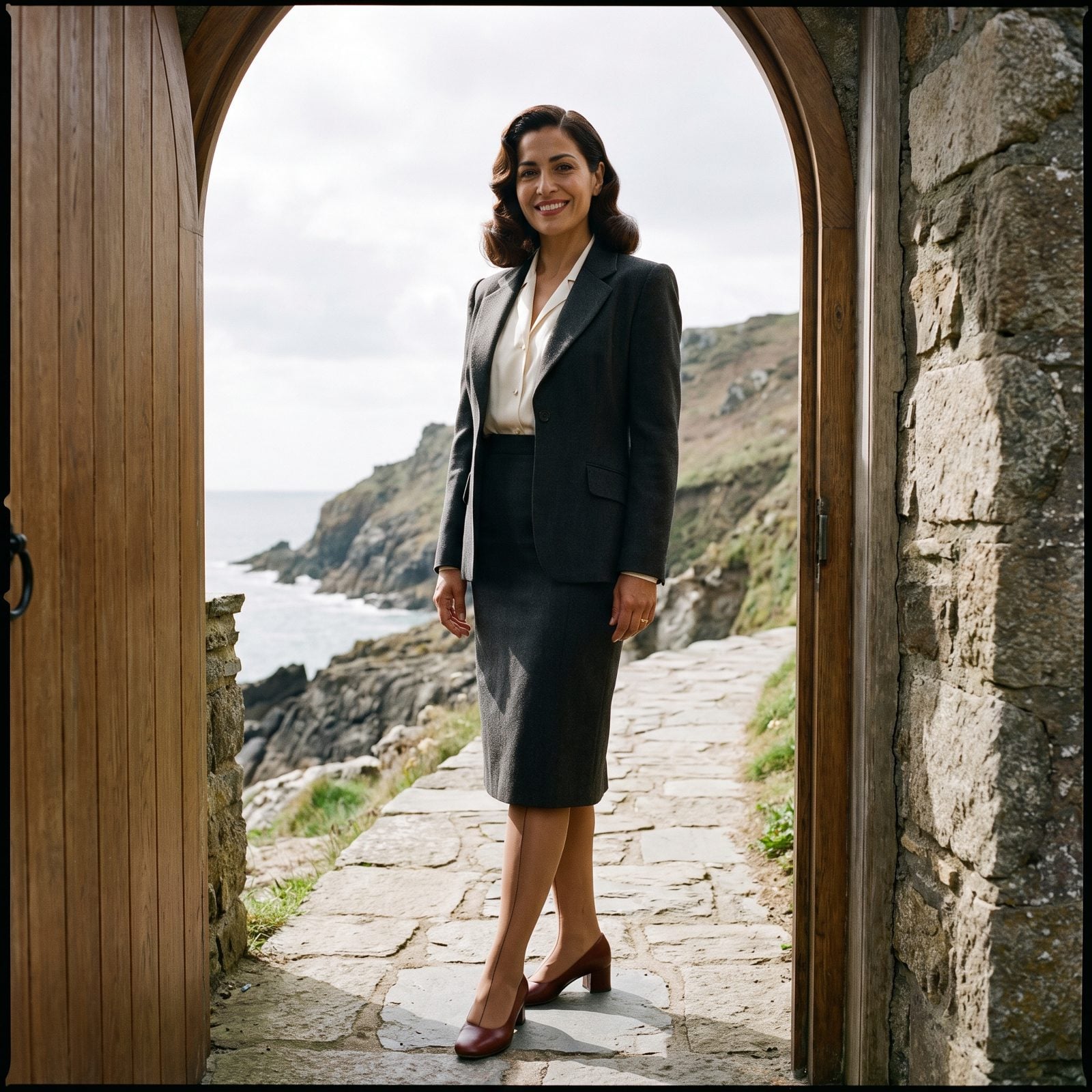
The deep side part did the heavy lifting here. Sweep the weight to one side, press the waves into sculpted ridges, finish with enough gloss that the hair almost looks wet under the right light. That controlled shine? The whole reason anyone bothered.
Women set these waves with pin curls and a fine-tooth comb, then waited hours for them to dry before brushing the whole thing out into smooth S-curves. Slow, fussy work. And it photographed like a dream, which counted for a lot when the look was coming straight off the silver screen.
18. The 1950s High Ponytail With Curled Ends
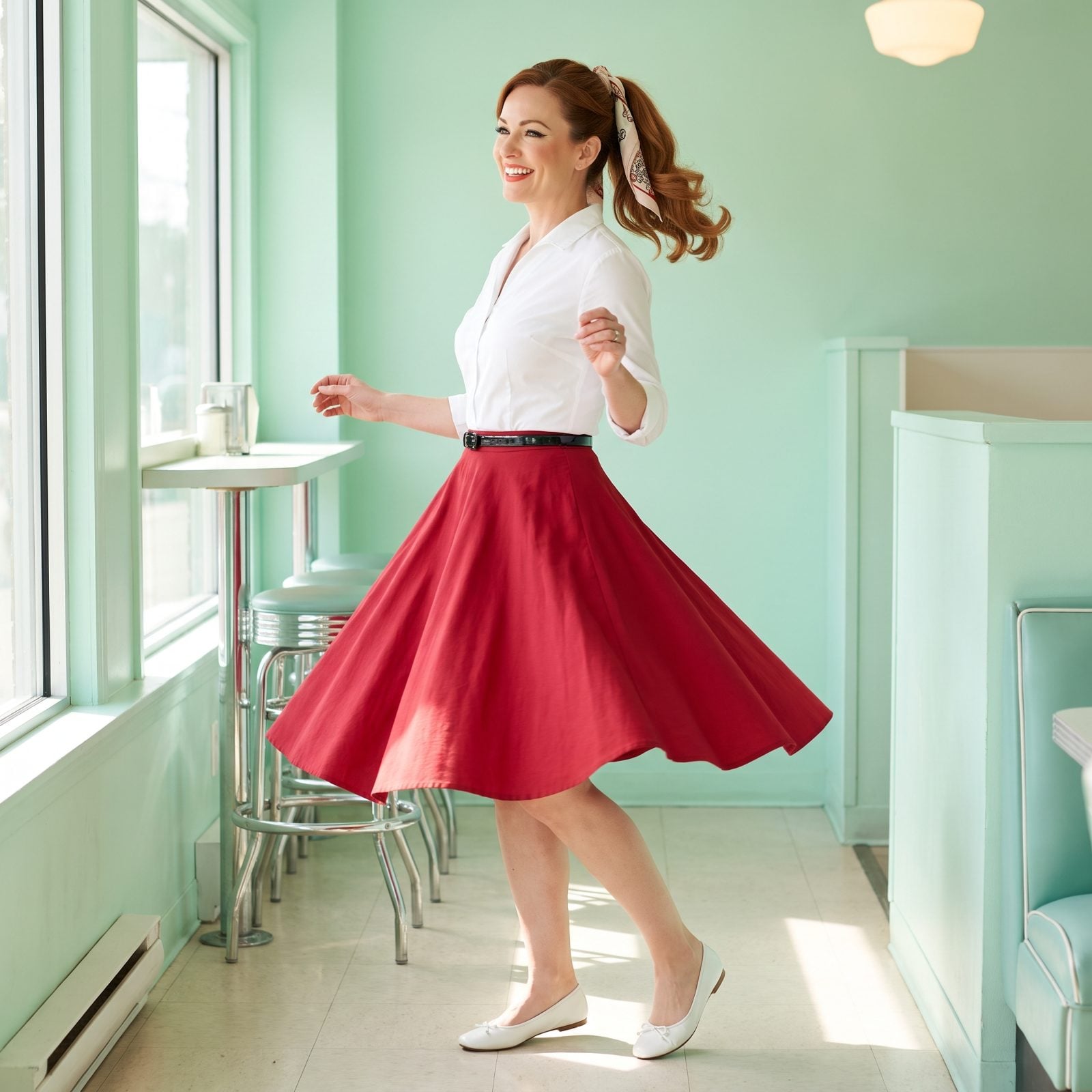
The ponytail used to belong to children and gym class. Then teenagers claimed it, tied it high on the crown, curled the ends into a flick, and suddenly it signaled something new — youth, movement, a generation that wanted its own look instead of its mother’s set-and-sprayed curls.
Tie it with a scarf, add a little bump at the crown, and there’s your sock-hop uniform. It moved when you danced. That was what made it worth wearing.
17. The 1970s Sleek Center-Parted Lengths
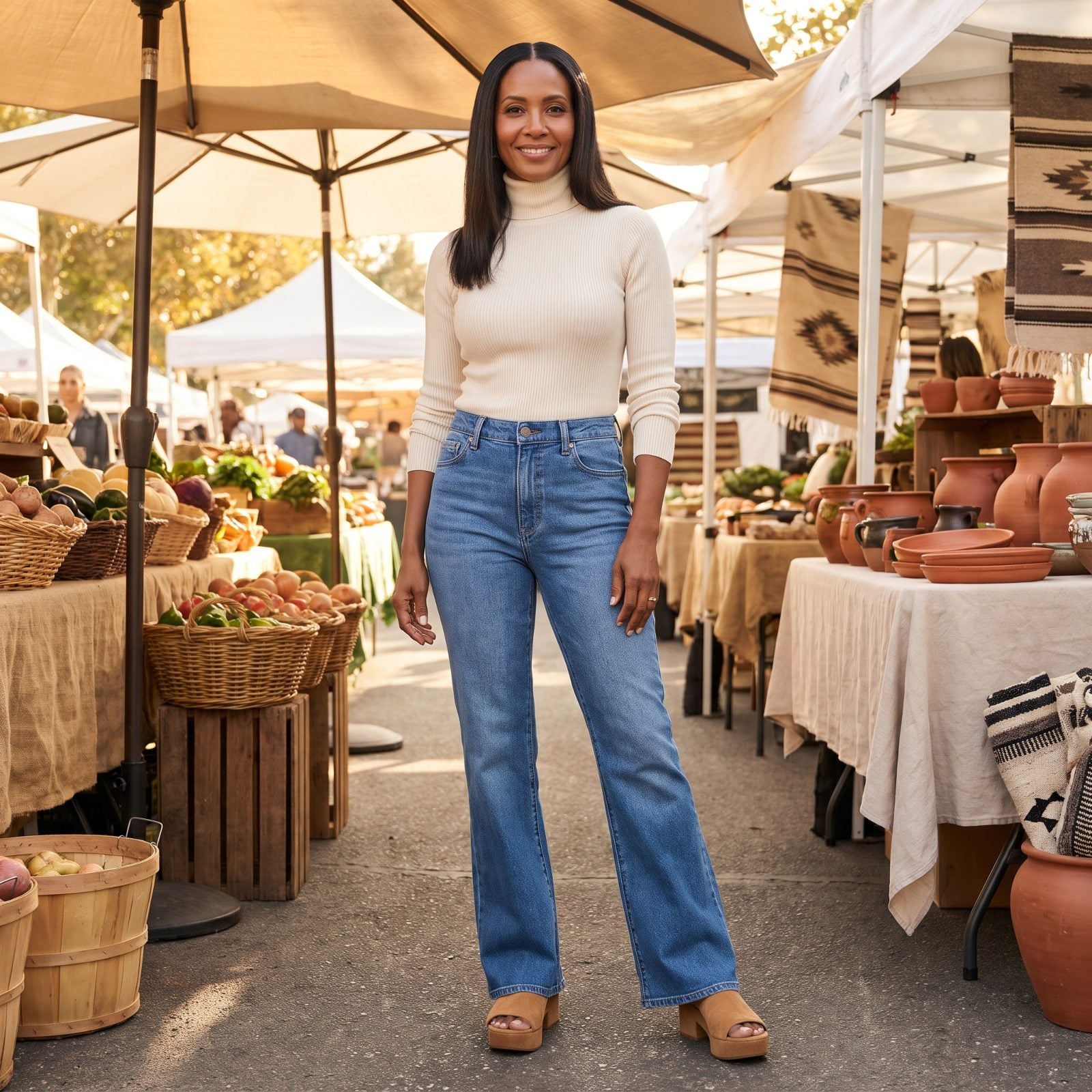
After two decades of setting, teasing, and spraying, the 1970s did something radical: it stopped. Part the hair down the middle, let it hang long and straight, and let the condition of the hair itself carry everything.
No volume. No structure to speak of. The whole flex was glossy, healthy length with a center part so clean it looked drawn with a ruler. Women pressed their hair flat on literal ironing boards to get there, which tells you exactly how much that smooth finish mattered.
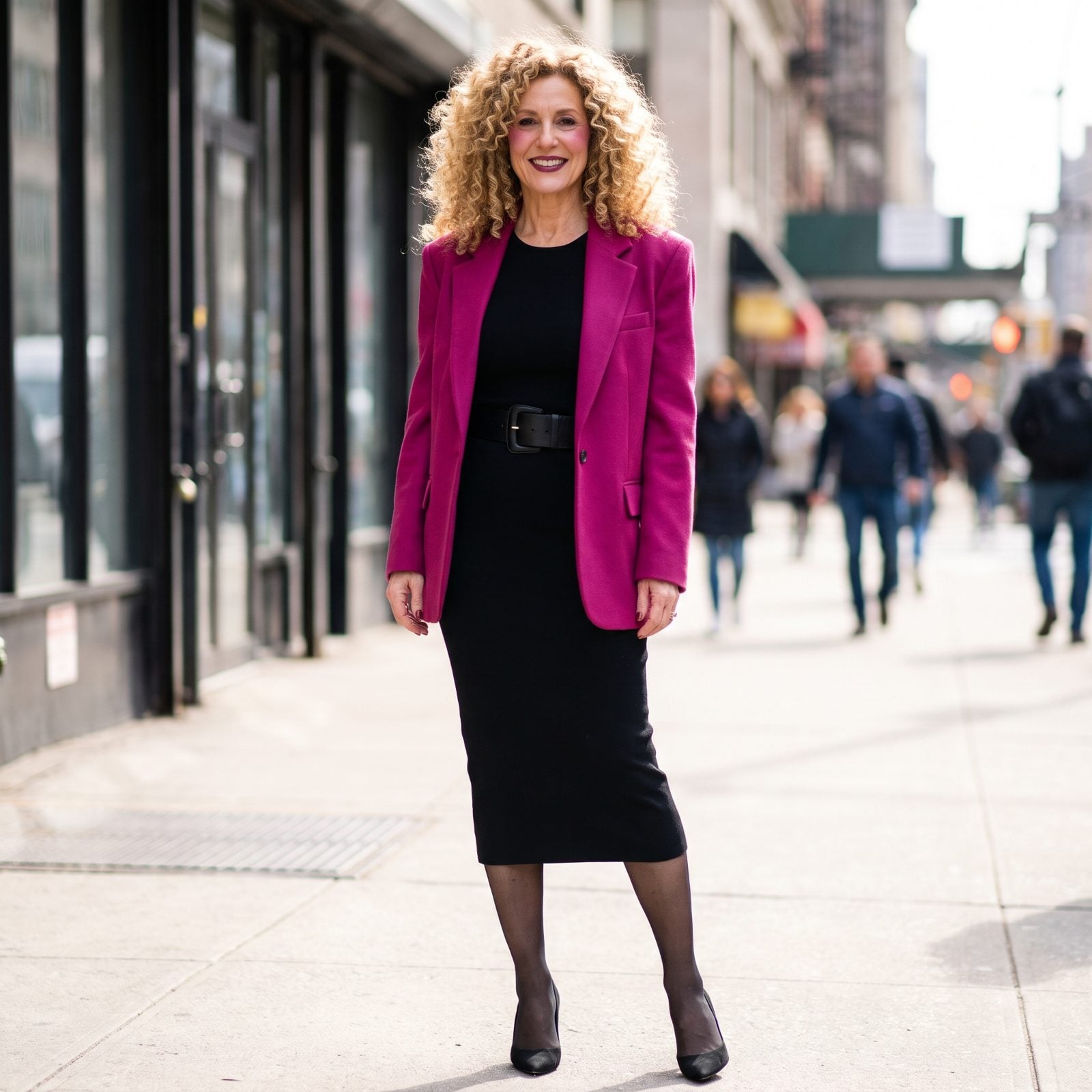
16. The 1980s Spiral Perm
❤️ Would you like to save this?
Every curl the same size, going the same direction, achieved by wrapping sections around long spiral rods and waiting out the ammonia smell. The spiral perm was volume as a lifestyle choice.
You walked out of the salon with hair that touched nothing and defied gravity on all sides. Keeping it up meant scrunching, diffusing, and a devotion to mousse that bordered on religious. Bigger was better, and nobody apologized for it.
15. The 1990s Box Braids
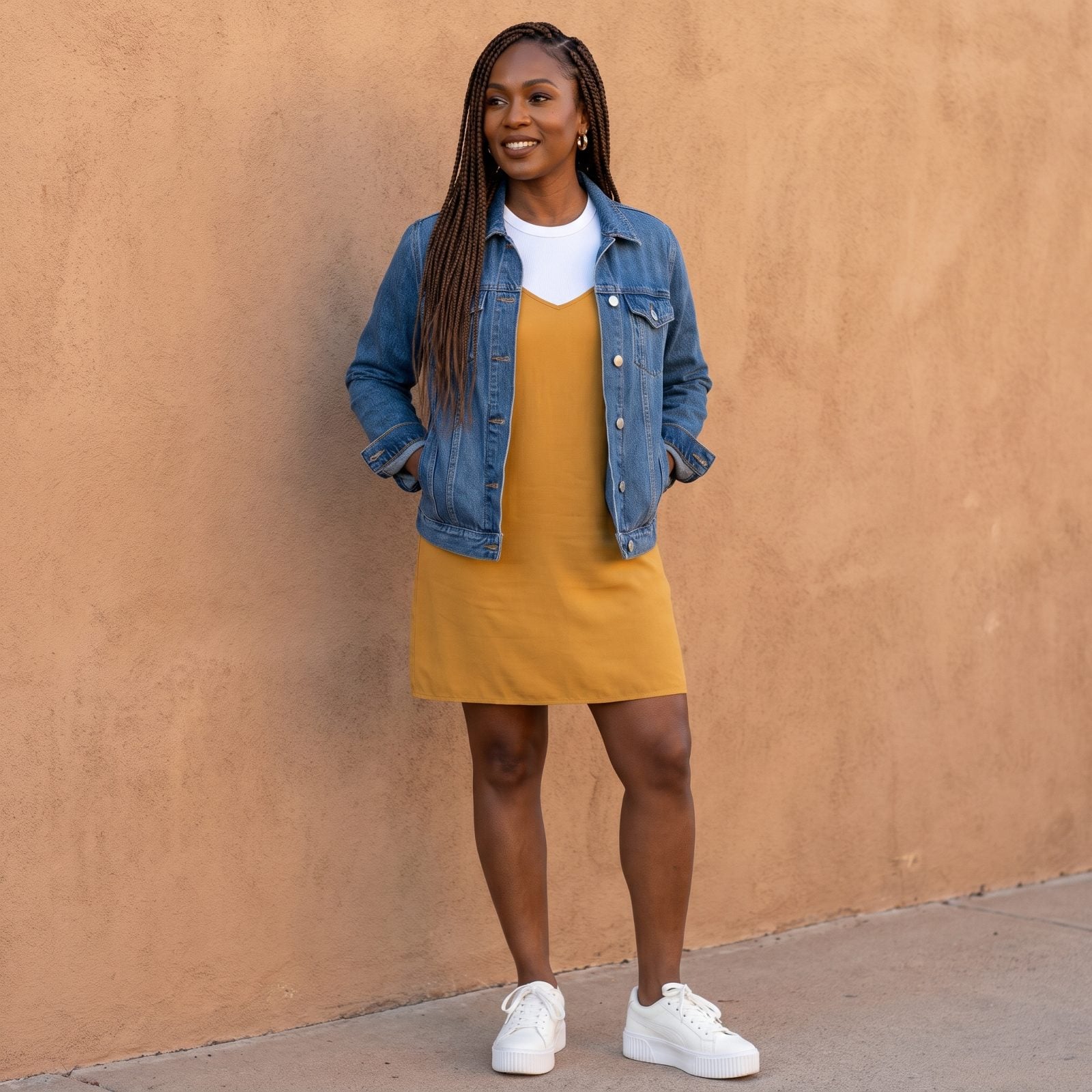
Clean square parts, braids falling past the shoulders, and a styling range that went wherever you wanted it to. Box braids were protective, versatile, and a defining beauty look of the decade — worn up, down, half-pulled-back, threaded with beads.
The install took hours and the payoff lasted weeks. That trade of time now for ease later made them a staple that never actually left. Cultural weight and everyday practicality in equal measure. How many hairstyles can claim both?
14. The 2000s Chunky Contrast Highlights
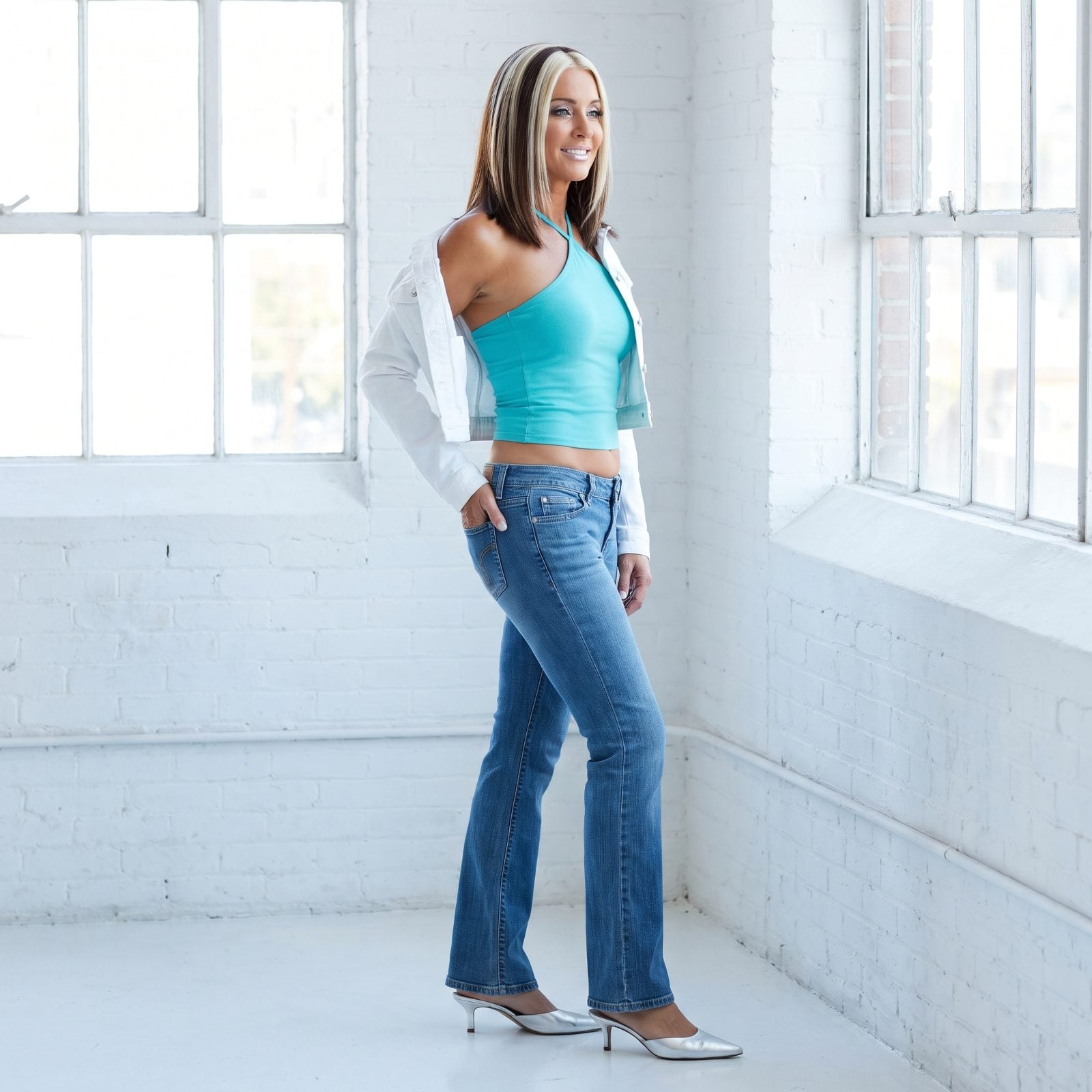
Subtlety was not the assignment. Wide sections of light against dark, placed so the contrast read from across the room. These highlights announced themselves.
The technique leaned on bold blocking rather than the soft blended work that came later. If you remember foils that seemed to take up half your head and a result closer to stripes than sun, this was yours. Line it up against today’s soft balayage trends and you’re basically looking at the entire history of how color grew up.
13. The 2000s Poker-Straight Flat-Ironed Hair
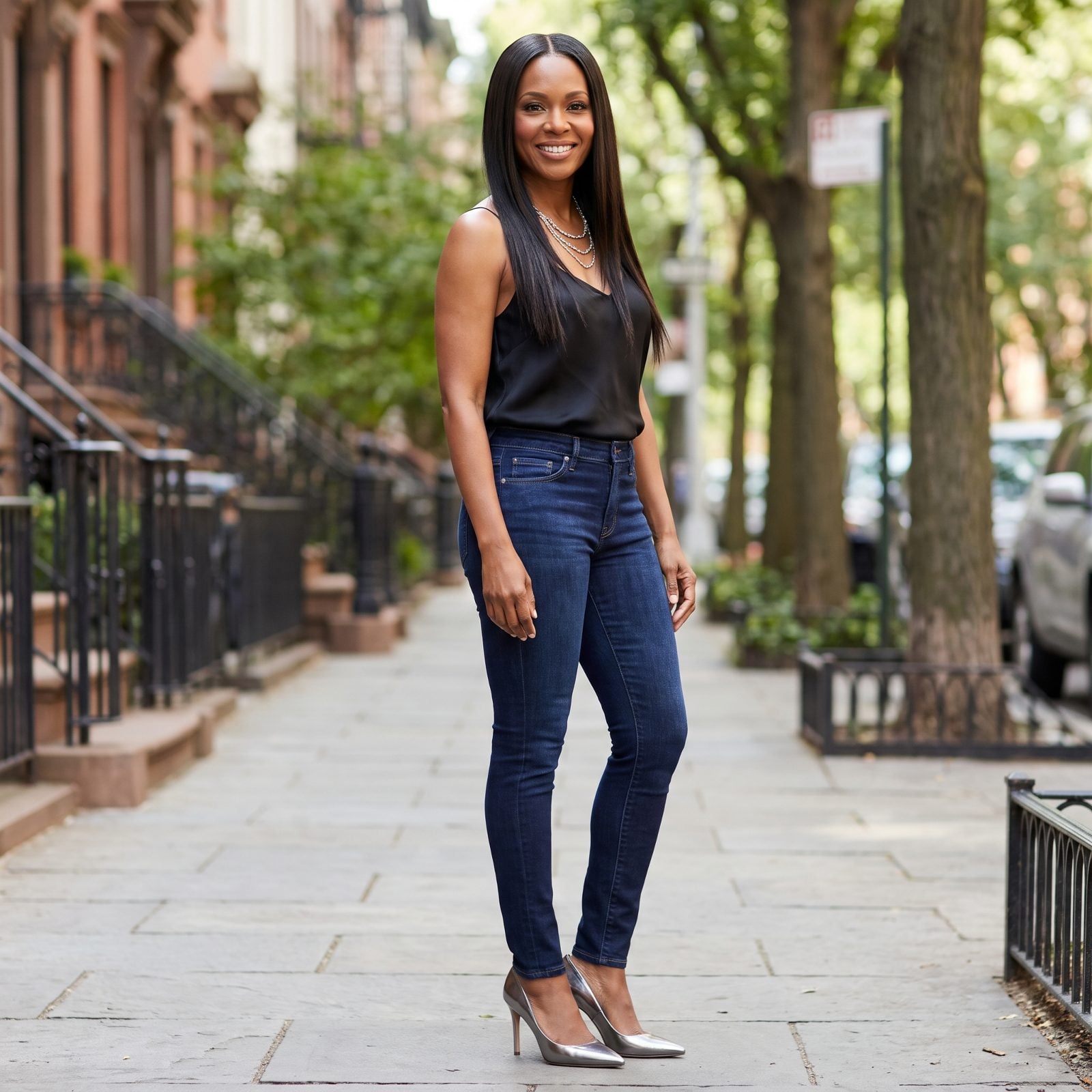
The ceramic flat iron arrived and everyone’s morning changed overnight. Pin-straight became the daily goal, section by section, until the hair lay completely flat with a mirror finish and not a single bend left anywhere.
It was a commitment. Humidity was the enemy, a chill in the air could undo an hour of work, and the smell of heated hair was just part of getting dressed. But straight was the look, and the look won.
12. The 2010s Ombré Beach Waves
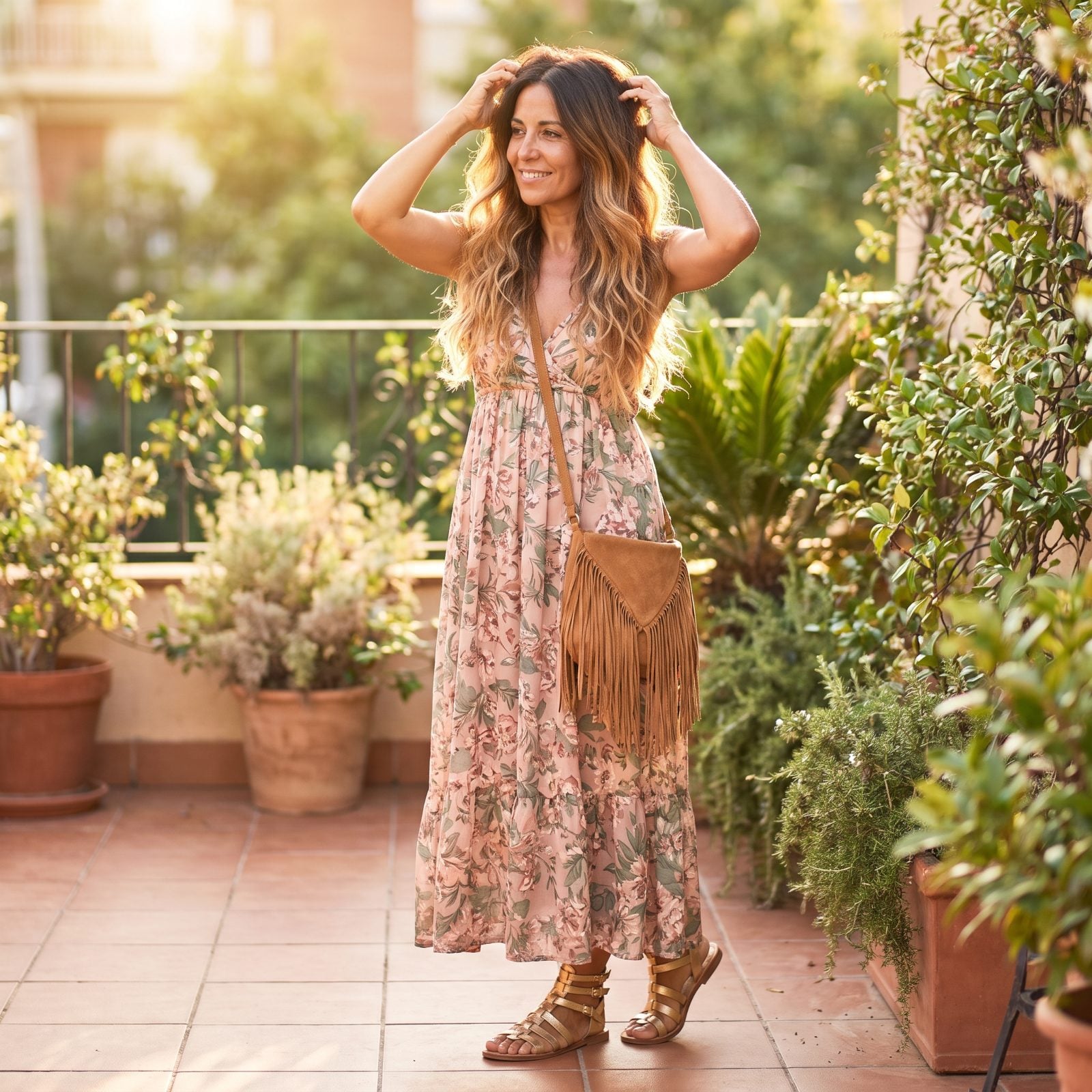
Dark at the root, light at the ends, and a bend in the hair that looked like a full day at the beach you never actually took. The ombré wave became the default setting for a decade of selfies.
What made it stick was the low maintenance baked right in. Grown-out roots weren’t a problem here — they were the point, so you could stretch months between salon visits. Add a beach hat and the whole effortless-vacation illusion snapped into place, even on a Tuesday in the suburbs.
11. The 2020s Butterfly Cut

The clever bit is the double length. Short, feathered layers sweep around the face and flick outward while the rest of the hair stays long, so you get the drama of a shorter cut without actually sacrificing length.
It’s a modern update on the layered styles of decades past, built for the blowout and the front-facing camera. The face-framing pieces do the real work, pulling attention up toward the cheekbones. And when it grows out? Still looks deliberate.
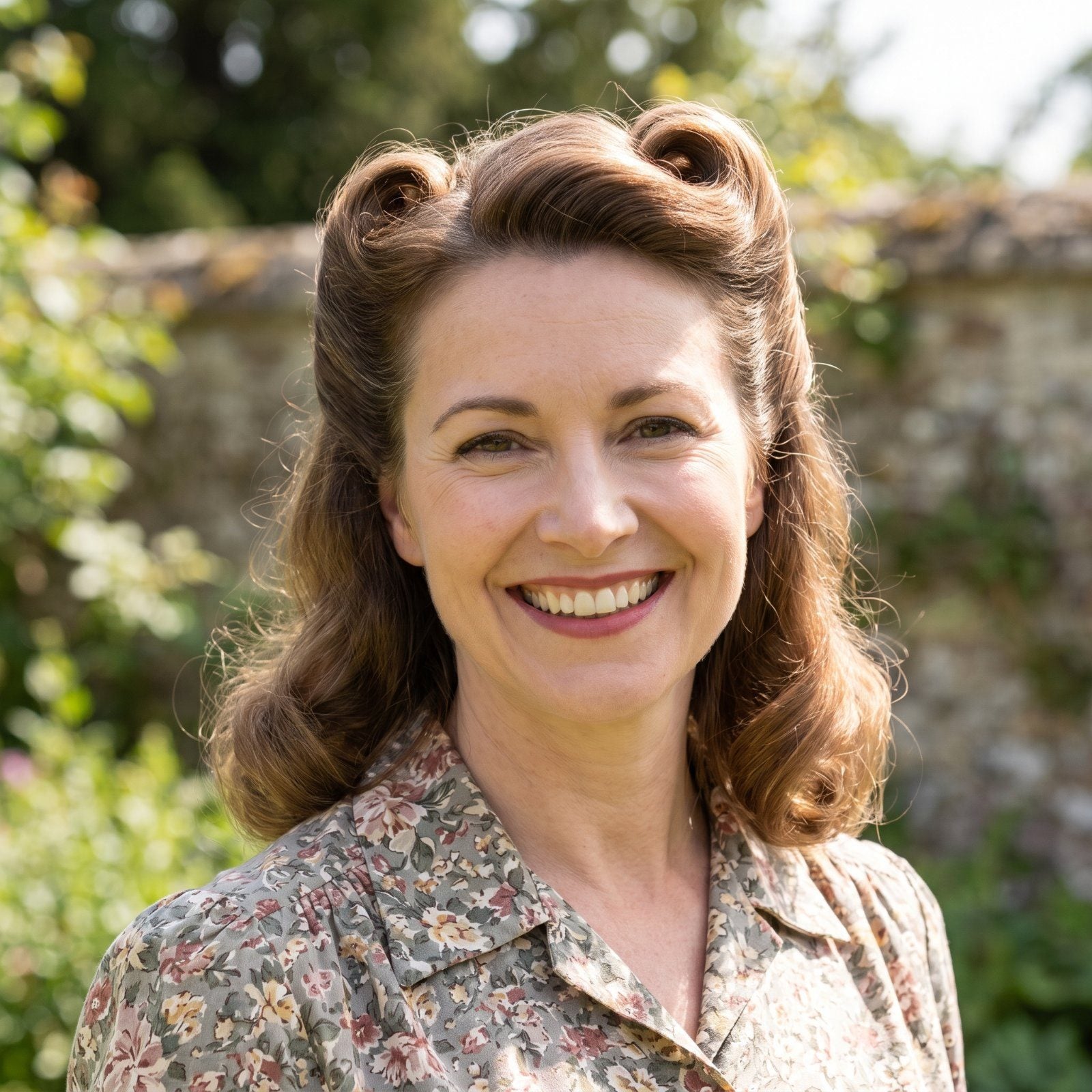
10. The 1940s Victory Rolls
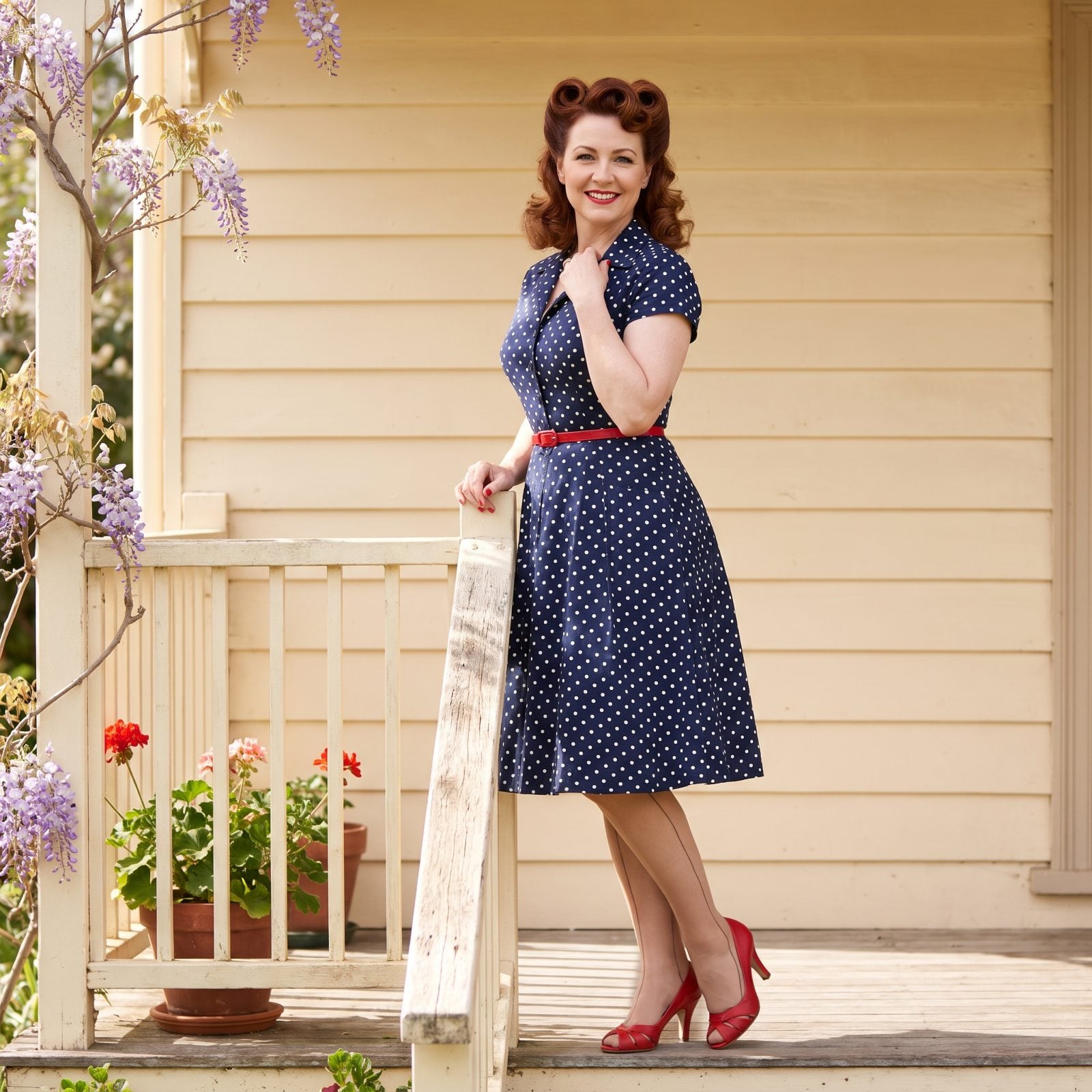
Two rolls of hair swept up off the forehead, pinned into smooth curves that held all day. Victory rolls took real skill — a rat-tail comb, a fistful of pins, and patience most mornings simply didn’t have.
But they were practical before they were pretty. Wartime work meant hair had to stay off the face and out of machinery, so women rolled it up and set it hard. Function hardened into an art form. It’s still the single most recognizable style of the decade; spot a victory roll anywhere and you know exactly which era it’s saluting.
9. The 1960s Rounded Afro, Natural Texture Became a Powerful Expression of Identity
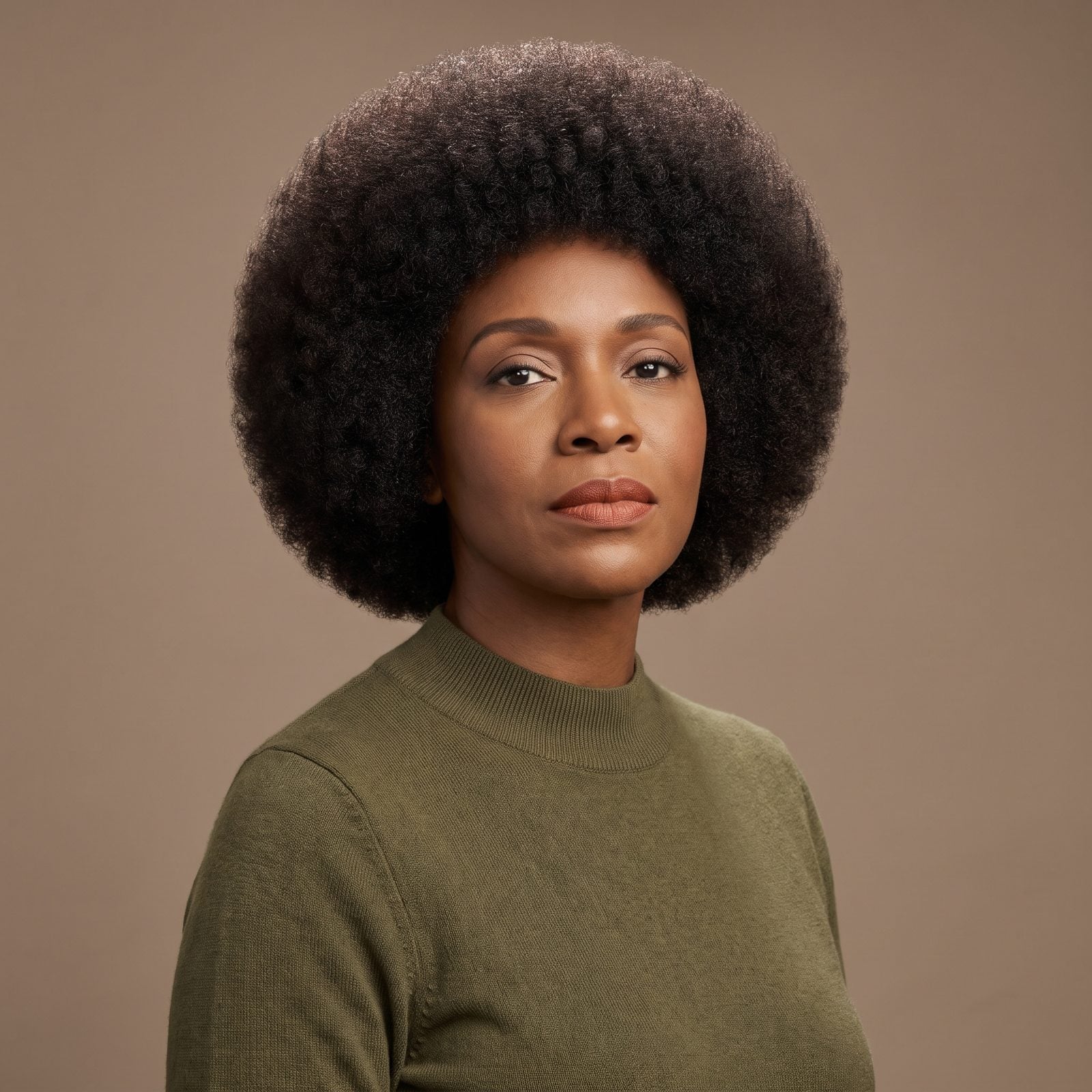
The shape carried the message. A perfectly rounded afro in the sixties was precision dressed as freedom — a halo that took real work with a pick to keep even and full all the way around, and the fullness was the point.
After decades of pressing and straightening, letting natural coils stand up and out said plenty before anyone opened their mouth.
8. The 1960s Beehive, Extreme Vertical Height Became the Decade’s Ultimate Statement
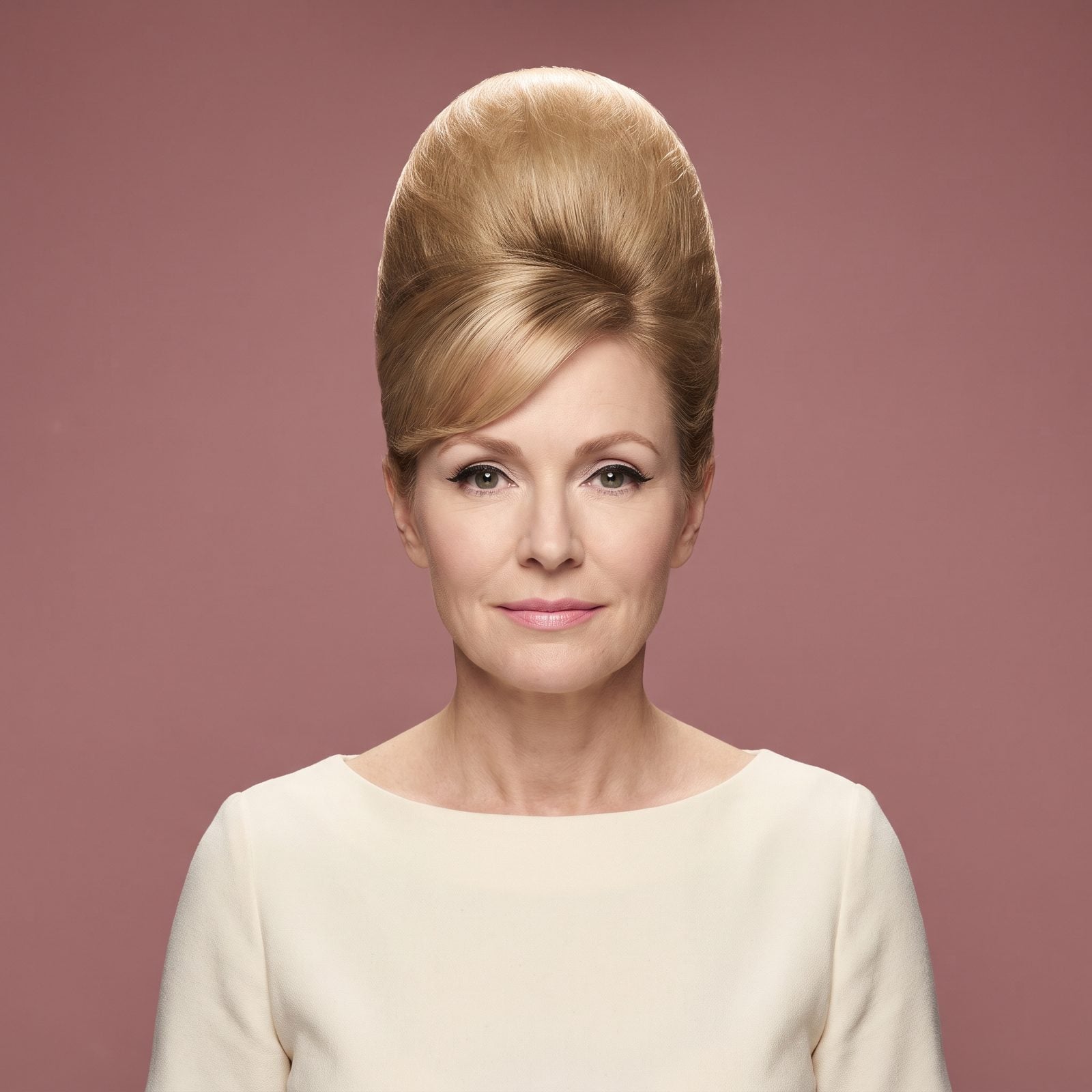
You needed patience, a rat-tail comb and more lacquer than seemed reasonable. The beehive built its sculpted dome the hard way, backcombing section after section until it sat on top of the head like something load-bearing.
Nothing about it whispered. It was the decade’s loudest silhouette, and the taller it climbed, the more it announced that getting ready had been a genuine event — the kind of thing a woman gave an hour to before she so much as touched the front door.
7. The 1970s Feathered Layers, Swept-Back Sections Put Movement Around the Face
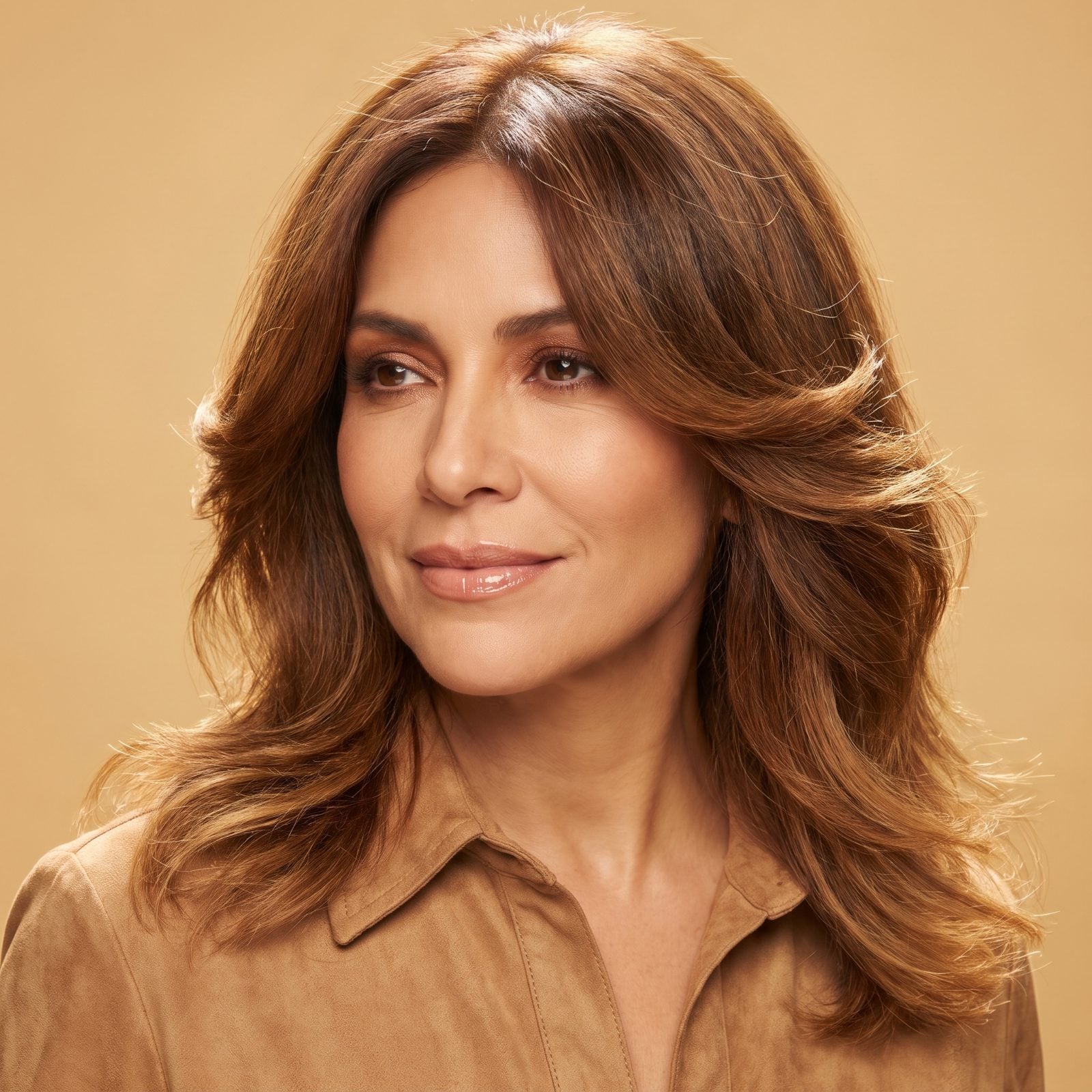
The front sections did all the heavy lifting, feathering back and away from the face into soft wings that moved when you turned your head.
This was the look that made a blow-dryer and round brush essential equipment. Suddenly hair had to have bounce and separation, a loose polish that felt sunlit rather than set.
6. The 1970s Shag, Choppy Layers Replaced the Previous Decade’s Precision
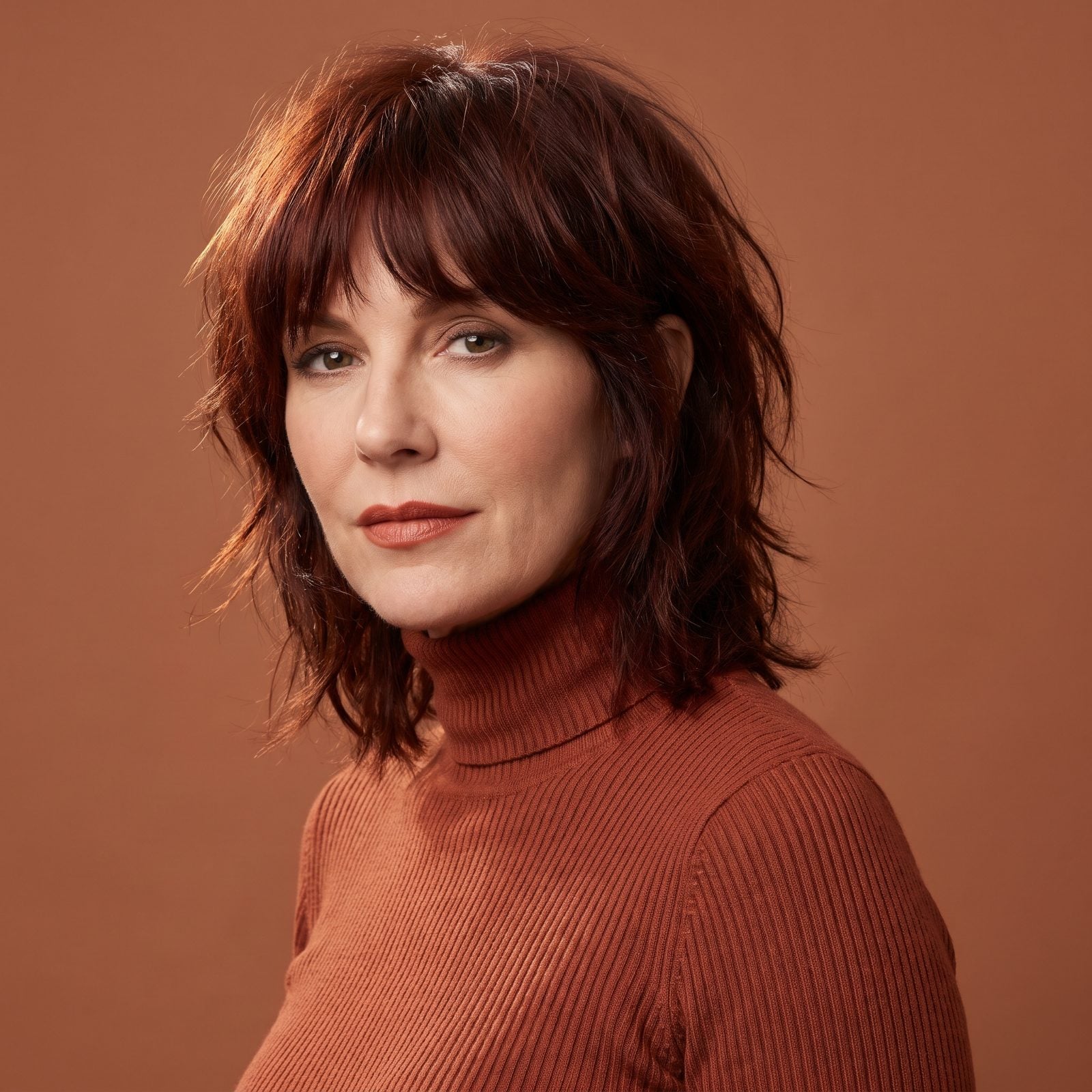
Everything the sixties smoothed down, the shag roughed back up — choppy layers, a razored perimeter, deliberate gaps where the sections fell apart on purpose.
Call it haircut as attitude. Where the beehive demanded sculpting, the shag wanted to look like you had done absolutely nothing, even though the layering underneath took real skill to cut.
5. The 1980s Mall Bangs, Teased, Sprayed Fringe Turned Height Into an Everyday Goal
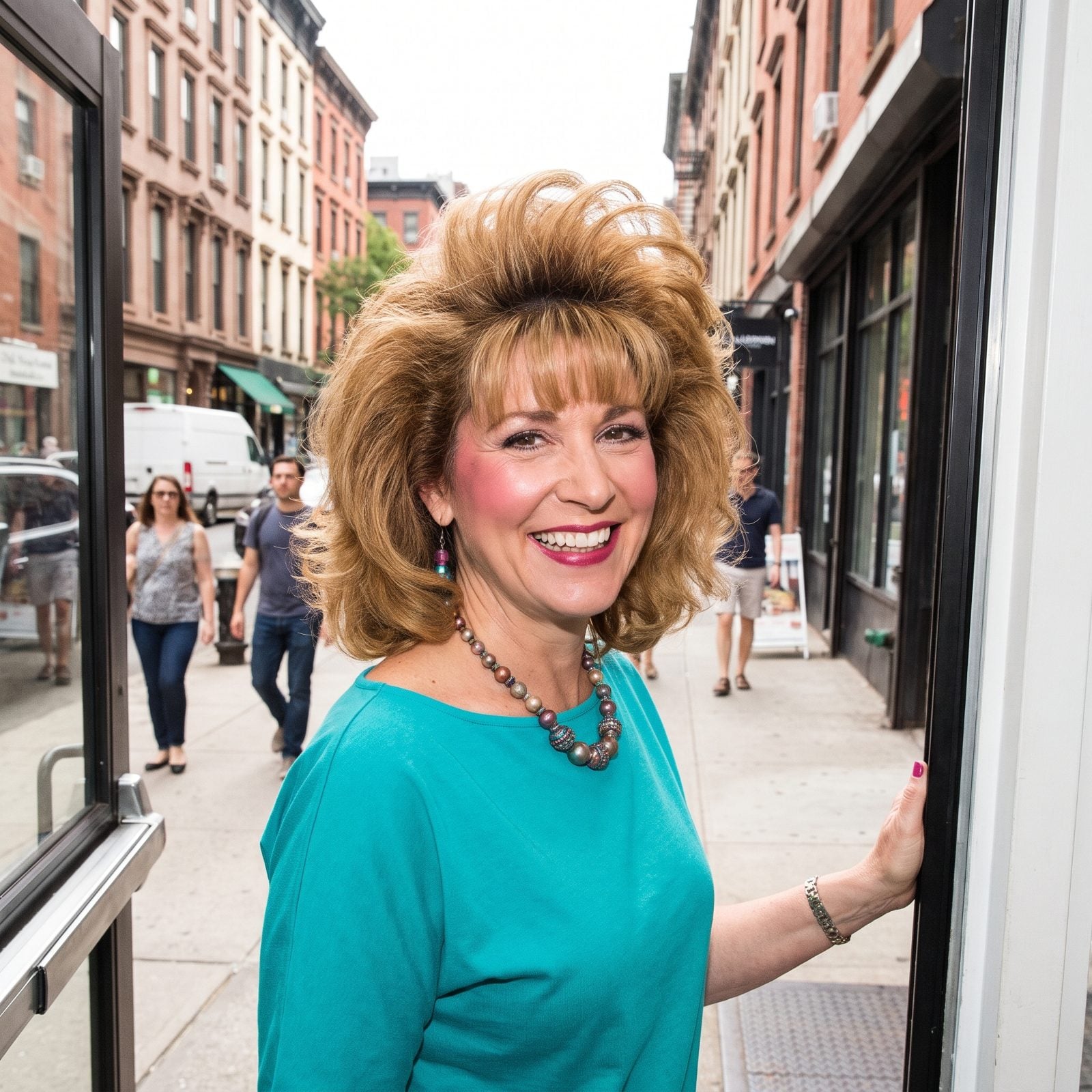
The crown of your head became a towering cloud. You teased the top for height, teased and curled the fringe up and away from the forehead, and sprayed until it all held firm against gravity.
Everyone had a can of Aqua Net stashed somewhere, and the bathroom before a school dance reeked of it. Mall bangs made height a daily ambition instead of a special-occasion production.
4. The 1980s Teased Rocker Hair, Backcombing and Strong Hold Produced an Oversized Silhouette
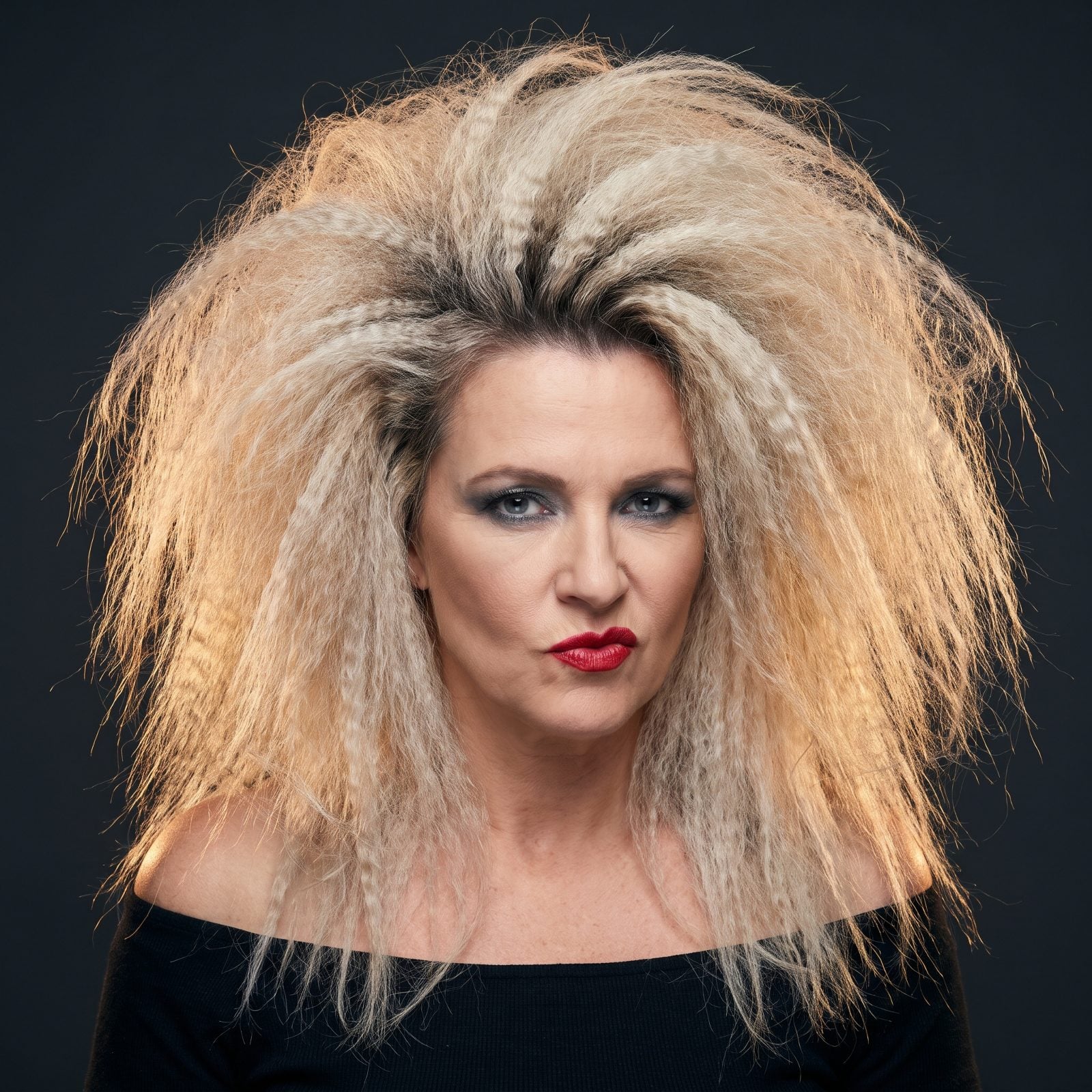
Bigger was the entire brief. Backcomb everything, crimp the lengths, flip your head upside down and spray the roots until the shape swallowed your shoulders whole.
Rocker hair borrowed its scale from the stage. It wanted to read loud even in a photograph — all volume and edge, the kind of hair that refused to sit politely for anyone.
3. The 1980s Mullet, Short Front Layers and a Long Back Embraced Dramatic Contrast
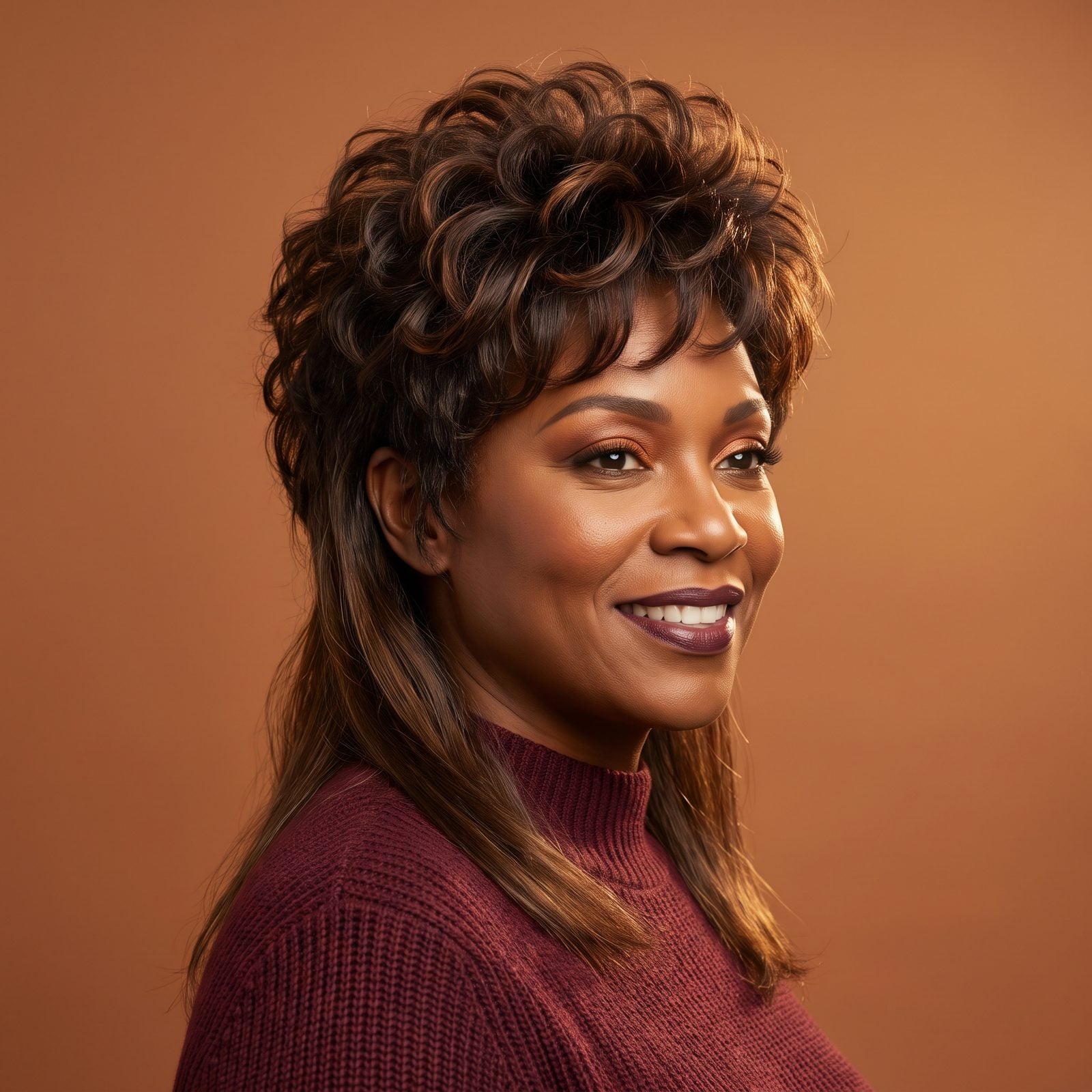
Short up front, party in the back, and fully committed to the contrast. The mullet layered the crown for lift while leaving real length trailing behind.
Why did it work? Because it refused to choose. You got the ease of a short cut around your face and the drama of long hair down your back — two ideas crammed into one head, and somehow that was the appeal.
2. The 1990s Face-Framing Layered Blowout, Rounded Layers Gave Long Hair Salon-Level Movement
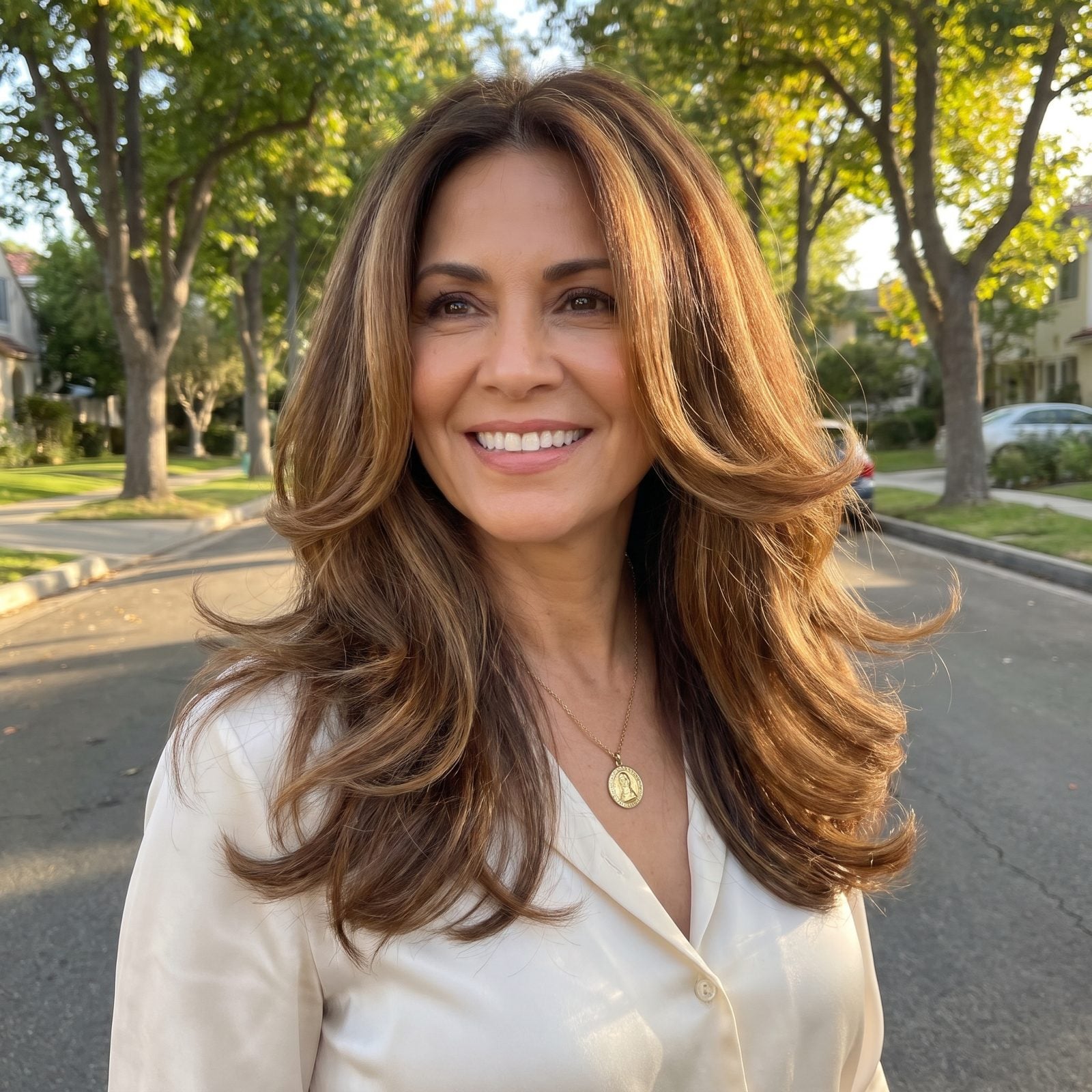
The round brush was everything — rounded layers cut to curve away from the cheekbones, then blow-dried until the whole head had that bouncing, salon-fresh swing.
Women took a photo to the salon in droves, then spent every morning after trying to coax the same bounce out of damp hair at home. The pieces flipping out at the jaw became the decade’s most requested detail, a glossy polish that managed to feel grown-up and easy at the same time.
1. The 2020s Wolf Cut, Shaggy Crown Layers and a Longer Perimeter Revived Rebellious Texture
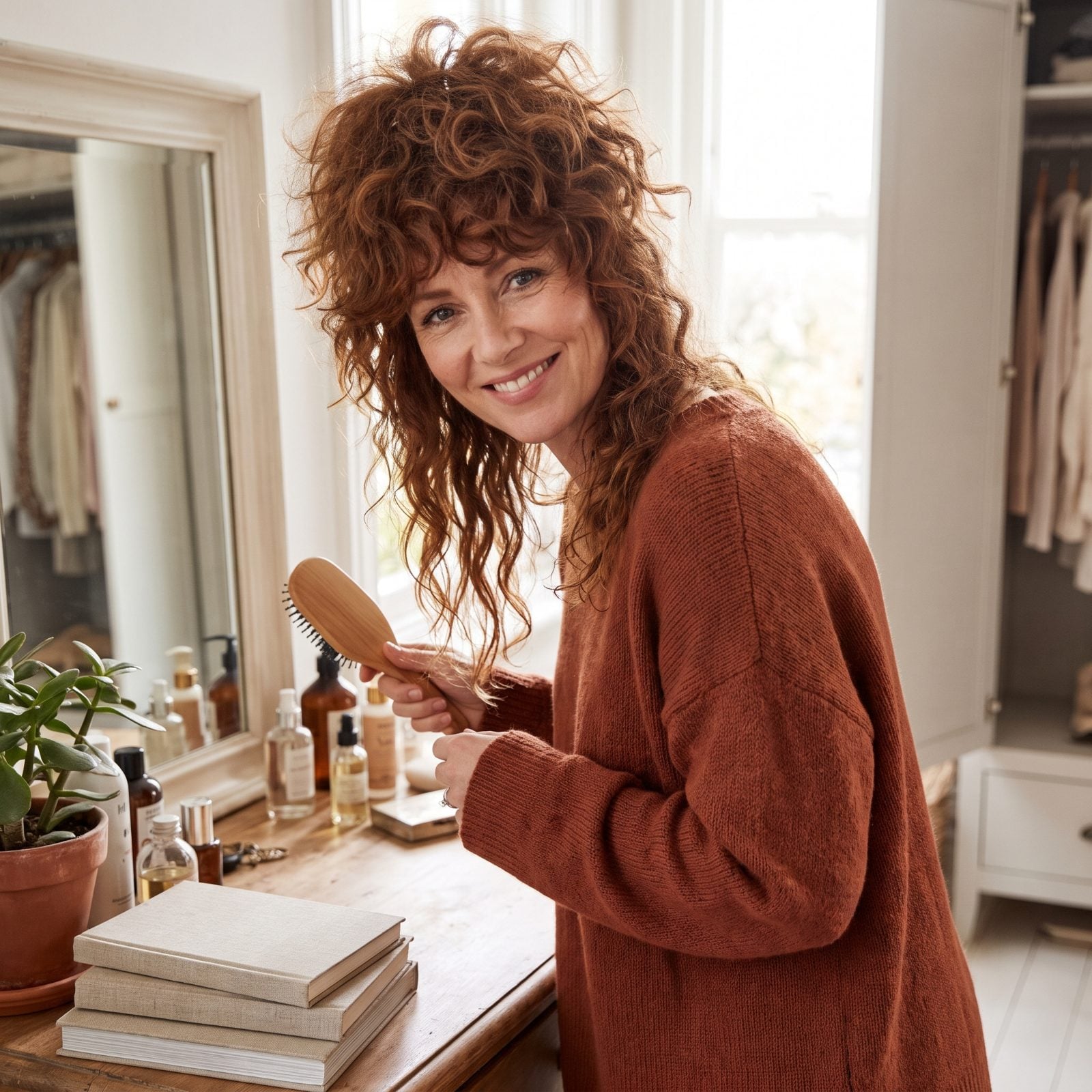
Half seventies shag, half nineties edge, cut for a generation that wanted hair to look slept-in on purpose. The wolf cut piles messy layers through the crown and lets the perimeter grow out long and wispy.
It came back because it rewards texture instead of fighting it. Wavy, curly or straight — the layering reads as deliberately undone, and the curtain fringe softens the whole thing around the face. The choppiest ideas from fifty years back never really left. They just waited for the right moment to come around again.