❤️ Would you like to save this?
Open your closet. Somewhere behind the blazers you actually wear is a piece of clothing that has followed you through three apartments, two zip codes, one marriage, and possibly a career change. It no longer fits quite right. The color has shifted in the wash. You have not worn it in years.
You still will not get rid of it.
Ask almost any woman over forty and she can name the item immediately. The concert T-shirt. The prom dress. The denim jacket with a pin from a boy whose last name she can barely remember. What looks like ordinary sentimentality is often doing more than preserving fabric. The garment holds a version of the person who bought it, wore it, damaged it, repaired it, and carried it forward.
These 18 reasons explain why one obsolete piece can remain more difficult to release than anything currently in rotation.
FYI, thanks to AI imagery software, we’re able to create very specific fashion and hairstyle examples to illustrate the points being made. In some cases, imagery is exaggerated to hammer home the point. Also, assume links that take you off the site are affiliate links such as links to Amazon. this means we may earn a commission if you buy something.
The Item You Refuse to Donate May Be Serving as a Comfort Object

You have told yourself a hundred times that you will get rid of it. You never do.
Psychoanalyst Donald Winnicott used the term transitional object for childhood items such as blankets and stuffed animals that provide comfort while a child develops independence. Adults can also form strong emotional bonds with familiar possessions, although an old sweater is not automatically a clinical transitional object.
What matters is the association. The sweater may represent a year you survived, a home that felt safe, or a person you could rely on. The fabric is not regulating your nervous system by itself. The memories attached to it may still help you feel steadier when you see or hold it.
The Reason You Still Smell It Before You Wear It

You lift it to your face without thinking. You breathe in. You do not do that with anything else in the closet.
Smell has unusually direct connections with brain regions involved in emotion and autobiographical memory. That helps explain why an odor can bring back an old room, a person, or a particular afternoon with startling speed.
The garment may not still carry the exact detergent or perfume from decades ago. A current trace of wool, cedar, dust, or soap can still act as a cue, sending the mind toward an older smell stored with the memory.
What Psychologists Mean by the Extended Self
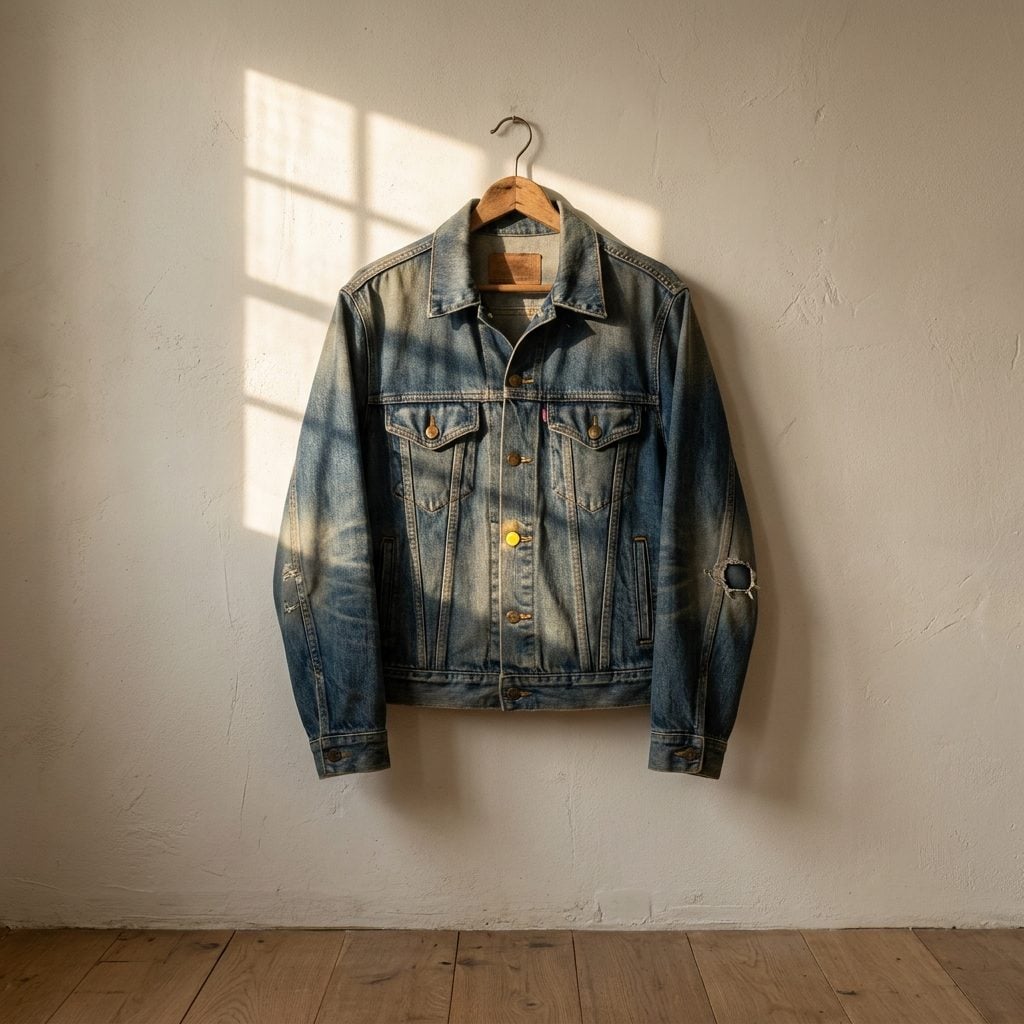
Consumer researcher Russell Belk used the phrase extended self to describe the way possessions can become incorporated into identity. We do not experience every object that way. A spare umbrella remains an umbrella. The jacket worn through a decisive year can become part of the story we tell about ourselves.
That is why losing such a garment can feel disproportionate to its price. To someone else, it is faded denim. To you, it is the jacket worn by the woman who walked out of an apartment for the last time and did not go back.
The object is not literally part of the body, but it can function as evidence of a self that no longer exists in quite the same form.
The Denim That Changes How Your Body Moves
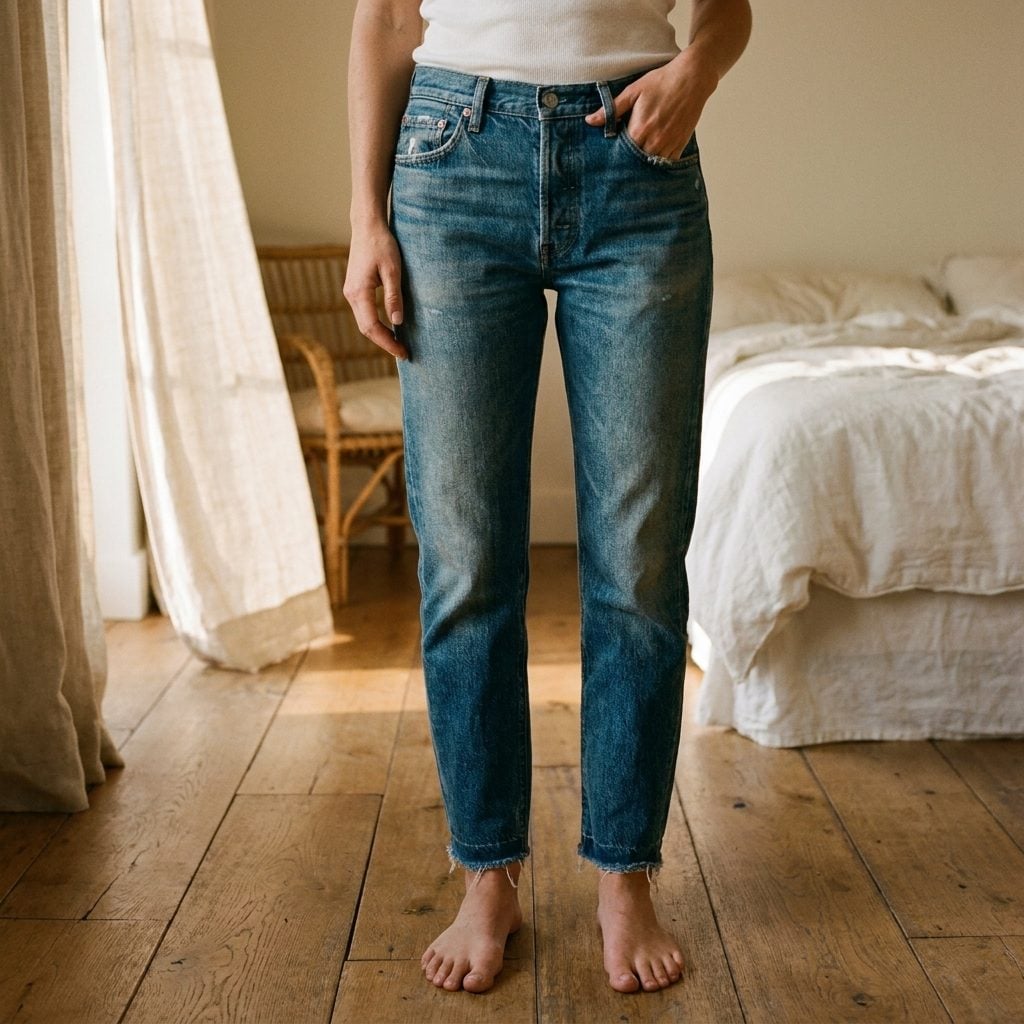
You pull on the old jeans and your posture changes before you have buttoned them.
Some of that is literal. The denim has softened around the way you stand, walk, sit, and slide a hand into the back pocket. A familiar cut can invite familiar movement.
The rest is association. Those jeans may remind you of being twenty-two, fearless, reckless, or simply less self-conscious. The garment does not store that state inside the fibers. Wearing it can help retrieve a posture and mood you once paired with it.
Why It Would Be the Possession Whose Loss Hurt Most
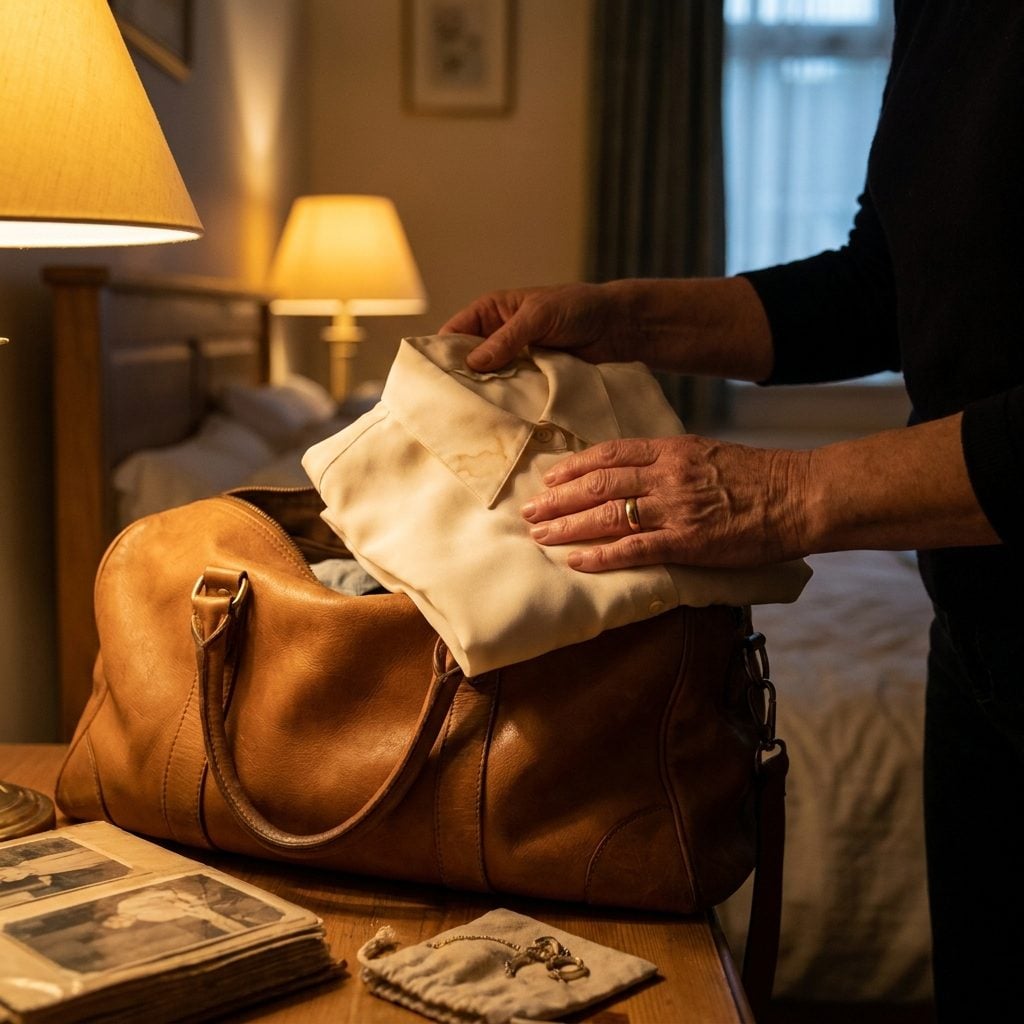
Forget the literal emergency. Imagine instead that one possession had to disappear permanently. Which loss would hurt most?
Research on identity-linked possessions helps explain why the answer may be an old piece of clothing rather than something expensive. People often describe the theft or destruction of meaningful objects as a loss of memories, history, or personal continuity.
Insurance could replace a jacket with another jacket. It could not replace the years that made this one matter. The value exists in the relationship between the person and the object, not in the material alone.
Why You Will Not Let a Tailor Change It
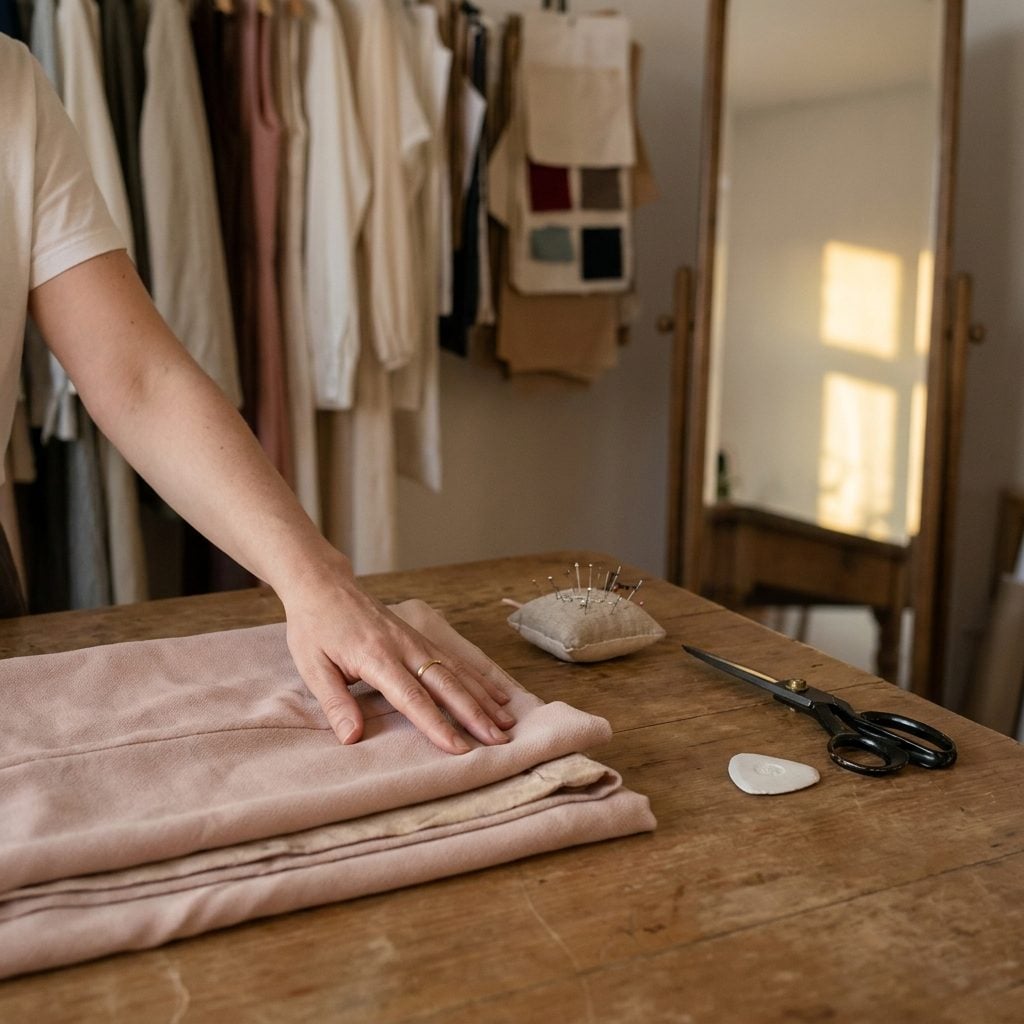
The tailor offered to take it in. You said no so quickly that you surprised yourself.
An alteration would not erase the memory of wearing the garment. It would, however, change the physical object that carried that memory. The crooked hem, outdated sleeve, and awkward length may be part of what makes it immediately recognizable as that coat or that dress.
The resistance is not always rational in a practical sense. It is still understandable. You are not protecting perfect construction. You are protecting the exact artifact that survived the years with you.
Why the Girl Who Bought It Still Influences Your Taste
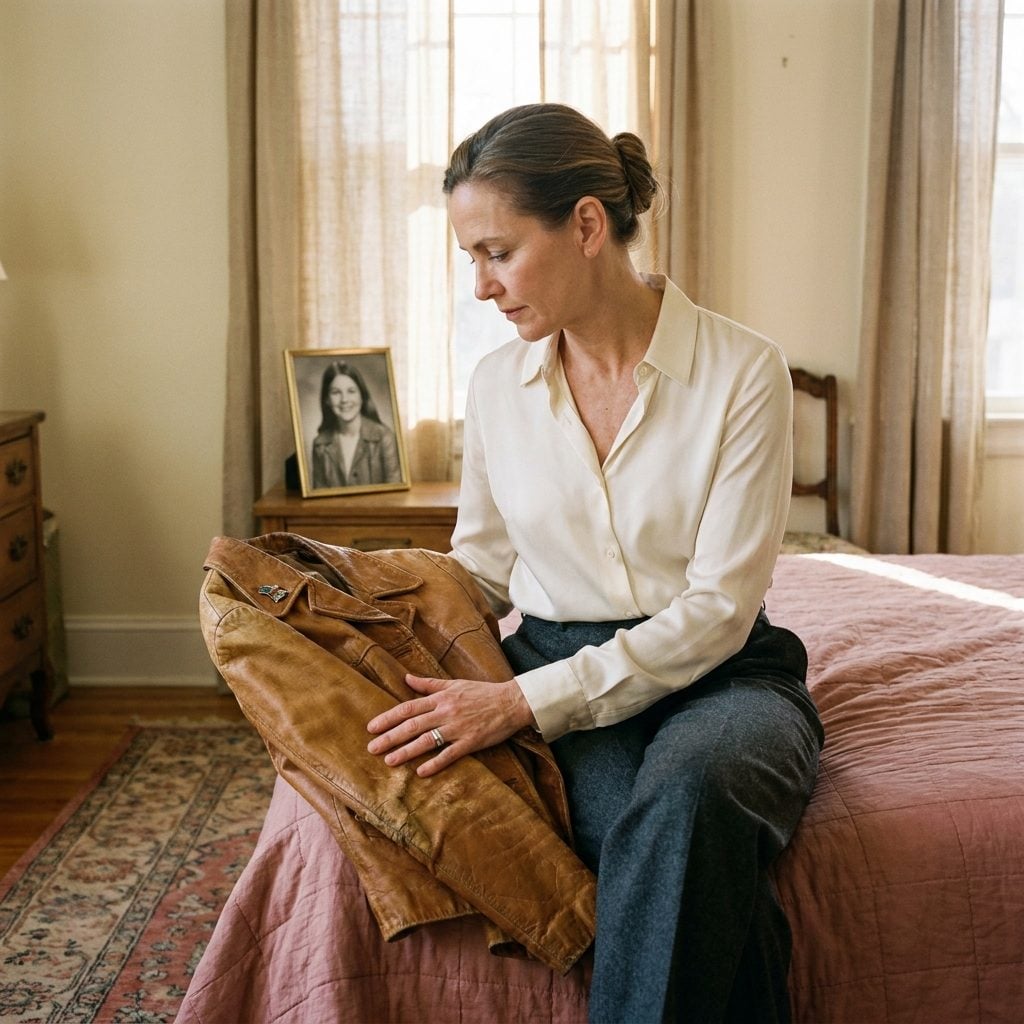
She is seventeen. She has strong opinions. She has been sitting on your shopping committee for years.
People often buy clothes for an aspirational self: the person they hope to become, the life they expect to lead, or the confidence they want to acquire. A teenage purchase can preserve that imagined future long after the future has changed.
Some part of that younger taste may still be audible in the clothes you choose now. The trench belted a certain way. The same shape of ring. The refusal to wear one particular color. You are not controlled by the girl who bought the old piece, but you did inherit her visual language.
Why Ownership Makes the Old One Harder to Replace
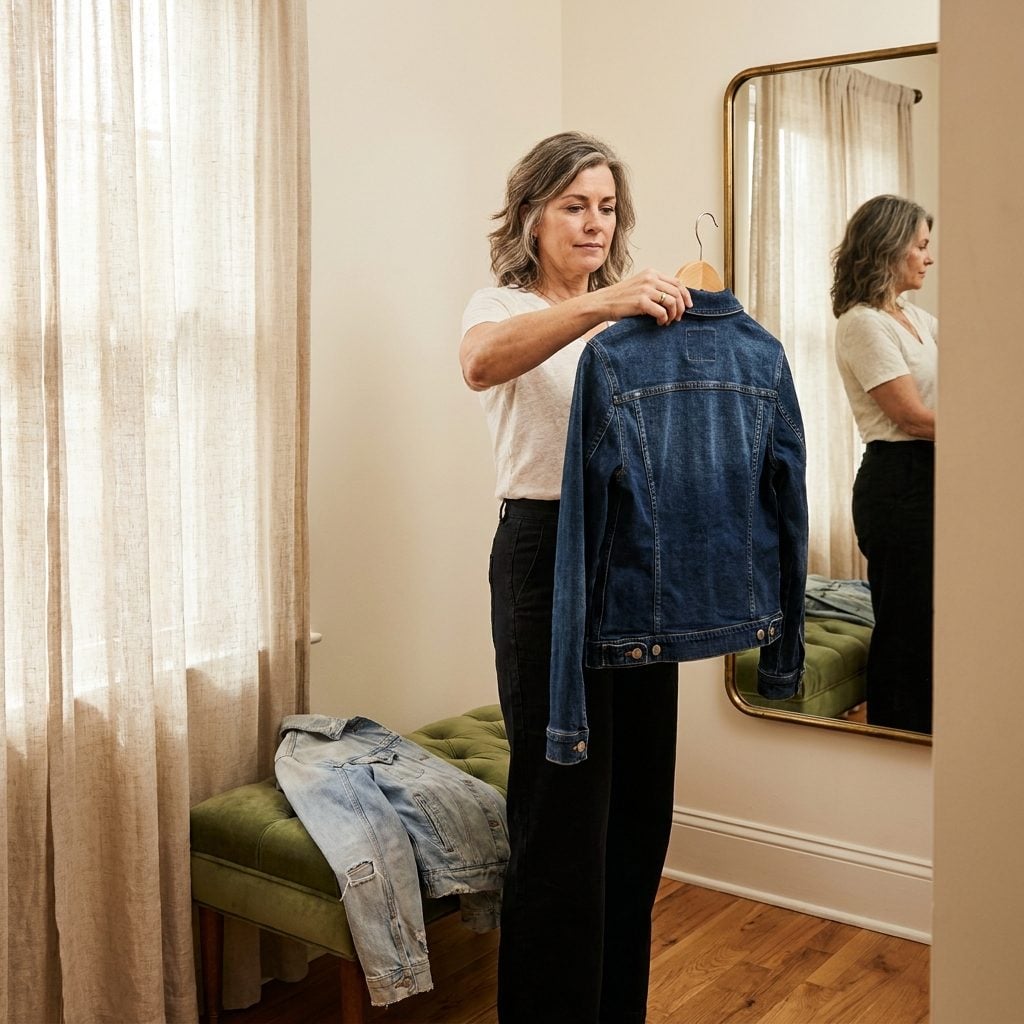
Nothing bought at forty or fifty feels quite the same as the jacket chosen at seventeen.
The endowment effect describes the tendency to value something more highly once we own it. Behavioral economist Richard Thaler named the effect, and later experiments by Daniel Kahneman, Jack Knetsch, and Thaler helped establish it in behavioral economics.
Ownership alone does not explain decades of attachment, but it adds another layer. A new jacket must compete not only with the appearance of the old one but also with familiarity, memory, and the discomfort of surrendering something already understood as yours.
What the Fit You Have Outgrown Is Really Measuring
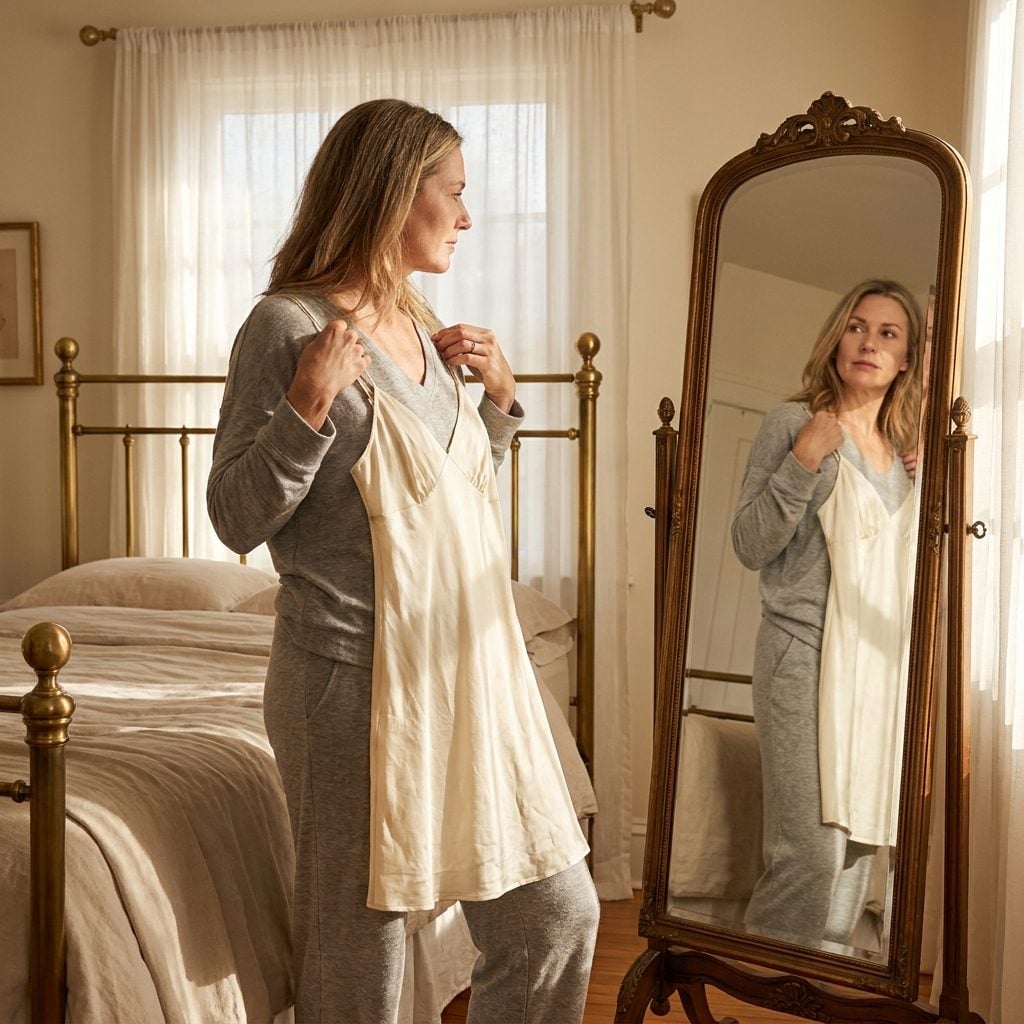
It does not zip. Or it zips and something else has to give.
The garment measures more than a waist or rib cage because the person looking in the mirror supplies the history. For some women, the difference between the old fit and the present body feels like loss. For others, it becomes proof of the years the body has carried.
The dress can record meals eaten at your own table, children carried, illnesses survived, stress endured, muscle gained, and time allowed to pass. The body did work. The dress simply preserved an earlier measurement.
The Reason Your Daughter Is Not Allowed to Borrow It

She has asked. You have said no. Maybe you softened the answer. Maybe you did not.
She is not asking to borrow an ordinary piece of clothing. She is asking for the object attached to a version of you she never met. Letting her wear it would add a new night, a new perfume, and a new story to something you have kept almost untouched.
That would not erase the past. It might change the object from a private artifact into a shared one, and you may not be ready for that transfer.
Why You Can Describe Every Stain but Not Last Tuesday’s Lunch
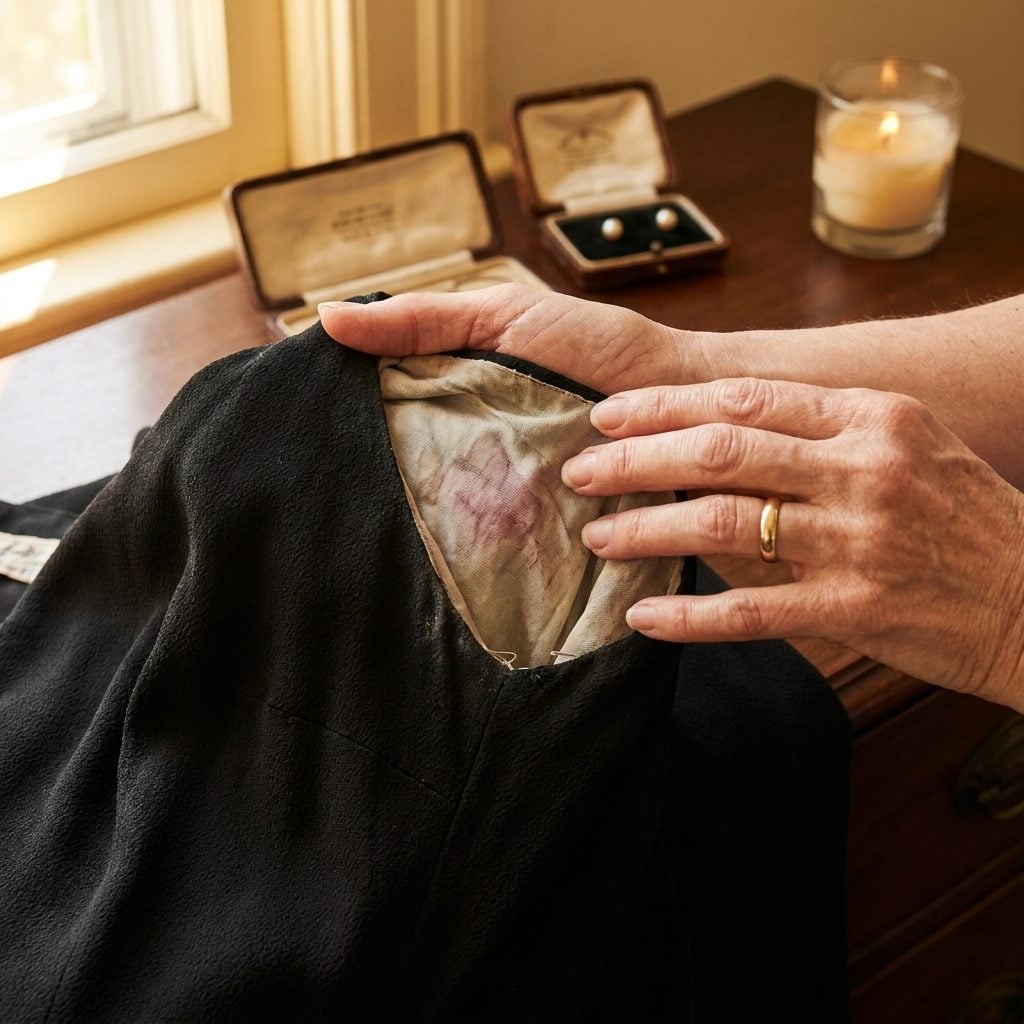
Ask what you ate last Tuesday and the answer may be gone. Ask about the red wine stain inside the hem of a dress worn in 1994 and the restaurant, song, and person across the table may return immediately.
This may not qualify as a flashbulb memory in the strict psychological sense, but it functions as an emotionally vivid autobiographical memory linked to a physical cue. Strong emotion can influence how memories are consolidated and later retrieved, although vividness does not guarantee accuracy.
The stain works like an index tab. It gives the mind a precise place to begin searching.
What Keeping It in the Same Closet Spot Means
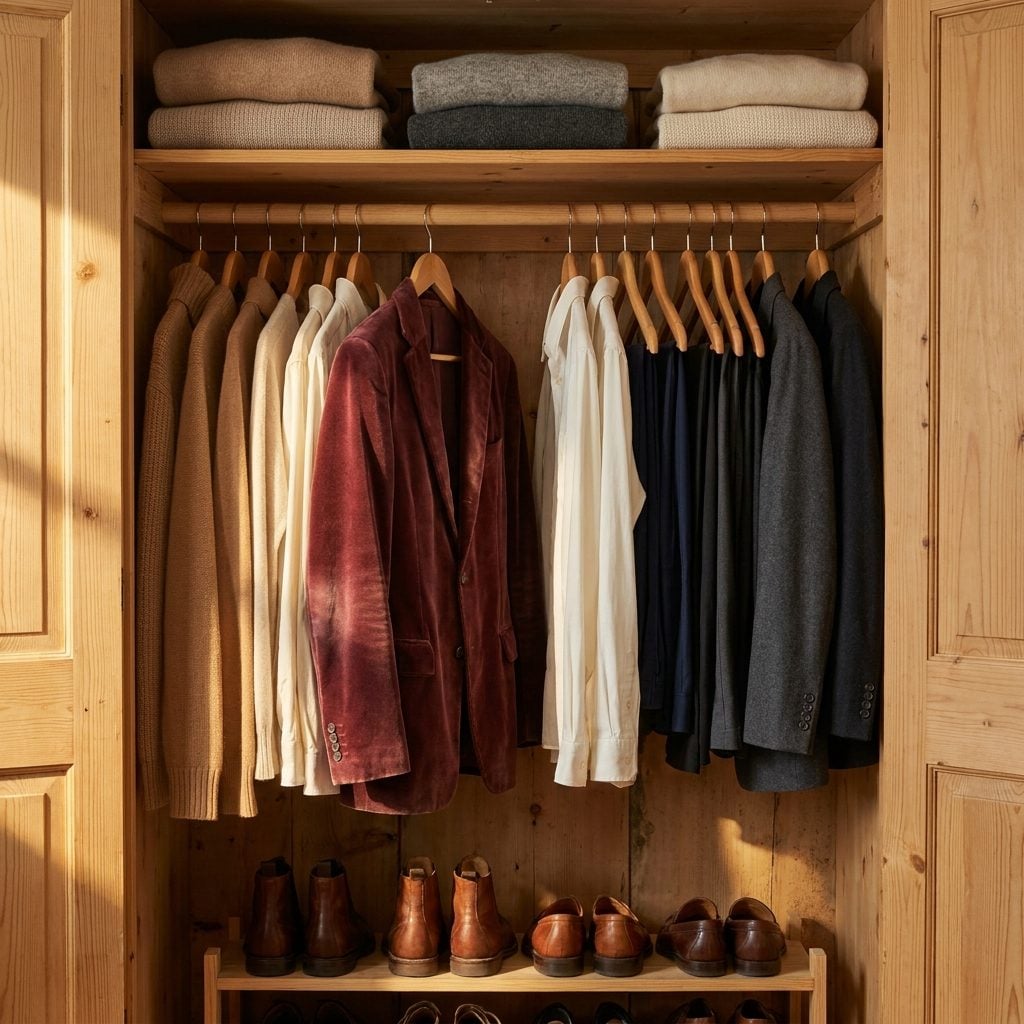
Left side, third from the end. The same place through three homes and two moves.
There is no need to invent a formal curatorial term for this habit. The placement itself creates continuity. You always know where the garment is, your hand can find it without searching, and the closet still contains one fixed point from an earlier life.
Research on sentimental possessions suggests that photographing an object before giving it away can preserve some of the memory attached to it. Keeping an object in a stable location may serve a simpler purpose: reassurance through availability. Even when you do not wear it, you know it is there.
The Piece That Was Never Really About the Piece
❤️ Would you like to save this?
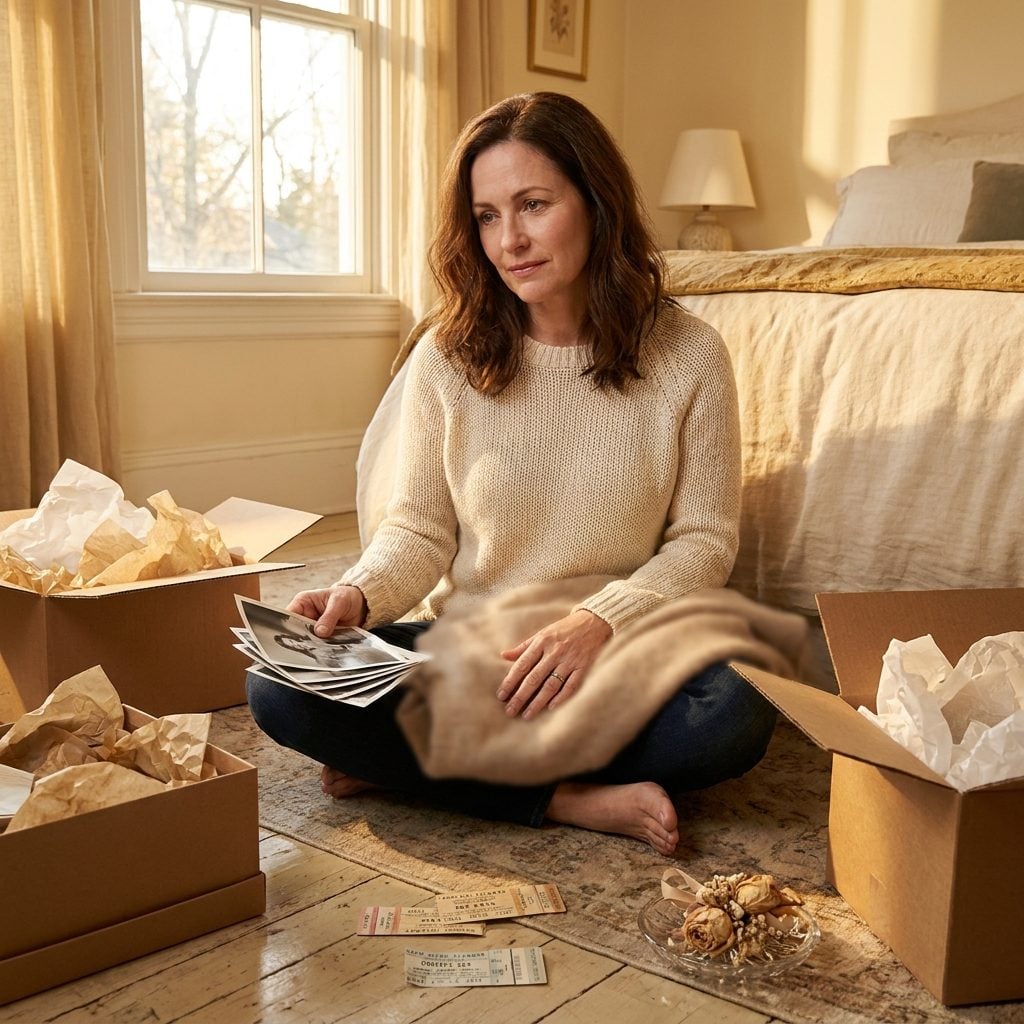
The dress is not the summer. The concert T-shirt is not the friend who moved. The ticket stub in the pocket is not the night itself.
Objects gain emotional weight from the people, places, and versions of self they represent. The garment becomes a stand-in because the original moment cannot be stored any other way.
What you kept may be a best friend, a six-month romance, a first apartment, or a version of your own laugh that has since become quieter. The clothing is the filing system. The important material is elsewhere.
Why the Version of You Who Wore It May Have Been Braver
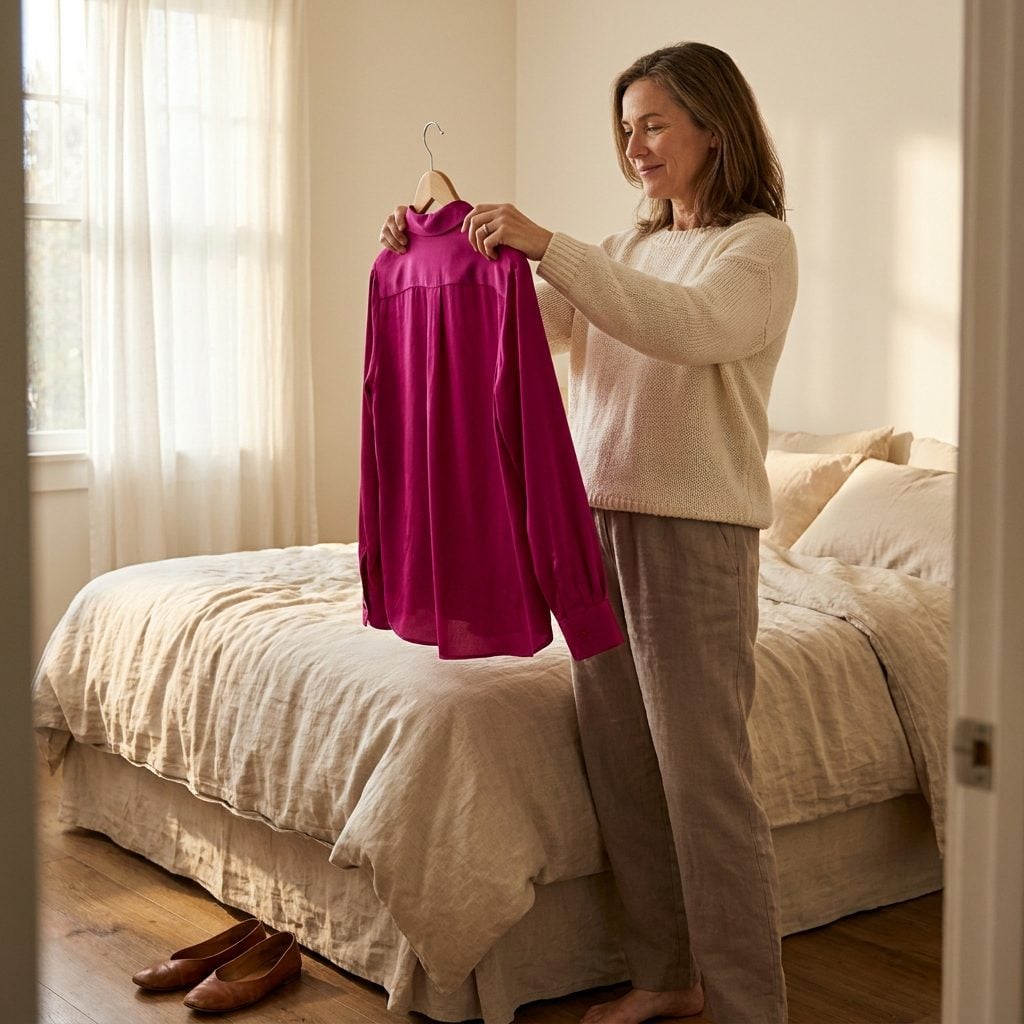
Look at the neckline you would never choose now. The color you later decided you could not pull off. The fit worn before you learned to audit every angle in the mirror.
Seventeen-year-old you put it on and walked outside. She may have been naive, confident, impulsive, or simply less guarded. Autobiographical memory is reconstructive, which means present beliefs can reshape the way we interpret our earlier selves.
The old garment offers another piece of evidence. Maybe she was not reckless. Maybe she trusted herself more quickly.
What It Says That You Kept the Ugly One
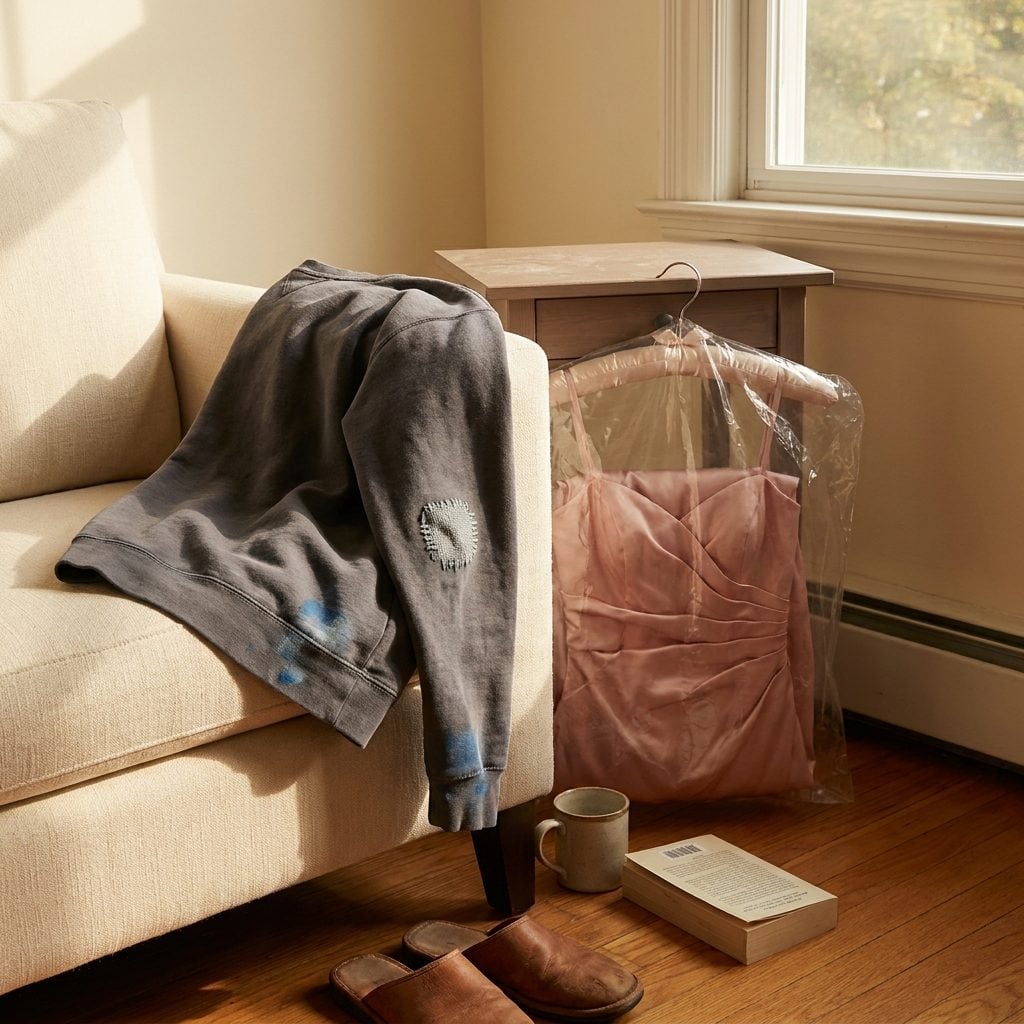
You did not keep the most flattering dress. You kept the sweatshirt with paint on the sleeve.
The pretty piece may have been admired mostly from the outside. The ugly one accumulated ordinary life: late-night drives, moving boxes, sick days, arguments, repairs, and hundreds of evenings too minor to photograph.
Attachment often deepens through use, effort, mending, and familiarity. The sweatshirt earned intimacy by being present. Keeping it says your private definition of value no longer requires agreement from an audience.
What Psychologists Learned From the Clothes of the Dead
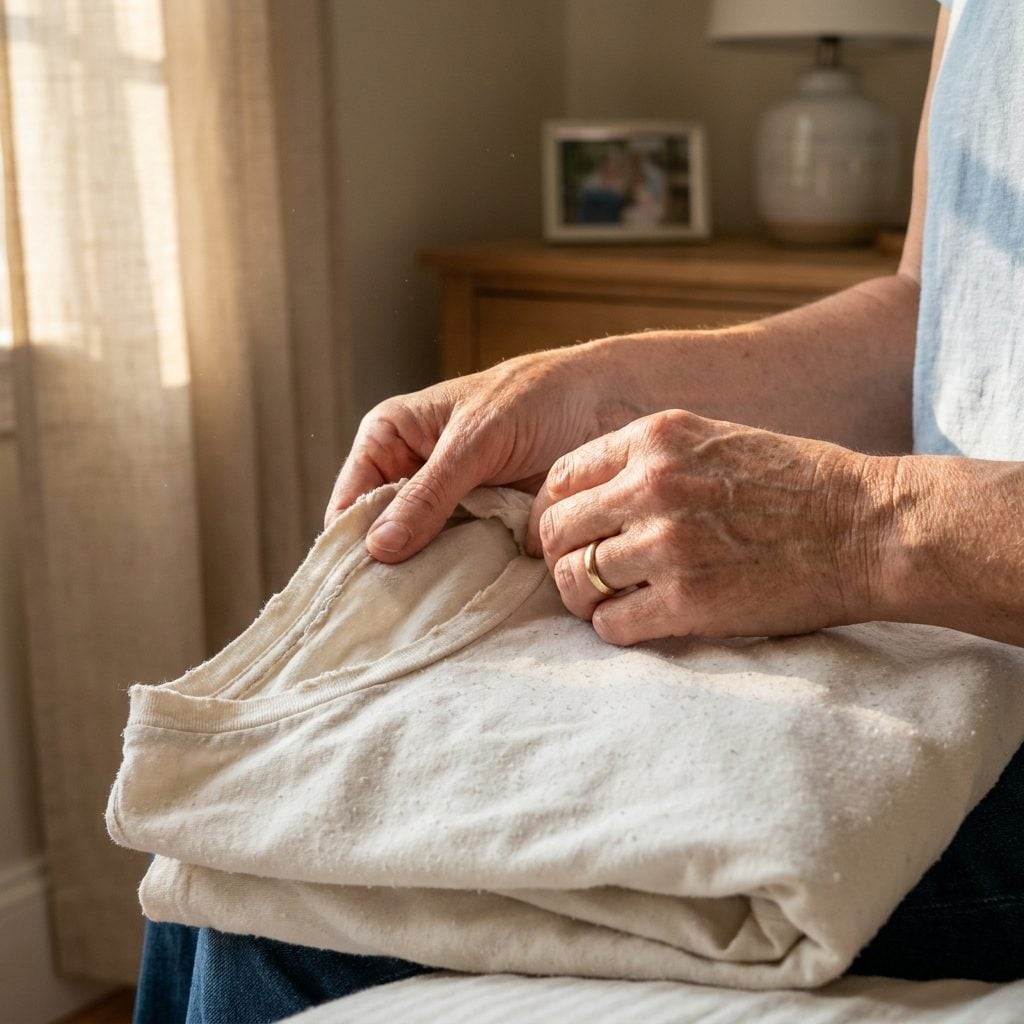
Bereavement research provides some of the clearest examples of what clothing can carry. A shirt may preserve a person’s scent, shape, habits, and physical presence long after the wearer is gone.
The concept of continuing bonds recognizes that maintaining a connection with someone who died can be a normal part of grief. Keeping or wearing a loved one’s clothing may be comforting for some people, although its meaning and effect vary widely.
A high school garment is not the same as a dead person’s shirt, but the comparison is useful: fabric can become a durable cue for a relationship, including the relationship a person has with an earlier version of herself.
Why You Will Never Wear It Again but Still Will Not Release It
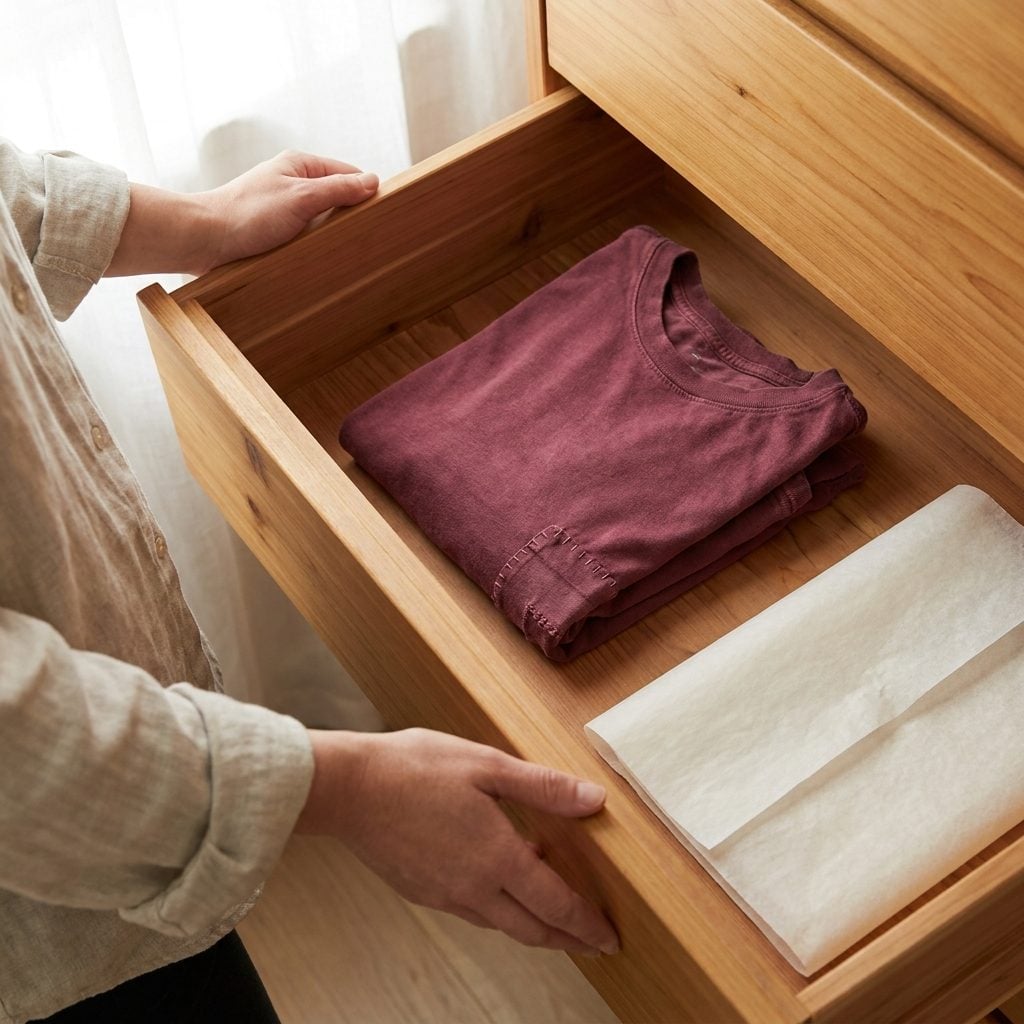
The armpits are worn thin. The color is a rumor. The fit belongs to a body with different priorities. You have not worn it in public since the Clinton administration, and you are not about to begin again.
The garment quietly changed jobs. It stopped functioning as clothing and became an artifact. That is why ordinary decluttering questions fail: Does it fit? Have you worn it this year? Would you buy it again?
Those questions apply to active wardrobe pieces. This one survives because it holds identity, memory, and continuity. Its usefulness is no longer measured in outfits.
What It Might Mean When You Finally Let It Go

One day you may pick it up and discover that it no longer produces the same response. It may simply feel like an old shirt.
That does not necessarily mean hidden psychological work has finished. Storage, damage, changing priorities, or the desire to pass something on can all make release possible. The important shift is that the memory no longer seems dependent on keeping the object.
Letting it go would not betray the person who wore it. Keeping it would not mean you were stuck. Either choice can be honest.
Until the decision becomes clear, the shirt is allowed to remain where it is.
The Bottom Line
The piece you kept may function as an identity-linked possession: a physical cue connecting who you were with who you became. It does not contain your memories, regulate every emotion, or diagnose an attachment style. It simply gives those memories somewhere visible to gather.
The better question is not why you still own it. Ask what it still helps you remember, and whether preserving the garment remains the best way to keep that part of your history close.