
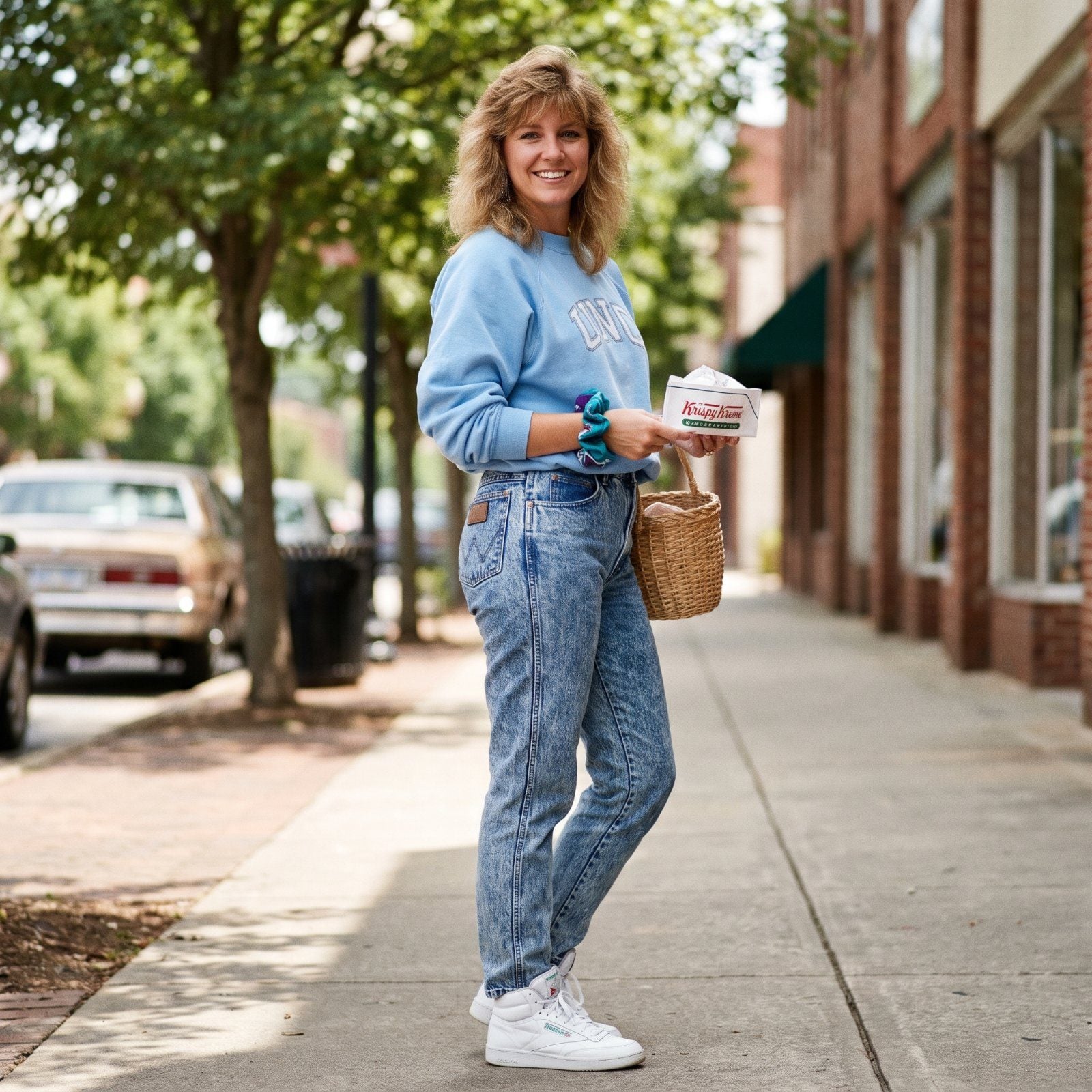
The whole state was stitched together with thread you could see on a map. Winston-Salem spun pantyhose into plastic eggs. Greensboro turned out the denim half of America walked around in. And Charlotte sent you off to school in your Belk best.
When the lights came up in Chapel Hill, Raleigh or the Charlotte Coliseum, what you wore said exactly which tribe claimed you. Here come the things that lived in North Carolina closets back then — the ones that still stop you cold when you spot them again.
FYI, thanks to AI imagery software, we’re able to create very specific fashion and hairstyle examples to illustrate the points being made. In some cases, imagery is exaggerated to hammer home the point. Also, assume links that take you off the site are affiliate links such as links to Amazon. this means we may earn a commission if you buy something.
14. L’eggs Pantyhose in That Plastic Egg (A Winston-Salem Original)
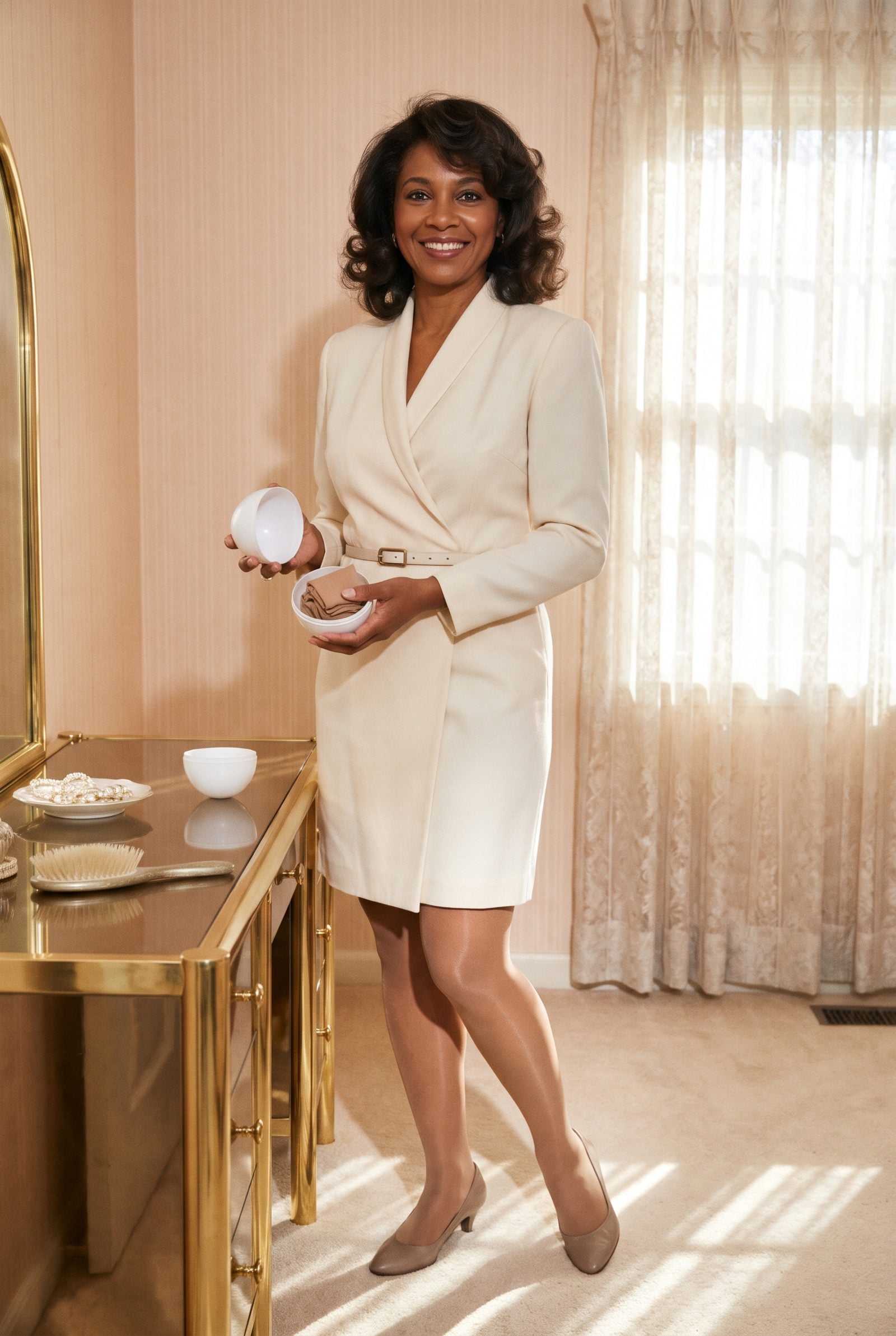
You cracked the egg open with that hollow plastic snap, then fished out a flat little nylon pancake that somehow stretched to fit a whole leg. L’eggs started in 1970 as a secret project in the basement of the Hanes factory right in Winston-Salem, and by the ’80s the egg sat next to the checkout at every Winn-Dixie and drugstore you walked into.
Nobody threw the eggs away. They became pencil holders, Easter baskets, button bins, doll cradles for whoever was small enough to care. Hanes swapped the egg for a cardboard package in the early ’90s, which is exactly why the plastic one lives so sharply in memory. It was yours before the pantyhose ever were.
Even a type designer hired to redraw the logo in 2024 recalled “I have vivid memories from my childhood of this logo, and the plastic egg packaging, so I was pretty intimidated”
What Our Readers Say
- Asked to name their style era, 66% of ThreadCurve readers picked timeless, well ahead of retro revival at 21%.
- In our reader polls, 87% of readers said they would rather stay classic than follow trends.
From ThreadCurve reader polls and votes.
13. Wrangler Jeans With the Yellow Stitching (Made in Greensboro)
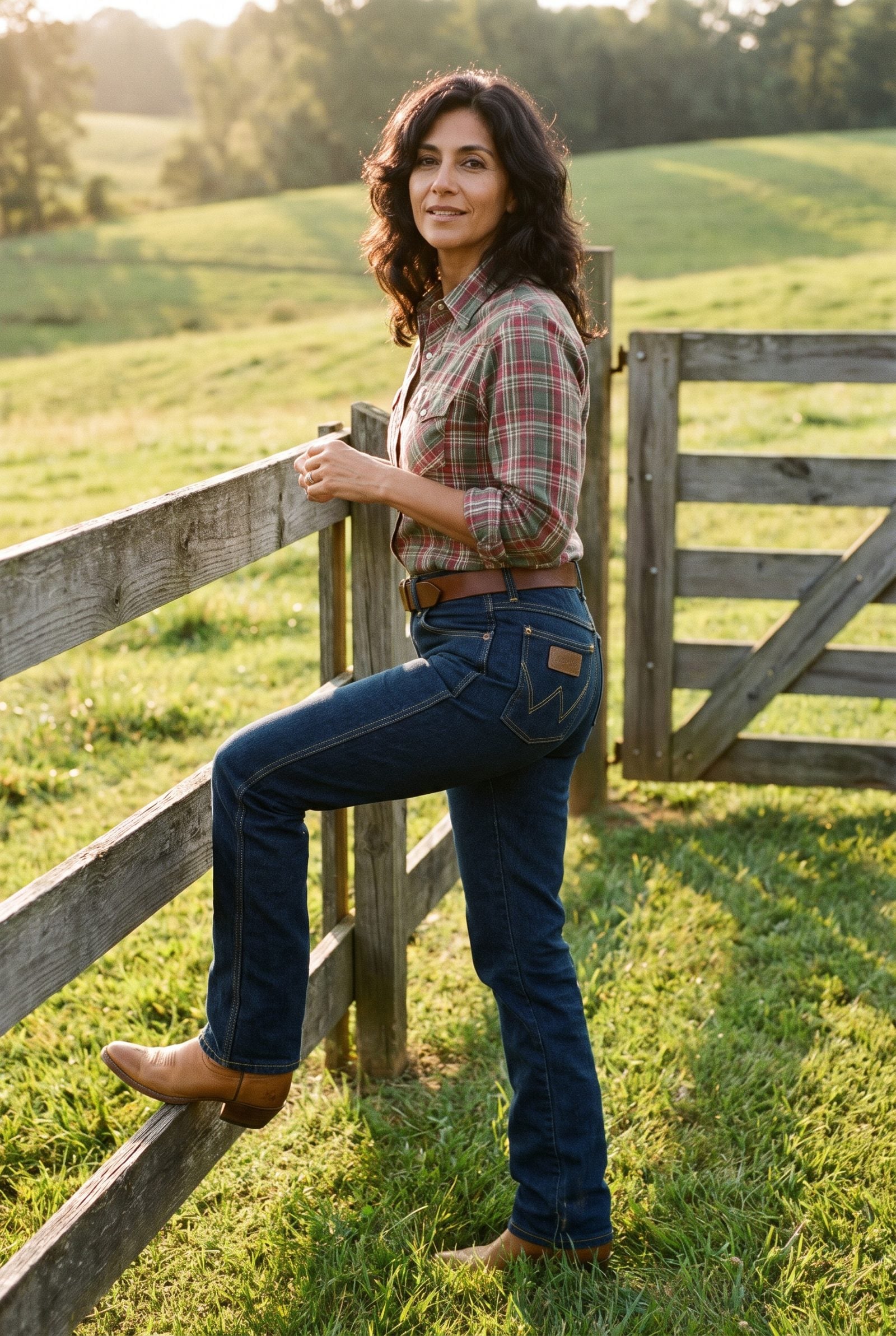
Flip the waistband and there was the leather patch, and if you grew up here you knew those jeans came from downtown Greensboro. Wrangler was born from Blue Bell Inc., the Greensboro apparel company that traced back to Hudson Overalls in 1904. Blue Bell picked up the Wrangler name in 1943 and never let go.
The straight indigo cut against those pearl-snap Western shirts read pure Carolina farm country and NASCAR infield at once. Wrangler still runs its headquarters out of downtown Greensboro. These were the jeans you wore to do something, not to be seen doing it.
12. Levi’s 501s Cut From Greensboro’s White Oak Denim
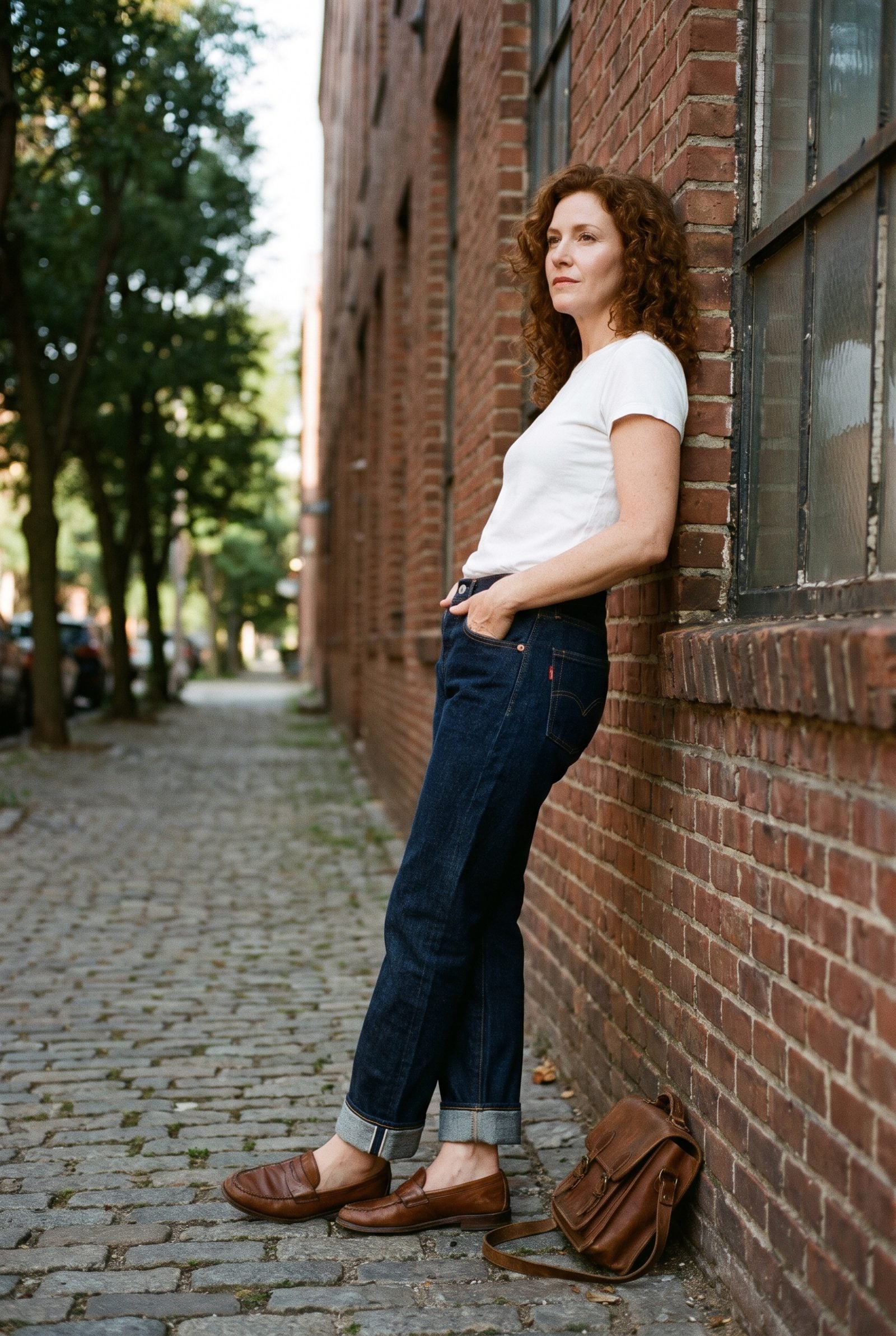
The copper rivets, the red tab, the button fly you fumbled with in a hurry. What most people never knew is that the denim itself likely came from Greensboro. Cone Mills opened its White Oak plant there in 1905, named for a 200-year-old white oak near the site, and it wove the selvedge denim for Levi’s 501s for decades.
Levi Strauss first came calling in 1915. White Oak became one of the last American makers of selvedge denim before it closed at the end of 2017. So that pair of 501s you broke in over a summer — dark and stiff until it softened to your exact shape — carried a piece of North Carolina in every seam.
Summing up the Greensboro mill’s place in jeans history, the denim mill’s chief executive said that “although it has innovated many denims, its biggest contribution is just being there right alongside all the U.S. companies that built the denim business. Cone is interwoven into the story of denim.”
Denim never really left: today, 59% of ThreadCurve readers say jeans are the everyday bottoms they would buy, well ahead of trousers at 28%.
11. The Easter and Back-to-School Outfit From Belk
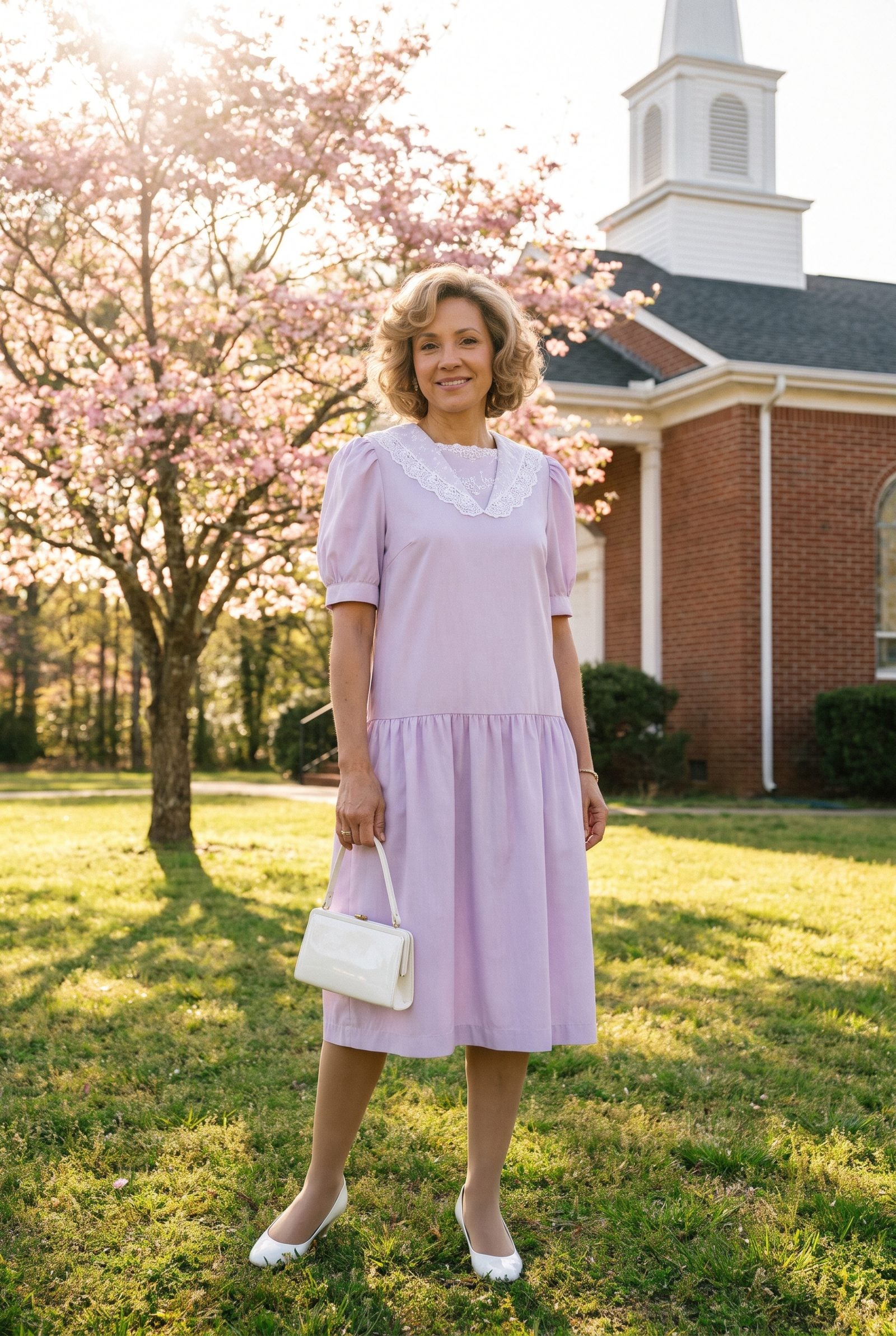
There was a whole ritual to it. You went to Belk for the Easter dress or the first-day-of-school outfit, and you did not leave until something fit just right under fluorescent light while your mother squinted at the hem.
William Henry Belk started the company in Monroe in 1888 with a tiny shop called the New York Racket. By 1895 he’d opened in Charlotte, which became home base, and Belk grew into the largest privately owned department store organization in the country. For generations of North Carolina kids, a new outfit from Belk was the official signal that something mattered: church, picture day, the first bell of September.
10. A Dress or Blouse From Cato, Charlotte’s Everyday Dress-Up
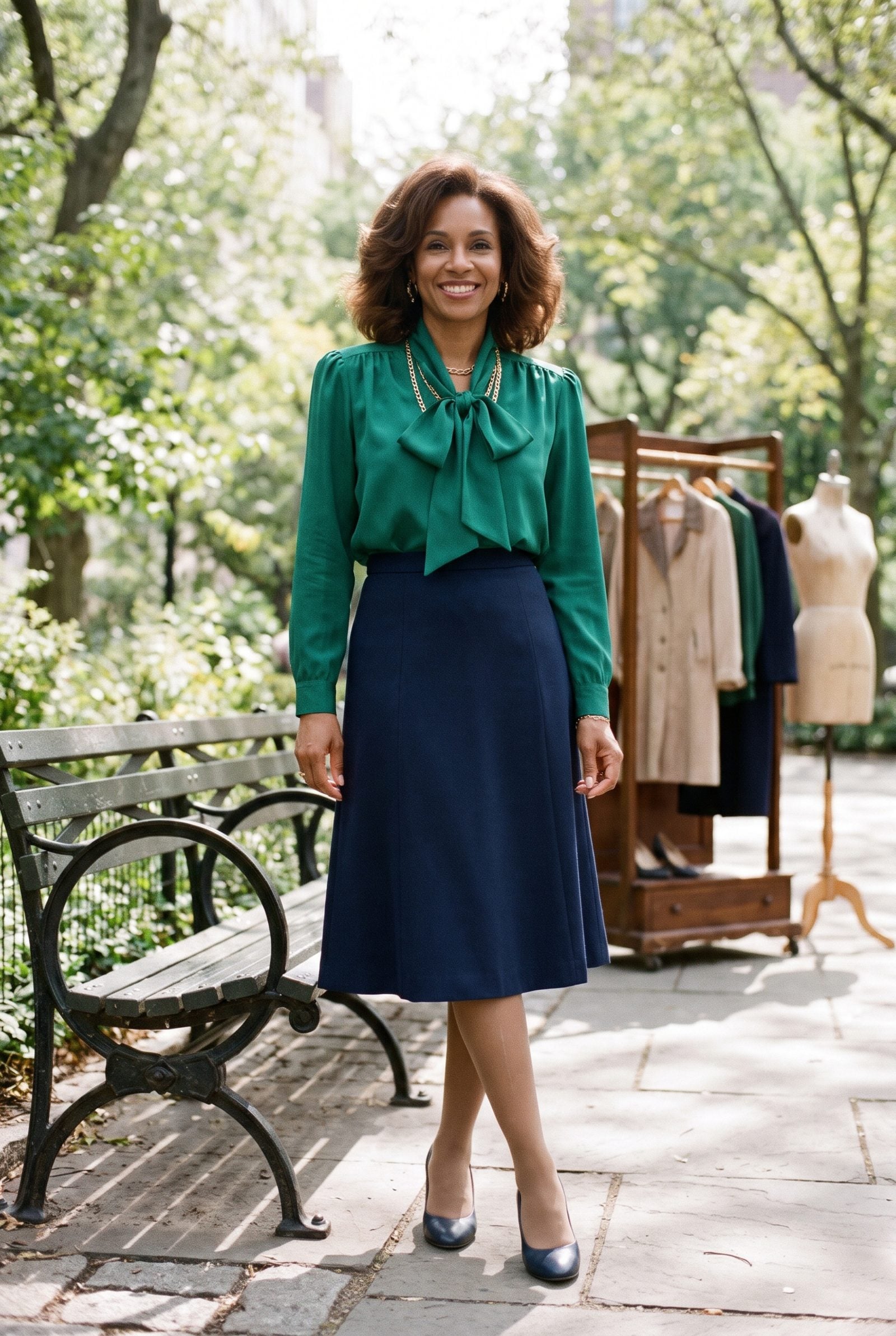
The pussy-bow blouse, the shoulder pads that gave you a frame whether you wanted one or not, the gold costume chain that came with it. Cato dressed half the state for occasions that weren’t quite Belk-level but still called for effort.
Wayland Cato founded the chain in 1946, headquartered in Charlotte, and it leaned into dressy, career and casual clothing plus dresses, shoes, costume jewelry and handbags all under one roof. It was where you pieced together a whole holiday look without wrecking the budget.
9. Bargain Finds From Rose’s, Henderson’s Five-and-Dime

You went in for one thing and came out with socks, a notebook, a cheap plastic hair comb and a pack of underwear, all for less than you expected. Rose’s did that to everybody. Paul Howard Rose opened the first one in Henderson in 1915, originally called Rose’s 5¢ 10¢ 25¢ Stores, and the chain is still headquartered there today.
It kept a growing kid clothed between the bigger shopping trips. UNC’s Wilson Library even holds the company’s records going back to 1919, which feels about right. A store that outfitted this much of North Carolina deserves an archive.
The in-person store trip still has its fans, too, since 63% of our readers say they would rather shop in store than online.
8. Charlotte Hornets Teal and Purple (The Pinstripes Nobody Else Had)
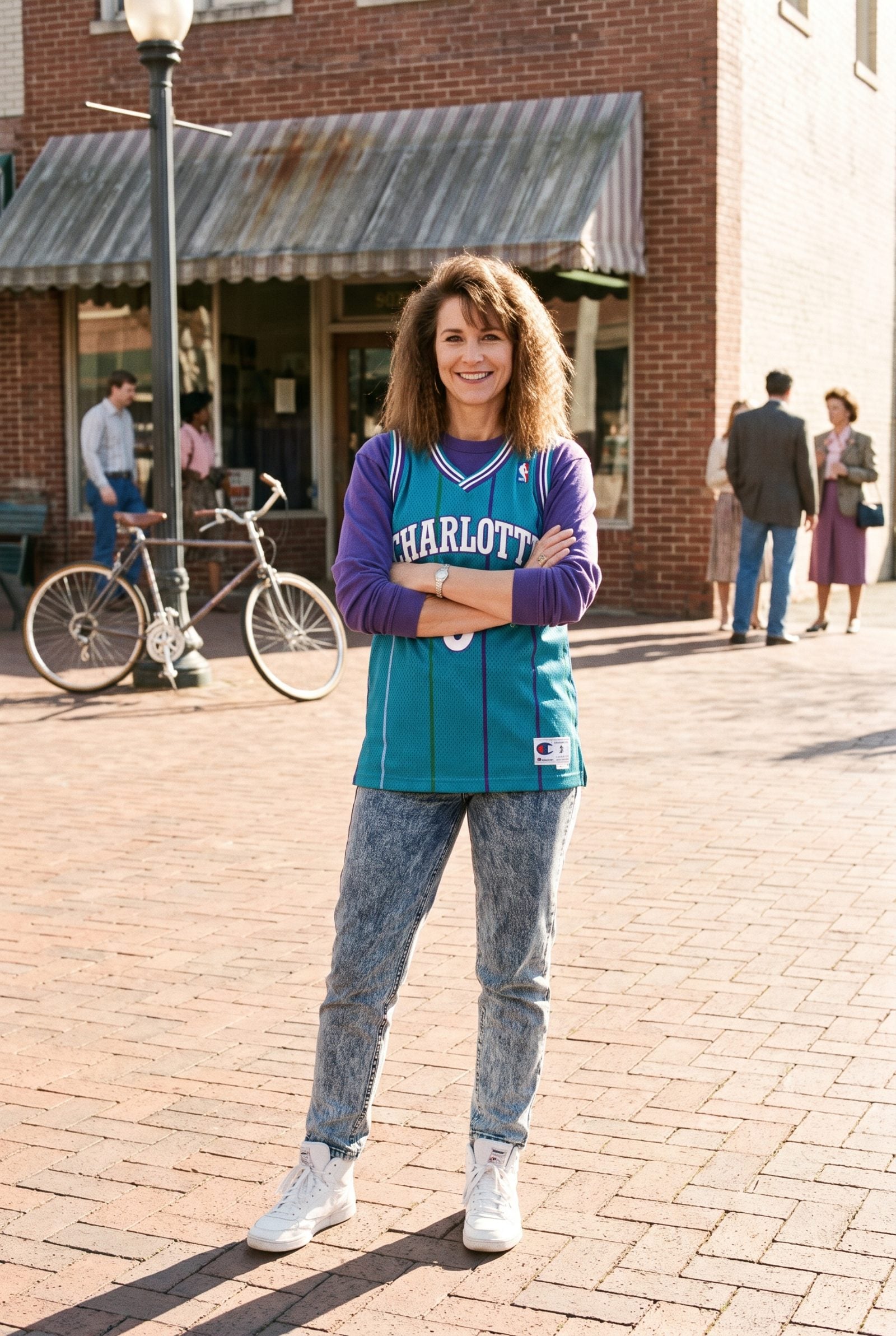
Teal and purple. Together. On a basketball team. Nobody had seen anything like it, and that’s exactly why it stuck. The Hornets were founded in 1988, and Chapel Hill-born menswear designer Alexander Julian picked those colors and added pinstripes no NBA team had ever worn.
Their very first game on November 4, 1988 was a tuxedo-and-evening-gown affair, which tells you how much Charlotte cared. The combination spread into fashion well beyond basketball. If you were a kid here then you wanted a piece of it, and that color pairing still reads unmistakably Charlotte.
Explaining the color choice, the menswear designer behind them said “Teal and purple are two of my signature colors. I use them because they look good on every skin tone. And they were not in the NBA at that time.”
7. The Carolina Blue Tar Heels Sweatshirt
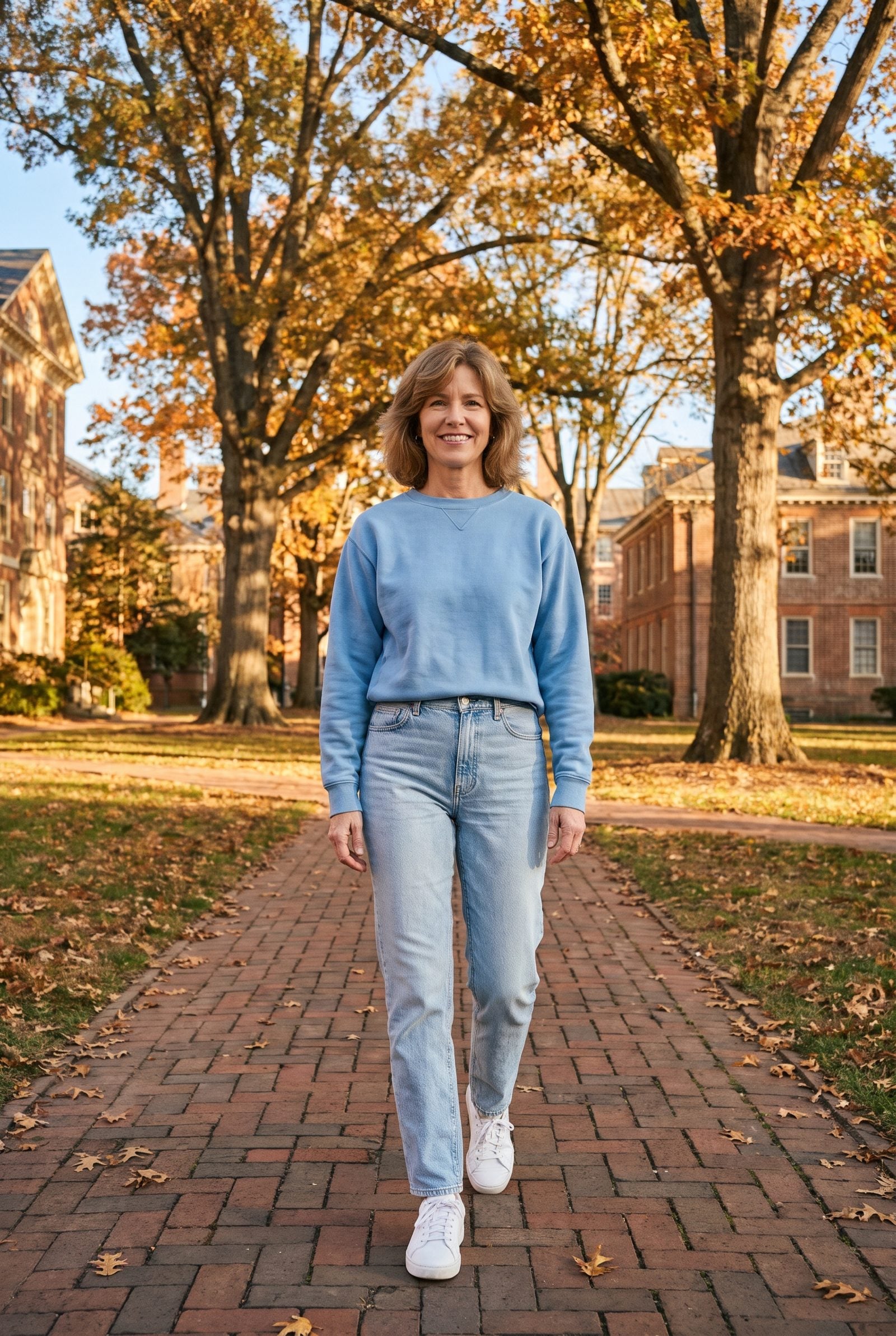
The soft cotton kind that got better with every wash, worn until the cuffs frayed. In this state, Carolina blue wasn’t a color choice so much as a loyalty oath — and in the ’80s it carried extra weight.
On March 29, 1982, UNC freshman Michael Jordan hit the winning shot against Georgetown to take the national title, 63-62. He’d played high school ball at Laney High in Wilmington, so he was one of ours twice over. That sweatshirt meant something after that night. A soft, washed-out piece of pride you could pull on over anything.
6. NC State Wolfpack Red After the 1983 Miracle
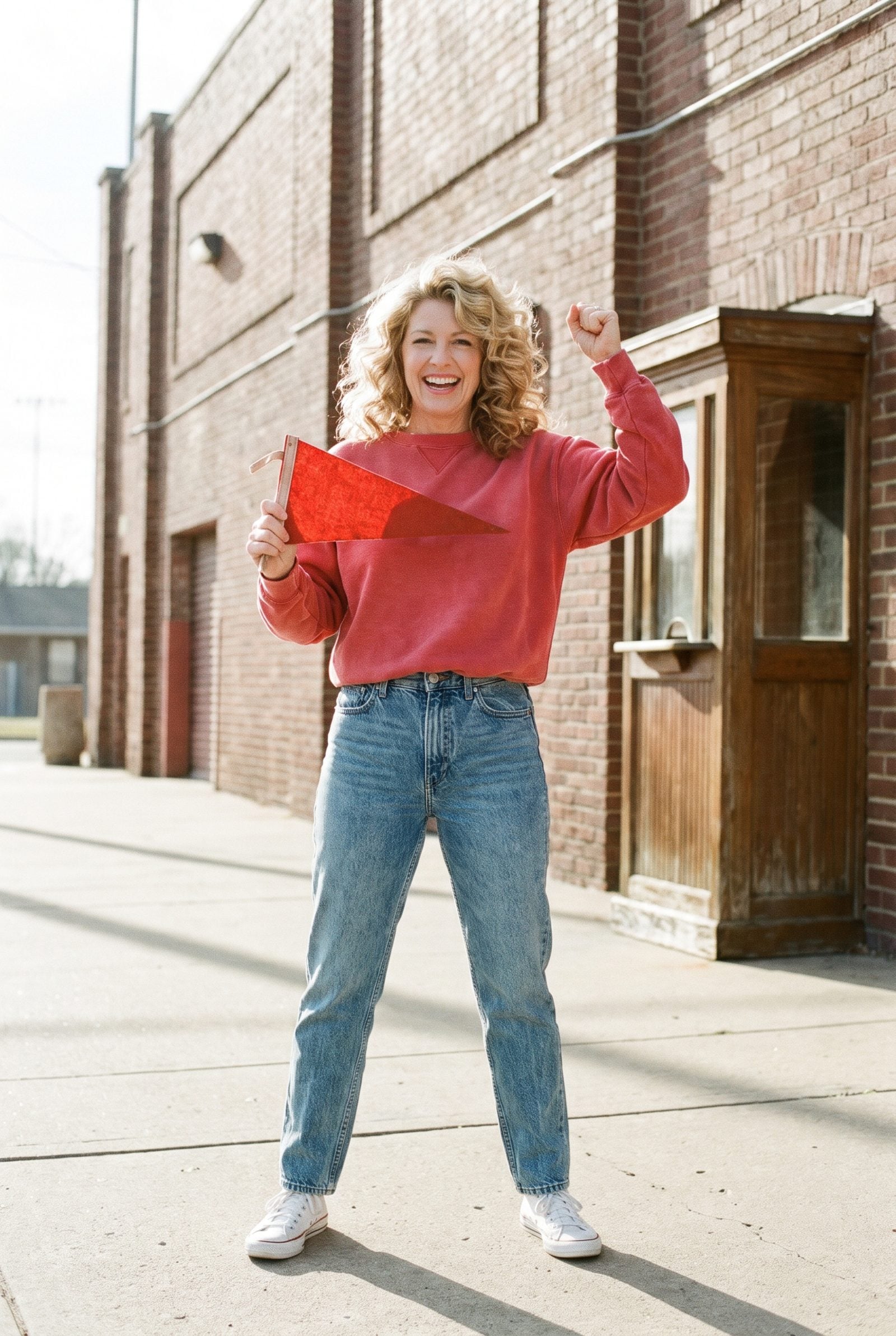
Nobody picked them. That was the whole thing. In 1983 Jim Valvano’s NC State team won the school’s second national championship, and the title game ended when Lorenzo Charles caught Dereck Whittenburg’s short airball and dunked it as the buzzer hit.
Valvano ran across the court looking for someone to hug, and the whole state saw it. After that, Wolfpack red wasn’t just a school color — it was the color of the thing nobody saw coming. A red sweatshirt pulled on the next fall carried that underdog swagger, and anyone who was there knew exactly why you wore it.
5. Dale Earnhardt’s Black No. 3 Goodwrench Gear
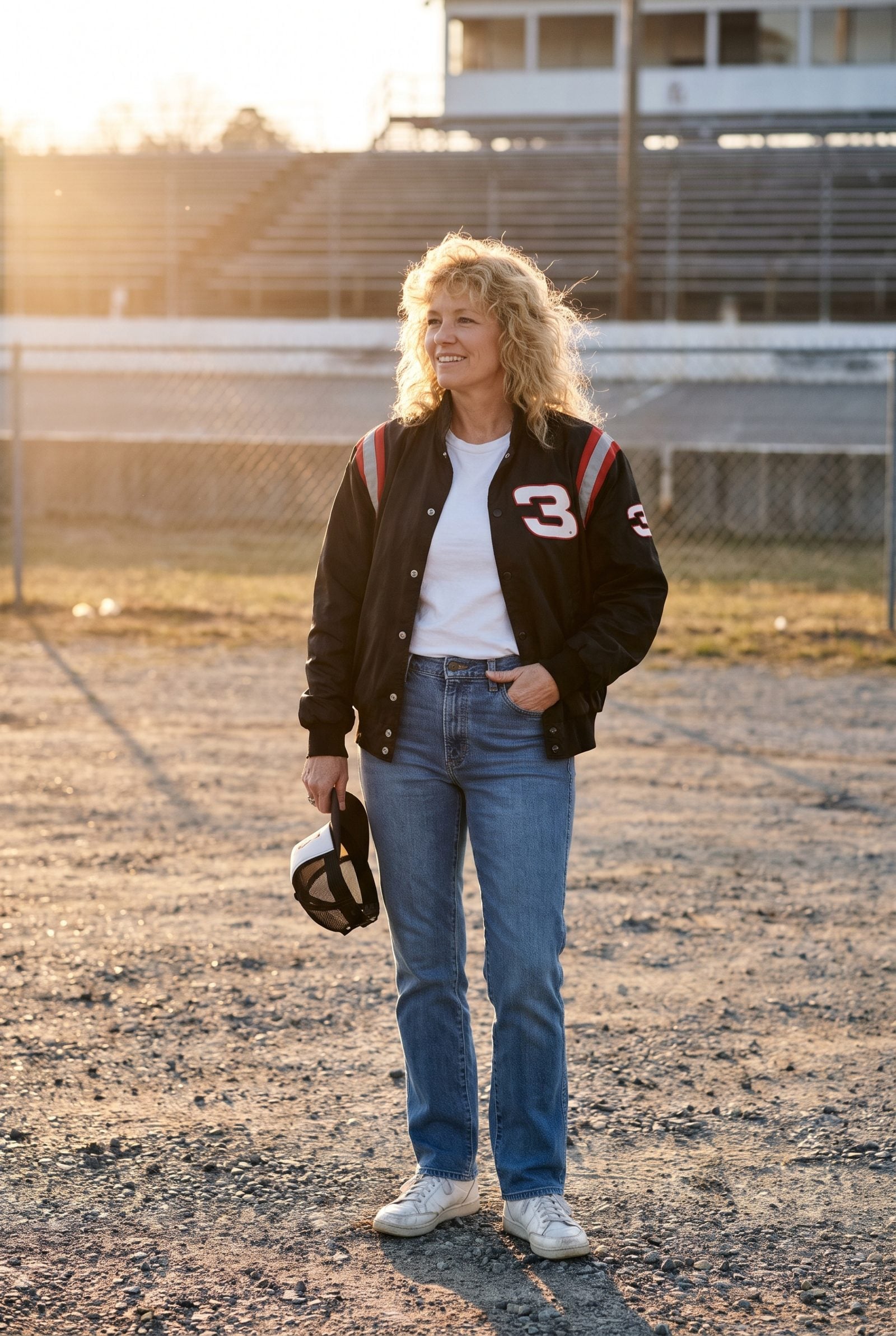
The black was the whole point. When Goodwrench came on as sponsor in 1988, the car went dark and stayed that way, and every kid in a Carolina driveway understood exactly what it meant. You didn’t need the name. The number 3 and that flat, intimidating black said it all.
The jacket worked because it refused to decorate itself — one number, a couple of stripes, done. That restraint is why it still reads tough instead of busy, and why a woman can throw it over a white tee and jeans today and look like she means business. Four of his seven championships came in those colors.
4. Richard Petty’s STP Red and Petty Blue
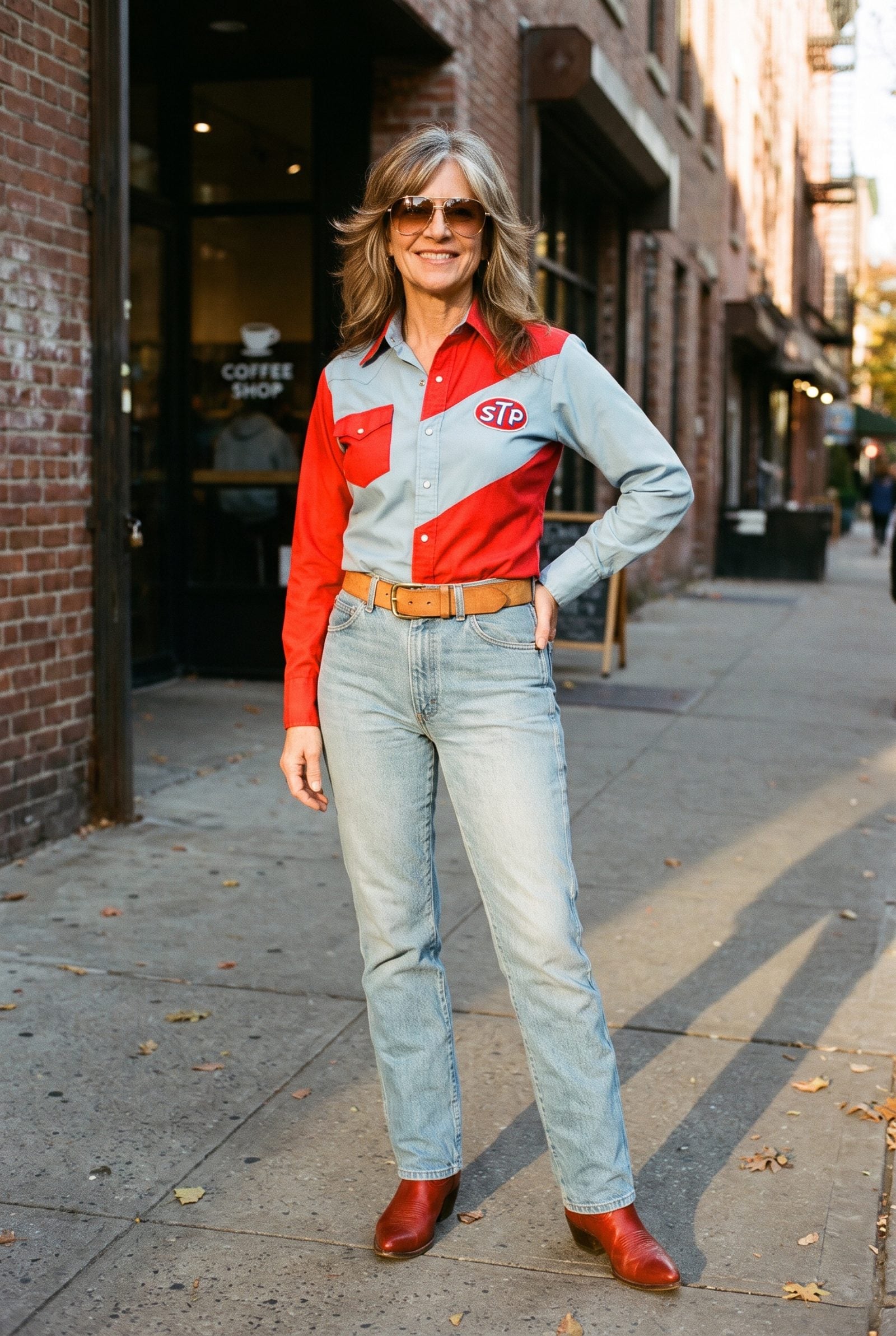
Everybody in North Carolina knew that blue. Petty blue — that soft faded sky color nobody else dared to run — paired with STP red and the number 43. The King came up out of Level Cross, born there in 1937, racing out of the shop his father Lee built, and anyone growing up nearby took a particular pride in that.
The color pairing is why the merchandise still sings. Red and that pale washed blue sit next to each other and vibrate a little, a contrast too specific to copy. Split them across a snap shirt and the whole thing feels like a flag for a place.
3. A Krispy Kreme Paper Chef’s Hat
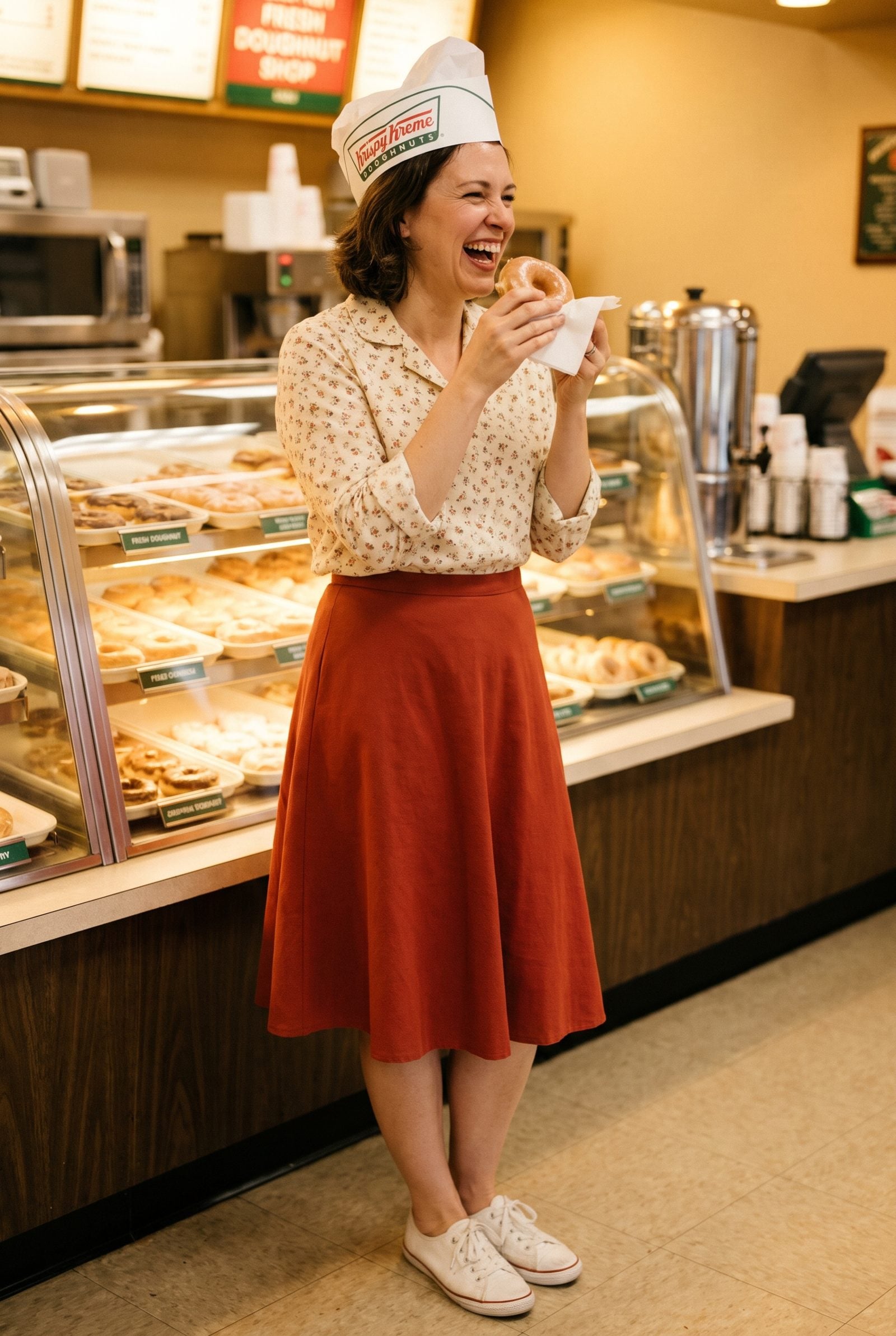
It wasn’t a garment at all — it was a paper hat you got for free, folded flat, logo stamped on the band, and half the fun was wearing it out to the car. The first Krispy Kreme opened in Winston-Salem on July 13, 1937, and for decades those little hats sat by the counter waiting to be claimed.
Kids wore them. Grown-ups wore them too, with no shame about it. One sits in UNC’s North Carolina Collection Gallery now, which tells you something about how a freebie becomes part of a state’s memory. It never fit right. That was never the point.
2. A Shag-Dancing Outfit for the Beach Club
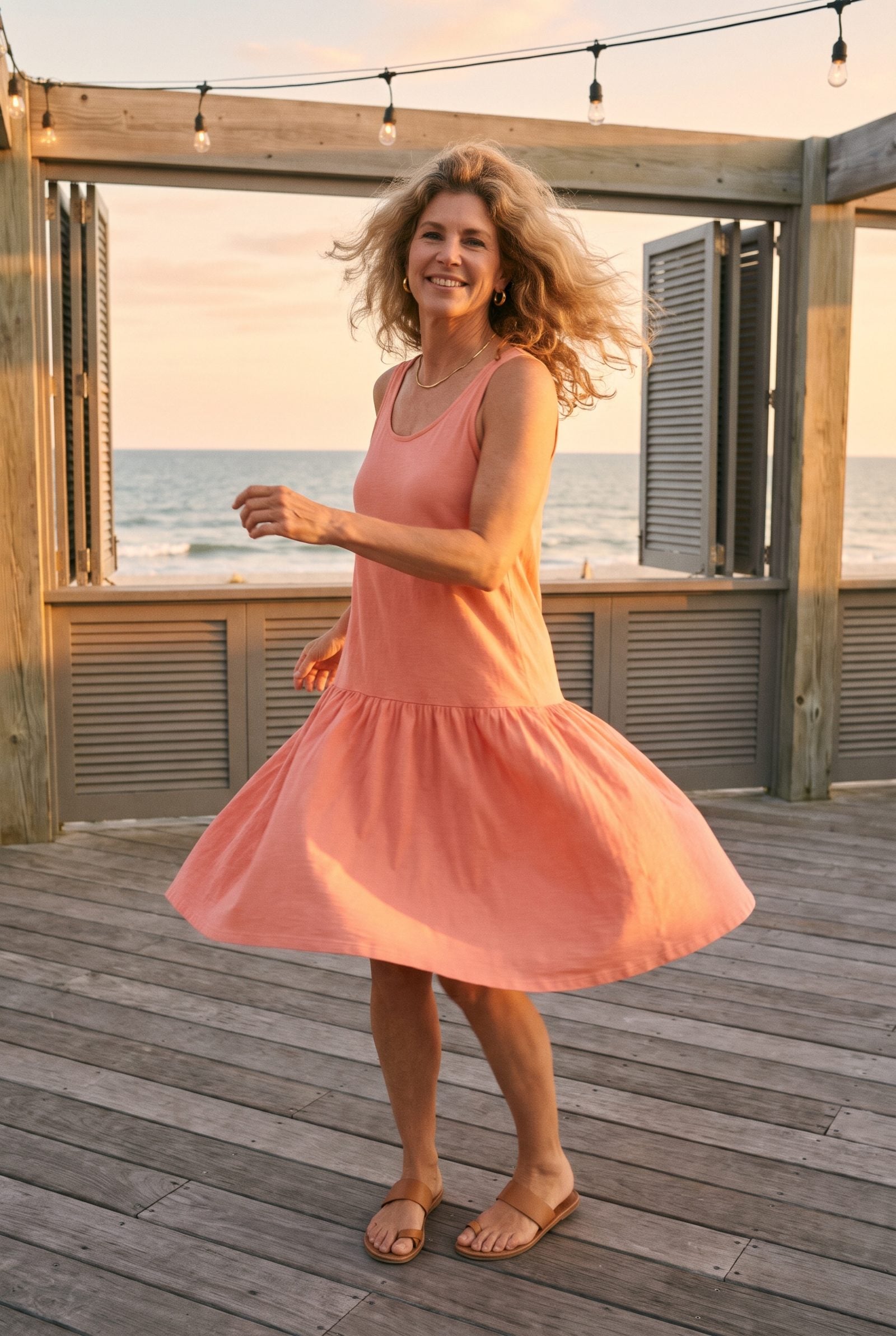
You dressed for the floor, not the photo. The shag started at open-air beach parties back in the thirties and forties, and the clothes followed the feet — something light, something that moved, flat soles that could pivot on worn wood without catching.
North Carolina named shagging its official popular dance in 2005, which felt less like a decision and more like paperwork catching up to what everyone already knew. The outfit runs on motion. A full skirt that swings on the turn, sandals you can slide in, nothing that fights your footwork. Call it the festival look of a different generation, built for salt air and a slow ocean breeze.
On choosing shag shoes, a longtime beach shoe retailer explains, “A sole that feels right on one surface may feel different on another. Too much grip can make turns feel restricted, while too little traction can feel insecure.”
1. Mountain Flannel From Mast General Store
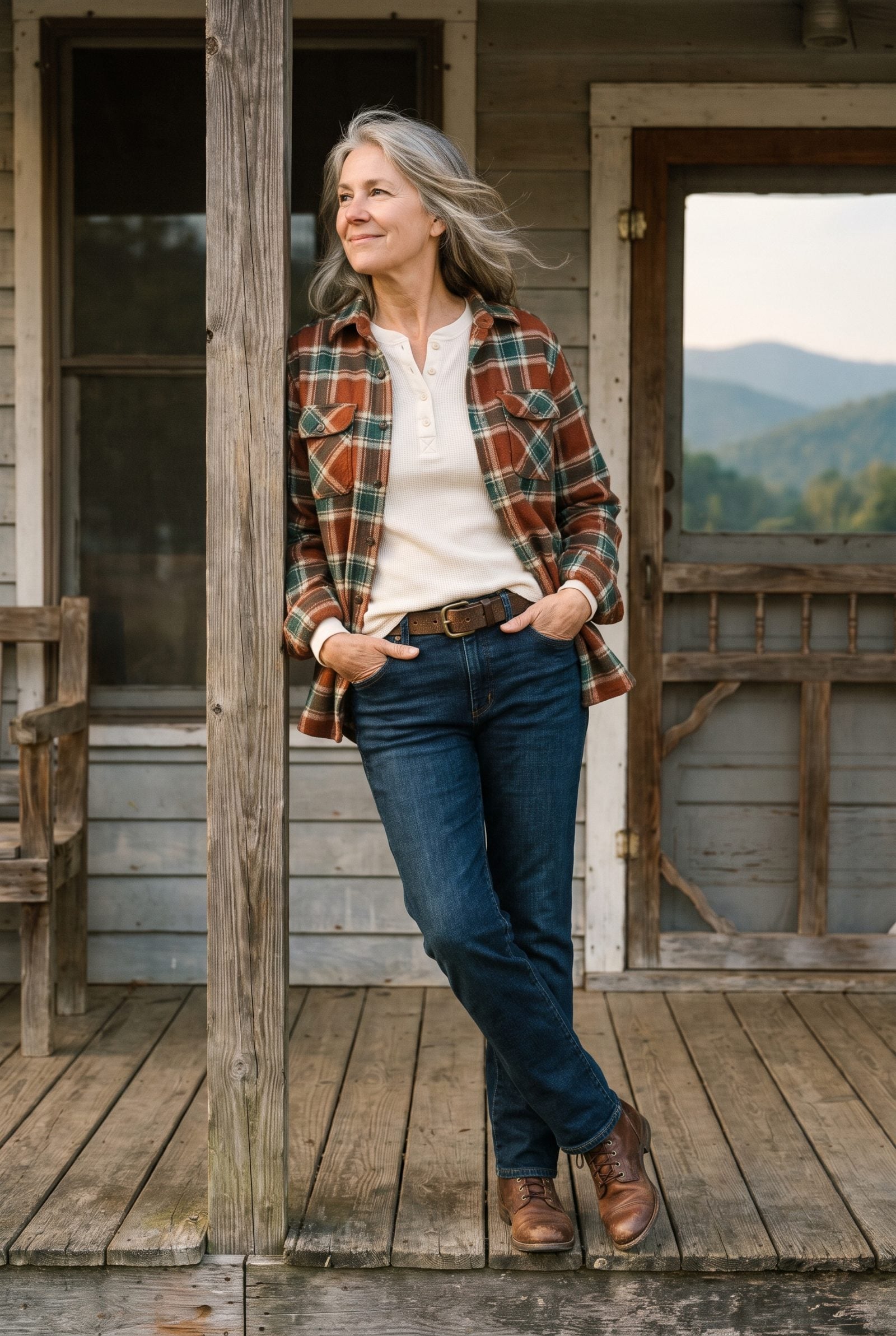
The flannel from Mast was the heavy kind — thick brushed cotton that smelled faintly of the old wooden store, bought off a shelf in a building that has been selling to mountain families since before most of us were born. The original store in Valle Crucis sits on the National Register of Historic Places, and the post office reopened right inside it in October 1980.
A rust-and-green flannel does quiet work. The texture carries it, that soft nap against dark denim, nothing shiny, nothing trying. It says here’s someone who dresses for weather and terrain, not for a mirror.