
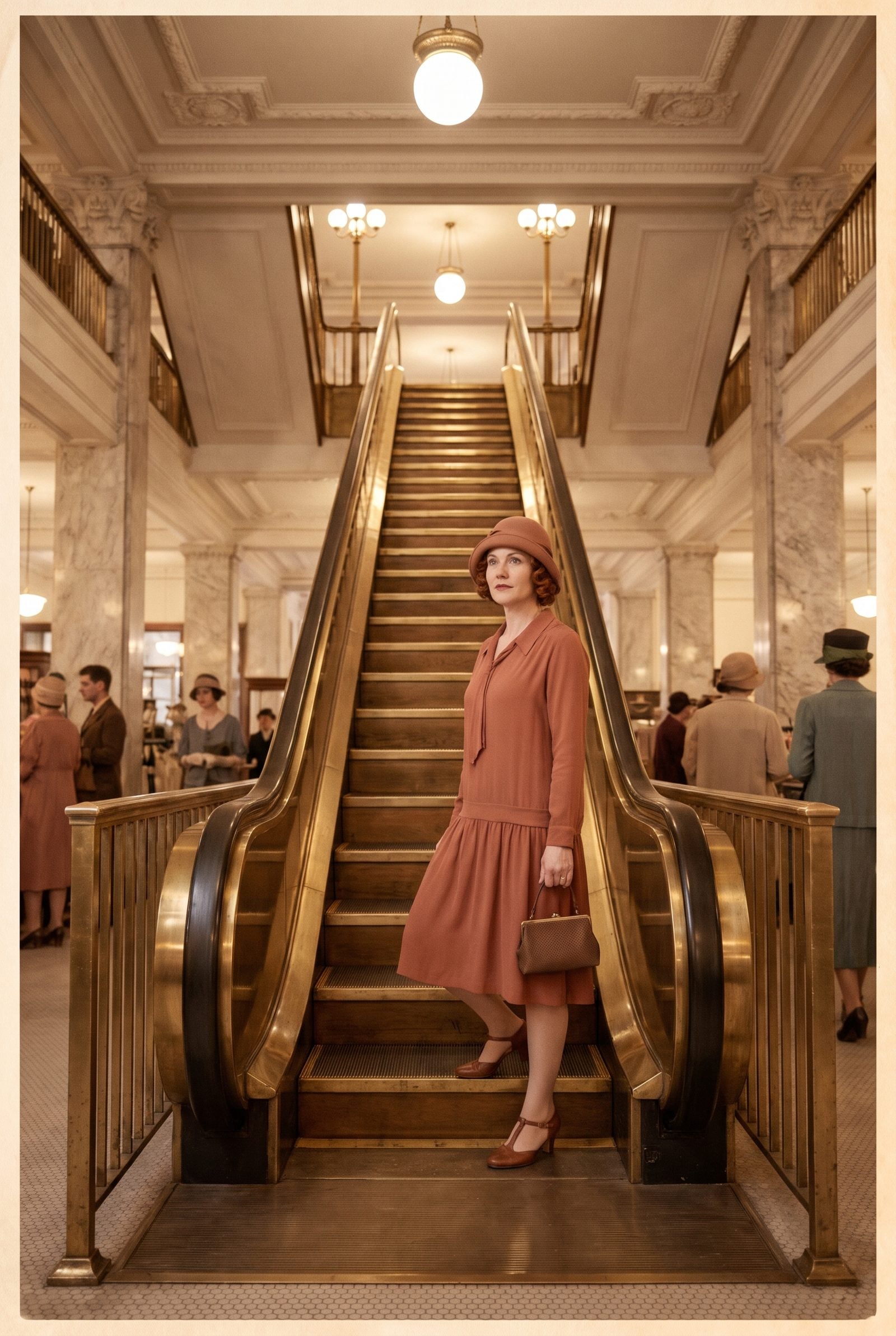
The escalator at the Raleigh store moved slow enough that you could study the whole floor on the way up. Gloves on. A hat you’d chosen that morning, and the smell of face powder drifting from the cosmetics counter toward the elevator man who wore white gloves of his own.
These stores anchored downtown before the malls pulled everyone out to the parking lots. They dressed the Carolinas for weddings, funerals, first days of school and Christmas mornings. Every one below is gone now. The buildings mostly stand; the names mostly don’t.
FYI, thanks to AI imagery software, we’re able to create very specific fashion and hairstyle examples to illustrate the points being made. In some cases, imagery is exaggerated to hammer home the point. Also, assume links that take you off the site are affiliate links such as links to Amazon. this means we may earn a commission if you buy something.
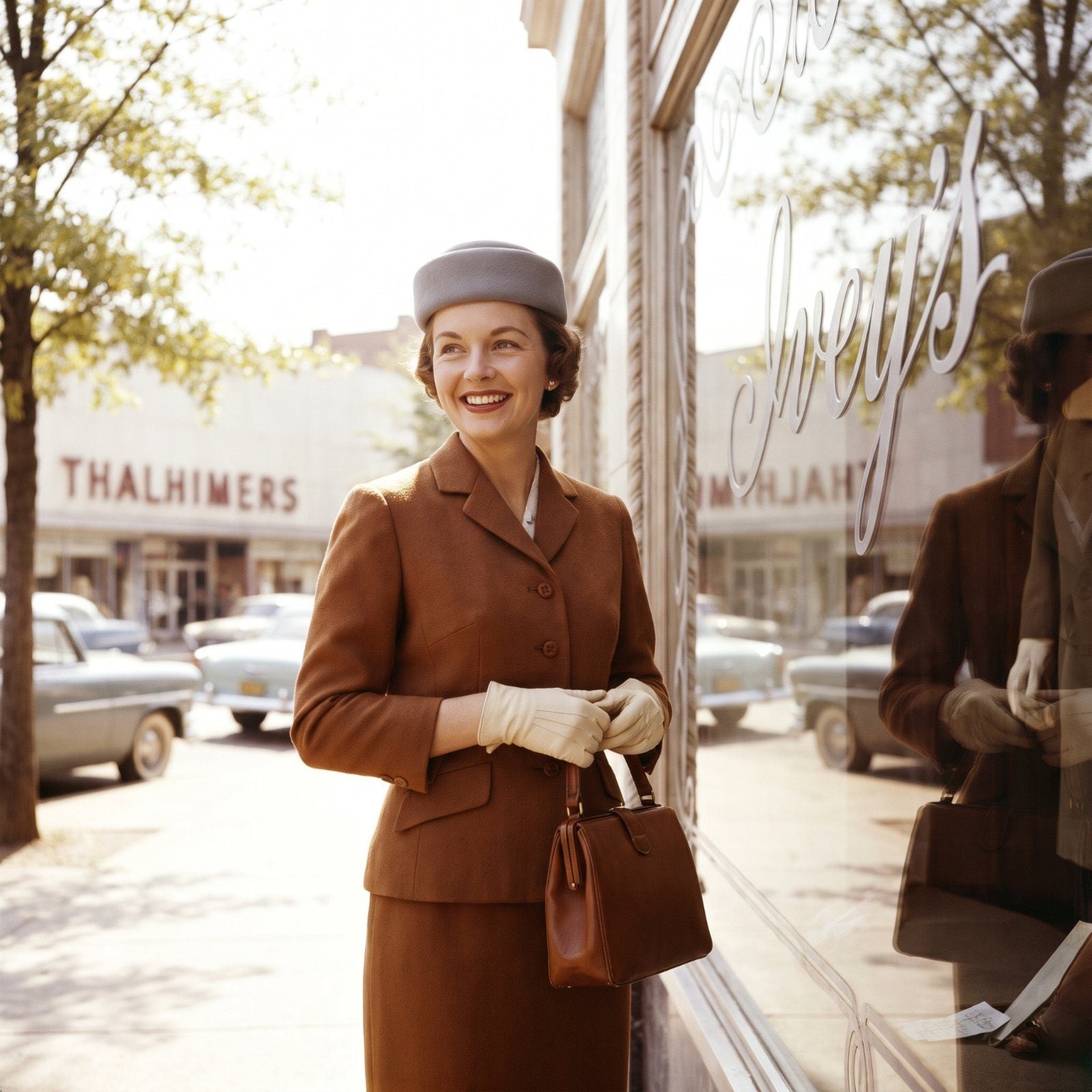
11. Ivey’s, The Charlotte Store That Killed the Haggle
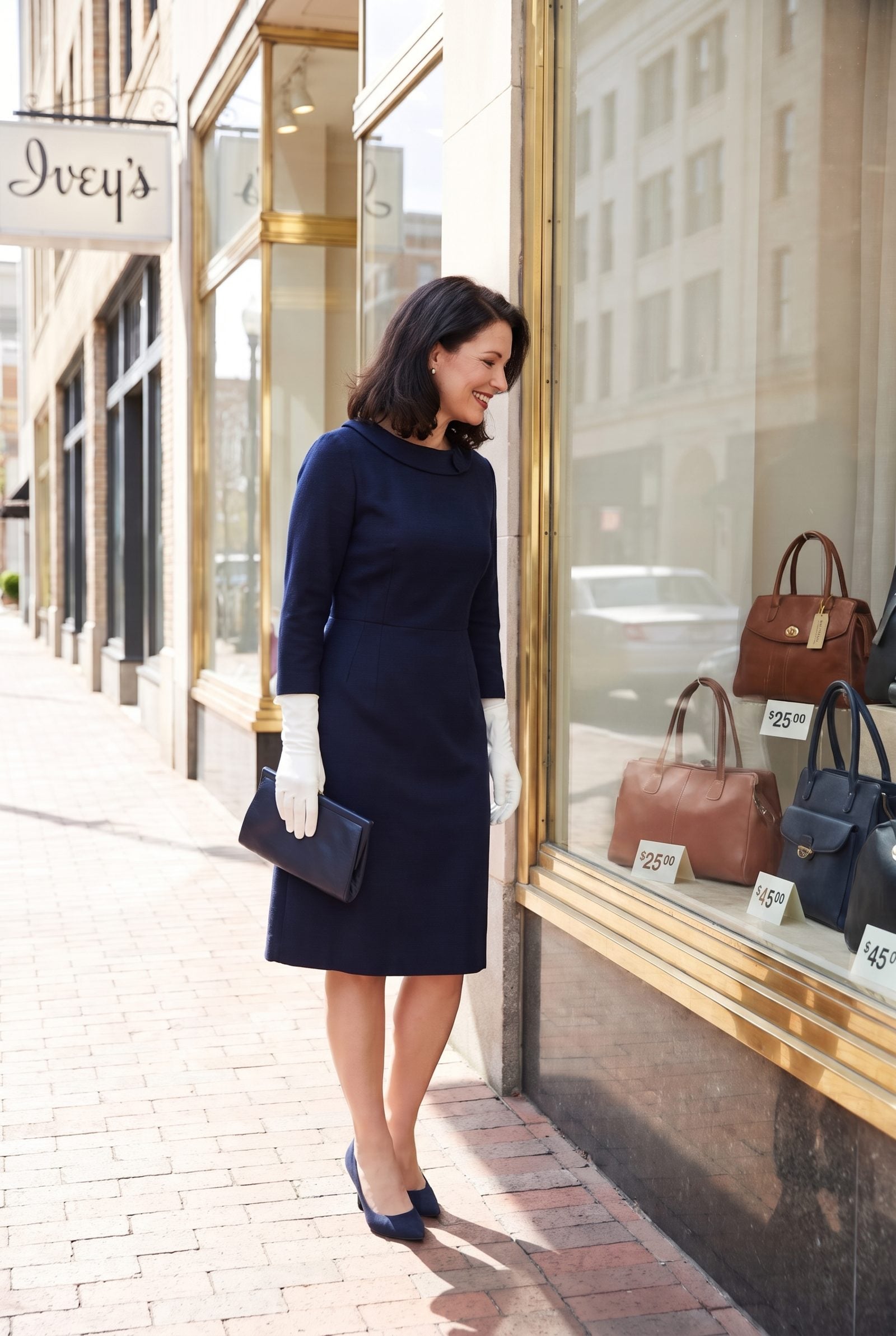
J. B. Ivey opened at 231 North Tryon Street in Charlotte in 1900, and the radical thing he did wasn’t the merchandise — it was the price tag. One price, printed, no haggling. You paid what it said, and you could pay it over time with installment buying. For a shopper used to negotiating, walking in and simply knowing the cost was its own kind of luxury.
By World War II, Ivey’s had a name for quality even with Belk and Efird’s a few doors down. It opened in Asheville in 1937, then spread across the Carolinas and into Florida.
10. Thalhimers in Winston-Salem, The Store Everyone Still Called Sosnik’s
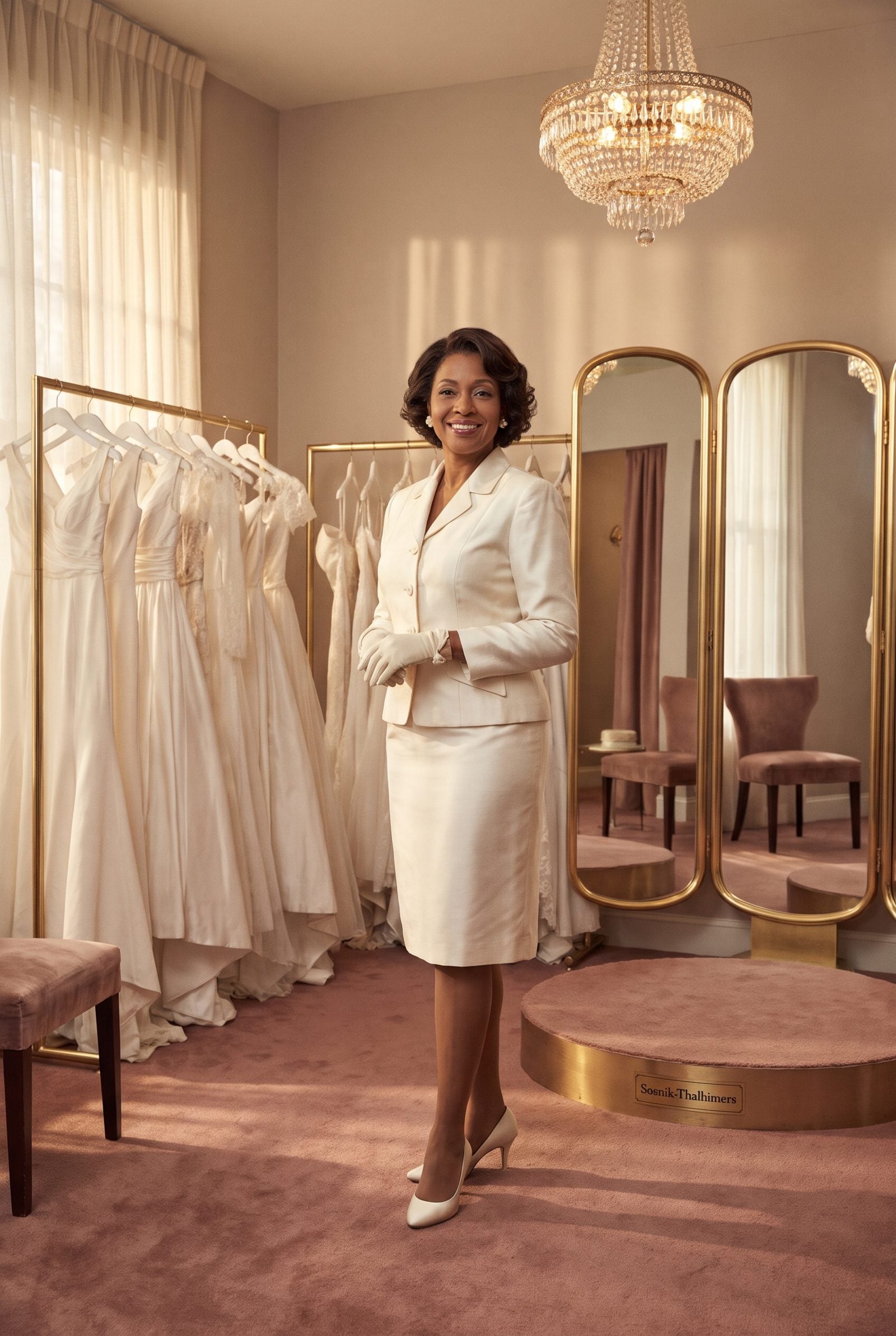
By 1920, Morris and Samuel Sosnik were running a women’s ready-to-wear store on Liberty Street in Winston-Salem. By 1930 it had moved to 500 West Fourth Street, and in 1949 Raymond Loewy Associates gave the building a sleek remodel. That same year it merged with Richmond’s Thalhimers, and it officially took that name in 1953.
Nobody listened. For years, locals still called it Sosnik’s.
Inside were a third-floor beauty salon, the bridal gowns, the Villager Shop on two, an elegant ladies’ lounge, and the candy and budget departments tucked in the basement. The building made the National Register in 1984 as the Sosnik-Morris-Early Commercial Block. The chain itself folded into Hecht’s in February 1992.
9. Efird’s, Home of the Southeast’s First Escalator
Hugh Martin Efird opened the Beehive on East Trade Street in Charlotte in 1902. By 1907 it was Efird’s Department Store, and on September 7, 1923, it opened a store on Tryon Street directly across from Ivey’s.
That store had the first escalator in the Southeast. Charlotte shoppers rode a moving staircase while much of the region was still climbing stairs. Let that one sink in.
Efird’s aimed at the middle-income shopper and grew to more than 50 stores across the Carolinas at its peak. Belk bought it in 1956, and the last Efird’s closed in Smithfield in 1979.
What Our Readers Say
- Online shopping hasn’t won everyone over: in our reader polls, 63% of ThreadCurve readers said they prefer to shop in store, versus 37% online.
- ThreadCurve readers who prefer buying fewer, better things were more likely to pick timeless as their era: 84% did, versus 56% of other readers.
From ThreadCurve reader polls and votes.
8. Ellis Stone, Durham’s High-End Name Since 1887
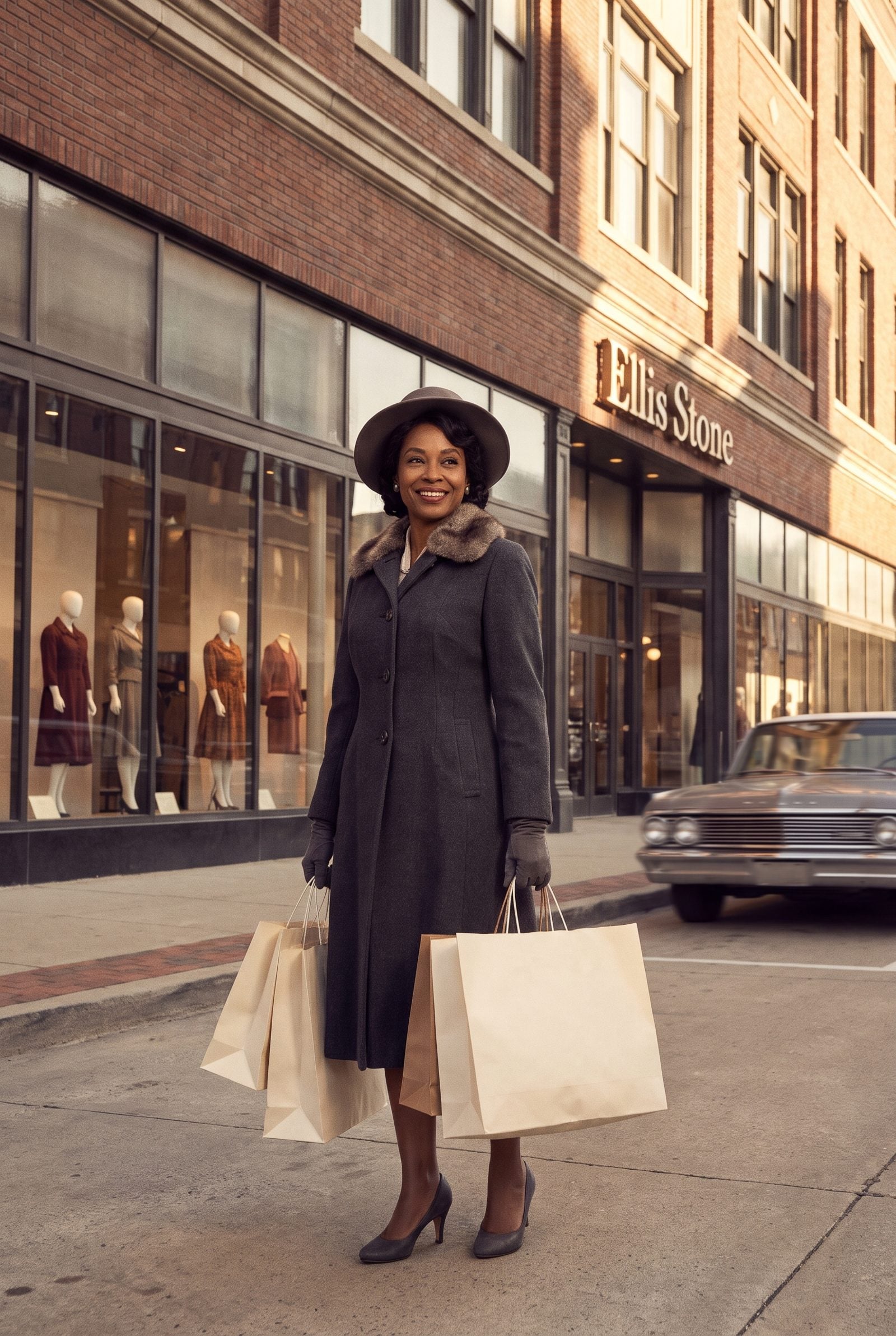
Ellis-Stone had been on West Main Street in Durham since 1887, first at number 124, and everyone understood it to be the city’s high-end store. Not the practical choice. The nice one.
In 1962, by then Thalhimers-Ellis-Stone, the Durham store moved to a new building at Corcoran and West Main. There was a Greensboro branch too, at 224-226 South Elm Street, which crossed the street into a larger new building in 1949 before Thalhimers eventually took it over.
Two cities, one name, decades of people buying their good coats there.
7. Meyer’s, The Premier Store of Downtown Greensboro
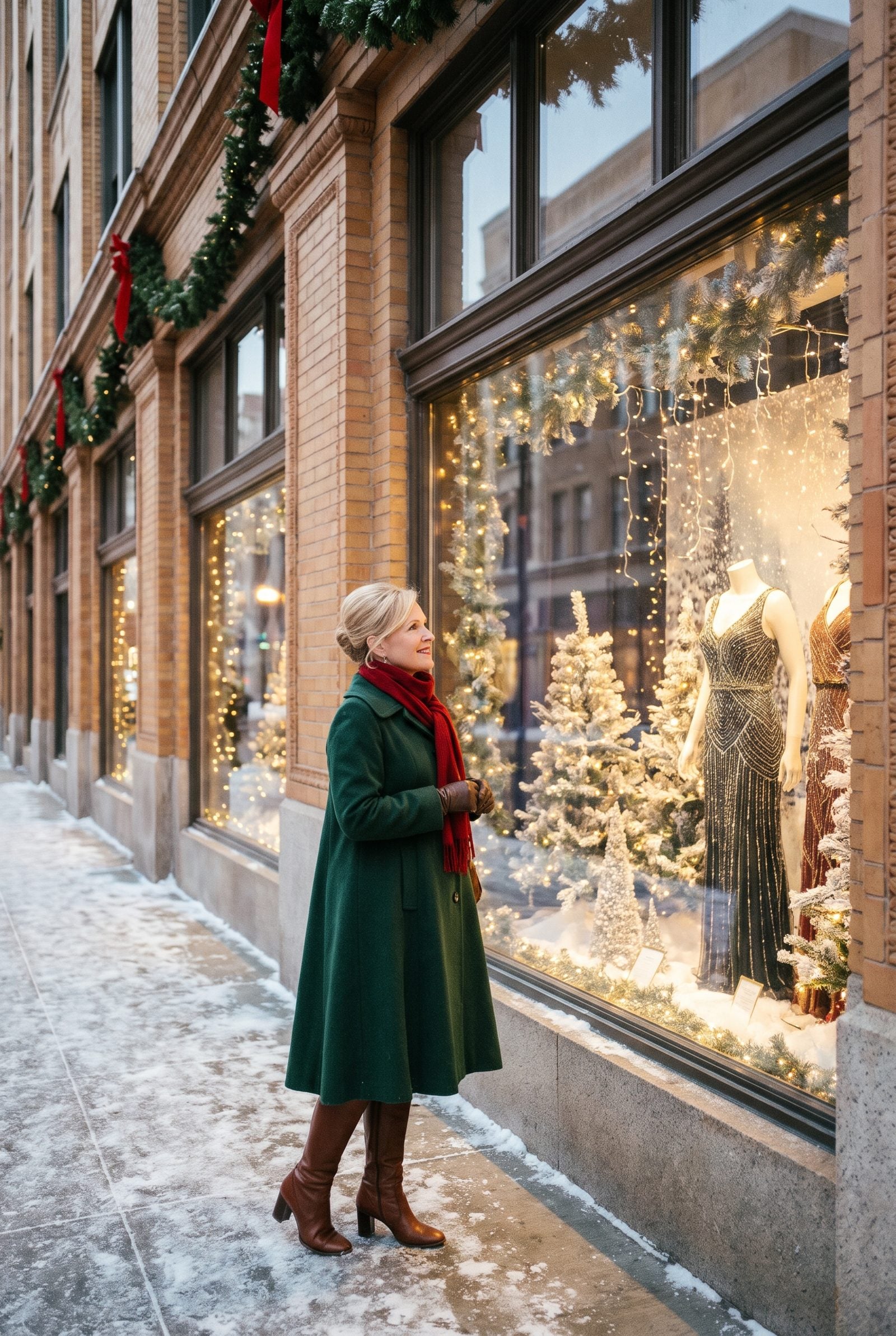
The Meyer’s building went up in 1924 at 200-206 South Elm Street, designed by Greensboro architect Harry Barton. Downtown Greensboro Inc. calls it the premier department store downtown.
What people remember most are the holiday windows. O.Henry magazine recalls the Christmas displays at Meyer’s, Belk, Montaldo’s and Ellis Stone as glittering, snowy scenes — the kind you pressed your nose against as a kid, breath fogging the glass.
Meyer’s later became Jordan Marsh, and that store closed in January 1978. A local historian marks it as the end of the downtown department-store era in Greensboro. By the 1980s the building had been carved up into office space.
6. Brody’s, Eastern North Carolina’s Fashion Address
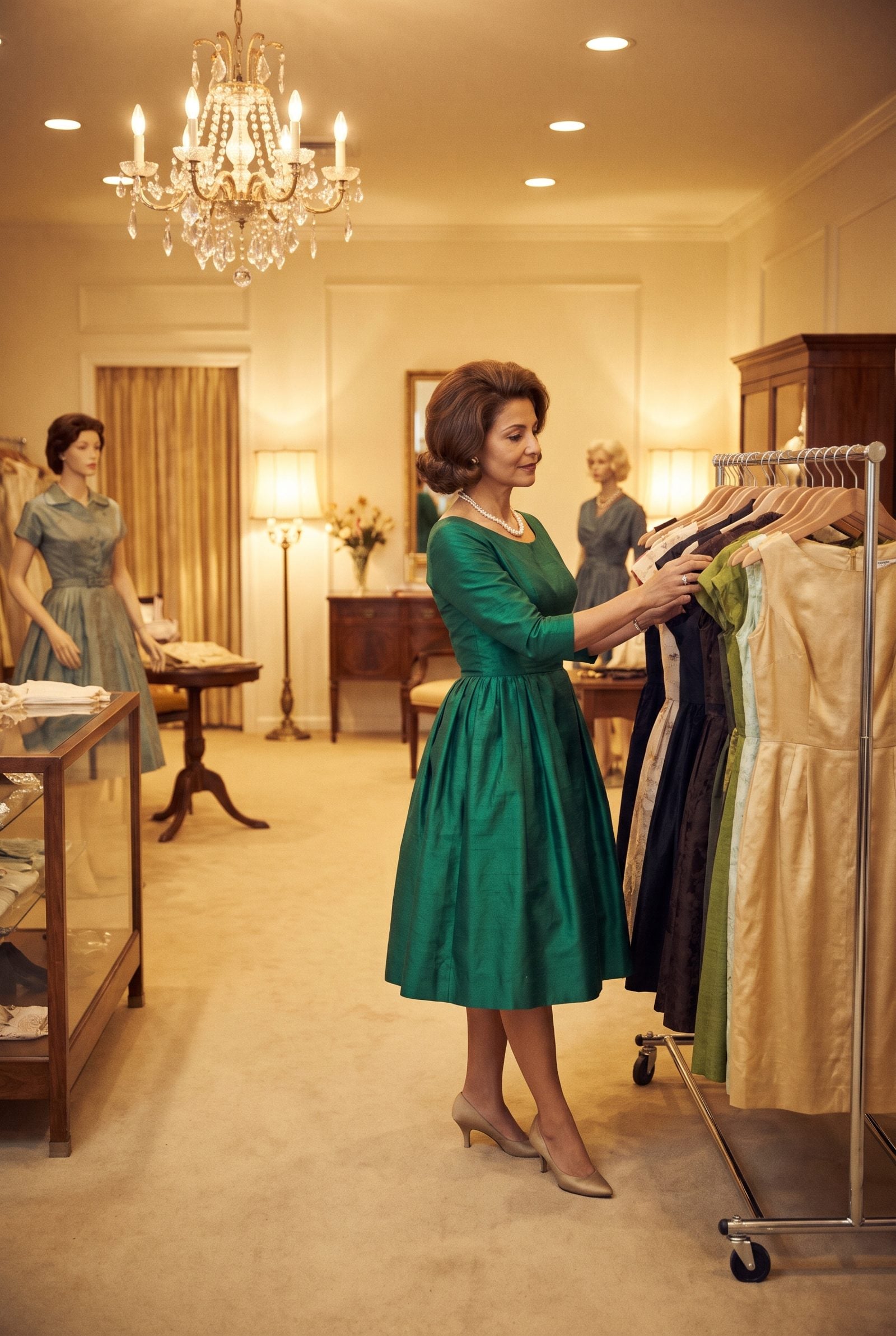
Leo Brody opened the Kinston store in 1928, and the Greenville store followed in 1938. For eastern North Carolina, this was the upscale fashion chain — the place you drove to when a church dress or an occasion called for something better than what the local shops carried.
Stores spread to Rocky Mount, Goldsboro and New Bern. Proffitt’s bought the chain in 1998.
The family left a mark that outlasted the stores. The Brody School of Medicine at East Carolina University carries the name, so students still study under it long after the last dress was rung up.
5. Boylan-Pearce, The Fayetteville Street Window You Couldn’t Walk Past
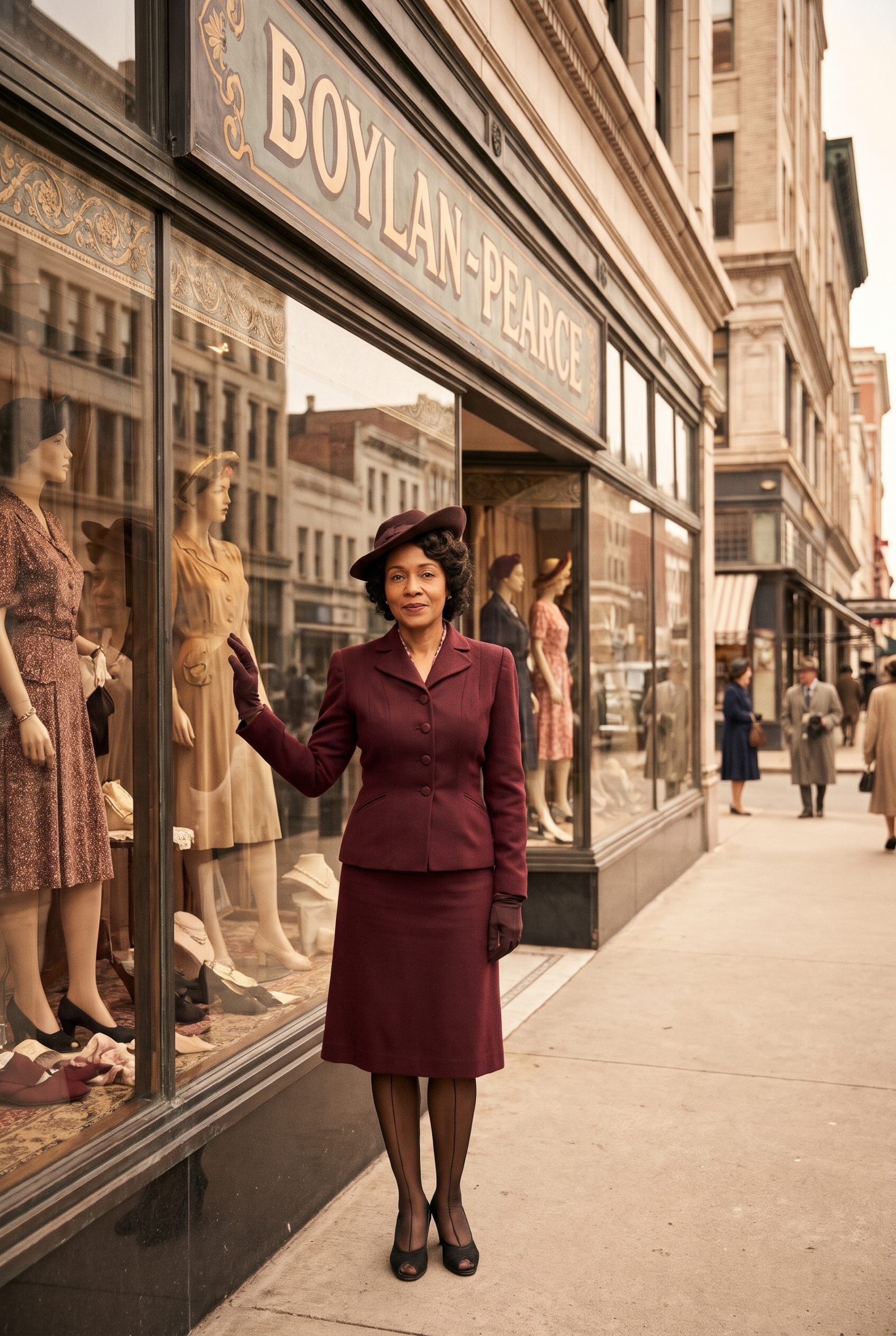
Boylan-Pearce opened in 1899 at 216 Fayetteville Street in Raleigh, and its window displays were good enough that the State Archives of North Carolina kept photographs of them — rows of dresses staged behind plate glass for the sidewalk crowd.
The store knew exactly what the window was for. You dressed up to shop, and the window told you what dressing up looked like this season.
The building was restored with historic tax credits, finished in 2018, down to a reproduction of the original Boylan Pearce sign. It now holds a spa, a wine bar and event space, so the name still hangs over Fayetteville Street even if nobody buys a dress there anymore.
4. Hudson-Belk, Raleigh’s First Escalator and Its Last Downtown Anchor
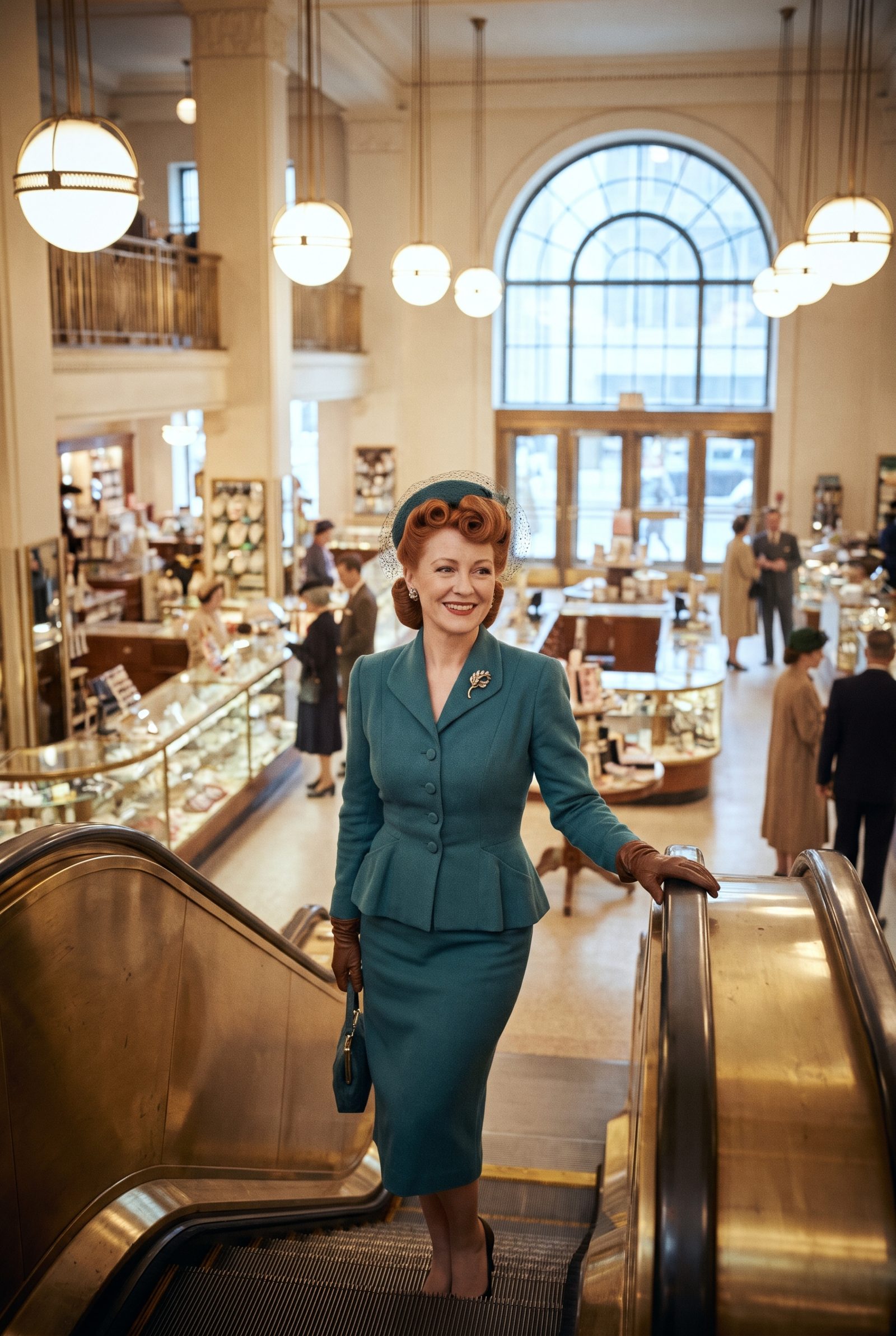
Hudson-Belk opened in 1940 at 319 Fayetteville Street and gave Raleigh its first escalator. A moving staircase downtown was an event. You rode it whether you needed the second floor or not.
It held on as a downtown mainstay until 1995, long after the malls had done their damage to Fayetteville Street. One of the last anchors standing.
The building was gutted and rebuilt as The Hudson, now shops and condominiums. The name survives on the facade — which is more than most of these stores can say.
3. Bon Marché, Asheville’s Store With a Room Just for Corsets
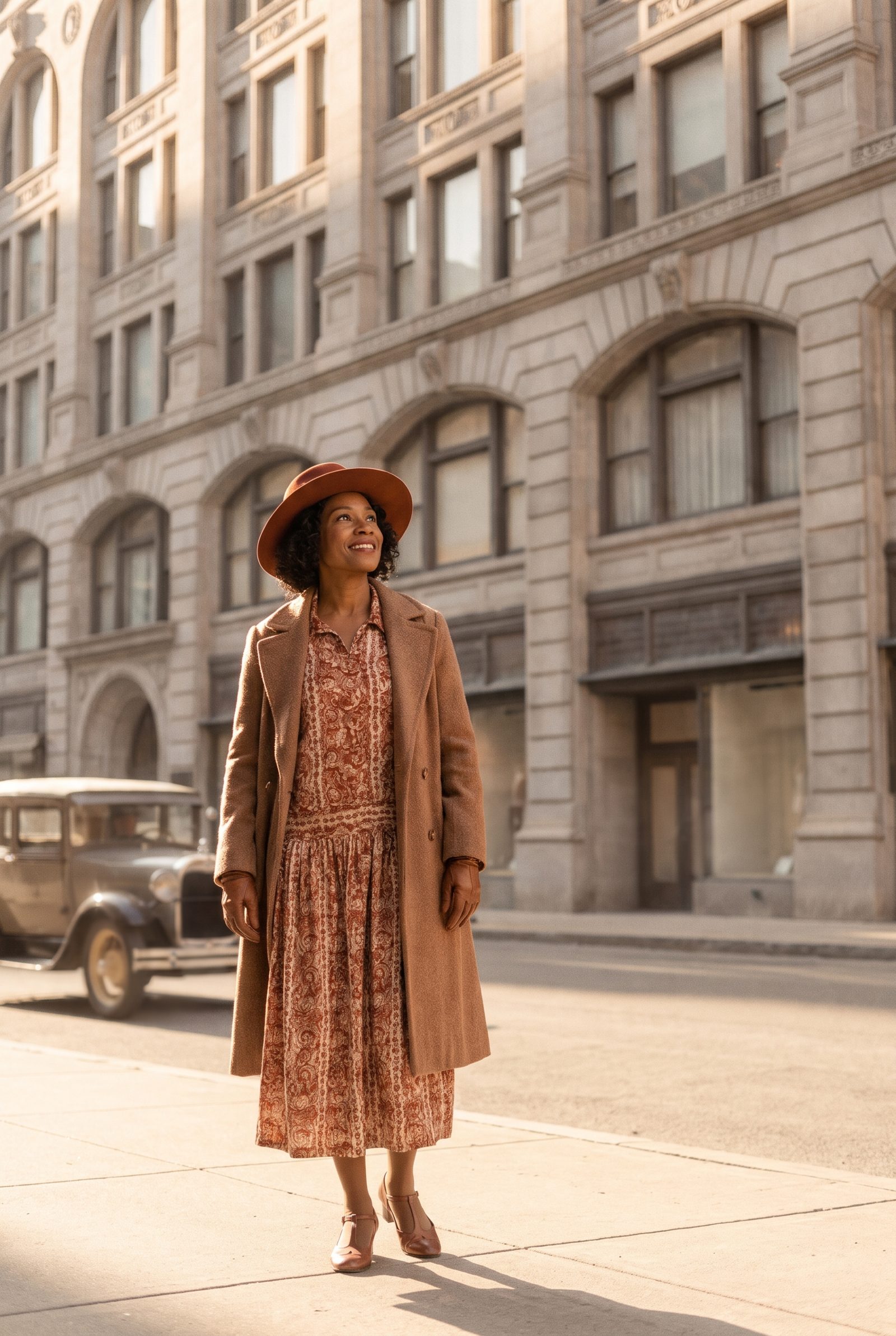
Solomon Lipinsky and his half-sister Eva Ellick opened the first Bon Marché in Asheville in 1889. By 1911 the store had a department devoted entirely to corsets, which tells you everything about how women got dressed then.
In November 1923 it opened a five-story fireproof store on Haywood Street, built by E.W. Grove. That building is now the Haywood Park Hotel, which displays vintage fashions on mannequins as a nod to its past. In 1937 the store moved across the street to what is now Earth Guild and stayed until it closed in 1979.
There were branches at Westgate and Asheville Mall too. Myers-Arnold bought it in 1979, and by 1980 the Bon Marché name had vanished from the mountains.
Today, our readers lean the other way: in our reader polls, 63% said comfort comes first, while 37% put polish first.
2. Montaldo’s, The Specialty Shop Four North Carolina Cities Dressed Up For
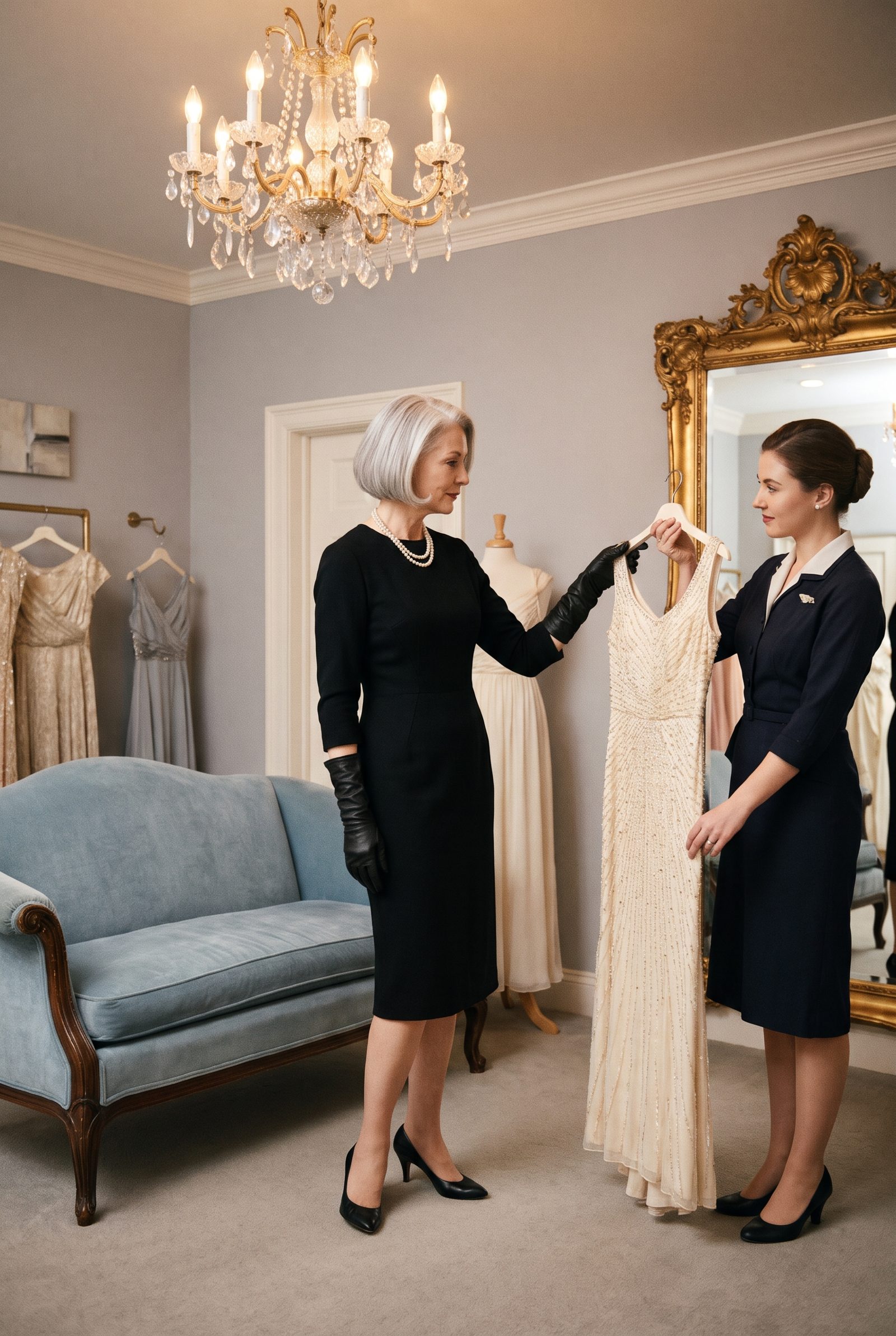
Sisters Lillian and Nelle Montaldo started their women’s specialty shop in 1919, a pioneer in ladies’ ready-to-wear known for quality and personal service. North Carolina branches ran in Charlotte, Winston-Salem, Raleigh and Greensboro.
A note on the company it keeps here. Montaldo’s was a specialty shop, not strictly a full-line department store like the others on this list — but it belongs in the same memory. When Greensboro remembers its glittering Christmas windows, Montaldo’s is right there beside Meyer’s and Ellis Stone.
It was where you went when the occasion was serious and the budget allowed it. The company went bankrupt and closed in 1995, and the personal service it was built on went with it.
Every store on this list is gone. The buildings mostly stand. The salesgirls who knew your size by name do not.
1. The Capitol, Fayetteville’s Last Downtown Department Store
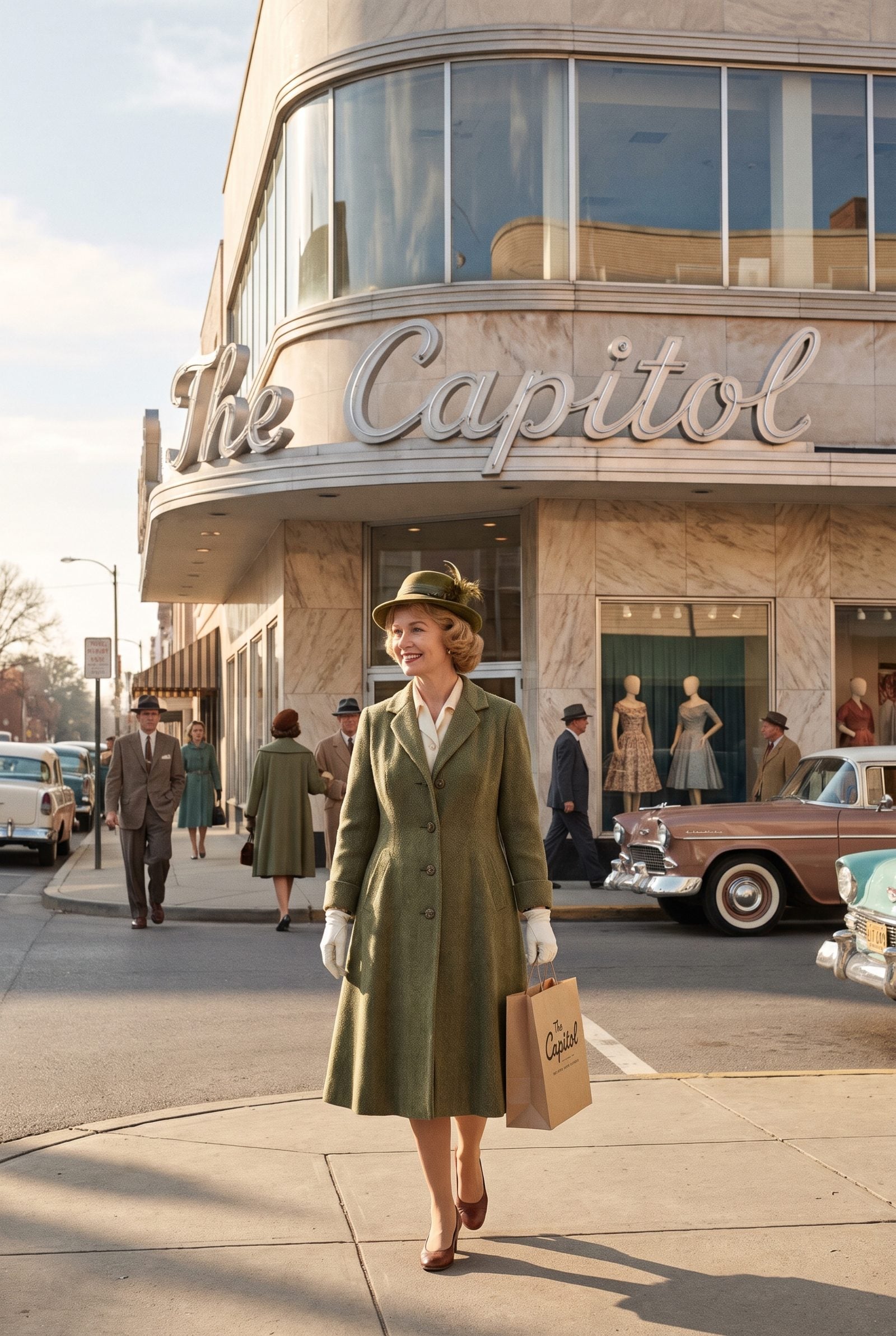
The aluminum script letters spelling The Capitol ran across the Hay Street facade, and if you grew up in Fayetteville, that sign told you exactly where downtown started. It opened in 1921 at 126 Hay Street, swallowed an older two-story building in 1936, and wore a Modernist front faced in marble with a big curved second-story window that drank up the afternoon light.
This was where you went when the occasion mattered.
The last department store standing in downtown Fayetteville, it hung on until March 1990 — long after the malls had dragged everyone out to the edge of town. In 2005 it landed on the National Register of Historic Places. Fitting, really, for a building that outlived every neighbor in its trade.