
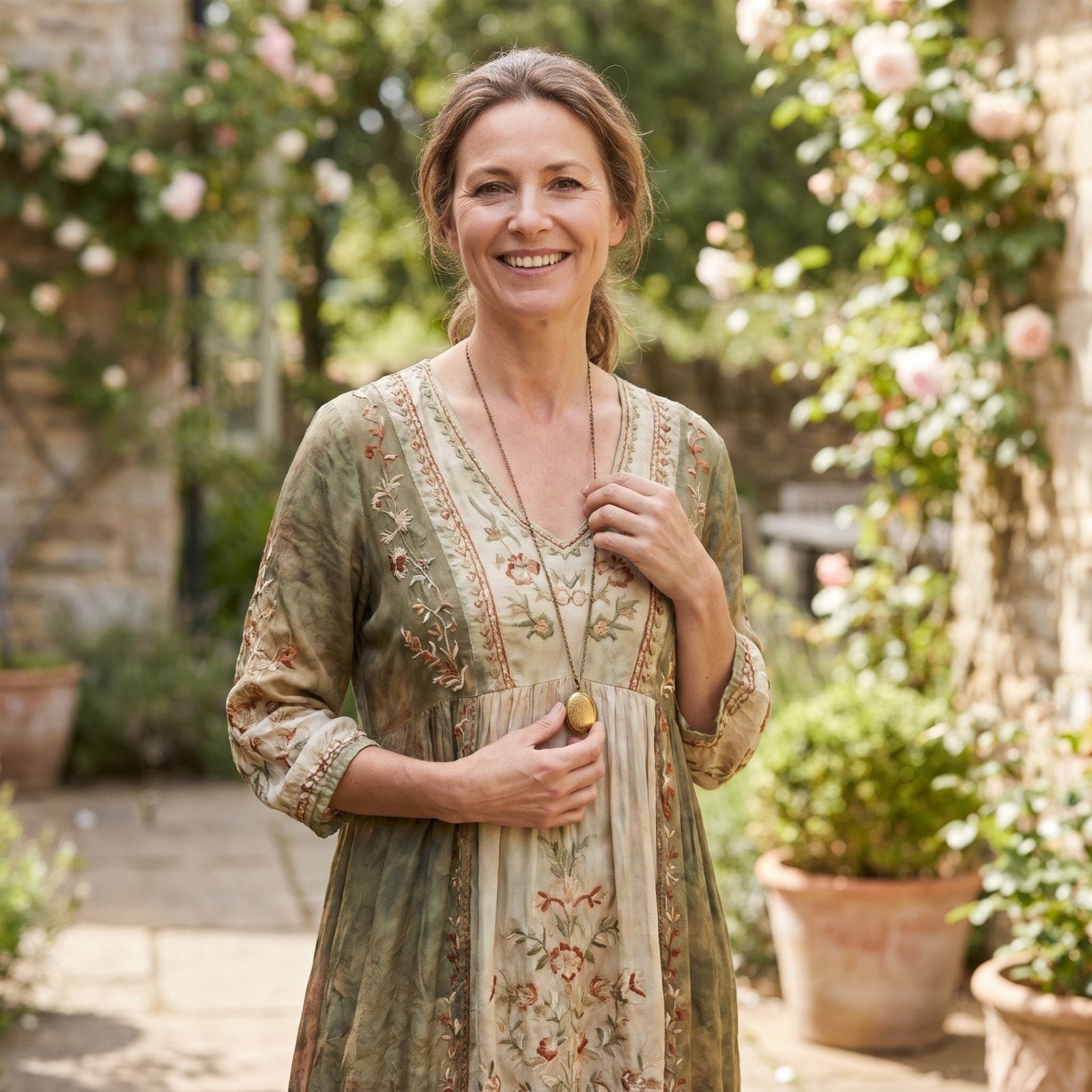
There’s a piece somewhere in your house you haven’t worn in years. Maybe decades. You don’t love it the way you love the earrings you actually reach for, and you might not even like it, yet the thought of losing it does something to your chest that a diamond you bought yourself never could.
Why does the unworn piece hold the most power? Why does metal that sits in the dark outrank the jewelry you flaunt every day? The answer isn’t sentimentality in the soft, greeting-card sense. It’s stranger than that, and a little more human. Your brain is running a whole operation behind that closed drawer, and most of us never notice. Keep reading — you’ll recognize yourself in at least one of these.
FYI, thanks to AI imagery software, we’re able to create very specific fashion and hairstyle examples to illustrate the points being made. In some cases, imagery is exaggerated to hammer home the point. Also, assume links that take you off the site are affiliate links such as links to Amazon. this means we may earn a commission if you buy something.
12. The Reason You Can’t Wear It But Can’t Let It Go Either
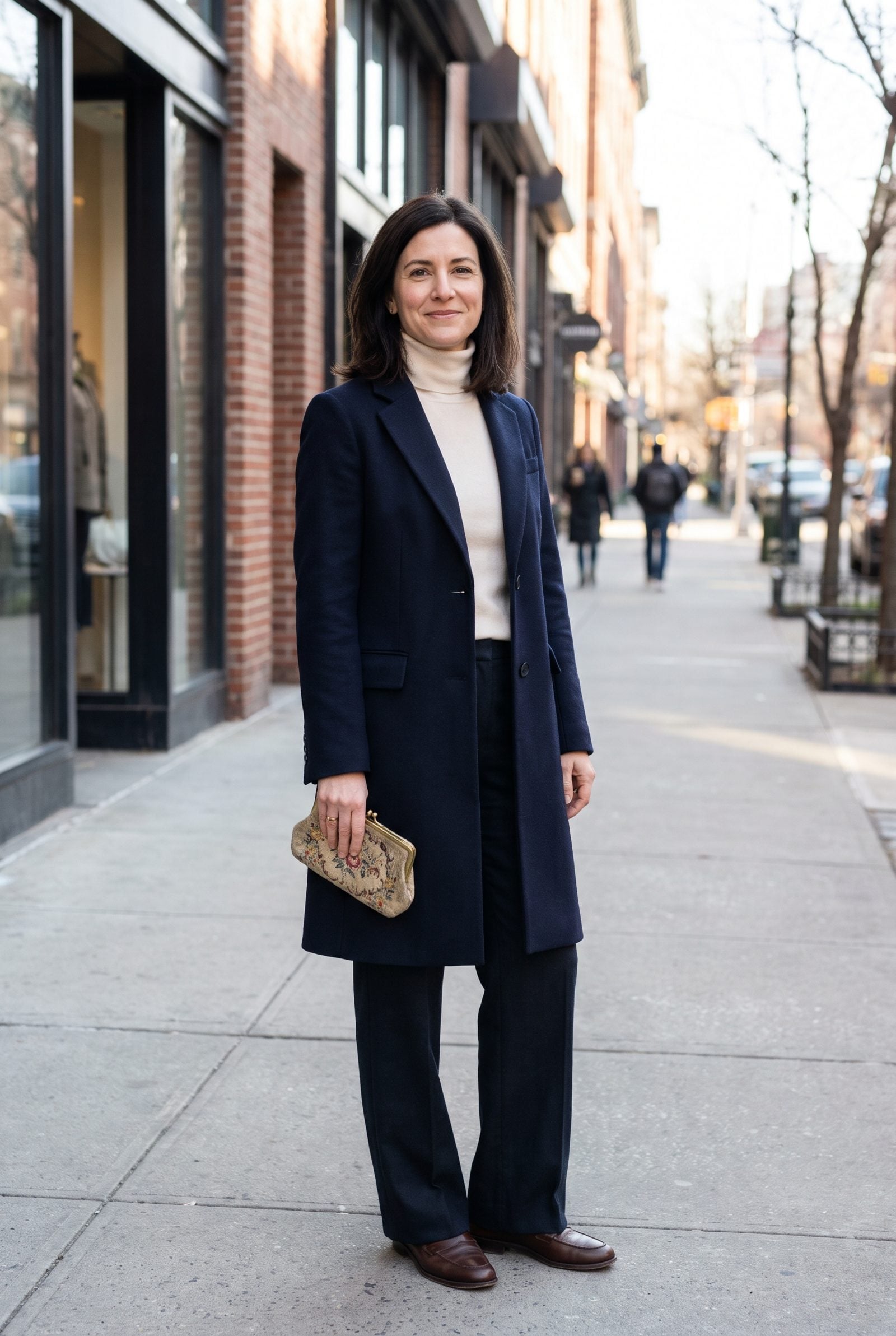
You open the drawer. You see it. You close the drawer. Somehow that’s the whole ritual, and it has been for years.
Here’s the knot at the center of it. The piece comforts you and stings you in the same second, and grief researchers call this twin-tracking — not a flaw in your character. A 2026 Psychology Today piece on why we cling to objects (Source) explains that a keepsake can reassure you the person is close and remind you of their absence at the same instant, so you keep it with you while also trying to move forward. Wearing it would mean choosing one track. Keeping it unworn lets you ride both.
So the drawer stays shut and stays full. It’s not indecision. It’s two true feelings refusing to cancel each other out.
Writing about the inherited pieces clients bring in, a jeweler who redesigns heirlooms observes “Whatever the reason, many treasured pieces spend years tucked safely inside a jewelry box—too meaningful to part with, yet rarely enjoyed.”
11. The Object That Holds a Version of You That No Longer Exists
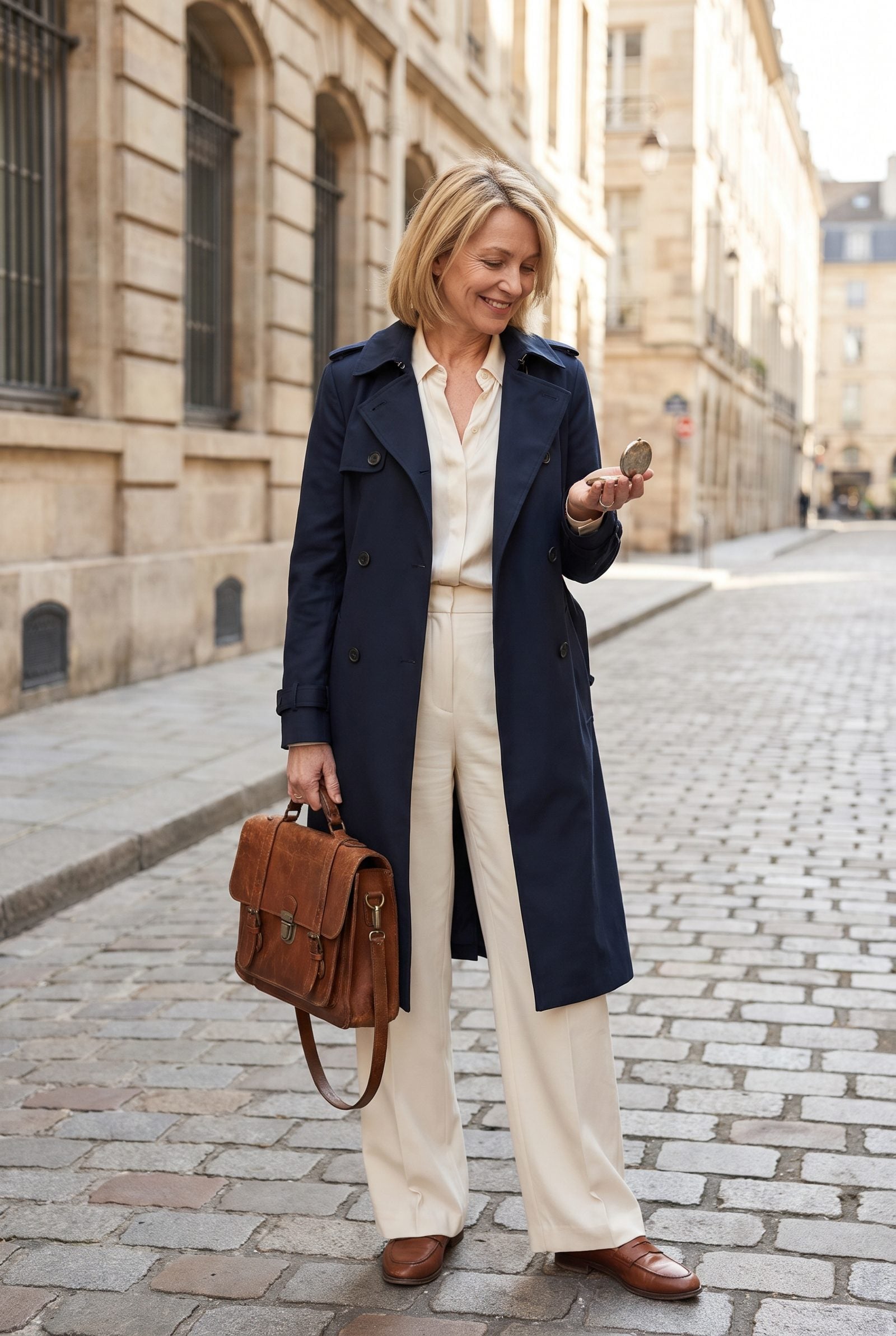
Sometimes the piece isn’t about a person at all. It’s about who you were when you wore it.
The bracelet from your twenties. The pendant you bought the week the divorce was final. The earrings you wore to a job you left two careers ago. You’re not keeping the metal — you’re keeping the woman who owned it.
Psychologists have a sharp way of describing this. One analysis of sentimental attachment and identity (Source) argues that people who can’t release an object are often attached not to the thing but to the person they were when it mattered, and that rather than grieving those past selves, we outsource the grief to the object. The drawer becomes a record of former selves you never fully said goodbye to.
10. Why Touching It Brings Back a Day You’d Forgotten You Remembered
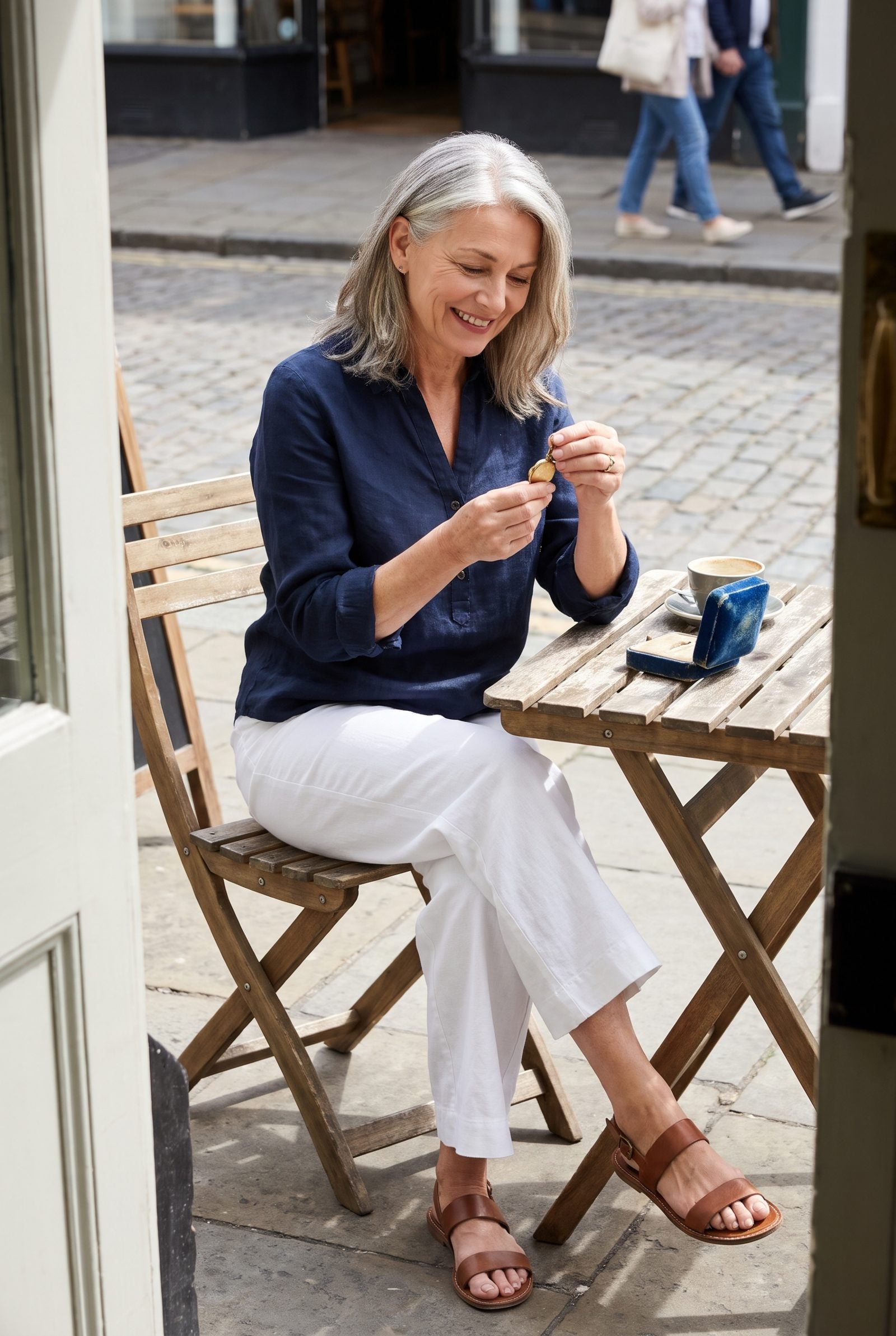
Pick it up, and the whole afternoon comes back. The weather. What you were wearing. The exact thing that was said. You hadn’t thought about any of it in a decade.
Your fingers did that, not your mind. Touch is a far stronger memory trigger than most people give it credit for. A 2020 study in Frontiers in Psychology (Source) found that tactile cues were just as powerful as visual and auditory information at pulling up autobiographical memories, with strikingly similar emotional vividness. We tend to think of memory as something you see or hear. The skin keeps its own files.
9. The Psychological Trick That Makes Metal Feel Like a Person
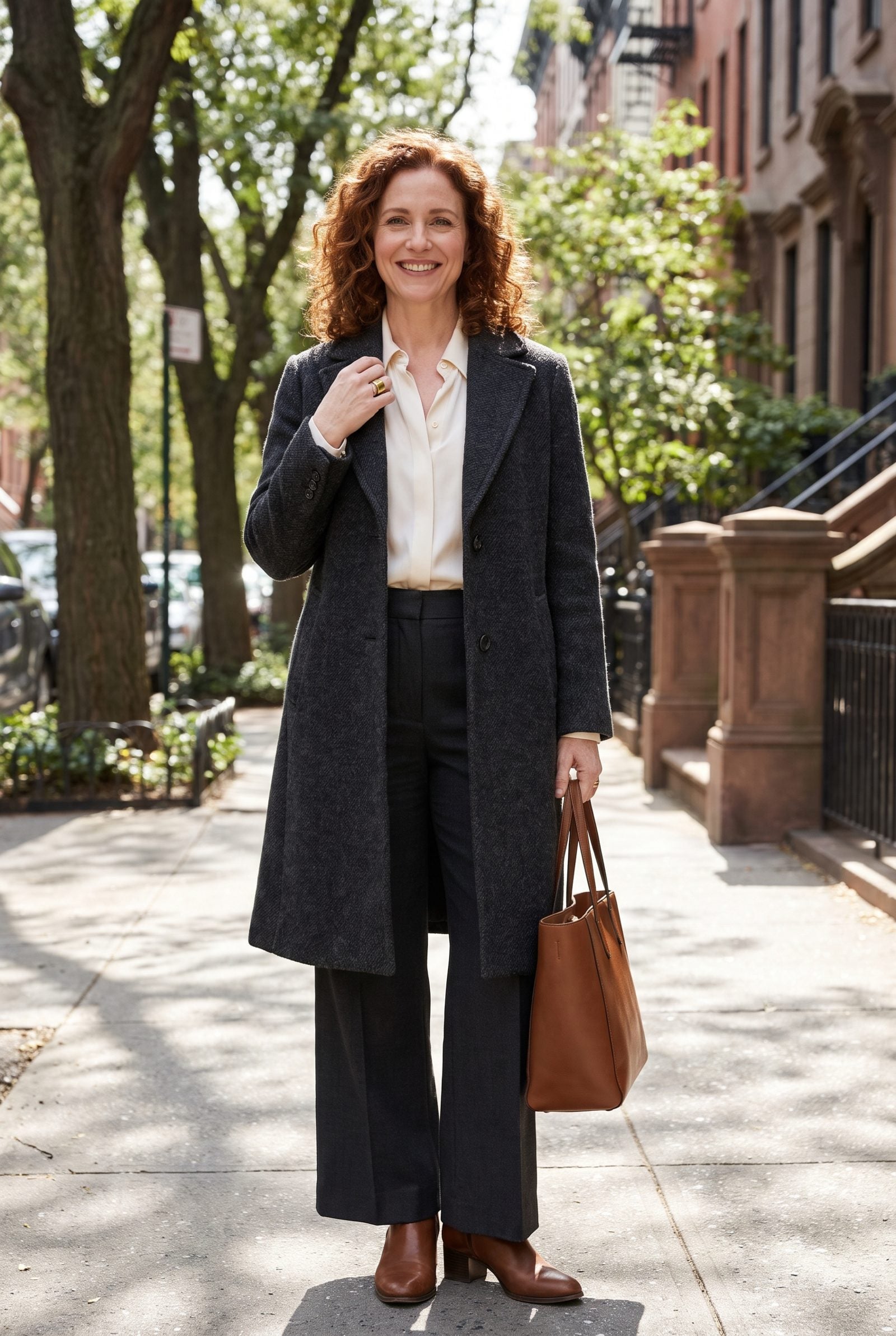
You’d never say it out loud. But giving the ring away feels like abandoning someone, and selling it feels like a betrayal. The piece has a kind of standing, almost a face.
That instinct has a name: anthropomorphism, the habit of granting human qualities to things that have none. Research summarized by BrainFacts.org shows that when we treat an object as human, we fire up the same social brain network we use to read other people’s thoughts and feelings, including the superior temporal sulcus and amygdala. Your brain is literally running the ring through its people software.
It gets more pointed with inherited pieces. Work by Timpano and Shaw on anthropomorphism and object attachment (Source) describes how belongings once owned by a loved one can come to feel like they can be hurt, so people protect them the way they’d protect a person.
Explaining why letting go of a cherished possession can feel like a loss, a mental health platform notes “To your brain, losing a meaningful object and losing a person aren’t entirely different events. They register in the same neighborhood of hurt.”
8. What Your Brain Thinks Will Happen If You Give It Away

Run the experiment. Picture handing the piece to a stranger at a consignment counter. Notice the flinch? That flinch is older than you are.
Behavioral economists call it the endowment effect. Once something is yours, you value it far above what you’d ever pay to get it. A behavioral science explainer on the endowment effect (Source) notes the leading account: ownership resets your mental reference point, so letting go gets coded as a painful loss rather than a missed gain, and losses always loom larger. In the classic mug studies, sellers wanted roughly double what buyers would pay for the identical object.
Now stack sentiment on top. One breakdown of the endowment effect and decluttering (Source) points out that reasons like “it has memories” are often your brain generating cover stories to dodge the loss. Doesn’t make the memory fake. Does mean the panic is partly wiring.
7. The Unworn Piece That’s Quietly Doing a Job You Never Assigned It
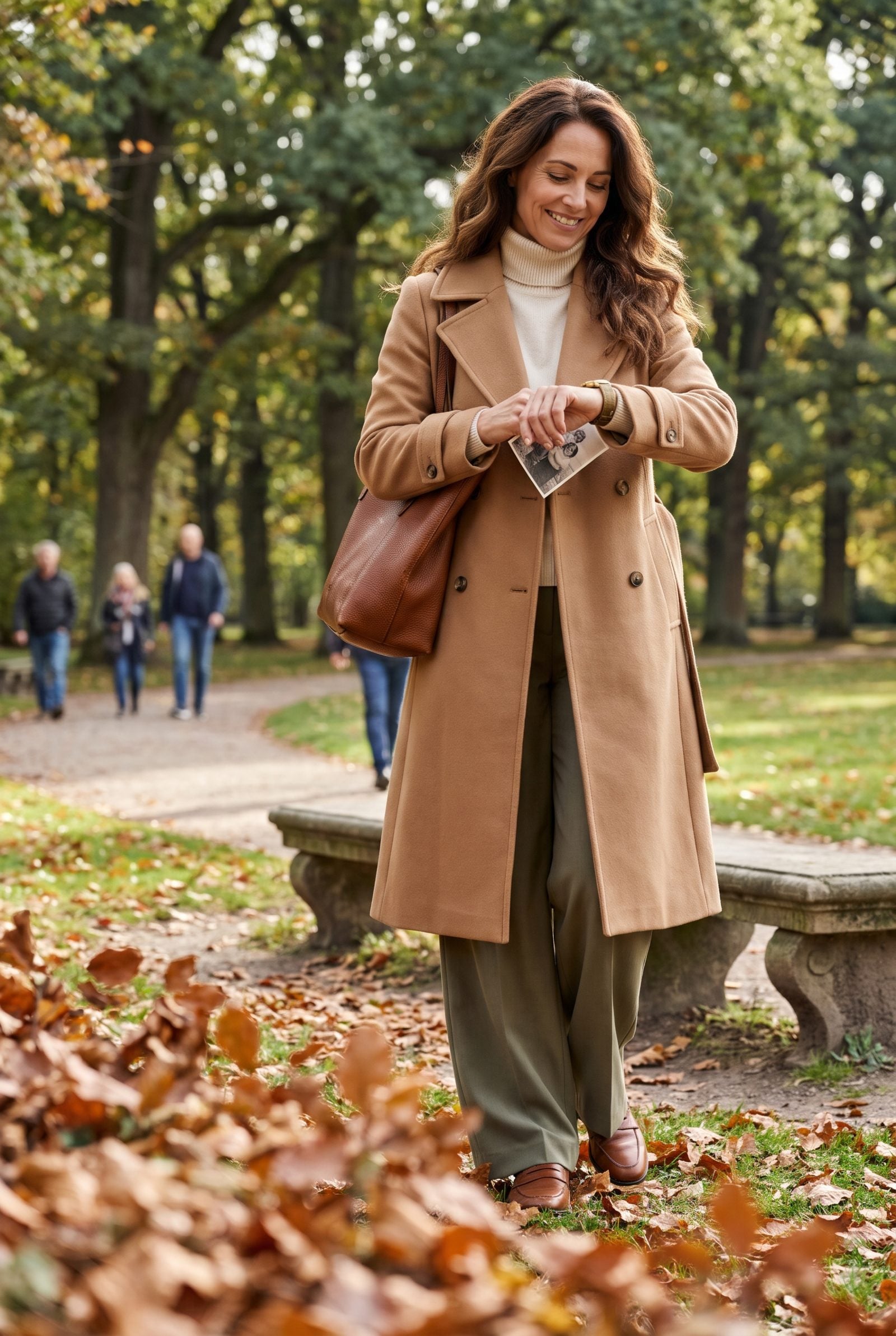
Here’s the strange part. You don’t wear it, you barely look at it, yet it’s working the whole time.
Objects of this kind act as what psychologists call transitional objects, borrowing the term for the blanket a child won’t sleep without. The Psychology Today analysis on clinging to things after loss (Source) describes how keepsakes maintain what bereavement researchers call a “continuing bond,” a live psychological connection that keeps the person’s feelings and memories within reach. Most bereaved people, it notes, handled or visited the object regularly for years.
So the piece in your drawer isn’t idle. It’s holding a door open — keeping someone present who can no longer be here.
On why people hold on to a loved one’s clothing and jewelry as transitional objects, a grief counselor says “We miss someone, so we reach for the closest alternative.”
6. Why the Drawer Feels Safer Than the Jewelry Box
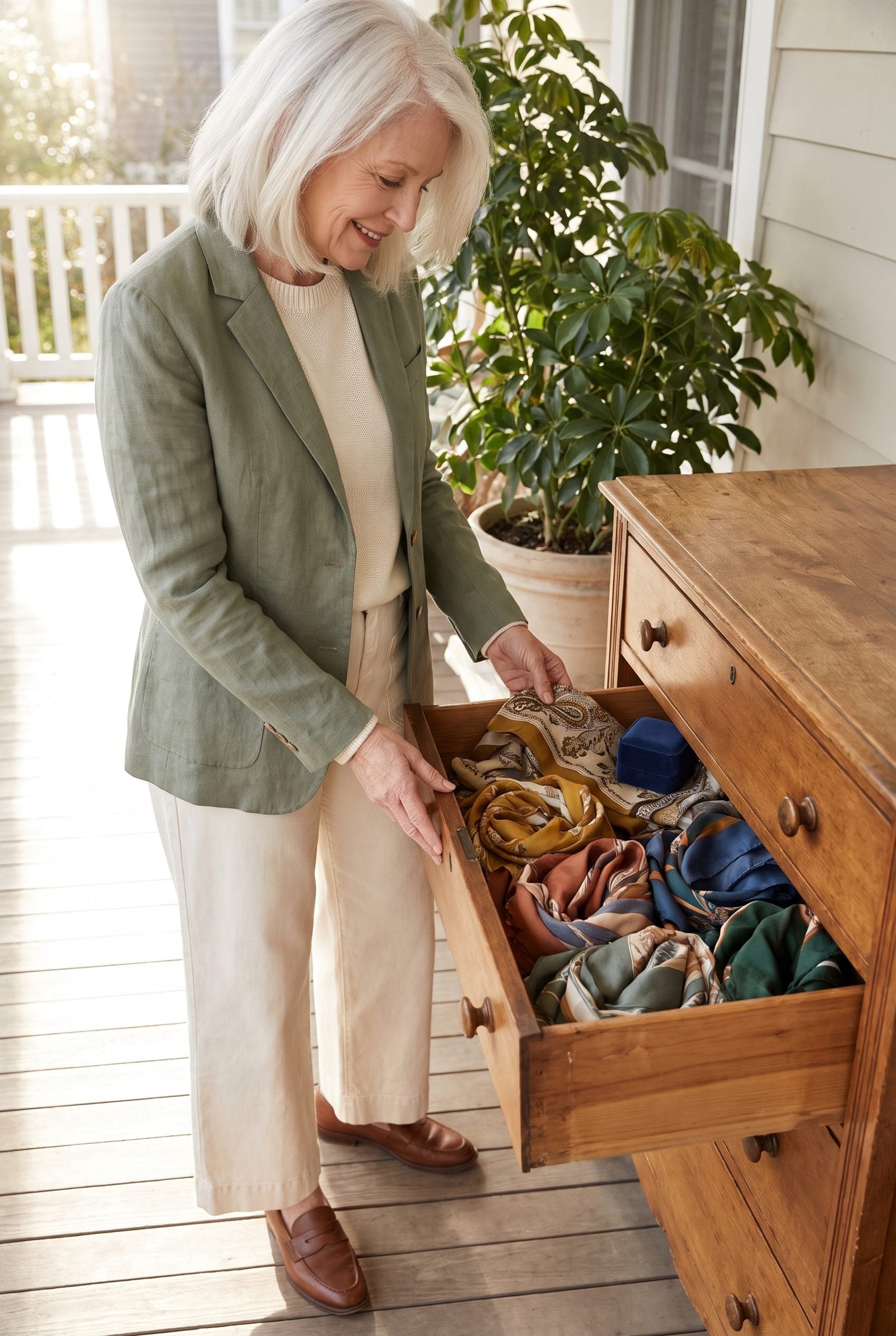
Notice where it lives. Not in the jewelry box with everything you actually wear, but in the back of a drawer, under a scarf, in its own quiet exile.
That placement is doing emotional work. The jewelry box is the stage; the drawer is backstage. Some pieces can’t go on stage, because seeing them daily would keep the wound fresh, yet they can’t be thrown out either. A psychology piece on long-held sentimental objects (Source) captures the logic bluntly: if the object stays, the grief doesn’t fully land, though it tends to show up sideways anyway as low-grade anxiety or that heaviness when you open the drawer.
The drawer is a compromise your mind negotiated without telling you. Out of sight, so it can’t hurt you daily. Still in the house, so you haven’t let go. A truce, basically.
5. The Grief You Keep in a Ring You Never Put On
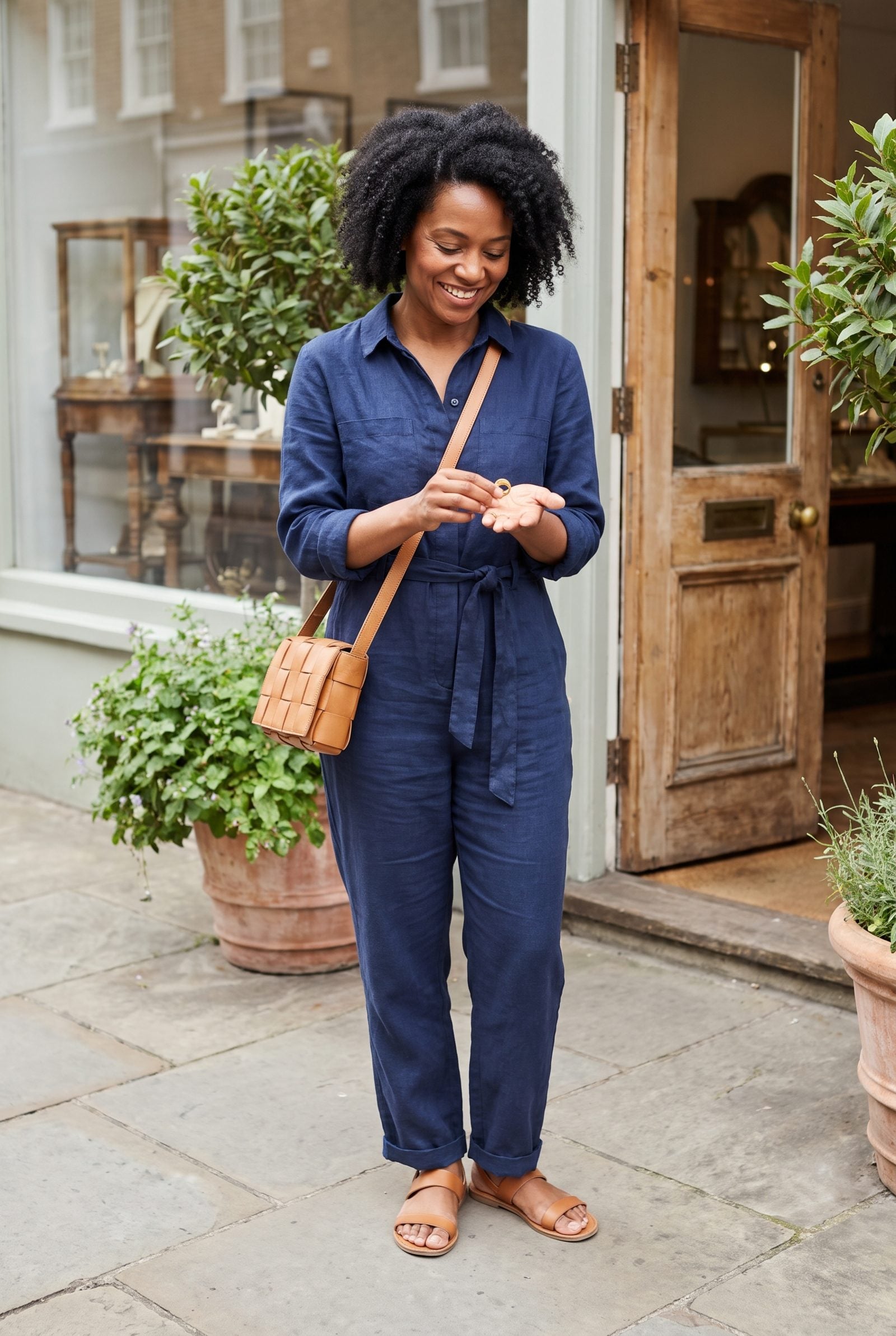
And so we arrive where all of these threads knot together. The ring you never wear is a place you put something you couldn’t hold any other way.
The research is consistent and, honestly, a little tender about it. A 2026 study in BMC Psychology on loss-related objects (Source) found that most bereaved people keep belongings of the person they lost — most often photos, clothing, and jewelry — and that these objects were primarily tied to emotional attachment to the deceased. Keeping them isn’t weakness. It’s one of the most common things grieving people do.
There’s a cost worth naming, though. A 2025 explainer on why discarding keepsakes hurts (Source) notes that the brain encodes continuing bonds directly into cherished possessions, firing the same regions tied to grief and social pain. Which is the whole answer, if there is one. The ring stays unworn because wearing it was never the point. Holding on was.
Keep the drawer. Or don’t. Just know what’s actually in it isn’t metal.
After firefighters found her late mother’s wedding ring, which she had kept tucked away in a back closet, a wildfire survivor said “I feel that she sent me this to tell me that she’s in heaven and she’s OK”
4. Why a Gift From Someone Gone Outranks Every Piece You Bought Yourself

Do the math and it makes no sense. The diamond studs you bought yourself cost ten times the thin chain she left you. The chain wins. It always wins.
Behavioral science has a name for the gap between what something is worth and what you’d take for it: the endowment effect, the tendency to value what you own far beyond its market price. And it runs stronger for emotion-rich objects than for purely useful ones. A gift from someone who’s gone is as emotion-rich as an object gets.
There’s a second mechanism underneath it. Researchers studying why certain keepsakes refuse to be discarded found the hardest category is consistent and specific: gifts from people no longer living, objects tied to one relationship, inherited pieces from someone who died. The item stops being jewelry. It becomes a Source living connection, a way of keeping a person close across time and loss.
You bought your own earrings. Nobody chose them for you, thinking of you, meaning it. That’s the whole difference, and it’s enormous.
3. The Reason You’d Run Into a Burning House for a Locket Worth Nothing

Ask anyone what they’d grab first if the house caught fire. Watch how fast the answer skips past the television and the laptop and lands on a photo album, a ring, a locket you could buy a replica of for the price of a sandwich. The market value is nothing. The felt value is everything.
That gap exists because the brain doesn’t file these objects under “possessions.” It files them under “people.” Throwing away a sentimental object can activate the same neural regions tied to grief and social pain. Losing the locket registers, physiologically, closer to losing a person than to losing a thing.
Grief researchers Klass, Silverman and Nickman gave this its clearest frame in 1996 with Source continuing bonds theory, which overturned the old belief that healthy grieving meant severing ties with the dead. The keepsake isn’t you failing to move on. It’s a Source working relationship that transformed instead of ending. The locket is the thread. You’d run into the fire because the thread is the person.
2. What Keeping It Lets You Avoid Deciding

Here’s the honest one. Sometimes the piece stays in the drawer because getting rid of it would mean deciding something you’re not ready to decide.
Psychologists call this decision avoidance — postponing, bypassing, or delegating a choice to sidestep the regret a wrong move might cause. And the thing about getting rid of a sentimental object is that it’s irreversible. You can’t un-donate the ring. Irreversible choices are precisely the ones that Source generate the most anticipated regret, which pushes us hardest toward doing nothing at all.
So the drawer becomes a parking space. Not keeping, exactly. Not letting go, either. A held breath between the two.
Leaving it in the drawer isn’t a decision. It’s the thing you do instead of one.
And it works, in a narrow way. Research on decision avoidance finds it genuinely does reduce the sting of regret, because you never have to own an outcome you chose. The cost is that the question never actually closes. It just waits, in velvet, for a version of you brave enough to answer it.
Explaining why people put off decisions about their belongings, a professional organizer writes “Maybe the things we’re holding onto are sentimental and we aren’t ready to let them go, or we don’t want to upset the person who gave them to us.”
1. The Milestone You Can’t Relive, Sitting in Velvet

Some pieces aren’t about a person at all. They’re about a moment — the graduation watch, the charm bracelet that marked the baby, the move, the one job you got against the odds. You don’t wear it. You wouldn’t dream of losing it.
That’s because the object has been fused to the event. Clutter researchers describe sentimental items as psychologically fused with a relationship, an identity period, or an irreversible life event, and a milestone is all three at once. The piece becomes the Source emotional placeholder for a chapter you can’t walk back into.
You can’t relive the day you graduated. You can’t re-feel the hour they put the baby in your arms. The milestone is sealed. But the object lets you stand at the door of it — open the drawer, and for a second you’re there again.
Objects help us Source maintain a sense of identity across time. The piece in velvet isn’t frozen in the past. It’s the one spot where a past self and your present self can still meet.
The Bottom Line
The ring isn’t an object you own, it’s a person, a day, or a version of yourself you refuse to let disappear, and your brain has quietly decided that keeping it is the same as keeping them. That’s why you’d grab it from the flames but never slide it on: wearing it would mean living in that loss every day, while keeping it means the door stays open. So let it stay in the drawer if it must, just know that what you’re really protecting isn’t the metal, but your permission to still care.