

Reach into the front pocket of your new blazer. If your fingers hit a sewn-shut seam or a flap glued to nothing, you already know the particular annoyance. Women’s clothing is full of these small betrayals. Pockets that lie, sizes that shrink while you stay the same, rivets that serve no purpose on a garment nobody will wear to mine gold. Most of it isn’t random. Every frustrating detail started as a decision about money, labor, fashion, or a dead man’s pocket watch. Here are the reasons behind the quirks you argue with every morning.
29. Fake Pockets Exist to Keep the Line Clean

That flap on your blazer hip that opens into nothing? It’s keeping the jacket honest. A real pocket wants to gape, and the second you stuff a phone in it the whole front panel sags and puckers, turning a sharp jacket lumpy.
So designers fake it. The fabric stays flat against the body and the slim vertical line survives. Annoying when you have nowhere to put your hands, sure. It’s also why the thing reads expensive instead of rumpled.
28. Suit Pockets Sewn Shut Straight From the Factory
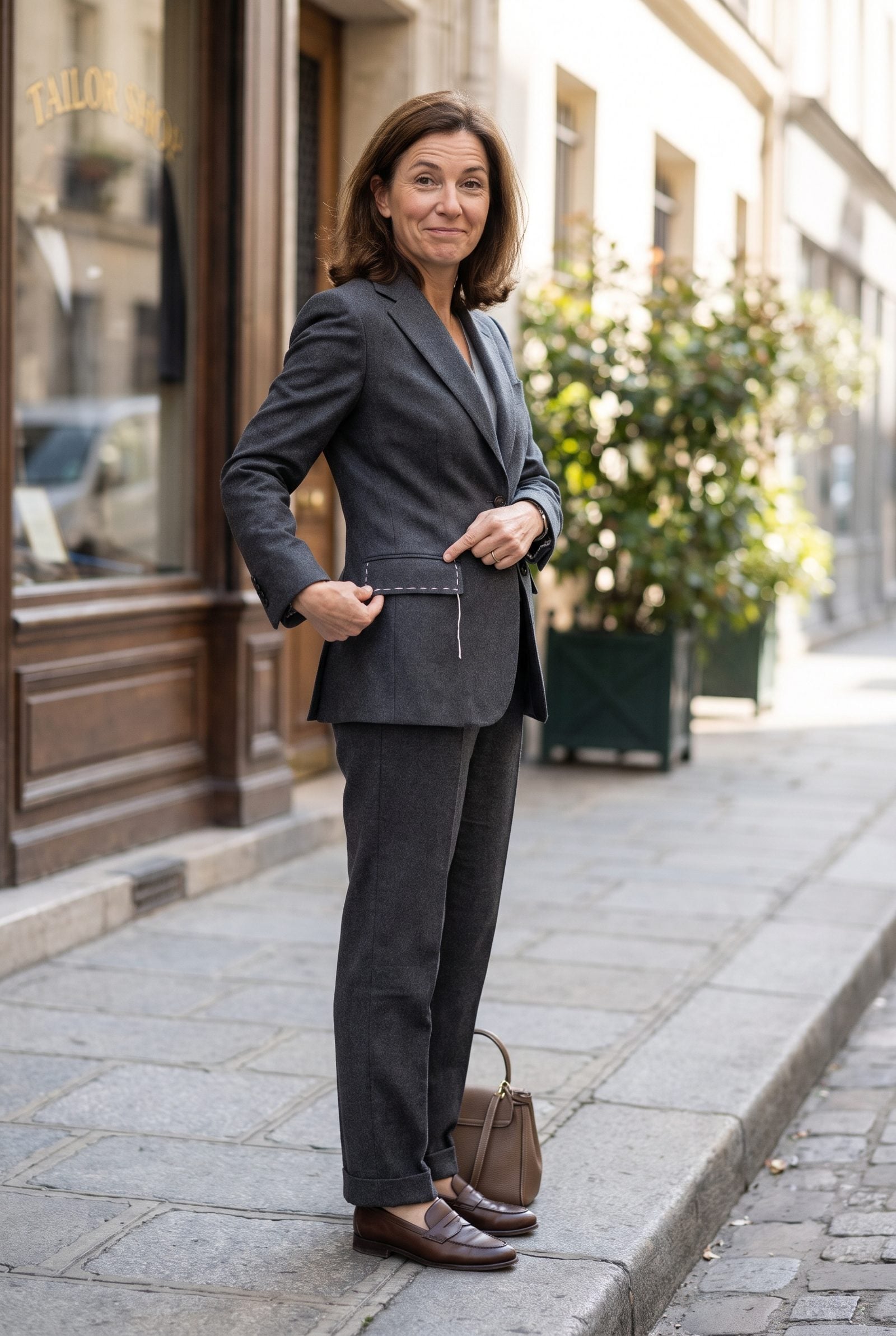
New suit, pockets stitched closed. Not a defect. That loose line is a basting stitch, and it keeps the jacket hanging clean on the rack so the pockets don’t flop open or stretch out of shape before anyone buys it.
You’re meant to snip it. Plenty of people never do, which means they spend years with perfectly good pockets they’re scared to open. Find the ribbon of thread, slide a seam ripper under, done.
Explaining why new coats and suits arrive tacked shut, a coat tailor writes: “Tailors call this a basting stitch or a transit tack. It is a long, loose stitch that holds the two edges of a pocket opening together until the coat reaches its owner.”
27. The Enormous Hidden Pockets Women Used to Tie On
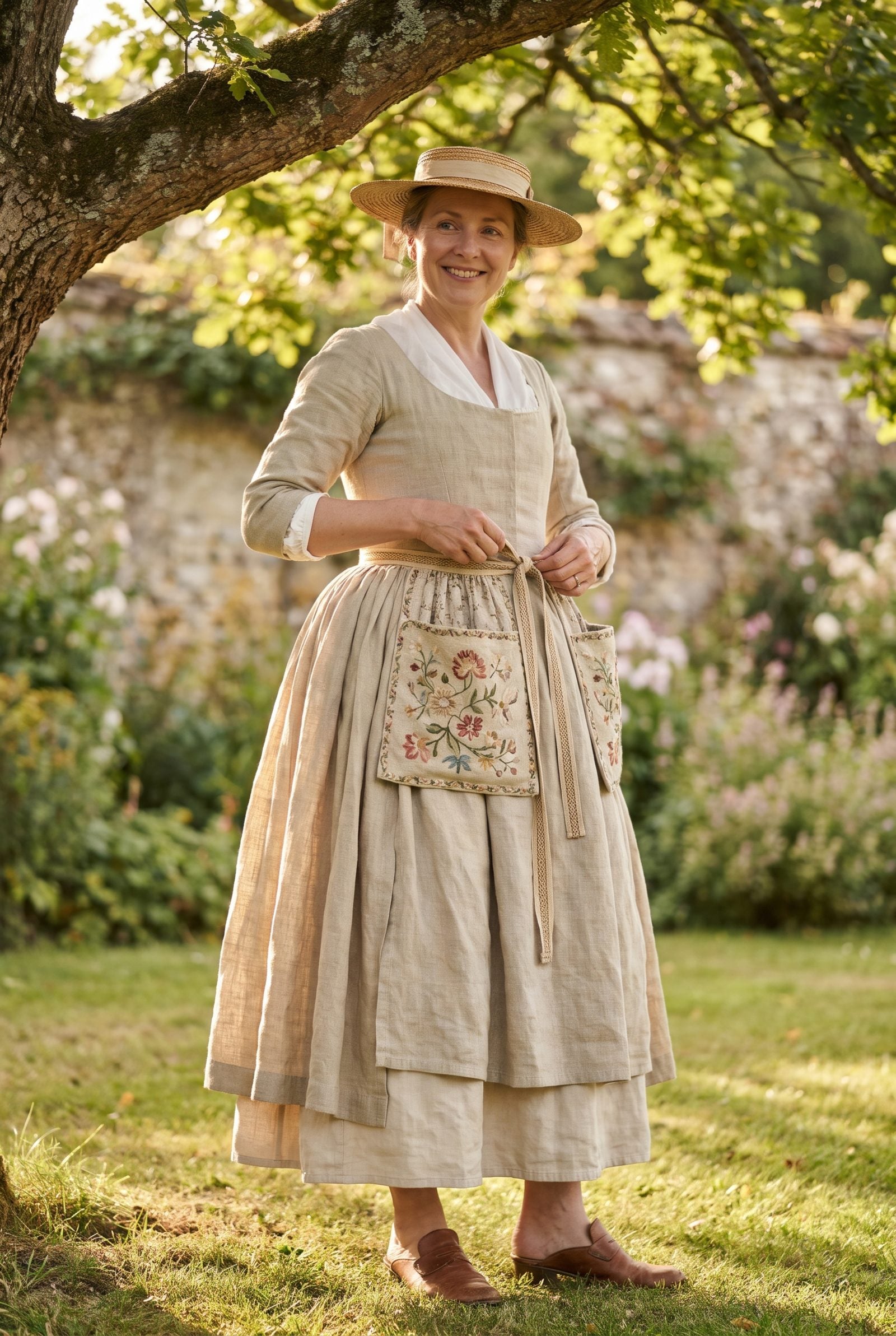
Before handbags, women carried cargo capacity you’d envy. Separate tie-on pockets, large flat pouches worn on a tape around the waist under the skirt, held everything. Keys, coins, a sewing kit, a snack.
Two of them, usually, one per hip. Hidden under the skirt and reached through a slit, often embroidered with flowers, and completely detachable for washing. We traded that for pockets that can’t swallow a chapstick. Progress is a funny word sometimes.
Describing surviving examples, a costume historian explains that tied-on pockets were roughly rectangular fabric pouches with a vertical slit for access that were tied around the waist.
26. How the Handbag Quietly Took the Pocket’s Job

When slim, high-waisted gowns arrived around 1800, there was nowhere to hide a bulky tie-on pocket. A lumpy pouch under a column of muslin ruined the whole effect.
And so women began carrying small drawstring bags called reticules in the hand instead. The pocket moved outside the clothing and never fully came back. Your tote is the descendant of a fashion problem nobody ever solved. We just carry the solution on our shoulder now.
25. That Tiny Fifth Pocket Was Built for a Watch
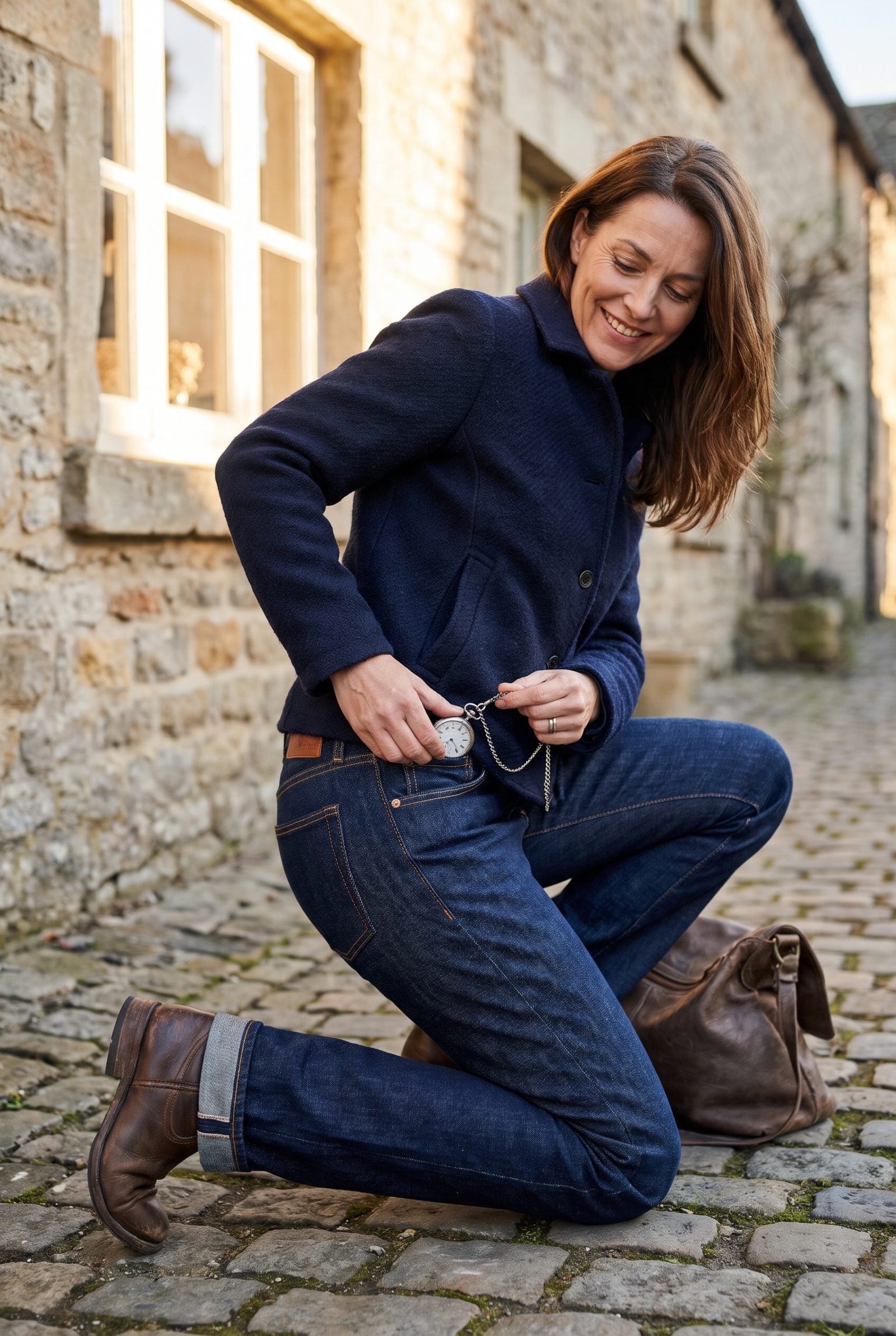
You’ve jammed a coin or a crumpled receipt in that useless little pocket and wondered who it’s for. A pocket watch. That’s the whole answer.
Levi’s added it in the 1870s so working men could stash their watch where it wouldn’t get crushed. The watch vanished, the pocket stayed, too baked into the look of jeans to delete. Now it holds nothing and we keep it out of pure habit. Want to geek out on the denim details that survived a century for no reason? This is the best one.
24. Rivets That Saved Workers From Busted Seams
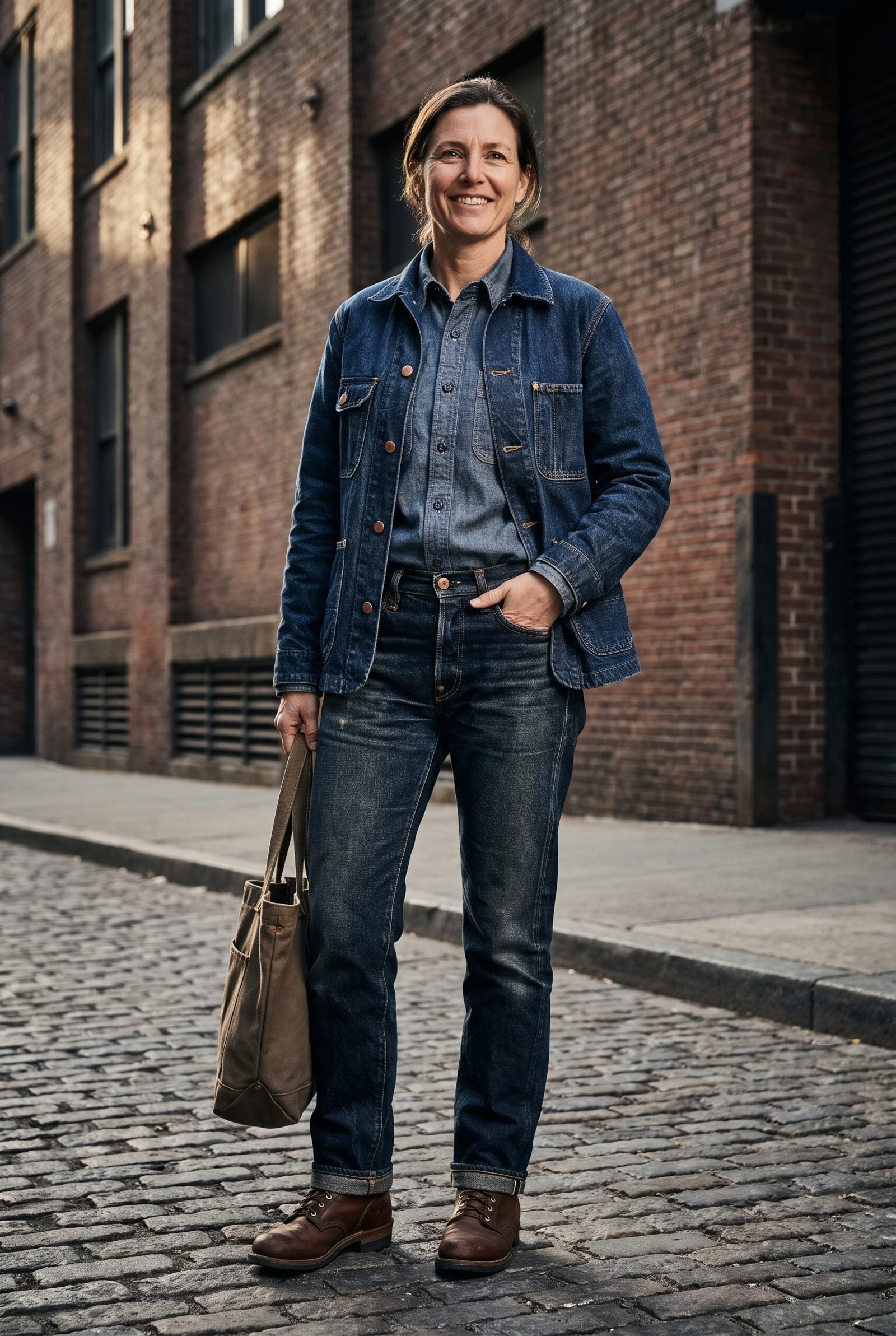
Those copper studs at the pocket corners weren’t a flourish. They solved a real problem: miners and laborers kept ripping their pocket seams clean off.
A Nevada tailor named Jacob Davis started hammering metal rivets into the stress points, then patented the idea with Levi Strauss in 1873. The rivet went exactly where the denim tore, at pocket mouths, the fly base, anywhere a strong hand yanked hard. They’re still there on your jeans, doing a job your lifestyle probably no longer requires.
23. Orange Thread Chosen to Match the Copper
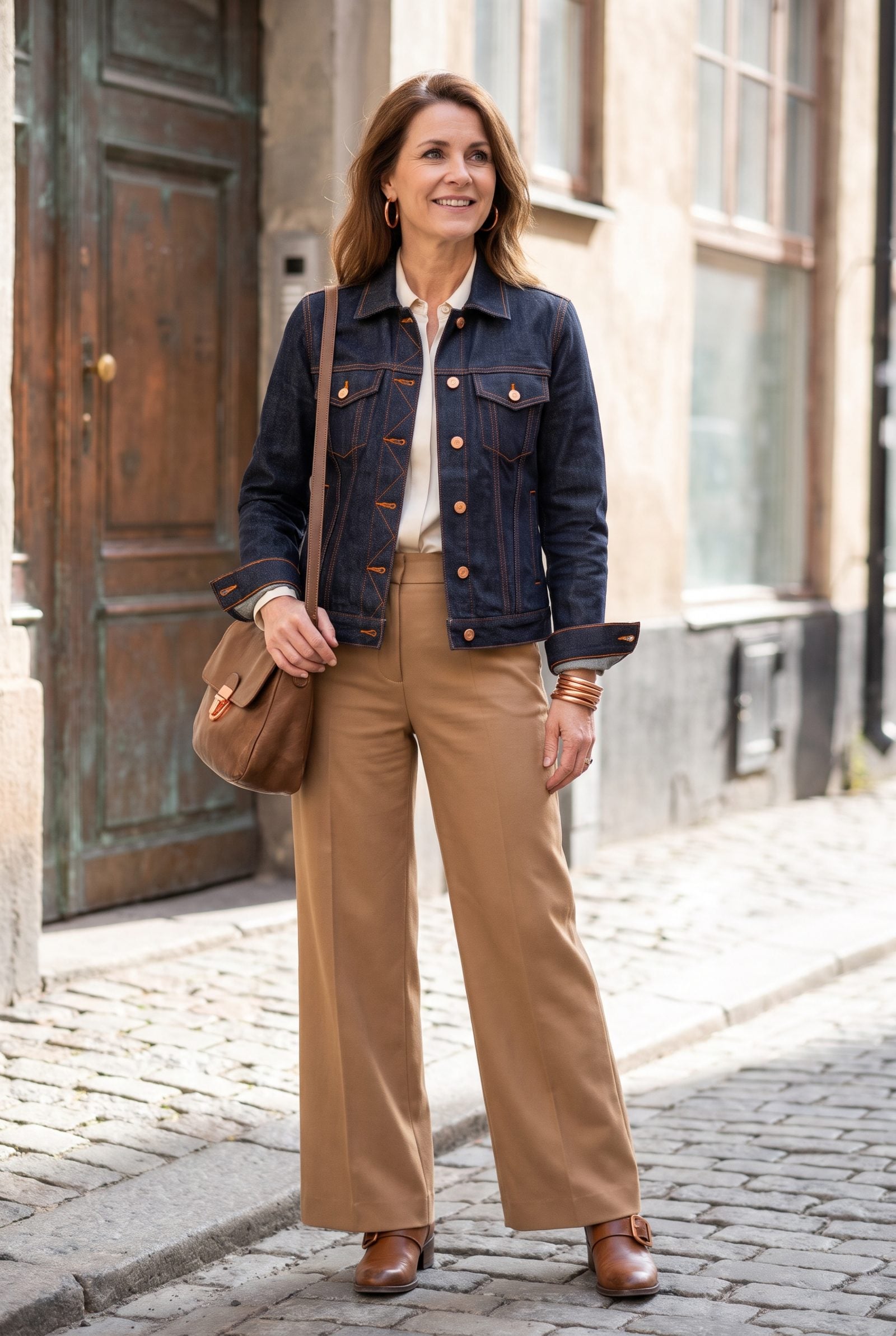
One color, two materials, on purpose. The orange stitching on your jeans was picked to echo the copper rivets, so the hardware and the thread read as one palette instead of two clashing afterthoughts.
It also showed up well against dark indigo, which made the heavy topstitching easy to inspect for strength. Function and color sense in a single choice. Nearly every pair of blue jeans you own runs that warm orange seam, regardless of brand, because it just looks right. Now you know why.
22. Raw Denim That Fades Into a Map of Your Life

Raw denim starts stiff, dark, and uniform. Then your body gets involved. The indigo only coats the surface of each thread, so where you bend, sit, and crease, the dye rubs away and the pale cotton core shows through.
The fade pattern that results can’t be copied, because nobody else moves the way you do. Whiskers at the hips, honeycombs behind the knees, a ghost where your phone lives. It’s the rare case where wear makes clothing more personal instead of just older.
You don’t buy raw denim. You develop it, like film.
On why raw denim fades the way it does, a raw denim retailer explains: “Indigo doesn’t bond chemically to cotton — it’s physically trapped on the surface of the yarn, which is why it fades through abrasion rather than chemical change, and why the white core underneath is revealed by wear.”
21. Vanity Sizing and the Shrinking Number on the Label
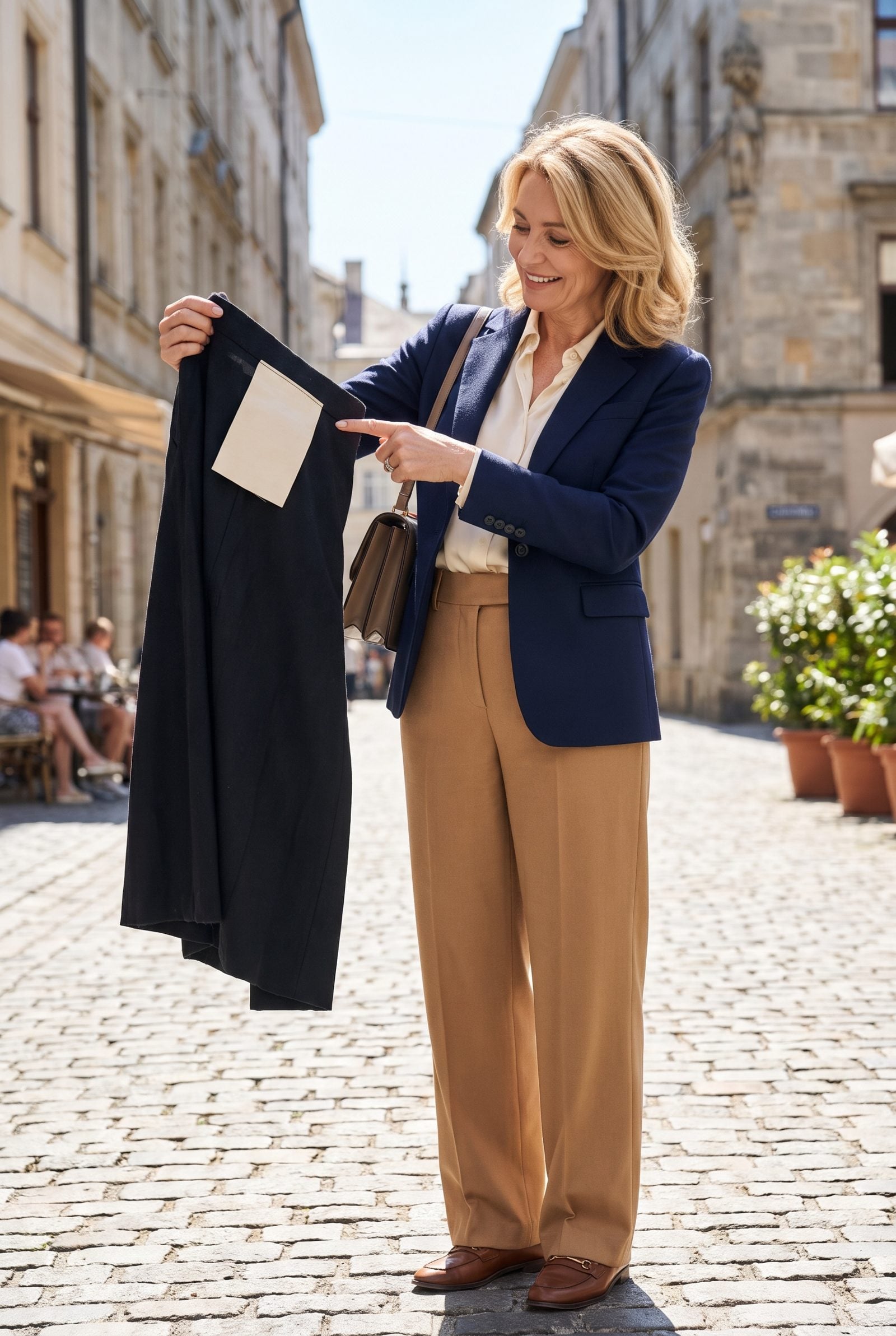
A size 8 today would have been a 14 or 16 in the 1950s. Your body didn’t change. The label did.
Brands figured out that a smaller number on the tag makes shoppers feel good and buy more, so sizes have crept upward in actual measurement for decades. It’s called vanity sizing, and it’s why you can be three different sizes across three stores in a single afternoon. The number is marketing. Stop letting it wreck your mood in a fitting room. Your wardrobe is better judged by fit than by a digit some brand chose to flatter you.
20. Pattern Grading That Warps You Between Two Sizes
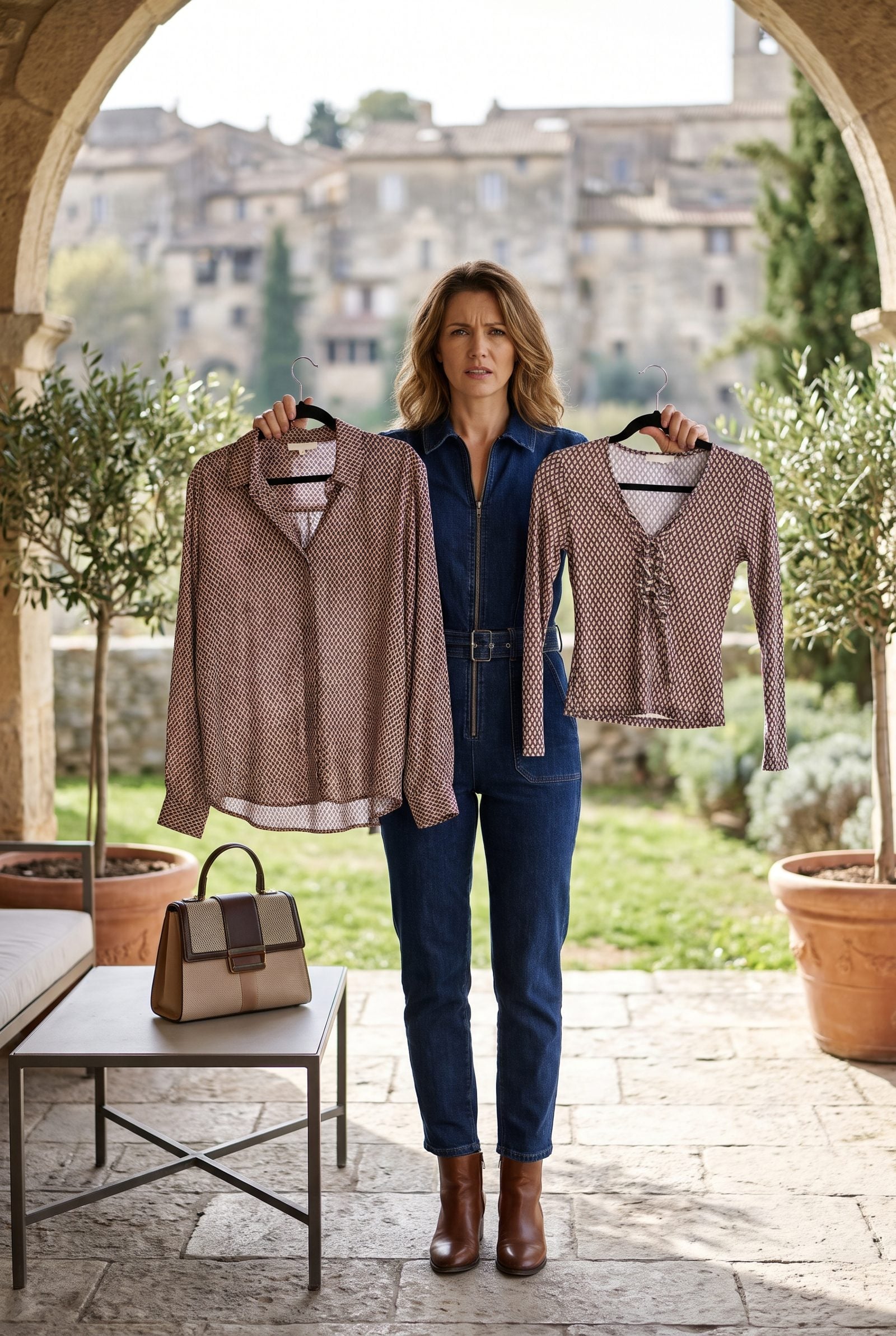
Ever size up and the length balloons while the shoulders barely move? Or the waist is right but the hips are suddenly cut for a stranger? That’s pattern grading.
Brands build one base size, then scale it up and down by fixed increments across every measurement at once. Real bodies don’t grow proportionally. They change shape as they change size. So the bigger you go, the more the garment stretches in places that didn’t need it and stays tight where it did. It’s not you fighting the clothes. The math behind the pattern was never built to trace your actual outline. Good tailoring exists precisely because this system can’t manage it. Your style is often one alteration away from working.
Explaining why graded sizes stop fitting, a plus-size denim maker writes: “Grading is scaling a pattern up from a base size by fixed increments. Bodies do not enlarge proportionally, so graded patterns stop fitting accurately at the extremes of the size range.”
19. Darts Turn Flat Fabric Into Three-Dimensional Shapes
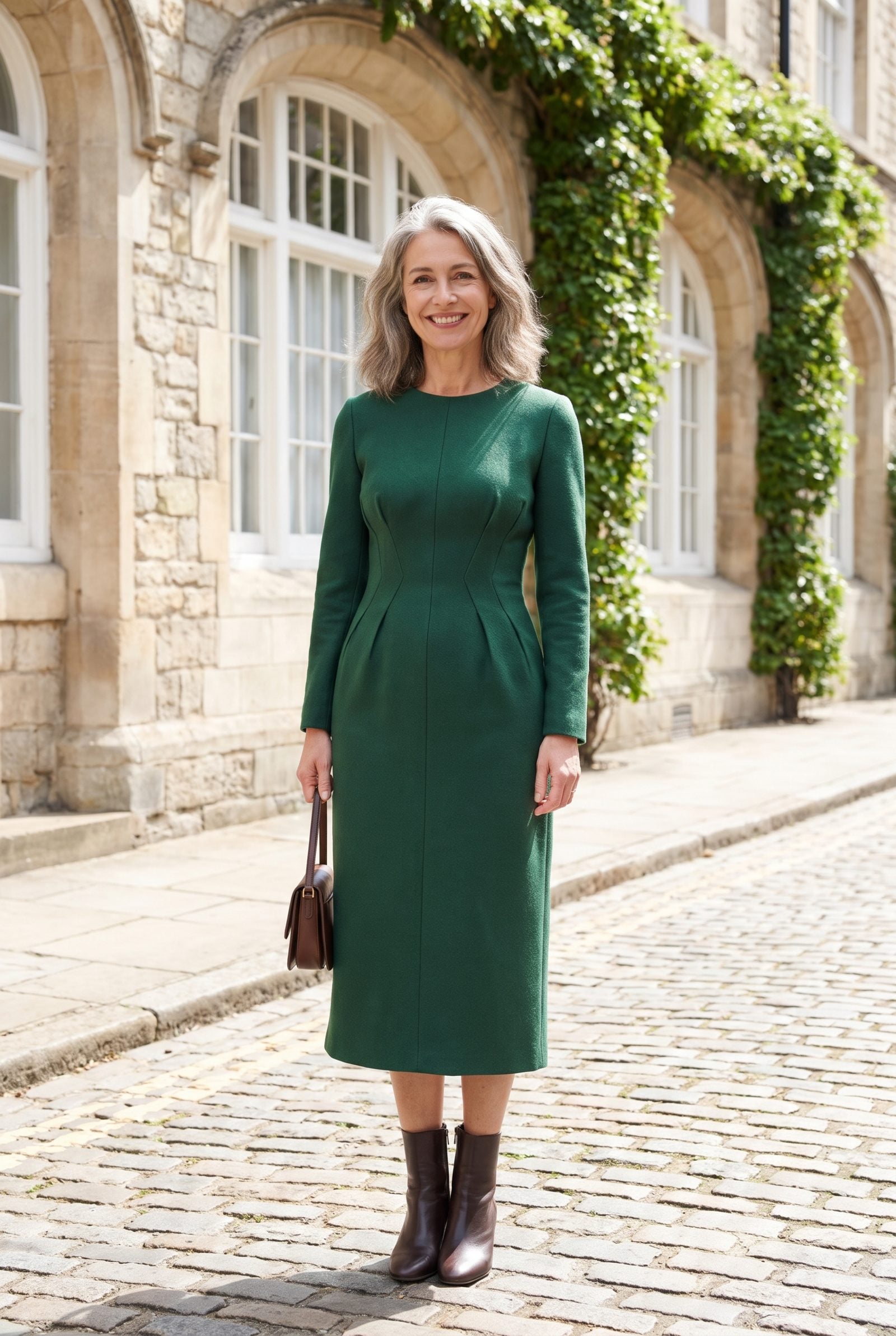
A flat piece of cloth has no idea you have a body. Darts are how it finds out.
That little stitched wedge tapering to a point is the whole reason a sheath dress curves at the bust instead of hanging like a pillowcase. Pinch the fabric, sew the fold, press it flat, and two dimensions suddenly become three. The driver here isn’t the fabric or the color — it’s geometry doing quiet work under the surface.
18. Bias-Cut Fabric Clings and Moves Differently From Straight-Cut Fabric

Cut a woven fabric at a 45-degree angle to its grain and it stops behaving. It stretches, it drapes, it pours over the body like water finding its level.
This is the trick behind every bias slip dress that skims the hip instead of tenting over it. The weave isn’t stretchy — the angle is. Which also explains why bias pieces are a nightmare to sew straight, and why they cost more to make properly. You’re paying for the diagonal.
On what cutting on the bias does to a garment, a sewing pattern designer says: “Bias-cut garments have a totally different flow and drape than anything cut on the straight grain, and have a slinky, clingy, almost liquid effect when worn.”
17. Fabric Nap Forces Pattern Pieces to Face One Direction
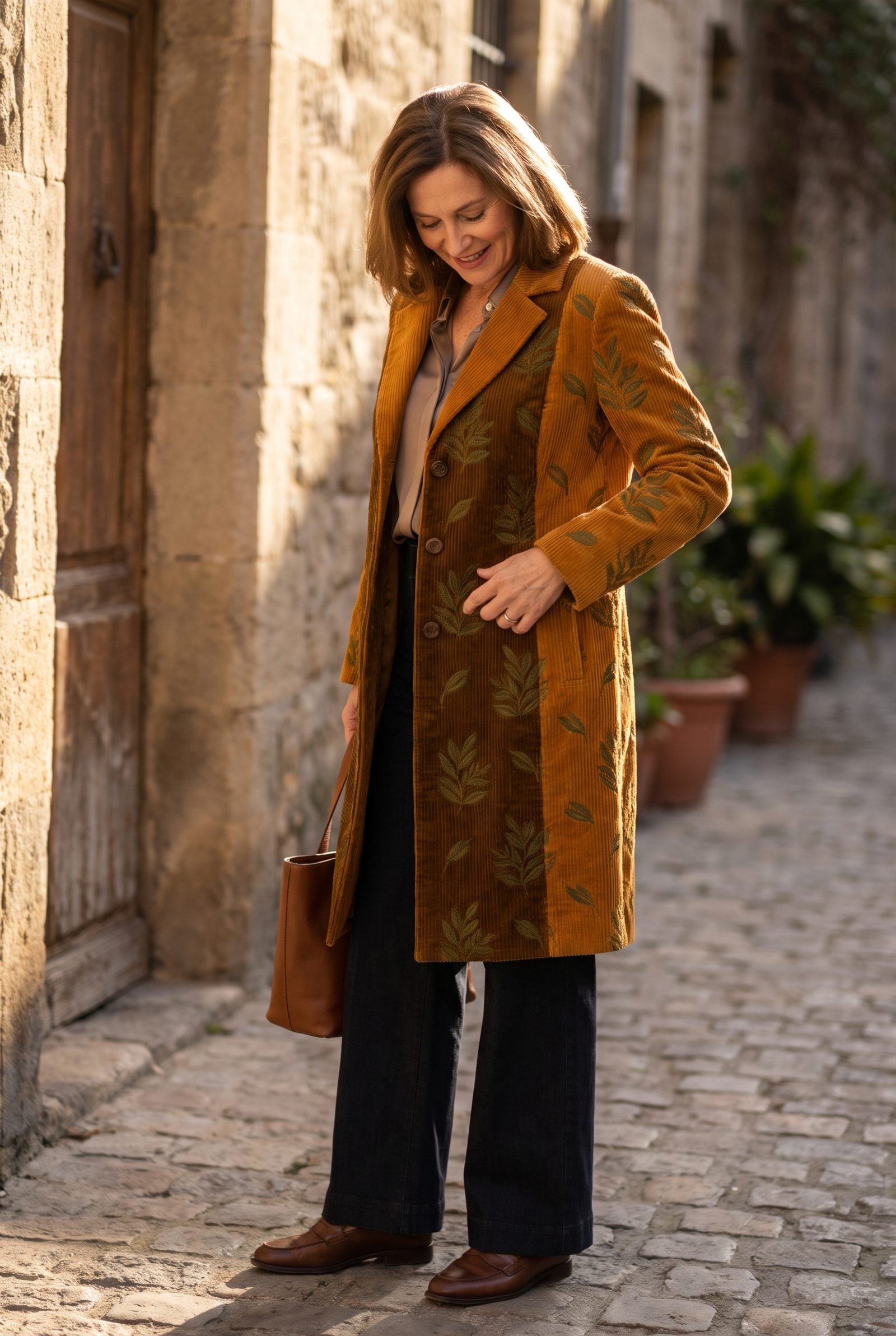
Run your hand down a velvet skirt, then back up. One way feels smooth and looks pale. The other feels rough and looks darker. That’s nap, and it’s why the fabric has to be cut like it has a top and a bottom.
Velvet, corduroy, velveteen, and brushed wools all have fibers that lean in one direction, so light bounces off them differently depending on which way they point. Cut one panel upside down and you get a jacket where the left sleeve looks a shade off from the right, even though both came from the same bolt. So every pattern piece has to be laid out facing the same way, a “with nap” layout. You lose the trick of flipping pieces to nest them tightly, which eats more fabric and pushes the price up. It’s also why cheap corduroy sometimes looks oddly patchy. Somebody cut corners on the layout.
16. Plaid Matching Requires More Fabric and Labor
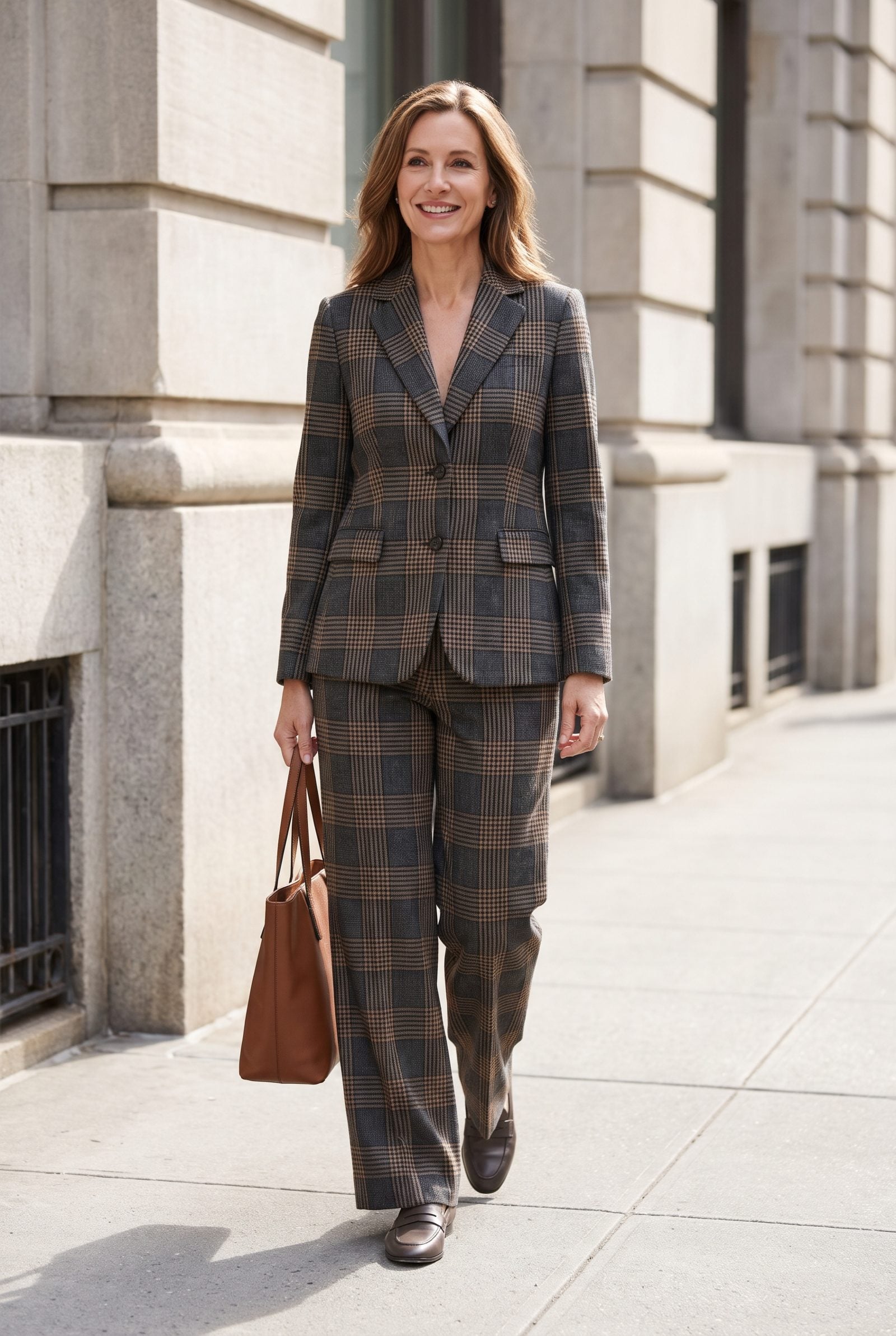
Look at a cheap plaid jacket — the lines jump and stagger at every seam. Now look at an expensive one, where the stripes march across the seam like they were never cut at all.
That alignment isn’t luck. Matching a plaid means buying extra fabric so the repeat lines up, then cutting slowly so nothing shifts. More cloth, more time, more waste on the cutting room floor. As with those denim details, the value is hidden: the money is in the matching, not the material.
Writing about glen plaid suits, a bespoke tailor notes that “for tailors, plaids pose numerous challenges and additional costs. The horizontal and vertical lines have to match up exactly, requiring slightly more fabric than the solid or striped two piece.”
15. Lining Helps Structured Clothes Slide Over the Body
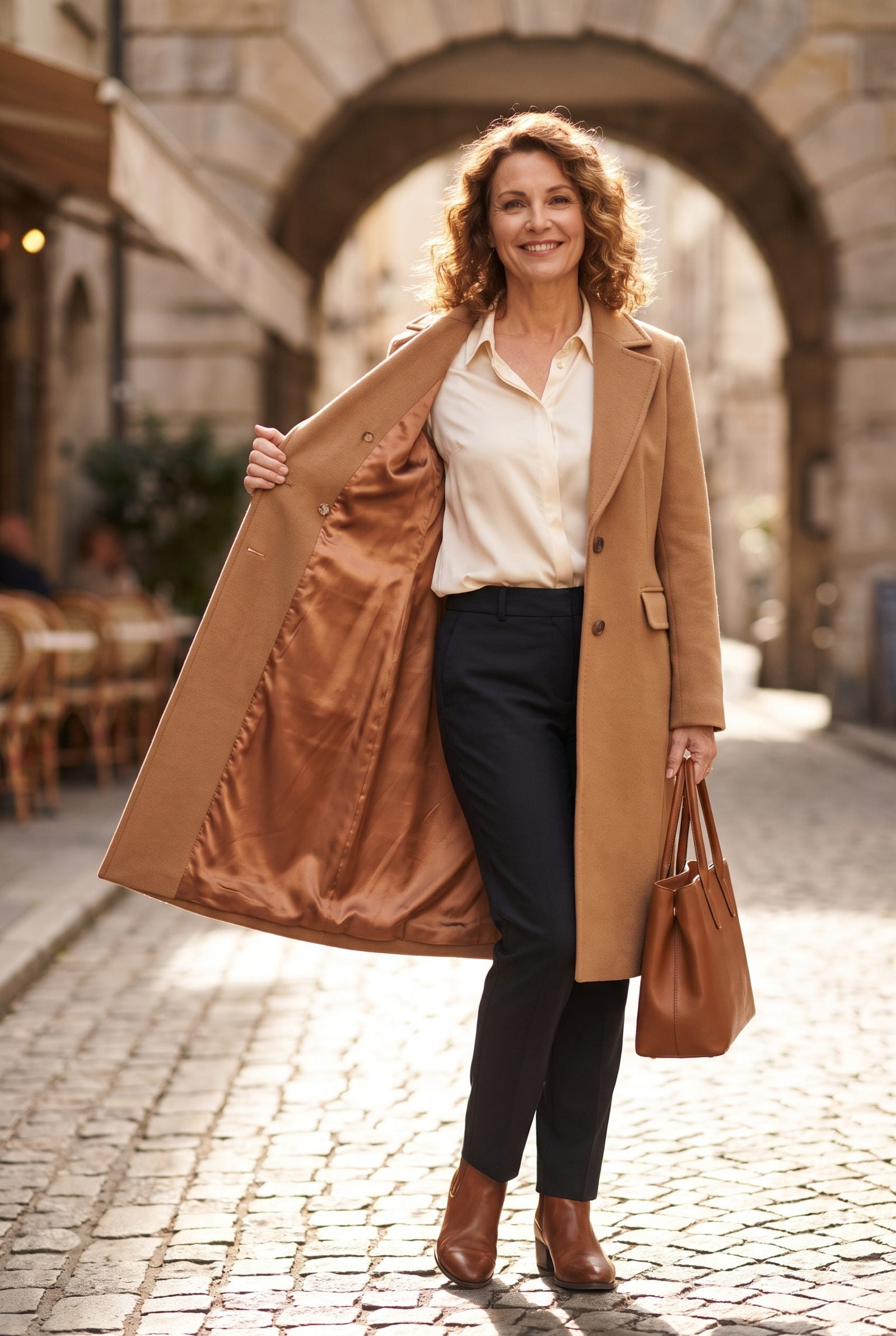
Pull on an unlined wool coat over a sweater and it snags, drags, and rides up your arm. The lining is the fix nobody sees.
That slip of silky fabric inside lets the structured shell glide over everything underneath instead of grabbing it. It also hides the seams, keeps the shape from stretching out, and adds a little warmth. A grey wool blazer feels expensive partly because of what’s going on where you can’t see it.
14. Interfacing Gives Collars, Cuffs, and Waistbands Their Shape
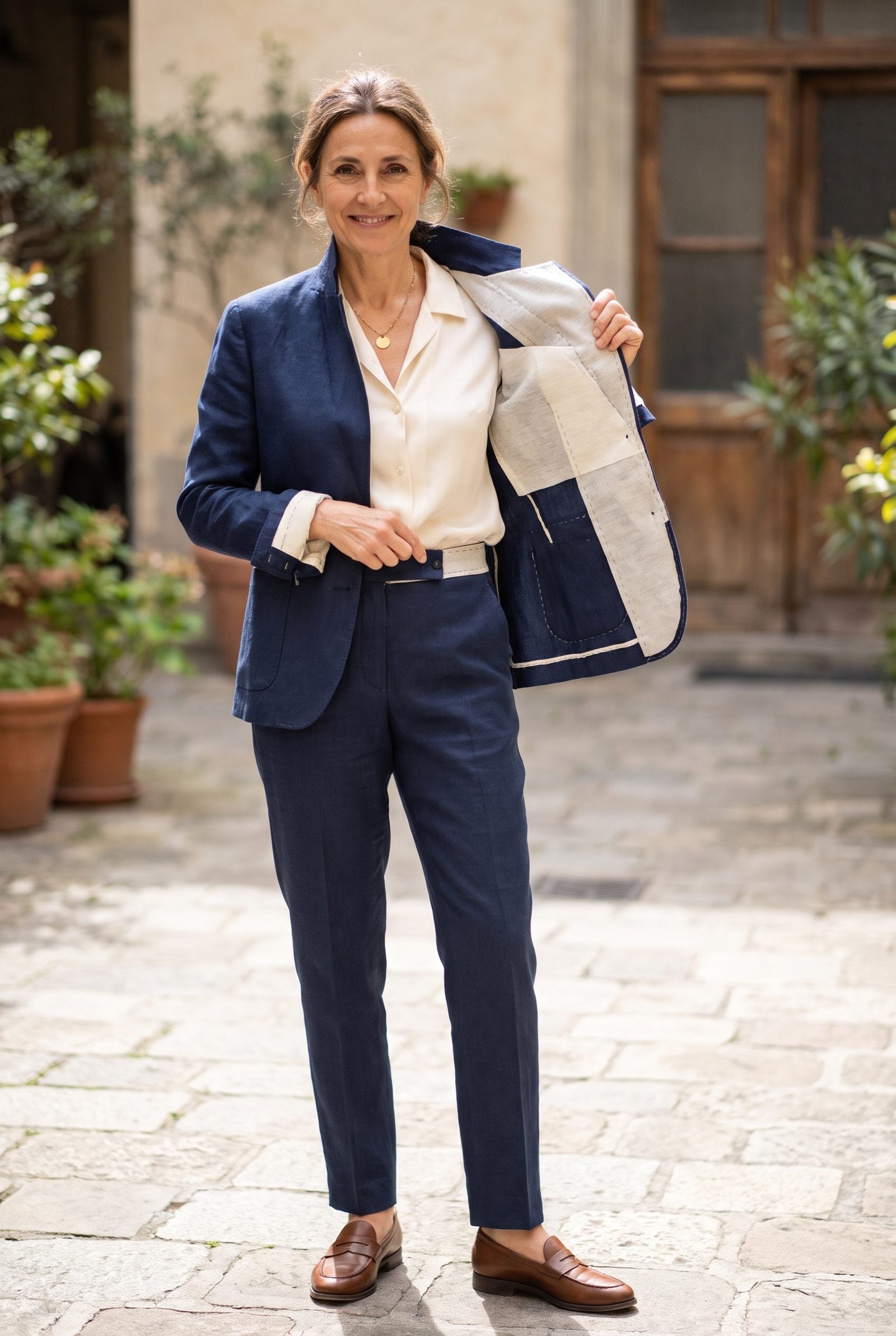
A shirt collar stands up. A waistband holds its shape. A cuff doesn’t flop. None of that is the main fabric doing the work.
Hidden between the layers is interfacing — a stiffer material fused or sewn in to give floppy cloth some backbone. Skip it and the collar wilts, the buttonholes stretch, the whole thing looks tired by noon. It’s the scaffolding your wardrobe is built on, propping up everything you never think about.
13. The Horizontal Buttonhole at a Waistband Handles Extra Strain
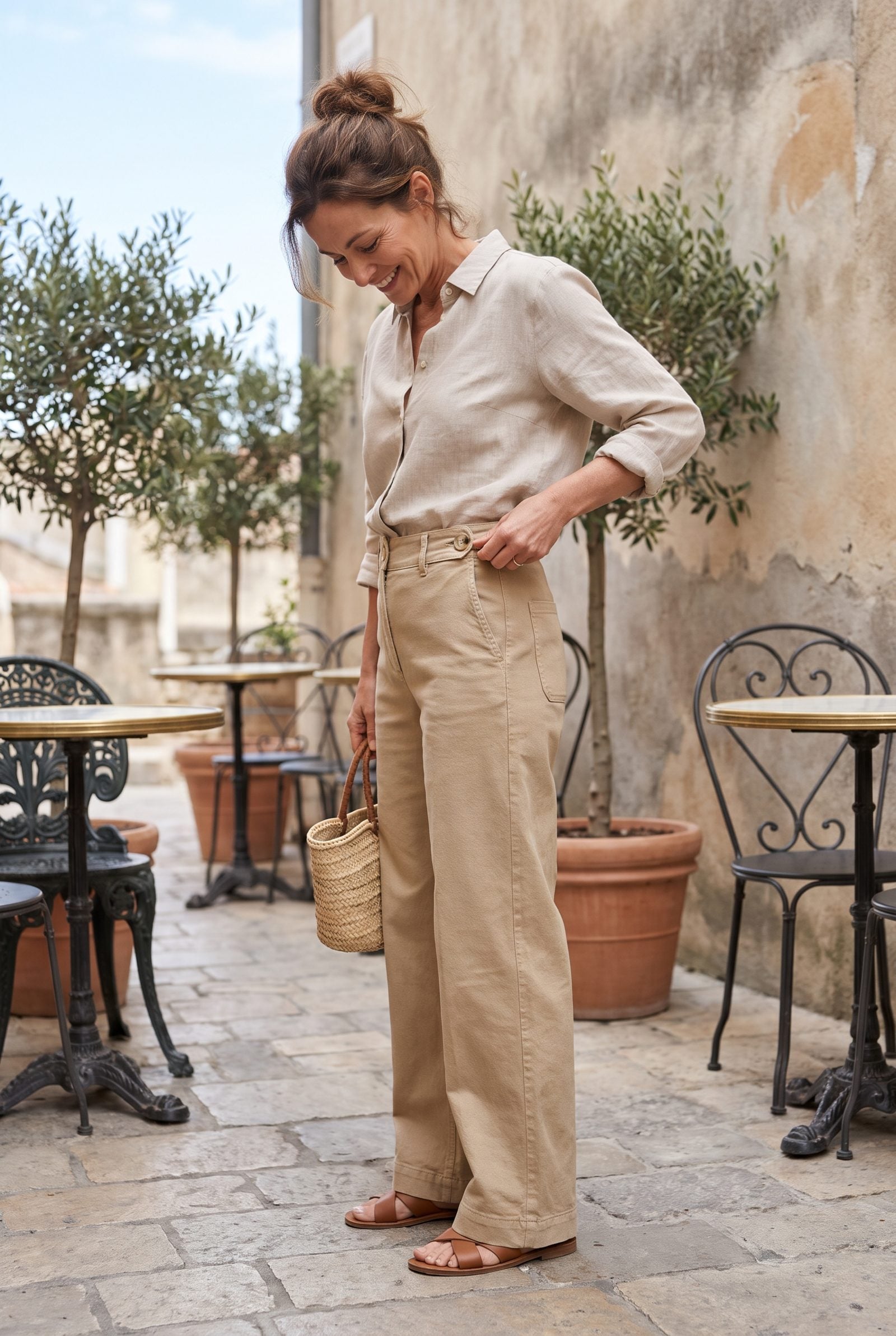
Check the top of any waistband. That buttonhole sits sideways while the ones down the front stand upright. Not an accident.
A horizontal buttonhole lets the button slide to the end of the slot when you move, pull, or sit, so it gives under strain instead of popping. The waistband takes the most stress of any closure on a garment, which is why it gets the orientation that can take a beating. Small detail, and genuinely clever.
12. Opposite Shirt Button Sides May Trace Back to Servants Dressing Wealthy Women

Men’s shirts button left over right. Women’s button right over left. Same shirt, mirror image, and almost nobody notices until someone points it out.
One popular theory: back when wealthy women were dressed by servants, the buttons faced the person doing the buttoning rather than the one wearing the blouse. Men dressed themselves, so theirs stayed on the self-friendly side.
11. Invisible Zippers Hide Their Teeth Behind the Seam
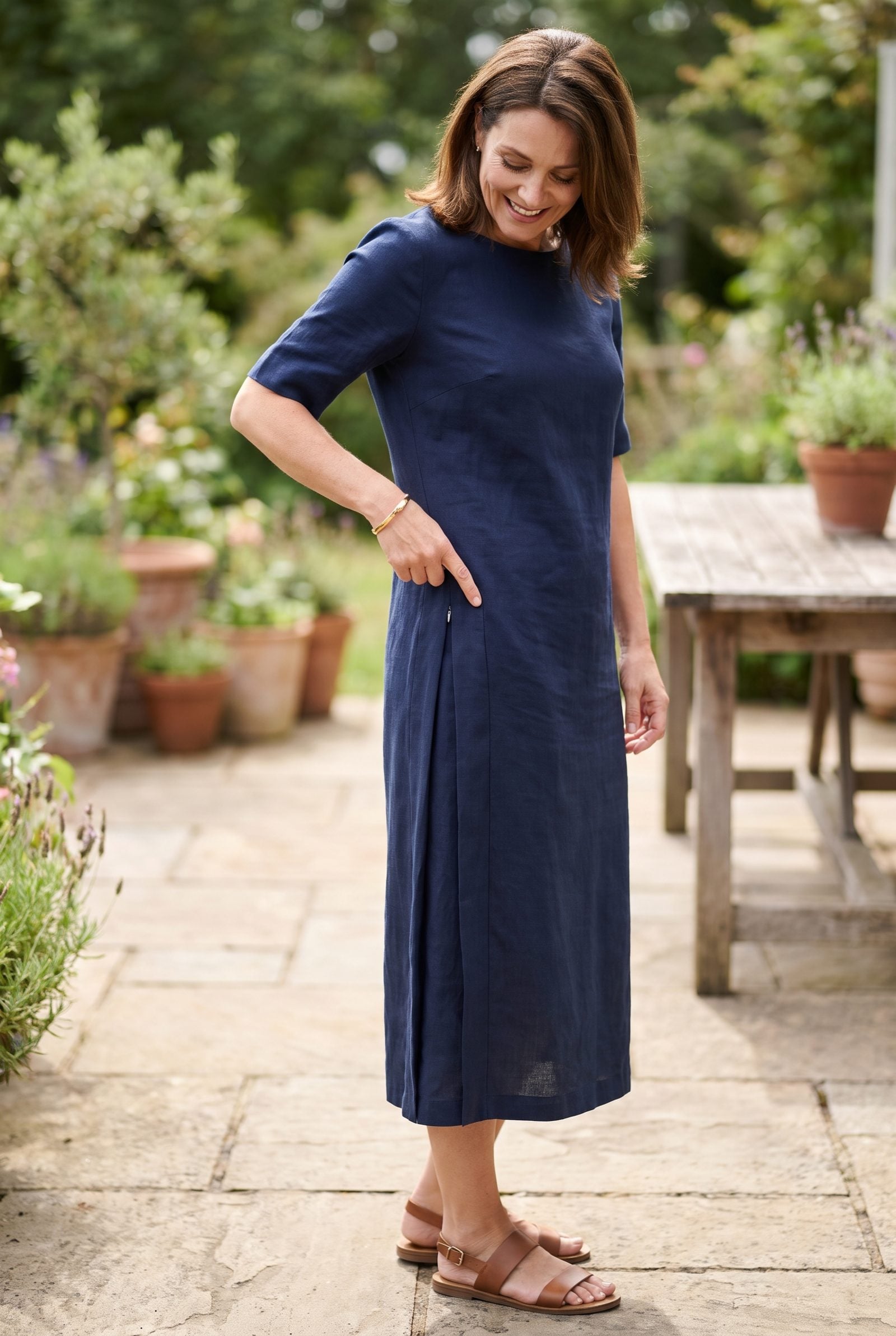
On a good dress, you can run your finger down the side seam and feel no zipper at all. Then you spot the tiny pull tab and realize it was there the whole time.
Invisible zippers roll their teeth to the back, so the coil tucks behind the fabric and the seam looks unbroken. Harder to sew, cleaner to look at. That’s the gap between a dress that reads finished and one that announces its hardware.
10. Smocking Creates Stretch Without Modern Elastic Fibers
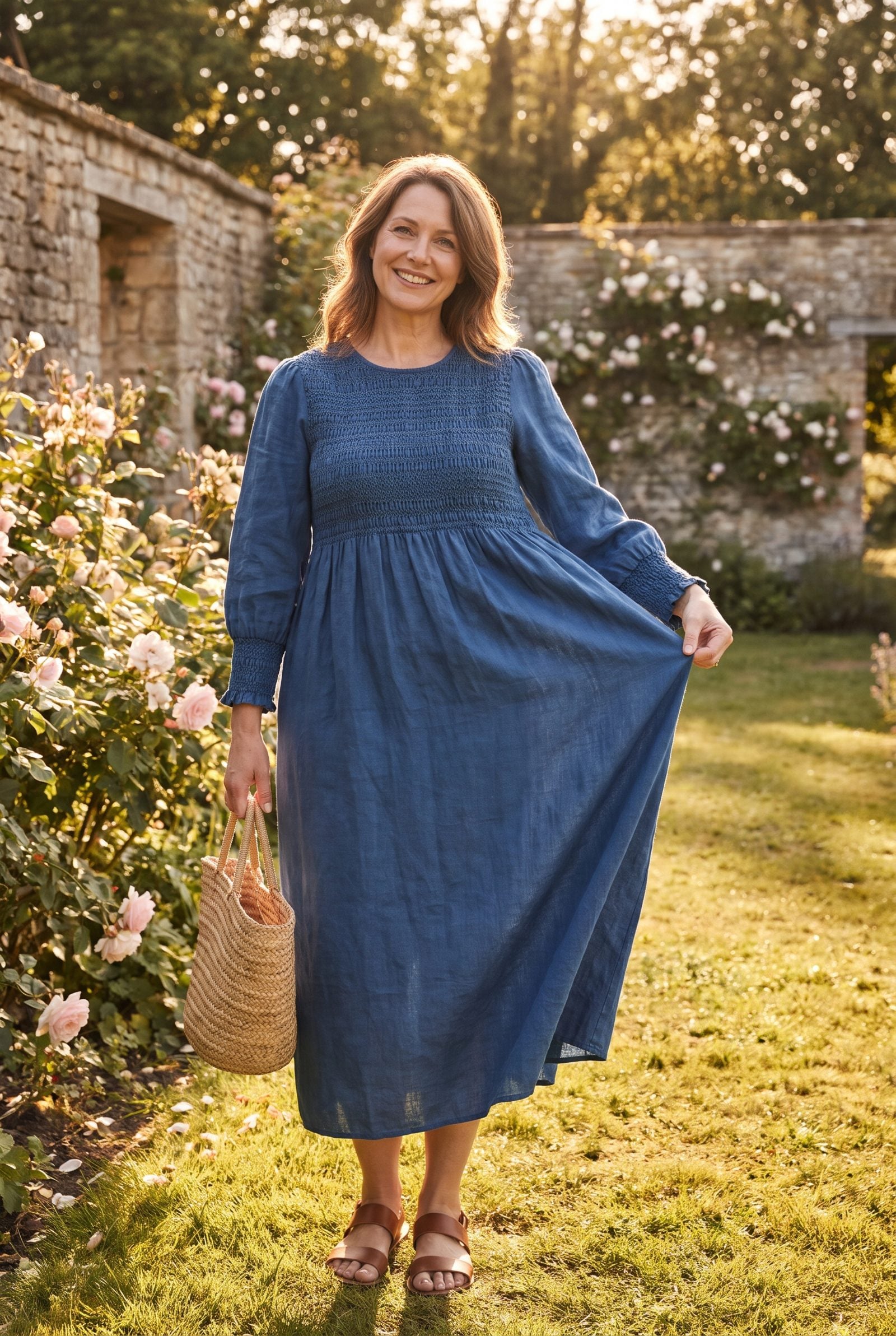
Before spandex, how did a dress stretch to fit and still spring back? Needle and thread, pulled into tiny honeycomb pleats.
Smocking gathers fabric into rows held by decorative stitching, and the whole panel flexes like a soft accordion. It’s why an old cotton blouse can hug the chest without a scrap of elastic in it. Pure handwork pretending to be stretch — and it still looks lovely a hundred years on. That kind of patience is what good style is made of.
9. Gussets: The Tiny Diamond That Keeps Your Clothes From Ripping

That tweed diamond sewn into the underarm, just where the sleeve meets the body of a well-made camel wool blazer, is doing quiet labor. A gusset sits exactly where your body moves most — the underarm, the crotch of trousers, the thumb of a glove — and it gives the seam somewhere to breathe when you reach, twist, or drop into a chair.
Cheap clothes skip them, which is why the discount shirt splits at the armpit by August and the hand-finished one never does. Construction is the engine here, not fabric. Reach for a cup on the top shelf and the gusset is what lets a fitted garment stay fitted instead of tearing itself apart.
8. Bloomers Carried a Reformer’s Name, Not a Fashion Label
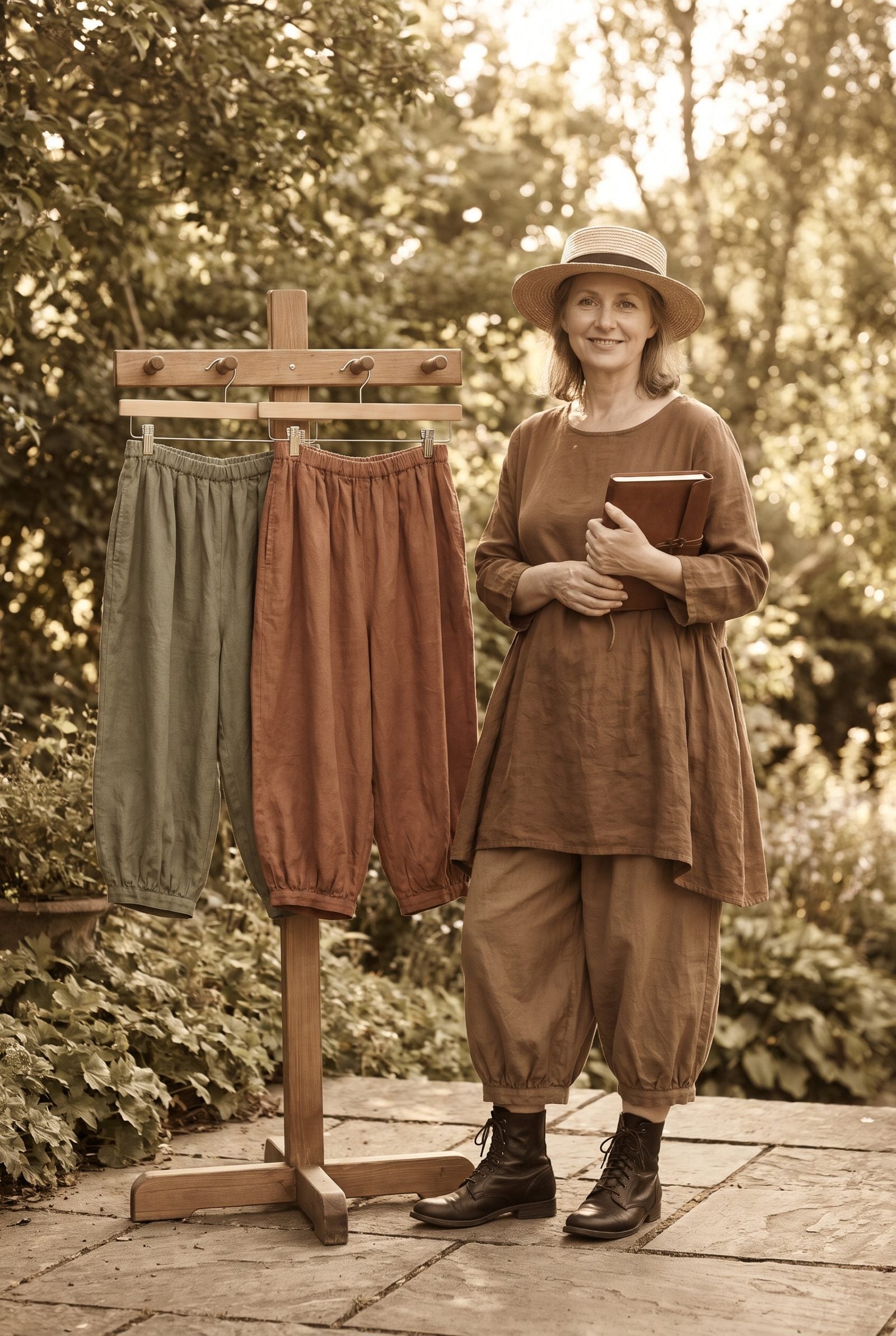
The baggy gym shorts your grandmother called bloomers took their name from Amelia Bloomer, a temperance and women’s rights advocate who championed the style in the 1850s. She didn’t invent the garment. She published it, promoted it, and defended it in her newspaper when the press mocked women for daring to wear something they could actually walk in.
Picture the context. Skirts of the era weighed several pounds and swept the filthy street, and the reform outfit put loose trousers under a shorter skirt — a small change treated as a scandal. The clothes outlived the ridicule. And the name? It stuck to the woman brave enough to wear hers in public.
7. Wartime Rationing Rewrote the Hemline Rulebook
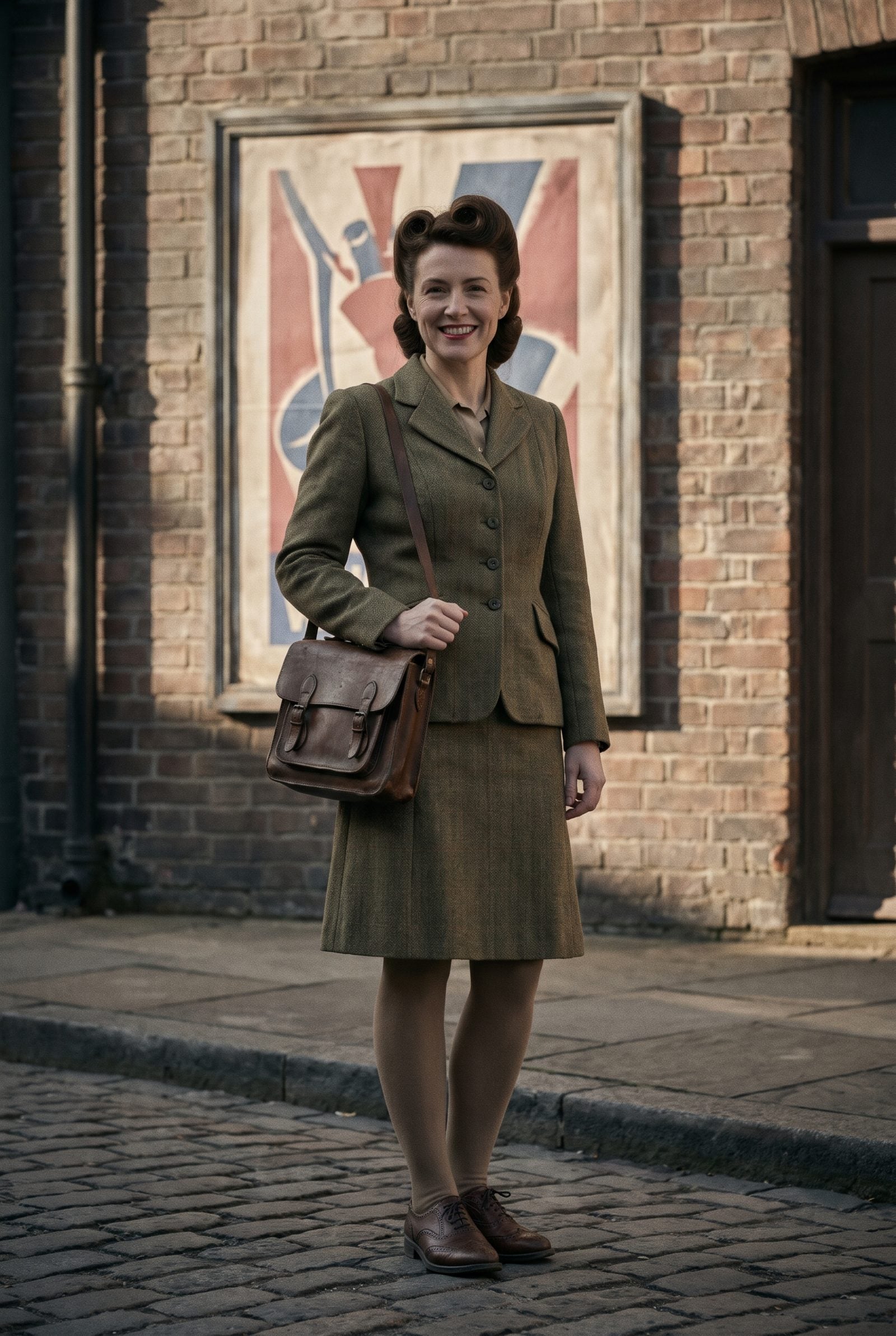
Shorter hems weren’t a style whim. They were law.
During the Second World War, governments rationed cloth for uniforms and parachutes, so clothing regulations capped how much fabric a dress could use. Hems rose. Skirts narrowed. Pleats, patch pockets, and turned-back cuffs vanished because every one of them cost fabric the war needed elsewhere.
What’s interesting is how the constraint bred elegance. Designers worked the bias, used color blocking, and leaned on a nipped waist to make a plain, fabric-saving silhouette read as deliberate rather than deprived. The cleaner lines you still see in a sharp sheath dress trace straight back to that enforced restraint.
6. The White Wedding Dress Began as One Woman’s Choice in 1840
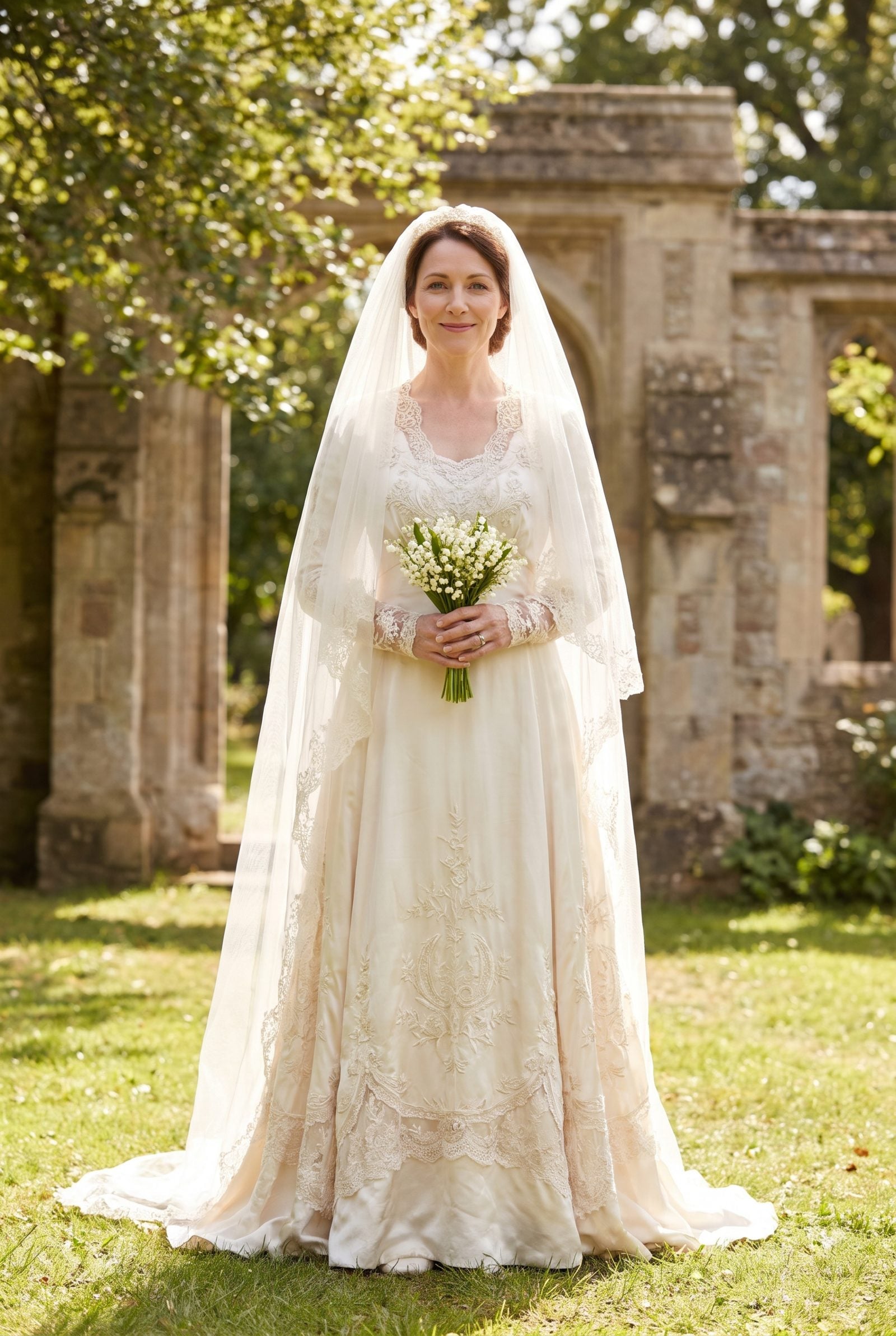
White wasn’t always the bridal default. Before 1840, a woman often married in her best colored dress — something practical she could wear again. Then Queen Victoria walked down the aisle in white silk satin trimmed with lace, and the copying began almost immediately.
White signaled one thing in that era: wealth. You could only wear a dress that impractical if you had the means to keep it clean and never wear it again. The habit spread through the growing middle class, and by the end of the century white read as the only proper choice.
5. Every Detail on Your Trench Coat Had a Battlefield Job

The storm flap, the D-rings, the shoulder straps, the gun flap buttoned across the chest — none of it is decoration. The trench coat was built for officers in the First World War, and every feature answered a specific problem in the field.
The D-rings on the belt held map cases and grenades. The epaulettes secured gloves and rank insignia. That flap on the back shed rain, and the double-breasted front sealed the body against wind in a cold trench. The coat kept all of it when it moved into civilian life because the details looked purposeful, and purposeful always reads as authority.
Wear one now and you carry a century of that quiet structural logic on your shoulders.
4. The Bikini Took Its Name From a Nuclear Test Site

French designer Louis Réard launched his tiny two-piece in 1946 and named it after Bikini Atoll, the Pacific island where the United States had just conducted atomic bomb tests. He was betting the swimsuit would cause an explosion of its own.
The gamble on shock value paid off. Pure marketing genius, built on a cultural moment that had nothing whatsoever to do with swimwear.
3. Mauve Was a Lab Accident That Colored an Entire Era

In 1856, an 18-year-old chemist named William Perkin was trying to synthesize a malaria treatment. He failed, and the dark sludge in his beaker stained silk a vivid purple that wouldn’t wash out. That accident became mauveine, the first synthetic dye.
Purple had been outrageously expensive for millennia, extracted drop by drop from sea snails and reserved for royalty. Perkin’s mistake put it in reach of anyone with a dress to color. The shade swept Europe so hard that the 1890s earned the nickname the Mauve Decade.
A ruined chemistry experiment handed the masses a color that had meant power for two thousand years. Not a bad save.
2. Linen Wrinkles Because the Fiber Refuses to Spring Back

You iron it, you sit down, and it’s crumpled again before lunch. There’s a reason, and it’s structural.
Flax fibers are stiff and carry almost no natural elasticity. Bend them and they stay bent, because unlike wool or cotton they don’t have the internal spring to recover their shape. The crease you fold into linen is the fiber doing exactly what it’s built to do.
We stopped fighting it years ago, honestly. The relaxed rumple of good linen reads as expensive and self-assured — the fabric of someone who has better things to do than press a shirt twice a day. Chasing a crisp finish on linen is a losing battle against chemistry, and chemistry doesn’t negotiate.
1. High Heels Started on the Feet of Men
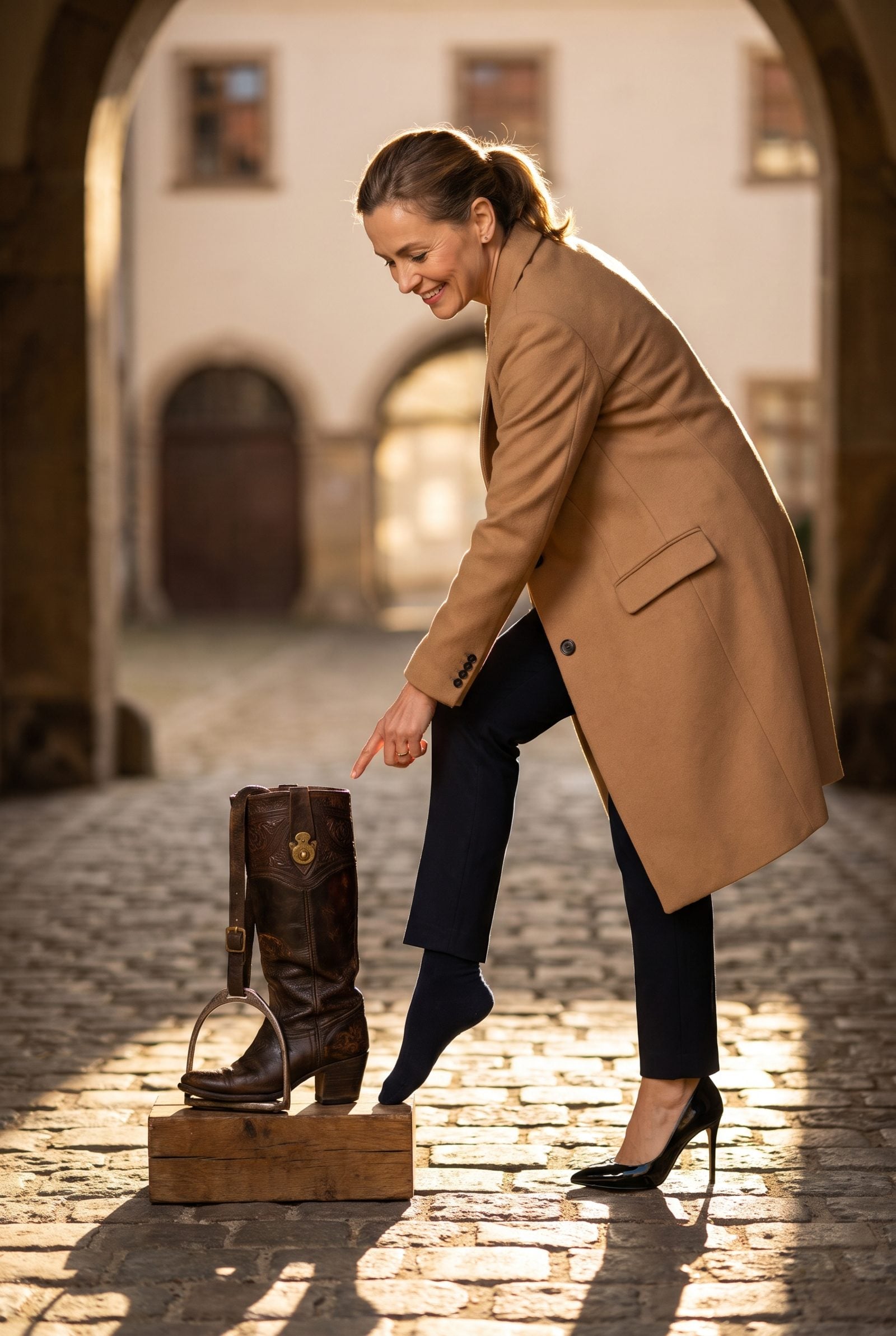
The heel began as practical military gear. Persian cavalry wore heeled boots so their feet would lock into stirrups, and when the style reached 17th-century European courts, aristocratic men adopted it as a mark of status. King Louis XIV wore red-heeled shoes and restricted the privilege to his court.
For well over a century, heels read as masculine, powerful, and aristocratic. The gender coding flipped later, as women adopted the look and men abandoned it. The shoe didn’t change — the meaning we assigned to it did, which tells you most of what you need to know about how clothing gets labeled feminine or masculine in the first place.
The shoe stayed the same. Only the story we told about who could wear it changed.