
❤️ Would you like to save this?
Open any woman’s closet and skip past the dresses. Go straight to the shoes. The rack tells you more than she ever would over coffee.
Some racks are sorted by color. Some keep one pair on a pedestal like a relic. Some hold three pairs total and not a single apology for it. None of this is accident. The way you store, stack, retire, and protect your shoes maps directly onto how you handle mornings, memory, risk, and time.
We looked at a range of distinctly organized and stocked shoe racks and read them like handwriting. What we found runs deeper than tidiness. A worn-down boot by the door, a wall of nude flats, a battered pair among the pristine ones. Each one is quietly confessing a priority. Keep reading. You will recognize at least one as your own, and it may not say what you expect.
FYI, thanks to AI imagery software, we’re able to create very specific fashion and hairstyle examples to illustrate the points being made. In some cases, imagery is exaggerated to hammer home the point. Also, assume links that take you off the site are affiliate links such as links to Amazon. this means we may earn a commission if you buy something.
The Shoe Rack That Reveals She Plans Her Mornings the Night Before
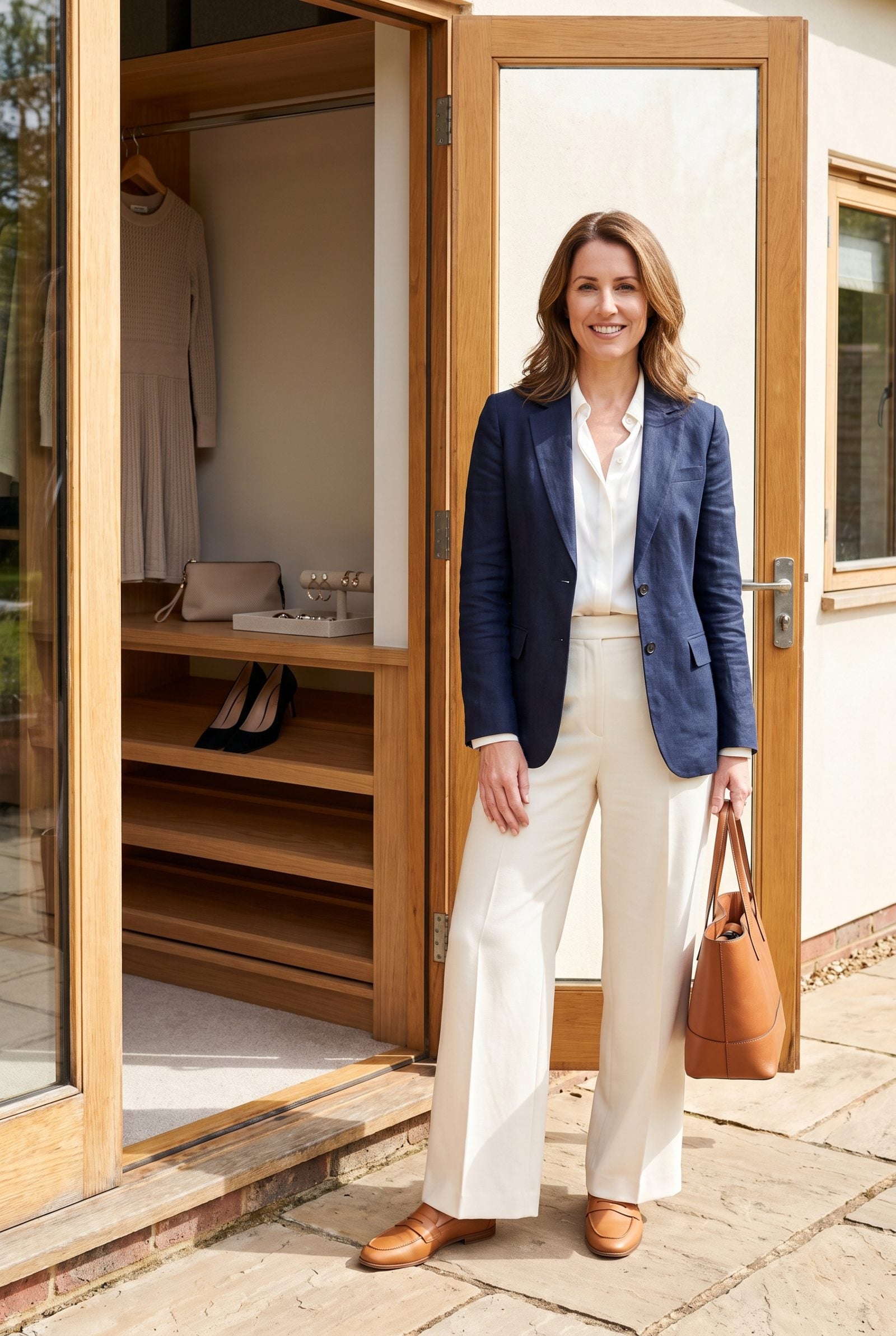
Tomorrow’s shoes are already out. Pulled forward on the rack, toes pointing at the door, sitting next to the bag that matches. Nobody told her to do this. She just stopped letting 7am decide for her.
There’s real science under the habit. Your capacity to make good calls runs down over the course of a day, a drain psychologists call decision fatigue, and some people deliberately simplify routine choices like what to wear to protect that mental battery for bigger things (Source). A woman who stages her shoes at night isn’t fussy. She’s hoarding her own willpower.
Notice what it signals about priorities. The morning isn’t where she wants to spend her thinking. She’d rather spend it on the meeting, the drive, the actual day. The staged pair is a tiny act of respect for her future self, the one who’ll be half-awake and grateful.
Why Rows of Identical Nude Flats Point to a Specific Kind of Decision Fatigue
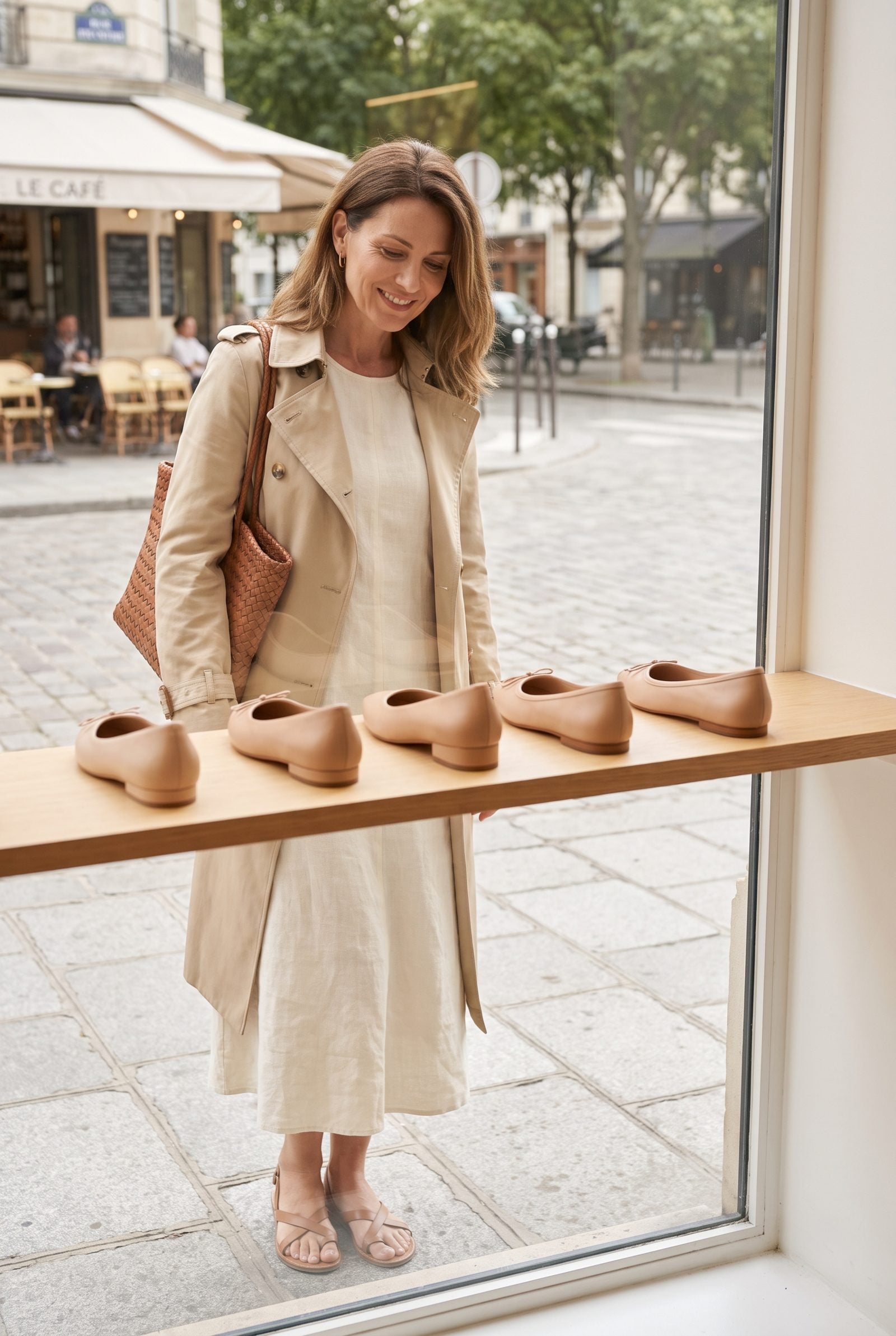
Five pairs. Same shade of beige, give or take. Slightly different brands, barely different shapes. From across the room they read as one shoe, bought over and over.
This isn’t a lack of imagination. It’s a system. The term decision fatigue was coined by social psychologist Roy Baumeister, and the research holds that our ability to make sound decisions diminishes as we make more of them through the day, with even minor choices adding to the load (Source). Five near-identical flats erase the question entirely. There’s nothing to decide. They go with everything, so everything is already decided.
It’s the same logic that had Obama and Zuckerberg wearing variations of one outfit. Minimizing your wardrobe minimizes the morning decisions you make, banking that decision-making power for later in the day (Source). A woman who’s done this to her shoe rack has figured out the trick other people are still paying full price for.
The One Pair Kept on a Pedestal (And What It’s Really Protecting Her From)
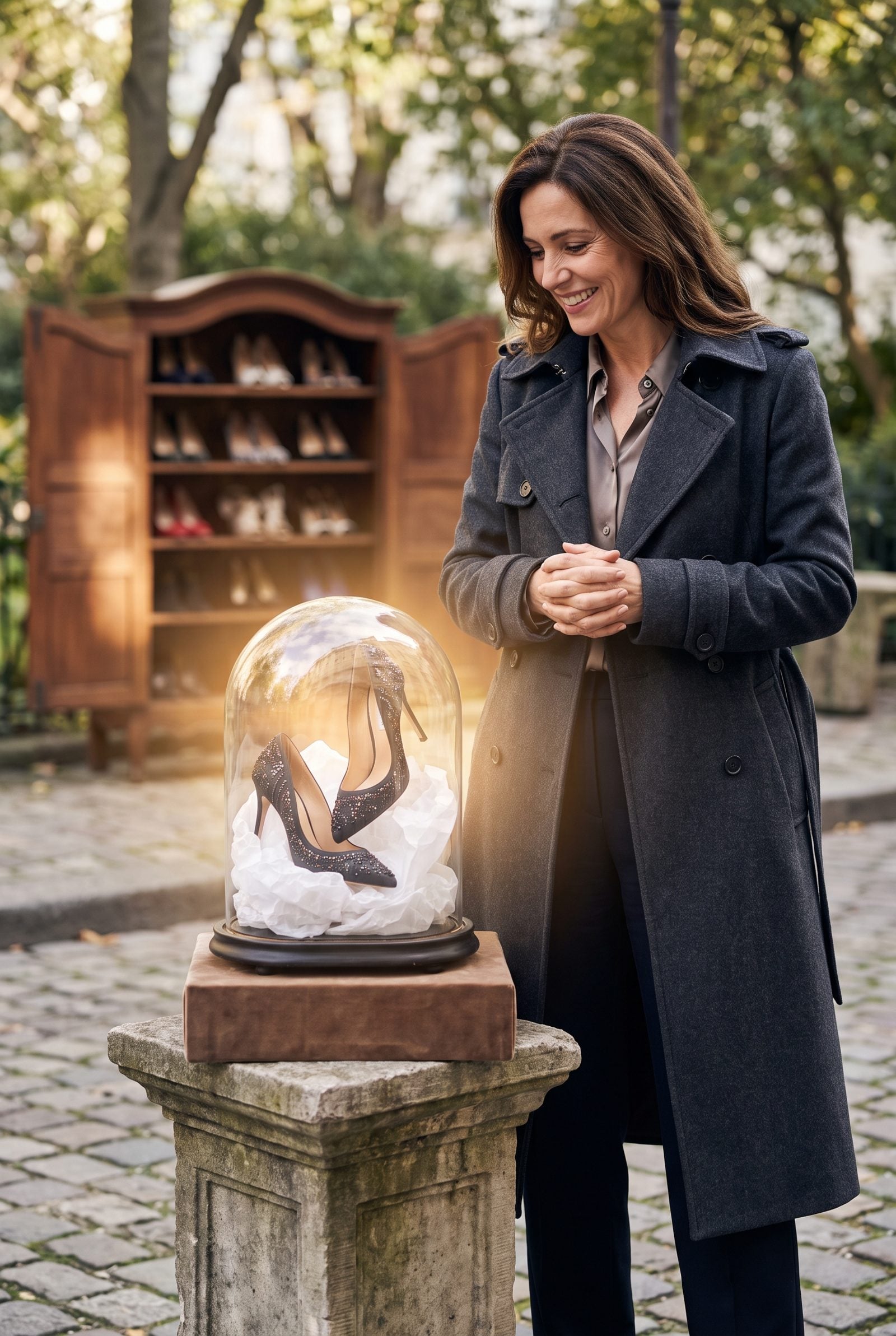
One pair sits apart from the rest. Maybe on a little stand, maybe still cradled in tissue, maybe just given a whole shelf to itself while everything else doubles up. These are the shoes that rarely go out.
The feeling behind them has a name. The endowment effect is the finding that people place a higher value on an object simply because they own it, and are far more reluctant to part with it than to acquire it in the first place (Source). These shoes aren’t being protected from scuffs. They’re being protected from use, because using them would turn them from a symbol back into just shoes.
There’s a tender version of this. The attachment theory of ownership holds that an owned item becomes part of your self-identity, so losing it reads as a threat to who you see yourself as being (Source). The pedestal pair is often tied to a version of herself she’s keeping safe. The promotion shoes. The wedding shoes. The pair she bought the day everything changed.
Some shoes are footwear. Some shoes are a bookmark in your own story.
What a Rack Sorted by Color Instead of Occasion Says About How She Sees the World
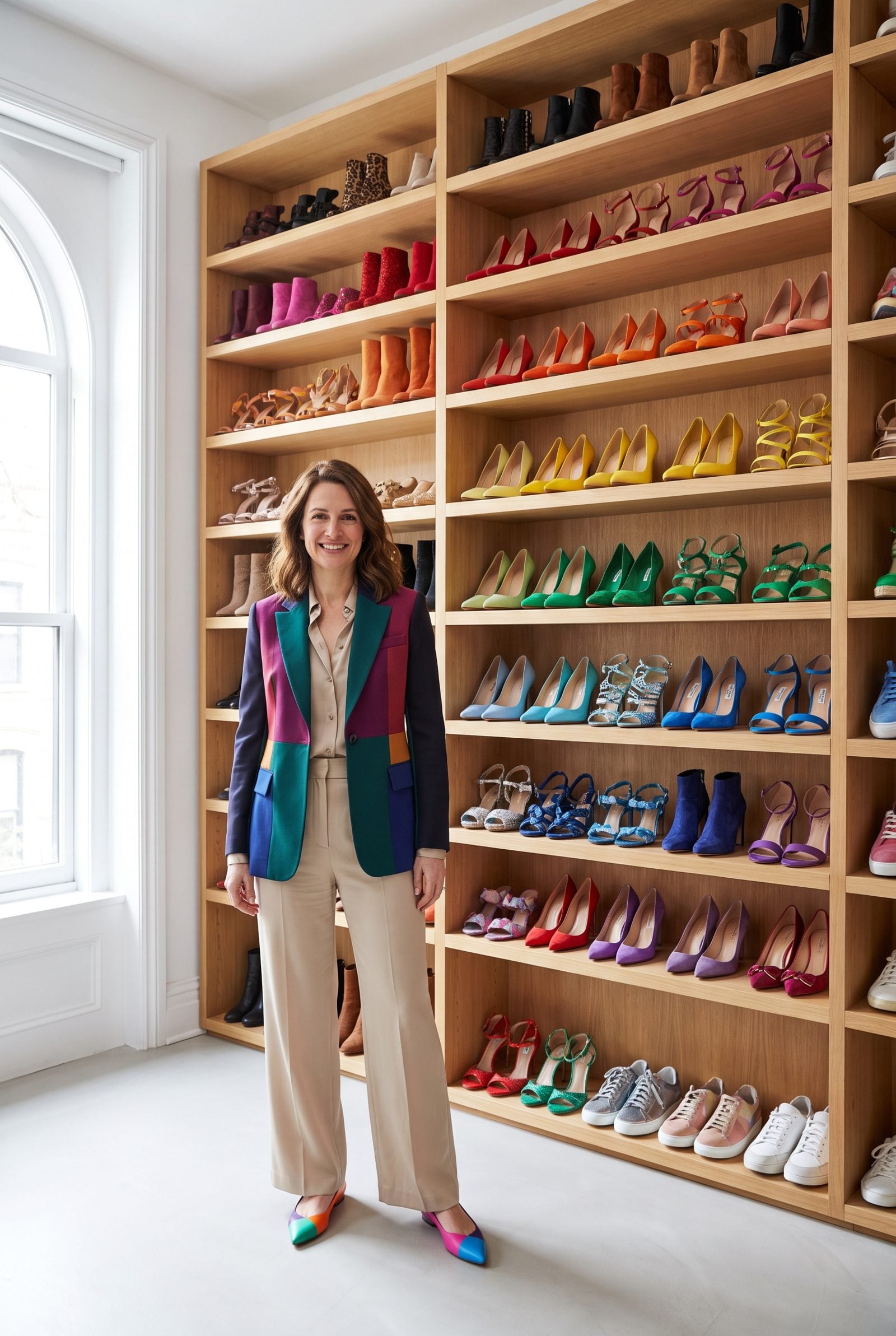
Most people sort shoes by job. Work shoes here, gym shoes there, the going-out pair up top. Then there’s the rack that ignores all of that and runs instead from pale to dark, a gradient of leather and canvas sweeping across the shelf.
That instinct is telling. People who naturally arrange things by color tend to have what’s described as a visual mind, processing objects by their attributes rather than their function, and finding genuine calm and satisfaction in the resulting order. She doesn’t see a work shoe and a weekend shoe. She sees a cream, a camel, an oxblood, a black.
It also quietly says she trusts aesthetics as a filing system. Occasion-based sorting is about duty. Color-based sorting is about how a thing looks and feels, and she’s decided that’s reason enough. Research on collectors suggests a pull toward order and muted palettes aligns with conscientiousness and a value placed on introspection (Source).
The Hidden Meaning Behind Keeping the Box Every Shoe Came In
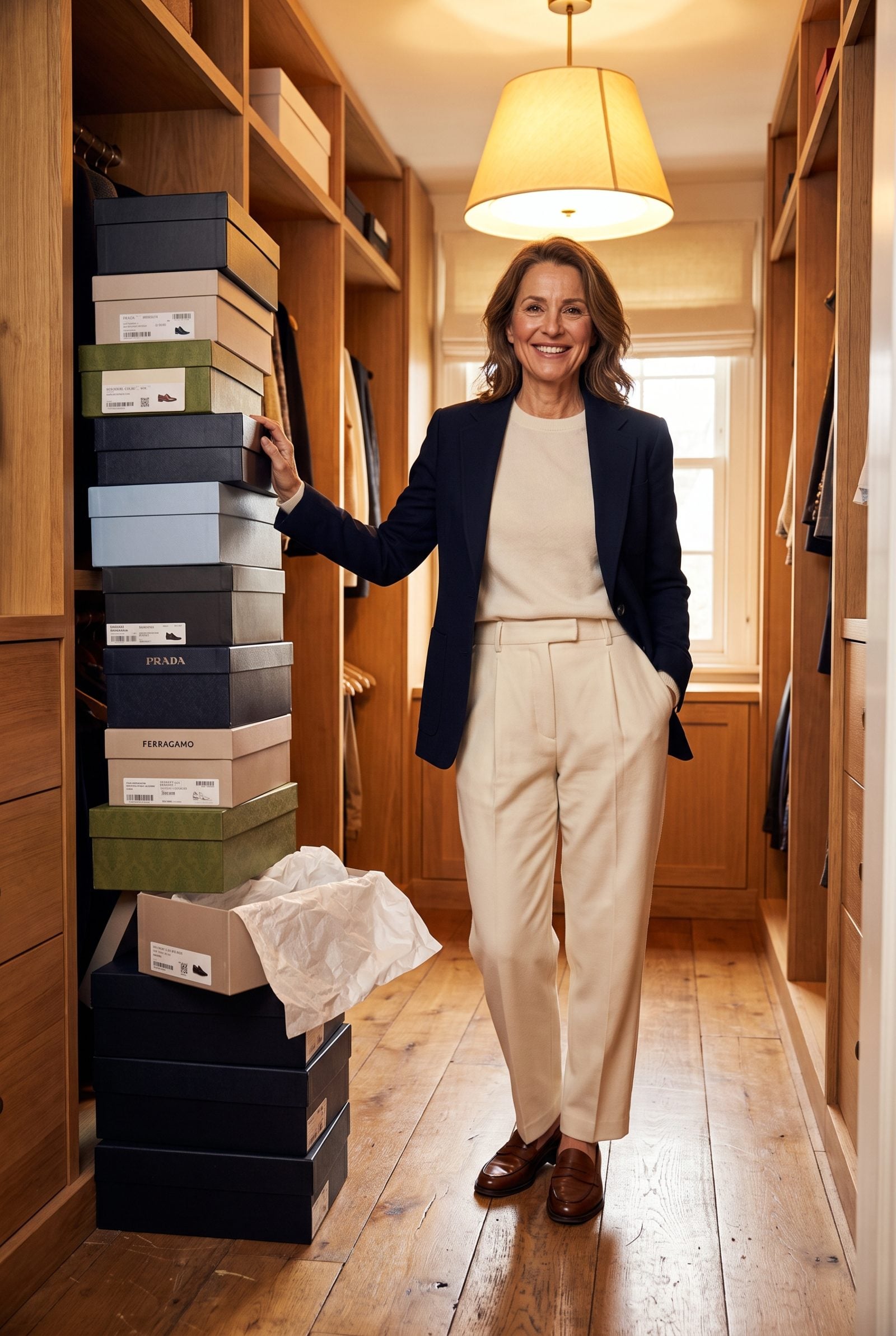
You’ve seen this closet. A tower of original shoe boxes, lids on, stacked floor to shelf, each one holding the pair it came with. It looks like a stockroom. It feels like something more.
Here’s the part people get wrong. Keeping the packaging doesn’t make someone a hoarder. Psychologists point to a pattern called safety hoarding, where everyday items are held as a kind of emotional insurance, and the driver is preparedness rather than attachment (Source). The boxes are an “if I keep this, I’m ready” reflex, and that reflex tends to sharpen during stress or big life changes.
There’s a resale logic too, and it’s smart. In the luxury market, items that come with their original boxes, dust bags and authentication cards command higher prices than the product alone (Source). The woman keeping every box may simply understand that a shoe with its box is worth more than a shoe without one.
Why the Woman With Six Pairs of Sneakers Trusts Her Own Body More Than You Think
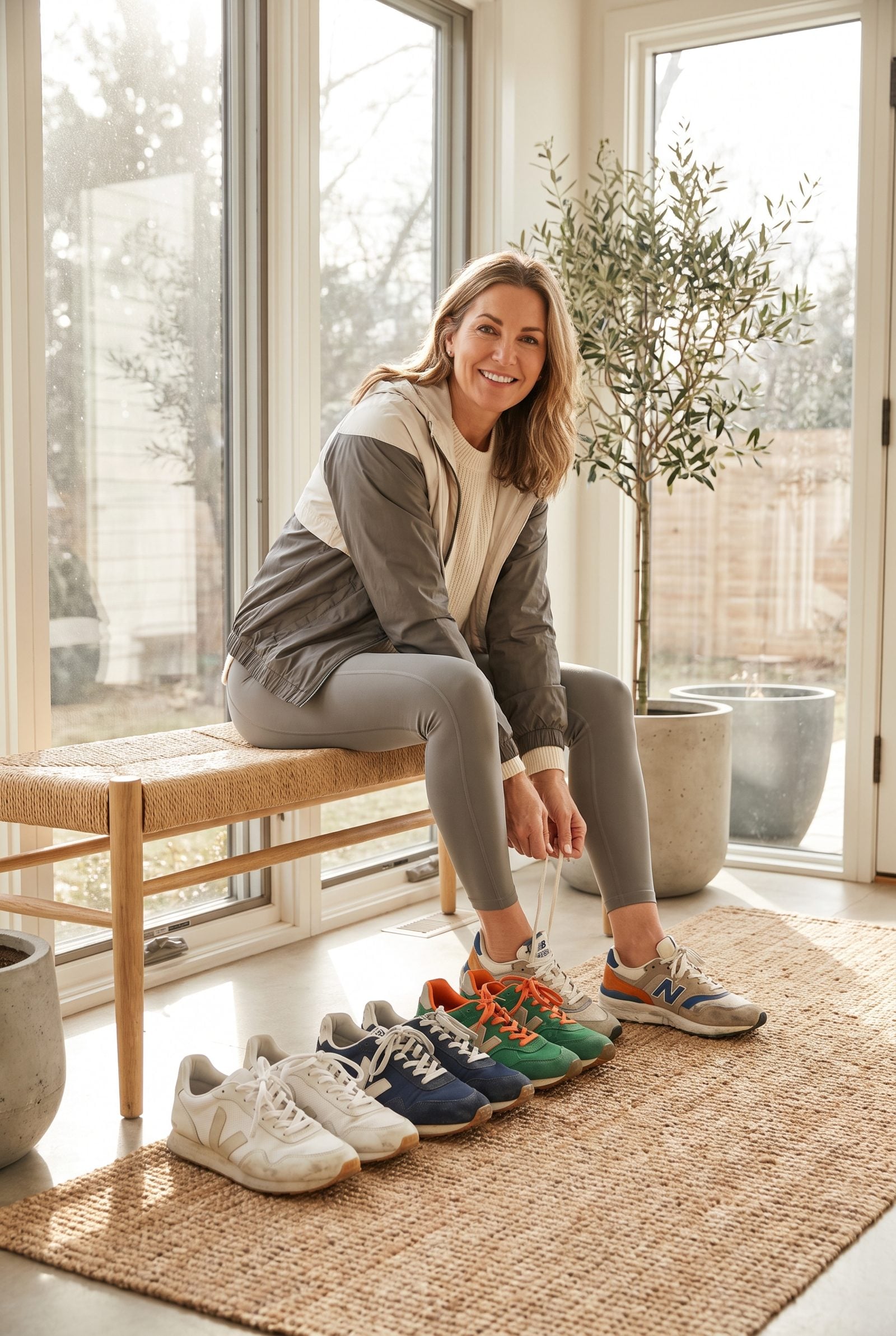
Six pairs of sneakers and not a heel in sight. Trainers for the gym, a walking pair with the heel worn soft on the outer edge, clean white ones for errands, something cushioned for the long days on her feet.
Read it as priorities made visible. This is a woman who’s organized her footwear around movement, which is another way of saying she’s organized it around her body and what it can still do. There’s a feedback loop at work here that psychologists would recognize. The clothes you put on shift how you think and act, a phenomenon called enclothed cognition, introduced by Hajo Adam and Adam Galinsky, who proposed that clothing carries effects on our thoughts similar to how our bodily state does (Source). Lace into shoes built for motion and you behave like someone who moves.
After 40, this reads less like athleisure and more like self-knowledge. She’s not dressing for who she wishes she were. She’s dressing for the body she actually has, and that’s a kind of confidence most people never reach. If you want to build the same base, start with the athleisure style pieces that earn their keep every day.
The Rack Where Nothing Matches (And Why That’s a Confidence Signal, Not a Red Flag)
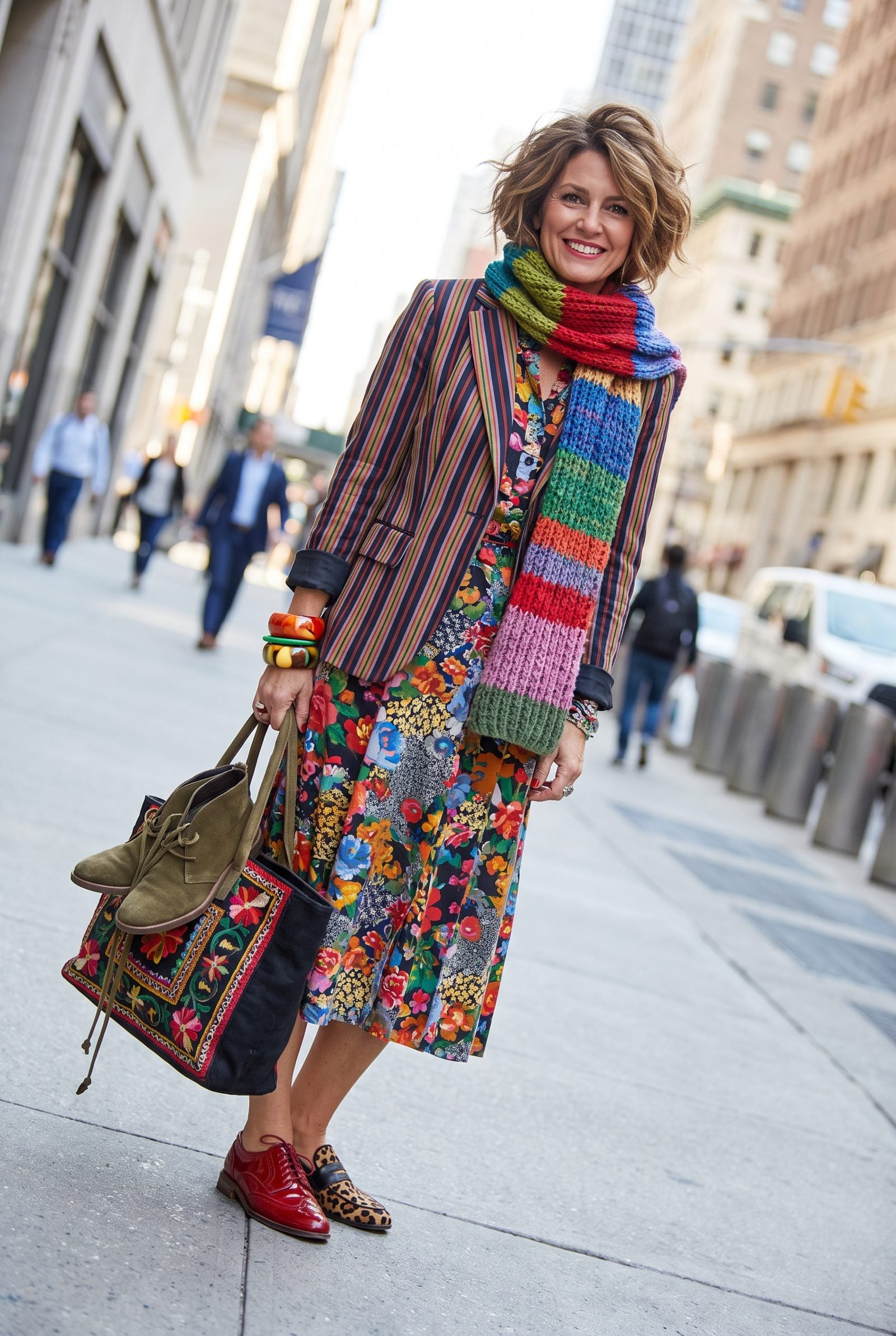
Red patent brogues next to olive suede boots next to a pair of plain black sandals next to something leopard. No theme. No palette. Every pair arguing with the pair beside it.
The easy read is chaos. The truer read is a woman who stopped asking permission. A rack like this comes from buying what she actually responds to, pair by pair, rather than building a coordinated set someone could approve of. That pull toward the bold and the stimulating lines up with personality research, where bright and bold choices tend to appeal to people who thrive on stimulation and sociability rather than on quiet uniformity (Source).
There’s also the dressing effect to consider. Because clothing influences thoughts and behavior through its symbolic meaning, with effects appearing only when the item is actually worn (Source), a closet full of expressive, unmatched shoes keeps handing her a daily hit of self-expression. She’s not confused about her style. She has too much of it to pin to one lane. Her other accessory styles probably follow the same rule: chosen for pleasure, not for matching.
What the Single Pair of Worn-Down Boots by the Door Tells You She Values Most
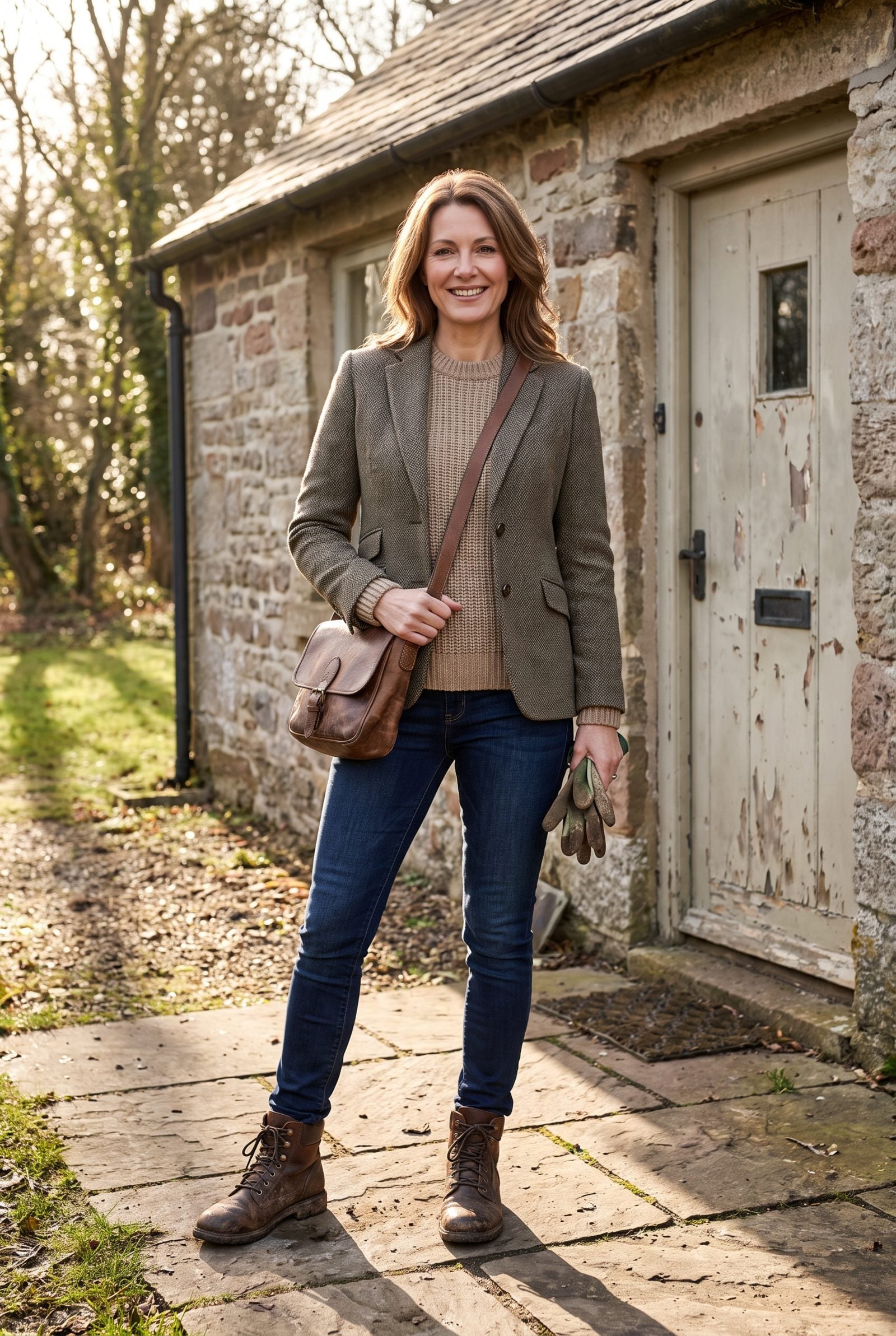
One pair. By the door. Heels run down at an angle, leather cracked at the flex point, laces replaced at least once. Everything else she owns lives on a rack somewhere else. These live where life happens.
This is the opposite of the pedestal pair, and just as revealing. A single well-worn boot kept in the path of the day belongs to someone who values use over preservation, function over display. The attachment runs deep but it’s earned, not aspirational. Research on why we hold onto things notes that objects carry memory, identity and a sense of security, and our bonds to them are emotional rather than logical (Source). These boots hold years of walking, not a dream of walking.
Priorities don’t get clearer than this. She’d rather have one thing she trusts completely than ten she rotates politely. The worn boot by the door says she values reliability, comfort and a life lived outdoors over a closet that photographs well.
The Psychology of the Seasonal Swap Nobody Else Notices She Does
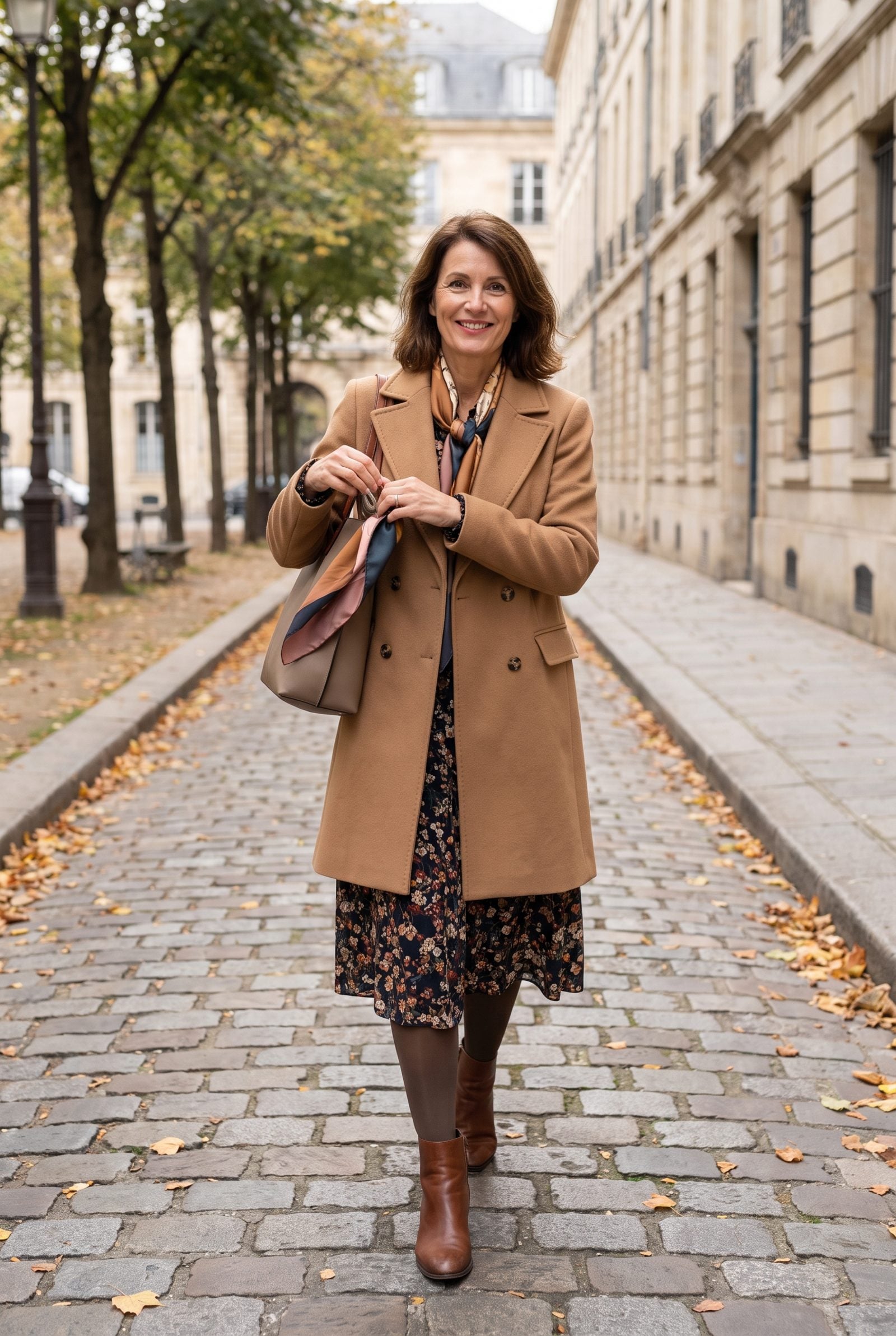
Twice a year, a certain shoe rack gets quietly reshuffled. Sandals and espadrilles move up front in April. Ankle boots and lined loafers take their place come October. Nobody announces it. Nobody asks for help. It just happens, the way the clocks change.
This small ritual says more than it looks like. The woman who swaps her shoes by season is running her home on cycles, not emergencies. She plans ahead. She feels the weather turning before it turns. And there’s a quieter reward underneath the practicality: putting your space in order gives the brain a hit of control that research keeps confirming. A rundown of organization psychology notes that the act of tidying itself works as a kind of therapy, offering a sense of control and accomplishment when the rest of life refuses to cooperate.
The swap is her way of telling herself she’s ahead of things. Most people never clock it. She’d notice immediately if she stopped.
Why Heels Lined Up by Height Suggests She Runs Her Life the Same Way
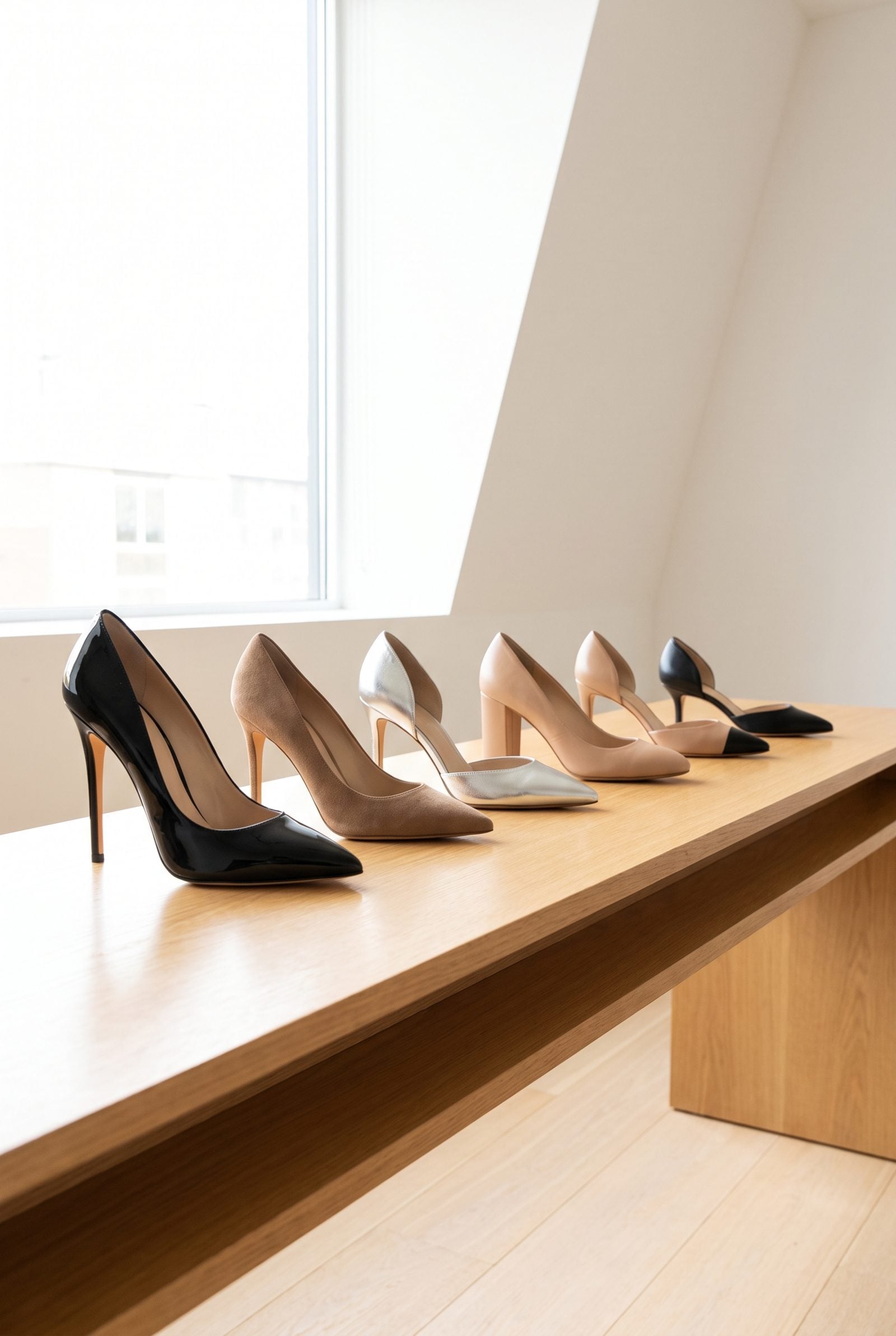
You’ve seen this lineup. Heels in a clean descending line, four-inch stilettos on the left, kitten heels trailing off to the right, every toe pointing the same direction. It looks like a shop display. It is not an accident.
Ordering shoes by height is a tell. The same instinct that sorts footwear by a single visible variable tends to sort calendars, grocery lists, and the kids’ dentist appointments the same way. A piece drawing on Dr. Sanjay Gupta’s reporting (Source) points out that our brains are wired to seek patterns and order, and that an organized environment lowers cognitive load so the mind can run more efficiently. A rack arranged by height is that wiring made visible.
It’s not vanity. It’s a nervous system that calms down when the world is legible at a glance. She can reach without looking. She never buys a second black pump she forgot she owned. The order on the rack is the order in her head, and she protects both.
The Shoe She Can’t Throw Out, and the Memory It’s Standing In For
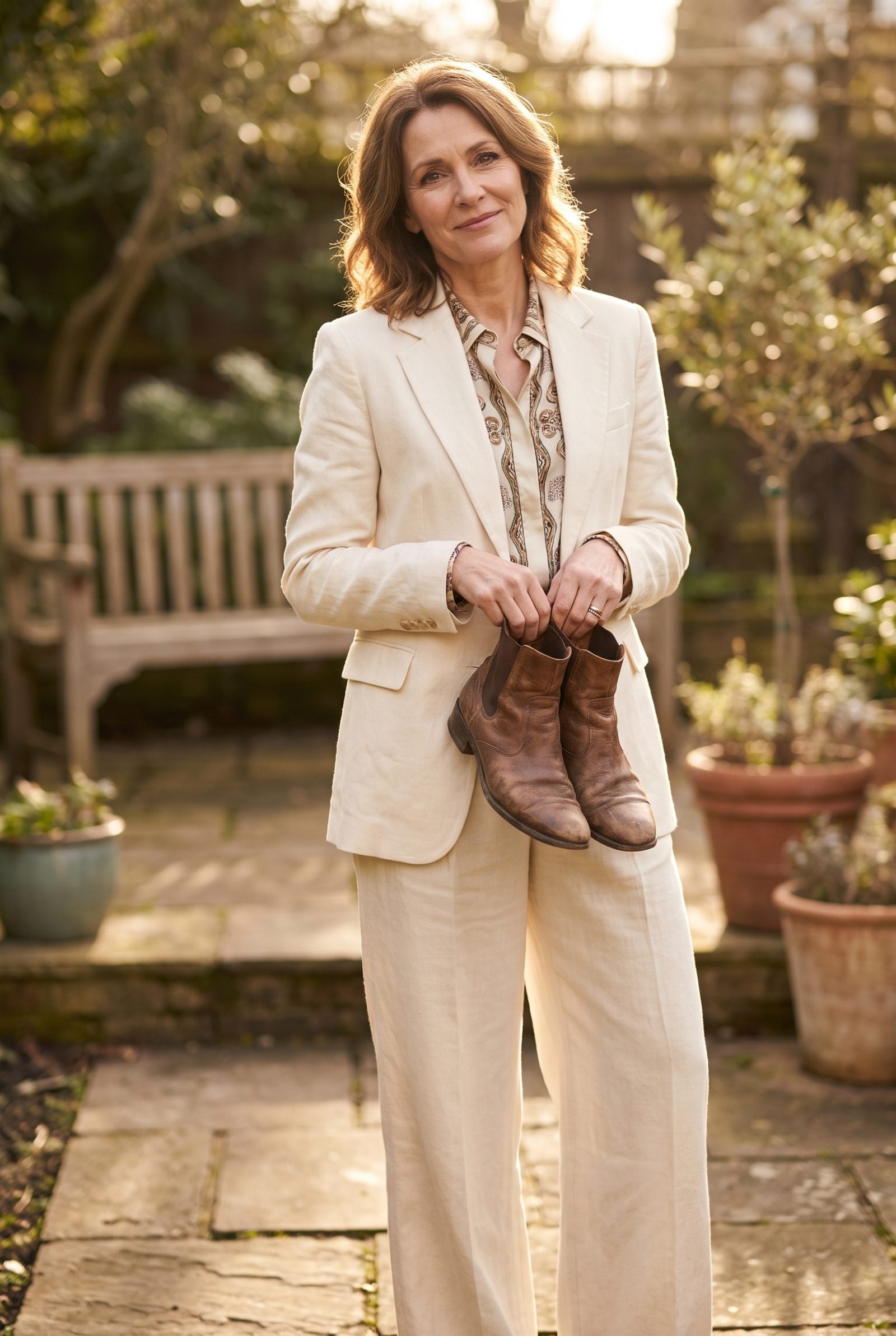
There’s a pair on nearly every rack that makes no practical sense. Scuffed. Dated. A heel worn down past rescue. She hasn’t put them on in years and she won’t let them go either.
That shoe isn’t a shoe anymore. It’s a wedding, a city she lived in at thirty, a version of herself she doesn’t want to misplace. Psychologist Russell Belk called this the “extended self,” the way we fold possessions into our sense of who we are, and a write-up of his work explains that when you consider tossing such an object, the brain registers it closer to a threat to your identity than a bit of tidying.
It goes deeper than feeling. The same piece notes that sentimental objects can activate the brain regions tied to physical pain. Discarding them doesn’t read as decluttering. It reads as loss.
She keeps the shoe because it keeps the memory somewhere she can see it. There’s no shame in that. There’s a whole box like it in most of our closets.
What a Half-Empty Rack Says About a Woman Who’s Done Collecting
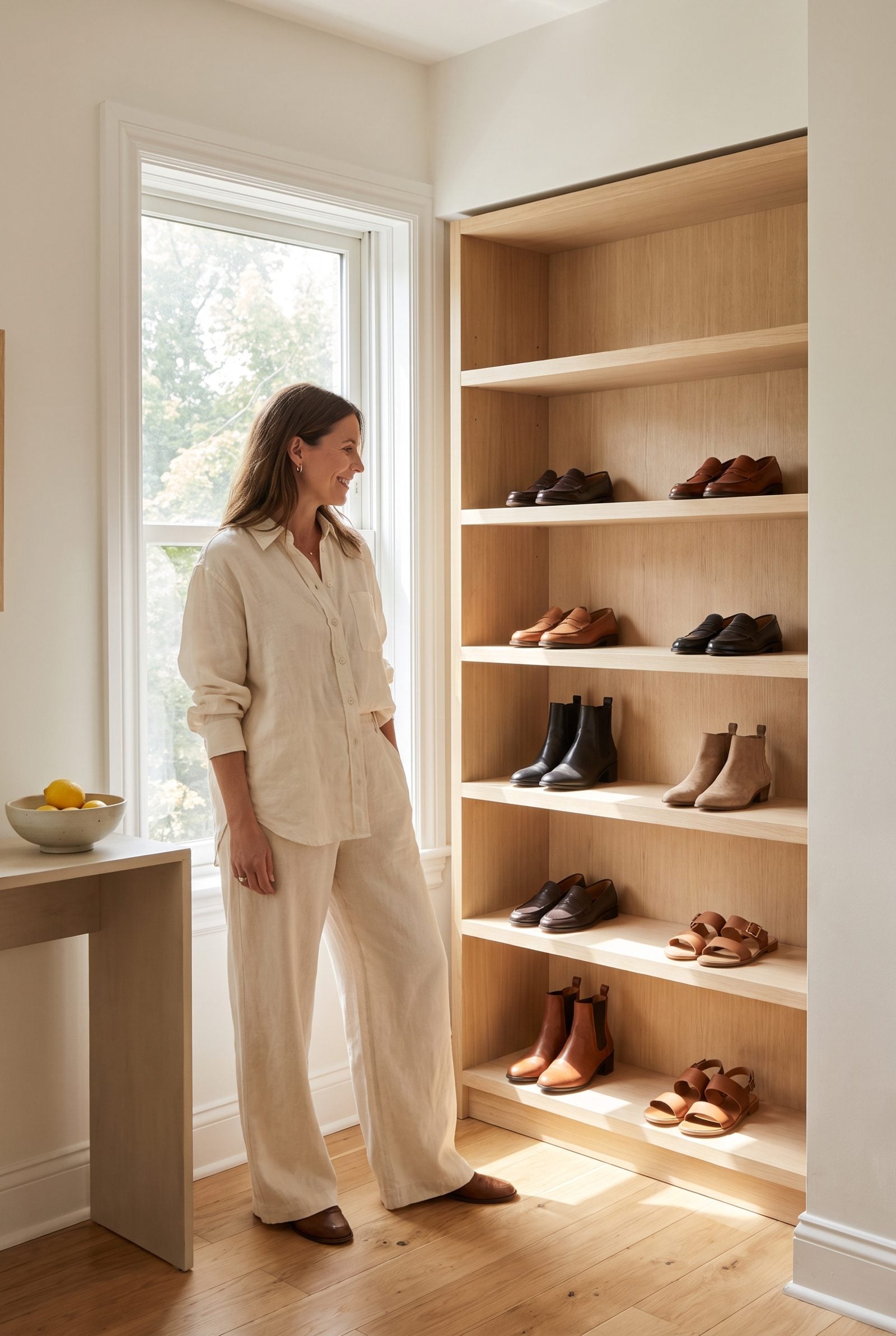
Eight pairs. Maybe ten. A rack with room to spare, and not because she can’t afford more.
This is the shoe rack of a woman who has already learned what she actually wears. She tried the trend sandals. She owned the heels she stood in for nineteen minutes before taking them off at the table. She’s past all that. What’s left is a short, deliberate lineup of shoes she reaches for on repeat, and the empty space isn’t a gap. It’s the point.
The restraint has a payoff the brain registers directly. Research on the psychology of organization (Source) describes decision fatigue, the way every extra item in a space quietly demands a micro-decision and drains the mental fuel you need for bigger things. Fewer shoes, fewer decisions, more morning. She figured that out and stopped apologizing for it.
A half-empty rack is confidence you can count. She knows who she is, and she dresses only that person.
The Rack Full of Flats That Quietly Reclaims Her Time
❤️ Would you like to save this?
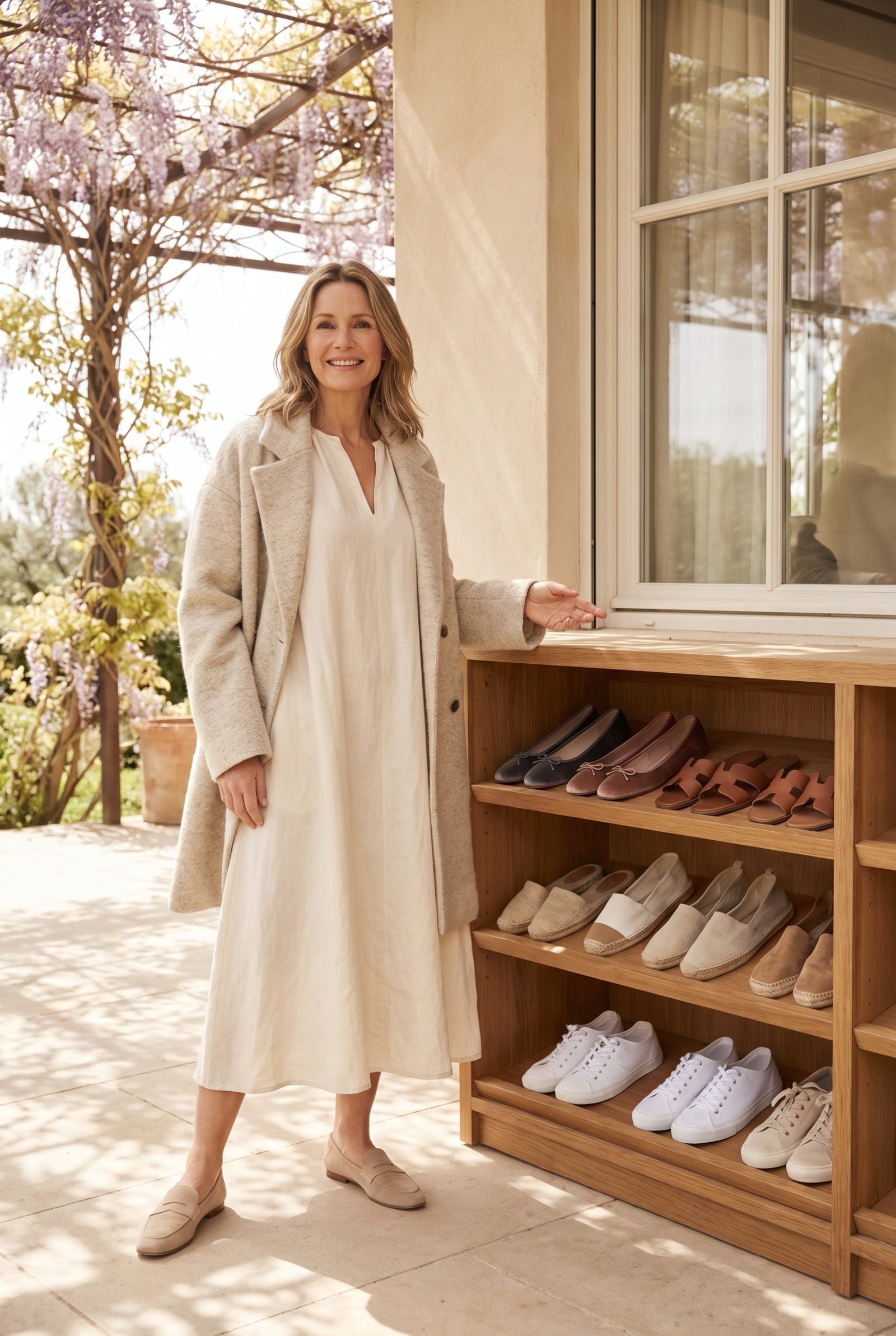
Flats across the board. Ballet flats, loafers, slides, two pairs of clean white sneakers. Not one heel in sight, or if there is, it’s shoved in the far corner for the rare occasion that demands it.
This rack belongs to a woman who did the math and decided her feet come first. Every pair here is built to move through a full day without negotiation. That’s not giving up. That’s a reallocation. The time and energy she used to spend bracing against a shoe now goes somewhere she’d rather spend it.
Comfort isn’t a lesser choice here. It’s a regulating one. A breakdown of comfort-clothing psychology explains that choosing comfort over what’s expected can be an act of self-care, a non-verbal reassurance that reduces daily stress rather than adding to it.
There’s a confidence in an all-flats rack that heels can’t touch. She’s not performing ease. She’s living in it.
Why the Clear Acrylic Shoe Boxes Signal Something Deeper Than Tidiness
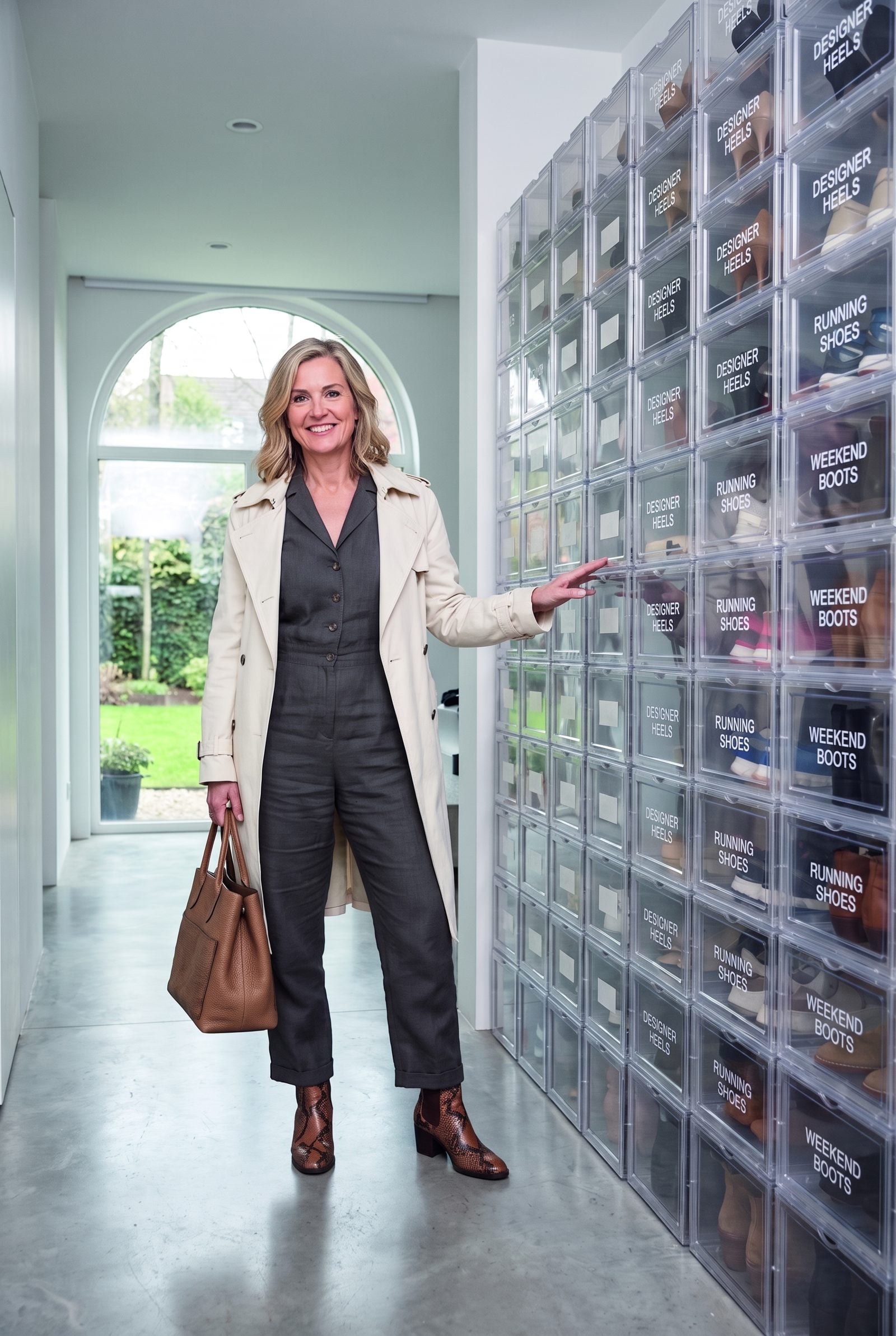
Stacked, labeled, lids on, everything visible through the plastic. The clear acrylic shoe box wall reads as pure organization. Look closer and it’s running on something more interesting than neatness.
Putting each pair in its own transparent box does two jobs at once. It protects the shoe, and it turns the collection into something you can see and admire in full. That second part matters. A survey on organization and wellbeing (Source) found that 80.8% of people say an organized closet helps them feel “on their game” to start the day, and that many rate the satisfaction of order above vacations or dining out.
So the boxes aren’t about hiding mess. They’re about starting the day from a position of visible control. She walks down the hallway and sees order looking back at her, which is a small daily vote of confidence before she’s even picked an outfit.
The Statement Pair Up Front (And the Visibility It’s Demanding)
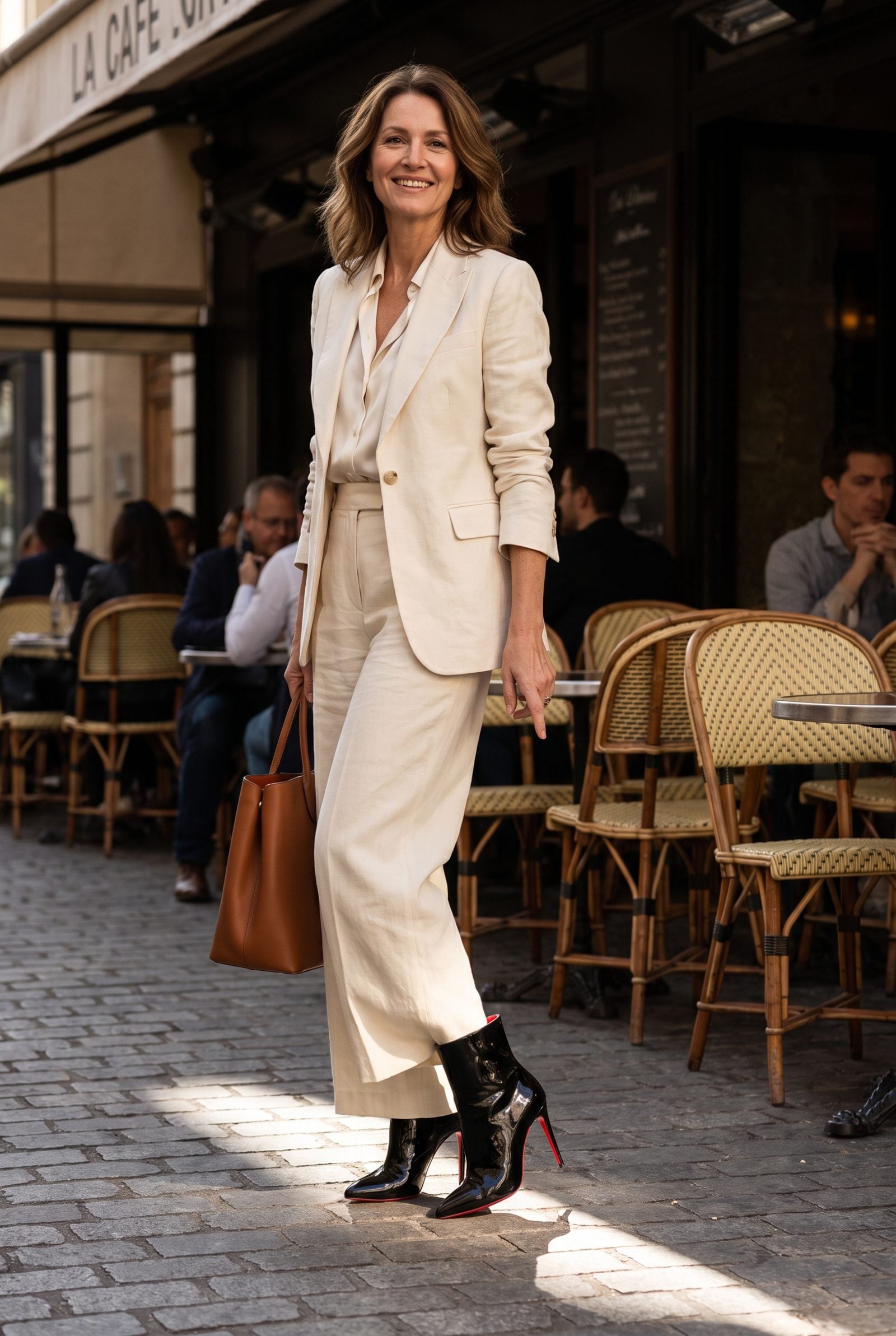
One pair sits apart from the rest, front and center, where the eye lands first. Red soles. A bold color. A heel with some architecture to it. Everything else on the rack is backup. This is the headliner.
Placing a standout pair in the prime spot is a staging decision, and it says she wants to be seen. Not loudly. On her own terms. There’s real science under that instinct: what you put on changes how you carry yourself, not only how you look to others. Adam and Galinsky’s 2012 enclothed cognition study (Source) found that clothing carries symbolic meaning that systematically shifts the wearer’s own psychological processes, with measurable effects on attention and behavior.
The statement shoe is her armor and her announcement. Pulling it from the front of the rack is a decision to show up as the version of herself who takes up space. After a certain age, that visibility isn’t given. It’s claimed. The pair up front is how she claims it, one bold heel at a time.
What Matching Everything to Comfort First Reveals About Her Nervous System
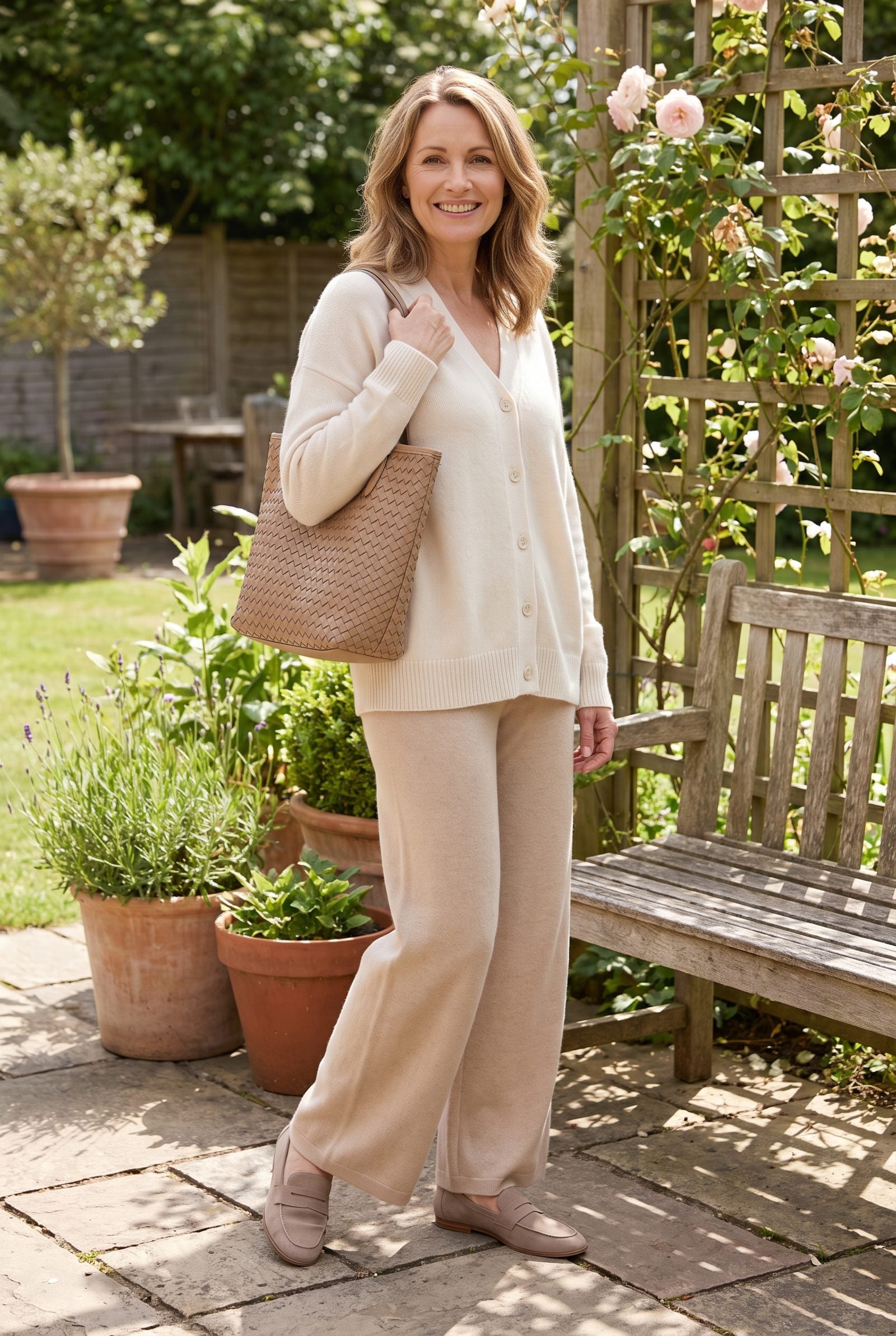
Every shoe on this rack passes the same test before it earns a spot: does it feel good on. Cushioned soles. Soft leather that gives. Nothing that pinches, nothing that needs breaking in, nothing she has to think about once it’s on her feet. The aesthetics come second, and she’s at peace with that.
This is a rack built by a body that knows what calm feels like and refuses to trade it away. Comfort here is doing quiet physiological work. A piece on comfort and stress-reducing clothing (Source) explains that soft, non-restrictive wear helps the body shift out of fight-or-flight and toward a calmer state, and that worn consistently it can lower baseline tension over time.
So the comfort-first rack isn’t laziness. It’s self-knowledge. She’s decided that a day spent not fighting her shoes is a day with more room in it for everything else. The nervous system clocks the difference, even when no one else does.
The Rack That Looks Like a Store, and the Control It’s Standing In For
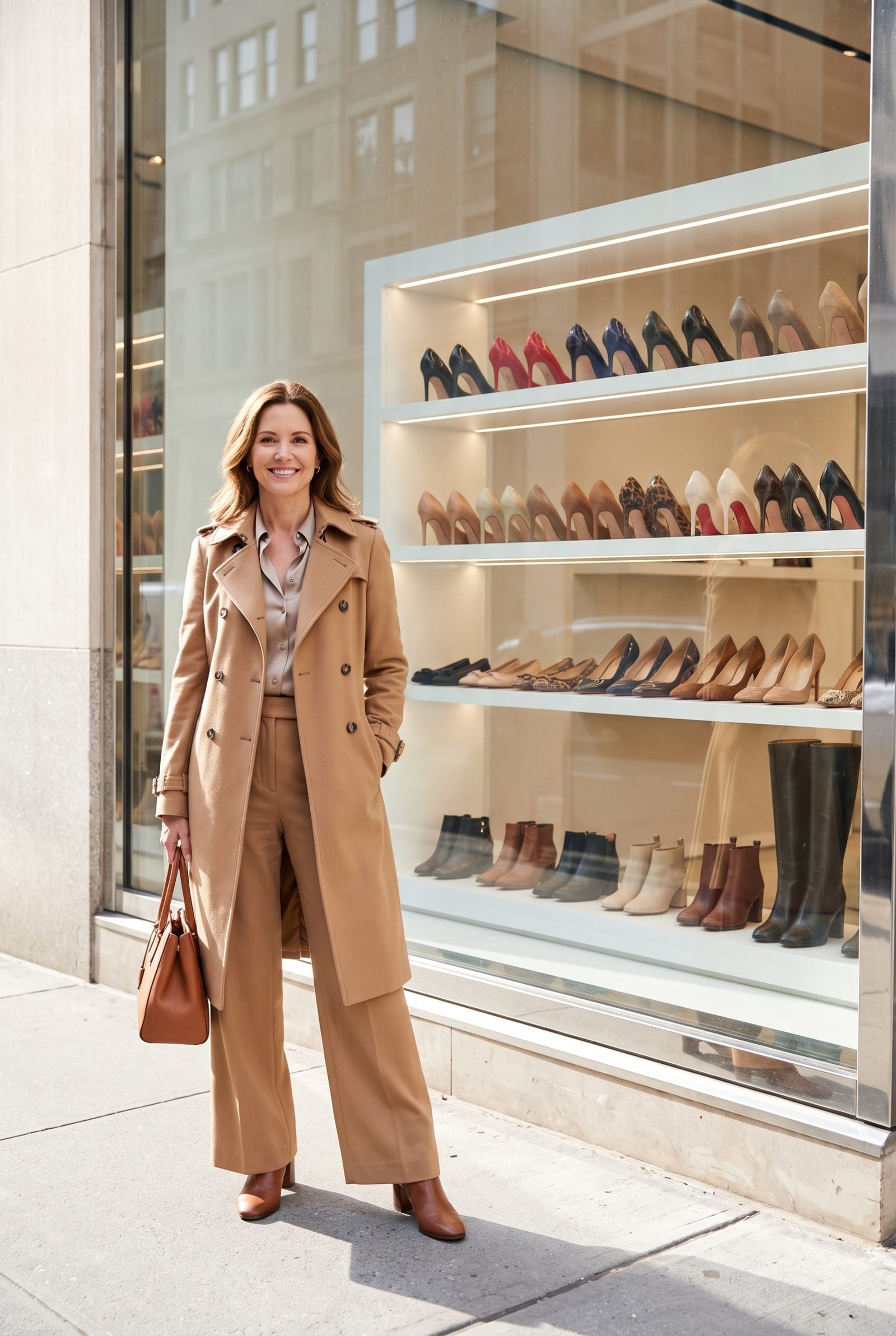
Twenty-eight pairs, toes out, heels squared to a line you could level with a laser. Pumps by heel height. Boots in their original dust bags. Flats in a row so even it looks printed. The rack reads as taste. Underneath, it is usually something quieter and more human than taste.
Order is a lever people pull when the rest of life won’t hold still. Behavioral neuroscientist Daniel Levitin has linked living in a disorganized space to elevated cortisol (Source), the stress hormone, which is why putting a space in order can feel like a physical exhale. The researchers Joseph Ferrari and Catherine Roster put it plainly: tidying and arranging one’s things restores a sense of control over the environment (Source).
So the store-grade rack isn’t vanity. It’s a steady hand on one thing you can actually keep steady. The woman who built it probably had a week where nothing else obeyed. The shoes obeyed.
Why One Battered Pair Among the Pristine Ones Is the Most Honest Thing There
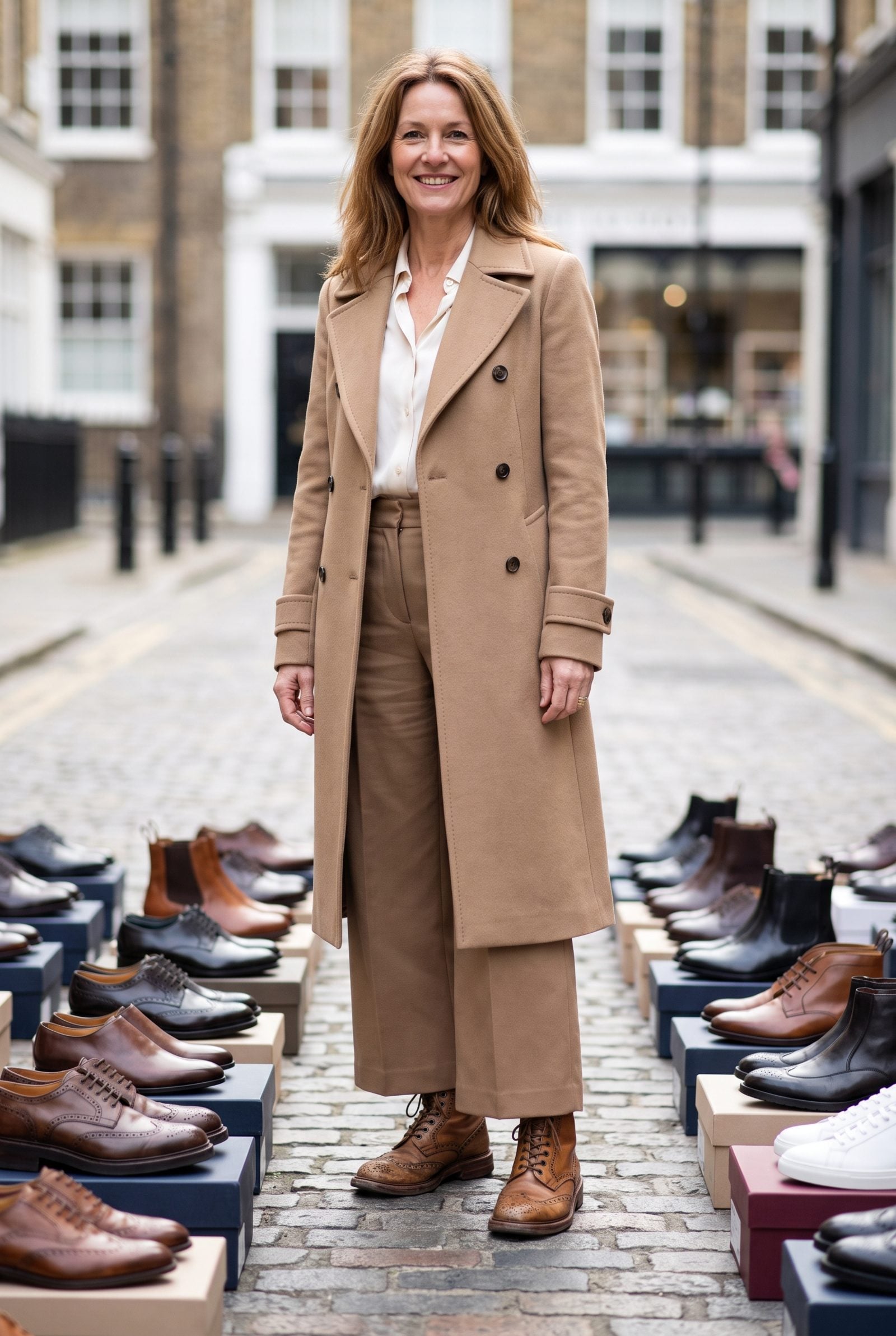
Look past the mint-condition rows and find the one pair that breaks the spell. Creased across the toe box. Heel worn to a slight wedge on the outside edge. A salt tide line nobody bothered to buff out. That pair is the tell. Not the flaw in the collection. The truth of it.
There’s a whole philosophy built on exactly this instinct. The Japanese idea of wabi-sabi prizes authenticity, where the cracks in an old teacup are read as assets rather than flaws (Source). A psychologist writing for Forbes noted that maladaptive perfectionism rests on a fear that if your flaws are exposed, you’ll be rejected (Source).
The woman who keeps the battered pair in plain sight isn’t hiding anything. Those are the shoes she actually lives in. Everything shiny is aspiration. The scuffed ones are evidence. And evidence, after forty, tends to beat aspiration every time.
The Shoes Grouped by Mood Instead of Function (And What That Says About How She Feels Dressed)
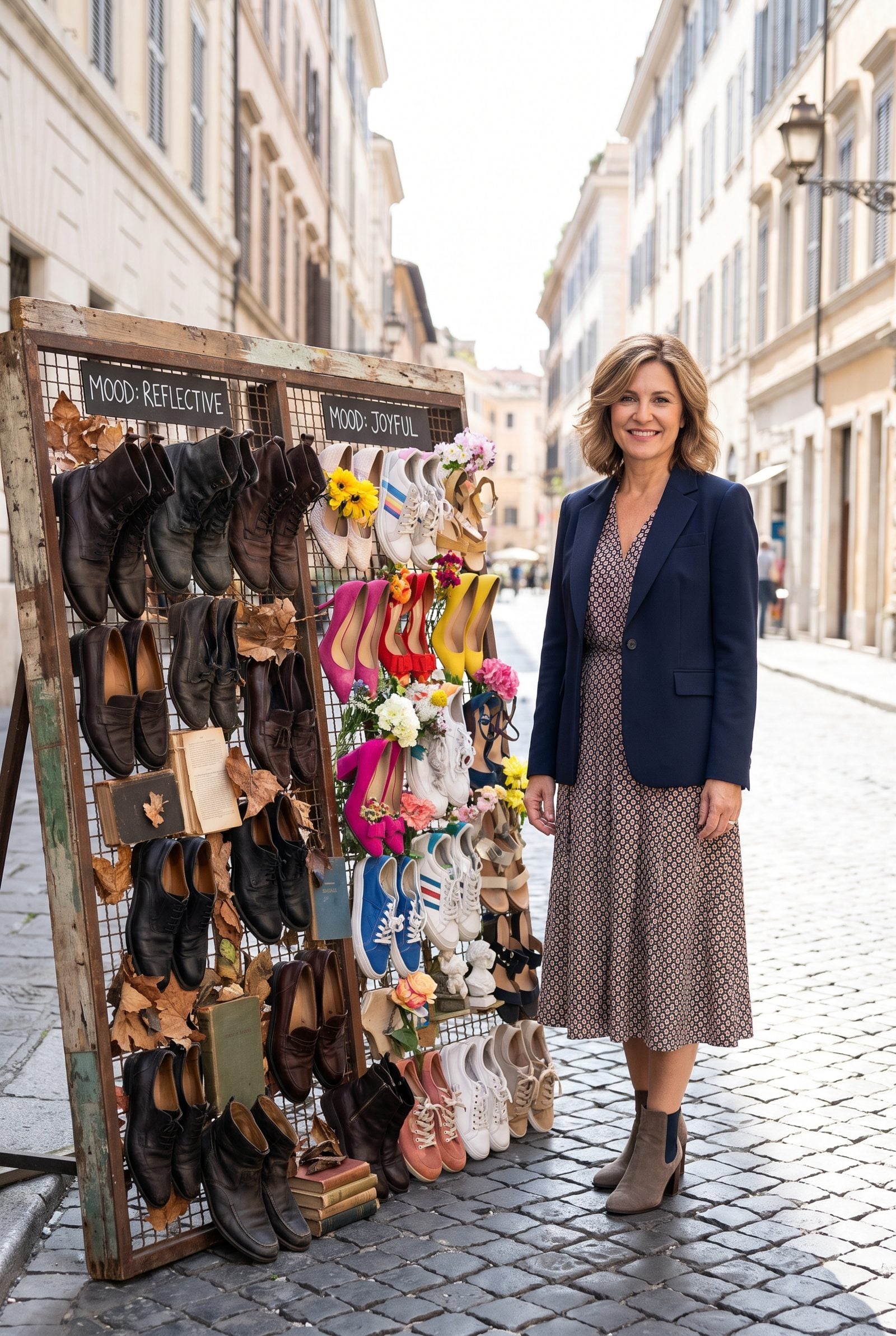
Most people sort shoes by job. Work here, gym there, dressy on the top shelf. Then there’s the rack sorted by feeling. The “days I want to be seen” cluster. The “leave me alone” boots. The red heels that live apart from everything because they aren’t footwear, they’re a mood you step into.
That instinct has research under it. Karen Pine’s work at the University of Hertfordshire found a strong link between clothing and mood, enough that she suggested dressing for the mood you want rather than the one you’re in (Source). A separate exploratory study concluded that personality, emotion and mood can be managed and reflected through clothing (Source).
Sorting by mood means she’s already fluent in this. She doesn’t pick shoes for the occasion. She picks them for the version of herself she needs at the door. That’s not indecision. That’s a woman who knows exactly how she wants to feel and keeps the tools where she can reach them.
What the Woman Who Owns Three Pairs Total Knows That Everyone Else Is Still Learning
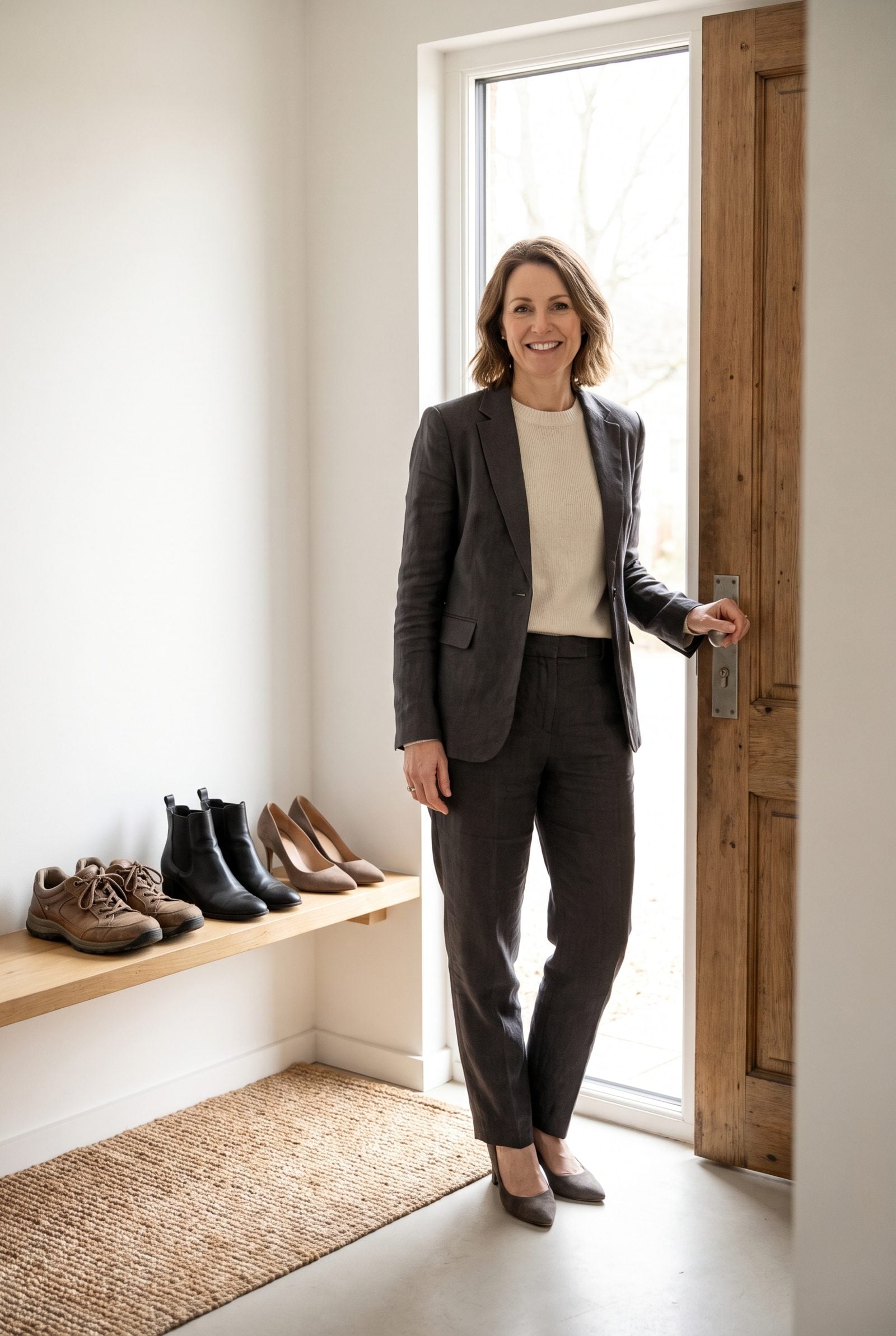
Three pairs. A walking shoe, a boot, one thing with a heel. No rack needed, just a mat by the door and a shelf with room to spare. It looks like restraint. It’s closer to clarity.
Owning too many things means managing too many things.
The research keeps pointing the same direction. A study in the Journal of Happiness Studies found that people living with minimal consumption tend to meet core psychological needs and report higher life satisfaction (Source). And a 2020 paper by Lloyd and Pennington found minimalists describing greater autonomy, competence, and a mental clarity they called lightness (Source), where fewer possessions meant less to think about.
She isn’t denying herself. She got done deciding. Every pair earns its place or it’s gone, so there’s no bad option by the door and no quiet guilt in the back of the closet. That kind of certainty takes years to reach. Usually it arrives somewhere after the decade of buying shoes for the life you thought you’d have.
The Bottom Line
A shoe rack confesses one thing above all: whether a woman is dressing for the day she expects or the day she’s afraid of. Every arrangement, the color-sorted rows, the one pristine pedestal pair, the three shoes that are enough, is a quiet negotiation between the self she shows and the self she protects. Go look at your own rack tonight, and ask which one you’ve been organizing for.