❤️ Would you like to save this?
Nothing ages a look faster than a detail you stopped noticing. Not the clothes. The way they sit. A shoulder seam that slid an inch past the bone, a hem pooling over the shoe, a belt the dress came with that nobody asked you to keep — small decisions, repeated until they feel like rules. They aren’t. The fixes below cost nothing but attention, and most of them you can do before coffee tomorrow. Here’s where fit, proportion, color, and grooming are quietly working against you, and how to flip each one.
FYI, thanks to AI imagery software, we’re able to create very specific fashion and hairstyle examples to illustrate the points being made. In some cases, imagery is exaggerated to hammer home the point. Also, assume links that take you off the site are affiliate links such as links to Amazon. this means we may earn a commission if you buy something.
38. Choosing Jackets With Low, Rounded Armholes
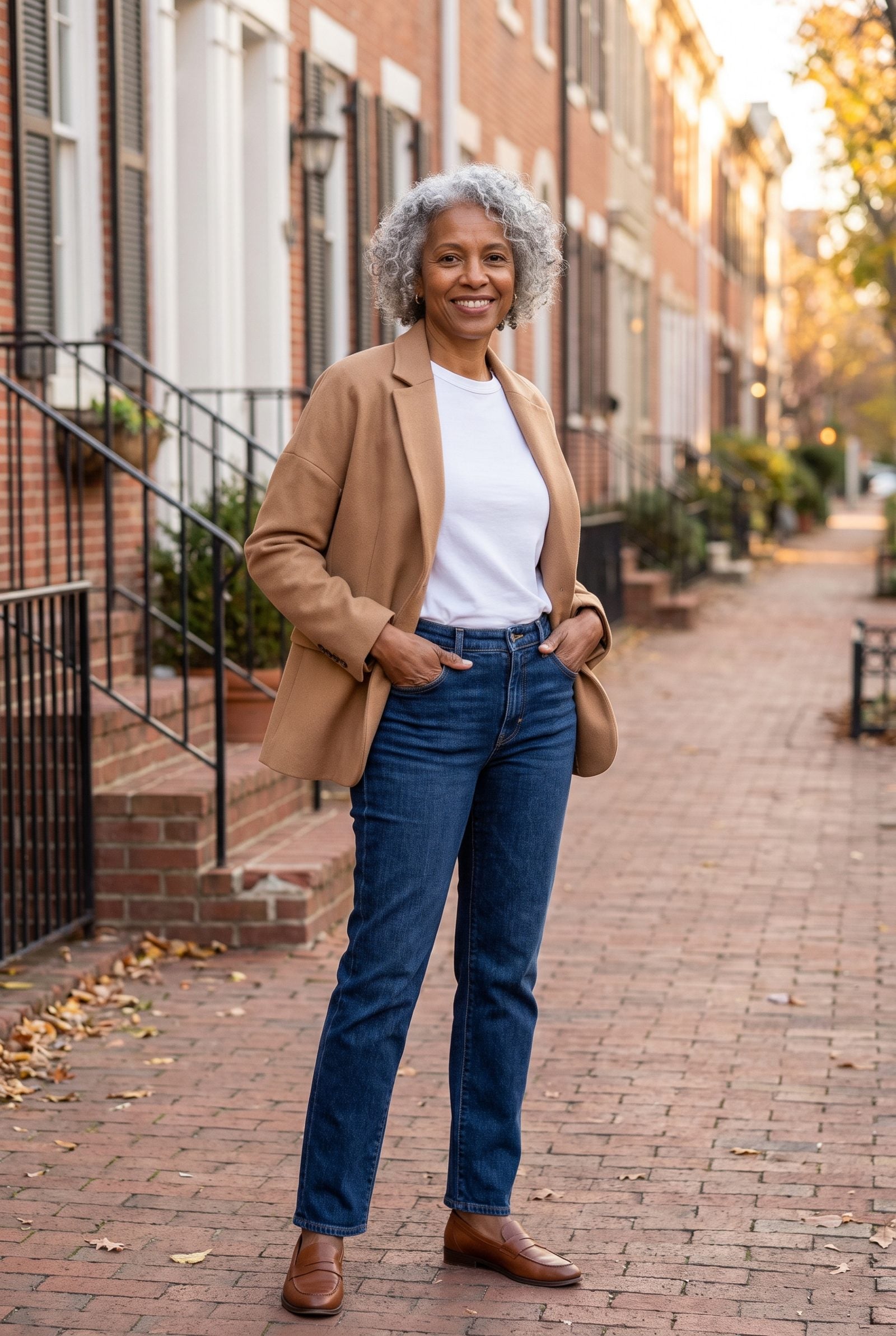
The low armhole is the stealth ager of tailoring. When the seam where sleeve meets body drops toward your waist, the whole jacket reads bulky and borrowed, and your arm loses its range before you even reach for anything.
A high, close armhole does the opposite — it lets the jacket skim your torso and move with you, which reads younger because it reads deliberate. Look for the seam sitting snug up near the armpit, not sagging an inch or two below it. Try a few jackets on, raise both arms, and keep the one that doesn’t haul the whole body upward with the motion.
37. Wearing a Bra That Pulls the Back Band Upward

You can’t see it under a top, but everyone reads it. The back band creeps up between the shoulder blades, the bust drops, the torso shortens, and even a good knit looks like it gave up at noon.
Here’s the thing: the band does most of the support, and it’s supposed to sit level, parallel to the floor, right at the bottom of the shoulder blades. If yours rides up, it’s too loose. Go down a band size and up a cup to compensate. A lifted bustline buys you visual length through the whole middle, and suddenly tops hang the way the designer intended.
36. Leaving the Factory Belt on Every Dress
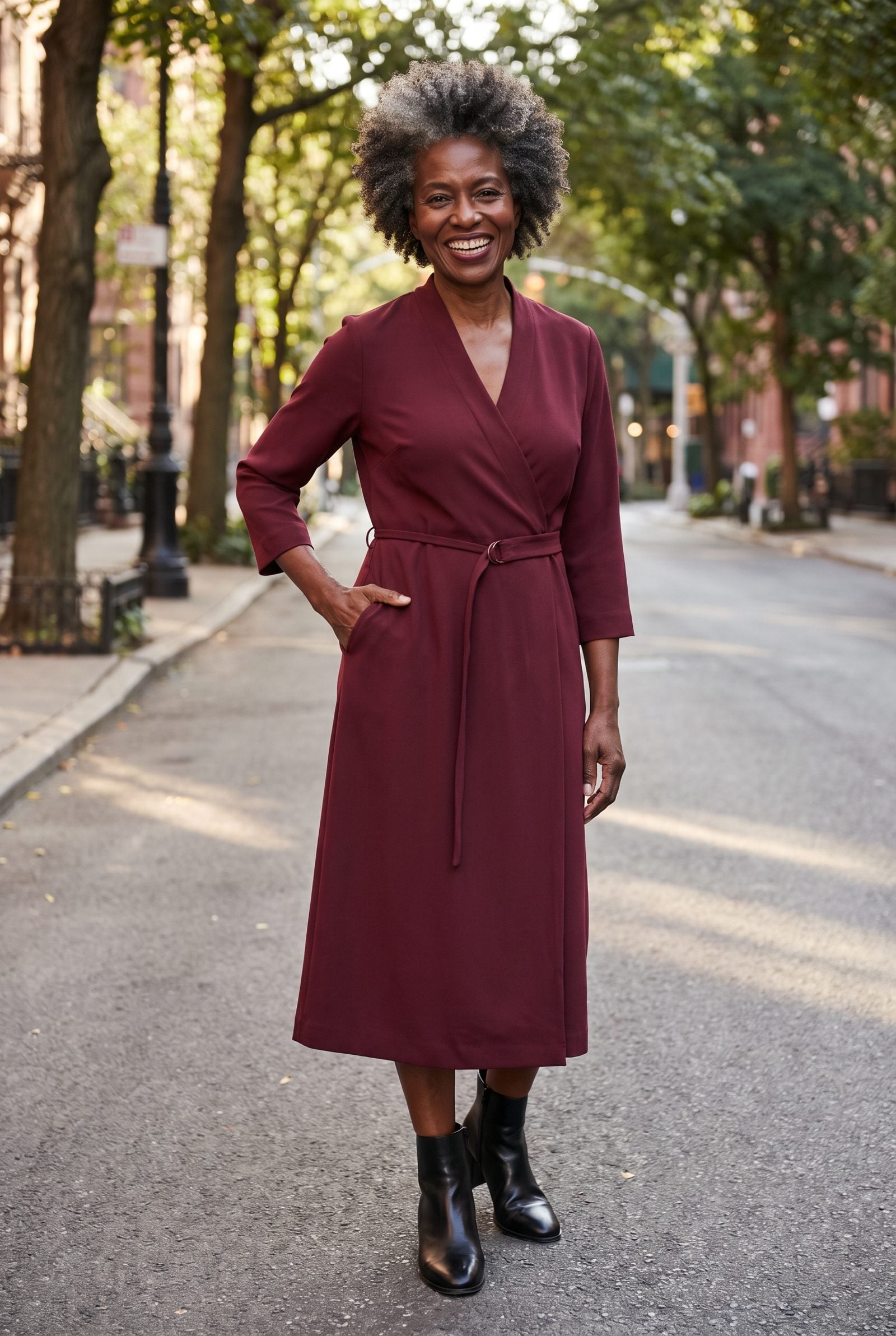
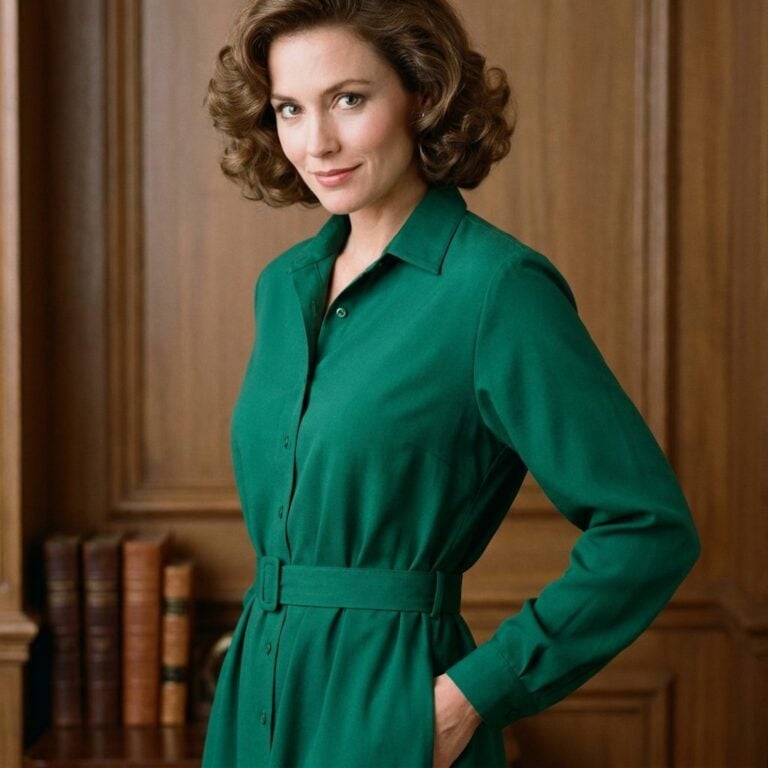
The spindly self-fabric belt stitched into the dress loop is a placeholder. Designers know you’ll swap it. Most women don’t.
Left on, that flimsy matching belt disappears into the dress and defines nothing, so the silhouette goes shapeless and the whole thing ages five years. Pull it out. Replace it with a proper wide leather waist belt in a contrasting tone — something with weight and a real buckle — cinched at your natural waist. That contrast gives you a defined middle and an actual waistline, and suddenly the dress looks like you chose it rather than wore it off the rack. For more ways to sharpen a look with one piece, these accessory ideas are a good start.
35. Wearing Glasses That Sit Below the Brow Line

Frames that sit low, top edge below your brows, do something unkind. They cut the face in half and pull the whole eye area downward, and that exposed strip of brow above the frame reads tired even when you aren’t.
The fix is placement, not a new face. The top of the frame should follow or sit just above your brow line, so frame and brow move together as one strong horizontal. Tortoiseshell and warm metals flatter most skin tones at this age, and a frame that lifts the eye brightens everything beneath it.
34. Wearing Earrings That Drag the Lobes Down
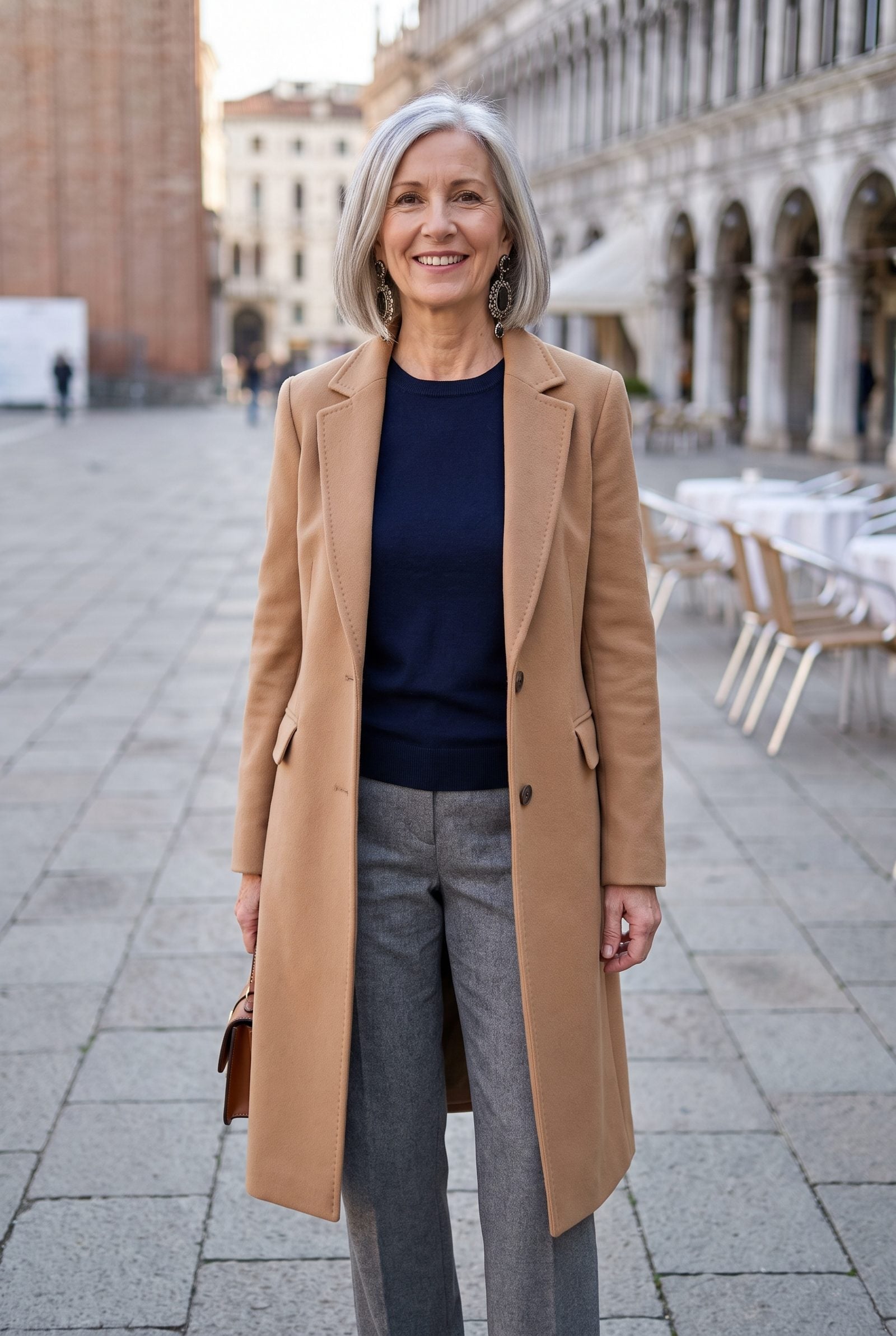
Heavy drops you’ve worn for years stretch the lobe over time, and a sagging lobe whispers age before you’ve said a word. The weight is the culprit, not the length.
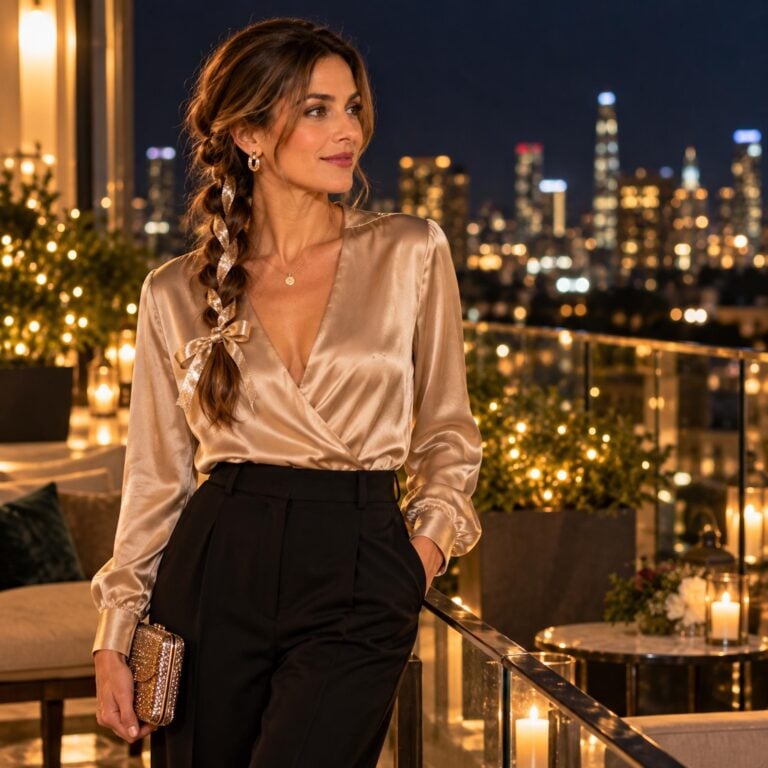
Switch to lightweight pieces that sit up on the lobe. A sculptural gold hoop earring or a clean geometric stud draws the eye up toward the jaw and cheekbone instead of down toward the neck. Love a little drama? Go for hollow or threaded designs that read long but weigh almost nothing. The ear should look lifted, not loaded.
33. Letting Shirt Collars Collapse Beneath a Jacket
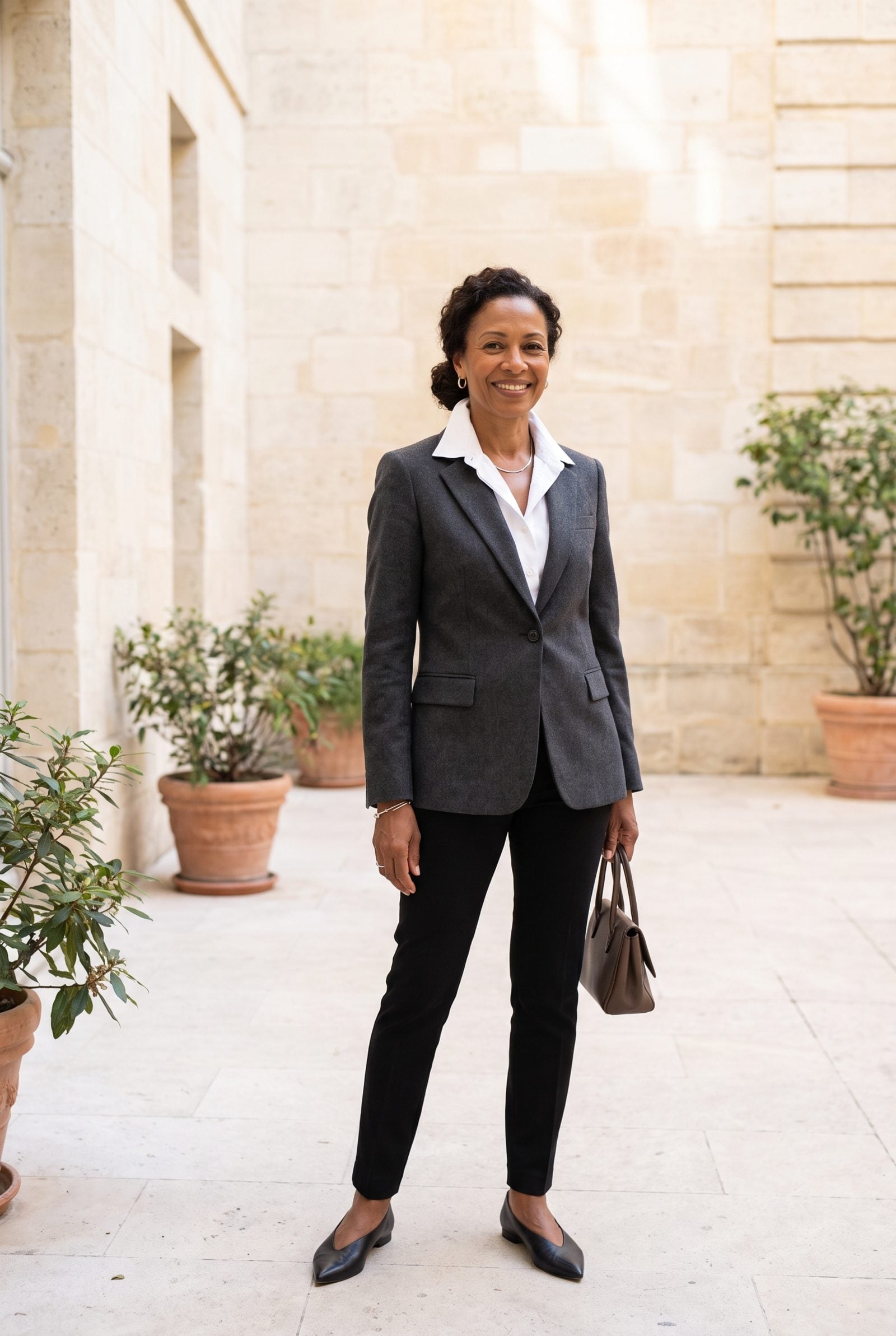
A shirt collar gone soft, collapsing under a jacket lapel, is the kind of thing you walk past in the mirror a hundred times without registering. But a folded, bent collar point reads unkempt and drags the neckline down with it.
The frame around your face is prime real estate. A collar should stand with a little structure, sitting cleanly above the lapel so it holds the line of your jaw. Pick shirts with a firmer collar interlining, or slip removable stays into the points. Crisp cotton poplin holds its shape far better than a limp rayon blend, and a clean collar lifts the face like nothing else at that height.
32. Letting Shoulder Seams Droop Past the Shoulder Bone
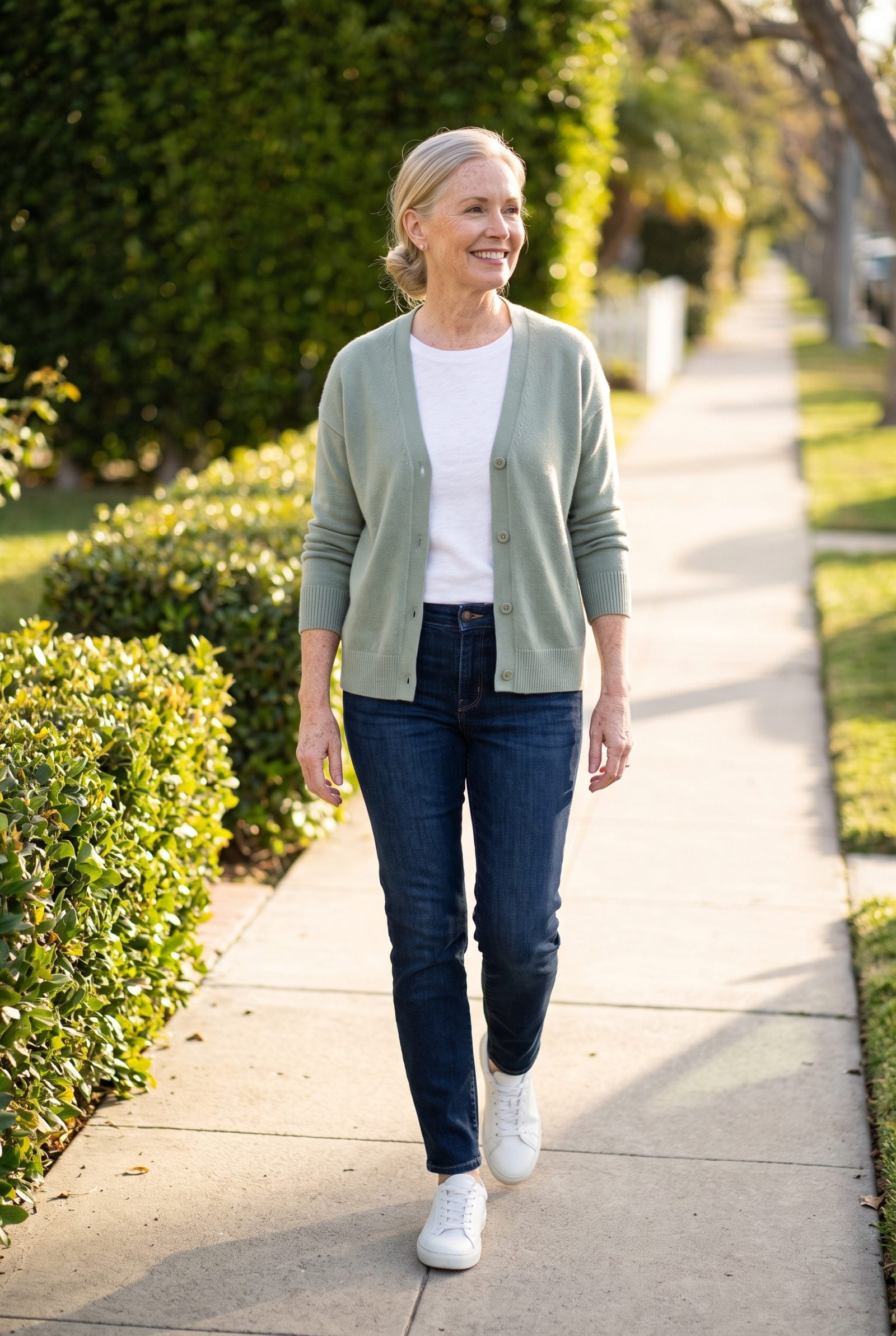
The shoulder seam is the fit marker tailors check first, because it’s the one you can’t fake. When the seam slides past your shoulder bone and lands on your upper arm, the garment reads too big, the shoulders slope, and the posture looks defeated even when it isn’t.
That seam should land exactly where the flat of your shoulder meets the round curve of your arm. On a knit, size down. On a jacket, a tailor can take the shoulder in for less than you’d expect. A seam sitting right squares the shoulders and takes years off, because it reads as a body standing up straight.
31. Letting Trouser Hems Collapse Over the Shoes
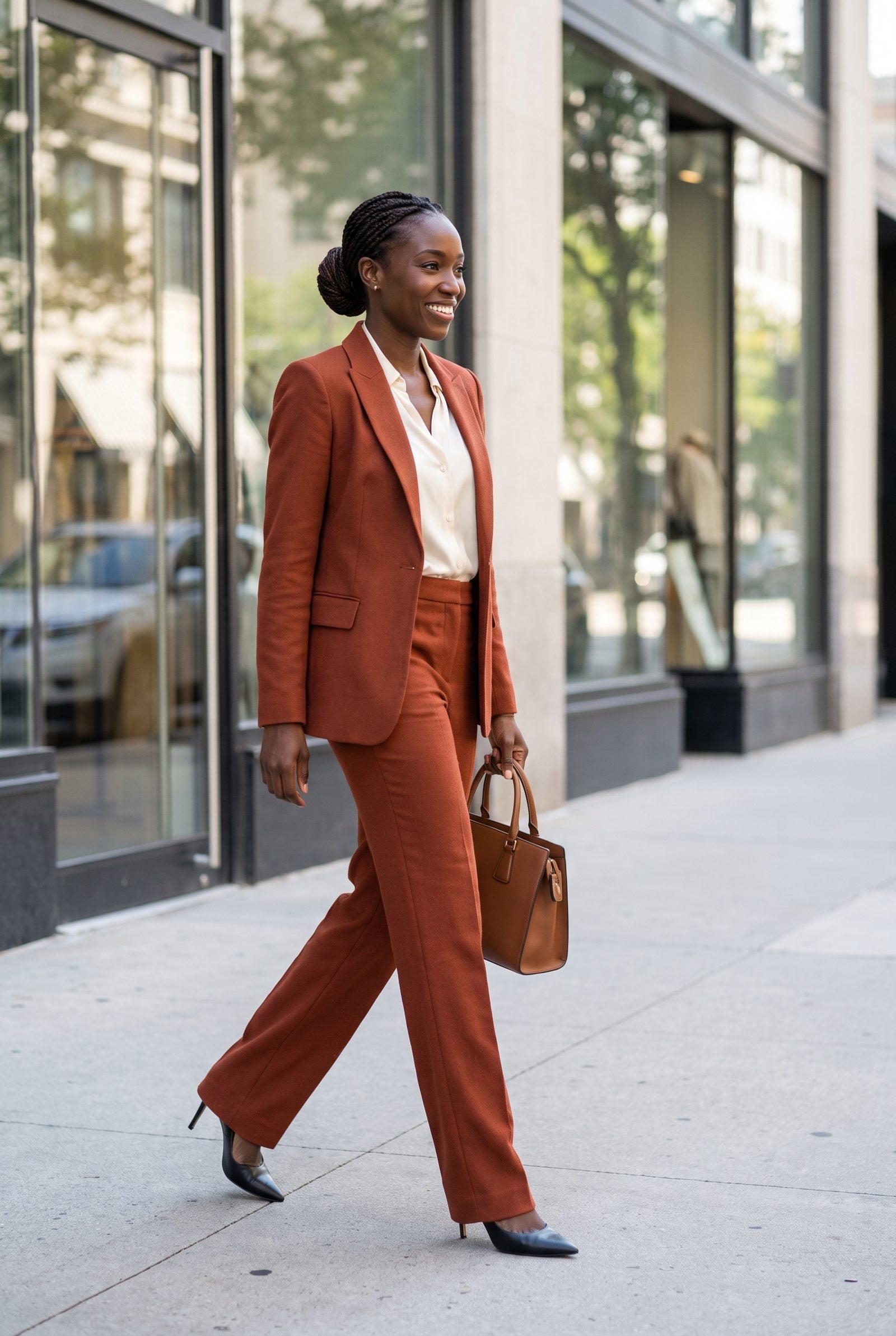
A trouser hem that collapses in two folds over the shoe shortens the leg and muddies the line right where you want it longest. Most common tailoring miss there is, and it reads as borrowed or neglected.
For a tailored trouser, you want one clean break — a single soft fold where the hem just kisses the top of the shoe. For a cropped or wide leg, go for no break at all and let the ankle show. Either is sharp. The pooling in between is what ages you. Hemming trousers costs less than lunch and changes the entire proportion of an outfit.
30. Choosing Sleeves That End at the Widest Part of the Arm
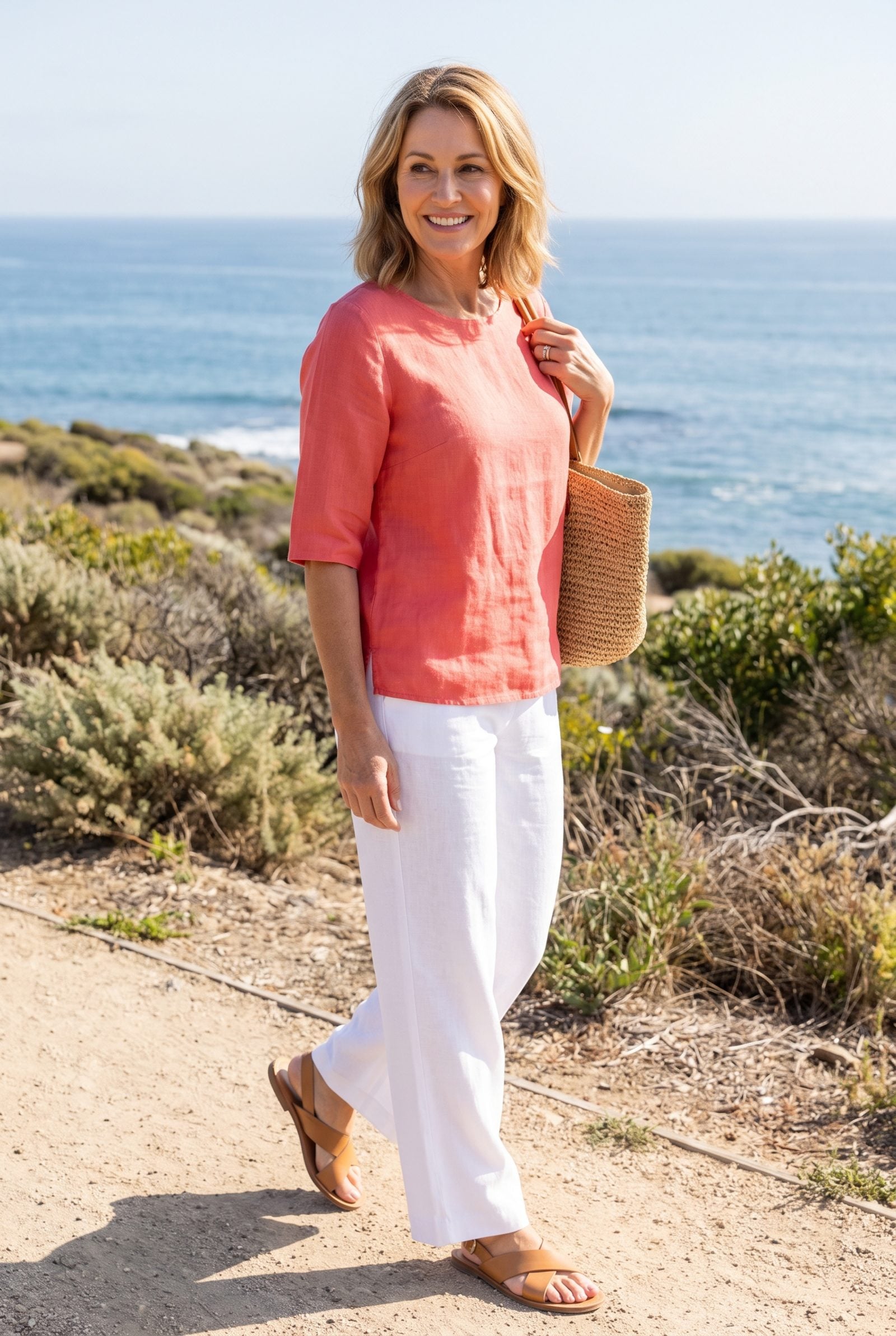
A sleeve that stops at the broadest point of the upper arm draws a horizontal line exactly where you’d rather not have one, widening the arm and boxing the upper body.
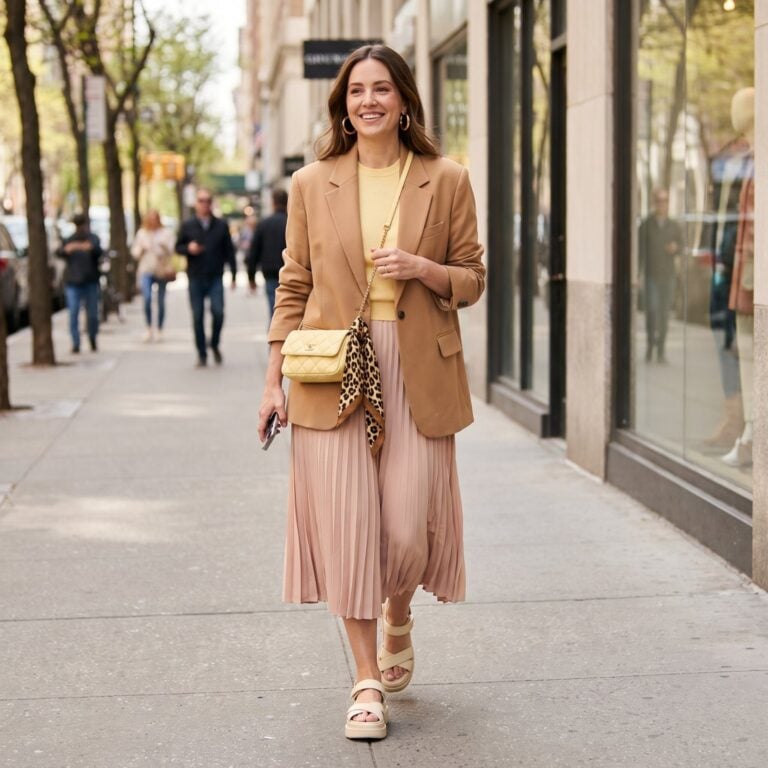
Sleeve hems flatter where the limb is narrowing, not where it’s full. End the sleeve above the fullest part — a true short cap — or below it, just past the elbow or at the slim of the forearm. A three-quarter sleeve landing at the narrowest point of the forearm is about as universally slimming as it gets. Same top, different sleeve length, completely different read on the arm.
29. Wearing a Dress With a Waistline Below the Natural Waist
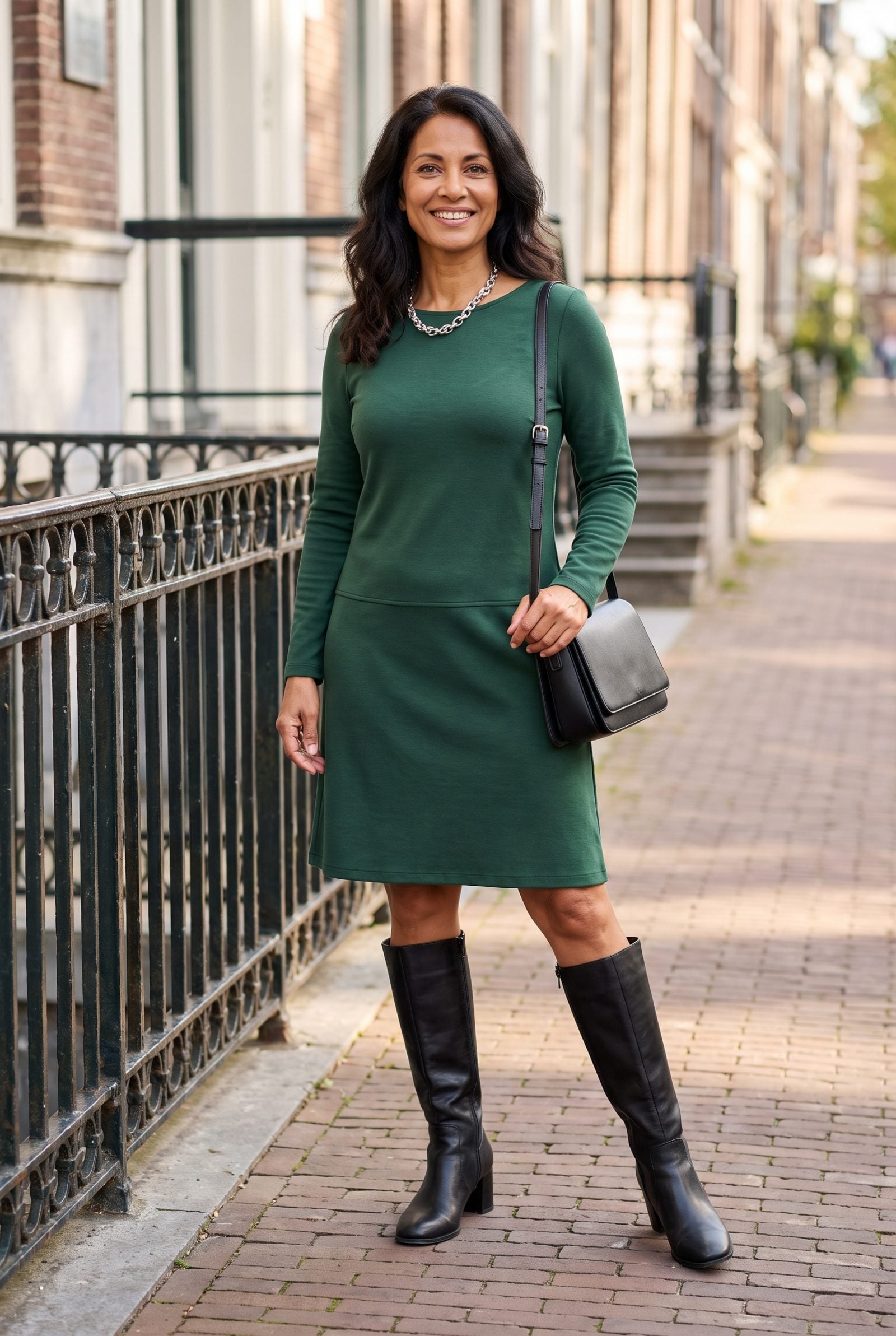
A dress with its waist seam sitting low, down near the top of the hip, stretches the torso long and crushes the legs short. It’s a proportion that drains energy from the whole figure and reads matronly even on a slim frame.
Your natural waist is the narrowest point of your middle, usually an inch or so above the belly button. A waistline that hits there, or a hair above, gives you the longest possible leg line and the most defined middle. Love a dress that sits low? A belt at the true waist or a quick seam adjustment resets everything. Waist placement is about the closest thing fashion has to an undo button.
Raise the waistline an inch and you add length to the leg without changing a single other thing.
28. Choosing Prints With No Visible Background Space
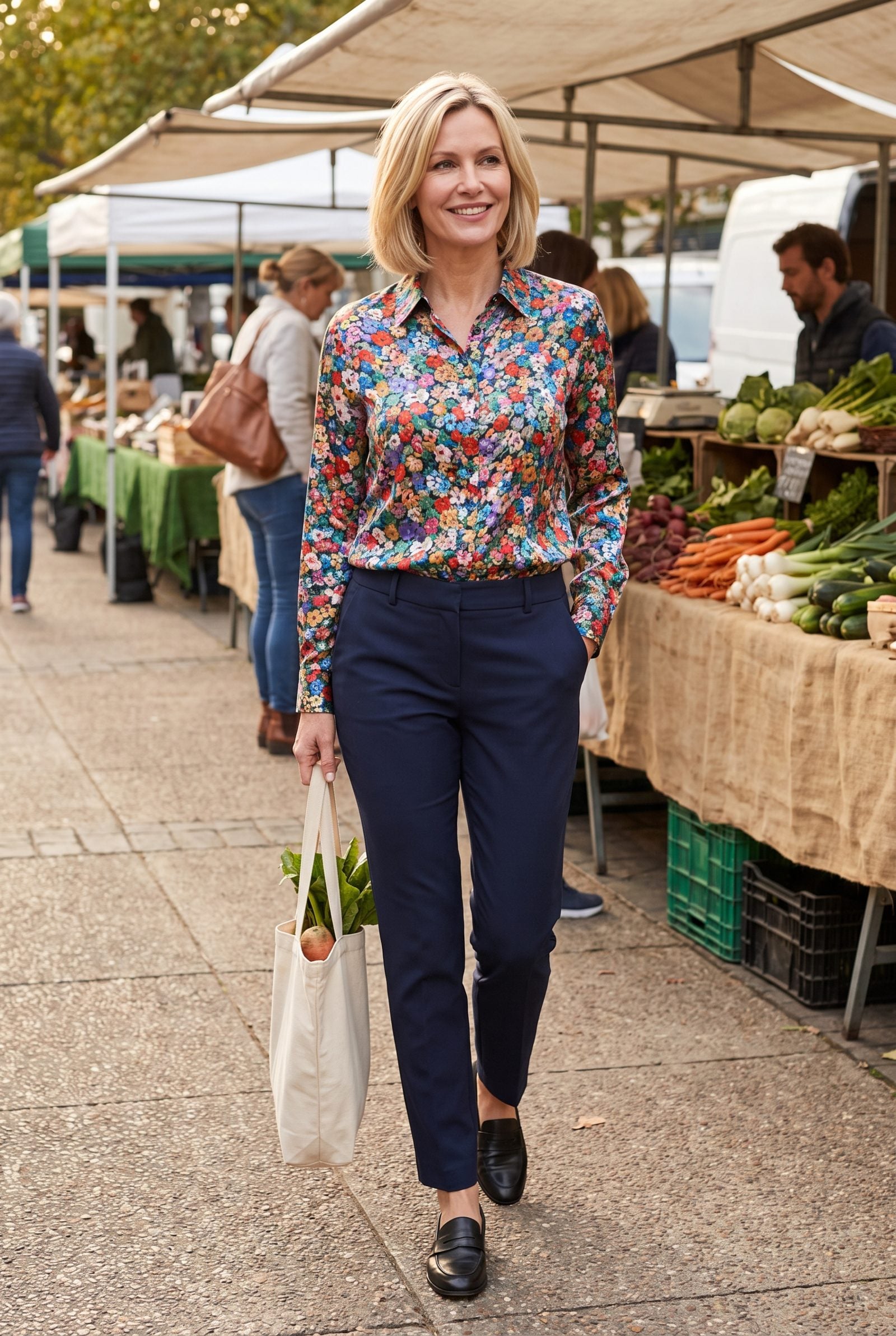
A print where the motifs crowd right up against each other, no background peeking through, reads as busy before it reads as anything else. The eye has nowhere to rest, so it scans the fabric instead of settling on your face, and that constant visual static tends to add years because it pulls focus down and out.
The fix is spacing. Look for prints where the flowers or shapes float on visible ground color, even a little, so the pattern feels deliberate rather than loud. A watercolor floral on cream, or a scattered geometric on ink navy — both give you one motif at a time instead of a wall of them.
27. Pairing a Long Necklace With a Low, Drooping Neckline
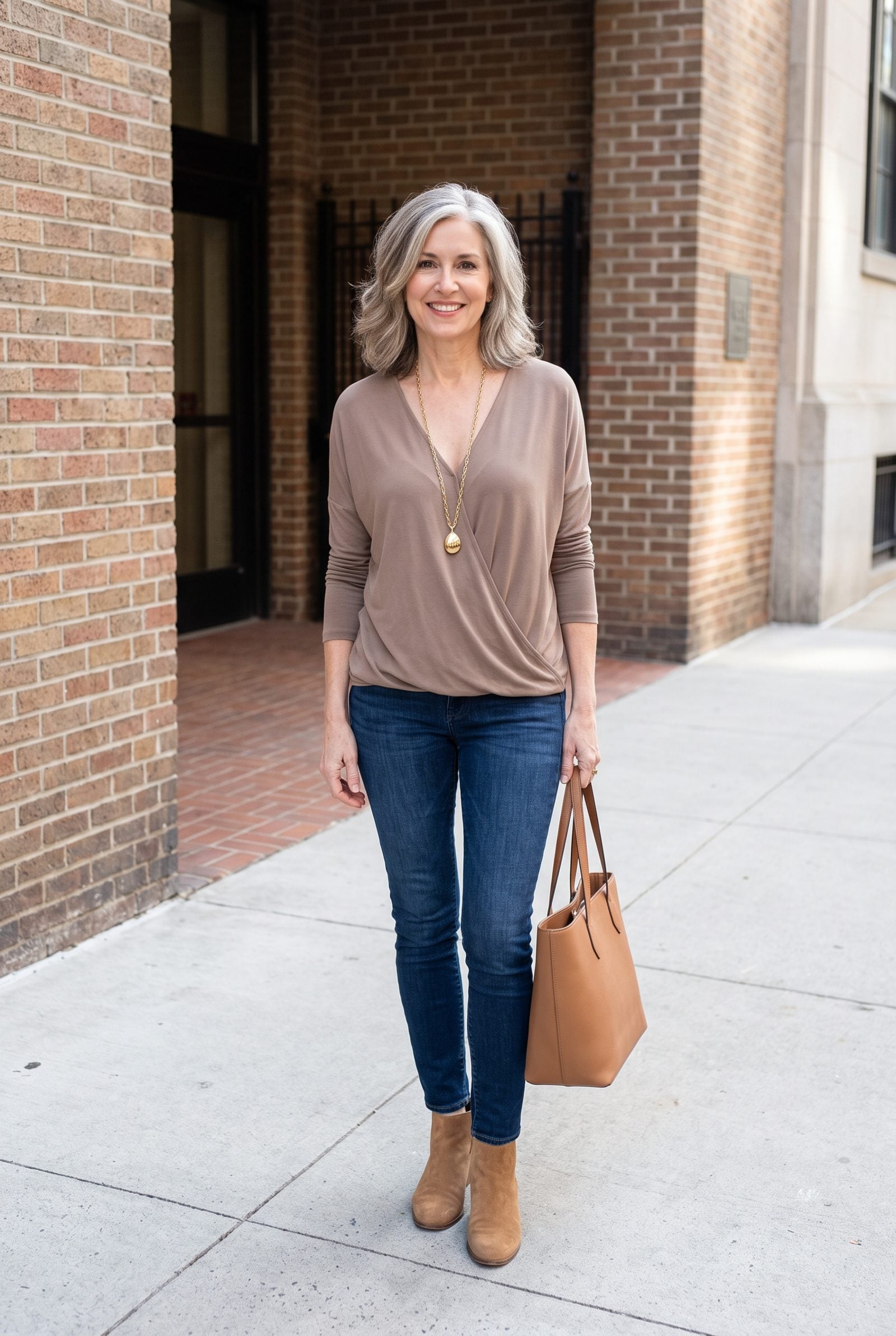
When a long pendant drops below an already-plunging neckline, you get two things pointing down at once. The neckline opens the chest, the chain extends it, and the whole upper body reads as sagging southward. Nothing about it is dramatic — it just quietly drags everything down.
Raise one or the other. A shorter necklace that sits at the collarbone pulls the eye back up to the face, which is where you want it. Or keep the long chain and switch to a crew or boat neck so the pendant has fabric to rest against. Two downward lines compete; one lifted line wins.
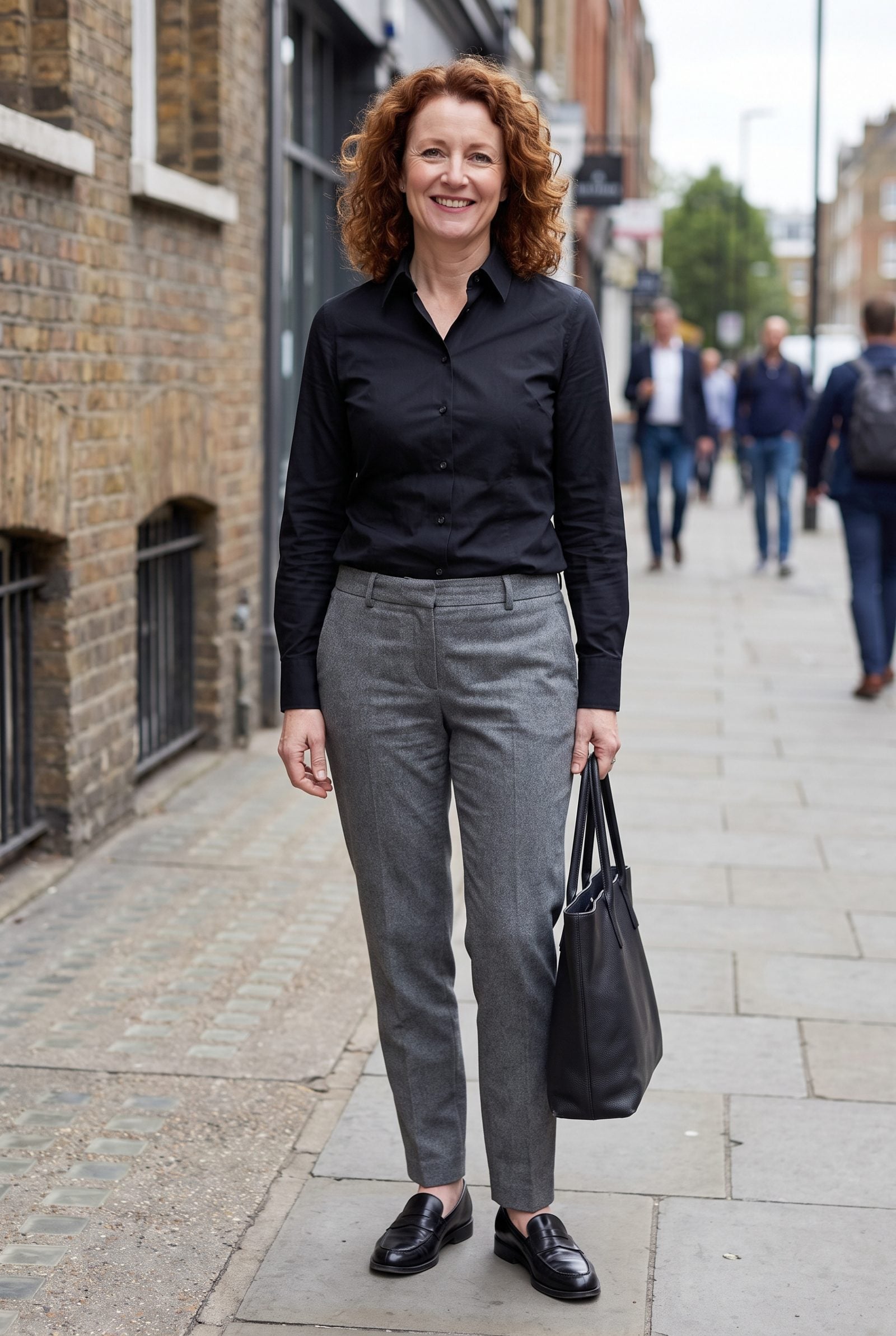
26. Wearing Black Beneath the Face Without Checking Its Effect
❤️ Would you like to save this?
Black is the default for a reason. It’s easy and it slims. But solid black right under the chin throws shadow upward, and shadow upward emphasizes exactly the lines and hollows most people would rather downplay. On some skin tones it drains color straight out of the face.
You don’t have to give up black. Just break the contact. A scarf in a softer shade, a strand of pearls, a shirt in charcoal or deep plum where the collar meets your jaw. The black can stay below. Put something kinder between it and your face.
25. Wearing Matte, Dusty Colors From Head to Toe
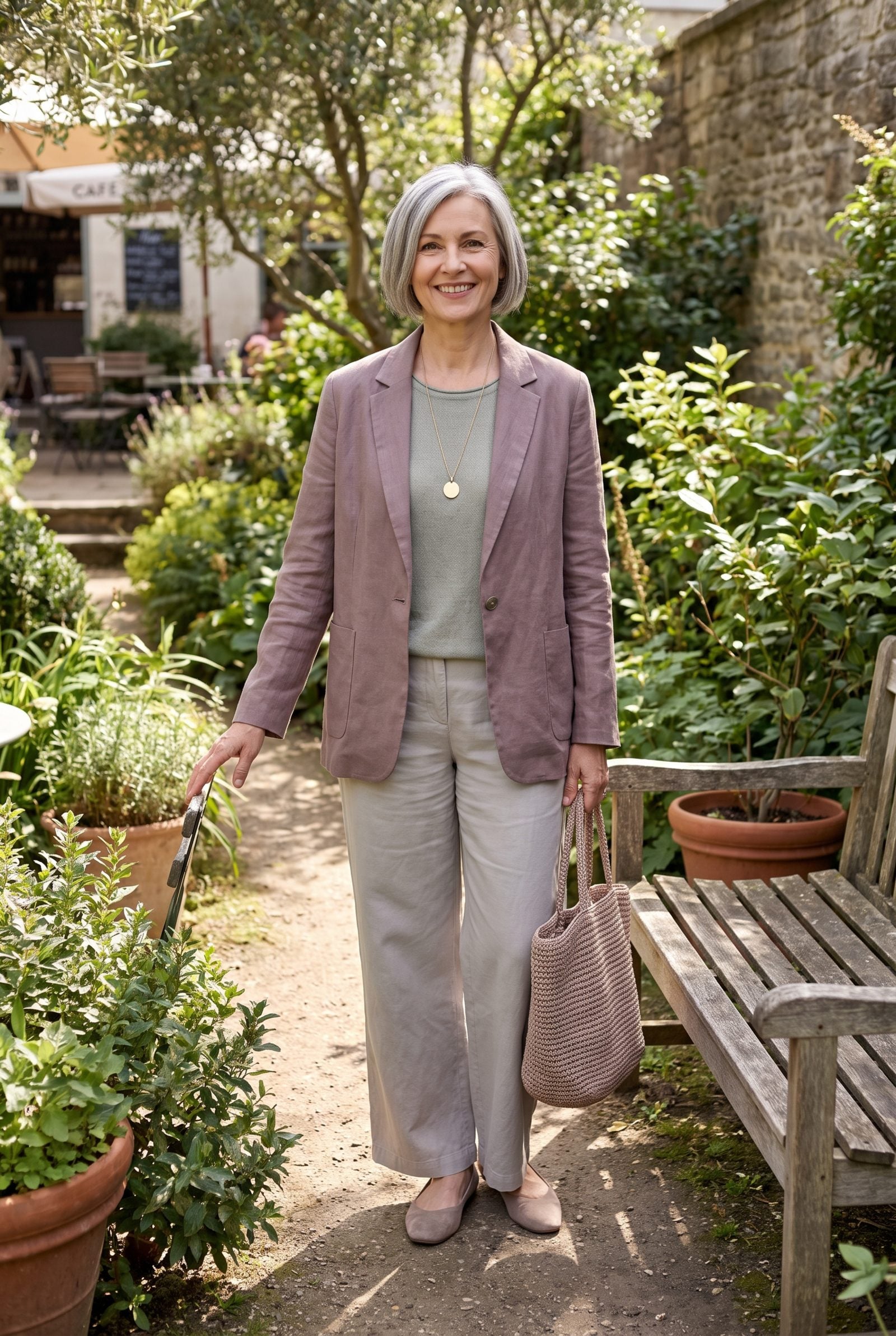
Dusty, desaturated colors are lovely one at a time. Stack them head to toe, though, and the whole look goes foggy — no depth, no point of focus, nothing with enough life to throw light back up at the face. It reads tired even when you’re not.
Keep the soft palette and add one note with conviction: a clear teal, a true coral, a deep berry. One saturated piece against all that softness gives the eye a landing spot and wakes the neutrals up by contrast. Same calm outfit, suddenly with a pulse.
24. Choosing Skin-Tone Hosiery With an Unnatural Shine
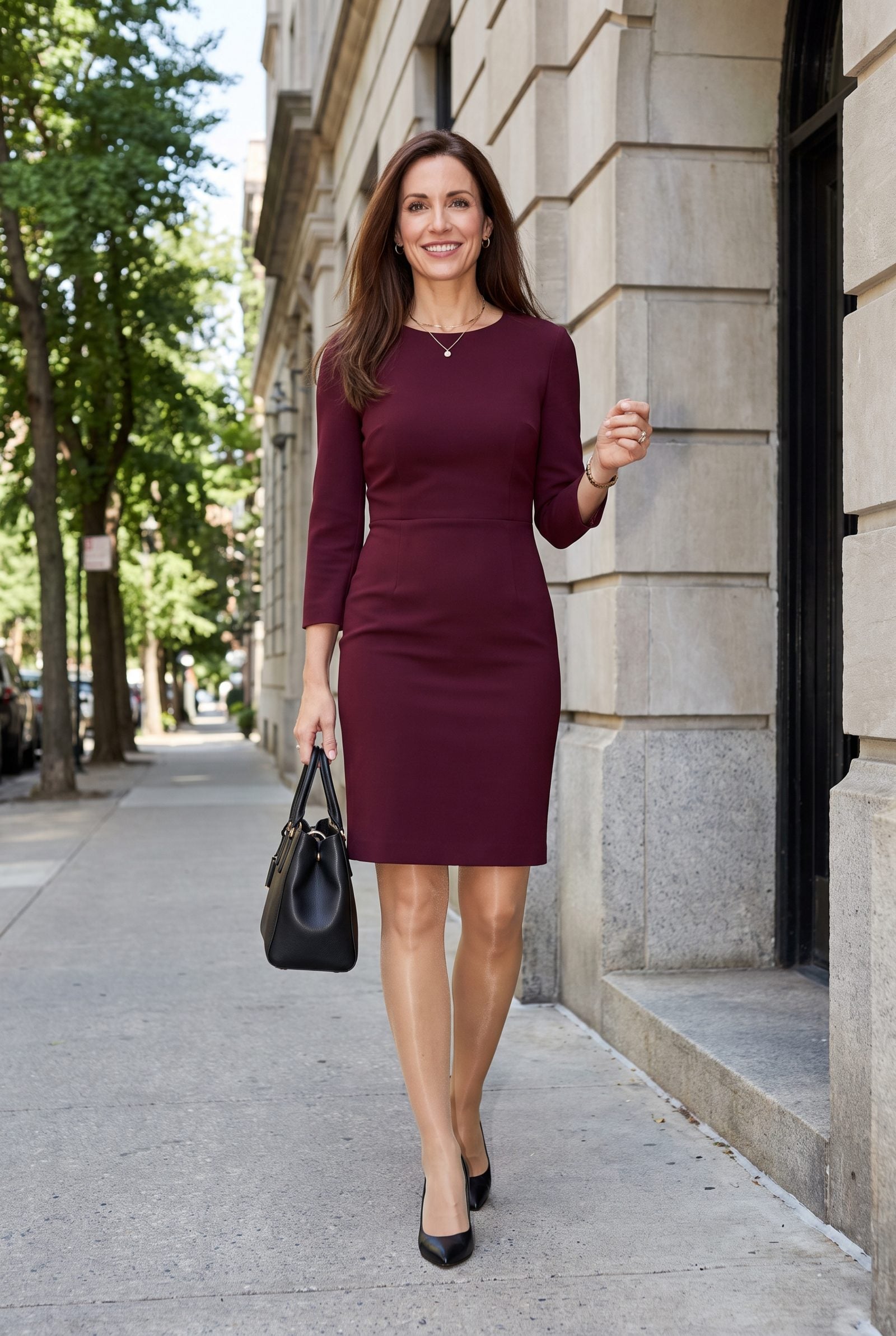
Glossy nude hosiery that catches the light and sits a shade off your actual skin is one of the fastest ways to date a dress. The shine reads as plastic. The color mismatch draws a hard line at the hem, right where the real leg should seem to continue.
If you want hose, go matte and one shade deeper than your skin, never lighter. Better still, in warm months, skip them — bare legs with a little moisturizer do the work. Come winter, a sheer black or deep taupe looks far more current than anything sold as nude with a sheen.
23. Wearing Faded Black Pieces Together Despite Mismatched Tones
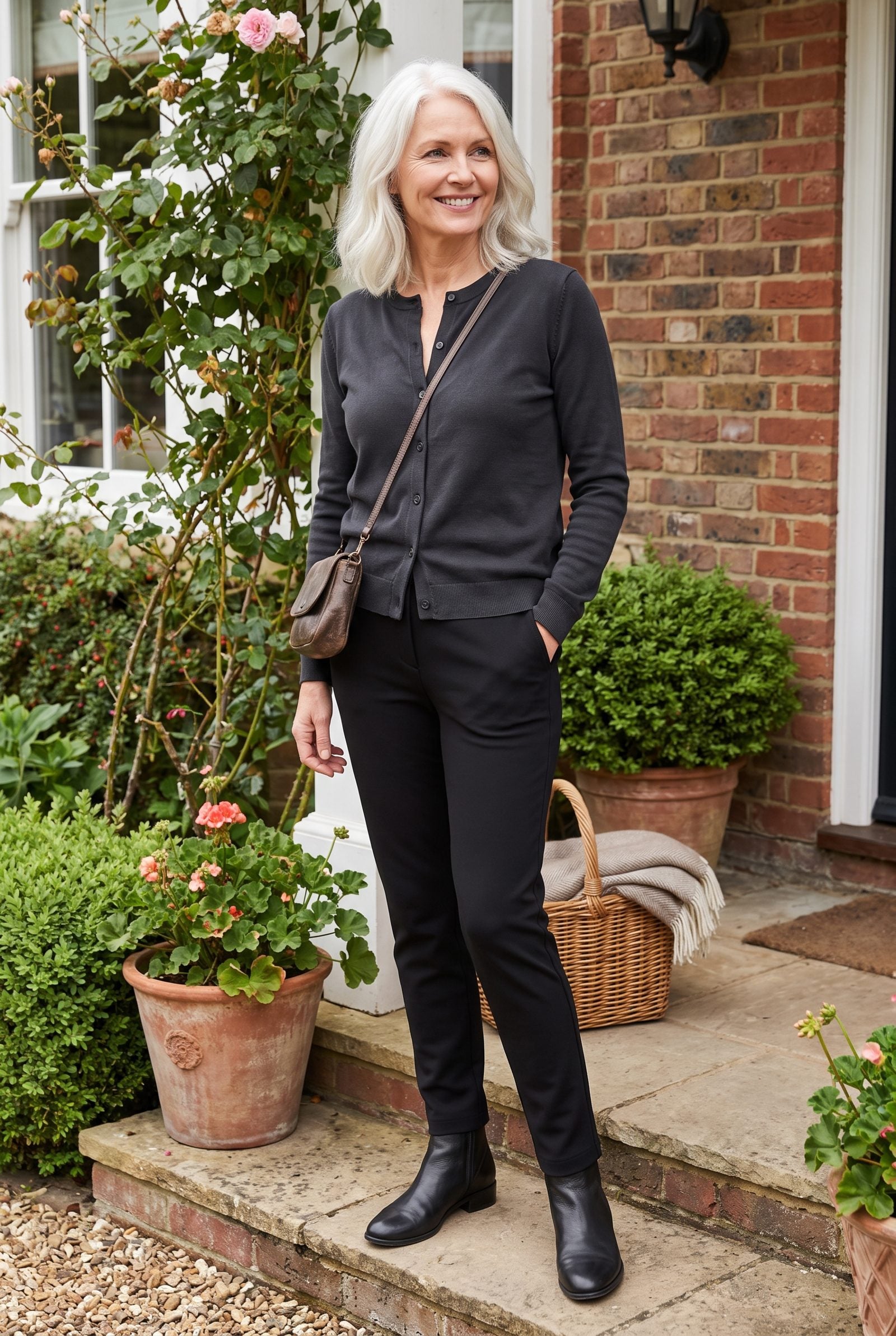
Two blacks that have aged differently — everyone owns this, almost nobody catches it in the mirror. One piece has washed to grey-brown while the other is still deep, so together they look like an accident instead of a choice, and the faded one quietly ages everything around it.
Hold your black pieces side by side in daylight before you commit. If one’s gone dusty, retire it from black-on-black duty and let it work with grey or denim, where the fade turns into a feature. True black on true black is sharp. Faded black on true black just looks like you got dressed in the dark.
22. Keeping Dated Contrast Stitching on Everyday Denim
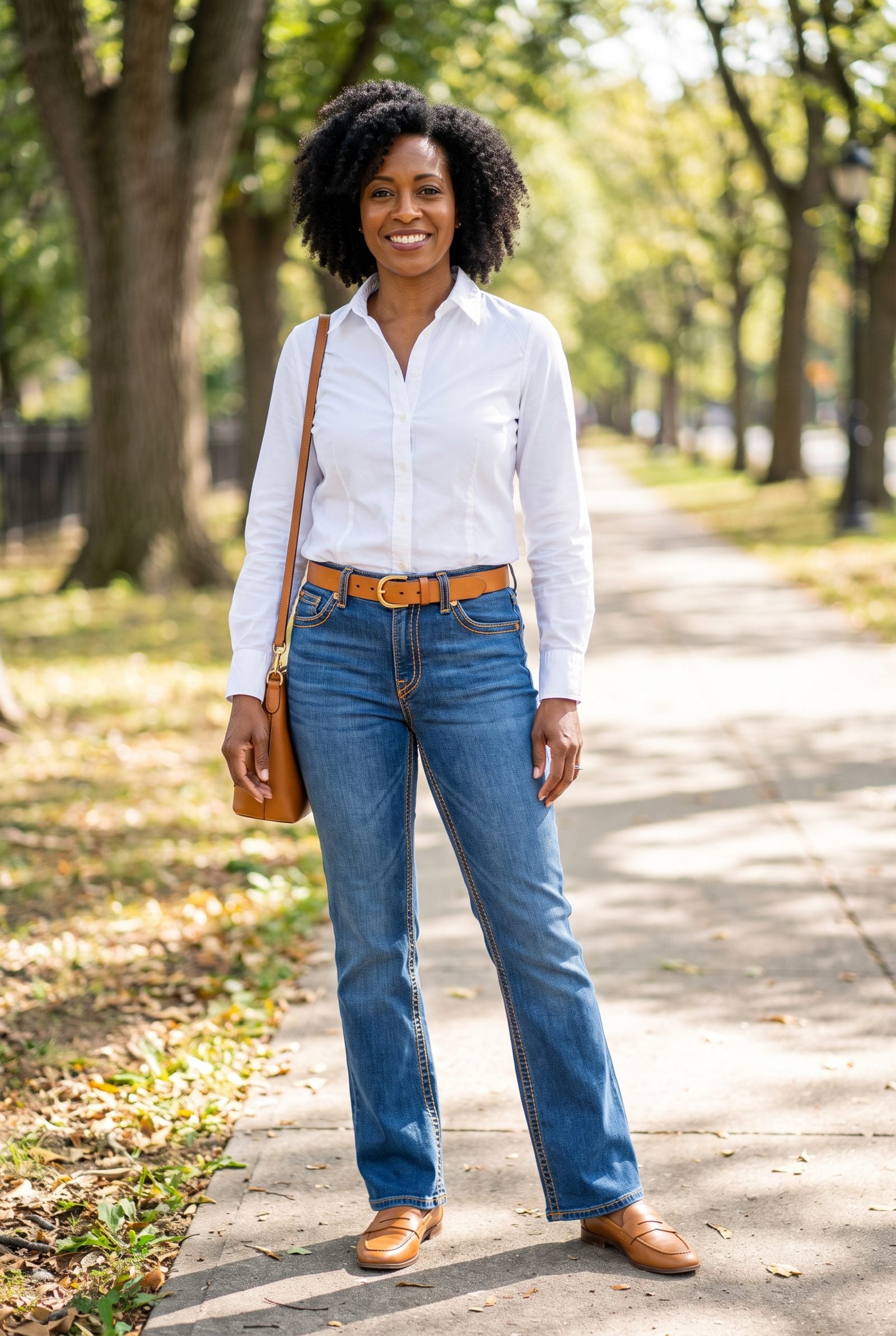
Heavy orange-gold topstitching, whiskering, loud pocket embroidery — these date a pair of jeans to a specific decade faster than the cut ever could. The eye clocks the decoration and files the whole outfit as old, no matter how good the shirt on top is.
Current denim keeps it quiet. Tonal stitching that matches the wash, flat plain back pockets, minimal distressing. A straight or slightly tapered leg in a mid-to-dark rinse reads modern and goes with everything. If you love bold stitching, save it for one statement piece — not the jean you reach for on a Tuesday.
21. Wearing Peep-Toe Shoes With Visible Hosiery Seams
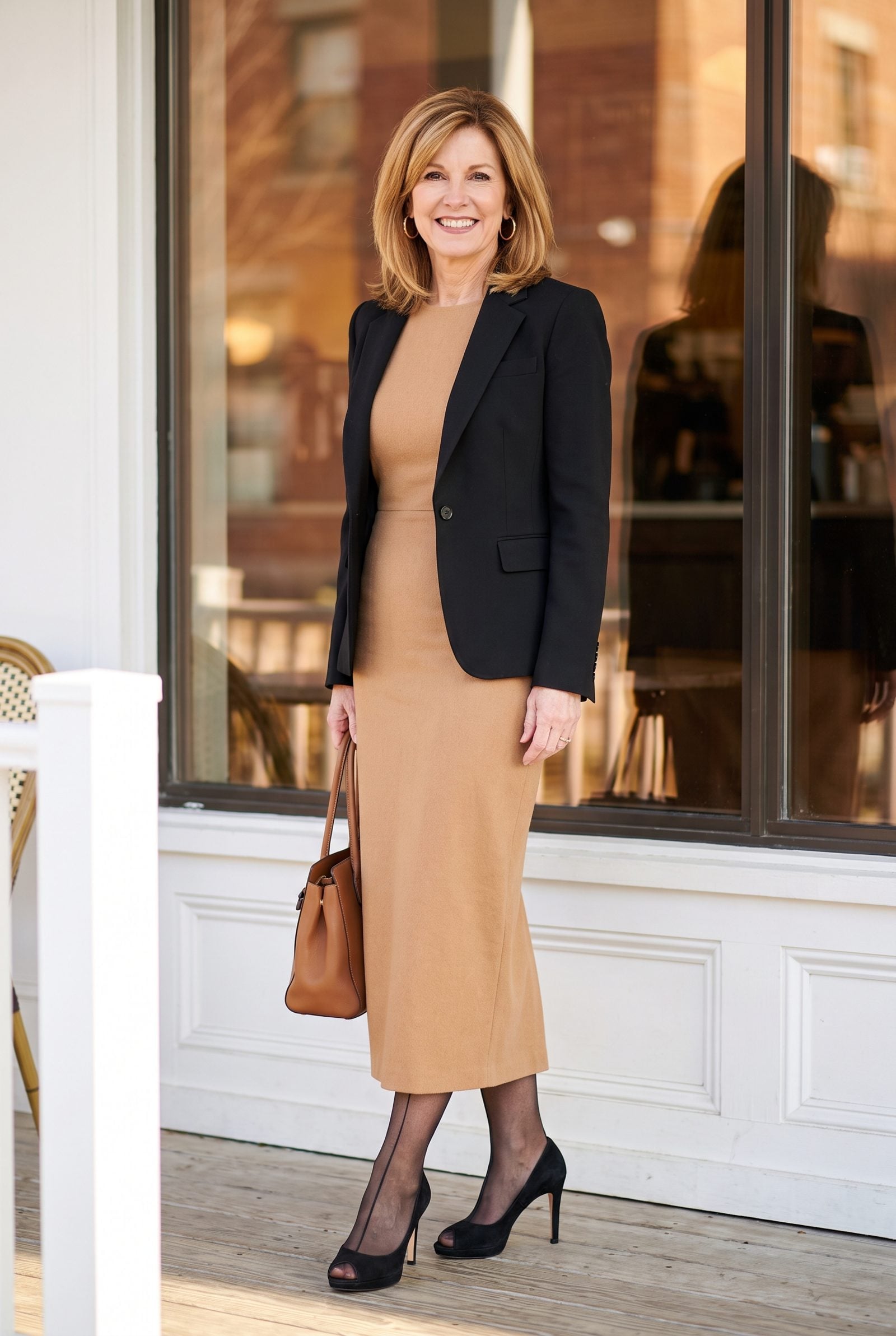
A dark hosiery seam running straight down the leg and disappearing into the open mouth of a peep-toe, is one of those details nobody means to leave in and everybody spots. It turns a sharp shoe into something fussy the second you glance down.
A few clean options. Wear seamless sheer hose with your peep-toe so no seam line shows, or save seamed stockings for a closed-toe pump. Or go bare in the peep-toe with a quick swipe of foot balm. Seamed legs and open toes were never meant to share an outfit.
20. Letting Knitwear Stretch and Sag at the Hem
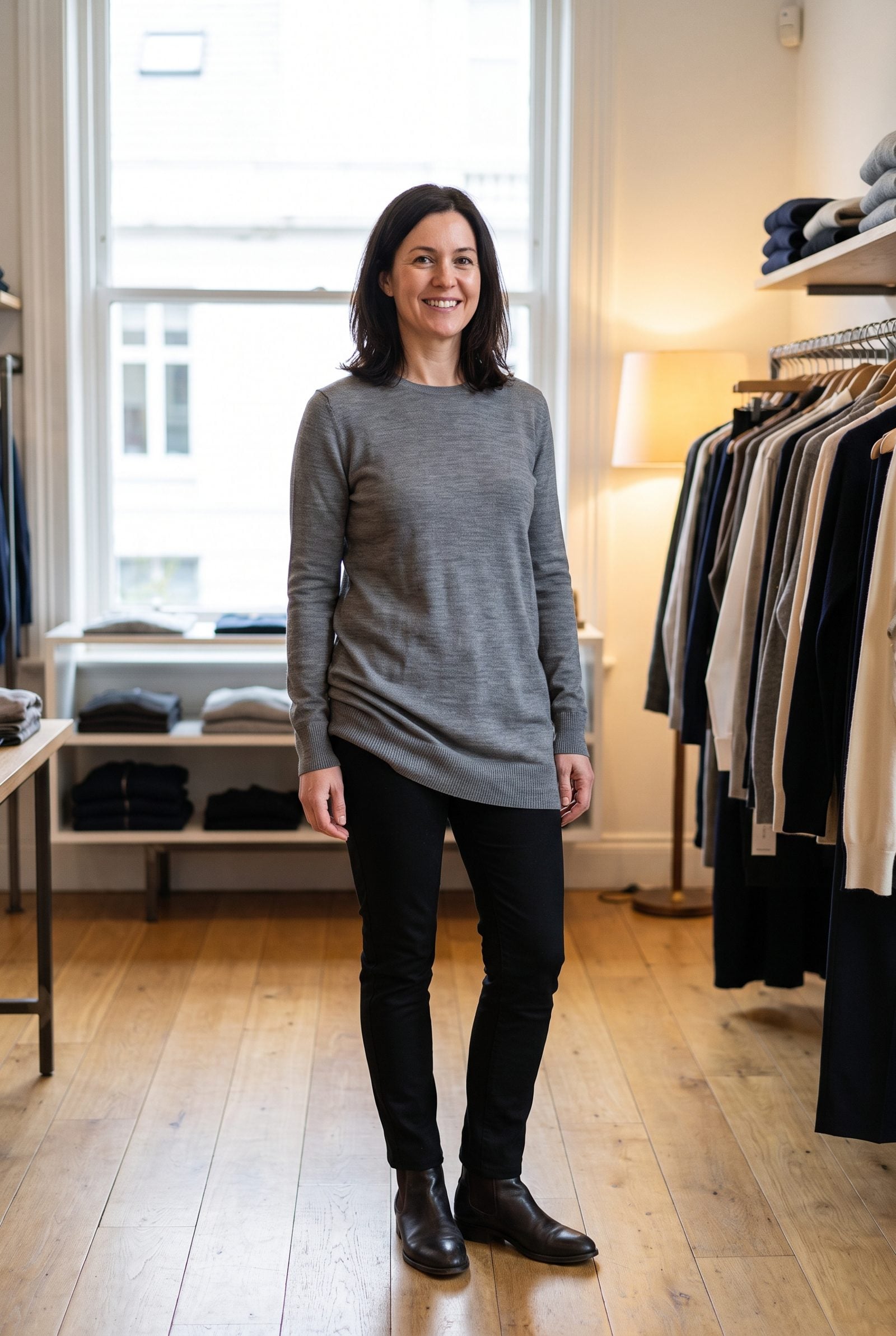
A knit hem that has lost its stretch and flares out loose around the hips adds width exactly where you want a clean line. The ribbing was supposed to hug and pull in. Worn out, it does the opposite, and even a good sweater starts looking tired.
Shrink a cotton-blend hem back with a hot wash and a short tumble, or hand it to a knit tailor to take the ribbing in. For anything you buy next, merino and cashmere hold shape better than loose acrylic blends. A hem that grips the body keeps the whole silhouette looking like you meant it.
19. Keeping Clothes With Puckered, Twisted Seams
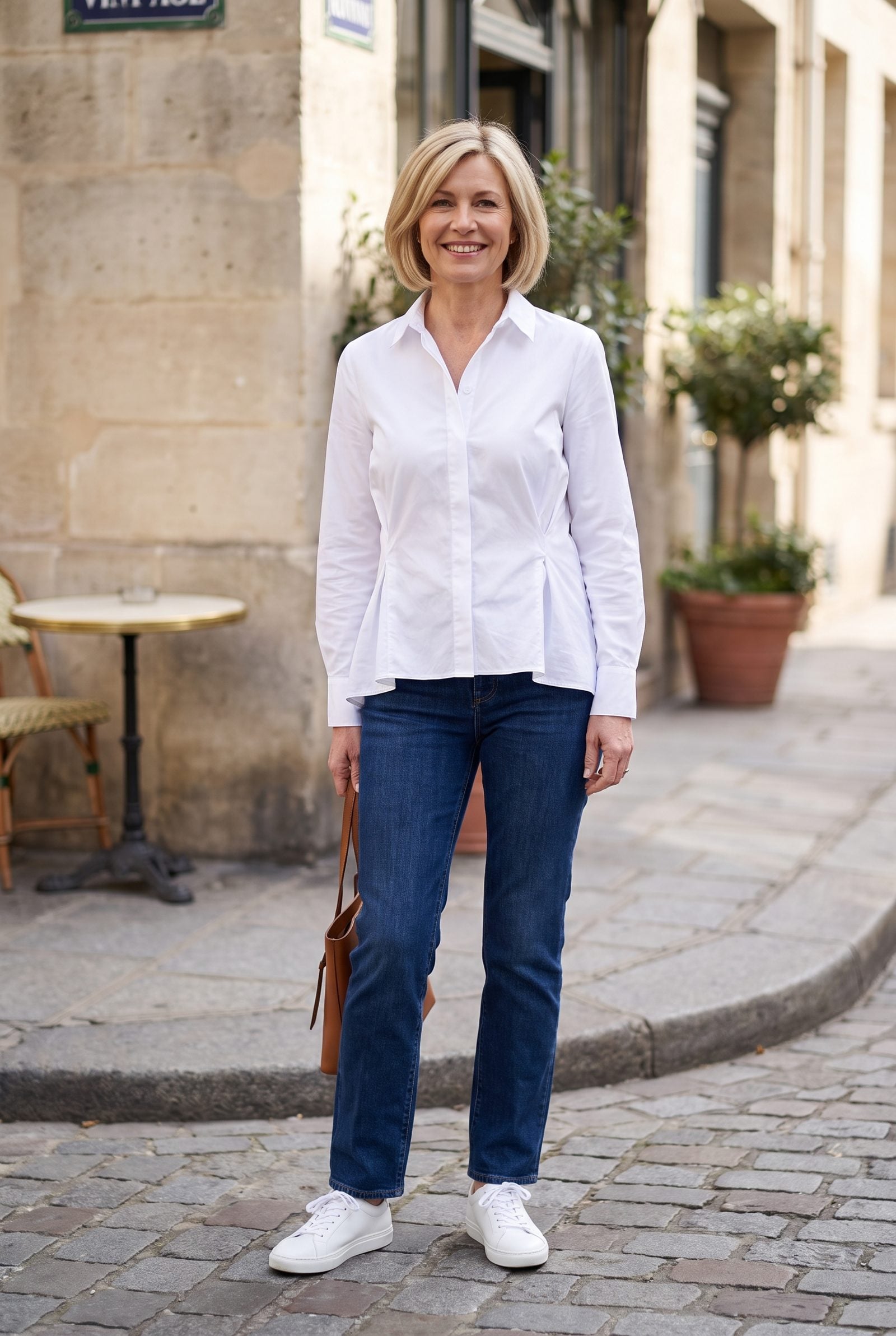
Seams that twist toward the front or pucker along a hem are a cheap-construction tell, and they give themselves away even when the piece is new. A rippling side seam catches light unevenly and signals that the garment is fighting the body instead of following it.
Check before you buy. Hold the piece up, look straight down the sides, and they should fall true. For things you already own, a steam press fixes some puckering, and a tailor can release and re-sew a twisted seam. Clean, straight seams are most of what separates a good garment from a forgettable one.
18. Neglecting Scuffed Heels, Worn Soles and Frayed Bag Edges
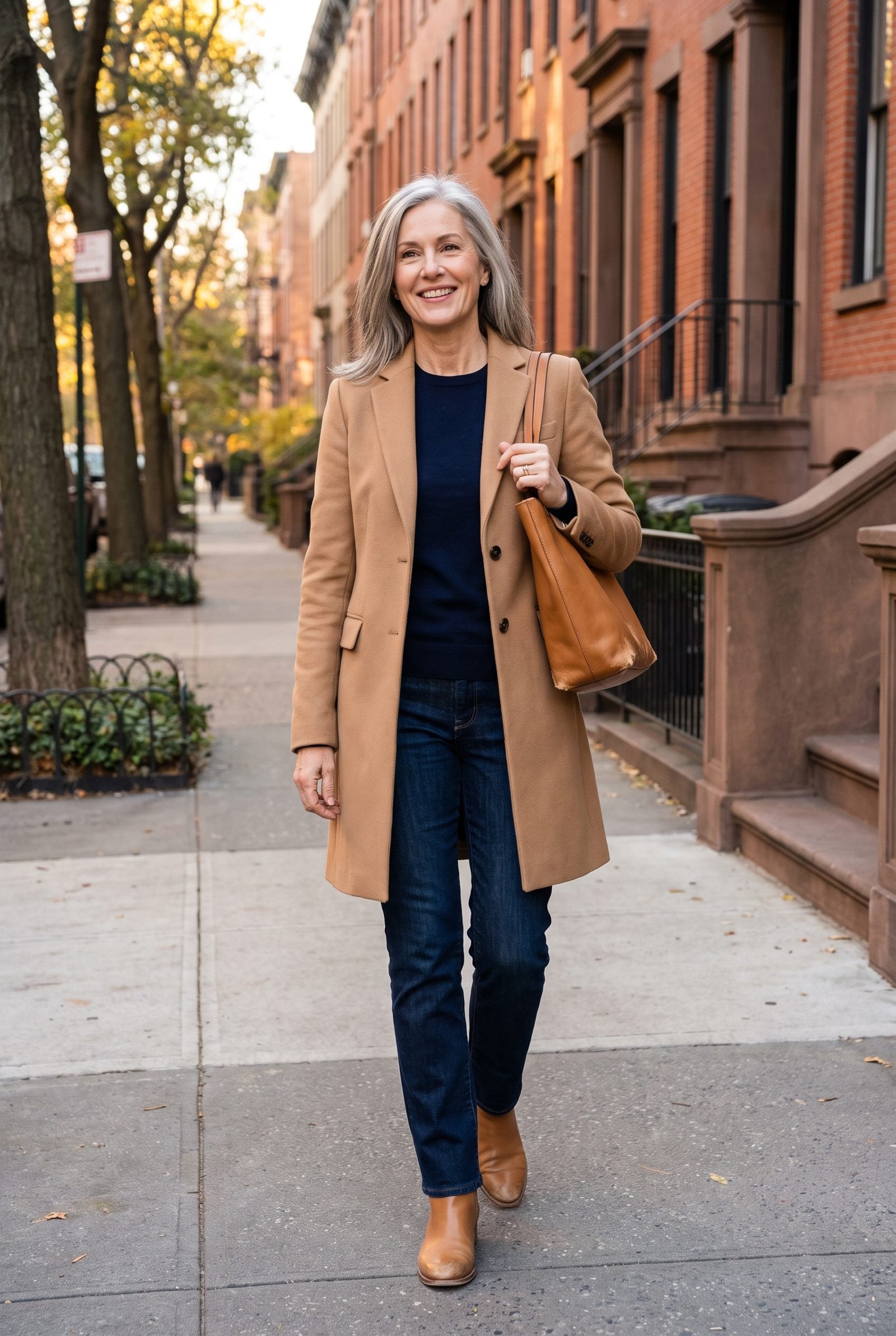
The outfit can be sharp from the knees up and still read tired the second the eye drops to the shoe. Scuffed heels, worn-down soles and a bag with corners gone pale and fuzzy do something sneaky: they signal that the whole look is coasting on habit, not intention. Nobody consciously registers it. Everybody feels it.
Leather holds its age in the places it rubs — the back of a heel, the point of a toe, the four corners of a tote. Those spots give you away first.
And the fix costs almost nothing. A cobbler reheels boots for the price of lunch, and a tin of cream polish buys you years. Wipe down the tan leather tote edges, condition them, and suddenly the same outfit looks deliberate again.
17. Wearing Tarnished Costume Jewelry Beside Polished Clothing
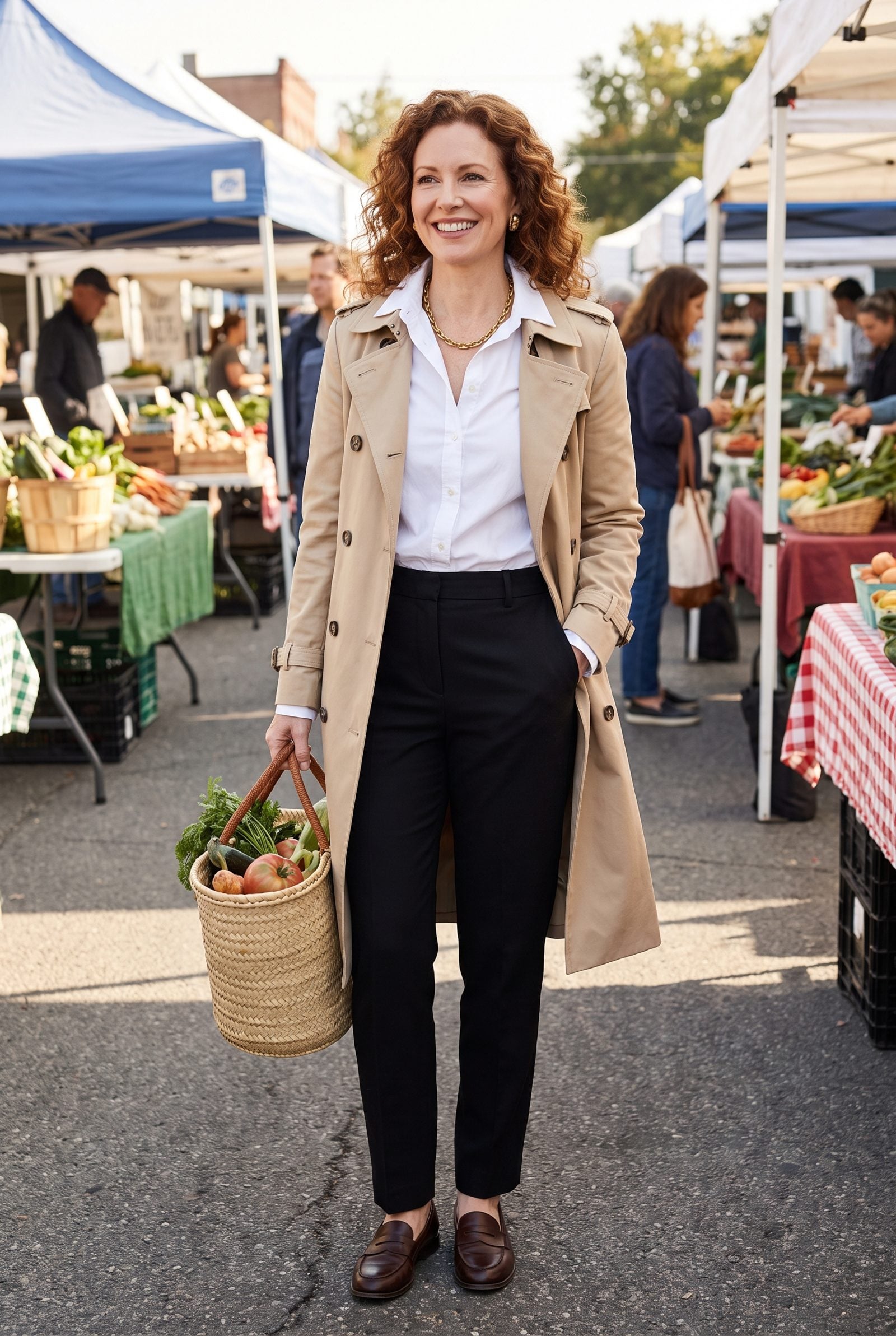
Crisp clothing throws a spotlight on your metal. A bright gold-tone chain and clip earrings polished to a clean shine finish a freshly pressed white shirt, because the eye catches the match instantly: the clothes got attention, and so did the jewelry.
Costume pieces oxidize — that’s chemistry, not a character flaw. But worn beside polished tailoring, cloudy metal starts to look like something forgotten in a drawer.
So clean them. A soft cloth and a dab of baking-soda paste revives gold-tone in minutes, and a polishing wipe keeps it bright. Better still, lean into a few modern matte gold pendant pieces that never beg to be mirror-shiny in the first place.
16. Wearing Shapeless Layers That Finish at the Same Length
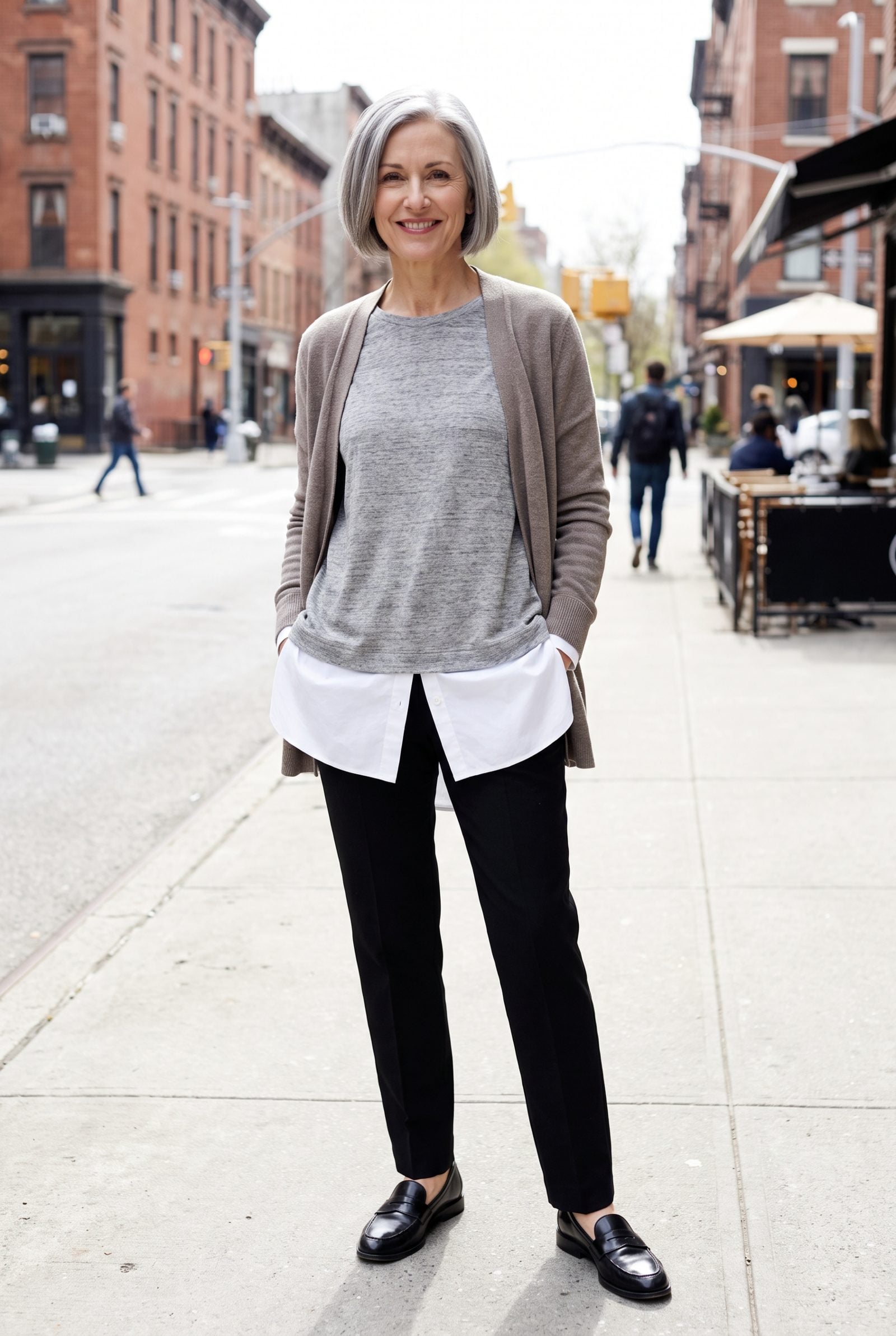
Three soft layers that all stop at the same hipline create one thick, uninterrupted band across the middle of the body. No layer defines anything. The eye hits a wall of fabric and reads width where there’s often none.
Length variation is what makes layering look intentional, so stagger the hems. A cropped jacket over a longer shirt, or a shorter knit over a tunic that drops a few inches below it, builds vertical movement and gives the eye a staircase to climb instead of a block to stop at.
15. Wearing a Belt Too Low on the Torso
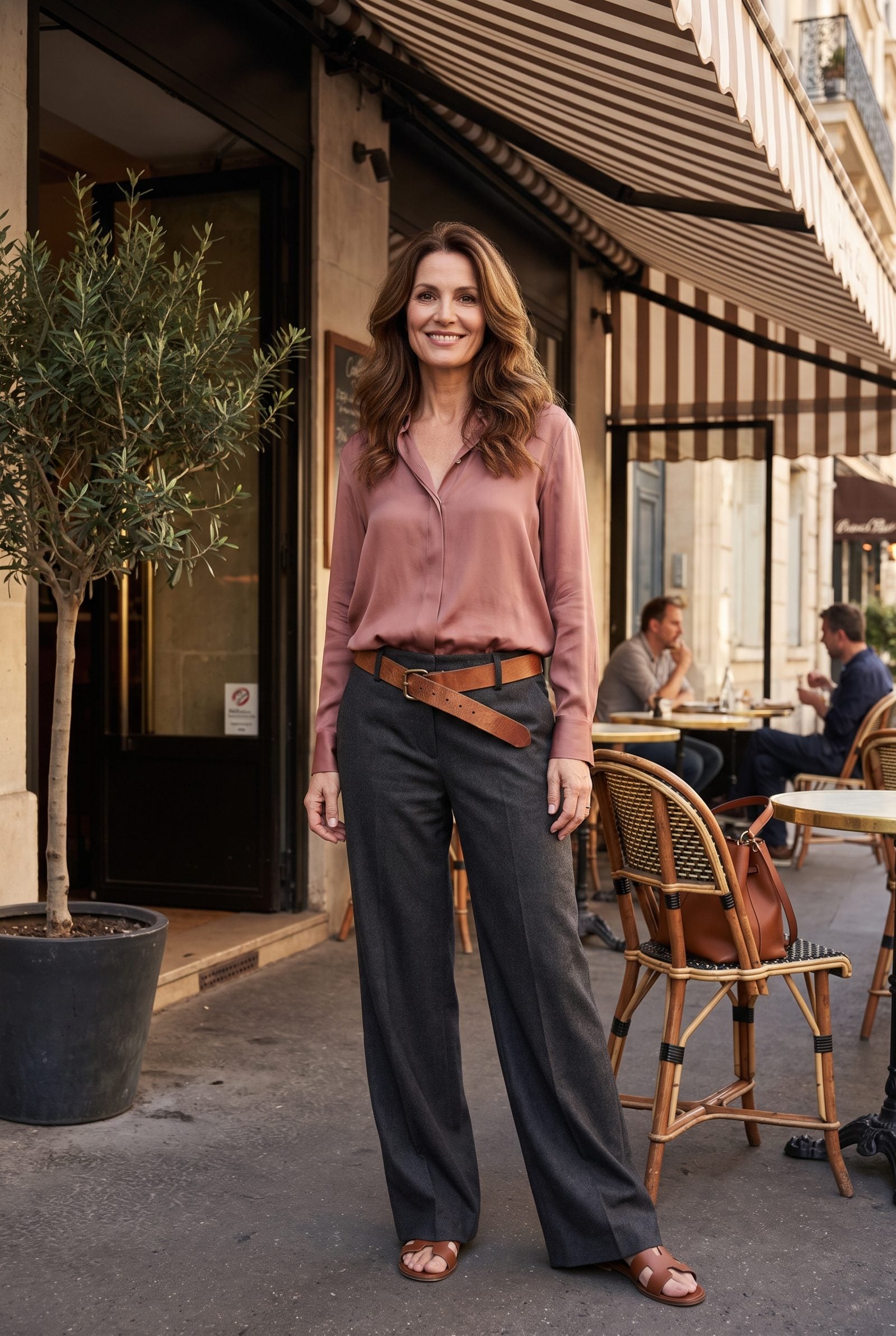
A belt riding at the hip bones instead of the waist drops the apparent waistline several inches, which shortens the legs and thickens the middle in one move. The belt is supposed to mark the narrowest point. Set too low, it marks the widest.
Find your natural waist. It’s the crease where you bend sideways, usually a hand’s width above the hip bone. Sit the belt there.
High-waisted trousers make this easy, because the waistband already lands in the right place. A slim tan leather belt at the true waist lengthens the legs and defines the shape instead of flattening it.
14. Wearing Cropped Pants That End at the Widest Point of the Calf
❤️ Would you like to save this?
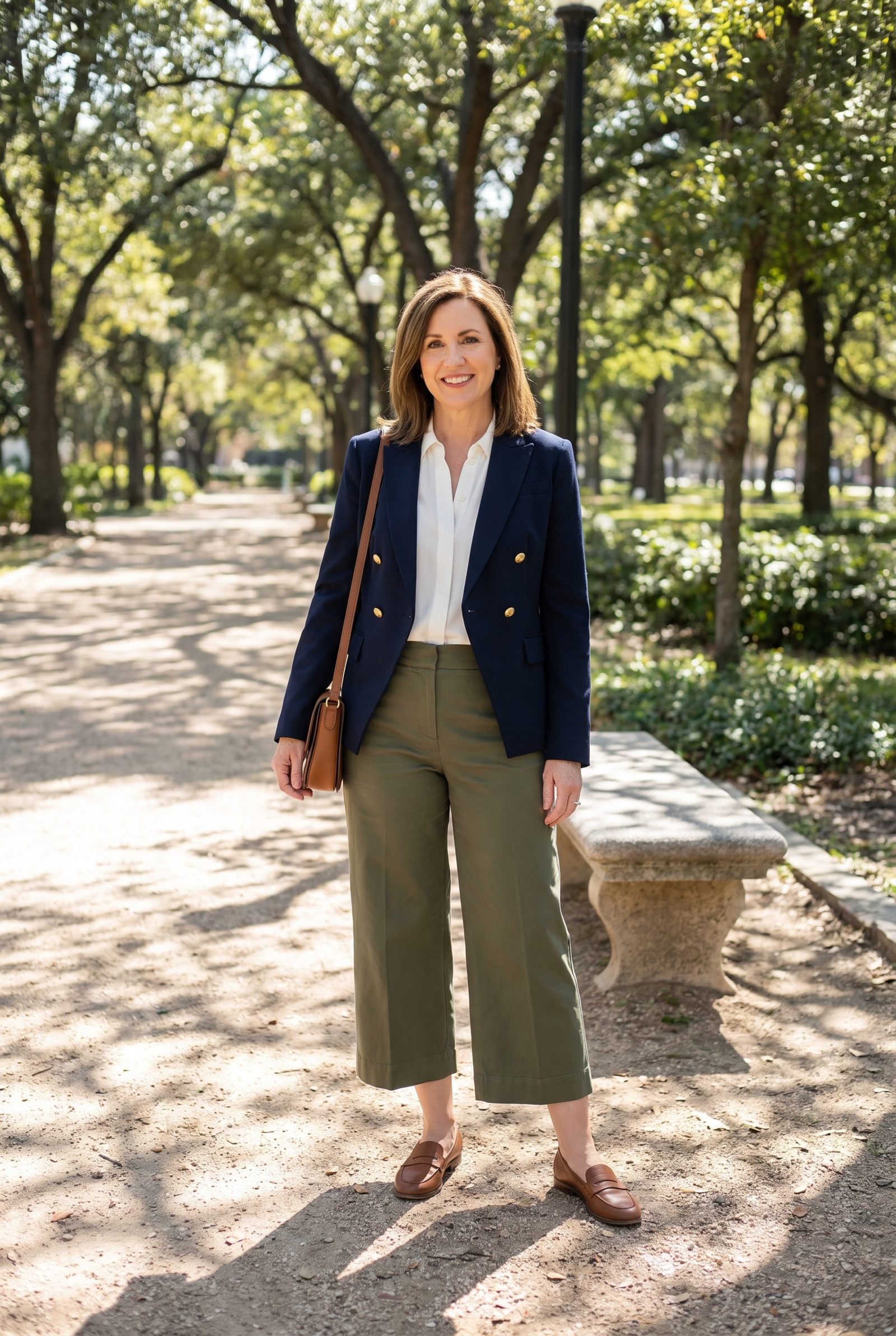
Cropped pants that stop dead at the fullest part of the calf cut the leg at its widest measurement and make the whole lower half look heavier and shorter. It’s a hem problem, not a leg problem — the crop just picked the worst possible spot to end.
So move the hem. The slimmest zones are just above the ankle bone or just below the knee. Hit one of those and the same trouser suddenly lengthens the leg.
Nude pointed flats help too, because a toned-in shoe extends the line rather than chopping it with a dark bar. Small change, completely different read.
13. Pairing Mid-Calf Skirts With Flat, Heavy Shoes
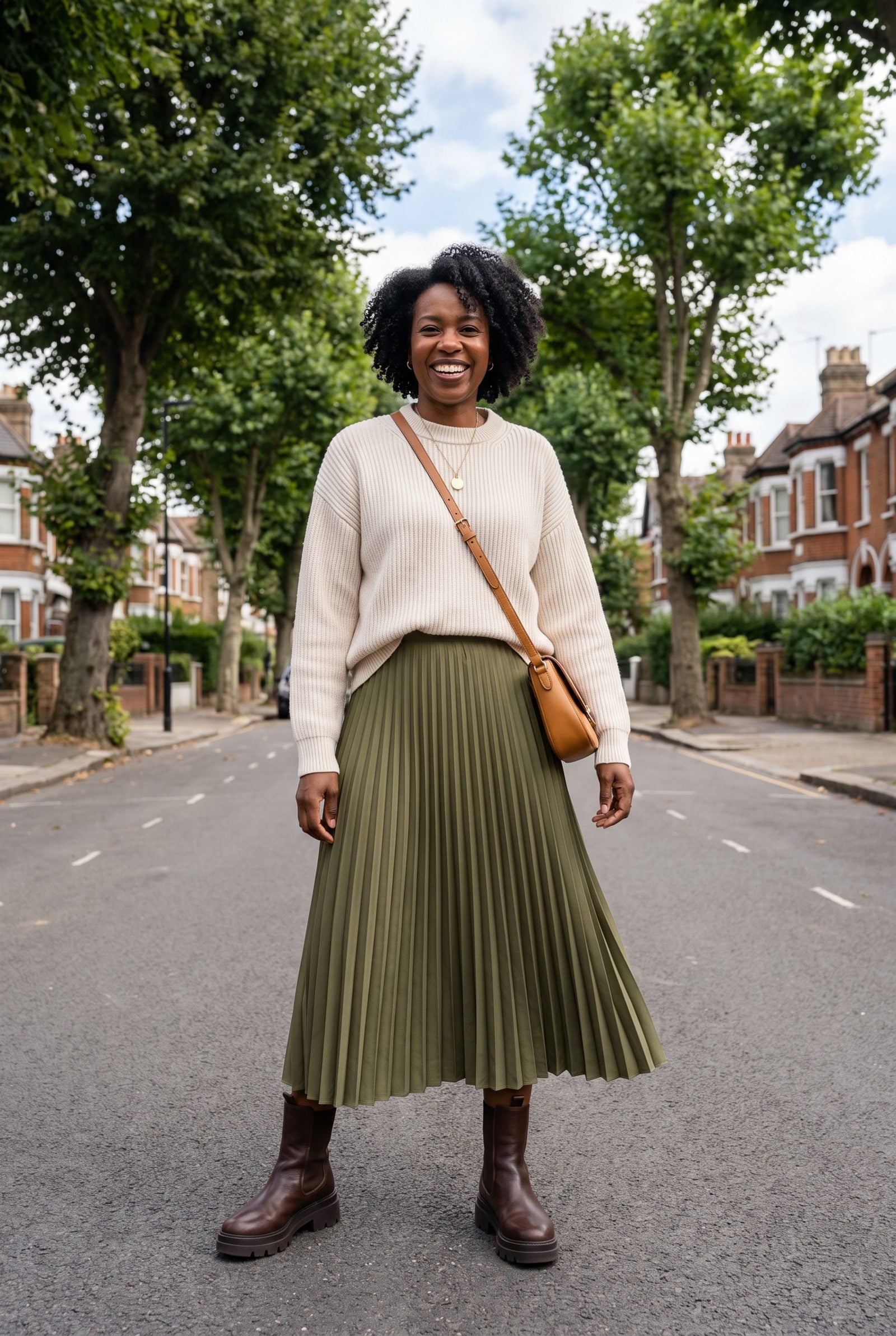
A mid-calf skirt already ends at a tricky point, and a heavy flat shoe anchors everything below it to the ground. That short stretch of exposed leg between the hem and a thick sole gets squeezed into a stubby line, and the whole outfit sinks.
Lighten the shoe, or lift the ankle. A pointed flat, a low block heel, or a slim knee-high leather boot that meets the hem all keep the vertical line moving down the leg instead of stopping it short.
12. Keeping Jacket Sleeves Long Enough to Cover the Hands
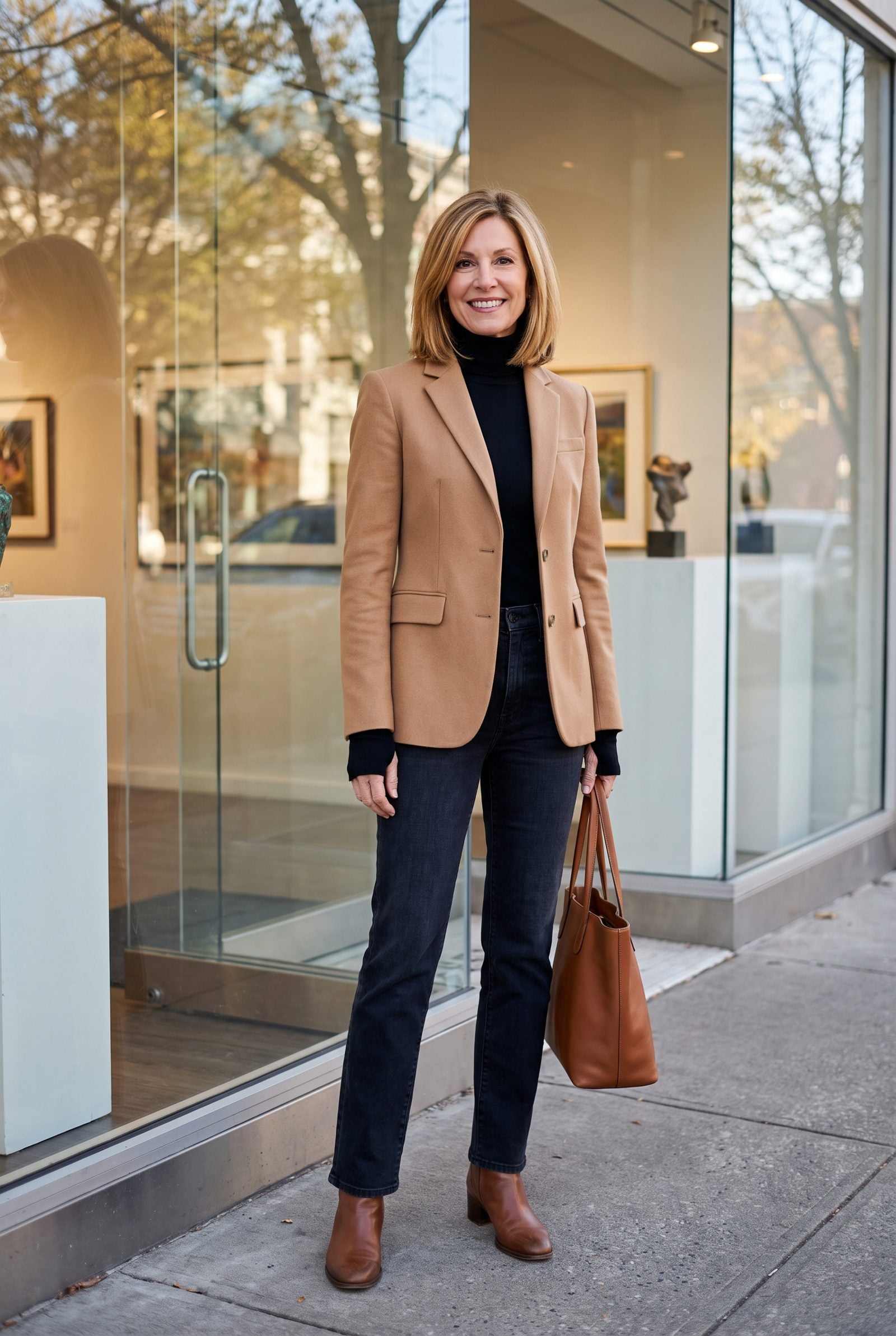
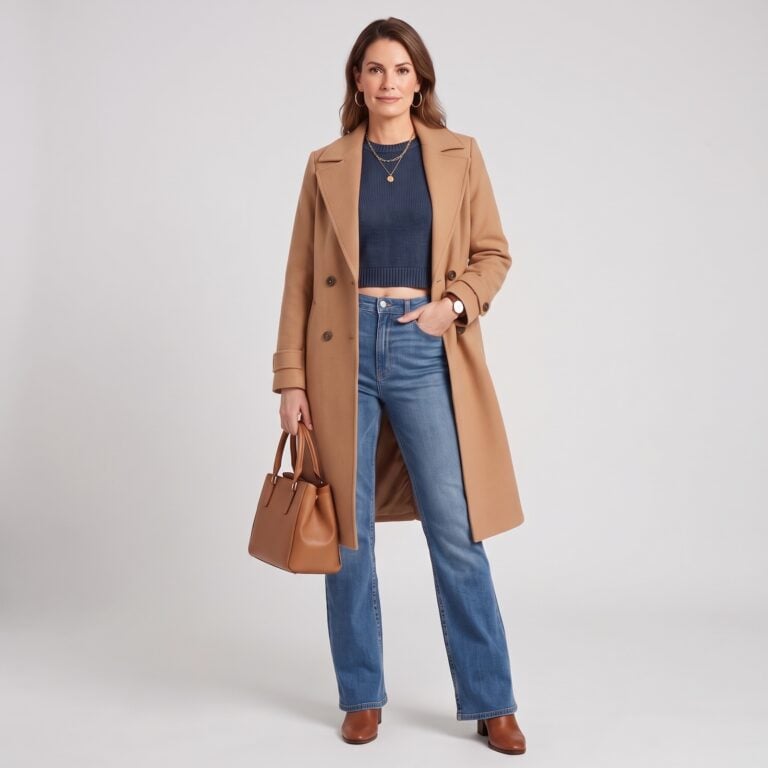
A blazer sleeve that swallowed half the hand would instantly make the jacket look borrowed, or like it was never altered after purchase. It would throw the proportions off and read as a garment wearing the person, rather than the other way round.
The correct length, as in this blazer, stops right at the wrist bone, letting a sliver of the knit cuff show beneath. That’s it. That tiny reveal is what separates tailored from thrown-on.
A sleeve shortening costs very little and takes a tailor an afternoon. If the jacket has working buttonholes, the sleeve may need shortening from the shoulder instead, which costs more. Nothing signals considered dressing faster than a sleeve that ends exactly where it should.
11. Choosing Bulky Pockets Over the Hips or Bust
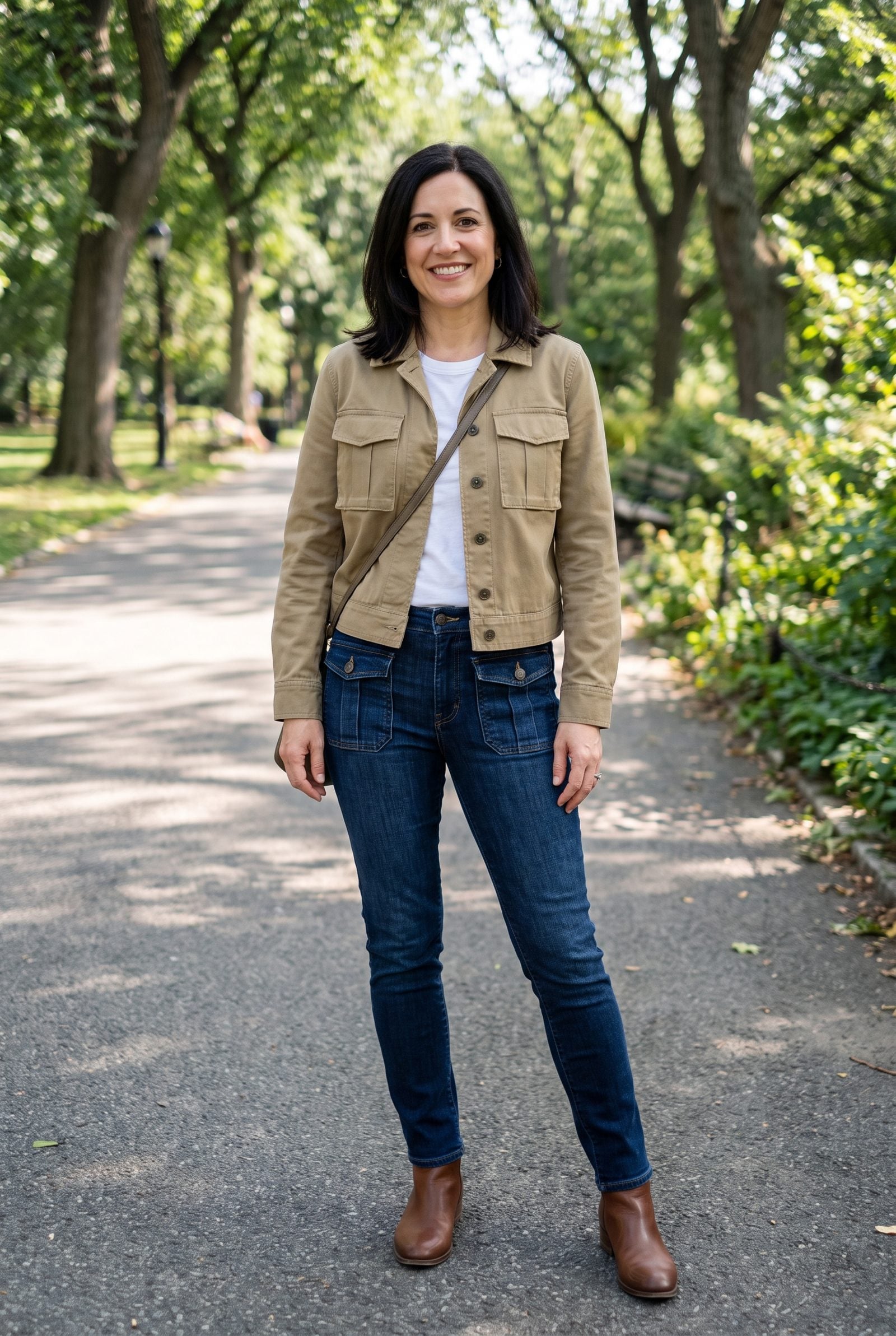
Large flap patch pockets sitting right on the bust or over the hips add physical volume to the two zones most of us aren’t looking to expand. The flaps, the stitching, the extra layer of fabric all catch light and create width exactly where a smoother line would read slimmer.
Pockets are placement, not punishment. Vertical welt pockets, angled side-seam openings, or no visible pocket at all keep those areas clean. Save the bold patch-pocket pieces for zones you want to draw the eye toward, like a breast pocket on a slim shirt. For hip-heavy cargo-pant outfits, balance the volume up top with a fitted knit so the proportions stay even.
10. Wearing a Scarf Knotted Tightly Beneath the Chin
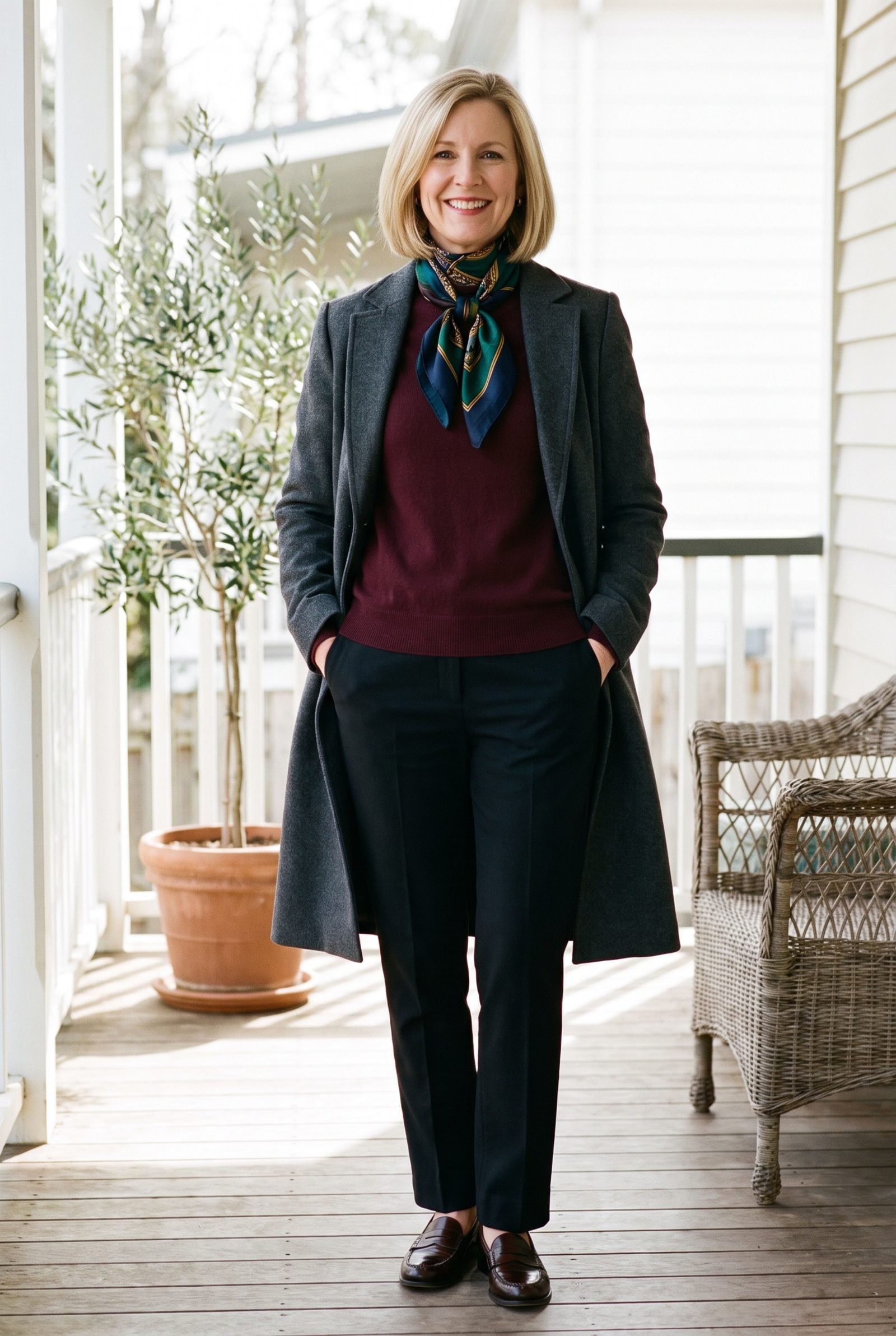
A scarf cinched in a tight little knot right under the chin pulls the fabric up against the jaw and fills in the space that would otherwise lengthen the neck. It creates a hard horizontal line at the throat, which shortens the face and reads as a style frozen a few decades back.
Let it fall. A loose drape, a long tail down the front, or a soft loop that sits lower on the chest opens up the neck and keeps the line long. An easy infinity-scarf approach, letting the ends hang rather than binding them, updates the whole gesture.
9. Keeping Shoulder Pads That Extend Beyond the Natural Frame
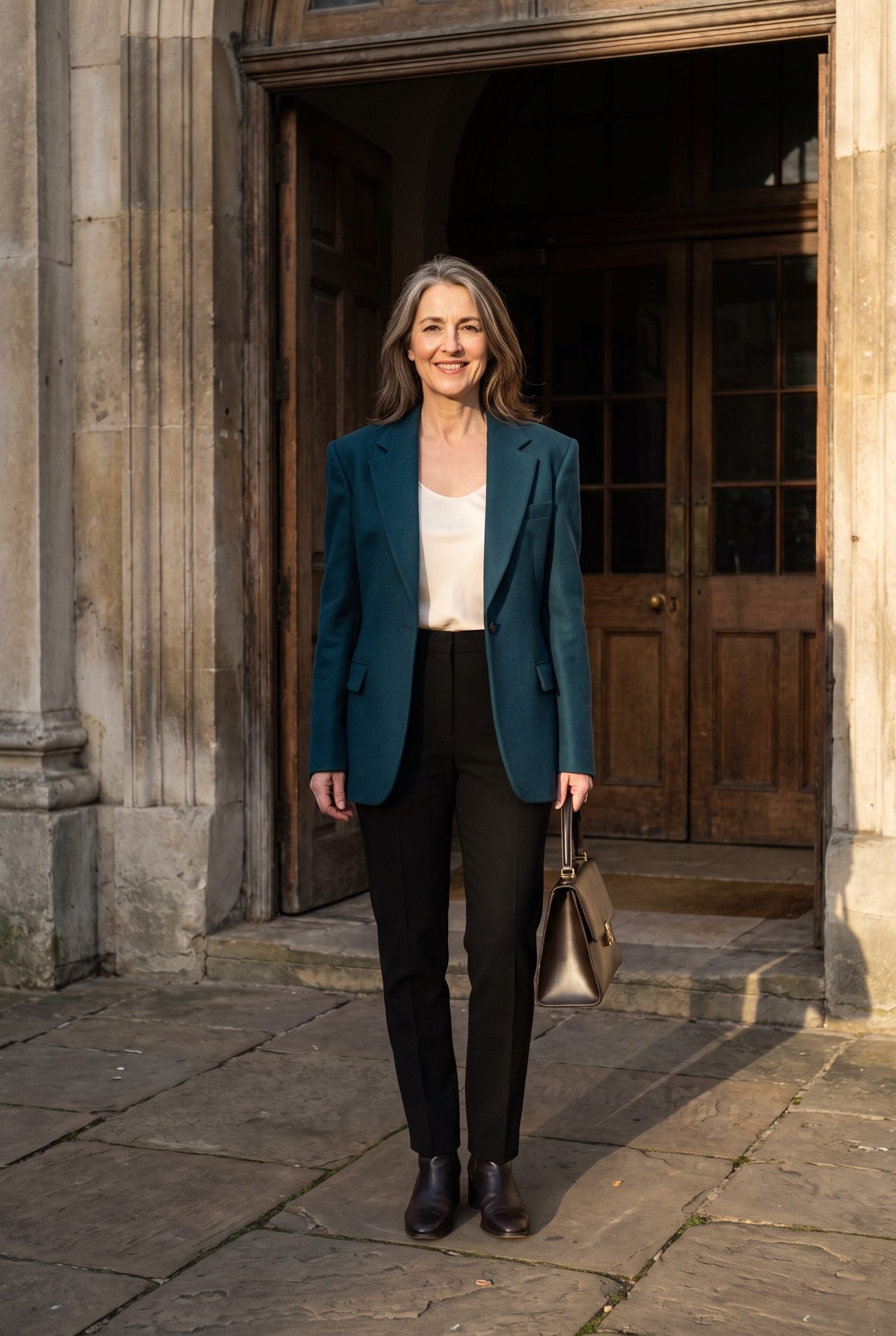
Shoulder pads that jut an inch past where the arm actually begins build a square, boxy frame that dates the whole jacket to a specific era, no matter how current everything else is. The shoulder is the structural anchor of any jacket. Get it wrong and the entire silhouette tilts old.
The seam should sit at the edge of your natural shoulder, where bone meets arm. If an older blazer has pads reaching past that point, a tailor can remove or shrink them for almost nothing, and the jacket drops ten years.
Modern tailoring favors a soft, natural shoulder. A teal tailored blazer with a clean, unpadded line looks sharp without the armor. The frame should follow the body, not fight it.
8. Wearing Dark Lip Liner With a Much Lighter Lip Color
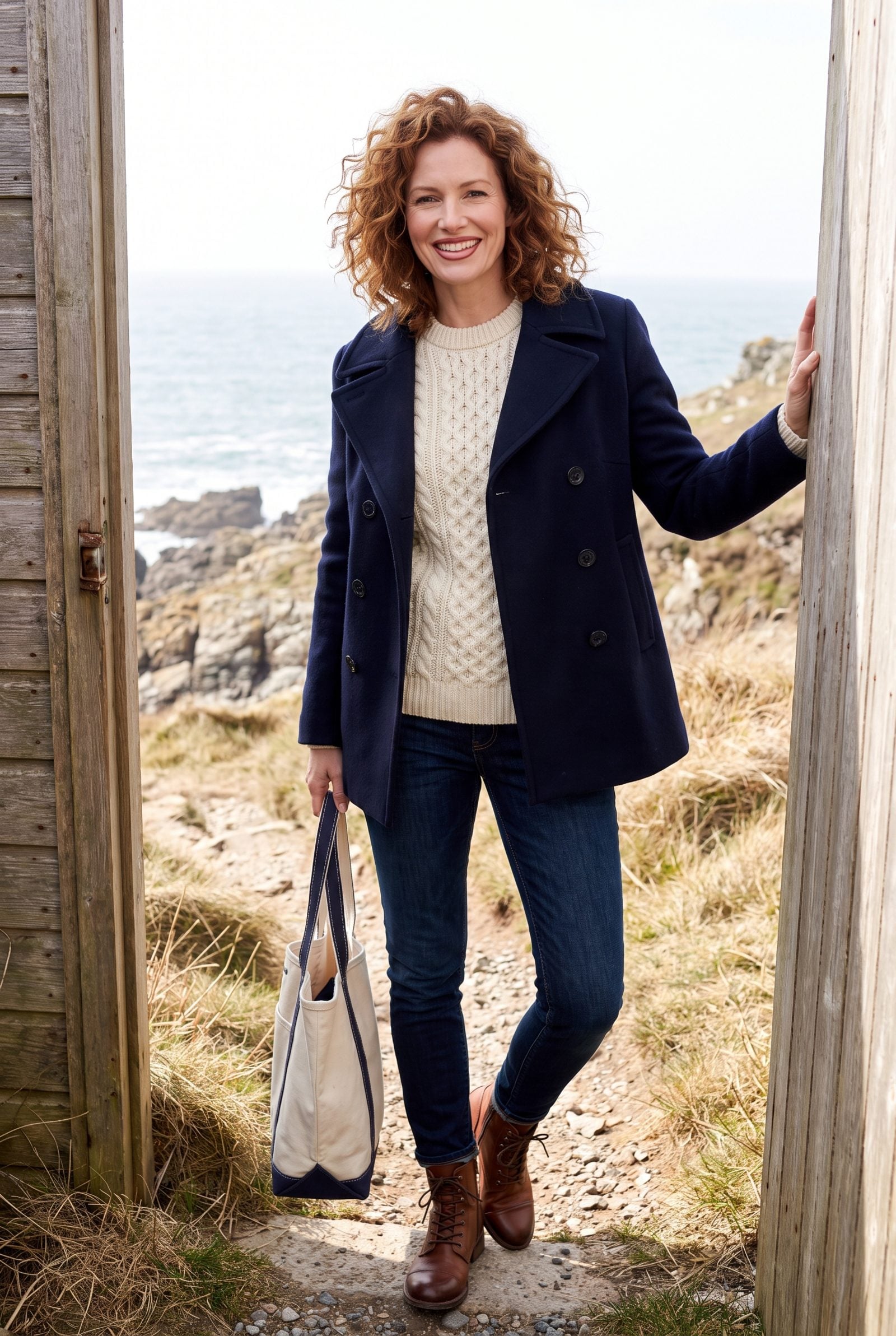
The problem is the ring: a liner a few shades darker than the lipstick drawing a hard border around the mouth. That kind of border reads like a tracing exercise rather than a lip, and it bleeds into the fine lines above the top lip faster than anything else in your kit.
To get this look, match your tones. Pick a liner within one shade of your lipstick, then blur the edge inward with your fingertip until there’s no visible line at all. A satin finish in warm rose or soft berry keeps the mouth full without that outlined look.
7. Applying Heavy Powder Across the Entire Face

All-over powder promises to control shine and instead flattens the face into one dull surface. Where skin should catch light, the powder catches in creases, so every line near the eyes and mouth gets underlined. Mature skin has less oil and more texture — exactly the surface powder exaggerates.
Skip the full-face dusting. Press a translucent, finely milled powder only on the center panel — the nose and chin, where shine actually shows up — and leave the cheeks and under-eyes bare so they keep their natural glow. Honestly, a tinted moisturizer or a dewy foundation does more for a rested look than any powder ever will.
6. Drawing Eyebrows as Solid, Dark Blocks
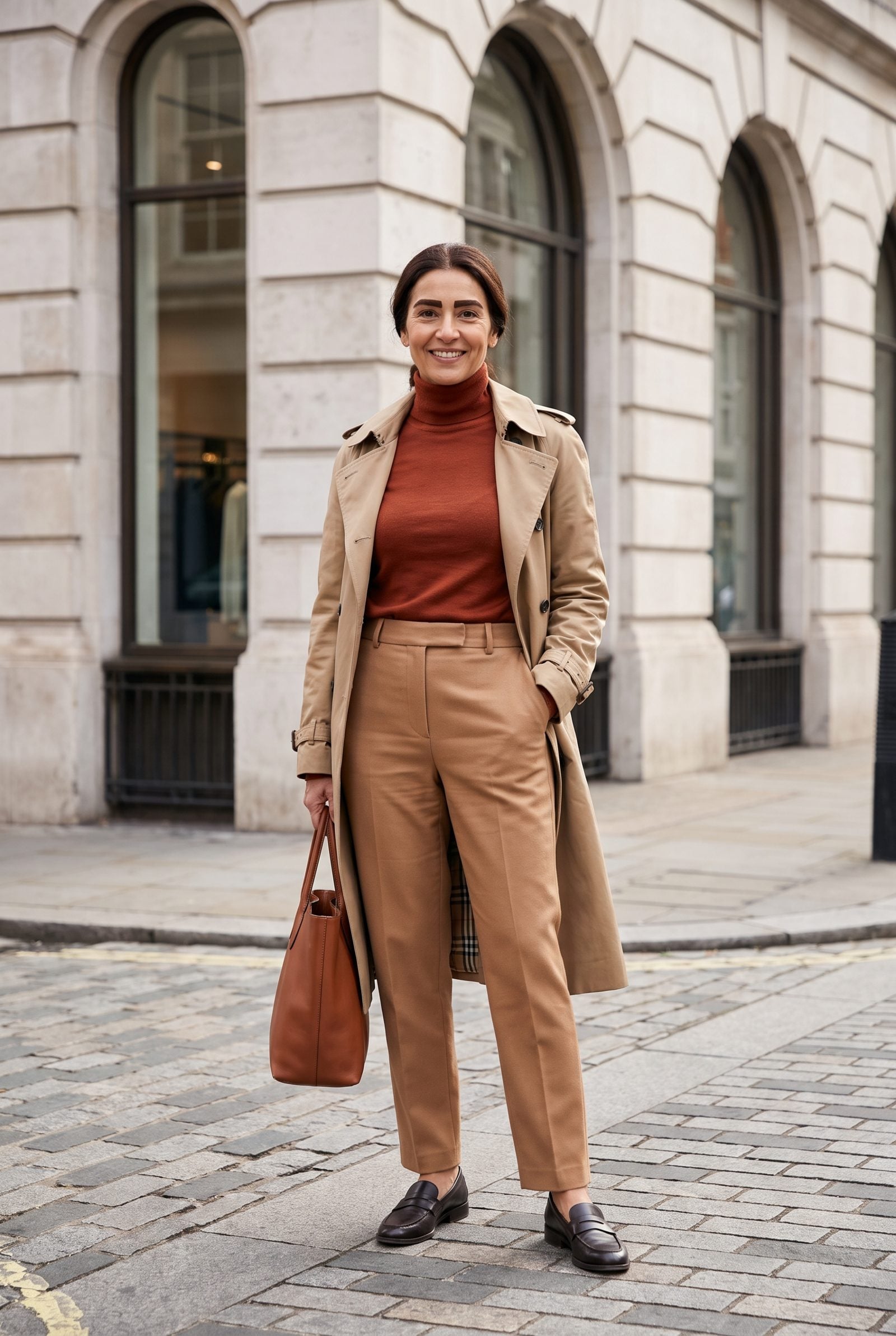
A brow filled in as one flat shade, crisp-edged and gapless, stops looking like hair and starts looking drawn on. That solid density ages the whole eye area, because real brows thin and soften with time — so a dense dark block reads as a correction rather than a feature.
Work the other way. Use short, feathery strokes with a fine pencil or a tinted brow gel, go a shade lighter than you think, and let a little skin show through. Brush the hairs up and out before you fill. You want texture, not coverage.
5. Using Black Eyeliner Around the Full Eye
❤️ Would you like to save this?
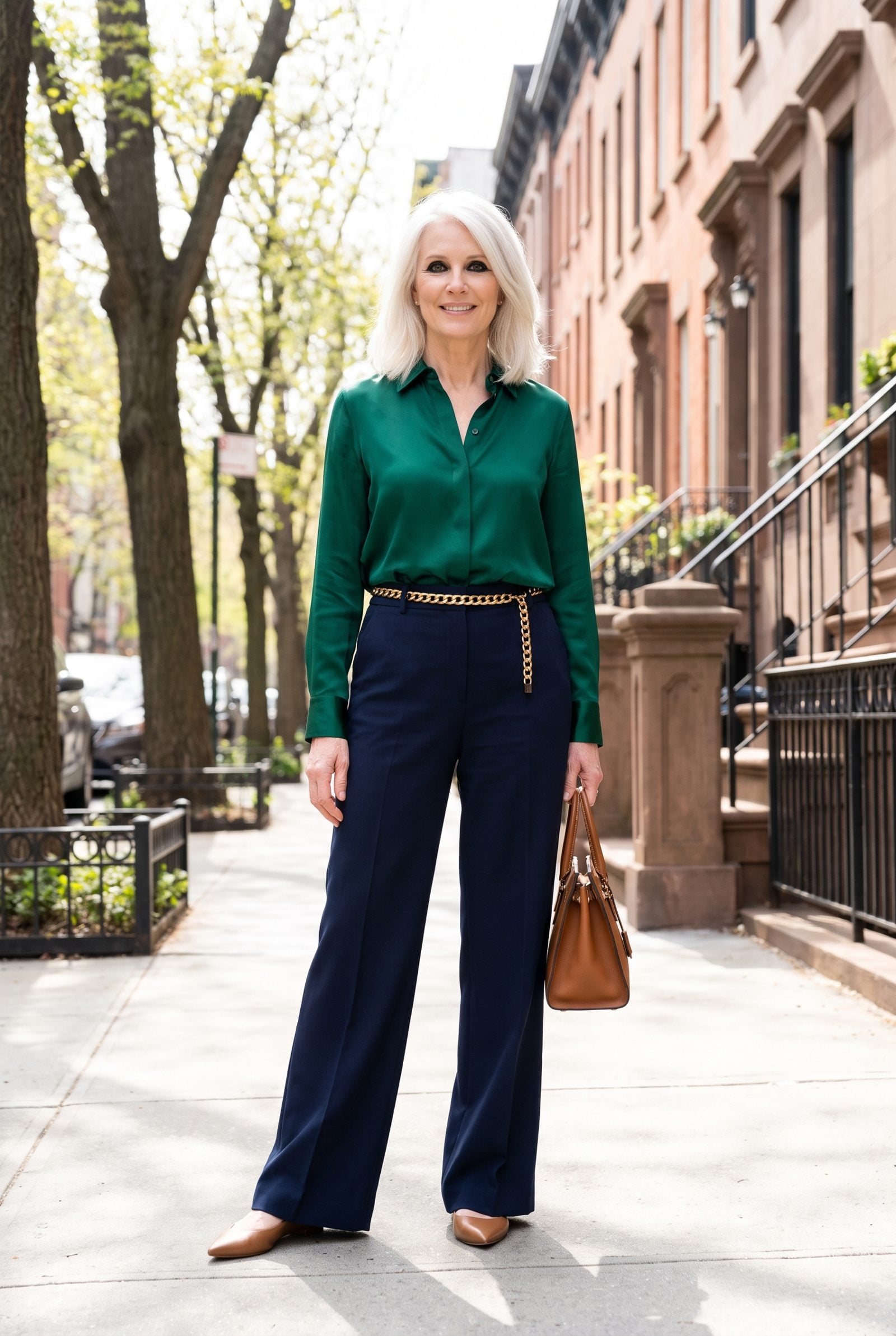
Ringing the eye in black, top waterline and bottom both, does the one thing you don’t want — it shrinks the eye. That unbroken dark circle closes the shape in and casts a shadow that reads as tiredness, which is a shame when the whole aim was to make the eyes pop.
Open them back up. Keep liner to the upper lash line only, soft and smudged rather than a sharp wing, and switch the lower waterline to a soft brown or warm taupe if you want definition there. A nude or pale pencil along the inner lower rim brightens the whites in a second.
4. Keeping the Same Hairstyle Without Updating Its Shape
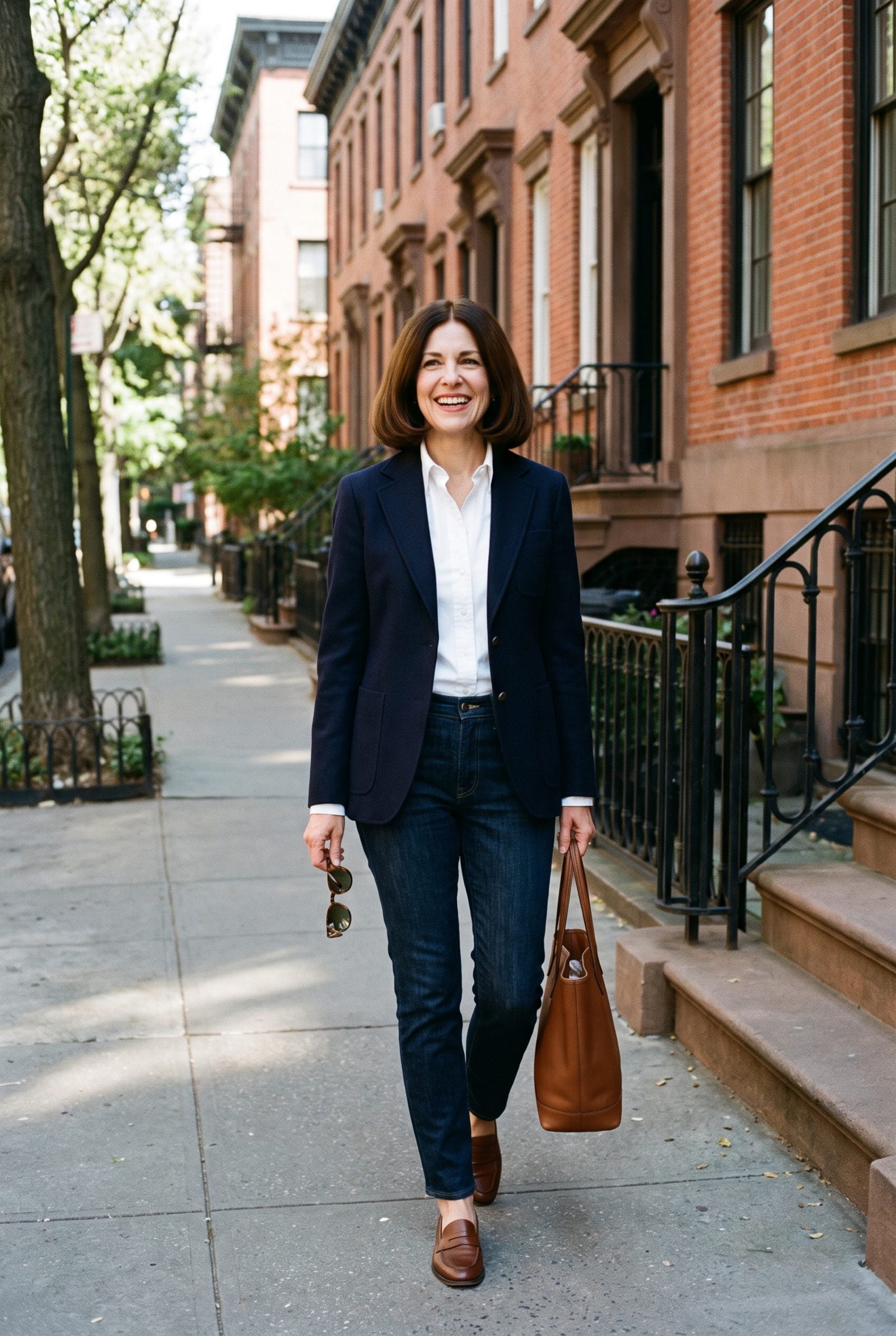
You know the cut — the one that got locked in around a particular decade and never budged. A single uniform length, ends curled under, set close to the head, reads as a style that quietly stopped updating. And it isn’t about the length. The shape just froze while everything around it kept moving.
So ask for soft, face-framing layers and a little movement around the jaw. Even keeping your length, texture through the ends and pieces that fall around the face bring the whole shape forward. A collarbone-grazing lob with gentle layering suits almost everyone and looks current without trying hard.
3. Choosing Hair Color With No Tonal Dimension
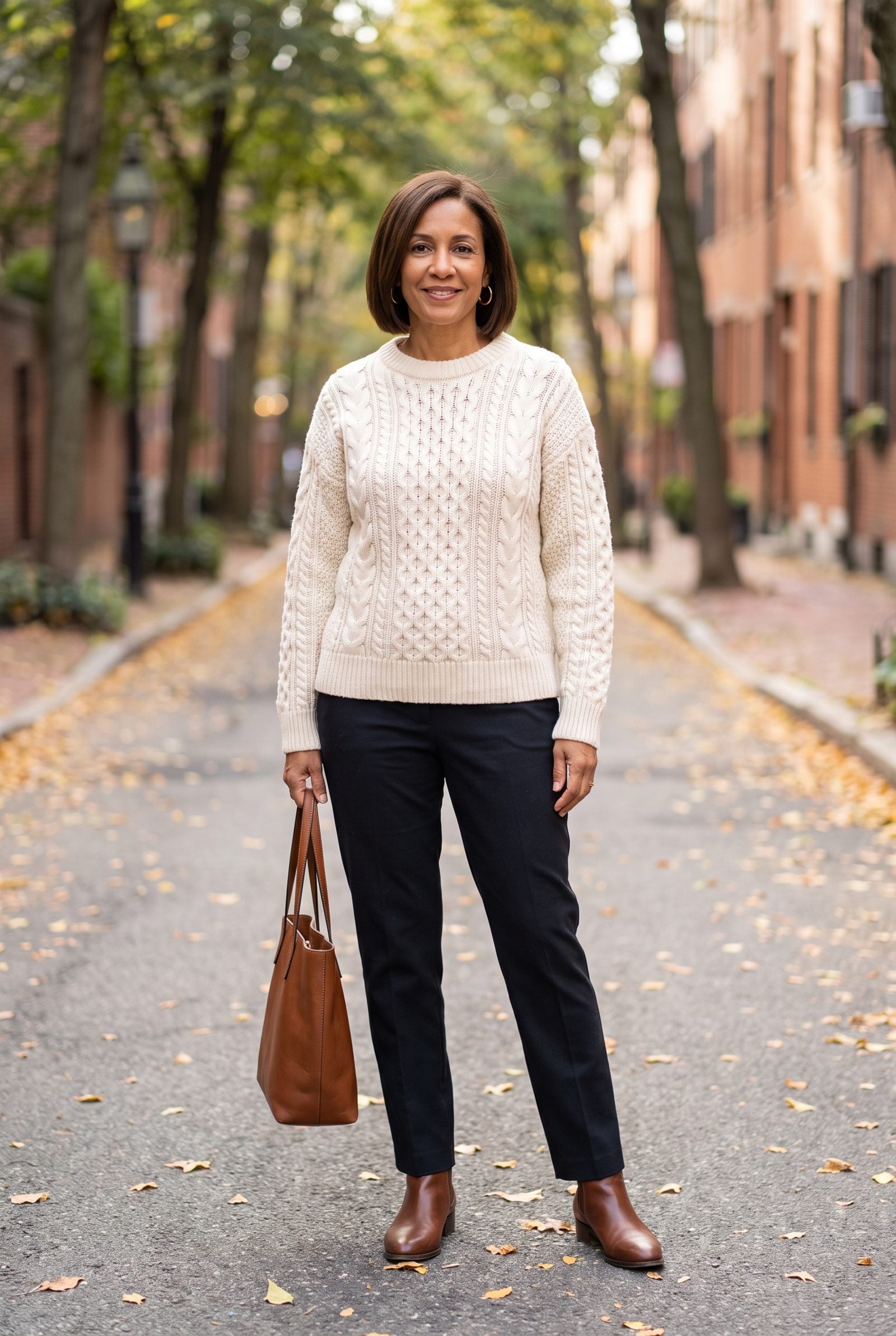
One flat color from root to tip looks painted on, because hair in nature is never a single shade. Without tonal variation it sits heavy and opaque, which hardens the face and plays up everything you’d rather soften. Flat dark shades are the worst culprits.
Ask for dimension, not a new color. A few soft lighter pieces around the face plus some depth underneath create the shadow-and-light that reads as real hair. Going gray? Let it come through as a blend rather than a hard line. Dimension is the single most age-friendly thing you can do to color — no contest.
2. Wearing Hair So Long That the Ends Look Thin and Transparent
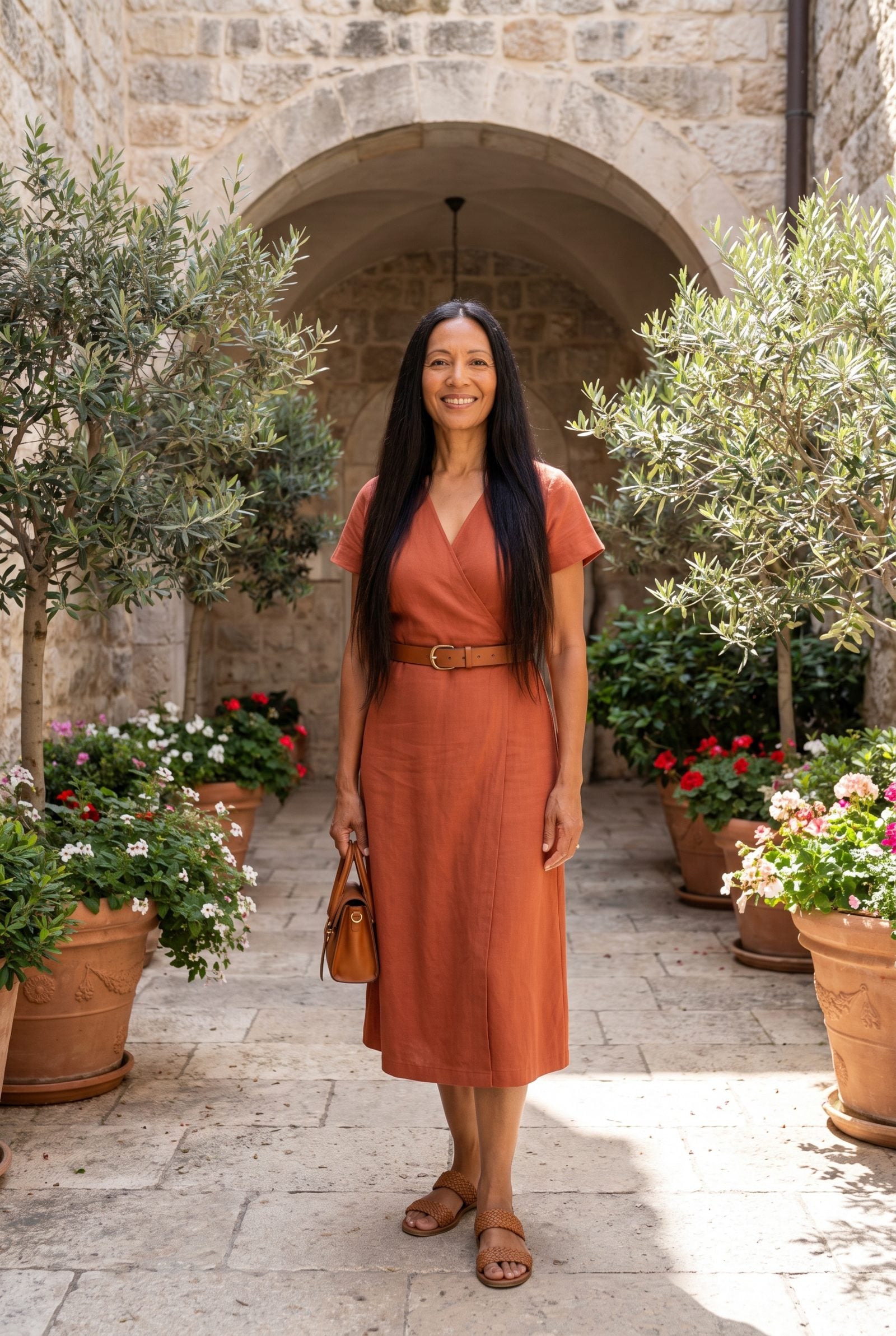
Length held well past the point the hair can support leaves the last few inches thin and stringy, tapering to a sparse, see-through point. Those wispy ends drag the eye down and make the whole head look depleted, even when everything up top is perfectly healthy.
Cut to where the density still lives. A blunt, or softly blunt, line at the collarbone or mid-chest keeps the length you love while restoring weight and bounce. Fuller ends photograph thicker and frame the face instead of trailing off into nothing.
1. Using Hair Spray Until the Hair No Longer Moves
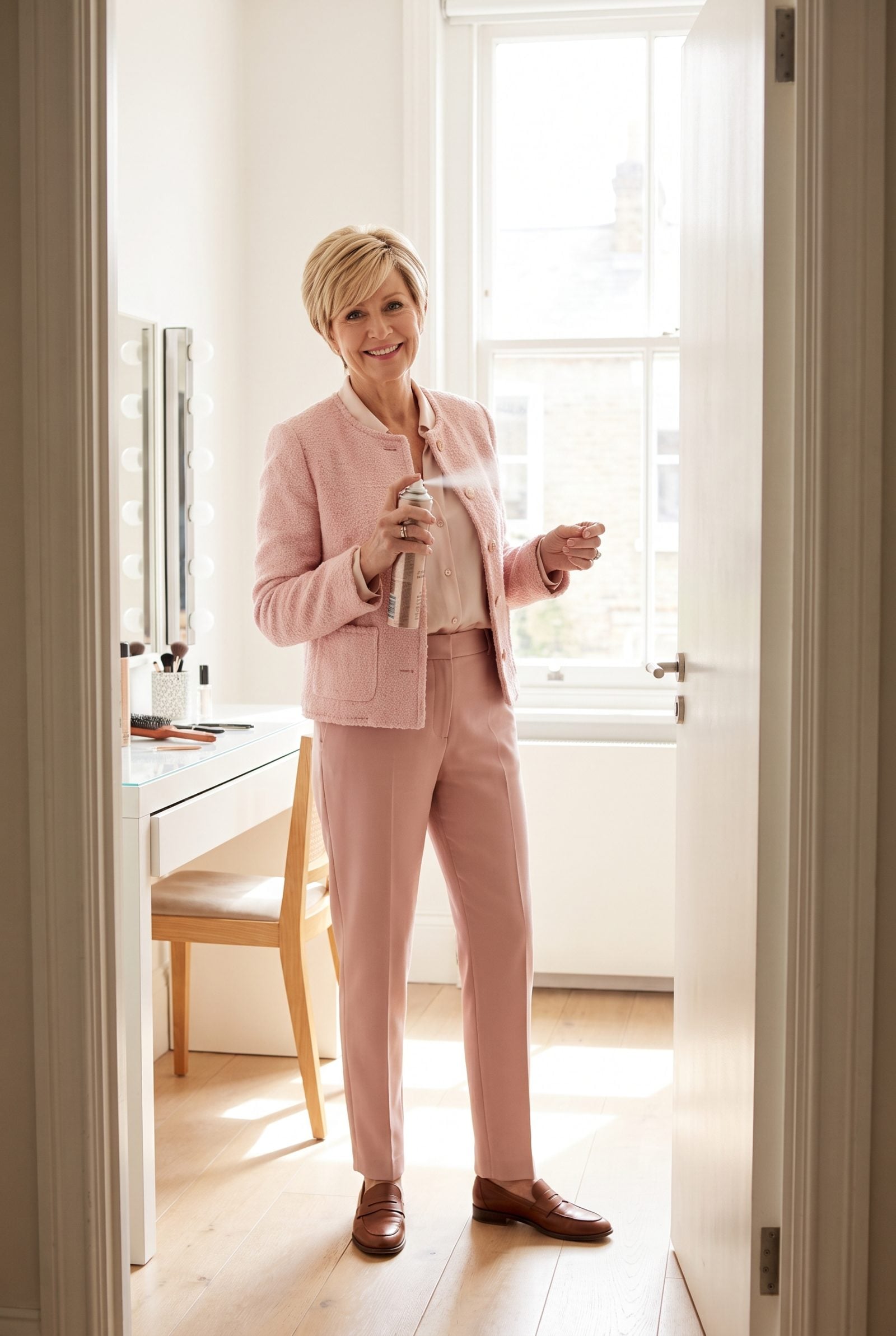
Hair locked into a fixed helmet under layer after layer of spray reads as formal in the stiffest possible way. That lacquered sheen and total lack of movement signals effort and control, and it dates a look faster than almost anything else here. Hair that can’t move looks like it belongs to another decade entirely.
Switch to a light, flexible-hold spray applied from a distance, then rake a little texture through with your fingers. Movement is what makes hair look alive. A piece slipping out of place now and then? Let it.