
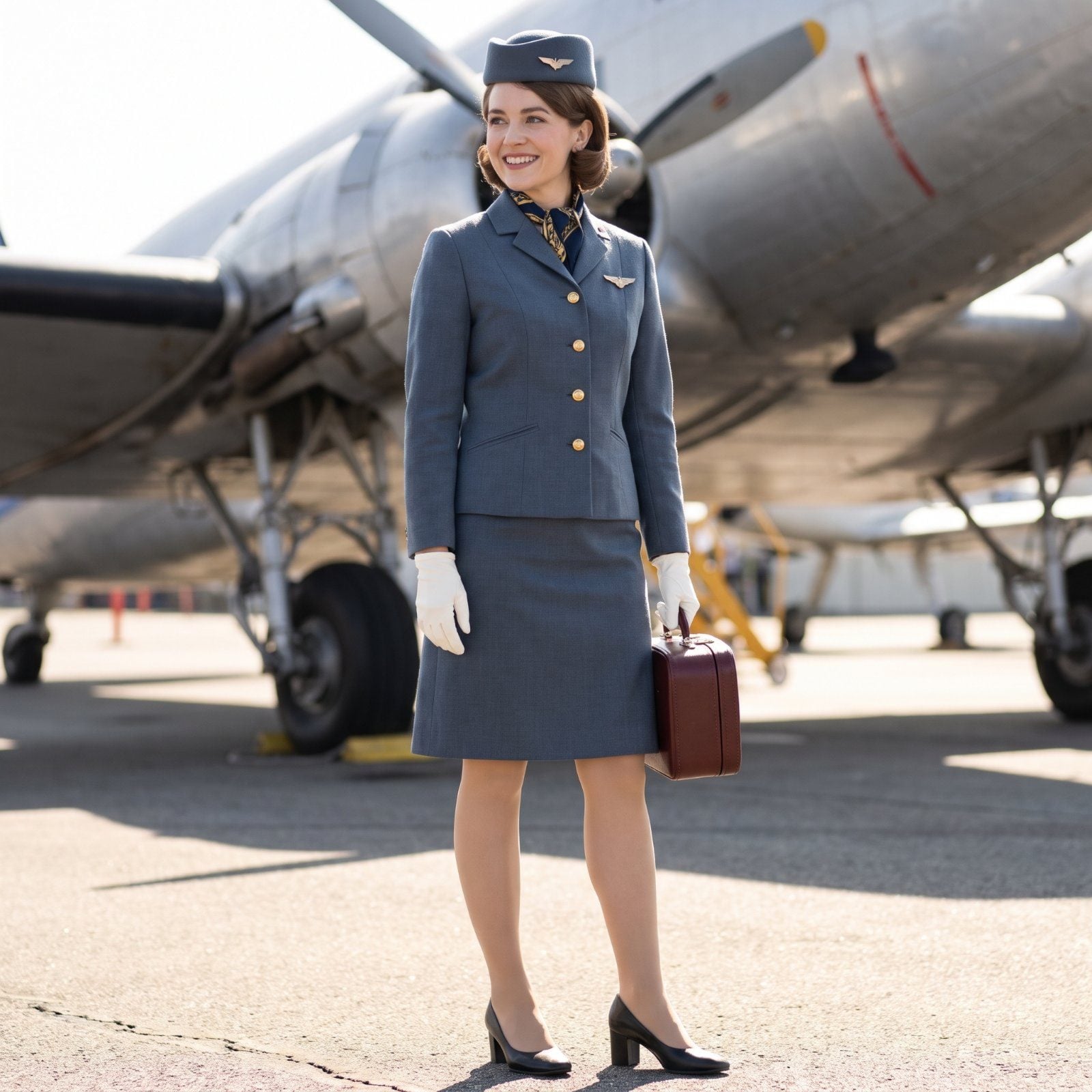
The grooming manual weighed more than the safety card. That tells you everything about flying in the 1960s, when a woman’s body was a line item on the airline’s brand sheet and her uniform came with a rulebook thicker than a phone directory.
Every seam was measured. Every accessory specified. The girdle check at the gate was real, and so was the lipstick shade memo. What follows is the full inventory of what the job demanded, right down to the knot in the scarf.
FYI, thanks to AI imagery software, we’re able to create very specific fashion and hairstyle examples to illustrate the points being made. In some cases, imagery is exaggerated to hammer home the point. Also, assume links that take you off the site are affiliate links such as links to Amazon. this means we may earn a commission if you buy something.
25. A Pillbox Hat Pinned Into Place
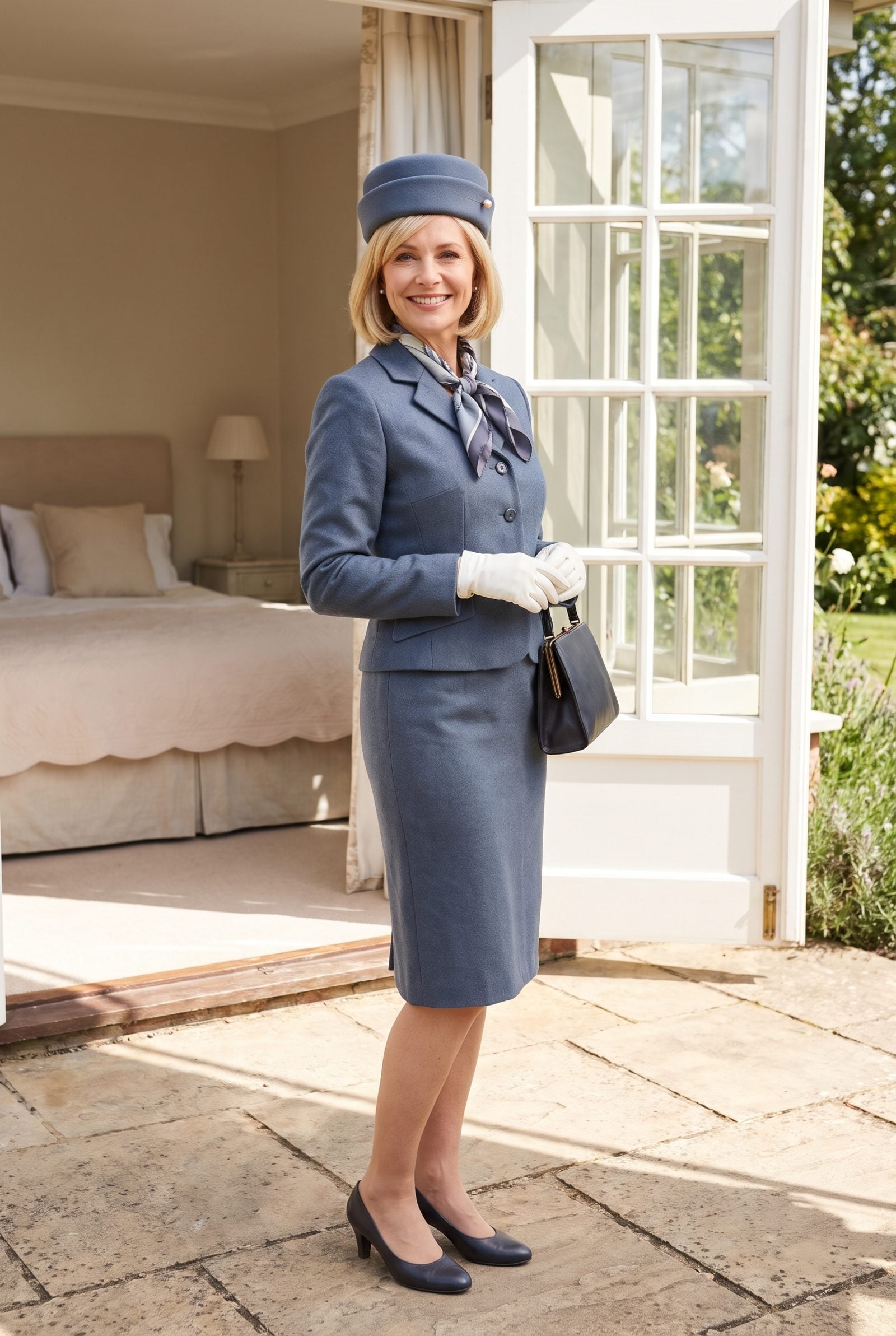
Level. Not tilted, not rakish, not pushed back the way you’d actually want to wear a hat. The pillbox sat flat on the crown at a regulation angle, pinned so a sudden cabin lurch couldn’t knock it loose.
You learned to anchor it with two pins and a prayer. The shape owed everything to the early-decade fashion moment — that little round crown that said poise before you said a word. Lose the hat mid-flight and you heard about it on the ground.
Tracing uniforms through the 1950s and 1960s, an aviation history museum explains “Classic suits with tea length skirts, white gloves, and pillbox hats were intended to match the well-attired passengers.”
24. Sheer Nude Stockings With No Runs Allowed
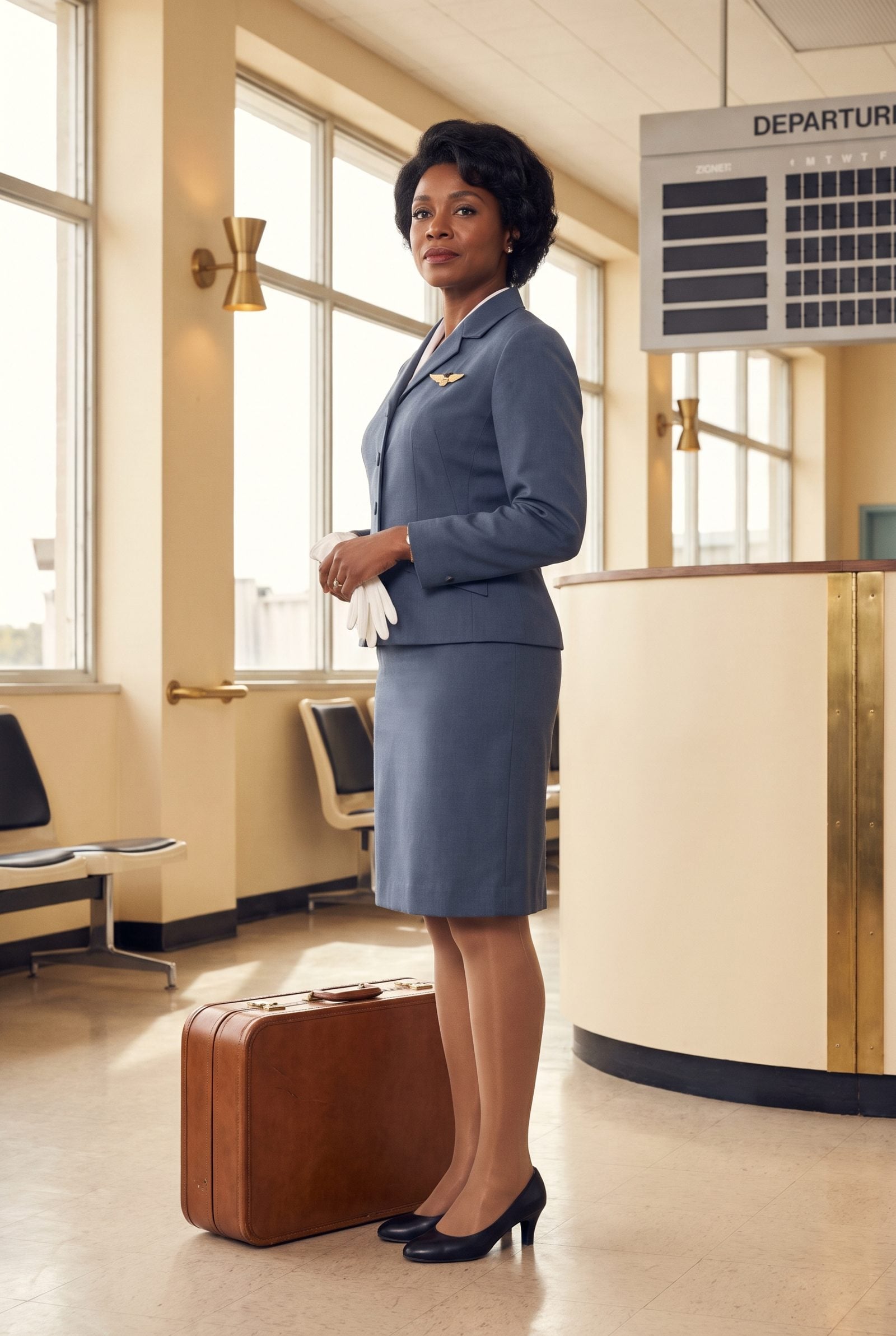
You carried spares in your bag the way other people carry gum. A single run meant a reprimand, so you kept two backup pairs rolled tight in the side pocket and changed in a galley the size of a closet between beverage services.
Bare legs? Out of the question. The nude sheer with its faint seam was the standard, and you checked for runs the way a pilot checks a gauge.
Recalling her mother’s start as a stewardess in 1968, a style writer notes that crews had to wear pantyhose and girdles and were weighed every week.
23. A Longline Bra Specified for the Silhouette
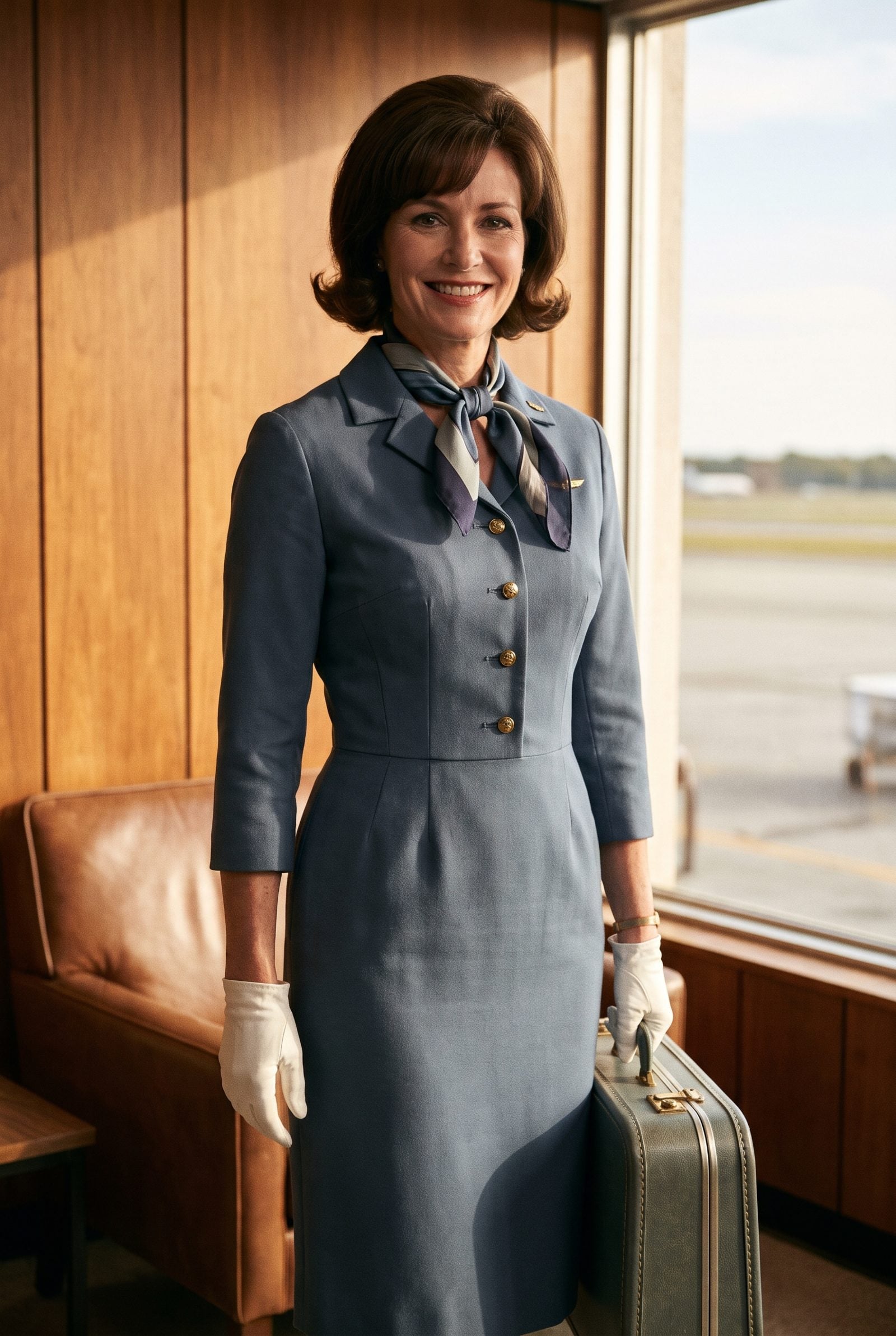
The bra came with a model number. Not a suggestion — a specification, because the uniform’s front panel had to sit flat and the longline shape ran from bust to waist without a single ripple.
It did the real work of the whole look, honestly. That smooth vertical line under the wool read as control, which was precisely the message the airline wanted a passenger to receive before the seatbelt sign ever came on.
22. A Cape Worn Through the Terminal
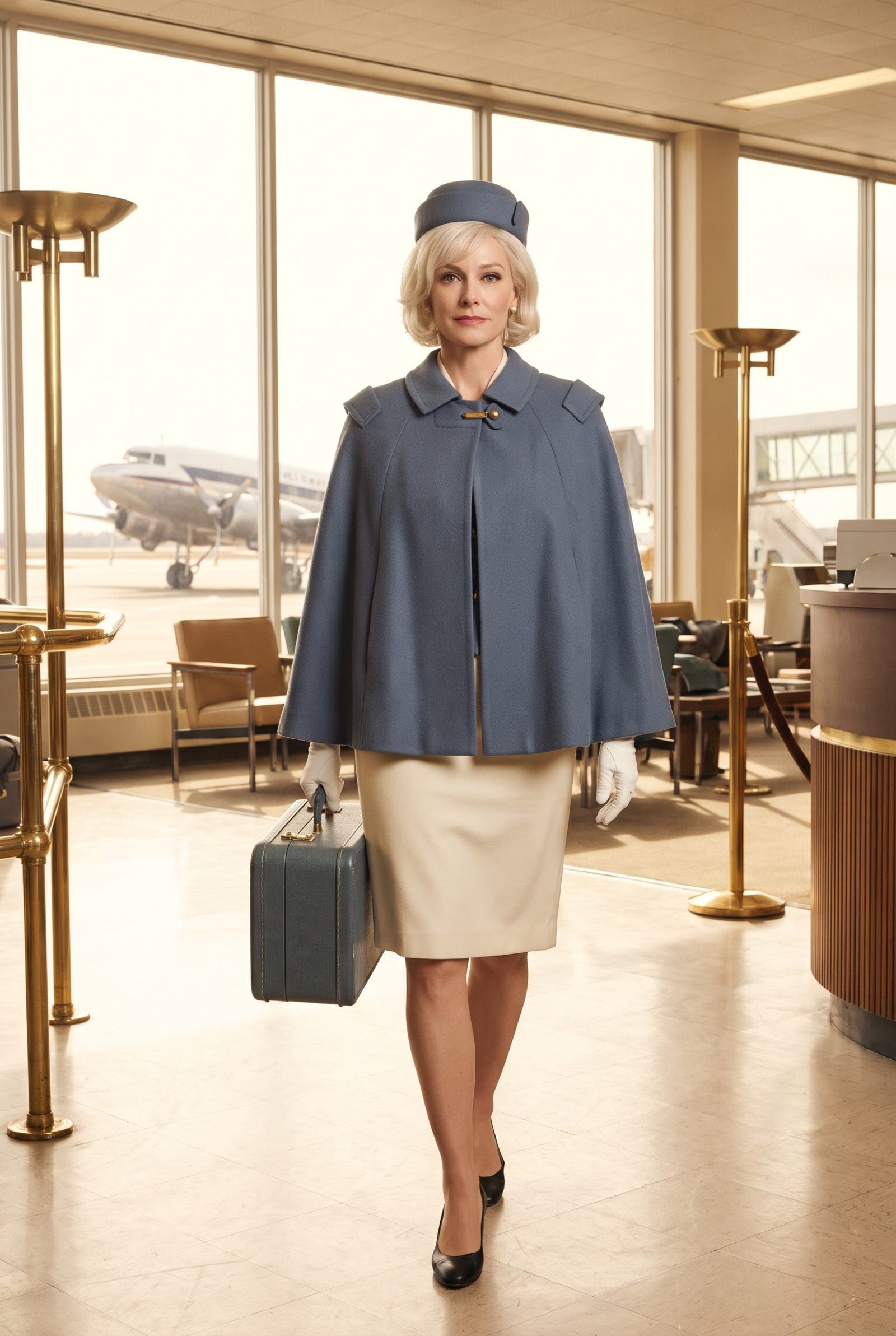
Nothing announced an arriving crew like a line of capes moving through the concourse. Part uniform, part theater, swung over the shoulders with a clasp at the throat and a hem that photographed beautifully as it moved.
The wardrobe is where the glamour lived. A cape turned a walk to the gate into an entrance, which was rather the point in an era when the airline sold the crew as much as the destination.
21. Company-Approved Red Lipstick, One Shade Only
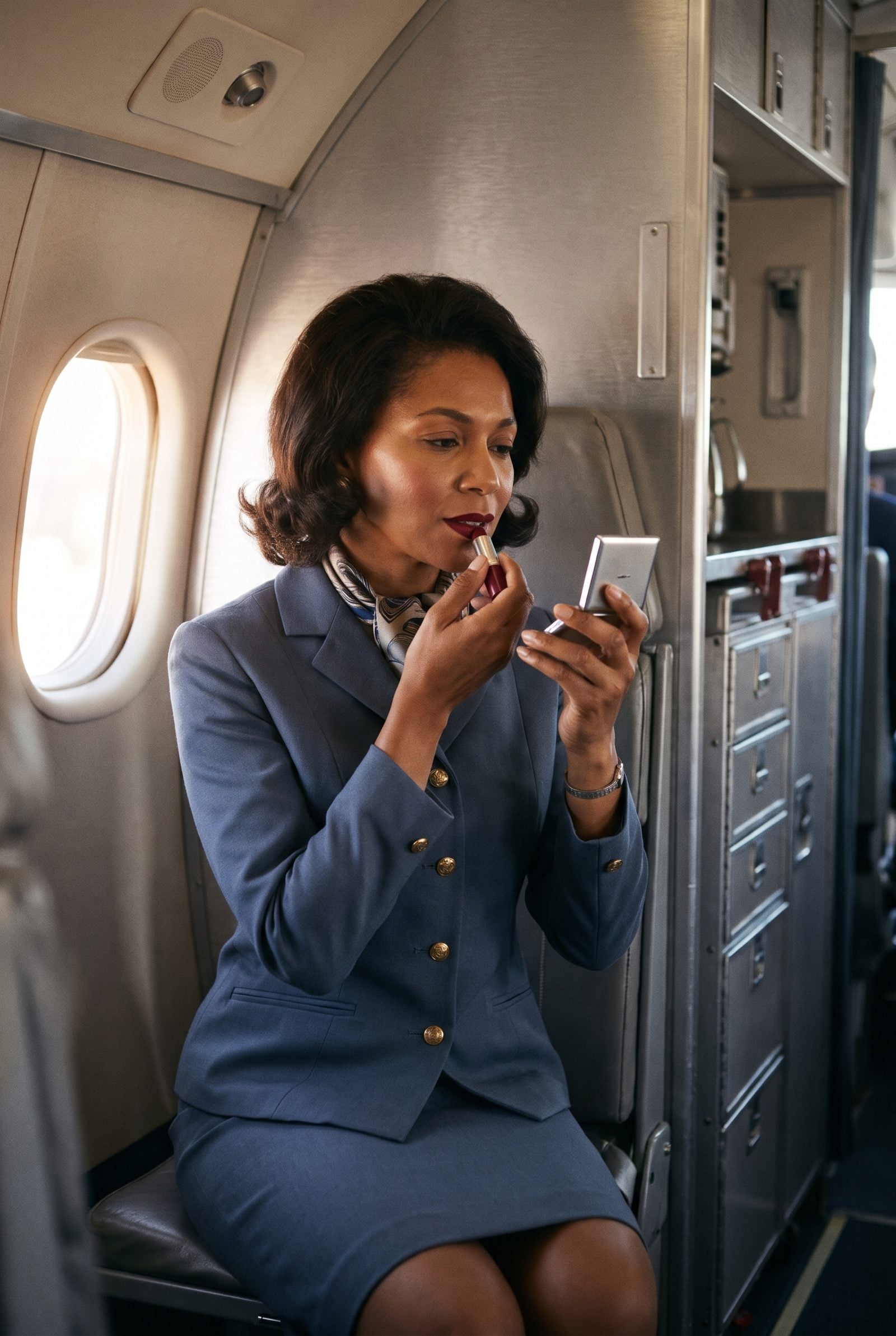
You didn’t get to pick the shade. The manual named it, a true blue-red, and a supervisor could and would send you to reapply if yours had faded over the Atlantic.
Everyone kept the tube in a jacket pocket for mid-flight touch-ups in the galley’s tiny mirror. The lipstick wasn’t about how you felt — it was a requirement as fixed as the buttons, enforced with the same humorless seriousness.
20. A Full Nylon Slip Beneath the Skirt
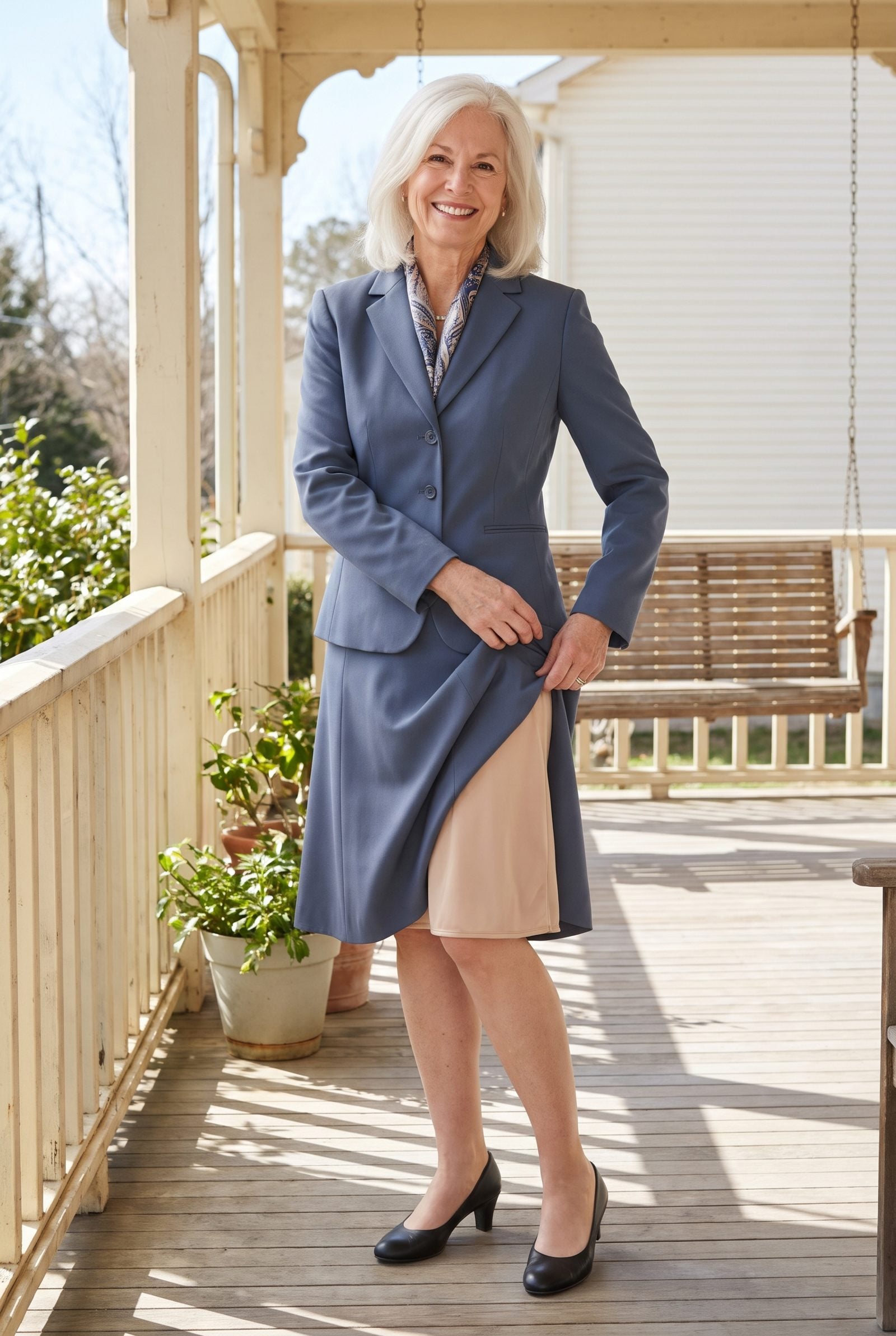
Static was the enemy. A wool skirt without a slip clung to your stockings and rode up every time you reached into an overhead, so the full nylon slip was mandated to keep the drape honest.
It was the invisible piece doing real work — nobody saw it, which was exactly the standard. A smooth skirt that fell straight no matter how many times you bent to a seated passenger.
19. Closed-Toe Low-Heeled Pumps, Polished Daily
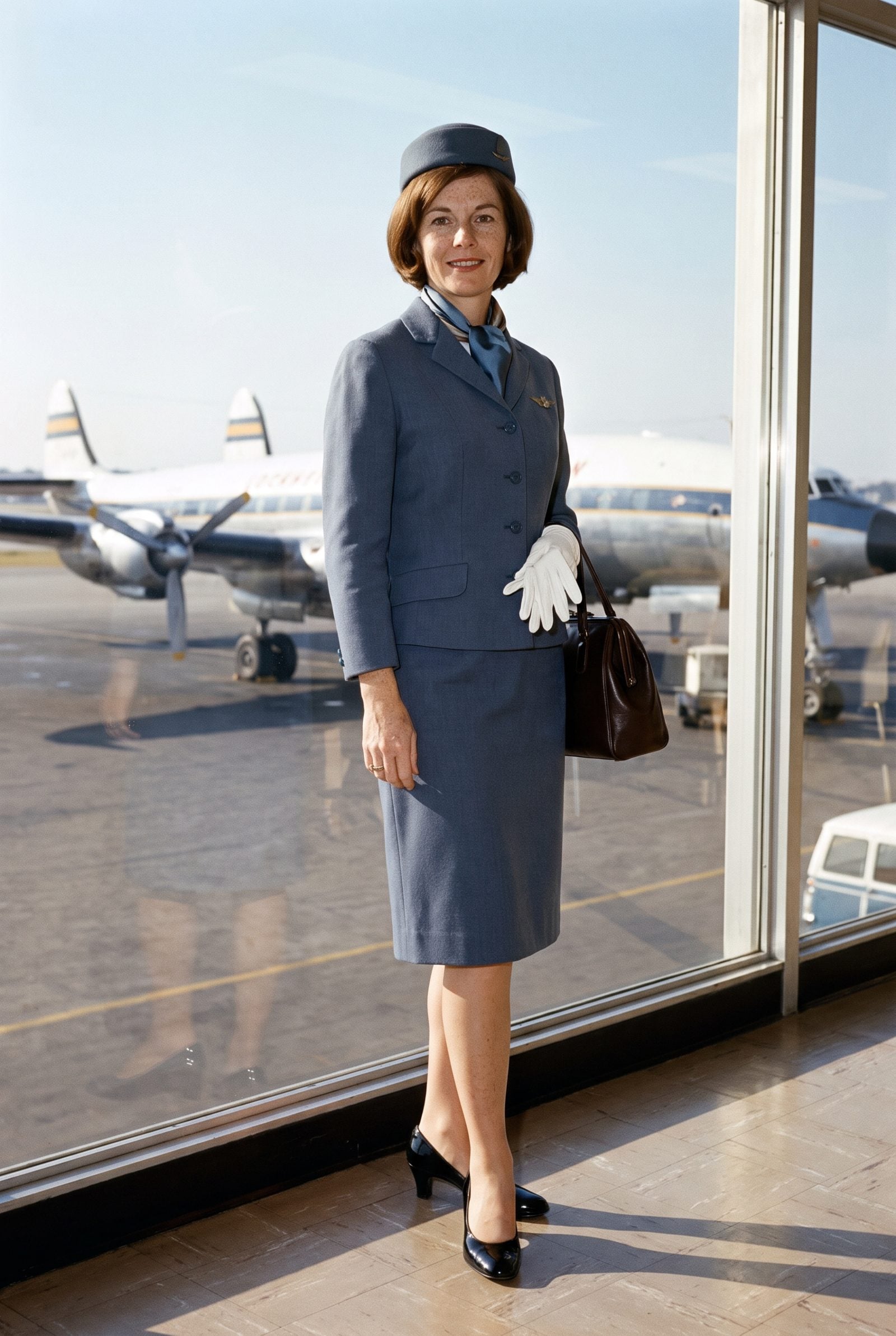
The heel height was written down. High enough to look professional, low enough to run a cabin on, closed at the toe so no passenger ever glimpsed a bare toenail at altitude.
You polished them every single night. A scuffed pump was a grooming violation, and the manual took your shoes as gravely as it took your hat — which is to say constantly, and without mercy.
18. A Printed Scarf Tied in the Approved Knot
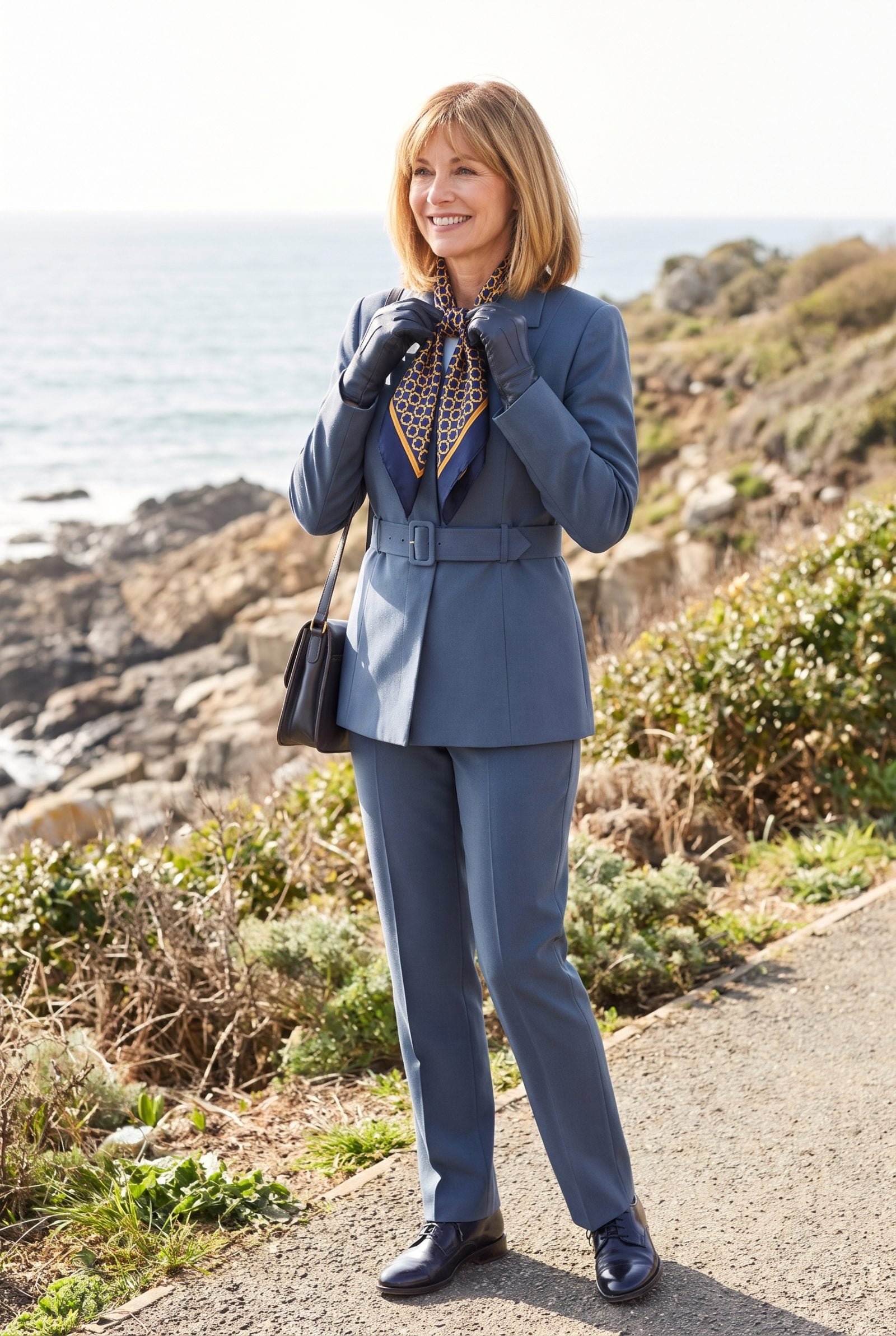
There was a diagram. An actual diagram showing where the fold went, how many times to loop it, where the knot had to sit against the collarbone. Freelancing the tie was not permitted.
The printed scarf was the one spot of color the airline allowed, and even that was legislated. Learn the knot their way or do it again until a supervisor nodded.
17. A Precisely Knee-Length Uniform Skirt
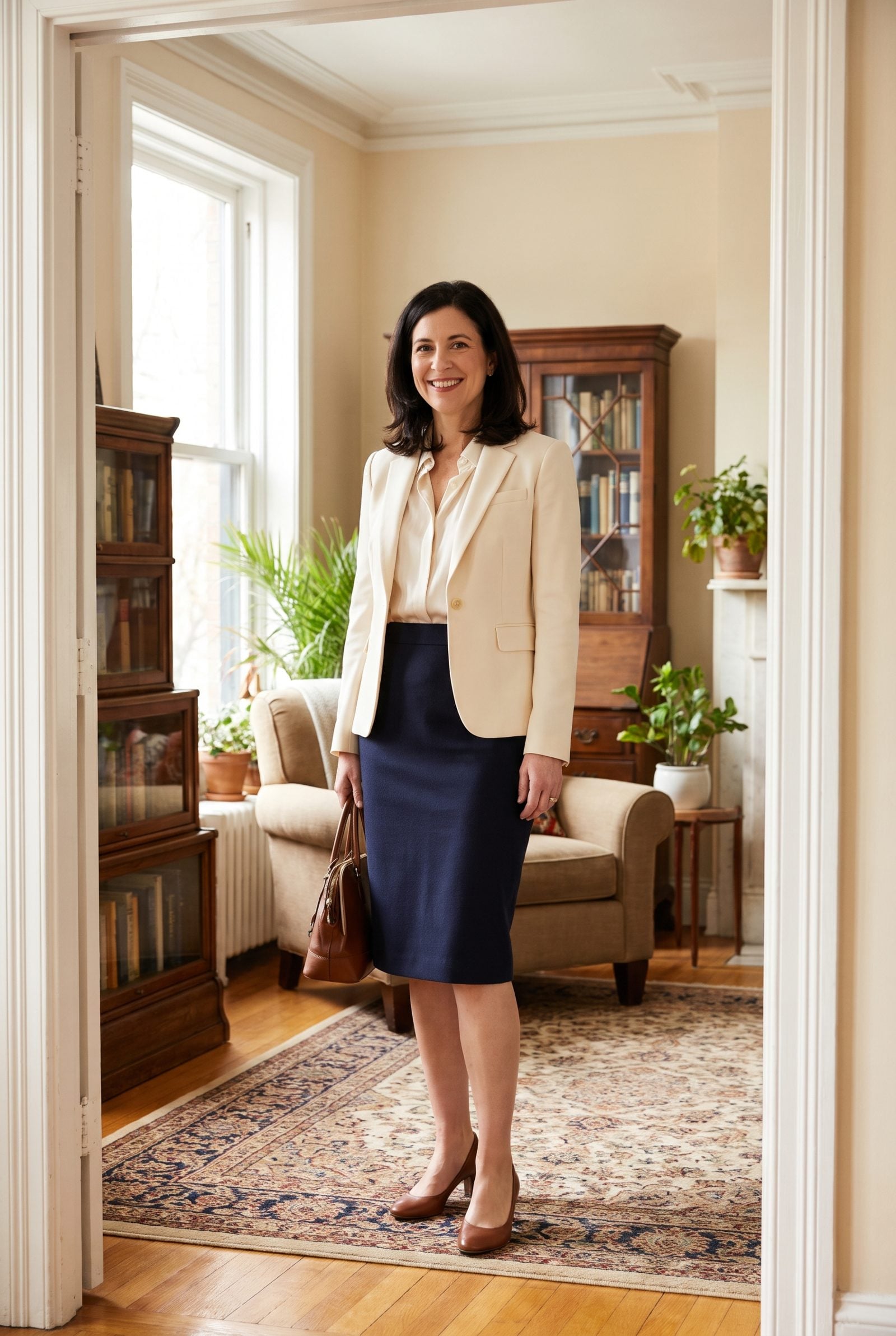
A supervisor could kneel on the floor and the hem had to fall at a set distance from your knee. Too short and you were sent to the seamstress. Too long and you were sent anyway.
Every seam on that skirt was a measurement someone could check, and plenty did — a tape measure appearing at the briefing like a pop quiz you couldn’t study for.
What stays with you isn’t the control, though there was plenty of it. It’s how much a woman could carry on a plane in a wool skirt tailored to the millimeter, serving a cabin of strangers while somebody, somewhere, measured her knee.
16. White Wrist-Length Gloves You Kept Pristine or Explained Yourself
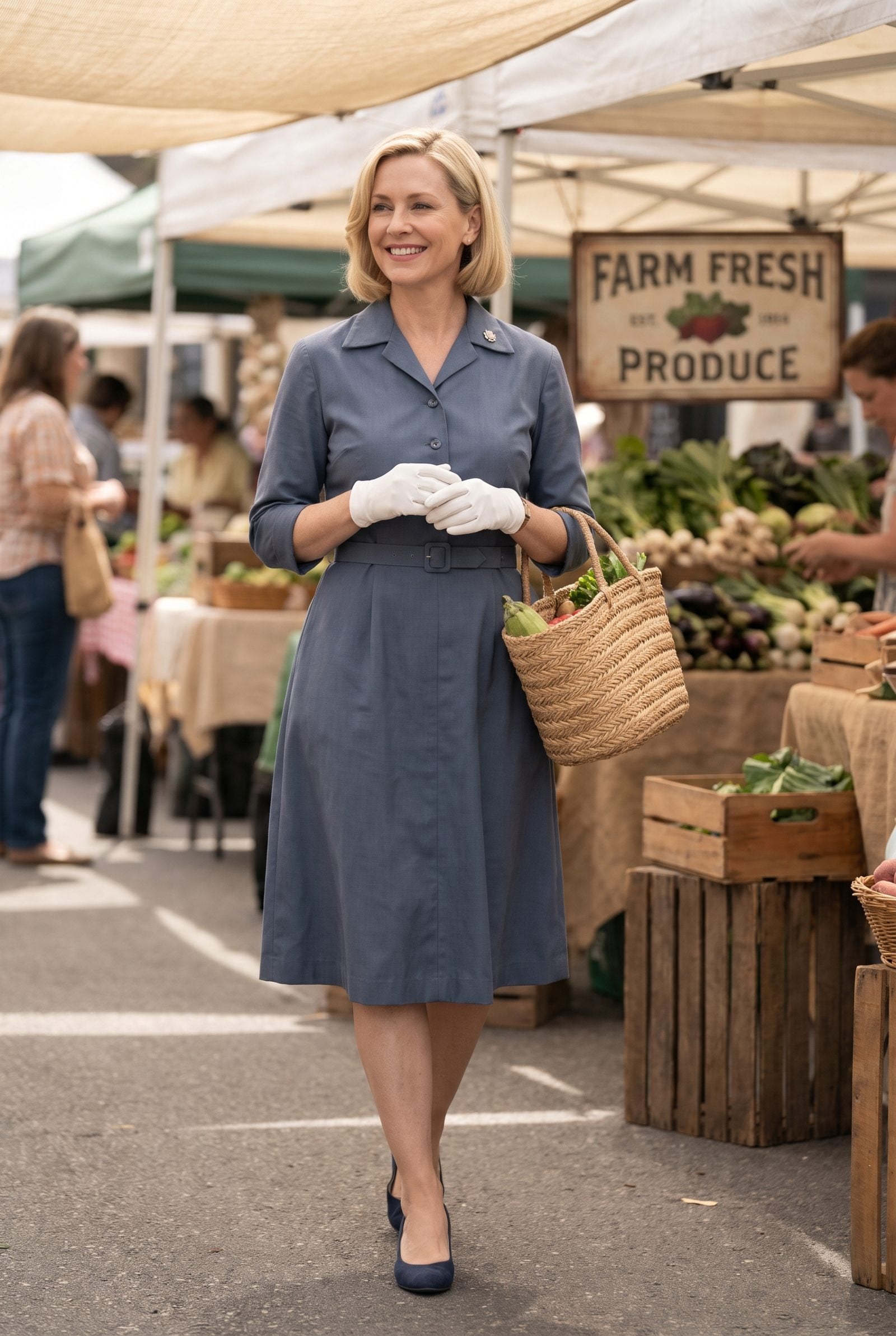
The gloves had to be flawless. Not nearly flawless. One grey smudge from a serving tray or a galley cart sent you home for a fresh pair, and heaven help you if the glove drawer came up empty.
They were short cotton things, wrist-length, worn through boarding and service, and warmth had nothing to do with it. White gloves on a woman greeting passengers read as control, cleanliness, and a certain untouchable grace, even with her gloved hands simply clasped in front of her at the cabin door.
15. A Regulation Wig When Your Real Hair Broke the Rules
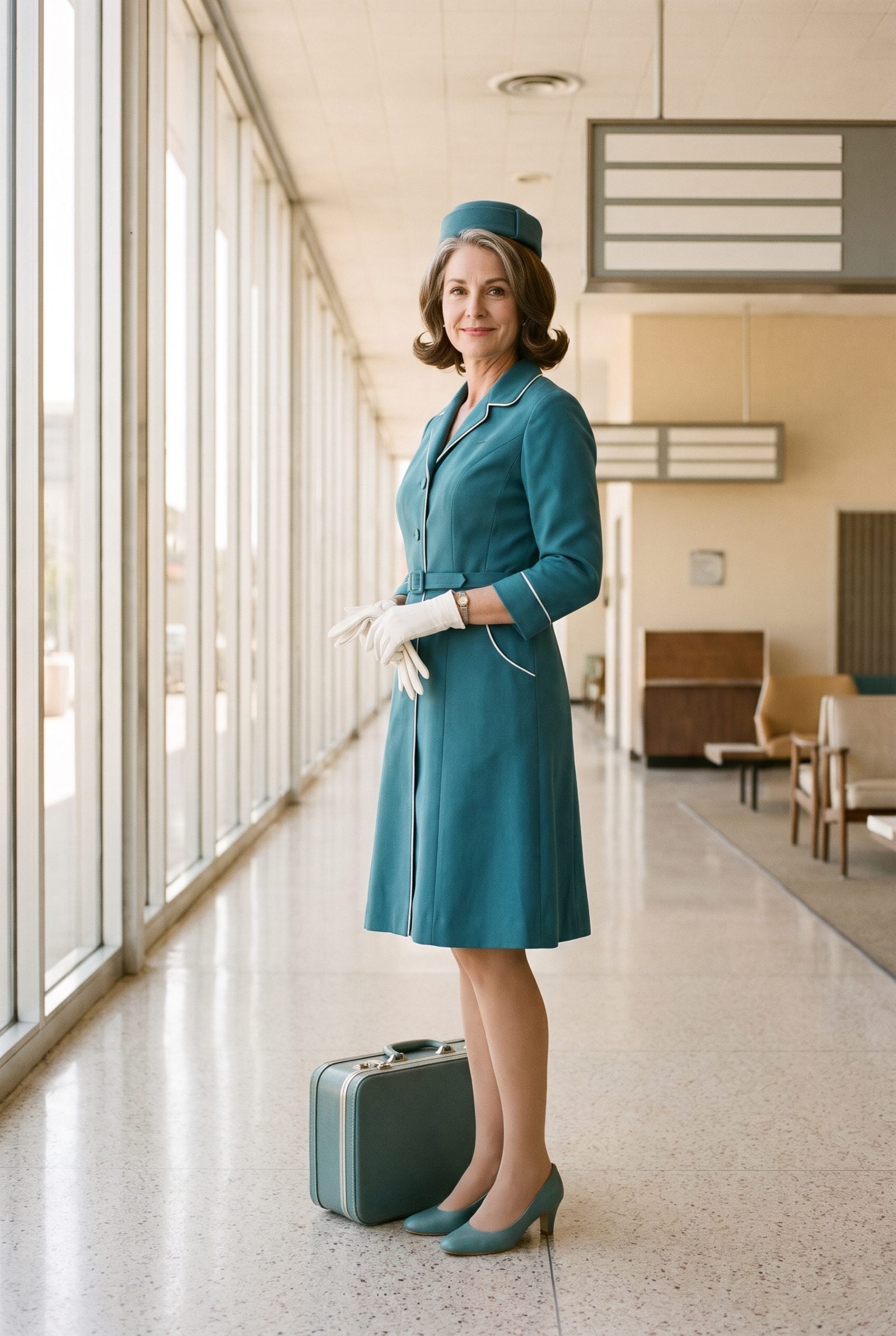
If your hair wouldn’t hold the approved shape, you bought a wig that would. Length touching the collar was out of bounds. So was volume that drifted off the chart. The fix came in a box and sat on a foam head overnight.
The wig did what living hair refused to. It held the flip, stayed off the shoulder, and photographed identically shift after shift. Women working the long legs would duck into a lavatory the size of a phone booth, re-pin the whole thing, and walk out looking factory-fresh.
14. The Belted A-Line Uniform Dress Built to a Single Silhouette
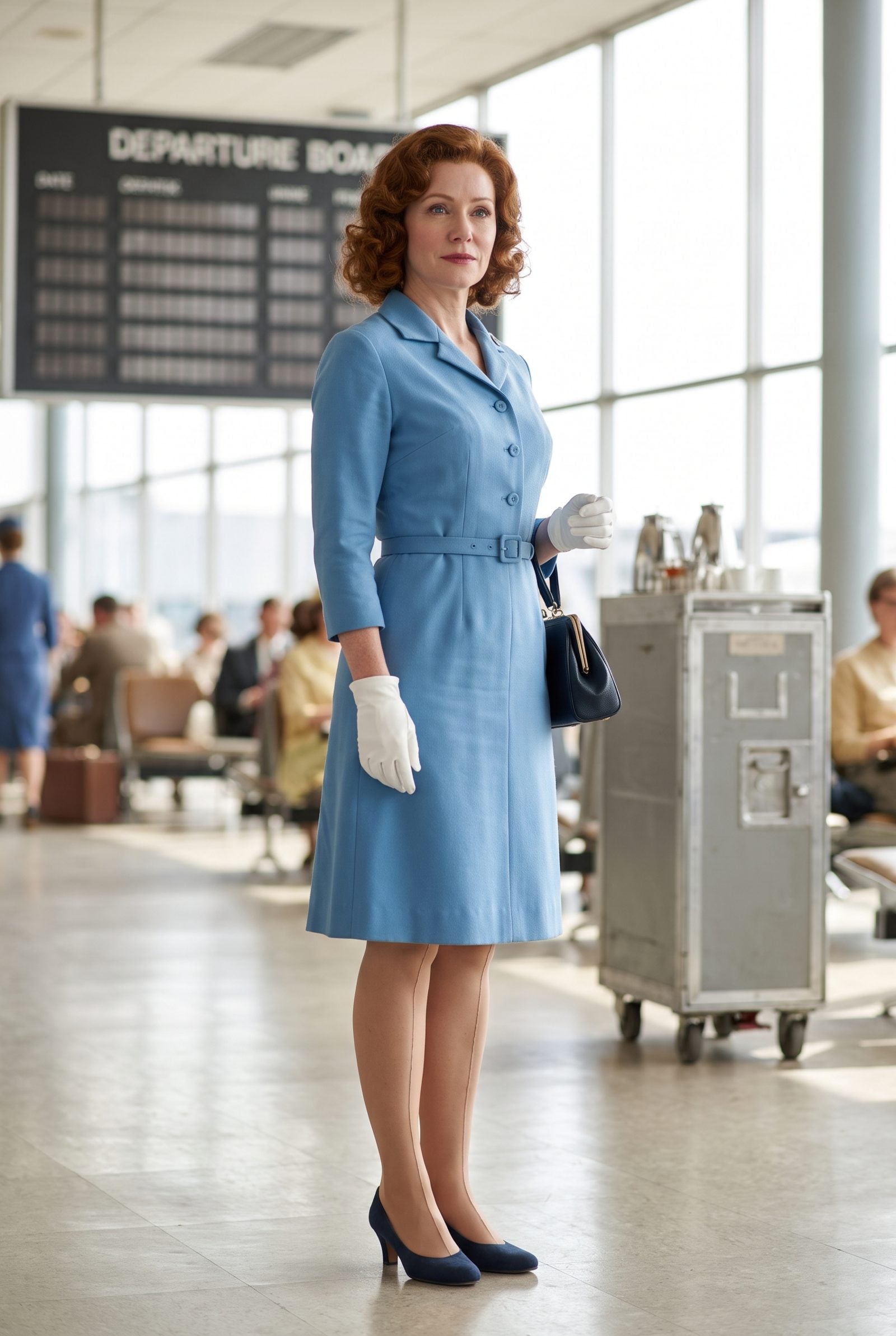
One cut for every body. The A-line dress did the proportional work the airline wanted: defined waist, controlled skirt, nothing that read as loose or improvised. The belt was the whole engine, pulling the shape into an hourglass that held whether you stood five-foot-two or five-foot-nine.
You were measured for it. Measured again if your weight shifted. The dress never changed — you adjusted to it.
13. A Wing Pin Positioned to Exact Measurements Off the Shoulder Seam
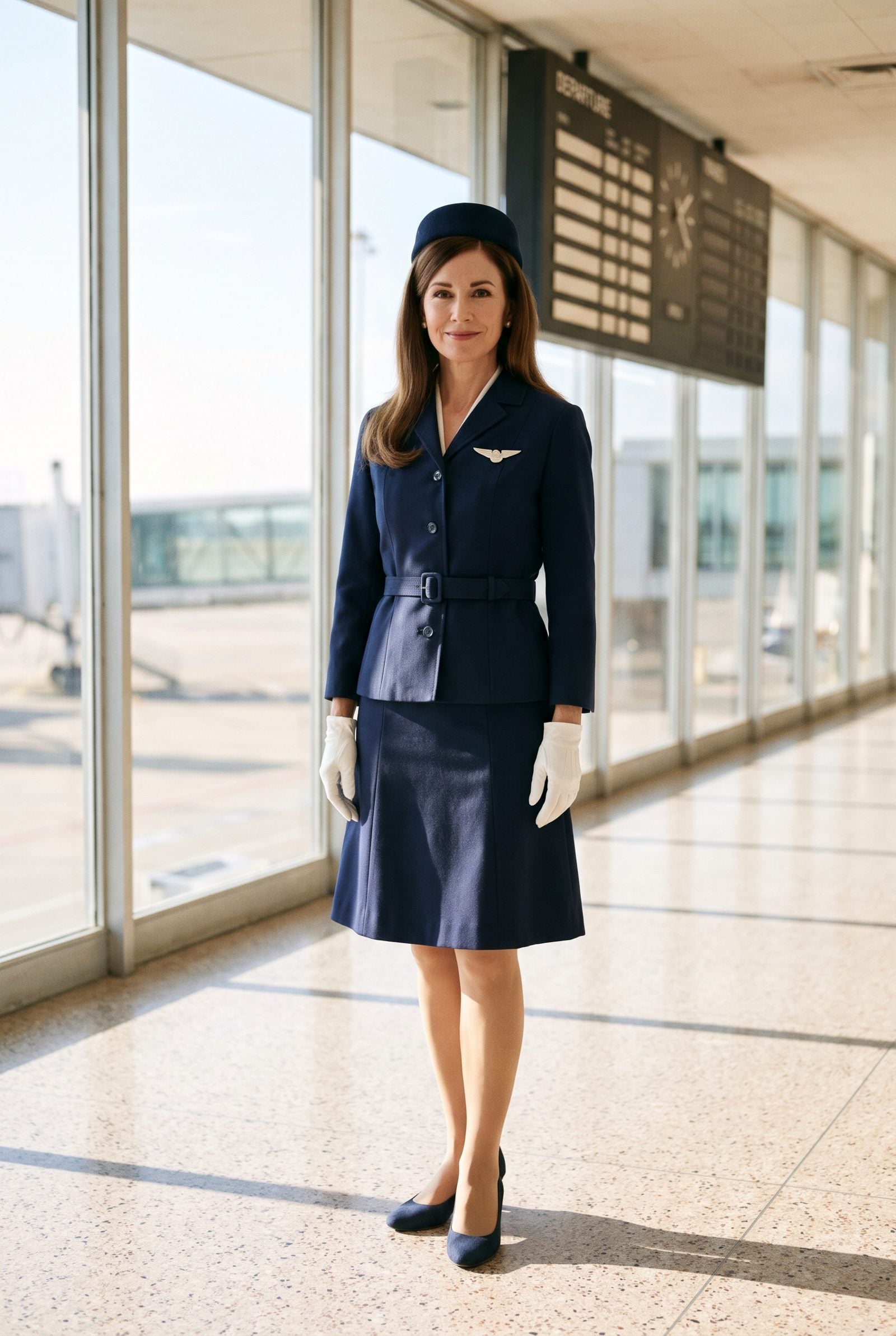
Nobody placed the wing pin by eye. Supervisors carried the measurement in their heads — so many inches down from the shoulder seam, so many in from the lapel edge, dead level — and a pin that drifted by a finger-width got corrected on the spot, sometimes with a ruler.
It was a small silver badge that meant you’d passed everything: the training, the grooming, the measuring. Earning it was the hard part. Wearing it exactly where they told you was the daily part.
12. A Matching Skirt Suit for the Cooler Routes and Colder Climates
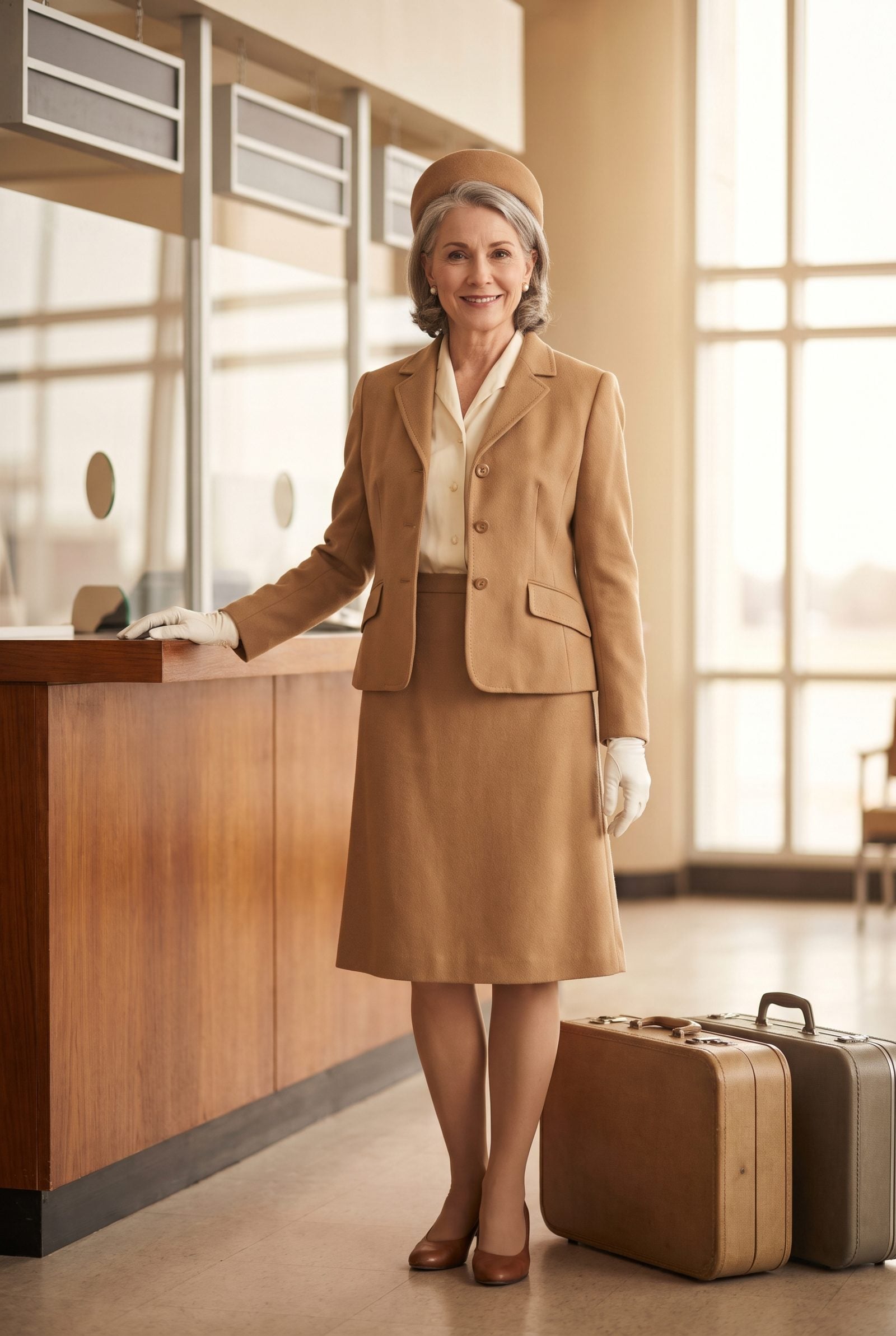
When the route ran north and the terminals turned cold, the dress gave way to the camel wool skirt suit — fitted jacket, matching knee-length skirt, cream blouse underneath, all cut to the same disciplined waist as everything else in the kit.
The suit let a woman layer without breaking the line. It read as travel authority, the kind of structured tailoring that made a working woman look like she ran the cabin, which she did. Of everything the airlines issued, this is the one piece that still looks right walking through an airport today.
11. A Detachable White Collar and Cuffs That Swapped Out Between Legs
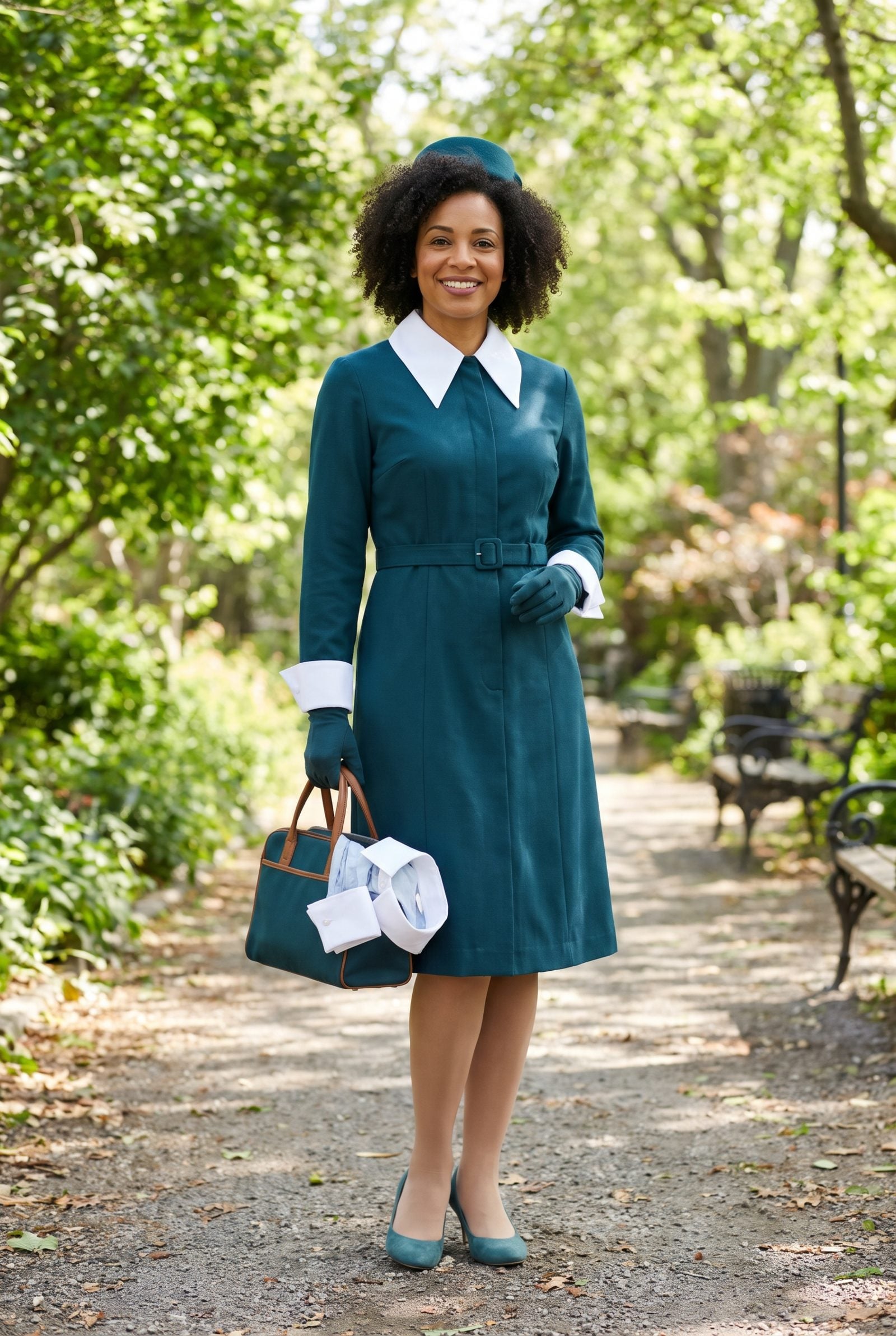
The collar and cuffs came off, and that was the genius of them. A detachable white collar and matching cuffs snapped or buttoned onto the dress, so when a long leg left them wilted and grey, you swapped in a fresh set and walked out looking brand new from the waist up.
Bright white against a dark dress reads as clean and capable — the visual shorthand for competence. Crews kept spares folded in their kit bags like a backup parachute for their appearance.
10. Weatherproof Terminal Boots Changed Before You Ever Reached the Cabin
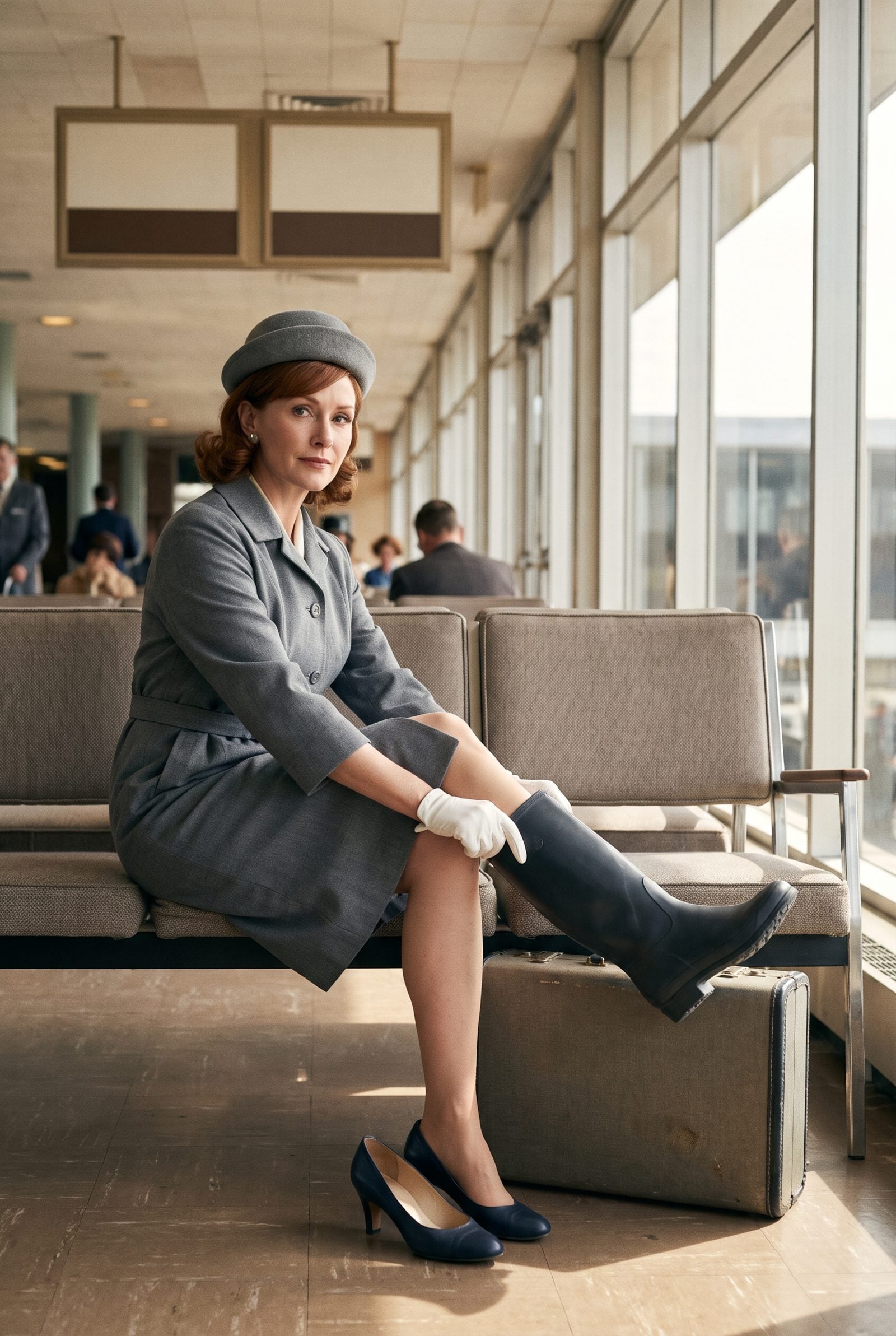
You crossed the tarmac in one pair of shoes and worked the cabin in another. Weatherproof overboots handled the rain, slush, and open-air gangways of the era. Then, before boarding, you ducked aside, pulled them off, and slipped into the regulation pumps.
No passenger was meant to see the switch. The boots were the ugly, honest reality of walking out to a plane in February; the pumps were the image. Both lived in your bag, and the quick-change became second nature.
9. A Company-Issued Wristwatch That Ran the Service Like a Timetable
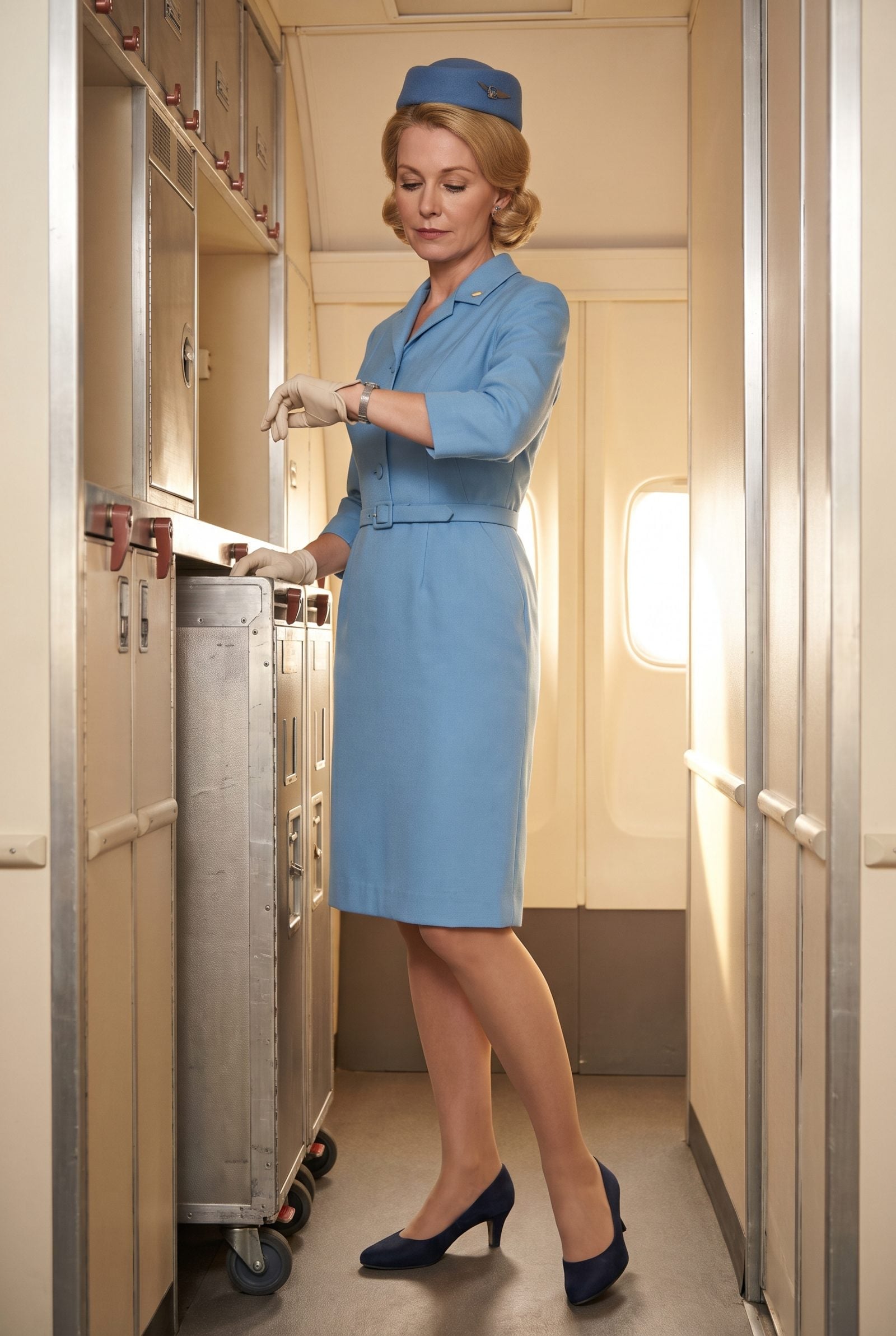
Service ran on the clock, so the clock was part of the uniform. A slim silver wristwatch issued by the company sat on the left wrist, and the whole meal service bent to it: drinks by one minute, trays by another, coffee before descent.
It was jewelry you didn’t choose and couldn’t swap. Plain face, slim band, nothing to compete with the wings. The watch said the cabin ran on precision, and a glance at your own wrist was how you proved it.
8. A Cocktail Apron Tied On for First-Class Service Alone
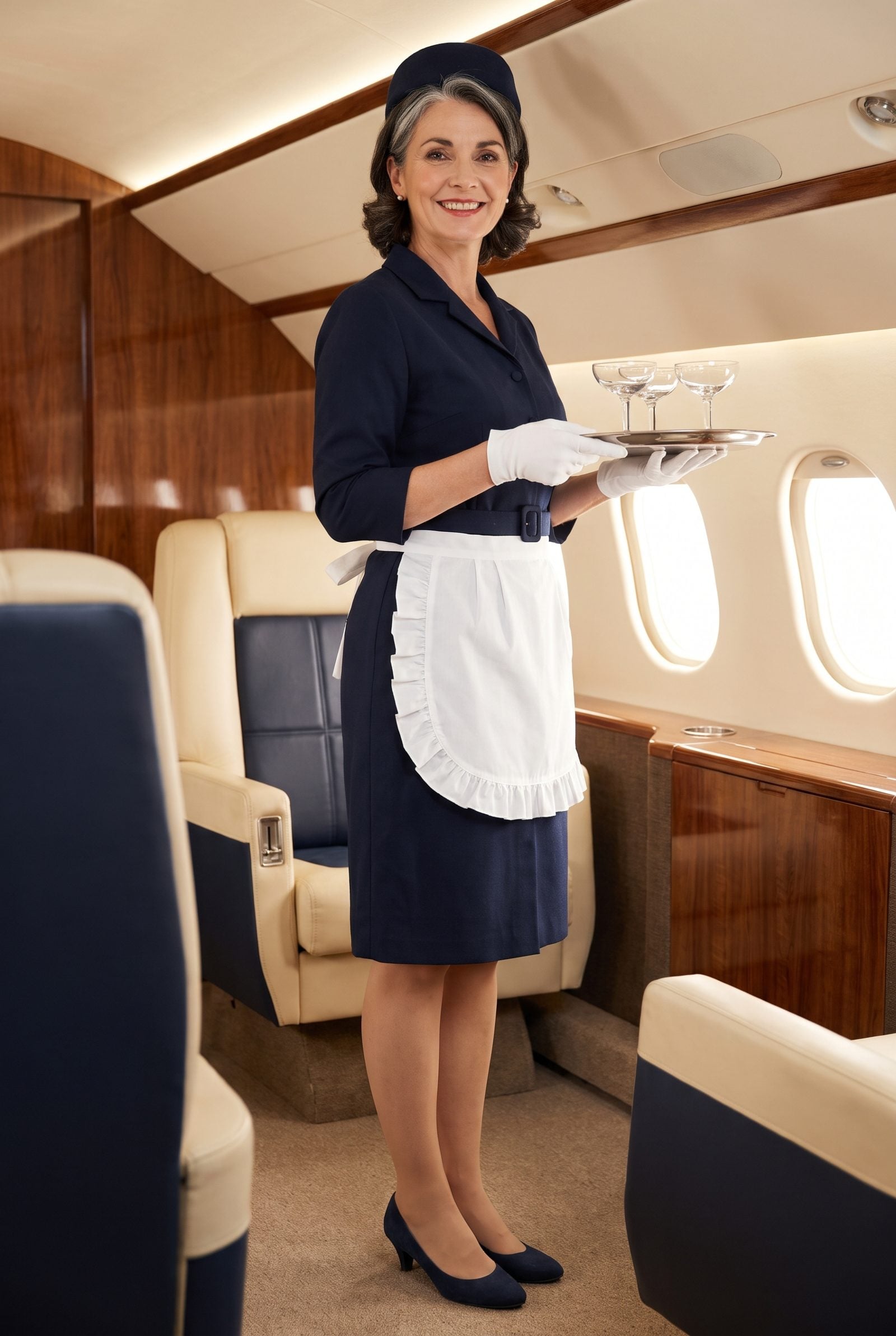
The apron came out for first class and nowhere else. A small frilled white cocktail apron tied at the waist over the uniform, worn only when the service turned to carved roasts and poured champagne at the front of the plane.
It was pure theater, and everyone knew it. The apron announced that this part of the cabin got the full performance: tableside carving, silver service, the illusion of a restaurant at thirty thousand feet. You tied it on for the few rows that paid for it, then untied it and went back to being crew.
7. Foundation and Powder Blended to a Regulation Complexion
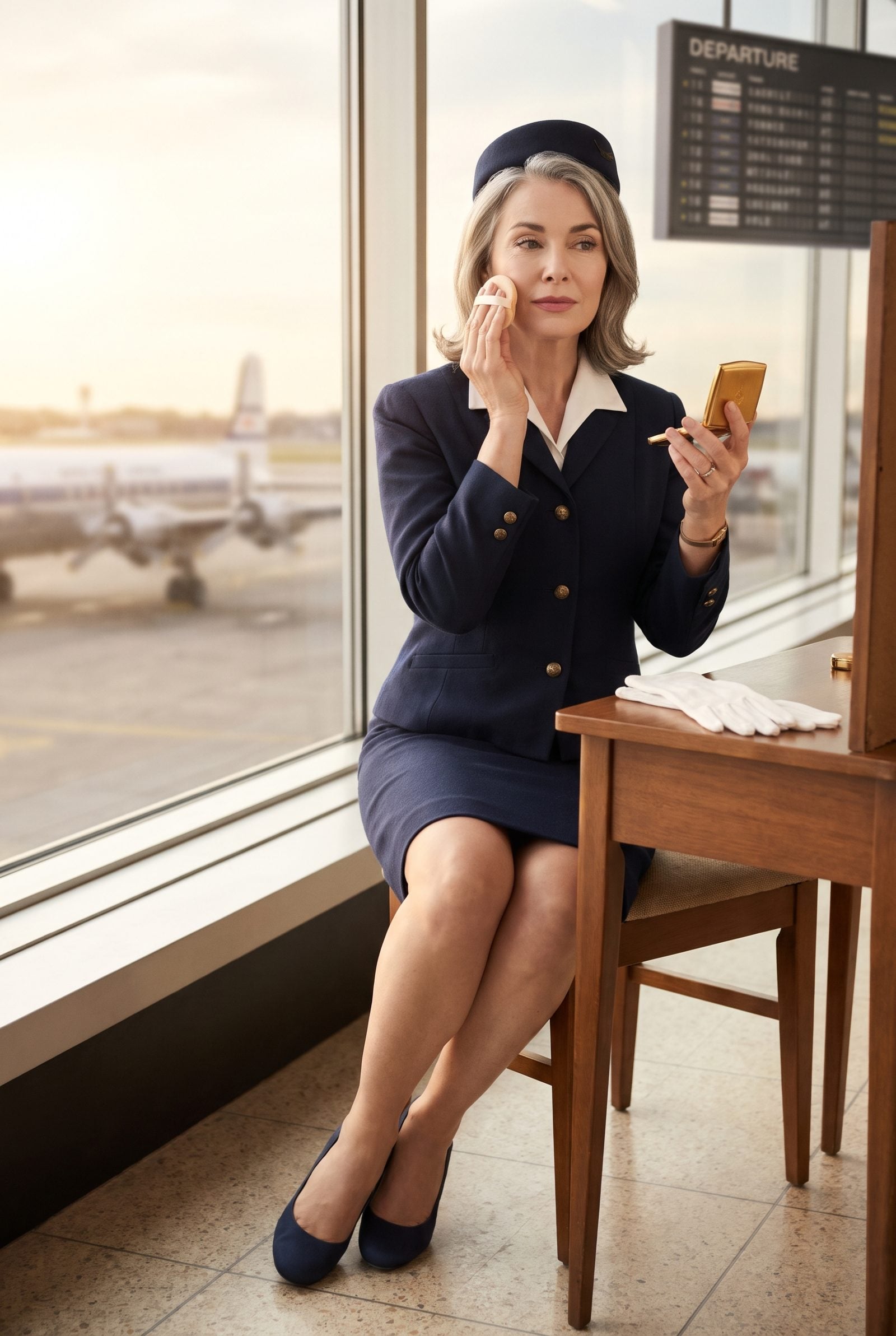
The powder came before the passengers. Before the galley check, before the lifevest demo, a supervisor could stop you at the jetway and look for shine. Shine meant you weren’t finished.
Foundation had to read evenly under cabin lighting, and airlines approved a narrow band of shades. Pressed powder lived in the apron pocket next to the gold compact, reapplied on descent so you’d land looking exactly as you did at boarding — lipstick in the mandated shade, brows defined but never bold.
6. The Space-Age Bubble Helmet That Protected the Hairstyle
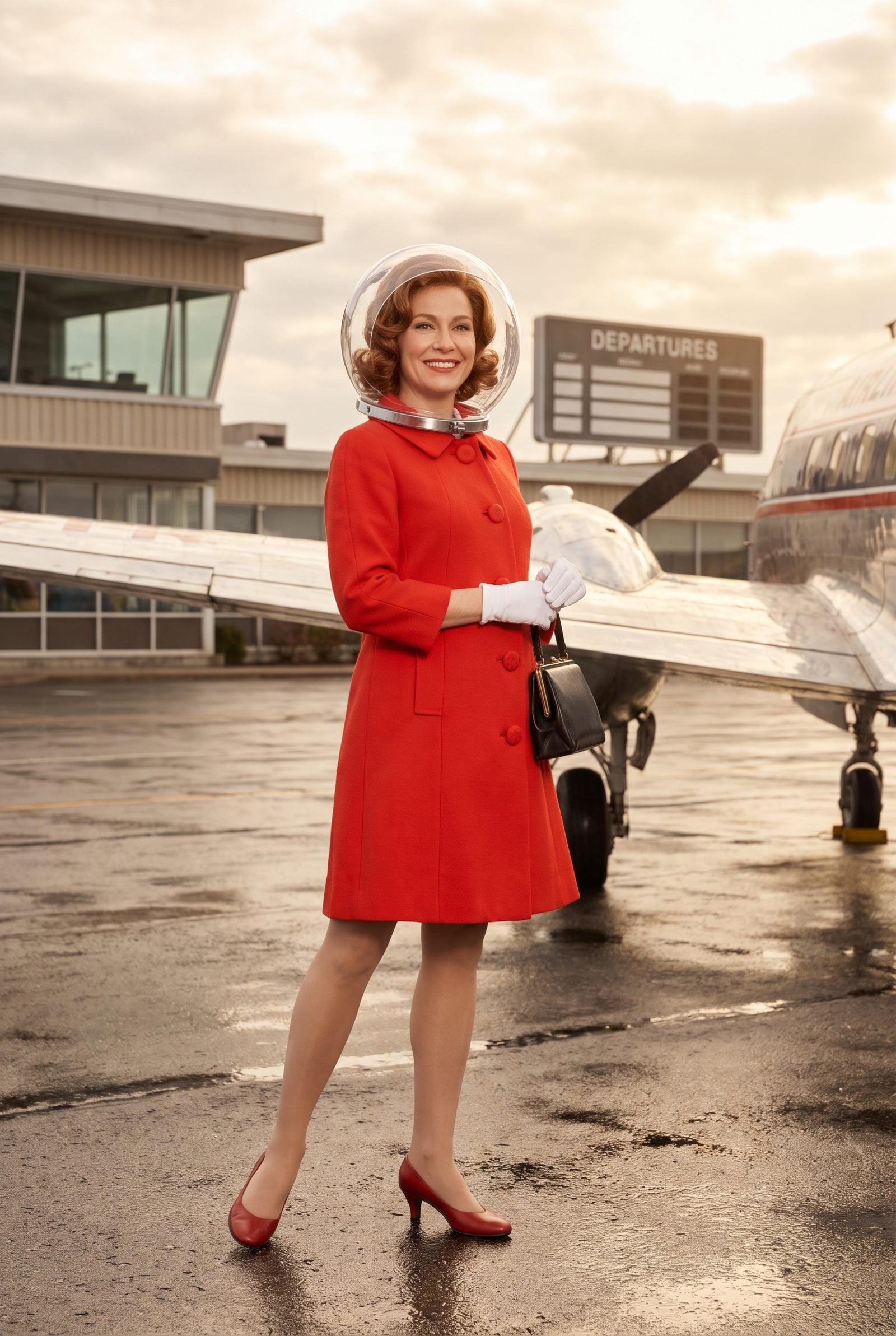
Yes, it was a clear plastic dome. Worn over the head. On the tarmac. In the rain.
One carrier’s designer solved a real problem with a futuristic answer, because wind and drizzle wrecked a set hairstyle, and a wrecked hairstyle was a dress-code violation waiting to happen. So the bubble helmet sealed the curls under rigid acrylic, paired with a poppy-red A-line coat that looked like it beamed in from a world’s fair pavilion.
It was promotional theater as much as practical gear. The space race was everywhere, and airlines wanted their crews to look like they’d be ferrying you to the moon by Tuesday.
5. The Airline-Branded Pucci-Style Printed Tunic
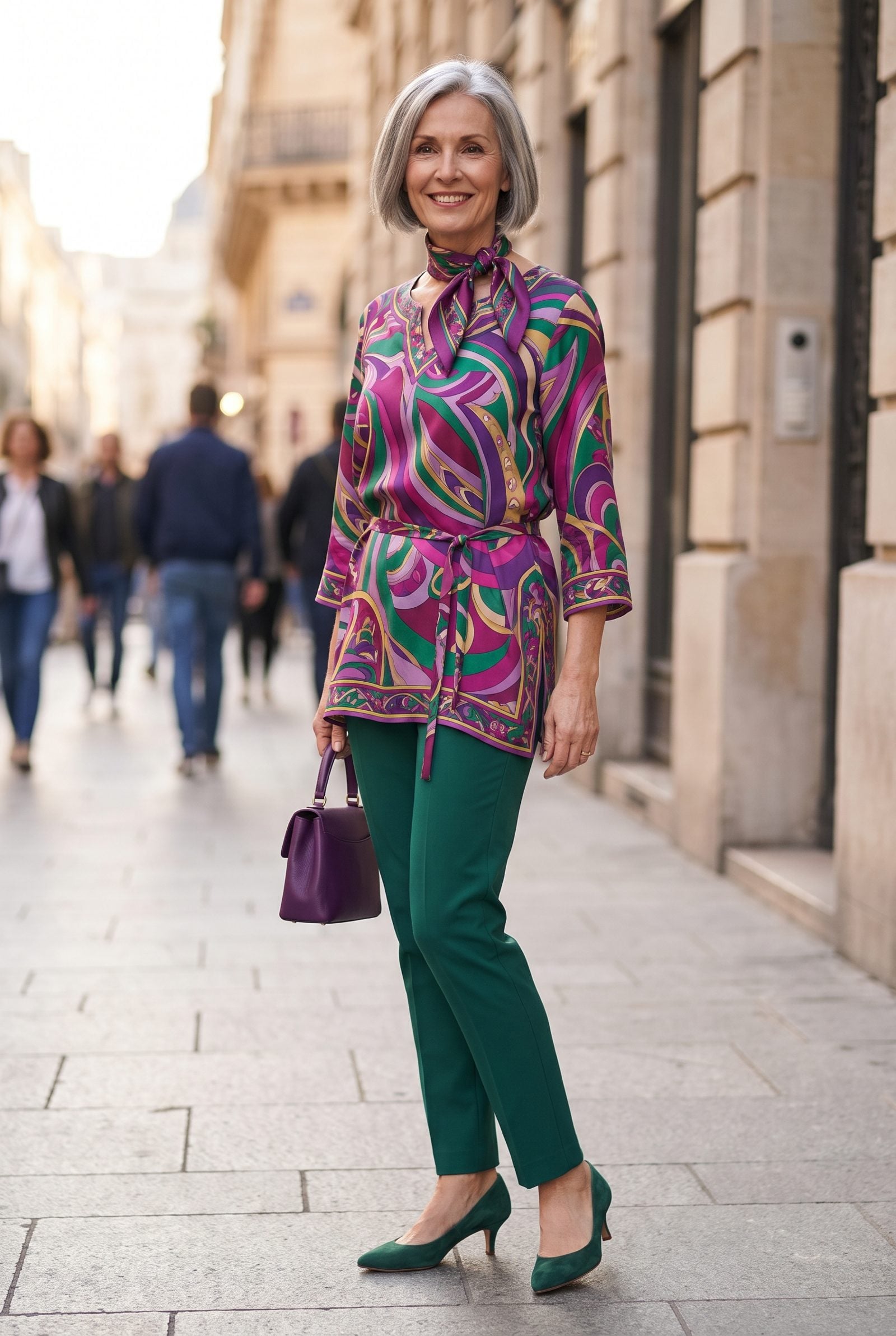
Here was the moment airlines stopped dressing crews like conductors and started dressing them like couture.
When a major carrier commissioned Emilio Pucci to design its uniforms, the printed tunic arrived in swirling magenta, emerald, and gold, worn over slim coordinating slacks. The kaleidoscopic print did all the work, and the solid slacks underneath gave the eye somewhere to rest so the pattern read as intentional rather than chaotic.
What drove the look was that single color-saturated print against clean solid separates. It said jet-age glamour — flying was still an occasion worth dressing for.
4. The Paper Dress Handed Out as a Promotional Uniform
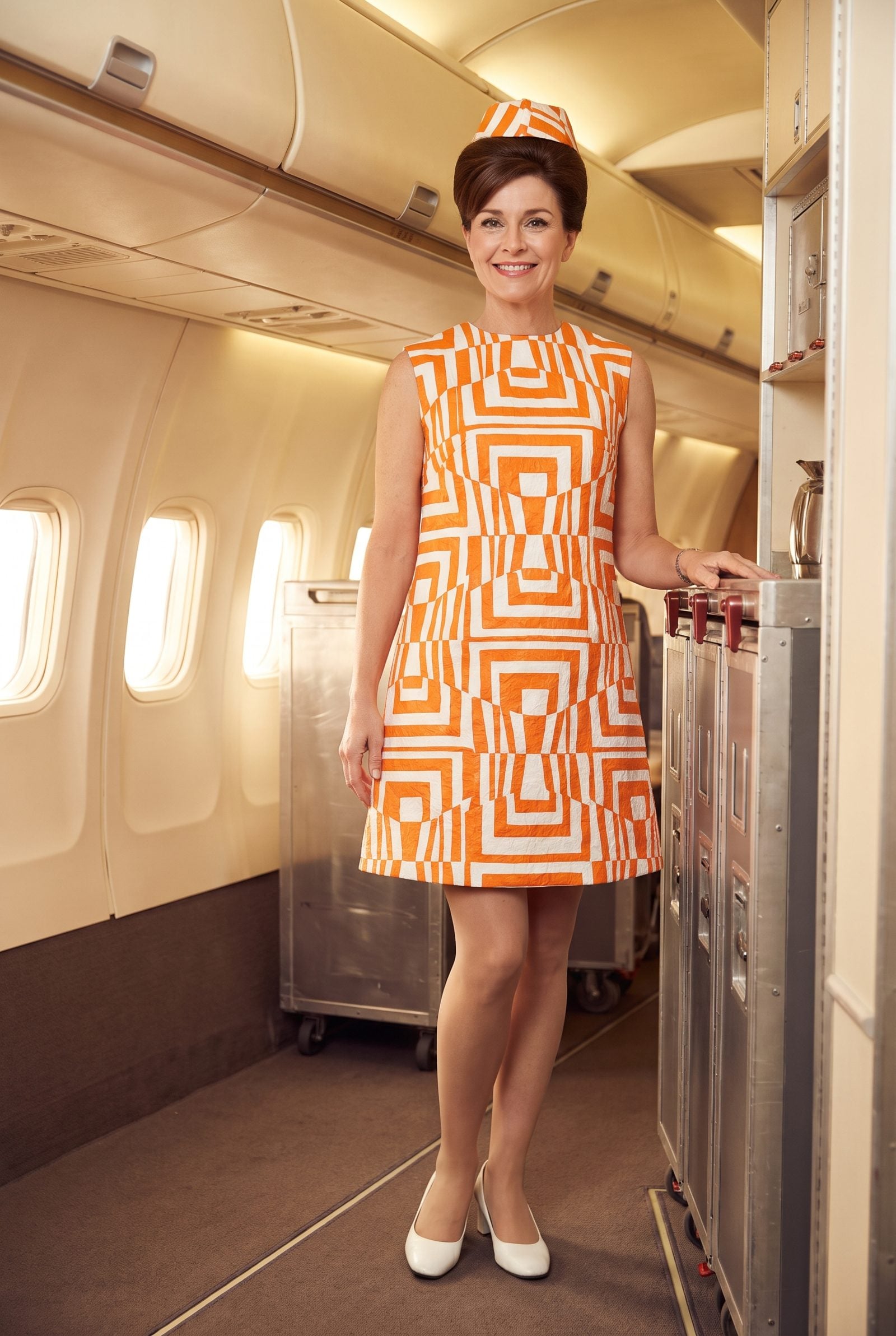
A uniform you threw away at the end of the route. That actually happened.
Paper dresses had a brief moment in the late 1960s, and at least one carrier leaned into the gimmick for themed promotional flights. The shift came in bold op-art prints, stiff and matte, cut as a simple sleeveless A-line — because paper doesn’t drape, it holds a shape.
The disposability was the whole appeal. It signaled novelty, modernity, a company willing to do something a little absurd to get your attention. Practical for an eight-hour shift? Not remotely. Memorable? You’re reading about it decades later.
Describing the 1968 paper uniforms worn on themed promotional flights, an aviation museum writer notes “Rips were frequent, requiring round-the-clock repairs with scissors, staplers, and masking tape—far from the glamorous image the ads for Foreign Accent projected.”
3. The Space-Age Vinyl Uniform Built for the Jet Future
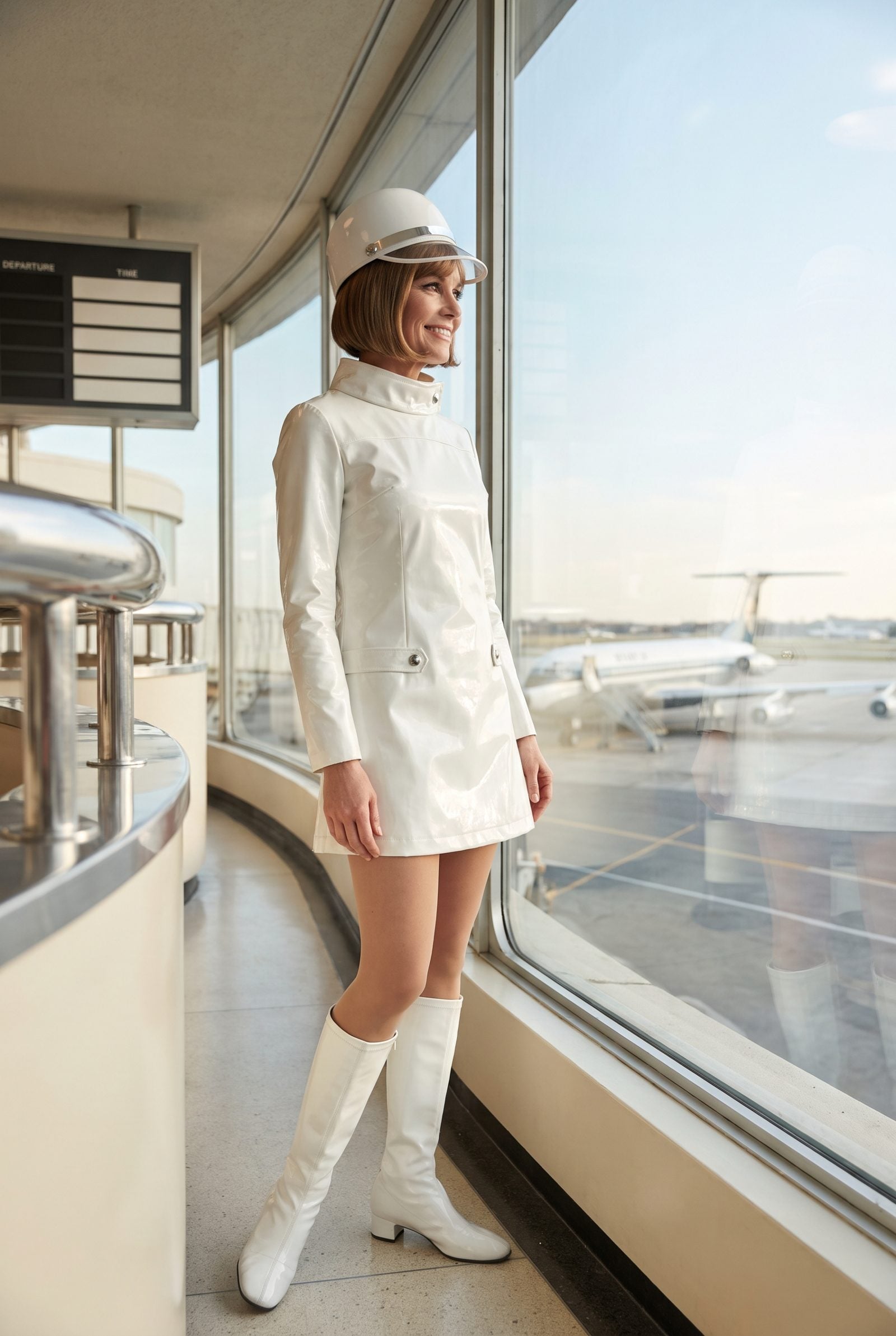
Glossy white vinyl, a mod mini silhouette, and boots that said the future had arrived early. Some late-1960s carriers dressed crews in space-age styling borrowed straight from Courrèges and the go-go runway.
The hero here was texture. Vinyl’s hard sheen against sheer hosiery created a push and pull that made the whole look feel deliberate, futuristic rather than costume — and a sleek geometric bob under a helmet cap finished the read.
2. A Veiled Cocktail Hat for Promotional Cabin Service
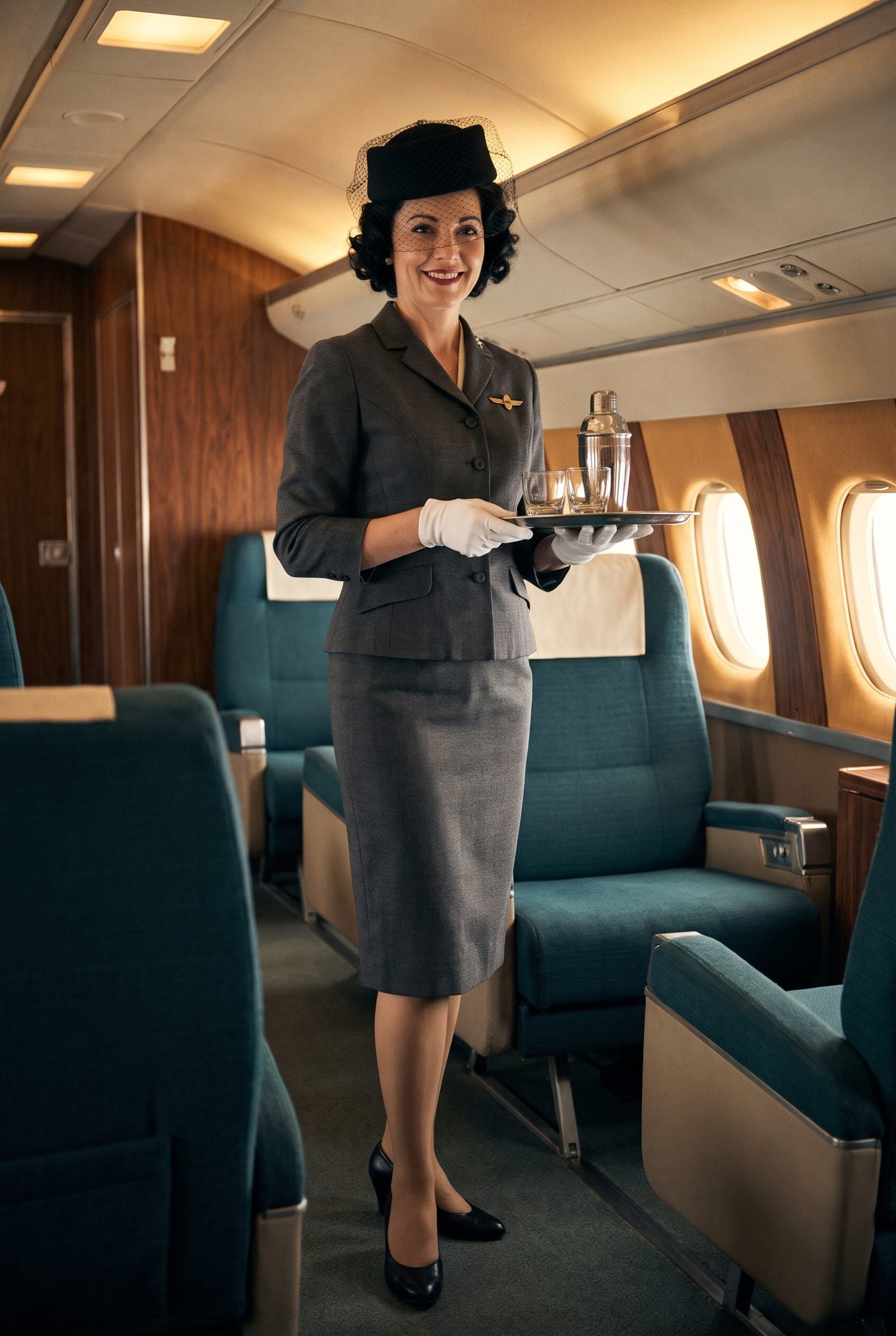
The veil wasn’t for the weather. It was for the occasion.
On certain premium routes and promotional flights, crews wore small veiled cocktail hats, fine net dropping just below the brow, as if cabin service were a supper club at thirty thousand feet. Paired with a nipped-waist charcoal suit and white gloves, it framed everything around formality.
That little hat did the heavy lifting. It took an otherwise businesslike wool suit and shoved it into evening territory, telling passengers this flight was something to dress up for — them included.
1. Subtle Nail Polish in One of the Few Approved Shades

Red was out. Nothing loud, nothing dark, nothing that drew the eye to the hands.
Approved polish lived in a short list of soft roses and sheer naturals, nails kept trimmed and never long. The thinking went that a flight attendant’s hands should look cared for without announcing themselves — pouring coffee and pointing to exits in a shade that read tidy rather than personal.
It’s a small thing, and that’s exactly why it tells you so much. When an airline regulates the color of your fingernails, nothing about your appearance is left to you. Today we’d reach for bolder festival ring energy, but the approved rose was the whole permitted palette back then.