
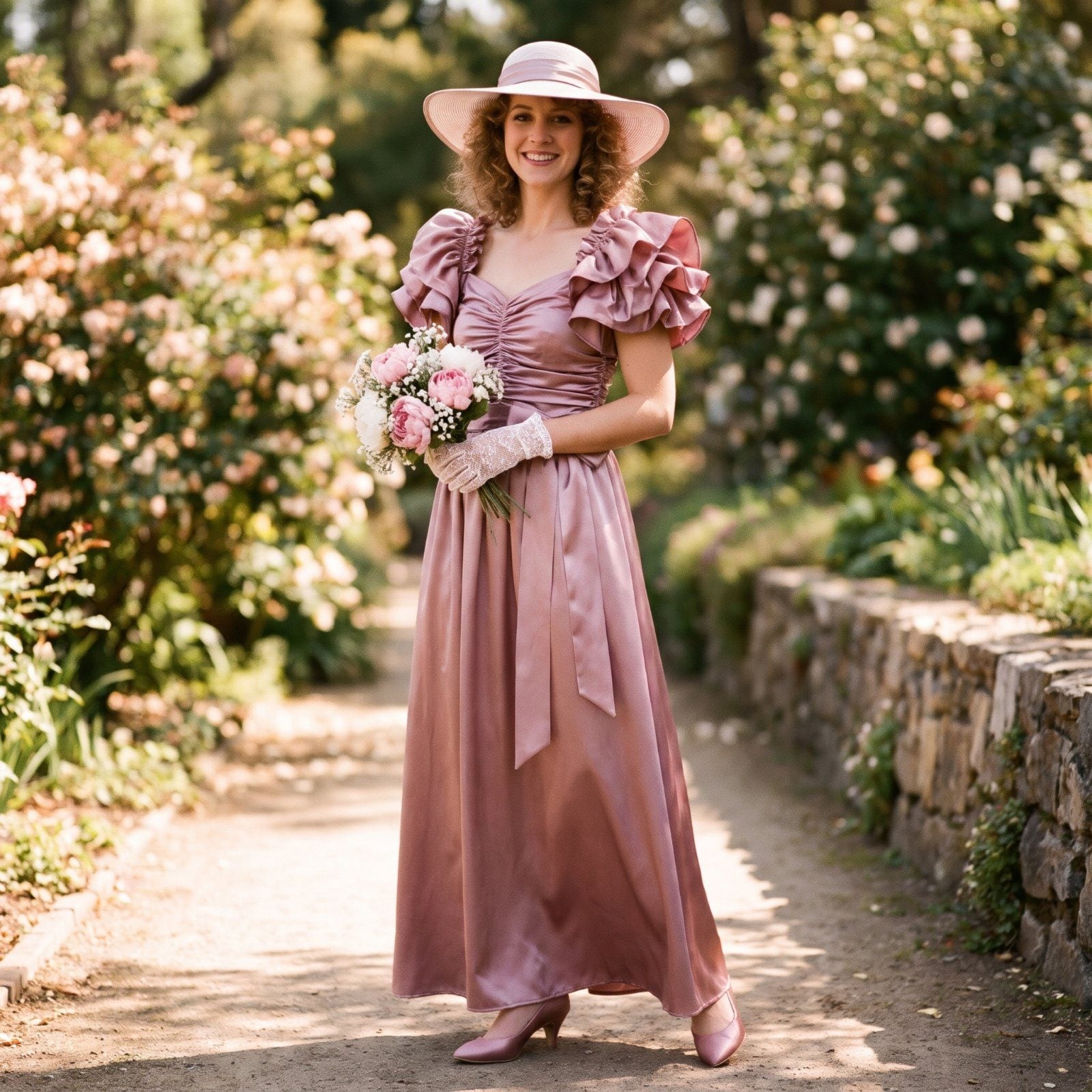
The dress zipped up the back and the shoulders arrived a full three seconds before you did. Somewhere in a box at your mother’s house, there’s a photo of you in a satin shade called “dusty rose” or “seafoam,” holding a bouquet the size of a toddler and grinning under a halo of permed curl. We all did it. We all stood in those church-step lineups looking like a roll of Starburst. What follows is the photographic evidence, and the camera remembers it a little differently than we do.
FYI, thanks to AI imagery software, we’re able to create very specific fashion and hairstyle examples to illustrate the points being made. In some cases, imagery is exaggerated to hammer home the point. Also, assume links that take you off the site are affiliate links such as links to Amazon. this means we may earn a commission if you buy something.
29. Pastel Satin Dresses With Mirror-Like Shine
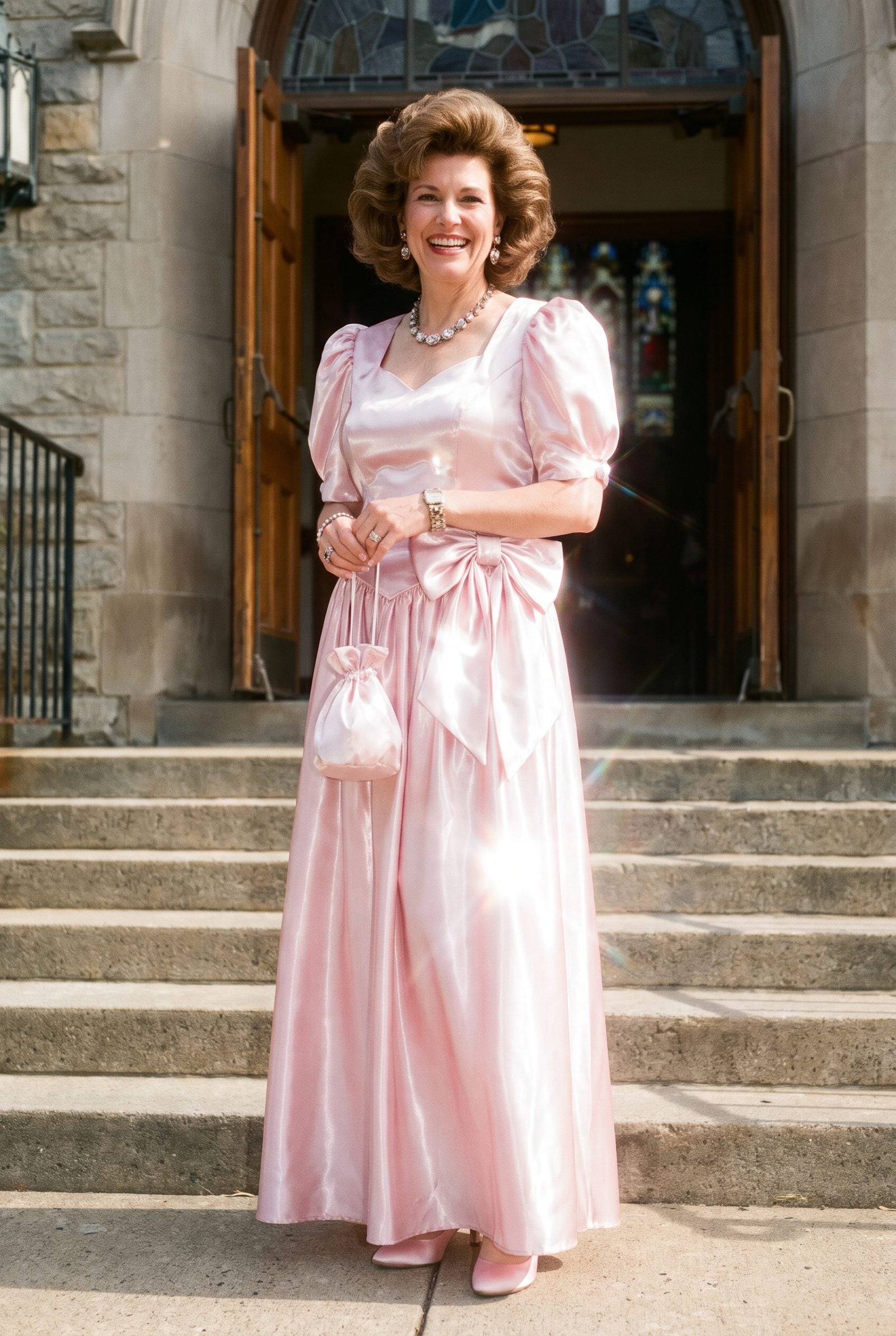
Matte did not exist at this wedding. The satin was so reflective it threw back the flash, the stained glass, and a little of whatever the groomsmen were up to in the back row. Every pleat caught light like water.
The shine was the point. A mirror finish made a simple silhouette look expensive and festive under reception lighting, which is exactly where these dresses did their best work. High-gloss satin against a matte bouquet gave photos a depth flat fabric never managed.
28. Drop-Waist Dresses With Giant Hip Bows
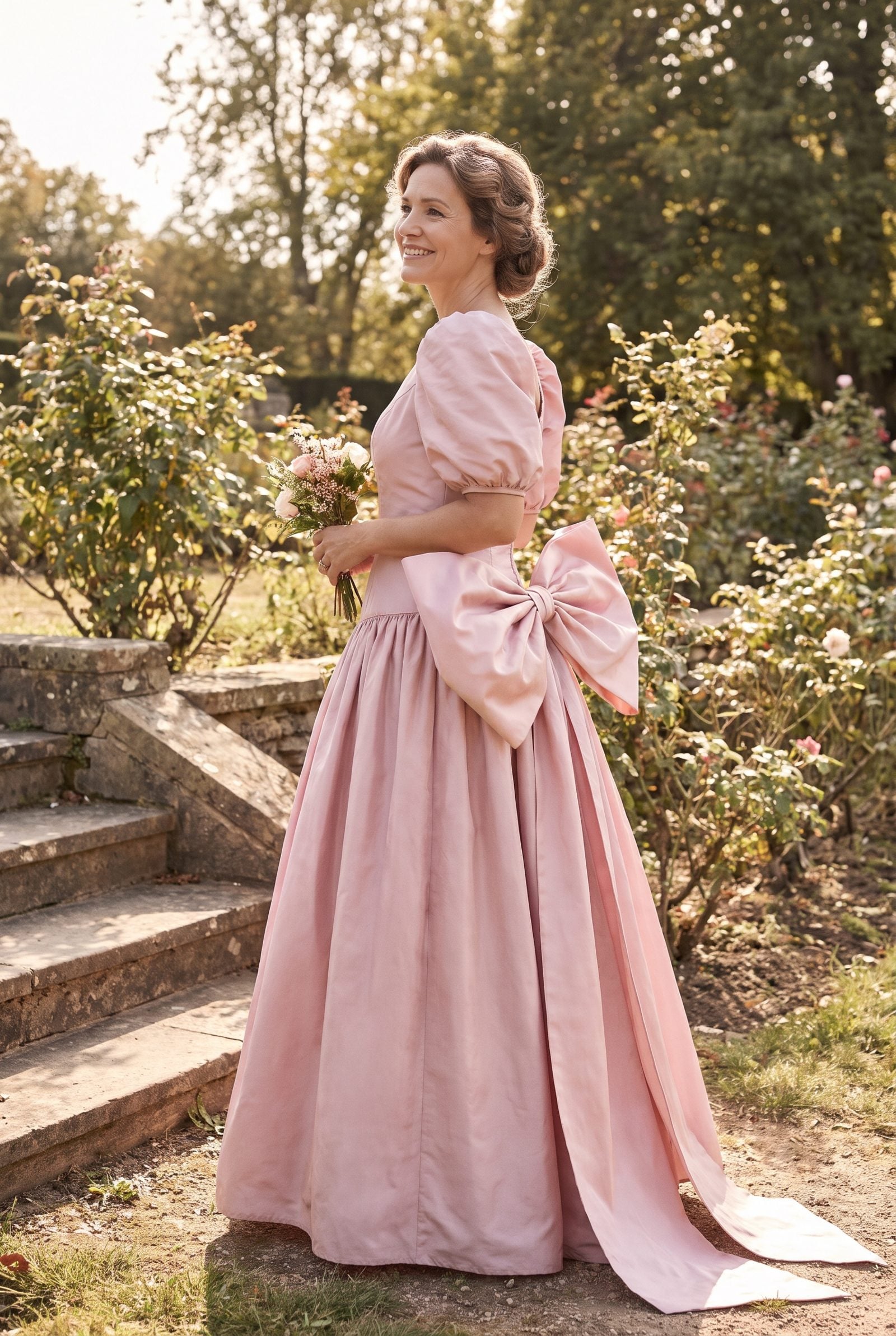
The bow sat at the hip, enormous, usually to one side, streamers trailing halfway down the skirt. You held your bouquet in front and prayed the thing wouldn’t catch on a doorframe.
The drop waist lengthened the torso, then the hip bow slammed a full stop exactly where it landed, which made the whole silhouette about the horizontal line of the hips. Bold proportional call. A lineup of these looked like a row of beautifully wrapped presents, and honestly, nobody was mad about it.
27. Rainbow-Colored Bridesmaid Lineups
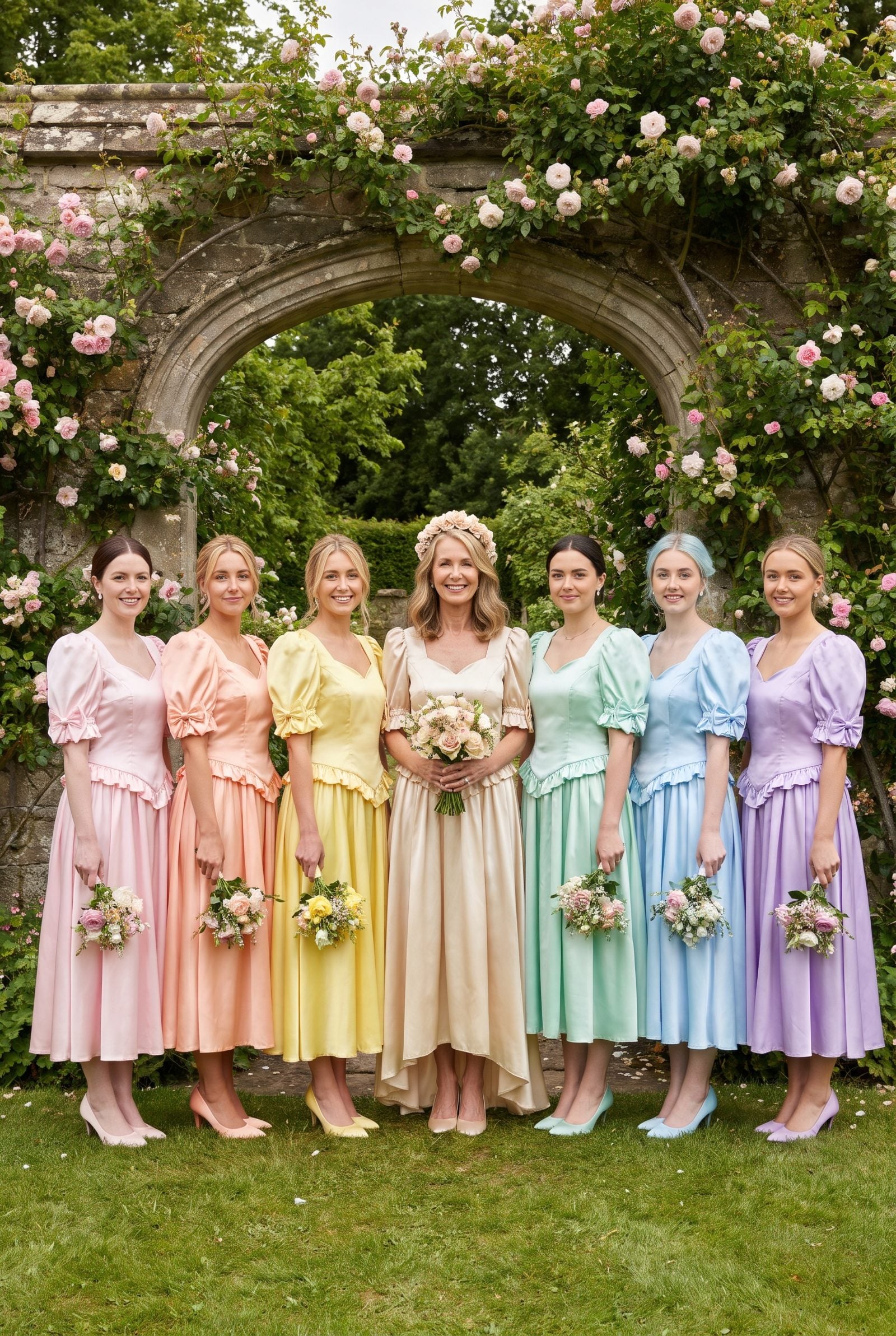
Why pick one color when the whole crayon box was available? The rainbow lineup assigned every bridesmaid her own pastel and arranged them like a swatch card on the garden lawn beneath a rose-covered stone arch. Peach, mint, lavender, blue, the softest yellow you ever saw.
It’s a flex built on contrast. The matching silhouette held the group together while the graduated hues gave the photos movement, each woman distinct yet obviously part of the set. The style is loud by design, and it photographed like a party.
26. Dyed-to-Match Satin Pumps
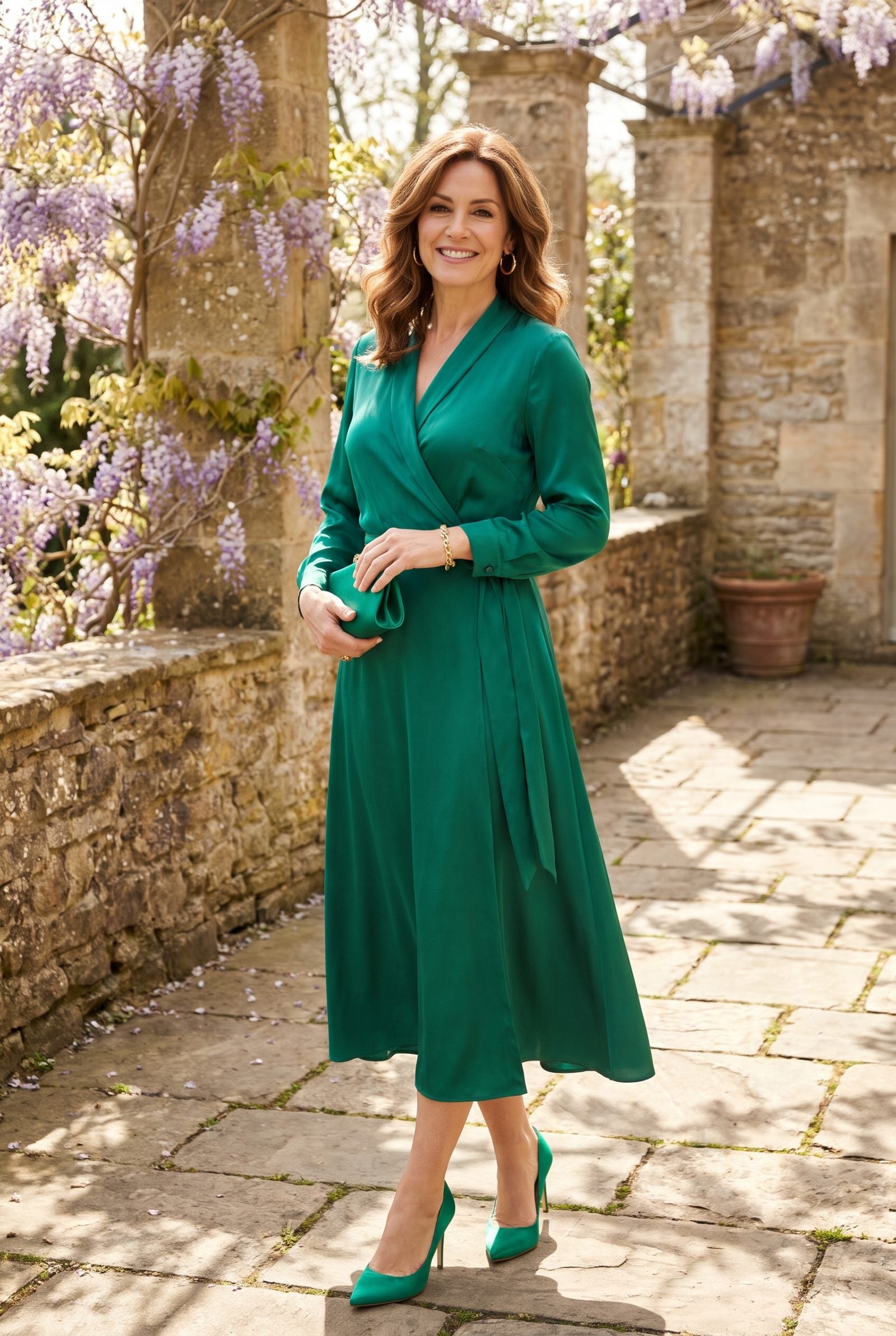
You dropped the dress fabric off at the shoe place and got back a pair of pumps in the exact same shade, undertone and all. By the end of the night the dye had rubbed off onto your heels and you did not care one bit.
This is the detail that sealed the coordination. Matching the shoe to the dress built an unbroken color column from shoulder to toe, which lengthened the whole line. Worn exactly once, then parked in a closet forever as proof you were somebody’s bridesmaid.
25. Perms Teased Into Matching Halos
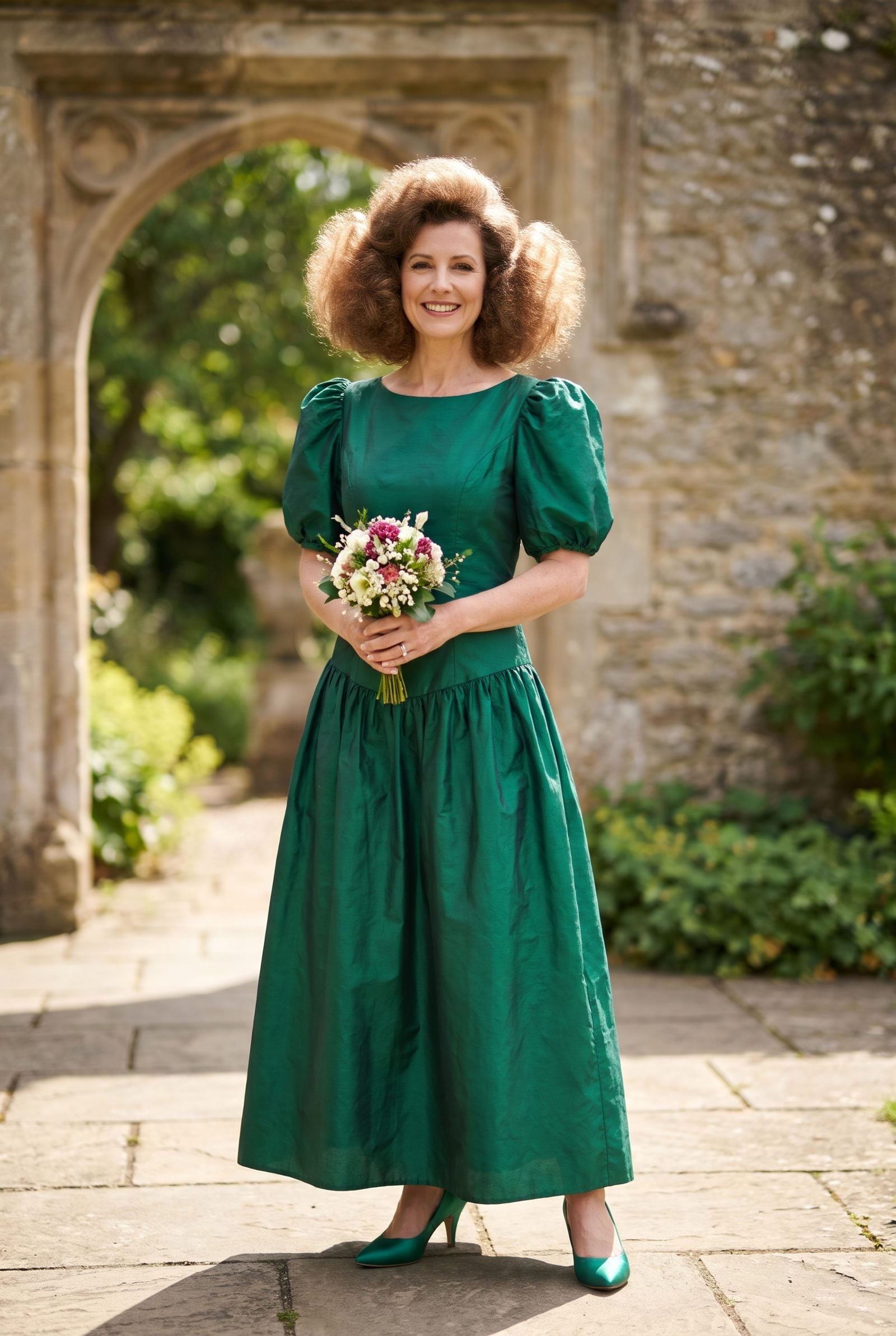
You got the appointment and walked out with a full halo. Permed, teased, and lacquered until it held through the ceremony, the reception, and a rainstorm if it came to that.
The hair balanced the outfit. A green taffeta gown with big puff sleeves and a drop waist needed matching volume around the face or the proportions tipped, so the big curl was structural as much as stylish. A single curly halo crowned the photo with a soft, uniform texture that no flat style could touch.
Explaining why the decade needed big permed volume, a stylist perming since 1991 writes “Then the proportions changed. Clothing silhouettes exaggerated, shoulders widened, and hair had to expand to balance them.”
24. Frosted Blue Eyeshadow for the Entire Party
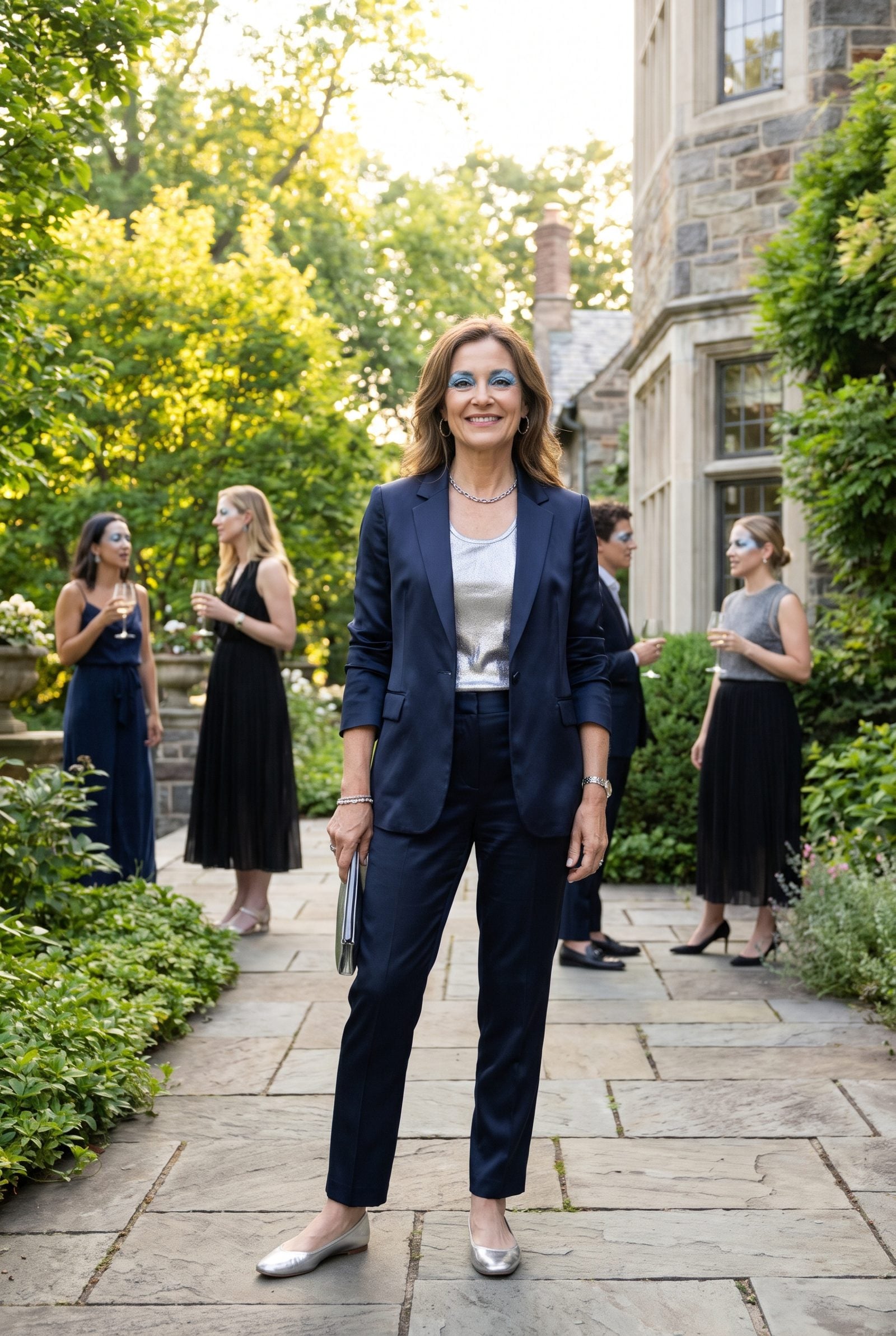
From the brow bone down, a frosted swipe of powder blue applied with a sponge-tip wand and zero apology. Every bridesmaid in the lineup wore the same shade.
In daylight on a garden path beside a stone manor house the shimmer caught the sun and made the eyes the brightest point in the photo, which is precisely what it was built to do. The universal signal that you had gotten ready on purpose.
23. Ruffled Parasols Carried Down the Aisle
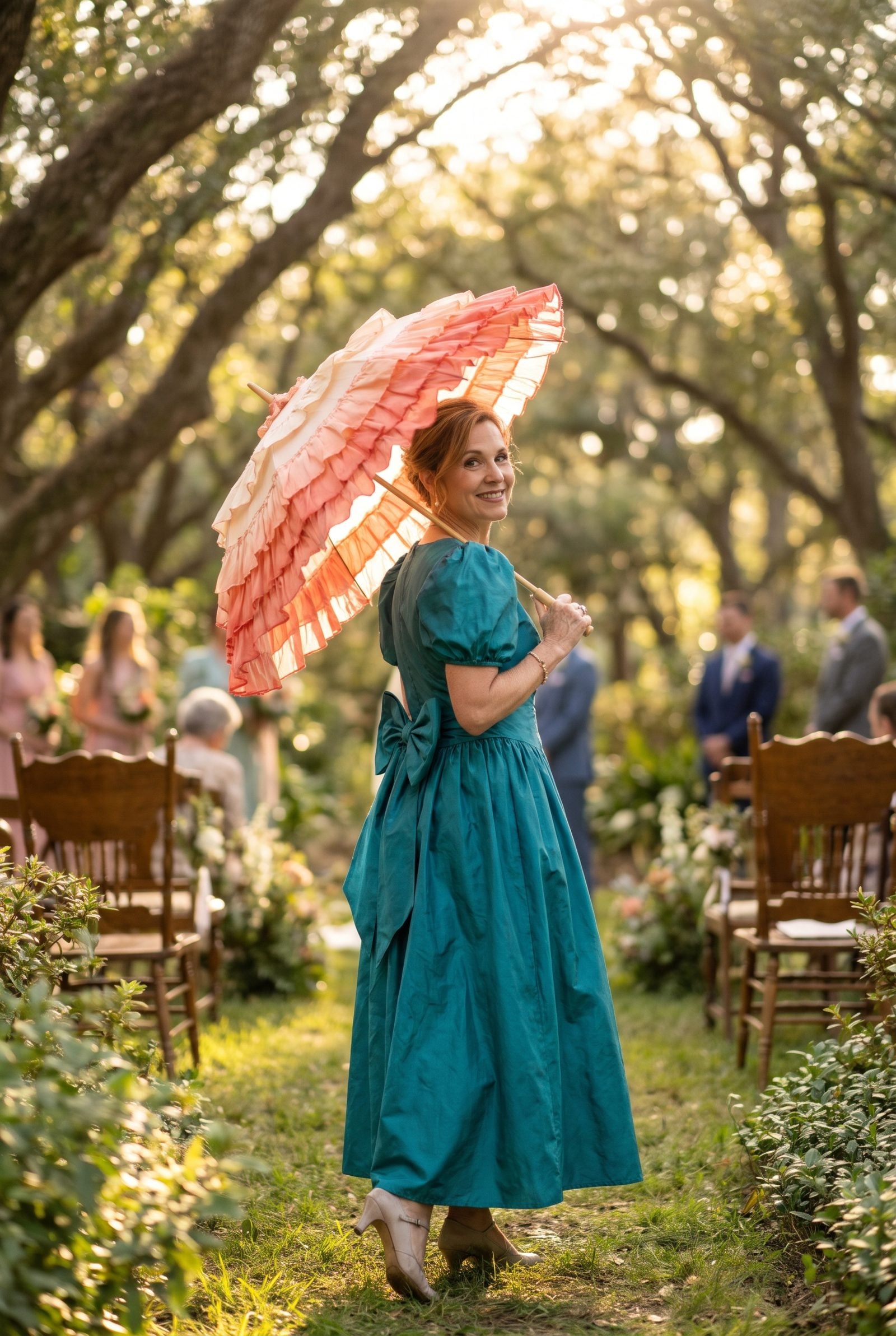
Instead of a bouquet, sometimes you got a parasol. Open, ruffled at the edge, dyed to match, held over the shoulder at a jaunty angle for the whole walk down the aisle.
The parasol did a hat’s job, framing the head and adding a sweep of coordinated fabric, but it also gave your hands something to do and your photos a prop. Outdoor garden weddings loved them. It’s the detail people forget entirely until they see it again, and then they gasp.
22. High-Neck Victorian Lace Collars That Grazed the Jaw
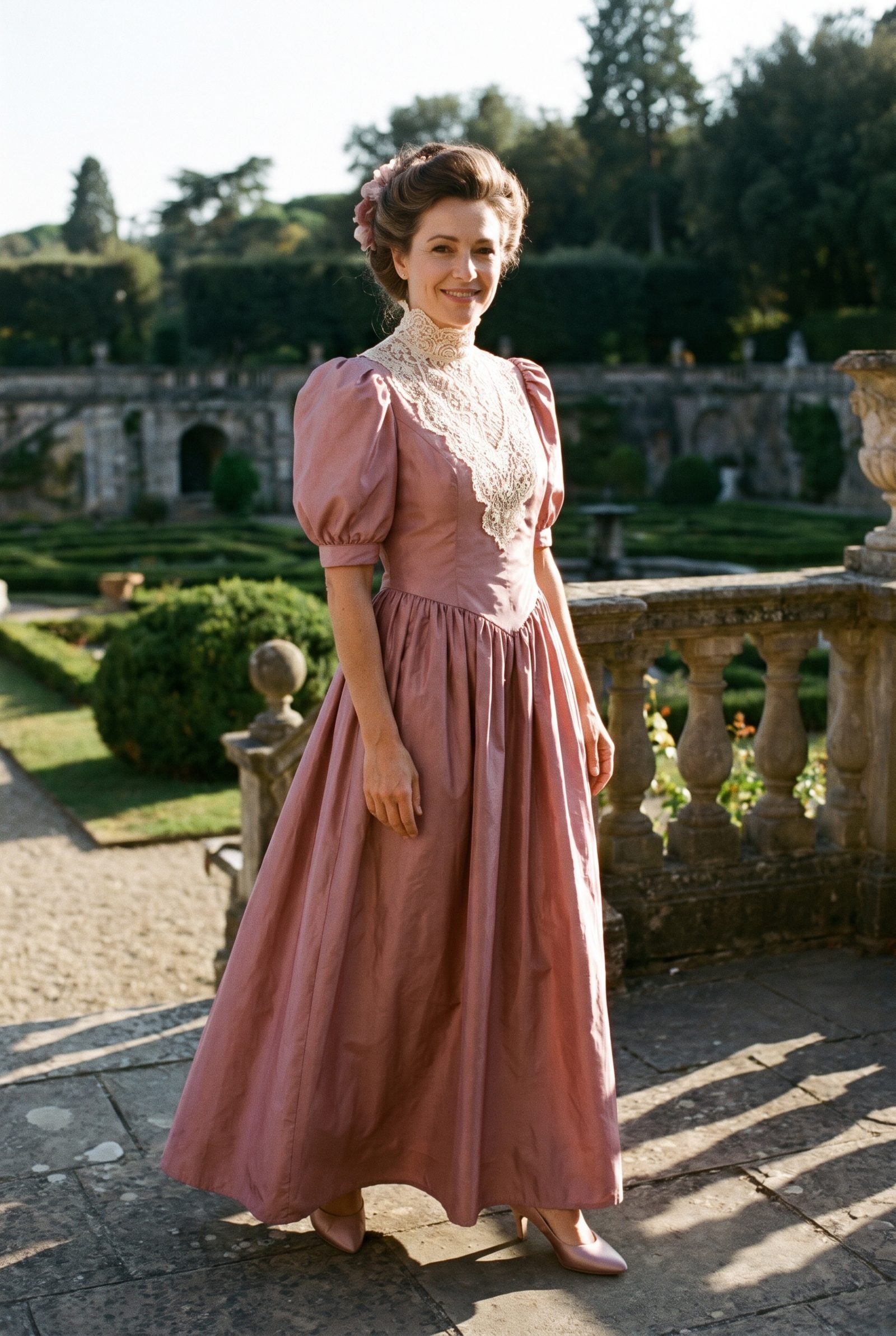
The collar started at the collarbone and kept climbing. Stiff lace stood straight up around the throat, sometimes edged in a tiny ruffle, until it brushed the jawline every time you turned your head for the photographer.
It was pure Victorian revival, and it made everyone look like a cameo brooch come to life. The high neck lengthened the throat and framed the face like a little lace pedestal. Comfortable? Not remotely. But in a lineup of upright collars and pinned-up curls, the effect was undeniably regal.
21. White Lace Bibs Layered Over Colored Bodices
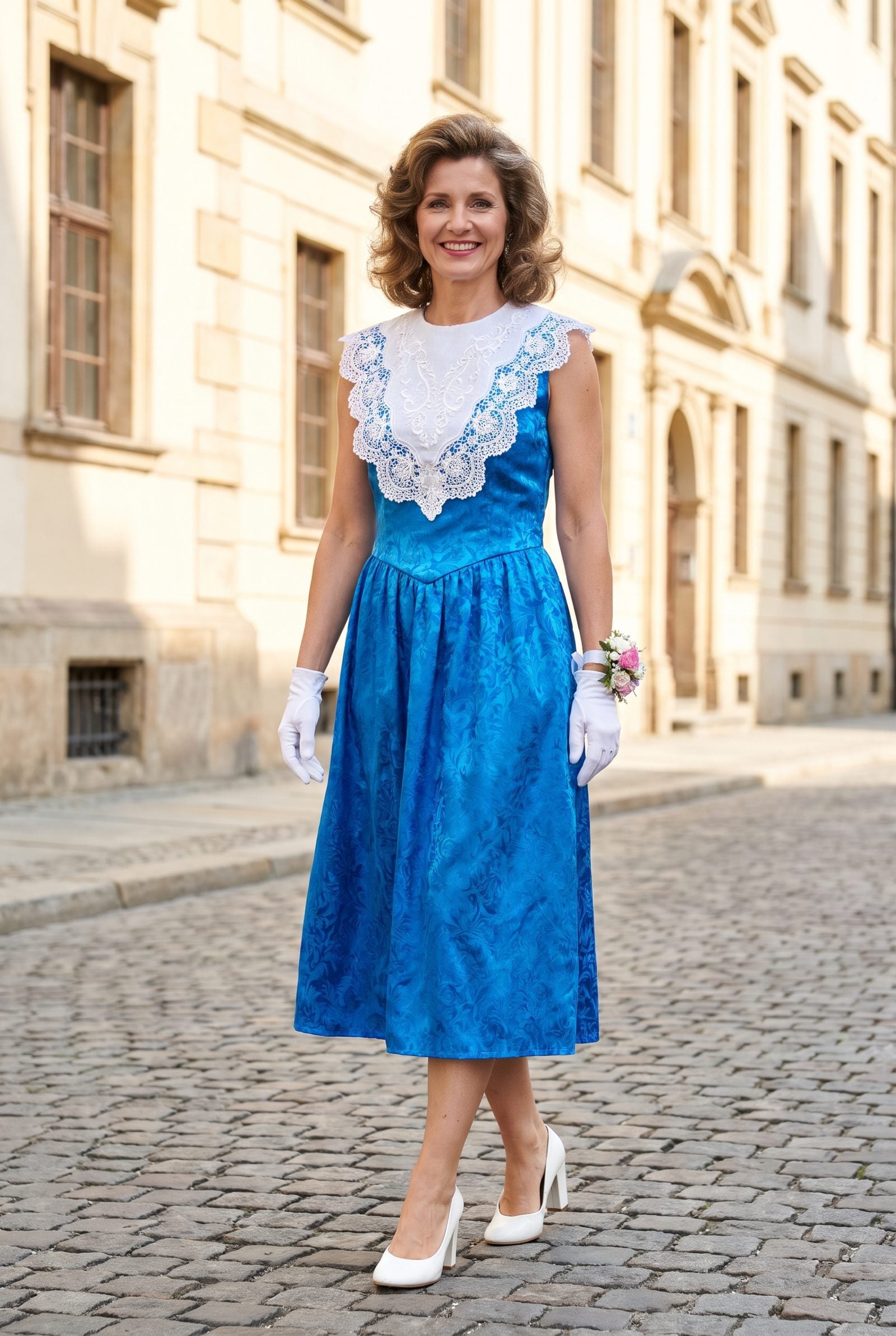
Why settle for one fabric when you could wear a doily on top of it? The white lace bib sat over the front of a colored bodice like a pinafore, stitched down at the edges and usually trimmed with a ruffle or a satin bow at the center.
The contrast did the work. Crisp white against seafoam or peach brightened the face and broke up all that satin, giving the dress a sweet, storybook finish. In photos it reads a little like a very fancy napkin tucked in for dinner, and we loved it anyway.
20. Peplums Flaring Over Already-Full Skirts
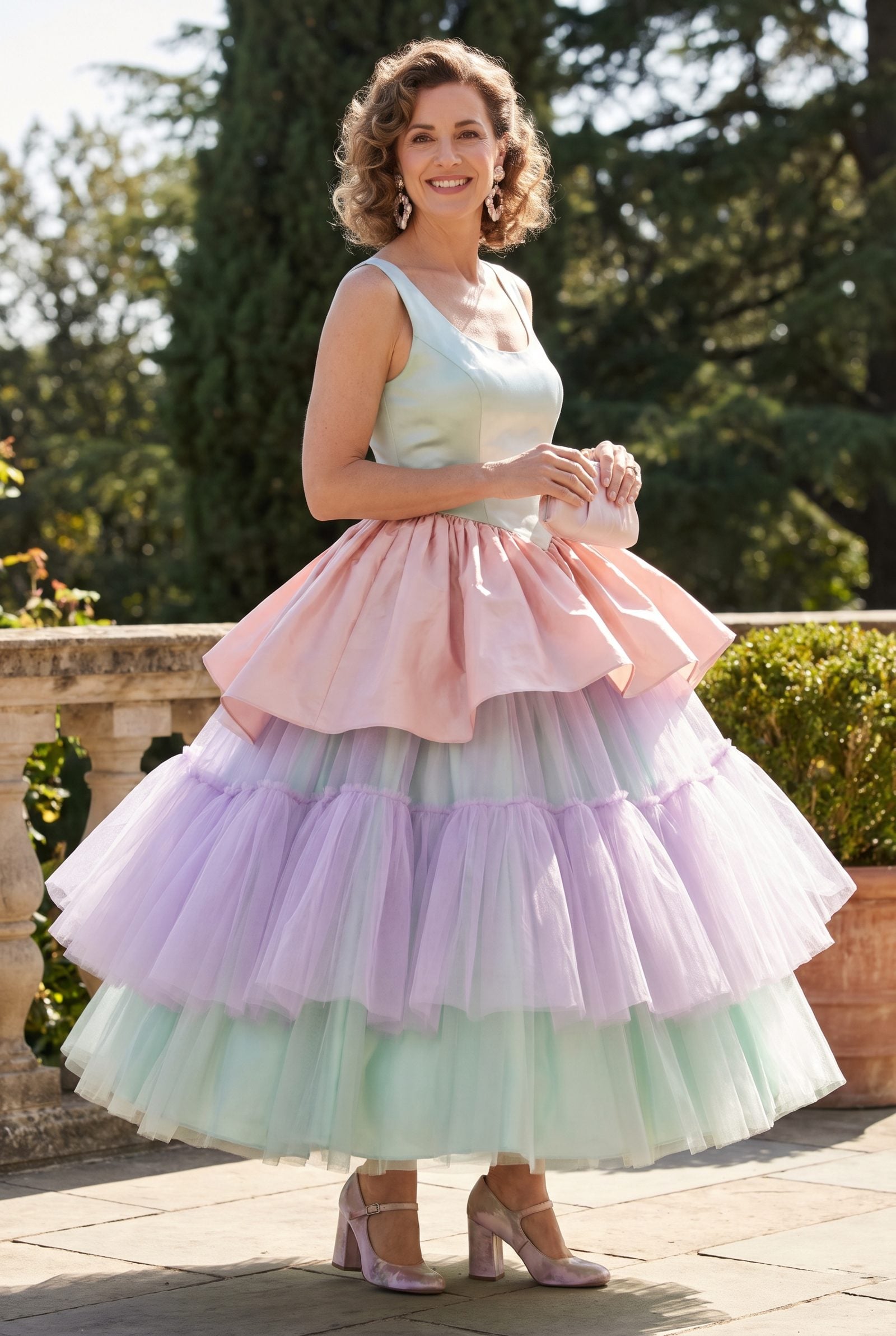
The skirt was already full. Then someone added a peplum. That flared little ruffle of fabric sat right at the waist and stuck out over a skirt that needed absolutely no help taking up space.
The logic was sound, at least on paper. A peplum nips the waist by flaring out just below it, so the middle looks smaller by comparison. Layer it over a gathered skirt, though, and you get tiers on tiers, the bridesmaid as wedding cake. On film it photographed as pure celebration, every layer catching the light.
19. Tea-Length Skirts Held Out by Crinolines
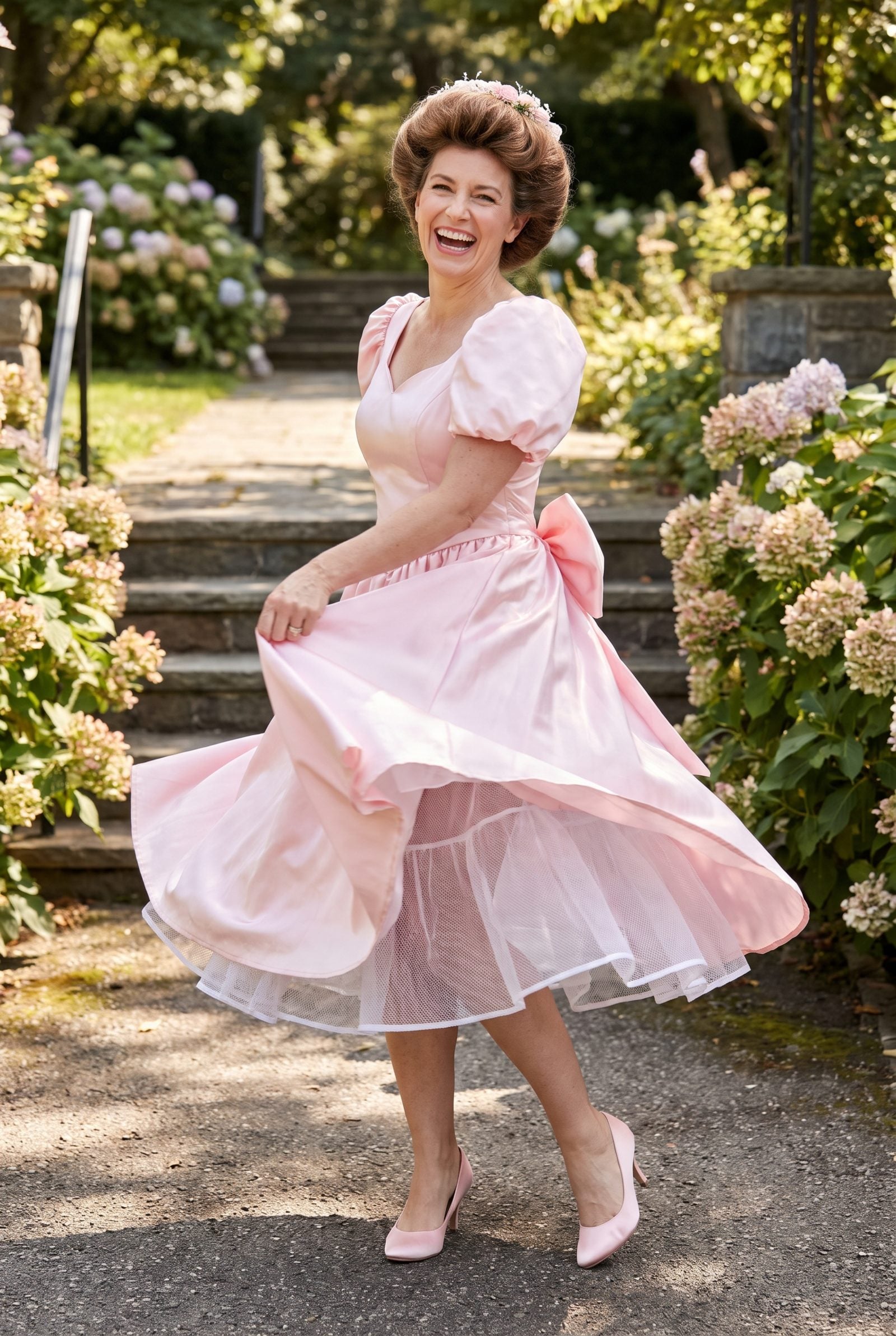
Underneath every bouncy tea-length skirt was a stiff net petticoat doing all the heavy lifting. The crinoline held the satin out in a perfect bell that stopped somewhere around mid-calf and swayed with every step down the aisle.
It was a nod back to fifties prom glamour, and the hemline was the clever part. Tea length showed off those dyed-to-match pumps and kept everyone from tripping on the church steps. The trouble came at the reception, when sitting down meant wrestling a scratchy cloud of tulle into a folding chair.
18. Heavy Pink Blush Swept All the Way to the Temples
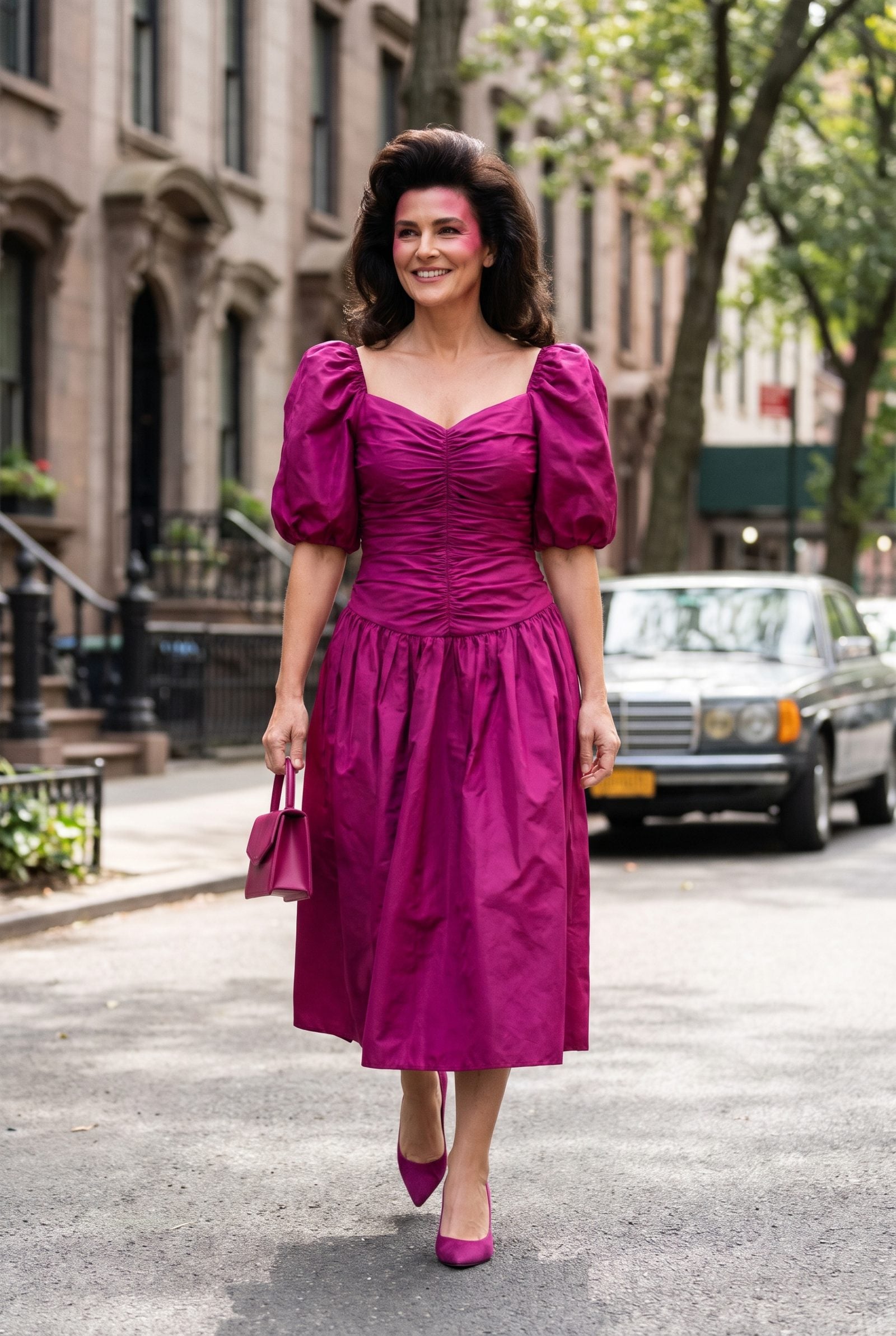
Blush didn’t stop at the cheekbones. It swept upward in a bold pink diagonal, past the apples, past the bone, all the way to the hairline at the temples.
The technique was called draping, and it was meant to sculpt and lift the face so it wouldn’t wash out under church lighting and flash bulbs. In person it looked like a fresh-air glow. In the photos it looks like the whole party ran a mile in the cold right before the ceremony. Still, nobody ever looked pale.
Speaking about the return of draped blush, one makeup artist says “Draped blush brings me back to the ’80s — it’s all about applying blush all the way up to the temples”
17. Mauve Lipstick Chosen to Match the Dresses Exactly
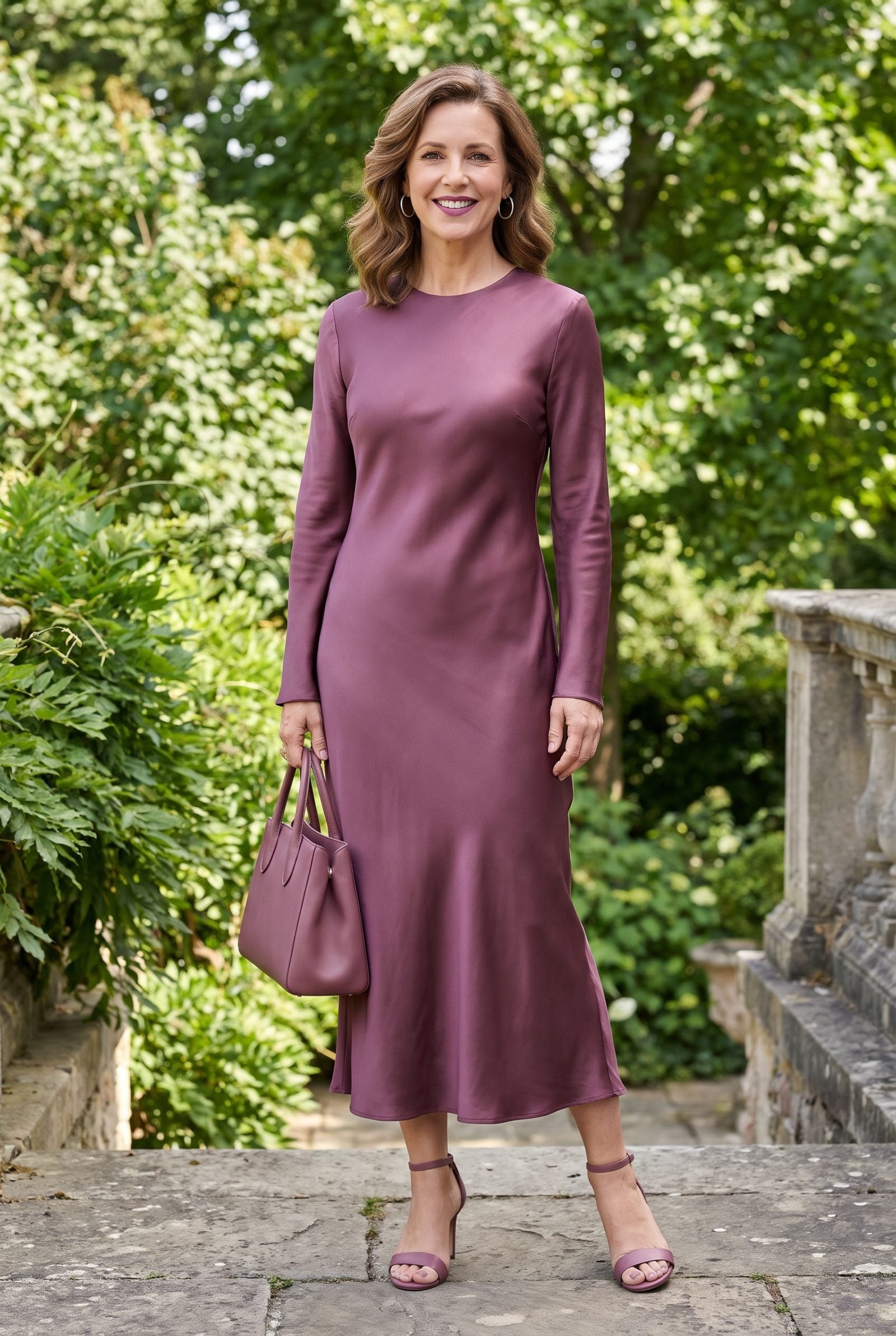
The lipstick wasn’t just a shade, it was a coordination project. Someone held a swatch of the dress fabric up to every tube at the drugstore counter until the mauve matched exactly, and then every bridesmaid wore the same one.
Mauve was the defining lip color of the decade, a dusty pink-purple that felt grown-up and polished. Matched to the dresses, it tied the whole look together from head to hem. The photos show a lineup of identical lips, and honestly, it made the group look like a set.
16. Artificial Flower Wrist Corsages Secured With Elastic
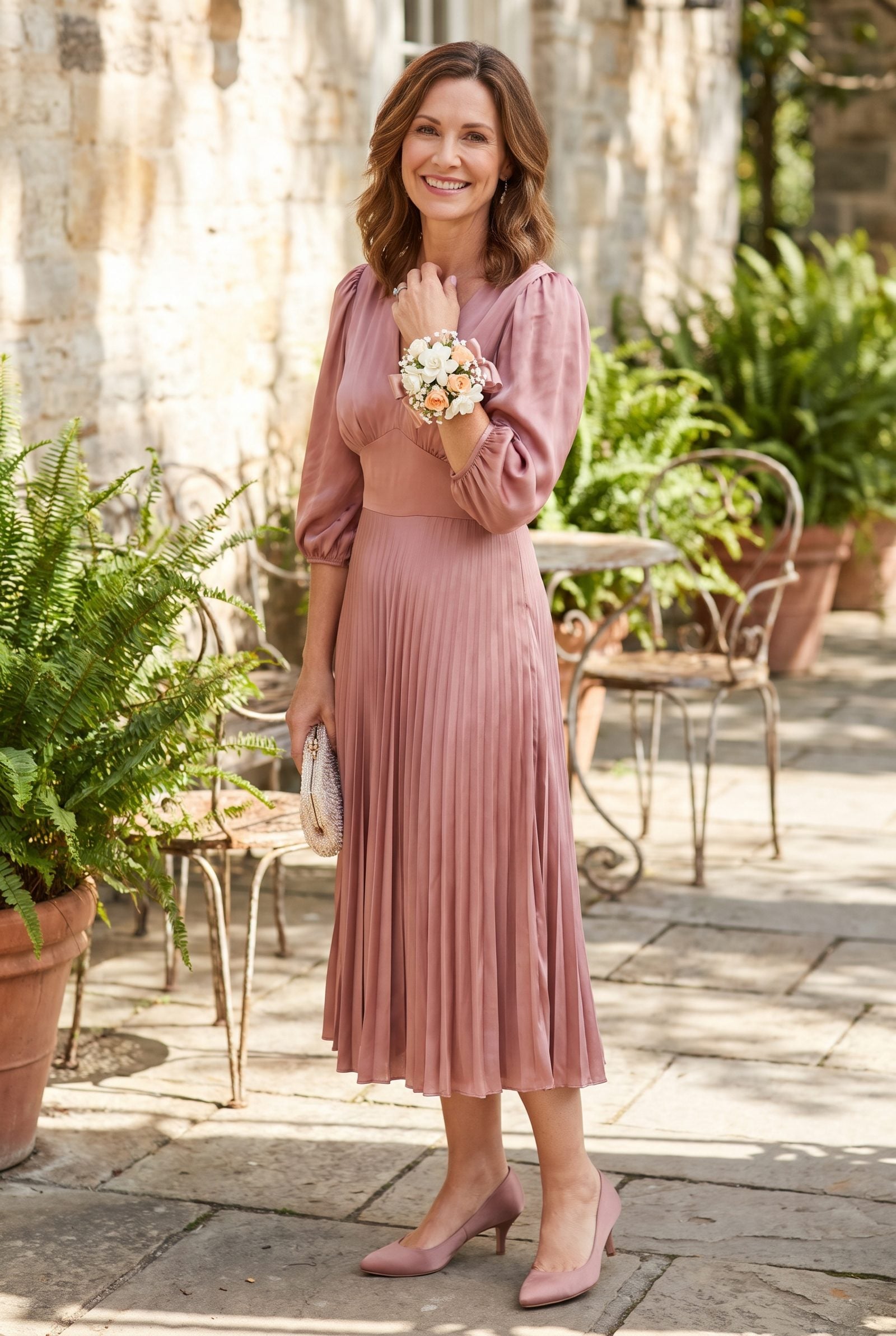
The bride carried the big bouquet. You got a wrist corsage of silk white gardenias, peach spray roses and a few sprigs of baby’s breath, all fastened to an elastic band finished with a mauve satin ribbon bow that matched your dress.
It was practical in a very eighties way. Silk blooms in soft pastels could be chosen to suit the dress, and the satin ribbon could be matched to it exactly. They were meant to be keepsakes too, which is why so many of them are still sitting in jewelry boxes today.
15. Satin Headbands Smothered in Rows of Pearls
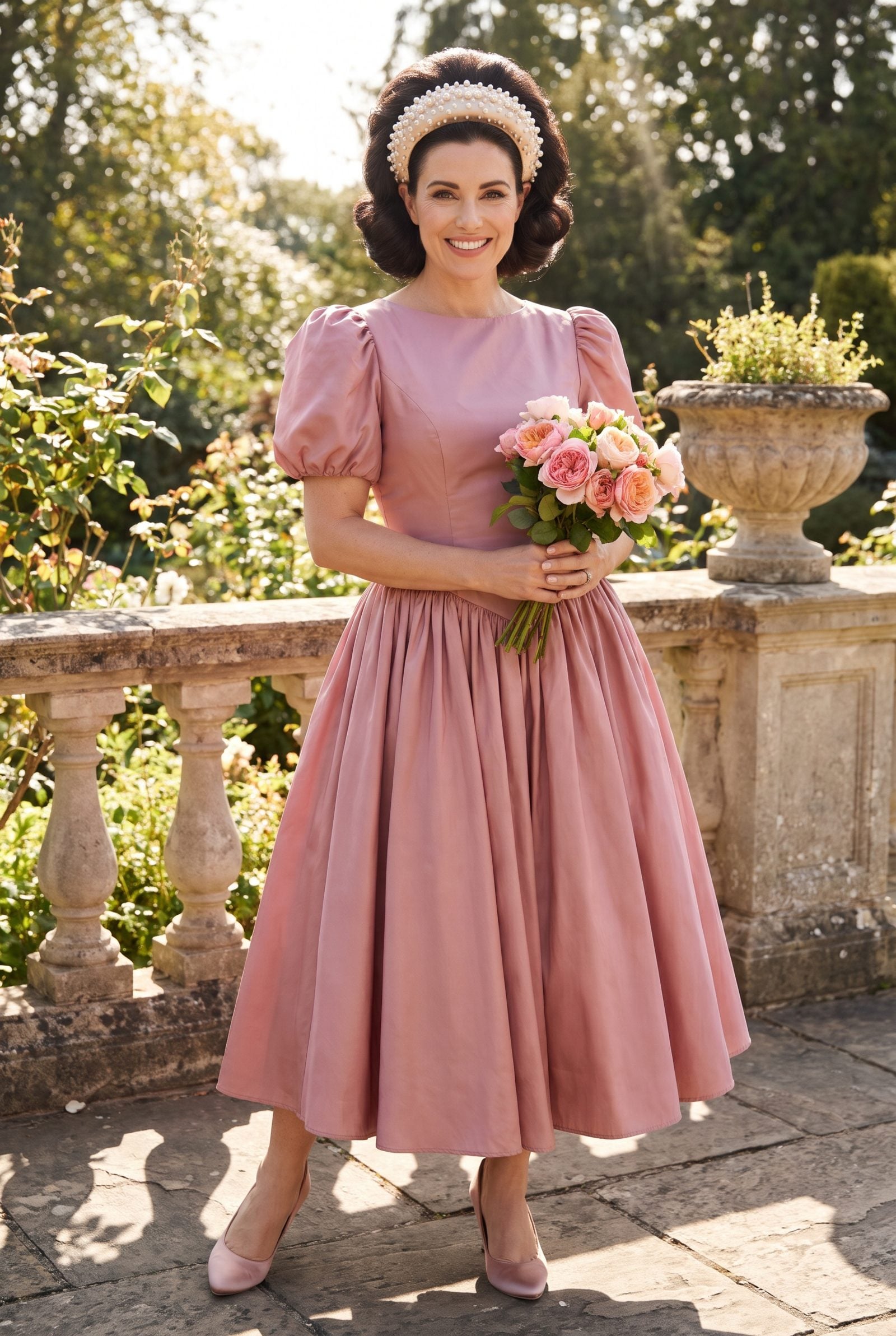
A plain headband would never do. The satin band was wrapped in ivory fabric to contrast with the dusty pink dress, then covered edge to edge with rows of faux pearls until it looked more like a tiara than an accessory.
It was an easy way to make every bridesmaid look polished, even with different hair lengths and textures. The pearls caught the camera flash and created a little halo effect over the curls. It was romantic, a bit regal, and a clear echo of the bride’s own headpiece.
14. Oversized Bows Perched High on One Shoulder
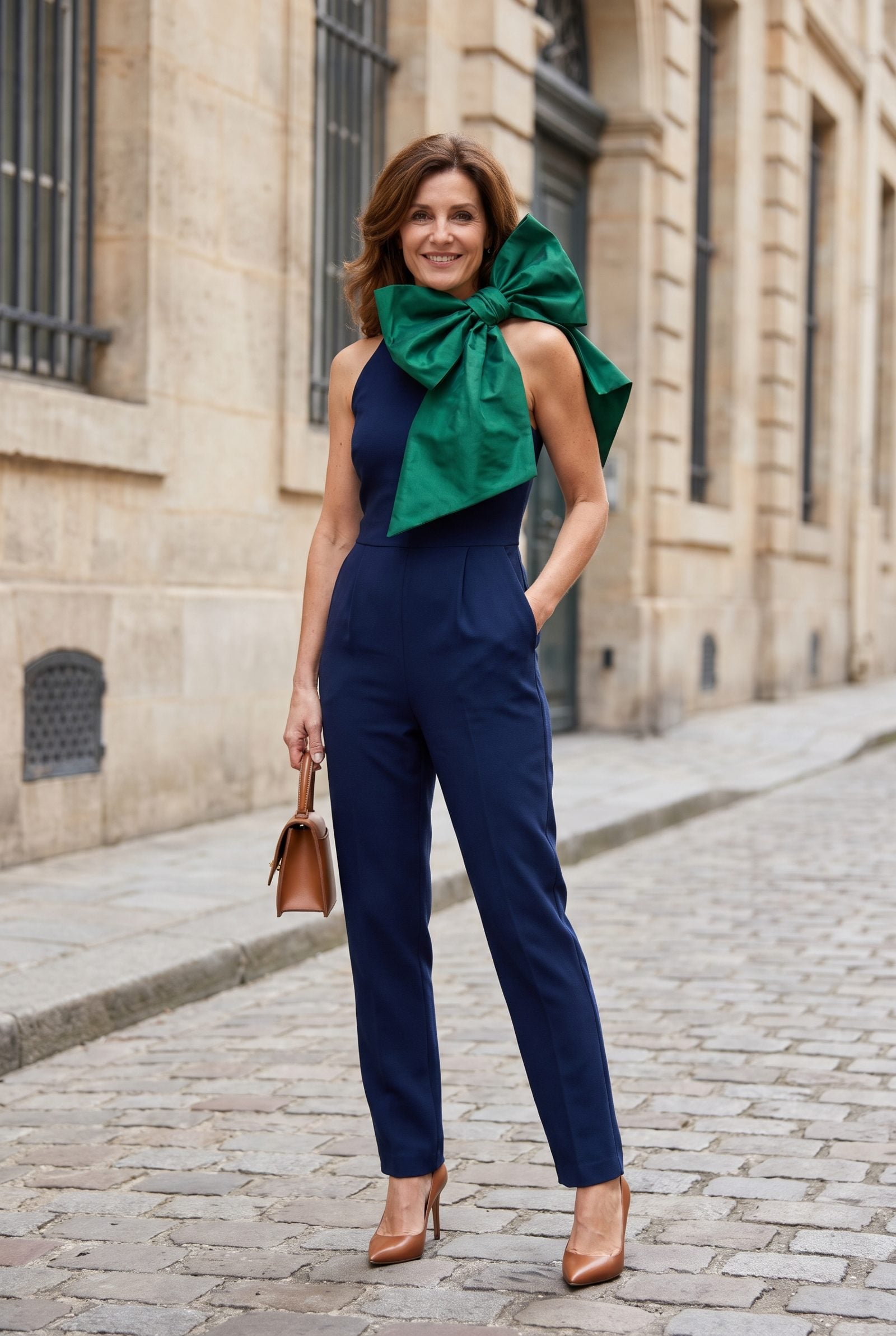
Symmetry was boring. So the bow went on one shoulder, huge and stiff, perched high enough that it nearly touched the ear.
The asymmetry gave an otherwise simple dress a dramatic focal point, pulling the eye up and across the body. It was the eighties love of statement detailing at its boldest. With everything else kept quiet, from the tan pumps to the small structured handbag, the emerald bow did all the talking, like a very fancy present waiting to be unwrapped.
13. Real-Looking Artificial Flowers Pinned Deep Into Updos
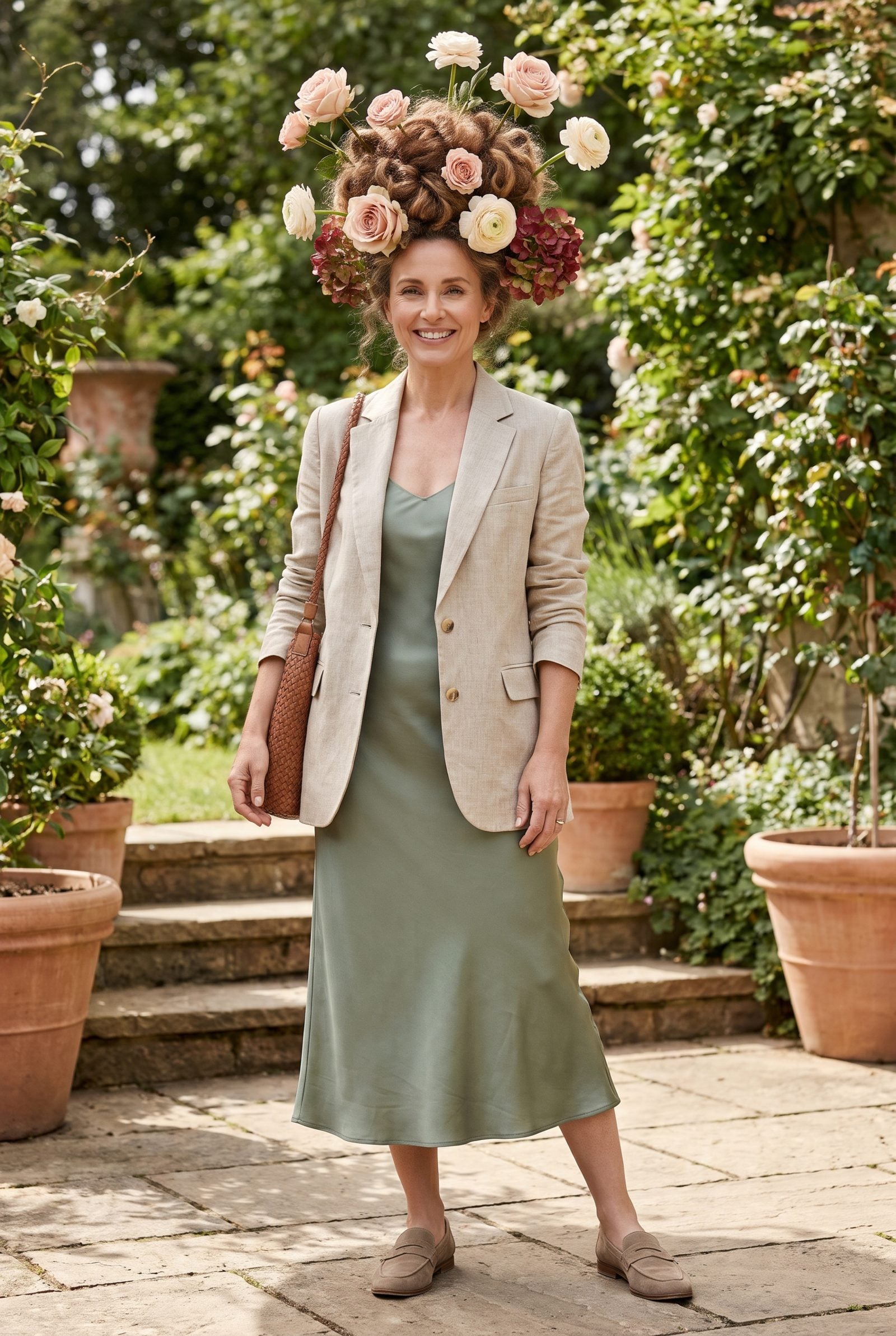
Silk flowers went deep into the hair. Stems were tucked and bobby-pinned right into the updo until the blossoms looked like they were growing out of the curls.
The goal was a garden-party look that would stay fresh all day, and fabric blooms delivered. No wilting in the afternoon sun, no petals falling during a stroll past the rose beds. In photos they can look a bit like a floral arrangement exploded on your head, but up close they were lovely.
12. Sheer Yokes Covered in Seed Pearls
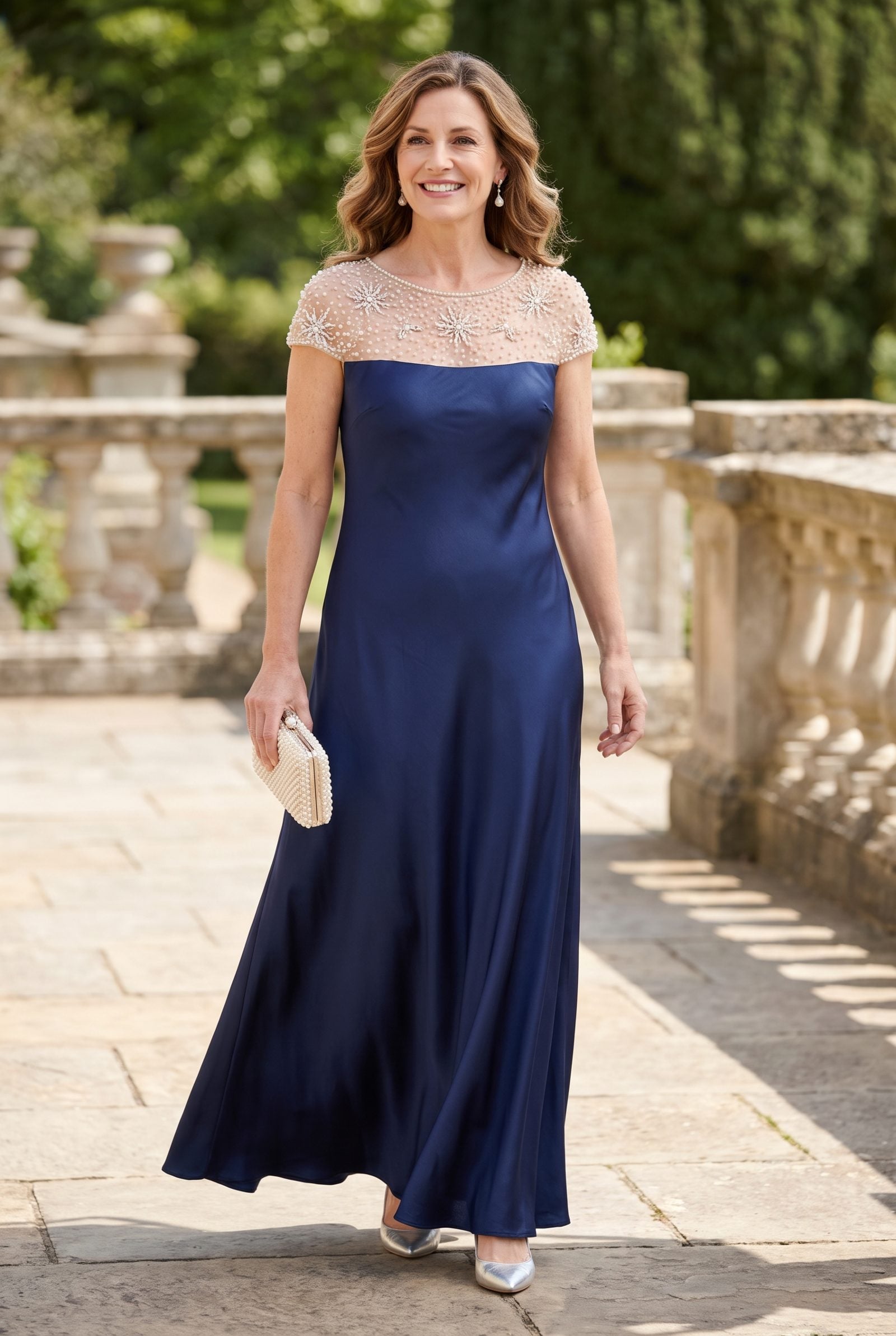
A seed-pearl yoke looked like jewelry you couldn’t take off. Netting across the collarbones, a thousand tiny pearls stitched by hand, and suddenly a plain satin bodice read as something special for the afternoon.
The sheer panel did real work, softening the transition between skin and sweetheart neckline so the dress felt dressy without showing much at all. That restraint drove the style. All the shine lived up high, near the face, exactly where the camera flash caught it.
11. Satin Sashes Tied Into Floor-Length Bows
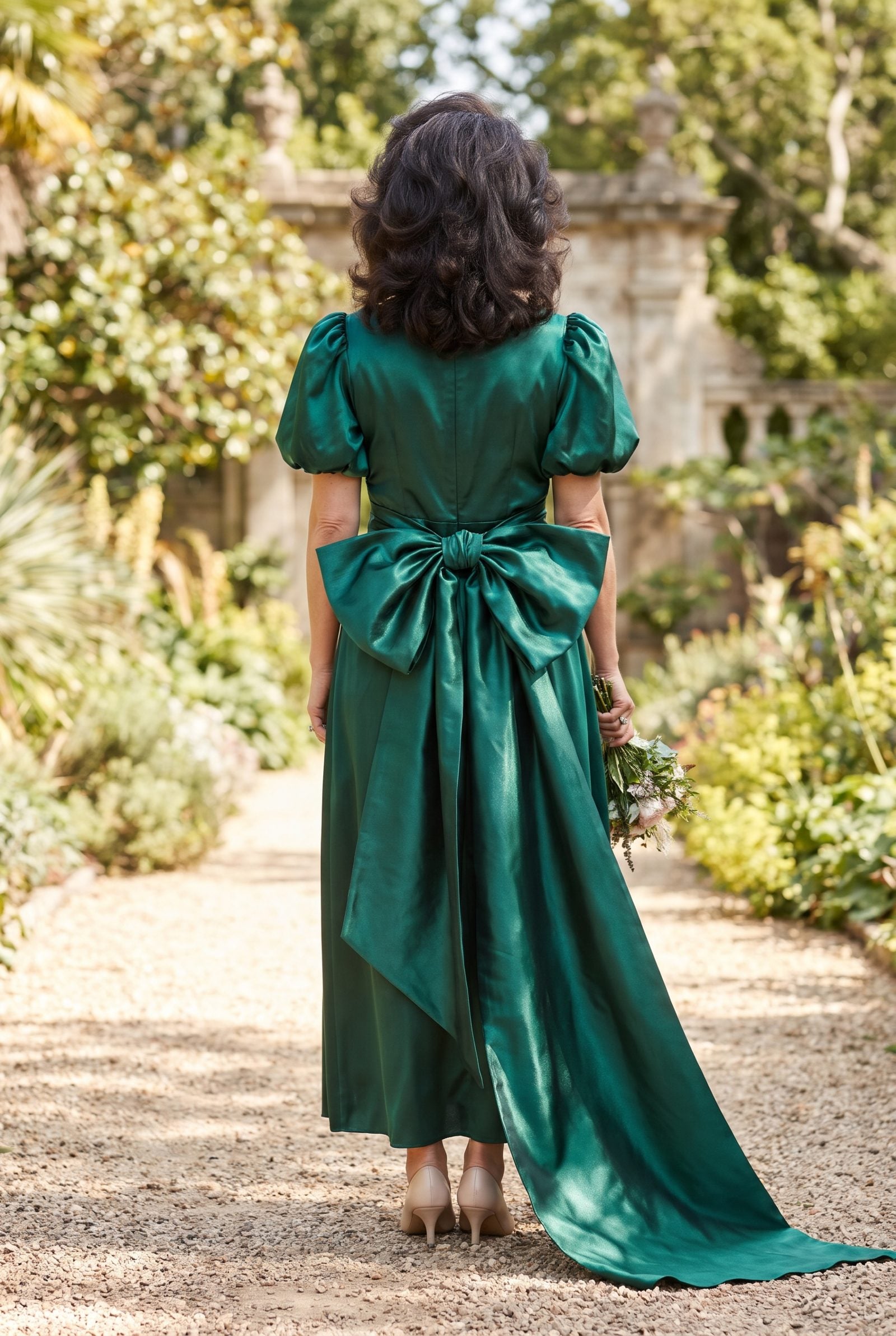
Front looked simple. Then she turned around, and there it was — a satin bow the size of a throw pillow sitting at the base of her spine, its tails trailing all the way to the floor.
The sash broke up the column of the dress and gave the back something to say. In group portraits it was pure drama: six bridesmaids lined up, six bows cascading in a row down the altar steps. The handbag details were kept tiny on purpose so nothing competed with that sash.
10. Floral Wreath Headpieces With Ribbon Tails
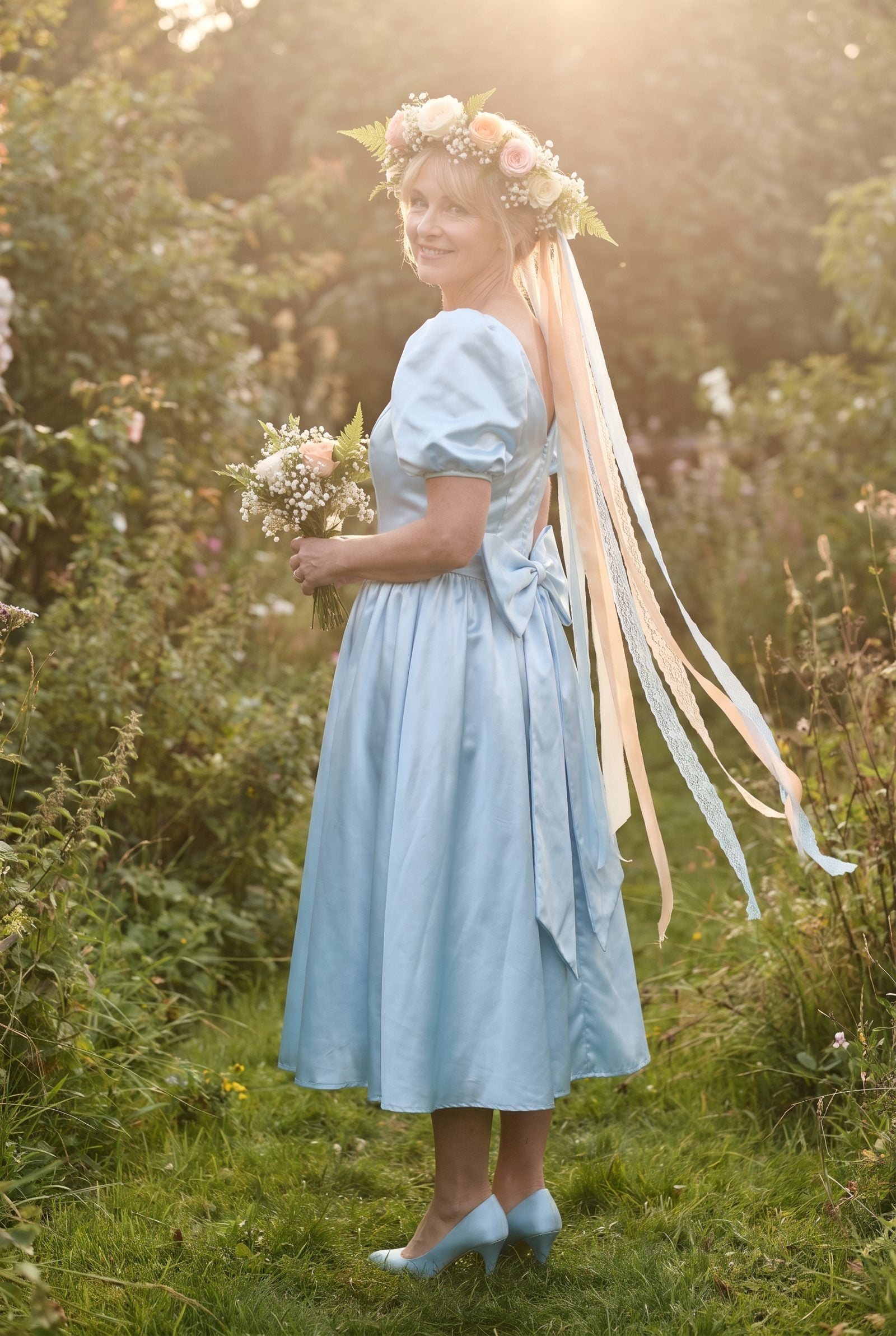
Before the structured fascinator took over, there was the flower crown — and it came with ribbons that followed you everywhere.
The wreath turned every bridesmaid into something out of a storybook, which was exactly the intention for garden and spring weddings. Those ribbon tails moved when she walked, trailing color down the back of a light-blue satin dress with puff sleeves and a big back bow. It’s the closest the decade got to a festival hat: soft, romantic, a little wild around the edges.
9. Bridesmaid Capes Fastened With Rosettes
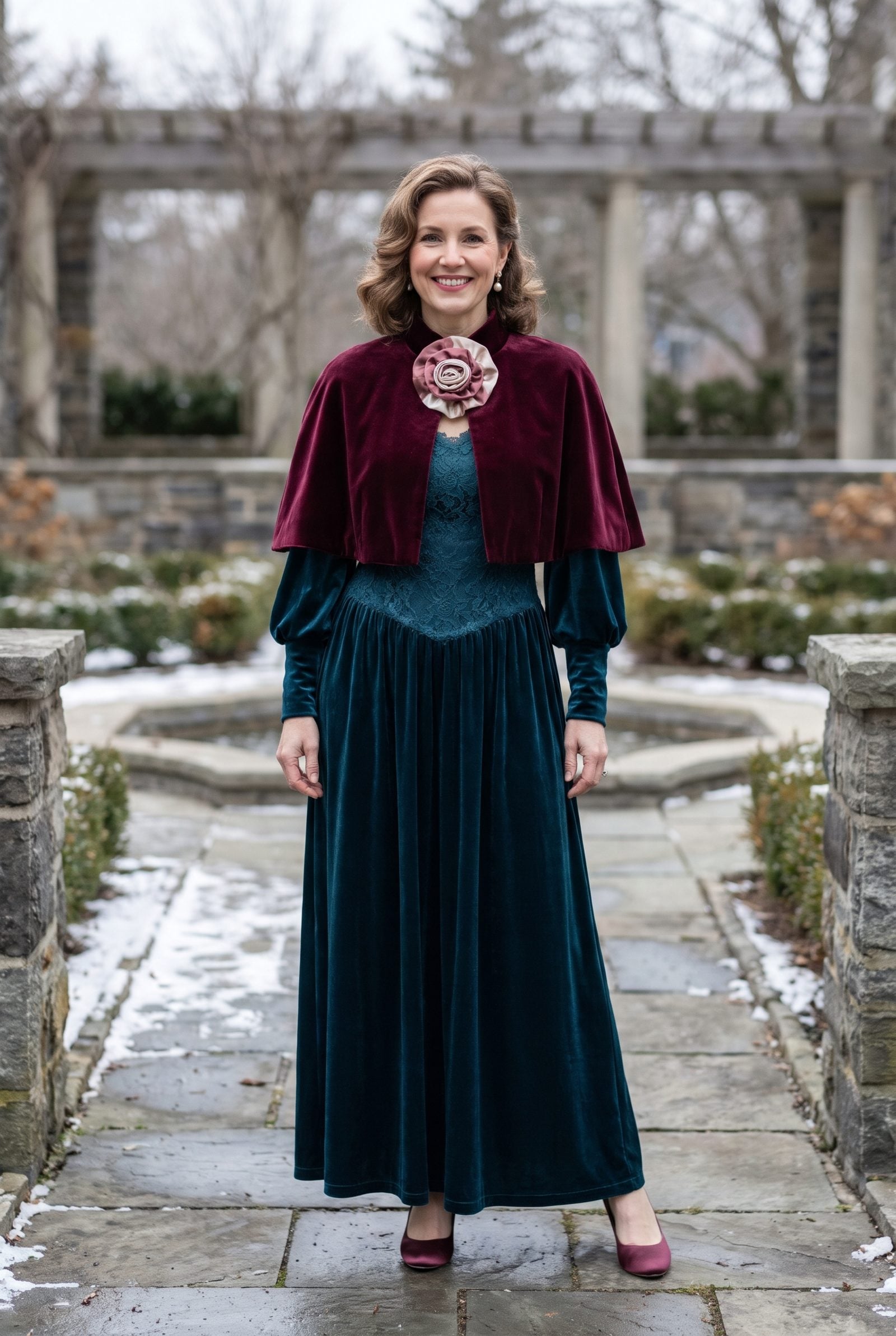
Nothing said December wedding like a velvet capelet clasped with a rosette the size of your fist.
The cape was clever styling. It solved the cold-church problem while giving winter bridesmaids a silhouette with weight and drama. That single rosette at the throat was the finishing detail — a soft focal point right where everyone’s eye landed during the vows. Deep jewel tones, rich pile velvet, and a touch of theater borrowed straight from medieval costume drama.
8. Metallic Lamé Dresses for Evening Weddings
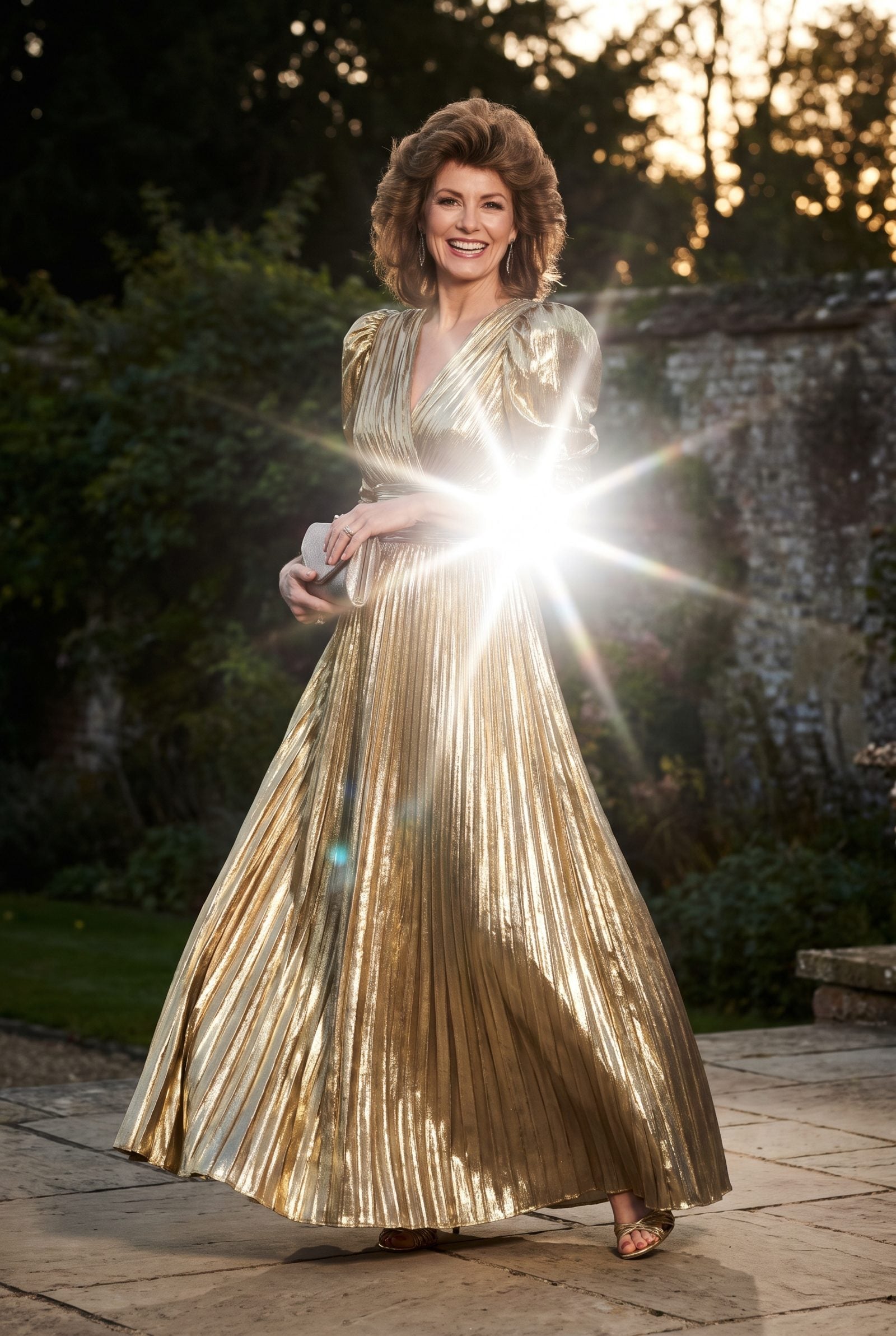
The flash hit the fabric and the whole dress went supernova. That was the appeal of lamé — pure light-catching nerve for weddings that ran past sundown.
Gold, bronze, pewter. This was the evening answer to pastel satin, and the metallic finish did all the talking so the cut could stay simple. A full, sweeping pleated skirt, a draped neckline, and the shine handled the rest. Under reception string lights the bridesmaids looked like they’d dressed in starlight.
7. Pastel Tuxedo Dresses With Satin Lapels
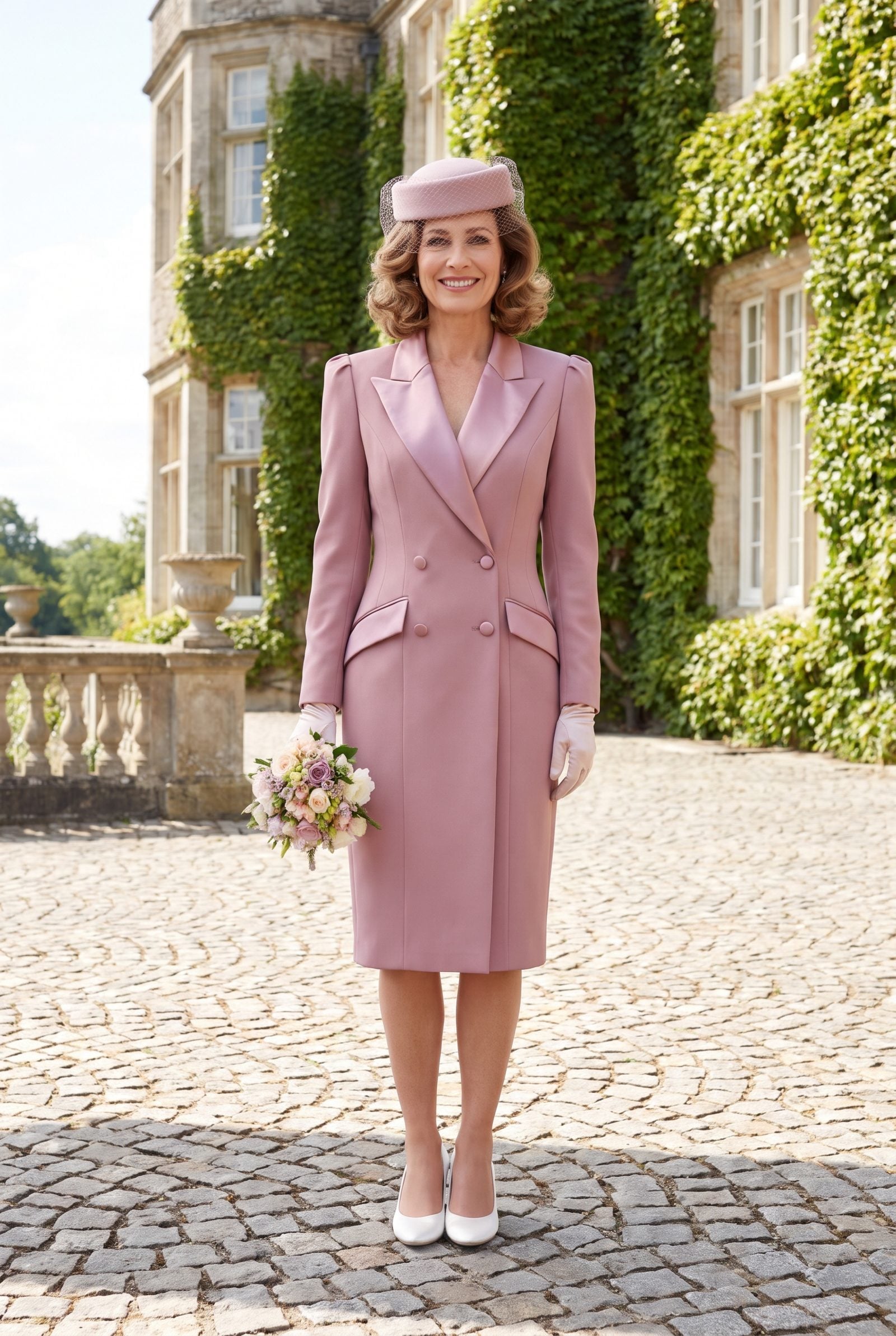
Someone looked at a men’s tuxedo and thought, what if that, but pastel and with a skirt. And honestly, it worked.
The satin lapels and the plunging double-breasted V-neck gave these dresses a menswear backbone that felt sharp against all the frou-frou of the era. What drove the look was the contrast between matte dress fabric and glossy collar — a texture play that read as formal without a single ruffle. A pastel tuxedo dress signaled a bridesmaid who wanted to look put-together rather than precious.
6. Princess-Seam Gowns With Shoulder Pads
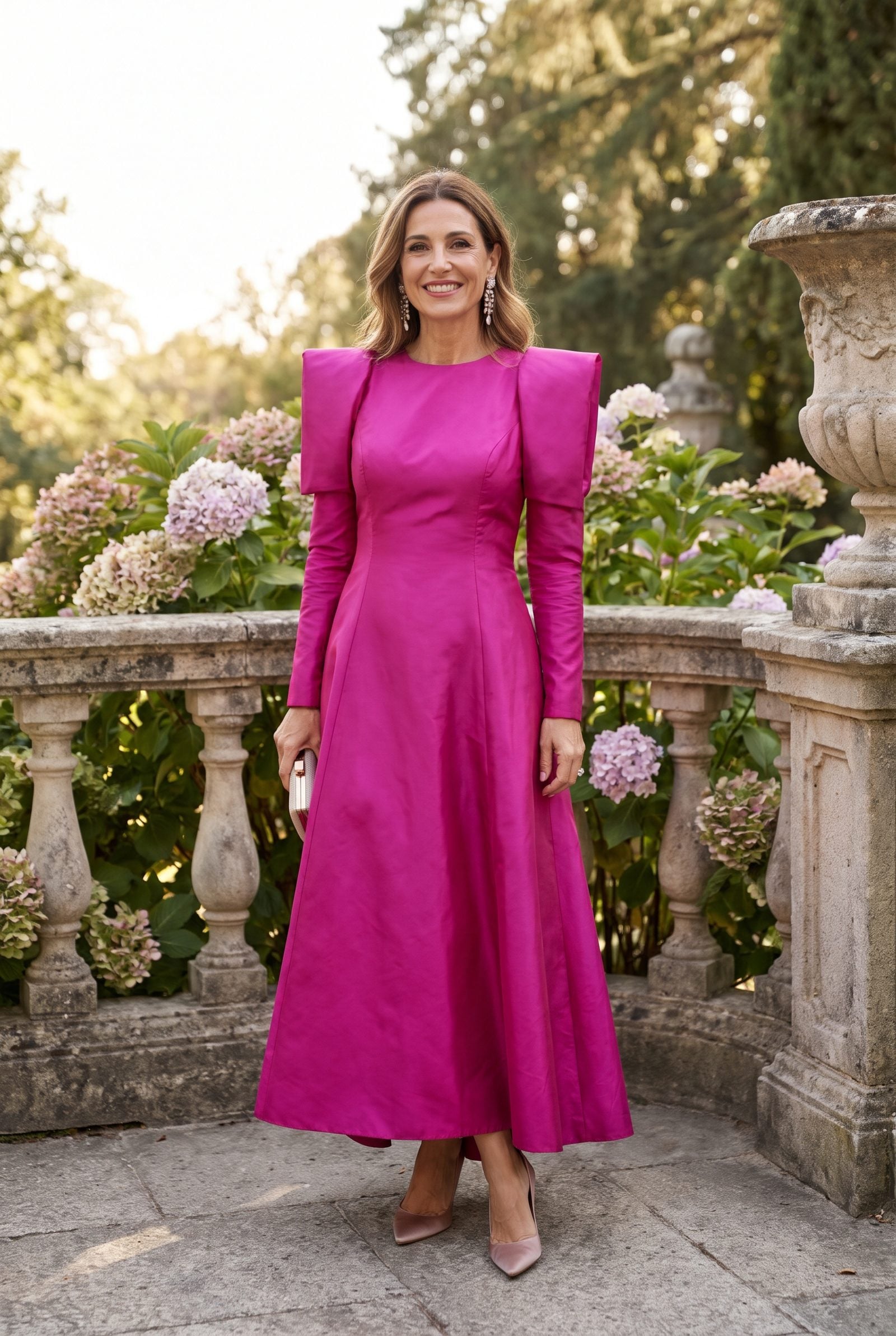
The shoulders arrived before the rest of her did. Structured pads squared off the top of every princess-seam gown, and the vertical seams carried that line all the way to the floor.
This was eighties silhouette engineering at its most shameless. The pads widened the top, the seams narrowed through the waist, and the whole thing built a confident inverted-triangle shape that photographed like power. For bridesmaids who stood a foot taller than the flower girls in every group shot, this was the dress that held its ground.
5. White Tights Under Pastel Dresses
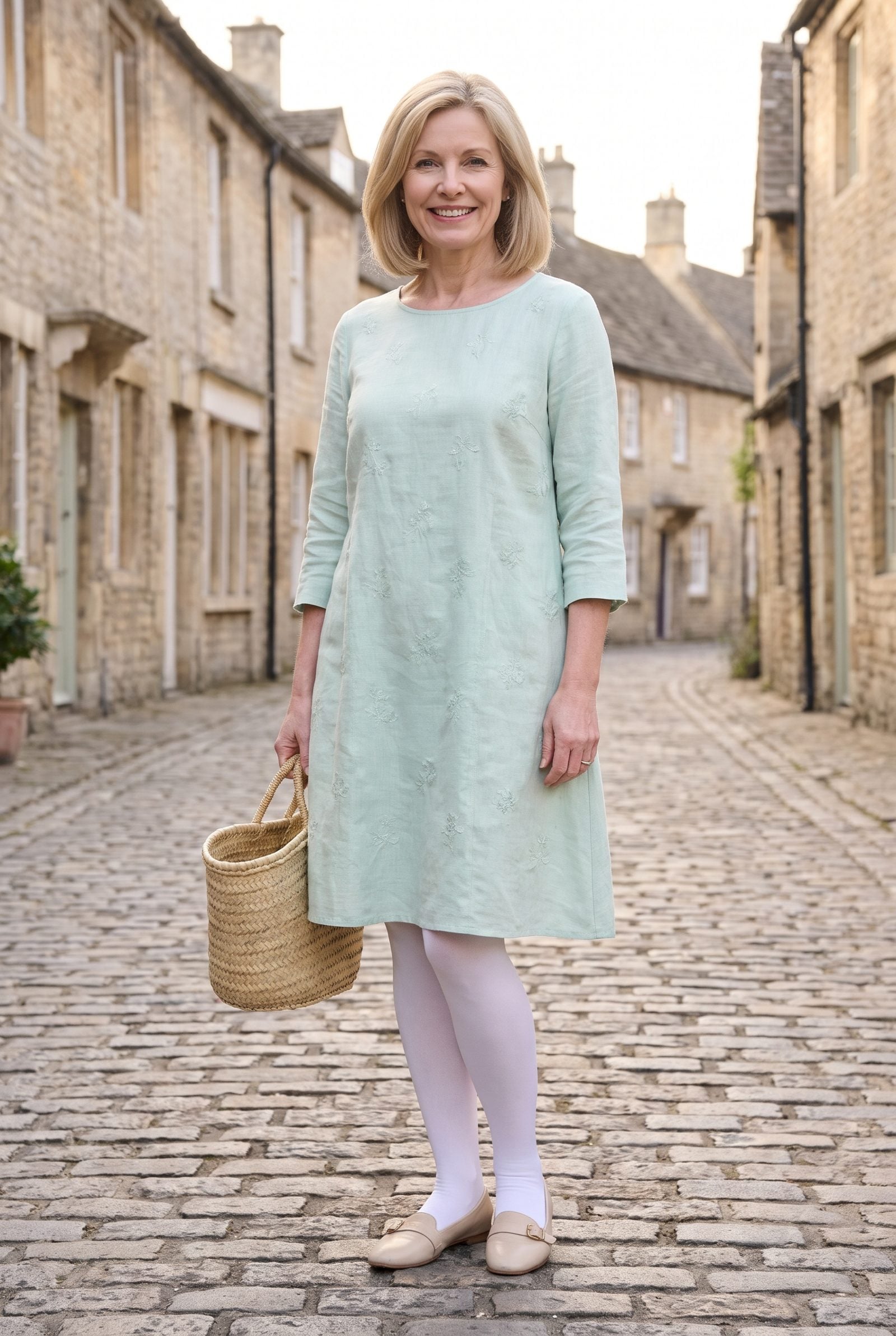
Bare legs at a formal wedding? Not in this decade. White opaque tights went under everything pastel, no exceptions.
The logic was modesty plus polish. A clean white leg line made the pastel dress read as finished and proper, and it kept the whole bridal party identical from the knee down. It’s a detail that instantly dates a photo, and one that quietly tells you how much the era valued everyone matching — less about the individual, more about the row of bridesmaids looking like one coordinated set.
4. Rhinestone Shoe Clips
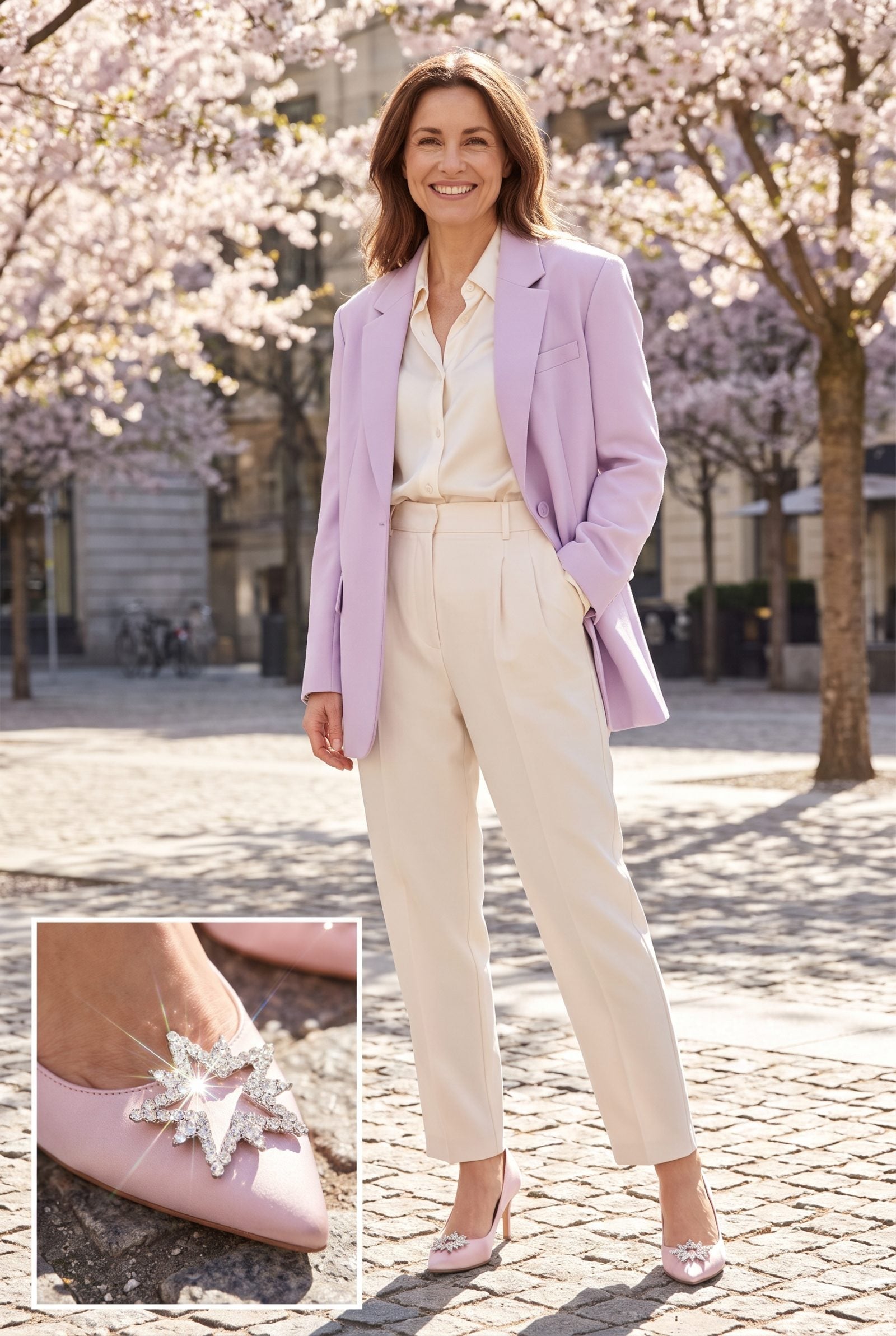
You bought the plain satin pumps dyed to match. Then you clipped a burst of rhinestones to the toe, and suddenly they were event shoes.
Shoe clips were the thrifty bridesmaid’s secret weapon — a little sparkle you could move from one pair to the next and keep long after the wedding. That glittering detail at the toe caught the flash every time she crossed the dance floor. Small, removable, and the one piece of the whole outfit you might genuinely wear again.
3. Bouquets Stuffed Into White Lace Holders
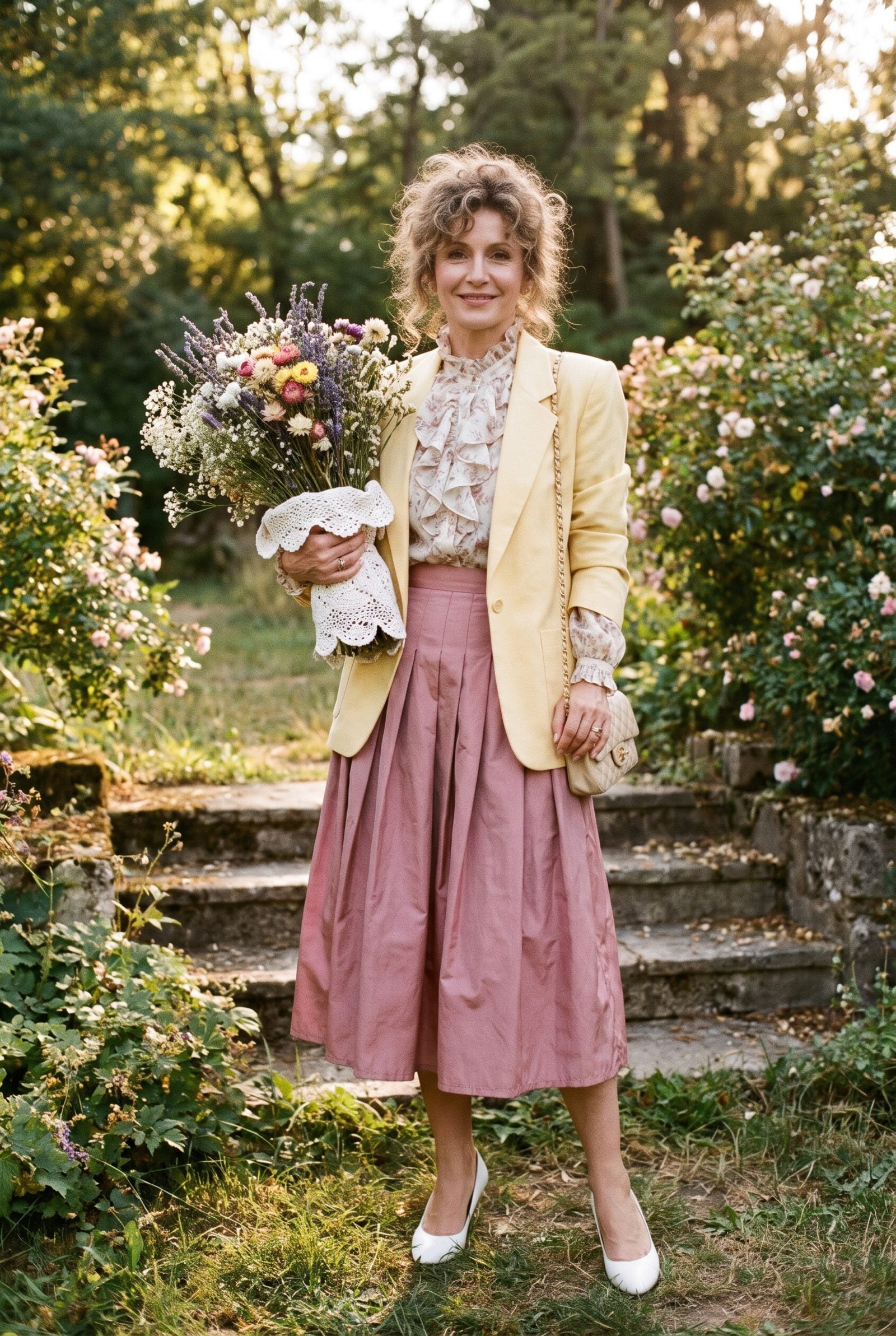
The lace holder was everything. Flowers alone wouldn’t cut it — you needed a soft crochet doily wrapped like a sleeve around the whole lower bouquet, hiding every stem, with the blooms spilling out over its scalloped edge.
Dried strawflowers and daisies did the heavy lifting, sprigs of lavender added height, and baby’s breath filled every gap. But the formality of that holder is what pulled it together, turning a handful of grocery-store stems into something ceremonial.
2. Bridesmaid Dresses Identical to the Flower Girl’s
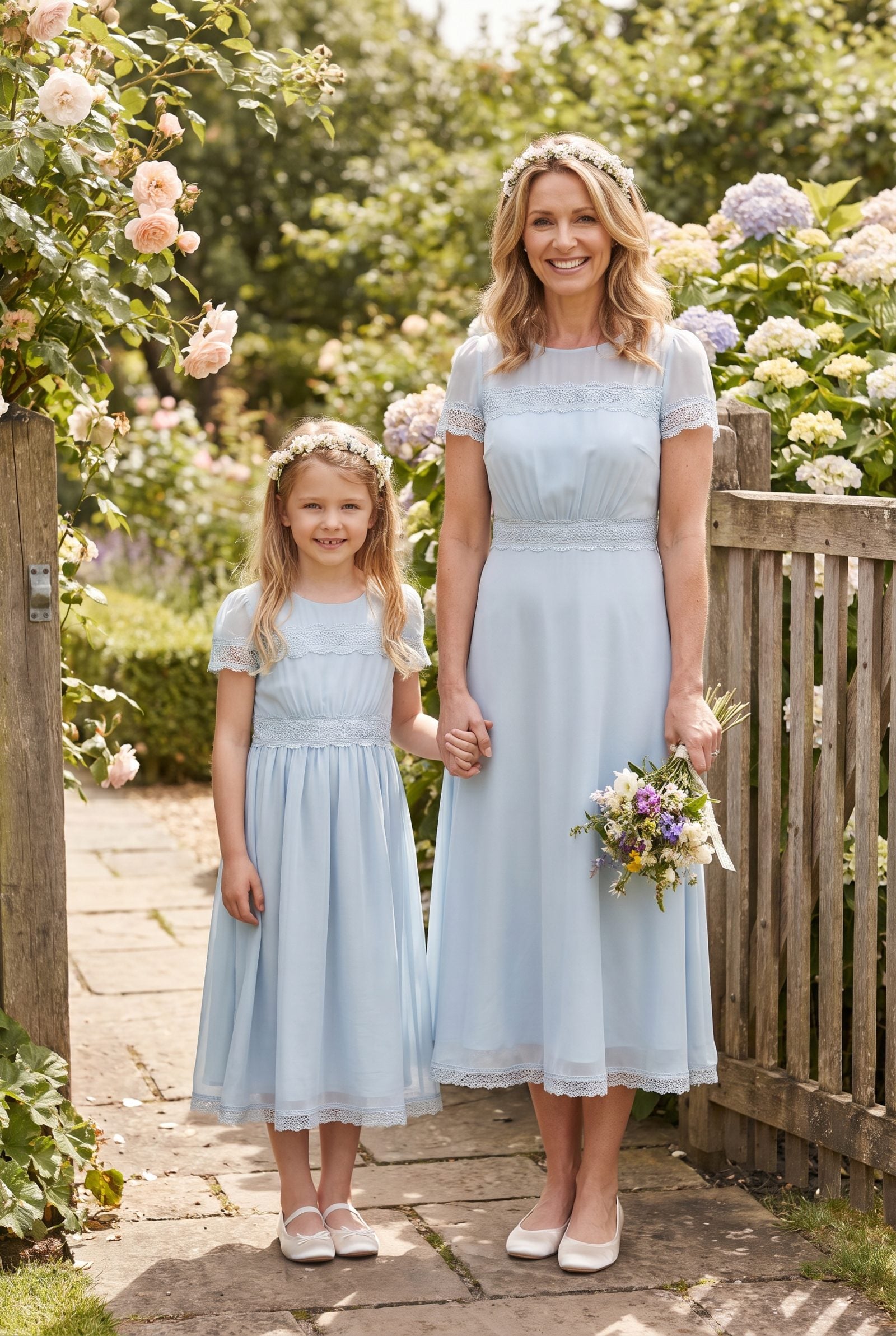
The flower girl was a tiny clone, and that was the joy of it. Same powder-blue chiffon, same neat cap sleeves, same delicate lace bands at the yoke and waist and lace trim along the hem. Scale was the only thing separating them.
Brides adored the symmetry — a matched set gliding down the aisle in descending sizes. And there’s a real warmth to those photos now: the littlest version of you, dressed exactly the same, hand in hand, one of you carrying a nosegay, both squinting into the flash.
1. Matching Fabric Rosettes on Shoes and Dresses
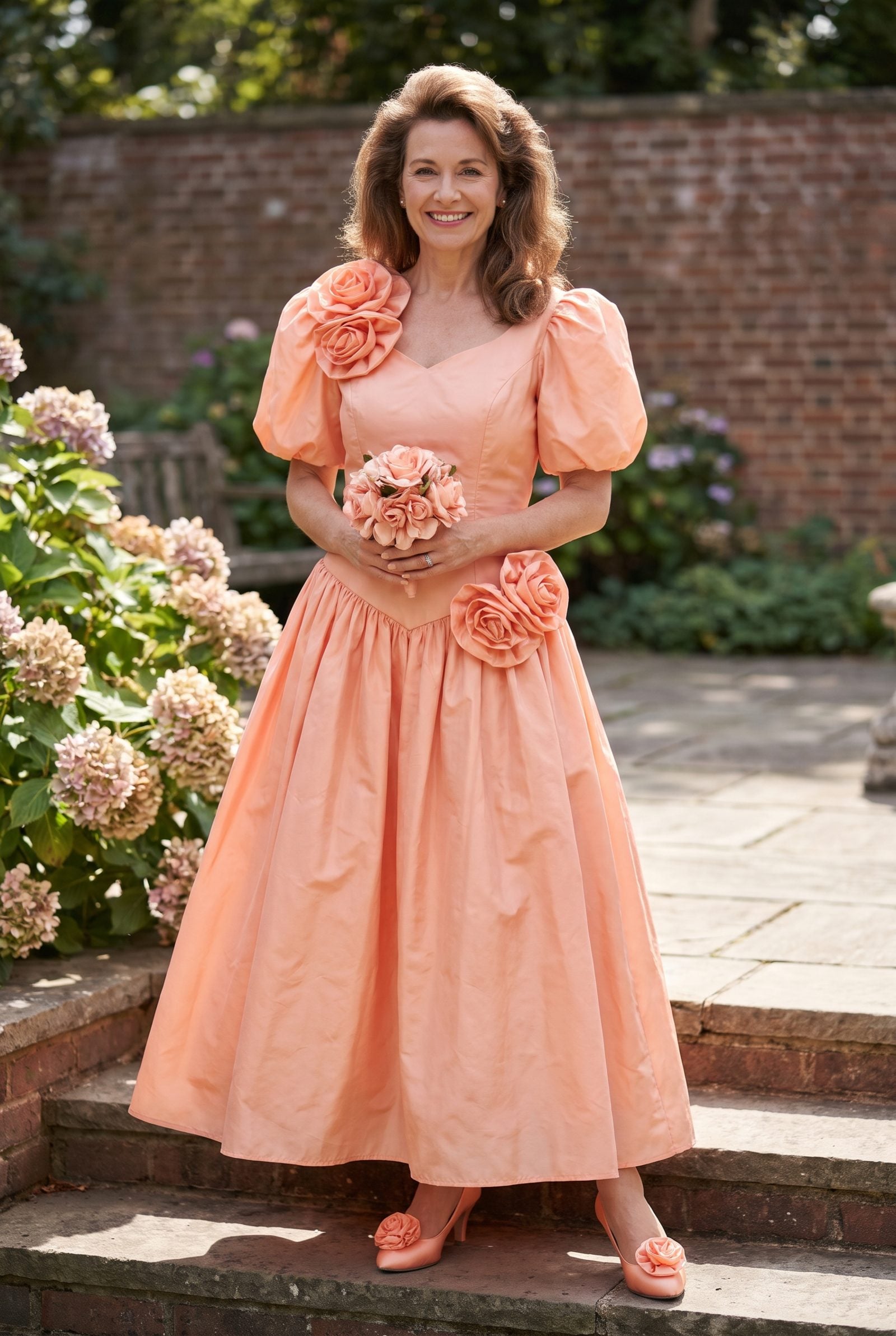
One rosette was never the plan. The satin bloom showed up at the hip, then again at the shoulder, then wandered down to the toe of the dyed-to-match pump. By the end of the fitting you were a woman studded with little fabric flowers from waist to shoe.
The handbag details usually carried one too — a tiny bloom on the clutch so nothing felt left out. That was the logic of the decade: if a detail worked once, repeat it until the whole look agreed. The satin-covered button center was what made each one read as deliberate rather than accidental.