
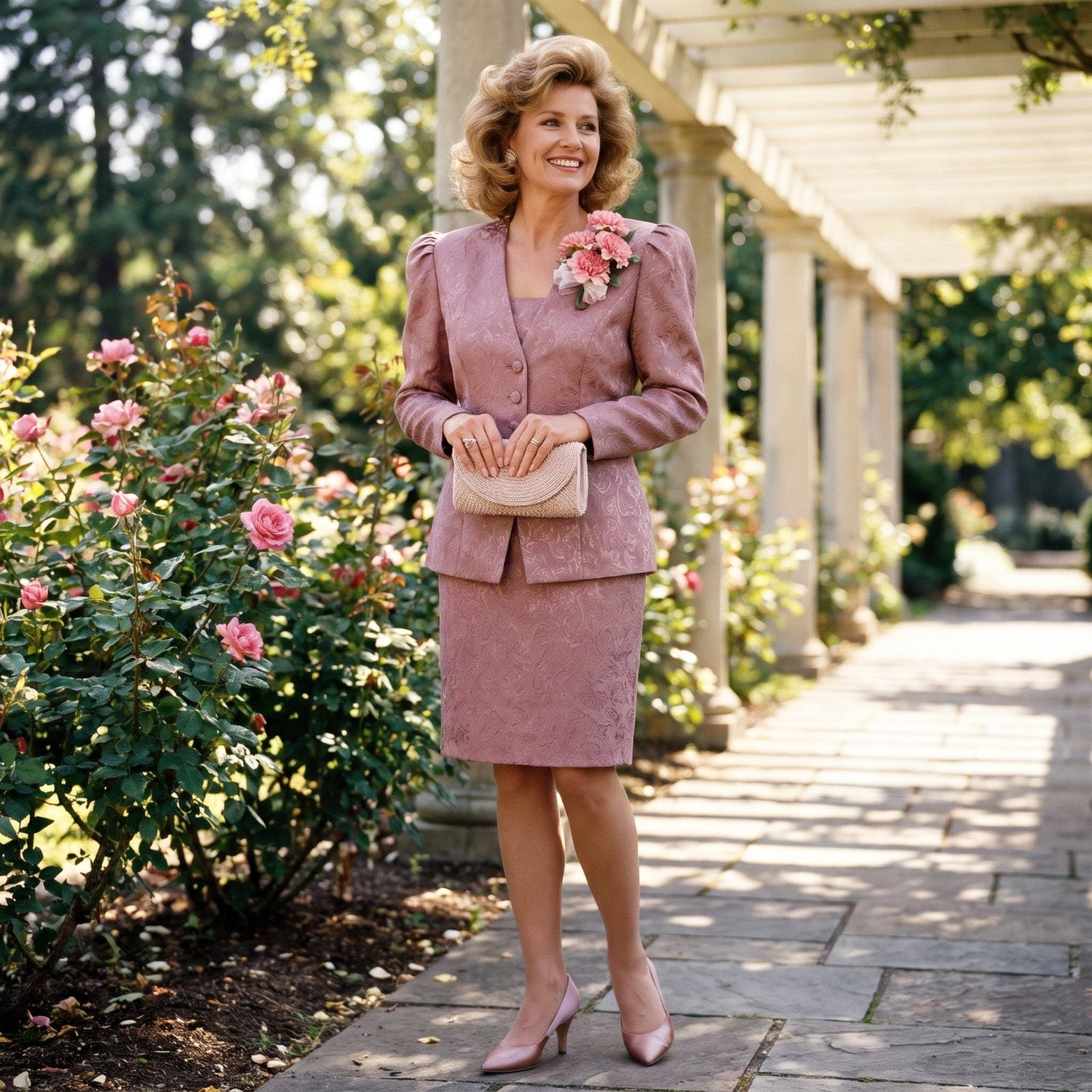
Open any wedding album from 1994 and you’ll find her, three photos deep, standing at the edge of a floral arch in something mauve and shining under the flash. Padded cups. Hair with volume no human neck should reasonably support. And a corsage pinned to a shoulder pad.
We remember these looks the way we remember the banquet-hall carpet underneath them — with a strange, specific fondness. So here’s a walk back through the formalwear that showed up at every reception, pressed, perfumed, and ready for the receiving line.
FYI, thanks to AI imagery software, we’re able to create very specific fashion and hairstyle examples to illustrate the points being made. In some cases, imagery is exaggerated to hammer home the point. Also, assume links that take you off the site are affiliate links such as links to Amazon. this means we may earn a commission if you buy something.
29. The Mauve Head-to-Toe Ensemble
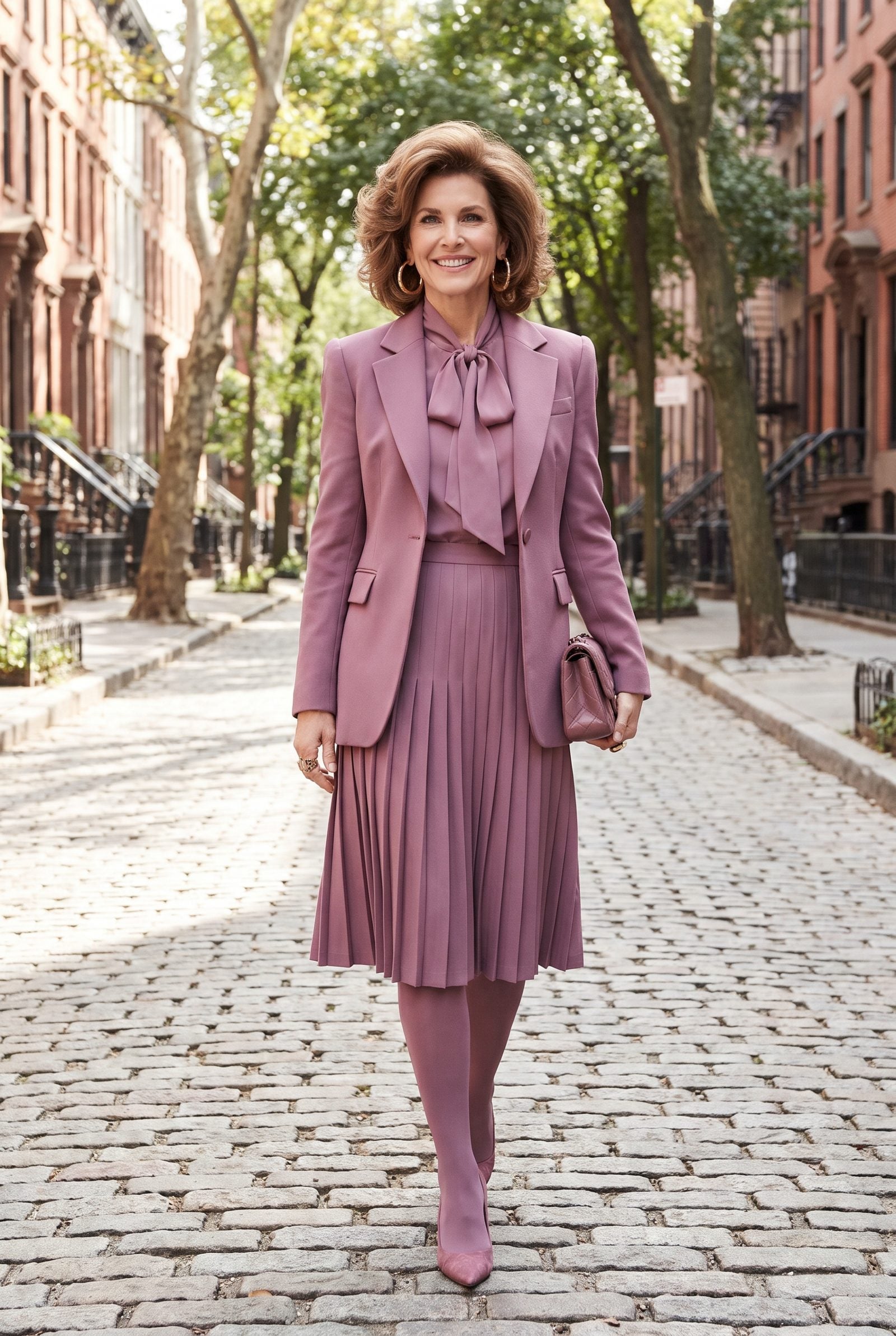
One color, committed to without blinking. The genius wasn’t subtlety — it was total agreement between every piece, blouse and skirt and shoe and clutch all keyed to the same soft mauve, which read as deliberate the moment she walked in rather than accidental.
Monochrome does the heavy lifting. A single tone head to toe lengthens the whole silhouette and reads as a decision, not a scramble. She picked a color that flatters nearly everyone and then refused to dilute it with a single contrasting stitch.
28. The Shiny Teal Taffeta Dress
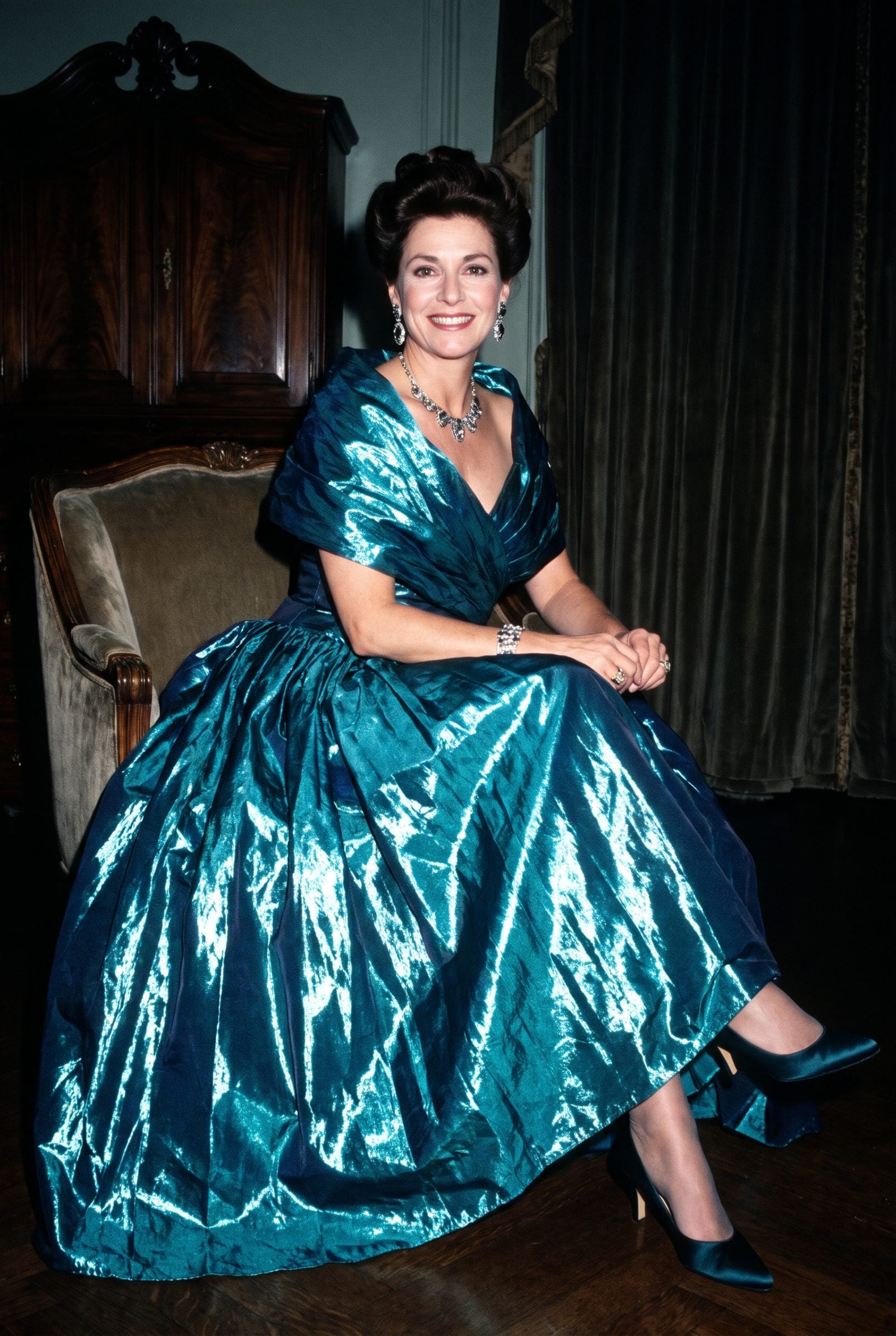
Taffeta that crackled when she sat down. The whole appeal was that shine — jewel-tone teal catching every flash bulb and throwing it back twice as bright across the room.
The fabric was the star. Taffeta holds its own shape, so the dress stood slightly away from the body and gave the silhouette crisp structure without a single dart doing extra work. That stiffness, so hopelessly dated now, is exactly why it photographed like a cut gemstone.
27. The Dusty-Rose Brocade Suit
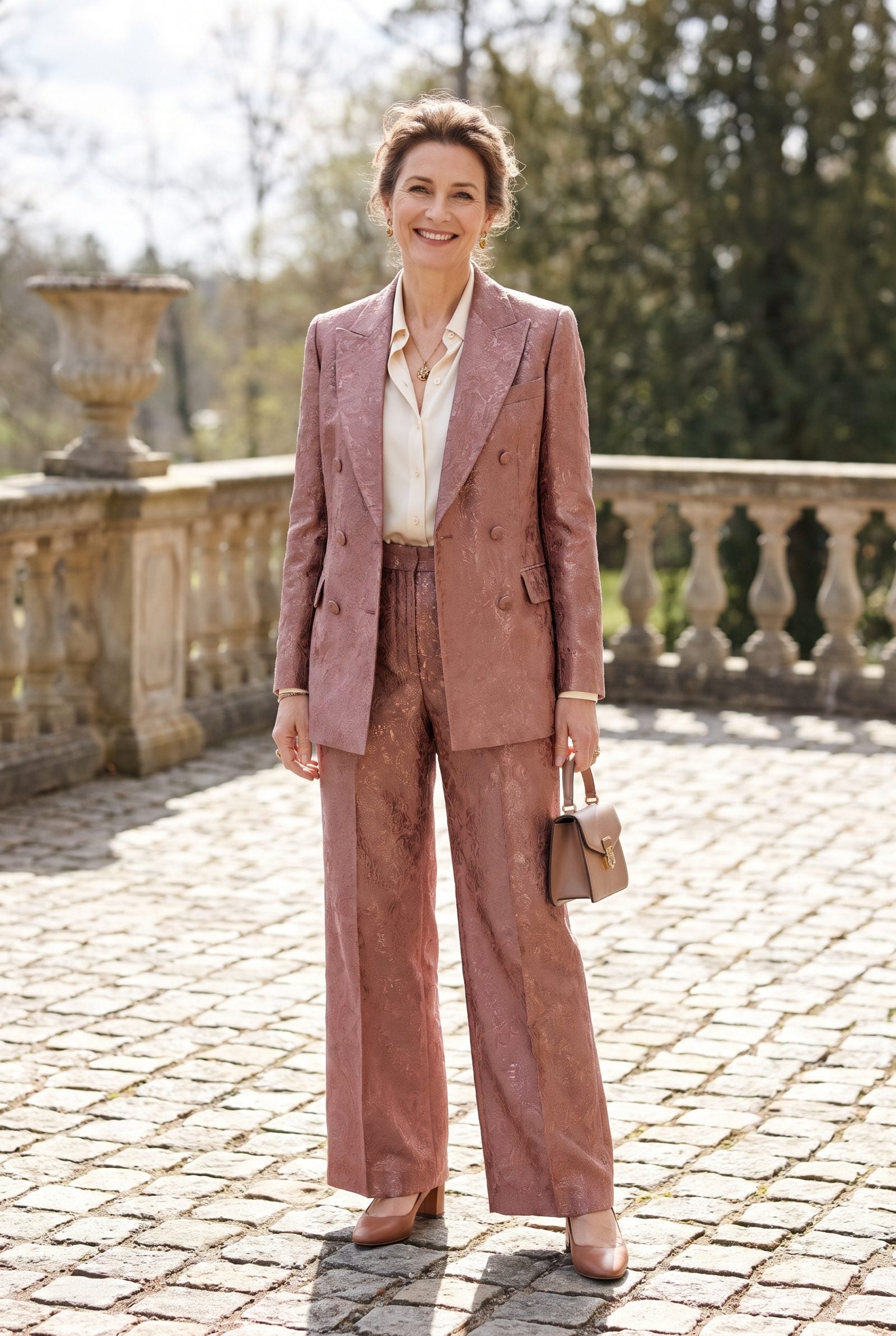
Brocade was the fabric of occasion, and everyone understood the code. That raised floral threadwork meant this was important — not a church-fair blazer, but a wedding.
The texture carried the whole suit. Against the day’s satin and chiffon, that woven relief added depth no flat fabric could touch. The padded shoulders squared the frame and gave a trendy look that aged into a genuine time stamp. You can still buy a dusty-rose brocade jacket if you want the same weight on your shoulders.
26. The Floor-Length Skirt With a Matching Bolero
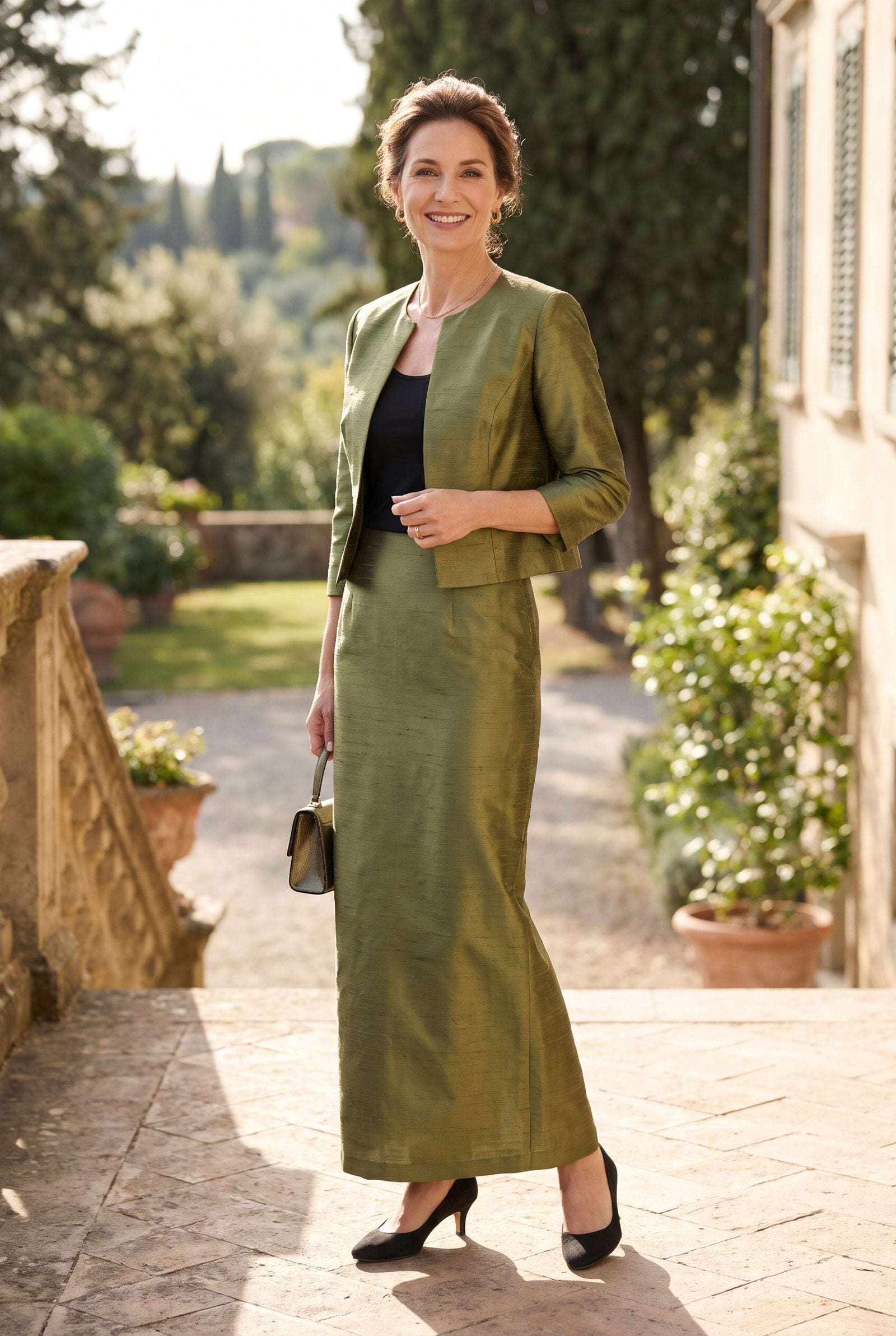
The bolero was the whole strategy. A long column skirt handled the formality, then that cropped little jacket snapped shut over a shell top and gave the arms coverage without the heat of full sleeves.
Proportionally it worked because the crop sat high and lengthened everything below it, and the eye traveled straight down the satin column to the floor. This was the party look she’d also wear to anniversaries and gala dinners for years afterward.
What Our Readers Say
- Today, ThreadCurve readers lean slightly away from full matching: 56% said they would rather mix pieces, while 44% said yes to a matching set.
- Asked which dress length they would buy, our readers split almost evenly between midi and knee, a near coin toss, while maxi trailed at 18%.
From ThreadCurve reader polls and votes.
25. The Sleeveless Sheath With a Sheer Duster
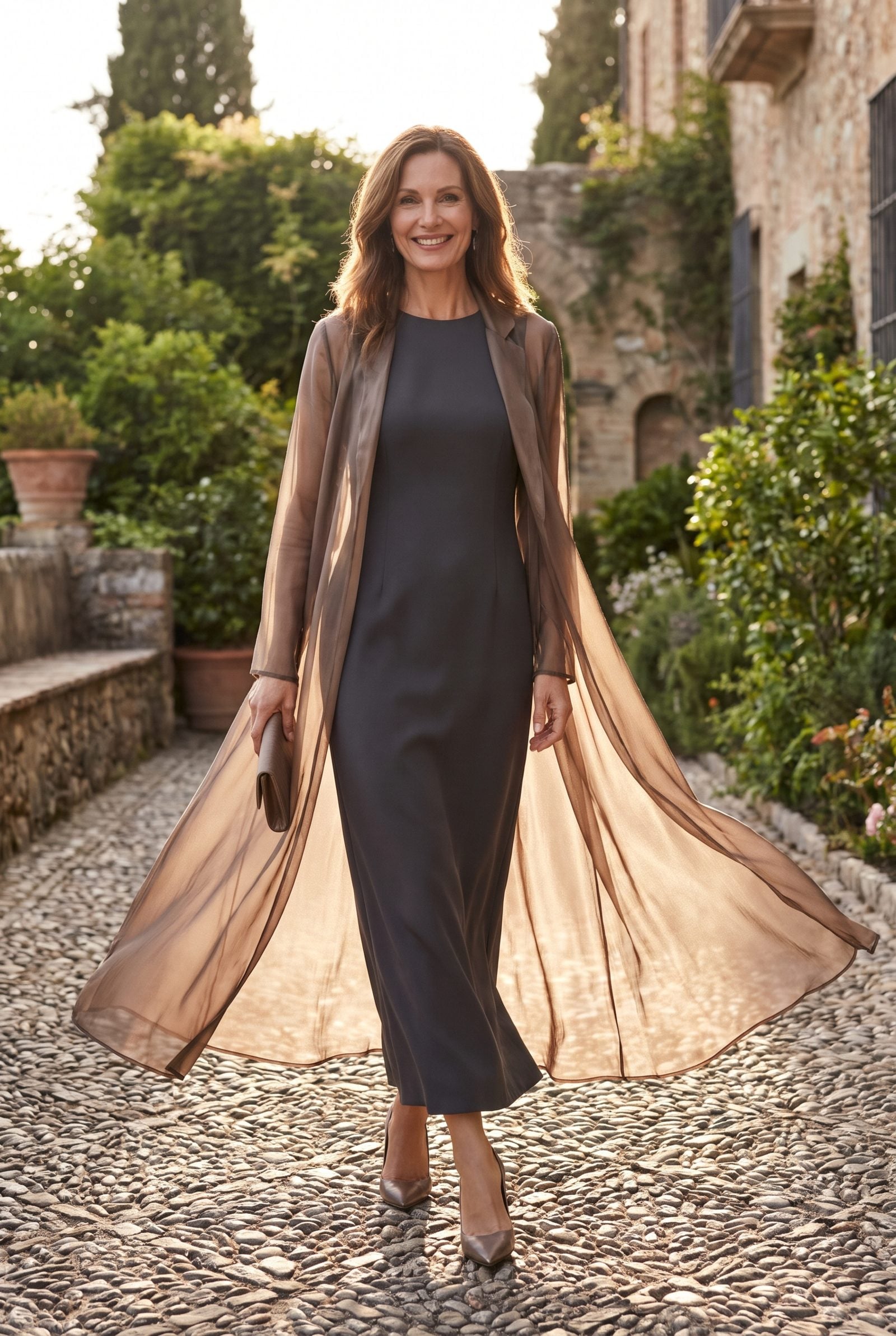
The sheath did the shape, the duster did the drama. A clean sleeveless column underneath, then a floor-length panel of chiffon floating over it, moving every time she turned to greet someone.
Texture contrast is the engine. Matte sheath against translucent duster gave two completely different surfaces in two complementary tones, dark charcoal under warm taupe, which is why the look read as considered rather than plain. The sheer layer also offered arm coverage that never once felt heavy — closer to a formal cape than a jacket.
24. The Off-the-Shoulder Portrait Collar
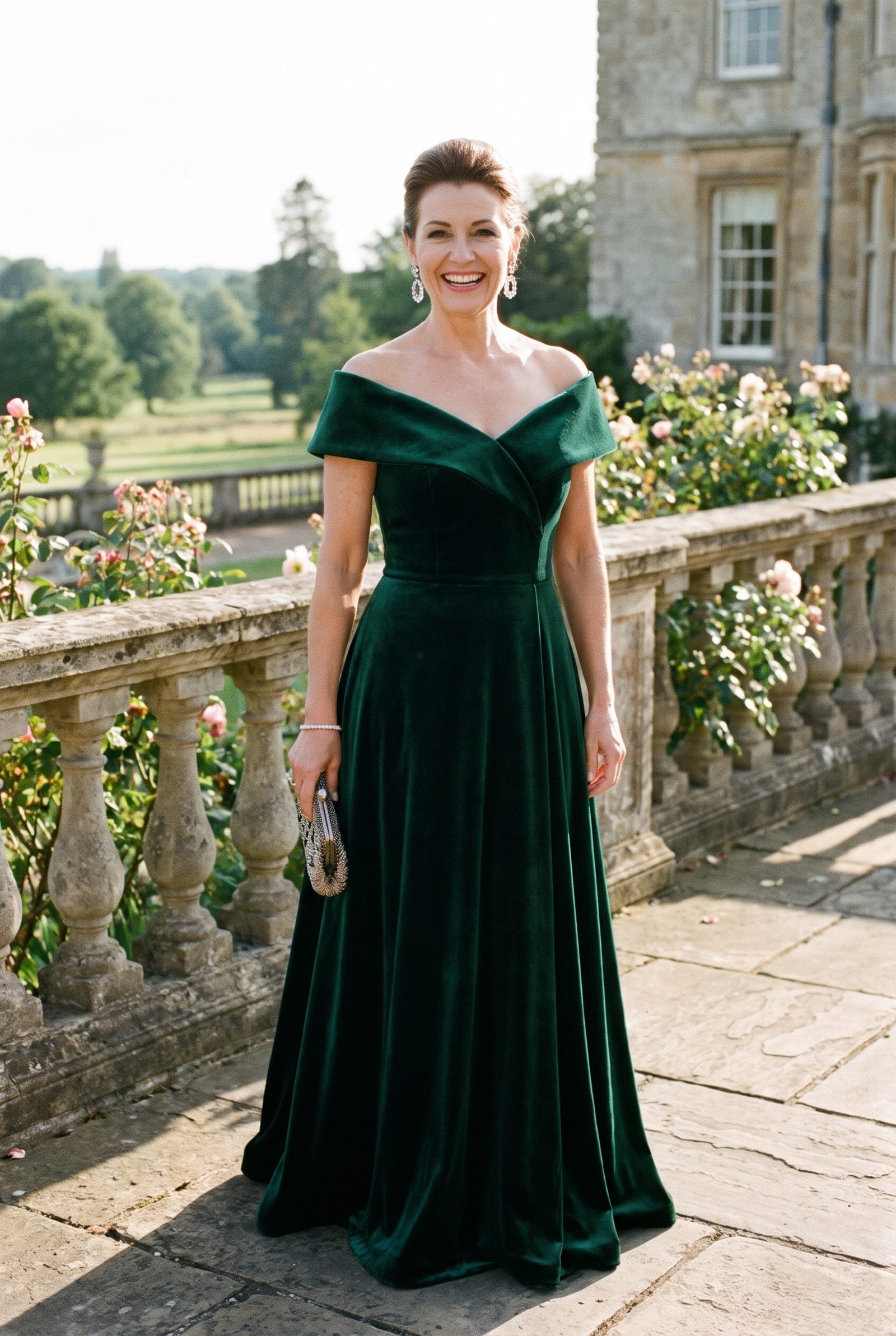
That wide folded collar framed the face like a picture, which is exactly how it earned its name. It swept off the shoulders and drew every eye straight up to the jewelry and the hairdo.
The neckline is the single decision running the whole gown. It opened up the chest, squared the shoulders, and handed formal occasion-wear a focal point that didn’t rely on a necklace. Shoulders, in 1995, were always worth showing off.
23. The Sweetheart Neckline With Padded Cups
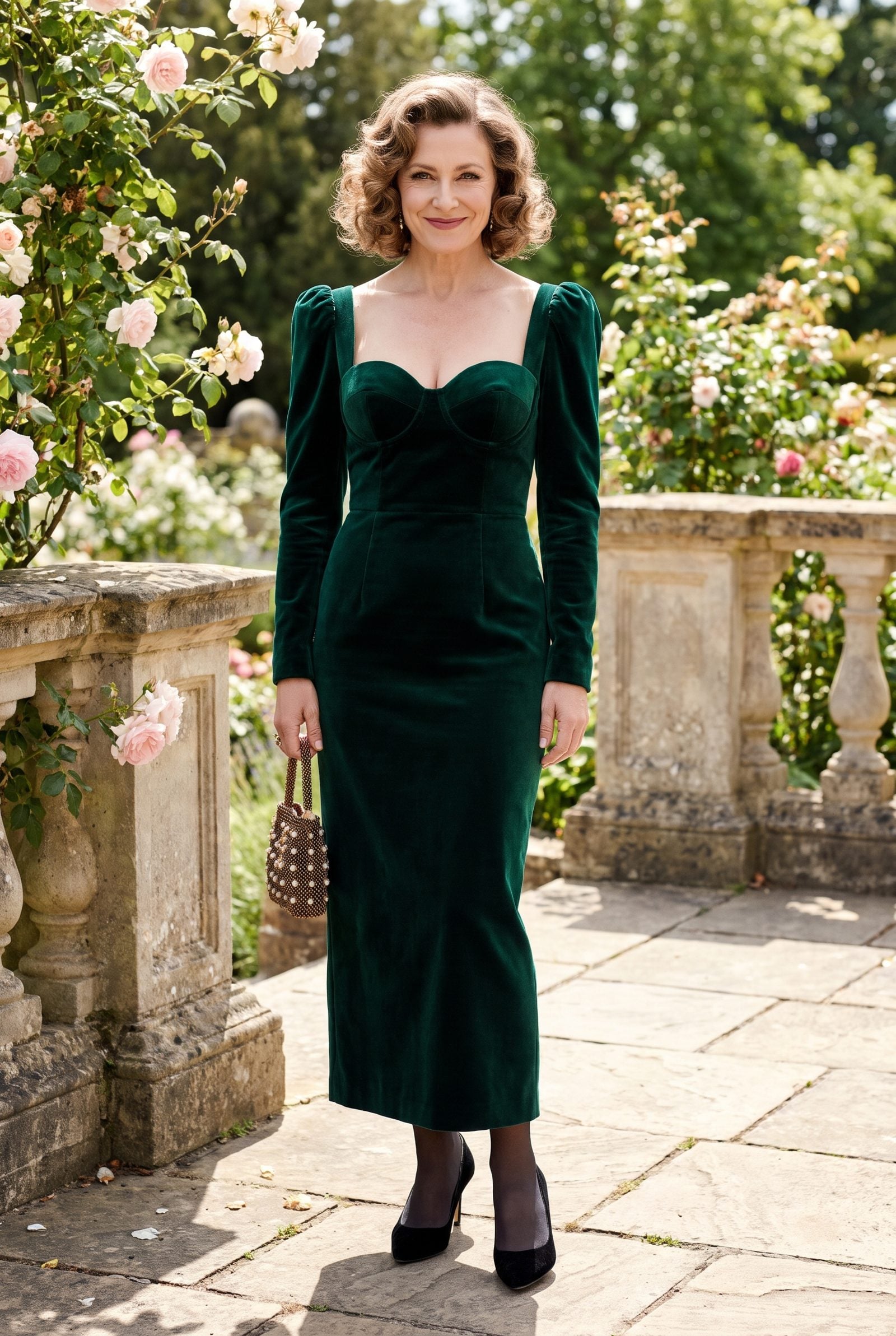
Built-in structure you never had to think about. The sweetheart curve was pretty on its own, but those padded cups meant the bodice held its shape all night — through dinner, through dancing, through the long receiving line.
The neckline softens the whole upper body with its gentle dip, and the hidden scaffolding underneath did the rest. No slip. No strap adjustments. You zipped it up and the dress simply stayed where you left it.
22. The Dropped Basque Waist
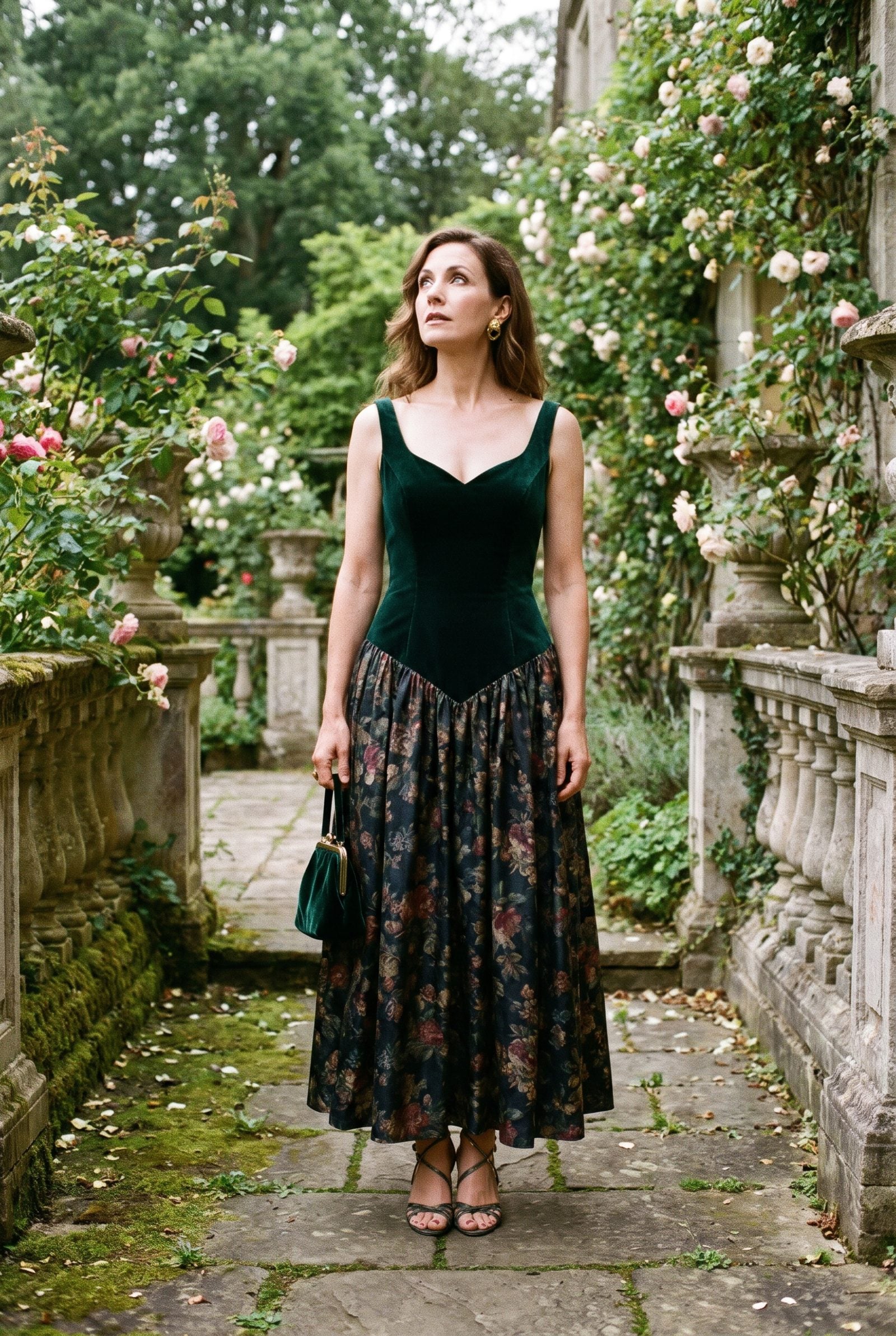
The V-point below the waist was doing quiet, clever work. That dropped basque seam dipped into a point before the skirt bloomed out, drawing a long vertical line right down the center of the body.
And the shaping is the whole story. The pointed waist elongated the torso and softened the hip transition, so the full skirt read as graceful instead of abrupt. It was formalwear borrowed straight from the bride’s own gown, scaled down for the mother — a clear time stamp, and a smart one.
21. The Side-Draped Skirt With a Rhinestone Clasp
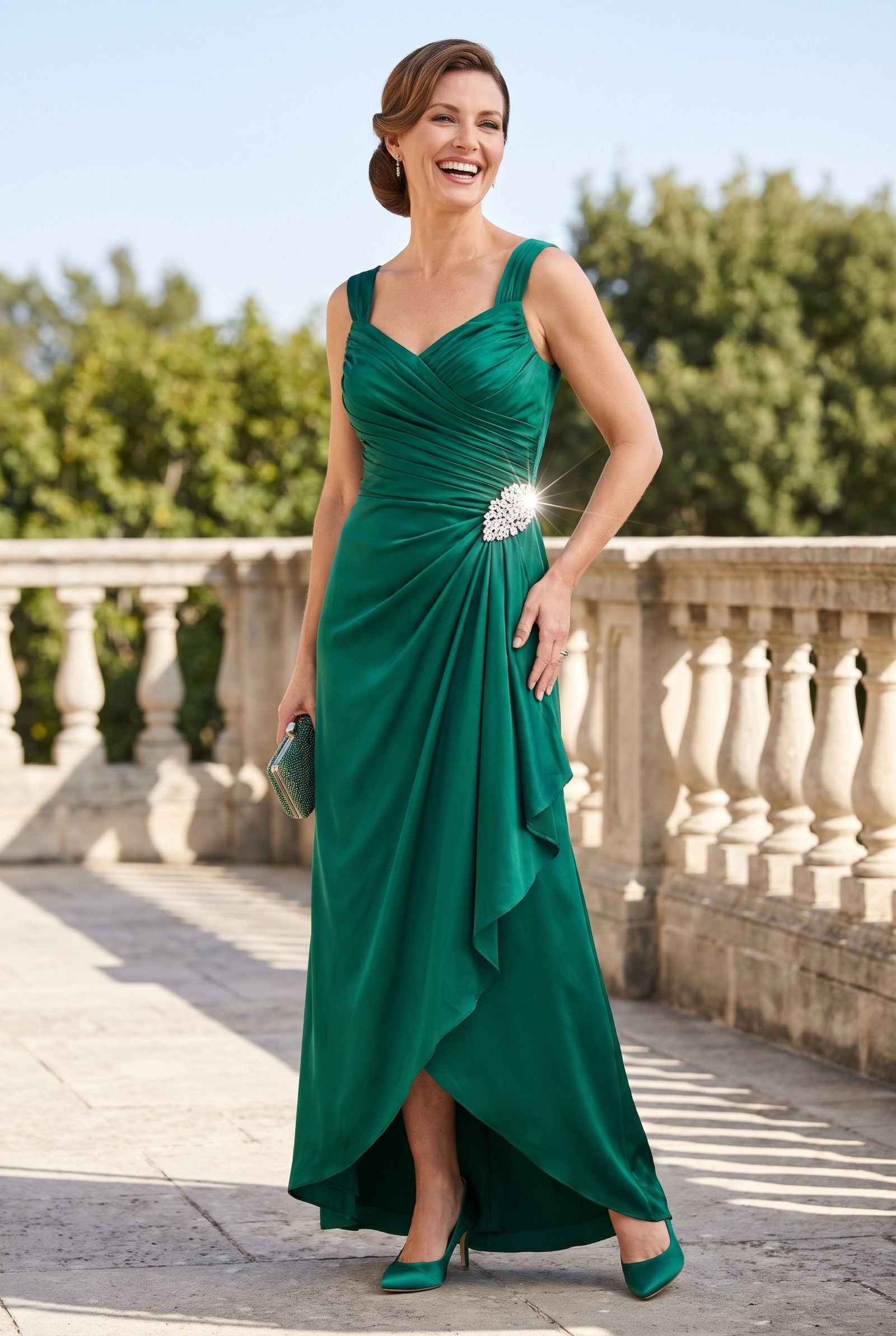
All that fabric gathered to one hip, pinned by a rhinestone clasp that threw sparks at the camera. The drape pulled the skirt diagonally across the body, and the clasp announced exactly where to look.
The asymmetry is the move. A side gather breaks up a straight skirt line and introduces movement, while the rhinestone piece gives the eye a single bright anchor. One jewel, lots of satin, nothing else needed.
20. The Giant Fabric Rose at the Waist
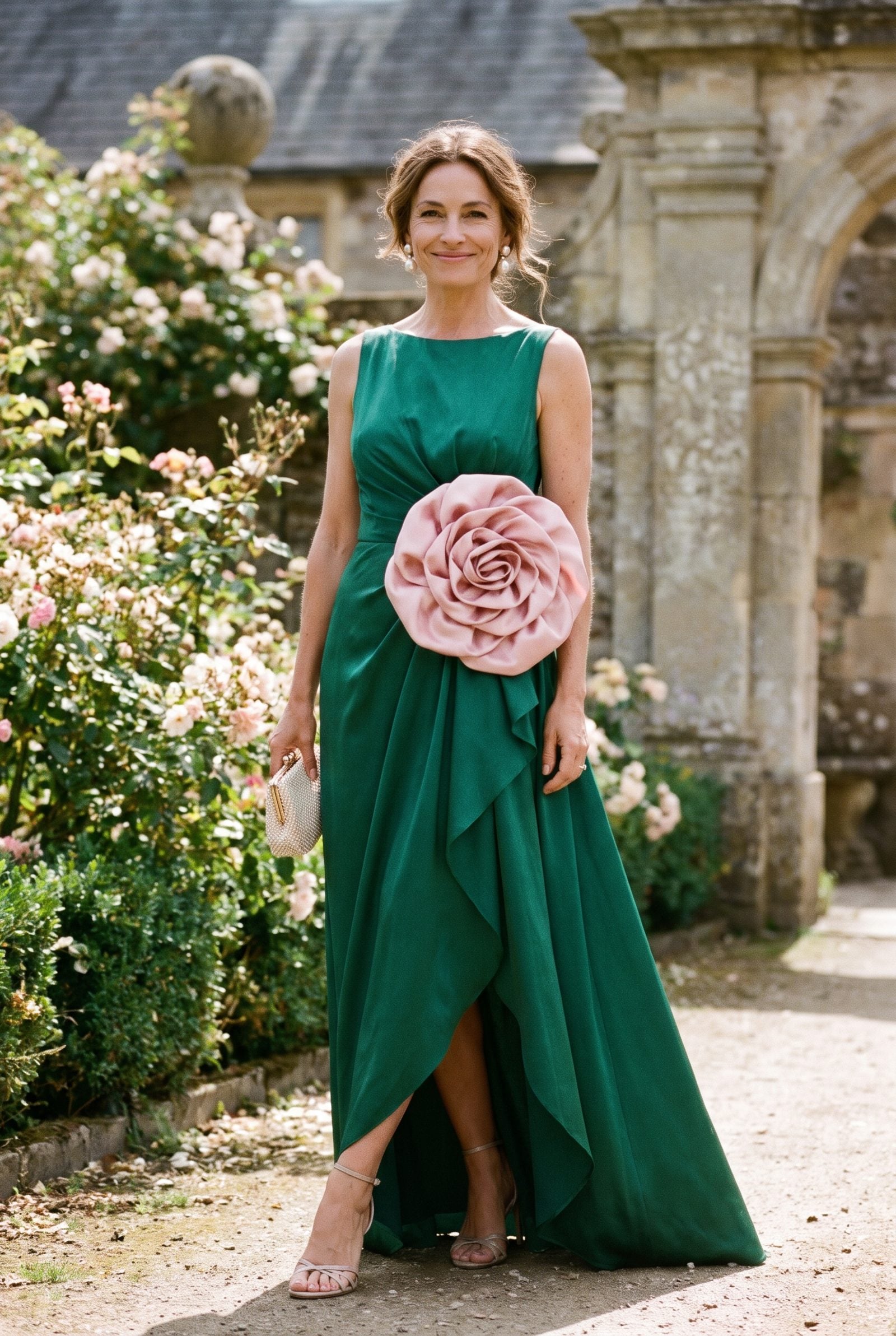
One enormous fabric rose, folded from blush-pink satin against the emerald gown, sitting right at the waist like a signature. It was the detail that said this dress was made for an occasion and absolutely nothing else.
That one flourish is the entire personality. Without the rose, the gown is a clean satin column — tasteful, forgettable. With it, the waist gets a focal point and the whole look turns celebratory. These blooms showed up on necklines, hips, and shoulders all decade long, and nothing dates a photo faster or more tenderly.
19. The Back Bow With Floor-Length Tails
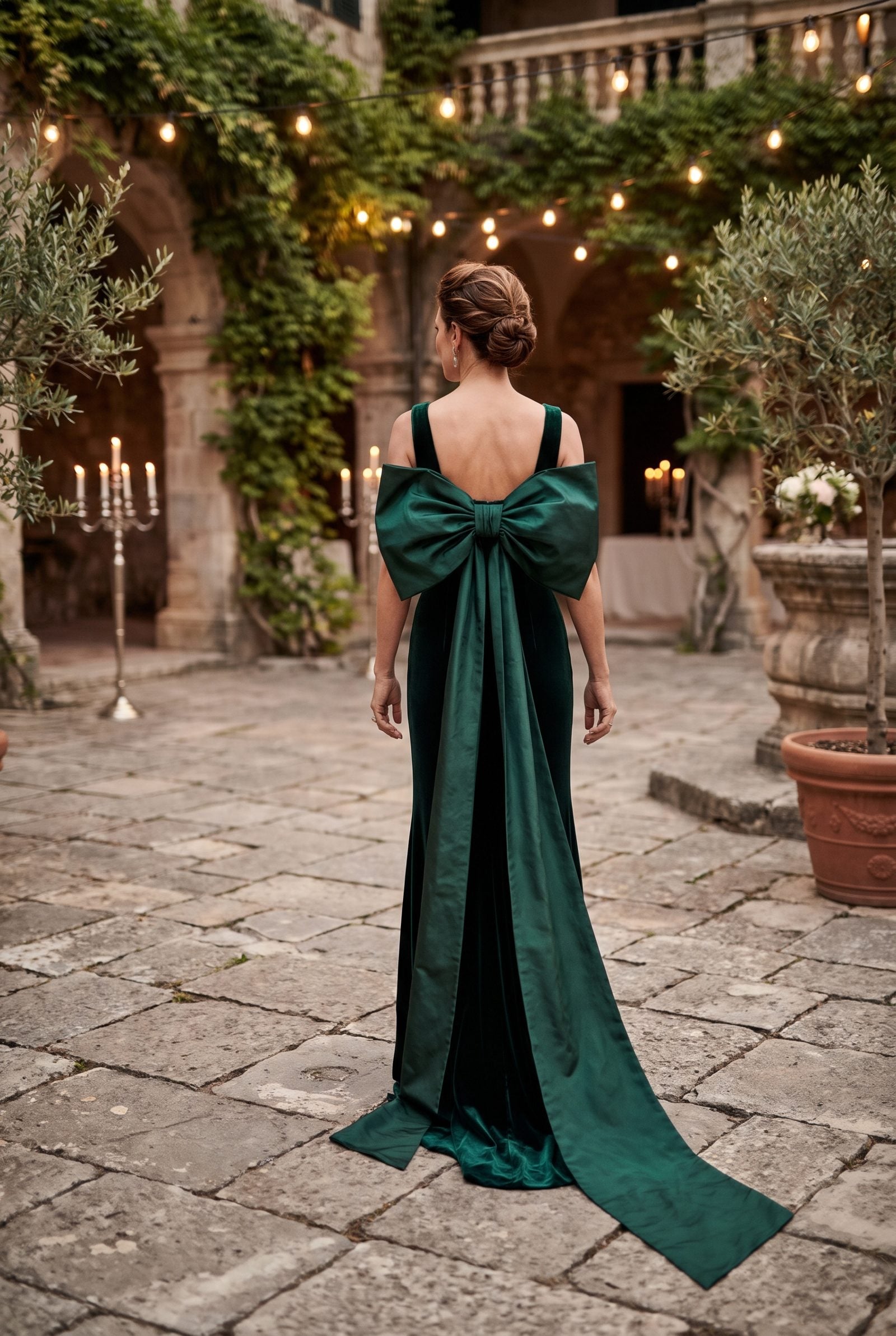
The back bow was the quiet showstopper of the decade. You didn’t notice it walking into the reception — you noticed it when she turned to find her seat, and suddenly there were two ribbons of satin trailing behind her like a comet tail.
It made the waist look smaller by drawing the eye to a single point, then let the fabric do the rest. On a mother of the bride, that bow said she’d thought about every angle, including the one everyone would stare at during the ceremony while her back was to the room.
18. The Heavily Padded Power Shoulders
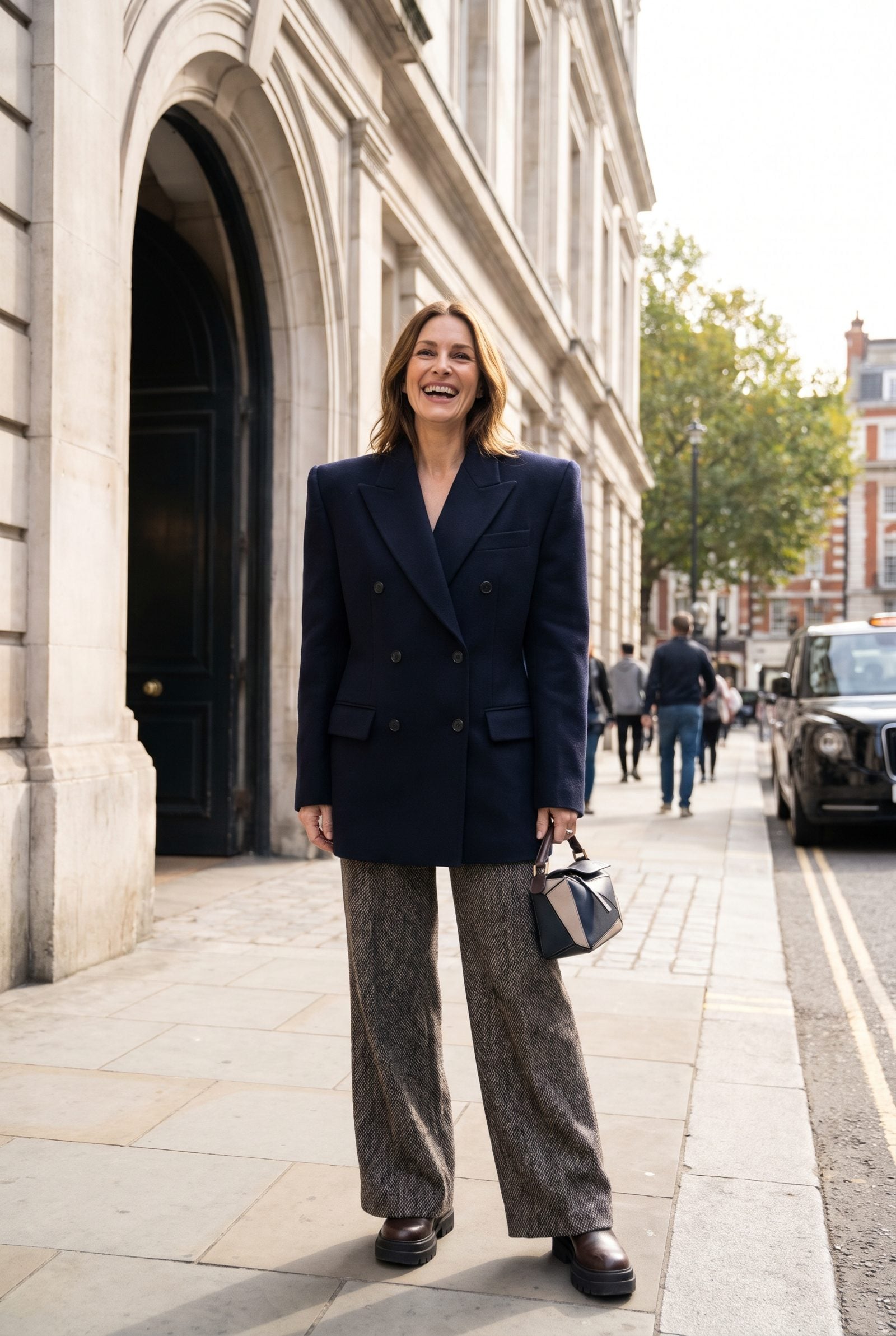
Shoulders you could set a drink on. That was the engine of the entire 90s formal silhouette, and nobody wore it with more authority than the mother of the bride.
The padding did real proportional work. It squared off the top of the frame, which made the waist and hips read narrower by contrast. It was architecture disguised as tailoring. A woman walked into that banquet hall looking like she ran the place, because the shoulder line said so before she opened her mouth.
As a vintage style historian points out, “Shoulder pads are a dime a dozen when it comes to thrifting and vintage shopping — any shop that carries 1950s through 1990s will have some garments with them sewn in.”
17. The Leg-of-Mutton Evening Sleeves
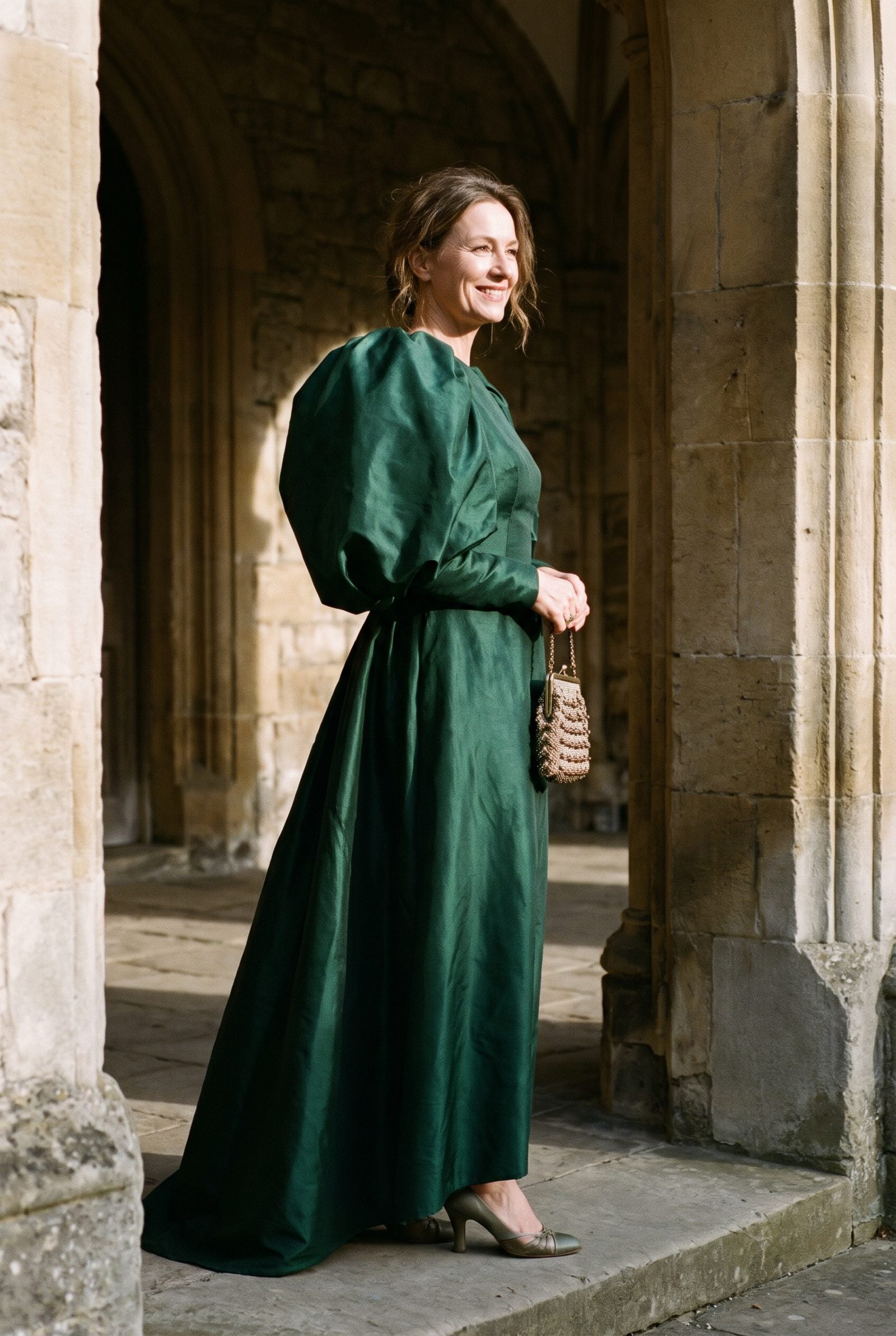
The leg-of-mutton sleeve is a Victorian idea that got drunk on the 90s and refused to leave. All that volume at the shoulder, pulled tight at the wrist, bent the arm into a question mark in the best possible way.
It gave height and drama to anyone who wore it, and it photographed beautifully under a floral arch. On a mother of the bride, those sleeves were pure occasion. You didn’t put them on for a Tuesday.
As a fashion design educator explains, “The leg o’mutton or leg-of-mutton sleeve, also known as the French gigot sleeve, with its distinctive puffed shoulder and tapered wrist, has a fascinating history, making multiple appearances in fashion throughout the centuries.”
16. The Head-to-Toe Iridescent Fabric
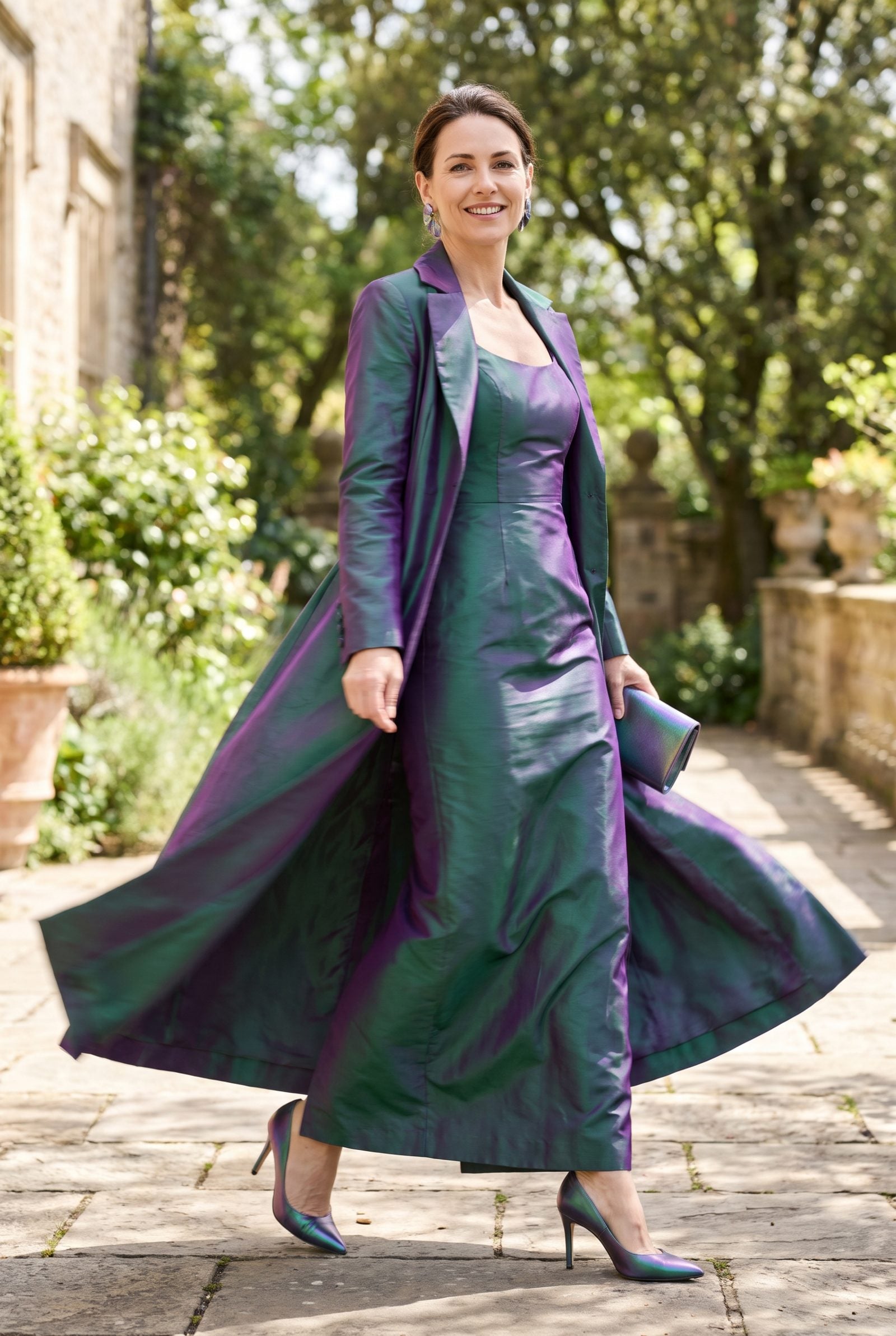
One color standing still, two colors in motion. That was the whole trick of iridescent shot fabric, and it was catnip to anyone deciding what to wear to a daytime wedding.
Under bright afternoon sun it did something no solid fabric could. The purple went green when she turned, then back to violet when she strode, and the long coat flashed purple and emerald as it swung. It was a column dress and coat that kept changing their mind, which meant the photos never looked the same twice. Honestly? We still think it was clever. There’s a reason it keeps coming back.
15. The Moiré Taffeta Finish
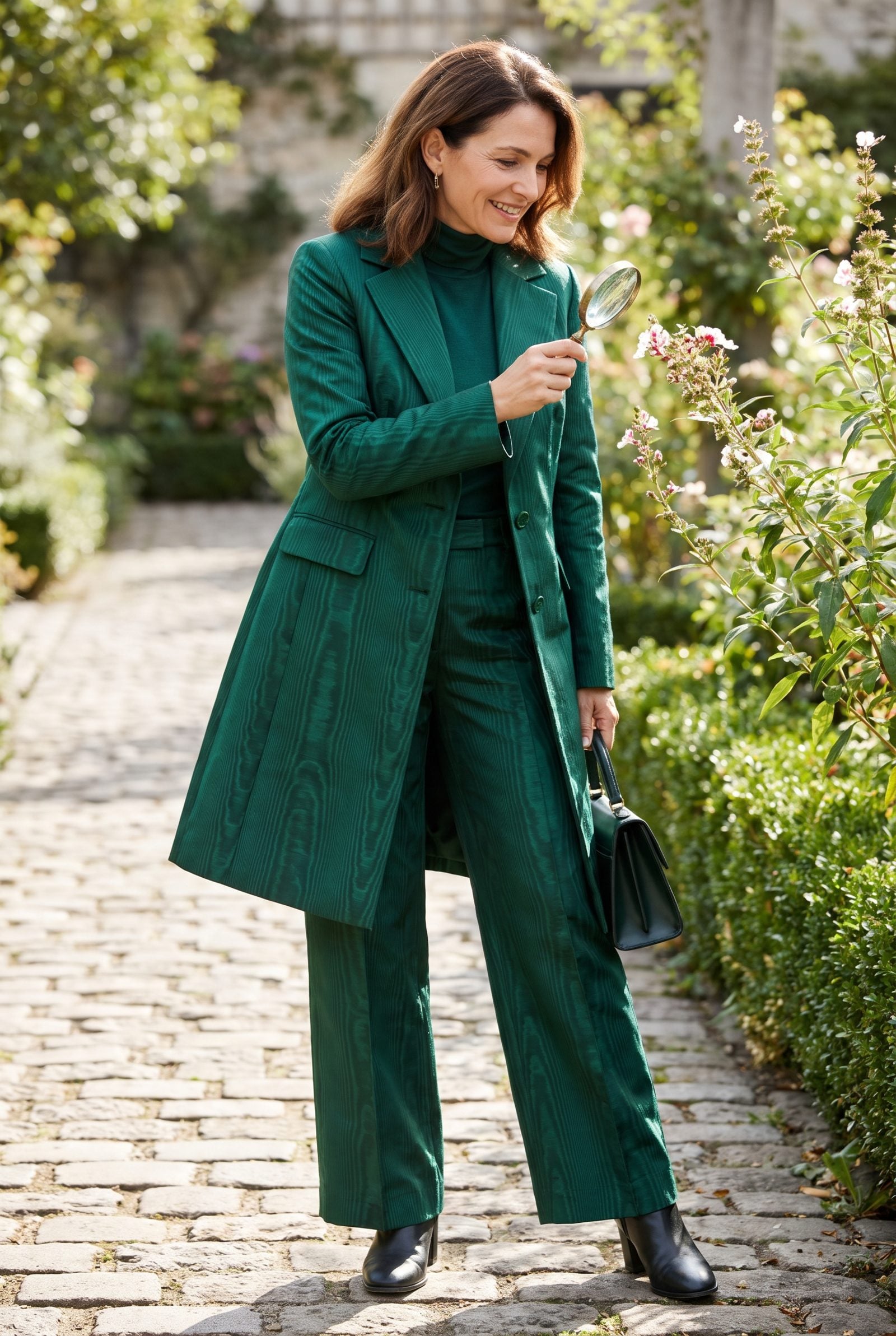
Moiré taffeta has a water-ripple pattern pressed into it, like wood grain someone stretched into waves. Up close it looked expensive because it was.
Paired with matching wide-leg trousers, the jacket made the very combination that was the mother-of-the-bride uniform for a good chunk of the 90s. It held its shape, stood slightly away from the body, and made that crisp rustling sound when she walked down a cobbled street. The rustle was half the point.
As a textile house writer describes it, “Depending on the pattern, these beautiful effects can give the impression of wood grain that’s come alive, or of the movement of water.”
14. The Allover Sequin Overlay
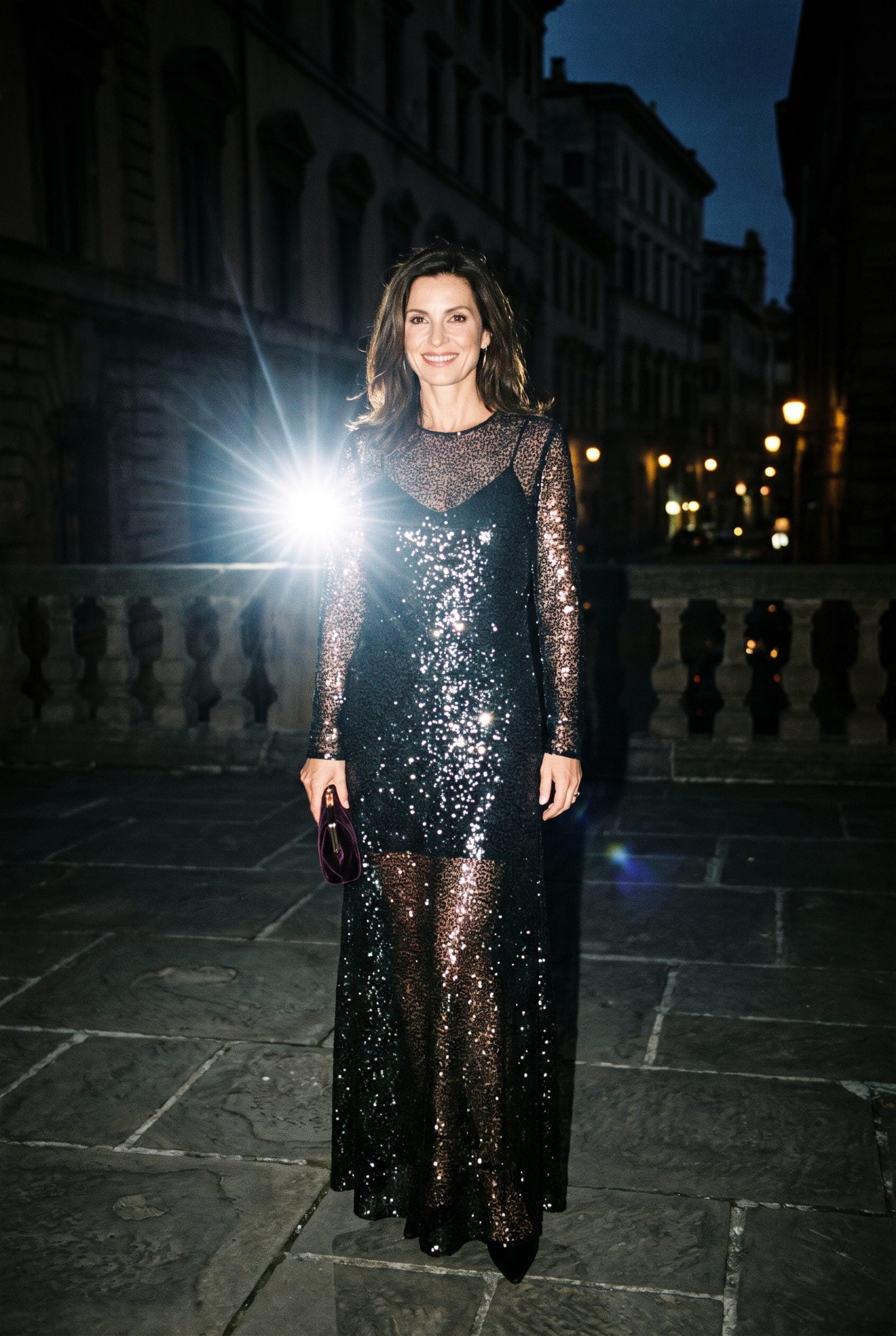
You could find her in any photo by looking for the flash explosion. Allover sequins turned every camera into a lightning storm, and the mother of the bride glowing like a lit sparkler in the back of a group shot was a documented 90s phenomenon.
No breaks, no contrast panel, just light bouncing off light. It read as celebration more than elegance, which was exactly right for the woman who’d been waiting years for this reception. Want to know why this kind of piece still screams holiday look? This is the ancestor.
13. The Dense Bugle-Bead Fringe
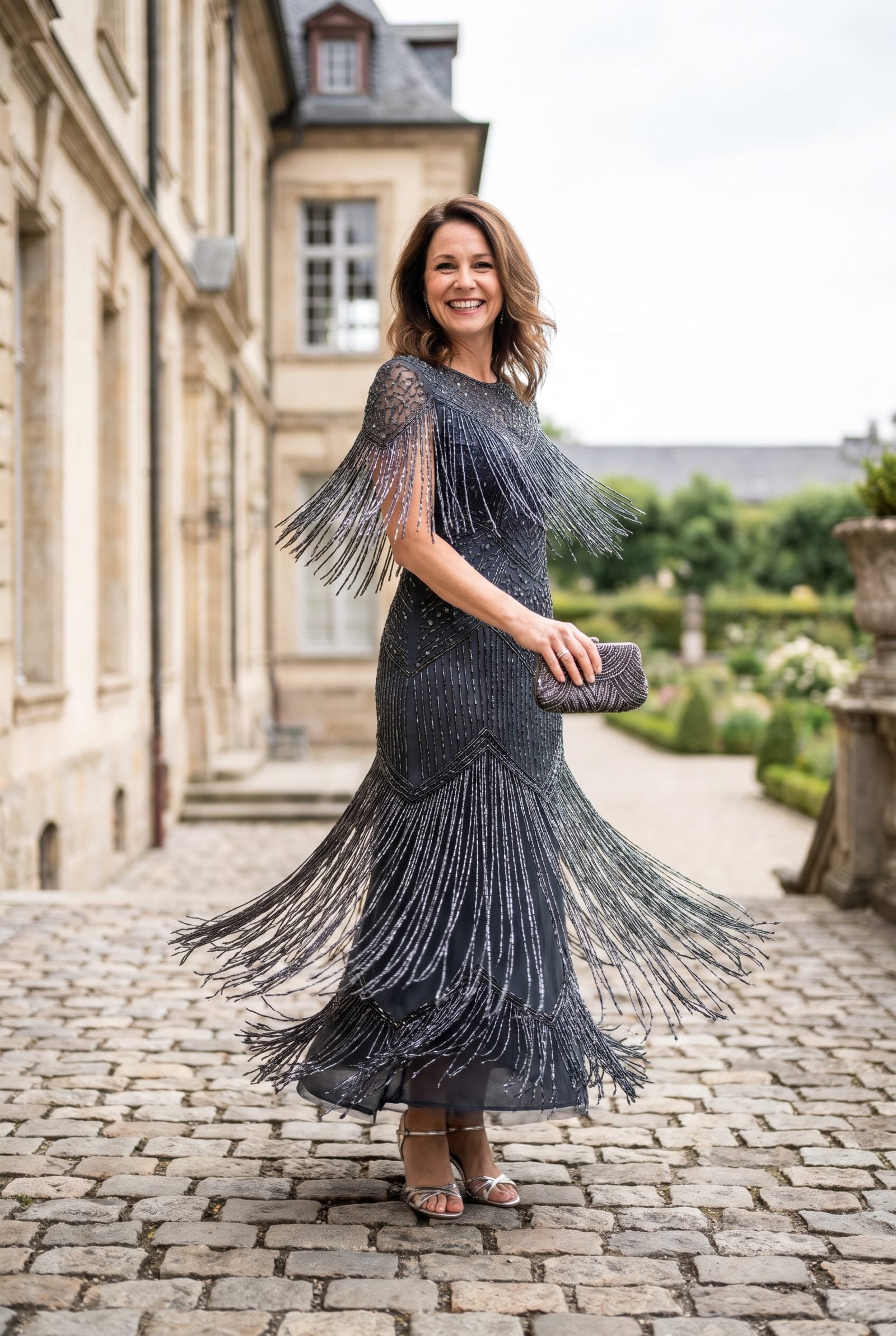
The fringe moved before she did. Dense bugle-bead fringe caught the light on the downbeat and kept going a half-second after she stopped, so even standing still she shimmered.
It added weight and swing to an ankle-length gown and made the hemline the busiest part of the look. On the reception dance floor it was unbeatable, every strand swinging a different way. The downside? The beads snagged on everything, especially her own stockings. Worth it, obviously.
12. The Pearl-and-Rhinestone Appliqués
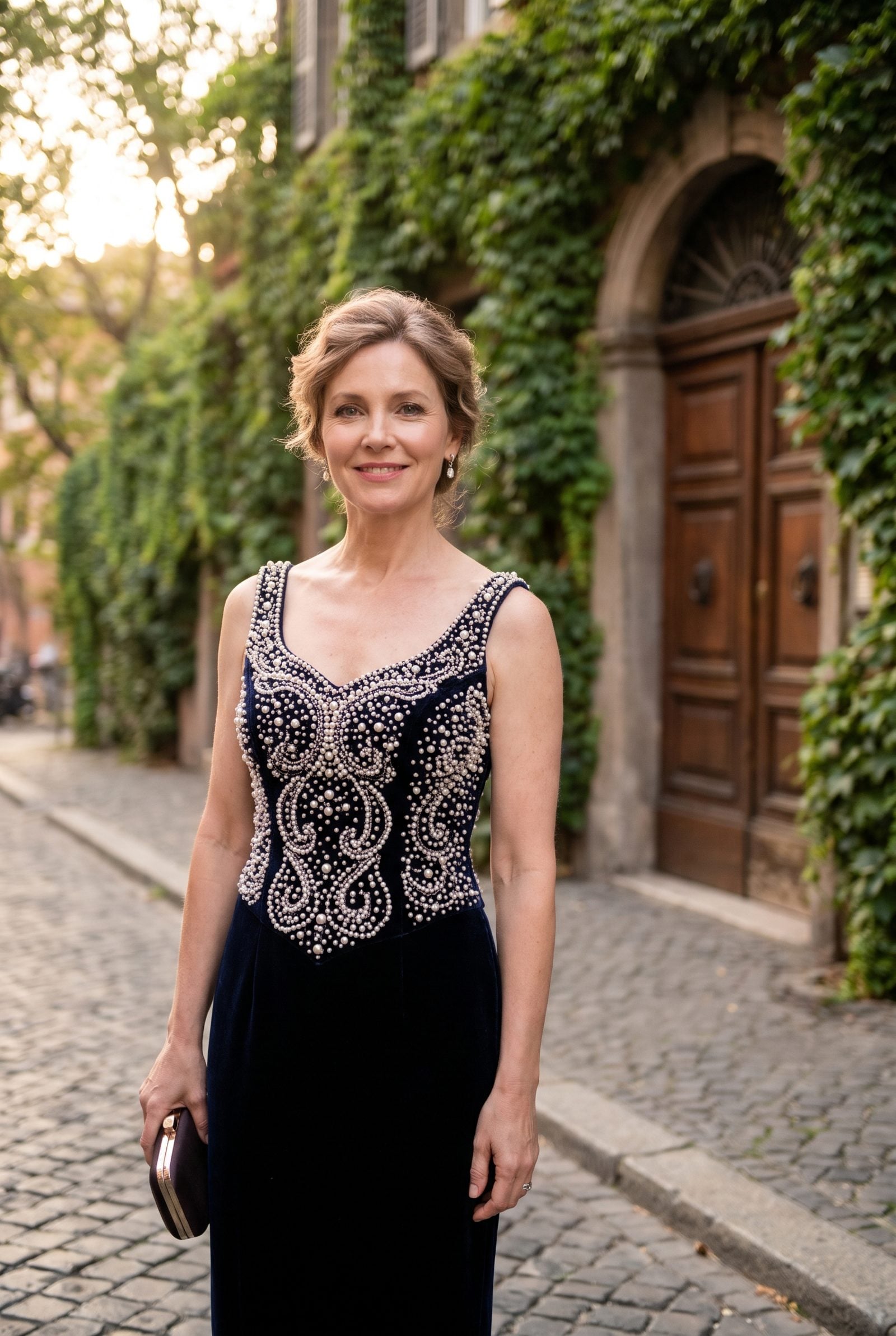
Pearl-and-rhinestone appliqués were jewelry you didn’t have to put on. They sat right on the bodice, usually spilling over one shoulder, so the neckline sparkled on its own and she could skip the heavy necklace entirely.
The combination mattered. Pearls read soft and formal, rhinestones read bright and festive, and together they hit the exact register a mother of the bride wanted — dignified, but dressed for a party. Same logic that makes certain pieces read instantly as a party look rather than daywear.
11. The Airbrushed Watercolor Floral Print
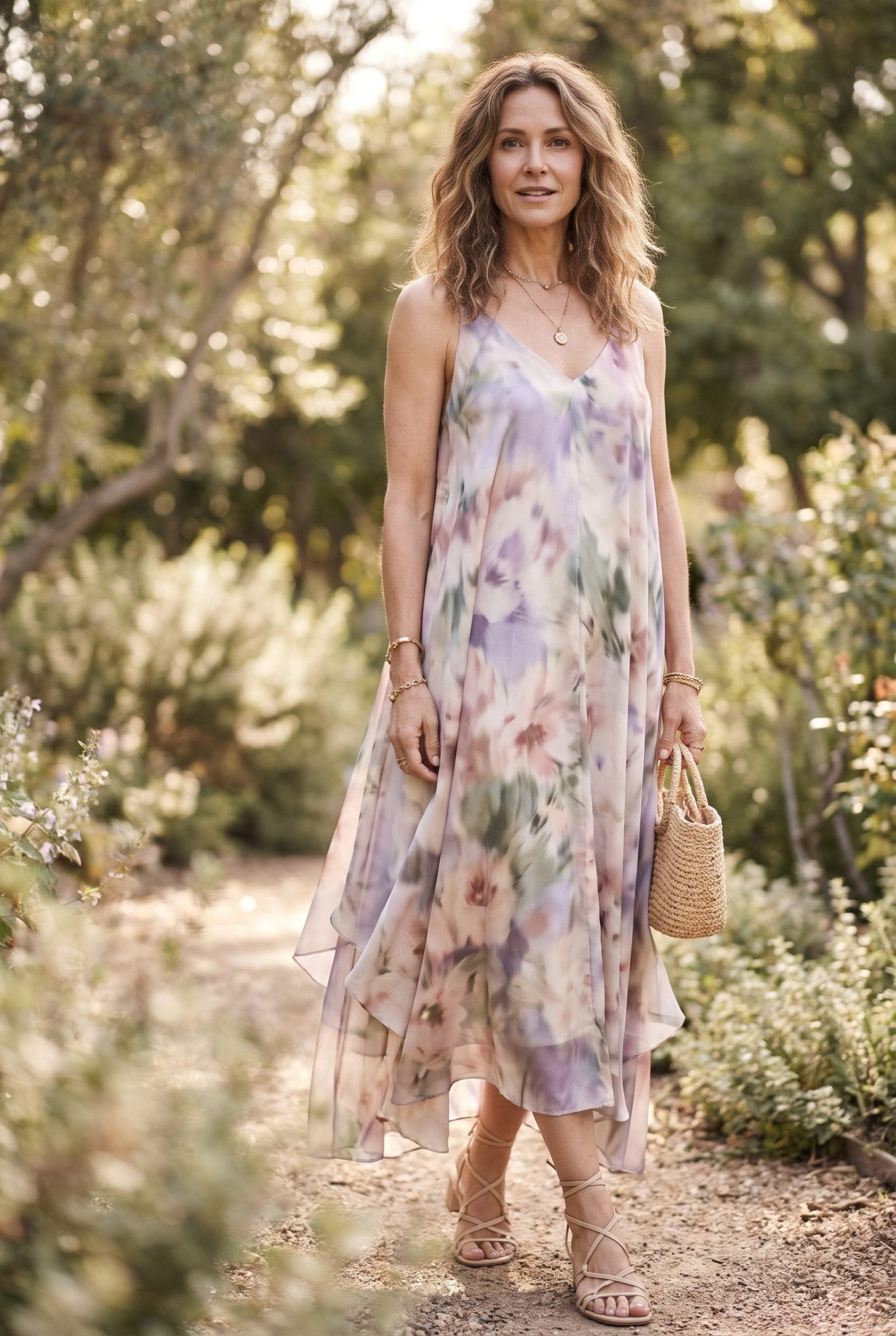
These prints looked like someone had painted a watercolor, left it out in the rain, then photographed it slightly out of focus. The flowers had no hard edges. Everything bled gently into everything else.
On flowing chiffon it moved like a cloud, perfect for a summer garden ceremony. The soft print also did quiet proportional work — blurred pattern breaks up the eye and skims over the body instead of clinging to it. Forgiving, and unmistakably of its moment.
For what it’s worth, in our reader votes, outfit images with floral patterns got fewer hearts than the other images in the same articles, 33% versus 43%.
10. The Matching Dyed-to-Match Pumps
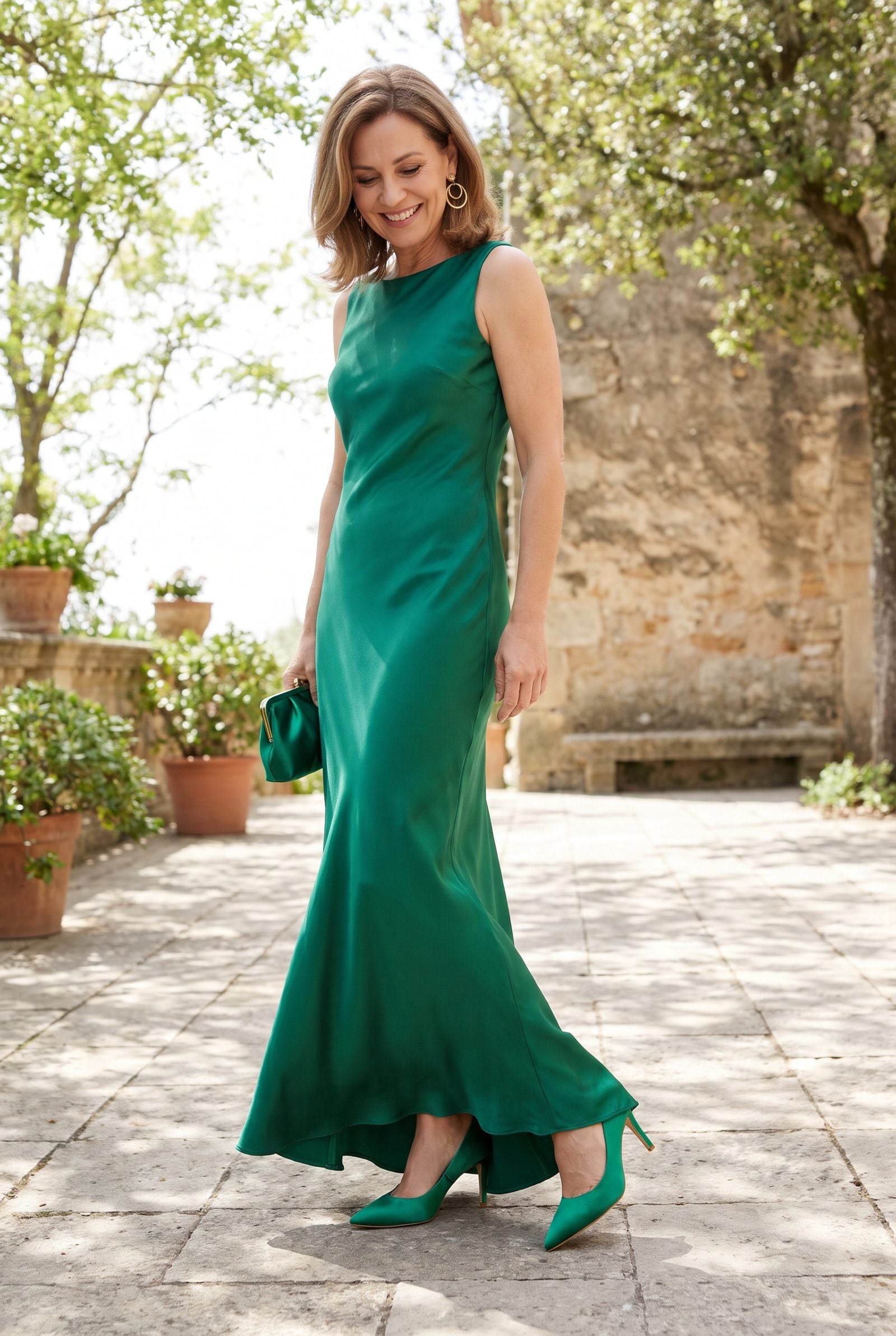
Here’s the detail that separated the planners from the improvisers: the shoe matched the dress exactly. Not close. Exact.
Dyed-to-match pumps meant a trip to the shoe shop with a fabric swatch, weeks ahead of the wedding, so a pair of satin heels could be dunked in the precise emerald green of the gown. What you got was a single unbroken column of color from shoulder to floor, and it made her look taller and more pulled together than any contrasting shoe ever could.
It was the finishing move. The thing that said she’d thought about all of it, right down to her feet. And honestly, a tonal column top to toe still works. The 90s were onto something there.
Decades on, a longtime shoe repairer still tells wedding customers: “Bring us a swatch of the color you desire for your shoes, and we’ll match it to your dress perfectly.”
9. The Sheer Reinforced-Toe Pantyhose
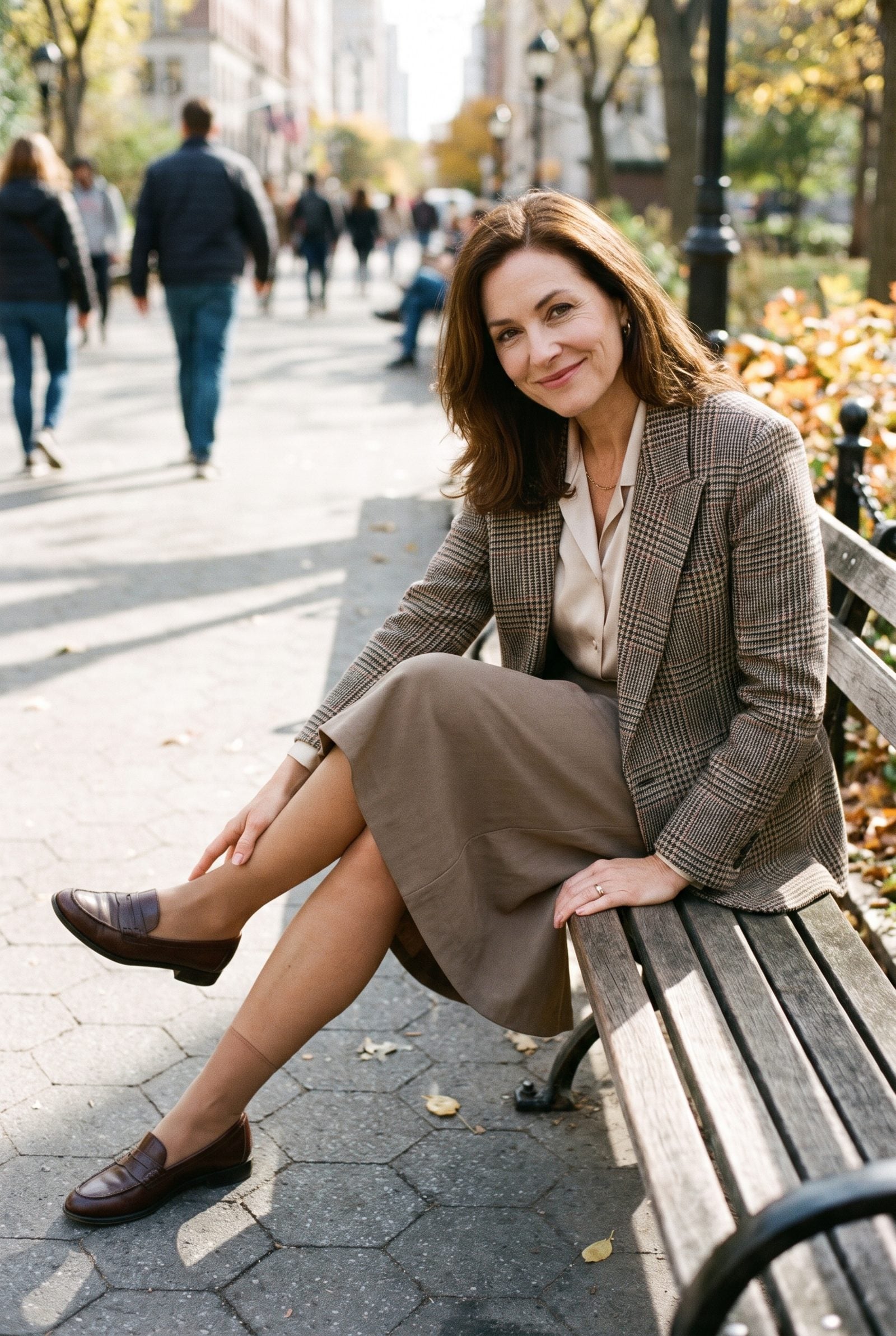
The suntan shade was non-negotiable. Not nude, not black, but that specific warm beige that matched exactly nobody’s actual legs, and we wore it with total conviction anyway.
The reinforced toe was the tell. Slip your foot into a sandal and there it was, a little darker patch at the front, which is why the mother of the bride stuck to closed-toe pumps all day. The sheer finish did real styling work too, smoothing the line between a tea-length hem and a low heel.
8. The Tiny Satin Evening Bag
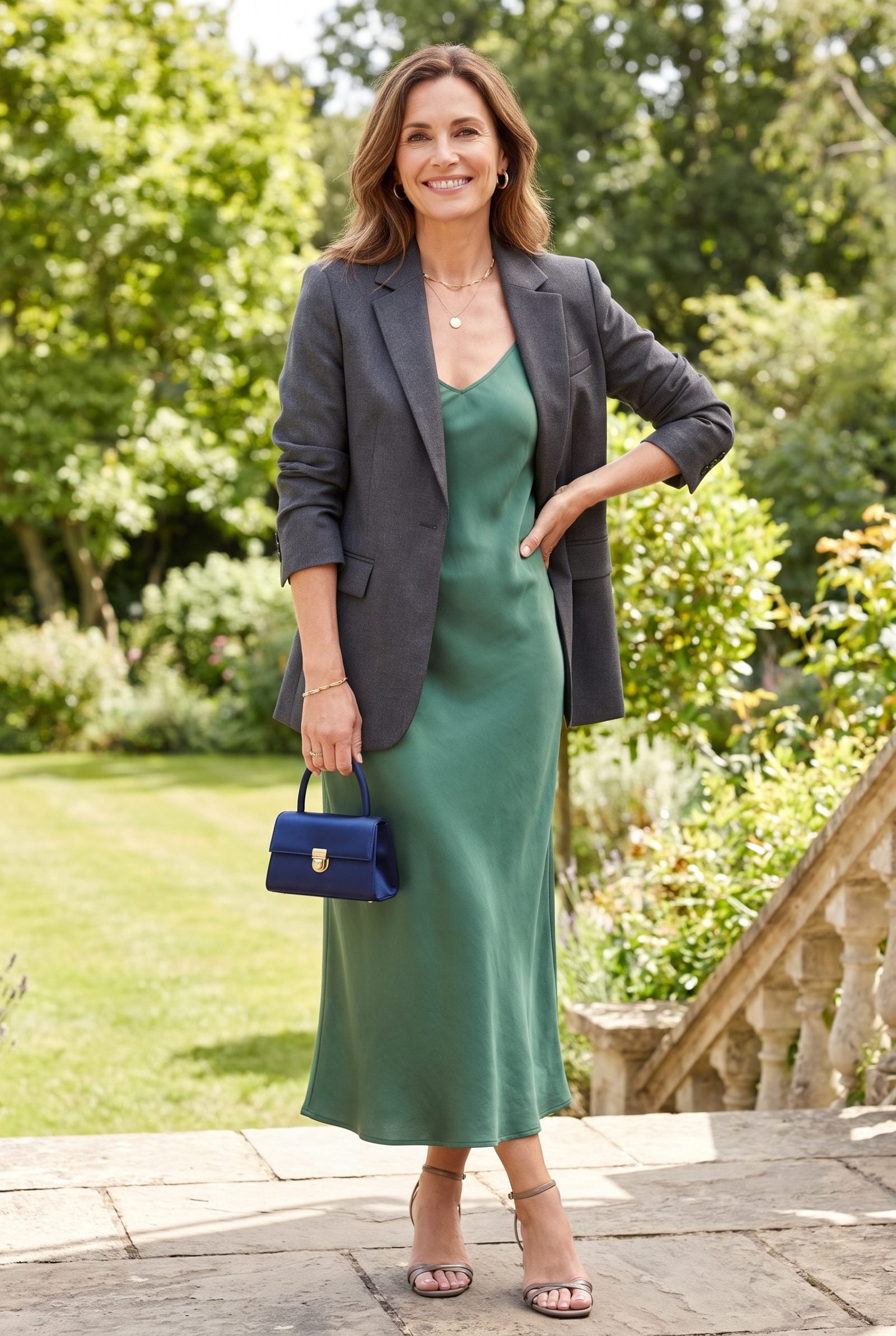
It held nothing. A lipstick, a folded tissue, maybe a few bobby pins if you forced it — and that was fine, because the tiny satin bag existed to be carried, not to be useful.
Usually plain black satin, chosen to go with every gown rather than match one, and paired with black strappy sandals. The short little top handle stayed pinched in the fingers through the entire receiving line, through the toasts, through the photos. A woman with real purse needs kept a tote in the car.
Most impractical accessory of the day, and everyone understood the assignment.
7. The Oversized Faux-Pearl Button Earrings
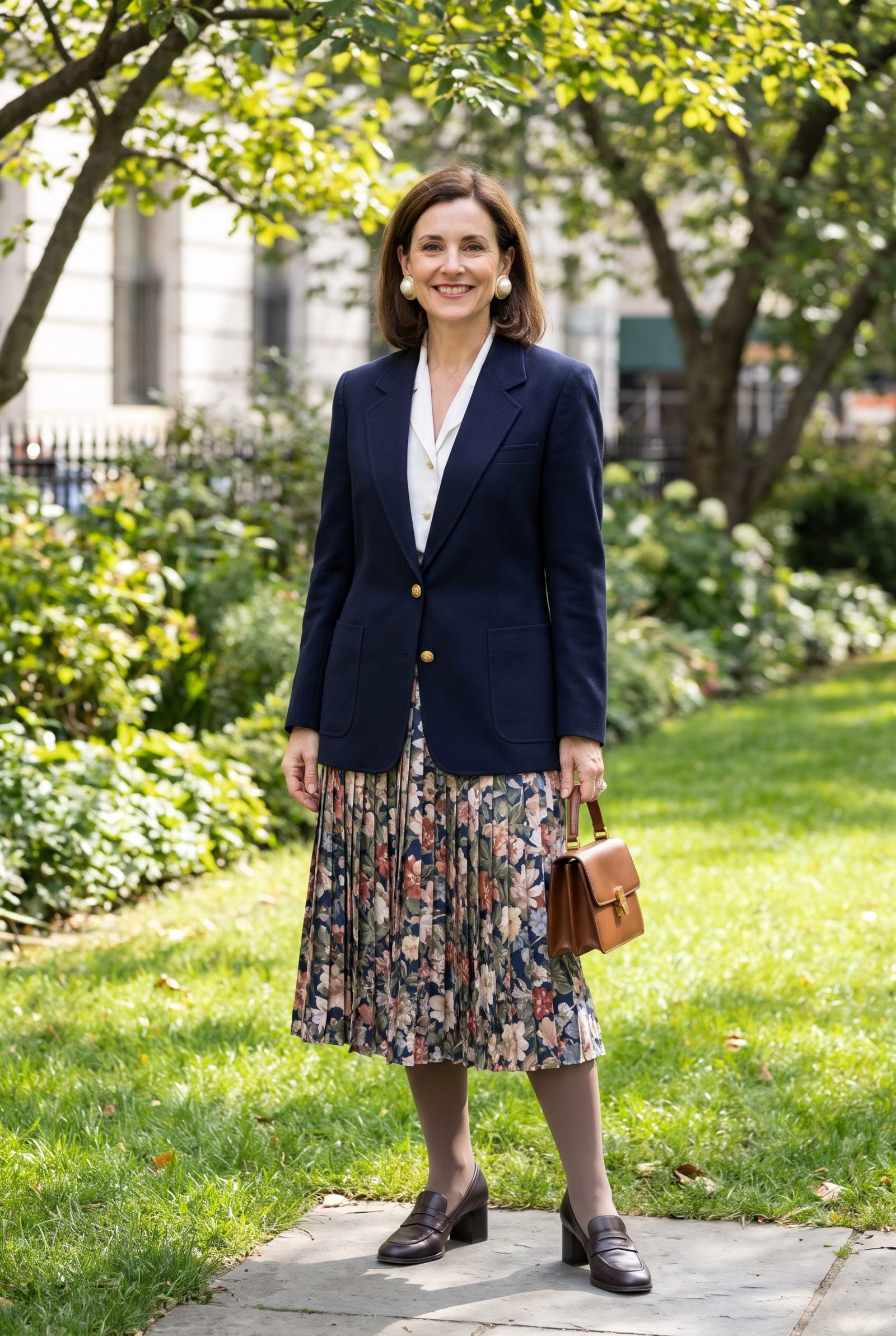
Big as a thumbprint, round as a Lifesaver, clipped on so tight your earlobes went numb by the cake cutting. This was the mother-of-the-bride earring, full stop.
Here is why it worked. Against a structured skirt suit, a small earring vanishes, so the button scaled up to match the shoulder pads and the longline jacket and kept the proportion honest. It read as finished rather than fussy. These snagged on every chiffon scarf and updo in the room — and we kept wearing them anyway, because they photographed like a dream under flash.
6. The Gold Omega Collar Necklace
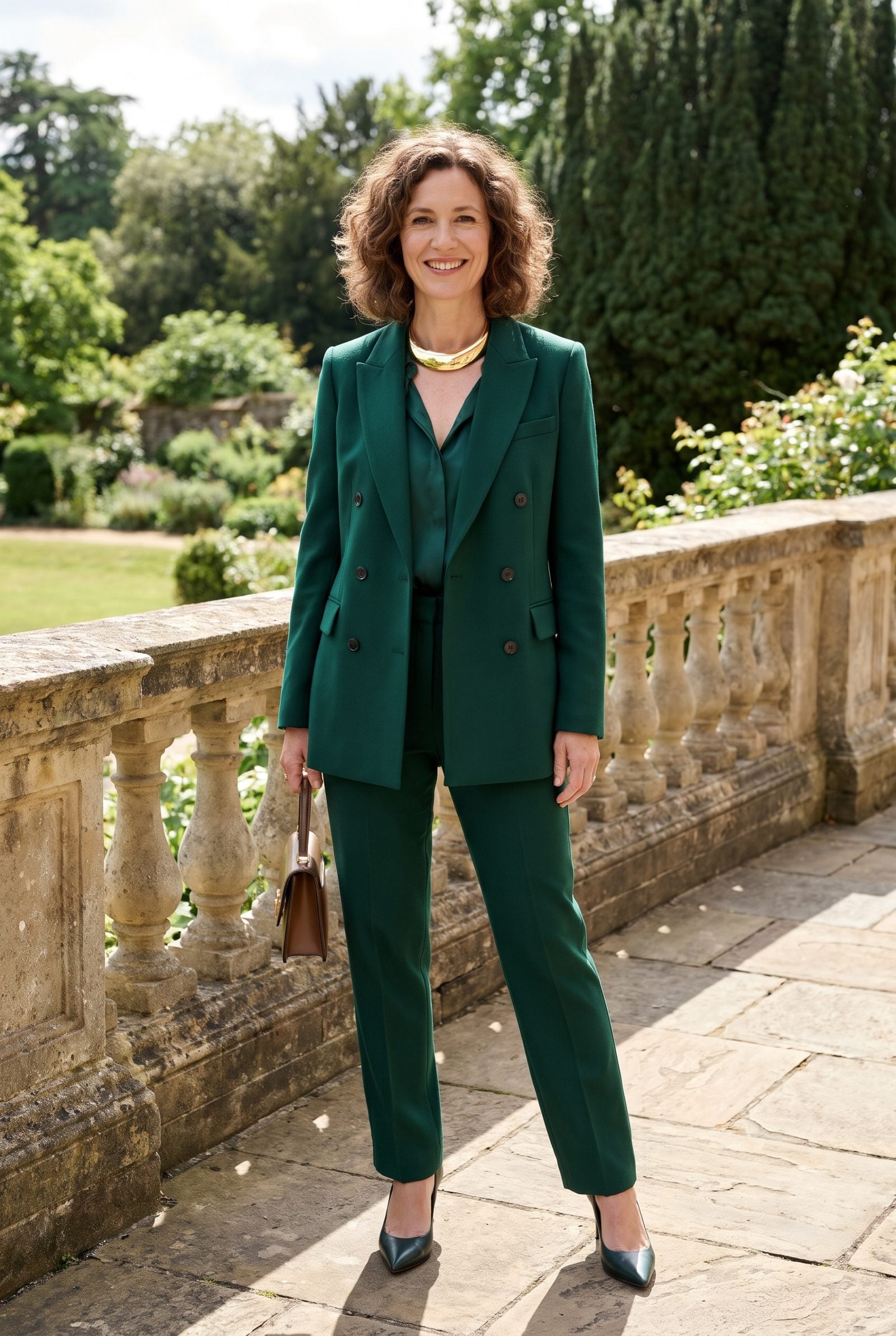
Thick, rounded and tubular, a polished torque-style ring that sat close around the neck, the gold collar was the necklace you only wore to the biggest occasions. It had weight. It felt like something.
The trick here is the metal doing color work all by itself. Against a deep green silk blouse and matching emerald suit, a rounded band of warm gold reads as the brightest line in the whole outfit, with only a brown handbag alongside it, so nothing else has to compete. The collar sat against the throat with no dangle and no movement, just a clean curve following the bone. Formal signaling at its most confident. A woman in the gold collar had arrived.
5. The French Twist With Face-Framing Tendrils
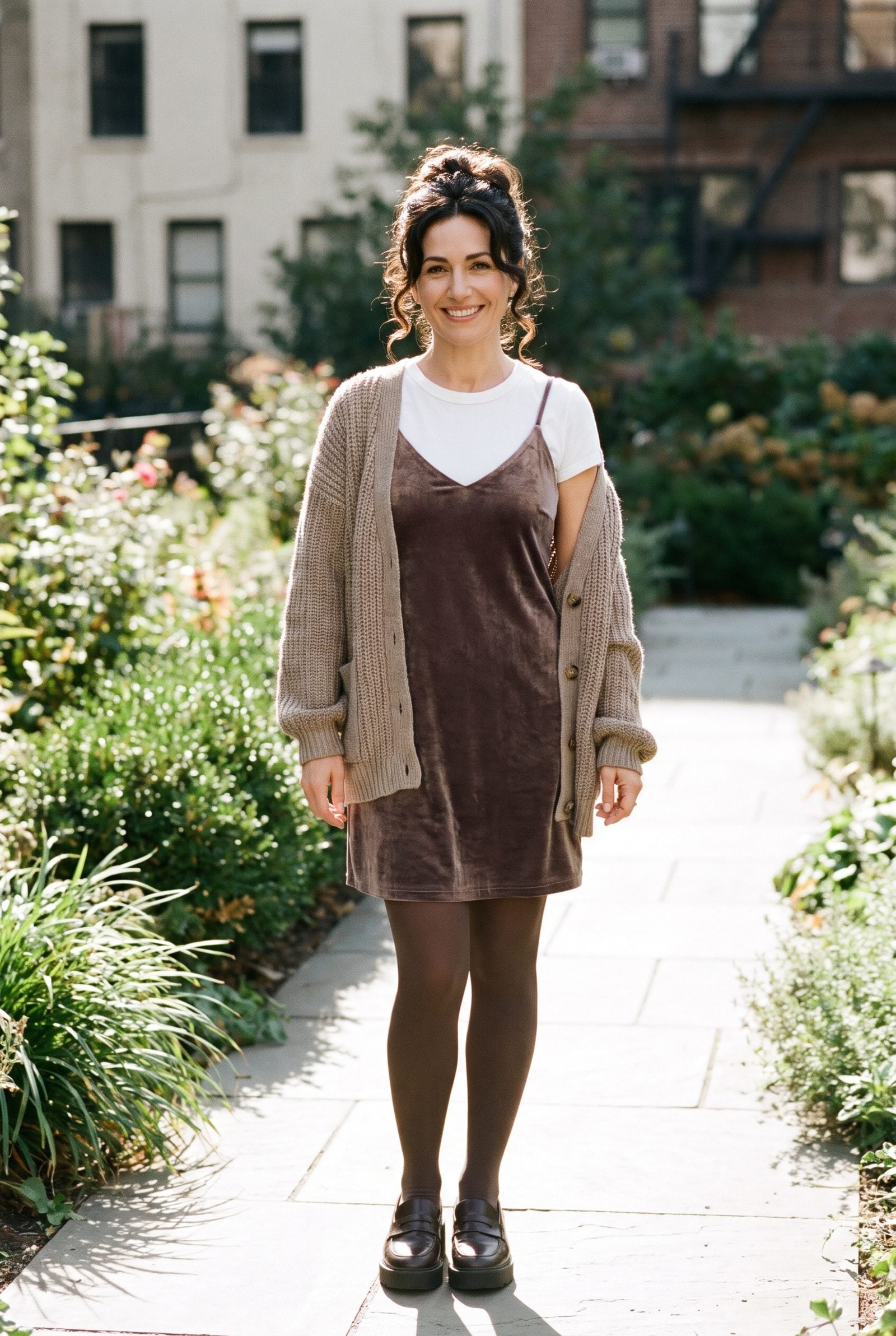
Booked for 7am at the salon, held in place by roughly a third of a can of Aqua Net, finished with soft wavy pieces pulled loose around the face because a twist without tendrils looked too severe.
The loose wisps were the whole softening move. All that hair gathered up into a voluminous, slightly messy twist, and then soft waves left falling around the face so the updo never read as stern. By the end of the night those tendrils had usually gone limp and you stopped caring, which is its own kind of wedding memory.
Those soft tendrils still make sense today: in our readers’ votes, hairstyles with sleek finishes got fewer hearts than the other images in the same articles.
4. The Frosted Mauve Eyeshadow
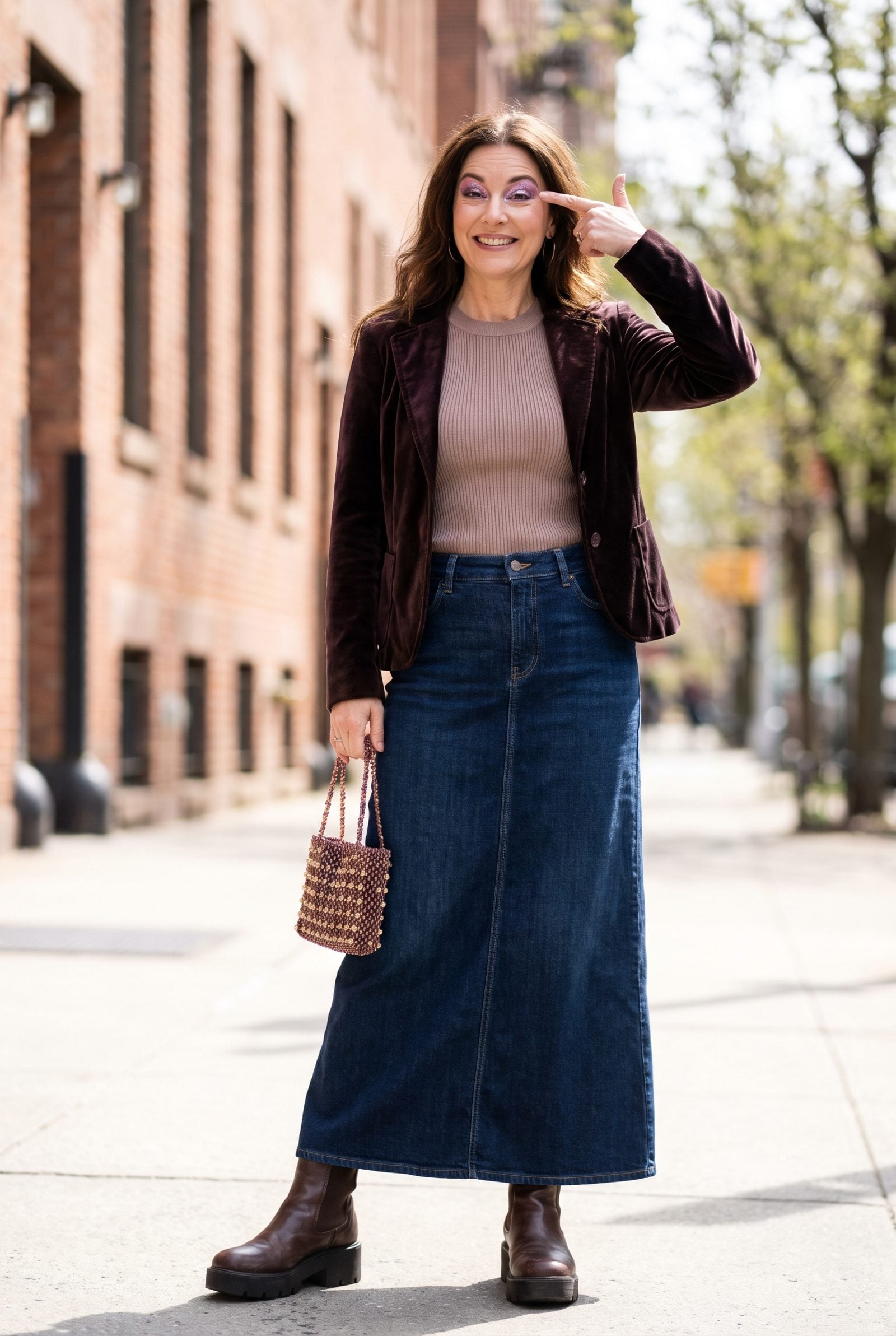
Swept from lash line clear up to the brow bone, frosted, pearlized, catching every bit of flash. The mauve shimmer was the default eye for a dressy occasion, and it coordinated with the lipstick, the corsage, and quite often the dress itself.
It leaned hard into the tonal-pink wedding palette the era loved. The shimmer did lifting a matte shadow never could, bouncing light across the lid so the eyes looked open and awake in photos taken at 11pm. Blended with a stiff little sponge-tip applicator that came in the compact — which nobody ever threw away.
3. The Matching Mauve Corsage
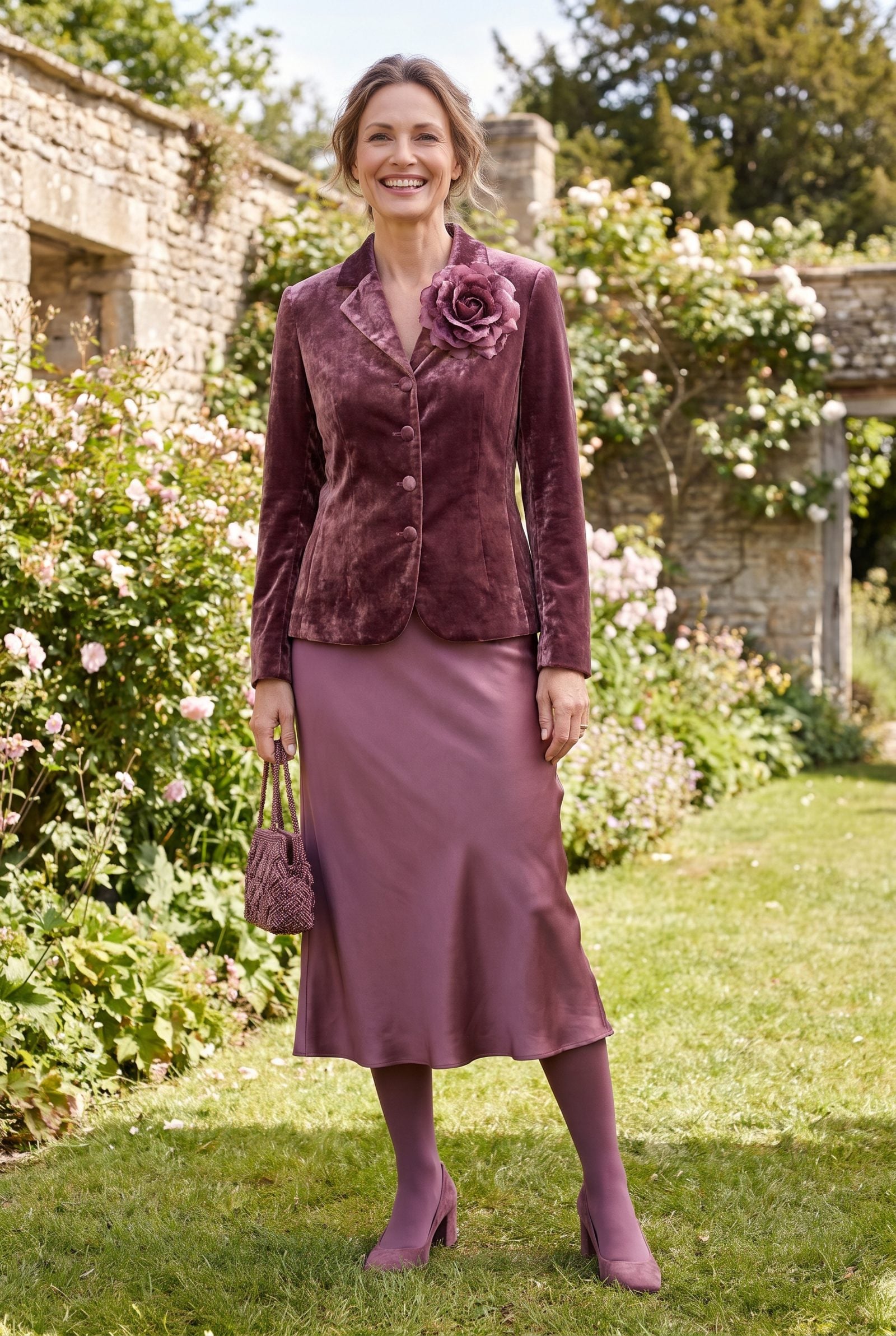
Pinned to the left shoulder by a sister or a friend with steady hands and a mouthful of pins, always listing slightly to one side within the hour. A single mauve rose in crushed velvet, its petals layered full and soft, matching the jacket it sat on. The corsage marked you as mother of the bride more clearly than any announcement.
It was the one piece she didn’t choose herself, and that mattered. Someone pinned it on her. It said this woman is important to today, handle her gently. By the end of the night its velvet petals were crushed flat at the edges and she wore it anyway, because taking it off meant the day was over.
2. The Gold Lurex Evening Shawl
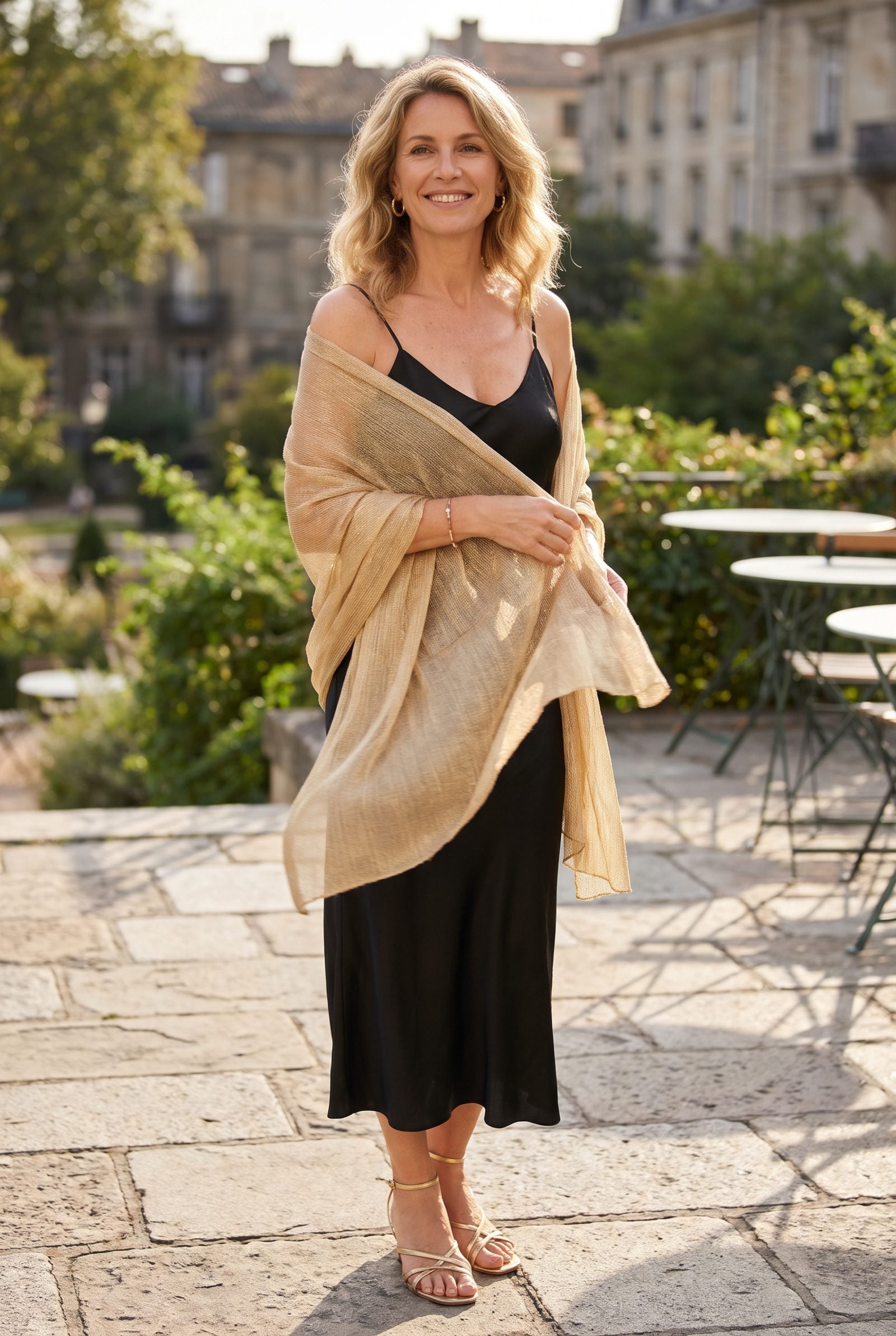
Thin as a breath, scratchy against bare arms, shedding tiny gold threads onto everything it touched. The lurex shawl came out for the sunlit afternoon on the terrace, draped over the shoulders the second a breeze picked up or the shade crept in.
It pulled double duty. Practical cover for sleeveless gowns, plus a shot of shimmer that bounced the sunshine straight back at the camera. Against inky black it was the only thing in the frame catching light, so it carried all the sparkle without the dress having to. It slid off one shoulder constantly and got hitched back up all afternoon. We have all seen the photo mid-slide. Good photo every time.
1. The Wide-Brim Hat With a Giant Bow That Announced Her From Across the Parking Lot
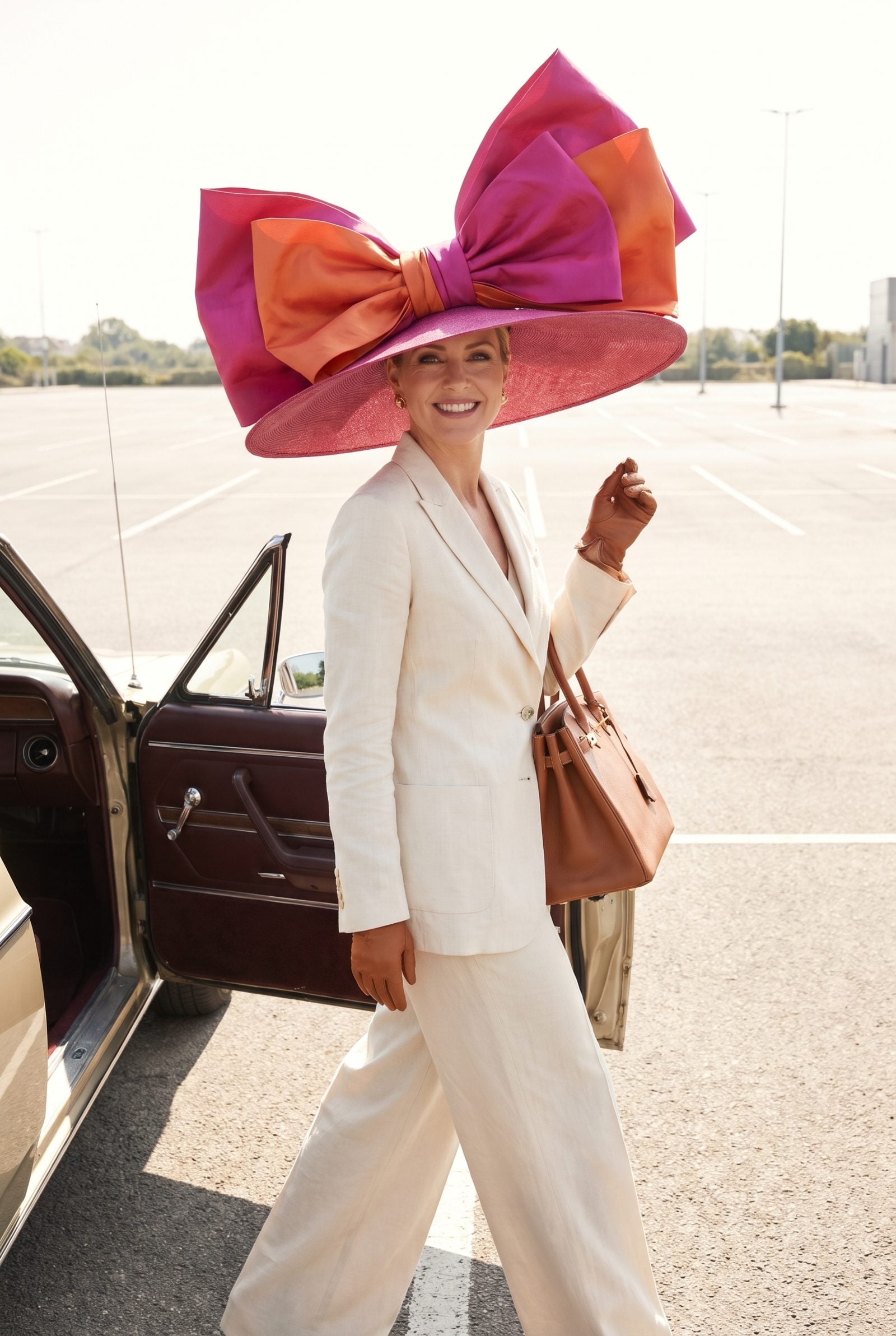
You spotted it before you spotted her. That brim entered the reception a full second ahead of its owner, and the bow — a satin thing wider than her shoulders and taller than her head — sat perched like it had opinions. Here was a hat that told you the mother of the bride had built her whole outfit around one accessory and regretted nothing.
Scale ran the show. A hat that big demands a quiet outfit, so the ivory linen pantsuit — a tailored blazer and wide-leg trousers — stayed out of the way and let the brim take over. Coral lipstick. Tan leather gloves. A cognac leather handbag. Everything else stepped back and knew its place.
Committing to a hat that large at a family event takes a certain nerve, and she had it in spades. The thing took up space on purpose. Flip through the photos and she’s dead center nearly every time, chin lifted, the brim dropping a soft shadow across half her face. She knew precisely where the camera was standing.