❤️ Would you like to save this?
Somewhere between the glove counter and the elevator with its white-gloved operator, the old department store did things no store would dream of doing now. It fed you lunch. It treated your blisters, stored your mink through the summer, and in one gloriously reckless case aimed an X-ray machine at your feet to sell you a pair of oxfords. These buildings were cities under one roof. What follows are the vanished services, departments, and amusements that made walking through those brass doors feel like an occasion rather than an errand.
FYI, thanks to AI imagery software, we’re able to create very specific fashion and hairstyle examples to illustrate the points being made. In some cases, imagery is exaggerated to hammer home the point. Also, assume links that take you off the site are affiliate links such as links to Amazon. this means we may earn a commission if you buy something.
48. Shoe-Fitting Fluoroscopes That X-Rayed Customers’ Feet
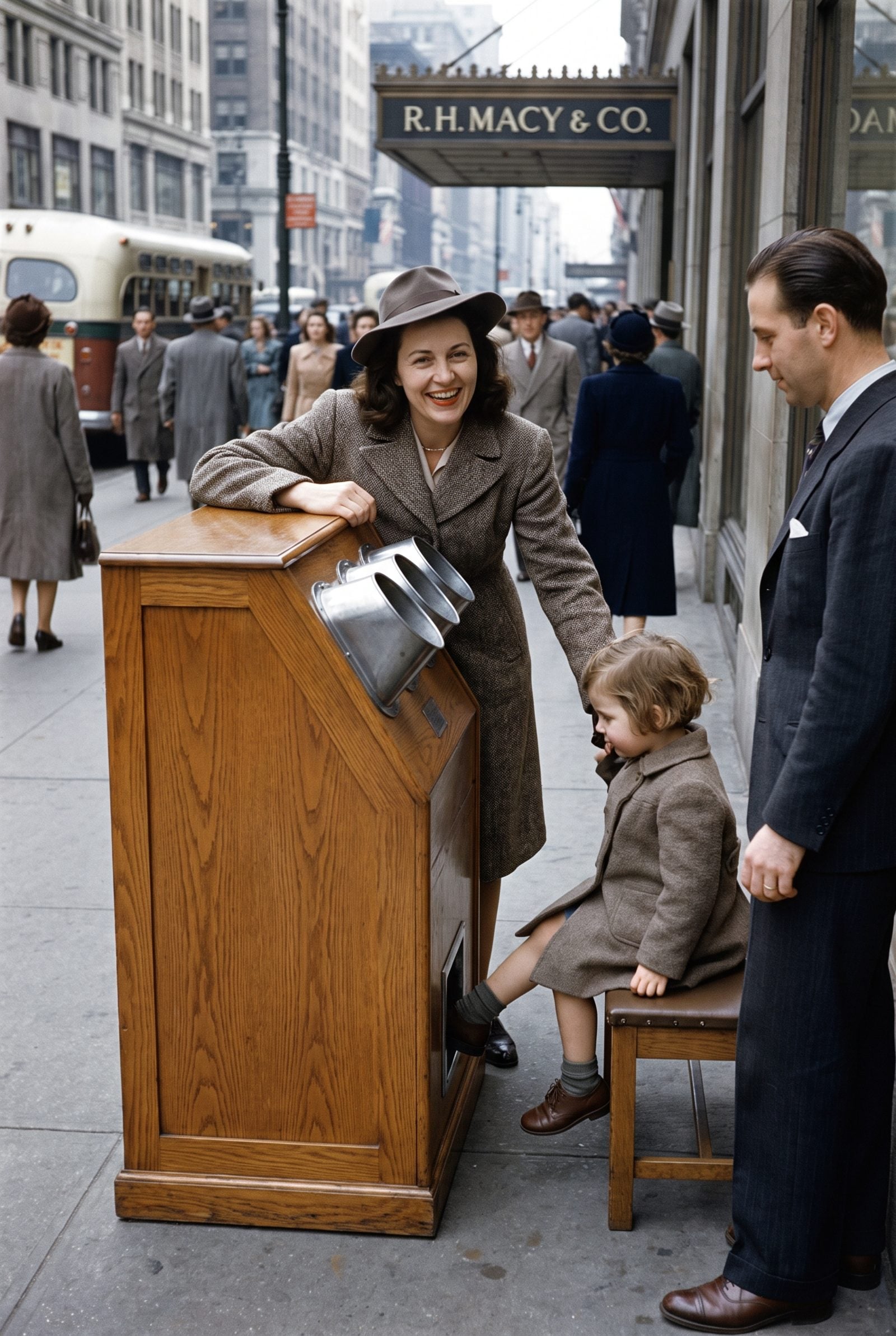
In those days, shoppers slid a foot into a slot and peered down through a hood at the green-glowing bones of their own toes wiggling inside the leather. Children loved it. Parents trusted it completely, and nobody in the shoe department thought twice about the live, unshielded X-ray tube firing radiation at customers’ feet dozens of times a day.
These fluoroscopes stood in shoe departments from the late 1920s through the 1950s, sold as scientific proof of a proper fit. The salesman looked through one hood, you looked through another, and your mother peered through a third. Three heads bent over a radiation box, admiring the view.
47. Pneumatic Tubes That Rushed Cash to a Central Office
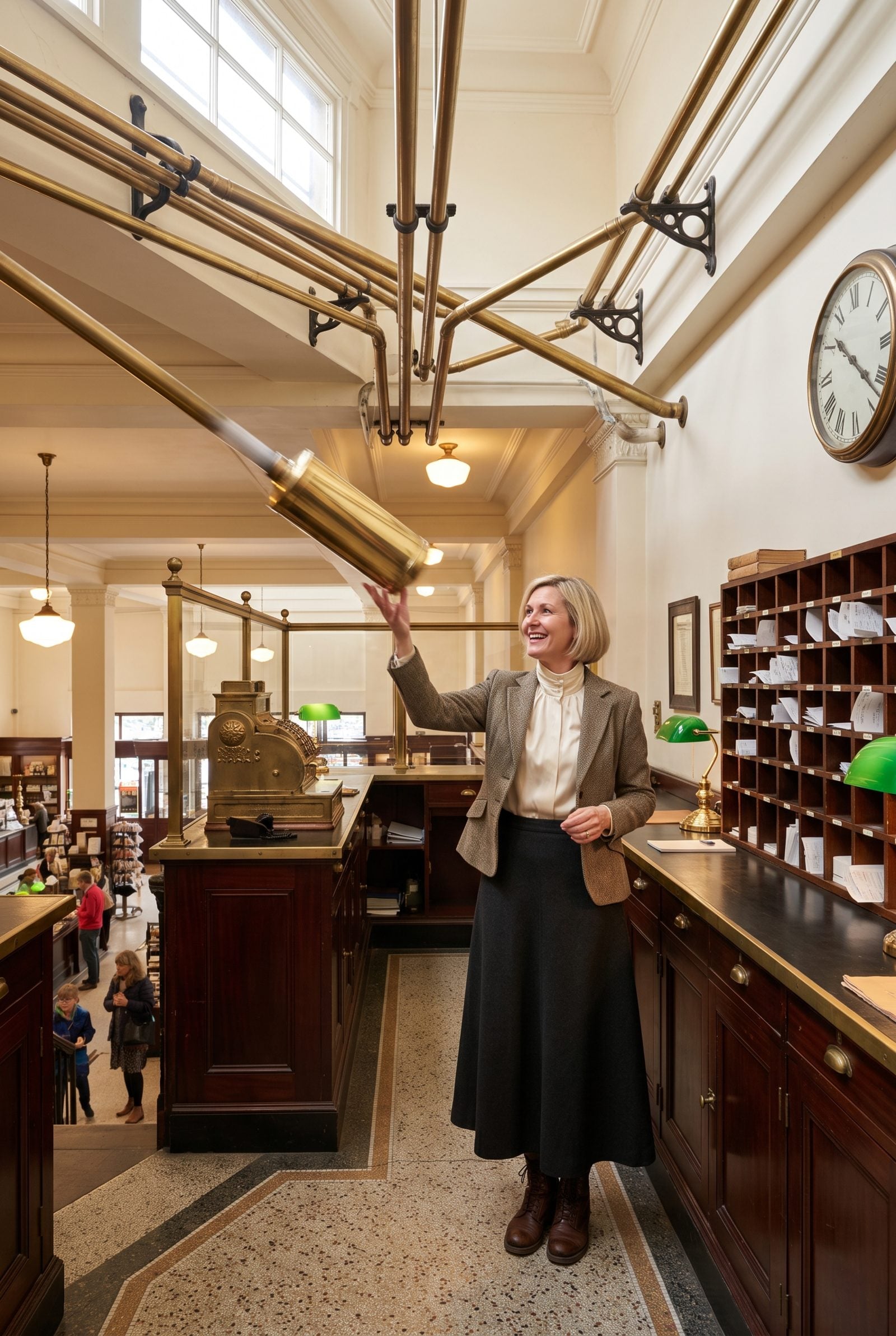
Before anyone had heard of a card reader, your crumpled dollar bills and the sales slip went into a felt-lined brass canister, got screwed shut, and vanished up a tube with a thunk and a whoosh. Somewhere above the selling floor, in a room most customers never saw, a bank of cashiers caught the canisters, made change, and fired them back down.
The whole store ran on compressed air and a faint constant hiss. Kids used to stand under the tubes just to watch the canisters shoot past the ceiling, little brass rockets straight out of a Jules Verne novel.
46. Cash Boys and Cash Girls Carrying Payments to Central Cashiers
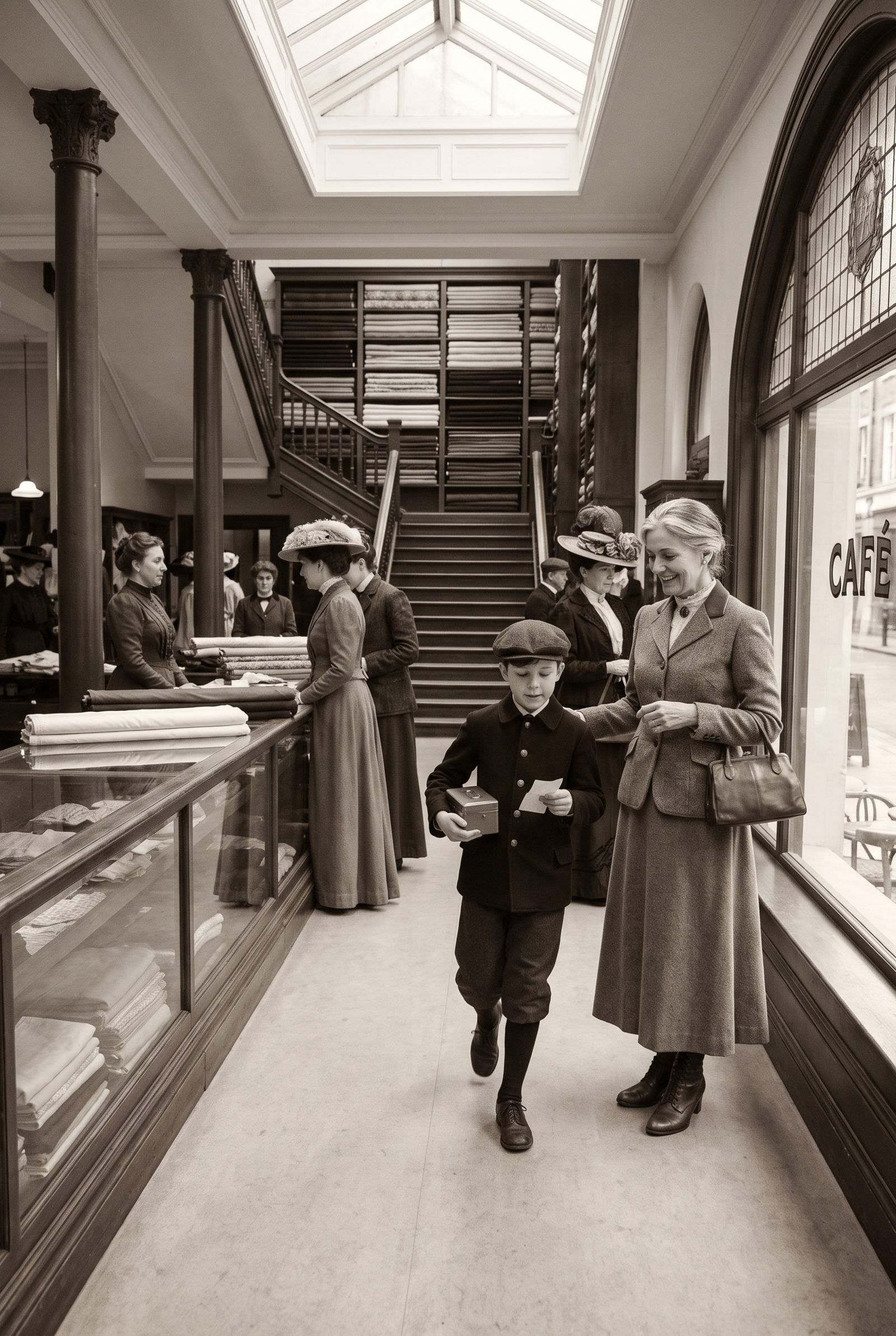
The tube system replaced actual children. Before the brass canisters, big stores employed small armies of cash boys and cash girls, kids of ten or twelve, who sprinted your money and your sales slip across the floor to a central cashier and raced the change and the wrapped parcel back to the counter.
It was a first job for thousands of working-class children, paid in a few dollars a week and the occasional scolding for dawdling. The good ones got promoted to stock or sales. The whole clattering operation ran on their small fast legs until mechanization quietly put them out of a job.
45. Cold-Storage Vaults for Customers’ Fur Coats
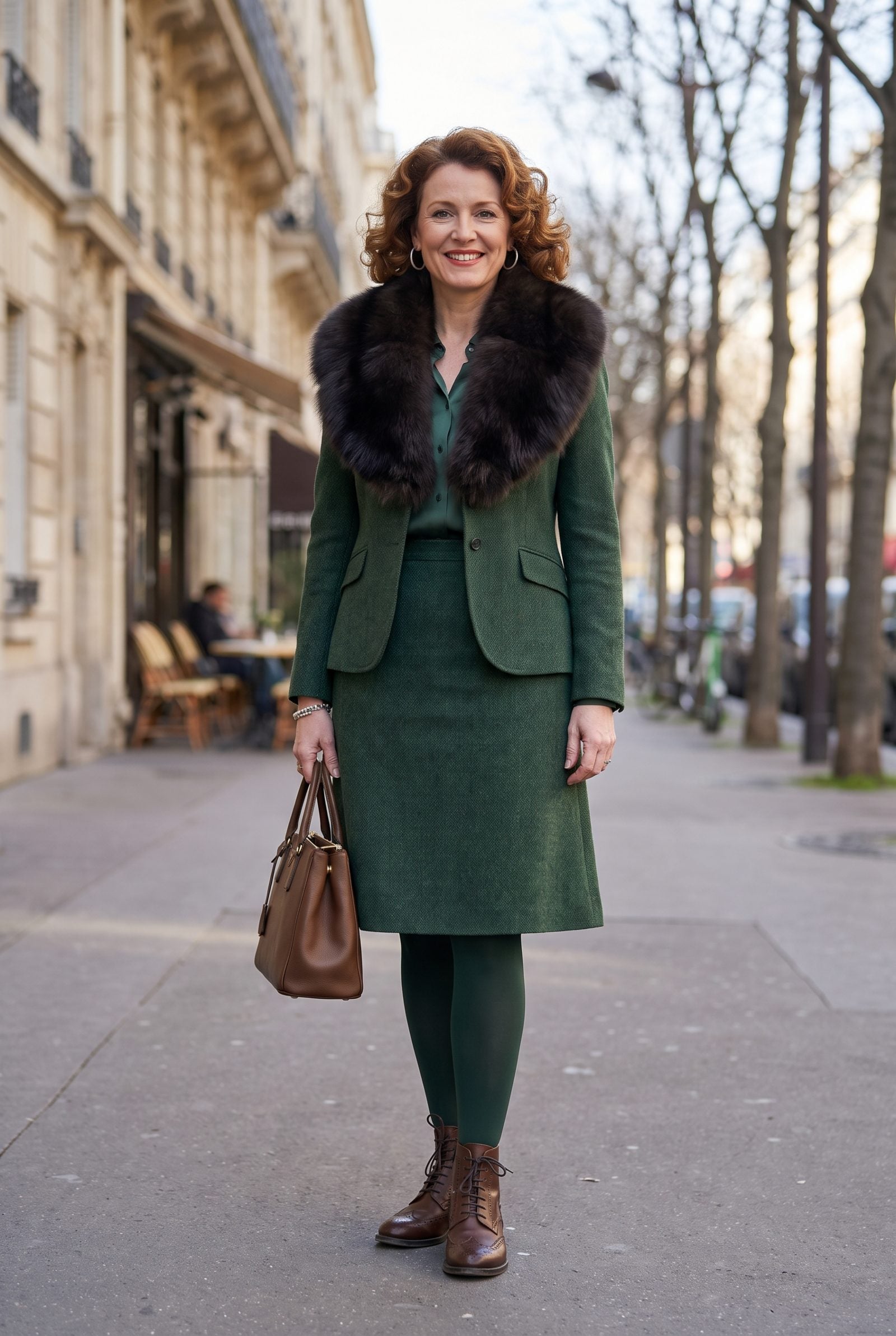
Come spring, you didn’t shove the mink in the hall closet and hope. You brought it downtown, handed it over at a counter, and watched it disappear behind a steel door into a refrigerated vault kept cold enough to hold off moths and mold all summer long. You got a numbered tag. You got it back in October, cleaned and glazed.
Fur cold-storage was a whole department, complete with insurance, repairs, and remodeling of last year’s style into this year’s. For a certain kind of customer, that summer handoff was as much a seasonal ritual as putting up the window screens.
44. Rooftop Amusements, From Carnival Rides to Putting Greens
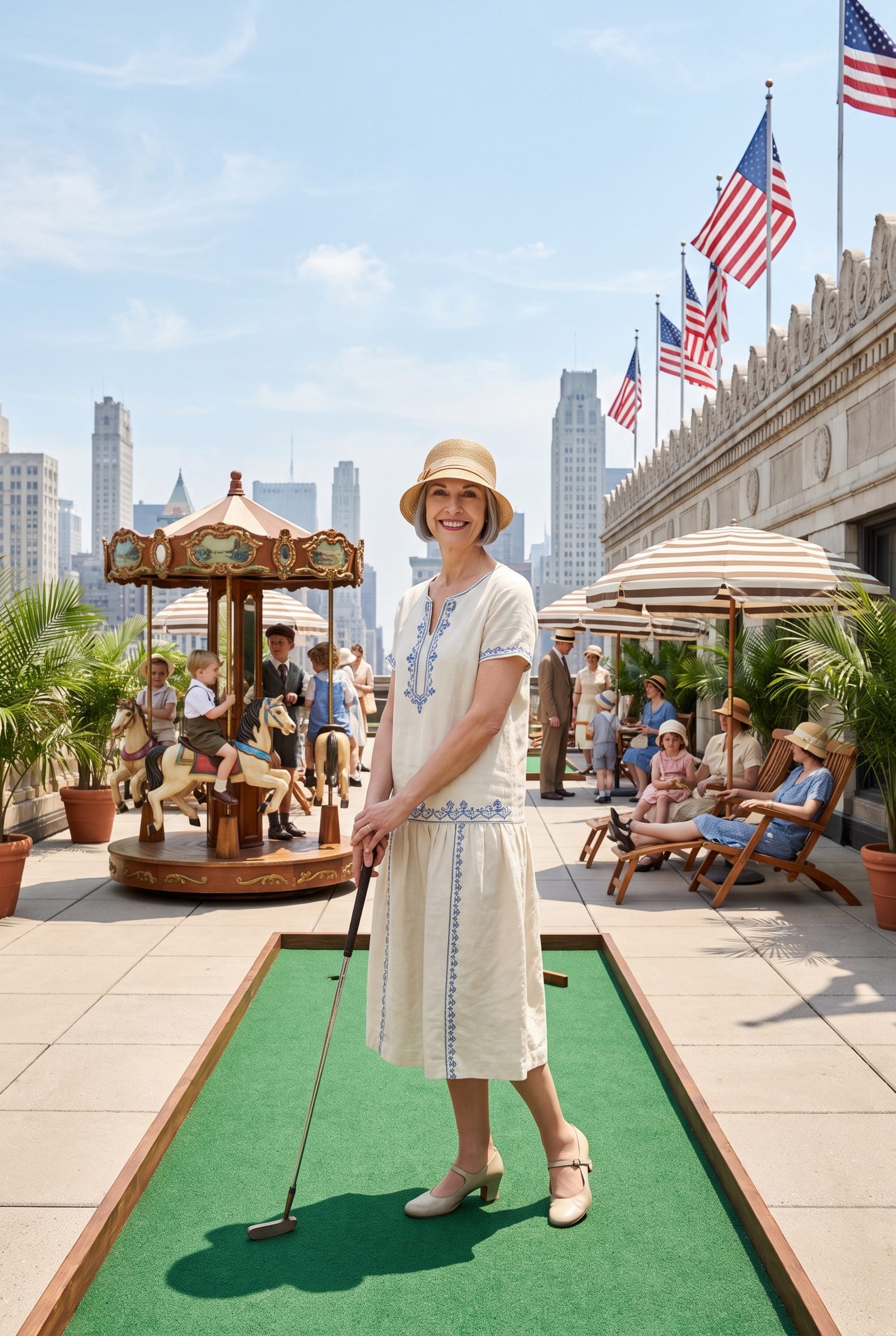
Shopping used to come with a view. The grandest stores turned their rooftops into playgrounds, stocking them with carousels, pony rides, putting greens, band concerts, roof gardens, and open-air cafes where you could eat a sandwich twelve stories above the traffic.
Shrewd psychology, really. Give the kids somewhere to burn off an afternoon and the parents stayed, spent, and came back. A few stores went all in with full carnival rides and miniature trains circling the parapet.
The roof wasn’t an afterthought. It was the reason a whole family would make the trip downtown.
43. Radio Studios Broadcasting Live From Inside the Store
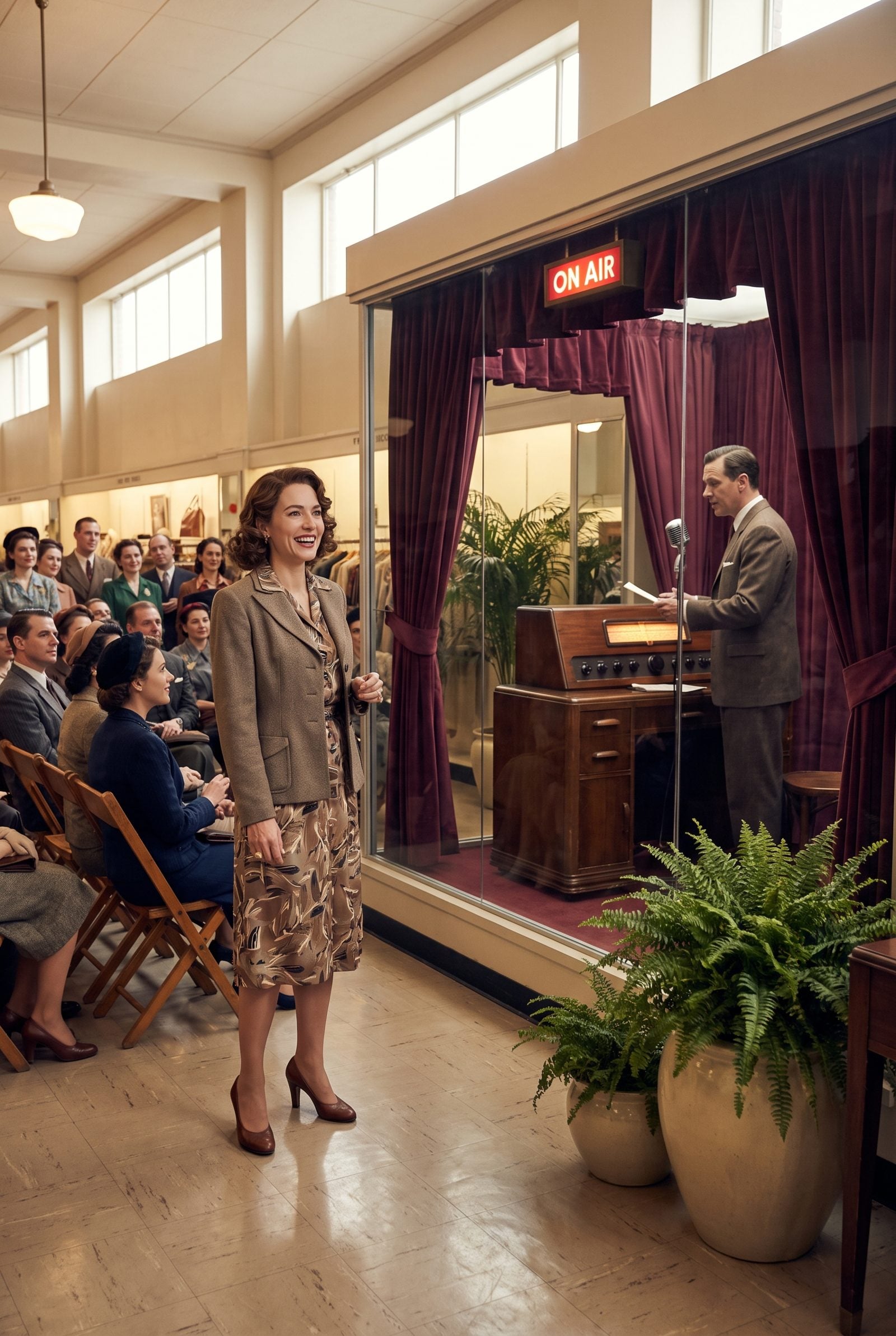
Some stores owned the radio station outright. In the 1920s and 30s a department store might run a broadcasting studio right on the selling floor, tucked behind a big glass window, with announcers, live orchestras, and variety shows beaming out over the air to the whole region.
Shoppers gathered to watch the broadcast the way people now cluster around a store window at Christmas. The store got free advertising, a glamorous reputation, and a crowd, all in one bargain. Several of the call letters still on the air today began life as a retailer’s publicity stunt.
42. In-Store Infirmaries Staffed by Registered Nurses
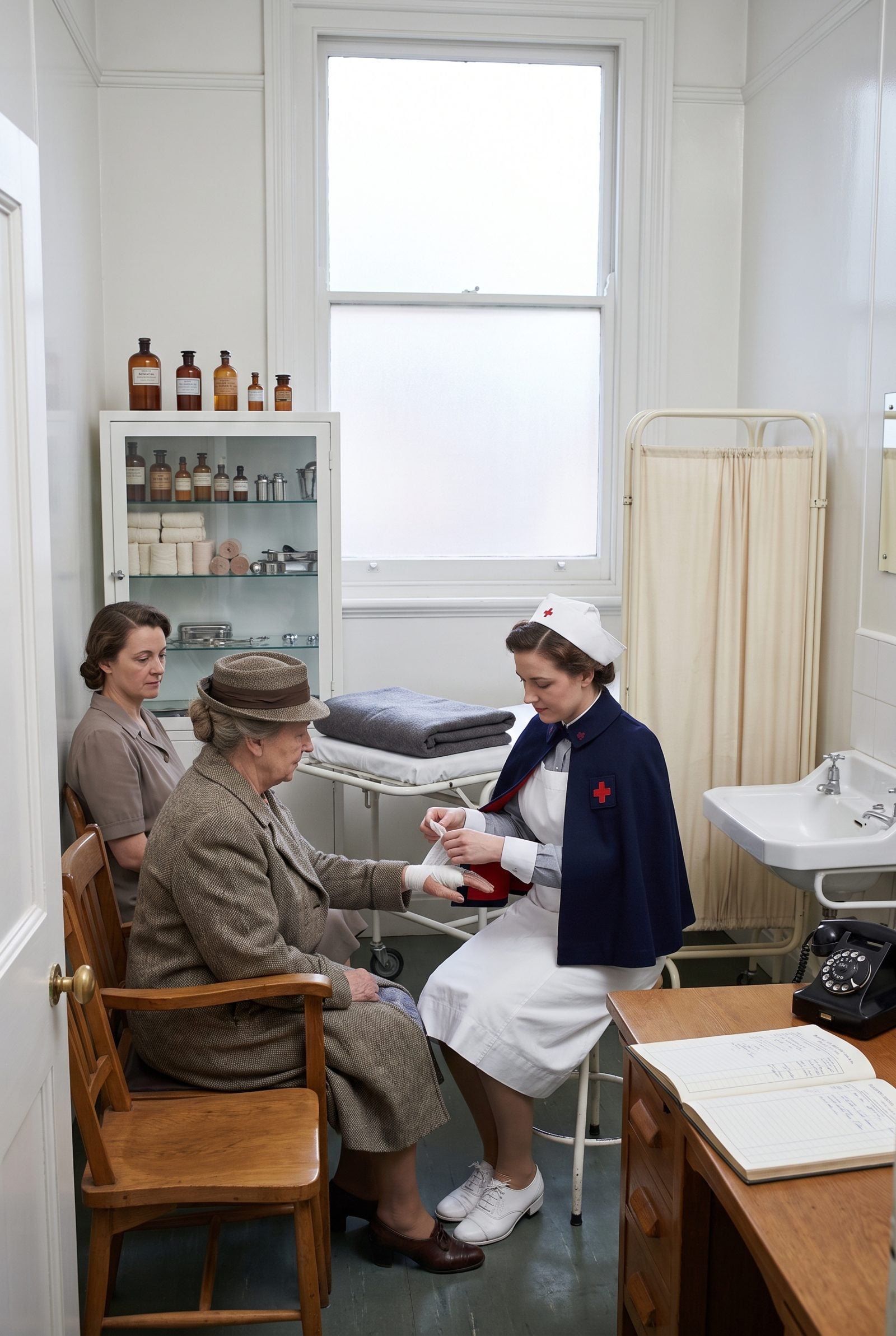
Twist an ankle on the stairs, feel faint by the perfume counter, or come over queasy in the heat, and a uniformed registered nurse would see you in the store’s own infirmary. Many big stores ran a proper first-aid room with a cot, a medicine cabinet, and a nurse on duty every hour the doors stayed open.
It covered the staff too, hundreds of employees on their feet all day. The nurse handed out aspirin, bandaged cuts, let exhausted shoppers lie down for ten minutes, and now and then delivered the news that it was time to call a doctor.
41. Automobile Showrooms Tucked Inside the Department Store
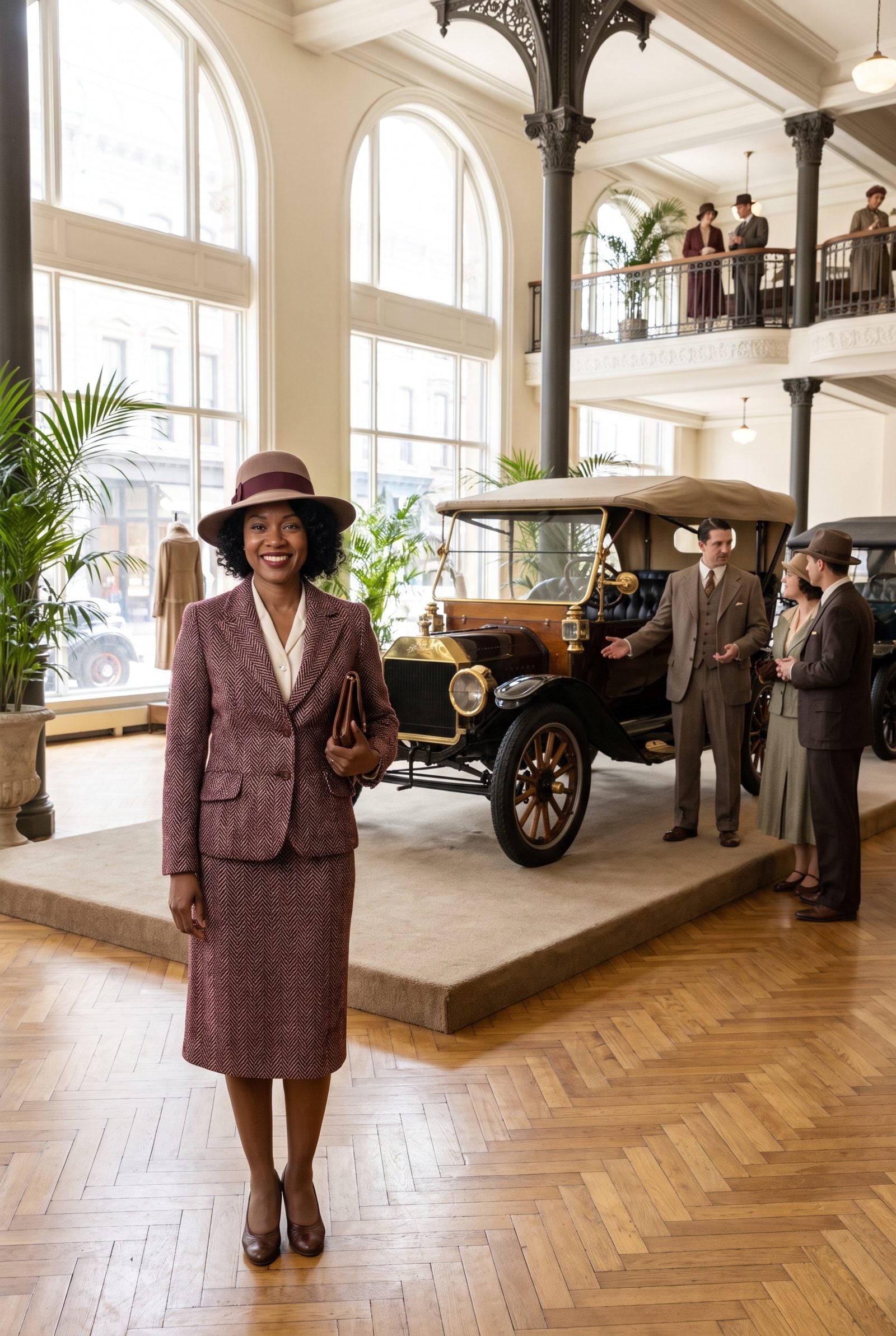
You could buy a sofa, a hat, a set of golf clubs, and a motorcar on the same visit. In the early automobile era, before dedicated dealerships blanketed the country, some department stores sold cars right on the floor, parked on carpeted platforms between the furniture and the sporting goods.
It made a strange kind of sense. The store already had the showroom space, the credit department, and the carriage-trade clientele with money to spend. And buying a car felt less intimidating next to the lamps and the dining sets than it did in a garage that reeked of oil.
40. House Models Who Showed Garments to One Customer at a Time
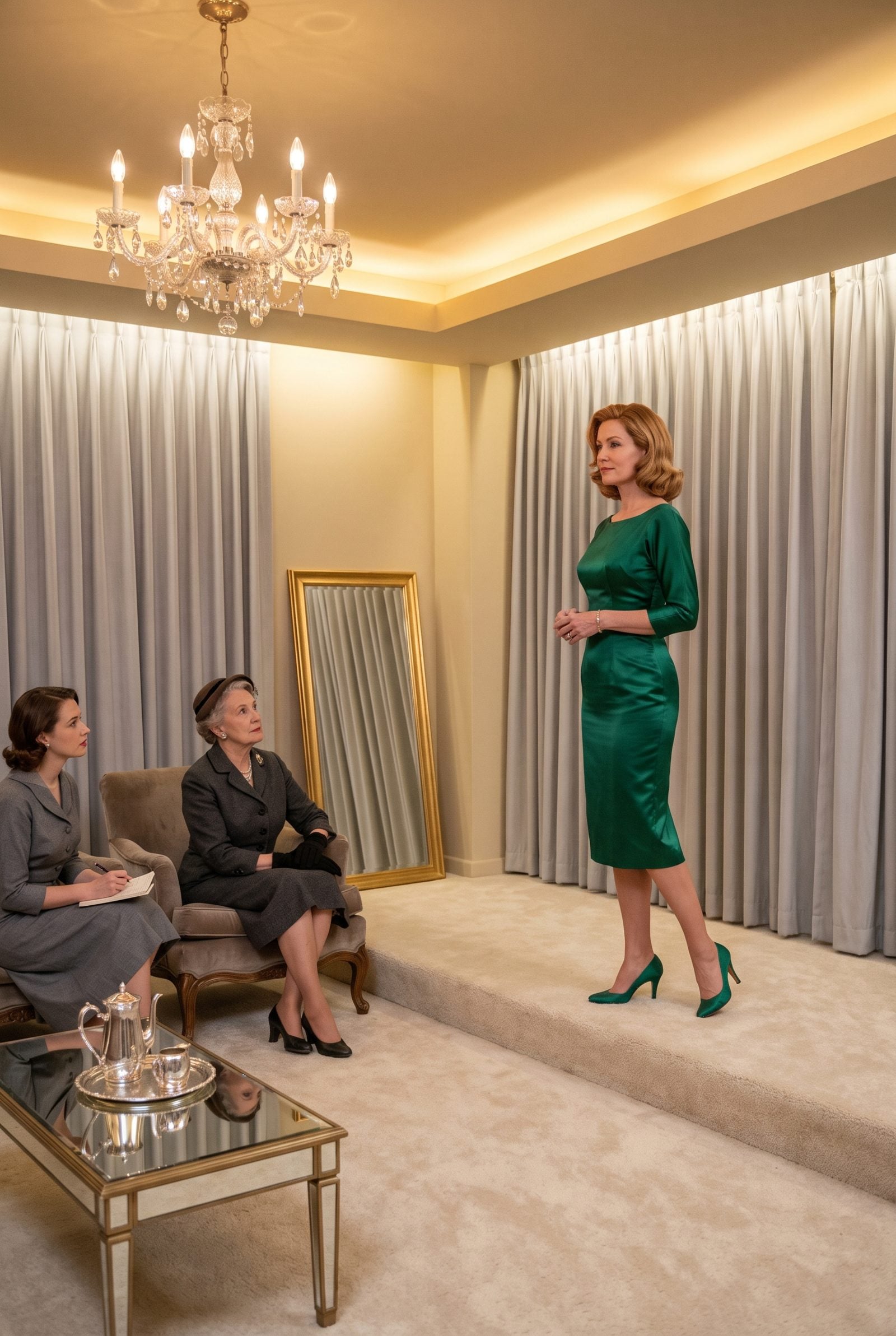
Forget the mannequin. In the better dress salons a live house model would walk the clothes for you, one customer at a time, gliding across a small platform in the gown so you could watch the fabric move before you ever stepped into a fitting room.
Service pitched as theater, and it worked, because seeing a garment in motion on a body tells you everything a flat hanger hides. The whole arrangement flattered the customer into feeling like the only woman in the store. Which was, of course, exactly the idea.
39. Foot-Care Salons Staffed by Professional Chiropodists
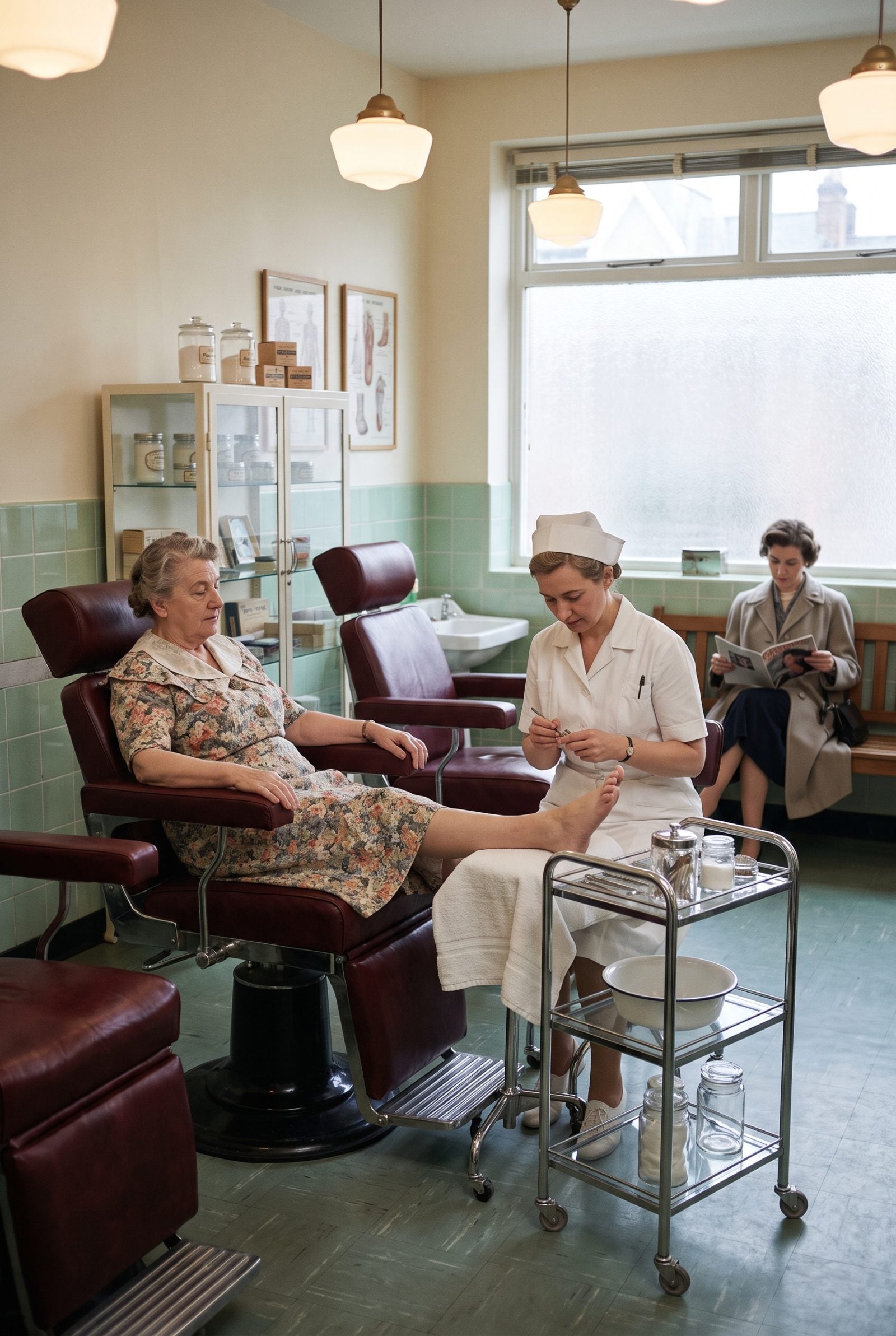
After a full day of walking marble floors in new shoes, your feet had earned a professional. Larger stores kept a foot-care salon staffed by a licensed chiropodist, now called a podiatrist, who treated corns, calluses, aching arches, and the general wear of a life spent standing.
It paired neatly with the shoe department one floor over. Get your feet seen to, buy the arch supports, then buy shoes that fit the feet you actually have instead of the feet you wish you had. The chair reclined, the towels came warm, and for twenty minutes the busiest store in the city felt like the quietest room in it.
38. Telegraph Desks for Sending Same-Day Messages
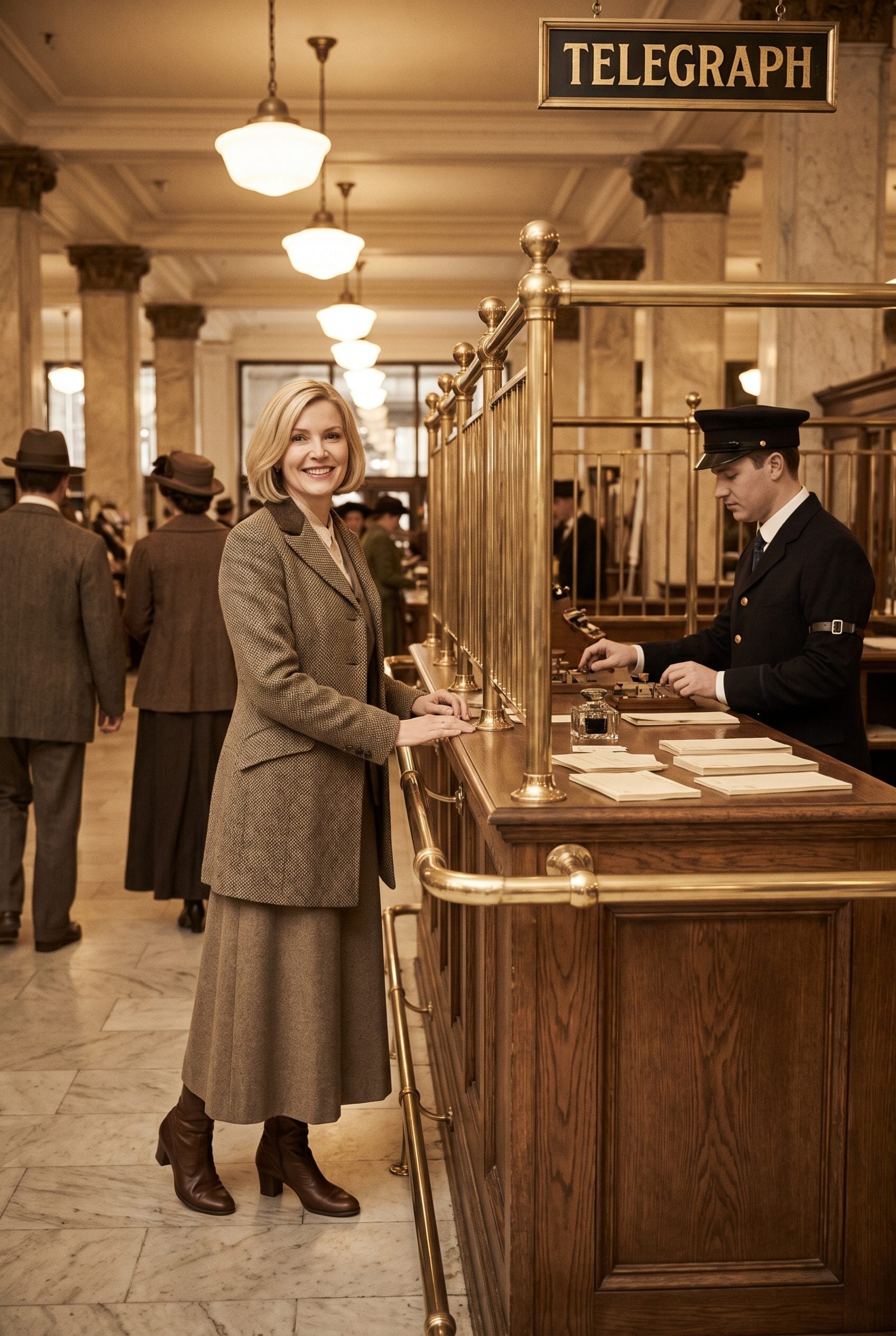
Before you could text your husband that you’d be late for dinner, you walked to a counter on the ground floor and dictated it to a clerk tapping morse. Big stores ran their own telegraph and cable desks, wired straight into Western Union lines, so a shopper could fire off a message mid-errand and have a reply waiting by the time she’d finished buying gloves.
It sat near the information booth, usually under a gilt sign, with pneumatic tubes whisking paper off to the wire room. Same logic as free delivery and charge accounts. Keep her inside the building, make leaving feel unnecessary.
37. Metal Charge Plates and Store-Issued Charge Coins

These days the metal is worn, not carried. Here it starts with a stack of slim silver bangles on one wrist. Then comes the coat: a pewter leather trench with silver snaps and buckled cuffs, worn open over a navy silk blouse and charcoal wool trousers. It’s finished with gunmetal buckle loafers and a taupe leather tote with a polished metal clasp.
Wearing it means something: an easy smile, silver hair worn loose, a tree-lined brownstone street as the backdrop. You don’t need to announce yourself on a good street. You carry proof you belong to it.
36. Writing Rooms Stocked With Desks, Ink and Store Stationery
❤️ Would you like to save this?
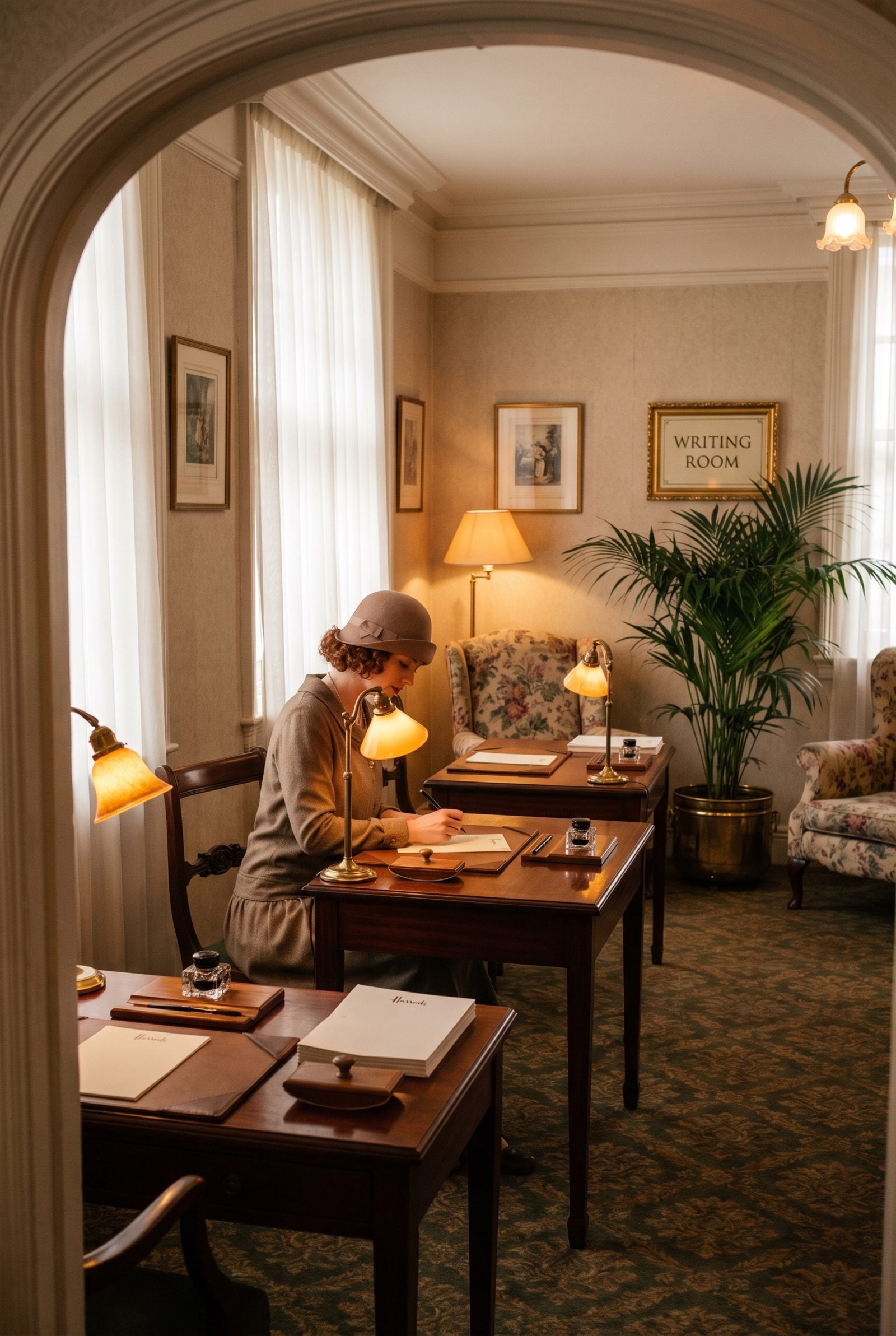
Imagine finishing your shopping and sitting down to write three letters before you left the building. That was the point of the writing room. Padded chairs, mahogany desks, store-monogrammed paper, fresh ink, blotters, the works. Free to use, no purchase expected.
And it solved a real problem. A woman downtown for the afternoon had errands to run and correspondence that couldn’t wait, so the store handed her a desk and a pen and, not by accident, kept her in the building a little longer. You can still style in that same unhurried spirit, treating getting dressed and running your day as something civilized rather than rushed.
35. Hosiery-Mending Desks That Repaired Runs and Snags
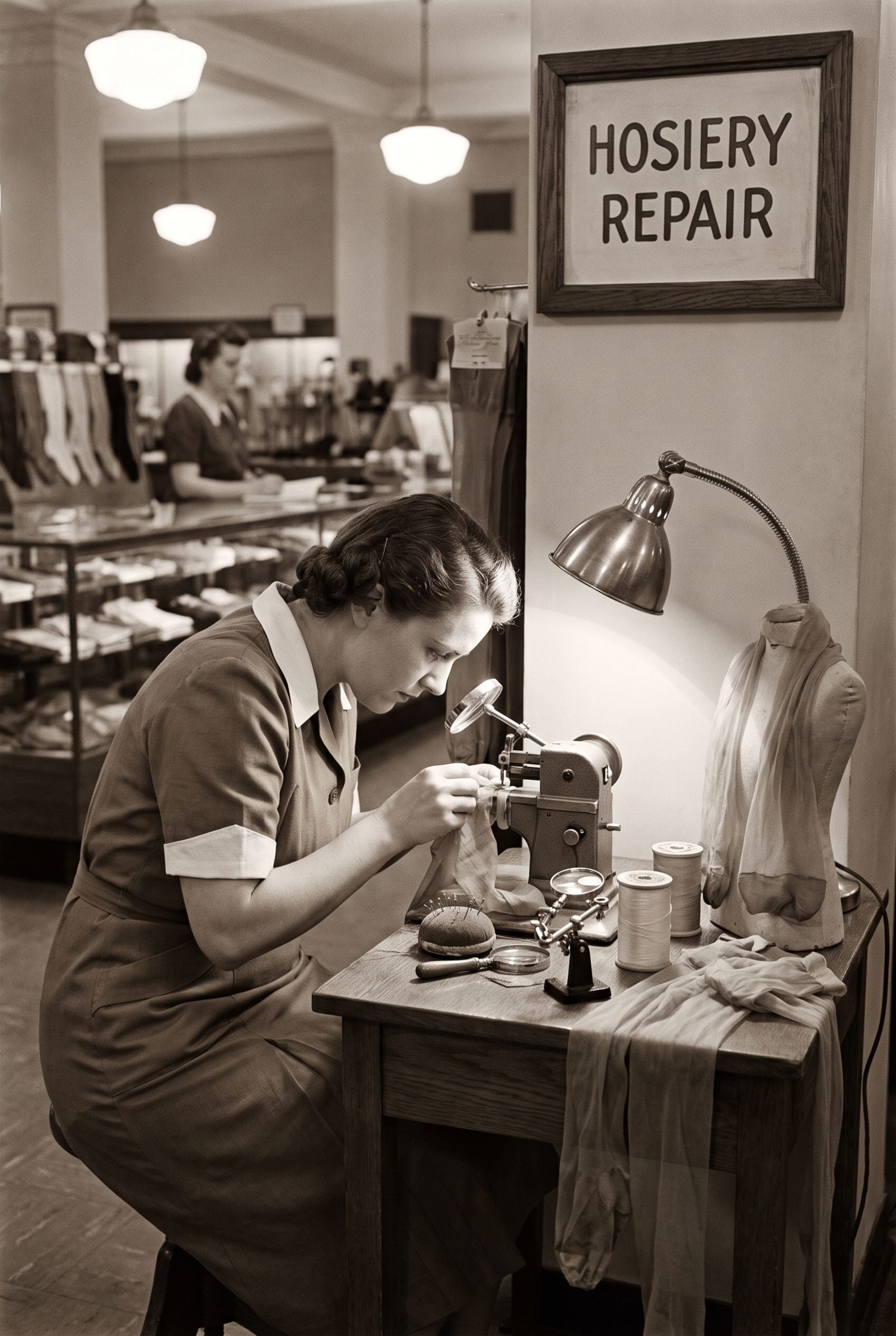
Beneath a framed “Hosiery Repair” sign at the edge of the store’s hosiery counter, a woman in a short-sleeved uniform with white collar and cuffs bends over a small mending machine, peering through a magnifier at a stocking under a gooseneck lamp. Good stockings cost real money, so pieces like these deserve mending, not replacing. Spools of thread, a pincushion and a form draped in sheer hose sit on the desk beside her, and a run could be picked up and closed stitch by stitch.
Drop off a worn pair and collect them good as new, or have a loose blazer button sewn back on while you wait. Throwing out a favourite piece over one flaw should be unthinkable. Someone can fix it, and it pays to know where that someone is in your neighbourhood.
34. Glove Counters Where Every Finger Was Professionally Fitted
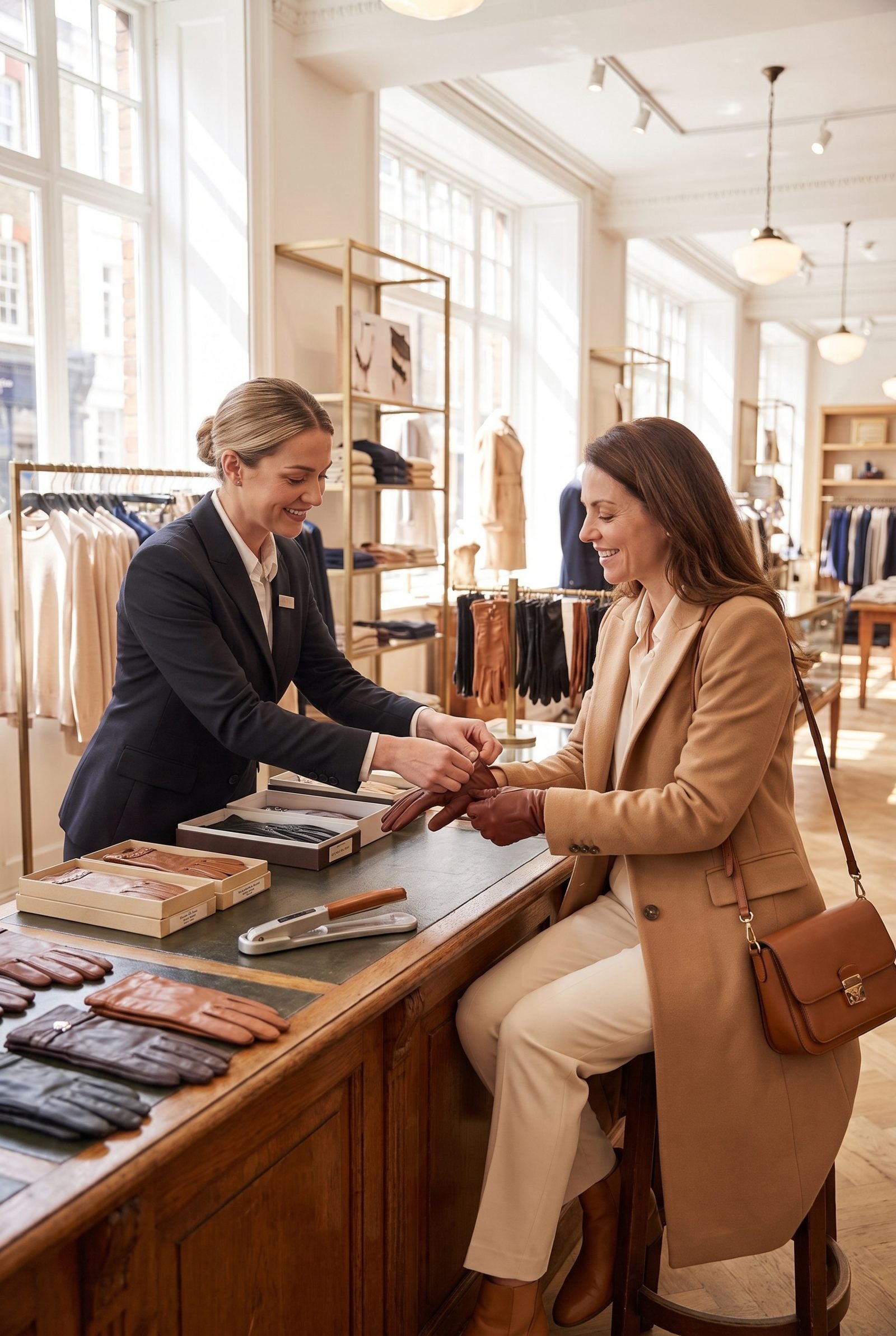
Buying gloves was a hands-on ritual. A saleswoman eased each new pair onto your hand, working each finger on one at a time until the kid leather lay smooth as a second skin.
She knew your size to the half, measured across the knuckles. Gloves came in a dozen lengths and colors, folded flat in shallow trays across a wooden counter like this one. The fit was the whole product. A glove that bagged at the fingertips told everyone you’d bought it carelessly, and nobody wanted that.
33. Corset Departments With Specially Trained Fitters
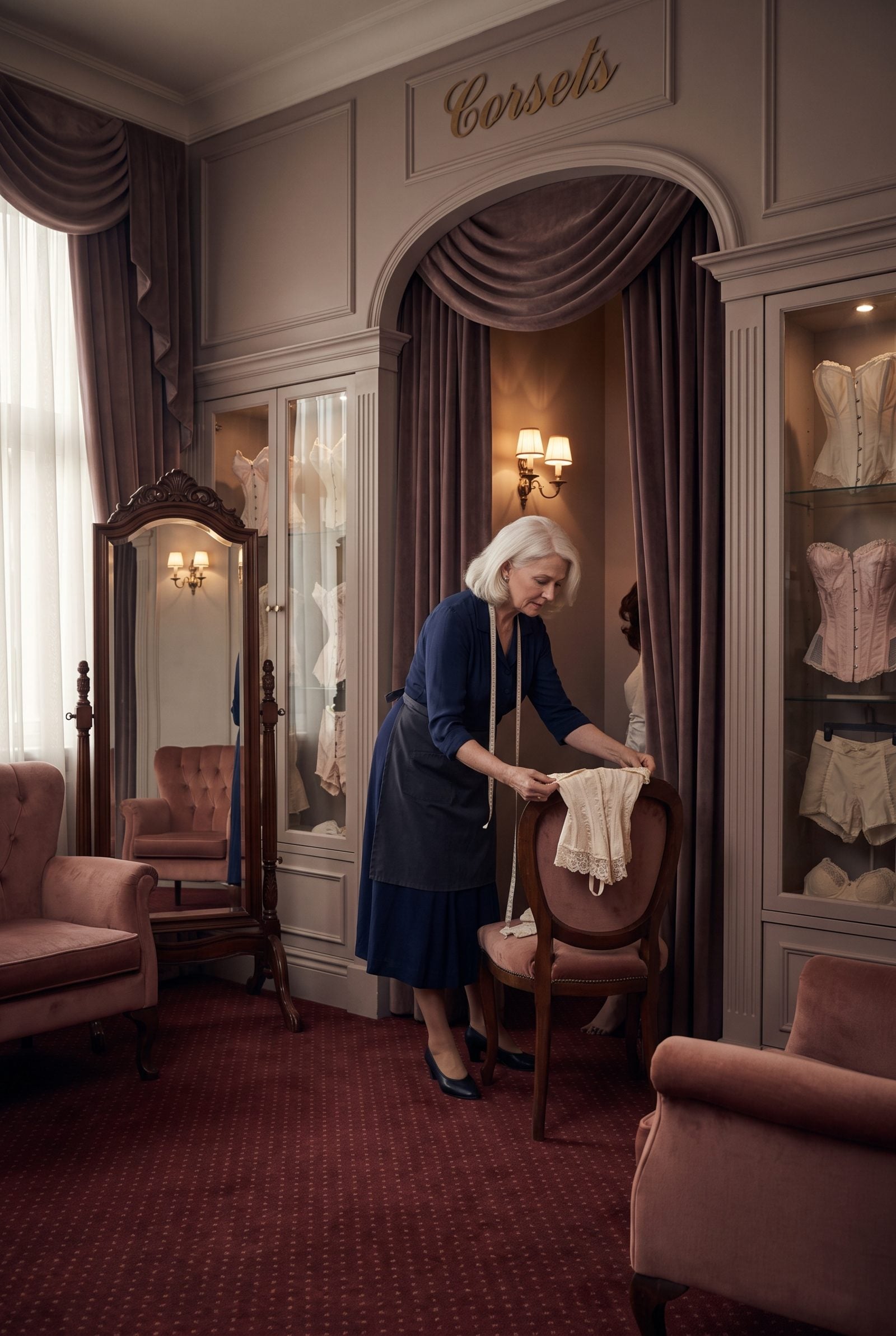
A good fitting still runs on expertise, not guesswork. A trained fitter measures you, pins the corset, and adjusts the lacing, boning and hooks until everything sits right. She knows which cut suits your frame and says so. Get fitted wrong and you’ll be uncomfortable all day, so her judgment carries real weight.
These fitters train for the job as specialists in foundation garments. The result shows here: a white-haired fitter in a navy dress and dark apron, a tape measure draped around her neck, smooths an ivory lace-trimmed corset over the back of a velvet chair while her customer waits behind the fitting-room curtain. Framed by glass cabinets of corsets, a carved standing mirror and dusky pink velvet armchairs, the whole department sits beneath a gilt “Corsets” sign.
32. Millinery Workrooms That Trimmed Hats to Order
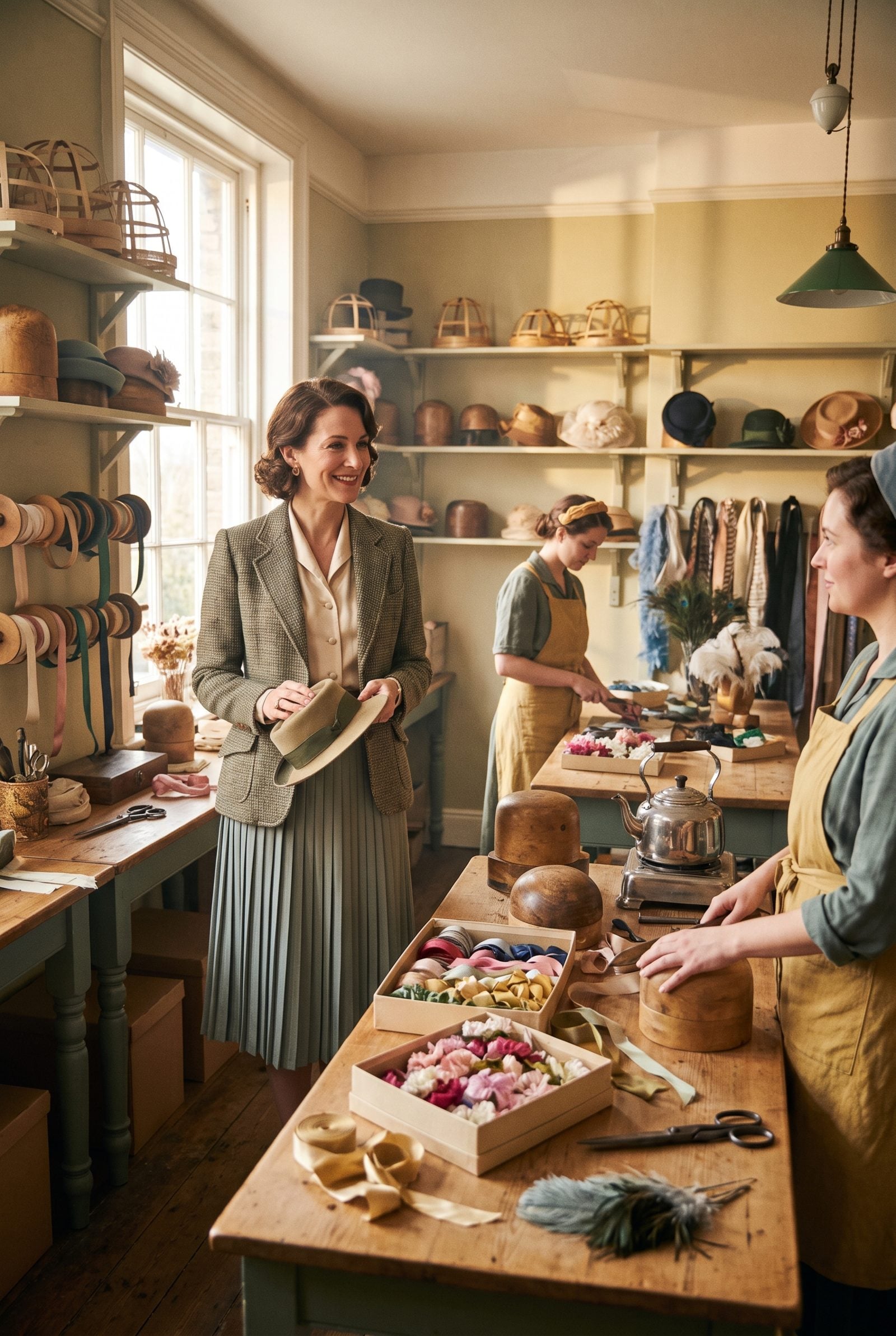
You didn’t just buy a hat. You chose a shape, then stood while a milliner trimmed it to your taste. More feather, less veil, a wider grosgrain band, a cluster of silk violets moved an inch to the left. She built it in the workroom and you collected it, yours alone.
Behind the salon, steam kettles softened felt over wooden blocks, and tables overflowed with ribbon, netting and flowers. A small factory running on skilled hands. When hats stopped being daily wear, those workrooms were among the first things the stores quietly shut down.
31. Cooking Schools With Demonstration Kitchens and Tiered Seating
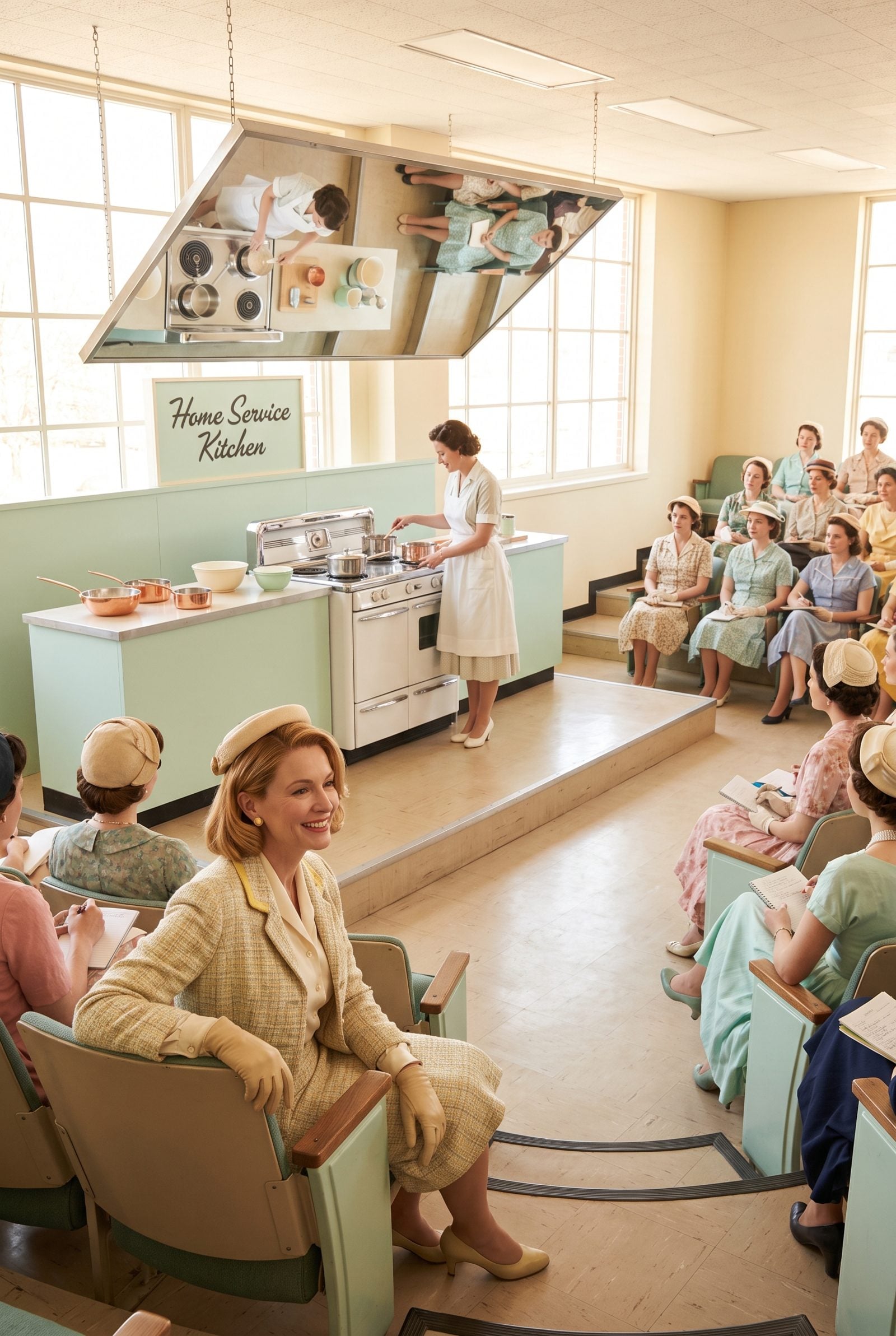
Picture tiered seating, a full audience of women in hats, and a tilted mirror above the stove so everyone could see into the pot. Flagship stores ran cooking schools with their own demonstration kitchens and a staff home economist who cooked a full menu while you watched and took notes.
Free, useful, and it sold appliances by the dozen. You learned to make a sauce and left wanting the range she’d used.
30. Auditoriums Built for Lectures, Concerts and Recitals
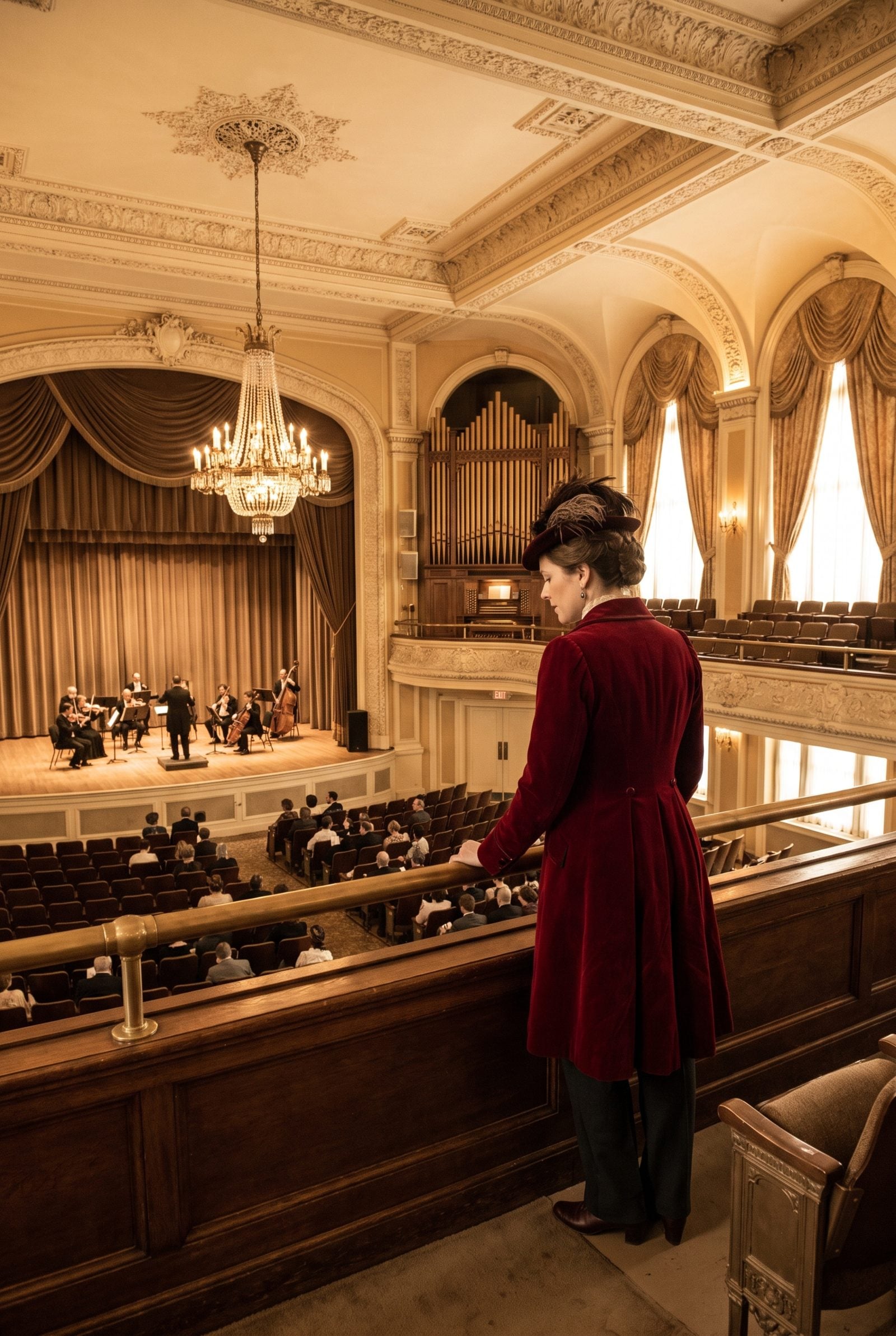
The biggest stores built actual auditoriums upstairs. Not a cleared sales floor with folding chairs, but a proper hall with a stage, velvet curtains, fixed seating and sometimes a pipe organ. They hosted concerts, author lectures, fashion shows, recitals and civic meetings, often free to the public.
The thinking was simple and generous at once. Make the store a cultural institution and the city would treat it as its own. People came for a famous speaker and left having bought a coat. The building wasn’t a shop anymore. It was a destination with a program.
29. Travel Bureaus That Booked Rail and Airline Tickets

You could book a transatlantic crossing in the same building where you bought your luggage. Department store travel bureaus sold rail tickets, steamship passage and, later, airline seats, planned your whole itinerary, and often sat right beside the trunk and suitcase department. Convenient by design.
An agent at a wood counter, walls papered in posters of coastlines and alpine resorts, worked out your route from a stack of timetables. The store that dressed you also sent you off and welcomed you home. When dedicated travel agencies and airline offices took over, the bureaus faded, one more service that once made the whole trip start at a single address downtown.
28. Supervised Nurseries Where Children Stayed While Parents Shopped
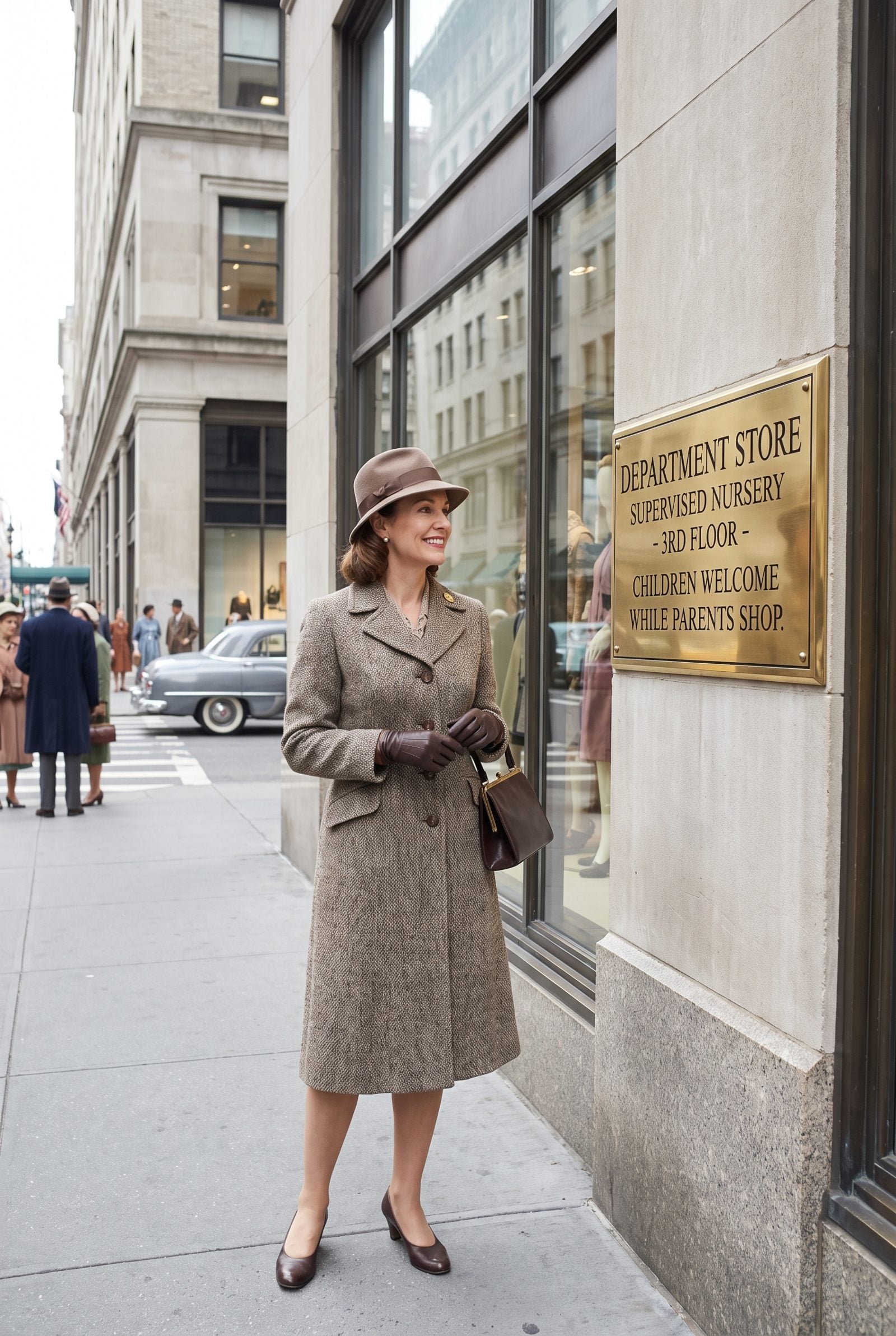
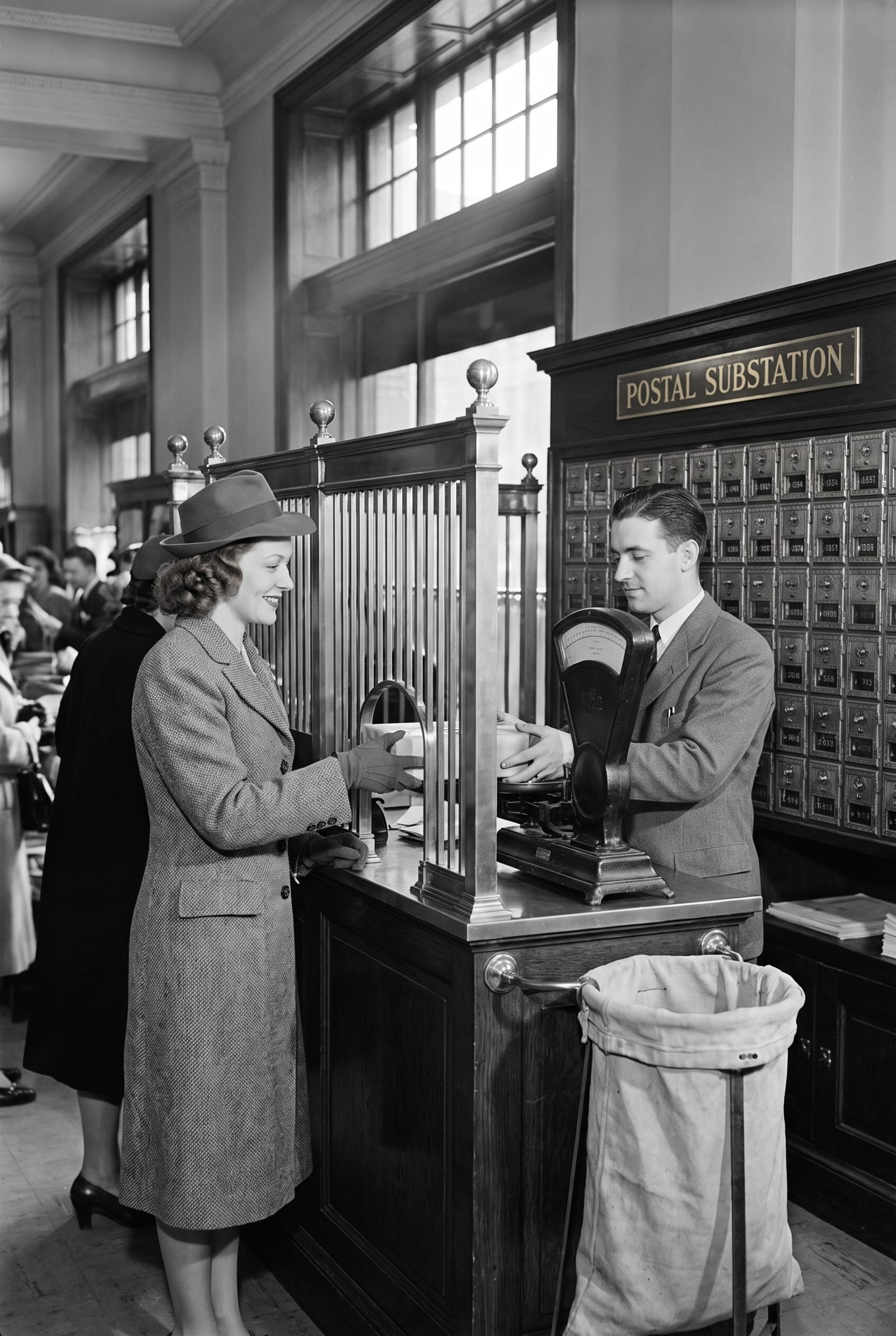
27. Full Postal Substations With Clerks and Mailboxes
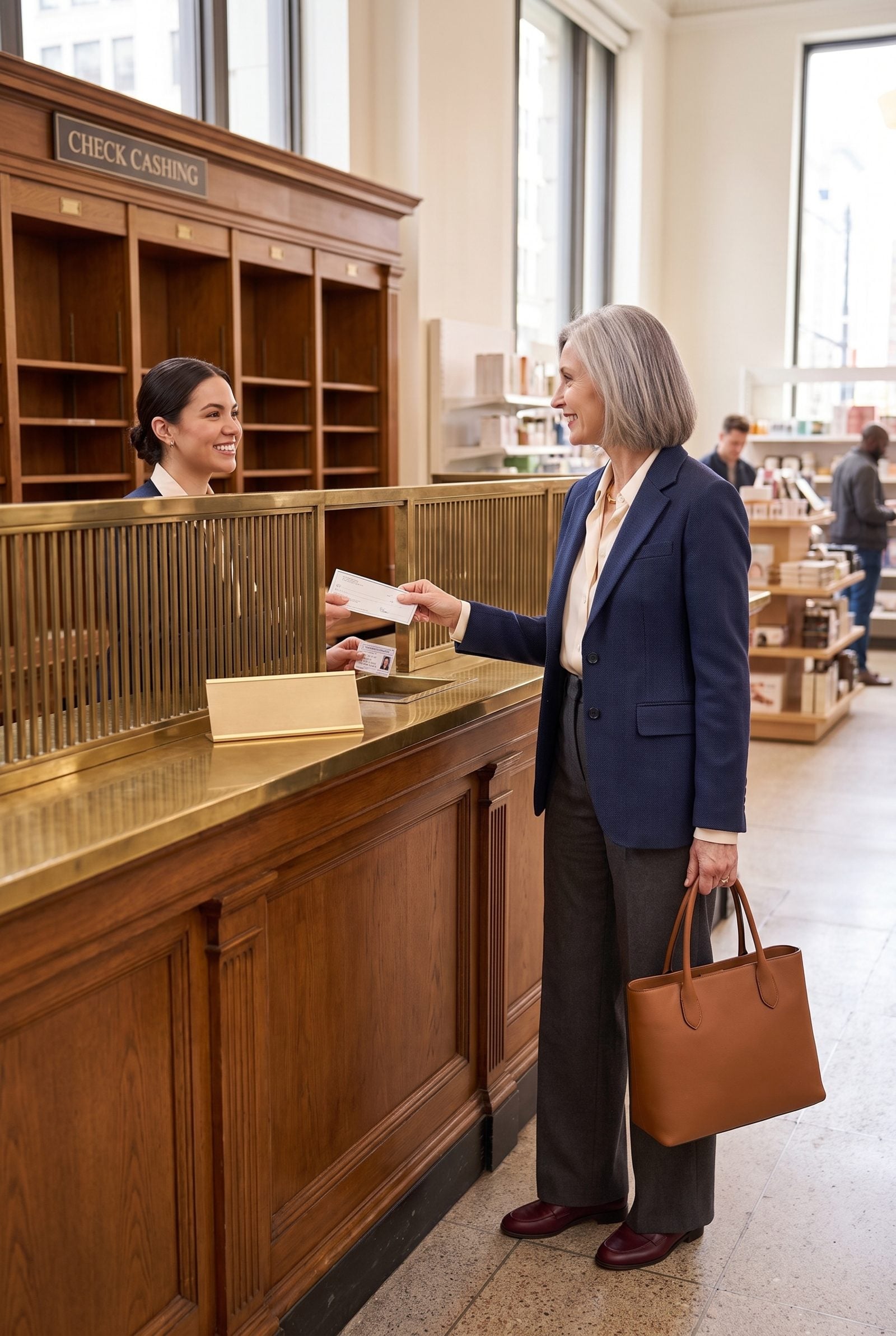
26. Banking Counters That Cashed Customers’ Personal Checks
25. Pet Departments Selling Live Birds, Fish and Puppies
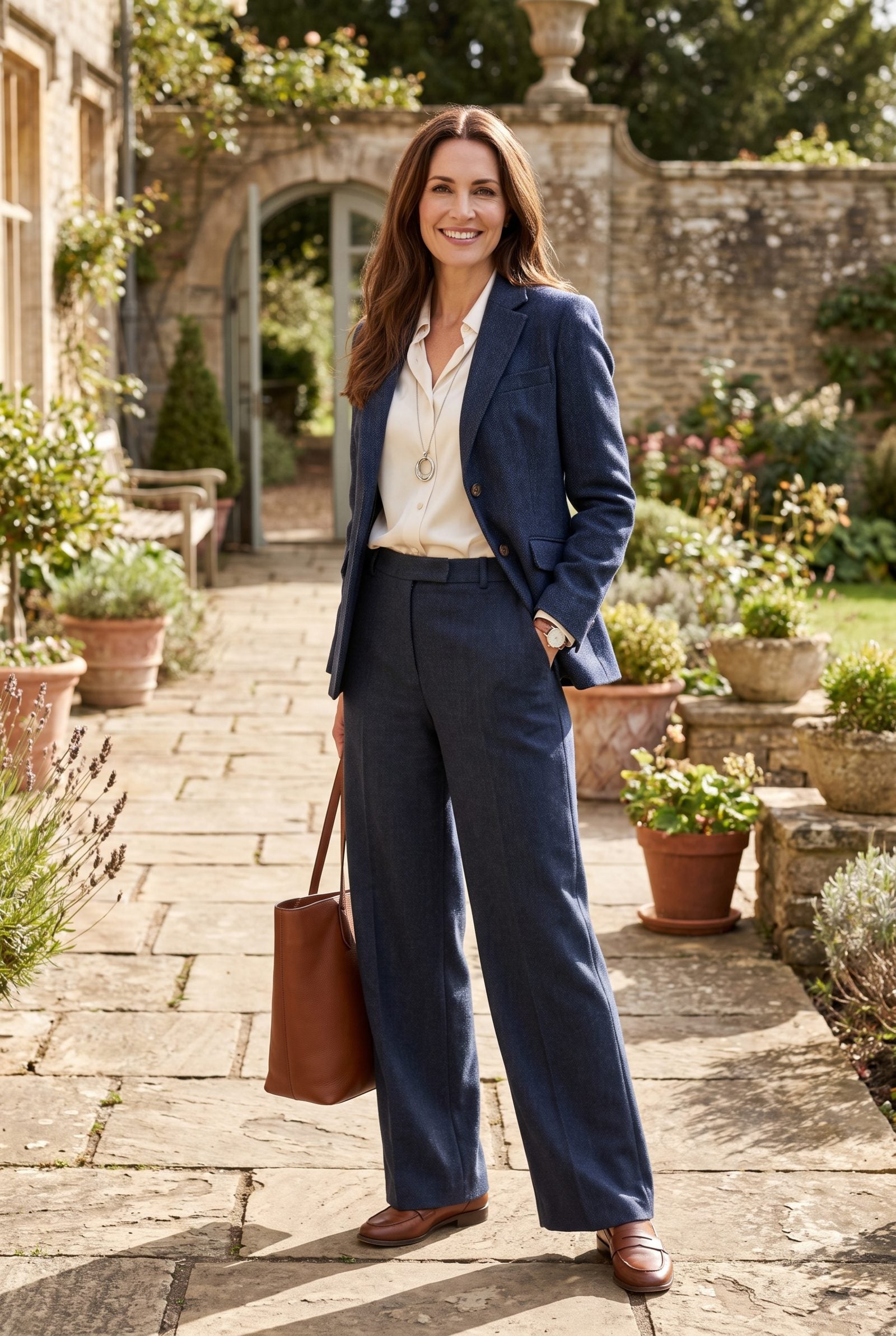
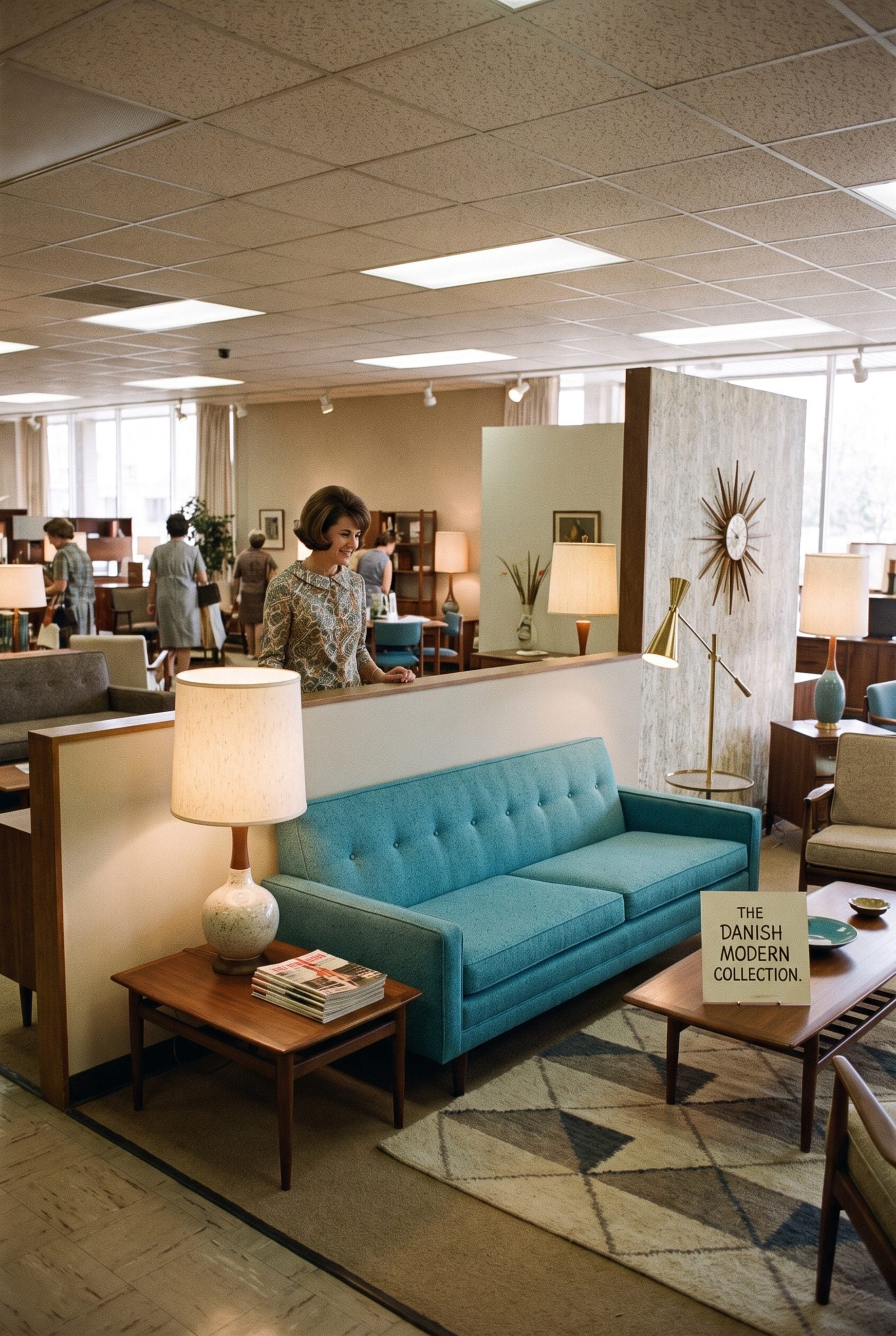
24. Full-Size Model Rooms Built Around Furniture Collections
❤️ Would you like to save this?
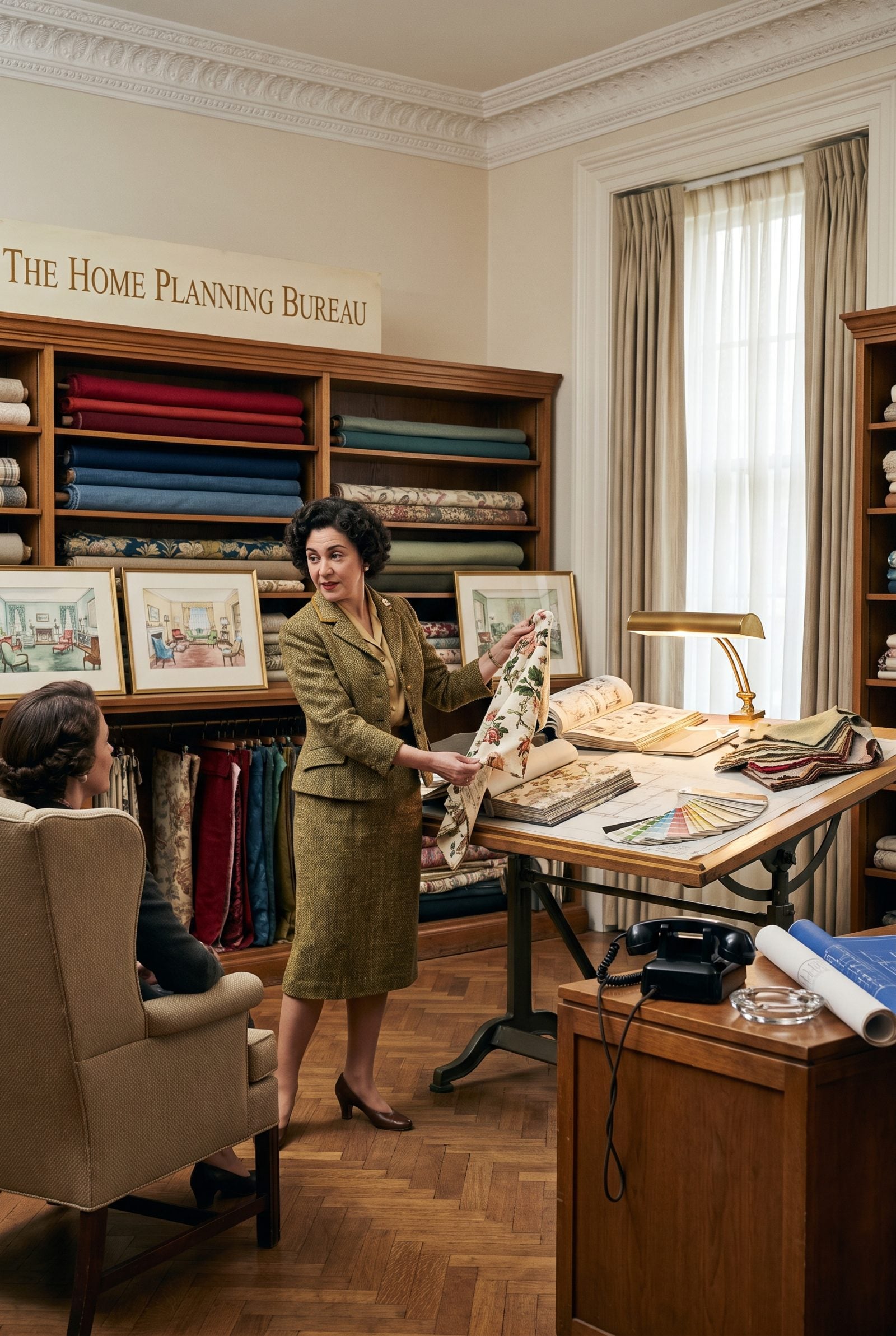
23. Interior-Decorating Bureaus That Planned Entire Homes
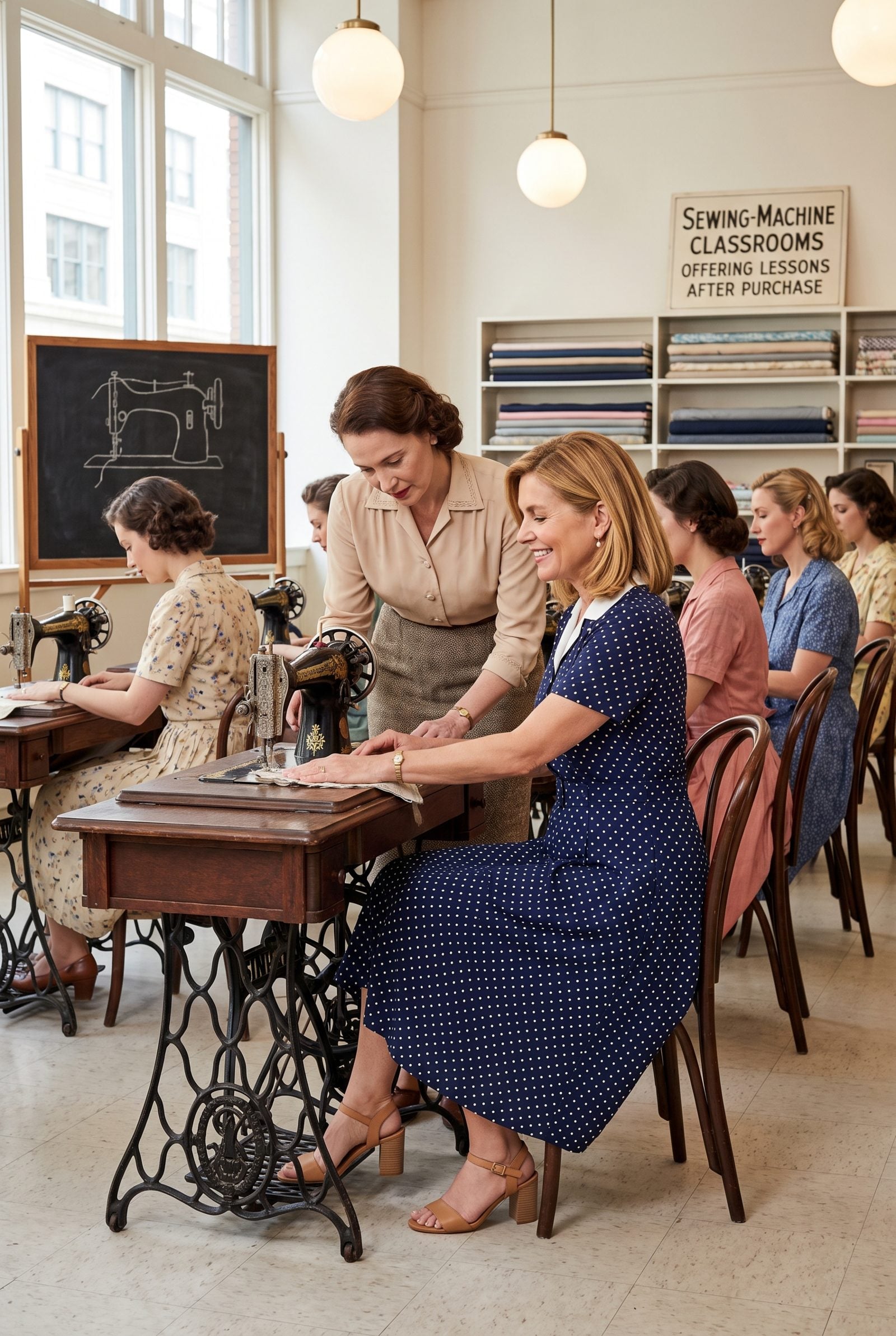
22. Sewing-Machine Classrooms Offering Lessons After Purchase
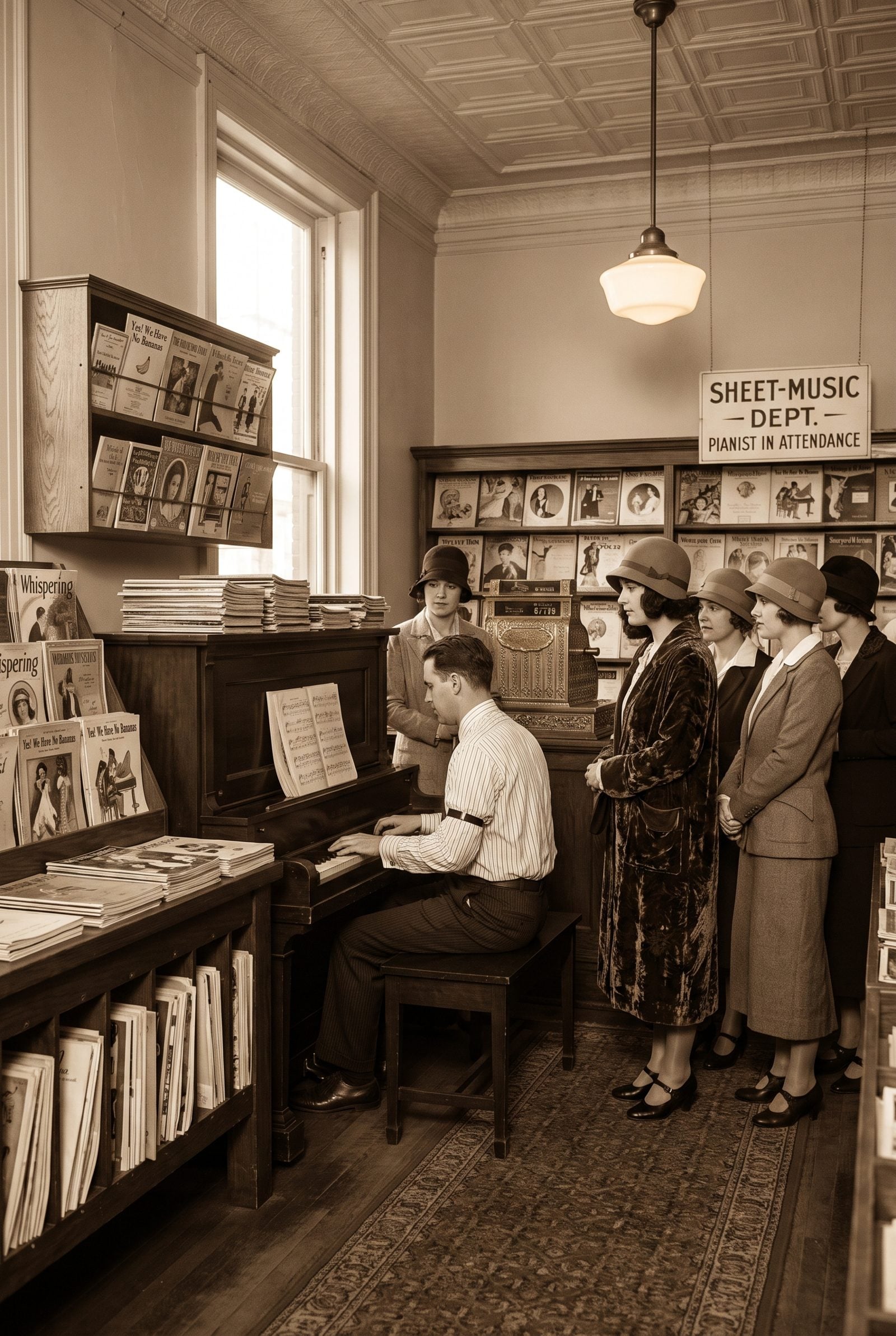
21. Sheet-Music Departments With Pianists Demonstrating Songs
20. Record-Listening Booths With Headphones or Turntables
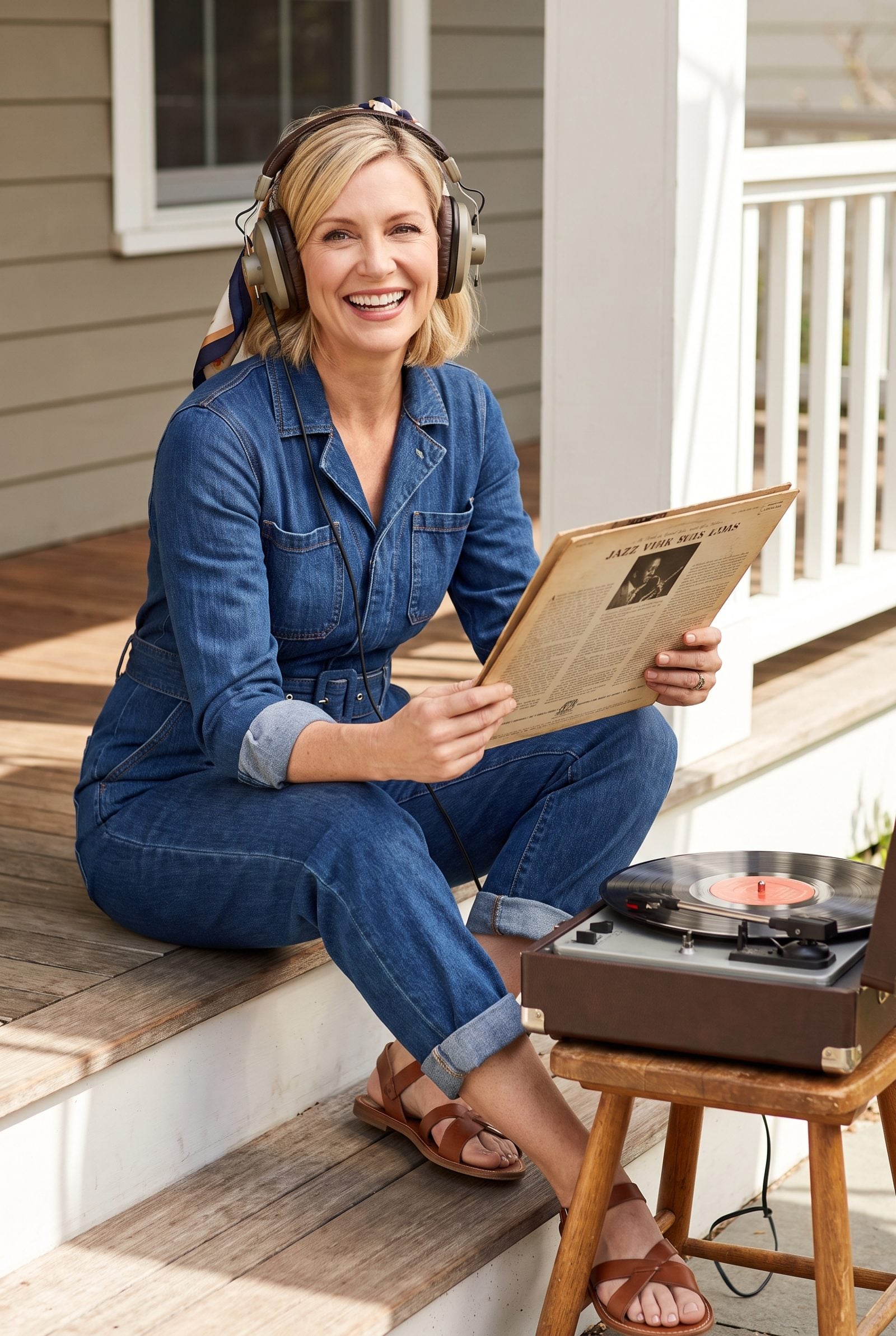
19. Camera Departments With In-House Film Processing
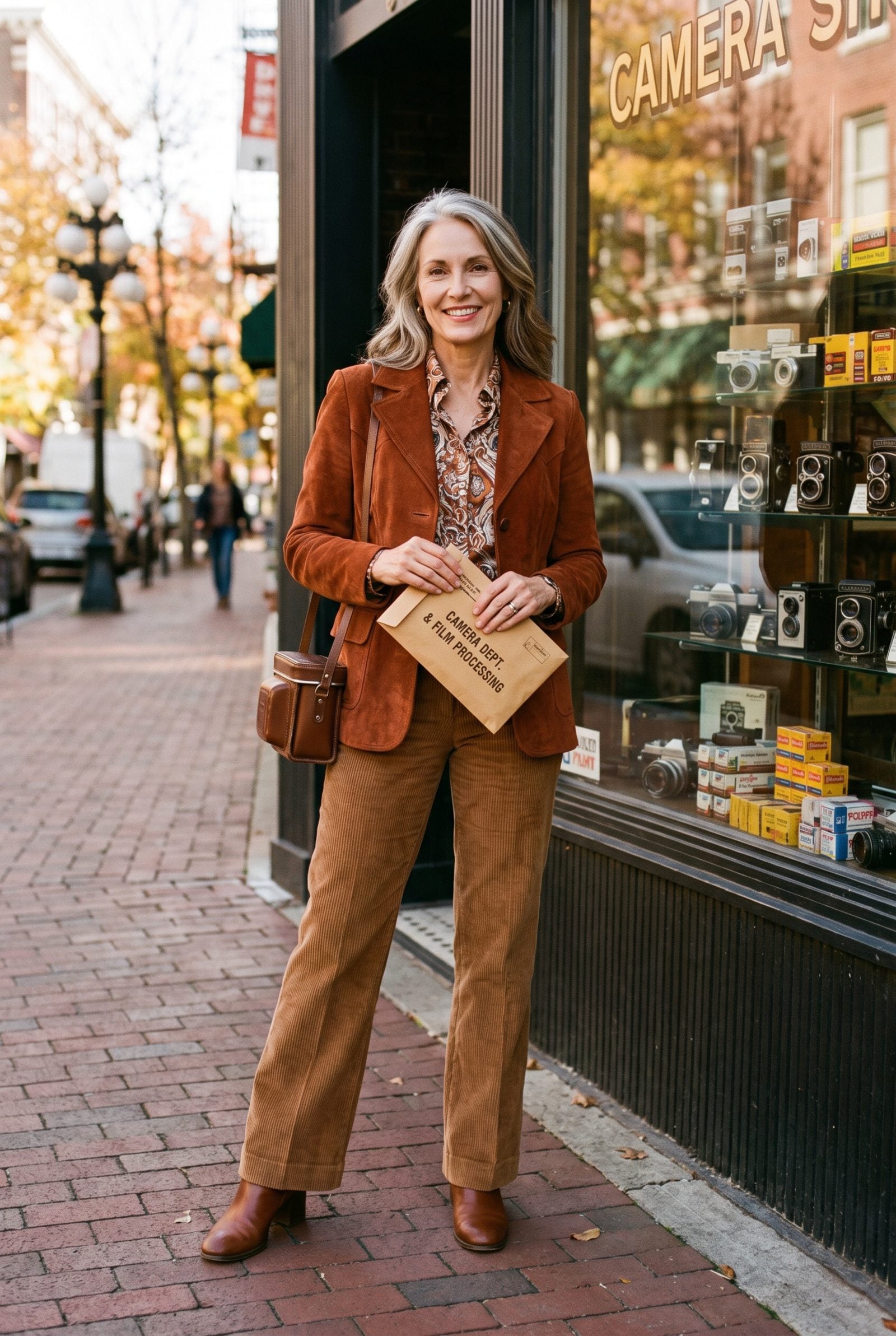
18. Radio, Television and Appliance-Repair Workshops Tucked Behind the Sales Floor
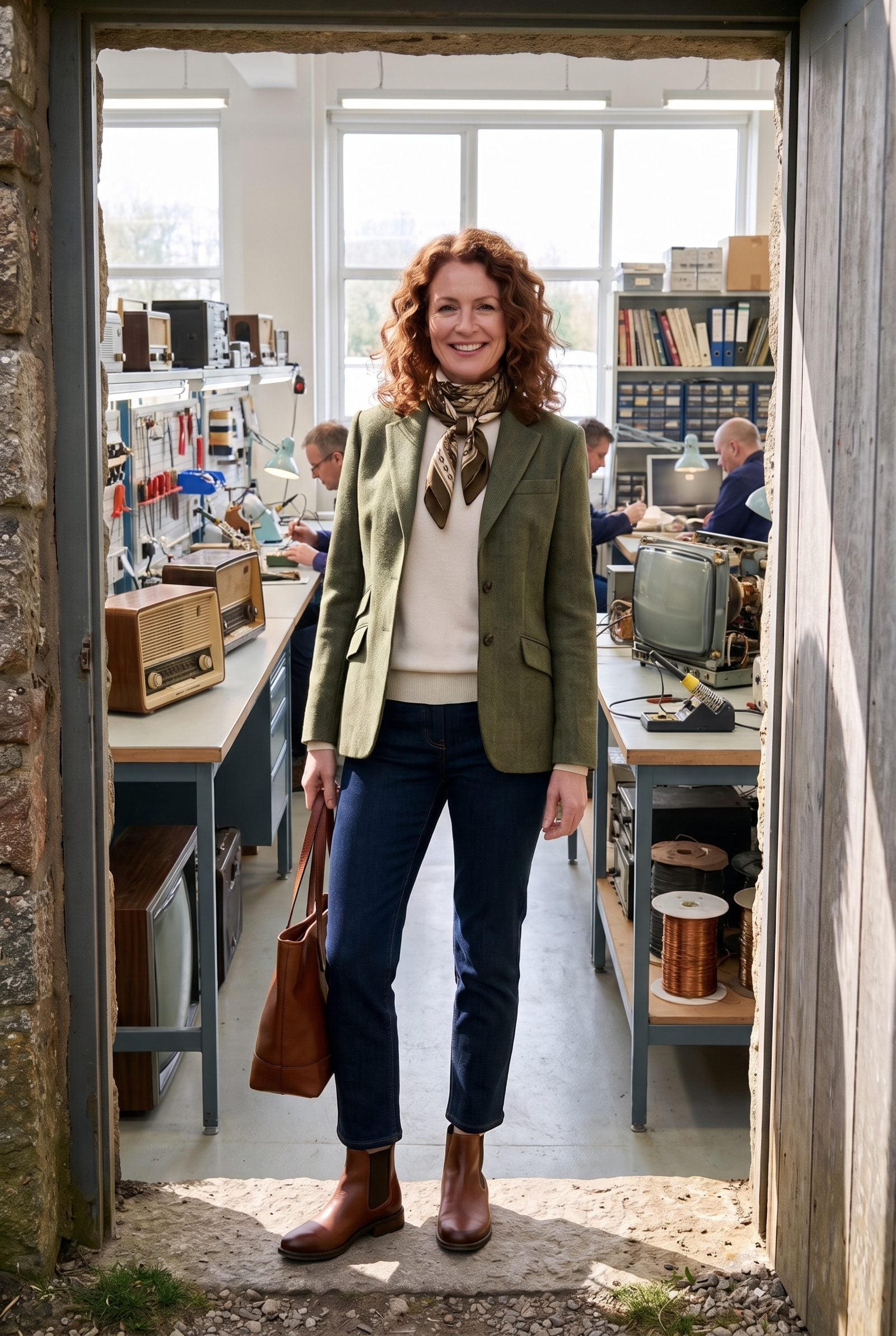
You bought the radio on the third floor, and when it stuttered two winters later you carried it back to the store’s own repair desk.
Department stores didn’t just sell appliances — they repaired them in-house, with benches of soldering irons and drawers of vacuum tubes and men who knew every chassis they stocked. A television was furniture back then, expensive and heavy, and nobody threw one out over a blown tube. You fixed it. And the store that sold it to you did the fixing, which was rather the point of buying there in the first place.
17. Cash-on-Delivery and Shop-From-Home Approval Services
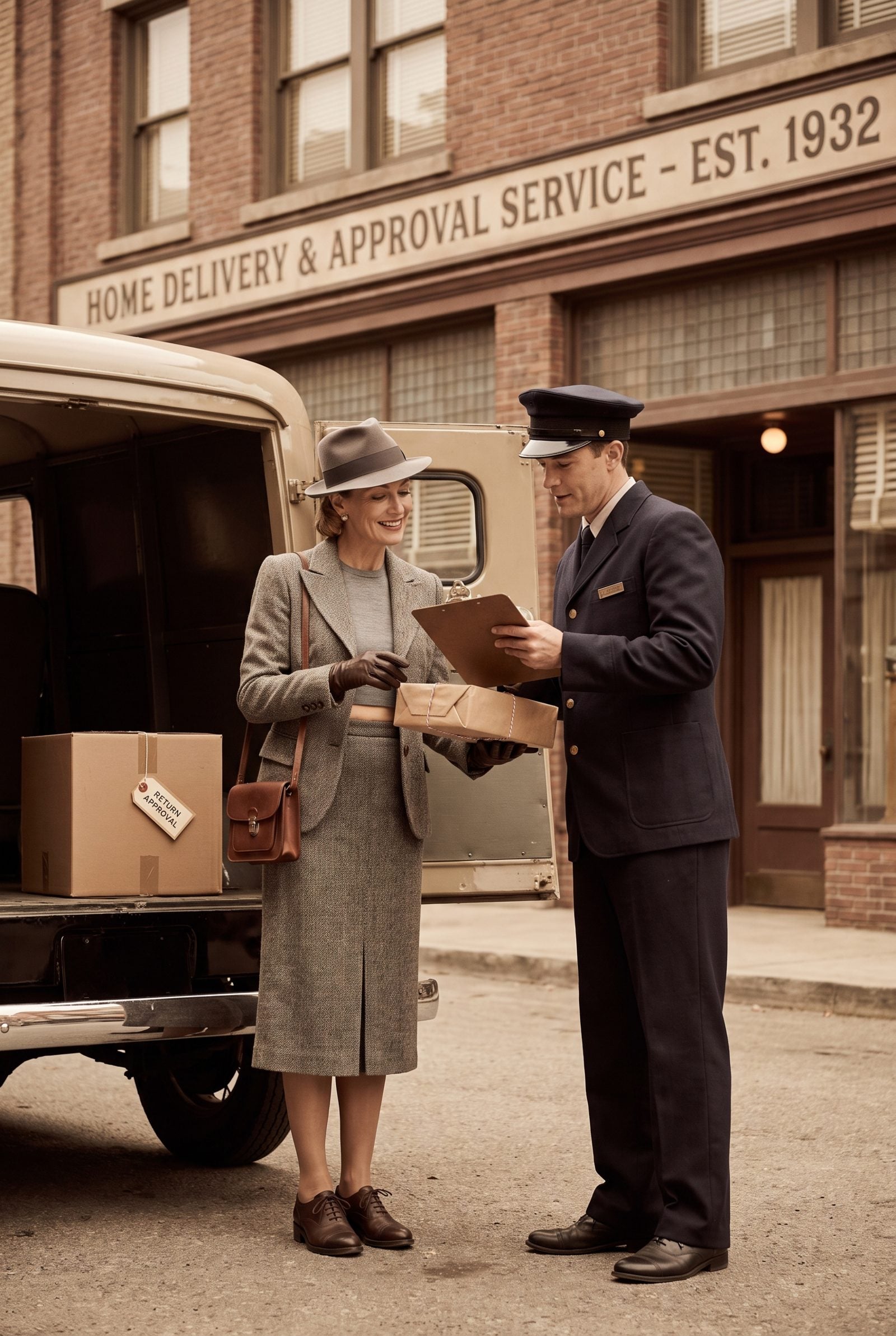
The goods arrived by delivery van, and you decided right there at the curb whether to keep them. Approval shopping let a customer send home half a department, try it against her own curtains and her own light, then pay the driver only for what she kept. The rest went back on the truck.
Cash on delivery ran the same logic in reverse. No card, no credit check — just coins pressed into a uniformed driver’s palm on your own doorstep. Stores handed you the merchandise before you’d paid a cent, and most of the time that trust held. Slower, yes, and far more personal, and it turned your own front room into an extension of the sales floor.
16. Store-Owned Delivery Fleets With Uniformed Drivers
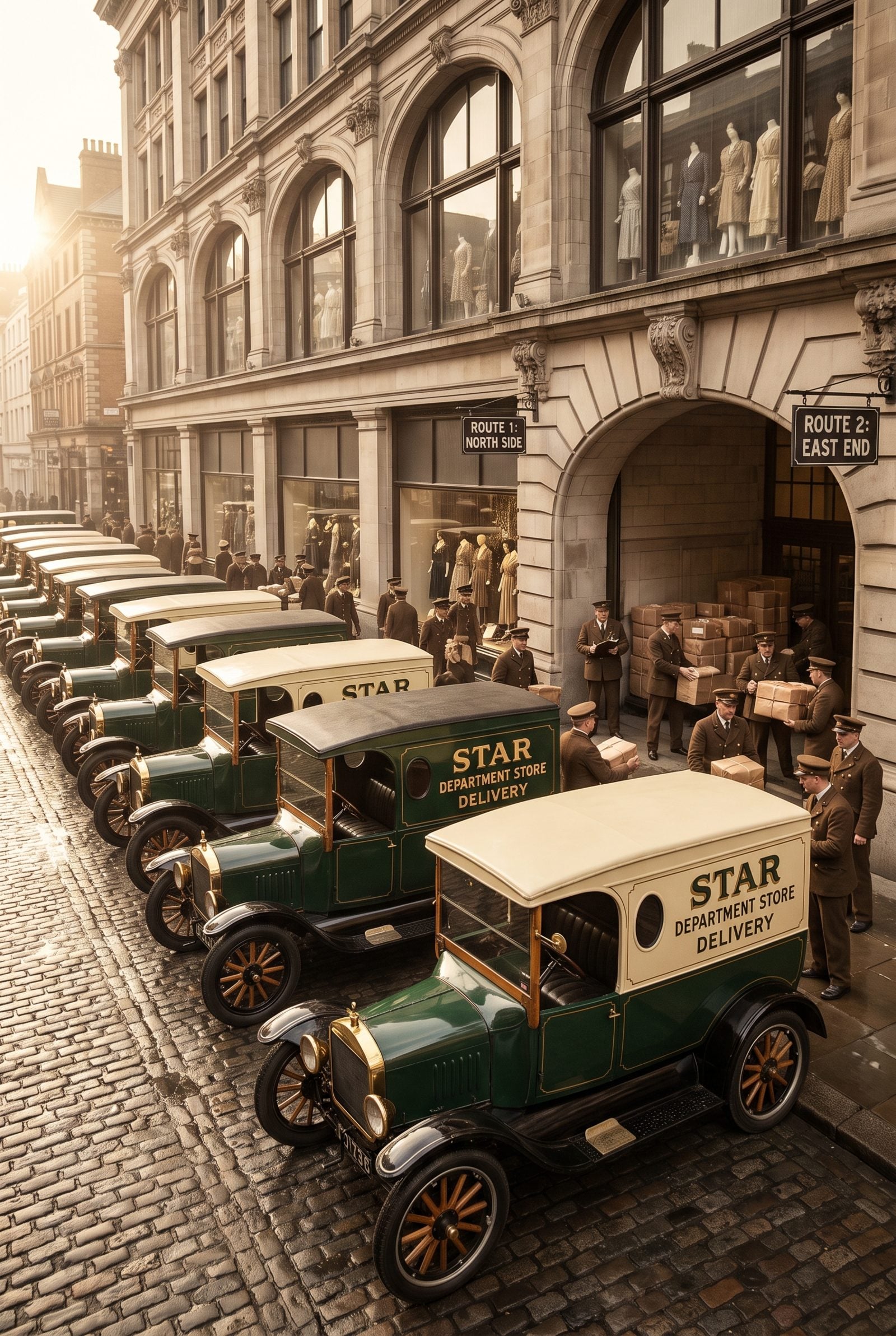
A store’s delivery van was its reputation rolling through town. The best stores owned their trucks outright, painted them in house colors, and dressed the drivers in caps and brass-button jackets so a wrapped parcel arrived with the same dignity it left the counter with.
Seeing one of those vans turn onto your street meant something. The whole neighborhood knew you’d shopped downtown. The uniform, the gleaming coachwork, the careful handling of the string-tied box — all of it carried the store’s name past front window after front window. That was advertising you couldn’t buy, and the store got it free, twice a day, in every district in the city.
15. Floorwalkers Who Supervised Service and Pointed You Where to Go
❤️ Would you like to save this?
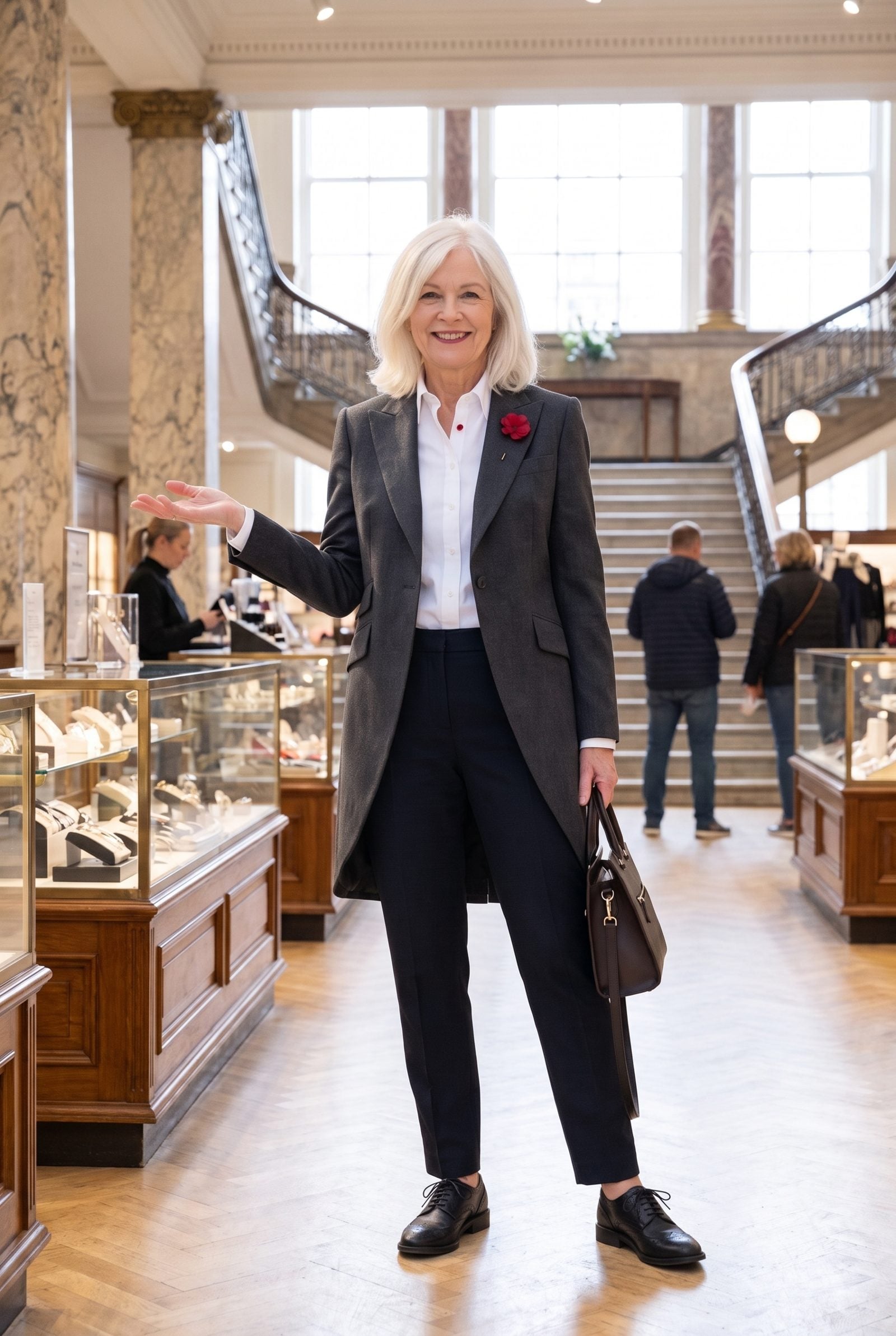
Before store directories and overhead signs, there was a bareheaded, white-haired woman in a charcoal-gray tailcoat who knew where everything was and whether you were being helped properly.
This floorwalker ruled the sales floor. She directed lost shoppers with an open, bare palm, settled complaints on the spot, kept an eye on the passing crowd, and carried herself like the headwaiter of a very serious restaurant — a crisp white shirt open at the collar, a voice that never rose, an answer for every question. Part quality control, part concierge, and a good one could defuse an angry customer before she ever reached the manager’s office.
14. Uniformed Elevator Operators Who Called Out Every Floor
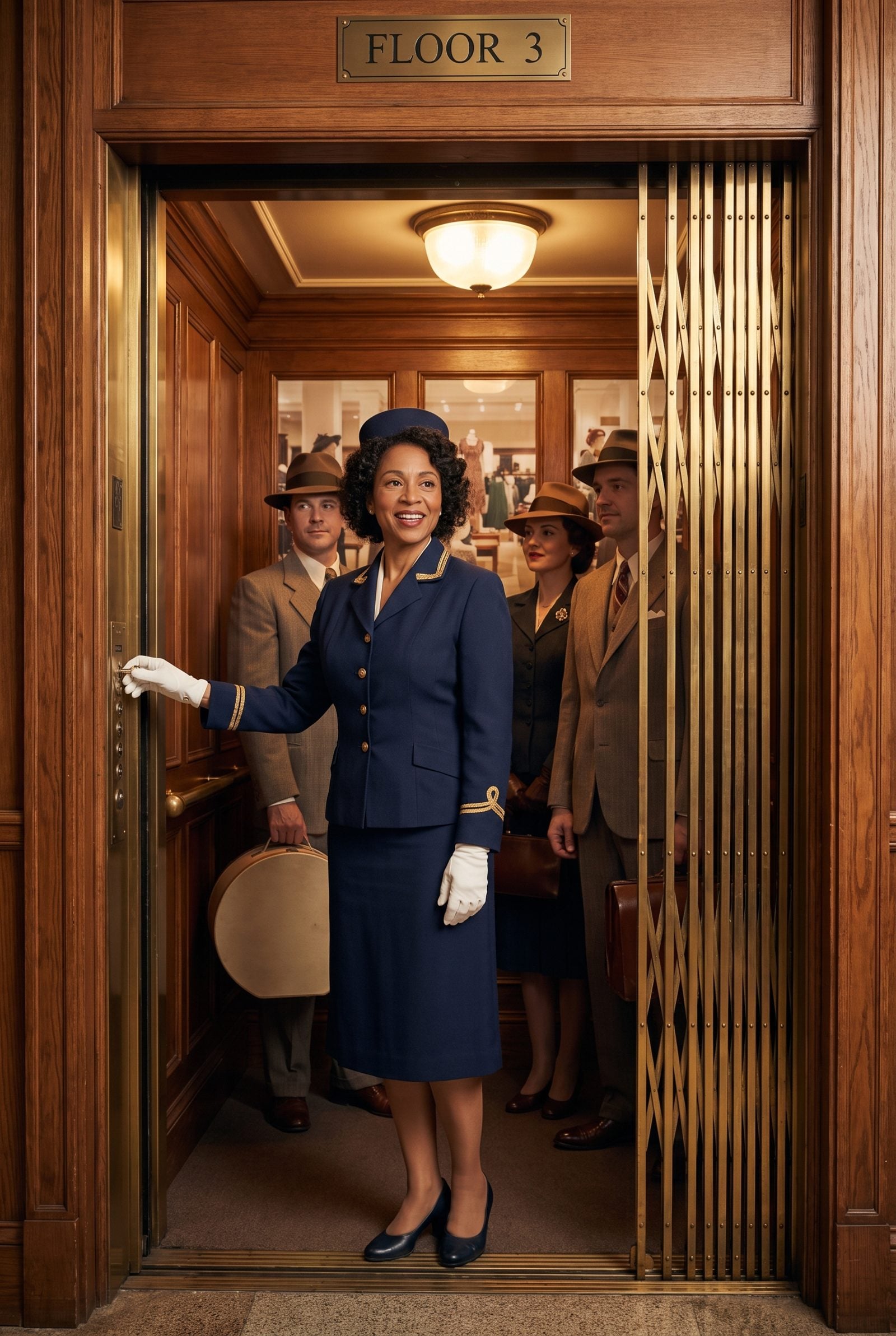
“Third floor: ladies’ coats, millinery, better dresses.” The operator recited it like a liturgy.
Riding the elevator was a small performance — white gloves on the throttle, a smooth stop level with the floor, the gate drawn back with a flourish, a voice announcing exactly what waited beyond the doors. These operators had the merchandise map memorized and often knew the regulars by name. Then push-button self-service cars arrived, and the floors went quiet.
13. Ladies’ Lounges Furnished Like a Private Sitting Room
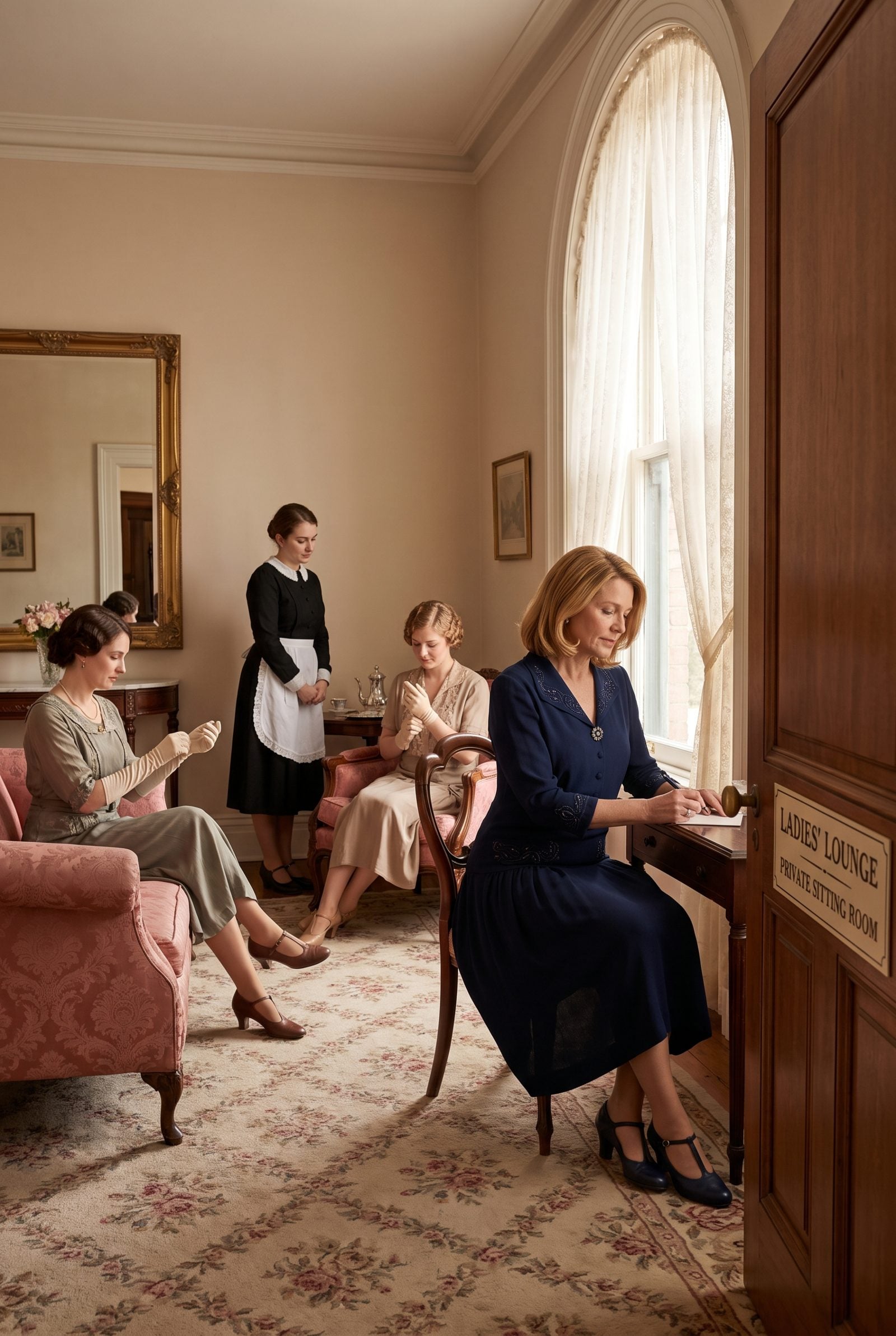
Tucked past the millinery department, behind a discreet door, sat a room that looked nothing like a store. Skirted tables, rose damask settees, a writing desk stocked with the store’s own stationery and an inkwell, a long mirror for adjusting a hat before heading back out.
The ladies’ lounge was a refuge — somewhere to rest aching feet, write a note, feed a baby, or just sit a moment away from the crush of the floor. An attendant kept it tidy and fetched a glass of water if you asked. The rooms admitted a plain fact the floor itself ignored: a woman might spend her whole day downtown, and she deserved somewhere civilized to pause.
12. Men’s Smoking Rooms With Deep Leather Chairs and Standing Ashtrays
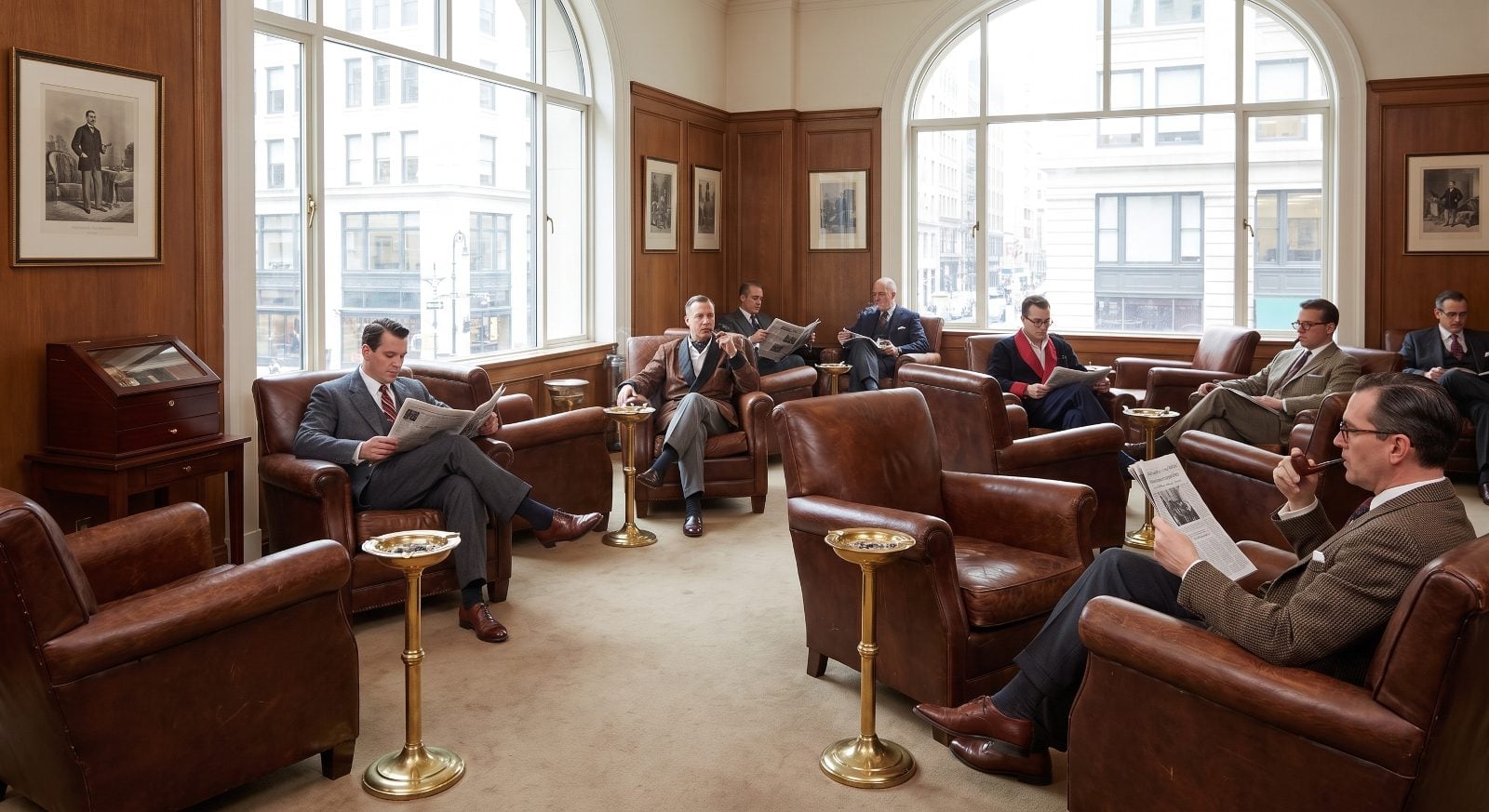
The men’s smoking room was the quiet counterweight to the ladies’ lounge, and it did the same job — park the spouse who wasn’t buying somewhere comfortable for an hour.
A cigar, the racing pages, a leather chair that swallowed you whole. Then smoking indoors became unthinkable, and the whole assumption underneath — that one spouse shopped while the other sat — stopped being a safe bet. So the rooms went.
11. Long Rows of Enclosed Wooden Telephone Booths
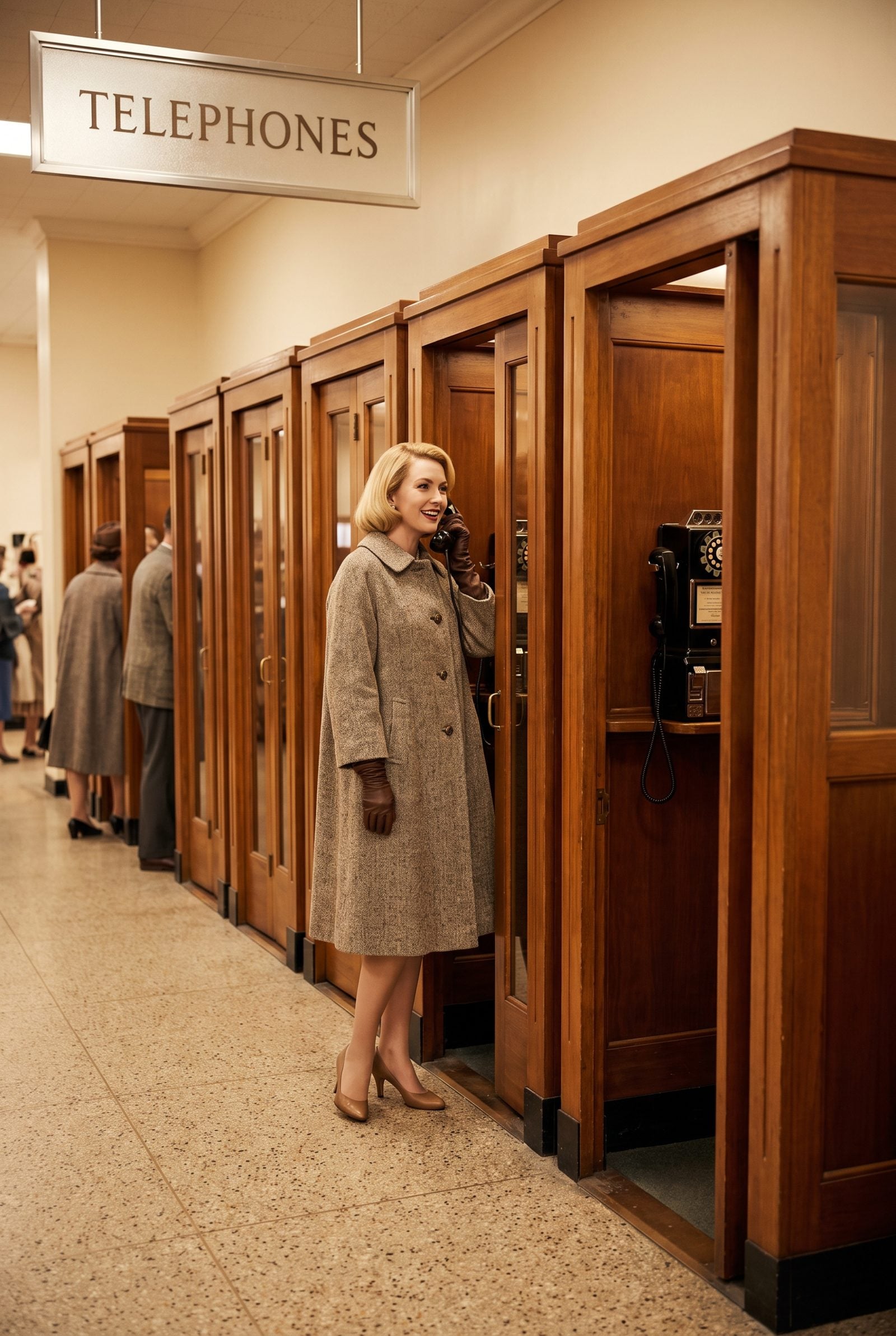
You stepped inside, pulled the folding door shut, and the noise of the sales floor dropped away. A shelf for your handbag, a chained directory, a coin slot, a seat. Rows of these enclosed wooden booths once lined a corridor off every major department store floor.
Shoppers called home to check a list, rang a husband to say they’d run late, phoned a doctor, confirmed a dinner reservation. Privacy you could borrow for a nickel. Then mobile phones made the whole corridor pointless — the booths pulled out, the alcoves repurposed, the folding doors sold off or scrapped.
10. Staffed Coat, Umbrella and Parcel-Check Counters

You’d handed over your parcels, your umbrella, your heavy winter coat, and got a little brass token in return. When you came back for the lot, you walked out with your coat back on, your umbrella furled and your parcel under your arm, the numbered brass tag still dangling from your gloved hand.
The parcel-check counter freed you to keep buying without lugging the morning’s haul around three floors. An attendant hung your coat, tagged your umbrella, slotted your parcels into a numbered cubby, and trusted a numbered brass token to reunite you with the lot. Cloakroom logic stretched across a whole day of shopping — and it quietly told you the store expected you to stay a while.
9. Live Fashion Shows Staged Right in the Store Restaurant
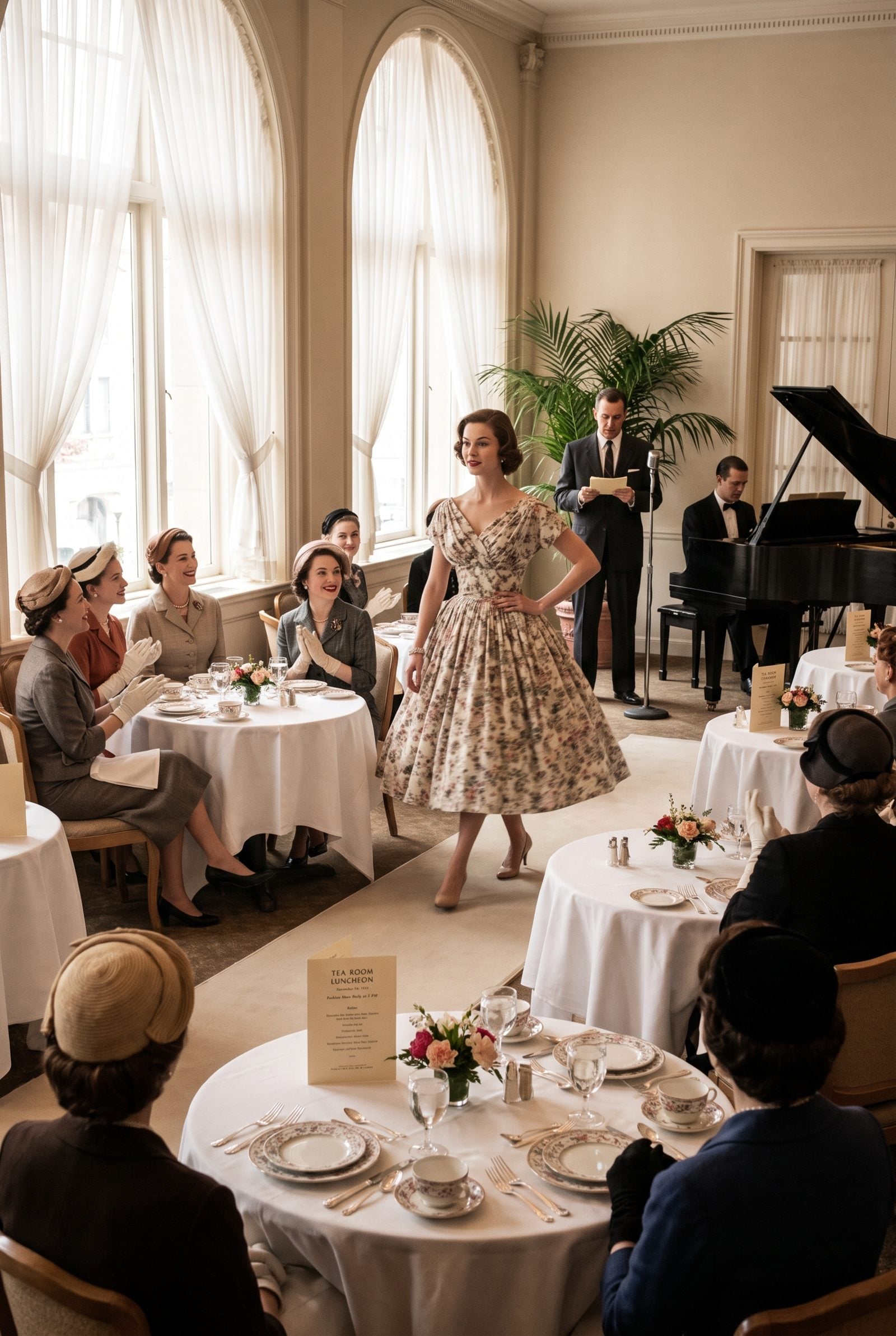
Lunch came with a runway. In the better stores, the tea room doubled as a showroom, and while you worked through a chicken salad and a pot of tea, models threaded between the white-linen tables in the season’s new dresses while a commentator described each one at a microphone near the piano.
Retail and theater at once. You watched the full-skirted day dress move on a real body, heard the price and the fabric and the style in plain terms, and could order it off a card before your plate was cleared. The restaurant fashion show turned buying clothes into an afternoon out, a social event with a meal attached — because a dress always sells best when you watch it walk.
8. Formal Tea Rooms With Linen, China and Table Service
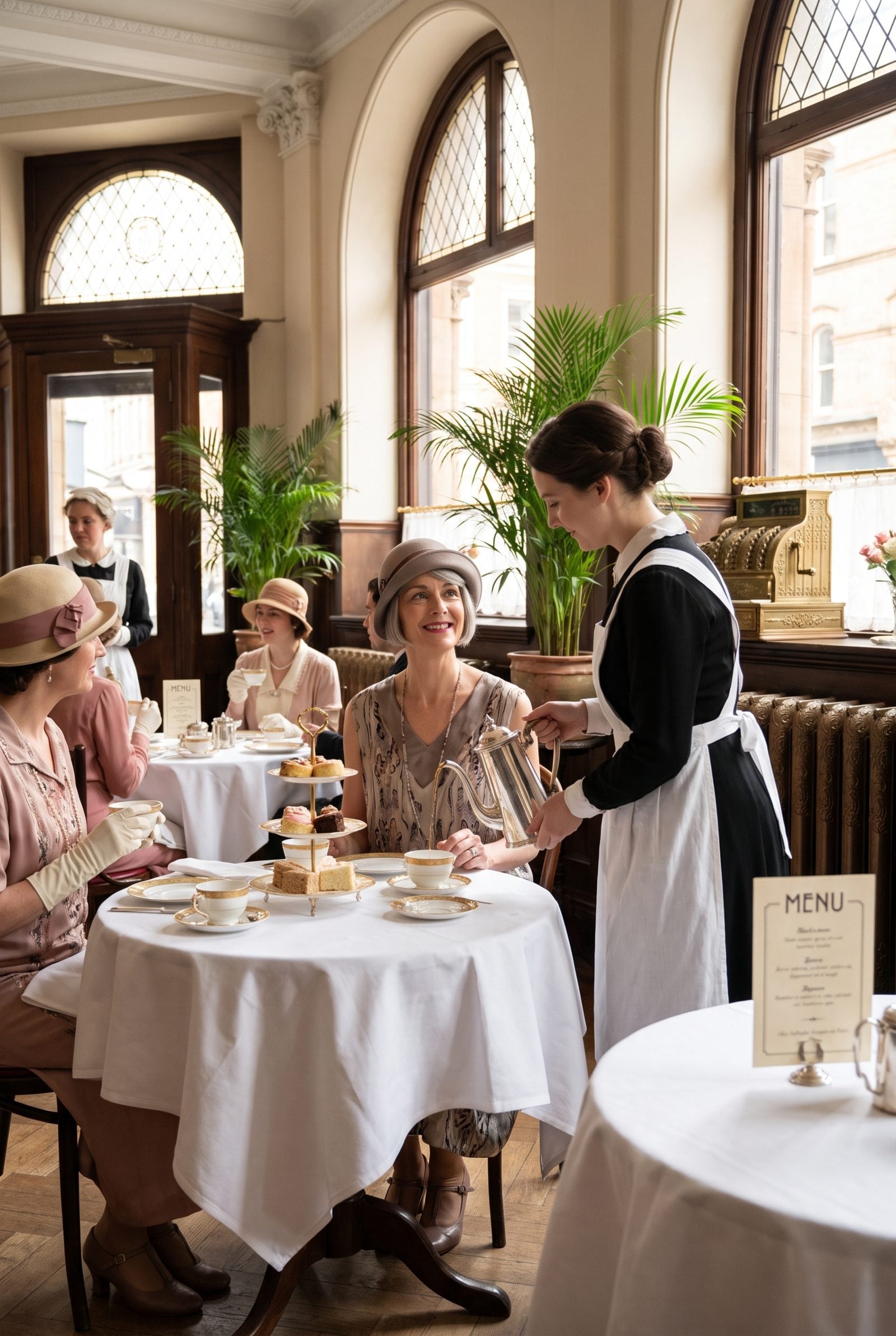
Shopping used to come with a sit-down. Not a coffee grabbed on the run, but an actual meal under chandeliers, served on china that matched the napkins by a waitress who called you dear and meant it.
For some women, the department store tea room was the whole reason to come downtown. You went for the chicken à la king, the little rolled sandwiches, the pot of tea that arrived with its own strainer. Mothers brought daughters, friends met between errands, and nobody rushed you out. Ever.
7. Candy Kitchens Making Chocolates Behind Glass
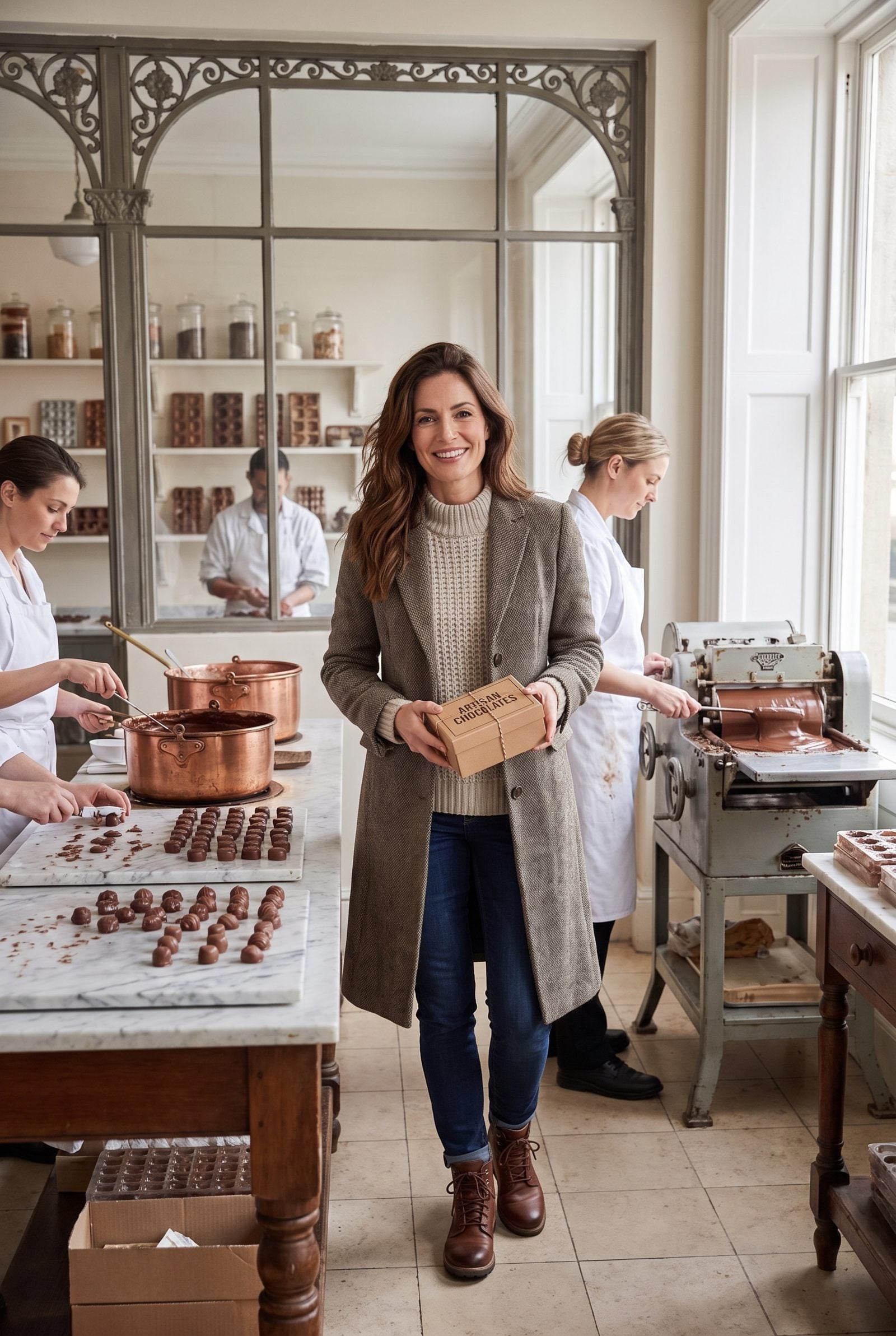
You smelled it before you saw it. Warm sugar and roasting nuts drifting across the main floor from a glassed-in kitchen near the entrance.
The candy kitchen was pure theater. Marble slabs for cooling caramel, copper kettles bubbling away, the old enrobing machine pouring out a waterfall of chocolate while kids pressed their noses to the glass. You pointed at what you wanted and it went into a brown kraft cardboard box tied with string.
Freshness was everything. Nobody made this in a factory three states away — they made it right there, and you ate it before you got to the car.
6. Basement Grocery Markets Selling Meat, Produce and Pantry Goods
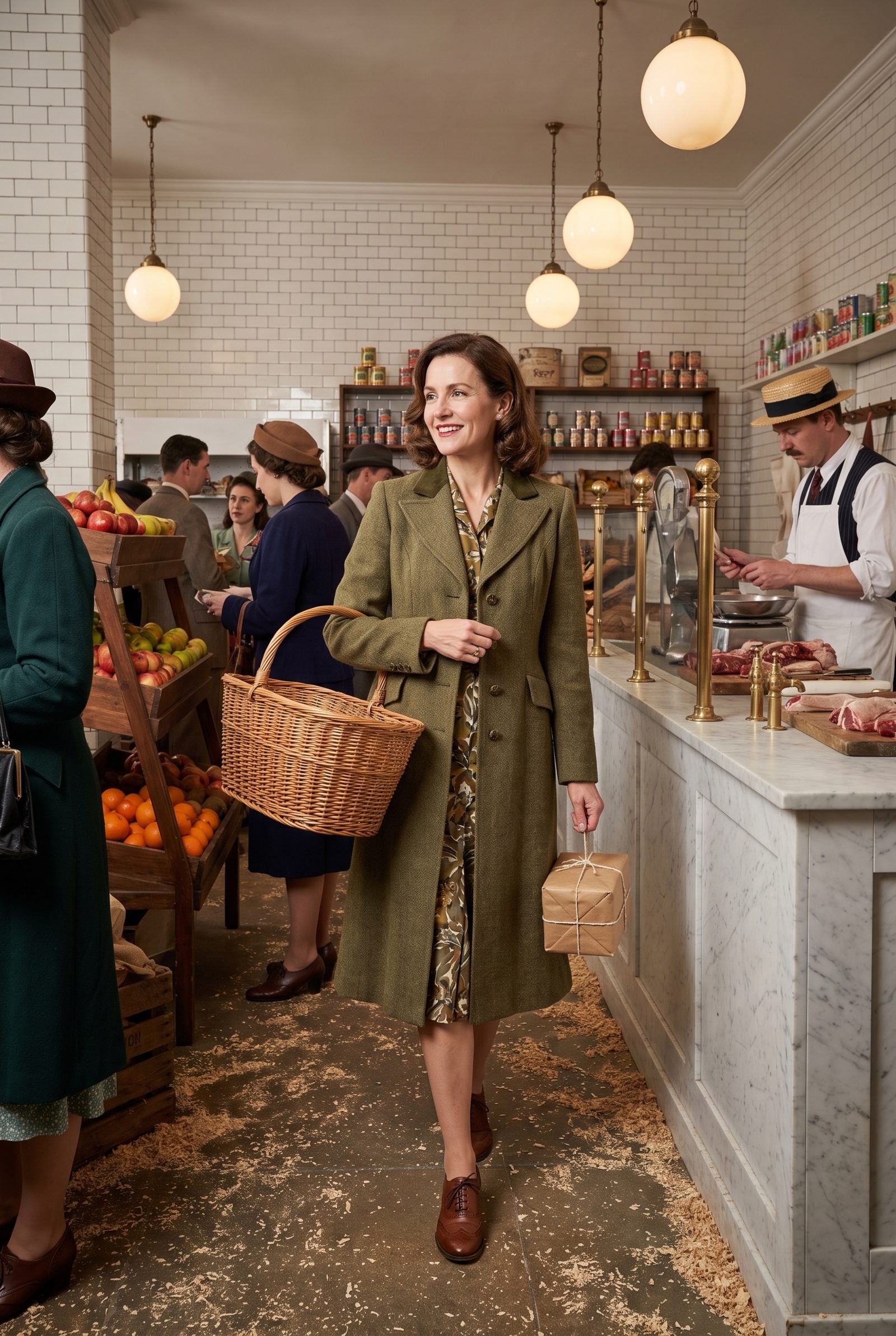
Down a staircase or an escalator, past the gloves and the hosiery, the store hid a full grocery. Butchers in straw boaters cut to order. A fishmonger worked on ice while pyramids of oranges got restacked all day long.
You could buy a dress on the third floor and your Sunday roast in the basement without ever leaving the building. The cheese counter kept its wheels under glass. And the coffee? Ground while you waited, filling the whole floor with that smell you could practically taste.
5. Soda Fountains With Swivel Stools and Marble Counters
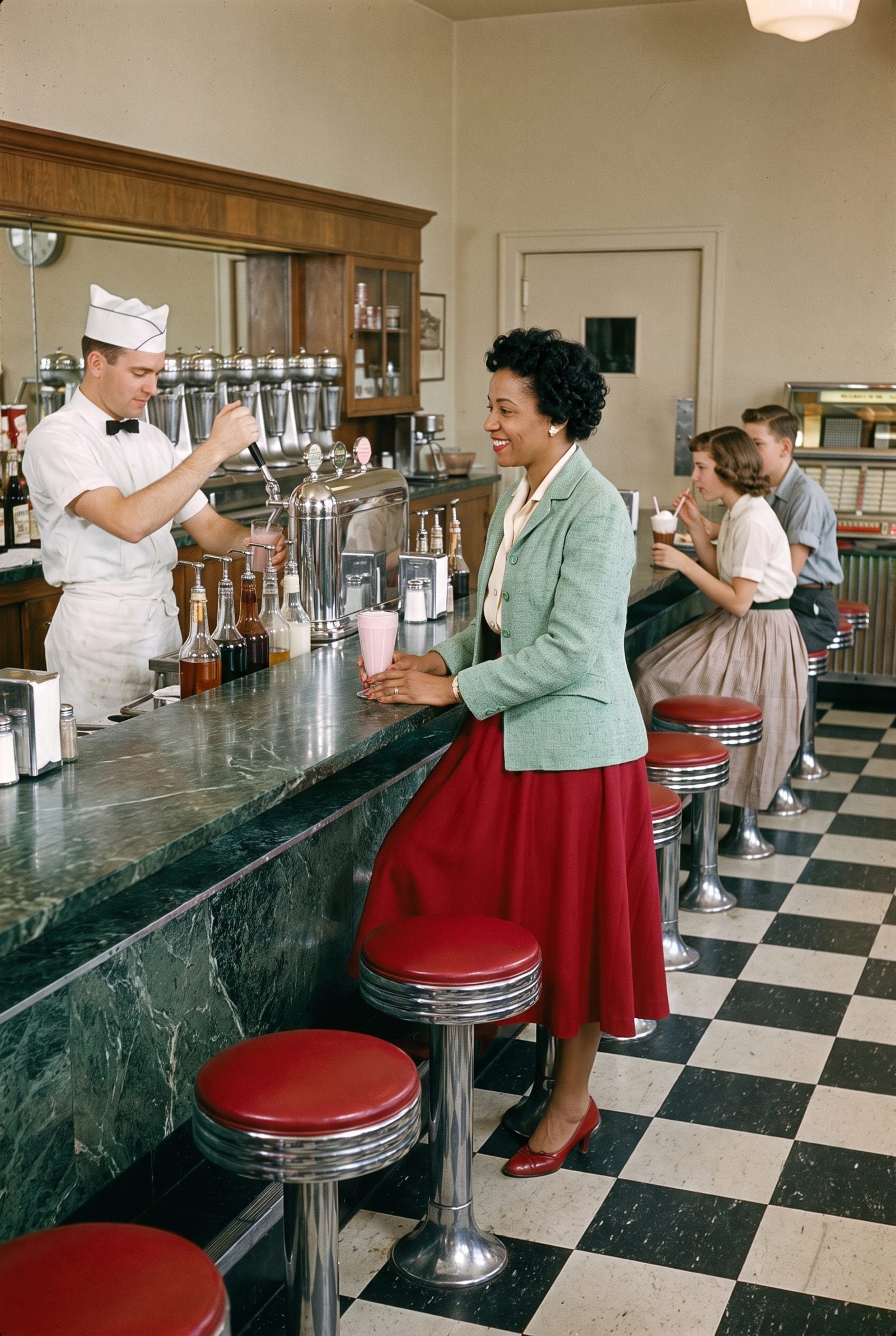
Chrome stools that spun. A marble counter cold under your elbows, and a soda jerk in a paper hat who could build a banana split faster than you could decide on one.
The store fountain was where you landed when your feet gave out and your mother wanted a break. Cherry phosphates, malts thick enough to bend the straw, a scoop of vanilla drowning in root beer. You spun the stool while you waited and nobody told you to stop.
It was the first place a lot of us felt grown, ordering for ourselves across that marble counter with a dime on the change tray.
4. Bargain Basements Reached by Separate Staircases
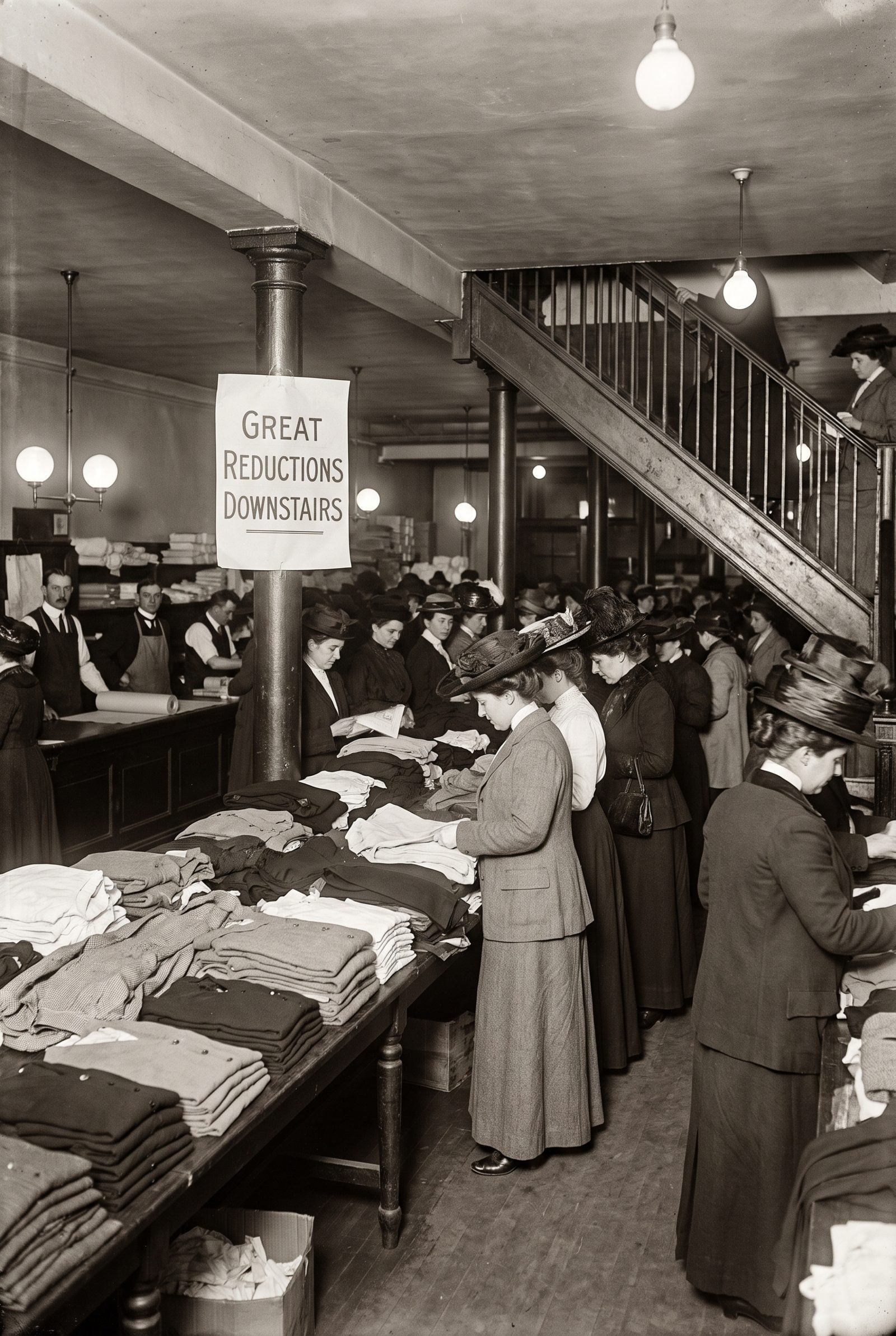
The real sport was downstairs. Not the chandeliered floors with the glass cases, but the basement you reached by its own staircase, where the markdowns lived and nobody was polite about it.
Tables heaped with remnants and odd lots. Hand-lettered banners screaming the reductions. Women who shopped the main floors for show came down here for value, elbows out, digging through the pile for the one thing worth the trip.
3. Christmas Toylands With Rides, Trains and Animated Displays
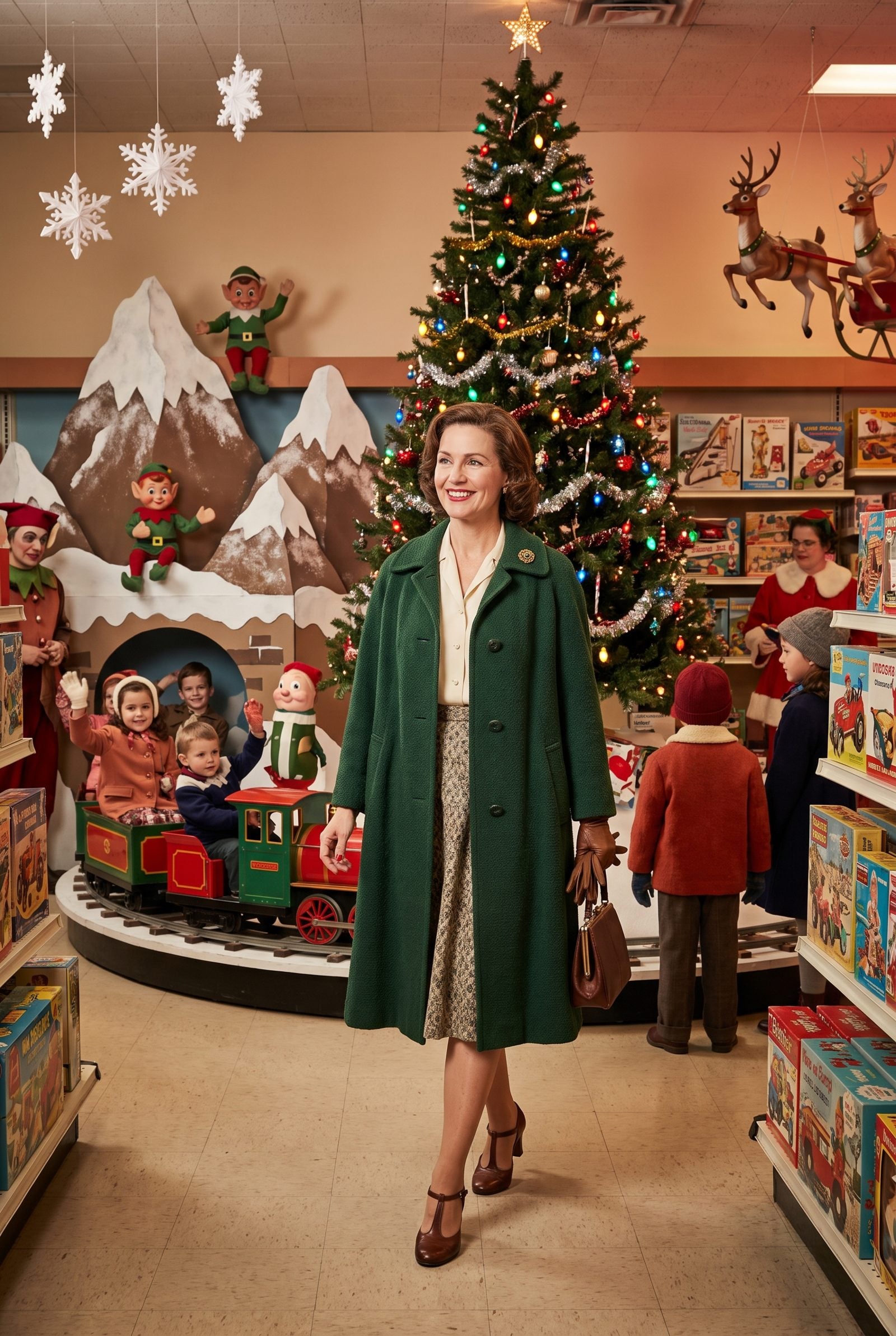
For one month a year, the top floor became a different planet. You stepped off the escalator and there it was: a train you could actually ride, animated elves hammering away at toy benches, a tree that scraped the ceiling.
Toyland was a destination, not a department, and parents planned the whole day around it. There was a line to sit on a lap and whisper your list, a floor of boxed dolls and model kits, mechanical reindeer nodding in the windows.
Nothing about it was subtle. That was exactly why it worked. Half the wonder of the season lived on that one crowded floor smelling of popcorn and pine.
2. Mechanical Window Tableaux With Moving Figures
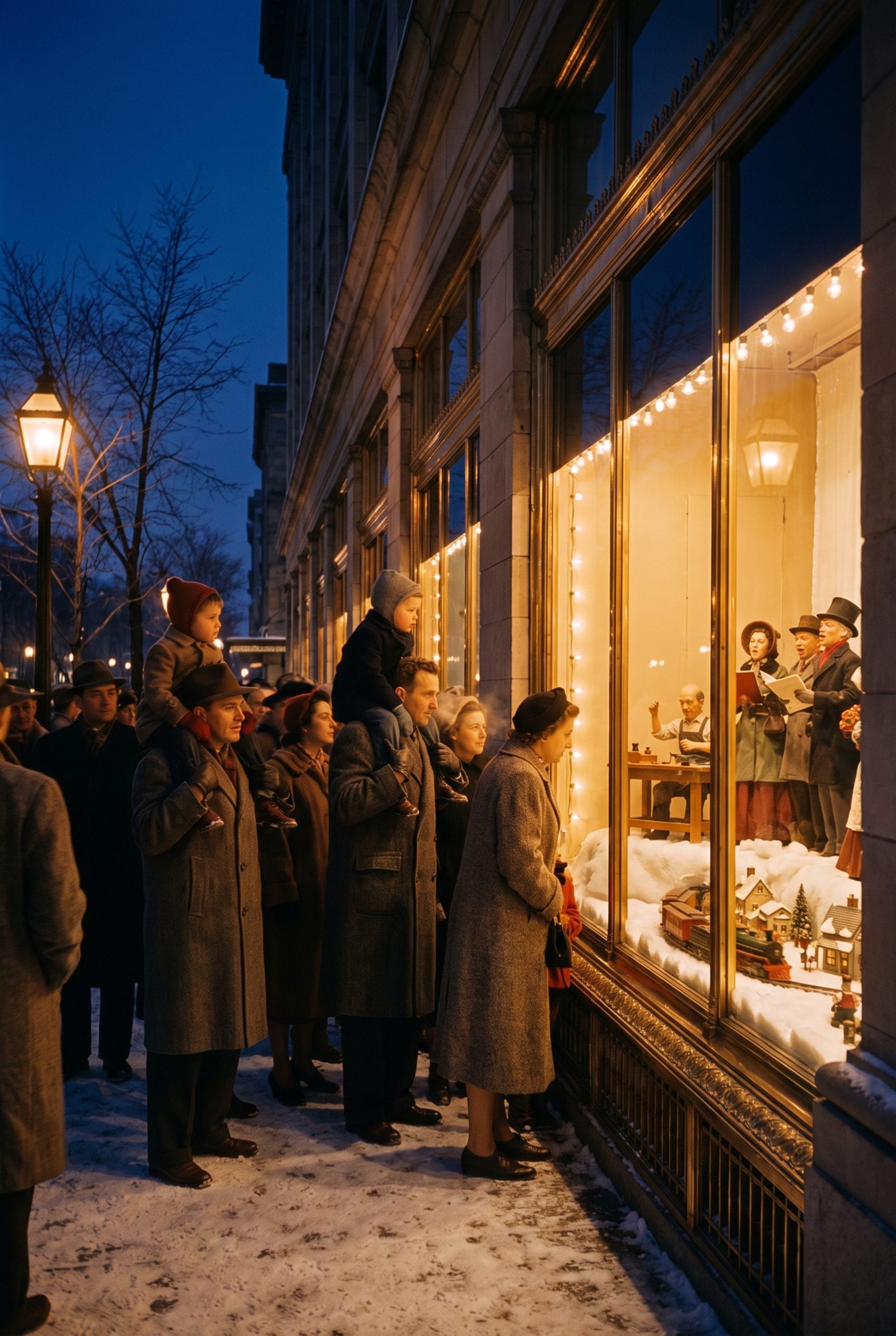
You didn’t need a ticket. You didn’t even need to go inside. The sidewalk show was free, and it stopped people in their tracks on a snowy winter evening.
Behind the plate glass, whole worlds moved. Carolers turning their heads, a toymaker whose arm went up and down, a tiny train looping a cotton-snow village. People made a trip of it just to stand on the snowy sidewalk and watch.
The windows were the store’s gift to the whole street, and everyone knew it.
You lingered by the glowing glass, gloved hands clasped, under the lit street lamps as dusk fell, and for a few minutes the errand you came for didn’t matter at all.
1. Public Weighing Scales and Coin-Operated Fortune Machines
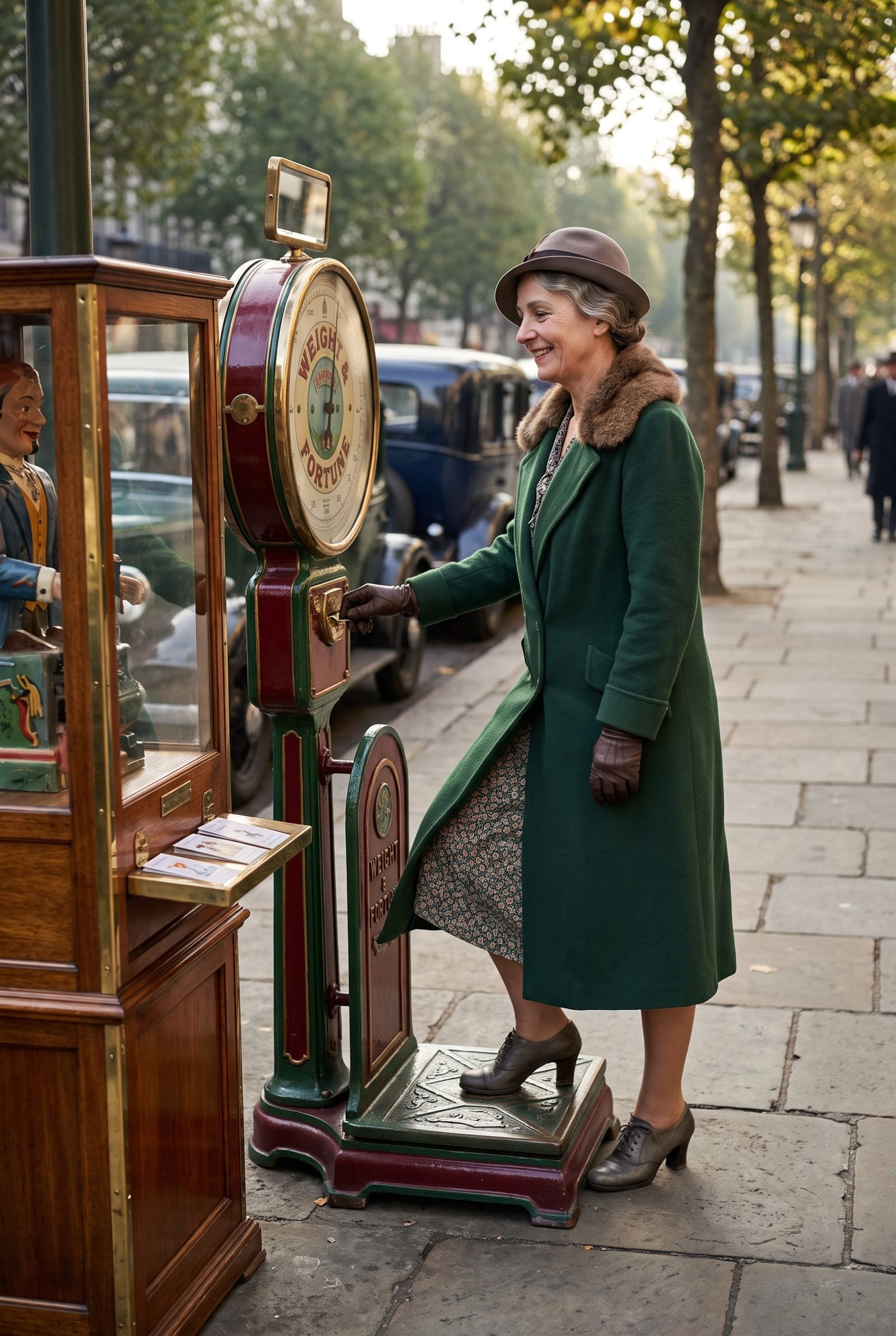
A penny bought you two things stores used to park near the elevators: your exact weight, printed on a card, and a stranger’s idea of your future.
The weighing scale was a cast-iron monument with a dial the size of a dinner plate and a motto printed under your number. Next to it sat the fortune machine — a painted figure behind glass that clanked to life and spat out a little card promising a tall stranger was on his way.
Neither was anything you needed, and that was the whole charm. A spare coin, a small bit of nonsense, and you walked to the elevator a little lighter in the head, if not on the scale.