

Walk into a good atelier and the tailor is already reading you before you say a word. The pin cushion stays put, the tape stays in the pocket, and what happens first is pure observation — where the fabric pulls, where a seam lands wrong, where a collar quietly refuses to sit. That trained eye catches in three seconds what most of us feel for years without ever naming it. These are the visual tells a seasoned tailor clocks the moment you stand in front of the mirror. Learn them, and you’ll never shop for structured pieces the same careless way again.
FYI, thanks to AI imagery software, we’re able to create very specific fashion and hairstyle examples to illustrate the points being made. In some cases, imagery is exaggerated to hammer home the point. Also, assume links that take you off the site are affiliate links such as links to Amazon. this means we may earn a commission if you buy something.
31. Where the Shoulder Seams Actually Sit

The shoulder is where a tailor looks first, because almost nothing else can be rescued once this seam sits wrong. It should break exactly at the edge of your shoulder bone — not before, not an inch down your arm.
Hang it past the bone and the whole jacket reads borrowed, like it belonged to someone broader. A tailor can shave a shoulder, but it’s the most involved alteration there is, so they clock it immediately and decide whether the piece is even worth the labor.
Writing about why the shoulder can’t be fixed, a bespoke tailoring house founder explains “When the shoulder seam sits incorrectly — even by a centimetre — the garment’s drape, its chest appearance, and its back panel alignment are all compromised.”
30. Whether the Collar Gapes at the Back Neck
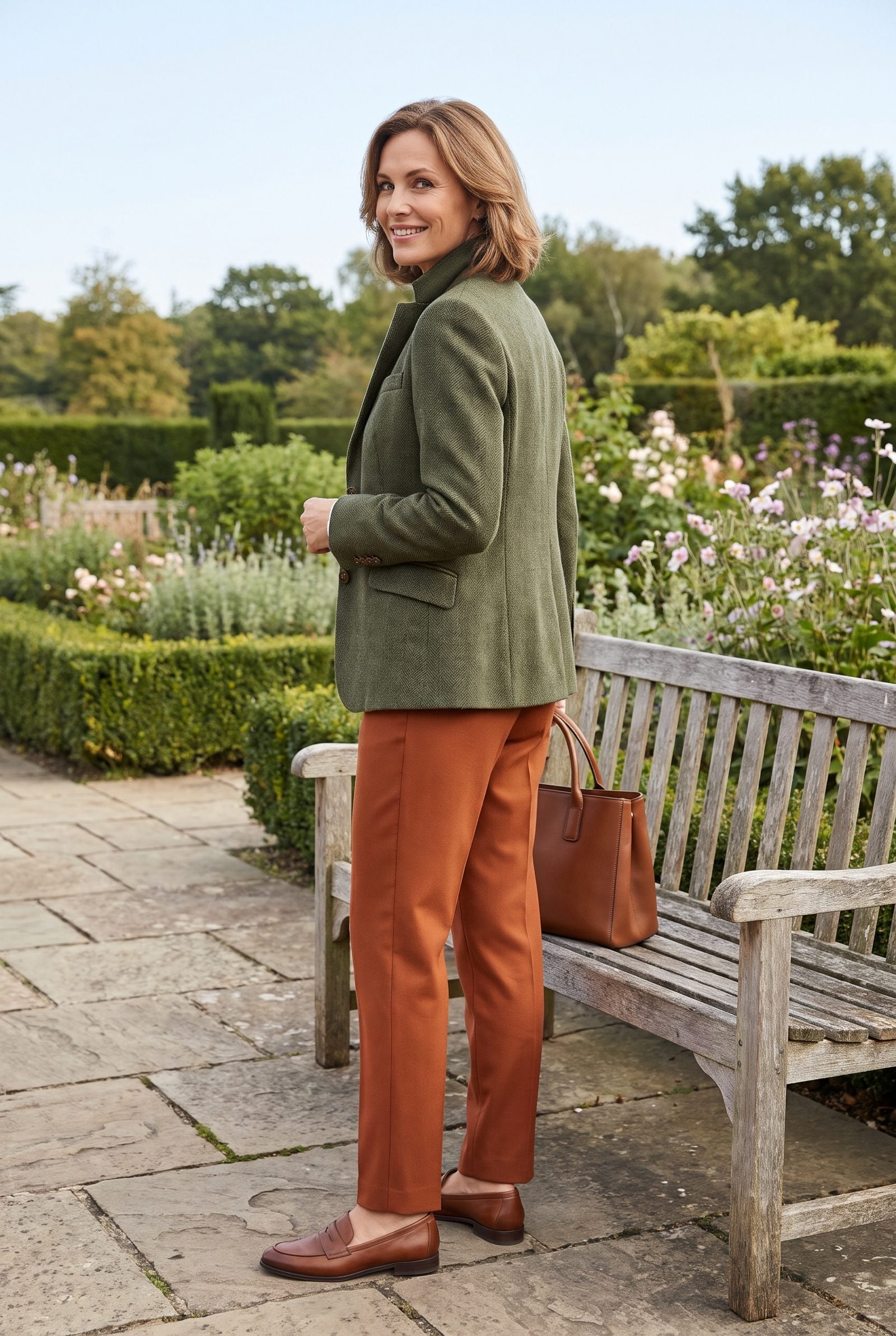
A collar that sits close to the back of your neck is the quiet tell of a jacket cut for your posture. It hugs the nape, standing up snugly against the neck with no gap, even as you turn to look over your shoulder.
Tailors call this the balance of the garment; when a collar does float away, it usually points to too much length across the upper back. The fix means taking in the collar seam — and a good eye checks for that gap the second you turn around.
Describing how a well-fitting collar should sit, a master tailor says “A jacket collar that fits properly quietly supports the entire structure of the garment. It curves gently against the neck, remaining flush even as the wearer moves.”
29. Lapel Edges That Bow Instead of Lying Flat

A lapel should hug the chest and roll softly down to the top button. When the edge bows out and pulls away from the body, the jacket looks restless even on a hanger.
Usually that’s a chest crying out for more room, or a canvas pressed wrong at the factory. The tailor reads it instantly. A flat, obedient lapel signals quality; a bowing one signals a fight between the fabric and your frame.
28. Bubbling Interfacing Along Collars, Lapels or Facings
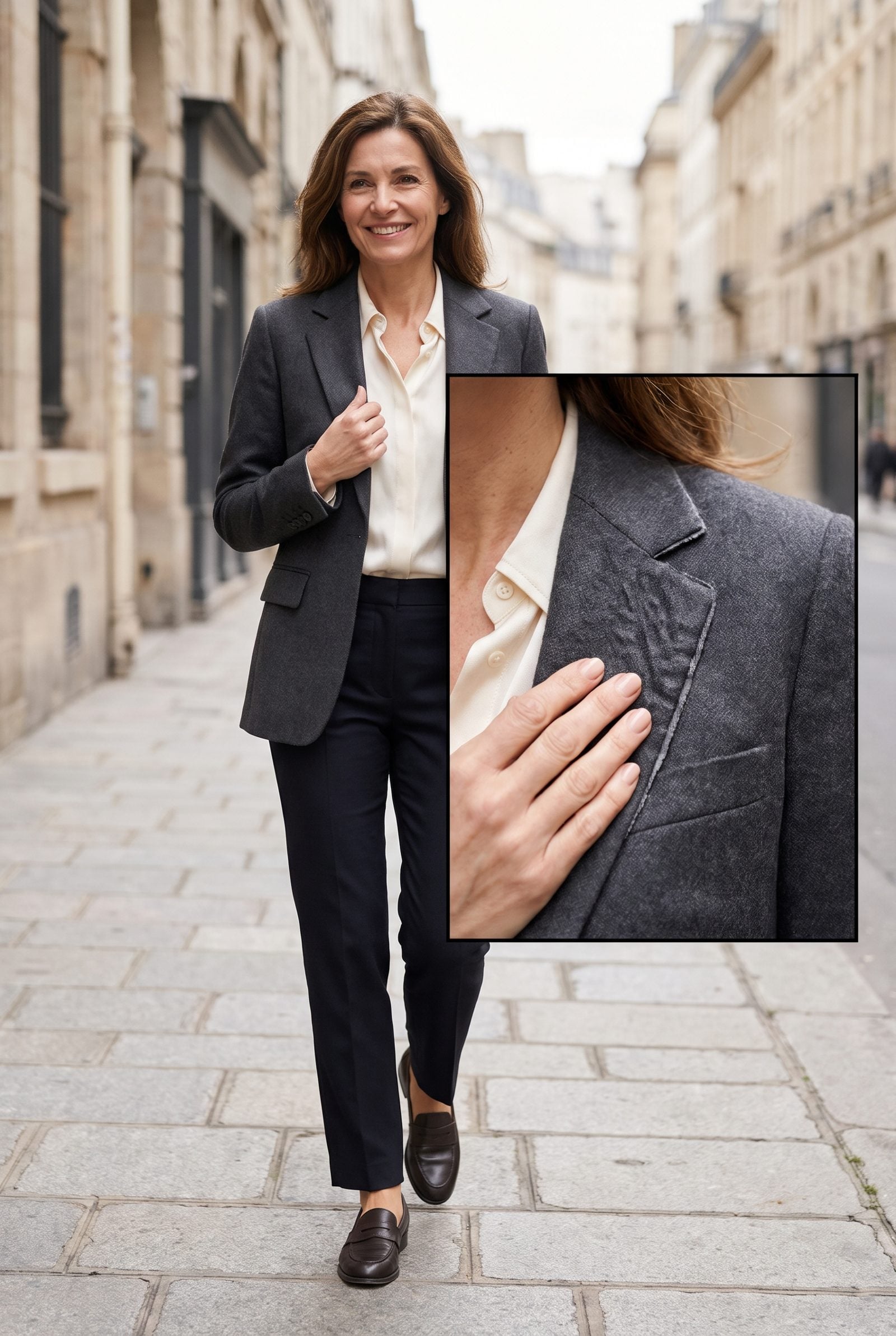
Run your palm over a lapel and feel for ripples. Bubbling means the fused interfacing has lifted off the outer fabric — cheap glue, too much heat, or one dry clean too many.
No alteration cures this. A tailor spots the rippled surface, gives a small shake of the head, and knows the structure is already failing from the inside out. Here’s the line between a jacket built to last and one assembled to sell.
Writing about fused jackets, a made-to-measure jacket tailor notes “Over time, the adhesive deteriorates: dry cleaning, sweat, and ill-fitting hangers eventually cause the fabric to peel away in places, forming those characteristic blisters”
What Our Readers Say
- In our reader polls, those who said they shop for fewer, better pieces were more likely to describe their style as timeless, 84% versus 57% of everyone else.
From ThreadCurve reader polls and votes.
27. Pull Lines Radiating From a Fastened Button

Those diagonal creases fanning out from a buttoned front? That’s the body announcing the jacket is too tight through the middle. Fabric only pulls like that when it has nowhere left to go.
A tailor sees the X of tension and reads it like a map — let out the side seams here, add a touch at the waist there. The goal is a closed button sitting over calm, flat fabric, no straining, no horizontal rolls bunching underneath.
26. Whether Bust Darts Point to the Right Place

A bust dart has one job: to shape the fabric toward your fullest point and stop just shy of it. Aim too high, too low, or end it in the wrong place, and the garment gathers in a little pucker right where it should lie smooth.
Tailors read dart placement like a fingerprint. It tells them exactly how far the pattern missed your actual shape — and it’s one of the more satisfying fixes, because repositioning a single dart can transform the entire front of a dress.
25. Armholes That Hang Too Low for Easy Movement

Lift your arm and watch what happens. If the whole jacket rides up with it, the armhole is cut too low and too wide — something mass production loves, because a loose armhole fits more bodies at once.
A high, close armhole lets your arm move while the jacket body stays put, which is why bespoke pieces feel so much lighter on the shoulders. Raising one is delicate surgery, though, so a tailor weighs hard whether the garment earns it.
24. Sleeves That Twist Because Their Pitch Is Wrong
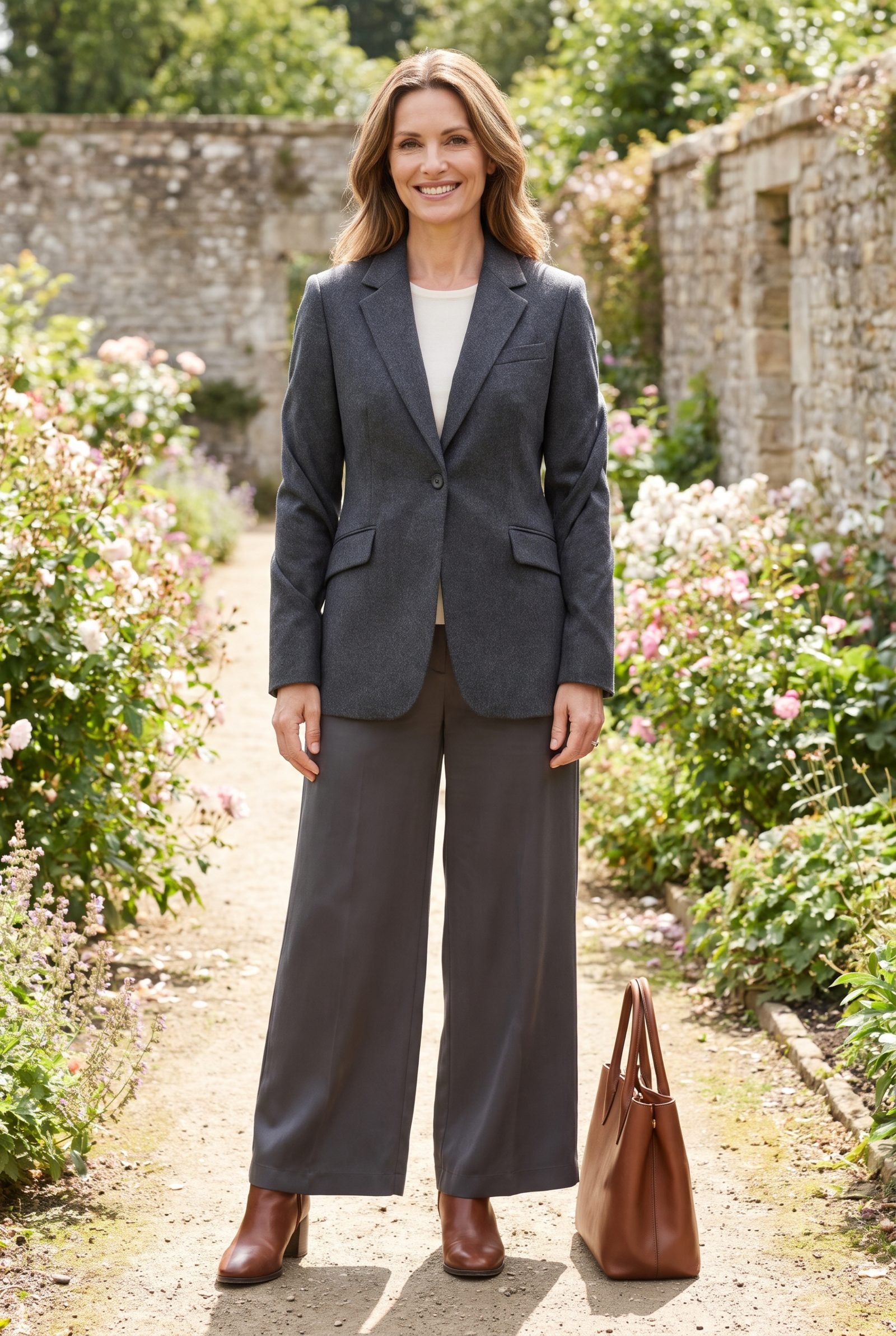
Let your arms hang and study the sleeves. A diagonal fold spiraling down the upper arm means the sleeve pitch is off — it was set into the armhole rotated too far forward or back for the way your arm naturally hangs.
Everyone’s arms rotate a little differently, so this one is deeply personal. The tailor marks the twist, unpicks the sleeve head, and reseats it at your exact angle. Watching a twisted sleeve suddenly fall clean is one of the small joys of the craft.
Explaining why sleeves twist, a bespoke jacket maker writes “When the sleeve pitch is incorrect, the result is a sleeve that twists — rotating either forward or backward relative to its correct position”
23. Where the Sleeves End With Her Arms Relaxed

Sleeve length gets judged with your arms hanging naturally — never held out stiff. The hem should break right at the wrist bone, leaving a sliver of shirt cuff to show beneath a jacket.
Too long and your hands vanish. Too short and the whole thing looks outgrown. A tailor eyeballs this in seconds and reaches for the chalk, because a hem is the fastest, most reliable alteration going, and it quietly reframes the proportion of the entire look.
When we asked ThreadCurve readers about sleeve length, it came out close to a three-way split between wrist, bracelet and elbow, with wrist only narrowly ahead.
22. The Small Horizontal Roll Below a Jacket Collar
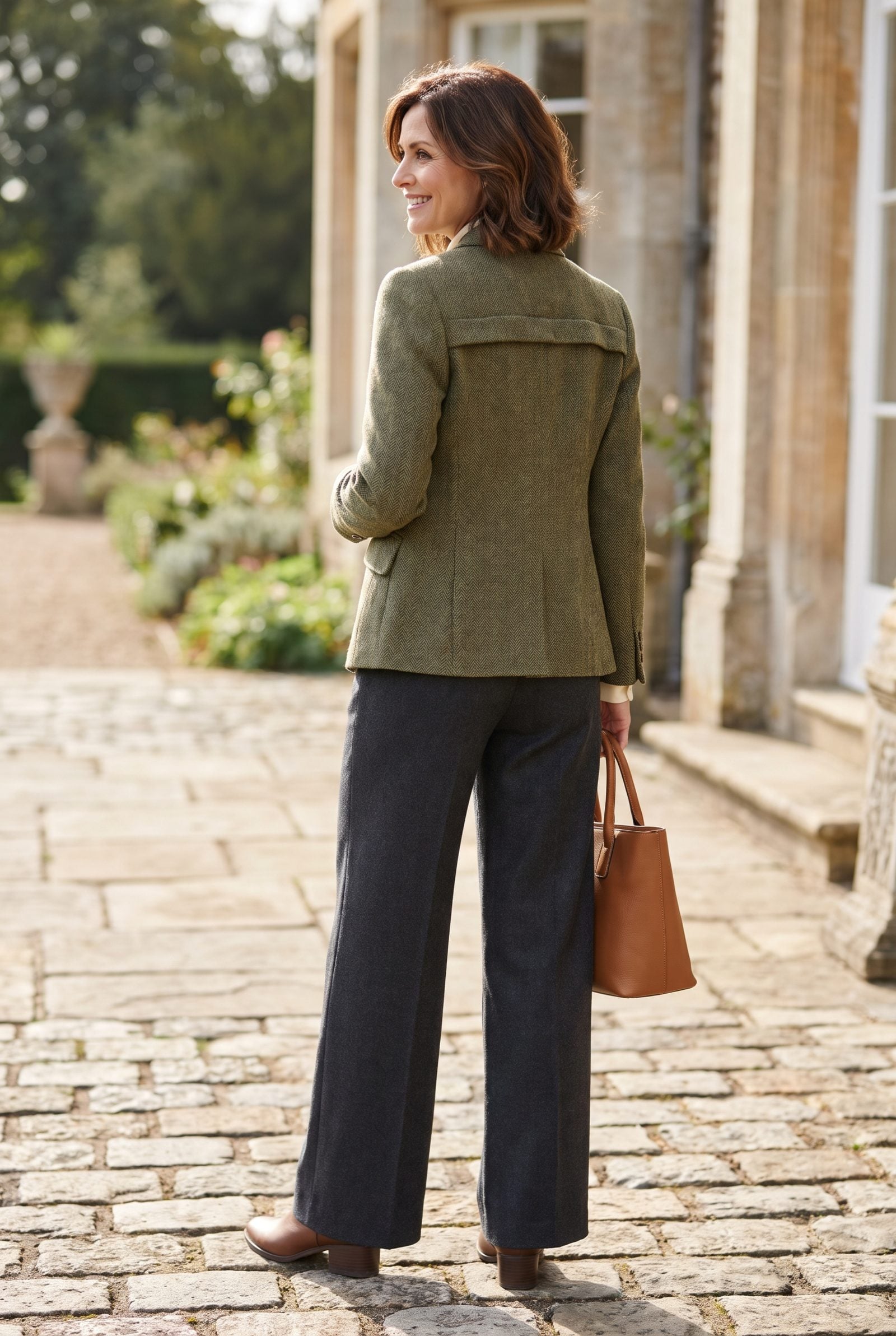
Just below the collar, across the upper back, watch for a horizontal fold that sits there like a small ledge. That roll means there’s more length in the back than your posture needs, and gravity pools it right under the collar.
One of the subtler flaws. Which is exactly why it separates a trained eye from a casual one — pressing it flat hides it for about a minute, then it’s back. The real fix lives in the collar seam, and a tailor knows it on sight.
21. Diagonal Wrinkles Across the Upper Back
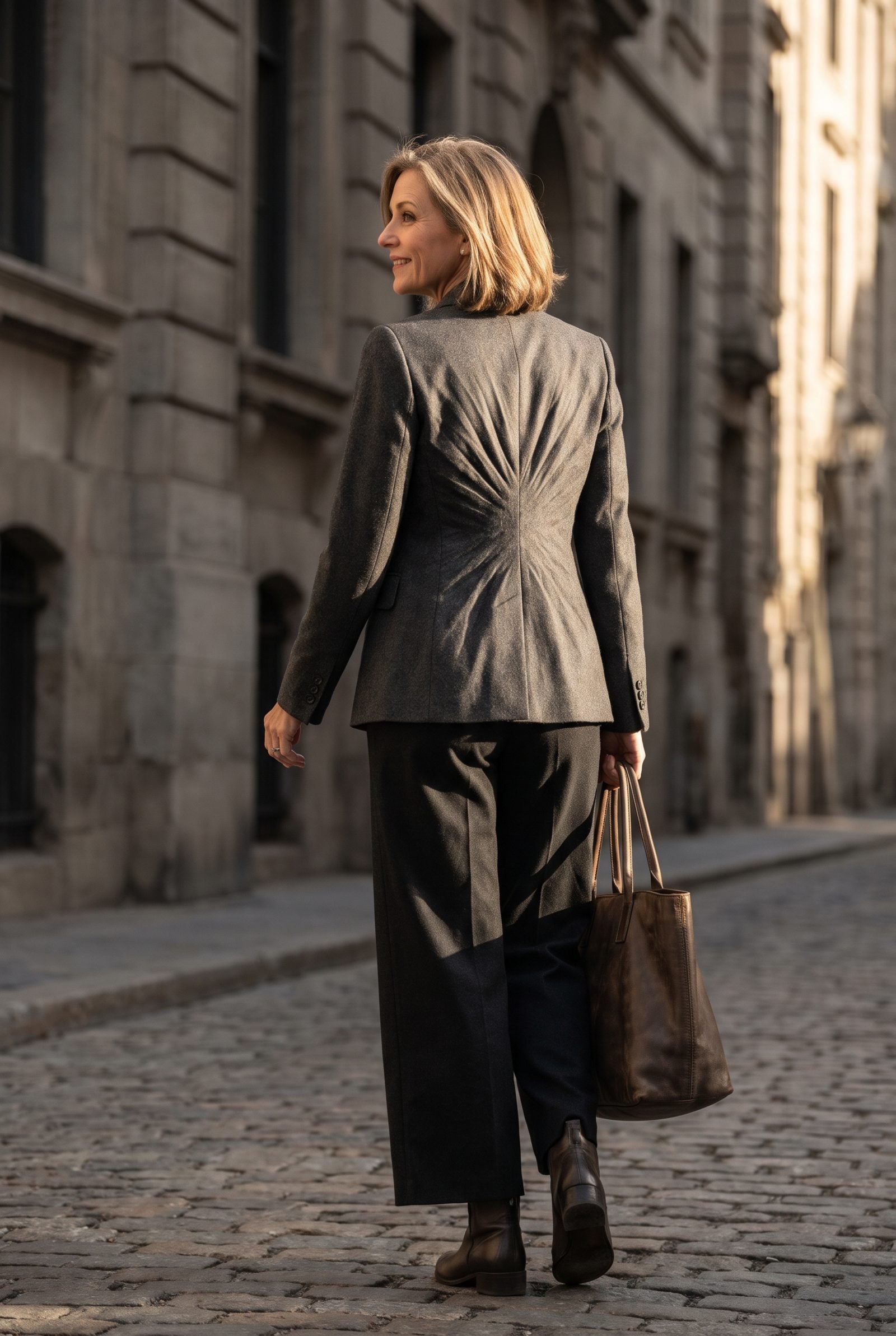
Those diagonal lines running across the upper back and down toward the waist are one of the first things a good tailor reads. They mean the back is fighting the garment, usually because the waist is nipped in tighter than your back’s shape allows.
A tailor watches you from behind before any tape comes out, because the direction of the wrinkle tells her the fix: letting out the back seam at the waist, easing a back dart, or releasing the waist suppression. Get this right and a jacket stops looking borrowed.
20. A Jacket Hem That Drops Lower in Front or Back

An uneven hem is rarely a hem problem. When the back hangs lower than the front, the jacket is usually being pulled up in front, often across the bust, and the whole front panel needs more room up top before the bottom will level out.
Plenty of us ignore this for years and keep asking tailors to “just even the hem.” Wrong move. The balance lives above the waist. A sharp tailor checks the hemline against the floor first, then works upward to find what’s tugging it off level.
19. Side Seams That Swing Toward the Front or Back

The side seam should fall straight as a plumb line from armpit to hem. When it drifts forward or back, the garment is hanging off balance, often from a mismatch between front and back hip shape.
A tailor squints at that seam from the side like a carpenter checking a wall for level. The swing tells her where to add or remove, long before she decides on nipping the waist.
18. Pockets That Flare Open When She Stands
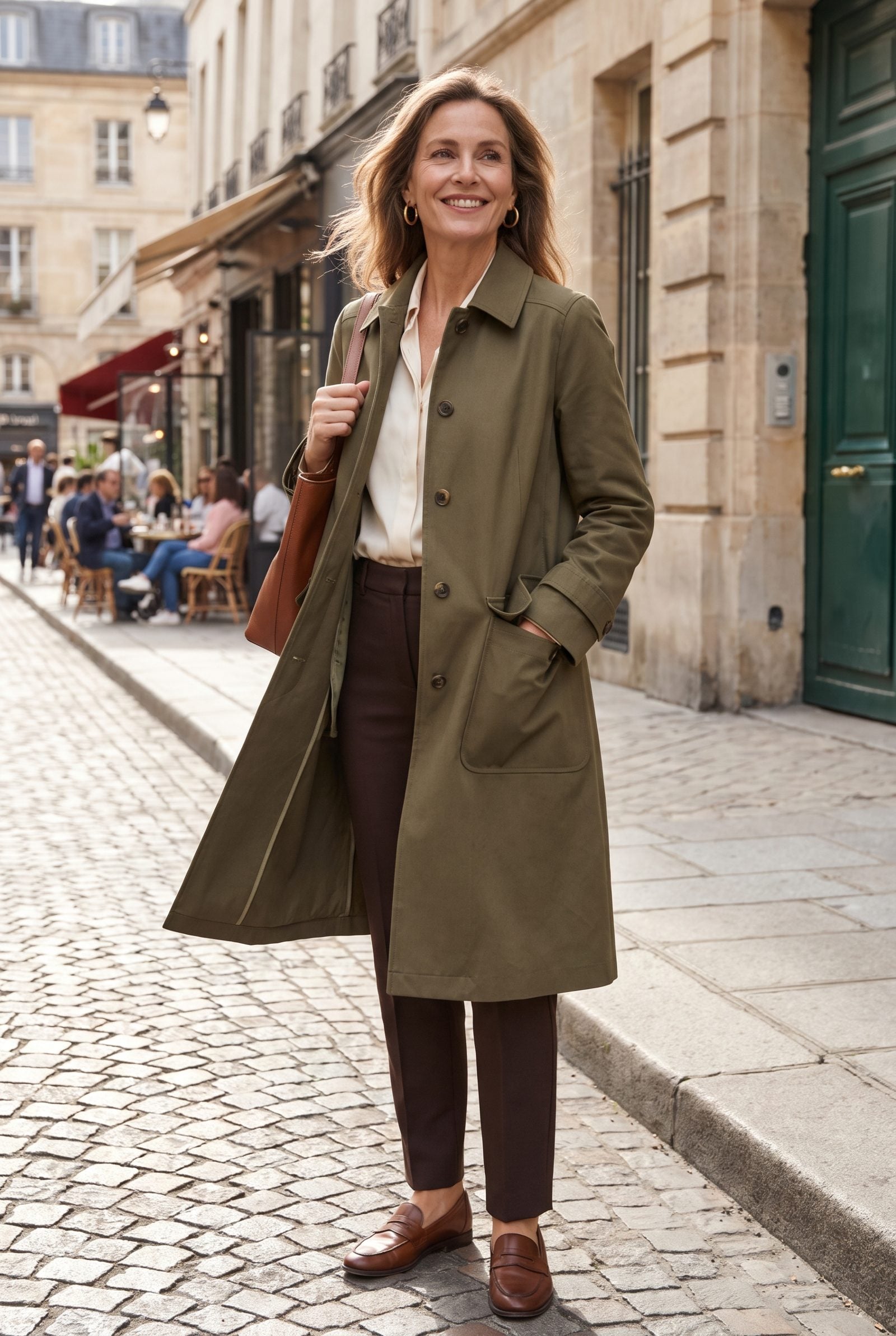
Gaping pockets are a tattletale. When the pocket mouth flares open while you simply stand still, even on a loose, roomy cut, the problem isn’t tightness: an oversized pocket bag or a deep, unstayed pocket mouth lets the fabric fall open under its own weight.
When the hip is already generous, a tailor looks at the pocket itself. She reads it as a flag that the opening needs a stay tape or a discreet tack. Secure the mouth and the pocket lies shut like it was meant to. Great denim details depend on this same principle.
17. Jacket Vents That Kick Out Instead of Closing

A vent that won’t stay shut is loud. The flaps kick apart because the jacket is tight across the seat or hips, so the lowest point of least resistance pops open.
Remember what a vent is for. It lets you walk and sit, not hang open while you stand. When a tailor sees it flaring at rest, she knows the lower body of the jacket is working too hard, so she checks the hip before she ever touches the vent.
16. Whether a Dress Waist Seam Meets Her Natural Waist
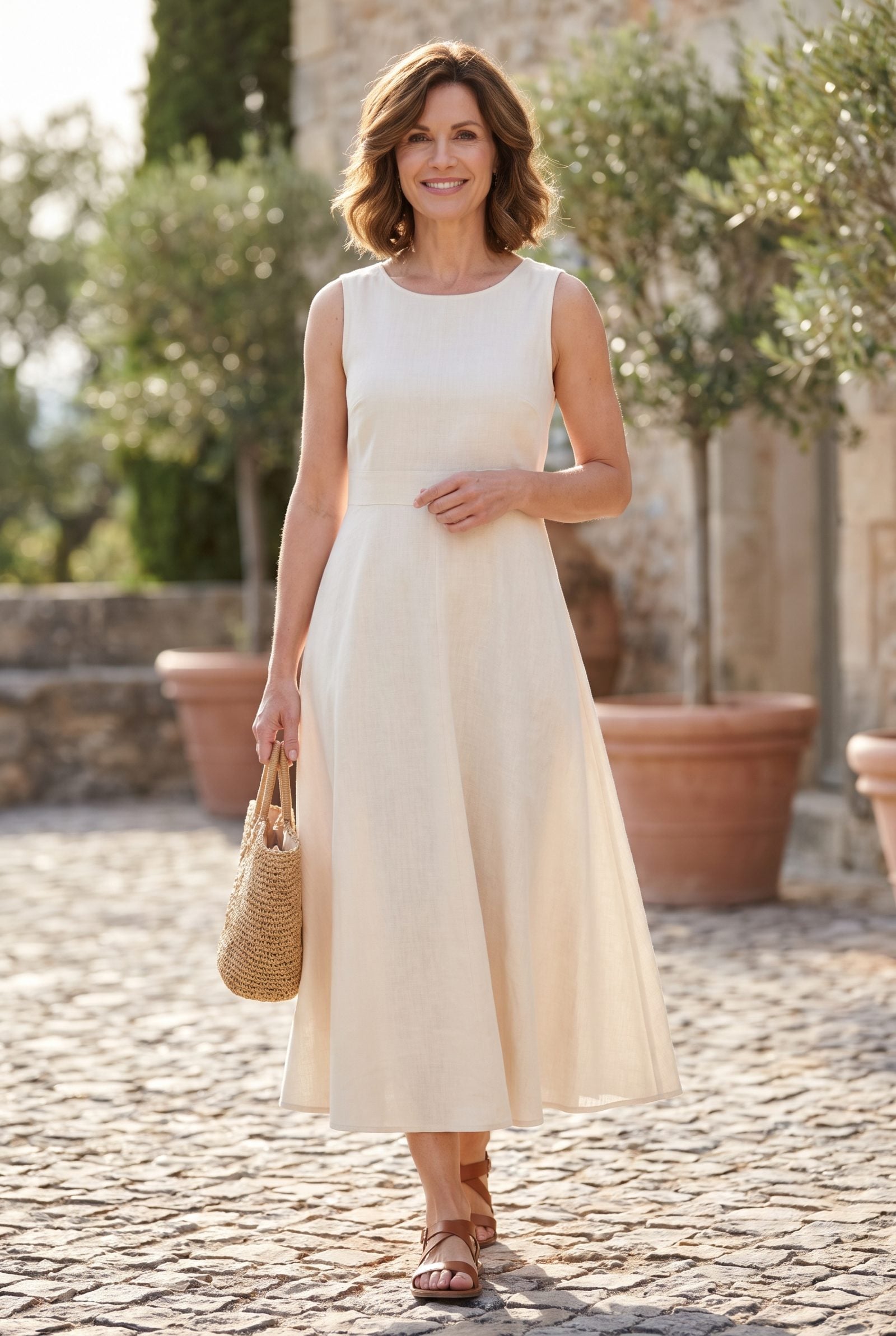
The single highest-leverage thing a tailor checks on a dress: does the waist seam land on your real waist, your narrowest point, or somewhere above or below it?
When the seam hits true, the skirt flares from the slimmest part and the whole dress reads intentional. Miss it, and no amount of nipping elsewhere saves the thing. She measures to your natural waist first and builds every other decision around that line. It’s the difference between a dress that fits and a dress that merely closes.
15. A Waistband That Rolls, Folds or Slides Down
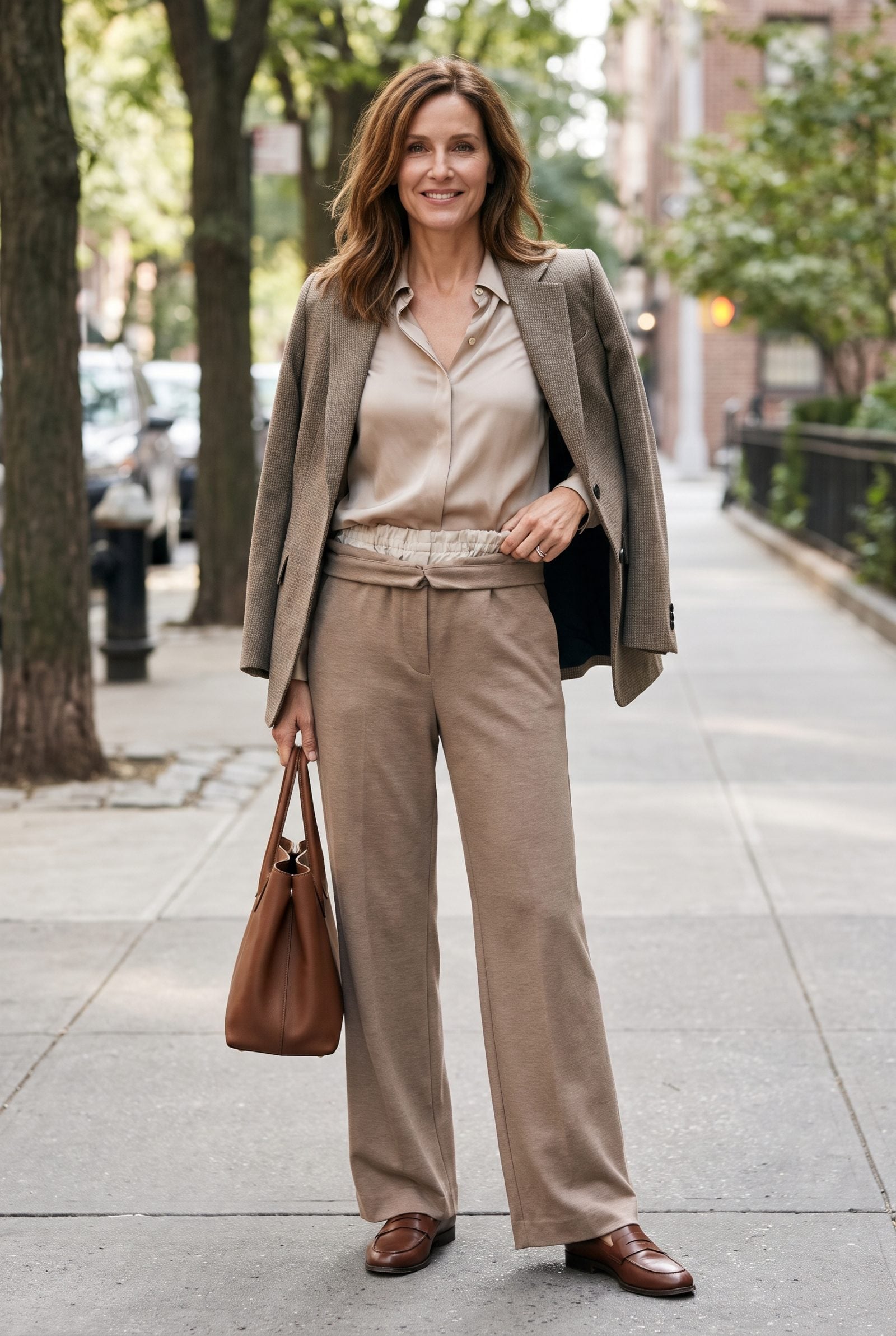
A rolling waistband is grumpy. It folds over because the band is cut straighter than your body curves, so it has nowhere to sit and buckles instead.
Does the band follow the dip from front to back? That’s what a tailor checks. The fix is usually a curved waistband or a small back adjustment, not a tighter one. Your wardrobe is only as good as the waistbands that stay put.
14. Crotch Wrinkles That Reveal an Incorrect Rise
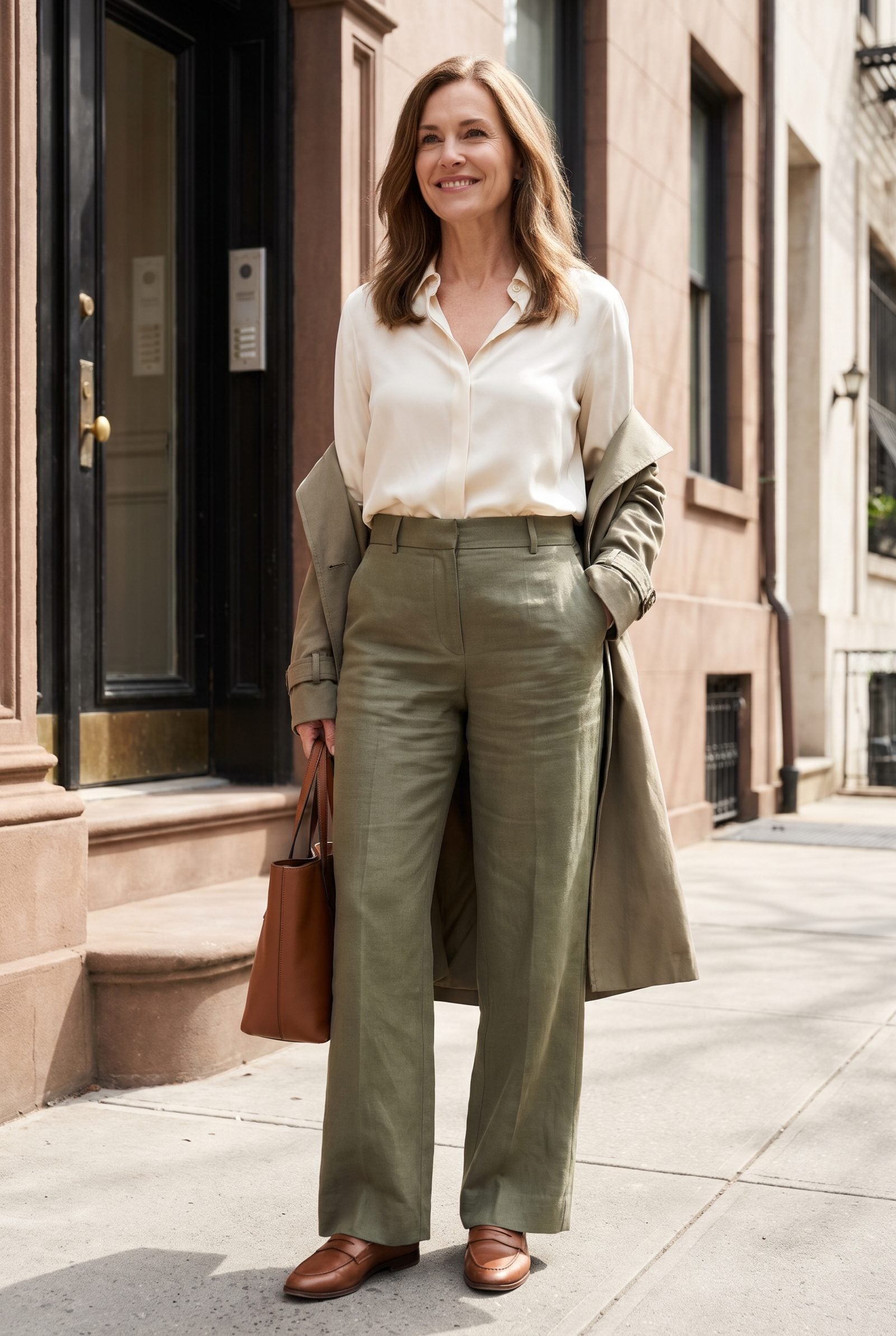
Smile lines at the rise, those little horizontal wrinkles, mean the rise is too short and pulling. Whiskers that sag mean too long. A tailor reads them like weather.
Rise is the trickiest thing to alter well, so she assesses it before committing to anything. Most off-the-rack trousers fail women here because the pattern assumes one body and you are not it. The good news: a tailor who clocks the rise early can usually save the pair.
Asked which they would buy, our readers leaned slightly toward a mid rise over a high rise, 54% to 45%.
13. Strain Lines Across the Seat of Trousers

Horizontal lines stretched tight across the seat mean one thing: not enough room where you need it most. The fabric is pulled taut like a drum skin, and it’ll wear thin there first.
A tailor checks the seat seam allowance before she promises anything, because there has to be fabric to let out. A trouser with nothing left to give simply cannot grow, and no skill saves it.
12. How Much Trouser Break Collects Over Her Shoes

Before a tape measure ever comes out, a tailor reads where your trouser hits the shoe. A full break stacks two or three soft folds across the top of the foot and shortens the whole leg line. A single break — one gentle dimple — stays relaxed without the pooling, while no break at all, hem grazing clean, reads sharp and modern.
And the decision isn’t personal taste alone. It’s the shoe you wear most, the shape of the trouser leg, and how the wool holds a crease. A wide leg can carry more fabric at the floor. A tapered one drowns in it.
11. A Skirt Hem That Looks Uneven While She Stands
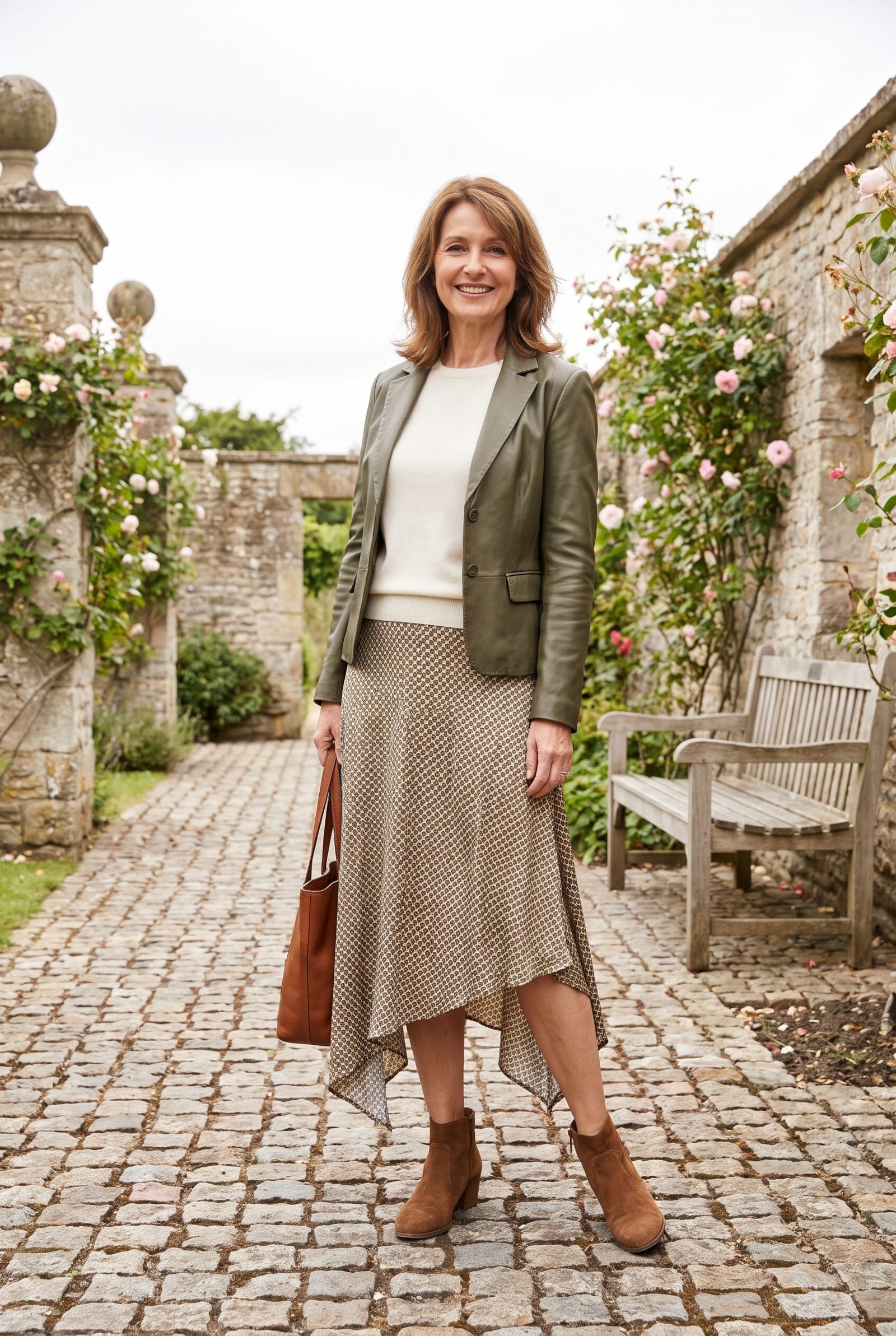
A hem that dips can lie to you. Sometimes the unevenness is the whole point: a handkerchief hem like this one is cut to fall in pointed drops by design, and no tailor should try to ‘fix’ it. A hem meant to be level that dips anyway is a different story.
A good tailor measures from the floor up, not from the waist down, marking equal distance all the way around while you stand in the shoes you’ll actually wear. Hemlines that look level on a hanger go sideways the moment a real body gets underneath them.
10. A Zipper That Ripples Despite Being Fully Closed
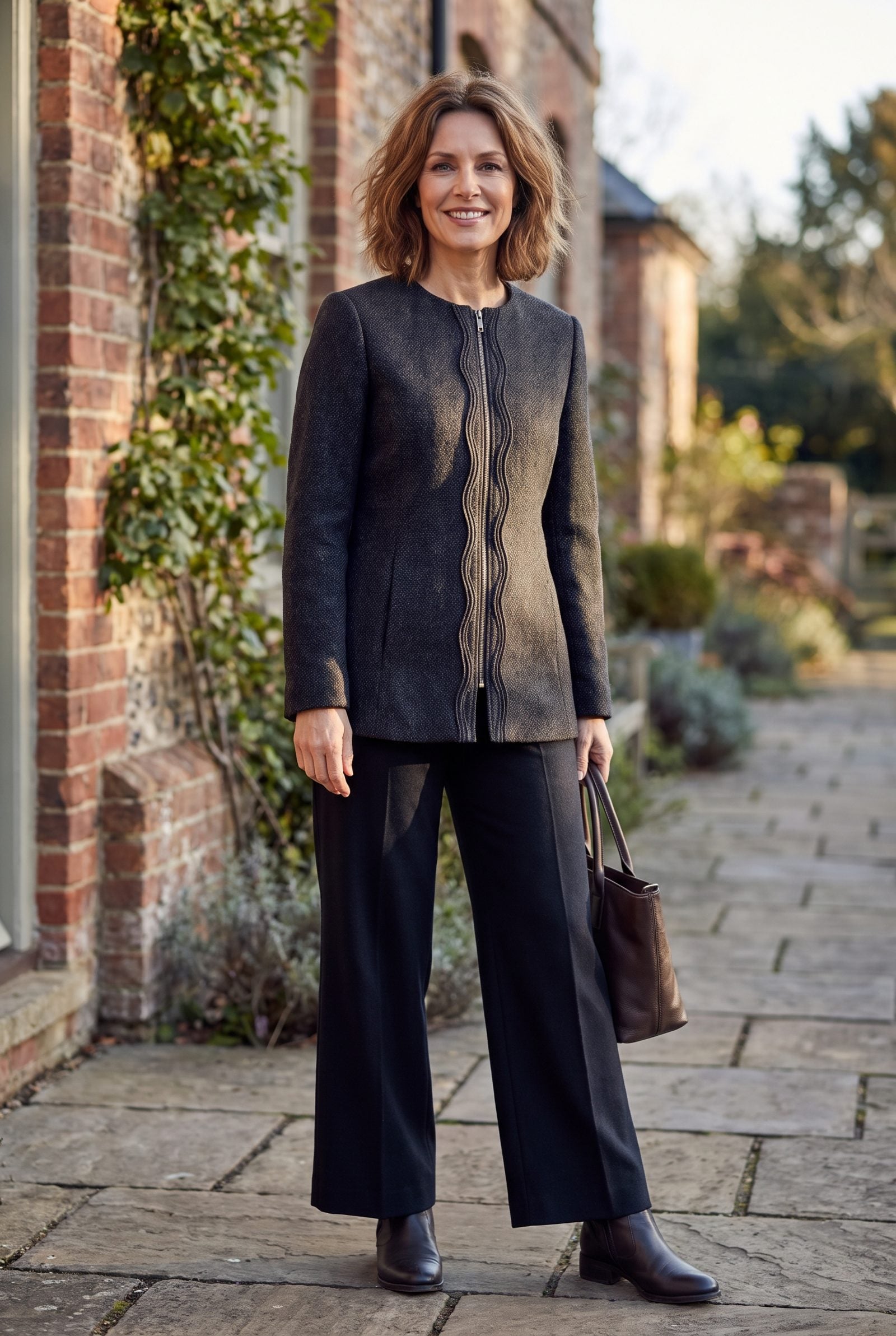
That wave running up a closed zipper is almost never the zipper’s fault. The seam underneath was stretched as it was sewn, or the fabric was fed through at two different tensions, and the zipper tape is just showing you the trouble.
Stretch fabrics are the usual culprits. A tailor checks whether the ripple sits flat when the seam is eased, which tells her if the fix is a re-set zipper or a reworked seam. Either way, a rippling closure makes an expensive dress look cheap — catch it before alterations begin. The same eye that reads denim details reads this.
9. Whether Pleats Fall Closed or Spread Open
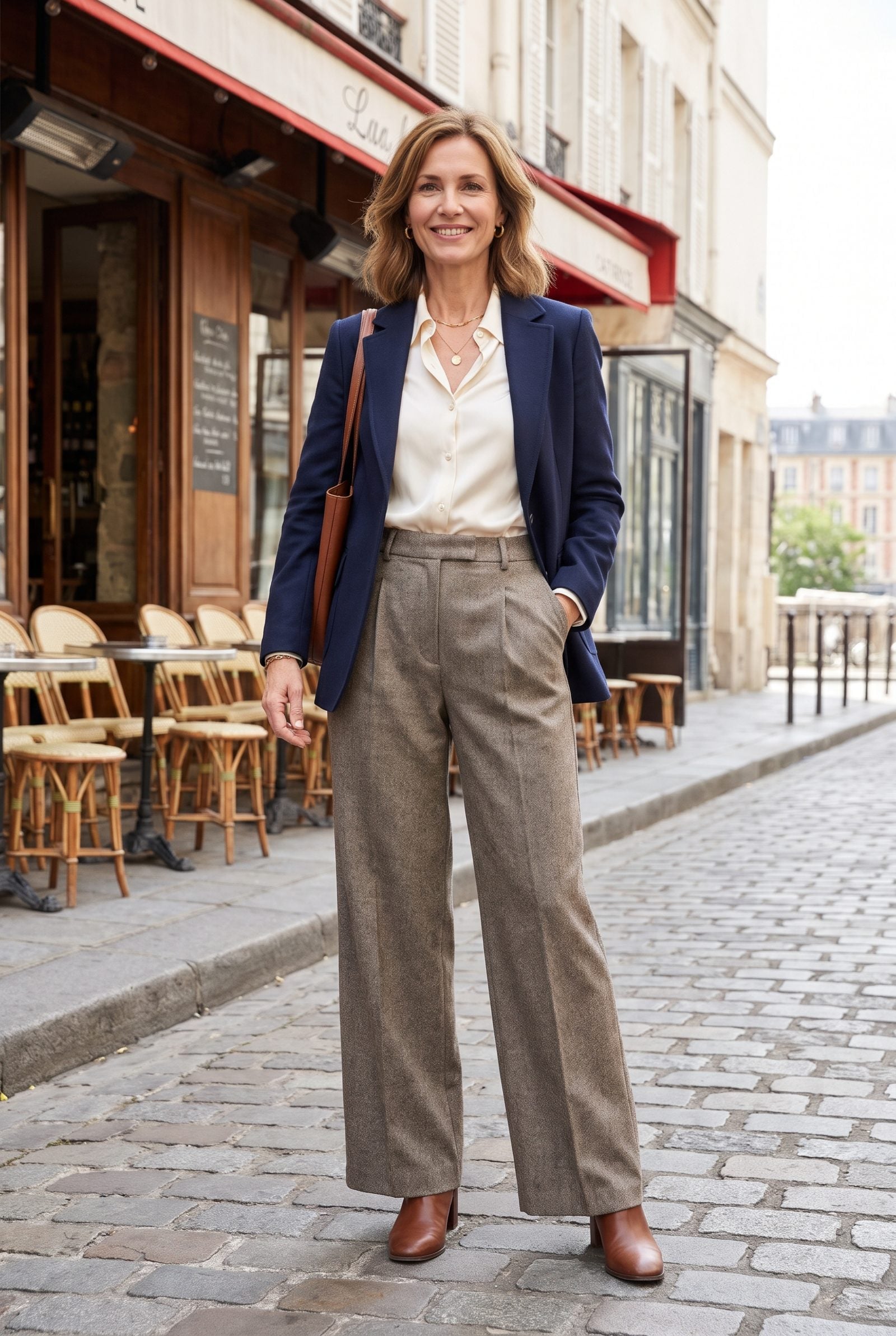
Pleats that gape are telling on the fit. When the front of a trouser pulls open across the hip, the garment is too snug through the seat and thigh, and the pleats spread to make room.
A tailor wants them falling closed, vertical, nearly invisible until you move — that’s what a pleat is for, extra ease that stays hidden. Open pleats add visual width right where most women don’t want it. She’ll check whether letting out the hip lets them lie flat again, or whether the rise is fighting you.
8. Lining That Pulls, Peeks Out or Restricts the Garment
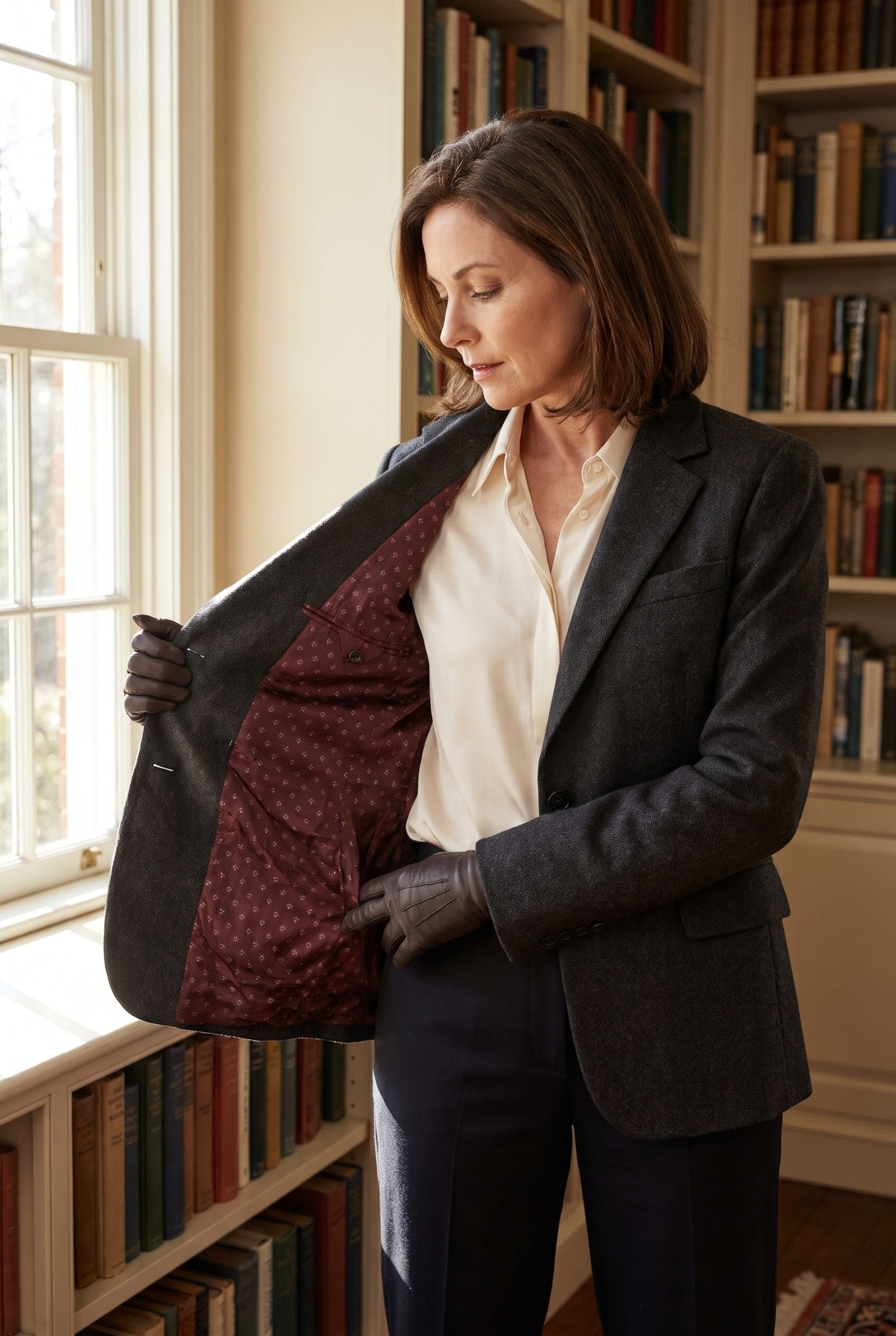
The lining is the part nobody praises and everybody feels. Cut it too short or too tight and it drags the shell inward, peeks below the hem, and binds across the back when you reach for your coffee.
A tailor checks the lining before the outside, because a shell can hang beautifully while the satin underneath quietly sabotages it. She looks for the lining hanging a hair shorter than the hem, enough ease to move, and no pulling at the vent. Get the inside right and the outside finally behaves.
7. Stretch Fabric That Has Bagged at the Knees or Seat
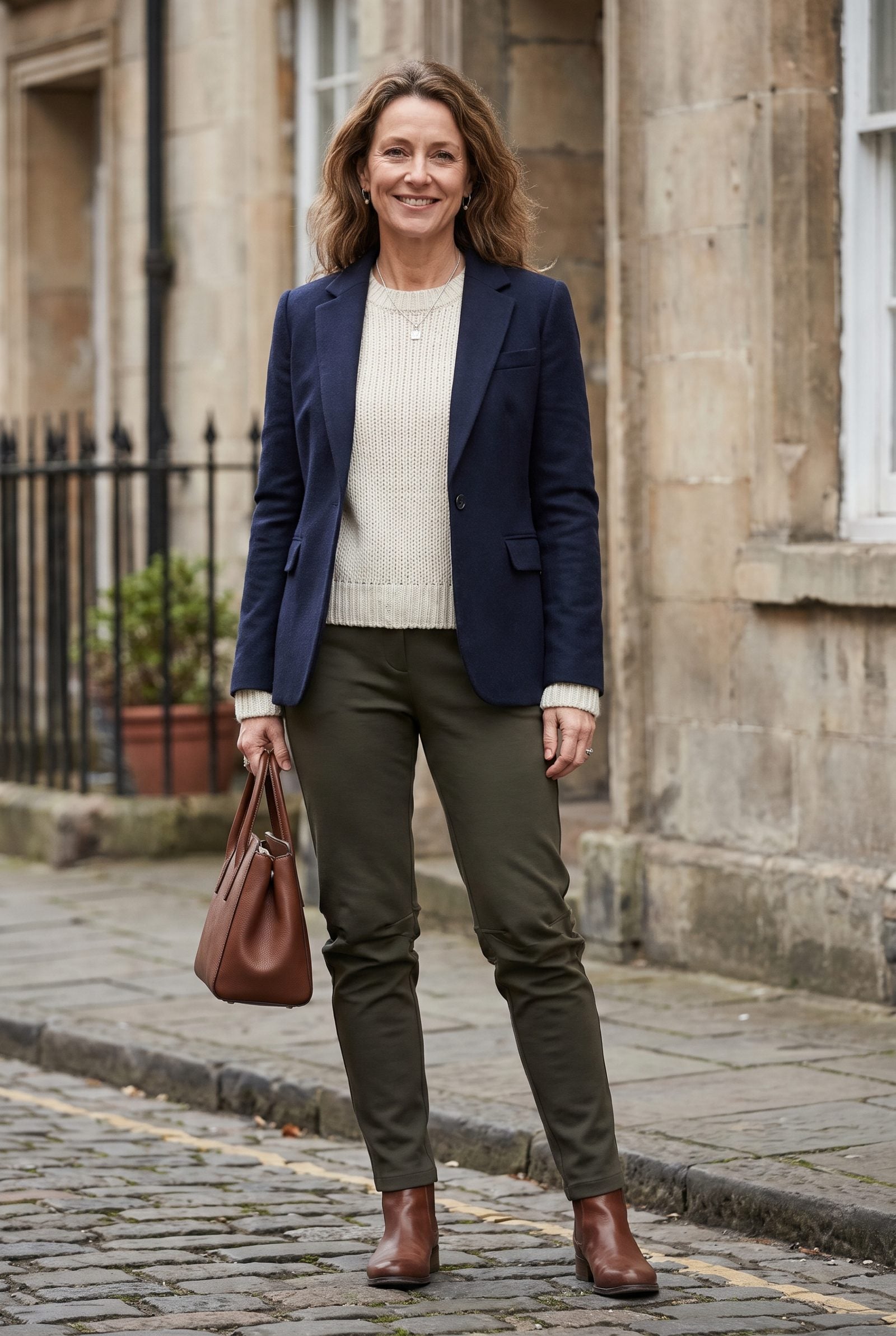
Stretch gives you comfort and then, over time, it gives up. Ponte, jersey, anything with elastane eventually loses its recovery, and you see it first at the knees and the seat where the fabric works hardest.
A tailor can take in a seam, but she can’t put the bounce back into dead fibers. So before she measures, she pinches the knee to see if the fabric springs back or just stays slack. If it stays slack, no alteration will save it, and she’ll tell you straight. I’d rather hear that than pay to fix something that’s finished.
6. A Garment Cut Off-Grain That Will Never Hang Straight
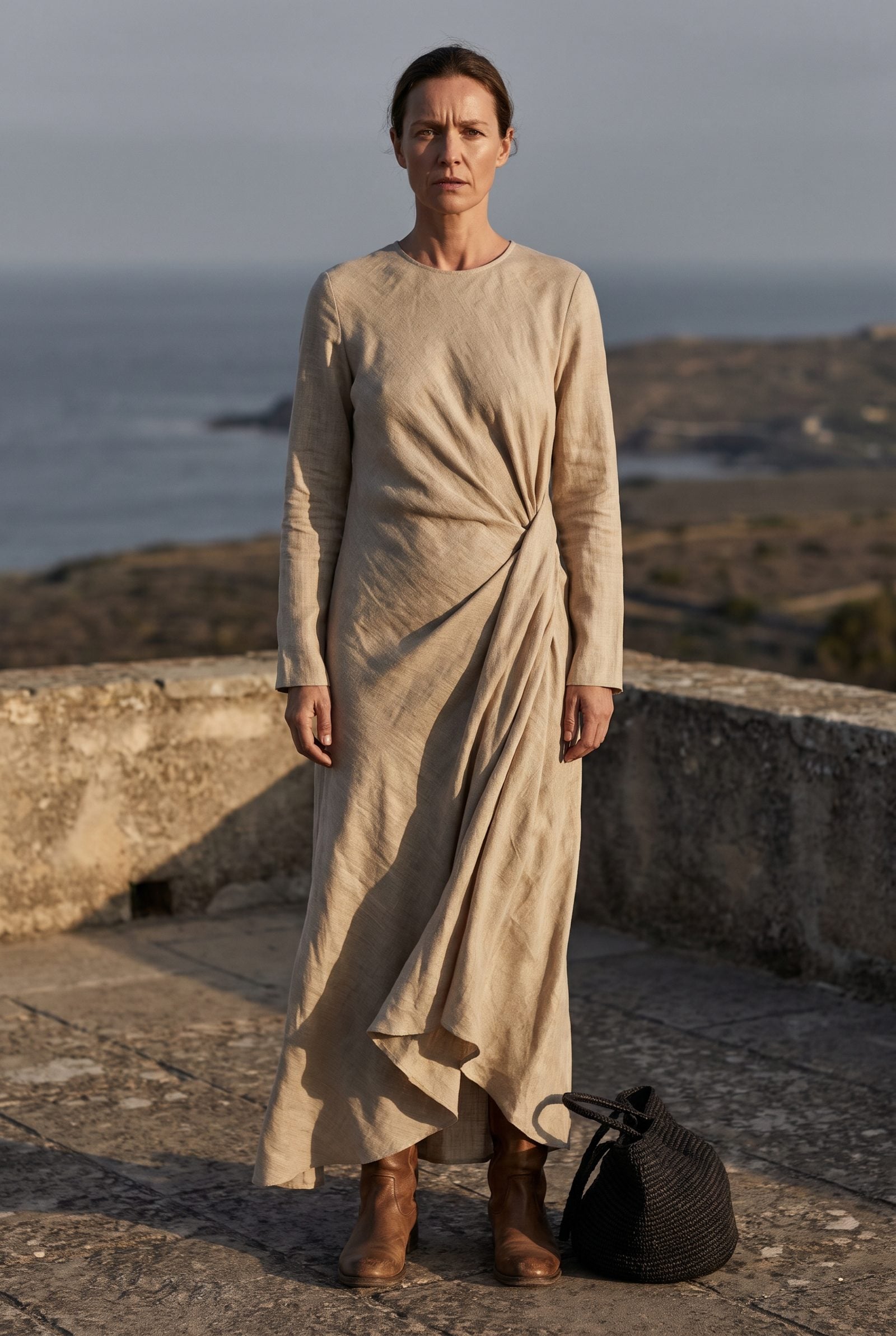
Some garments twist no matter what you do. The side seam spirals toward the front, the hem won’t sit level, and no amount of pressing holds it. That’s an off-grain cut, where the fabric was laid out crooked before anyone touched the scissors.
A tailor spots it by watching the seam line, not the fit. If the thread grain runs diagonal to the floor, the twist is baked in. This is the one problem she usually can’t fix, and knowing that before you pay for alterations saves you real money. Understanding where a good wardrobe is built — and where it’s doomed — starts here.
5. Whether Her Bra Changes the Garment’s Intended Fit

The right bra changes everything about how a blouse fits, which is why a tailor asks what you’ll wear underneath before she lifts a pin. Dart placement, button spacing, the way a jacket closes across the bust — all of it shifts with support.
Fit the garment over a bra you never wear, and the alteration is wrong the day you collect it. She wants you in the real thing. Most of the style is in details this quiet.
4. How Much Fabric Is Hidden Inside the Hem
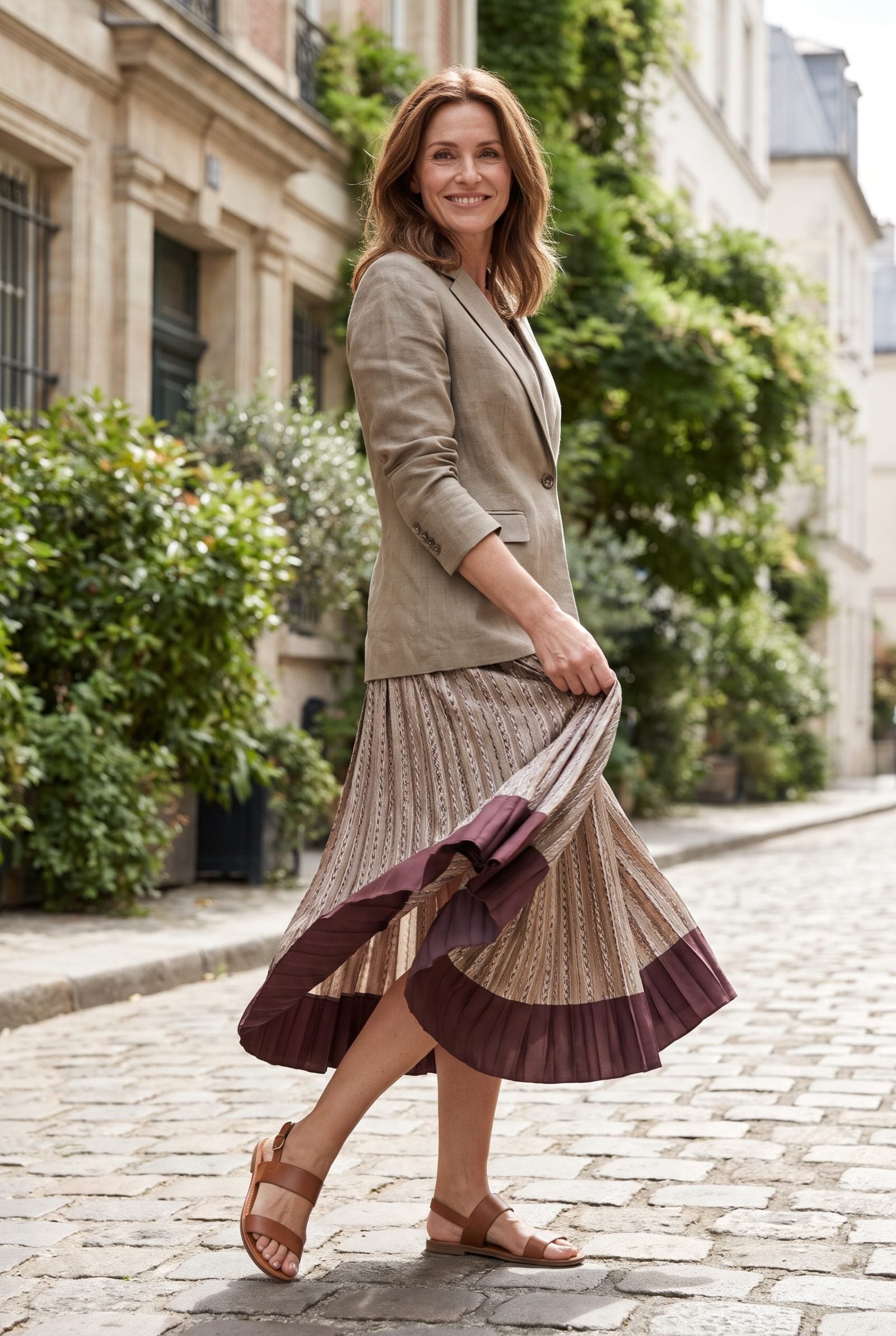
Flip up a hem and a tailor learns how generous the maker was. A deep allowance — two or three inches folded inside — means she can let the trouser down later if you want more length or switch to a higher heel.
A skimpy half-inch hem means you’re stuck with the length you have. Good garments bury extra fabric here on purpose, and it’s one of the quiet marks of quality to check before you buy. The hem tells you whether the piece was built to last or built to sell.
3. Whether the Side Seams Have Enough Allowance to Let Out

Taking something in is easy. Letting it out is where a garment runs out of road. A tailor turns the side seam and measures what’s hiding past the stitch line, because that narrow strip of fabric decides whether a dress can grow with you or not.
A full inch on each side gives her room to work. A pinked quarter-inch gives her almost nothing. She wants this number before anyone talks about reshaping a waist, and it’s the difference between a piece you keep for a decade and one you donate in a year. The same instinct that reads handbag details reads this seam.
Explaining whether a dress can be let out, a bridal technical designer says “A full one-inch seam allowance on both sides of a side seam gives an alteration potential of up to two inches total at that seam.”
2. Beading, Sequins or Lace That Crosses the Line She’s About to Cut
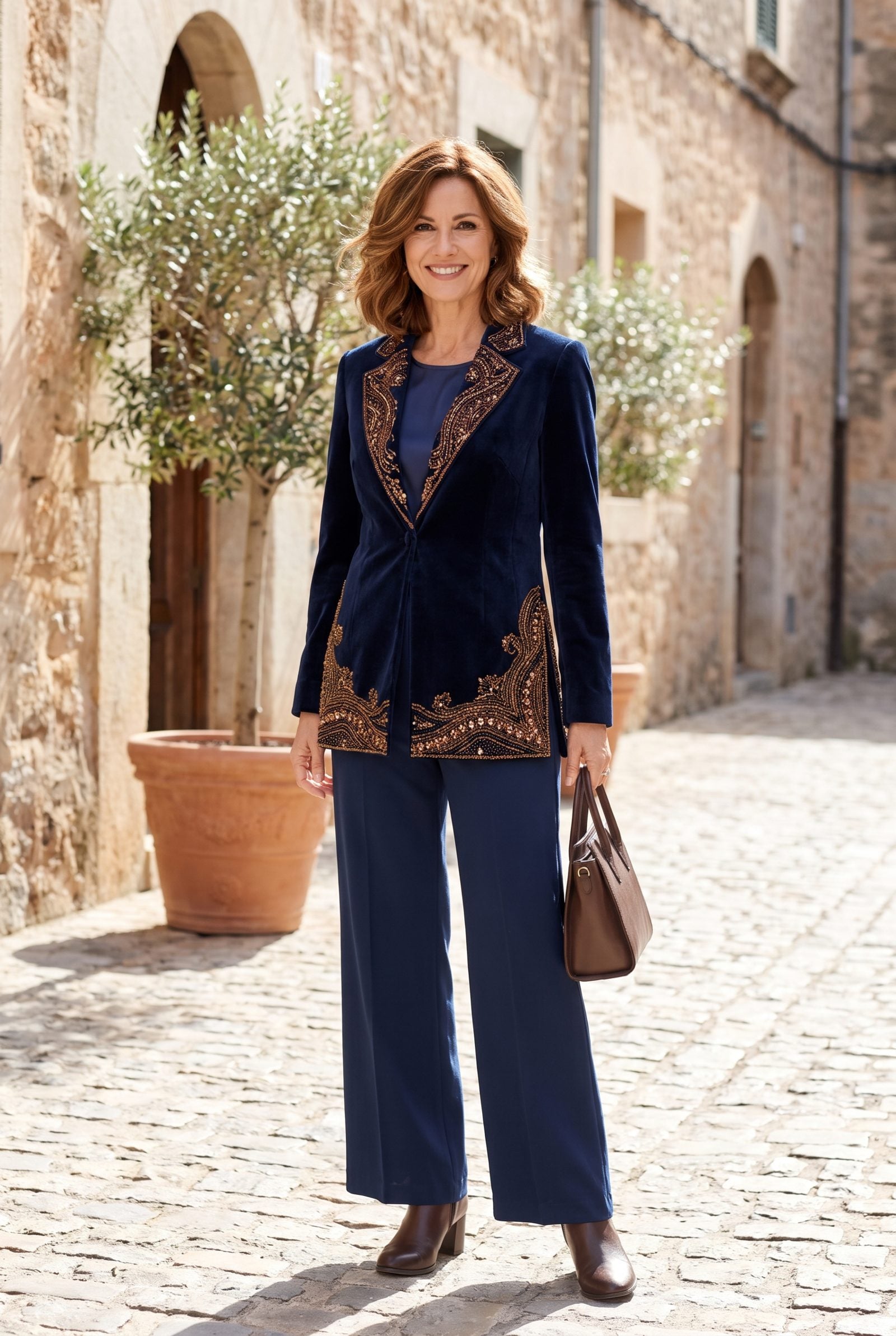
Beadwork is where alterations go to die, and any tailor worth her pins knows it before she picks up the chalk. If the embroidery runs straight across the seam she needs to take in, every one of those beads has to come off by hand and go back on after — hours of it. Sometimes it can’t be done at all without leaving a visible scar in the pattern.
She reads the density first. A loose scatter of sequins near the waist? Workable. But a solid field of hand-sewn seed beads sitting right along the side seam is a whole other conversation, and lace plays by the same rules, because cutting through a motif leaves a raw edge the eye catches instantly.
On beaded dresses, a master bridal alterations tailor explains “Beads and sequins along the seams must be carefully removed to allow for adjustments without damaging the embellishments or sewing machine.”
1. Pinholes, Fraying and Thin Spots Hiding Right Beside the Seam
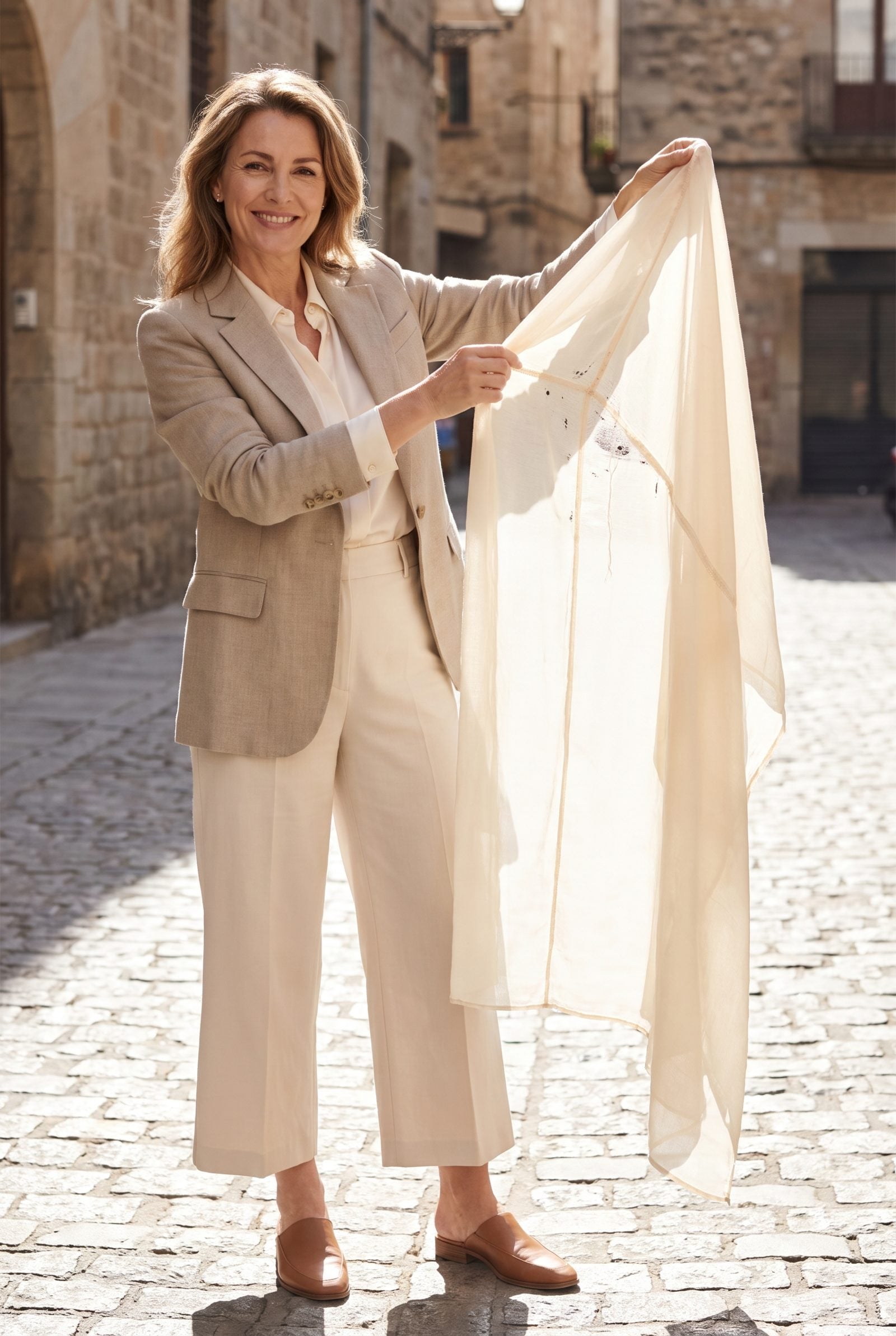
Weak fabric near a seam is the problem nobody mentions until the bill arrives. A tailor holds the seam allowance up to the window because thin spots glow — light bleeds through the weave long before a hole ever opens.
Here’s why it matters. An alteration puts fresh tension on old threads, so when she takes in a waistband or moves a seam, the needle pulls against fabric that’s already surrendering. You walk out with the fit you wanted and a tear three wears later.
She checks the under-sleeve, the inner thigh, the back of a vintage collar. Fraying at the raw edge of a seam allowance tells her how much she has to work with. Sometimes the fix is a reinforcing underlayer. Sometimes the honest answer is that this one just isn’t worth the labor, and she’ll say so to your face.