❤️ Would you like to save this?
The top drawer of the vanity smelled like Avon and cold cream. Somewhere under the lace-edged slips sat a plastic egg you weren’t supposed to throw away but always did, and pantyhose came out of it like a surprise.
Half the objects that ran a woman’s daily life in 1985 are gone, replaced not by better versions but by a screen or a shift in taste nobody voted on. The ones below were everywhere. Then, one by one, they weren’t.
FYI, thanks to AI imagery software, we’re able to create very specific fashion and hairstyle examples to illustrate the points being made. In some cases, imagery is exaggerated to hammer home the point. Also, assume links that take you off the site are affiliate links such as links to Amazon. this means we may earn a commission if you buy something.
31. L’eggs Plastic Hosiery Eggs: The Brand Swapped Them for Flat Cardboard
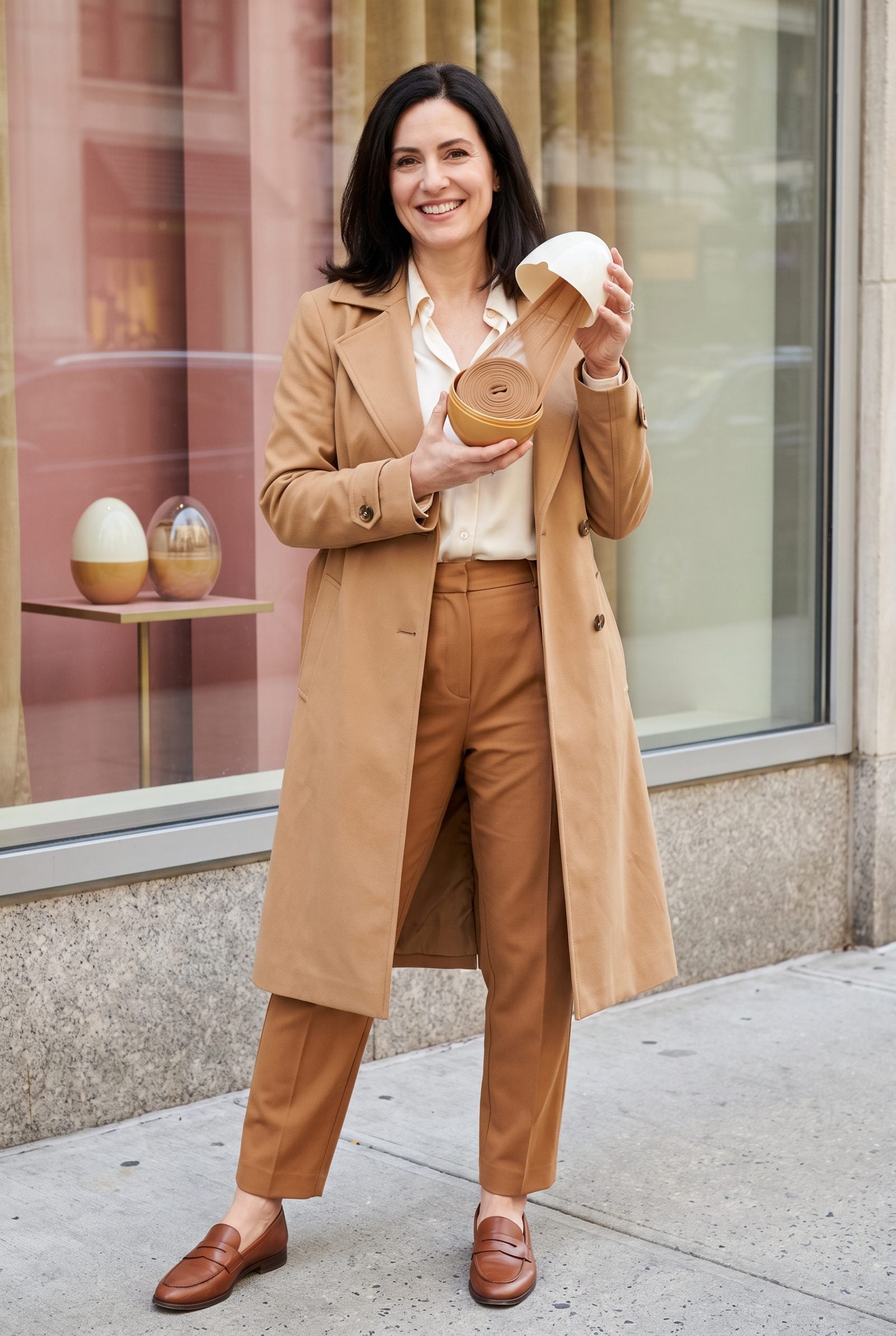
You snapped it open like a toy, rolled out the pantyhose, and then stood there holding a plastic egg you had no idea what to do with. Kids used them for crafts. Everyone else had a junk drawer rattling with three or four.
The egg was the brand. That shape sold hosiery to women who’d never once thought about the package before. In 1991 the company retired the plastic for flat recyclable cardboard, and the single most recognizable object in American drugstore aisles vanished without a goodbye.
30. Fold-Up Plastic Rain Bonnets: The Weatherproof Hood Made Them a Rarity
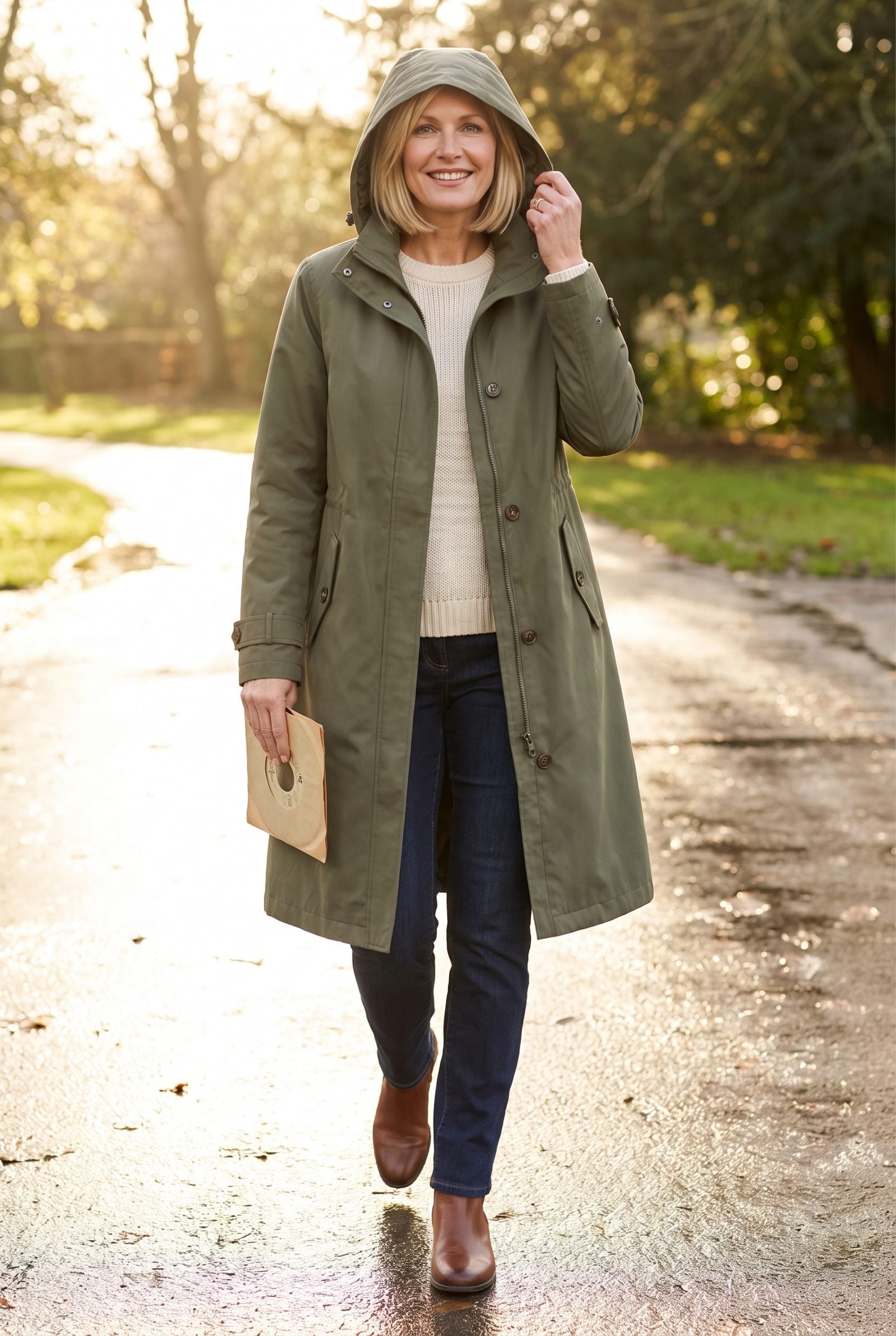
It lived folded flat in the bottom of the handbag, smaller than a deck of cards, until the sky opened and you tied it under your chin to save a fresh set. That crinkle of it unfolding is a sound a whole generation of women still knows cold.
Hooded raincoats, umbrellas that actually stayed in the car, and the simple decision to let your hair get wet pushed it out. You can still buy them. Almost nobody does.
29. Removable Foam Shoulder Pads: Minimalist Tailoring Pushed Them Aside

Every blazer, every blouse, even some T-shirts came with them. You yanked them out before washing and half the time forgot to put them back, so one shoulder sat proud and the other collapsed all day long.
They built the whole 1985 silhouette: wide up top, narrow below, authority you could literally wear. Then minimalist tailoring arrived in the 1990s and the natural shoulder won. The pads went in a sandwich bag in the sewing drawer and stayed there.
28. Half Slips With Lace Hems: Lined Dresses and Casual Dressing Reduced the Need
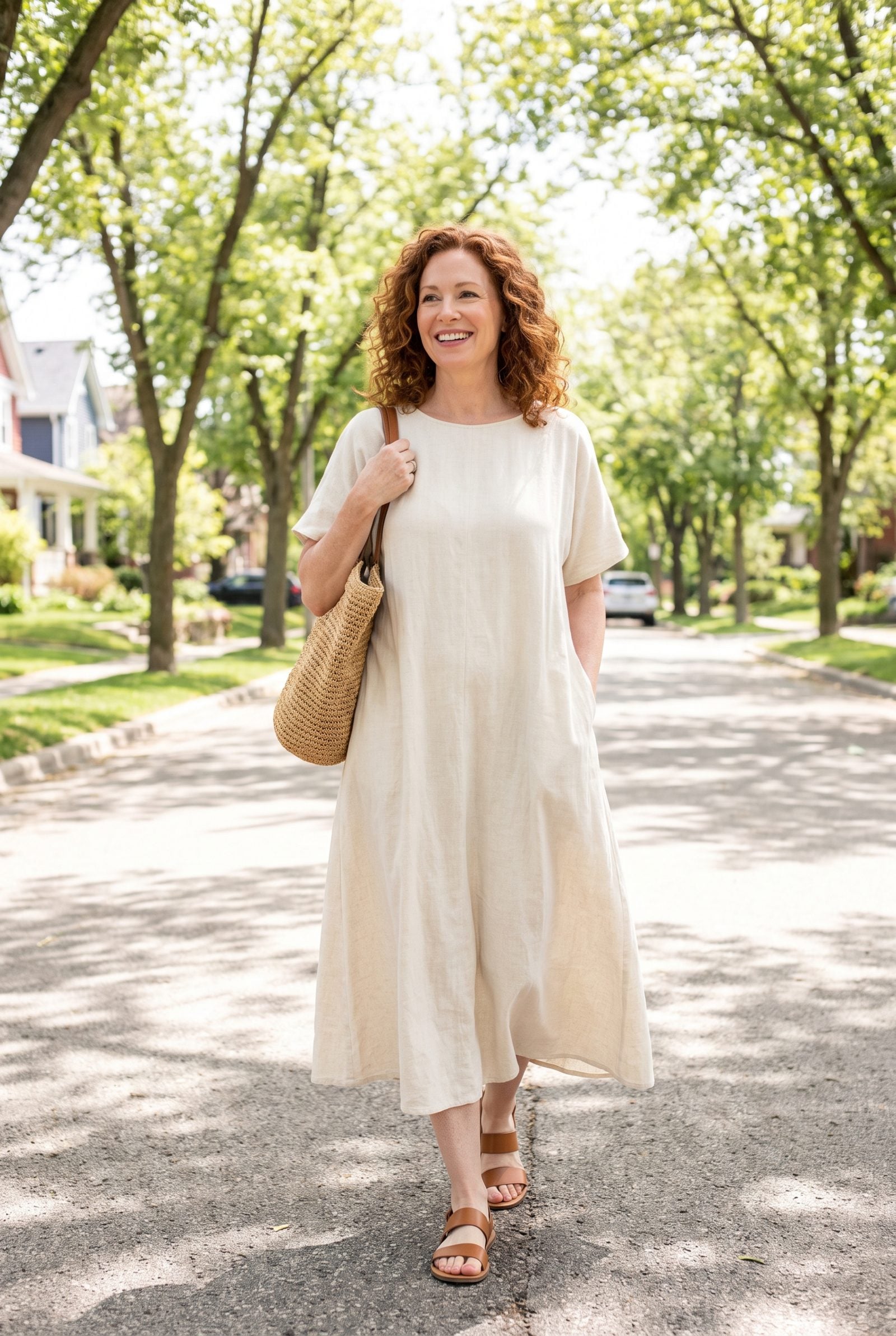
It hung on a satin hanger with the good robes, and no skirt left the house without it. The lace hem meant that if a breeze lifted your dress, something pretty showed instead of nothing.
Then dresses started arriving lined from the factory, workplaces loosened up, and daily life just got more casual. The ritual of layering a slip under everything quietly ended. Plenty of women still own one. Far fewer reach for it before 8am.
27. Avon Perfume Decanters: Novelty Bottles Gave Way to Streamlined Fragrance
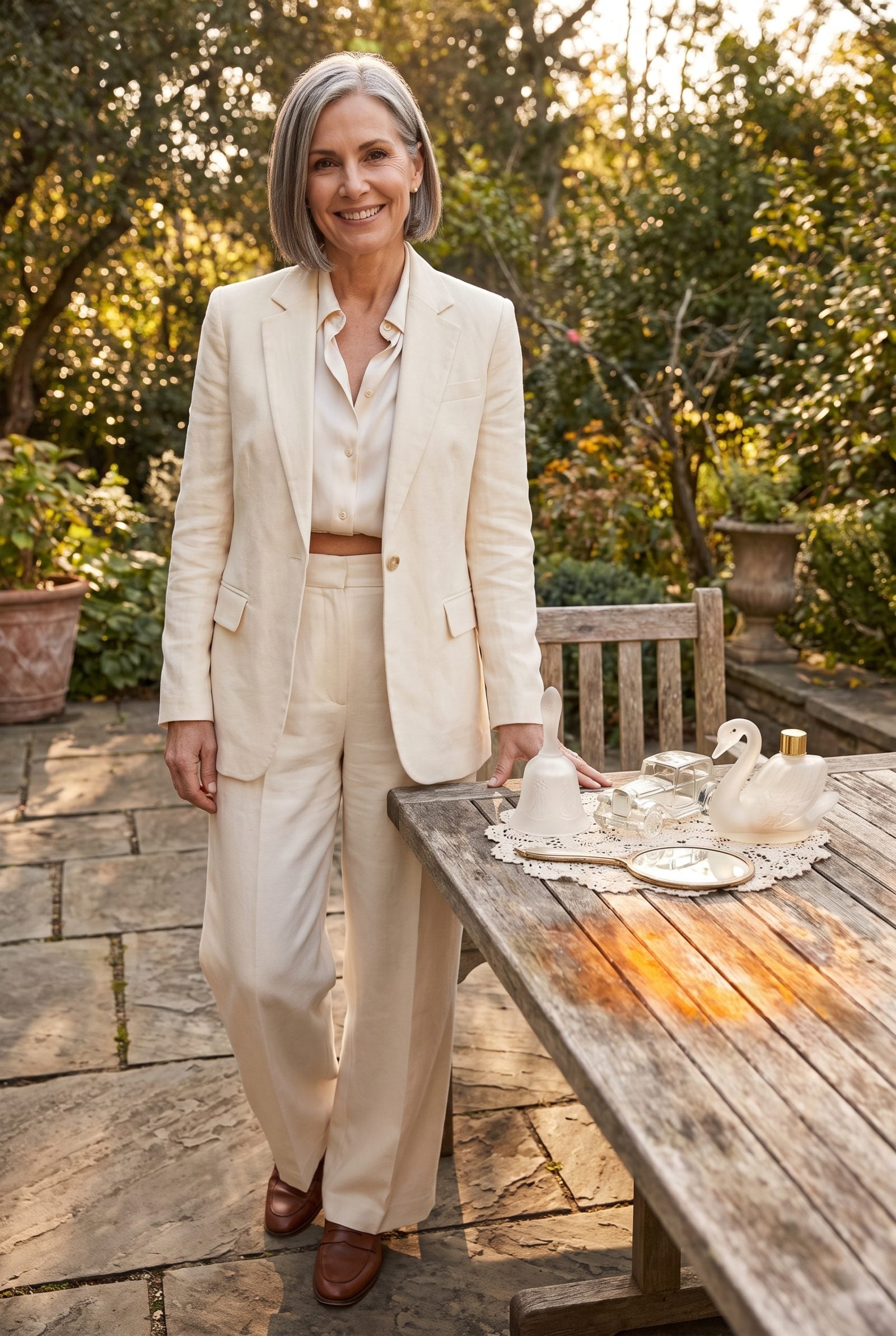
The scent barely mattered. What mattered was the bottle shaped like a car, a swan, a tiny grandfather clock, bought from a representative who rang the doorbell with a catalog and a cheerful hello.
Women lined them along the dresser like little trophies and kept them long after the perfume had evaporated. Then fragrance went glossy and sculptural, sold in sleek flacons with designer names stamped across them. The friendly figural bottle became a flea-market curiosity. Something social got lost when the doorbell stopped ringing.
26. The Purse-Size Address Book: The Mobile Phone Absorbed Every Contact

Names got crossed out and rewritten so many times the pages went soft. Someone moved, you drew a line through the old address and squeezed the new one into the margin. The book held an entire social life in ballpoint.
Then the phone absorbed all of it. Every number, instantly, no handwriting. Convenient, sure. But nobody memorizes a friend’s number anymore, and that page recording a decade of someone’s moving and marrying and changing? Gone.
25. Plastic Photo Wallets: The Phone Gallery Took Over the Family Snapshots
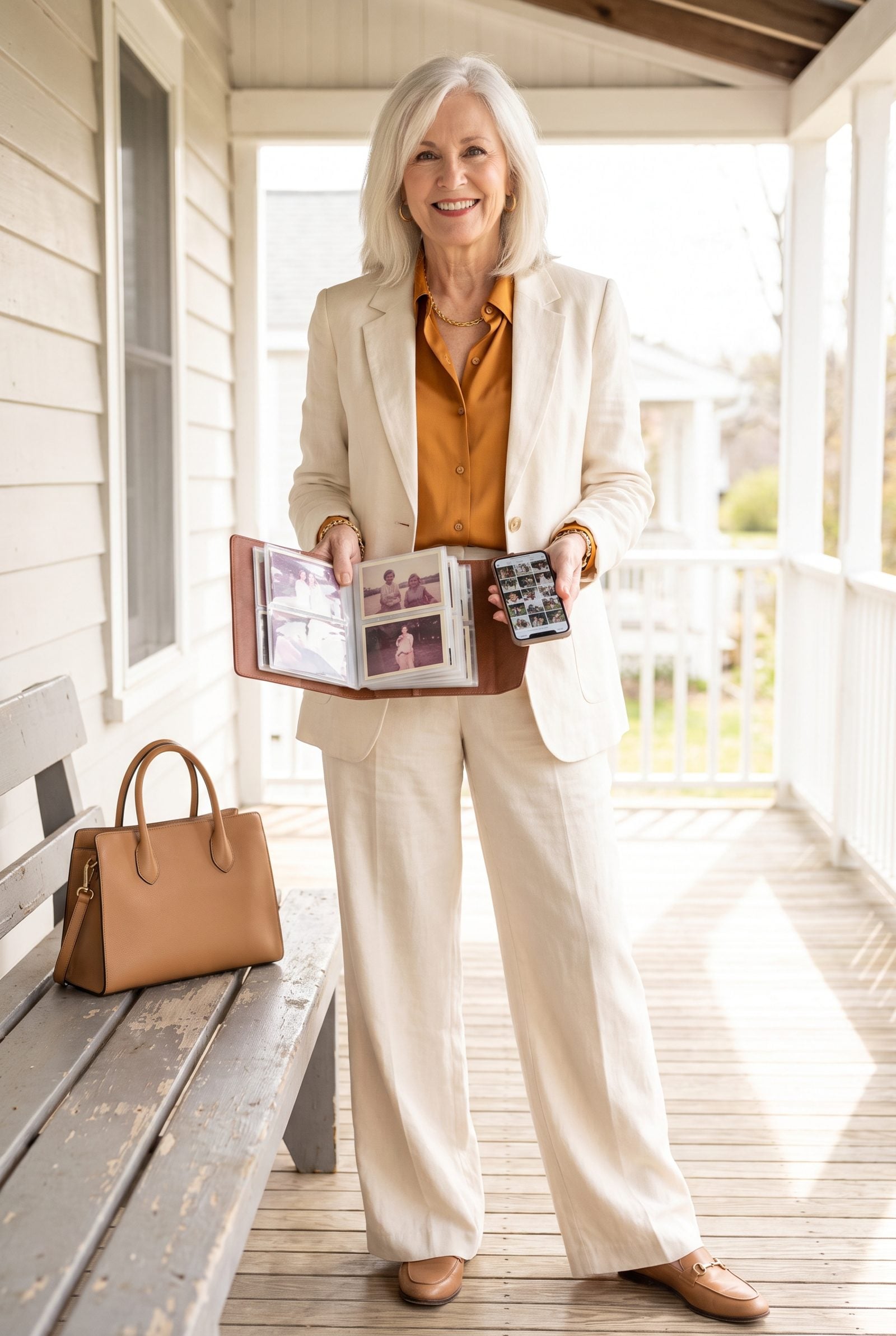
It accordioned out of the wallet in a long plastic strip, and you showed it to anyone who paused long enough: the grandkids, the dog, the vacation nobody asked about. The sleeves yellowed, the photos curled, and you carried them everywhere regardless.
Now the whole album lives on a phone, thousands of pictures no one ever prints. We take more photos than any generation before us and hold fewer in our hands. That little plastic fan was proof you loved people enough to carry them around in your bag.
24. Accordion Coupon Organizers: Store Apps Moved the Clippings Onto Screens
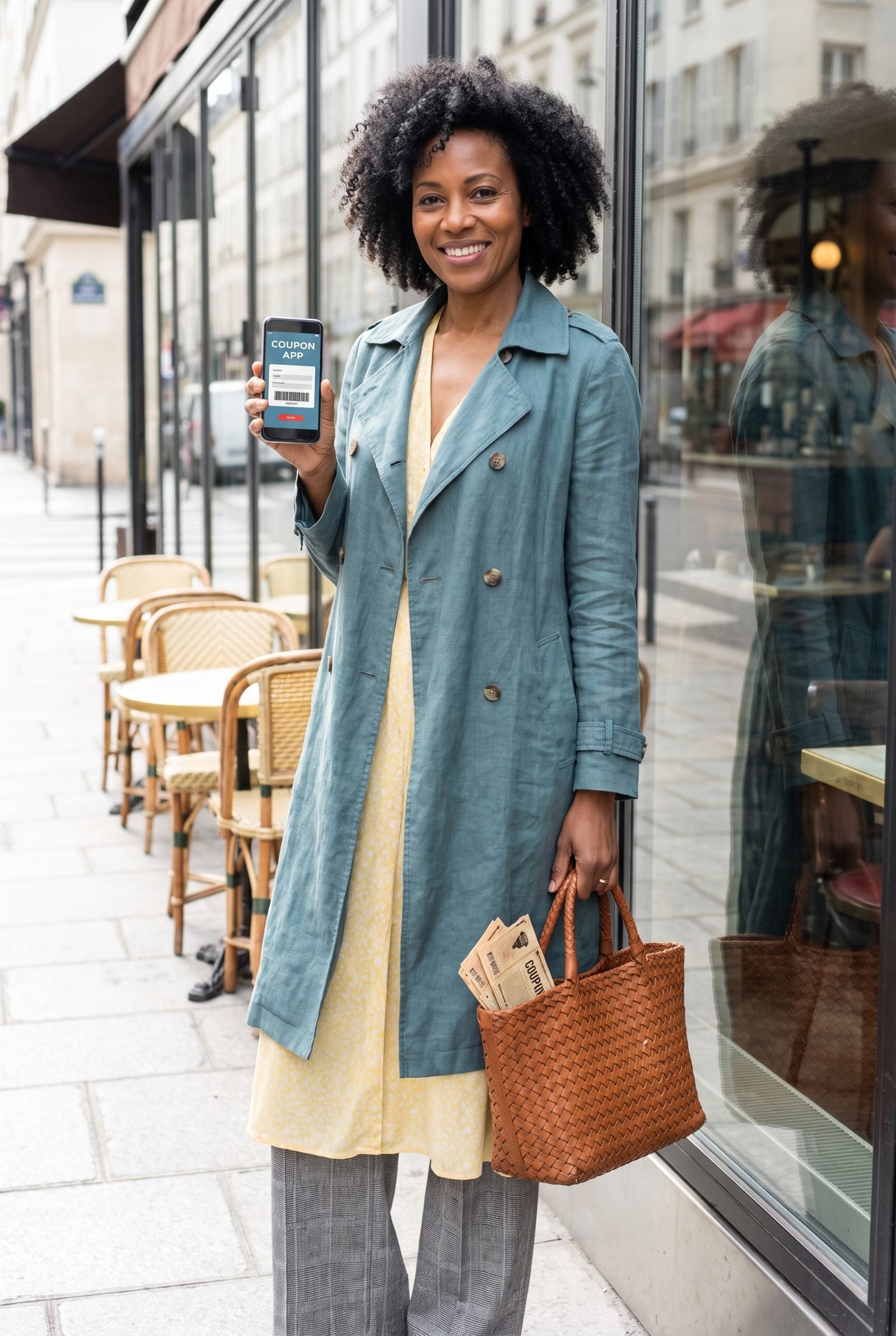
Sunday meant the paper spread across the kitchen table, scissors out, clipping and sorting into tabbed sections: cereal, dairy, cleaning, frozen, pet food. The clippings rode along to the store tucked loose in a woven leather tote, and pulling off a run of matched coupons at the register felt like winning a small, legitimate game.
Store apps swallowed the ritual whole. Now you tap a digital coupon you’ll forget you even clipped. Faster, cleaner, and somehow less satisfying than the snap of real scissors on newsprint.
23. Duplicate-Check Checkbooks: Cards and Banking Apps Erased the Paper Trail
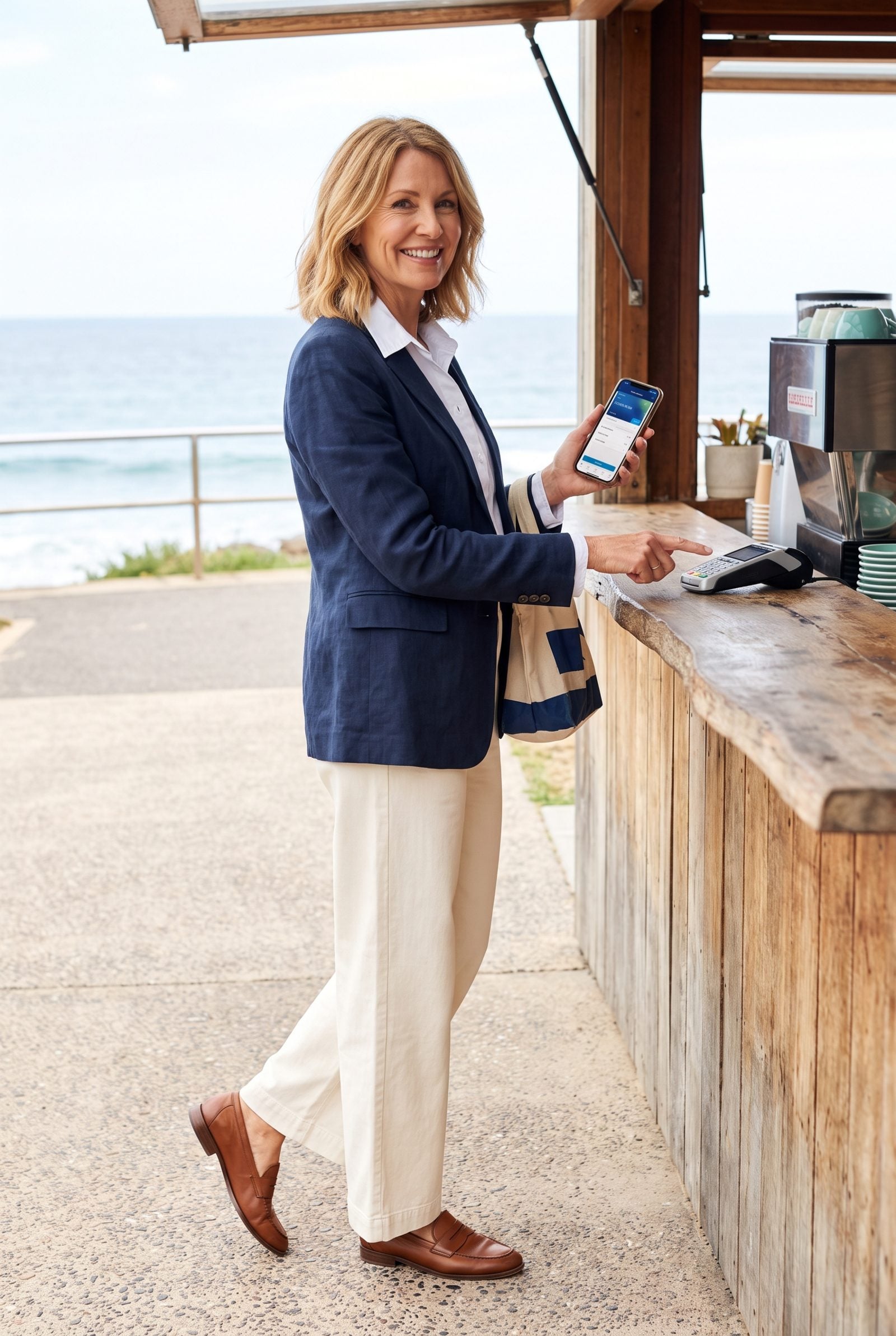
You wrote the check, and underneath it a thin yellow copy recorded every word, so the register always matched. Balancing it at the kitchen table on the first of the month was a chore and a kind of control at once. You knew exactly where every dollar went.
Cards and apps ended all of it. Nobody carries a checkbook, nobody reconciles a register, and the running paper trail of a household’s spending dissolved into a banking screen. We traded the ache of balancing it for the vagueness of never quite knowing.
22. Recipe Card Boxes: Food Blogs and Saved Screenshots Replaced the Handwritten Card
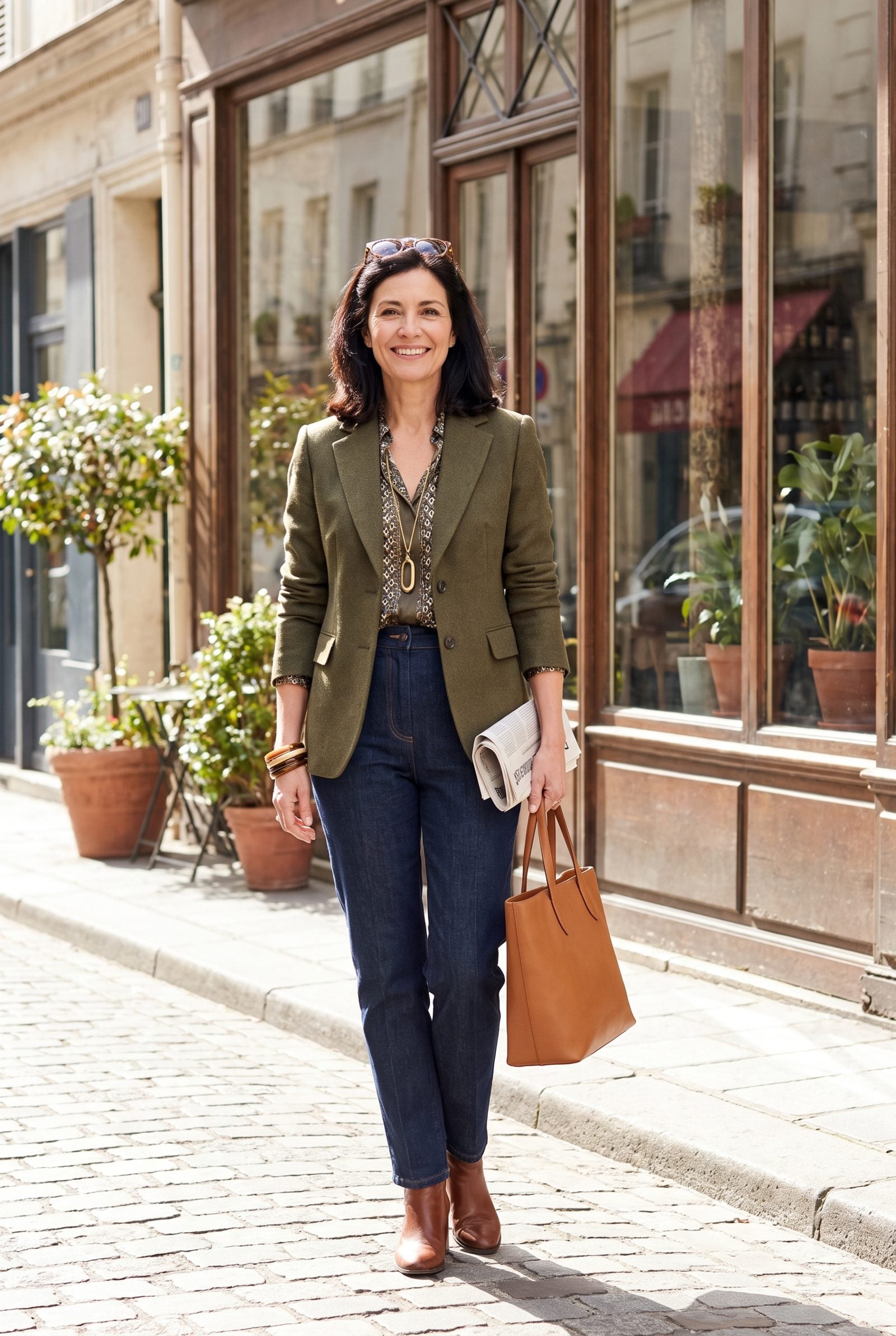
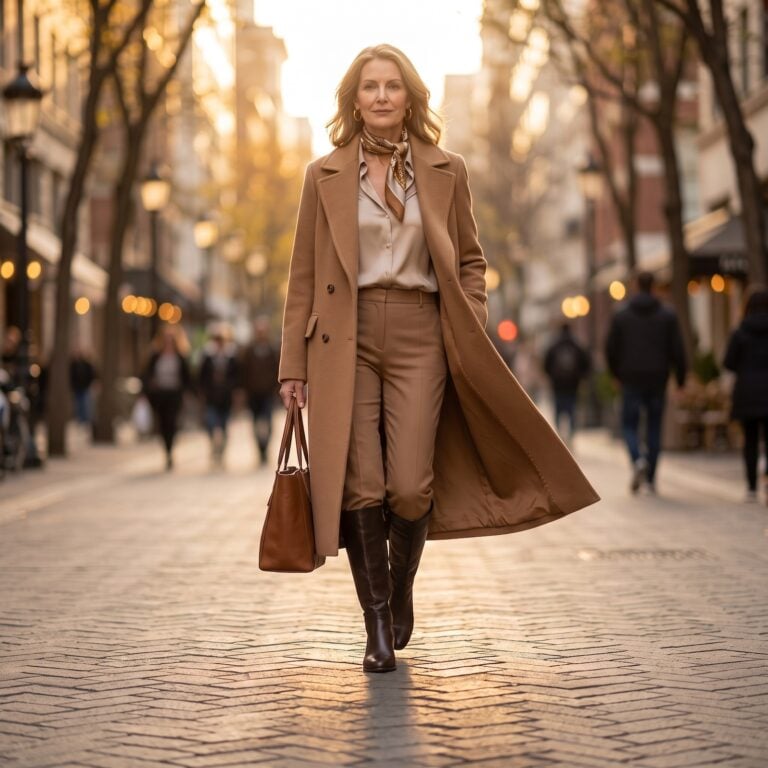
The best papers were the well-carried ones. Folded under an arm on a sunny morning walk down a cobblestone street, a tan leather tote in hand, each crease proof the news got read and loved. Some came from the corner kiosk, some from a neighbor, passed hand to hand at cafés and over shop counters.
News apps and saved screenshots replaced the folded paper. The stories are easier to find and endlessly more plentiful now. But a screenshot carries no creases, no ink, no sense of who read it over coffee before you. And when someone’s gone, you can’t inherit their saved folder the way you inherited their clippings.
21. Plastic Cassette Carrying Cases: Digital Music Eliminated the Collections They Protected
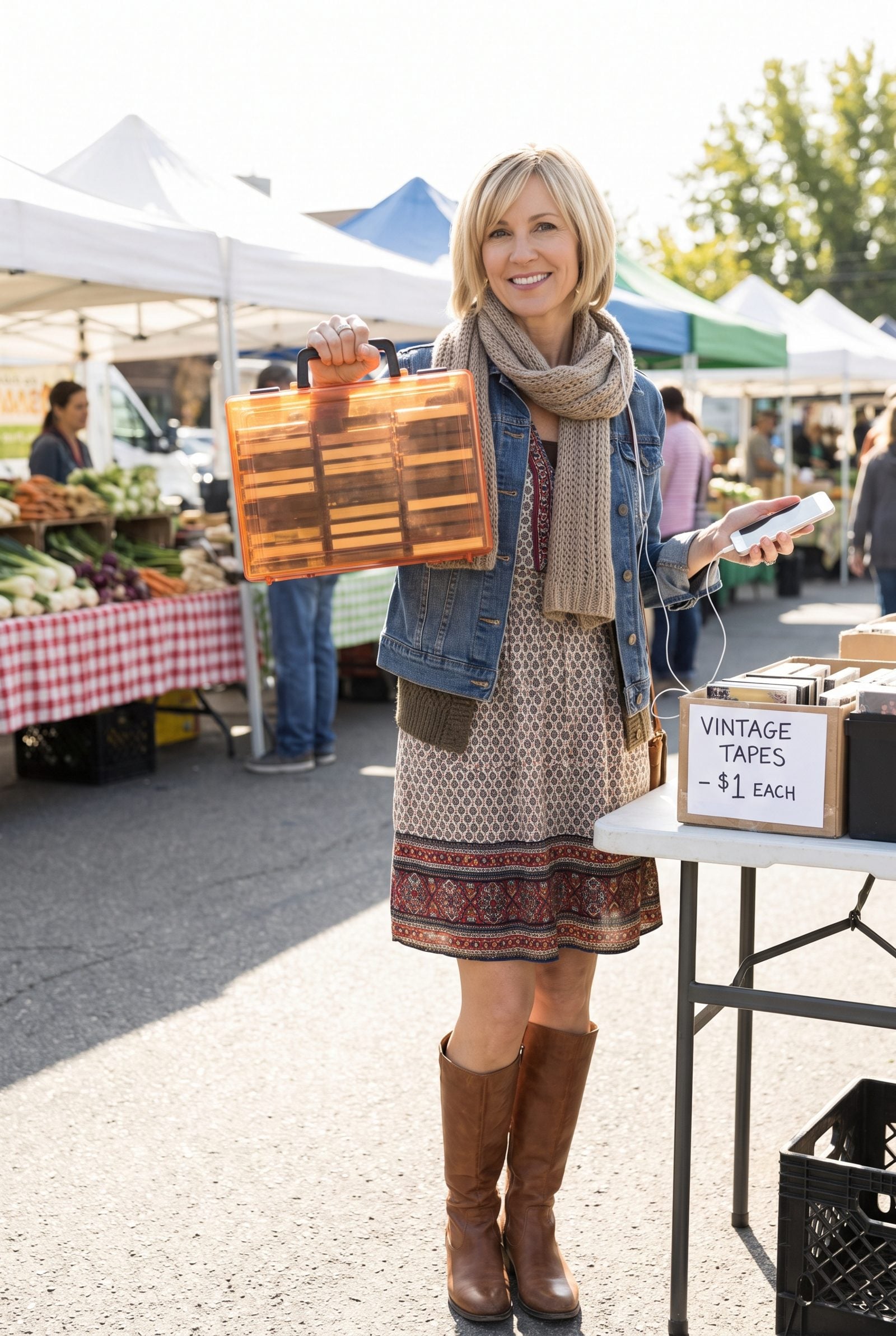
Everyone had one wedged into a backpack or riding shotgun in the car. The translucent orange shell clicked shut over a dozen tapes, each spine labeled in whatever pen was nearest, and losing your case meant losing your whole musical identity for a week.
The labor was the love. You recorded off the radio, waited through the DJ talking over the intro, then flipped the tape at exactly the right second to land a collection you could actually hold in two hands.
Then the whole thing went weightless. A library that once filled a plastic brick now lives on a screen, and nobody carries anything anymore.
20. Sea Breeze Astringent: Alcohol-Heavy Skin Care Lost Ground to Gentler Toners
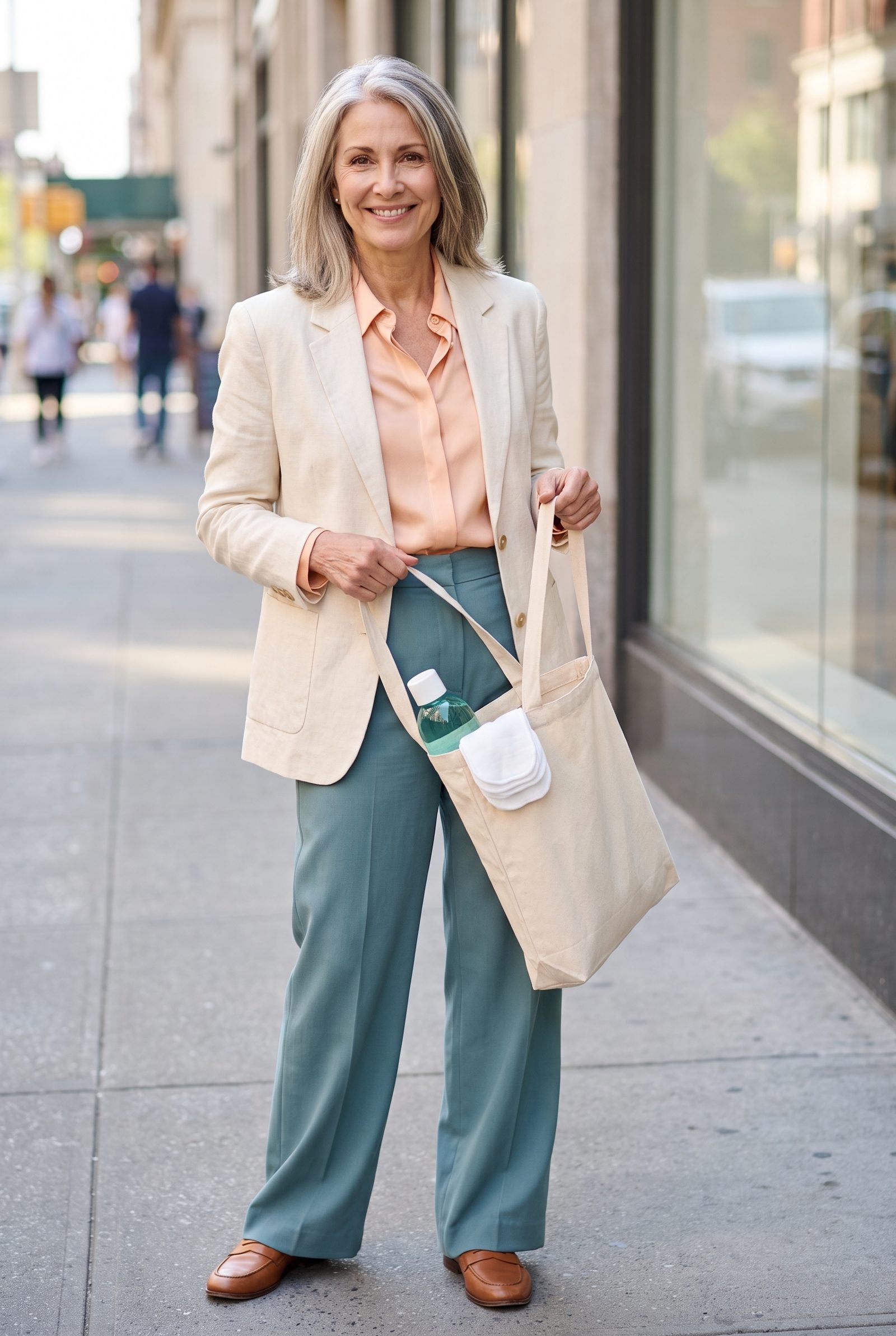
The smell hit before the sting did. A soaked cotton ball swiped across your T-zone, that menthol cold rushing up your face, and you were convinced the burn meant it was working.
It didn’t. Not the way we thought, anyway. Alcohol-forward astringents stripped skin raw and left it tight, and that squeaky-clean feeling was really your face quietly panicking.
Gentler toners with glycerin and witch hazel eventually took the counter. But the blue bottle still exists, and plenty of women pull it out on a hot day for pure muscle memory.
19. Pond’s Cold Cream Jars: Foaming Cleansers Surged Before Balm Cleansing Revived the Method
❤️ Would you like to save this?
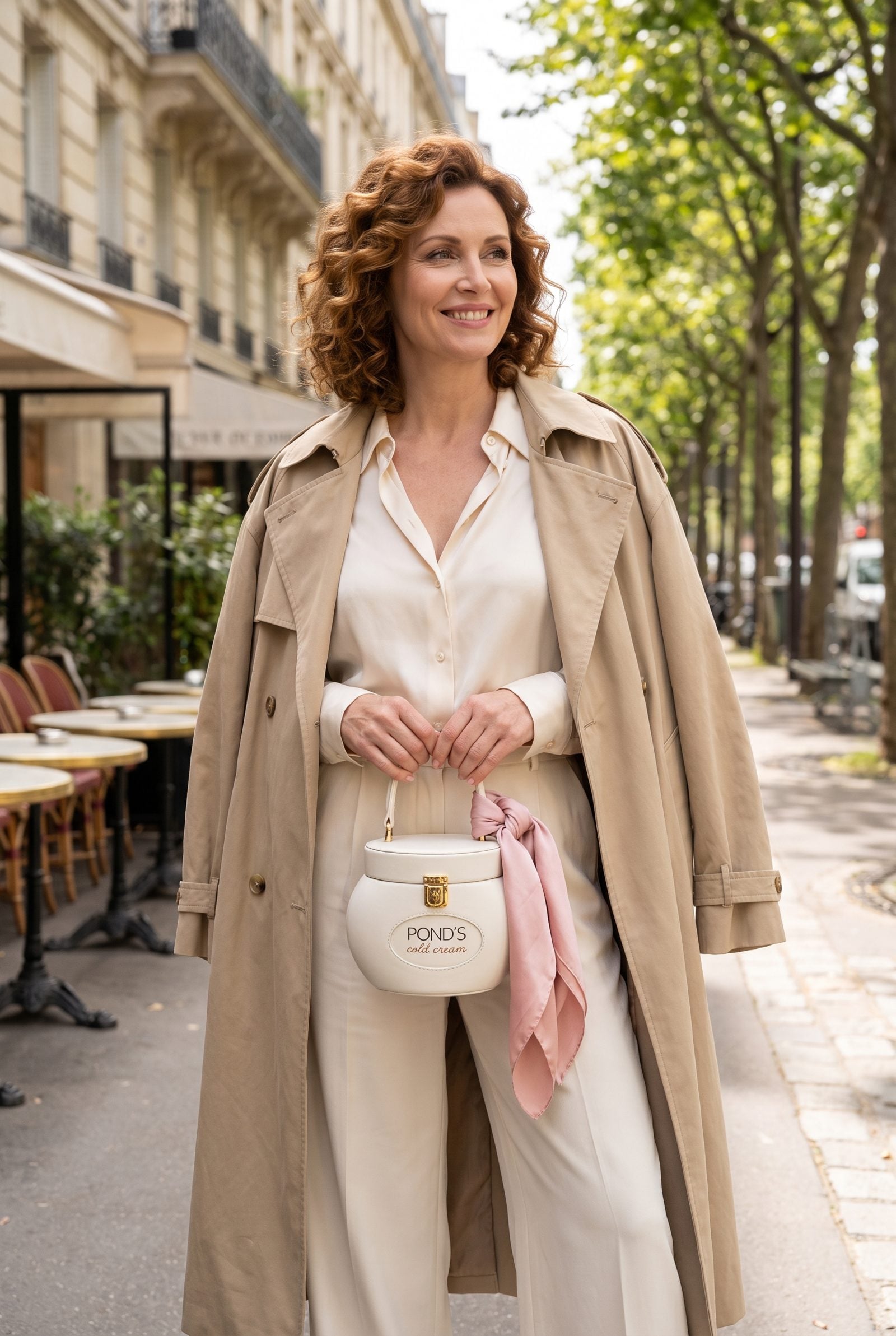
The ritual was the point. A fingertip of thick white cream massaged over your whole face, then wiped away with a tissue that came back smudged with the entire day on it. Makeup, grime, the works.
Foaming cleansers muscled it out in the 90s. We wanted suds, that tight clean feeling, the satisfaction of feeling the dirt leave.
Here’s the twist: the method came back wearing a new name. Balm cleansing, oil cleansing, double cleansing — call it whatever you like, it’s the same thing your grandmother ran on a Pond’s jar, now sold in a frosted tube at four times the price.
18. Bonnet-Style Hair Dryers: Handheld Dryers Won, but Vintage Sets Found a New Audience

You sat under that quilted fabric bonnet for forty-five minutes, rollers underneath, magazine in your lap, the canister motor humming a steady drone through the hose while your hair cooked into a proper set. This was a commitment, not a quick dry.
Handheld dryers ended the sit-down era. Faster, cheaper, no appointment with your own vanity required.
But look at who found them again. Curly-hair communities swear by the hood dryer for diffusing without frizz, and vintage sets now change hands for real money online. Turns out patience came back into style.
17. Flocked Hot-Roller Sets: Curling Wands Replaced Them Before Heatless Styling Revived the Idea
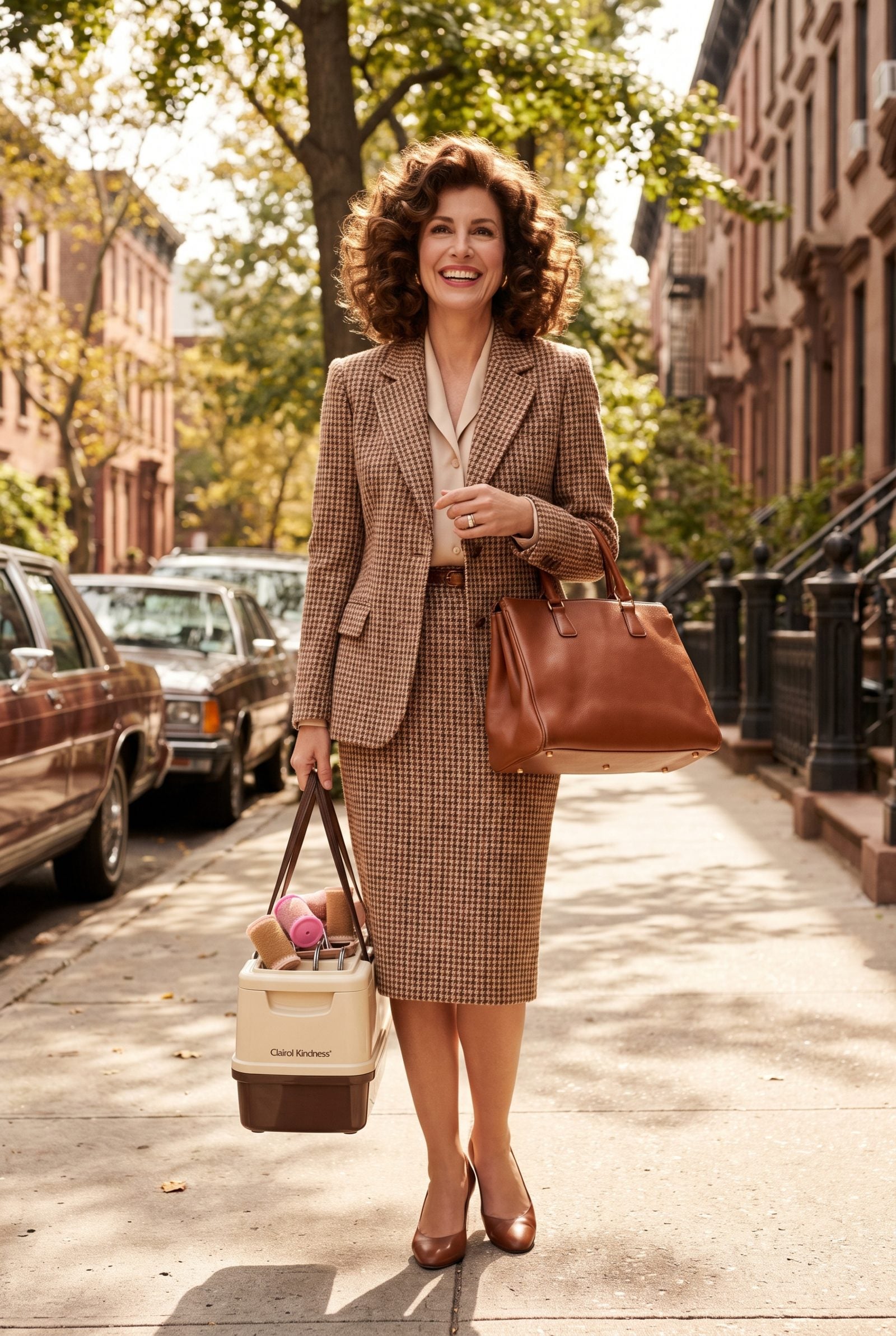
The base clicked on, you waited for that little light to glow, then yanked out a fuzzy roller too hot to hold comfortably, wound a section, and pinned it with the metal butterfly clip. Twenty minutes of fully loaded hair bought you bounce for days.
Curling wands made it look fussy. Why wait when you could wrap and release in seconds?
Then heatless styling arrived to fill the gap the wand created. Satin rollers, overnight curl ribbons, the whole slow-beauty movement — the same hot-roller logic, minus the heat damage we’d been shrugging off for decades.
16. Banana Hair Clips: They Disappeared, Then Returned With the Claw-Clip Revival
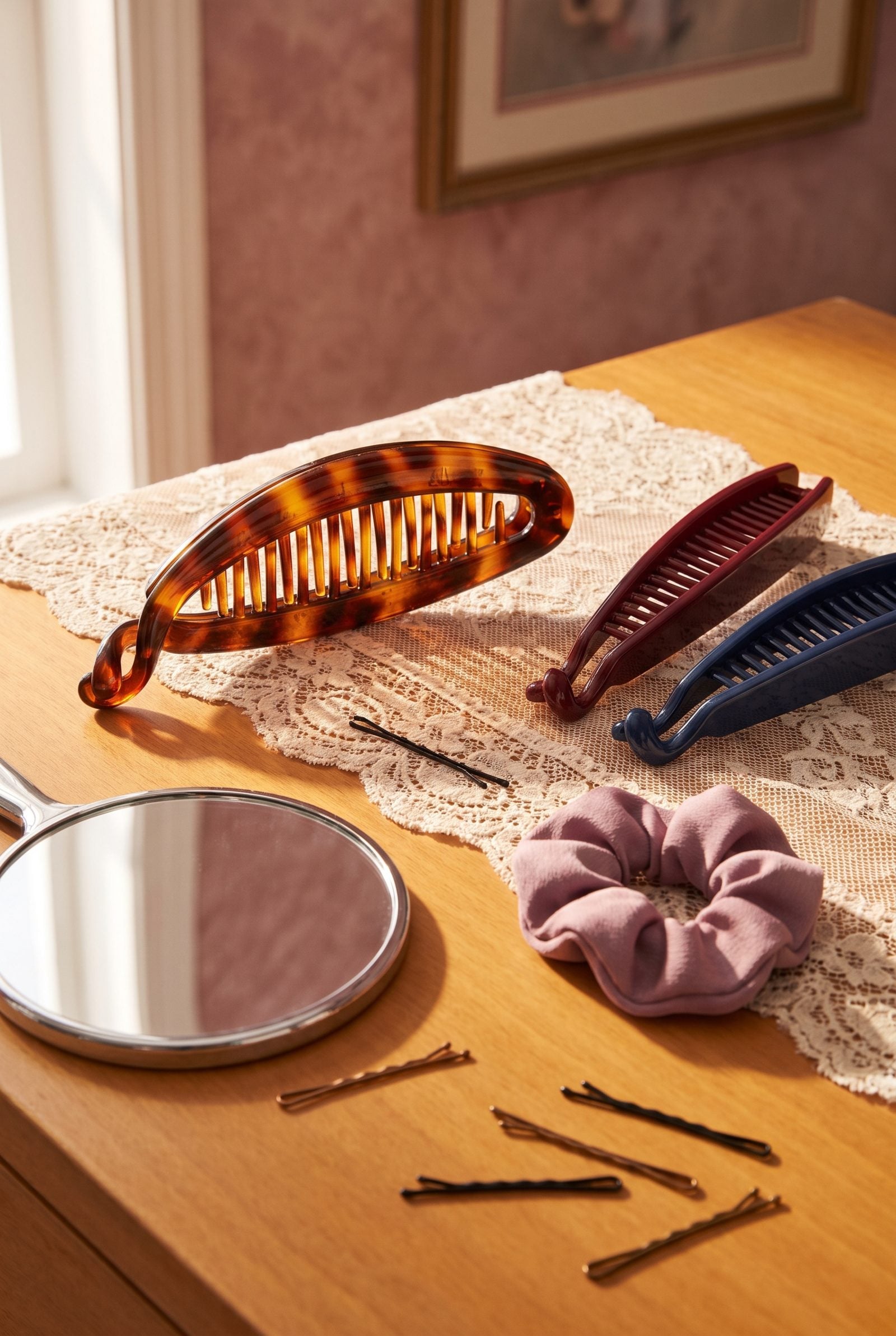
You gathered your hair at the back, clamped the long curved banana clip shut along it, and let a ponytail cascade out the top, swinging around your shoulders all day. Tortoiseshell was the one everybody wanted.
They vanished sometime in the mid-90s. Gone from the drugstore pegs, gone from backpacks, filed away under embarrassing.
Then the claw clip came roaring back and dragged the whole family along with it. The banana clip’s cousins sell out at every price point now, and the under-25 crowd is fully convinced they invented twisting hair up with hard plastic.
15. Crimping Irons: Zigzag Texture Became Costume Nostalgia Before Cycling Back Into Fashion
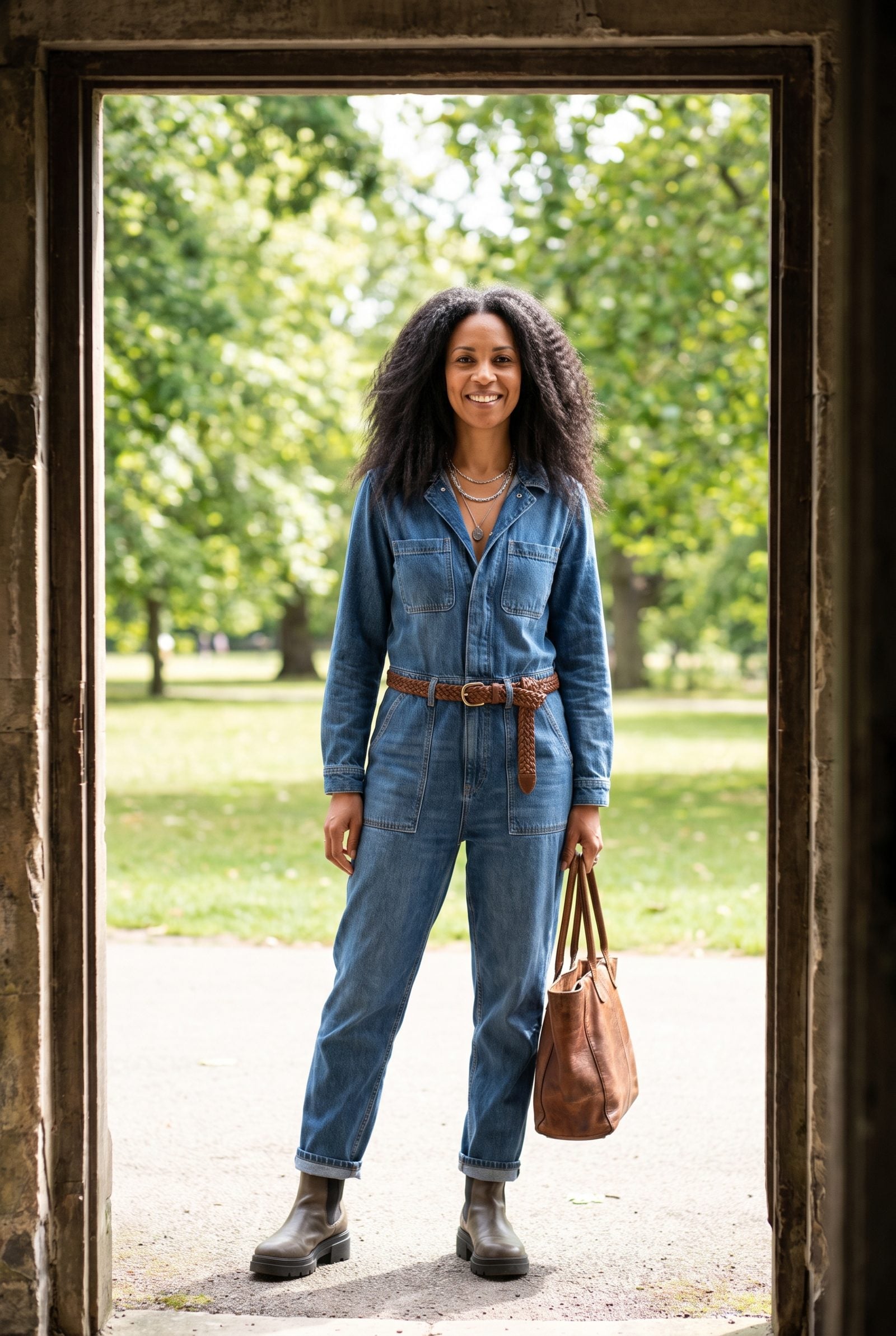
Section by section, you clamped and released, pressing tight zigzag waves into your hair until it tripled in volume. The texture was loud and proud.
For a long stretch it read as pure costume. Throwback party, decade night, the thing you did with a wink.
Then runway stylists started championing crimped texture again, softer and looser, and the texture turned up in editorials and on red carpets. The look never really went anywhere. It just waited out its own joke.
14. Aqua Net Aerosol Hairspray: Softer Styles and Pump Sprays Ended Its Bathroom-Counter Dominance
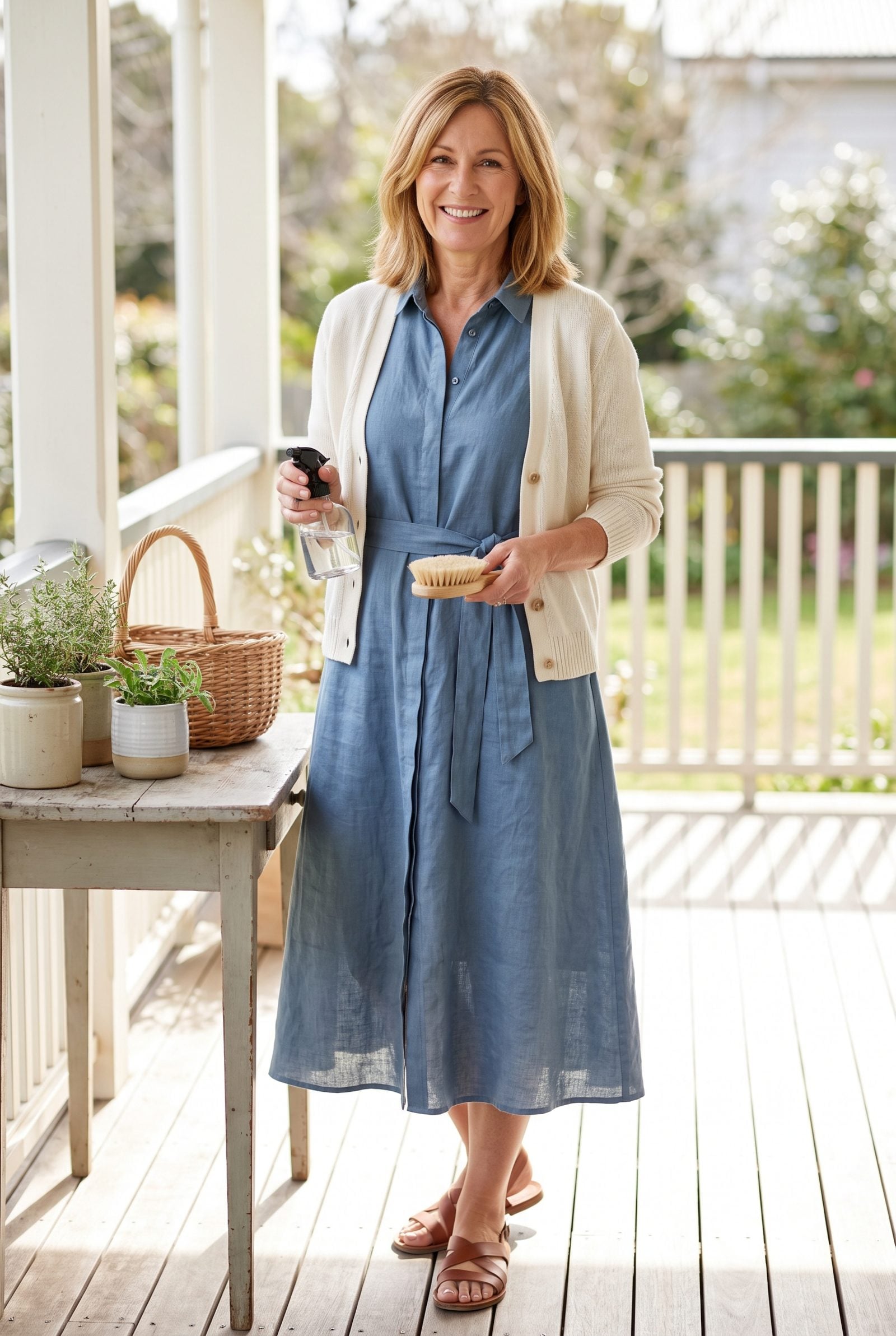
The sound alone tells you how much has changed. Instead of that aggressive hiss and the cloud you had to hold your breath through, a clear plastic trigger bottle gives a quiet, gentle spritz, and the whole bathroom no longer smells chemical-sweet for an hour afterward. One can used to last a week if you were rationing.
Softer, movement-friendly styles killed the need for hair you could knock on. Pump sprays, kinder to the ozone layer and your lungs, took over the shelf.
The purple can still soldiers on at the drugstore, loyal to anyone who needs a style to survive a wind tunnel. Some things are just too stubborn to die.
13. Blue Eyeshadow Compacts: Neutral Palettes Took Over Before Vivid Color Returned as a Statement

You swept that frosted electric blue clear up to the brow bone and nobody blinked, because everybody was doing it. The sponge applicator left little flecks all over your cheeks and you dusted them off like confetti.
Then the 90s swapped it for taupe and brown and a decade of pretending you weren’t wearing makeup at all. Neutral ruled, and it ruled for a long, long time.
Color came back with teeth. Vivid blue now reads as deliberate, editorial, a choice instead of a default — same pigment, entirely different intention.
12. Frosted Pink Lipstick: Matte Neutrals Replaced It, Followed by a Pearlescent Comeback
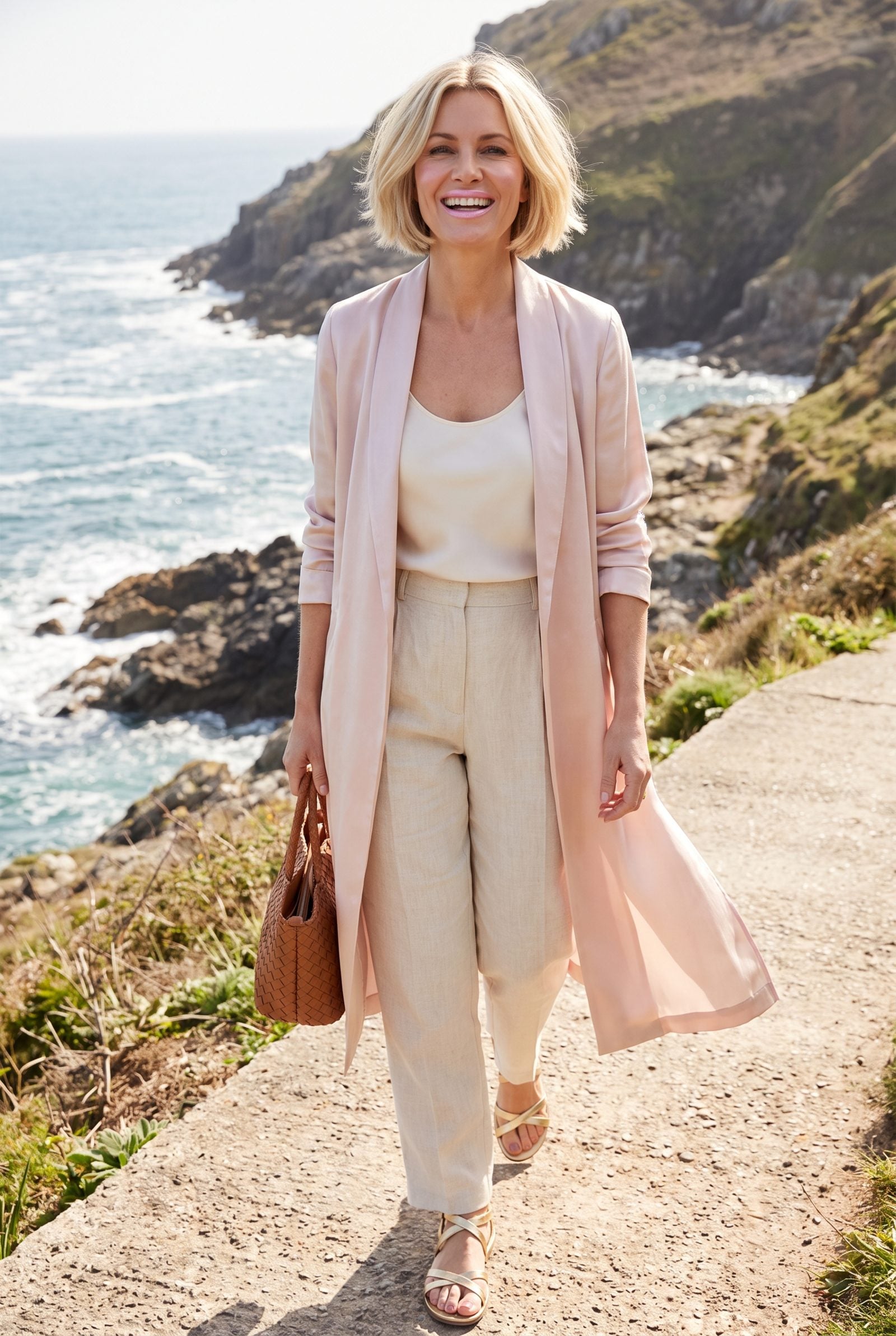
You blotted it on a tissue, reapplied, then blotted again, chasing that pale pearl-pink that caught the light every time you talked. It made your lips look frosted over, almost lit from the inside.
Then came the long reign of matte. Brown-nudes, blotted stains, the anti-shine years that wanted lips to look like skin rather than candy.
And now the shimmer is back, rebranded as a glass finish or a pearl topper, selling at a counter near you. Frost was never gone for good. It was just waiting for the light to come back around.
11. High-Waisted Pleated Jeans That Sat at the Natural Waist (and Climbed Back Up Decades Later)
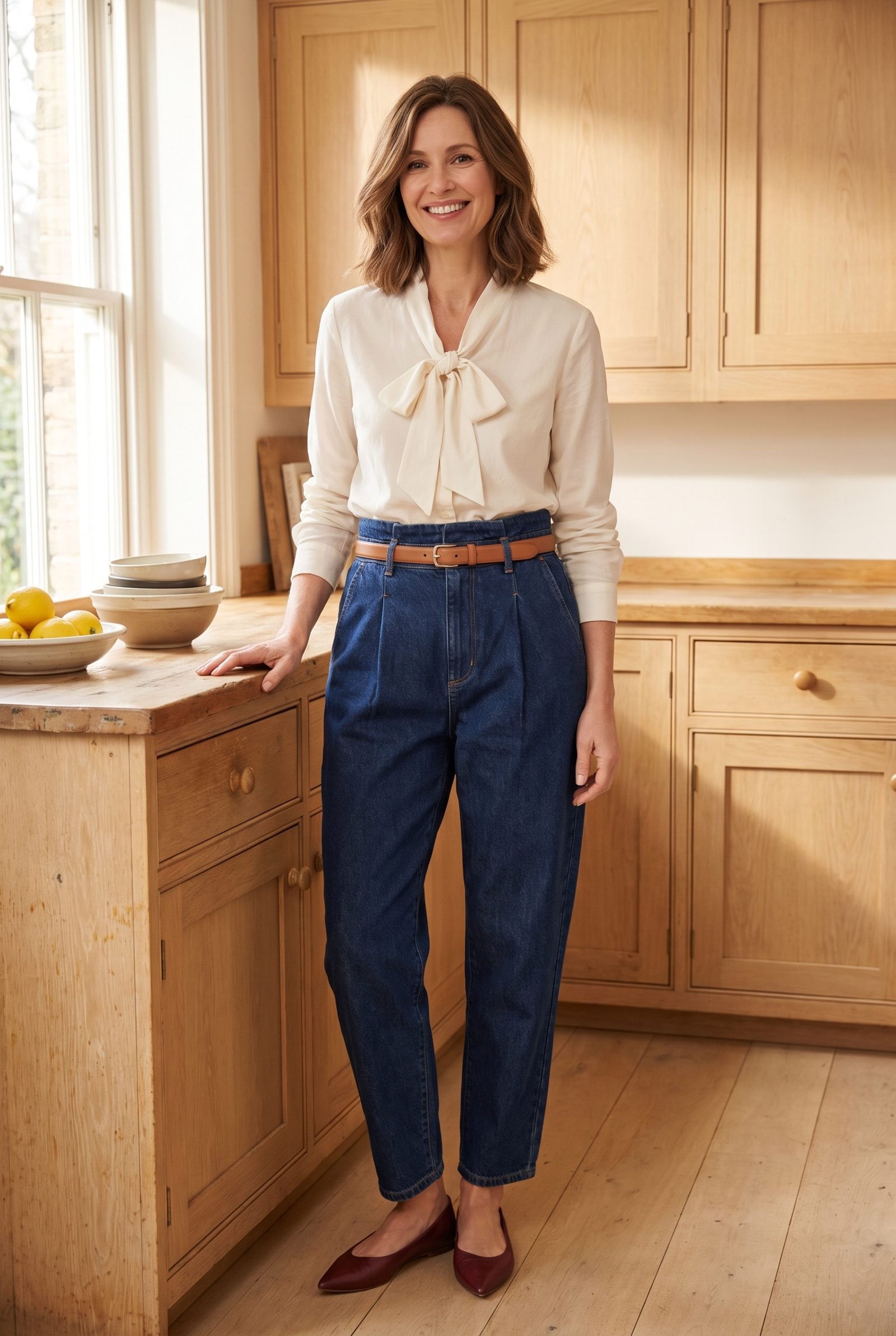
The waistband hit above the belly button and nobody blinked. Pleated denim in 1985 was built to sit at the real waist, with double folds that gave the hip room to move and a taper that cinched at the ankle. Tuck a blouse in and the whole proportion read long-legged and deliberate.
Low-rise denim arrived in the early 2000s and pushed all that fabric down toward the hip, and for a while the high rise was a punchline. Then it came back, and this time it stayed. The pleat does the real work, adding volume through the hip that makes the tapered ankle look sharper by contrast. One high-waisted pleated jean reframes everything you tuck into it.
10. Stirrup Pants With the Elastic Loop Hooked Under Every Heel
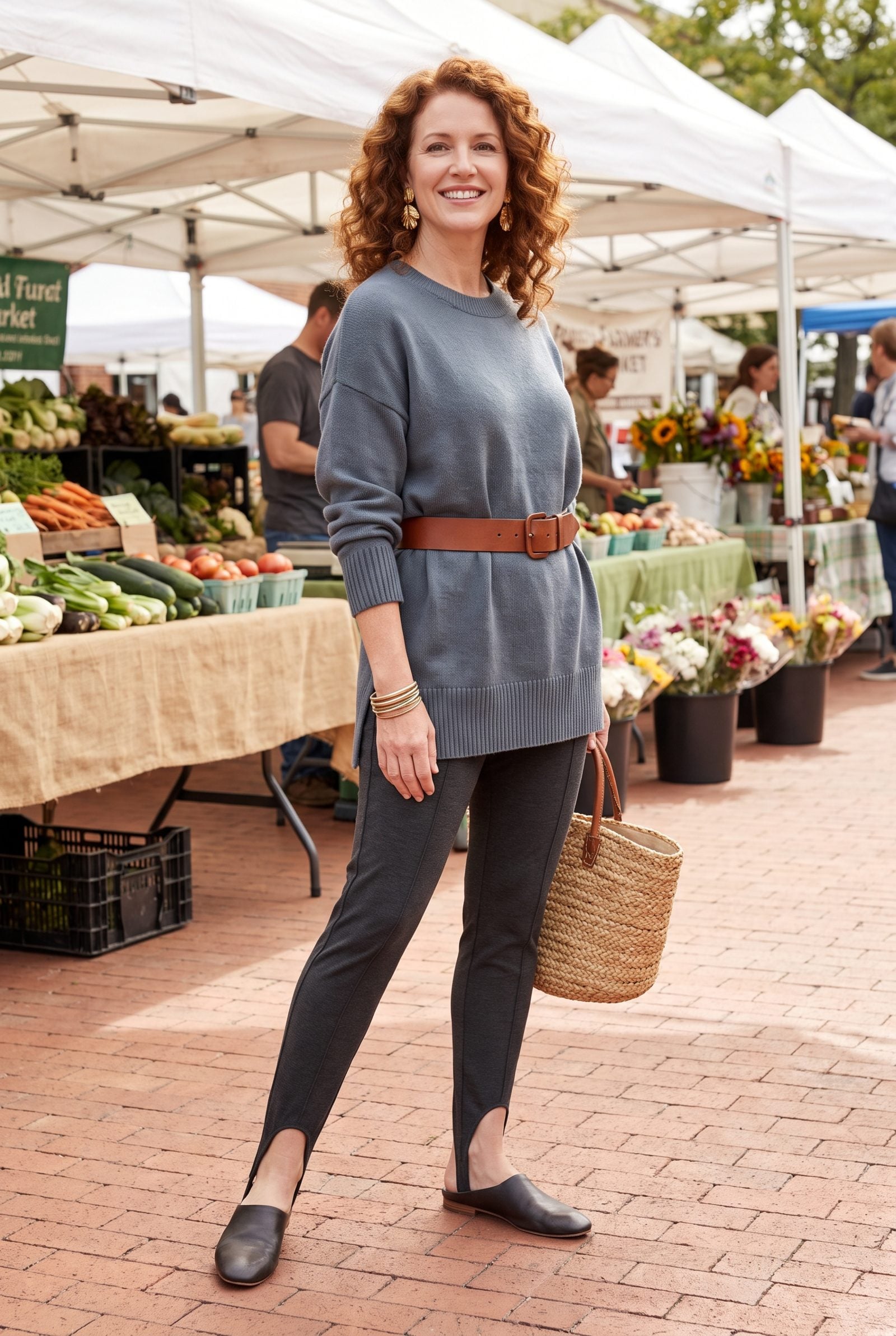
The genius was the loop. That band of elastic hooked under your foot kept the hem from ever riding up, so the leg stayed smooth from knee to ankle no matter how much you moved, which is exactly why they paired so well with the oversized tops everybody was wearing.
Boot-cut trousers eventually crowded them out, and the loop felt fussy once wider hems came back. Then stretch fabric improved, the legging revival pulled everything slim again, and the stirrup quietly reappeared in better materials. What pulls it back is that unbroken vertical line, built entirely on keeping the ankle anchored.
9. Cotton Aerobics Leotards Worn Over Tights, One Piece Doing the Whole Job
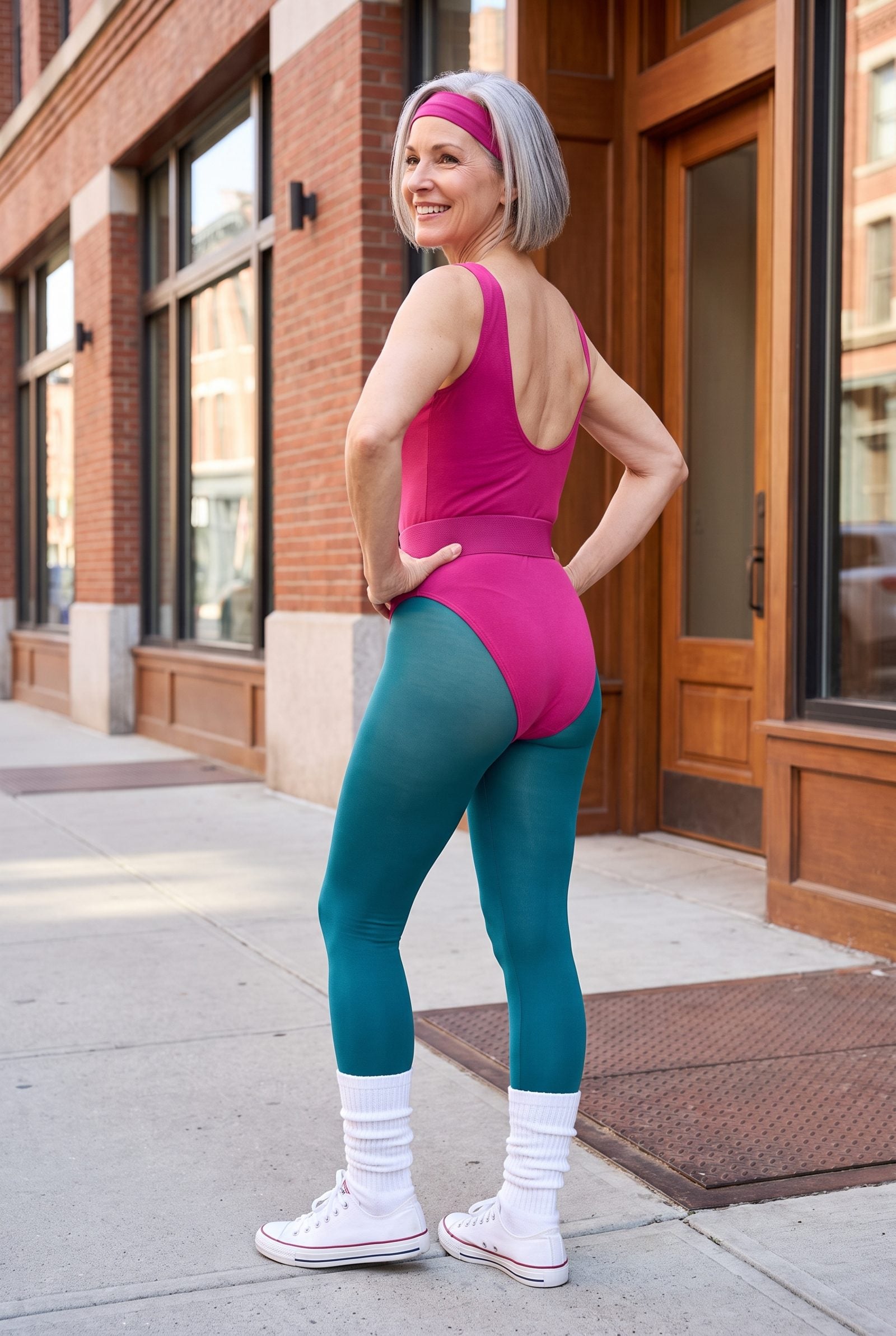
One garment, the entire workout wardrobe. The cotton leotard went on over tights and that was the outfit, high-cut legs, belted waist, usually in a color you could spot from across the gym. It pulled double duty as foundation and statement, which is more than most activewear manages now.
Then the one piece split in two. Leggings took the bottom half, the sports bra claimed the top, and the mix-and-match era began. The belt is the detail that dates it hardest, and also the thing doing the most work, cinching a shapeless silhouette into an hourglass with one cheap elastic decision.
8. Ribbed Leg Warmers Slouched Over the Ankle Like a Second Thought
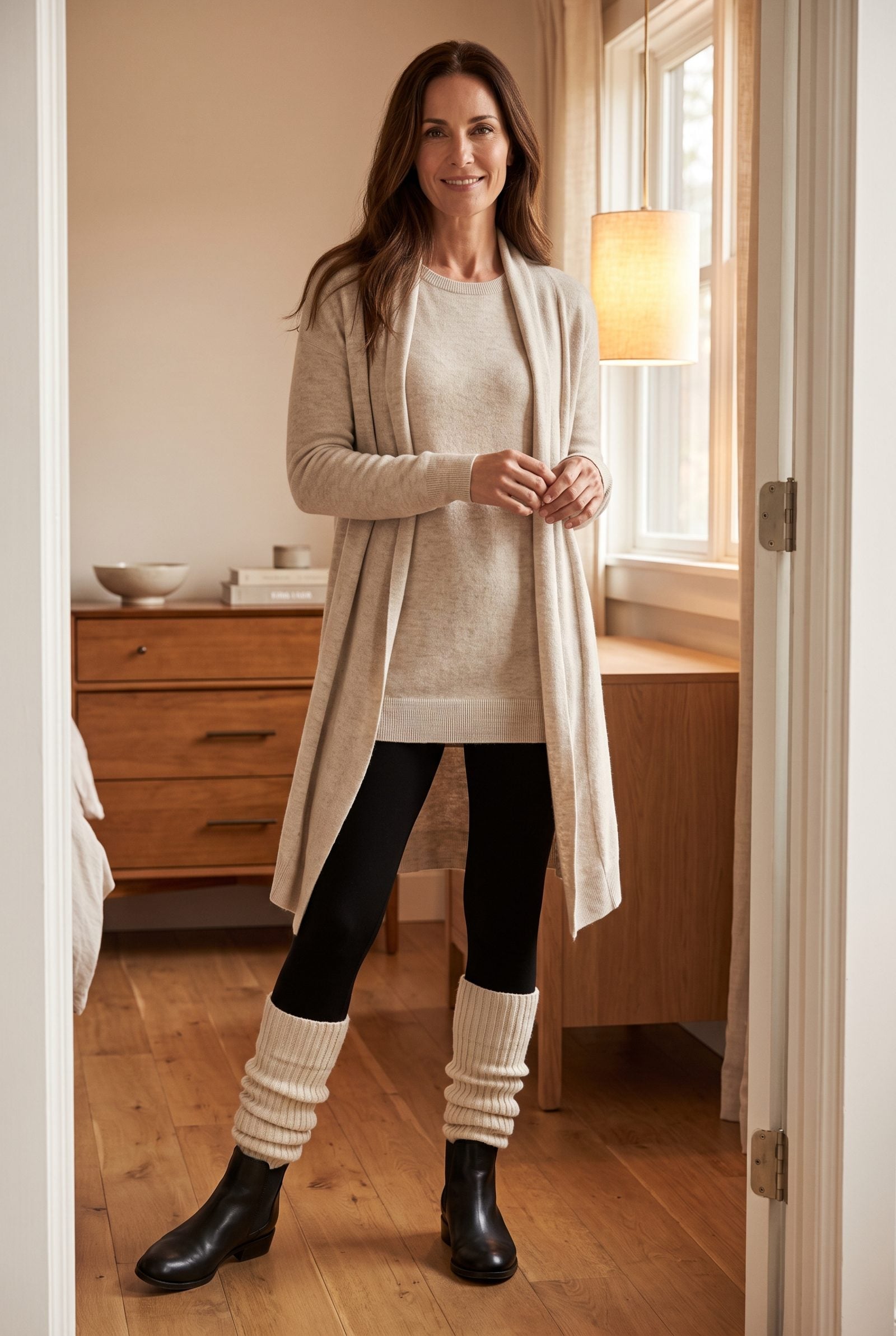
You wore them scrunched, never pulled up. The point of the ribbed leg warmer was the slouch, that casual bunch at the ankle that said you’d just come from class even when you were only headed to the grocery store. The knit ran thick enough to hold its shape and warm enough to earn its name.
Fitness fashion moved on and the leg warmer lost its everyday spot. But dancewear never let go. Walk into any studio today and there they are, keeping calves warm at the barre exactly as intended. Texture carries the whole thing, a chunky rib against a smooth legging, soft against structured.
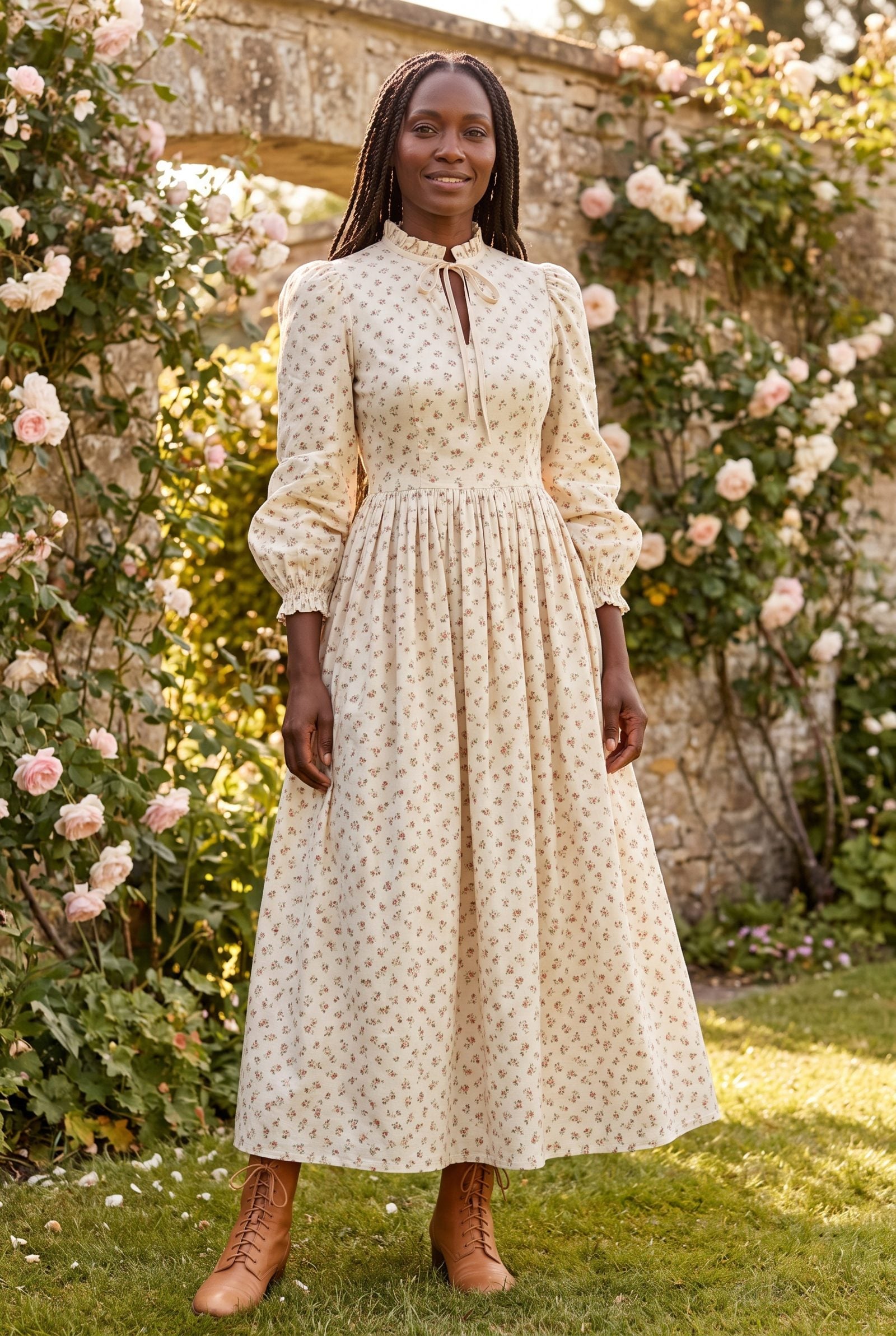
7. Laura Ashley-Style Prairie Dresses in Small Floral Cotton
❤️ Would you like to save this?
Tiny flowers everywhere. The prairie dress built its whole case on small sprigged cotton, a high ruffled neck, puffed sleeves and a skirt that moved when you walked. It was romantic in a way that felt completely unironic at the time, basically a country cottage you could wear.
Minimalism rolled in during the 1990s and swept all the florals off the table. Black, grey, clean lines, no ruffles allowed. Then cottagecore arrived and the prairie dress came back with its sleeves and sprigs intact. The print drives it, a small-scale floral that reads soft from across a room and detailed up close. A pair of tan lace-up ankle boots finishes it for a summer afternoon.
6. Large Clip-On Earrings That Pinched a Little and Framed the Whole Face

They pinched by the end of the night and you kept them on anyway. Large clip-on earrings in 1985 were sculptural, gold and geometric and wide enough to catch the light every time you turned your head. They framed the face the way a good collar frames a neckline.
Pierced ears became the default and the clip-on lost its monopoly. But it never disappeared, because the statement clip solved a real problem: scale without commitment. The gold clip-on earring is the single piece carrying this whole look. Remove it and the blazer goes quiet. Add it back and the outfit announces itself.
5. Translucent Jelly Shoes That Squeaked on Hot Pavement
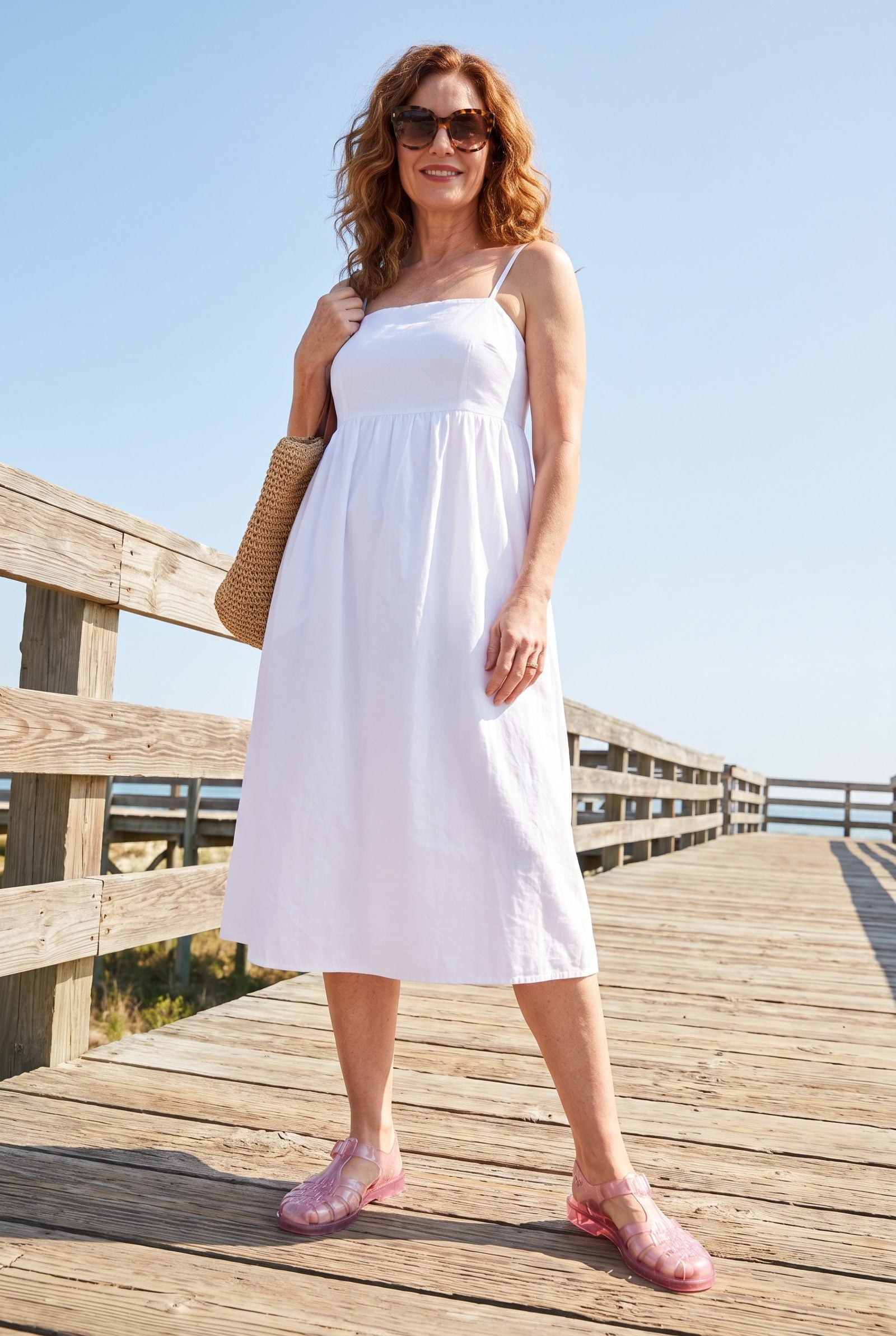
They squeaked. On hot pavement the translucent PVC stuck a little and let go with a small noise every step, and your feet got sweaty inside the sealed plastic, and none of that stopped anyone from wearing them all summer long. Jelly shoes came in candy colors you could see through, cheap enough to buy in threes.
Comfort caught up with the originals eventually, because non-breathing plastic is a lot to ask of a July afternoon. But the revival keeps circling back every few summers in softer, better-made versions. The pull was always the color, that see-through gloss no leather sandal has ever matched.
4. White Reebok Freestyle High-Tops With the Double Velcro Strap

Two velcro straps across the ankle, white on white, kept pristine with a toothbrush. The Freestyle high-top was aerobics footwear that escaped the gym and became a daily sneaker, worn with jeans and sweatshirts by people who never set foot in a class.
Running shoes, built for actual performance, eventually took the throne, and the high-top aerobics shoe felt dated for a stretch. Then the retro reissues arrived and the double strap came back exactly as it was. The sneaker anchors this casual look, clean white high-tops grounding acid-wash denim that could otherwise tip into costume.
3. Swatch Watches Stacked Two or Three to a Wrist
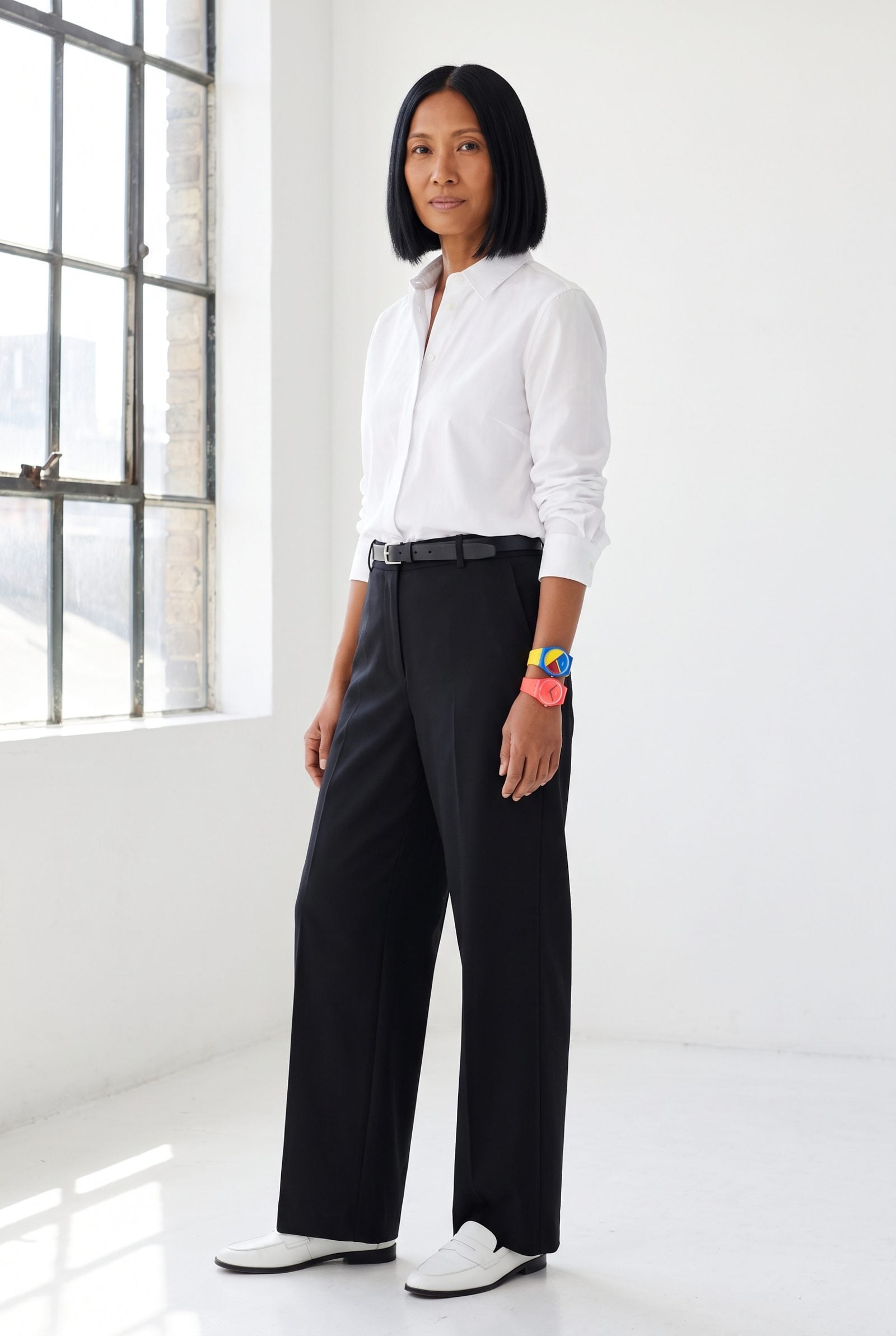
You wore two. Maybe three. The Swatch was never about telling time precisely, it was a plastic accessory that happened to tick, cheap enough to stack by the handful and swap to match whatever you had on. Faces came in prints and primary colors you bought on impulse.
Phones took over everyday timekeeping and the wristwatch stopped being necessary. But the collectible editions kept the charm alive, because a Swatch was always jewelry first. Stacked on this clean black-and-white outfit, the bright plastic becomes the only color, a single hit of play against a disciplined palette.
2. Sony Walkman-Style Cassette Players Clipped to the Waistband
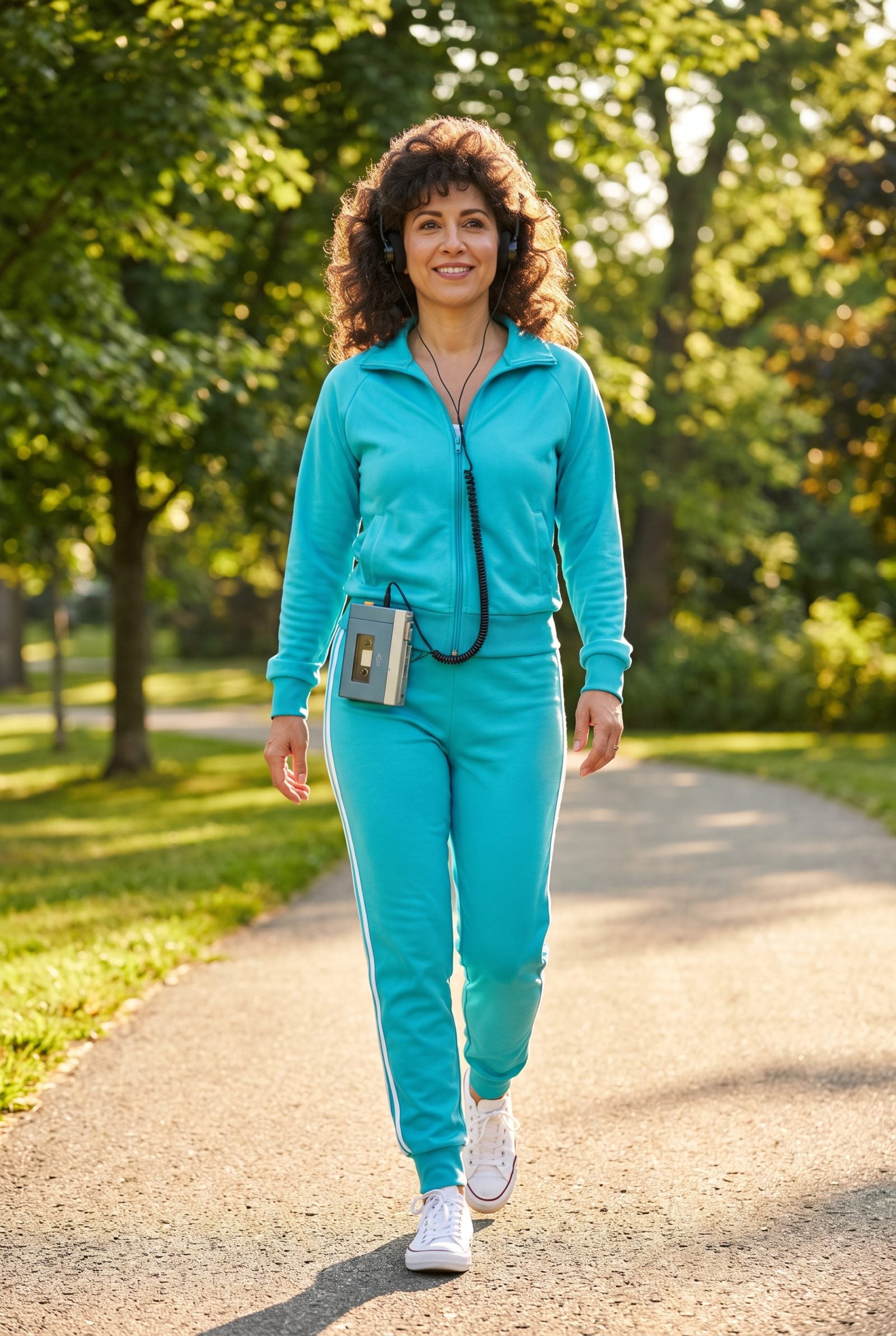
It clipped to your waistband and the foam headphones left a dent in your perm. The portable cassette player was the first time music went with you, a plastic brick that held exactly one tape and the handful of songs you’d recorded off the radio. You rewound with your thumb on the rewind button and guessed.
Portable CD players pushed it aside, then MP3 devices shrank the whole thing, then the phone swallowed all of it and streaming made the physical object disappear entirely. What’s left is the memory of how deliberate it felt. One tape, one side, no skipping. You listened to the whole album because you had no choice, and honestly? That wasn’t the worst way to hear a record.
1. Paper Road Atlases: GPS Navigation Folded Them Into Glove-Box History
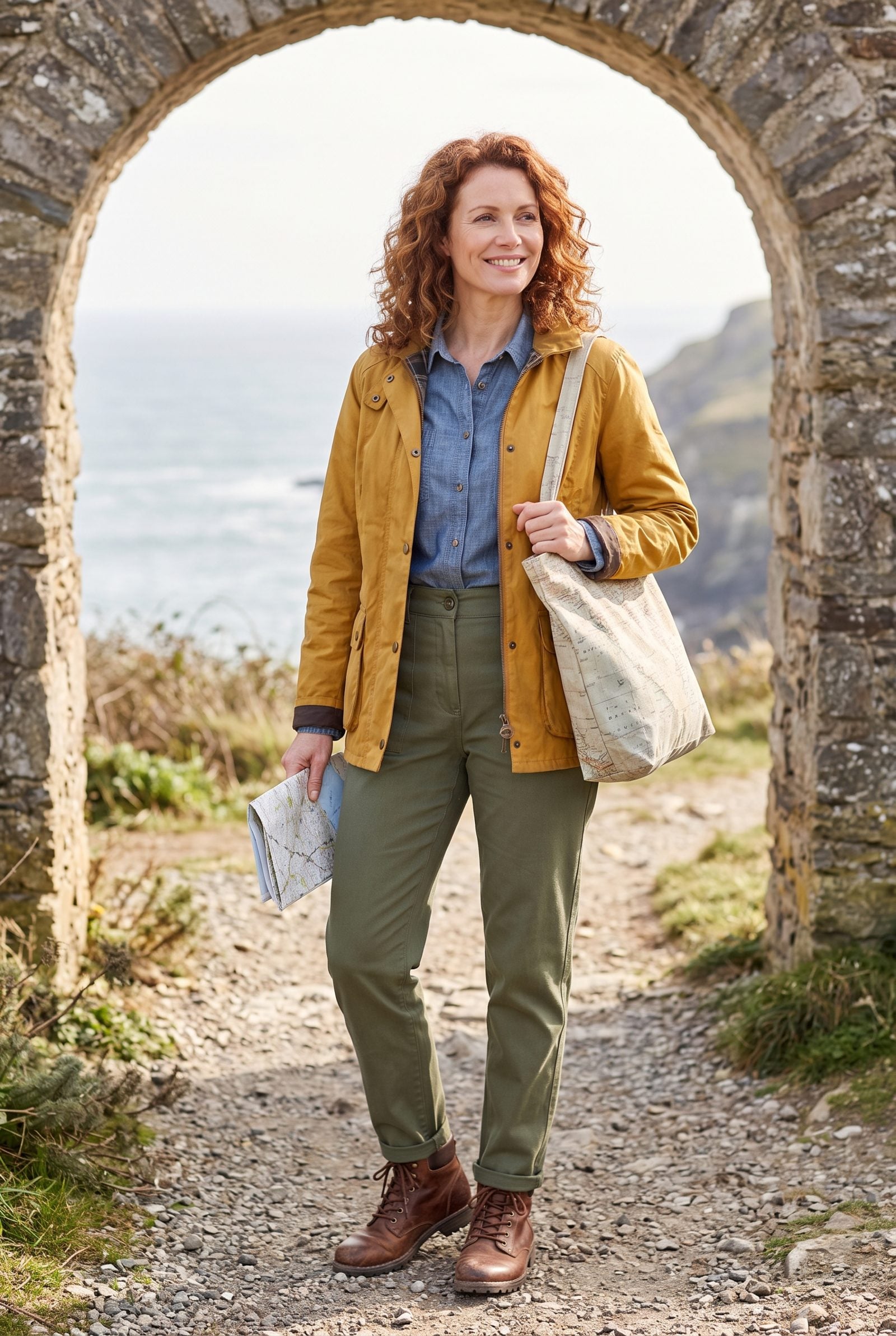
Every long drive started the same way. Someone wrestled the atlas out of the glove box, flipped to the right state, and ran a finger from your town all the way to wherever Grandma lived. Whoever sat shotgun became the navigator, and any fight about taking Route 9 versus the interstate got settled by whoever happened to be holding the book.
The pages smelled faintly of vinyl and old paper. You folded the accordion maps wrong every single time, then jammed them back in anyway. Gas stations sold them off a wire rack by the register. A water-damaged one meant you were genuinely, hopelessly lost — no asterisks on that.
Then a voice in a little box started saying “turn left in 500 feet,” and the whole ritual went quiet.