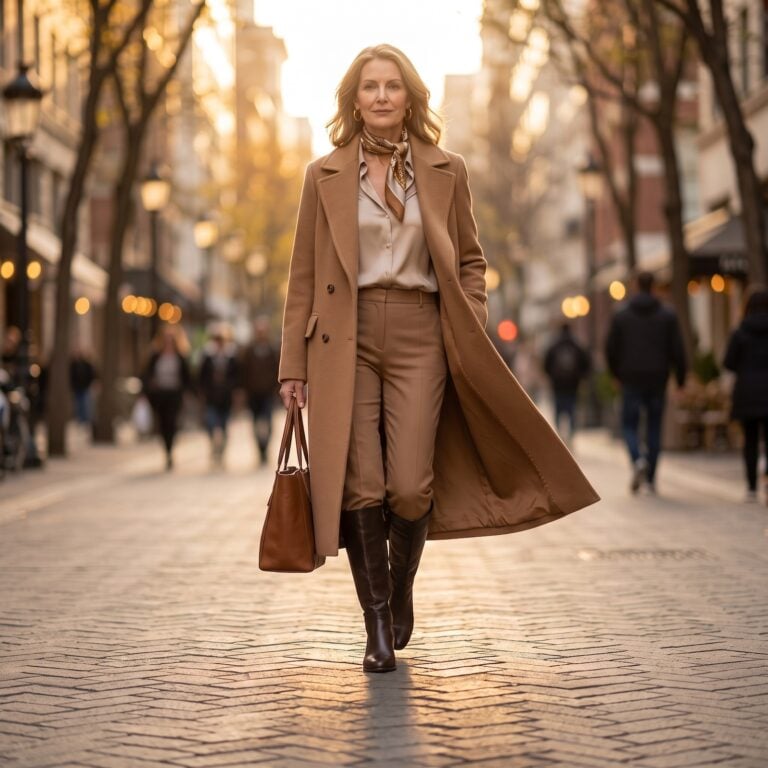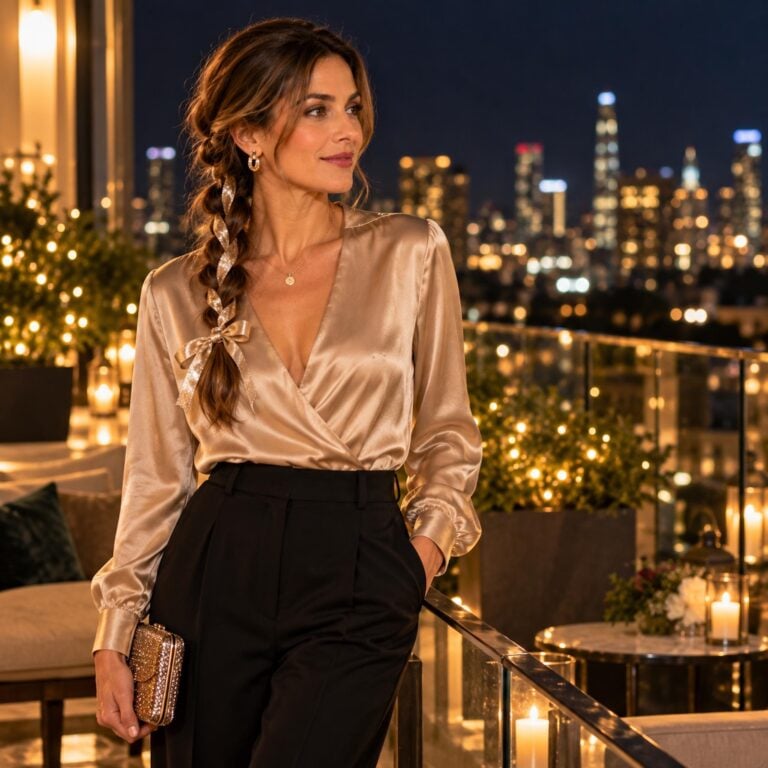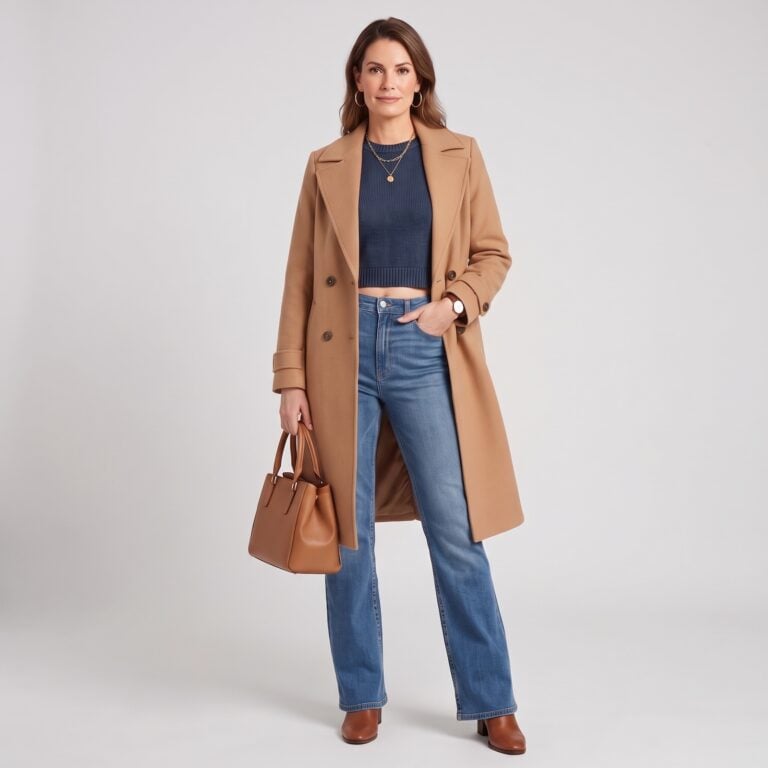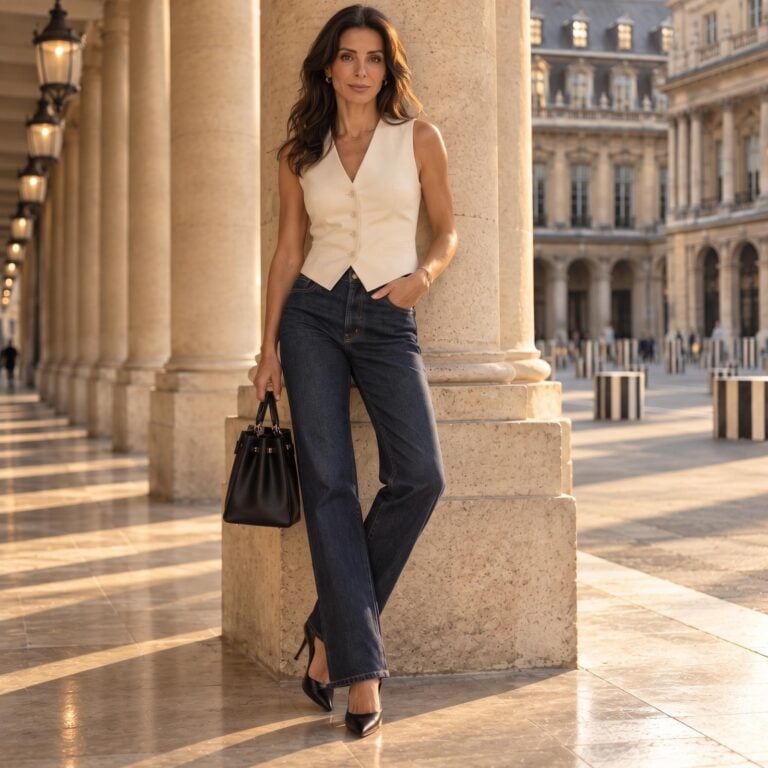

❤️ Would you like to save this?
The waistline may be the most mobile piece of architecture in fashion. Put it at the natural waist and the body reads one way; lift it beneath the bust and the legs seem to begin almost at the ribs; drop it toward the hips and the torso suddenly stretches. Remove it altogether and designers have to build the silhouette somewhere else — through shoulders, hemline, color blocking, volume or the cut of the fabric itself.
Over the past seventy-plus years, that horizontal break has migrated constantly. The 1950s cinched it into an hourglass, late-decade chemises began erasing it, the 1960s sent it toward both ribcage and hip, the 1970s swung between hip-huggers and natural-waist wrap dresses, and the 1980s turned the middle into a graphic event with paperbag rises and enormous belts. Then came the long descent of the 1990s and early 2000s, followed by the equally dramatic climb back upward.
These 37 looks track that movement from 1950 to today. The dates are snapshots rather than invention points — silhouettes overlap, disappear slowly and return before anyone has agreed they are back — but the progression reveals something bigger than a trend cycle. Move the waistline a few inches and you can redraw the apparent length of the torso, leg, hip and entire outfit. Fashion has spent decades arguing about where the middle belongs. The more interesting answer may be that it never belonged in only one place.
FYI, thanks to AI imagery software, we’re able to create very specific fashion and hairstyle examples to illustrate the points being made. In some cases, imagery is exaggerated to hammer home the point. Also, assume links that take you off the site are affiliate links such as links to Amazon. this means we may earn a commission if you buy something.
1950: The Nipped Natural Waist
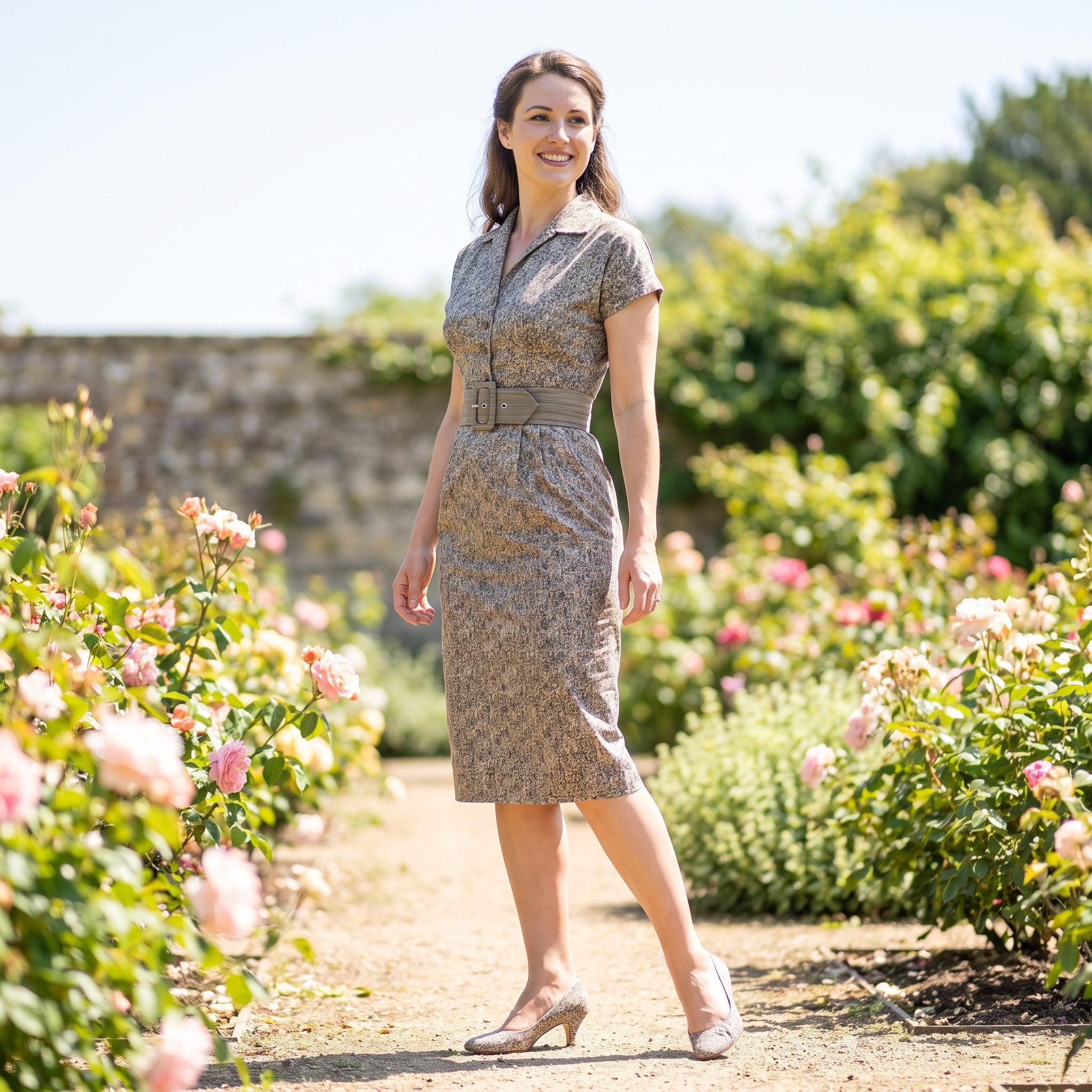
Positioned dead center at the natural waist, the narrow belt splits the body into a fitted top half and an explosion of skirt. That contrast creates the silhouette: compress the middle, let everything above and below stay generous, and the hourglass registers immediately.
This was the decade’s opening statement. A narrow belt made the intention unmistakable: fitted through the middle, generous above and below, with the silhouette doing the visual heavy lifting.
1952: The Corseted Wasp Waist
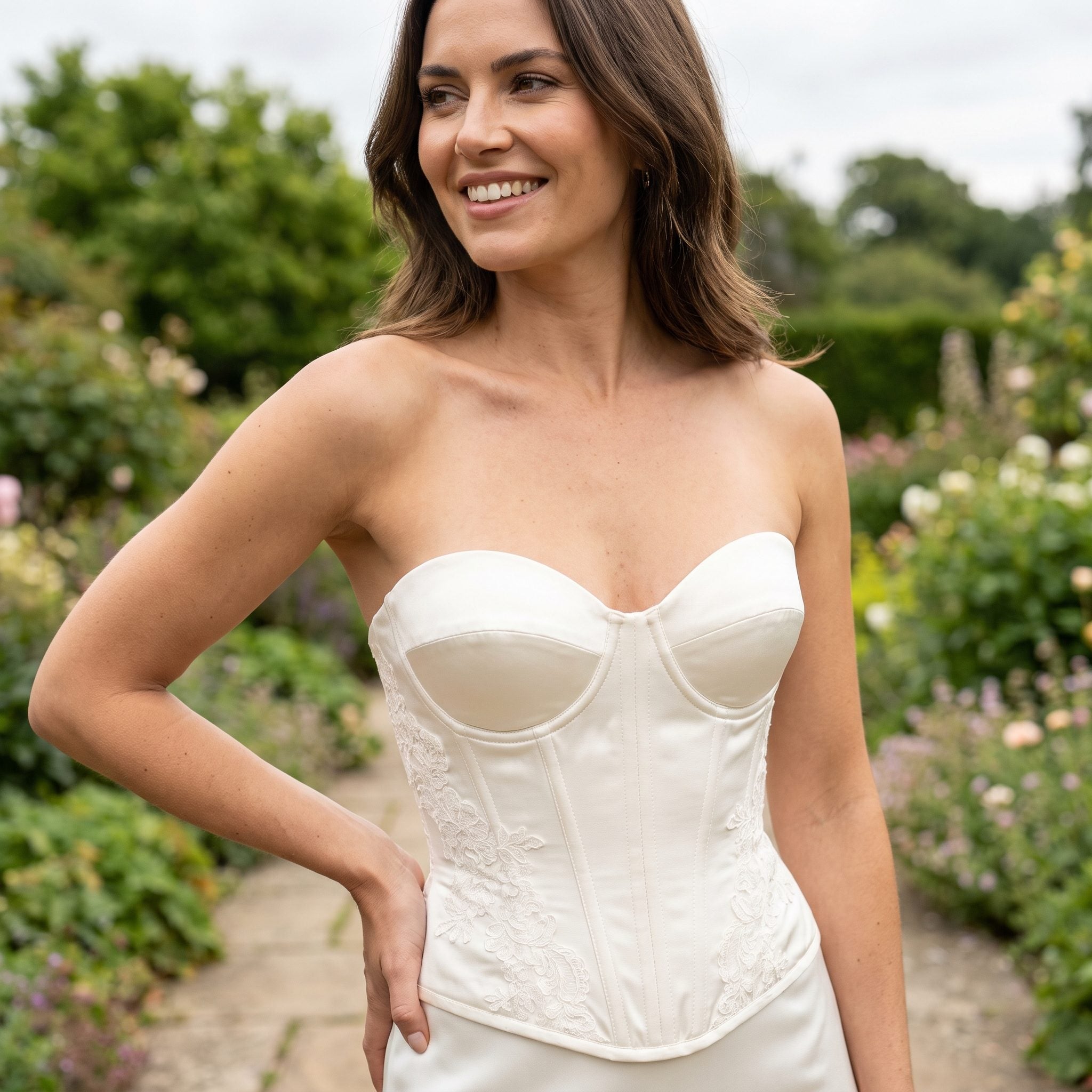
Two years on, the cinch tightened into something you could almost call structural. The strapless bodice here isn’t merely fitted. It’s boned and engineered to compress the waist into that wasp shape associated with the most emphatically glamorous evening silhouettes of the period.
The satin does half the work. That liquid champagne sheen catches light across the corseted middle and drags every eye straight to the narrowest point, and underneath the drama sits an hourglass so exaggerated it becomes a costume of femininity itself. This is not a dress that whispers its proportions.
1954: The Long-Torso Pencil Dress

The skirt collapsed inward. Where 1952 flared out, this narrow pencil silhouette pours the body into a single long column, and the strategy shifts from hourglass drama to vertical elongation.
The waist is still there, softly marked by seaming rather than a belt, but it’s no longer the star — the seaming is. Those long lines running top to bottom stretch the torso until the natural waist feels like one quiet note in a longer phrase. Composed, controlled, and considerably less interested in volume.
1956: The Blouson Waist
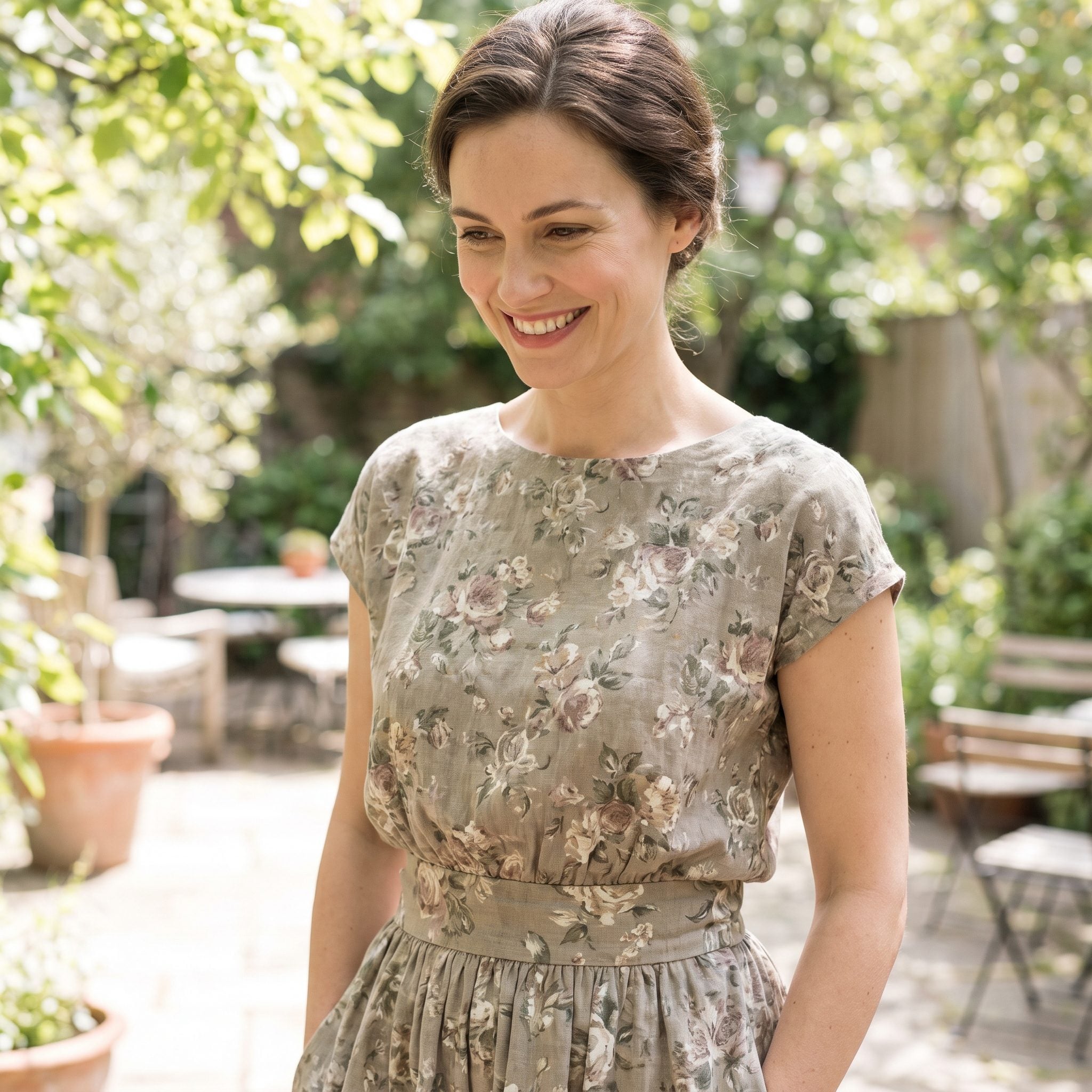
Here the waist softens on purpose. Rather than a taut belted line, the bodice pouches gently over the waistband, letting the silk gather and blouse before the skirt drops straight below. Still marked, sure, but the fabric relaxes the whole read.
That gathered pouch changes the mood, trading the rigid discipline of the earlier cinched silhouette for something looser and easier. The waist holds its ground. It just stops holding its breath.
1957: When the Waist Started Disappearing
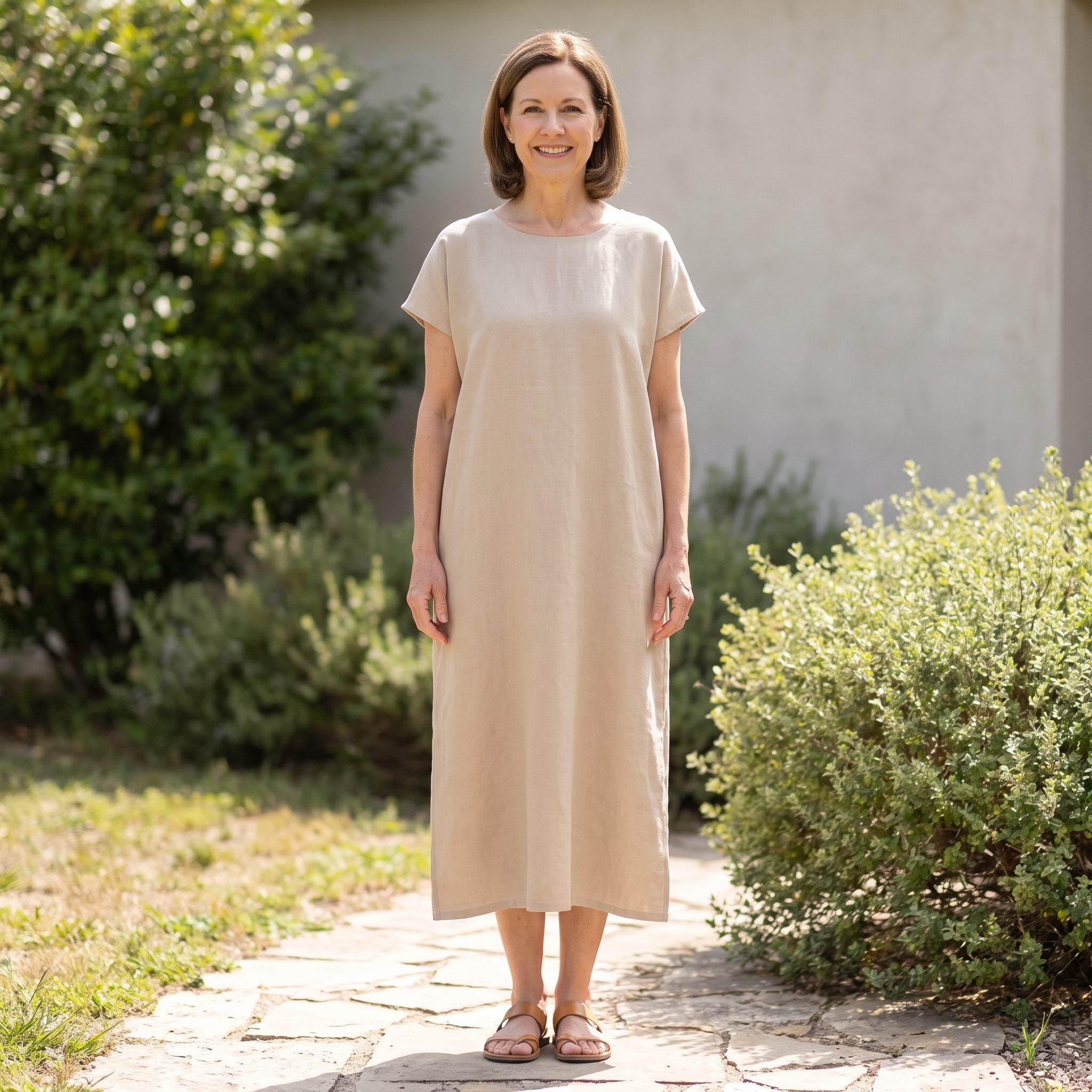
This is where the waist starts going missing. The chemise falls in one unbroken line from the shoulders — no belt, no seam, no cinch — and against a decade dominated by the hourglass, the change is startling.
The textured camel wool carries it. That nubby, matte surface gives the straight silhouette enough visual weight to read as deliberate rather than shapeless. A genuine break from the dominant silhouette. The waist would spend the next decade moving all over the map, and this is one of the moments when it first walked decisively away from the natural middle.
1958: The Dropped Waist
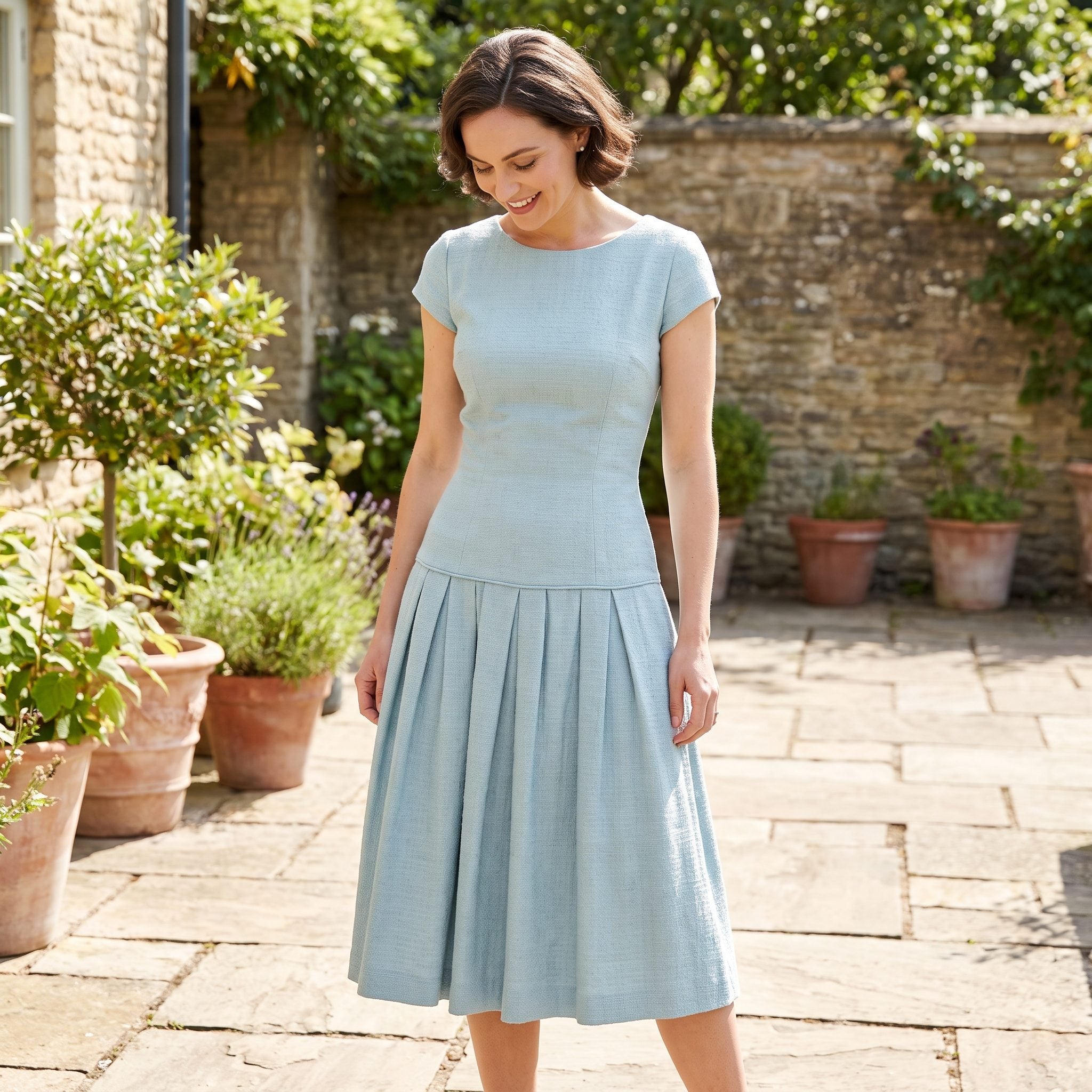
The waist didn’t just soften this time. It slid south. The fitted torso runs several inches past the natural waist before the fuller skirt finally breaks at the upper hip, and a narrow contrasting band makes that lower waistline impossible to miss.
Push the break down toward the hips and the dress lengthens the entire upper body while conjuring a proportion any 1920s flapper would have recognized instantly. Fashion rarely invents from nothing. Often it relocates an old idea and changes the attitude around it.
1960: The Sack Dress
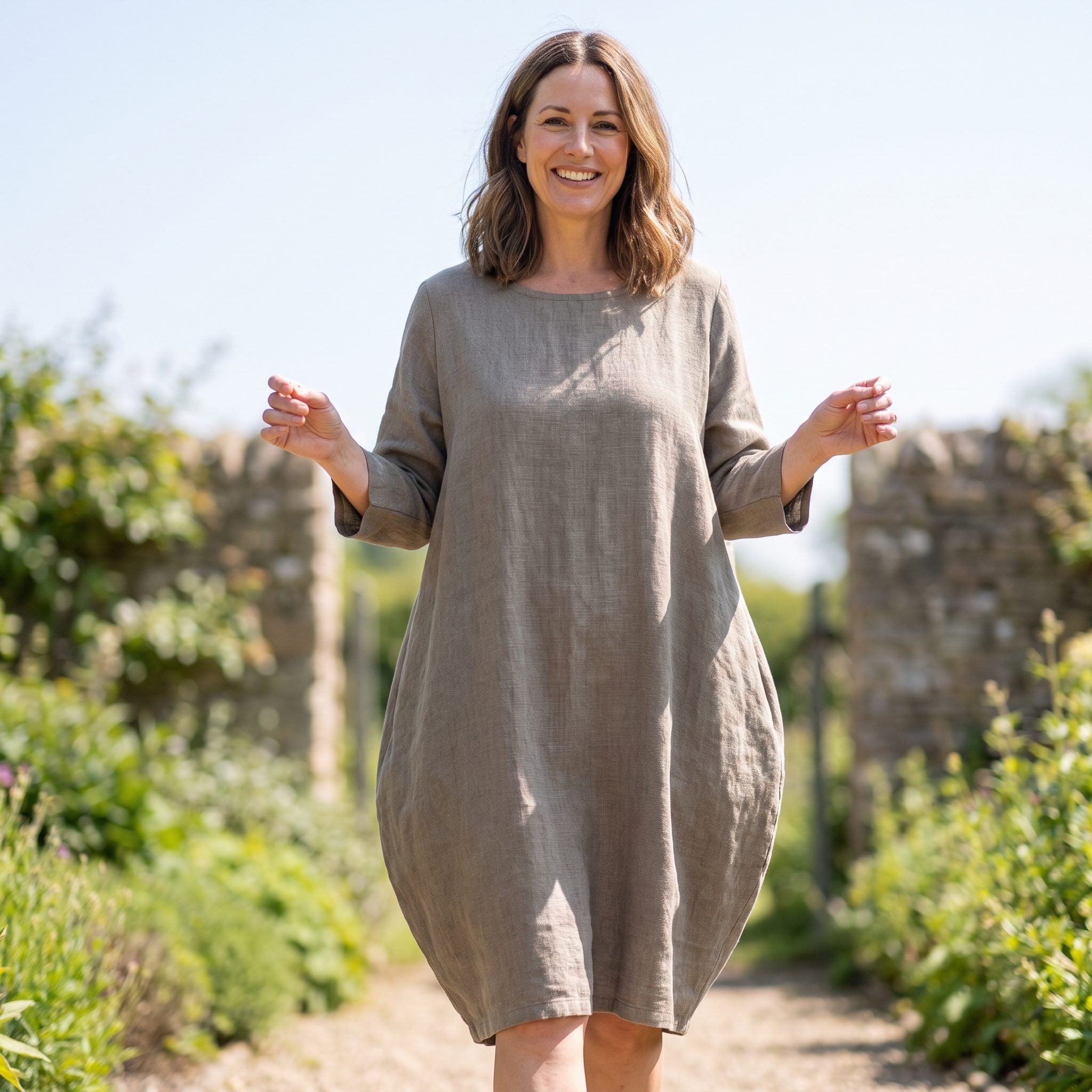
The cocoon shape swallowed the waist whole. This sack dress curves gently outward through the torso and gives nothing back at the middle — a full commitment to the waistless direction already gathering momentum in the late 1950s.
Those oversized buttons and the mustard wool do the styling work, keeping the loose silhouette from reading as shapeless. Balenciaga helped establish this kind of waistless form, and its power came from refusing the figure-defining rulebook that had dominated earlier in the decade.
1962: The Straight Shift Dress
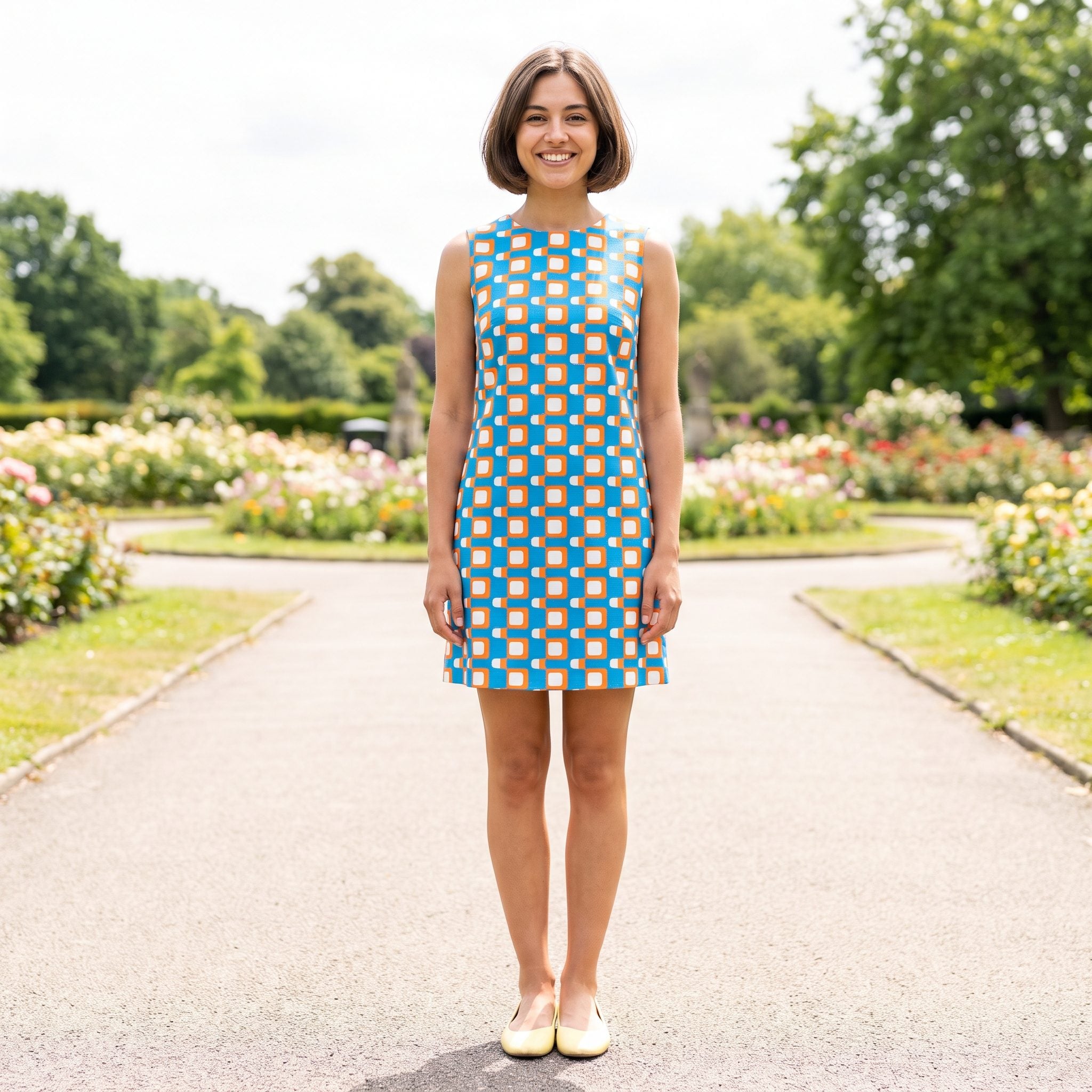
One straight line, shoulder to hip. The shift dropped waist shaping almost entirely and offered a silhouette that felt markedly different from the fitted looks associated with the previous generation. That break in proportion is a large part of what made it feel so new.
The color-block detailing carries the interest a waist used to. With no cinch to look at, the eye follows those clean vertical planes of cream and tangerine instead. Younger, faster, easier to move in — the uniform of a decade accelerating away from the hourglass.
1964: The Empire Waist Climbs Up

Having dropped the waist to the hip and then erased it altogether, fashion now shoved it all the way up under the bust. The Empire seam sits high, and everything below flows in one long uninterrupted line to the floor.
That raised seam drives the proportion. Mark the body just beneath the bust, and the lower half suddenly begins much earlier, borrowing a silhouette familiar from Regency dress. The waist had officially become movable architecture, and here it lands at the ribs.
1966: The Waistless Mod Mini
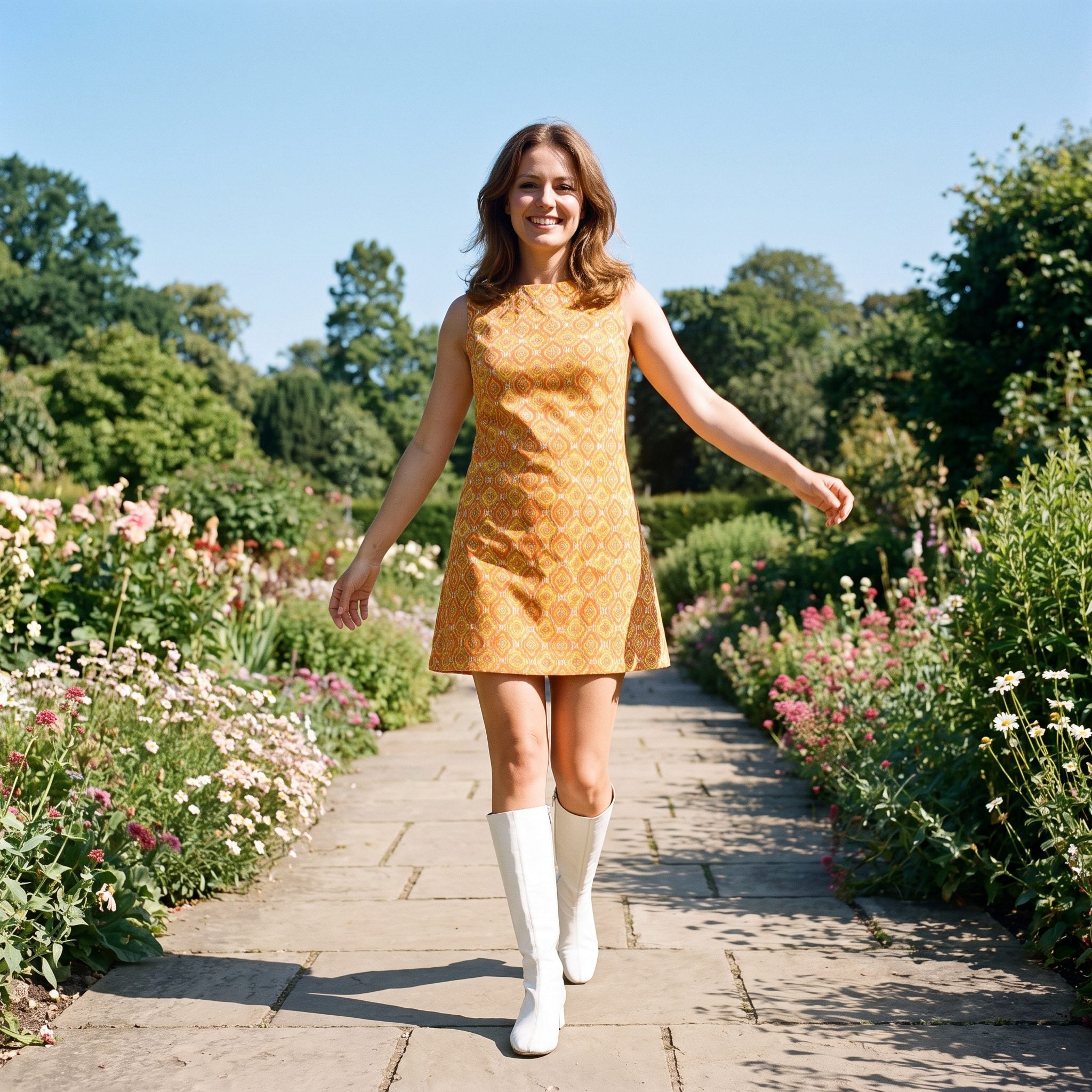
The mini finished the job. This A-line minidress hangs loose from the shoulders straight past where a waist might traditionally be marked, while the high hem pulls attention toward the legs instead.
Those graphic color-block panels now have to do the shaping. No belt, no visible middle, just geometry moving down the body. The silhouette trades hourglass construction for youth, movement and graphic impact. For the moment, the waist has left the building.
1967: The Empire Evening Gown That Floated From the Ribs
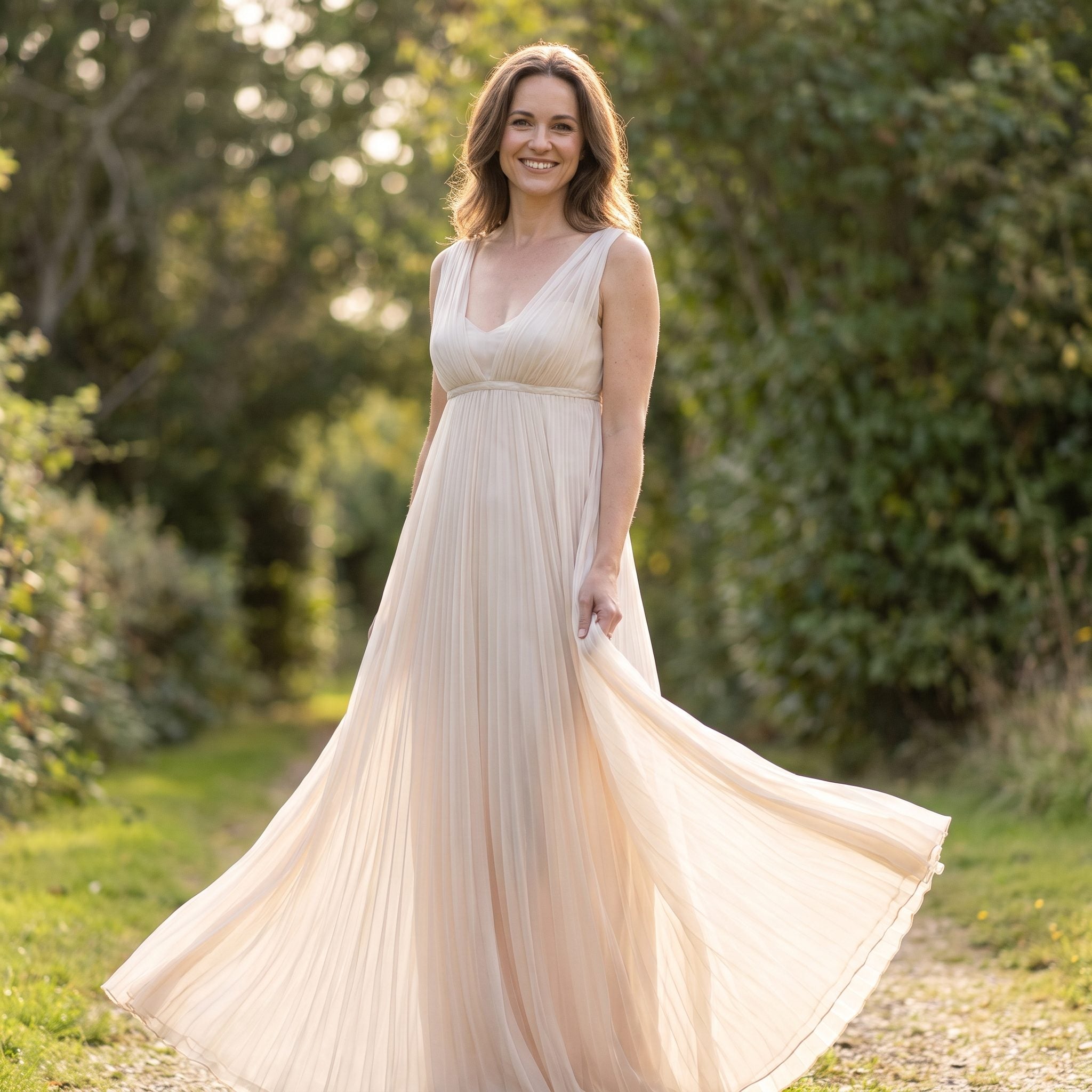
The whole gown starts under the bust and then simply lets go. One seam does almost everything, creating a long, calm line with little interest in the natural waist.
Move the narrowest visible break up to the ribcage and the chiffon can fall in one uninterrupted column. Ice-blue against warm marble keeps the effect soft rather than icy. Nothing cinches. Nothing pinches. The structure is high; everything below it floats.
1969: The Hip Belt That Dragged the Waist South
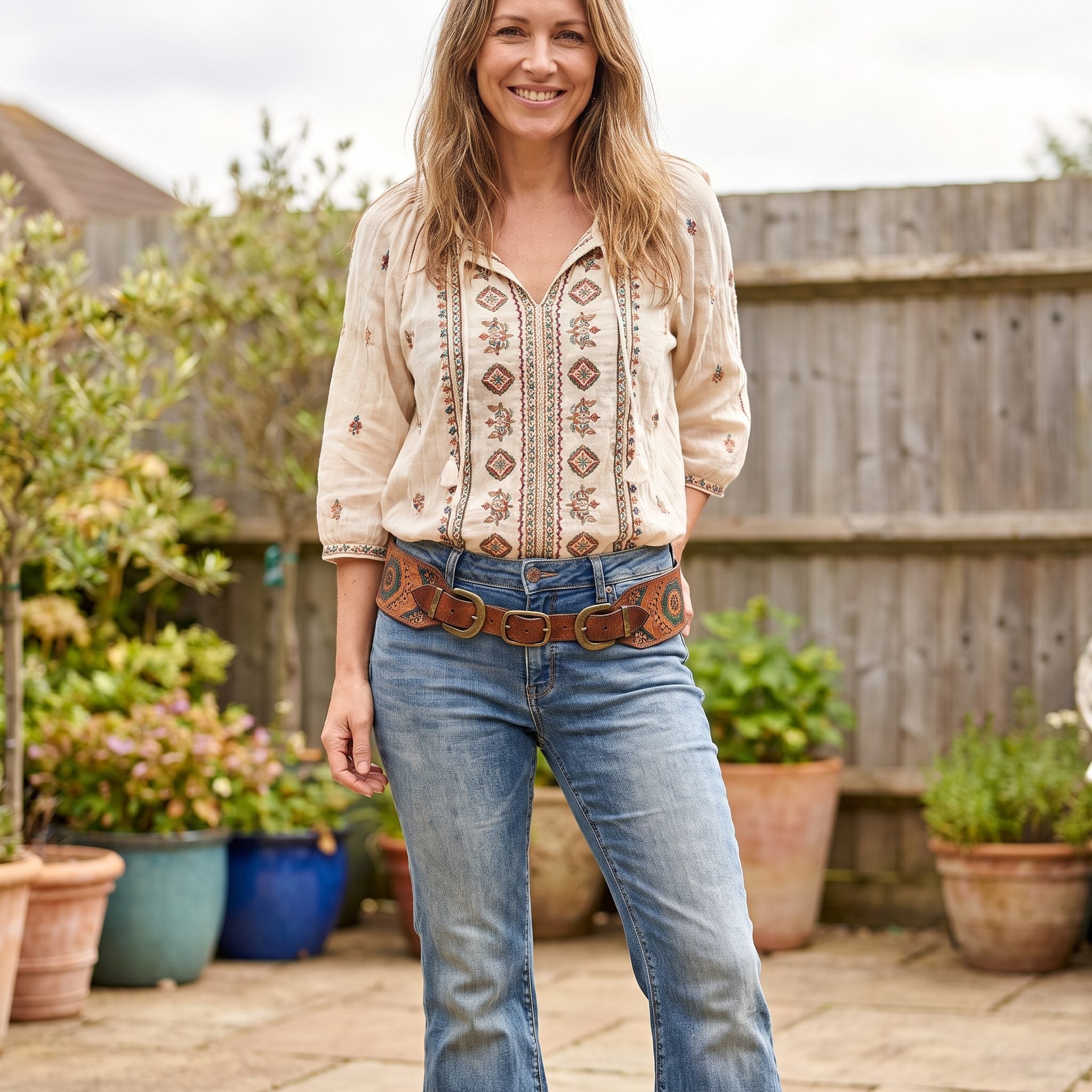
Everything changes with the placement of that belt. It rides the hips on purpose, several inches below the natural waist, and the proportions shift the moment that horizontal line drops.
The shapeless tunic wants to fall straight; the tan leather interrupts it and redraws the body’s visual midpoint well below the natural waist. The fashion trends of the late sixties made frequent use of exactly that kind of proportional freedom.
1970: Hip-Hugger Flares and the Long Torso

❤️ Would you like to save this?
Look at the distance between the ribs and the waistband. That gap is the point.
Proportional play carries this one — a long exposed torso up top, then the flare exploding out below the knee. Dropping the rise lengthens everything above it, and the tucked knit top makes sure you cannot miss where the trouser actually starts. The rust bell-bottom jeans do the heavy lifting; the platform shoes keep the flare clear of the ground.
1972: The Maxi Skirt Slung Low on the Hips
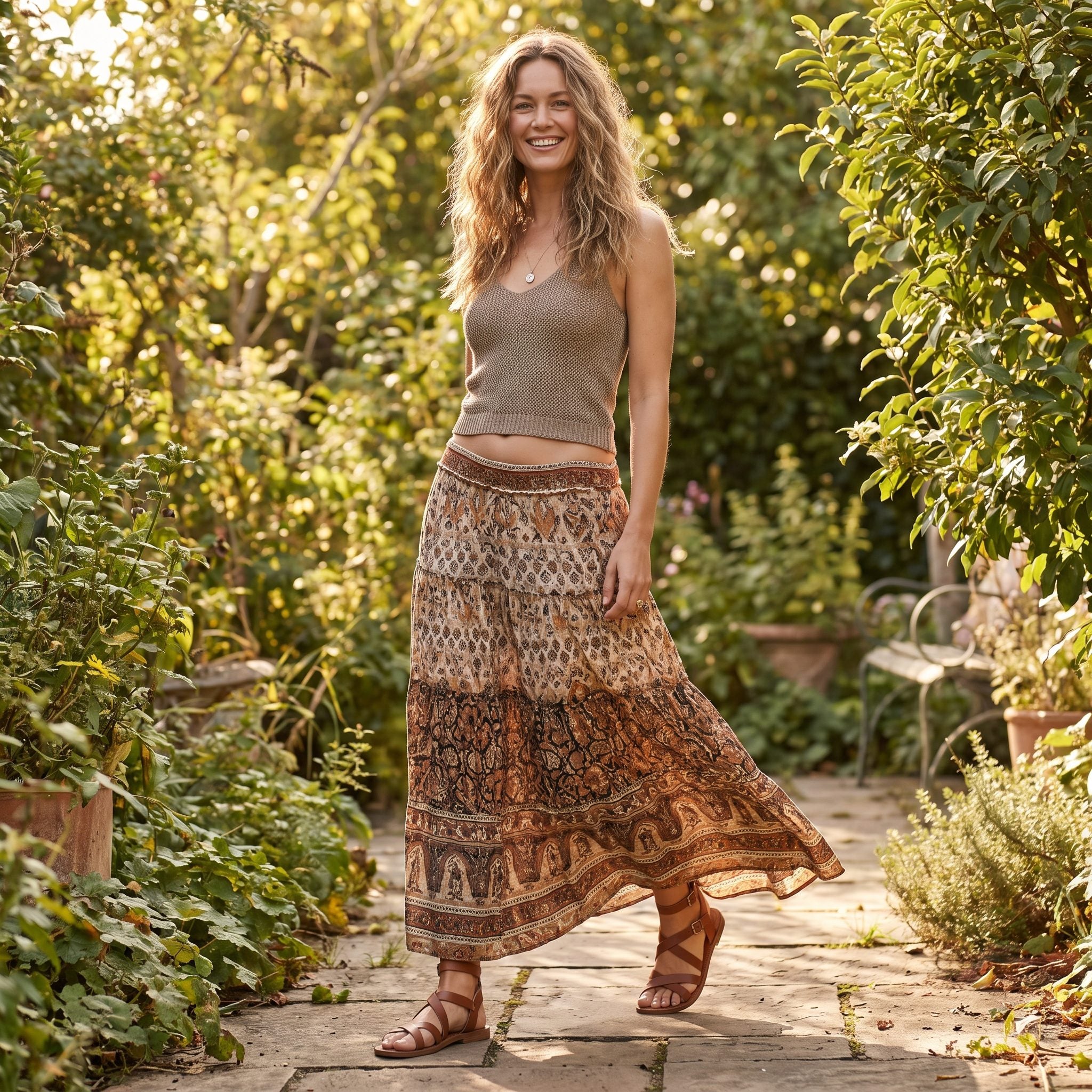
The skirt starts low and pours all the way to the sandals. That lowered waistband turns the entire lower half into one long sweep of print.
Tucking the peasant blouse in above it is the move that gives the look structure. Skip the tuck and the silhouette can become one uninterrupted column; keep it, and the low placement reads as deliberate because the top and skirt still have a clear point of separation.
The effect is deliberately unhurried: soft blouse, low waist, long sweep of skirt. Nothing in the proportion looks eager to snap back into the middle.
1974: The Wrap Dress Brings the Natural Waist Back Into Focus
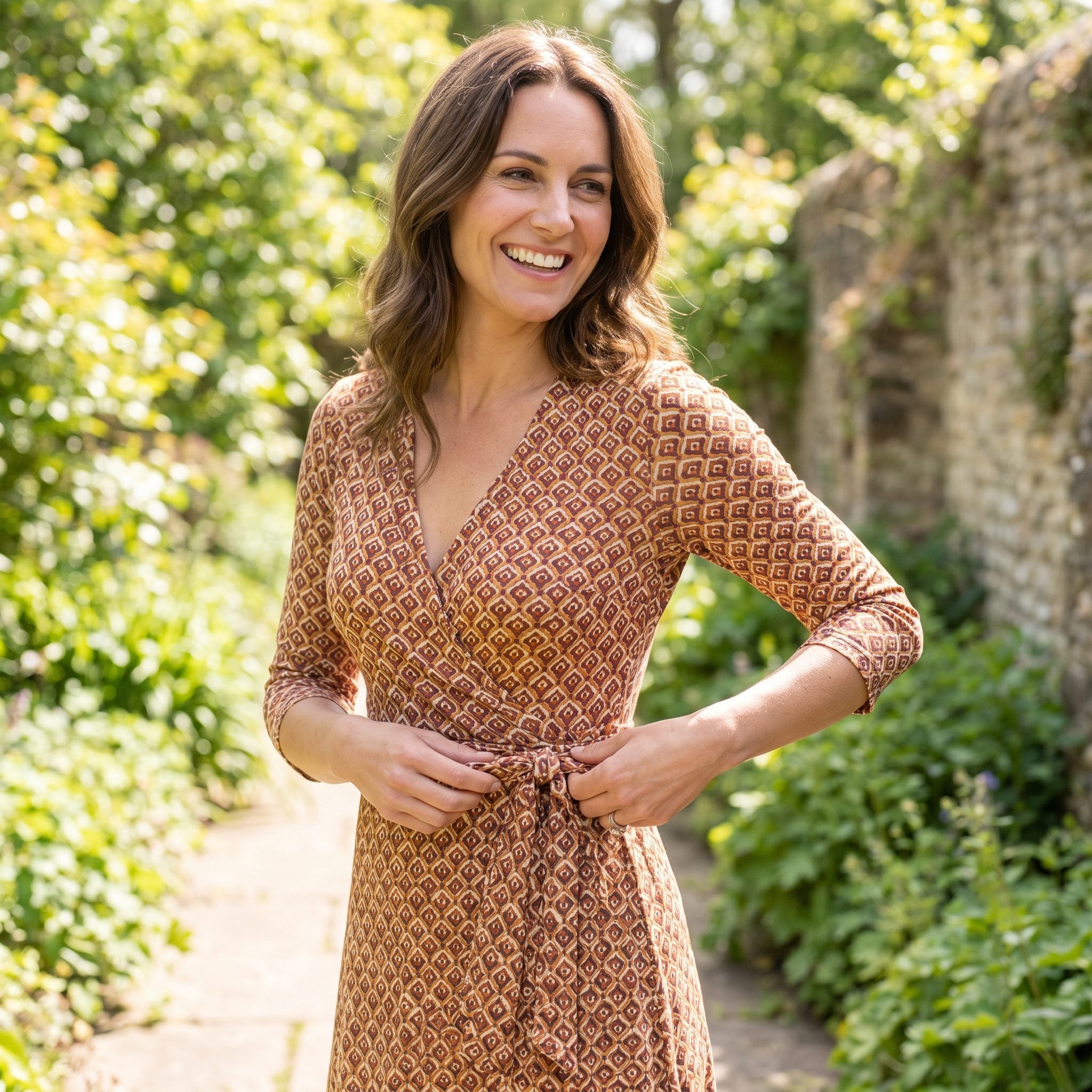
After years of belts on hips and skirts sliding south, the wrap dress pulled the natural waist sharply back into focus — without bringing back the rigid structure of the 1950s.
The diagonal wrap does the work. It crosses the torso, cinches at the true waist and suggests an hourglass through soft jersey rather than boning. The adjustable tie also made the silhouette more adaptable than a rigidly fitted dress.
Its practical appeal mattered too. Soft jersey, an adjustable closure and a shape that could move through a workday helped make the wrap dress a defining 1970s wardrobe idea. The tie is the visual signature.
The wrap dress made flexibility part of the design: cross, tie, adjust, move.
1976: High-Waisted Sailor Trousers With the Button March
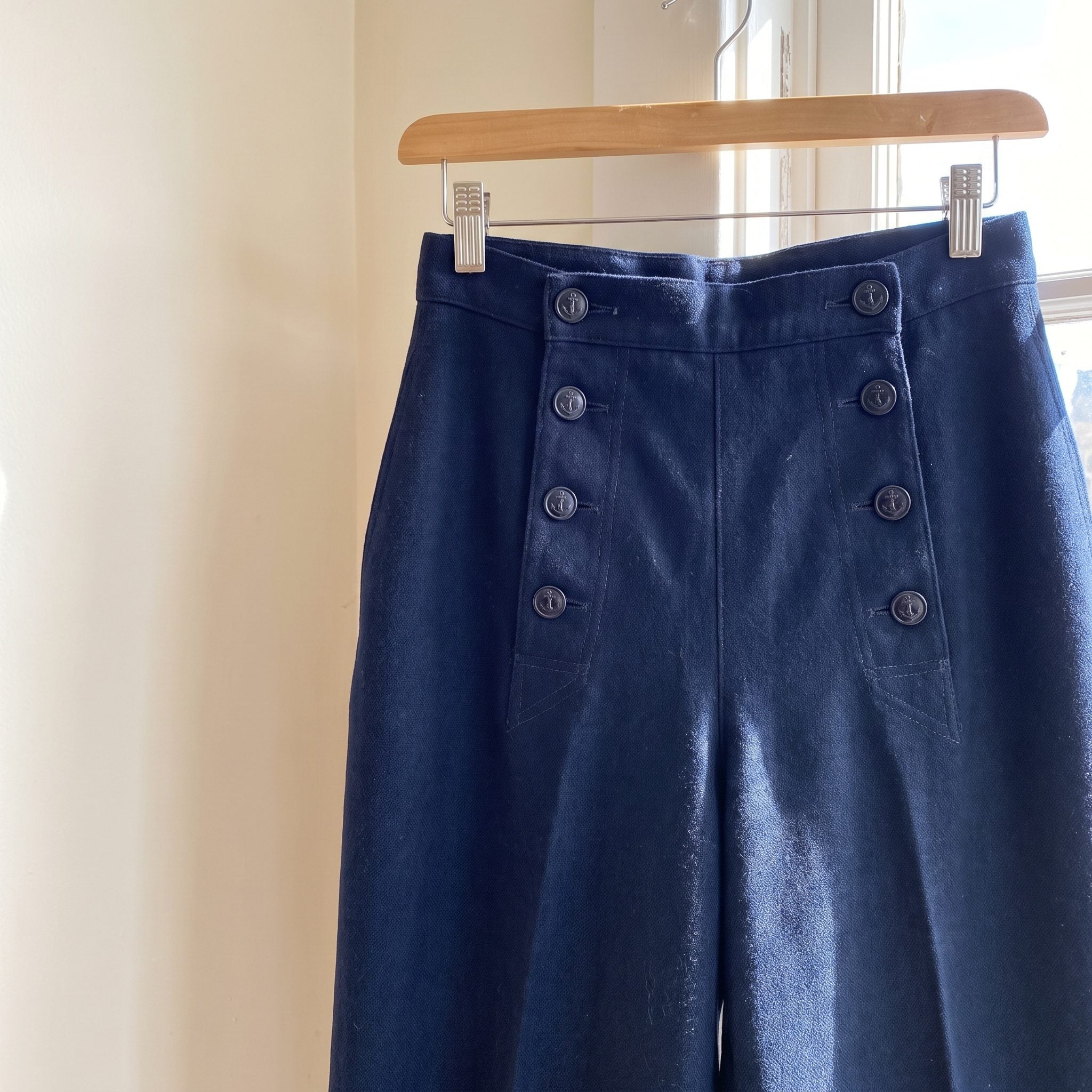
The waistband climbs all the way back up to the natural waist here, and the double rows of buttons make sure you salute it on the way.
Those vertical button rows march straight up the front and point the eye directly at the elevated waistband. Tuck the striped knit in fully, and nothing interrupts the proportion.
1978: The High-Waisted Disco Jumpsuit
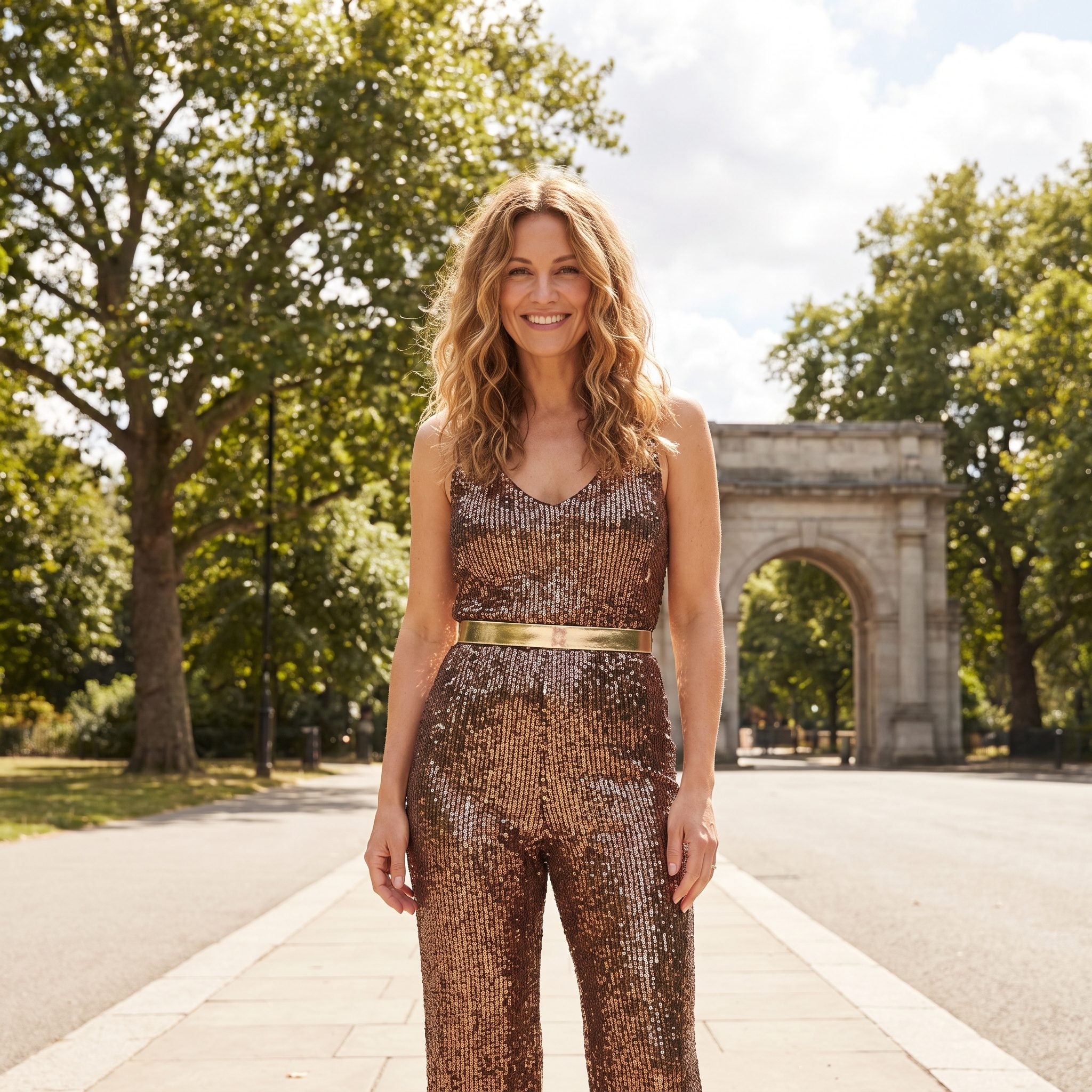
One piece of shimmering bronze, and a gold belt drawing a hard line at the high waist. Here, the belt is what gives the jumpsuit its dominant waist definition.
Cinch it high and the silhouette snaps into focus: narrow middle, bare shoulders and enormous wide legs pouring out below. The halter keeps the upper line clean so nothing competes with that sharp horizontal break.
It is built to be seen moving: metallic surface, open shoulders, high waist, wide leg. Dopamine dressing before the phrase existed, with every proportion turned up at once.
1980: The Blouson Dress and Its Soft Dropped Waist

The bodice pools softly and settles just below the waist, and that little bit of blousing is the personality of the dress.
The interest comes from the loose gathered top meeting the slim skirt underneath — volume high, control low, with the waistband sitting just below the expected point. The middle is visible without being rigid.
Dusty-rose silk keeps it gentle rather than fussy. Pulled together, but not visibly wrestling with itself.
1982: The Drop-Waist Party Dress
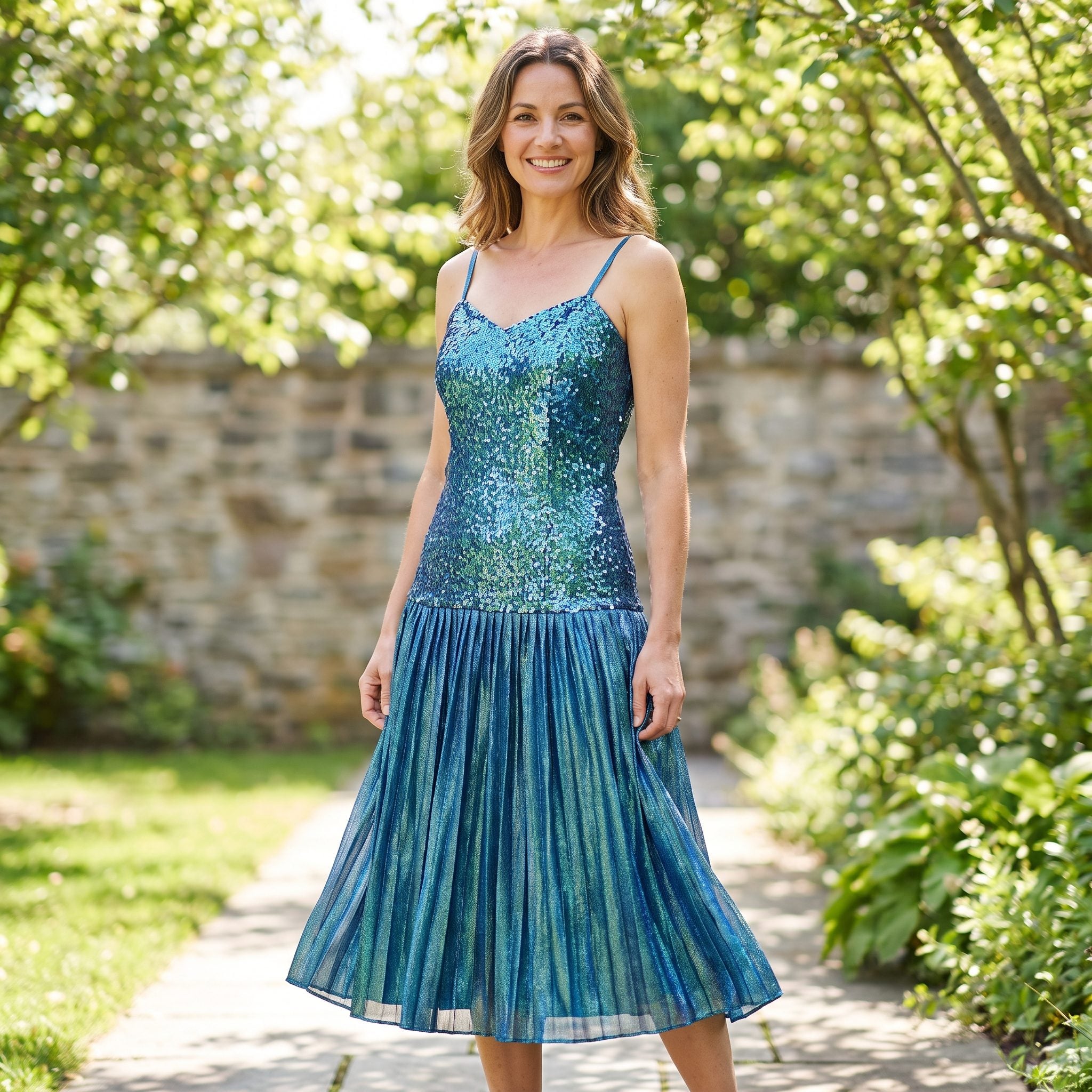
The bodice keeps going and going, sliding right past the waist before the skirt finally breaks free at the hip. That elongated seam is unmistakable.
Everything about this dress is proportional theater. Push the waist seam down to the upper hip and the whole upper body reads as one long fitted panel, then the short gathered skirt pops out for contrast. It borrows the dropped-waist trick associated with the 1920s and recasts it in shiny teal satin.
1984: The Paperbag Waist That Gathered Above Itself
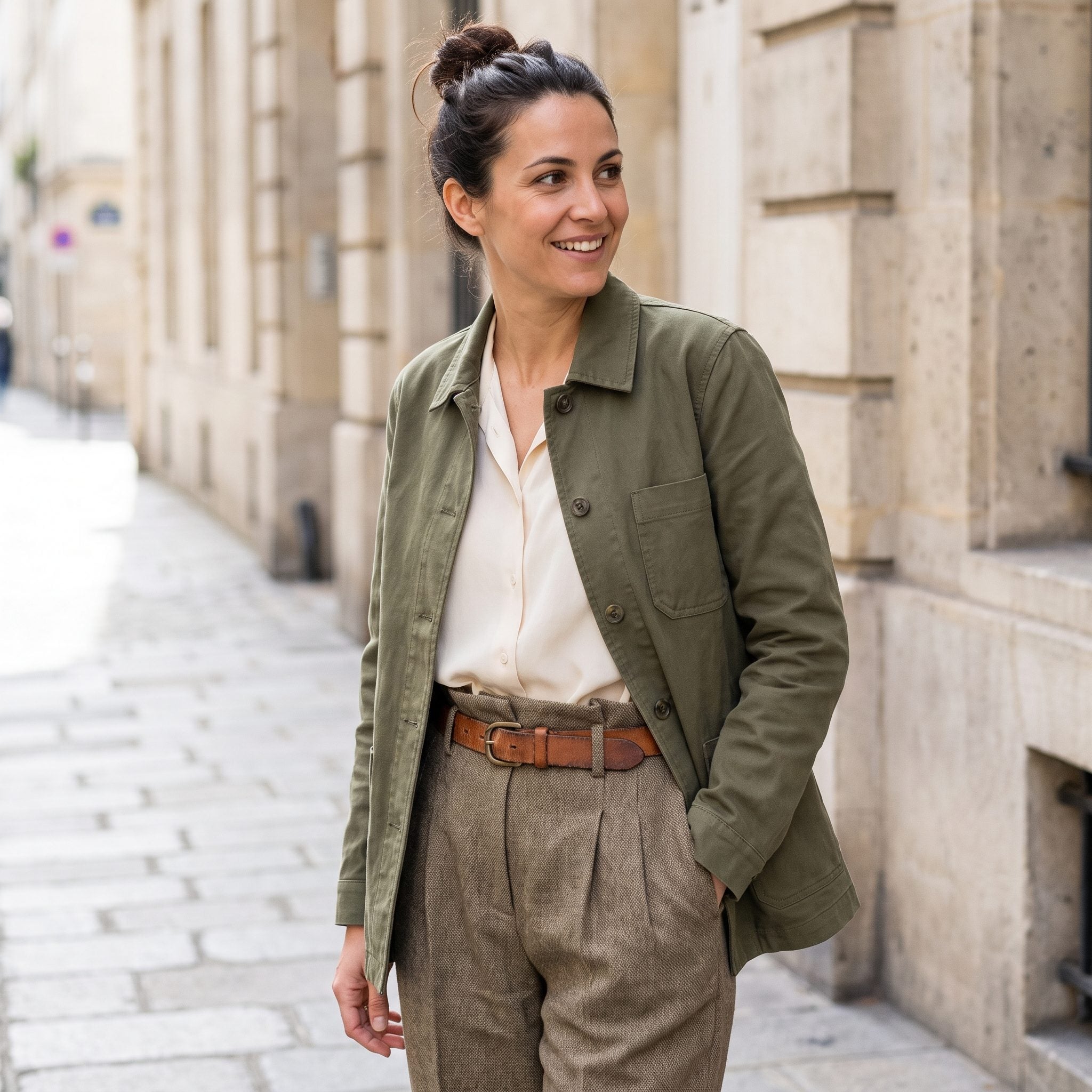
The waistband sits high, then the fabric keeps climbing past it, gathering into a soft ruffled crown above the belt. The paperbag waist effectively lifts the visual waist beyond the body’s own line.
That gathered excess above the belt builds height at the middle, cinches the narrow point and lets the leg fall long beneath it. A fitted tuck matters because extra volume above would compete with the waistband’s architecture.
Office armor, this. Camel, controlled and very sure of where the attention should land.
1986: The Giant Belt Parked at the Natural Waist

The belt was the focal point. Padded shoulders, sheer tights and pumps all help frame that broad band of leather sitting exactly at the natural waist.
This is proportional play at maximum volume: broad top, narrow center, nothing subtle about the contrast. A wide black leather belt turns the middle into a graphic dividing line rather than a quiet seam.
1988: High-Waisted Pleated Trousers That Climbed to the Navel
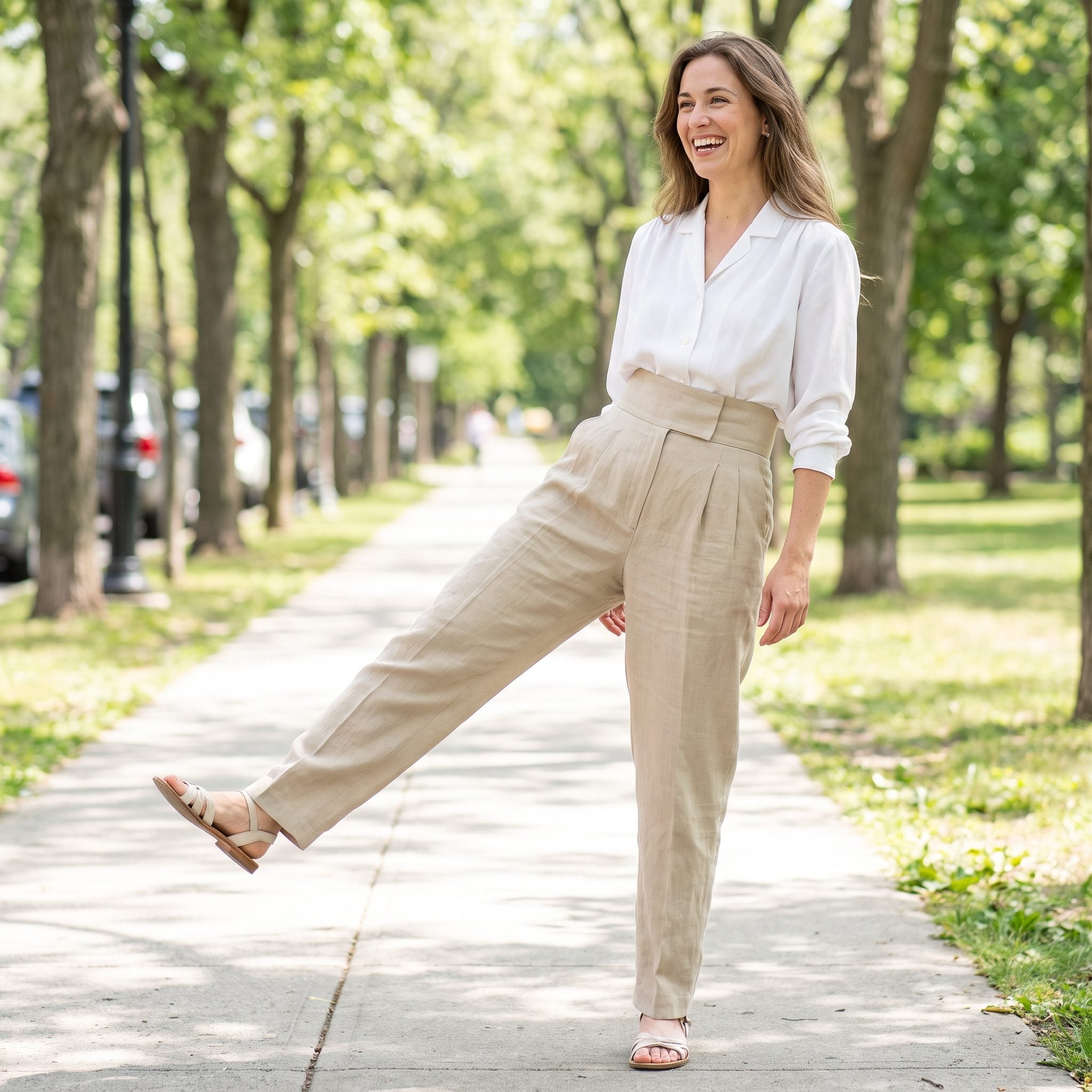
The waistband lands at the navel and makes no attempt to hide. These pleated trousers create a long leg line precisely because the visible trouser begins so high on the body.
Two pleats, a tapered hem and a blouse tucked completely inside make the torso the shortest part of the equation. Put the waistband high and everything below it gains visual territory. These are the ancestors of the high-rise trousers your wardrobe may still be hanging onto right now.
1990: High-Rise Relaxed Jeans Before the Mom-Jean Comeback

Before the high-rise relaxed silhouette returned as a self-conscious “mom jean” revival, this kind of proportion could simply read as everyday denim. The rise sits near the true waist, the thigh stays relaxed and the leg tapers without clinging.
White tee tucked in. Belt visible. Cropped denim jacket ending around the hip. That crop matters because it stops the upper layer before it can obscure the high waistband. Every high-rise mom jeans revival since owes this silhouette a thank-you note.
1992: The Babydoll Dress That Erased the Waist Entirely
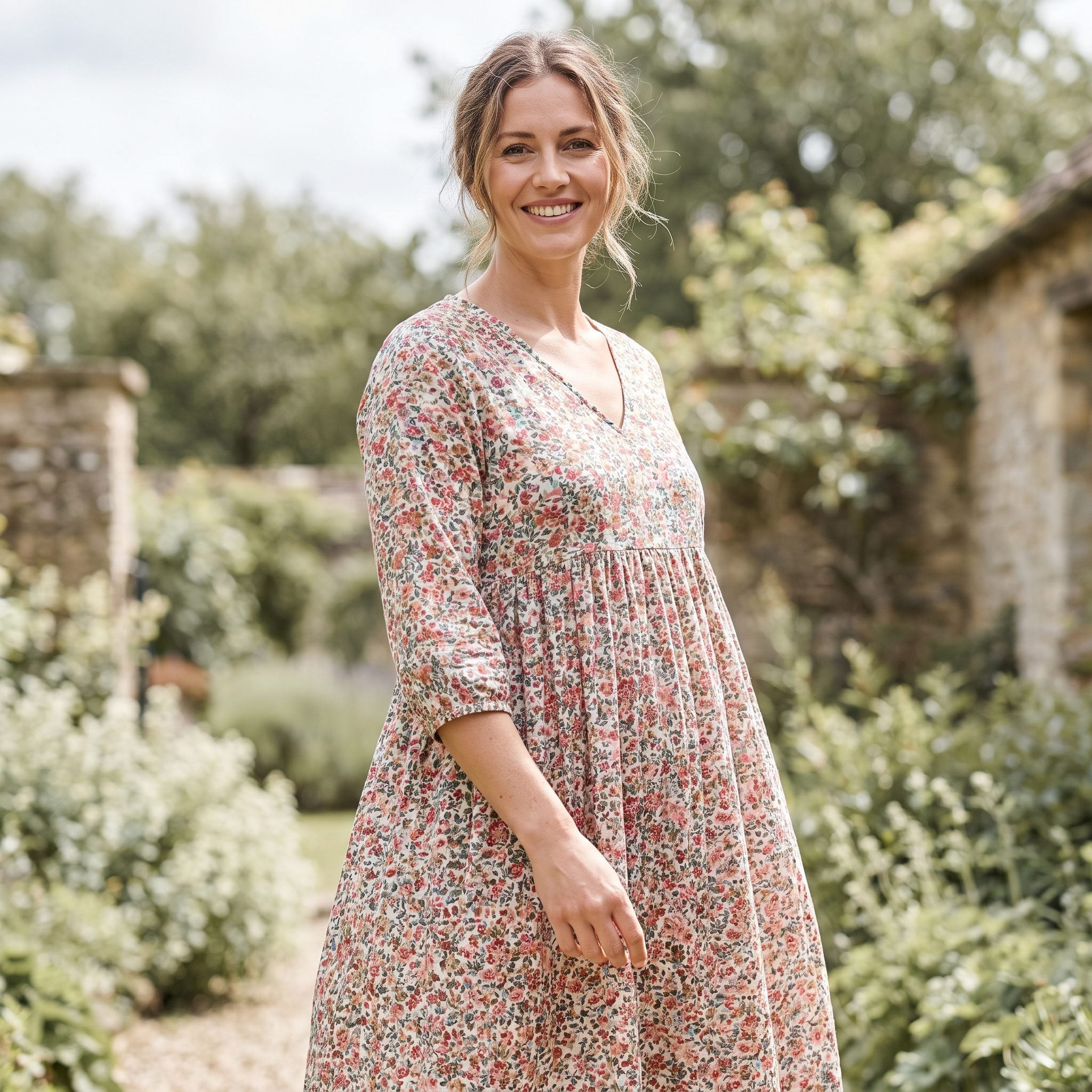
After a decade of cinching, the babydoll dress waves off the natural waist altogether. The seam sits high under the bust and the floral fabric drops loose beneath it.
Opaque black tights and clunky boots deliberately rough up the sweetness — floral print against blunt footwear, softness against weight. The body is not being divided at the middle anymore; the contrast has moved to fabric, hem and accessories.
1994: Hipster Trousers Begin the Long Descent
❤️ Would you like to save this?
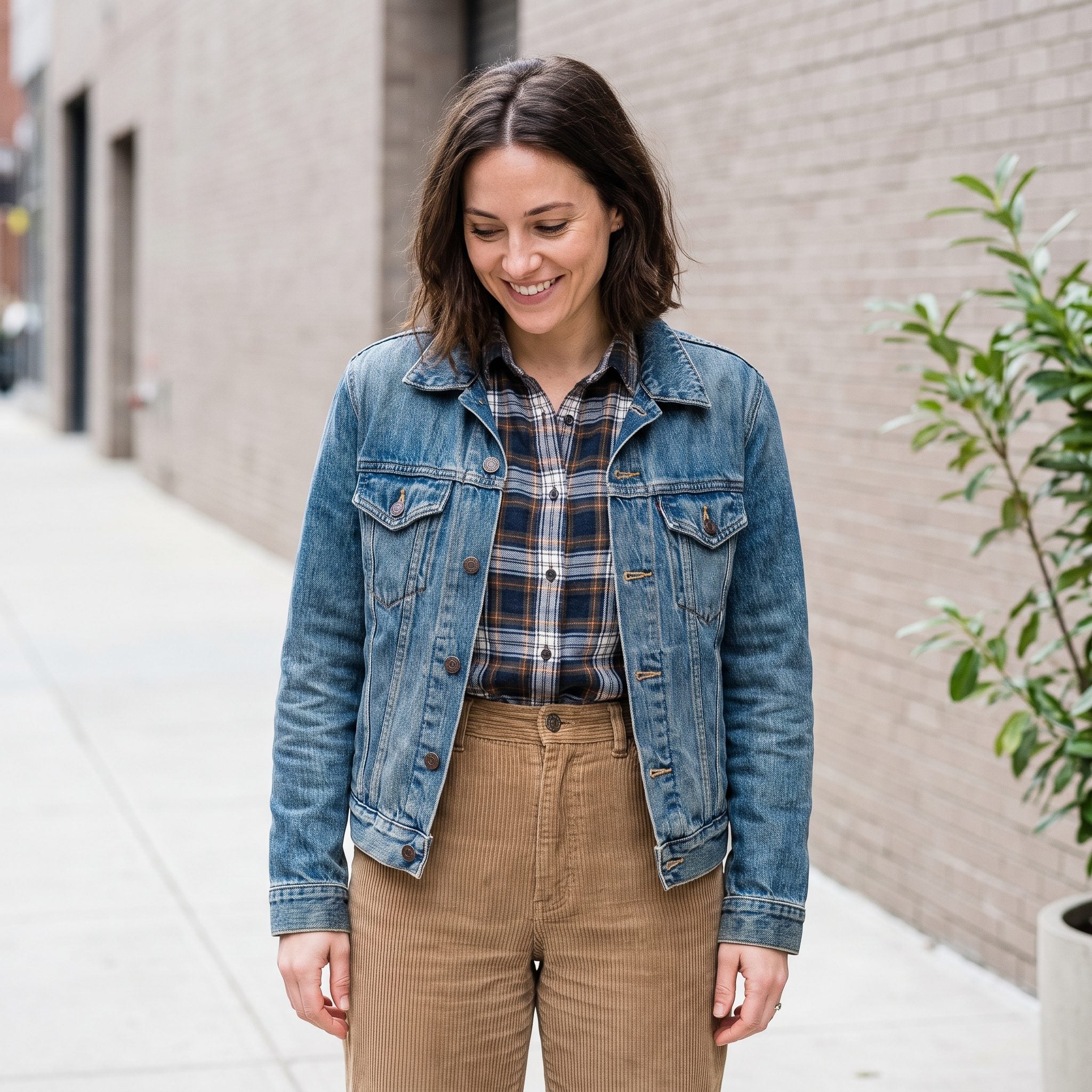
Here the waist starts sliding again, several inches below where it had lived through much of the previous decade. The trousers hit low on the hip, the knit top stays tucked so the placement remains obvious, and the torso suddenly looks longer.
The rest is disciplined minimalism — stone gray, charcoal, almost no jewelry, just clean planes and one deliberate proportional shift. Mid-’90s fashion inspiration still feels sharp because it lets cut and placement carry so much of the look.
1996: The Low-Waisted Slip Skirt and the Exposed Torso

Champagne satin cut on the bias, sitting low on the hips, catching the light with every step. The champagne satin slip skirt is the visual center, and everything above it gets out of the way.
The tank stops above the low waistband, leaving a measured stretch of exposed torso. Texture carries the sophistication — liquid satin against matte knit, with nude heels barely interrupting the line. The low waist is becoming less tentative now.
1998: Low-Rise Bootcut Jeans Take Over the Weekend
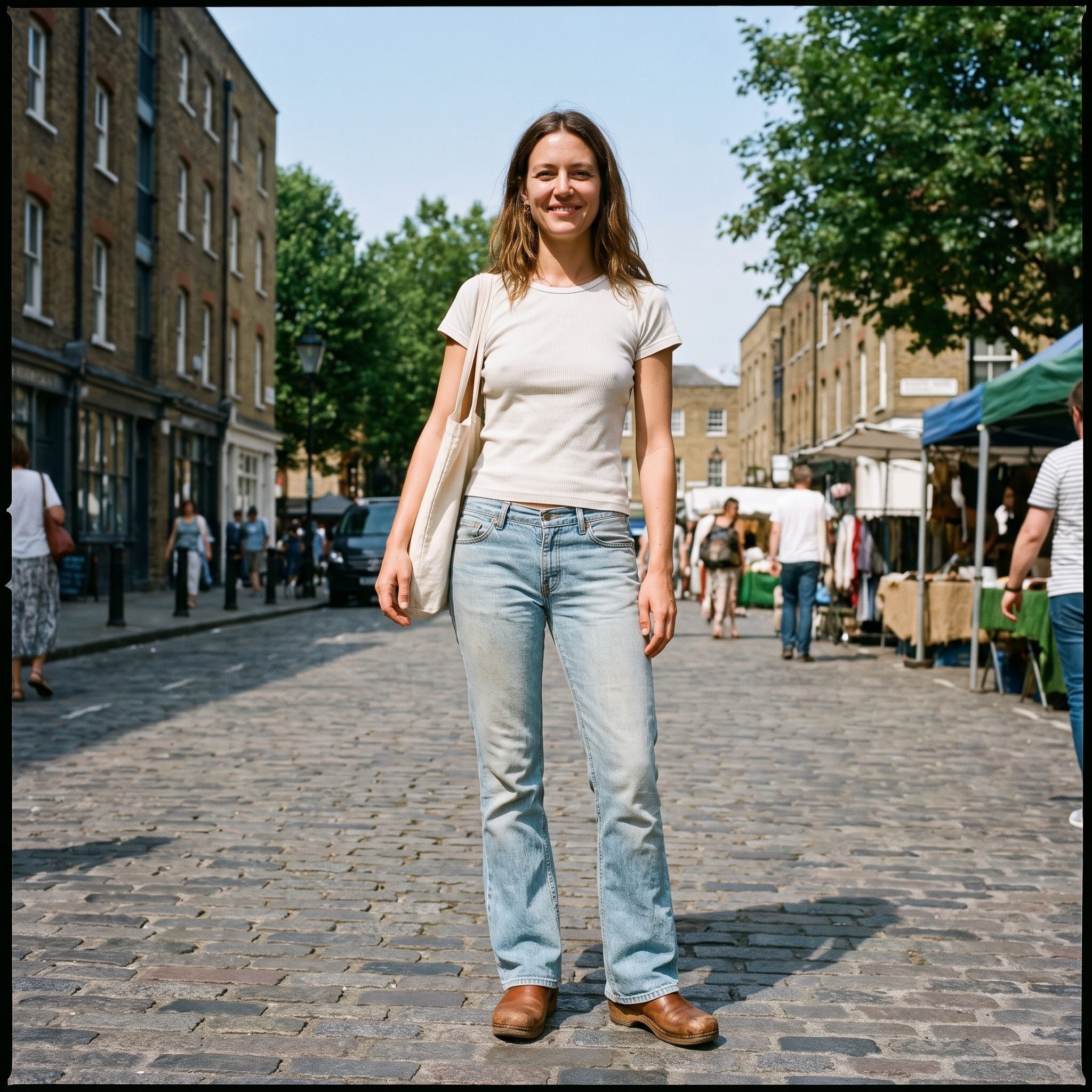
The bootcut is the compromise point: low enough to feel current, easy enough through the thigh to remain wearable, with just enough flare below the knee to balance a substantial shoe.
A close ribbed knit keeps the top fitted while the hem widens below, and the lowered waistband continues the decade’s gradual descent. This was the everyday version rather than the runway extreme: low enough to look current, practical enough to become a default weekend silhouette.
2000: Y2K Low Rise and the Deliberate Sliver of Midriff

The gap between the cropped tee and the waistband was not an accident. That deliberate strip of midriff is the proportion, with the baguette bag riding the shoulder and the jeans sitting visibly below the natural waist.
The platform sneaker adds height beneath the long torso and low jeans. Pale blue, light denim and soft pink push the look unmistakably toward turn-of-the-millennium territory: playful, synthetic, polished and just a little mall-food-court fabulous.
2002: Ultra-Low-Rise Jeans Push the Limit

Two years later, the waistband drops again. The torso stretches into an even more exaggerated proportion, while the flare at the hem gives the lower half enough width to balance the elongated middle.
The emerald halter is the color commitment holding everything together, one saturated note against dark denim and gold. This is the red-carpet end of a trend already spreading everywhere: glossy, emphatic, waist parked unapologetically near the hip bones.
2004: The Low-Rise Pleated Mini and the Peak Long Torso

By 2004 the mini rides the upper hips rather than the waist, stretching the visible torso almost as far as this cycle will take it. The pleated plaid skirt sits low, the polo stays close to the body, and the entire silhouette is built around that long middle.
The knee-high boot changes the balance below, reducing the amount of bare leg and adding visual weight at the bottom. Without it, the proportions would read very differently.
This is about as far south as the waist travels in this sequence before the direction reverses and rises begin climbing again.
2007: High-Waisted Wide-Leg Trousers Snap the Waist Back Up

After years of denim clinging to the hip bones, the waist comes sharply upward again. These wide-leg trousers land at the natural waist and let the leg run on for days below it.
The full tuck is crucial. Leave the blouse untucked and the waistband disappears, taking the defining proportion with it; tuck it in and the eye immediately reads a long column from waist to heel. The pointed pump sharpens a line the wide leg would otherwise soften.
2010: High-Waisted Retro Shorts Gave Us Endless Legs
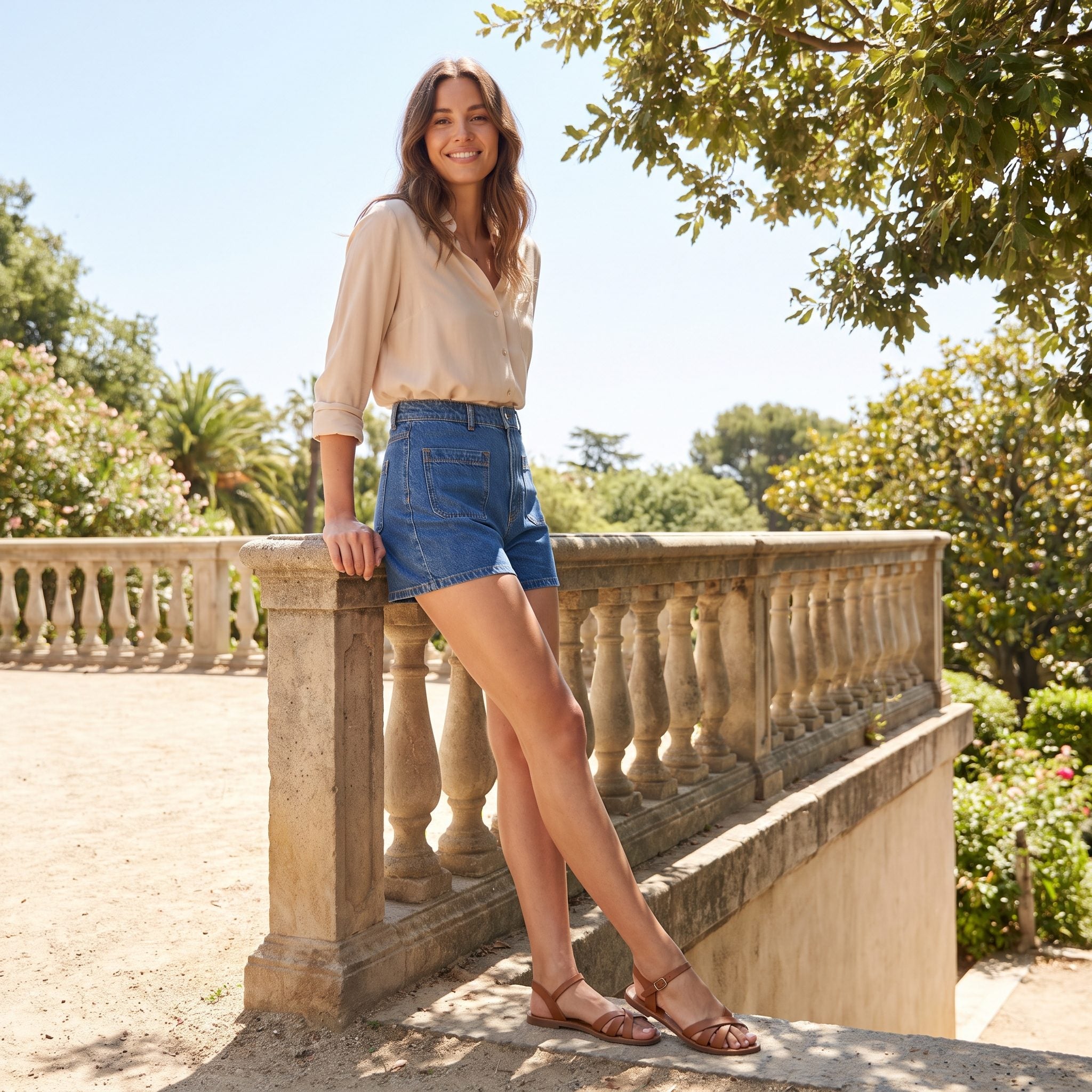
The waist goes up, the hem goes up with it, and the result is almost comically leggy. Structured shorts sit near the navel, a narrow belt underlines the placement, and the exposed leg begins much higher than it would with a low-rise short.
That thin belt reinforces the waist twice: once through placement, once through contrast. Pair the shorts with a minimal sandal and very little interrupts the vertical run from waistband to floor.
2012: Peplum Drew a Circle Around the Natural Waist
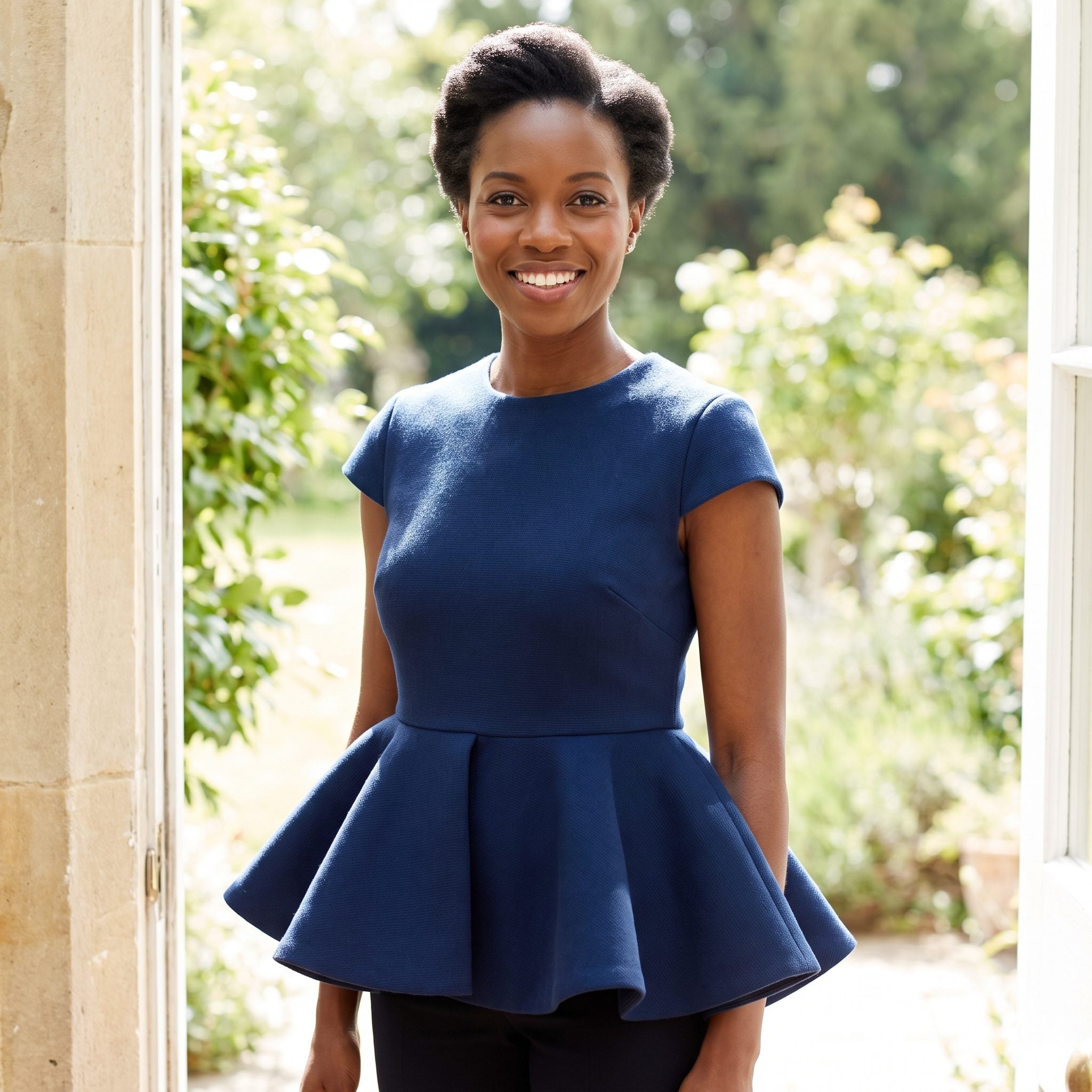
The peplum did one job with total conviction: it drew a hard line around the waist and flared out from it. From office ponte to evening satin, the silhouette made the natural waist impossible to overlook.
That structured flare creates the visual suggestion of an hourglass by emphasizing the middle and adding volume immediately below it. Slim ankle trousers make a logical partner because they keep the lower line narrow enough for the peplum’s shape to remain legible.
2015: High-Rise Skinny Jeans Finish the Climb Back Up

❤️ Would you like to save this?
By the mid-2010s, the climb was unmistakable. High-rise skinny jeans pushed the waistband back toward the navel after years of lower rises, making tucked tops and a clearly visible natural waist central to the silhouette again.
The open-front coat is the clever part. It leaves the elevated waistband visible while creating two long vertical lines down either side of the body. High rise at the center, length at the edges — an easy piece of visual geometry masquerading as an everyday outfit.
2018: The Paperbag Waist Came Back With a Bow
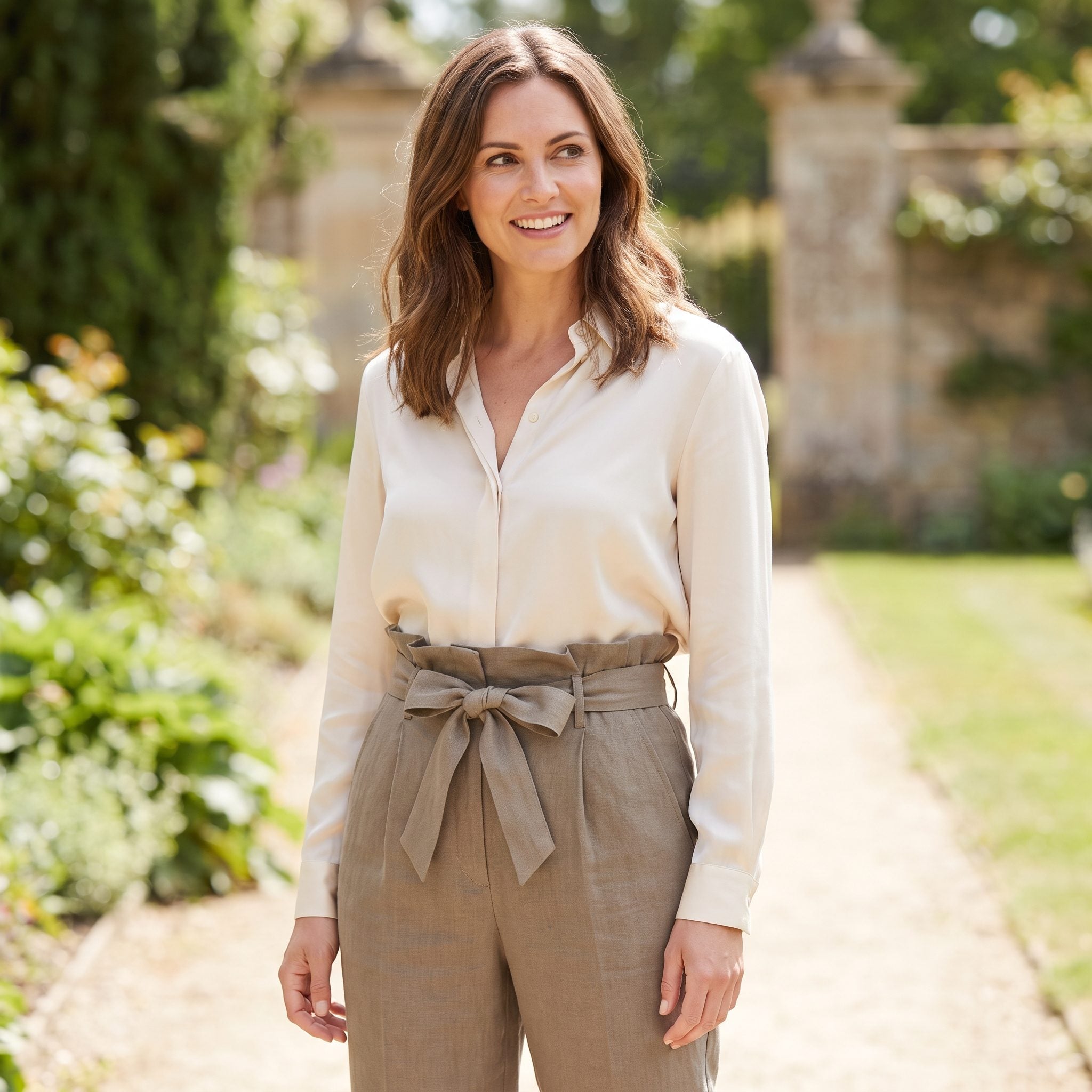
The paperbag waist returns with a softer attitude. Fabric gathers above the natural waist and ties off below, so the trouser’s highest visible edge sits above the body’s own midpoint.
The fabric belt turns a functional waistband into the focal point, while a fitted tuck prevents extra volume from competing with all that gathering. Done in soft olive with clean white above, the reference to 1984 is visible without becoming a costume. There’s fashion inspiration here for anyone who likes waist definition without rigid tailoring.
2021: Low Rise Returned — and So Did the Debate
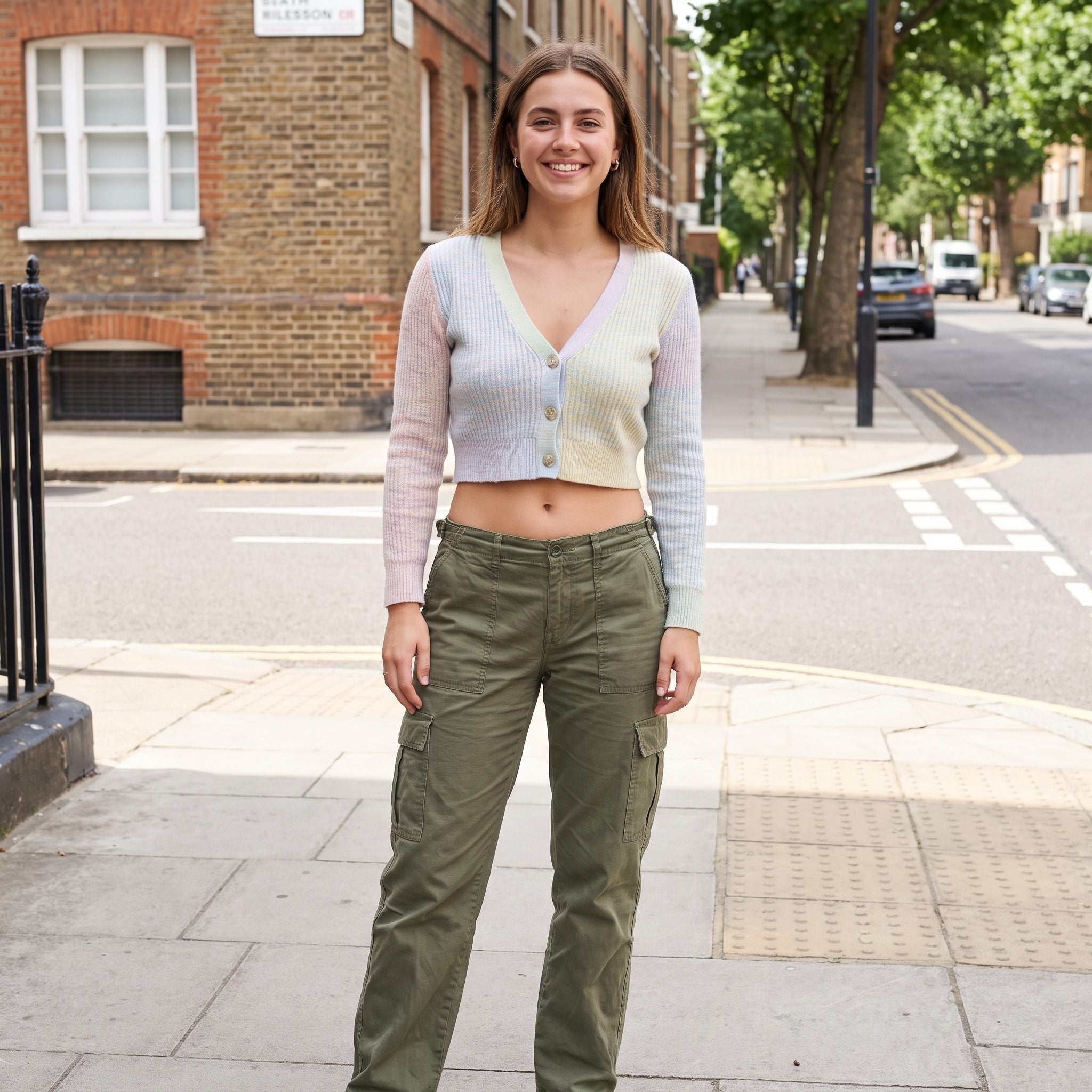
And then, inevitably, the waist drops again. Low-rise cargos sit across the hips, a cropped cardigan stops above them, and the exposed middle makes the lowered waistband impossible to miss.
What keeps this from reading as a literal 2003 rerun is the looseness: relaxed cargo leg, chunkier sneaker, less body-hugging precision. Low rise had been declared finished more than once, yet the cycle brought it back again — looser, more relaxed and unmistakably familiar.
Today: Every Waistline Is Allowed at Once
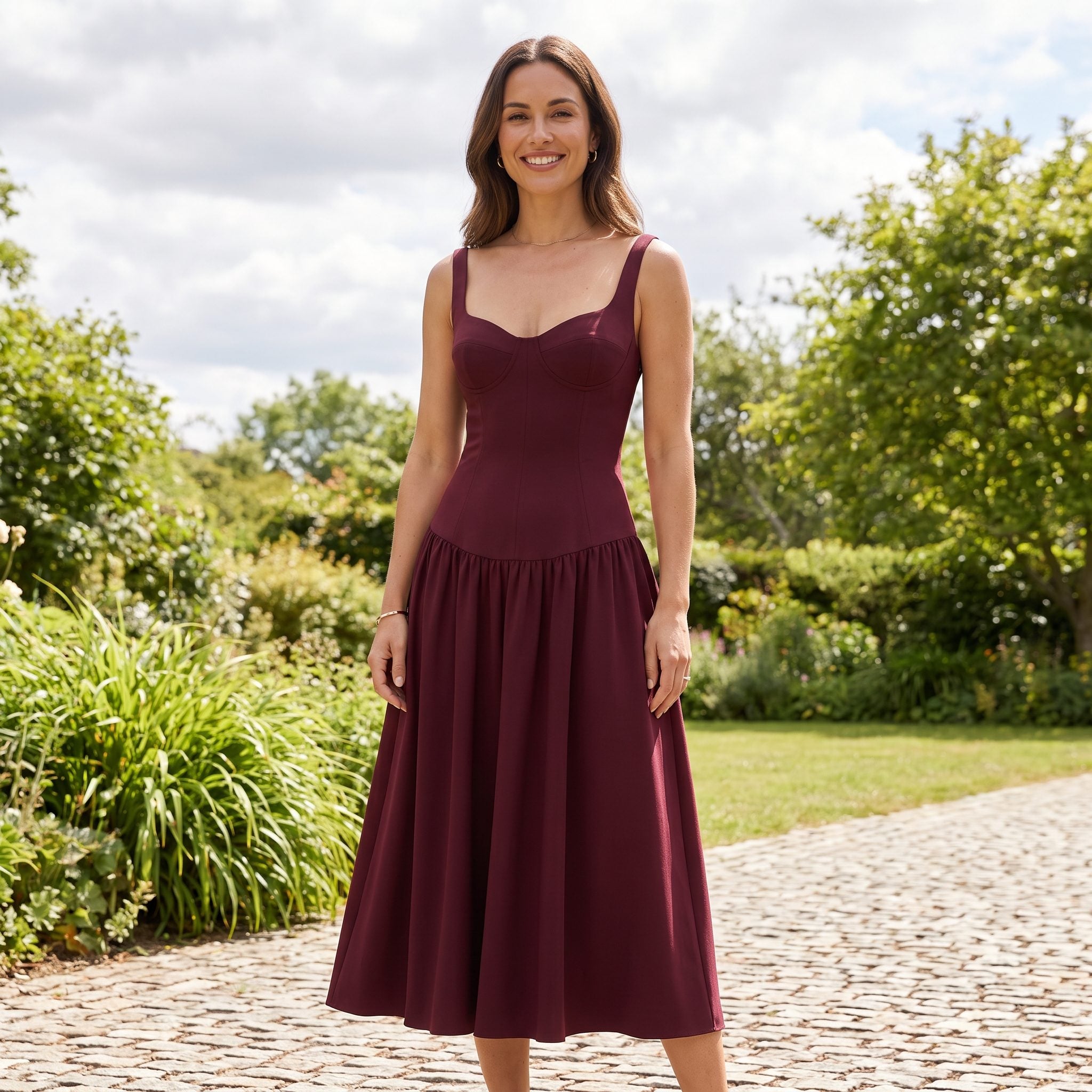
The most contemporary move may be refusing to pick one. This deep-burgundy drop-waist midi runs the sculpted bodice well below the natural waist before allowing the skirt to bloom at the upper hip.
That lowered seam is the design decision. Placing the transition beneath the body’s expected midpoint lengthens the torso and gives the skirt a more dramatic place to begin. High, low, dropped, gathered, erased — current fashion has room for all of them.
Seventy years of the waistline moving up, down and occasionally disappearing — and the answer turned out to be all of them.
That’s the real freedom in current fashion trends. Wear the waist where it suits the outfit, the day and the proportion you want, and let the silhouette make the argument.