❤️ Would you like to save this?
Wardrobe staples have somehow acquired the authority of building codes. Own the white shirt. Buy the camel coat. Find the perfect blazer. Keep black trousers standing by in case civilization suddenly requires everyone to attend a board meeting. Repeat the advice often enough and a piece of clothing stops sounding useful and starts sounding compulsory.
But good wardrobe design is more interesting than a checklist. A supposed classic still has to earn its square inches of closet space through proportion, fabric, construction and sheer usefulness. A white T-shirt can fail because the neckline gives up after three washes. A blazer can be magnificent because the shoulder line does exactly what it should. A silk blouse may look almost effortless while quietly relying on drape, sheen and the way it behaves against something more structured. The label “timeless” gets you only as far as the fitting room.
So these 37 staples are getting something closer to a design review than a loyalty oath. Most have survived for good reasons. Some need the right cut before their reputation makes sense. A few are brilliant for one life and almost irrelevant to another. We’re looking at what each piece contributes to an outfit, where the magic actually comes from, and whether the clothes everyone says you need still deserve all that confidence.
FYI, thanks to AI imagery software, we’re able to create very specific fashion and hairstyle examples to illustrate the points being made. In some cases, imagery is exaggerated to hammer home the point. Also, assume links that take you off the site are affiliate links such as links to Amazon. this means we may earn a commission if you buy something.
37. The White T-Shirt Everyone Calls Basic — Until the Neckline, Weight and Fit Are Wrong
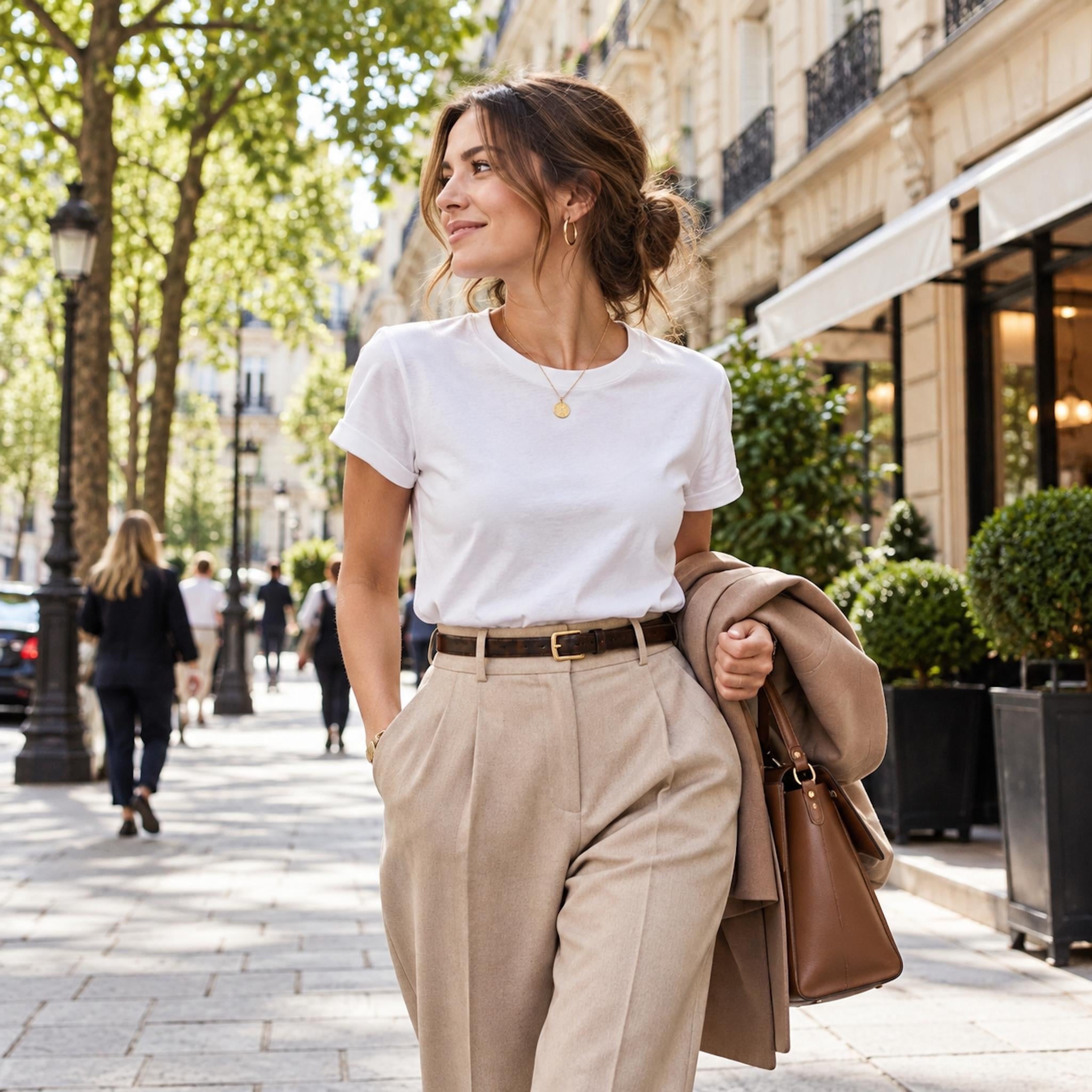
A white T-shirt is supposed to be the easy piece. That’s exactly why a really good one feels almost suspiciously satisfying. Get the cotton weight, neckline and sleeve shape right and suddenly the garment everybody calls basic is doing a remarkable amount of visual housekeeping.
The best versions have enough substance to hang rather than cling, a neckline that sits cleanly against the collarbone and sleeves with enough shape to frame the upper arm. The image here gets the equation right: crisp white tee, tailored neutral trousers, narrow leather belt. Almost aggressively simple, which means every proportion has nowhere to hide.
Where can it go wrong? Thin fabric turns transparency into an unwanted styling decision, stretched necklines age the entire outfit, and an overlong body can create a small fabric landslide every time you tuck it. Price matters less than density, recovery after washing and whether the tee still looks like itself a month later. Get those basics right and this supposedly ordinary piece earns its reputation.
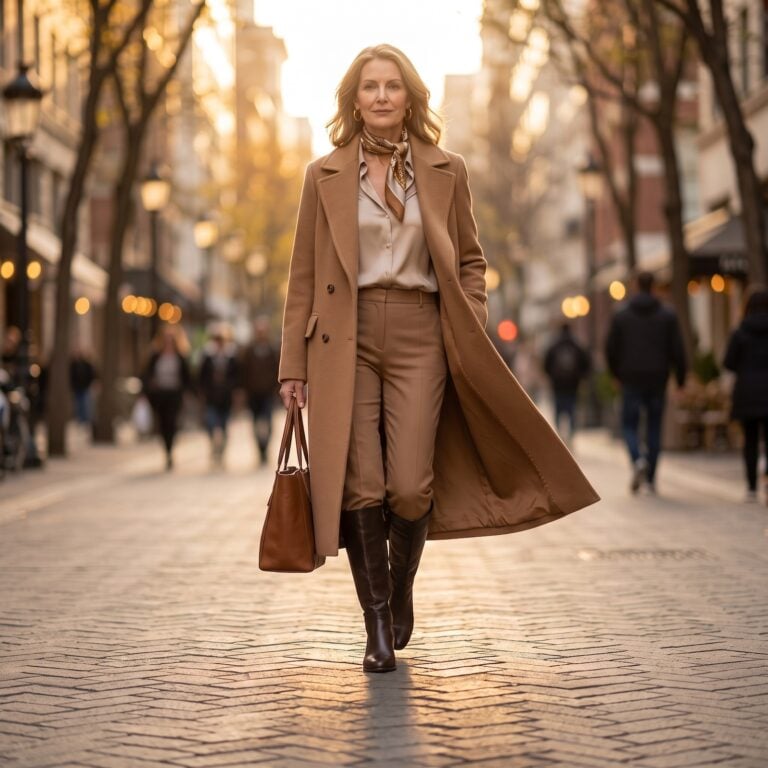
36. A Camel Wool Coat That Doesn’t Give Up by February

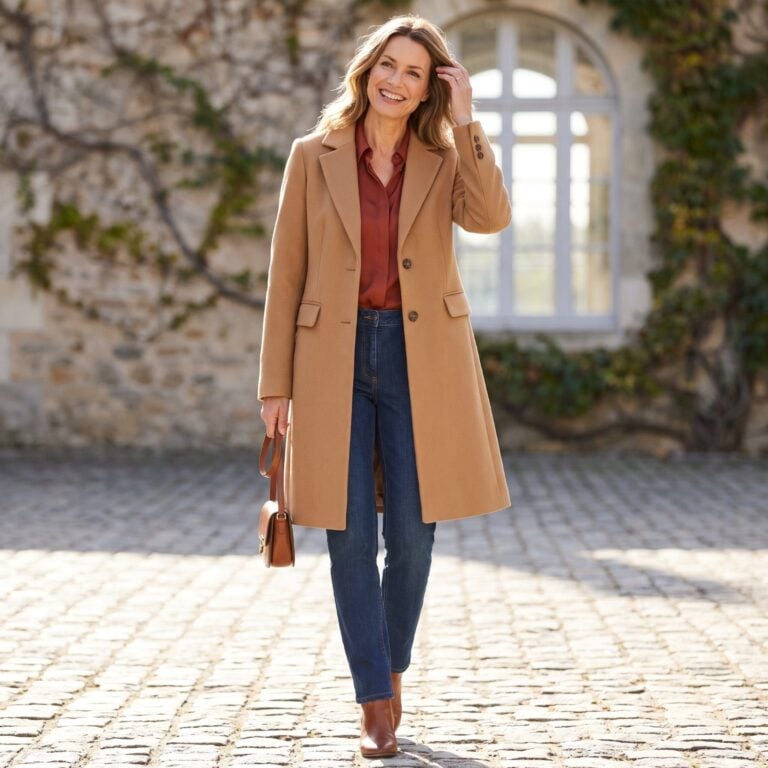
Camel is doing half the styling before the coat is even buttoned. The warm neutral works with black, navy, cream, denim and most autumn colors without disappearing into any of them. Put it over something ordinary and the outfit suddenly appears to have made plans.
What separates a good camel wool coat from a disappointing one isn’t a single magic wool percentage. Look at the entire cloth: wool content, weight, density, lining, seam construction and how firmly the fabric springs back after being handled. Thin, loosely constructed blends can pill and lose their shape quickly. A substantial cloth gives the shoulders and lapels enough authority to anchor a beige wardrobe rather than simply joining it.
The only real caveat is lifestyle. If winter where you live barely qualifies as weather, the great camel coat may spend more time looking noble on a hanger than earning its keep. Everywhere else, this one has a very strong case.
35. The Silk Blouse Everyone Fears Ironing

Silk’s best argument is movement. That fluid drape and restrained sheen make a simple blouse look more complex than its pattern actually is. Tuck one into a structured trouser and the contrast — soft against tailored, reflective against matte — does most of the styling before jewelry gets involved.
The care doesn’t need to become theater. Follow the garment label first. Light wrinkles in an ivory silk blouse can often be eased with cautious steaming or by hanging the blouse in a humid bathroom, while stubborn creases may need low, fabric-appropriate heat.
The upkeep is unquestionably fussier than cotton. The payoff is a fabric that changes character every time the wearer moves. That’s a fair trade for plenty of wardrobes.
34. Black Tailored Trousers That Don’t Look Like Office Uniform
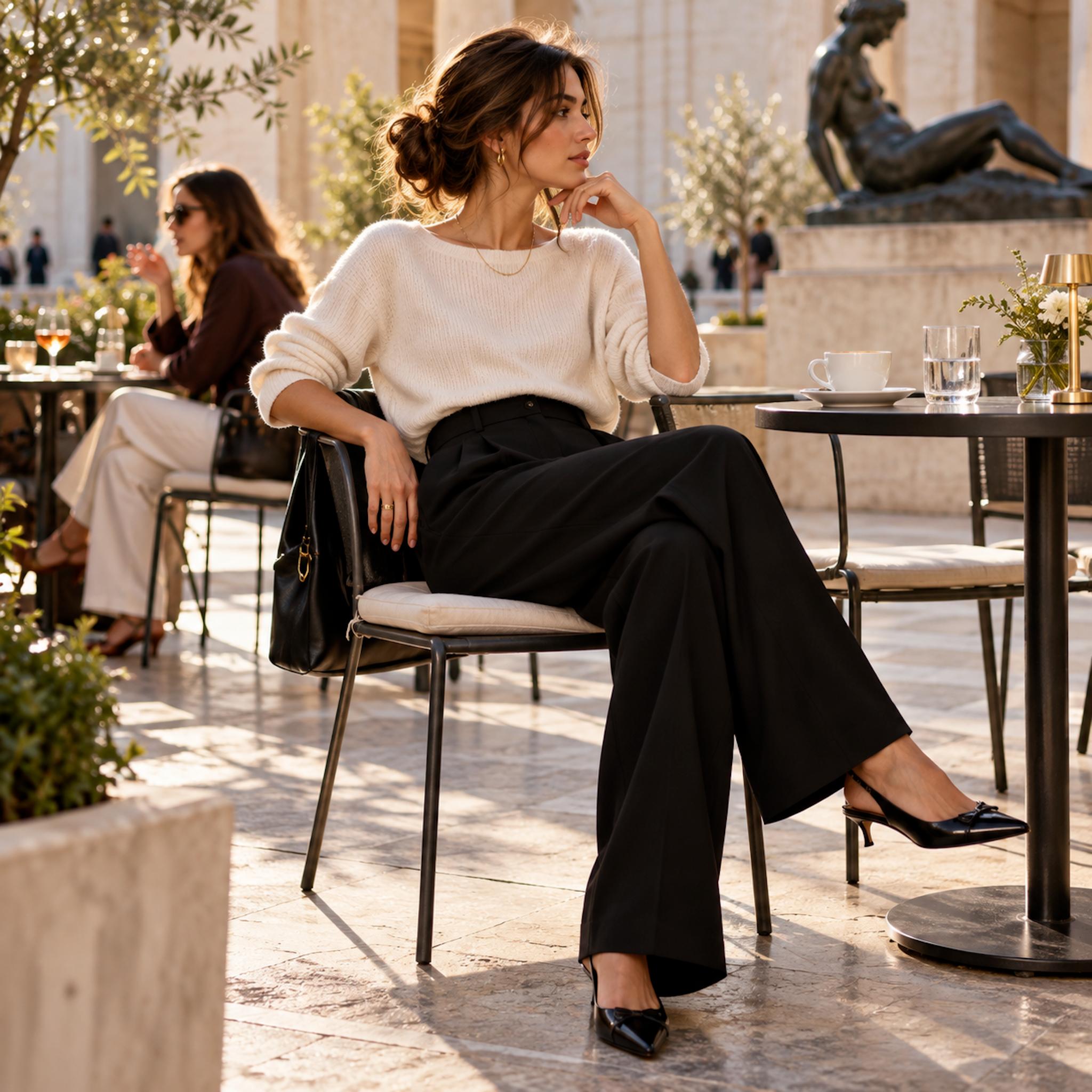
Black trousers deserve better than their reputation as emergency office clothing. Give them a higher rise, generous pleats and enough width through the leg and the same supposedly sensible garment suddenly has movement, shape and considerably more personality.
This pair gets there through proportion. The waist is clearly defined, the front pleats create room rather than bulk, and the leg falls wide enough to move instead of gripping the thigh. Paired with a soft ivory sweater rather than a matching jacket, they belong somewhere much more interesting than a quarterly meeting.
The test is drape. Good black trousers fall cleanly from the hip and keep that line through normal wear. Fabric that pulls horizontally or collapses around the knees can make even expensive tailoring look tired. Get the cloth right and black trousers become one of those rare classics that really can move almost anywhere.
33. White Sneakers That Don’t Scream ‘I Gave Up’
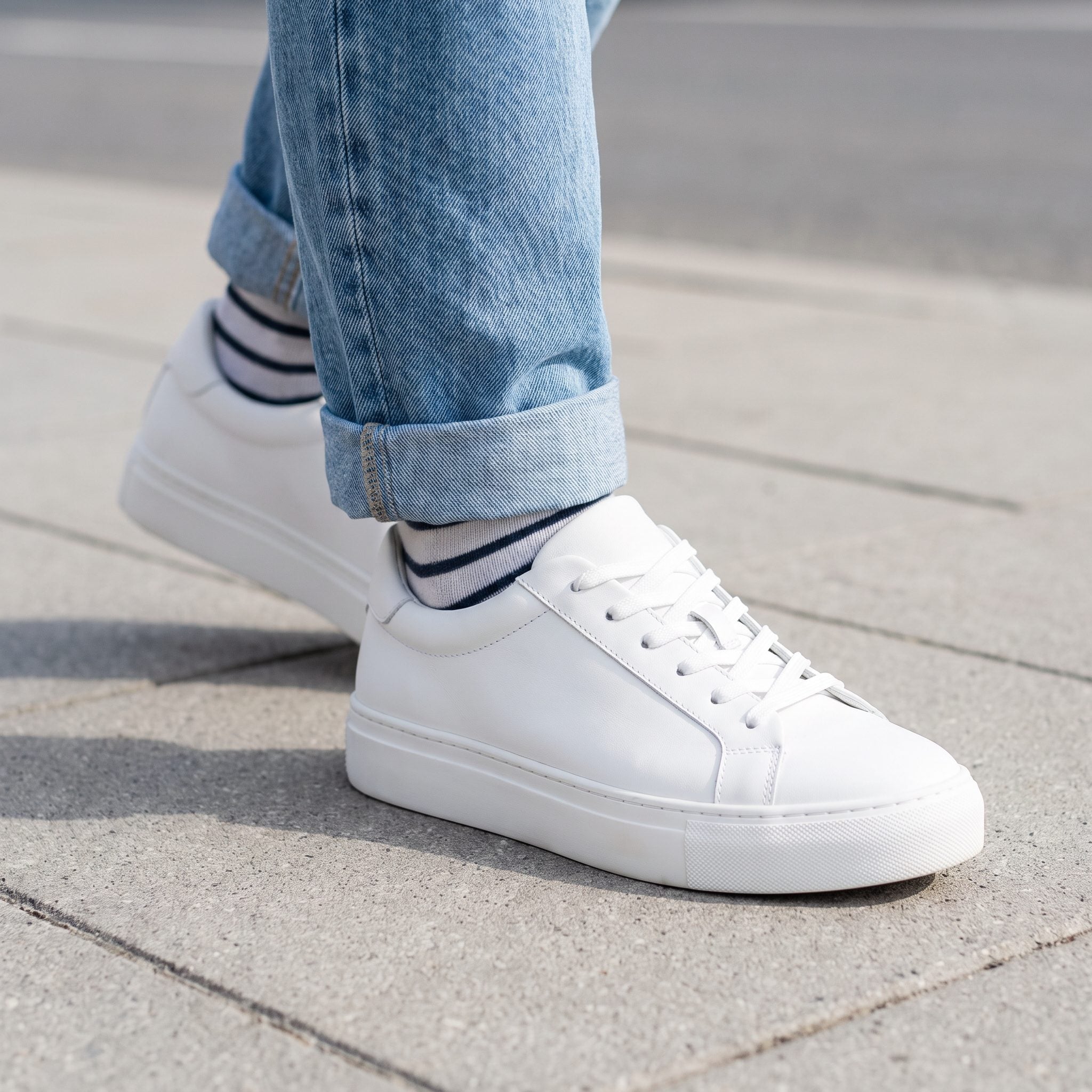
Leather changes the equation. Smooth white leather sneakers with cropped trousers have a cleaner surface and sharper outline than the average gym shoe, which lets them sit beside tailored clothing without looking accidental.
The catch is maintenance. White sneakers keep that crisp effect while the uppers, edges and laces stay reasonably clean. Once white becomes gray and heavily scuffed, some of the deliberate contrast disappears and the shoe begins reading considerably more casual.
32. The Little Black Dress: Overrated, Underrated, or Just Right?

Just right — when the fabric cooperates. A black dress in substantial crepe can skim rather than cling and gives the silhouette enough weight to look intentional. Thin jersey can expose every seam, line and underlayer the dress was supposed to simplify.
Then comes one heavy gold cuff. Against uninterrupted black, a single substantial piece of jewelry becomes much more visible than it would against pattern or color. Skip the pile of accessories. Let one thing interrupt the black.
31. A Denim Jacket You Can Layer Under and Over

The best argument for denim is that it plays two positions. Over a summer dress, it’s outerwear. Under a wool coat, it becomes a middle layer that adds texture and a narrow band of color where the coat falls open.
Here it sits between a black turtleneck and a gray coat, and the flash of mid-wash blue denim jacket breaks up a cool blue wardrobe built mostly from gray and black. The jacket is doing less as a coat than as punctuation.
Too stiff, too cropped or aggressively distressed and the versatility narrows quickly. Find one with enough ease to layer and this familiar piece earns its reputation the old-fashioned way: by being useful constantly.
30. The Crewneck Sweater That Has to Do More Than Sit Politely Over a Shirt
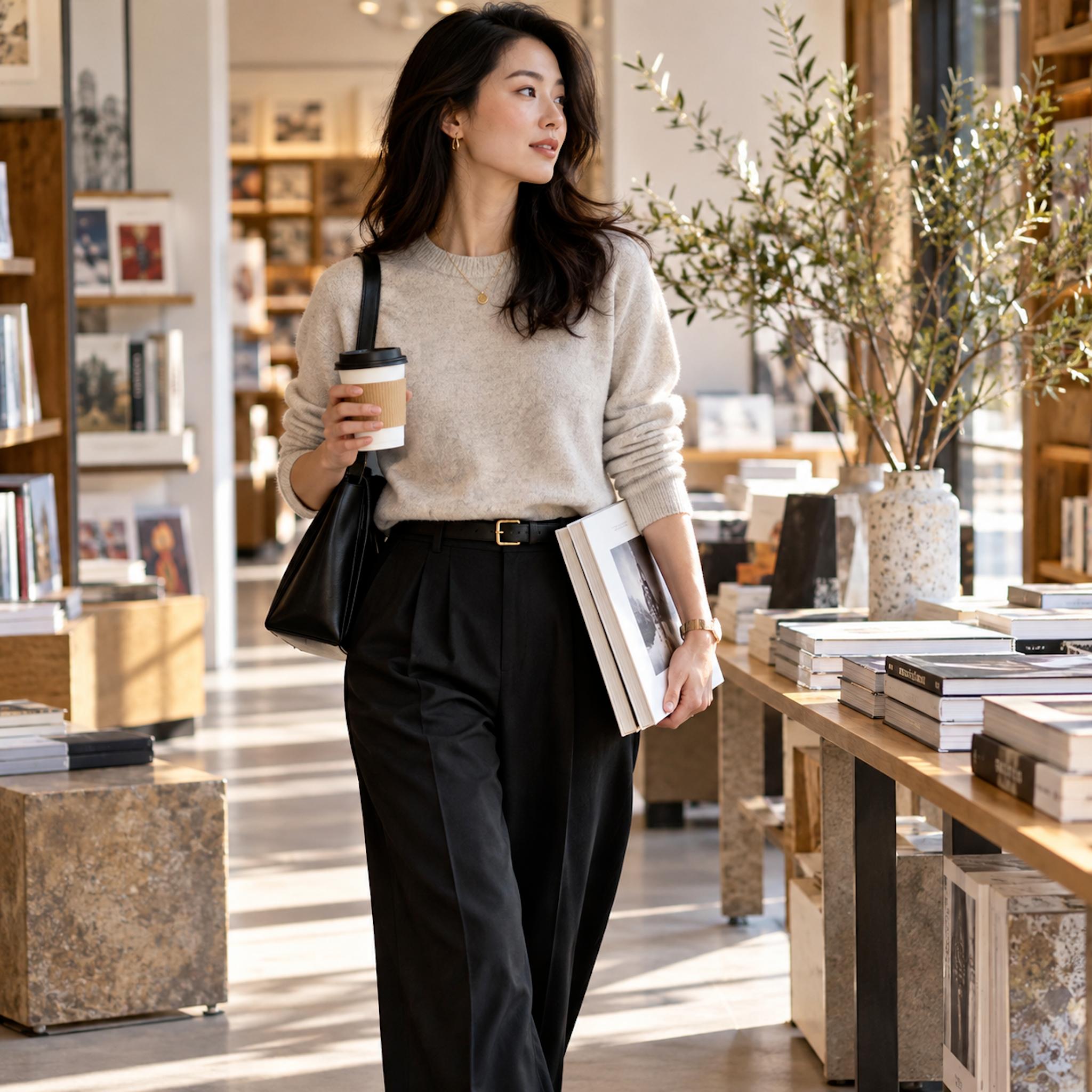
The plain crewneck may be the most undersold knit in the closet. No dramatic collar. No cable pattern. No cashmere mythology required. That also means the neckline, shoulder and hem have to do their jobs properly because there is nowhere for weak proportions to hide.
A softly structured crewneck worn directly against the skin feels much more current than the old formula of sweater over button-down. Here, the pale knit is tucked into high-waisted black trousers, sleeves casually pushed back, and the uncomplicated neckline leaves room for one fine necklace instead of a committee of accessories.
Watch where the shoulder seam lands and where the hem ends. A few inches in either direction can change the mood completely. Get those proportions right and this may be one of the least dramatic pieces in the gallery — and one of the most useful.
29. A Pair of Gold Hoop Earrings That Quietly Does More Than Expected
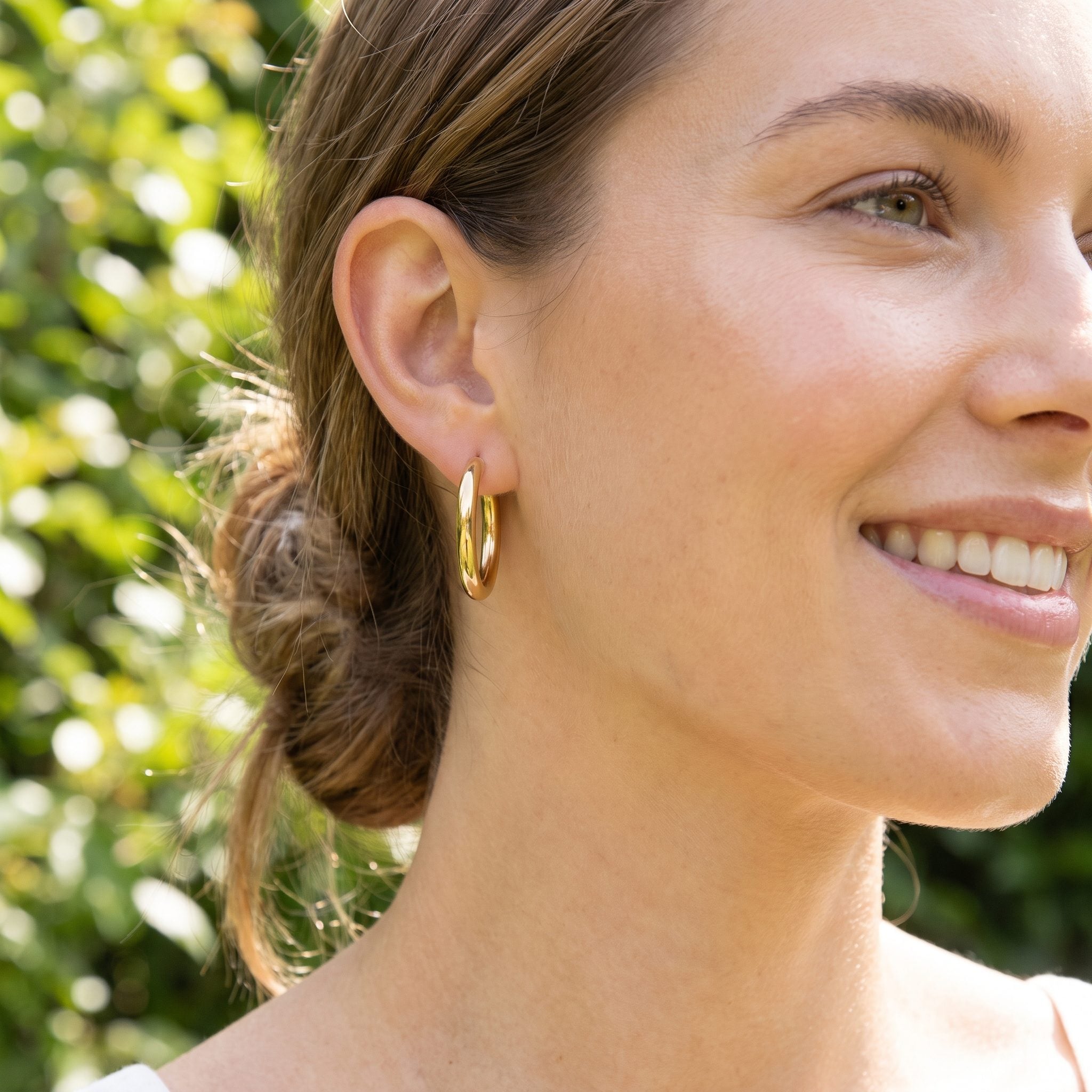
The medium hoop keeps earning its place because its scale is unusually useful: large enough to register near the face, small enough to avoid taking command of every outfit.
Warm gold hoop earrings can create a particularly nice contrast against gray or silver hair, while other complexions may look better with cooler metals. The universal part isn’t the metal color. It’s the simplicity of the shape and how often it can be worn without requiring another decision.
28. Wide-Leg Trousers That Move When You Move
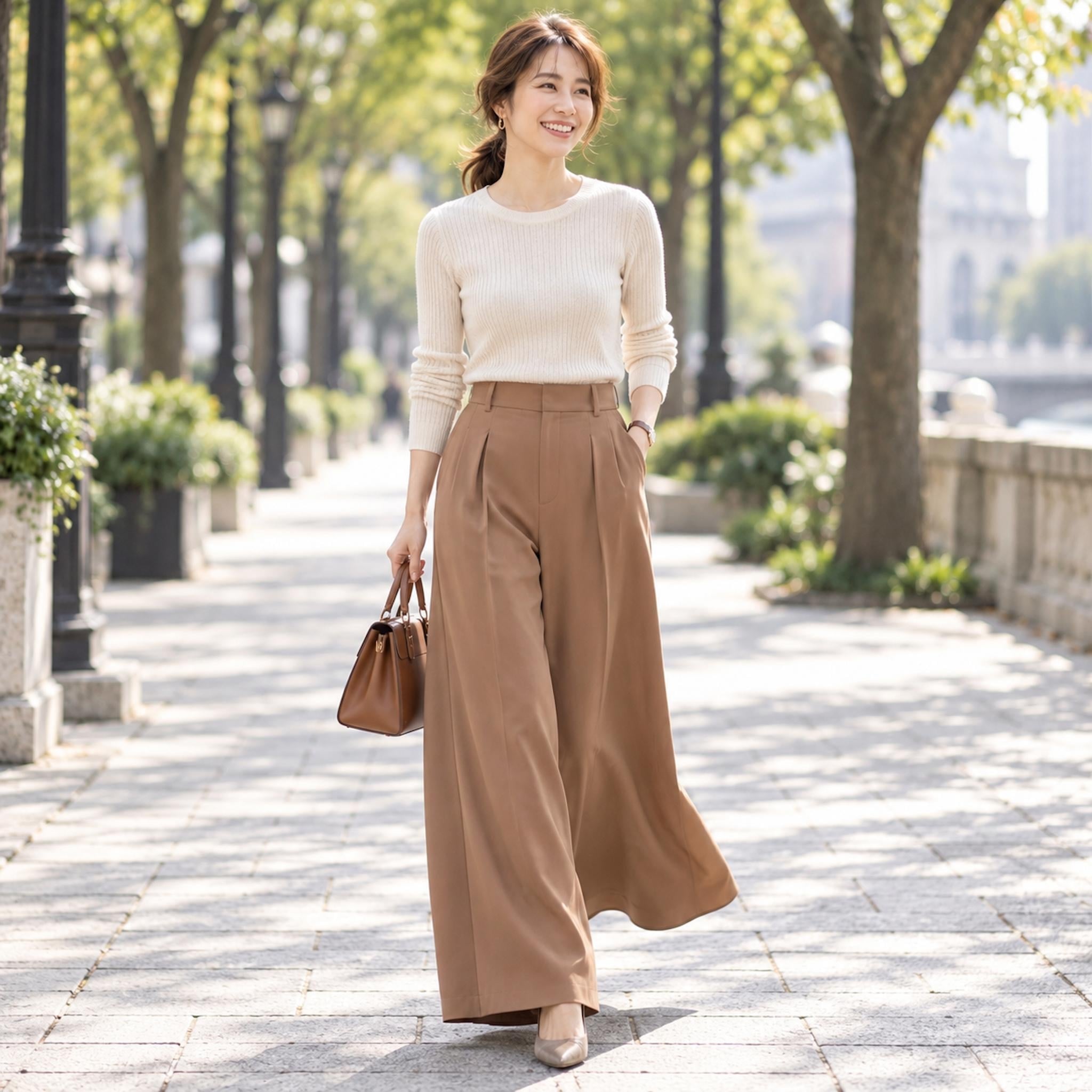
Wide trousers earn their space through movement. A good pair doesn’t merely hang wider than everything else in the closet; the fabric swings as you walk and then settles back into a clean line when you stop.
This particular combination keeps the upper half relatively close to the body, allowing the camel trousers to carry the volume. The fitted cream knit makes the high waist easy to read, while the full-length hem gives the leg one uninterrupted sweep toward the floor.
The fabric is decisive. Too stiff and the trousers become architecture. Too flimsy and all that volume loses its shape. With enough weight to fall cleanly, wide legs are less a trend than an argument for giving fabric room to move.
27. A Trench Coat You’ll Actually Reach For, Not the One Collecting Dust
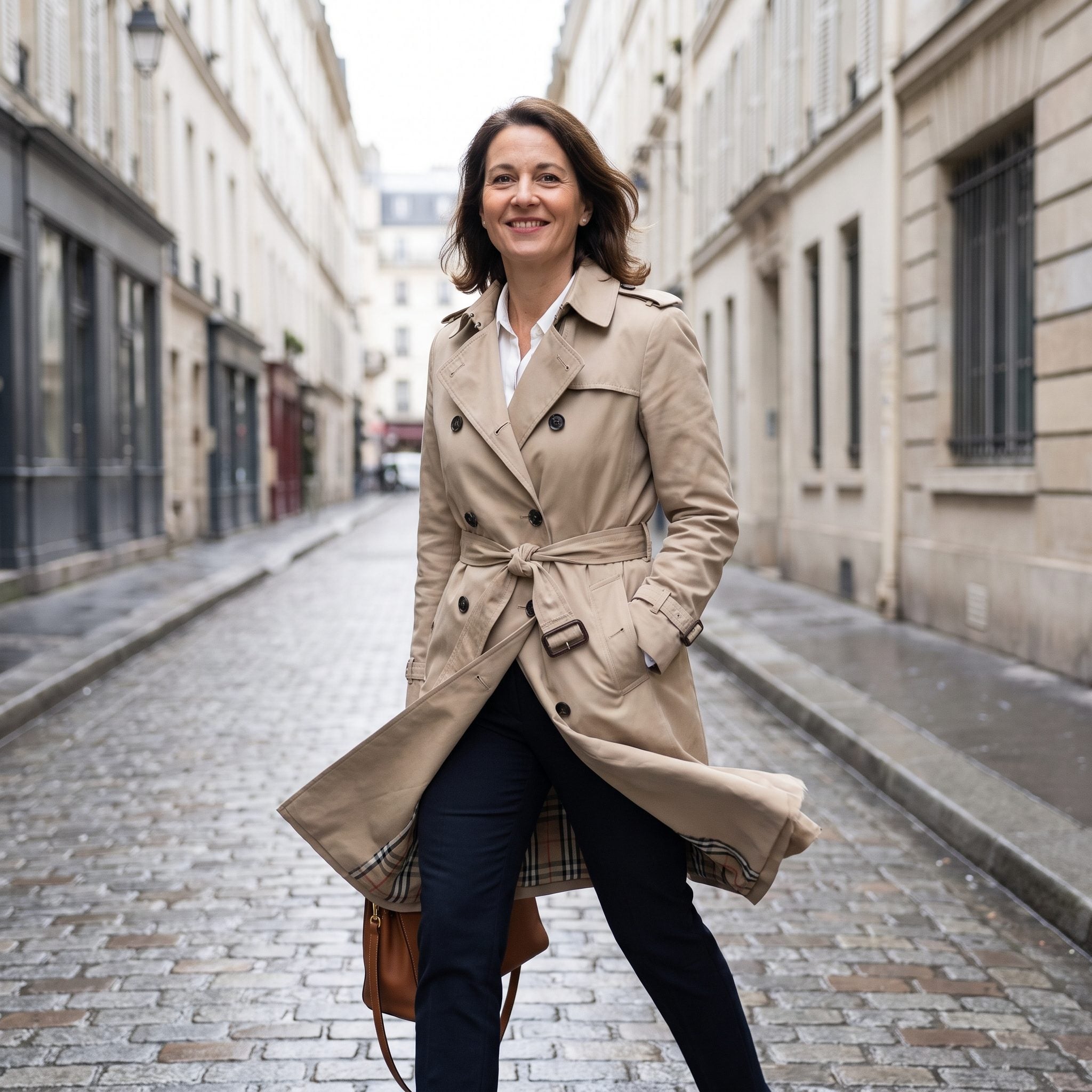
Knotting the belt instead of buckling it takes some of the ceremony out of a trench. The waist still gets definition, but the coat looks looser and less determined to stand at attention.
The bigger mistake is buying one so precisely fitted that a real sweater can’t live underneath it. Check the shoulders, then make sure there is enough room through the body and sleeves for layers. A trench should survive weather, bags, coffee runs and actual movement.
A few wrinkles aren’t a design failure. They’re evidence the coat left the closet. That alone gives the trench a healthy advantage over classics that spend their lives waiting for the right occasion.
26. The Ballet Flat Is Back — and There’s a Reason It Keeps Returning
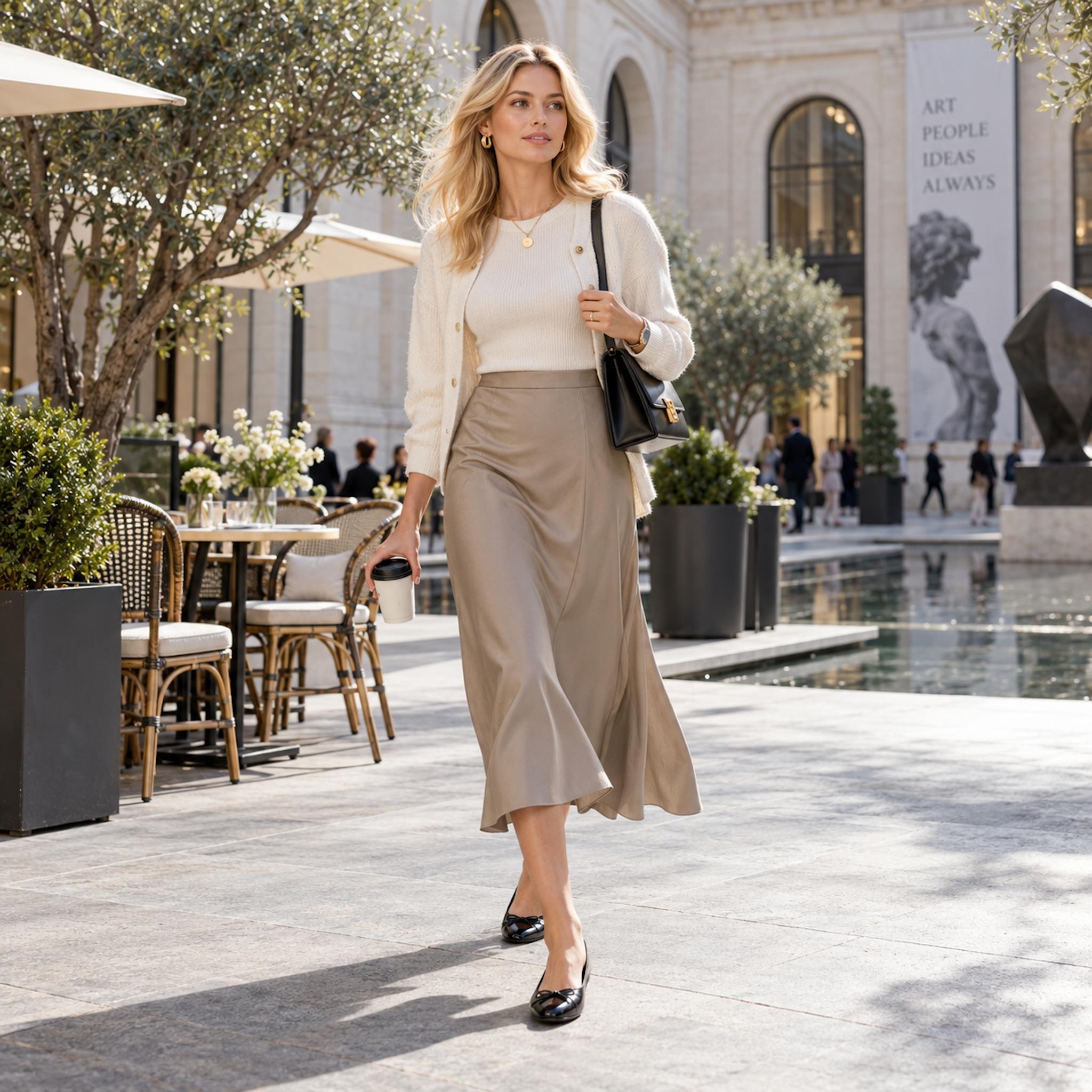
The ballet flat has one of fashion’s most persuasive résumés: familiar shape, easy proportions and almost no visual weight. That low profile lets it sit beneath cropped trousers and skirts without introducing much bulk around the foot.
The strongest versions give the toe some shape, stay securely on the heel and provide enough structure underneath to feel like an actual shoe rather than an envelope for the foot. In this outfit, the black flat works because the skirt stops above the ankle and leaves the shoe clearly visible.
Comfort is where individual pairs can fail the test. Too little support, a rigid heel or a cramped toe box can erase all that visual charm rather quickly. Find a well-built one and the return of the ballet flat starts looking less mysterious.
25. The Slip Skirt: Slippery Reputation, Serious Payoff
❤️ Would you like to save this?
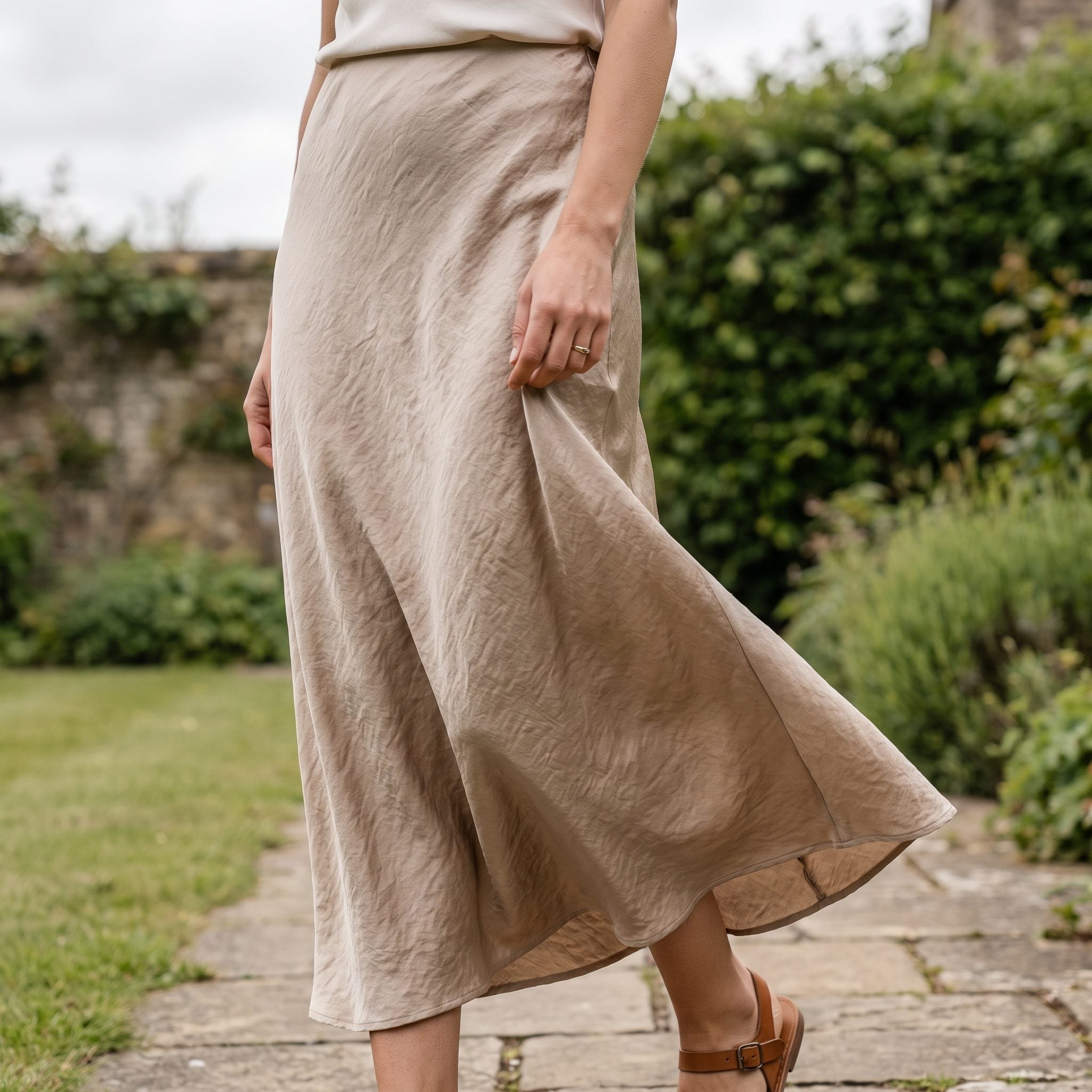
The satin slip skirt gets dismissed as difficult because shine and cling can make it feel too close to lingerie. Texture on top changes the conversation immediately.
A chunky oatmeal knit over a sage satin slip skirt sets dense wool against fluid satin. The half-tuck keeps the waist visible, while the opposing surfaces make the pairing look intentional instead of overly coordinated.
24. A Blazer That Fits the Shoulders First

The shoulder seam deserves first inspection because so much of the jacket hangs from it. Get that line right and nearly everything beneath it begins looking more intentional.
Sleeves can usually be shortened. A waist can often be shaped. The body may be taken in. Shoulder alterations are generally more involved and potentially expensive, which makes a charcoal tailored blazer with a convincing shoulder line a much better starting point. Over a white tee and jeans, that precise upper structure is what gives the casual pieces their counterweight.
23. The A-Line Midi Skirt That Makes Getting Dressed Surprisingly Easy
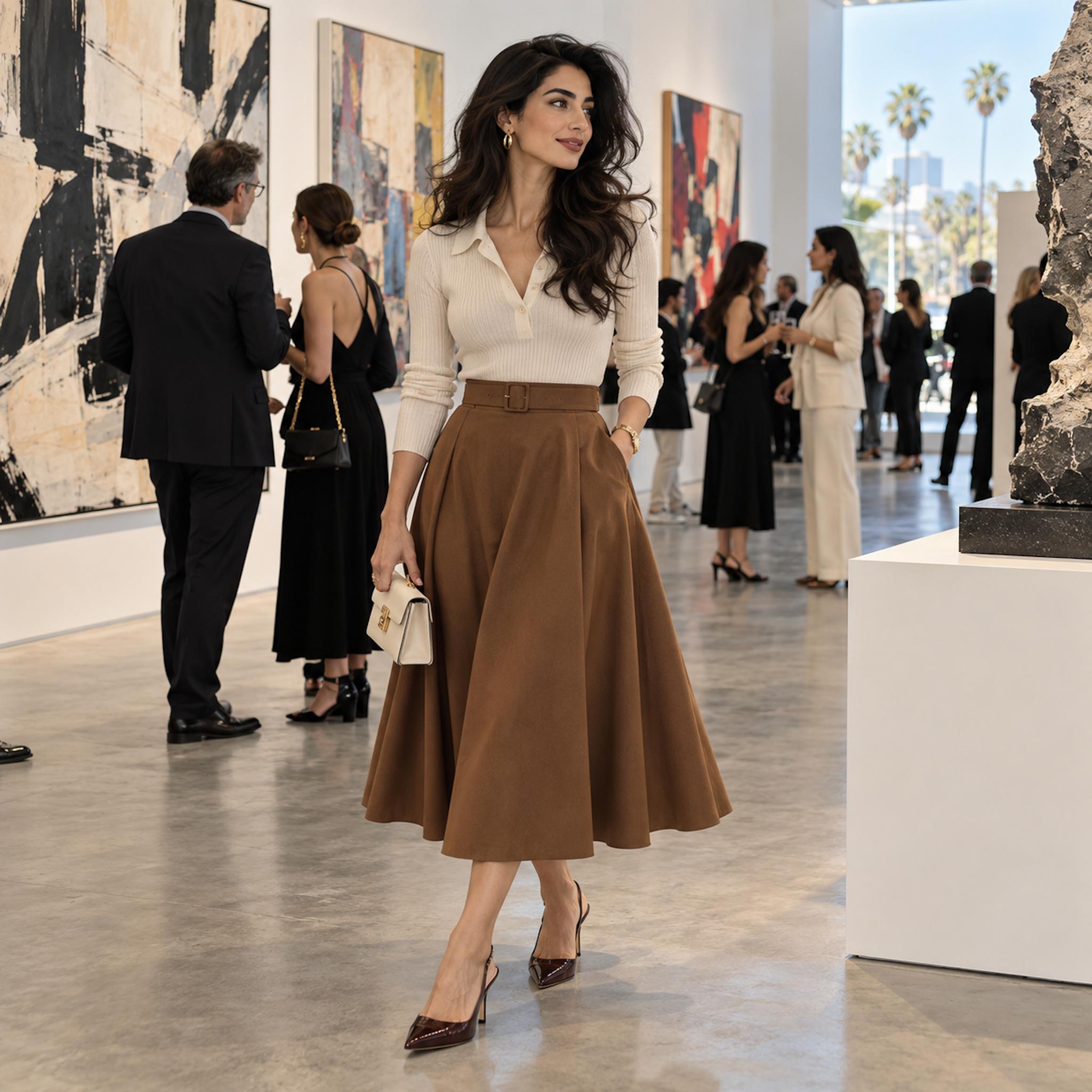
An A-line skirt gives the body room before you even start styling it. The waist stays defined, then the fabric gradually releases below it. That simple geometry explains much of the silhouette’s longevity.
This version has enough fullness to move at the hem without turning into a circle skirt, and the rich brown fabric gives the volume visual weight. A fitted ivory top keeps the waist visible while pointed shoes prevent the longer hem from feeling heavy.
The real advantage is how little negotiation it requires. Knit, tee, blouse, boot, flat, sneaker — most of the closet can approach without filing paperwork first. That’s a very strong performance from a skirt supposedly valued mainly for being “classic.”
22. A Cross-Body Bag Small Enough to Forget You’re Wearing
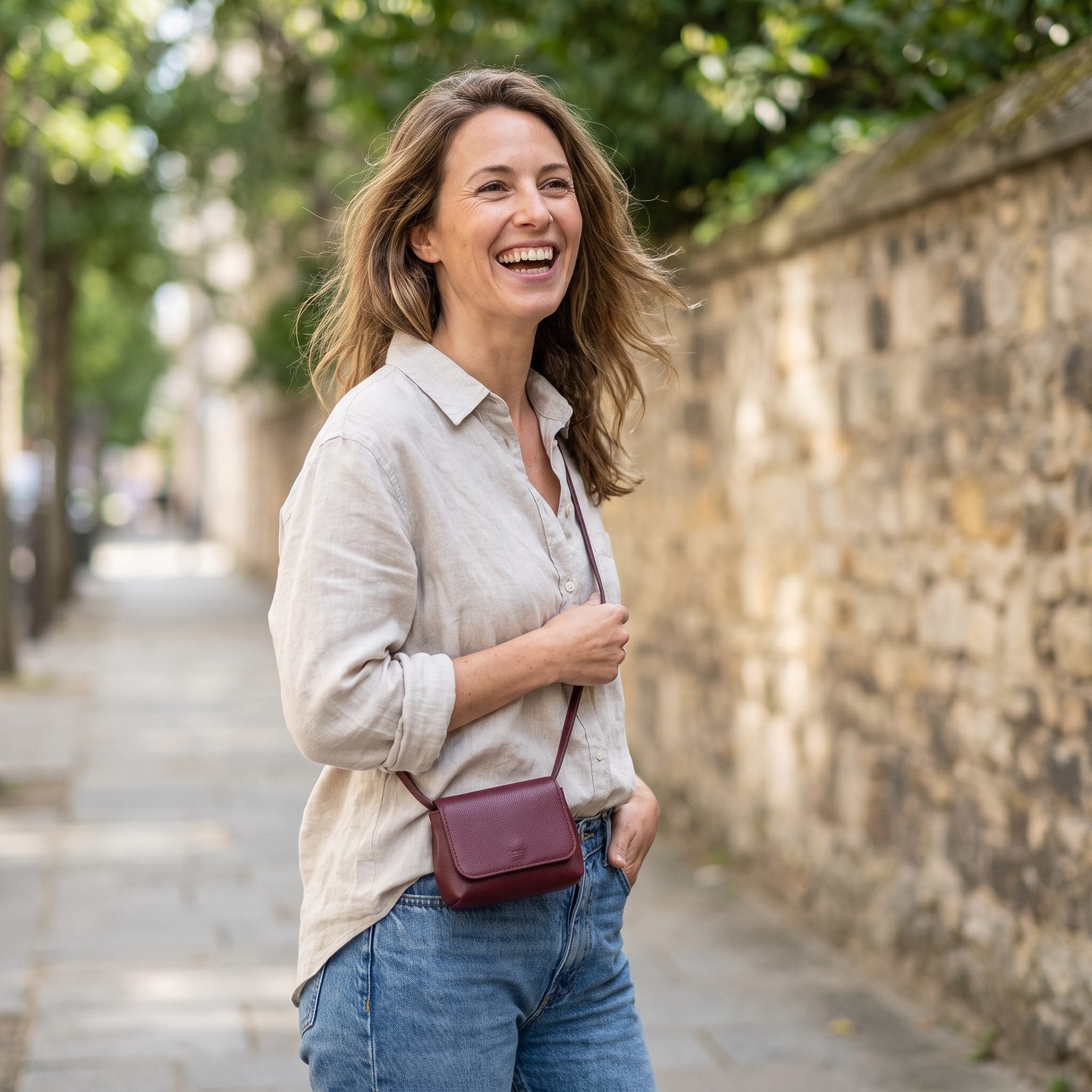
The appeal is ruthless editing. A burgundy pebbled cross-body roughly the size of a paperback forces the contents down to phone, keys, cards and whatever else can justify itself.
Worn high on the hip, the diagonal strap also breaks up the broad visual mass of a winter coat. Burgundy against charcoal does the rest: warm depth cutting across cool gray without the bag becoming the loudest thing in the outfit.
If you routinely travel with half the contents of a desk drawer, this may require negotiations. For everyone else, hands-free convenience is a fairly persuasive definition of essential.
21. The Cashmere Sweater That’s Worth Paying More For
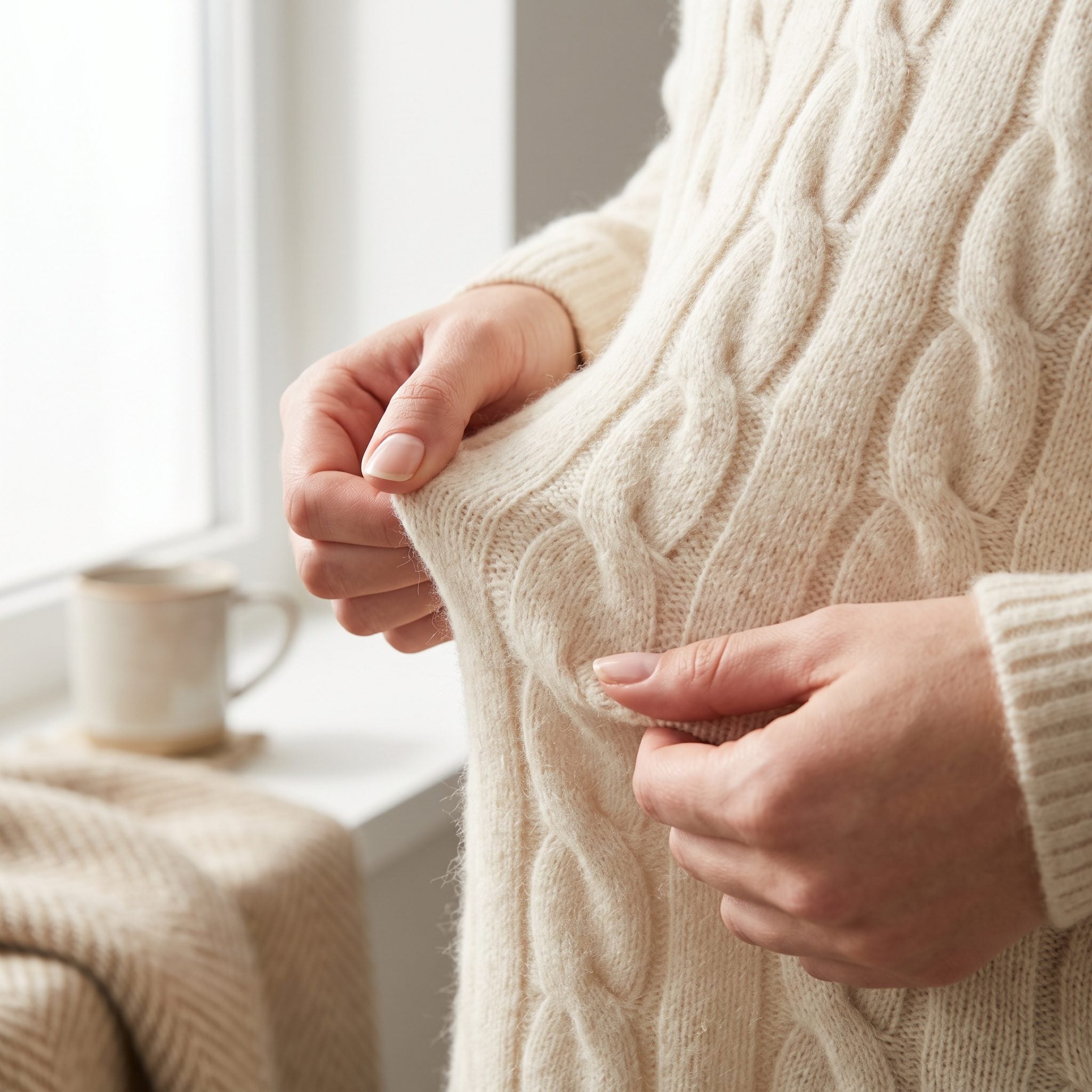
Cashmere doesn’t become good simply because the label says cashmere. Density, fiber quality, yarn construction and finishing all affect whether a sweater keeps its shape or turns into a pilled souvenir of its first winter.
Two-ply yarn can be a useful clue because two strands can create a fuller, more stable knit, but it isn’t a guarantee by itself. Look for a caramel cashmere sweater that feels substantial without being stiff, recovers when gently stretched and doesn’t immediately shed clouds of loose surface fiber. The warm caramel color is a bonus: quieter than orange, richer than beige.
20. The Utility Jacket That Somehow Became a “Classic” Without Anyone Announcing It
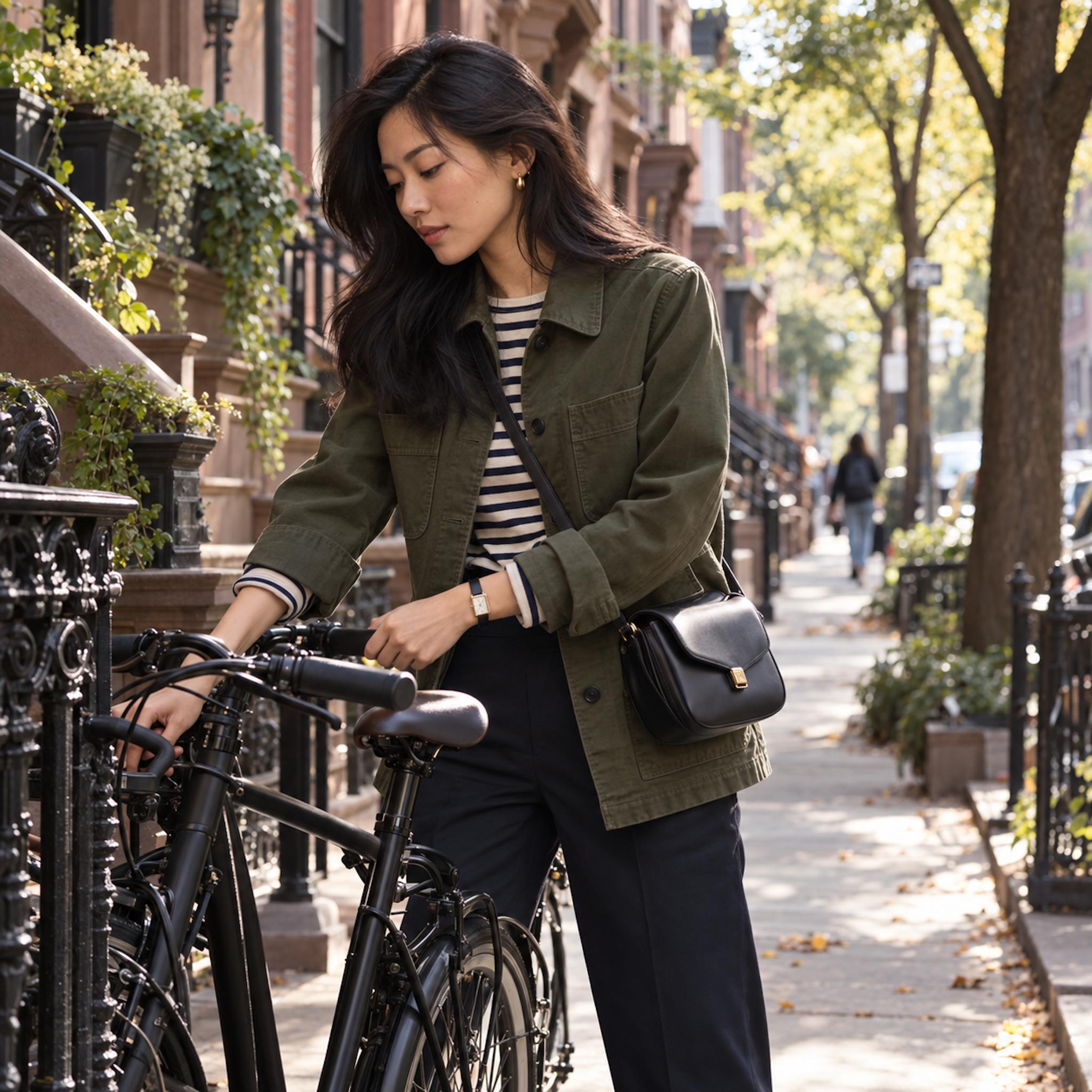
The utility jacket never received the ceremonial induction given to the trench or blazer. It simply kept showing up until one day it had apparently been in the closet forever.
Olive cotton is a large part of the appeal. It’s neutral without being beige, casual without looking athletic and especially good beside navy, black, denim, cream and stripes. Patch pockets make the jacket visibly practical, while the short, boxier shape keeps it from behaving like yet another coat.
Here, paired with a Breton-style stripe while a bike gets locked to a Brooklyn railing, the jacket looks exactly as convincing as it should: not precious, not dressed for an imaginary occasion, just extremely good at having somewhere to go. Quietly, it has earned every bit of that accidental-classic status.
19. Loafers: The Shoe That Does What White Sneakers Can’t
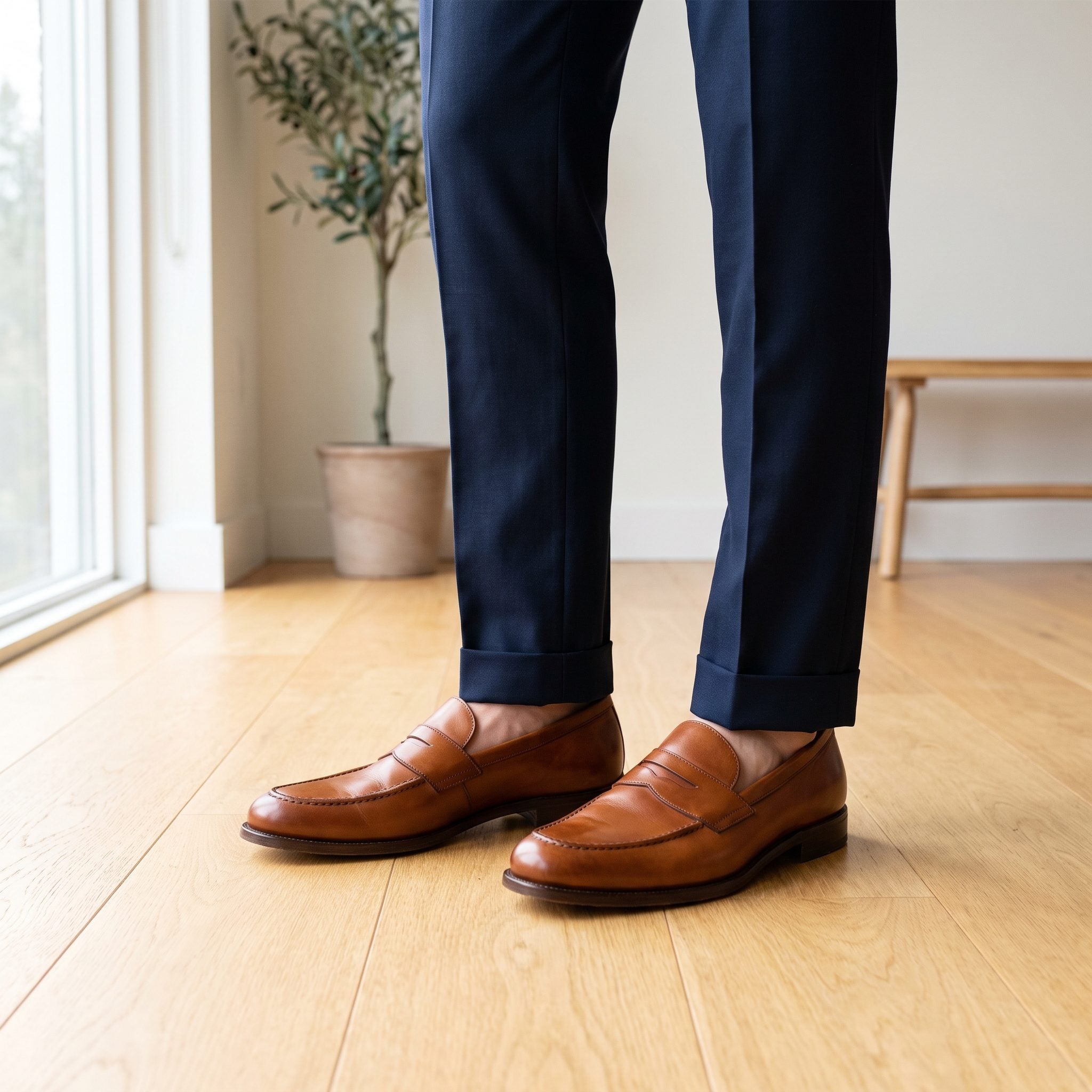
White sneakers don’t solve every casual-shoe problem. A cognac leather loafer can handle much of the same walking-and-trouser territory while giving the outfit a firmer edge.
A low stacked heel lifts the shoe slightly under a cropped trouser, and the polished apron toe adds more structure than a sneaker. Showing a little ankle keeps the combination light, though socks can work just as well when they’re treated as part of the outfit rather than something apologetically hidden.
18. The Midi Shirt Dress That Does Most of the Styling for You
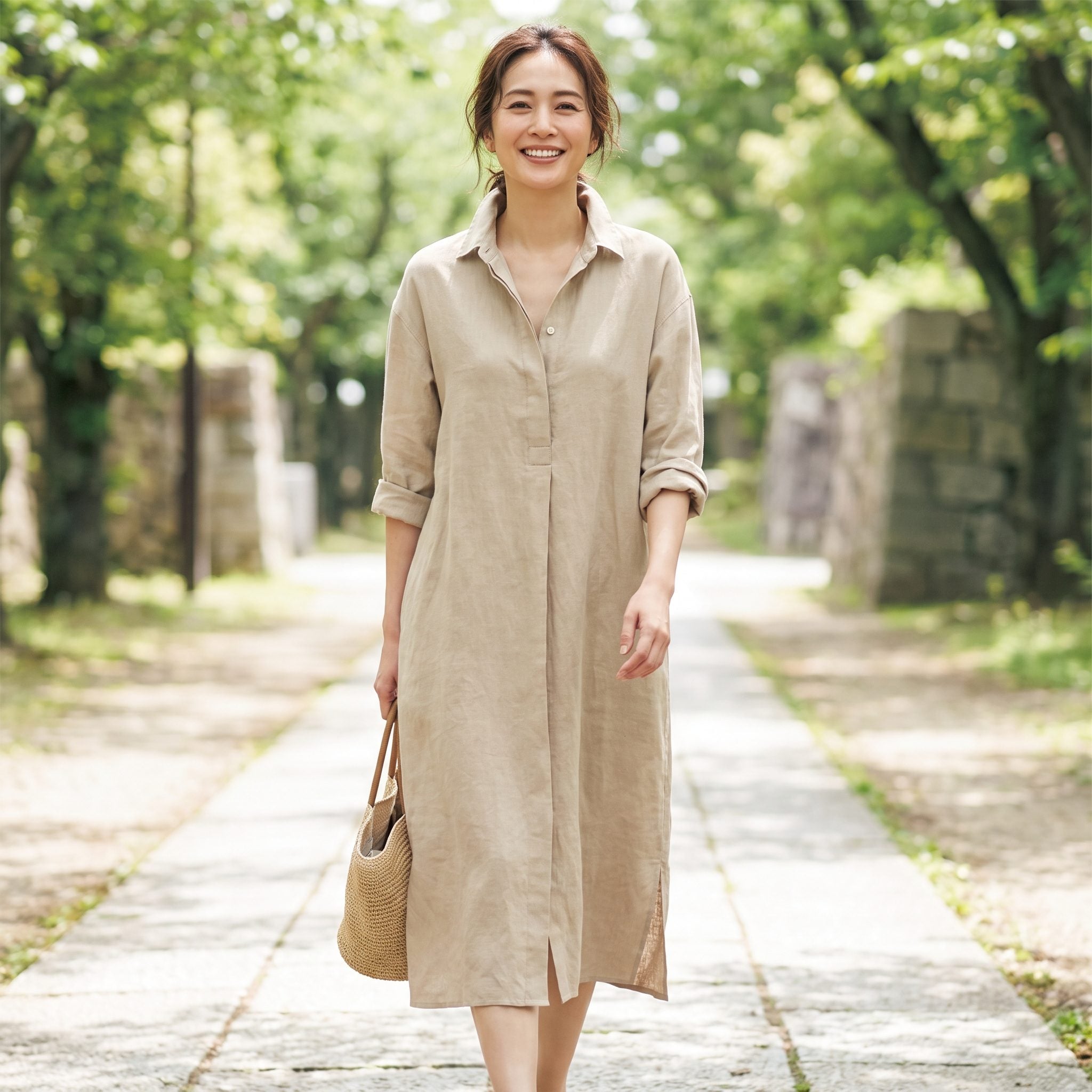
The shirt dress that looks uncomplicated is quietly using a lot of structure. Open collar, rolled sleeves, vertical buttons and a self-belt all give the eye somewhere specific to go.
Khaki keeps it warmer and less formal than white, without the visual severity of black. The important measurement is the hem. Midi can mean anything from just below the knee to much lower on the calf, and a few inches can change the proportion substantially. Roll the sleeves to the forearm and the dress loses some of its primness immediately.
17. The Knee-High Boot That Can Make Half a Winter Wardrobe Work Again
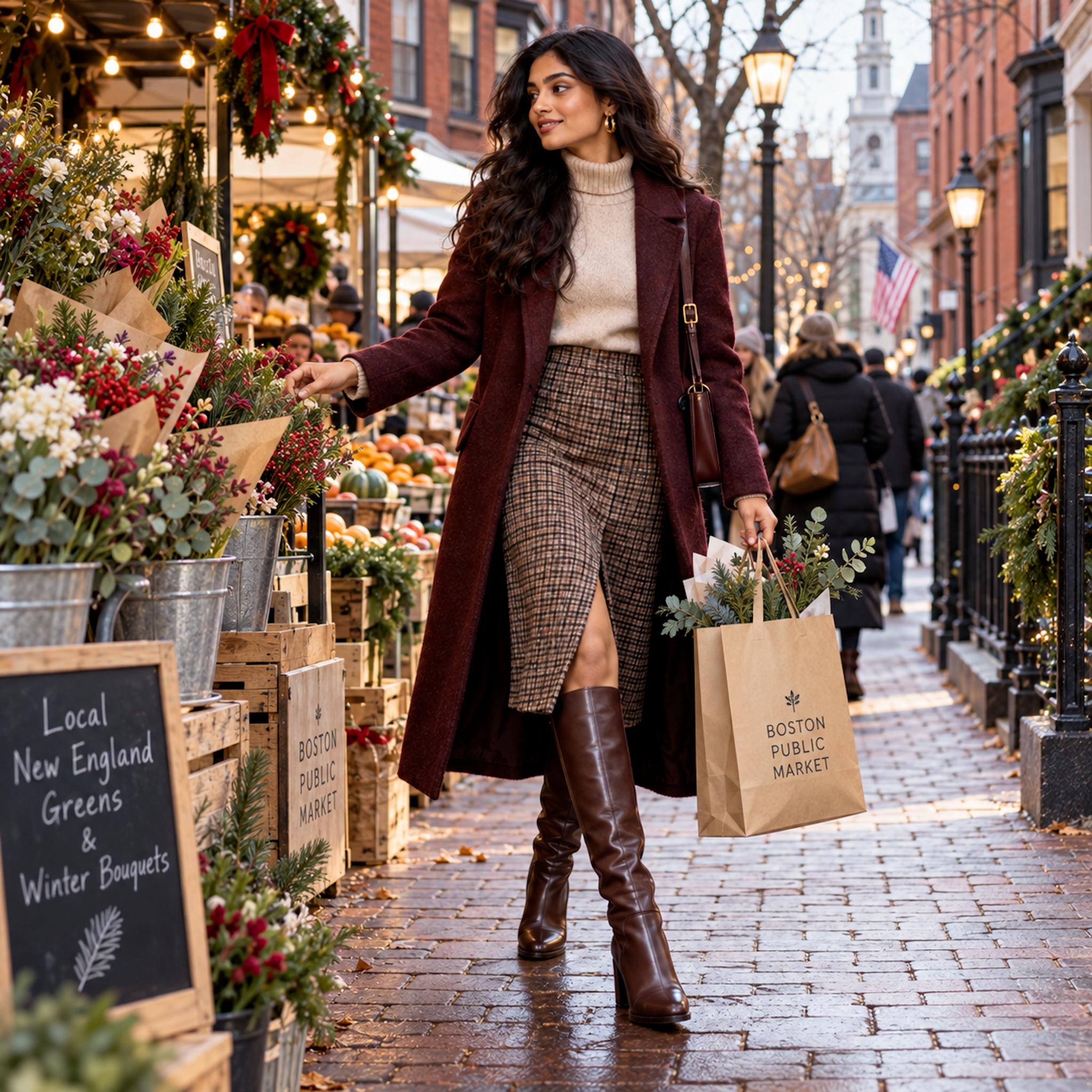
An ankle boot ends exactly where many winter outfits are beginning to get complicated. The knee-high boot solves a different problem by creating one continuous column through the lower leg.
Shaft fit matters. Too loose and the boot puddles; too tight and every skirt or tucked jean becomes an engineering problem. This brown pair sits close without gripping, then disappears beneath the checked midi skirt just enough to keep cold-weather practicality from interrupting the line.
That’s where the wardrobe value appears. Dresses that felt stranded in October, midi skirts that fought with shorter boots and slim trousers needing a winter destination suddenly have somewhere to go.
16. The Striped Breton Top That Never Really Left
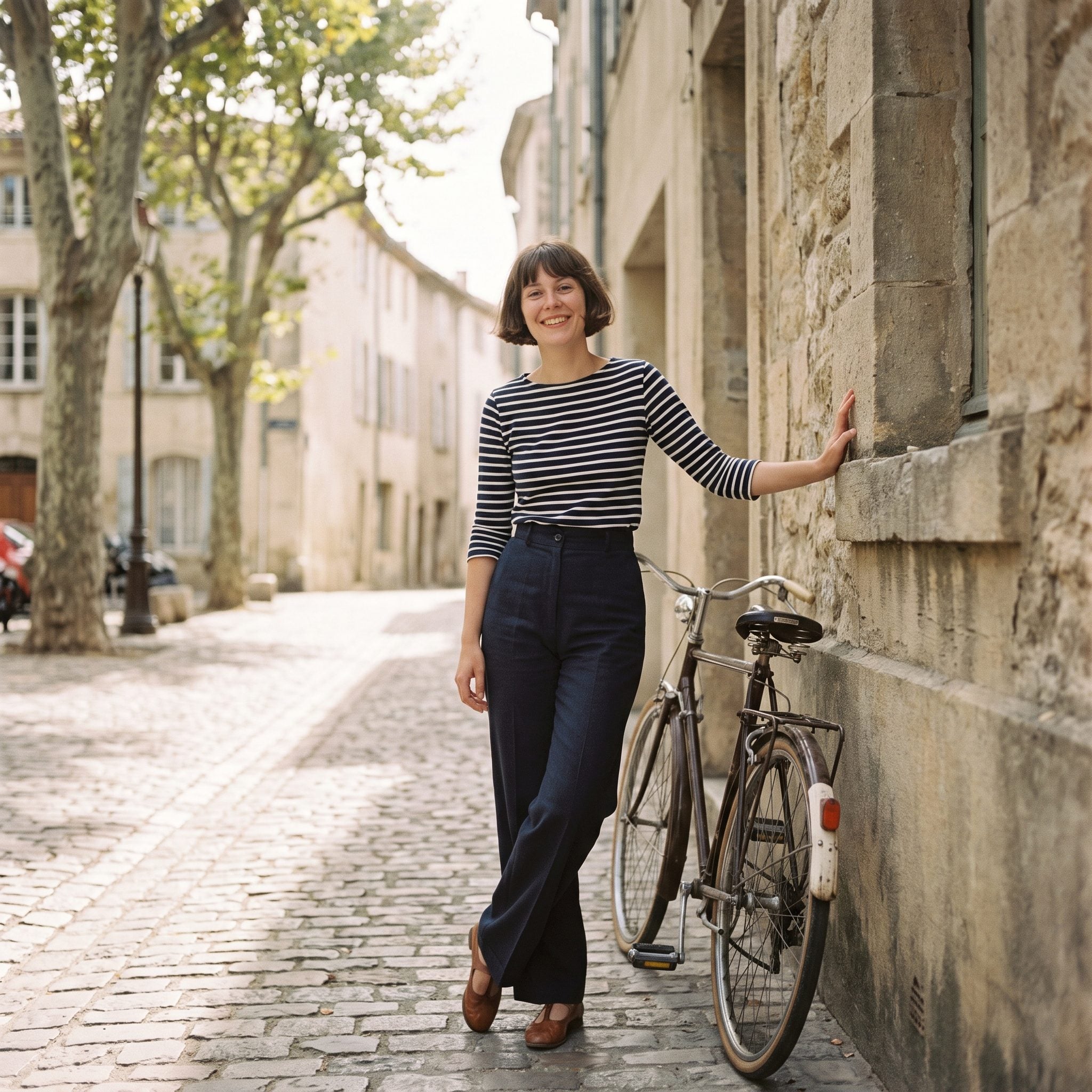
The Breton stripe owes its longevity partly to naval workwear and partly to generations of designers who realized that horizontal navy-and-cream stripes are remarkably difficult to exhaust. A striped Breton top tucked into cream linen trousers still looks current because the graphic pattern is simple enough to survive whatever decade surrounds it.
The boat neck matters too. It opens the neckline horizontally and echoes the direction of the stripes without adding another decorative idea. Roll the sleeves, keep the rest uncomplicated and let the geometry do the work.
15. Black Ankle Boots Built for More Than Standing Still
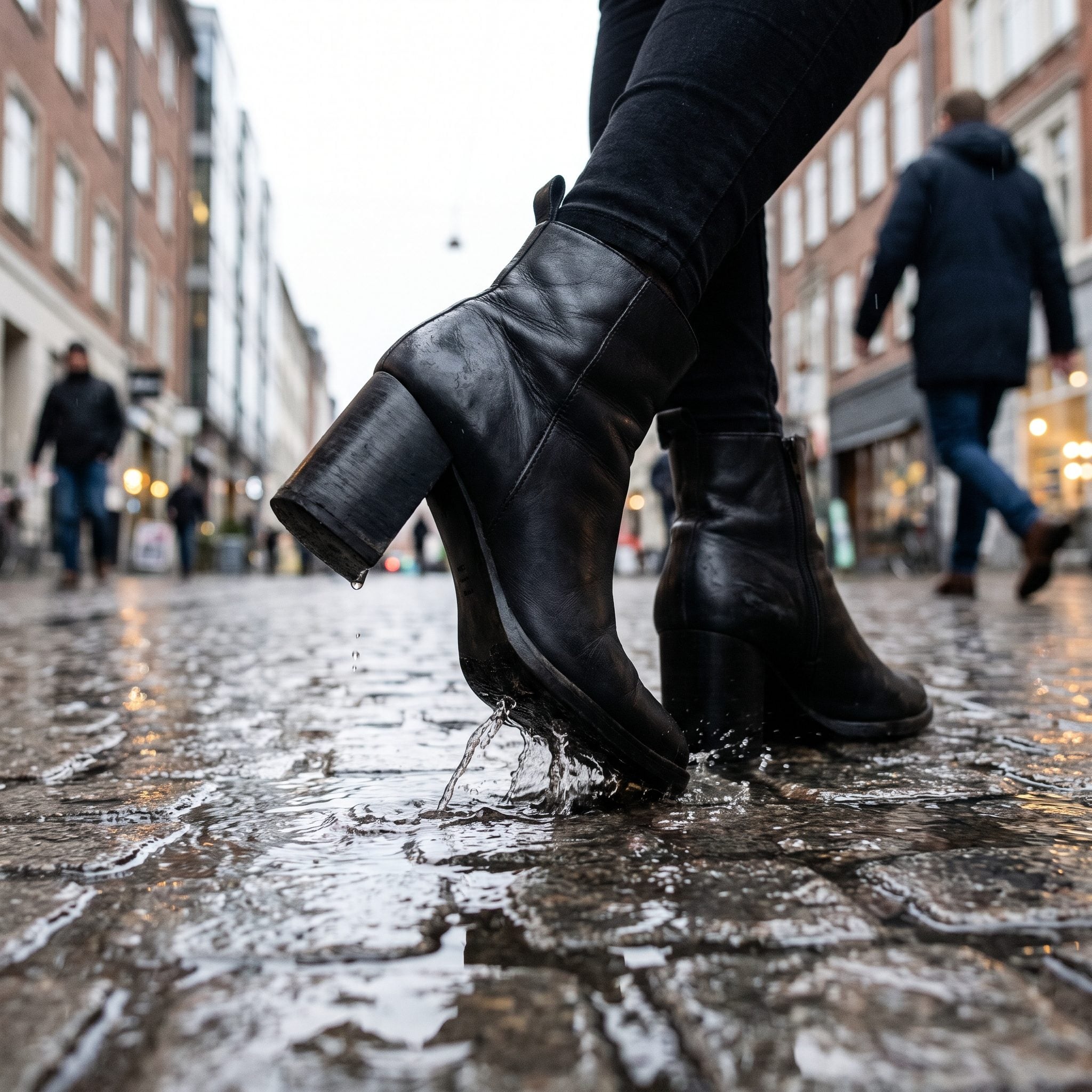
A low block heel gives these boots their argument. The wider base offers more stability than a narrow heel while still creating enough lift to sharpen the profile.
Pair black leather ankle boots with cuffed indigo trousers or jeans and the squared toe gets a clean reveal instead of disappearing under the hem. The effect is practical without looking aggressively practical, which is harder to achieve than footwear advertising would have you believe.
14. The Navy Blazer That Quietly Competes With Black for Most Useful Jacket
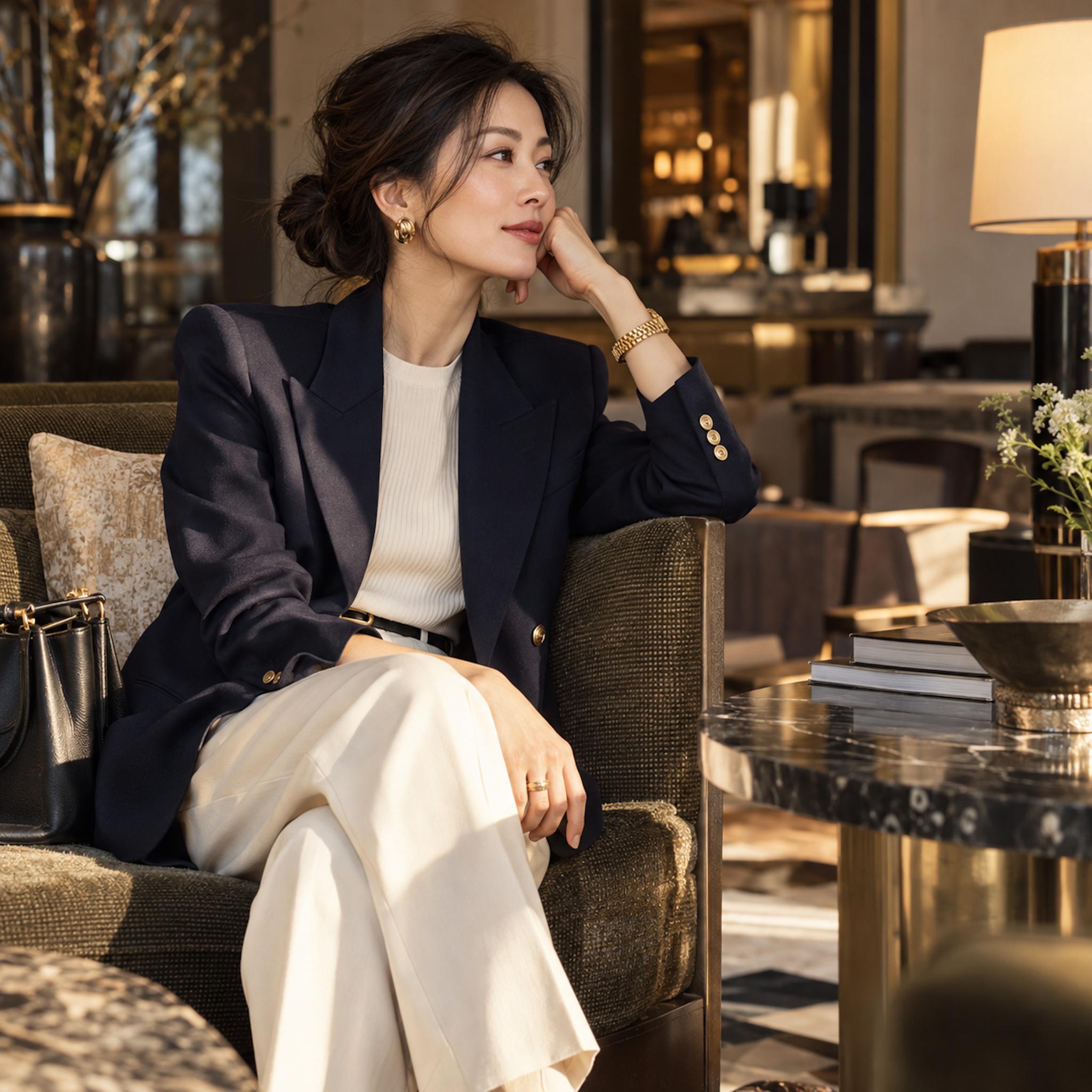
Black gets all the default-setting privileges, but navy may be the more accommodating jacket. It works with denim without disappearing into it, softens white and cream, and doesn’t create quite the same hard break against camel, khaki or brown.
The version here leans deliberately polished: structured shoulders, gold buttons, white ribbed knit, fluid cream trousers. Nothing about it says office because the pieces underneath refuse to cooperate with that interpretation.
If a black blazer sometimes feels like punctuation in boldface, navy is the same sentence with better manners. That’s a surprisingly persuasive reason to give it hanger space.
13. The Puffer Vest That Somehow Keeps Winning the Practicality Argument

❤️ Would you like to save this?
The puffer vest may never be the garment that launches a thousand runway retrospectives, but the basic engineering is excellent: warmth through the torso, complete freedom through the arms and enough layering flexibility to survive weather that can’t make up its mind.
Over a cream chunky rollneck, a forest green puffer vest gets most of its style from texture contrast. Matte quilted nylon against heavy cable knit gives the eye two distinct surfaces, while the stand collar frames the face and the dark green keeps the practical layer away from pure hiking-gear territory.
The risk is bulk. Oversized quilting layered over already-voluminous clothes can turn practical into marshmallow surprisingly quickly. Keep the underlying silhouette relatively clean and this supposedly unglamorous staple becomes one of those pieces people reach for far more often than they expected.
12. The White Button-Down That Refuses to Cooperate After One Wash

The half-tuck is doing the heavy lifting. It interrupts the long vertical line of the shirt at the high waist, so the outfit stops feeling uniform-like and starts looking deliberately proportioned.
The harder truth is that white exposes weak fabric mercilessly. Thin cotton can turn translucent, collars lose authority and puckered seams suddenly become impossible to ignore. A crisp white cotton poplin shirt is one good route because poplin can hold a clean line without much bulk, but construction matters as much as fabric name. The goal is a shirt with enough substance to remain a shirt after laundry day, not a rumpled suggestion of one. The rest are your black wardrobe problem in reverse.
Get the cloth and construction right, though, and few pieces repay the effort more often. The white button-down still works because it can be crisp, loose, half-tucked, layered, rolled at the sleeves or left open over something softer without losing its identity.
11. A Belt That Earns Its Place by Changing the Outfit
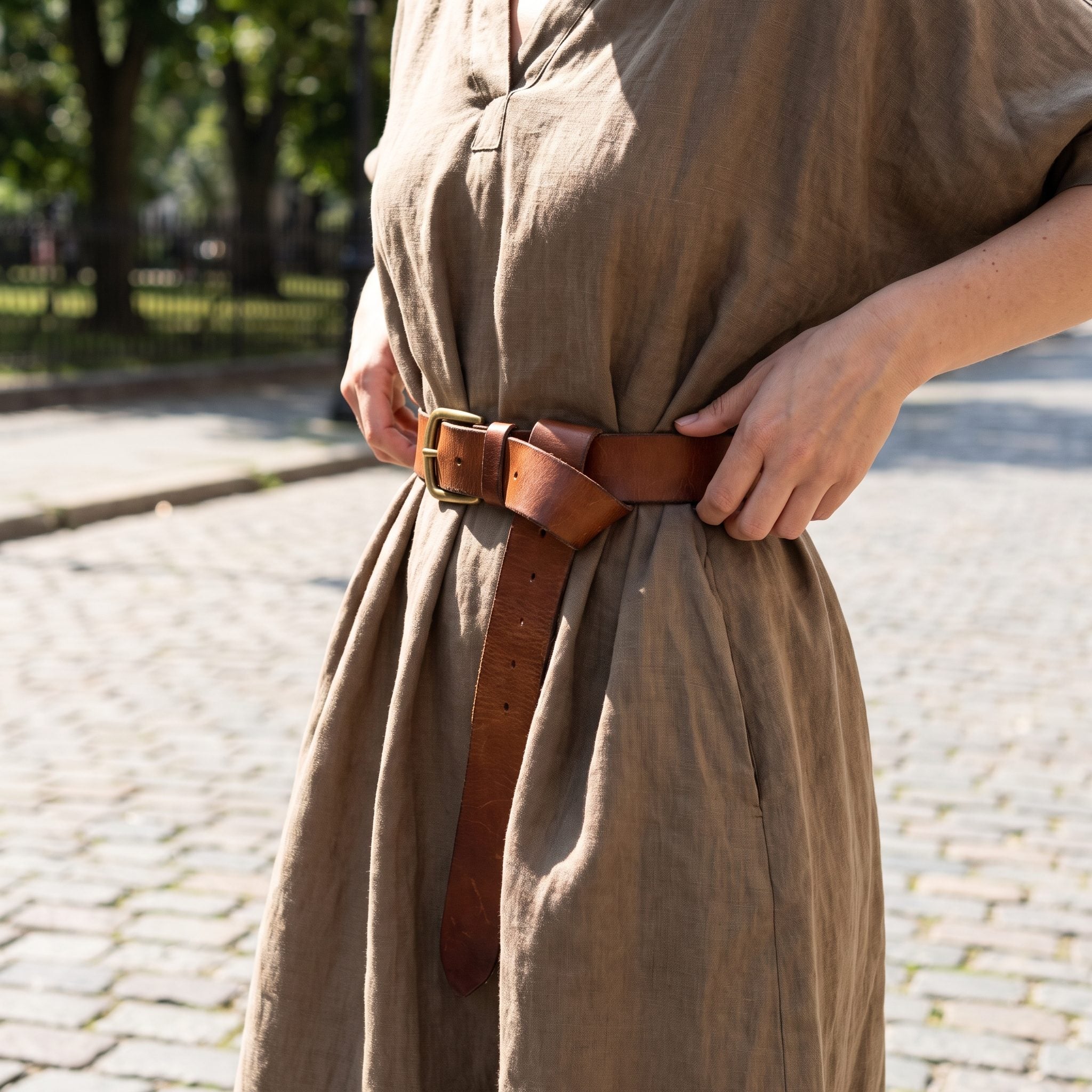
A belt becomes useful when removing it would noticeably change the silhouette. An oversized linen shirt can hang as one broad rectangle; add a wide tan leather belt, and the outfit suddenly has a waist and a clear relationship between upper and lower halves.
The brass buckle gives the eye a focal point near the center of the body, while the leather provides enough visual weight to stand up to all that fabric. Decorative belts can be charming. This one is earning rent.
10. The Pencil Skirt Everyone Used to Call Essential — and Why It Still Has a Case
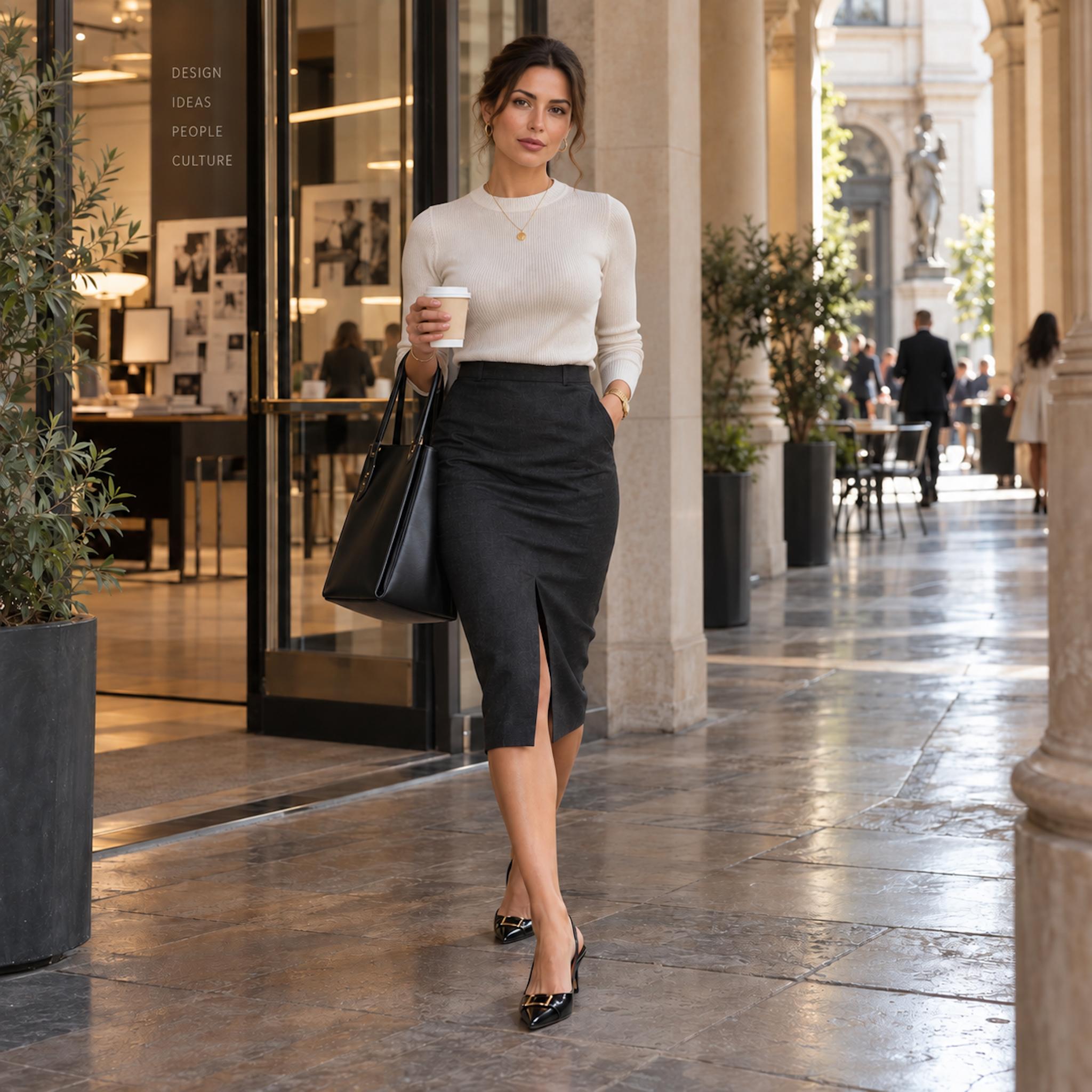
There was a time when the pencil skirt appeared on essential-wardrobe lists with the inevitability of taxes. Narrow, knee-length and sharply controlled, it became shorthand for polished dressing long before wardrobes became quite so relaxed.
This version shows why the shape hasn’t disappeared. A high waist creates a strong vertical line, the charcoal fabric keeps the silhouette crisp, and the front slit gives a narrow skirt enough movement to avoid feeling overly formal. Paired with a close ivory knit and slingbacks rather than a matching suit jacket, the shape feels decidedly current.
Is it still mandatory? Probably not — very little in a modern closet is. But for anyone who likes clean tailoring and a sculpted silhouette, the pencil skirt isn’t surviving on nostalgia. It still knows exactly what it does well.
9. The Turtleneck That Doesn’t Make You Feel Strangled

Fine-gauge merino is one answer for anyone who dislikes the bulk of a heavy rollneck. A thinner, softer knit can fold around the neck instead of building a rigid collar against it.
Tucked into chocolate wide trousers, the camel knit creates a tonal column without becoming monochromatic mush. The browns are related but not identical, so the variation comes through depth, texture and value rather than an abrupt color change. A slim gold chain provides the only real shine.
8. The Classic Watch That Outlasts the Trend Cycle
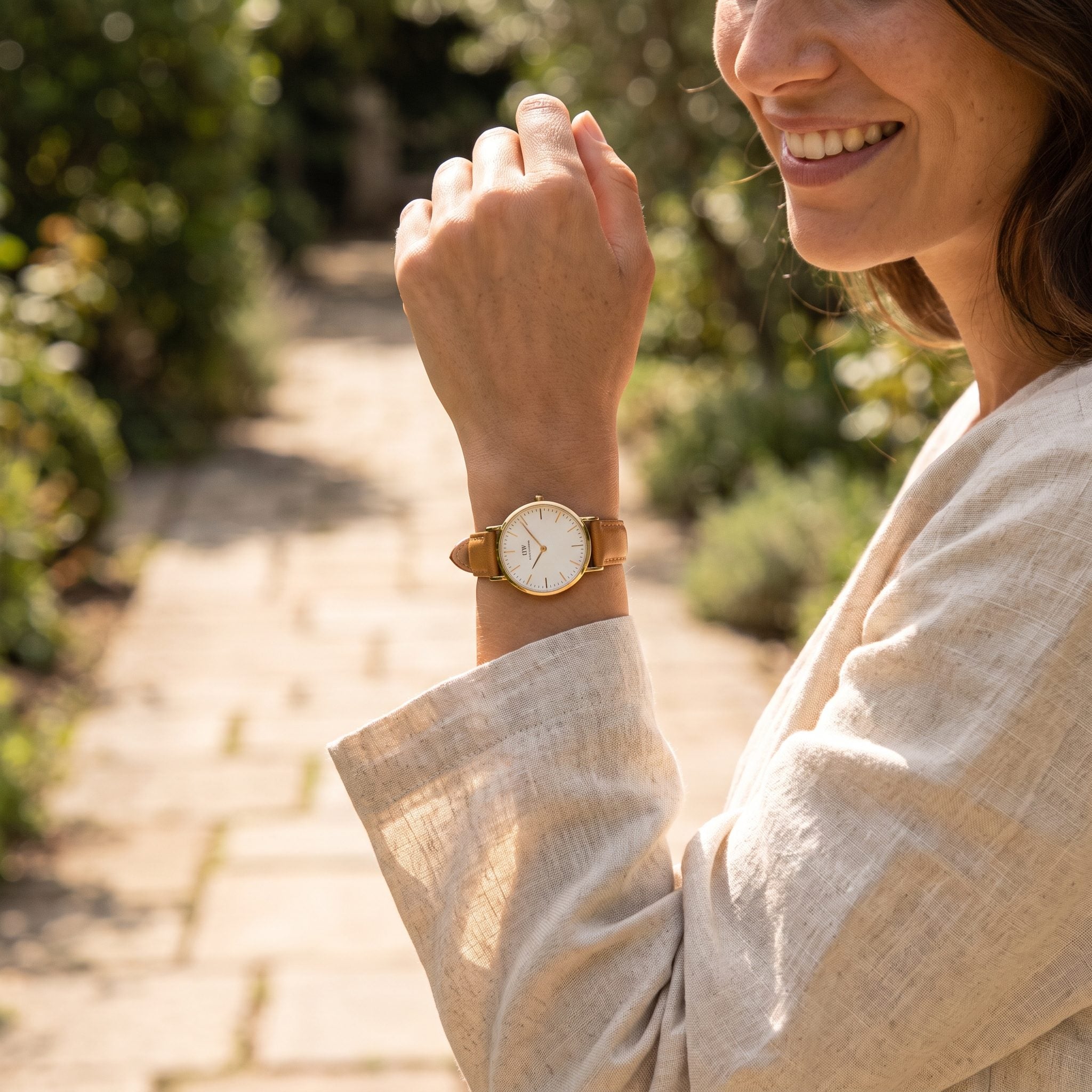
Trends usually announce themselves. A slim watch with a clean white dial and fine gold-tone mesh band barely raises its voice, which is one reason the basic combination survives so many fashion swings.
Stack it with two narrow bangles beneath a pushed-up shirt cuff and the watch becomes jewelry with a job. The useful distinction isn’t old versus new. It’s whether the proportions are restrained enough to keep working once the trend around them changes.
7. A Chunky Knit Cardigan for the In-Between Days
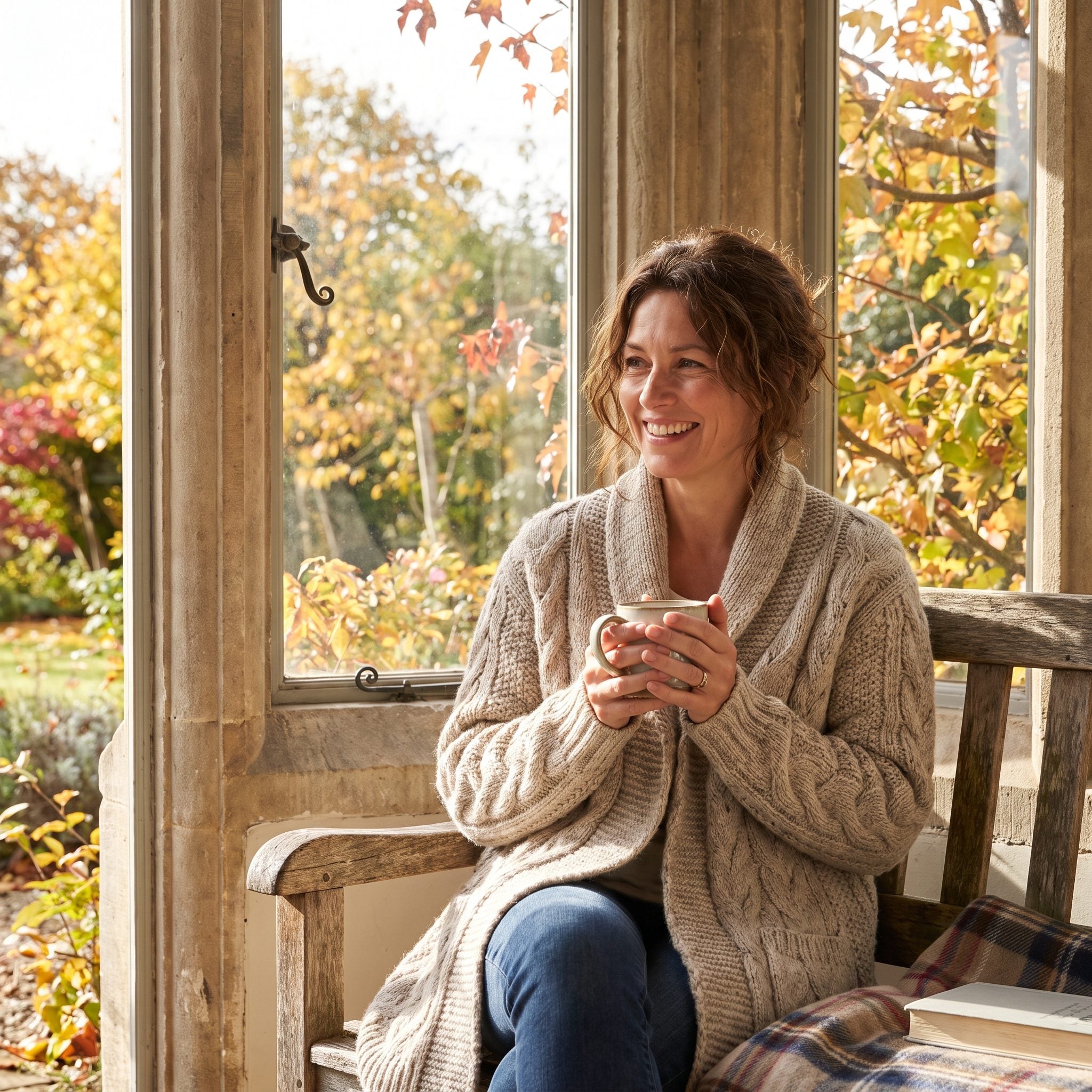
An oatmeal cable-knit chunky cardigan over a white tee and faded jeans exists for weather that refuses to commit. Too warm for a coat, too cool for shirtsleeves — this is the useful middle.
The cardigan already provides plenty of bulk, so the simple tee and straighter jeans underneath keep the outfit from becoming one uninterrupted pile of knitwear. Tan suede loafers warm the lower half and keep all that oatmeal from drifting into pajama territory.
Some classics survive because they’re glamorous. The cardigan survives because everyone eventually encounters a day that’s 58 degrees at breakfast and 72 by lunch.
6. Pointed-Toe Pumps That Don’t Require a Survival Strategy
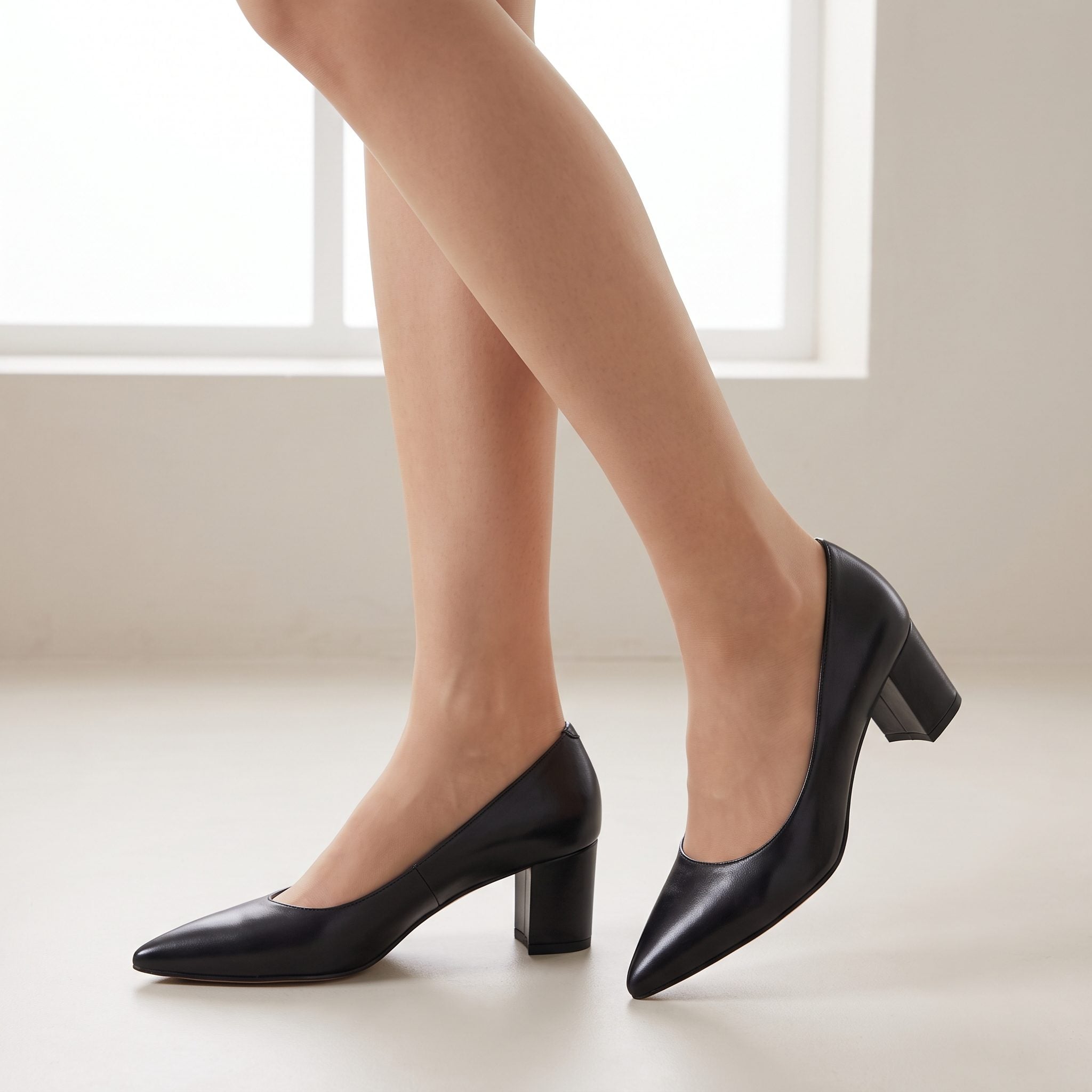
A moderate block heel can preserve much of the visual lift people want from a pump without asking a narrow heel to carry the entire evening. Two inches happens to be a useful height for many wearers, though comfort depends far more on the individual shoe and foot than any universal number.
In a skin-adjacent neutral, pointed-toe pumps reduce the visual interruption between trouser hem and foot. Cropped black trousers give the pointed shape room to register without turning the shoe into the entire event.
The test is brutally simple: if they look wonderful only while sitting down, they aren’t useful shoes. A well-shaped toe box and a stable heel give the classic pump a much better chance of earning regular wear.
5. A Structured Leather Tote That Holds Its Shape Before It Holds Your Life
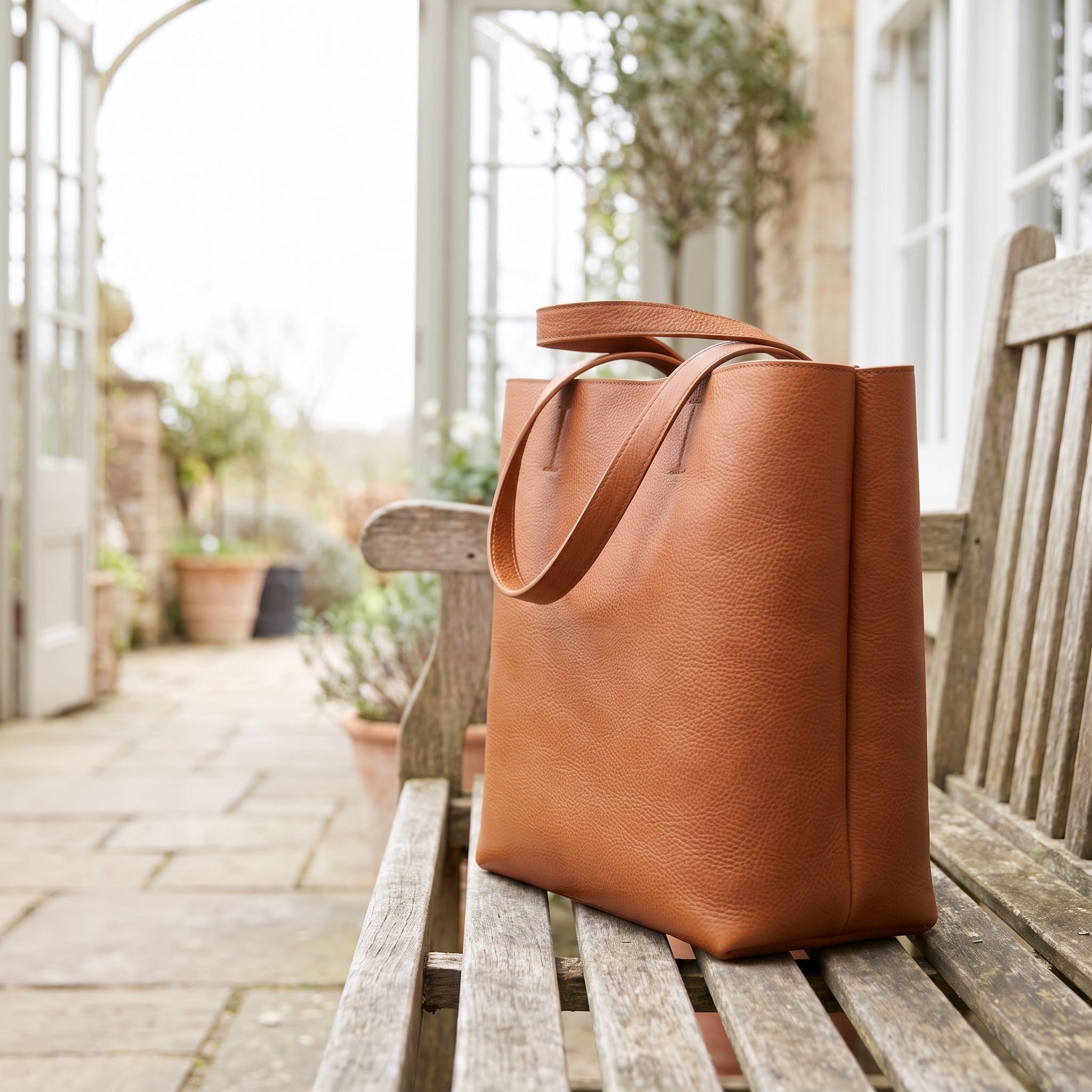
Structure is what keeps a tote visually legible once it starts carrying laptops, notebooks, chargers and the miscellaneous archaeology of daily life. Firm sides and a defined base let the bag retain a silhouette rather than collapsing into whatever happens to be inside it.
A cognac leather tote also earns points for color. The warm brown softens black, works naturally with denim, grounds pastels and usually looks better once the leather has picked up a little evidence of use. That’s a lot of wardrobe diplomacy for one bag.
4. The Plain Black Tank That Works Harder Than Half the Clothes Called Essentials
❤️ Would you like to save this?
The black tank rarely gets a breathless essay written about it. Good. It has work to do.
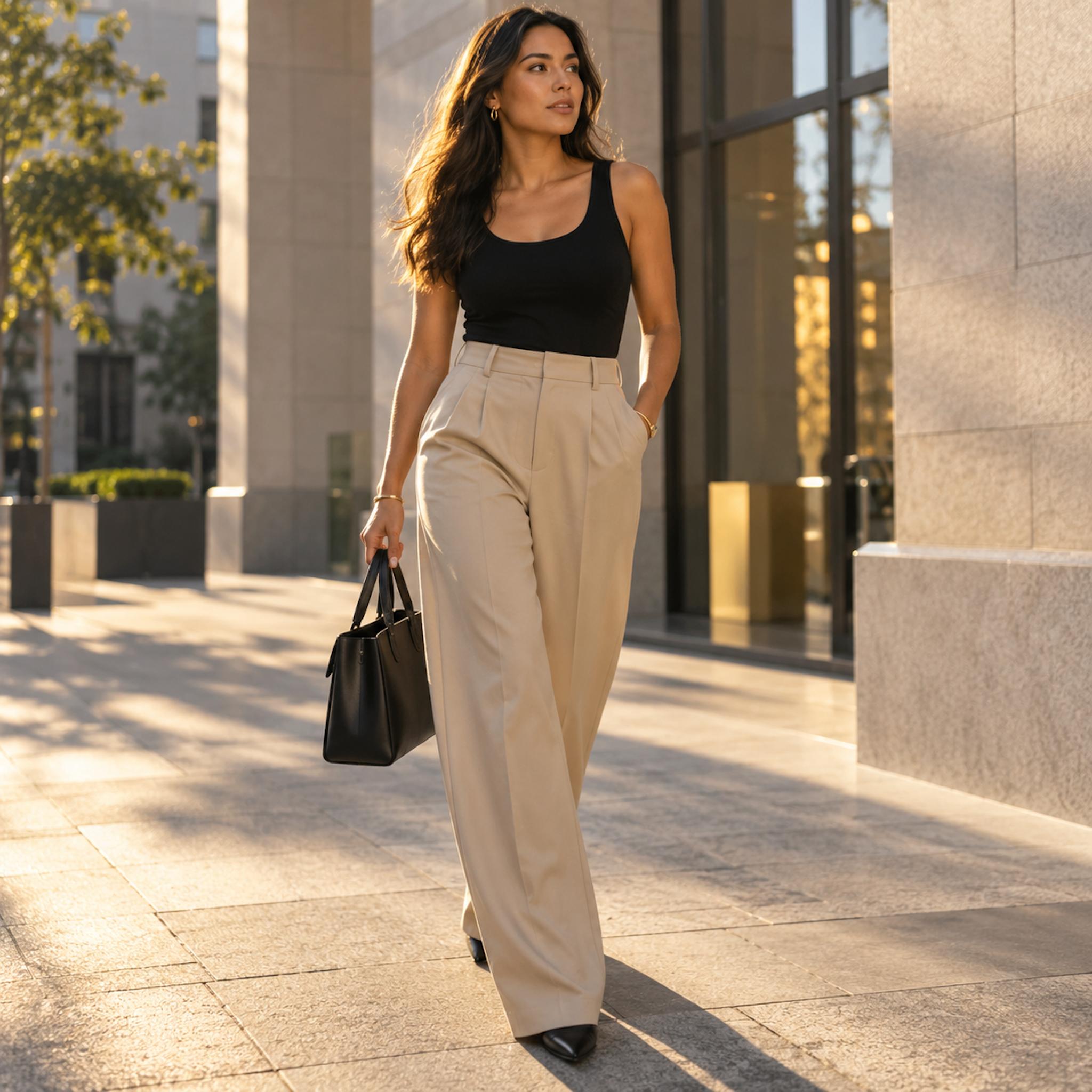
Here it sits with high-waisted cream trousers, and the usefulness becomes obvious. The close black shape defines the upper body while the pale trousers carry the volume below. No print, no elaborate neckline, no styling stunt required. Add a blazer and it moves indoors. Add sandals and it belongs in August. Put a silk shirt over it and suddenly it’s functioning as an underlayer.
The details still matter: straps wide enough to cover the bra, armholes that don’t gape, a neckline that works alone and beneath jackets, and fabric substantial enough that “basic” doesn’t become “underwear adjacent.” Quiet piece. Serious workload.
3. A Black Slip Dress That Refuses to Stay in the Going-Out Section
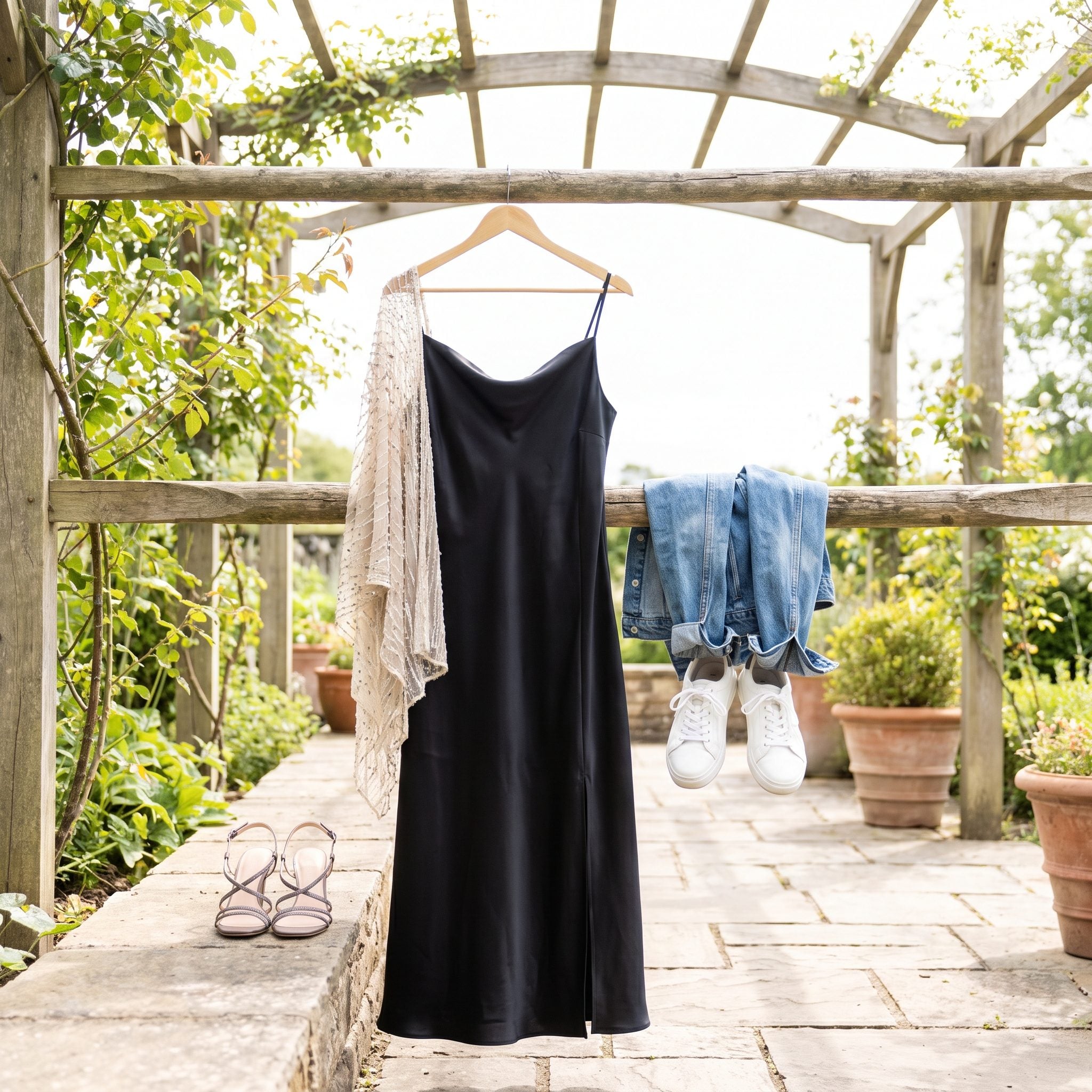
The black slip dress gets filed under evening wear far too quickly. Put a bias-cut black satin slip over a white cotton tee, add sneakers and throw a cardigan across the shoulders, and the same dress suddenly belongs in daylight. Remove the layers and change the shoe; dinner reappears.
The bias cut is part of why the switch works. Cutting fabric on the diagonal allows more give and fluidity than a straight-grain cut, helping satin fall in softer ripples around the body. One simple shape, two very different contexts.
2. The Black Leather Jacket Still Knows Exactly What It’s Doing
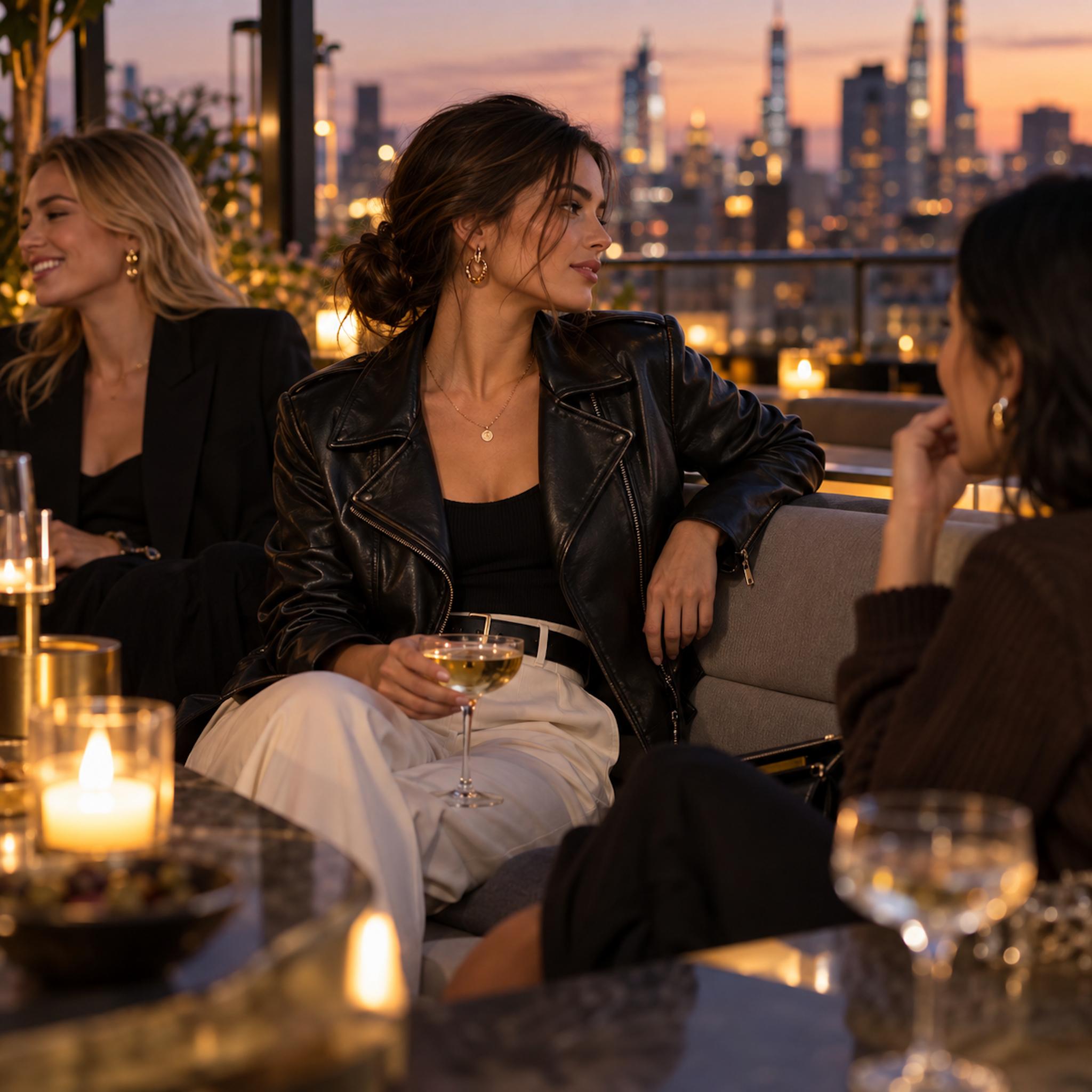
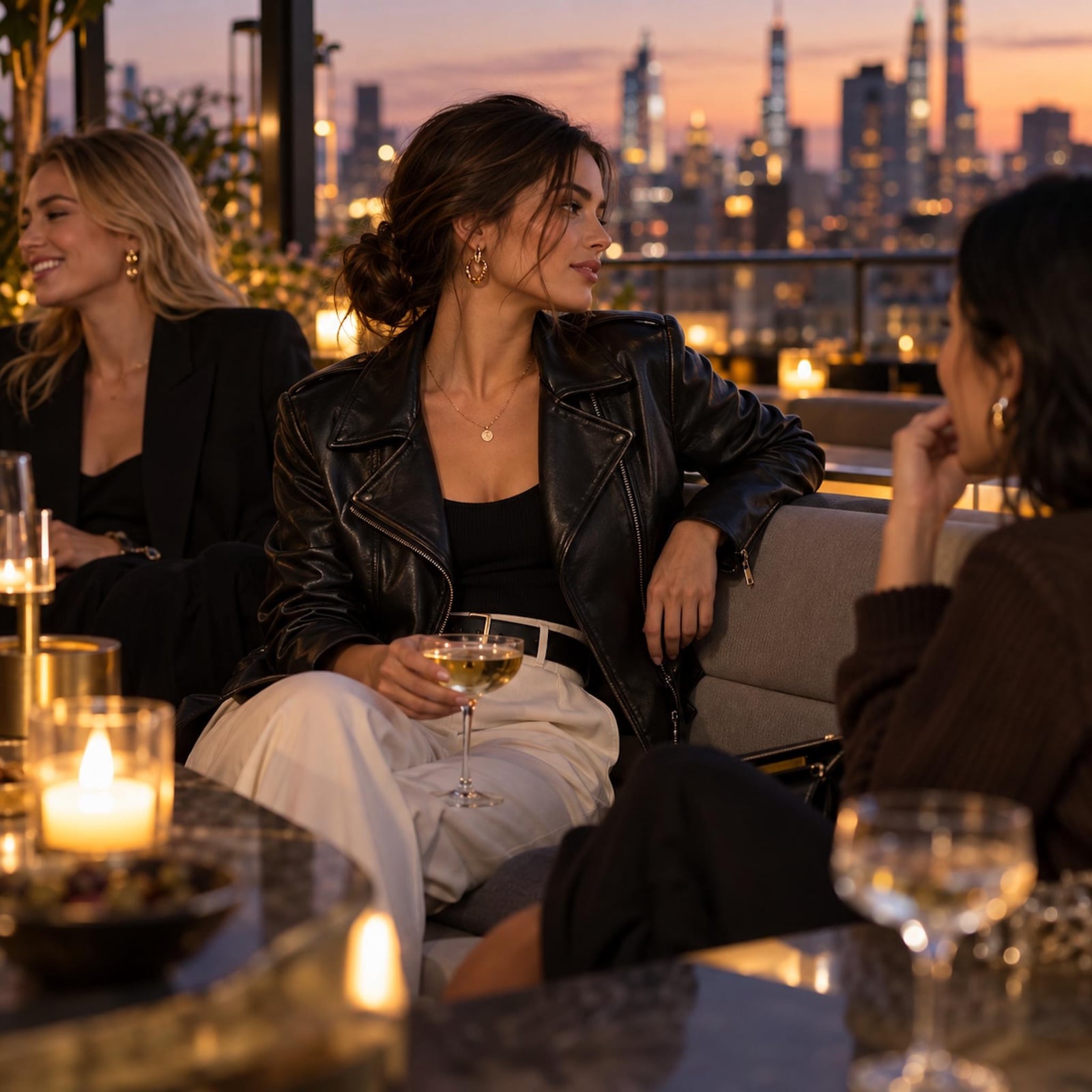
Few wardrobe staples can change the mood of an outfit this quickly. A black leather jacket brings structure, shine and just enough swagger to pieces that might otherwise behave themselves. Throw it over a black tank and tailored cream trousers and suddenly the polite outfit has somewhere interesting to be after dark.
That contrast is what keeps leather useful. Matte fabrics absorb light; smooth leather catches it. Hardware adds small flashes without asking jewelry to carry the entire look. In this outfit, the pale trousers are particularly smart — they keep all that black from becoming predictable and give the jacket room to be the star.
The best version doesn’t need seventeen zippers and a motorcycle parked nearby. Clean shoulders, supple leather and good proportions do plenty. If your climate or personal style rarely calls for the extra edge, it may not be an everyday piece. But when a wardrobe needs one garment capable of changing the temperature in ten seconds, the black leather jacket makes a very convincing case for classic status.
1. A Silk Scarf That Makes Plain Clothes Look Deliberate
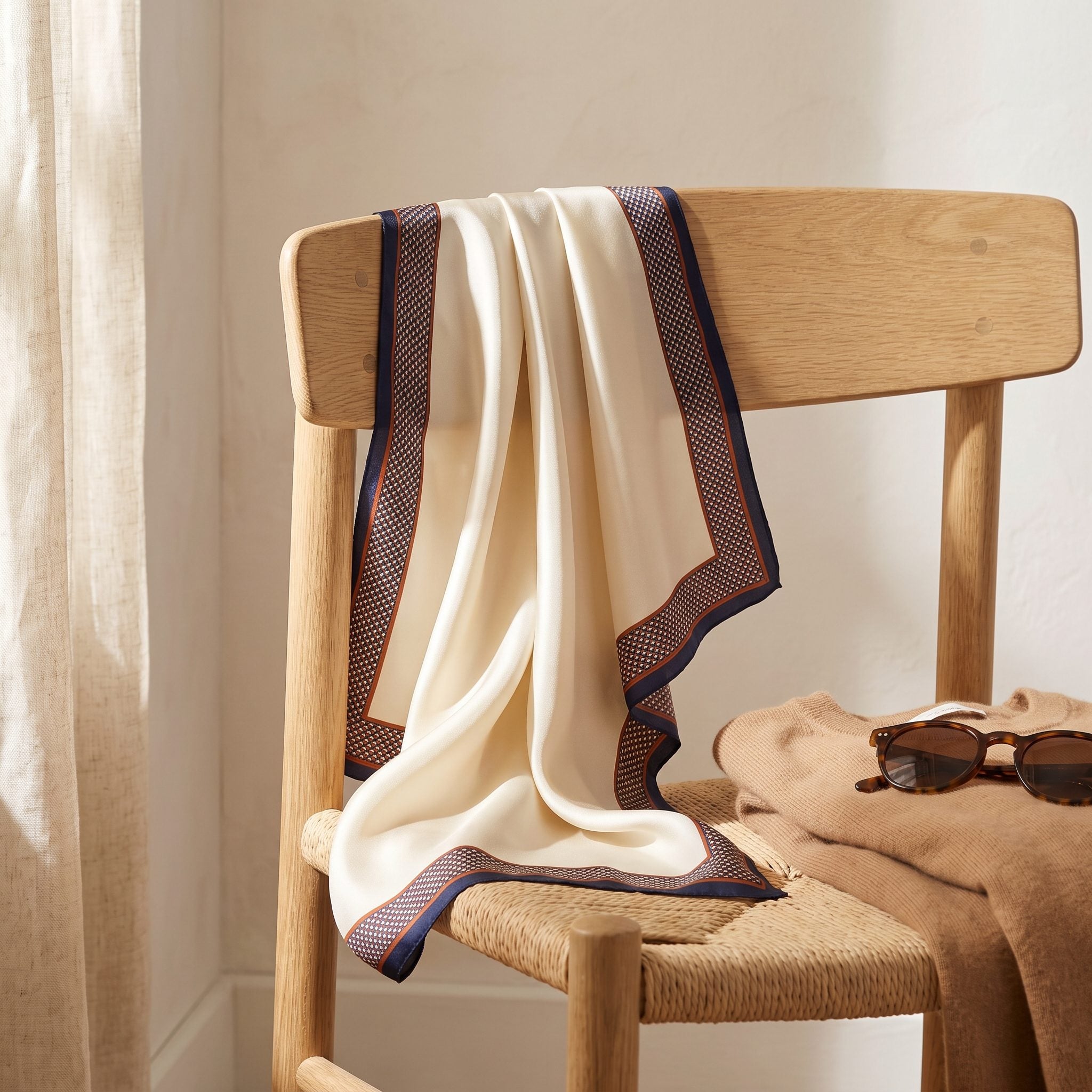
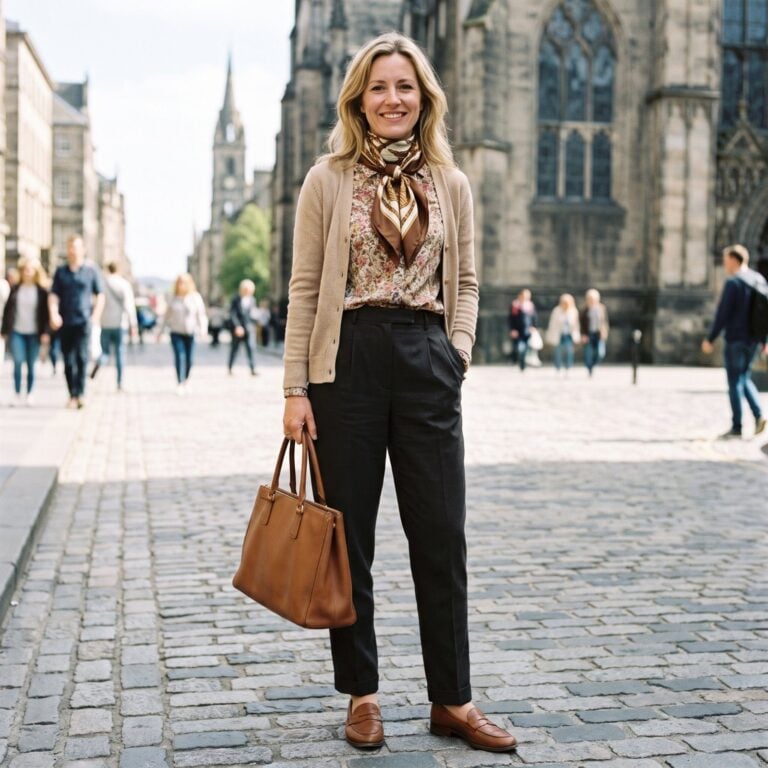
The one accessory that does an unreasonable amount with very little fabric. A silk scarf pulls pattern and color upward toward the face, exactly where a white tee otherwise offers almost nothing to look at. Knot an ivory-and-rust printed silk scarf at the throat and a plain outfit suddenly has a focal point.
Silk also throws a soft sheen against matte cotton, denim or dry wool. That material contrast matters as much as the print. Fold the scarf into a coat collar, knot it loosely at the neck or loop it through a bag handle and the same square of fabric keeps changing jobs.
That’s ultimately why this one survives the closet-staple test. It doesn’t demand a special occasion, a particular hemline or an entire outfit constructed around it. It simply makes ordinary pieces look more intentional.