
❤️ Would you like to save this?
The salon chair is a confessional. You sit down, swear you want something easy, then pull out a photo of a woman whose hair you could never maintain on your best day. Sound familiar? It should. The same wiring that runs your love life runs your consultations.
We fall for the picture, not the upkeep. We overlook the cowlick because the bangs are everything, and we scroll right past a great option while holding out for a perfect one that may not exist. Every hair decision you’ve ever made has a romantic twin, and the psychology behind both is the same stubborn, hopeful human stuff. Here are the parallels you’ll recognize before you finish the first one.
FYI, thanks to AI imagery software, we’re able to create very specific fashion and hairstyle examples to illustrate the points being made. In some cases, imagery is exaggerated to hammer home the point. Also, assume links that take you off the site are affiliate links such as links to Amazon. this means we may earn a commission if you buy something.
18. You Bring a Celebrity Cut Your Hair Cannot Recreate
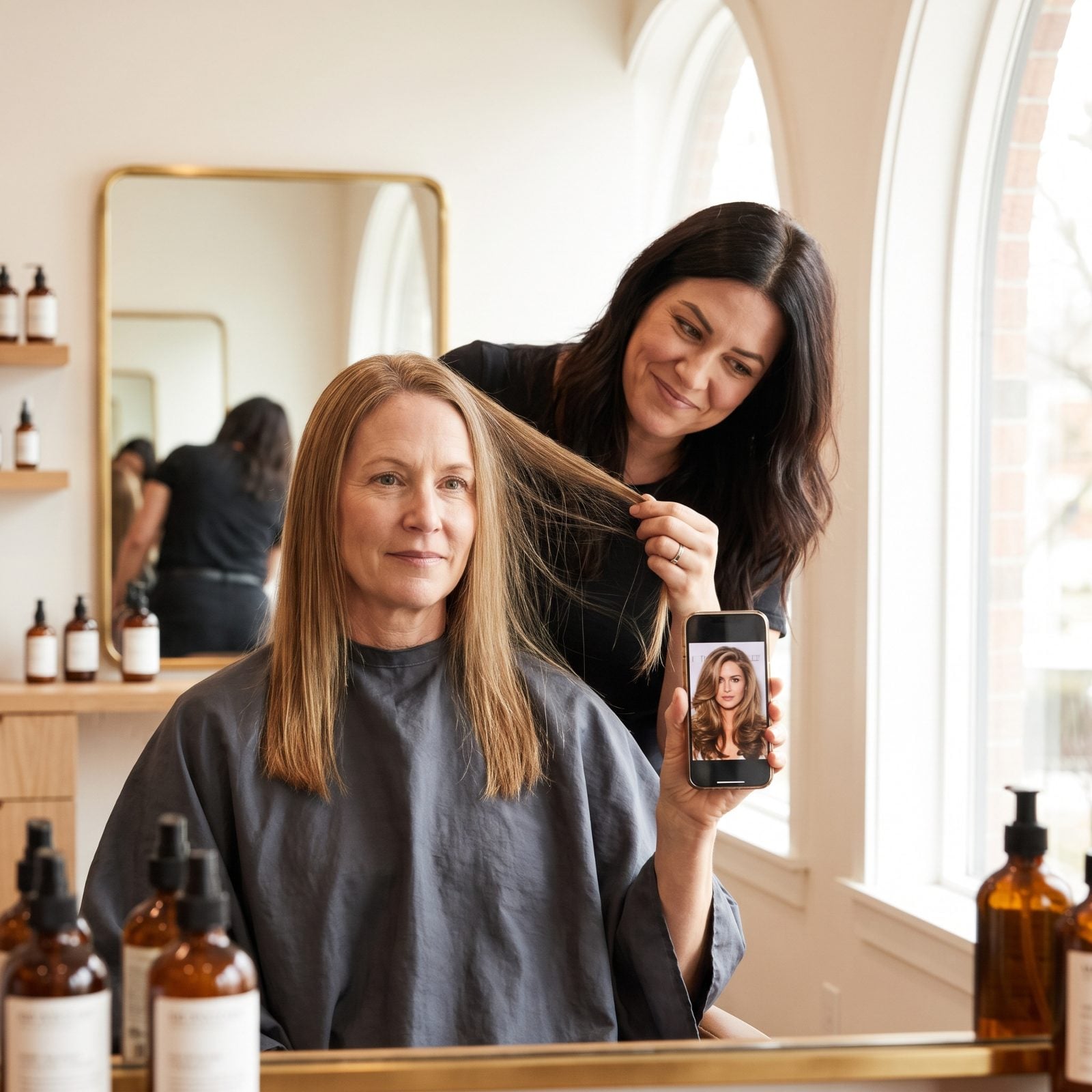
You walk in with a photo of hair that belongs to a woman with a glam squad, a wind machine, and genetics you did not inherit. The stylist lifts a strand of your actual hair and you watch the math happen behind her eyes. That cut lives on thick, coarse hair. Yours is fine and silky and has opinions of its own.
Same thing you do when you fall for a highlight reel. You see the filtered version of someone and build a whole future on it, forgetting the photo came with a team and a budget. Psychologists call it the halo effect: one dazzling trait convinces you everything else lines up too.
17. You Say Low Maintenance, Then Pick Waist-Length Layers
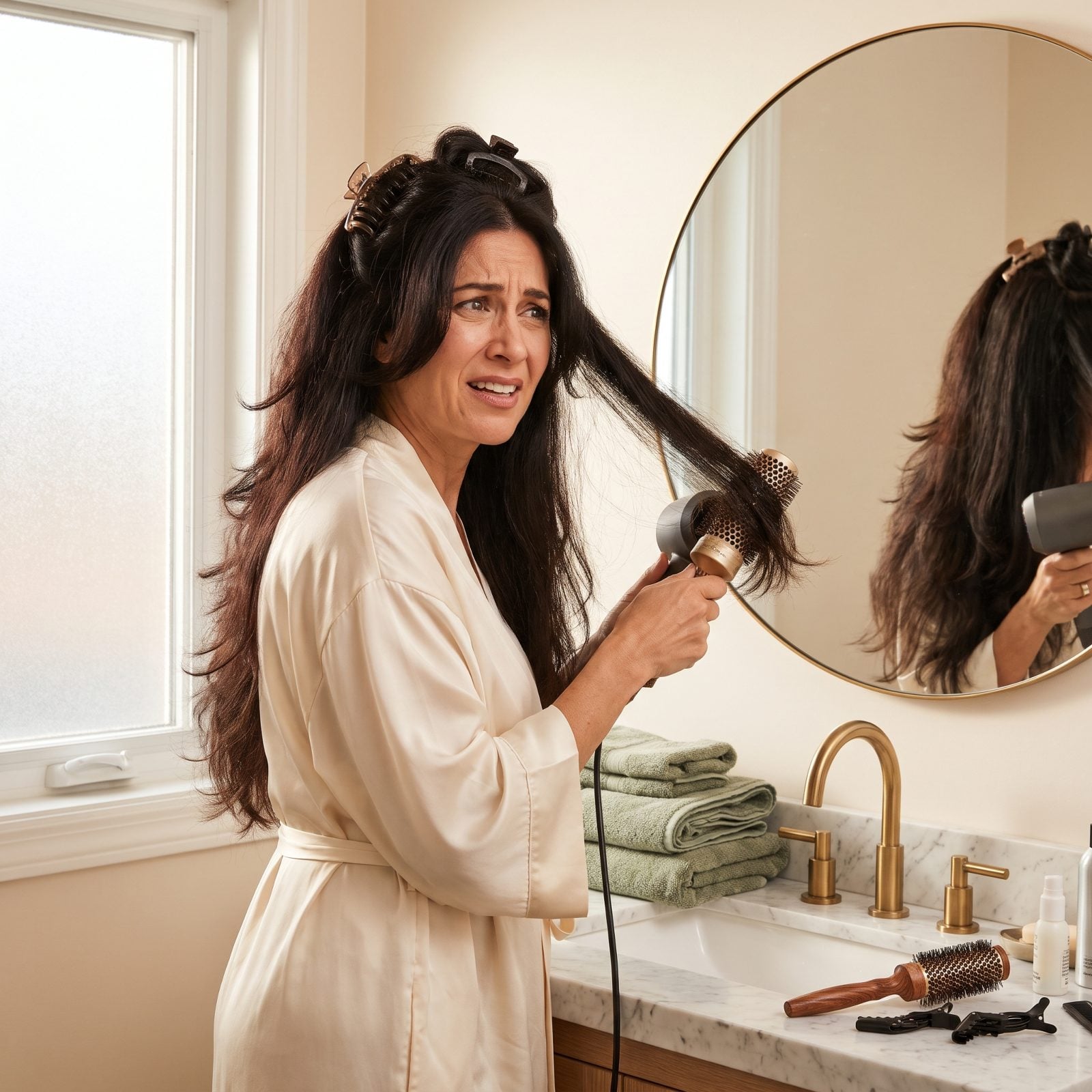
“Something I can wash and go,” you tell her. Then you point at waist-length layers that demand a round brush, two products, and a solid stretch of arm fatigue every single morning. Low maintenance was the stated goal. The heart wanted drama.
We do this with people constantly. We announce we want easy, steady, uncomplicated, then choose the one who keeps us guessing. The gap between what we say we want and what we actually reach for has a name in research: the stated-versus-revealed preference gap. Our words describe the sensible choice while our hands grab the exciting one.
No shame in it. Just know that “low maintenance” is often a wish, not a plan, and those layers will hold you to the truth at 7 a.m. sharp.
16. You Ignore the Cowlick Because Those Bangs Look Incredible
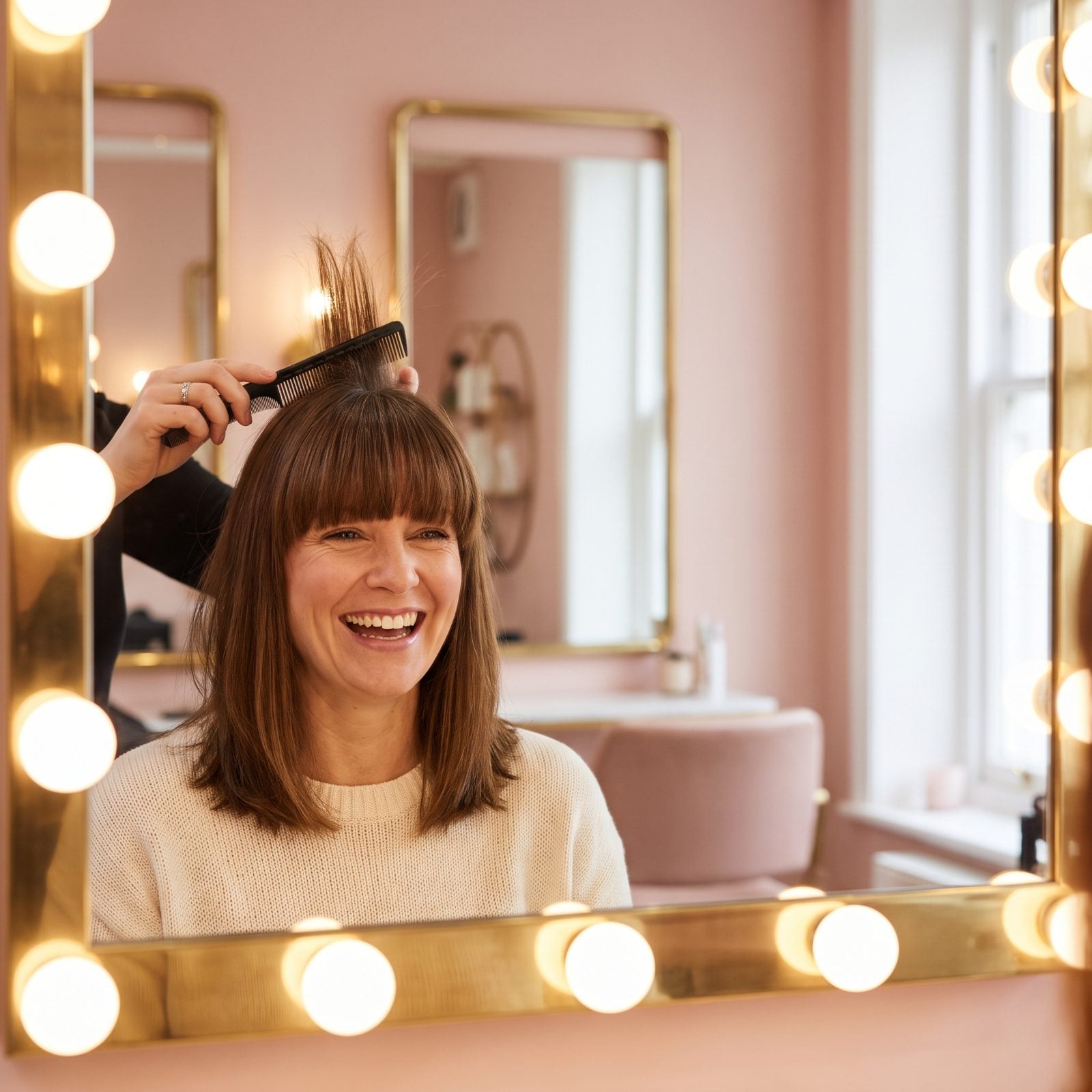
There’s a cowlick at your hairline that has derailed every center part since childhood. The stylist mentions it. You nod and absolutely do not care, because the bangs she just cut are everything you’ve ever wanted. The cowlick is a problem for future you.
You know exactly what this is in dating. You spot the one glaring flaw, you note it, and the butterflies vote to overrule the evidence. Confirmation bias kicks in: once you’ve decided you want the bangs, your brain starts filing away reasons to keep them and quietly shelving the thing that keeps popping up at the top of your head.
15. You Expect Your Natural Texture to Become Someone Else
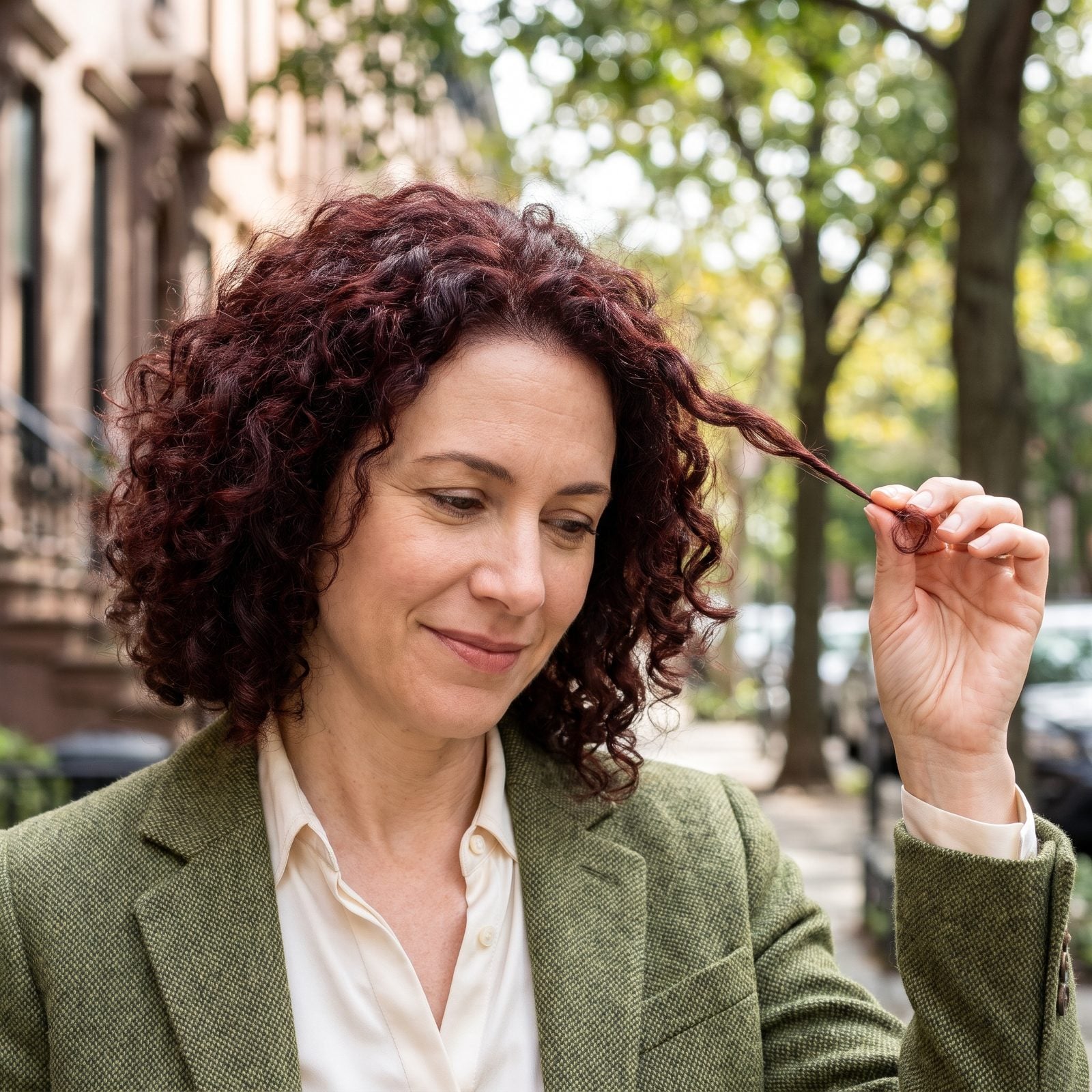
You’ve had the same curls your whole life, and every few years you sit down convinced this will be the cut that finally makes them behave like glass-smooth strands. You stretch one coil straight, let it bounce back, and feel a flicker of hope that the right layers will change its nature.
They won’t. Texture is texture. And this is the oldest mistake in relationships: picking someone for who you believe they’ll become once you’ve worked your magic. The fixer’s fantasy. You’re not choosing the hair you have, you’re choosing the hair you’re certain it’ll turn into.
The androgynous hairstyle crowd figured this out early: cuts that work with the grain of what you’ve got always win. The partner, like the curl, arrives as they are. Cut for the real texture and you stop fighting your own head.
For what it’s worth, when we asked ThreadCurve readers how they’d cut curly hair, 61% picked long over short.
14. You Scroll Past Great Cuts Waiting for the Perfect One

Four hundred saved photos. Not one of them is “the one.” Every cut you see is lovely, but there might be a better one two swipes away, so you keep scrolling instead of booking, and your hair stays exactly the same for another eight months.
Choice overload, plain and simple. The more options you pile up, the harder it gets to commit to any of them, and the less satisfied you feel with whatever you eventually pick. Psychologist Barry Schwartz called it the paradox of choice: more options, less happiness.
It happens on the apps too. Endless profiles, infinite scroll, the nagging sense that the perfect match is one more tap away. The cut you’d have adored a month ago sits there unbooked, because “great” stopped being enough the moment “perfect” became theoretically possible.
13. You Bring Three Reference Photos That Contradict Each Other
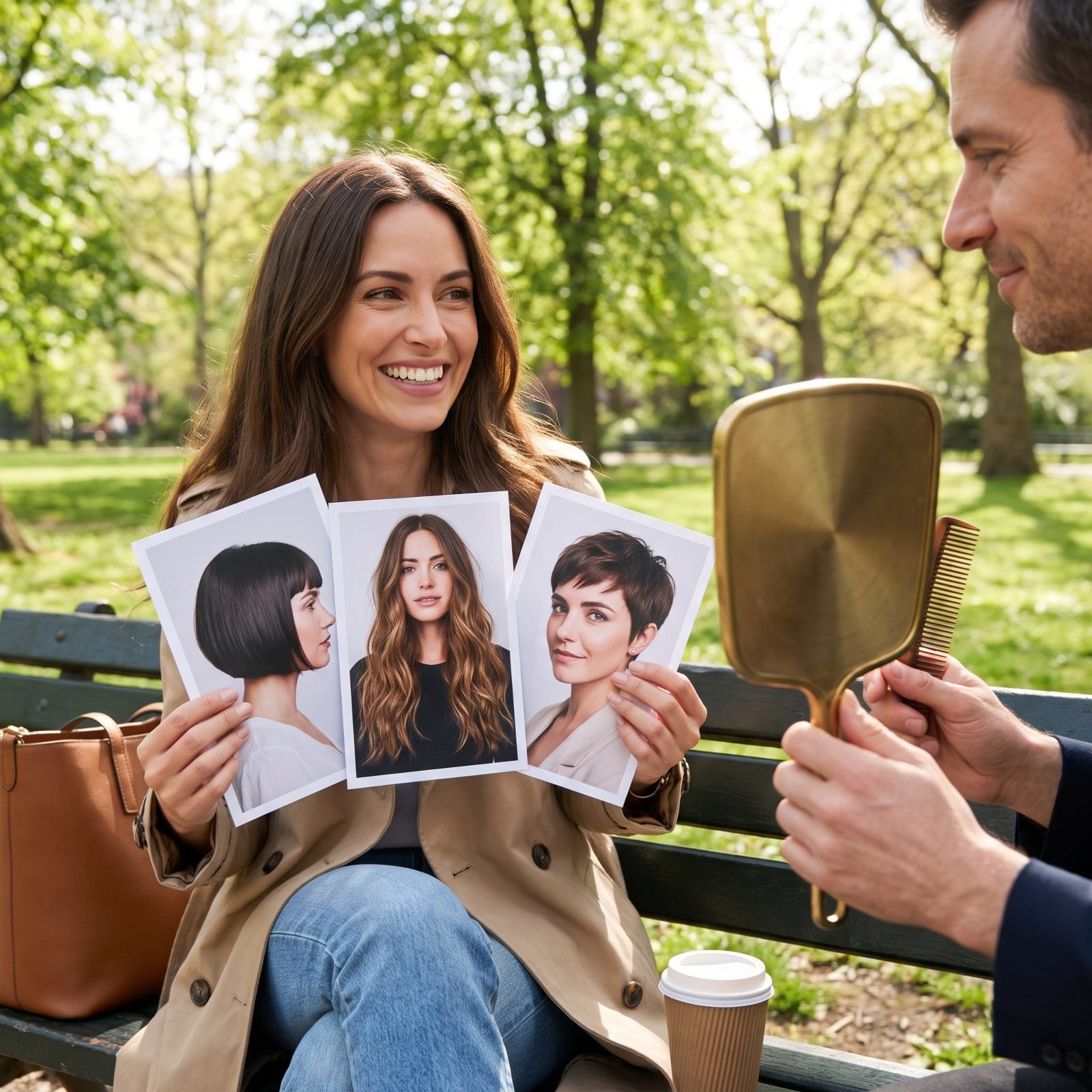
Here’s the bob. The long waves. The pixie. All three are your dream, and you’d like your stylist to somehow deliver all three at once. You hold the photos up, and he smiles, mirror in hand, and gently points out that these are, in fact, different people’s entire haircuts.
What you’re really doing is refusing to name the trade-off. Each photo represents a different version of the life you might want, and you don’t want to give up any of them. We pull the same move with a partner wish list: the stability of one type, the spark of another, the independence of a third, all crammed into one person who does not exist.
Three contradictory reference photos is just indecision wearing a nice outfit.
Pick the one that fits your real mornings. A great cut, like a real relationship, asks you to choose a lane and commit.
12. Your Mother’s Short-Hair Rule Still Runs the Consultation

The stylist suggests a chin-length chop and a voice from decades ago pipes up: women over fifty should keep their hair long, it’s more feminine. You’re a grown woman with your own taste, and yet your mother’s old rule is somehow still chairing this meeting.
We carry these inherited scripts straight into our love lives. The type we’re “supposed” to want, the standards we never actually chose, the quiet voice vetoing options before we’ve even considered them. Psychologists call it internalized authority: the rule becomes yours even after the person who gave it to you has left the room.
A short cut can read sharp, modern, confident, and completely feminine on a woman who knows herself. The real question is whether the veto belongs to you. If it doesn’t, it doesn’t get a vote.
11. You Pick the Cut That Gets the Most Compliments
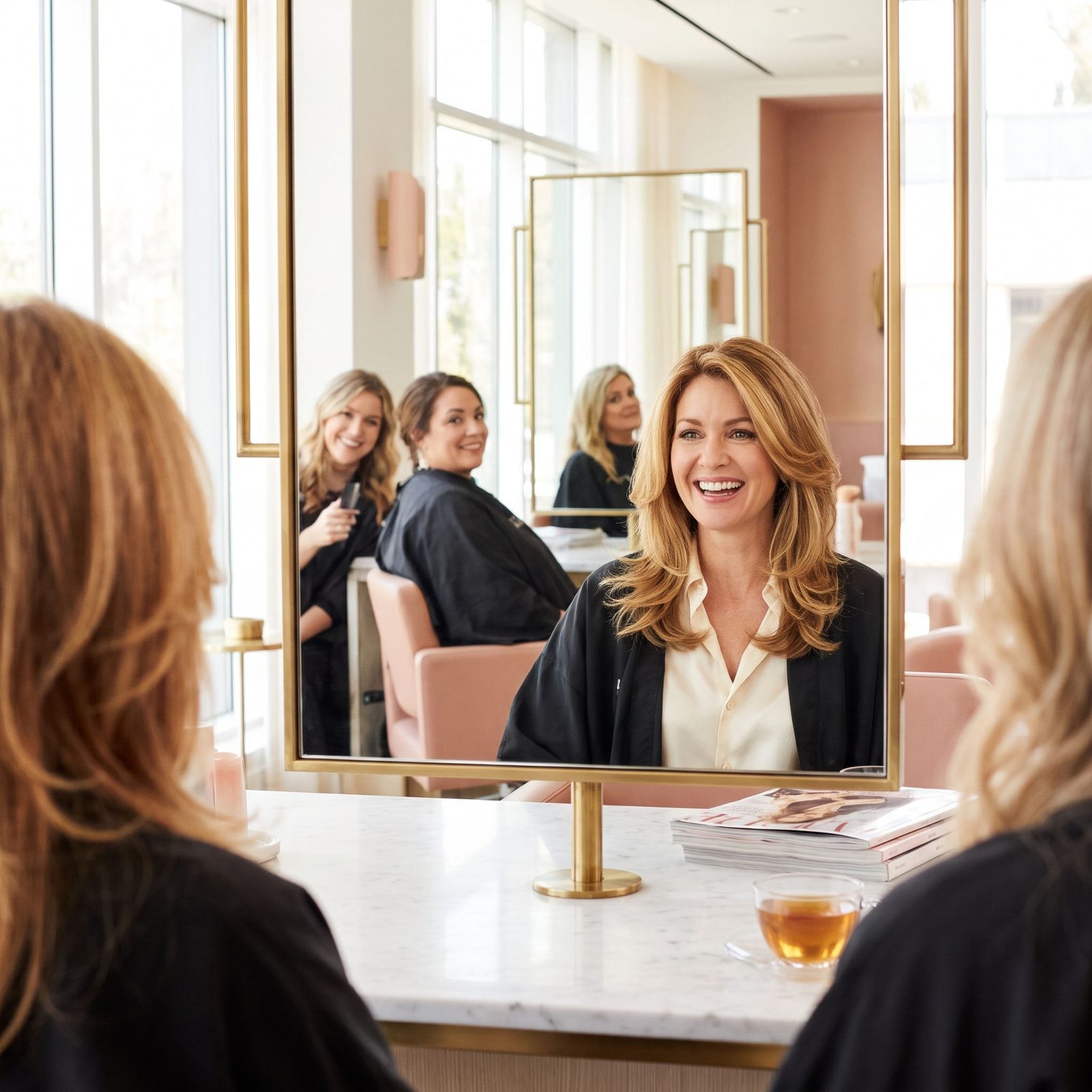
Last time you got layers, three people at work told you that you looked ten years younger, and reader, you have been chasing that exact high ever since. The compliment became the goal. You started picking hair for the applause rather than for your own reflection.
Social proof is driving the bus. When other people approve, our brains tag the choice as correct, and we lean toward whatever earns the loudest reaction. Same pull draws us toward the partner everyone finds impressive, the one who makes our friends’ eyebrows climb.
Compliments are lovely. Just make sure you’d still love the cut if nobody said a word.
10. You Keep the Length Because Everyone Knows You That Way

Long hair for twenty years. It’s practically your signature. Cutting it feels less like a haircut and more like handing in your own ID, because this length is how your whole life recognizes you.
That’s the endowment effect tangled up with identity attachment: we value what we already have far more than its actual worth, simply because it’s ours. The same force keeps people in relationships long past their expiration date. Leaving doesn’t just mean losing the thing, it means losing the self that was built around it.
But here’s the quiet truth. You are not your hair. You’re the person underneath it, and she existed before the length did. A big change can feel like a small identity death, right up until the morning you catch your reflection and realize you were in there the whole time.
9. You Pick Hair for the Life You Plan to Have
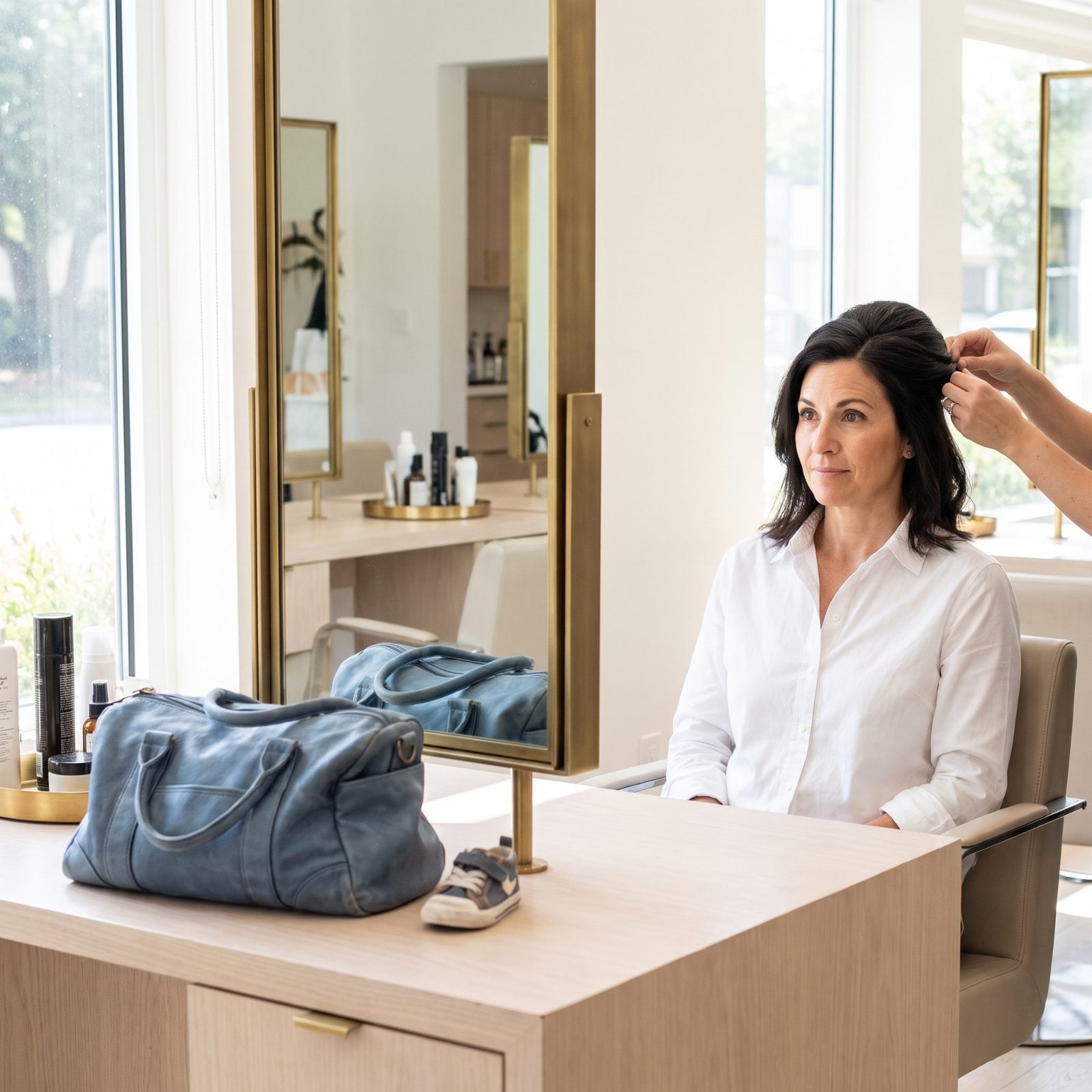
You book the sleek, sophisticated cut meant for a woman who has mornings to spare and a life that calls for polish. Never mind that your actual days involve a gym bag, a packed schedule, and roughly zero spare minutes. You’re cutting for the life you’re planning, not the one you’re living.
Call it the planning fallacy wearing a blowout. We consistently imagine a future self with more time, more discipline, and better habits than the person we actually are right now, then commit real resources to that imaginary person.
It’s how people choose partners for the life they intend to build someday rather than the one they’re in. If your real routine is movement and sweat, an athleisure hairstyle that survives a ponytail and a shower will serve you better than the fantasy blowout.
8. You Fake Bangs With Clip-Ins Before Making It Official
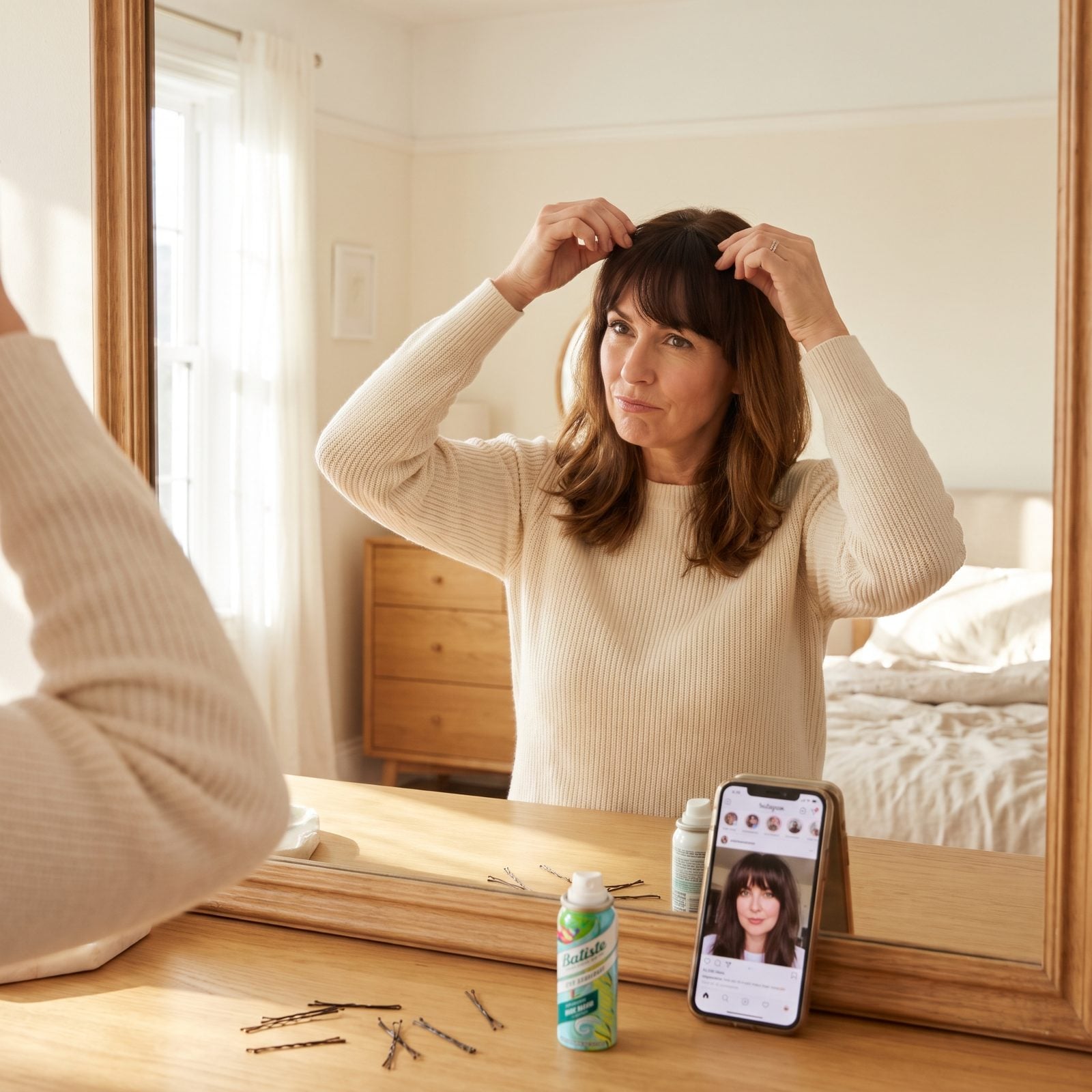
You buy the clip-in fringe before you let scissors anywhere near your real forehead. You wear them to dinner, catch your reflection in a shop window, and decide whether this is a passing crush or something you could live with at 6 a.m. on a Tuesday.
Same move as keeping things casual before you call anyone your person. Low commitment, full information. Psychologists call this reversibility, and we’re wired to crave it — we make bolder choices when we believe we can back out, which is exactly why a trial run feels safer than a vow.
The irony? Research on decision-making suggests people tend to be more satisfied long-term once a choice becomes final and the second-guessing stops. But try telling that to anyone clutching a photo of blunt bangs at the salon door.
7. You Ask for Layers but Protect Every Inch
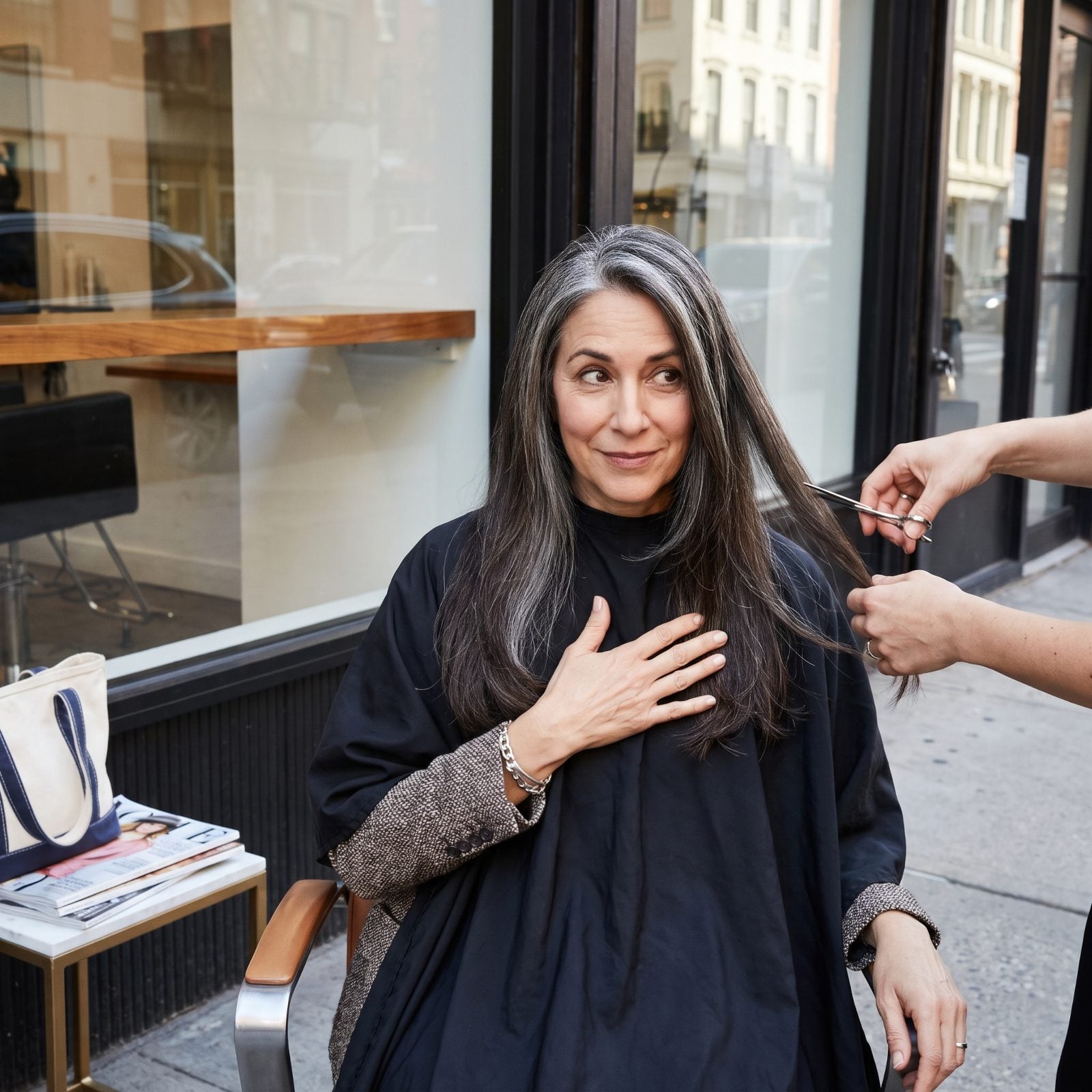
“I want layers, movement, something fresh.” Then the stylist lifts a section and you hear yourself say, “but don’t take any length.” You asked for change and immediately fenced off the one thing you refused to change.
We all know the romantic version. You say you want excitement, surprise, someone who shakes up the routine — but what you actually want is all of that with zero risk to the parts that feel safe. That’s loss aversion doing its quiet work: the pain of losing two inches of hair hits harder than the pleasure of gaining shape.
The research says a loss feels roughly twice as powerful as an equivalent gain. So the inch you already own outweighs the whole look you don’t have yet. Real layers need a little sacrifice. So does anything worth keeping.
6. You Commit in the Chair, Then Panic at Home

❤️ Would you like to save this?
In the chair, you were fearless. “Shorter. Yes. Do it.” The blowout was flawless, the stylist complimented your bone structure, and you tipped like you’d won something. Then you got home, washed it, and stood in your bathroom at 10 p.m. wondering who you’d become.
This is buyer’s remorse, and it has a cruel partner called the contrast effect. In the salon, everything is flattering light and expert hands. Back home, the only reference point is yesterday’s hair, and the gap feels enormous.
It’s the same hangover that follows a fast romance. The whirlwind feels right in the moment, carried by someone else’s confidence and good lighting. The panic arrives later, in your own bathroom, with your own mirror. Give it a week. The haircut you hated on day two is usually the one you defend by day ten.
5. You Rebound From Waist-Length Hair Straight Into a Pixie
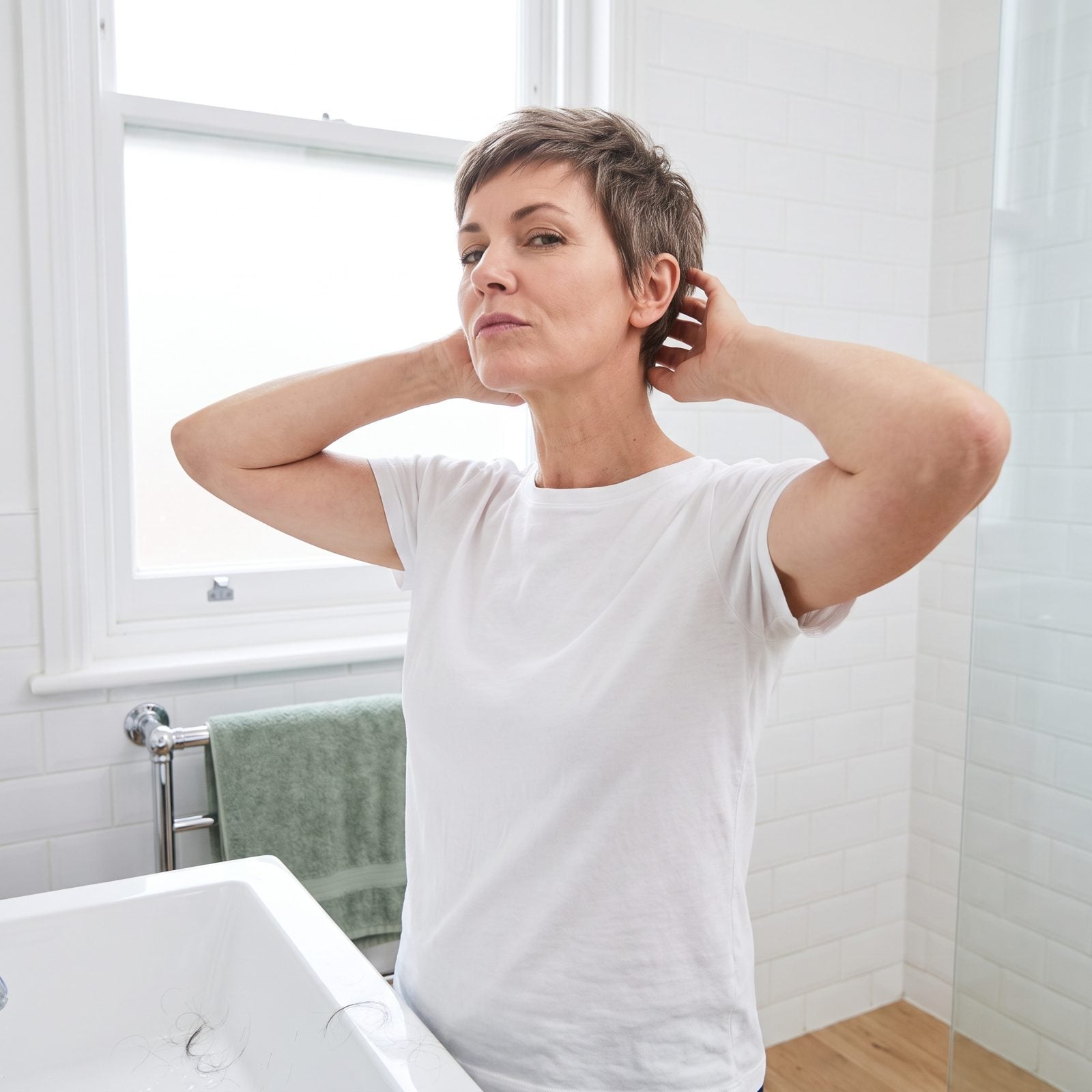
Ten years of waist-length hair, and one bad month later you’re asking for the shortest androgynous hairstyle on the board. No layers, no transition. Floor to pixie in forty-five minutes.
That’s not a hairstyle decision. That’s a reaction. The classic rebound: when something ends, we swing hard to the opposite to prove we’ve moved on and taken back control. Cutting it all off is the hair version of deleting every photo at midnight.
There’s real psychology here. A dramatic chop hands you an immediate, visible sense of agency when the rest of life feels stuck. The problem is the same as any rebound — you’re choosing against the past instead of toward something you actually want. Sometimes the pixie is genuinely brilliant on you. Sometimes it’s just the loudest way to announce a chapter ended.
In our Hot or Not photo matchups, pictures with pixie cuts won fewer of their head-to-head matchups than expected, taking 36% against an expected 49%.
4. You See Every Flaw Once the Fresh Blowout Fades
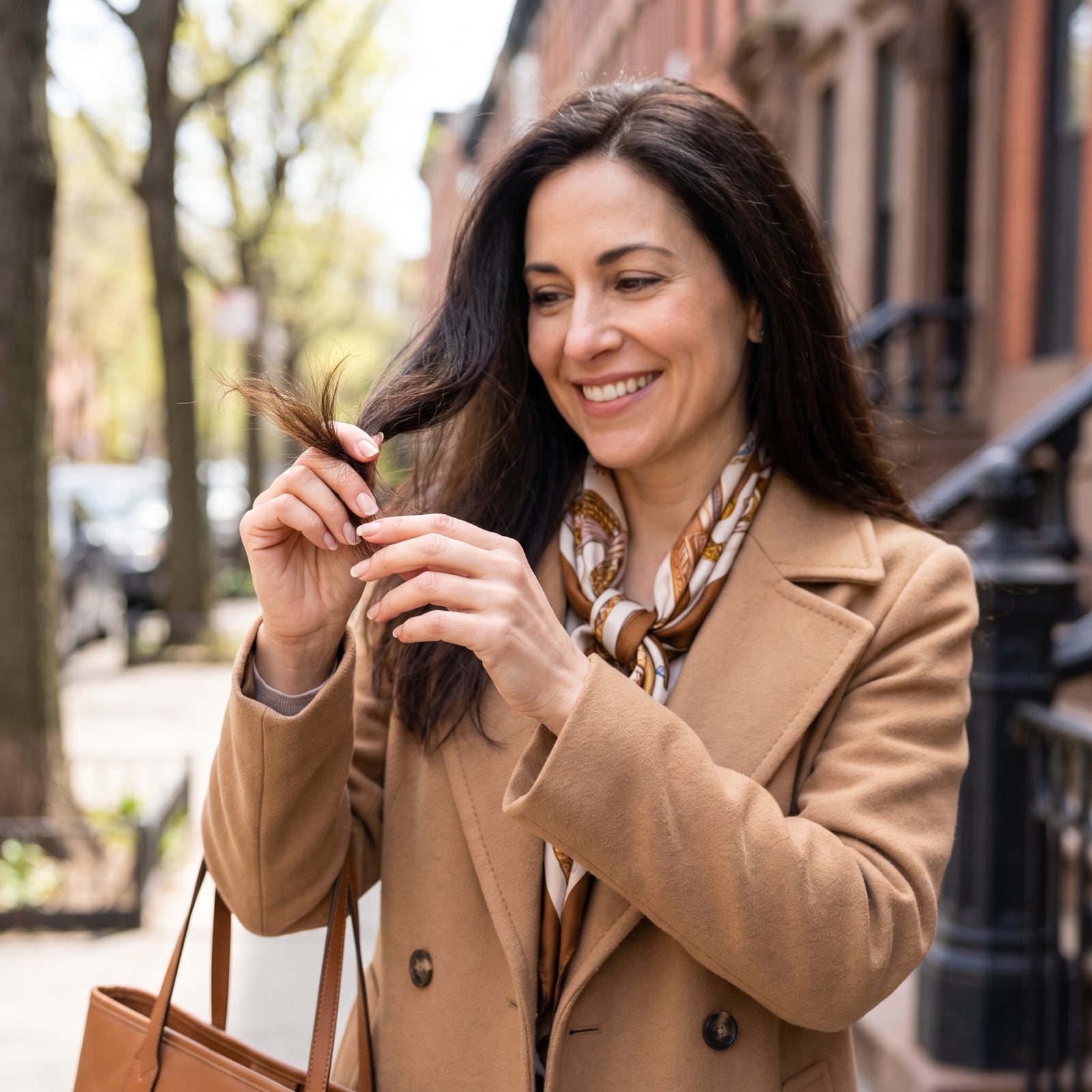
Day one, you were untouchable. By day four, you’re pressing your roots flat, squinting at the color, deciding the whole thing was a mistake. Nothing changed about the cut. Only the novelty wore off.
Welcome to hedonic adaptation, the reason we stop noticing good things once they become normal. The brain treats the new as thrilling and the familiar as baseline, then starts hunting for problems to fix. Exactly how the spark fades from anything you once couldn’t stop admiring.
Those flaws you suddenly spot on day four were there on day one. You just weren’t looking, because you were too busy being delighted. The style didn’t let you down. Your attention moved on.
The haircut didn’t get worse. The honeymoon ended, and your eyes went looking for something to complain about.
3. You Blame the Haircut After Skipping Every Styling Step
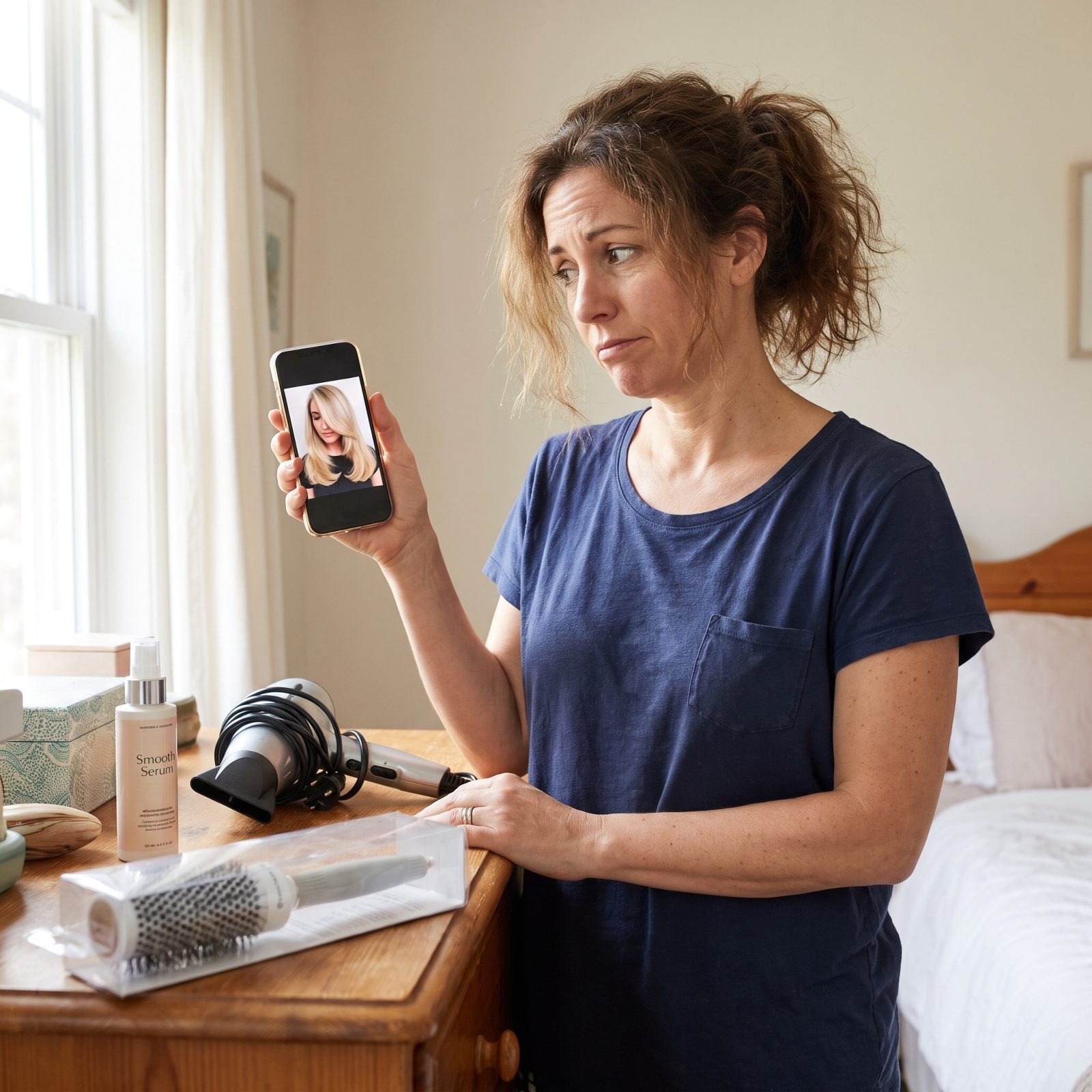
The styling tools are still in the drawer, the round brush never left its box, and the serum the stylist swore by is unopened. You air-dried, ran out the door, and by noon you’ve decided this cut “just doesn’t work for me.”
It’s self-serving bias wearing a bad hair day. We blame the thing — the cut, the partner, the plan — instead of the effort we never put in. The haircut didn’t fail. The ten minutes of styling it needed never happened.
Same reflex that makes people say a relationship “just wasn’t right” when the truth is nobody showed up with any effort. A great cut and a great match both demand maintenance, and both quietly collapse when you treat them like they should run themselves.
2. You Keep the Bob Because Growing It Out Is Awful

You’ve worn the bob for three years. You don’t love it anymore, but growing it out means months of that awkward neither-here-nor-there phase, the chin-length limbo nobody enjoys. So you stay. Another trim, another season, same bob.
That’s the sunk cost fallacy with a comb in its hand. You keep investing in the current situation partly because leaving it feels like wasting all the time you already spent, and the misery of the in-between stops you reaching the thing you actually want.
We do this with relationships we’ve outgrown and cities we meant to leave. The transition looks so uncomfortable that staying put feels easier, even when staying is the thing quietly costing us. Growing-out pain is temporary. The bob you’ve stopped loving is forever — as long as you let the awkward months win.
1. You Return to the Lob That Never Lets You Down
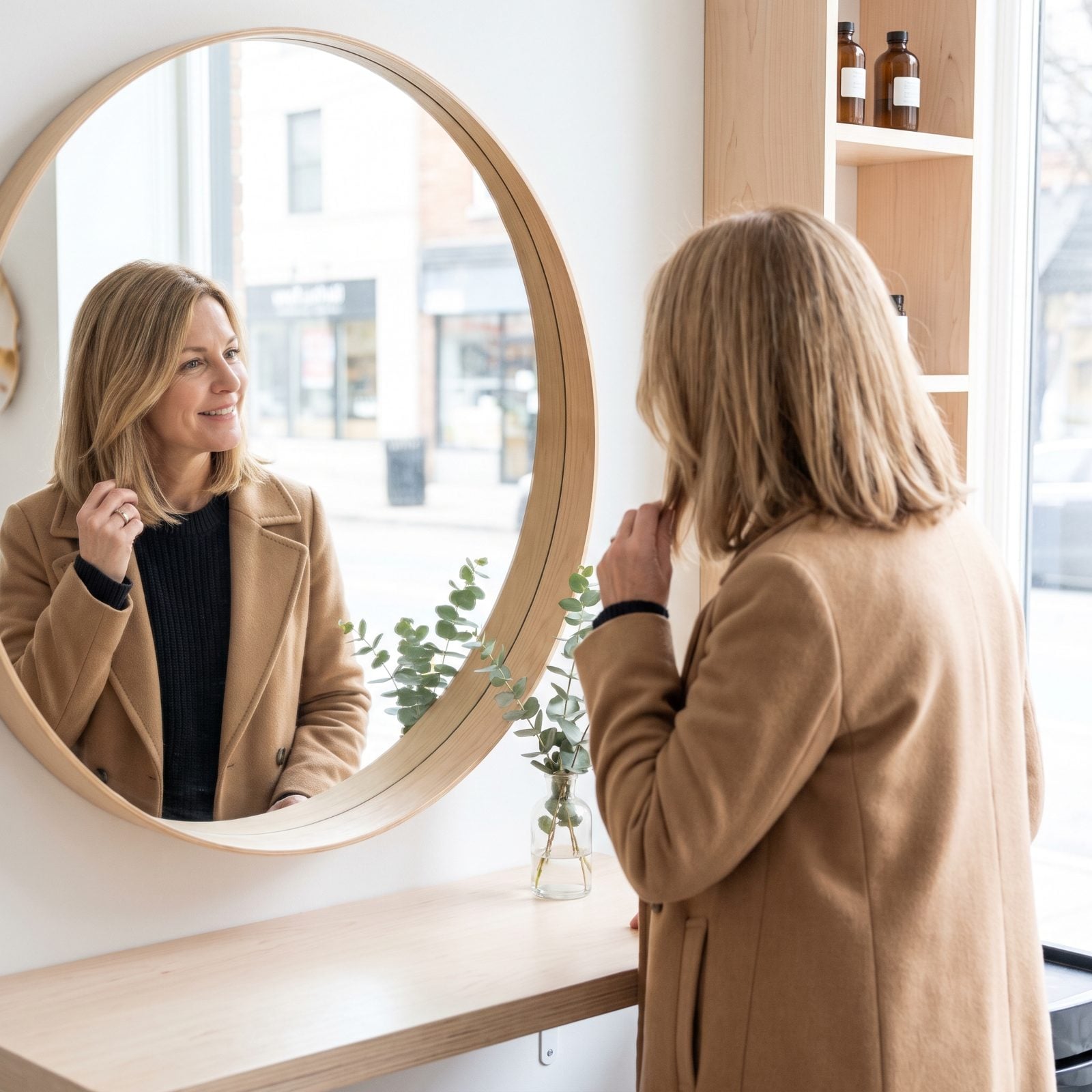
After the clip-in experiments, the panic chop, the bob you overstayed, you end up back at the lob. The shoulder-grazing length that always works, never shocks you, and looks good whether you style it or not. The reliable one.
There’s research behind why we come back. We mistake familiarity for low value when we’re chasing novelty, then rediscover that the dependable option was quietly the best fit all along. The mere exposure effect means we actually grow more fond of what we see often, which is why the beige style lob keeps winning.
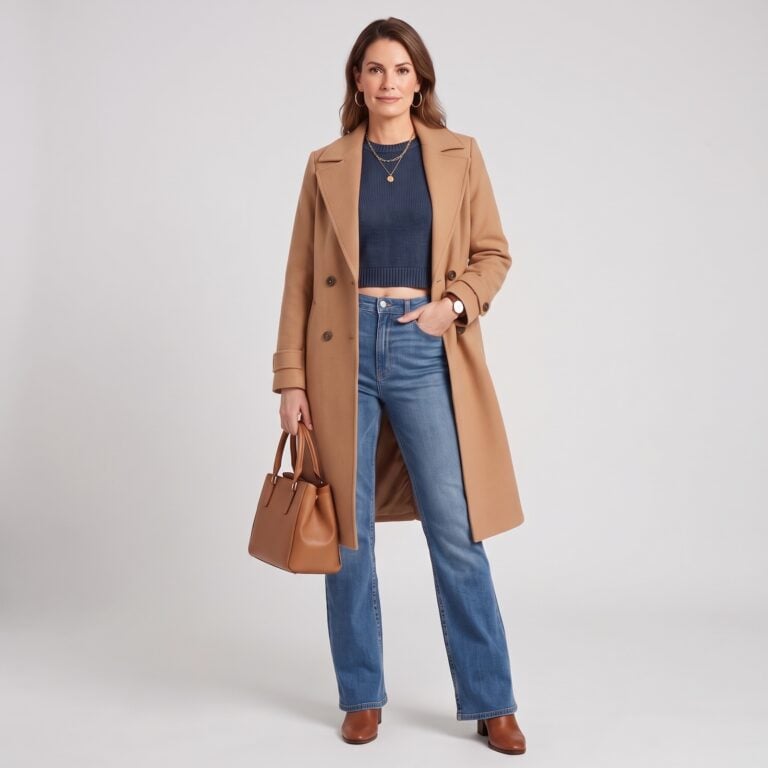
It’s the lesson every wild phase eventually teaches. The thing that excites you and the thing that lasts are rarely the same thing on day one — but give it time and reliability starts looking a lot like love. Pair it with a camel wool coat and the whole picture reads as someone who finally knows what works on her.
Our readers seem to agree: in Hot or Not photo matchups, pictures with lob cuts won more of their head-to-head matchups than expected, 60% against an expected 51%.