❤️ Would you like to save this?
Nobody walks into a salon planning to cry in the parking lot afterward. Yet here we are, holding a photo of someone else’s hair, promising ourselves this time the color will fix everything. The same wiring that gets us into bad box dye keeps us texting someone who only answers at midnight. We fall for the surface, ignore the warning, and double down when we should walk. Below are the patterns that show up in the colorist’s chair and in the group chat about the man who is definitely going to change. You’ll laugh. Then you’ll recognize yourself, which is worse and better at once. The hair grows out. The lesson, if we let it, sticks around a little longer.
FYI, thanks to AI imagery software, we’re able to create very specific fashion and hairstyle examples to illustrate the points being made. In some cases, imagery is exaggerated to hammer home the point. Also, assume links that take you off the site are affiliate links such as links to Amazon. this means we may earn a commission if you buy something.
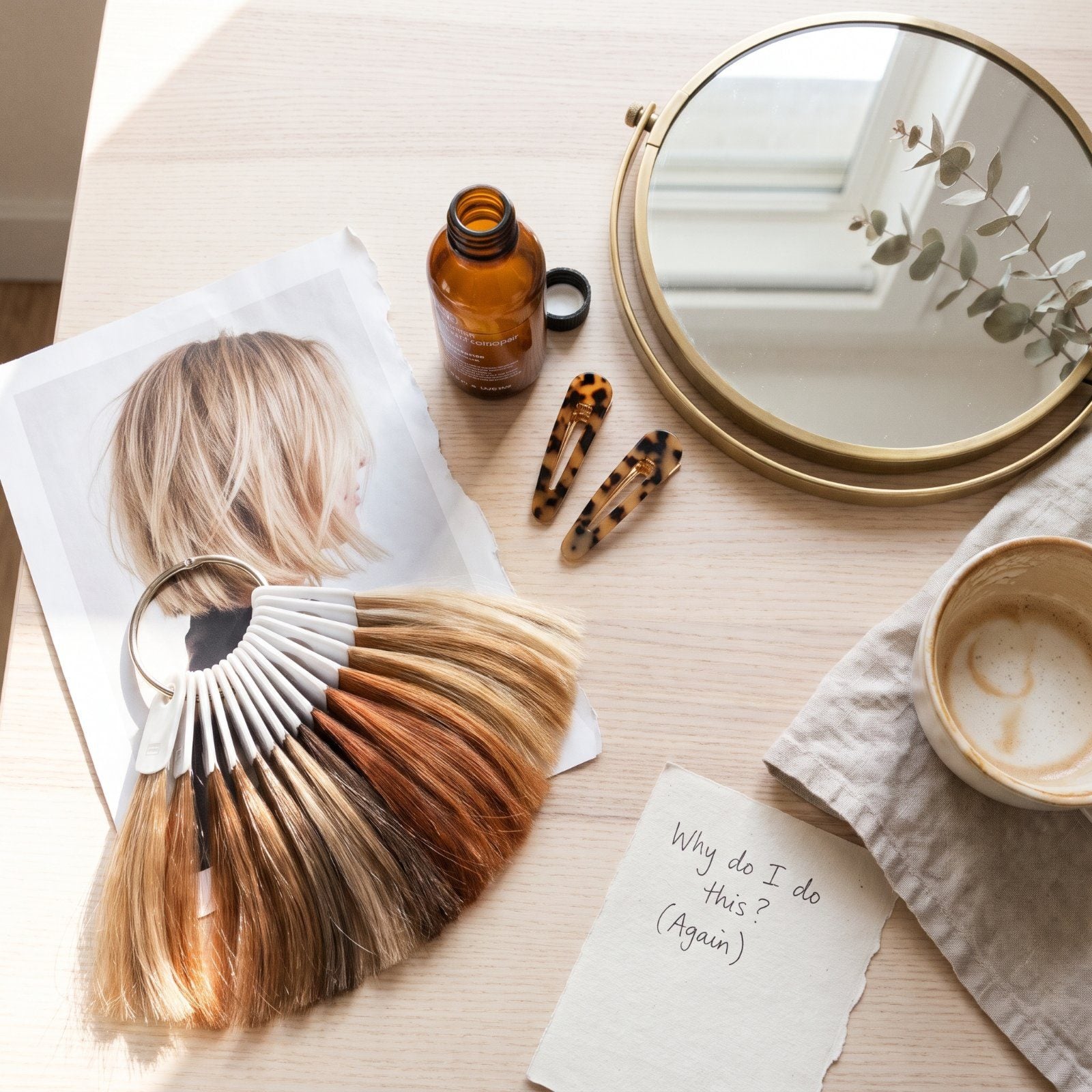
20. You Fall for the Swatch Before Checking Your Undertone

You see the color on the ring and you’re gone. Platinum against a plastic swatch looks like a promise. Platinum against your warm, golden skin looks like you’ve been unwell for a week.
This is the halo effect doing its quiet damage. One attractive quality — the swatch itself — convinces you the whole thing will work on you. Same reason we meet someone charming at a party and assume they must also be kind, reliable, and good with money. One appealing trait gets to vouch for everything we haven’t checked yet.
The undertone is the compatibility conversation nobody wants to have early. Boring. Necessary. The thing that actually decides whether this lasts or whether you’re booking a corrective appointment in three weeks.
19. You Bring One Celebrity Photo and Expect Her Exact Blonde
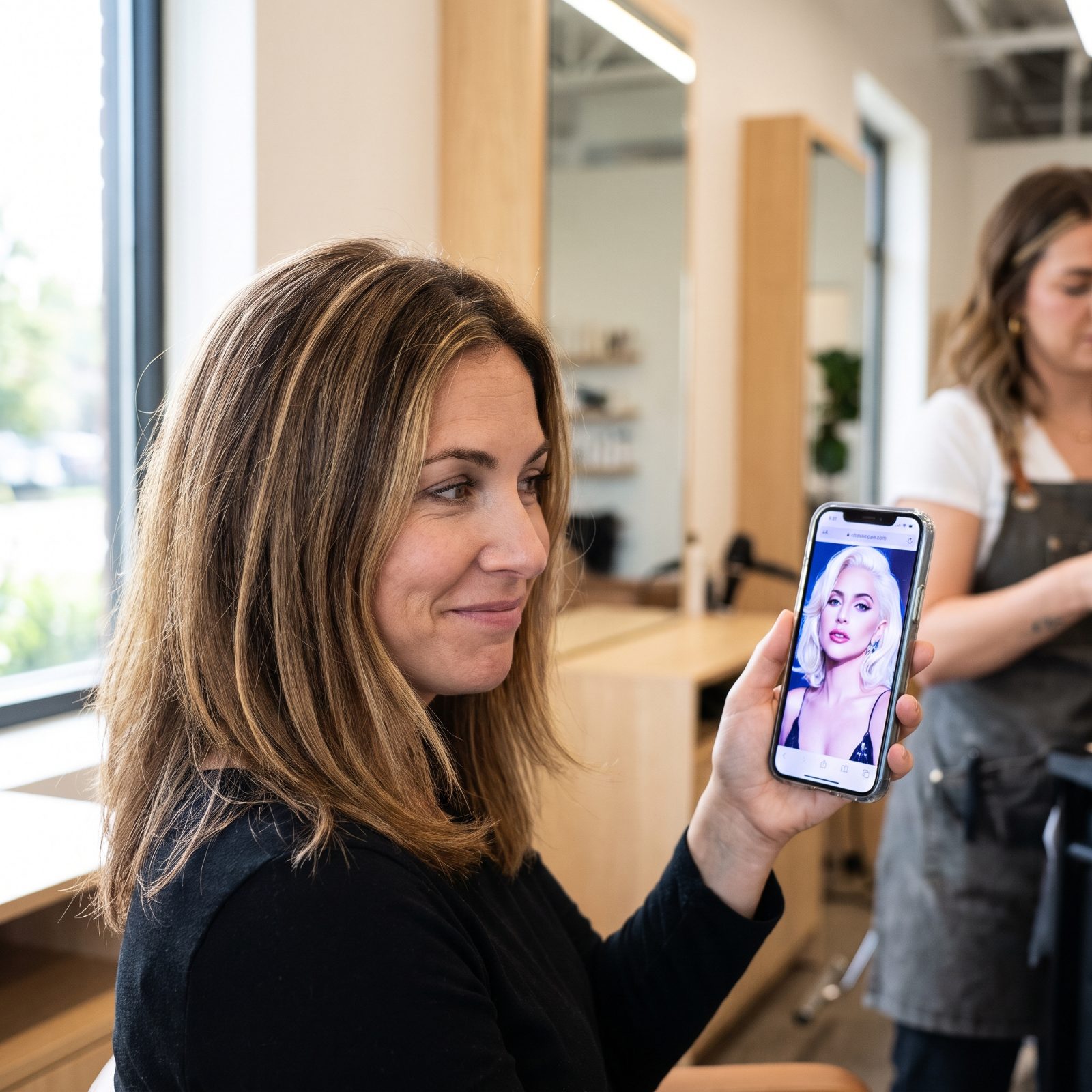
The photo is gorgeous. It’s also lit by a professional, color-corrected in post, refreshed every six weeks by a colorist who charges more than your car payment, and sitting on top of a completely different base. None of that is in the picture you’re holding up.
We do this with people constantly, falling for the highlight reel and expecting daily reality to match it. The vacation version. The first-date version. The one good angle we build an entire future on.
Anchoring is the trap. One vivid image sets the standard, and everything gets measured against a result that was never actually available. Your colorist isn’t ruining your dream — your dream was edited.
18. You Skip the Strand Test Because You’re Already Committed
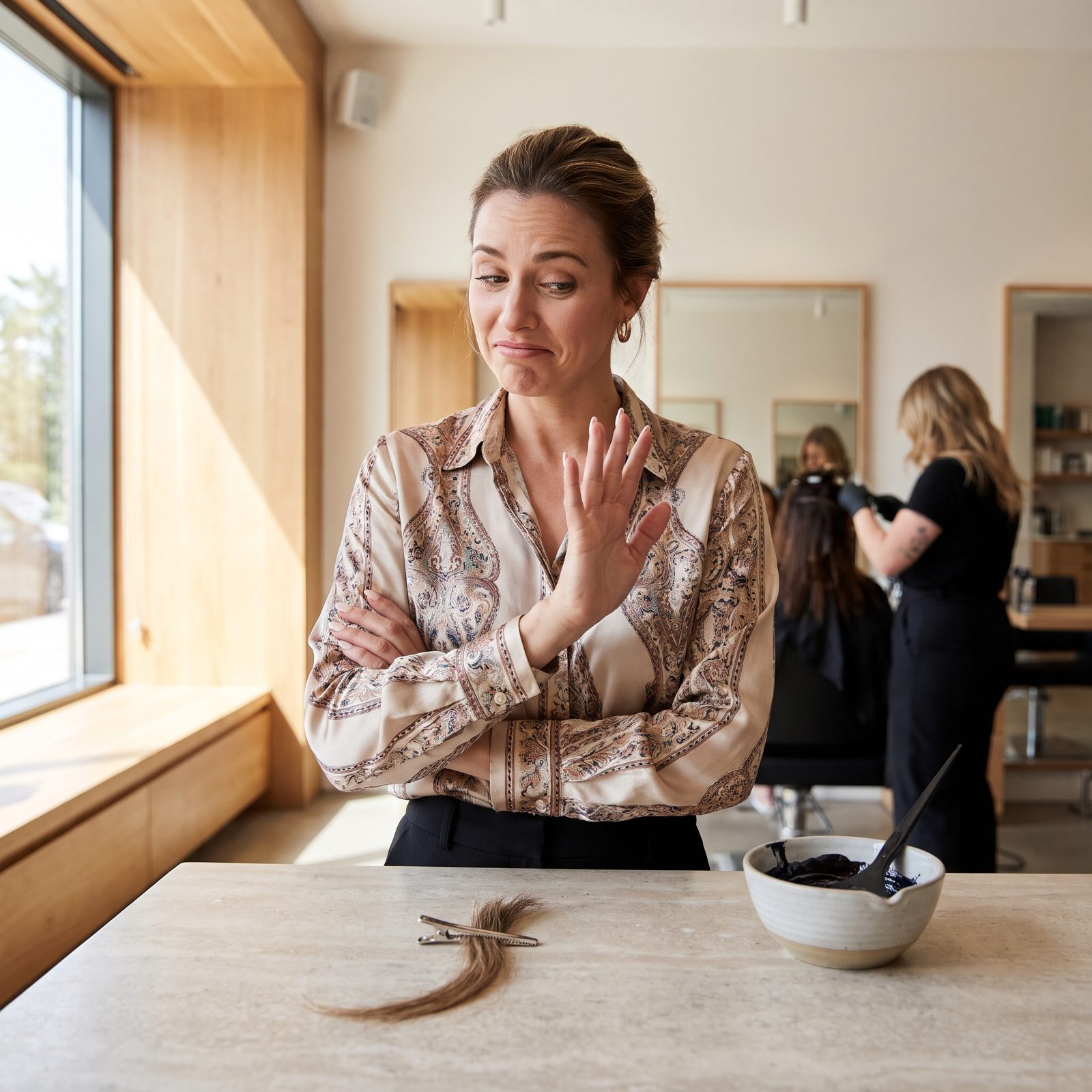
The strand test takes twenty minutes. You’ve already decided, and twenty minutes feels like an insult to a decision you made in the car on the way over.
Call it commitment escalation. Once we’ve mentally signed up for something, any step that might reveal a problem feels like an obstacle, not insurance. We skip it precisely because we’re scared of what it might say.
It’s the relationship version of ignoring every small red flag in month one because you’ve already told everyone you’re smitten. The test exists to protect you. Committing harder doesn’t make the formula safer — it just makes the correction more expensive.
What Our Readers Say
- Asked to pick a hair colour, our readers split almost evenly between silver, brunette, blonde and red copper, so there is no single crowd favourite to chase.
- In our Hot or Not photo matchups, hairstyles with balayage colour won more of their head-to-head matchups than expected, taking 60% of them.
From ThreadCurve reader polls and votes.
17. You Hear “Damage” and Somehow Only Remember “Platinum”

Your colorist is a professional, and she’s being honest. She says the words breakage, double process, maybe a toner every four weeks. You hear one word. Platinum. The rest dissolves like sugar in warm water.
Selective attention is a survival trick gone rogue. We filter out information that threatens the thing we want and keep only the part that feeds it. It’s the exact mechanism that lets someone hear “I’m not really looking for anything serious” and reply, in their head, “she’ll change her mind about me.”
The warning wasn’t buried. You buried it. And the damage she mentioned shows up right on schedule, roughly when the compliments stop.
16. You Defend the Copper Harder After Everyone Questions It

Your sister raised an eyebrow. Your coworker said “it’s… bold.” And something flipped. The copper you were privately unsure about became the hill you will die on. Now you love it, loudly.
Reactance is the villain here. The more our freedom feels threatened, the harder we cling to whatever’s being questioned, even past the point where we actually want it. Criticism doesn’t make us reconsider. It makes us dig in.
Same reason a family’s disapproval can glue someone to a relationship they were half out the door on. Opposition turns a choice into a cause. Fair warning: defending a color this fiercely is often the exact moment you’ve stopped looking at it honestly.
And sometimes the copper really is right for you, which is the cruel part. Reactance doesn’t care whether you’re correct. It just wants you to win.
15. You Poll Five Friends Until One Praises the Red

You sent the photo to five people. Four gave the careful pause. One texted back “OBSESSED, it suits you!!” Guess which reply you screenshotted and now consider the final verdict.
This is confirmation bias wearing a cheerful costume. We don’t poll to gather information — we poll to collect permission. We keep asking until someone says the thing we already decided, then treat that one voice as the jury.
Asking enough people guarantees a yes. It doesn’t guarantee a good idea.
Same move as a friend fishing for opinions on the questionable new partner, waving off every concern until one person shrugs and says “if he makes you happy.” The data was never the point. The green light was.
14. You Let Compliments Overrule What Your Own Mirror Says

Deep down, in the honest light of your own bathroom, you know the color isn’t quite it. Then three people at work say it’s lovely and suddenly you’re overriding your own eyes with their applause.
Social proof is powerful, and it’s loudest when we’re unsure. When our own judgment wobbles, we outsource it to the crowd. The problem is you live with the color. They saw it for eight seconds in good office lighting.
People stay in all kinds of situations because everyone on the outside says how great it looks. The outside view is a snapshot. You’re the one in it every single morning.
13. You Blame Every Mirror Except the Ashy Color

“It’s the bathroom lighting.” “This mirror is terrible.” “I just look tired today.” Everything gets blamed before the ashy color that’s actually washing you out and reading faintly green against your warmth.
External attribution is a tidy little defense mechanism. When something we chose disappoints us, it’s far more comfortable to blame the circumstances than the choice. The light. The mirror. The day. Anything but the decision we’d have to own.
We do it with people too. It’s his stress, it’s the timing, it’s the pressure he’s under. Never the pattern itself. Protecting the choice protects us from admitting we chose wrong. But the mirror in the elevator, the one at your mom’s, and the one at the gym can’t all be broken.
12. You Keep Adding Highlights Because the Last Round Disappointed

The last round of highlights didn’t give you the brightness you pictured. So the answer, obviously, is more highlights. Then more. Each round promising to finally deliver what the one before couldn’t.
This is throwing good money after bad — the sunk-cost fallacy in foil form. You’ve invested so much cash, time, and hope that stopping feels like admitting the investment was a mistake, so you keep feeding it.
It’s the exact logic that keeps someone pouring effort into a relationship that’s been running on fumes for years. “We’ve come this far.” But distance already spent is no reason to keep walking the wrong direction. Sometimes the kindest move for your hair, and your sanity, is to stop lightening and let it recover.
11. You Keep the Formula Hoping Next Time Feels Different

Same box. Same shade. Same disappointment, roughly six weeks later. Yet you reach for it again, genuinely expecting a different ending this time.
Hedonic adaptation plays a part — the way the thrill of fresh color fades fast and we chase that first-week high by repeating the exact thing that gave it to us. Then there’s the plain comfort of the familiar. The known disappointment feels safer than an unknown better option.
People stay loyal to patterns that keep letting them down for the same reason. The formula is familiar, and familiar feels like home even when home isn’t good for us. Doing the same thing and expecting a new feeling is the most human mistake there is.
Next time, try one small change. A different undertone, a lower volume, an actual conversation with a colorist. The formula can’t surprise you. You have to surprise it.
For what it’s worth, hairstyle images with single process colour got fewer hearts from ThreadCurve readers than the other images in the same articles, 36% versus 51%.
10. You Stay With the Colorist Who Keeps Missing Your Brunette

Fourth appointment, same request, same result landing two shades too warm. The brunette you asked for shows up as a muddy auburn you didn’t. And yet you rebook for the next six weeks, because she knows your name, remembers your daughter’s wedding, and does your edges exactly how you like them.
Call it the sunk-cost fallacy wearing a cape. You’ve poured so much into the relationship — the history, the familiarity, the small kindnesses — that leaving feels like throwing all of it away. So you stay for the person and keep paying for hair you never wanted.
It’s the same math that keeps someone in a relationship long past its expiry. The good days are real. The chemistry is real. But good days don’t cancel a pattern that keeps missing the mark, and you’re not obligated to reward loyalty with your actual brunette.
9. You Buy Three Purple Shampoos for Blonde You Hate

The blonde was a mistake. You know it the way you know a shoe is wrong in the store and buy it anyway. So instead of correcting the whole thing, you buy a purple shampoo. Then a second, because the first one “isn’t the good kind.” Then a third, in a smarter bottle, because surely this one.
You’re not fixing the blonde. You’re managing it with small tweaks that let you dodge the big decision.
Same move people make when a relationship is off at the root. New date-night restaurant. A weekend away. A fresh gadget for the kitchen. Little purchases that treat a symptom so you never have to name the problem. The shelf fills up and the blonde stays wrong.
8. You Resent Platinum Upkeep You Swore Was Worth It
❤️ Would you like to save this?
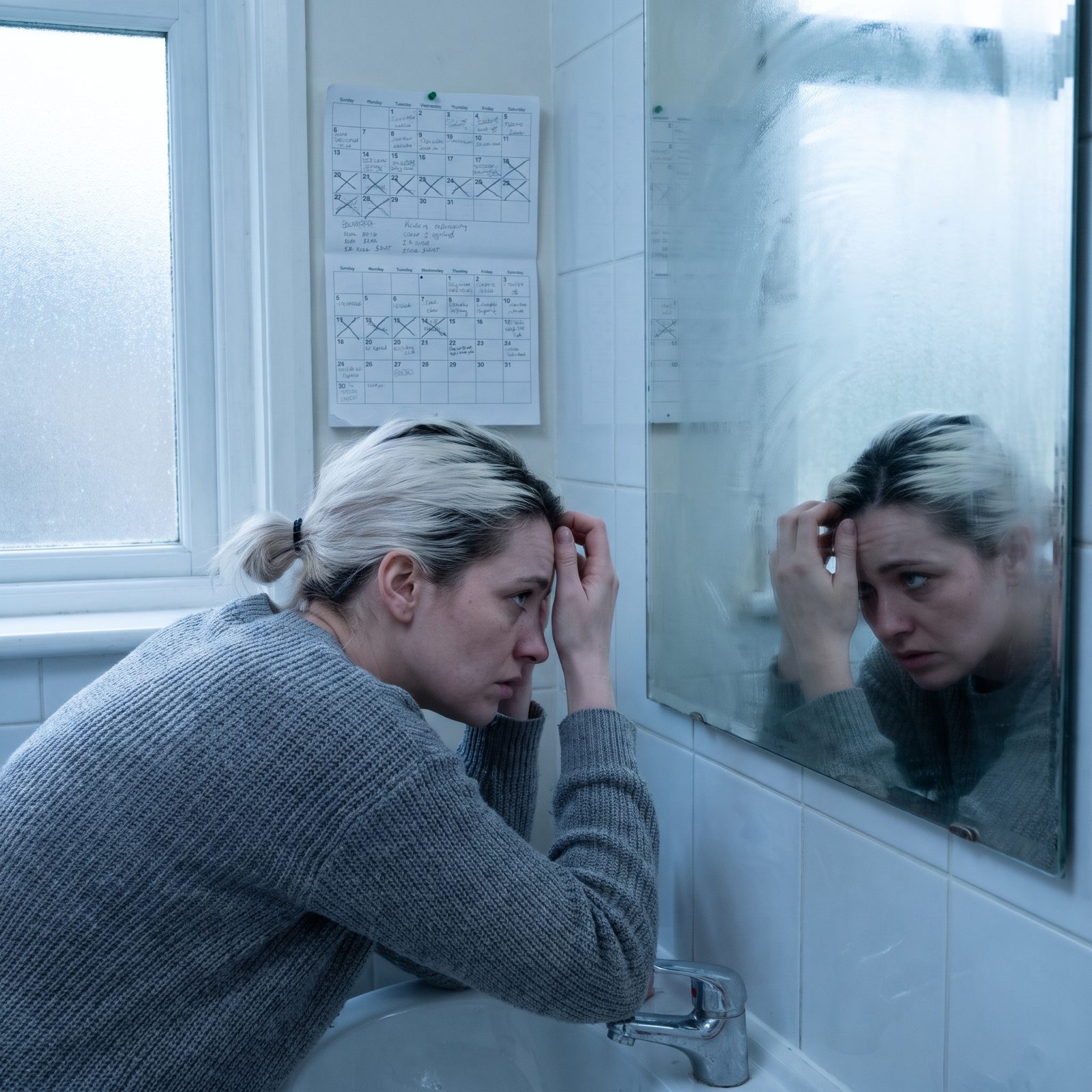
You campaigned for this. Platinum was going to be the thing — the version of you that felt finished. Everyone warned you about the upkeep and you waved it off, because when you want something badly enough the cost always looks smaller than it is.
Now it’s every four weeks, bond builder you can’t skip, a mask that costs more than dinner, roots that betray you by day eleven. The resentment creeps in sideways. Not at the hair. At yourself, for choosing it.
This is the planning fallacy, the thing that makes us underestimate how hard a marriage, a move, or any demanding commitment will actually be. We imagine the best version and quietly delete the maintenance. The want is loud. The upkeep stays silent until it arrives with a bill.
Wanting something and being willing to maintain it are two different decisions. You only ever made the first one.
7. You Remember the First-Day Shine, Not the Weekly Brass
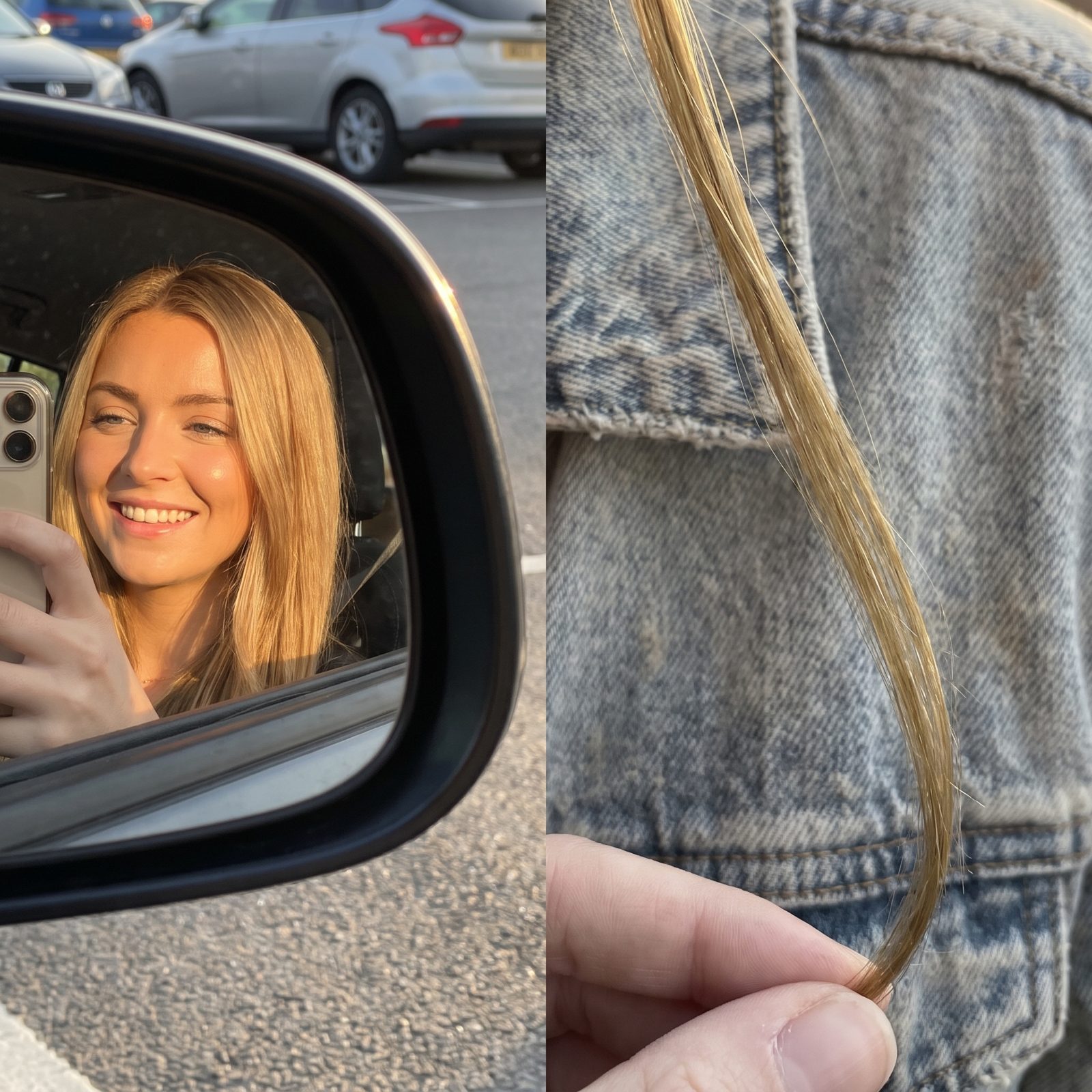
Day one is a drug. The gloss, the swing, the way light lives in it. You take four photos in the salon car park, and that first-day shine imprints so hard it rewrites your whole memory of the color.
Then you forget the rest — the brass that creeps in by week three, the dullness by week five, the way you were tugging at it in the mirror more days than you were admiring it.
This is the peak-end rule at work. We judge an experience by its highest moment and its ending, not by the long flat middle. The peak was day one. So the next time you book, you’re chasing a single afternoon, not the two months that followed. It’s exactly how someone romanticizes the start of a relationship long after it stopped feeling good. The highlight reel is not the full tape.
6. You Revisit Old Brunette Photos After the Compliments Stop

The compliments dried up around week two. Nobody mentions the new color anymore, and the silence sends you straight to the camera roll, scrolling back to the brunette you had before you got clever with it.
In the old photos it looks perfect. Of course it does — distance flatters everything.
Nostalgia is a liar with excellent lighting. It keeps the rich warm brown and quietly deletes the boredom you felt at the time, the exact boredom that sent you to the colorist for a change in the first place. You’re not missing the hair. You’re missing being noticed. Anyone who’s texted an ex after a quiet month knows the move. The past looks softer because you only kept the good frames, and the version of you in those photos was also, somewhere off-screen, itching for something different.
5. You Wait for It to Fade Instead of Booking Correction

The color is wrong and you know it’s wrong and you’ve decided to do absolutely nothing. You’ll let it fade. Give it a few weeks. Semi-permanent, right? It’ll sort itself out.
So you walk around in hair you don’t like, hoping time undoes the decision you’re too tired to confront.
This is passive avoidance — the same instinct that keeps people in a situation that quietly drains them while they tell themselves it’ll “run its course.” Waiting feels easier than the hard conversation. It never is. The fade takes months, lands somewhere worse, and you were unhappy the whole time you were being patient.
4. You Hide the Roots Rather Than End the Experiment

Root spray. A deeper part on purpose. A headband on the days you can’t be bothered. You’ve become a specialist in concealing a color you no longer want, rather than admitting the whole experiment ran its course.
Hiding the roots is easier than facing the fact that the bold red — or the fantasy pastel, or whatever the brave choice was — isn’t you anymore.
This is the commitment escalation trap. We keep propping up a decision we already regret because stopping means admitting we were wrong, and admitting we were wrong feels worse than the daily effort of pretending we were right. People do this with ventures, renovations, and relationships that stopped working a year ago. The roots aren’t the problem. They’re the truth growing back in.
3. You Attempt a Midnight Box-Dye Fix and Compound Everything
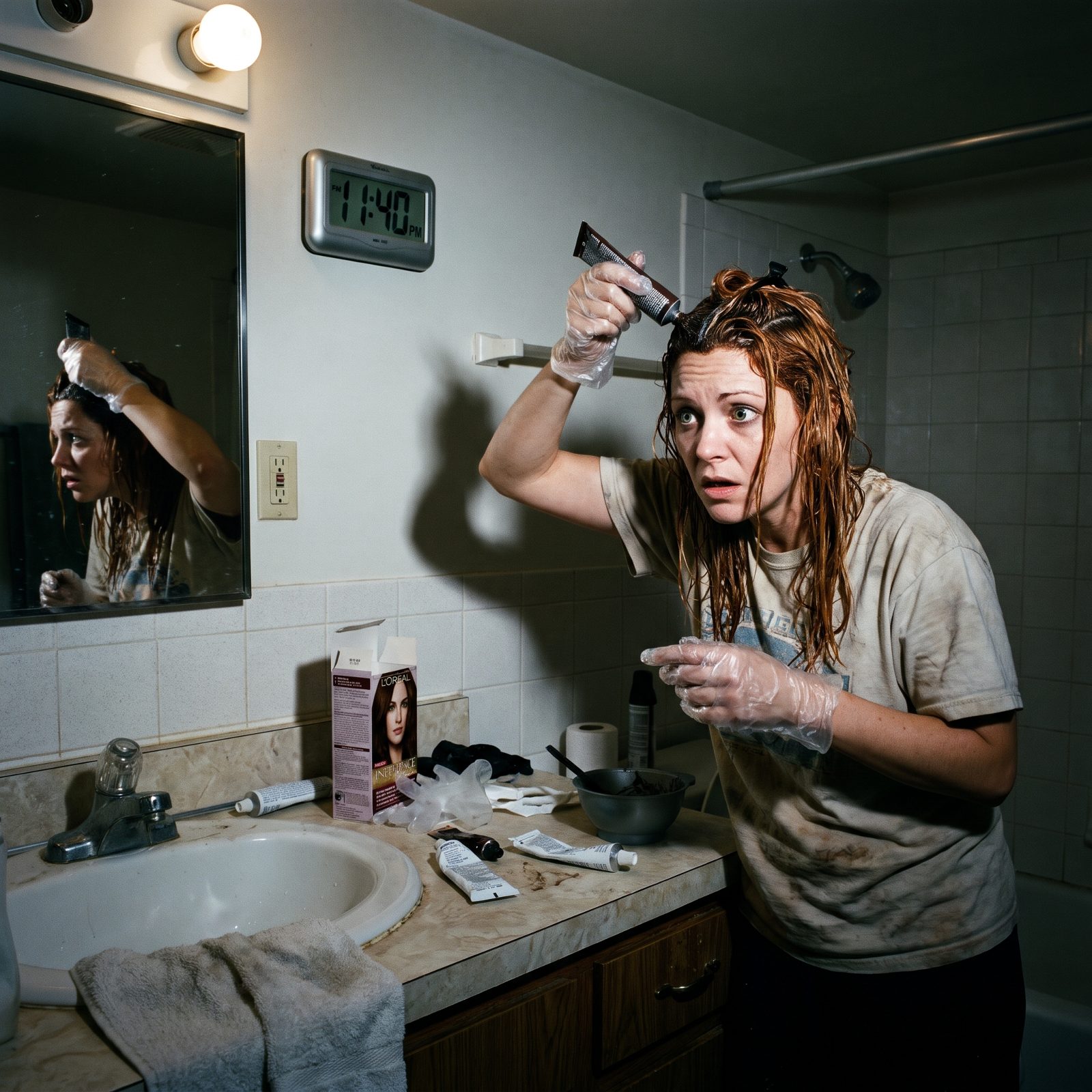
It’s 11:40pm. The brassy blonde has pushed you over the edge, the pharmacy was open, and now there’s a box of “deep burgundy” dye saturating your head, with a few telltale smudges already on the counter. By morning you’ve got hot red roots, a murky purple band through the middle, and a problem three times harder to fix than the one you started with.
The midnight box-dye is a stress decision. Brain tired, judgment low, consequences invisible until daylight.
This is emotional reasoning overriding good sense — the same wiring behind the 2am text you shouldn’t have sent, the impulsive declaration made because the feeling was loud right then. Acting on a feeling to escape it rarely does anything but deepen the hole. Big irreversible choices made by exhausted people at night are almost never the good ones. Hair, or otherwise, the rule holds: sleep on it before you make it permanent.
2. You Chop Off Length When the Color Is the Problem

The hair bothered you, so you booked a cut. Big chop. Blunt bob, maybe a fringe. You walk out feeling bold and decisive, and three days later you realize the thing that was wrong all along was the color — so the chop never needed to happen at all.
This is misattributing the problem, then “fixing” the wrong thing dramatically so it at least feels like you did something.
People do this constantly. Unhappy and unsure why, so they overhaul the visible stuff — the house, the job, the hair — while the real source sits untouched. The change was real. It was just aimed at the wrong target. Cutting length to solve a color problem is treating a leaky roof by rearranging the furniture.
In ThreadCurve’s Hot or Not matchups, pictures with bob cuts won fewer of their head-to-head matchups than expected, so a big chop is no guaranteed crowd-pleaser either.
1. You Rush Back to Natural and Immediately Call It Boring

After the whole saga you finally go home. Natural brunette, healthy and shining, the thing you were pining for in all those old photos. For about a week it feels like relief.
Then the itch starts. It’s lovely, but it’s, well, a little boring now. Maybe just a few face-framing highlights. Maybe a gloss. Maybe a hint of something.
Welcome to hedonic adaptation, the reason nothing stays exciting for long. We adjust to whatever we have, the thrill flattens to baseline, and the wanting starts up again. It’s the exact loop that has people leave something good because the newness wore off, chasing a fresh high that will also, inevitably, wear off. The hair was never boring. You just got used to it, which is a different thing entirely. If you’ve landed on a romantic hairstyle that genuinely suits you, the restlessness is worth sitting with before you reach for the toner again.