
❤️ Would you like to save this?
The cart sits open at 11:58 PM. Two minutes until a pair of clogs you did not want this morning sells out, and your thumb is hovering over the buy button like it owes you money. Somewhere, a day trader is doing the exact same thing with a stock he cannot pronounce.
Here is the uncomfortable truth: the brain that buys fashion and the brain that buys bubbles are the same brain, running the same old software. Scarcity, social proof, the dopamine hit of getting there first — the runway and the trading floor push the same buttons. Below are the places where your shopping habits and a speculative frenzy turn out to be identical twins. You will laugh, then recognize yourself, then understand why.
FYI, thanks to AI imagery software, we’re able to create very specific fashion and hairstyle examples to illustrate the points being made. In some cases, imagery is exaggerated to hammer home the point. Also, assume links that take you off the site are affiliate links such as links to Amazon. this means we may earn a commission if you buy something.
20. You Treat an Influencer’s Link Like Insider Information

A swipe-up link drops and suddenly you feel like you have been handed a hot tip before the rest of the room. Buy now, before everyone else catches on. That rush of being early, of knowing something the crowd does not, is the exact feeling a trader chases when a stranger on a forum whispers about the next big thing.
Neither of you has actual inside information. You have a recommendation from a person paid to recommend things. But the brain does not care. It files the tip under privileged knowledge and the dopamine arrives on schedule.
19. You Buy the Bubble Skirt Once Everyone Already Has One
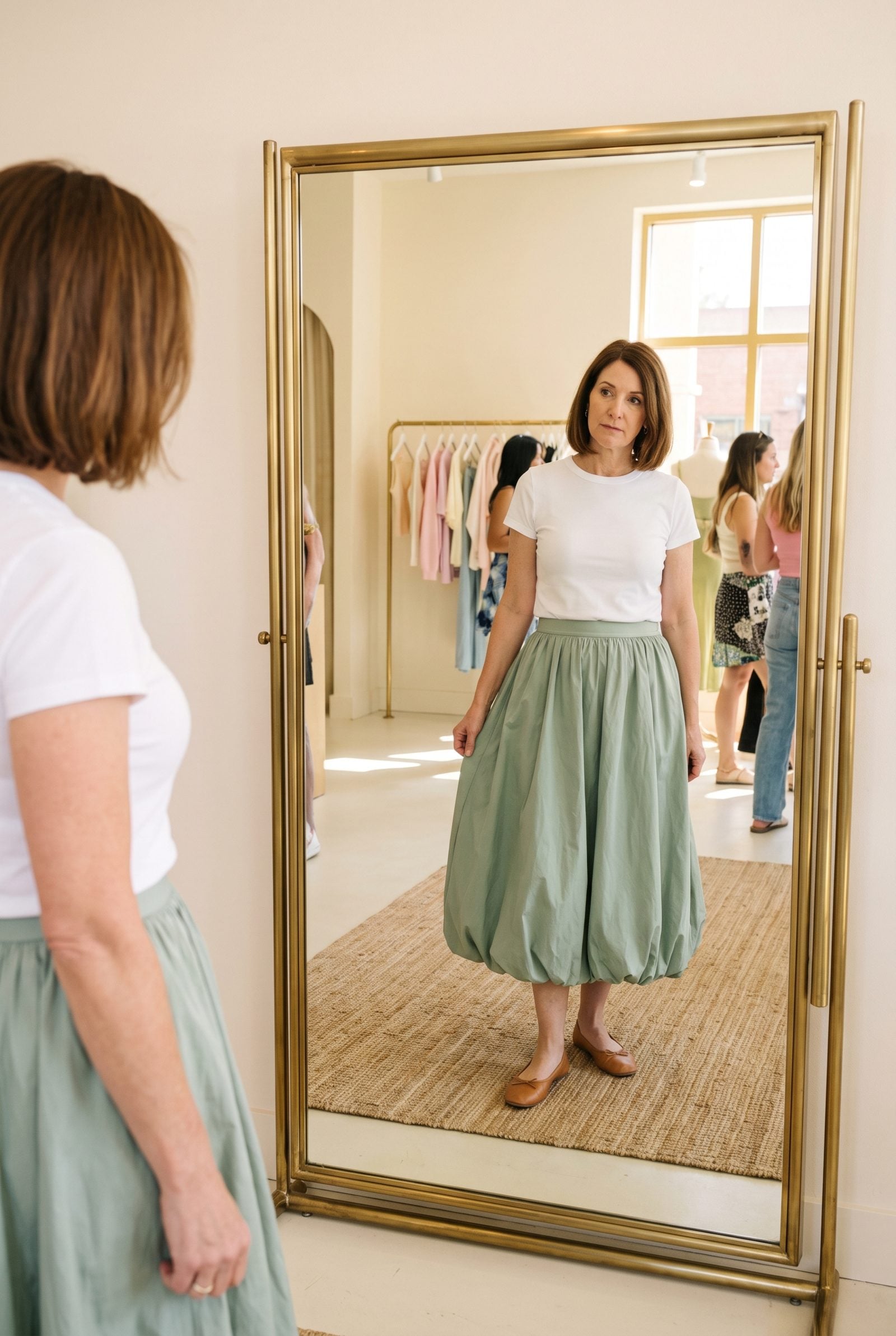
You held out on the sage bubble skirt for months. Called it a fad. Then your group chat filled up with them, three friends posted theirs, and the fear of being the only one left out finally cracked you. You bought at the top.
That is the classic bubble buyer. By the time something feels safe because everyone owns it, the early value is already gone. Markets call it buying the hype at peak. Your closet calls it the skirt you wore twice.
The pull is social proof. When enough people do a thing, our wiring reads it as evidence the thing is correct — right at the moment it is most likely overbought.
18. A Limited Drop Turns a Maybe Into a Checkout

Thirty seconds ago you were not sure. Then the little counter appeared. Only 4 left. Drop ends tonight. Your maybe collapsed into a purchase before your rational mind had a chance to vote.
This is the same machinery that drives a buying frenzy. Add a deadline and a dwindling supply, and people stop evaluating whether they even want the thing. They just want to not miss it.
17. Wearing It First Matters More Than Liking It

Be honest about the olive utility jacket. You are not sure you love it. But you will be one of the first in your circle wearing it, and that matters more than whether it actually suits you.
Early adopters in the market feel the same. The thrill is not the asset itself. It is beating the crowd to it, the bragging rights of I was in before you.
What is really happening is status signaling. Being first is a currency all its own, and we will pay for it with money, closet space, and the occasional jacket we never wear again. The athleisure vest moment taught a lot of us this lesson the hard way.
16. You Watch Outfit Likes Like a Live Price Ticker

You posted the outfit an hour ago. Now you keep refreshing. Fifty likes feels like the look got validated. Eleven feels like a small financial loss. The number has become a scoreboard for whether the purchase was correct.
Day traders do this with a ticker, glued to green and red flashes that spike their mood by the minute. The outfit and the stock are both being priced in real time by a crowd, and both of you are letting that crowd set your self-worth.
The problem with measuring your taste by other people’s taps is that the market closes a different way every single day.
Each like releases a small dopamine reward, so we keep checking, chasing the hit. The feed trained you to do it on purpose.
15. The Resale Markup Makes Those Sneakers Feel More Valuable
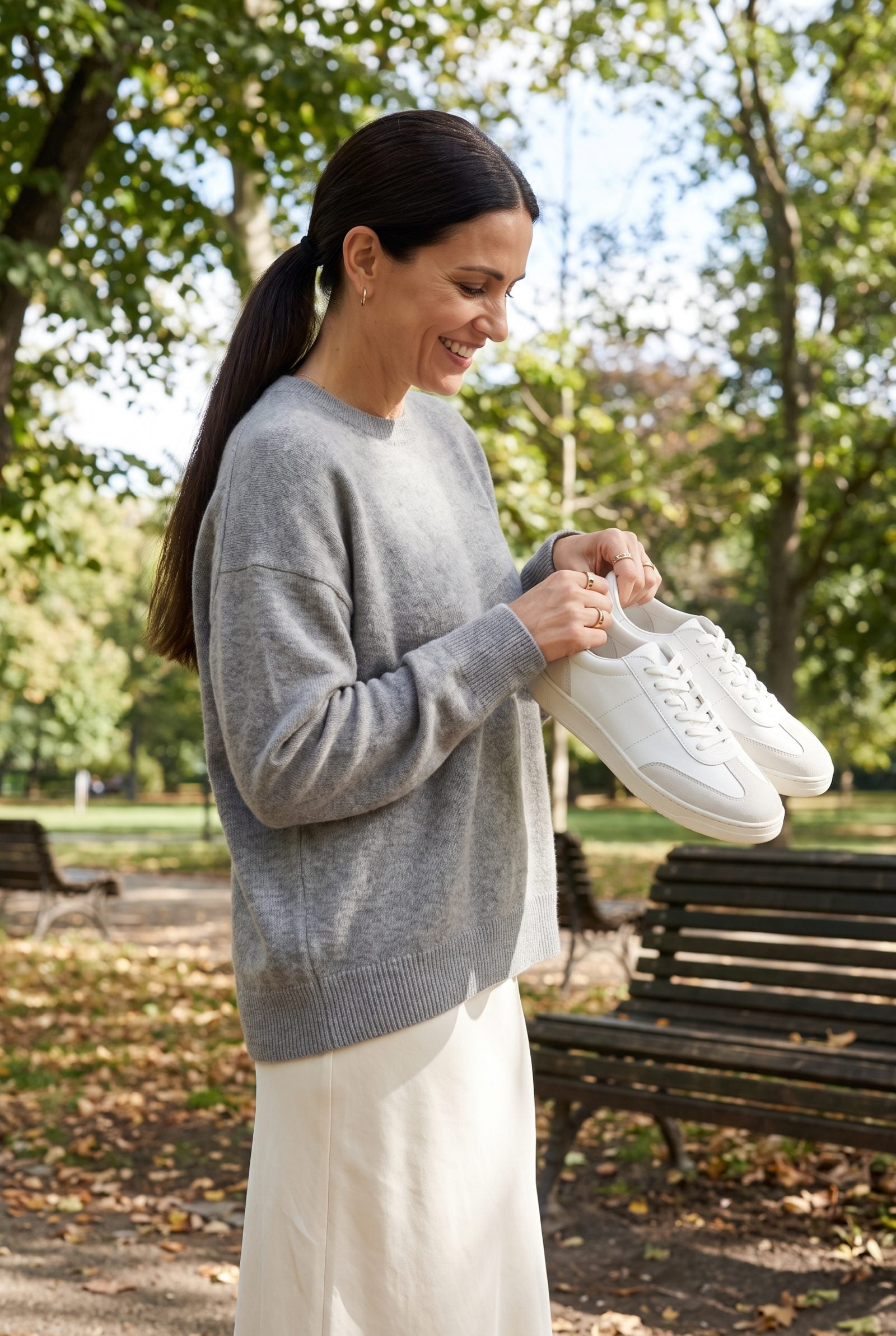
The retail price was reasonable. Then you saw them reselling for triple, and suddenly the sneakers you already owned felt like treasure. Same shoe. Same leather. But a number attached by strangers rewrote their worth in your head.
That is a speculative bubble in a shoebox. Something becomes valuable only because someone else might pay more for it later, not because it does anything new.
14. Three Great Outfits Convince You Leopard Is Forever

The leopard slip skirt has worked three times running, so your brain files it as a permanent winner and you start buying leopard everything: the coat, the flats, the little scarf. A short streak became a lifetime thesis.
Investors do this when a stock rises a few quarters. They mistake a run for a law of nature and pile in, certain it only goes up.
Blame recency bias, where the latest results feel like they predict the future. Leopard will cool, as all prints do. The trick is noticing the difference between a hot hand and a permanent truth before your closet is more spots than solids.
13. Trend Forecasts Start Sounding Like Guaranteed Returns
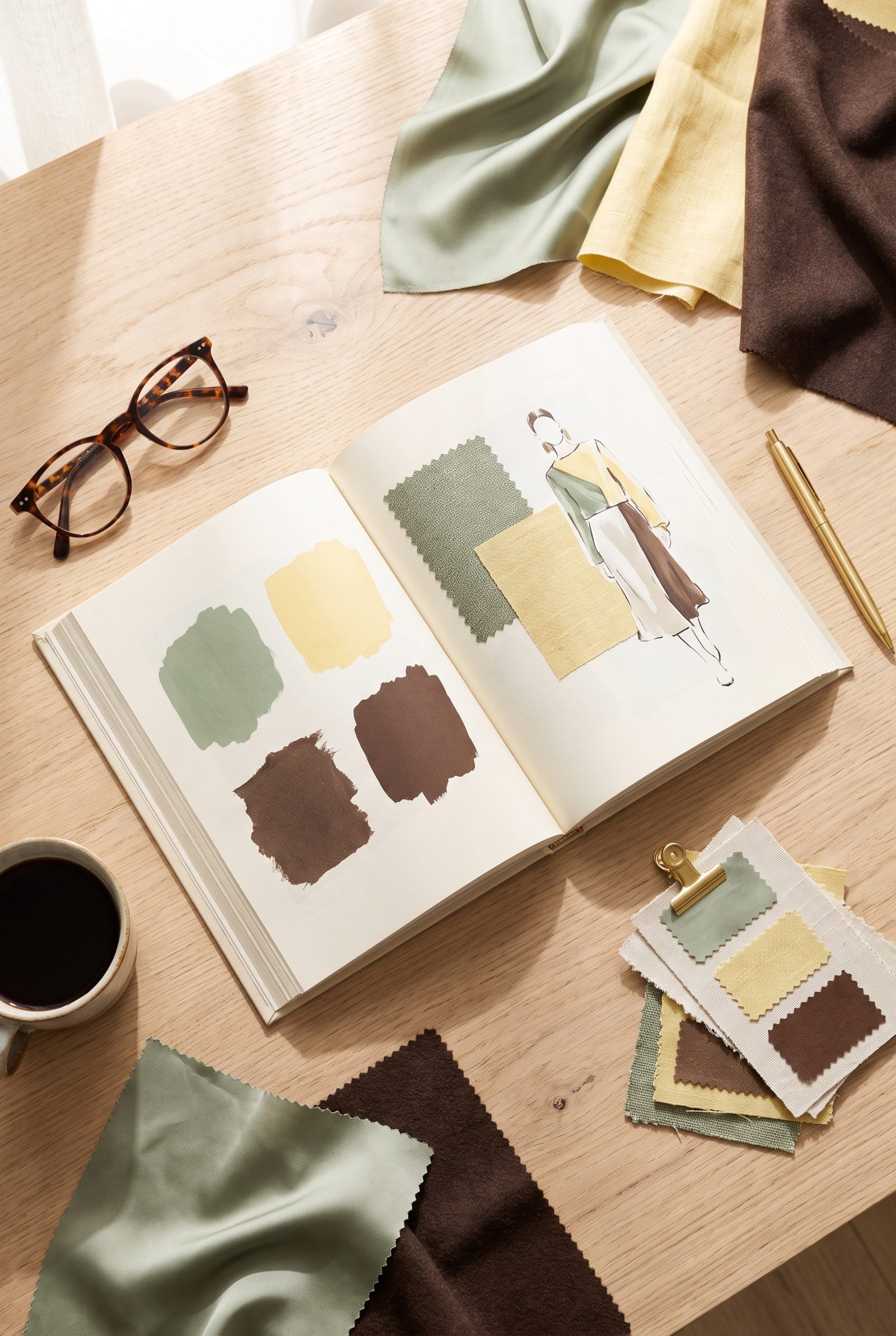
The forecast says chocolate brown is the color next season. You read it like a promise, stock up on three brown pieces, and feel ahead of the curve.
Market analysts issue the same confident calls, and investors treat a forecast as a done deal rather than an educated guess from someone who is often wrong.
We trust confident predictions far more than the track record justifies. A clean, certain-sounding forecast feels like knowledge, even when it is one person’s bet. Sometimes brown does arrive. Sometimes everyone pivots to red and your closet is a quarter you called early and lost on. Keep an eye on the bag trends before committing a season’s budget to any single call.
12. A Catchy Trend Name Makes the Clothes Feel Important

Call it a beige coat and it is a beige coat. Call it quiet luxury and suddenly it is a philosophy, a mood, a thing you must participate in. The name did the heavy lifting.
Bubbles run on the same magic. Give a speculative frenzy a slick label and the story becomes irresistible, the clothes or the asset feeling weightier than their actual substance.
11. You Swear This Microtrend Is Different From the Others

You know microtrends burn out. You have the graveyard to prove it. But this one, you tell yourself, is genuinely different. This one has staying power. This one is a classic in the making.
Every bubble has this moment. This time is different might be the most expensive sentence in financial history, and it shows up in closets just as often.
Optimism bias makes us believe our own case is the exception to the pattern we can see clearly in everyone else. The honest move is to assume your microtrend will fade like all the rest, then buy it only if you would still want it when it does. Alright, go check your cart.
10. Buying Six Trendy Colors Feels Like Diversifying
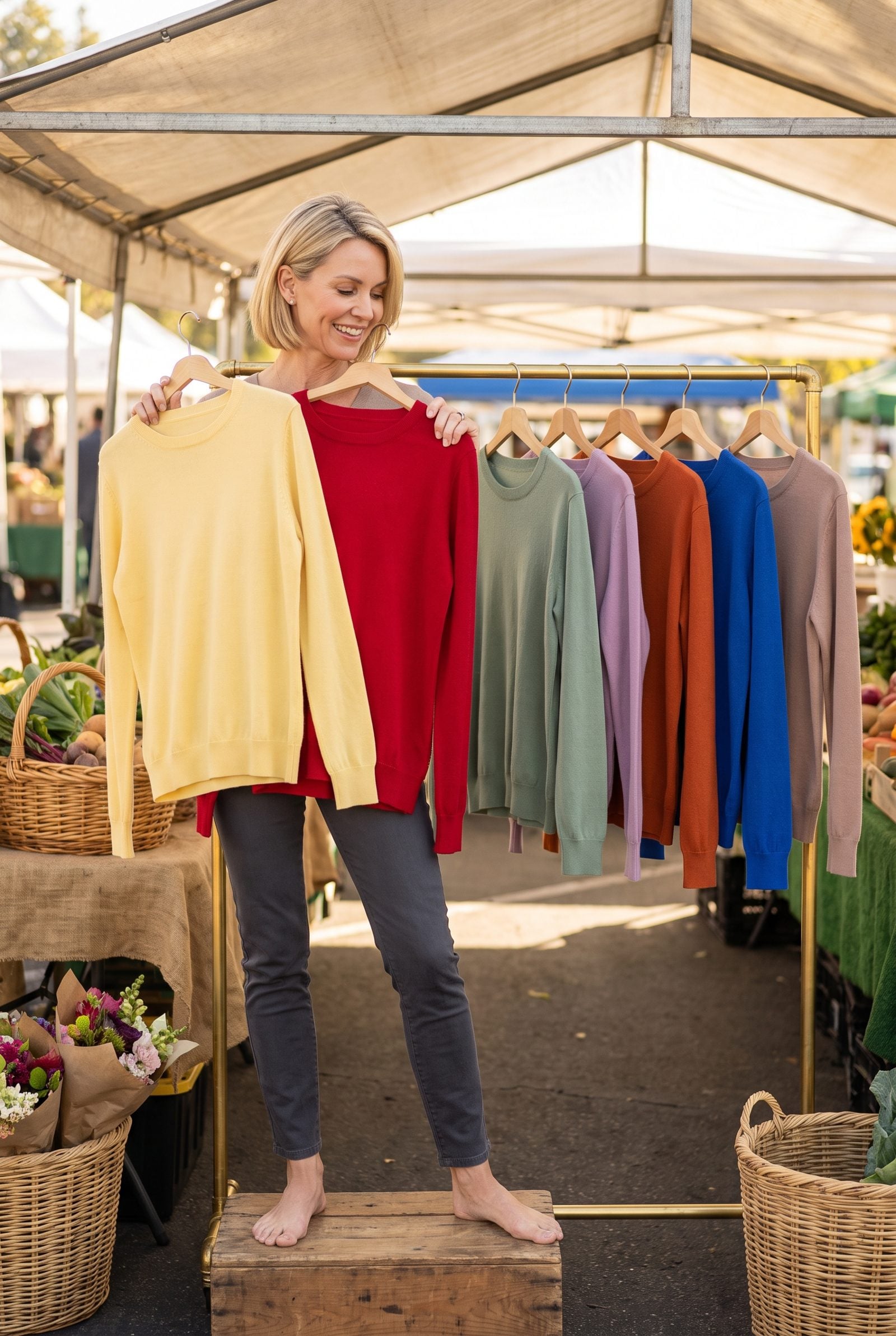
Six near-identical sweaters in six trend colors, and somehow the brain files all of it under “smart.” One in sage, one in butter yellow, one in that cobalt everyone pinned back in spring. It feels like spreading the risk. If lavender flops, surely burnt orange carries you.
That’s the diversification illusion, and investors fall for the exact same thing. Owning twelve stocks that all move together isn’t diversified — it just looks busy. Six sweaters sharing the same fine-knit cut, the same silhouette, the same shelf life, aren’t six bets. They’re one bet in six wrappers. When trend-color knits cool off, they all cool off on the same weekend.
Real range comes from different jobs, not different shades. A structured blazer, a worn-in denim jacket, a slip dress, a crisp white shirt — those behave independently, each pulling its own weight on its own occasions, which is the whole trick you were hoping the colors would pull off for you. The rainbow row? That behaves as a single mood that expires on the same dull Tuesday.
9. You Sell Good Basics to Fund One Viral Coat

The resale box fills with the good stuff. That camel wool coat that works ten months a year, the navy cashmere sweater you’ve worn to death because it just works — all of it listed and shipped, so you can afford the one acid-green coat your feed won’t stop showing you.
Day traders call this chasing. Cash out the boring dividend holdings, the stuff that quietly pays its way, to pile into the one name everyone’s screaming about. Those boring positions were doing their job, and that was the entire reason you owned them.
Here’s the sting. Reliable basics are hard to replace and easy to undervalue, precisely because they never make noise. The viral coat is loud today and dated by the time the leaves turn. You traded the floor of your wardrobe for the ceiling of one season.
The pieces that never thrill you are usually the ones holding the whole closet up.
8. Shipping and Tailoring Vanish From the Outfit Math

❤️ Would you like to save this?
The dress is forty dollars. A steal. Then the return of the wrong size costs you in shipping, the hem needs taking up, the straps need shortening — and that forty-dollar dress has quietly become a much pricier dress, yet somehow your head still logs it as “the forty-dollar one.”
Markets run on hidden drag too. The flashy fund with the low headline price and the fees buried in the fine print. The trade that looks free until the spread eats you. The real cost is always the sticker plus everything the sticker didn’t bother to mention.
Nobody budgets for alterations in the moment of wanting. But a garment you’ll actually wear is worth tailoring, and a garment you had to trick yourself about probably isn’t.
7. You Keep the Unworn Blazer Because It Cost Plenty
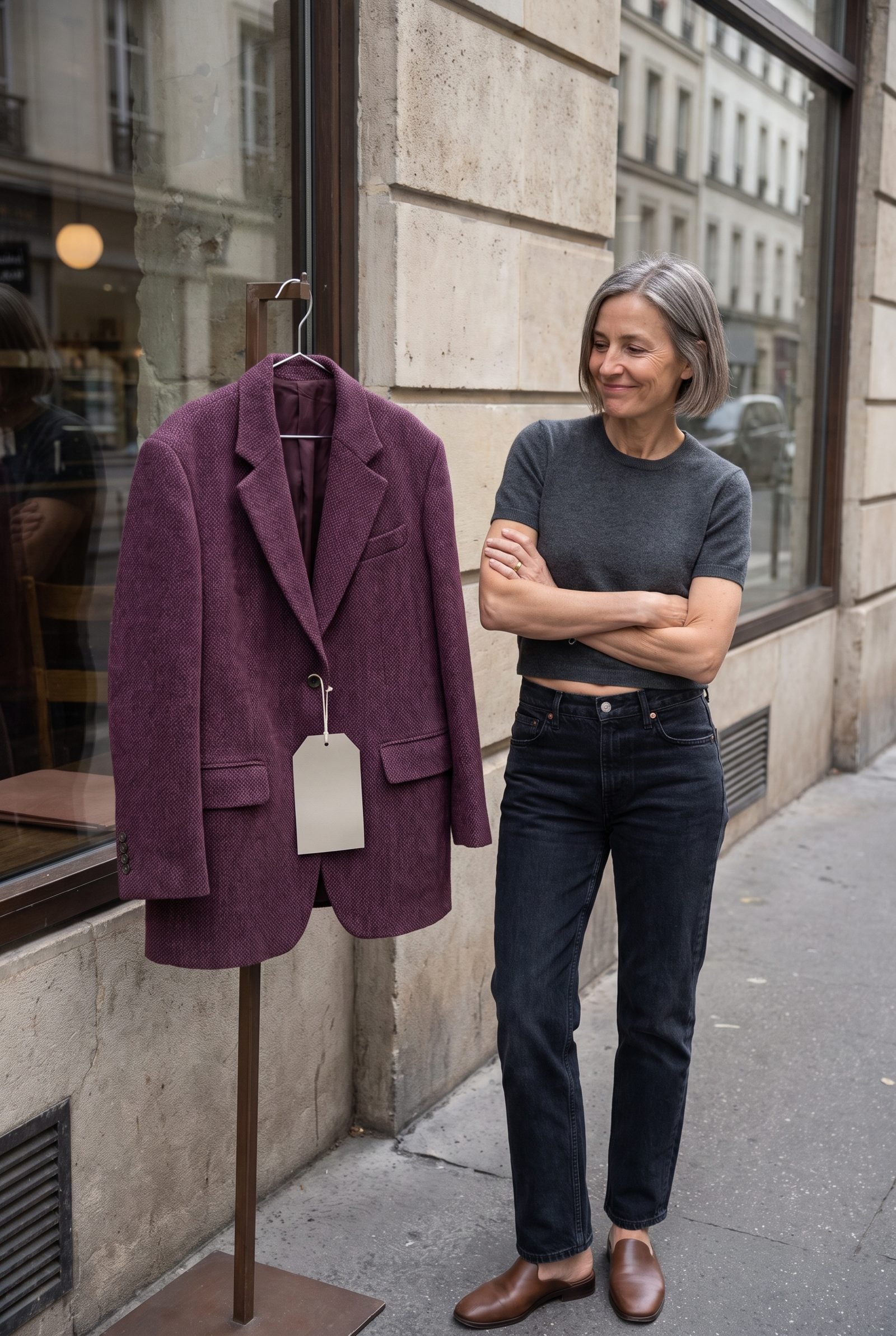
It has finally left the house — on a hanger. The plum tweed blazer with the tag still on, bought in a confident moment that seemed never to come back — until today. You look at it as if you love it. But be honest: is that love, or relief that something that cost real money is finally justifying its prime rail space, after months as a little monument to a decision?
This is the sunk-cost fallacy wearing shoulder pads. The money’s already gone whether the blazer hangs there or walks out the door in a donation bag. Past spending can’t be recovered by future suffering. Investors do it too, white-knuckling a losing stock because selling would “make the loss real,” as if the loss weren’t already real the day the price dropped.
The question is never what you paid. It’s whether, knowing what you know now, you’d buy it again today. If the honest answer is no, the tag can come off at the consignment shop, not your closet.
6. You Defend the Weird Boots Harder After Buying Them

The square-toe oxblood boots looked bold online and frankly strange in person. But the box is open now, the card is charged, and suddenly you’re the chief defense attorney for these boots. “They’re actually really versatile.” “They make a statement.” “Everyone’s wearing them.” You weren’t this committed before you owned them.
That’s post-purchase rationalization, and it kicks in hardest right when the regret would normally start. The brain hates holding a choice and a doubt at the same time, so it quietly rewrites the choice as brilliant. Investors pull the same move the second a stock lands in their portfolio, reading every headline as proof they were right to buy.
The tell is the heat of the defense. You rarely argue this passionately about the boring flats you’ve worn happily for three years. The louder you advocate for a purchase, the more likely you’re arguing with yourself.
5. You Buy the Trend Again When It Hits Clearance

You passed on the trend at full price, feeling virtuous. Then it drops to a fraction of what it was, and your resolve collapses on the spot. The same piece you didn’t want yesterday is suddenly irresistible with a red sticker on it. The item didn’t change. Only the number did.
Bargain hunters call this catching a falling knife. A stock craters and suddenly “it’s cheap, how can I not.” But cheap isn’t the same as good value, and the trend sitting on the clearance rack is sitting there for a reason: its moment is over. You’re not getting in early. You’re buying the exit.
The discount hijacks the decision. Loss aversion flips into fear of missing the deal, and the deal itself becomes the reason, not the garment. So ask the clean question. At full price, would I wear this? If no, no sticker rescues it.
4. You Dump the Peplum Top the Minute TikTok Laughs

You liked the peplum top. It skimmed where you wanted skimming and nipped where you wanted nipping. Then a viral video declared it dated, the comments piled on, and within a week it’s folded into the donation bag. Your own opinion never budged. The crowd’s did.
That’s herd behavior, the same force that empties a once-beloved stock the instant the narrative turns, regardless of what the thing is actually worth. Panic selling at the bottom. Mass exits because everyone else is exiting — the worst possible reason, and the most human one.
Here’s the quiet truth after forty: trends come back, and your taste is data. If a cut genuinely works on your frame, the internet’s mood swing is noise, not a verdict. A piece that fits your actual body beats a piece that fits this month’s algorithm every single time.
3. You Bet Old Low-Rise Jeans Must Rebound Eventually
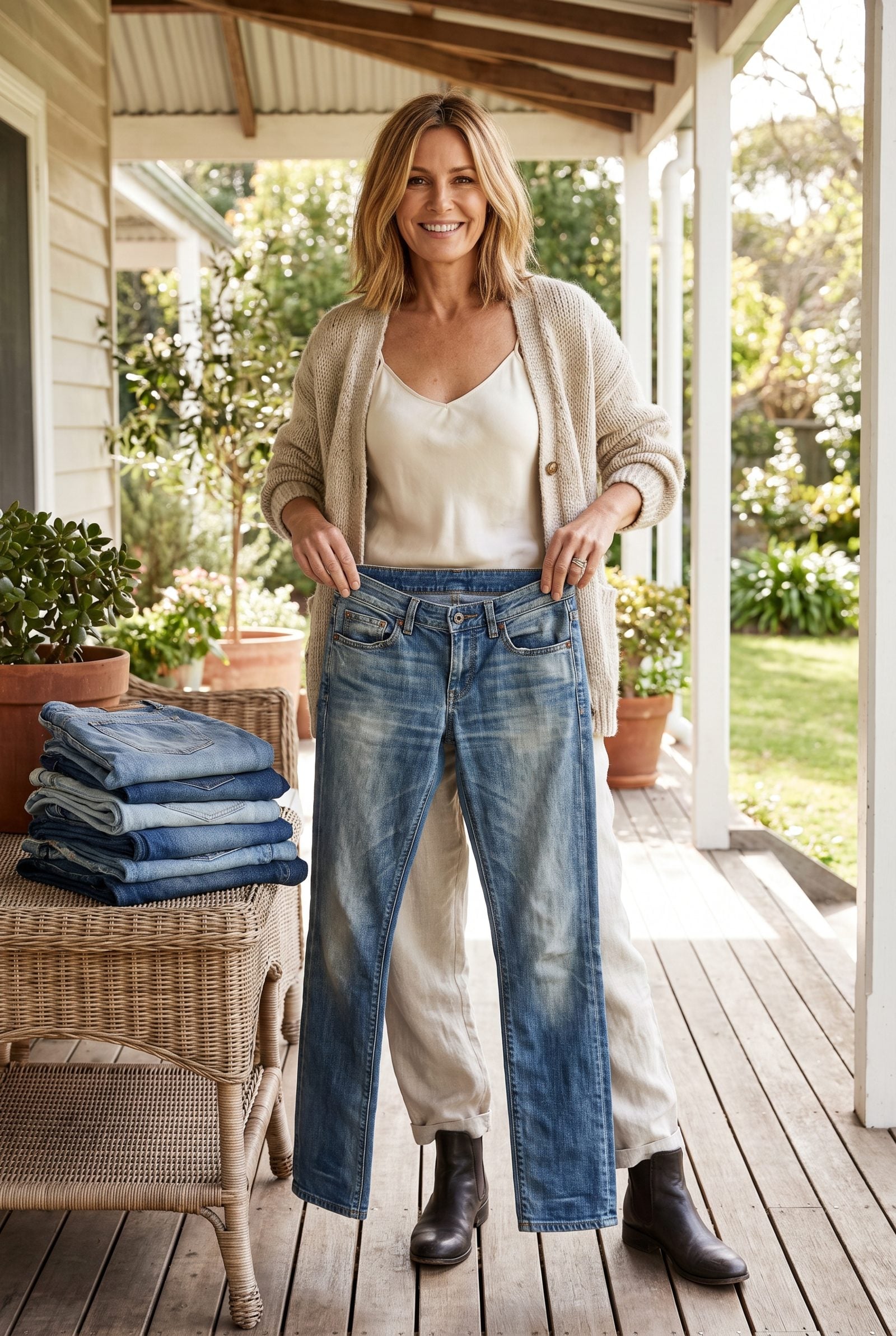
The low-rise jeans from two trend cycles ago are still in the stack. Not worn, not tossed. Just held. Because fashion is cyclical, right? Everything comes back. So you wait, convinced these exact jeans will have their moment again and vindicate the holding.
Fashion does cycle. But “it’ll come back” is the garment version of “it’ll bounce back,” the hope that keeps investors clutching a dead position for a decade waiting on a rebound the specific thing may never get. The category might return. These particular jeans, in this exact wash and cut, probably won’t be what returns.
Nostalgia makes us terrible at this. We attach the memory of how we felt in a piece to the piece itself, and holding onto it feels like holding onto the past. But a closet is finite real estate, and waiting years for a maybe-rebound is a cost too, even when nothing’s leaving your wallet.
2. A Crossed-Out Price Makes the Jeans Feel Sensible
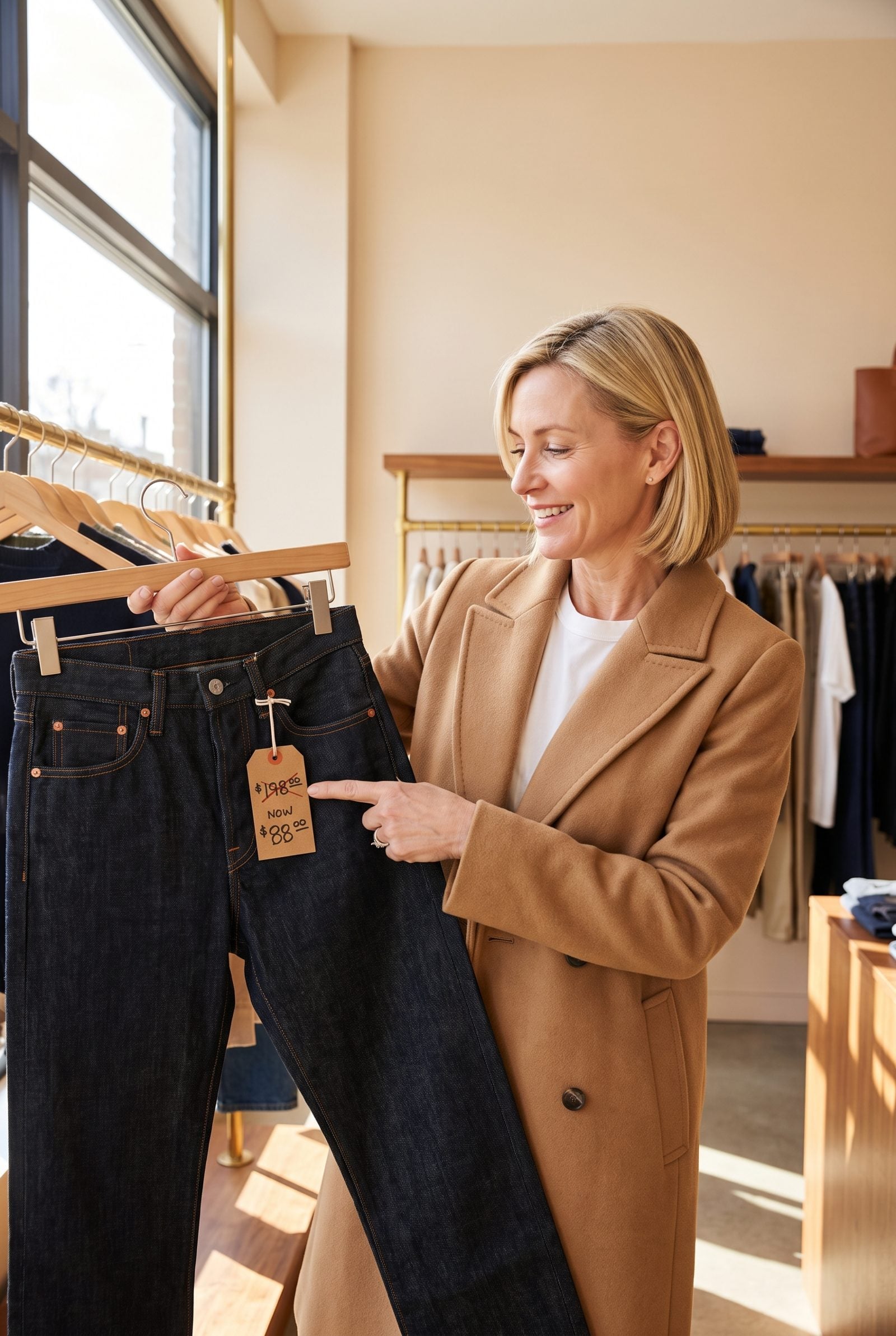
Two numbers on one tag (one crossed out, a lower one written underneath) and somehow the jeans still feel not just affordable but responsible. You’re saving money by spending it. Never mind that you came in for nothing and the “original” price may have existed for about eleven minutes before the sticker went on.
That’s anchoring, the oldest trick in retail and in markets alike. The first number you see becomes the reference point for everything after, so a price feels reasonable only in relation to a higher one planted right beside it. A stock that “used to be double” feels like a steal even when double was never justified in the first place.
The fix is boring and it works. Ignore the crossed-out number entirely. Ask only this: is this piece worth this price to me, on its own, with no comparison? If they’re great jeans at the real price, buy them. If they only look smart against a phantom markdown, the discount is doing all the persuading.
1. Your Closet Is Crowded but You Keep Trading Pieces

The closet is full. Jammed, honestly. And yet every week something leaves and something new arrives, a constant churn that never seems to settle, never reaches “done.” You own more than enough and you’re still trading.
Day traders live here. Constant activity, endless transactions, a persistent itch that the next move is the one that finally gets it right. The churn feels like progress because it feels like doing something. But each in-and-out has a cost, and the restlessness itself is the real habit, not any single piece.
What’s underneath is usually the hedonic treadmill. Each new arrival thrills for a week, the thrill fades back to baseline, and the only cure that seems to work is yet another arrival. The wardrobe never feels finished because finishing was never actually the goal. The hit was.
The way off the treadmill isn’t a shopping ban. It’s noticing that the fullest closets often belong to the least satisfied, and that a smaller set of pieces you genuinely reach for beats a crowded rail you keep rearranging. Worth knowing before you pair your next bag trends with yet another coat.