
❤️ Would you like to save this?
For decades, the full slip was nearly invisible and nearly indispensable. Ivory, blush, black, lace-trimmed or ruthlessly practical, it hung between the underwear drawer and the dress closet doing half a dozen small jobs nobody thought much about. It kept sheer fabric decent, stubborn skirts moving, hosiery covered and dresses from catching where they shouldn’t.
Then fashion started dismantling its job description one piece at a time. Hemlines shot upward. Women wore trousers to work. Fabrics stretched, linings moved inside dresses, bare legs became ordinary and underwear itself stopped behaving as though discovery would constitute a social emergency.
No single trend killed the full slip. That’s what makes its disappearance interesting. A garment that once seemed necessary was gradually surrounded by better solutions, easier clothes and a completely different idea of what getting dressed should require. By the time anyone might have noticed, the slip was already hanging at the far end of the closet.
These 27 shifts show how something once considered essential became optional, occasionally useful and finally almost archaeological.
FYI, thanks to AI imagery software, we’re able to create very specific fashion and hairstyle examples to illustrate the points being made. In some cases, imagery is exaggerated to hammer home the point. Also, assume links that take you off the site are affiliate links such as links to Amazon. this means we may earn a commission if you buy something.
27. Pantyhose Simplified the Foundation Routine
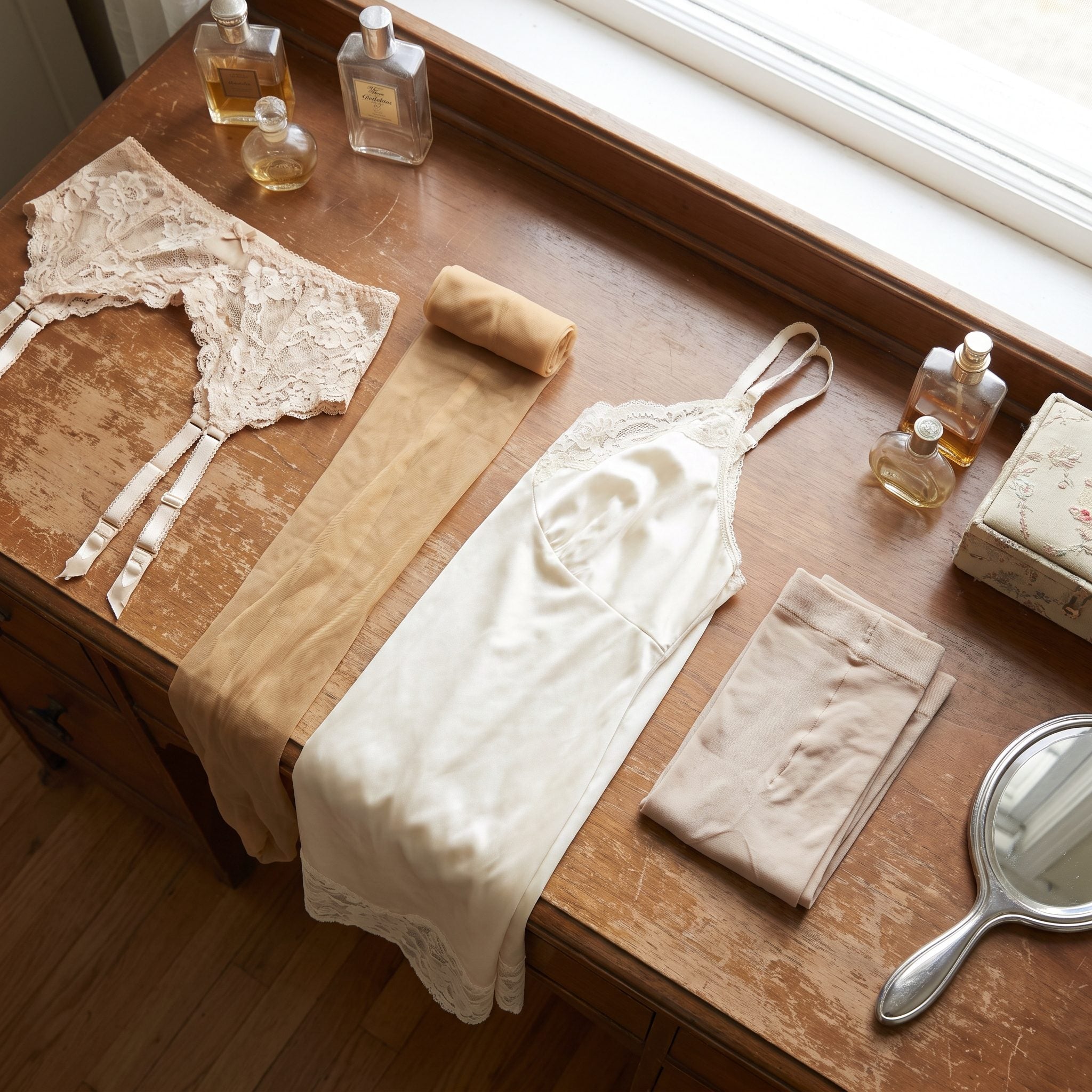
Before pantyhose, stockings usually meant another piece of equipment to hold them up. Pantyhose combined stockings and panties into a single garment and helped dismantle the elaborate foundation routine that had made multiple underlayers feel normal.
The A-line dress makes the change visible. Smooth hosiery, clean hem, fewer moving parts. Pantyhose didn’t replace the slip or single-handedly send it packing, but they helped establish a persuasive new principle: if one garment could do the work of two, why keep dressing as though every layer still had tenure?
26. Everyday Dressing Became Much More Casual

The full slip belonged to an era when getting properly dressed could involve several stages before anyone reached the front door. Casual separates changed the arithmetic.
Jeans, a tucked striped shirt and a cardigan thrown open over the top need proportion, not infrastructure. The relaxed denim gets enough definition from the tucked shirt to keep the outfit from drifting into sloppy territory. Once combinations like this claimed ordinary weekdays, the full slip wasn’t rejected so much as excluded from the conversation. There was simply nowhere sensible to put it.
What Our Readers Say
- Asked whether they reach for dresses or separates, about two out of three ThreadCurve readers picked separates.
- In our reader polls on the daily go-to, jeans took 66% of the vote, far ahead of trousers at 19% and dresses at 16%.
From ThreadCurve reader polls and votes.
25. Hemlines Rose Faster Than the Old Slip Could Follow

Look at the hem gap. The shift dress stops well above the knee while the old full slip keeps traveling south. A garment designed to disappear underneath clothing suddenly became extremely good at announcing itself.
The mustard shift is short, boxy and light on purpose. A longer underlayer either shows below the hem or has to be bunched, pinned or replaced. The block heel gives the dress enough visual weight without undoing its youthful geometry. Fashion shortened the dress. The slip couldn’t simply pretend nothing had happened.
24. Stretch Fabrics Let Dresses Fit Without So Much Help

Stretch fibers changed what a dress could do by itself. Knits and fabrics incorporating elastic fibers could follow the body, recover their shape and move without depending as heavily on a loose underlayer to keep everything behaving.
The teal wrap demonstrates the advantage beautifully. The tie defines the waist from the outside while the fabric gives through the torso and hips. Adding a full slip beneath a close, flexible dress can introduce exactly the bulk and friction the design is trying to eliminate.
23. Sleeveless Dresses Left Slip Straps With Nowhere to Hide

The narrow shoulder presented a wonderfully simple problem: the dress had less fabric than the undergarment beneath it. On this ice-blue A-line, fixed slip straps can easily wander beyond the edges and become part of an outfit that never invited them.
Going without solved the problem faster than constant strap management. The small navy handbag and matching heels add just enough repetition to sharpen an otherwise minimal dress. Nothing underneath needs to enter the picture.
22. Hot Weather Made the Extra Layer Harder to Defend
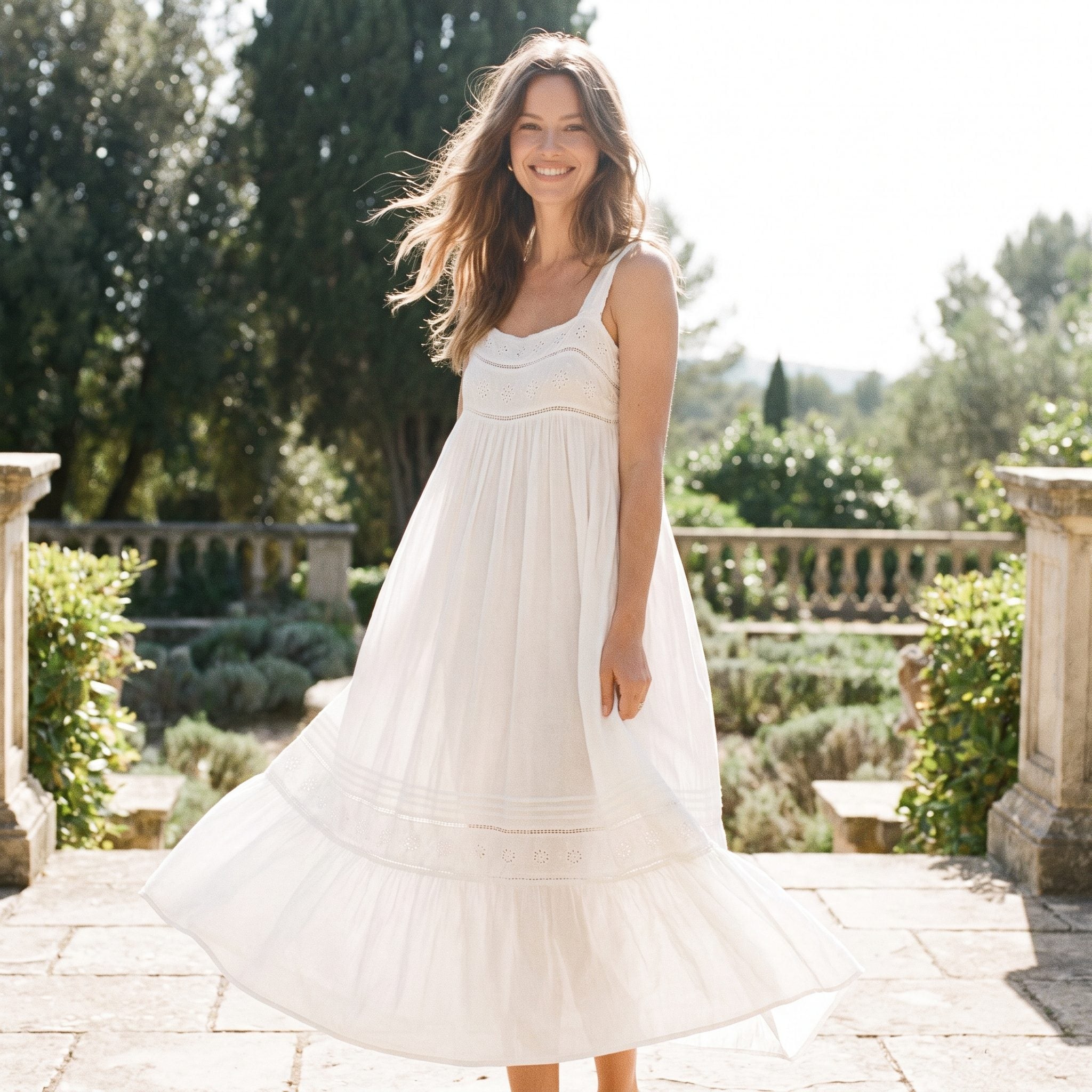
In August, a full slip can feel like heat you volunteered for. Once summer dresses became opaque and comfortable enough to stand on their own, the extra shoulder-to-hem layer faced a brutal cost-benefit analysis.
The coral cotton midi has enough substance for coverage but still looks light enough to move air. Holding the slip at arm’s length makes the choice almost comically obvious: one breathable layer or two. Comfort didn’t need a manifesto. It just kept winning.
21. Mini, Midi and Maxi Made One Slip Nearly Impossible
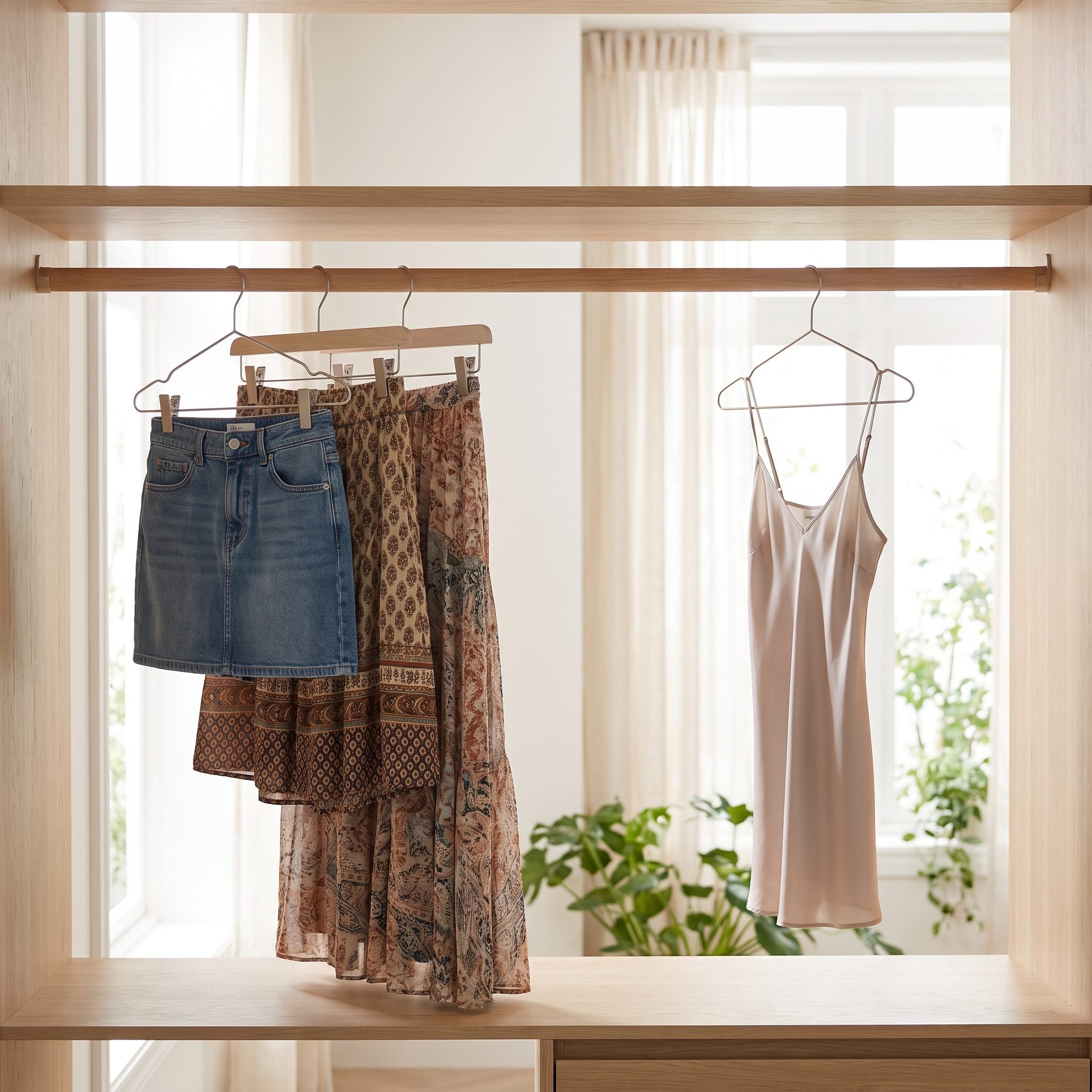
A rising hemline was one problem. A closet bouncing among mini, midi and maxi created another entirely. Suddenly the dependable full slip needed its own wardrobe of lengths.
The ivory slip here confronts three radically different hems. Too long under the mini, potentially awkward under the midi and largely unnecessary beneath an opaque maxi, it has lost the great advantage an everyday undergarment needs: universality.
20. Women Started Wearing Pants Far More Often

A full slip runs from shoulder toward hem. Trousers give it nowhere useful to go. As pants became increasingly ordinary for work, errands and everyday life, entire days passed without the kind of garment a full slip was designed to accompany.
The camel trousers make the shift unmistakable: high waist, tucked blouse, uninterrupted line from torso to loafer. The wardrobe still contained dresses. It simply stopped requiring a dress every morning.
The shift shows in our reader polls too: for workwear, 57% of ThreadCurve readers chose blazer and trousers, while only 15% picked a dress.
19. The Full Slip Survived — Just as an Occasional Tool
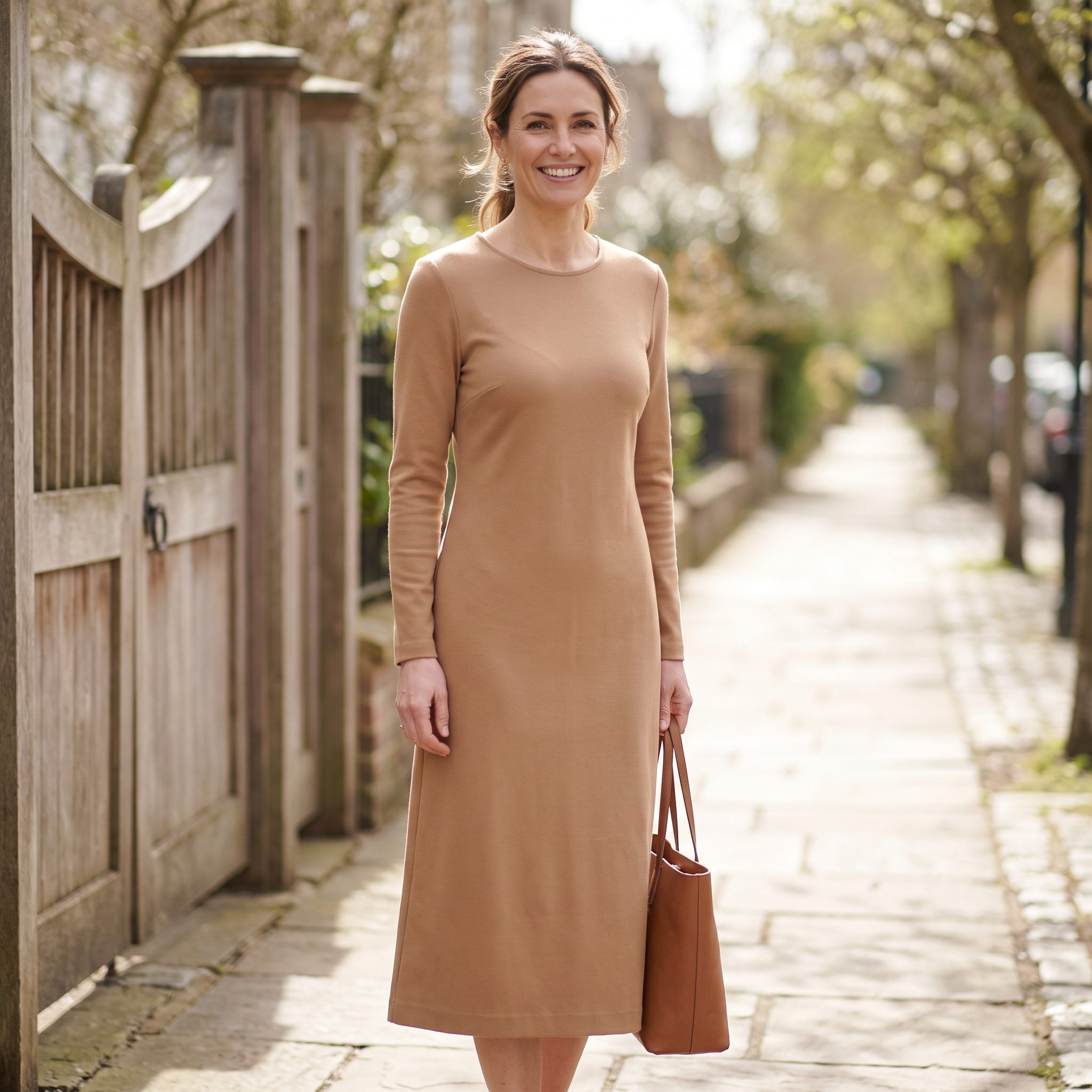
The disappearance wasn’t absolute. A full slip can still rescue a sheer dress, improve the behavior of certain fabrics or make a vintage garment much easier to wear. What changed was its status.
The camel midi needs no intervention: opaque weave, built-in lining and a hem that moves cleanly on its own. The vintage ivory slip hanging nearby remains perfectly functional, but function isn’t the same thing as necessity.
That’s the real demotion. The full slip moved from daily equipment to specialized tool, useful when a particular dress calls for one rather than expected every time a dress leaves the hanger.
18. Opaque Fabrics Made Modesty Less Complicated
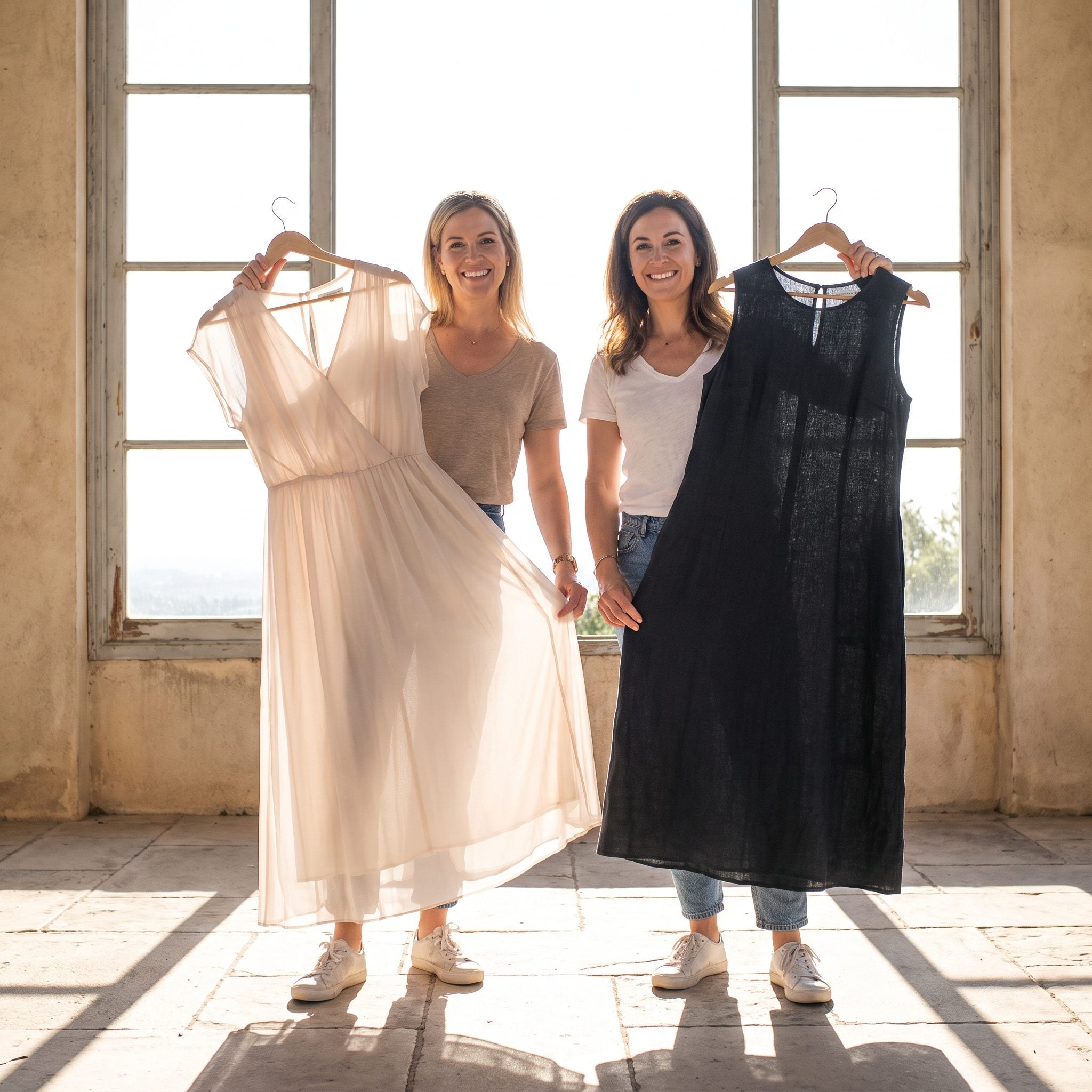
One of the slip’s most obvious jobs was coverage. Hold a sheer dress against a bright window and the reason for an underlayer becomes immediately apparent. Give the dress enough opacity of its own and that particular problem disappears.
This cream midi has enough visual weight to stand between the body and daylight without assistance. The slip over her arm still has other possible uses, but modesty no longer supplies an automatic reason to put it on. Better coverage removed one more item from the morning checklist.
Our readers seem to agree with the move toward opacity, since outfits in sheer fabrics got fewer hearts than the other images in the same articles.
17. Bras Learned to Work Around Fashionable Necklines
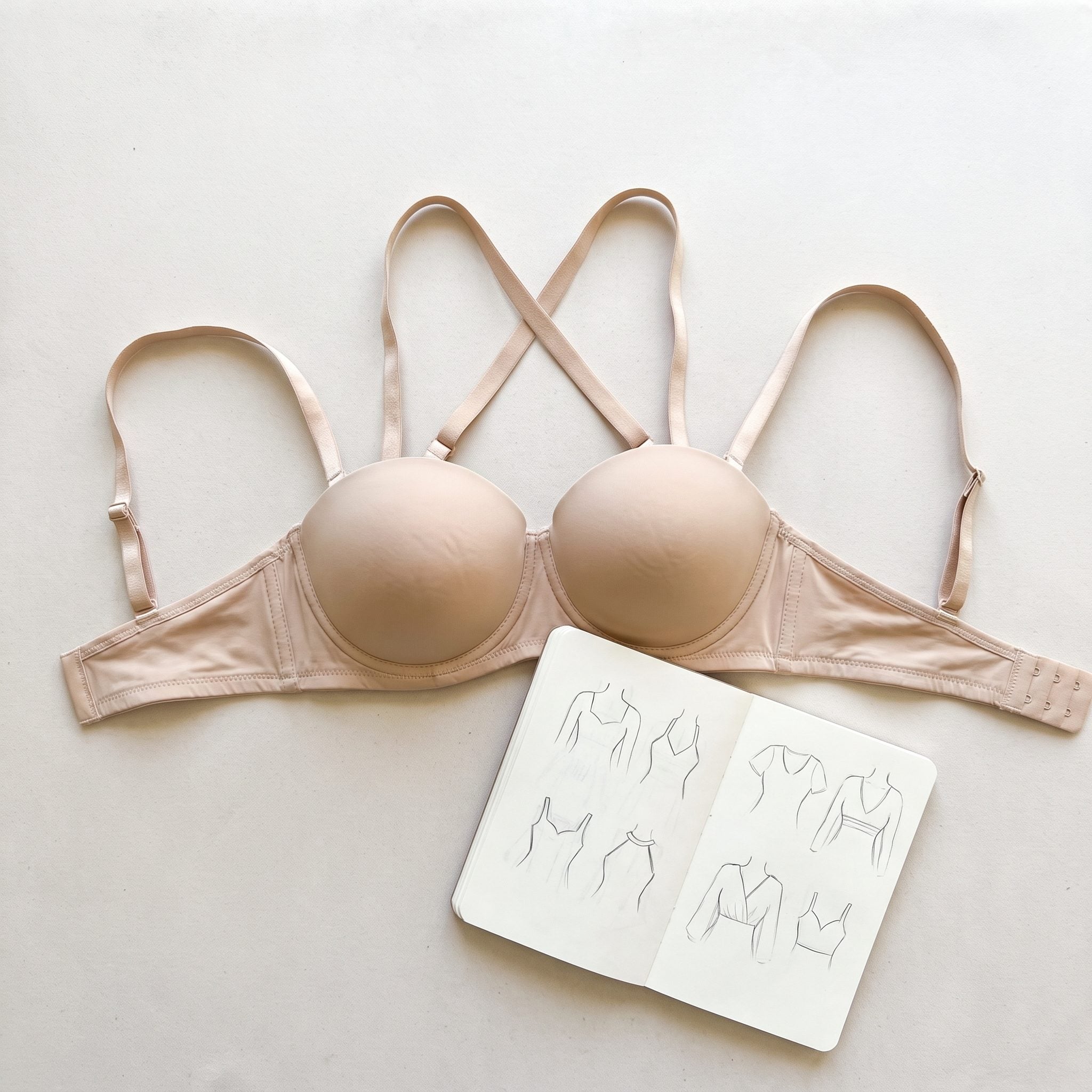
As bras became available in increasingly specialized and convertible forms, women could solve neckline problems closer to the body instead of covering the entire torso with another garment.
The wide bateau neckline on this sage dress depends on an uninterrupted sweep across the collarbone. Fixed slip straps threaten that line; an appropriate bra doesn’t have to. The change is small, but fashion history is full of garments losing their jobs one tiny inconvenience at a time.
16. Softer Dresses Changed What an Underlayer Needed to Do
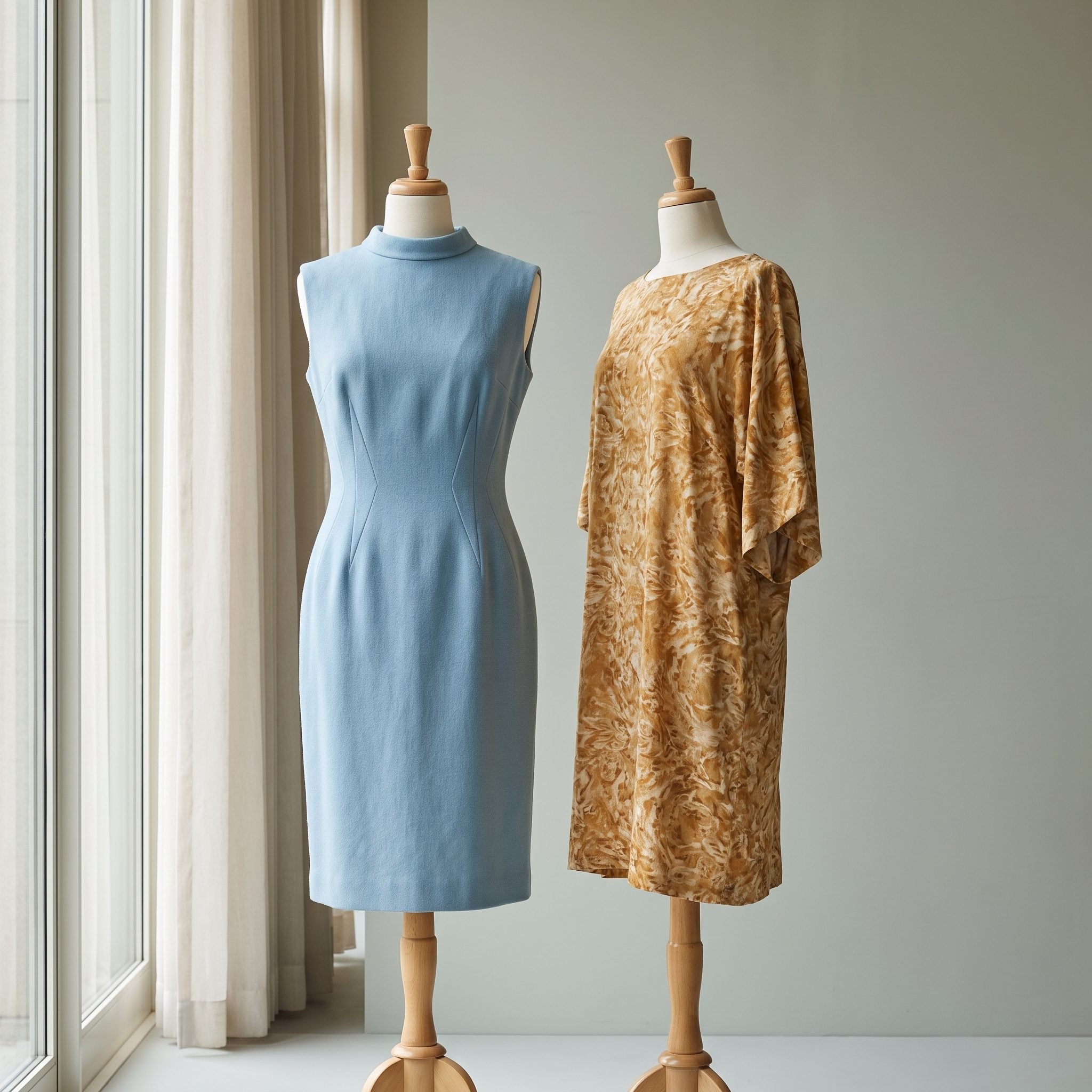
Not every dress wanted a crisp, controlled surface. Softer silhouettes increasingly made drape, looseness and movement part of the design rather than problems waiting to be corrected.
This bohemian midi hangs easily from the shoulder, gathers lightly at the waist and falls into its own folds. The leather brown ankle boots provide the counterweight: fluid fabric above, sturdy texture below. A full slip can still be useful under some dresses, but this silhouette doesn’t need one to manufacture its shape.
15. Losing the Slip Also Lost the “Is It Showing?” Check
❤️ Would you like to save this?
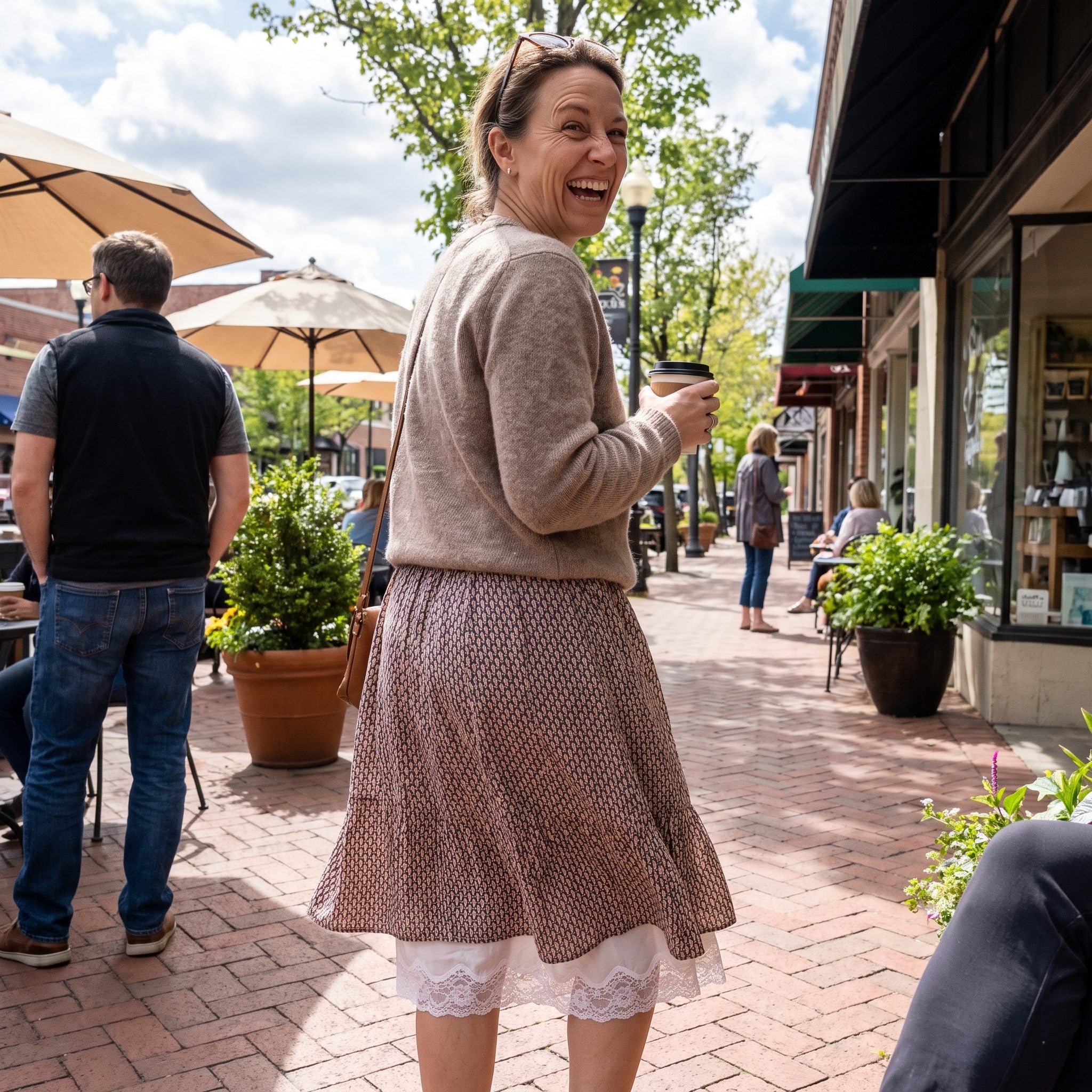
A slip was supposed to be invisible, which meant the slightest white or ivory edge below a hem could turn into an irritating wardrobe malfunction. The garment solving one problem had created another thing to monitor.
The dusty rose knee-length dress sidesteps the issue completely. No underlayer, no escaping hem. Its restrained button front and low ivory pumps have enough polish without another garment hiding underneath and threatening to make an unscheduled appearance.
14. Camisoles Offered Coverage Without the Full-Length Commitment
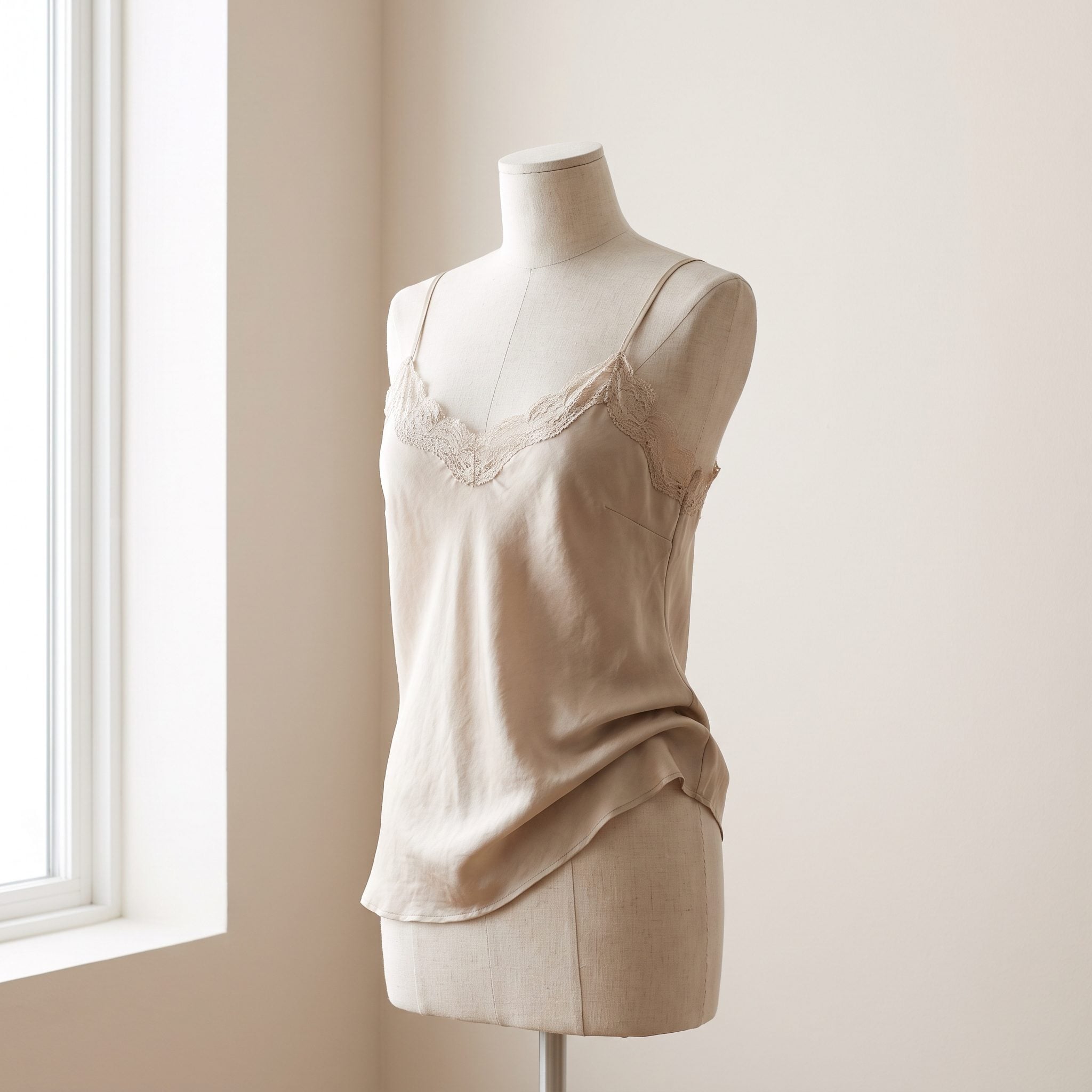
The camisole solved a wonderfully specific problem: coverage at the torso without wrapping another layer around the hips and legs.
Here the cream cream camisole tucks into a caramel midi skirt while the old full-length alternative hangs beside her. The tuck establishes the waist and lets the skirt move independently below it. Instead of one undergarment attempting to serve the entire outfit, each piece handles its own territory.
13. Static Cling Could Be Treated Without Adding Another Garment
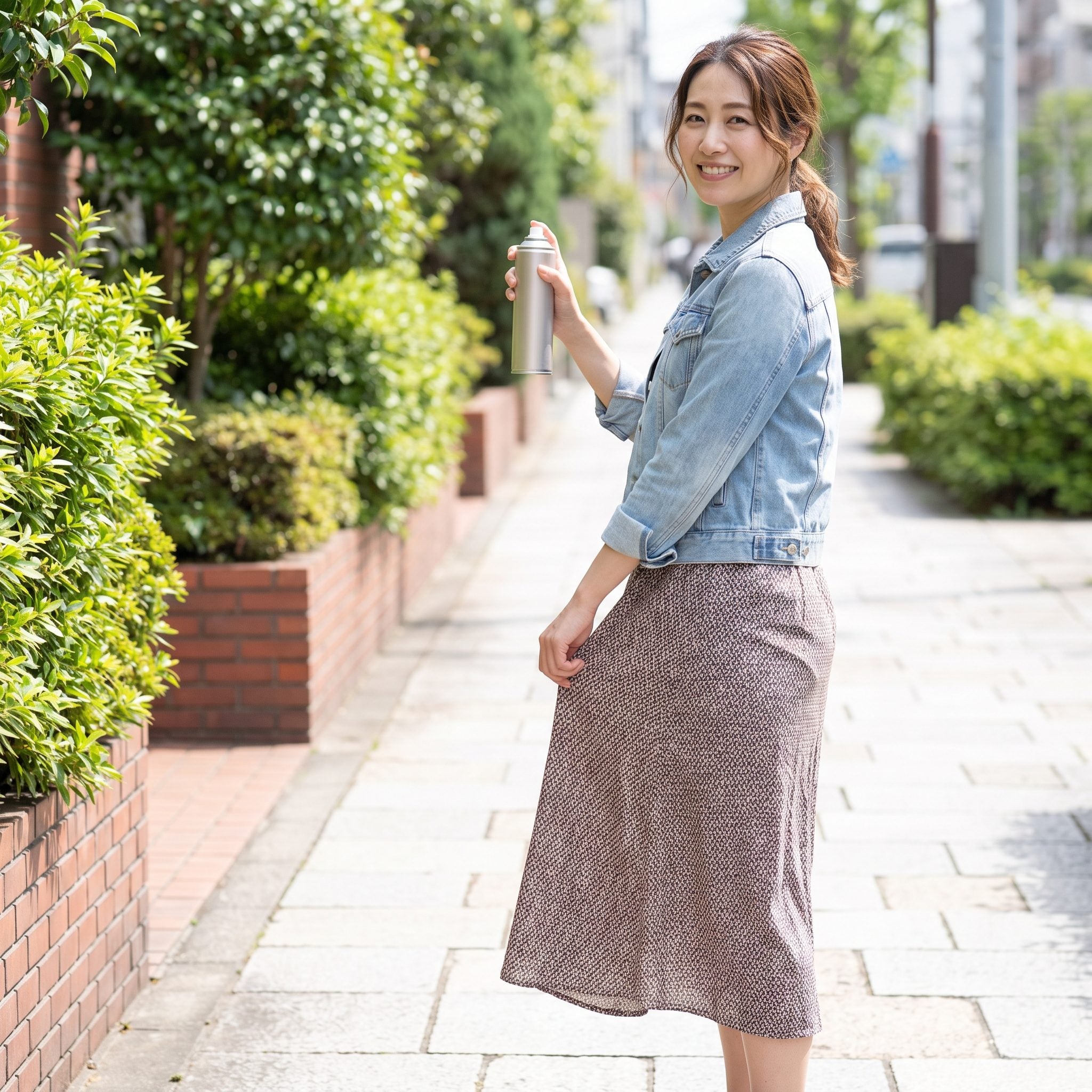
Smooth slips could help skirts glide over the body and reduce the aggravation of cling. Later, anti-static products offered another way to attack the same nuisance without automatically adding a second garment.
Here the treatment goes directly onto the skirt. The deep teal synthetic falls cleanly toward the low pumps, and the problem is handled at the source. Anti-static spray didn’t cause the original decline of the slip, but it became one more reason an abandoned layer didn’t need to make a comeback.
12. Layering Moved to the Outside of the Outfit
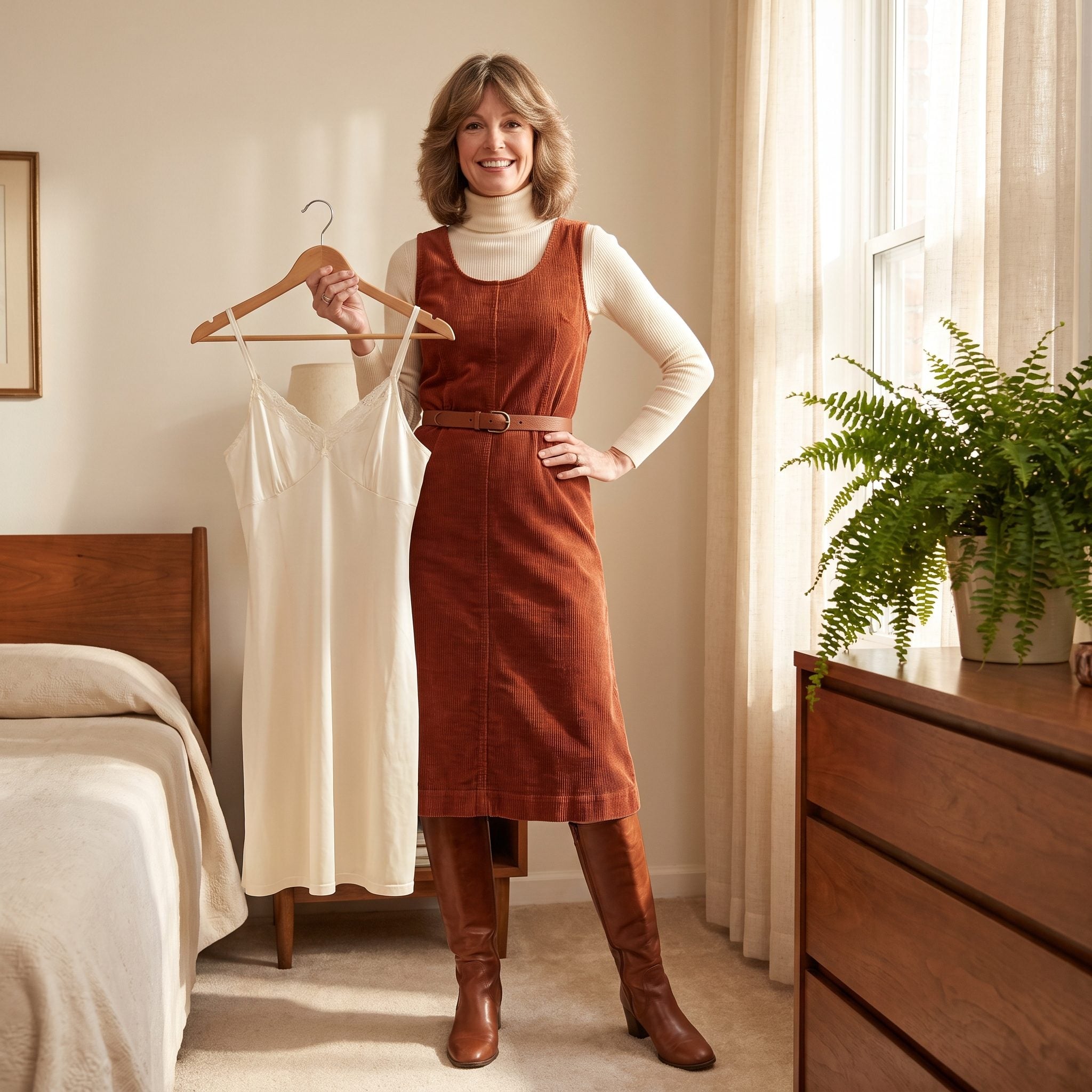
Fashion didn’t stop layering. It changed which layers were meant to be seen. Put a turtleneck under a jumper dress and the outfit already has warmth, coverage and visual depth before a traditional undergarment enters the equation.
The rust midi jumper dress over cream knit makes that reversal clear. The fitted turtleneck handles coverage, the opaque dress handles the rest, and the slim leather belt prevents the combination from becoming bulky. Layering survived. The hidden full-length layer became the expendable one.
11. Modern Shapewear Took Aim at a Different Problem

The traditional slip helped fabric glide. Modern shapewear was increasingly engineered to alter or smooth the body’s outline itself. Those are related jobs, but they aren’t the same job.
The fitted charcoal dress makes the distinction obvious. Foundation shorts concentrate on the hip and thigh rather than hanging loosely from the shoulders. For a body-conscious silhouette, targeted support can make more sense than a full-length layer whose chief talent is staying slippery.
10. Washable, More Replaceable Fashion Changed the Protection Equation

The full slip wasn’t only about modesty and cling. An underlayer could also help protect a dress from direct contact with perspiration and body oils at a time when garments were often washed less casually and expected to stay in service for years.
The washable navy floral midi belongs to a different clothing economy. Easy-care fabrics, home laundering and a much larger mass market made many everyday dresses less precious and easier to clean. Protecting every dress with a separate full-length layer became harder to justify.
9. Dresses Started Arriving With Their Own Underdresses
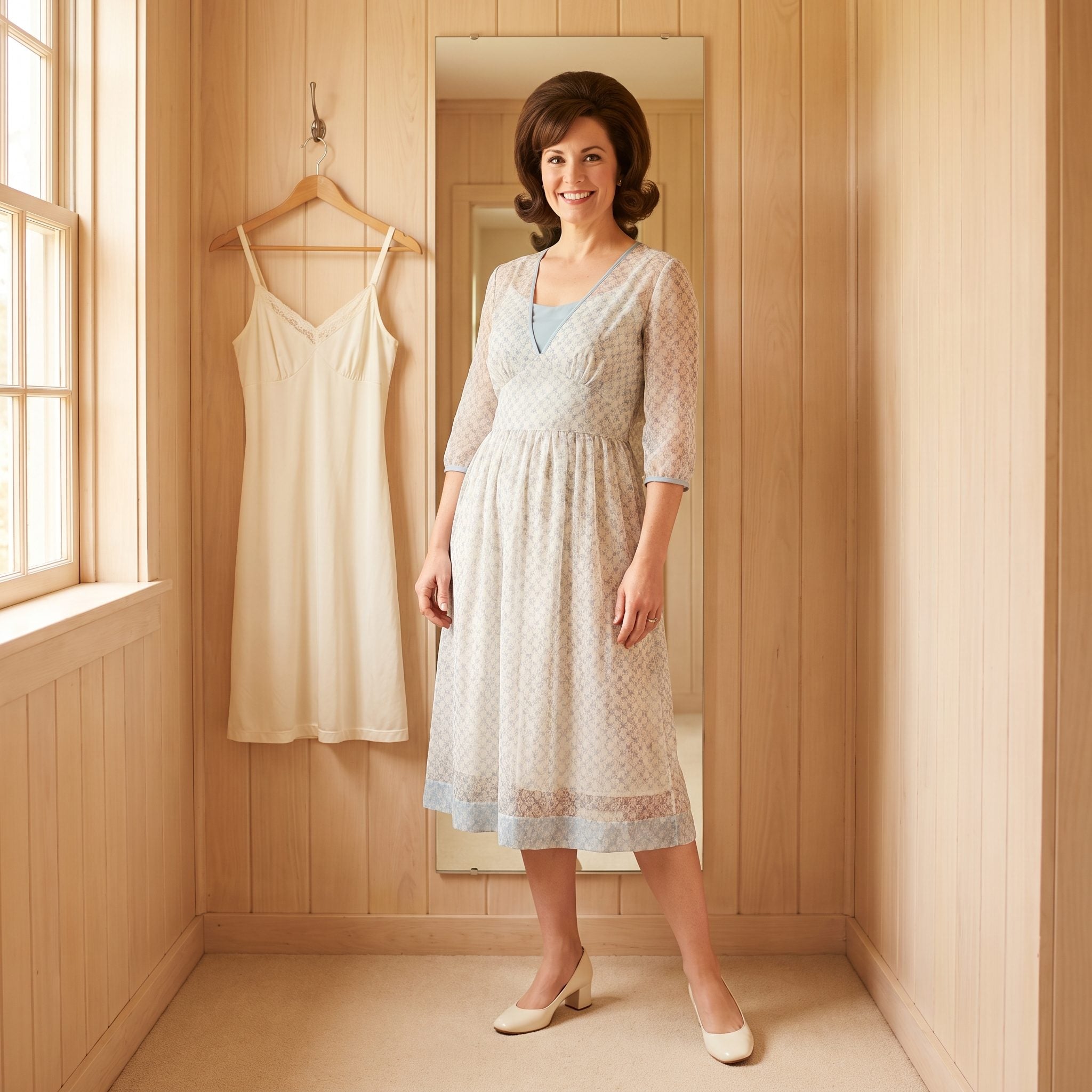
Sheer fashion didn’t disappear, but designers increasingly had another answer: sell the transparent outer dress with an underdress, lining or matching opaque layer designed specifically for it.
That eliminated one of the most irritating parts of owning separate slips. No hunting for the right neckline. No discovering that the underlayer hangs an inch below the dress. No choosing among several lengths and hoping one behaves. The ivory patterned shift dress can bring its own solution.
8. Bare Legs Removed Another Reason for the Slip
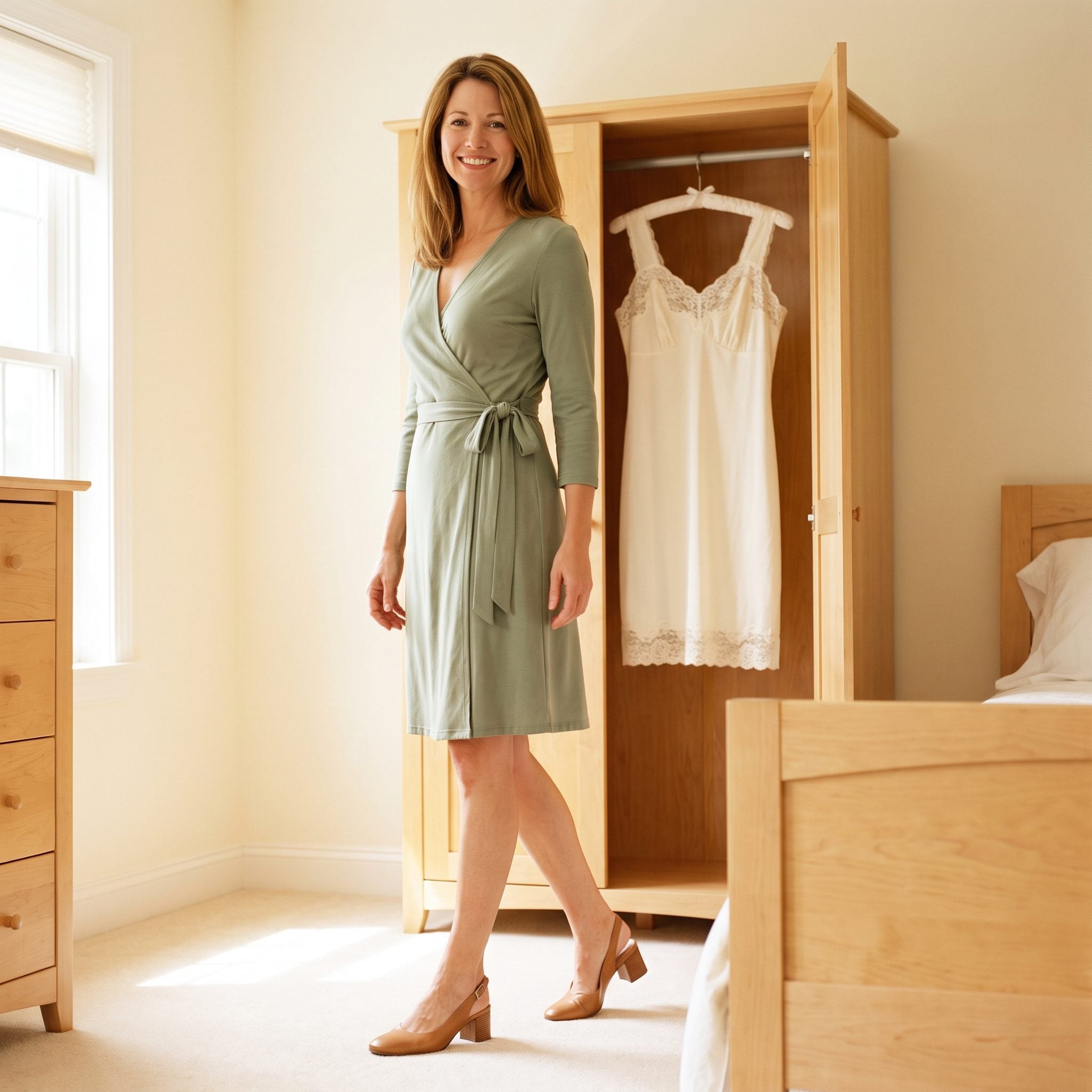
Hosiery gave a slip useful work. Smooth fabric could help a skirt move over stockings or pantyhose instead of catching, clinging or riding where it wasn’t invited.
The sage wrap dress shows what changes when the stockings disappear. The skirt hangs from the hip and moves against bare legs without needing another fabric layer between them. One source of friction leaves the outfit, and one traditional solution becomes less important.
7. Dresses Became More Comfortable Against Bare Skin
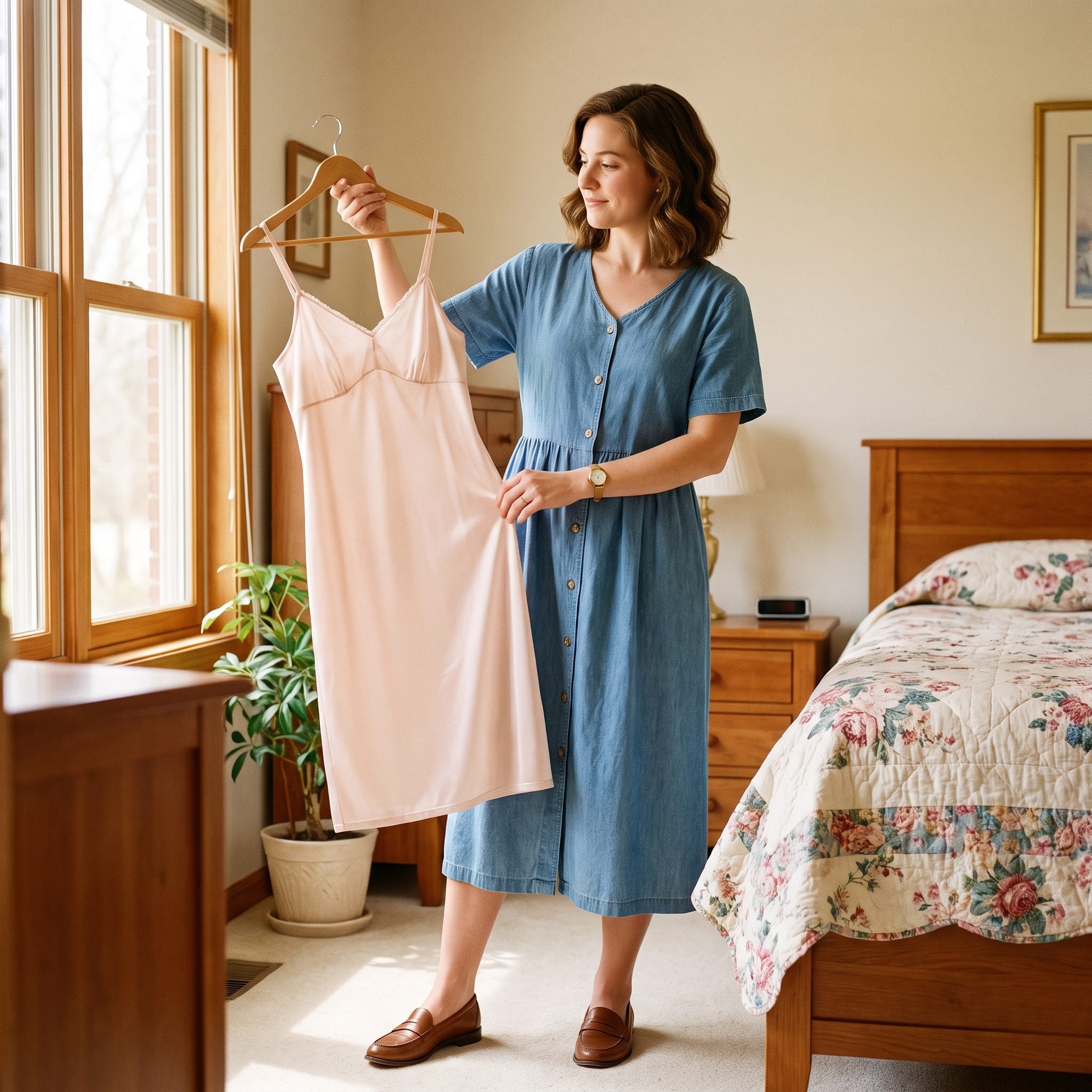
Opacity wasn’t the only issue. A dress worn without a slip also had to feel acceptable from the inside. Softer fabrics, cleaner seam finishes and comfortable construction made direct contact with the body less of a compromise.
The chambray button-front is a good example. The fabric has enough substance to hold its shape, yet the construction doesn’t demand a silky buffer underneath. That pink slip held at arm’s length hasn’t become useless; it has simply stopped being the automatic intermediary between skin and dress.
6. Getting Dressed Became Faster

Convenience may be the least glamorous force in fashion history and one of the most powerful. Every garment eliminated from a routine means one less thing to pull on, straighten, wash, store and remember.
The muted teal day dress is already polished enough to leave the house. The slip stays on the chair because the outfit gains almost nothing from adding it. Taupe pumps finish the line without complicating it. Once one-step dressing looks this complete, nostalgia has a difficult sales pitch.
5. The Modern Dress Absorbed Several of the Slip’s Old Jobs

Eventually the dress itself became a small piece of engineering. Integrated lining could supply opacity and glide. Better seam finishing improved comfort. Stretch added movement. Fabric weight controlled drape.
Turn the olive-lined midi dress inside out and the reason for the slip’s decline becomes almost embarrassingly visible. Features once supplied by a separate shoulder-to-hem garment now live inside the dress.
That is more than a change in styling. It’s consolidation. Two garments once divided the work; one increasingly arrived prepared to do most of it.
4. Backless and Strapless Dresses Needed Different Foundations

A shoulder-strap slip has an obvious compatibility problem with a dress designed around bare shoulders and an open back. The burgundy cocktail dress doesn’t merely make the old foundation inconvenient; its architecture makes the mismatch visible.
Specialized strapless bras, bodices and other foundations could support the shape without crossing the exposed areas. Against the fitted burgundy and metallic gold pump, an ordinary full slip belongs to an entirely different design language.
3. Lingerie Stopped Being Terrified of Daylight

❤️ Would you like to save this?
For generations, successful lingerie was lingerie nobody could see. Then fashion started exposing camisoles, lace edges and other details that earlier dressing rules had worked hard to conceal.
The blush lace beneath the open ivory blouse turns an undergarment detail into the focal point rather than an embarrassment. The rust midi skirt gives the softness enough visual ballast to keep the outfit from drifting toward boudoir costume.
2. Then the Slip Became the Dress

Fashion eventually delivered the perfect reversal. The silhouette that had spent decades hiding beneath dresses walked straight out the front door as the dress itself.
Champagne satin cut on the bias falls in one liquid line, and the sheen against matte concrete gives the look all the contrast it needs. The 1990s slip dress turned lingerie references into minimalist evening and daywear, with designers and high-profile wearers helping make the once-private silhouette unmistakably public.
The structured bag and plain nude sandals wisely stay out of the argument. When a dress this spare is already carrying a century’s worth of underwear history on its shoulders, accessories know when to keep quiet.
1. Eventually the Full Slip Started Looking Like Someone Else’s Era
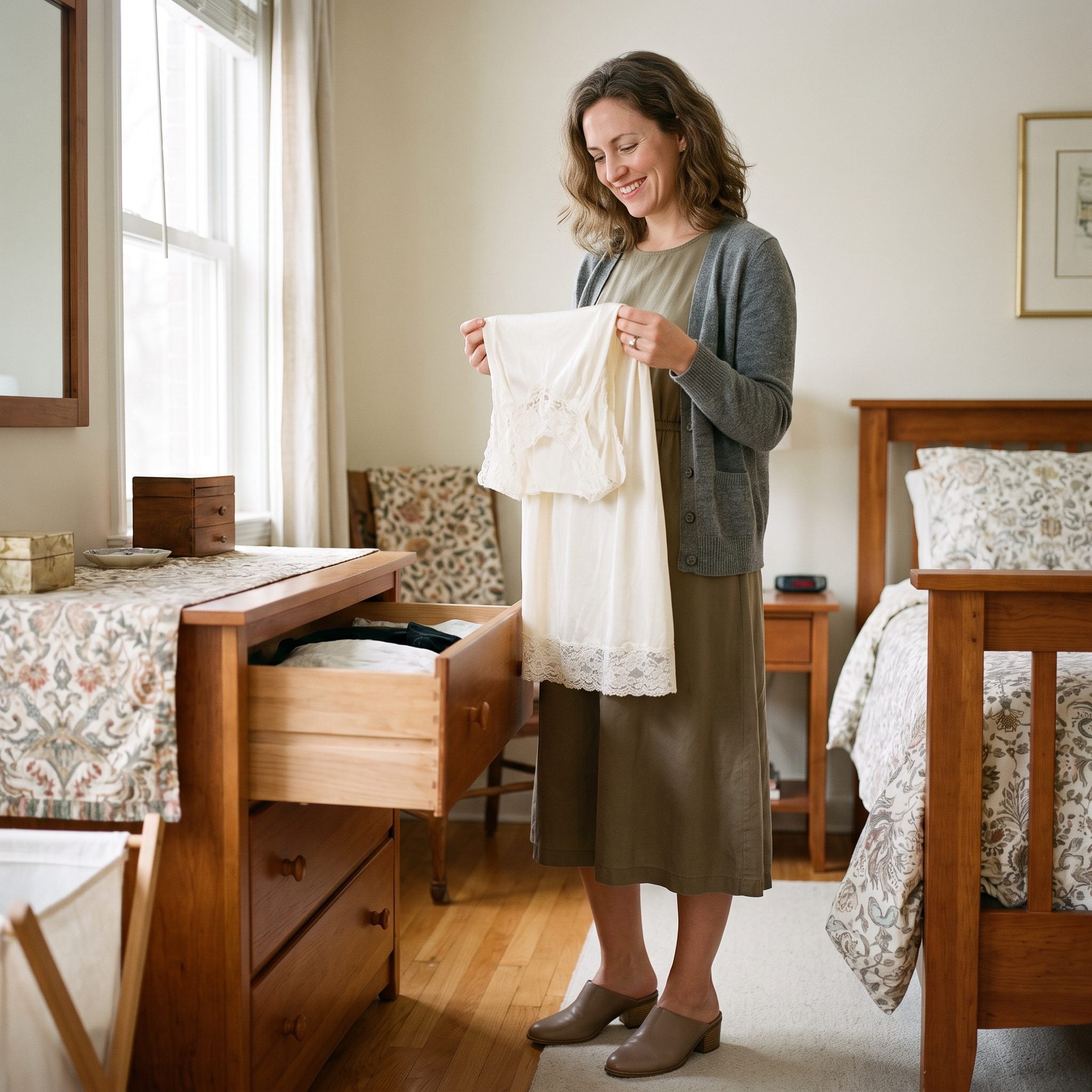
This may be the final stage in the disappearance of almost any everyday fashion object. First people stop needing it. Then they stop buying it. Eventually younger women encounter it less as something to wear than as something belonging to an earlier system of dressing.
The olive midi and gray cardigan need nothing underneath, while the ivory slip in her hand looks perfectly recognizable and strangely remote at the same time. Nothing is wrong with it. That’s almost the point. Fashion didn’t have to prove the full slip useless; it only had to make going without one feel normal.
The full slip didn’t disappear in one dramatic fashion revolution. Its territory was divided up. Pantyhose simplified one routine, trousers eliminated another, shorter hems created problems, built-in linings solved them, better fabrics handled themselves and changing ideas about lingerie made the old rules feel increasingly distant.
That’s why the empty space on the hanger is more interesting than it looks. The slip didn’t fail at its job. Fashion simply kept taking pieces of that job away until an indispensable garment became an optional one — and then, for most wardrobes, a memory.