
❤️ Would you like to save this?
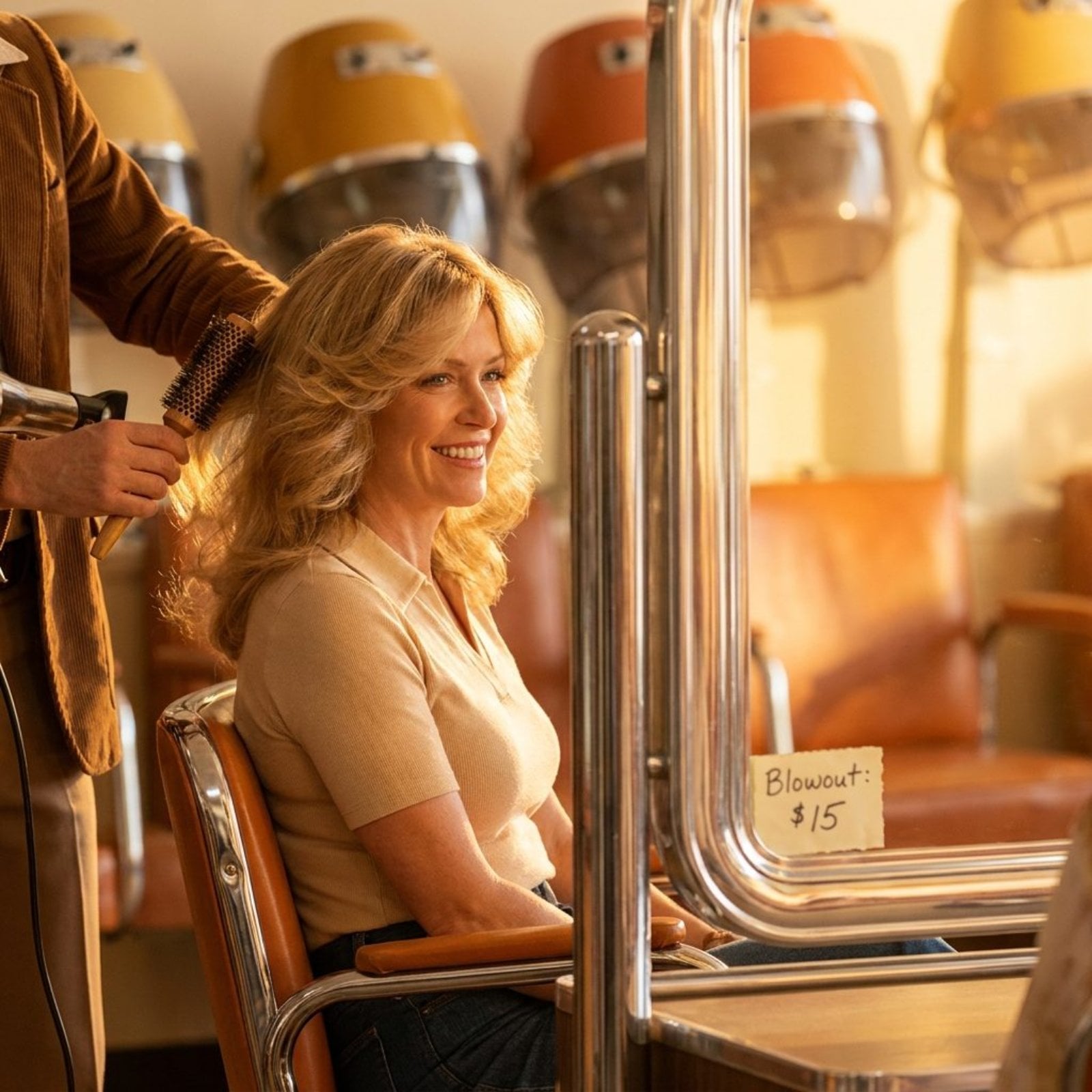
A shampoo and set for a few dollars. A full permanent wave starting around fifteen. In the 1970s, getting your hair done was a weekly ritual for millions of women, and the prices at the neighborhood beauty shop look almost fictional now. Almost. The catch, of course, is that the paychecks looked just as small.
What follows is the real cost of looking put-together in that decade, from wash-and-sets and frosting caps to salon color, acrylic nails, wigs, and wedding hair—all measured against what working women were actually earning at the time.
FYI, thanks to AI imagery software, we’re able to create very specific fashion and hairstyle examples to illustrate the points being made. In some cases, imagery is exaggerated to hammer home the point. Also, assume links that take you off the site are affiliate links such as links to Amazon. this means we may earn a commission if you buy something.
23. A Full Perm: Roughly $15 to $25 in 1973
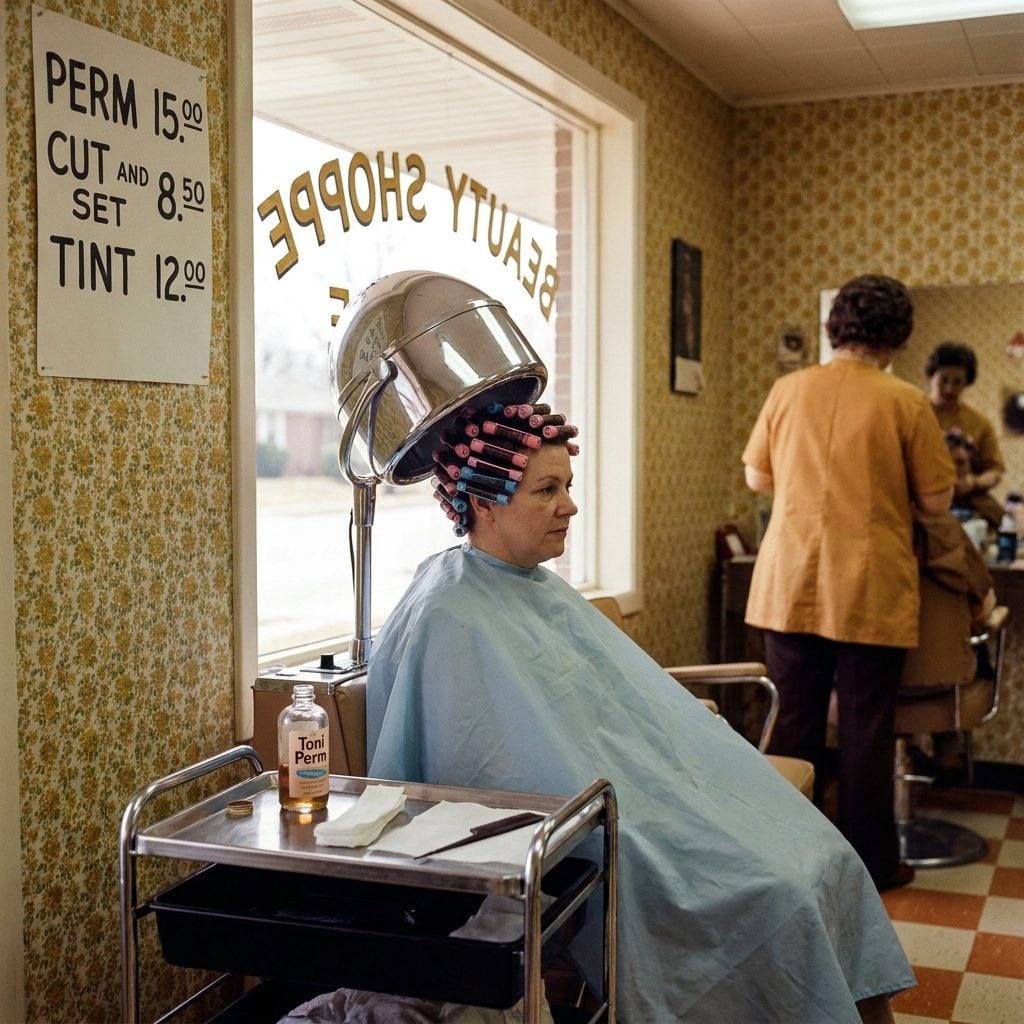
A full perm cost fifteen dollars here, and the sign on the wall made the decision sound almost casual. Then came the rollers, the solution, the waiting, the hood dryer, and an afternoon surrendered to chemistry.
Nothing about the process was quick. Each section had to be wrapped tightly enough to hold, but not so tightly that the client spent the next hour reconsidering every choice that brought her into the chair. The smell announced a permanent wave long before the finished curls did.
The payoff was hair that stayed lifted for weeks, accepted a roller set without argument, and survived weather that would flatten a softer style before lunch. At fifteen dollars, the perm cost more than the tint advertised beneath it and nearly twice the price of a cut and set. Women paid because they were not buying one good hair day. They were buying a month of them.
22. A Single-Process Color Job: About $10 to $18
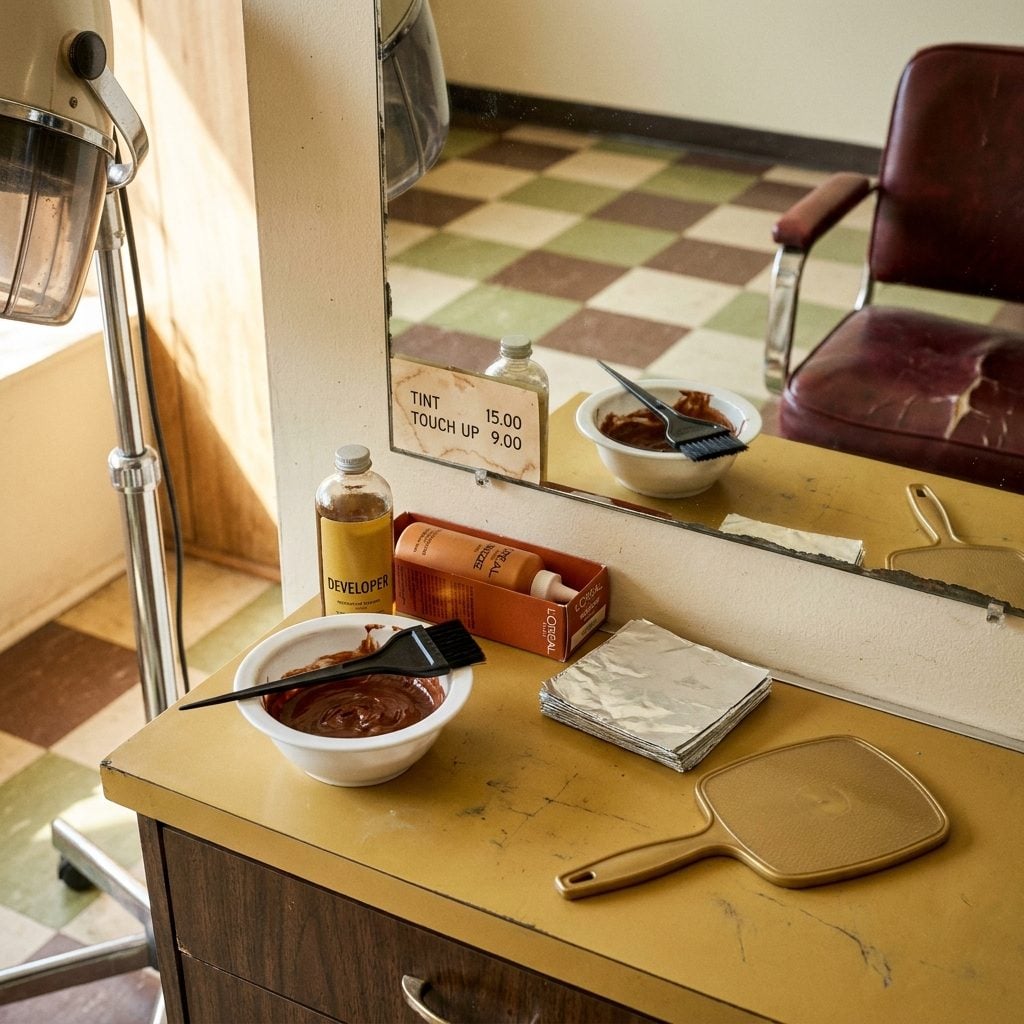
A bottle of L’Oreal Preference on the drugstore shelf ran about $2.50 in the mid-seventies. Sitting in the salon chair while someone else painted it on cost four to seven times that, and most women went pro anyway. Home color in 1974 was a coin toss. The salon was insurance against orange.
The average woman working a clerical job took home somewhere around $110 a week, so a tint was roughly a full afternoon’s earnings. Not nothing. But women stretched it eight to ten weeks between visits, touching up the roots at the bathroom sink in between and pretending nobody noticed the line.
21. The Weekly Wash and Set: $3.50 to $6
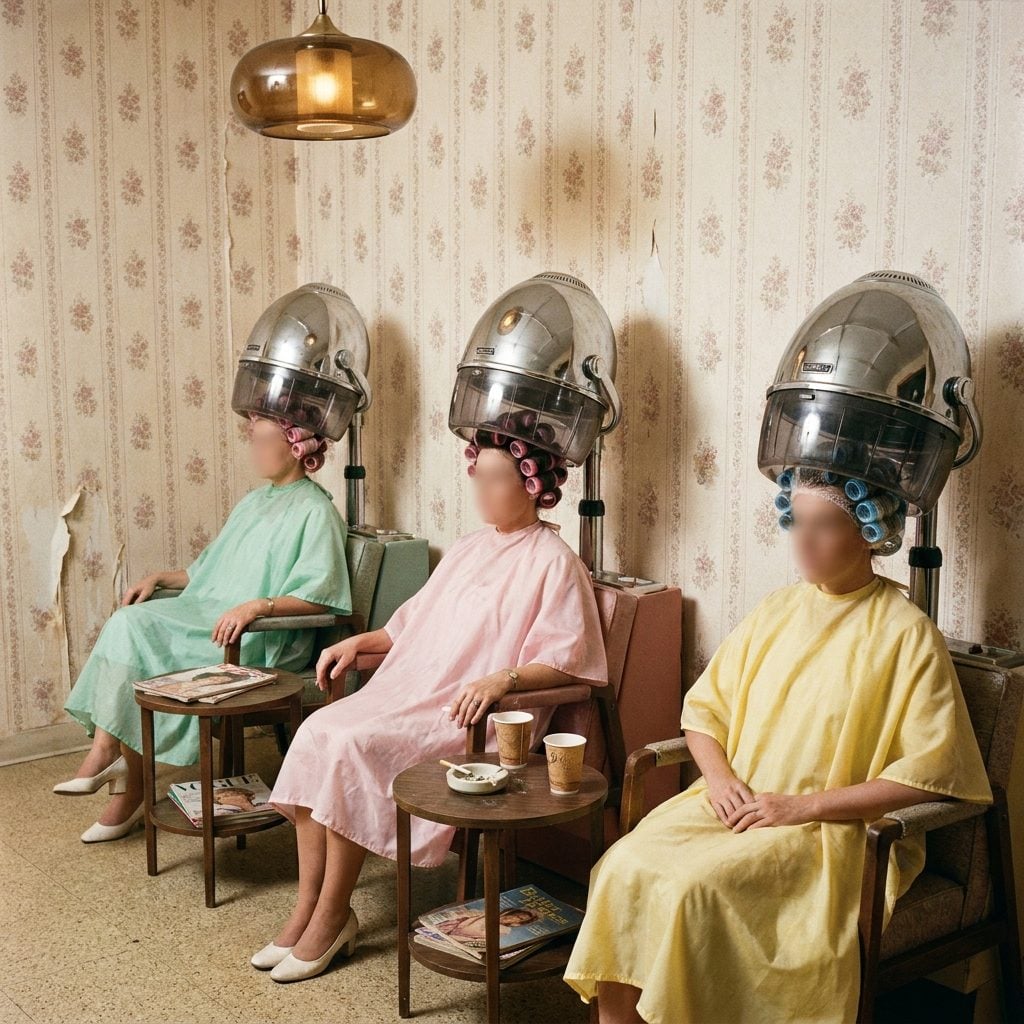
The wash and set was the backbone of the whole industry.
Standing appointment, same day every week, same stylist, same rollers, same gossip — three-fifty on the low end at a neighborhood shop, six dollars if you went somewhere with a real waiting room and a receptionist who knew your husband’s name. You paid for the ritual as much as the hair. An hour under the dryer with a magazine and a cup of weak coffee, and then home to make dinner with your set still holding. Some grandmothers had the same Tuesday at 10 a.m. slot for two decades running, booked out further than most marriages last now.
20. A Frost or Highlight Cap: Around $18 to $30
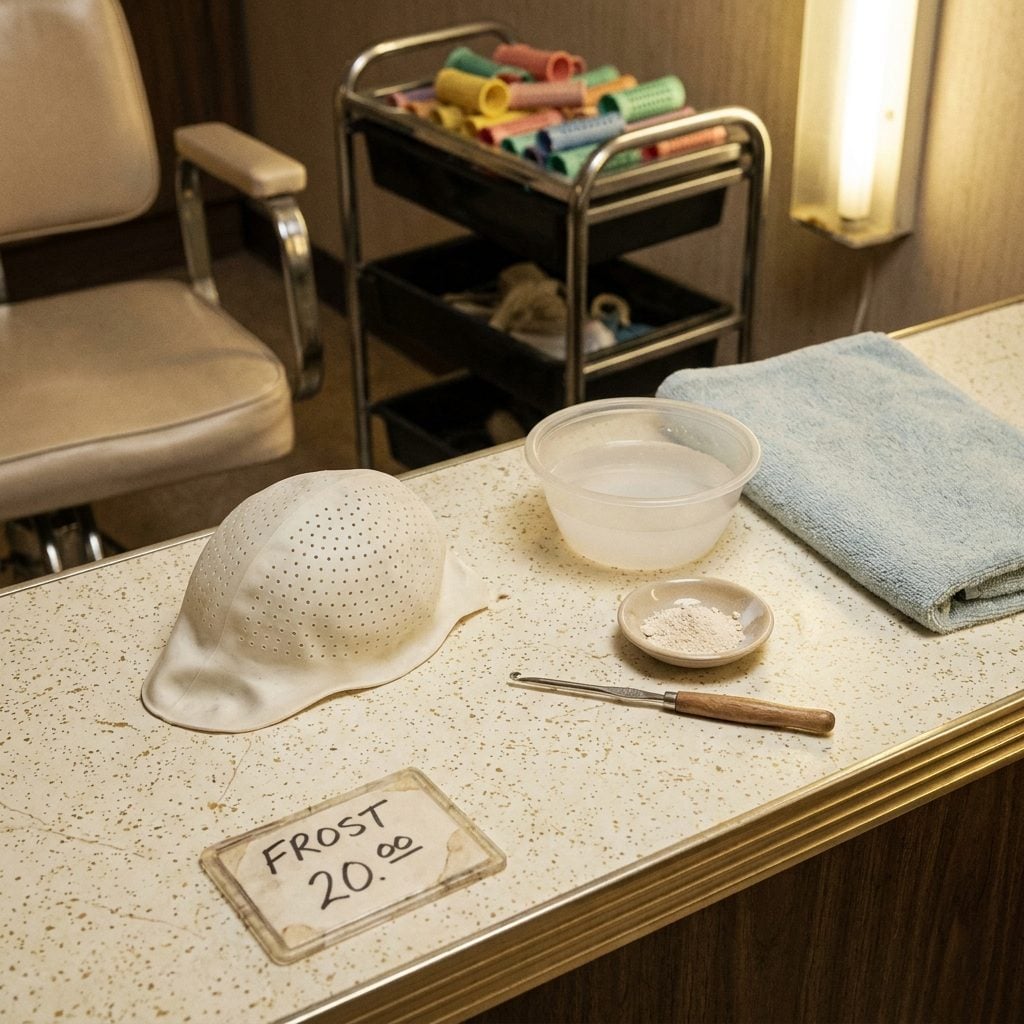
The frosting cap was a small rubber horror pulled tight over the scalp, and a crochet hook yanking strands through pinprick holes one at a time. It hurt. Every woman who sat through it will tell you it hurt, and they kept booking it anyway because in 1976 nobody had figured out foils yet, and frosted hair was the entire reason for walking into a room.
Twenty dollars on average. Two weeks of groceries for a single woman, or a decent pair of shoes. Women paid it four times a year and considered it money well spent, which tells you everything about what the seventies actually valued.
19. A Manicure at the Salon: $2 to $4
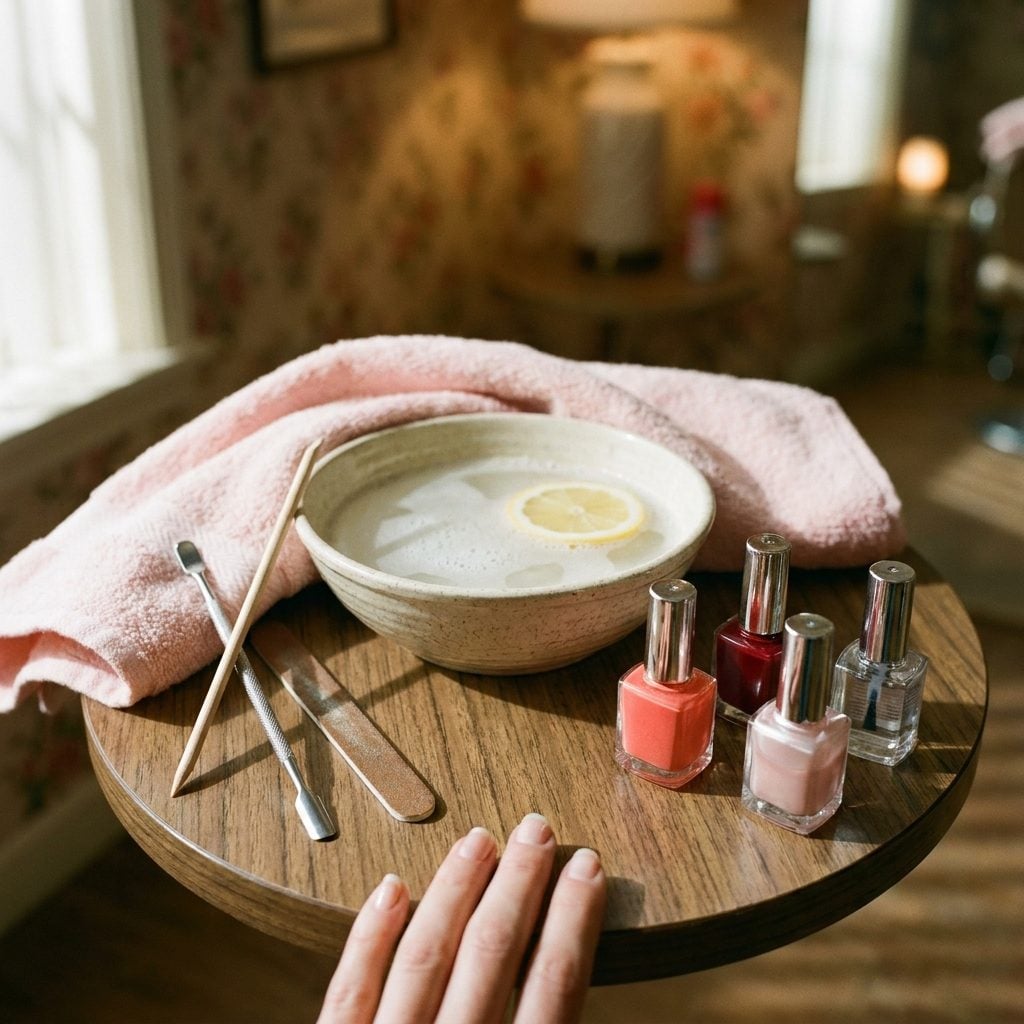
Two dollars for a basic manicure at a neighborhood shop in 1972, four if the salon considered itself upscale and the manicurist wore a matching smock. The polish selection was small and heavily coral. If you wanted red, you got one of three reds and you liked it.
The manicure was almost an afterthought, tacked onto a wash and set for pocket change. Women who kept weekly appointments were spending less on their nails in a month than we spend on a single gel fill today, which is either depressing or clarifying depending on your Sunday afternoon plans.
18. A Bouffant Style-Out for a Special Occasion: About $8 to $15
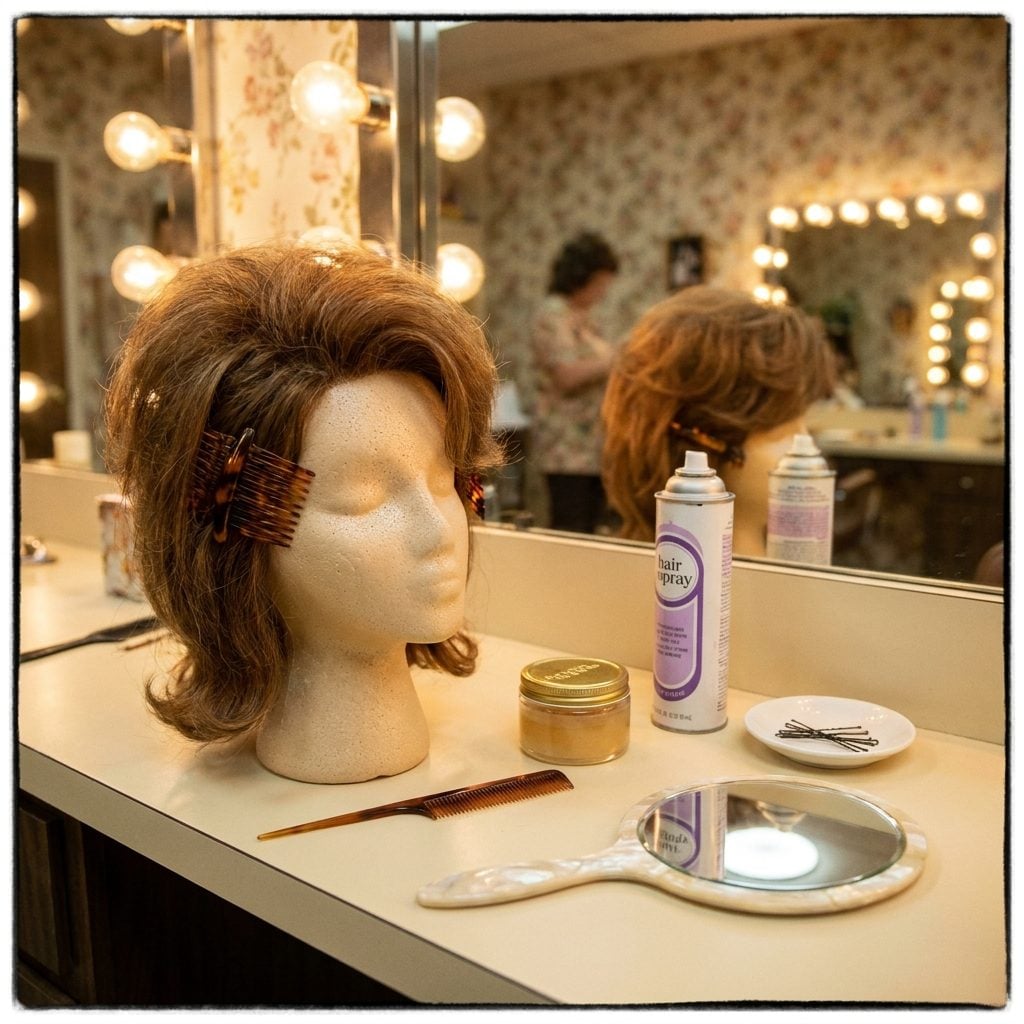
The wedding-guest hair. The bar-mitzvah hair. The hair you got done Friday afternoon and slept on carefully with a scarf tied over it until Saturday night, praying nothing collapsed in the night. A proper style-out with backcombing, a hairpiece if you were going big, and enough Aqua Net to shellac a small car ran between eight and fifteen dollars in 1971.
Fifteen sounded steep. Then again, it lasted a week if you didn’t wash it, and most women didn’t.
The bouffant wasn’t a hairstyle. It was scaffolding you rented for the weekend.
17. A Bleach and Toner Job: $20 to $35
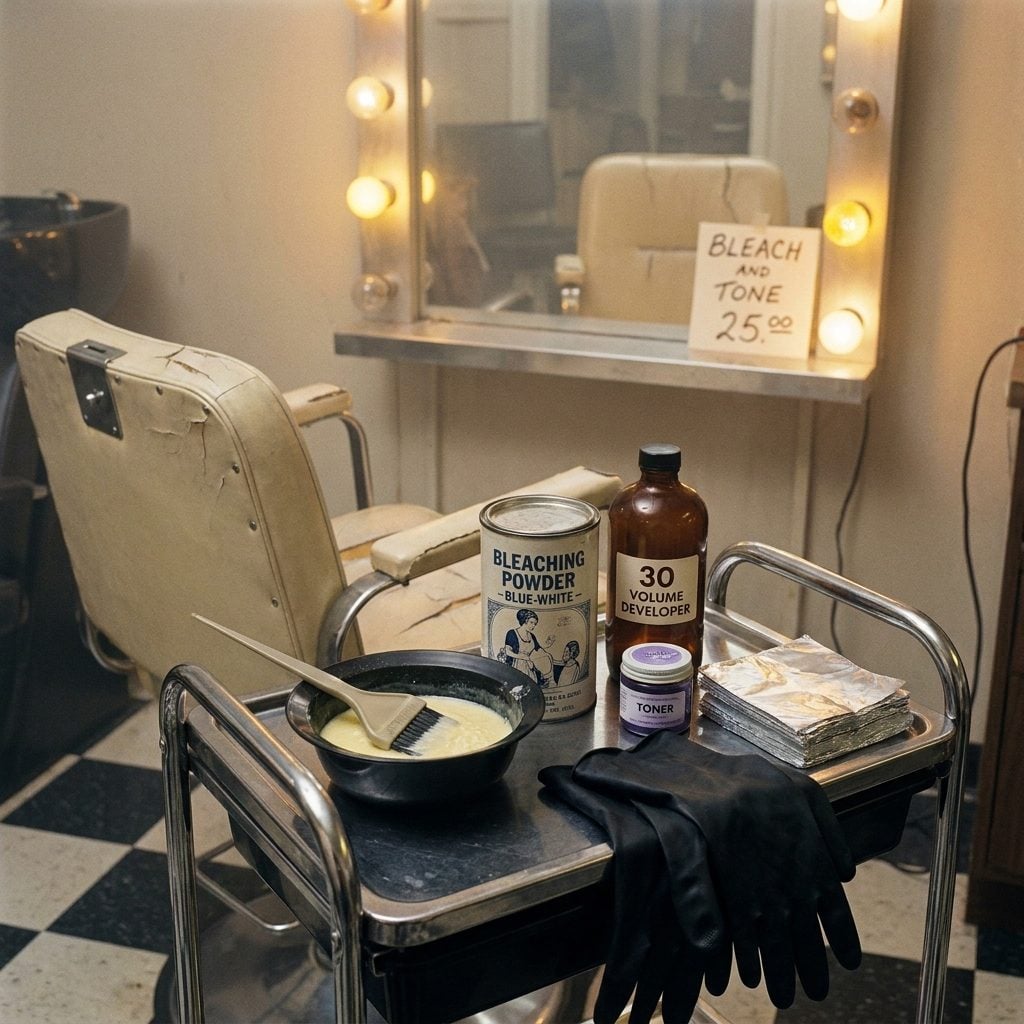
Platinum in the seventies was an event. A two-step process, half a day in the chair, scalp on fire by the end of it, and the salon charged accordingly. Twenty on the low end, thirty-five if you wanted the icy Debbie Harry shade and the stylist actually knew what they were doing with a bottle of toner.
For a secretary making about a hundred a week, that was a third of her paycheck for one appointment. She did it anyway, then came back every six weeks to fix the roots and did it again. And again.
16. A Standing Weekly Appointment Package: Around $18 a Month
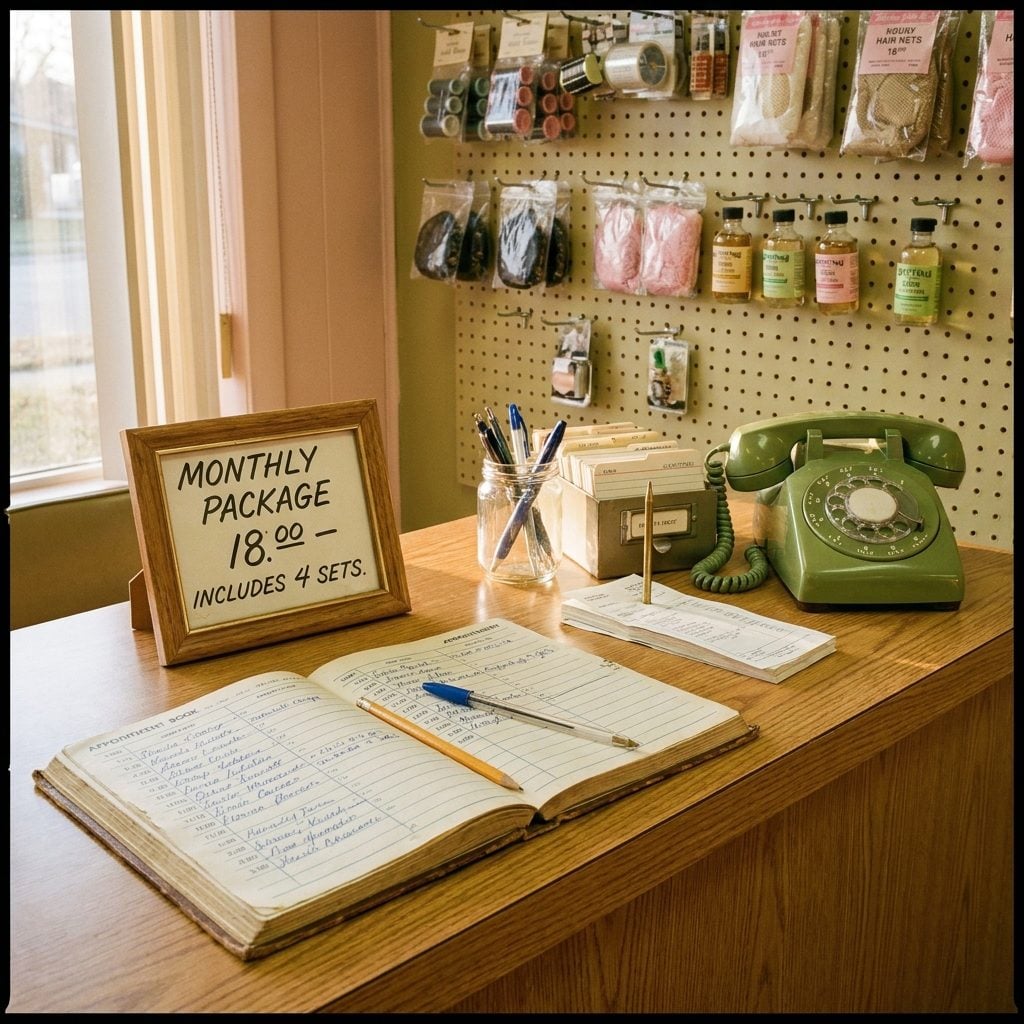
Bundle deals existed, and some salons offered a monthly package — four wash-and-sets, one trim, and a set of the salon’s own house-brand rollers to take home. Eighteen dollars in 1976, sometimes twenty. Grandmothers signed up in September and considered it settled through the following June.
15. A Facial or Basic Skincare Treatment: $8 to $20
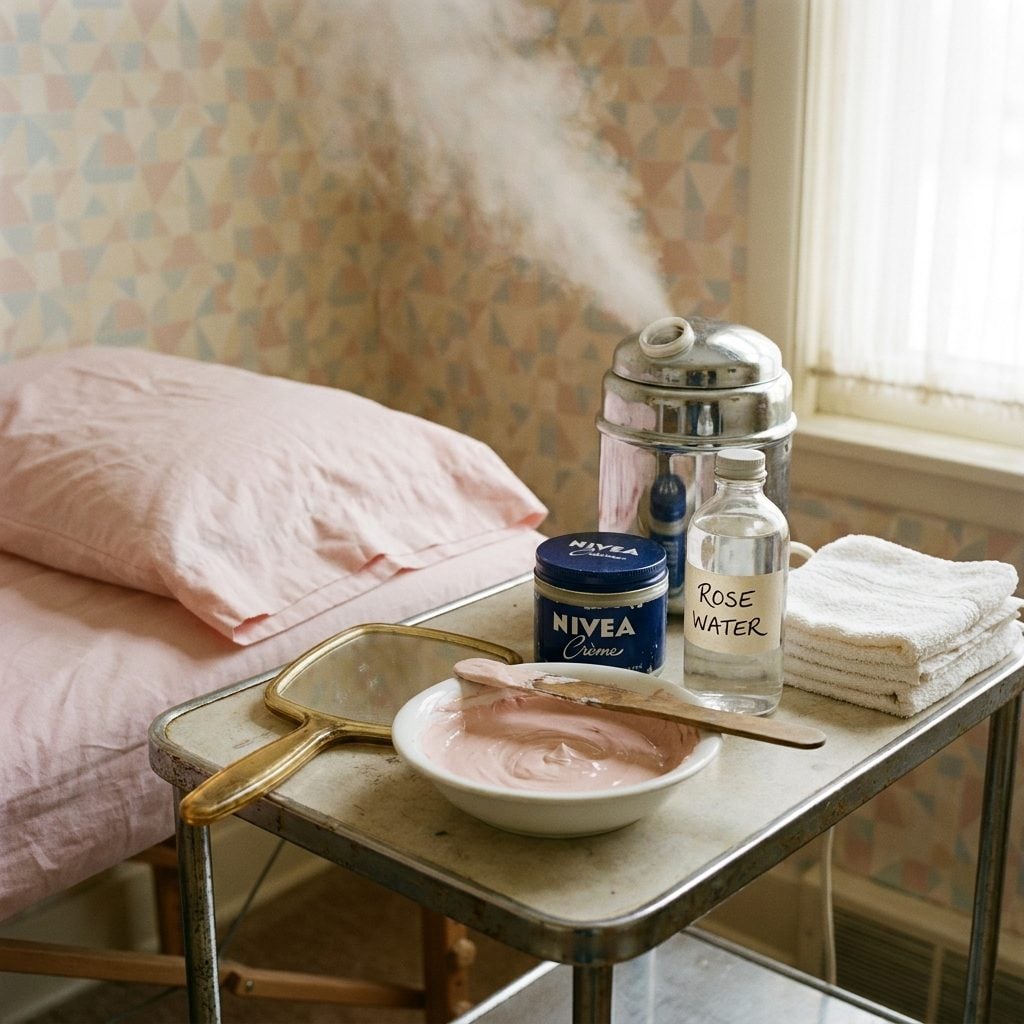
Facials at the beauty parlor were a lower-key affair than the day spa version we know now. Steam, extractions, a cold cream massage, a pink clay mask, done. Eight dollars at a neighborhood shop in 1974, twenty at a department store cosmetics counter with an esthetician who called herself a beauty consultant and wore a lab coat over her turtleneck.
Forty minutes, and you walked out smelling like rose water and Nivea. No LED masks, no serums with unpronounceable acids, no thirteen-step evening routine memorized off a YouTube tutorial. Just clean skin and a little bit of ceremony.
14. A Men’s Cut in the Same Shop: $3 to $5
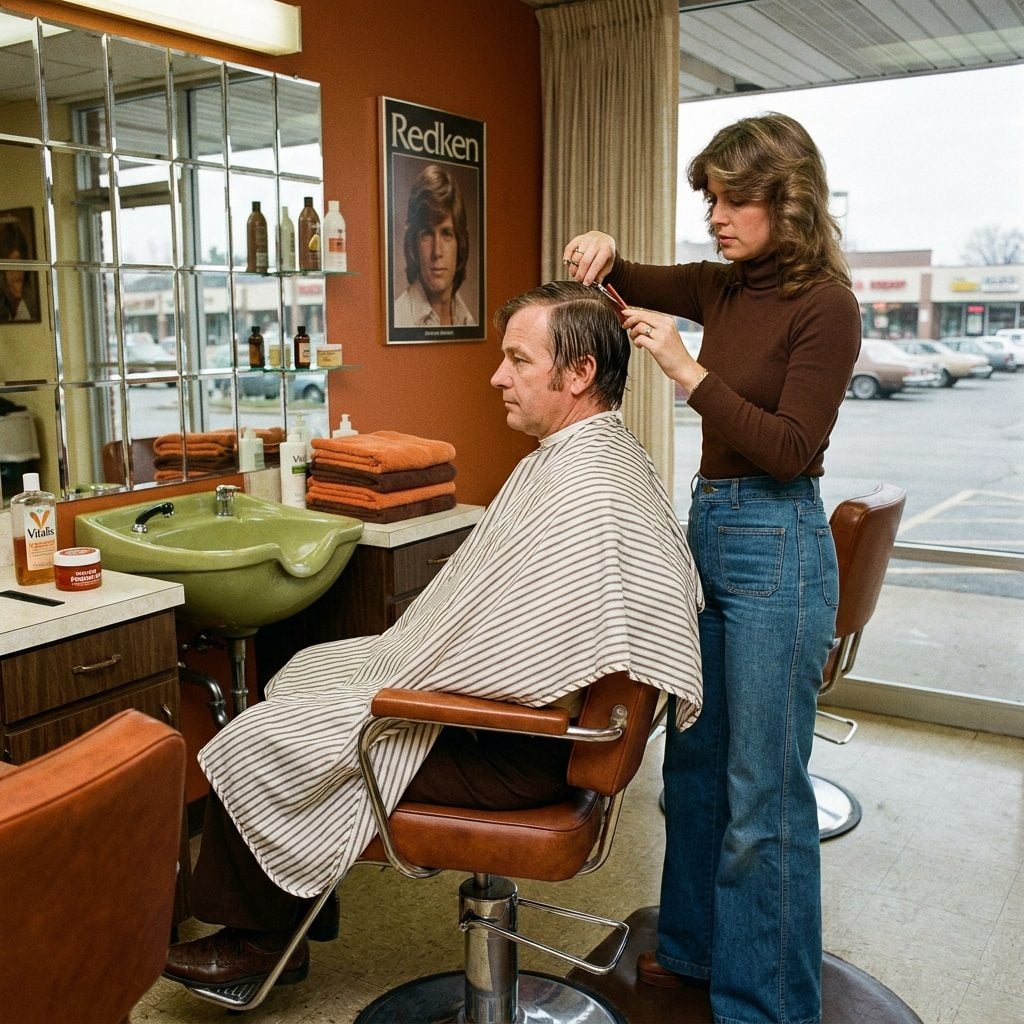
The seventies were when men started drifting into salons instead of barbershops, largely because barbers flat-out refused to do the longer, layered, blown-out styles guys suddenly wanted. Salon cuts for men ran $3 to $5, more if a blow-dry was involved.
Down the block, the barbershop crew cut was $1.75. Fathers grumbled. But the son wanted hair like the Eagles, and no barber in America was going to deliver.
13. The Grand Finale: A 1970s Salon Blowout for About $6 to $10
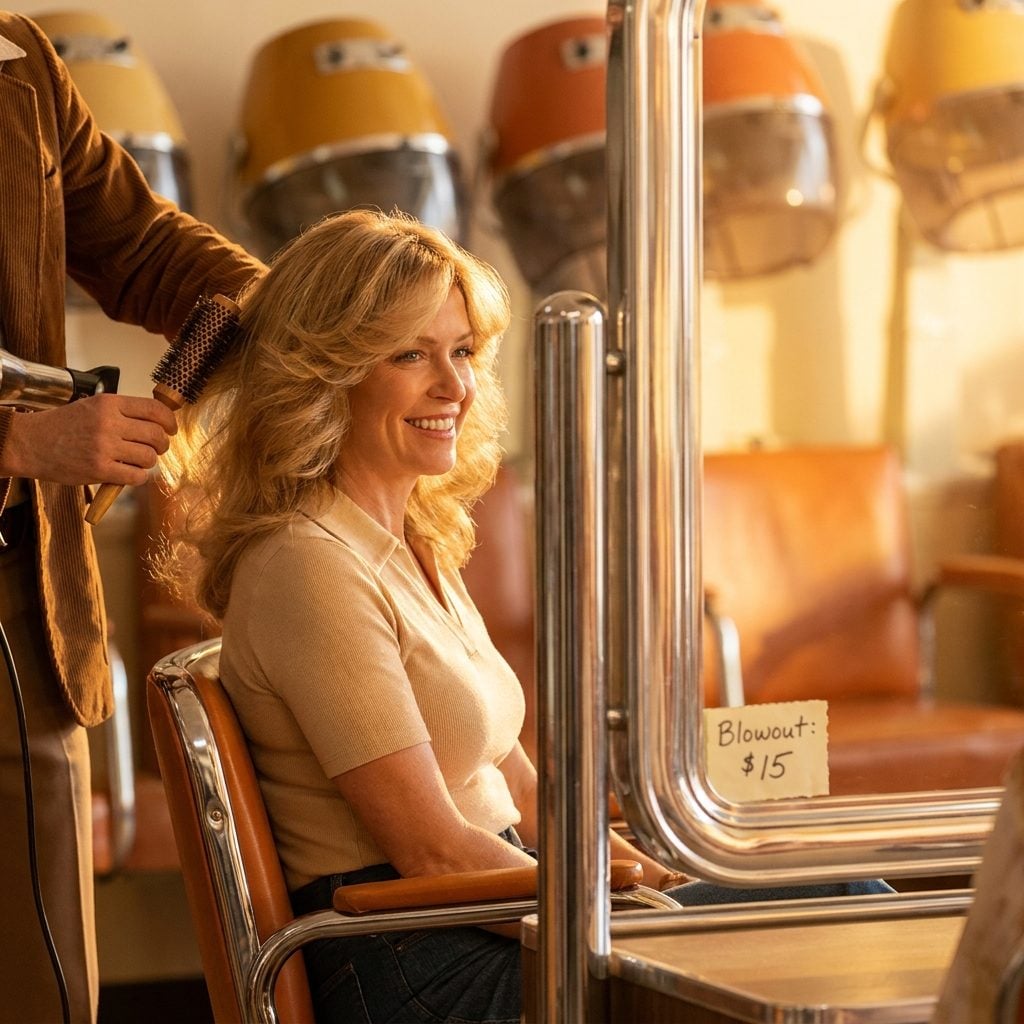
The blowout was the exit interview. After the set, the rinse, the color, or the perm, the stylist would finish you under a big round brush and a chrome hand dryer, and you walked out looking like somebody. In 1975, that final service ran about $6 to $10 at a mid-range salon, on top of whatever you’d already paid for color or a wave.
At the federal minimum wage of $2 an hour in 1974, a $7 blowout cost roughly three hours of work. Not nothing. But the beach blowout culture that would later turn it into a standalone luxury appointment didn’t really exist yet, this was still the finishing step, the period at the end of a longer sentence. The athleisure blowout bar model of the 2010s would have baffled a 1970s woman entirely. Back then, you paid for the whole appointment and the blowout came with it. Separating it out and charging $45? A foreign concept.
12. A Body Wave (The Perm’s Softer Cousin): $12 to $20
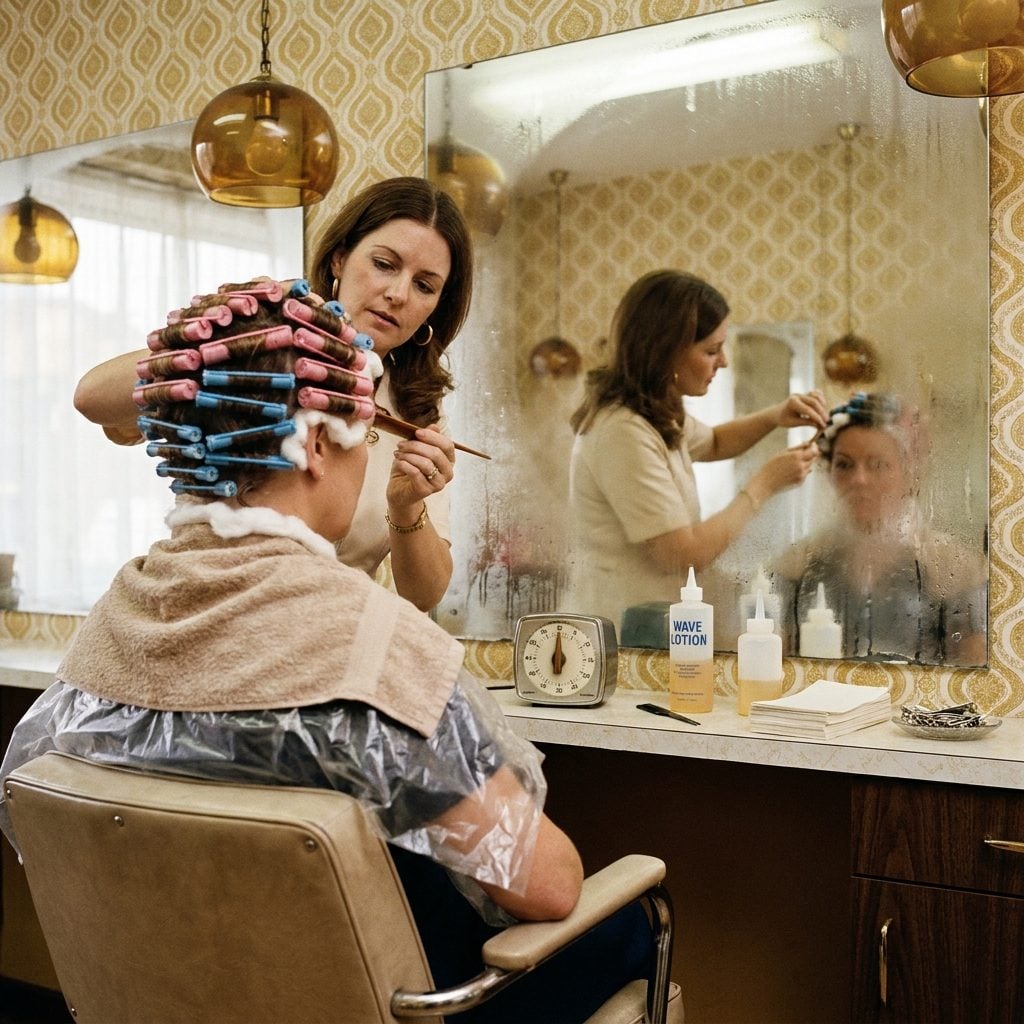
A body wave was for women who wanted movement without commitment. Softer than a full perm, less structure, more of a suggestion. Prices landed between $12 and $20 depending on hair length and how much the salon thought of itself.
The sales pitch was that it gave your blowout something to grip. Fine hair, especially, went limp by lunchtime without some chemical help, and a body wave bought you three months of hair that actually did what you told it to do.
11. A Deep Conditioning Treatment: $3 to $6
❤️ Would you like to save this?
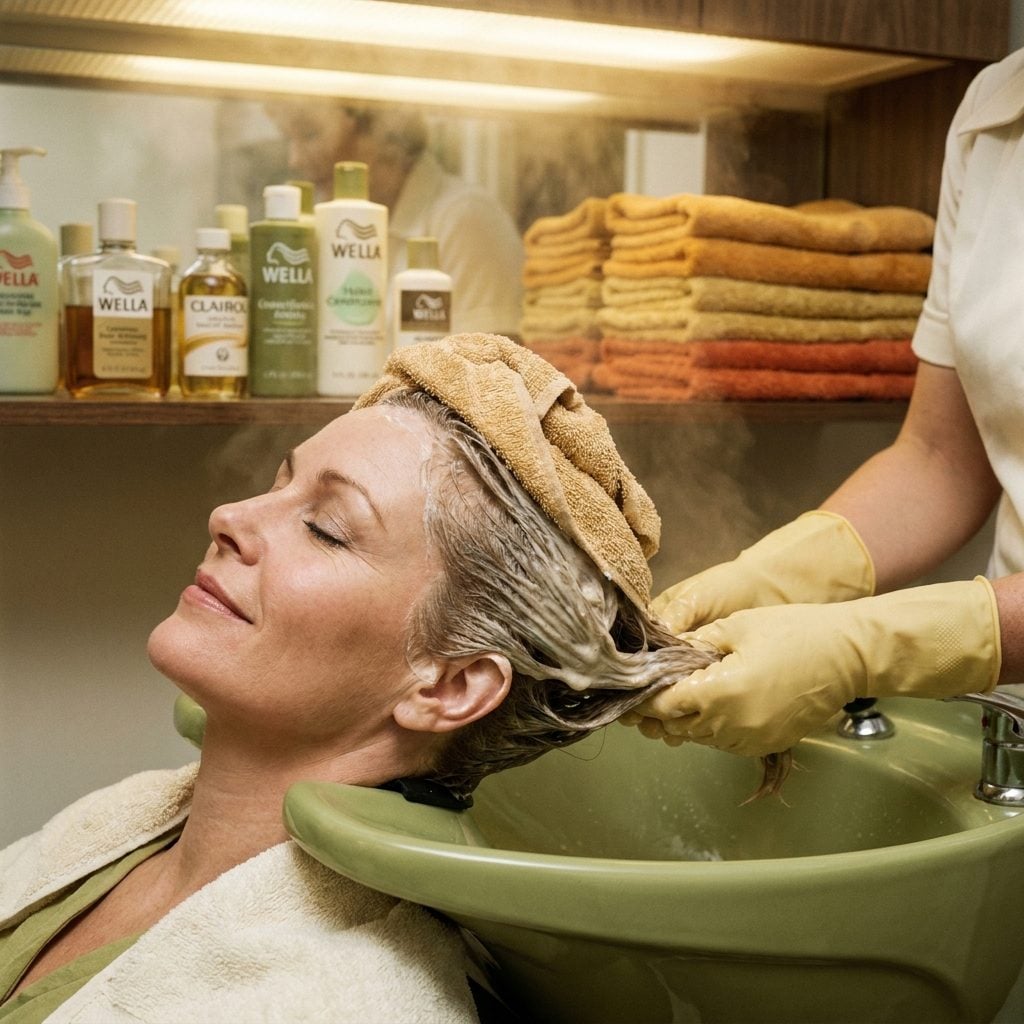
Back then it was called a hot oil treatment or a reconstructor, and it ran $3 to $6 as an add-on. Salons pushed them hard, because perms and bleach were leaving hair fried.
The routine was simple: coat, cover with a plastic cap, sit under a warm hood dryer for fifteen minutes, rinse. Women swore by them. Given what perm chemicals were doing to hair in that decade, they weren’t wrong.
10. An Eyebrow Wax or Shape: About $2 to $4
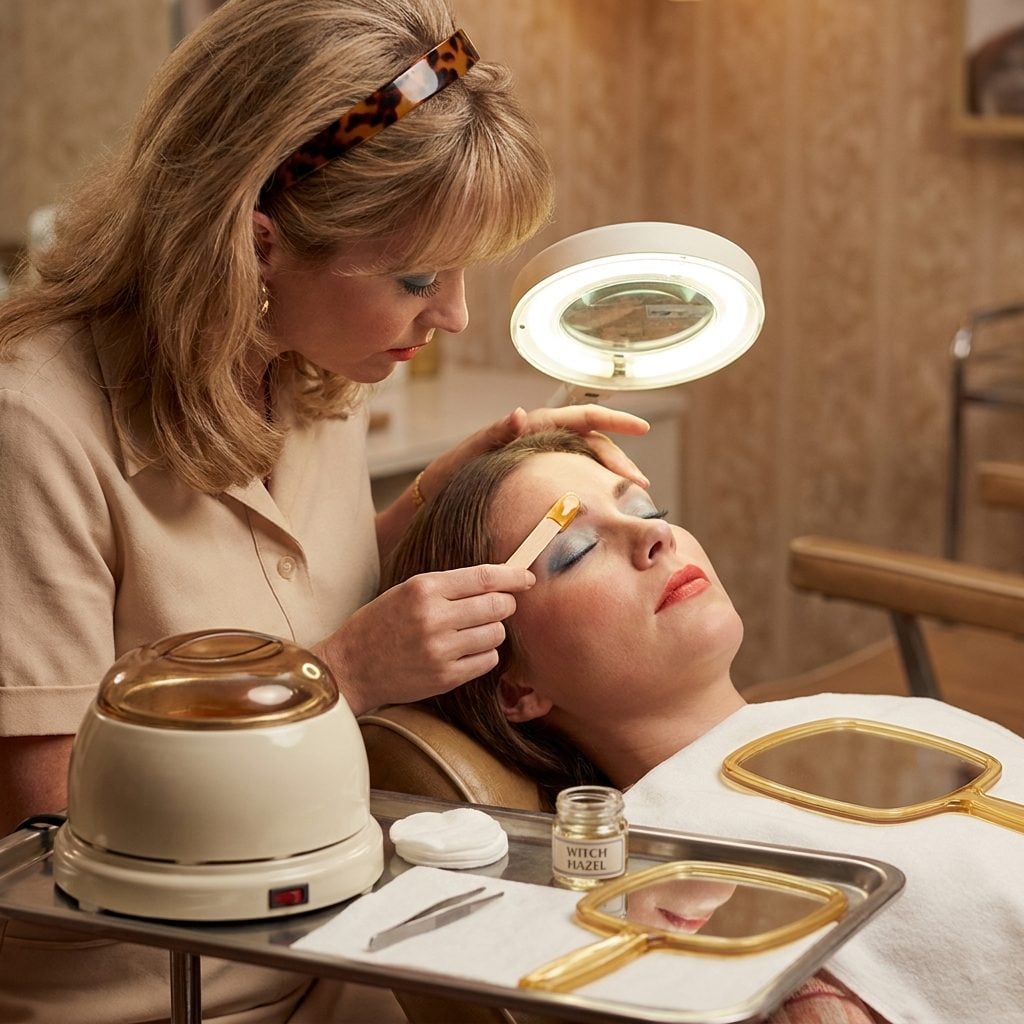
Waxing was newer to American salons in the seventies, imported from European technique and pushed by aestheticians who wanted to charge for something faster than tweezing. A few bucks got you a full shape.
The decade’s brow was thinner than what women wanted in the eighties, but nowhere near the pencil line of the thirties. A soft arch, cleaned up underneath. Farrah Fawcett brows. Achievable if the aesthetician had a light touch and the client held very, very still.
9. A Set of Acrylic Nail Tips: $15 to $25
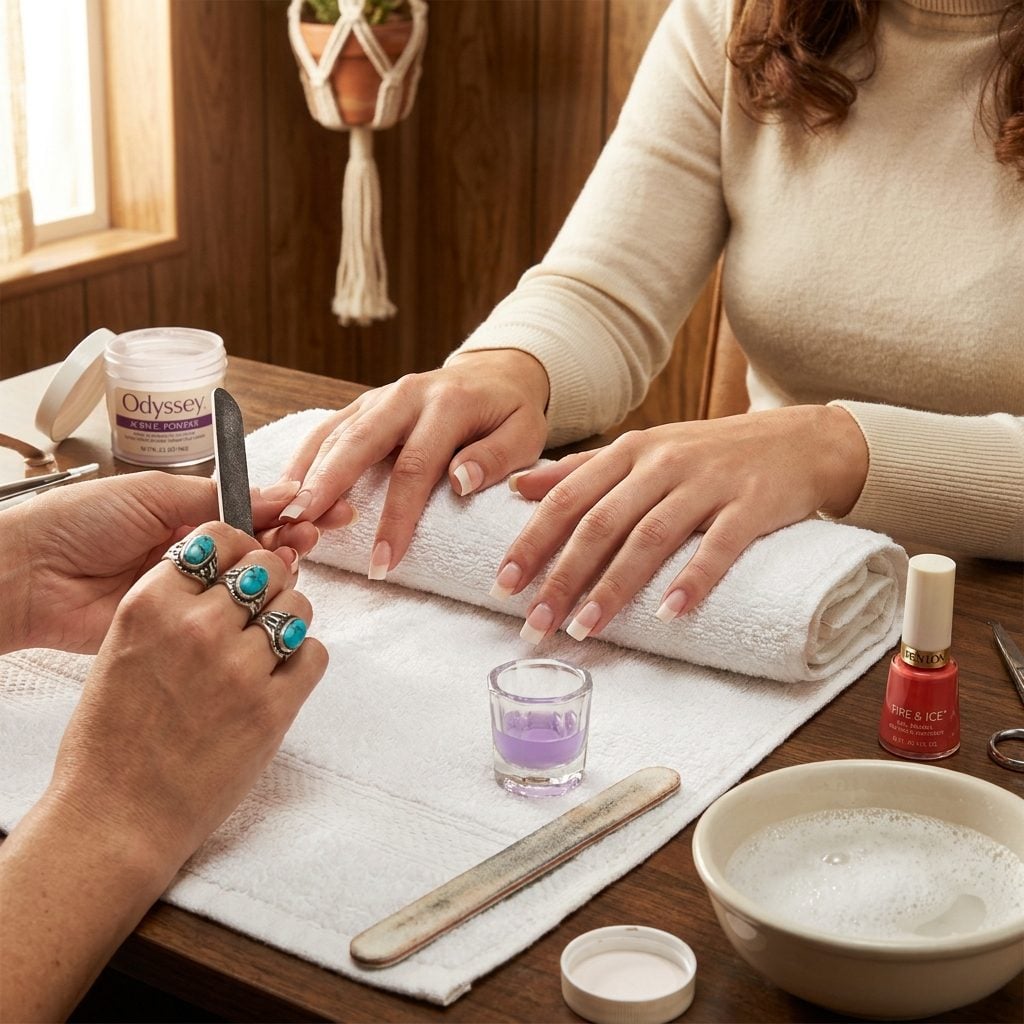
Acrylic nails hit American salons in the mid-seventies and still carried an air of the exotic, maybe a little showy. A full set ran $15 to $25 — real money, roughly two full days at minimum wage.
Women getting them were usually paying for a specific event. A wedding. A cruise. A divorce that needed a physical marker. Nobody was doing acrylics as a monthly habit yet. That was still a decade off.
8. A Pedicure with Polish: $6 to $10
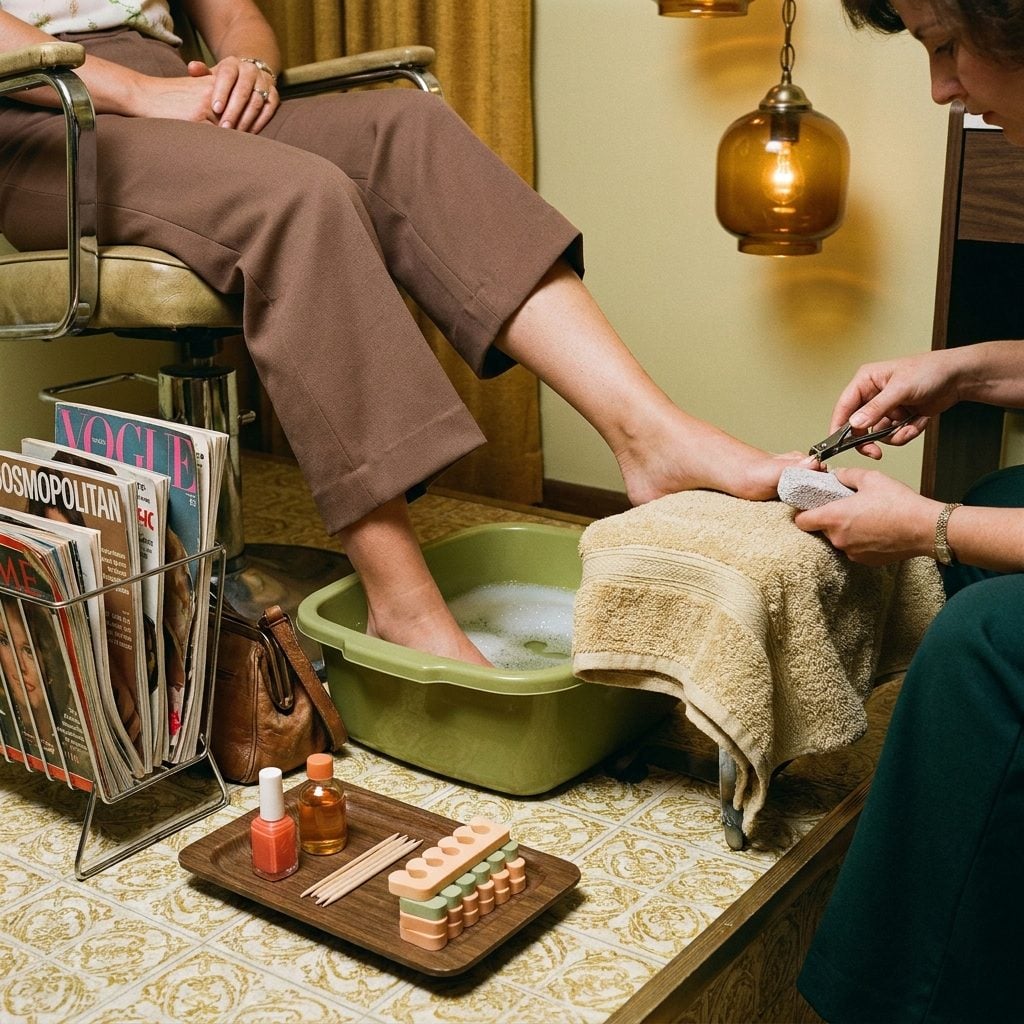
Pedicures were mostly a summer thing, priced accordingly — $6 to $10 got you the full soak, trim, cuticle work, and polish. Winter tanked the demand, and often the price with it.
Open-toed shoes were having a moment: espadrilles, cork wedges, strappy sandals with wooden heels. If your feet were coming out, they had to look booked. Sensible reasoning, and it hasn’t changed in fifty years.
7. A Wig Wash, Set, and Restyle: $8 to $15
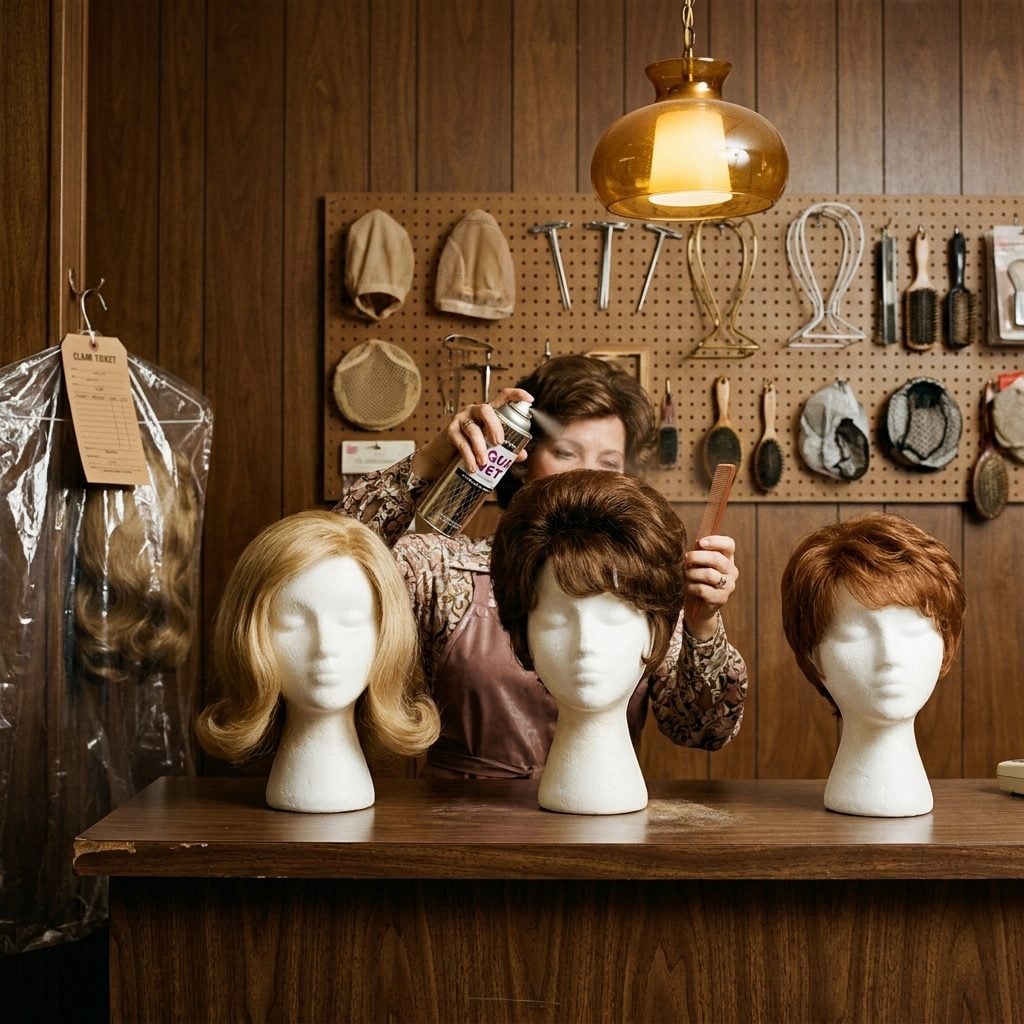
The seventies were the tail end of the American wig boom that had launched in the sixties, and plenty of women still owned two or three — cheaper synthetic ones for daily wear, a good human-hair piece for occasions. Salons that specialized in wig care charged $8 to $15 to wash, set, and restyle a piece from top to bottom, and the good ones had a whole back room dedicated to nothing else.
The clients bringing them in skewed older. Women who’d started wearing wigs when they were the height of fashion and kept the habit long after the trend moved on. A well-cared-for wig lasted years, which made the service worth every penny.
6. A Hair Straightening or Chemical Relaxer: $25 to $50
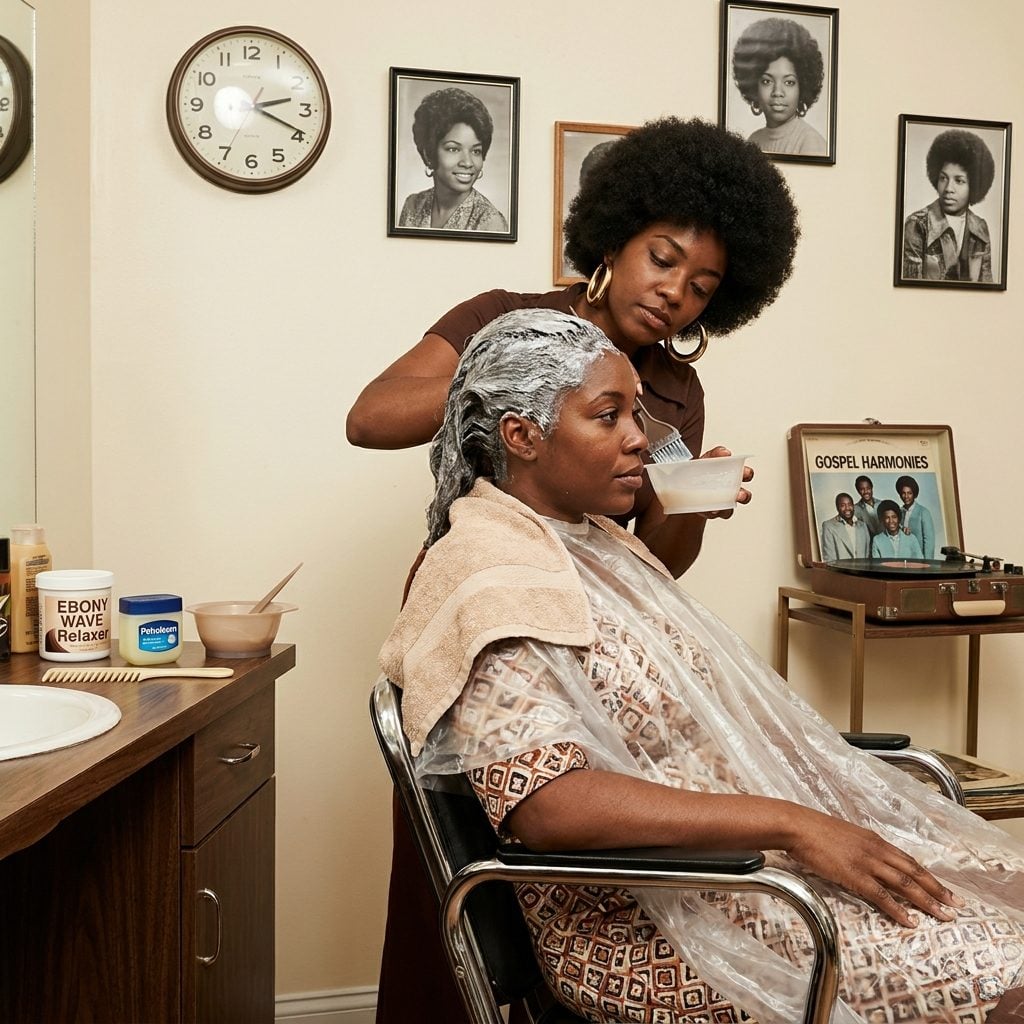
Chemical relaxers were serious money and serious commitment — $25 to $50 depending on length and salon, and most Black women getting one were booking with a specialist who knew exactly what she was doing. A bad relaxer was a disaster you wore for months.
The service usually bundled the relaxer, a neutralizing shampoo, a deep conditioner, and a roller set or blow-out. Three hours in the chair, minimum. Your relationship with your relaxer stylist was closer than the one with your dentist, and priced to match.
5. A Tip for the Stylist: 10 to 15 Percent, or Loose Change
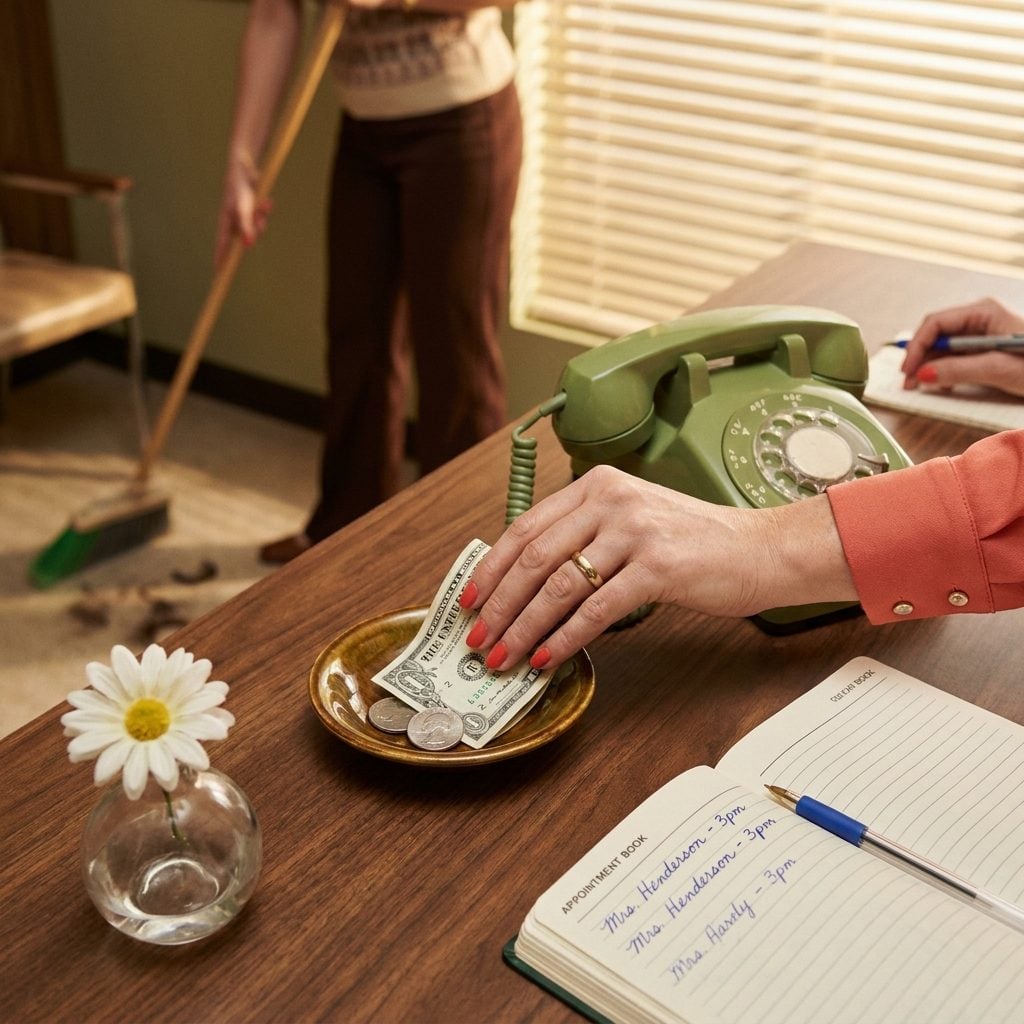
Tipping in seventies salons was casual by today’s standards. Ten to fifteen percent counted as generous, a dollar or two on a set was normal, and loose change at the shampoo bowl for the girl who washed your hair was appreciated but never expected.
What mattered was the relationship. The woman who tipped consistently, remembered birthdays, and sent her sister in got squeezed onto the book on a full Saturday. That was the real currency. Still is, if you know where to look.
4. A Set of Hot Rollers Applied and Combed Out: About $4 to $7
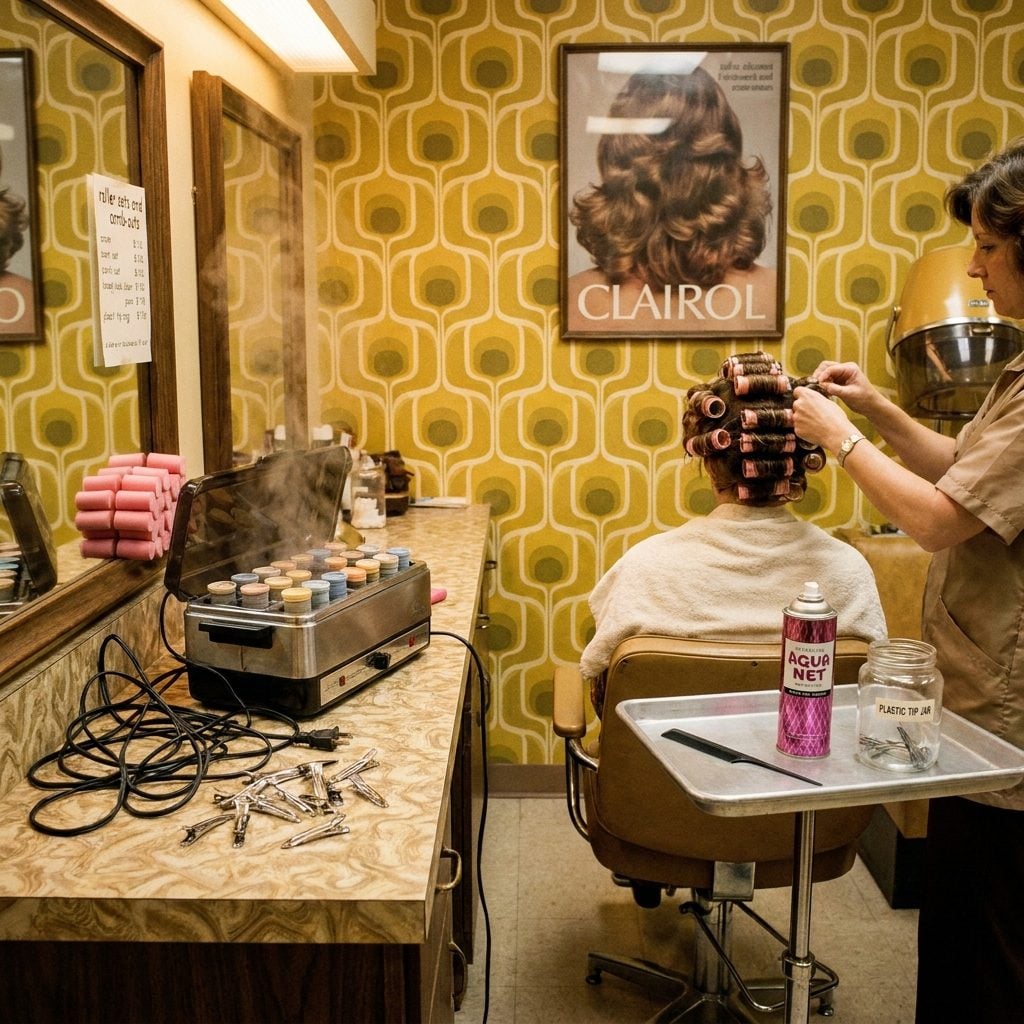
Hot rollers were the shortcut between a full wash-and-set and doing absolutely nothing. For four to seven dollars, the stylist wound each section around a heated cylinder, pinned it close to the scalp, and let the machine do the waiting.
The real skill came afterward. Once the rollers cooled, the curls had to be brushed into one continuous shape without flattening the lift they had just created. A little backcombing at the crown, a careful turn at the ends, then enough Aqua Net to keep the whole arrangement intact through dinner.
The appointment was faster than a permanent wave and far less committal. You walked in with ordinary hair and left with height, polish, and a style designed to last at least until the next morning.
3. A Bang Trim Between Appointments: $1.50
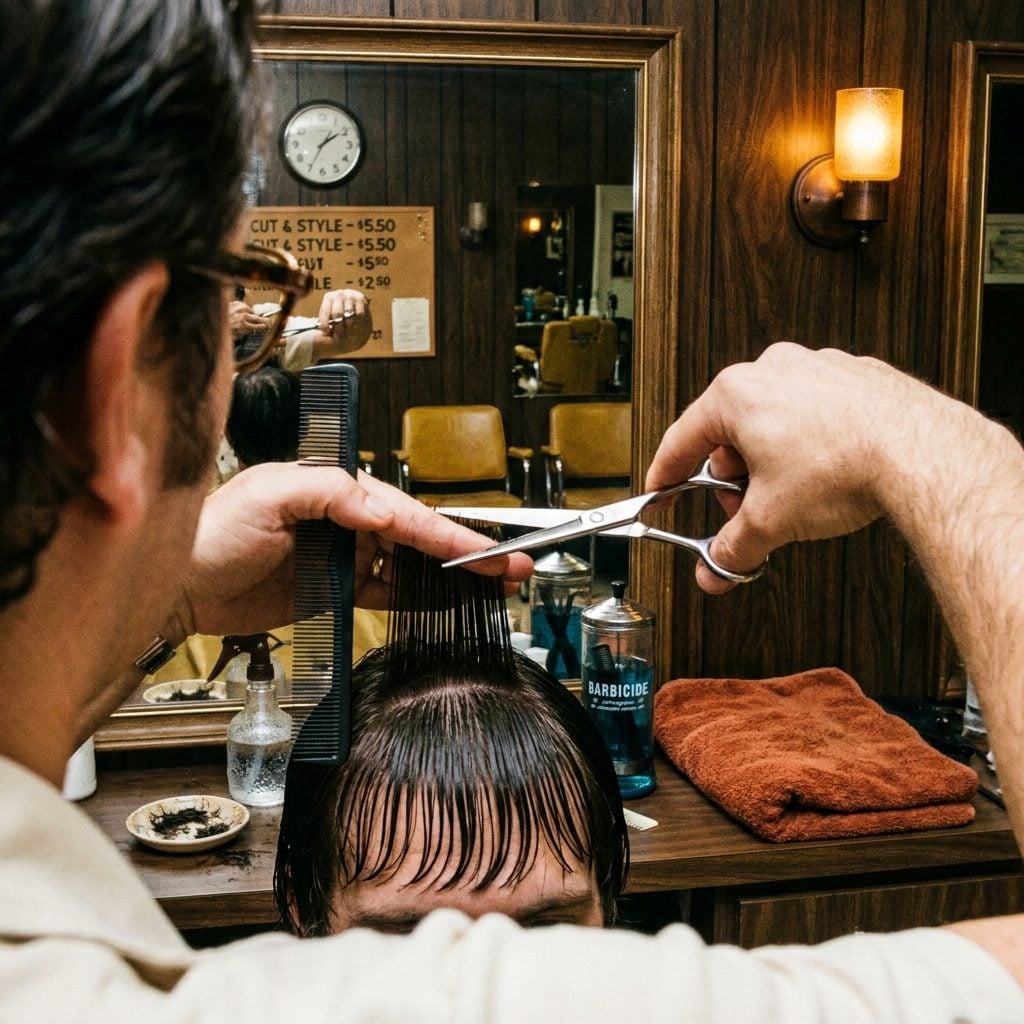
Walk in on a Wednesday, sit for four minutes, walk out with your fringe back where it belonged. A buck fifty. Free if you were a standing weekly and the stylist liked you enough to wave off the till.
Bang trims were the loss-leader of the whole decade. Nobody made money on them. What they made money on was you drifting back Friday for the wash and set because you were already in the neighborhood, already thinking about your hair, already halfway through the door.
2. A Wig Purchase from the Salon: $35 to $75
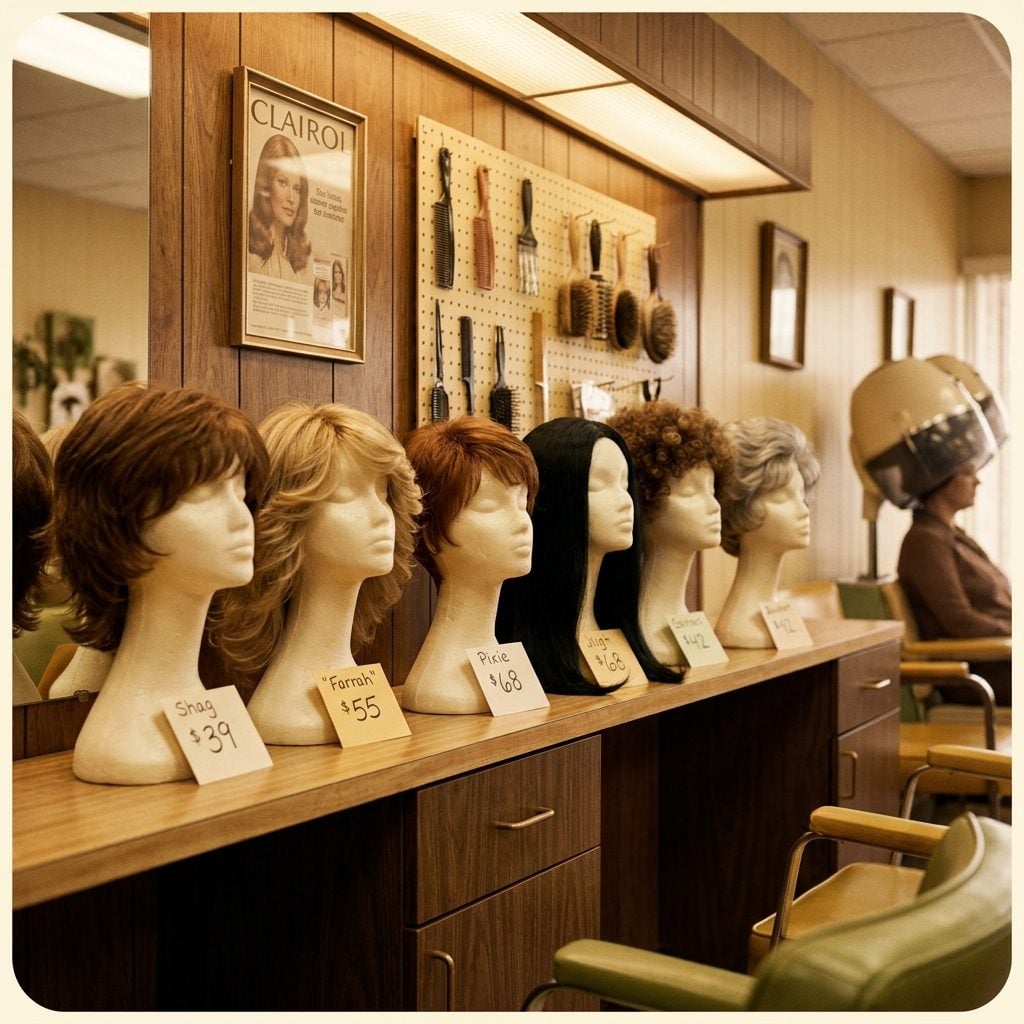
Wigs were serious business in the 1970s salon. Buying one meant handing over a real chunk of a paycheck — a decent synthetic ran $35 to $50, and a human-hair piece could sail past $75 without much effort. For a lot of working women, that was two or three days of wages walking out the door on a foam head.
What you got for the money mattered, though. The salon fitted it, cut it into something that flattered your face, and walked you through the care routine so it wouldn’t look like roadkill by month two. Some women kept three or four in rotation, swapping them out the way you’d swap handbags.
1. A Full Updo for a Wedding or Prom: $12 to $25
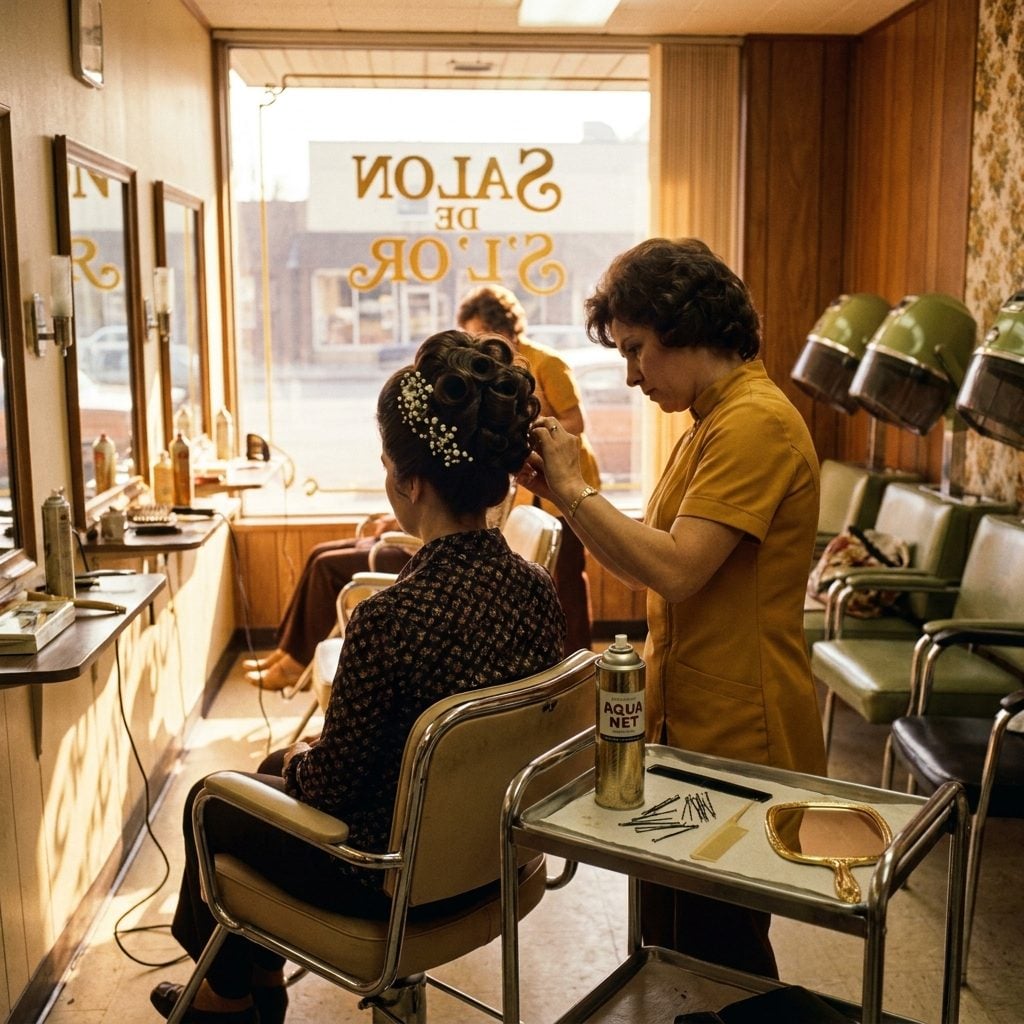
Updos for weddings and proms were where salons made real money on a Saturday. A straightforward chignon might run you $12, while something ambitious — rats stuffed underneath, hairpieces pinned in, enough Aqua Net to lacquer a coffee table — could push $25.
Brides usually booked a trial run first, tacking another $8 or $10 onto the bill. And a prom-going teenager might blow a week of babysitting money on hers without flinching. The whole thing had to survive slow dancing, a humid gymnasium, and the drive home in a Camaro with the windows rolled down.