❤️ Would you like to save this?
The smell of Aqua Net still lives somewhere in your memory. So does the sound of a curling iron heating up on a Saturday afternoon, the bathroom counter disappearing beneath mousse, rollers, brushes, clips, and enough aerosol to alter the weather. Getting ready was not a preliminary activity. Getting ready was the event.
The 1980s asked hair to participate in the outfit — sometimes more loudly than the outfit itself. Perms expanded sideways, bangs climbed vertically, ponytails migrated off-center, mullets refused to choose a length, and even short hair found a way to occupy more air. These 34 styles show just how many routes the decade found to the same destination: absolutely nobody was going quietly.
FYI, thanks to AI imagery software, we’re able to create very specific fashion and hairstyle examples to illustrate the points being made. In some cases, imagery is exaggerated to hammer home the point. Also, assume links that take you off the site are affiliate links such as links to Amazon. this means we may earn a commission if you buy something.
34. Classic 1980s Big Hair Needed No Further Explanation
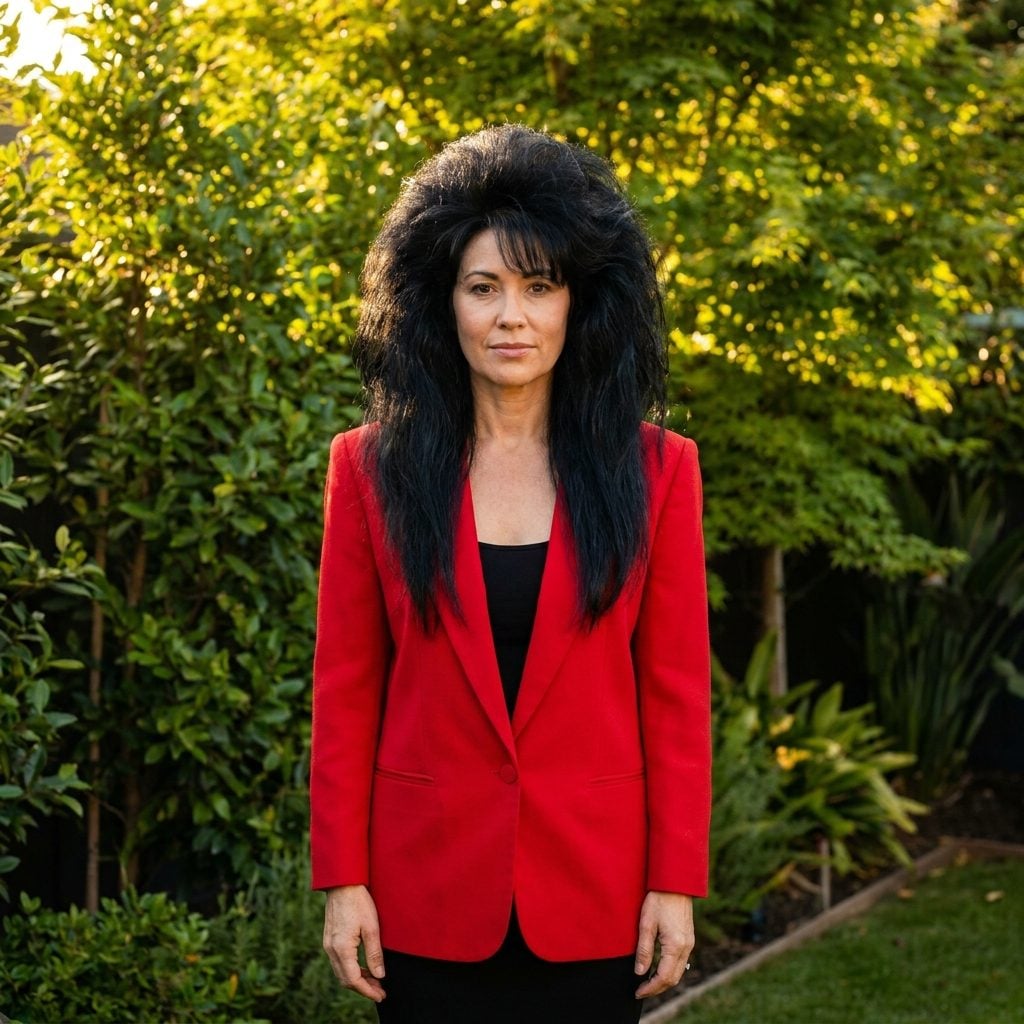
No qualifier needed. No specific curl pattern, cut structure, or styling philosophy. Just: big.
Hair went outward and upward simultaneously, teased through the crown, expanded through the sides, and encouraged to keep going until either the hairspray or the stylist’s arm gave out. Against power shoulders, saturated lipstick, and the decade’s increasingly athletic fashion vocabulary, the scale made perfect visual sense.
Looking back, the surprising thing is not how excessive the hair seems. It’s how completely it belongs with everything around it. The whole era was turned up. Hair simply made sure you could see that from across the room.
33. The Big Teased Perm Turned Volume Into an Entrance
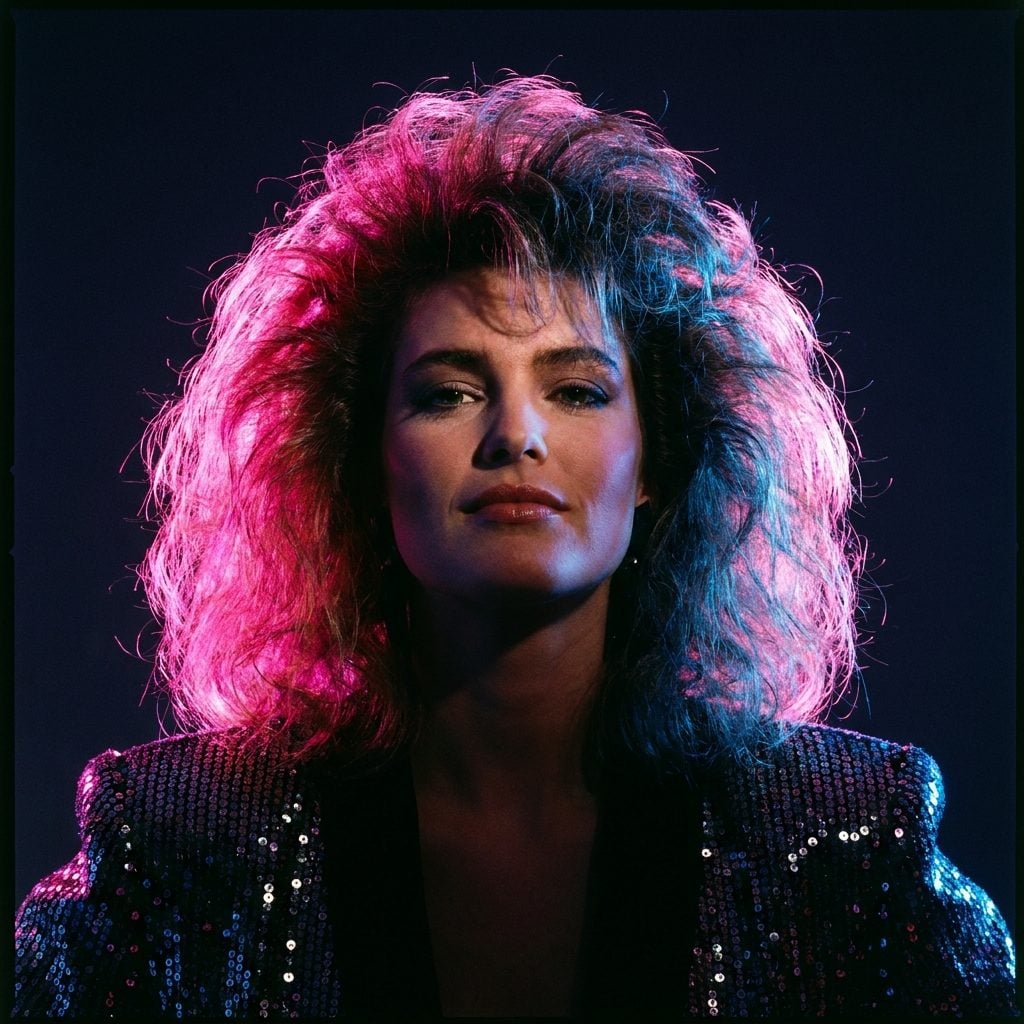
The perm supplied the curl. Teasing made sure nobody missed it.
Back-combing at the crown lifted the silhouette above the natural curl pattern, while tight rings through the lengths multiplied texture in every direction. Spray, tease, separate, repeat. From ten feet away, the hairstyle was already having a conversation.
That was the particular brilliance of the 1980s perm: chemical curl was only the starting point. Styling decided how far the architecture would travel.
32. The Wedge Cut Was the Quiet Rebel in a Decade of Teasing
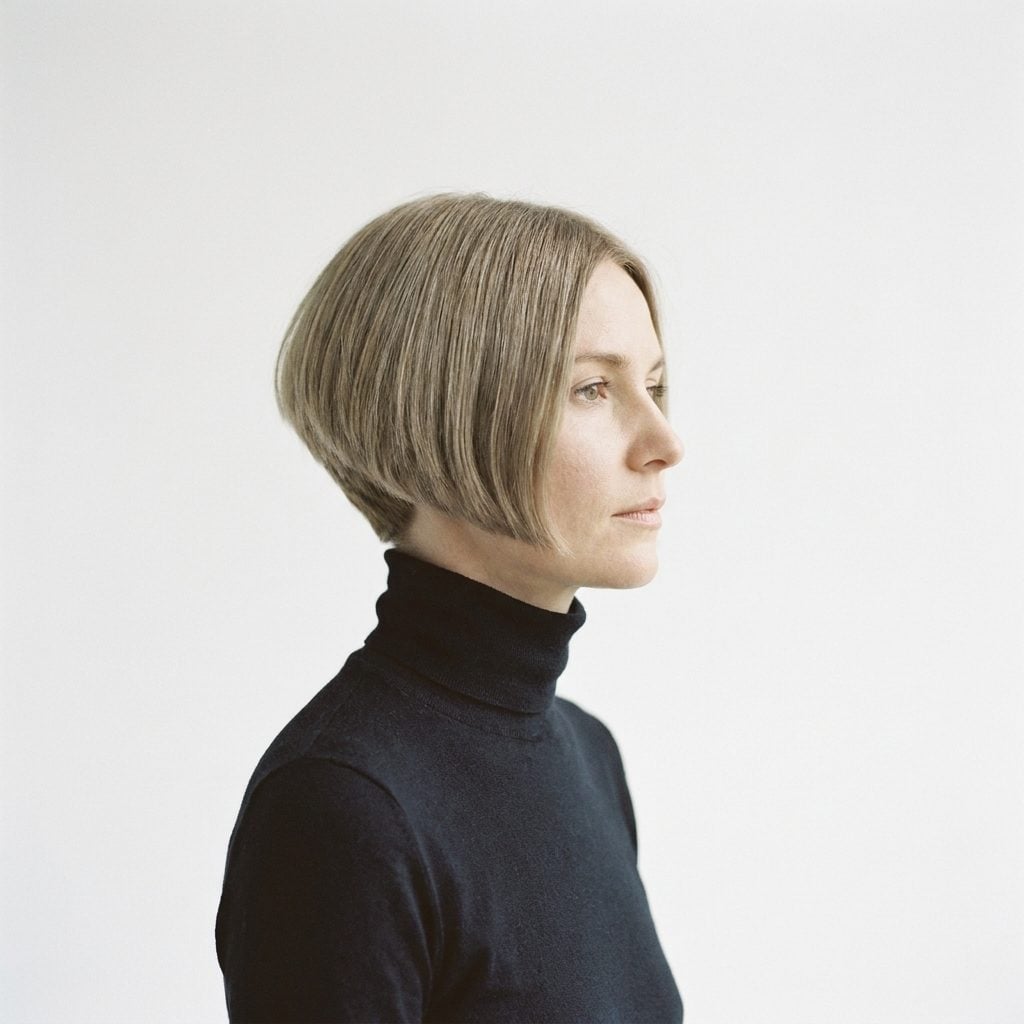
Precision over volume, for once.
Dorothy Hamill had made the wedge famous in the 1970s, but its clean geometry survived easily into the following decade. Short stacking at the back created a rounded shape while the front angled toward the face, giving the cut movement without requiring a crown full of teasing.
A structured emerald blouse against that glossy chestnut shape makes the contrast even clearer. While so many 1980s styles expanded, the wedge relied on the cut itself to make the statement. It remains one of the easiest looks in this gallery to imagine walking into a salon with today.
31. Crimped Hair Made Every Strand Look Electrified
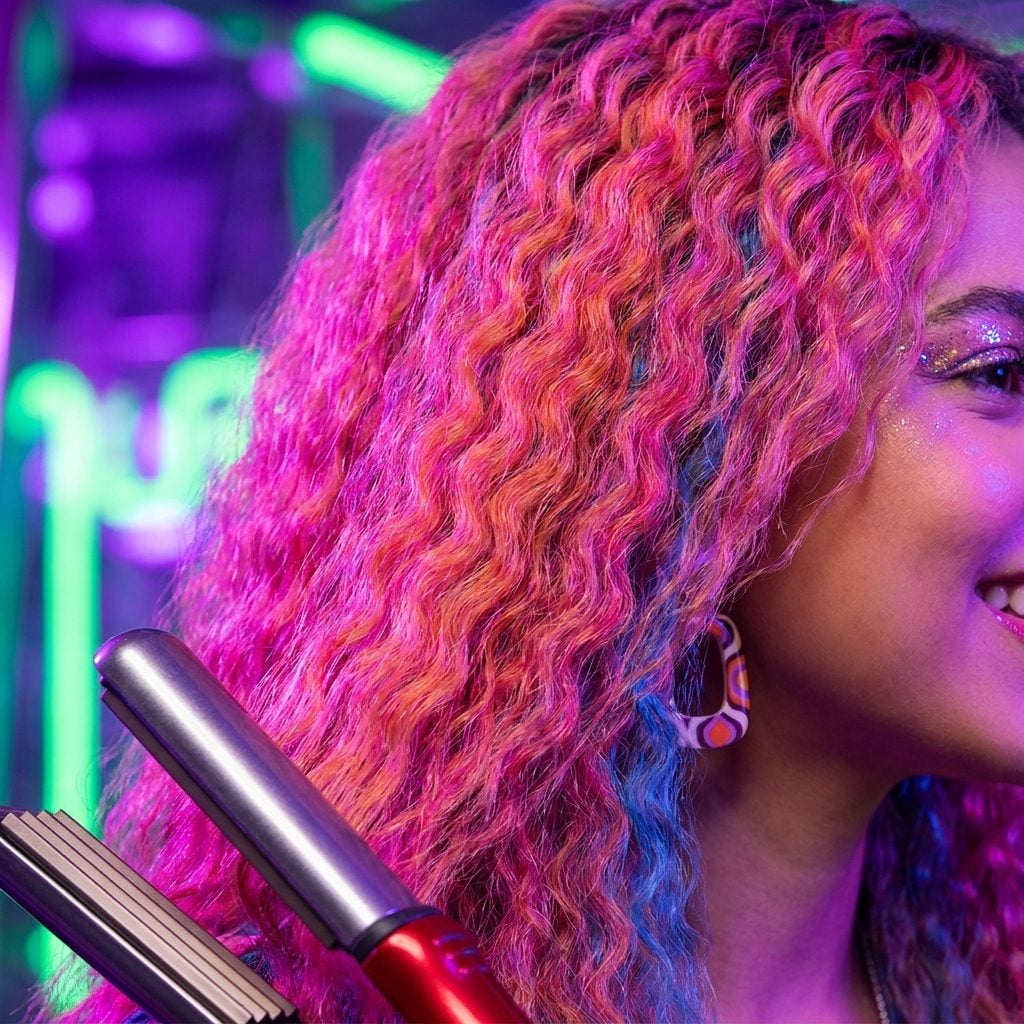
The zigzag was unmistakable.
A crimping iron pressed straight or wavy hair into row after row of tiny angular bends, instantly making the surface look dramatically fuller. Instead of one smooth sheet reflecting light, you got hundreds of tiny planes catching it from different directions.
That was why crimping looked particularly alive under dance-floor lighting, concert lights, and every aggressively fluorescent hallway the decade could provide. Add a teal blouse or sequined top and suddenly the hair itself looked like part of the lighting system.
30. The Farrah Feathered Flip Refused to Leave With the 1970s
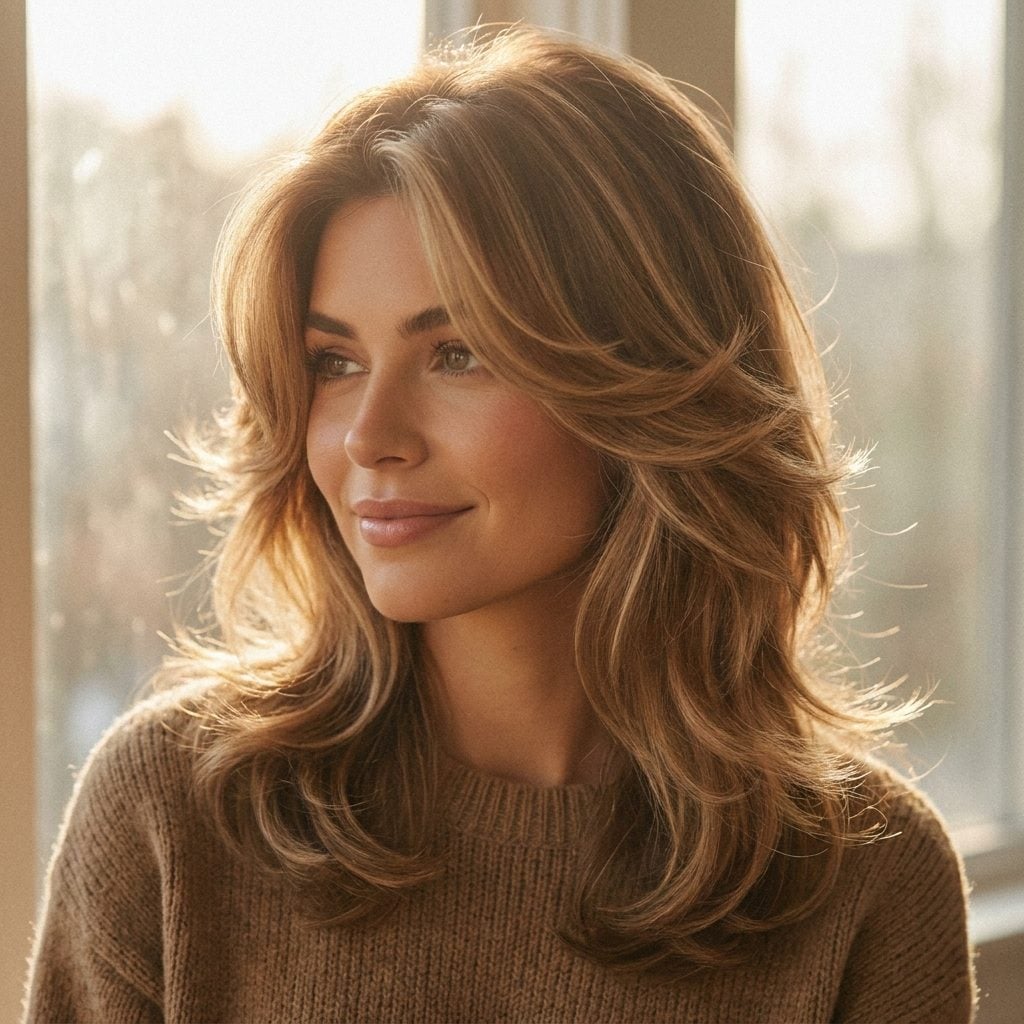
Technically a 1970s creation, but the feathered flip had no intention of respecting calendar boundaries.
The signature move remained those side sections swept backward and outward from the face, creating broad wings with enough movement to keep long hair from simply hanging straight down. By the 1980s, brighter highlighting and more aggressive blow-drying could push the effect even further.
The flick was everything. Curl away from the face, brush it back, add enough spray to persuade the feathers to remain airborne, then resist the urge to touch anything.
29. The Pixie With Teased Volume Proved Short Hair Could Still Go Big
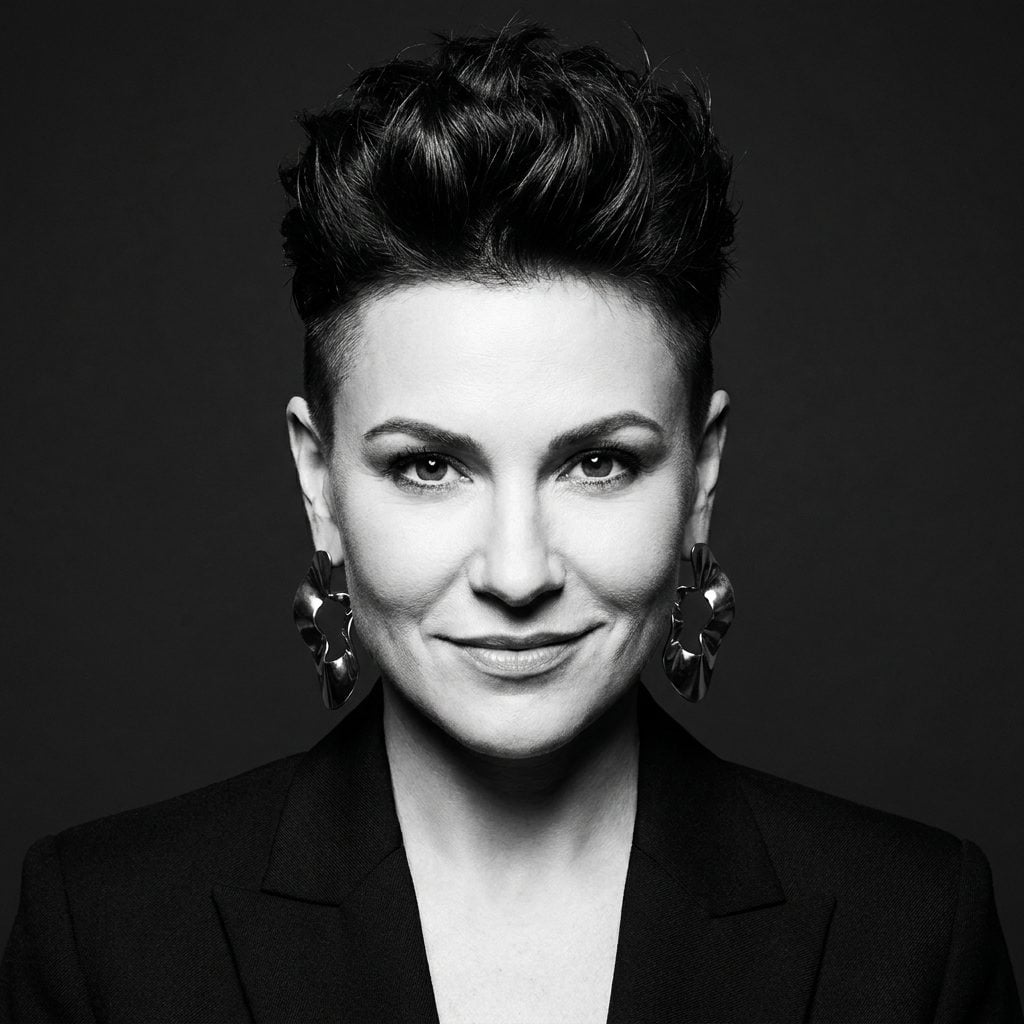
Short at the sides did not mean flat on top.
This version kept the practical footprint of a pixie but built lift through the crown, giving the silhouette a strong upward line. The contrast is what makes it work: almost no excess around the ears or nape, then a deliberate concentration of texture above.
Worn with a crisp white button-down shirt, it can still look startlingly current. The face stays exposed, the earrings get a clear field, and the hair supplies just enough height to keep the cut from becoming severe.
28. The Jheri Curl Made Gloss Part of the Silhouette
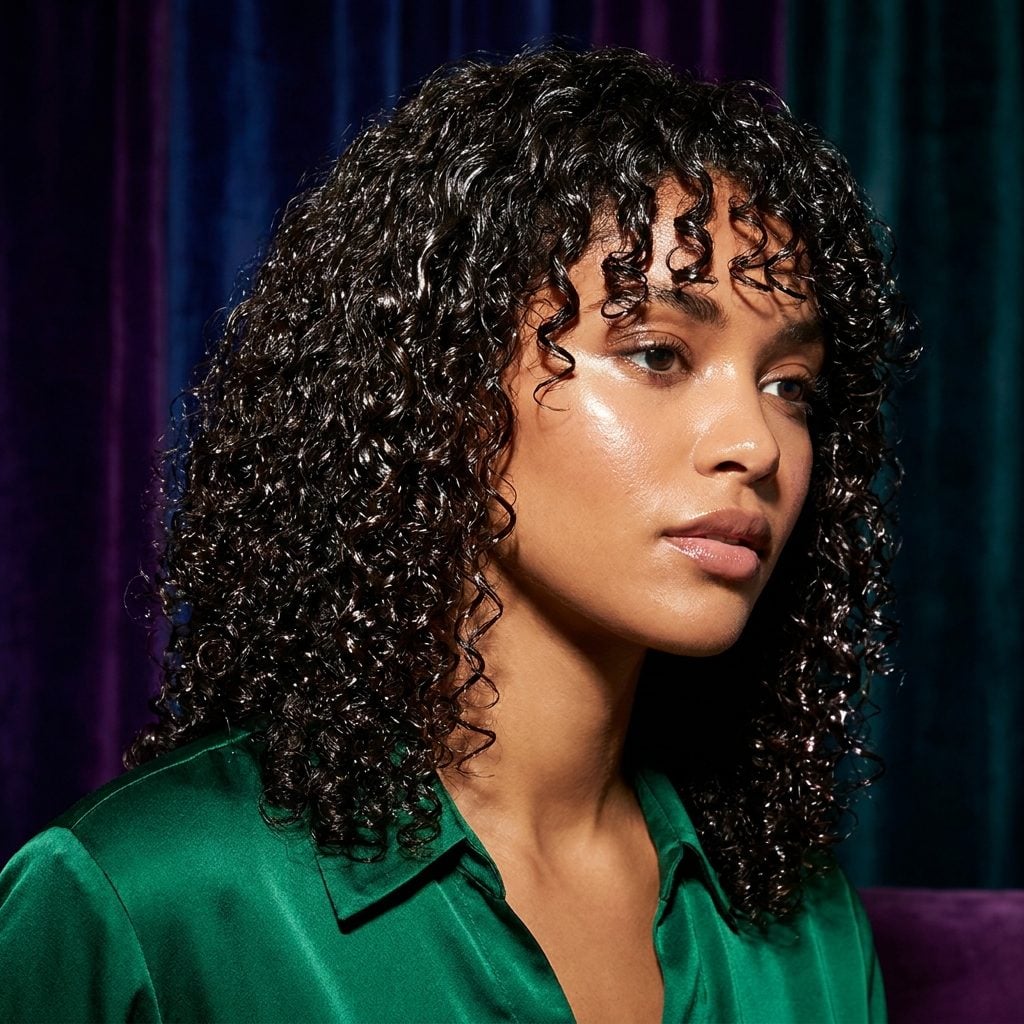
Shine was not a side effect. It was the signature.
The Jheri curl became one of the defining Black hairstyles of the era, creating loose, glossy curls through a chemical process maintained with activator and moisturizing products. The finish was deliberately soft-looking and wet, with separated curls catching light instead of expanding into a dry cloud.
Michael Jackson and Lionel Richie helped make the silhouette internationally recognizable, while women wore versions ranging from compact curls to longer, softer shapes. The maintenance was real, but so was the visual impact: movement, definition, and gloss all happening at once.
27. The Side Ponytail Moved the Entire Hairstyle Off-Center
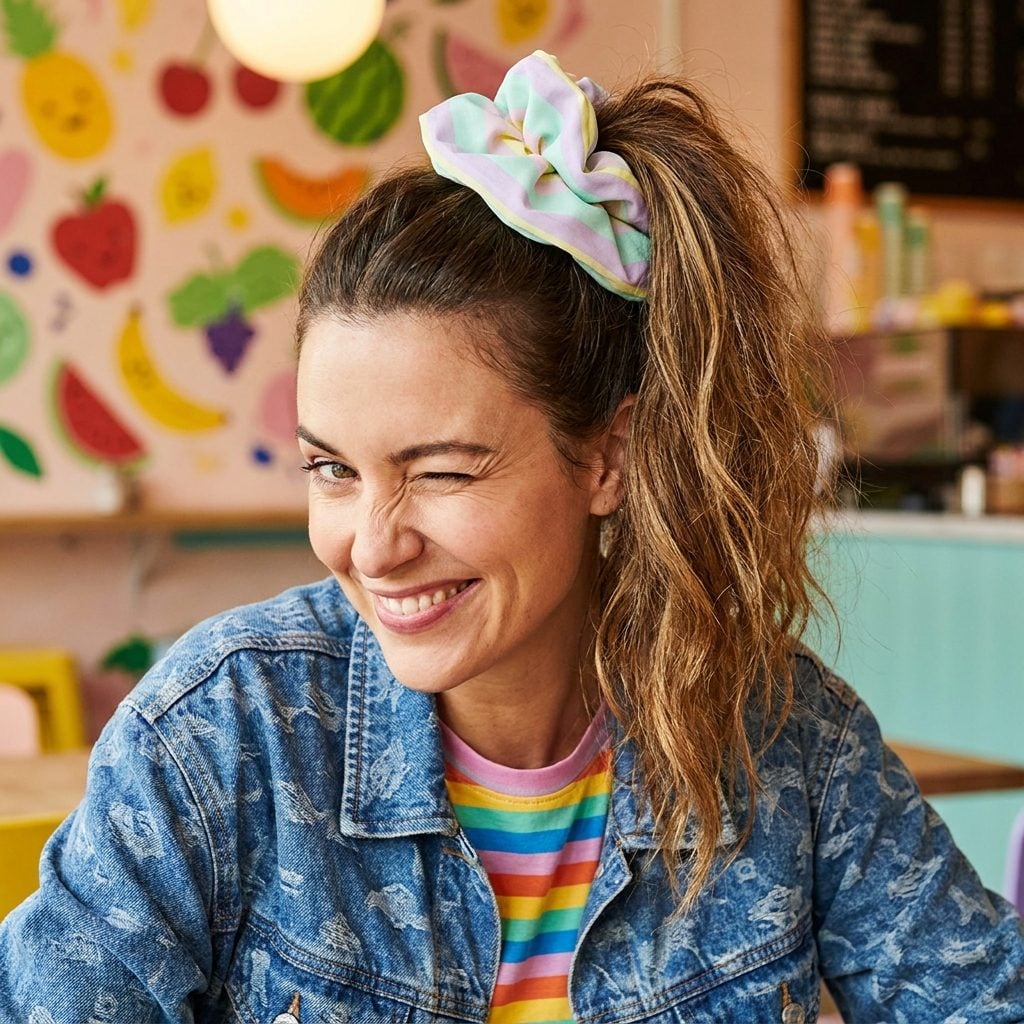
Why put a ponytail directly behind the head when you could move the whole thing six inches to the side?
The off-center placement gave ordinary long hair instant 1980s energy, particularly once a bright scrunchie joined the operation. Coral against dark waves, fuchsia against a bright top, pattern against pattern — subtlety had already missed the bus.
The scrunchie also made the fastening itself visible. Instead of disguising the elastic, the decade turned it into another accessory.
26. The Asymmetrical Shag Made Being Uneven the Entire Point
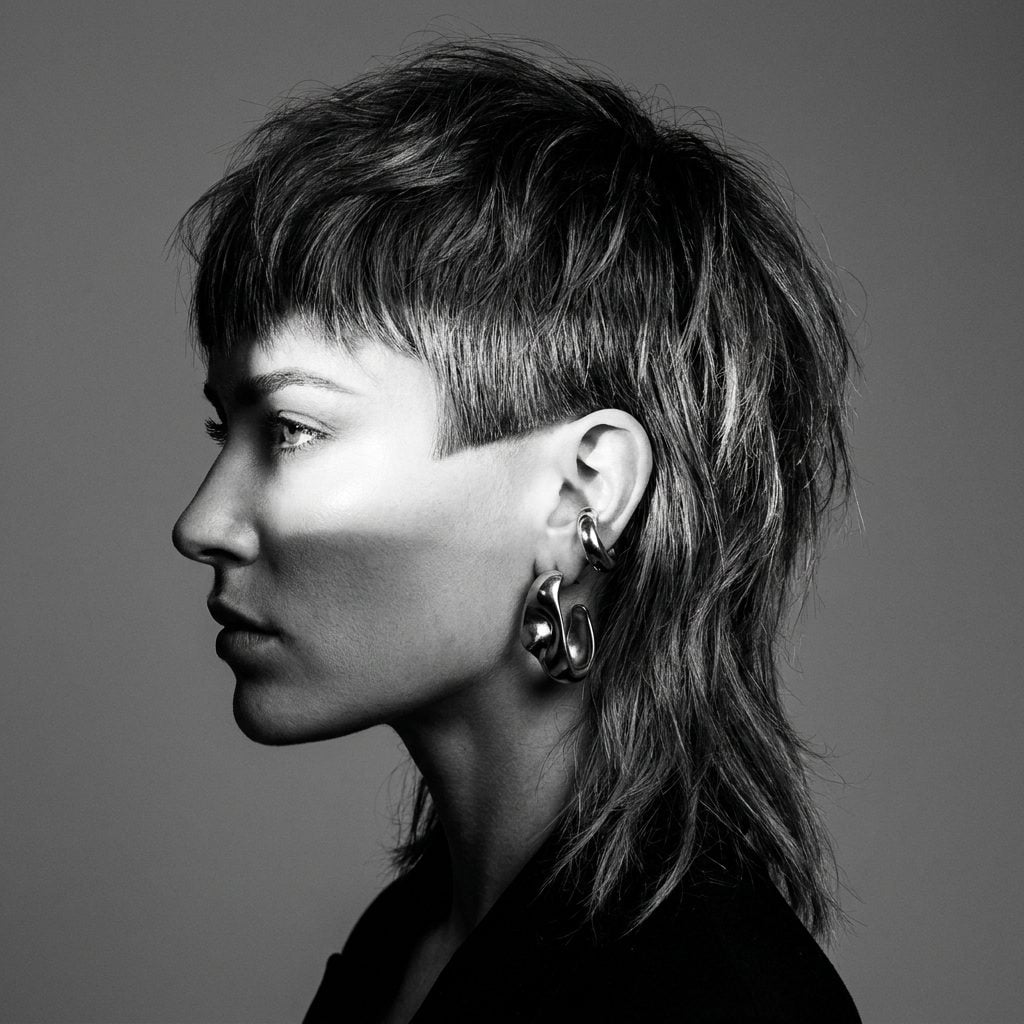
Off-balance on purpose.
Choppy layers ran longer on one side and shorter on the other, turning the outline itself into the interesting part. Where a symmetrical cut could sit politely around the face, this one introduced a diagonal and kept the eye moving.
It was the haircut for anyone who found the feathered flip too polished and the perm too rounded. Edgy then, still surprisingly wearable now once the contrast is dialed back.
25. The Poodle Perm Took the Regular Perm Past Reasonable
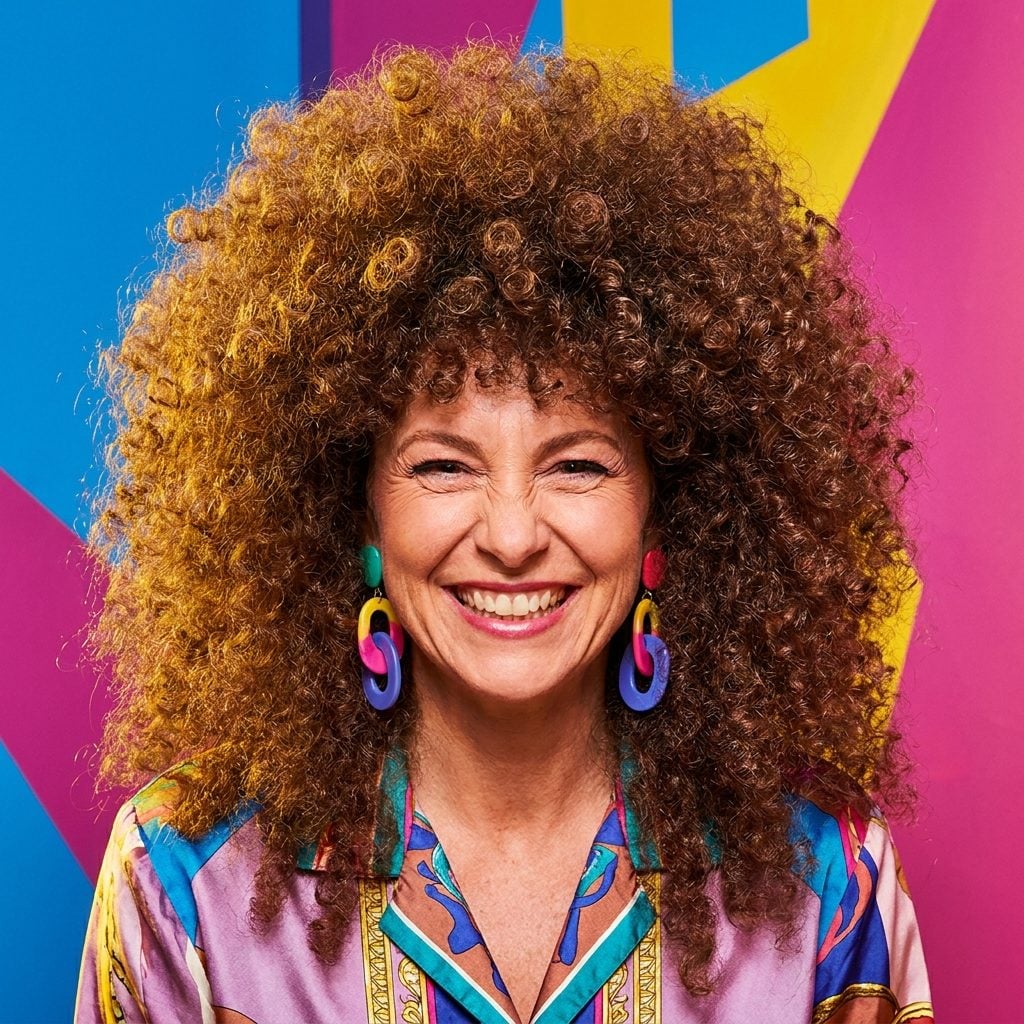
Tight, springy, and occupying nearly every available inch around the head.
The poodle perm used small, compact curls to create a rounded mass of texture that barely acknowledged gravity. Unlike the softer body wave or long spiral perm, this one wanted density first.
It demanded commitment. Brushing was out. Sleeping required strategy. Running your fingers casually through the curls could turn into an afternoon project. But when the goal was unapologetic volume, few styles delivered more efficiently.
24. Winged Bangs Did All the Moving While the Length Stayed Straight

Feathered wings split near the center and curled backward as if the front of the hairstyle had caught a permanent breeze.
The long straight hair below barely moved, which made the bangs look even more animated. Curling iron at the front, smooth length behind: two different styling languages on one head.
That contrast is still useful. The winged sections open the upper face and interrupt the long vertical fall of the hair without asking the entire cut to become layered.
23. The Classic Mullet Had One Head and Two Completely Different Plans
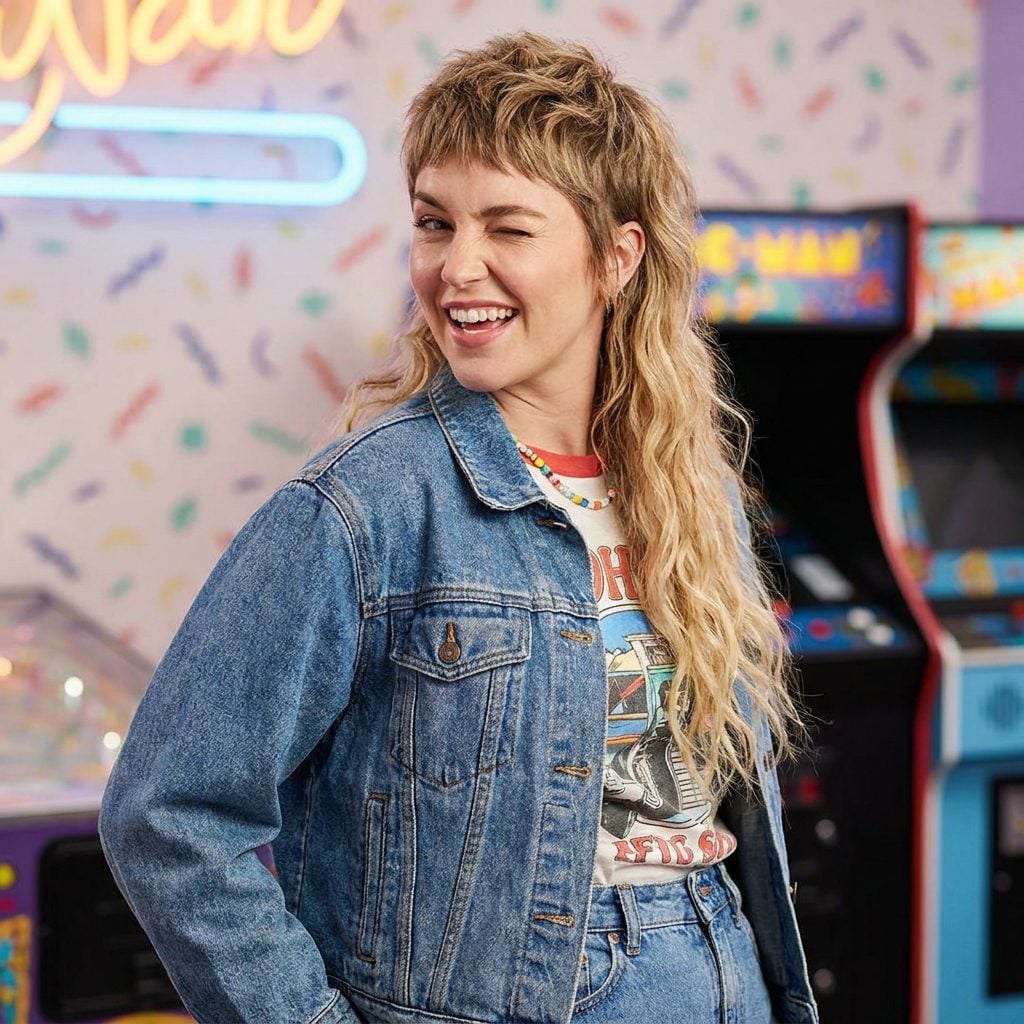
Business in front, party in the back became the punchline, but the silhouette was stranger and more interesting than the slogan suggests.
Short, layered hair around the crown and sides framed the face like a crop, then the back abruptly continued into length. From the front, compact. Turn around, completely different proposition.
Rock musicians wore it. Suburban women wore it. Athletes wore it. Few cuts crossed as many style tribes while remaining instantly recognizable.
22. Old Hollywood Waves Went Through a 1980s Amplifier
❤️ Would you like to save this?
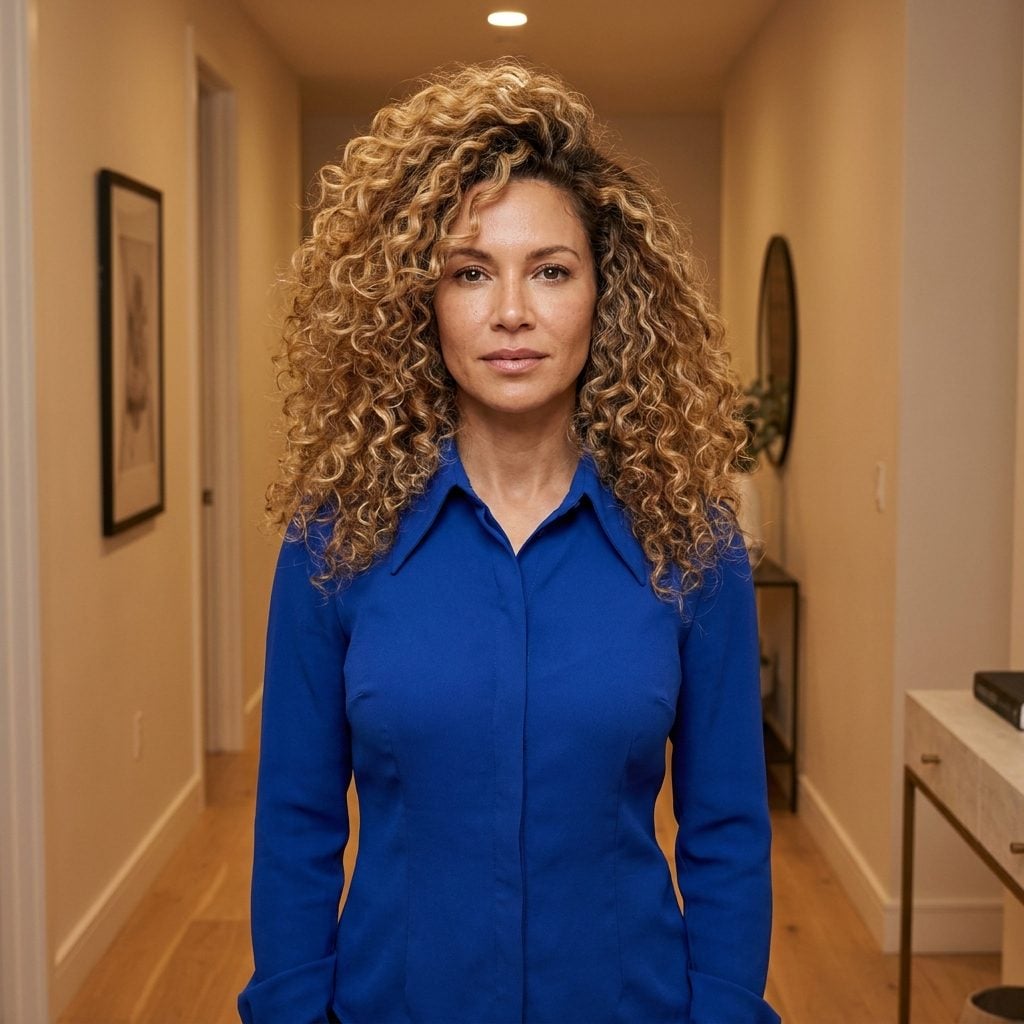
Old Hollywood waves entered the decade elegant and came back several decibels louder.
The deep side part established the structure, then curls stacked heavily on one side while the lighter side swept back toward the ear. Add a statement earring the size of a small country and the asymmetry made perfect sense.
This was not effortless glamour pretending it happened naturally. Rollers, blow-drying, mousse, spray, and patience all had a role.
21. The Neon Half-Up Style Made Practicality Look Radioactive
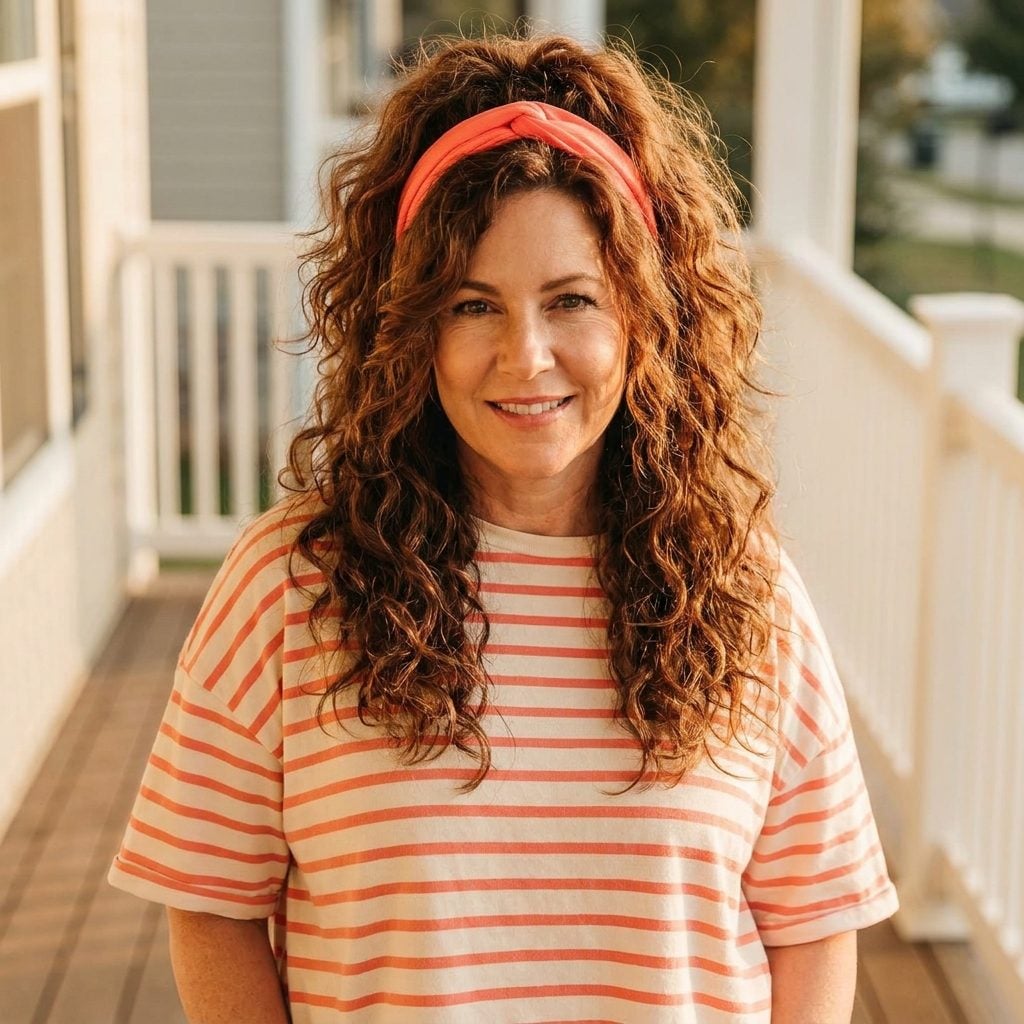
Skinny plastic bands arrived in colors that barely seemed legal in nature. Electric pink. Radioactive green. Yellow loud enough to hum.
Pull the top section back, create a puff behind the crown, leave the remaining length loose, then add the brightest band available. The shape solved the practical problem of keeping hair out of the face while making an enormous production out of solving it.
Worn now, swap the fluorescent plastic for soft velvet in a deeper tone and the same basic shape loses the costume effect in seconds.
20. The Spiral Perm Let the Curl Pattern Drop Instead of Explode
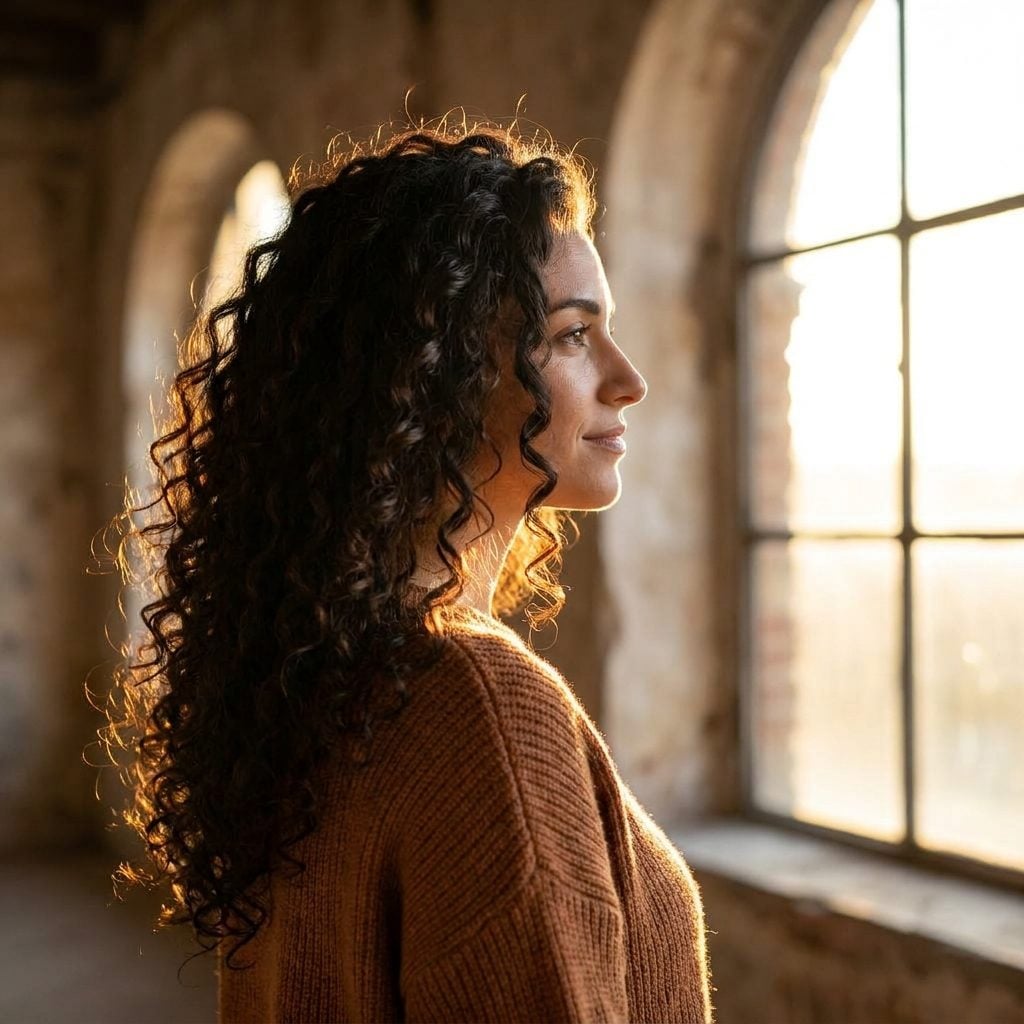
Long corkscrews dropped past the shoulders in defined vertical coils, giving the spiral perm an entirely different silhouette from the rounded poodle version.
Longer rods and wrapping techniques could produce those descending spirals, letting the hair carry plenty of volume without becoming a single cloud around the head. Backlit by sun, each coil caught its own edge of light.
Modern versions can feel far less rigid, particularly when the curl pattern is allowed to separate naturally rather than being brushed into frizz.
19. Big Teased Bangs Put the Entire 1980s on the Forehead
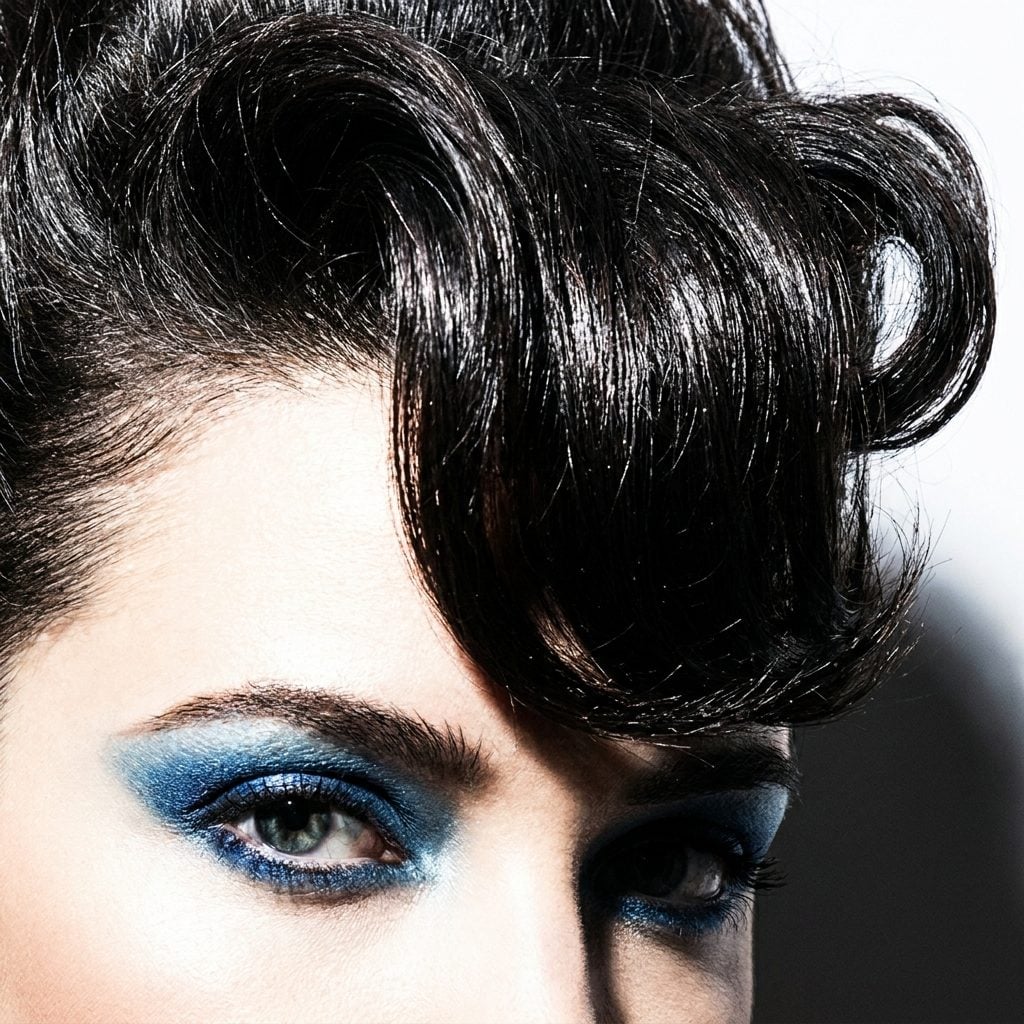
The wall of bangs.
Some hairstyles distributed their volume politely around the head. This one concentrated the drama directly above the eyebrows, teased and sprayed into a curved crest that could stand inches away from the forehead.
Curl under, tease beneath, lift, lock. The hair behind could remain comparatively calm because the front had already volunteered to headline the entire operation. With a red blazer underneath, understatement was no longer available.
18. The Long Feathered Shag Let the Layers Do the Moving
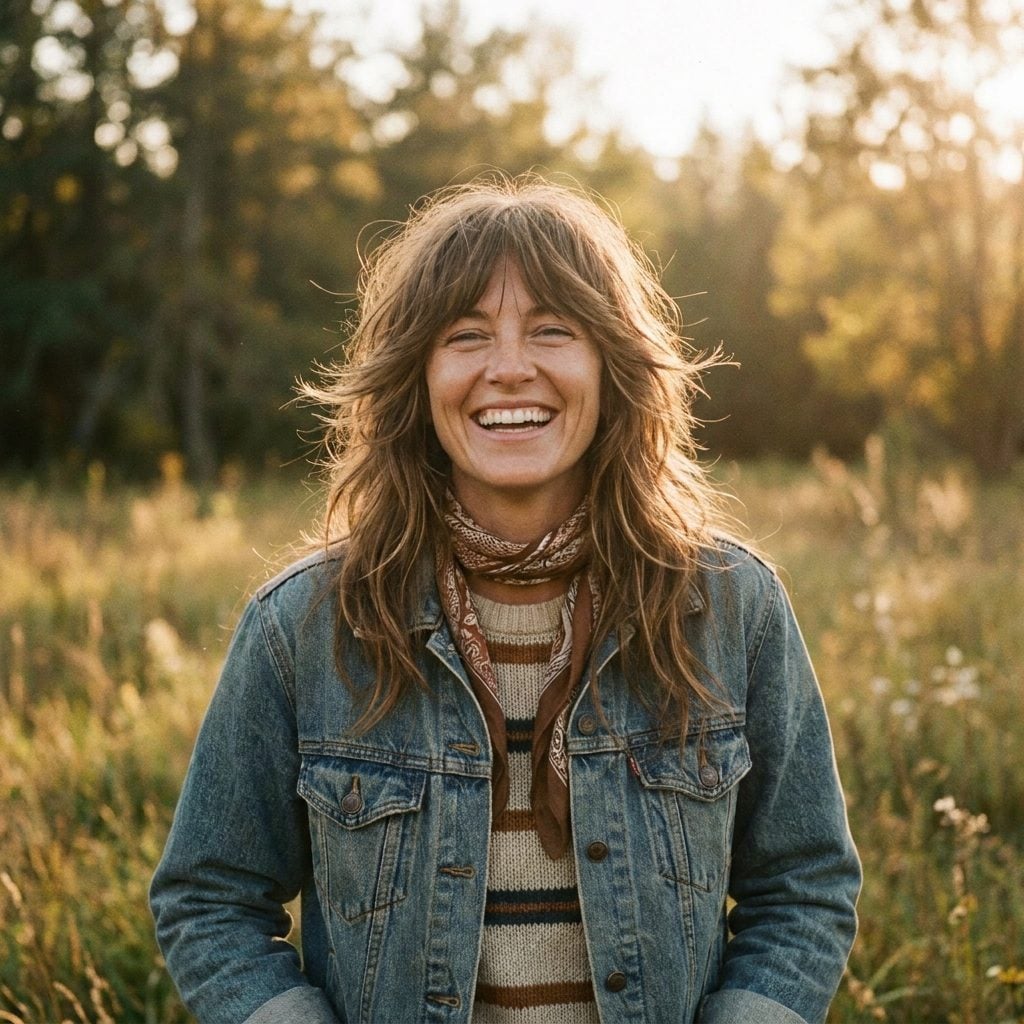
Layers on layers, feathered at the edges and brushed away from the face.
Compared with the perm-heavy styles around it, the shag felt almost casual. The movement came from the cut rather than a chemically fixed curl pattern, so the hair shifted as the wearer moved instead of holding one monumental shape all day.
Against a rust suede jacket, the whole thing lands somewhere between rocker and off-duty. The modern shag revival has made the logic familiar again: shorter pieces around the face, longer layers underneath, and enough irregularity to keep the cut alive.
17. The Wet-Look Gelled Curl Wanted Every Ringlet Accounted For
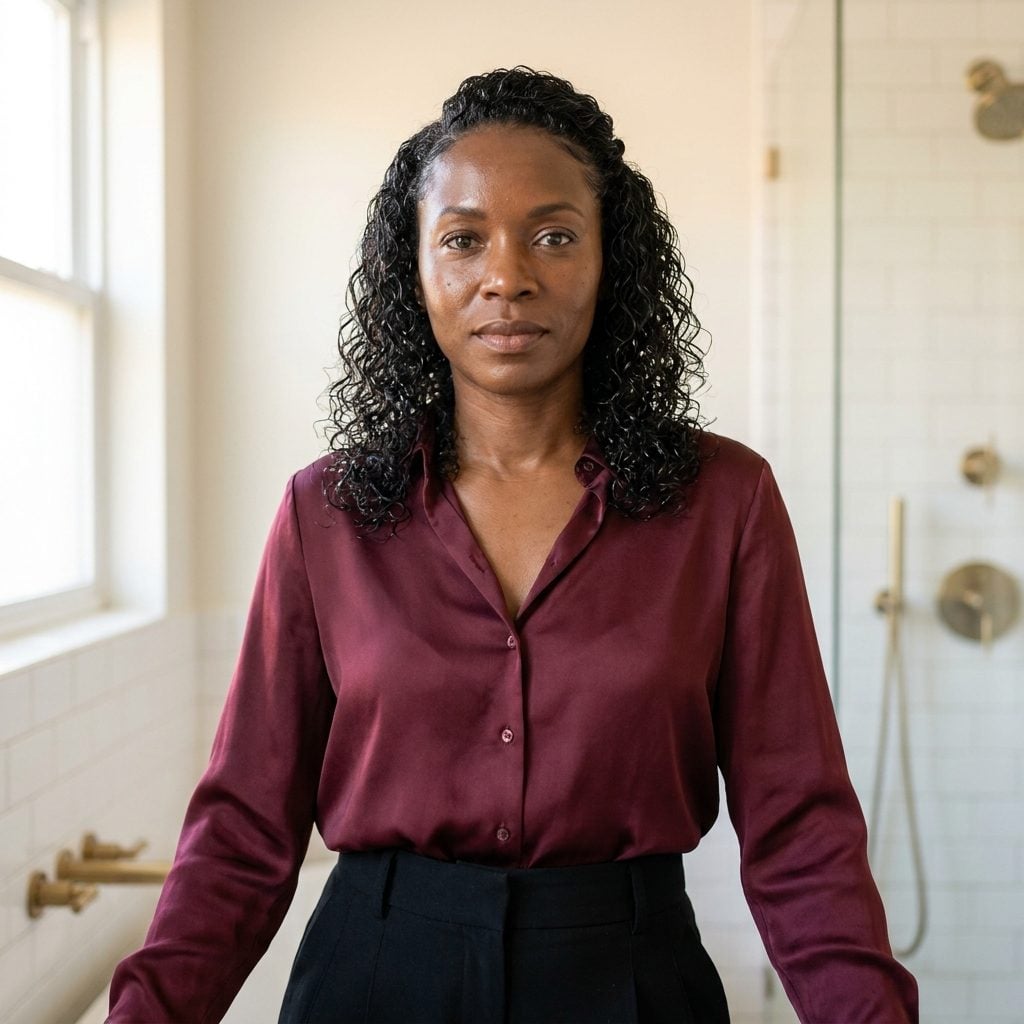
Glossy, separated, and completely unashamed of product.
Where the Jheri curl involved a specific chemical curl system and maintenance routine, the broader wet-look trend could be created on naturally wavy or curly hair with gel, mousse, or other styling products. Each curl was encouraged to stay defined rather than expanding into brushed-out volume.
A modern version keeps the definition and loses some of the crunch. A curl cream paired with light-hold gel can deliver shine and separation while allowing more movement. The defined-curl look survives because separated, glossy texture never needed the 1980s to justify itself.
16. The Feathered Pixie Concentrated the Decade Into Six Inches of Hair
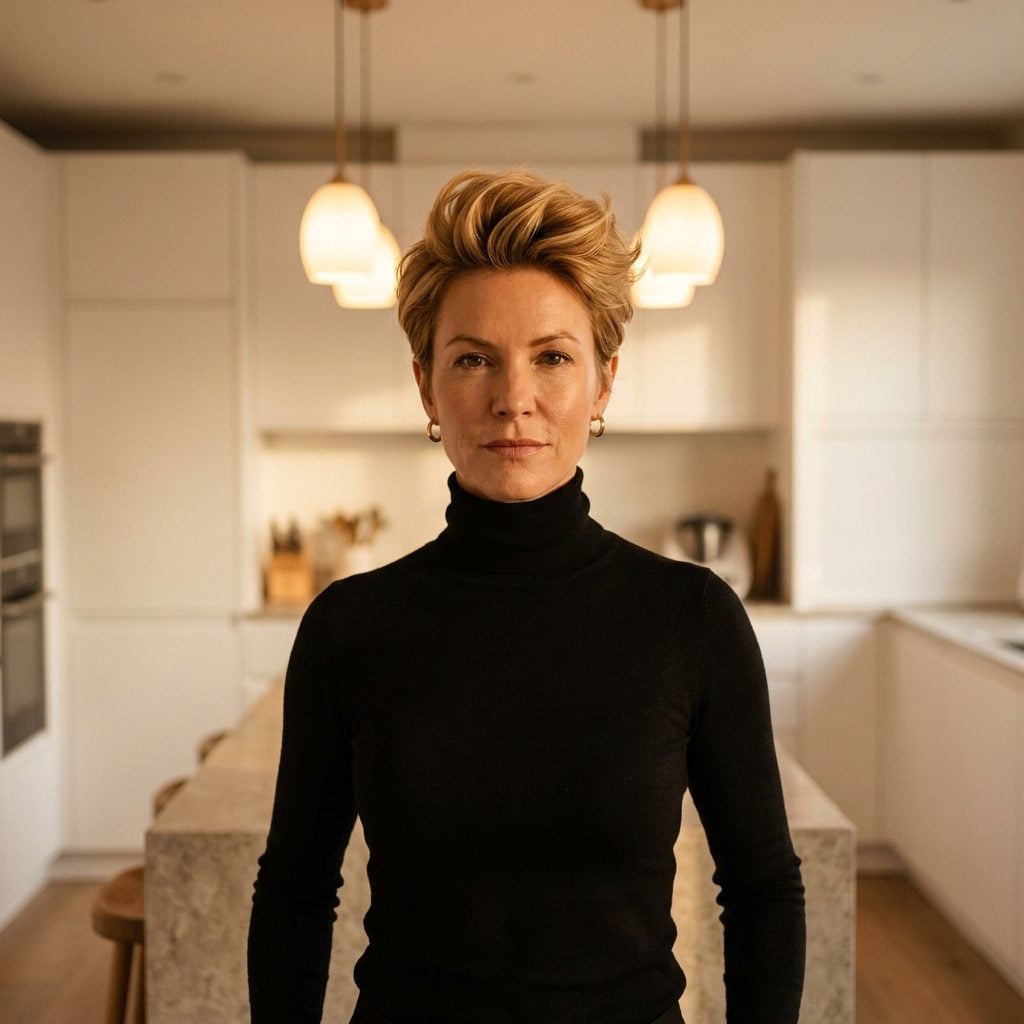
Short hair in the 1980s was not necessarily interested in minimalism.
Feathering through the top gave this cropped shape movement while close-cut sides opened the ears and neckline. Instead of the neat gamine geometry associated with earlier pixies, the emphasis here was texture: brushed upward, separated, and allowed to look a little unruly.
Big earrings suddenly had nothing competing with them at the sides, which explains why short hair and statement jewelry made such natural companions.
Short hair in the 1980s wasn’t minimalism. It was a different kind of maximalism, concentrated upward.
15. The Voluminous Perm and Fabric Headband Put a Frame Around the Volume
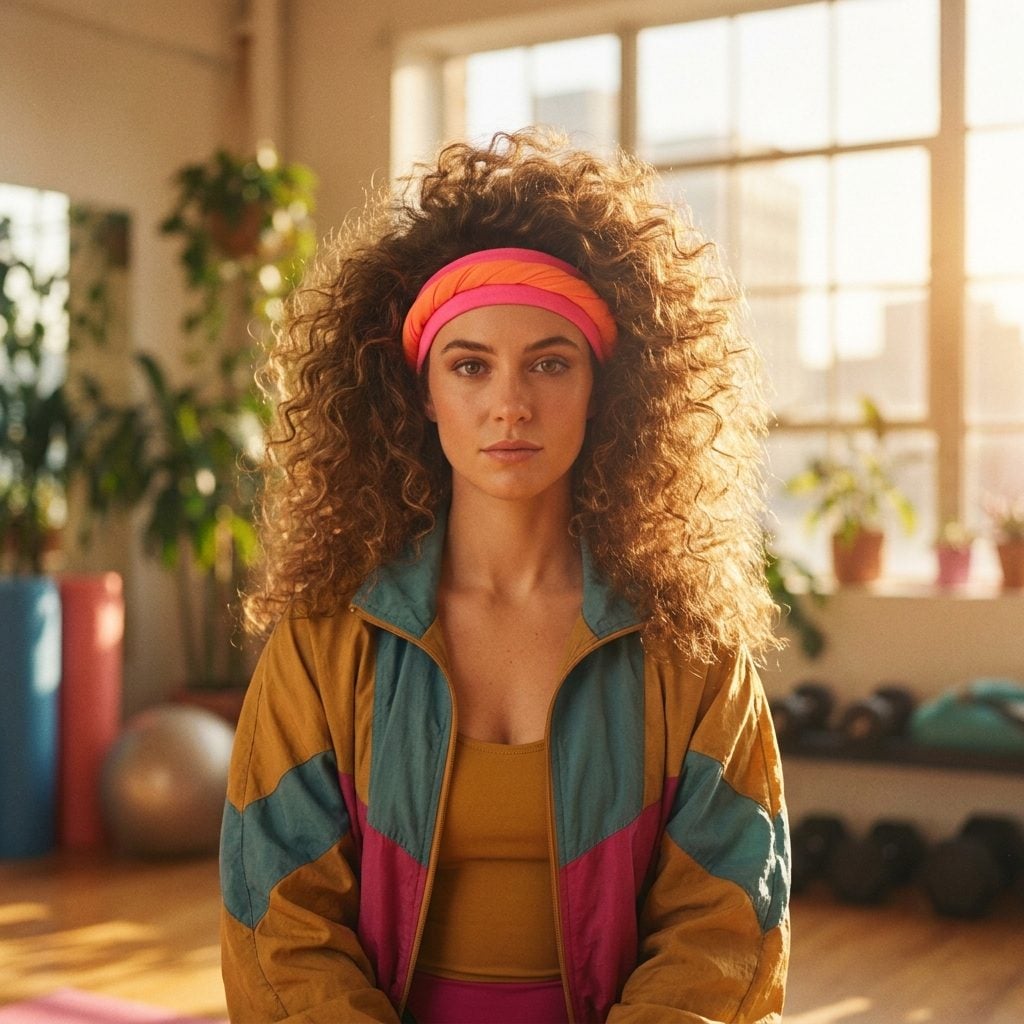
The curls were already doing plenty. The headband somehow convinced everyone they needed punctuation.
Here the perm falls in broader rounded waves rather than pencil-tight coils, and the wide fabric band creates a clean interruption near the crown. That small strip of color gives the eye somewhere to land before the curls resume behind it.
A softer modern perm can preserve the movement without reproducing every period detail. Remove the headband and the basic silhouette is surprisingly restrained.
14. Side-Swept Gelled Curls Turned the Wet Look Into Nightlife Hair
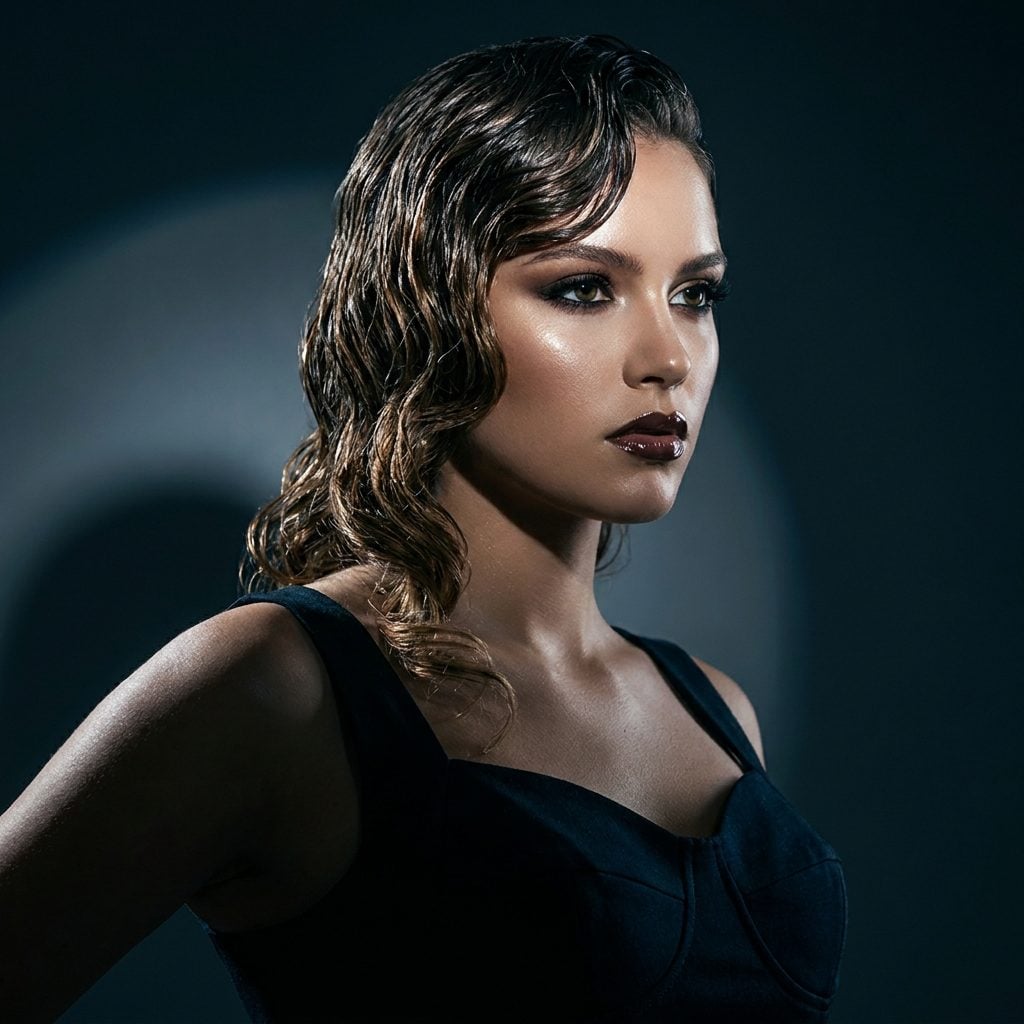
The wet look, weaponized.
Instead of distributing glossy curls evenly, this version pushed nearly everything toward one side, building a diagonal silhouette that immediately felt more dressed-up. Gel supplied the shine and separation; the deep sweep supplied the drama.
The plum wrap top only intensifies the after-dark effect. Some hairstyles age into camp. This one aged into something closer to deliberate theater.
13. The Layered Mullet Softened the Cut Without Hiding What It Was
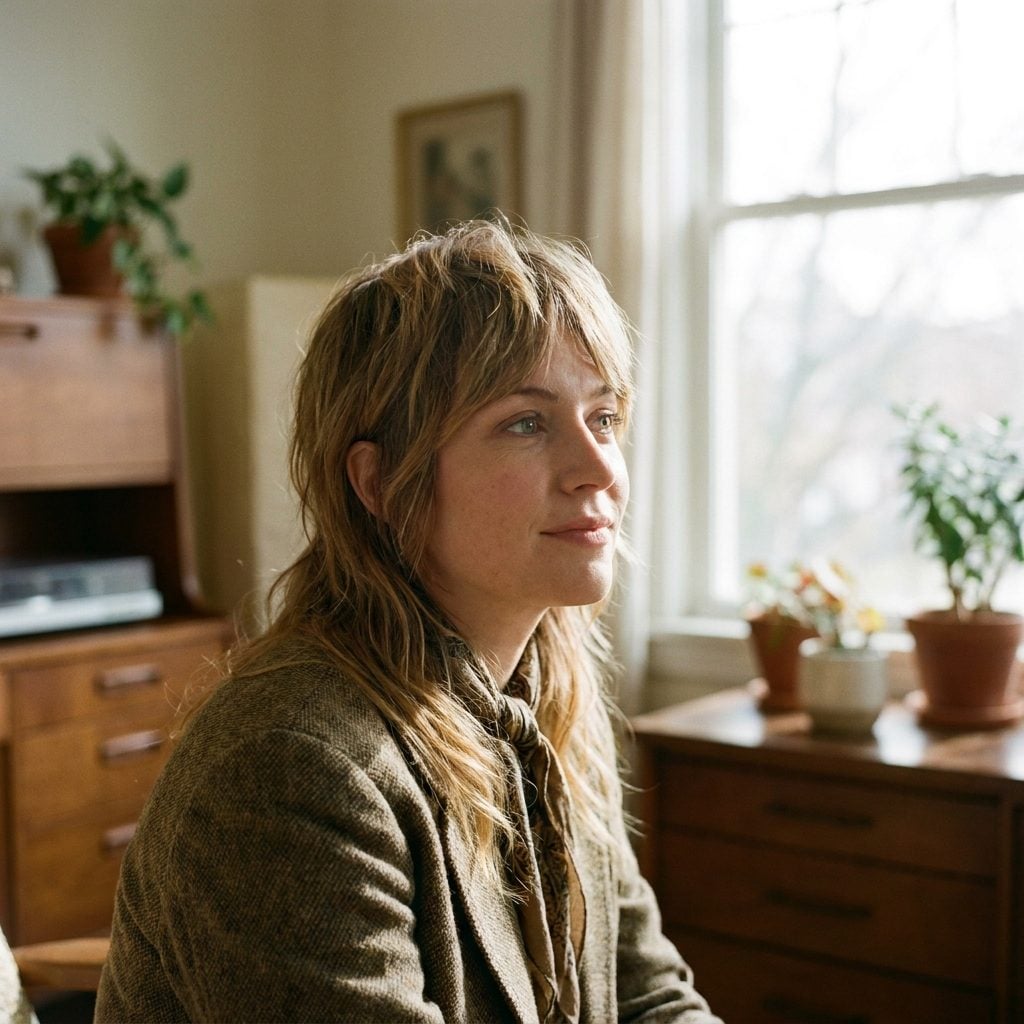
The classic mullet gave you a blunt contrast between short front and long back. This version blurred the border.
More layering around the crown let the shorter sections flow into the length instead of stopping abruptly, while subtle highlights broke up the darker mass and made individual pieces easier to see.
Then came the plot twist: the mullet returned. Modern versions are often sharper, shaggier, or more deliberately disconnected, but anyone who wore one the first time gets to claim seniority.
12. The Teased Crown and Soft Waves Split the Work Perfectly
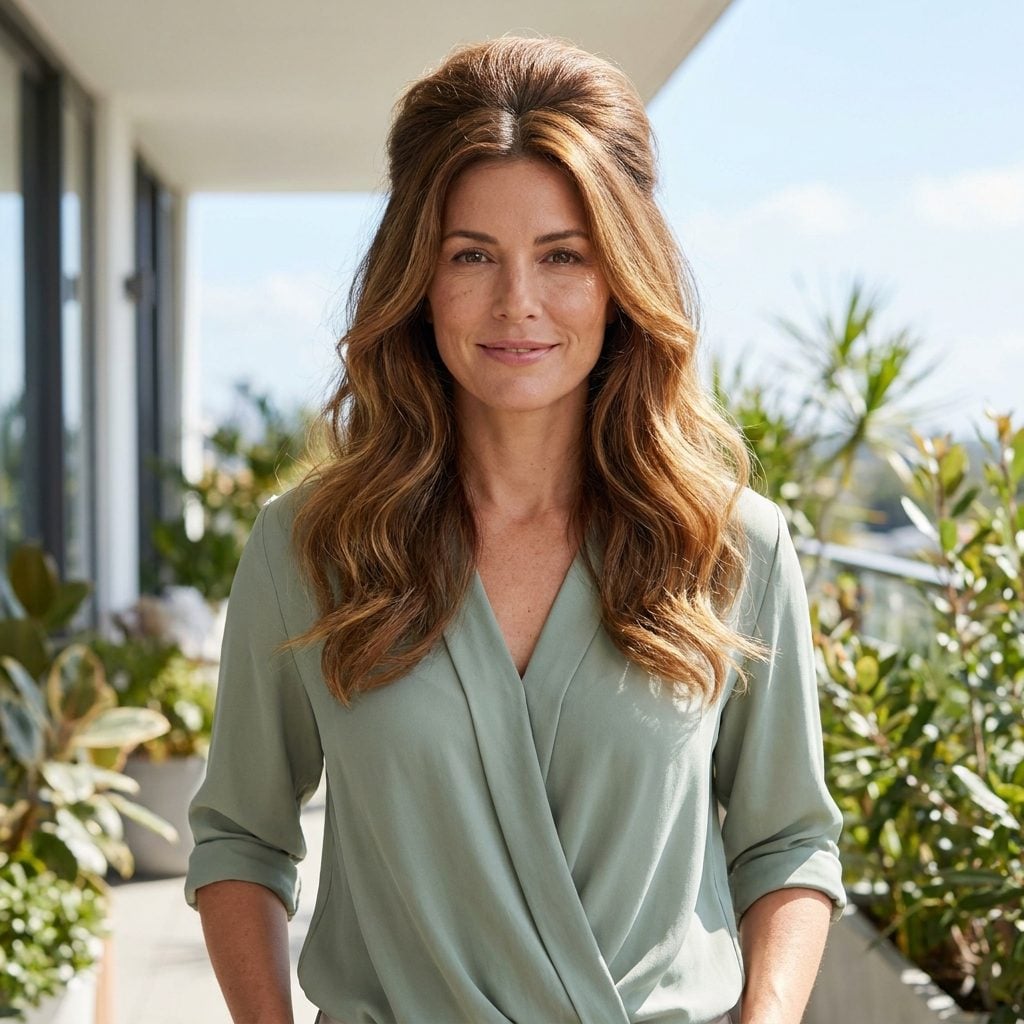
Two textures, one head, zero compromise.
The crown supplied concentrated height while the lower lengths stayed broad, soft, and mobile. Remove the waves and the top could feel too rigid. Remove the teasing and the style became an ordinary blowout. Together, the contrast gave the hairstyle an actual shape instead of just generalized bigness.
It could also be calibrated. Smaller crown, looser waves: dinner. Maximum lift and carefully set curls: Saturday night. The appeal comes from that strong, almost architectural crown meeting much softer movement below.
11. The Claw-Clip Half-Up Was Already Pointing Toward the 1990s
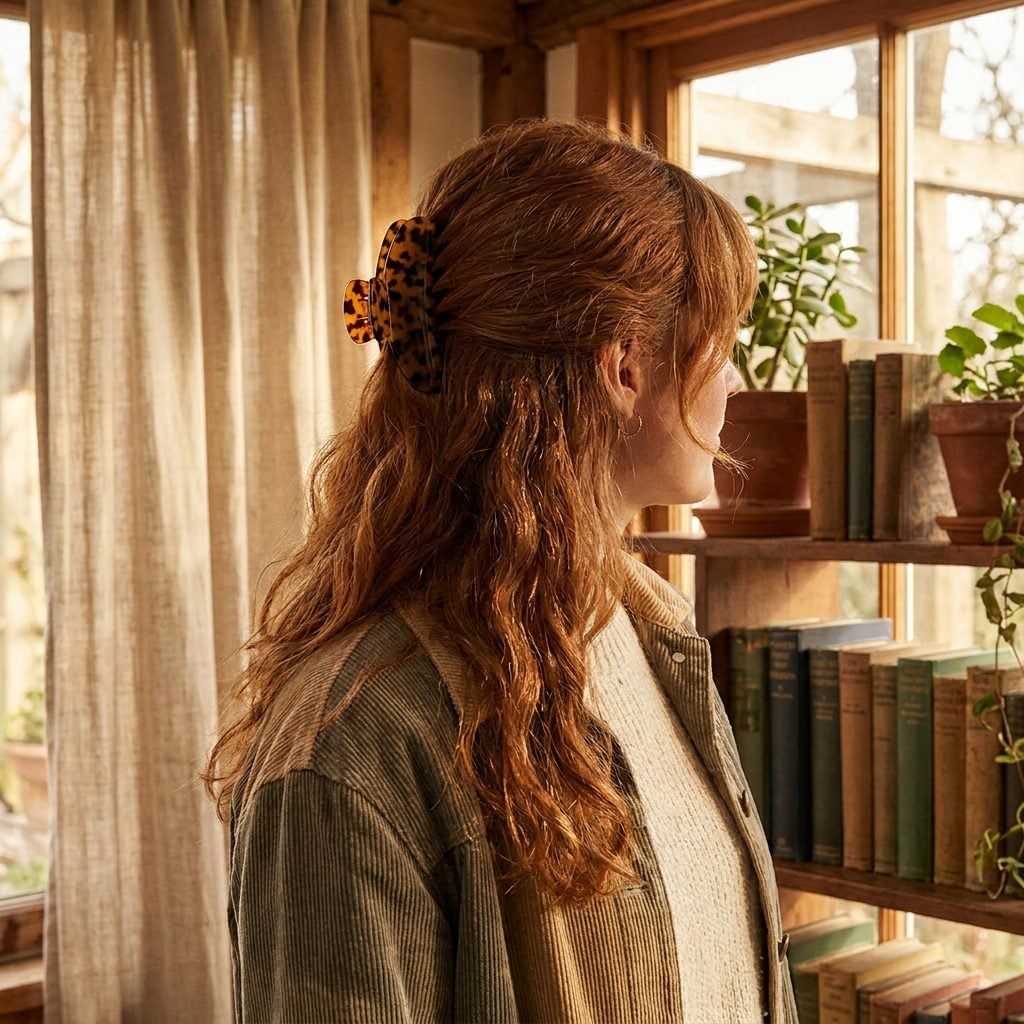
Practical dressed up as pretty.
The half-up shape belongs comfortably in late-1980s hair culture, while the claw-style clip became even more familiar in the 1990s that followed. Pull the sides away from the face, leave the length flowing, and let one piece of hardware handle the entire arrangement.
A little crown lift keeps the top from collapsing flat beneath the clip. The appeal was speed as much as appearance: twist, fasten, leave the house.
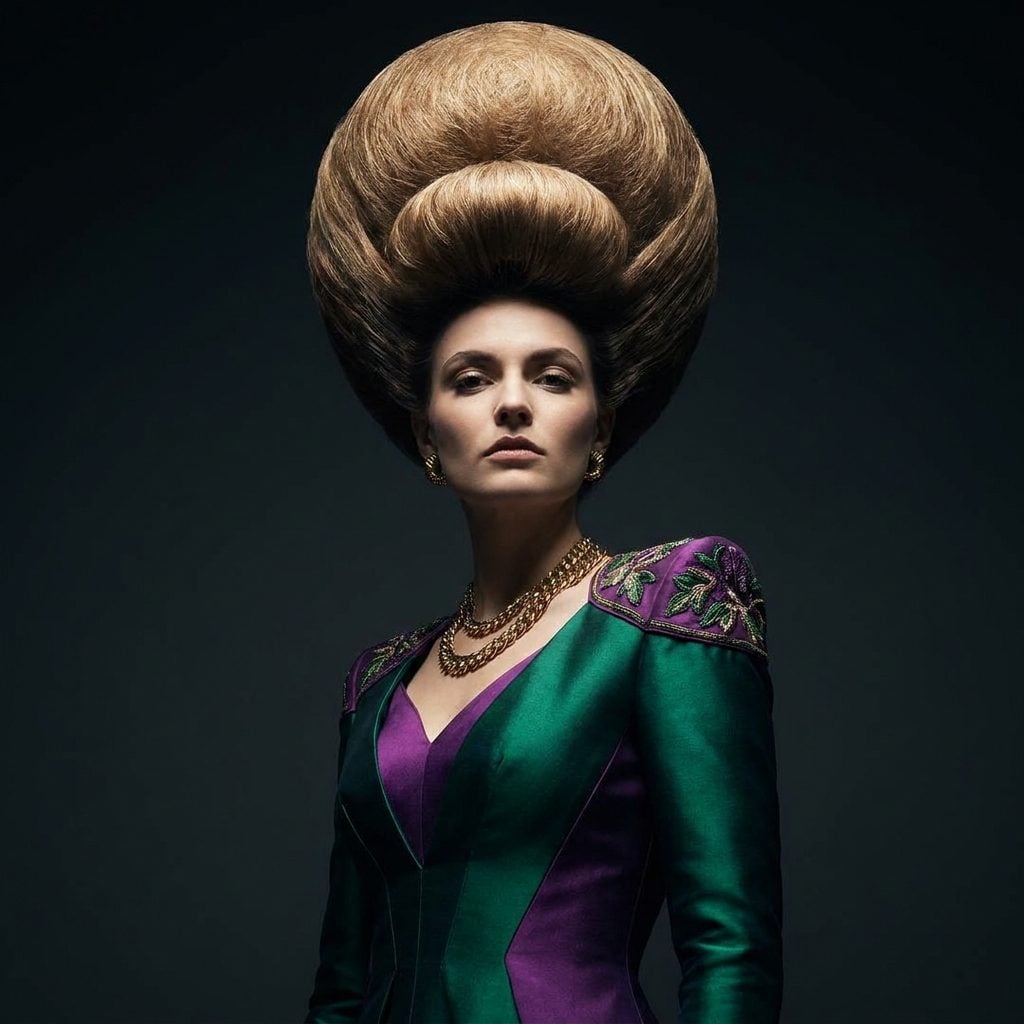
10. The High-Volume Bouffant Was a 1960s Ghost With 1980s Hairspray
❤️ Would you like to save this?
The bouffant belonged first to an earlier era, but the 1980s had exactly the tools and temperament required to revive it.
Teasing at the crown created the height, while the outer layer stayed comparatively smooth so the silhouette looked like one continuous dome rather than visible back-combing. The effect was formal, especially beside an emerald satin blouse.
The 1980s contribution was scale. If the 1960s version had already gone high, the revival saw little reason to stop there.
9. The Layered Perm Controlled the Front and Let the Back Misbehave
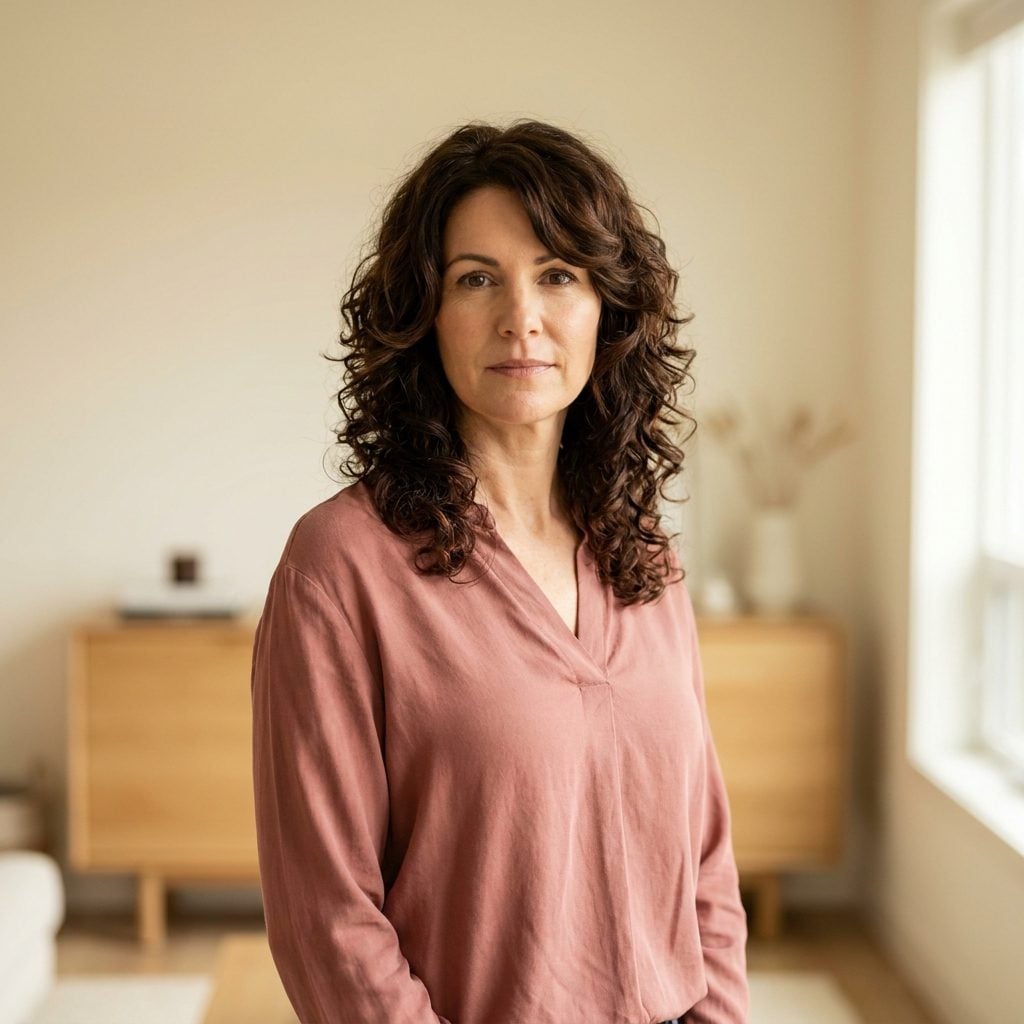
The clever part was refusing to make every curl identical.
A stylist could vary rod size and wrapping through different sections, allowing looser curls near the face and tighter or fuller texture farther back. Combined with layered cutting, the result looked less like one uniform perm and more like several levels of movement stacked together.
The front stayed readable. The back supplied the spectacle. That general principle still turns up in curly cutting now, even when no chemical perm is involved.
8. The Flip Was a 1960s Holdover the 1980s Polished Until It Shone
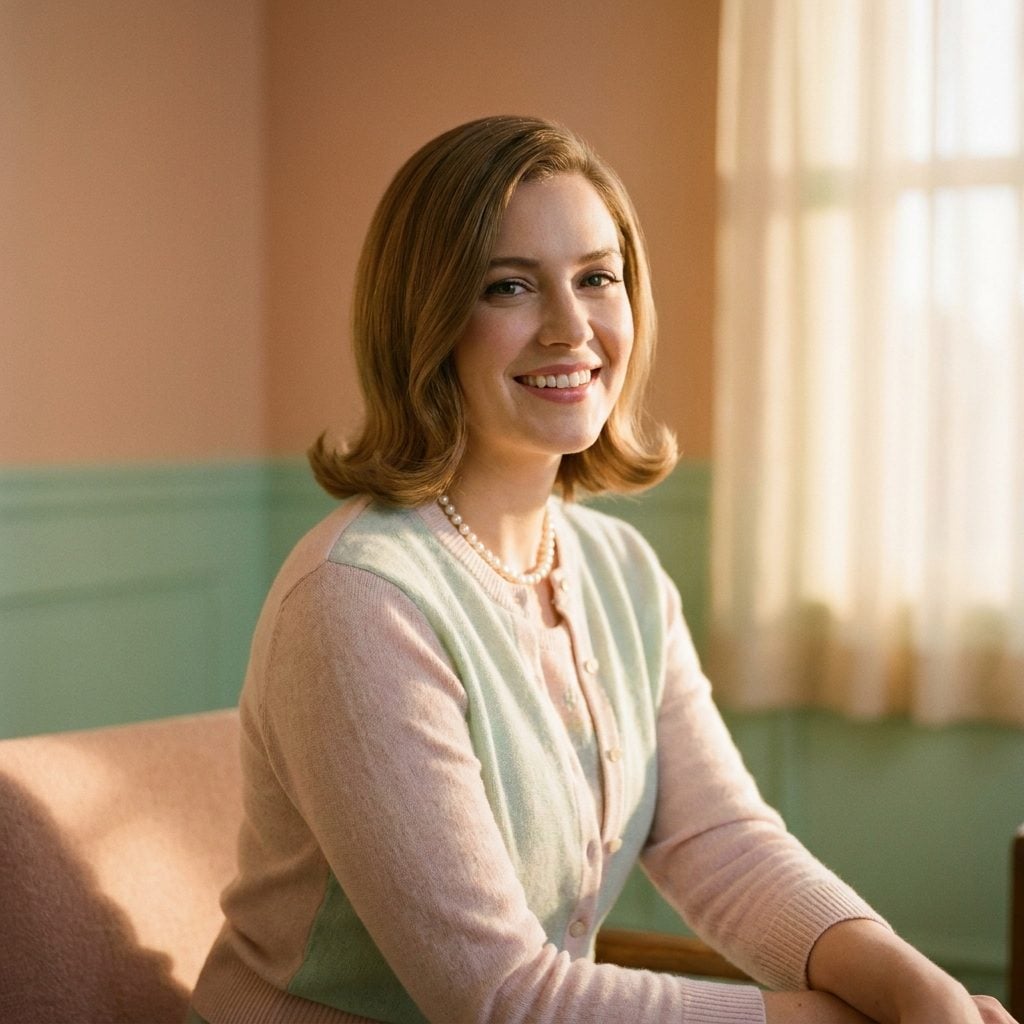
Smooth through most of the length, then one cheerful outward turn at the ends.
The flip had already lived a full life before the 1980s arrived, but the decade gave it a glossier finish and plenty of styling product. Compared with the poodle perm or teased bangs, it almost looks restrained.
That’s probably why it translates so easily now. Shoulder-length hair with a soft outward bend reads less like costume and more like a deliberate little interruption at the hemline.
7. The Deep Side Part Made Ordinary Hair Suddenly Look Architectural
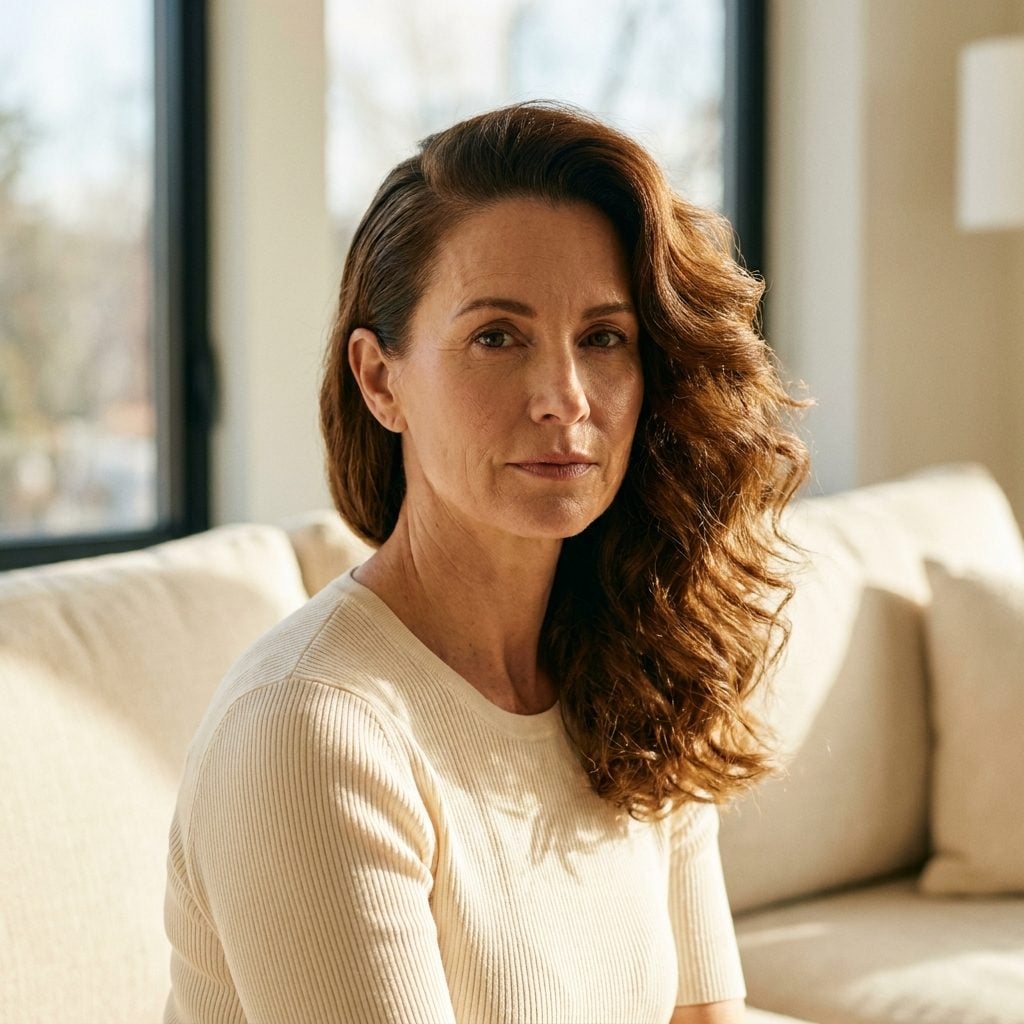
The part itself did almost as much work as the teasing.
Push the division far enough to one side and the heavy section gains room to rise while the opposite side can sit comparatively close to the head. The contrast creates instant asymmetry without requiring an asymmetrical haircut.
It remains one of the easier 1980s references to borrow today. Reduce the spray, keep some root lift, and let the deep part do the organizing. A volumizing round brush and appropriate blow-drying can create plenty of movement without recreating the full period shell.
6. The Teased Updo Left Just Enough Hair Down to Keep Things Interesting
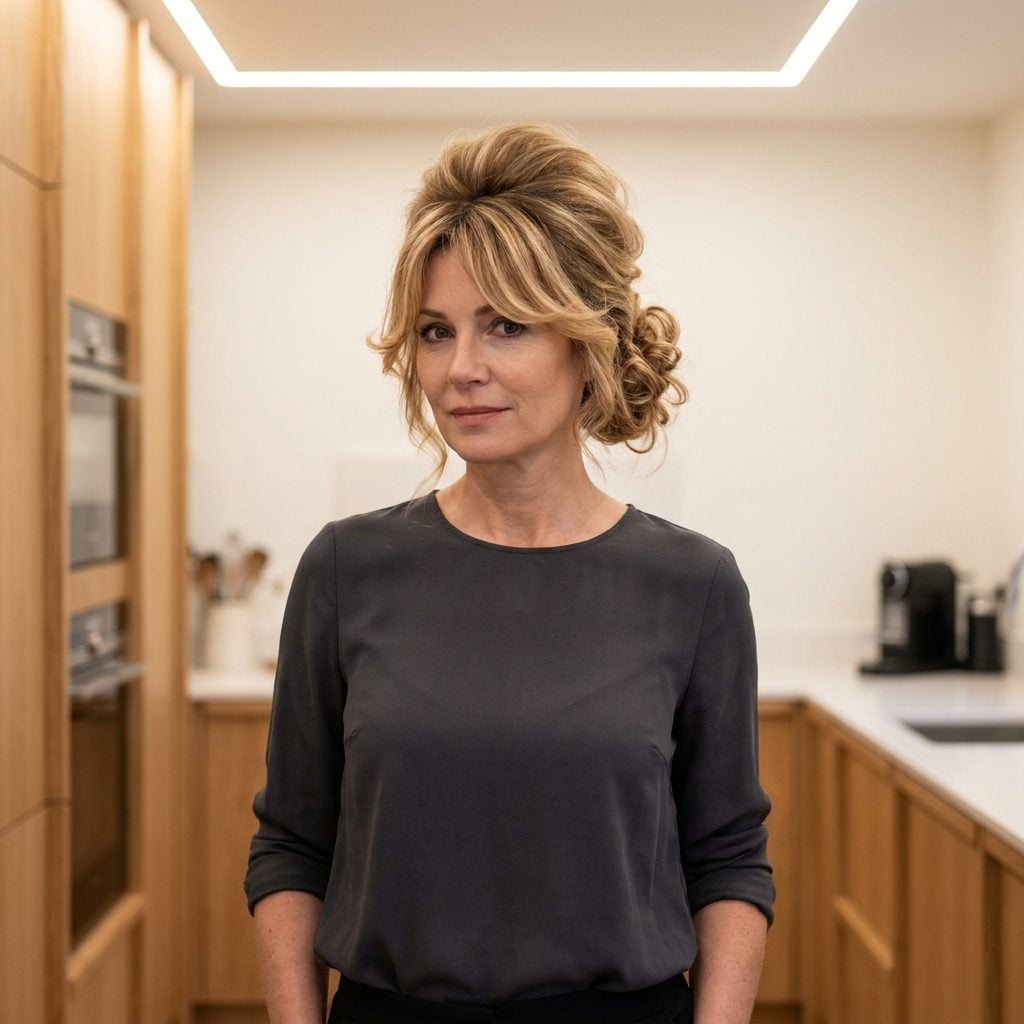
Half-up was no longer enough. This was formal escalation.
Hair piled high and pinned back while selected pieces escaped around the face in deliberate curls. The bangs rarely sat flat; even the fringe wanted a little air between itself and the forehead.
The updo hair pins holding everything together performed small acts of structural heroism. Revisiting this kind of updo now, the best detail to steal is the contrast between a secured crown and a few loose pieces that keep the result from looking rigid.
5. The Curly Mullet Let Natural Texture Rewrite the Formula
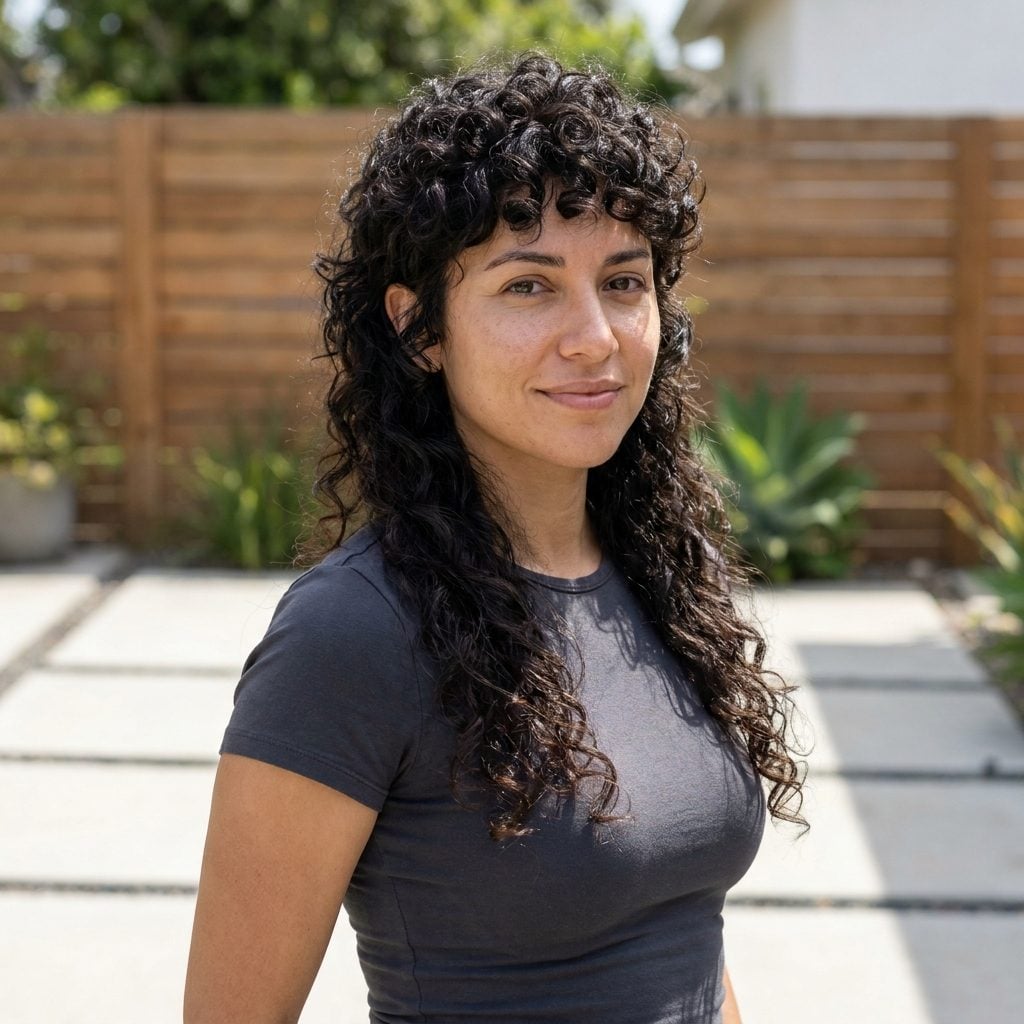
The mullet already had two lengths. Curls gave it a third dimension.
Shorter curls clustered around the crown and ears while the back continued into longer, looser texture. The result was neither shag nor bob nor conventional long cut, which was precisely its appeal.
For naturally curly hair, the cut could use the existing curl pattern instead of trying to straighten it into the classic mullet silhouette. Styling still depended on texture, density, and curl behavior, but the shape itself let the curls participate rather than merely tolerate the haircut.
4. The Body-Wave Perm Wanted Volume Without Pencil-Tight Curls
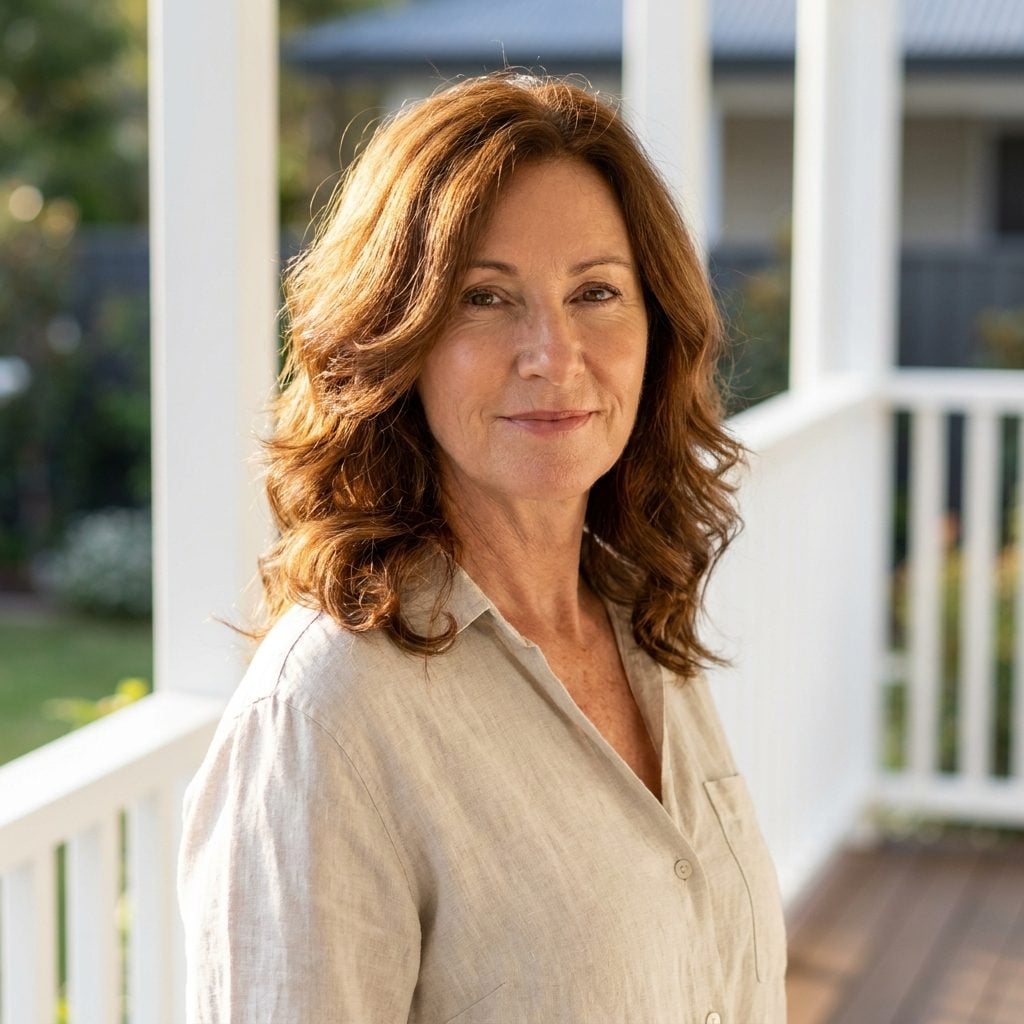
This was the perm for anyone who wanted movement without the poodle effect.
Broader rods and a softer wave pattern could create slow bends through layered hair rather than tight coils. The result still occupied plenty of space, but the texture rolled instead of springing.
A body wave perm cream belonged to the chemical process, while a wide-tooth detangling comb could help preserve the finished texture afterward. Rod size, wrapping, processing, neutralizing, hair condition, and the cut underneath all mattered. Get the layers wrong and the silhouette could turn triangular. Get them right and the waves had somewhere to go.
3. The Short Permed Layered Cut Refused to Become a Curl Helmet
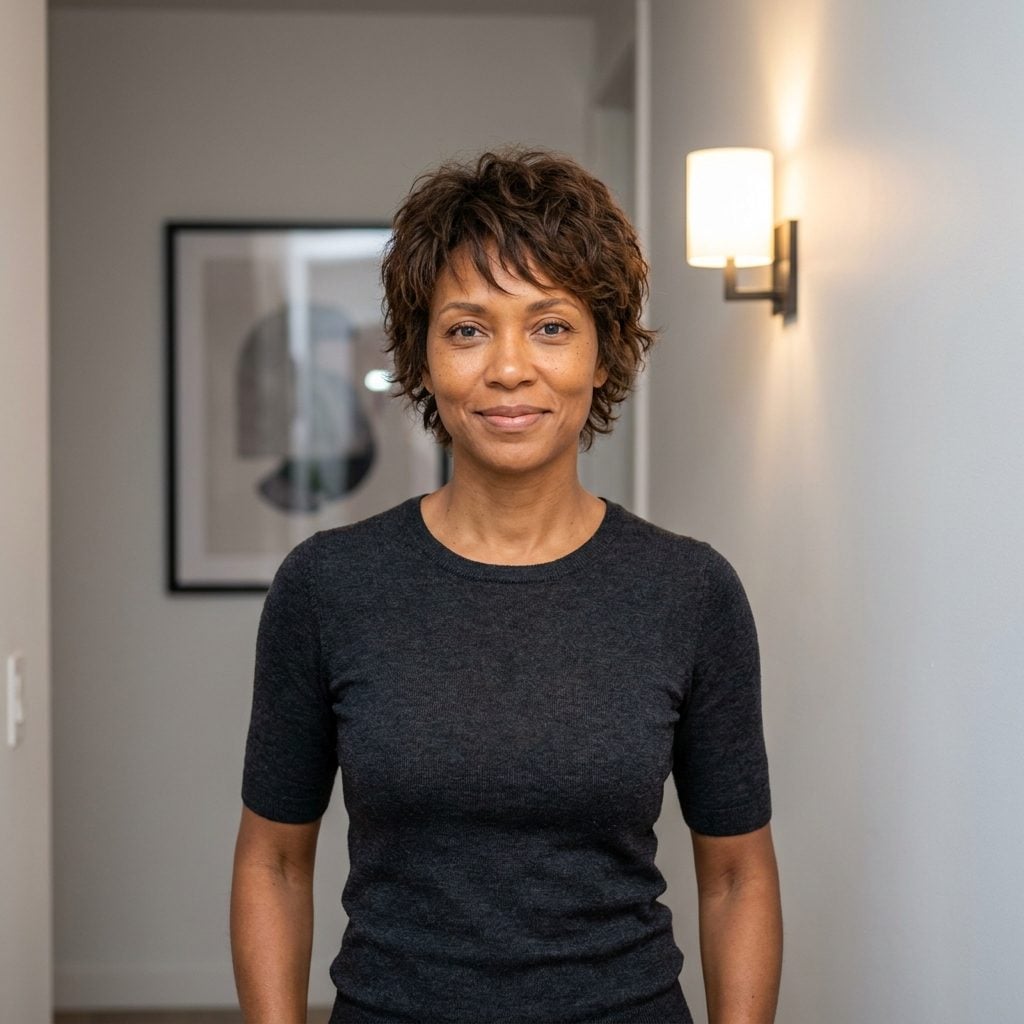
This is the one people often lump together with the poodle perm, even though the shapes behave very differently.
Layers prevent the curl from forming one uniform round mass. Some sections sit closer to the head, others lift, and the nape can carry slightly more length while the crown remains airy. The perm supplies texture; the haircut decides where that texture lives.
Fine hair could gain extra grip and body from the chemical wave. A curl defining mousse scrunched through damp hair could then encourage definition without brushing the entire shape apart.
2. The Permed Shag Added a Headband Because Apparently the Hair Wasn’t Busy Enough
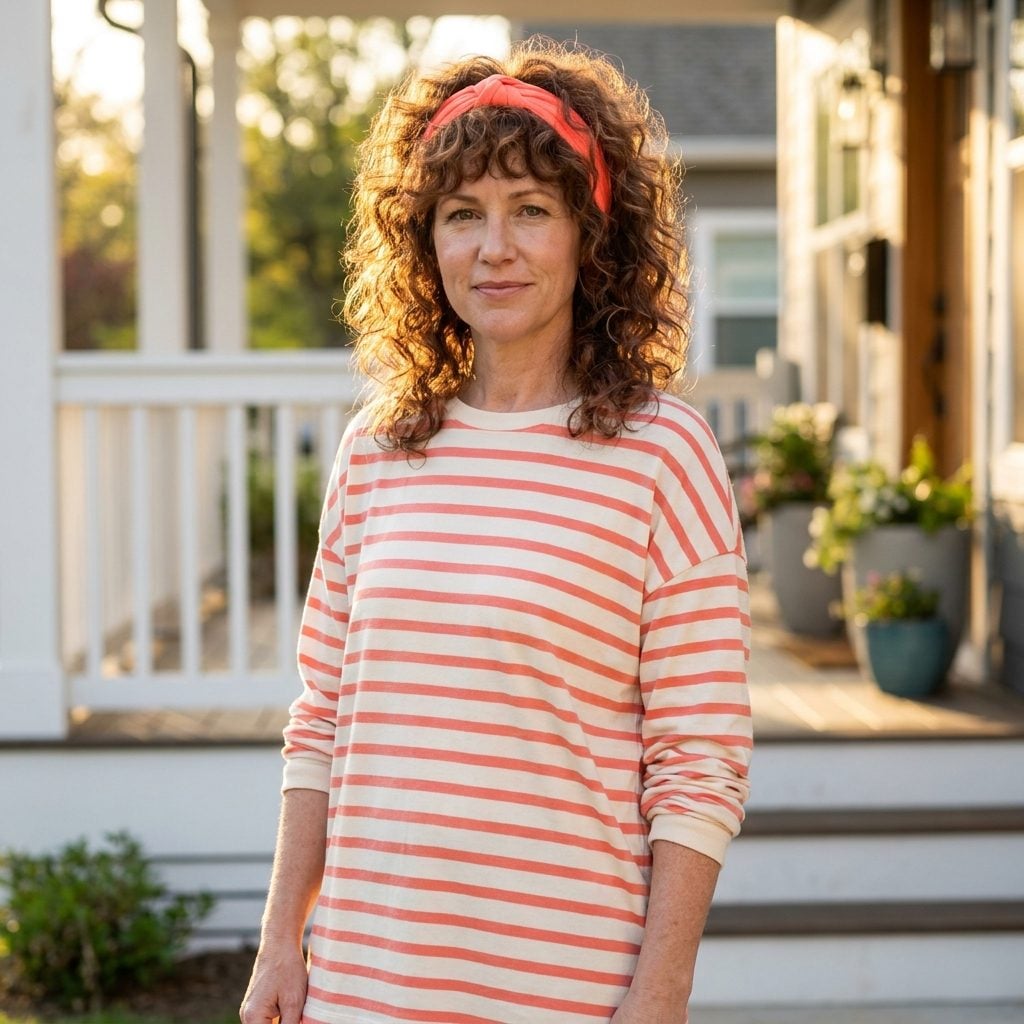
Wide fabric headbands had a talent for making an already complicated hairstyle look somehow more complete.
The permed shag underneath carried layers at multiple lengths, with curls ranging from tighter near some sections to looser where the hair fell longer. Then the headband crossed the crown like punctuation — floral, neon, jeweled, whatever could hold its own against that much texture.
It is the kind of hair accessory that sounds elaborate when described and takes about three seconds to put on. That contradiction may explain half its charm.
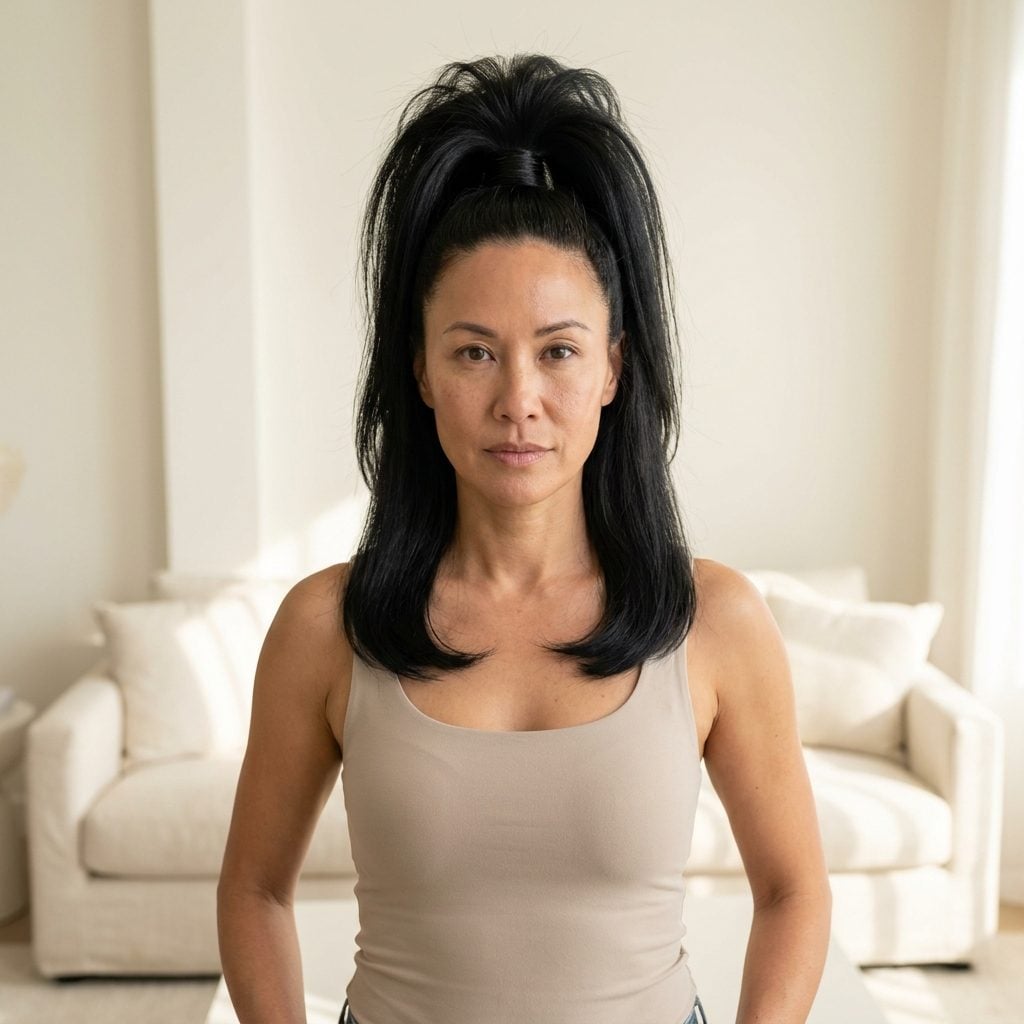
1. The High Ponytail Finished the Decade Several Inches Above the Crown
❤️ Would you like to save this?
A regular high ponytail would have been too simple. The crown had to rise first.
Tease the roots, build a little lift, then sweep the length high so the ponytail begins above a visible cushion of volume instead of lying flat against the skull. The result feels related to aerobics hair without belonging exclusively to a leotard.
Leg warmers and fitness studios certainly helped cement the high ponytail in the decade’s visual vocabulary, but the same shape also appeared with blazers, earrings, and going-out clothes. A teasing brush and a strong hold hair elastic can still produce the basic silhouette.