❤️ Would you like to save this?
The ’90s handed women a purse for every mood, and most of us owned at least four. Some got shoved into closets. Some got passed to daughters who now call them vintage. A few are back on runways pretending they never left. Here are the ones that defined the decade, and the woman you were when you carried each.
FYI, thanks to AI imagery software, we’re able to create very specific fashion and hairstyle examples to illustrate the points being made. In some cases, imagery is exaggerated to hammer home the point. Also, assume links that take you off the site are affiliate links such as links to Amazon. this means we may earn a commission if you buy something.
25. The Slouchy Leather Bucket Bag
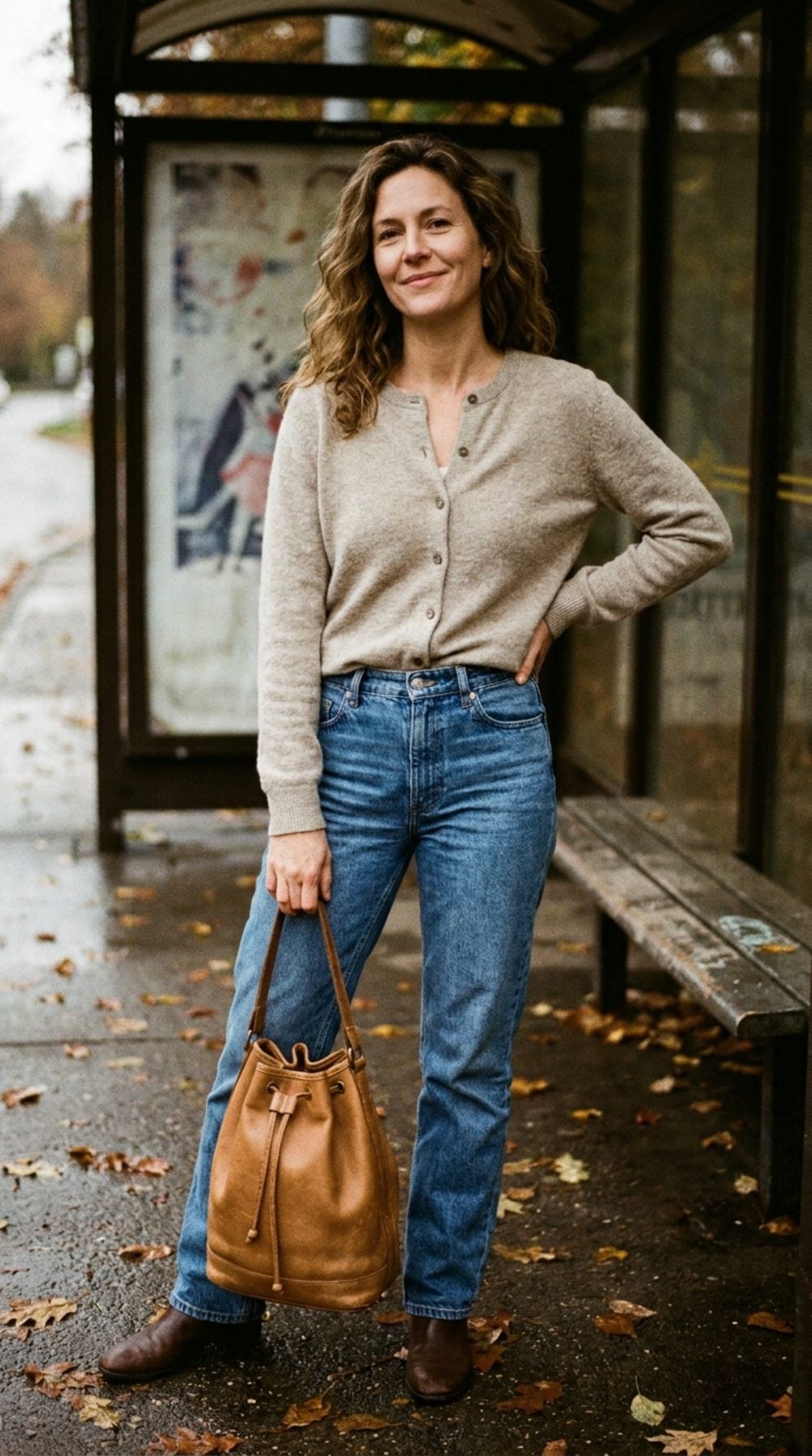
The bucket bag was the anti-structure statement. Cinch it, sling it, forget about it — it slouched because you slouched.
What made it work was the leather itself, usually a soft cognac or oxblood that got better the more you beat it up. You could throw a Discman, a Filofax, three lipsticks, and a paperback in there, and the bag just absorbed the chaos. Every woman who owned one has a version of it in her closet right now, either the original or a suspiciously similar reissue she pretended was new.
24. The Boxy Doctor Bag
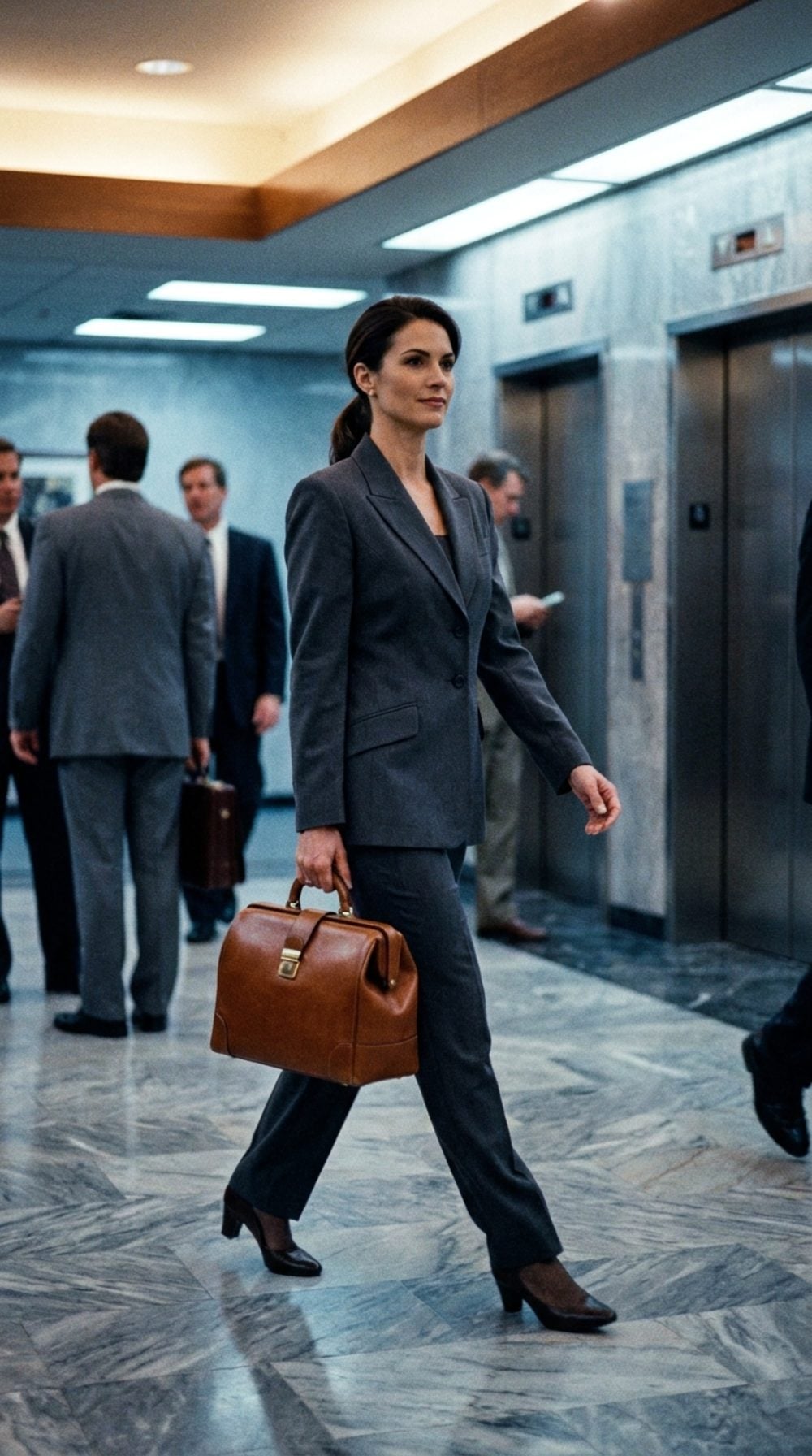
Boxy, upright, unimpressed with your day. The doctor bag said you had things to do and receipts to keep — the choice of women who were done being underestimated in meetings.
The brass clasps were the tell. That satisfying snap when you closed it in front of someone signaled the conversation was over, and nothing since has replicated that particular authority.
23. The Crossbody Saddle Bag
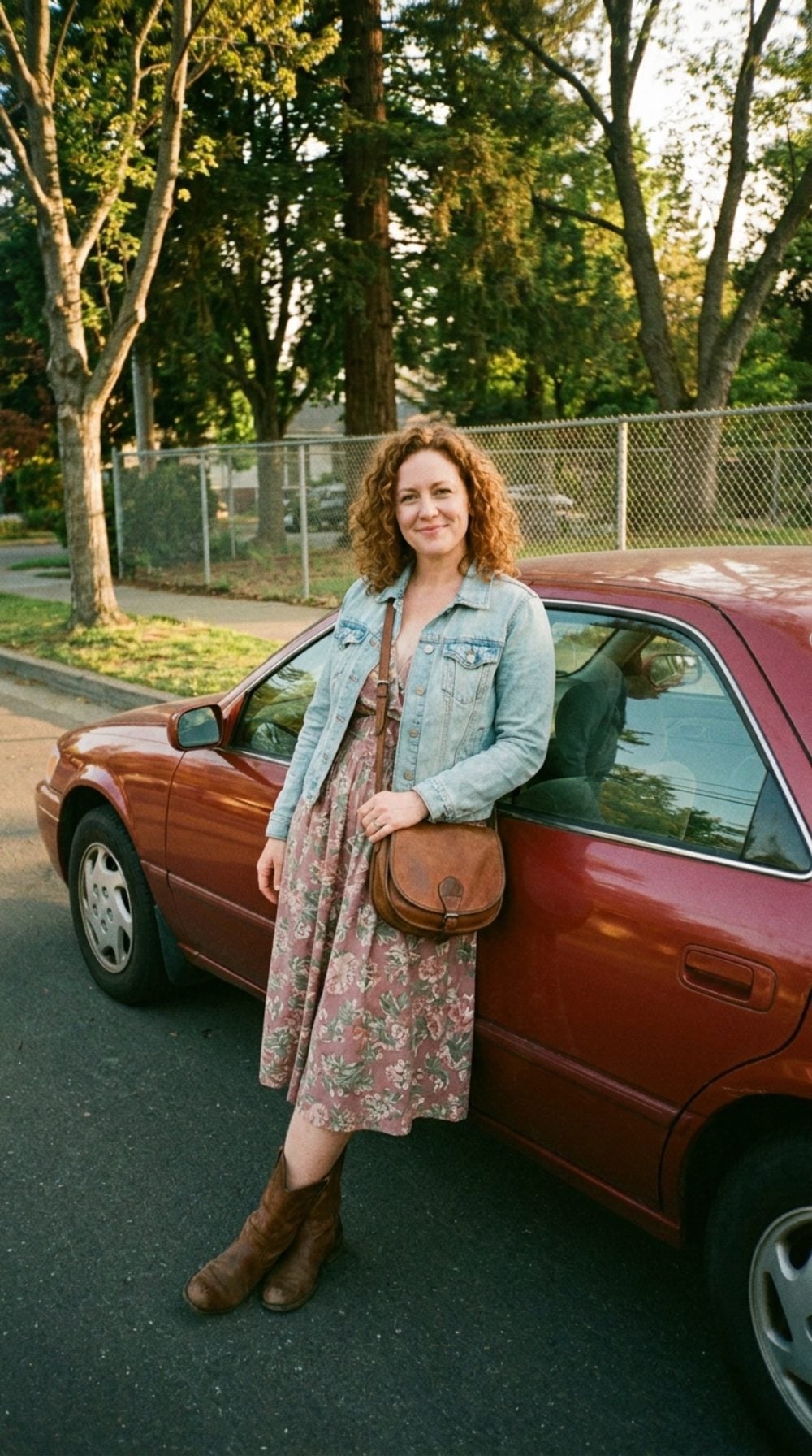
Curved at the bottom, compact through the body, and finished with a flap that echoed an actual riding saddle, this was the crossbody with a little more character than the plain rectangular versions that followed. It sat close to the hip and moved with you, leaving both hands free without looking purely practical.
The best ones came in worn cognac, dark brown, or oxblood leather, with brass buckles that looked better after years of use. You carried it with jeans, long skirts, and oversized knits, and the bag seemed to improve every outfit by making it look slightly more traveled, even when the furthest you were going was the mall.
What Our Readers Say
- When ThreadCurve readers were asked which statement piece they would buy, 52% picked a bag, more than double the share who chose shoes.
- In our reader polls, 86% said they would rather stay classic than follow trends, which may explain why so many old bags never leave the closet.
From ThreadCurve reader polls and votes.
22. The Mini Leather Backpack
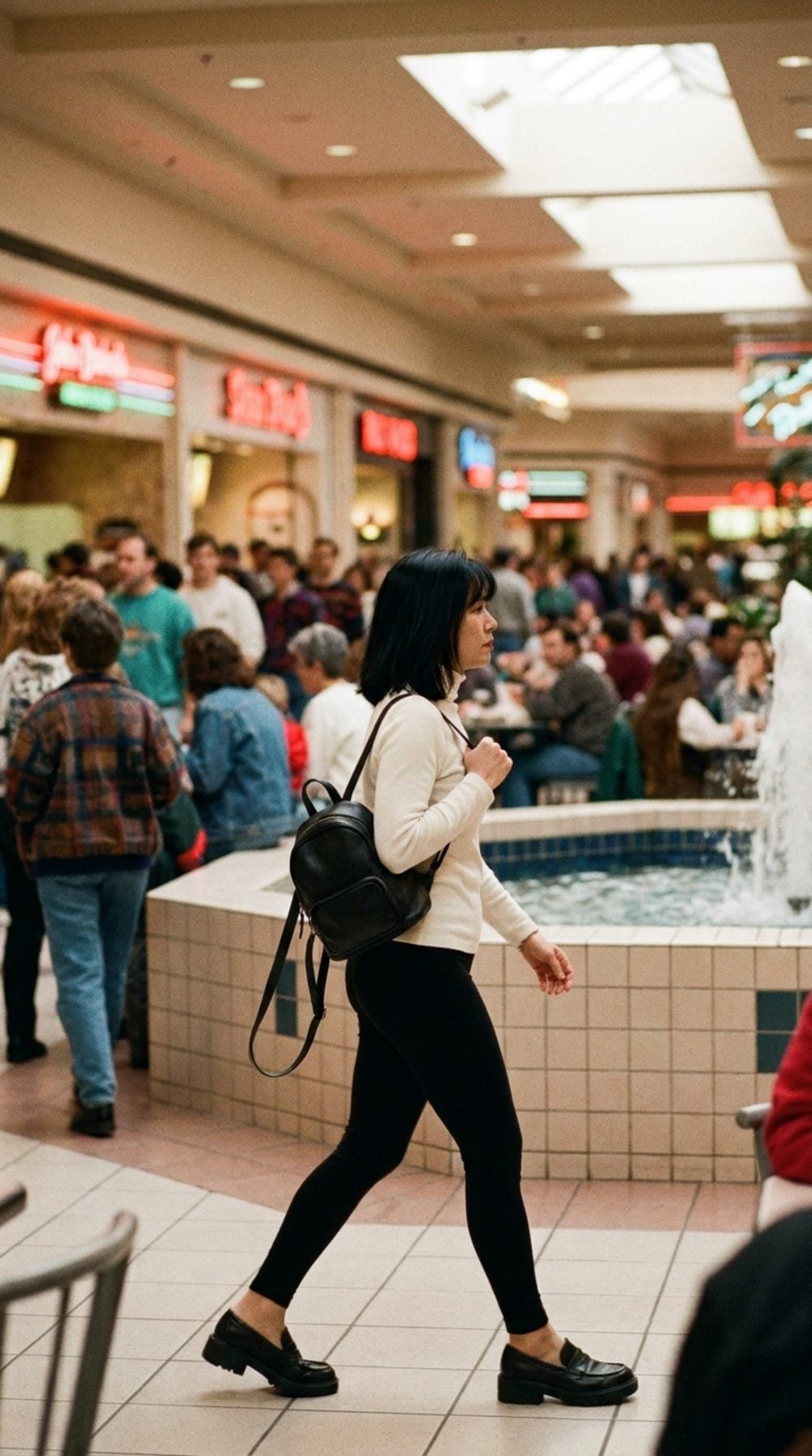
Slung over one shoulder, never both. Wearing it correctly would have been embarrassing.
The mini backpack was the great compromise of 1994 — too old for a real backpack, too young to commit to a proper handbag, so you split the difference in soft black leather with a tiny front pocket that held exactly one lipstick and one folded-up note from your friend. Cute without being childish, which was the tightrope of being twenty-something in that decade.
21. The Fanny Pack
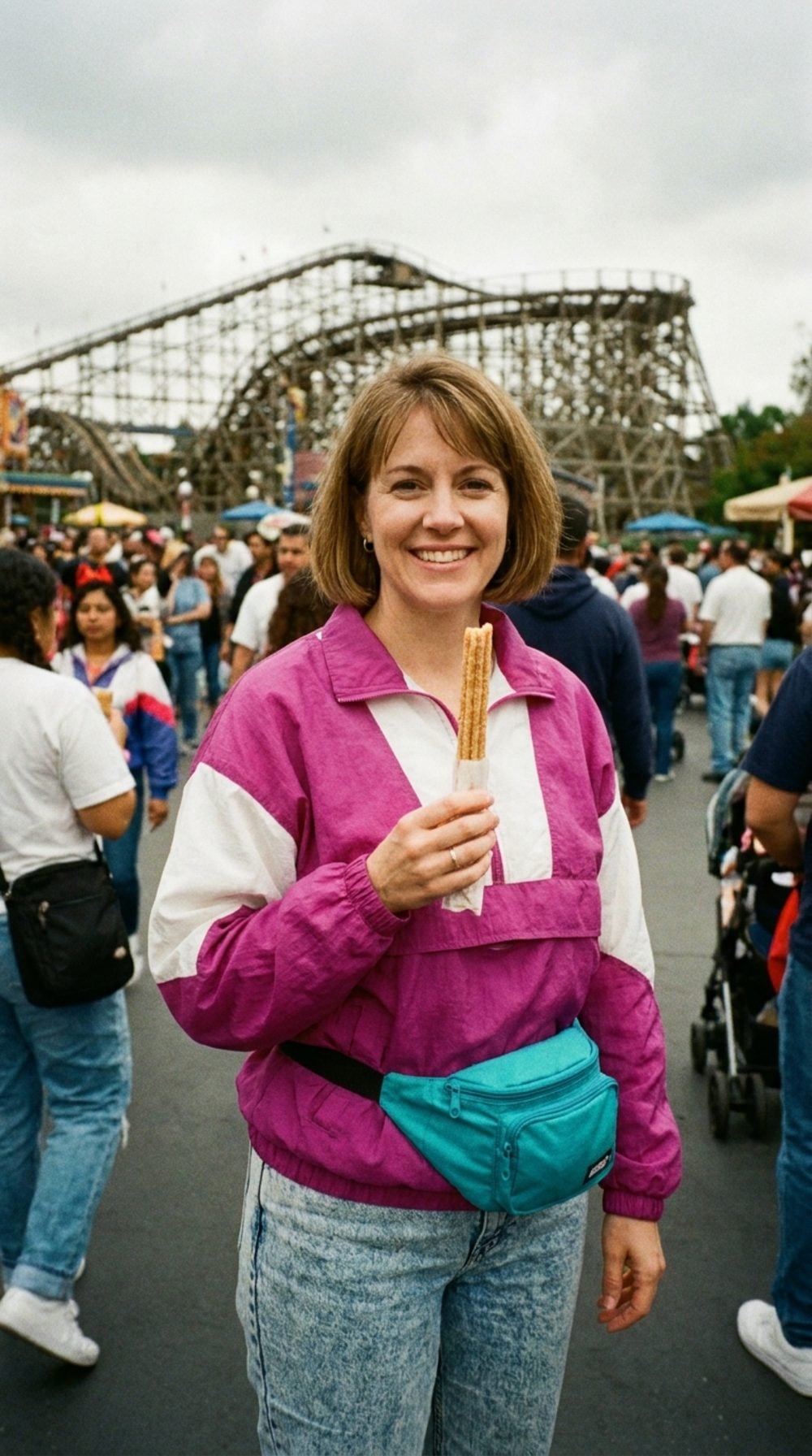
Say you were at Six Flags in 1993. You needed sunscreen, ticket stubs, cash, a disposable camera, and a folded park map. You could carry a purse and lose it on the log flume, or strap a fanny pack across your waist and stop thinking about it for the rest of the day. The fanny pack won every time.
Ugly on purpose. Neon nylon, plastic buckle, worn slung low or high depending on your energy. Then it vanished for twenty years and returned as a designer object costing several hundred dollars, which is the fashion version of a magic trick.
20. The Structured Top-Handle Handbag
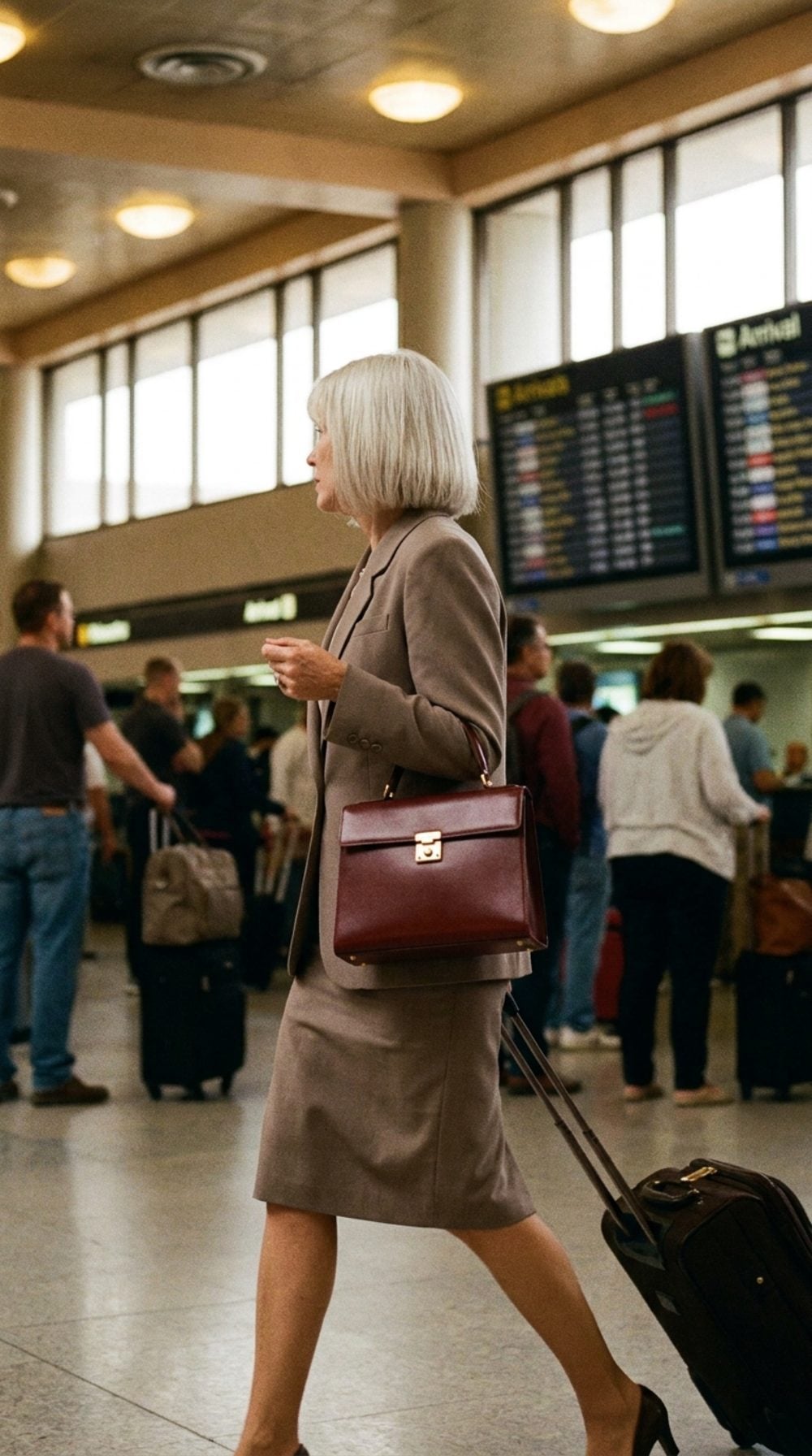
The corporate power purse. Held by the top handle only, never by the shoulder strap even when it had one. That was the rule, and if you don’t remember the rule you were not there.
Stiff, structured, and completely impractical for anything but looking like you owned property. It sat in the passenger seat of your Volvo on the way to work and got placed on the floor next to your desk with the handles pointing exactly the right way — a small ritual of a woman who had decided to be taken seriously.
19. The Quilted Chain-Strap Shoulder Bag
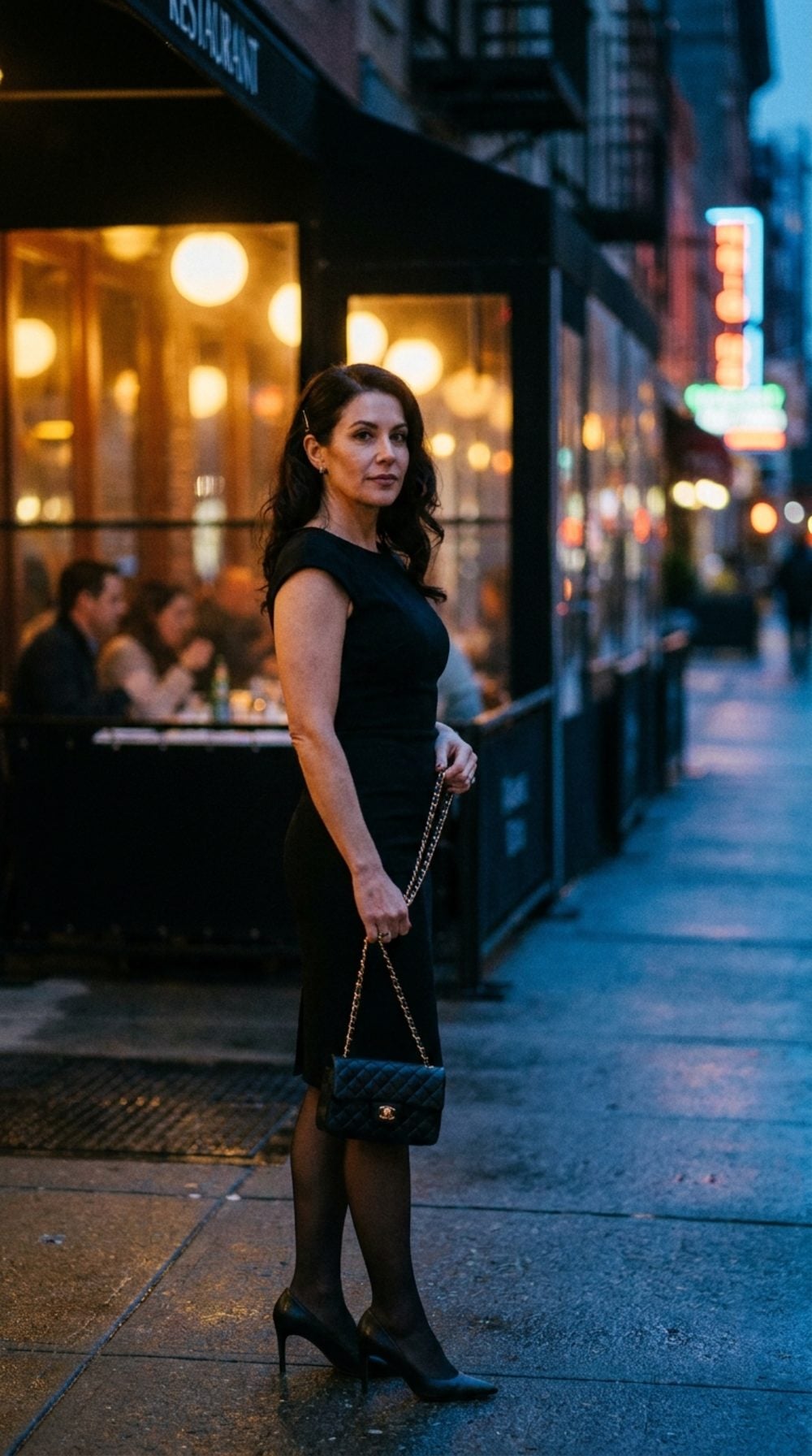
Chanel invented it. Everyone else spent the 90s making a version of it. The quilted diamond pattern and gold chain became shorthand for grown-up — the kind of bag your aunt pulled out of a dust cover on Christmas Eve while everyone else was in scrunchies.
What made it a 90s piece specifically was who started carrying it. Younger women mixed it with slip dresses and combat boots, treating heirloom formality as another texture to play with. That subversion is why the bag still reads modern thirty years later.
If that gold chain has you thinking about the rest of your jewellery, our readers are nearly split: 53% always match their metals, while 47% happily mix them.
18. The Round Straw Bag

Summer only. Non-negotiable.
The round straw bag came out on Memorial Day and went back in the closet on Labor Day, and carrying one off-season was a small social crime. It held a paperback, a bottle of Bain de Soleil, and sand you would still be finding in December. Call it the original beach purse, before that phrase existed as a category anyone shopped for on purpose.
17. The Slim Envelope Clutch
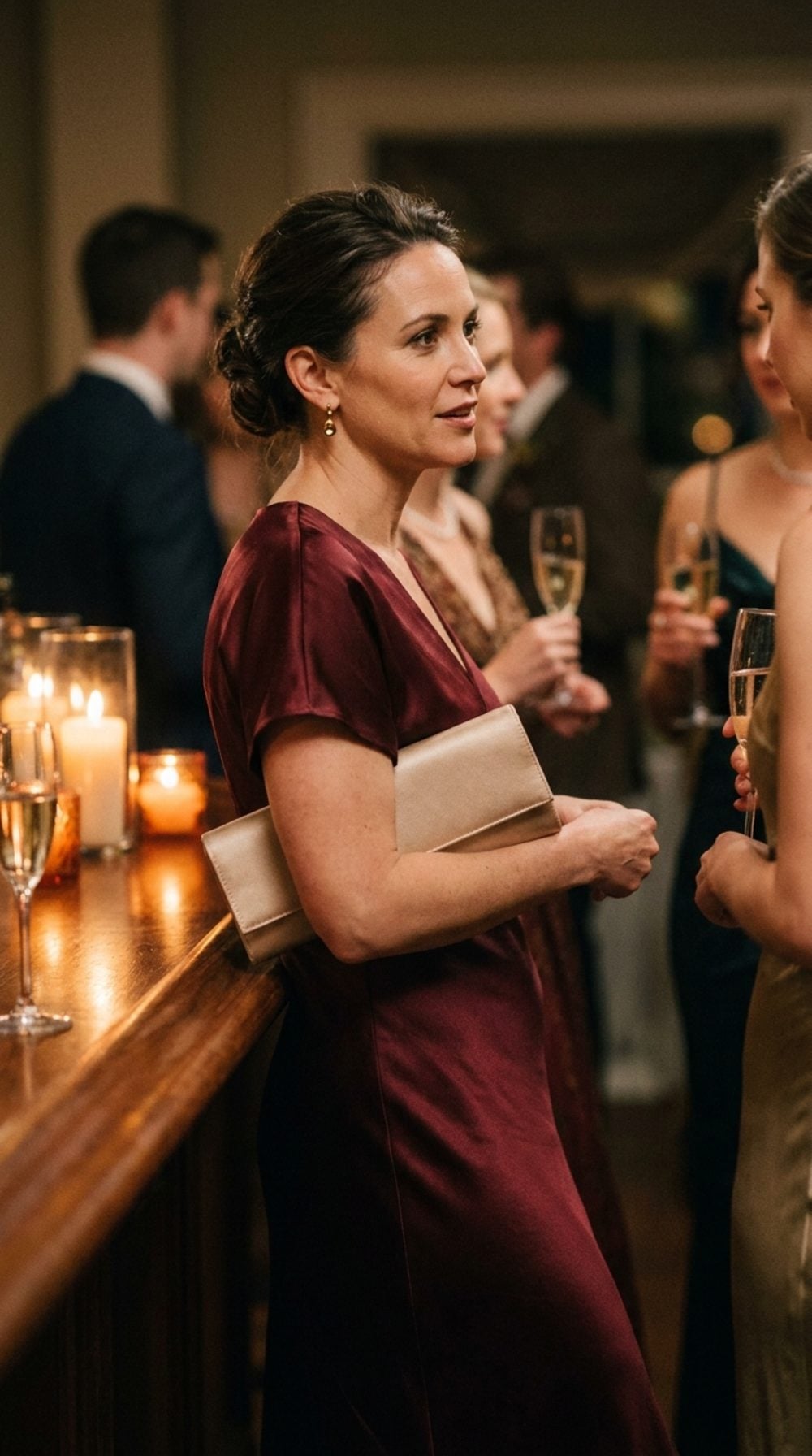
Flat, thin, held tight against the ribs like a passport in a foreign airport. The envelope clutch held one lipstick, a house key, a folded twenty, and the smallest cell phone you could find in 1998 — which was not small.
Weddings, gallery openings, any occasion that required looking like you had somewhere better to be next. Satin, silk, or brocade for evening. Never leather — that would have missed the point entirely.
16. The Beaded Evening Minaudière
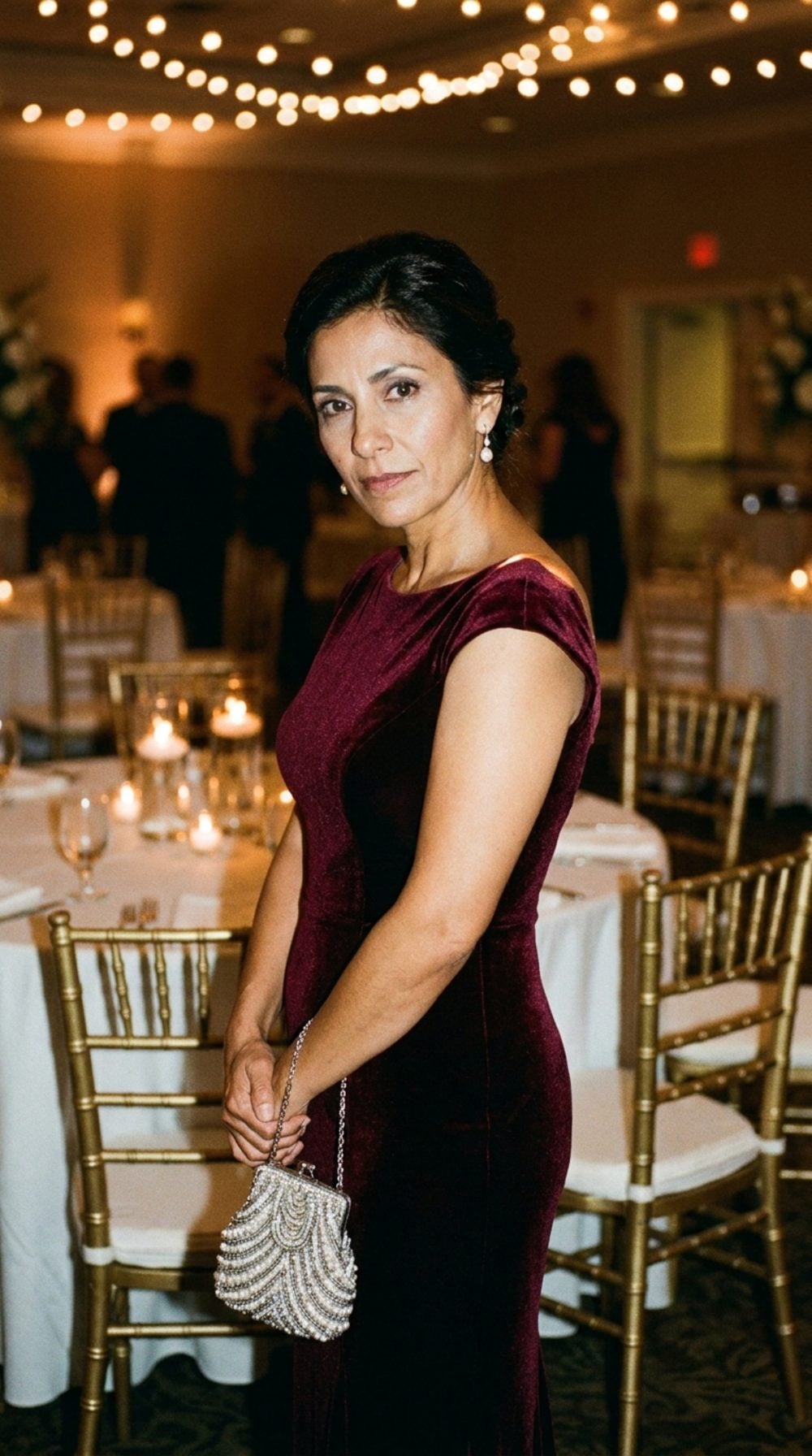
Every woman had one tucked in the back of her closet, waiting for a wedding or a New Year’s Eve that never quite lived up to the bag. Beaded minaudières were the 90s answer to Old Hollywood, sold at department store counters in little velvet-lined boxes covered in pearl, silver, and iridescent seed beads sewn onto a rigid frame no bigger than a paperback.
Inside? One lipstick, a folded twenty, a house key. That forced a woman to travel light and stand up straight. The beaded evening purse did most of the styling work on its own, which is why so many women paired it with the plainest velvet dress they owned and called it done.
15. The Patchwork Denim Shoulder Bag
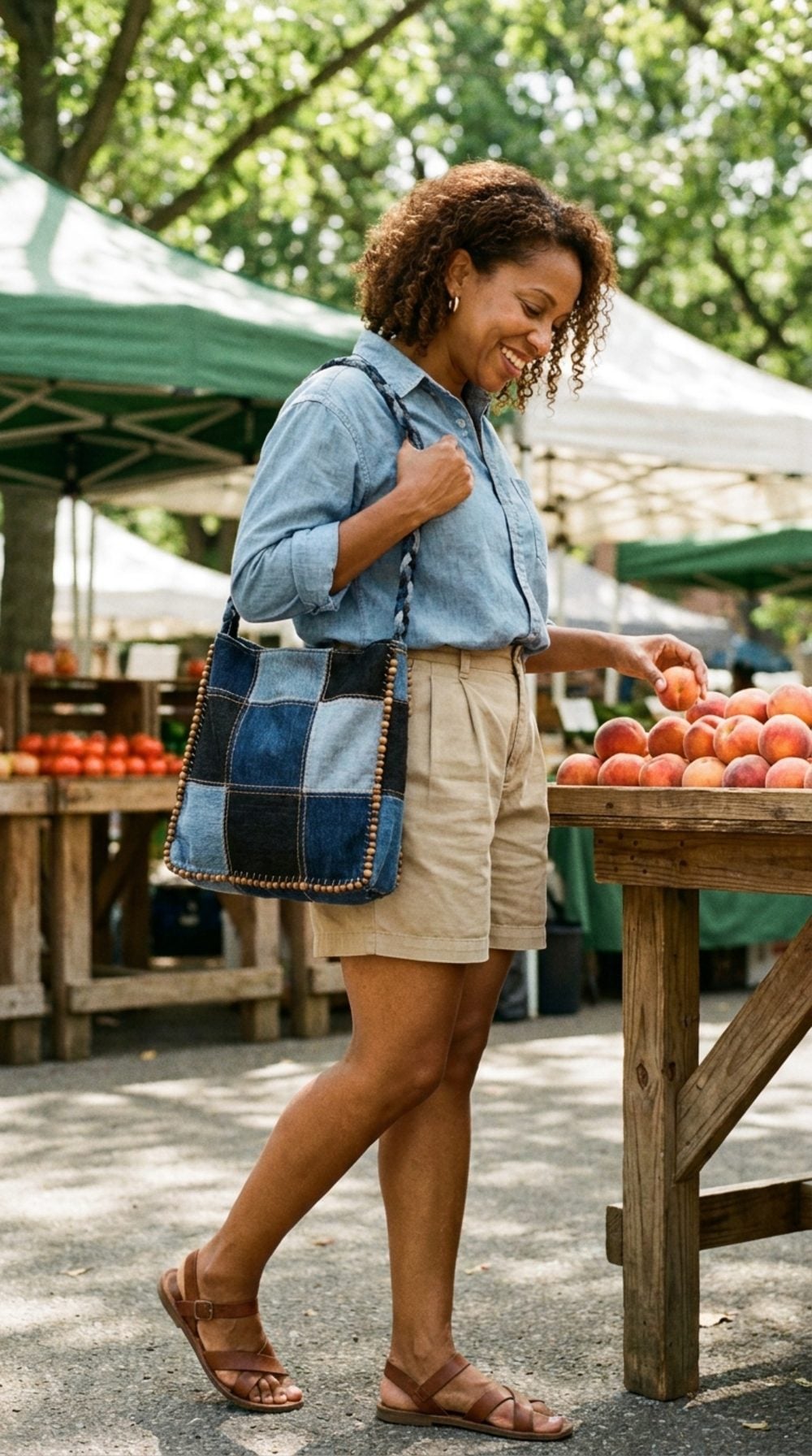
The patchwork denim bag came from a craft fair or a church basement bazaar, and everybody’s mother had one made by somebody’s aunt. Squares of every wash imaginable, stitched together with contrasting thread, sometimes trimmed with wooden beads or a fringe of leather cord.
It went with everything and matched nothing. That was the point. This is the blue purse that survived a decade of school pickups, road trips, and grocery runs because denim gets better as it gets softer. A lot of them are in attics right now, waiting to come back out.
14. The Patent Vinyl Color-Block Handbag
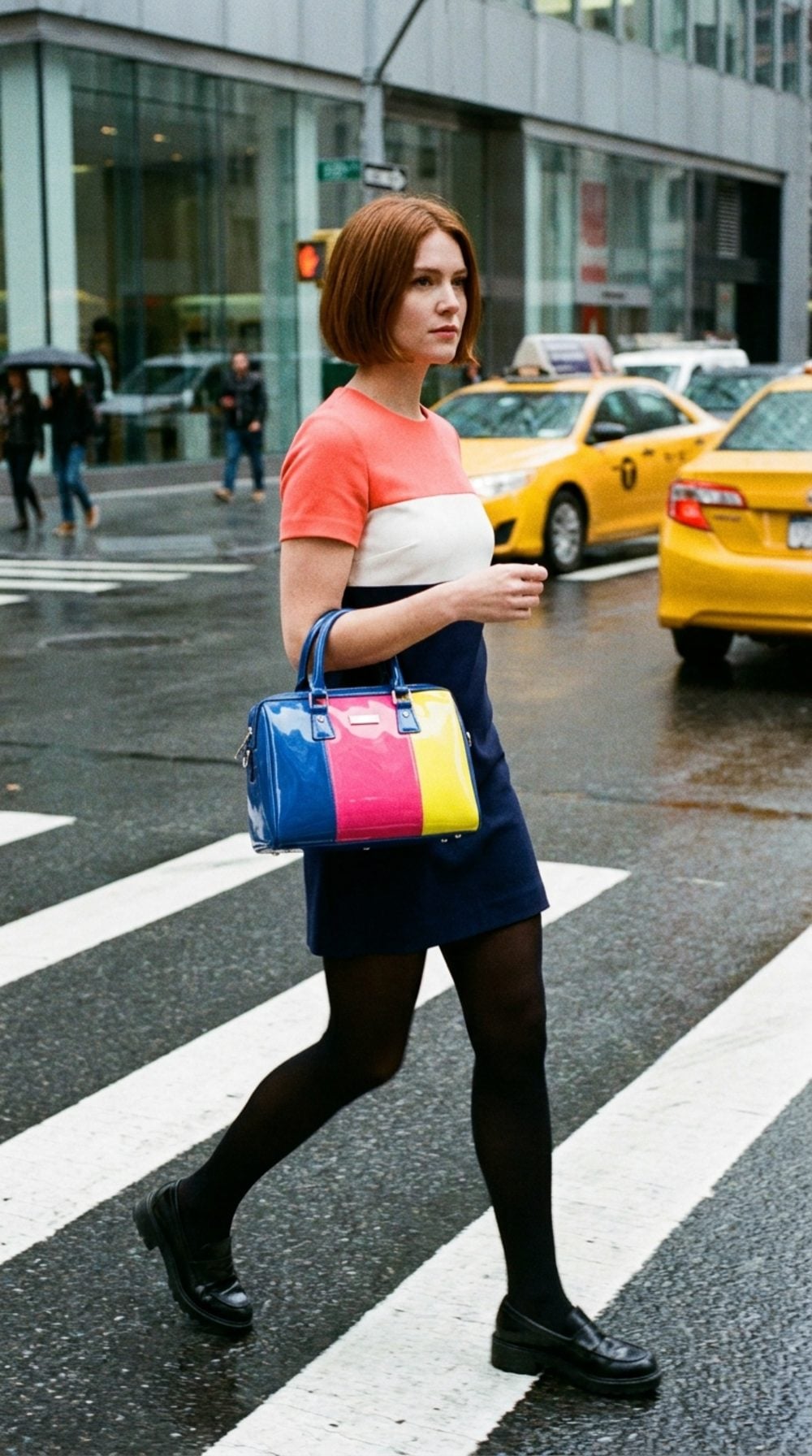
Glossy, plastic, loud on purpose. The patent vinyl color-block bag was the 90s throwing an elbow at 80s excess and landing somewhere new — cobalt against hot pink against yellow, chrome hardware, and a handle short enough that it had to sit on the crook of the elbow, never the shoulder.
These lived at Contempo Casuals and Wet Seal, priced for teenagers with babysitting money, and their mothers adopted them within a season. They cracked at the seams after two summers. Nobody cared. You bought the next one.
13. The Canvas Messenger Bag
❤️ Would you like to save this?
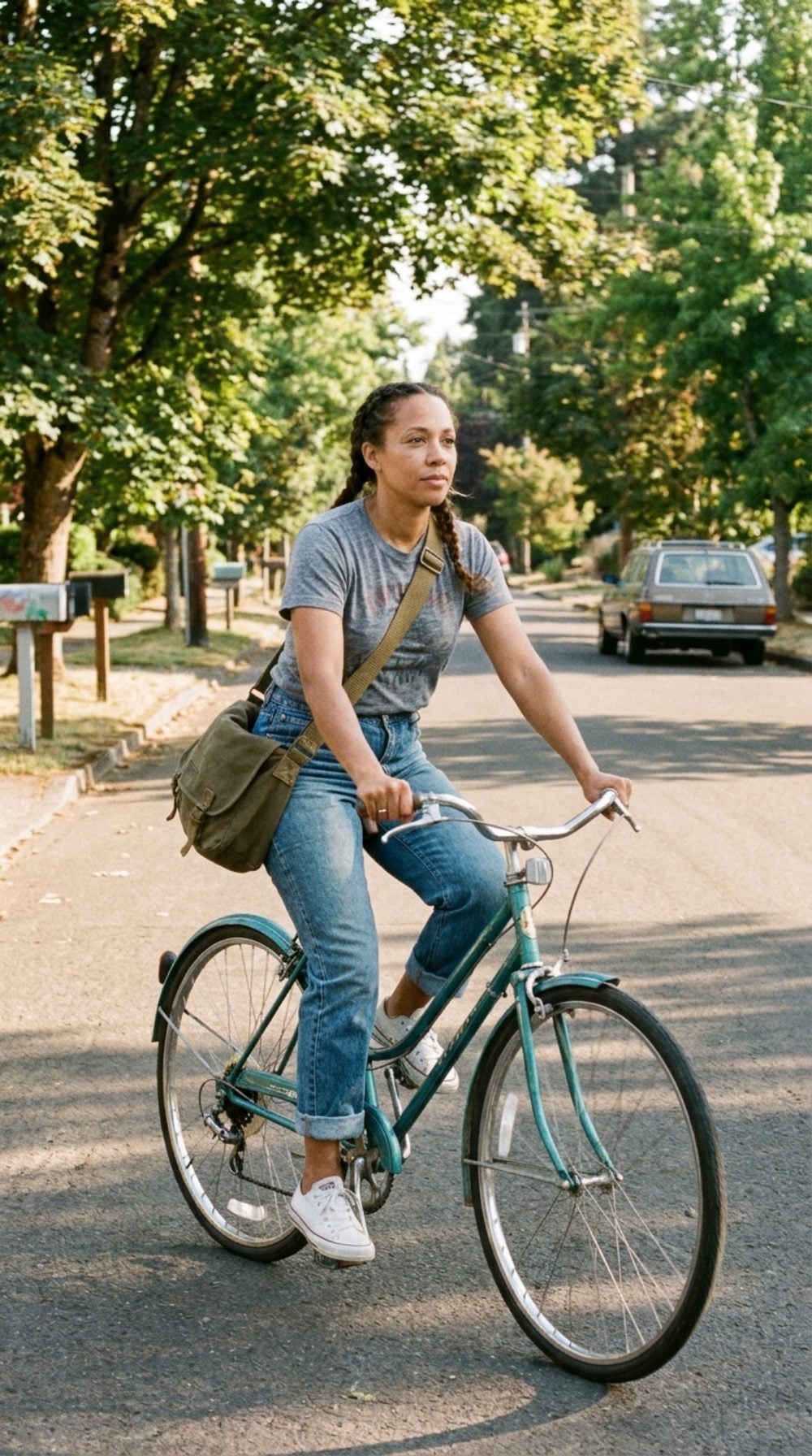
Bike couriers made it cool. Everybody else made it practical. The canvas messenger bag was the first hint that a woman’s day bag could look like something a man might carry to work, and nobody would blink.
Olive drab. Natural khaki. Sometimes plaid. A big flap, a big buckle, a wide strap that sat across the body and freed both hands. This androgynous purse showed up in grad school lecture halls, on Saturday errands, and at concerts where a shoulder bag would have gotten crushed against the barricade. It held a Discman, a notebook, a paperback, and still had room for keys.
12. The Slouchy Hobo Bag
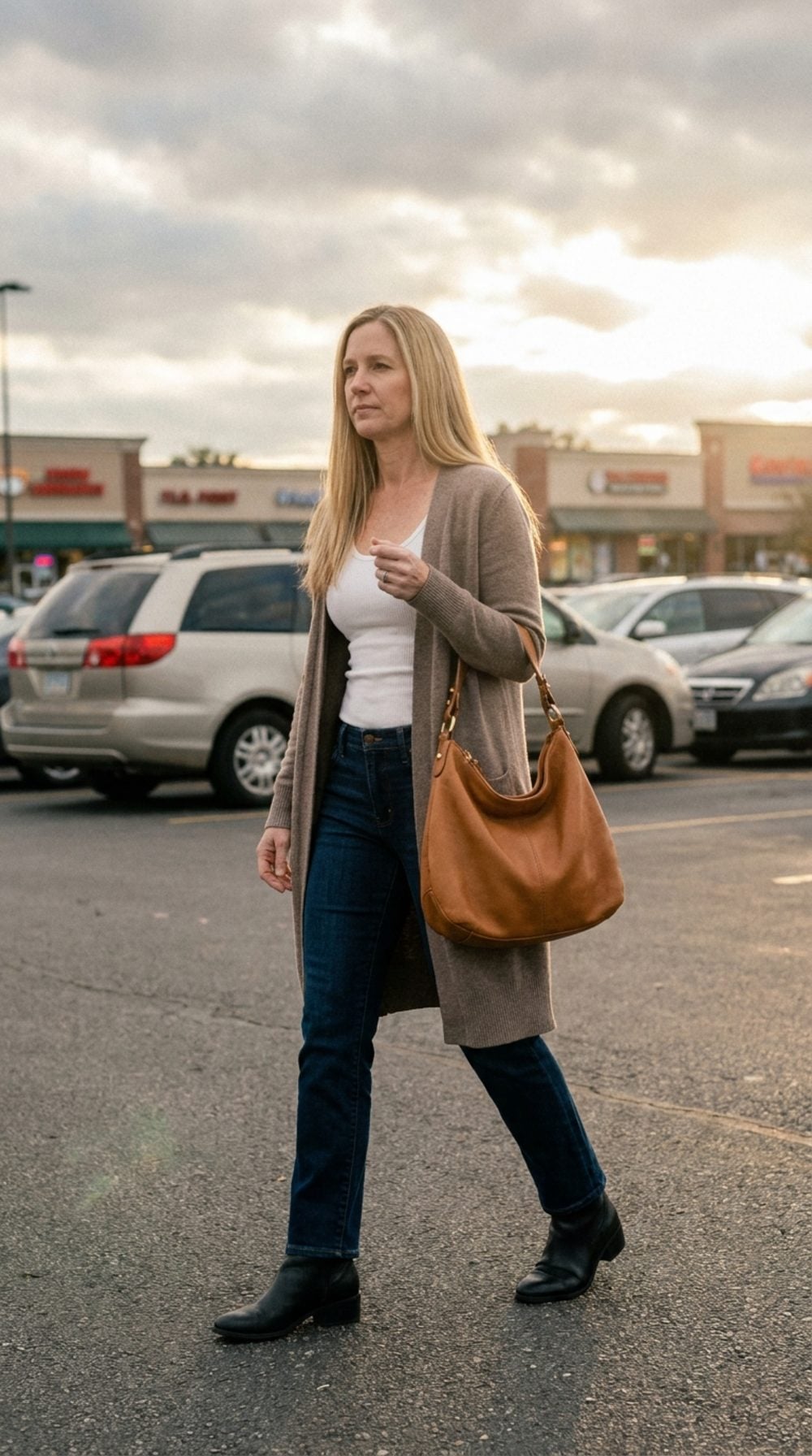
The hobo bag looked exhausted on purpose — soft leather, no structure, a single curved strap that sat right in the divot of the shoulder like it had been designed by someone who understood anatomy. Set it down and it collapsed like a sleeping cat.
Every woman in the 90s owned one in caramel, black, or oxblood. It swallowed a wallet, a paperback, a hairbrush, a hotel-sized bottle of Vaseline Intensive Care, and still hung flat against the hip. Coach made the expensive version. Wilson’s Leather made the one most women actually bought.
11. The Structured Barrel Bag
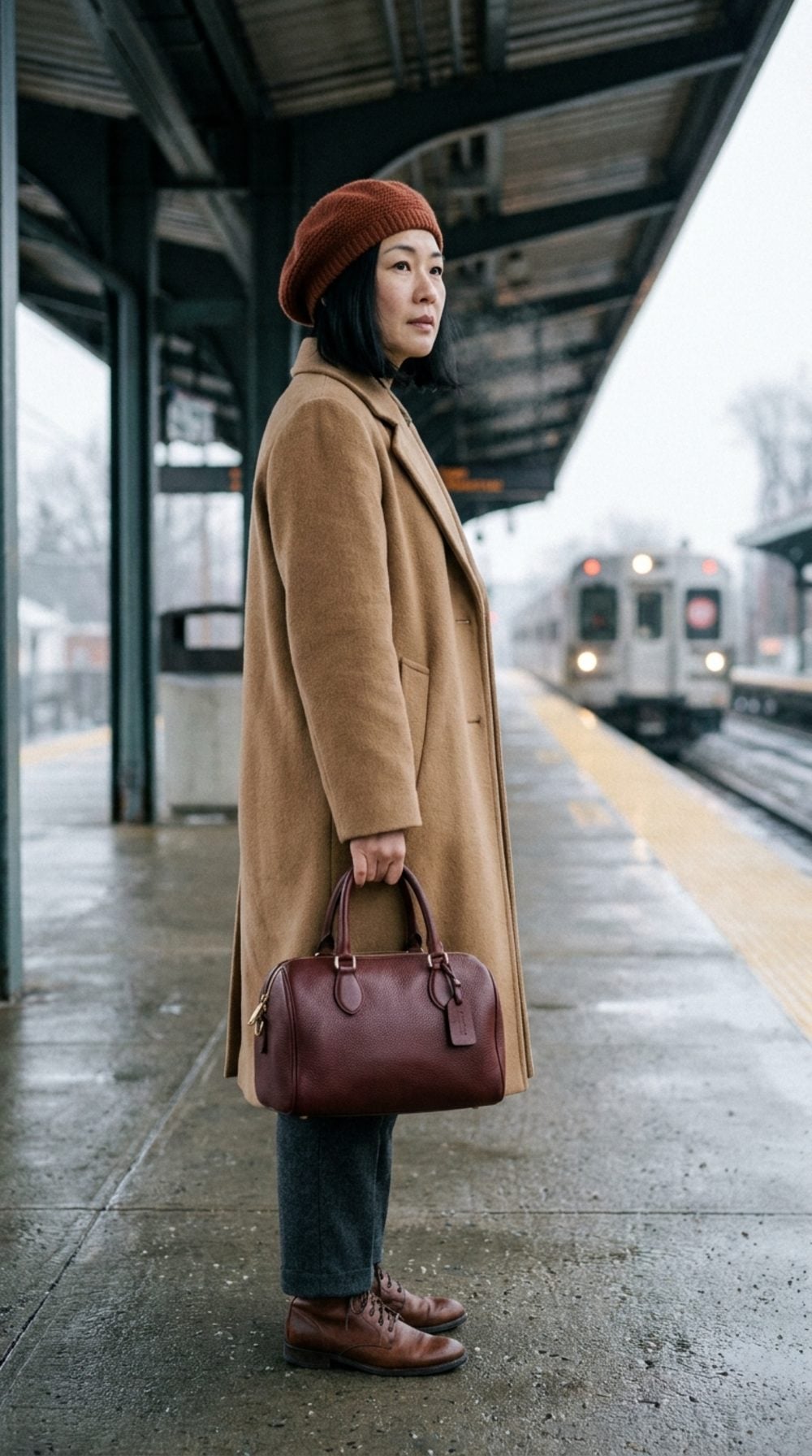
Barrel bags did the opposite of the hobo. Structured, rigid, upright, with two short handles that forced the bag to be carried rather than slung. The whole thing looked like a small piece of luggage a woman might carry into a boardroom or through Grand Central.
Coach and Dooney and Bourke ruled here. Pebbled leather, brass hardware, a small hanging tag on a leather cord. A woman bought herself this bag after a promotion and then used it every workday for the next eight years.
10. The Nylon Sport Backpack Purse
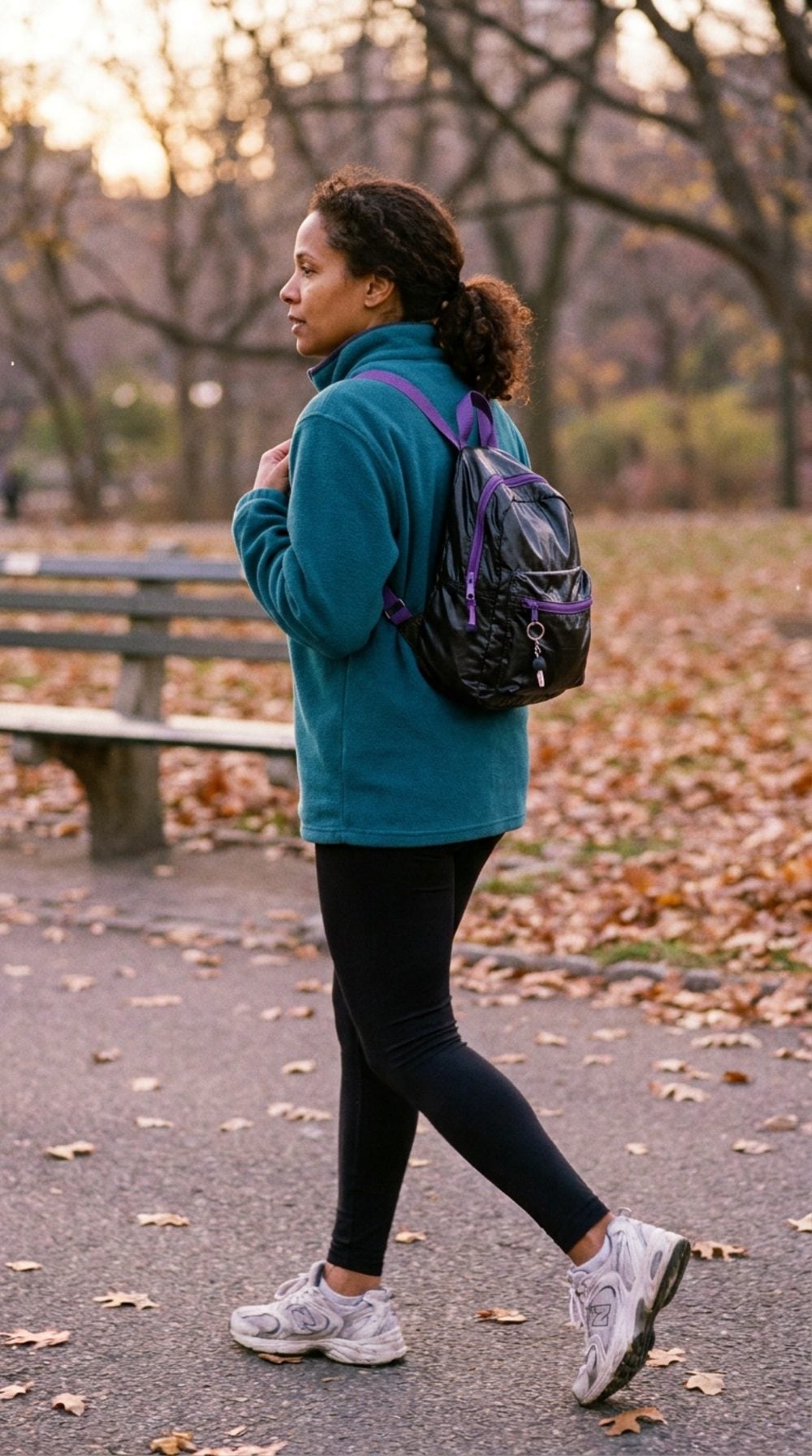
JanSport for high school. Prada for the aspirational adults. For everybody else, there was the little nylon sport backpack purse from the mall — shiny black with purple accents, twin straps, a drawstring top that never quite closed all the way.
This athleisure purse did what handbags could not. It freed both hands, spread weight across two shoulders, and looked slightly cool doing it. Women wore them to yoga class, to the mall, to the airport. Somebody’s aunt still has hers in a closet, and it still zips.
9. The Baguette Purse (Fendi Started It, Everyone Finished It)
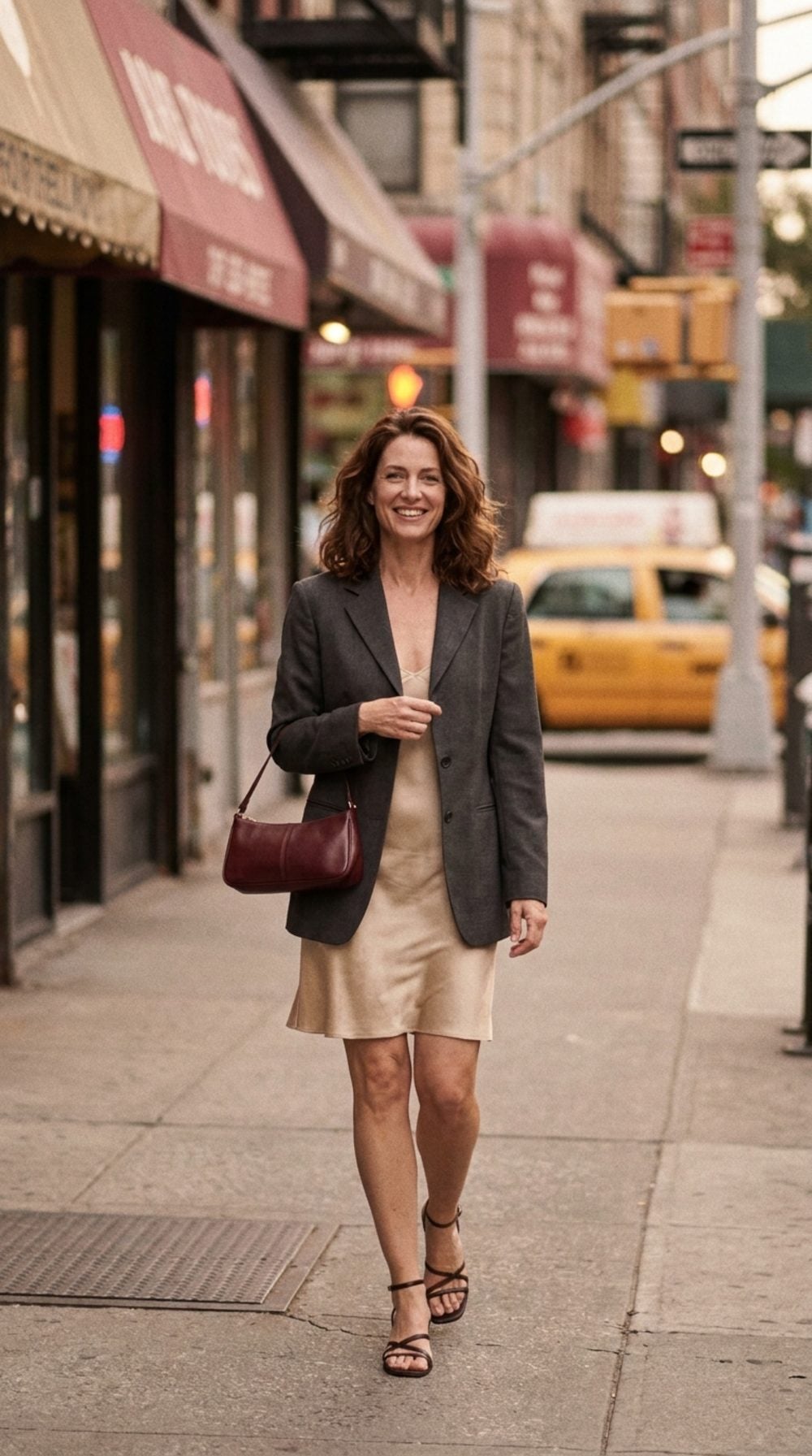
Small, structured, tucked right into the armpit like it had somewhere private to be. The purse that made Sarah Jessica Parker famous a second time. If you carried one, you had opinions about lip liner and knew which bars in the city let you skip the line.
The genius was proportion — small enough to look intentional against a slip dress, structured enough to hold shape when everything else on your body was drapey. Minimalism looked expensive, which was the mood of late-90s fashion.
8. The Long-Strap Crossbody
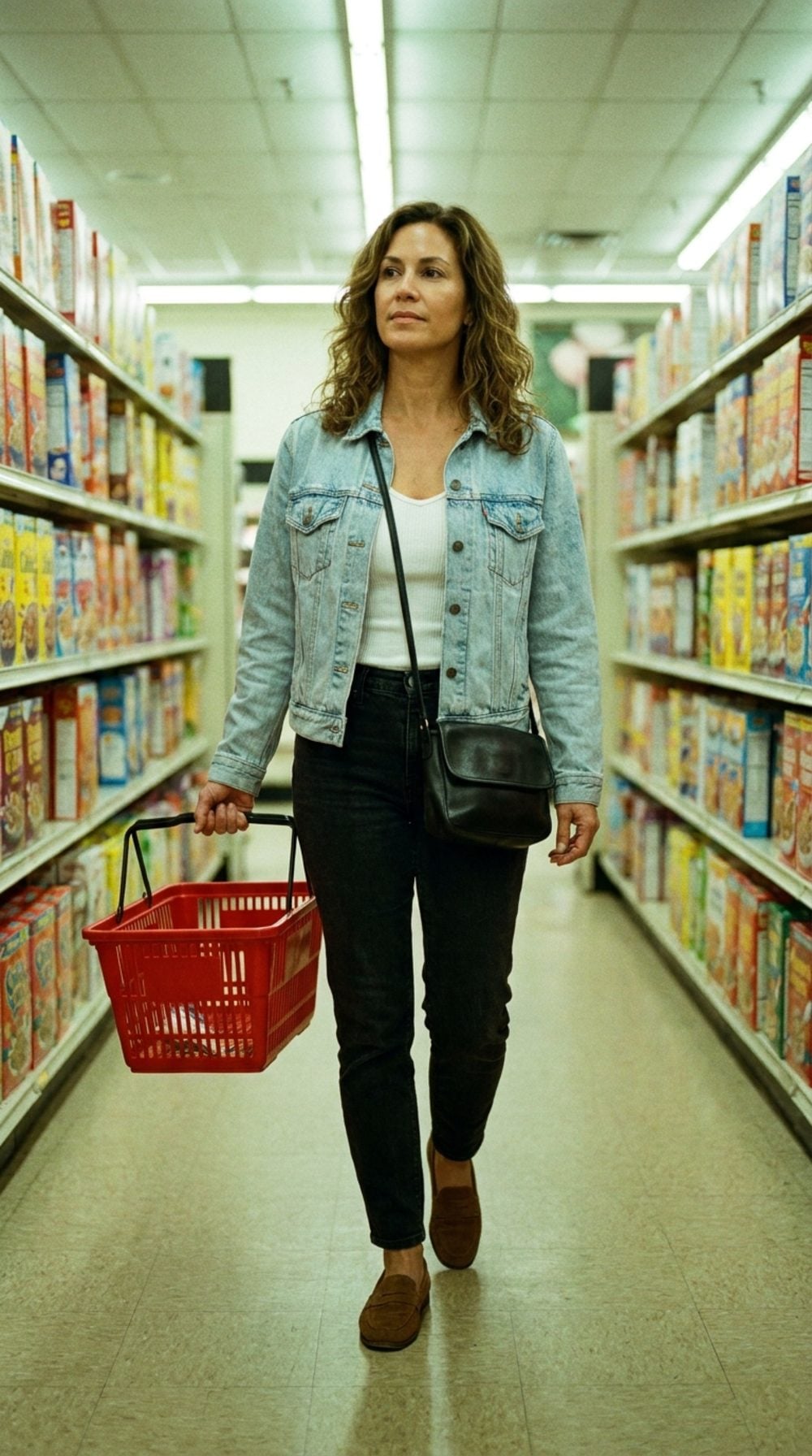
Long before every 25-year-old on Instagram rediscovered the crossbody, mothers were wearing them to the grocery store so they could squeeze produce with both hands. The 90s version was slim, rectangular, unfussy — a long adjustable strap, a small flap, a magnetic snap that clicked shut with a satisfying little sound.
Nine West made them by the thousands. So did Liz Claiborne. Nothing about the design shouted, and that was the appeal. It hung at the hip and disappeared until it was needed, which is the highest compliment you can pay a bag.
7. The Wristlet Coin Purse
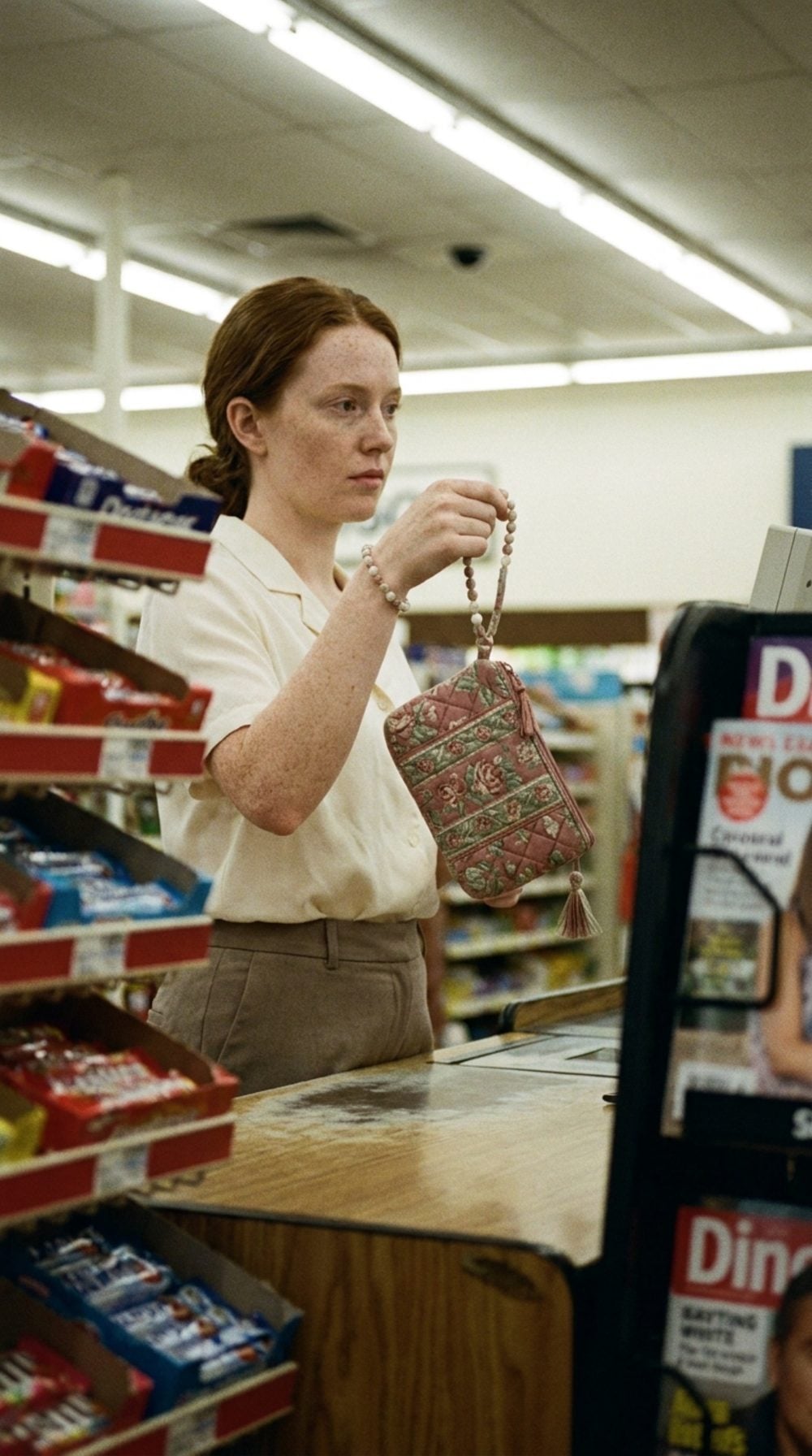
The wristlet started as the bag inside the bag. Then one day it left the house alone. Small enough for a folded twenty, a driver’s license, and a tube of Chapstick — big enough to feel like an actual purse on a quick errand.
Quilted floral fabric, a small tassel, a beaded loop that slipped over the wrist. Vera Bradley built an empire on this exact object. Mothers bought them in threes at gift shops and stashed one in the glove compartment.
6. The Canvas Book Tote
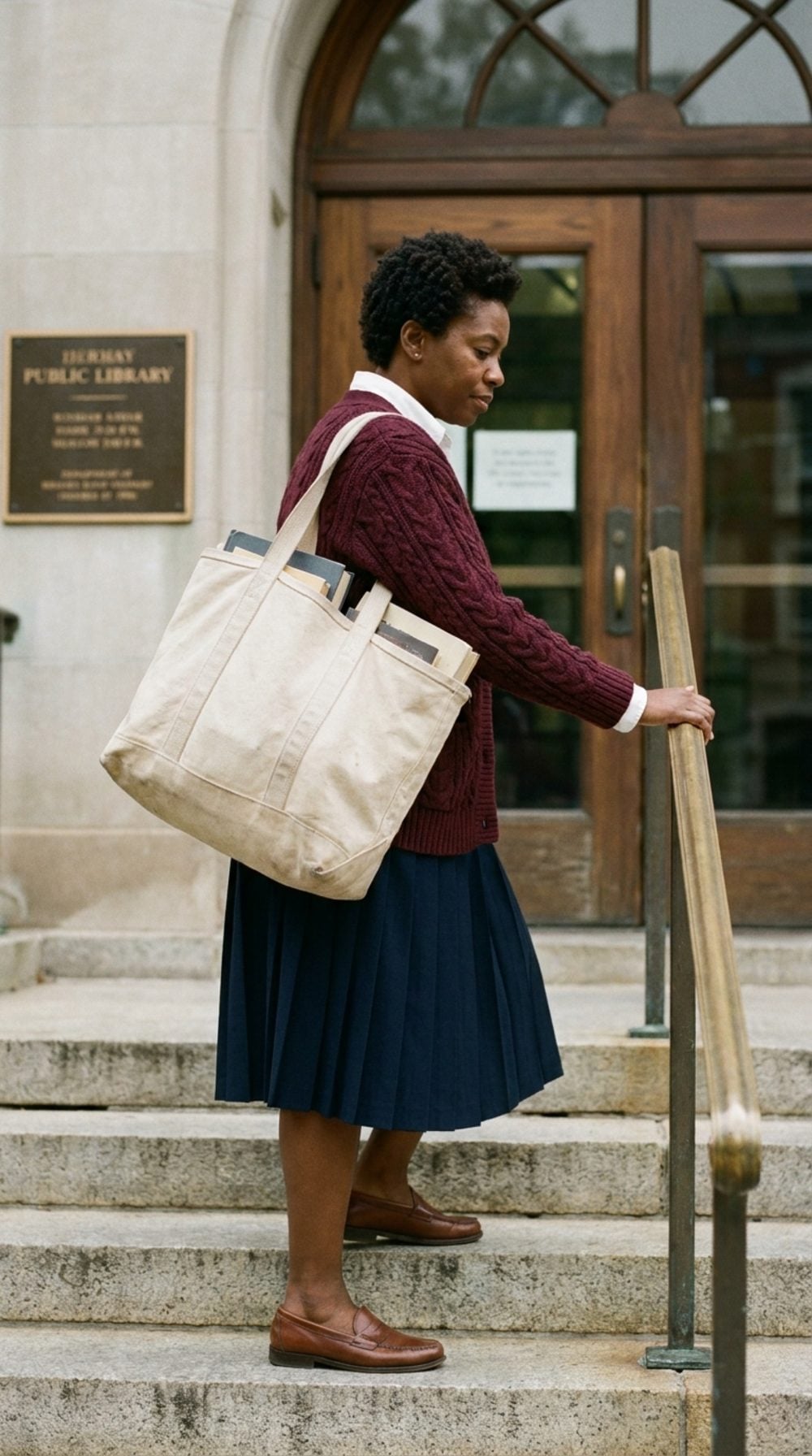
The canvas tote had no pretensions. Sturdy natural cotton, webbed handles, room for six hardcovers and a wool cardigan. Museums gave them away with membership. NPR sent them for a pledge. English teachers carried them until the handles frayed, then patched them and kept going.
This is the bag that never went out of style because it was never in style to begin with. It just worked. Every woman over forty right now owns at least four of them, most the color of oatmeal, most folded in a drawer waiting for the next farmers market run.
5. The Metallic Silver Mini Bag
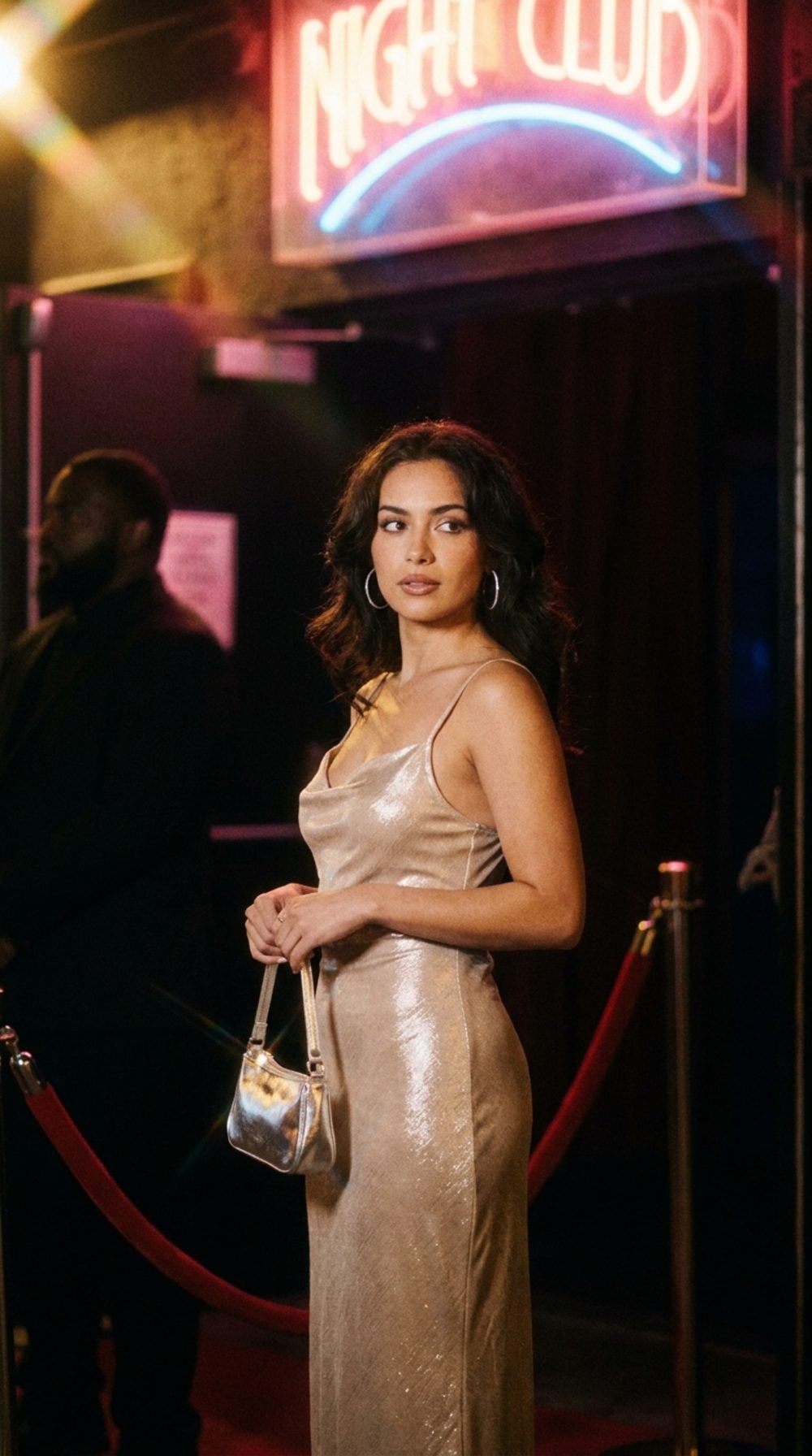
The silver mini bag punctuated the whole outfit. Barely big enough for a lipstick, a house key, and a folded twenty — but that was the assignment. You weren’t carrying your life; you were carrying just enough to get back home.
What made it work was the tension between shine and size. Metallic said look at me. Miniature said I don’t need much. Paired against a slip dress, it read as jewelry more than accessory, catching light every time she turned.
4. The Velvet Pouch Bag
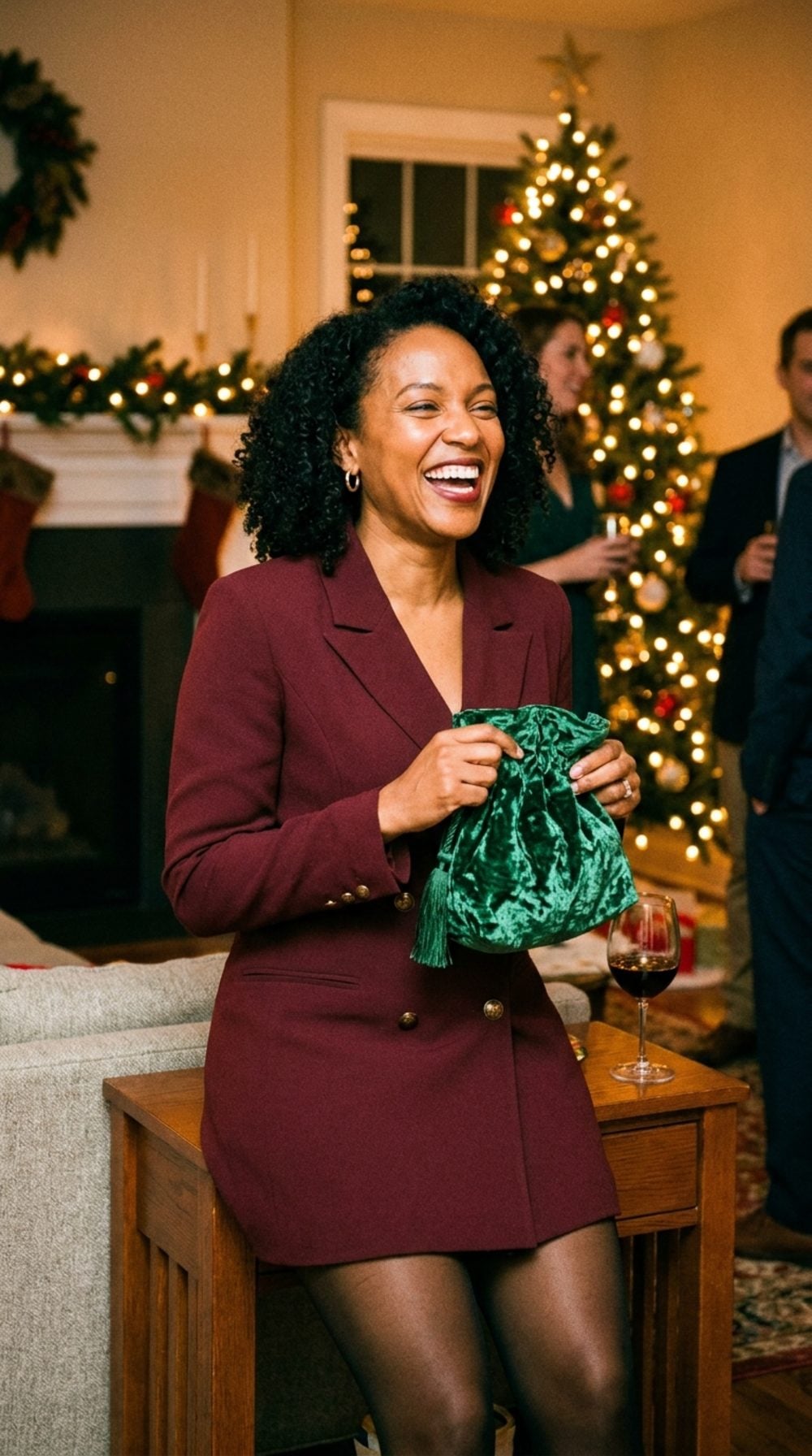
Crushed velvet in jewel tones, cinched at the top with a drawstring or a tiny tassel. The velvet purse was the holiday party staple, and it worked because velvet does something no other fabric does under low light — it absorbs and glows at once.
She reached for it the second the invitation said cocktails. Emerald with burgundy, sapphire with black, wine with anything gold. Nobody carried it in daylight, and that limitation was the appeal. Some things belong to the evening.
3. The Faux Fur Trim Shoulder Bag
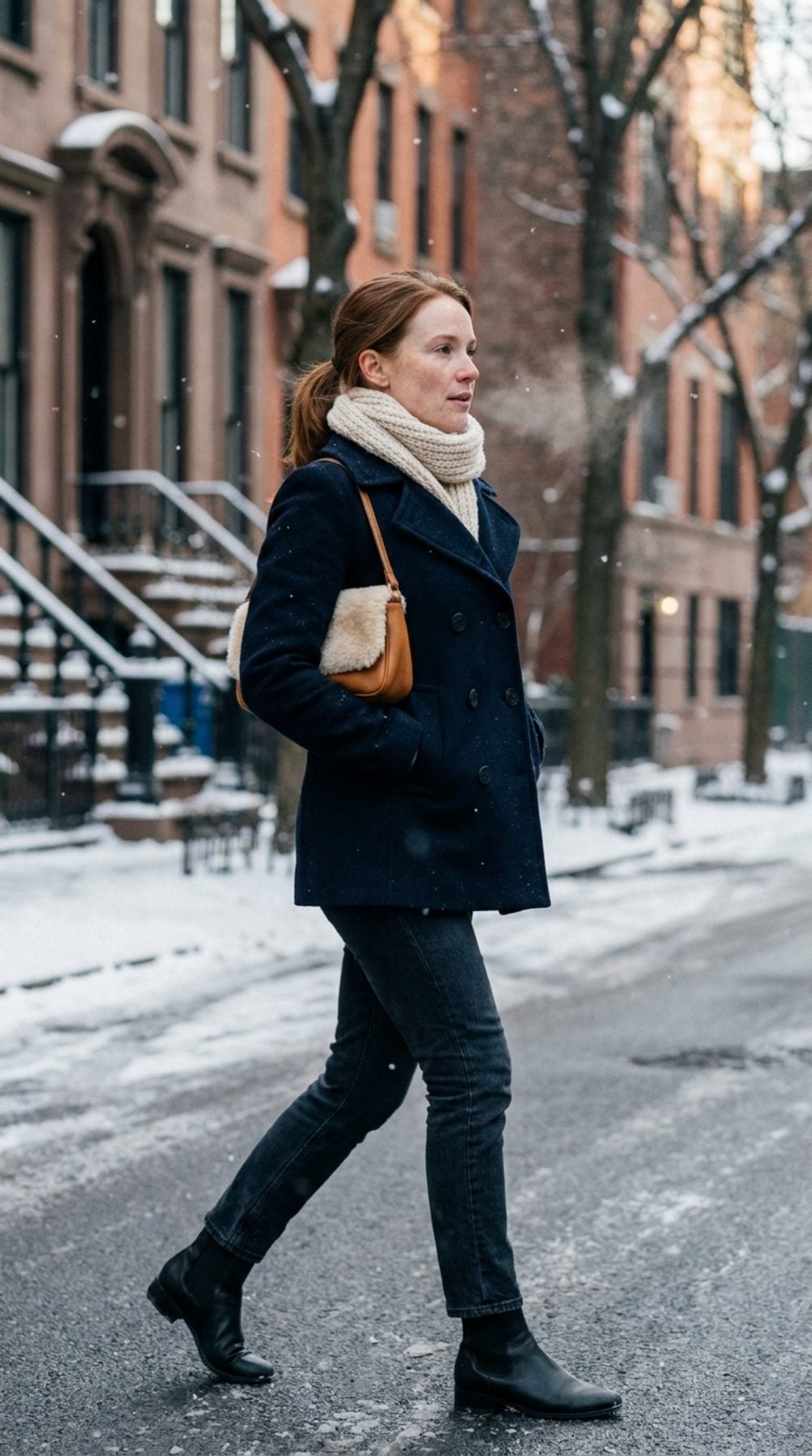
Faux fur trim was the decade’s answer to making a plain bag feel like a decision. A caramel leather shoulder bag on its own is fine; add a fluffy cream band along the flap and suddenly it belongs to a specific winter, a specific mood, a specific woman walking somewhere she wanted to be seen walking.
The trim usually ran along the top edge. Occasionally as a full pom hanging from the zipper pull. Cream, black, or leopard-print pile were the three real choices, and the look landed as playful without tipping into costume — which is why grown women wore it and didn’t feel silly.
2. The Translucent Jelly Handbag
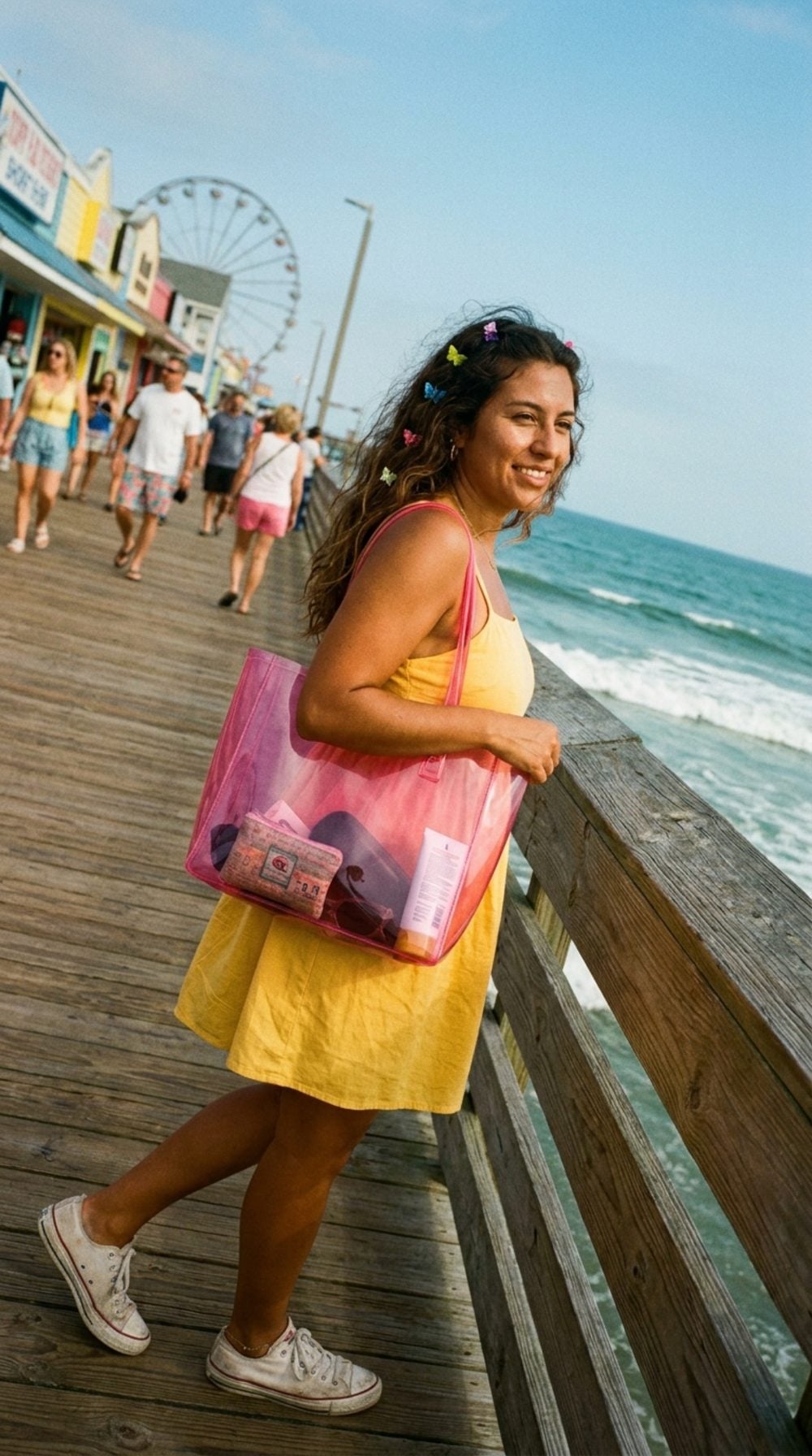
You could see what she was carrying. That was the joke and the appeal both. The jelly bag showed everything — the wallet, the sunscreen, the crumpled receipt she’d been meaning to throw out for three days.
Hot pink, lime green, translucent blue, sometimes clear with color-tinted handles. They smelled like plastic in a way that immediately transports anyone who owned one back to a summer they can name. Not practical, not sophisticated, absolutely of its moment, and honest about being fun.
1. The Drawstring Pouch Bag
❤️ Would you like to save this?
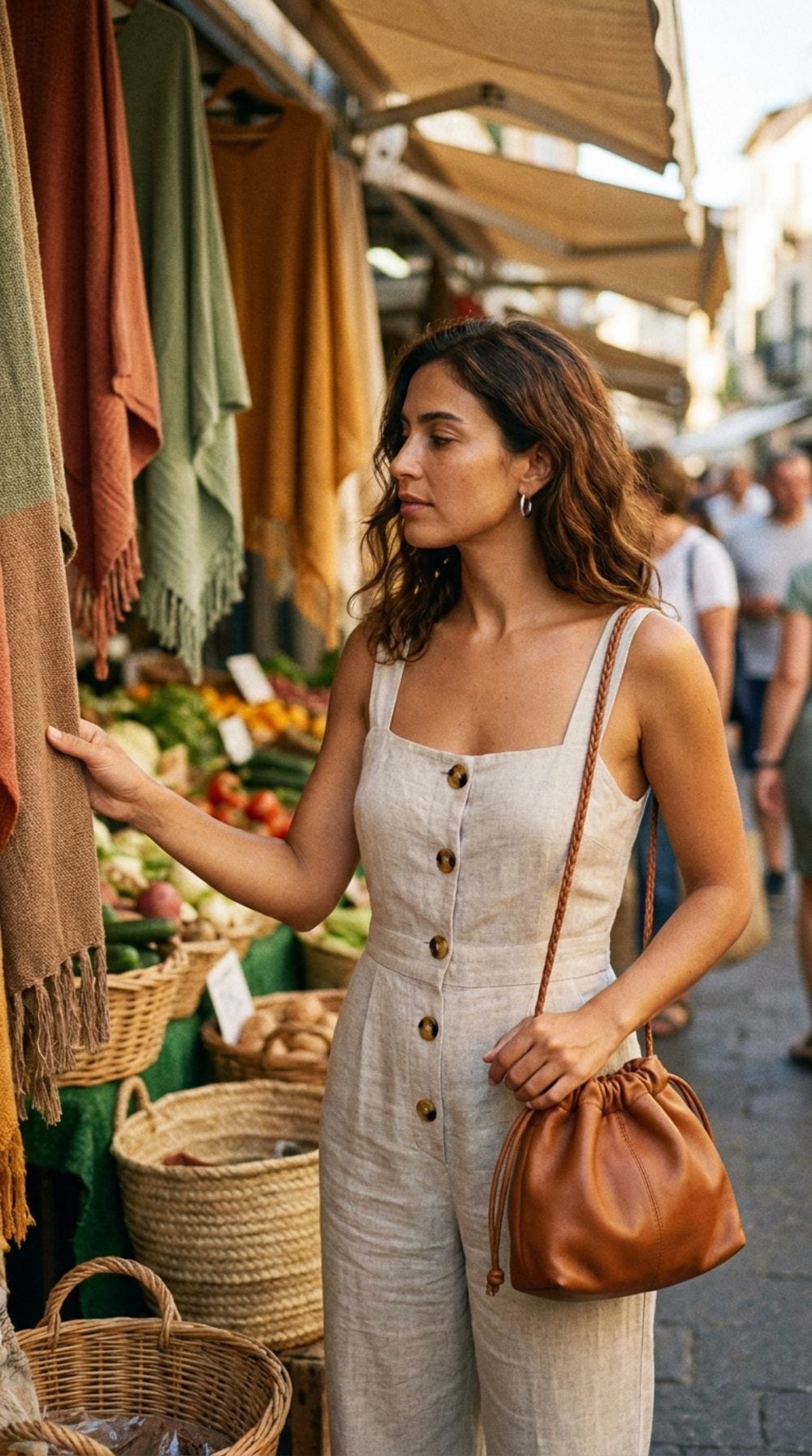
Bohemian without trying. The drawstring pouch belonged to women who had opinions about world music and cooked with actual herbs before that was a personality. Soft leather, unstructured, pulled tight at the top with a cord.
It slouched, and that was the appeal. In a decade obsessed with either structure or maximalism, this bag was quiet. It went with linen, with peasant blouses, with long tiered skirts, and it looked correct at farmers markets and art galleries alike.