❤️ Would you like to save this?
Before the smartphone swallowed everything, leaving the house required equipment. A flip phone with a satisfying snap. Lip gloss thick enough to survive a wind tunnel. Sunglasses that could conceal a minor celebrity scandal. And jeans cut so low that sitting down became a calculated risk.
The 2000s had a peculiar talent for making the impractical irresistible. Belts that held up nothing. Scarves that provided no warmth. Handbags too small for the essentials, and handbags so conspicuous they practically announced their own price. Getting dressed meant negotiating an elaborate agreement between glamour, discomfort, and whatever had appeared on MTV the previous night.
Then there were the rituals. Layering two camisoles to expose precisely an inch of lace. Tilting a trucker hat until the angle looked accidental. Loading an iPod, polishing a RAZR, and applying another coat of gloss before the first had dried. Some trends lasted a season. Others defined an entire generation’s photographs. All 39 belong to a decade that rarely knew when to stop accessorizing.
FYI, thanks to AI imagery software, we’re able to create very specific fashion and hairstyle examples to illustrate the points being made. In some cases, imagery is exaggerated to hammer home the point. Also, assume links that take you off the site are affiliate links such as links to Amazon. this means we may earn a commission if you buy something.
39. Ultra-Low-Rise Jeans With Tiny or Missing Front Pockets

The waistband headed south. The zipper practically disappeared. The front pockets became decorative suggestions, and the hems dragged across parking lots until they developed their own fringe. Denim had entered an era in which sitting down required considerably more planning than standing up.
Bootcut and flared legs balanced the abbreviated rise, particularly with a fitted baby tee and pointed heels. Pop stars, music videos, and denim advertising made the silhouette unavoidable. Low-rise jeans have returned in various forms since, but few revivals have matched the original decade’s determination to see just how low a waistband could go.
38. The Metallic Pink Motorola RAZR
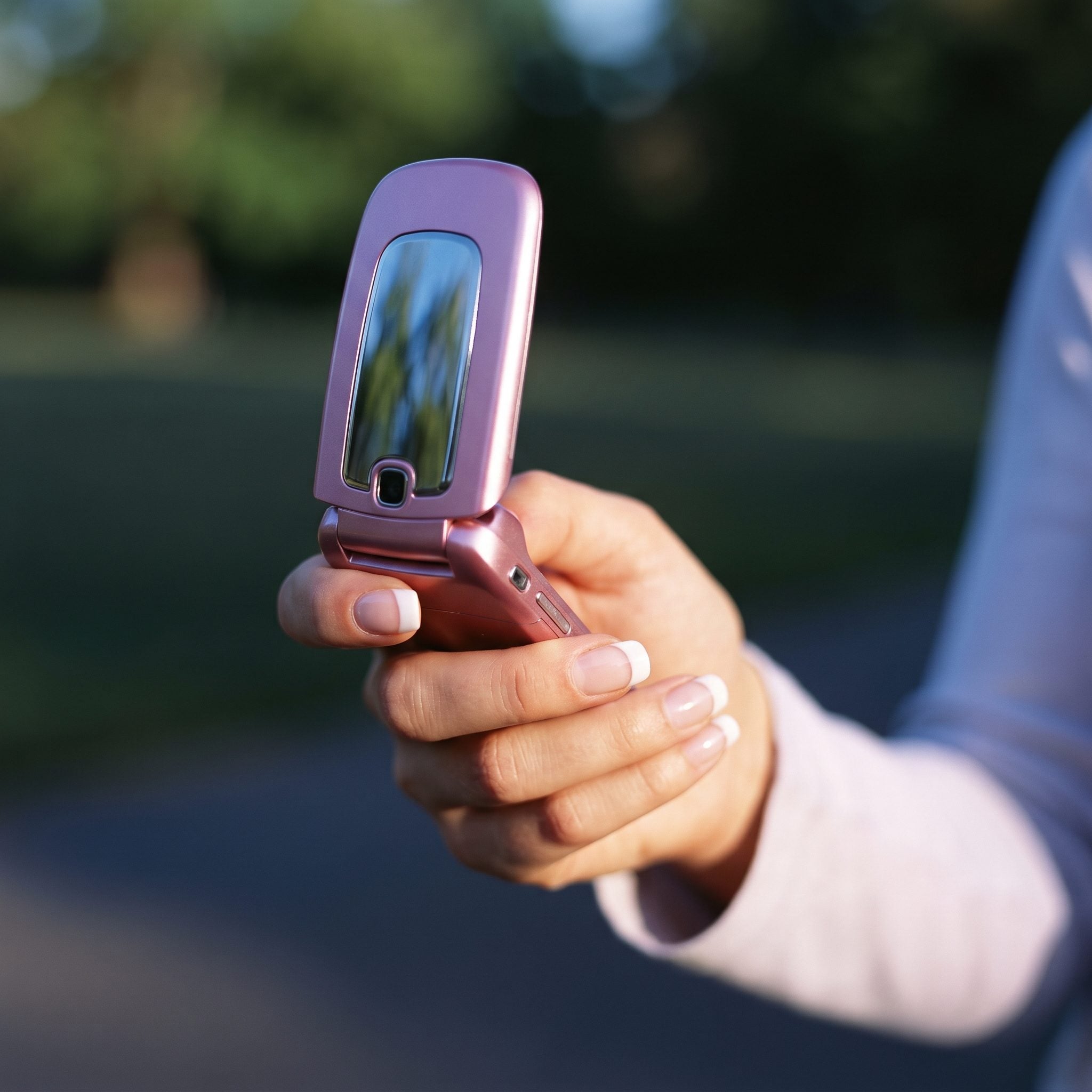
Closing a phone call had choreography. A sharp flick of the wrist, a satisfying snap, and the conversation was physically over. No touchscreen could deliver quite the same punctuation.
The metallic pink Motorola RAZR, introduced in 2005, made telecommunications look like a fashion accessory. Its slim aluminum body slipped into a tiny handbag, while the color demanded to be displayed on the restaurant table. Texting involved a numeric keypad, predictive text, and fingers trained to move at improbable speeds. The phone was beautiful, temperamental, and unmistakably of its time.
37. The Juicy Couture Velour Tracksuit in Every Color They Made
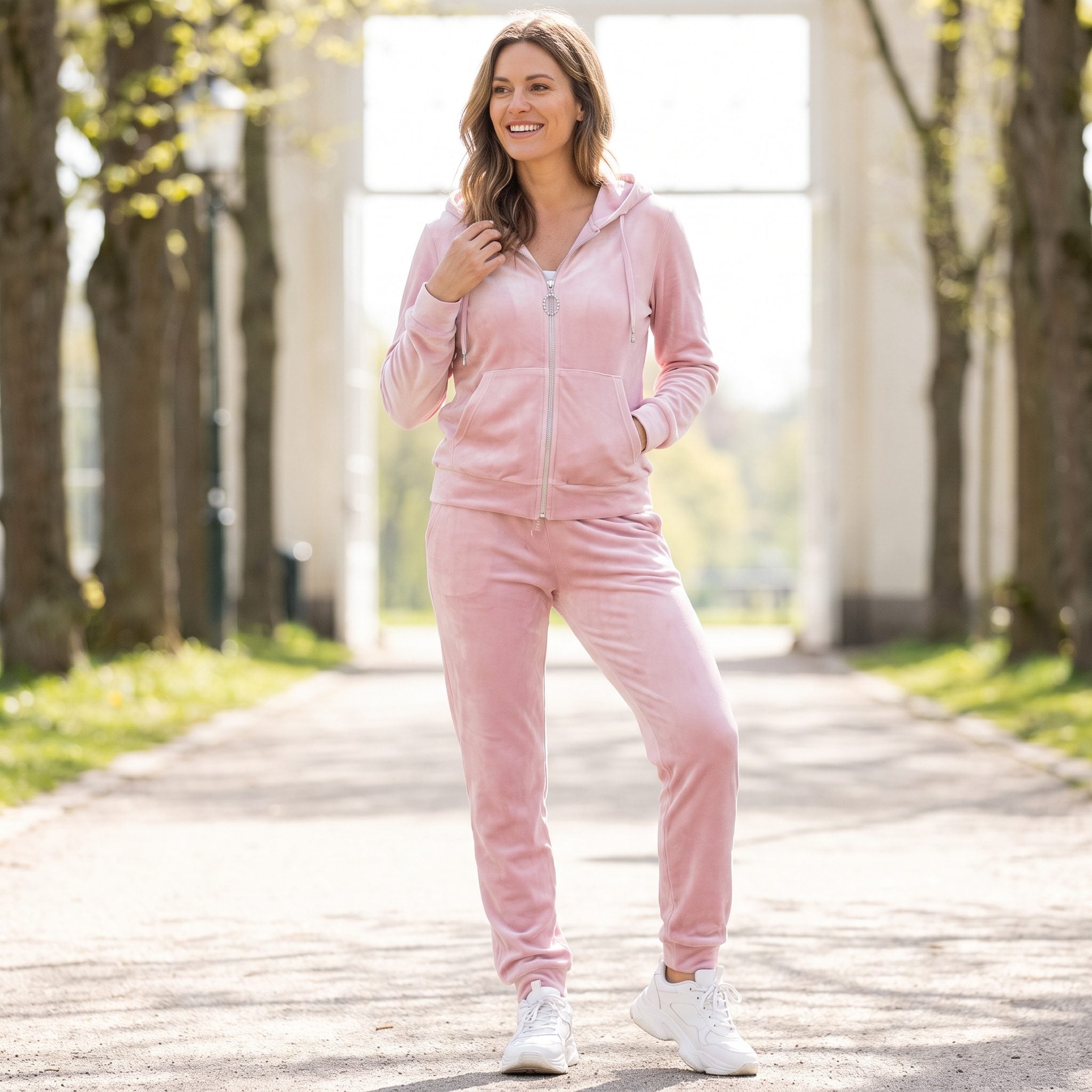
Few garments have traveled such a short distance from the sofa to the status symbol. Plush velour, matching zip-up hoodies, low-slung pants, and a rainbow of candy-colored options made Juicy Couture tracksuits the unlikely uniform of conspicuous leisure.
The genius was in the contradiction. Clothing that resembled pajamas carried designer prices and appeared in airports, restaurants, and celebrity photographs. Embellished lettering across the back of the pants removed any lingering possibility of understatement. Comfort had become a public performance, preferably in hot pink.
Loungewear priced like a night out, worn like armor. That contradiction was the entire appeal.
36. A Lancôme Juicy Tubes Gloss Living in Every Purse
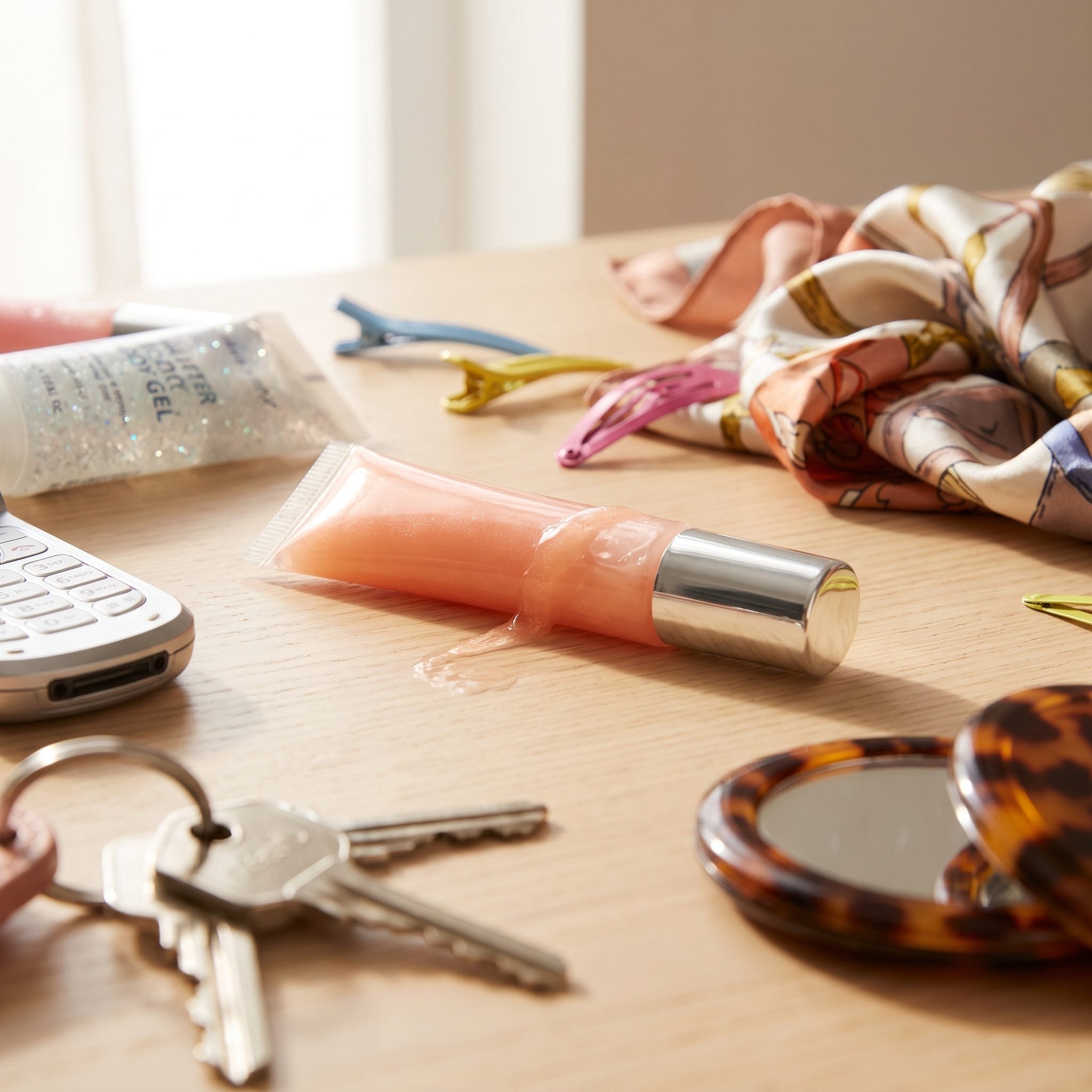
Shine came with consequences. One gust of wind and a freshly glossed mouth collected enough loose hair to require an extraction procedure. Nobody considered this a compelling argument against another application.
Lancôme Juicy Tubes arrived in 2000 and helped define the decade’s obsession with glossy lips. The squeeze tubes delivered translucent color, shimmer, and fruity sweetness without the commitment of lipstick. Clear, pink, or gold-flecked, the gloss traveled everywhere. A squeeze tube in the handbag was practically mandatory, even when the rest of the outfit demanded considerably more preparation.
35. A Click-Wheel iPod With White Earbuds
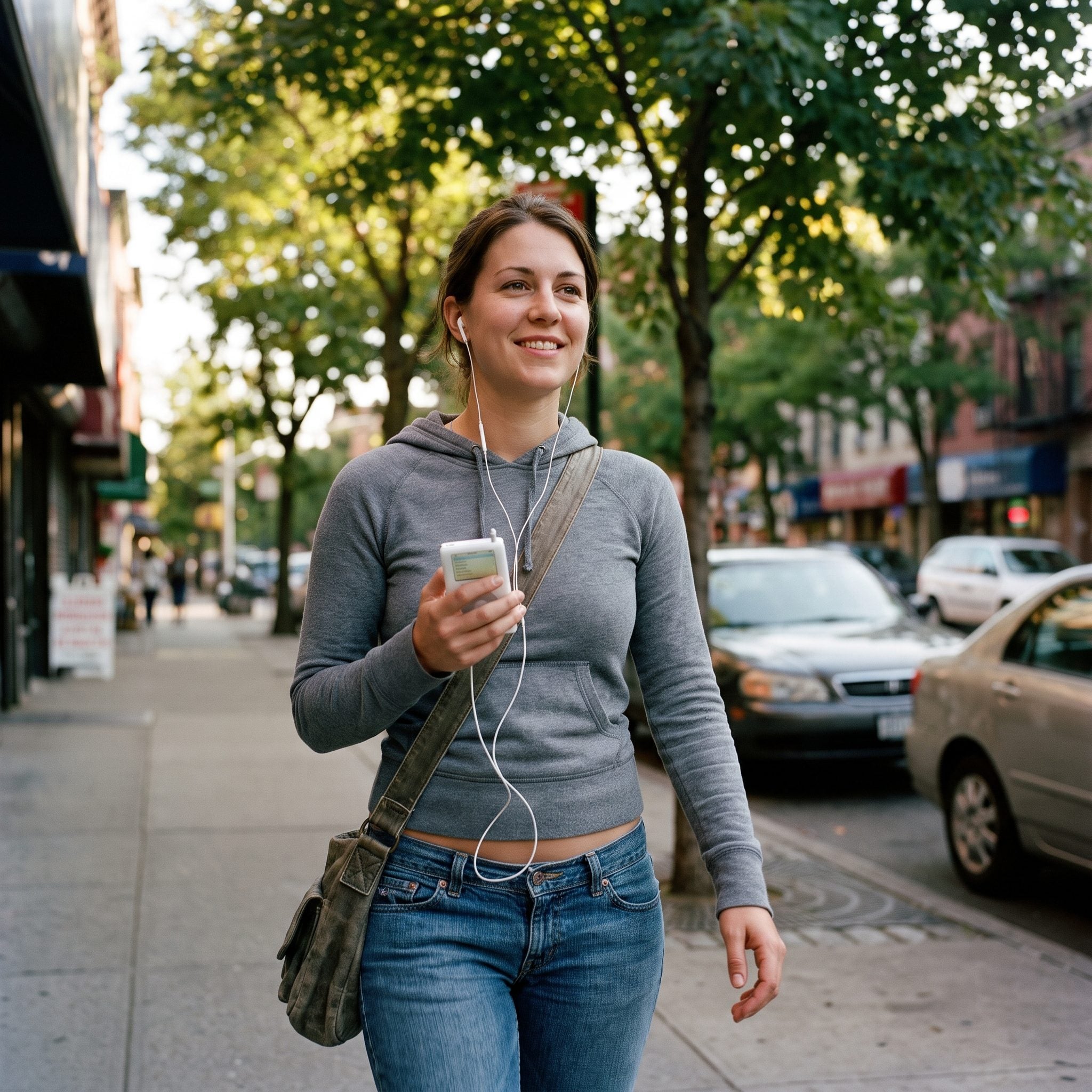
The white earbud cables were almost as recognizable as the music player itself. Against a dark jacket, they announced membership in the portable-music revolution before a single note reached the listener.
The click wheel made scrolling through an enormous music collection feel strangely physical. Thousands of songs could live in a pocket, assembled through hours of importing CDs and organizing playlists. Walking to class, waiting for a bus, or avoiding conversation suddenly came with a soundtrack. The wires tangled, the batteries eventually faded, and the music remained gloriously free of notifications.
34. A Rhinestone Buckle Belt You Never Actually Needed
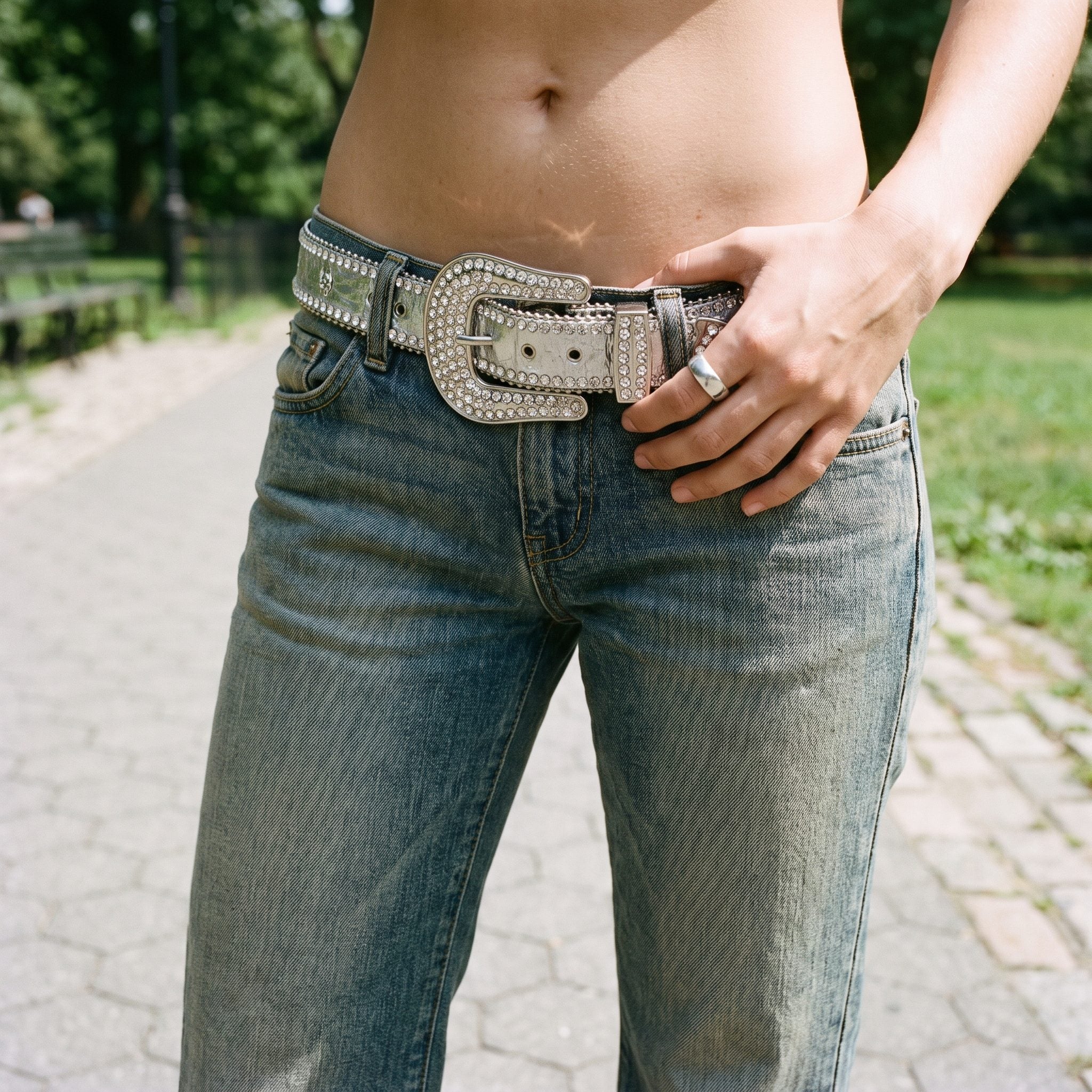
The buckle approached dinner-plate dimensions while the jeans it supposedly supported clung precariously to the hipbones. Engineering was beside the point. This was jewelry masquerading as a belt.
Worn low and loose, the rhinestone-encrusted hardware caught every available light and occasionally snagged a cardigan on the way past. Against faded denim and a fitted top, the oversized buckle gave an otherwise ordinary outfit the ambition of a music-video costume. Rhinestones weren’t an afterthought. They were the entire argument.
33. Oversized Gradient Sunglasses That Covered Half Your Face
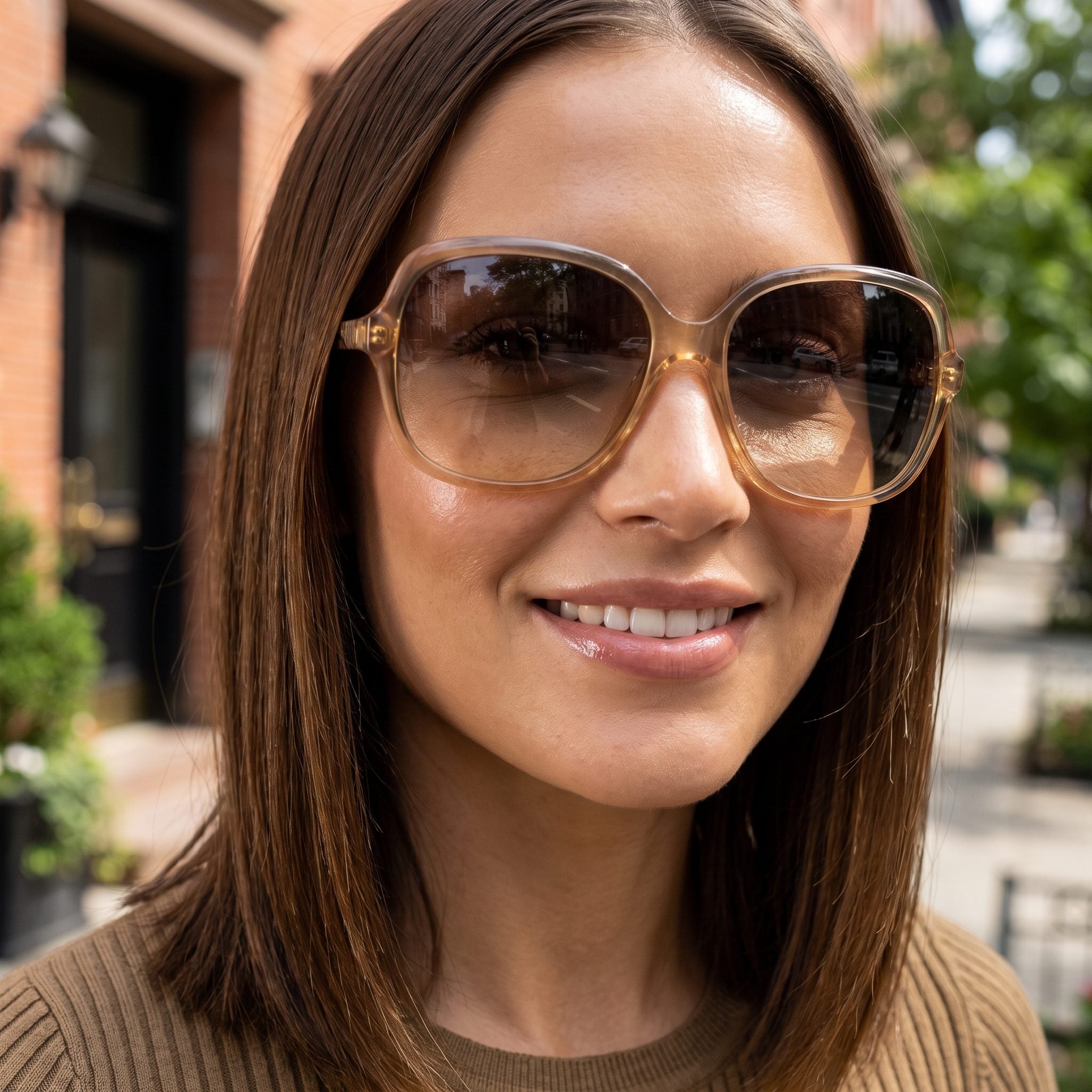
The lenses began somewhere near the eyebrows and ended perilously close to the cheekbones. Gradient tinting supplied a glamorous fade from dark to light, while the enormous frames offered the tantalizing possibility of going unrecognized in public.
They were perfect for the decade’s fascination with celebrity anonymity, an idea somewhat undermined by wearing the largest sunglasses in the building. A pharmacy errand became an entrance. A messy hair day became mysterious. The oversized silhouette could dominate an outfit without requiring anything more complicated than a white tee and a handbag.
32. Layered Lace-Trim Camisoles in Contrasting Colors
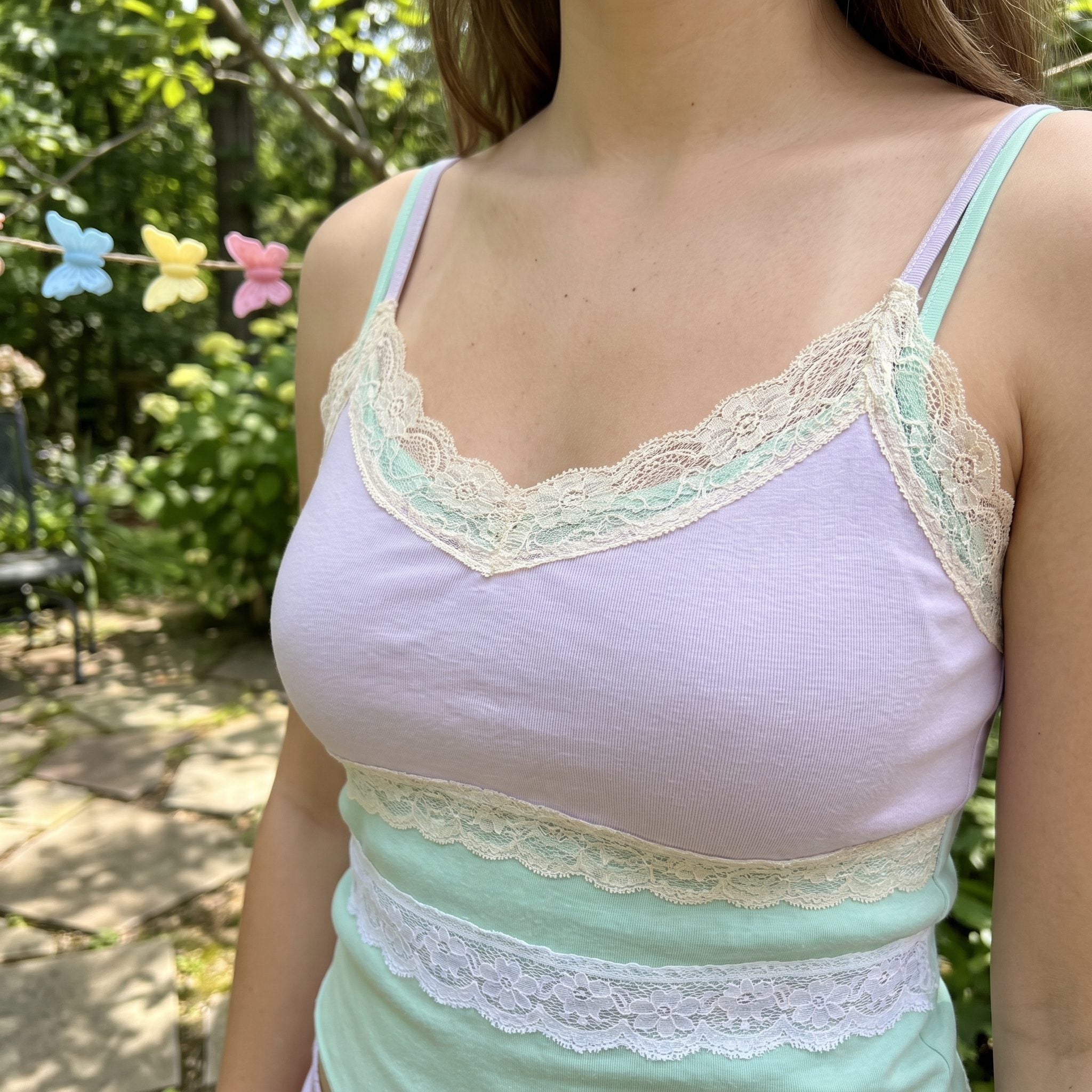
One camisole was clothing. Two camisoles were styling. The trick was to choose contrasting colors, arrange the straps, and expose precisely enough lace from the lower layer to prove the whole operation had been intentional.
Stretch cotton, delicate trim, and scalloped hems made the combination inexpensive and endlessly adaptable. Pink over white, turquoise beneath brown, black under almost anything. The layered cami could accompany low-rise jeans, cargo capris, or a denim skirt. Two inexpensive tops, four visible straps, and a wardrobe that somehow looked unfinished without both.
31. The Tiffany Heart-Tag Bracelet Everyone Recognized
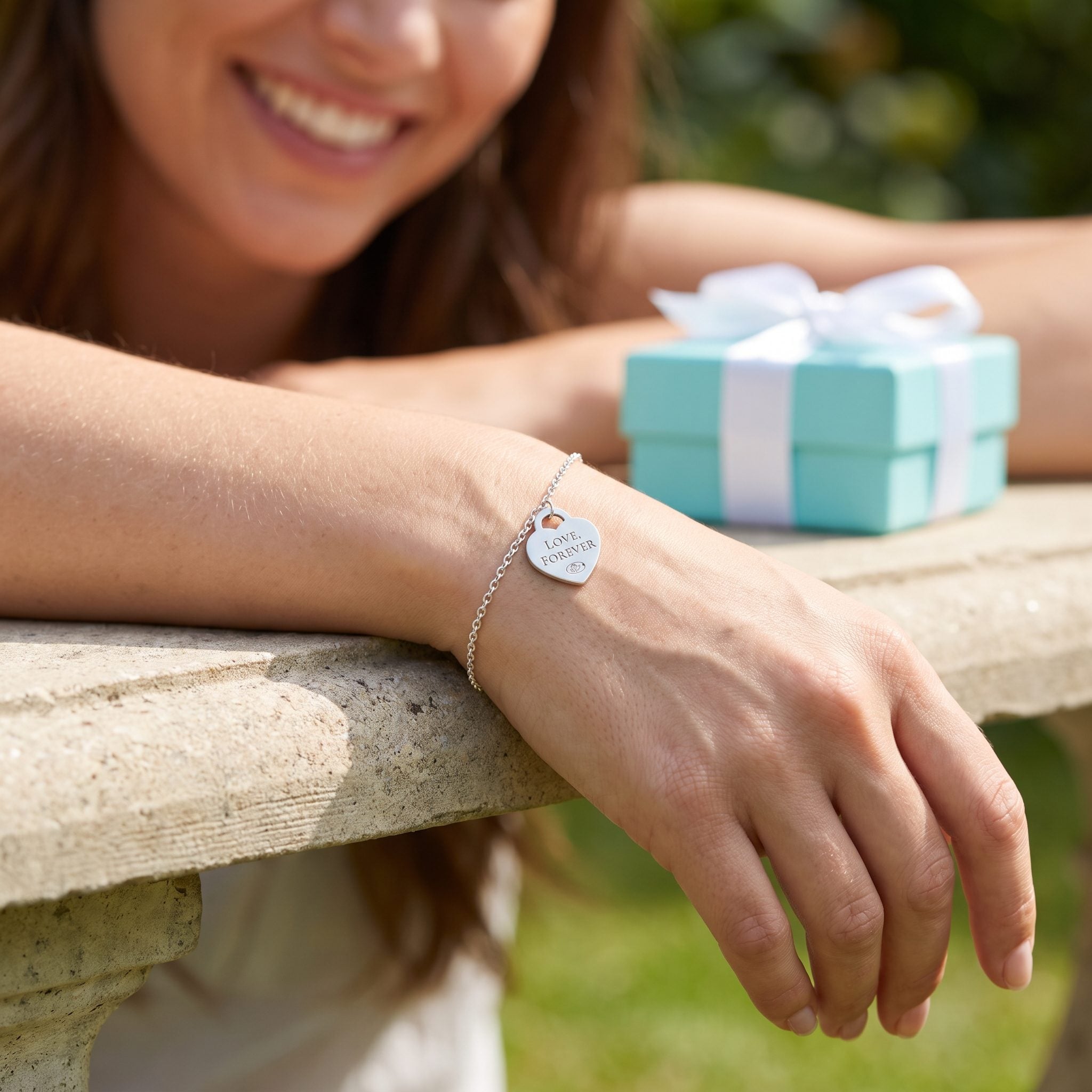
The chain had weight. The heart-shaped tag swung against the wrist. And the little blue box was almost as important as the jewelry inside it.
Tiffany’s Return to Tiffany heart-tag bracelet became an instantly recognizable accessory during the decade. Its polished sterling silver offered a comparatively restrained alternative to rhinestones, colored plastic, and oversized logos. The design was simple enough for everyday wear but conspicuous enough to communicate the brand. One dangling heart accomplished what a much louder accessory might have struggled to achieve.
30. A Handkerchief-Hem Halter Top for Every Going-Out Night
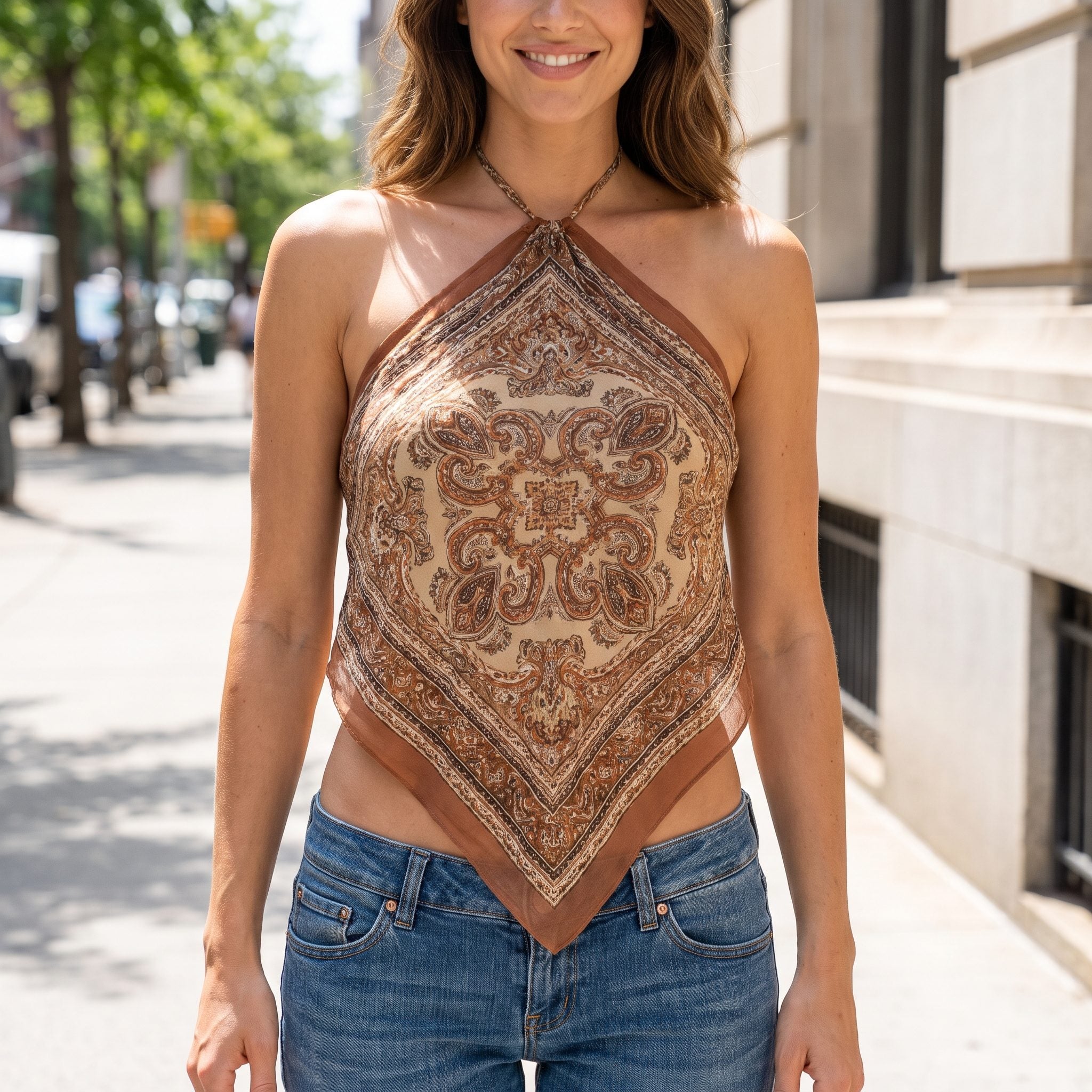
The pointed hem dipped toward the waistband, creating a dramatic triangle of fabric above low-rise jeans. Tie the straps behind the neck, expose the back, and the outfit had already made its intentions clear.
Satin and stretchy mesh gave these tops movement under nightclub lighting, while the asymmetric hem made even plain denim feel dressed for an occasion. The silhouette was unapologetically theatrical. Among the decade’s going-out outfits, few could transform ordinary jeans quite so quickly.
29. The T-Mobile Sidekick That Swiveled Open
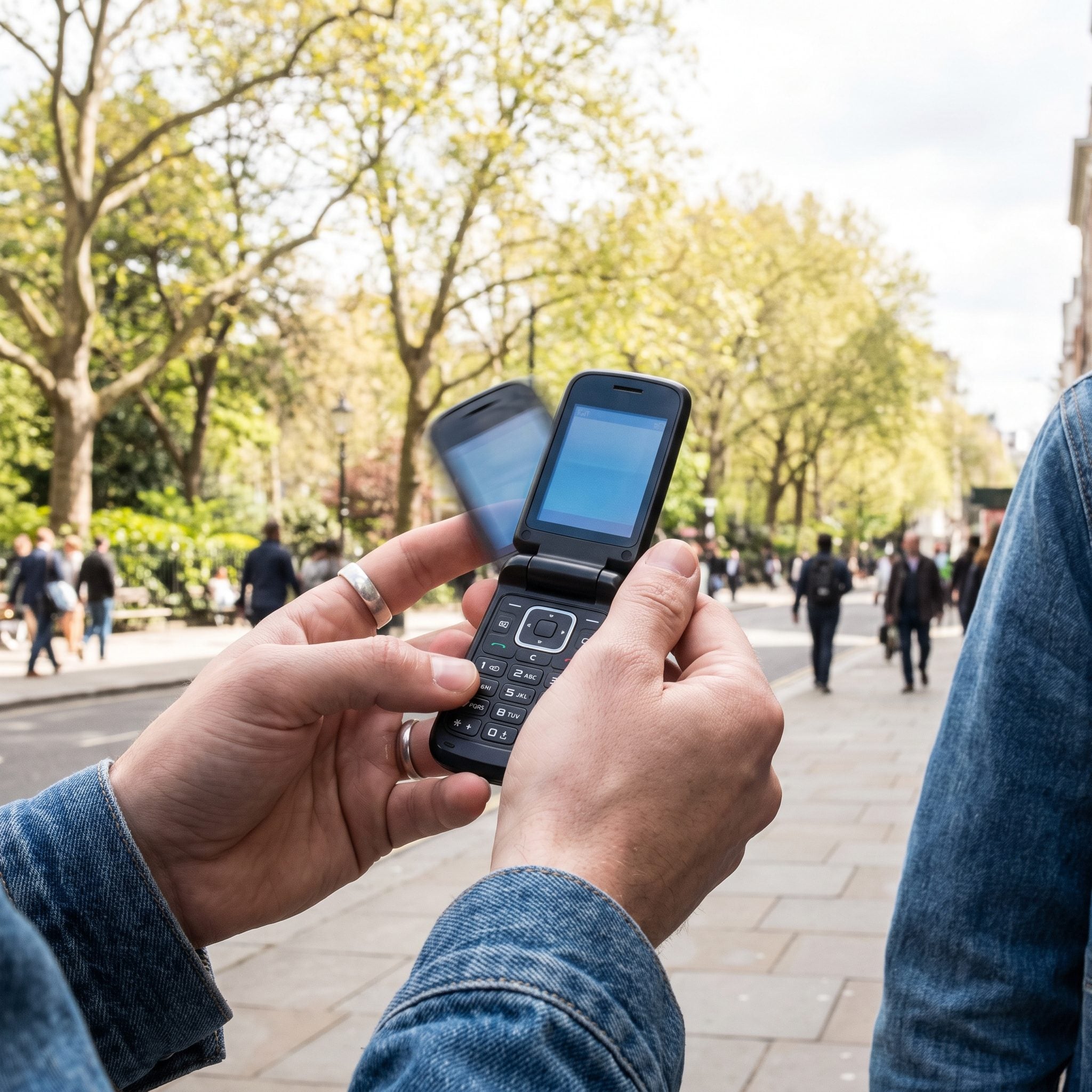
The screen swiveled open with a flourish, revealing a full keyboard that made ordinary texting feel like operating specialized equipment. The Sidekick was less discreet than a conventional flip phone, and considerably more entertaining to use.
Its appeal lay in messaging, mobile internet access, and a design that looked unmistakably different from the competition. Popular with celebrities and enthusiastic texters, the Sidekick turned a pocket-sized device into a miniature communications headquarters. A message could be composed with both thumbs while the screen sat proudly exposed above the keys.
28. A Cropped Denim Bolero Worn Over Everything
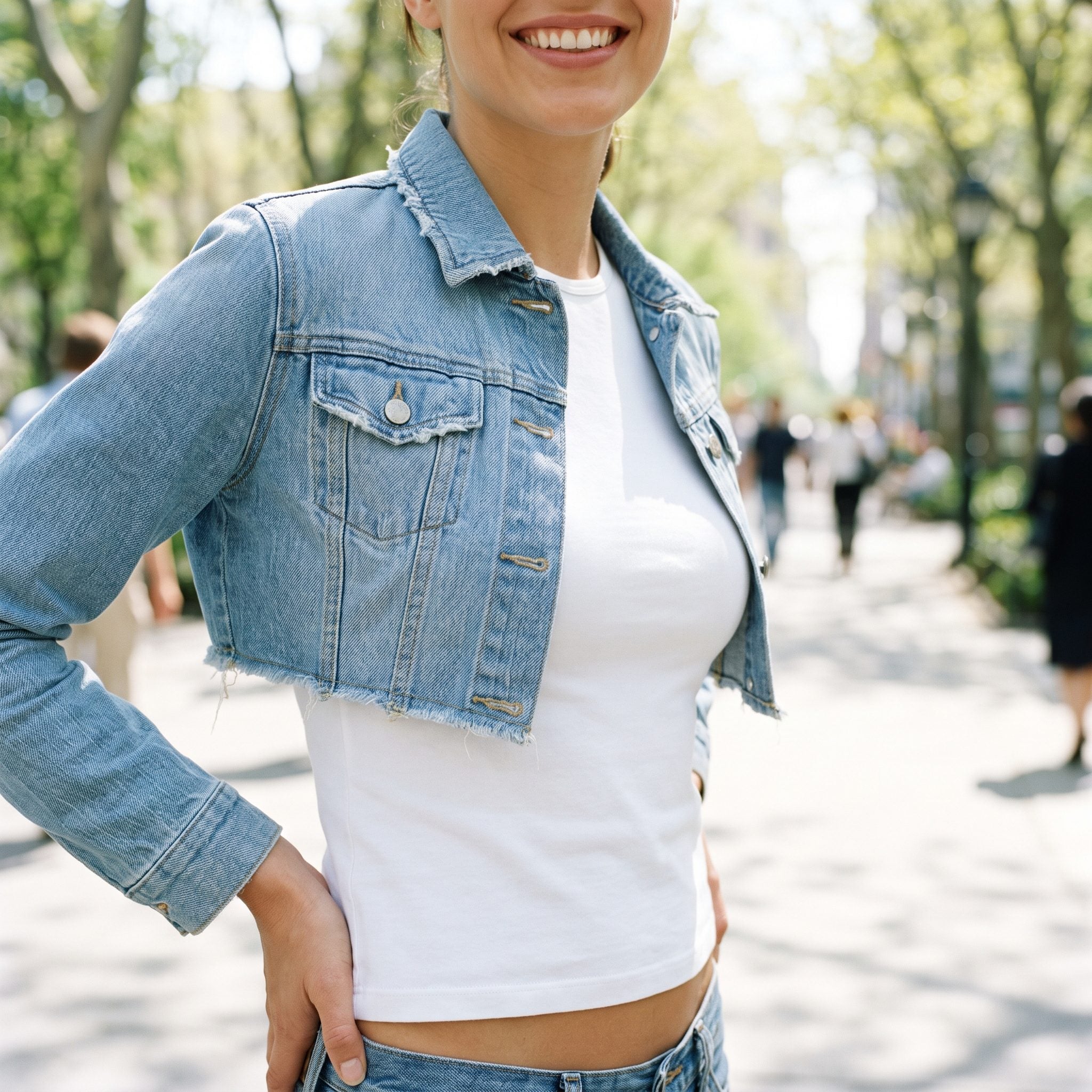
A denim jacket cut so short it could barely qualify as outerwear. The sleeves and shoulders remained; most of the torso had apparently been dismissed for budgetary reasons.
Over a long camisole or slip dress, the abbreviated jacket created a sharp break between fitted denim and flowing fabric. Raw hems, faded washes, and snug sleeves made the bolero feel casual even when the rest of the outfit was carefully assembled. The style was less about warmth than giving a sleeveless look a little structure without concealing it.
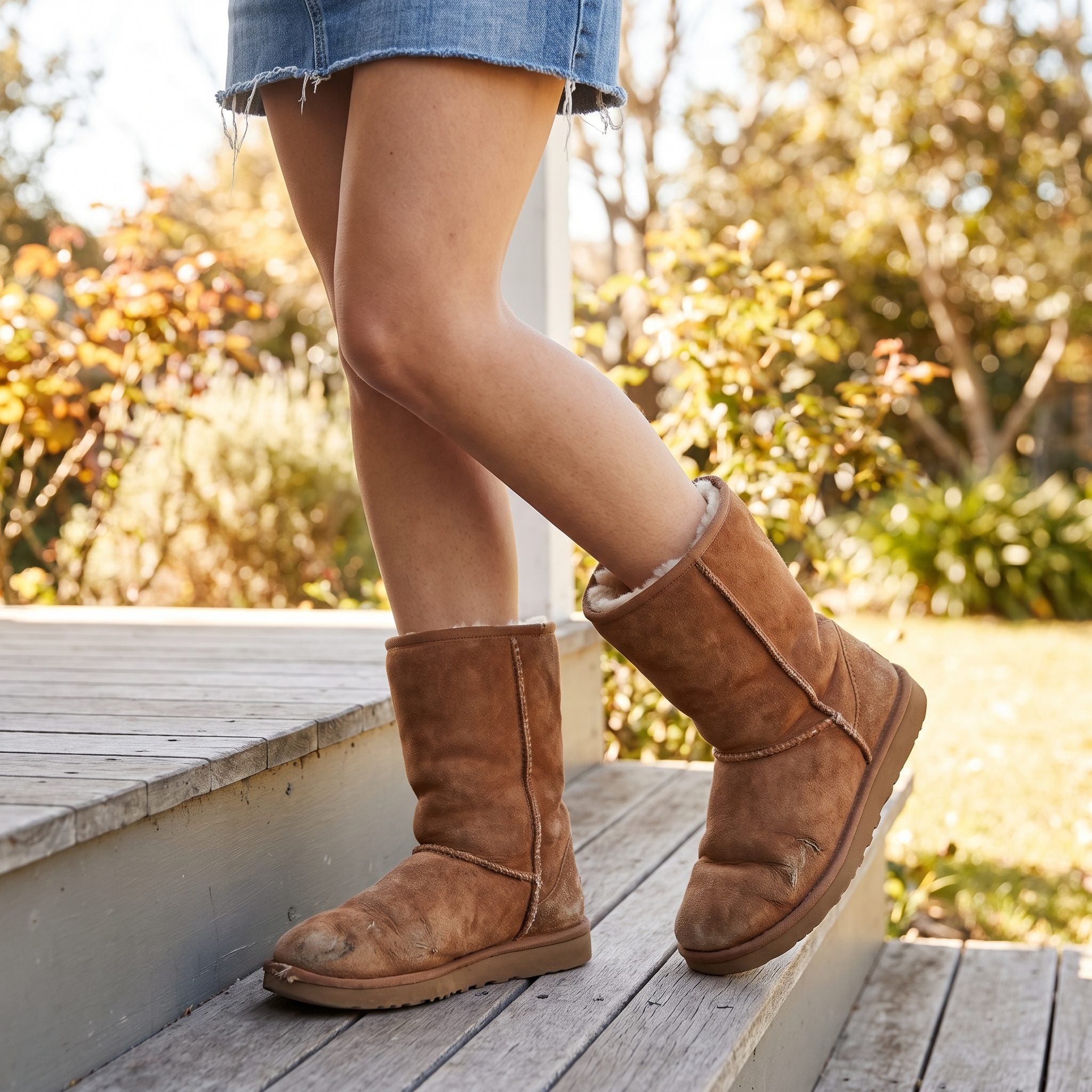
27. Classic Chestnut UGG Boots, Bare Legs Optional
❤️ Would you like to save this?
Sheepskin boots met denim miniskirts, bare legs, and weather conditions that made the combination difficult to explain. The contrast became a signature: cozy feet, exposed knees, and complete indifference to conventional seasonal dressing.
Chestnut UGGs were especially recognizable, their rounded toes and soft suede uppers offering a deliberate alternative to sharp heels and structured boots. The style also appeared with leggings and velour tracksuits. Comfort was a genuine advantage, but the boots’ celebrity associations transformed that practicality into a fashion statement.
26. A Fitted Polo With the Collar Popped on Purpose
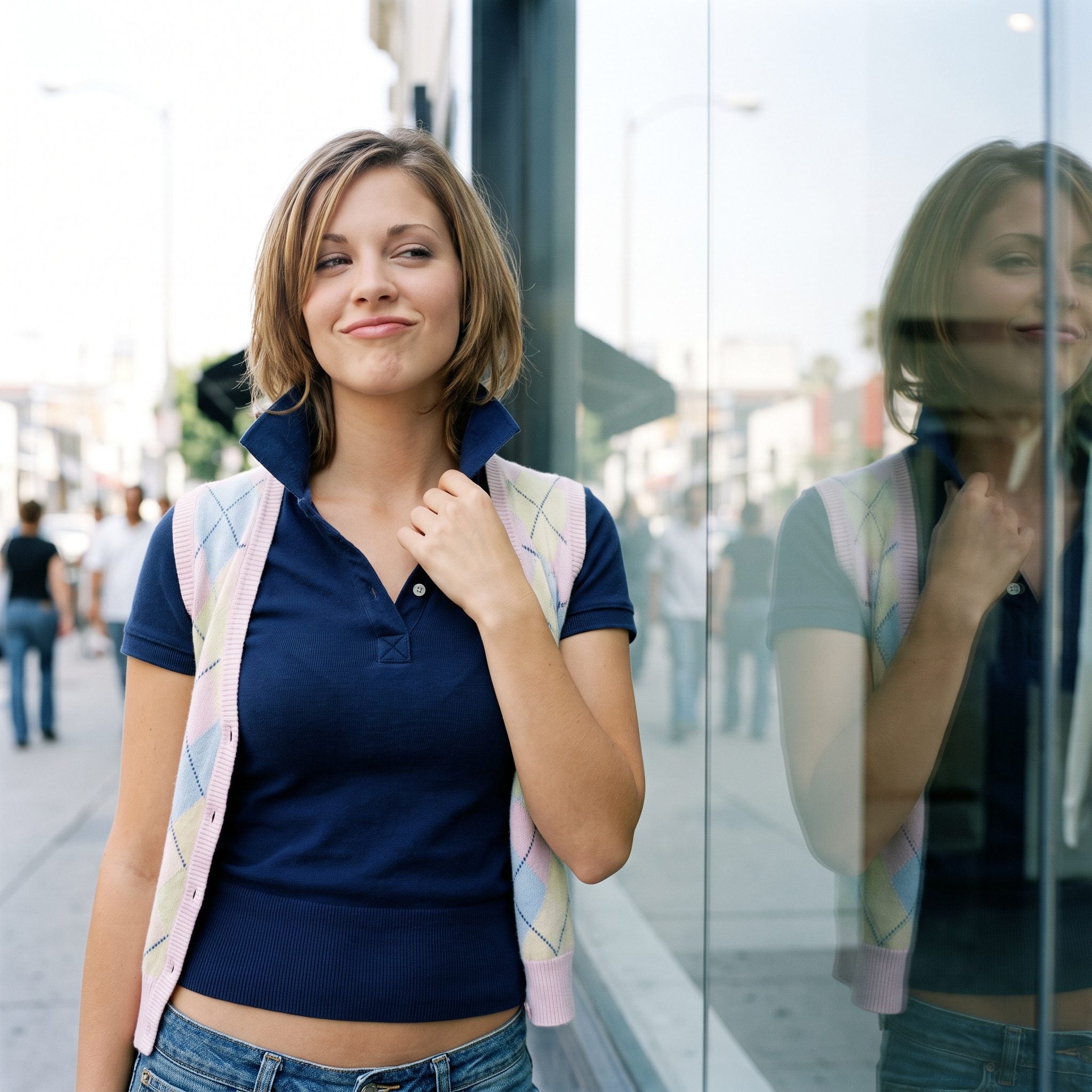
The collar did not stand up by accident. It required lifting, smoothing, and occasional inspection in reflective storefront glass. Wearing two polos at once, with both collars raised, took the idea to its natural and faintly ridiculous conclusion.
Bright piqué cotton, fitted silhouettes, and embroidered chest logos gave the look its preppy mall identity. Pastel colors were especially popular, often paired with denim skirts or low-rise jeans. The popped collar borrowed a sporting detail and promoted it to the most important part of the shirt.
25. The Louis Vuitton Multicolore Monogram Bag Everyone Recognized
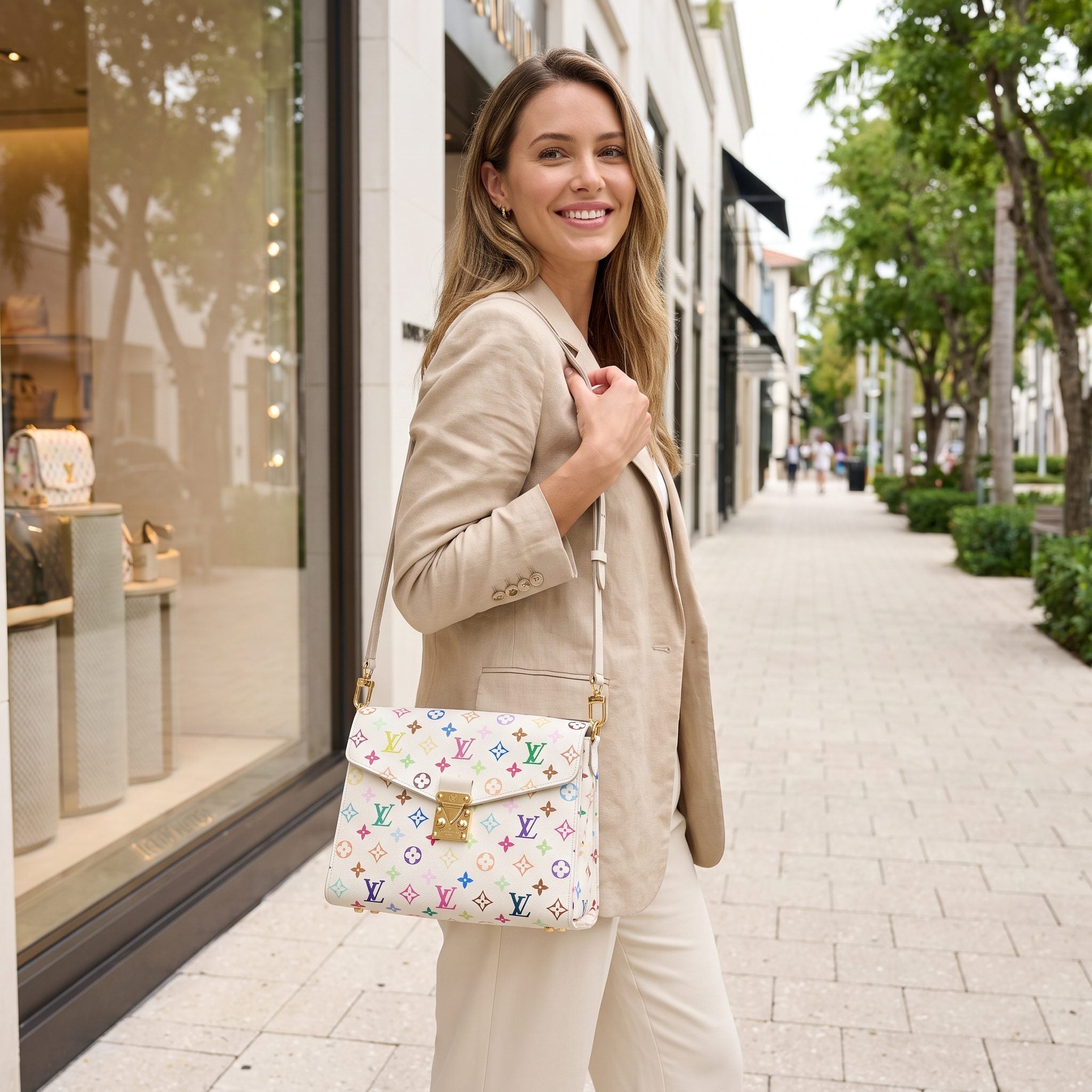
Louis Vuitton’s Multicolore Monogram scattered bright initials and floral symbols across a white or black canvas. Designed in collaboration with artist Takashi Murakami and introduced in 2003, the collection was impossible to mistake for a quiet exercise in luxury.
The bags became closely associated with the decade’s celebrity culture and appetite for visible designer labels. Against black trousers and a simple top, the multicolored canvas supplied enough visual activity for an entire wardrobe. Its influence also encouraged a flourishing market in imitations. The message was unmistakable: the handbag was not interested in blending in.
24. Low-Rise Cargo Capris
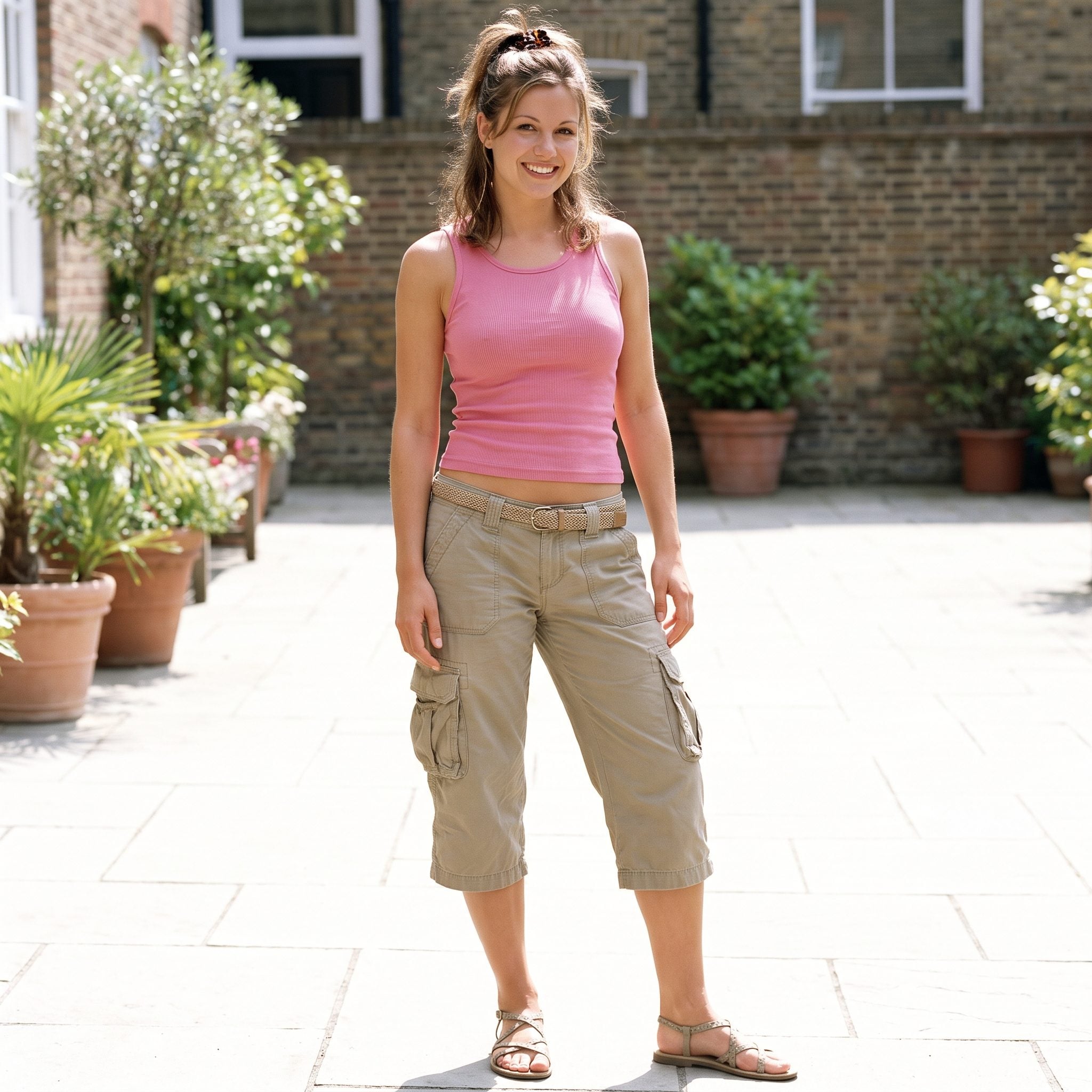
Pockets multiplied along the thighs. Drawstrings gathered around the calves. The waistband remained somewhere south of the natural waist. Cargo capris looked prepared for an expedition, although the day’s itinerary was more likely to involve a movie theater and a stop at Blockbuster.
Paired with ribbed tanks and flip-flops, the cropped utility pants gave weekend outfits a relaxed, slightly sporty edge. Their bulkier pockets contrasted with fitted tops, while the shortened leg kept the silhouette casual. Function inspired the design, even when the pockets spent their lives carrying absolutely nothing.
23. A Coach Signature Wristlet
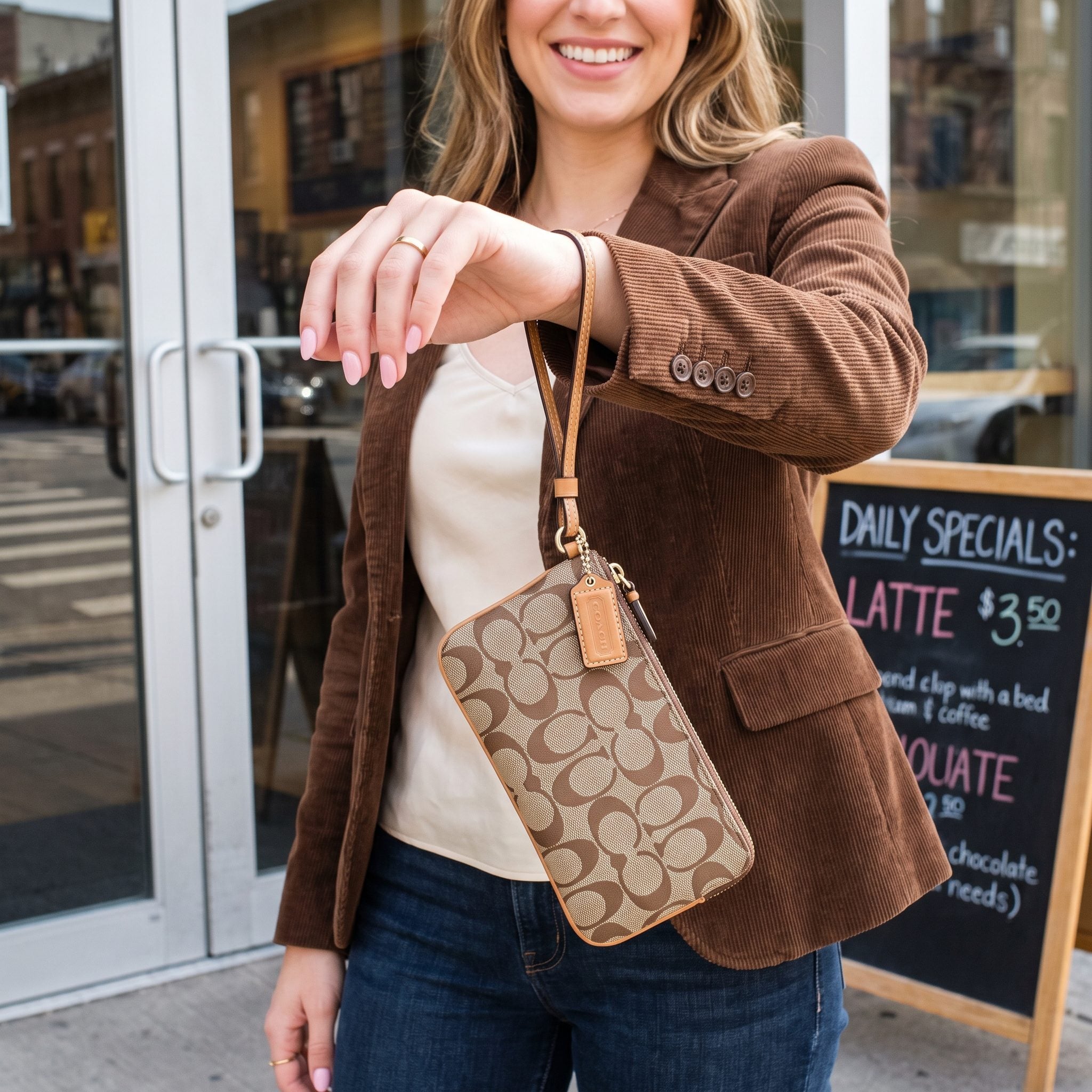
A lip gloss, a debit card, an ID, and perhaps a folded bill. The Coach wristlet was an exercise in ruthless editing, with a small strap that slipped around the wrist and left both hands free.
The Signature collection’s repeating monogram made the compact pouch instantly identifiable. For shoppers not ready to buy a larger designer handbag, a wristlet offered an accessible introduction to the brand. Beige-and-brown canvas, leather trim, and a recognizable logo delivered considerable status per square inch.
22. A Crocheted Poncho
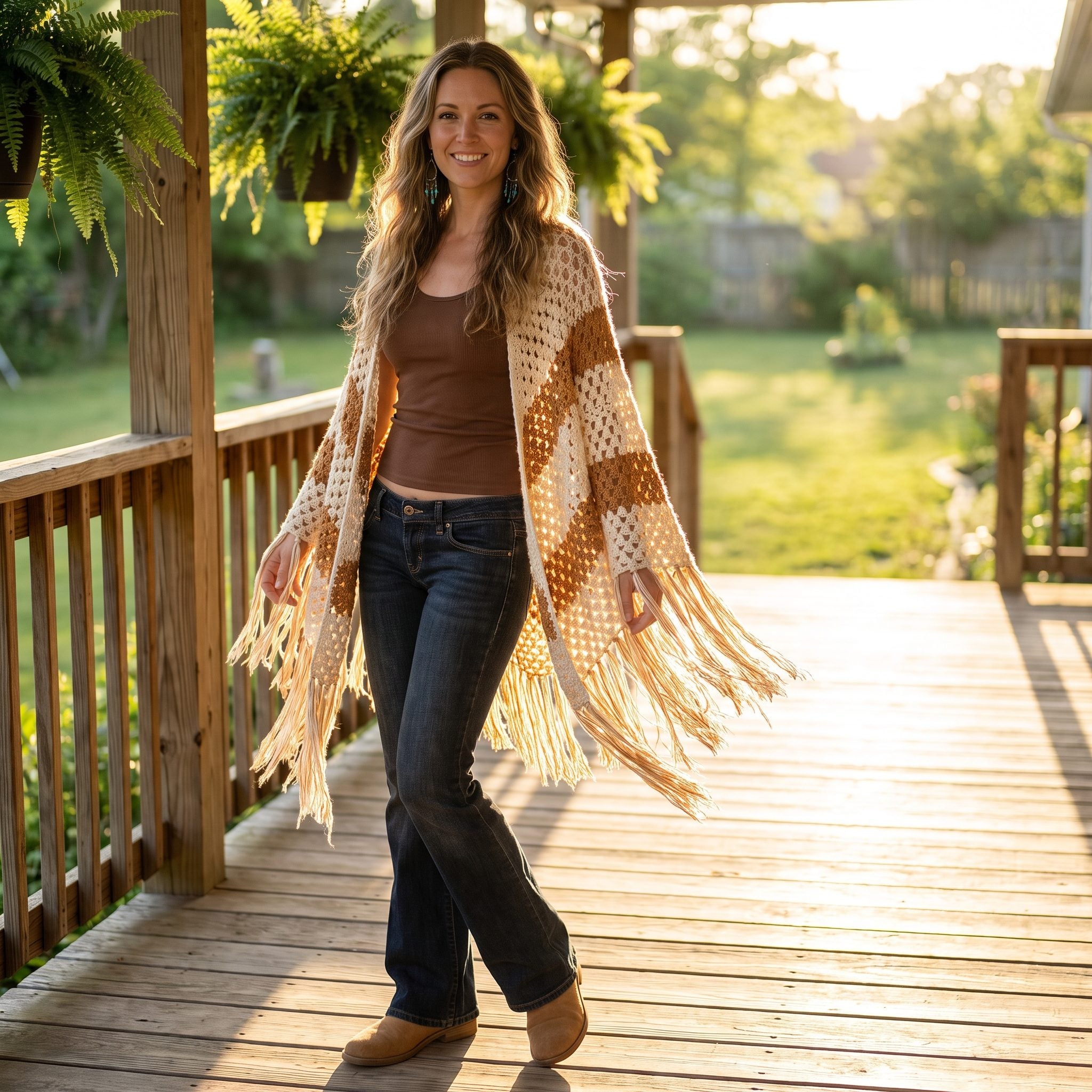
Openwork crochet, swinging fringe, and enough gaps to make its value as outerwear highly questionable. The poncho arrived as part of the decade’s bohemian revival, transforming a plain tank top into something considerably more theatrical.
Worn over fitted denim, the loose triangular silhouette introduced texture and movement without the structure of a jacket. Beaded details, earthy colors, and handmade-looking finishes reinforced the festival-inspired aesthetic associated with mid-2000s celebrity fashion. The poncho was rarely the most practical garment in the closet, but practicality was never its strongest argument.
21. A Silver Compact Digital Camera
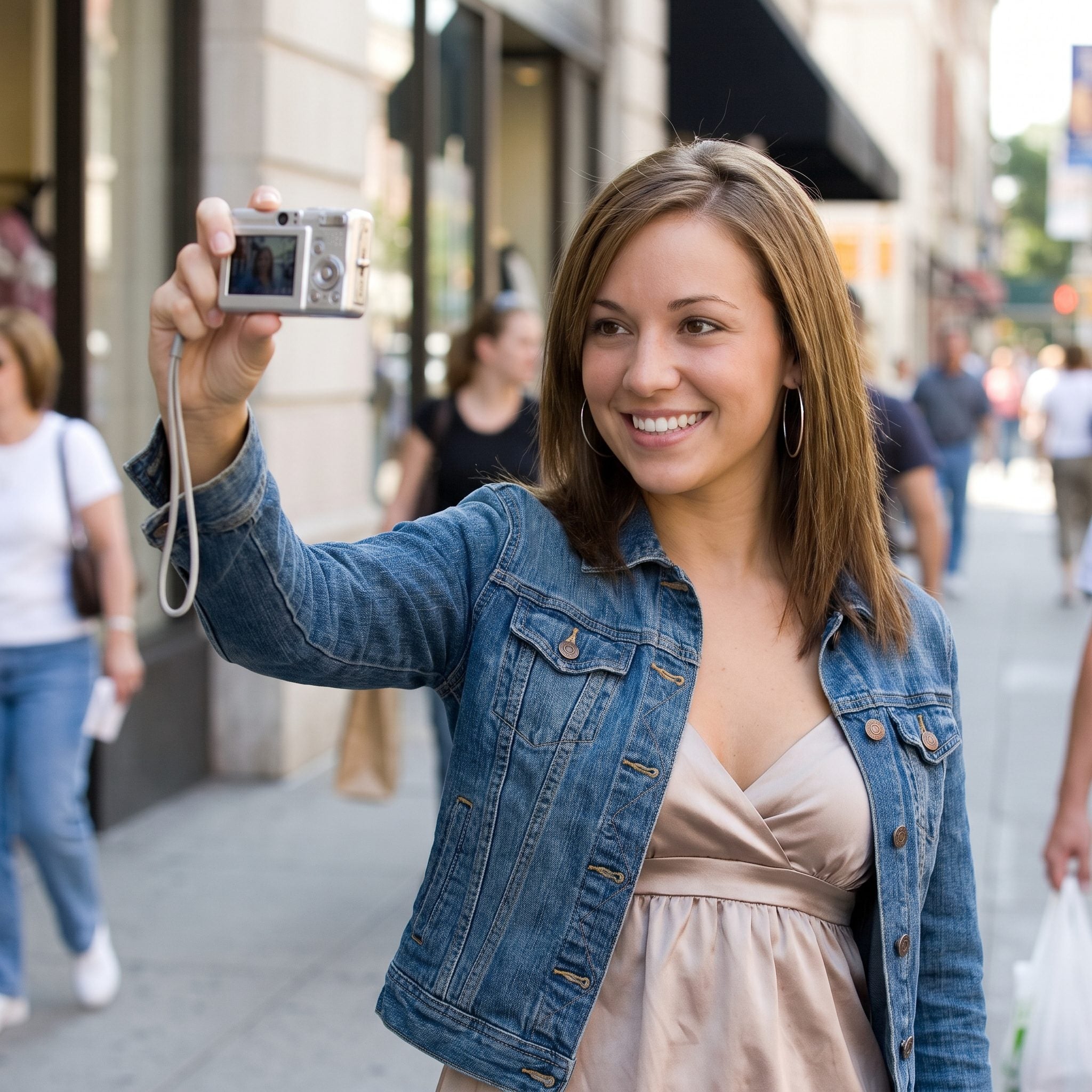
Every night out needed documentation, and the little silver camera usually lived beside the lip gloss at the bottom of a handbag. Its wrist strap dangled unused while the photographer held the camera at arm’s length and hoped everyone fitted into the frame.
Tiny screens turned reviewing pictures into a group activity. Direct flash bleached faces, dark backgrounds swallowed details, and red-eye correction became an essential skill. Memory cards filled, batteries died, and the best photographs often survived only after being transferred to a computer. The results were imperfect, spontaneous, and wonderfully different from today’s endlessly processed phone pictures.
20. A Satin Corset-Style Going-Out Top
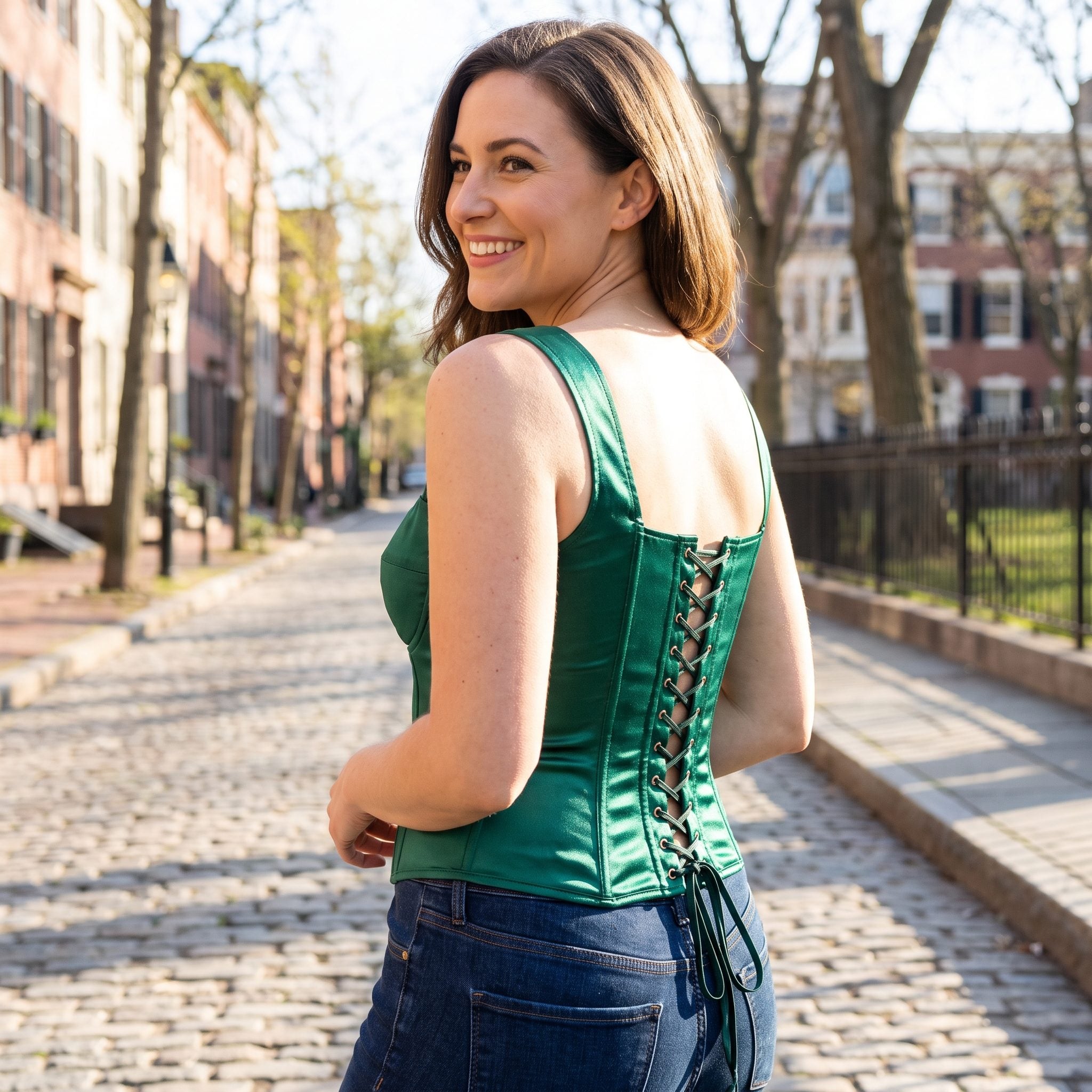
A pair of jeans became eveningwear the moment a structured satin corset entered the arrangement. Boning, fitted seams, and occasional lace-up backs brought lingerie-inspired construction into the nightclub wardrobe.
The contrast was deliberate: polished satin above, faded denim below. Jewel tones and black were especially effective, giving the top enough presence to carry the outfit without elaborate accessories. The corset’s fitted shape offered a very different silhouette from the decade’s loose babydoll styles. The two extremes help explain the astonishing range of women’s going-out fashion during the 2000s.
19. The Decorative Disc-Link Hip Belt That Held Up Nothing
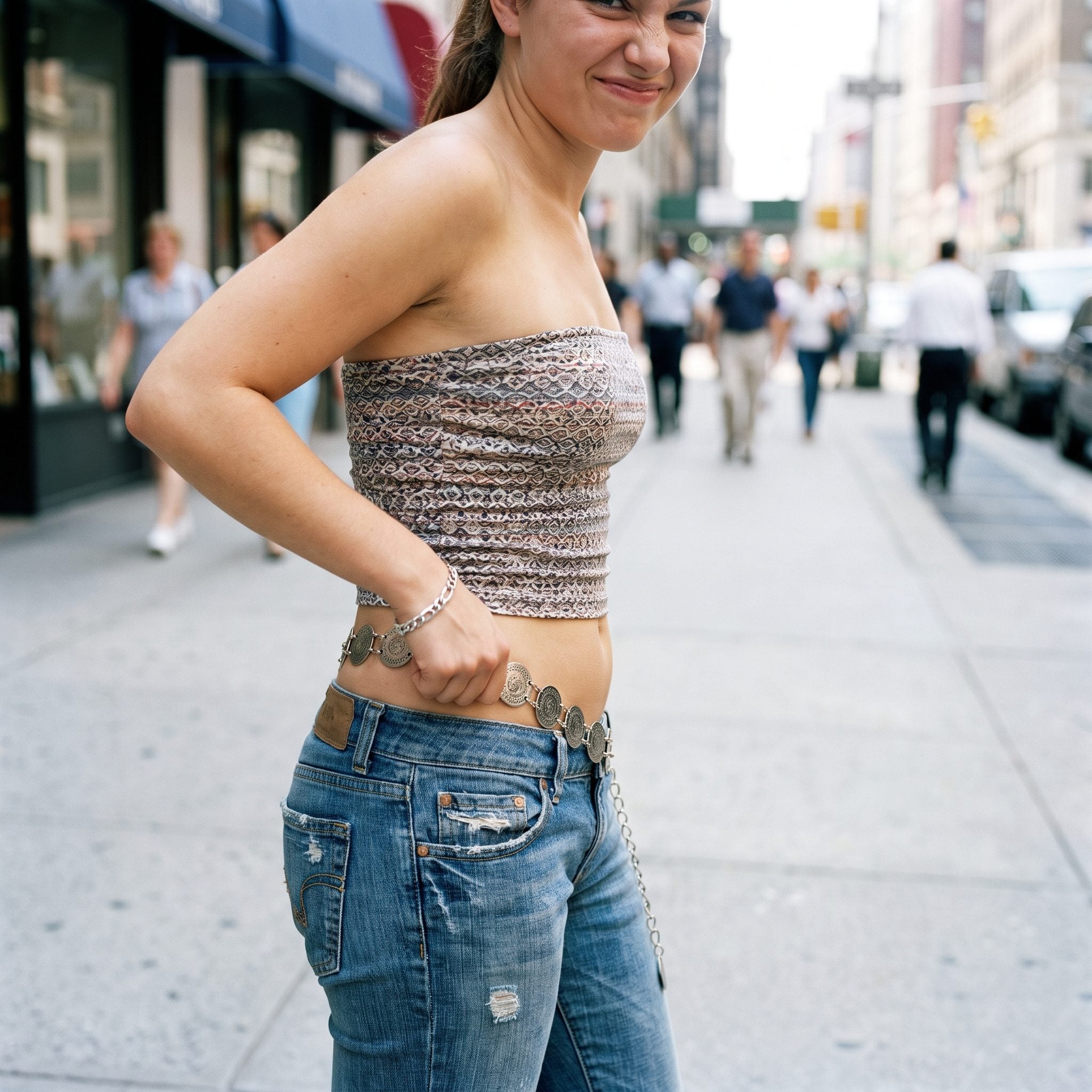
Metal discs draped across the hips, shifting position with every step and occasionally demanding adjustment. Unlike a conventional leather belt, this one made no convincing attempt to support a waistband. Its purpose was movement, shine, and a decorative line across the body.
Hammered metal links worked particularly well over tunics and loose tops, adding weight and texture to otherwise soft fabrics. The look drew from bohemian and belly-dance-inspired styling, giving the low-slung waistline another way to attract attention without relying on rhinestones.
18. A Fitted Newsboy Cap Over Loose Waves
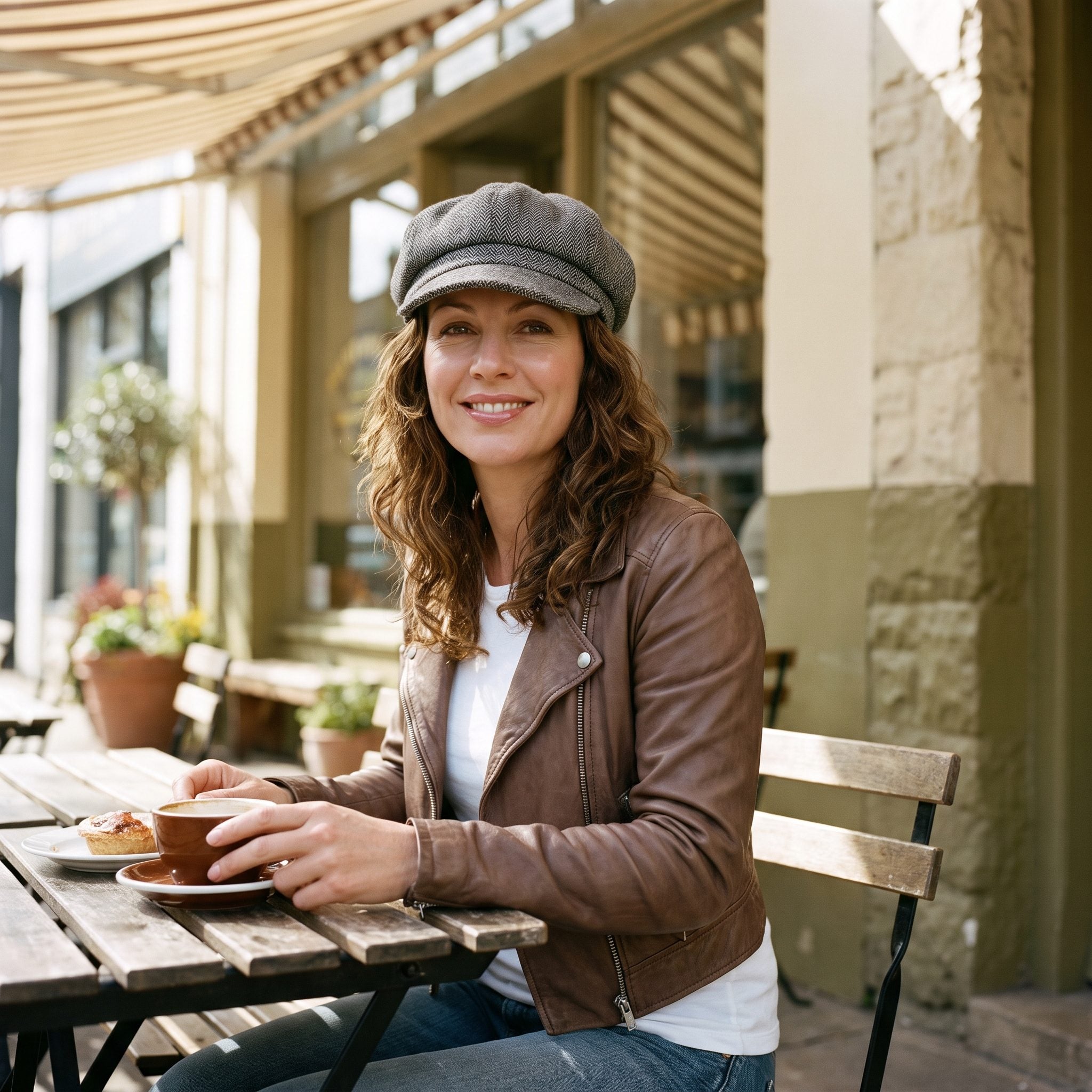
A rounded crown, short brim, and a deliberately low fit gave the newsboy cap its borrowed-from-the-boys character. Loose waves spilling from beneath it softened the silhouette, making the cap feel less like workwear and more like a carefully chosen finishing touch.
Denim jackets, fitted tees, and casual trousers provided a natural setting. The style offered an alternative to baseball caps and trucker hats, with a slightly vintage quality that suited the decade’s appetite for mixing references. The cap was small, but its effect on the outfit was immediate.
17. A Rhinestone-Embellished Graphic Tee
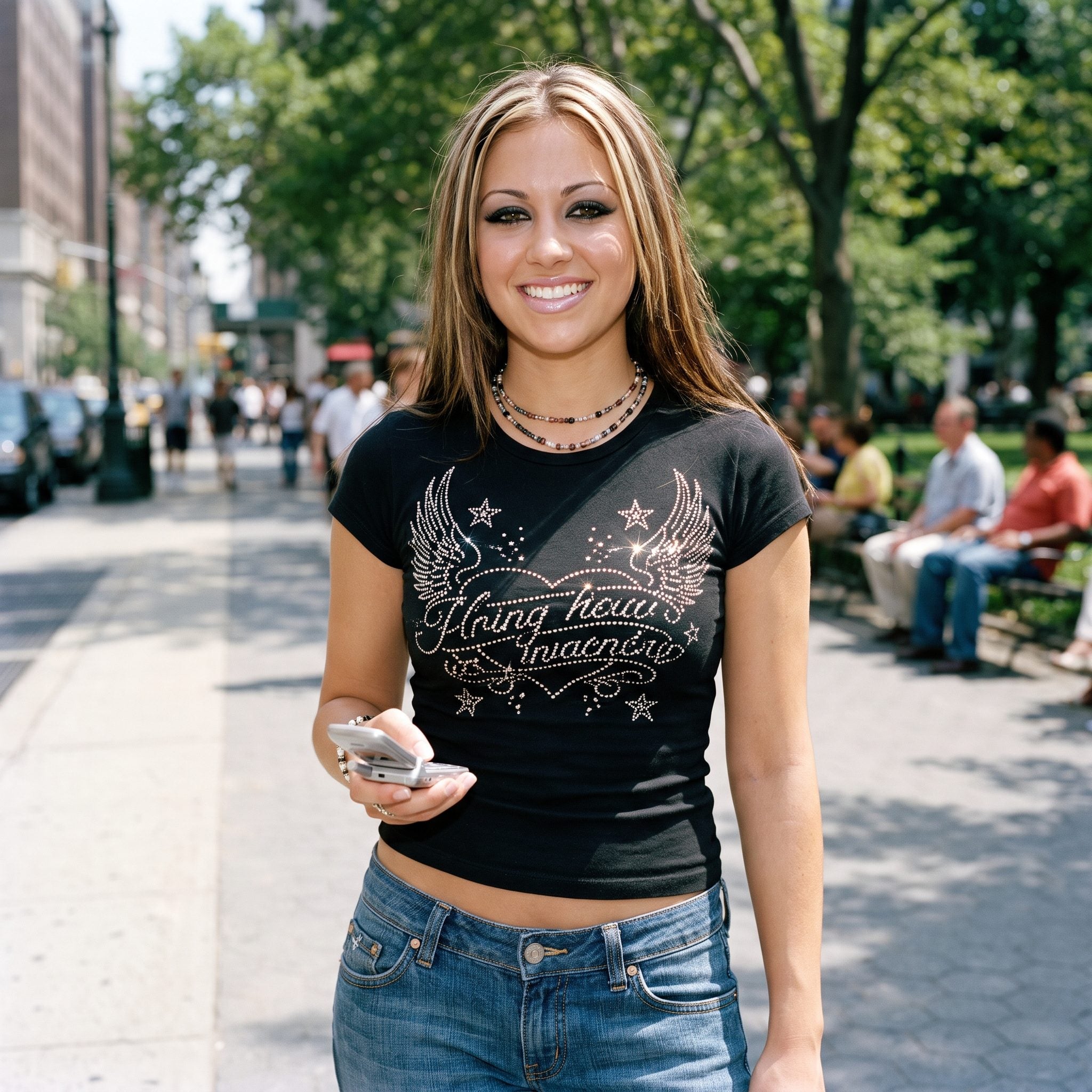
Wings, crowns, elaborate lettering, and enough rhinestones to complicate laundry day. The fitted graphic tee turned ordinary cotton into a sparkling declaration, usually with a slogan that required no further explanation.
Black fabric provided the perfect backdrop for silver stones and tattoo-inspired graphics. Dark flared jeans kept the outfit grounded, while the glittering design supplied its own jewelry. The shirt announced itself in rhinestones, with repeated washing often leaving the fabric decorated by ghostly outlines of missing stones.
16. A Wide Elastic Waist Belt
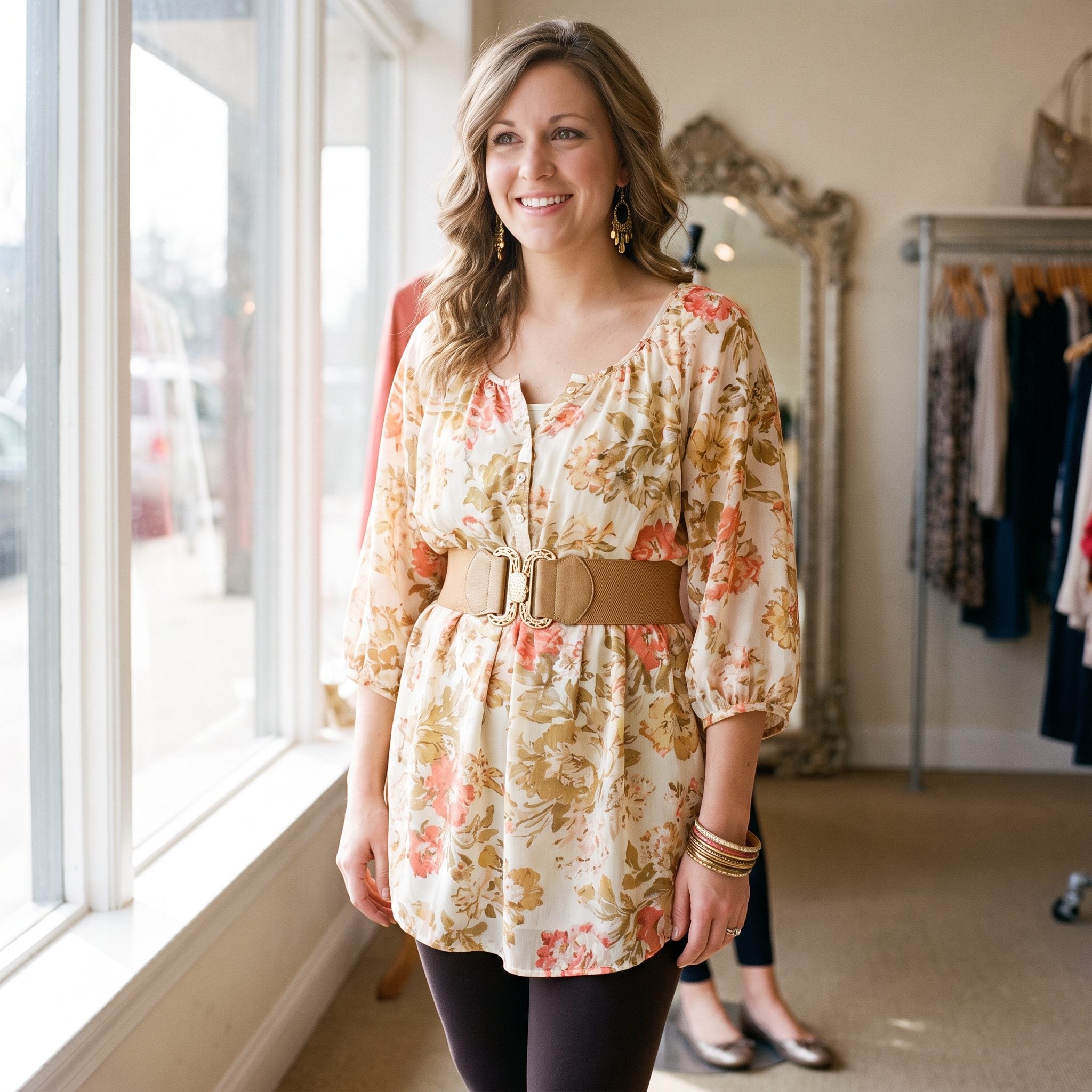
By the latter half of the decade, fashion rediscovered the waist. Wide elastic belts appeared over tunics, cardigans, and babydoll dresses, cinching loose fabric beneath oversized buckles.
The effect was immediate. A shapeless garment acquired definition, with fabric blousing above and below the belt. Unlike the decorative hip belts of the early 2000s, this accessory actively changed the silhouette. Its stretchy construction made the look easy to assemble, although the enormous buckles could be considerably less accommodating when sitting down.
15. The Skinny Decorative Scarf Doing Zero Warming
❤️ Would you like to save this?
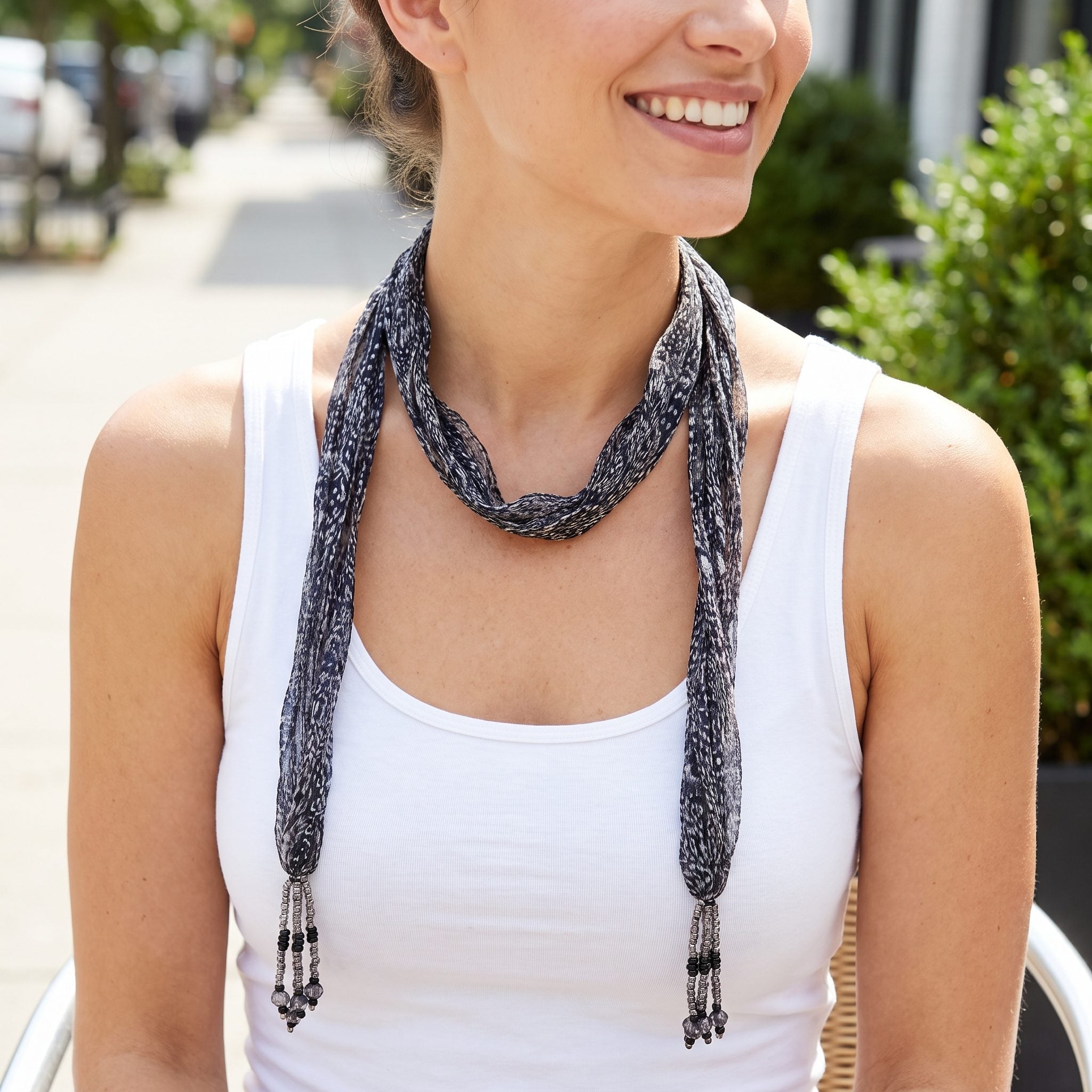
A scarf with almost no fabric and even less interest in protecting anyone from the weather. The skinny scarf hung loosely around the neck, often over a tank top in conditions that required no additional insulation whatsoever.
Its narrow shape added a long vertical accent without the bulk of conventional knitwear. Associated with the decade’s bohemian and indie-inspired styling, it worked with fitted tees, camisoles, and slouchy jackets. The accessory was pure ornament, an elongated strip of fabric capable of making a simple outfit look considerably more complicated.
14. The Tiny Shoulder Bag Like the Fendi Baguette
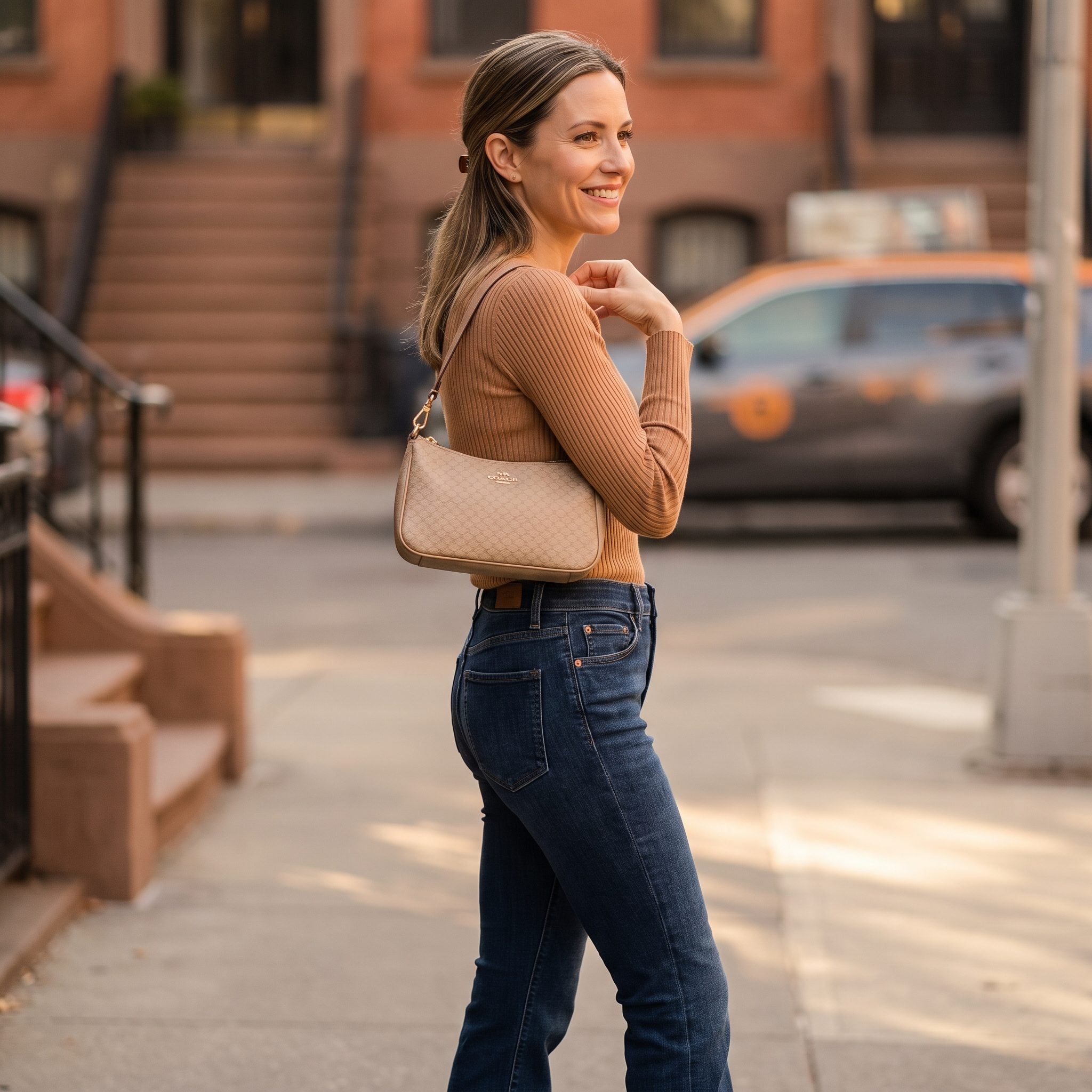
The short strap tucked the bag tightly beneath the arm, turning it into part of the outfit’s silhouette. Capacity was modest. A lipstick, a small wallet, perhaps a phone. Anything larger threatened the entire arrangement.
Fendi’s Baguette helped popularize the shape, with Sex and the City giving it extraordinary cultural visibility. Similar compact shoulder bags appeared across price points, including the beige baguette shoulder bag. The silhouette’s attraction lay in its proportions: close to the body, easy to recognize, and unmistakably more interested in style than storage.
13. A Shrunken Waistcoat
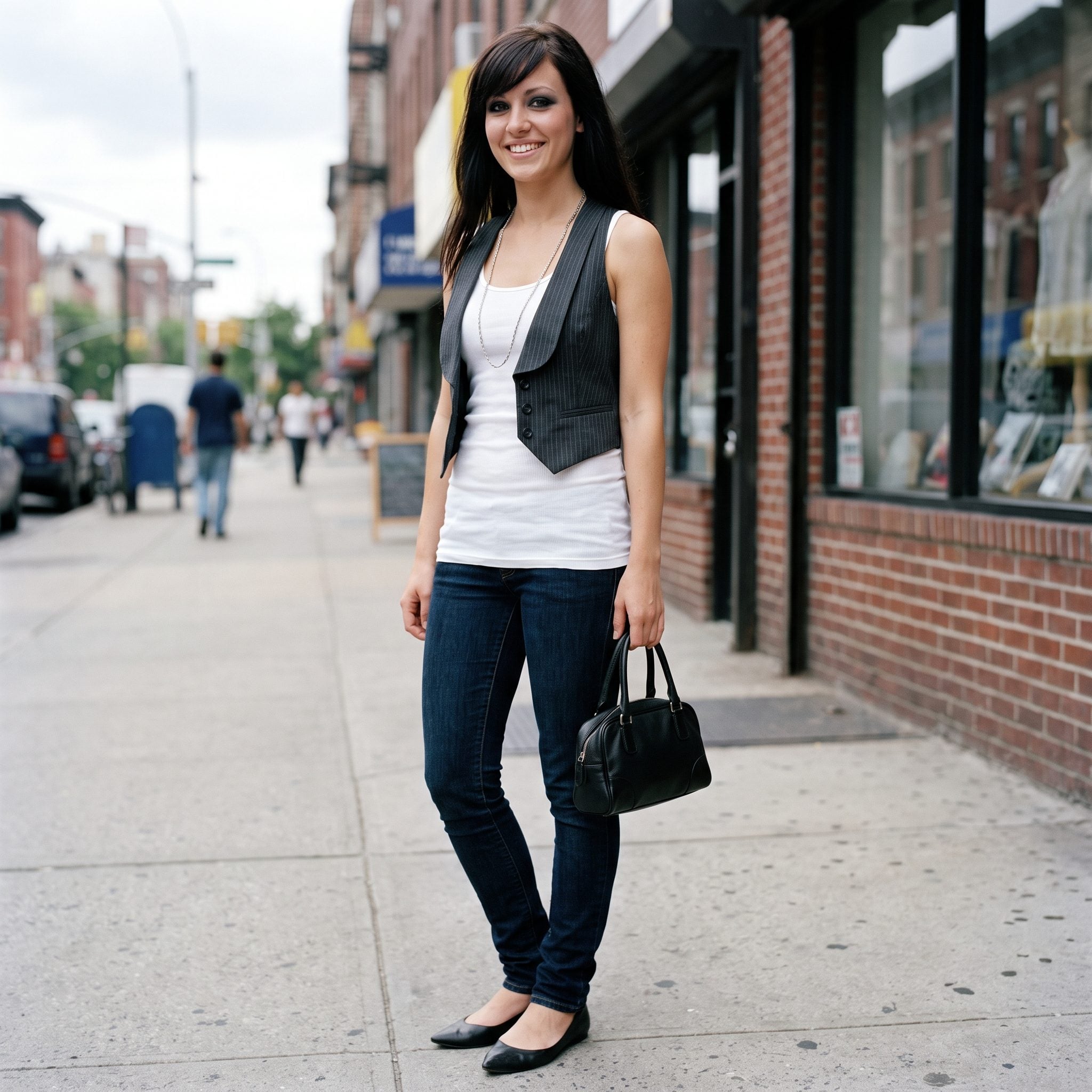
Menswear tailoring underwent a dramatic reduction in fabric. The tiny fitted waistcoat, often pinstriped, ended above the hips and appeared over long tanks, camisoles, and fitted tees.
Worn open, it framed the layer underneath while introducing a sharp tailored outline at the shoulders and torso. The combination was especially popular with slim jeans and heels, borrowing just enough formality from a three-piece suit to make casual clothes feel intentional. A vest that once belonged beneath a jacket had become the main event.
12. Foam Platform Flip-Flops
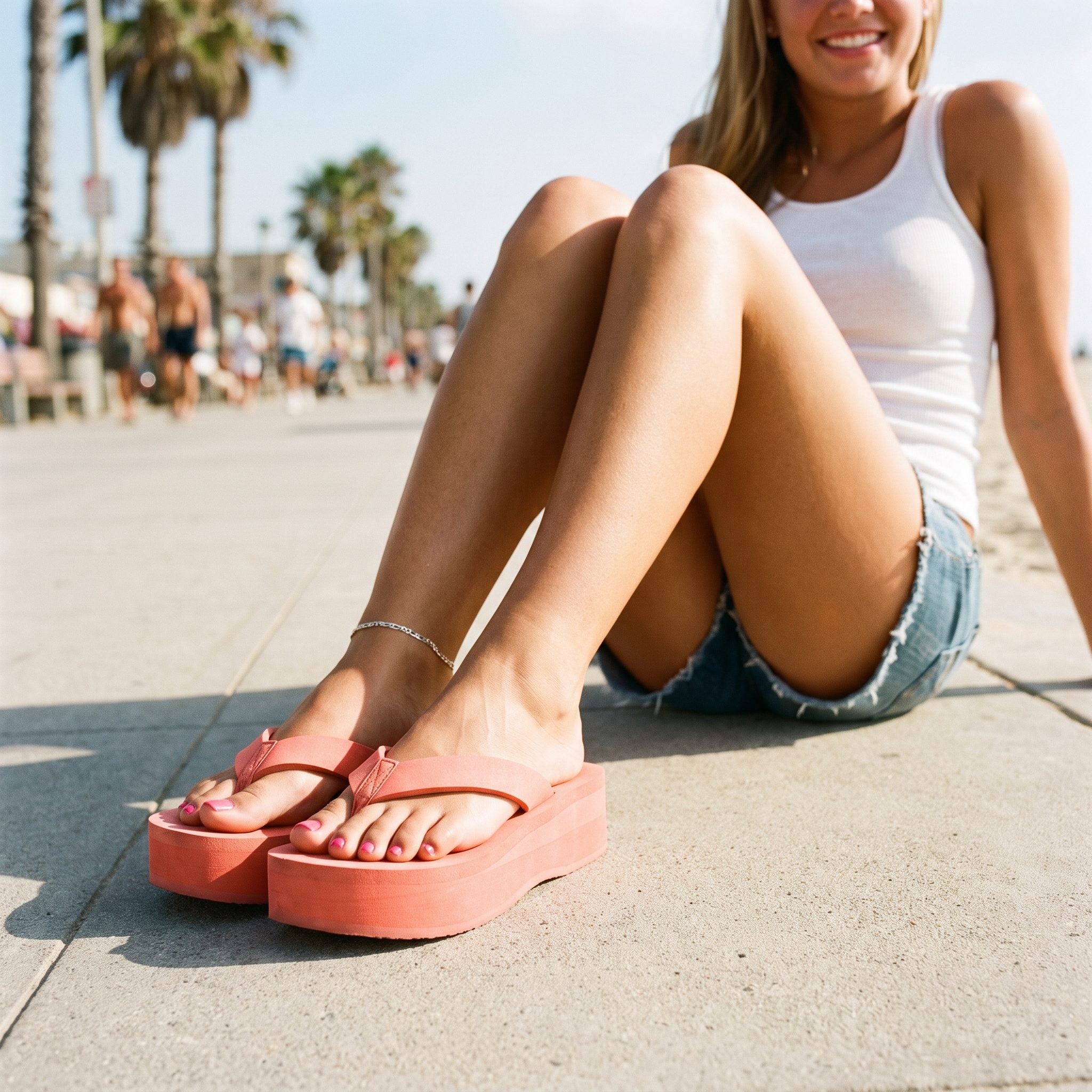
Two inches of lightweight foam separated the foot from the sidewalk, with a narrow thong strap doing its best to keep everything attached. Stability was not the principal selling point.
Platform flip-flops came in bright colors, often at prices that encouraged buying several pairs. Their thick soles added height beneath frayed denim shorts, capris, and casual skirts. The unmistakable slap against the heel provided a soundtrack to summer shopping trips. They were inexpensive, cheerful, and one uneven curb away from reminding everyone that height and support are not the same thing.
11. A Loosely Knotted Skinny Necktie Over a Tank

A necktie without a collared shirt was already a small act of rebellion. Knotted loosely over a tank or fitted tee, it turned an office accessory into something closer to a punk-pop declaration.
Avril Lavigne helped make the look recognizable in the early 2000s, pairing ties with casual clothing rather than formal tailoring. The narrow strip of fabric added a deliberately awkward note to otherwise straightforward outfits. The appeal was in refusing to wear the accessory according to its original instructions.
10. Peep-Toe Platform Pumps for Every Night Out
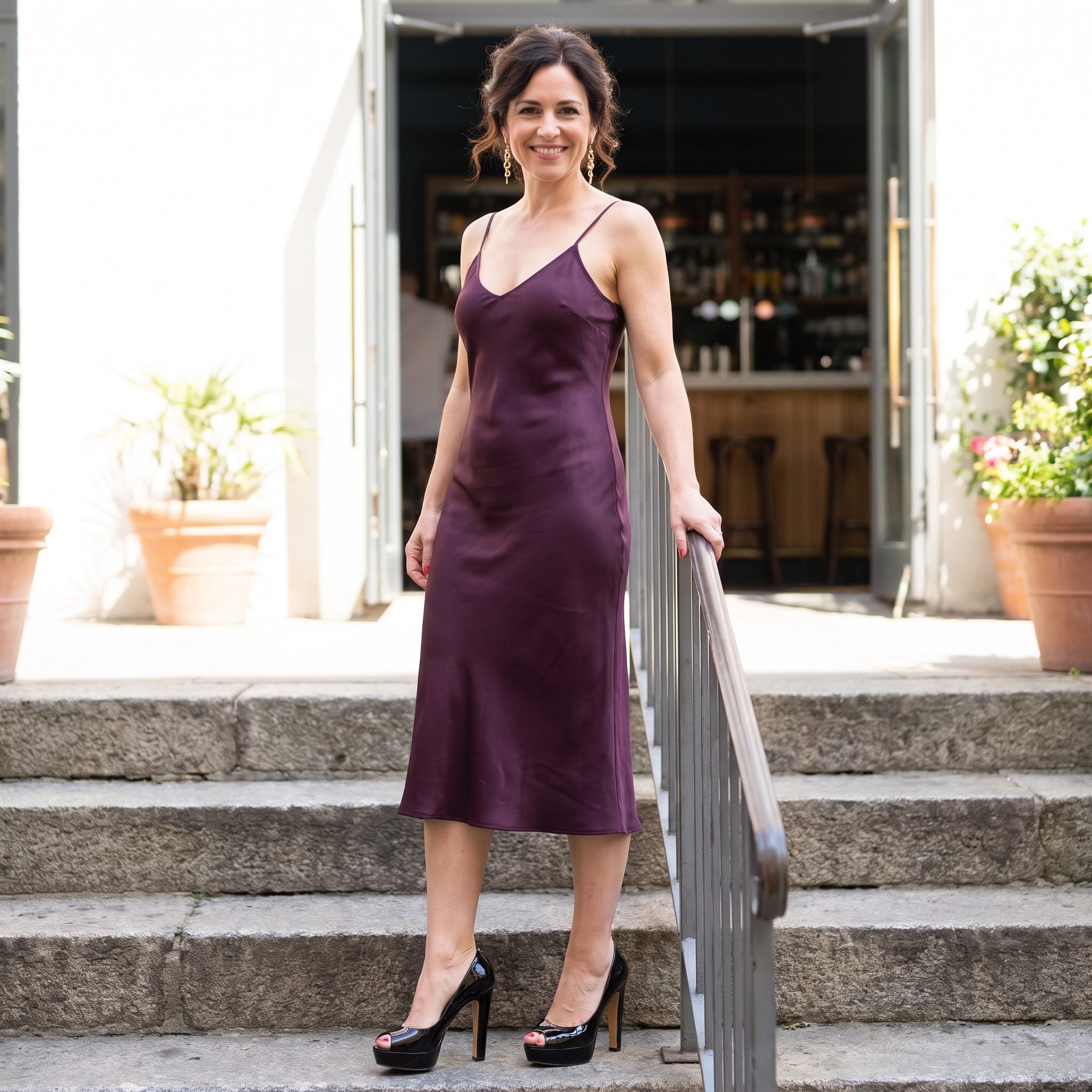
The heel climbed. The platform beneath the toes followed. And a small opening at the front ensured the pedicure received at least some return on its investment.
Peep-toe platform pumps became a going-out favorite during the latter 2000s, especially with fitted dresses and dark jeans. A raised forefoot could reduce the effective pitch of a high heel, although the overall height still demanded balance and attention. The combination of a substantial sole and exposed toes made the shoe both imposing and unexpectedly delicate.
9. A Studded Emo Belt
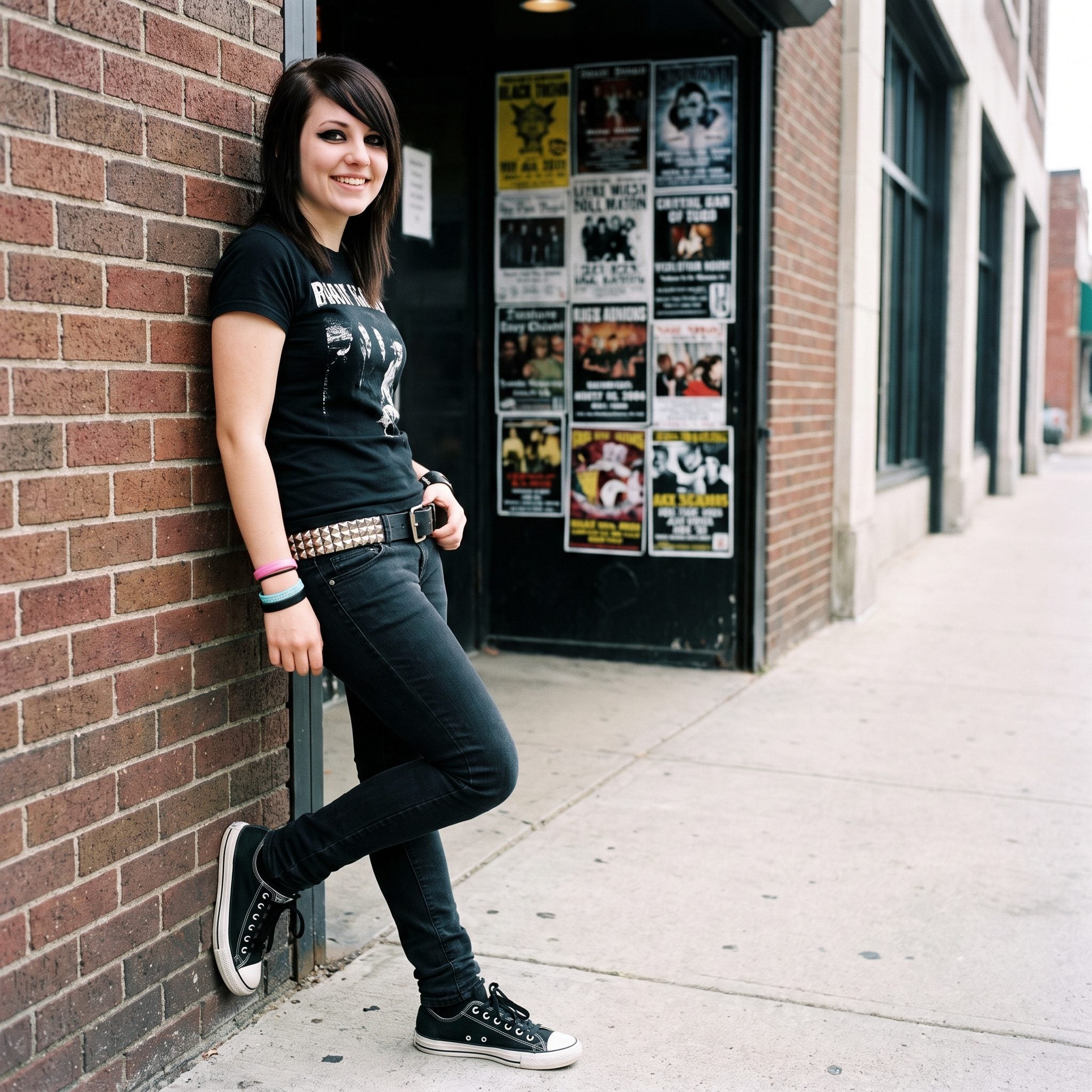
Not everyone spent the decade in pastel velour. Pyramid studs, black band tees, skinny jeans, and heavy eyeliner belonged to an entirely different corner of the 2000s wardrobe.
The studded belt drew from punk fashion and became closely associated with emo and scene styling. Worn low on the hips, sometimes with two rows of metal hardware, it offered a sharp contrast to the decade’s glossy designer accessories. The studs could scratch furniture and catch on clothing, but their visual message was unmistakable. This was a belt with musical allegiances.
8. A Roll-On Body Glitter for the Shoulders
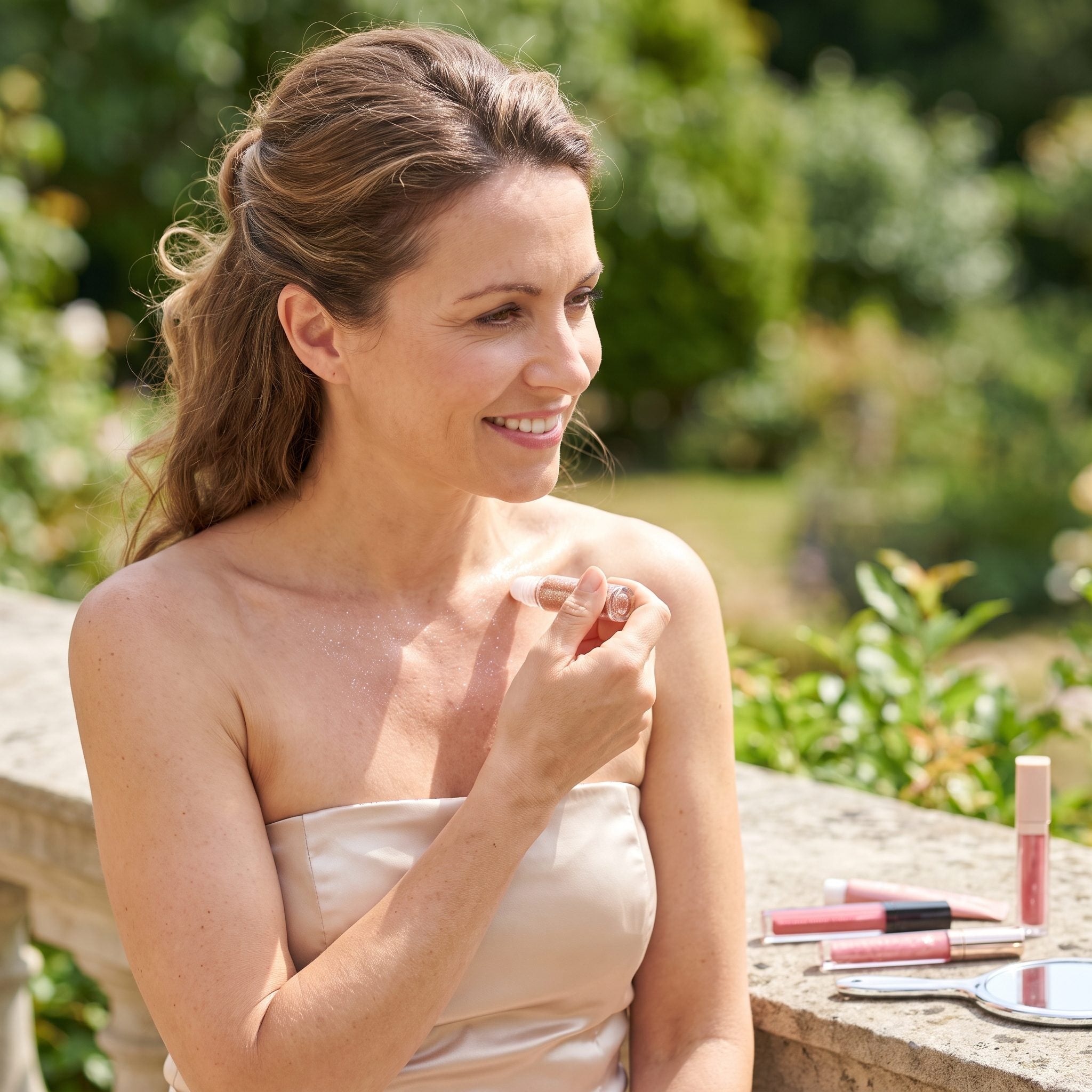
The rollerball left a cool trail across the collarbone, followed by enough shimmer to survive several showers and an unfortunate number of laundry cycles. Glitter migrated from shoulders to jackets, pillows, and unsuspecting companions with remarkable efficiency.
Often fruity-scented and sold in small drugstore tubes, roll-on body glitter was a staple of party preparation. It worked particularly well with halter tops, camisoles, and strapless necklines, catching light wherever skin was exposed. The decade’s appetite for sparkle extended well beyond clothing and jewelry.
7. Shutter Shades That Blocked Nothing
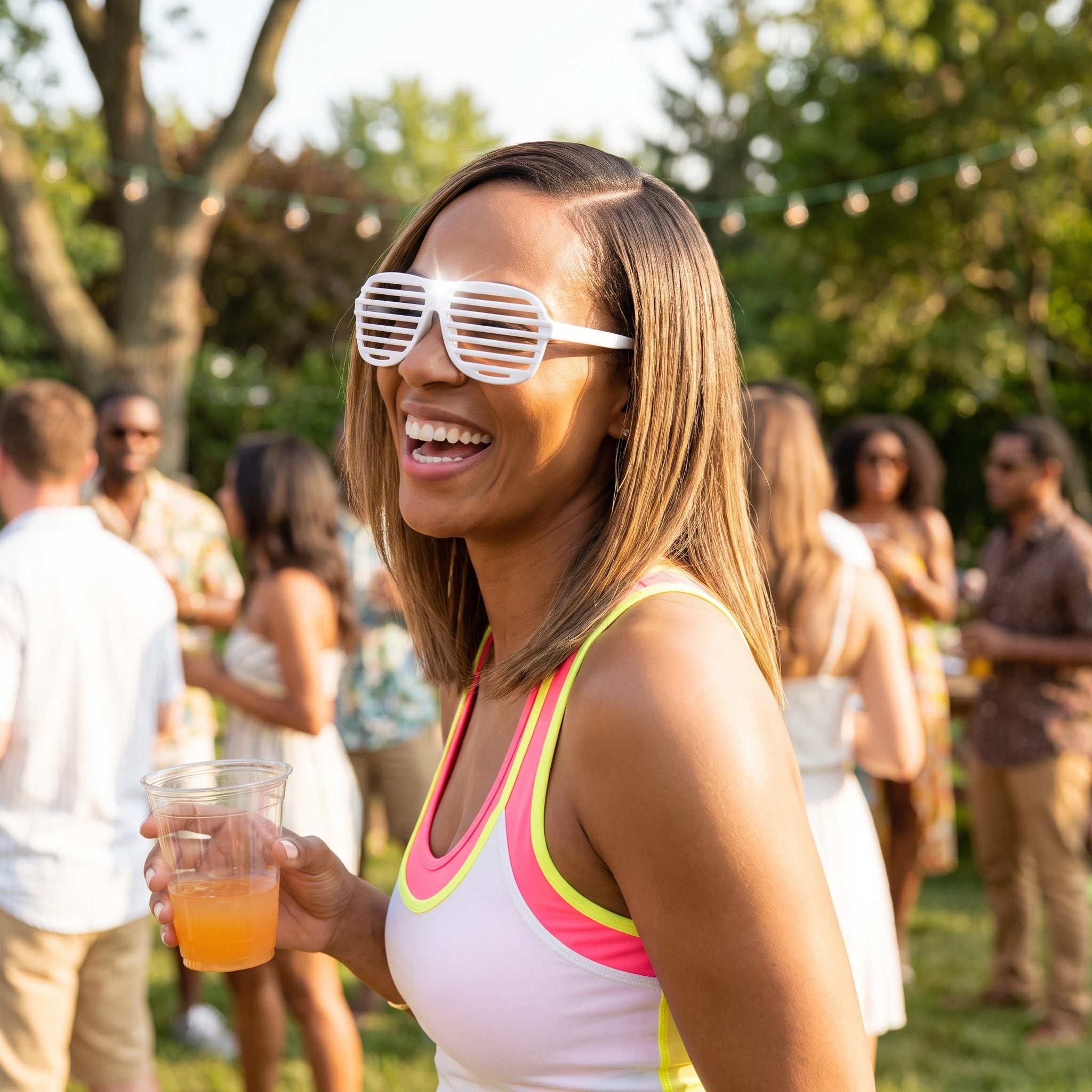
Plastic slats replaced lenses, leaving sunlight free to pass through while making the wearer considerably more conspicuous. Shutter shades were not designed for optical performance. They were designed to be seen.
Associated with late-2000s music videos and party fashion, particularly around 2007 and 2008, the glasses appeared in white, neon, and glossy black. Their rigid horizontal bars made faces look almost cartoonish. Often pushed onto the forehead, they were accessories for an era that treated every dance floor as a potential music-video set.
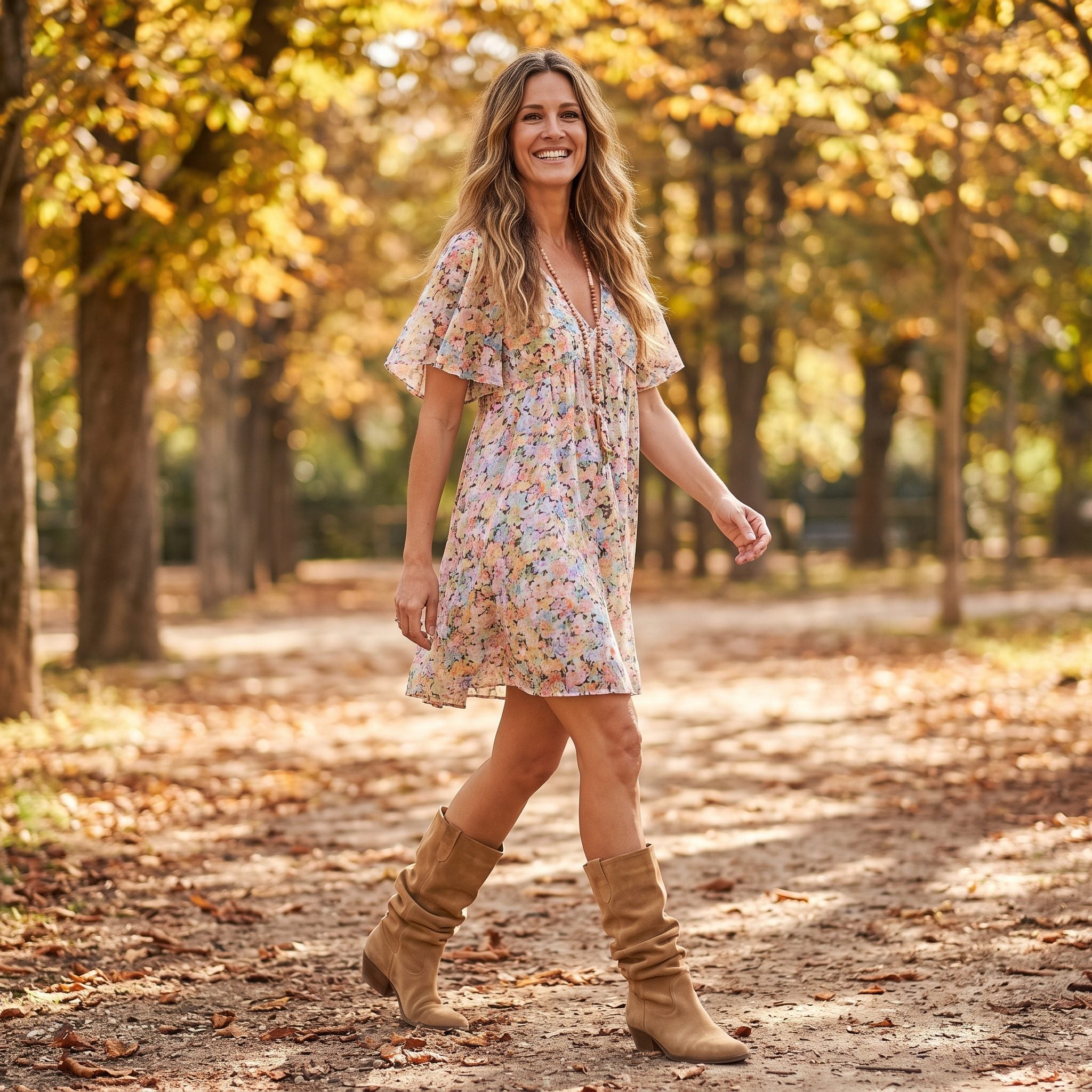
6. Slouchy Suede Boots With Everything Bohemian
❤️ Would you like to save this?
Soft suede gathered around the calves in folds that looked comfortably broken-in from the first wearing. Tan and brown shades were especially suited to the decade’s bohemian dresses, denim skirts, and embroidered tops.
Unlike the structured boots associated with more polished outfits, slouchy suede introduced a relaxed, slightly undone finish. Against lightweight printed fabric, the heavier texture grounded the silhouette. The combination captured a recognizable strand of women’s 2000s fashion, when a floaty dress and a substantial pair of boots could share the same summer afternoon.
5. A Dangling Rhinestone Navel Barbell
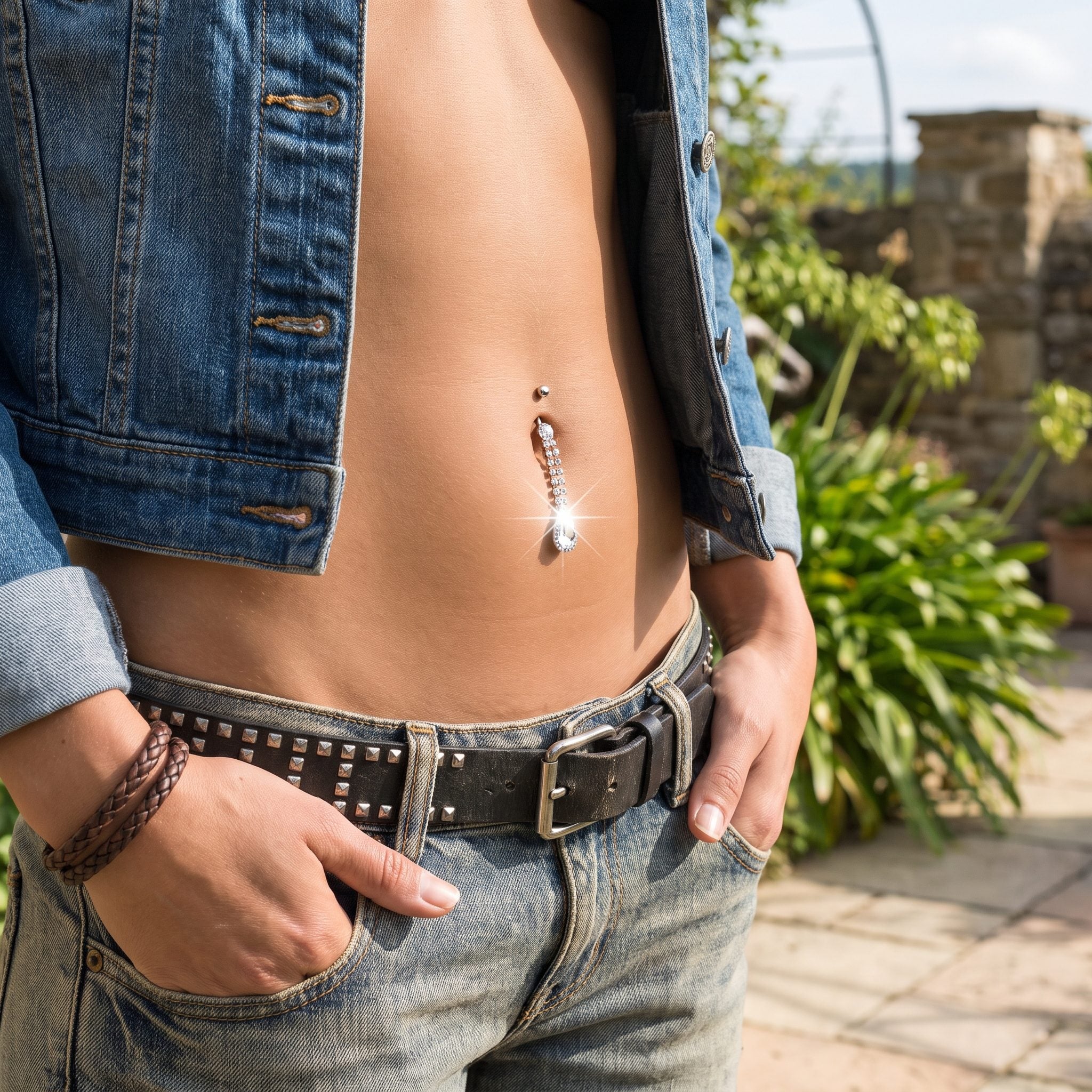
The exposed midriff had already become a centerpiece of early-2000s fashion. Naturally, it needed jewelry. A dangling rhinestone navel barbell supplied the sparkle between a cropped top and a waistband that had retreated toward the hips.
Stars, colored stones, and small metallic charms moved with the body, turning a piercing into an additional fashion accessory. The look belonged to the same visual universe as low-rise jeans, fitted baby tees, and pop-star music videos. Even the narrowest strip of exposed skin apparently required decoration.
4. Cropped Footless Leggings Under Everything Short
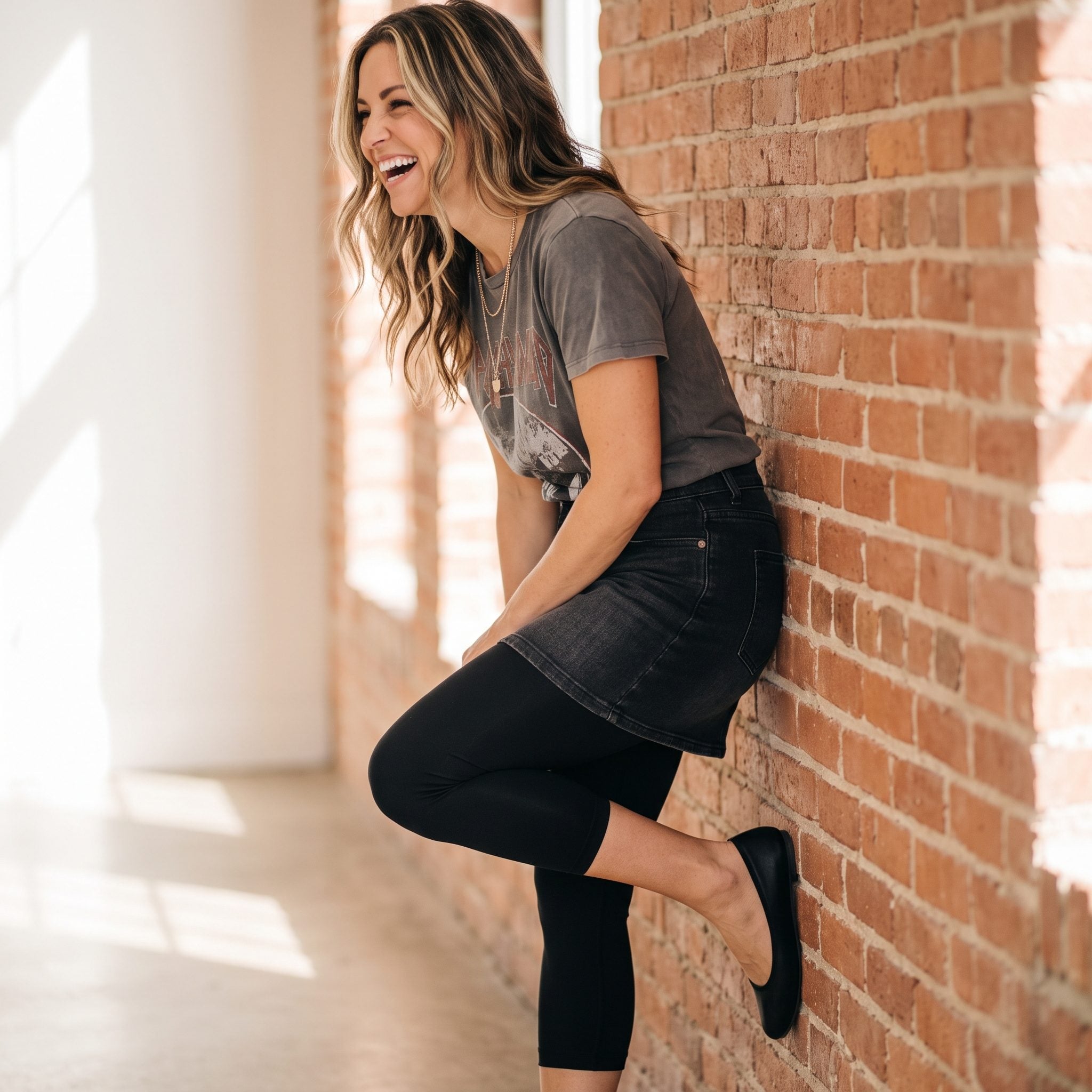
A denim miniskirt suddenly acquired a second layer. Black leggings stopped at mid-calf, creating a horizontal line that became one of the decade’s most recognizable casual silhouettes.
The combination appeared beneath short dresses, tunics, and skirts, providing coverage without the formality of tights. Flats and ballet-inspired shoes completed the look. The cropped length was essential: full-length leggings would have created an entirely different outfit. Mid-calf was the peculiar sweet spot, even when it interrupted the leg line in ways contemporary styling advice might discourage.
3. A Satin Babydoll Top
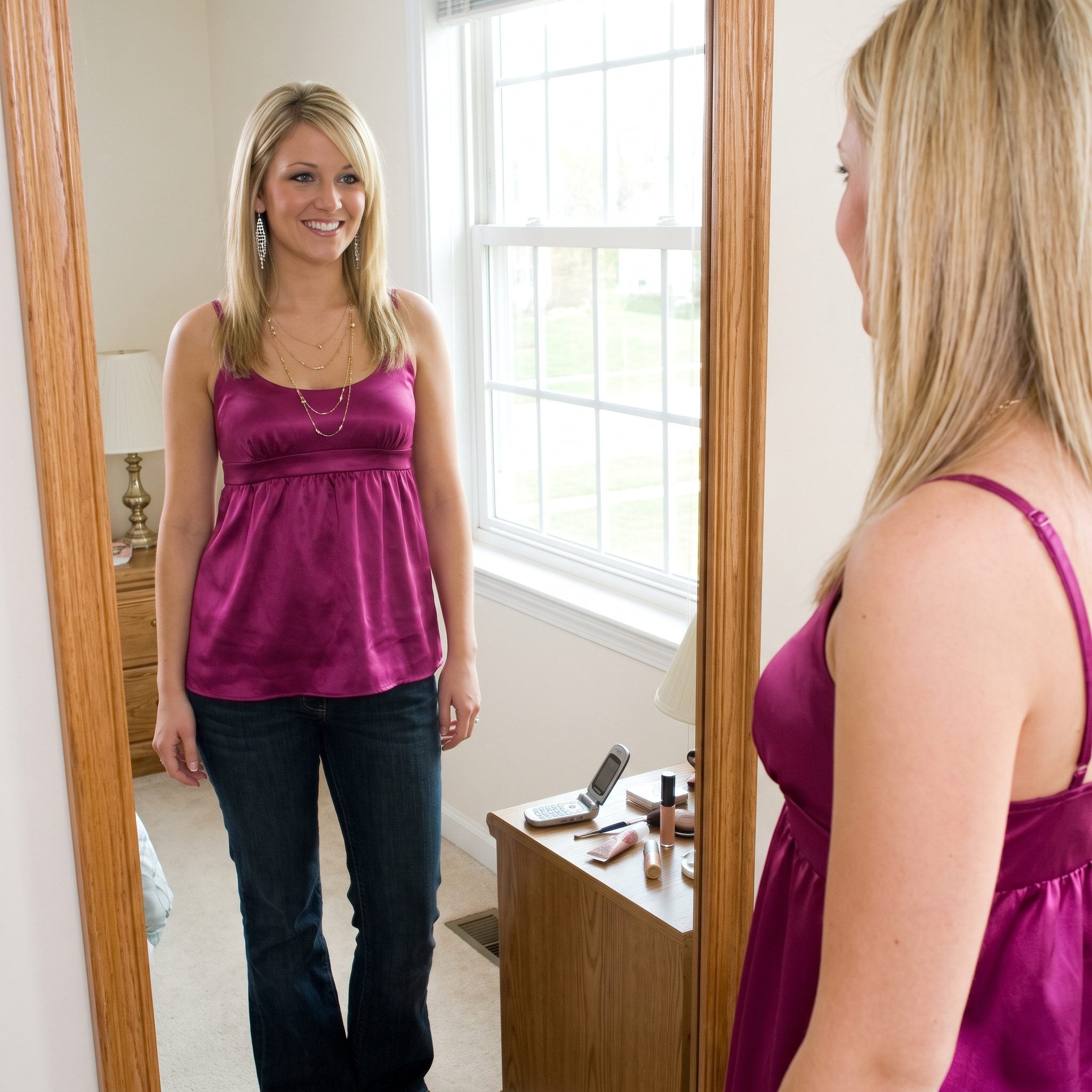
The empire waist sat beneath the bust, allowing the satin to fall loosely over the torso. Where corset tops demanded structure, the babydoll offered movement, shine, and considerably more room to breathe.
Jewel tones, especially magenta, emerald, and plum, made these tops natural choices for evenings out. Paired with dark flared jeans and high heels, the flowing silhouette looked dressed up without the rigidity of tailored clothing. The contrast between a fitted upper section and loose fabric below became one of the decade’s most familiar going-out styles for women.
2. A Von Dutch Trucker Hat Worn at the Perfect Tilt

The angle was everything. Too straight and the hat looked borrowed from a gas station attendant. Too far sideways and the entire operation collapsed into parody. Somewhere between those extremes lived the carefully manufactured carelessness of early-2000s celebrity style.
Von Dutch trucker hats turned mesh-backed workwear into paparazzi bait. A plain tee and jeans suddenly acquired the swagger of a Los Angeles coffee-shop sighting. The battered-looking brim, oversized logo, and conspicuous tilt made an accessory designed for practicality into an exercise in being noticed.
1. A Short Dress Worn Over Bootcut Jeans
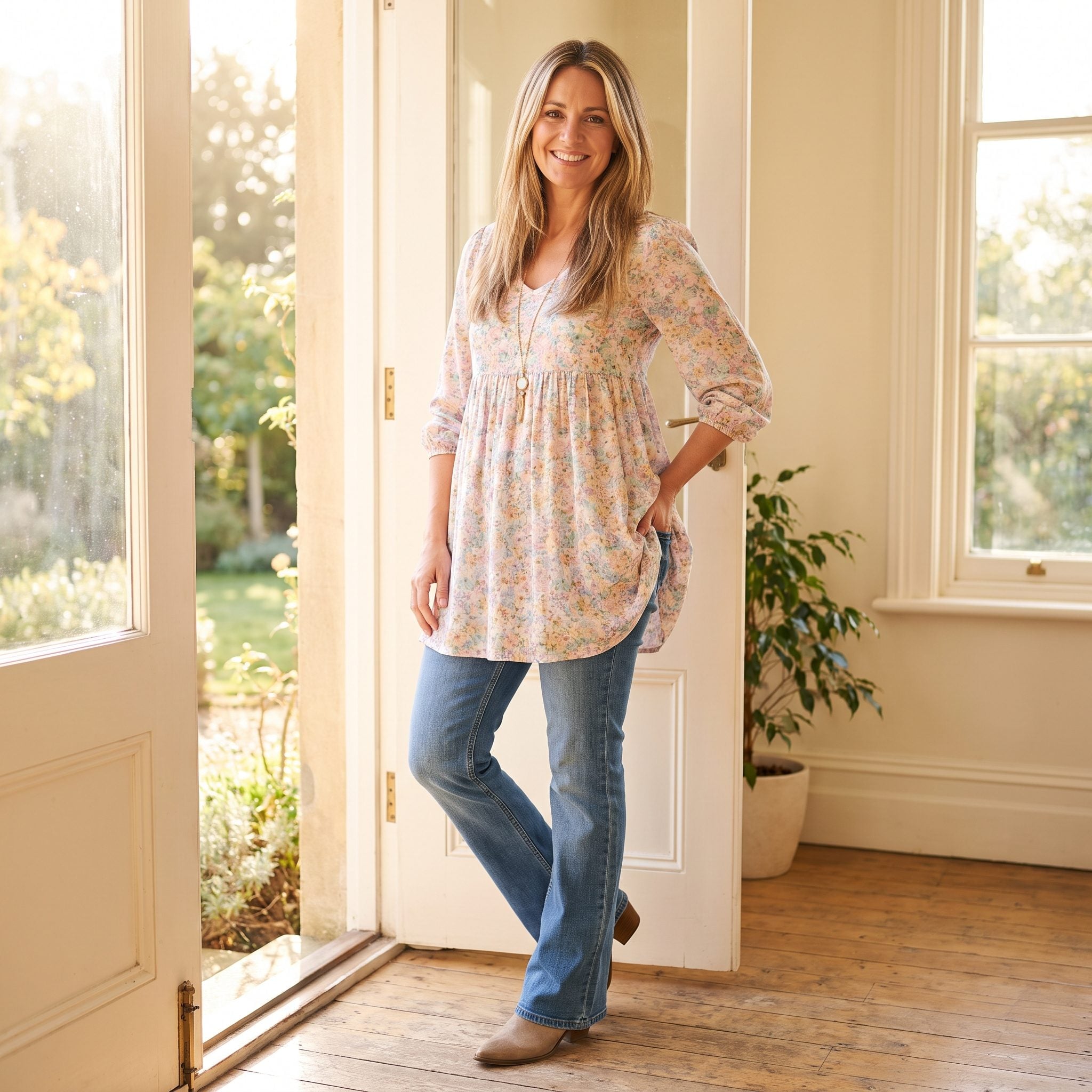
A dress was too short, so jeans went underneath. Somehow the result was considered more dressed up rather than less. The early 2000s approached layering with the confidence of a decade that had never encountered an unnecessary garment.
Printed babydoll dresses floated over bootcut denim, creating a silhouette with volume above and a flare below. The combination offered coverage, color, and enough fabric to satisfy two separate outfits. Malls, dinners, casual evenings: the dress-over-jeans arrangement was ready for all of them. Fashion had spent a decade removing fabric from waistbands, then decided the solution was to wear two outfits at once.