❤️ Would you like to save this?
The little metal hinge on the back was the whole technology. No needle, no hole, just a satisfying click against your earlobe and you were dressed. Clip-on earrings were not a consolation prize in the 1960s. They were the earring. Every woman owned a drawer full of them, sorted by nothing in particular, tangled with scarves and forgotten brooches. What follows is that drawer, opened back up.
FYI, thanks to AI imagery software, we’re able to create very specific fashion and hairstyle examples to illustrate the points being made. In some cases, imagery is exaggerated to hammer home the point. Also, assume links that take you off the site are affiliate links such as links to Amazon. this means we may earn a commission if you buy something.
28. Painted Enamel Circles in Every Color Pucci Ever Imagined

The logic was impeccable: if the dress is already a painting, the earrings should be too. Large, flat, lacquered enamel circles, sometimes the diameter of a small orange, came in the exact colors Emilio Pucci was using to make everyone feel slightly dizzy in the best way. You matched them to a single color in the print and called it coordinating.
No hole required, which was the whole point. The flat back clipped flush against the lobe and the disc just hovered there, pure graphic confidence. They looked like something a graphic designer would wear. That was the compliment everyone was going for.
27. The Tiny Pearl Button That Somehow Did All the Heavy Lifting

The most underestimated earring in the box. A single pearl button, real or simulated, it barely mattered, clipped flat against the lobe with the kind of quiet authority that required no explanation. It was the finishing touch that said the outfit was finished and the woman wearing it had known that before she left the bedroom.
Jackie Kennedy wore a version of this look so often that an entire generation of women understood pearl button clips as the universal signal for pulled-together. You wore them to job interviews, to funerals, and to the school play. They went with everything because they were, essentially, a form of punctuation.
26. Space Age Silver Cuffs That Clipped to the Ear Like a Tiny Helmet
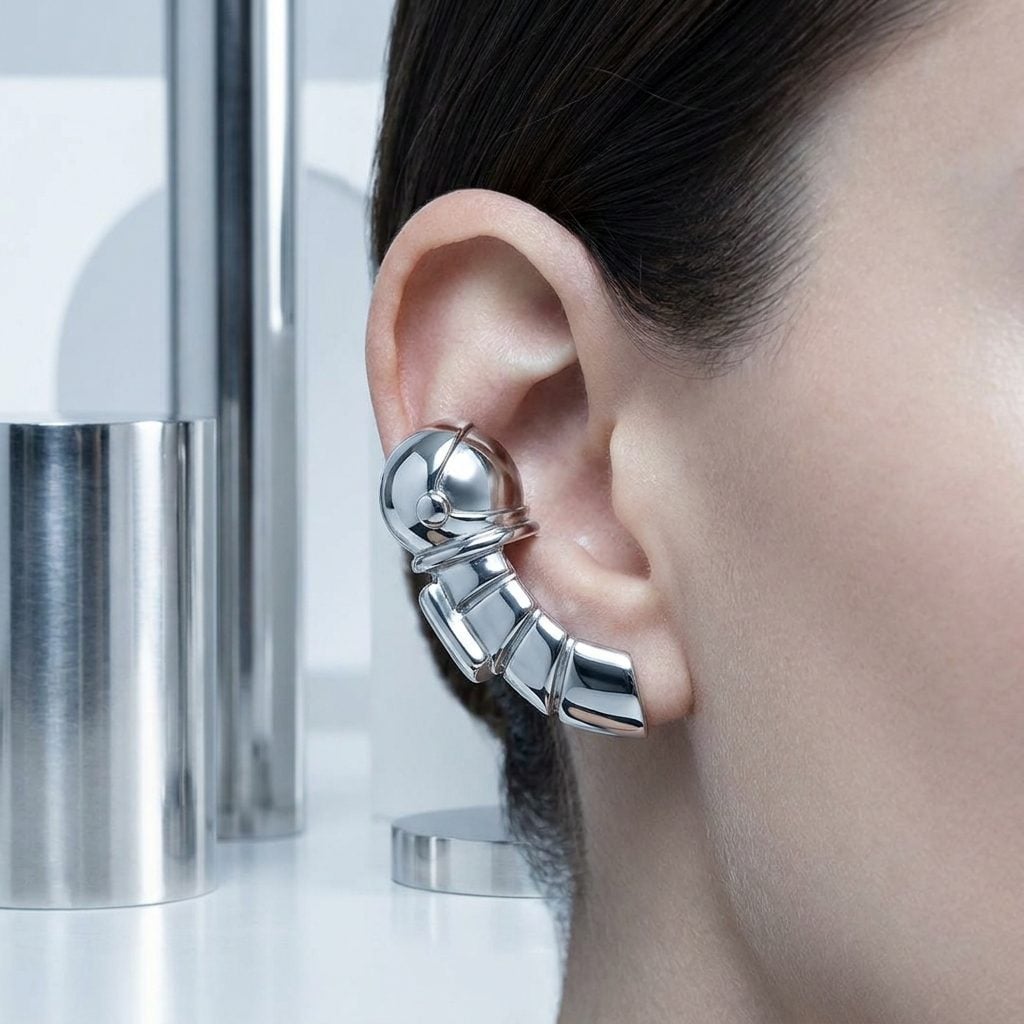
Pierre Cardin and André Courrèges convinced a generation of women that the future was made of silver, and the earrings followed. Sculptural clip-ons in brushed or polished metal with angular, architectural shapes, curved bars, geometric plates, abstract forms that looked like they belonged on a spacecraft. These were not dainty. They had edges and opinions.
The clip mechanism on these was often built directly into the metal design, invisible and structural. Wearing them felt like a statement about where fashion was going: away from the past, toward something that hadn’t been invented yet. That style of thinking produced some genuinely odd earrings. It also produced some of the most striking accessory styles of the entire decade.
25. Screw-Back Rhinestone Clusters That Left Twin Dents Behind Each Ear
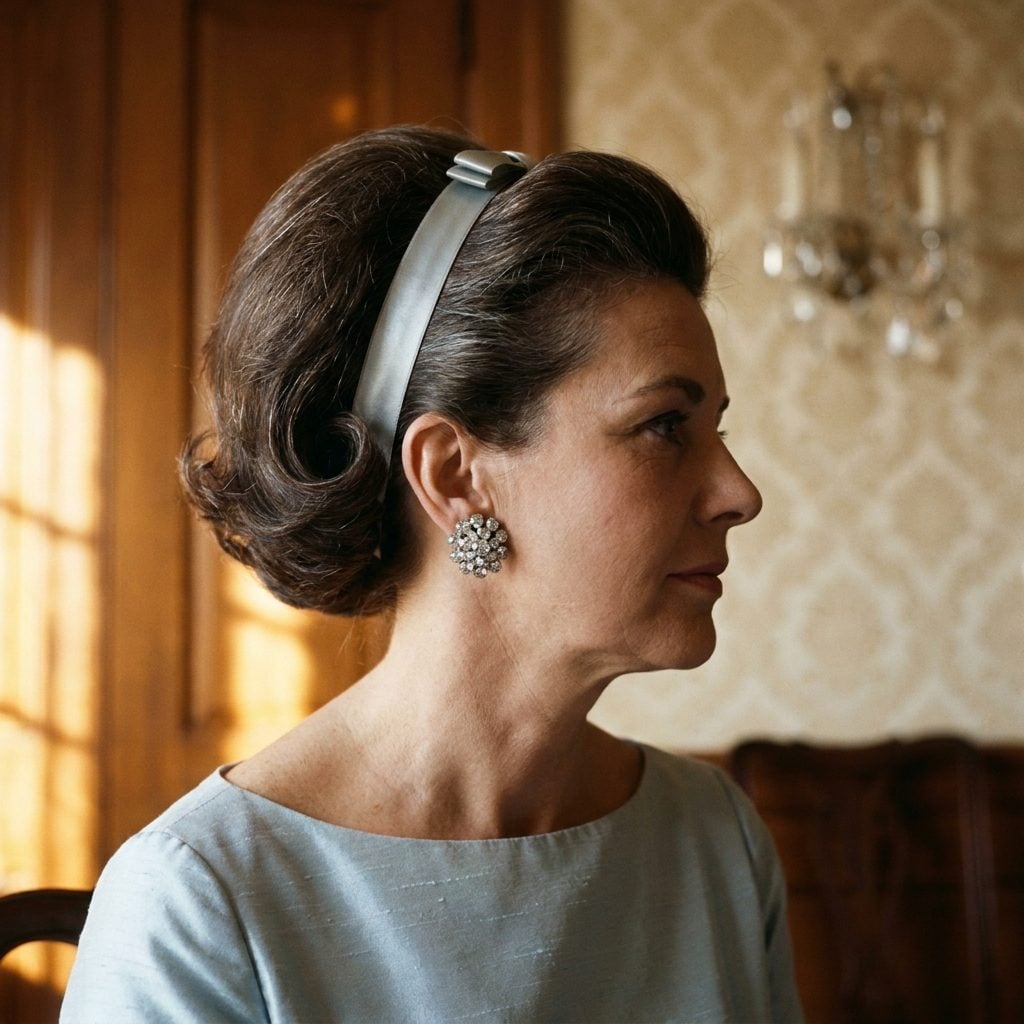
Every woman who wore these remembers the specific relief of walking through her own front door and unscrewing them one at a time. The little metal screw sat flush against the earlobe, and by hour four it had negotiated a permanent indent that stayed visible until midweek — sometimes longer, depending on how long the party ran.
They were the going-out earring. Bridge night. A daughter’s recital. Anything that required a good coat and lipstick from the special drawer. The rhinestones caught every overhead light with a wet-sparkle quality that costume jewelry today cannot replicate, because nobody bothers with real foil backings anymore, and honestly, why would they.
24. The Molded Plastic Daisy the Size of a Silver Dollar
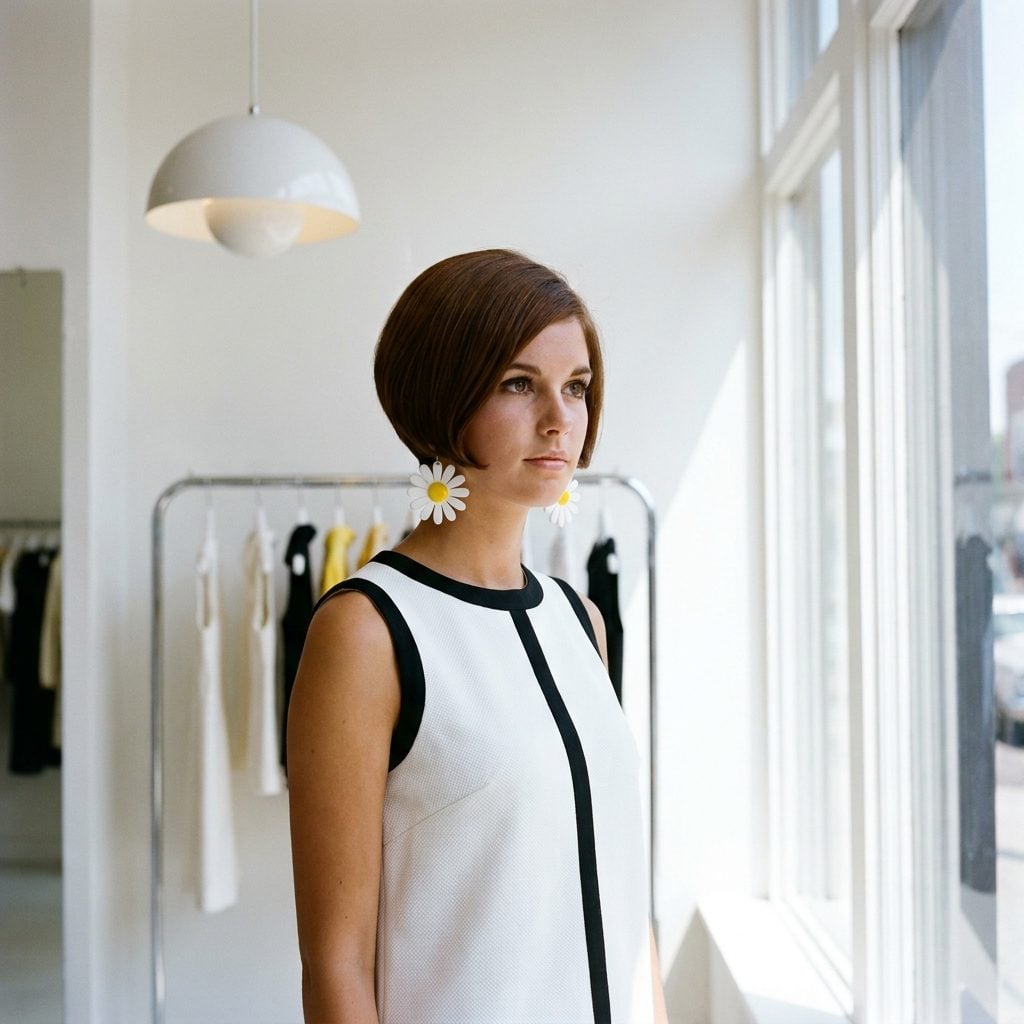
These announced you had opinions about Mary Quant. Big as a butter cookie, light as a communion wafer, clipping on with a spring hinge that pinched exactly enough to remind you they were there without ruining the evening.
You bought them at the drugstore for a couple of dollars and treated them like couture. They came in every color a plastic factory could produce — some of them dubious, some brilliant — and the daisy shape stayed so tied to the era that seeing one now sends a whole afternoon at Woolworth’s flooding back, complete with the smell of the lunch counter.
23. Chunky Gold Doorknocker Hoops With the Hinged Clip
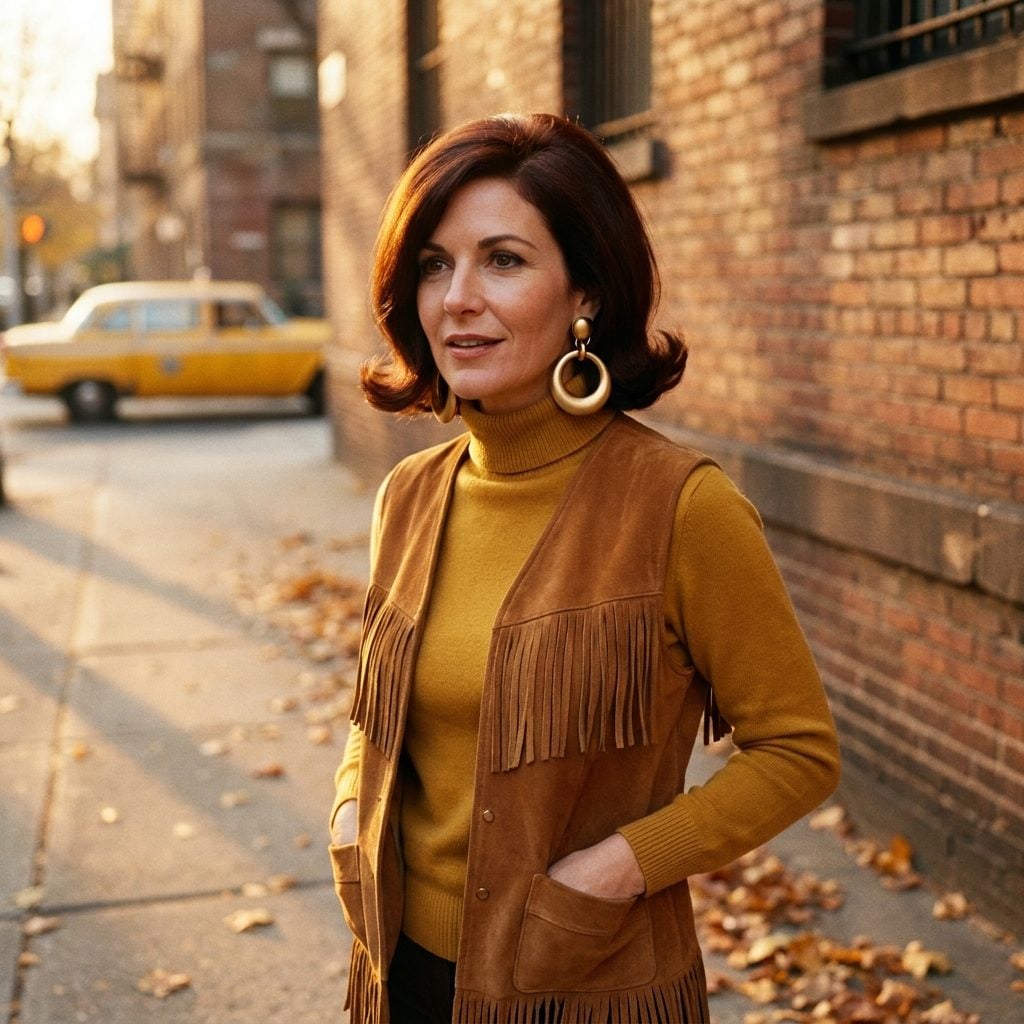
The clip sat above the hoop. So the whole assembly swung from a hinge that felt slightly loose after the first year, and if you turned your head fast, one would land on your shoulder and you’d spend the rest of the evening checking your ear like a woman feeding a slot machine.
Anyone under thirty sees these in a photograph and assumes the woman had pierced ears. She did not. That solid gold-tone weight was clinging to a spring the width of a paperclip, and every woman who wore them developed a private trick for making them stay put — a dab of nail polish inside the clip, a squeeze with the pliers from the kitchen drawer, a promise not to laugh too hard.
22. Pearl Drop Teardrops Reserved Strictly for Church and Weddings
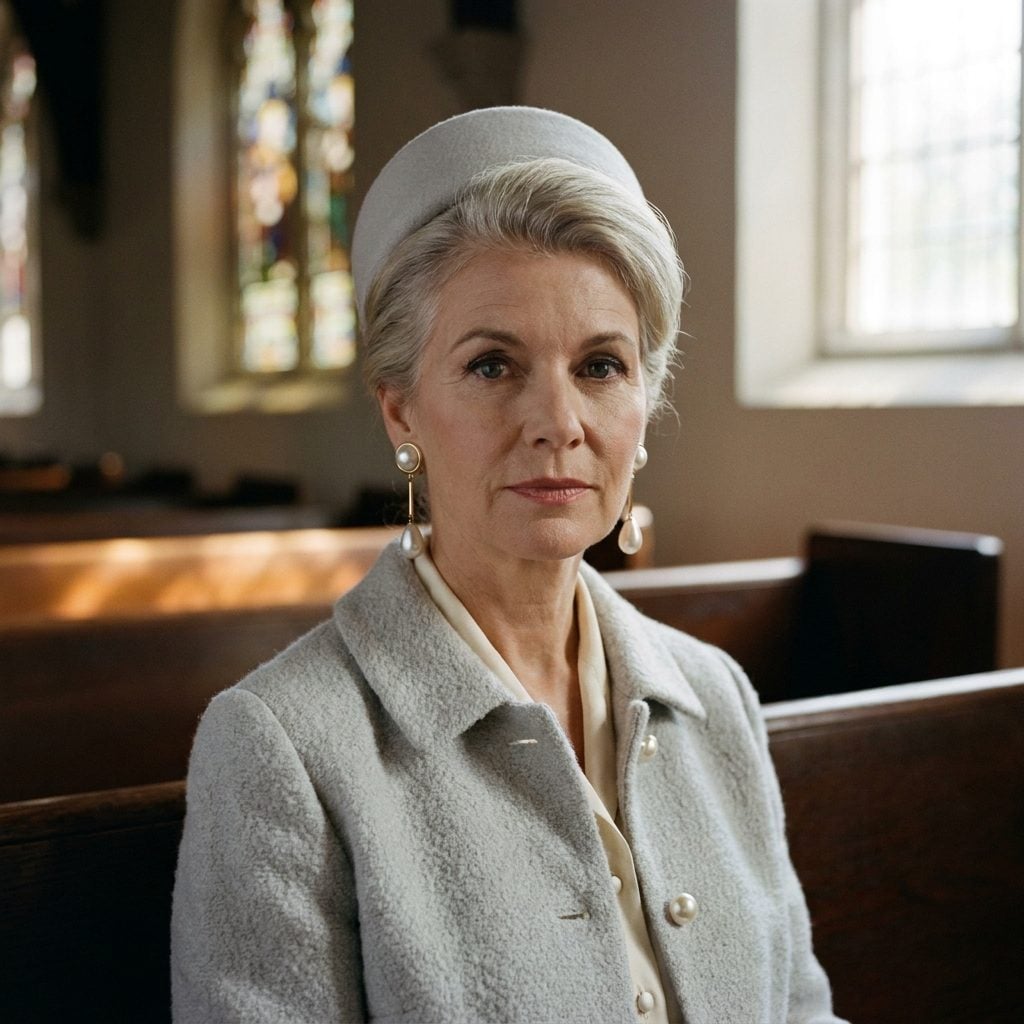
These lived in a specific velvet-lined box that never moved from the top drawer of the dresser, and you wore them to weddings, funerals, Easter service, and the occasional graduation. Wearing them to lunch would have been considered aggressive.
The pearls were almost never real. But they were treated as if they were. Every woman knew how to check them against her teeth for that faint gritty texture, a diagnostic move handed down from mothers who had learned it from theirs, and passed along like a recipe.
21. Enameled Fruit Salad Clusters Nobody Under Thirty Believes Existed
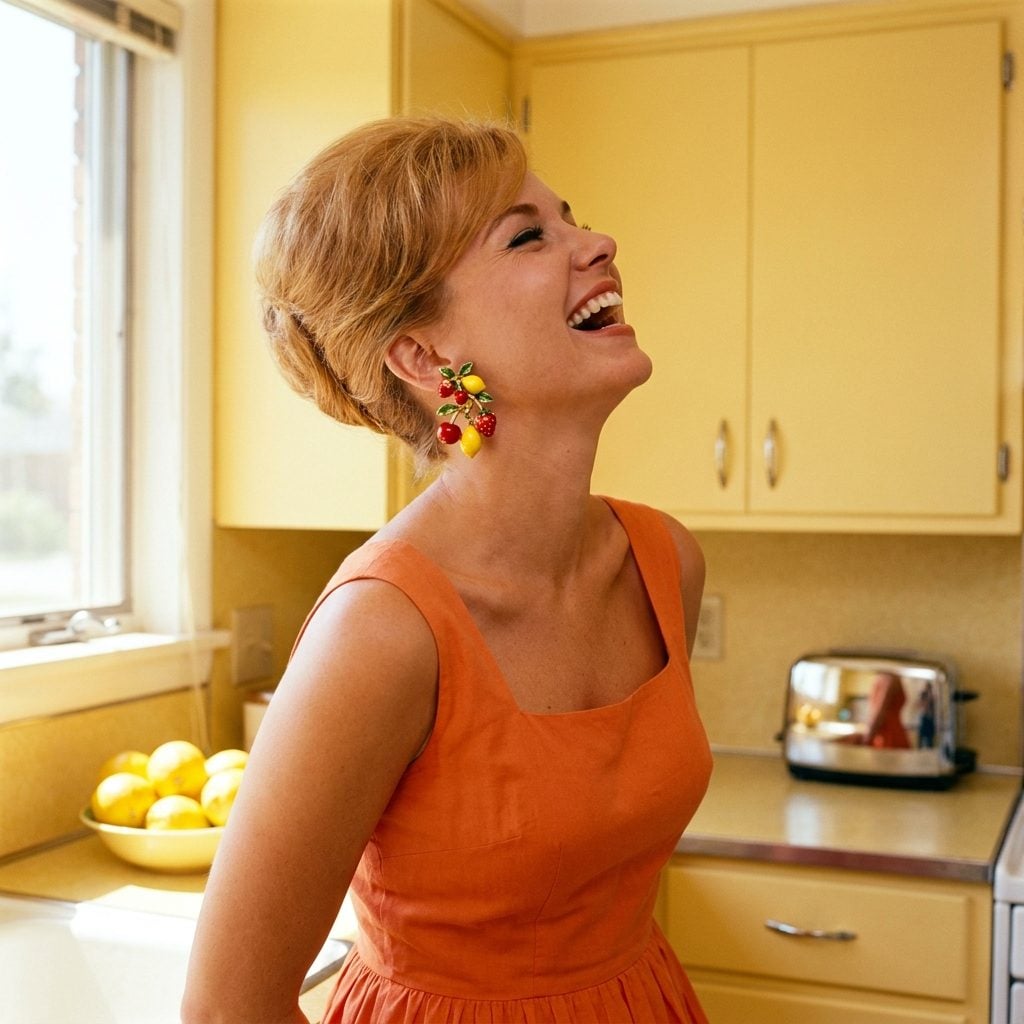
Somewhere between a Carmen Miranda tribute and a genuine style statement, these ruled the summer luncheon circuit. The tiny cherries dangled independently, so every head turn produced a small clatter of enamel-on-enamel that nobody minded — in fact, several hostesses claimed to enjoy it.
They came from Trifari, Coro, and every knockoff brand that could master the technique. The enamel chipped over time. A woman with a favorite pair became a woman with a jar of clear nail polish and a steady hand and a bright light over the kitchen sink.
20. The Little Gold Bow Studs Everyone Received for High School Graduation
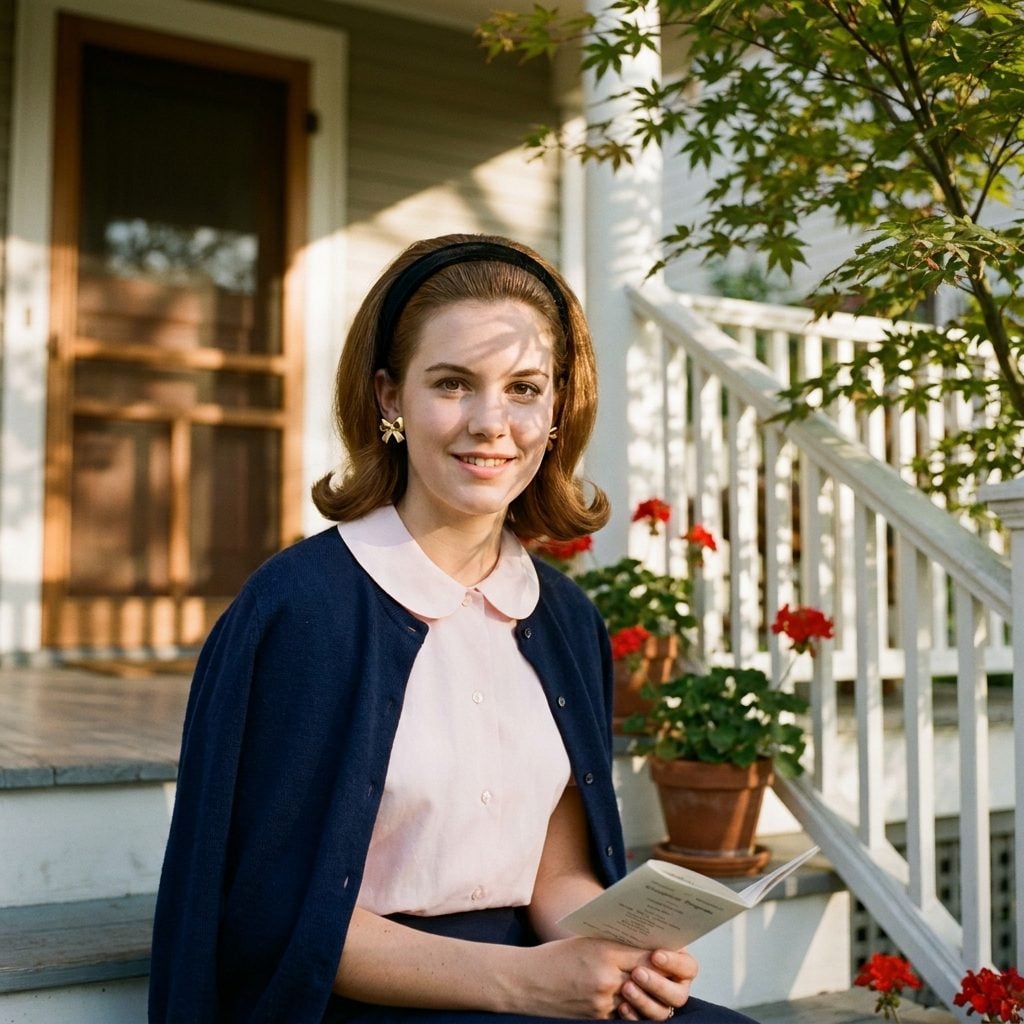
Given by an aunt, presented in a small robin’s-egg box, sometimes engraved on the back with initials. These were the training-wheel ring equivalent of jewelry — the piece you were trusted to wear without losing.
They stayed in rotation for decades because they went with everything: a first job interview, a first date, a first apartment, a first apartment robbery, a first funeral. Eventually they went into a jewelry box and stayed there, waiting for a granddaughter to eventually ask what on earth they were.
19. Chandelier Drops in Aurora Borealis Crystal That Looked Like Miniature Ice Storms
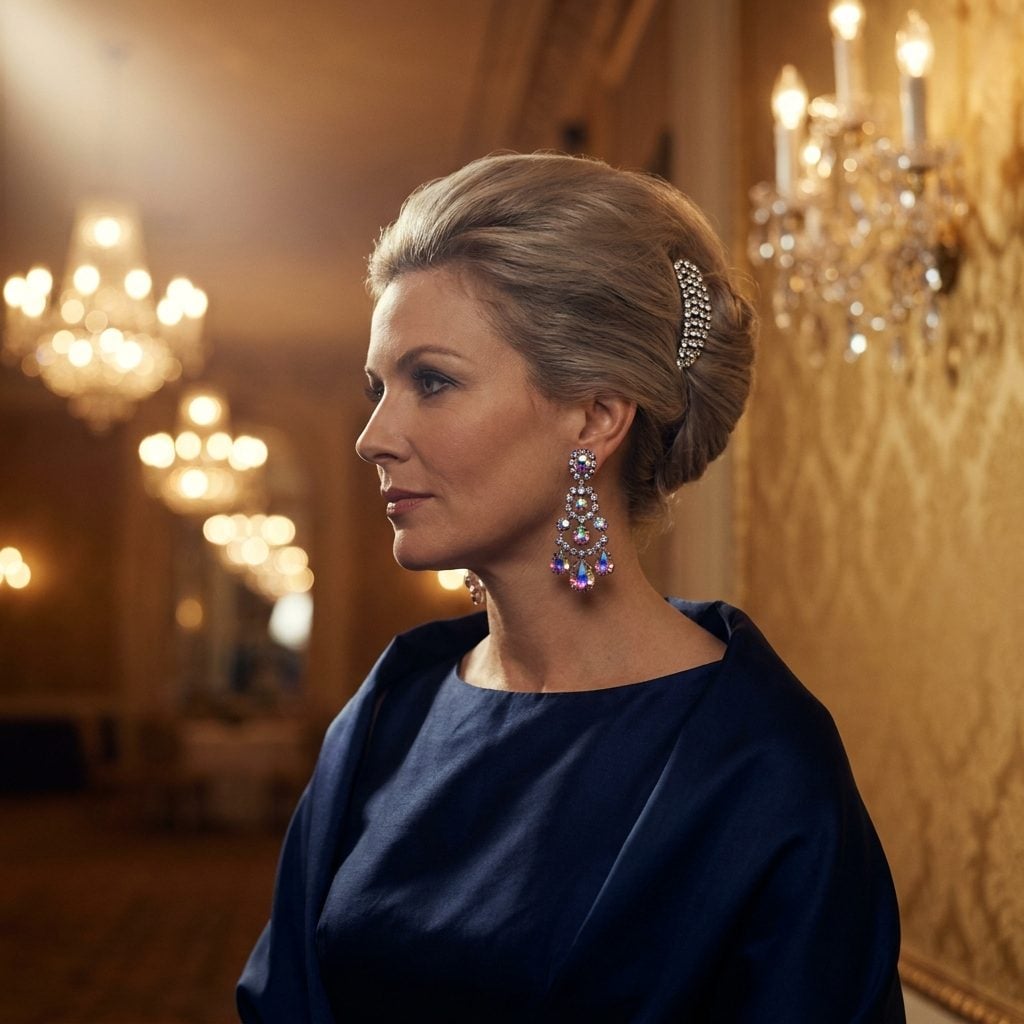
Aurora borealis crystals changed colour every time she moved. Pink at one angle, violet at another, then a quick flash of green or gold when the ballroom lights caught them. Against a dark navy dress, the earrings became the brightest thing in the frame without needing a necklace or another piece of jewellery nearby.
The shape was formal rather than playful: a fitted cluster at the lobe, narrowing through the middle, then opening into three teardrop crystals below. Worn with an upswept hairstyle and a matching crystal comb, they framed the face like part of the evening’s architecture. These were not earrings added at the last minute. They were the reason the hair went up.
Why They Stood Apart: Aurora borealis coating gave clear crystals an iridescent finish that shifted with the light. The effect was especially dramatic in chandelier earrings, where every suspended stone caught the room from a slightly different angle.
18. Button Studs in Every Color to Match Every Shoe She Owned
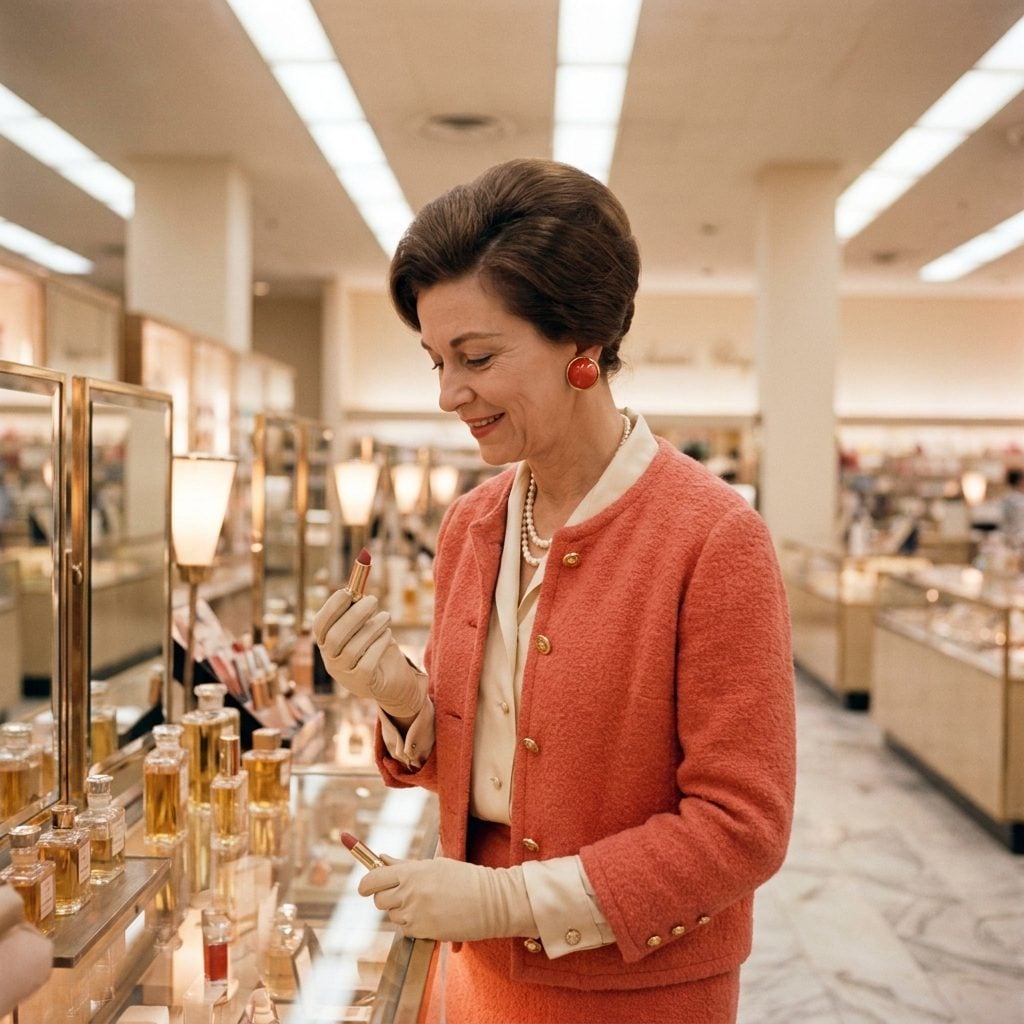
Every woman had a small drawer, or a small box, containing button clips in navy, red, kelly green, cream, black, and one wildcard color she’d bought on impulse and never quite figured out how to wear. Matching your earrings to your shoes was not a suggestion. It was posture.
They came from the same rack at the department store — spun on a little vertical carousel, priced under three dollars, a small bin of orphaned singles at the bottom for the truly bargain-hunting. Losing one was a minor tragedy. Finding the mate six months later under the bed was a resurrection.
17. The Enamel Flower With the Faux Pearl Center Every Aunt Owned in Three Colors

The universal aunt earring. Not the glamorous aunt, not the wild aunt who moved to San Francisco and stopped answering her mother’s letters, but the aunt who remembered every birthday and sent a card with a two-dollar bill folded inside. She had these in blue, pink, and yellow, and she rotated them by season without ever consulting anyone.
The pearl center was plastic, the enamel was baked on, and the whole thing cost less than a sandwich. Somehow no accessory styles from that era survived quite as intact in family jewelry boxes — you could open a drawer in 2004 and find a mint pair, still on their little cardboard.
16. Long Tassel Danglers That Brushed the Collarbone Like a Secret

❤️ Would you like to save this?
By the late sixties the clip-on had gone hippie. These tassels swung with every syllable, tangled in every scarf, and caught on every collar of every turtleneck she owned. Nobody cared. The movement was the whole appeal.
They were the transition earring — the one that carried a whole generation from bouffants and bridge parties into candlelit dinners with a boyfriend who owned a guitar and strong feelings about Dylan. Every woman who wore them remembers their specific weight, the way they made her turn her head slower, more deliberately, as if the earrings themselves were teaching her a new style of being in a room.
15. The Hammered Copper Disc That Looked Like It Came From a Santa Fe Art Fair
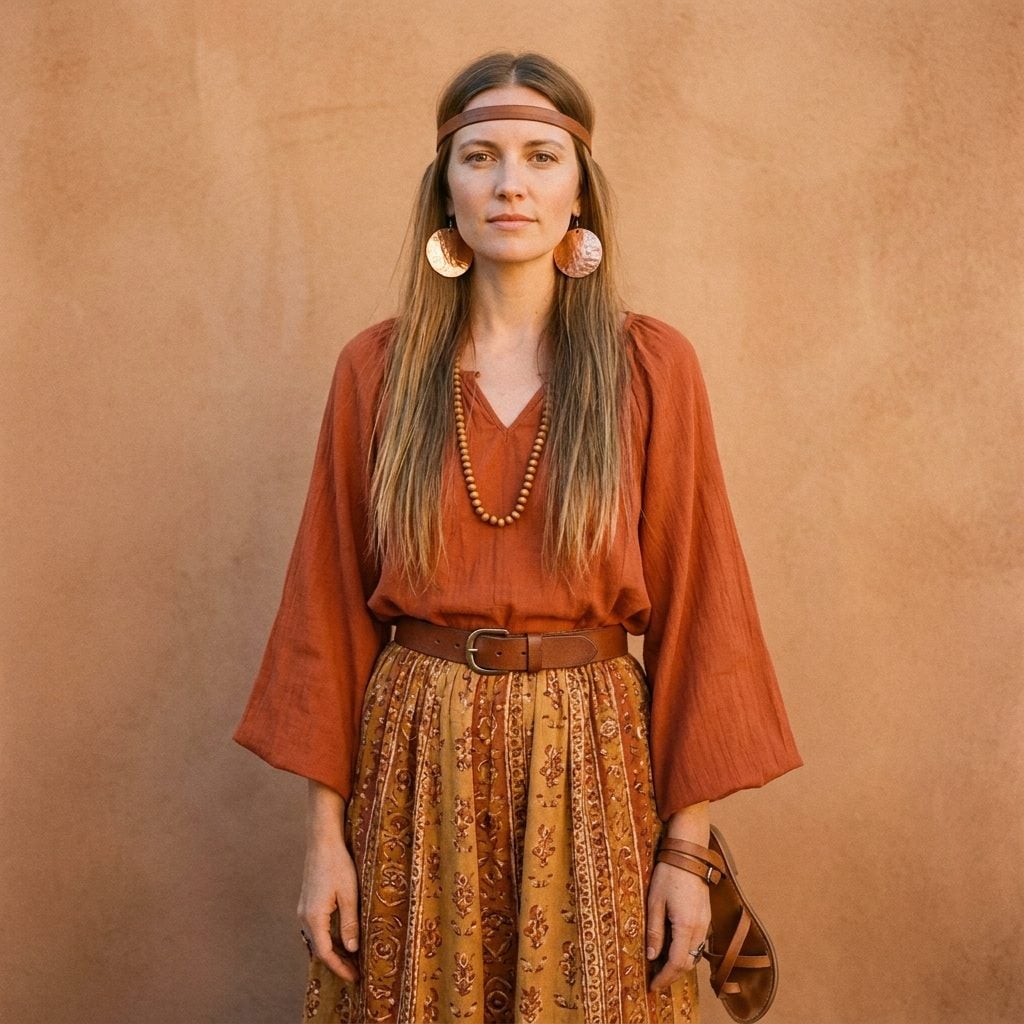
These were the earring that said you had opinions about things. Big, irregular, slightly uneven copper discs with a hammered surface that caught light differently depending on the angle. They weighed enough to make themselves known. You could find them at craft fairs, at small import shops that also sold sandalwood incense, or occasionally at a boutique that smelled like patchouli and possibility.
The woman who wore these was signaling something. She read. She had thoughts about the war. She owned at least one piece of macramé and was not embarrassed about it. The copper disc was less an earring than a position statement, clipped firmly to the lobe and worn with the confidence of someone who did not need your approval.
14. The Chandelier Clip That Was Basically a Wind Chime for Your Face
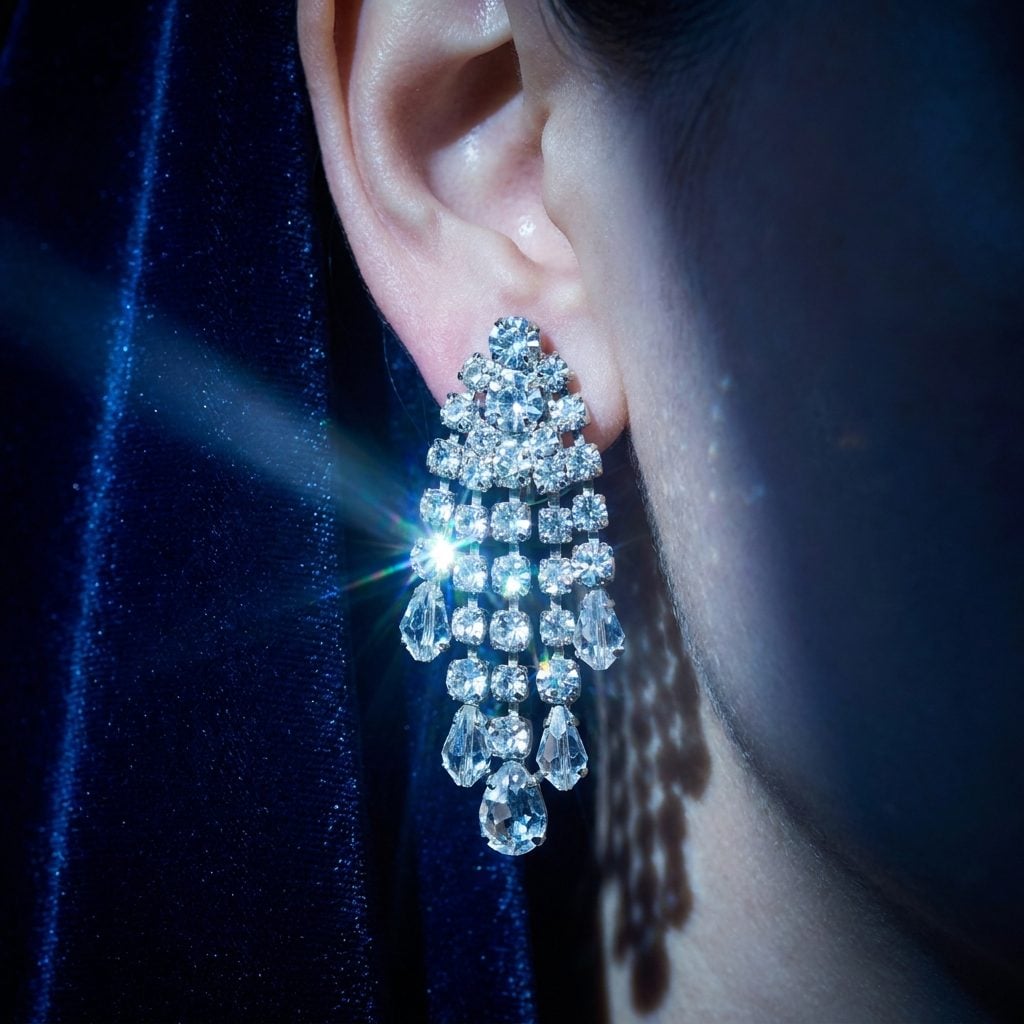
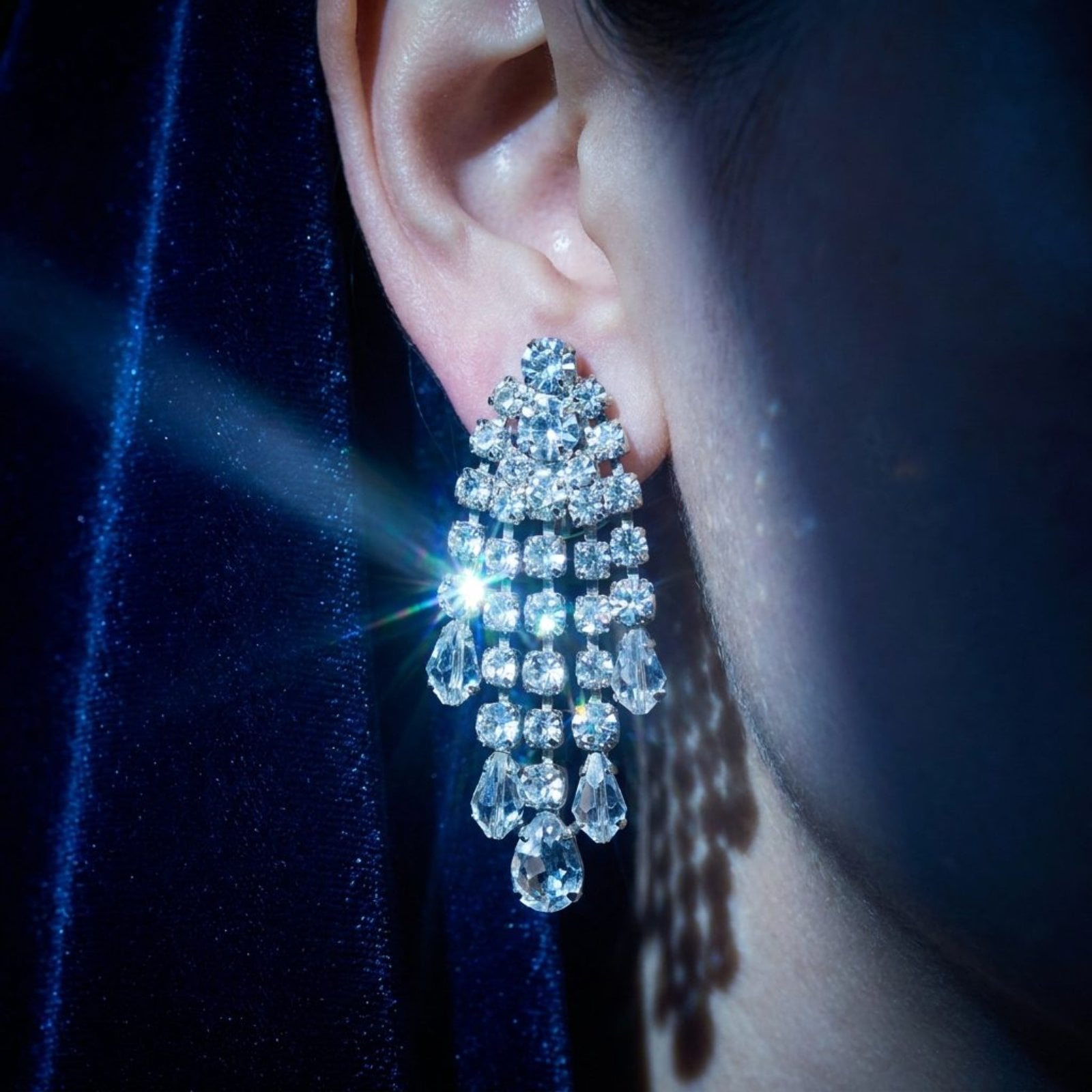
They arrived in a tiny velvet box and felt impossibly glamorous. Multi-tiered rhinestone chandelier clips, three, sometimes four rows of drops, that caught light the way nothing else in the room did. You could hear them before you could see them, a faint musical clink with every turn of the head.
These were evening earrings worn to afternoon bridge parties and Sunday church services without a second thought. The clip mechanism had to grip hard enough to keep all that architectural weight in place, and by hour two your earlobes were quietly filing a formal complaint. Worth it, obviously. The mirror said so.
13. Twisted Rope Knots in Gold That Looked Knotted by Hand But Were Definitely Cast in a Factory in Providence
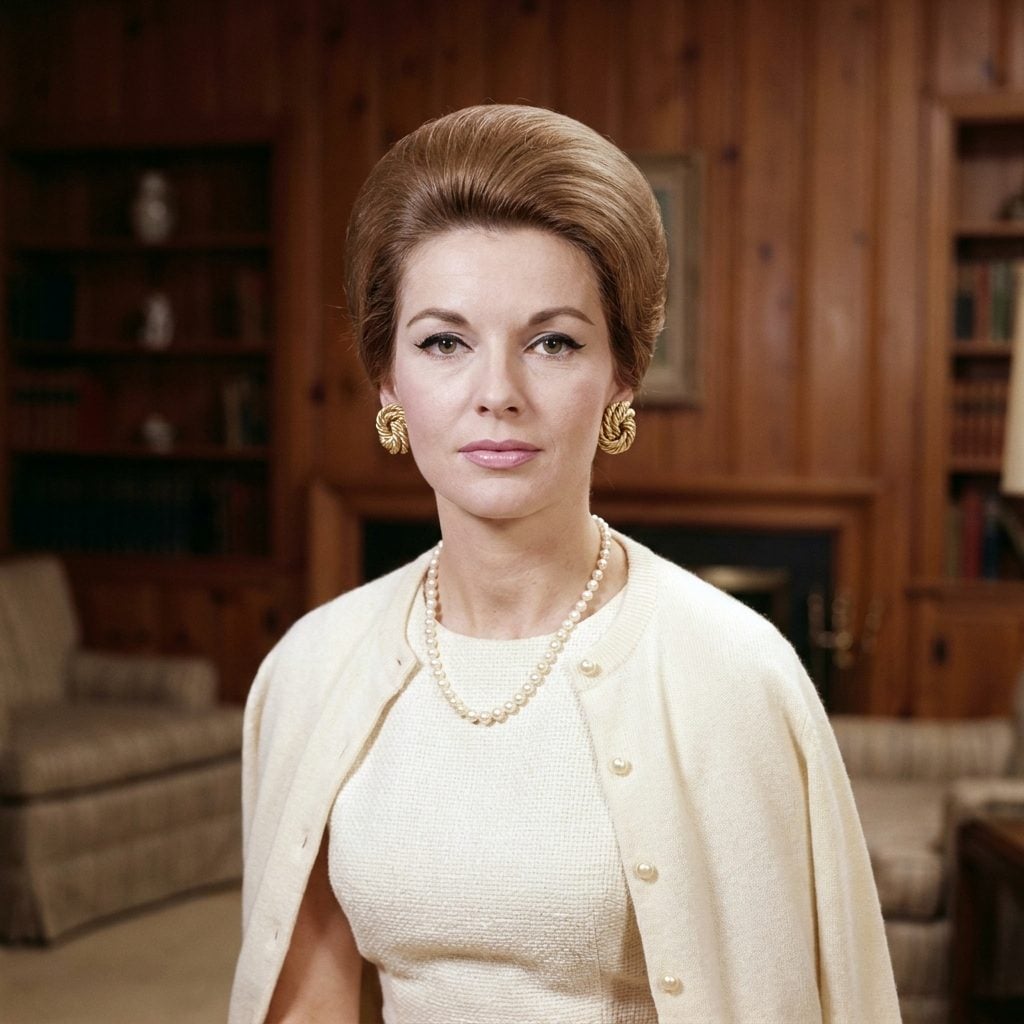
The rope-knot clip was one of those designs that somehow read as both nautical and boardroom-appropriate at the same time. Gold, always gold, twisted into a knot shape that implied craftsmanship without actually requiring any. Every department store jewelry counter had a version. Every woman’s jewelry box had at least one pair.
What made them work was their neutrality. They went with everything. The boatneck sweater, the church suit, the cocktail dress. They were the gold stud of their era, just with more personality and considerably more surface area. You never thought twice about reaching for them, and that reliability was the whole point.
12. Jet Black Japanned Ovals That Made Every Outfit Look Slightly More Serious
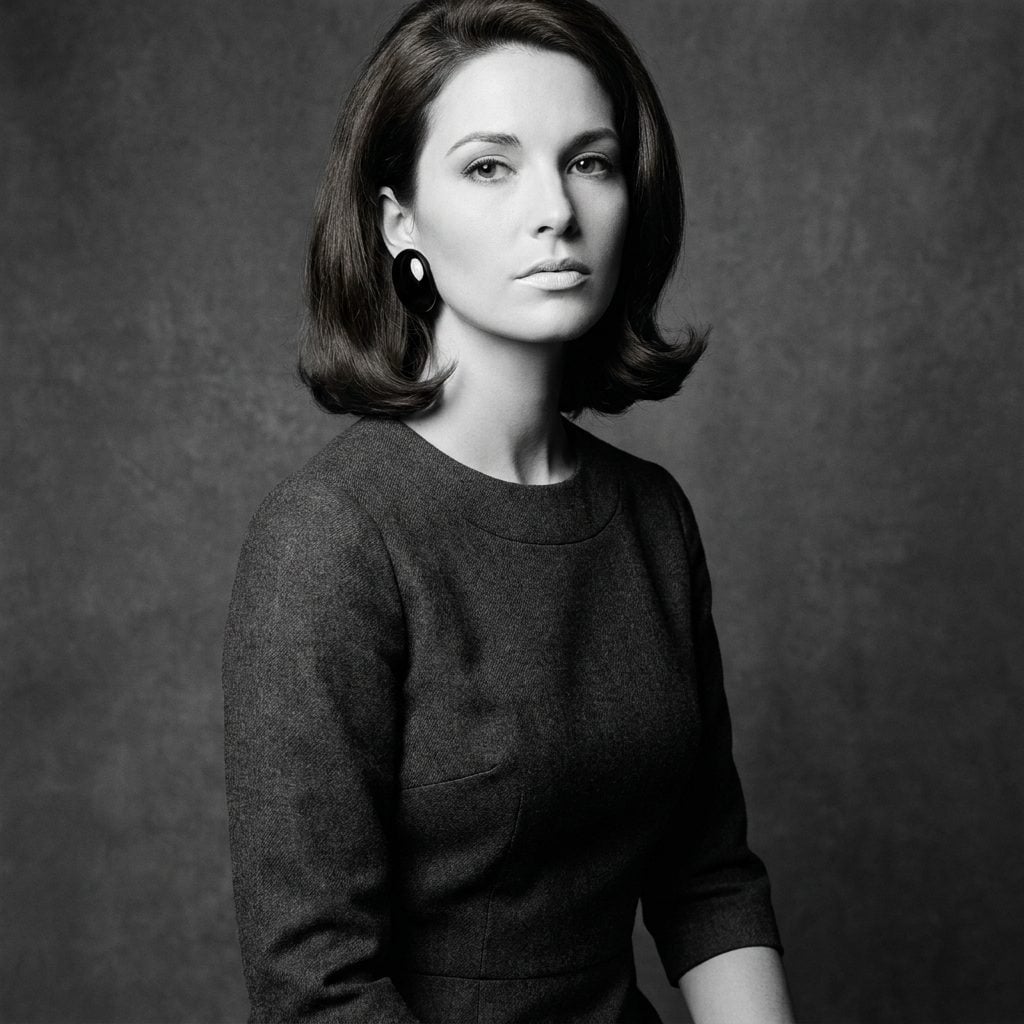
Jet black japanned earrings were the sophisticate’s choice. No rhinestones, no movement, no apology. Just a high-gloss black oval sitting calmly against the lobe like it had been there all along and had no plans to leave. Women who wore these were not trying to be noticed. They were trying to be taken seriously, which is a different ambition entirely.
The accessory styles that defined early-60s minimalism often came in this same register. The beauty of japanned black was its absoluteness. It worked against black, against cream, against a winter coat. It asked nothing of you. That was the point.
11. The Wide Ivory Hoop That Was Carved to Look Like Bone and Absolutely Was Not
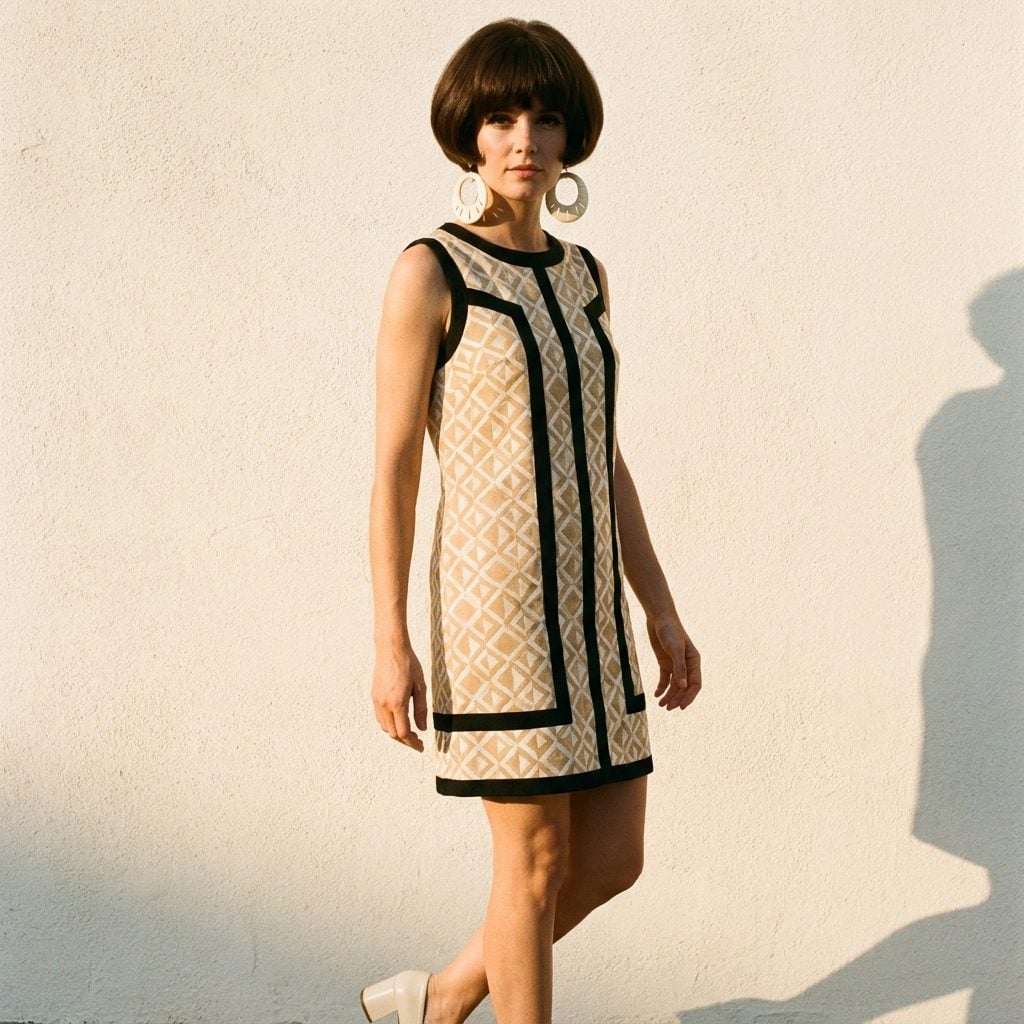
These looked like they came from somewhere exotic, and they did not. They came from a display hook at a boutique in a strip mall. But the wide, flat hoop in that warm carved-ivory color had a presence that the actual price tag didn’t support. Paired with the graphic shift dresses of the mid-60s, they looked deliberate. Modern, even.
The fact that they were plastic was irrelevant. The visual effect was what mattered, and the visual effect was sculptural and clean. Women who wore these had figured out that the style move was scale, not sparkle.
10. Antiqued Cameo Clips That Came in a Velvet Box and Were Treated Like Heirlooms
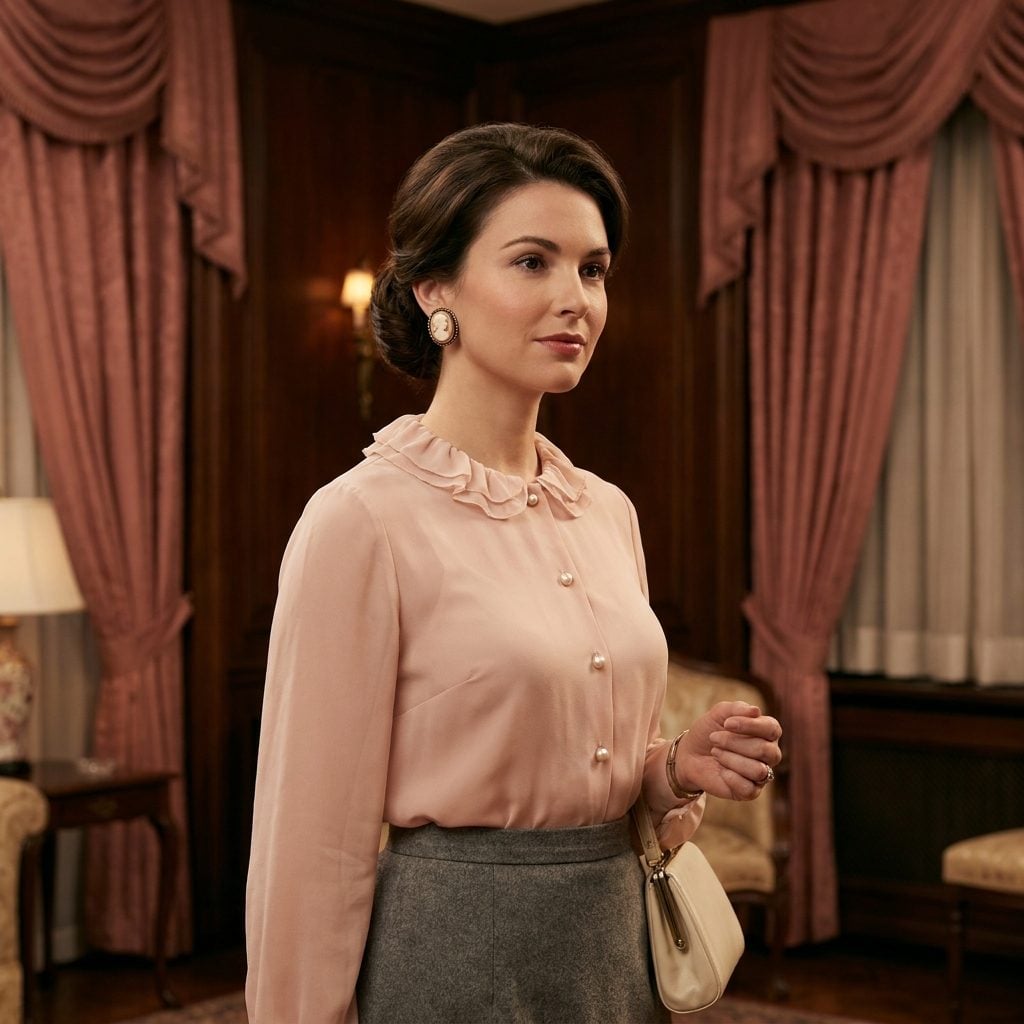
Every woman’s jewelry box had a pair of cameo clips tucked away in a small velvet-lined box, usually received as a gift and treated with a reverence entirely out of proportion to their retail cost. The oval frame, the pale profile on that blush background, the tiny beaded border that looked like goldsmith’s work but was molded in one press. They felt old in the best way.
You wore them to things that required sitting quietly and behaving well. A wedding. Easter Sunday. A teacher’s retirement luncheon. They were the earring equivalent of good posture: specific, intentional, and unmistakably an indication that the wearer understood the assignment.
9. Midnight Blue Enamel Teardrops With That Particular Frosted Finish Nobody Makes Anymore
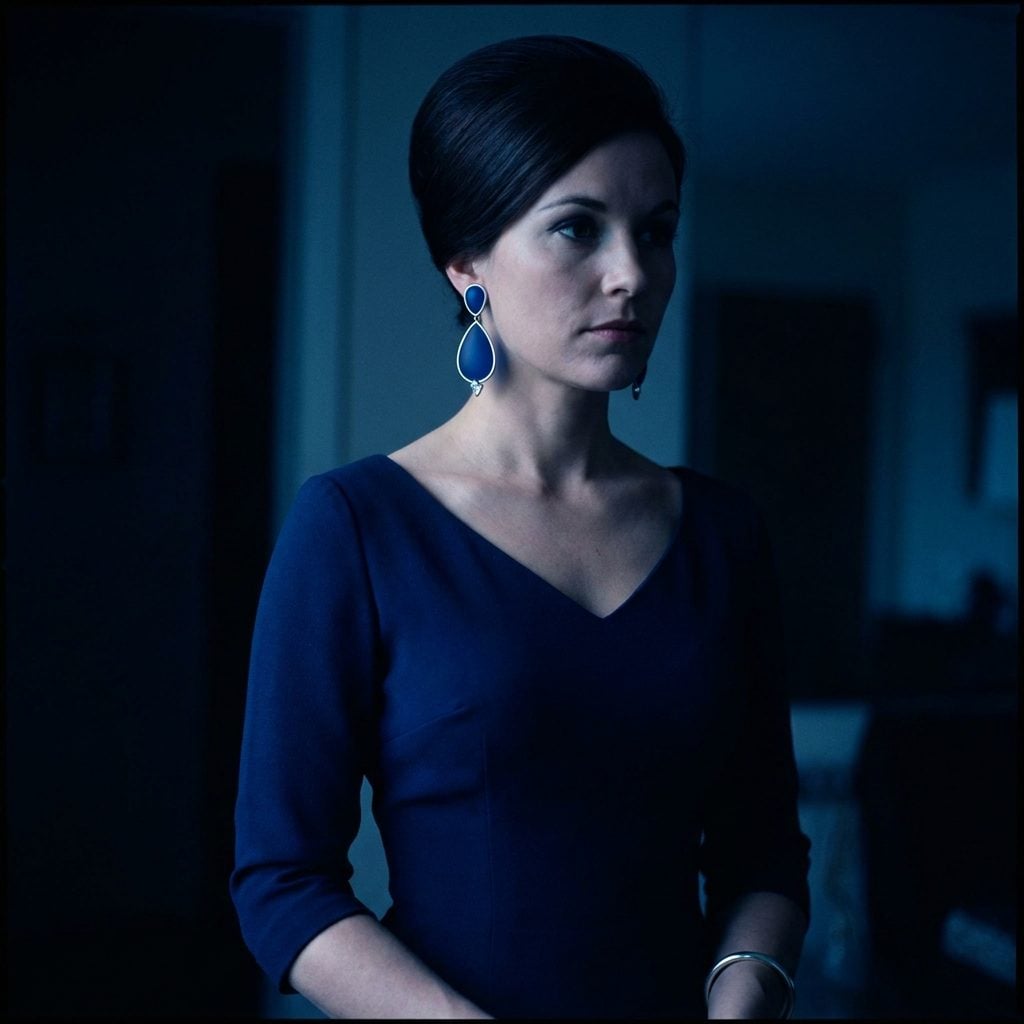
Frosted enamel is a finish that simply does not exist in the same way anymore, and that’s a quiet loss. Not glossy, not matte exactly, but somewhere between the two. A surface that looked like it had been touched by cold air. These midnight blue teardrops in that finish were the earring you reached for when you needed to look like you had composure you may or may not have actually possessed.
Tonal dressing in the 1960s, matching your earring color to your dress, was considered chic rather than overly coordinated. These did that job with a particular kind of quiet drama. The ring might be borrowed, the shoes might pinch, but those blue teardrops sitting perfectly against an upswept chignon looked like you had planned the whole thing for weeks.
8. The White Plastic Button Clip That Was Basically a Life Saver With a Hole in It
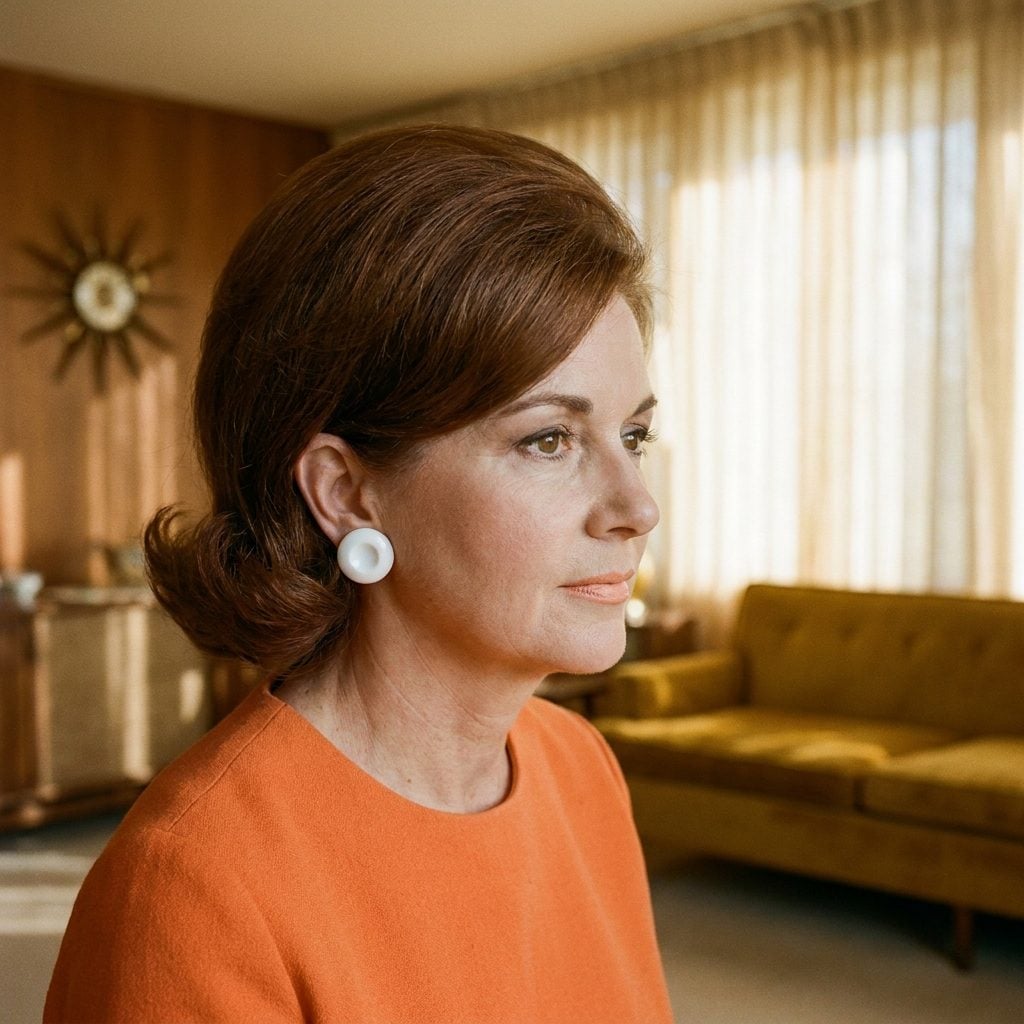
Every woman had a pair. Cream, ivory, bone white, or that faintly yellowed shade the plastic went after a few summers on a vanity tray — the button sat flat against the earlobe like a piece of hard candy someone had stuck on for safekeeping.
You grabbed them when you were running late and couldn’t think. They went with the coral shift, the yellow sundress, the navy sheath, the pastel Easter suit. Cost almost nothing at the five-and-dime. Lived in a bowl on the dresser next to bobby pins and one lost cufflink.
7. Faux Turquoise Nuggets Set in Antiqued Silver That Every Woman Bought on Vacation

The Southwest trip earring. You came home from Albuquerque or Taos with a pair wrapped in tissue paper and wore them constantly for six months as proof you’d been somewhere. The turquoise was almost never real. Nobody cared.
They read as artistic — a little bohemian, a little worldly, the signal that you had opinions about pottery and had maybe read a book about Georgia O’Keeffe. They looked wrong with a twin set and perfect with anything suede.
6. The Sputnik Starburst Clip Nobody Could Explain But Everyone Wore

Space age hit jewelry the same year it hit everything else. These earrings looked like tiny models of the solar system — all spokes and points and a pearl at the center holding the whole thing together.
Going-out earring. The one you wore to dinner at the club or to a New Year’s party, because the rhinestones caught candlelight and threw it around the room. Also the earring most likely to snag your husband’s jacket when he leaned in for a slow dance, which is a very specific 1962 memory nobody has talked about in fifty years.
5. Coral Branch Clips That Looked Plucked Straight From the Reef
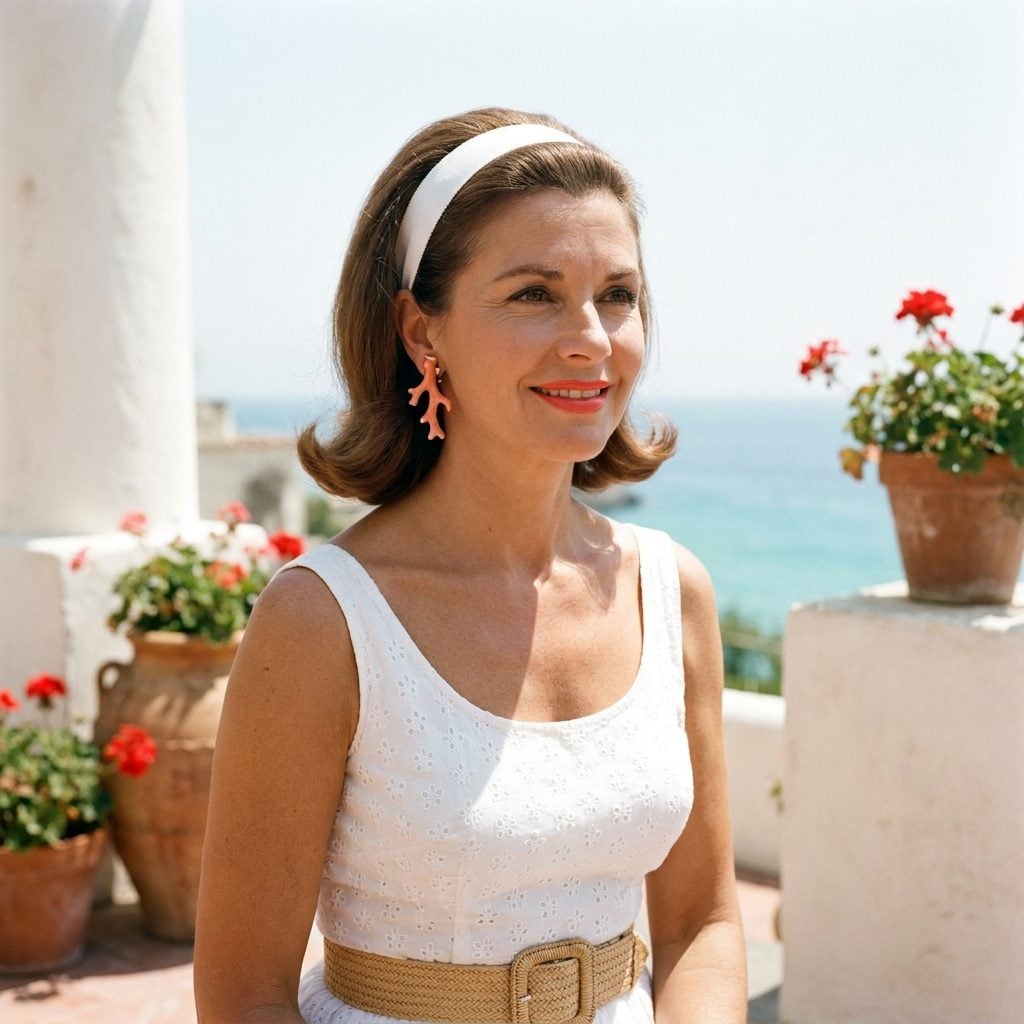
Actual coral in the early sixties, then increasingly plastic as the decade wore on and coral got expensive. The branching shape mattered — it looked like something you had pulled from the ocean yourself, which was the fantasy every resort-wear catalog was selling that summer.
They matched coral lipstick, which was its own commitment. A woman in coral earrings and coral lips was going somewhere warm, or wanted to look like she’d just come back.
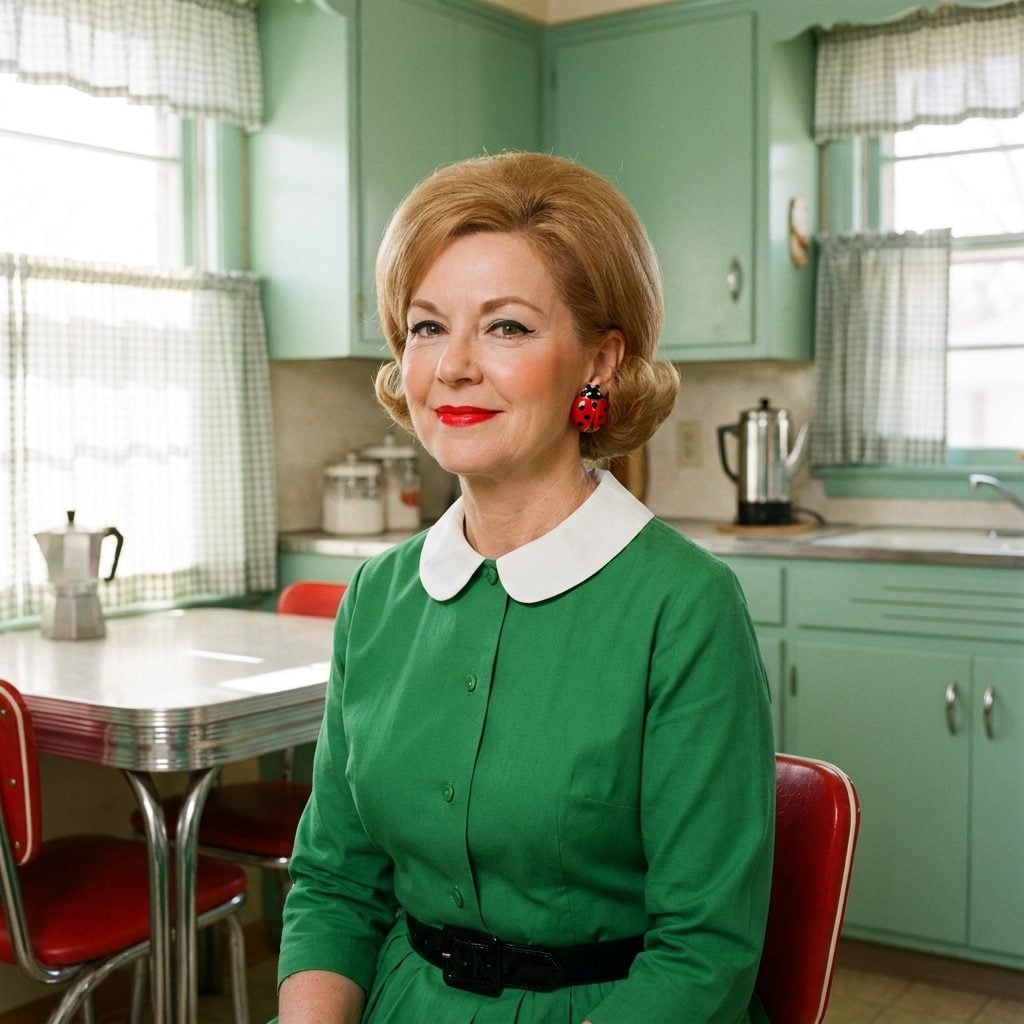
4. The Enamel Ladybug the Size of a Quarter That Was Somehow Considered Grown-Up
❤️ Would you like to save this?
Novelty jewelry had its moment and the ladybug ruled it. Enamel over metal, hand-painted dots, a tiny black head with two little antennae. Grown women wore them to work, to bridge club, to pick up their kids from school.
The 1960s had a much wider tolerance for whimsy in a grown woman’s jewelry than we do now — a woman in her forties clipped on two ladybugs and nobody thought a thing of it. Try that in a boardroom today.
3. Mother of Pearl Discs That Caught the Light Like Little Moons
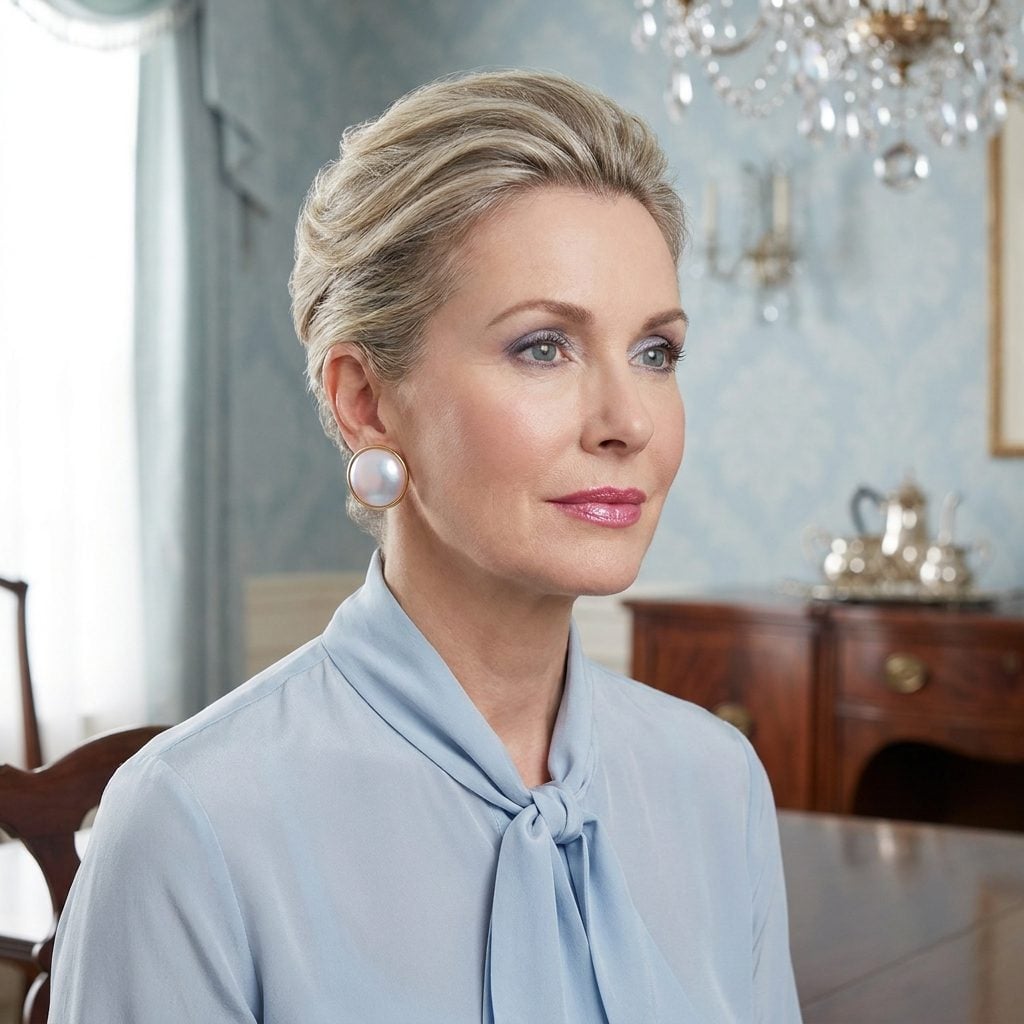
Delicate in a way most sixties jewelry was not.
Mother of pearl came in matching sets with a pin or a bracelet, gifted by mothers-in-law and worn to Easter services and christenings. Each disc caught the light differently depending on how you turned your head. Quiet earrings for quiet occasions, the opposite of the loud enamel and rhinestone crowd. Almost every jewelry box had a pair, usually alongside a matching brooch that hasn’t been worn since 1974.
2. The Big Yellow Flower Power Clip You Bought at the Head Shop

Late sixties, everything got bigger and louder, and earrings followed suit. These flowers hung nearly to the jawline and weighed almost nothing, which was the mercy of the plastic revolution.
You bought them at the boutique on the corner that also sold candles and Ravi Shankar records. Your mother hated them. That was largely the point.
1. The Aurora Borealis Beaded Cluster That Sat Perfectly Above a Turtleneck

The finish that defined an era. Aurora borealis was a coating that made clear or pale beads flash pink, gold, green and violet at once, and it turned up on everything from earrings to sweater sets to Christmas ornaments hanging in the front window.
The cluster style sat close to the ear, small enough to work with a turtleneck without tangling and iridescent enough to change color every time you tilted your head under the office fluorescents. Everyday earrings that felt slightly special — nobody’s managed to reproduce that exact quality since.