
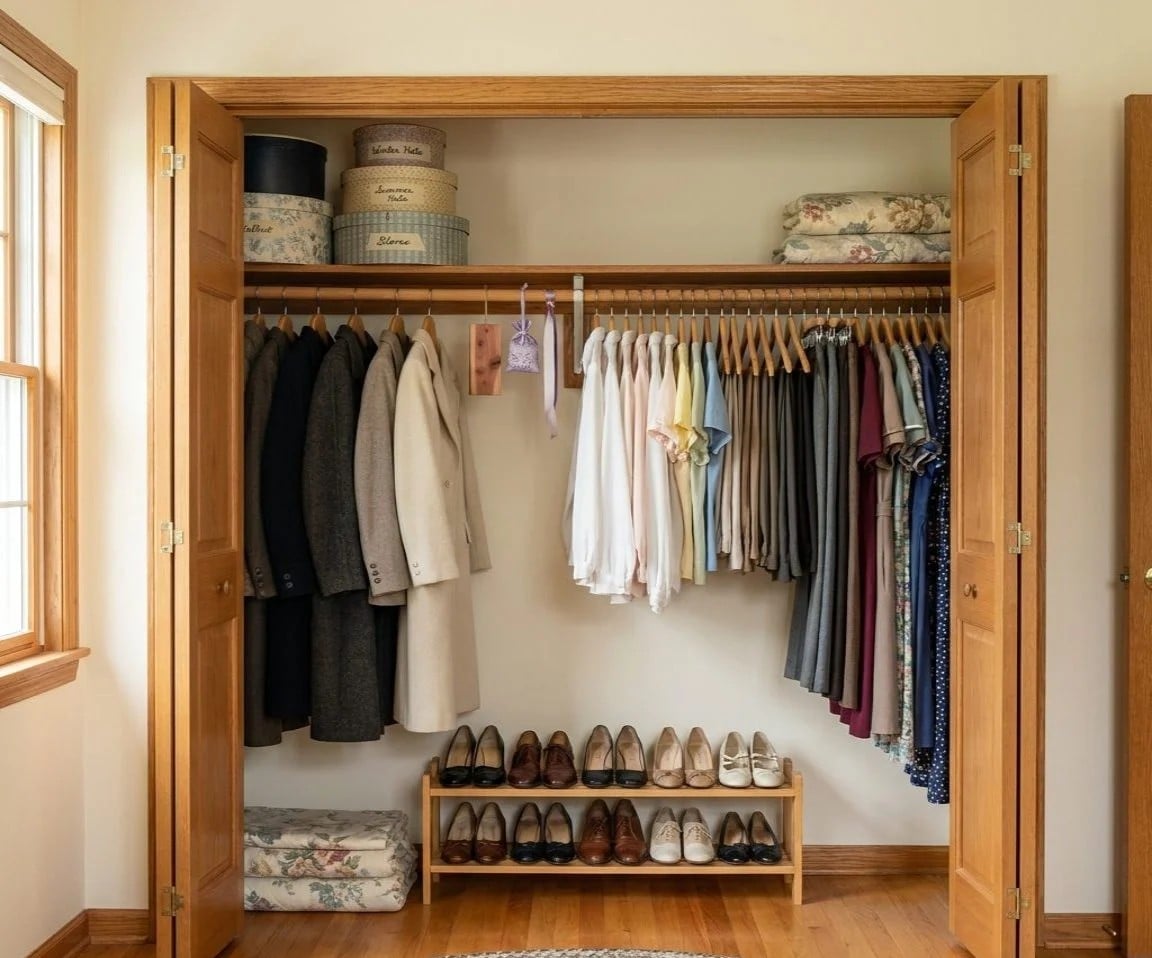
❤️ Would you like to save this?
The clean laundry has been on the chair for four days. You know it’s there. You’re not proud of it. Or maybe your shirts are organized by sleeve length, and you genuinely can’t sleep when they’re not. Either way, nobody taught you that habit in a vacuum. The way you handle a fresh-from-the-dryer pile is surprisingly personal, a small, daily ritual that points straight back to the house you grew up in, the parent who showed you how, or the one who never did.
FYI, thanks to AI imagery software, we’re able to create very specific fashion and hairstyle examples to illustrate the points being made. In some cases, imagery is exaggerated to hammer home the point. Also, assume links that take you off the site are affiliate links such as links to Amazon. this means we may earn a commission if you buy something.
23. The Person Who Folds Fitted Sheets Perfectly Grew Up in a House That Expected It
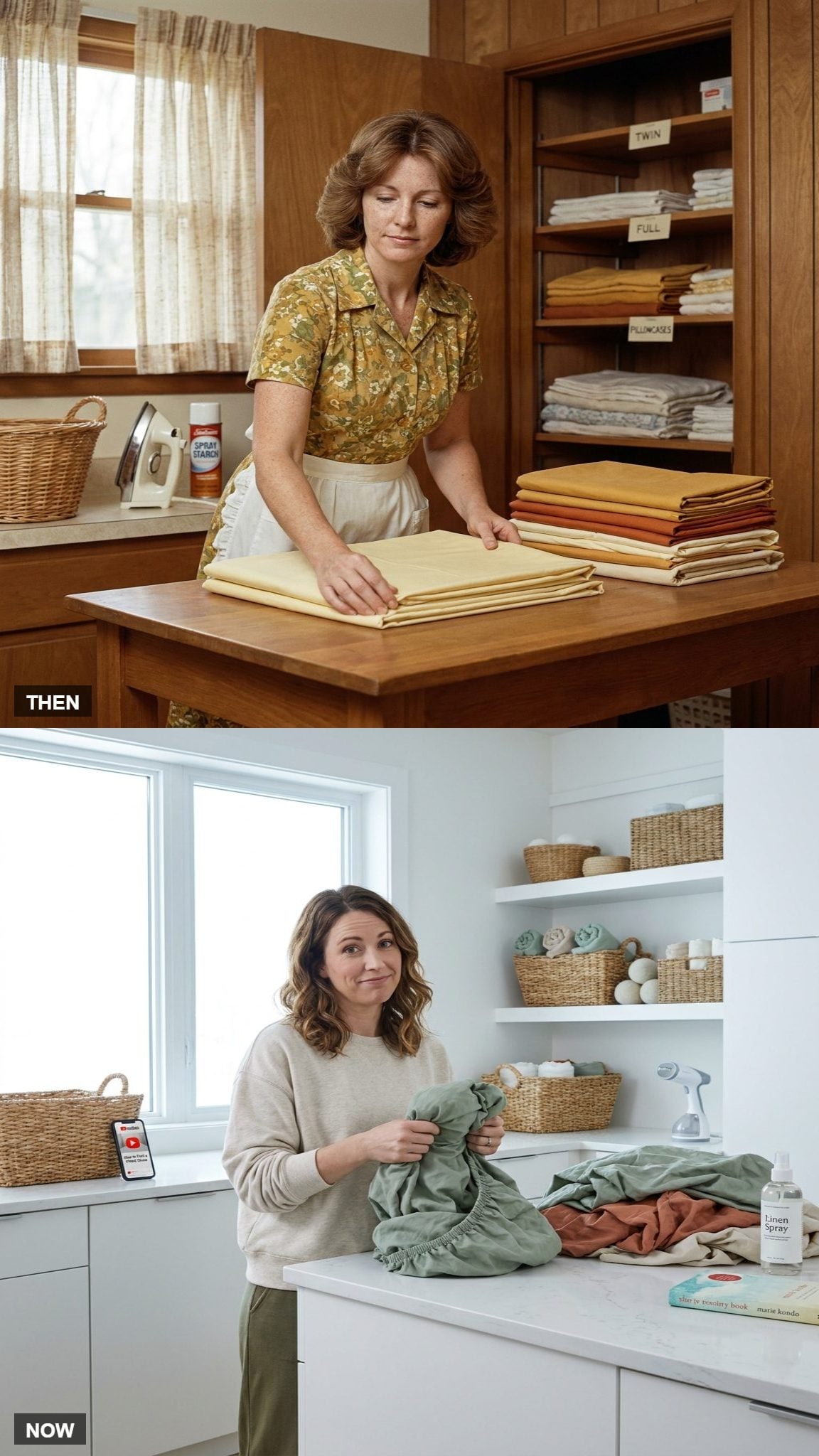
There are two kinds of people in the world: those who fold a fitted sheet into something vaguely sheet-shaped, and those who can produce a perfect rectangle that stacks flat in a linen closet. The second group didn’t discover this skill on YouTube. They were shown, once, firmly, in childhood, and they were expected to replicate it every single week.
A house that demanded properly folded fitted sheets was almost always a house with other systems too. Labeled shelves. Specific places for specific things. A parent who viewed wrinkled linens as a personal failing. That expectation doesn’t leave you. You’ll fold a fitted sheet correctly in a motel at 11pm out of pure reflex.
22. The Hanger Rule: What You Hang vs. What You Fold Reveals a Lot About Who Bought the Closet
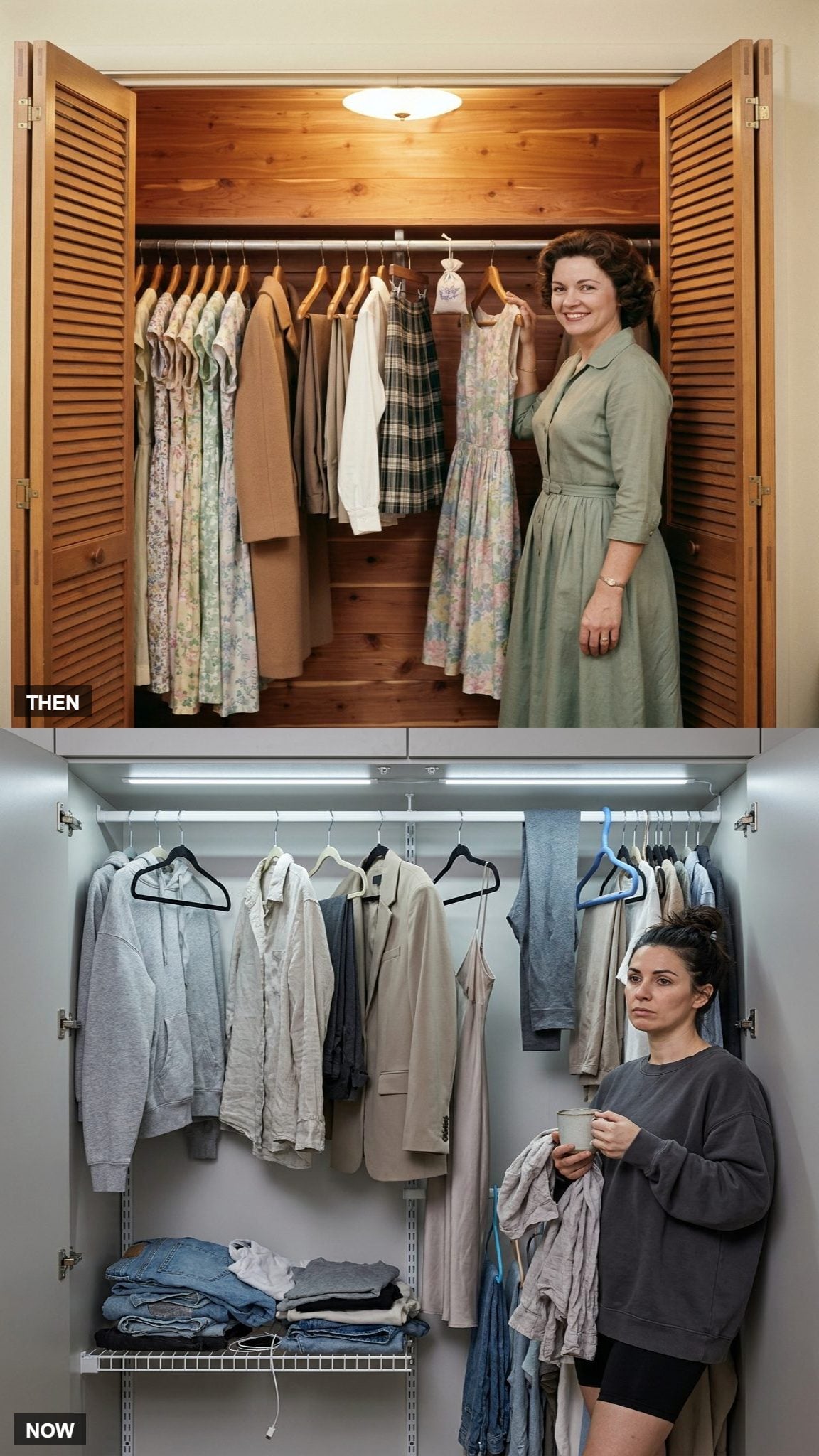
In some households, everything that wasn’t a T-shirt got hung. Immediately. While it was still warm from the dryer. In others, hanging was reserved for formal occasions, and even then, only if company was coming. What got the hanger treatment and what got folded (or neither) tracks almost perfectly back to whoever set up the first closet you ever used.
The person who hangs their jeans isn’t aspirational. They were just raised in a house with a cedar closet, matching hangers, and a parent who said things like “clothes last longer when they breathe.” That logic moved in and never left.
21. The Sock Ball vs. the Flat Fold: A Family Argument That Has Been Going on for Forty Years
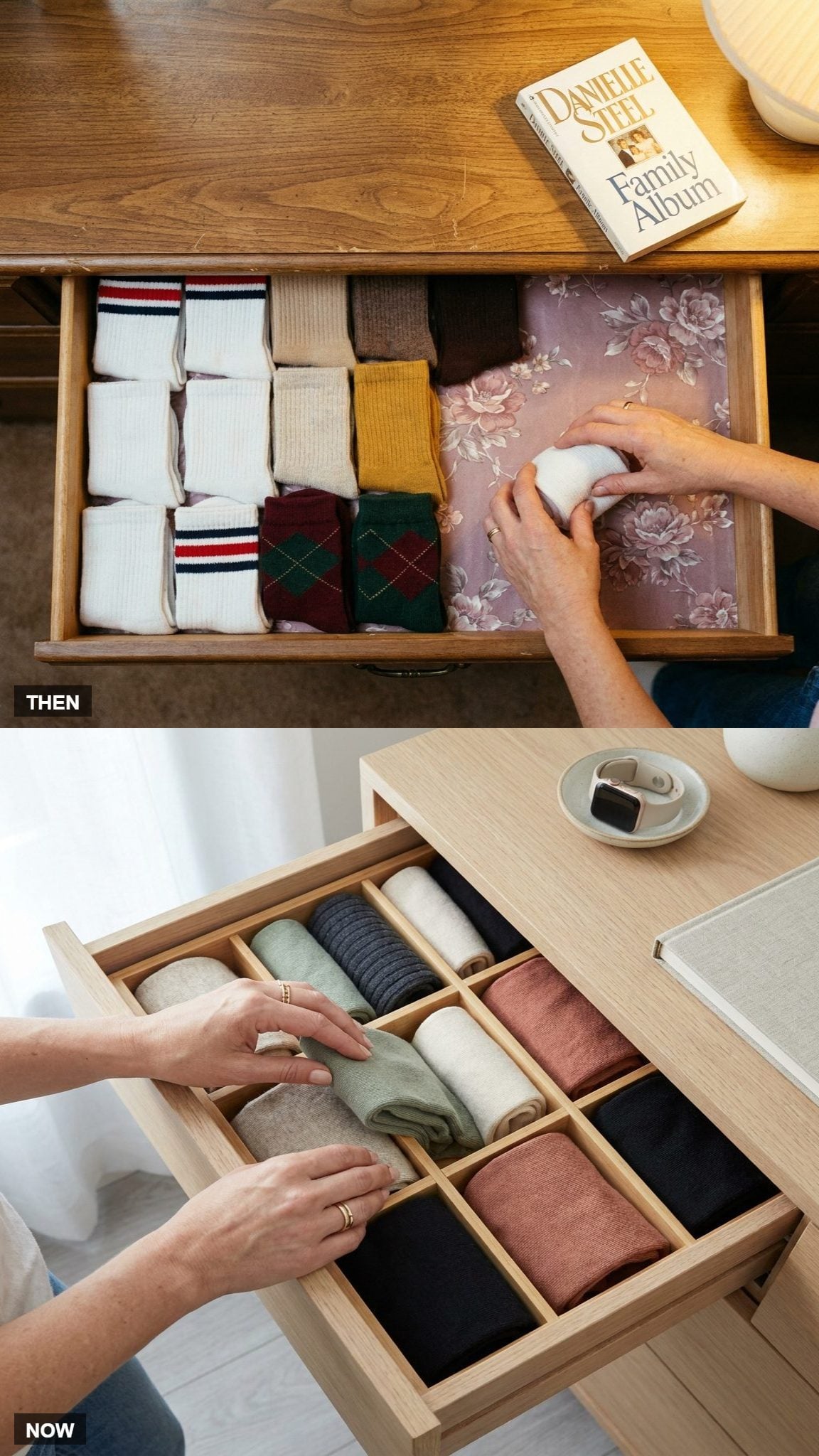
The sock ball camp will tell you it’s faster. The flat fold camp will tell you it destroys the elastic. Both are correct. Both learned their method before age ten and have never questioned it since.
Rolling socks into balls was almost always the method in houses where efficiency outranked precision. Fast, done, into the drawer. Flat folding came from houses where things were done properly because they were done properly. Neither method is wrong. But bring it up at Thanksgiving and see what happens.
20. The Person Who Folds Clothes Before They Leave the Store Grew Up With a Specific Kind of Parent
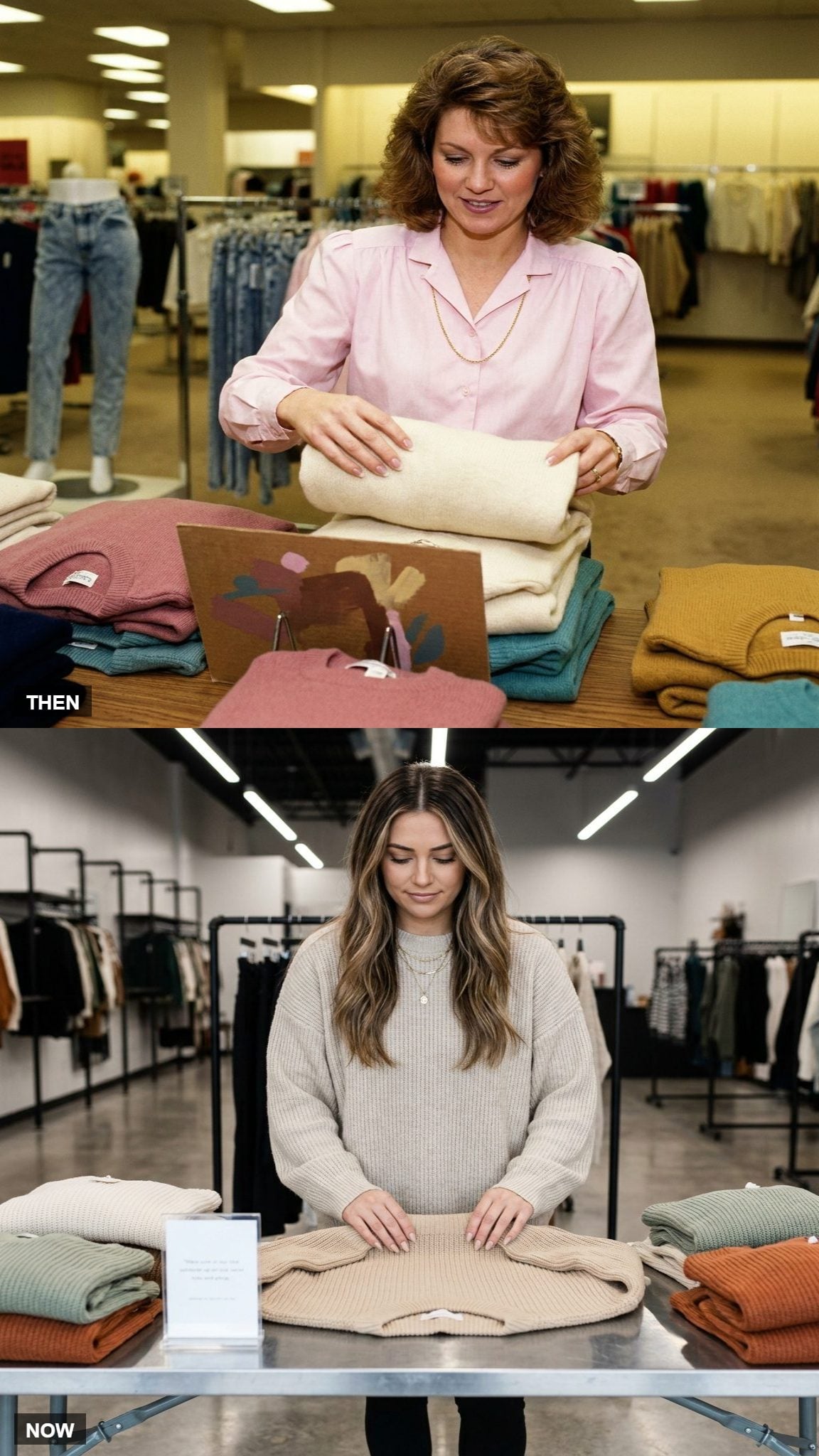
You know this person. You might be this person. The one who unfolds a sweater on the sale rack, checks the tag, and then folds it back into something resembling a professional display. Not because anyone is watching. Because leaving it messy feels genuinely wrong.
This behavior has one origin: a household where mess was not left for other people to deal with. Retail workers, grocery clerks, strangers in general. Cleaning up after yourself extended past your own home. That ethic sits deep. It doesn’t turn off in a TJ Maxx at noon on a Saturday.
For what it’s worth, the in-store crowd is still the majority: in our reader polls, 63% said they shop in store rather than online.
19. The Child Who Was Handed a Laundry Basket and Told to ‘Sort It Out’ Grew Up Faster Than the Rest
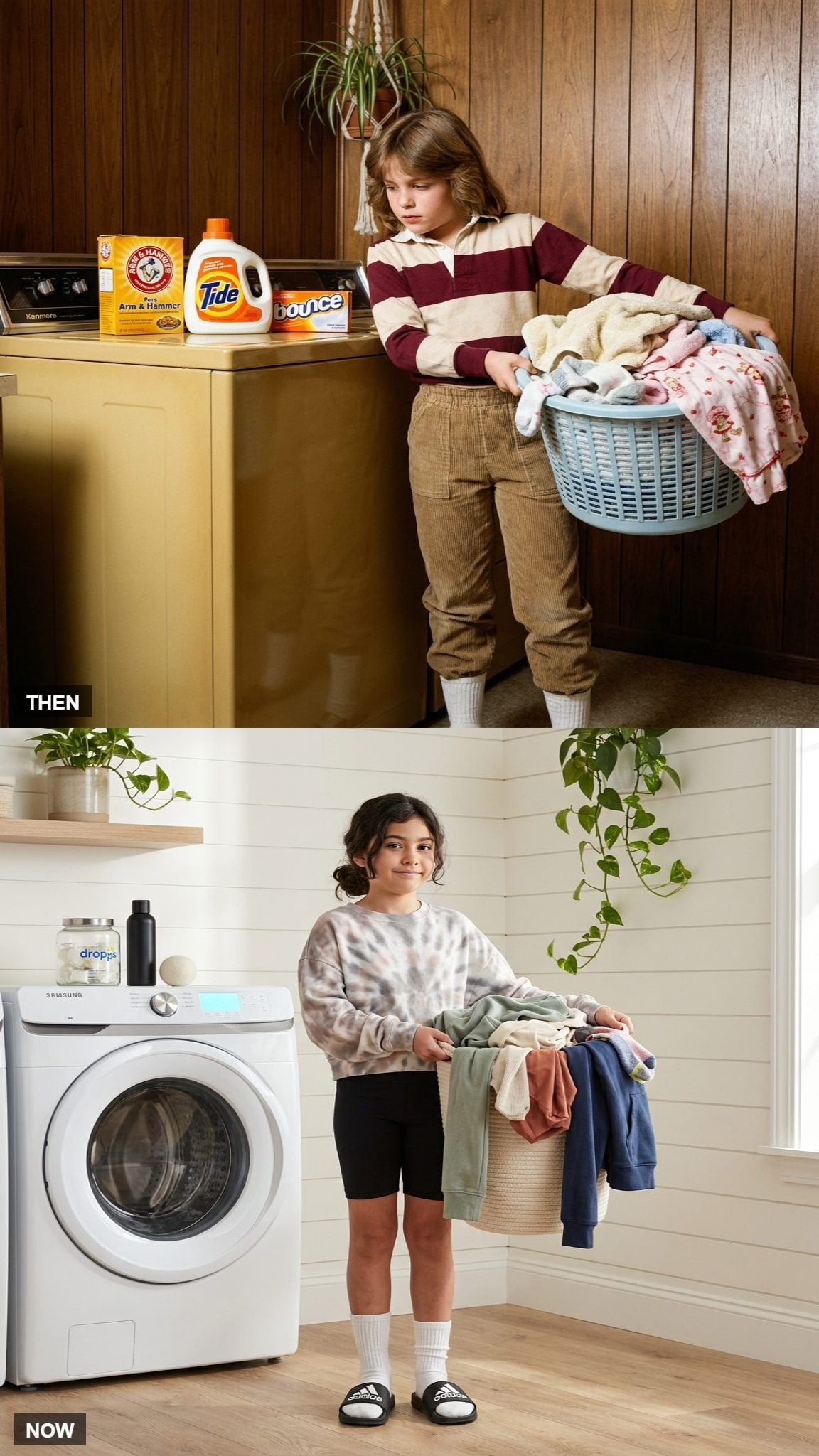
Being handed a full laundry basket and trusted to sort it, or delegated to it, before you were old enough to read the care labels is a very specific childhood marker. It means the household ran on visible participation. Everyone had a job. Yours was laundry, or part of it.
Adults who grew up sorting clothes early tend to have an almost unconscious system. Colors here. Darks there. The stray sock goes on the banister until its match shows up. They didn’t develop these habits from YouTube. They developed them from being handed responsibility and left to figure out the logic alone.
18. What You Do With Dry Cleaning Tags Says Something About the Household’s Relationship With ‘Nice Things’
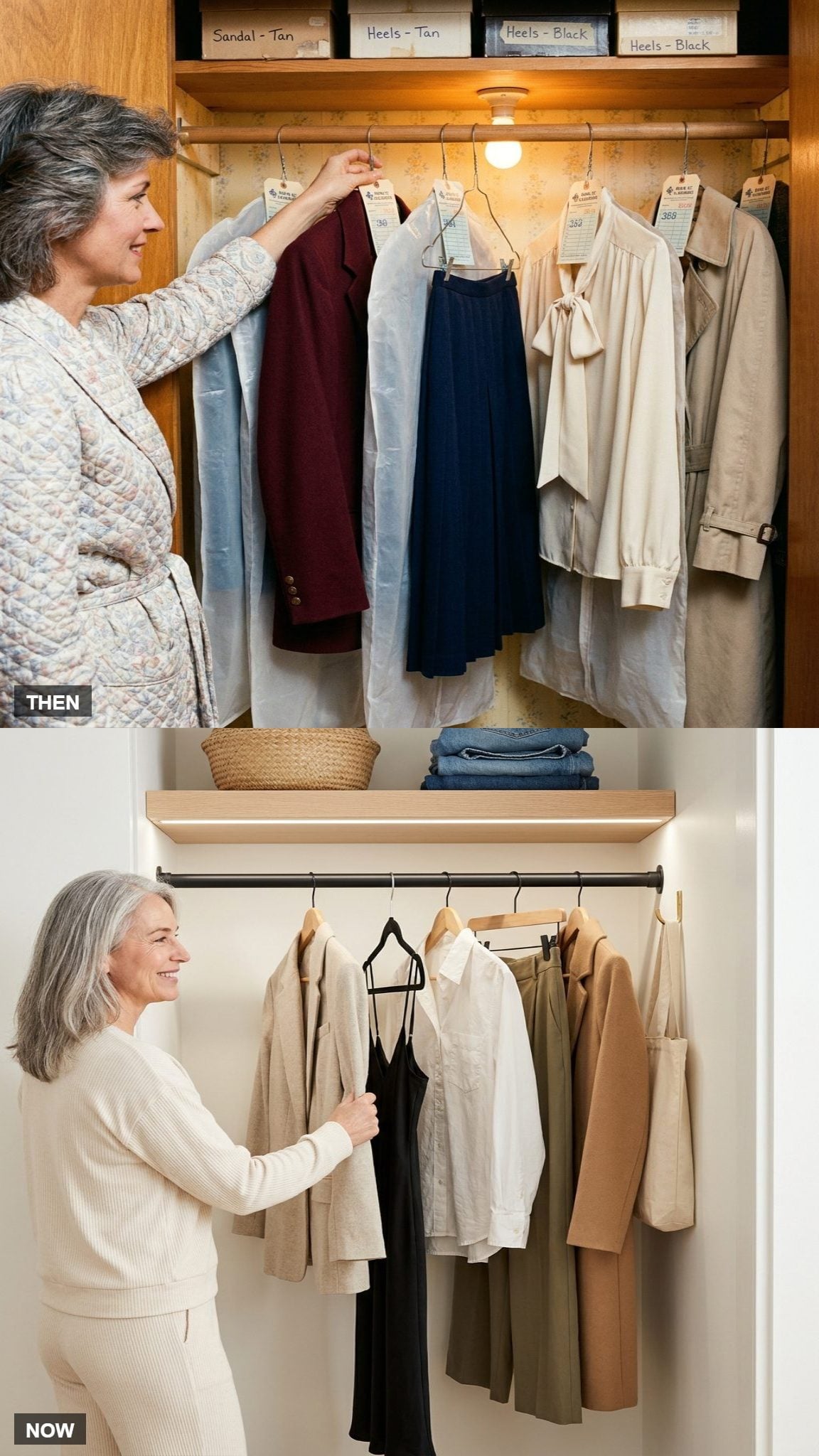
Some households had “good” clothes. Clothes that lived in dry cleaning bags between wearings, handled with care, taken out only when the occasion was significant enough. The dry cleaning tag stayed on because removing it made the garment feel less protected. That’s a household that treated certain clothes as objects of value, not just fabric.
The adult who strips the bag and the tag immediately and just wears the thing came from somewhere different. A house where clothes were for wearing, full stop. No hierarchy. No preservation ritual. Both approaches say something real about how the household understood worth.
17. The Person Who Knows Exactly How Many Hangers They Have Left Was Not Raised in Chaos
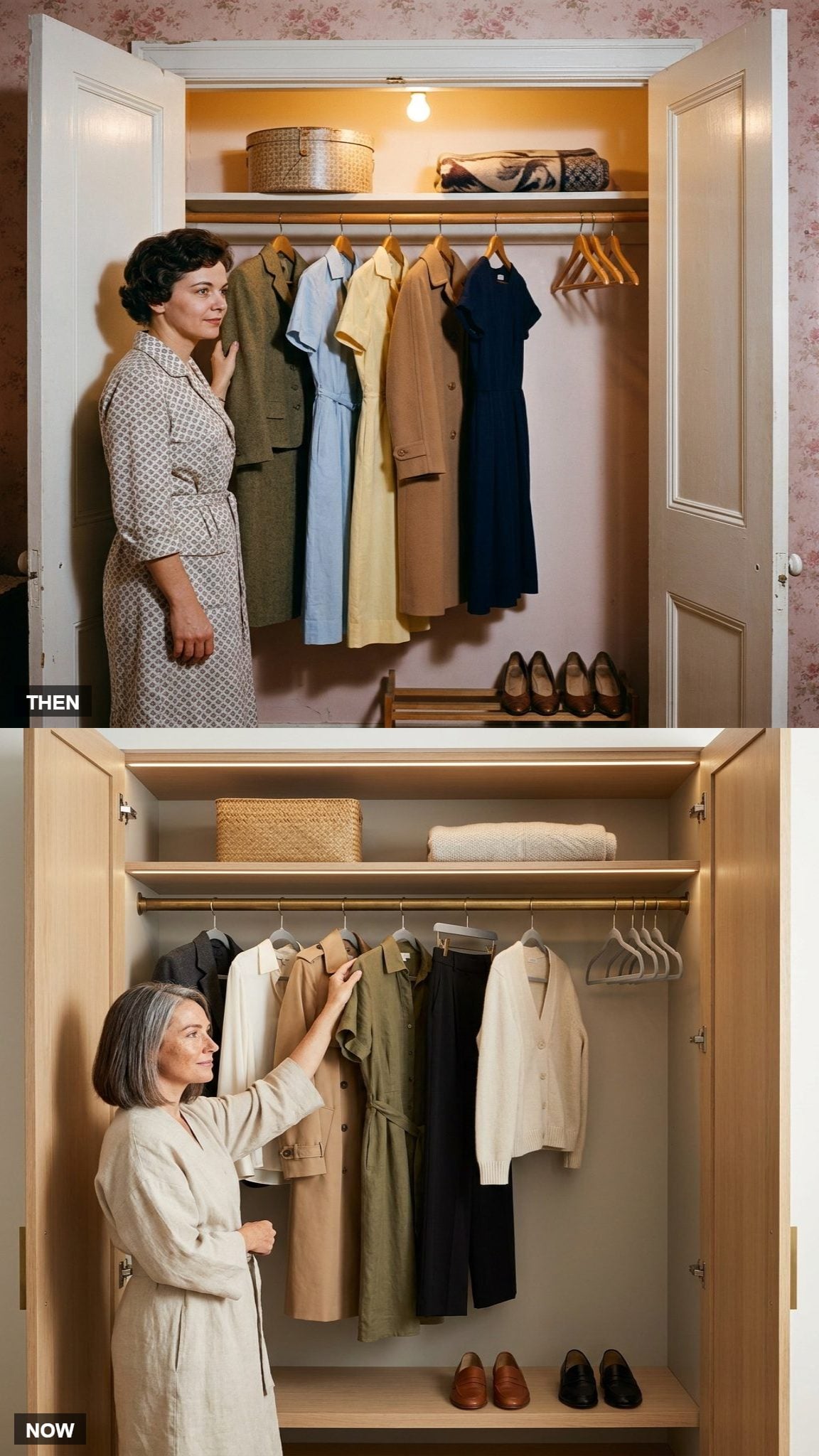
Knowing your hanger count isn’t a personality quirk. It’s the direct output of a household that had a system and stuck to it. One in, one out. New blouse means a hanger freed up from something leaving. That’s not minimalism as a philosophy. It’s just how space was managed when someone in your childhood home was paying attention.
What Our Readers Say
- Asked whether they’d rather shop for more variety or for fewer, better pieces, ThreadCurve readers split almost exactly down the middle, 51% to 49%.
From ThreadCurve reader polls and votes.
16. The Way You Handle Hand-Me-Downs, Folded Neatly or Dumped in a Bag, Is Entirely a Class Signal
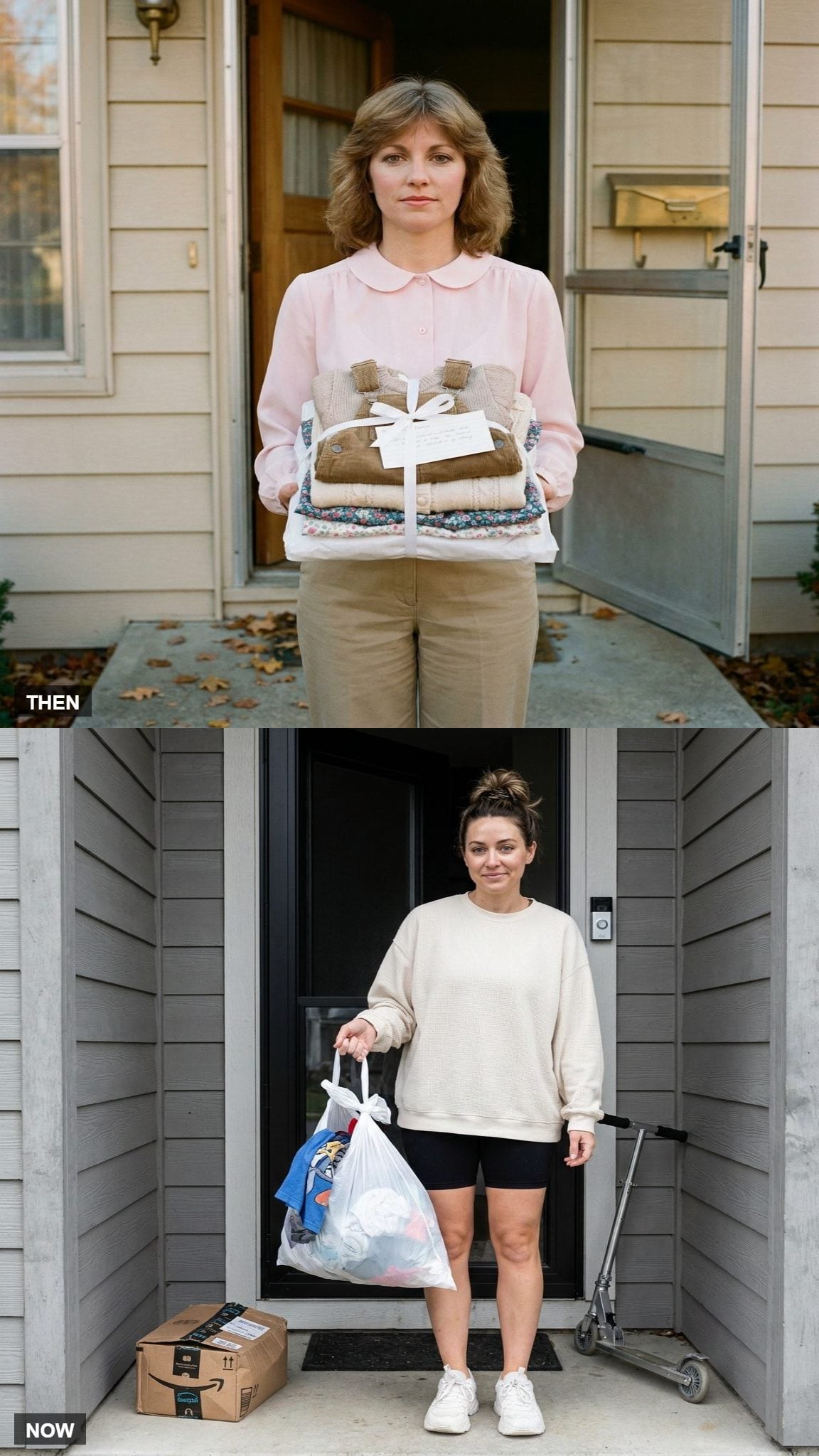
How hand-me-downs left your house tells the story as clearly as how they arrived. Folded, sorted by size, wrapped in something, presented as still worth giving. Or shoveled into a bag and left on a doorstep, which is generosity in form but something else in feeling.
A household that folded hand-me-downs was one where passed-on clothing still carried dignity. It was a gift, not a clearance. The children in that house internalized that. They grew up understanding that the way you give a thing says as much as whether you give it at all.
15. The Drawer That Looks Like an Archaeological Dig — You Were Never Corrected
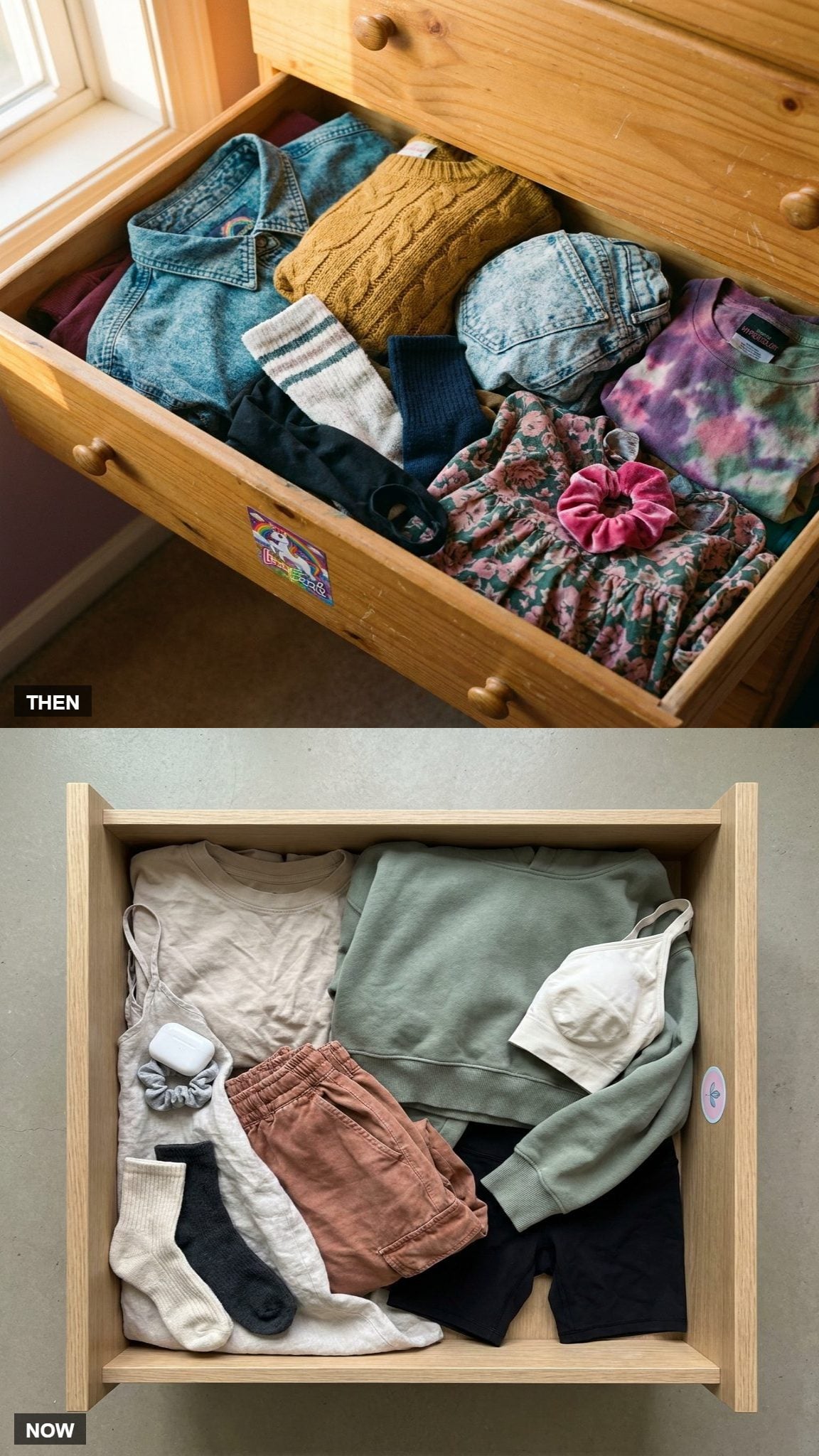
This drawer is a biography. The person who grew up in a house where nobody checked on how things were put away, not because they were neglected, but because putting things away at all was considered sufficient. The concept of a system inside a drawer was never introduced. Clothes went in. The drawer closed. Done.
The funny thing is, these people are often highly organized everywhere else. The desk is tidy. The inbox is managed. But open that drawer and it’s 1994 again, and their mother is yelling from downstairs that dinner’s ready.
14. Hospital Corners or Chaos: What Your Sheet-Folding Reveals About Your Grandparents
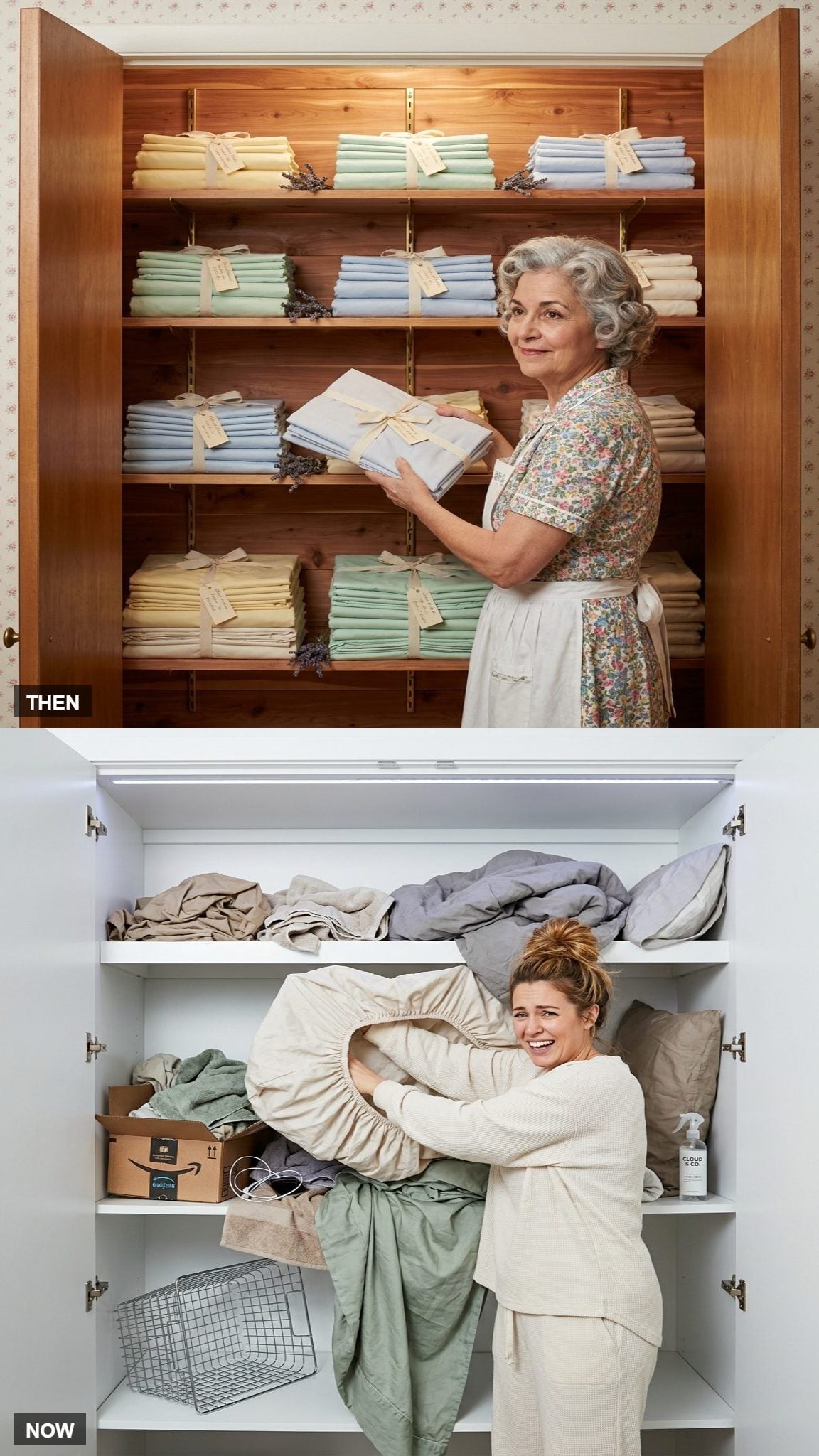
The sheet bundle trick, where you fold everything into the pillowcase so it comes out as one tidy package, is a technique passed down with the same gravity as a family recipe. If you know it, someone taught you. If someone taught you, they learned it from someone who had very little storage space and couldn’t afford the mess of unraveling a whole shelf to find the right set.
Sheet chaos, on the other hand, is its own inheritance. A household where the linen closet was always slightly out of control produces adults who will spend four minutes excavating for a fitted sheet every time, convinced it has to be in there somewhere.
13. The Ironing Board That Was Always Out, A Sign of a Certain Kind of Household
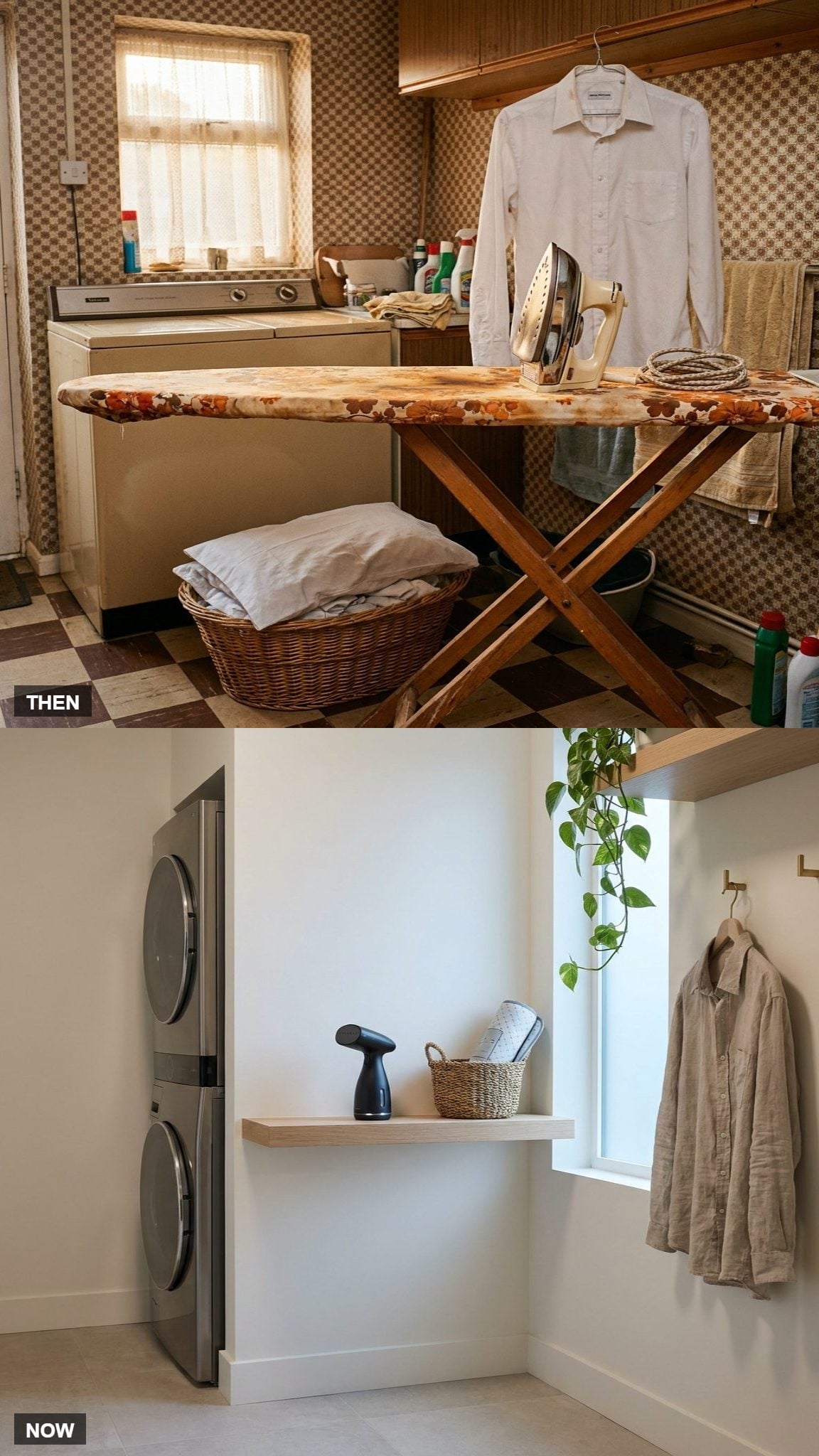
In some houses the ironing board lived out. Not brought out for special occasions, out. Permanently erected in the utility room or the corner of the kitchen like a piece of furniture that had been there so long it had earned its place.
Those houses produced adults who iron before wearing almost anything with a collar. They also tend to fold shirts along specific crease lines rather than approximating a rectangle. The standard was set early and it stuck.
The houses where the ironing board was buried in a closet and required ten minutes of wrestling to extract, those produced adults who discovered the ‘put it in the dryer for eight minutes’ method and have never looked back. Both groups believe their approach is completely normal.
12. Sorting by Color vs. Sorting by ‘It All Goes in One Pile’, The Laundry Origin Story
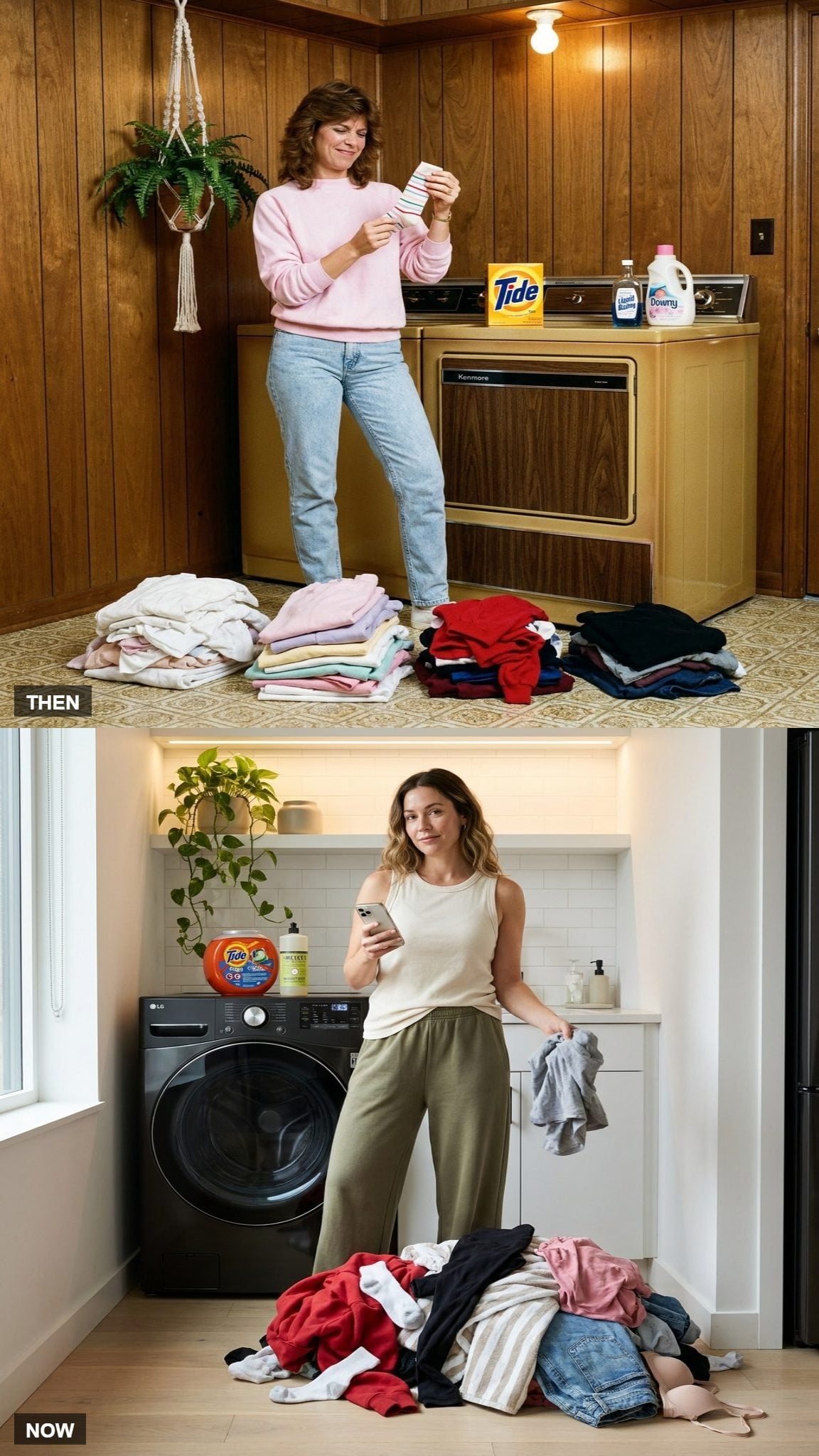
The sorting lesson, or the absence of it, echoes for decades.
Growing up watching someone separate laundry into careful piles, checking labels, turning dark denim inside out, that behavior doesn’t read as optional. It reads as how laundry works. Then you leave home and discover roughly half of humanity just… doesn’t. They throw everything in together and most of it survives and they find the whole sorting ritual genuinely baffling.
Both groups are absolutely certain the other one is doing it wrong.
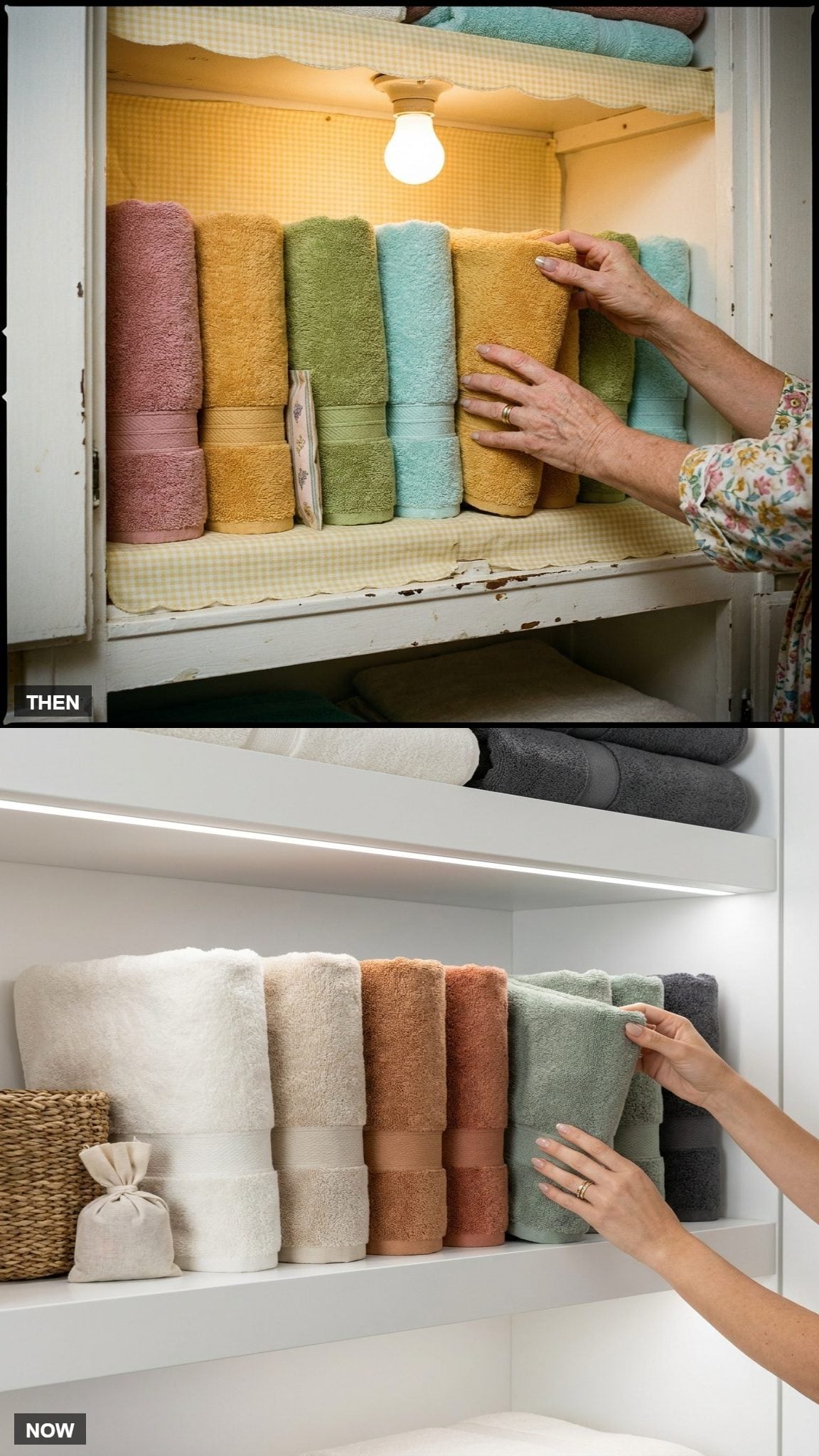
11. The Person Who Folds Towels Into Thirds Like a Hotel, That Habit Has a Specific Origin
❤️ Would you like to save this?
Someone in this person’s childhood watched a hotel housekeeping cart being stocked and decided that was the standard. Or there was a parent, usually a grandmother, honestly, who folded every towel the same way, every time, as a point of quiet pride in a small thing she could control completely.
10. Clothes Still in the Basket, Three Days Later, The Household That Treated ‘Done’ Differently
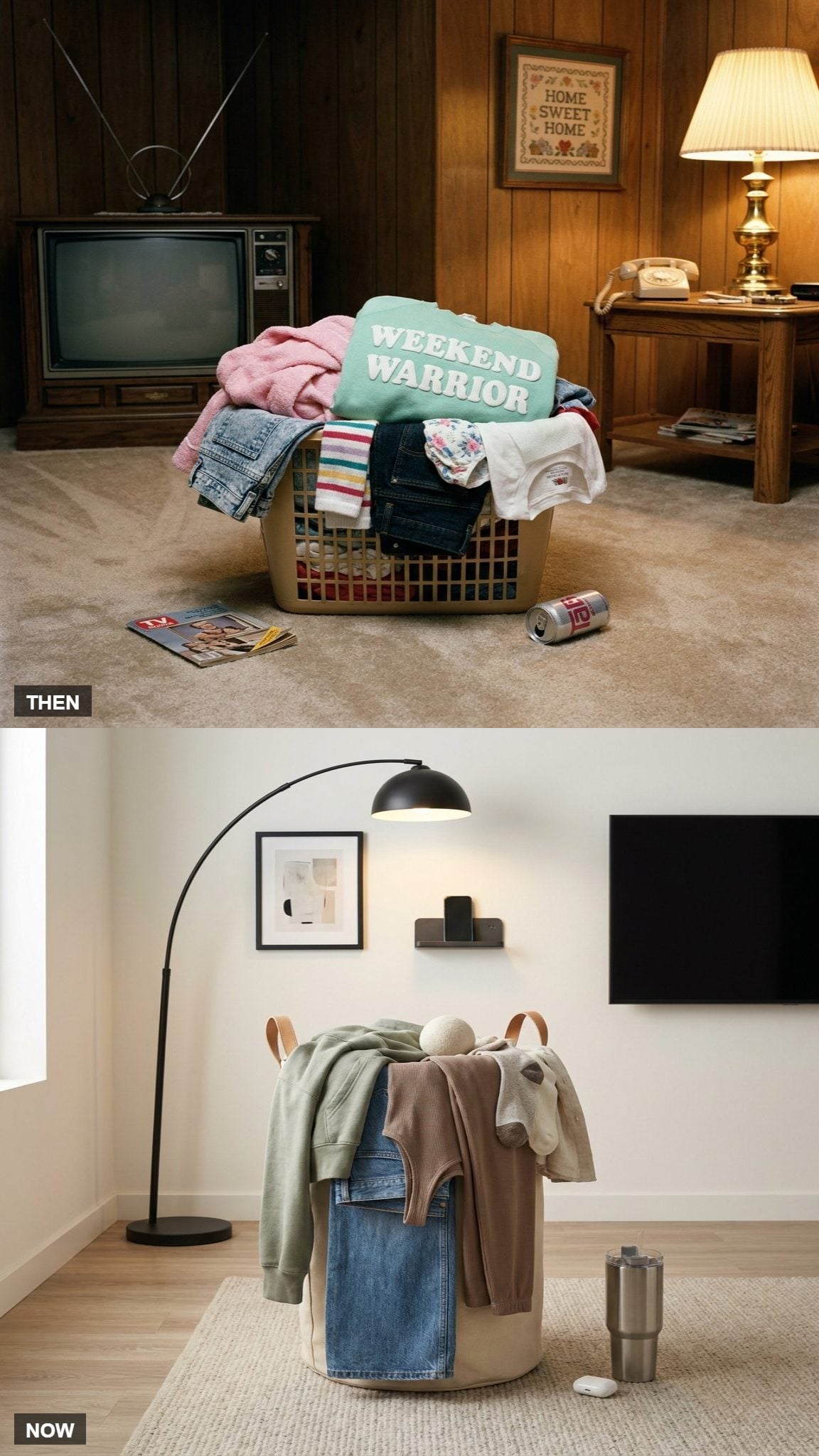
The basket that lives on the floor isn’t a failure of follow-through. It’s a precise record of a household where the finish line of a task was defined as ‘the hard part is done.’ The washing machine ran. The dryer ran. The clothes are clean. In certain houses, that counted.
Adults who grew up this way often have strong opinions about which tasks actually matter and which are just ceremony. Folding and putting away clothes in the same session? Ceremony. The clothes are clean. You can find what you need. The rest is just aesthetics, and aesthetics were never the priority growing up. That’s not a criticism. That’s a value system with a long history behind it.
9. The Rolling Method: Travelers, Military Kids, and People Who Moved a Lot
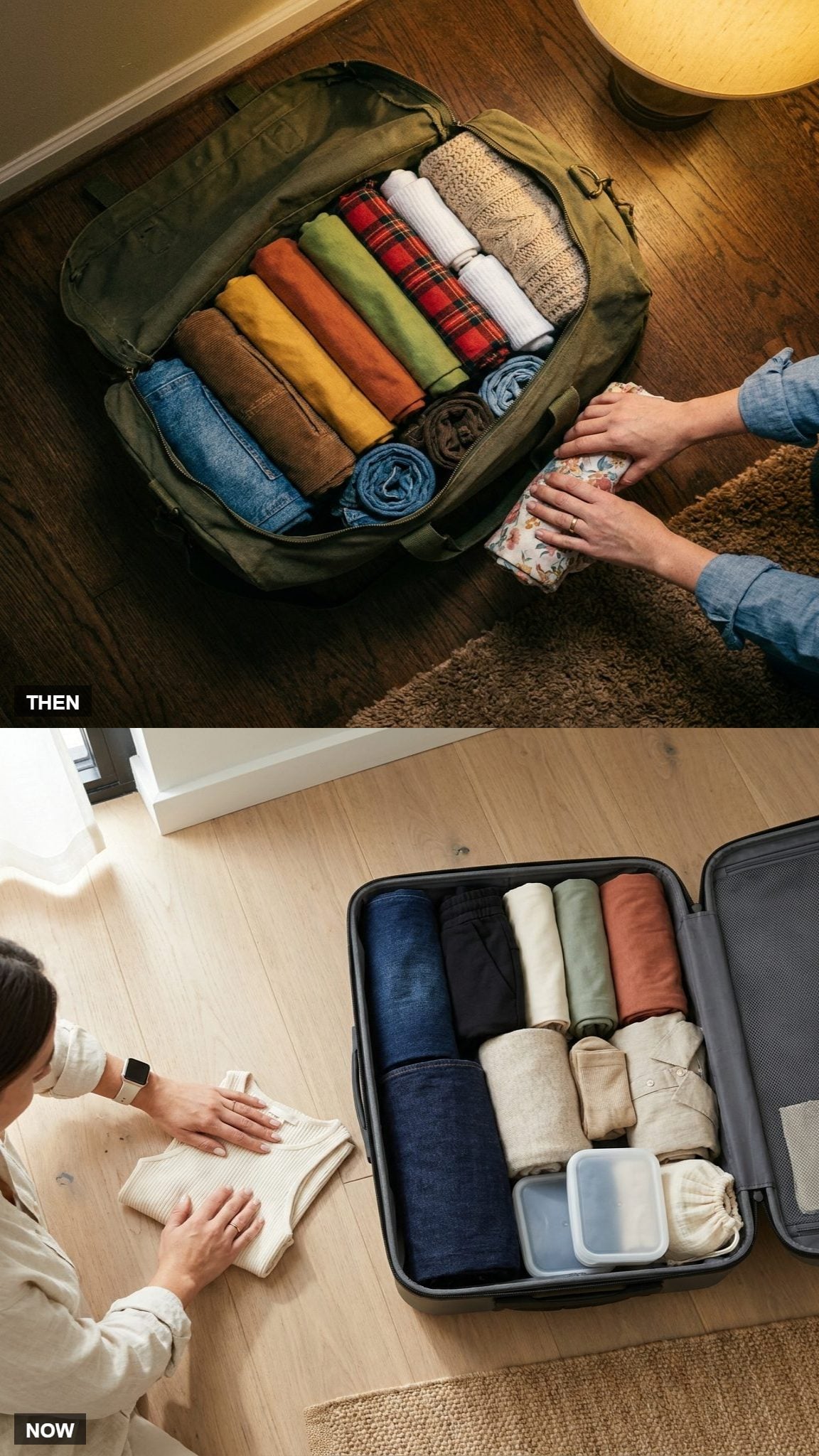
Rolling clothes instead of folding them is a choice that announces something specific: you grew up in a house where space was tight and someone figured out a workaround. Maybe it was a military parent. Maybe it was five people sharing one closet. Maybe it was a camping-obsessed family that packed duffel bags like it was a competitive sport. Either way, the instinct to roll rather than stack is learned, not natural.
What’s interesting is that rollers tend to be highly functional thinkers who resist the idea that there’s only one right method. They also, almost universally, can find anything in their drawer in under four seconds. The folder who stacks in tidy piles? Buried under the third layer, hunting for the floral blouse since Tuesday.
8. The Pile on the Chair Is Not Laziness. It’s a Filing System From a Very Specific Childhood.
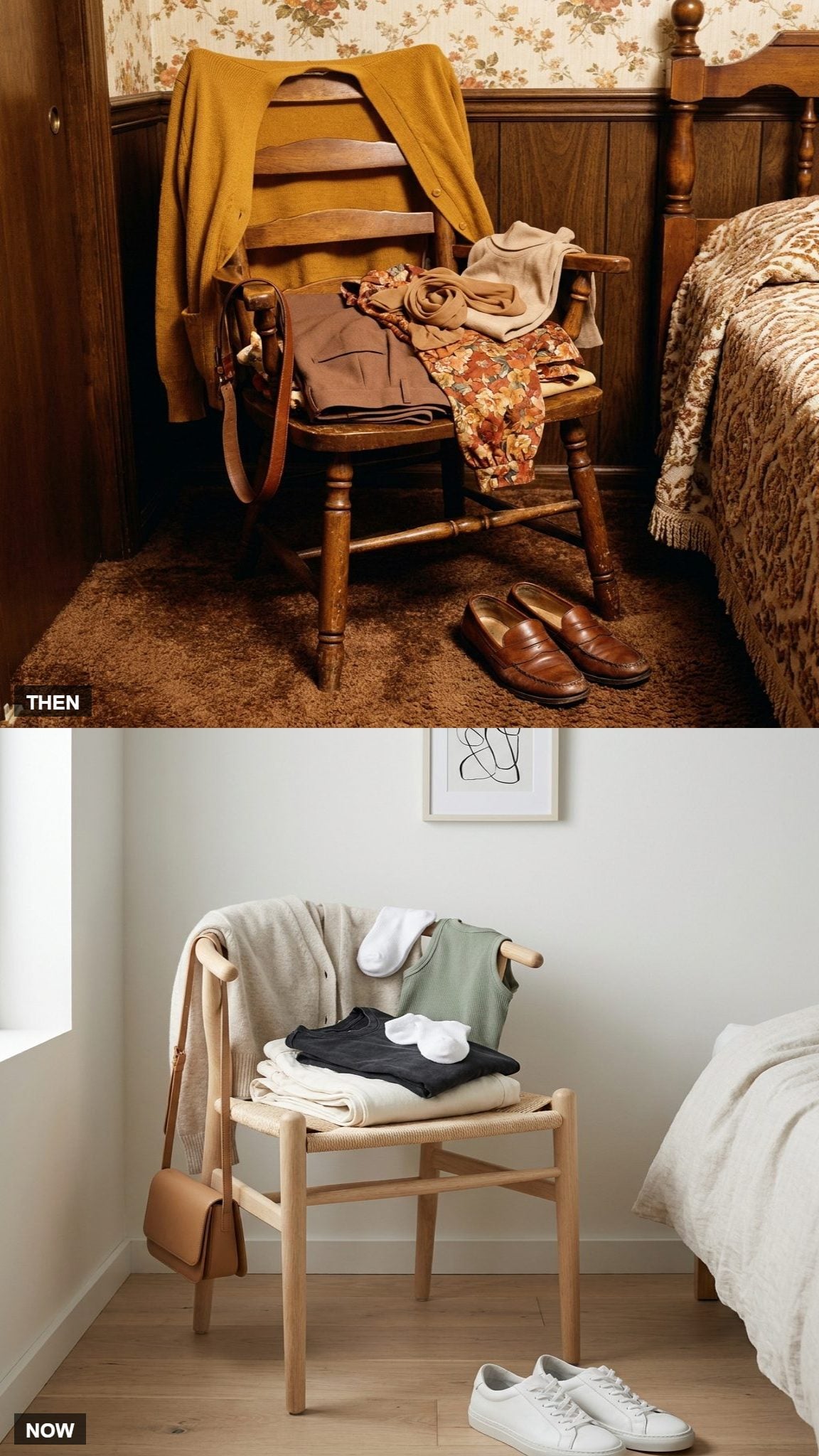
Every household has a chair. You know the one. It’s not a seating surface anymore, it’s a holding area for clothes that are too clean to wash and too worn to put back. The thing is, the chair-pile person almost always knows exactly what’s in that pile and in what order. Ask them where the grey cardigan is. They’ll point to it without looking up.
This habit comes from a childhood where “clean enough” was a practical category, not a moral failing. Probably a busy household. Probably a parent who was too tired to enforce full put-away compliance every single night. The chair becomes the compromise, and forty years later, it’s still there, still working.
7. The Person Who Turns Every Shirt Right-Side Out Before It Goes in the Wash Was Trained
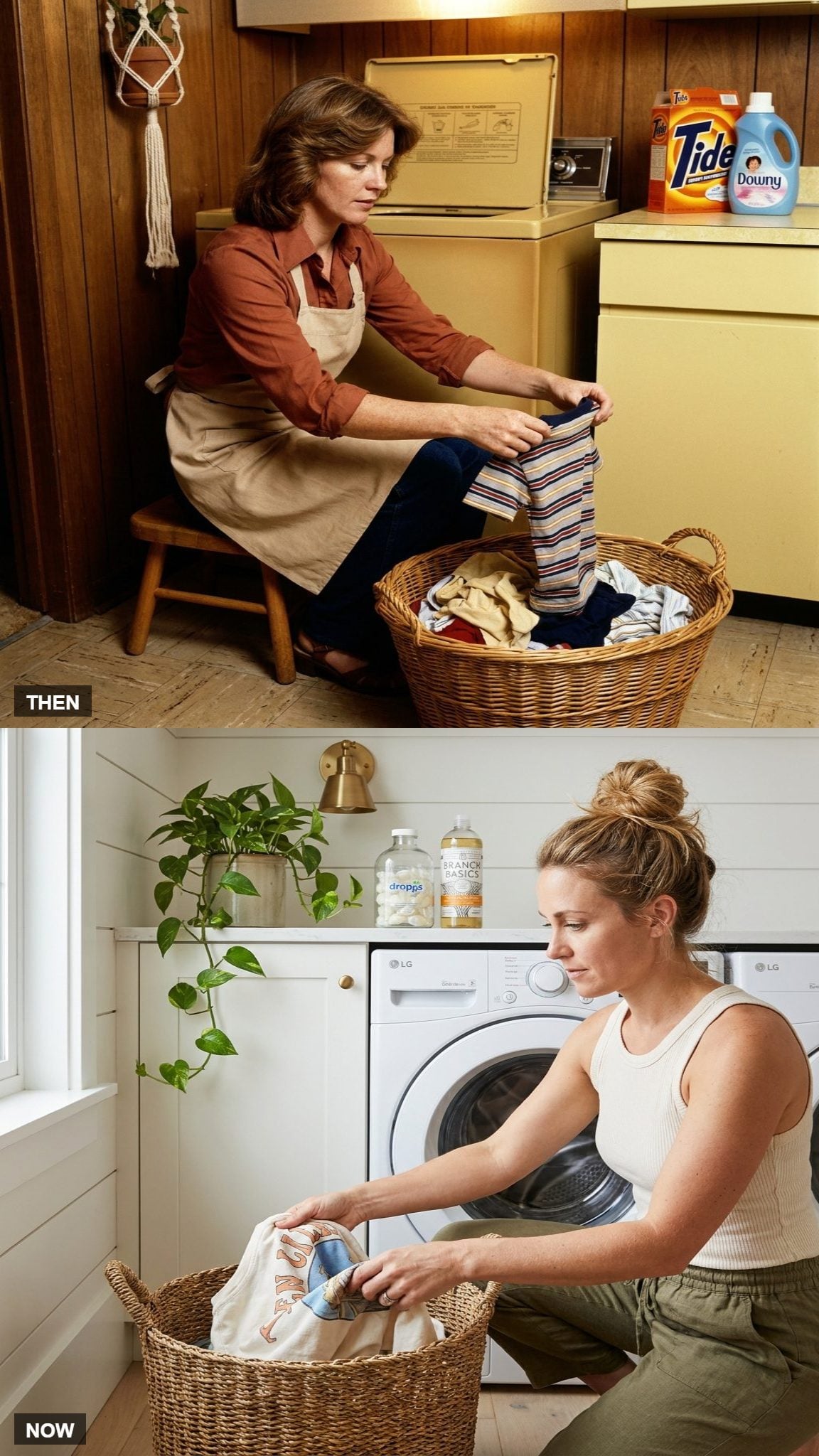
Nobody flips shirts right-side out for fun. That habit gets installed by someone who folded laundry for a household of five and got tired of doing the flip step forty times a load.
The child made to sort their own clothes at the machine learned this early. Inside-out means the shirt gets washed, dried, folded, and worn inside-out at 7am on a Tuesday. Flip it now or flip it later.
The person who tosses everything in the machine as-is grew up in a house where laundry was somebody else’s problem. Not a moral failing — just a different kind of childhood.
6. The Underwear Drawer That Looks Like a Lingerie Shop Display Versus the One That’s Just a Pile
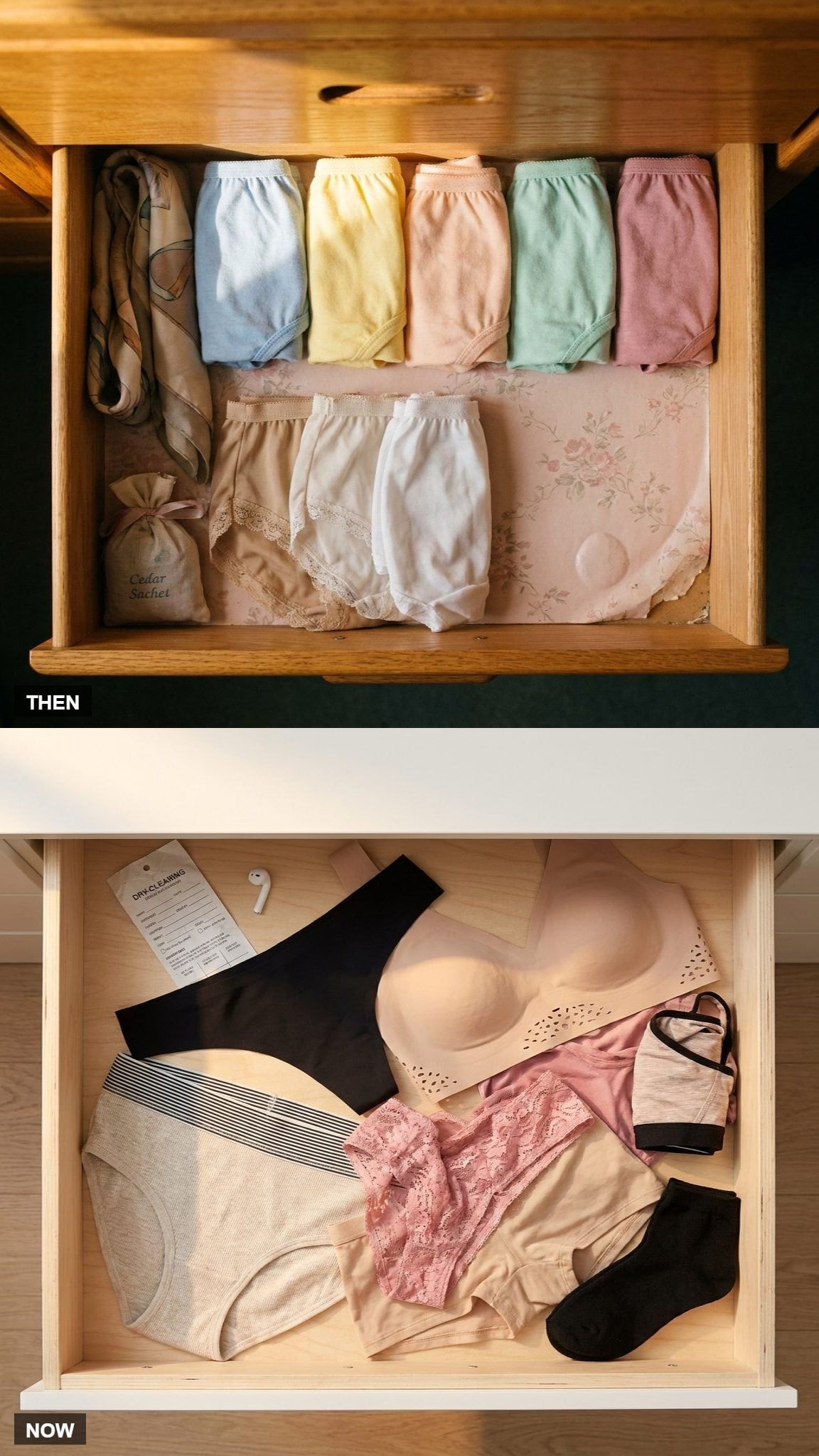
The styled-looking drawer wasn’t styled for anyone. It looks that way at 6am when nobody is watching, and that’s the tell.
Somewhere along the line, a mother or grandmother folded underwear into precise little rectangles and put them away in rows, and the kid watching absorbed the message that even the things nobody sees are worth arranging. The pile-drawer child got a different message, also a valid one — that underwear is underwear and the day has more pressing problems.
Neither is wrong. But when someone reaches into the folded drawer and knows exactly which pair they’re grabbing without looking, that’s a household inheritance passed down like a recipe.
5. The T-Shirt Fold: Marie Kondo, Military, or Whatever-Gets-It-in-the-Drawer
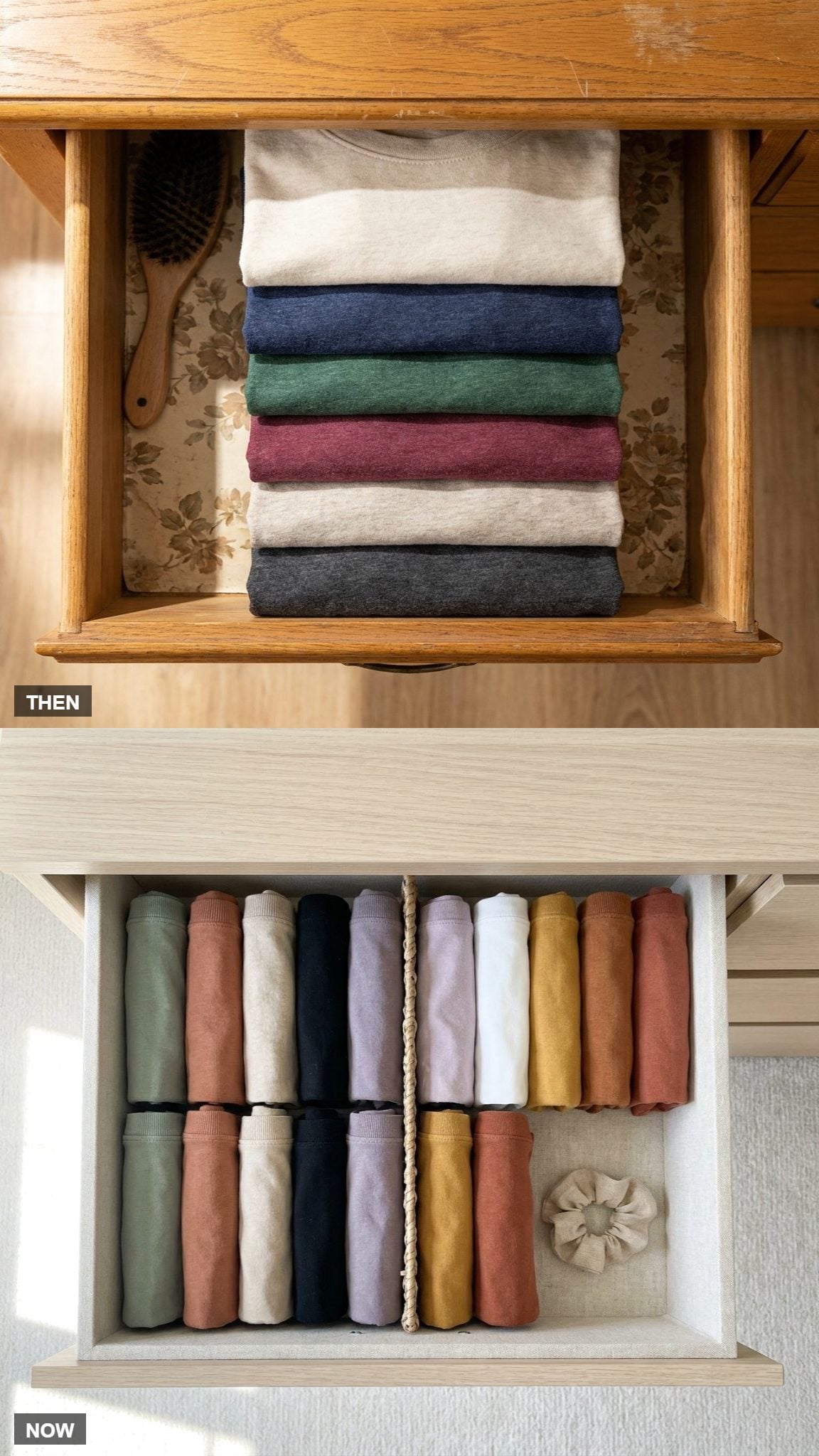
The vertical file-fold became widely familiar through the KonMari organizing boom, adopted by people who wanted their drawers to feel like a boutique. Nothing wrong with it. But it demands a level of daily maintenance that reveals whether someone actually lives alone or has children.
The military flat-fold came from a parent who folded like they were being inspected — corners sharp, stack straight, no daylight between shirts. That child grew up in a house where being seen as unkempt was a small emergency.
Then there’s the lumpy bundle. Honest work. The shirt is folded, it’s in the drawer, the task is done, and the person has moved on with their life. This third category is the largest and least discussed.
4. Whether You Iron Something Nobody Will See Under a Sweater
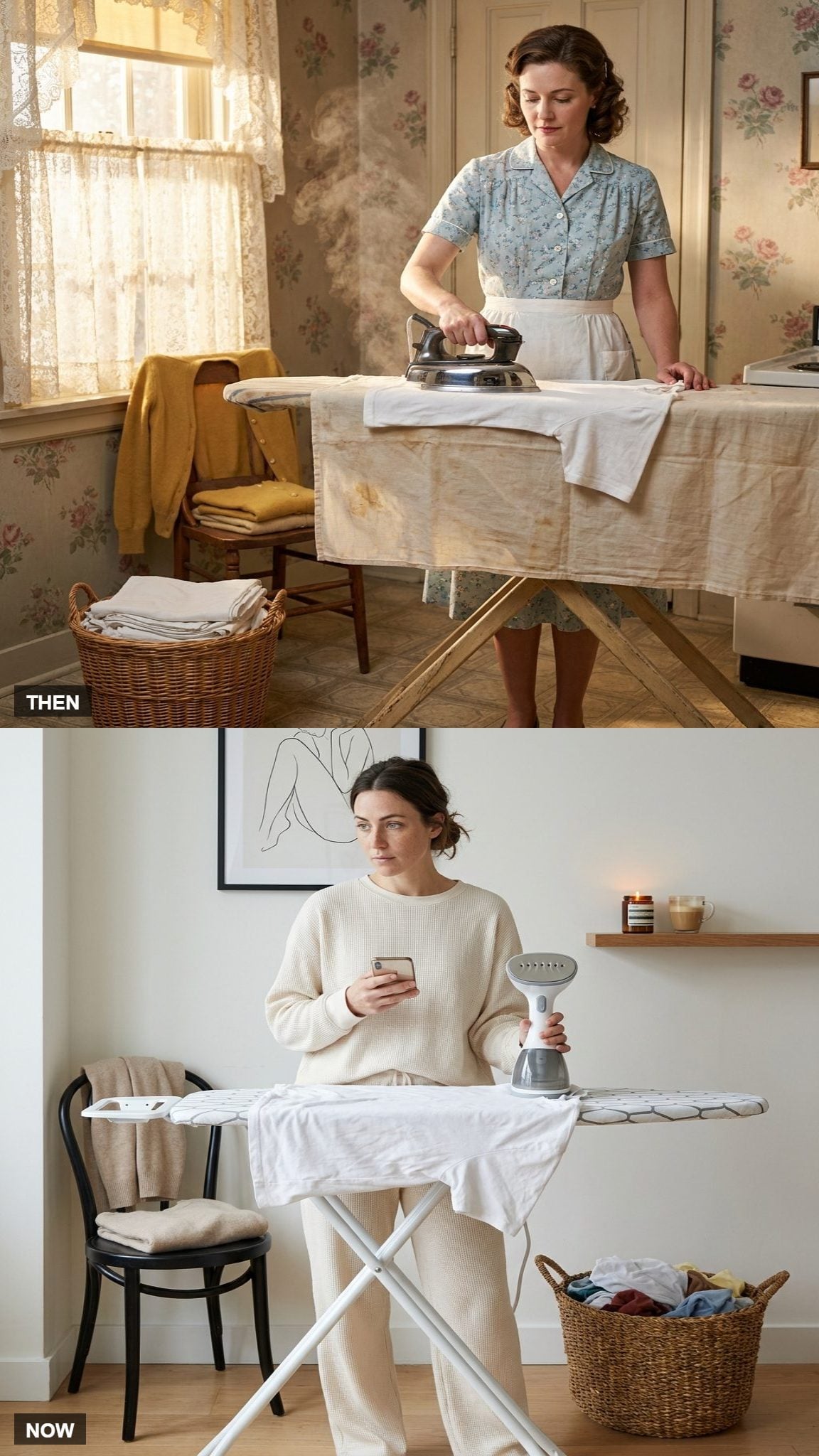
The woman who irons a shirt she plans to cover with a sweater was raised by someone who believed in the invisible standard. The point was never for other people to see it — the point was to know it was done properly. She was taught that shortcuts show, even when they don’t.
Everyone else irons what shows and moves on. Efficient. Reasonable. Probably the sane choice.
But the invisible-ironer runs on a different frequency. The house she grew up in had a code, and the code didn’t care whether anyone was looking.
Not everyone shares that invisible standard: when we asked ThreadCurve readers to choose between comfort and polish, 63% said comfort comes first.
3. The Shoe Situation by the Front Door Is a Full Confession
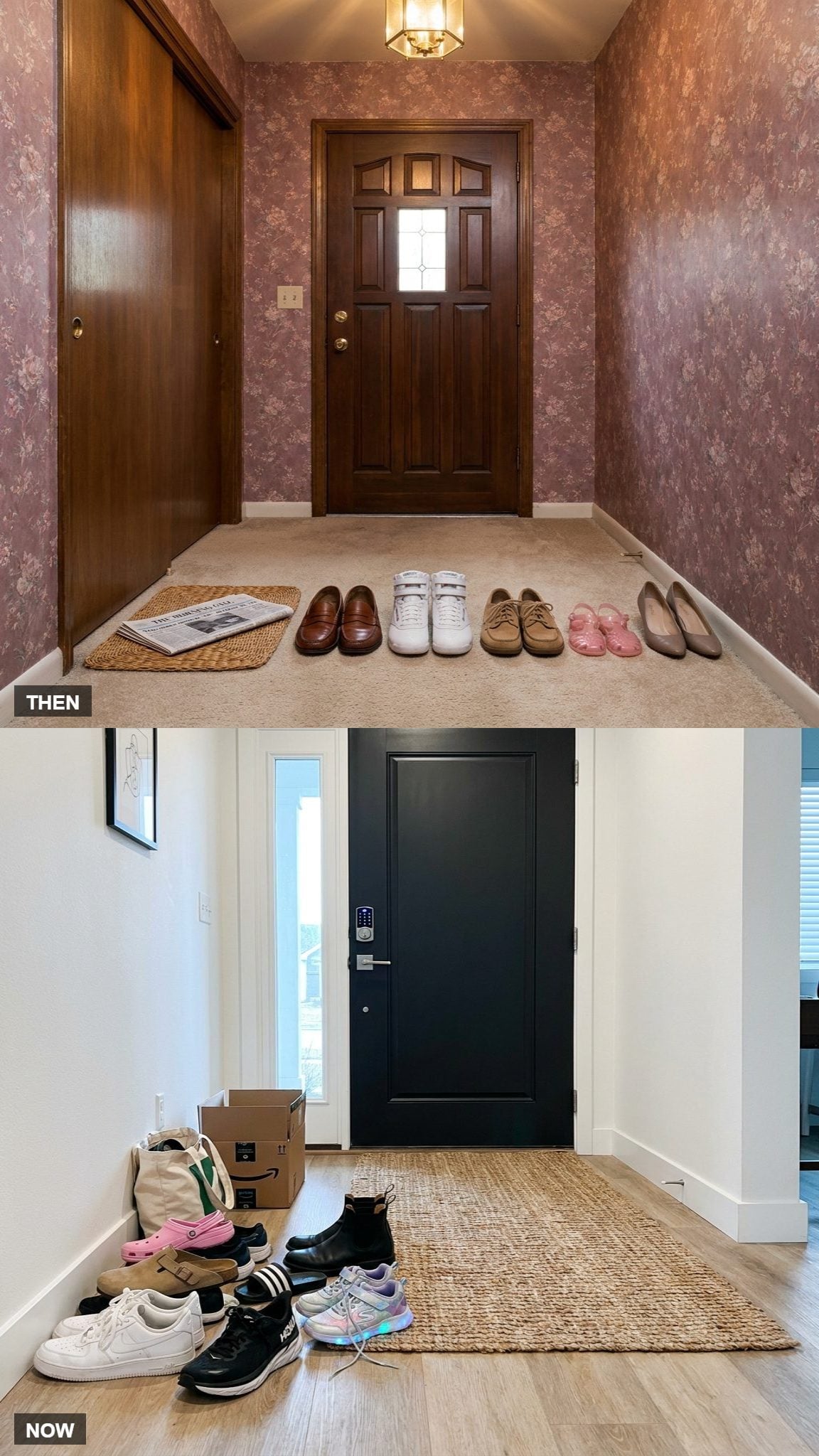
Not clothes exactly. Same instinct.
Shoes lined up by the door in a straight row mean someone grew up in a house where the entryway was the first thing a guest saw, and the first thing a guest saw was meant to communicate something. Order. Care. Not to impress — to signal that the household had it together.
Shoes in a pile mean the entryway is a transit zone, not a display case. Both households function, and both raise perfectly good adults. But the row-child will be visibly bothered at other people’s front doors, and won’t know exactly why.
2. Whether Your Closet Has a ‘System’ or Just Vibes
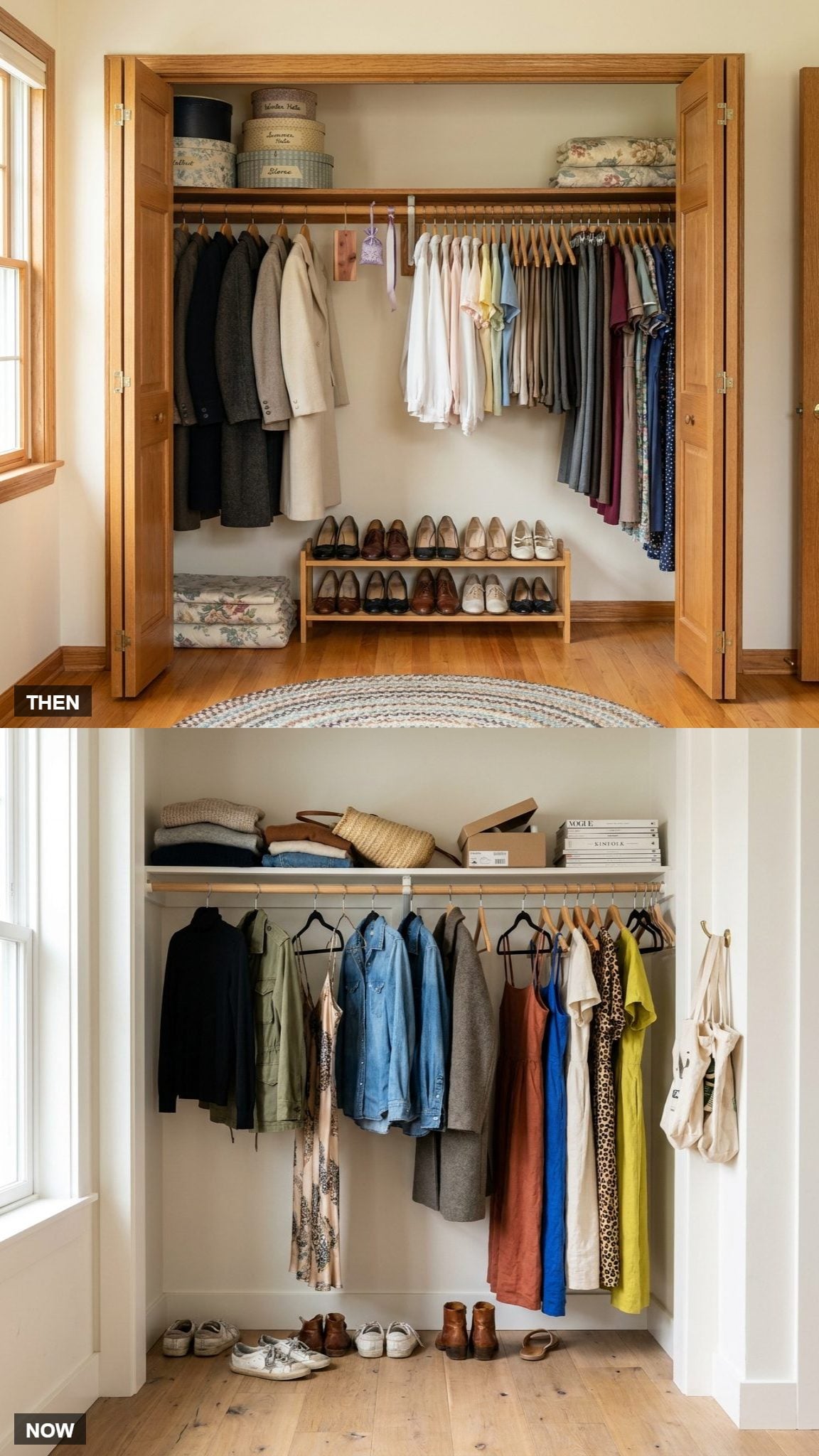
A system in the closet is almost always inherited. Somebody in the family — mother, grandmother, aunt — kept clothes arranged by category and color, and the child absorbed the logic before they had language for it. Blouses together, trousers together, dresses at the far end, wool on the left because it’s the heaviest.
The vibes closet isn’t lazy. It’s a different philosophy. Clothes get hung wherever there’s a gap, and the person finds what they want by memory and instinct. They know the black turtleneck is near the green jacket because that’s where it has always been, even though no rule explains why. Some of the most stylish women in the world work this way.
Tidiness isn’t the tell. Whether the person can explain the logic if you ask them — that’s the tell.
1. The Suitcase Unpacking Ritual, Immediate or Whenever
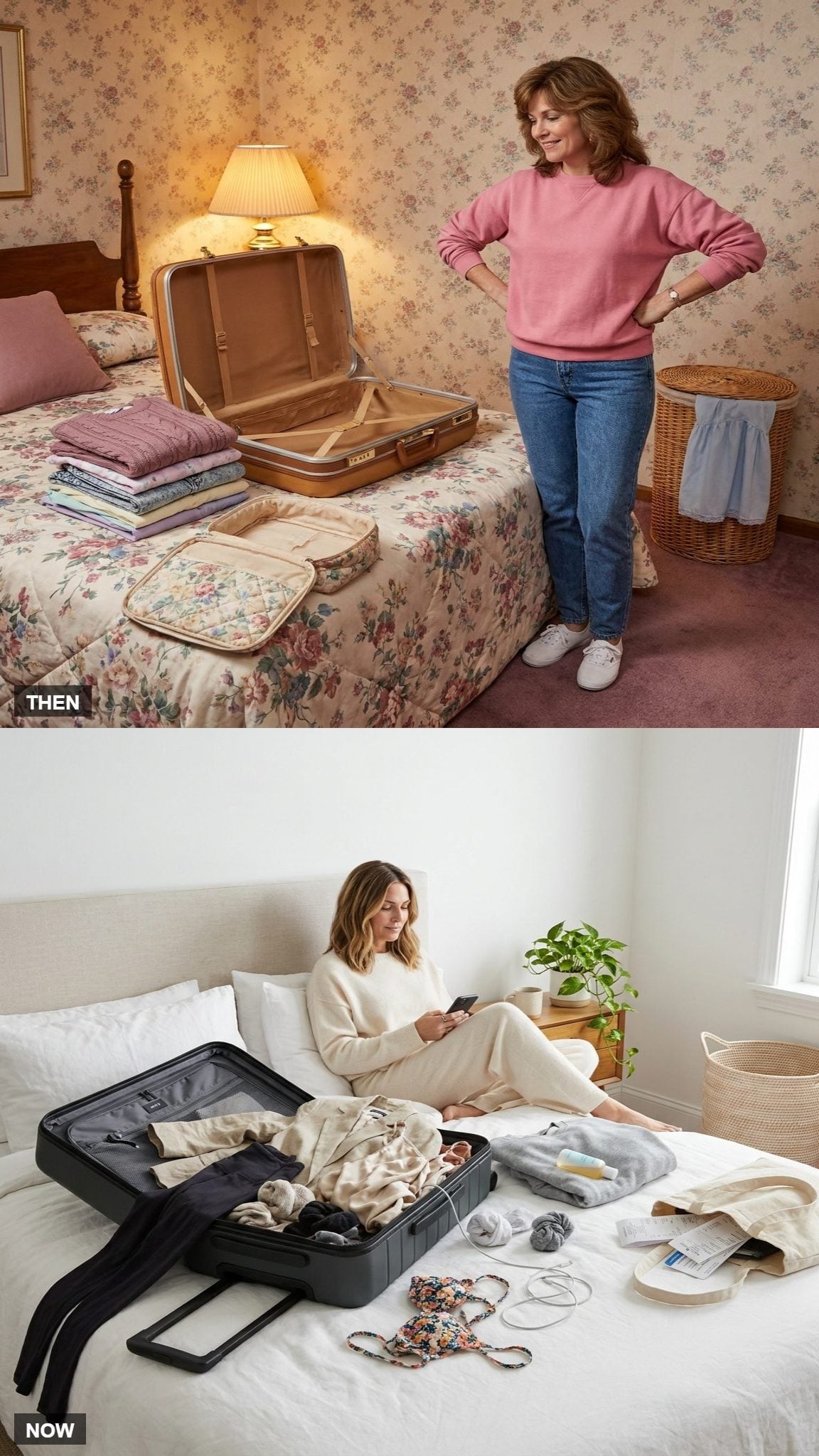
Some people unpack within an hour of walking through the door. Dirty clothes into the hamper, clean clothes back into drawers, toiletry bag emptied and put away, suitcase back on its shelf.
Others live out of the suitcase for eleven days and finally deal with it on a Sunday afternoon out of desperation.
The immediate-unpacker was raised by someone who treated finishing a task as part of the task — the trip isn’t over until the suitcase is away. The whenever-unpacker was raised with a looser definition of done, and is frankly having a more relaxed life about it. Both households produced functional adults. But the immediate-unpacker cannot fall asleep with a full suitcase on the floor, and that too is an inheritance.