❤️ Would you like to save this?
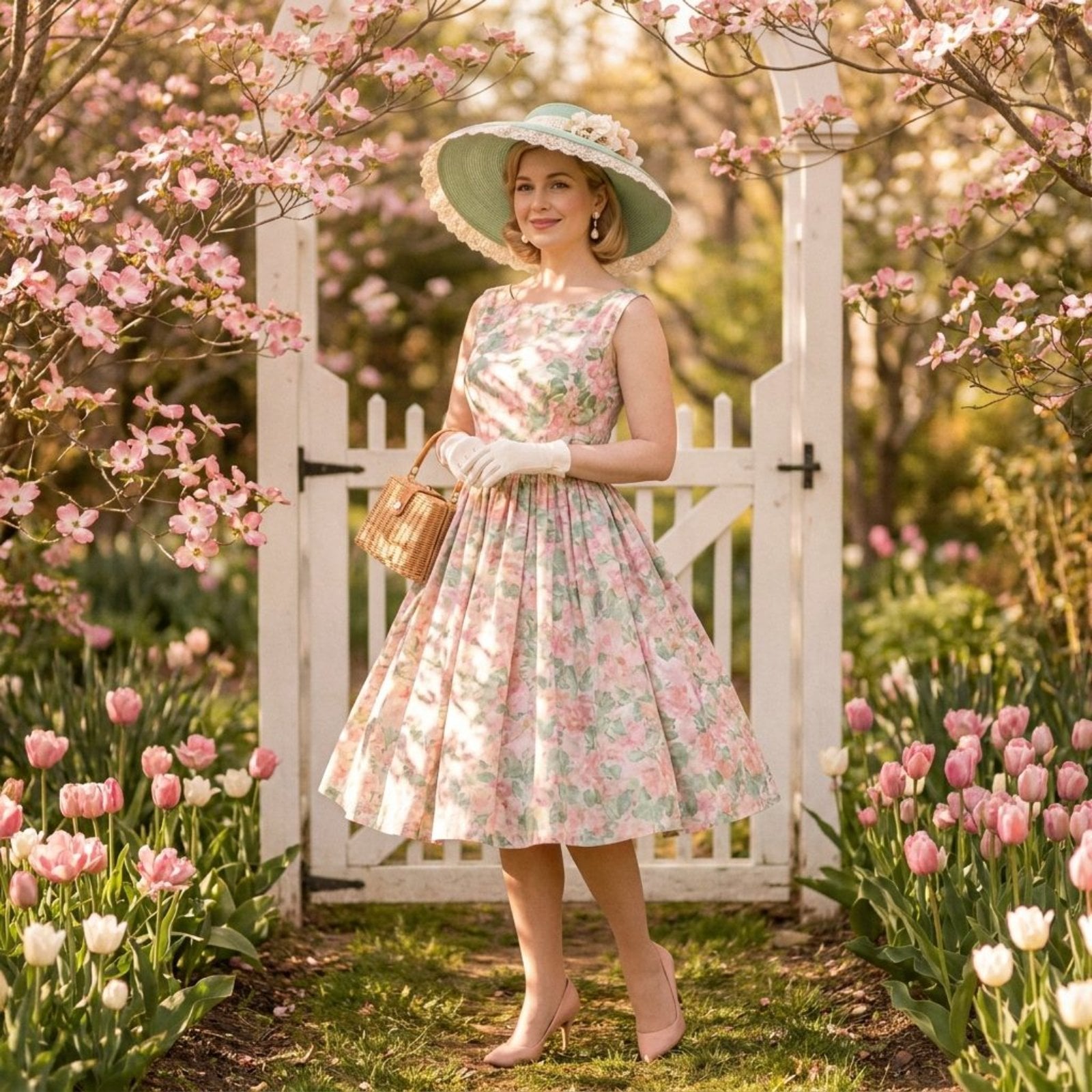
The chemical sweetness of Aqua Net still triggers something involuntary, doesn’t it? That particular crunch of a hat pin sliding through stiff tulle, the way your mother tilted her chin up to check the angle in the hallway mirror before church. Hats weren’t optional in the 1950s — they were punctuation. And the women who wore them understood something about presence that a bare head simply cannot communicate. These ten made an entrance.
FYI, thanks to AI imagery software, we’re able to create very specific fashion and hairstyle examples to illustrate the points being made. In some cases, imagery is exaggerated to hammer home the point. Also, assume links that take you off the site are affiliate links such as links to Amazon. this means we may earn a commission if you buy something.
29. The Pillbox Hat That Made Every Woman Feel Like She Had Somewhere Important to Be
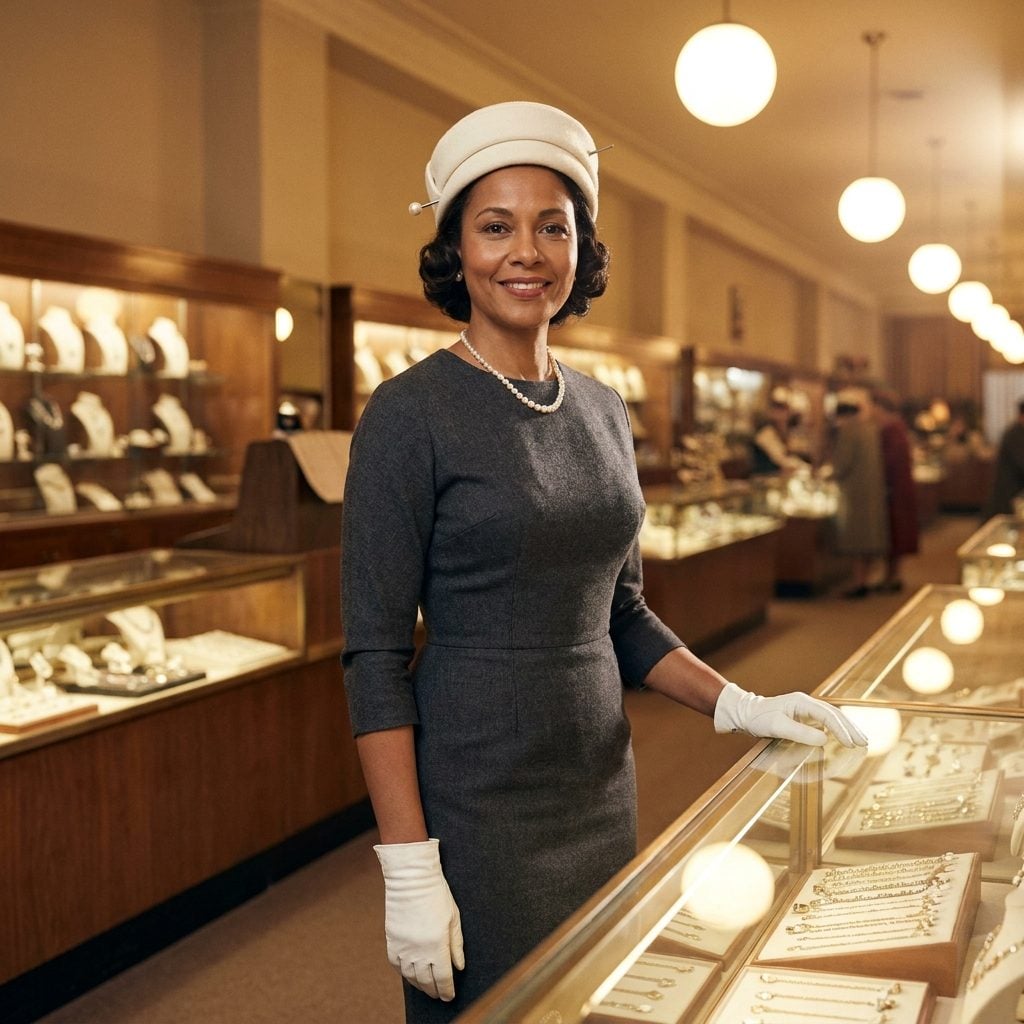
Before Jackie Kennedy turned it into a political emblem, the pillbox was already the hat you reached for when the occasion called for looking like you had opinions and the posture to back them up. No brim to hide behind — just a clean cylinder of wool or felt perched right on top of your head, daring gravity and social anxiety in equal measure.
What made it work was the discipline of everything else. A fitted sheath dress, gloves that matched nothing but still looked intentional, and that particular mid-century composure that said you’d ironed something that morning. The pillbox didn’t accessorize the outfit. It ran the whole operation.
28. The Cloche-Inspired Close Hat, Because the 1920s Never Fully Let Go
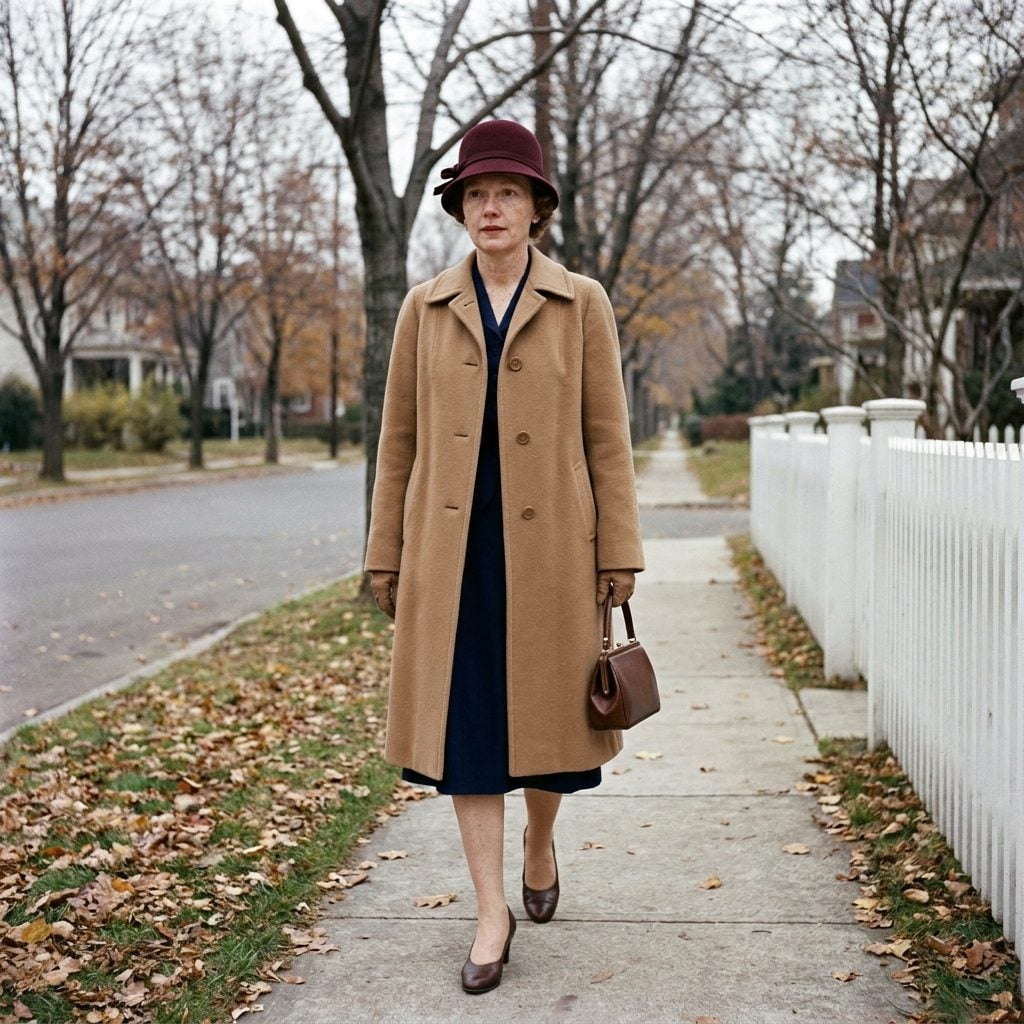
The original cloche belonged to the 1920s, but like all great accessory styles, it refused to stay buried. By the early 1950s, milliners had softened its bell shape, lifted it above the brow, and given it just enough structure to feel current rather than costume-y. Every woman walking to the grocer in October seemed to own one.
Paired with a camel wool coat and a leather bag tucked close to the body, it projected quiet self-possession. Not flashy. Not effortful. Just a woman who understood that the right hat turns a coat into a whole look.
27. The Wide-Brim Picture Hat You Wore to Garden Parties You Weren’t Sure You Were Invited To
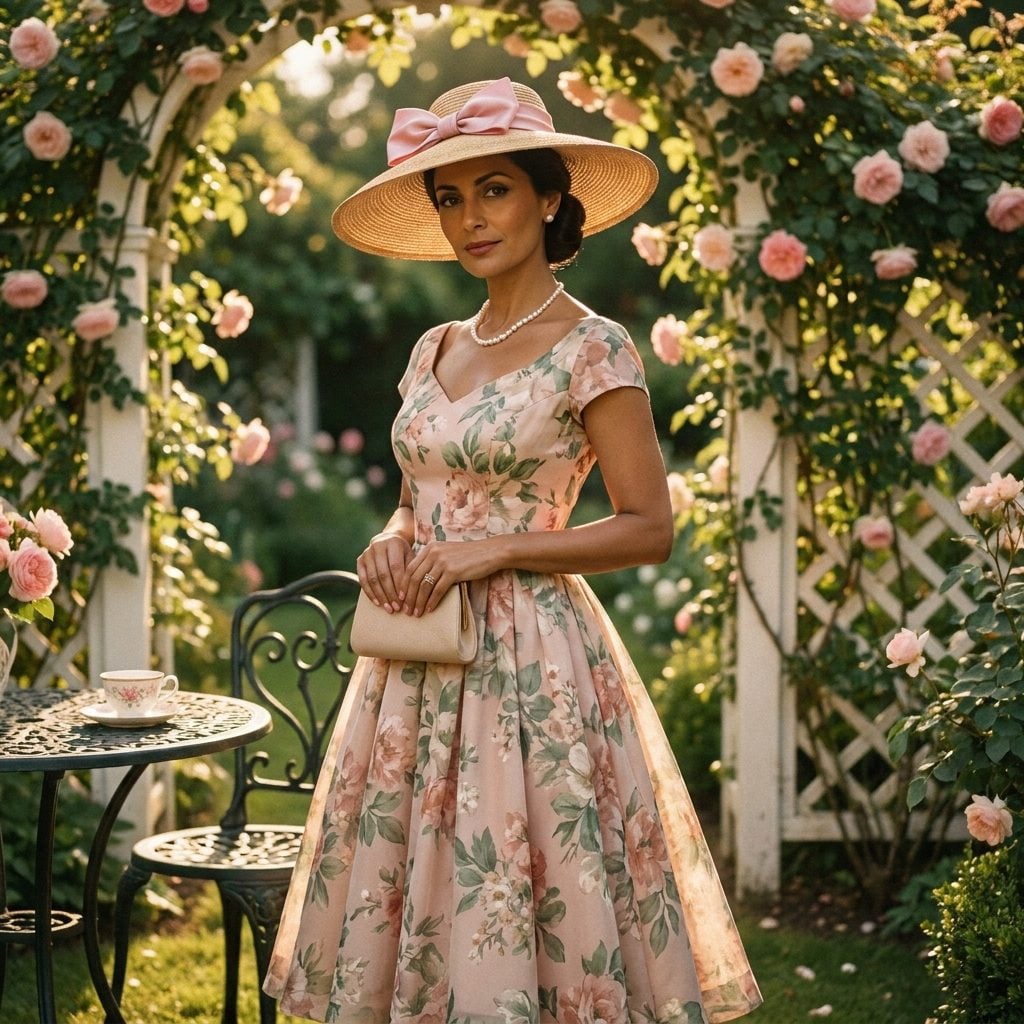
This was the hat that took up space on purpose. The brim could shade your entire face and most of your drink — half the point, frankly. It announced your arrival from across the lawn. Nobody sneaked into a garden party in a picture hat. You swept in.
The construction was underrated, too. A brim that wide needed wire, careful shaping, and a certain boldness of spirit. You paired it with florals, always, and pearl necklaces that caught the light when you turned your head. Controlled drama from crown to collarbone.
26. The Fascinator-Style Cocktail Hat That Perched on Your Head Like It Had Its Own Agenda
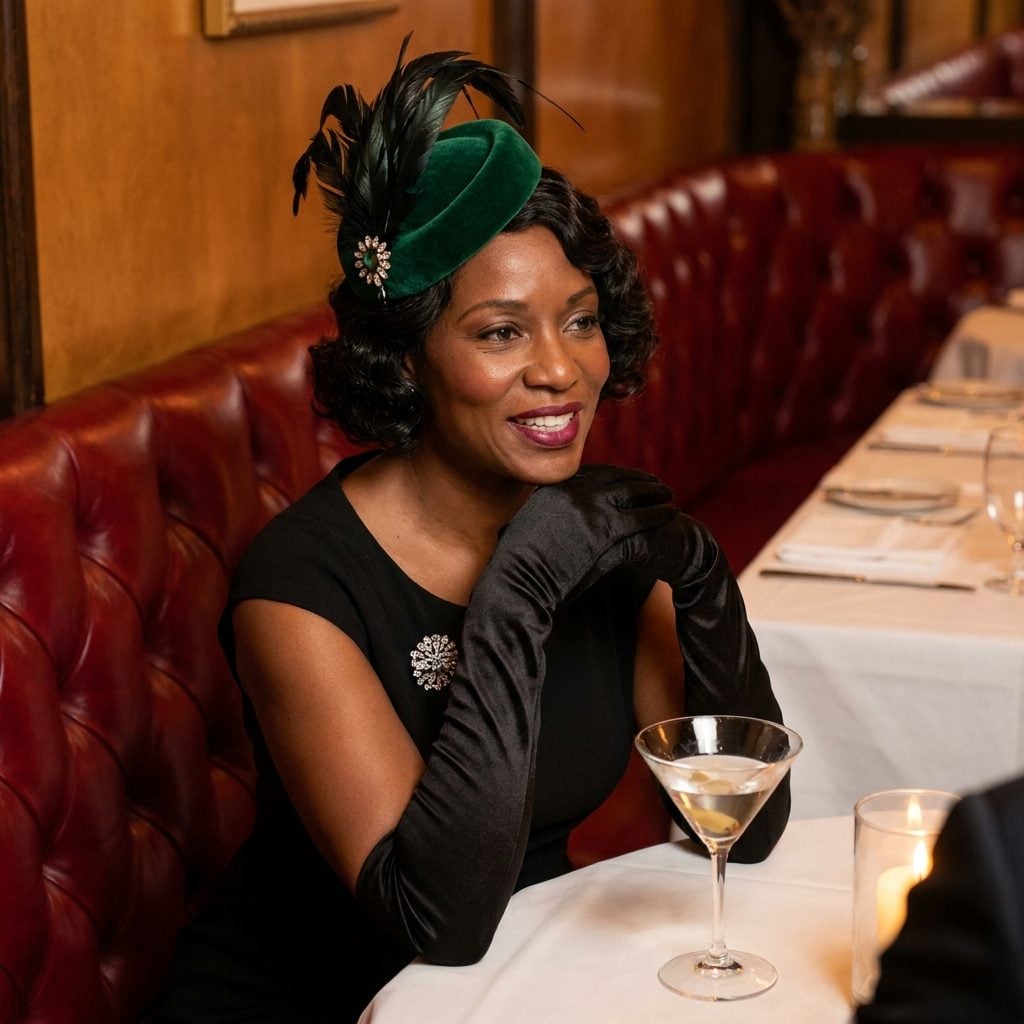
Not quite a hat in any traditional sense — more like a declaration of intent held in place by a comb and sheer willpower. The cocktail fascinator sat at an angle suggesting you’d been somewhere interesting before arriving and might leave for somewhere better.
Velvet fascinators with feather sprays were the evening distillation of daytime hats, stripped of function and loaded with attitude. You wore them with cocktail dresses and gloves that went past the elbow, in restaurants where the lighting was designed to make everyone look like they were keeping a secret.
25. The Juliet Cap for Occasions When a Veil Wasn’t Required but Drama Was
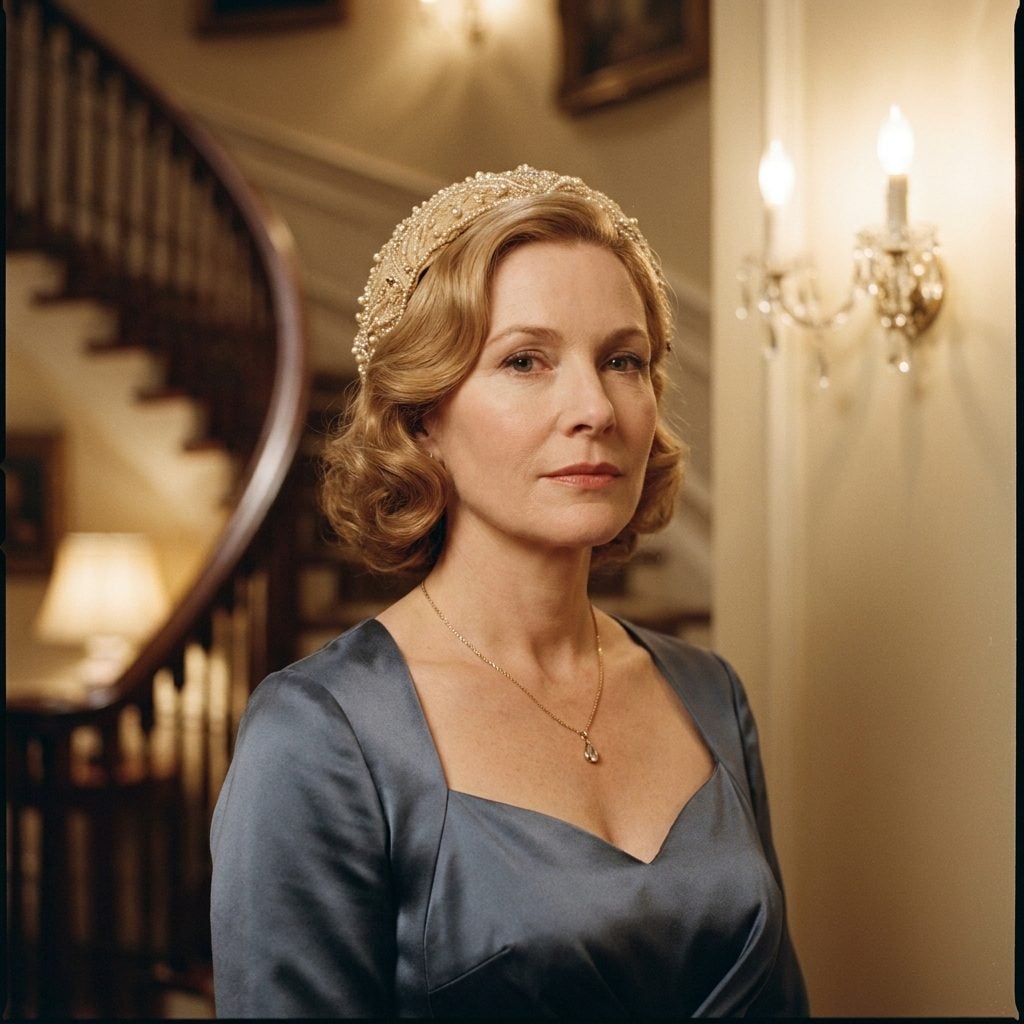
Half headband, half crown, entirely specific to a woman who wanted formality without surrendering her peripheral vision. The Juliet cap clung close to the skull — beaded, jeweled, catching chandelier light in ways a full hat never could.
It was the default for evening events, formal dinners, the kind of gatherings where a wide brim would knock into someone’s champagne glass. There’s a reason it keeps resurfacing in bridal fashion: covering just the crown of the head carries a weight that bare hair and a broad brim both miss.
24. The Flat-Crowned Breton That Made a Sailor’s Hat Look Like It Belonged at Bergdorf’s
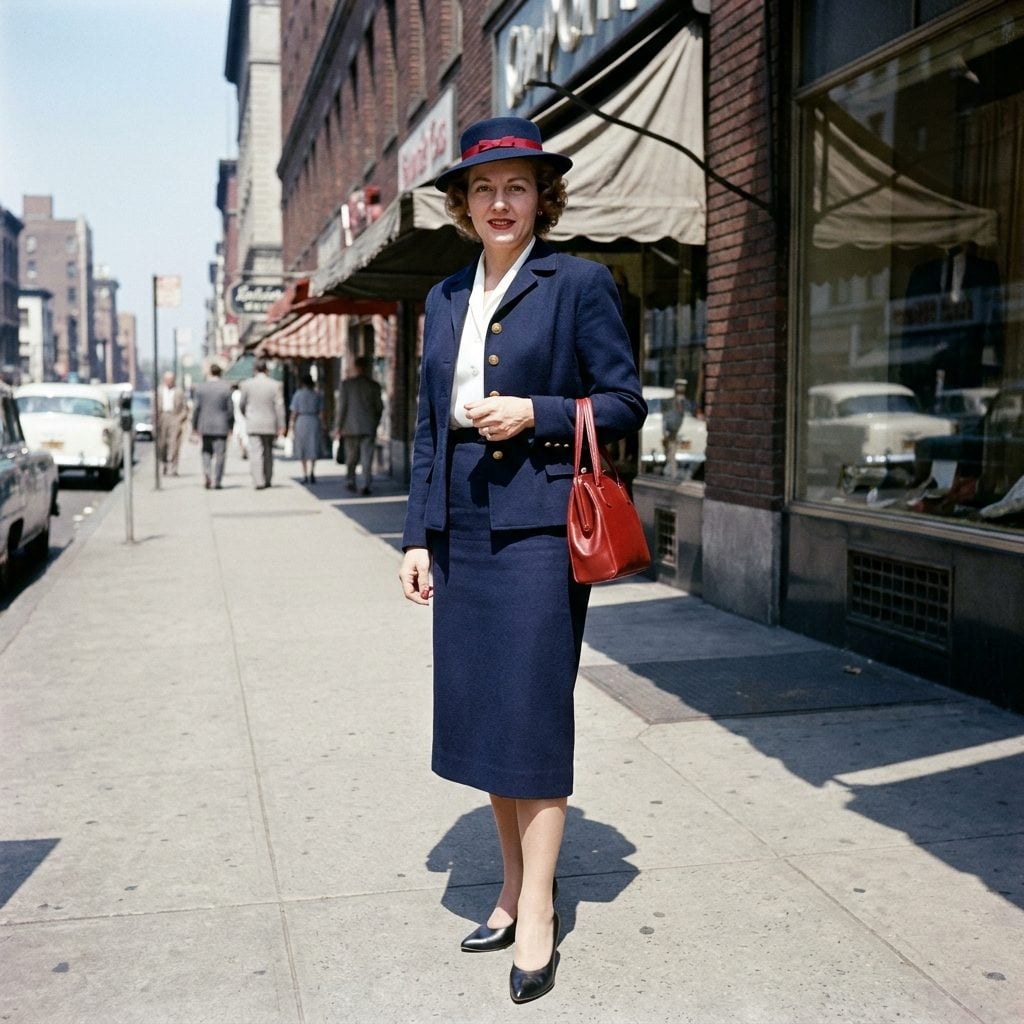
Nautical but make it shopping district. The Breton started life on French sailors and somehow ended up on women buying gloves at department stores — exactly the kind of journey fashion loves. Its flat crown and rolled-up brim gave it a graphic simplicity that worked with tailored suits and casual weekend separates alike.
I got this wrong for years, calling every round-brimmed hat a Breton. The real thing has that distinctive flat top, almost like someone pressed it with an iron and decided the result was an improvement. Pair it with a navy wool blazer and a red bag for contrast and suddenly a Tuesday errand run becomes something worth photographing.
23. The Cartwheel Hat, Which Was Basically a Halo Made of Straw and Audacity
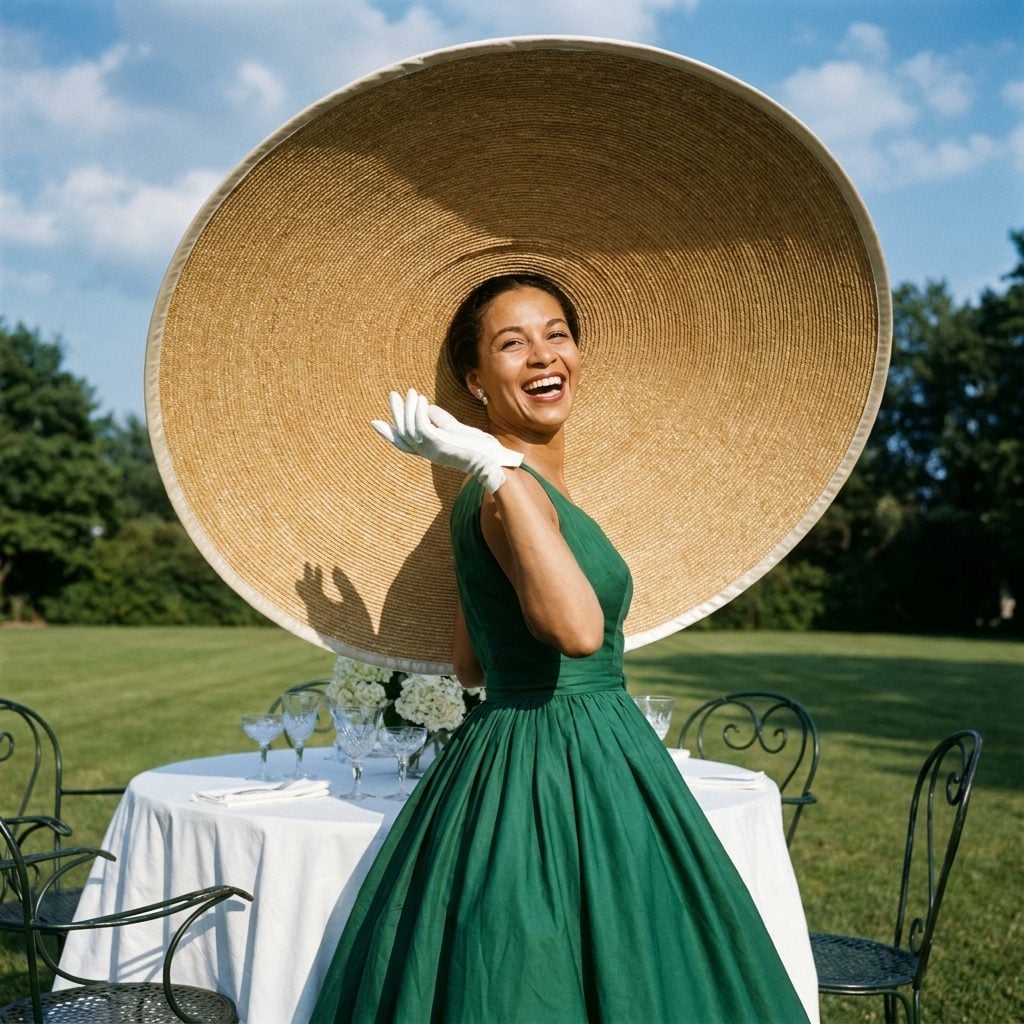
You couldn’t sit in a normal chair. You definitely couldn’t ride in the back seat of a sedan without tilting sideways. And yet women wore cartwheel hats to outdoor luncheons with absolute conviction, treating the physical inconvenience as a feature rather than a flaw.
The brim extended well past your shoulders in every direction, creating a shadow you could practically share with the person beside you. Most impractical hat of the decade? Without question. Most photogenic? Also yes. The women who pulled it off grasped something fundamental: sometimes an accessory’s whole purpose is refusing to be ignored.
22. The Half Hat That Sat on the Back of Your Head Like an Afterthought (It Wasn’t)

Of all the 1950s hat style variations, the half hat might be the most underestimated. It barely covered anything — just sat on the back of your head like a pretty afterthought, showing off your hairstyle while still technically qualifying as a hat. Kind of genius, if you think about it.
This was the everyday workhorse. The one you grabbed for errands, for picking up the children, for looking composed without broadcasting effort. A small felt crescent in dusty rose or navy, held in place with a comb and a prayer. Nobody wrote odes to it. But it probably logged more hours of actual wear than any other hat on this list.
21. The Angled Tilt Hat That Said ‘I Have Places to Be and None of Them Are Here’
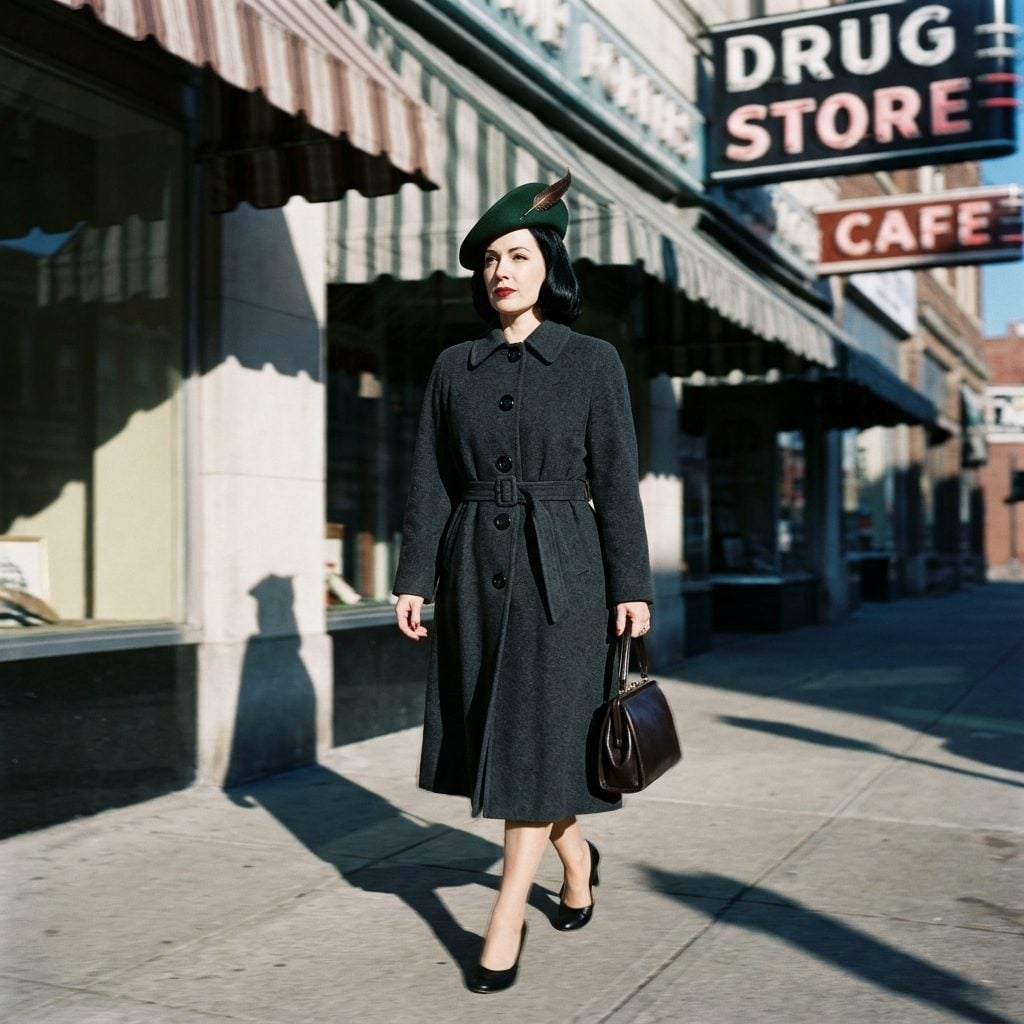
The angle was everything. Worn straight, a tilt hat was just a hat. Cocked forward over one eye at a degree that suggested mild impatience with the world? Now it’s a personality. The tilt hat was the introvert’s power move — your hat spoke so you didn’t have to.
20. The Flower-Trimmed Straw Hat That Smelled Like Spring Even When It Was February
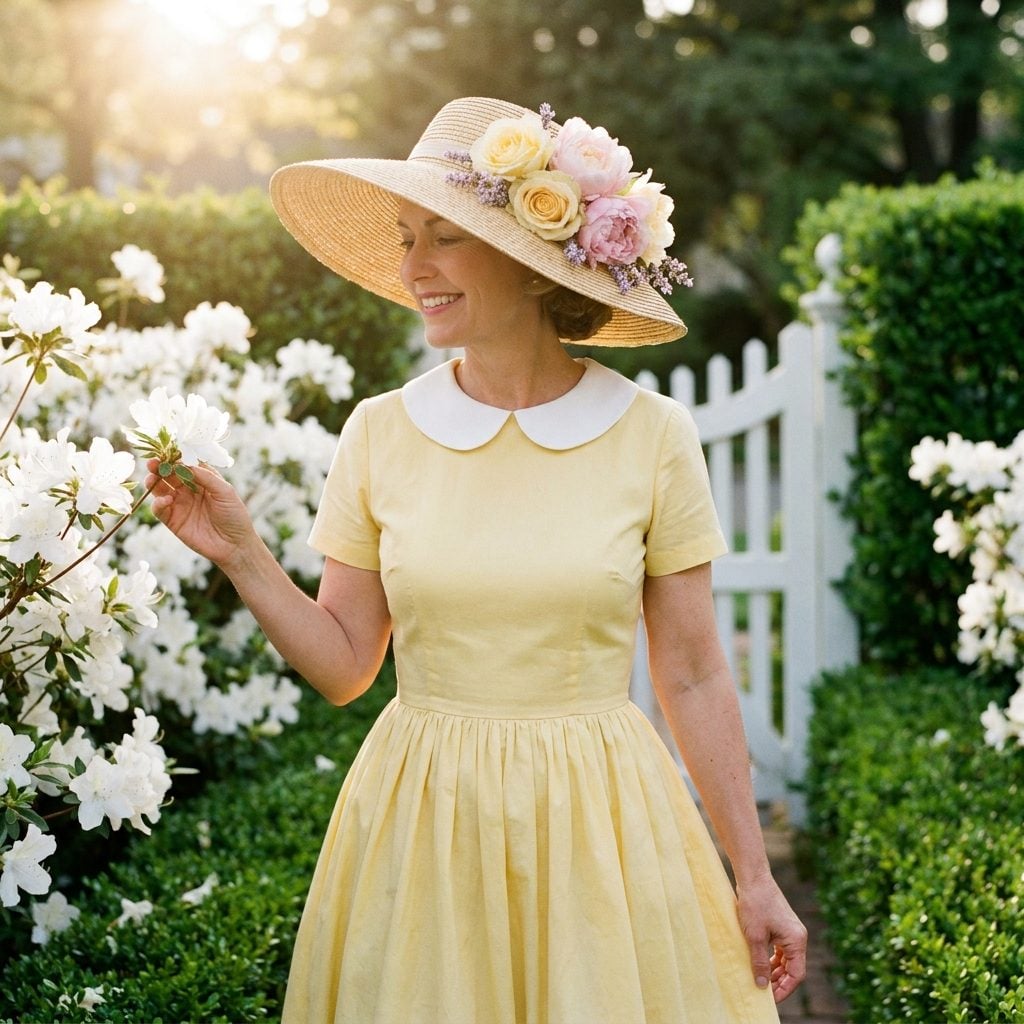
Every woman’s mother had one. Possibly still does, in a hatbox on the top shelf of a closet that hasn’t been reorganized since 1987. The flower-trimmed straw hat was Easter, was spring, was the visual equivalent of opening the windows after five months of winter. It carried a specific optimism that felt like it could fix things — even when it couldn’t.
The flowers were always silk, slightly too bright, arranged in a cluster no real garden would produce. Pink peonies next to yellow roses next to something purple that might have been lavender or might have been entirely invented. Didn’t matter. The combination worked because it wasn’t aiming for realism. It was aiming for hope.
Paired with a butter yellow cotton dress and a collar buttoned all the way up, it made you feel like the kind of person who bakes from scratch and writes thank-you notes by hand. Even if you weren’t. Especially if you weren’t.
19. The Veiled Cocktail Hat That Made Every Entrance Feel Like a Movie Scene
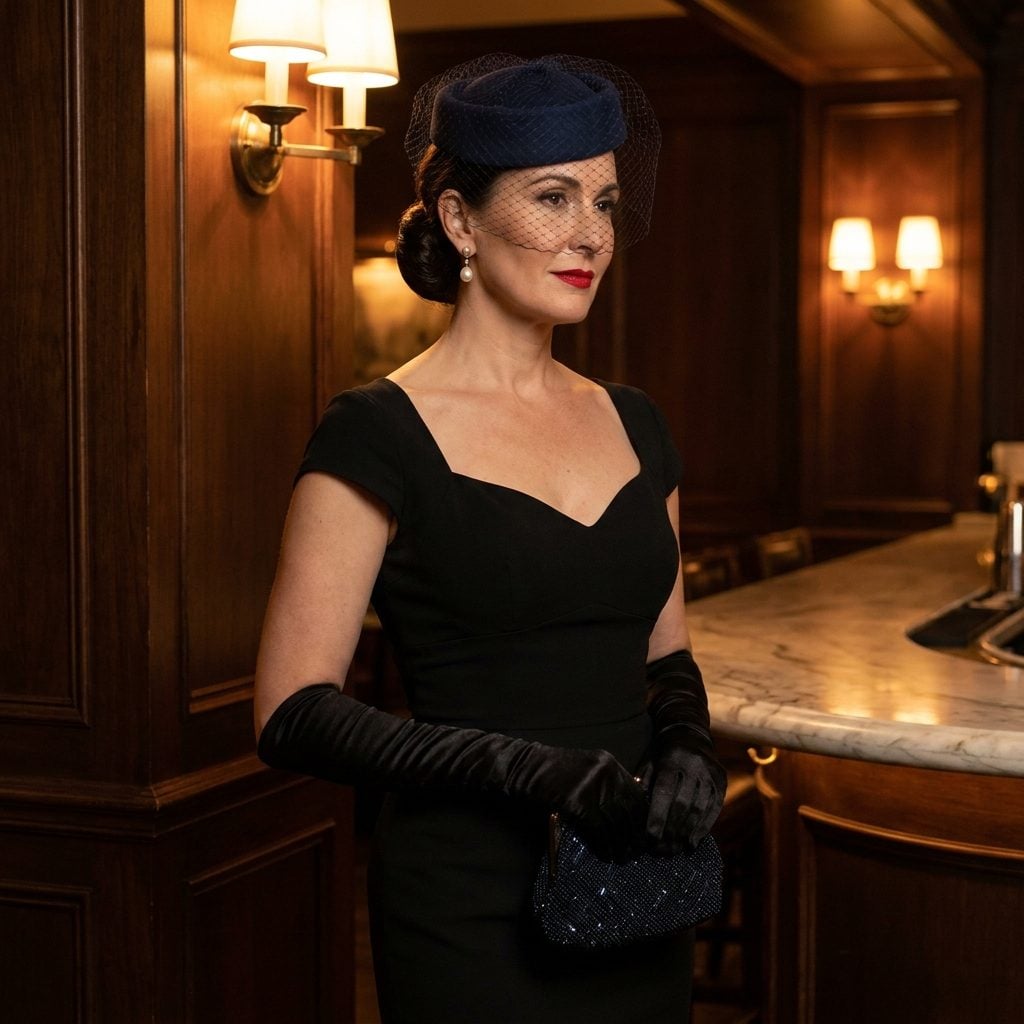
The netting did all the talking. A small, perched cocktail hat with a wisp of veil across the eyes turned an ordinary Tuesday dinner into an event — women pinned these on at a precise angle, usually tilted slightly forward and to the right, because that’s what the magazines said and nobody questioned the magazines.
What made the veiled cocktail hat so magnetic was the theater of partial concealment. You could see just enough: the eyes framed by dotted veil netting, a sliver of cheekbone, the full red lip beneath. Strategic mystery. It worked better than any accessory had a right to.
18. The Feather-Trimmed Dress Hat You Wore to Impress Someone’s Mother
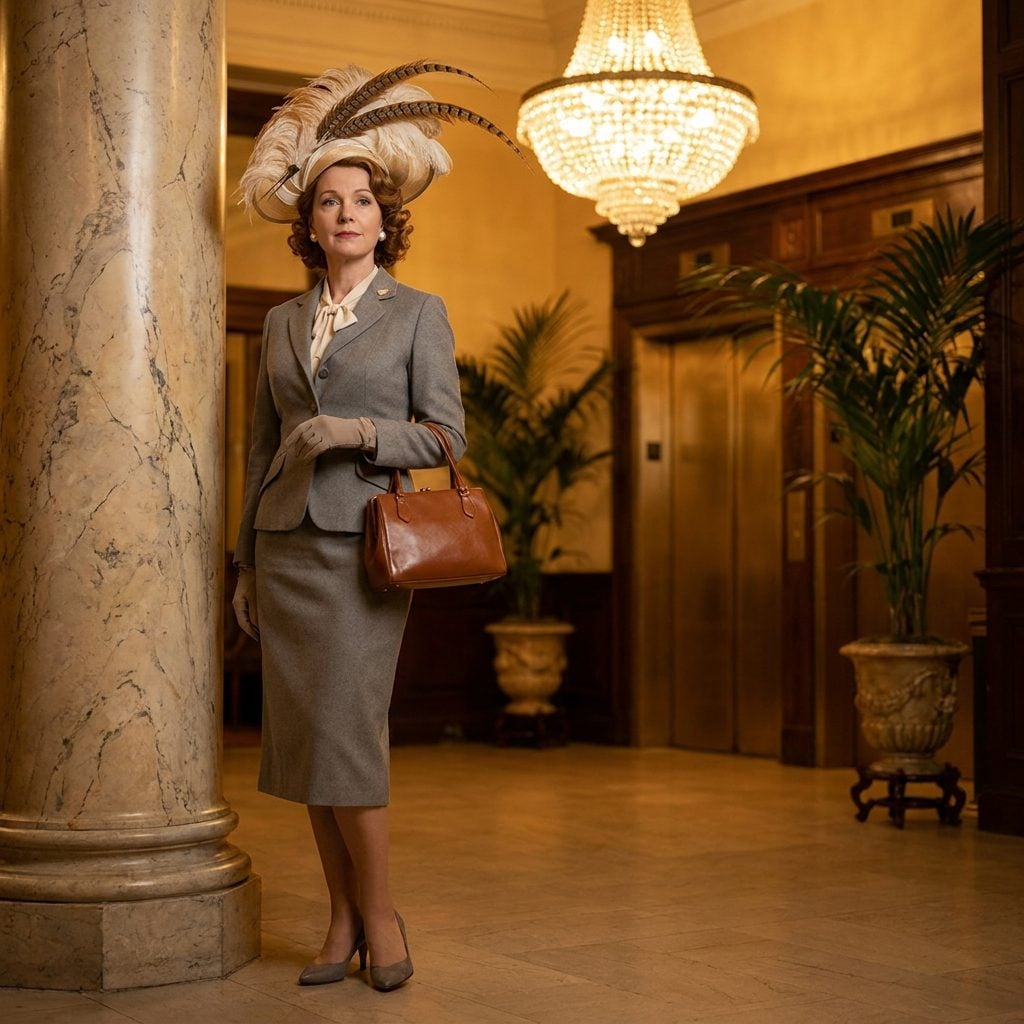
Feathers on a hat meant you were serious about wherever you were going. Not casual serious. Capital-S Serious — the kind of hat you bought specifically for meeting a boyfriend’s parents, attending a luncheon where the hostess had actual silver, or walking into a hotel lobby like you owned a suite upstairs.
These weren’t subtle. A single feather-trimmed dress hat could feature pheasant plumes, curled ostrich tips, or those stiff little quills that poked the person sitting next to you at church. Nobody complained. The feathers were the entire argument. They added height, movement, and a certain aristocratic swagger that a plain hat couldn’t deliver no matter how well someone had blocked the felt.
17. The Calot Hat That Sat on Your Head Like It Was Born There
❤️ Would you like to save this?
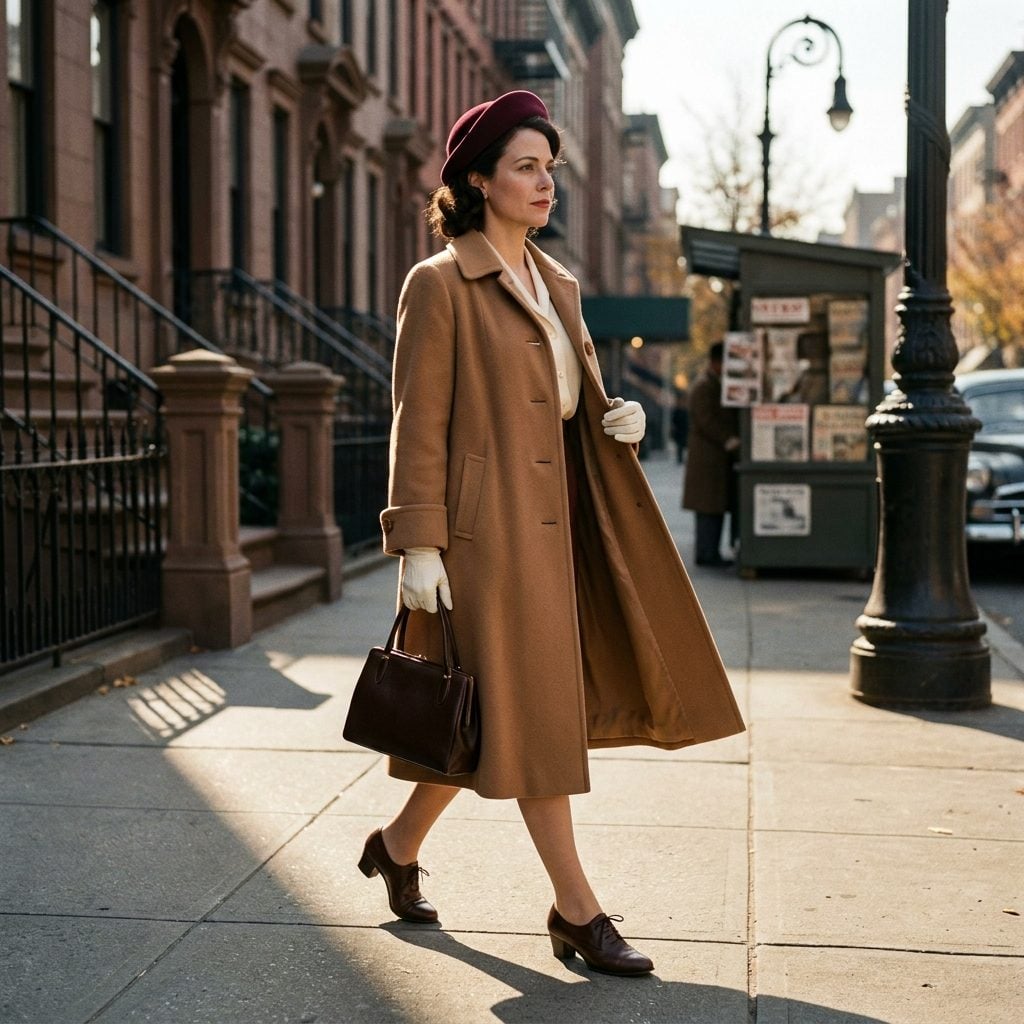
Half the women who wore calots didn’t even know they were called calots. They just called it “that little round hat” and pinned it toward the back of their head with a hatpin they’d inherited from someone. The calot was the quiet workhorse of 1950s headwear — small, brimless, slightly domed, so unobtrusive it felt more like a permanent part of your hairstyle than a separate accessory.
Paired with a camel wool coat and white kid leather gloves, the calot communicated: I got dressed with intention but I’m not trying to outshine anyone. The hat equivalent of good posture, really. You noticed it because it fit so well, not because it demanded a single thing from you.
16. The Toque Hat That Made Winter Shopping Feel Like a European Affair
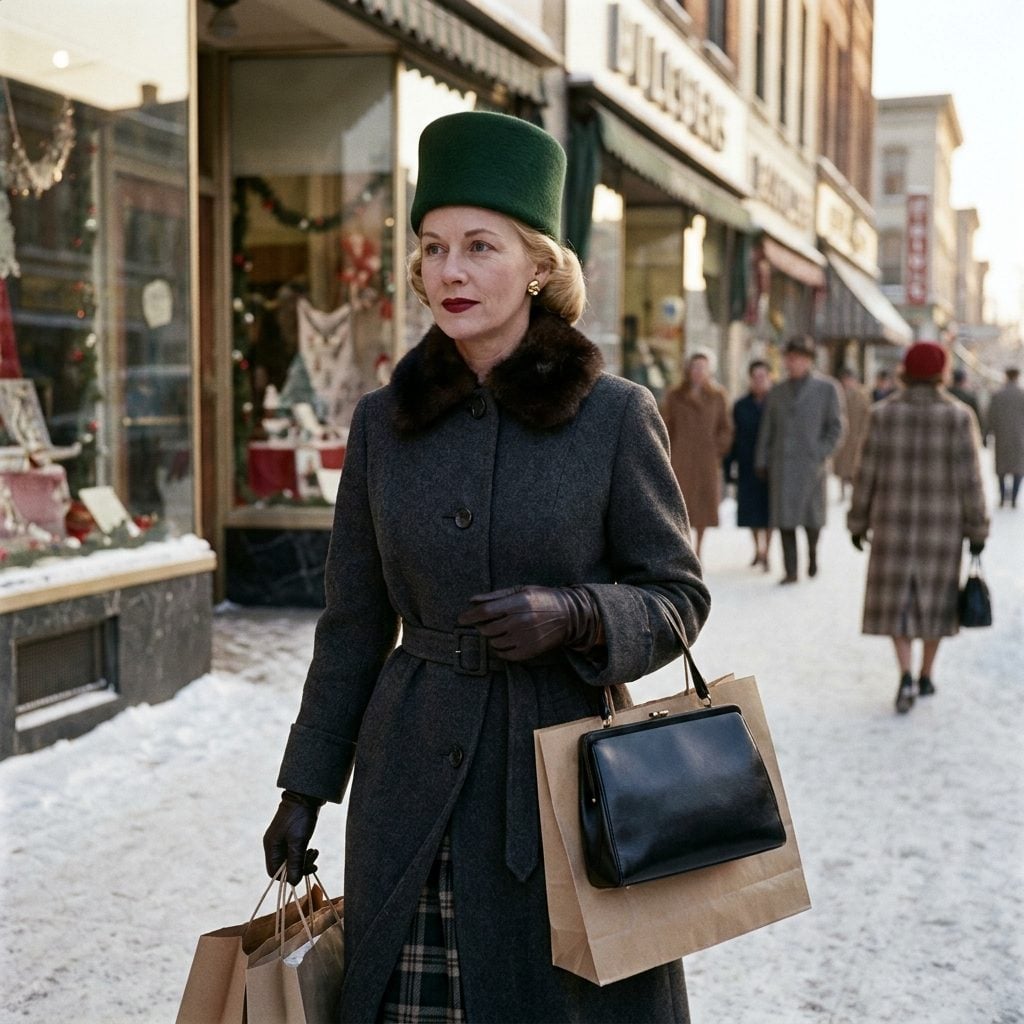
Tall, cylindrical, and a little imperious — the toque made your head the tallest thing on the sidewalk. No brim whatsoever, which meant it relied entirely on proportion and placement. Get it right and you looked like you’d just stepped off a train from Paris. Get it wrong? Coffee can.
Most women got it right. The wool felt toque paired naturally with heavy winter coats, fur collars, and that specific 1950s cold-weather palette of forest green, charcoal, and burgundy. You wore it when the weather turned sharp but your style standards refused to follow the thermometer down.
15. The Draped Turban Hat That Whispered “I Have a Life You Know Nothing About”
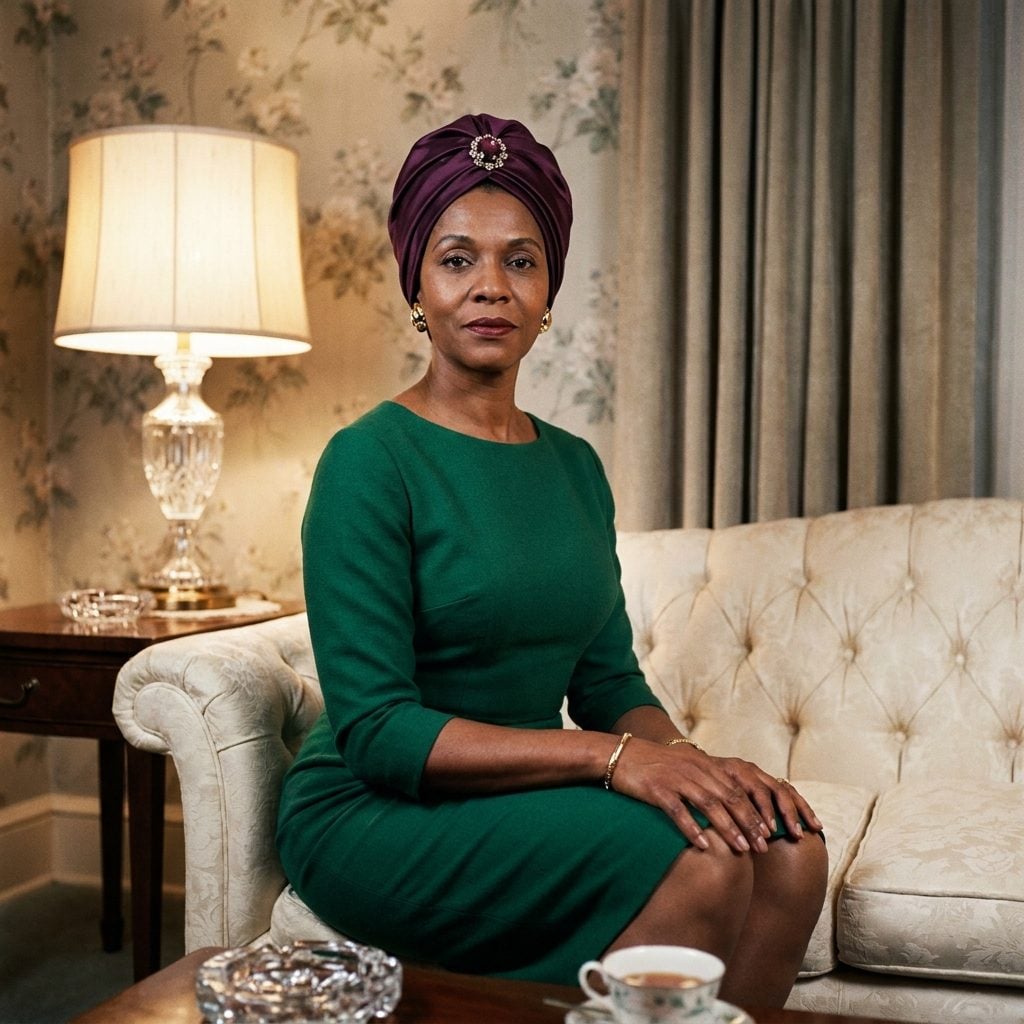
Mystery in fabric form. The draped turban didn’t frame the face so much as it crowned it — all gathered silk and deliberate asymmetry, suggesting the wearer had better places to be and was simply gracing this particular room with her time.
Hollywood loved turbans. Lena Horne wore them. Gloria Swanson wore them long past the era that made her famous. Everyday women wore scaled-down versions in plum silk or jewel-toned satin, pinned with a single brooch at the front, to dinner parties and evening gatherings where the goal was presence over volume.
The turban required confidence. It sat close to the head, exposed the neck and ears, left nowhere to hide. You had to own it completely. Most women who reached for one already did.
14. The Bonnet-Style Church Hat That Meant Sunday Was Sunday
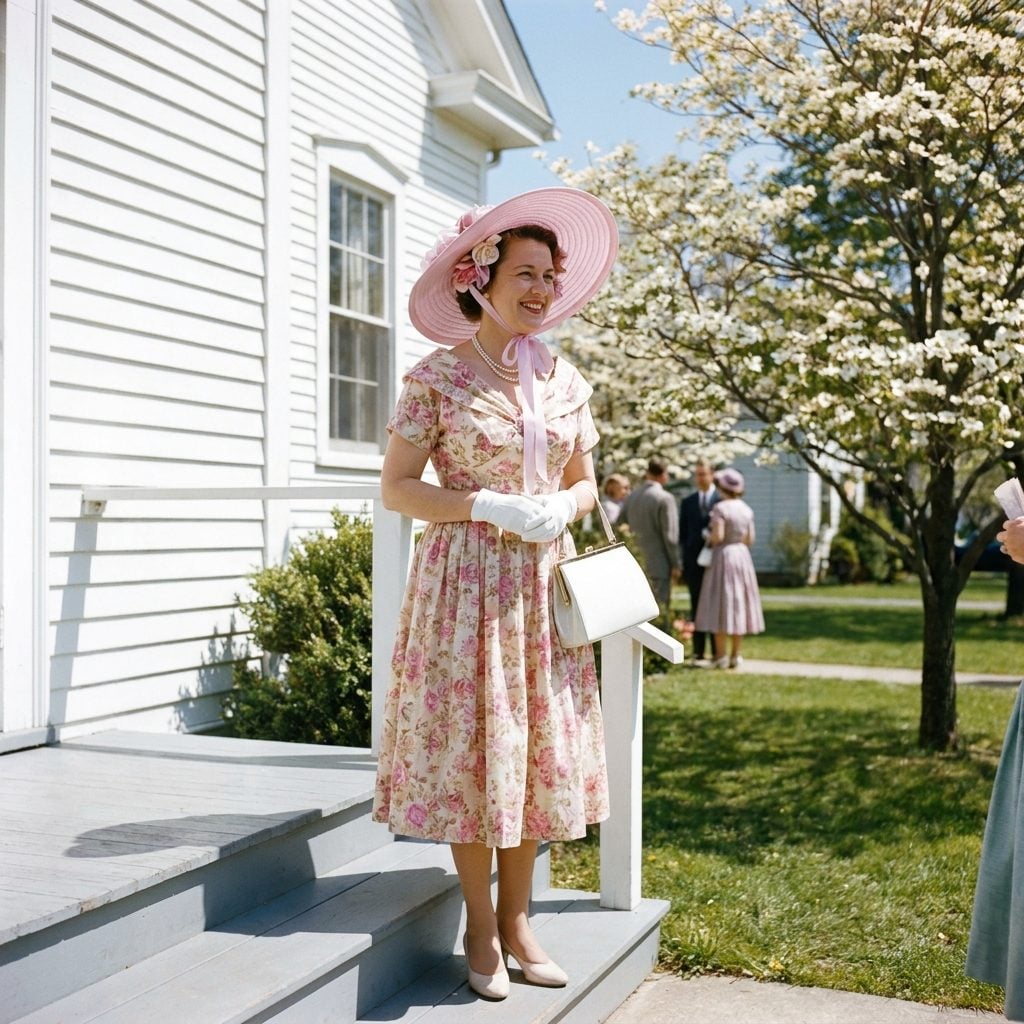
Easter Sunday. First day of spring. Any Sunday your mother decided was important enough to iron everything twice. The bonnet-style church hat in pastel pink or butter yellow with silk flowers and ribbon trim was non-negotiable — you wore it, kept it on during the entire service, and did not touch it, adjust it, or complain about the hatpin poking your scalp.
The brim curved around the face like a soft frame, the flowers placed with the kind of care usually reserved for table settings at formal weddings. Structural and feminine at once. Every woman standing on those church steps looked like a portrait somebody should have been painting.
13. The Small-Brimmed Felt Hat That Meant Business Before Women Were Allowed to Mean It
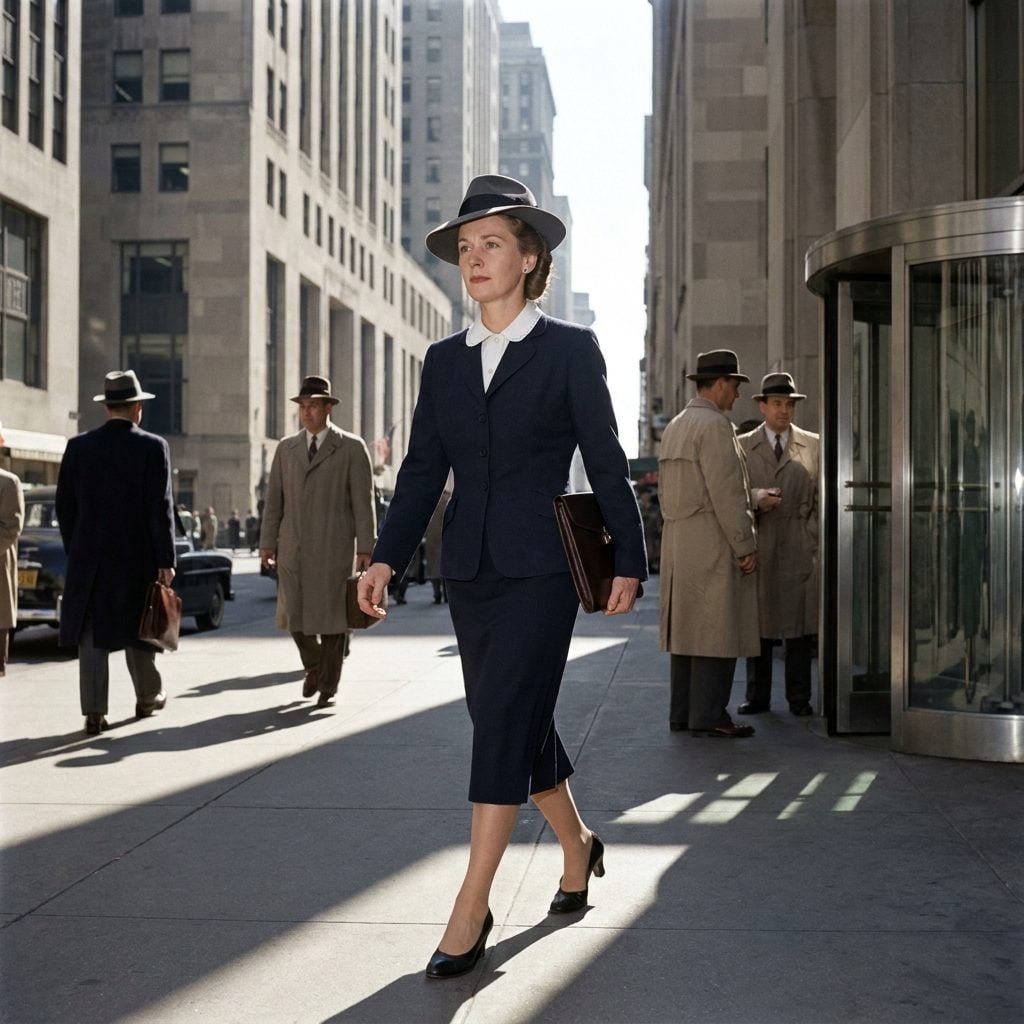
Before anyone had coined “power dressing,” this hat was doing the job. Small brim, clean felt, no ornamentation beyond a grosgrain ribbon — the hat women wore to offices where they were frequently the only woman in the room. It said: I’m not here to be decorative.
The small-brimmed felt hat was the quiet rebellion of the working woman who dressed like she expected to be taken seriously, long before anyone told her she should.
Its silhouette borrowed from menswear fedoras but softened the proportions. Tilted just slightly, pinned over a neat chignon, paired with a navy tailored suit and sensible pumps — it created an androgynous look that was professional without apology. I think about how much nerve that required in 1955, and honestly, it makes the hat feel more important than any plumed confection in a society wife’s closet.
12. The Velvet Winter Hat That Made Cold Weather Feel Like a Gift
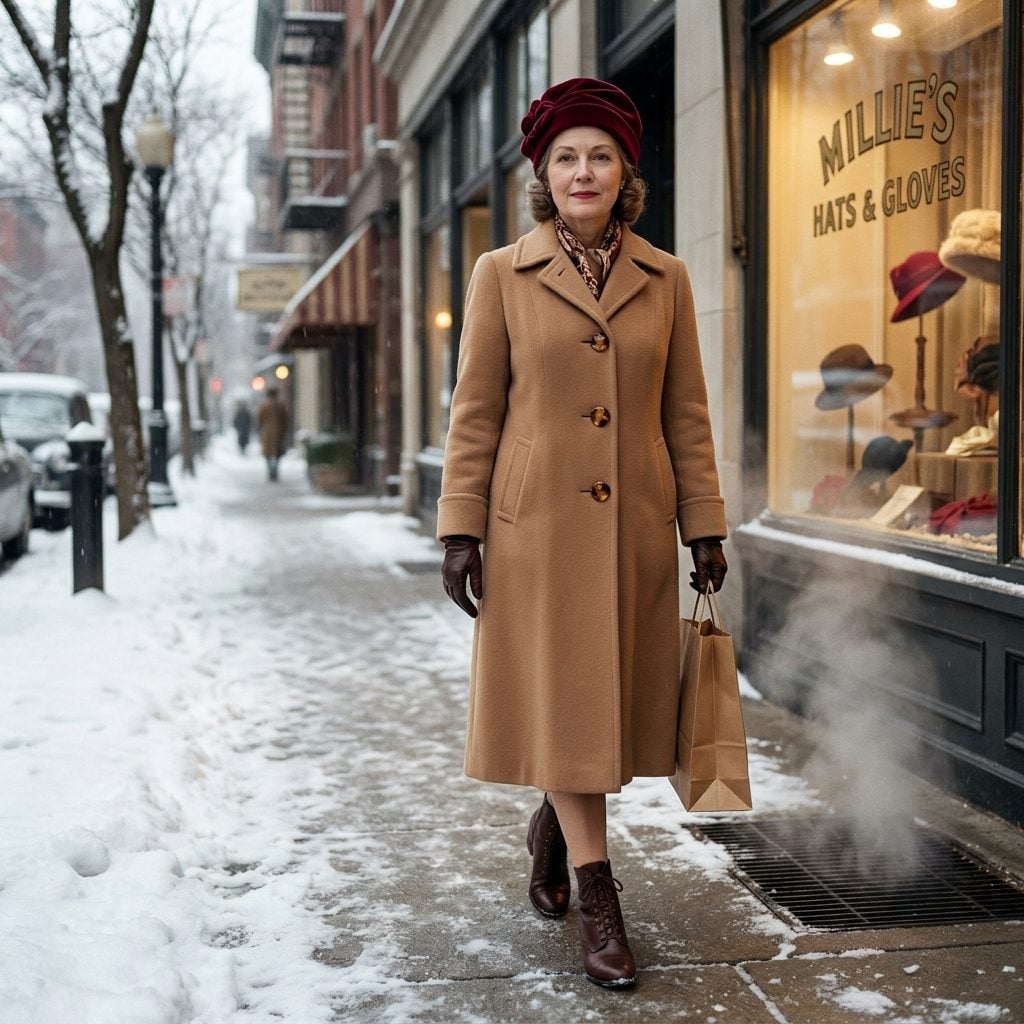
Velvet in winter hit different — as nobody said in 1954 but everyone felt. The texture caught what little winter light existed and held it, so a ruby velvet hat glowed against a grey sky like a small warm lantern perched on your head. They came in jewel tones almost exclusively: deep garnet, forest green, sapphire, the occasional amethyst.
Practical, too. Velvet kept heat close without the bulk of a knit cap, and it went with wool coats the way coffee goes with cold mornings — no explanation needed. Women wore them pulled low over curled hair. Soft velvet against soft waves. One of those accidental perfections no one could have sketched on purpose, and honestly the kind of happy accident that makes you believe some decades just had better instincts than ours.
11. The Sailor Hat Worn With a Striped Top and a Complete Lack of Irony
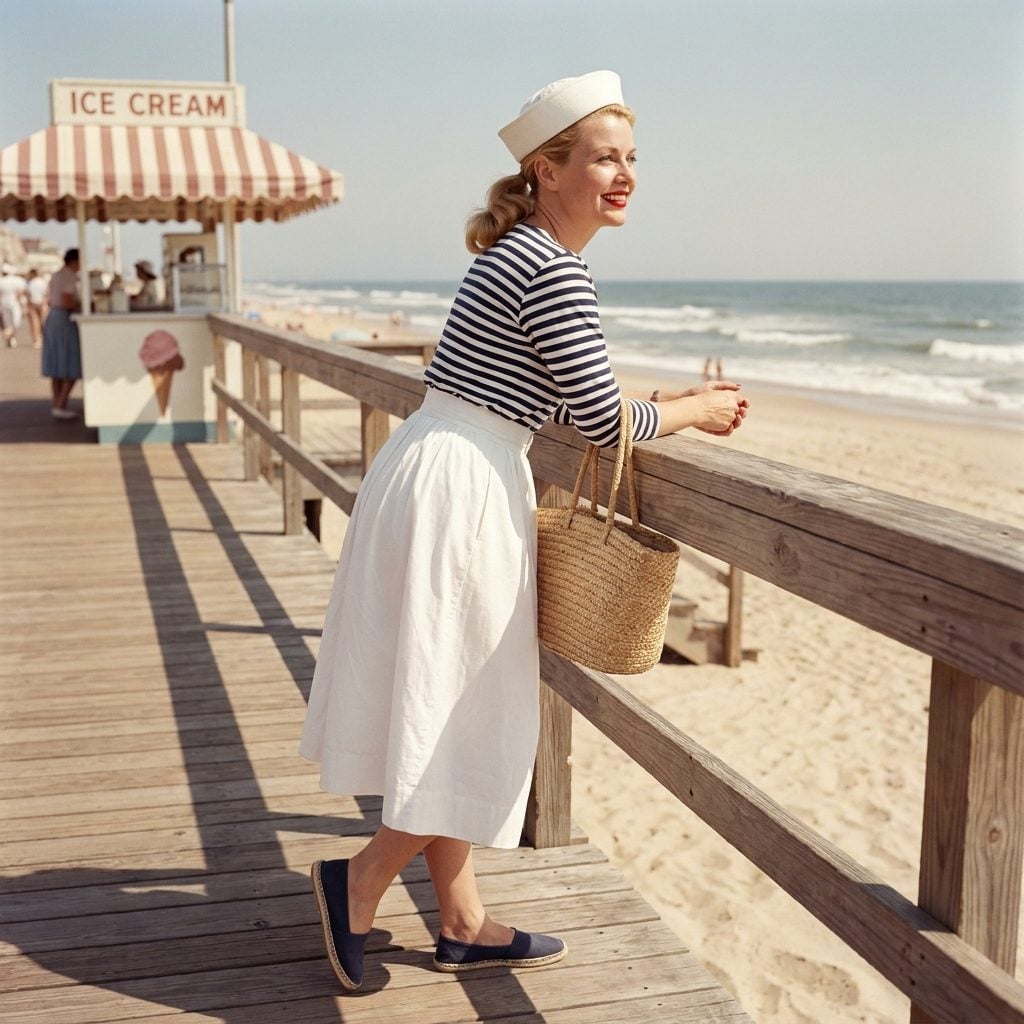
We committed to the theme. The white sailor hat, the navy Breton stripes, the high-waisted white skirt, the espadrilles — head-to-toe nautical with zero self-consciousness about looking like you were about to crew a regatta you’d never been invited to. Somehow it worked, because conviction covers a multitude of costume-adjacent styling choices.
Summer’s answer to the felt fedora: a seasonal uniform piece that signaled vacation mode even if you were only at the local boardwalk eating a cone. It photographed well, stayed put in ocean wind better than you’d expect, and made every woman look like she had a boat, a tan, and absolutely nowhere urgent to be.
10. The Beret Tilted Just So at the Café Table, Because Paris Was Always the Point
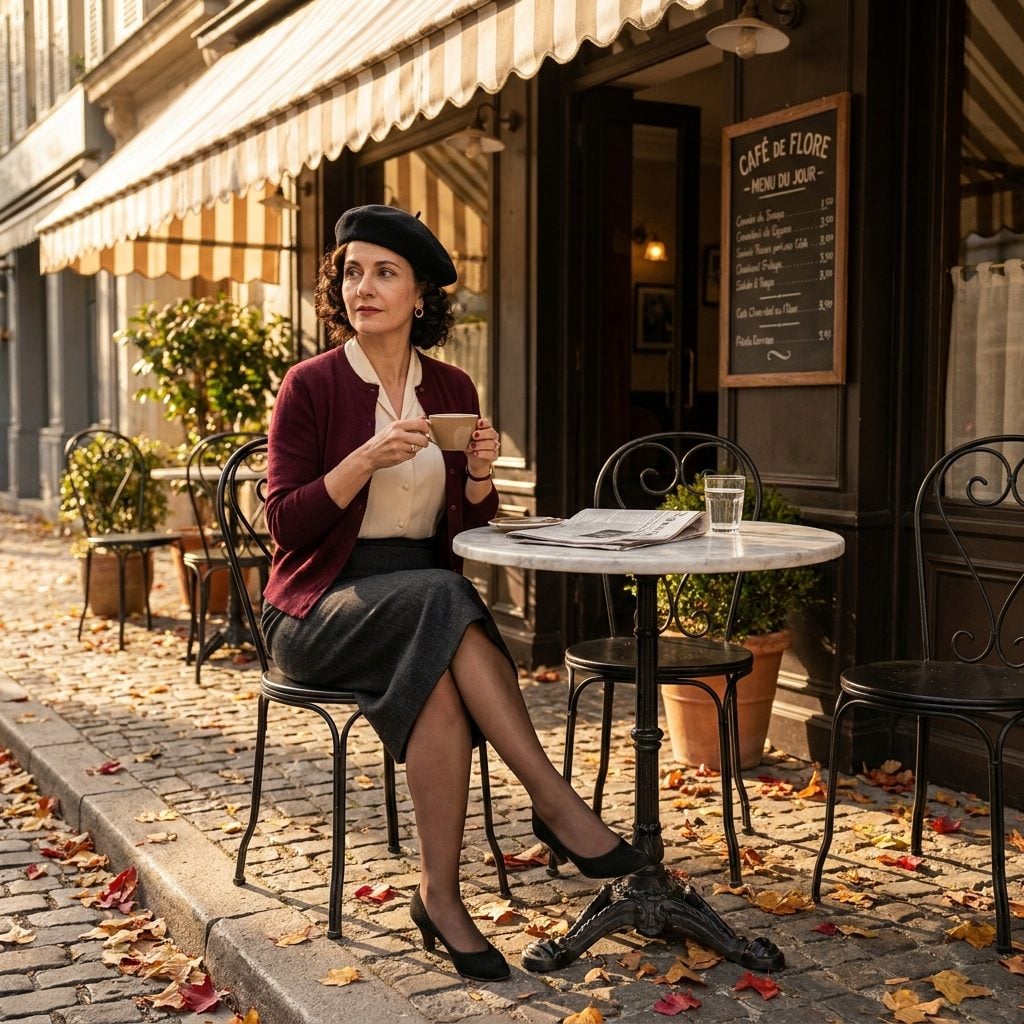
Every decade claims the beret. The 1950s earned it. Tilted at precisely the angle that said “I read Sartre, or at least I want you to think I do,” the black wool beret belonged to the intellectually curious woman — the one with a library card, a strong opinion about Hemingway, and a burgundy cardigan she’d owned for six years because it fit perfectly and she saw no reason to replace what already worked.
The beret required almost nothing to look right. Slightly tilted, never centered. Pull it too far forward and you’re a mime; push it too far back and it falls off. But that sweet spot just above the right eyebrow, fabric pooling gently to the left, turned a cheap hat into a personality declaration.
And the café table was its natural habitat. Something about holding a coffee cup with a beret on your head made you feel like you were living in a French film — even if the café was a diner in Cincinnati and the coffee was genuinely terrible. The delusion was half the pleasure.
9. The Bubble Hat That Made Every Woman Look Like She Had a Secret
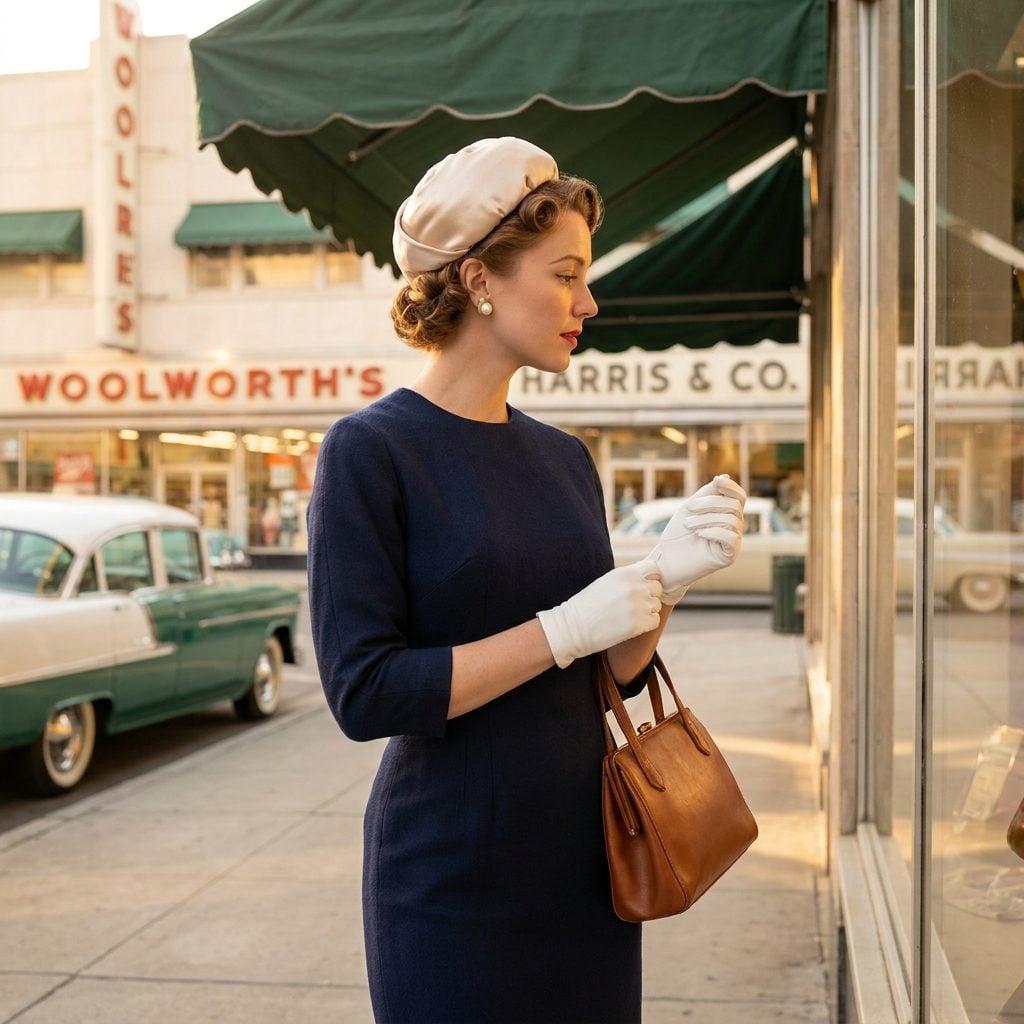
That perfect dome of fabric, sitting on the head like a smooth, oversized pearl. The bubble hat was the quietest flex of 1950s millinery — no feathers, no netting, no drama. Just shape. Pure, sculptural shape that said more with less than anything else on this list.
Most were done in satin or silk shantung, in colors like champagne, powder blue, or shell pink. They sat forward on the head, leaving the back of the hair exposed, which meant your set had to be immaculate. You couldn’t fake it with a bubble hat. It revealed as much as it covered.
8. The Open-Crown Sun Hat You Wore to Pretend the Backyard Was the Riviera
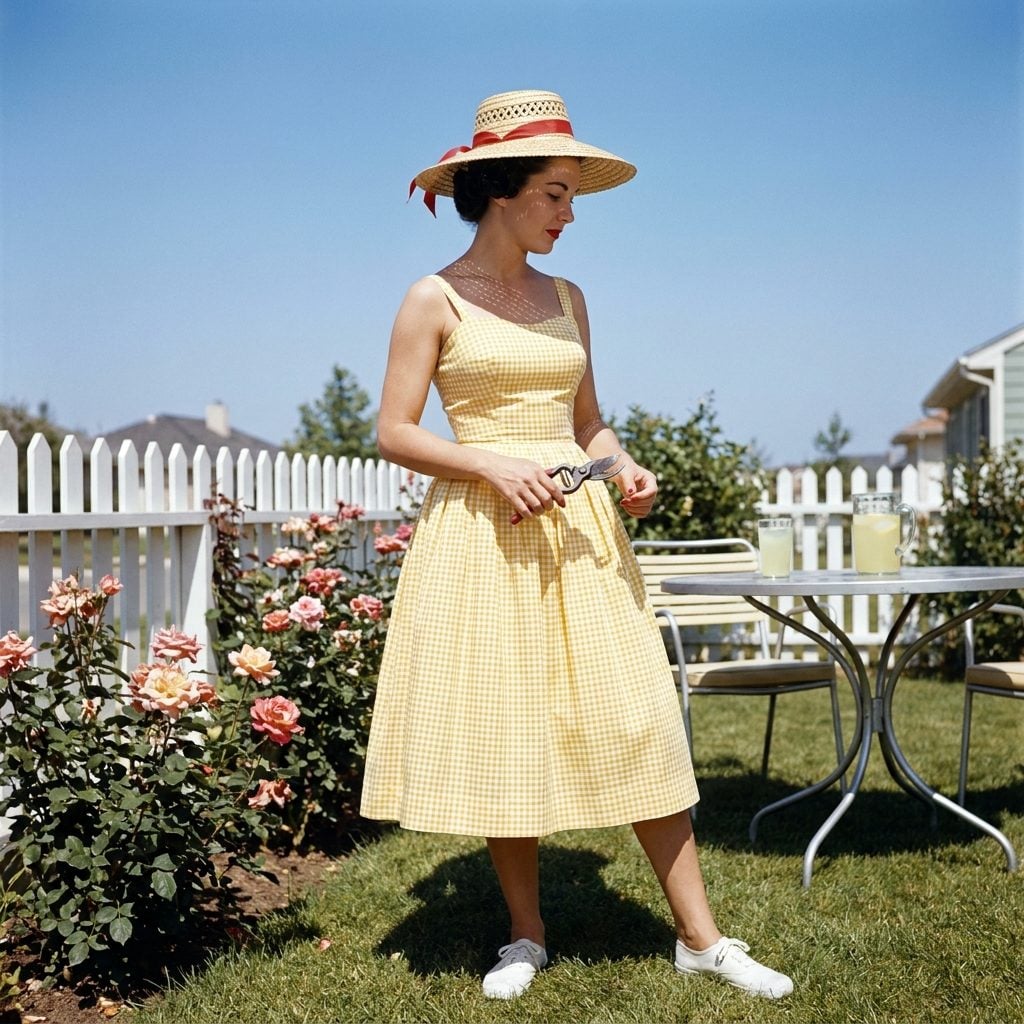
The crown was literally missing, and nobody questioned it. Your hair poked right through the top, getting sun while your face stayed shaded — the entire logic of this hat in one design choice. Straw, always straw, usually with a ribbon you’d swap out depending on your mood or your dress.
Every woman who spent Saturday mornings pulling weeds or hanging laundry owned one. It was practical in a way that 1950s fashion rarely allowed itself to be. And yet it still looked intentional, still looked considered, because you had tied that ribbon in a bow at the back and angled the brim just so. Function dressed up as charm — which, honestly, is a trick most modern accessories still can’t pull off.
7. The Decorative Church Hat With Bow Accents That Announced Your Arrival
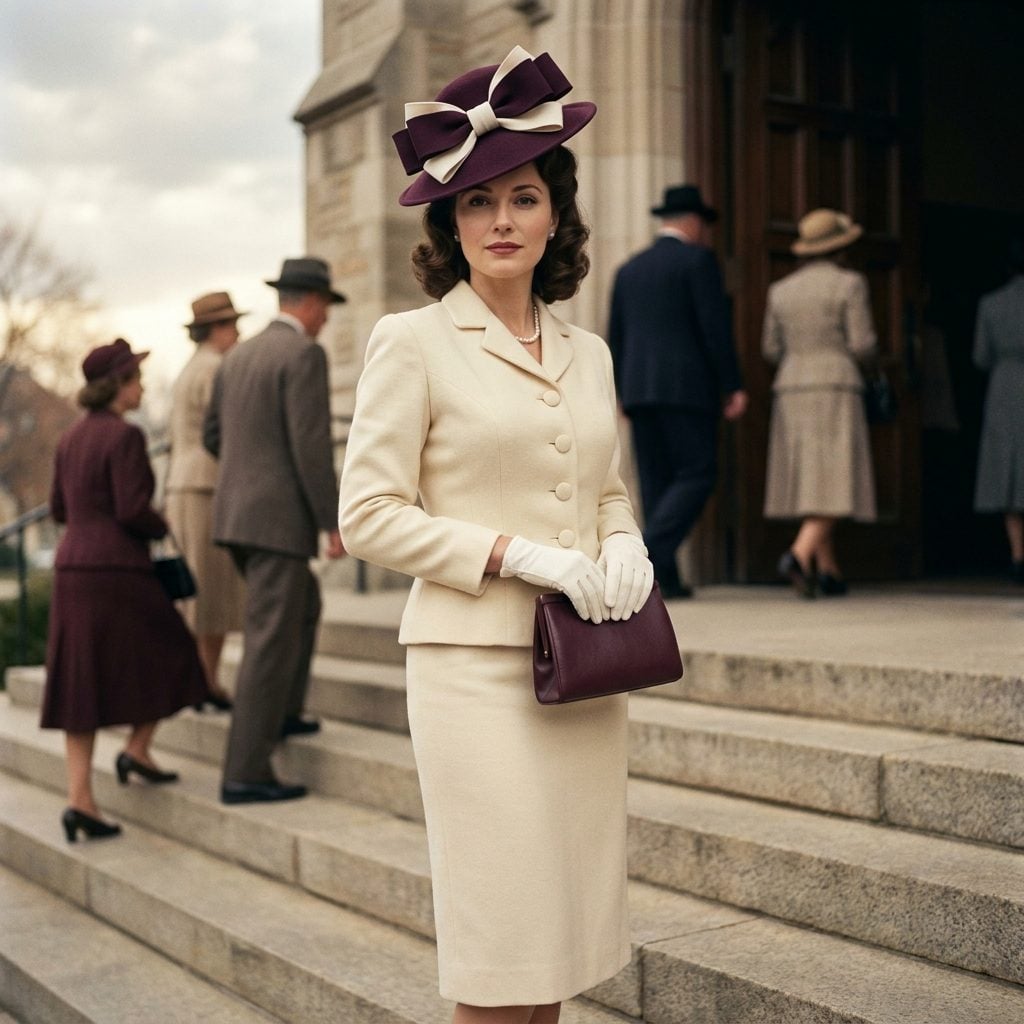
Sunday morning was a runway, and everyone knew it. The church hat had nothing to do with sun protection or warmth — it was about making an entrance through double doors while the organ played. The bow-accented versions really committed to the performance.
Grosgrain ribbons, usually. Two or three bows arranged at the side or back, in contrasting colors or tone-on-tone depending on how bold you were feeling that particular Sunday. The hat itself might be felt or straw depending on the season, but the bows were the personality.
What fascinates me looking back is how much social information a single hat communicated. Your taste. Your budget. Your standing in the congregation. The woman with the triple-bow hat in coordinated plum and ivory? She wasn’t just attending service. She was holding court.
6. The Lace-Trimmed Spring Hat That Made April Feel Like a Proper Event
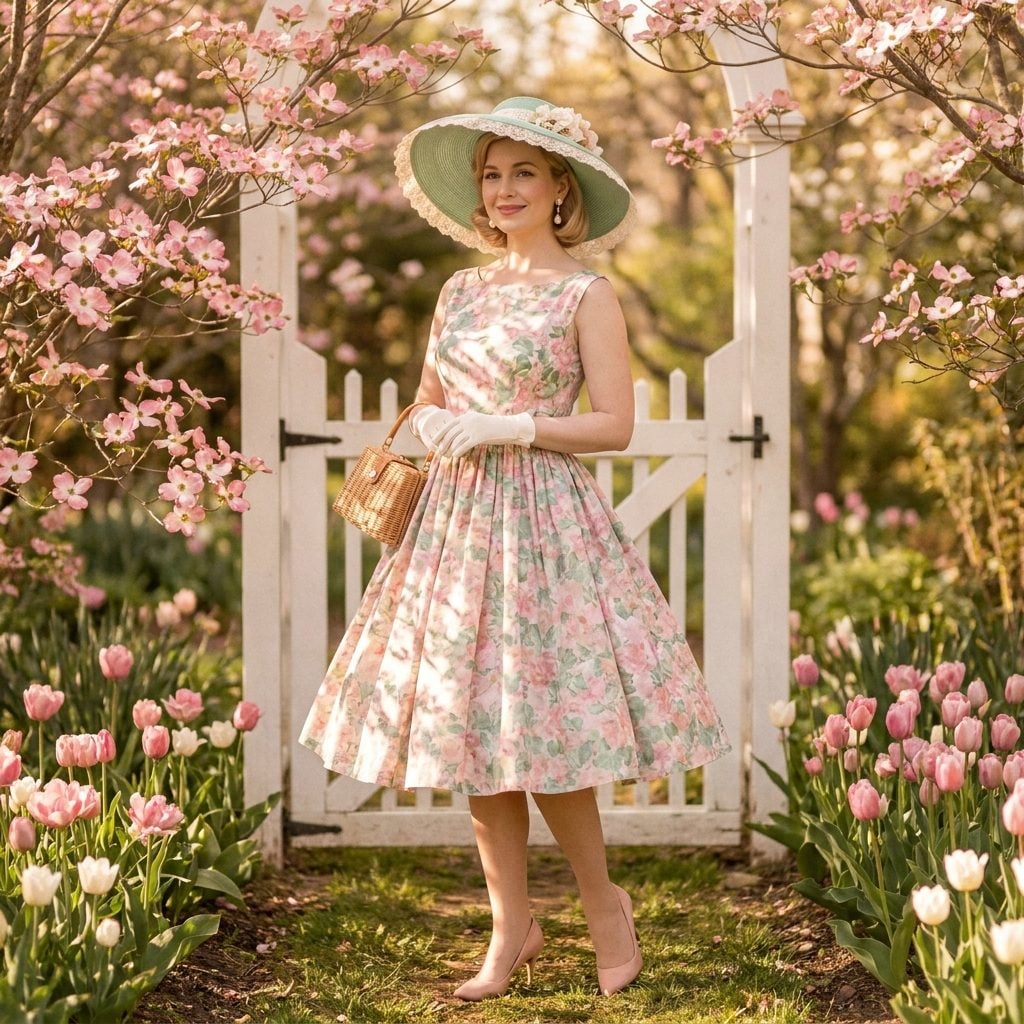
Lace on a hat brim catching spring light. That was enough to make every woman look like she was walking through her own watercolor painting, and it turned the simple act of stepping outside in April into something worth documenting.
The lace was usually ivory or white, stitched along the brim’s edge or layered across the crown like a veil that didn’t quite commit to being one. Beneath it, the hat might be mint, lavender, pale yellow, or butter cream — always soft, always deliberate. The kind of style decision that looked effortless but required a trip to the milliner and a genuinely strong opinion about thread color.
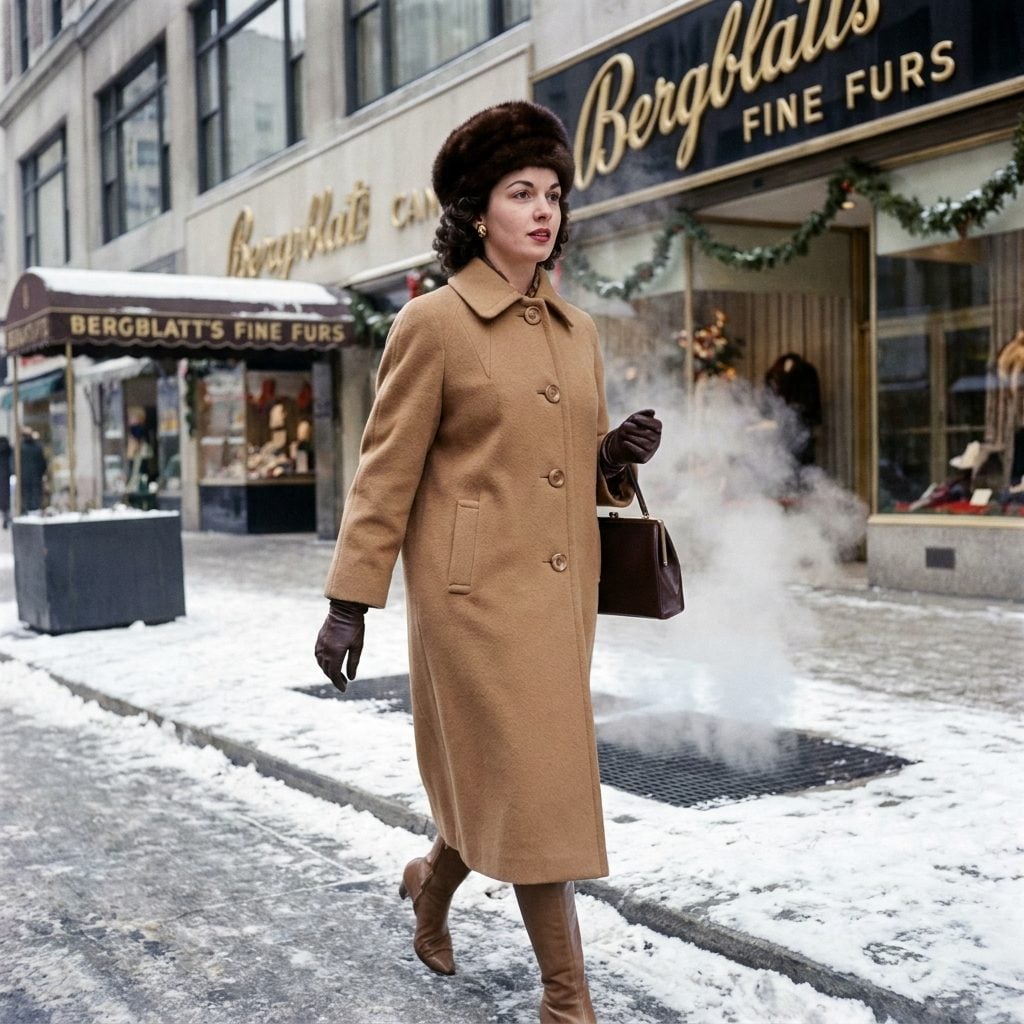
5. The Mink Fur Hat That Said ‘I Have Somewhere Important to Be’
❤️ Would you like to save this?
Nothing else here carried the same weight — literally or socially. A mink fur hat in the 1950s was shorthand for having arrived. Not just at a destination. At a station in life.
They came in deep brown, black, sometimes a silvery gray, and the fur was dense and impossibly soft. The hats were usually simple in shape — pillbox or rounded — because the material handled all the talking on its own. Paired with a camel wool coat and matching gloves, the look was winter armor, the kind of outfit that made department store clerks stand a little straighter when you walked in.
The ethics conversation has shifted since then, obviously. But the silhouette itself — a compact, textured hat in a rich neutral — remains one of the most striking cold-weather accessories a woman can put on. Faux versions capture the shape beautifully.
4. The Cone-Shaped Novelty Hat Nobody Took Seriously (Except Everyone Wore One)
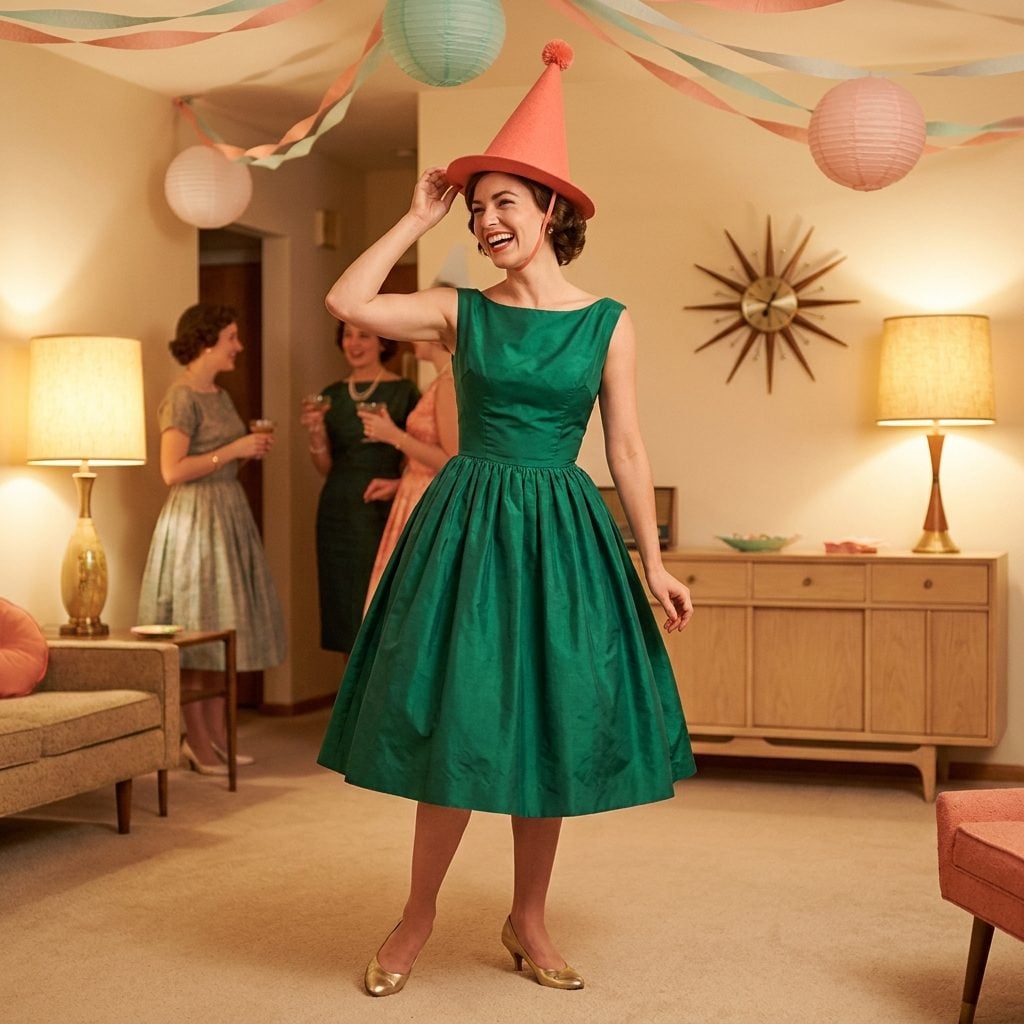
Somewhere between serious millinery and pure nonsense lived the cone hat, and the 1950s threw themselves at it wholeheartedly. These pointed little felt creations — perched at impossible angles with a chin strap doing questionable structural work — showed up at parties, luncheons, and honestly anywhere a woman wanted to signal she was having fun on purpose.
Candy colors: coral, turquoise, lemon. Sometimes topped with a pom-pom or a tiny feather, as if the cone shape alone wasn’t enough of a conversation starter. The odd thing? They worked. In photographs from the era, they look intentional and strangely modern — like something a fashion house might send down a runway now and call “deconstructed geometry.”
3. The Ribbon-Trimmed Garden Party Hat That Understood the Assignment
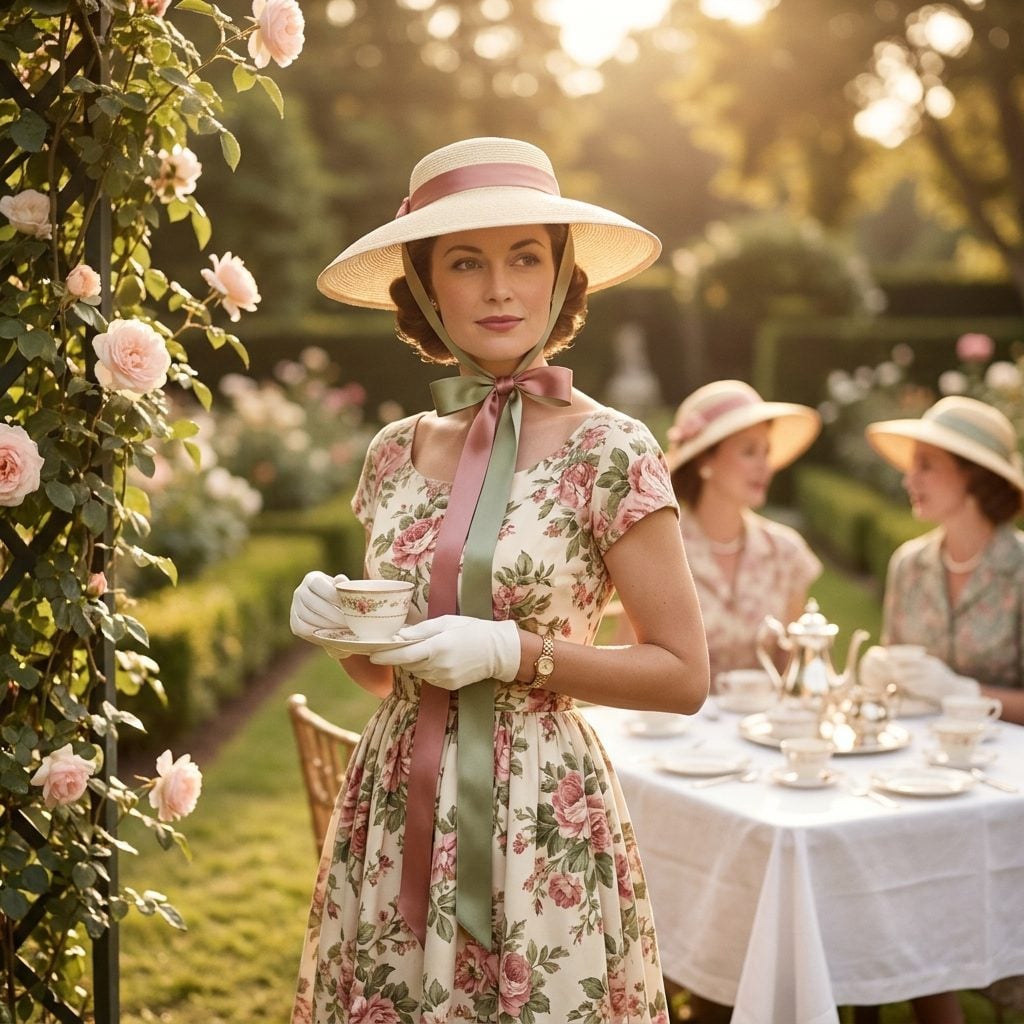
Ribbons did things in the 1950s that ribbons simply don’t do anymore. They cascaded. They trailed. They wrapped around hat crowns in careful spirals and then fell down the back like they had somewhere else to be but decided to stay.
The garden party hat was the ribbon’s finest hour — straw base, always, but the straw was almost beside the point. What mattered was the satin: dusty rose, sage, periwinkle, sometimes two or three colors woven together in a combination that required genuine color theory knowledge even if nobody called it that.
These hats existed for one specific context: outdoor afternoon gatherings where standing in dappled light was basically part of the dress code. And here’s what made them irreplaceable — the ribbons moved in the breeze. A hat that responded to its environment, that shifted slightly every time the wind changed direction. Name a modern accessory that does anything remotely comparable. I’ll wait.
2. The Side-Swept Asymmetrical Hat That Gave Every Outfit an Opinion
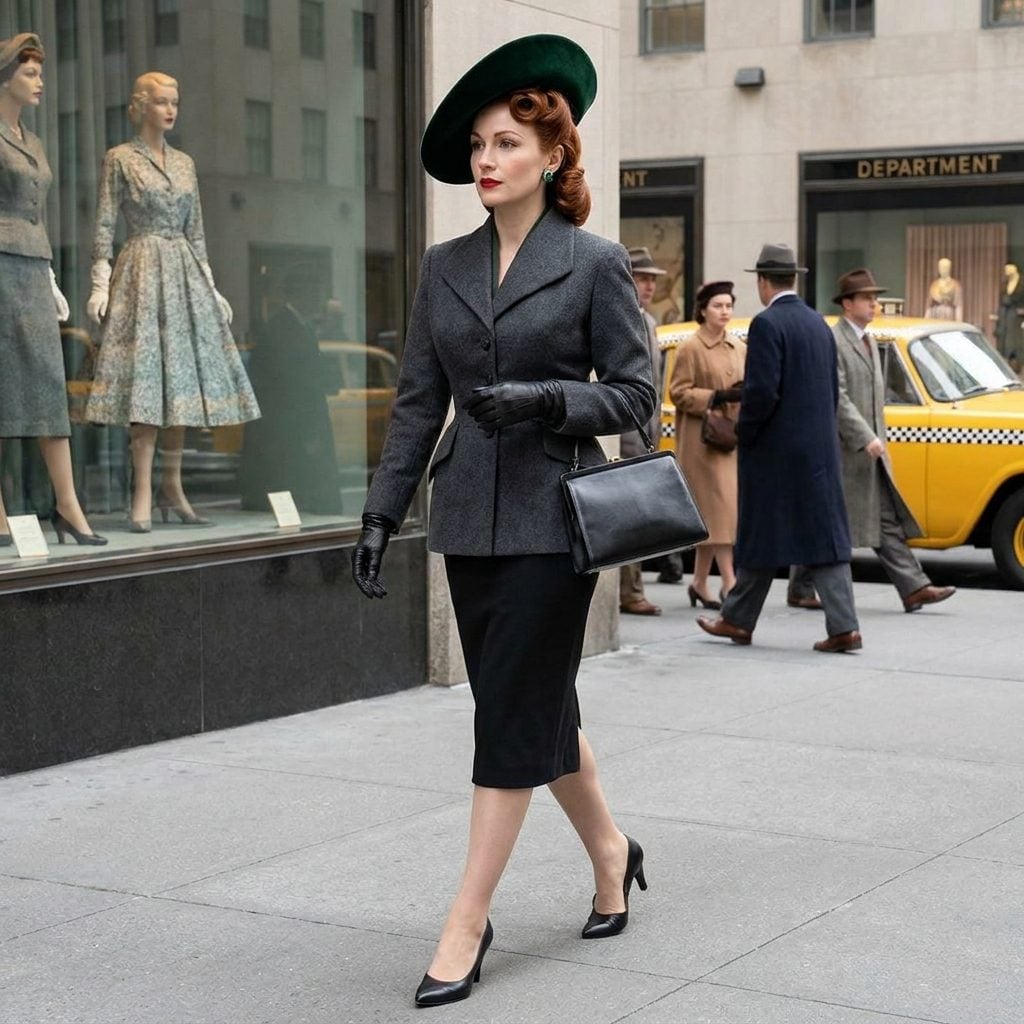
Symmetry is safe. The women who wore these hats were not interested in safe.
One side dipped low, sometimes covering an eye entirely, while the other kicked upward to expose carefully set curls. The effect was cinematic — a frame within a frame, directing attention exactly where the wearer wanted it. Usually toward a perfectly drawn lip or a particularly good pair of earrings.
These worked best in velvet or fine felt, in saturated colors that held their own against heavy winter coats: forest green, burgundy, midnight blue. What’s doing the heavy lifting is pure asymmetry — it creates visual tension that makes a plain charcoal coat and pencil skirt look like a deliberate composition instead of just clothes you grabbed that morning.
1. The Birdcage Veil Hat That Turned a Tuesday Into an Occasion
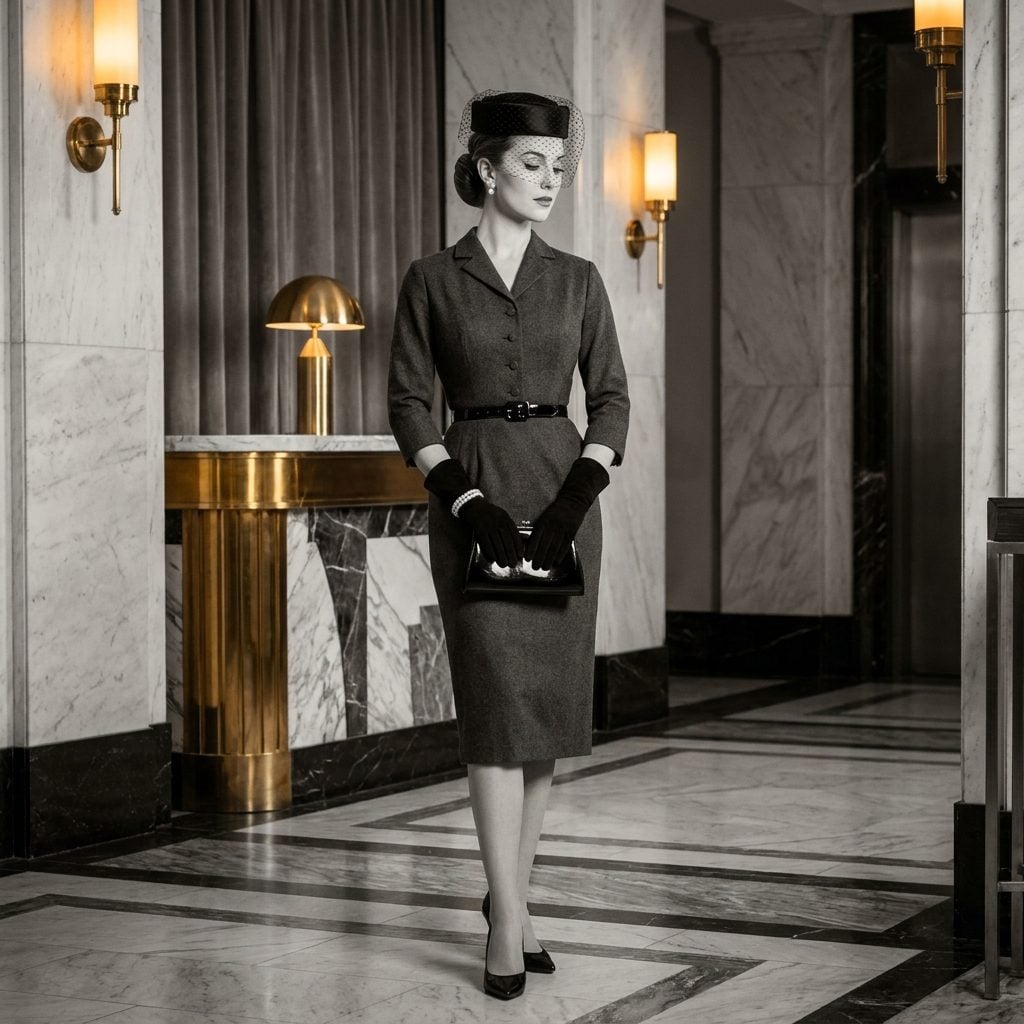
Netting. That’s it. A few inches of dotted netting between your face and the world, and suddenly you weren’t going to lunch — you were making an entrance.
The birdcage veil was the most theatrical thing a woman could wear on a weekday without raising eyebrows. Socially sanctioned mystery, a filter made of tulle that softened the jawline and made every pair of eyes look enormous. Usually attached to a small pillbox or cocktail hat in black, though deep navy and charcoal had their moments too.
The tiny velvet dots — those were the detail that separated a good birdcage from a forgettable one. They caught light, cast miniature shadows on cheekbones, gave the whole arrangement a kind of optical texture that photographs from the era still render gorgeously. Placement mattered: the veil sat just below the nose or just above the chin, never lower. Cover the eyes slightly, frame the mouth, leave everything else to suggestion. That was the rule, and breaking it looked wrong in a way people could sense but not articulate.