❤️ Would you like to save this?
The click of a wooden heel on department store tile. Estée Lauder’s Youth-Dew hanging in the air near the Clinique counter. A crinkle of tissue paper around something bought “for the symphony.” If 1978 never ended — if we just kept getting dressed like that — the world would look and feel so wildly different that women born after 1995 wouldn’t recognize it. Here’s what they’d walk into.
FYI, thanks to AI imagery software, we’re able to create very specific fashion and hairstyle examples to illustrate the points being made. In some cases, imagery is exaggerated to hammer home the point. Also, assume links that take you off the site are affiliate links such as links to Amazon. this means we may earn a commission if you buy something.
29. Women Would Still Routinely Dress Up Just to Go Shopping at the Mall
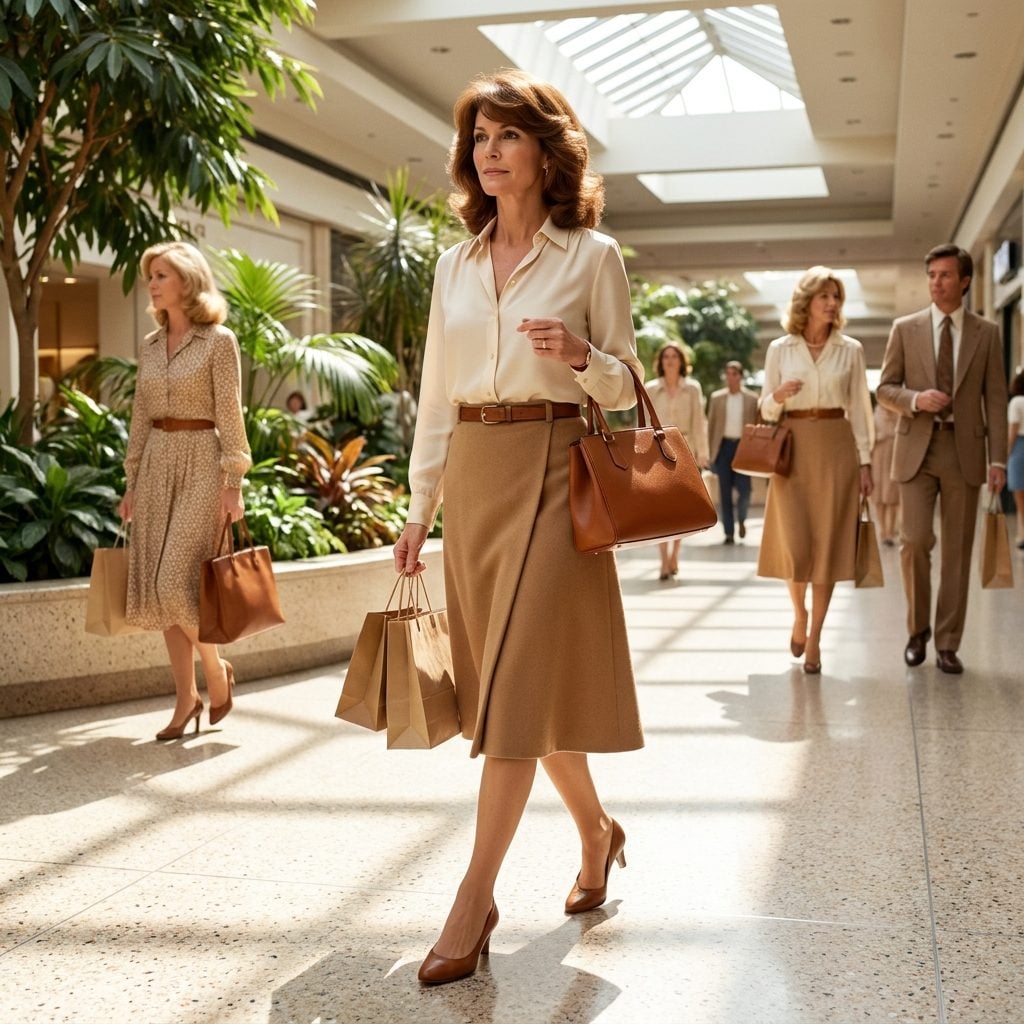
Nobody ran errands in sweatpants in 1978. The mall was a destination, and you dressed for it the way you’d dress for a lunch you wanted to be seen at — a camel wool wrap skirt, a blouse that required actual buttons, shoes that weren’t sneakers. If this had persisted, Gen Z would be putting on lipstick to go to Target, and honestly? Target would probably feel more exciting.
A social contract held the whole thing together. You’d see other women who had also made an effort, and something passed between you — unspoken mutual acknowledgment. Choosing an outfit for the mall meant you expected the outing to matter, and so it did. Younger women would find this exhausting, I think. But they’d also feel something unfamiliar walking through those doors: a sense of occasion where none was technically required.
28. Matching Shoes, Handbags, and Belts Would Remain a Normal Expectation
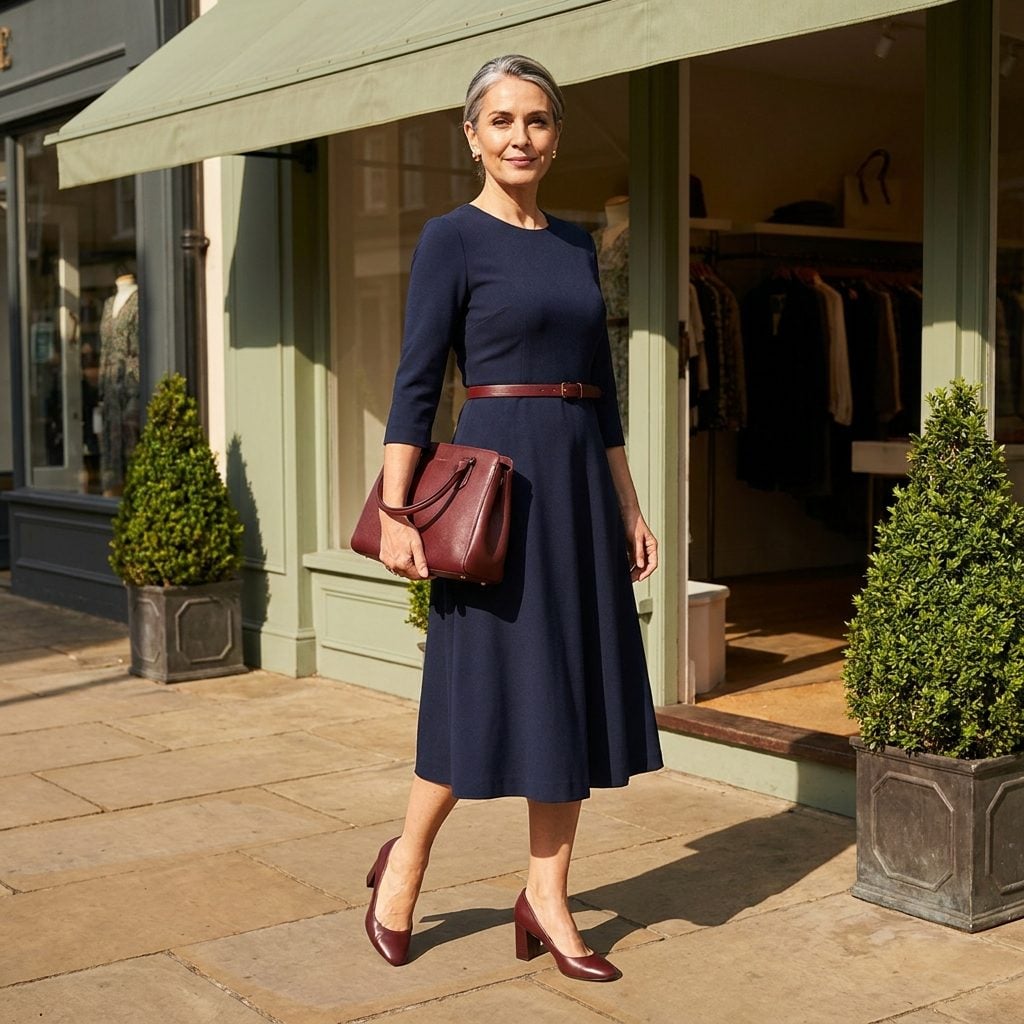
Your burgundy bag went with your burgundy shoes went with your burgundy belt, and nobody questioned this. It was a rule so deeply baked into getting dressed that violating it felt like wearing mismatched socks on purpose — not quirky, just wrong. If this standard still held, younger women would need to buy accessories in coordinated sets, and the whole concept of a “neutral bag that goes with everything” would barely exist.
What fascinates me is that the matching wasn’t rigid. It was visual shorthand for deliberation. A woman in a navy A-line dress with perfectly coordinated burgundy leather pumps and a burgundy structured handbag communicated something that had nothing to do with money. It said: I gave this thought.
27. Pantyhose Would Still Be Considered Appropriate Office Attire
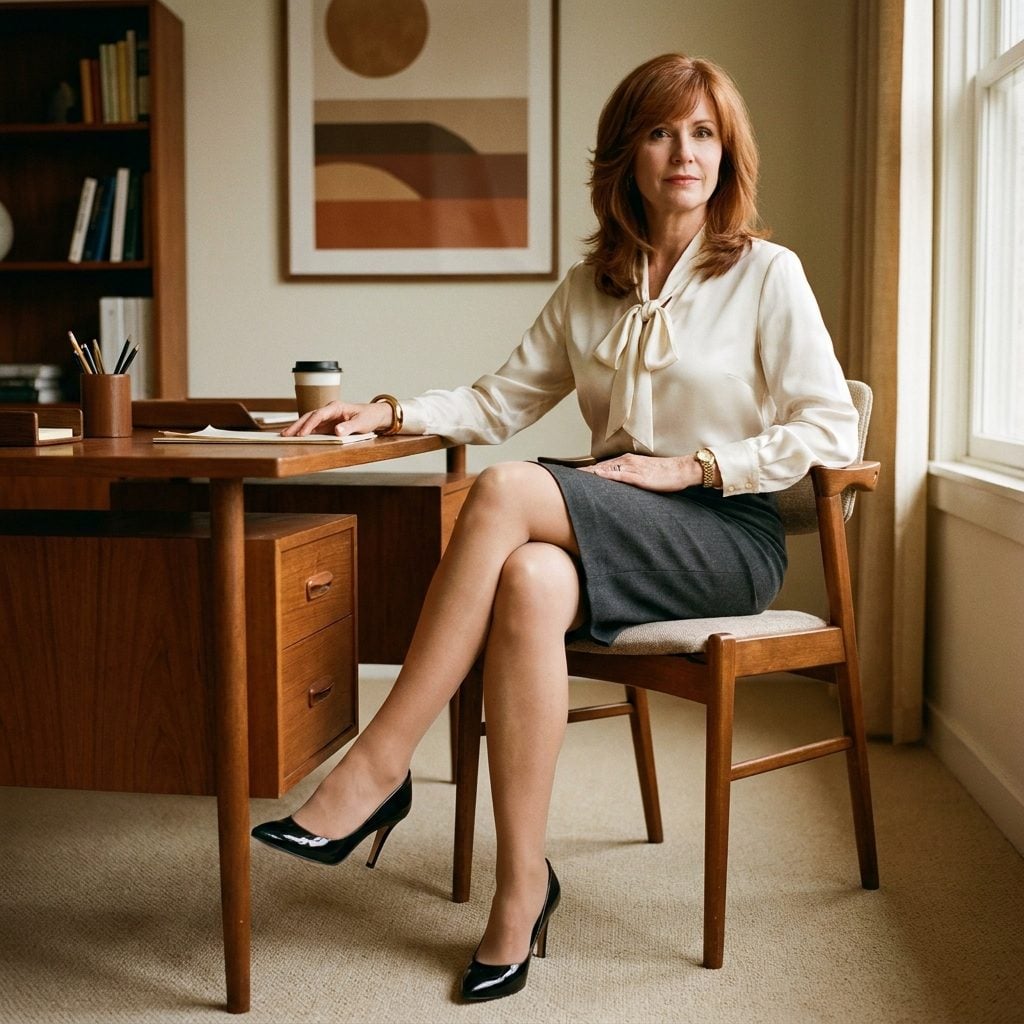
Bare legs at the office in 1978? Absolutely not. Pantyhose were as non-negotiable as the skirt itself, and every woman had a spare pair in her desk drawer because a run at 10 a.m. constituted a genuine crisis. Suntan, nude, off-black, barely-there — you had opinions about brands, a preferred shade. L’eggs in the plastic egg at the grocery store was a whole thing.
If this expectation survived, younger women entering the workforce would face a morning ritual they’ve never known: the careful roll-up from toe to waist, the static cling against a slip (they’d need slips too, obviously), the particular discomfort of control-top on a hot day. Drugstores would still dedicate an entire aisle to hosiery instead of the sad little rack that exists now.
26. Airports Would Look Noticeably More Polished and Glamorous
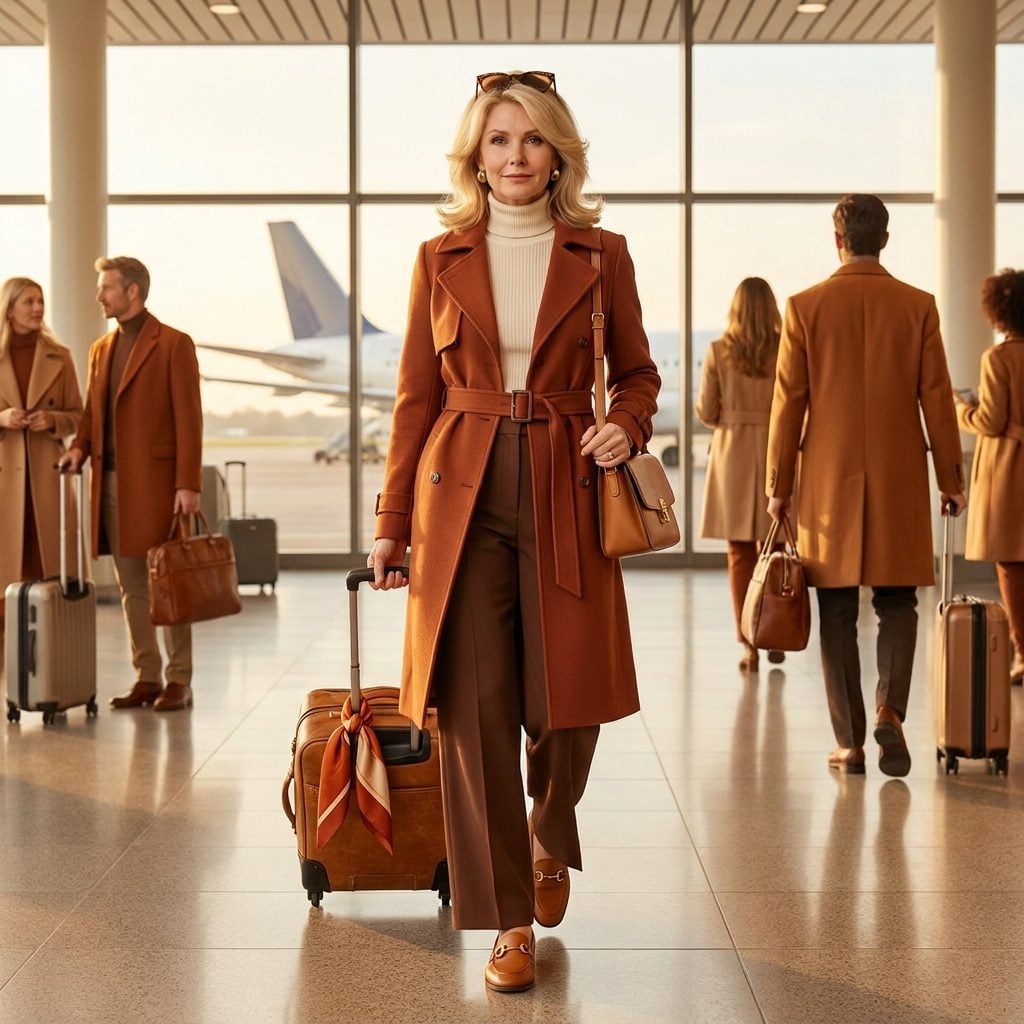
Go sit in any airport gate area right now. Crocs. Pajama pants. A man in what appears to be the clothes he slept in. Now rewind to 1978, when flying still carried enough glamour that women wore belted trench coats and actual jewelry through the terminal.
If that standard had held, airports would feel like hotel lobbies — the good kind, with upholstered chairs someone actually vacuums. Younger women would pack outfits specifically for travel days. “Airport style” wouldn’t be a celebrity paparazzi category; it would just be called getting dressed. And the psychological ripple matters, because when everyone around you looks pulled together, you sit up straighter, you’re more patient, and you treat the whole experience as something you’re participating in rather than enduring.
25. Salon Hair Appointments Would Often Be Weekly Rather Than Occasional
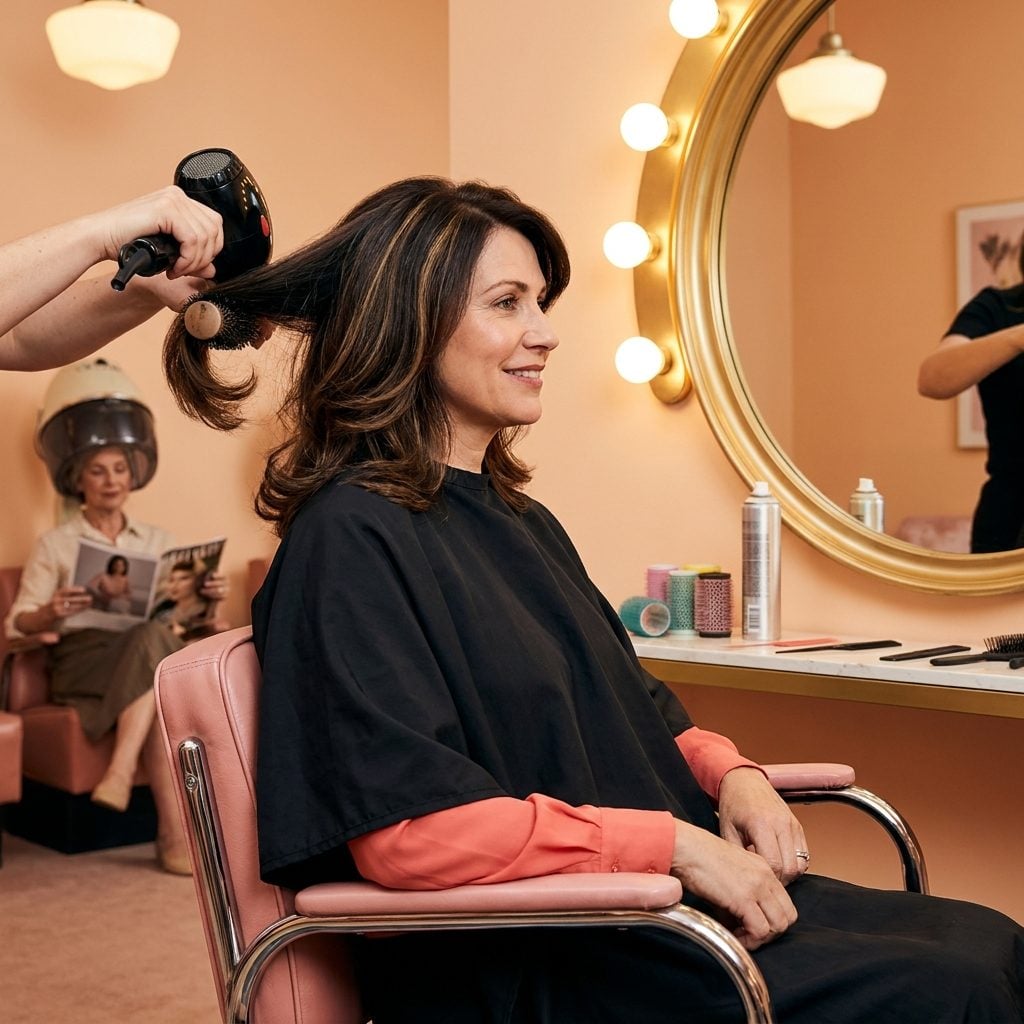
Every Thursday morning, or Saturday at 8 a.m. sharp. Your standing appointment. Not a cut, not color — just a wash and set, or a blowout, or your rollers taken out and combed into something that would hold until the following week.
The weekly salon visit was infrastructure. Women planned their entire week’s hair around that one appointment: sleeping on satin pillowcases, avoiding rain, wrapping things up at night. Your stylist knew your life — the neighbor’s divorce, your daughter’s report card, what you were wearing to the Elks Lodge dinner. She knew all of it because you showed up fifty-odd times a year and you talked while she worked.
If this had survived, younger women would stumble onto something genuinely surprising: how much a recurring, low-stakes ritual with another woman can anchor your week. It wasn’t vanity. Closer to scaffolding for the rest of your days.
24. Department Store Cosmetic Counters Would Still Dominate Beauty Culture
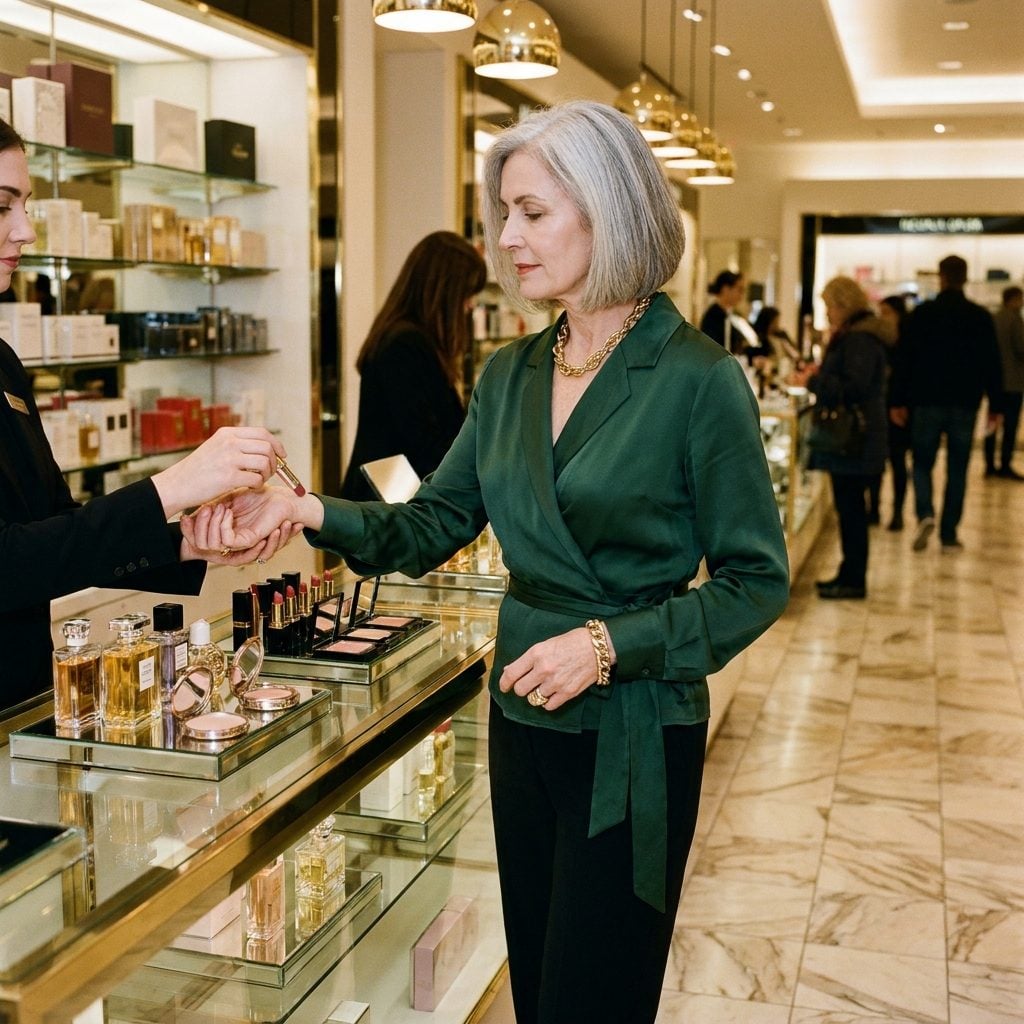
Before Sephora. Before Ulta. Before a twelve-year-old on TikTok told you which serum to buy. There was the counter, and there was the woman behind it — lab coat, immaculate skin, strong opinions about your undertone.
Clinique’s three-step system. Lancôme’s gift with purchase. The Estée Lauder lady who remembered your foundation shade from six months ago. These counters weren’t retail, not in the way we use that word now. They were consultations. You sat on that stool and someone studied your face with genuine professional interest, then handed you a coral lipstick she’d matched to your coloring by holding it against your jawline in natural light. Younger women, raised on algorithm-driven product recommendations and haul videos, would be startled by the intimacy of that. Possibly even uncomfortable with it. Which says something, I think, about what we traded away.
23. Women Would Own Far More ‘Occasion-Specific’ Outfits Instead of Versatile Basics
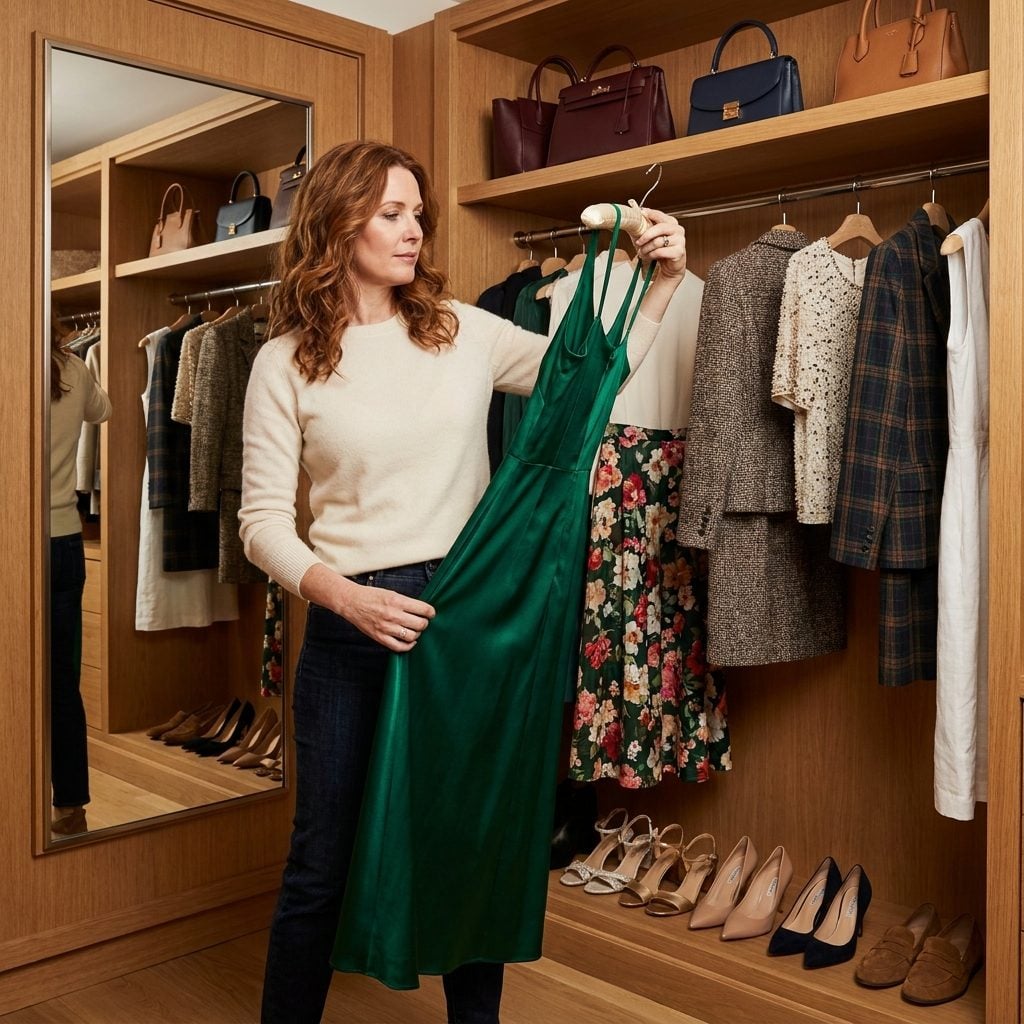
There was no such thing as a “capsule wardrobe” in 1978. That concept would have baffled your mother. She had a church dress and a different church dress for Easter. A suit for funerals. Hostess pants for dinner parties and a separate outfit for cocktail parties and something entirely different for the neighbors’ barbecue.
Your closet wasn’t a system. It was a catalog of every social situation you might walk into.
If this survived, younger women would own four times the clothing and wear each piece a fraction as often. Our modern obsession with “versatility” and “day-to-night” pieces exists precisely because we killed the idea that Tuesday’s bridge club outfit should never see the inside of a restaurant. Something got lost in that efficiency — a kind of specificity, a willingness to say this evening deserves its own clothes — and I’m not sure we talk about it enough.
22. Bold Prints and Earth Tones Would Still Fill Closets Year-Round
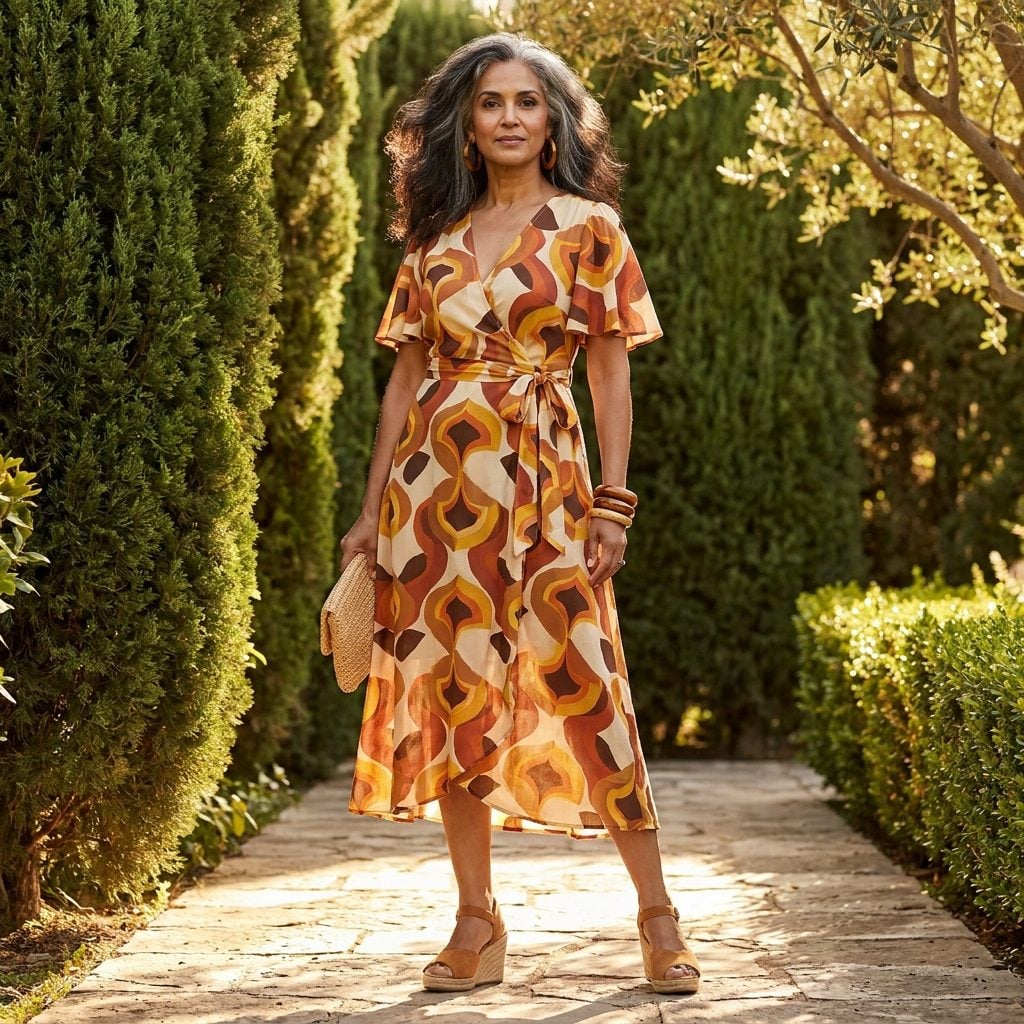
Rust. Mustard. Avocado. Chocolate. Burnt sienna. The palette of 1978 looked like autumn exploded inside a Pottery Barn, and it was magnificent.
And the prints — geometric everything, paisleys the size of your hand, florals so bold they felt confrontational. A geometric print wrap dress in four shades of brown wasn’t subtle and wasn’t trying to be. If those palettes had persisted, the minimalist-all-black-everything movement of the 1990s would never have happened. Younger women would grow up in a world where color wasn’t brave. Color was just… Tuesday.
21. Women Would Likely Spend More Time Ironing and Steaming Clothing
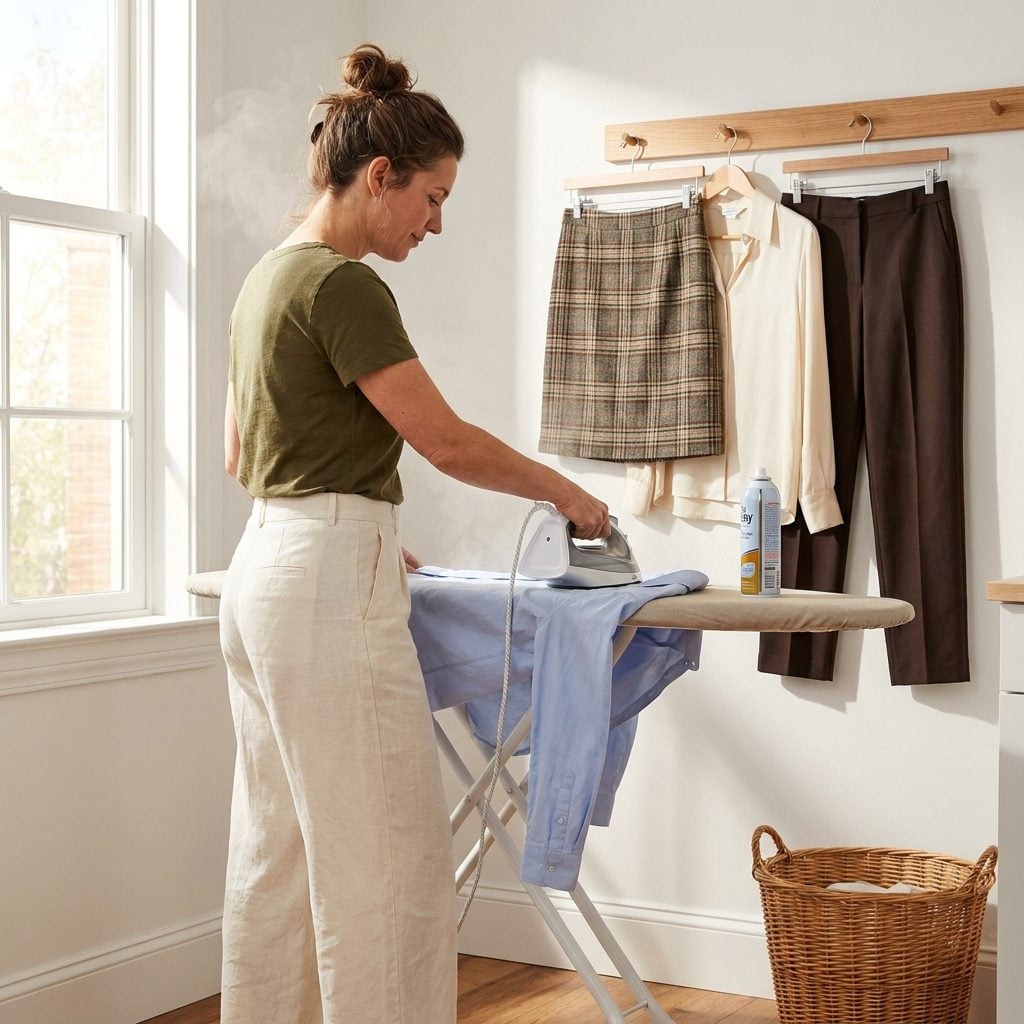
Sunday night ironing was a chore the way brushing your teeth was a chore: you just did it. Every blouse, every pair of trousers, every cotton skirt. Spray starch lived in the laundry room. The iron sat on the ironing board because the ironing board never got put away — why would it?
Wrinkle-free fabrics and the entire athleisure revolution exist partly because women collectively decided they were done spending their evenings making cotton behave. If 1978’s fabric expectations had held, younger women would discover something their generation has mostly escaped: the meditative tedium of running a hot iron over a collar, getting the points right, hanging it immediately so it didn’t re-crease. A boring, fussy, strangely satisfying act. I’d be lying if I said I didn’t miss it a little.
Just a little.
20. Restaurants Would Feel More Formal Simply Because Diners Dressed Differently
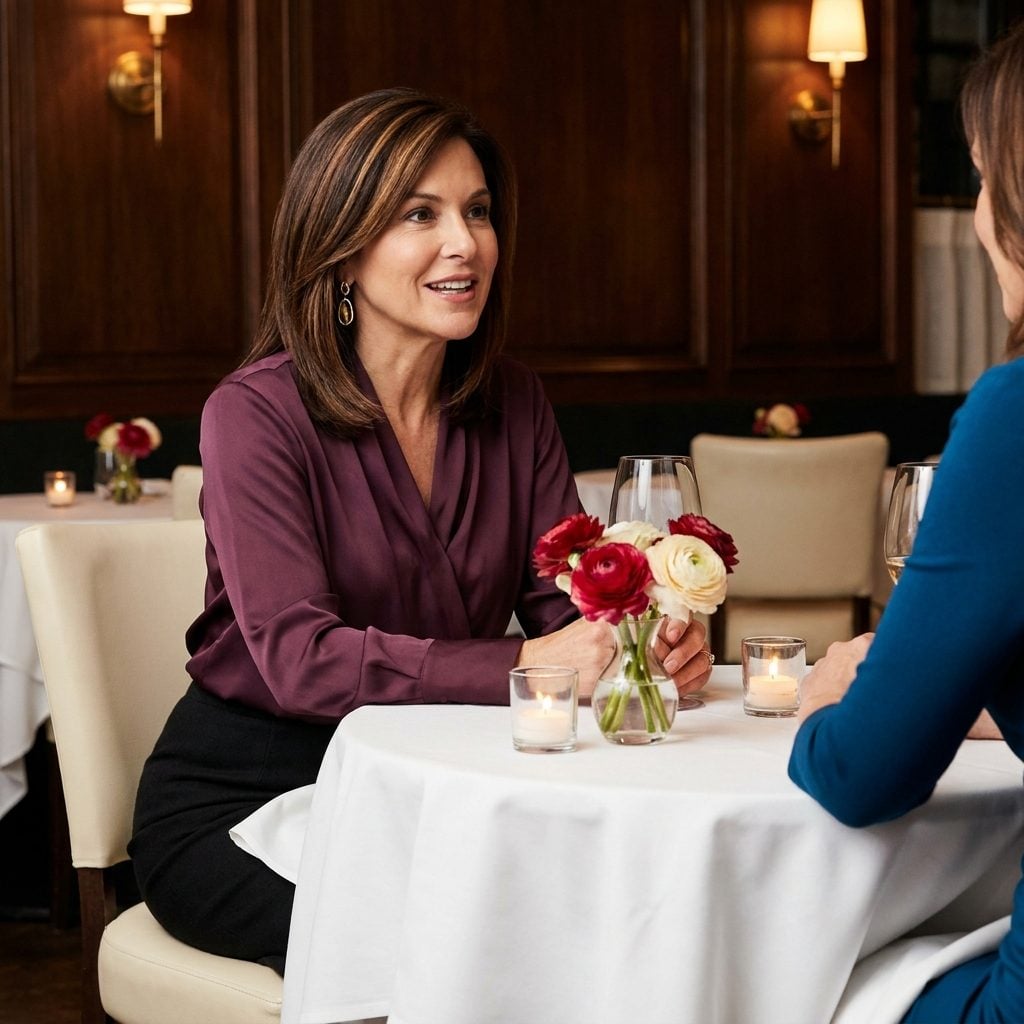
Some restaurants had strict dress codes, sure. But the real formality came from the diners. When every woman at the table is wearing a silk blouse and gold earrings, the room rises to meet them. The lighting feels warmer. The waiter stands a little straighter. You order differently — slower, more deliberately, like the menu deserves your full attention.
This is the part younger women would find hardest to believe: that what you wore to dinner changed how dinner felt. The act of getting ready — choosing the right thing, fastening a necklace, putting on real shoes — set an expectation for the evening that the restaurant then had to live up to. We didn’t lose dress codes. We lost the collective agreement that the evening was worth the effort, and the dress codes quietly followed it out the door.
19. Structured Blazers and Tailored Silhouettes Would Rule Every Office Floor
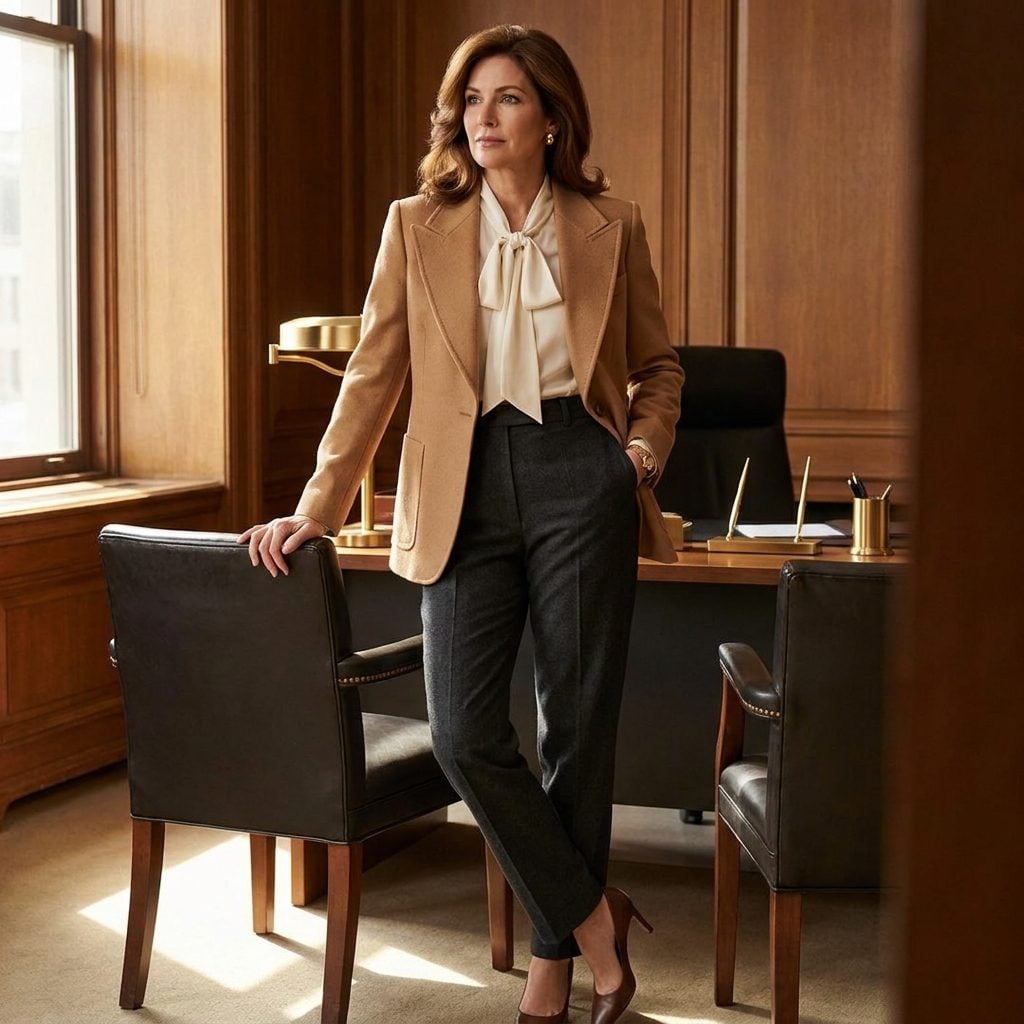
The shoulder pad wouldn’t be a costume piece or an ironic nod. It would just be how jackets fit. Every morning commute in this alternate reality features women in blazers cut with precision: defined waist, clean lapels, fabric that holds its shape because it was always meant to.
What younger women might not expect is how much a structured tailored wool blazer changes the way you carry yourself. There’s a physical feedback loop — stiff shoulders push you upright, and a certain seriousness settles in that the garment almost demands. Fast fashion’s unlined, slumpy blazers would never have happened. And honestly? Offices might feel different because of it.
18. Jeans Would Still Be Considered Too Casual for Most Offices and Restaurants
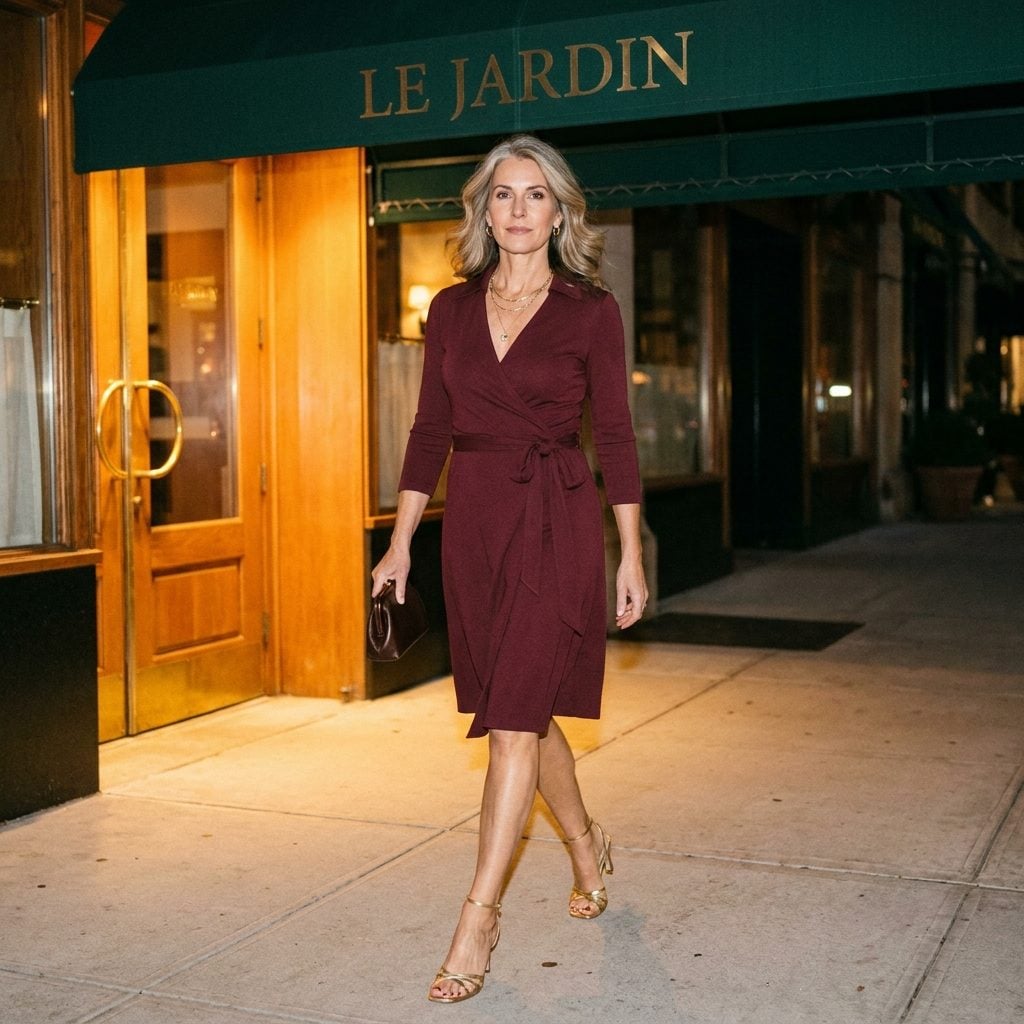
This one would genuinely shock a 25-year-old. In 1978, plenty of restaurants had dress codes that excluded denim entirely — not because jeans were sloppy, but because they were work clothes. Farm clothes. Clothes that signaled you hadn’t bothered.
If that standard had persisted, “business casual” as a concept wouldn’t exist. Friday wouldn’t mean dark rinse denim and a nicer top. It would mean a jersey wrap dress or wool trousers, full stop. Going to dinner would require a conscious wardrobe shift, a deliberate decision about who you wanted to be for the evening. Denim has collapsed into every context of modern life so completely that imagining its absence feels almost like science fiction.
17. Fur and Faux-Fur Coats Would Remain Powerful Status Symbols
❤️ Would you like to save this?
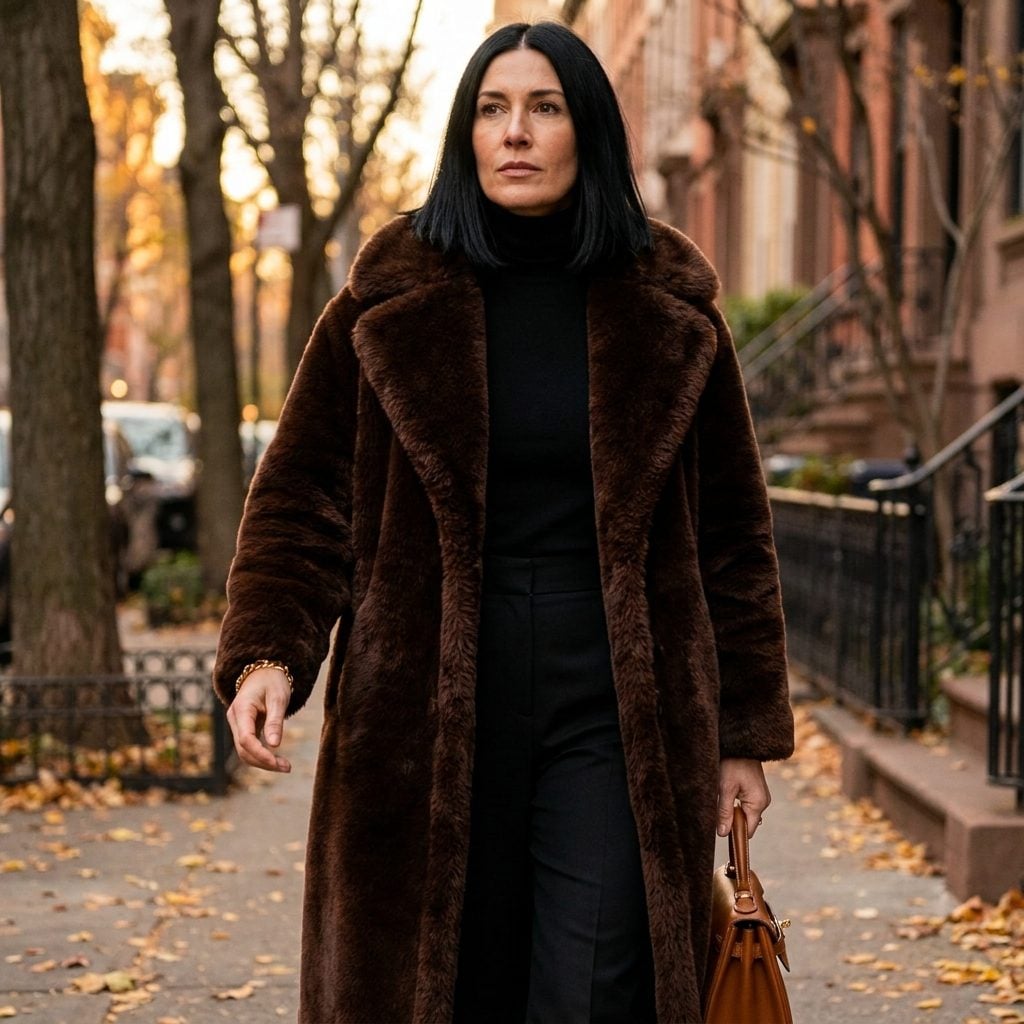
Before the ethical debates reshaped the industry, a fur coat carried gravity. Not flashy, necessarily. Gravitational. You walked into a room wearing a heavy fur collar and people rearranged themselves around you without being asked.
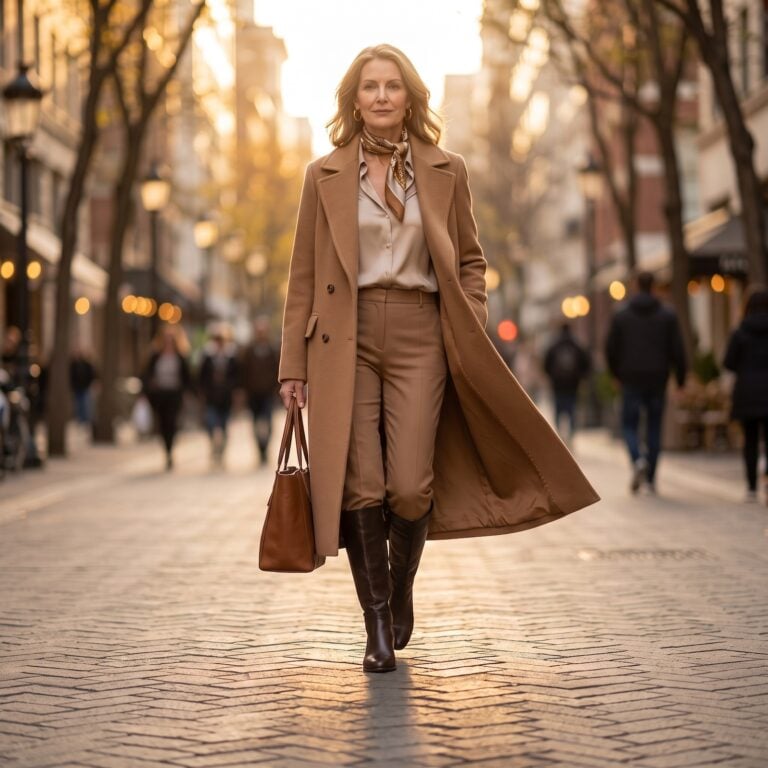
Had 1978 fashion logic persisted, the faux-fur coat wouldn’t be a novelty piece you pull out twice a winter. It would be an investment, treated with the same reverence as a good watch. Younger women might not grasp how a coat could function as social currency, but in the late seventies, outerwear communicated class position more directly than almost anything else you wore.
16. Large Sunglasses Would Still Be Everyday Fashion Staples, Not Just Beach Accessories
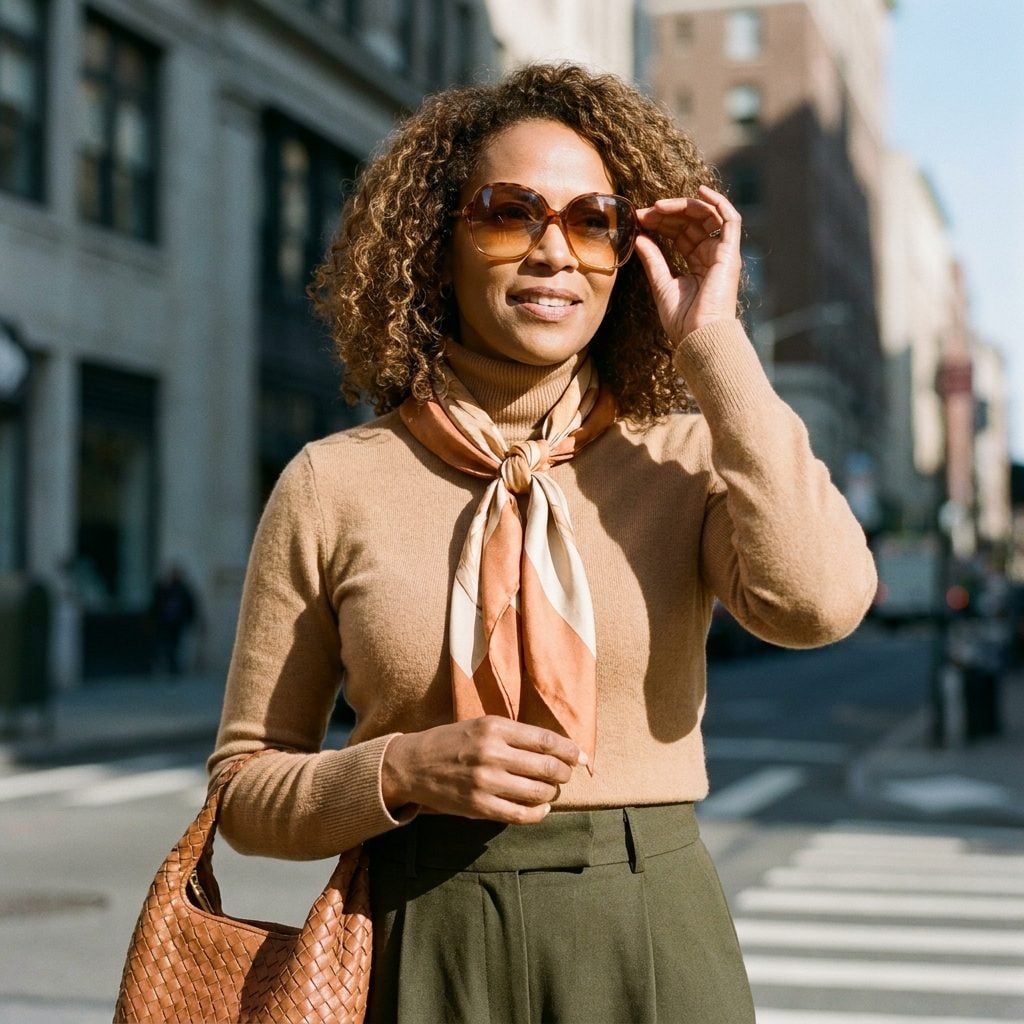
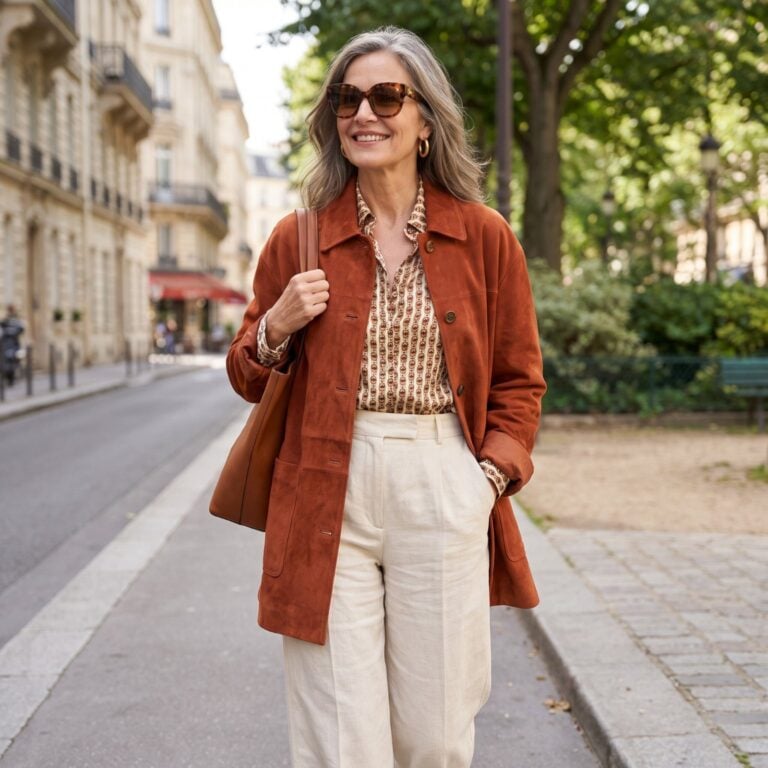
Jackie O wore them to funerals and grocery stores alike, and nobody blinked. The part younger women would find strange isn’t the size of the frames — it’s how constantly they were worn and how much they counted as getting dressed rather than sun protection. A woman in 1978 might wear oversized tortoiseshell sunglasses to a lunch meeting, to pick up dry cleaning, to walk into a cocktail party at four in the afternoon.
They functioned as a face accessory. An attitude adjustment. A portable barrier between you and the world that also happened to look incredible. We lost that somewhere — now oversized frames read “vacation” instead of “Tuesday.”
15. Hostess Outfits for Entertaining at Home Would Still Be a Whole Category of Clothing
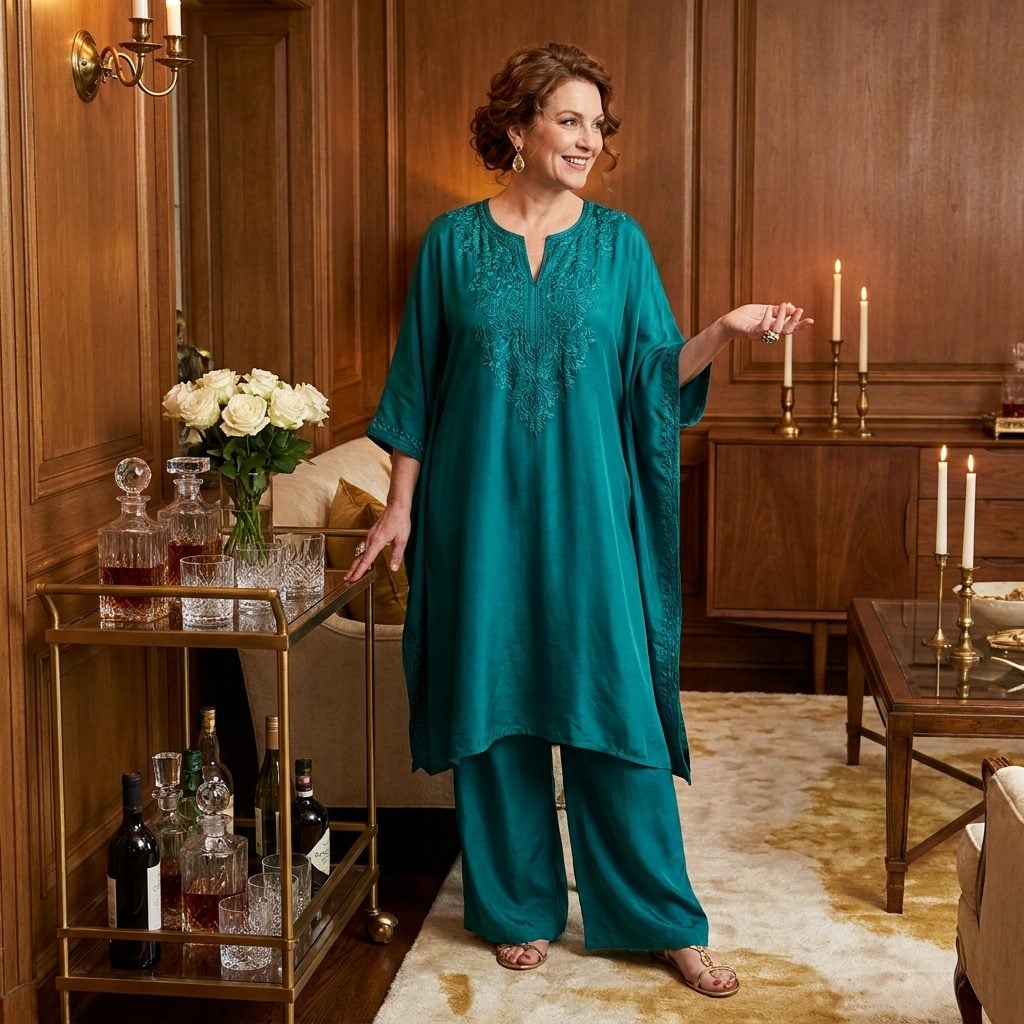
This category of clothing has essentially vanished, and its absence says more about how we live now than how we dress. In the late seventies, a woman hosting a dinner party at home might change into a specific outfit designed for exactly that purpose — a silk caftan tunic, palazzo pants, jewelry that caught candlelight. The role had a costume.
Gen Z would find this baffling. Hosting now means sweats and a Spotify playlist. But there was a psychological sophistication to the ritual: putting on a dedicated outfit signaled to your guests that their presence warranted ceremony. And it told you, privately, that the evening had officially begun. I miss that idea even though I never lived it.
14. Women Would Probably Own More Hats, Scarves, and Fashion Gloves Than They Do Now
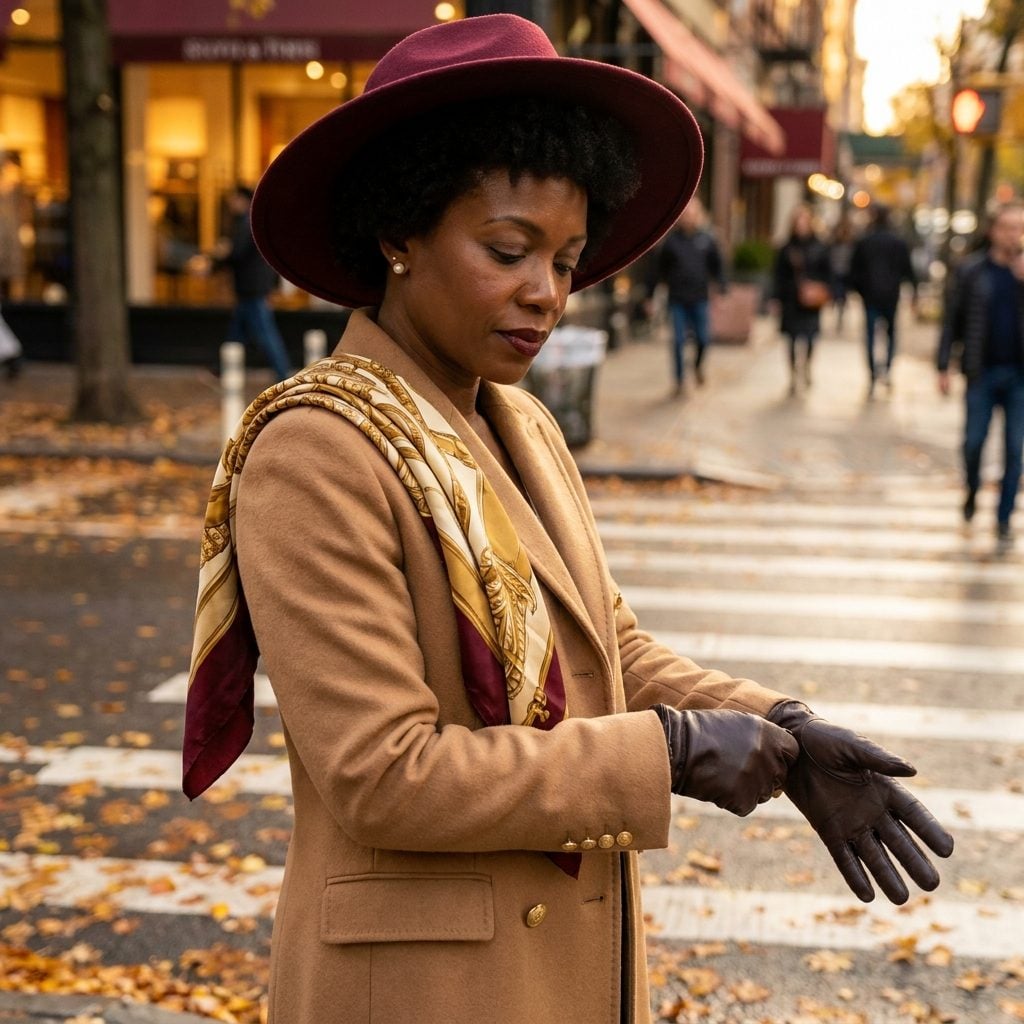
Not just a winter scarf balled up in a coat pocket. We’re talking about a collection. Multiple hat styles in different felts and colors. Scarves in silk, in wool, in patterns chosen to coordinate with specific coats. Leather fashion gloves in brown and black and maybe one pair in a deep wine.
Accessories in 1978 weren’t optional — they were part of the grammar of an outfit, and leaving the house without them felt as incomplete as leaving without shoes. A younger woman today might own one scarf and zero hats that aren’t baseball caps. In 1978, that would have been borderline social delinquency.
13. Going Out at Night Would Involve Distinctly Different Clothing From What You Wore All Day
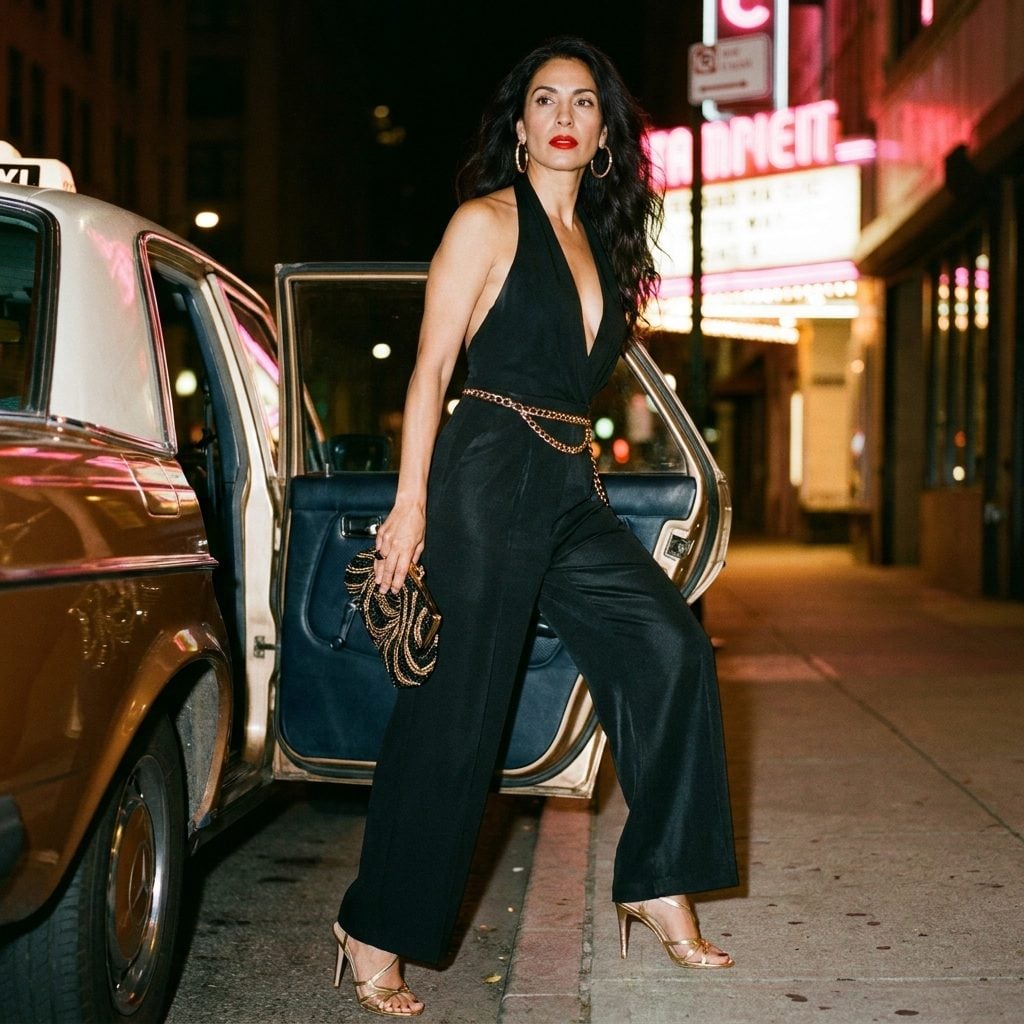
What would genuinely confuse anyone under 30: in 1978, “going out” clothes and “regular” clothes were separate wardrobes. Not slightly different. Categorically. You didn’t wear your daytime silk blouse to a cocktail bar — you changed into something with a different fabric weight, a different neckline, a completely different relationship to your body.
The act of changing for evening wasn’t vanity. It was a ritual that marked the transition between who you were during the day and who you allowed yourself to be at night.
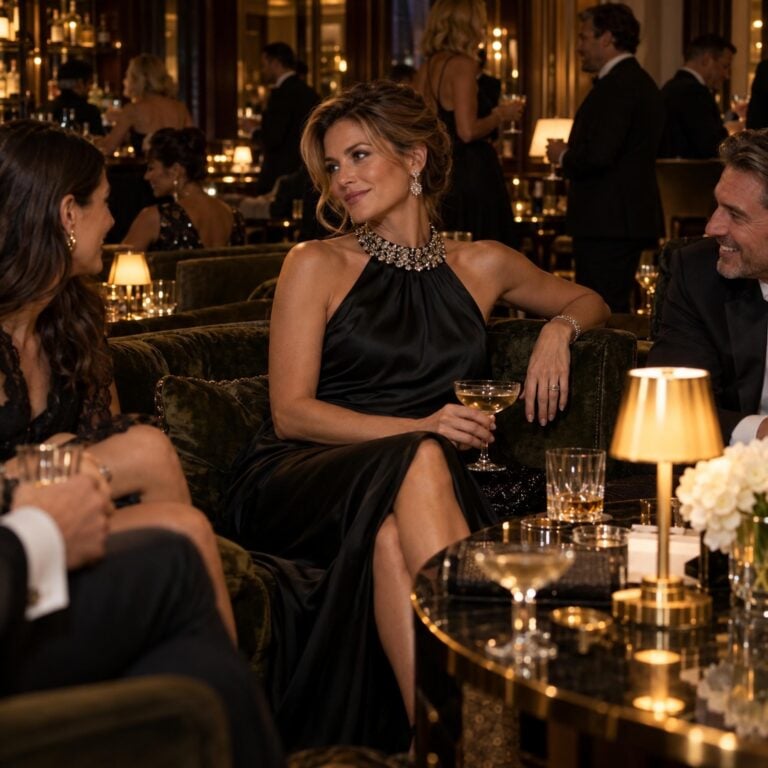
A black crepe halter jumpsuit with gold at the waist, real heels, earrings that moved when you turned your head — the effort was the point. Now we wear the same jeans to brunch and to a bar at midnight, and something has been lost in that flattening. I genuinely believe younger women would love the ritual if they tried it.
12. Fitness Clothing Would Rarely Be Seen Outside a Gym or Jogging Path

Athleisure would not exist. That single fact rewrites the entire modern fashion landscape.
In 1978, wearing your workout clothes to the grocery store would have prompted genuine concern from your neighbors — terry cloth shorts and a sweatband belonged to the gym, the track, the aerobics class, and nowhere else. They were functional garments for a specific activity, and wearing them outside that context communicated that something had gone wrong in your day. The boundary was absolute.
Younger women who live in leggings and sports bras from morning yoga through afternoon meetings through evening takeout would find this alternate reality almost oppressive. But consider the flip side: every other category of clothing, from casual daywear to weekend errand outfits, would have kept developing and diversifying instead of being slowly swallowed by stretchy black knit. We’d have more variety, not less. The trade-off is real.
11. Hair Volume and Styling Would Take Dramatically More Daily Effort
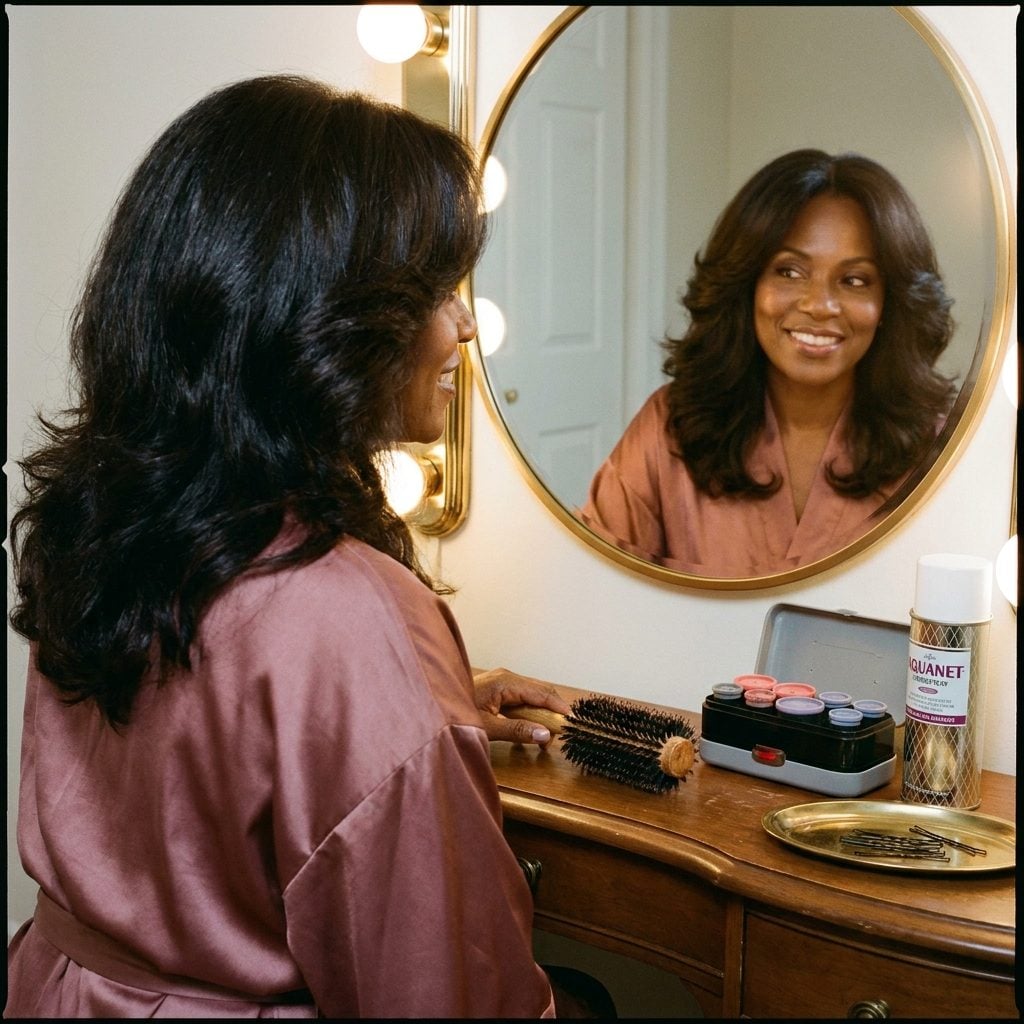
Forget the five-minute messy bun. In a world where 1978 hair standards persisted, you’d be setting hot rollers before dawn because the volume alone was a serious undertaking. Farrah’s feathered layers, Donna Summer’s cascading curls, Diana Ross’s glorious crown — none of that happened by accident, and none of it happened quickly.
What younger women wouldn’t expect is how this daily investment changed your relationship with your own face. When you spent that much time on your hair, you looked at yourself longer. You noticed things. You developed a very specific understanding of your own angles, your jawline in profile, the way your forehead caught light under a wave.
The modern wash-and-go aesthetic is freedom, absolutely. But it’s also a loss of a certain intimate morning practice that previous generations took for granted. I sometimes wonder if we traded self-knowledge for convenience. Probably worth it. Maybe not entirely.
10. Fashion Trends Would Move Slower Without Constant Internet-Driven Microtrends
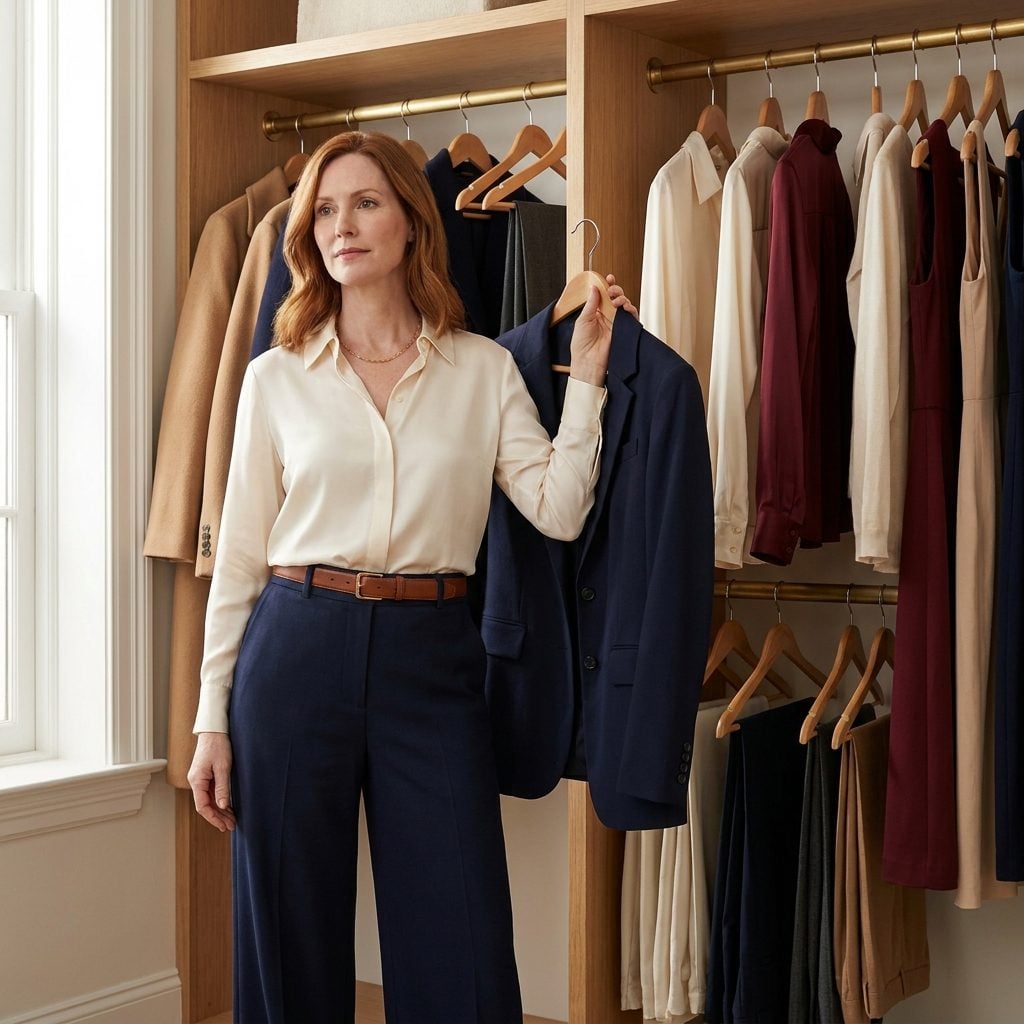
A trend in 1978 could take two years to cross from a Paris runway to a department store in Milwaukee. That’s not a lag — that’s breathing room.
Without TikTok declaring a new core aesthetic every week and a half, fashion would move at the pace of seasons, not algorithms. A woman would buy a navy wide-leg trouser knowing it would be relevant for years, not weeks. The panic of being “behind” wouldn’t exist because there was nowhere to fall behind from. Magazines arrived monthly. Store windows changed quarterly. Your neighbor’s new coat filtered into your awareness gradually, not via a reel that reached millions of people in two days.
This might be the deepest difference of all — not a specific garment, but the entire velocity of wanting. Younger women have never experienced a fashion cycle that allowed them to simply enjoy what they already owned.
9. Women Would Likely Own Fewer Clothes Overall, But Wear Them Longer
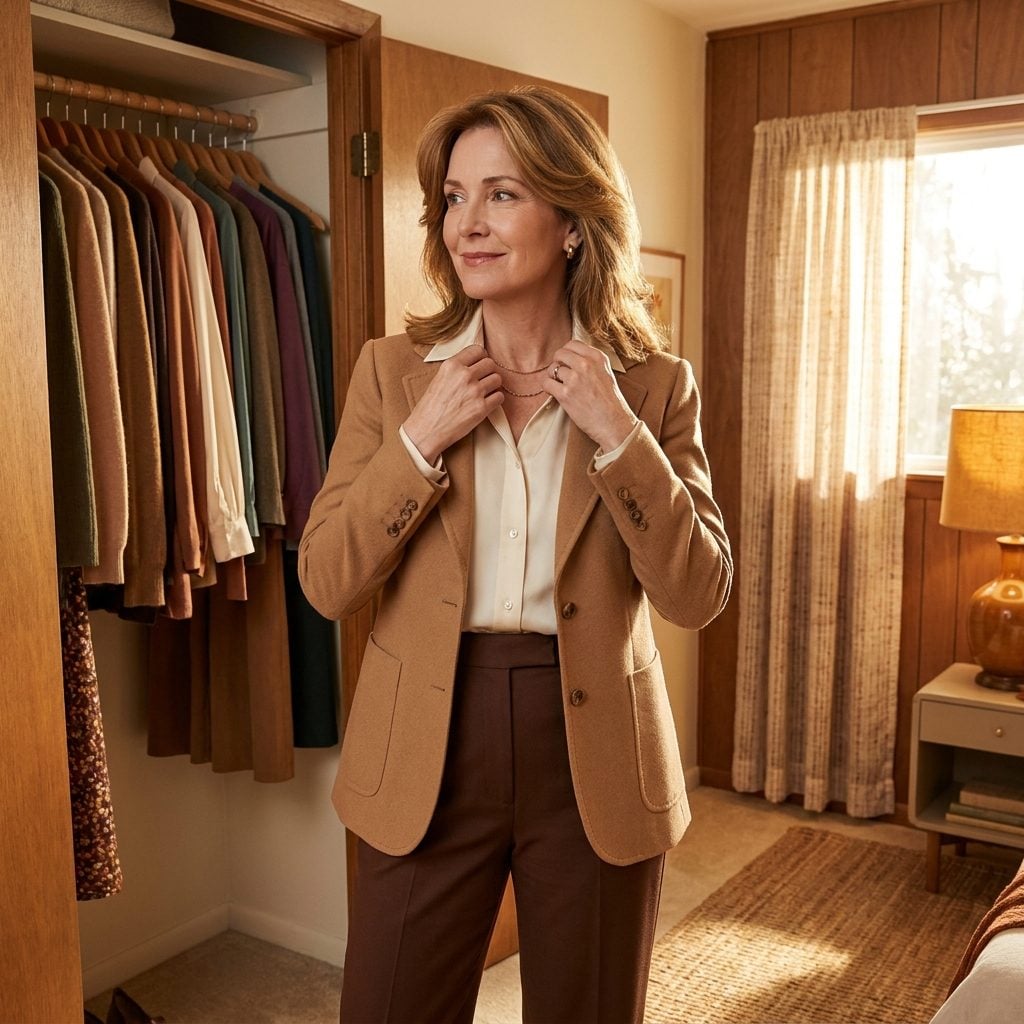
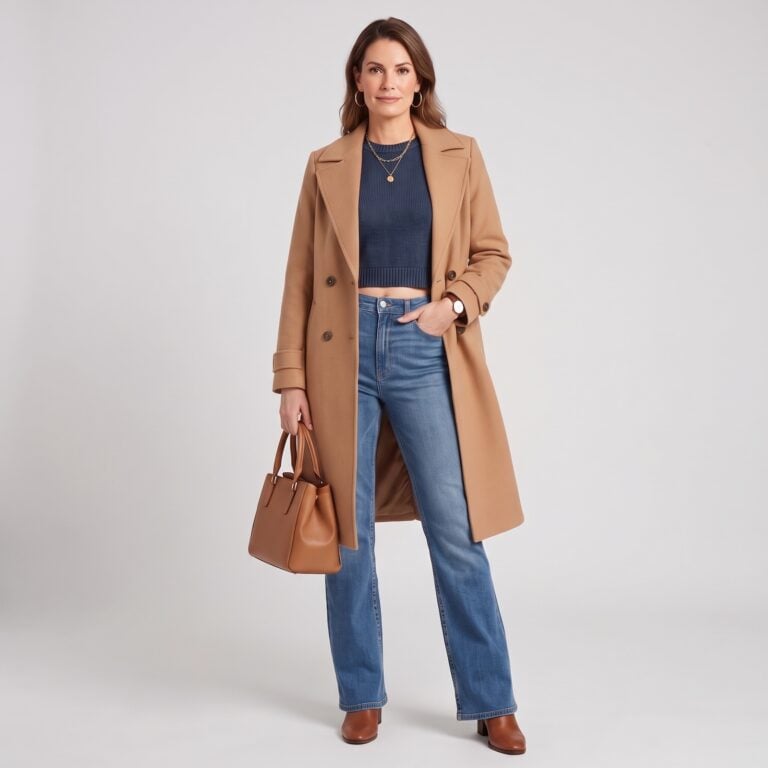
Thirty pieces in a closet, and every single one of them fit like they were meant for your body. That was the deal in 1978. You didn’t have a rotation of disposable tops from a fast-fashion chain because that chain didn’t exist yet. You had a camel wool blazer, a good pair of trousers, two or three skirts you could build a week around, and you took care of all of it.
The idea of buying something you’d only wear twice would have seemed insane. Not frugal-insane. Just logically insane. Clothes cost more relative to income, and they were built to survive. A well-made blouse wasn’t a “wardrobe staple” in the marketing sense. It was just a blouse you wore on Tuesdays and also on Saturdays and also to your sister’s birthday dinner because it was a good blouse.
Younger women raised on haul culture might find this limiting. But there’s a psychological freedom in a smaller, harder-working wardrobe: less decision fatigue, more confidence in every piece. You knew what you had because you chose it carefully.
8. Shopping Trips Would Feel More Social and Less Transactional
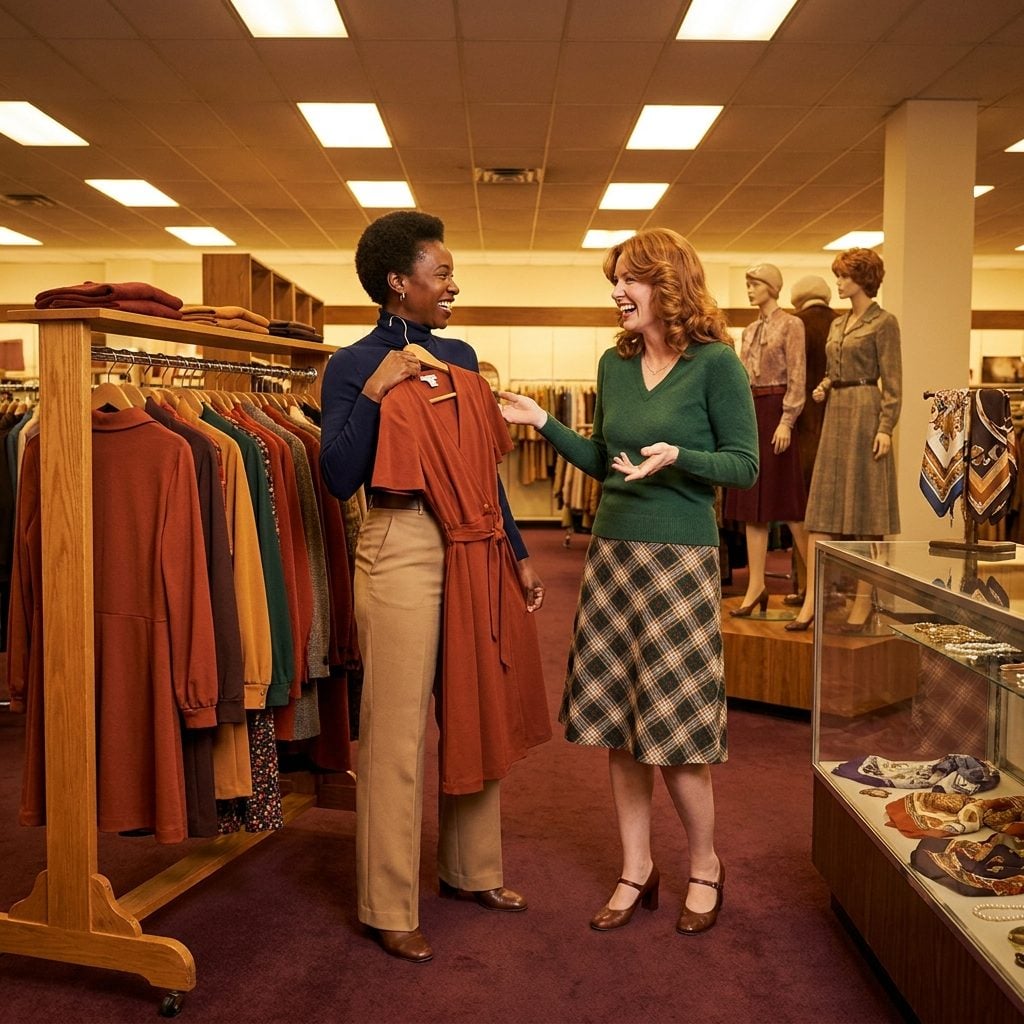
Nobody scrolled. Nobody added to cart. You got in the car with your mother or your best friend, drove to the department store, and made an afternoon of it.
Shopping in 1978 was an event with a social architecture younger women might not recognize. You tried things on in fitting rooms with actual curtains. A saleswoman who remembered your name brought you options. You debated hemlines over lunch at the store restaurant, the kind with cloth napkins and a club sandwich that cost $2.75. The purchase was almost secondary to the ritual.
There’s something Gen Z and younger millennials genuinely wouldn’t expect about this: the advice was live and in person. No reviews section, no influencer haul to consult. You looked at your friend’s face when you came out of the dressing room, and her honest reaction was your algorithm. Sometimes she’d say “not your color” and you’d put it back without a second thought. That kind of trust took years to build, and it made getting dressed feel communal rather than competitive.
7. Women’s Magazines Would Still Heavily Influence Mainstream Style Choices
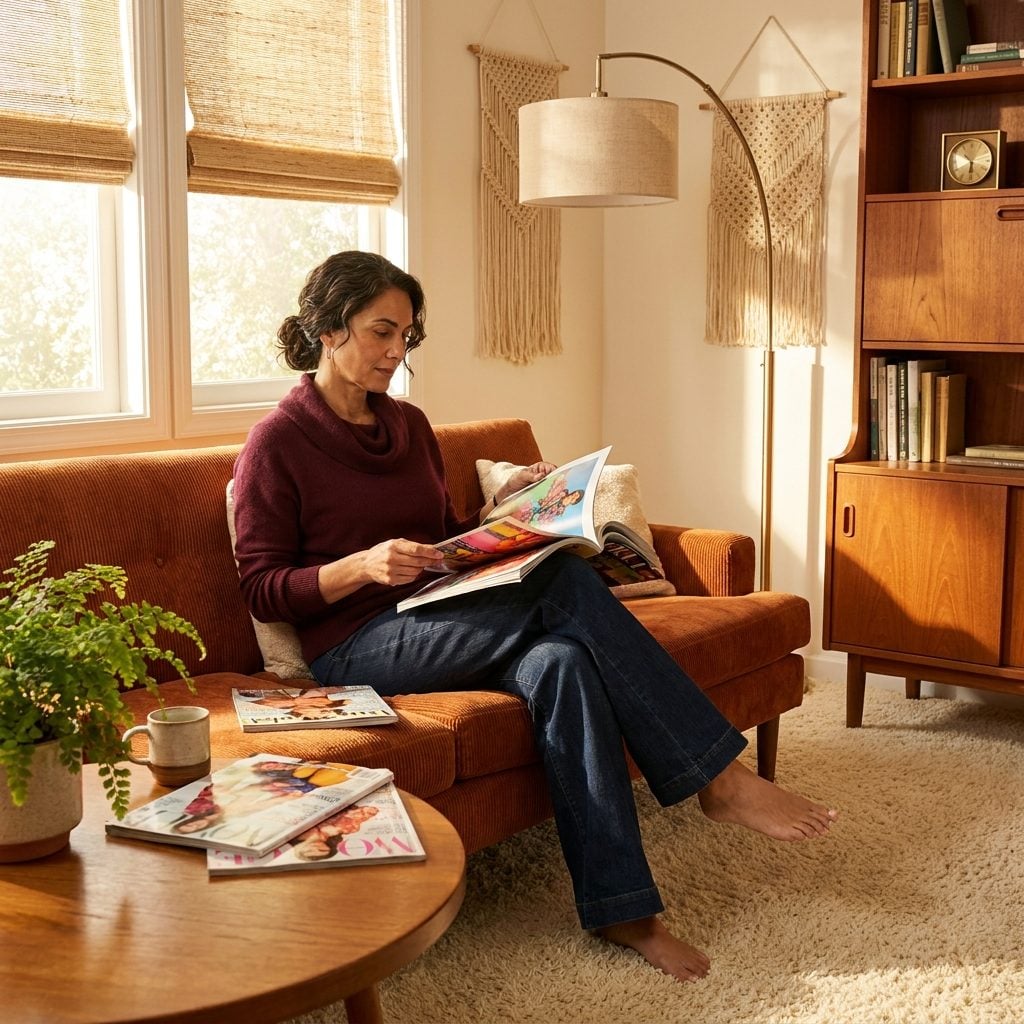
Vogue told you what to wear, and you listened. Not because you were a sheep, but because there was no alternative information ecosystem. Instagram didn’t exist. Pinterest didn’t exist. TikTok was the sound a clock made. The September issue landed on your coffee table like scripture, and you studied it.
Cosmopolitan, Glamour, Mademoiselle, and Harper’s Bazaar functioned as the primary style pipeline for millions of women. One editorial spread featuring a silk wrap blouse could move the entire market within weeks. Designers courted editors the way they now court 22-year-olds with ring lights.
The surprising part for younger women? This system created more visual cohesion, not less individuality. When everyone started from the same reference point, the personal tweaks stood out more. How you wore something mattered more than what you wore, because the “what” was often the same across your whole friend group.
6. More Fabrics Would Require Dry Cleaning or Careful Maintenance
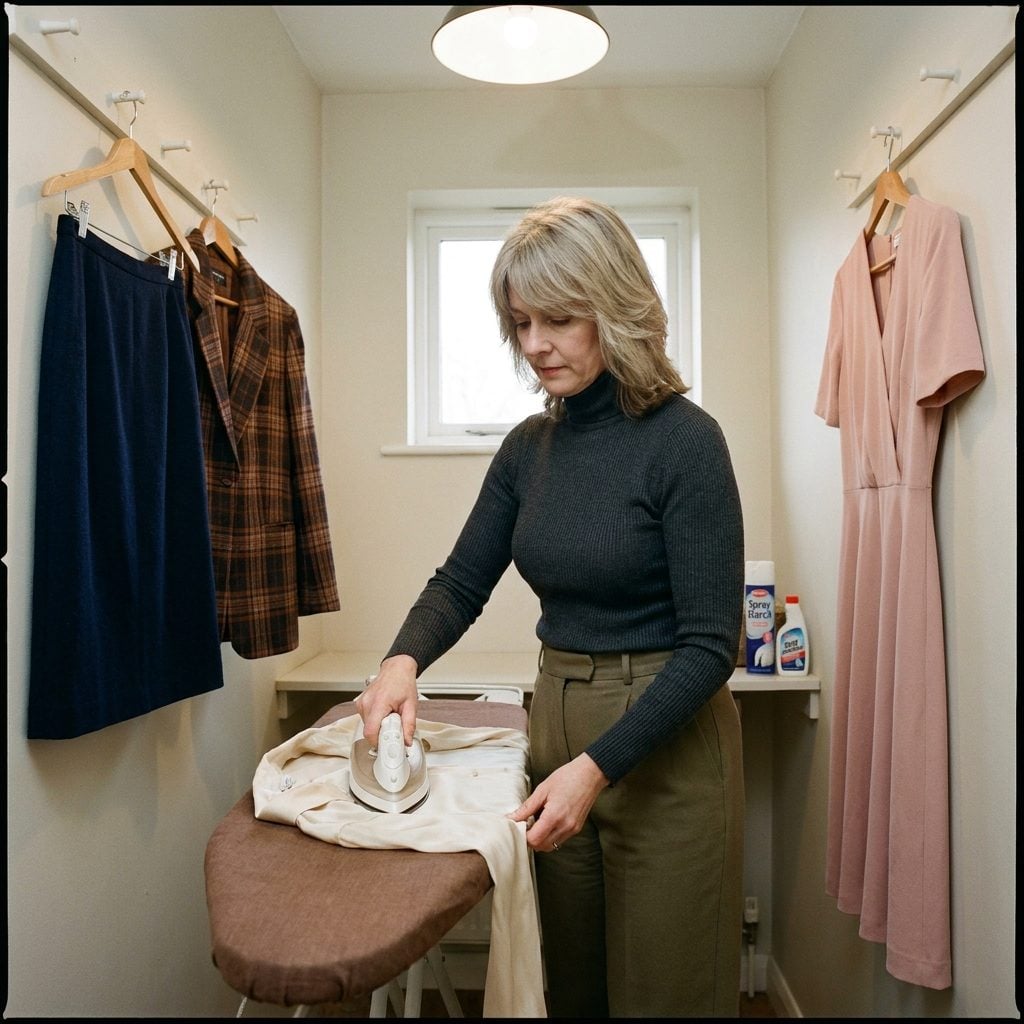
That little tag that says “machine wash cold, tumble dry low”? In 1978, it often said something more like “dry clean only” and it meant it.
Wool gabardine, real silk, acetate linings, unlined crepe. These were everyday fabrics, not special-occasion fabrics. And they demanded respect. You didn’t throw your work blouse in the washer with your towels. You hung it, steamed it, spot-treated the collar, and brought it to the dry cleaner on Saturday morning. It was just part of having clothes. The chemical smell of tetrachloroethylene clinging to plastic garment bags is a sense memory most women under 35 have never experienced as routine.
Younger women might be horrified by the cost alone. Regular dry cleaning for a working wardrobe added a genuine line item to the household budget. But the trade-off was that clothes held their shape, their color, their drape, for years. A wool gabardine trouser from 1978 could still look sharp in 1985.
5. Disco-Inspired Eveningwear Would Still Influence Formal Fashion
❤️ Would you like to save this?
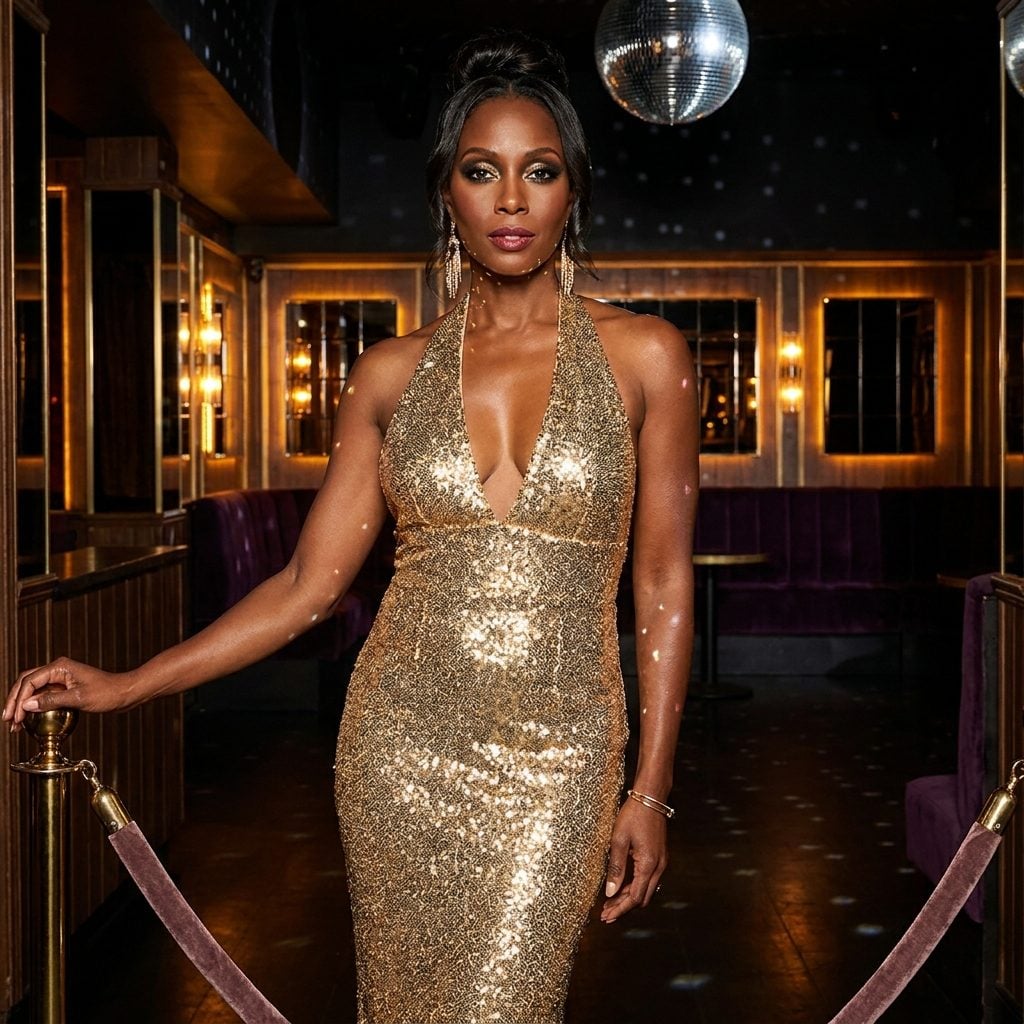
If 1978 never ended, the sequin would have never left the throne. Not the tasteful subtle sequin of a modern cocktail dress. The full, unapologetic, light-catching-from-across-the-room sequin that said “I am here and I brought my own spotlight.”
Halston wrap dresses in liquid jersey. Gold sequin halter tops worn with flowing palazzo pants. Studio 54 didn’t just influence fashion; it defined what getting dressed for a night out even meant. The body was the architecture and the fabric just followed its lead. Bias cuts, deep V-necklines, backless everything.
4. “Looking Put Together” in Public Would Carry Stronger Social Expectations
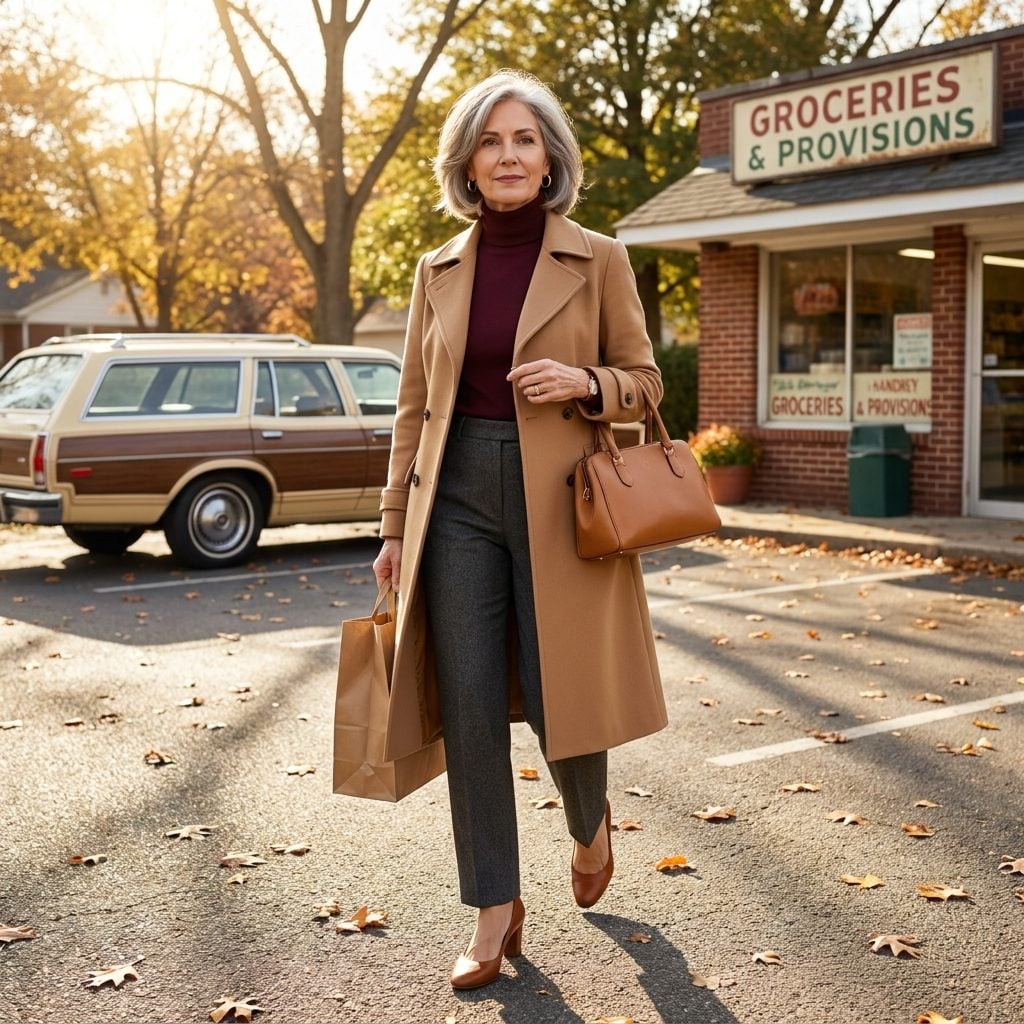
Going to the grocery store in sweatpants wasn’t really on the menu. And I don’t mean this in a nostalgic “people had standards” way, because frankly, some of those standards were exhausting and unfairly gendered. But if 1978 fashion norms persisted, the social contract around public appearance would be noticeably different.
Women coordinated. Not in a Pinterest-grid way, but in a “my blouse matches my bag and my shoes aren’t sneakers” way. You wore lipstick to the post office. You put on actual pants with a waistband to drive your kids to school. The baseline level of effort that counted as “presentable” was simply higher.
Here’s what younger women might find most alien: it wasn’t always oppressive. Many women from that era describe the ritual of getting dressed as a form of self-respect, not performance. The line between the two is blurry, and I’m not going to pretend it isn’t. But there was a version of this that felt like armor, not a cage.
3. Younger Women Might Be Surprised How Much Effort Went Into Everyday Appearance
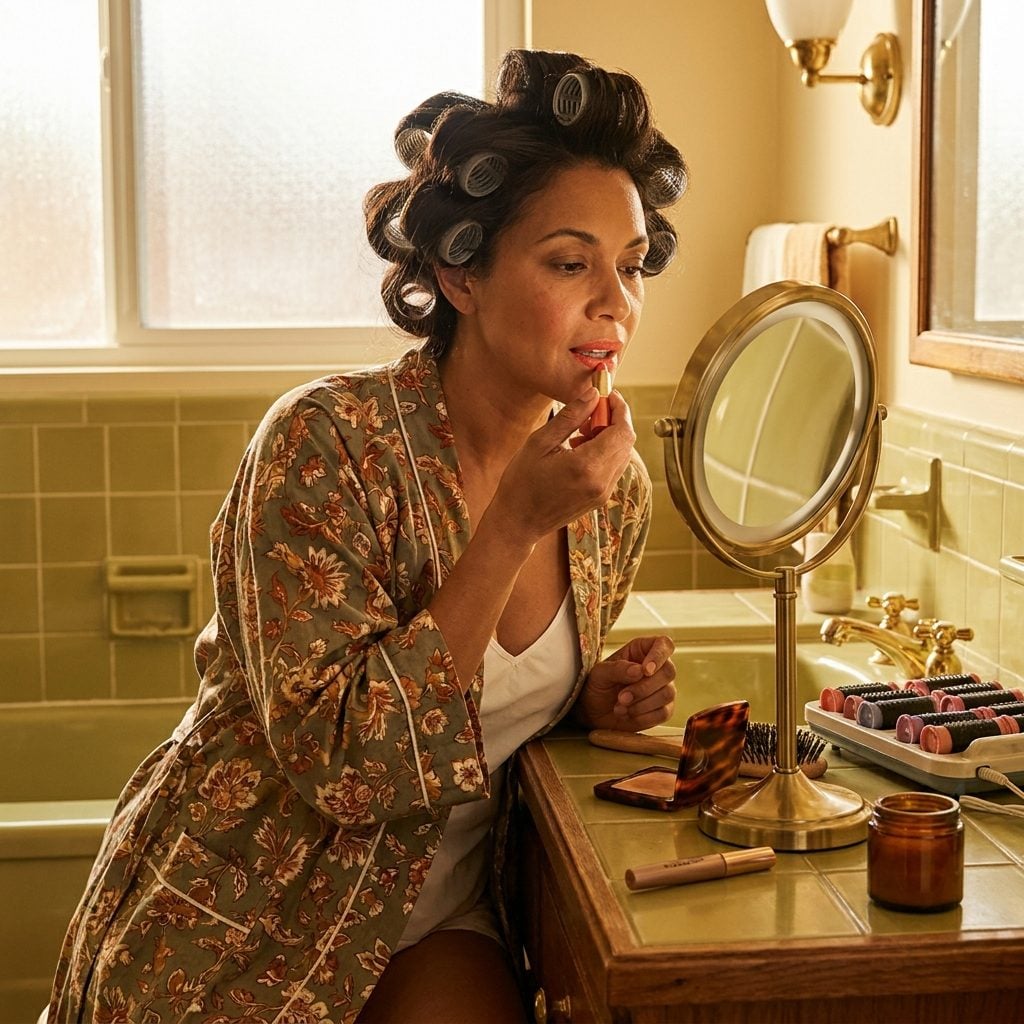
Hot rollers before breakfast. Not for a wedding. For a Tuesday. That’s the part that would genuinely shock a 25-year-old in 2024.
The no-makeup makeup look hadn’t been invented yet, or at least it hadn’t been named and sanctioned as a valid choice. “Natural” in 1978 still involved foundation, blush, mascara, and lipstick as a bare minimum for leaving the house. Hair required tools: the bonnet dryer, the curling iron with no heat settings (just “burning hot” or “off”), the rollers you slept in with a silk scarf tied around your head like you were prepping for reentry into the atmosphere.
And it wasn’t vanity. Or not only vanity. It was the cost of participation. Looking undone in public carried a social tax. Women didn’t talk about “self-care” in the Instagram sense; they just did the work, every morning, with the bathroom radio on.
2. High Heels Would Probably Remain More Common for Routine Daytime Activities
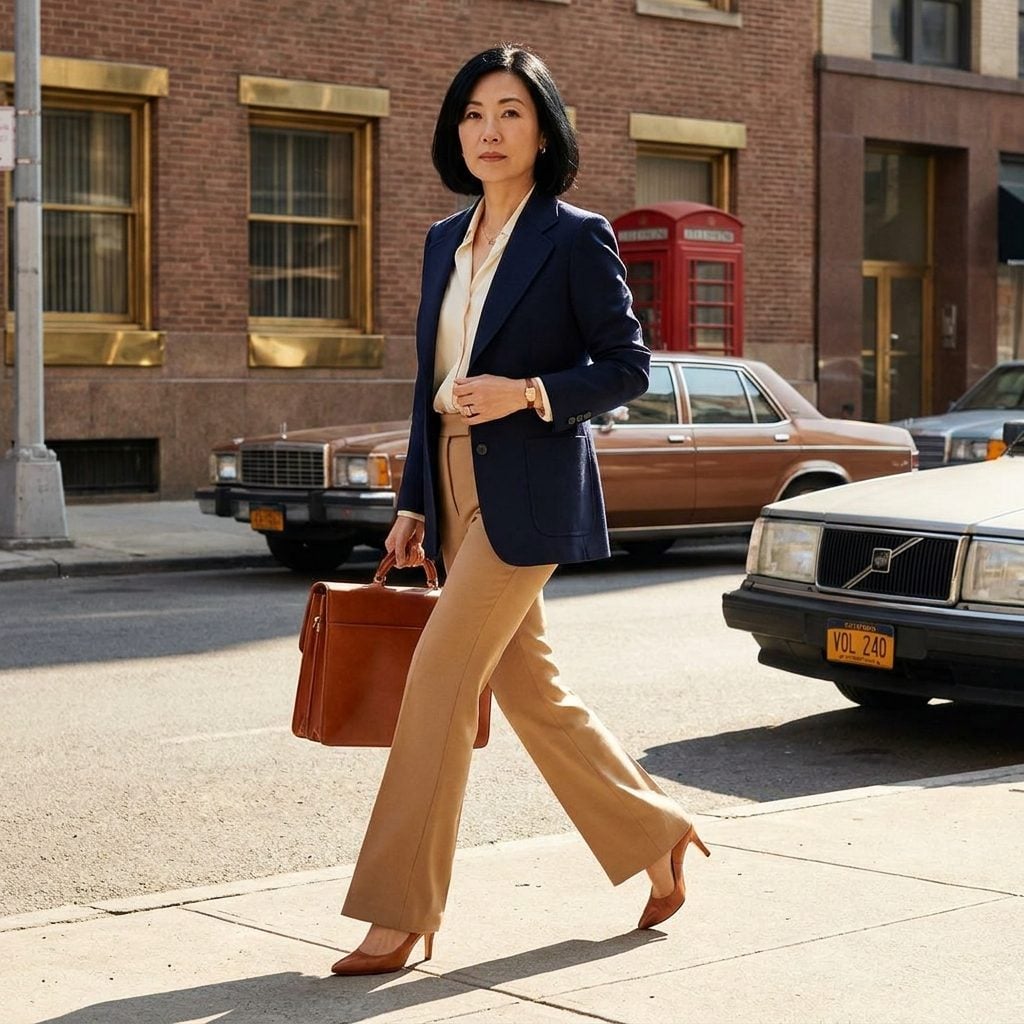
The sneaker revolution never happened in this alternate timeline. No Stan Smiths paired with blazers. No white leather platforms under a midi dress. The shoe of daily life would still be a heel, and not a block heel or a kitten heel designed for comfort. A proper, two-to-three-inch pump that you wore to work, to the bank, to parent-teacher night.
Women in 1978 walked on hard floors in thin-soled heels for eight hours and didn’t frame it as a feminist issue or a podiatric one. It was just what shoes looked like. Cognac leather pumps, navy spectators, bone-colored slingbacks that went with everything from Memorial Day through Labor Day. The sneaker was for the gym, period.
1. Public Spaces Would Feel Visually More Coordinated and Intentionally Styled Overall
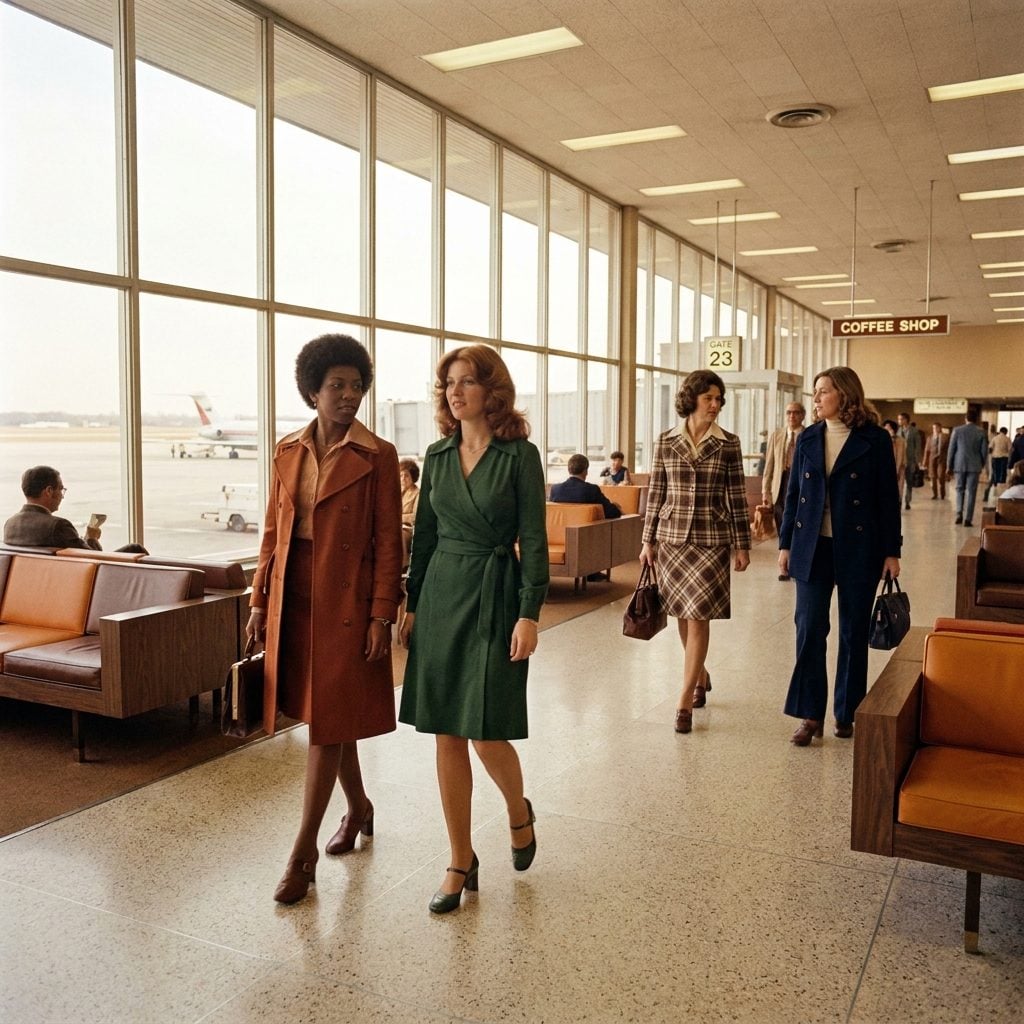
Walk through any airport terminal in 2024 and you’ll see pajama pants, Crocs, oversized hoodies, and a man in what appears to be the clothes he slept in. Now picture a 1978 airport terminal. Pressed slacks. Blouses with collars. Actual shoes. Not better people, but a visibly different collective aesthetic that made public spaces look almost curated by accident.
If this fashion era had persisted, the visual texture of everyday life would have a coherence that might feel foreign to younger eyes. Offices, restaurants, train stations, even the DMV would read less like a random outfit generator and more like everyone agreed on a general visual language and then expressed themselves within it. Earth tones, structured silhouettes, leather accessories, actual handbags instead of nylon backpacks.
There’s a loss here we don’t often talk about. The shift toward total casual freedom gave us comfort but took away a kind of ambient visual pleasure. The 1978 street scene was, almost accidentally, beautiful. Not because every woman was dressed up, but because the baseline was high enough that the whole picture held together.
“Style in 1978 wasn’t a personal brand. It was a shared language with regional dialects.”