❤️ Would you like to save this?
The smell of Aqua Net is basically a time machine. One whiff and you’re back in a pink-tiled bathroom, watching someone tease, pin, curl, and lacquer their hair into a shape that would survive a windstorm, a church service, and a trip to the supermarket without moving a single strand. The 1950s American woman took her hair seriously in ways we’ve honestly never recovered from. What she did with a comb, a roller set, and sheer determination was borderline architectural.
These 35 styles built an entire decade. Some you’ll recognize immediately. Some you’ll have completely forgotten. All of them will make you feel something.
FYI, thanks to AI imagery software, we’re able to create very specific fashion and hairstyle examples to illustrate the points being made. In some cases, imagery is exaggerated to hammer home the point. Also, assume links that take you off the site are affiliate links such as links to Amazon. this means we may earn a commission if you buy something.
27. The Platinum Curl Set That Every Housewife Wore to the Grocery Store Like It Was a Red Carpet
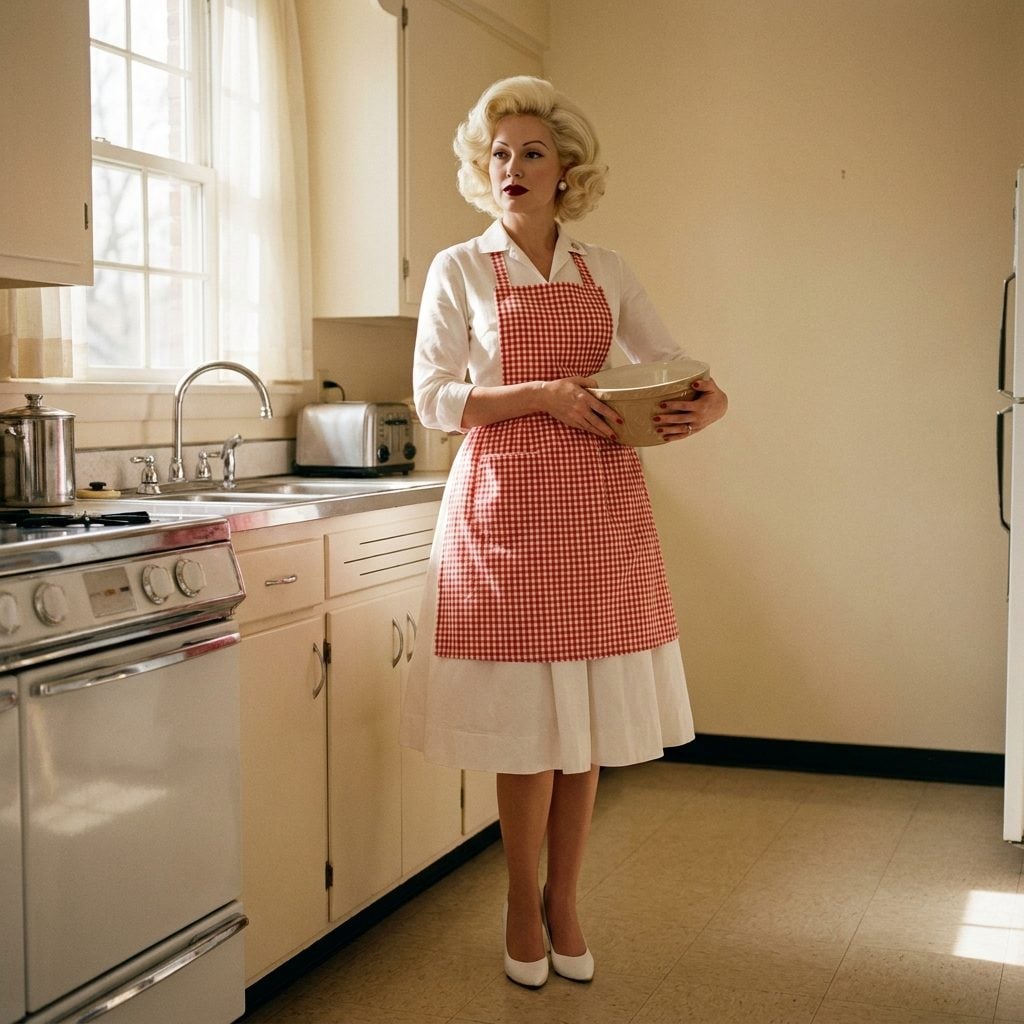
Every woman on the block had this cut, and every woman on the block had it set at the same salon on the same Thursday morning. The platinum blonde wasn’t a statement, it was practically a uniform. You went in with roots, you came out looking like you’d been lacquered to perfection, and you did not let anyone touch the top of your head for the rest of the week.
The side-swept curl was the detail that separated the women who’d been properly set from the ones who’d tried to recreate it at home with pin curls and prayer. It fell just so against the cheekbone, and maintaining it meant sleeping on a satin pillowcase and wrapping the whole thing in a net so fine it barely existed.
26. The Pixie That Required More Upkeep Than a Full Evening Gown
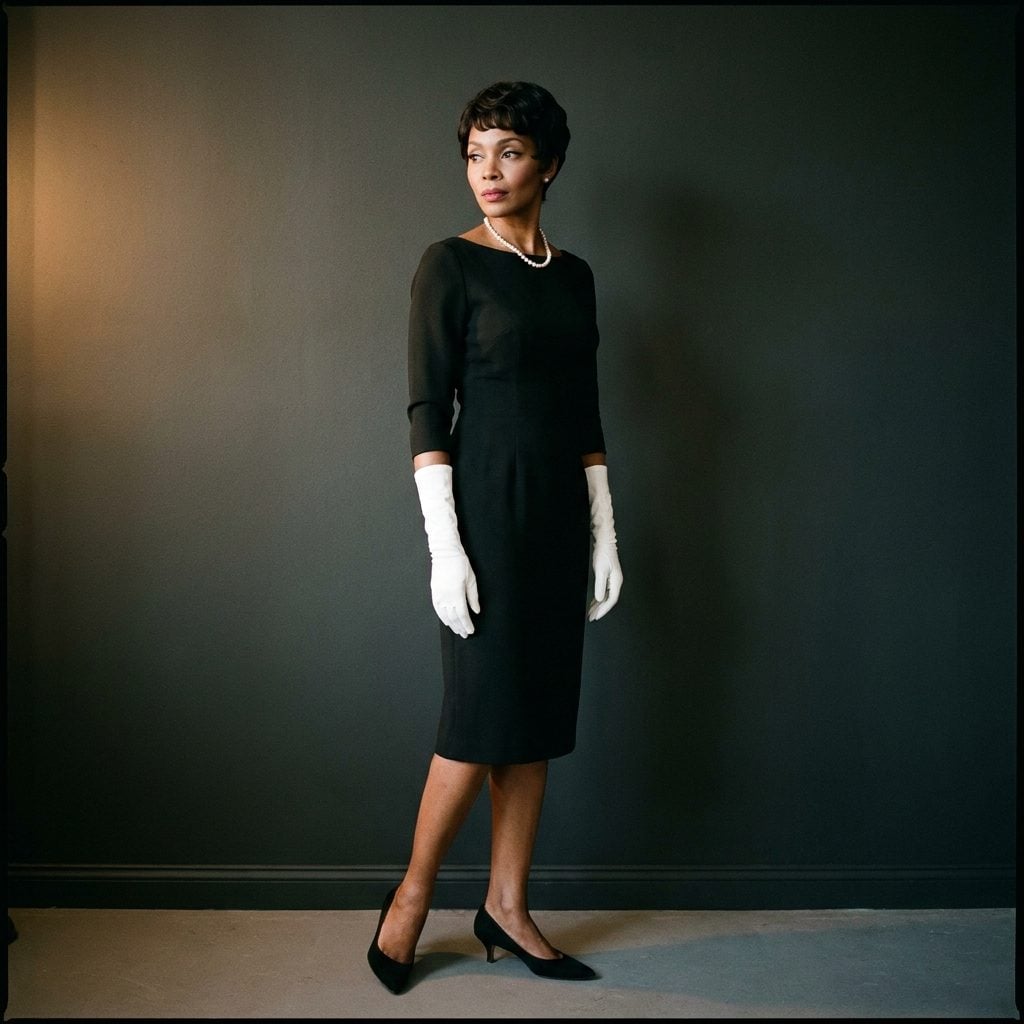
There is a version of short hair that is effortless and a version that demands absolute precision. This was the second one. Every quarter-inch mattered. A pixie cut grown out by two weeks stopped being a pixie cut and became a question no one wanted to answer.
The micro bangs were the part that required the most nerve. Too long and they sat flat and strange. Too short and you looked like you’d had an accident with craft scissors. Getting them right meant a stylist with a steady hand and a client who knew not to flinch. When it worked, and on the right face, it genuinely worked, there was nothing sharper.
25. The Italian Bouffant That Took an Hour to Build and Two Cans of Lacquer to Hold
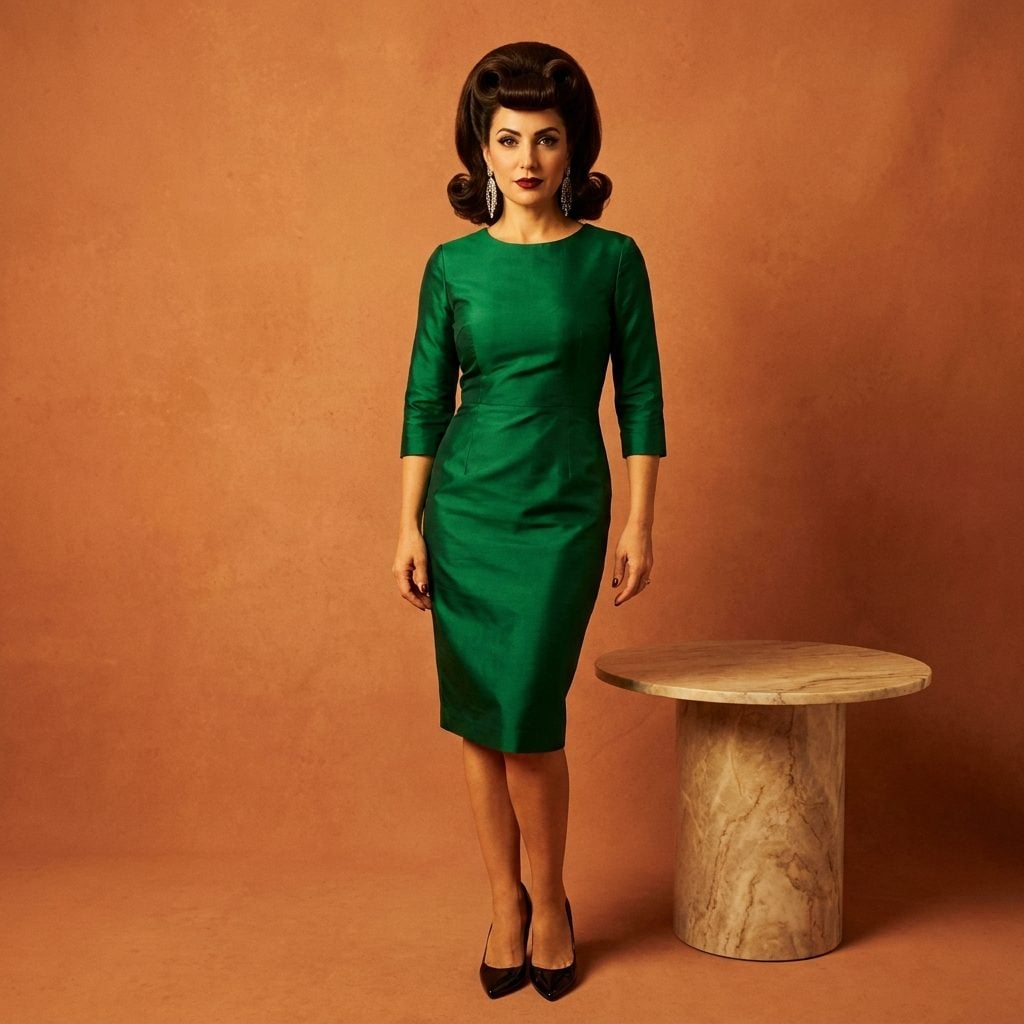
The Italian bouffant arrived in America via Sophia Loren film posters and fashion magazines, and it landed like a grenade. Women who’d been wearing tidy pin curls suddenly wanted height. Volume. A silhouette you could see from across the room.
The rolled front section was the structural engineering that made the whole thing work. You back-combed the crown into a cloud, smoothed the surface until it looked intentional, rolled the front forward and pinned it, then sprayed the entire construction with enough lacquer to waterproof a boat. It did not move. It was not supposed to move.
24. The Pageboy That Looked Like It Was Ironed, Sprayed, and Then Ironed Again
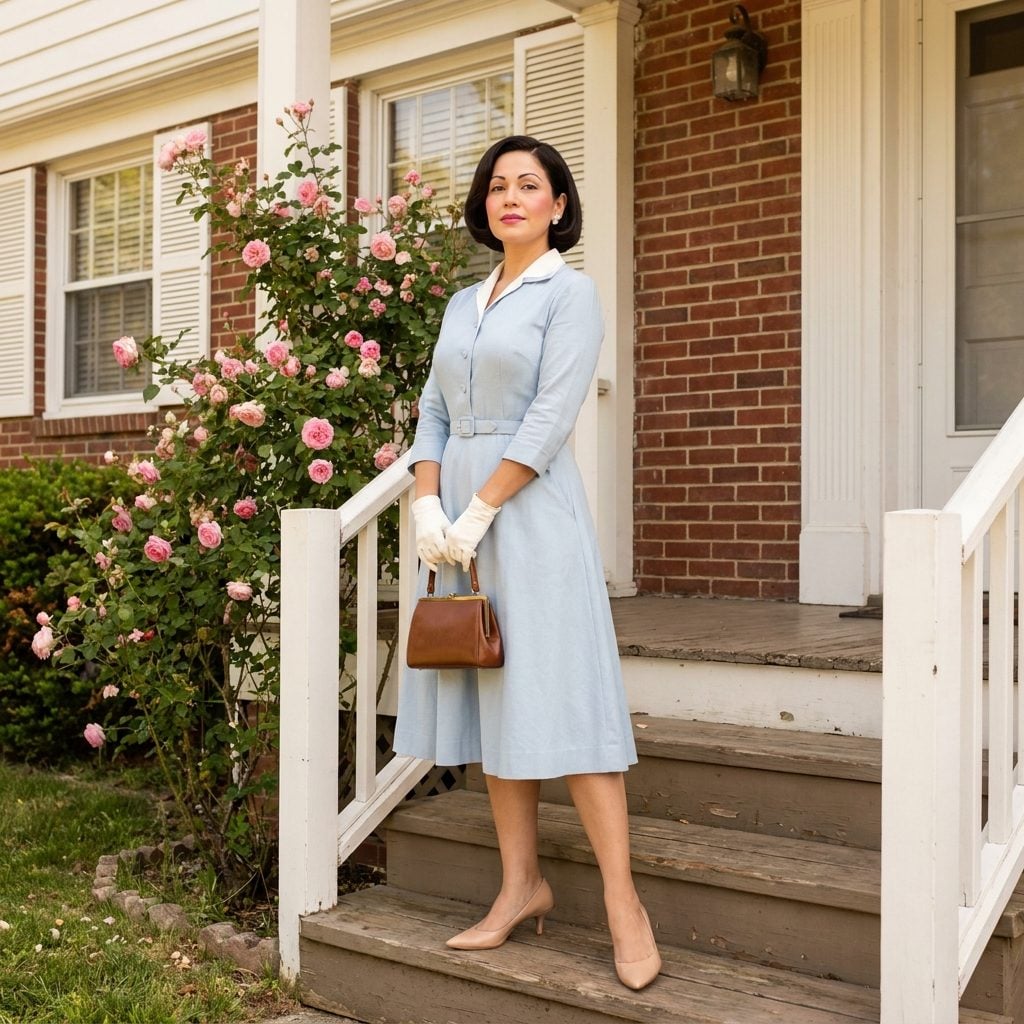
The pageboy was the most disciplined haircut of the 1950s. No fuss, no volume, just a clean perimeter cut and ends that curled under with mechanical precision. It looked like the hair had been instructed to behave and had obeyed completely.
Keeping it this smooth required a blow-dry technique that most women had to learn the hard way: too much heat in the wrong place and the ends flipped out instead of under, which was an entirely different haircut and not the one you wanted. Achieving that lacquered surface finish meant setting lotion, a fine-tooth comb, and enough restraint to not touch it once it dried.
“The pageboy didn’t ask anything dramatic of you. It just asked that you show up at the salon every four weeks without fail.”
23. The Victory Roll Holdover That Refused to Fully Leave the 1950s and We’re Glad It Didn’t
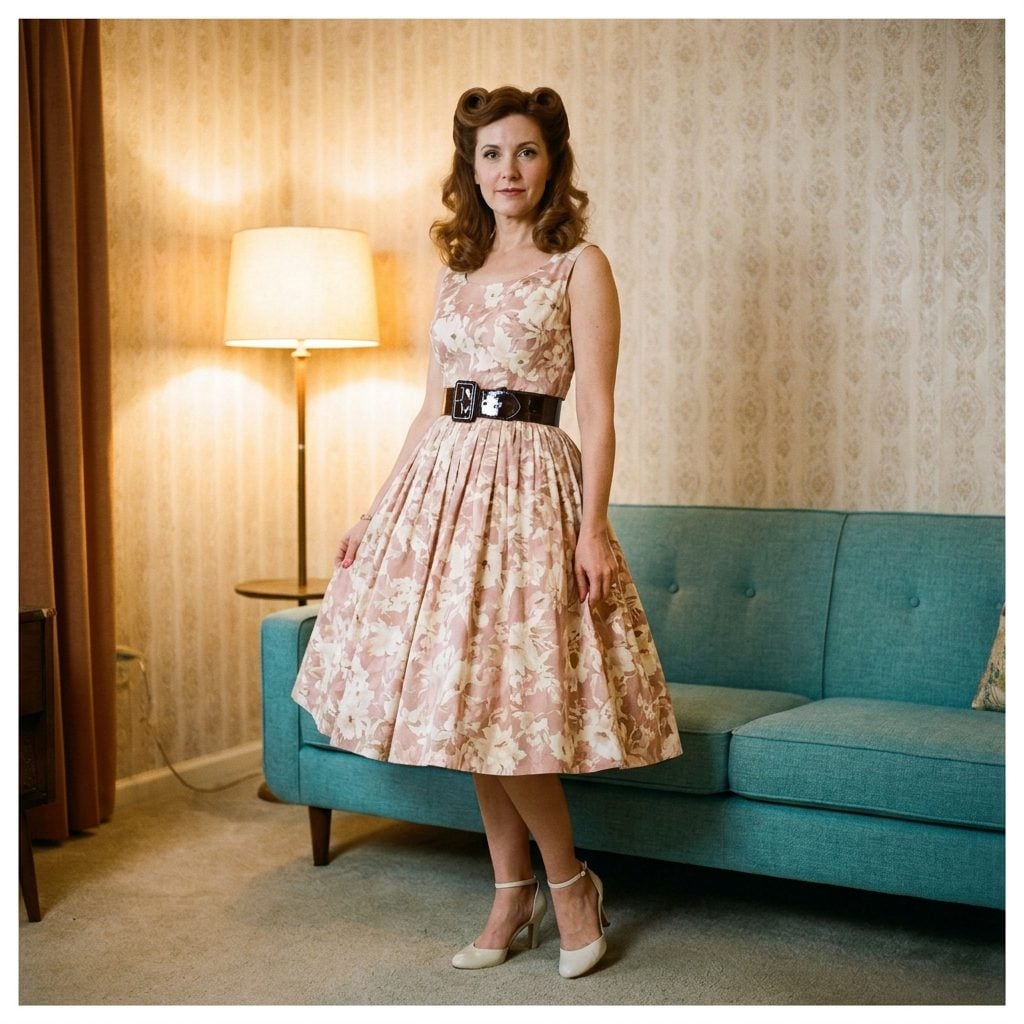
By 1952, the wartime victory roll had technically retired. Nobody told the women who’d been wearing their hair that way for a decade. The 1950s softened the rolls, smoothed them out, took down the drama, pinned them lower and rounder, but kept the basic architecture. Swept front sections, pinned into shape above the temples, with everything else doing something soft and feminine at the shoulder.
The flipped ends at the bottom were the giveaway that this was a postwar woman updating her look rather than abandoning it. A accessory styles tutorial from any 1953 women’s magazine would show you exactly this silhouette, paired with a full skirt and called “the modern look.” The modern look was, functionally, two years ago’s look with better shoes.
22. The Poodle Cut: Three Inches of Tight Curl That Somehow Worked on Every Woman Who Tried It
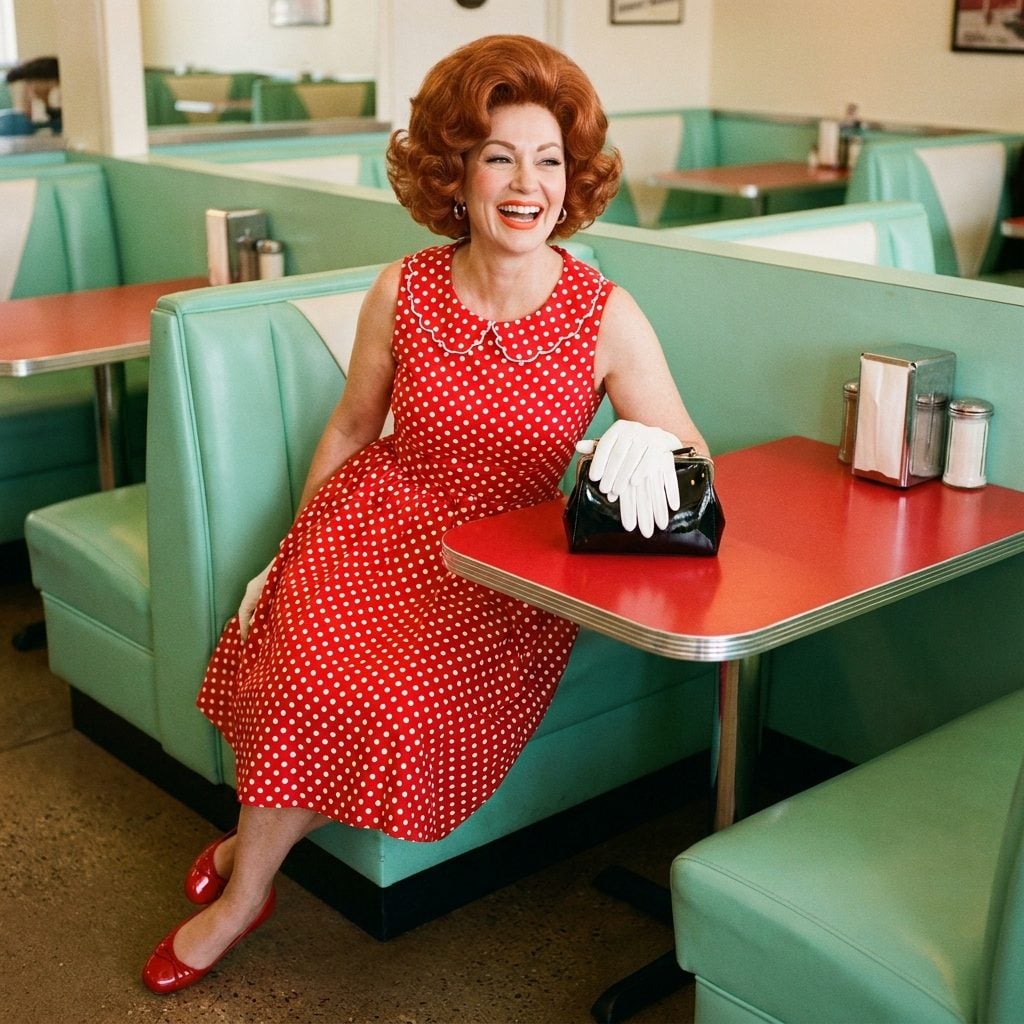
The poodle cut peaked around 1950 and stuck around because it was, genuinely, a great haircut. For women with natural curl, it was liberation, finally a style that worked with the texture instead of fighting it under a roller set. For women with straight hair who got a tight permanent to achieve it, it was commitment of the highest order.
The red version had a specific cultural gravity. Lucille Ball wore a version of it on national television every week, which meant every woman in America with a bottle of Clairol and an appointment card was at least considering it. The curl density mattered enormously. Too loose and it read as a badly grown-out wave. At the right tightness, it had a specific sculptural quality, round and even and completely unself-conscious.
21. The Jet-Black Chin Bob With a Side Part So Deep It Rewrote the Rules of Symmetry
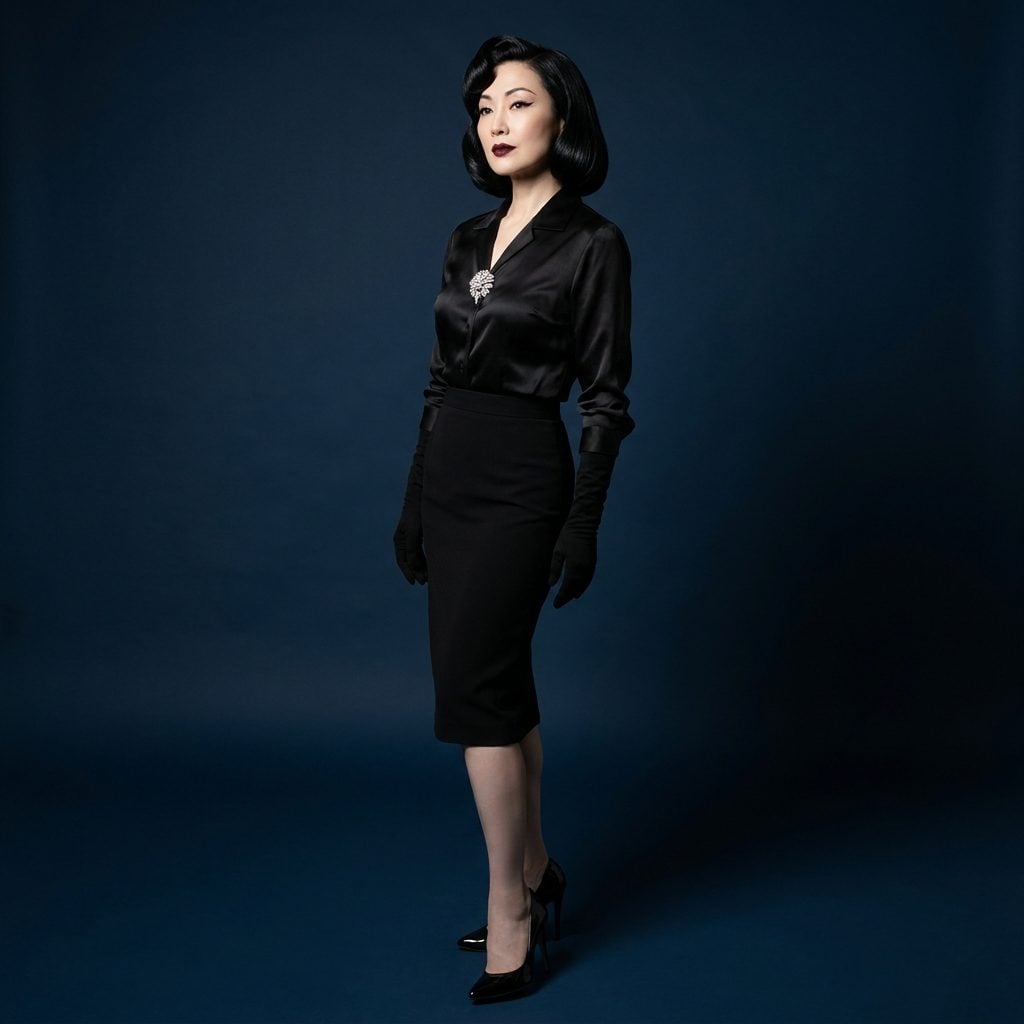
A deep side part on a chin-length bob does something geometrically interesting to a face. One side of the head becomes all hair. The other becomes cheekbone and jaw and empty space. In the right hands, and with the right shine, it was one of the most sophisticated silhouettes the 1950s produced.
The softly curled ends were essential. Without them, the bob read as modern in the wrong way, too severe, too architectural. The outward curl softened the bottom edge just enough to keep the whole thing in the glamour register rather than the severe one. Hollywood costume departments understood this intuitively. The hairstyles in mid-century studio films from this period are, genuinely, some of the most technically precise hair work ever photographed.
20. The Bubble Cut: All Curl, All Volume, and Absolutely No Apologies
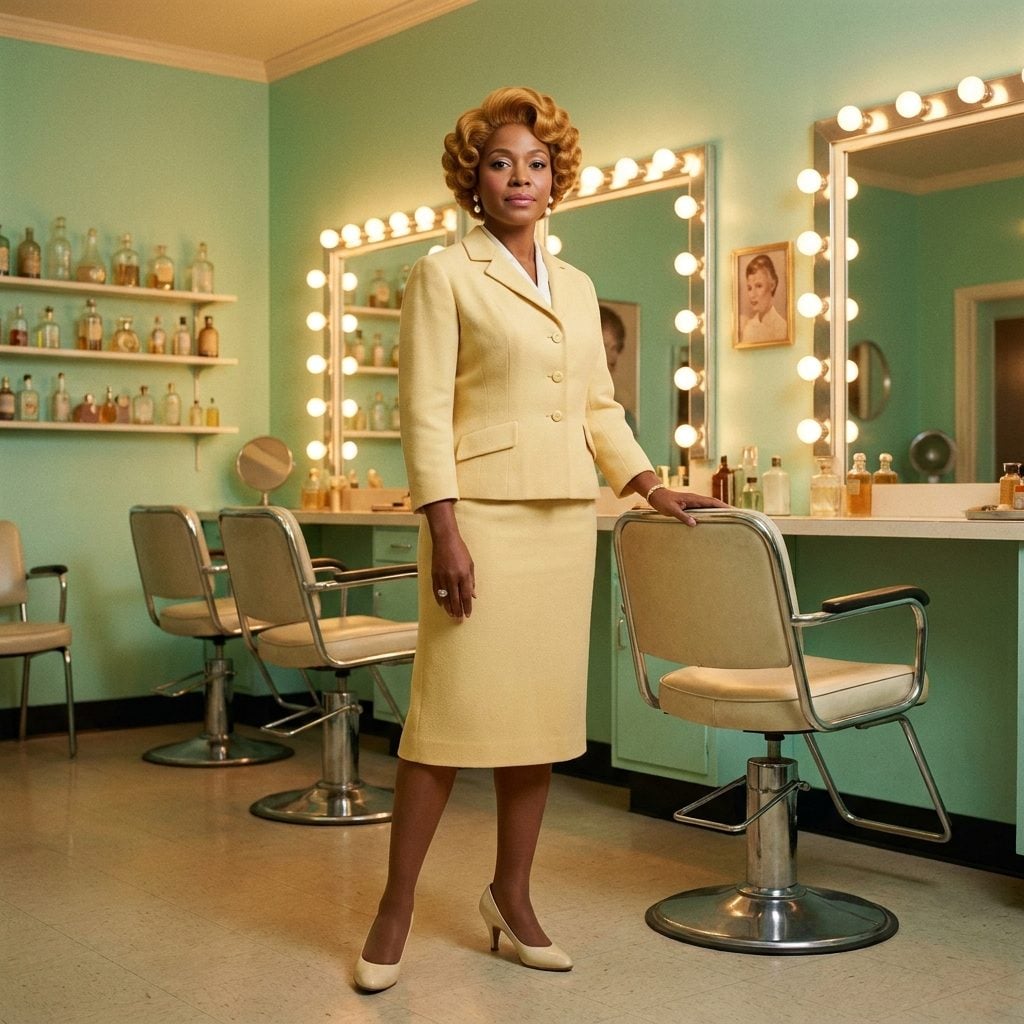
The bubble cut was what happened when the poodle cut got tidier and the set got more controlled. Where the poodle had spring and energy, the bubble had order. Every curl the same diameter, placed at the same deliberate distance from its neighbor, the whole structure forming a smooth rounded shape that sat above the ears and ended at the nape like a small, perfect helmet.
It required a salon. Home attempts usually produced something close but not quite right, one section tighter than the rest, a flat spot at the crown, a curl that went the wrong direction and refused to cooperate. Androgynous hairstyle enthusiasts decades later would revisit this shape and call it architectural. In 1957, women just called it their standing appointment.
19. The Satin Ribbon Ponytail That Every Good Girl Wore to School
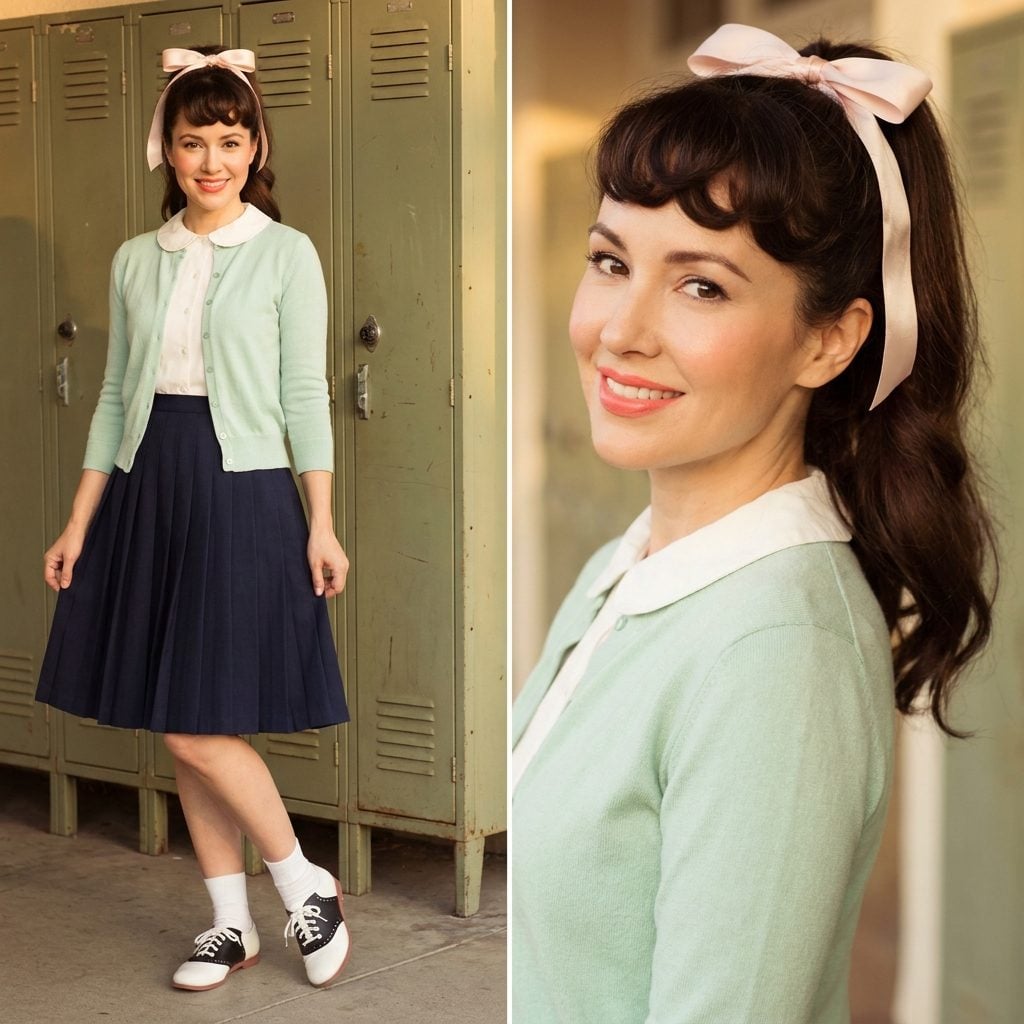
There was a very specific way to tie that ribbon, and if you got it wrong, everyone knew. The bow had to be full and upright, not drooping to one side. The ponytail itself needed to sit high enough to bounce when you walked down the hallway. And those curled bangs took a full set of pin curls the night before, sleeping on them, and then praying the Missouri humidity didn’t undo everything by second period.
This was the hairstyle of sock hops, science class, and passing notes in homeroom. It said: I follow the rules, but I pressed my ribbon with an iron this morning, so I’m doing it right. The girl with the perfectly tied satin bow was always either running for class president or dating whoever was.
18. The Bouffant That Could Survive a Hurricane and Did Not Move
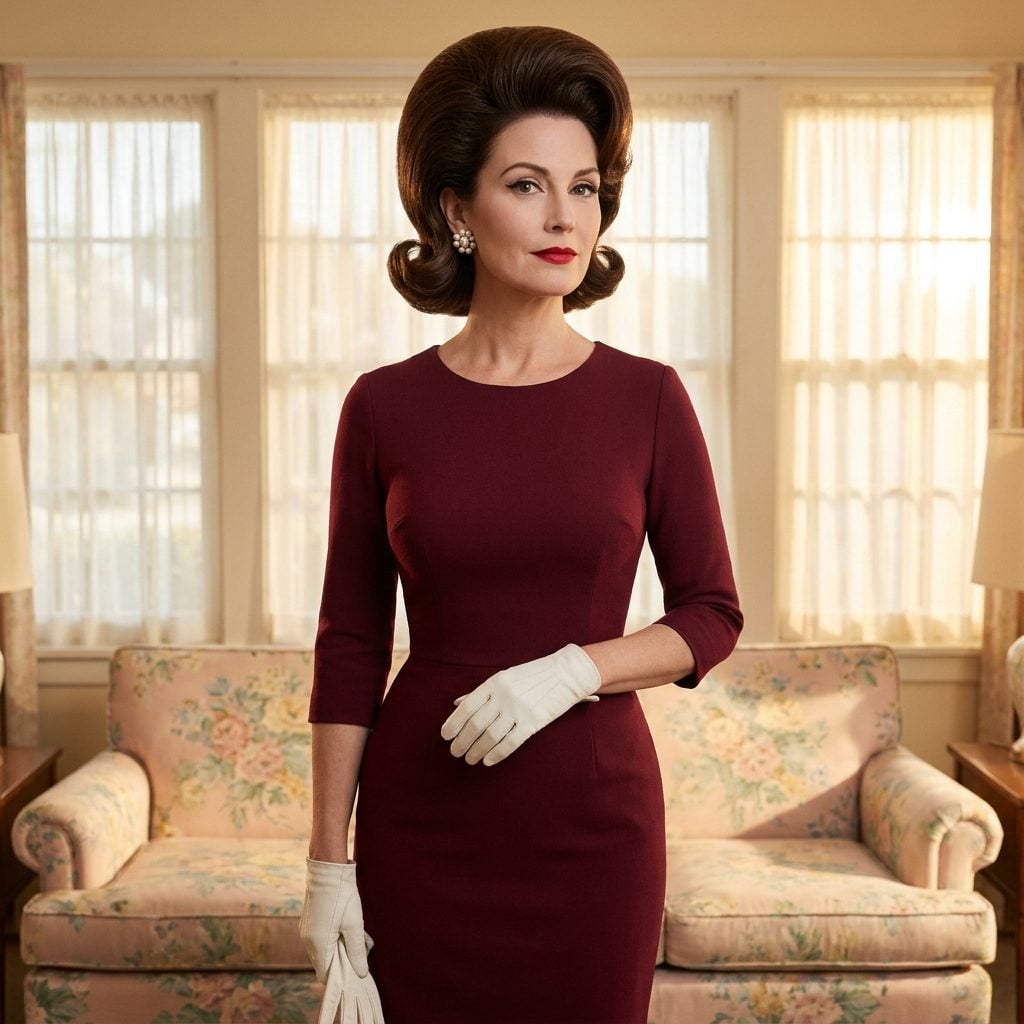
You needed three things to build a proper bouffant: a rattail comb, a can of Aqua Net, and the absolute conviction that what you were doing was glamorous and not architecturally unsound. The teasing happened in layers, crown first, and then you smoothed the top surface gently back over the scaffolding underneath so the outside looked polished while the interior was pure chaos.
By the late 1950s, this was the hairdo of women who had Arrived. Suburban housewives wore it to the grocery store. It communicated something very specific: I have time and I spent it on myself. The irony is that the bouffant took so long to construct that most women only washed their hair twice a week, which the Aqua Net enthusiastically supported.
17. The Ginger Flip With the Curled Ends That Bounced When You Laughed
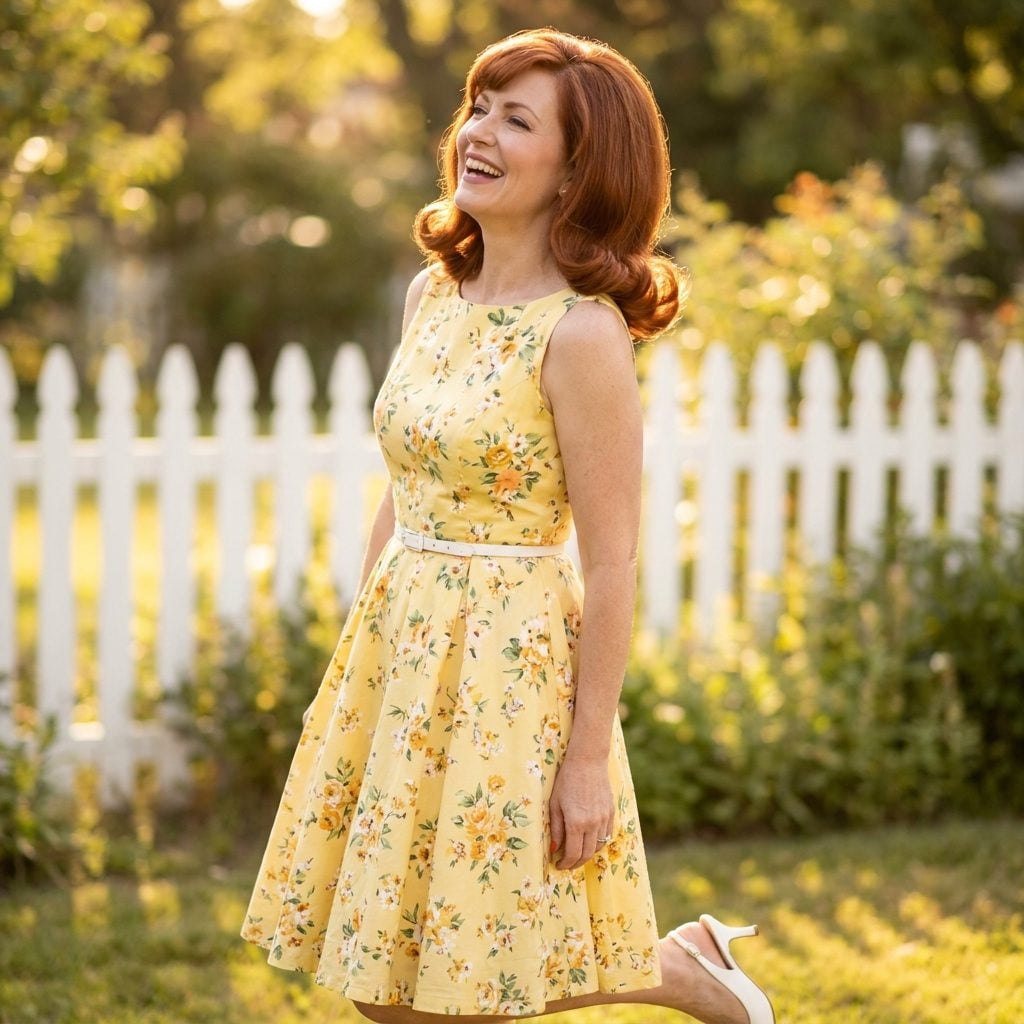
The flip was the hairstyle that moved, which made it feel almost radical next to the lacquered bouffant. Those outward-curled ends had a specific bounce that happened when you tilted your head back to laugh, and every woman who wore this cut knew it. You set the flip on large rollers, let them cool completely, and then brushed them out just enough to soften the curl without losing the upswing.
Side-swept bangs were non-negotiable for this silhouette. They gave the whole thing a slight softness, a romantic lean. The flip was the style of women who seemed approachable and put-together at the same time, the kind of look you’d see on a secretary in a movie who turned out to be smarter than her boss.
16. The Poodle Perm That Lived on Roller Sets and Sheer Determination
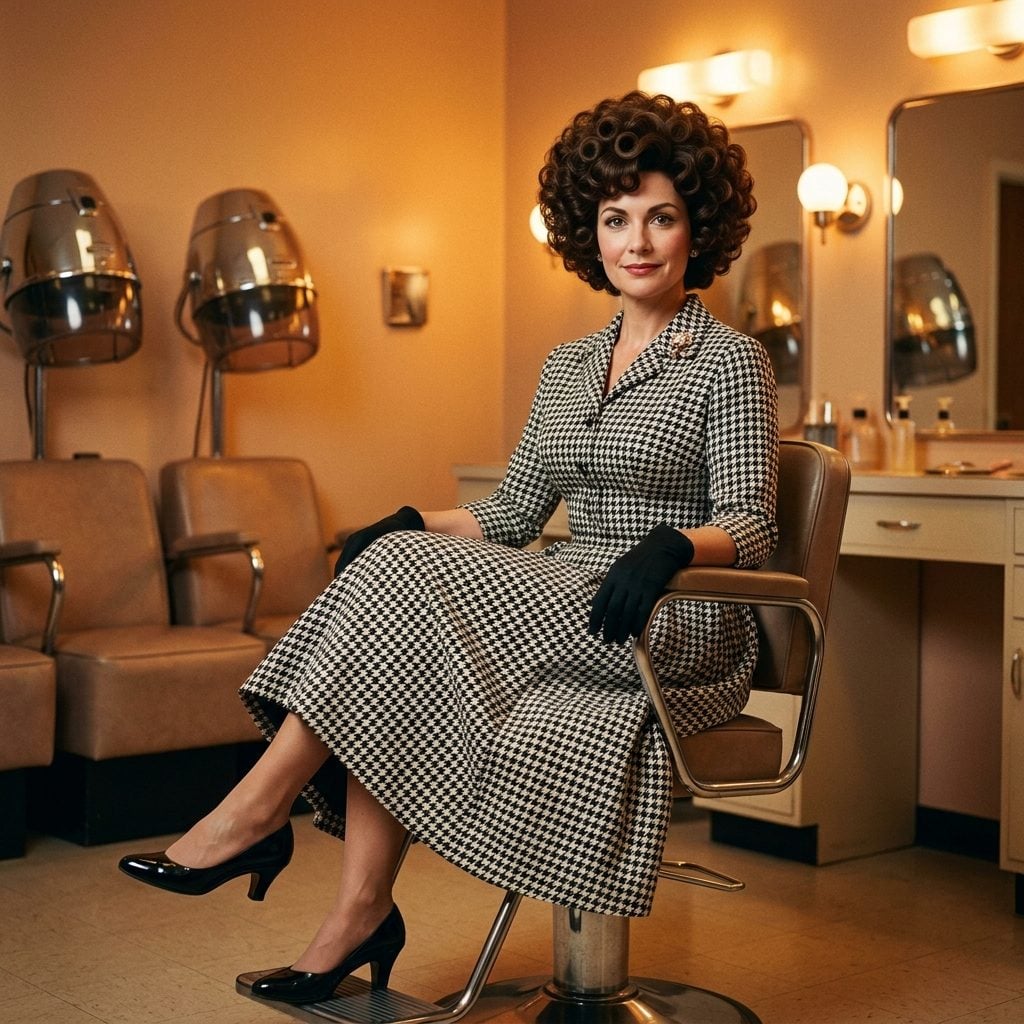
Every curl was the same diameter. That was the point. The poodle perm was not a casual hairstyle. It required a salon visit, a full set of small rods, and approximately two hours under a hood dryer with a magazine and nowhere to be. The result was dense, uniform, and absolutely rigid. It was not a look that tolerated humidity, hats, or second-guessing.
What’s fascinating about the poodle perm is how democratic it was. Women of all ages wore it, from teenagers to grandmothers, each version slightly different in tightness and volume but all sharing that same rounded, structured silhouette. Heavy hairspray kept every curl locked in place until the next wash day, which, again, was not frequent.
15. The Fluffy Blonde Bob That Looked Like Doris Day’s Stylist Paid a House Call
❤️ Would you like to save this?
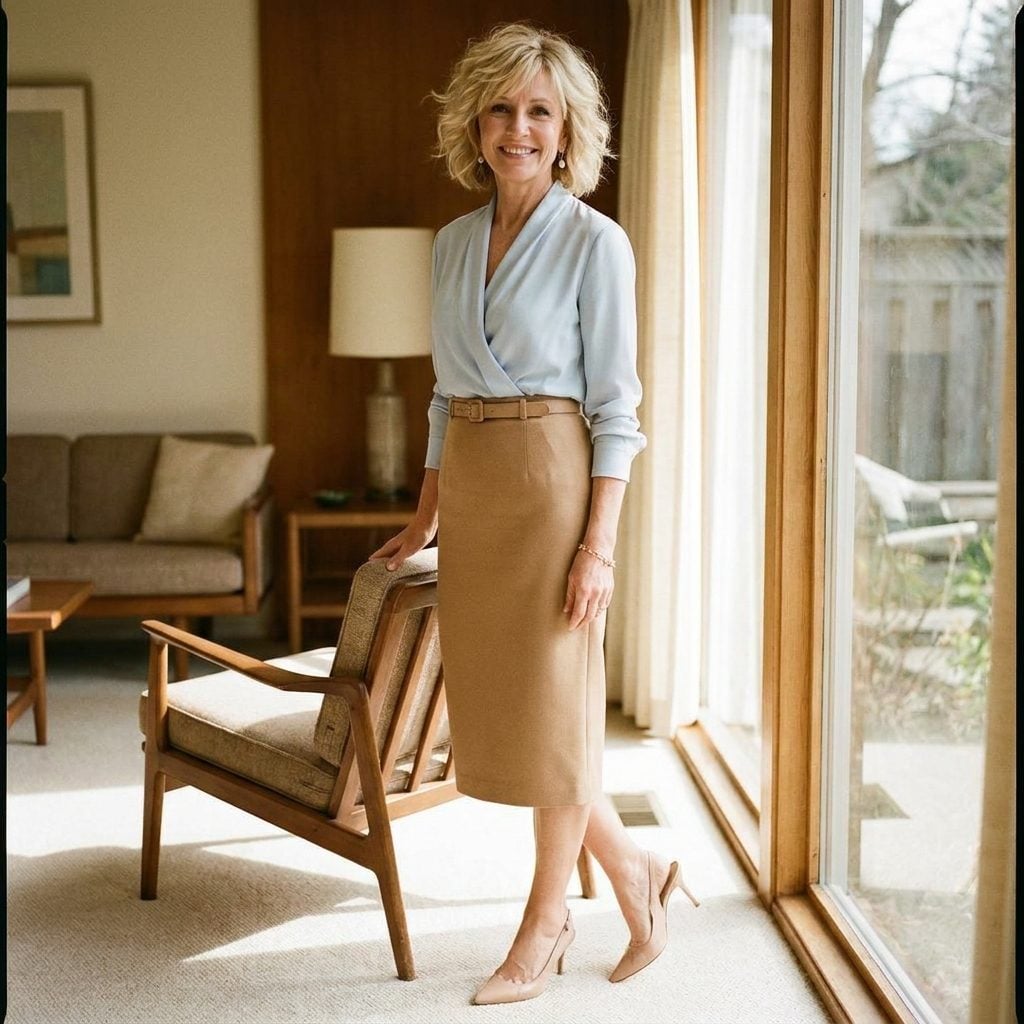
Doris Day made this haircut feel like something any woman could wake up and wear, which is the great lie of fluffy bobs everywhere. Achieving those feathered layers required setting, teasing, and a very light hand with the brush at the end. Go too heavy and it collapsed. Too light and it went flat within the hour.
What made this silhouette different from the bouffant or the flip was its deliberate softness. It wasn’t architectural. It wasn’t dramatic. It was approachable, which in 1950s America meant something very specific about what kind of woman you were presenting yourself as. The androgynous hairstyle conversation was decades away. This was femininity at full volume, literally.
14. The Pageboy Cut With the Velvet Bow That Meant You Were Slightly More Sophisticated Than Everyone Else
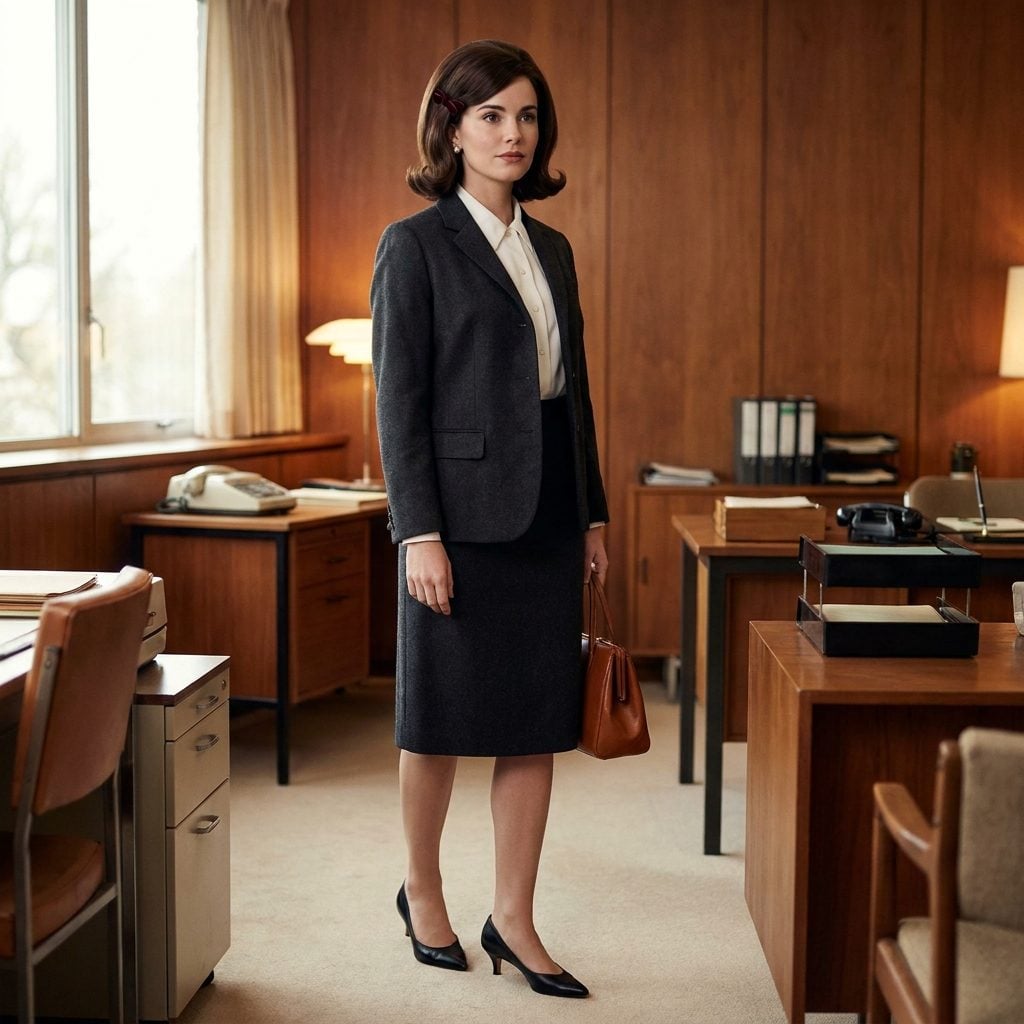
The pageboy said: I read. Possibly books that weren’t assigned. The cut itself was precise, with every end turned under in a smooth, controlled curl that required a full roller set and a good deal of patience. The result was polished in a way that felt deliberately understated next to the volume of the bouffant era, and that understatedness was absolutely the point.
The tiny velvet bow clipped at the side was what separated the women who were doing this ironically, if such a concept existed in 1955, from the ones doing it completely sincerely. Either way, the bow worked. It made the whole thing look like a choice rather than a default, which it was. These were among the most carefully considered accessory styles of the decade.
13. The French Twist You Wore When You Wanted People to Know You Were the Kind of Woman Who Wore French Twists
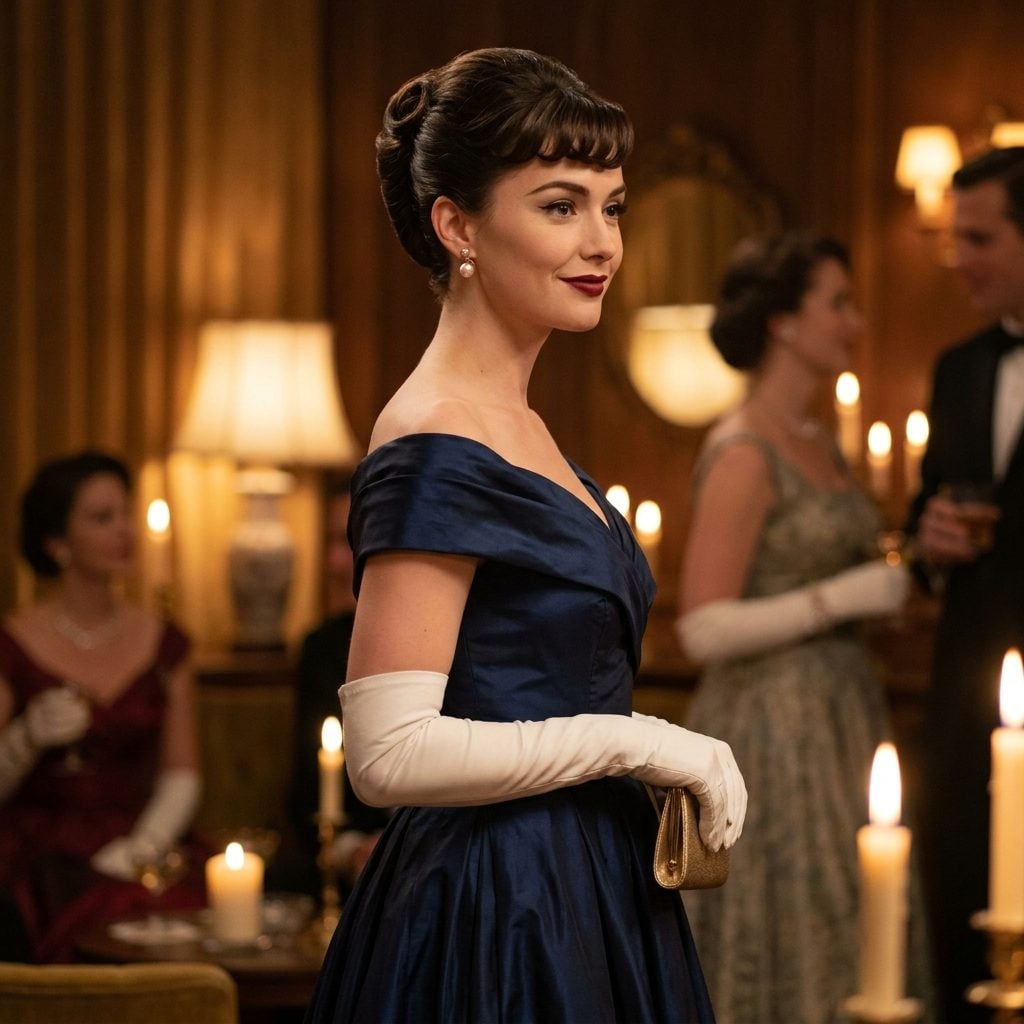
Getting a French twist right was a fifteen-minute project minimum, and doing it on your own required either a very good mirror arrangement or a very patient friend. The hair had to be gathered evenly, twisted tightly while simultaneously being rolled upward, and then pinned along the fold without letting anything come loose. If it came loose, you started over.
This was the hairstyle women wore to cocktail parties, to gallery openings, to any occasion that required looking like you had arrived rather than just shown up. Paired with pearl earrings and the right neckline, the French twist turned the back of a woman’s neck into something almost architectural. It’s the most elegant hairstyle the decade produced, and that is not a contestable opinion.
12. The Pillbox Hat and the Rolled Bangs Beneath It, an Entire Mood in Strawberry Blonde
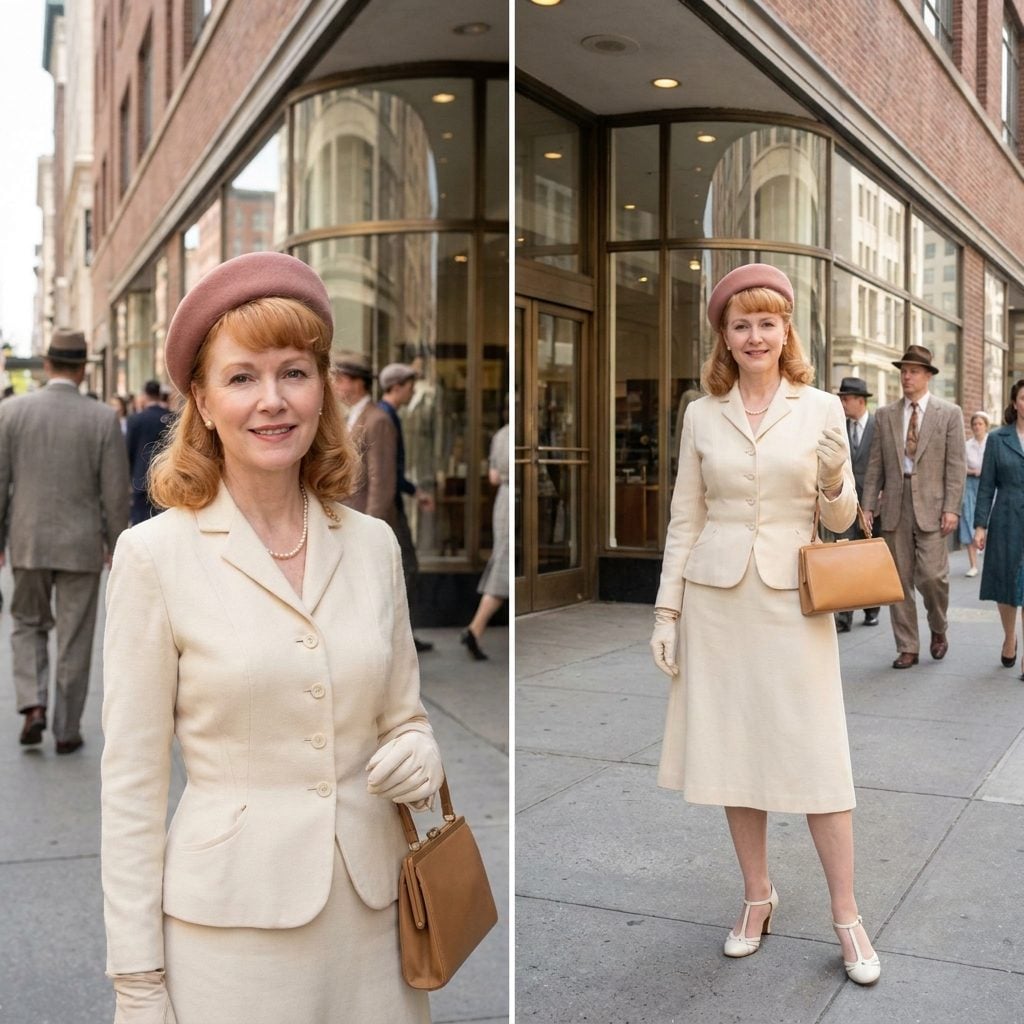
The pillbox hat was not a casual accessory. It required that your hair be arranged around it deliberately, and rolled bangs were the optimal solution because they stayed put under the brim and still showed enough to let people know you hadn’t simply given up on your hair beneath the hat. The rolls took pin curls the night before, and the ends were tucked rather than left loose so nothing caught on the wool felt.
Strawberry blonde hair under a dusty rose pillbox is, objectively, one of the better color combinations the decade stumbled into. The whole look communicated a very specific kind of 1950s confidence: dressed for somewhere, going there now, and not particularly interested in your opinion about it.
11. The Honey Blonde Bouffant That Required Its Own Zip Code
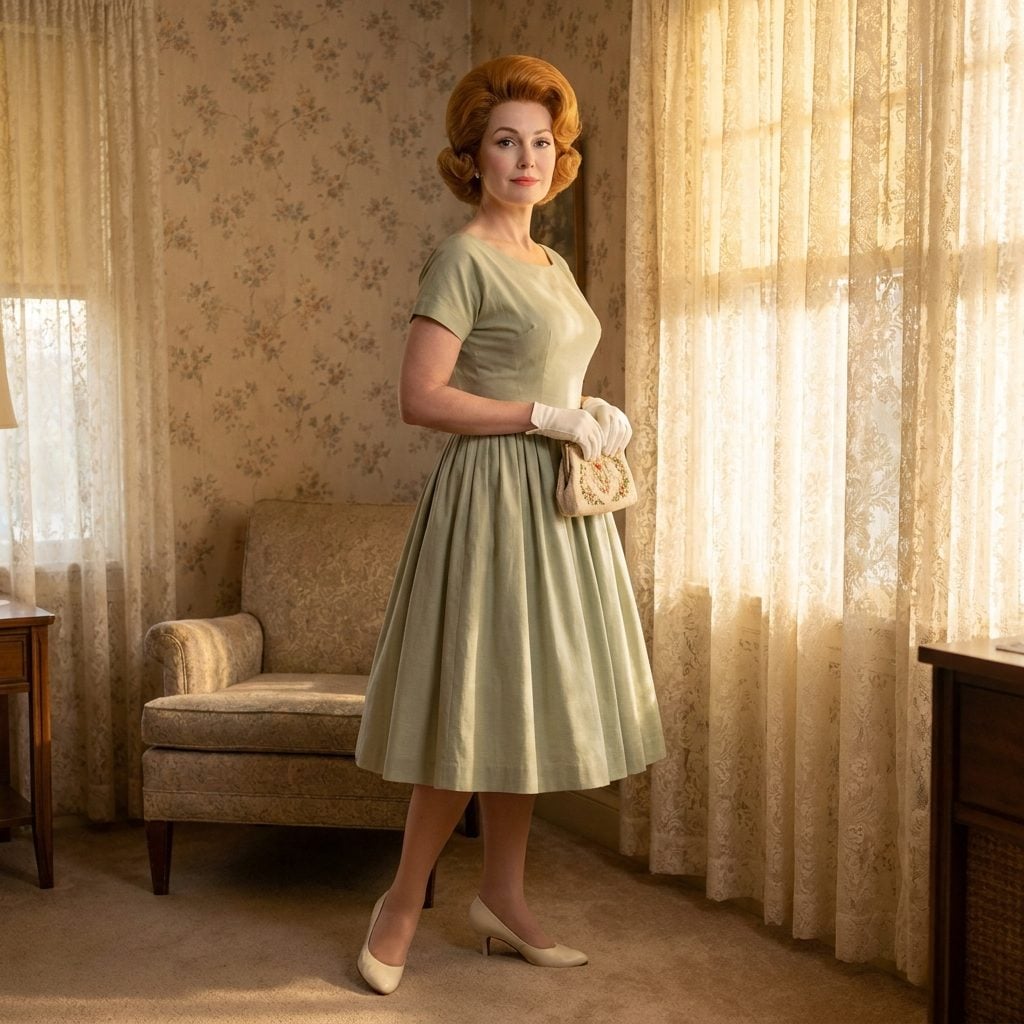
Getting this hair right took a full Saturday morning and something close to a structural engineering degree. The bouffant wasn’t just volume, it was architecture. The sides had to lie perfectly flat and smooth against the skull, which created that strange optical illusion where the crown looked even more impossibly tall by contrast. Salons kept a specific comb just for the backcombing, and the hairspray used to hold it all could double as shellac.
Every woman who wore this knew not to touch it, sleep on it, or stand near an open window. It wasn’t hair you lived in. It was hair you displayed.
10. Pin Curls Brushed Into Waves: The Dark-Haired Version of Looking Like You Tried (And You Did)
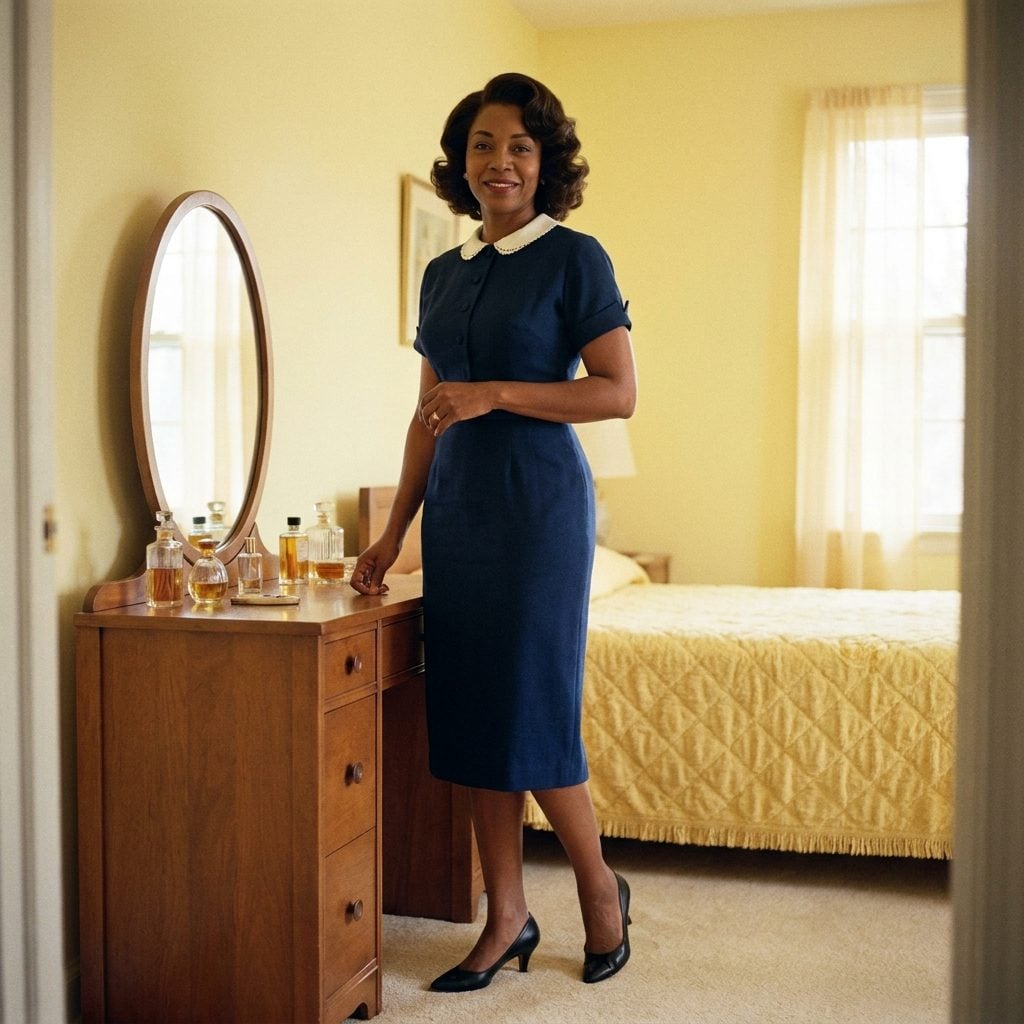
Pin curls were set damp, dried under a hooded dryer at the salon or beneath a cotton headscarf at home, and then brushed out with a stiff bristle brush in very specific directions. The result, when done right, was this: waves that looked effortless but were absolutely not. Every curl had been placed intentionally the night before, like setting a table.
The dark brunette version of this style had a particular drama to it. The blue-black depth of the hair made the sculpted wave shapes read almost like ink against skin. Women who wore this to the office on Monday morning had spent Sunday evening in pin curl clips watching television. Nobody knew that part. That was the whole point.
9. The Flip With Cat-Eye Glasses: A Shoulder-Length Statement That Said ‘I Read Magazines’
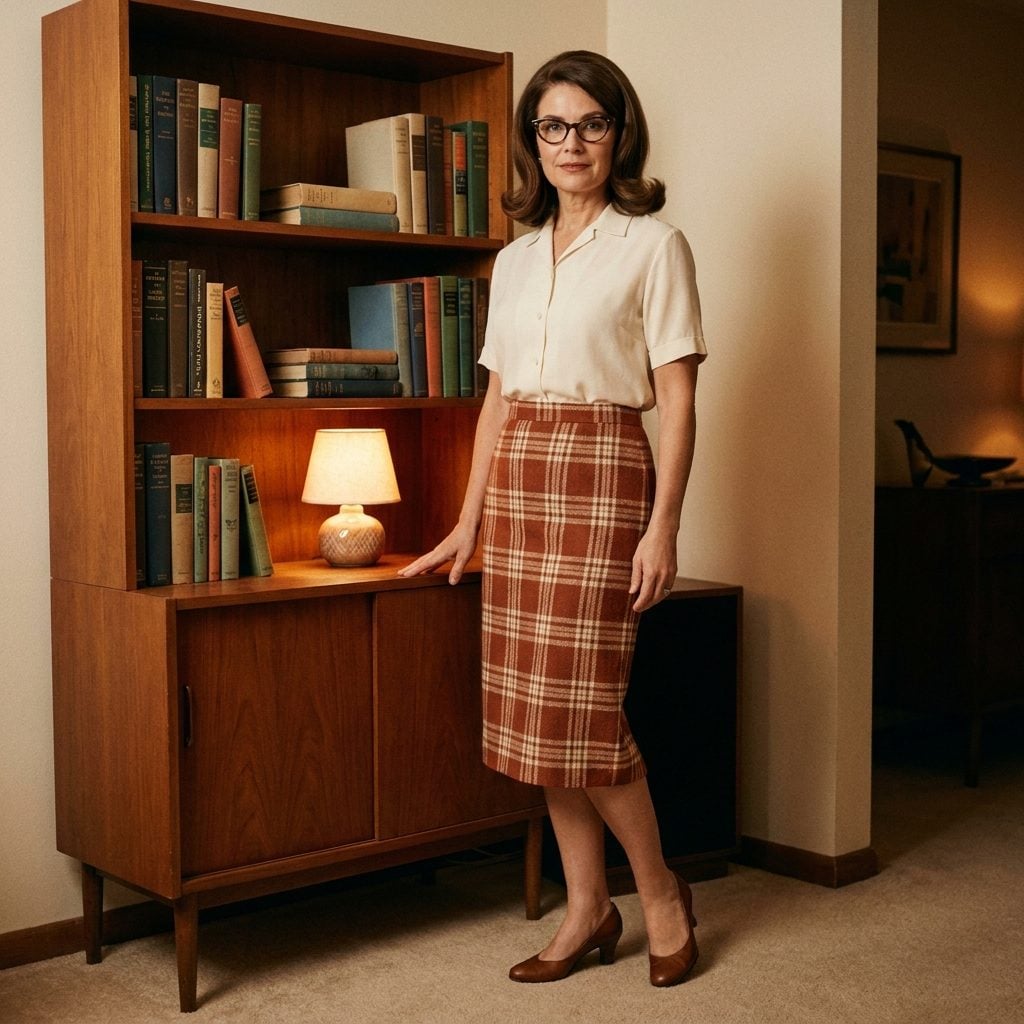
The flip was the hairstyle that said you were practical but not boring. Shoulder-length, a strong side part, and those ends curling out and up instead of under, it had a buoyancy to it that shorter styles couldn’t match. Paired with cat-eye glasses, the whole look tilted toward a very specific kind of 1950s woman: the one who worked at a law firm’s front desk, took night classes, and had opinions about things.
The glasses mattered as much as the hair. That upswept tortoiseshell frame echoed the curve of the flip ends. Whether that was intentional coordination or just the decade having a strong aesthetic point of view is hard to say. Probably both.
8. The Long Side-Wave Blonde: Old Hollywood Filtered Through a Suburban Salon Chair
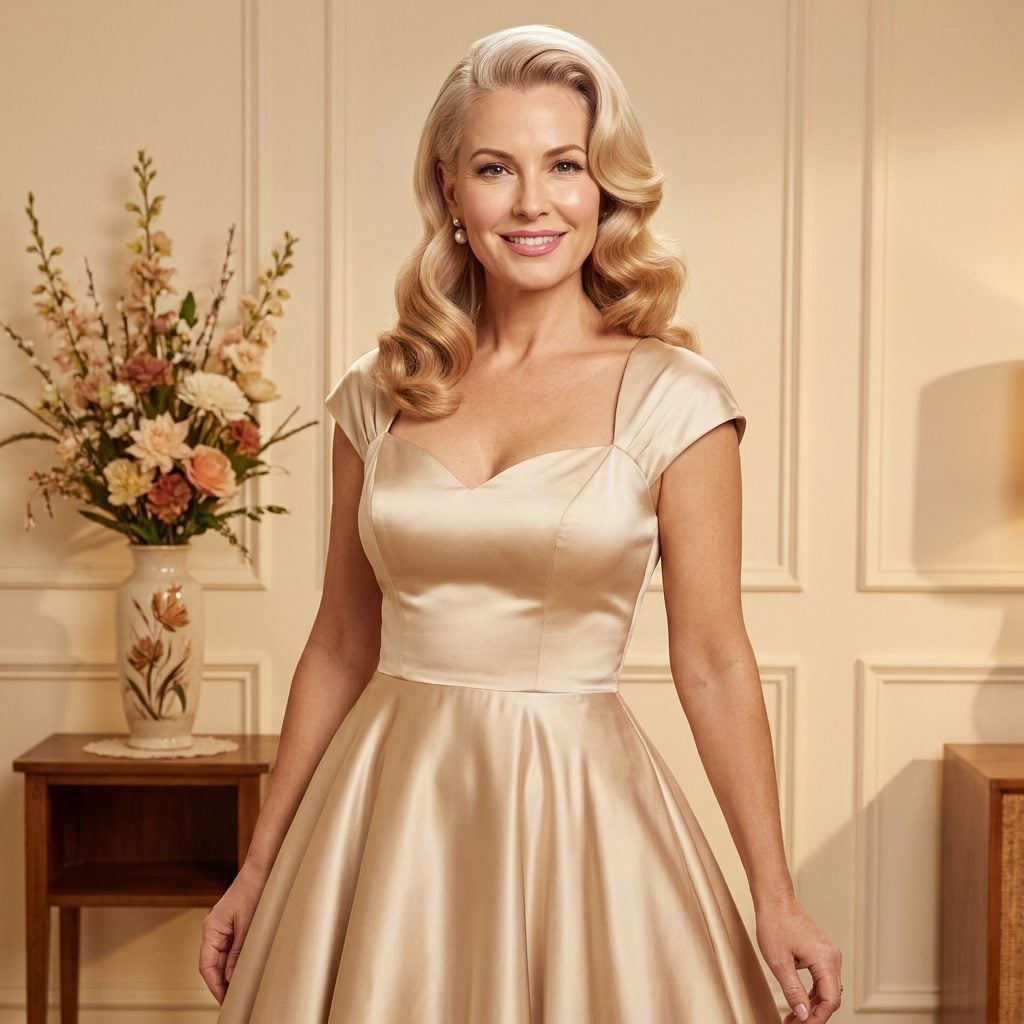
By the mid-1950s, the dramatic long side-wave had traveled a long way from its wartime origins. What the neighborhood salon offered was a more approachable, firmly pressed, and thoroughly hairsprayed version, the same shape, made domestic. The wave was set with rollers rather than a Marcel iron, dried under a hooded dryer, and brushed to a high shine with something close to reverence.
Women who wore this style were not trying to be anyone specific. They were trying to look like they had considered things. The length of the wave, the depth of the side part, the precise tuck behind one ear, these were choices, and they showed.
7. The Chestnut Curled Bob With Micro Bangs: Small Bangs, Large Personality
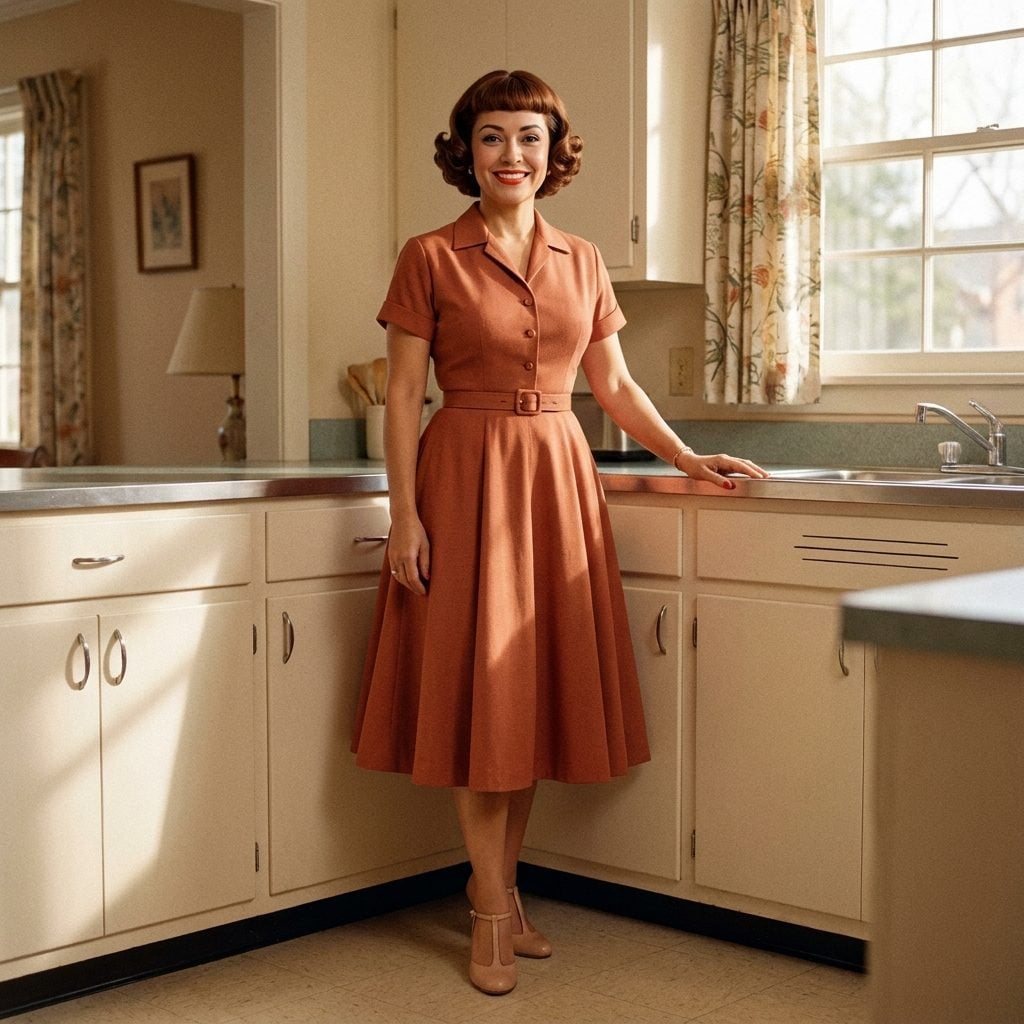
Those micro bangs were not an accident. Cutting them that short required commitment, or a hairdresser with strong opinions, and often both. The effect was a very particular kind of doll-like precision, the forehead fully visible, the face fully framed, nothing casual about any of it.
The tight inward curls hugging the jawline completed the geometry. This was a style that required upkeep every single week, sometimes every five days if your hair grew fast. Women who wore this didn’t complain about the salon schedule. The salon schedule was the point.
6. The High Ponytail With a Scarf at the Base: Soda Shop Hair That Took Longer Than You’d Think
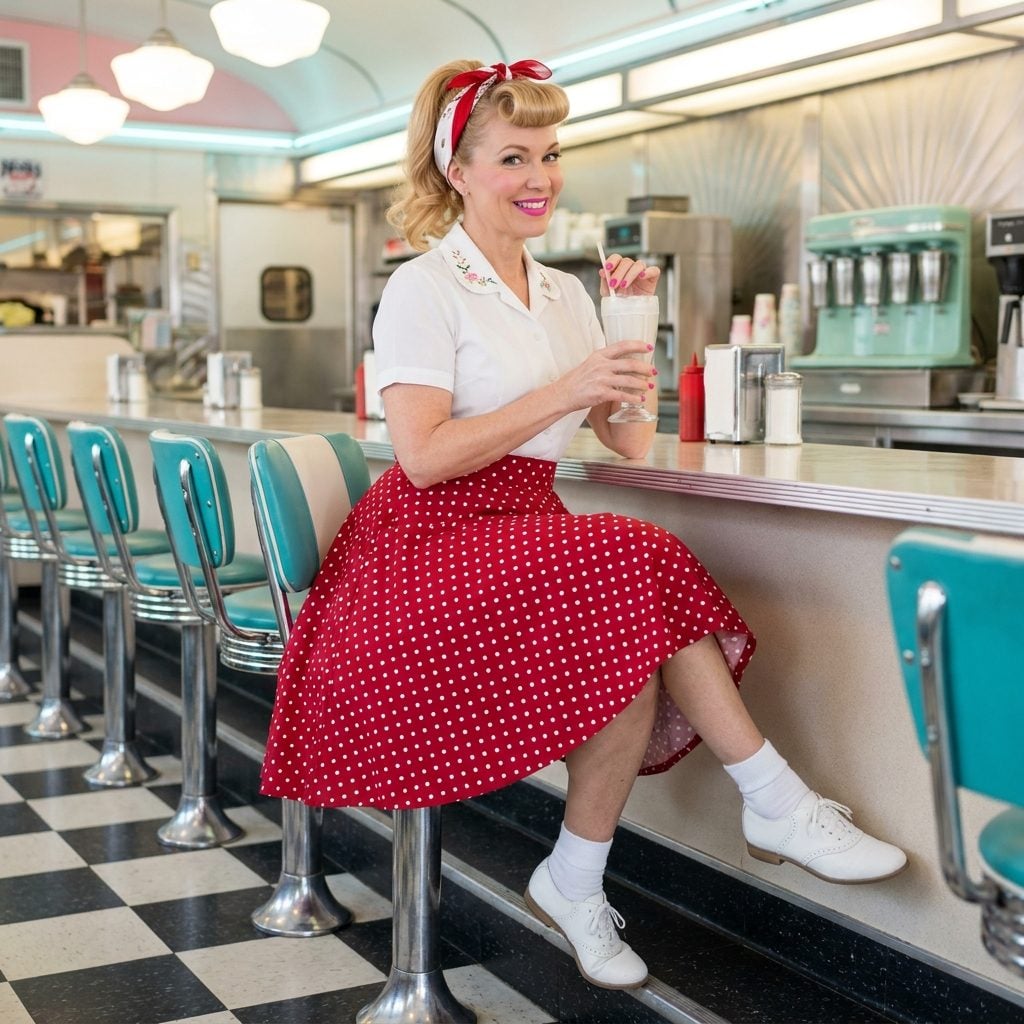
The scarf tied around the ponytail base was doing a lot of work. It covered the elastic (nobody wanted to see the elastic), it added color, and it signaled that you understood accessories were not optional. You had options with the bow, a side knot, a top bow, a loose trailing knot, and whichever you chose said something about you that you could not have articulated at the time.
The rolled bangs at the front were the part that actually took effort. That forward roll had to be pinned securely or it dropped by third period, and no one wanted that. The curled ponytail ends were done on small rollers or a curling iron the night before, then slept on carefully and teased out gently in the morning. Casual? It was anything but.
5. The Silver-Blonde Salon Coif: When Older Women Wore Their Hair Like a Signature
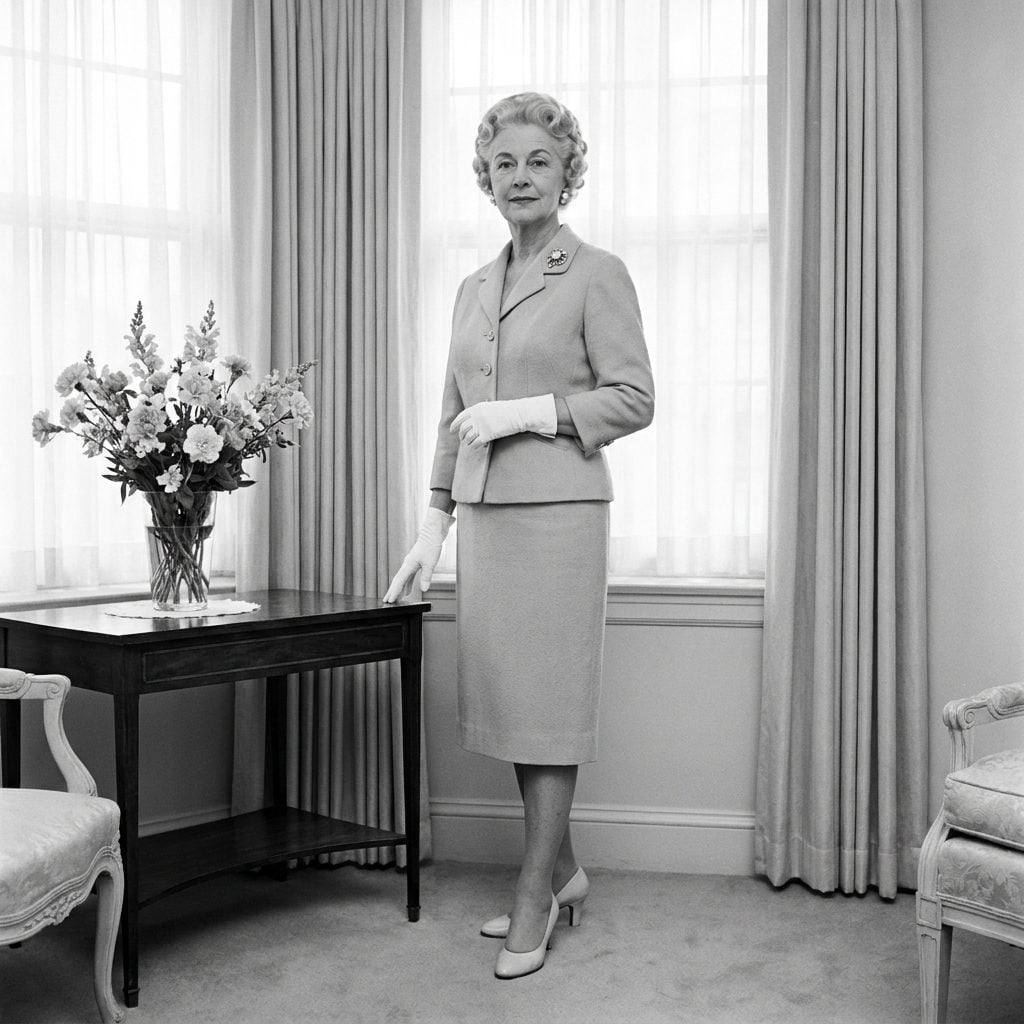
Older women in the 1950s did not try to look young. That shift, the cultural insistence that women should appear perpetually 35, hadn’t arrived yet. Women of a certain age wore silver and white hair with an almost proprietary confidence, and they had it set into these tight, immaculate, entirely serious coiffures that announced: I have been to the salon, and I will be back on Thursday.
The androgynous hairstyle concept didn’t apply here at all. This was deeply, specifically feminine and mature. The stiffness of the curls was intentional, soft hair was for girls. This had weight and structure, and it complemented the kind of powder-blue wool suit and pearl earrings that completed the picture.
4. The Dark Auburn Pre-Beehive Updo With Curls at the Neckline
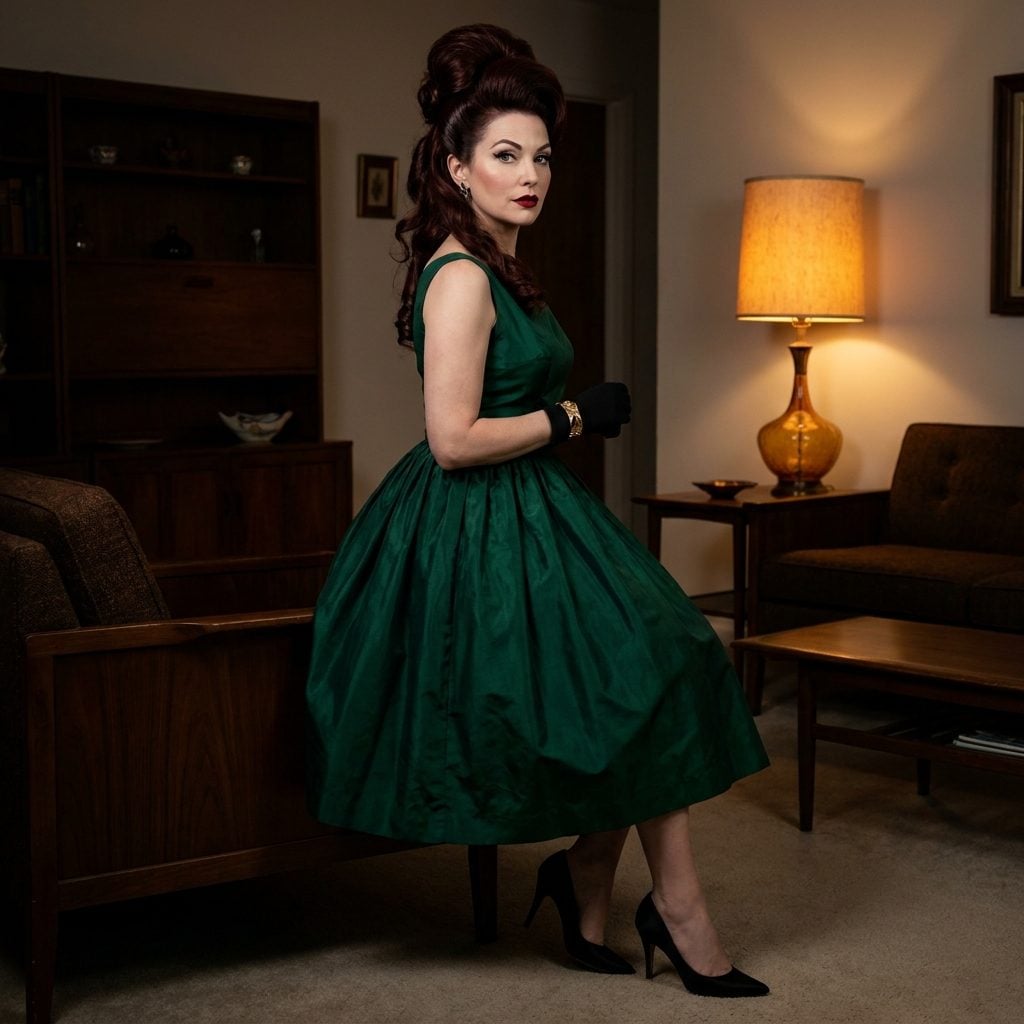
This was the hair that happened right at the edge of the decade, the updo getting taller, the crown getting more teased, the silhouette starting to climb. The true beehive belonged to the early 1960s, but by 1958 and 1959, women were already building toward it in their salons without quite naming what they were doing yet.
The soft curls at the neckline were a deliberate softening of what would otherwise have been a severe structure. A smart stylist’s trick: all that architecture up top, and then two or three curls allowed to fall loose at the back, which made the whole thing look intentional rather than rigid.
Dark auburn was one of those colors that photographed with enormous drama in the era’s black-and-white portraiture, a fact not lost on the women who chose it.
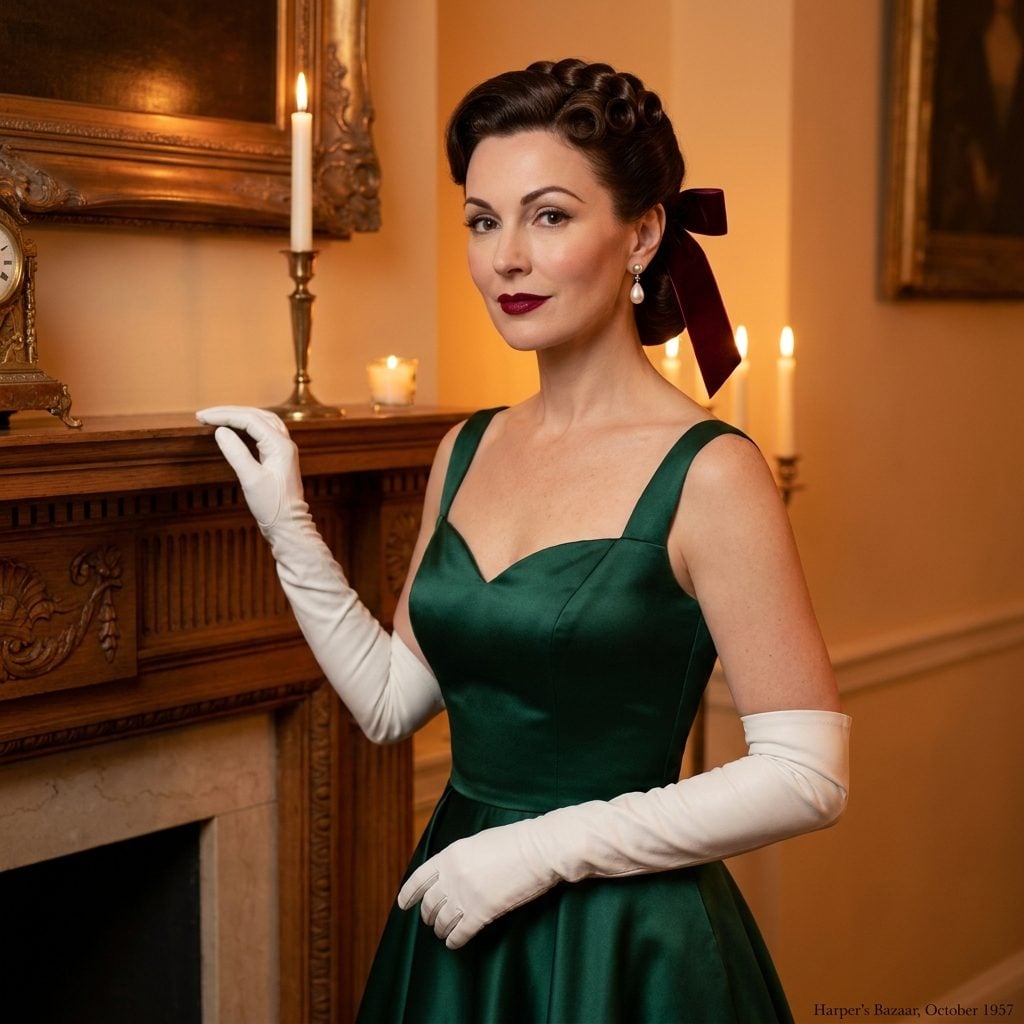
3. The Velvet Ribbon Updo That Made Every Woman Look Like She Had Somewhere Important to Be
❤️ Would you like to save this?
You didn’t just do your hair for a dinner party in 1955. You constructed it. The velvet ribbon updo was the kind of hairstyle that required a full Saturday afternoon, a patient friend, and approximately forty bobby pins you’d still be finding in the carpet two weeks later. Each pin curl along the forehead was set on rollers the night before, slept on (somehow), and then teased into place with a rattail comb and enough Aqua Net to qualify as a fire hazard.
The velvet ribbon was the finishing stroke that separated a woman who tried from a woman who arrived. It came in every color, black, navy, deep burgundy, and woven through the back of the updo, it caught the light at dinner like something out of a Grace Kelly film. Which was, of course, entirely the point.
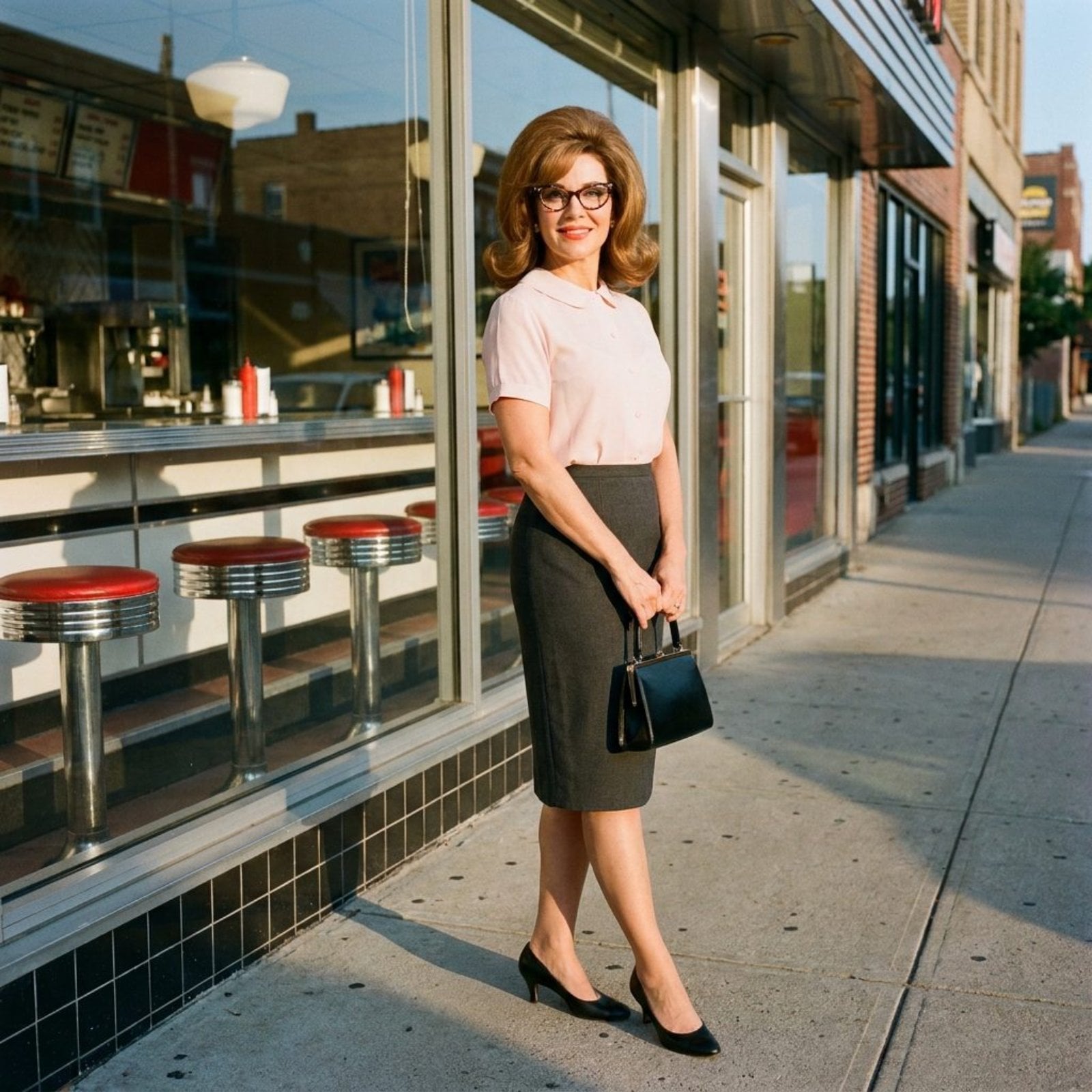
2. The Honey-Brown Flip With Cat-Eye Glasses: Late ’50s Cool in One Very Specific Package
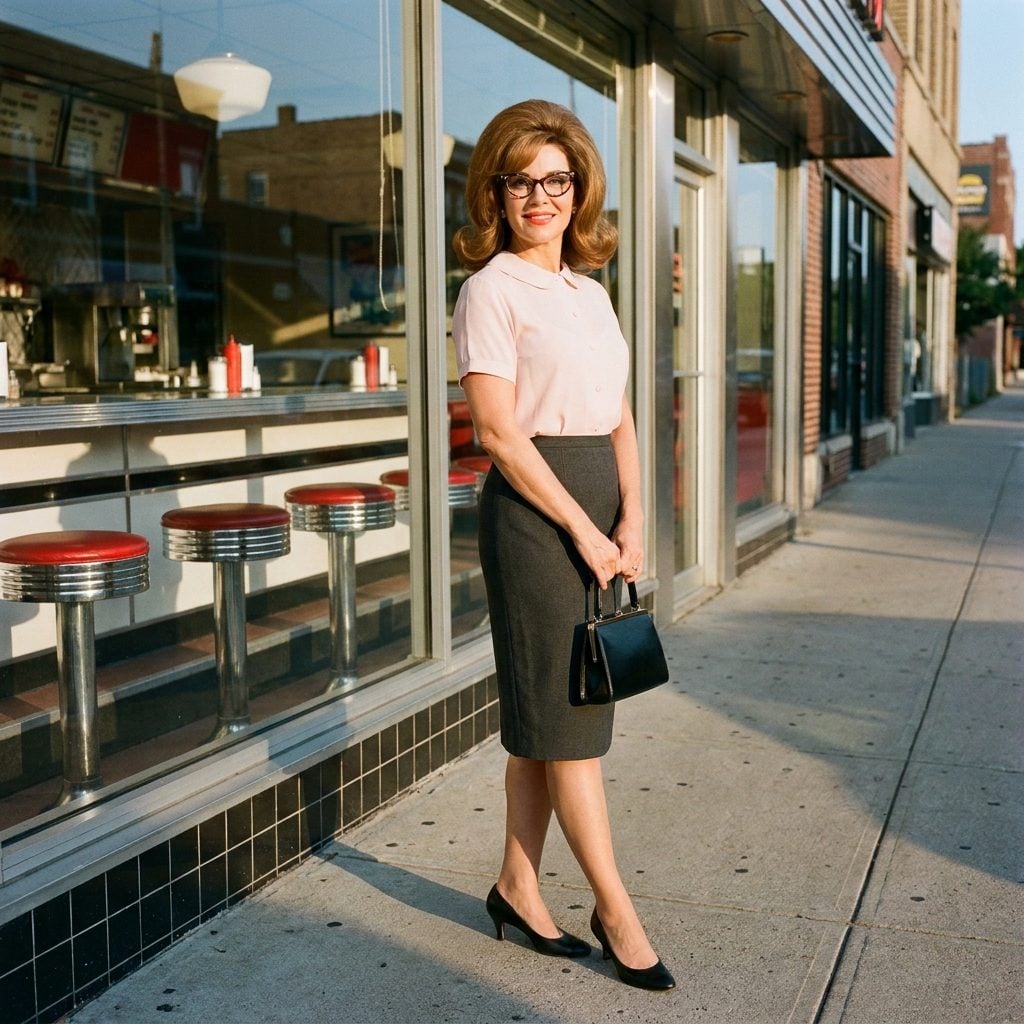
The flip was the haircut that said you had opinions. That teased crown, ratted up until it held its own structural integrity, and those ends kicked outward like they had somewhere better to be, it was a specific kind of confidence that didn’t ask permission.
Pair it with cat-eye glasses and the whole thing crossed into a different territory entirely. The glasses weren’t just glasses. They were a statement about who you were paying attention to and who you weren’t. Women who wore this combination in 1958 were, without knowing it, inventing a style that would get rediscovered every twenty years by someone who thought they’d just invented it fresh.
1. The Silver Salon Set: How the Most Put-Together Women in the Room Always Had the Same Hair
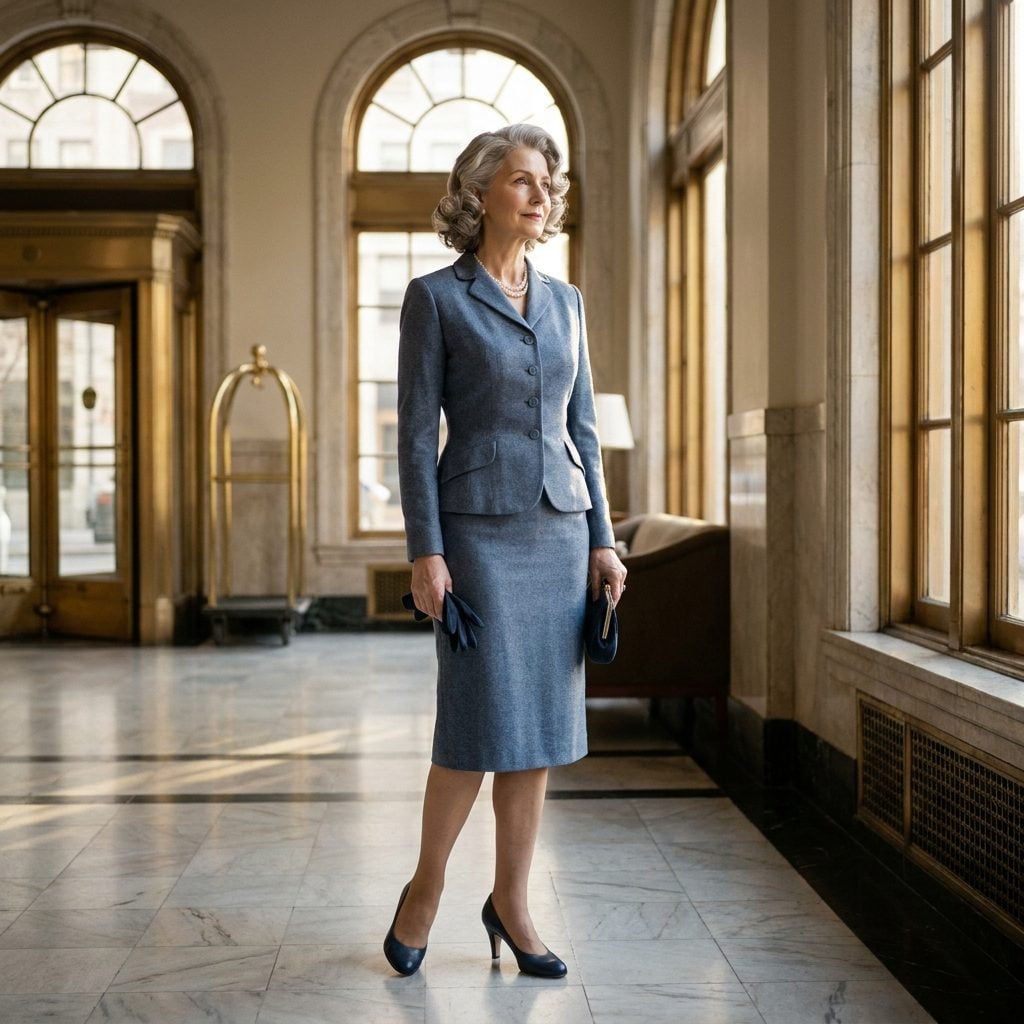
Every town in America had women who wore their hair exactly like this, and they all went to the same salon, on the same day of the week, and sat under the same dryers with the same magazines. The silver salon set was not a trend. It was a institution.
Those rounded lacquered waves required a standing Saturday appointment and a relationship with your stylist that outlasted most marriages. The hair sat close to the head, sculpted and shellacked into place, and it did not move. Not at church. Not at the bridge club. Not in a light wind. There was something almost architectural about it, less hairstyle, more structure.
Women who wore this in their fifties looked utterly certain of themselves. No androgynous hairstyle ambiguity here, no experimental cut borrowed from a younger decade. This was a woman who had decided who she was, and her hair agreed.