❤️ Would you like to save this?
The boots hit the floor of the discotheque, and the whole decade followed. White vinyl, block heels, hemlines that stopped mid-thigh and dared you to say something about it. The 1960s didn’t invent confidence, but it certainly put it on a two-inch platform and sent it down the street. What follows is a full tour through the footwear and the silhouettes that went with them, and more than a few of these never really left.
FYI, thanks to AI imagery software, we’re able to create very specific fashion and hairstyle examples to illustrate the points being made. In some cases, imagery is exaggerated to hammer home the point. Also, assume links that take you off the site are affiliate links such as links to Amazon. this means we may earn a commission if you buy something.
24. The Fishnet Stocking Paired With a Chunky Block-Heel Boot, The Combination That Defined Every Go-Go Club Floor

The fishnet-and-block-boot pairing was specific to exactly one setting: the club floor, under colored lights, after ten o’clock. Not the office. Not the Sunday market. The black fishnet stockings against the shaft of a chunky block-heel boot created a texture contrast nobody had tried before the sixties, and few combinations since have matched the effect.
23. The Knee-High Flat White Boot With the Tiny Tassel, Every Young Teacher in 1967 Owned a Pair

Not everyone wanted a heel in 1967. The flat knee-high boot with its small zip tassel was the slightly more practical cousin of the go-go heel, worn by women who needed to actually walk places and still wanted to signal they’d heard the Velvet Underground.
The flat knee-high white boots outsold the heeled versions in most department stores by 1968. The tassel was the only embellishment they needed. Every other detail was stripped back, which was entirely the point of the era’s whole aesthetic.
22. The Patent Leather Go-Go Boot in Lipstick Red, The One You Wore When You Wanted to Be Noticed From Across the Room
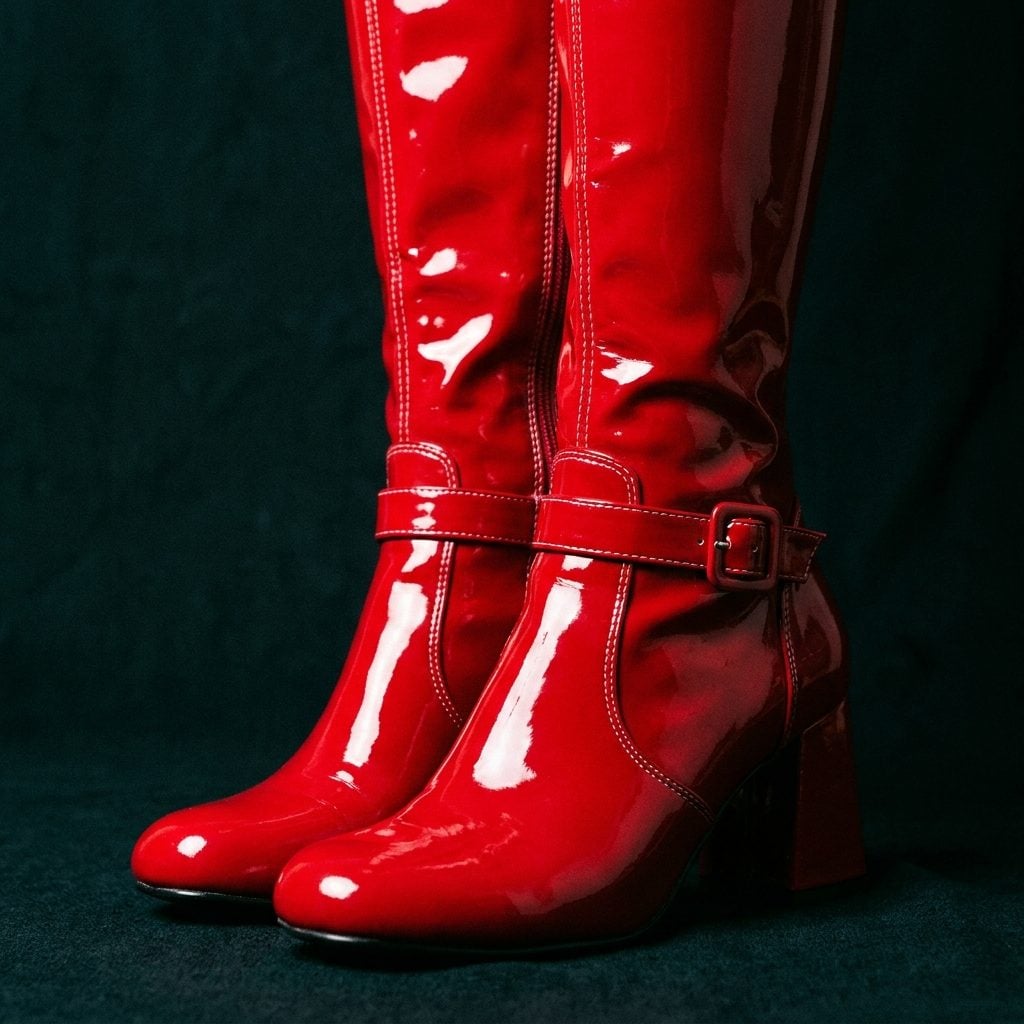
Red patent go-go boots were not a subtle choice, and nobody who bought them was pretending otherwise.
They were an announcement. Against a black shift dress with a wide white belt, the red patent leather go-go boots created a look so graphically bold it could have been a poster. Women matched the lip color exactly to the boot, and the effect was total. The sixties understood that red was not an accent. It was a complete statement.
21. The Vinyl Mod Boot in Tangerine or Cobalt, Because White Was Too Easy
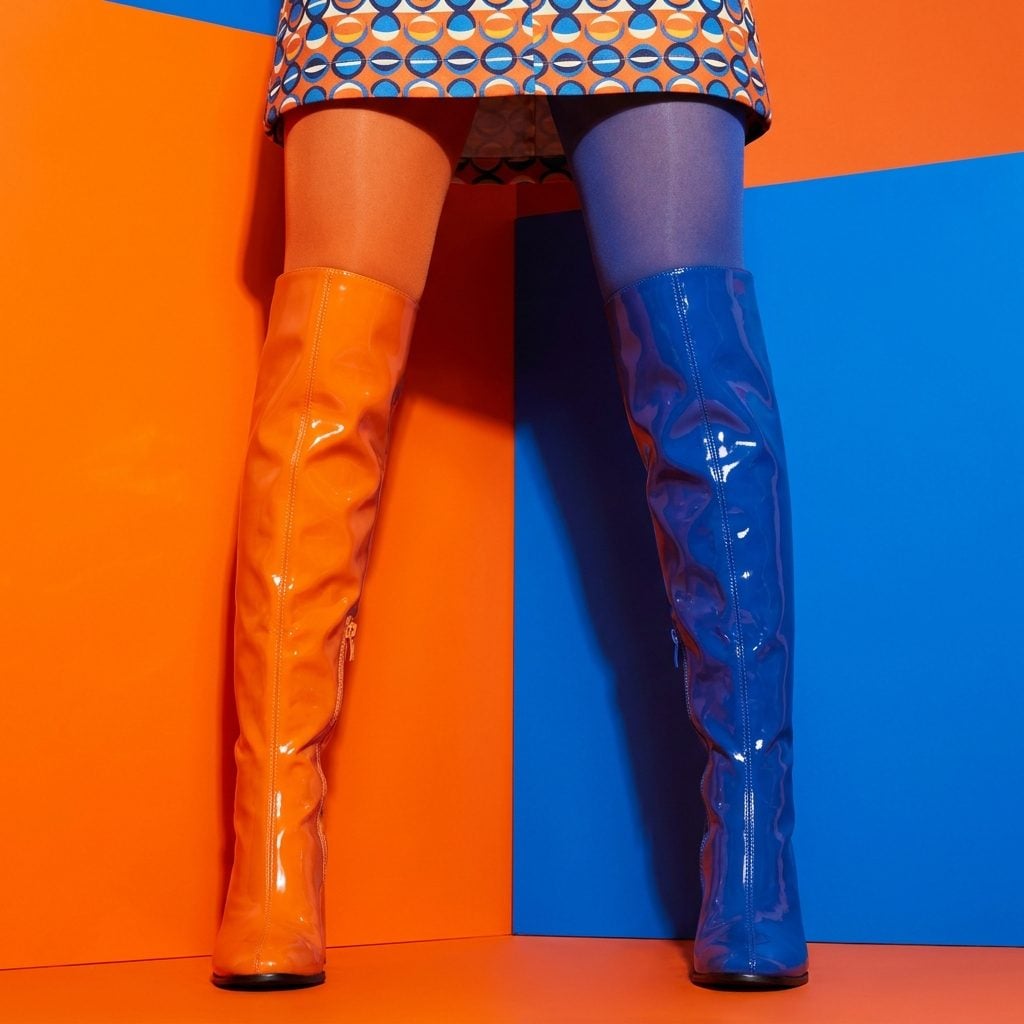
White boots were the entry point. Cobalt blue and tangerine orange were what happened after you’d fully committed. The cobalt vinyl go-go boots against a white shift dress had the graphic impact of a painting, not a wardrobe. The colorway was the whole concept.
These were the boots that separated the Carnaby Street devotees from the women who’d simply read about Carnaby Street. The color-blocked shift dress beside them completed an outfit that required no further explanation.
20. The Fringed Suede Boot That Belonged Equally to the Go-Go Club and the Summer Festival
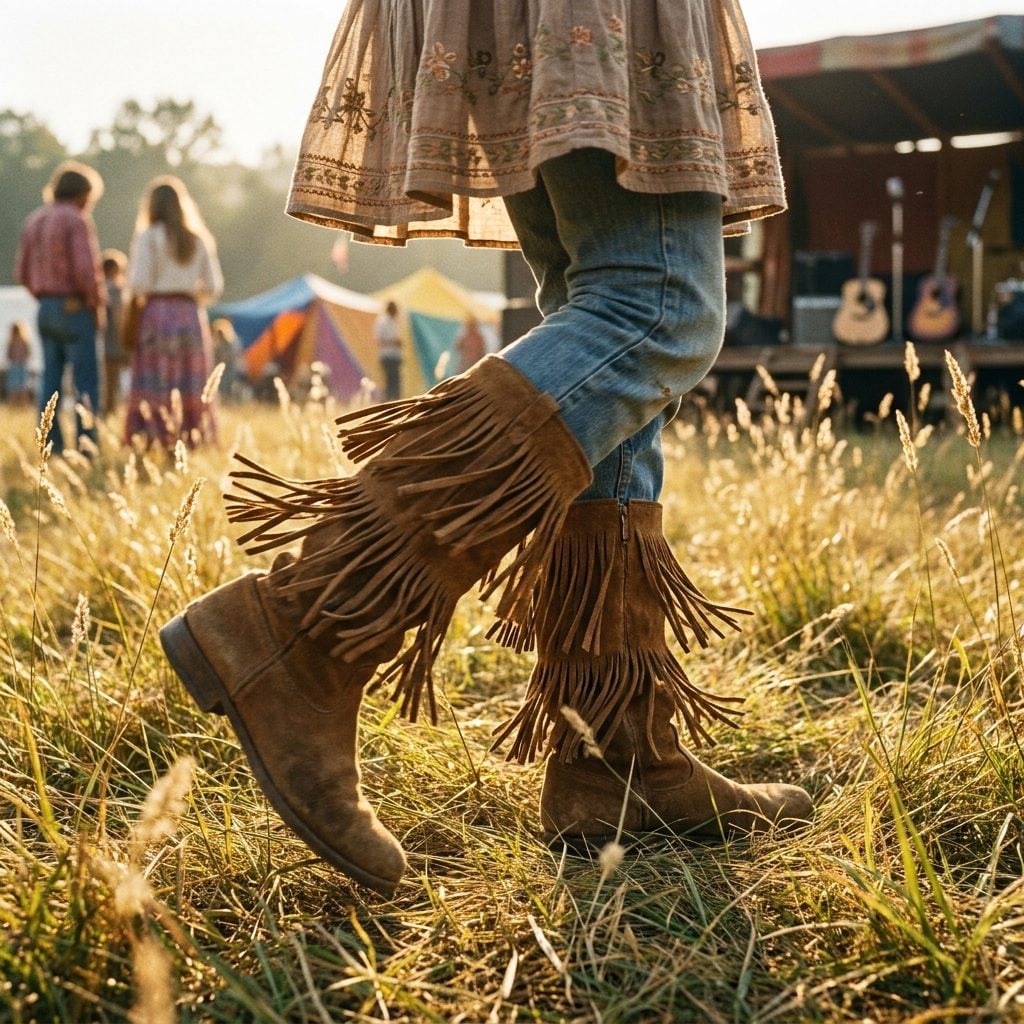
The fringed suede boot existed in a zone between two worlds: part go-go, part folk festival, entirely 1968. The fringe moved when you danced, which was a feature, not a coincidence. Women who wore them at Woodstock and women who wore them to cocktail parties were essentially borrowing the same boot for entirely different rituals.
The fringed suede knee-high boots and a folkloric print dress with a matching fringed suede belt had a style coherence the more minimal space-age looks never matched for warmth. This was the softer side of the sixties silhouette, and it had just as much confidence.
19. The Low Square-Heel Bootie With the Buckle Strap, The Go-Go Look’s More Grown-Up Sister
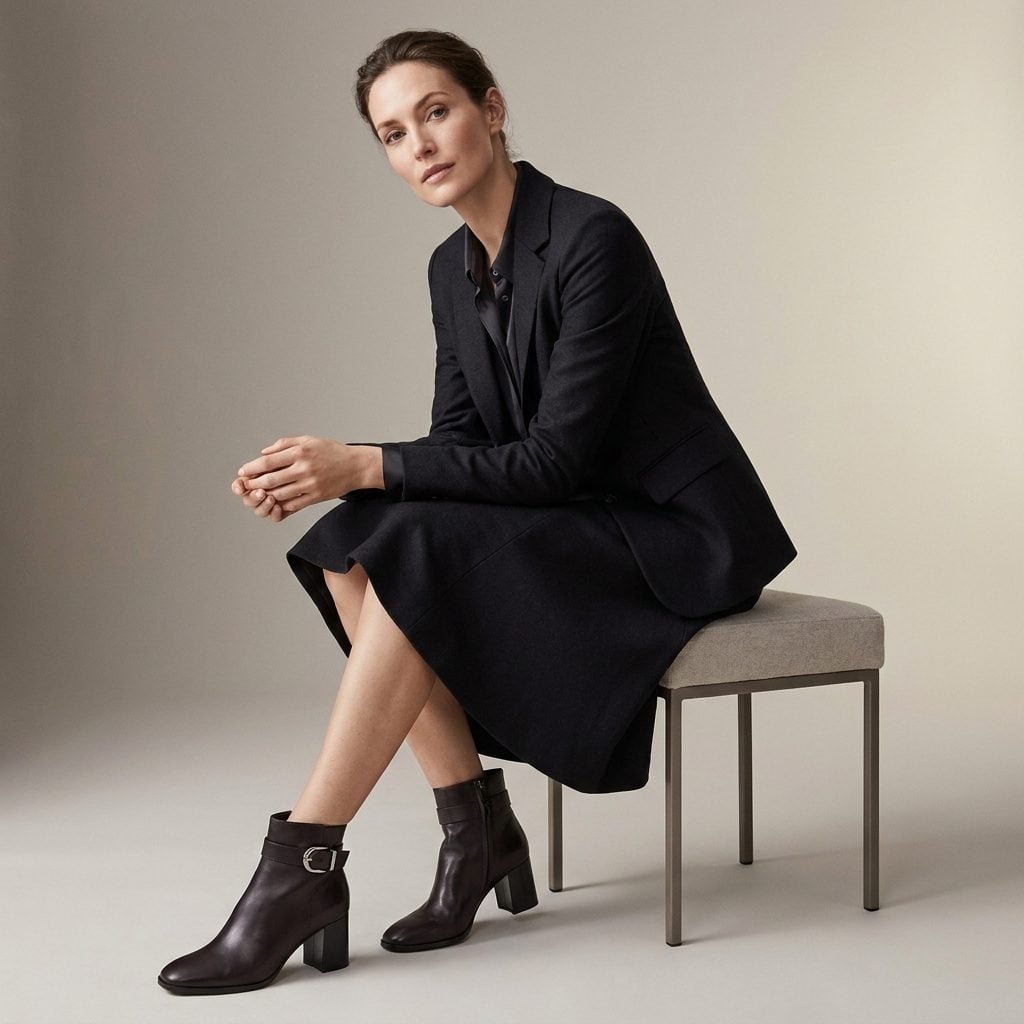
The buckle-strap ankle bootie with the low square heel was what women wore when they wanted the geometry of the go-go movement but weren’t planning to stand on a podium. It said the same things the knee-high boot said, just at a lower volume.
Against a camel wool mini skirt and a black turtleneck, the oxblood buckle ankle booties had a sharpness that the white vinyl look never managed. The camel wool mini skirt and a cognac structured saddle bag pulled the whole thing into a register that felt adult, considered, and entirely sixties.
18. The White Patent Go-Go Boot That Made Every Outfit Feel Like a Mondrian Painting
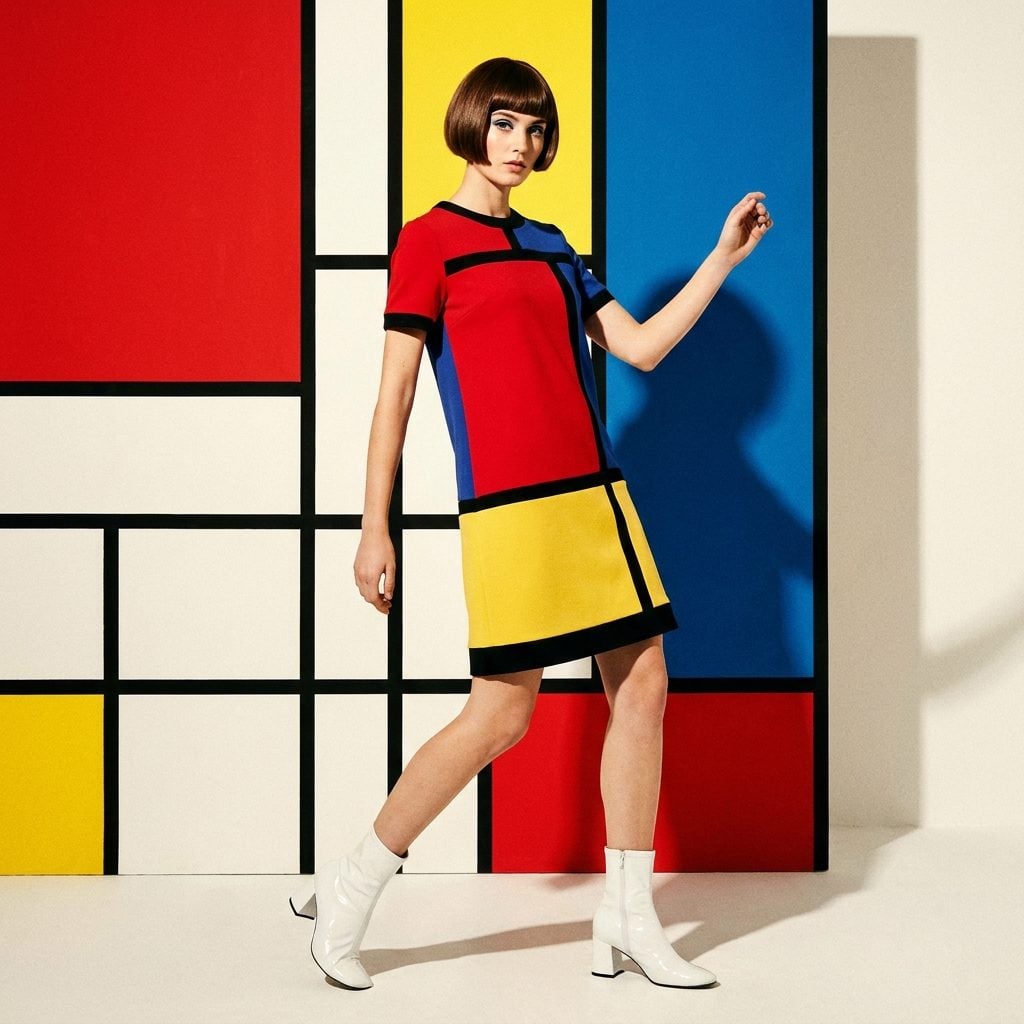
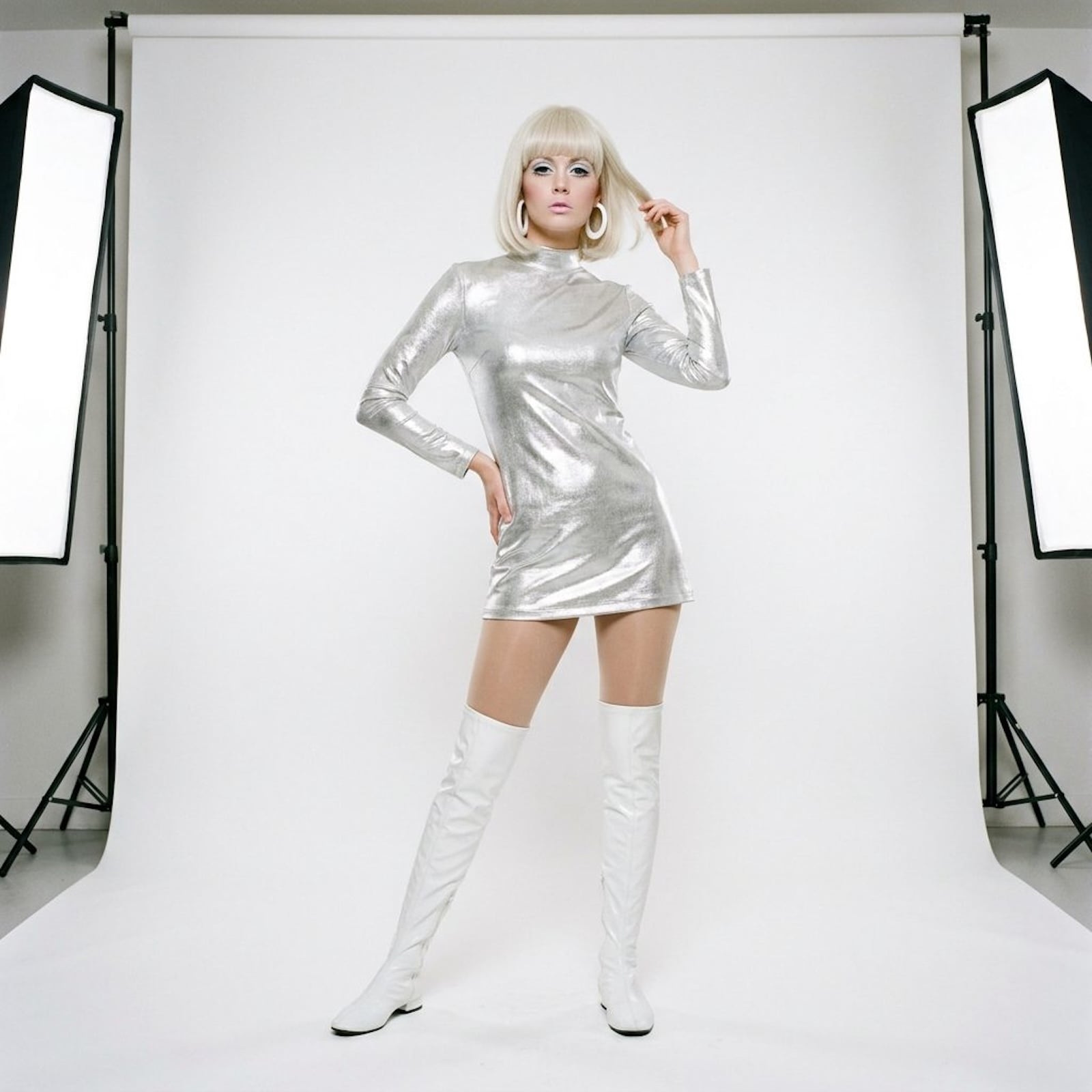
White patent leather, mid-calf, block heel. The moment you put them on, your whole outfit reorganized itself around them. Every other choice you made that morning became secondary. The boots were the sentence and everything else was punctuation.
André Courrèges gets most of the credit for launching the white go-go boot into the cultural stratosphere around 1964, and he earned it. But within a year they were everywhere, worn by women who had never heard his name and didn’t need to. The boots did the talking.
17. The Over-the-Knee Black Vinyl Boot Nancy Sinatra Basically Made Mandatory
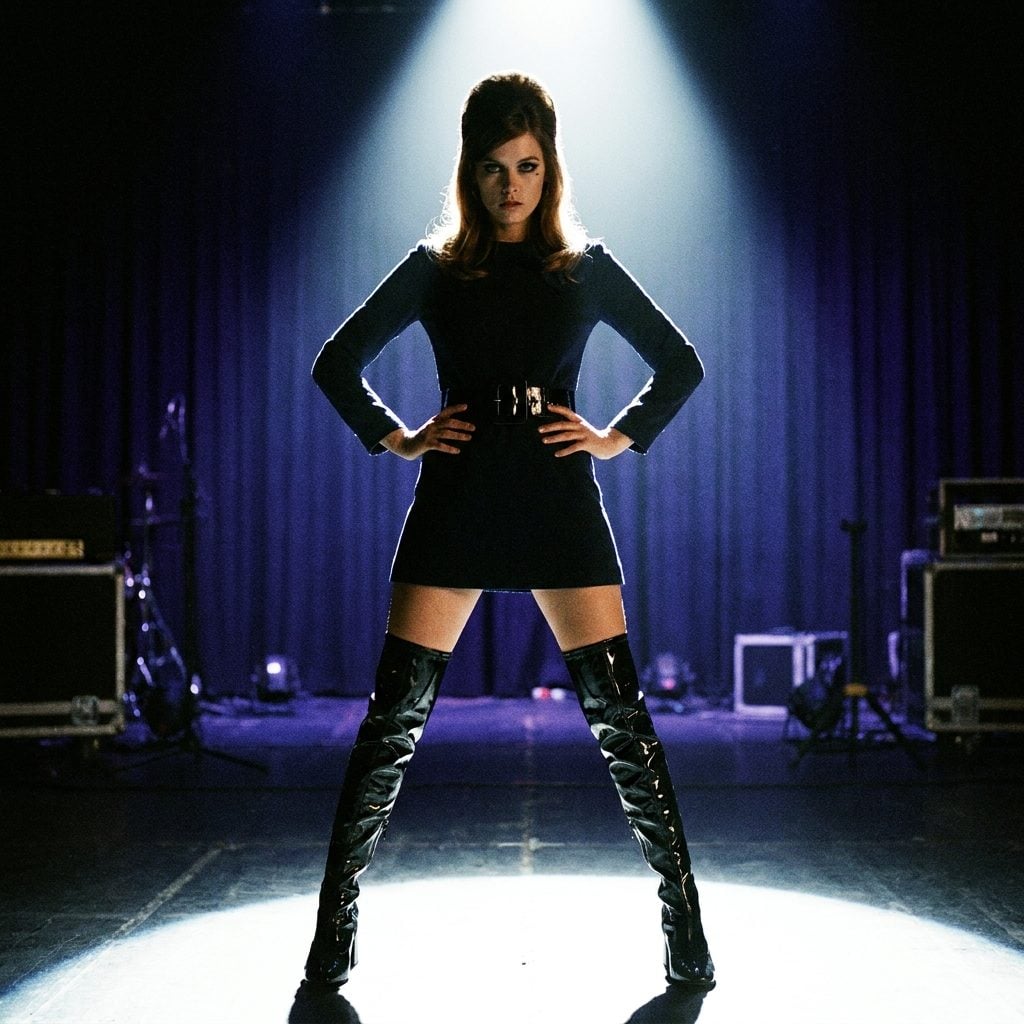
“These Boots Are Made for Walkin'” came out in February 1966, and by spring, every woman who had seen that television performance wanted a pair of over-the-knee black boots. Nancy Sinatra wore them with a white fringe suit, but the boots translated to everything. Mini skirt. Knit dress. A camel coat worn like a cape.
The over-the-knee silhouette feels modern because it never really stopped being modern. It came back in the early 2000s, again in the 2010s. Every generation rediscovers it and calls it new. The 1960s just got there first and did it with better posture.
16. The Fishnet Stocking Layered Under Clear Vinyl Boots, Because Why Not
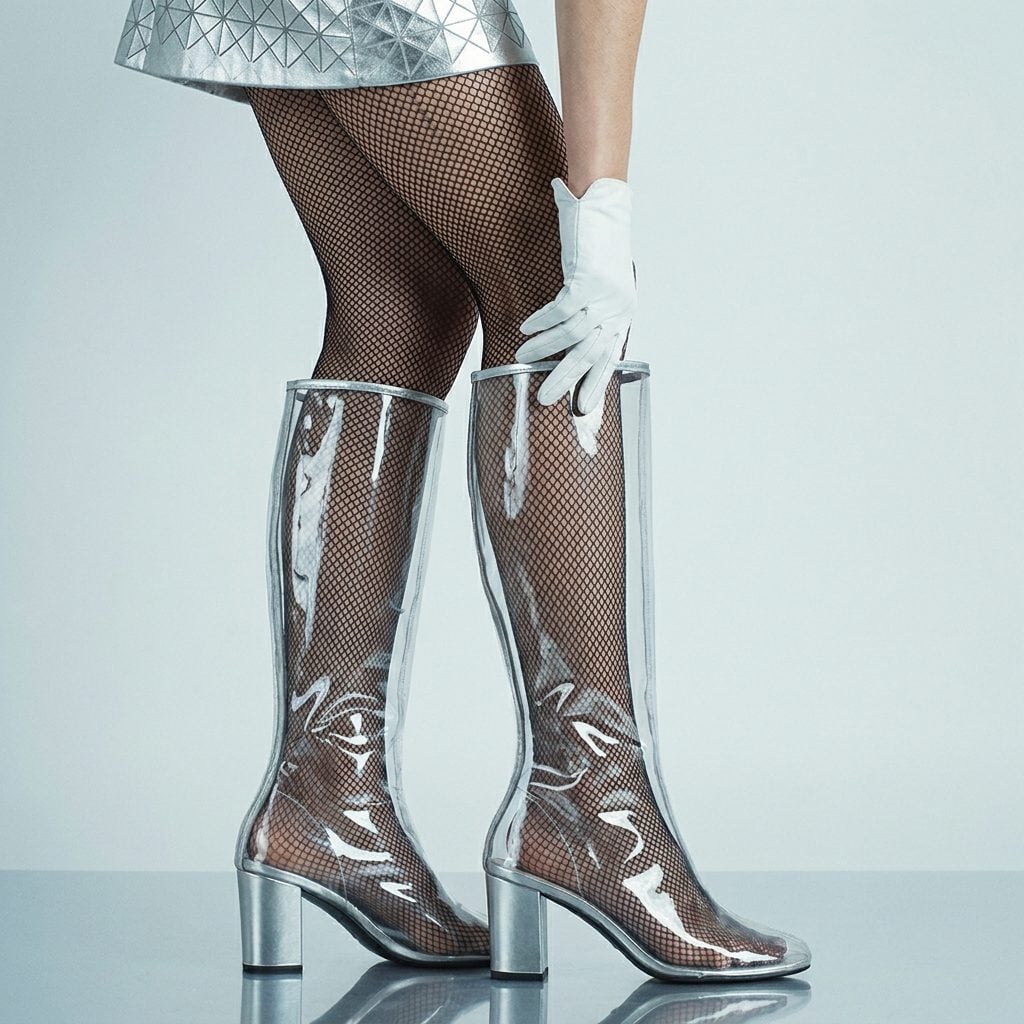
Clear vinyl boots existed for about two years at peak 1960s futurism before everyone agreed they were more interesting in theory than in practice. But during those two years, someone figured out that fishnet stockings underneath them created something genuinely strange and beautiful: a boot that showed you exactly what was inside it.
The layering was purely decorative, which was the point. The 1960s were having a sustained argument with utility, and the clear vinyl boot was one of its strongest statements. Fashion didn’t need to be practical. It needed to be a conversation.
15. The Crinkled Patent Ankle Boot in Canary Yellow That Announced You Before You Walked In
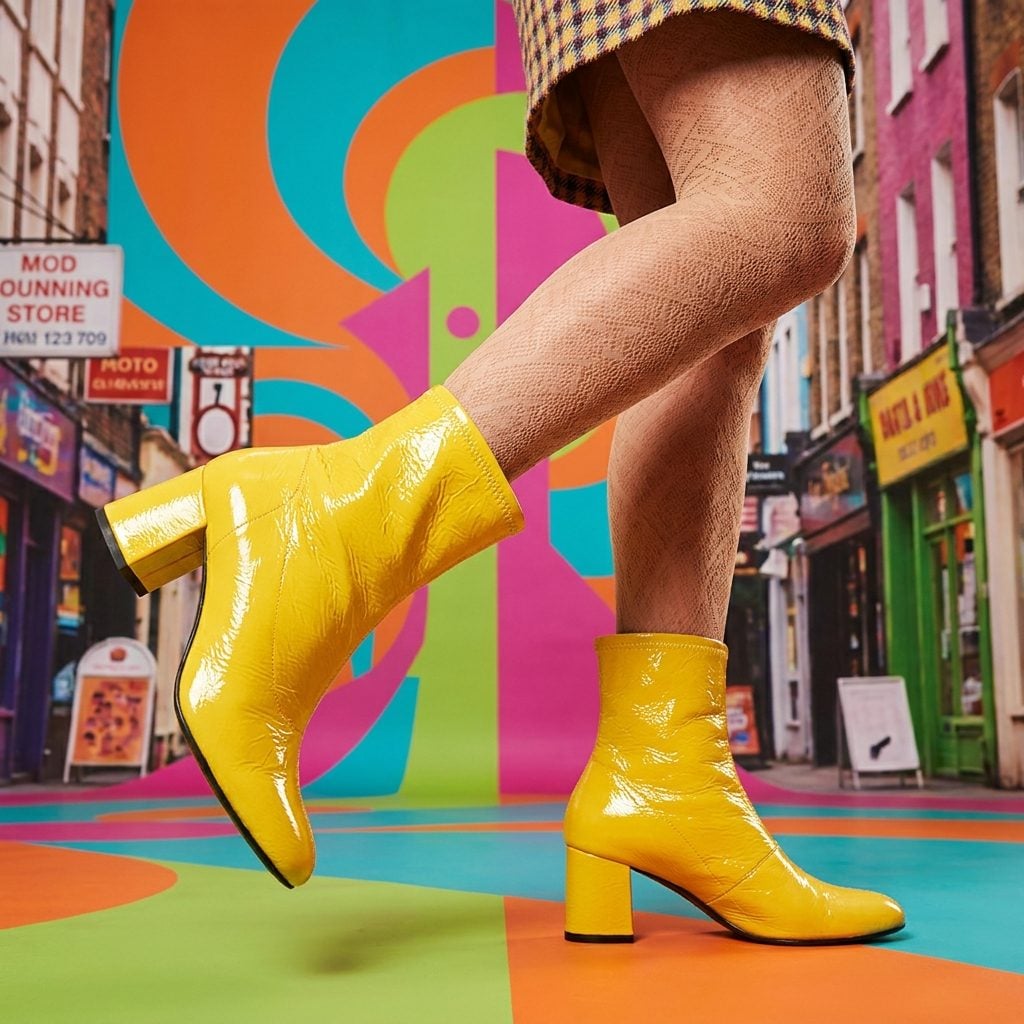
Yellow boots did not sneak up on anyone. That was the entire point of them. Carnaby Street in the mid-1960s ran on exactly this energy: the idea that getting dressed was something you did loudly, publicly, with full knowledge that people were watching. Yellow patent leather was a participation trophy you wore on your feet.
The ankle boot in a statement color sits in a sweet spot where it reads both vintage and genuinely current. Pair it with something white and simple and the boots carry the whole look. This is a formula the 1960s discovered and we keep rediscovering every five years.
14. The Kinky Boot in Burgundy Suede That the Mods Called a Power Move
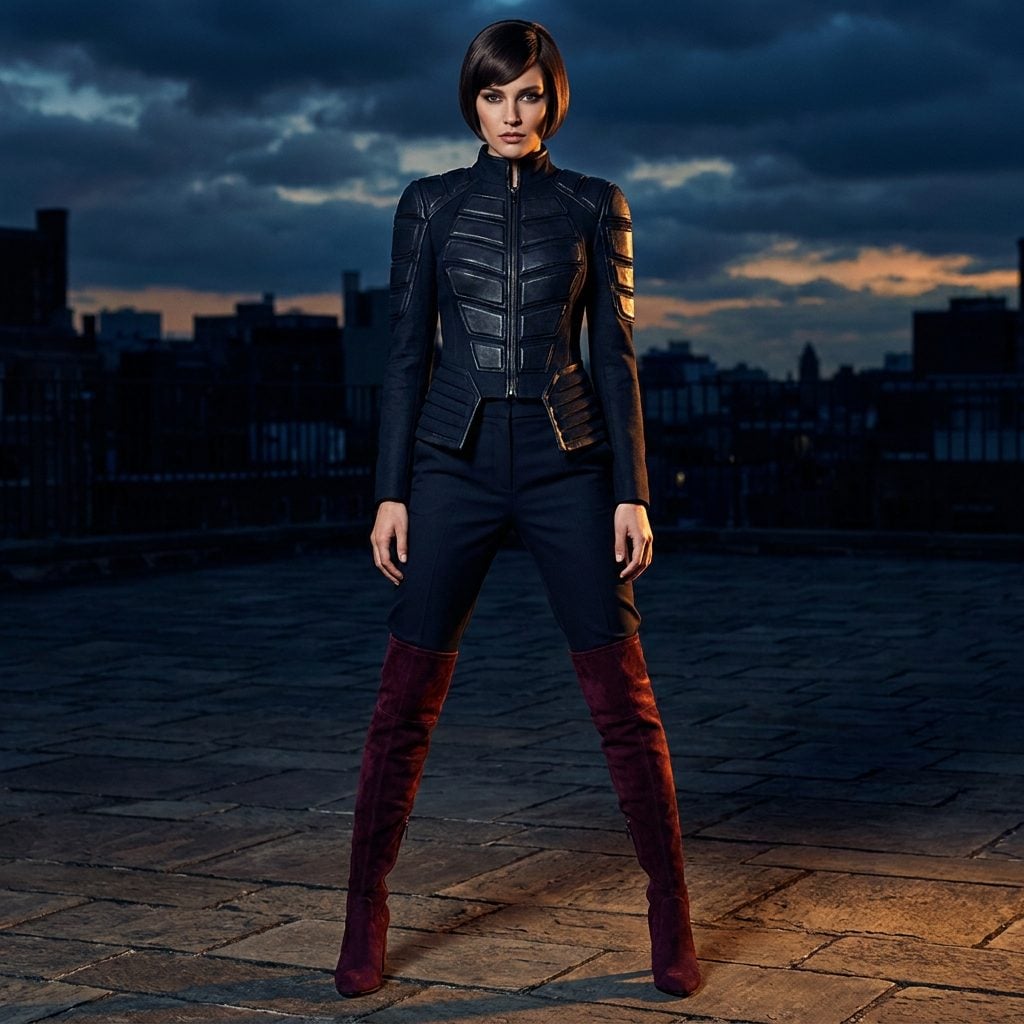
The thigh-high boot in a deep, saturated color was the version of this trend that felt most like armor. Burgundy suede in particular had something almost Pre-Raphaelite about it against the sharp mod geometry of the dress. It was an unusual combination that worked because the 1960s had temporarily suspended the rule against mixing eras.
13. The Chelsea Boot With the Cuban Heel That Belonged to Everyone Regardless of Gender
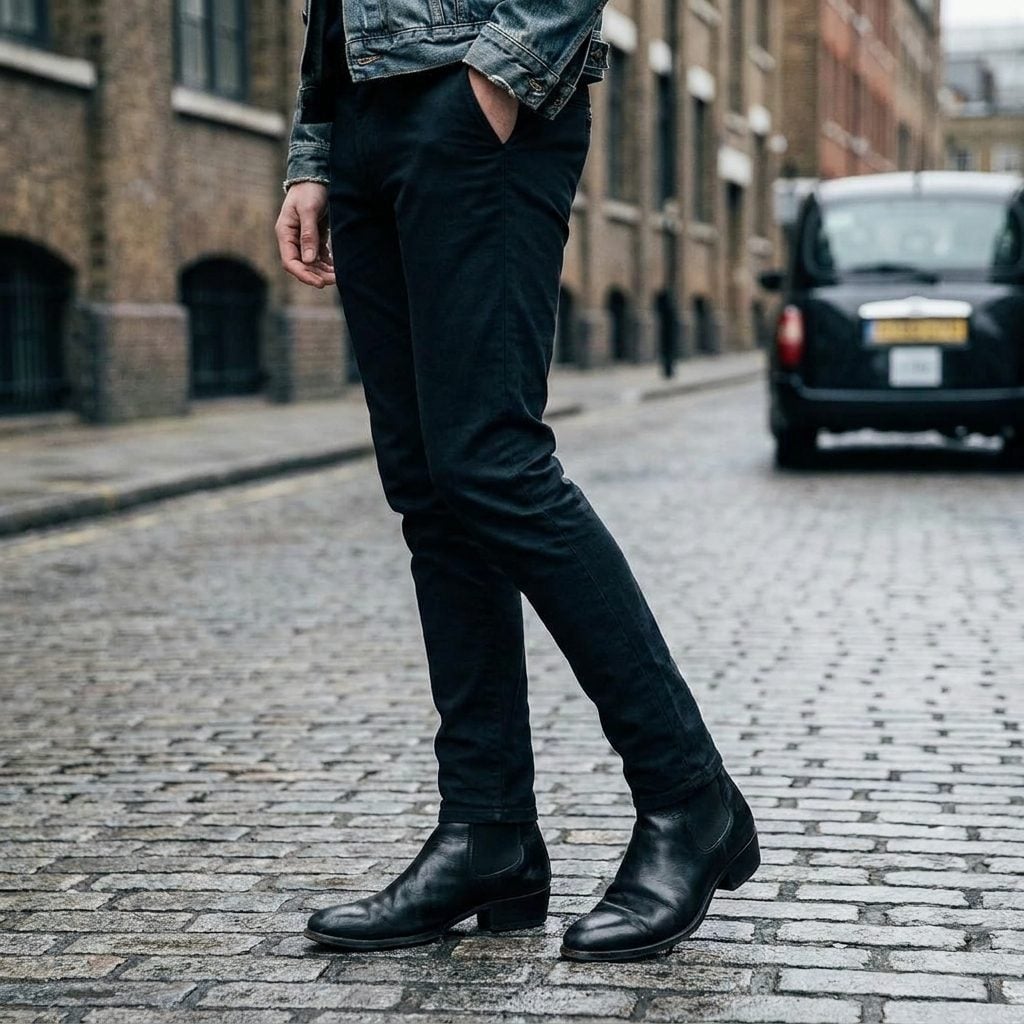
The Beatles wore them. The Stones wore them. And then half of London’s women put them on and the androgynous style became something else entirely: a statement about who got to be cool and the answer being everyone. The Chelsea boot with a Cuban heel was one of the first times a shoe moved fluidly between a men’s style and a women’s wardrobe and landed looking better for the crossing.
It’s still the boot that works hardest across the widest range of outfits. Slim trousers, a midi skirt, tailored shorts. The Cuban heel gives it enough height to read as dressed without reading as formal. Sixty years on and the formula holds.
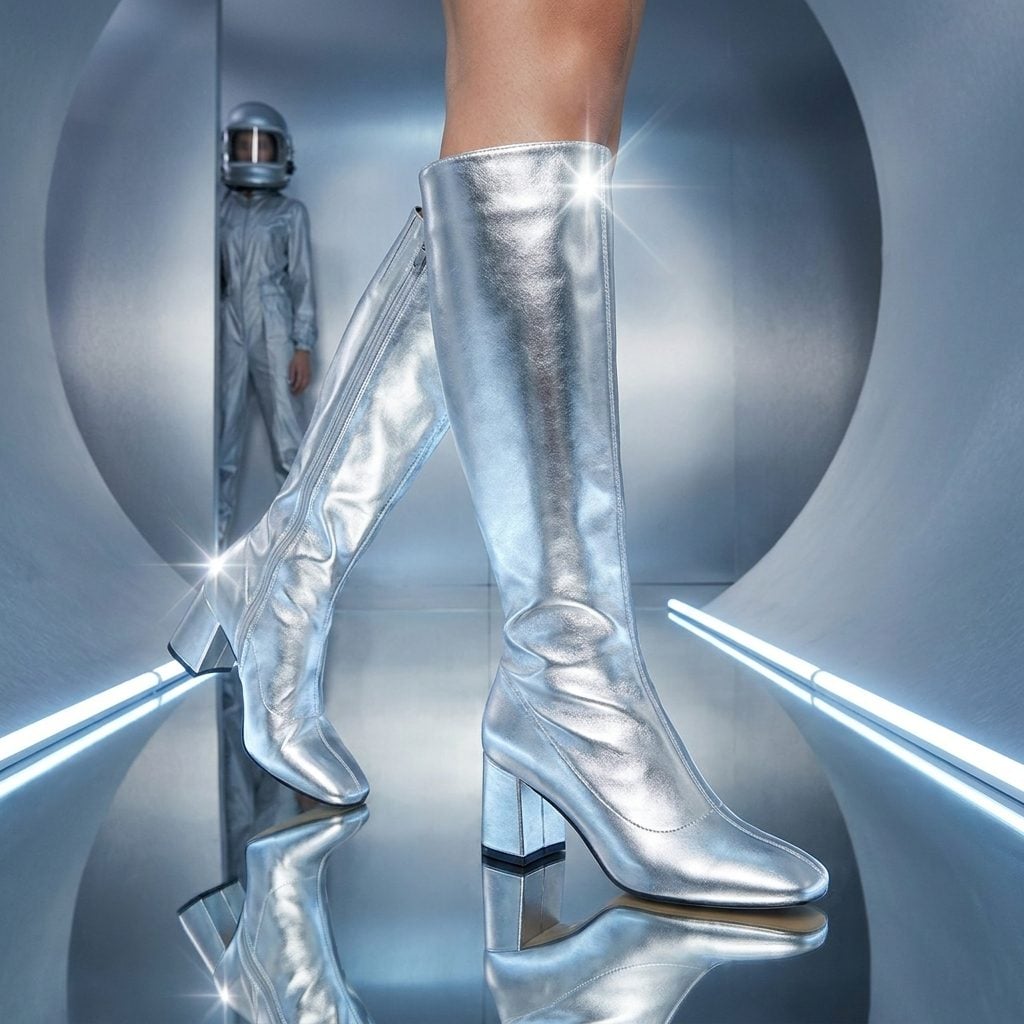
12. The Silver Metallic Go-Go Boot That Treated Your Feet Like the Future Had Arrived
❤️ Would you like to save this?
The moon landing was still two years away in 1967 and fashion had already decided it was happening. Silver metallic go-go boots were Paco Rabanne’s and Pierre Cardin’s shared dream made walkable, the conviction that the future was imminent and you might as well dress for it now.
Worn with an equally metallic shift dress, the silver boot created an outfit that was less about clothes and more about committing to a whole visual reality. There was no subtlety available. You were either in or you weren’t, and the boots made the decision for you.
11. The Perspex-Heel Go-Go Boot That Made Your Foot Look Like a Sculpture in Motion
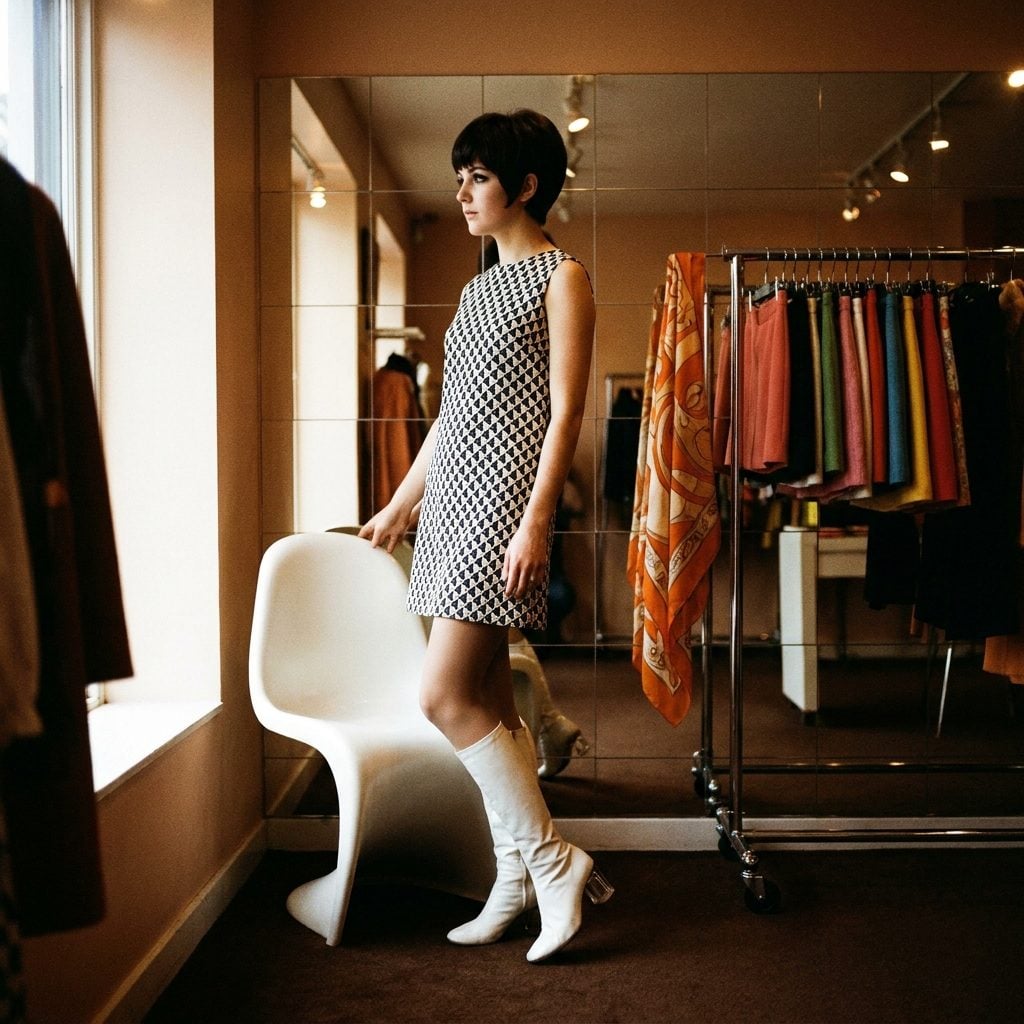
Clear heels were a small act of theater for the foot. The boot ended, the heel vanished into the floor, and that trick alone sold pair after pair.
Everything else in the outfit could be forgettable — and often was — because the eye kept dropping to that transparent block catching light like a paperweight. Put any other heel under a white leather go-go boot and you got something sturdy. Slip the perspex under it and suddenly you were wearing a design object.
10. The Wet-Look PVC Boot in Jet Black That Only Made Sense Under a Miniskirt
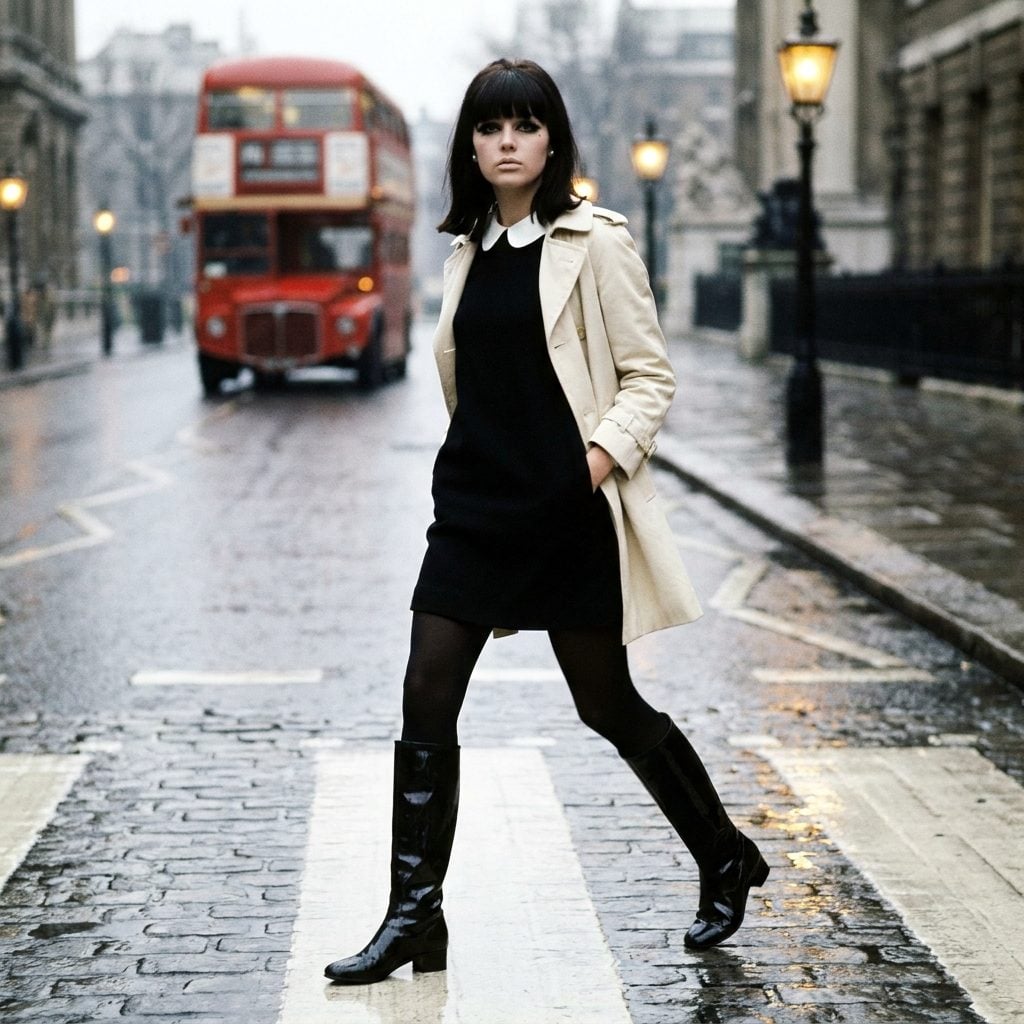
Wet-look PVC was for women who wanted the go-go silhouette stripped of every last sugar cube. Black. High-shine. Unapologetic.
The finish did the talking. Matte tights, matte wool dress, and then the boots doing all the reflecting for the entire outfit — a proportional trick disguised as a color choice, and one that made even a modest hemline feel deliberate.
9. The Two-Tone Spectator Go-Go Boot in Cream and Chocolate Brown
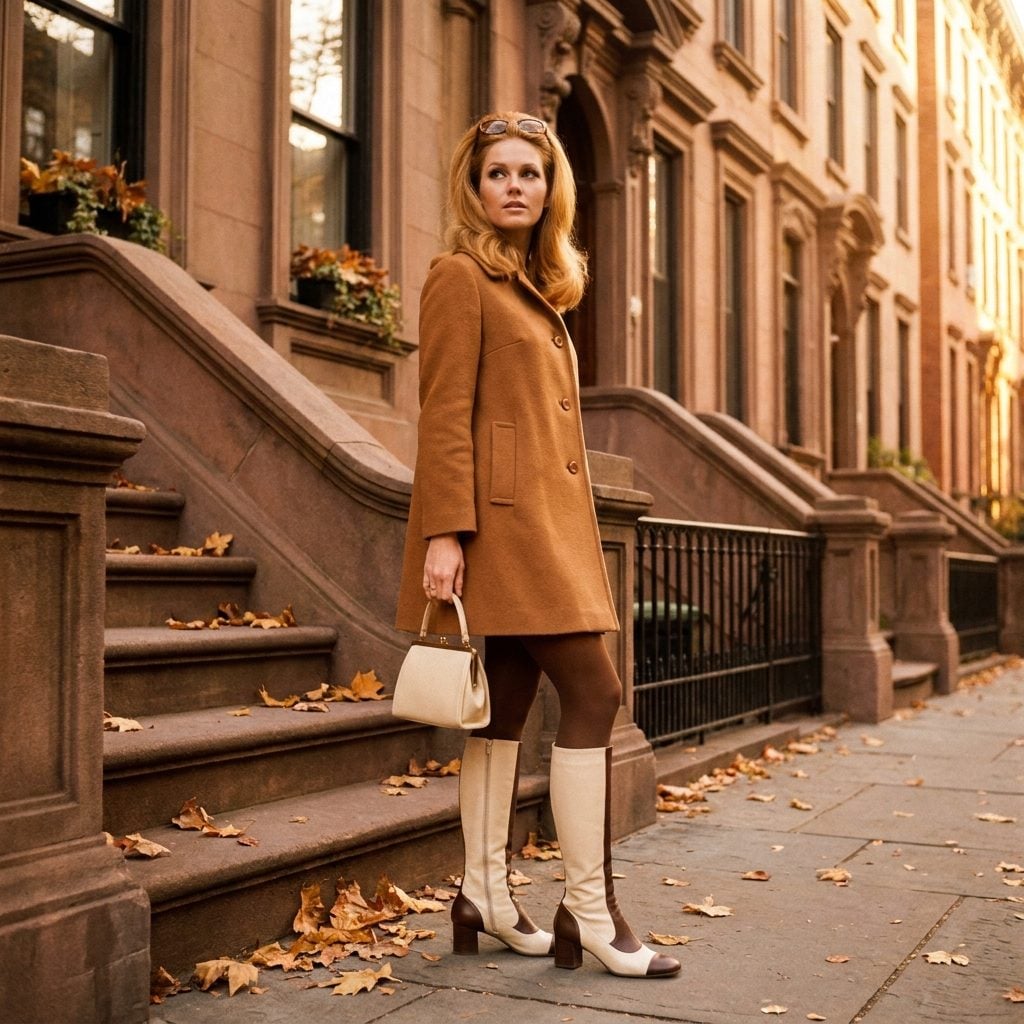
Spectator styling moved from the oxford up to the knee, and the result read grown-up in a category otherwise built for the very young.
Paneling makes it work. Two colors, one silhouette, with the seam doing the visual heavy lifting that a heel or a buckle usually handled on a plainer boot. A professional woman could wear the trend without cosplaying as her niece.
8. The White Vinyl Thigh-High Everyone Pretended They Would Wear Somewhere
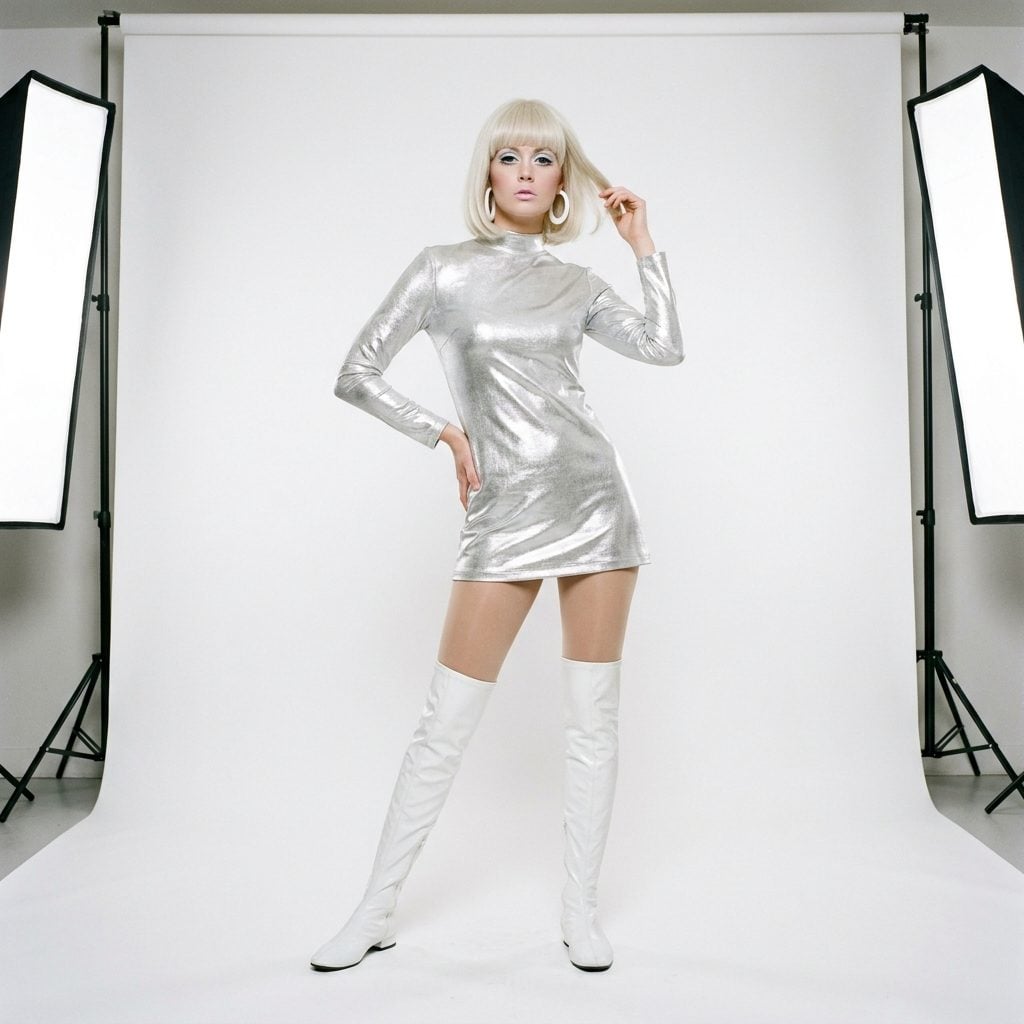
Every closet had a pair. They came out twice a year and spent the rest of their lives in a shoebox on the top shelf, bought in a fit of confidence and requiring a whole outfit built around them each time they made an appearance.
Color commitment was the whole look — white on white on white, the boots pulling the eye down the leg because there was nowhere else for it to go. A full outfit strategy dressed up as a footwear choice.
7. The Stacked Wooden Platform Clog That Announced Itself on Every Hardwood Floor
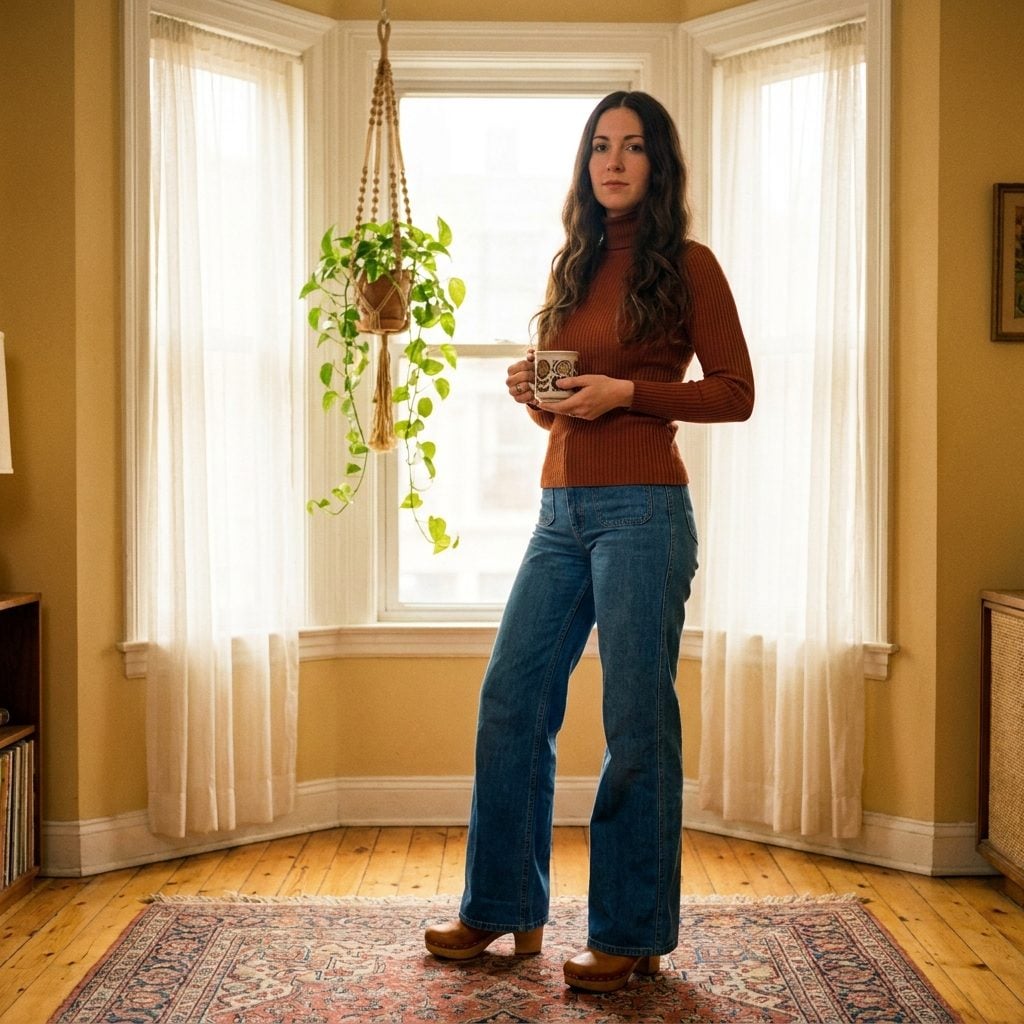
You heard a woman in clogs before you saw her. That was part of the appeal — the sound was the accessory.
Proportion did the rest. Wide-leg jean, chunky wooden sole, a slim ribbed knit up top, stretching the whole silhouette upward without ever looking like the outfit was working at it.
6. The Suede Lace-Up Granny Boot That Ushered In the Whole Bohemian Turn
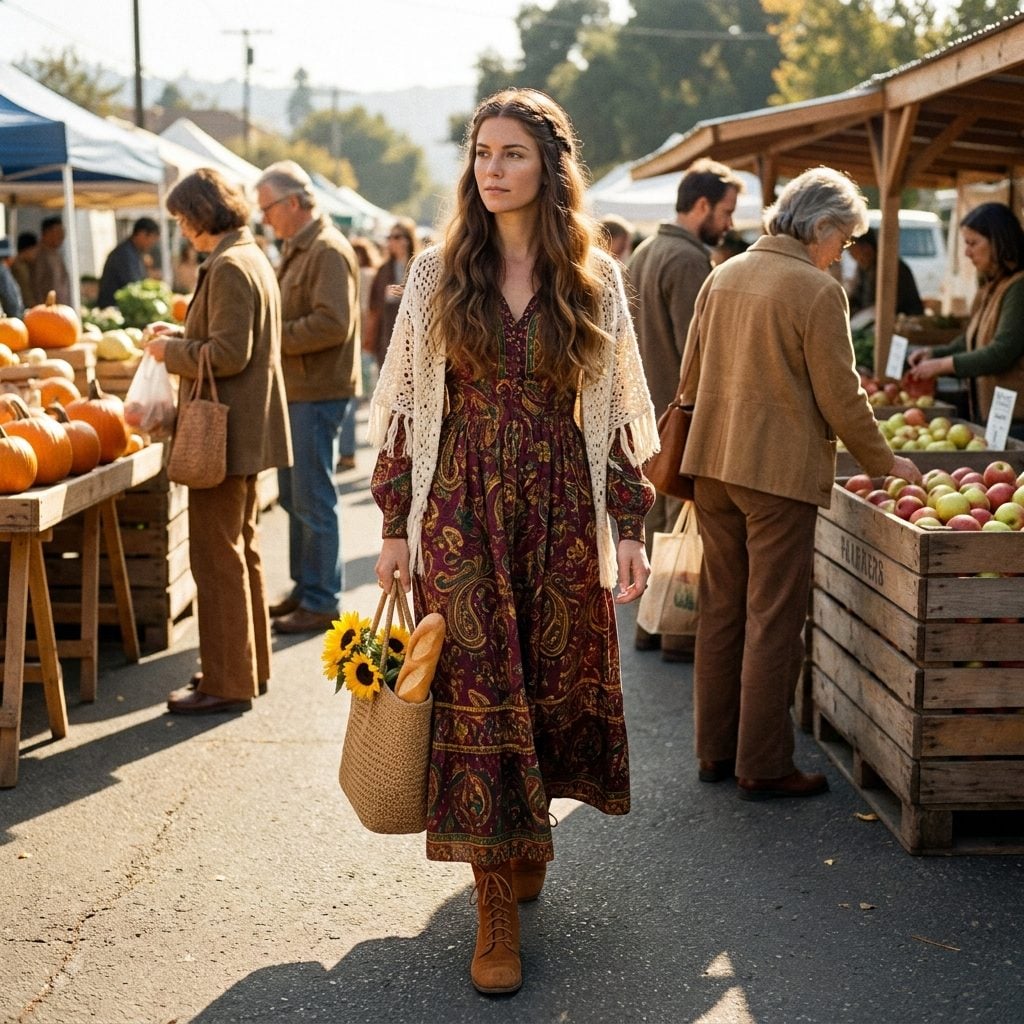
Here is where the pendulum started swinging — away from vinyl, away from perspex, back toward things that looked like they had been made by hand.
Material honesty drove it. Suede that would only get better with wear, laces that took actual minutes to tie, a heel shape borrowed from the 1890s. The accessory styles that came with the granny boot pointed straight at the 1970s: braided leather, turquoise, macrame. The boot was the door, and the whole next decade walked through it.
5. The Cutout Gladiator Sandal That Read as Rebellious Right Up Until Your Mother Bought a Pair
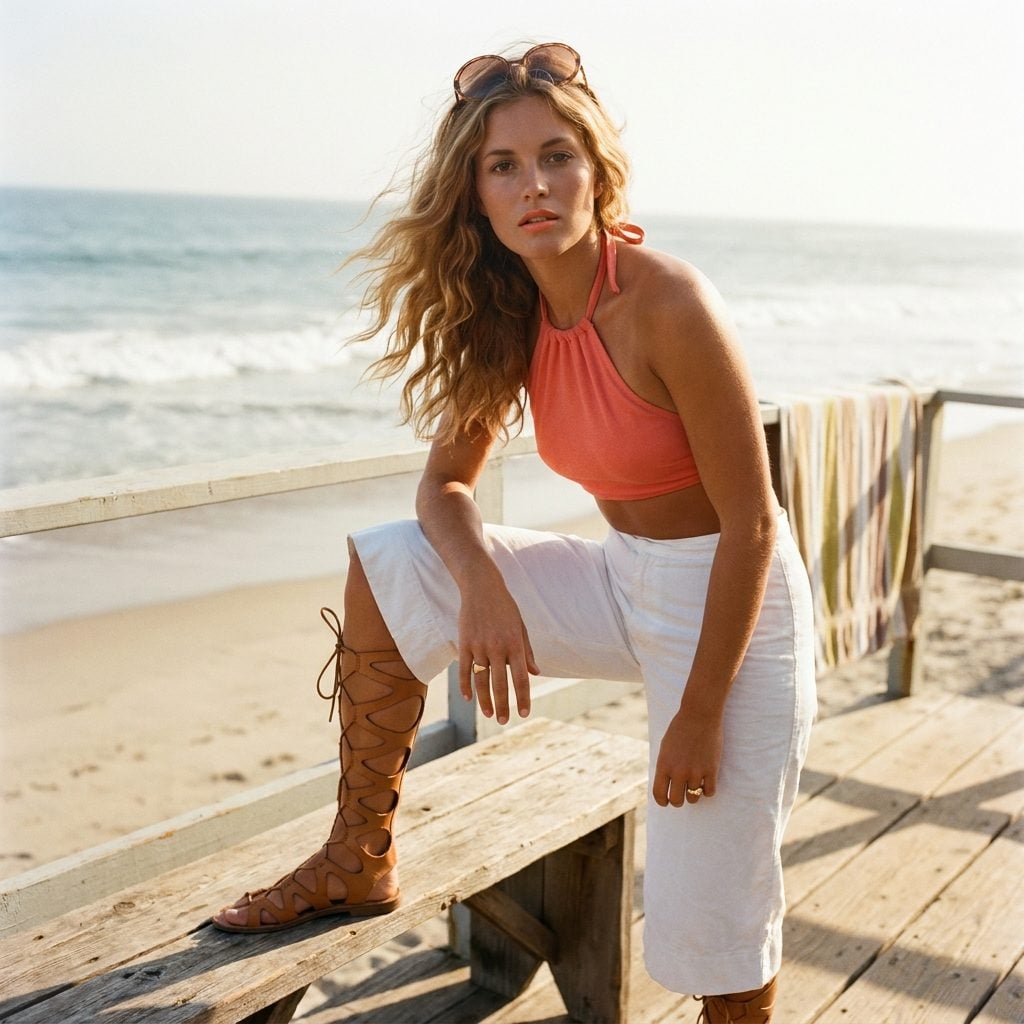
Gladiators arrived in the late sixties looking dangerous and left the decade looking like something you wore to a barbecue. Fast trajectory.
Texture and negative space carried the outfit: skin between the straps, white cotton against tan leather, plenty of leg showing without the look ever being about the leg. The sandal did the styling work so everything else could stay quiet.
4. The Mary Quant Cutout Ankle Boot That Looked Like Op Art on Your Feet
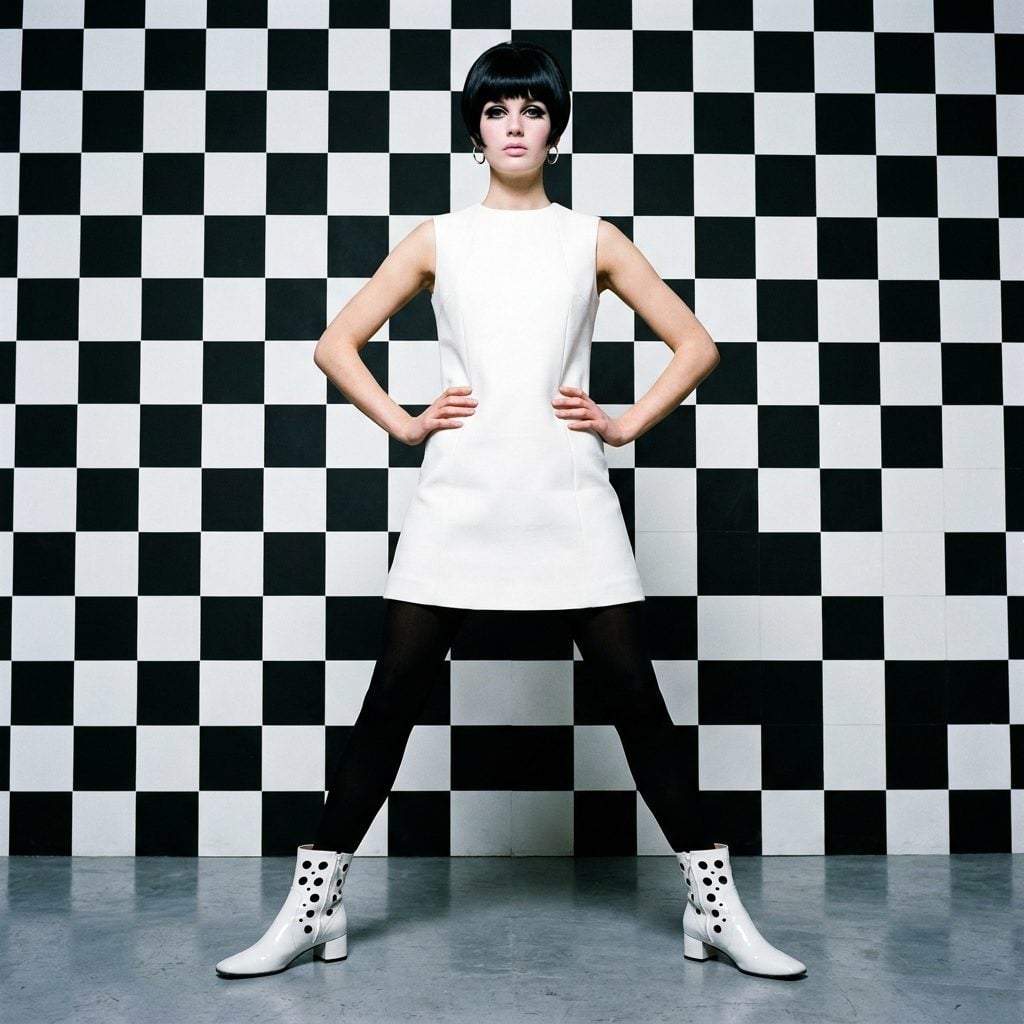
Somebody in Mary Quant’s London looked at the plain white ankle boot and decided it needed holes. The cutouts turned a simple shape into a moving black-and-white pattern, especially over opaque tights, where every step made the dots seem to shift.
That was the trick of the whole Quant-era look: the clothes were clean, short, and almost childishly direct, but never quiet. A white shift dress, black tights, blunt fringe, and boots that looked as though an Op Art poster had climbed off the wall and followed you down the King’s Road.
When Shoes Joined the Graphic Revolution: By the mid-sixties, London fashion was borrowing freely from Pop Art, bold geometry, and the new visual language of boutiques, album covers, and advertising. The ankle boot became part footwear, part punctuation mark.
3. The Ribbon-Laced Ghillie Boot That Made a Highland Detail Feel Distinctly London
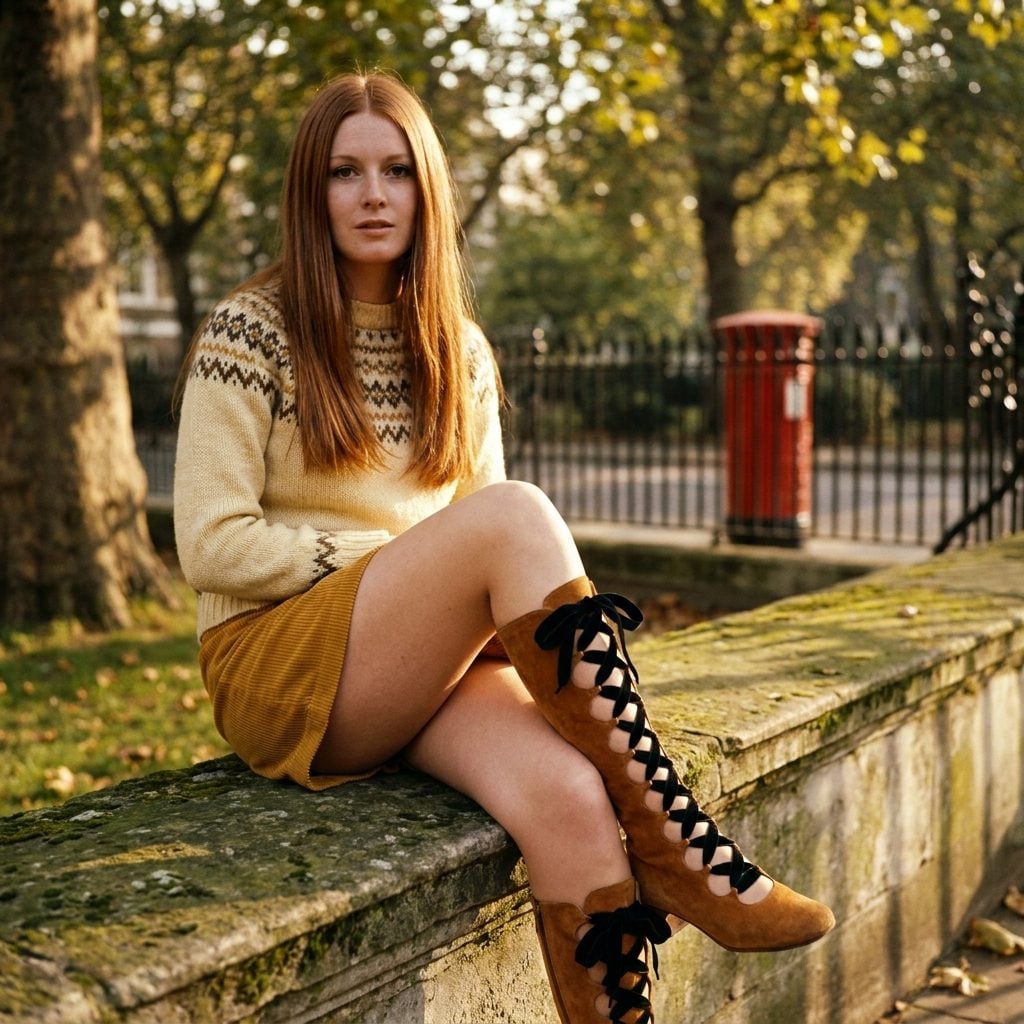
Somebody in Chelsea took one look at a traditional Scottish ghillie shoe and decided it needed altitude. What emerged was an ankle-to-mid-calf suede boot laced with velvet ribbon that crossed and re-crossed up the leg — a ballet slipper with ambition, basically.
The lacing was the whole event. Ten minutes getting the crosses even. A small bow tied at the top. Then out the door, knowing full well every stranger on the sidewalk would clock your ankles before your face.
2. The Suede Fringe Moccasin Boot That Walked Straight Out of Woodstock and Into Every College Dorm

Soft tan suede, hand-stitched seams, a fringe of leather strips falling from the top of the shaft, and a sole so thin you could feel every pebble underfoot. These boots were never made for the sidewalks of Manhattan, but they walked them constantly by 1969.
The fringe did the talking. It moved when you moved. On a still afternoon somewhere on a lawn with a guitar playing in the middle distance, the fringe hung quiet; on a walk across campus, it swung with every step and announced you before you arrived.
1. The Mesh-Panel Cutout Boot That Made Fishnets Redundant
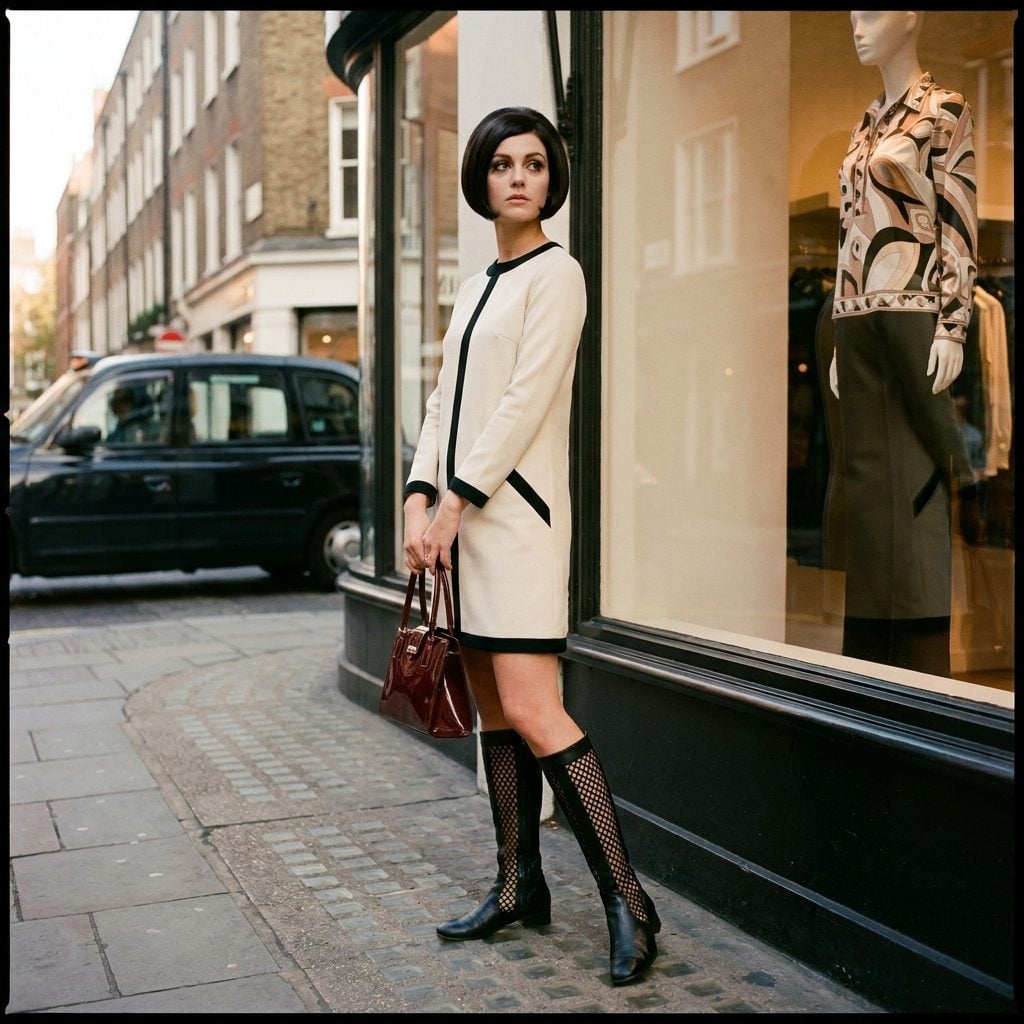
Fishnets had a good run. Then someone decided to bake the netting directly into a knee-high leather boot, and the whole leg-covering conversation shifted overnight. A diamond of black mesh cut into the outer shaft of the boot, running from ankle to just below the knee, so you got skin, texture, and the structural line of proper leather all at once — no layering required, no snagging hosiery on a stray heel. Pair it with a shift dress that stops mid-thigh and the eye travels down the leg in one clean sweep, catching that little window of skin exactly where you want it caught.
What sold it was the restraint. The heel stayed low and stacked. The toe went square, not pointed. Nothing about the boot begged for attention, which is precisely why it got so much. Wear it now with a mini and a sharp bob and people will assume you dressed up. You didn’t. You just skipped a step.