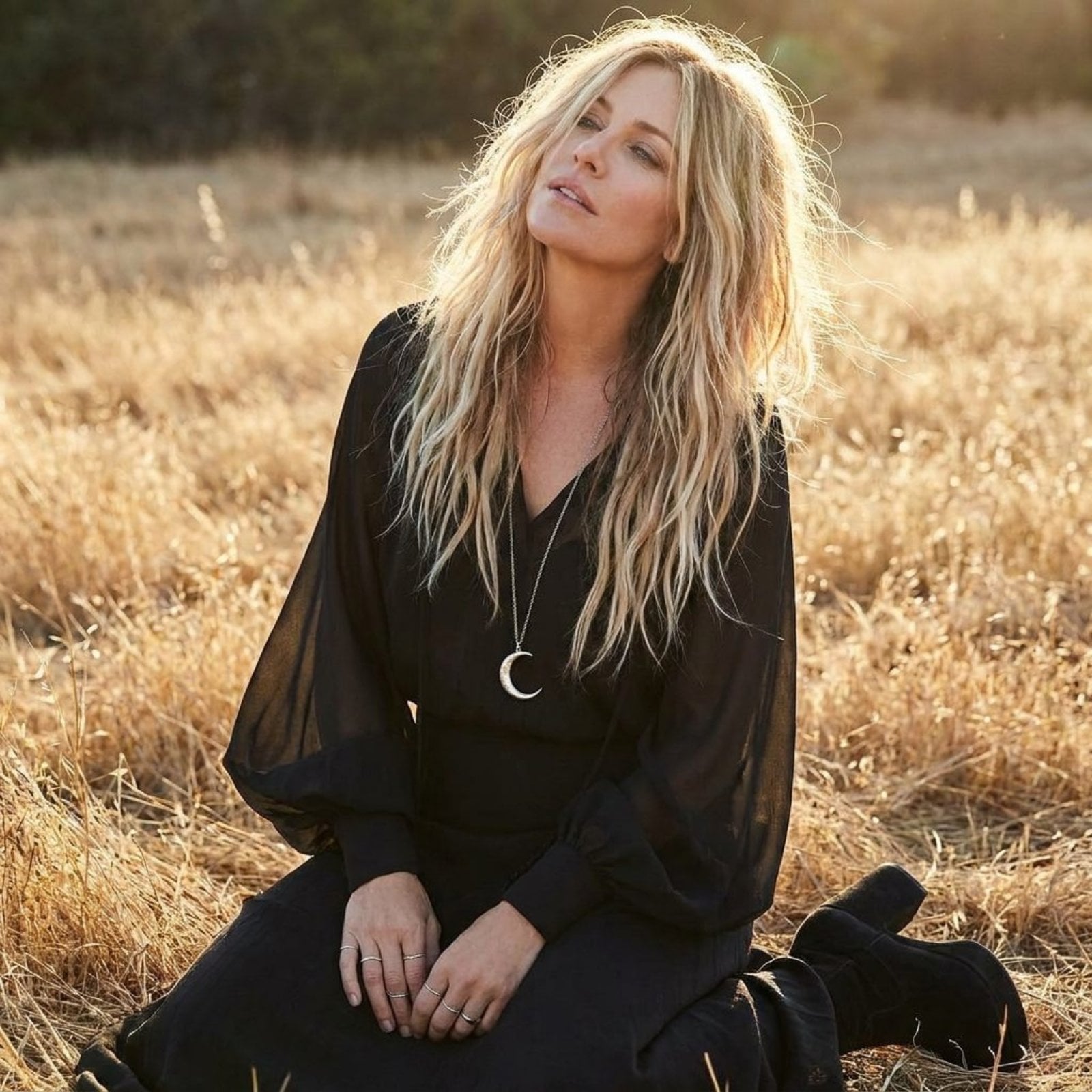
❤️ Would you like to save this?
The smell of Dippity-do. The blast of a bonnet dryer. The first time hair stopped behaving and started talking back.
The 1970s did not give American women permission. They took it. Out went the stiff flips, sprayed helmets, and good-girl shapes that had to stay exactly where they were told. In came shags, feathers, Afros, wedges, long center-parted waves, and hair with actual nerve.
These 26 hairstyles were not just pretty. They were signals. Soft could be powerful. Big could be political. Messy could be glamorous. And a woman could walk into a room looking like she was done asking permission before she said a word.
FYI, thanks to AI imagery software, we’re able to create very specific fashion and hairstyle examples to illustrate the points being made. In some cases, imagery is exaggerated to hammer home the point. Also, assume links that take you off the site are affiliate links such as links to Amazon. this means we may earn a commission if you buy something.
26. Farrah Fawcett Feathered Wings With Voluminous Flicked-Back Layers and a Center Part
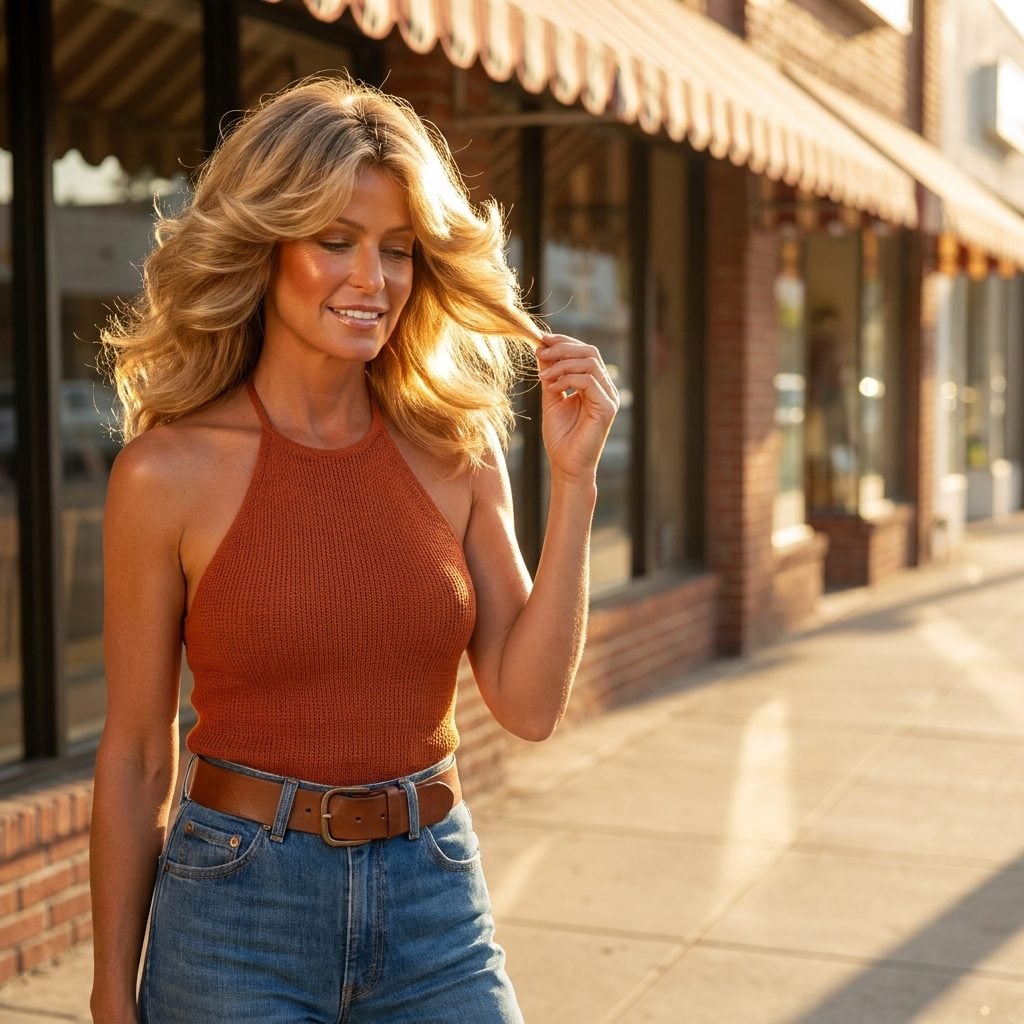
That poster. You know the one. The red swimsuit, the smile, the hair that looked like it had been sculpted by wind and a prayer. Farrah Fawcett’s feathered layers became the most requested cut in American salon history almost overnight in 1976, and nobody mentions how much labor went into making it look that careless.
Hot rollers. A round brush. A blow dryer held at an angle your wrist never quite forgave. You’d burn through forty minutes flipping those layers back just right, hairspray can in the other hand, trying to coax both sides into symmetry. They never cooperated. One wing always had more lift, and you’d walk out the door anyway, checking your reflection in every shop window on the block.
The genius was the movement. Those layers weren’t stiff or set — they bounced, caught light, made you look like you were perpetually walking through a slight breeze even standing still in a grocery store checkout line.
25. Long Straight Center-Parted Hair Worn Loose and Pin-Straight to the Waist
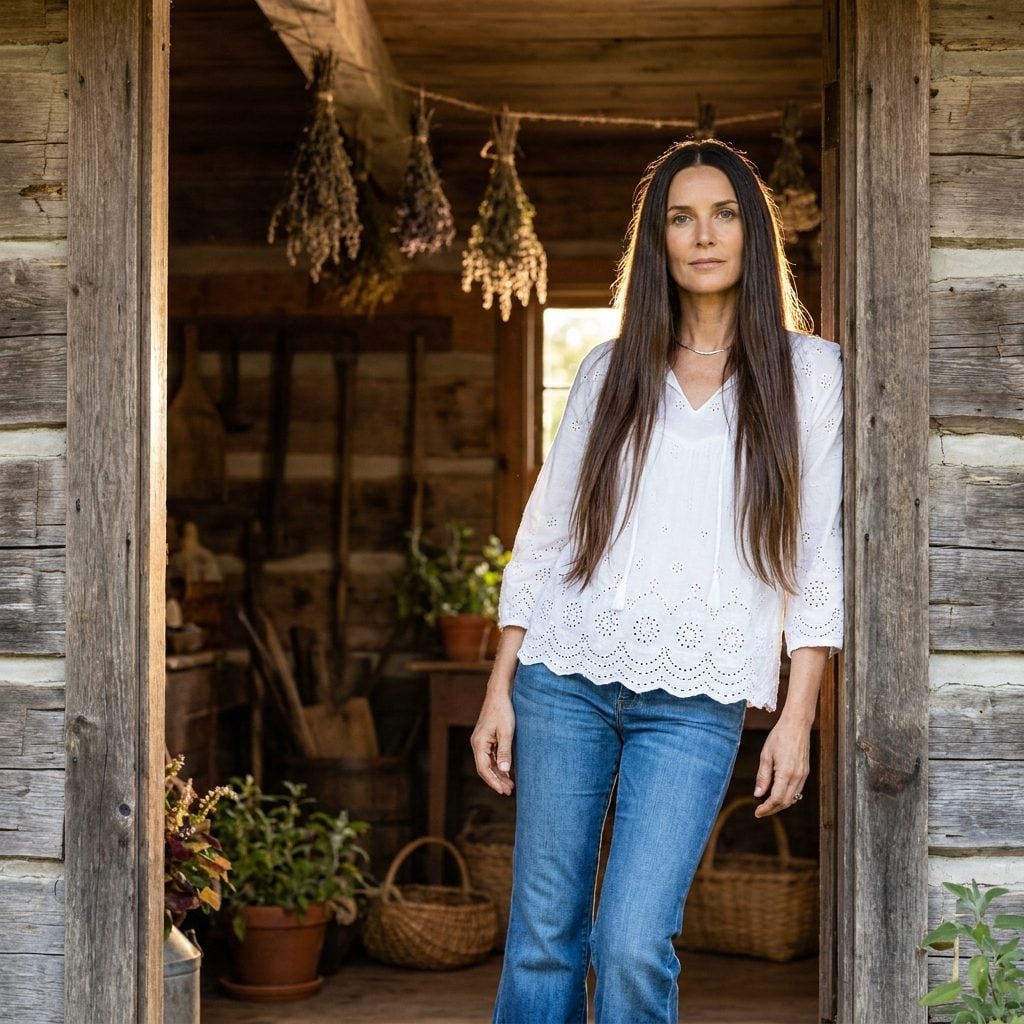
Before Farrah, before feathering, before anyone picked up a curling iron, this was the ideal. Straight, long, parted down the middle like a curtain, and left completely alone. Cher had it. Ali MacGraw had it. Every girl who ran an actual clothes iron over her hair on the ironing board had some version of it, and the commitment was no joke.
You grew it for years. Brushed it a hundred strokes before bed because someone’s grandmother swore by the ritual. And the center part was non-negotiable — an inch to either side and the whole silhouette collapsed. It had to hang like a waterfall, perfectly symmetrical, the weight of it against your back its own kind of comfort. Simple was the entire ambition.
24. The Afro Worn Full and Rounded With a Wide-Tooth Pick Tucked In
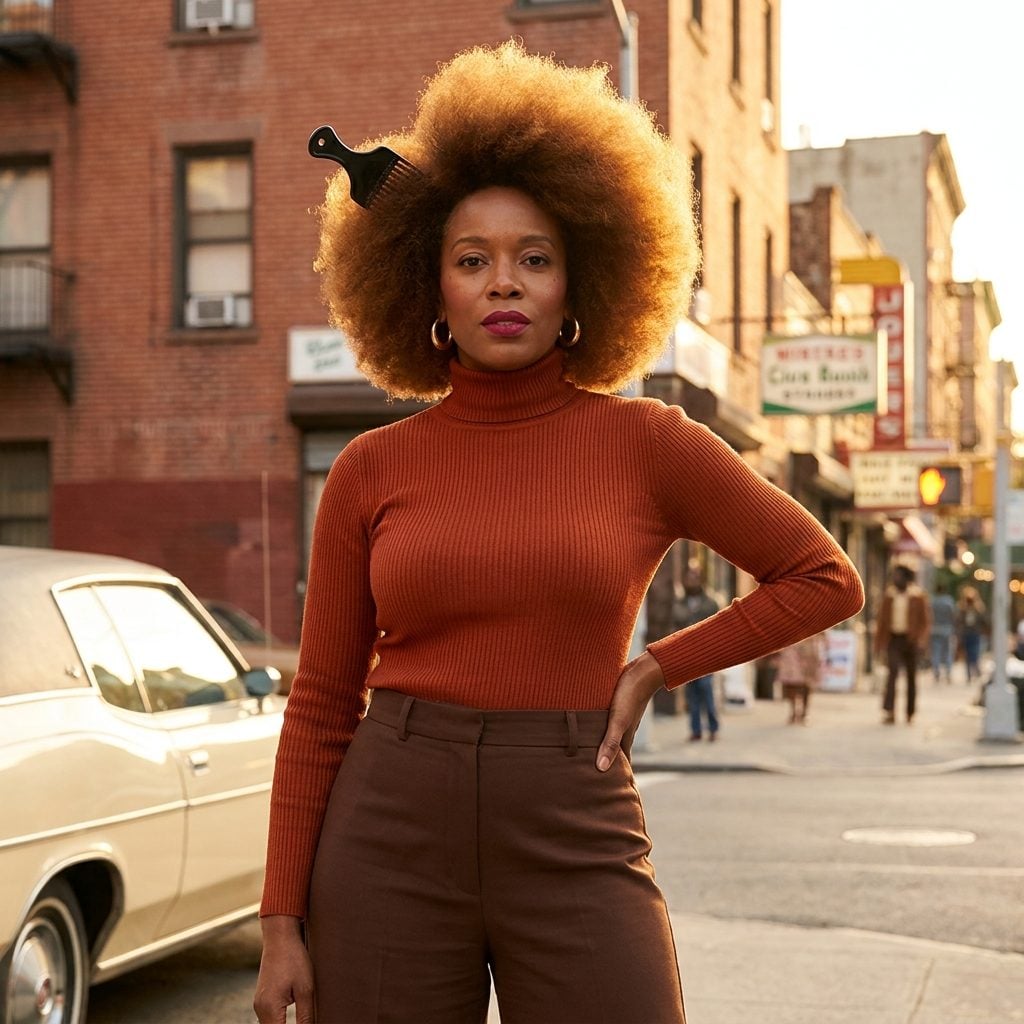
A whole sentence spoken without opening your mouth. The natural Afro, worn full and proud and picked out to its widest circumference, became one of the most powerful visual statements of the decade. Angela Davis wore hers like a crown. Pam Grier wore hers like a dare. And in neighborhoods and kitchens and dorm rooms across America, Black women stopped reaching for the relaxer and started reaching for the pick.
That pick — the wide-tooth one with the fist handle, tucked into the hair at a precise, deliberate angle. Part tool, part accessory, part manifesto. You’d see it riding in someone’s Afro on the bus, in the hallway at school, on the subway platform, and it communicated something unmistakable about who they were and what they refused to flatten anymore.
The shape took patience. You’d work it out section by section from the ends, coaxing everything into that perfect round silhouette. When the light caught it right? Nothing else compared.
23. The Shag Haircut With Heavy Choppy Layers and Curtain Bangs Grazing the Cheekbones
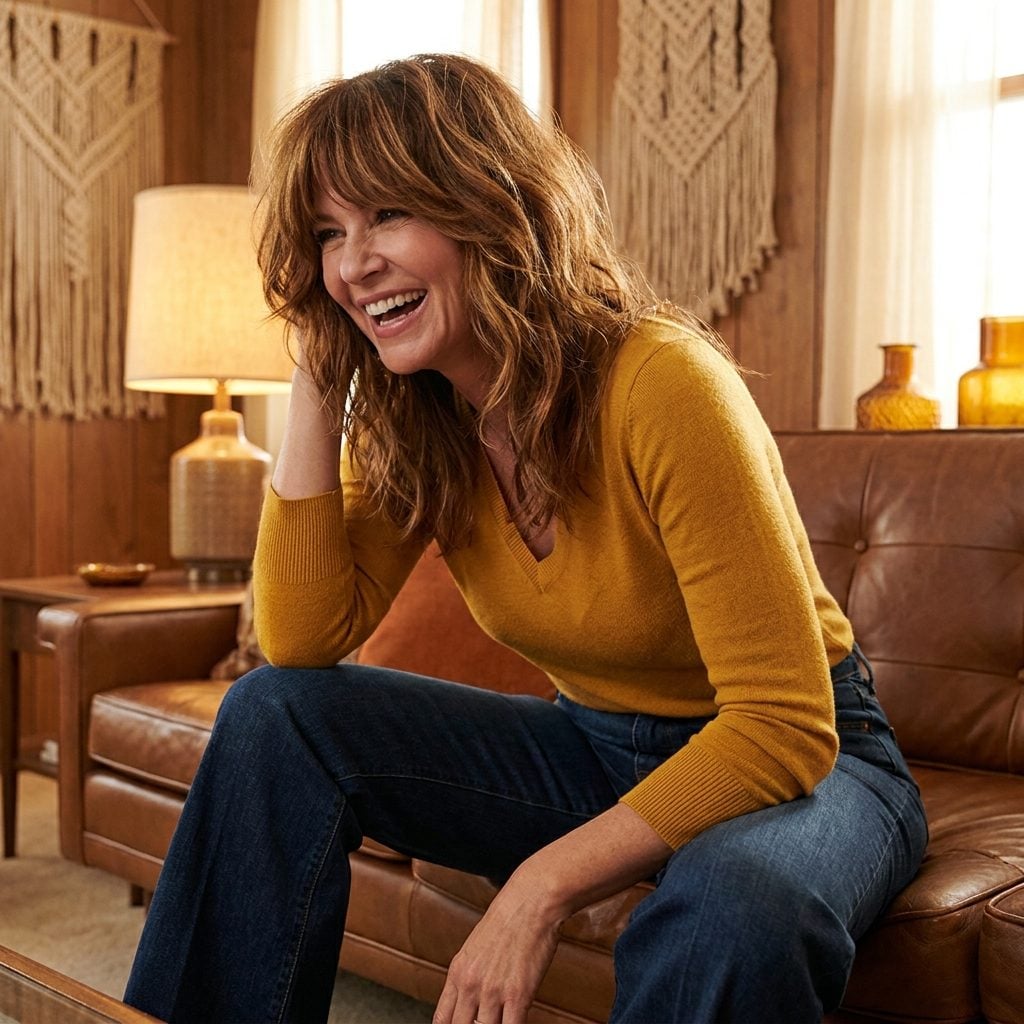
Jane Fonda in Klute made the shag look dangerous. The rest of us just made it look like we had a very cool older sister who cut hair. Those choppy layers — heavy at the top, wispy at the bottom — with curtain bangs falling across the cheekbones and lending you an air of knowing something nobody else did. The shag was the anti-blowout. It didn’t want smooth. It wanted texture, movement, a little bit of bedhead energy even if you’d just walked out of the salon.
Short layers on top gave it volume. Longer pieces around the face softened everything. And those bangs, parted just barely off-center, did more for a face than contouring ever has. Rare cut, the shag — it looked better on day three than day one. Maybe that’s why it keeps coming back.
22. Dorothy Hamill’s Wedge Bob With the Sleek Inward Curve and No-Fuss Swing
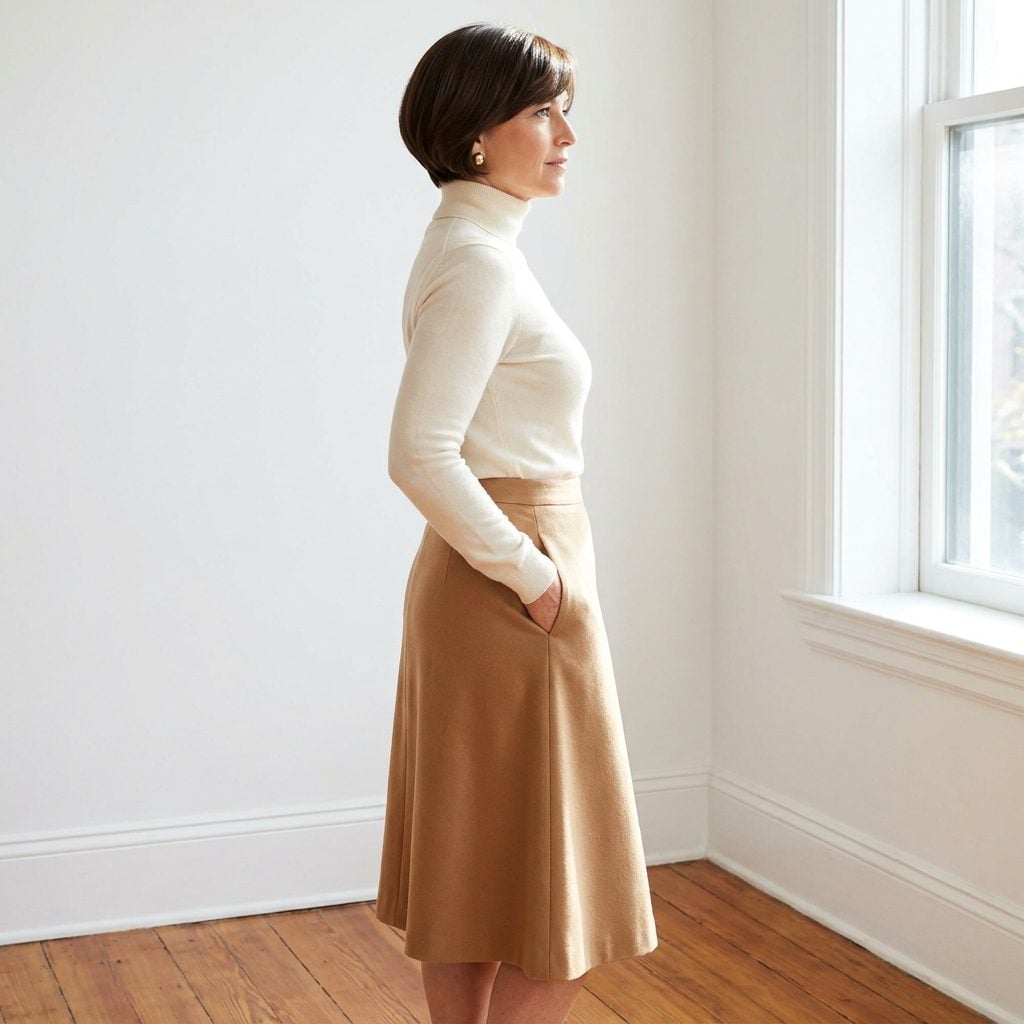
February 1976. The Winter Olympics in Innsbruck. A 19-year-old figure skater from Riverside, Connecticut, won gold, and by March every woman in America was bringing a photo of her to the salon. Not for the skating. For the hair.
Dorothy Hamill’s wedge was precision in a decade that mostly celebrated looseness — short at the nape, longer toward the chin, with an inward curve at the ends that swung when she moved. That swing was everything. It looked clean, modern, like you had somewhere to be and no patience for hot rollers. In a sea of flowing manes and feathered layers, the wedge felt almost radical in its neatness. I think people underestimate how refreshing a clean line can be when everyone else is going shaggy.
21. Loose Bohemian Waves With a Middle Part and Flowers or a Headband Tucked In
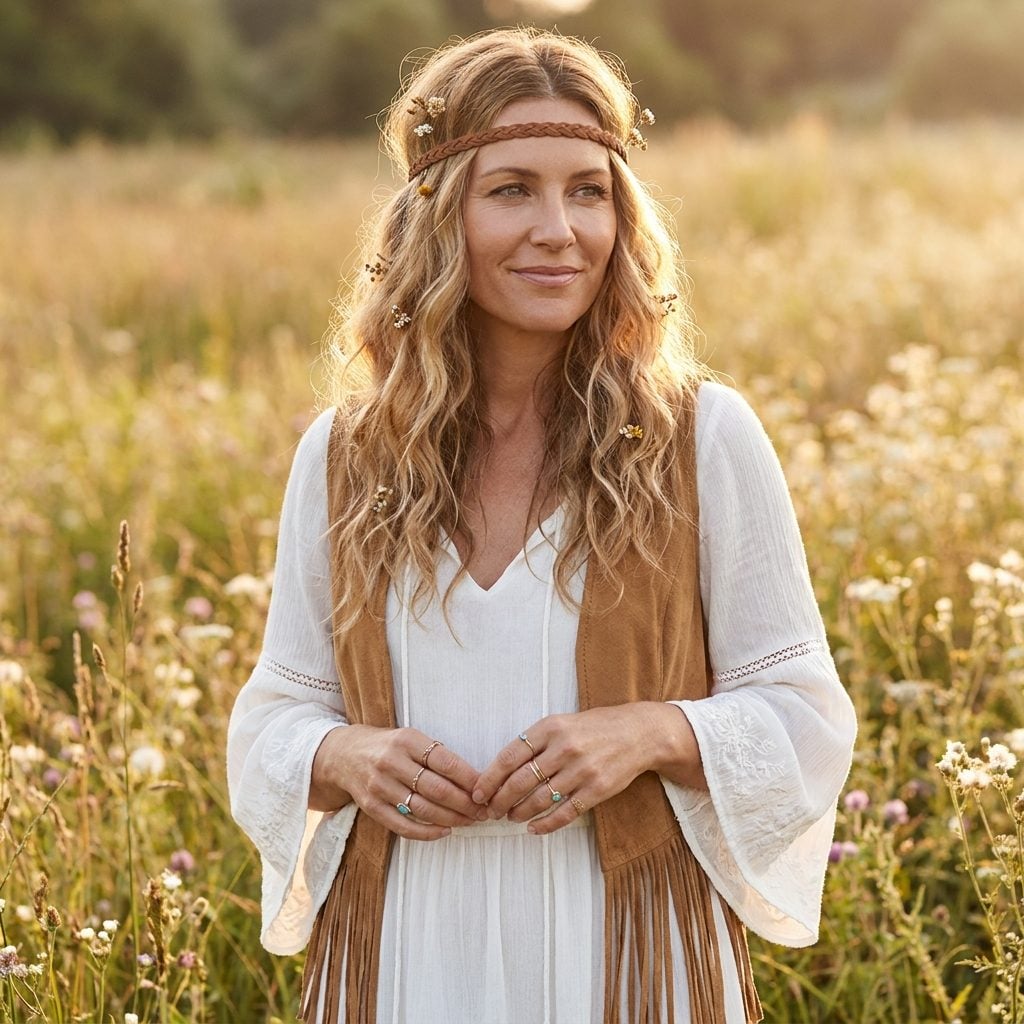
Not every 1970s hairstyle demanded a blow dryer. This one demanded a field of wildflowers and the general conviction that you might be heading to a music festival at any given moment. The bohemian wave was the hair equivalent of bare feet on warm grass — middle part, always, waves that looked like you’d slept in braids and shaken them out at sunrise, and something tucked in. A daisy chain. A thin leather band. A silk scarf tied low across the forehead.
Stevie Nicks owned this style more completely than anyone. The way her hair moved onstage — wild, witchy, ungovernable — made every woman in the audience want to reach for a headband and a little bit of hope. The flowers were never decoration. They were a signal that you believed in something gentler than what the news kept delivering.
20. Roller-Set Curls Blown Out Into a Smooth Voluminous Crown With Flipped Ends
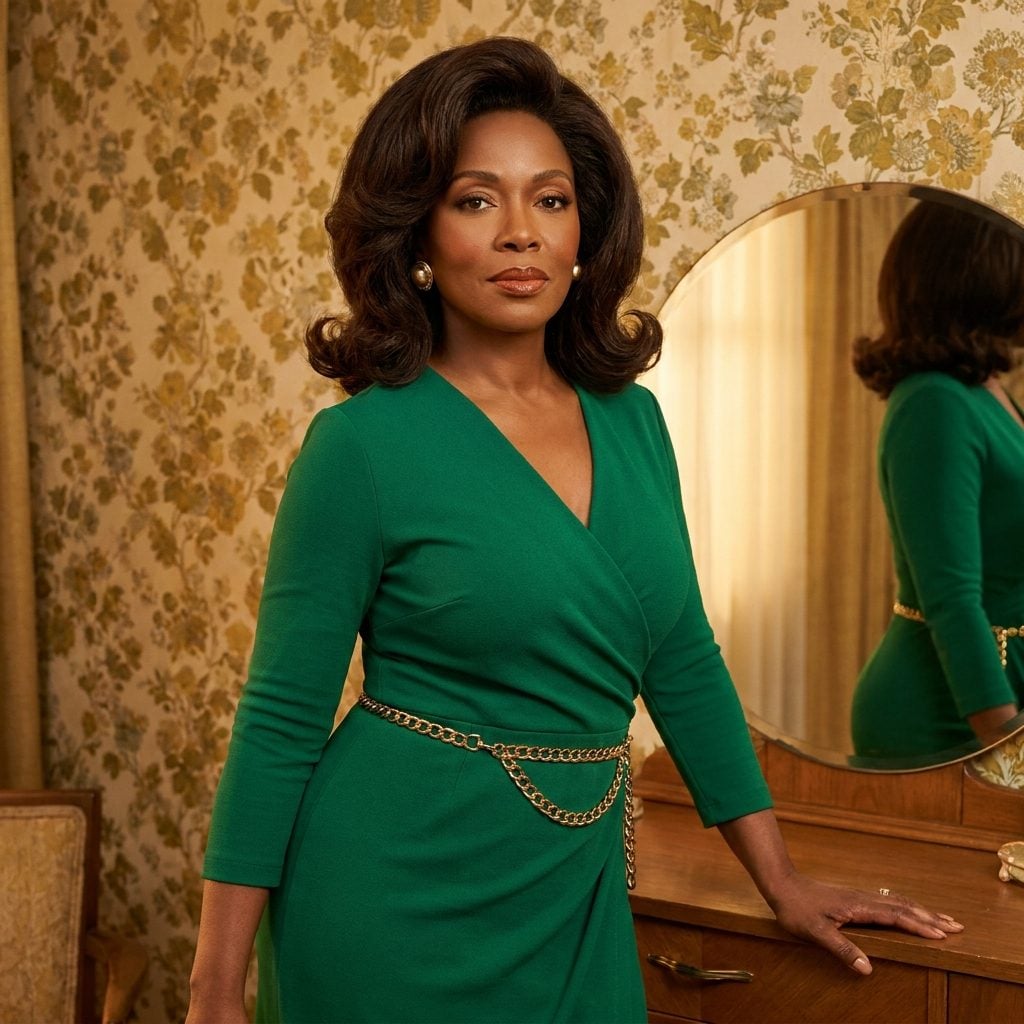
Saturday night hair. The kind that started at noon.
You’d wash it, set it in rollers, sit under the bonnet dryer until your scalp tingled, and then came the brushing out — that was the alchemy. Taking those tight curls and transforming them into smooth, voluminous waves with flipped ends that turned outward like they were making an entrance before you did. Diahann Carroll knew this ritual. Diana Ross elevated it to gospel. In living rooms and beauty parlors across America, women sat in those chairs and emerged two hours later ready to own whatever room they walked into.
The flip at the ends was the signature. Not curled under — curled out. Open, dramatic, a little defiant. Height at the crown, movement at the sides, the whole thing announcing: I spent real time on this, and every minute was warranted.
19. The Braided Headband Across the Crown With Long Loose Waves Flowing Behind
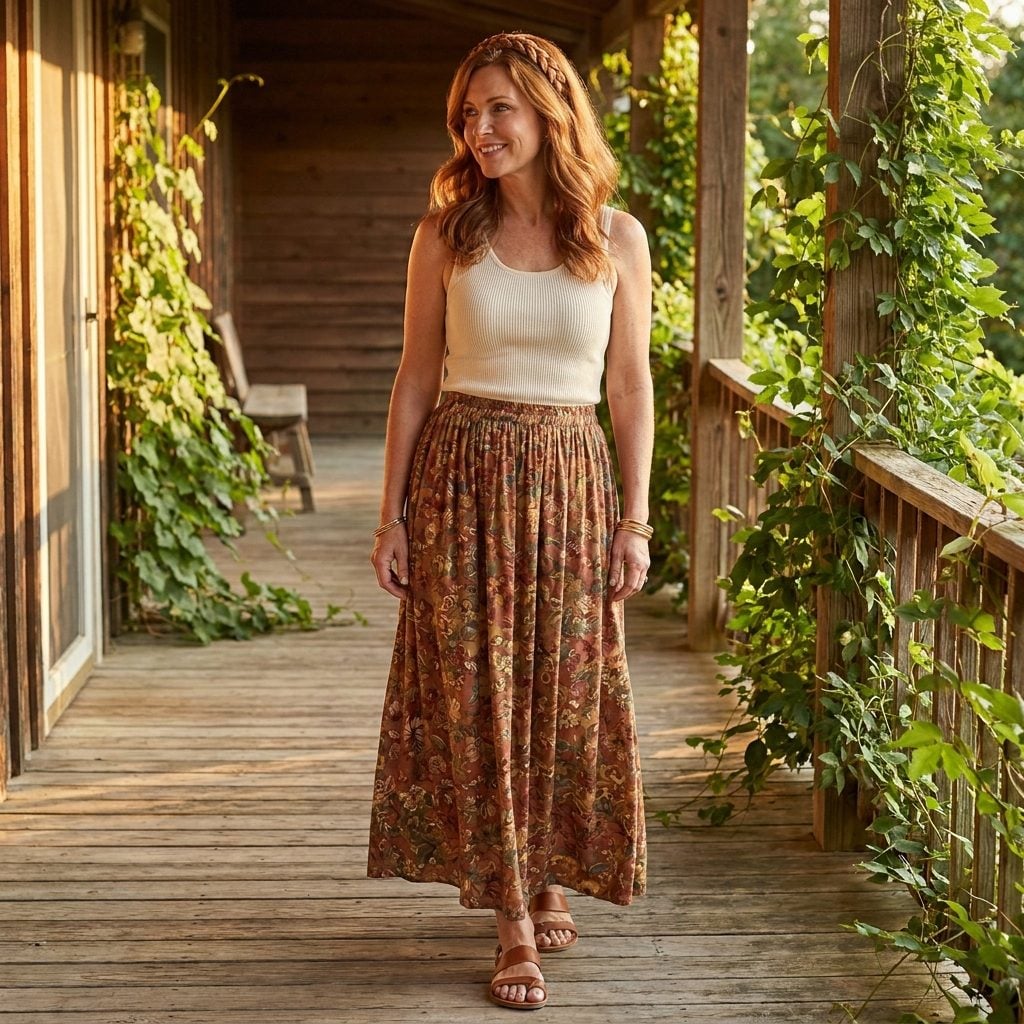
Take a section from each temple, braid them, pin them across the top of your head, and let everything else fall. No products, no heat, no special tools — just your own hair doing double duty as its own accessory. The braided headband carried a vaguely medieval quality that suited the decade’s infatuation with anything pre-industrial. Concerts, farmers’ markets, album covers, the girl at the co-op who always smelled like patchouli and could name every herb on the shelf — this was their uniform.
Structure on top. Wildness underneath. That contrast made the whole thing work, and honestly it still does.
18. Feathered Side-Swept Bangs With Long Layered Hair and a Natural Blown-Out Finish
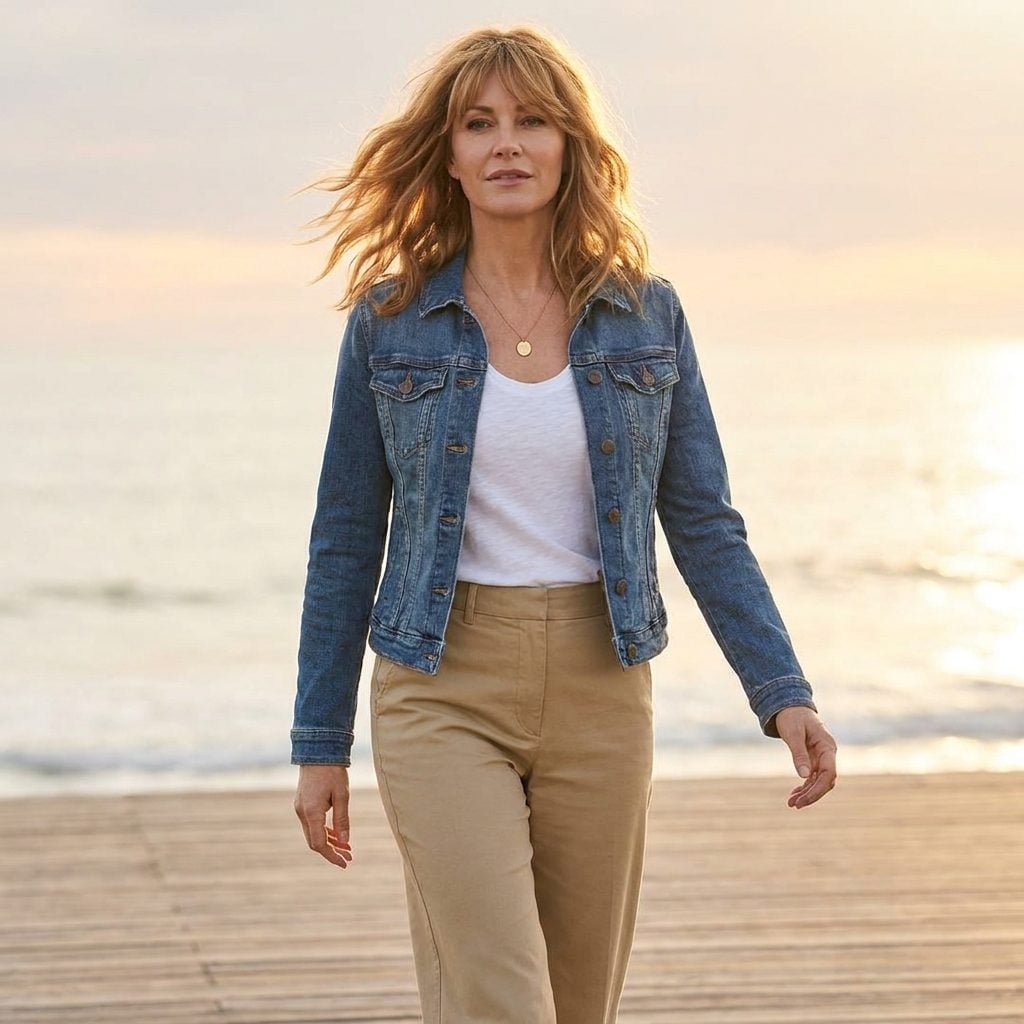
Not quite the full Farrah — more her quieter, more wearable cousin. Feathered side-swept bangs with long layered hair became the sensible middle ground for women who wanted movement and modernity without committing to those dramatic flicked-back wings. Bangs swept to one side, blending into face-framing layers that tapered to the chest. A round brush, a blow dryer, ten minutes in the morning. That was the deal.
Jaclyn Smith wore a version on Charlie’s Angels, and it read as the approachable option. The pretty one who didn’t look like she was trying — which was, of course, its own labor-intensive performance. But the finished result carried an ease the full feathered wing couldn’t always pull off. Where Farrah’s hair commanded a room, this style slipped into one. Femininity that looked effortless, even when it wasn’t. Opposite ends of the same blow dryer.
17. Cornrows Close to the Scalp With Beaded Ends and Natural Texture
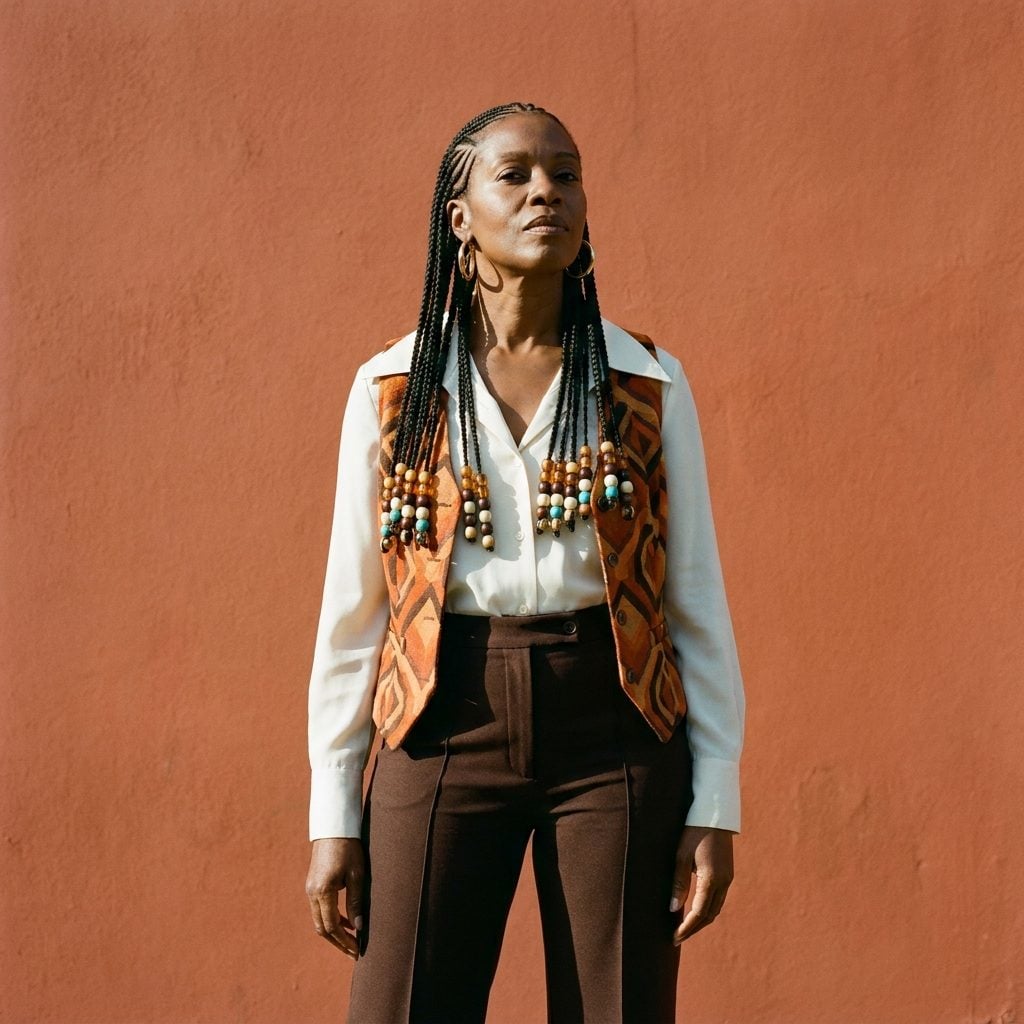
Bo Derek did not start this. Let’s get that out of the way, because a whole generation of magazine editors got it spectacularly wrong. Cornrows are an African braiding tradition stretching back thousands of years, and Black women in America were wearing them proudly throughout the 1970s as part of the same cultural reclamation that brought the Afro into public life. The braids were geometric, deliberate, deeply personal. Patterns meant something. The beads at the ends clicked and sang when you moved.
Cicely Tyson wore unadorned cornrows on network television in 1972, and it made national news. Think about that — a Black woman wearing her own hair in a traditional style on a TV screen, treated like a provocation. Says everything about the decade’s tangled relationship with beauty standards. But the women wearing cornrows weren’t waiting for anyone’s permission. They’d already decided.
And the beads. Glass, wood, cowrie shells, gold — threaded onto each braid’s end and secured with thread. They added weight to help the braids hang straight. They added sound. And they added something no salon product ever could: a tangible link to a lineage that no trend cycle had the authority to grant or revoke.
16. The Gibson-Inspired Half-Up With a Low Loose Knot and the Softest Face-Framing Pieces You Ever Saw
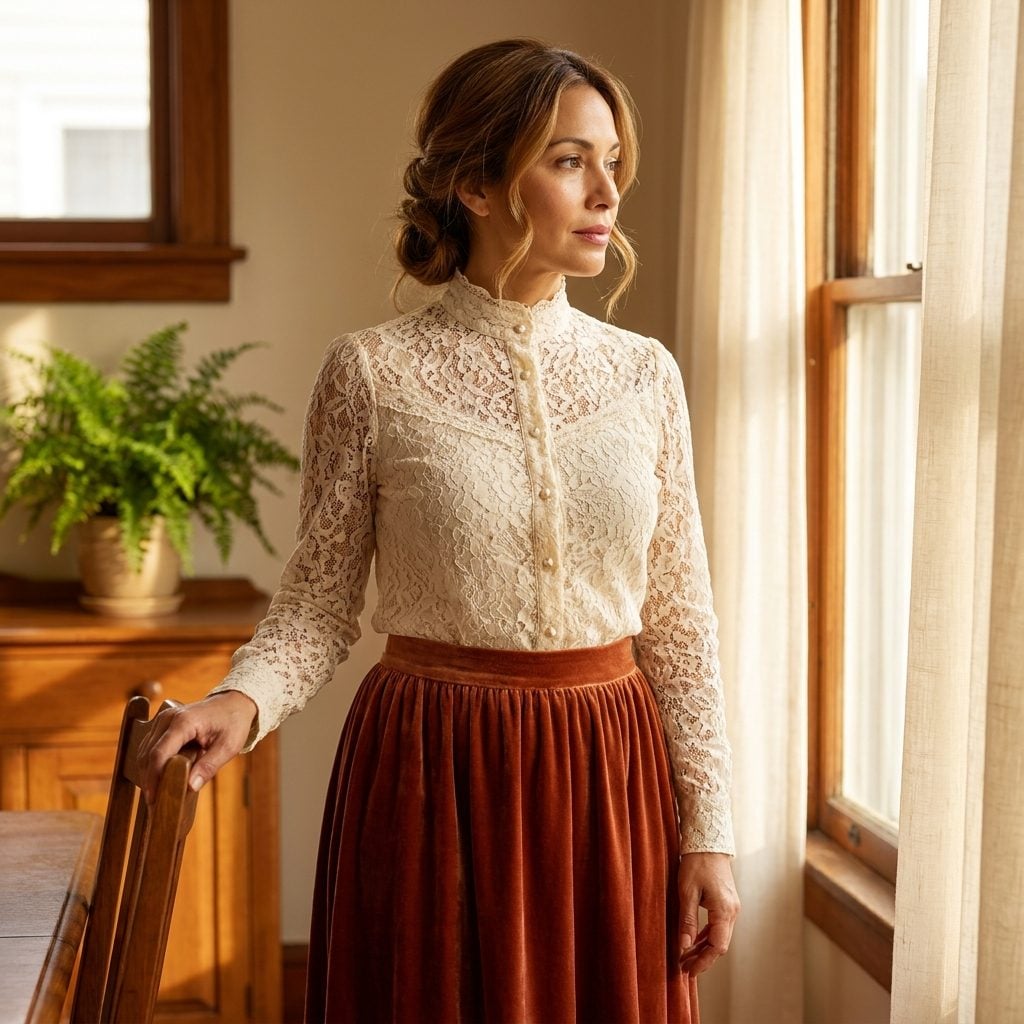
The tendrils did all the talking. Two pieces pulled free at the temples, curled just enough to hold a loose wave, while everything else swept back into a knot so low it nearly rested on the collar. This wasn’t the tight Gibson rolls of the Edwardian era. It was the 1970s translation: softer, messier, a little romantic in a way that suggested you’d read a Brontë novel recently and it had gotten under your skin.
Women wore this to dinner parties, to gallery openings, to any occasion that called for looking put-together without looking like you’d tried. The knot itself was barely a knot. More of a twist held with two pins and a prayer. It worked because it looked accidental, even when it took twenty minutes in front of a bathroom mirror.
15. The Blunt-Cut Jaw-Length Bob With a Deep Side Part and a Finish So Sleek It Looked Wet
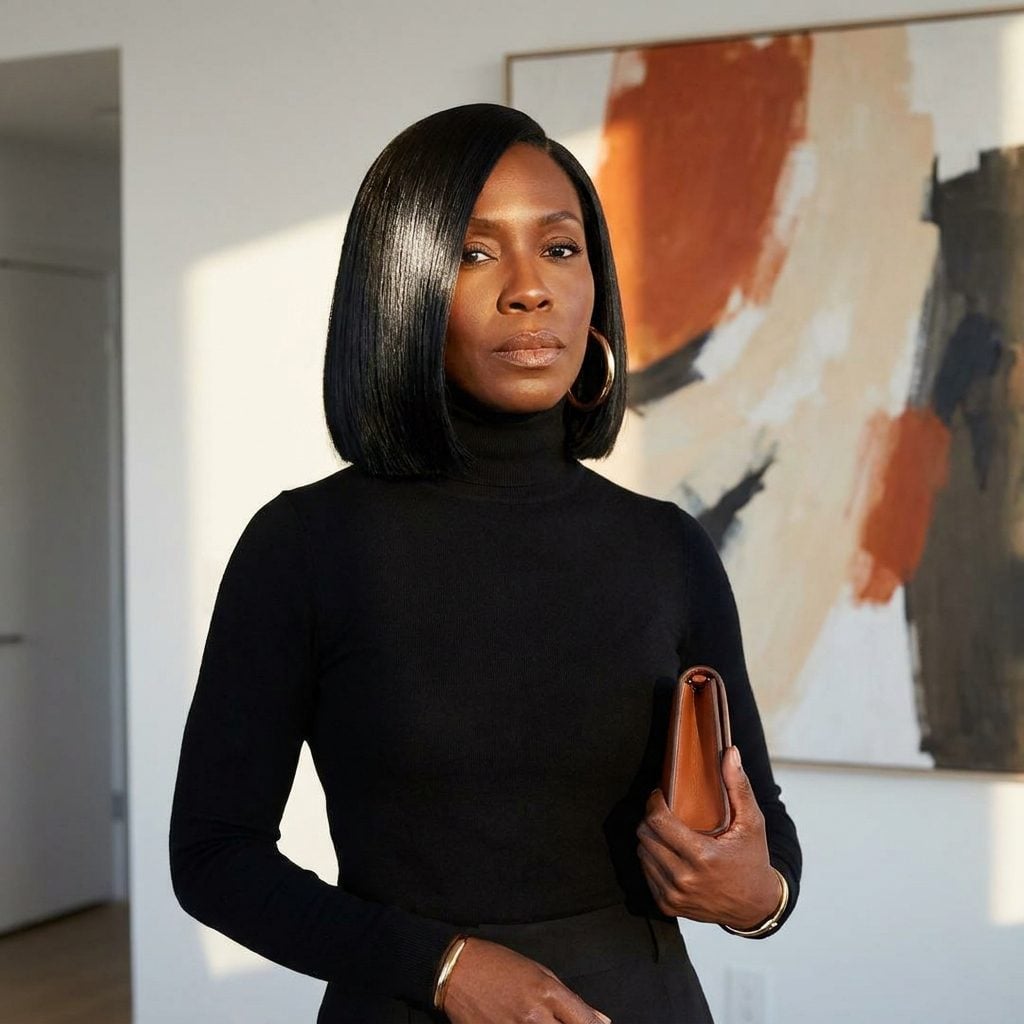
One length. No layers. No graduation. Just a clean horizontal line at the jaw and hair so flat to the head it looked painted on. The deep side part did something architectural to the face, creating asymmetry where the cut itself offered none.
This was the bob that required commitment. You couldn’t fake it with a ponytail or hide a bad hair day under volume. Every strand showed. Every angle mattered. Women who wore this one in the mid-seventies understood something about precision as a style statement. The blowout alone took patience and a round brush and a willingness to stand in front of a mirror until the surface caught light like glass.
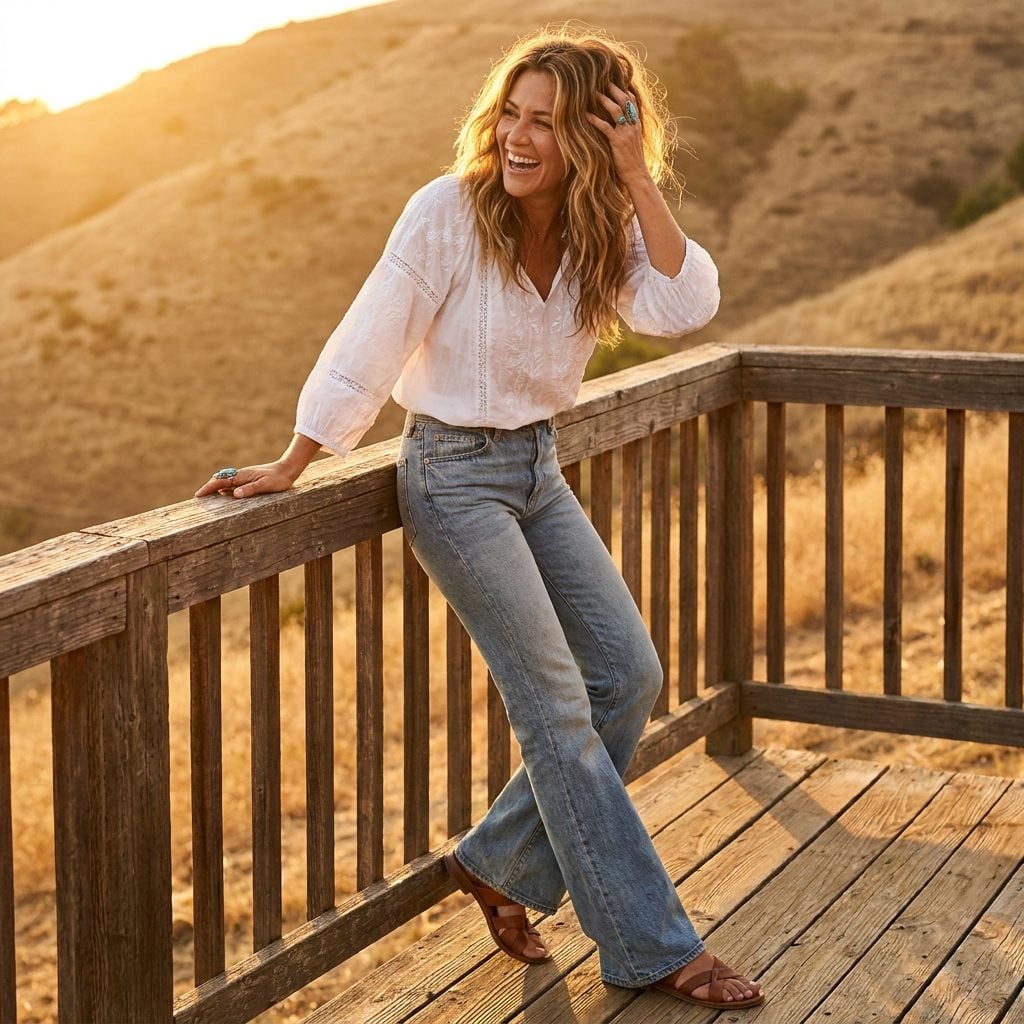
14. Long Layers With Sun-Kissed Highlights and That Effortlessly Undone California Texture
❤️ Would you like to save this?
Nobody called them highlights. They were streaks. Lemon juice and a long afternoon on a towel in the backyard, or Sun-In sprayed liberally and aimed at the parts of your hair that framed your face. The result was never even. That was the point.
The layers were long and face-framing, starting somewhere around the chin and cascading in soft stages. No precision cutting. The texture came from air-drying, or from sleeping on damp hair and waking up with whatever shape the pillow had decided. This was the hair of the Laurel Canyon set, of Joni Mitchell album covers, of every woman who drove a convertible with her arm out the window and her hair doing whatever it wanted.
13. Chaka Khan’s Voluminous Curls Teased Into a Full Dramatic Crown That Owned Every Room
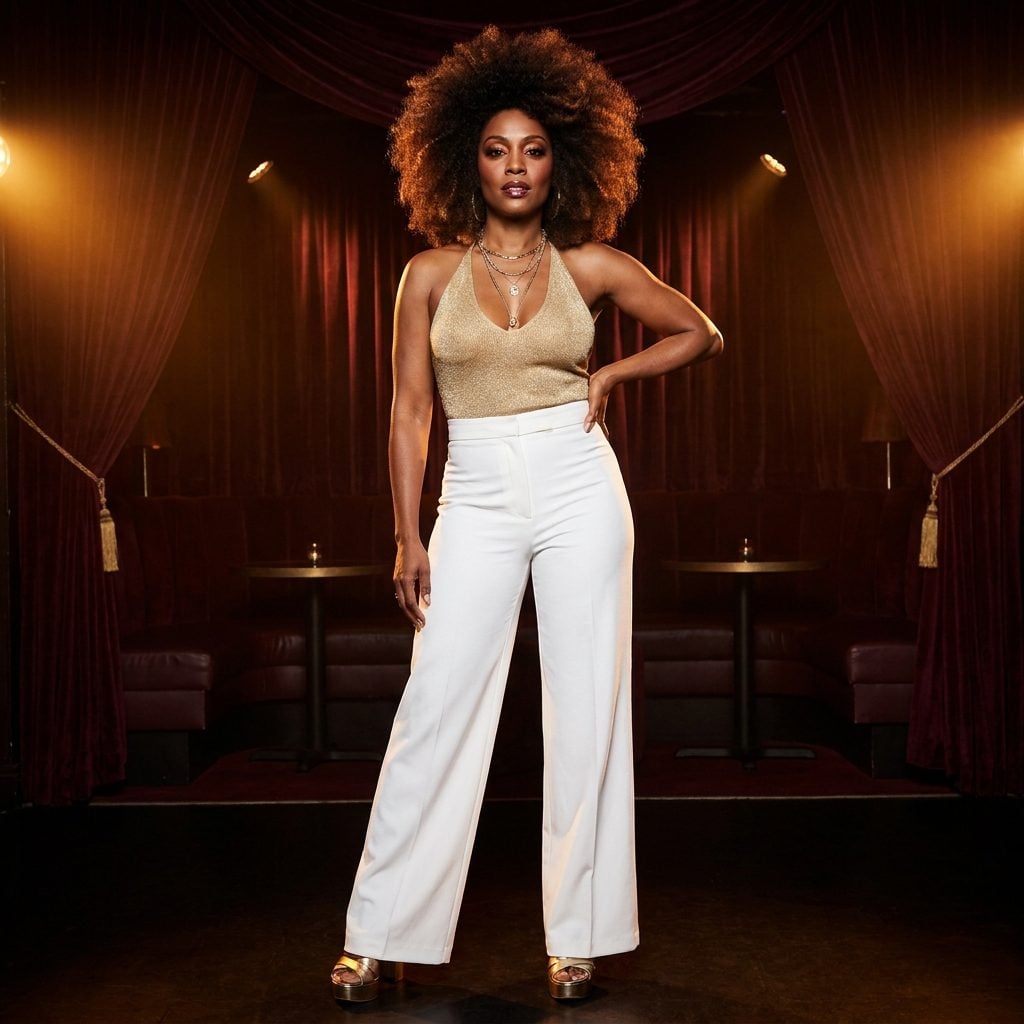
The hair entered the room before she did. That was the whole idea.
Chaka Khan’s curls weren’t just big. They were a declaration. Teased, picked, coaxed into a shape that defied gravity and every conventional rule about keeping hair controlled. The volume started at the root and expanded outward in every direction, a halo of natural texture amplified to its absolute maximum. Women who followed her lead understood that this wasn’t about vanity. It was about presence. About taking up space without apology.
Getting this look meant time. An Afro pick worked through each section, lifting the curl pattern away from the scalp. Humidity was either your best friend or your collaborator. The shape held because natural hair, when freed and encouraged, has its own architecture. All it needed was someone willing to let it build.
12. Disco-Era Spiral Curls Set With Rollers and Worn With a Perfect Center Part
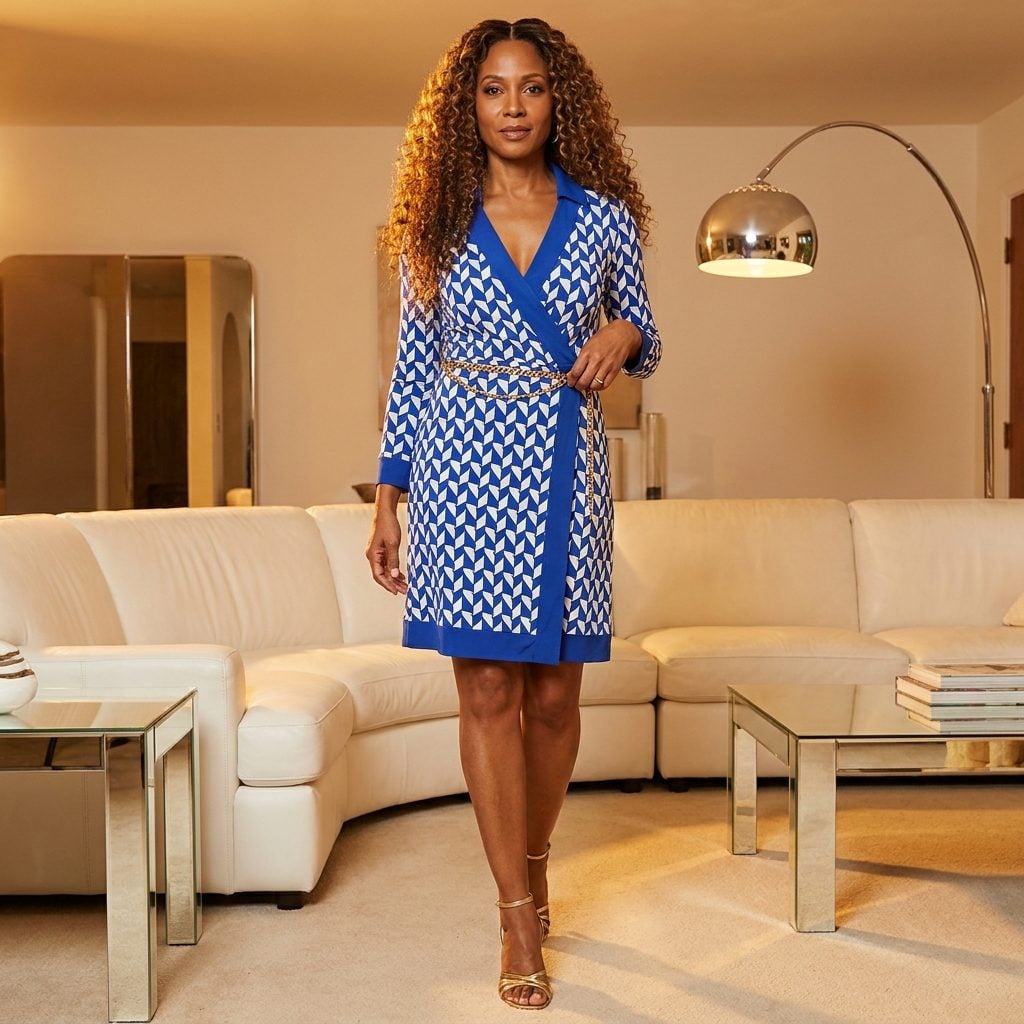
Foam rollers. Dozens of them. Twisted in after a shower and slept on overnight, the bumpy discomfort of them pressing into the scalp a small price for what happened in the morning. Unraveled carefully, each section released into a tight, defined spiral that bounced with every step.
The center part was non-negotiable. Straight as a ruler, dividing the curls into two symmetrical curtains that framed the face. This was Saturday night hair. The curls caught the light at the disco, each one reflecting the mirrored ball overhead in miniature. A generation of women learned to set these rollers the way their mothers had, then wore the result to places their mothers never went.
11. Cher’s Dead-Straight Jet Black Hair Parted Perfectly Down the Center
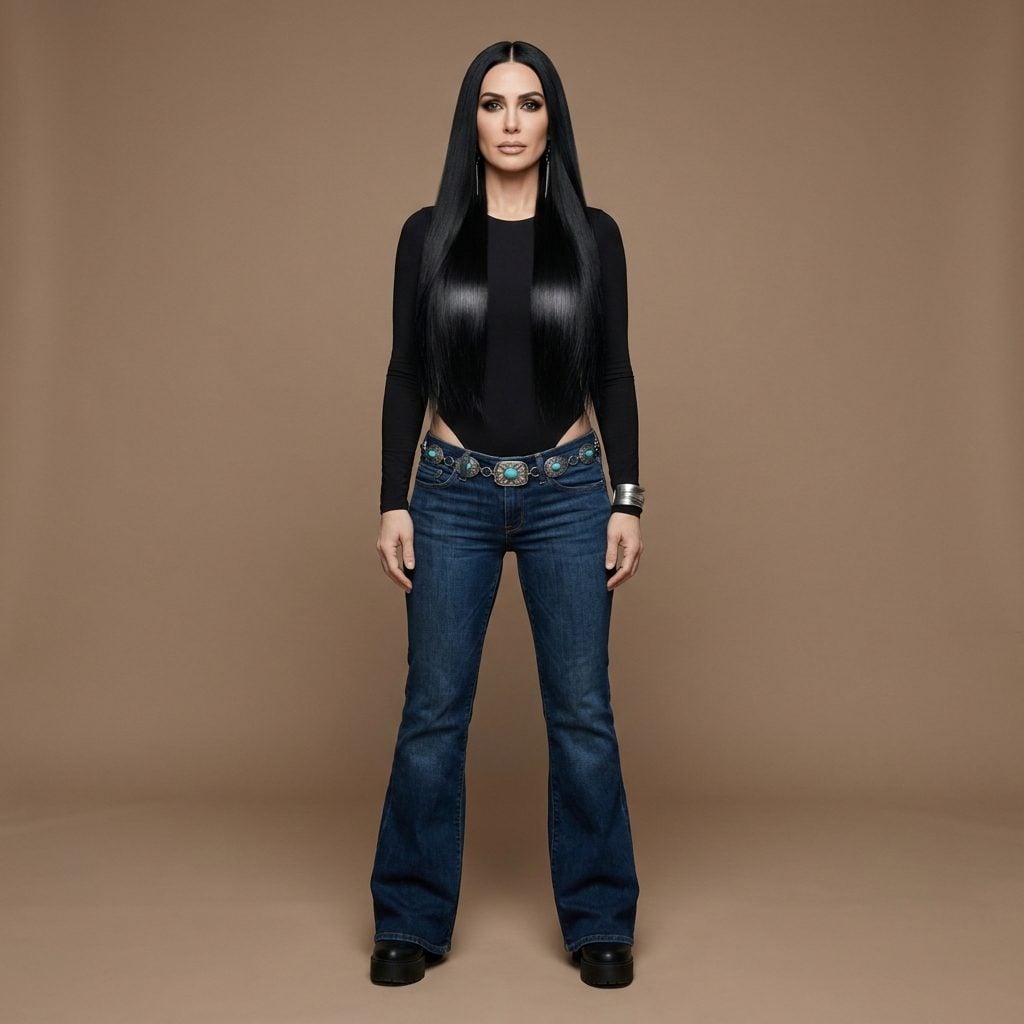
Ironing boards. Actual ironing boards. Before ceramic flat irons existed, women laid their hair across the board and pressed it with a clothes iron, one section at a time, the faint smell of singed hair just part of the process. All to get the sheet of black glass that Cher wore like a second outfit.
The center part had to be surgical. No deviation, no natural wave allowed to survive. The hair hung heavy and still, barely moving when she turned her head, a dark waterfall that reached her waist and sometimes beyond. It read as both ancient and modern, like something borrowed from a different century and worn to a television studio.
Millions of women tried this. Most couldn’t maintain it past the first hint of humidity. Cher made it look effortless, which was the trick. Nothing about this hair was effortless. It was a full-time commitment disguised as simplicity.
10. The Loose Fishtail Braid Draped Over One Shoulder With Wispy Pieces Left Free
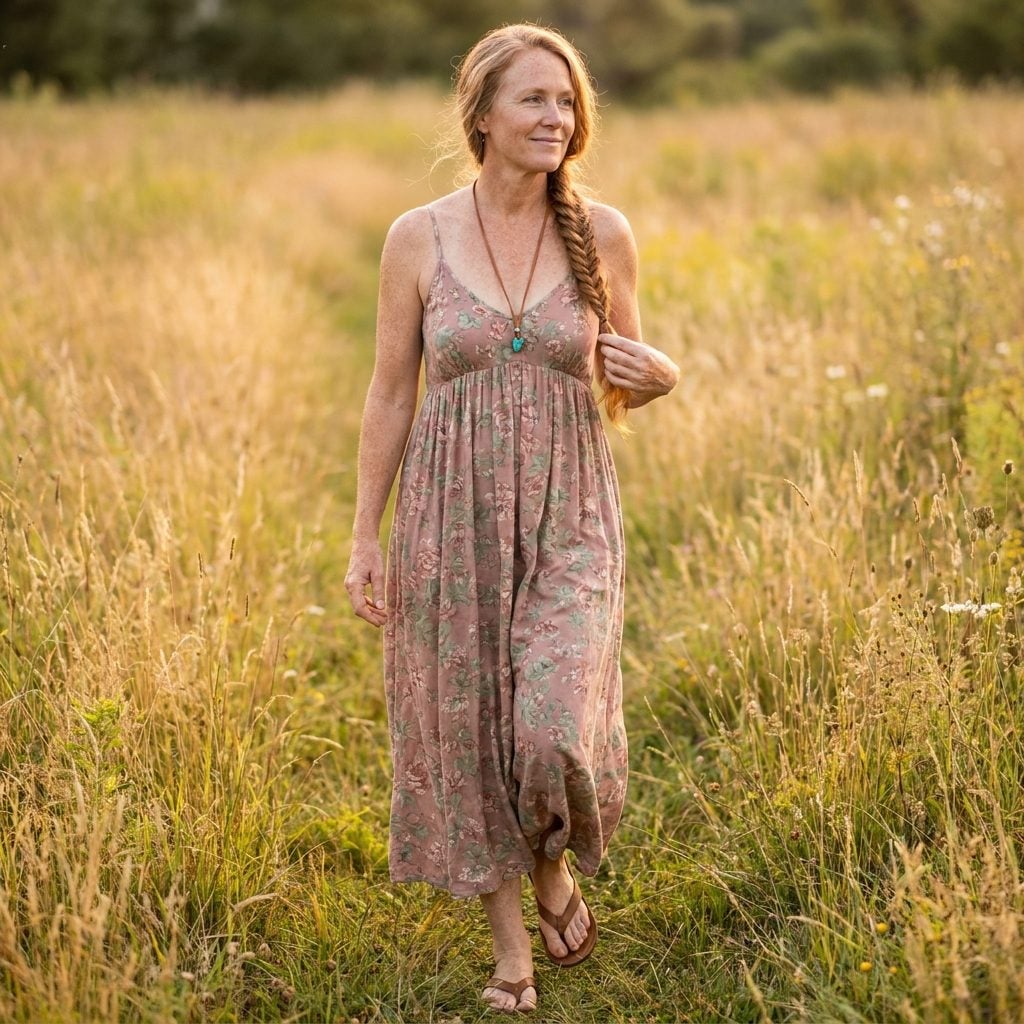
Three things mattered: the braid sat over the front of the shoulder, not behind it. The sections were loose enough to see daylight between them. And those wispy pieces near the face weren’t accidental. They were pulled free on purpose, usually with two fingers, right before walking out the door.
The fishtail was a quieter cousin of the thick plaits and braided crowns that circulated through the folk scene. It took longer than a regular three-strand braid and required a different kind of patience, the criss-crossing of thin sections until the herringbone pattern emerged. Worn with a floral maxi dress and bare feet, it was the accessory that turned getting dressed into something closer to a ritual.
9. Bianca Jagger’s Sleek Side-Parted Hair Slicked Close to the Head Like a Helmet Made of Silk
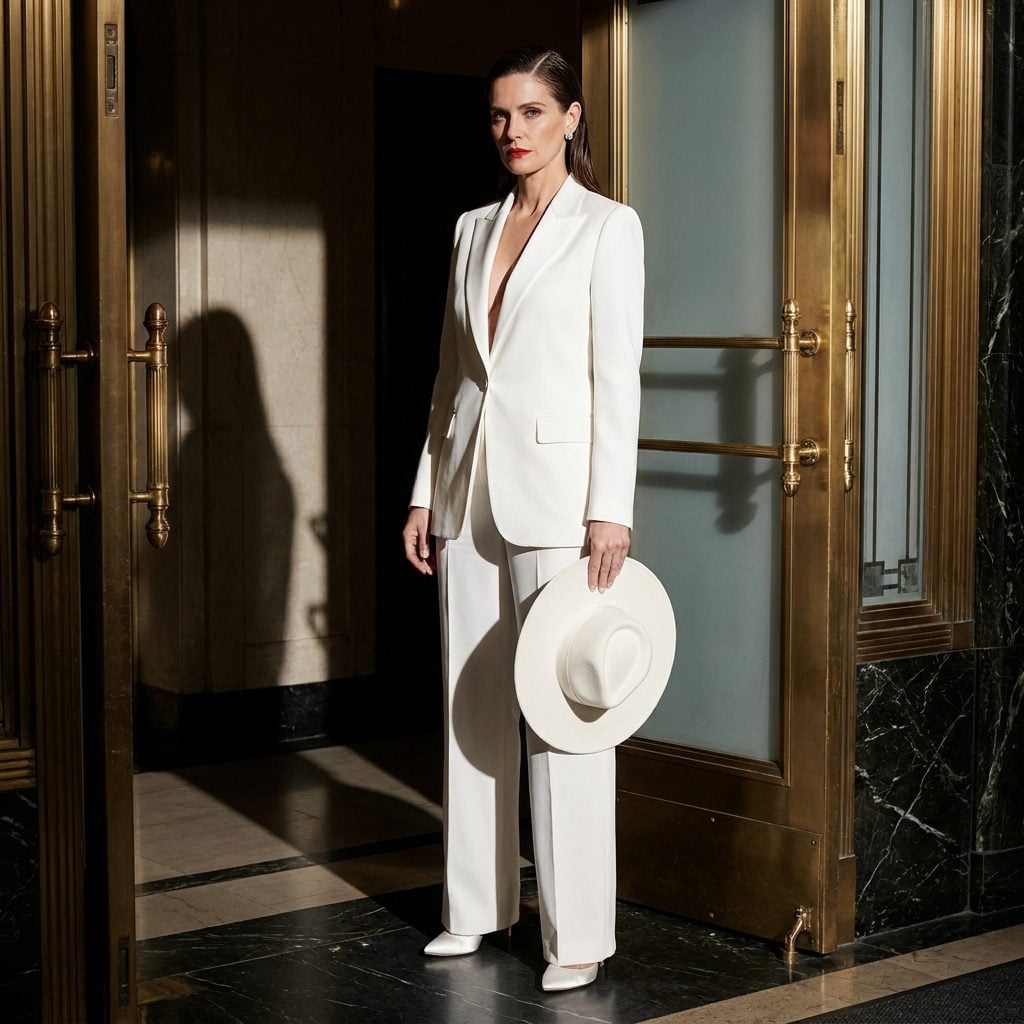
Not a single hair moved. That was the power of it.
Bianca Jagger wore her hair slicked so close to her skull it became a design element, as deliberate as the white suit, the red lip, the wide-brimmed hat. While the rest of the decade chased volume, she went the opposite direction. Flat. Controlled. Almost severe. The side part was sharp enough to cut, and the hair behind her ears caught light like polished wood.
This was Studio 54 hair. Not the dancing-all-night version. The arriving-at-midnight version. The one that said she had somewhere better to be and was doing you a favor by showing up at all. It required gel, a fine-tooth comb, and the kind of bone structure that could survive having every strand pulled back from the face with nowhere to hide.
8. Patti Smith’s Tousled Androgynous Shag With Undone Layers That Refused to Behave
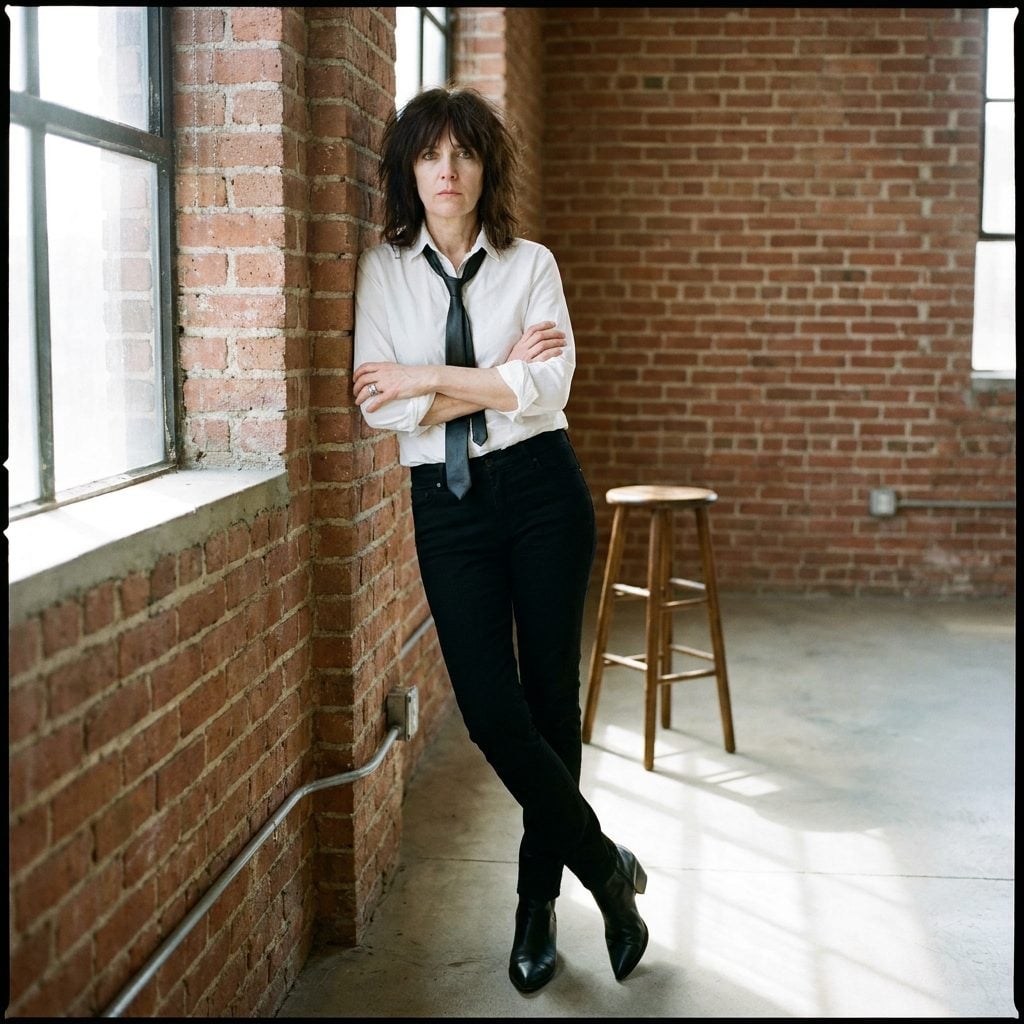
She didn’t style it. She cut it and left it alone. That was the entire philosophy in one sentence.
Patti Smith’s hair broke the decade’s unwritten agreement that women’s hair should be finished. Hers wasn’t. The layers were choppy, the texture came from sleeping on it wrong, and the overall shape had the look of someone who owned scissors and occasionally used them without a mirror. It was an androgynous hairstyle in an era when that word still startled people, and it drew a straight line between the Stones’ Keith Richards and the women’s movement’s rejection of performative grooming.
The shag said: I have more important things to do than my hair. And that message landed hard for women who were tired of the blowout, the roller set, the forty-five minutes of morning maintenance the culture expected. Patti’s hair was permission.
7. Roller Disco Flipped-Out Layers With a High-Volume Crown and Feathered Sides That Caught the Wind
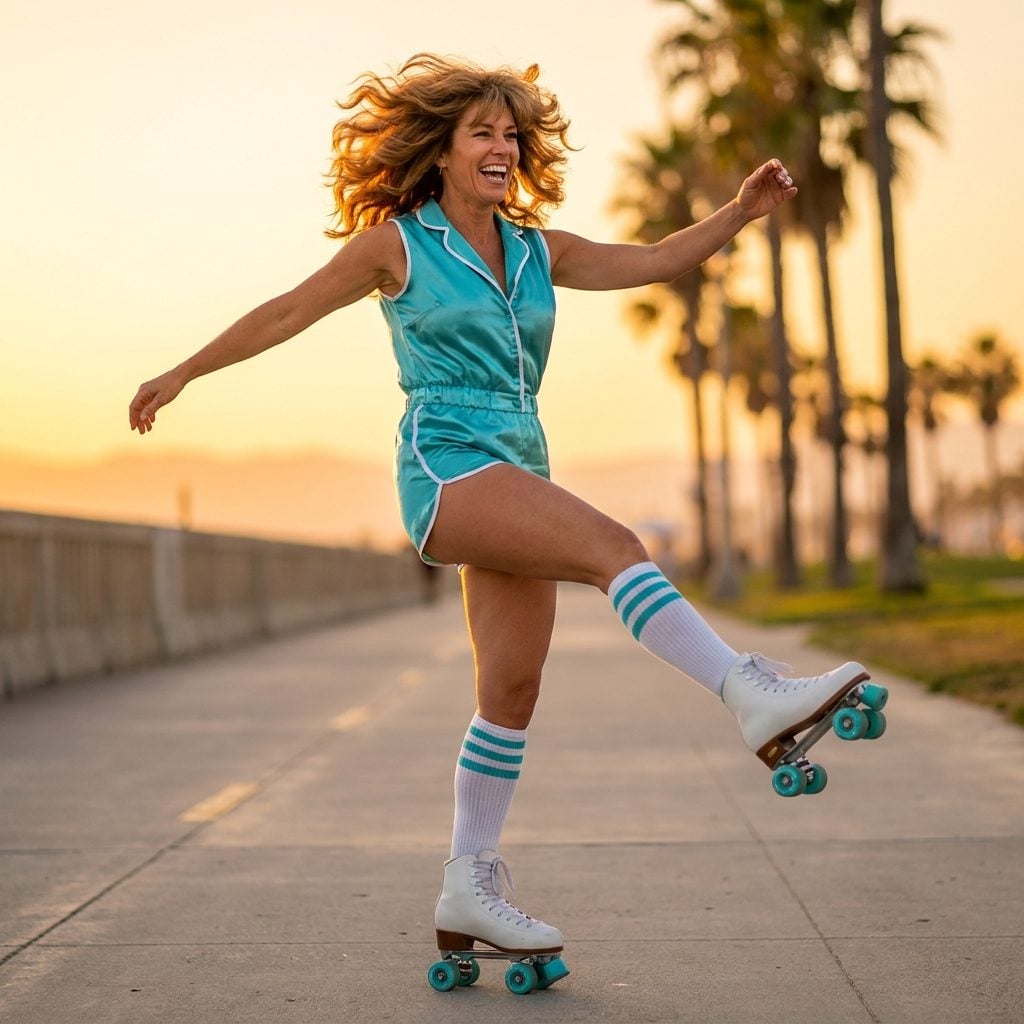
The crown was a construction project. Teased at the root, sprayed with Aqua Net until it held its shape against physics, then smoothed over the top so the volume looked natural. It never looked natural. It looked magnificent.
Below that engineered crown, the layers flipped outward and back, feathered away from the face in wings that moved with every stride. This was the hair of Venice Beach roller rinks and Saturday Night Fever afterparties, the silhouette that said the decade was almost over and it intended to go out spinning.
Getting the flip required a round brush and a blow dryer aimed in the right direction at the right moment. Too much curl and the ends rolled under. Too little and they hung limp. The sweet spot was a clean outward kick that bounced when you moved, caught light when you turned, and held its shape through two hours of skating and a slow dance afterward.
6. Long Natural Locs Worn Loose and Free With a Middle Part
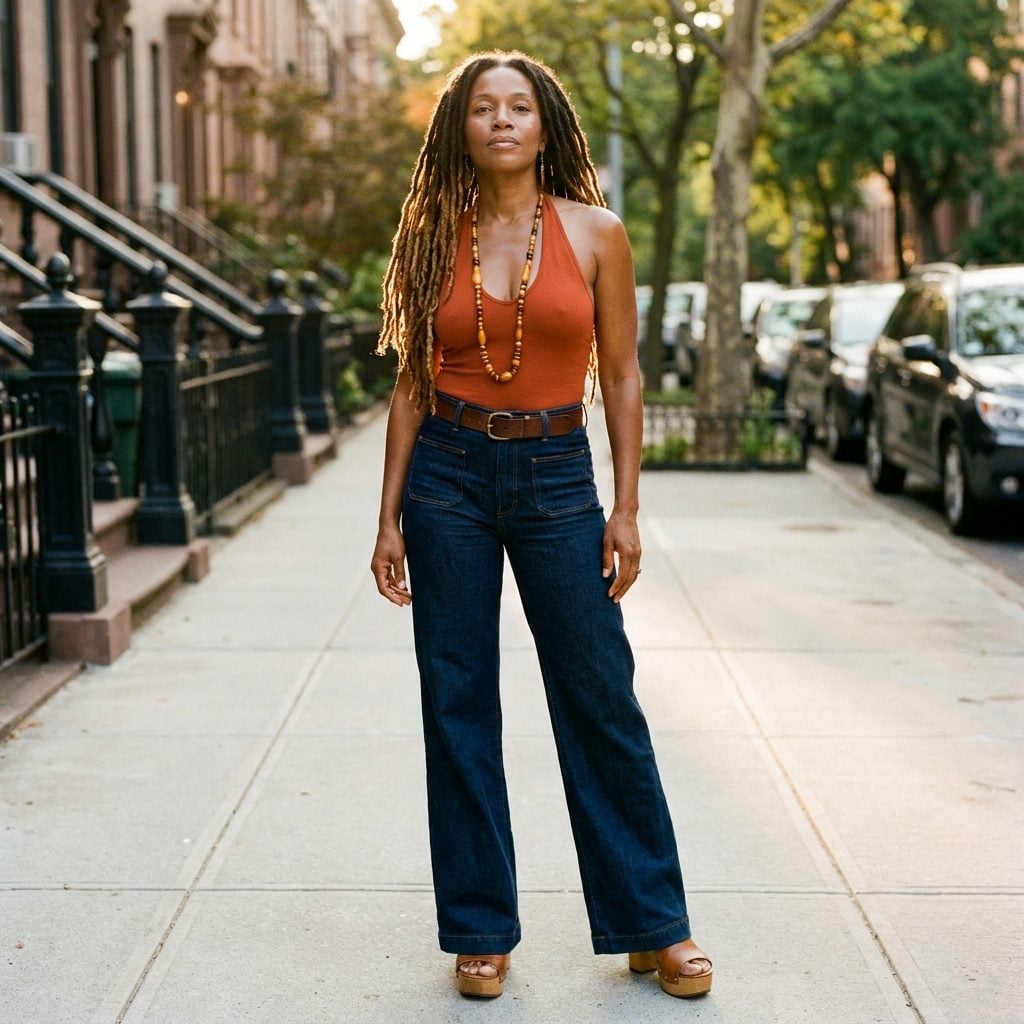
The locs were the statement — no accessories, no styling tricks, nothing added. A woman with long, free-hanging locs parted down the center in the early seventies was making a declaration that went well past fashion. Identity, worn visibly. A refusal to bend toward Eurocentric beauty standards that had run American culture for decades.
That middle part gave the style symmetry and clear intention. These weren’t locs tossed carelessly over a shoulder. They were maintained, sometimes wrapped at the roots, occasionally adorned with a single cowrie shell or wooden bead near the temple. Mature locs in motion created a silhouette nothing else could replicate — heavy, swinging, alive.
Roberta Flack wore them onstage. Cicely Tyson brought them to network television. And women across the country grew theirs in quiet solidarity, in college dorms and at kitchen tables and anywhere a mirror and patience intersected.
5. Diana Ross-Inspired Teased Voluminous Curls Fanned Out Dramatically
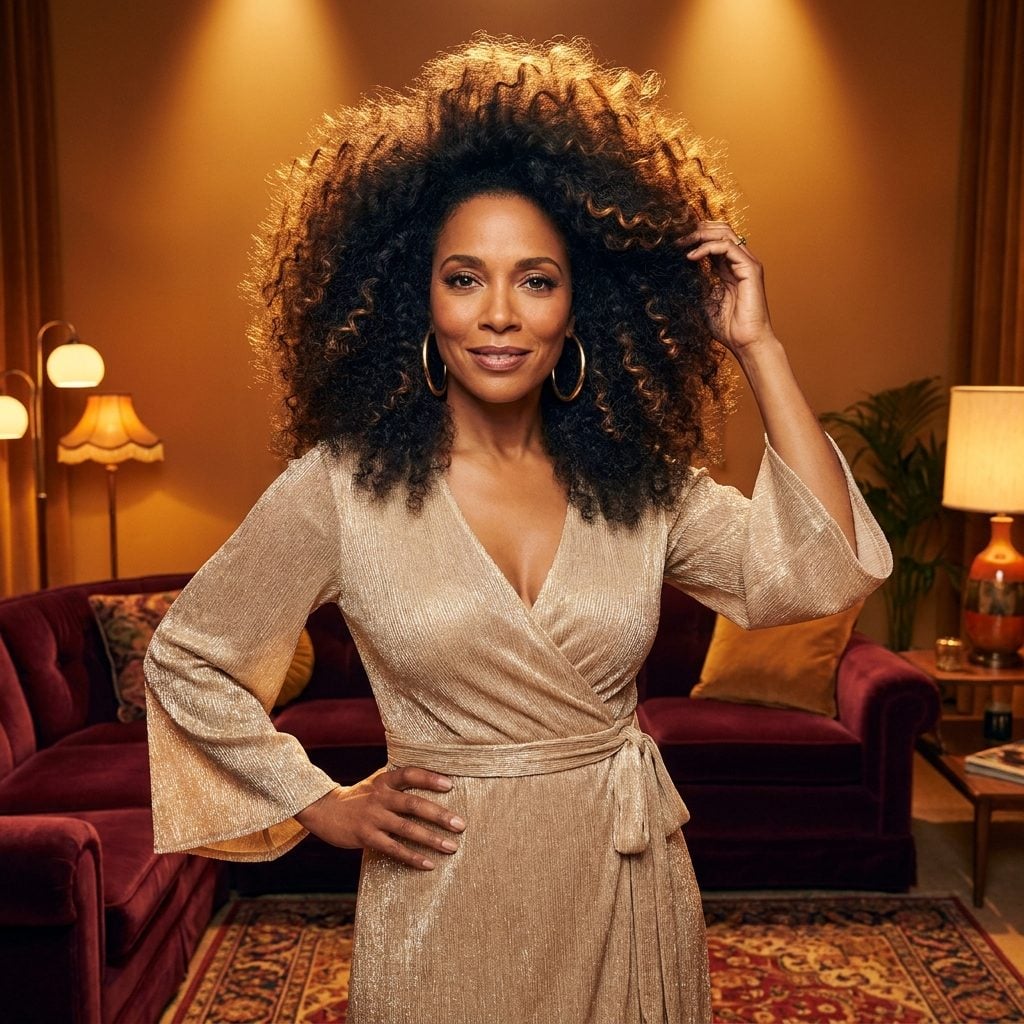
Nobody’s hair entered a room like Diana Ross’s. It arrived first. Had its own gravitational pull, its own private relationship with the spotlight — and every woman who ever stood before a bathroom mirror with a pick and a can of Aqua Net was chasing even halfway there.
The technique: teasing at the roots, separating each curl with fingers rather than a brush, and then leaving it alone. More was more. Round, full, impossible to ignore. You didn’t pat it down. You didn’t apologize for it. The silhouette was supposed to swallow the room.
Ross wore this look from the late Supremes era straight through her solo career, and it became one of the most copied silhouettes of the decade. The accessory choices that paired with it were deliberately simple — gold hoops, a deep neckline, nothing else fighting for attention.
4. Stevie Nicks-Inspired Wavy Layered Hair With Flowing Movement
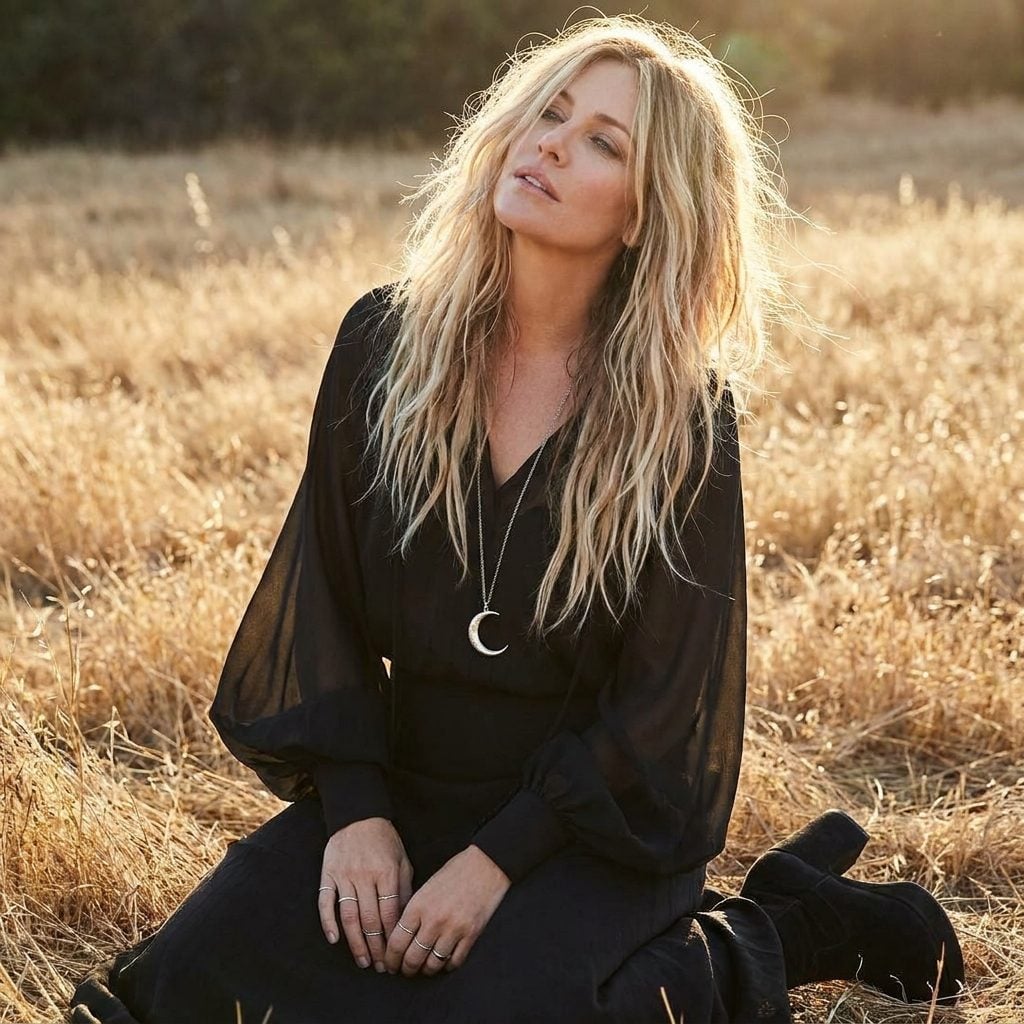
The hair moved before she did. Every time Stevie Nicks stepped to a microphone or spun across a stage, those layers caught the air and trailed half a second behind — a visual echo inseparable from the music.
Her layers were cut to cascade, not to frame. The longest pieces fell to mid-back while shorter ones lived at the jaw and collarbone, and all of them had that particular wave you get from sleeping on slightly damp hair and never owning a flatiron. Soft center part, not severe. Color left alone, roots and all. There was something almost aggressively unbothered about the whole thing, and that was exactly right.
Women brought torn-out magazine photos of Nicks to salons across the country and asked for “that Fleetwood Mac hair.” Stylists would add layers. But what made the original work had nothing to do with the cut — it was the refusal to control it afterward.
3. Short Pixie-Adjacent Crop With a Feathered Finish and Tousled Top
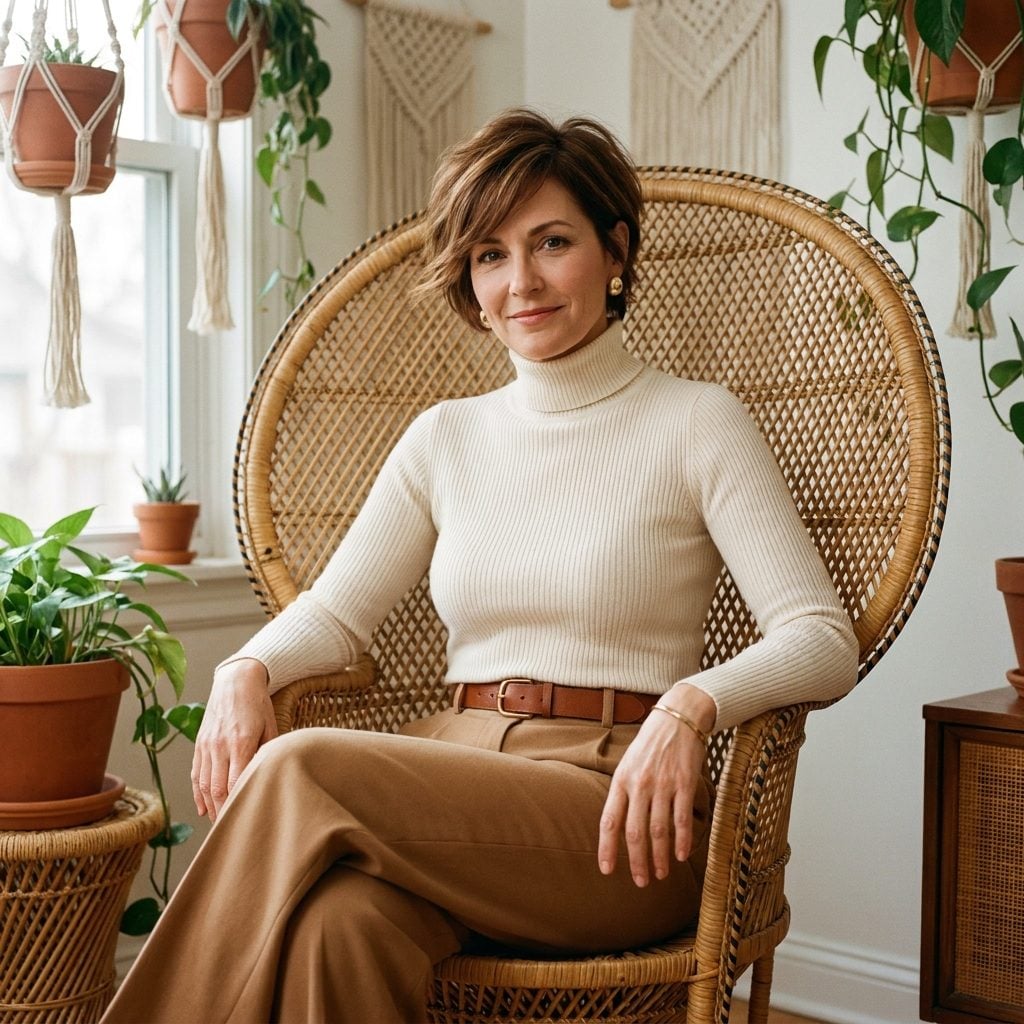
Cutting your hair this short in 1974 meant something. It meant you were done performing a certain kind of femininity — or you were so confident in yours that you didn’t need length to prove it. Either way, people noticed.
Wispy pieces at the temples and nape gave the cut movement, softening what could have read as severe. That slightly longer top, pushed casually to one side, kept it from looking like a boy’s haircut. An androgynous look in the best sense: borrowing from both sides of the aisle, owing allegiance to neither.
Mia Farrow had done the extreme version earlier with her Vidal Sassoon crop. By the mid-seventies, the look had mellowed into something more wearable. Jean Seberg’s ghost lived in every woman who walked out of a salon with wet ears for the first time and — possibly for the first time — felt entirely like herself.
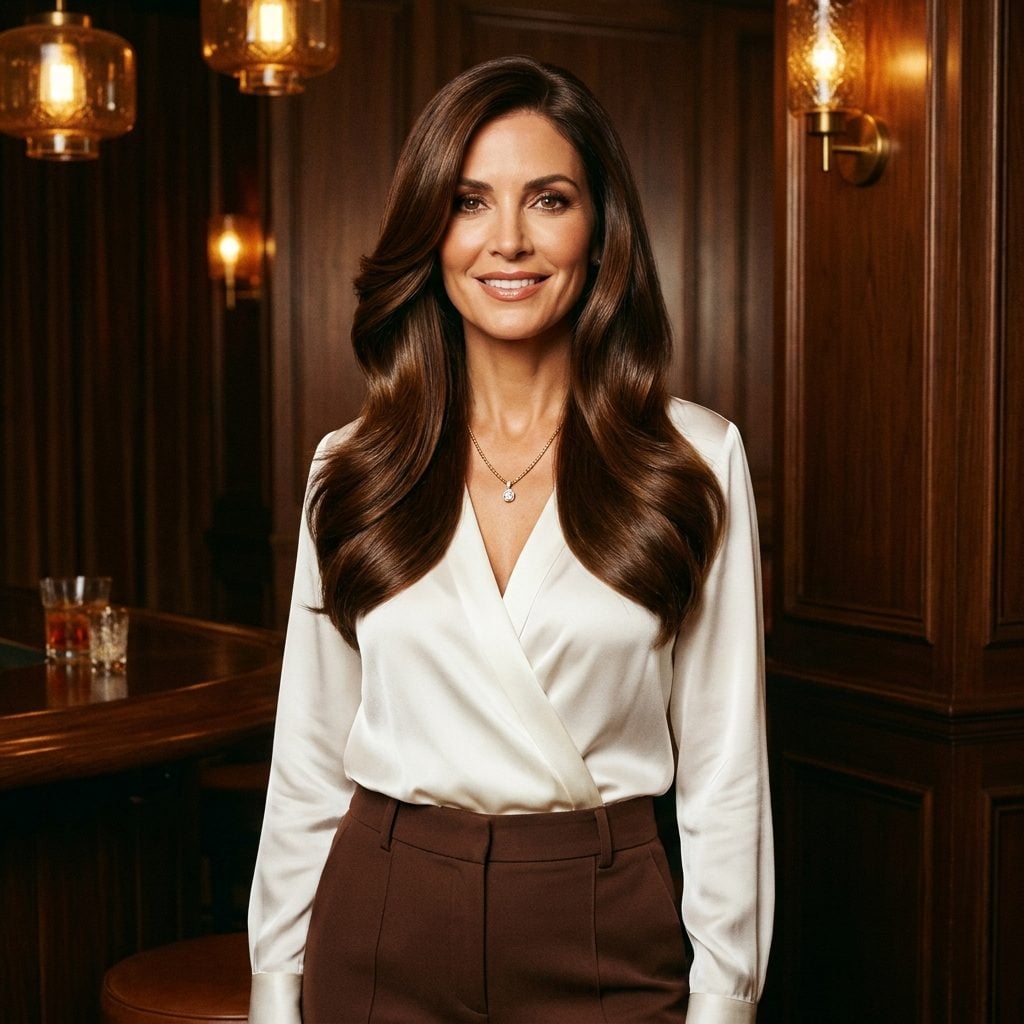
2. Jaclyn Smith-Inspired Glossy Layered Waves With a Soft Side Part
❤️ Would you like to save this?
This hair required a blowout, a round brush, and thirty-five minutes of dedicated wrist work. You bent each layer back from the face with a curling iron, held it, released it, and prayed. The goal was a cascade of waves that looked effortless but absolutely, stubbornly was not.
Jaclyn Smith’s version — the one that filled every salon appointment book after Charlie’s Angels premiered in 1976 — had a specific quality separating it from the Farrah. Farrah’s layers flipped and feathered with athletic energy. Smith’s fell. They draped. The side part gave it a slight old-Hollywood asymmetry, and the finish was gloss above everything else. Women used mayonnaise treatments, beer rinses, and early-generation silicone serums chasing that liquid shine. Some of them smelled questionable for days. Worth it, apparently.
1. Ali MacGraw-Inspired Sleek Dark Hair Worn Long and Straight With a Strong Center Part
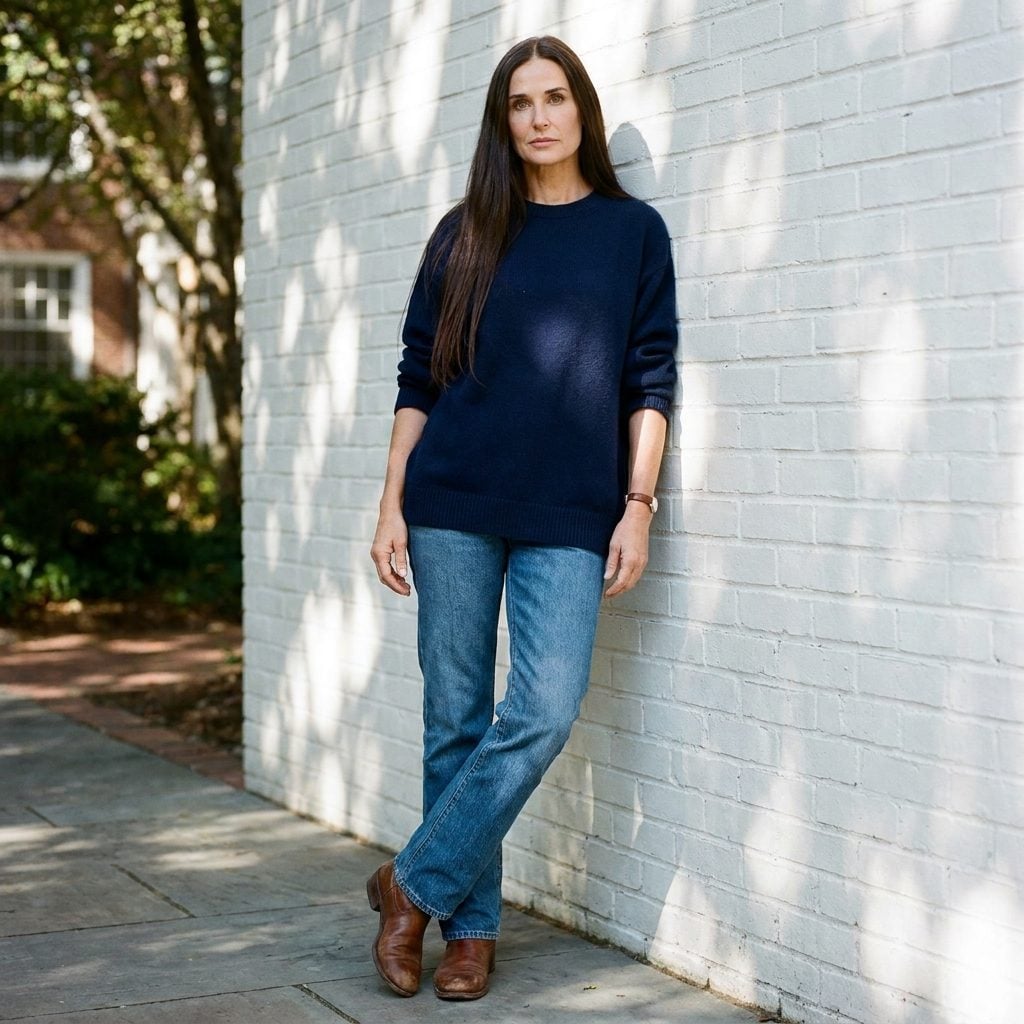
No layers. No product. No curling iron, no rollers, no hot comb, no negotiation. Dark hair, a comb, and gravity — that was the whole toolkit. Ali MacGraw made this famous in Love Story in 1970, and it became the quiet counterpoint to every voluminous, feathered, teased style that chased it through the rest of the decade.
The center part had to be exact. Not approximate. A clean white line from forehead to crown, hair falling in two heavy curtains on either side. The straighter and shinier, the better — women ironed their hair on actual ironing boards to get it flat enough, or wrapped it around orange juice cans overnight. The commitment to straightness was its own kind of devotional practice.
What made MacGraw’s version iconic had less to do with technique than with the attitude it broadcast. Intellectual beauty. Prep-school beauty. The hair said: I have better things to think about. And somehow that made you unable to stop looking at it, which — if you think about it for even a second — is a deeply annoying trick to pull off with a comb.