❤️ Would you like to save this?
The weight of them on your nose. That specific acetate smell when you pulled a new pair from the drugstore rack, the arms still stiff, the lenses so dark you couldn’t read a menu in a restaurant. We didn’t care. We owned six pairs minimum, and every single one roughly translated to “don’t talk to me, I’m having a moment.”
Some of these frames were genuinely iconic. Others were crimes against peripheral vision. All of them lived in our glove compartments, our beach bags, and somewhere in the back of our skulls where nostalgia ferments. Here are the ones we still haven’t fully recovered from.
FYI, thanks to AI imagery software, we’re able to create very specific fashion and hairstyle examples to illustrate the points being made. In some cases, imagery is exaggerated to hammer home the point. Also, assume links that take you off the site are affiliate links such as links to Amazon. this means we may earn a commission if you buy something.
27. The Gold Aviators You Wore Like You Were Landing a Fighter Jet (Not Driving a Camry)

Every pair had that slightly green tint, and the nose pads left two little indentations on the bridge of your nose that took an hour to fade. We bought them because Tom Cruise wore them in Top Gun. We kept wearing them because they made us feel like we had somewhere important to be — even when that somewhere was the Kroger parking lot.
The good ones were Ray-Ban, obviously. But most of us had the cheap knockoffs from a spinning rack at the gas station, and honestly? They worked just as well for the vibe. Gold frames scratched within a week. Nobody cared. You’d push them up on top of your head like a headband when you walked inside, and that became its own look entirely — this accidental crown of scratched metal sitting in your feathered bangs.
26. Black Wayfarer Sunglasses, a.k.a. the Only Frame Shape That Actually Survived
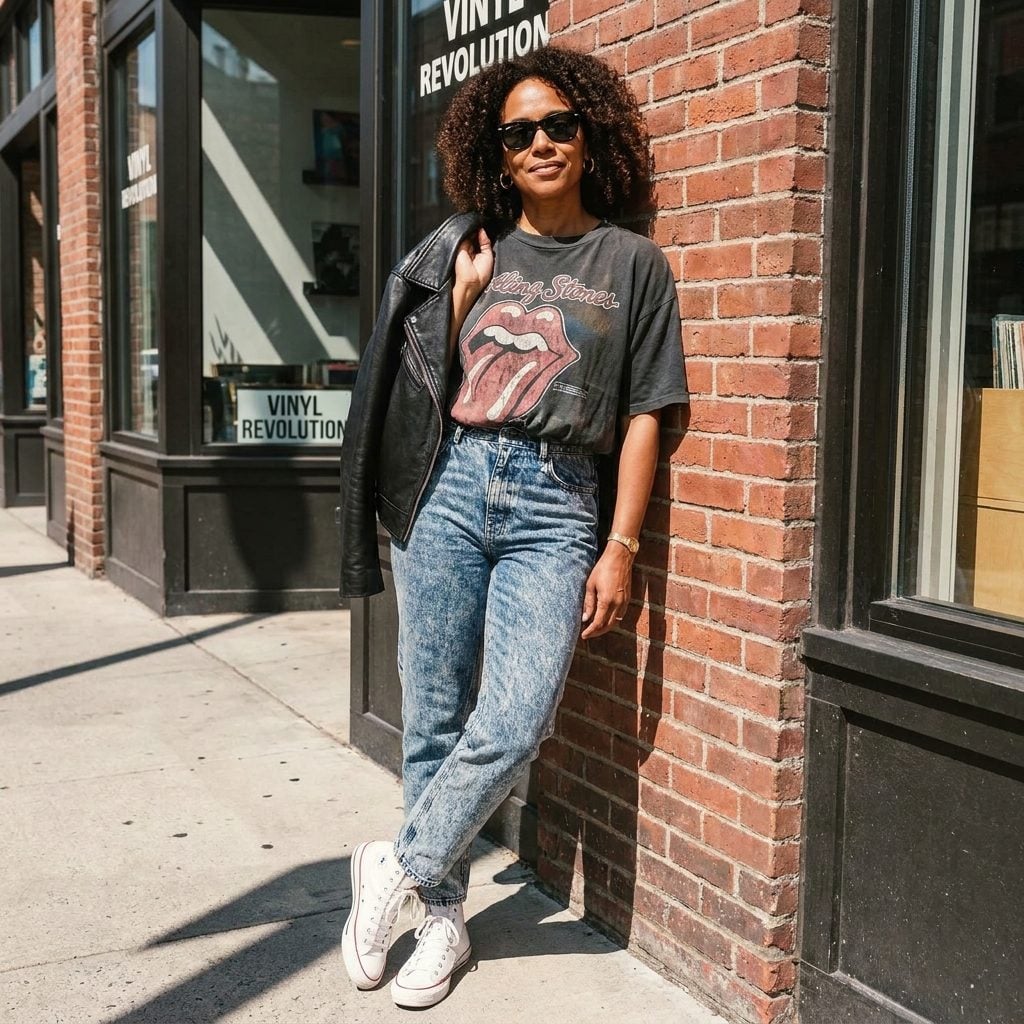
The Wayfarers were the great equalizer. Your cool aunt wore them. The girl in your economics class wore them. Don Henley wore them in every single music video. They cost real money if you got the actual Ray-Bans, which meant losing a pair at the beach felt like a genuine financial event — the kind where you stand at the shoreline, waves lapping at your ankles, staring at the ocean like it owes you money.
What made them different from everything else on this list is brutally simple: they still look good. Not “good for the ’80s” good. Actually good. The thick black acetate, the slight trapezoidal shape, the way they sat on basically every face without demanding anything from the wearer. Tom Cruise wore them in Risky Business in 1983 and Ray-Ban reportedly saw sales explode. That’s not a trend. That’s an invasion.
25. Oversized Square Sunglasses So Big They Functioned as a Face Shield
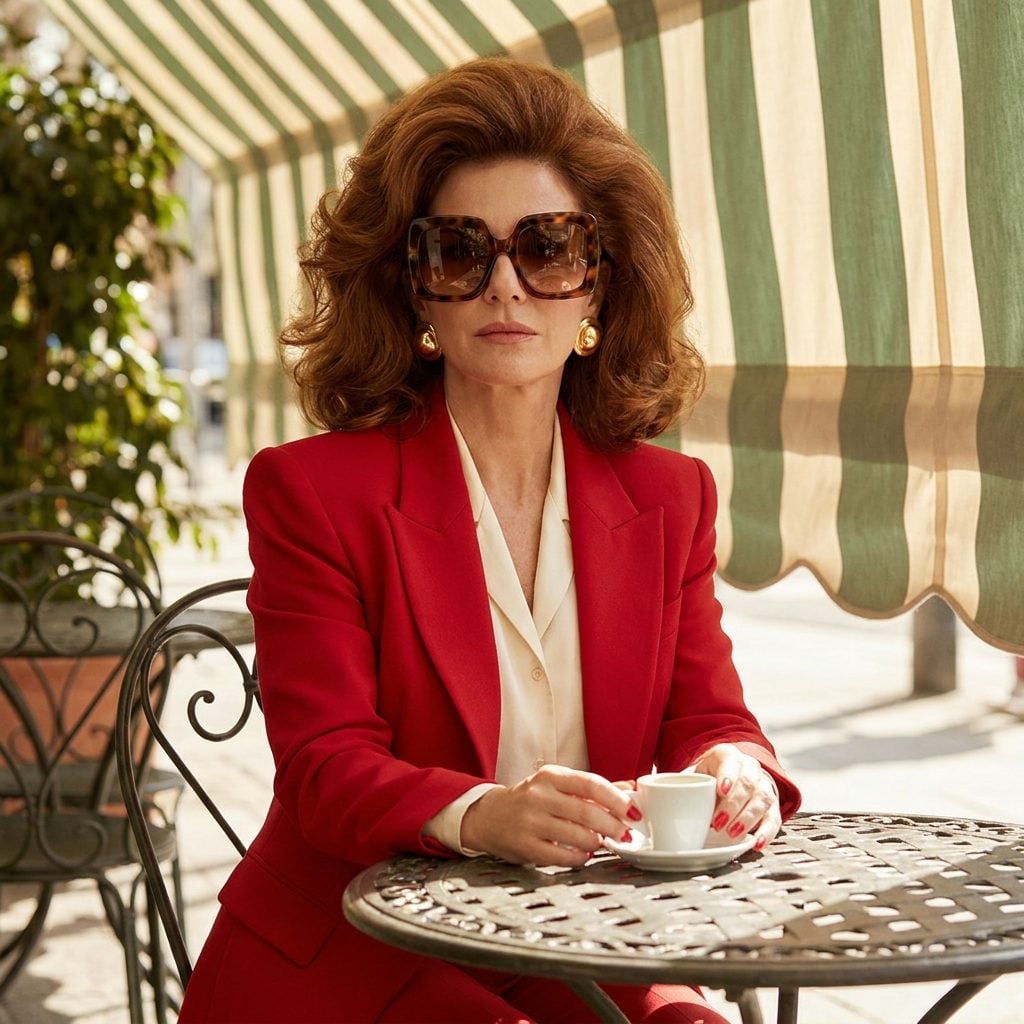
These covered most of your face. The frames were so wide they pressed against your temples, and if you turned your head too fast the arms would catch in your hair. But catch your reflection in a department store window and you looked like a woman who had lawyers, plural.
Jackie O started this in the ’60s. The ’80s took it somewhere more combative — frames got squarer, lenses got darker, and the whole energy said “I’m not available for comment.” You’d see them on every soap opera actress, every real estate agent’s headshot, every woman striding through the airport like she’d bought the terminal that morning and was already bored with it.
24. Round John Lennon Tinted Lenses That Made Everything Look Like a Sunset

Rose-tinted. Amber-tinted. Sometimes blue, if you were feeling particularly committed to the bit. These tiny round wire-frame lenses had absolutely no business being popular in the same decade as shoulder pads and power suits, but the ’80s thrived on contradiction — that was half the fun.
You’d find them at head shops and vintage stores, usually next to the incense and the Grateful Dead patches. Wearing them was a signal: “I’ve read On the Road,” or at minimum, “I want you to think I’ve read On the Road.” The lenses were so small and so tinted they offered almost zero actual sun protection. Functionality wasn’t the point. Atmosphere was. And if the whole world looked like a faded Polaroid through those rose lenses, well, who was complaining?
23. Mirrored Wraparound Sunglasses That Made You Look Like a Motorcycle Cop (and You Were Fine With It)
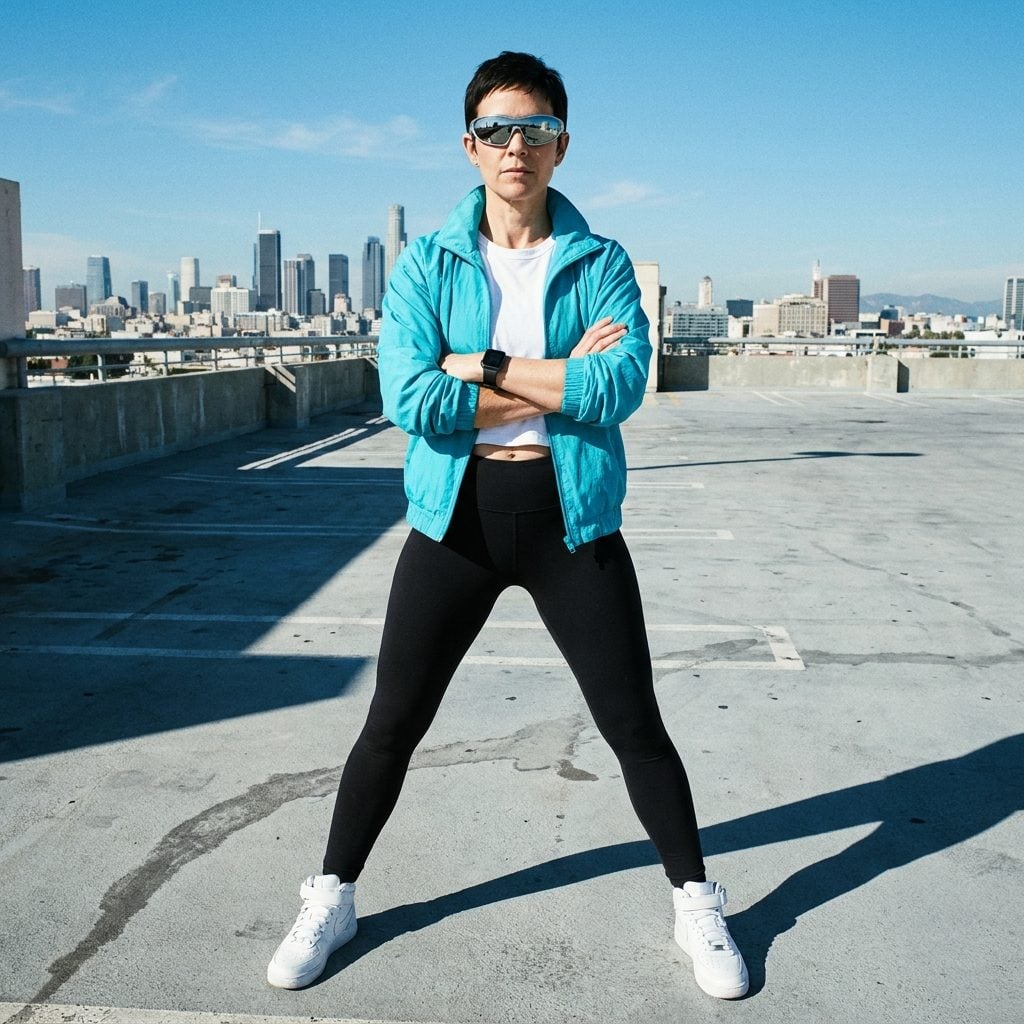
Nobody could see your eyes. The mirrored surface bounced back whoever was looking at you, which meant every conversation felt vaguely adversarial, like you were being debriefed by someone from a sci-fi film. Popular with ski instructors, aerobics teachers, and anyone who owned a Camaro.
The wraparound shape hugged your face like a visor — wind couldn’t get in, peripheral vision was surprisingly good. But that mirror coating scratched if you so much as breathed on it, and within a month you had cloudy patches that undermined the whole mystique. Did we buy another pair? Of course we did.
22. Neon Plastic Frames in Colors That Don’t Exist in Nature
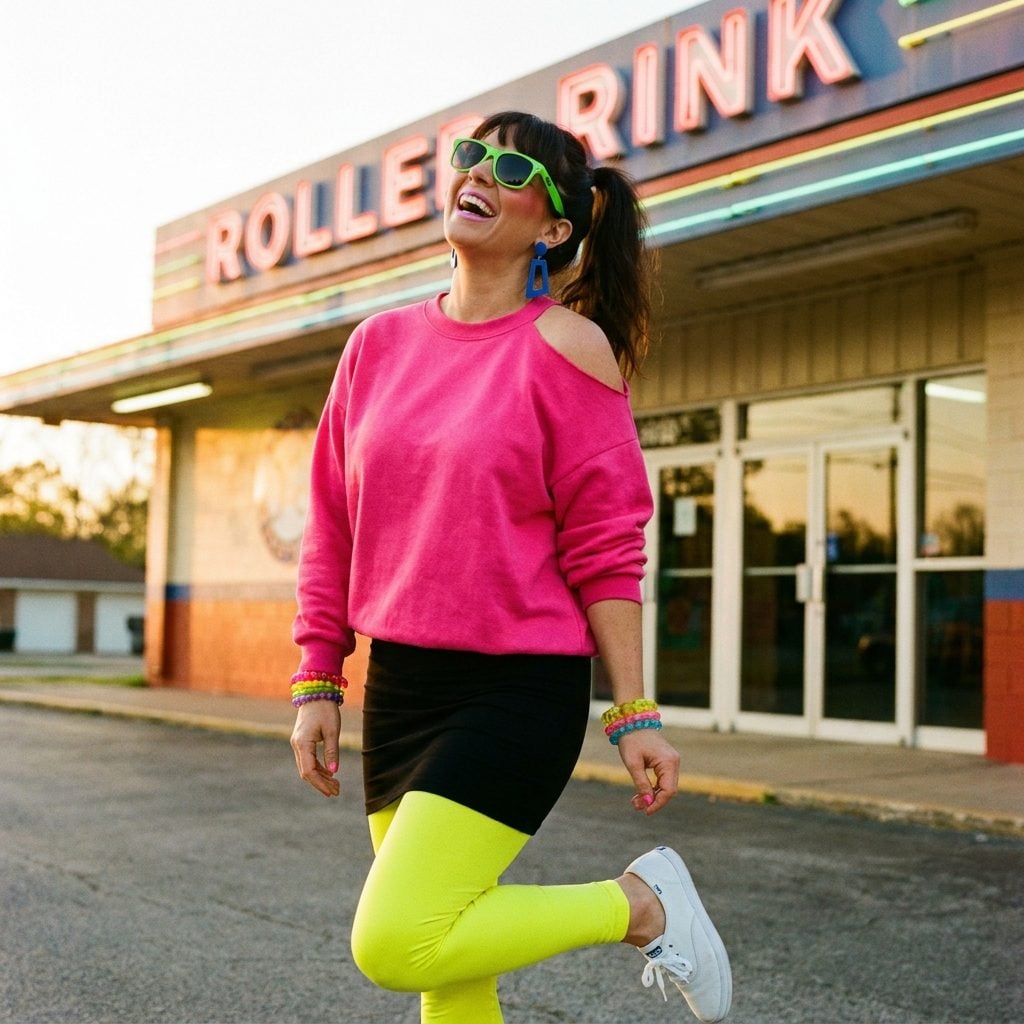
Hot pink. Electric green. A yellow so aggressive it could be seen from orbit. These cost practically nothing, came from the boardwalk or the pharmacy checkout aisle, and snapped clean in half if you sat on them. You sat on them constantly.
Neon frames went with nothing and everything simultaneously. You’d wear neon plastic sunglasses with a neon sweatshirt and neon scrunchie, and somehow the total commitment was its own form of coordination. I genuinely miss that logic. If you’re going loud, go until the neighbors can hear it.
21. White-Framed Sunglasses That Were Either Very Chic or Very Gas Station
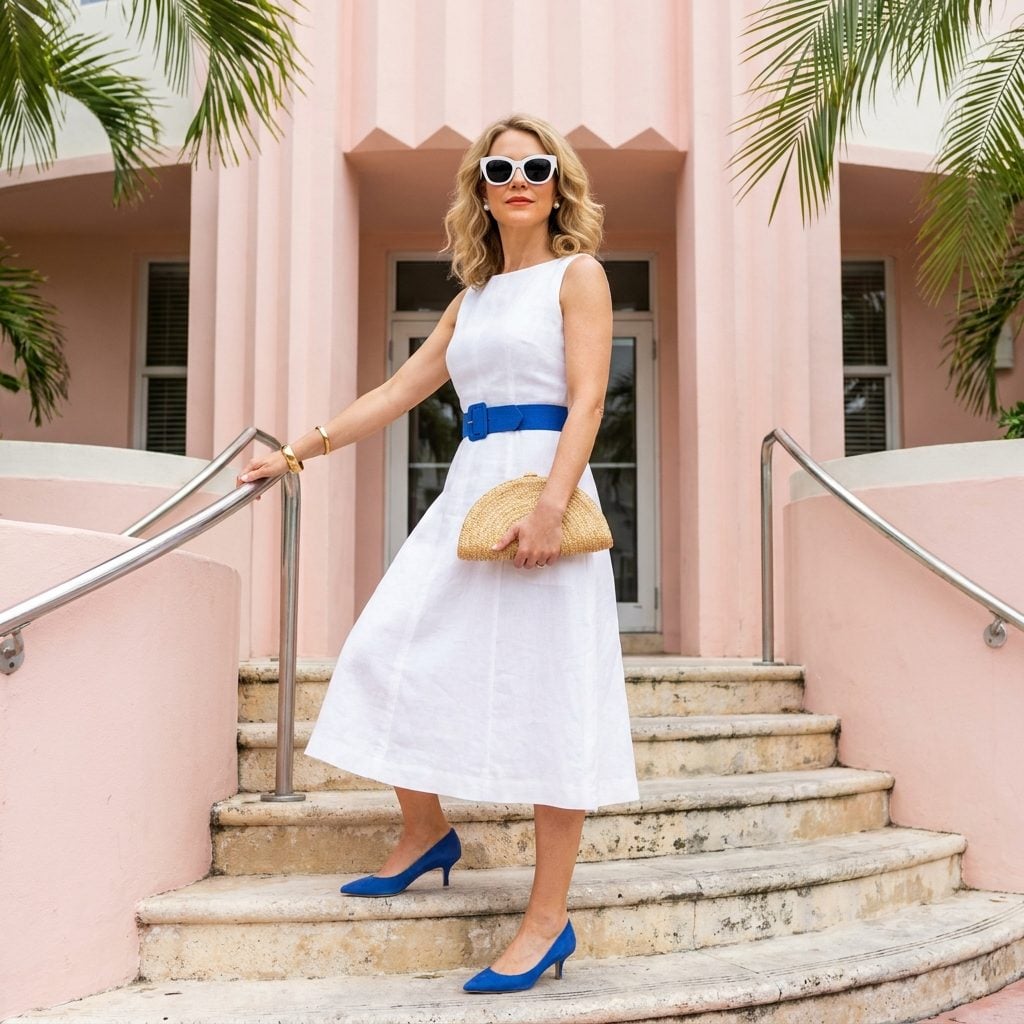
No middle ground with white frames. Either you looked like you were about to board a yacht in Monaco, or you looked like you’d grabbed the first pair you saw at a Texaco station on your way to the beach. The frame color did all the heavy lifting, and it judged you harshly for your outfit choices.
Good versions had substantial frames — usually oversized, paired with something equally deliberate. Bad versions were flimsy, slightly translucent, and turned yellowish after a summer of sunscreen exposure. Both made you feel like a movie star for about twenty minutes. Honestly? Twenty minutes was enough. That’s more than most accessories ever deliver.
White frames were the fashion equivalent of a bluff. You had to wear them like you meant it, or they wore you.
20. Cat-Eye Sunglasses With Rhinestones, Because the ’80s Couldn’t Leave the ’50s Alone
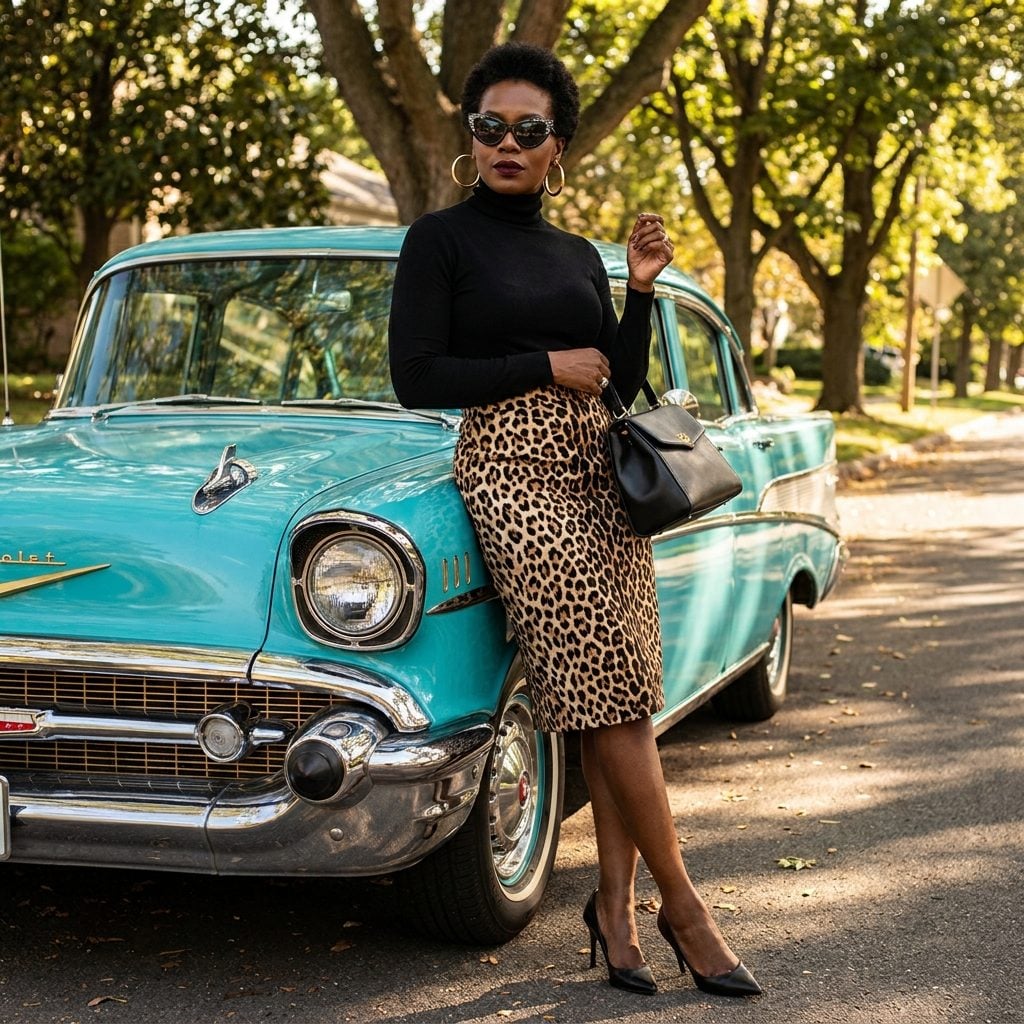
The 1950s invented the cat-eye. The 1980s brought it back with rhinestones, thicker frames, and an attitude less Audrey Hepburn, more Joan Collins scorching the earth on Dynasty. Nothing dainty about them. The upswept corners were pronounced — almost theatrical — and those little crystals caught the light in a way that announced you before you opened your mouth.
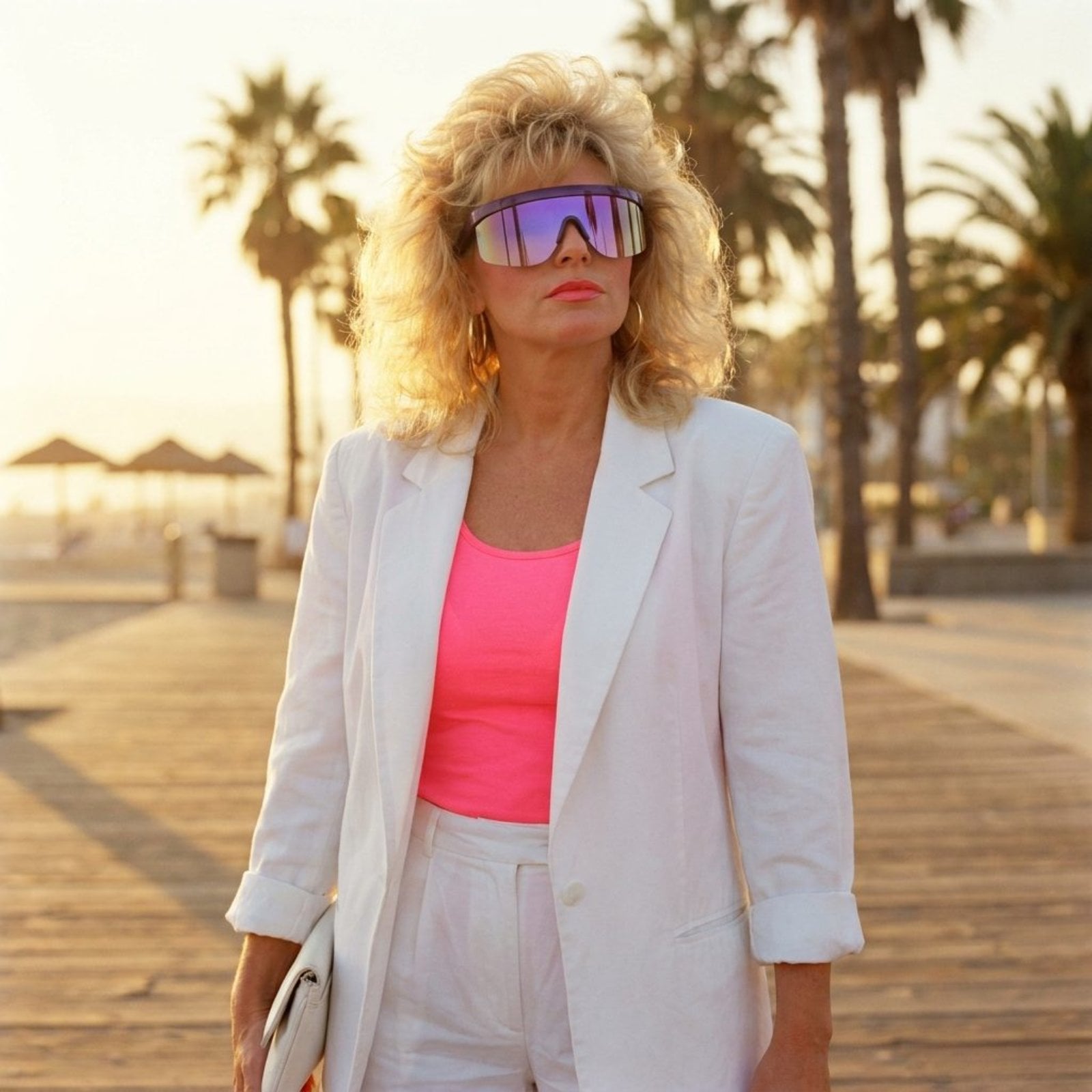
19. Shield Sunglasses That Turned Your Face Into a Single Continuous Lens
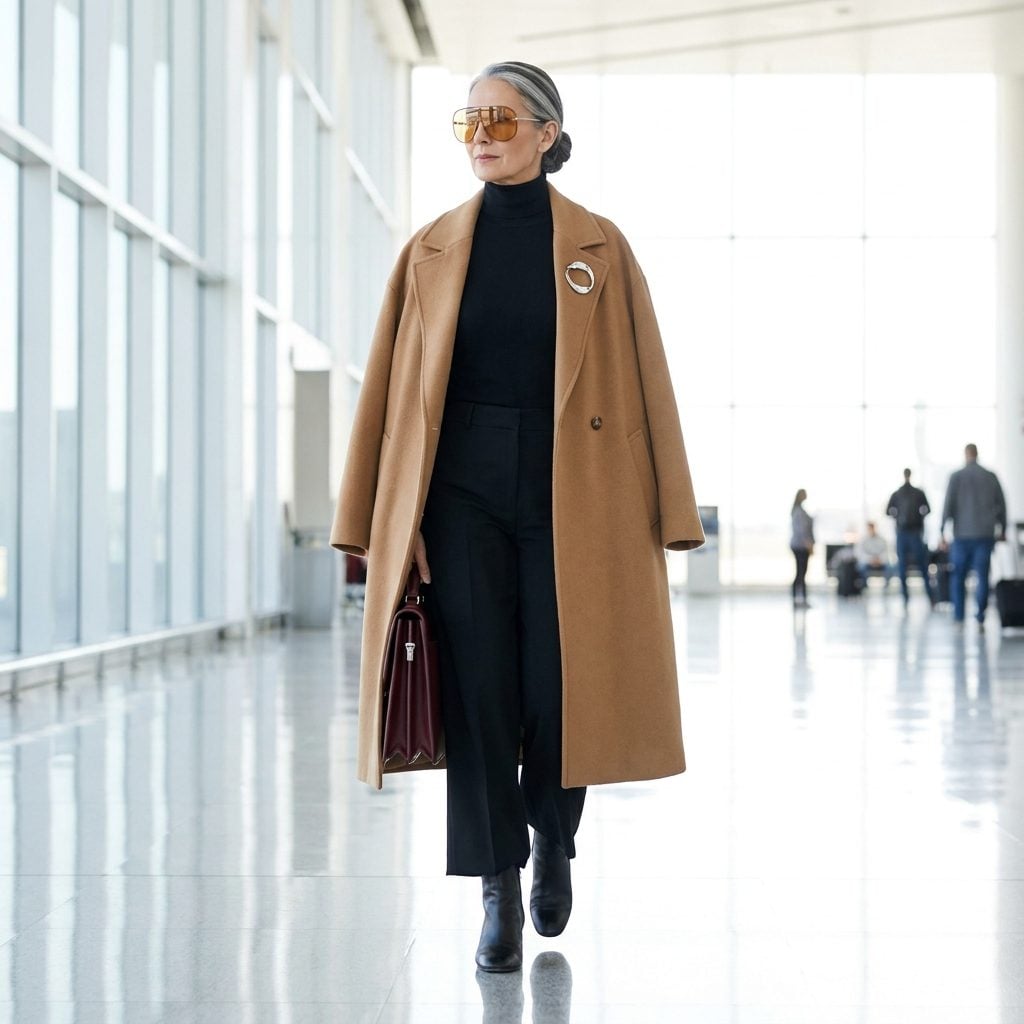
One lens. No bridge dividing it. Just a single curved piece of tinted plastic spanning your entire face like a windshield for your skull. Shield sunglasses looked unhinged on paper and somehow worked in practice, mostly because they photographed well — and what else mattered in the decade of the music video?
The futuristic appeal drove everything. Wearing these announced you weren’t just living in the ’80s; you’d mentally relocated to 2045, specifically a version of 2045 designed by the set department of Miami Vice. Were they comfortable? Not particularly. Did the single lens fog up when you walked from air conditioning into a humid parking lot? Every single time. But they looked wild in photographs, and in the ’80s that was the only criterion that counted.
18. Gradient Lens Sunglasses That Were Dark at the Top and Your Whole Personality at the Bottom

Dark at the top, clear at the bottom, and somehow conveying a whole philosophy of life in between. Gradient lenses were for women who wanted sun protection but also wanted you to see their eyebrows — which, fair enough. Brows were doing serious work in the 1980s and deserved their moment in the light.
What made these feel distinct from a solid dark lens was restraint. Funny word for anything from that decade, I know. The color transition — usually brown fading to amber, or gray fading to nothing — softened everything, so your whole face looked like it had been gently retouched. The most flattering trick a pair of gradient lens sunglasses could pull: making you look like you were perpetually standing in good lighting.
These were the pick of the woman who paired tortoiseshell oversized frames with a silk blouse — someone who grasped that not every accessory had to shout. Sometimes a slow fade said more than a scream.
17. Wire-Rim Fashion Sunglasses That Made You Look Like Your Own Grandmother

There was a period, roughly 1983 to 1987, when perfectly healthy-eyed women decided they needed to look like John Lennon’s accountant. The sunglasses were comically small. Barely larger than a silver dollar, perched on the nose with all the UV protection of a screen door.
Gold wire was the standard, though some rebels went rose gold or, if you were feeling dangerous, gunmetal. You’d pair them with an oversized blazer and feel like the most intellectual person at the Galleria. The lenses were usually tinted just enough to be useless in actual sunlight.
They came back around 2018, and Gen Z acted like they invented them. We said nothing. We just smiled behind our correctly sized frames.
16. Sport Sunglasses with Neon Frames (Because Subtlety Was Dead)
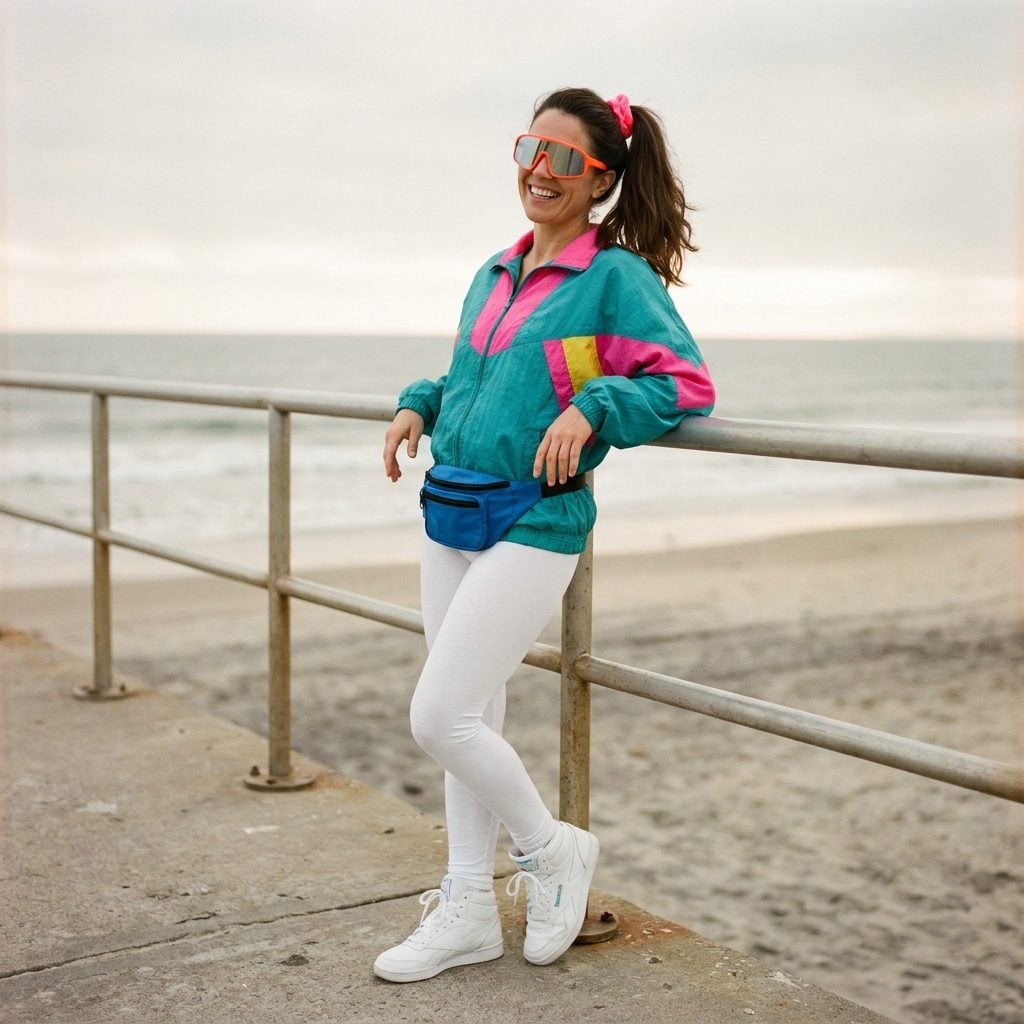
Oakley Blades. Vuarnet knockoffs from the gas station. That one pair your older brother’s girlfriend left at your house that you claimed as your own. Sport sunglasses in the ’80s weren’t for athletes. They were for everyone who wanted to look like they might, at any moment, go windsurfing.
The frames came in colors that don’t exist in nature. Neon pink, radioactive green, a yellow so aggressive it practically hummed. And the lenses? Mirrored, always. You needed people to see themselves in your face.
I owned a pair of neon orange wraparounds that I wore with a denim skirt and Keds, which is the opposite of sport. Nobody questioned it. That was the beauty of the decade: confidence was the only coordination required.
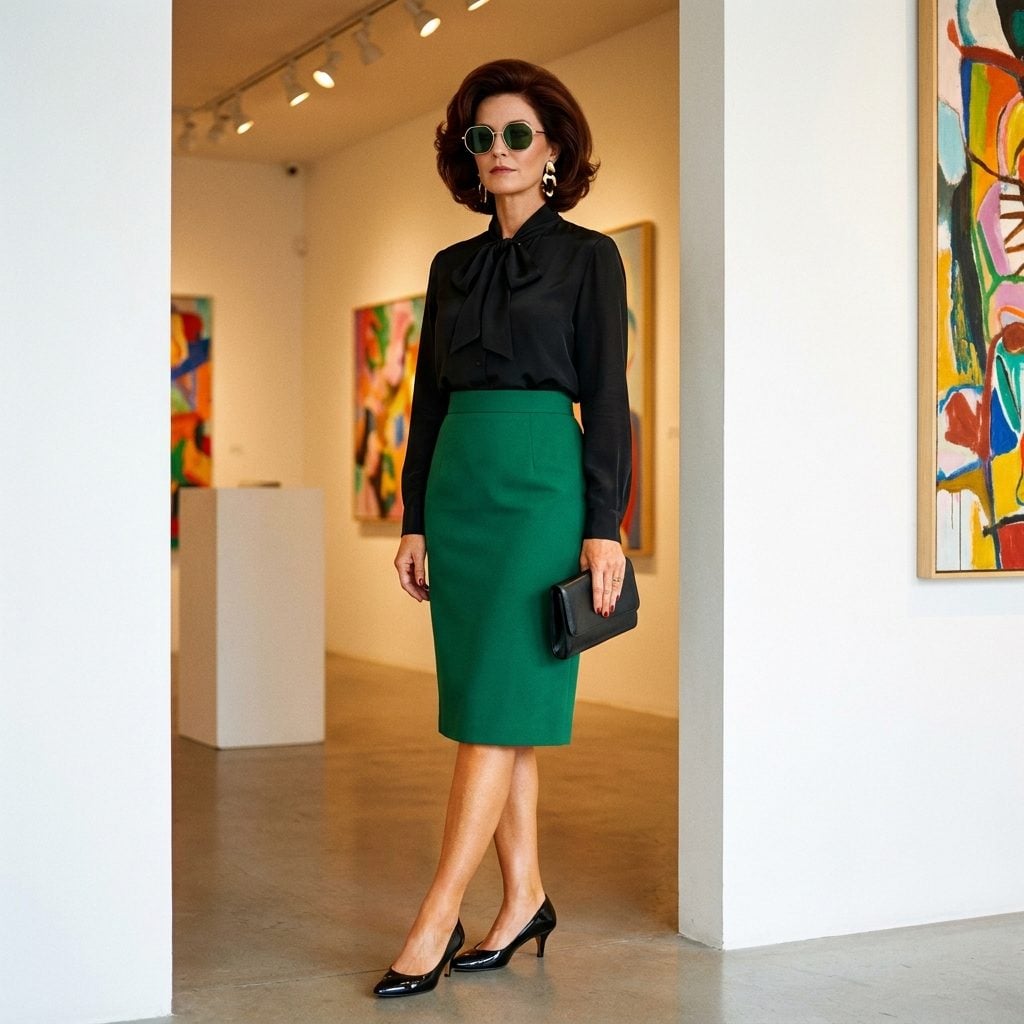
15. Geometric Frame Sunglasses in Octagon and Hexagon Shapes
❤️ Would you like to save this?
Round was too hippie. Square was too normal. So the ’80s said: what if we put literal stop signs on people’s faces?
Octagonal frames had a moment that lasted far longer than it should have. Hexagons too. Any polygon with more than four sides was fair game. They looked vaguely European, vaguely artistic, and entirely impractical because the flat edges created little gaps where sun poured in from every angle.
You wore them to gallery openings you didn’t understand. You wore them to brunch. You wore them because someone told you they were “architectural” and that sounded like a compliment.
14. Flip-Up Sunglasses (The Convertible Car of Eyewear)
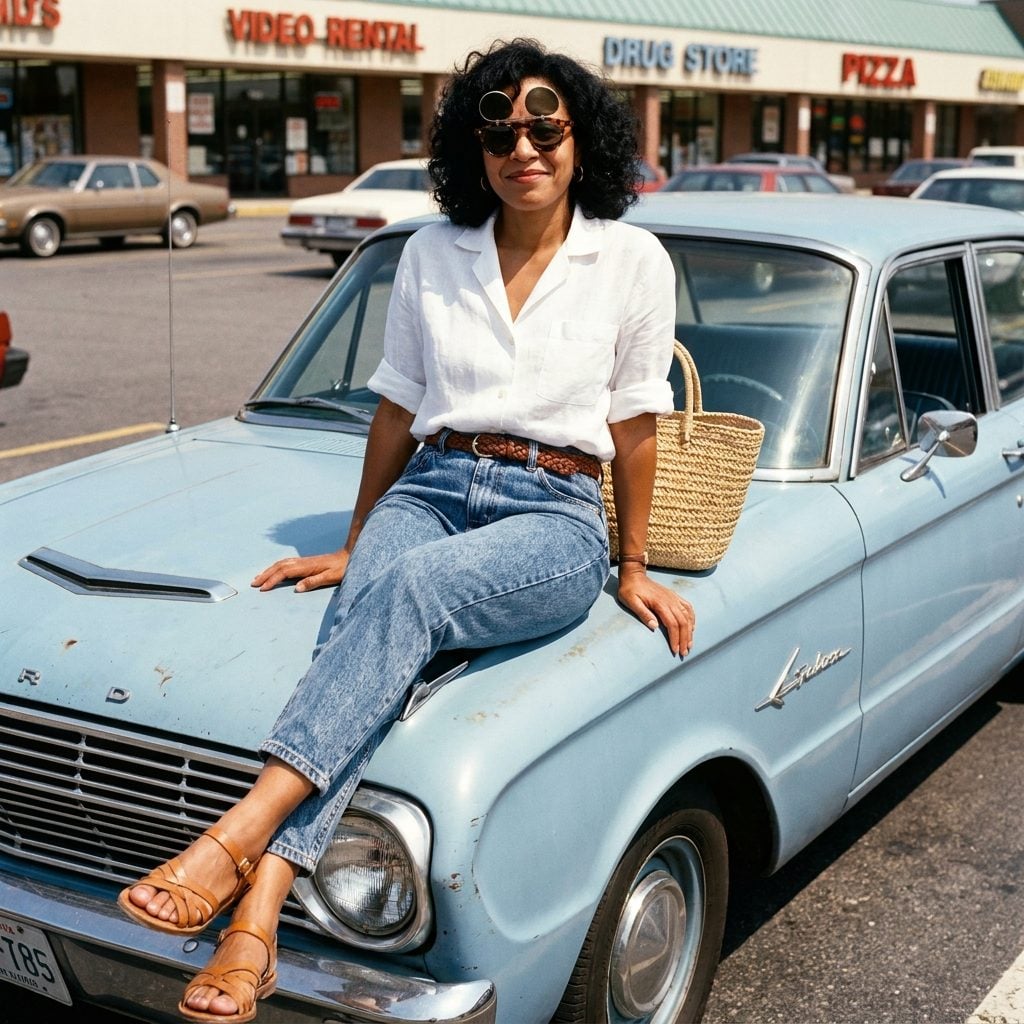
These were the mullet of accessories: business on the bottom, party on top. One flick of the wrist and your dark lenses swung upward like tiny garage doors, revealing your actual eyes to the world. Revolutionary? Hardly. But we treated it like technology.
The appeal was theatrical. You’d walk into a store, flip the lenses up with one finger, and make eye contact with the sales clerk like you were a detective in a noir film. In reality, you were at Mervyn’s looking for a swimsuit, but the gesture made you feel powerful.
13. Clip-On Sunglasses Worn Over Your Prescription Glasses (No Shame, Just Function)

Nobody’s mother looked cool in these. That’s just the truth, and our mothers knew it, and they wore them anyway because they needed to see AND needed to not squint AND refused to spend money on prescription sunglasses when the clip-ons were $4.99 at Walgreens.
The clips never matched the frames. They were always slightly too wide or too narrow, giving the whole face a layered, insectoid quality. When you flipped them up, they stuck straight out from the forehead like a tiny visor for ants.
Here’s what I didn’t appreciate until I hit 43 and started needing readers: those women were geniuses. Pure function over form. They didn’t care what we thought, and honestly, that’s the most stylish thing anyone can do.
12. Yellow-Tinted Driving Sunglasses That Made the Whole World Look Like a Sepia Photograph
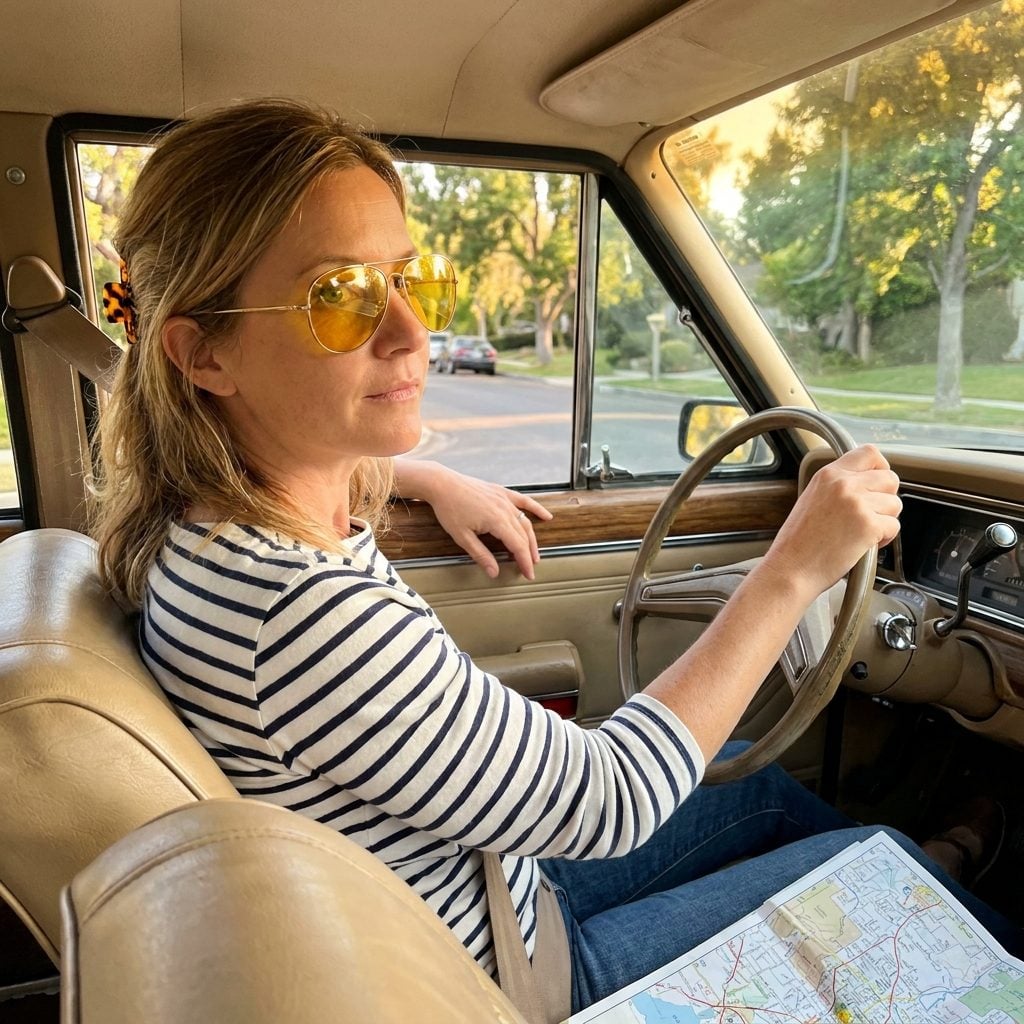
Your dad had them. Your driving instructor had them. The guy at the auto parts store definitely had them, clipped to his shirt pocket. But somewhere around 1985, yellow-tinted lenses crossed over from “middle-aged man accessory” into actual fashion territory, and suddenly women were wearing them to the grocery store on overcast Tuesdays.
The supposed benefit was “increased contrast” and “reduced glare.” The actual benefit was that everything looked like a Fleetwood Mac album cover. Golden, warm, slightly out of time. You’d look through those lenses at a Safeway parking lot and think, “This is beautiful, actually.”
11. Blue-Tinted Fashion Sunglasses Straight Out of a John Hughes Film You Weren’t In

Blue lenses made zero practical sense. They didn’t block meaningful UV. They didn’t reduce glare. What they did was make you look like you might have a secret, or possibly a hangover, and in the ’80s those were roughly equivalent in social currency.
Molly Ringwald energy. That’s what blue tints communicated. Moody, artistic, slightly unapproachable. You wore them pushed up on your head more than over your eyes because the point was never actually about sun protection. The point was being seen holding them, adjusting them, letting them catch the light as you tilted your face.
10. Pink-Tinted Sunglasses (Literally Seeing the World Through Rose-Colored Glasses)
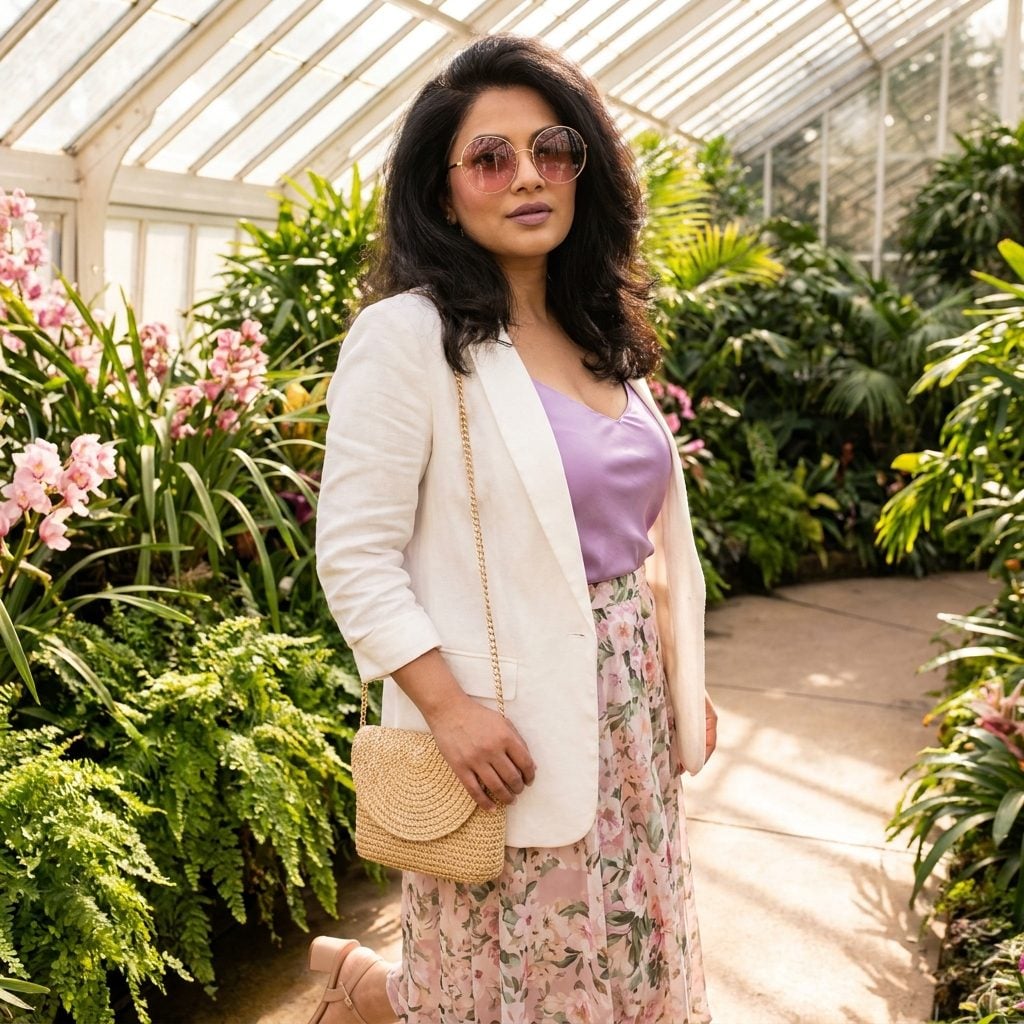
If blue lenses said “I have thoughts,” pink-tinted lenses said “I have feelings and I’m not even slightly embarrassed about it.” They were unapologetically girly in a decade that also gave us power suits and linebacker shoulder pads, and that contradiction was part of the charm.
Everything looked better through pink lenses. Skin looked warmer. Fluorescent office lighting looked almost pleasant. Your boyfriend’s terrible apartment looked like it might have potential. It was a built-in Instagram filter thirty years before Instagram existed.
The phrase “rose-colored glasses” was already a cliché by 1984, and we leaned into it anyway. On purpose. With accessorizing.
9. Half-Frame Sunglasses That Made Everyone Look Like a Librarian on Vacation
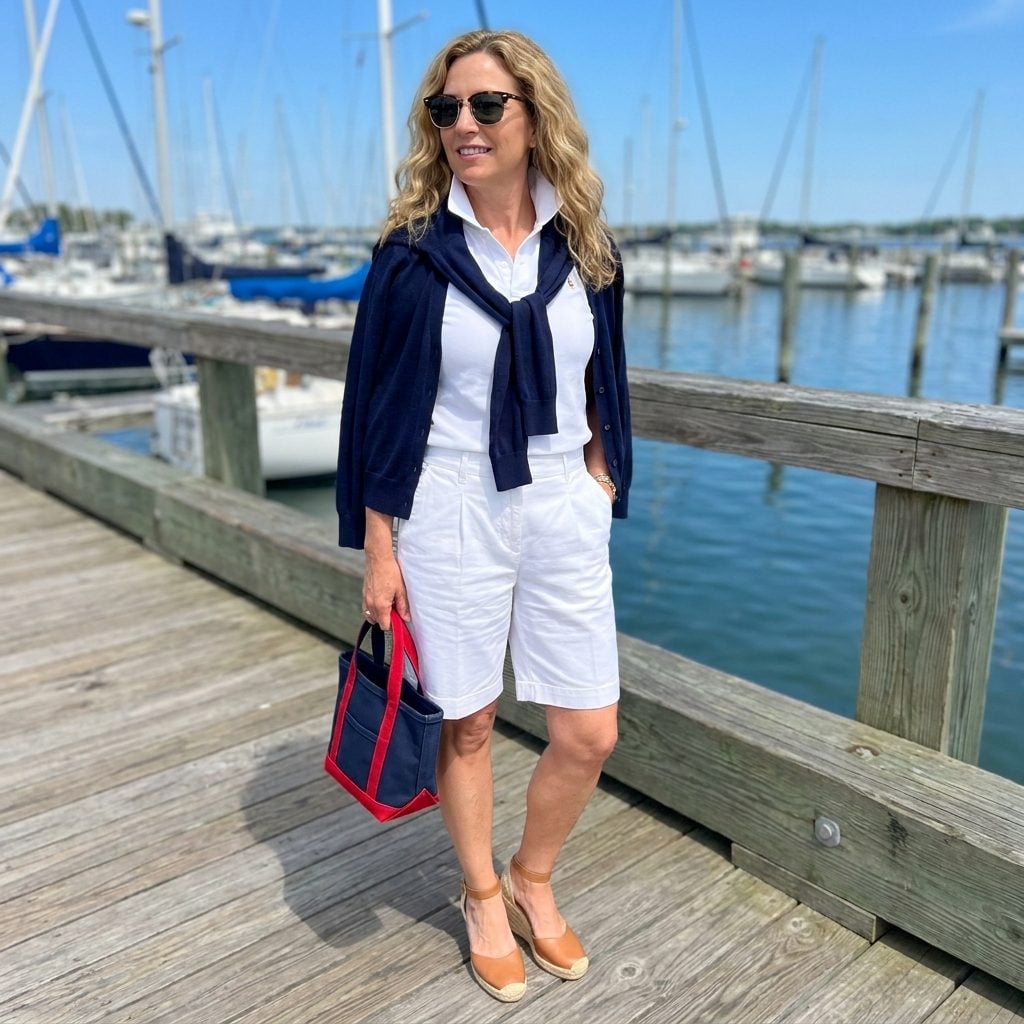
Half the frame, twice the attitude. The upper rim was tortoiseshell or black, the bottom of the lens just… floated there, rimless, held in by some invisible engineering you never questioned. It looked studious. It looked European. It looked like you subscribed to at least two literary magazines and understood wine.
These sat lower on the nose than full-frame styles, which meant you were always peering over them at people. Intentional or not, it gave every interaction a vaguely judgmental quality, and honestly, that worked in our favor more often than it didn’t.
8. Browline Sunglasses (The Ones Your Cool Uncle Wore That You Stole Anyway)
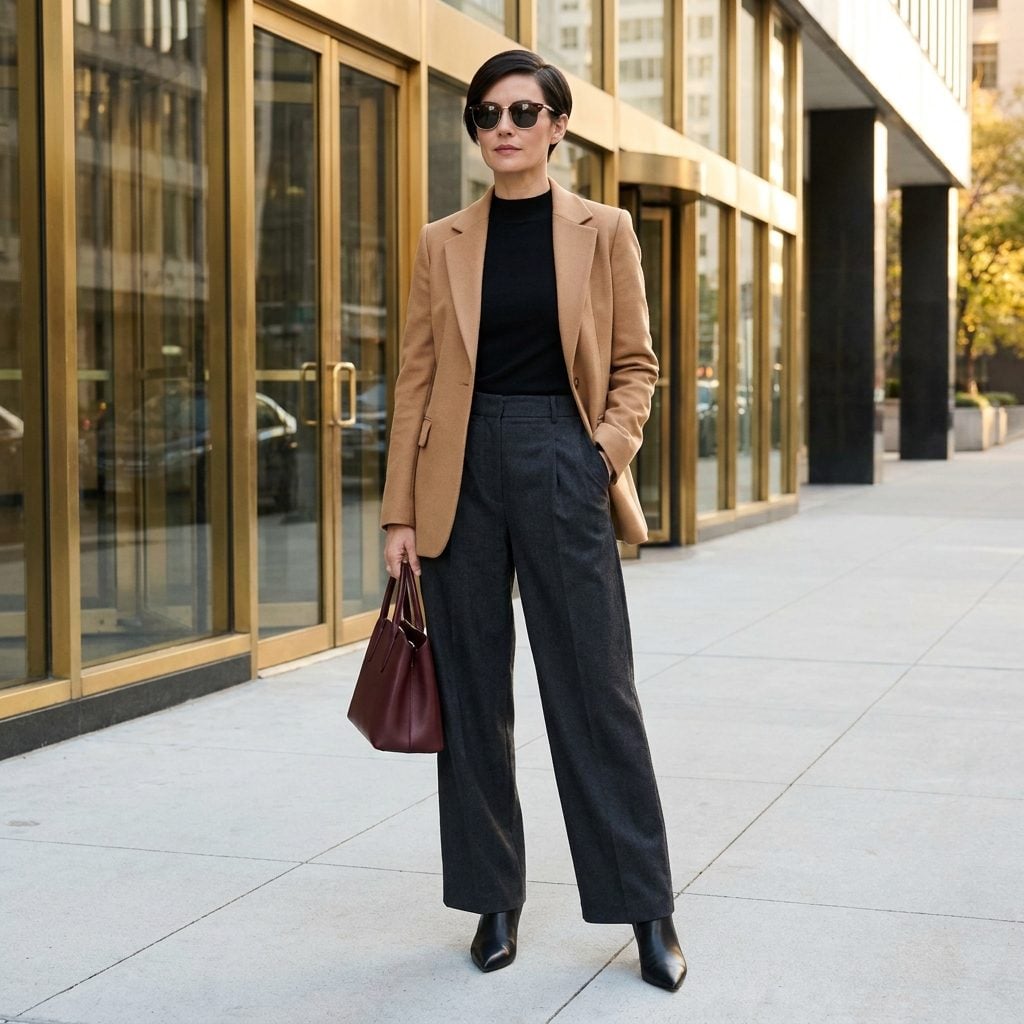
Browlines were the sunglasses equivalent of a raised eyebrow. That thick upper bar, usually in dark acetate or tortoiseshell, sat heavy across the brow line while the bottom half practically disappeared in thin wire. The visual effect was authoritative. Commanding, even. Like your face had an opinion before you opened your mouth.
They had a distinctly masculine heritage, which is exactly why women started claiming them in the early ’80s. Paired with an camel wool blazer and a confident stride, browlines communicated that you were not here to be decorative. You were here to run things.
The style had its roots in the 1950s, faded through the ’60s and ’70s, then roared back as part of the ’80s vintage revival. By 1986 you could find them at every sunglass kiosk in the mall, wedged between the Wayfarers and the oversized Jackie O frames.
7. Ski-Inspired Oversized Visor Sunglasses That Made You Look Like a Fashionable Insect
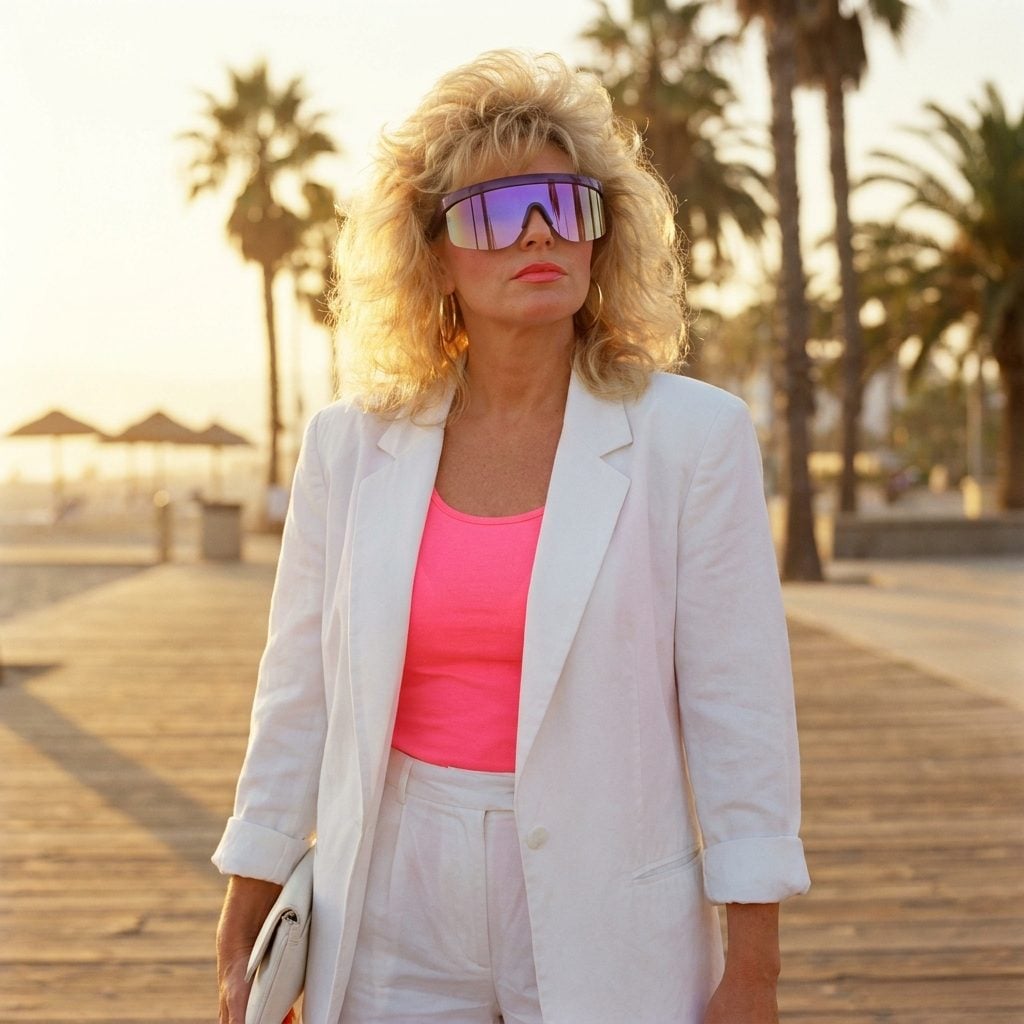
One single lens, no frame division — just a massive curved shield of tinted plastic covering everything from your eyebrows to your cheekbones, as if you were about to hit the slopes in Aspen when really you were walking into a Bennigan’s. These sunglasses owed everything to the ski goggle. Their only question: what if we took performance eyewear and made it a personality?
The gradient tint was non-negotiable. Purple fading to clear, or blue fading to rose. You couldn’t see our eyes, and honestly that was the point. We felt like fighter pilots. We looked like glamorous houseflies. Nobody cared, because the whole decade ran on the premise that more was more.
6. Tortoiseshell Oversized Sunglasses Your Mom Wore to Every Single Soccer Game

A uniform, not a fashion moment. Every woman between 28 and 55 owned a pair of oversized tortoiseshell sunglasses in the 1980s, and she wore them everywhere: the grocery store, the carpool line, the beach, her sister’s wedding rehearsal. The amber-and-brown acetate pattern was the great equalizer.
What made them special was their total indifference to trend cycles. Neon shields and geometric frames came and went, but tortoiseshell oversized frames just sat there on the kitchen counter, reliable as a Volvo wagon. You grabbed them on the way out the door without thinking — they went with the cable-knit sweater, the linen blazer, the sweatshirt you stole from your husband. The sunglasses equivalent of khaki, and I mean that as a compliment.
5. Slim Rectangular Sunglasses That Made Everyone Look Vaguely Suspicious
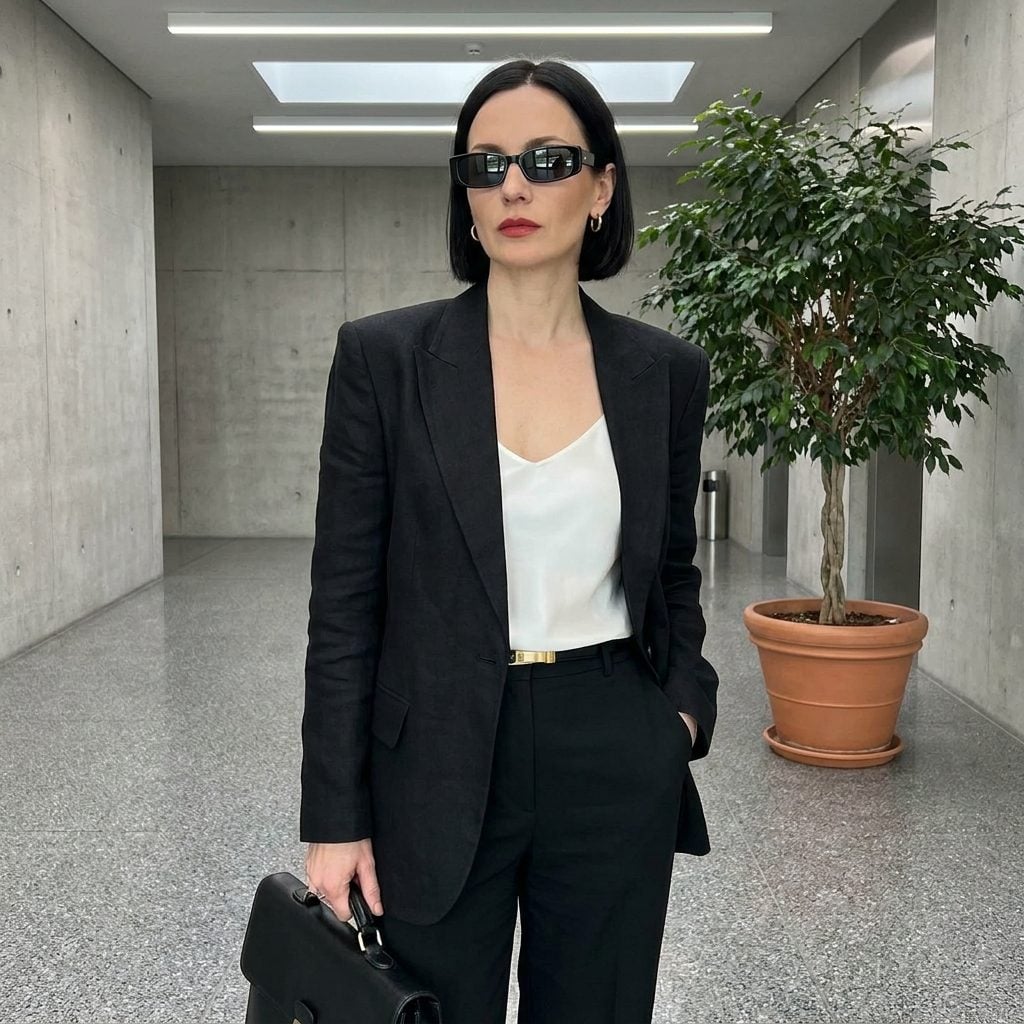
Barely an inch of lens. That was the whole proposition — razor-thin rectangles that covered almost none of the eye area normal sunglasses would protect, making them functionally useless against actual sunlight but devastatingly effective at making you look like you were about to fire someone.
The slim rectangular frame showed up mid-decade as a counterpoint to all that oversized excess. Wearing them felt like joining a secret society of women who owned briefcases, drank espresso standing up, and had opinions about quarterly reports. They paired exclusively with power suits, red lipstick, and an expression that suggested you knew something everyone else didn’t.
I wore mine to a job interview once. Got the job. Correlation isn’t causation, but I’ll always wonder.
4. Pearlized Plastic Frame Sunglasses in That Specific Shade of Dusty Rose
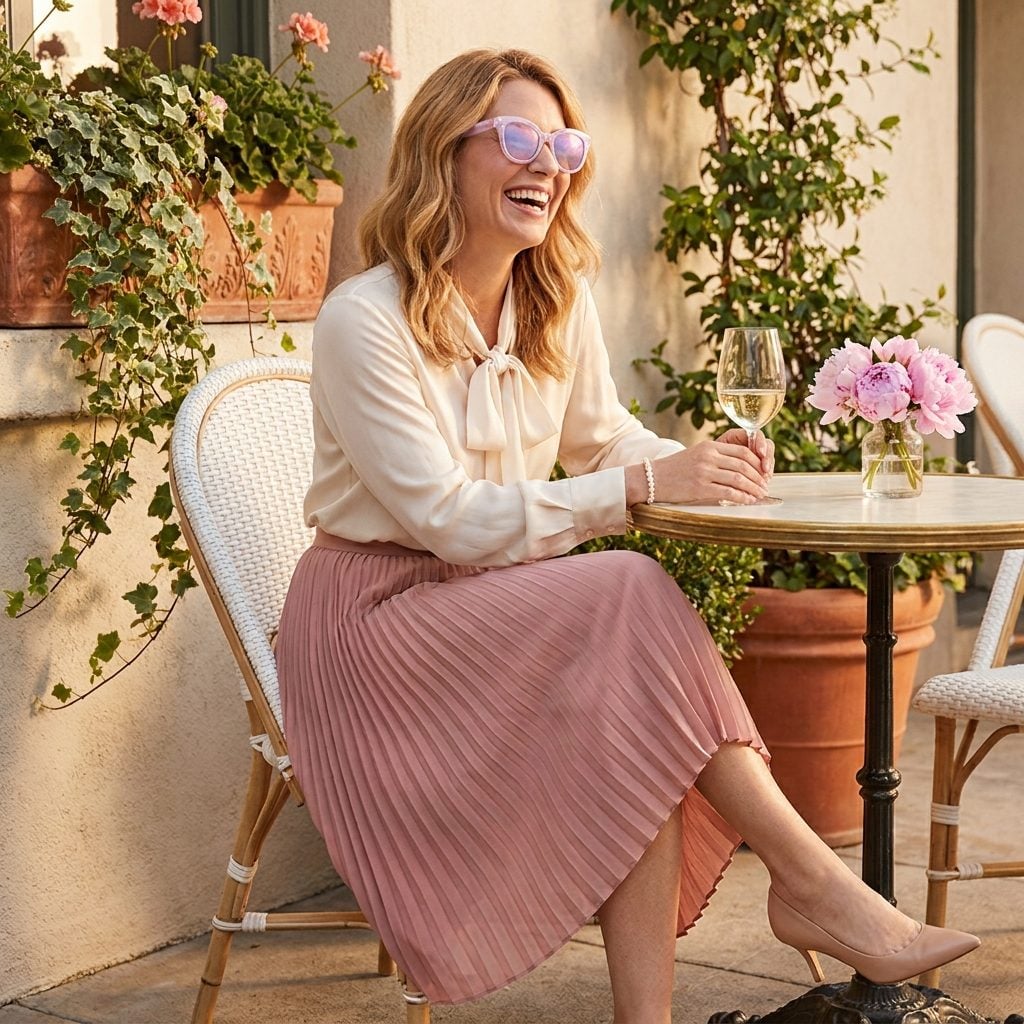
Not pink. Not white. Not lavender. Pearlized. That finish shifted color depending on the light, like the inside of a seashell or the dashboard of your aunt’s Cadillac. These frames came in dusty rose, pale lilac, and a champagne-adjacent ivory — all with that slightly iridescent quality photographs could never quite capture.
You bought them at the department store accessory counter, right next to the clip-on earrings and the scarves displayed on little brass trees. Cheap. Maybe the price of two coffees. But they made you feel like the star of a perfume commercial, which in the 80s was about the highest aspiration a Tuesday afternoon could hold.
3. Keyhole Bridge Sunglasses (The Tiny Architectural Detail We Were All Obsessed With)
❤️ Would you like to save this?
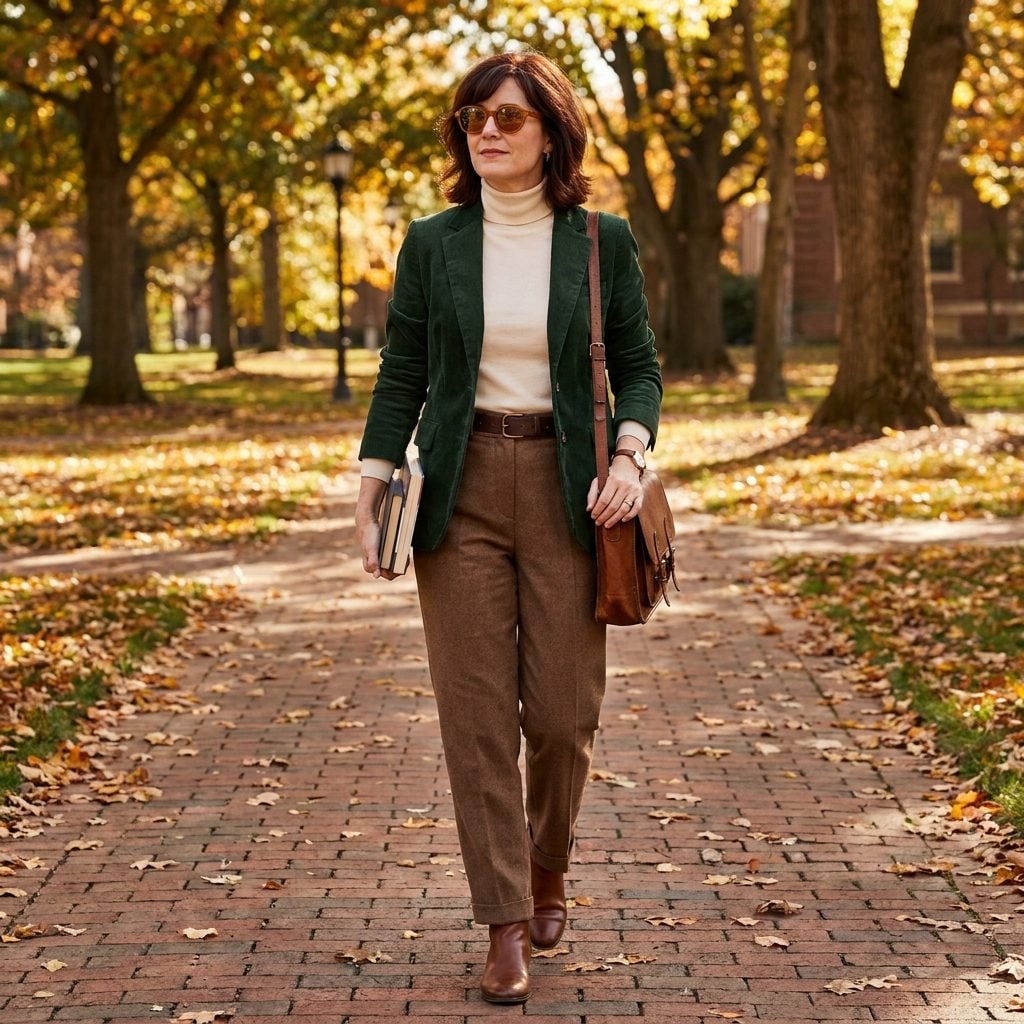
A tiny cutout in the nose bridge. That’s it. That was the entire design feature, and we treated it with the reverence of a Renaissance fresco.
The keyhole bridge had existed since the 1940s, but the 80s claimed it with the fervor of someone who just discovered thrift stores. It showed up on every pair of brown acetate frames at LensCrafters, and choosing keyhole over standard bridge felt like a deeply meaningful aesthetic decision — a quiet declaration that you appreciated craftsmanship, noticed details, and had strong opinions about how a frame should sit on a nose. Which is a very specific kind of person to be, but there were a lot of us.
2. Designer Logo Temple Sunglasses Where the Brand Name Was Bigger Than the Lens
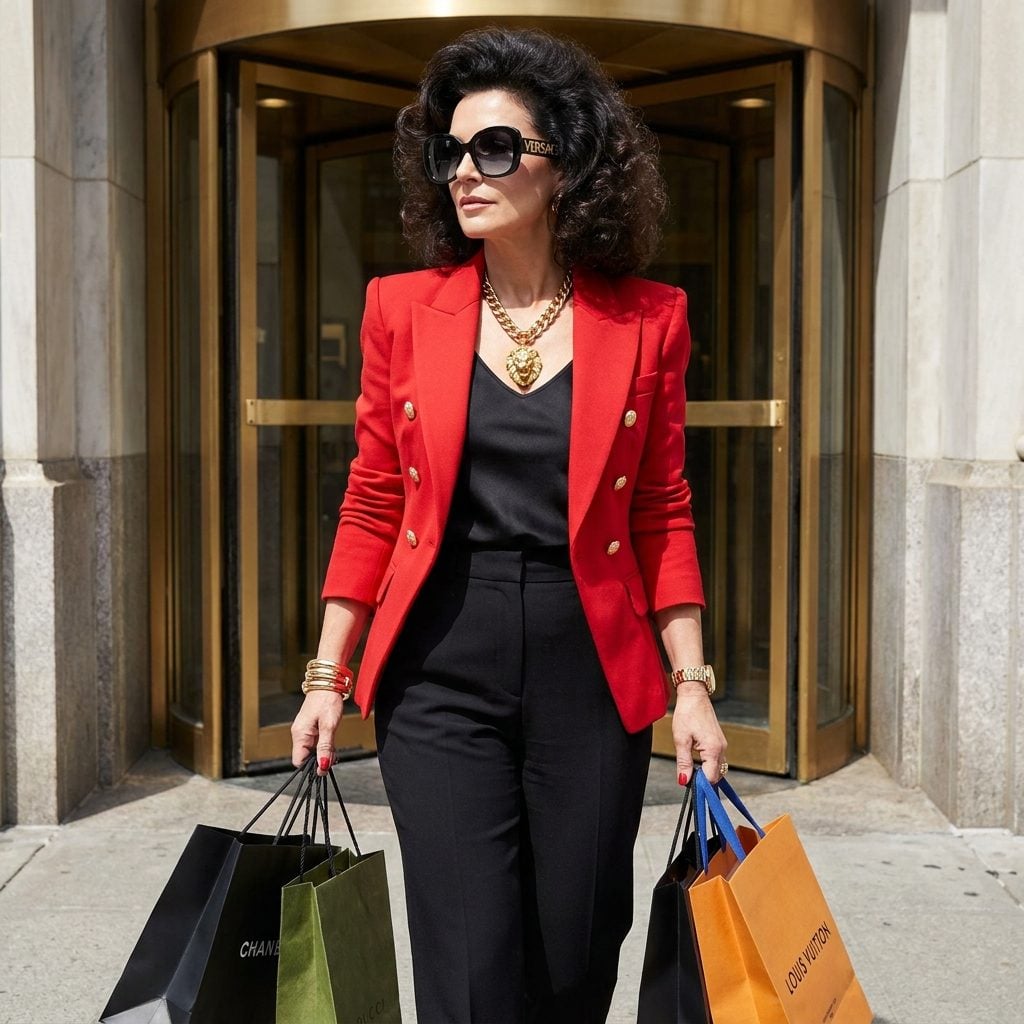
The logo wasn’t a detail. The logo was the whole transaction. Spelled out in gold letters along the entire arm of the frame, visible from across a restaurant, legible from a moving car. Gucci. Dior. Carrera. If someone couldn’t read the name from ten feet away, you might as well have been wearing gas station sunglasses.
This decade turned visible branding into a status marker instead of a tacky choice. The accessory trends of the 80s ran on one principle: if you paid for the name, everyone should know it. Subtlety? That was for people who couldn’t afford the real thing.
And look — we can roll our eyes now from the safe distance of four decades. But there was something honest about it. No quiet luxury, no stealth wealth. You bought the logo sunglasses, you wore them loudly, and everyone knew exactly where they stood. I kind of miss that bluntness.
1. Translucent Colored Plastic Frame Sunglasses in Grape, Teal, and Watermelon

You could see through the frames. That was the magic — cheap plastic from the drugstore spinner rack in colors that existed nowhere in nature: a purple approaching grape Jolly Rancher, a teal that matched your Trapper Keeper, a pink splitting the difference between watermelon and flamingo.
Nobody owned just one pair. Four, minimum, matched to your outfit like you were a person with ironclad convictions about color coordination. Teal frames with the teal crop top. Grape frames with the purple scrunchie. The watermelon pink frames with literally anything, because those were the favorites and justification wasn’t required.
They broke constantly — sat on, stepped on, left in the back window of the car until they warped into a shape no longer compatible with a human face. Didn’t matter. They cost less than a Happy Meal. You just bought more. That was the whole beautiful, disposable contract.