

❤️ Would you like to save this?
Your closet can expose everything from impulse buying patterns to financial avoidance behaviors, offering insights that even close friends and family members can pick up on. From scattered bills on the floor to forgotten purchases with tags still attached, these physical signs paint a clear picture of your money management style and financial priorities.
FYI, thanks to AI imagery software, we’re able to create very specific fashion and hairstyle examples to illustrate the points being made. In some cases, imagery is exaggerated to hammer home the point. Also, assume links that take you off the site are affiliate links such as links to Amazon. this means we may earn a commission if you buy something.
30. Closet flooring scattered with unpaid bills or financial papers

Your closet floor tells a story about money management. Bills scattered across the carpet signal financial overwhelm.
When important documents pile up in your wardrobe space, you’re avoiding financial decisions. This creates stress every time you get dressed.
Clear flooring reflects organized finances and peace of mind with money matters.
29. Closet mirror notes with budgeting reminders or goals
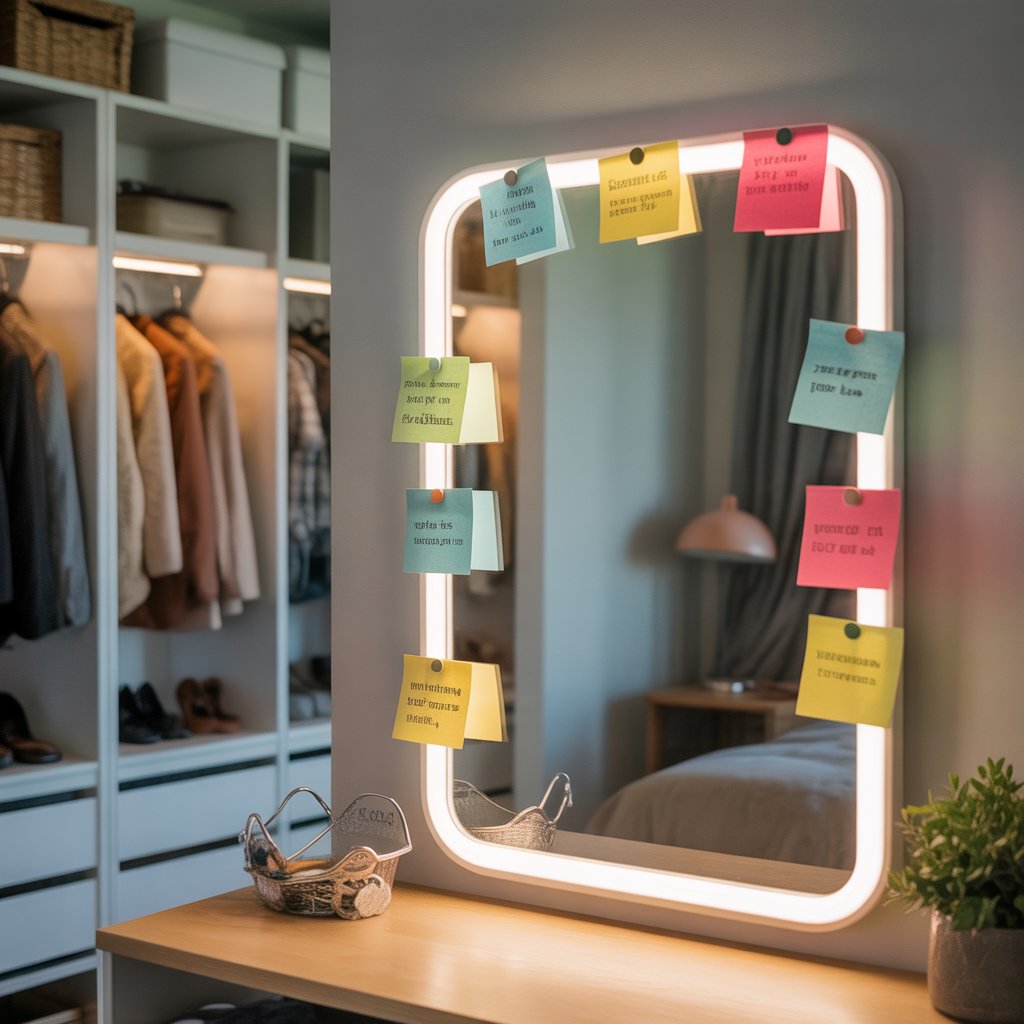
You post sticky notes on your closet mirror with spending limits or savings targets. This shows you’re actively working to improve your financial habits.
Your mirror becomes a daily accountability partner. You see reminders like “No shopping this week” or “$500 emergency fund goal” every morning.
This practice reveals someone who struggles with impulse purchases but is committed to change. You’re using visual cues to strengthen your money mindset.
28. Closet storage filled with outdated electronics or gadgets

Your closet reveals financial habits when you hoard old electronics instead of selling or donating them. Keeping broken phones, outdated tablets, and unused gadgets suggests you struggle to let go of past purchases.
This pattern often indicates guilt over money spent on items that didn’t deliver lasting value. You might fear admitting these purchases were mistakes, so you store them away rather than face the financial reality.
27. Closet full of accessories forgotten or unused

Your collection of unworn jewelry, unused bags, and forgotten scarves reveals impulse buying patterns. These accessories seemed essential at purchase but now gather dust.
This accumulation suggests you buy based on emotion rather than need. You might shop to feel better or because something caught your eye momentarily.
Organizing these items can help you see your true spending habits clearly.
26. Closet space used to hide guilt purchases or financial stress items
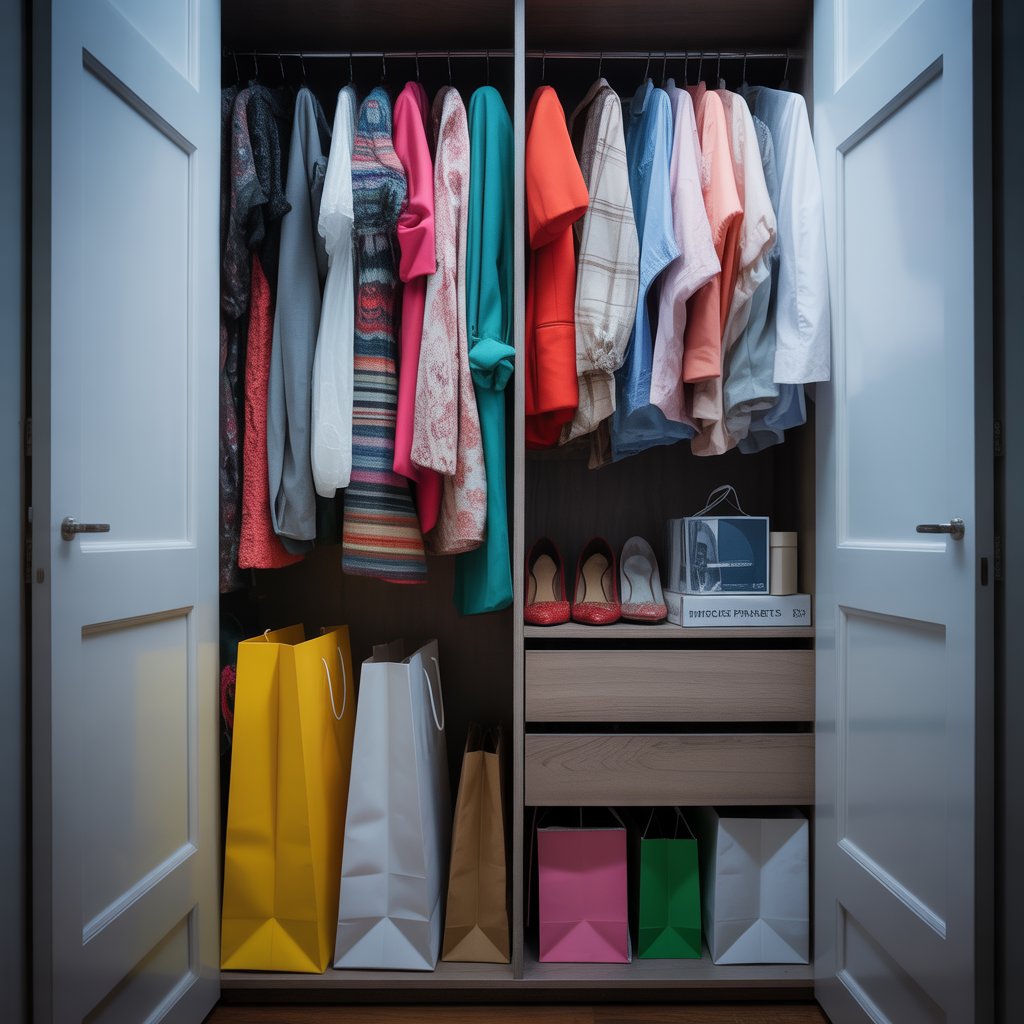
Your closet reveals emotional spending patterns through hidden purchases. Items tucked away in corners often represent financial guilt or stress.
You might shove impulse buys into dark spaces to avoid confronting poor decisions. These hidden areas become storage for regret and anxiety about money choices that felt wrong immediately after purchase.
25. Closet bins overflow with miscellaneous financial documents

Your closet bins stuffed with old bank statements and receipts reveal financial avoidance. You’re storing documents without any organization system.
This overflow suggests you struggle with money management basics. Important papers get buried under clutter, making tax time stressful.
When financial documents lack proper homes, your relationship with money lacks structure, too.
24. Disorganized closet, showing lack of financial planning

Your chaotic closet mirrors your financial habits more than you think. When clothes pile up without a system or structure, it reflects similar patterns in money management.
Disorganized wardrobes often indicate difficulty with planning ahead. You might buy impulsively without considering what you already own.
This scattered approach extends to budgeting and saving. Financial planning requires the same organizational skills needed for maintaining an orderly closet space.
23. Closet full of forgotten clothes bought on sale and never worn
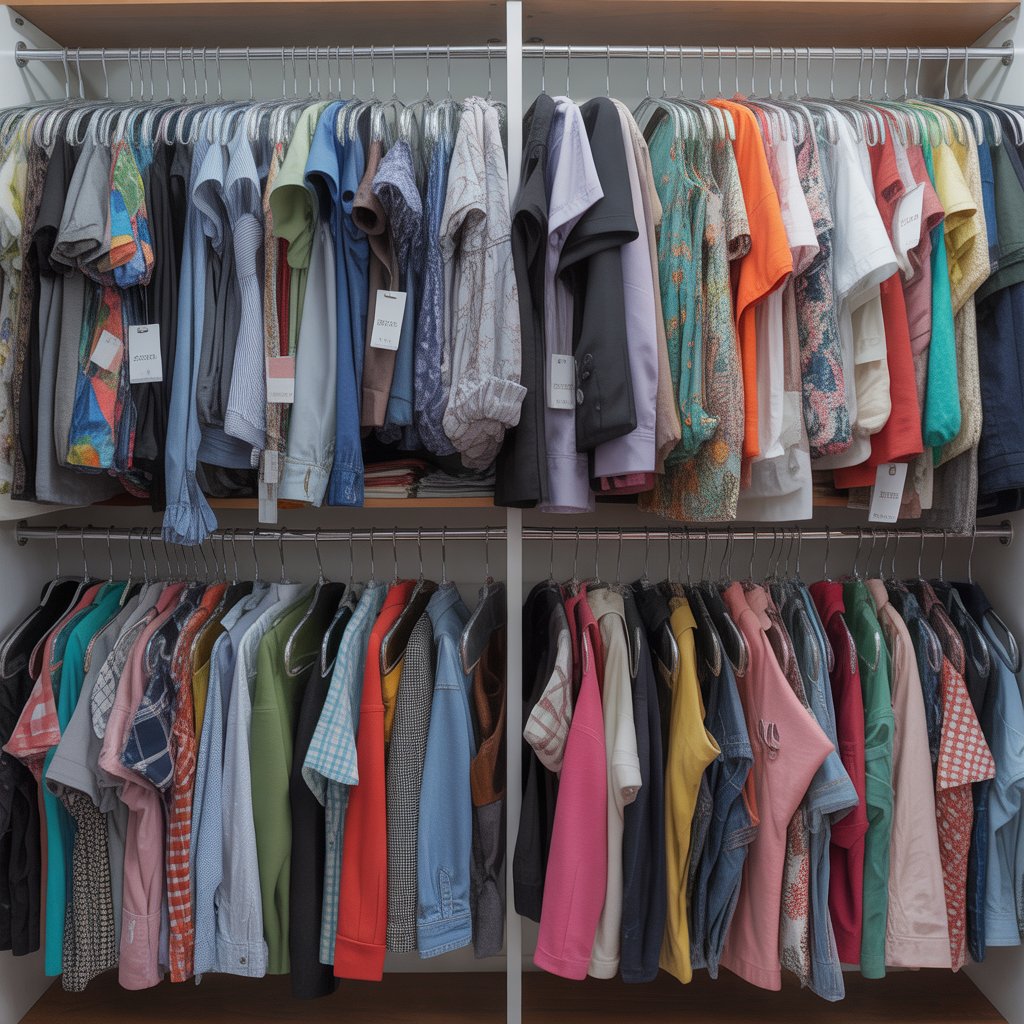
You open your closet and discover a graveyard of discounted items with tags still attached. These forgotten purchases reveal how sales can override your actual needs.
Those impulse buys seemed like great deals at the time. Now they represent money spent on items that don’t match your lifestyle or style preferences.
This pattern shows you’re prioritizing perceived savings over intentional purchasing decisions.
22. Closet doors weighted down by bags or purses, accumulating dust
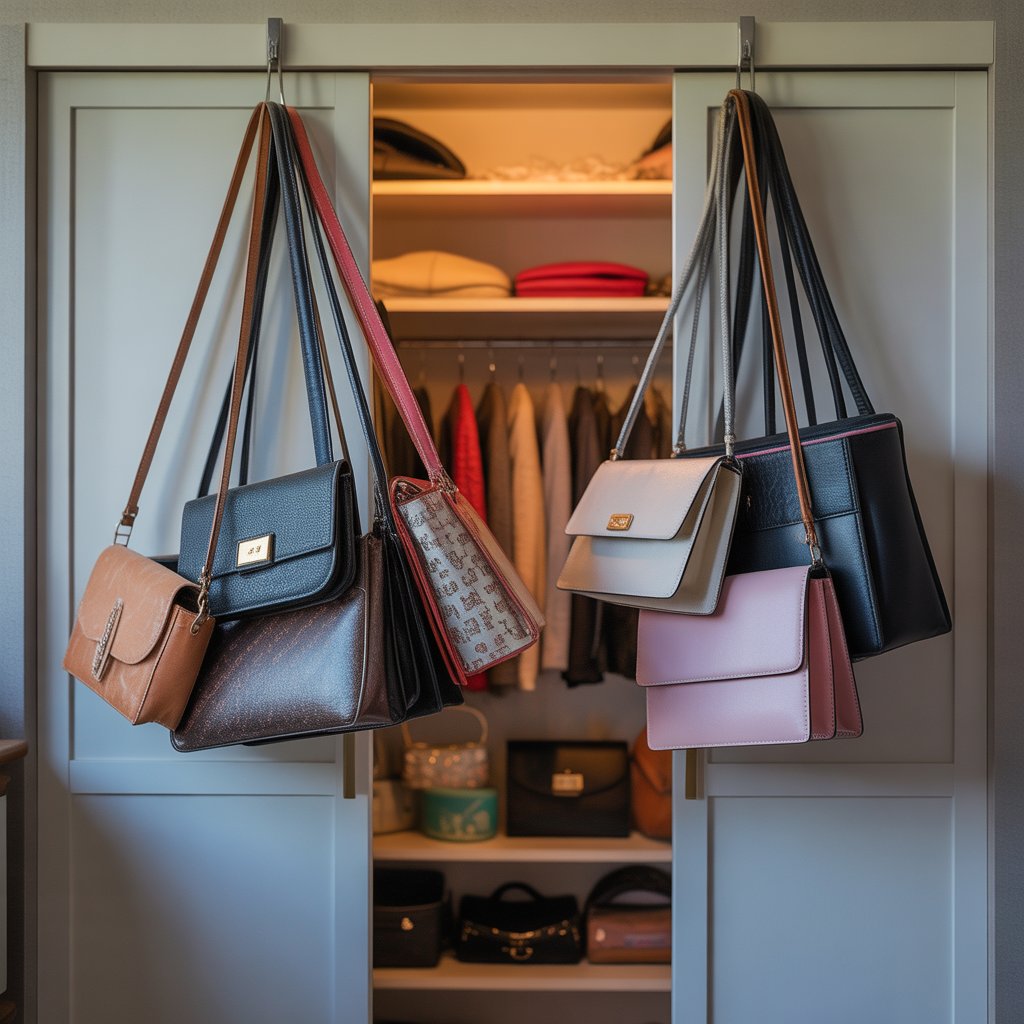
Your closet doors sagging under heavy bags reveal poor organizational habits. This creates dust accumulation that damages your accessories over time.
Overloaded doors suggest you’re avoiding proper storage decisions. Quality garment bags and airtight containers protect your investments from dust and dirt.
When bags pile up, you forget what you own and buy duplicates unnecessarily.
21. Closet drawers holding wallets or purses bulging with receipts
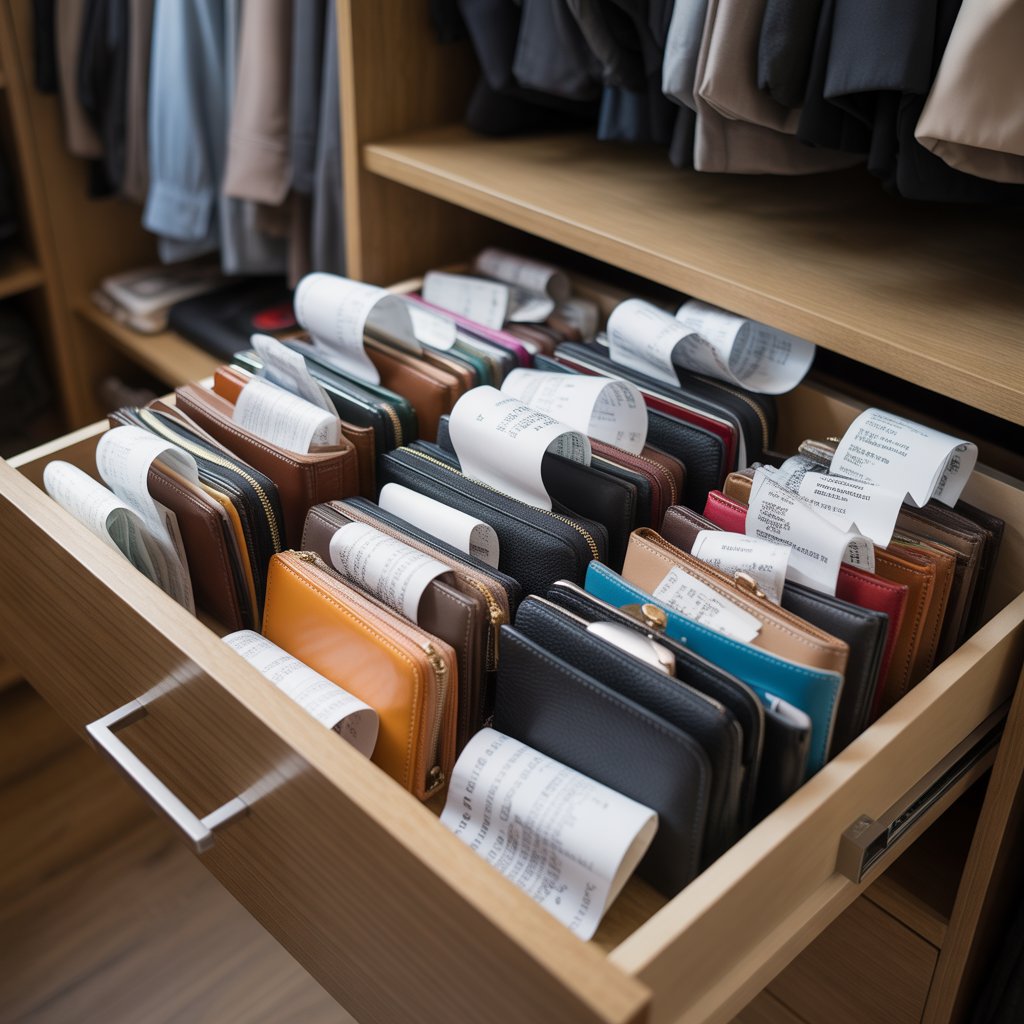
Your cluttered purse drawer tells a story about your spending habits. When wallets overflow with crumpled receipts, it suggests you’re buying impulsively without tracking expenses.
Those bulging bags indicate you’re avoiding the reality of your purchases. You might be spending more than you realize or feeling guilty about certain transactions.
Organized people regularly clean out receipts and review their spending patterns.
20. Closet corners with seasonal clothes never rotated or worn

Those forgotten corners stuffed with last season’s clothes reveal your spending patterns. You bought items impulsively without considering when you’d actually wear them.
Seasonal clothes gathering dust show money spent on “just in case” purchases. If winter coats remain untouched all season, you’re buying for an imaginary lifestyle rather than your real needs.
This accumulation reflects emotional spending during seasonal transitions.
19. Closet acting as a hoarder space for unused items
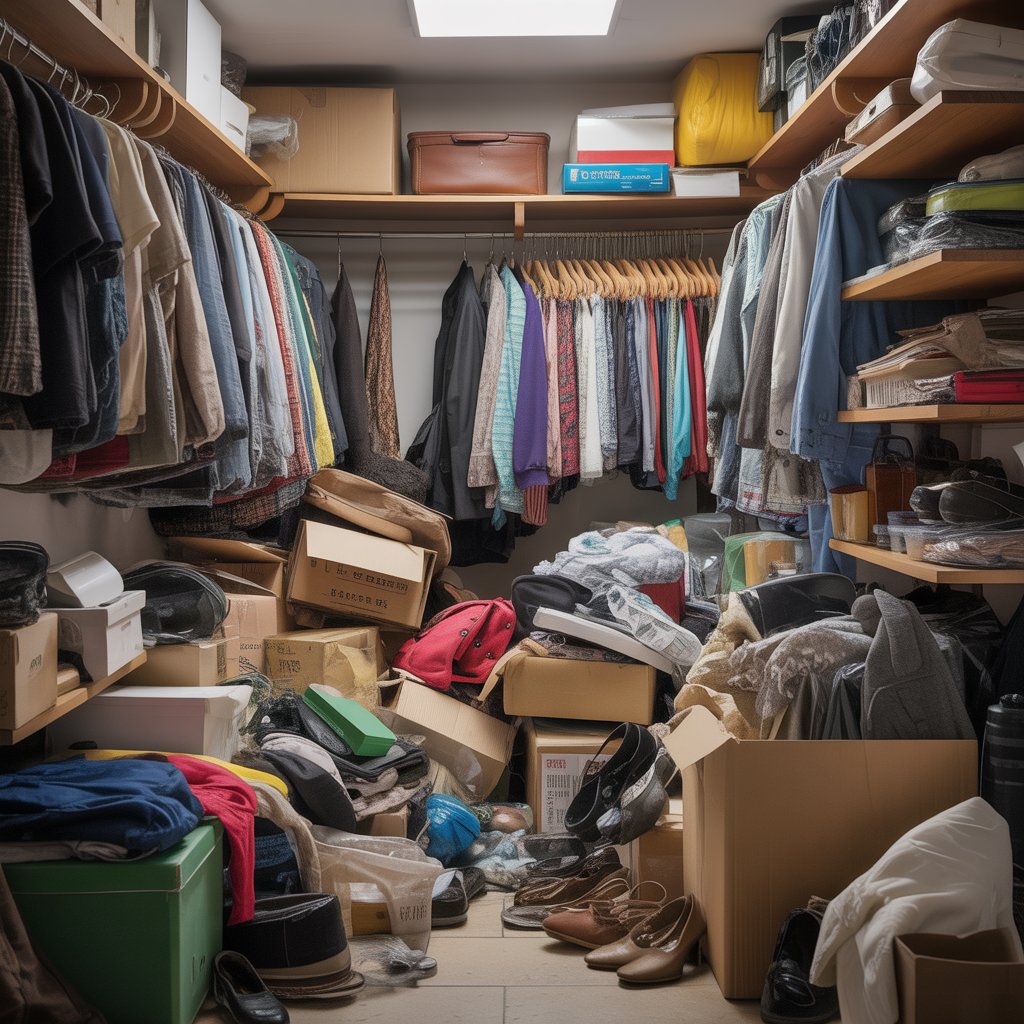
Your closet becomes a financial mirror when it transforms into storage for things you never use. Items with tags still attached reveal impulse purchases you regret.
Broken items waiting for repair show your reluctance to let go of money already spent. This hoarding pattern indicates difficulty accepting financial losses and moving forward with better spending decisions.
18. Closet shelves filled with designer brands but few staples

❤️ Would you like to save this?
Your shelves showcase luxury labels but lack basic essentials. You own three designer blazers yet struggle to find a simple white tee.
This pattern reveals impulsive spending on status items. You prioritize brand recognition over practical wardrobe building.
Your closet organization system highlights the imbalance. Designer pieces take prime shelf space while everyday basics remain neglected or missing entirely.
17. Clothes with price tags indicating regretful splurges

Tags still attached to expensive clothes signal buyer’s remorse. You purchased items during emotional shopping sprees but never wore them.
These unworn splurges reveal impulsive spending habits. The price tags serve as reminders of money you can’t get back.
Your closet becomes a museum of financial mistakes when designer pieces hang untouched for months.
16. Oversized closets packed but rarely used

Your walk-in closet reveals a complex money story when it’s crammed with items you never touch. You’ve likely confused storage space with shopping permission.
This pattern shows you’re buying for future versions of yourself rather than present needs. The unused clothes represent financial decisions driven by aspiration instead of practicality.
Your oversized closet becomes expensive storage for regret purchases.
15. Closet full of single socks or clothes missing pairs

Missing socks and incomplete sets reveal your approach to maintaining what you own. When you let items disappear without replacing them, it shows a pattern of accepting incomplete solutions.
This habit suggests you might avoid small investments that could solve bigger problems. You’re essentially choosing to live with less functionality rather than spend money on replacements.
Your sock drawer becomes a metaphor for how you handle other financial maintenance in your life.
14. Hanging gift cards or vouchers forgotten and unused

Those gift cards tucked away in your closet reveal a disconnect between good intentions and financial follow-through. You’re not alone – nearly half of Americans have unused gift cards worth an average of $244 per person.
Forgotten cards represent missed opportunities and poor money management habits. They suggest you struggle with organization or don’t prioritize maximizing available resources.
13. Closet mirror covered or dirty, reflecting poor money self-image

Your closet mirror reveals more than your outfit choices. When you keep it covered or let it stay dirty, you might be avoiding financial self-reflection.
A neglected mirror often signals discomfort with seeing yourself clearly. This avoidance can extend to your money relationship, preventing an honest assessment of spending habits.
Clean, uncovered mirrors encourage self-awareness and confidence in financial decisions.
12. Avoiding closet organization reflecting financial denial

When you consistently avoid organizing your closet, it often mirrors how you handle money challenges. You might ignore overstuffed spaces the same way you avoid checking bank statements.
This avoidance creates a cycle where both your wardrobe and finances remain chaotic. Your reluctance to face closet clutter can signal deeper discomfort with confronting spending patterns or financial realities.
11. Closet space used to hide stacks of cash

Your closet might reveal a distrust of traditional banking systems. Hidden cash stashes behind shoe boxes or inside coat pockets suggest you prefer immediate access to funds.
This behavior often stems from financial anxiety or past experiences with frozen accounts. While keeping emergency cash is smart, excessive amounts indicate deeper money fears that could benefit from professional guidance.
10. Closet shelves stacked with unopened budgeting journals or planners

Your closet shelves stacked with untouched budgeting journals reveal an ongoing struggle to commit to financial discipline. You buy planners with the intention of getting organized, but they remain sealed.
These unused tools represent the gap between wanting control and taking consistent action. You may feel motivated in the moment, but overwhelmed when it comes to actually forming habits.
Your closet becomes a quiet reminder that financial clarity requires follow-through, not just good intentions.
9. Closet doubling as a storage for unopened online orders

Your closet filled with unopened packages reveals impulse buying habits. You purchase items online but never actually open them.
This behavior suggests you find comfort in buying rather than owning. The unopened boxes represent potential rather than actual use.
Your closet becomes a warehouse of unexamined purchases, indicating money spent on emotional satisfaction rather than practical needs.
8. Luxury items abandoned and never worn

Your closet reveals guilt-driven purchases when expensive items hang with tags still attached. You bought that designer dress or luxury handbag impulsively, thinking you’d find the perfect occasion.
These abandoned pieces show you equate spending with self-worth. You purchase luxury items to feel successful but never actually wear them, indicating conflicted feelings about deserving nice things.
7. Old, faded sneakers kept far past their prime

Your worn-out sneakers reveal your approach to spending decisions. You might avoid buying new ones due to guilt about past purchases or fear of wasting money.
Keeping faded shoes shows you struggle with knowing when replacement becomes necessary. This pattern often extends to other purchases where you delay inevitable costs.
Your reluctance to invest in quality footwear demonstrates difficulty balancing frugality with practical needs.
6. Closet filled with tags still attached to clothes

❤️ Would you like to save this?
Your closet reveals impulse buying habits when it’s filled with unworn items still bearing price tags. These purchases often happen during emotional shopping moments or sales events.
Tagged clothing represents money sitting idle in your wardrobe. You likely bought these pieces with good intentions but never found the right occasion or styling approach to actually wear them.
5. Overloaded wallets with random change and old cards

Your bulging wallet tells a story about financial boundaries. When you keep expired cards and meaningless receipts, you’re avoiding money decisions.
This cluttered approach often mirrors how you handle bigger financial choices. You might delay organizing bills or postpone budget reviews.
A wallet stuffed with loose change suggests you’re not tracking small expenses. These habits can lead to overspending and financial stress.
4. Expired coupons tucked away in drawers
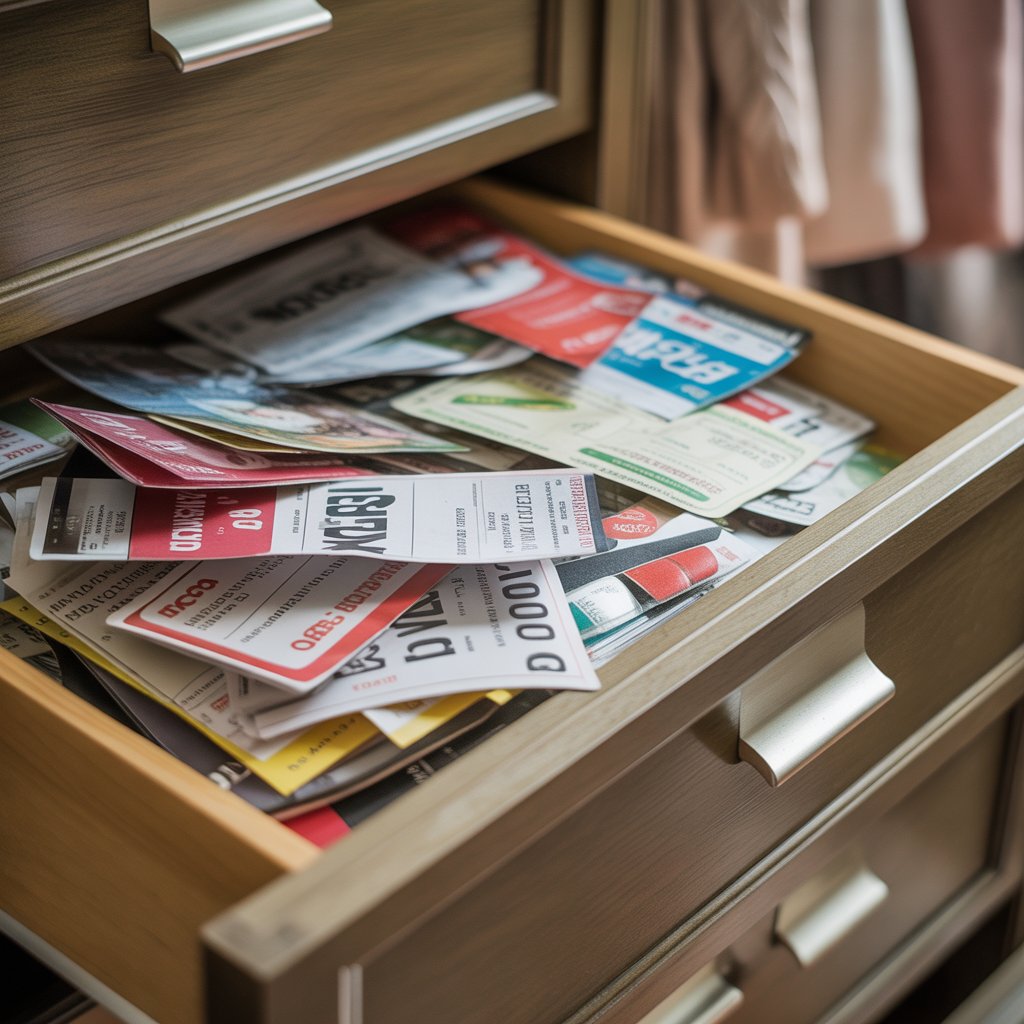
Stuffed drawers filled with expired coupons reveal missed opportunities to save money. You likely clipped them with good intentions but forgot to use them.
This pattern suggests disorganized financial habits. When you accumulate unused coupons, you’re essentially throwing away potential savings that could have reduced your expenses.
3. Closet cluttered with impulse-buy items
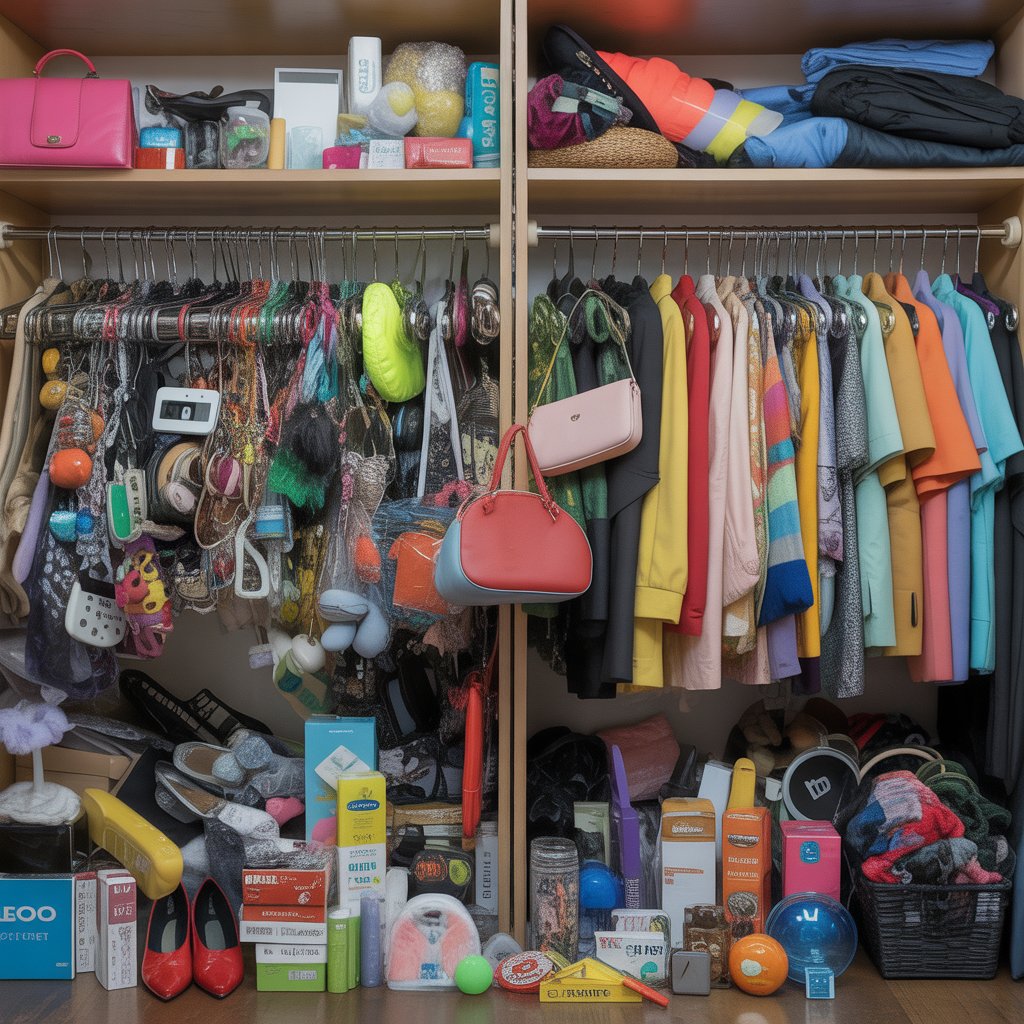
Your closet reveals poor spending control when stuffed with impulse purchases. Those trendy pieces you bought on a whim create visual chaos and financial waste.
Items with tags still attached show you’re buying faster than you can wear. When your wardrobe overflows with random, uncoordinated pieces, it signals emotional spending rather than thoughtful purchasing decisions.
2. Stacks of unpaid bills or receipts hidden in pockets

Your coat pockets tell a revealing story about your financial habits. When you stuff unpaid bills into jacket pockets, you’re literally hiding from financial responsibility.
These crumpled receipts and forgotten statements create a physical barrier between you and money management. You might think you’re buying time, but you’re actually avoiding the reality of your spending patterns and financial obligations.
1. Closet stacked with shopping bags kept “just in case”

Your closet tells a story when you hold onto every shopping bag from past purchases. Whether they’re luxury brand paper bags or simple plastic ones, the growing pile reflects your emotional attachment to buying rather than the items themselves.
These saved bags often represent nostalgia for the shopping experience—an unconscious reminder of the excitement you felt at checkout. They can also signal guilt, as if discarding the bags means acknowledging overspending.
Letting go of the excess clears both physical and mental space, helping you move toward more intentional financial habits.